
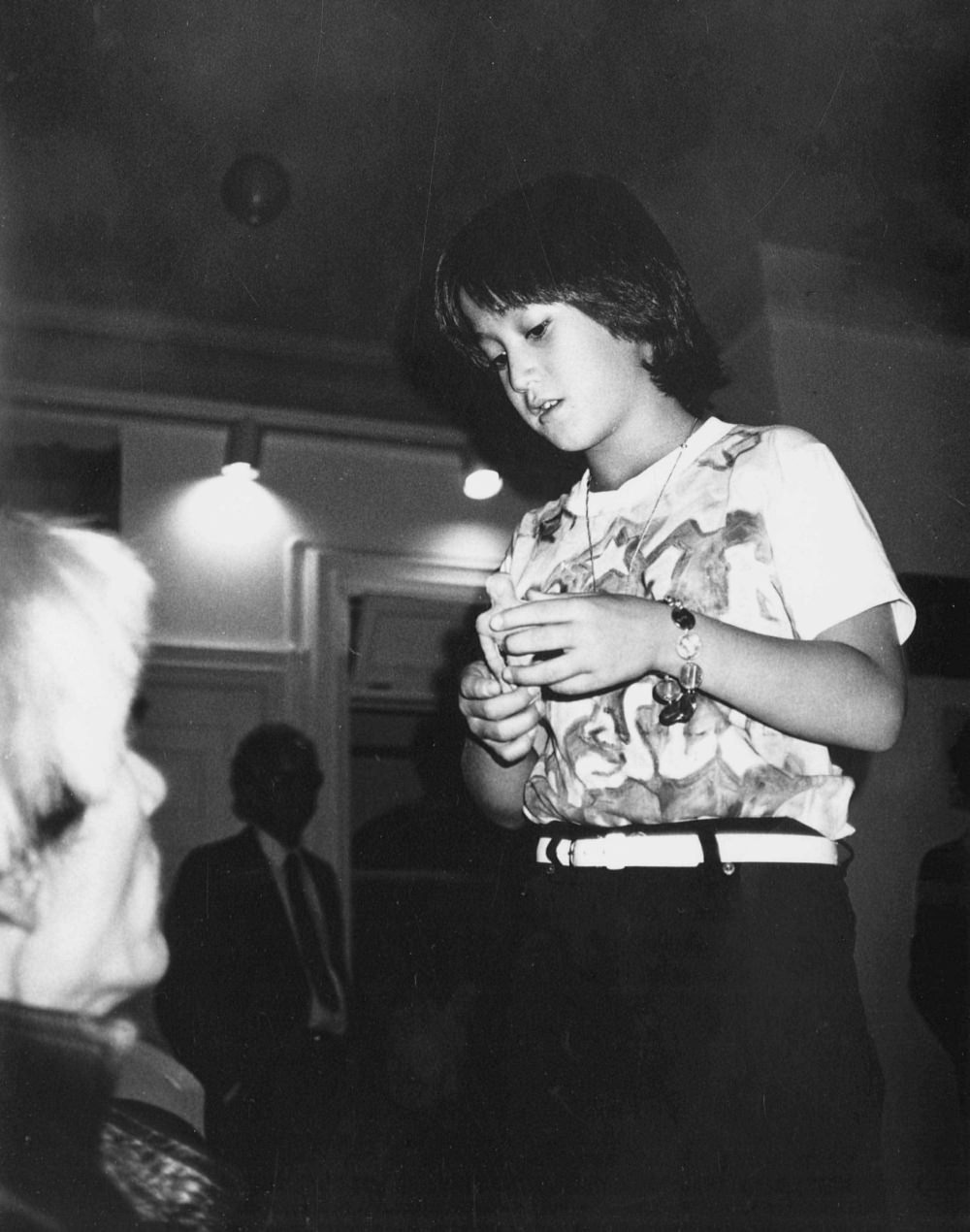
On October 9, 1984, Steve Jobs walked into a birthday party and quietly changed the evening. The party was for Sean Lennon, the young son of Yoko Ono, and it drew an extraordinary crowd. Walter Cronkite, artist Louise Nevelson, composer John Cage, and singer-songwriter Harry Nilsson were all in attendance. Jobs, however, arrived with something none of the other guests had brought — a Macintosh computer.
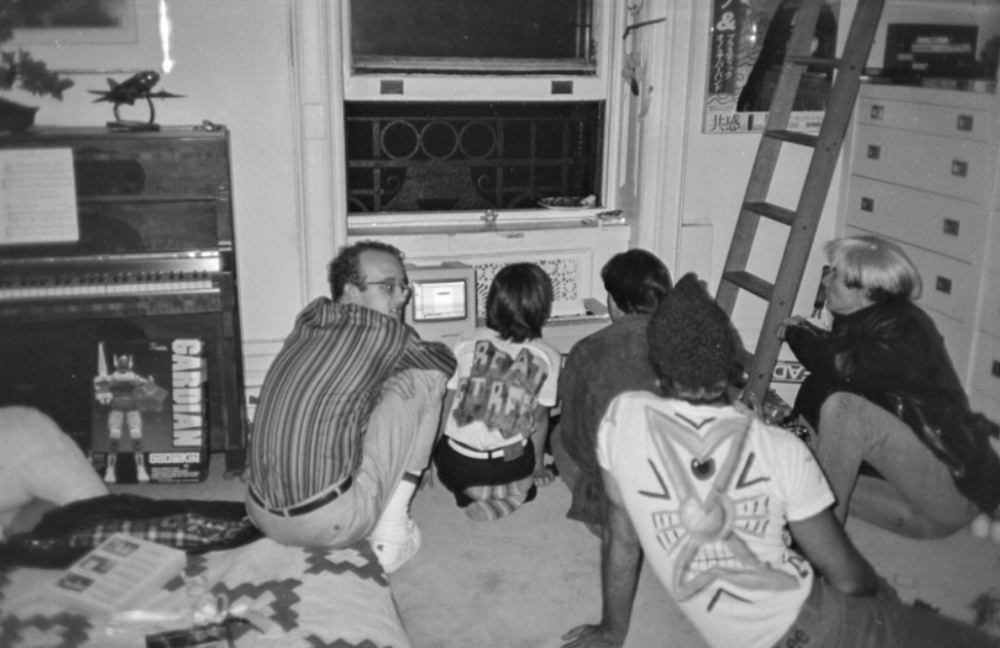
Jobs set the machine up on the floor of Sean’s bedroom and gave the boy a hands-on demonstration using MacPaint. With just a mouse, Sean could draw directly on screen — a completely new experience in 1984. The Macintosh had only launched earlier that year, and most people had never seen anything like it. Sean was immediately hooked.
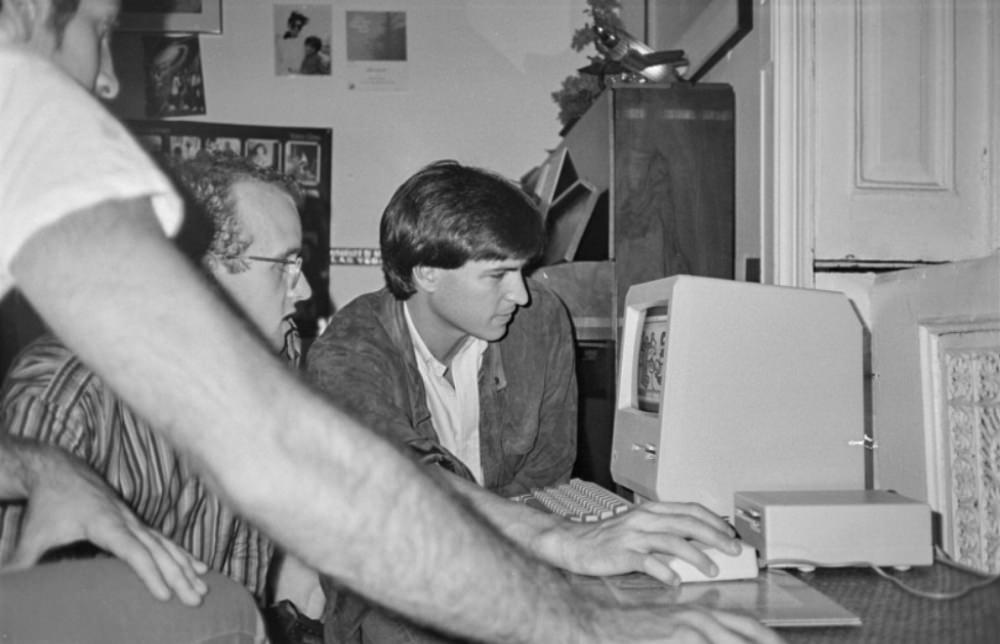
Word of the demonstration spread through the party. Some of the adult guests made their way into the bedroom to see what the fuss was about. Among them were Andy Warhol, Keith Haring, and Kenny Scharf — three of the most prominent artists of the era.
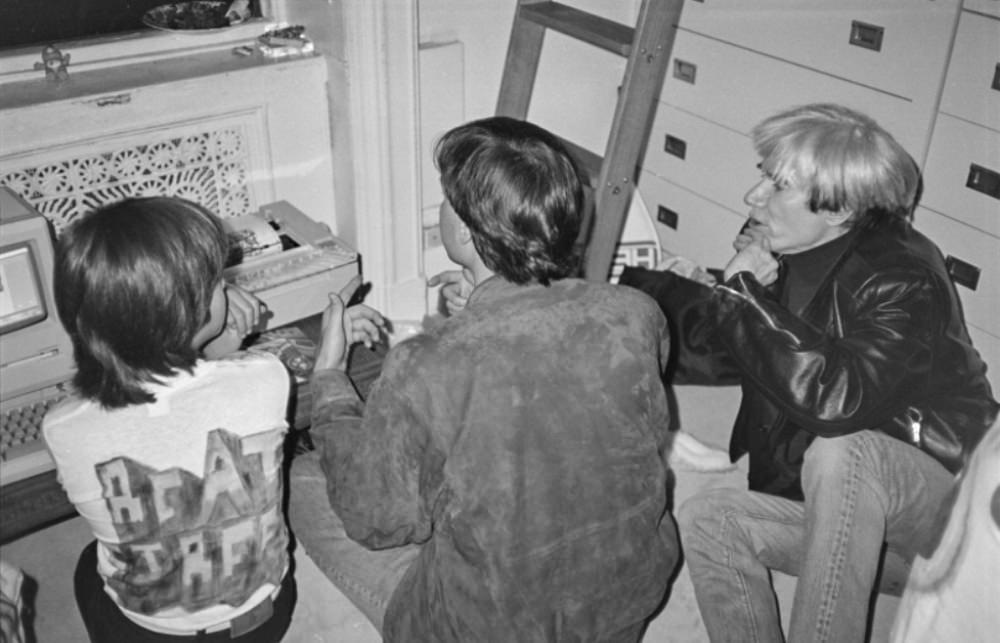
Warhol’s reaction was immediate and unfiltered. “What is this? Look at this, Keith. This is incredible!” he said, staring at the screen. Jobs gave him a quick tutorial on using the mouse, then stepped back. Warhol sat down and drew a circle — simple, rough, and digital. He was delighted by it.
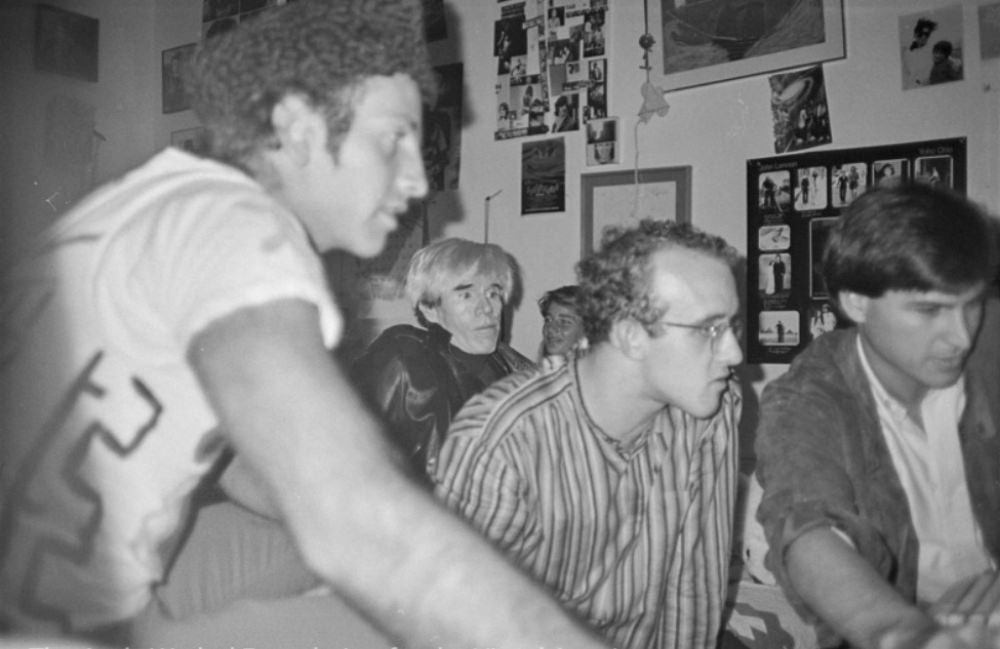
The exchange between Jobs and Warhol took an unexpected turn when Warhol mentioned that someone had been calling him, trying to give him a Macintosh. He had ignored those calls. Jobs told him plainly, “Yeah, that was me. I’m Steve Jobs.” Warhol had unknowingly been brushing off the man standing right in front of him.
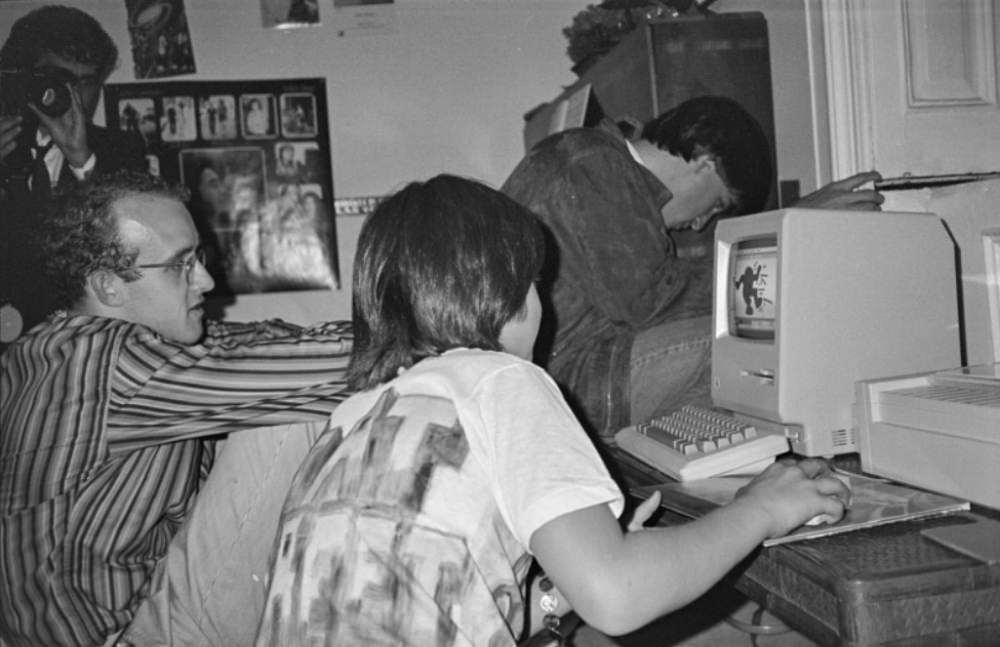
Haring and Scharf also took turns at the machine that night. All three artists were already known for bold, accessible visual styles, and the Macintosh — with its graphical interface and mouse-driven drawing tools — was a natural fit for their instincts. The computer was designed to make creation feel direct and immediate, and it delivered exactly that.
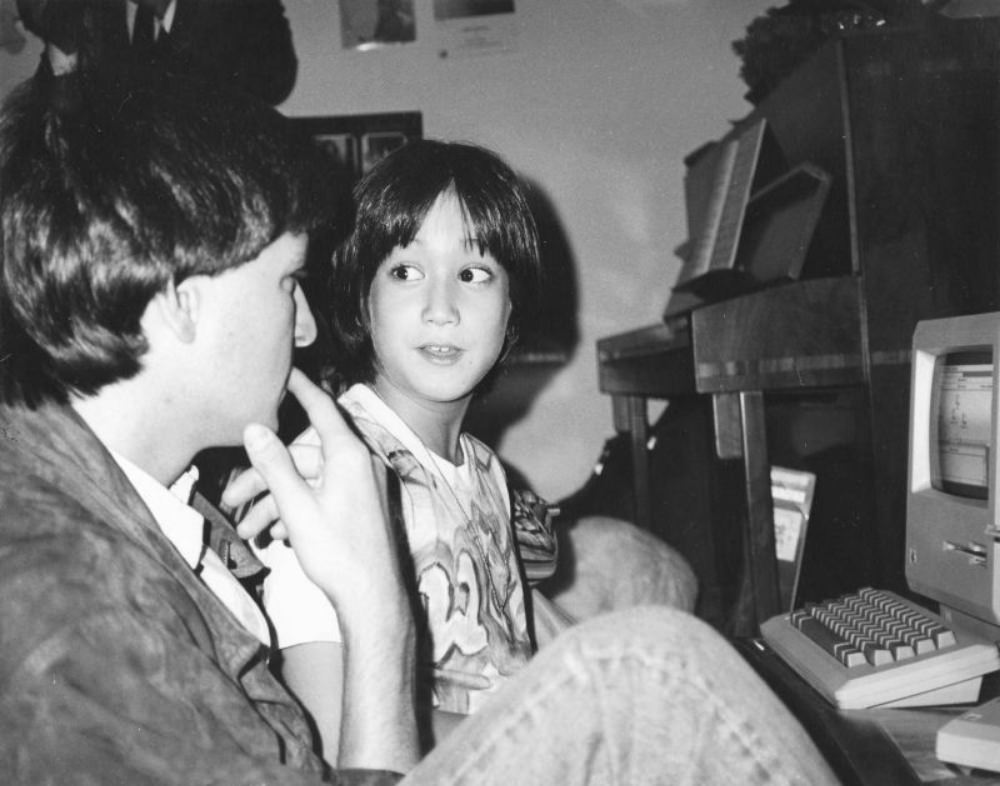
Jobs had a deliberate strategy of putting the Macintosh in front of artists and cultural figures. He understood that adoption by high-profile creative people would carry weight that advertising alone could not. A child’s birthday party turned out to be one of his most effective demonstrations.
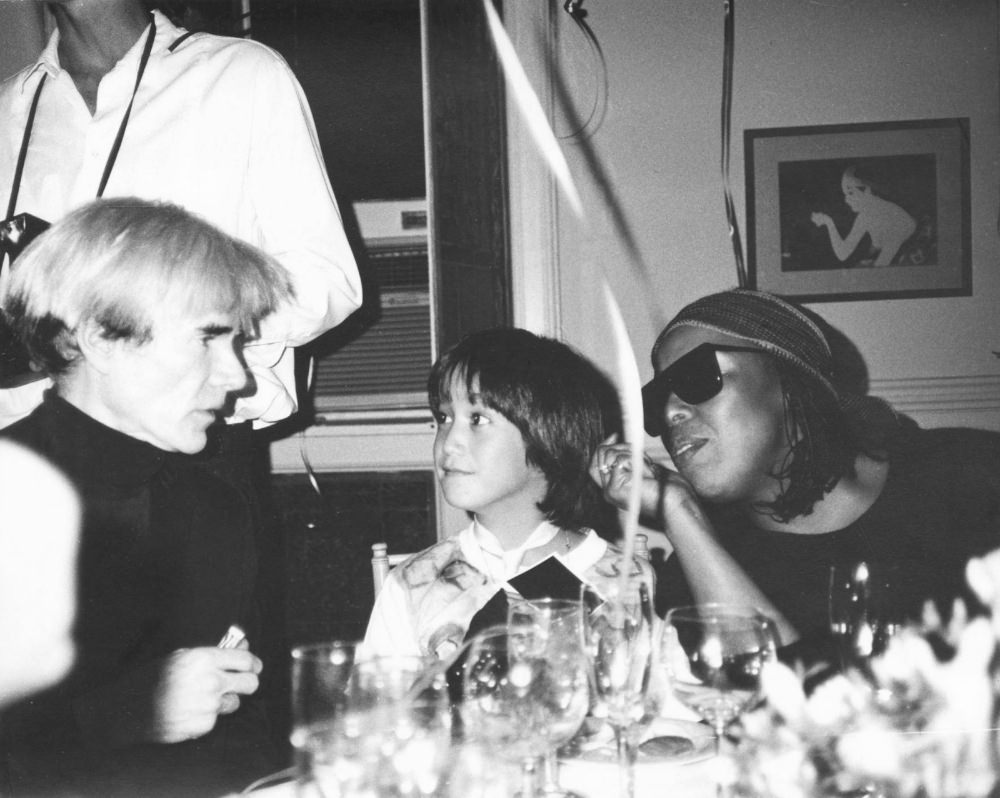
Warhol was 56 years old that night. He had spent decades defining what modern art looked like — silk screens, Campbell’s soup cans, celebrity portraits. Yet there he was, genuinely stunned by a circle he had drawn with a mouse on a beige plastic computer sitting on a kid’s bedroom floor.
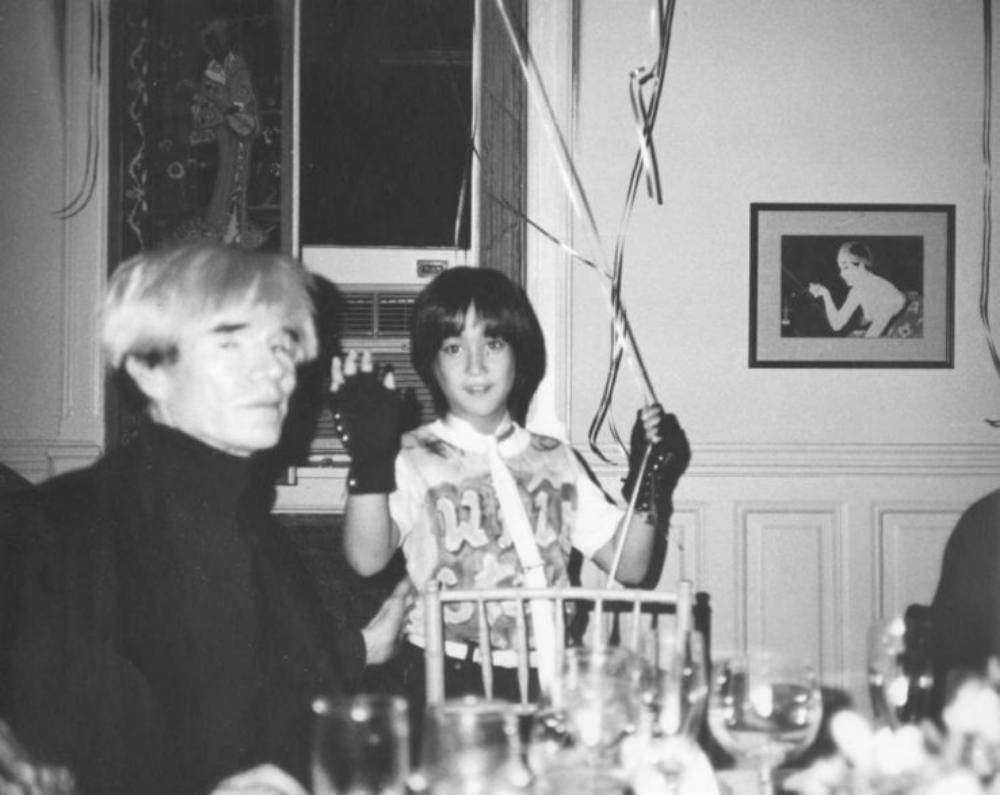
The Macintosh Jobs brought to the party was one of the original 128K models released on January 24, 1984 — the same machine introduced to the public through the now-famous “1984” Super Bowl commercial. By October, Apple was aggressively pushing the Mac into cultural spaces, and this gathering was a prime opportunity.
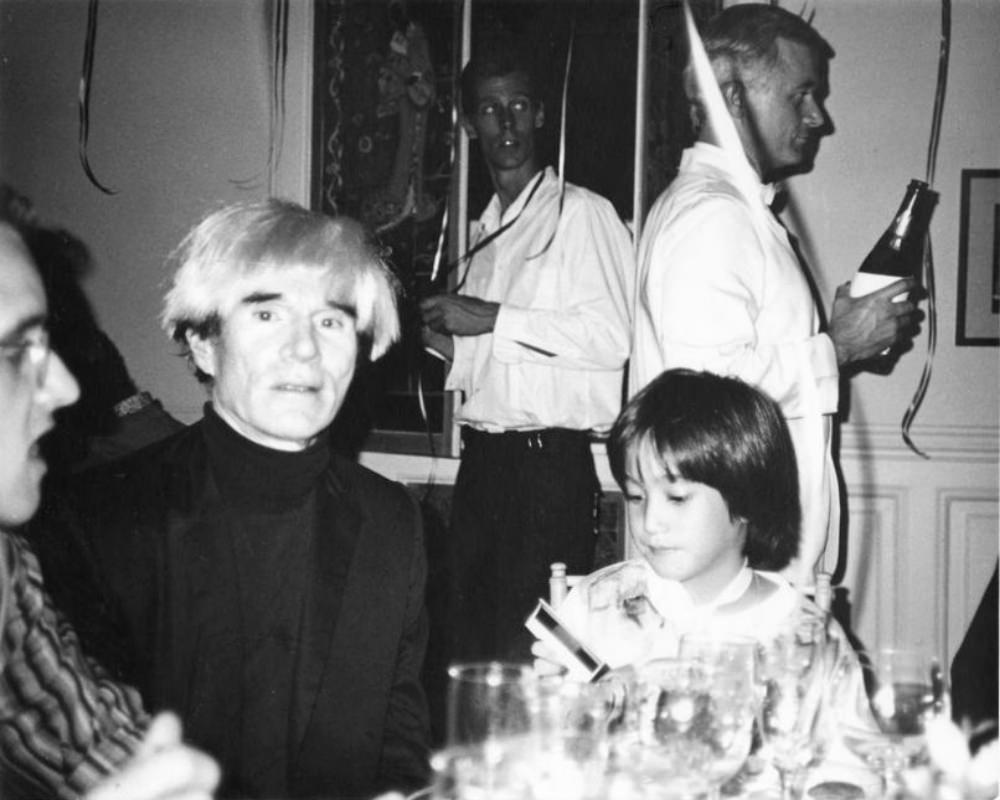
The scene that unfolded in Sean Lennon’s bedroom that night brought together two very different worlds. On one side, a tech entrepreneur who believed computers were tools for creative people. On the other, artists who had built careers with paint, ink, and screen printing. The Macintosh sat between them, and for one evening, it was the most interesting thing in the room.
And then Andy Warhol went on to launch the Amiga 😉
That would’ve been the best night ever
Andy’s like, hey can I piss on this and paint a picture of it?
Let me use your press picture and make it a different color and call it art. Suckers love that crap.
Sorta like “the real artist computer is here now”
What a strange, strange guest list for a 9 year old’s birthday party.
I was just going to ask why so many eccentric adults were at a kid’s birthday party.
If your parents are John Lennon and Yoko Ono …
And then Andy Warhol went on to launch the Amiga 😉
Sorta like “the real artist computer is here now”
What a strange, strange guest list for a 9 year old’s birthday party.
I was just going to ask why so many eccentric adults were at a kid’s birthday party.
If your parents are John Lennon and Yoko Ono …