
Released in 1968, Planet of the Apes became one of the defining science fiction films of its era. Based on Pierre Boulle’s 1963 novel, the story follows an astronaut who crash-lands on a distant planet where apes are the dominant species and humans are treated as inferior creatures. There was no CGI, no digital editing, and no modern shortcuts. Everything on screen was built, painted, or physically applied to an actor’s face. The result was a film that felt genuinely alien — and the work that went into making it was just as extraordinary as what audiences saw on screen.
The cast brought together some well-known names. Charlton Heston played Taylor, the stranded astronaut at the center of the story. Roddy McDowall took on the role of Cornelius, a chimpanzee archaeologist who questions the established order. Linda Harrison played Nova, a mute human woman Taylor befriends. Lou Wagner appeared as Lucius, Cornelius’s young nephew. Together, they formed the core of a story that pitted human survival against a society built entirely by apes.
Maurice Evans played Dr. Zaius, the film’s chief antagonist — an orangutan who serves as the apes’ Minister of Science and guardian of their faith. The character knew more about humanity’s past than he let on, and Evans delivered that tension with controlled menace. His scenes with Heston were some of the most charged in the film, two actors on opposite sides of a conflict that was as much philosophical as it was physical.
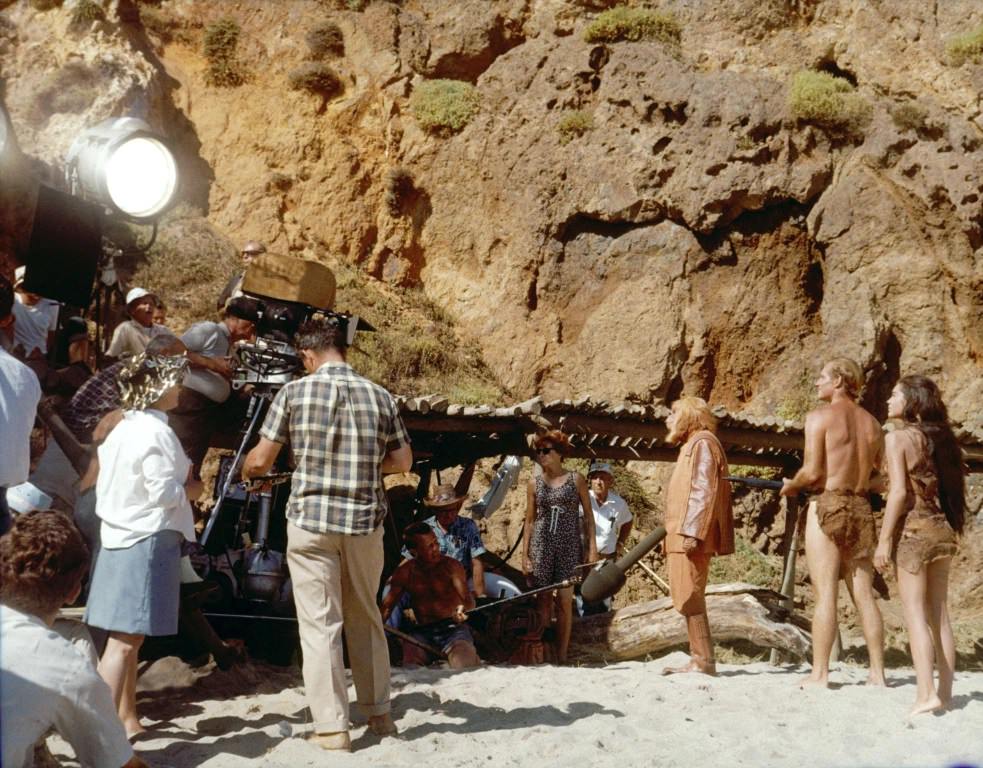
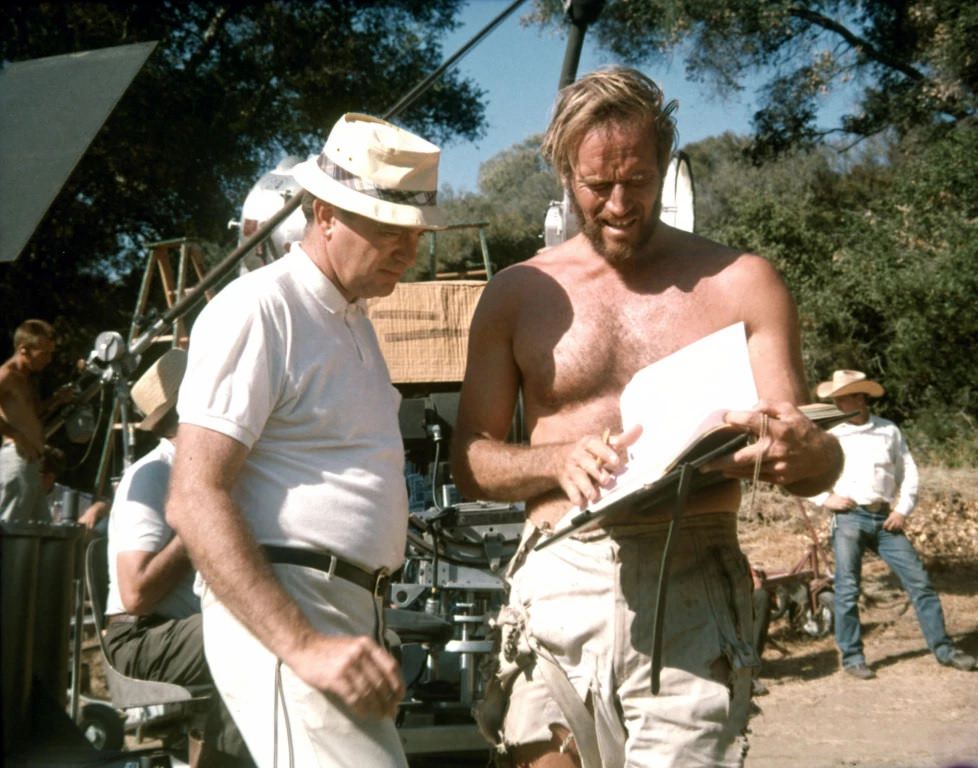
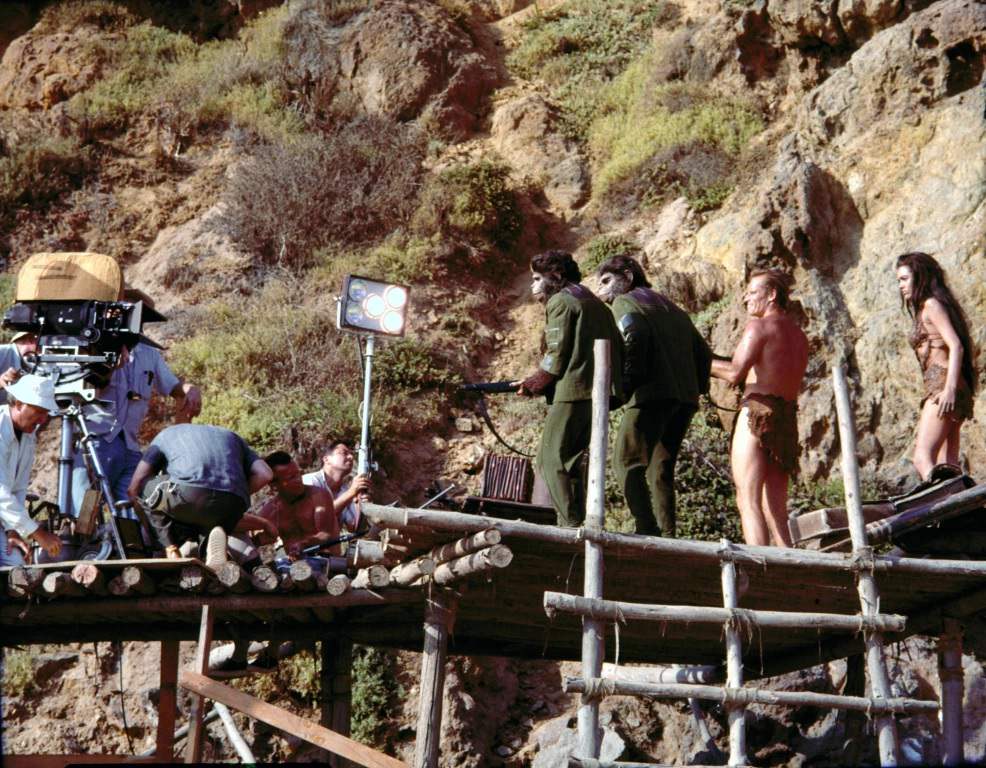
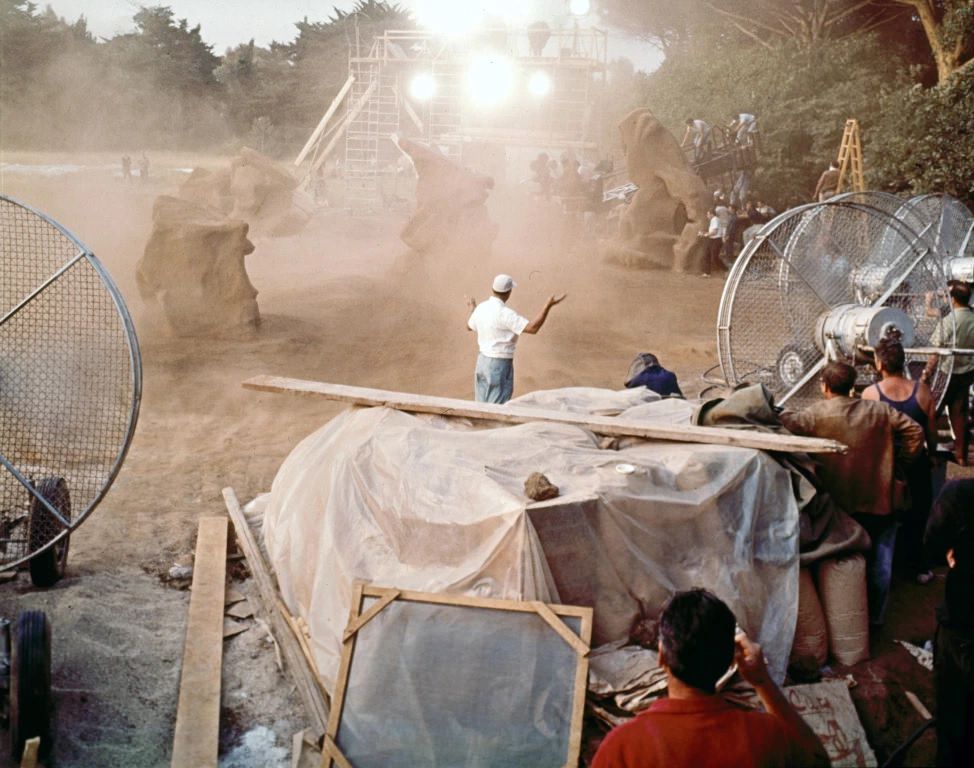
Director Franklin J. Schaffner guided the production with a clear vision for how the ape world should feel. He wanted the planet to look real and lived-in, not like a theatrical backdrop. Schaffner and Heston had long conversations about pacing and tone, working to make sure the film never slipped into parody. The director’s instinct to play the material straight — no winking at the camera, no jokes about men in rubber masks — is a big reason the film holds up decades later.
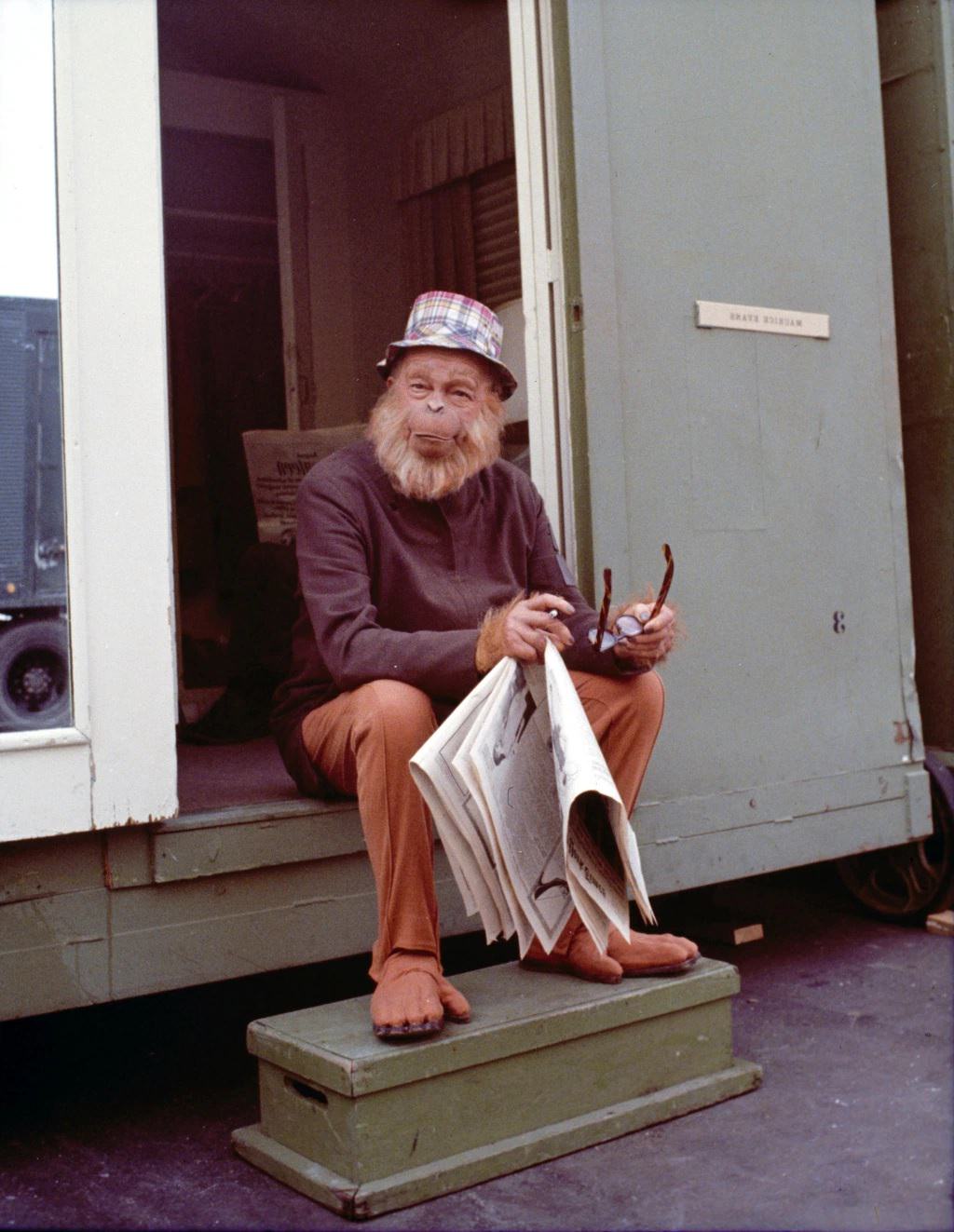
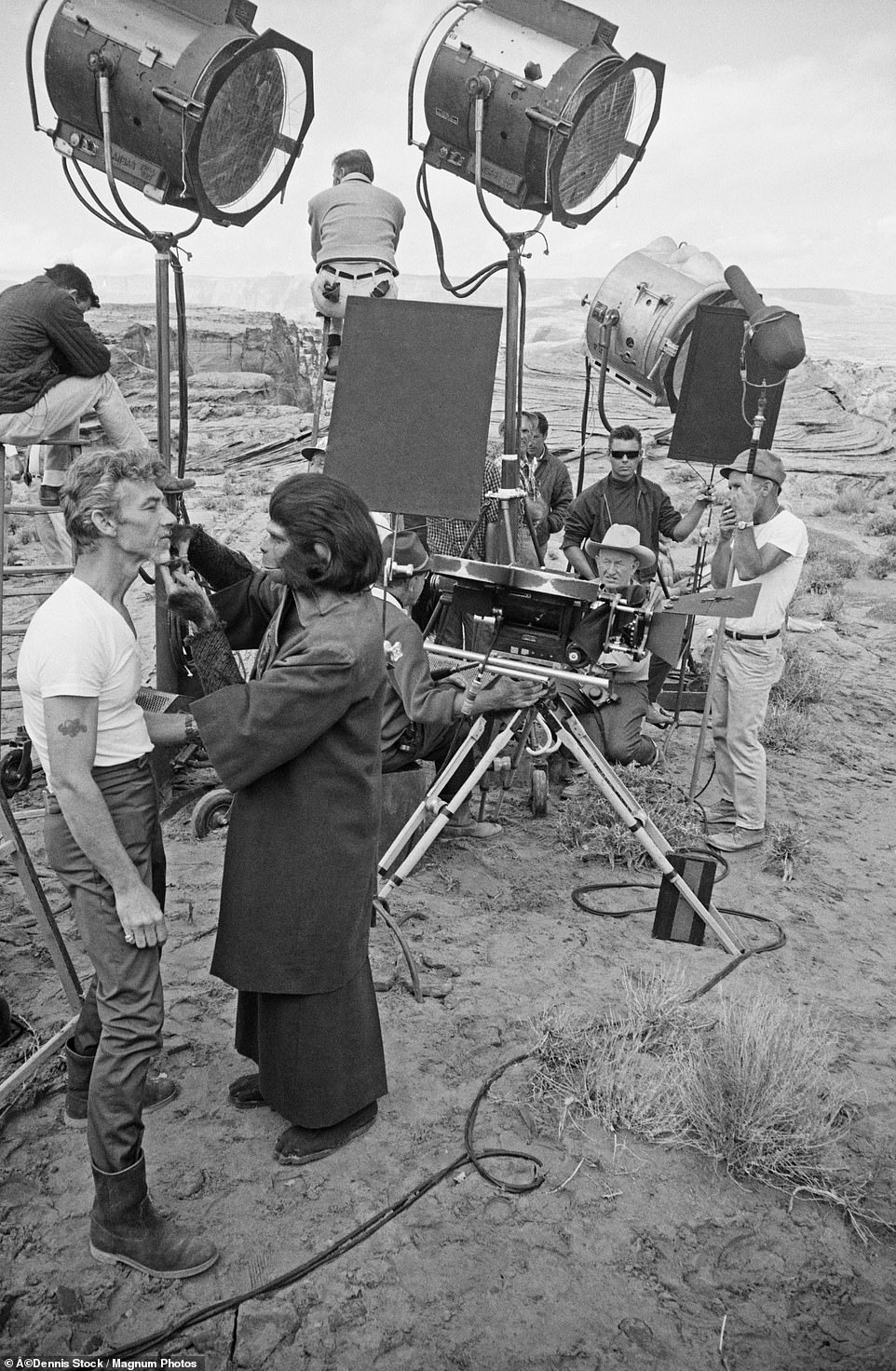
Filming took place across two very different locations. The early desert sequences, where Taylor and his crew first explore the barren landscape after their crash, were shot in northern Arizona near the Grand Canyon. The stark, red rock terrain gave the planet an otherworldly feel that no studio backlot could have matched. The ape village scenes were filmed at Fox Ranch in Malibu Creek State Park, northwest of Los Angeles. The park’s rugged hills and dry brush made a convincing home for a civilization of primates.
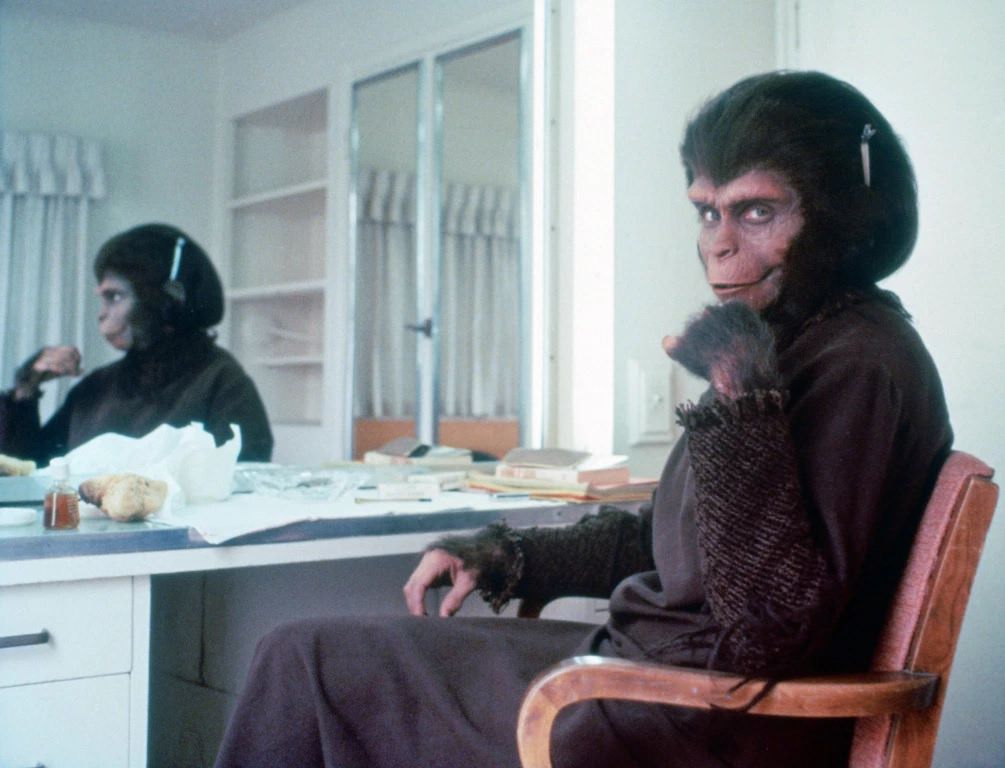
Kim Hunter played Zira, a chimpanzee psychologist who studies human behavior and becomes one of Taylor’s unexpected allies. The role required her to convey warmth, curiosity, and courage entirely through layers of foam rubber and paint. Hunter’s performance was so effective that audiences connected with a character whose face was almost completely hidden beneath prosthetics. Getting to that point, though, required hours of preparation every single morning.
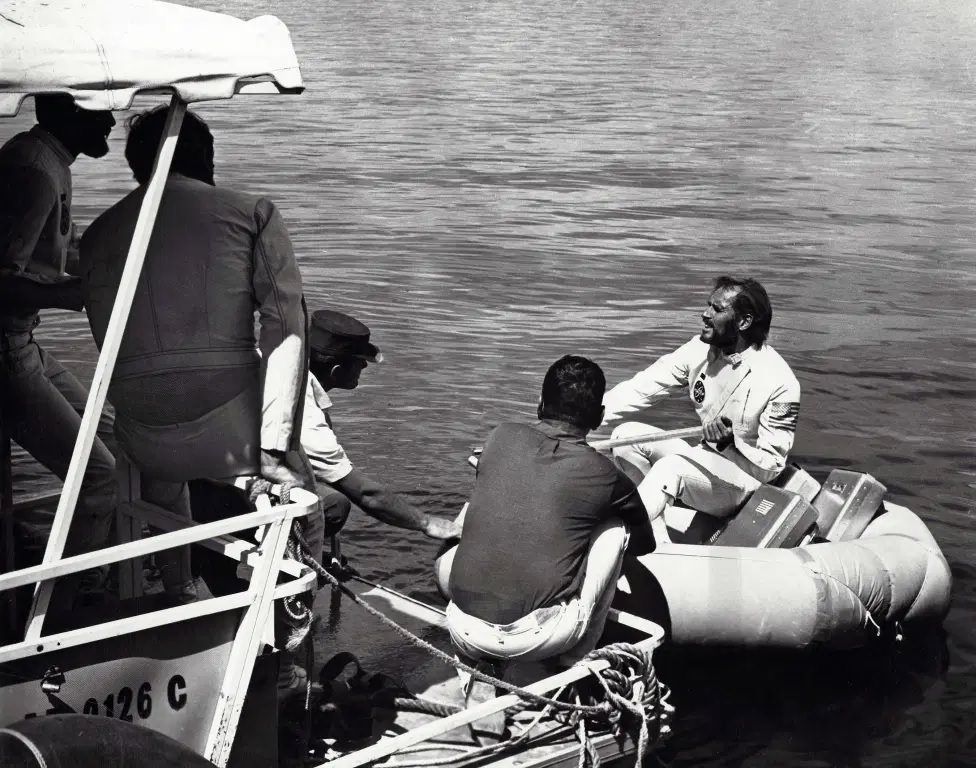
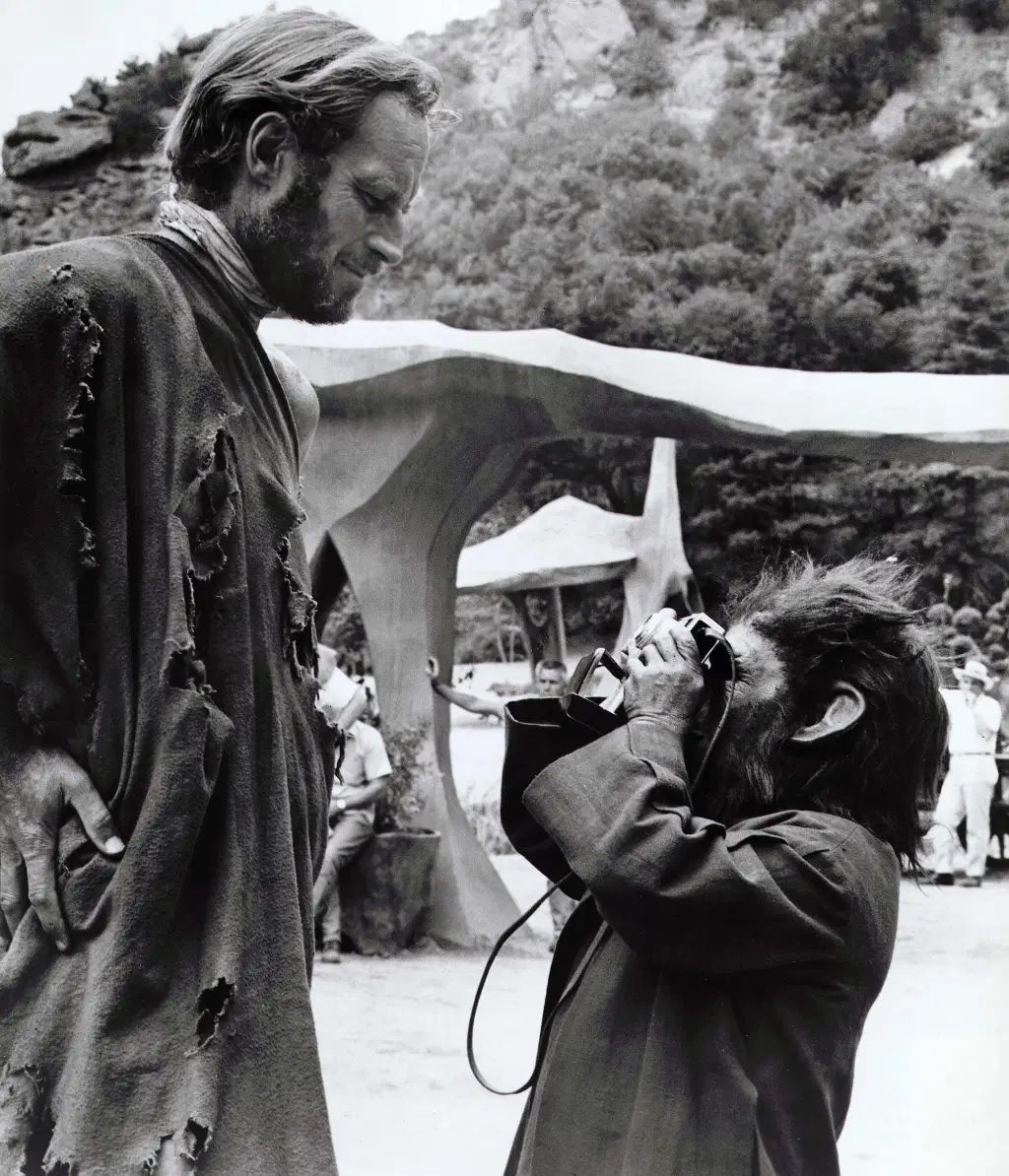
Heston’s role demanded a great deal physically. Many of his early scenes involved running across rough terrain, being caged, hosed down, and restrained. He shot several sequences with minimal clothing in harsh outdoor conditions. Between takes, the atmosphere on set was reportedly lighter than the film itself suggested — cast members in full ape makeup joking around and socializing like any other film crew.
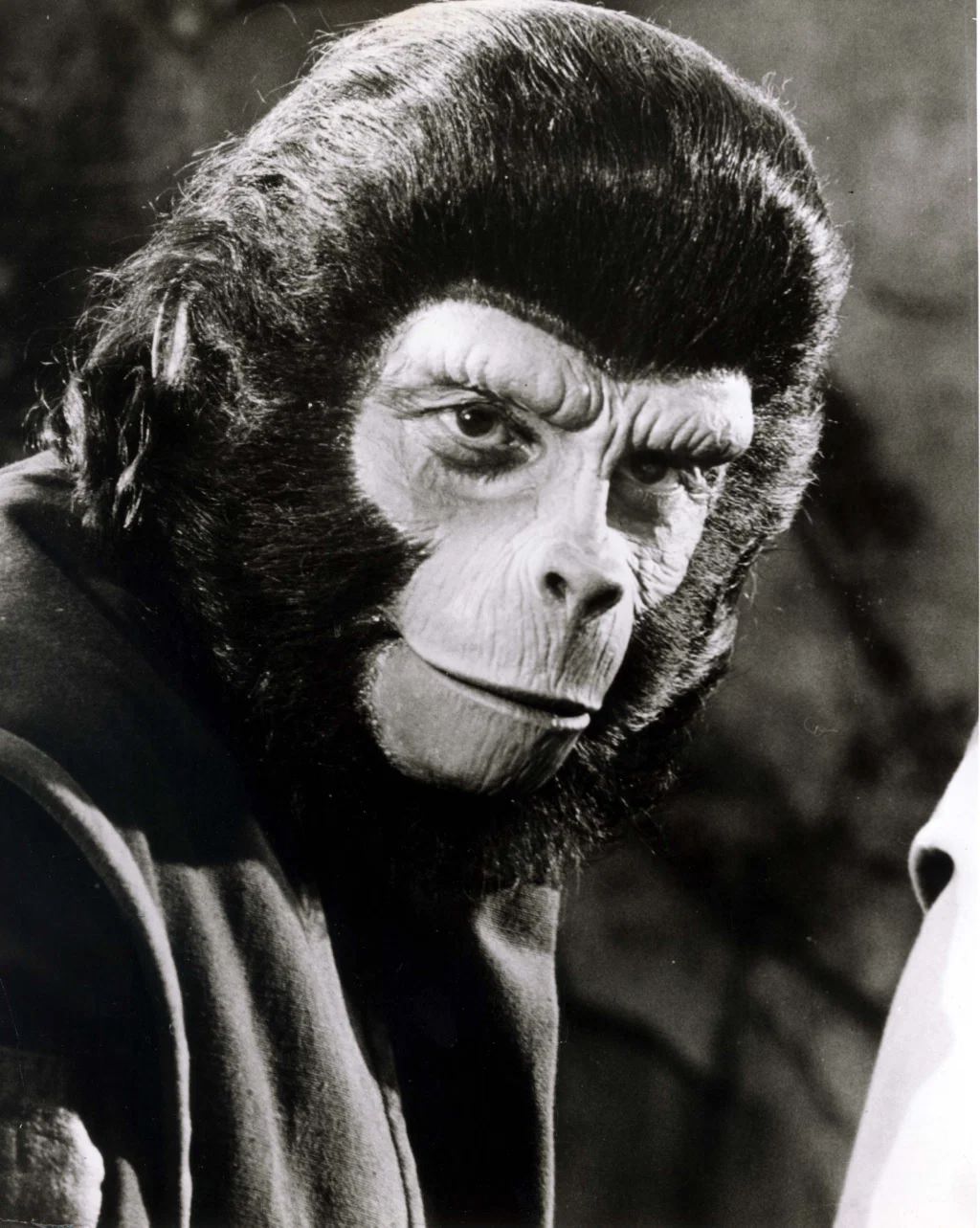
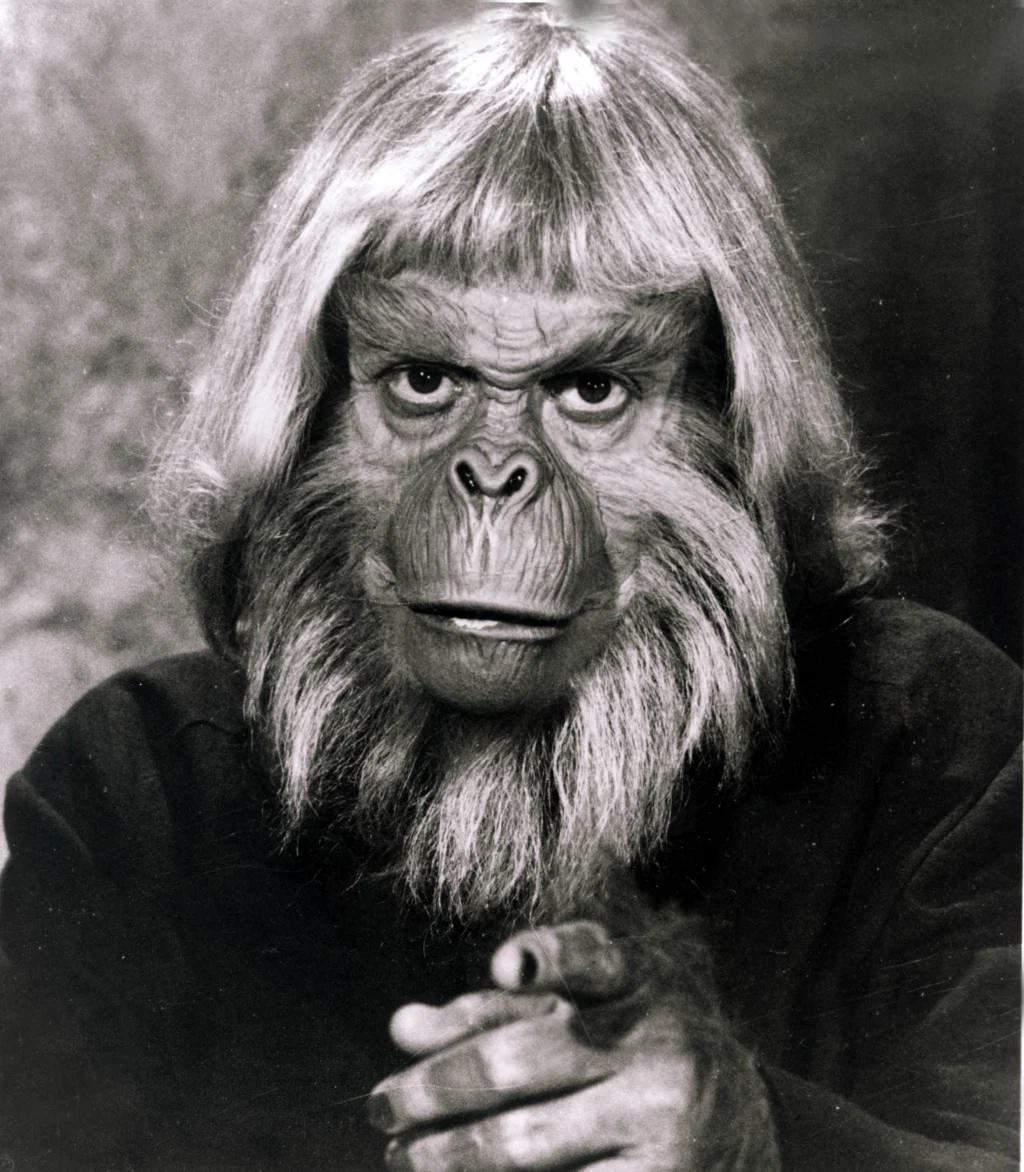
The makeup was the film’s greatest technical achievement — and its biggest logistical challenge. John Chambers, the makeup artist responsible for the ape designs, developed new techniques using foam rubber appliances that allowed actors to move their faces naturally. Without that flexibility, the performances would have been flat and unreadable. Chambers received an honorary Academy Award for his work, a recognition that had never been given for makeup before. The film was also nominated for Best Costume Design, with costume designer Morton Haack credited for the detailed wardrobe that made each ape species visually distinct.
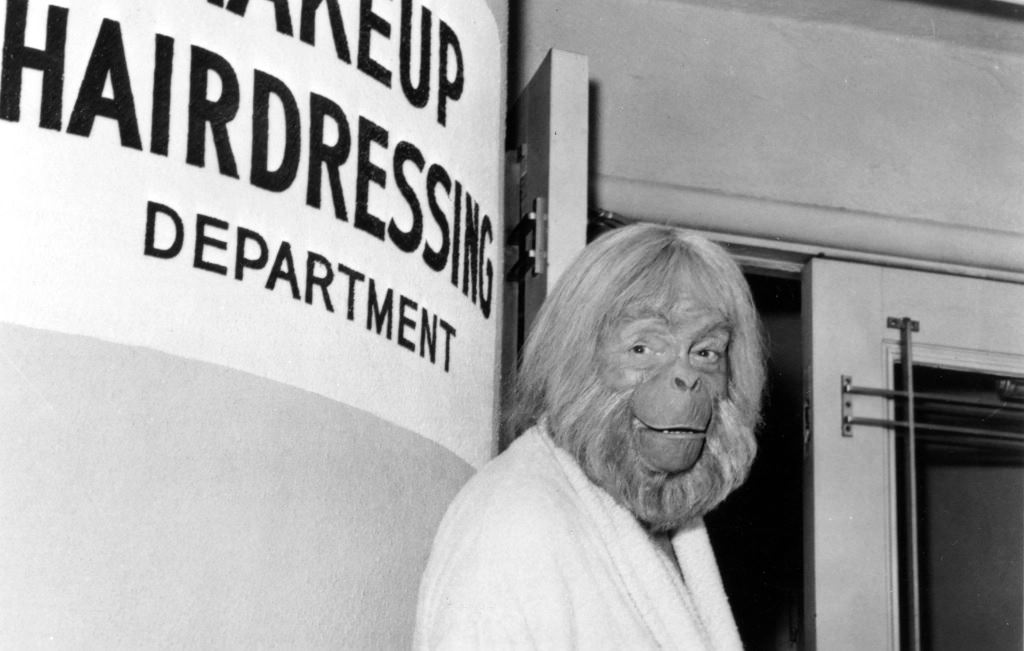
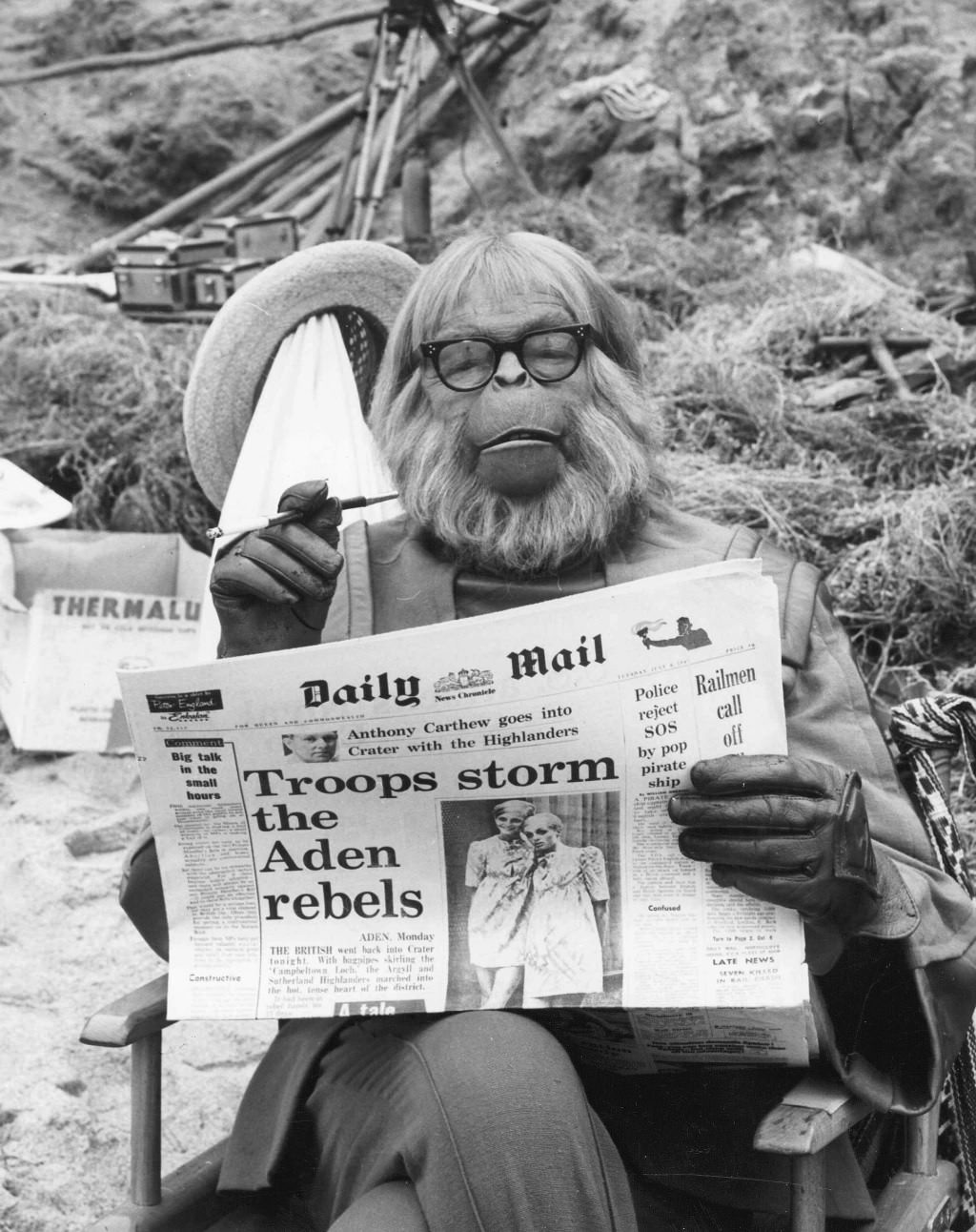
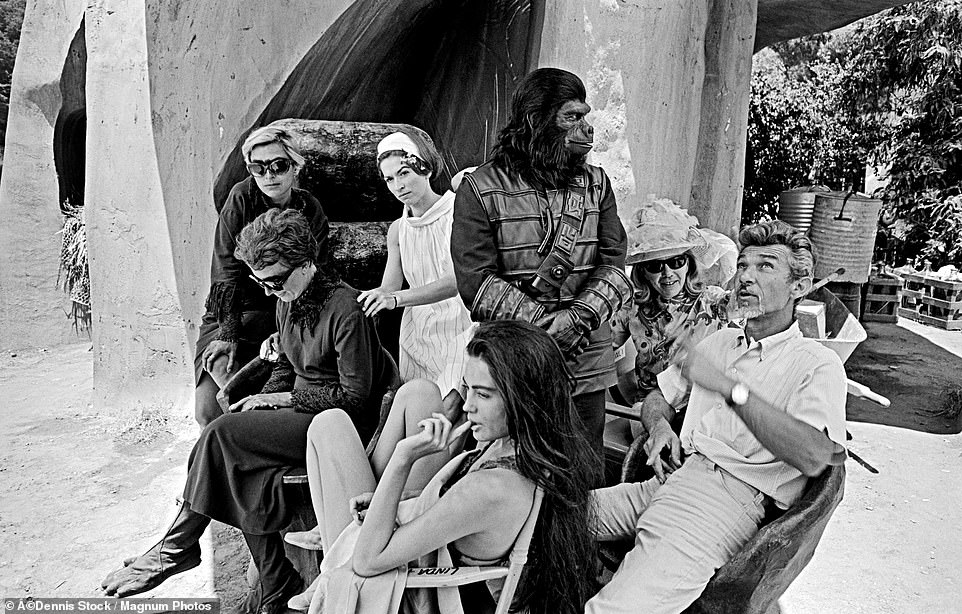
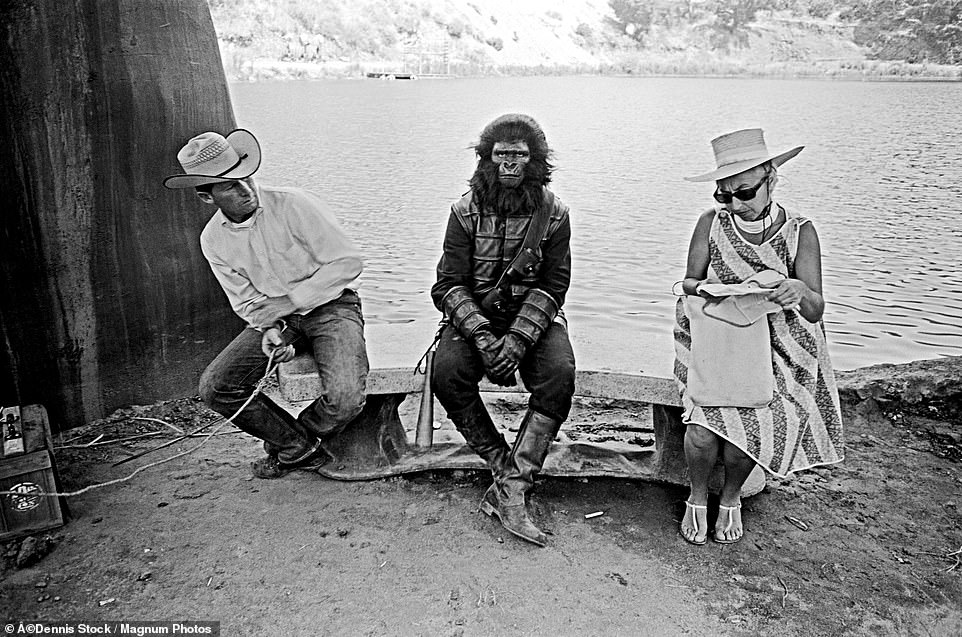
Seeing the actors in their makeup during downtime created a surreal atmosphere on set. Fully transformed into orangutans, chimpanzees, and gorillas, they ate lunch, read scripts, and chatted between scenes — an odd but entirely normal part of the production’s daily rhythm. Evans, in particular, seemed comfortable in his Dr. Zaius transformation, photographed relaxing and even appearing amused despite wearing a full prosthetic face.
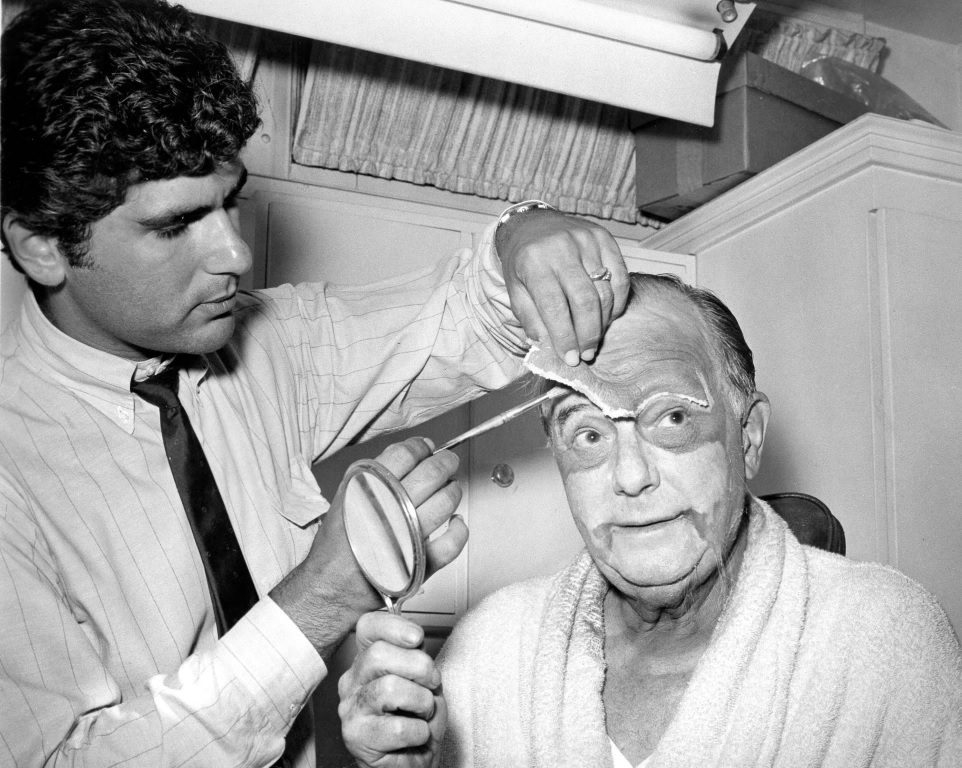
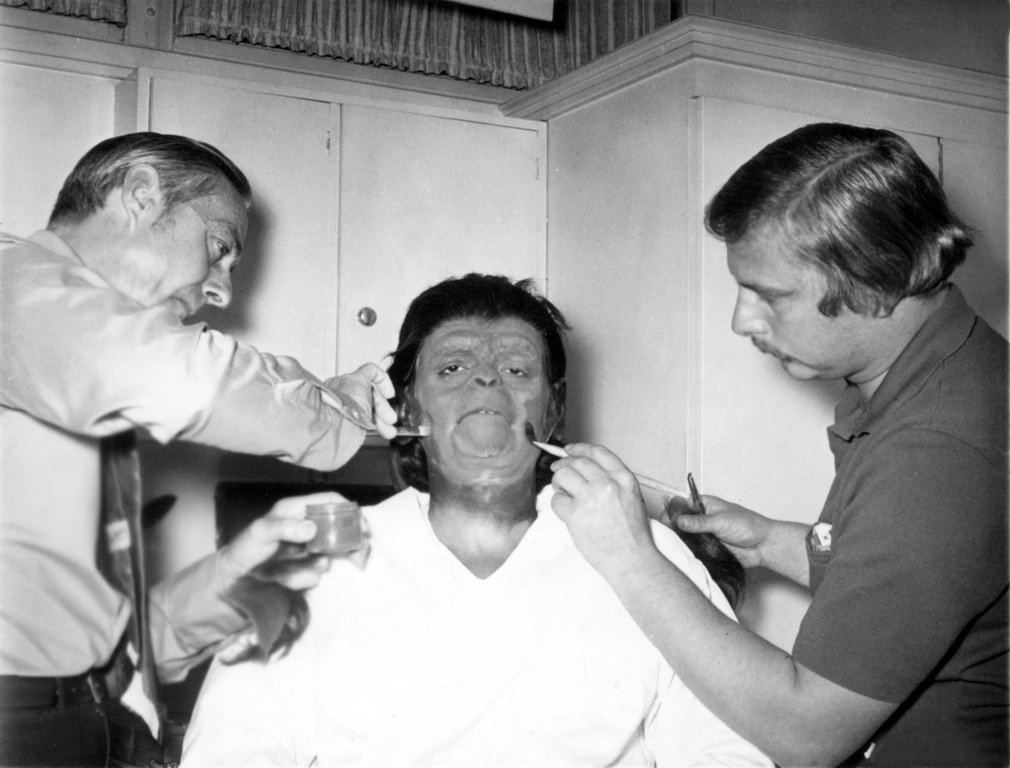
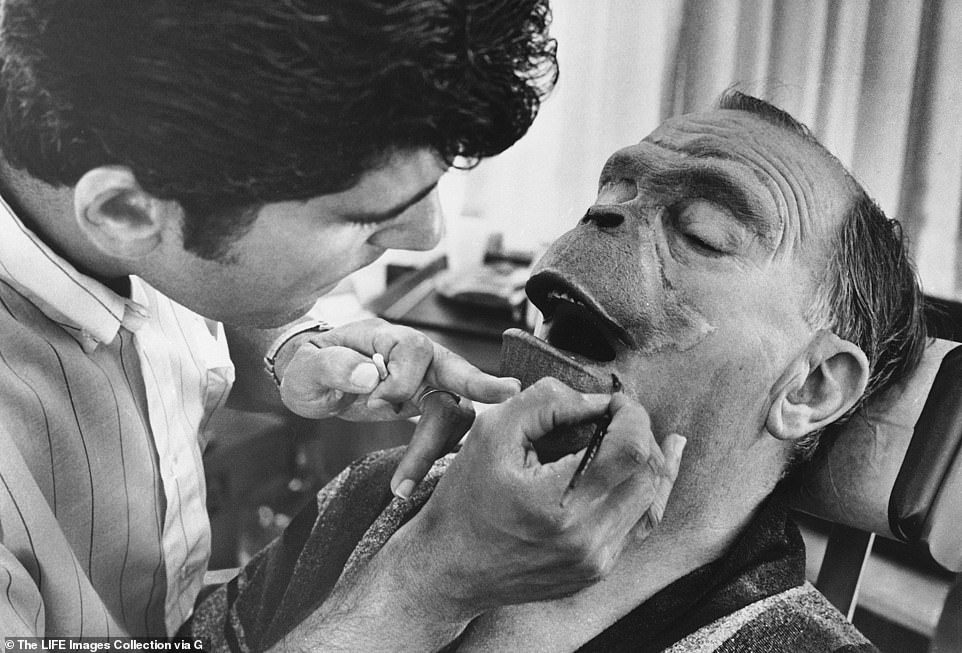
The transformation process began early each morning, long before cameras rolled. Foam rubber pieces were applied in sections to the actor’s face, carefully blended at the edges so they appeared seamless. Each piece had to be positioned precisely to allow the actor’s facial muscles to move beneath it. A misaligned appliance could ruin an entire day’s work, making the makeup team’s precision just as important as anyone else’s on set.
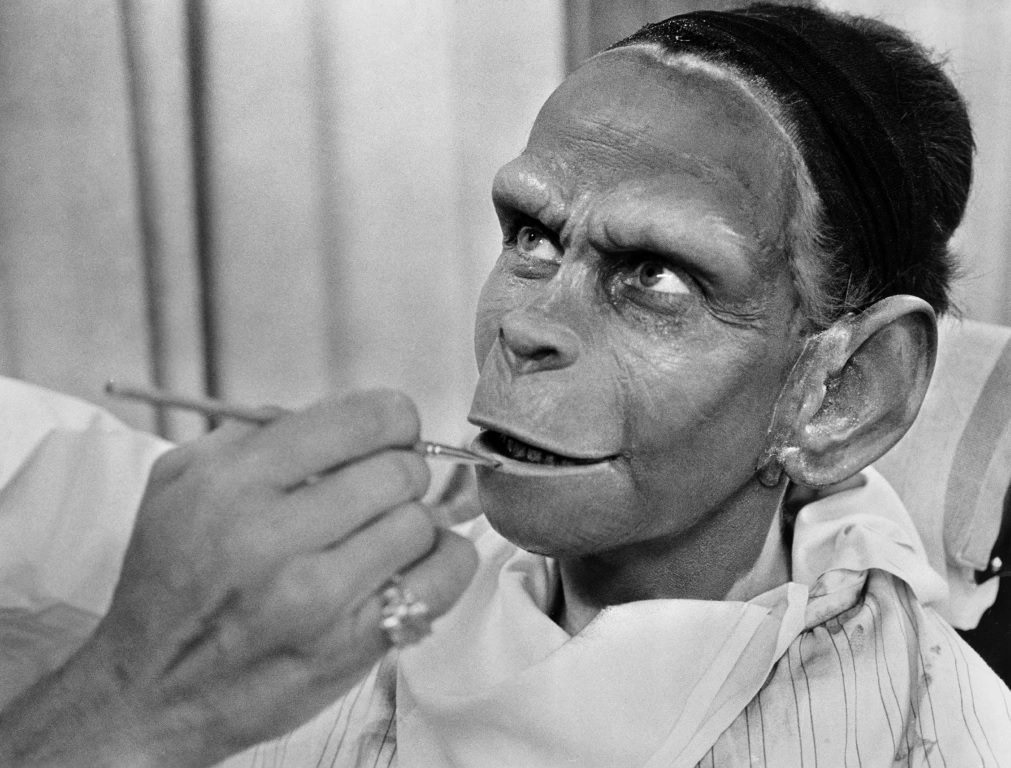
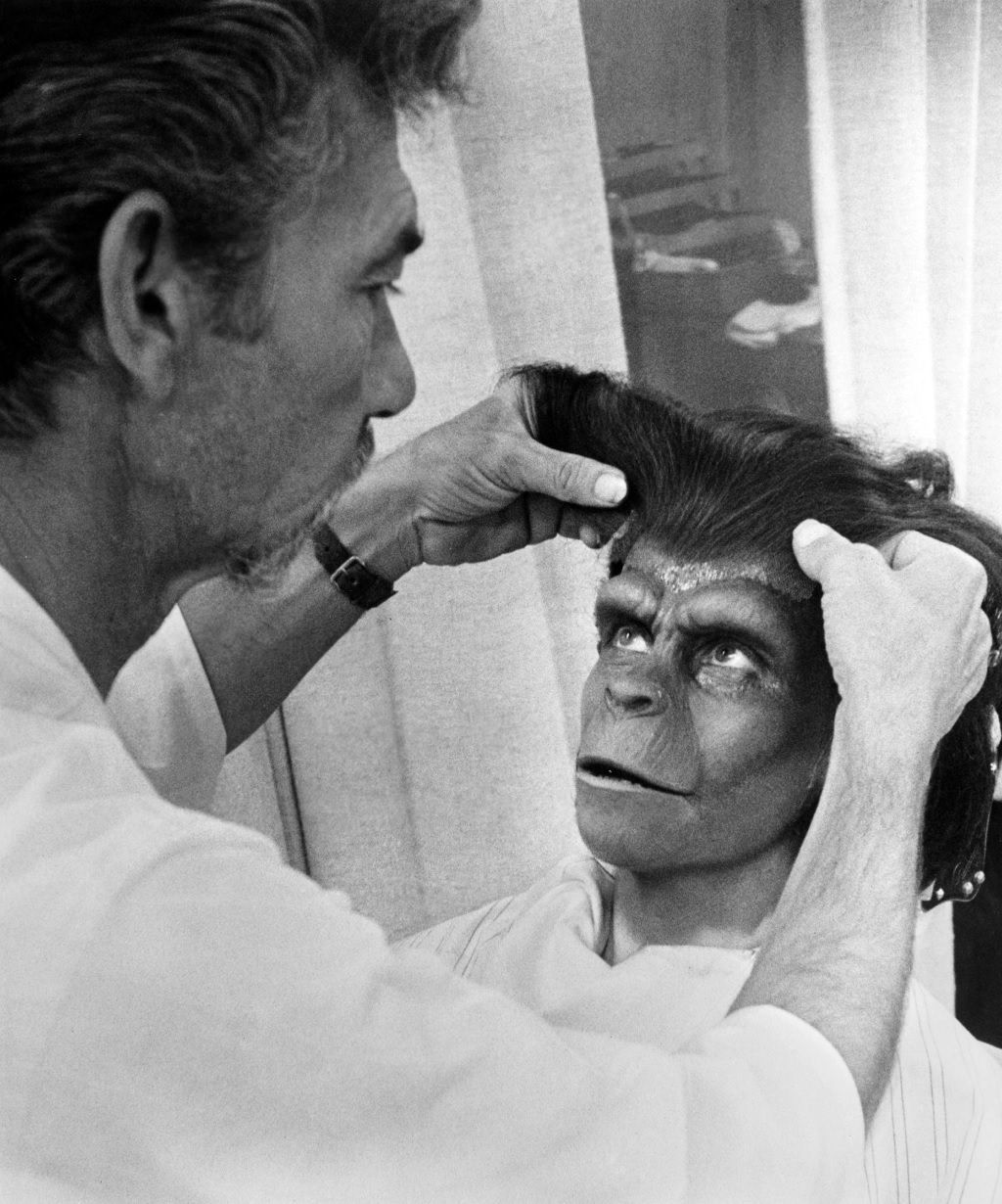
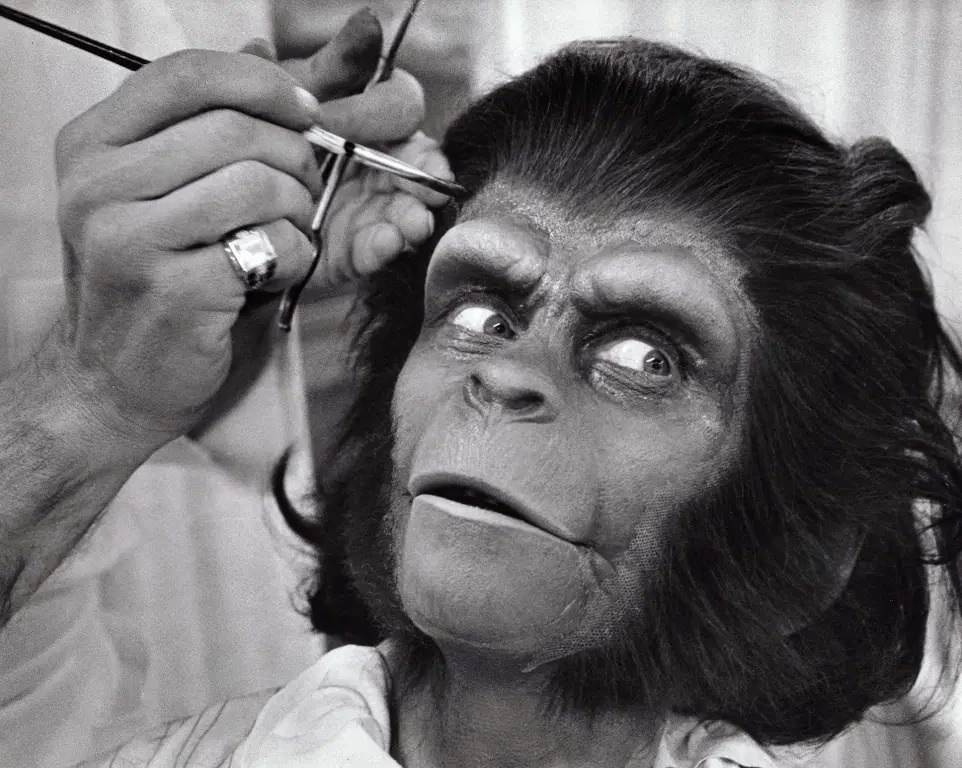
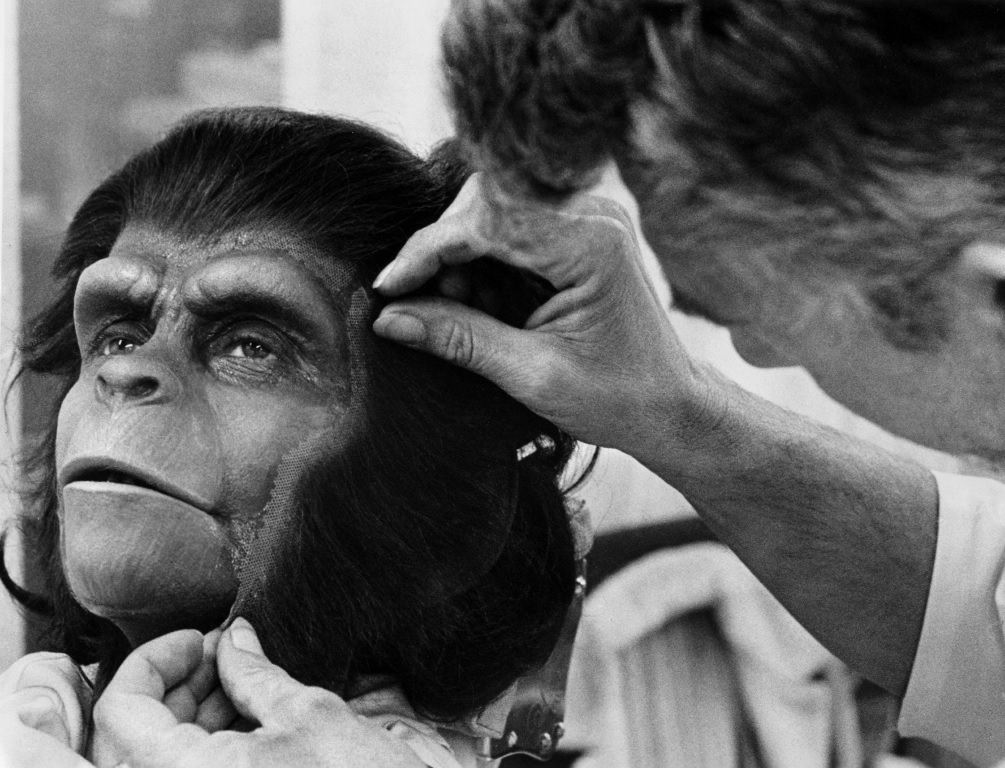
Kim Hunter’s transformation into Zira followed the same painstaking process. Each stage — from bare face to finished character — took roughly three hours to complete. The photos documenting her makeup sessions show just how many steps were involved before she even stepped in front of a camera. Paint, hair, and final adjustments all had to be perfect before filming could begin.
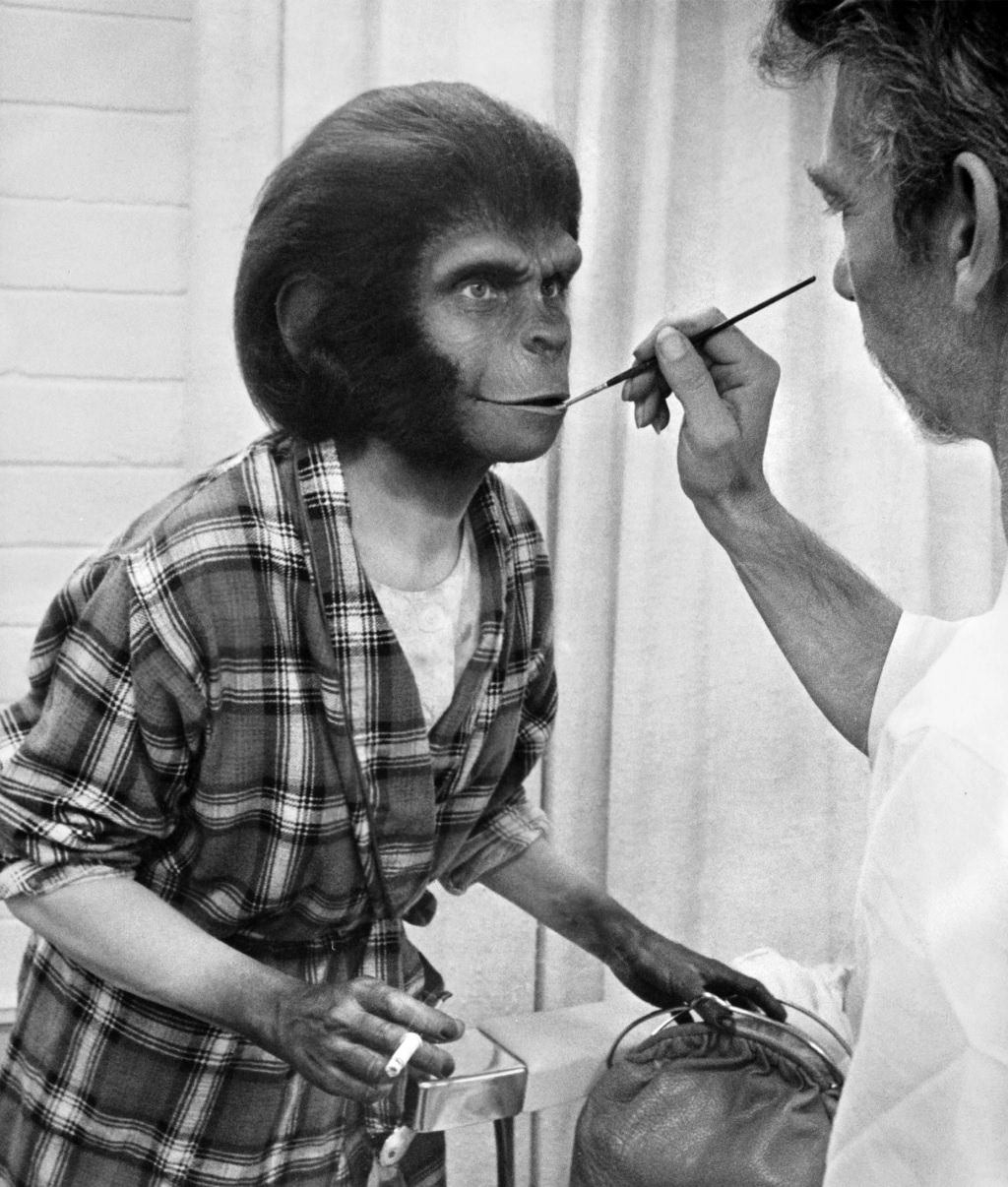
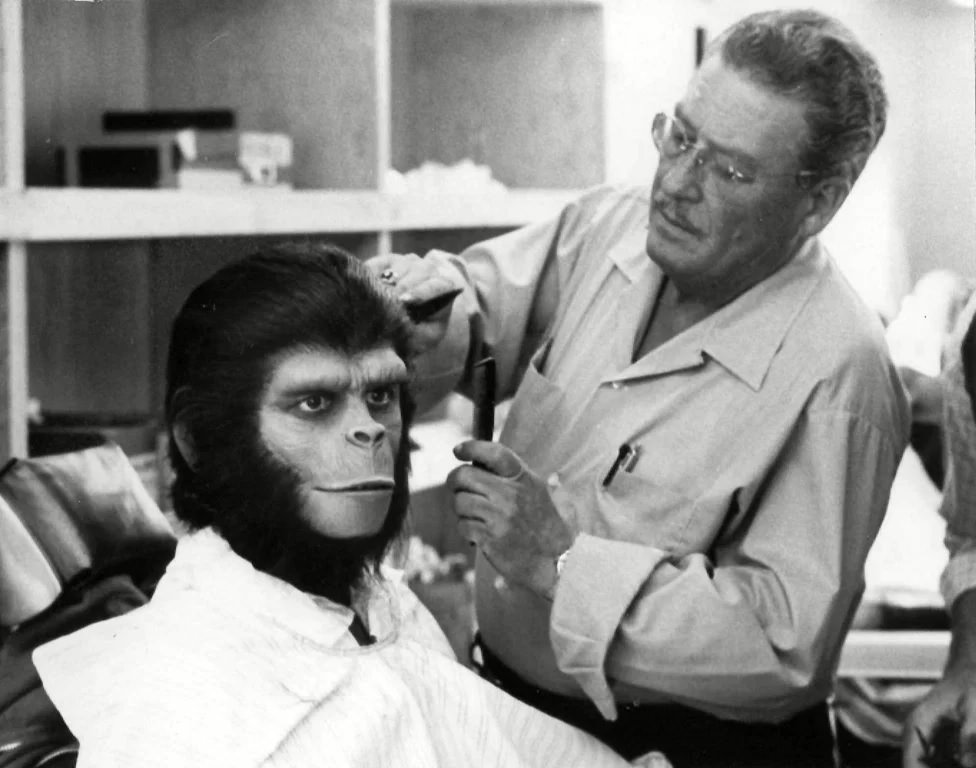
Even after the main application was done, touch-ups continued throughout the day. Wigs shifted, paint faded under the lights, and appliance edges needed re-blending between takes. Makeup artists stayed on set constantly, ready to step in the moment a camera cut. For Roddy McDowall, whose Cornelius makeup required a precisely fitted wig on top of the full prosthetic face, these adjustments happened regularly.
The foam rubber technique Chambers pioneered was unlike anything Hollywood had used before. Traditional makeup for monster or creature roles involved rigid materials that limited movement. Chambers’s foam rubber pieces were lightweight and flexible, moving with the actor’s skin rather than against it. When Evans raised an eyebrow or Hunter smiled, the appliance moved too. That quality made the apes believable in a way that would have been impossible with earlier methods.
With each principal actor spending around three hours in the makeup chair, the schedule demanded an early start every single day. The crew adapted, building that time into the production plan as a fixed cost. It was not optional or improvised — it was simply the price of putting apes on screen convincingly. Actors arrived in the pre-dawn dark and were still being painted and fitted as the sun came up.
The background performers multiplied the challenge enormously. Around 200 ape characters appeared on screen throughout the film, each one requiring the same detailed transformation as the principal cast. To manage that scale, approximately 80 makeup artists, hair stylists, and wardrobe staff worked simultaneously. They operated in assembly-line fashion, moving from actor to actor in the early morning hours to get the full crowd of apes ready before filming began.
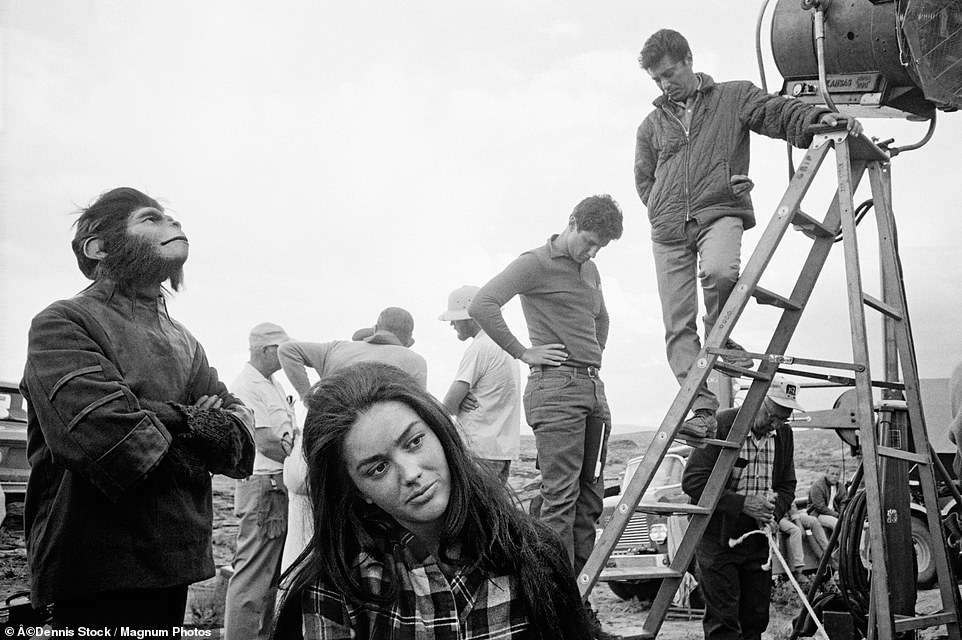
The sheer scale of the production had ripple effects across the studio. The demand for makeup artists, materials, and crew pulled resources away from other films in production at the time, forcing some of them to pause. No other project in Hollywood at that point required anything close to this level of daily makeup work across such a large cast. It was an operation without precedent.
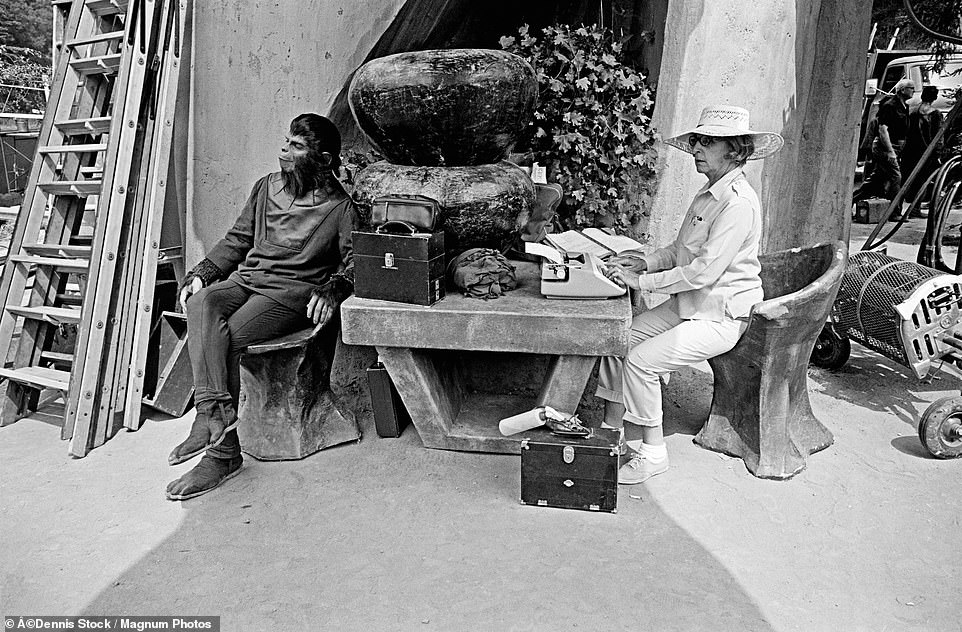
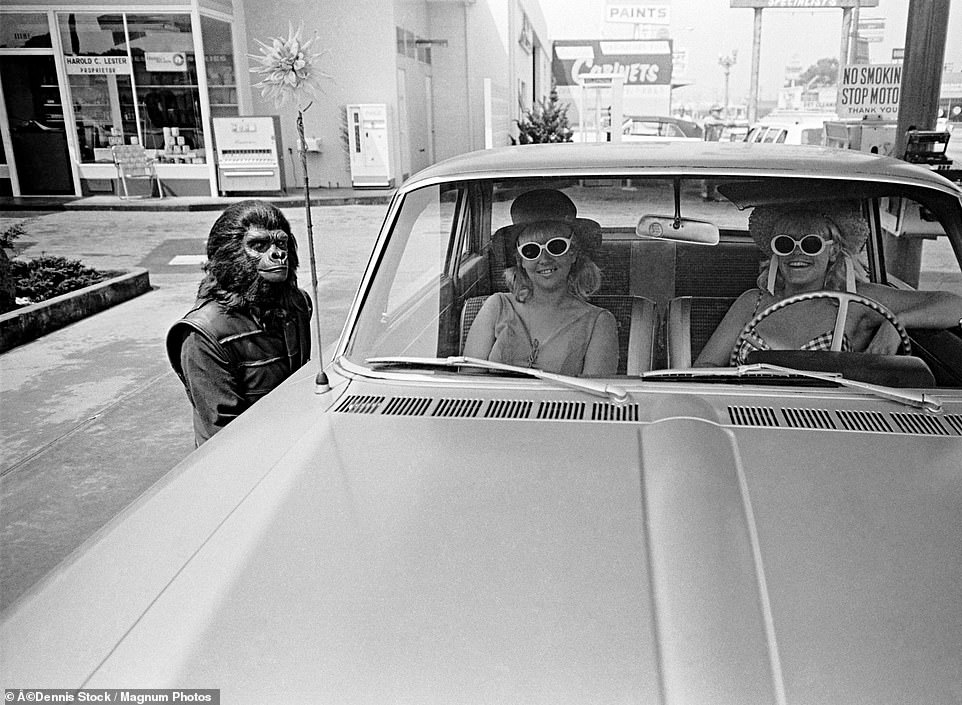
Between scenes, the ape performers waited in the California sun — fully costumed, fully made up, passing time until they were needed again. It was an ordinary part of any film shoot, made extraordinary by what these actors were wearing. The contrast between the mundane reality of filmmaking and the elaborate world being created around them captures something essential about how Planet of the Apes was made: through patience, craft, and an enormous amount of very unglamorous daily labor.
I do so love those original damn dirty apes.
Here are some great behind-the-scenes shots—a few of them I’ve never seen before.
A masterpiece in science fiction. The acting, writing, direction, pacing, set design, and cinematography is excellent.
Roddy McDowell hosts the AMC special on making Planet of the Apes. It’s excellent. It also takes you back to when AMC made good TV.
I can’t remember if it was Charlton Heston or Roddy McDowall. Still, somebody mentioned how lunch was called on a big shooting day with many chimpanzee, gorilla, and orangutan actors. The chimpanzees sat with the chimpanzees, the gorillas sat with the gorillas, and the orangutans sat with the orangutans. Nobody working behind the scenes had instructed the actors to file themselves that way; they just did it naturally.
We can derive some interesting ideas from that story, but I’m too stupid even to try.
I love this movie. There can and have been cheap shots made at the expense of makeup, but it astonishes me they made it look that good. Although it’s not realistic, it’s just incredible what was done.
The make-up was perfect, in my opinion. It wasn’t supposed to be highly realistic. Actors were considered to express their emotions and personalities. The cast and makeup department did a fantastic job of letting the different characters shine through.
I love you, Dr Zaius!
#12 Roddy Mcdowall in character as Cornelius – I don’t think it is. Look at the clothing. Looks like it was a character in the 1974 TV series.
This is a great collection of pictures!
Wonderful collection, thanks for sharing