
Ottawa today is a modern, bilingual capital city of over a million people. But just over 120 years ago, it was a young, fast-growing city still figuring out what it would become. It had only recently shed its identity as a rough-hewn lumber town and was starting to look like a proper national capital. These photographs capture that transformation in remarkable detail — streets lined with horse-drawn carriages, workers floating timber down the Ottawa River, and grand new buildings rising from the ground.
Ottawa’s origins were tied directly to the lumber trade. The town was founded in 1826 and grew quickly because of the vast forests surrounding it. Logs were floated down the Ottawa River in massive rafts, processed at mills near the Chaudière Falls, and shipped out across the continent. The town was renamed Ottawa in 1855 — a reference to the Ottawa River itself — and was incorporated as a city the same year. By that point, it was already being shaped into something bigger. Queen Victoria had selected it as the capital of the Province of Canada in 1857, and construction of the Parliament Buildings on Parliament Hill began in 1860.
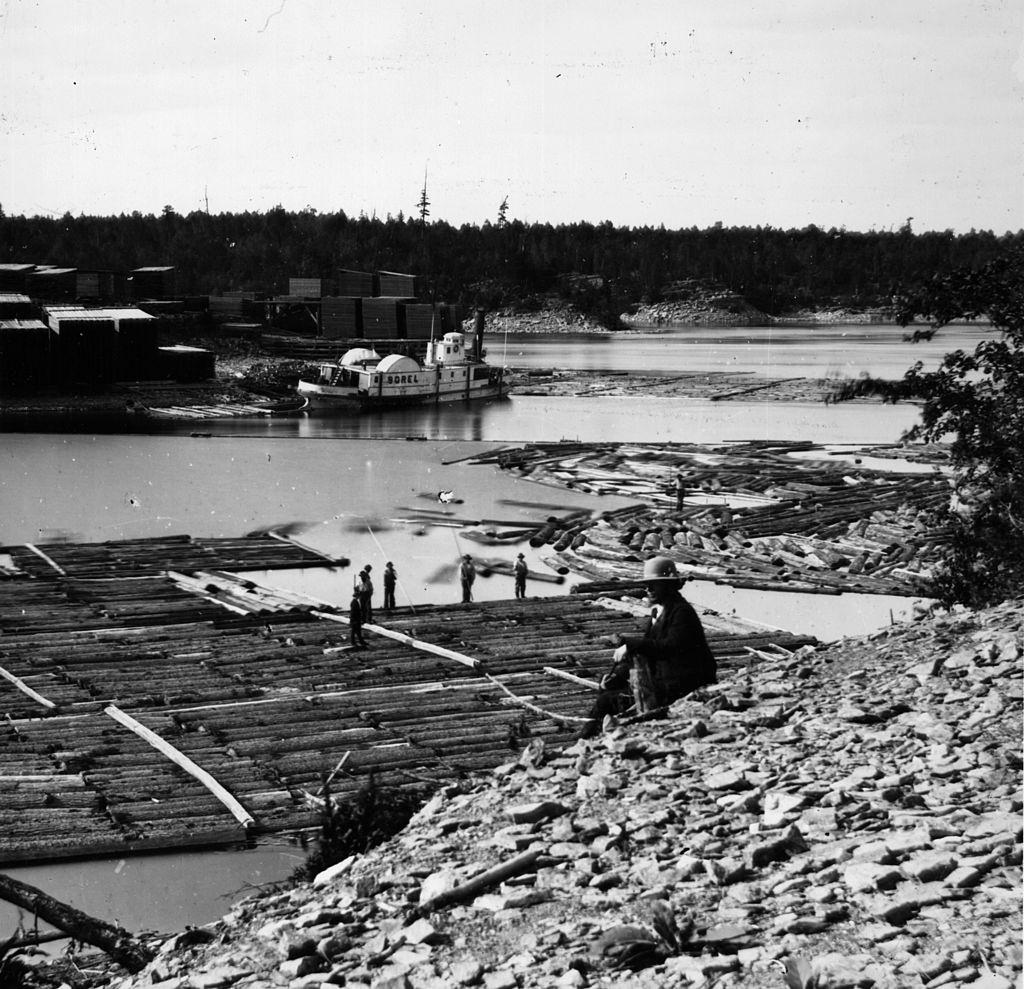
The Ottawa River was the lifeblood of the early city. Timber slides — specially built wooden chutes — were constructed near the Chaudière Falls to guide logs safely past the powerful rapids. Without them, the lumber trade would have been far more dangerous and far less profitable. Workers operated these slides with skill and precision, and the falls themselves became a landmark that visitors and locals alike came to see.
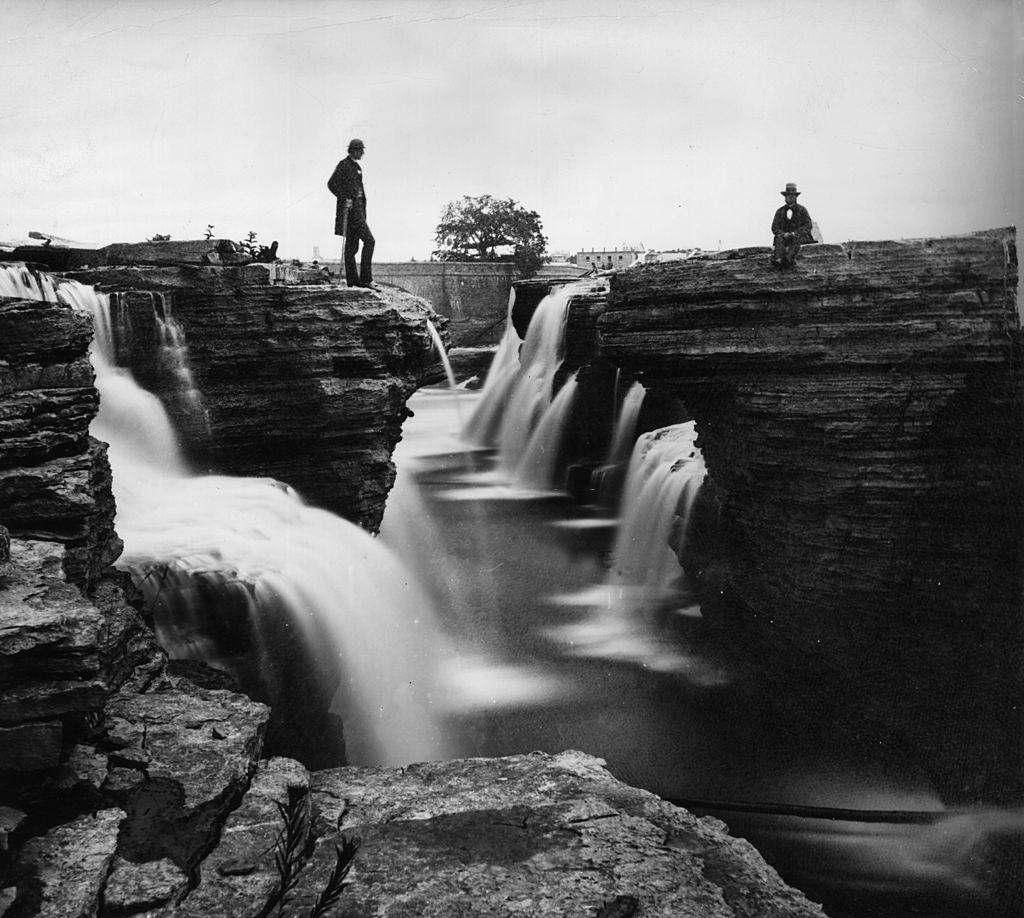
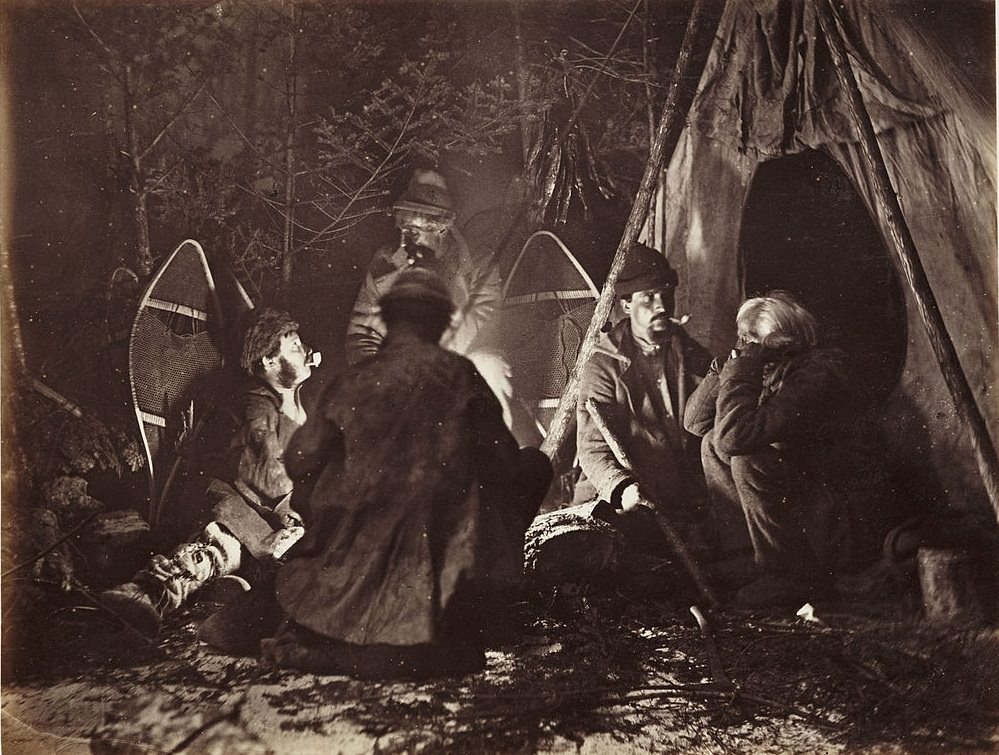
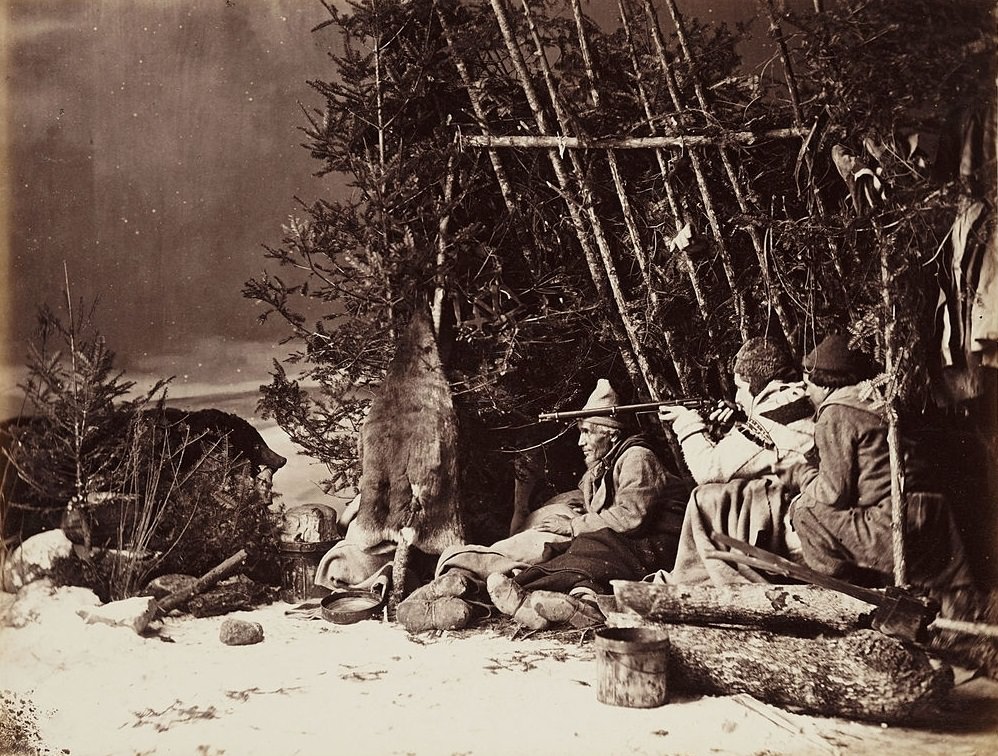
Life along the river wasn’t only about work. Hunting and fishing were common activities for Ottawa residents in the 1860s. The forests and waterways around the city were rich with wildlife, and scenes of men gathered around campfires or casting lines near the falls were a regular part of daily life outside the city’s growing core.
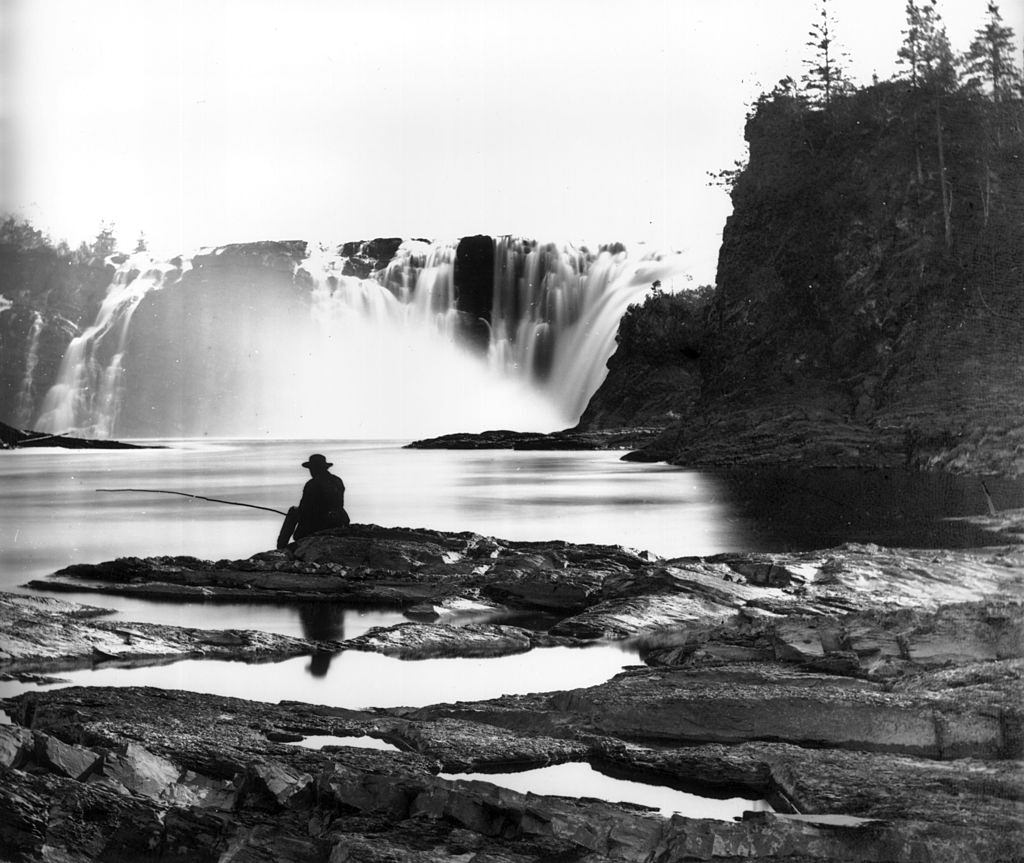
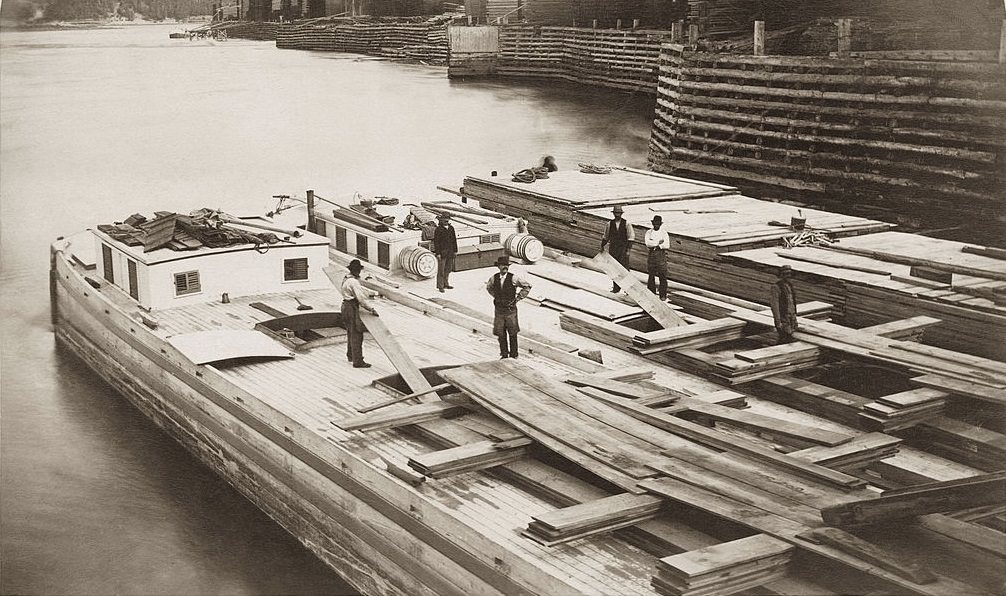
Log rafts moving along the Ottawa River were a defining sight of the era. Enormous collections of timber were bound together and guided downstream by crews of workers, some of whom lived on the rafts for days at a time. It was grueling, skilled labor, and it powered Ottawa’s early economy.
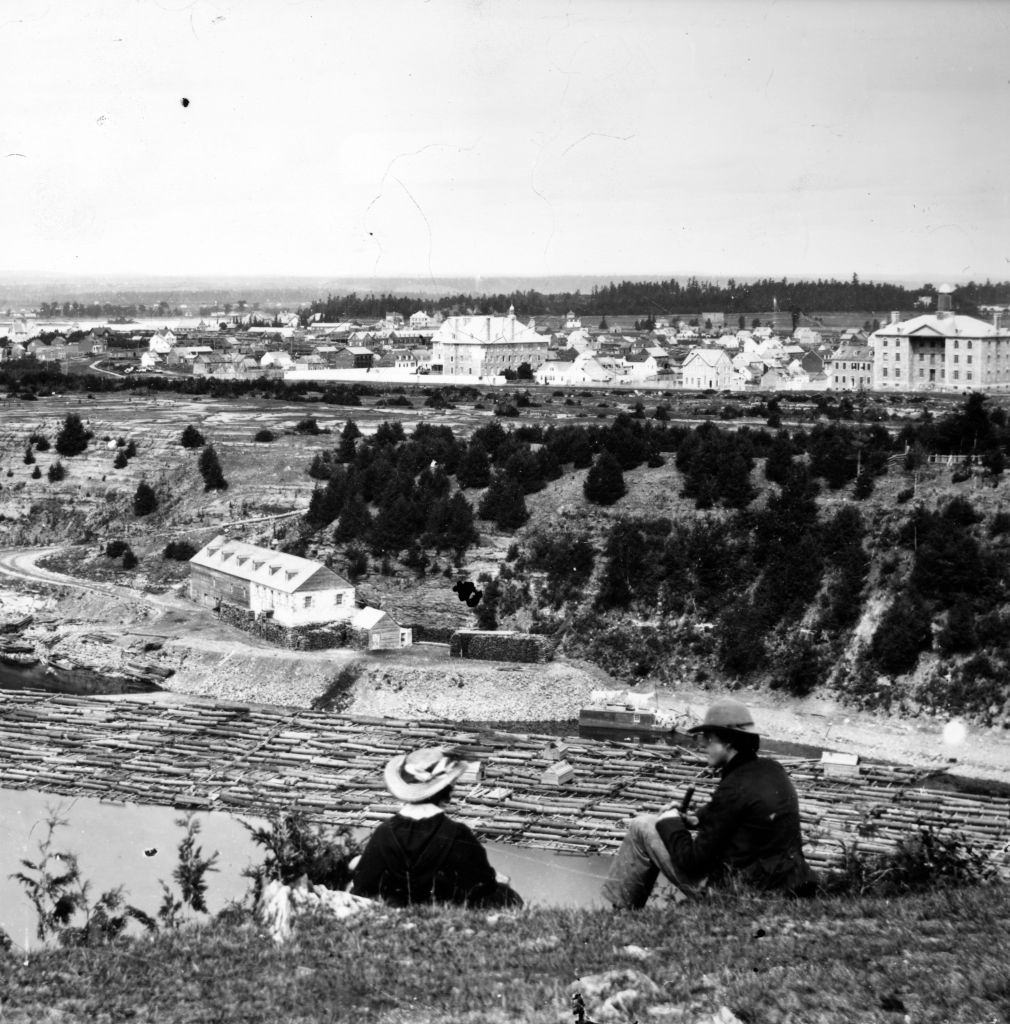
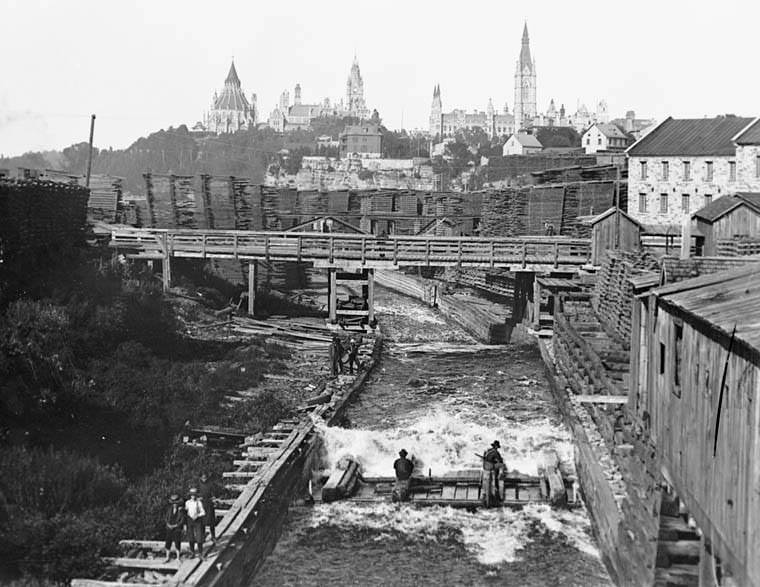
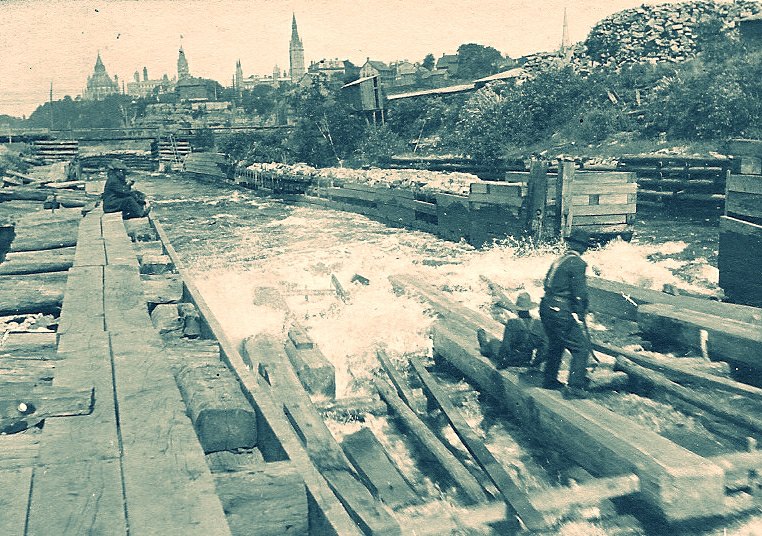
As the lumber trade matured, Ottawa’s infrastructure grew around it. By the 1880s, workers on timber transportation boats were a common sight on the river, and the industry had become deeply embedded in the city’s physical layout. Roads, docks, and neighborhoods all developed in relation to the river and its mills.
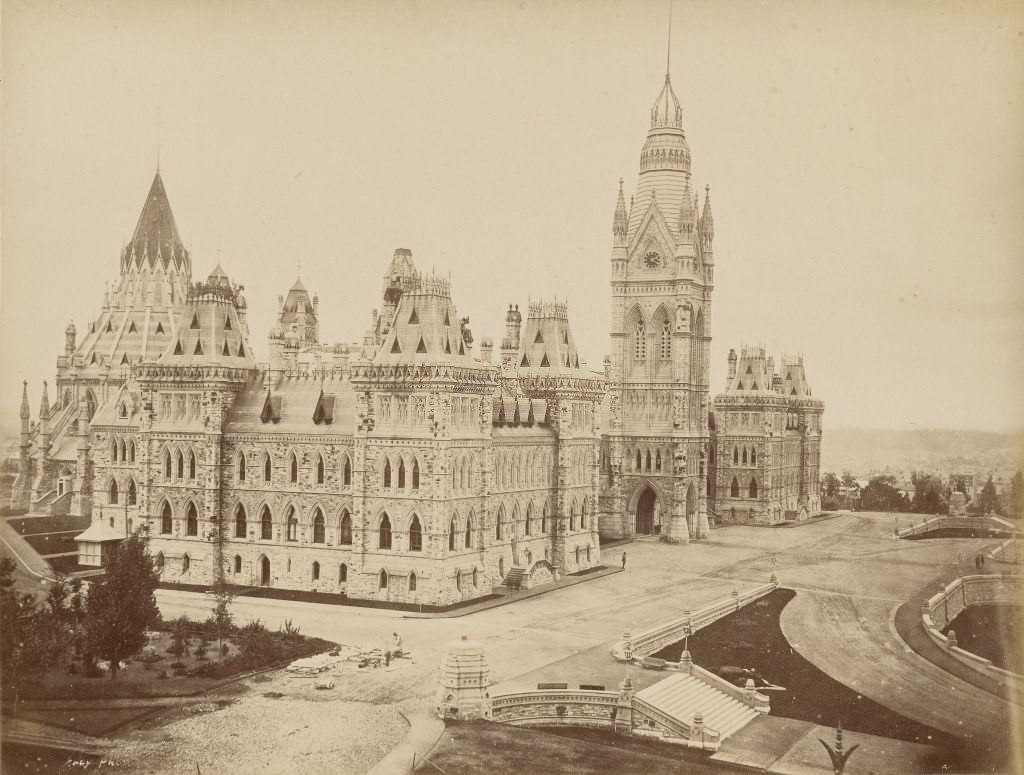
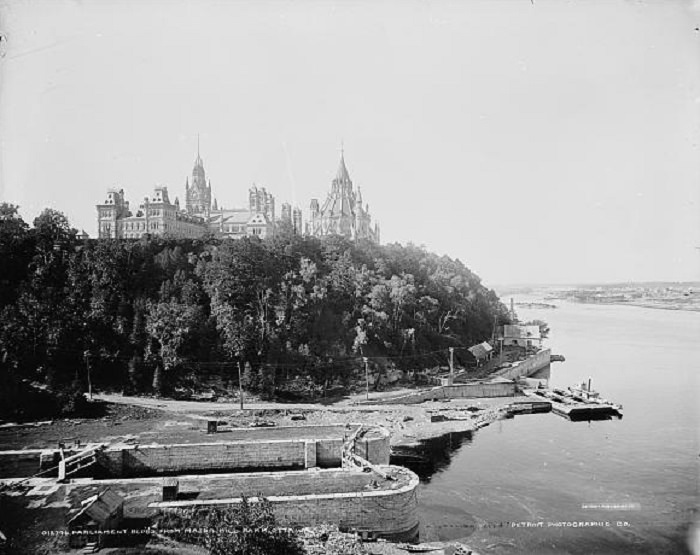
The Parliament Buildings were among the most significant construction projects in Ottawa’s early history. Work began on Parliament Hill in 1860, and the buildings that rose there quickly became the symbolic heart of the country. Photos from the 1860s show the structures in their earliest form, already commanding and imposing against the Ottawa skyline.
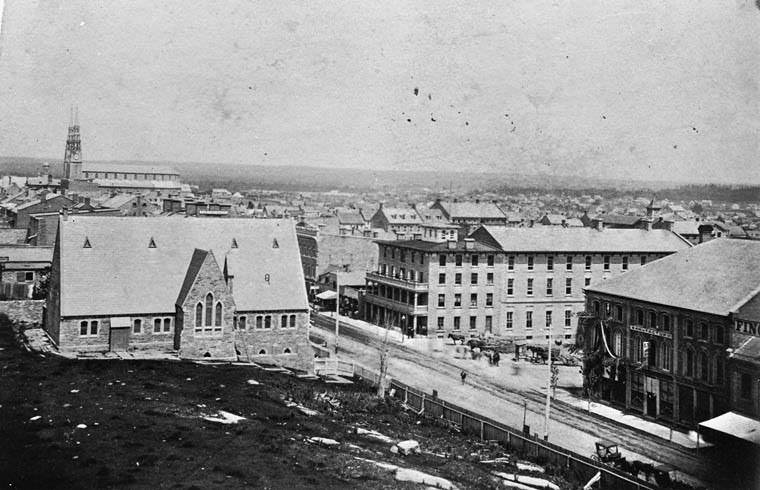
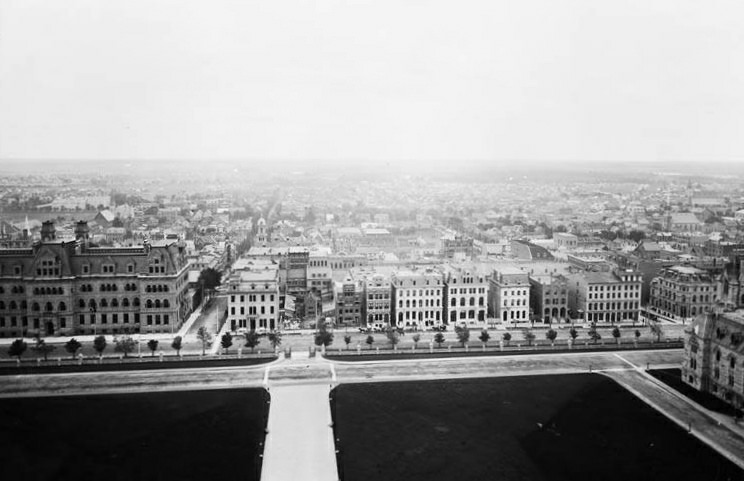
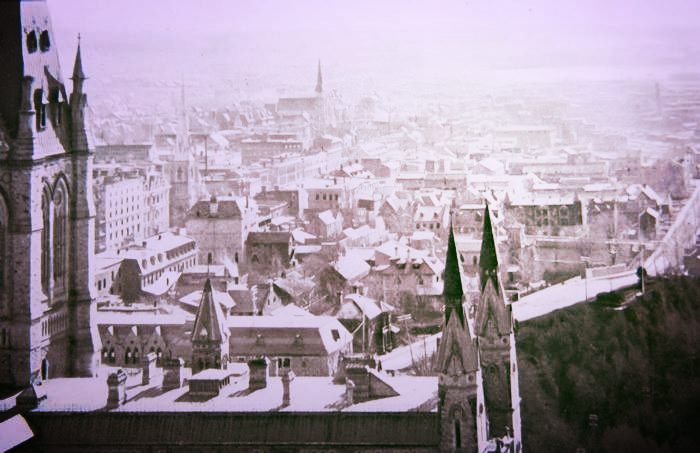
By the late 1880s, Parliament Hill had become one of Ottawa’s most visited spots. The view from the Victoria Tower offered a sweeping look at the city and the river below — a perspective that made clear just how much Ottawa had grown in just a few decades.
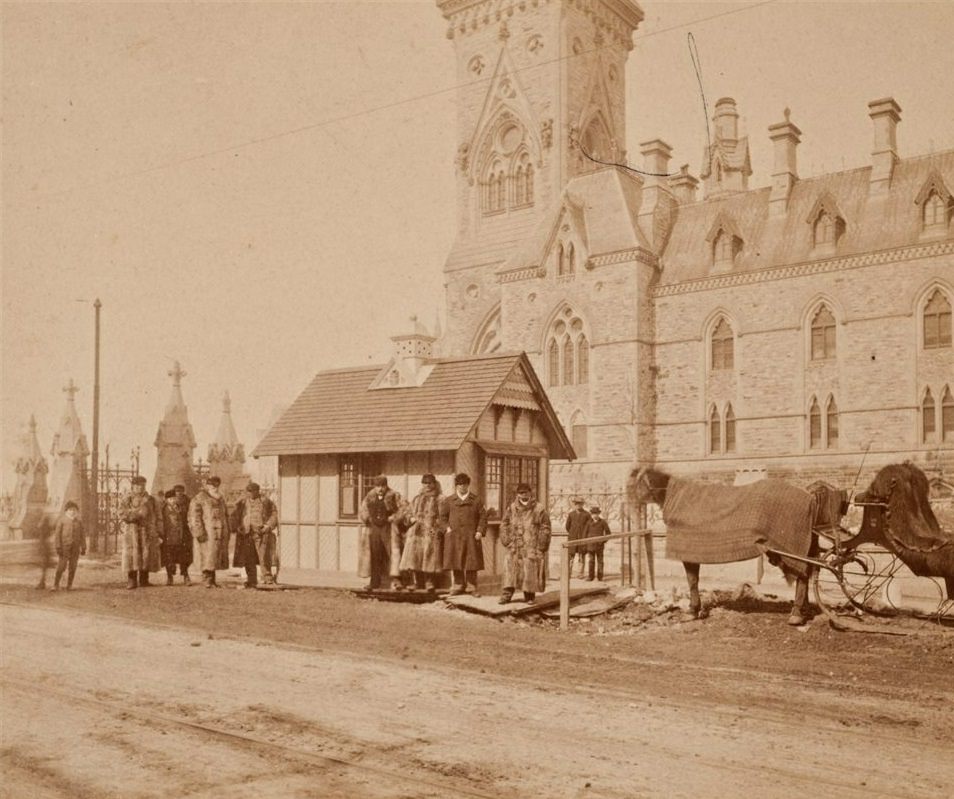
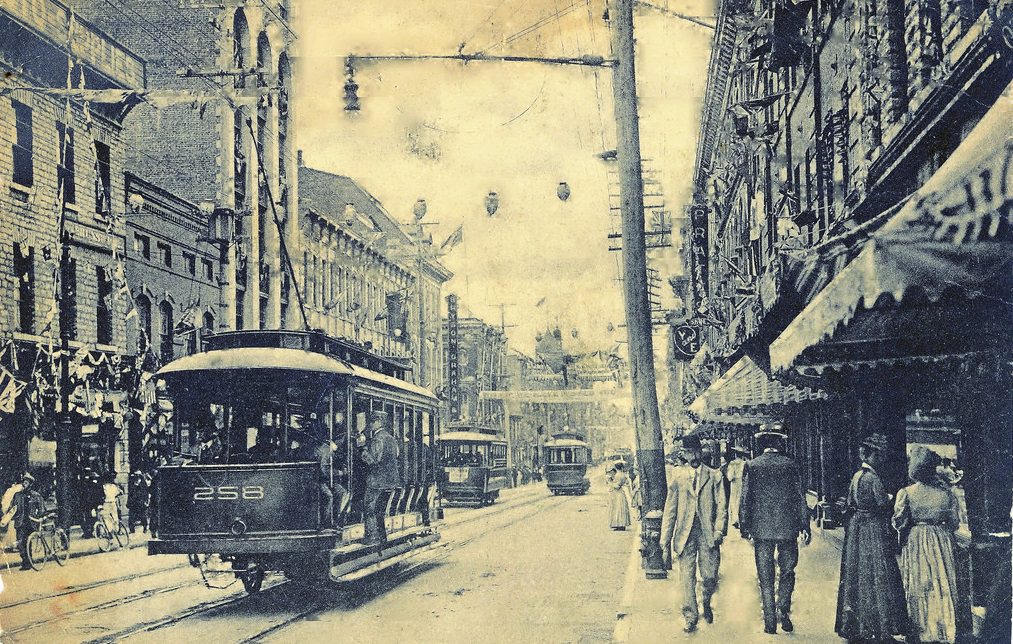
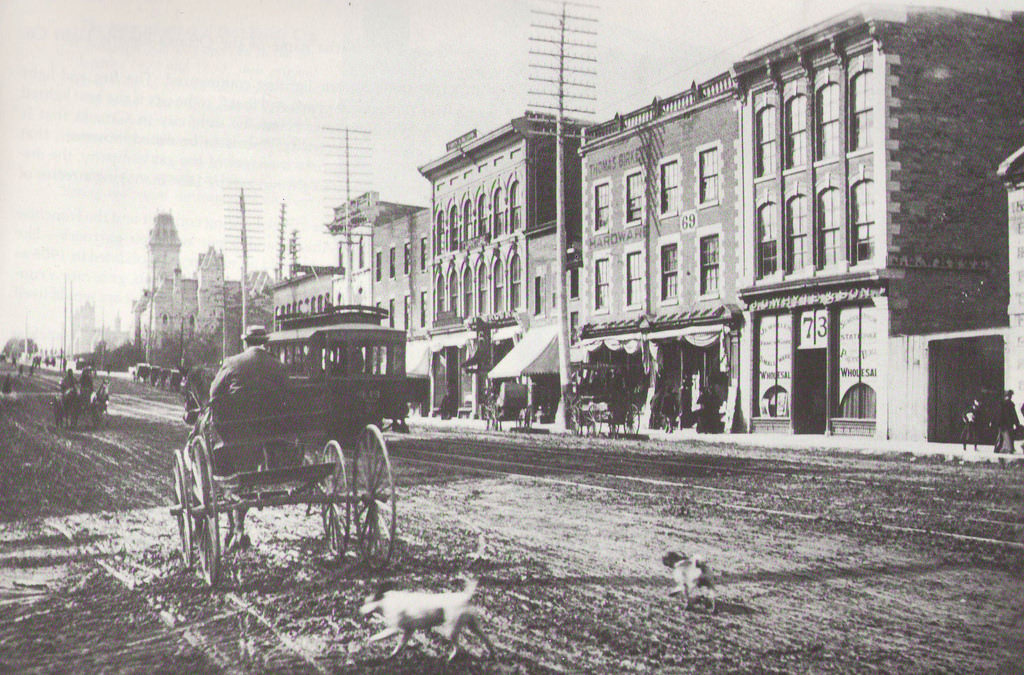
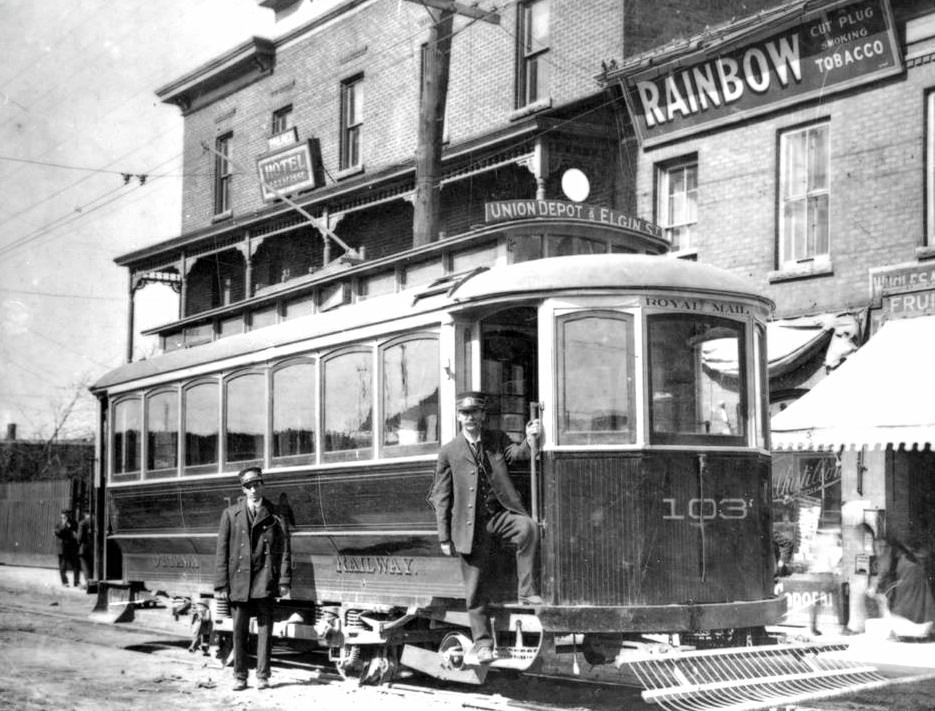
Ottawa’s streets in the 1870s and 1880s were defined by horse-drawn transportation. Trolley cars pulled by horses ran along tracks through the city, carrying passengers from one neighborhood to another. It was slow by modern standards, but it was the most reliable public transit available. Horse-drawn cab stands were set up at key locations around the city, including in front of the East Block of Parliament.
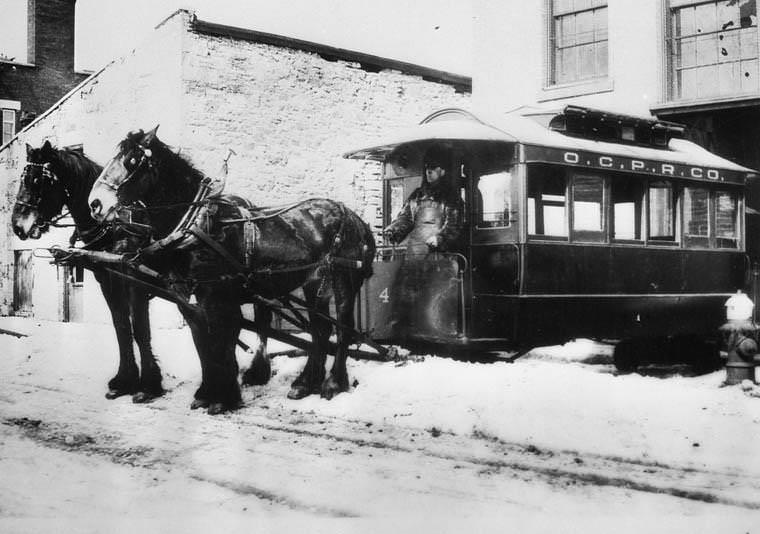
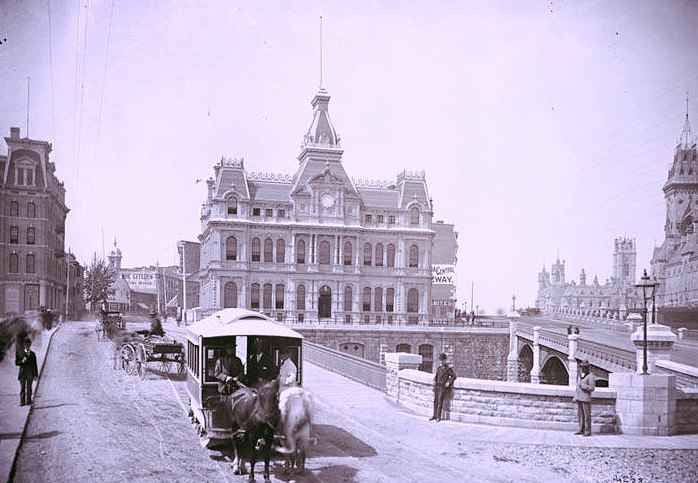
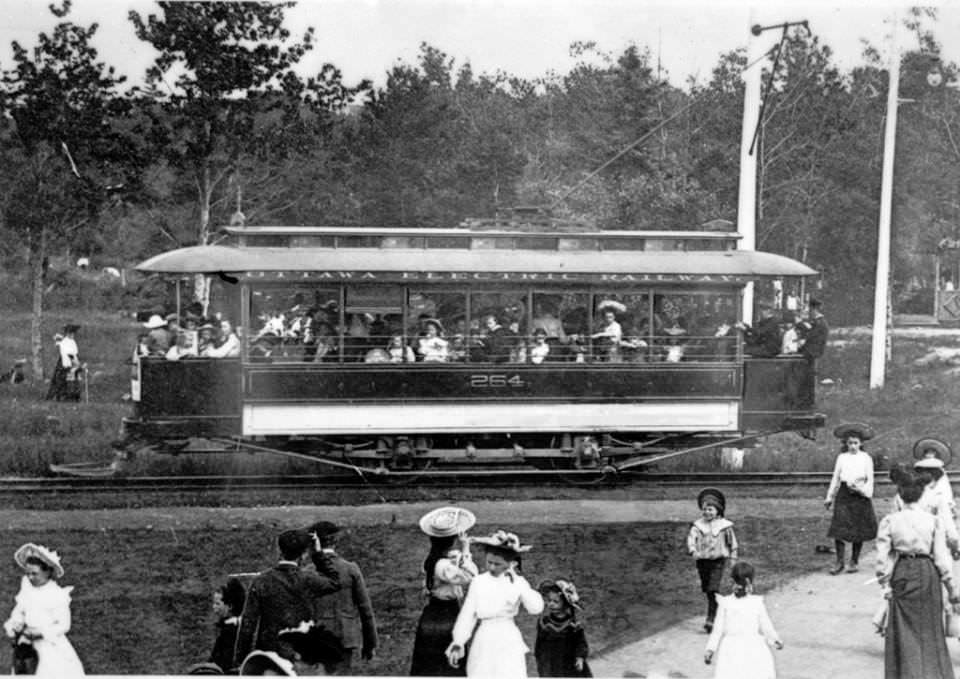
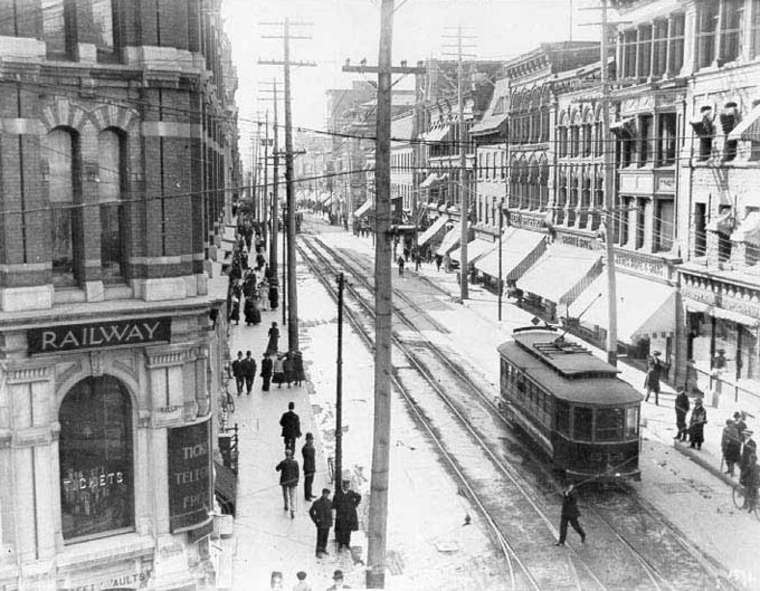
That all began to change in 1893 when Thomas Ahearn founded the Ottawa Electric Railway Company. Ottawa became one of the first cities in North America to operate electric streetcars. The transition from horse-drawn cars to electric ones was a major shift in how the city moved, and by the late 1890s, electric streetcars were running as far as Britannia Park on the western edge of the city.
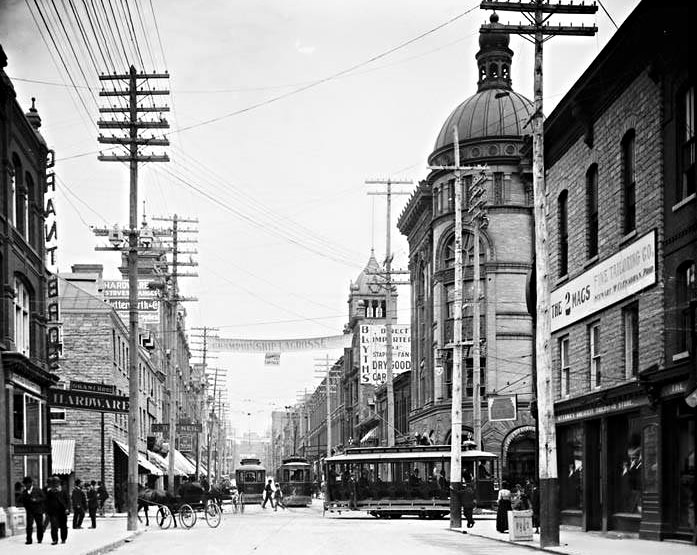
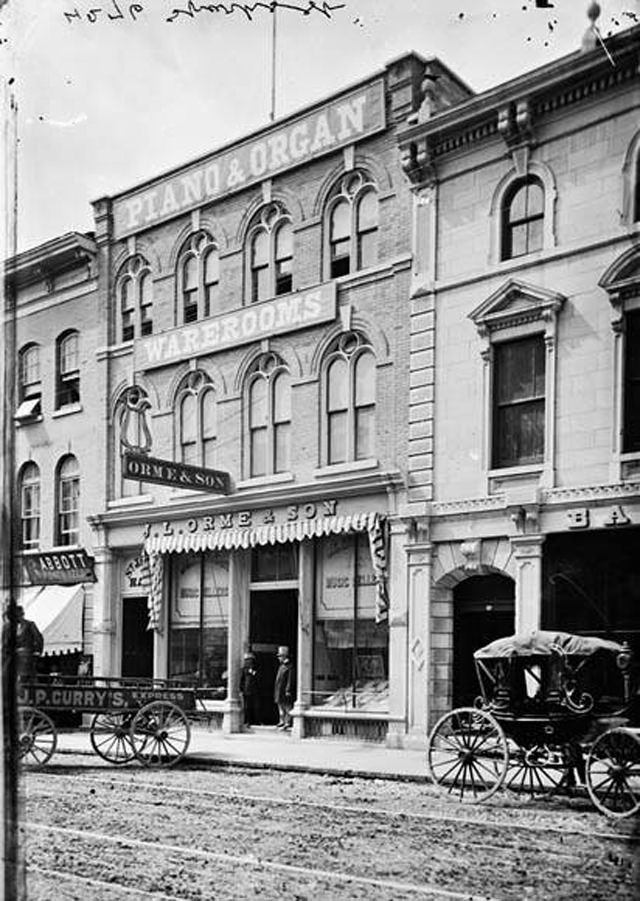
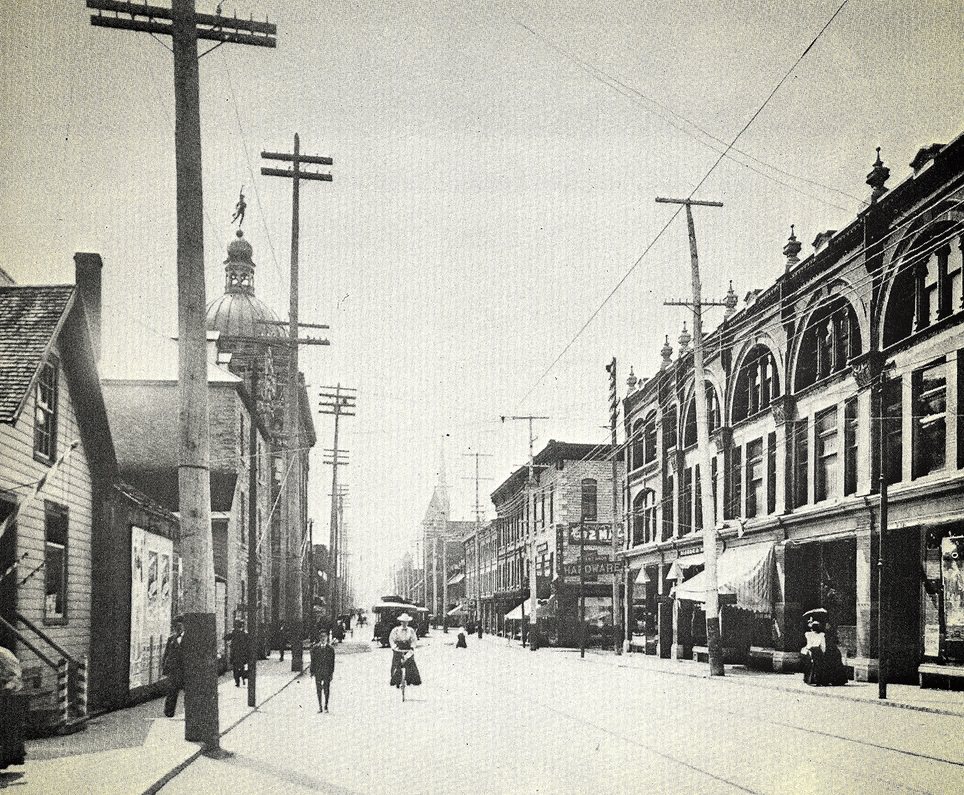
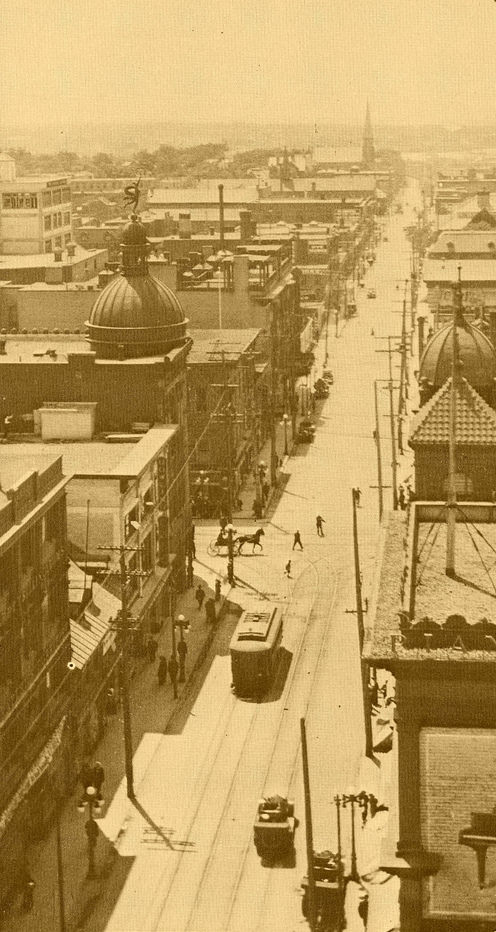
Sparks Street was Ottawa’s main commercial artery throughout the late 19th century. Shops, hotels, and institutions lined the street, and it was one of the busiest stretches in the city. Orme’s Piano Store stood as one of its well-known establishments, and the area around Bank Street and Sparks was a hub of daily commercial activity.
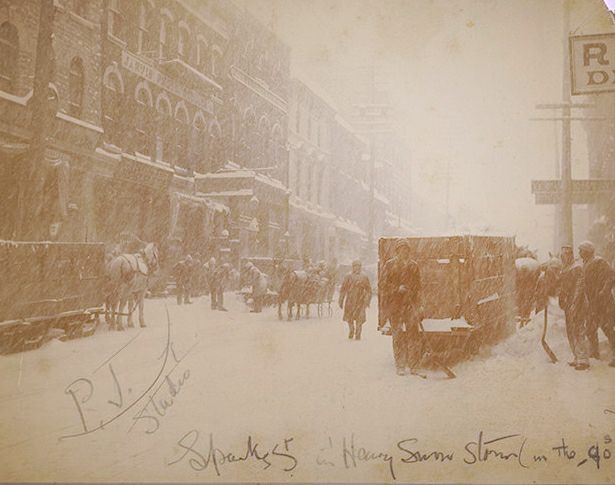
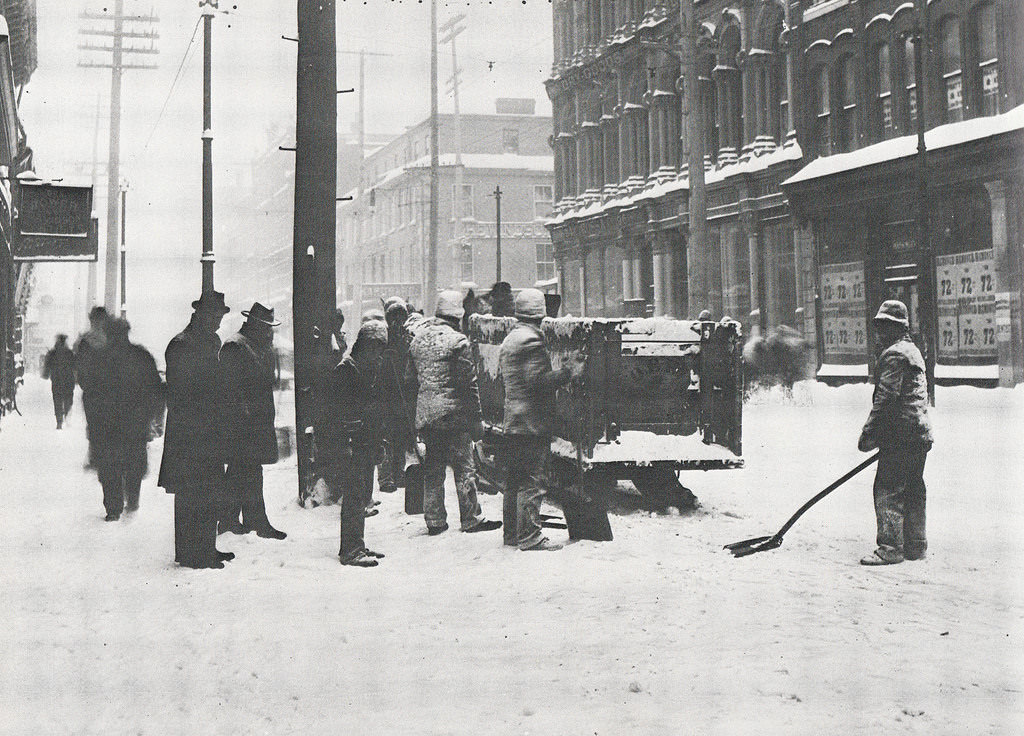
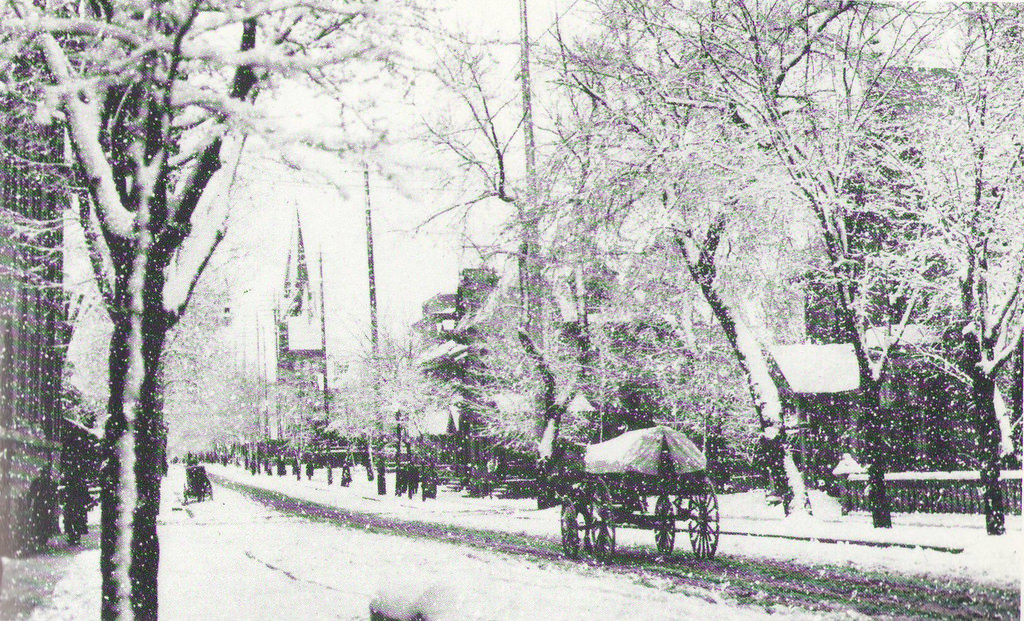
Winter made Sparks Street a different kind of challenge. Heavy snowstorms blanketed the city regularly, and crews worked to keep the main commercial streets passable. Snow clearing on Sparks Street was a necessary operation that kept the city’s economy moving even in brutal conditions.
Metcalfe Street and its intersection with Sparks Street was another busy corner of the city. The streets in this part of Ottawa were lined with multi-story buildings by the 1890s, giving the downtown core a dense, urban feel that would have been unrecognizable to anyone who had visited just thirty years earlier.
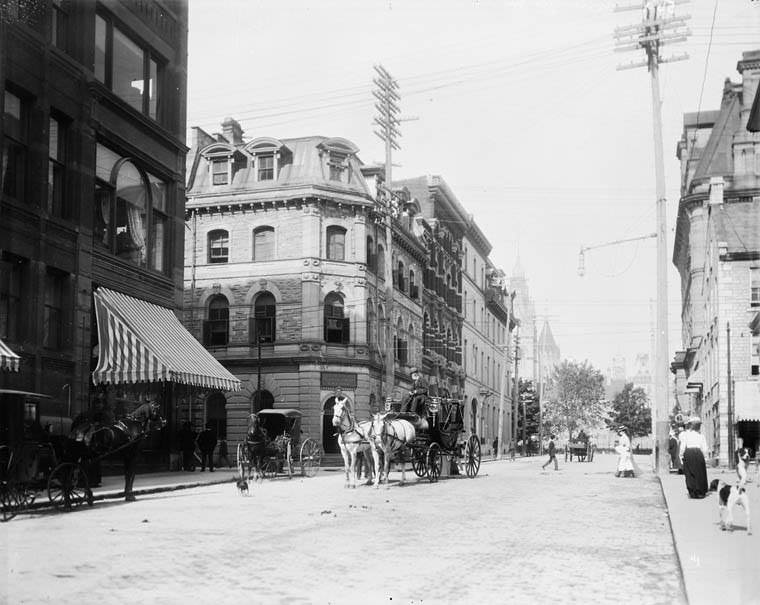
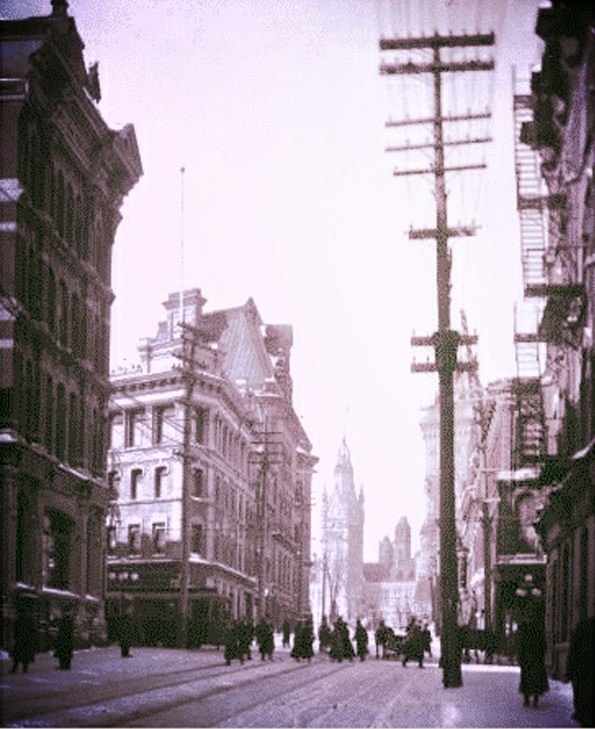
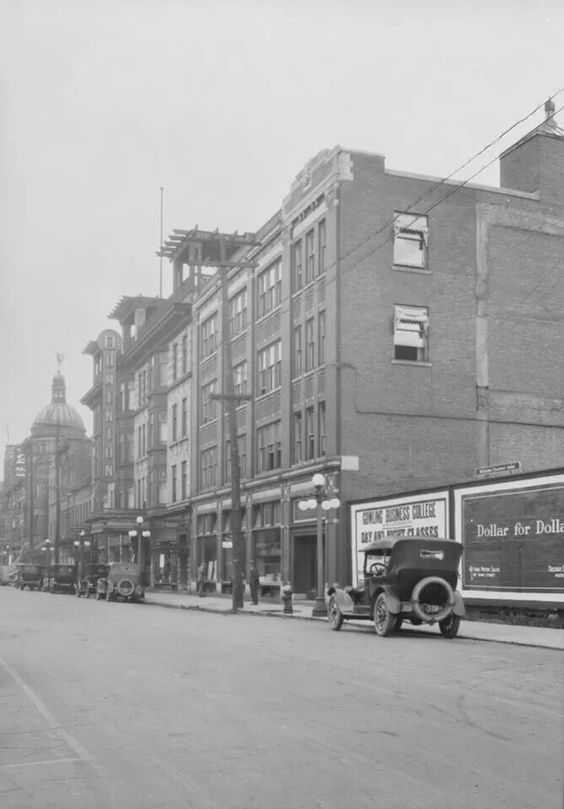
Wellington Street and Elgin Street were also central to the city’s identity. City Hall sat prominently along this corridor, and the streets were lined with civic and commercial buildings. Wellington Street connected Parliament Hill to the rest of the downtown, making it one of Ottawa’s most politically and socially significant roads.
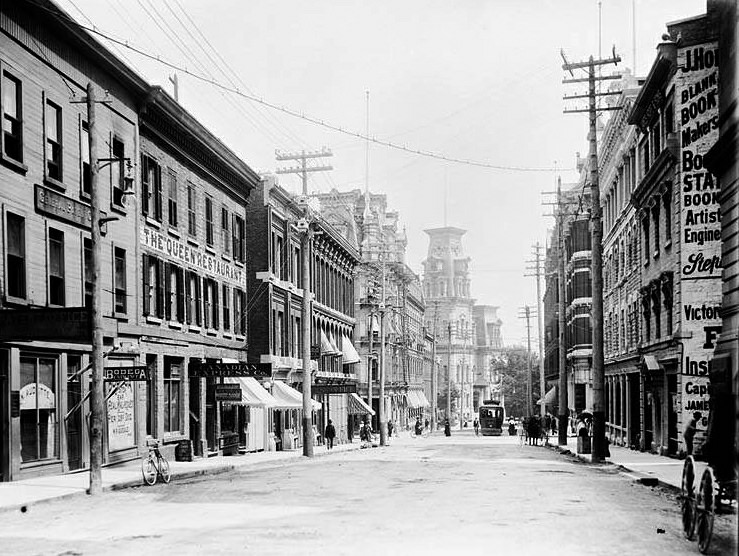
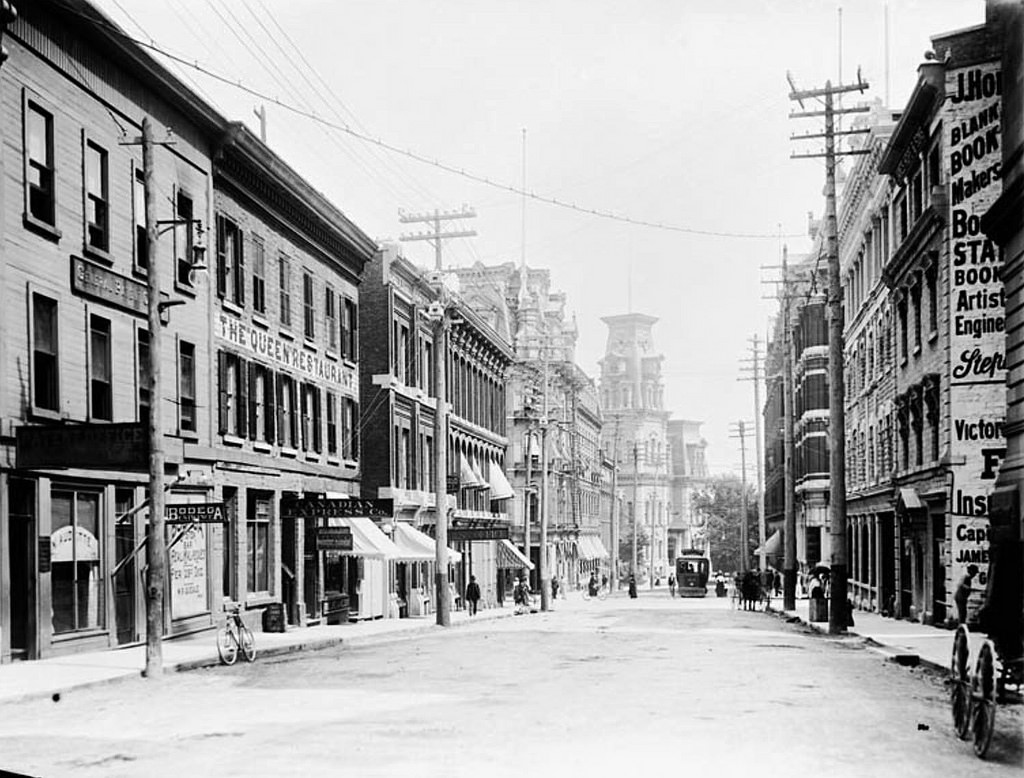
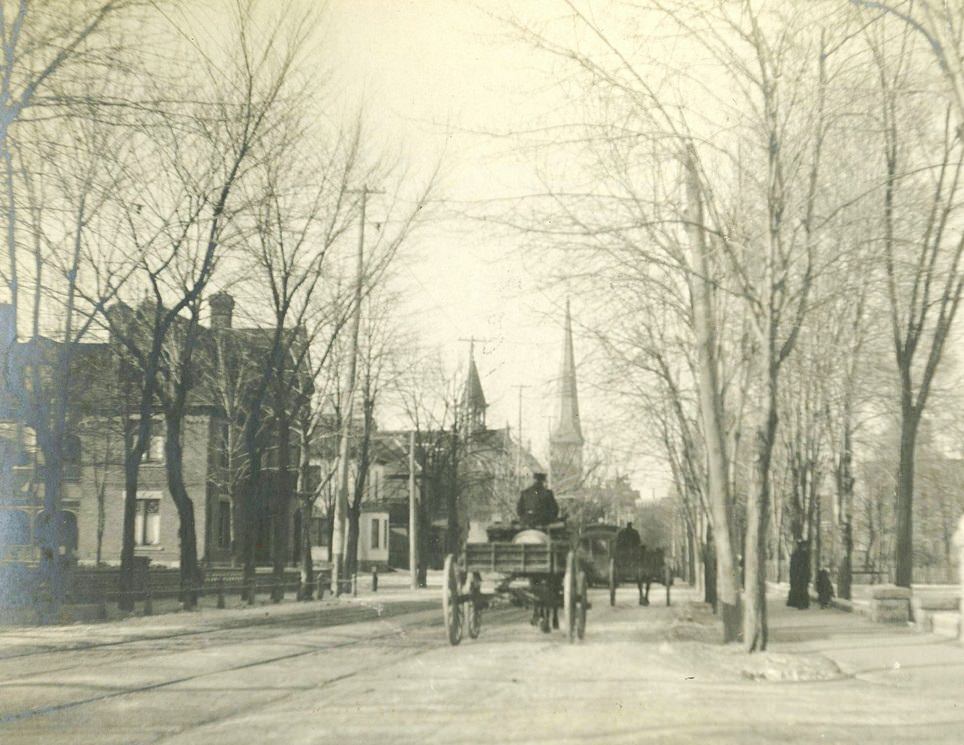
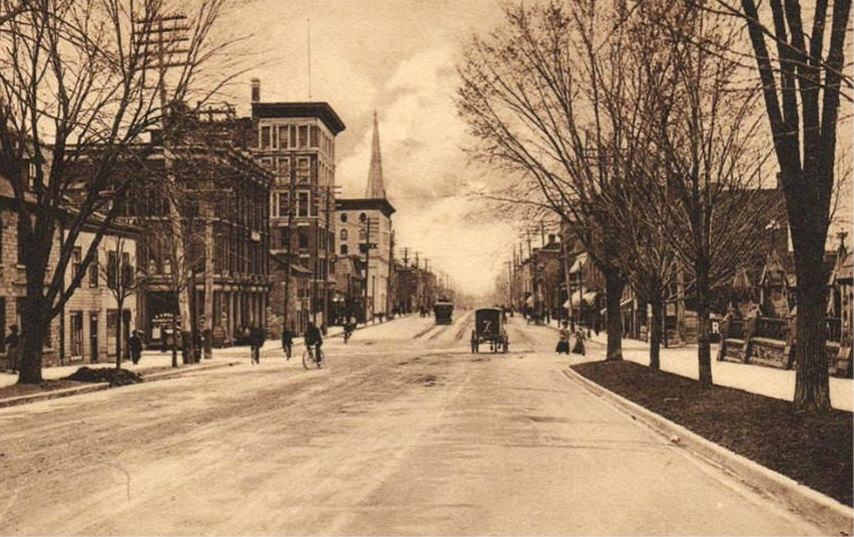
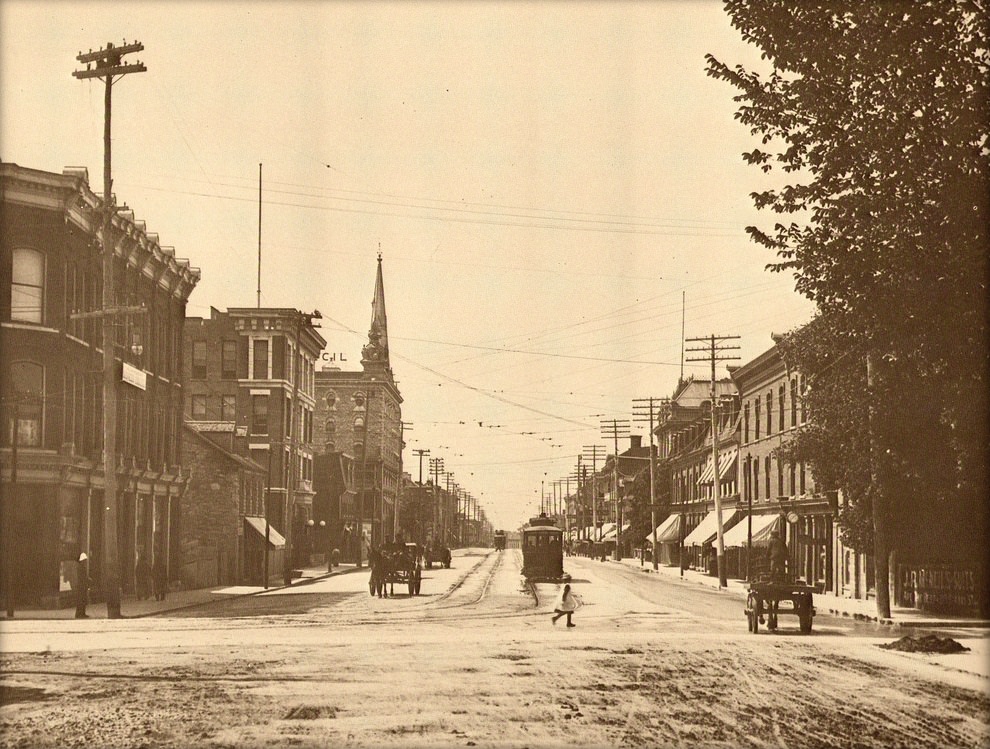
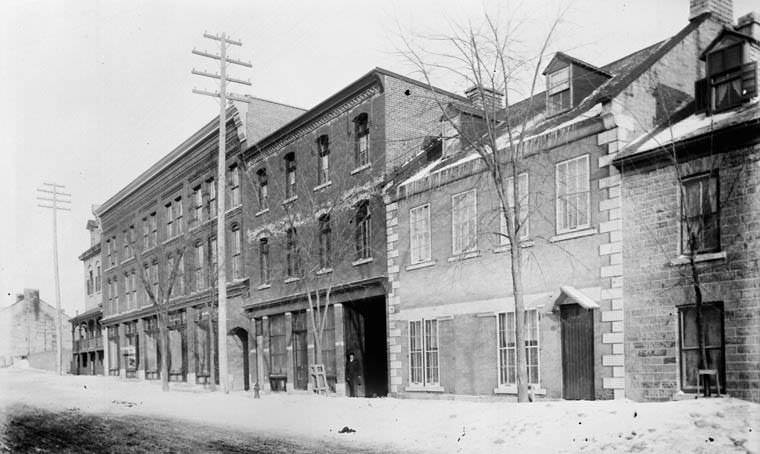
Rideau Street was another important commercial road, running east from the downtown core. Photos from 1876 and 1898 show the dramatic changes that took place along this street over just two decades — more buildings, more traffic, and a growing sense of permanence.
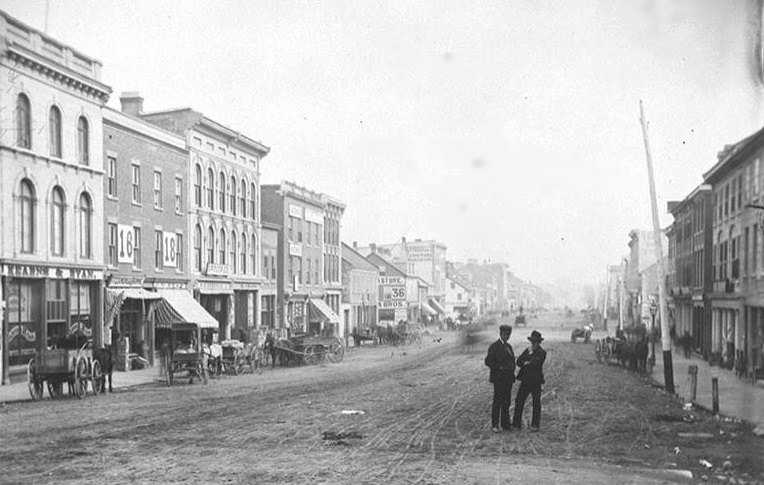
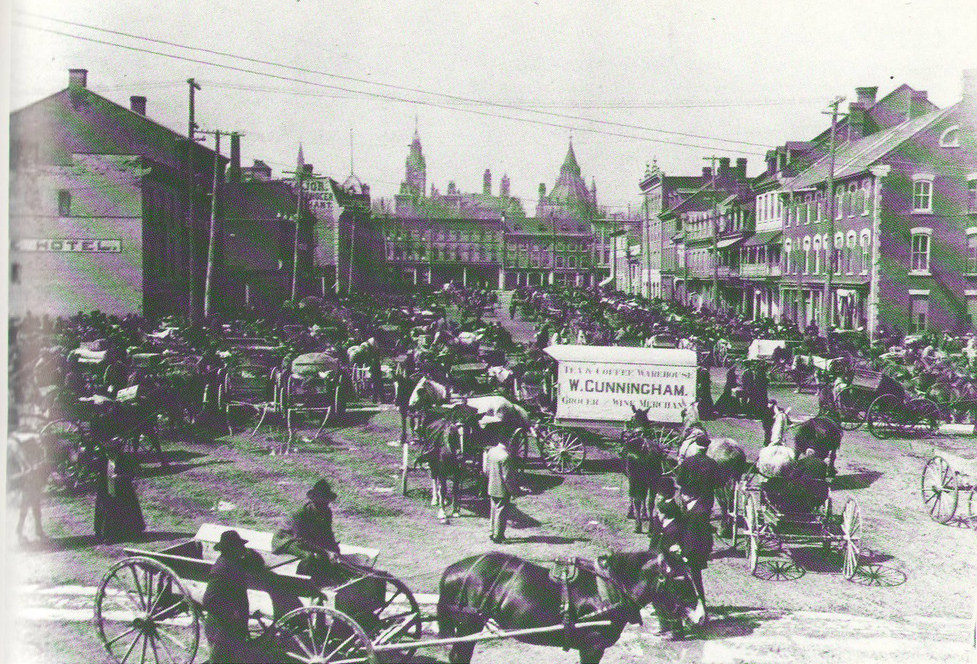
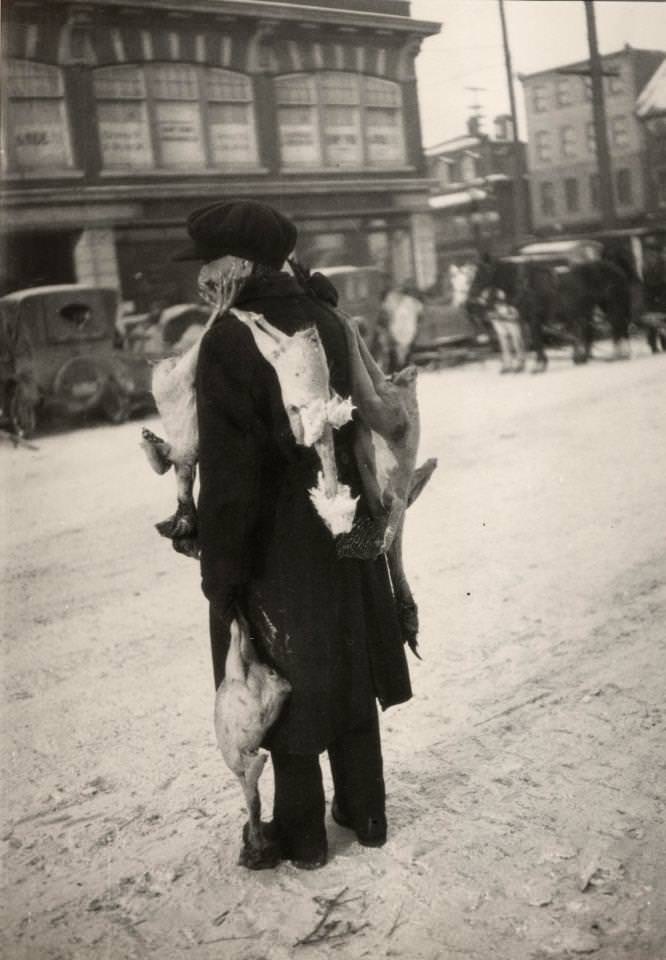
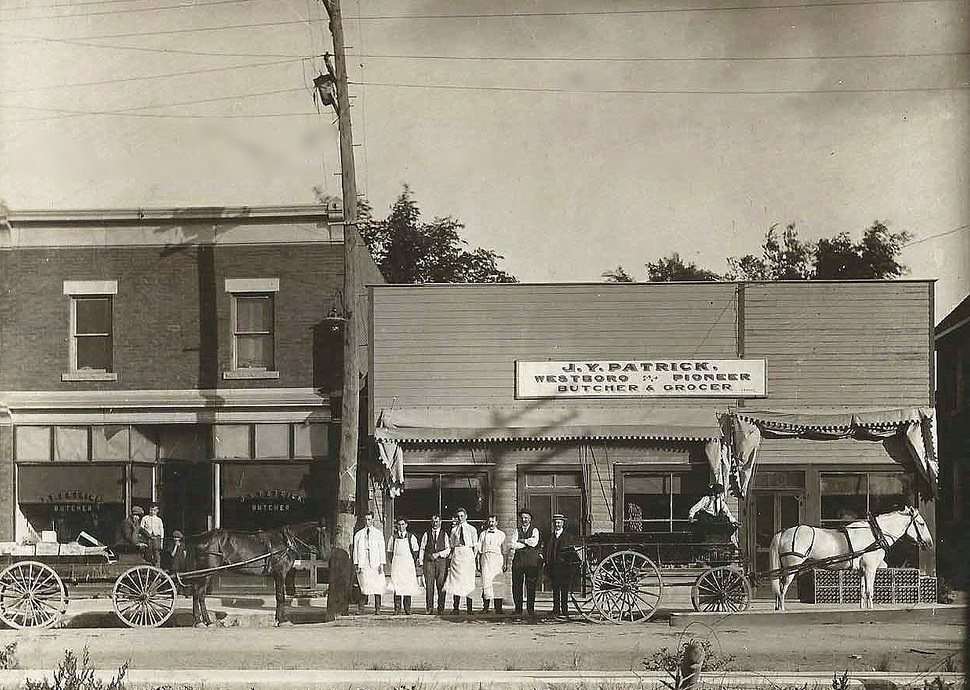
The Byward Market area was the commercial and social heart of daily life for many Ottawa residents. Vendors sold chickens, produce, and other goods in the open market, and the streets around it were constantly busy. A chicken vendor captured on York Street in 1899 shows the kind of street-level commerce that defined the neighborhood.
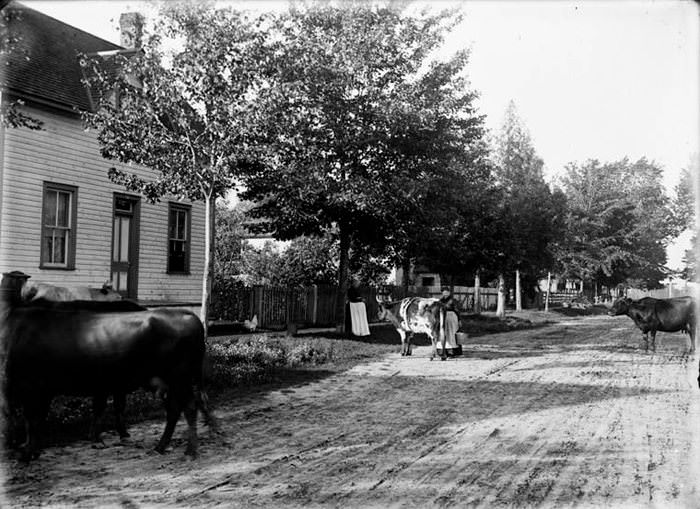
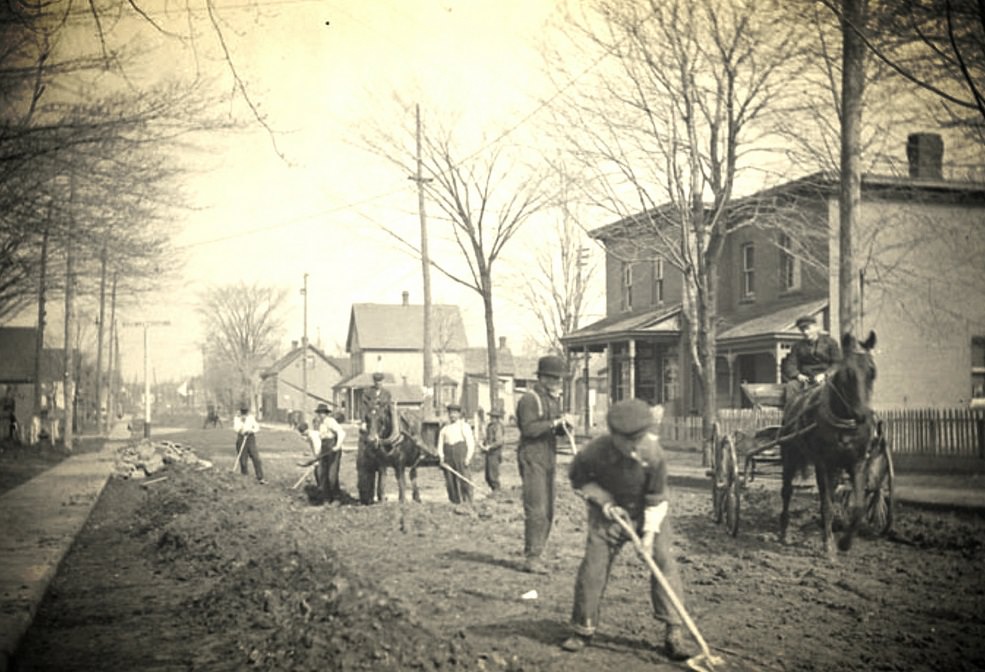
Not all of Ottawa’s streets looked like the busy downtown core. Residential neighborhoods like Lebreton Flats had a much quieter character, with modest homes and unpaved roads. And in some parts of the city, cows were still a common sight — a reminder that Ottawa hadn’t entirely left its rural roots behind.
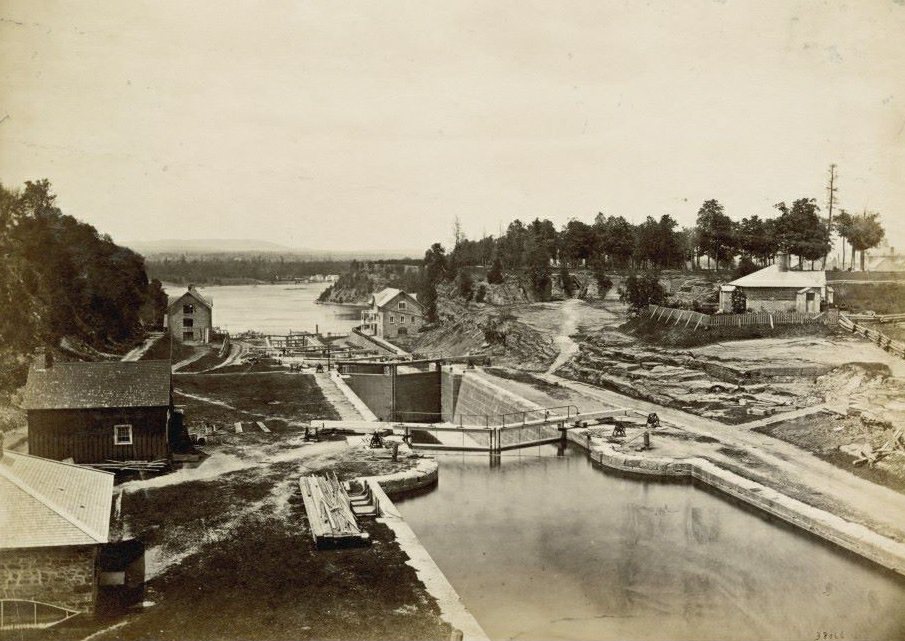
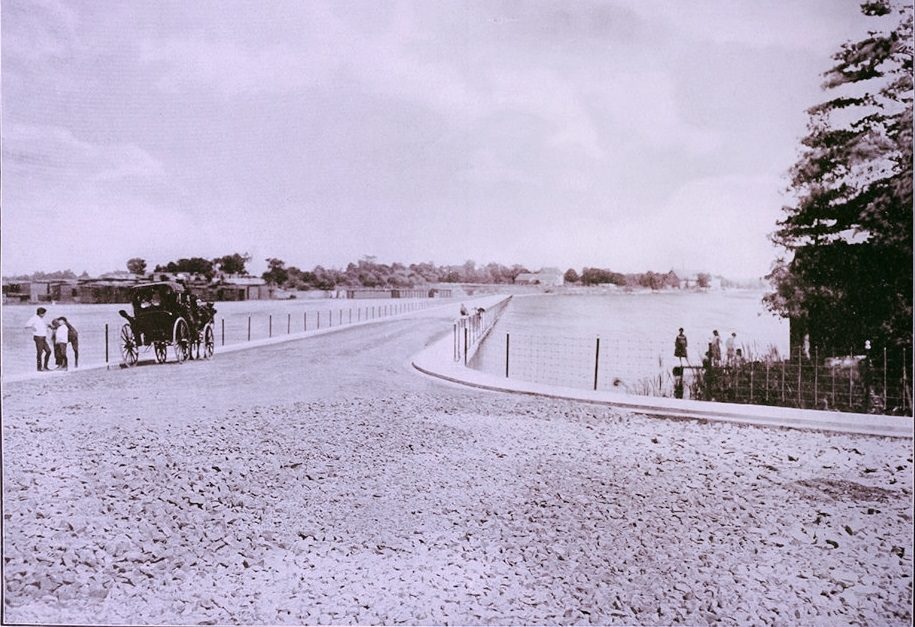
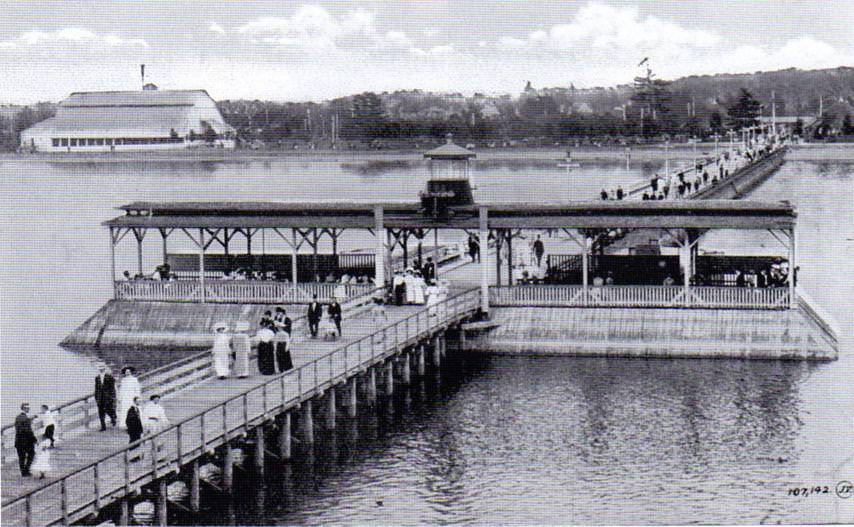
The Rideau Canal, which connected Ottawa to Kingston, was a vital waterway and a defining feature of the city. Its entrance from the Ottawa River was a well-known landmark, and the roads and parkways built along its banks became popular routes for residents. Dow’s Lake, connected to the canal, also had a causeway built across it during this period.
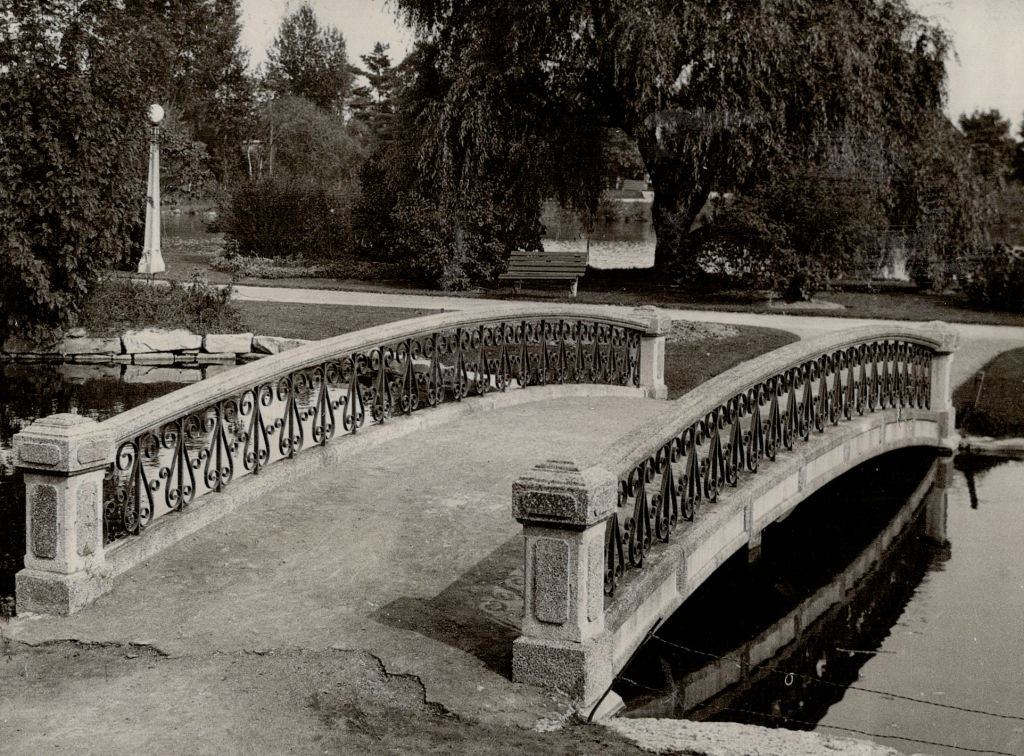
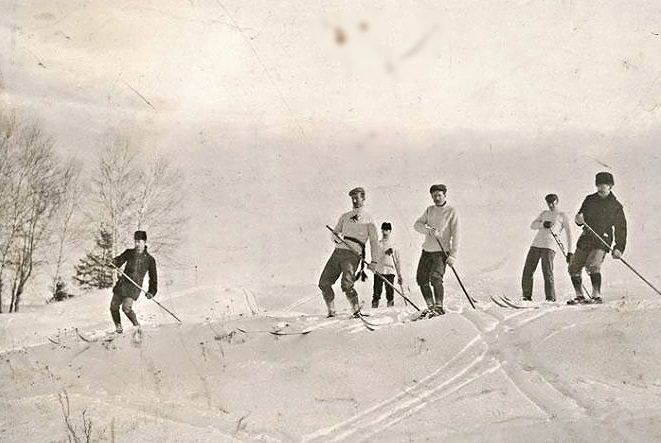
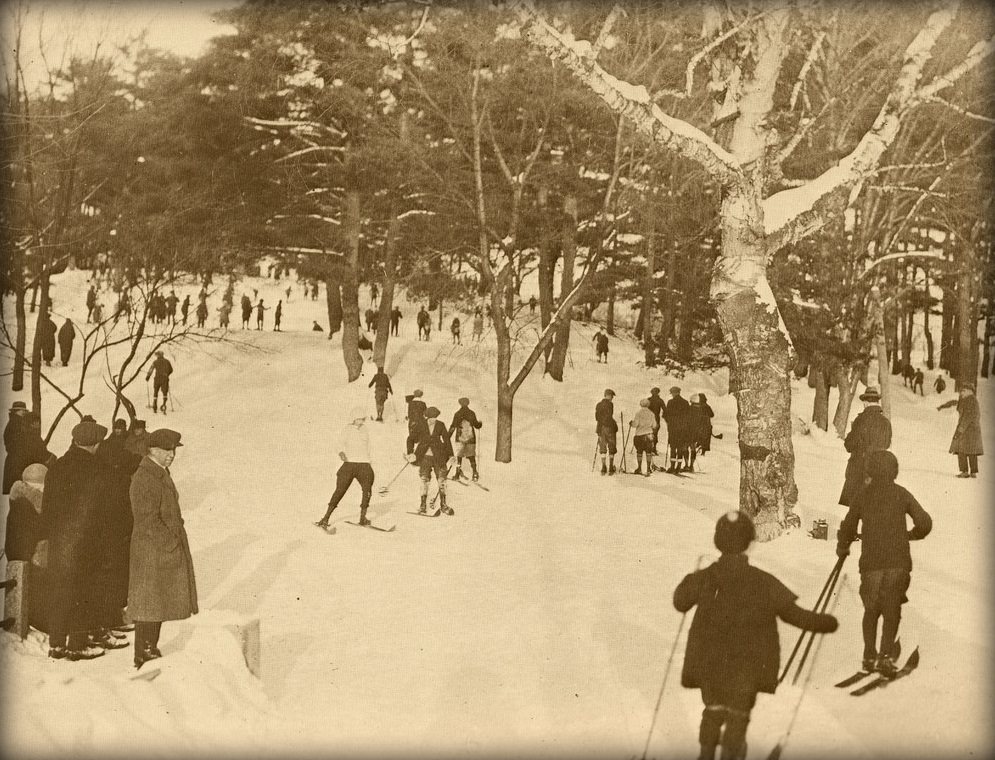
Ottawa’s waterways and parks provided residents with outdoor recreation throughout the year. Sailing canoes on the Ottawa River was a popular summer activity, and the beaches at Britannia drew crowds looking to swim and relax. In winter, Rockcliffe Park became a destination for skiers, with residents taking to the slopes in the fashions of the day.
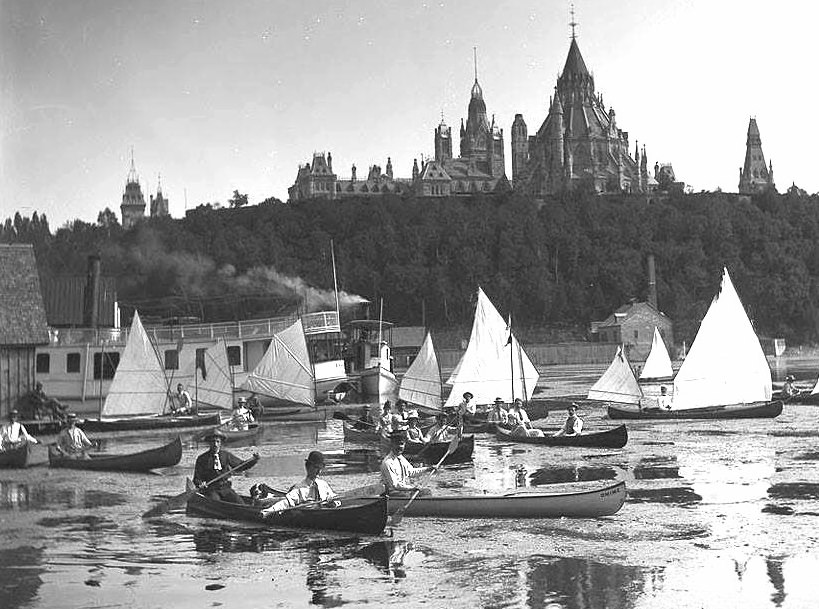
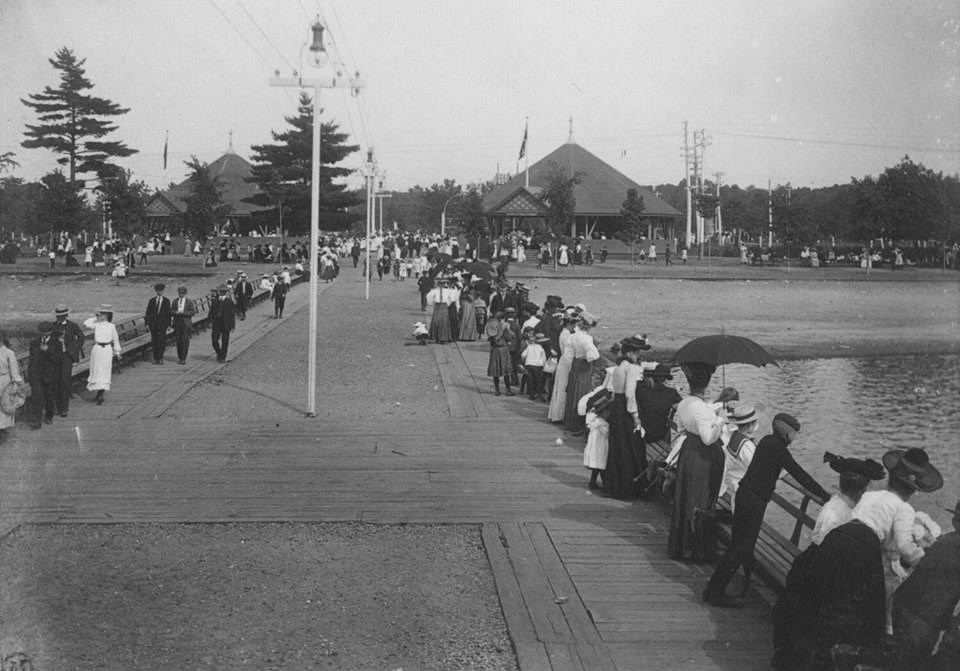
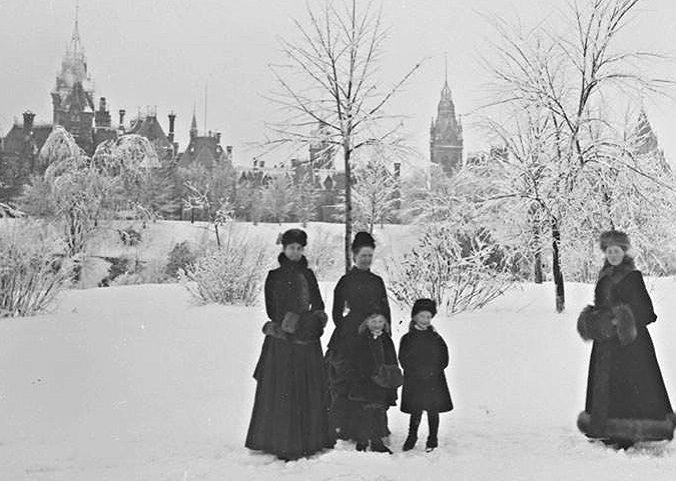
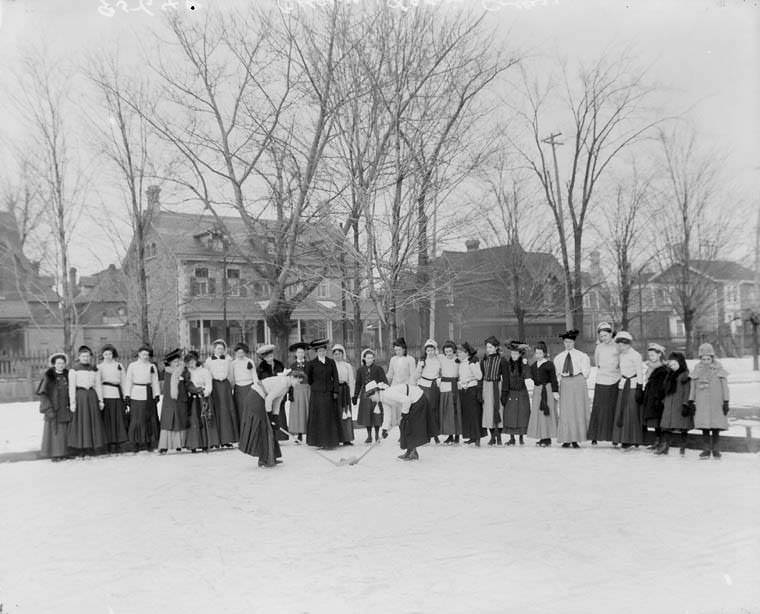
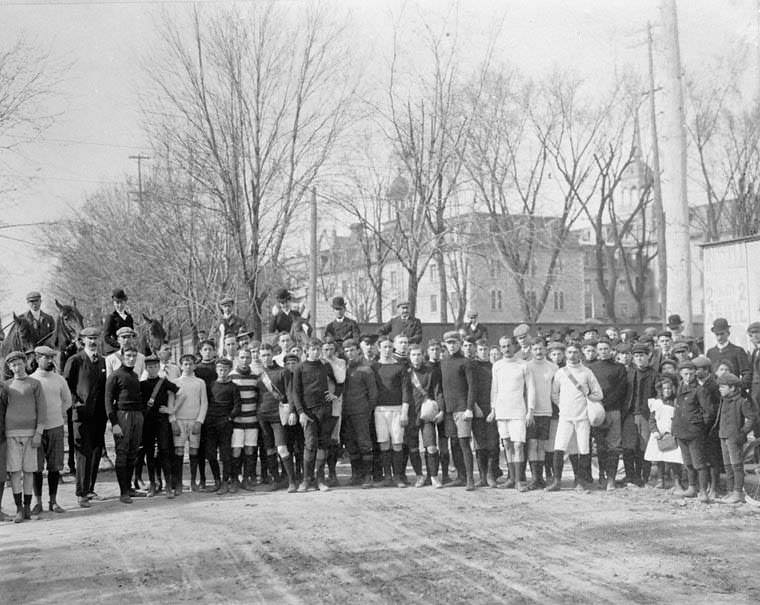
Major’s Hill Park, just east of Parliament Hill, was another popular green space where families gathered. The Ottawa Ladies College even had a hockey group by 1899, showing that organized sports were already part of Ottawa’s social fabric. Races were another community event that drew crowds in the 1890s.
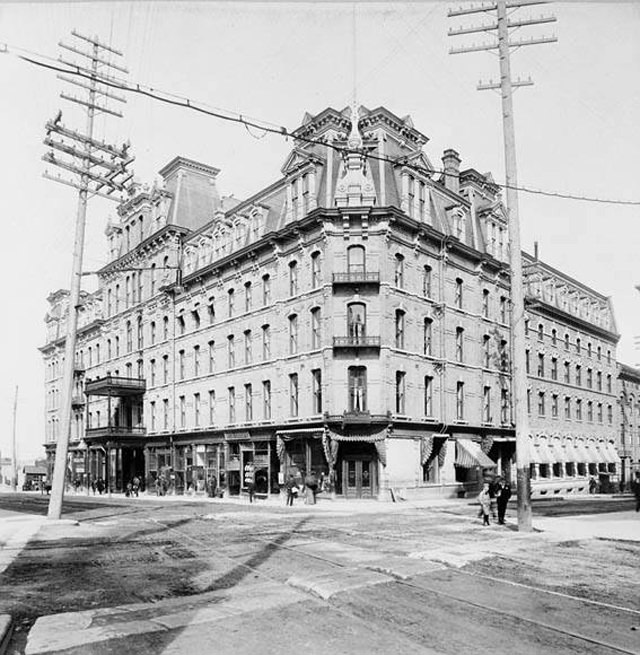
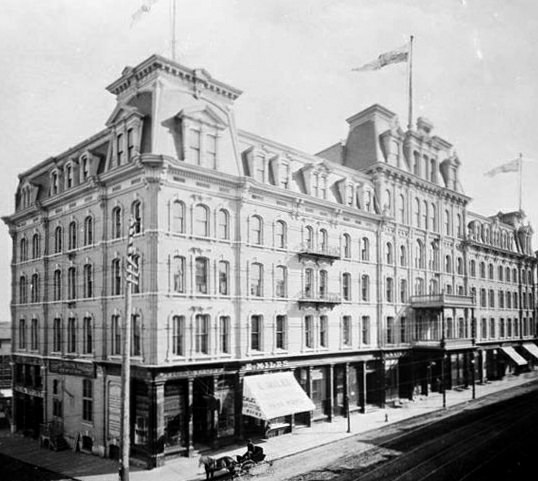
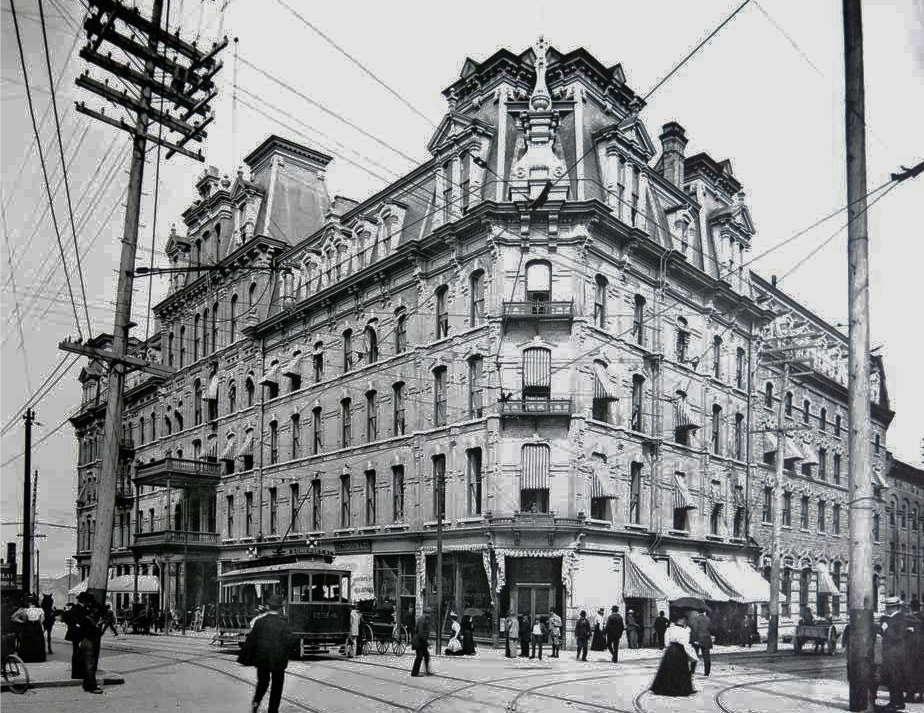
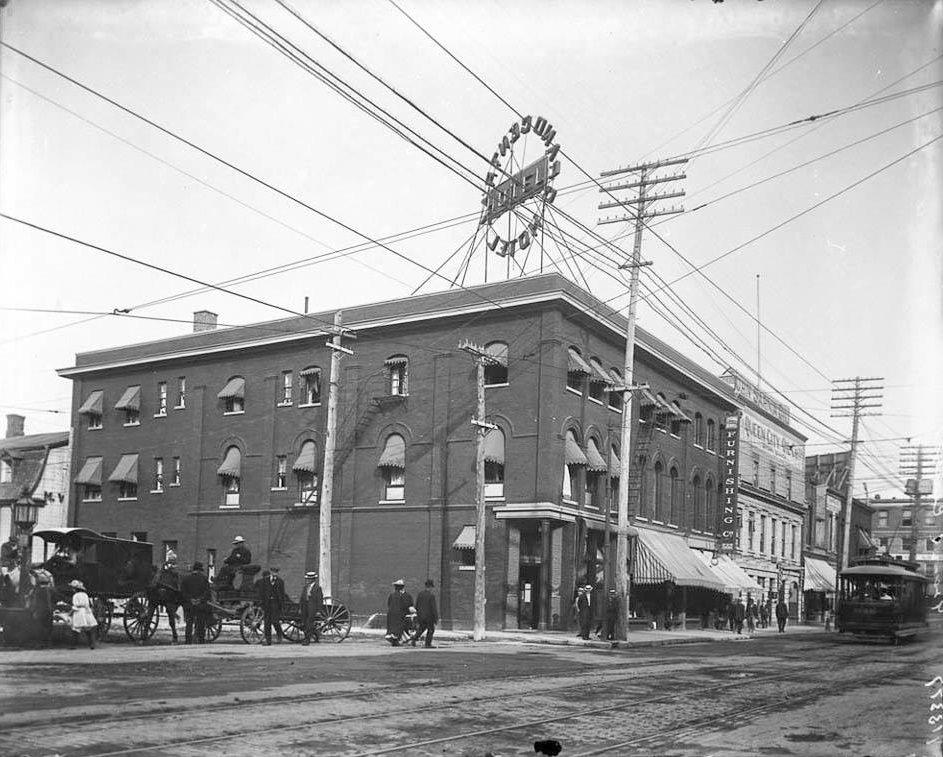
The Russell House Hotel was one of Ottawa’s most prominent social gathering places. Located at the corner of Sparks Street and Elgin Street, it hosted politicians, businessmen, and dignitaries throughout the late 19th century. Multiple photographs from 1882 through 1898 show its enduring presence at the heart of Ottawa’s social scene.
Ottawa’s civic institutions grew steadily through the 1880s and 1890s. The Ottawa Normal School trained teachers, and the Ottawa Academy and Young Ladies’ Seminary, established on Sparks Street in 1861, reflected the city’s early investment in education. The Teacher’s College, photographed in 1895, was part of this broader network of educational institutions.
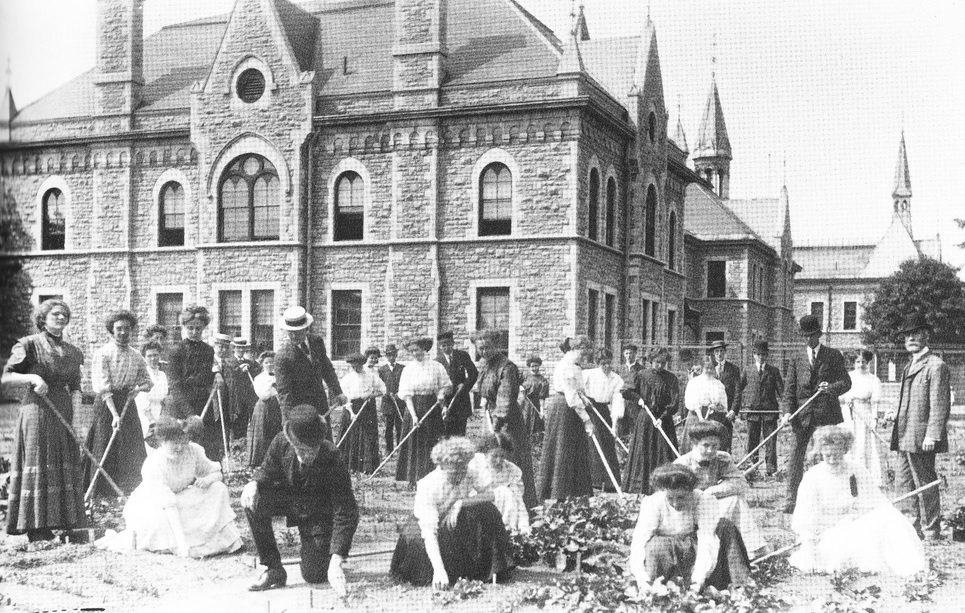
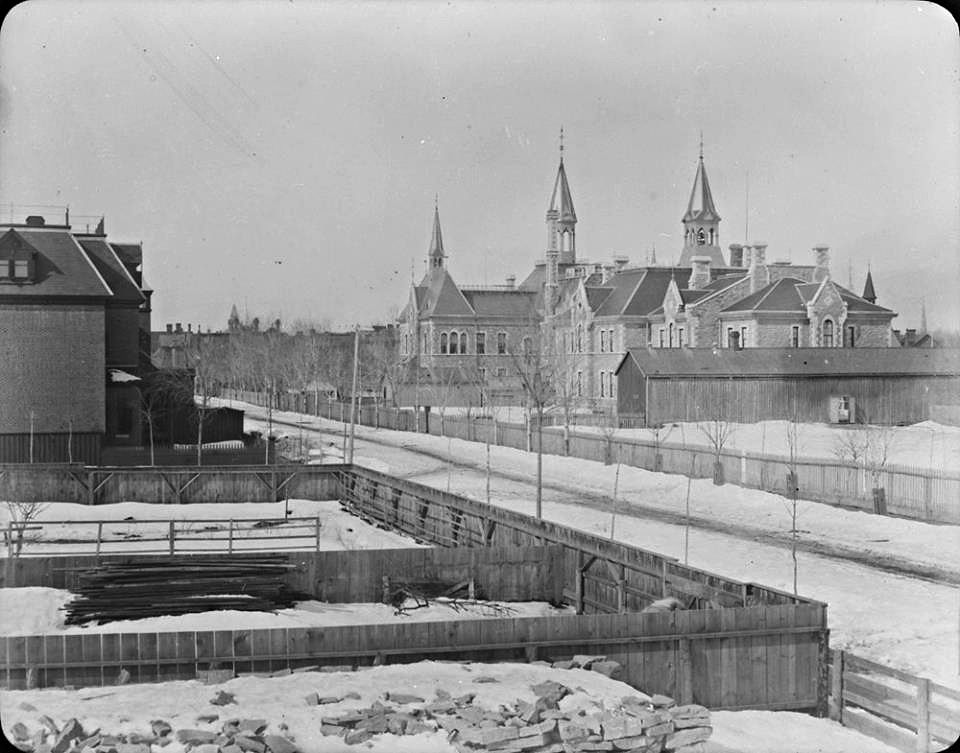
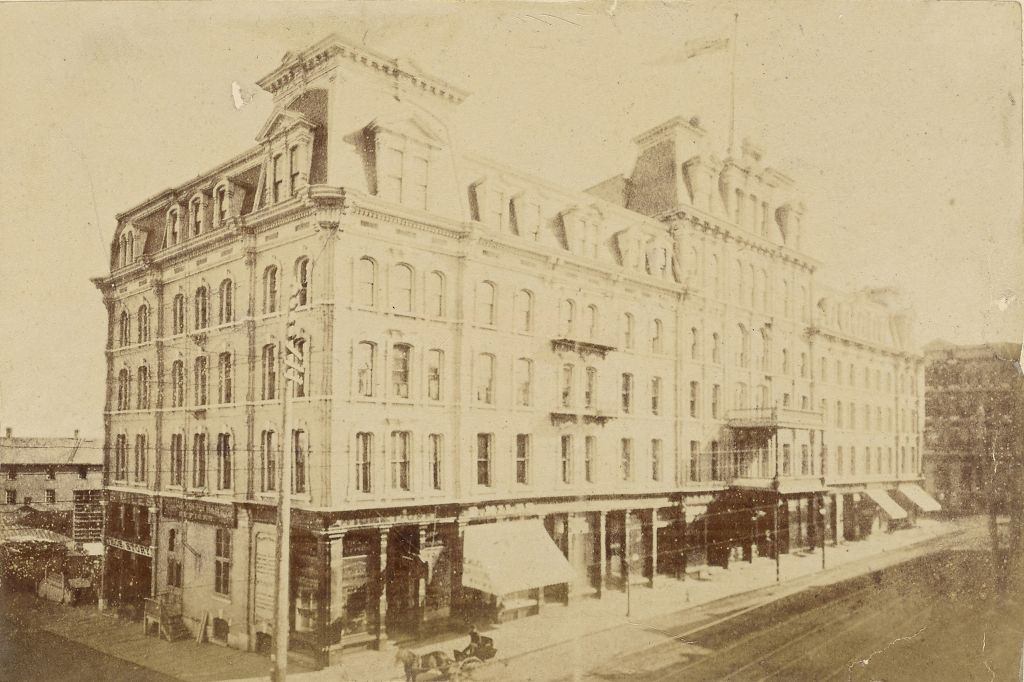
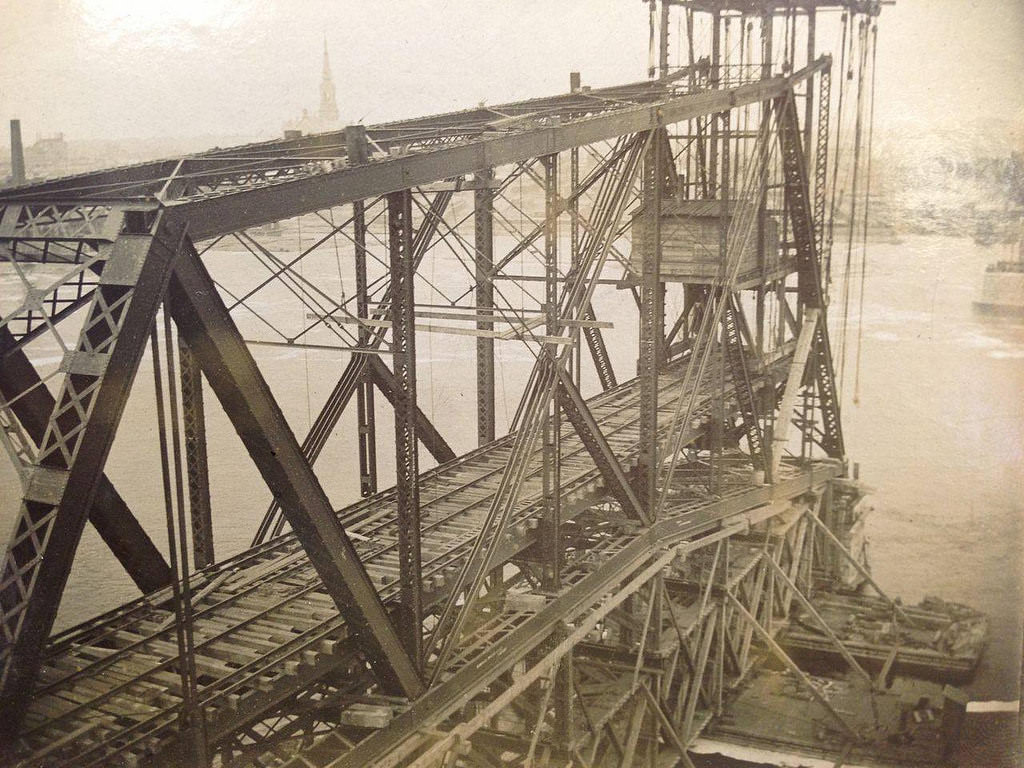
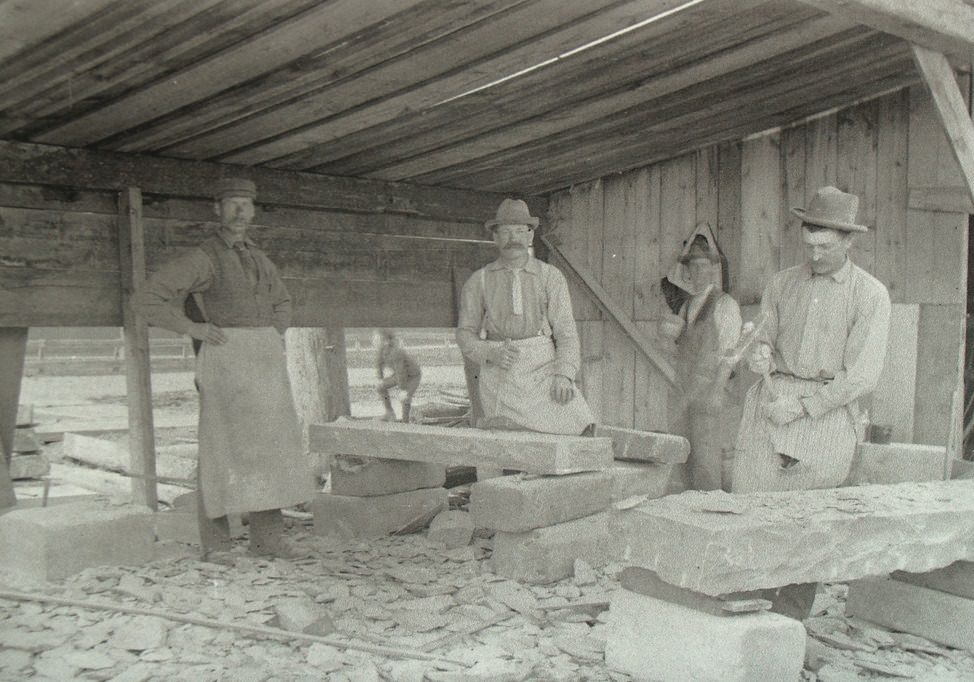
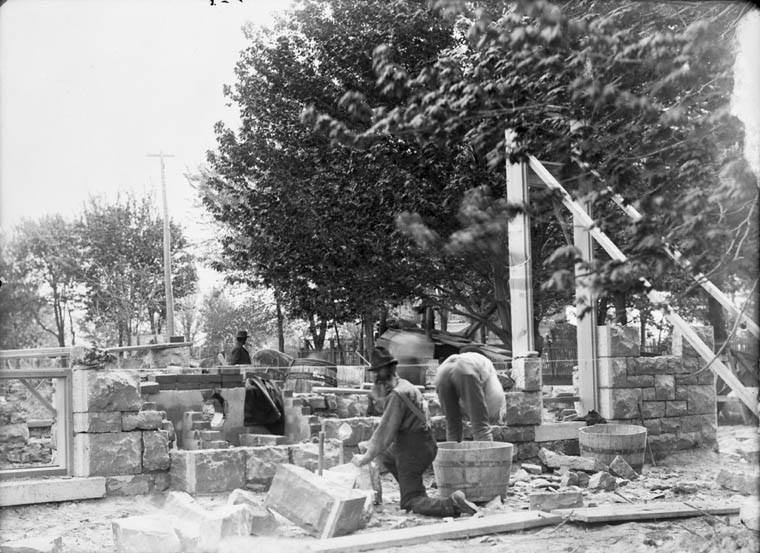
New construction was underway across the city as the century closed. The Alexandra Bridge, which would span the Ottawa River between Ottawa and Gatineau, was under construction from 1898 to 1900. The Victoria Museum, now known as the Canadian Museum of Nature, was also being built during the same period, with stonemasons photographed at work on its elaborate stone facade.
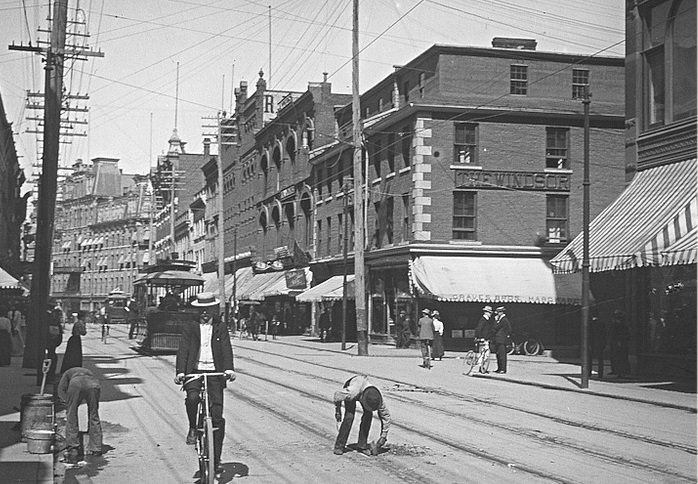
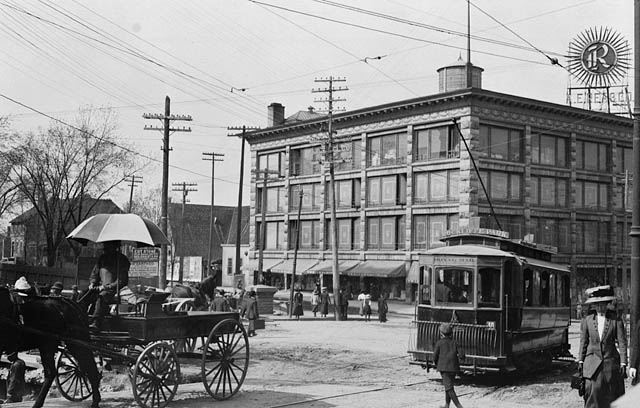
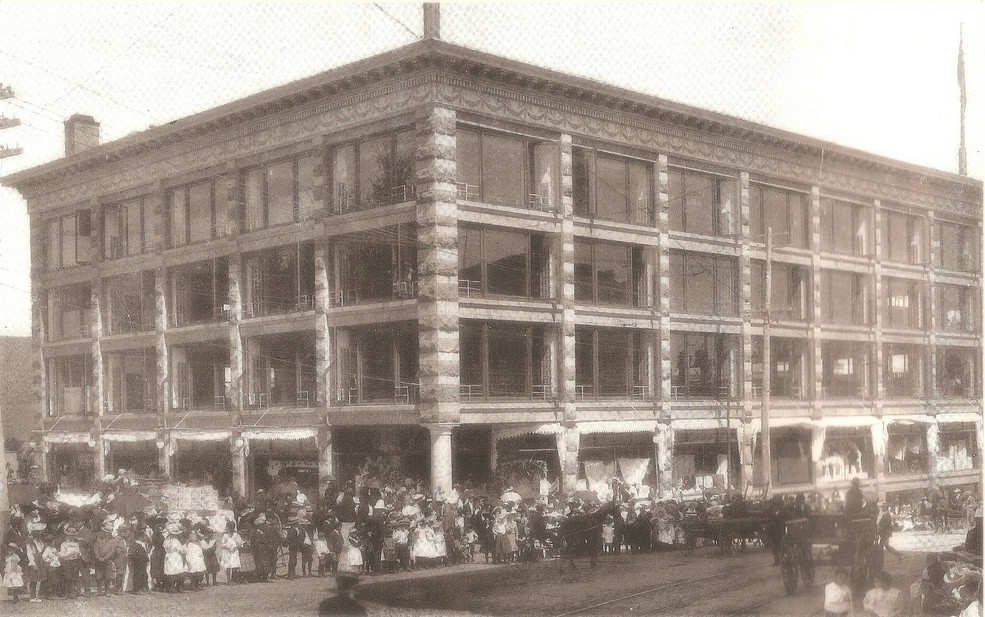
The Daly Building, a commercial block in downtown Ottawa, was also photographed in 1899, as was the broader downtown streetscape. These images show a city in the middle of a building boom — cranes, scaffolding, and new facades appearing across the urban core.
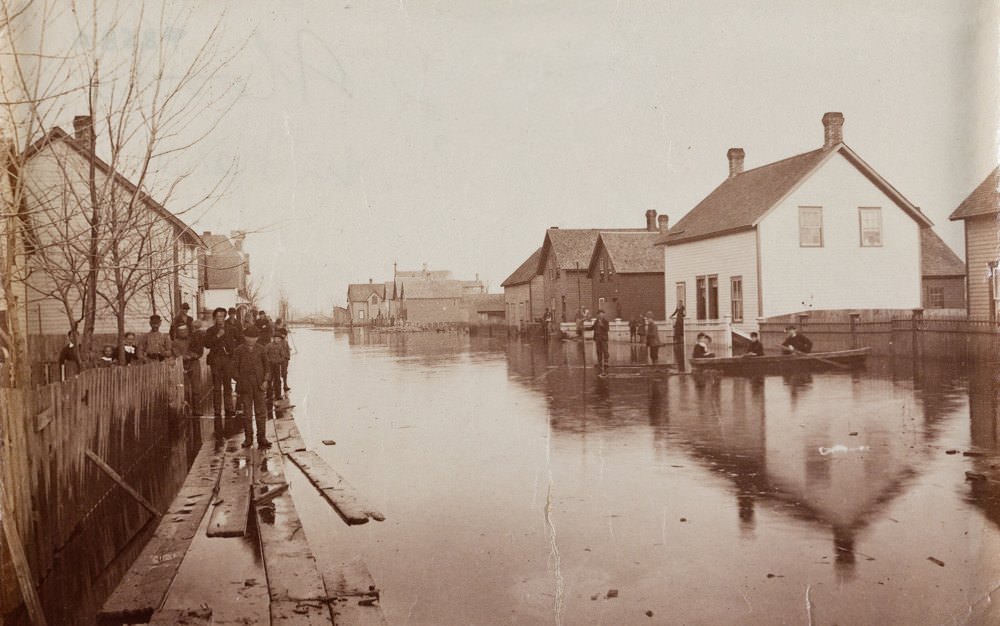
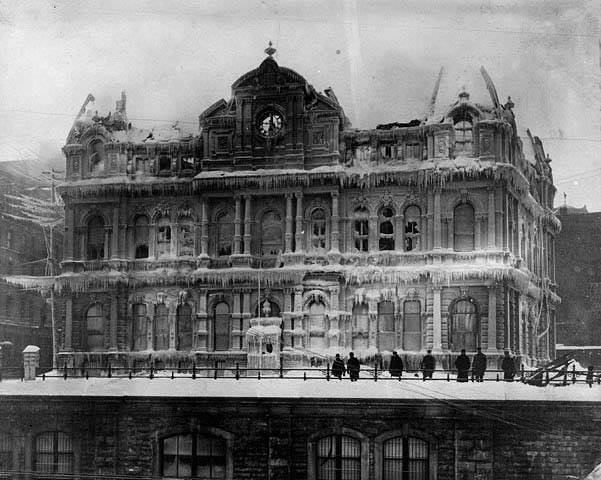
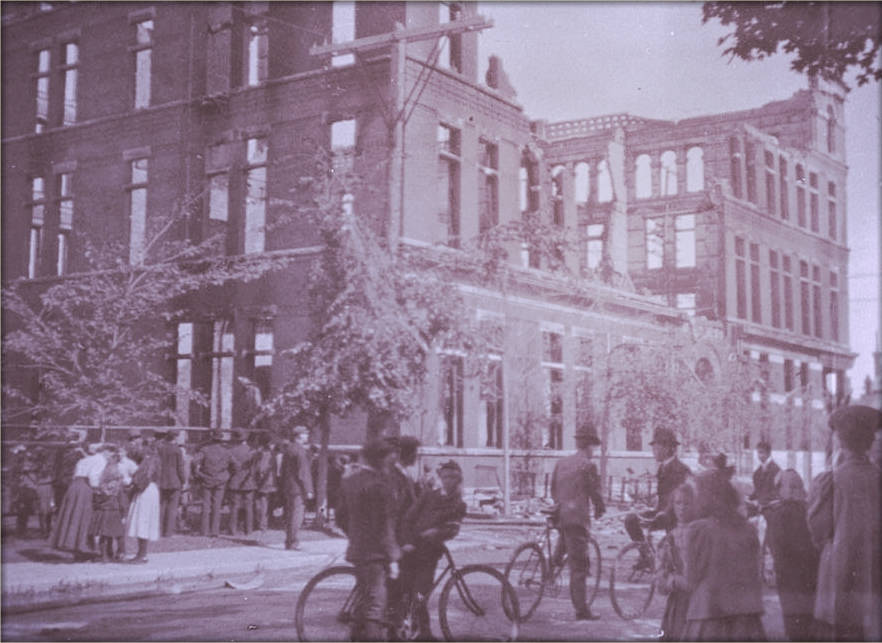
Not everything in late-19th-century Ottawa was forward progress. The city faced real hardships too. Flooding struck the New Edinburgh neighborhood in the 1890s, damaging homes and disrupting daily life. A fire destroyed the Ottawa Post Office in 1899, and the ruins of the Gilmour Hotel on Bank Street were another visible reminder of how quickly fire could undo years of construction in a city still largely built of wood.
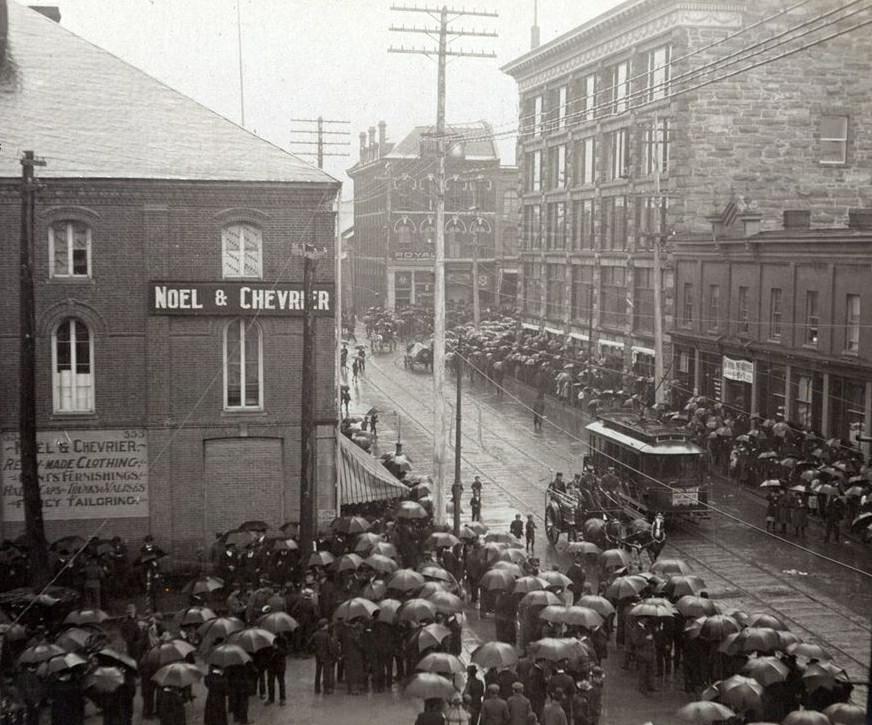
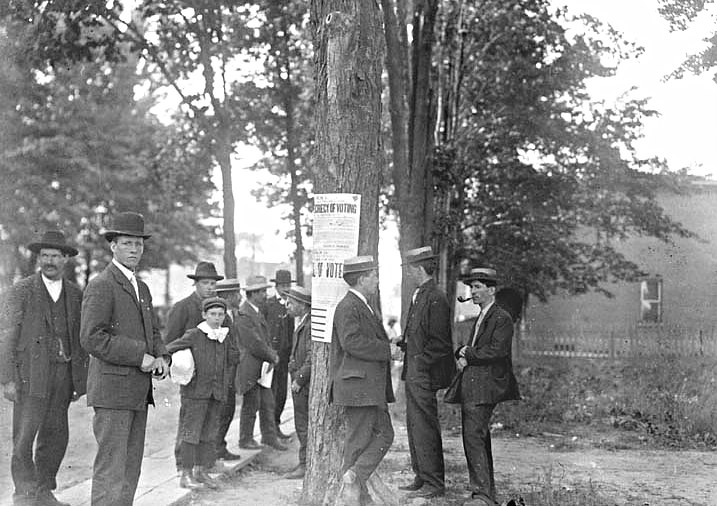
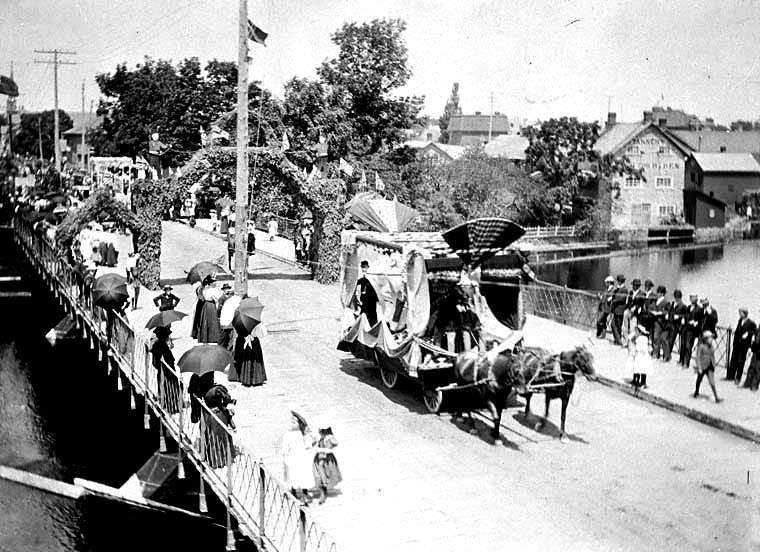
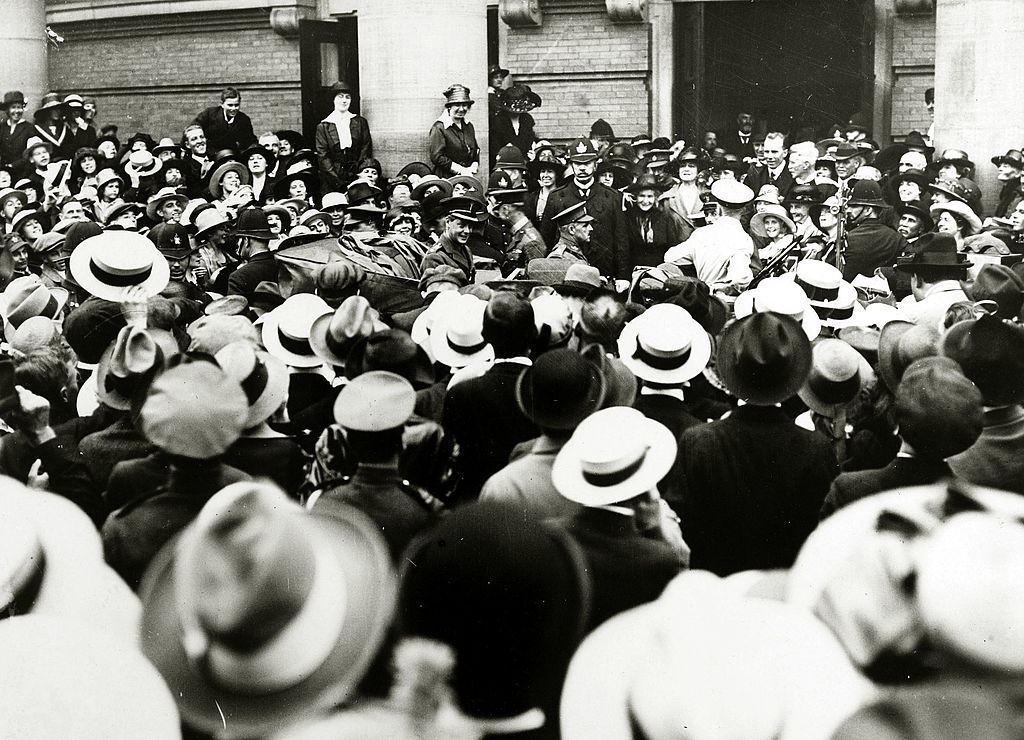
Election days brought Ottawa’s political character to the surface. As the national capital, the city was always deeply connected to government, and election day gatherings in front of local town halls drew large, animated crowds. Dominion Day celebrations in nearby Smiths Falls in 1897 show the festive public culture that had developed across the region by the end of the century.
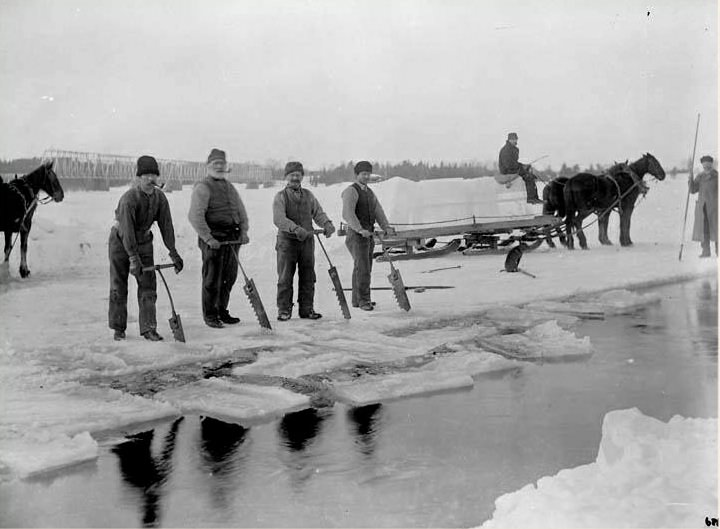
The icemen of Ottawa performed a job that was essential before modern refrigeration. Each winter, crews cut large blocks of ice from the Ottawa River near the Prince of Wales Bridge and stored them for use throughout the warmer months. It was cold, physically demanding work, but it kept food fresh and businesses running across the city.
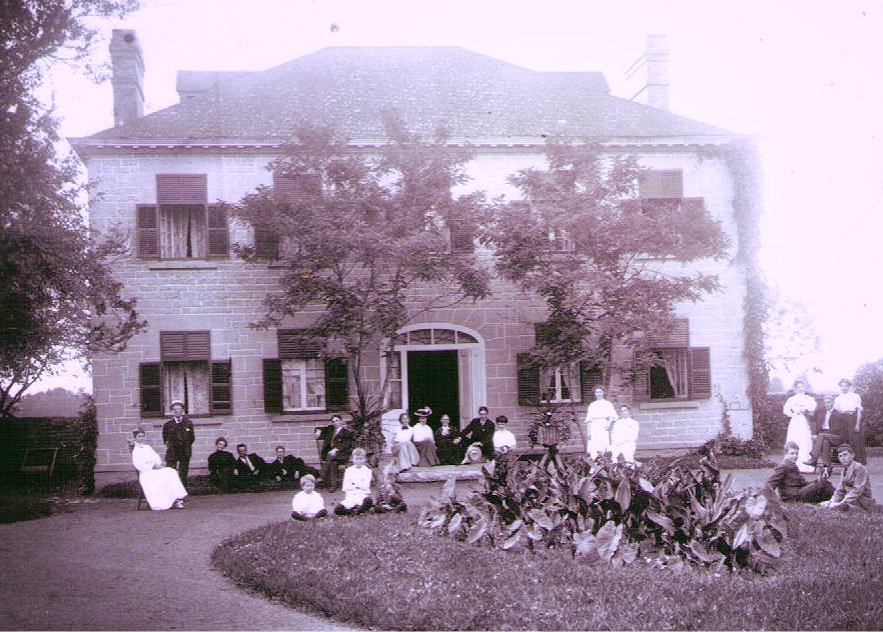
Royal visits were occasions of great public ceremony. The Prince of Wales was photographed in Ottawa in 1894, drawing attention from residents across the city. Events like this reinforced Ottawa’s role not just as an administrative capital, but as the symbolic center of a young nation still building its identity within the British Empire.
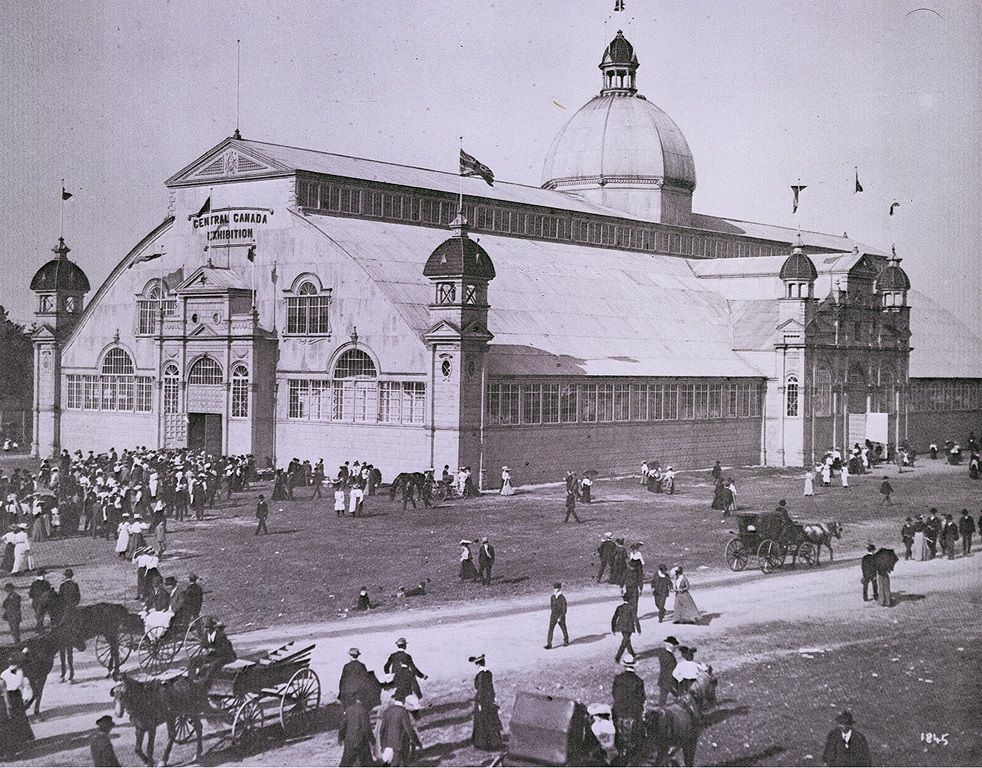





Back then, Sparks Street looked much livelier than it does now.
Back then, the streets were flooded with elephants. With the emergence of the automobile, they decided something had to be done.
A side-by-side comparison with current pictures would be awesome
Some of these photos have barely changed – you could have told me they were taken this year and a filter applied.
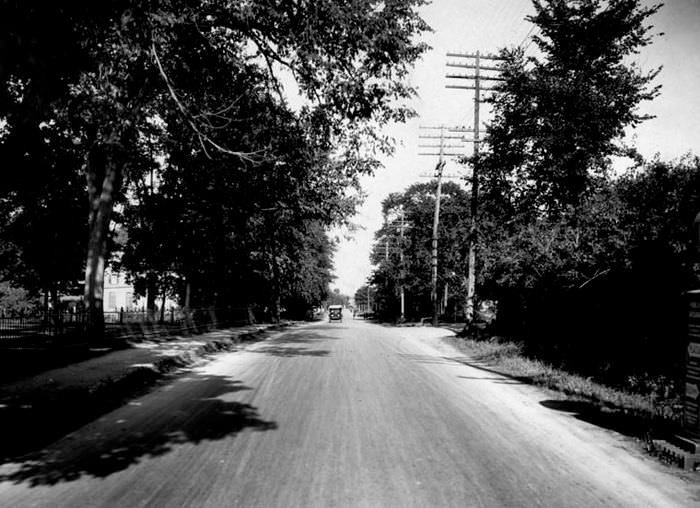
In some photos, cars from the ’20s are labelled or dated incorrectly as being from 1899
Photographs of old buildings fascinate me. Ottawa would be pretty stunning if more of them were preserved. I am disappointed we did not recognize their value and keep more of them.
Those were some pretty cool-looking buildings back then. Especially the old post office.
Did we have an elephant parade?
When the circus came to town, also known as when Parliament returns.
I really like the image of the burnt down post office with icicles hanging off it.
The normal school?
Is there any part of the Parliament from 1860 still standing?
I think the library is the oldest part