
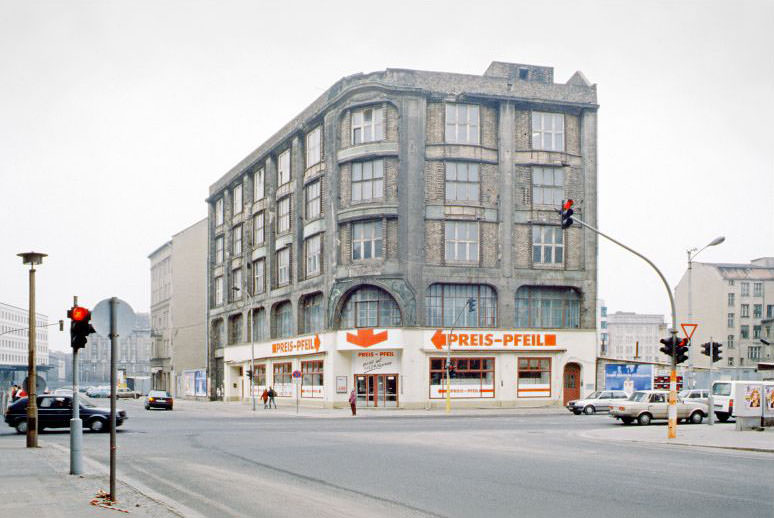
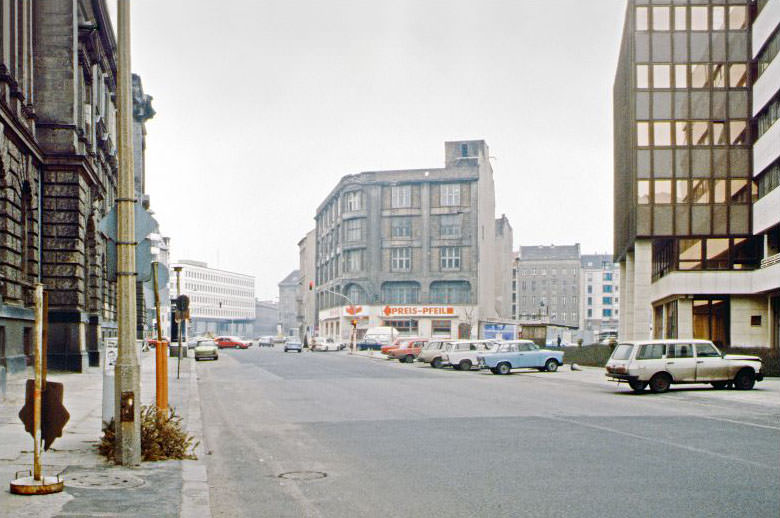
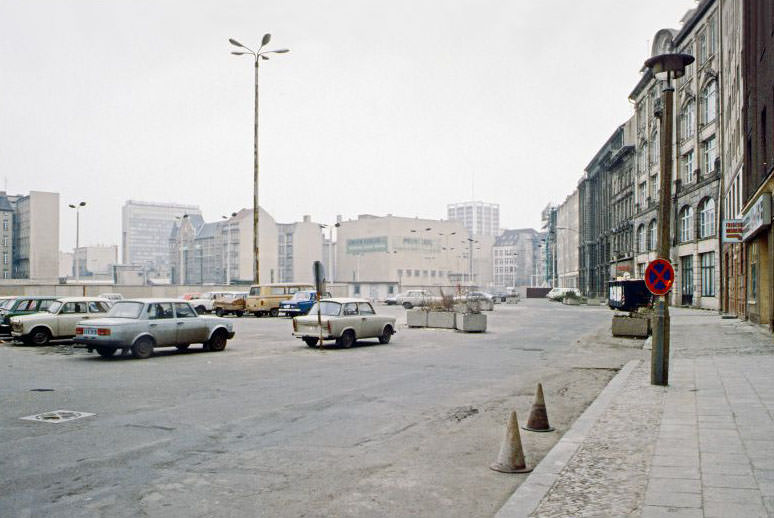
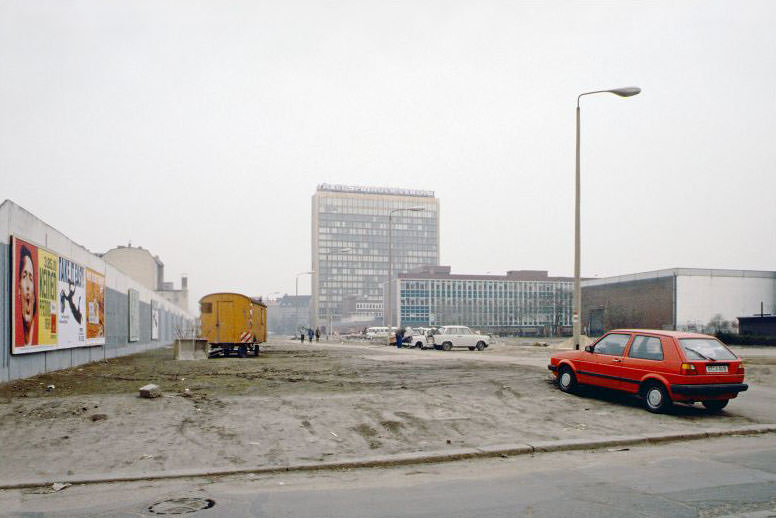
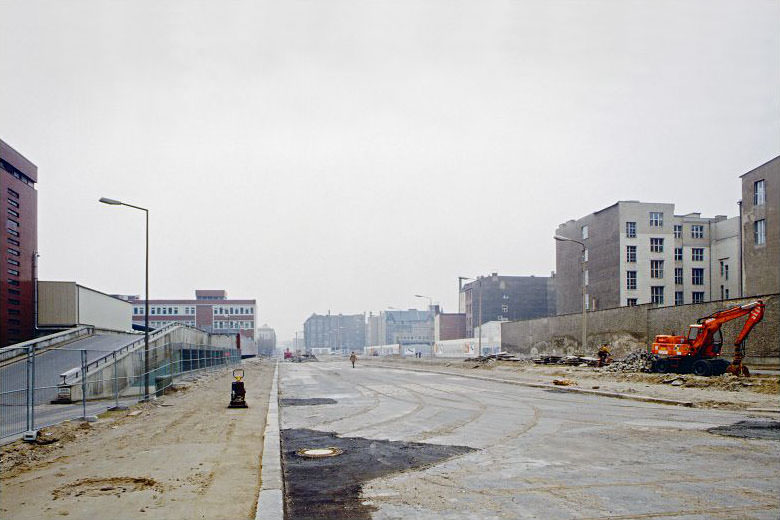
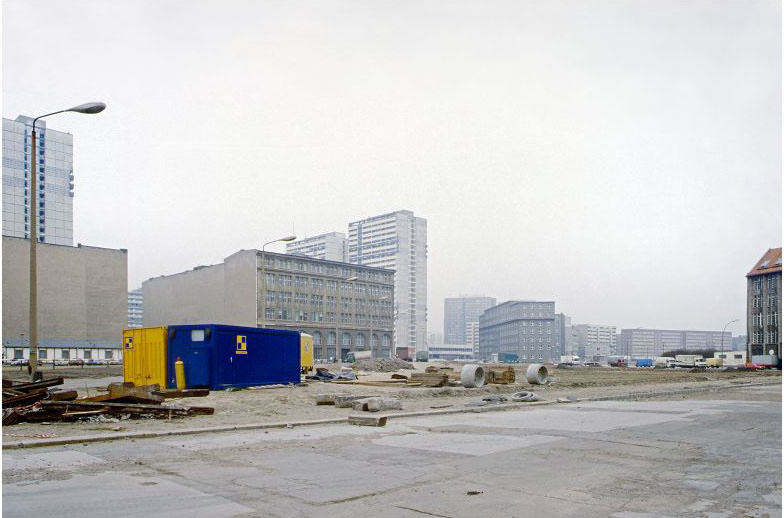
In 1991, Berlin was a city still catching its breath. The Wall had fallen less than two years earlier, and the streets of Mitte — the historic heart of the German capital — were caught between two worlds. The scars of division were still visible, yet the energy of reunification was already reshaping everything. Photographer S. Dekind walked these streets and captured what they looked like in that extraordinary window of time.
Mitte is Berlin’s central borough, made up of six distinct areas: Mitte proper, Gesundbrunnen, Hansaviertel, Moabit, Tiergarten, and Wedding. It is one of only two boroughs in Berlin — the other being Friedrichshain-Kreuzberg — that were once split between East and West Berlin. When the Wall came down in 1989, Mitte was suddenly whole again, though the two halves had aged very differently under their respective governments.
The district holds Berlin’s historic core and some of the most recognized landmarks in all of Germany. Museum Island, the Reichstag, Berlin Hauptbahnhof, Checkpoint Charlie, the TV Tower, the Brandenburg Gate, Unter den Linden, Potsdamer Platz, and Alexanderplatz all sit within its boundaries. The last five of those landmarks were located in former East Berlin, meaning that in 1991, they were still adjusting to a very new political and economic reality.
An der Spandauer Brücke sits near the Spree River, close to Museum Island. In 1991, this area showed the quieter, working fabric of old East Berlin — functional, a little worn, but deeply layered with history.
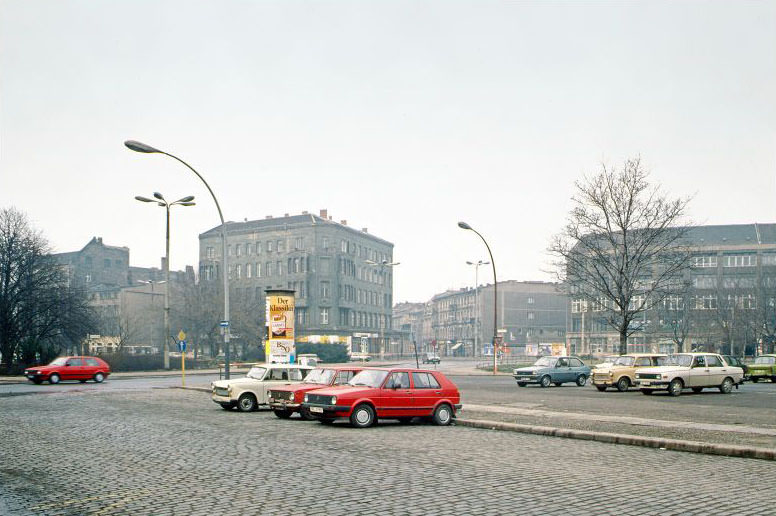
Charlottenstraße runs through the heart of Mitte, connecting Unter den Linden to the south. In the early 1990s, it was a street in transition — old East German storefronts and facades standing alongside the first signs of western commercial activity creeping in.
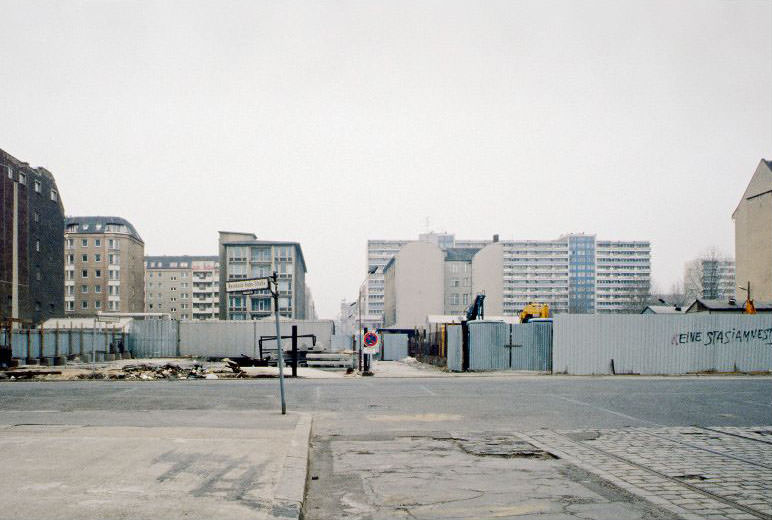
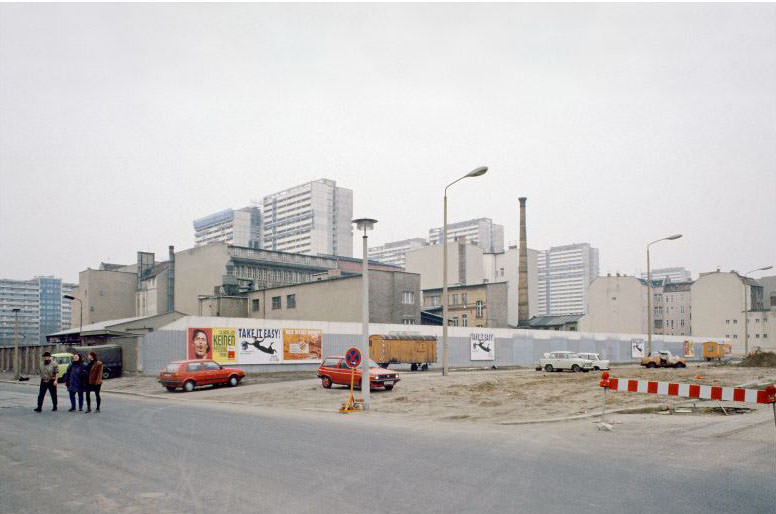
Friedrichstraße was one of the most significant streets in divided Berlin. It crossed the border between East and West, passing through Checkpoint Charlie. By 1991, the checkpoint was gone as an active crossing, but the street itself was buzzing with new purpose. Construction cranes and scaffolding were becoming as common a sight as the older GDR-era buildings that still lined the road. S. Dekind captured multiple frames along this street, showing just how much was happening there at once.
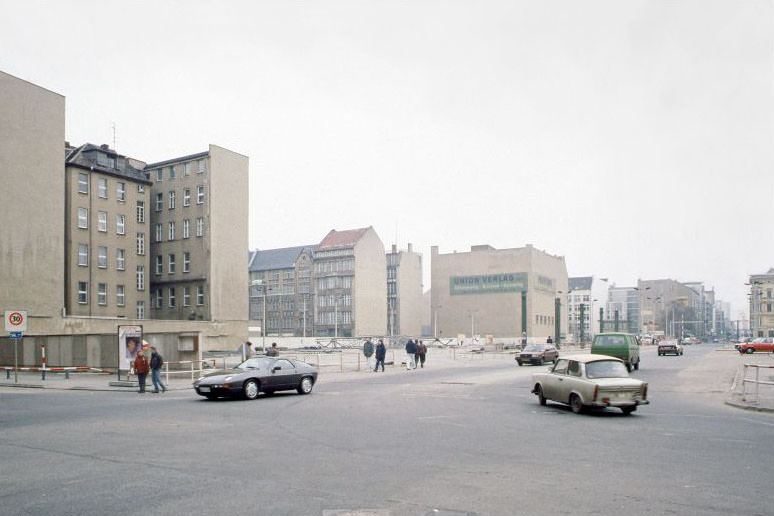
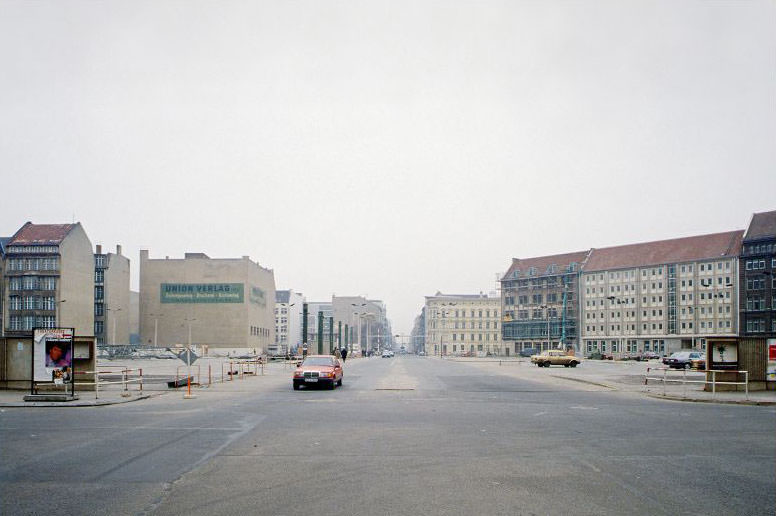
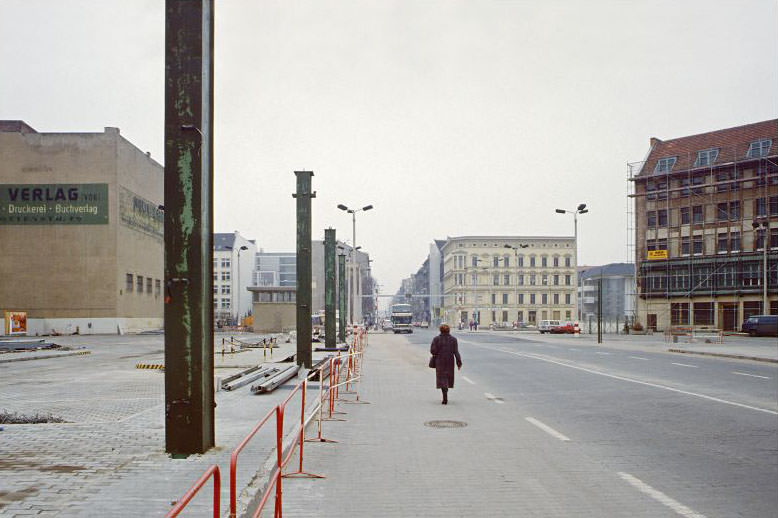
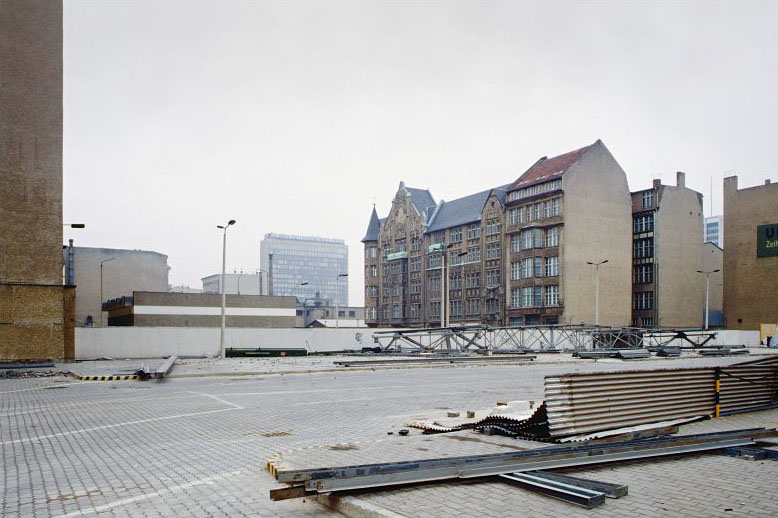
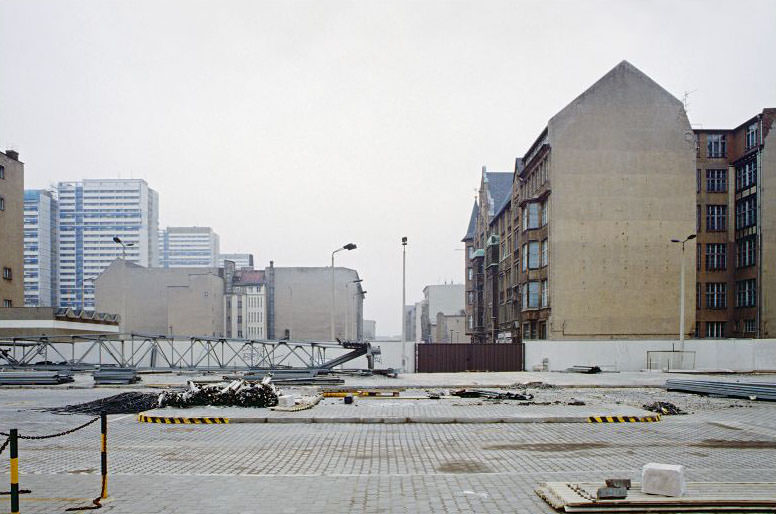
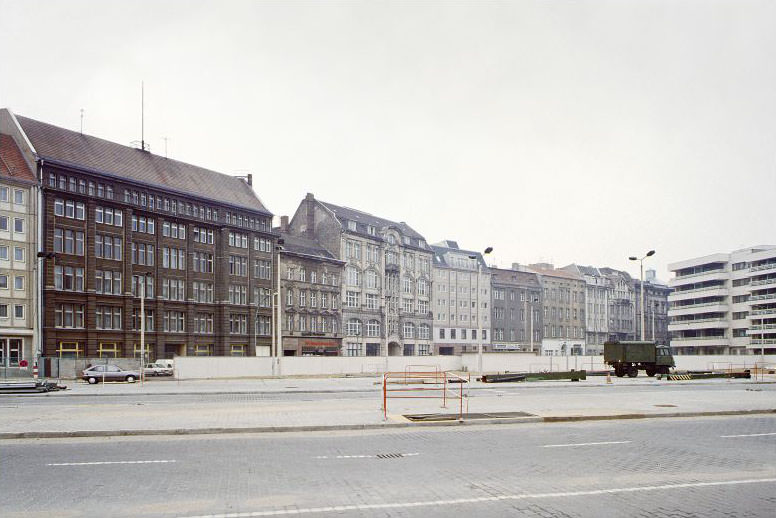
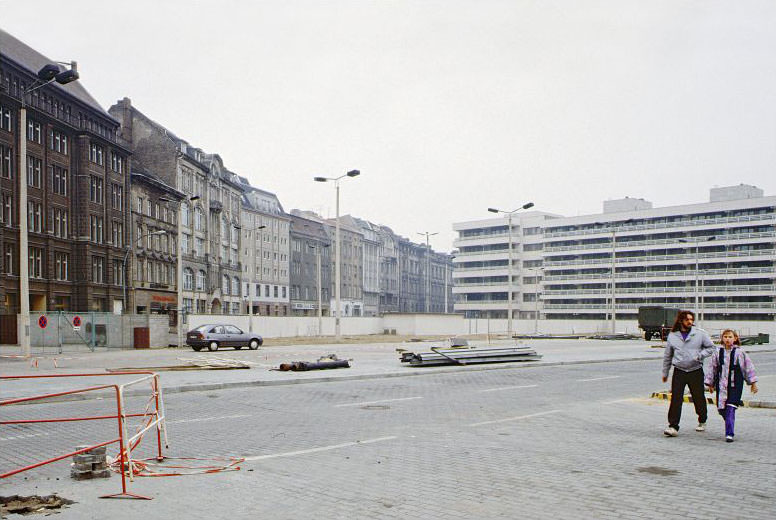
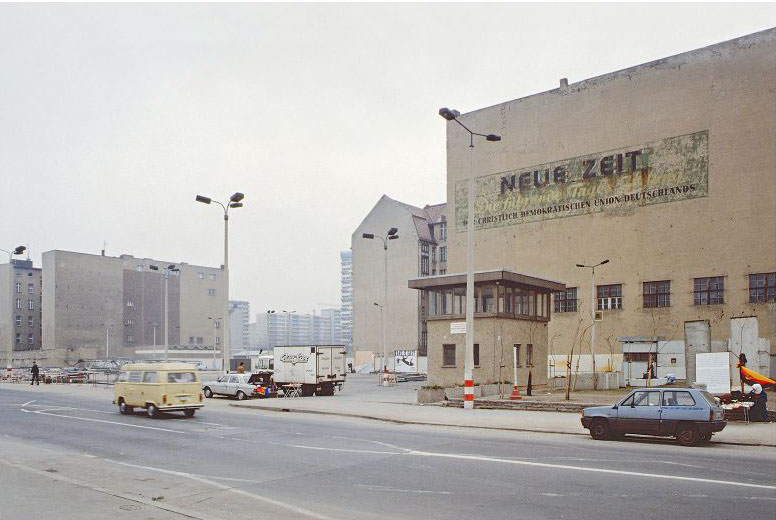
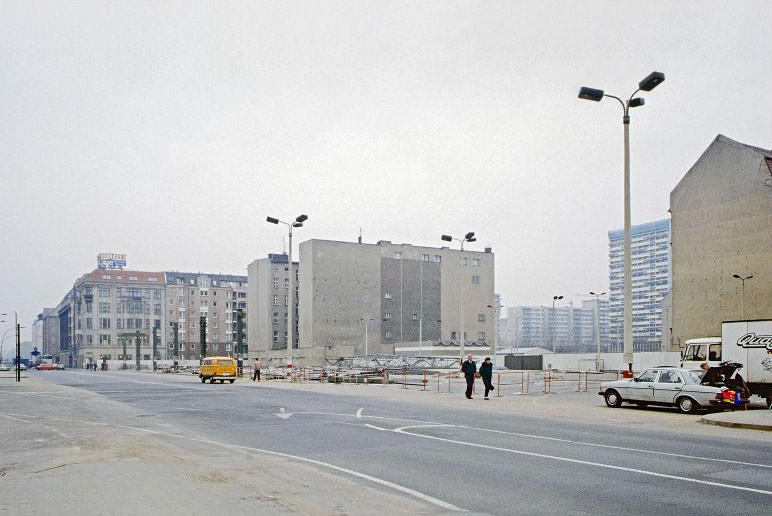
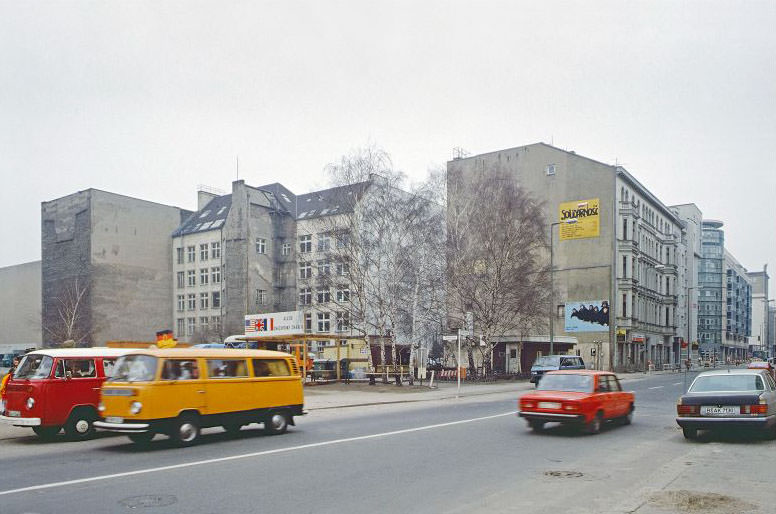
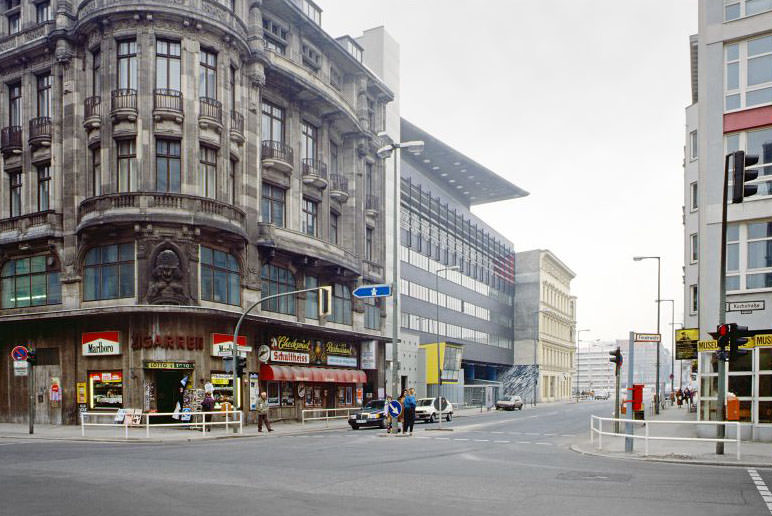
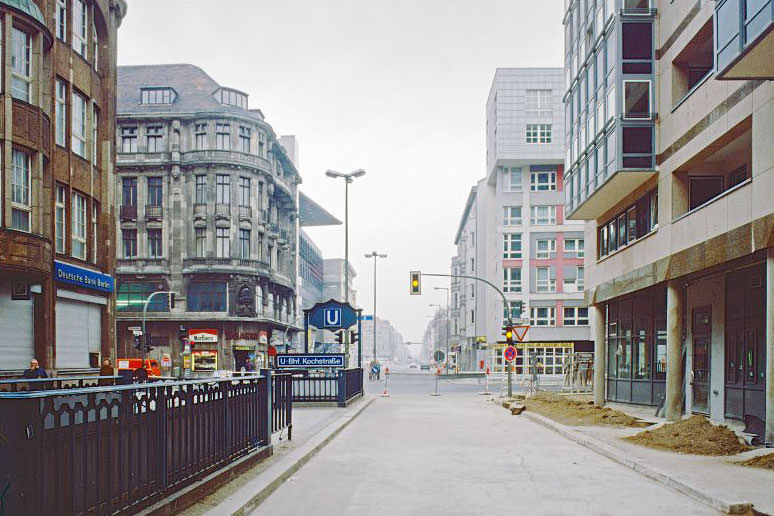
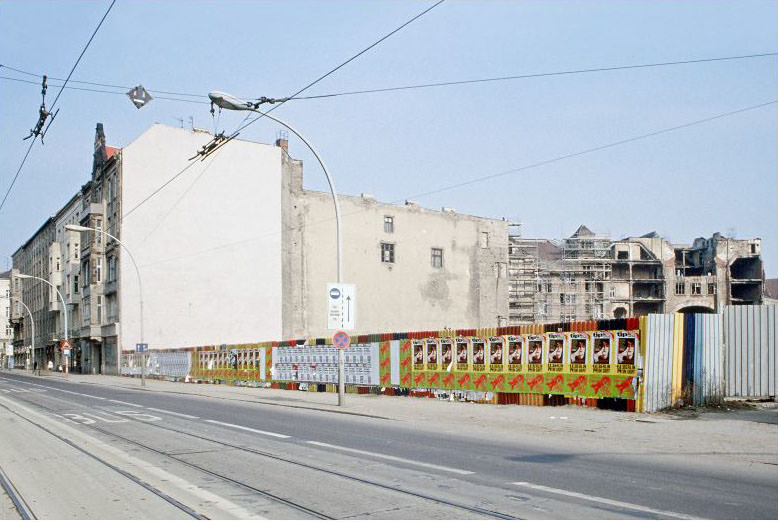
Jerusalemer Straße is a quieter side street running parallel to Friedrichstraße. In 1991, it reflected the more residential and understated side of Mitte — streets that didn’t make the tourist maps but showed the everyday texture of the neighborhood.
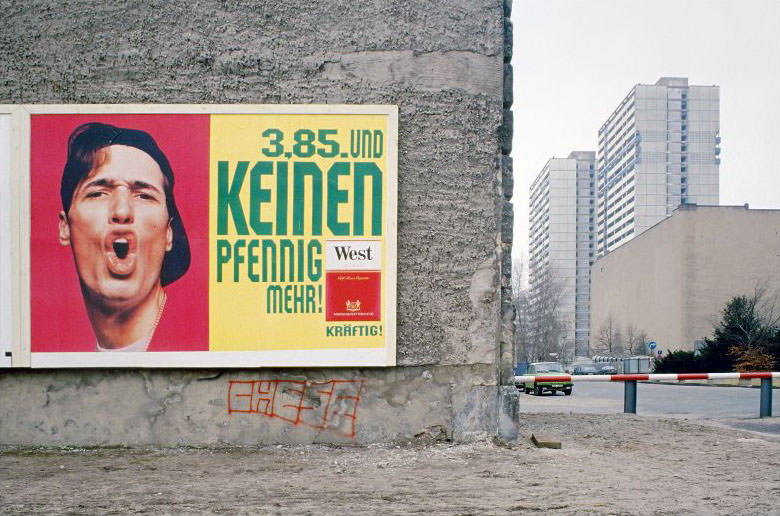
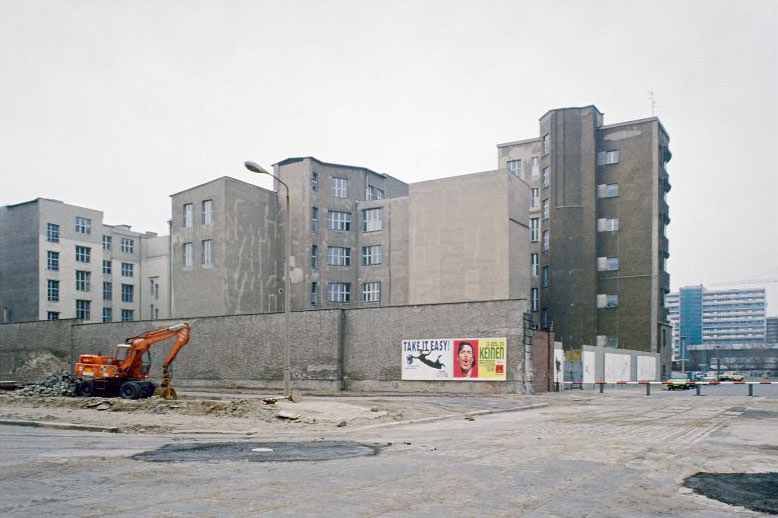
Krausenstraße sits in the old newspaper district of Berlin, just south of Checkpoint Charlie. Before World War II, this area was packed with publishers and printing houses. By 1991, most of that industry was long gone, but the buildings that housed it — many pockmarked and patched from wartime damage — still stood.
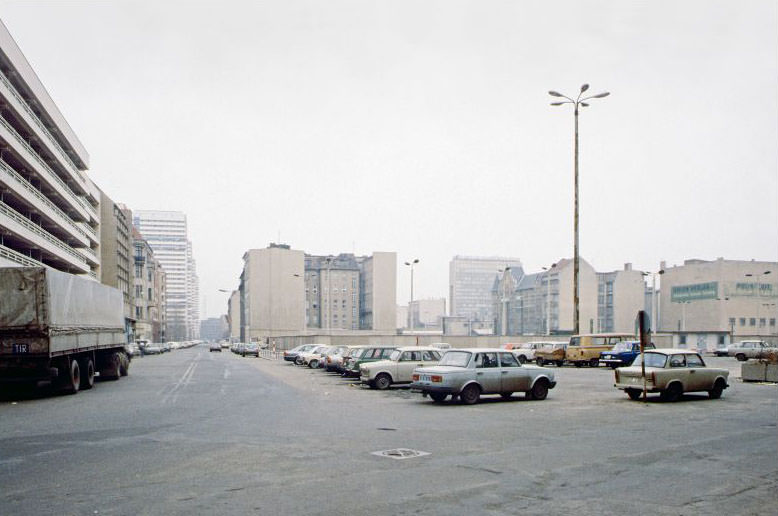
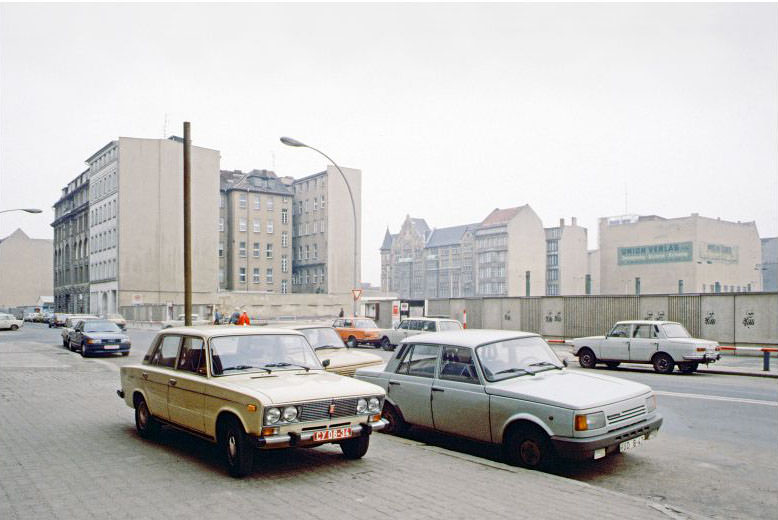
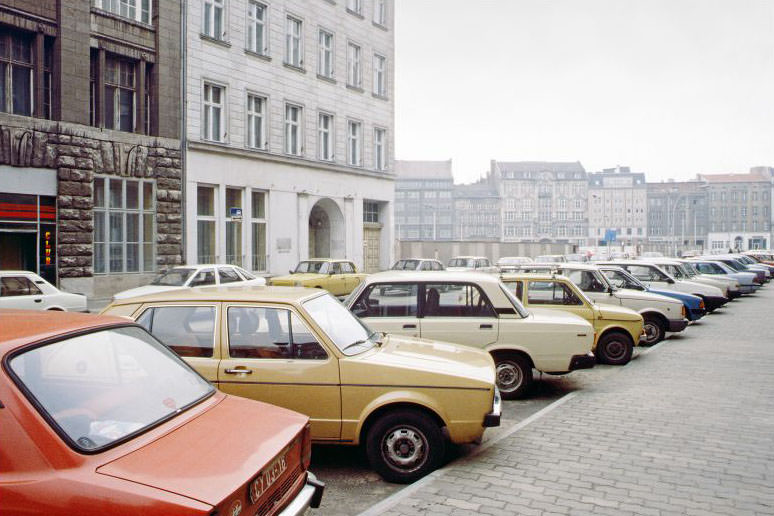
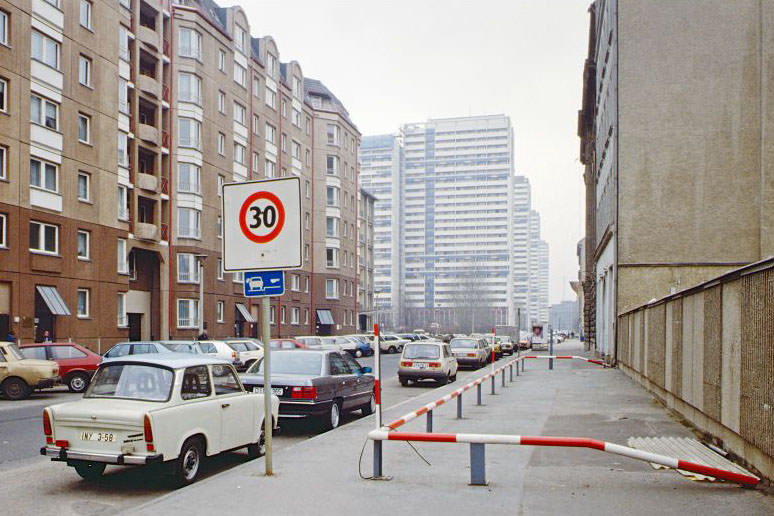
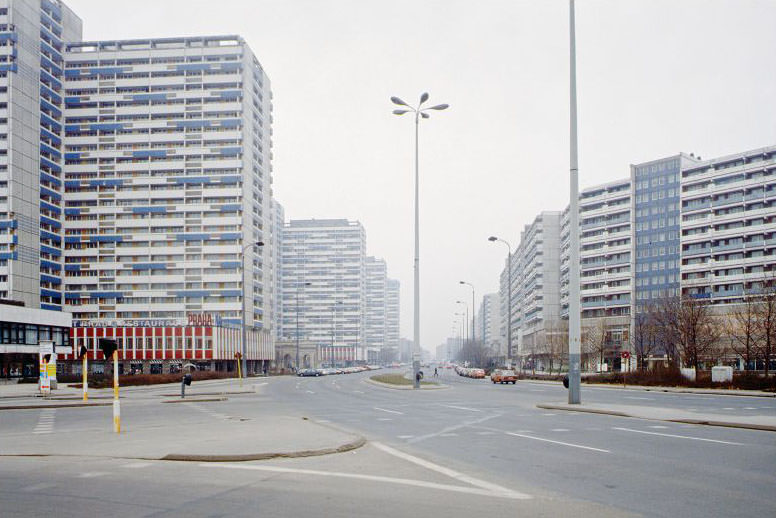
Leipziger Straße was one of East Berlin’s main commercial arteries. Wide and lined with large panel-construction apartment blocks built during the GDR era, it had a distinctly socialist urban character. In 1991, those buildings still dominated the skyline, even as the shops below them were beginning to change.
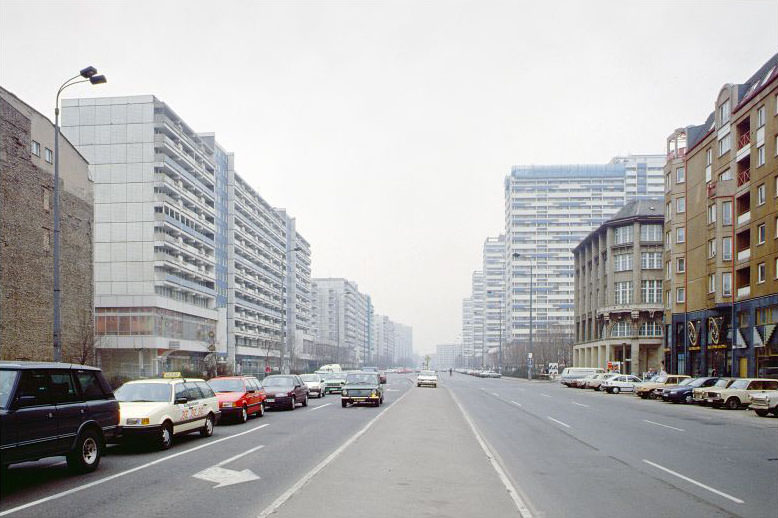
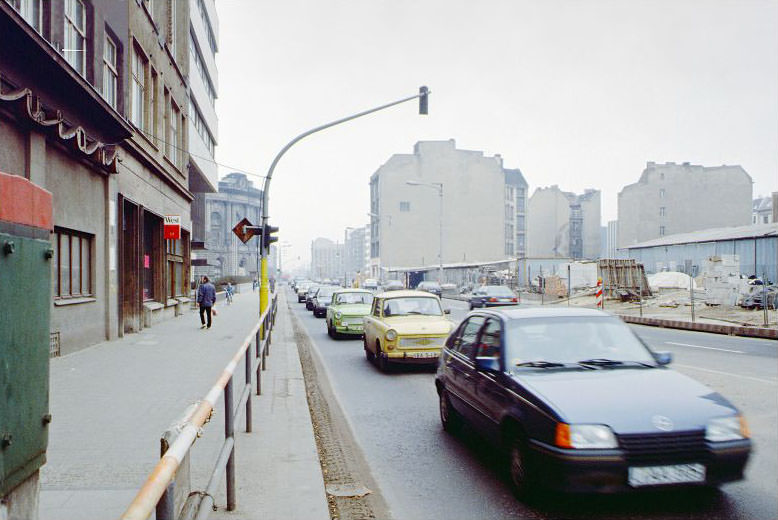
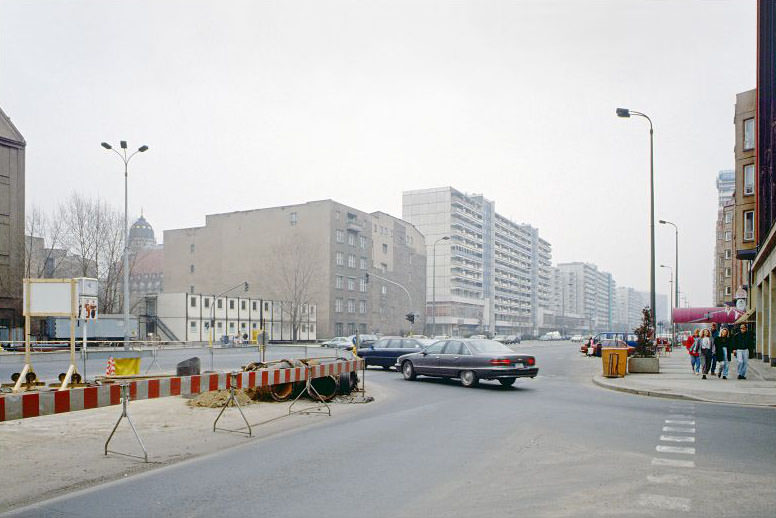
Lindenstraße, in the southern part of Mitte, carried a heavier history. The street runs past the site of the former Collegienhaus, which by 1991 was being developed into the Jewish Museum Berlin — a building that would go on to become one of the most discussed architectural works in the world.
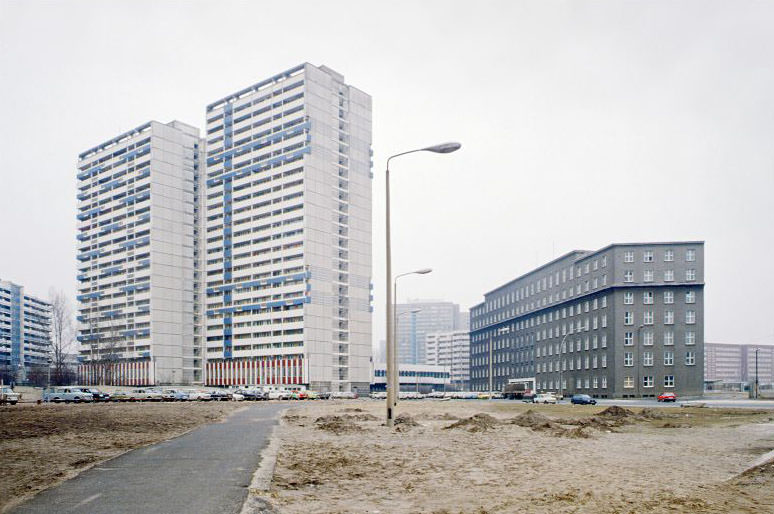
Mauerstraße — literally translated as Wall Street — takes its name not from finance but from the old city wall of Berlin. Running close to the former inner-German border, this street in 1991 was surrounded by the physical and psychological residue of decades of division.
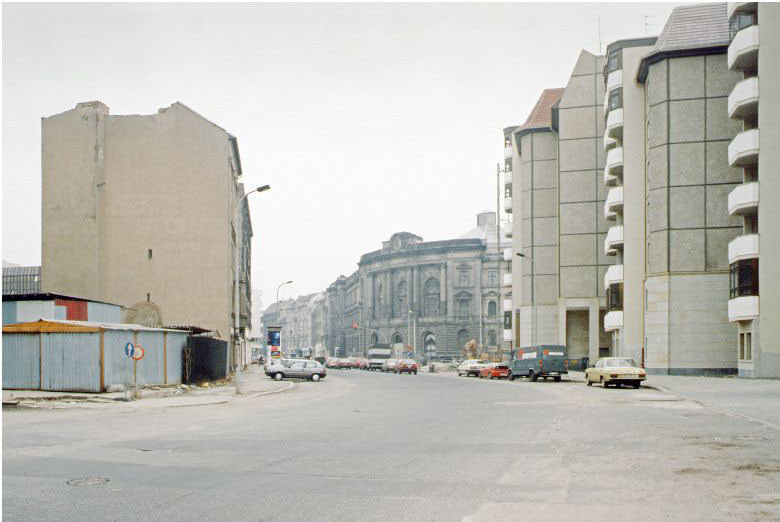
Reichstagufer runs along the northern bank of the Spree River, near the Reichstag building itself. In 1991, the Reichstag was still a shell of its former self — unrestored, partly derelict, and not yet the seat of the German parliament, which didn’t move from Bonn to Berlin until 1999.
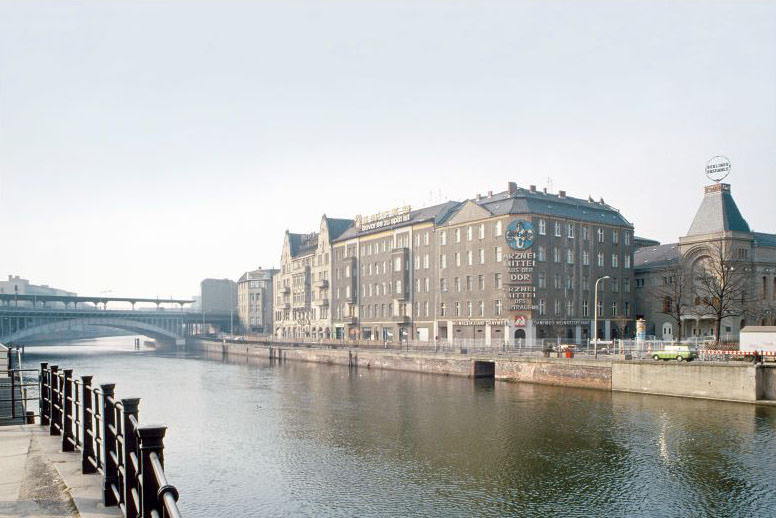
Schiffbauerdamm follows the southern curve of the Spree and is best known as the home of the Berliner Ensemble, the theater company founded by Bertolt Brecht. The building was still in use in 1991, a rare point of cultural continuity between the GDR years and the reunified city.
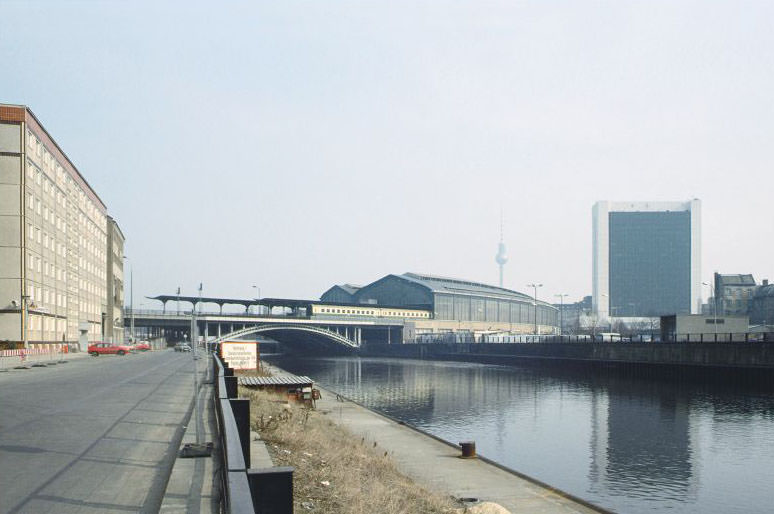
Schützenstraße lies in the old press district and, like Krausenstraße nearby, still bore the architectural marks of a pre-war commercial neighborhood that had been partially rebuilt and partially left to age. S. Dekind returned to this street several times, capturing it from multiple angles.
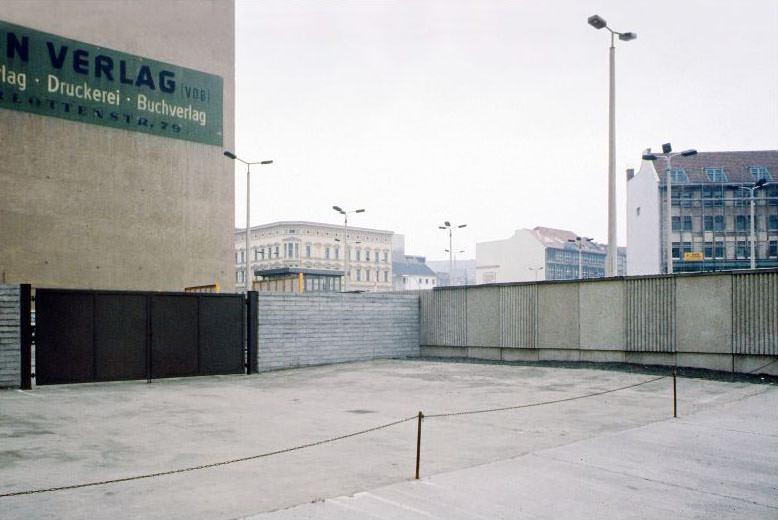
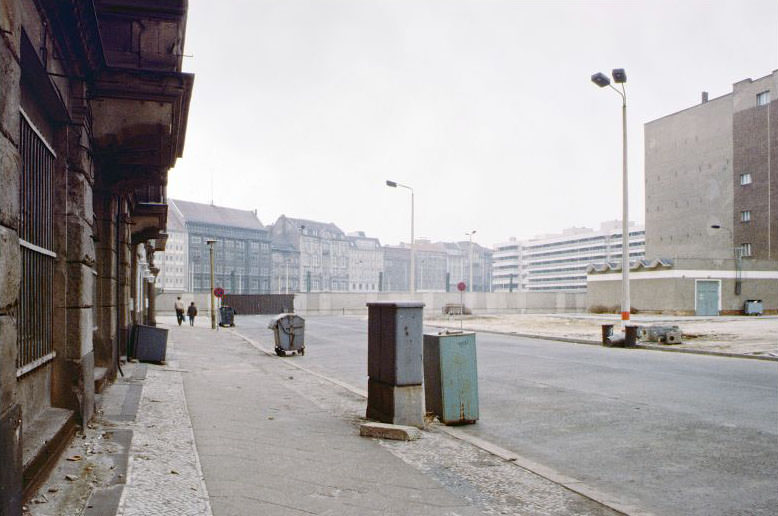
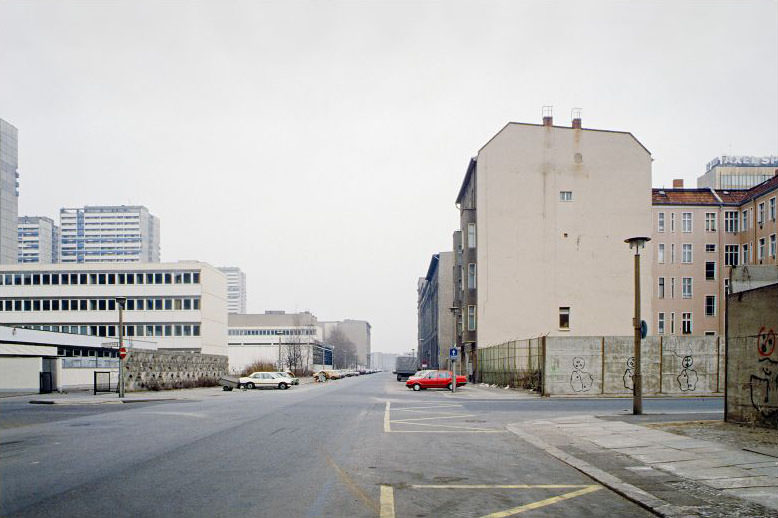
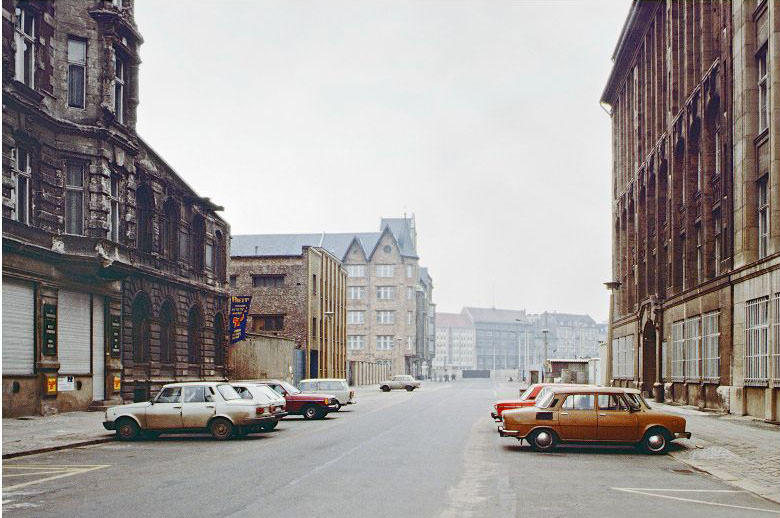
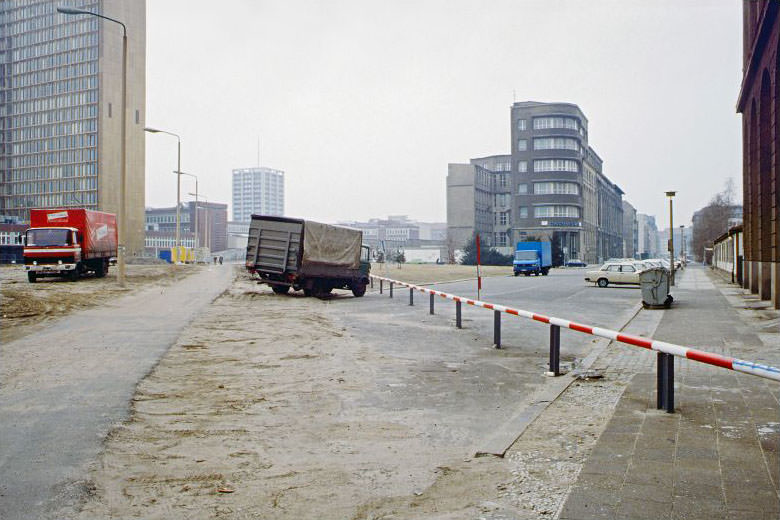
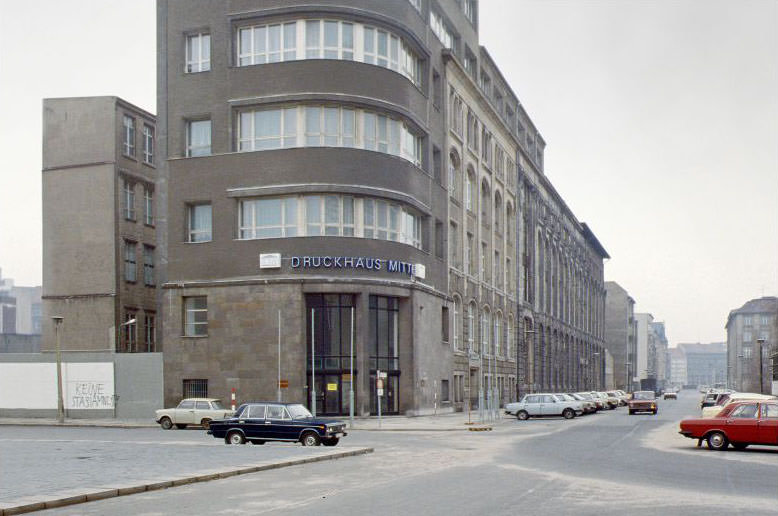
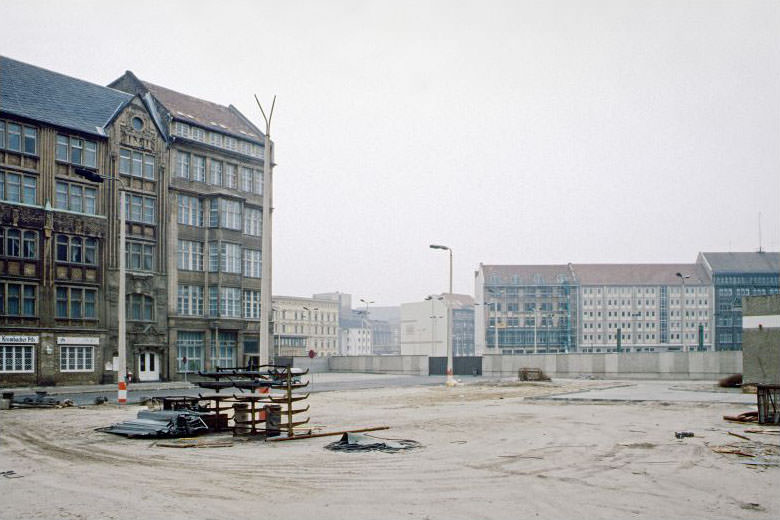
Zimmerstraße ran directly along the former death strip — the deadly no-man’s land that separated East and West Berlin along the Wall. By 1991, the Wall was gone from this stretch, but the emptiness it had left behind was still stark. Vacant lots, cleared ground, and the occasional remaining border installation marked where the most heavily fortified urban border in the world had stood just two years before.





“why can’t we have the cheap rents of berlin in the 90’s?”
berlin in the 90’s:
nobody expects a 100 sqm apartment in Mitte for 100€ like in the 90ies. But 2500 – 3000€ for the same is just too much. Nobody can handle this price gouging today
Unfortunately, people can and people do. Just not average people. The issue is the lack of housing.
The lack of housing is not the issue, but precisely two laws. And the market prices now don’t mean that people with a running contract paying them. It only means every new contract is overpriced. Hence, your conclusion that people already afford is flawed
The demand is so high that only the rich can afford it. Just because you don’t know it doesn’t mean it’s not true. I’m not saying it’s not overpriced, I’m saying it’s overpriced for a reason: demand>market. And some people don’t mind that price.
clearly people are handling it, otherwise there wouldn’t be such a shortage. sucks to say but it’s true. market in berlin is still way more affordable than paris, london, munich, amsterdam…
The available amount of apartments for rent dropped by 60% since 2020 when Mietendeckel was introduced, which means nobody is moving anymore from cheap apartments as they CAN NOT afford the overpriced rents.
Your gutfeeling on this topic is simply incorrect
and since 15.4.2021 the mietendeckel isn’t a thing.
That’s correct. The mietendeckel caused the initial drop of available apartments due to legal insecurity of the mietendeckel. Then the law was rejected by Bundesverfassungsgericht and the market didn’t recover since.
If people would afford the high rents you would see way more offers on Immobilien scout similar to like 4y ago.
Landlords also use loopholes much more to rent out barely furnished apartments to increase rent.
And here we go with a nice loop: nobody moves out, no empty apartments, low supply on new apartments, high demand, higher prices aaaaaaand nobody moves out aso.
This is not an issue in Vienna for example or Paris. They have better working regulations, because most people can’t afford 2k-3k€ just for rent alone
paris is more expensive than berlin and salaries are worse. vienna is an overly dense city inside of a small country with a protectionist/insular economy… people always use it as a comparable city but it’s not the same or even similar at all.
regardless, people are still moving here and the population grows every year. old contracts may increase scarcity, yes, but vacant flats do not stay on the market for long. people are still taking them.
Last year we saw an increase in inhabitants mainly by Ukrainian refugees. If you remove these numbers then Berlin is actually shrinking due to the housing crisis.
I gonna end it here
“you see, if you ignore the people moving here, you’ll see that people aren’t moving here” – you
What nonsense argument. These are refugees who are not necessarily need to pay for housing and they usually don’t live in apartments of the housing market. Sorry, but it seems you lack of information. Bye
I actually think it looks nicer than today (just my personal preference).
It’s so weird not seeing 3 billion tourists all taking pictures of someone’s döner vomit etc. but in a way this also looks depressing in how empty and concrete it is. i would like a happy medium.
Imagine thinking Berlin is overcrowded by tourists. Have you been anywhere else ?
We would be happy to send them to you.
March 1991, guys from my school recorded this song (oldschool East Berlin HipHop) if you want to see Friedrichshain instead of Mitte:
https://youtu.be/IF9nBmhY4NM?si=2YI2bCvCkyL5YkX7
Did the communists hate trees or something?
The achievements of socialist urban planning were often located much further down the pyramid of needs than our tree-loving needs today. It is easy to overlook the lack of a tree when electricity, running water and heating are available for the first time. Especially as very small places (which are often perceived as closer to nature) were politically unpopular. Back then, people realized what economies of scale could do to lift people out of absolute poverty … and village life does not scale.
However, I could also imagine that maybe that is not true and the left simply hate trees. Damp rags on gnarled branches stuck in the dirt.
They are capable of anything really. 🙁
In 1991, after four decades of socialist rule?
I just explained what many people back then might have associated with this style of urban planning and architecture.
And while updates to living conditions in Berlin probably weren’t as pronounced as at some Soviet outpost, people usually still expected better living standards from those developments.
This context just lessens over the decades and today, free from any of those associations, we find it hilariously tasteless.
It’s not like there are more trees planted nowadays…
What? Of course they are
Mate! almost all these pictures were taken along the old berlin wall. can’t have trees on a border.
Berlin, der Krieg und die Autos, eine Tragödie
It somehow looks so much cleaner compared to today.
Less roadsigns, less Baustelle, less trash
If you want to see more, there was recently a great documentary about Berlin right after the wall fell down on Arte.
I highly recommend it:
https://www.arte.tv/de/videos/RC-024312/capital-b/
Berlin is polycentric, so there is no real city center.
There isn’t a central business district, but the a zone is absolutely the city center
It looked just as gray as it looks today. But then it was much much cleaner.
All the buildings on the photos No. 12, 13 and 14 are not in the Mitte part of Friedrichstraße, but in Kreuzberg, Ex-Berlin West.
Damn where are all the … brands ?
Look at all these Trabants, Wartburgs and Ladas!
mmm communism
No garbage on the street. Must be nice.
If someone had asked me what Mitte looked like back then I never would’ve said it was this bleak and desolate.
Berlin Ost was very grey and empty. When we crossed the border it was like switching from colour tv to black and white.
If someone had asked me what Mitte looked like back then I never would’ve said it was this bleak and desolate.
Berlin Ost was very grey and empty. When we crossed the border it was like switching from colour tv to black and white.
Thanks! The introduction has the facts a bit backwards and not all pictures are Mitte (the thumbnail is Kreuzberg), but very interesting nonetheless.
Woah great, my city during my best times
Almost zero changes in Leipziger Straße lol.
Thank you for sharing!
well at least the streets were a bit cleaner
The complete lack of street life is shocking. The pictures make Berlin appear to be almost dead – nobody goes out and does anything.
That’s just Berlin in winter 😁
Absence of human presence is a specific choice of the photographer and of the photographic movement he adhered to (or wished to adhere to)
Neukölln actually looked almost liveable back then!
Why was there always the same kind of cold overcast weather in these kind of pictures and that space and time?
It’s a specific choice of the photographer and of the photographic movement he adhered to (or tried to)
streets were alot cleaner and the vibe was better
Yes, MiamiBeachForce
I’m currently in Glasgow and I’m really looking forward to getting back to Berlin’s clean streets.