
Milwaukee is Wisconsin’s largest city, and its story is one of waves of immigration, industrial muscle, and hard economic swings. Starting in the mid-1800s, large numbers of German, English, Irish, and Polish immigrants arrived and put down roots. The Germans, in particular, built an entire cultural world within the city — German-language newspapers, schools, churches, singing societies, and political organizations all flourished by the end of the 19th century.
The city’s economy took shape around heavy industry. Metal-working shops, flour mills, heavy equipment manufacturers, and breweries gave Milwaukee its working-class identity. The railroads were the arteries that kept it all moving, connecting Milwaukee’s factories to markets across the country.
By June 1941, Milwaukee’s railroad yards were still a central hub of activity. Freight moved through the city in enormous volumes, feeding the factories and connecting Milwaukee to the broader national economy. Just months later, the United States would enter World War II, and those same rail lines would become critical to the war effort.
Working-class neighborhoods sat close to the rail yards, as they did in most industrial cities of the era. Workers lived within walking distance of their jobs, and the residential blocks reflected the modest, practical character of the city’s labor force. Hotels near the yards served transient workers, railroad men, and travelers passing through.
Long before the 20th century brought its upheavals, Milwaukee’s position on the western shore of Lake Michigan was its greatest geographic asset. The lake provided water, transportation, and a natural boundary that shaped the city’s layout from its earliest days.
The late 1890s and early 1900s were a period of visible growth and civic ambition in Milwaukee. The city was building infrastructure to match its expanding population. The Chicago and North Western Railway Station, photographed around 1899, was one of the city’s main gateways, handling the steady flow of passengers and goods that tied Milwaukee to Chicago and beyond.
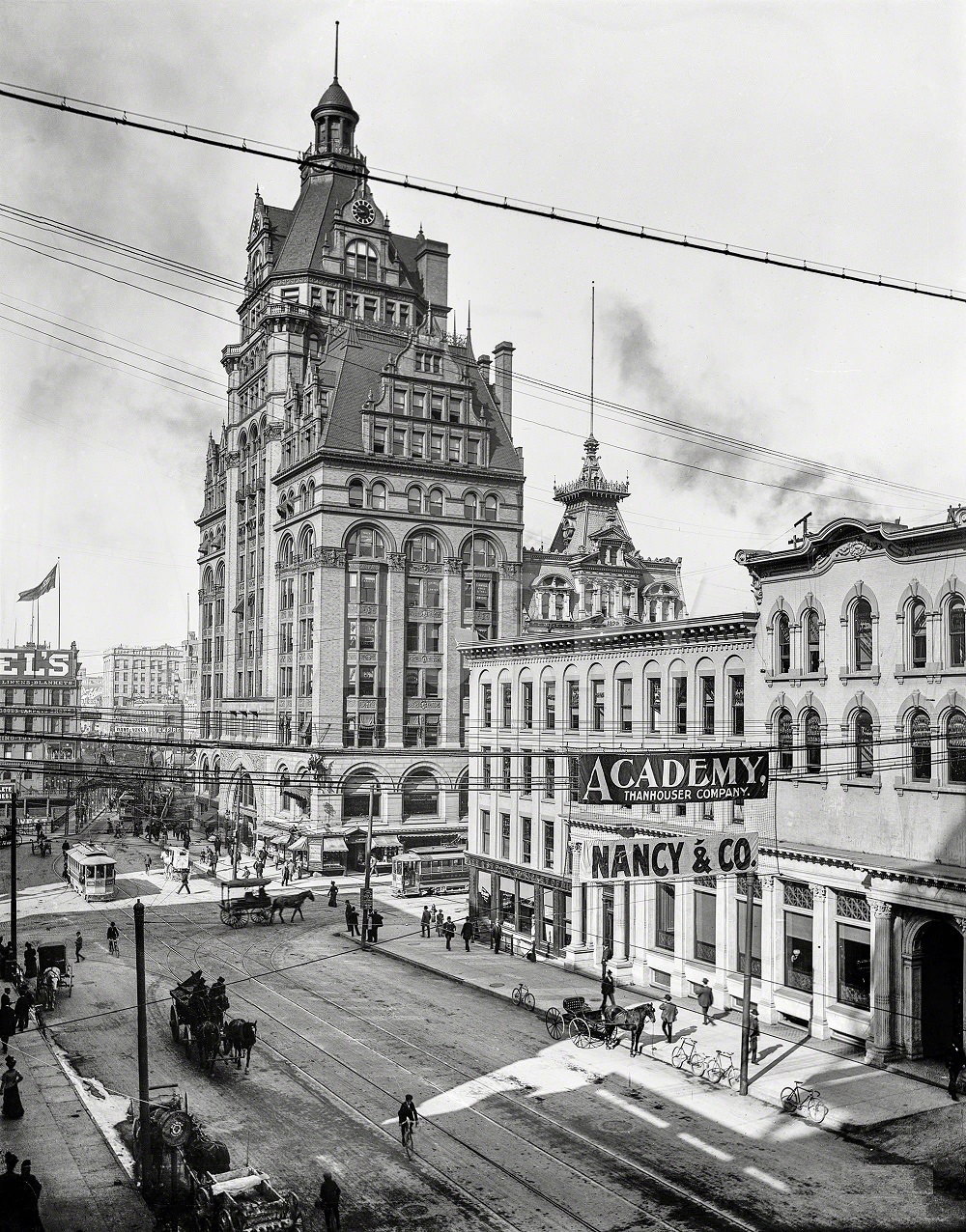
By 1900, Milwaukee’s downtown core was taking on a permanent, modern look. The city’s first skyscraper, the Pabst Building at Wisconsin Street, had been completed in 1891. It towered over the surrounding blocks and signaled that Milwaukee was no longer just an industrial town — it was a real city with real ambitions. The building stood until its demolition in 1981.
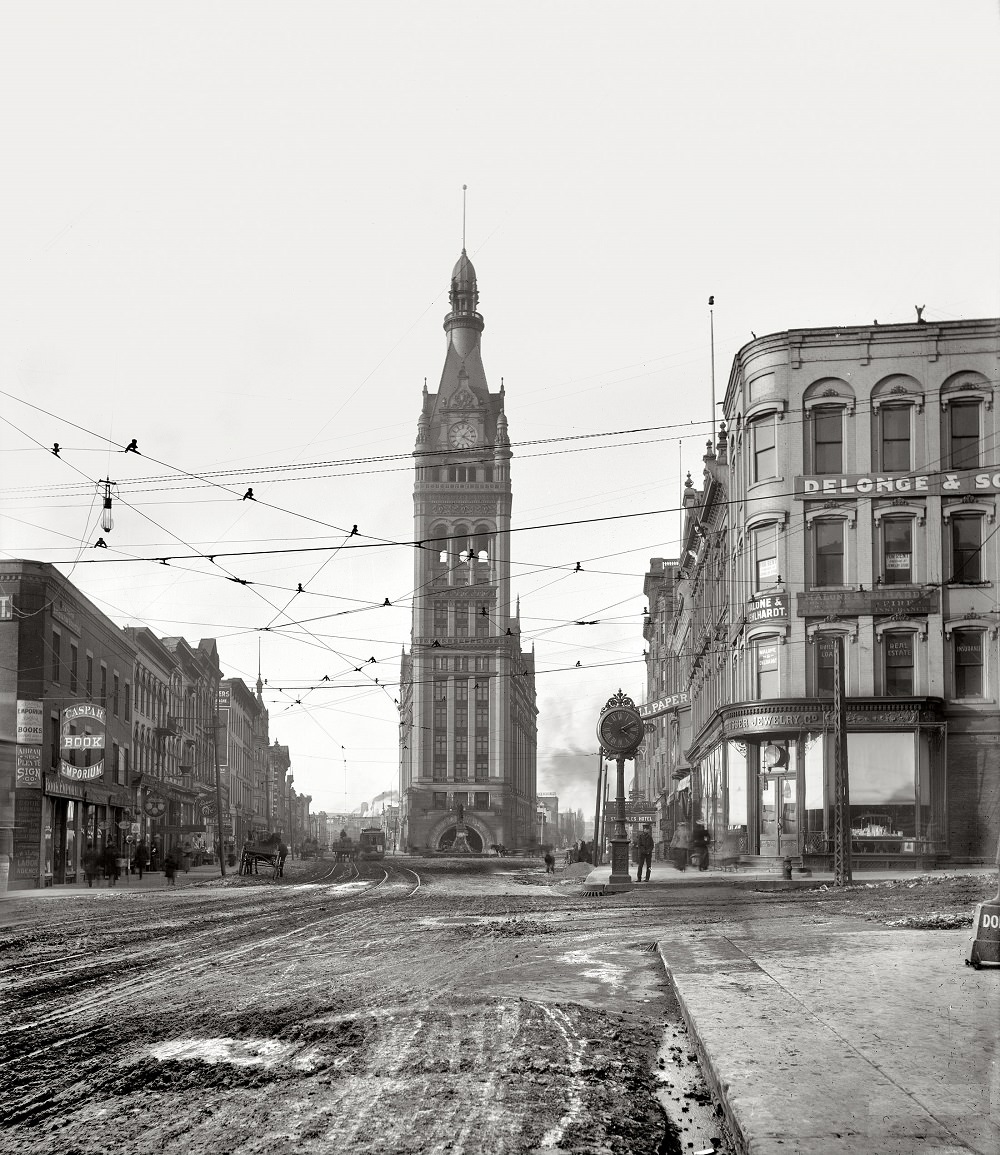
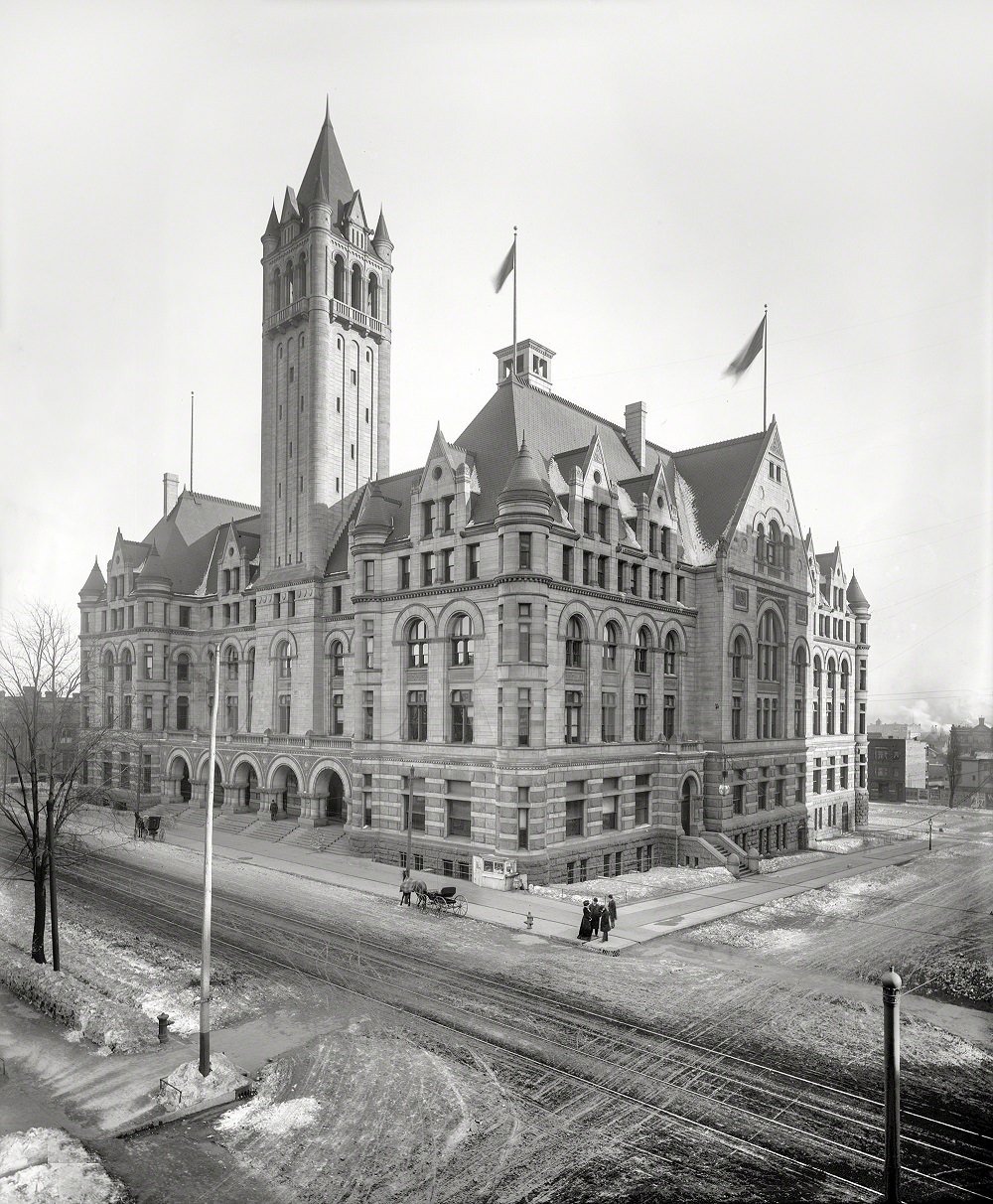
Milwaukee’s City Hall, also photographed in 1900, was another landmark that defined the city’s skyline at the turn of the century. Completed in 1895, it featured a prominent clock tower and stood as a statement of civic pride. That same year, the new post office added another imposing structure to the downtown landscape.
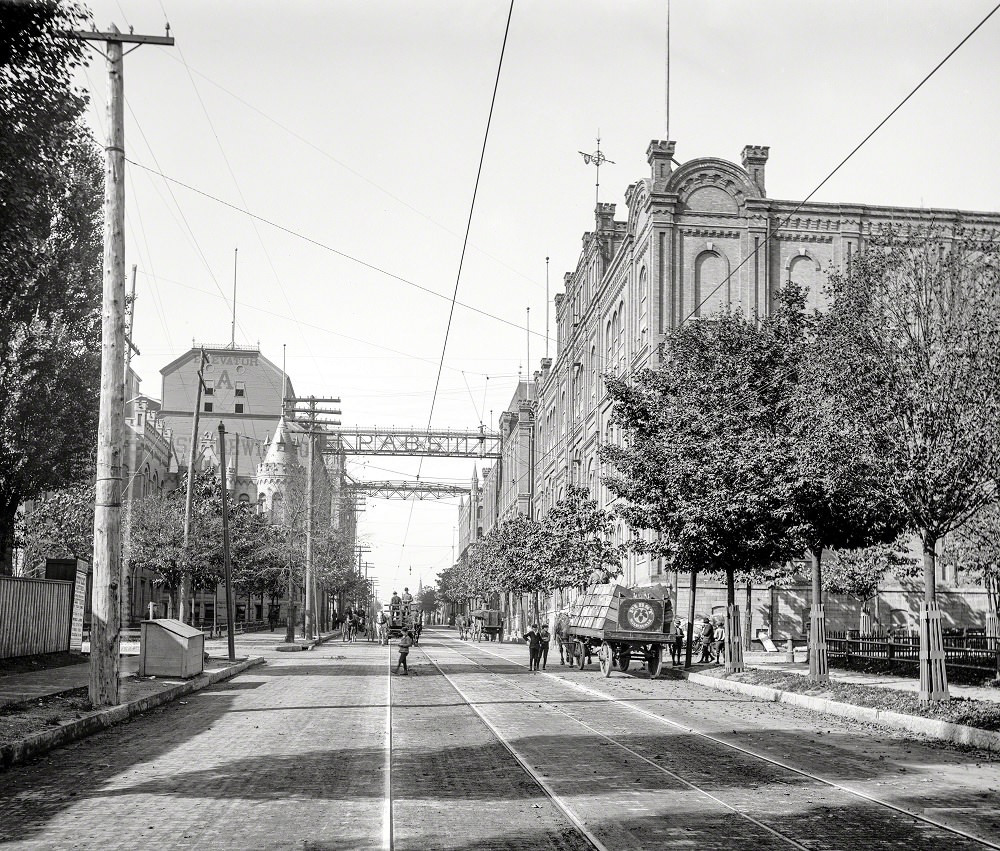
No industry defined Milwaukee’s identity more than brewing. The Pabst brewery, photographed in 1900, was one of several large breweries that made Milwaukee world-famous for beer. Pabst, Schlitz, and Miller all operated massive facilities in the city, employing thousands of workers and shipping their products across the United States.
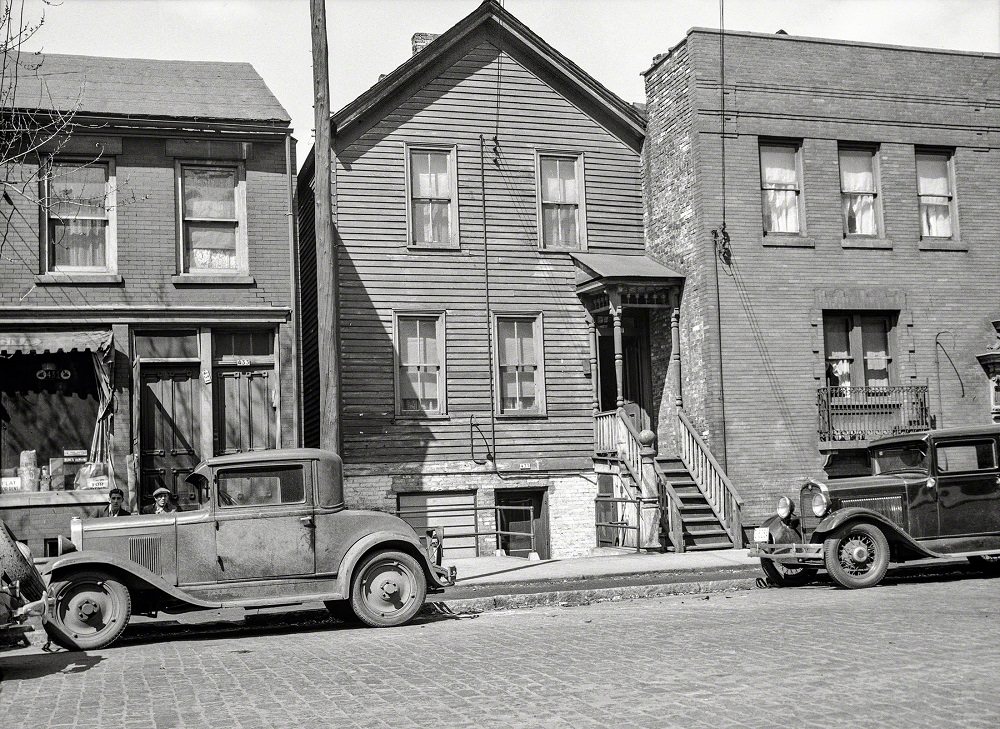
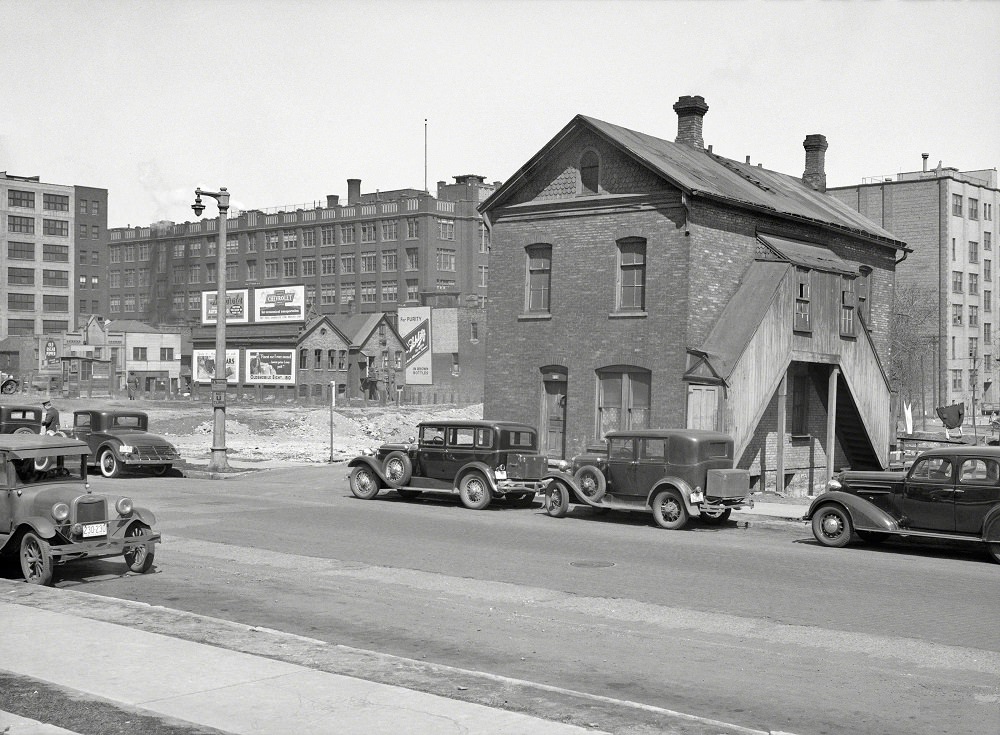
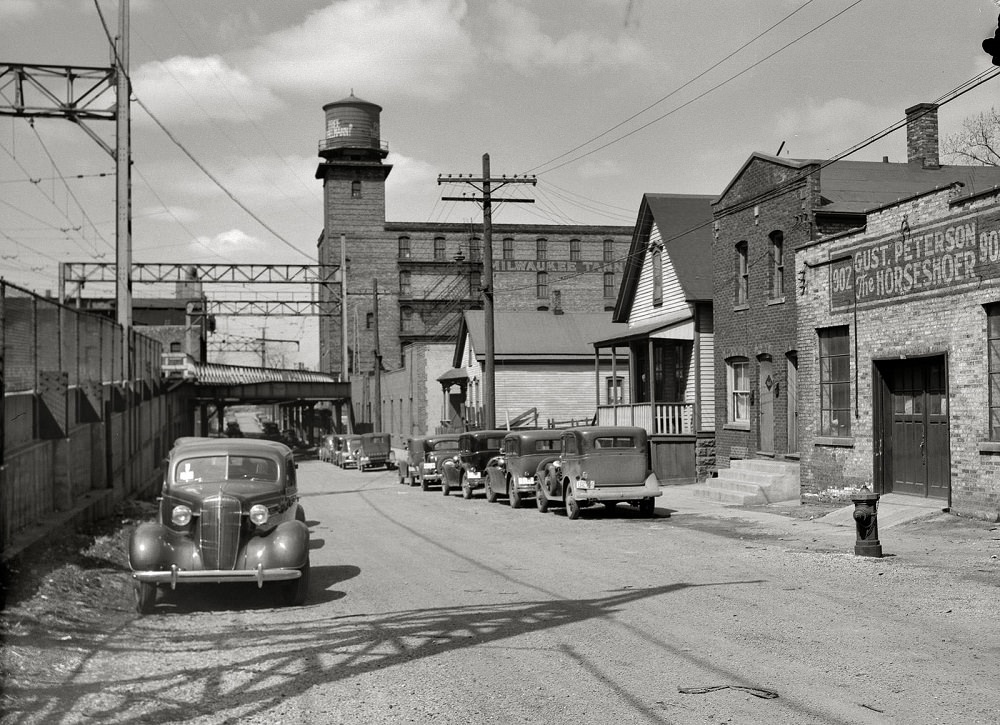
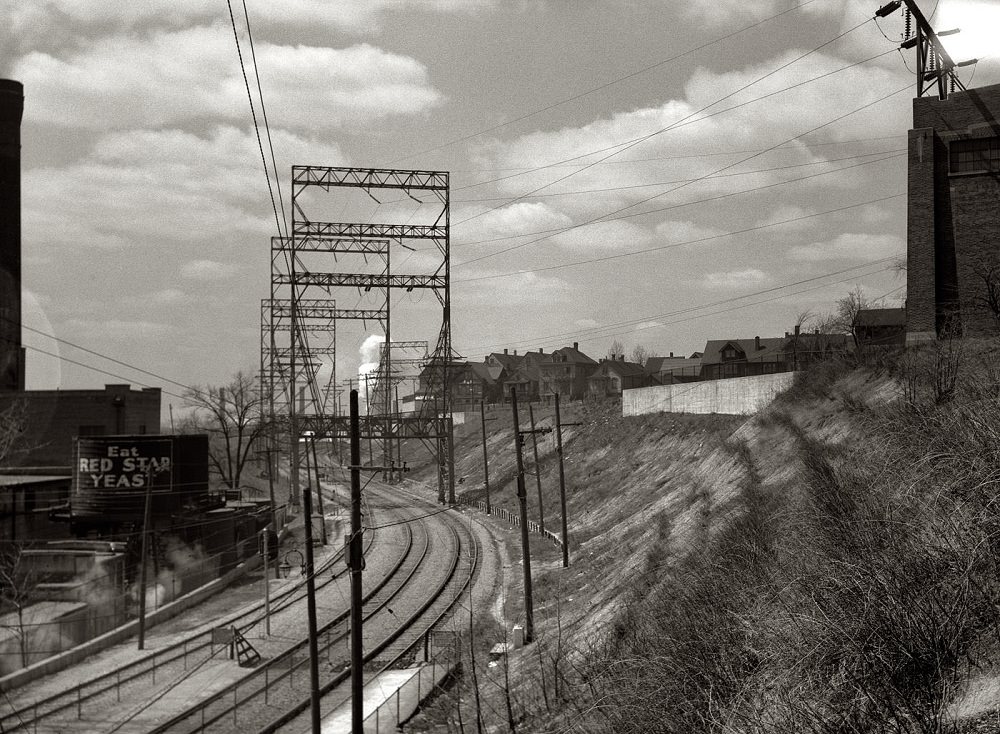
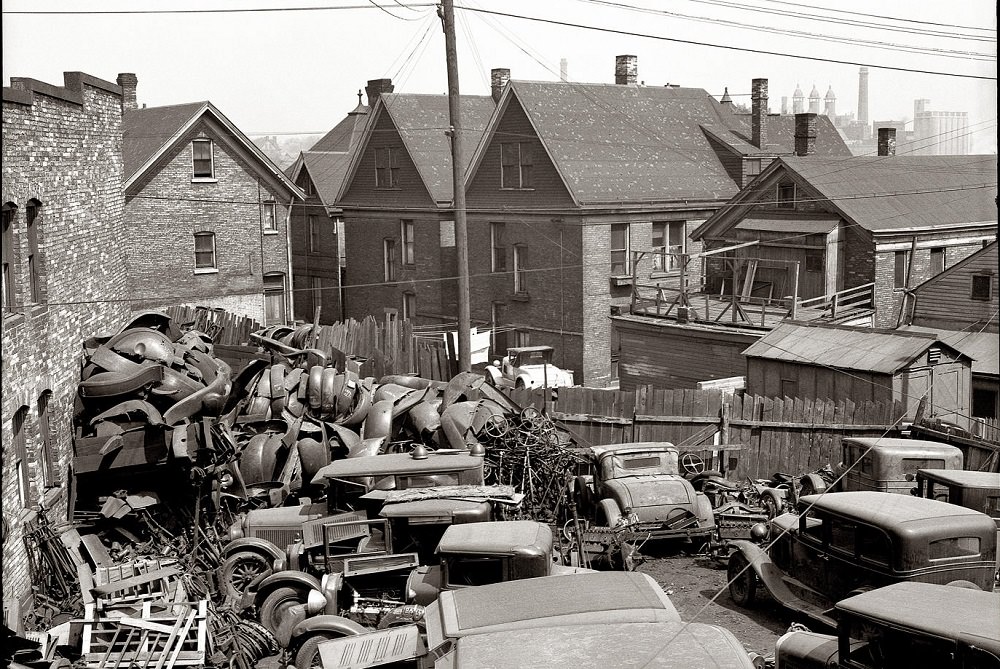
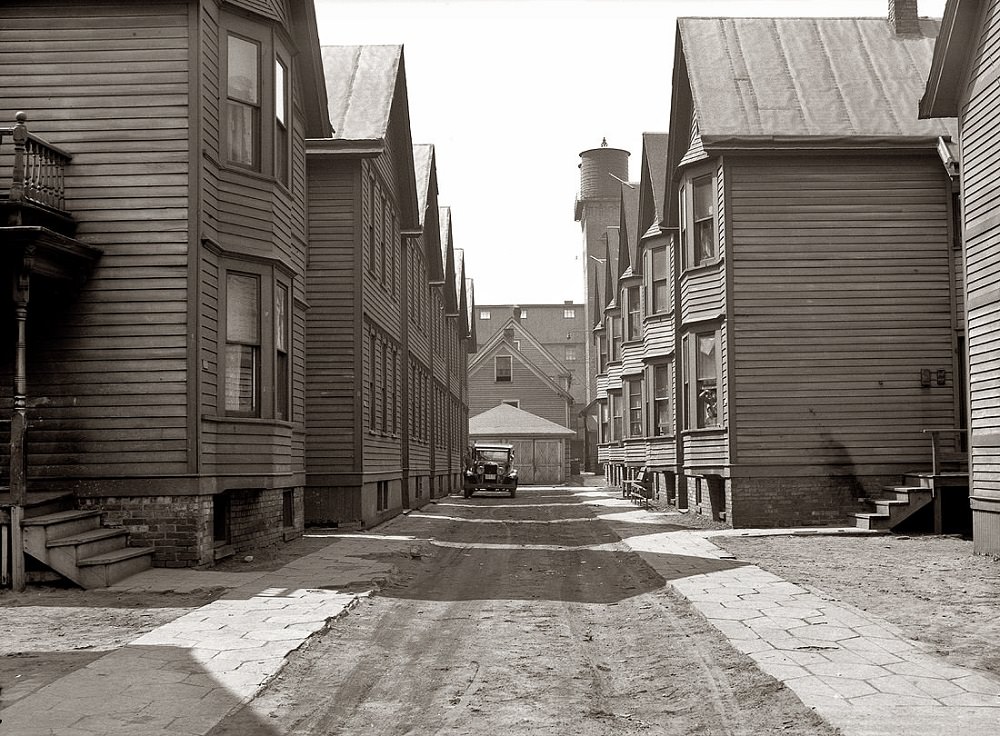
The Great Depression hit Milwaukee with brutal force. By the early 1930s, more than half of the city’s workers had lost their jobs, and 20 percent of residents depended on direct government relief to survive. A photographer documenting the city in April 1936 captured the visible signs of that hardship — deteriorating houses, blighted streets, and residential blocks squeezed up against railroad tracks.
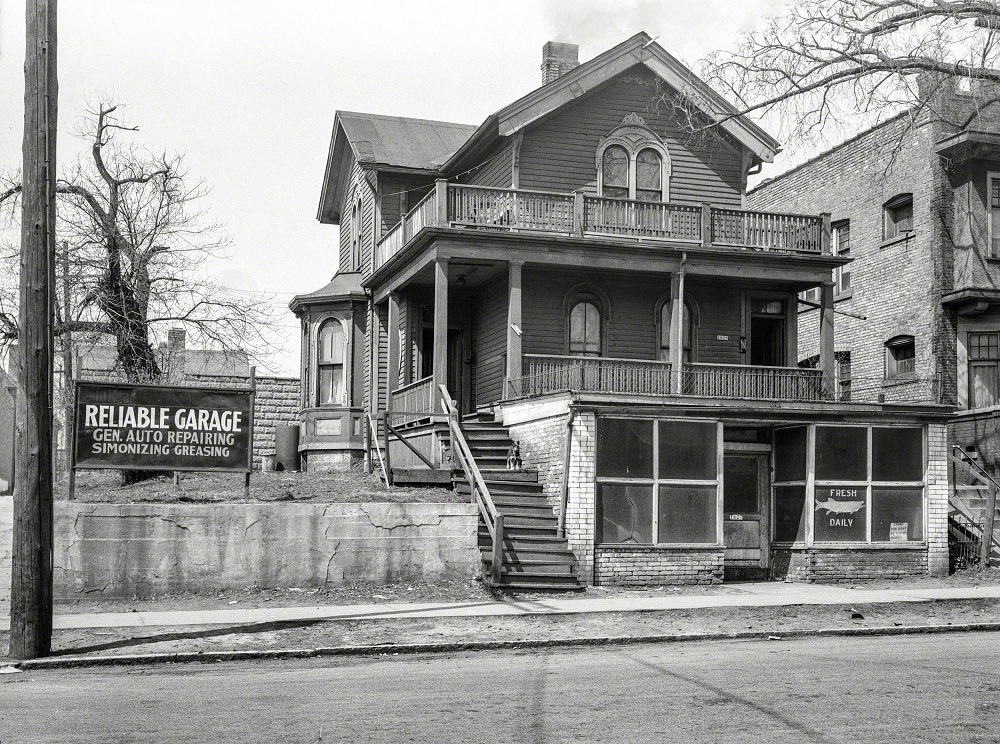
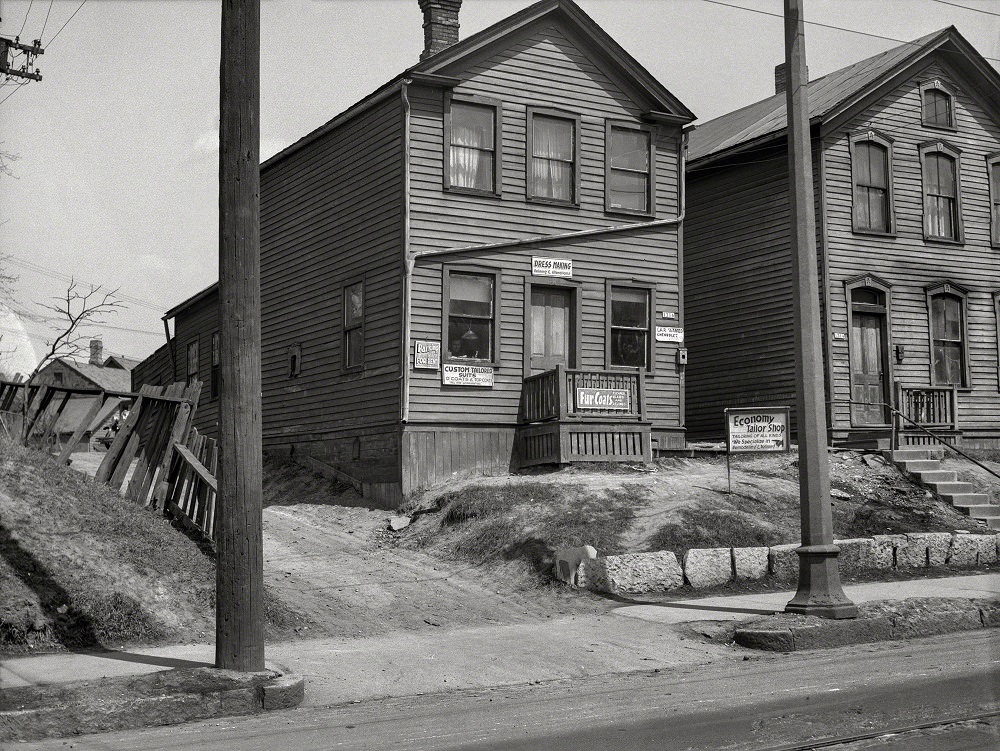
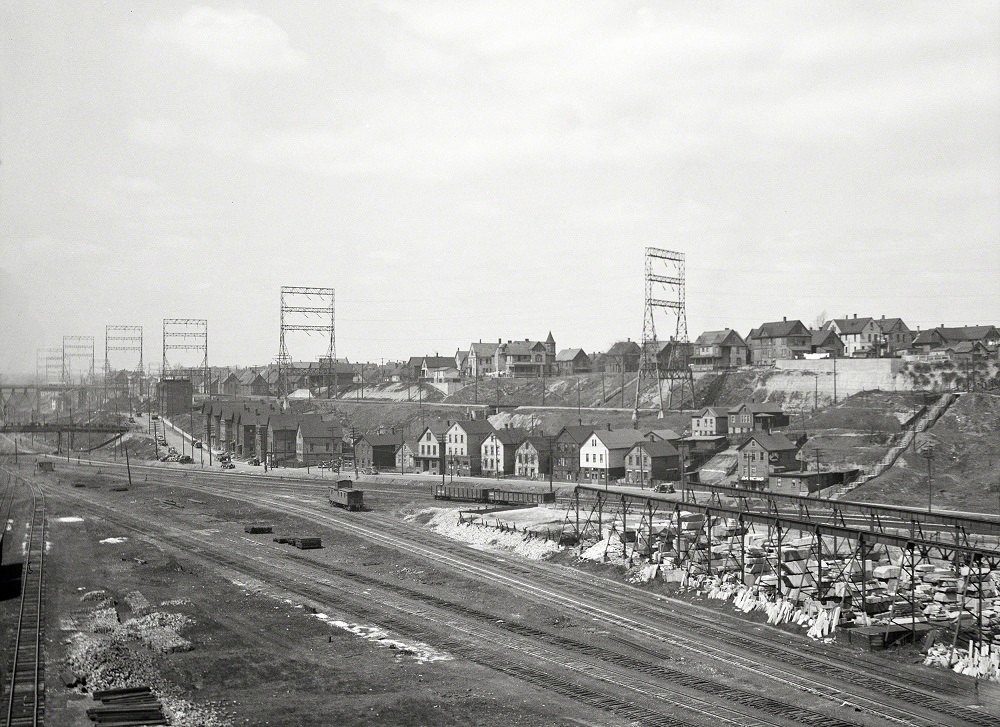
The 1936 photographs show just how close working families lived to the industrial infrastructure. Houses abutted railroad tracks, and entire residential blocks sat in the shadow of freight lines. On East Detroit Street, on North Jackson Street, and on North 8th Street, the homes photographed that April tell a consistent story of communities living with minimal separation between domestic life and heavy industry.
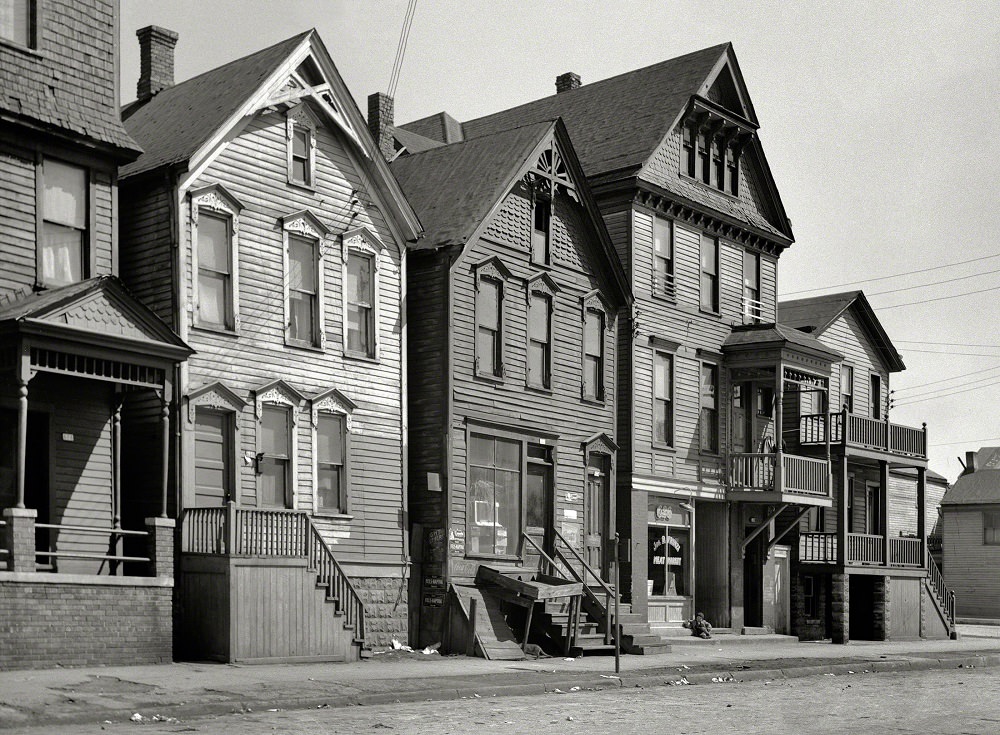
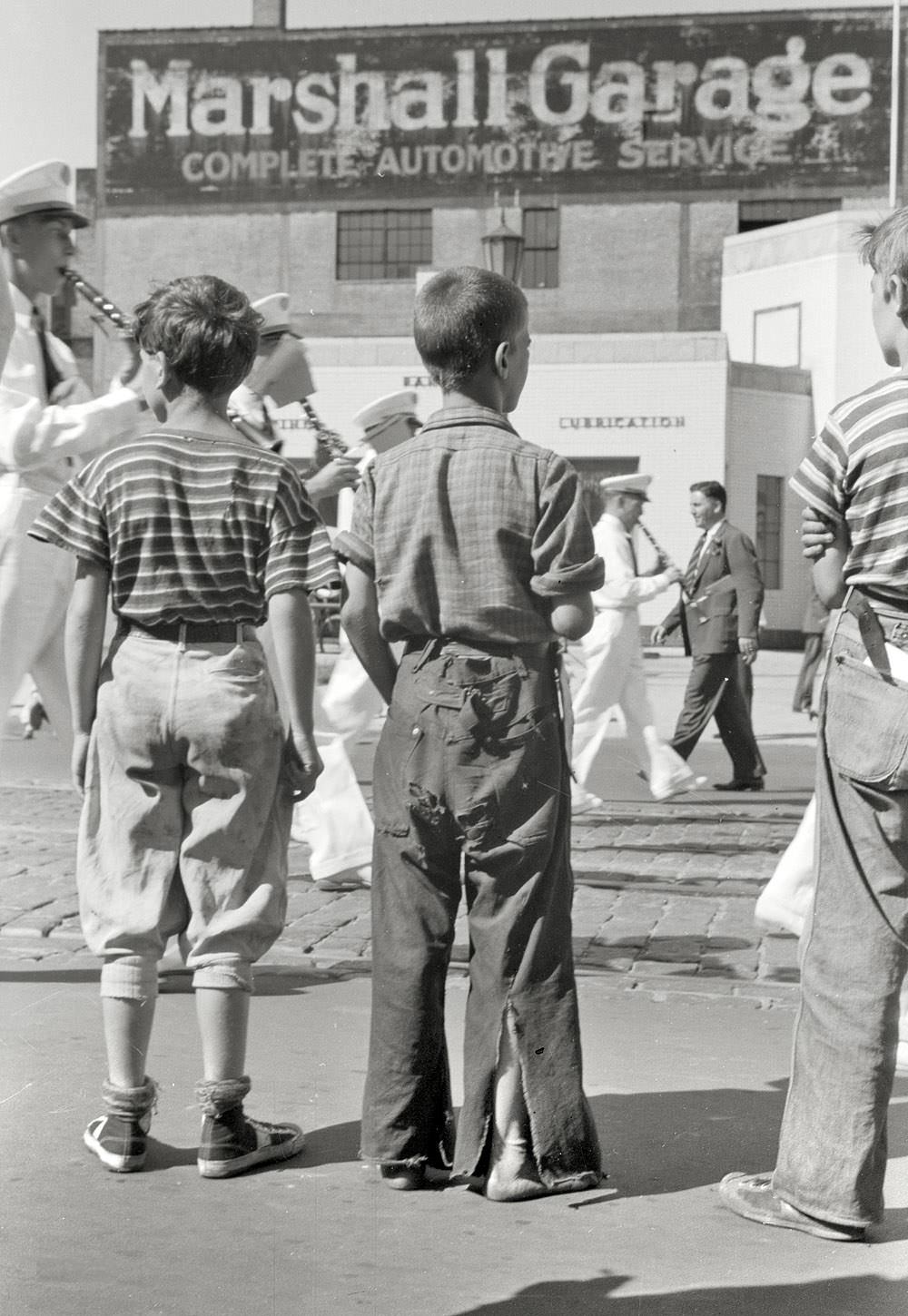
By September 1939, with Europe already at war, life in Milwaukee still carried the rhythms of ordinary American city life. Boys lined the streets to watch the Letter Carriers Convention parade — a scene of normal civic activity that would look very different just two years later.
When the United States entered World War II after December 1941, Milwaukee’s industrial base shifted almost entirely to war production. Factories that had made machinery and equipment for civilian use were retooled for the military. The Allis-Chalmers Manufacturing Company and the Heil Company were among the city’s major contributors to the war effort.
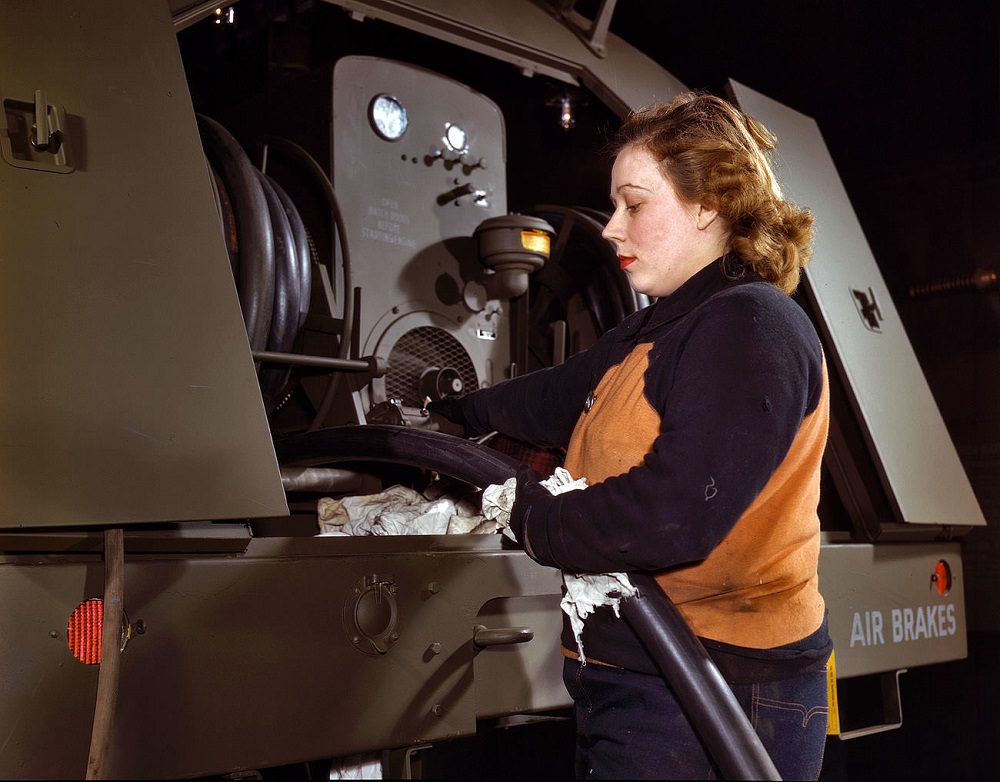
At the Heil Company in February 1943, workers were producing gasoline trailer tanks for the Army Air Corps. With large numbers of men serving overseas, women filled factory roles that had previously been almost exclusively male. These workers were not symbolic — they were the production line.
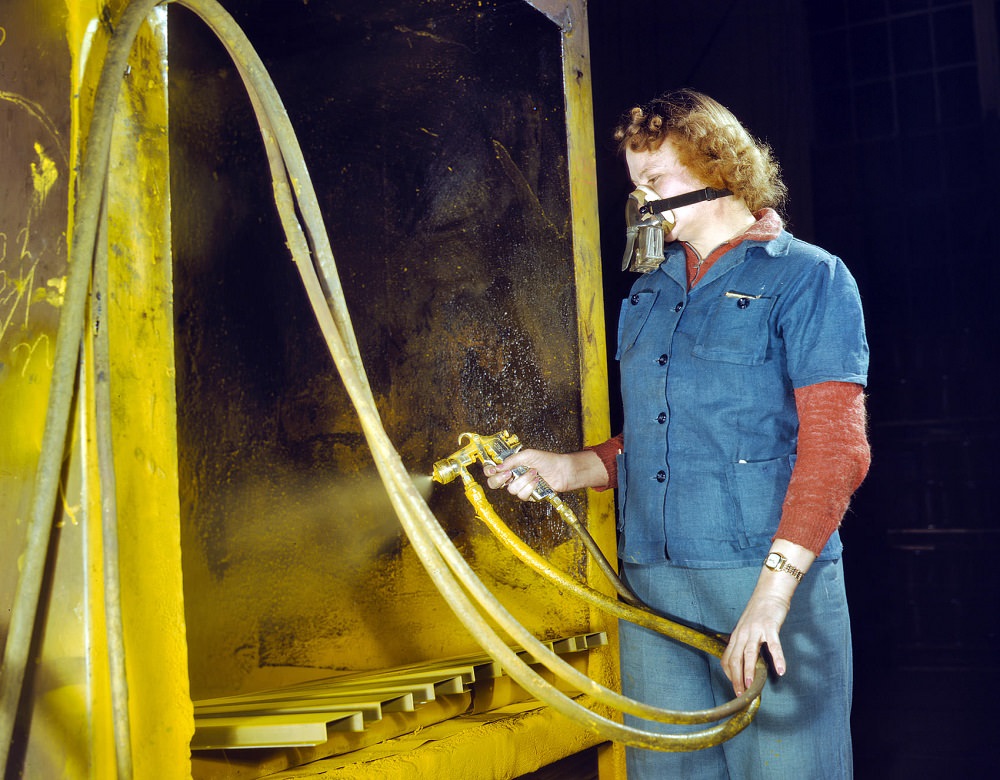
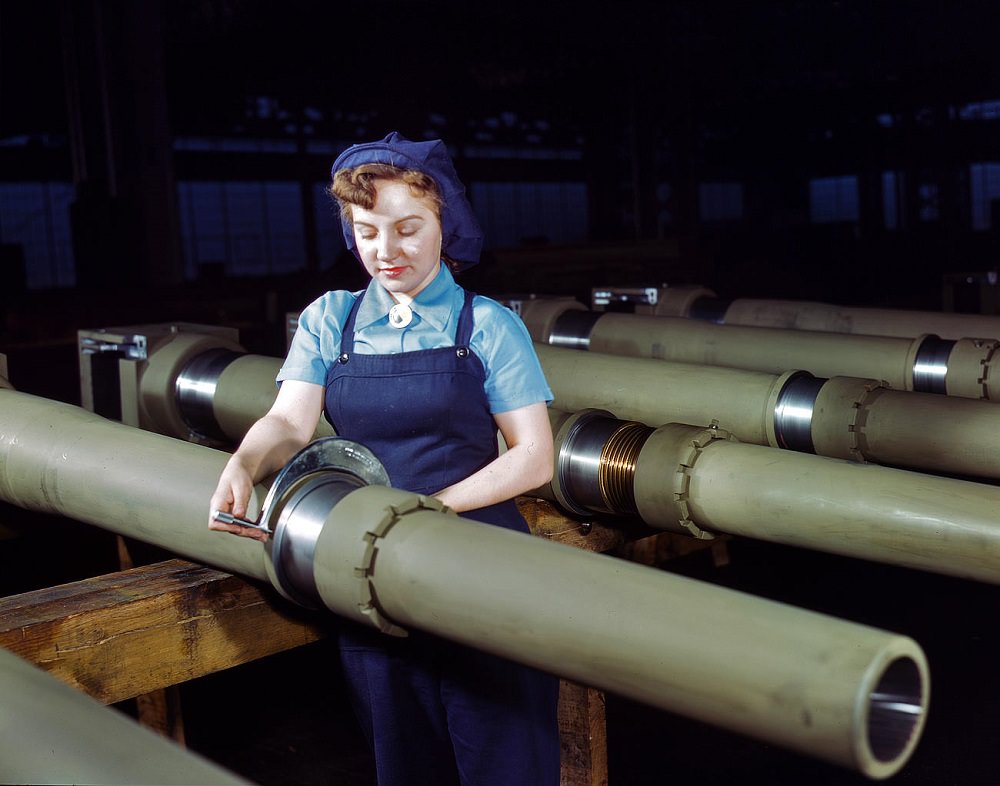
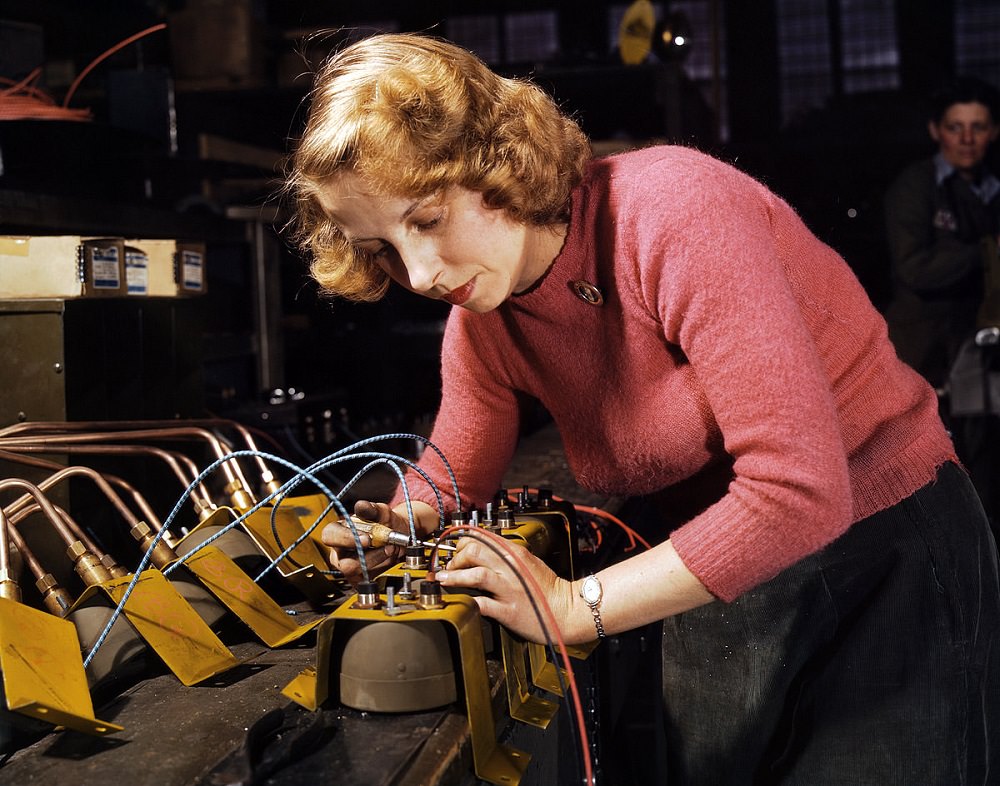
Mrs. Mary Betchner was photographed in February 1943 measuring 105mm howitzers at a Milwaukee plant. Enola O’Connell, age 32, a widow and mother of one child, had left domestic life to take up war work. Lucille Mazurek, 29, became a factory worker when her husband entered military service. Each of these women represents the thousands of Milwaukee residents who stepped into the war economy out of necessity and duty.
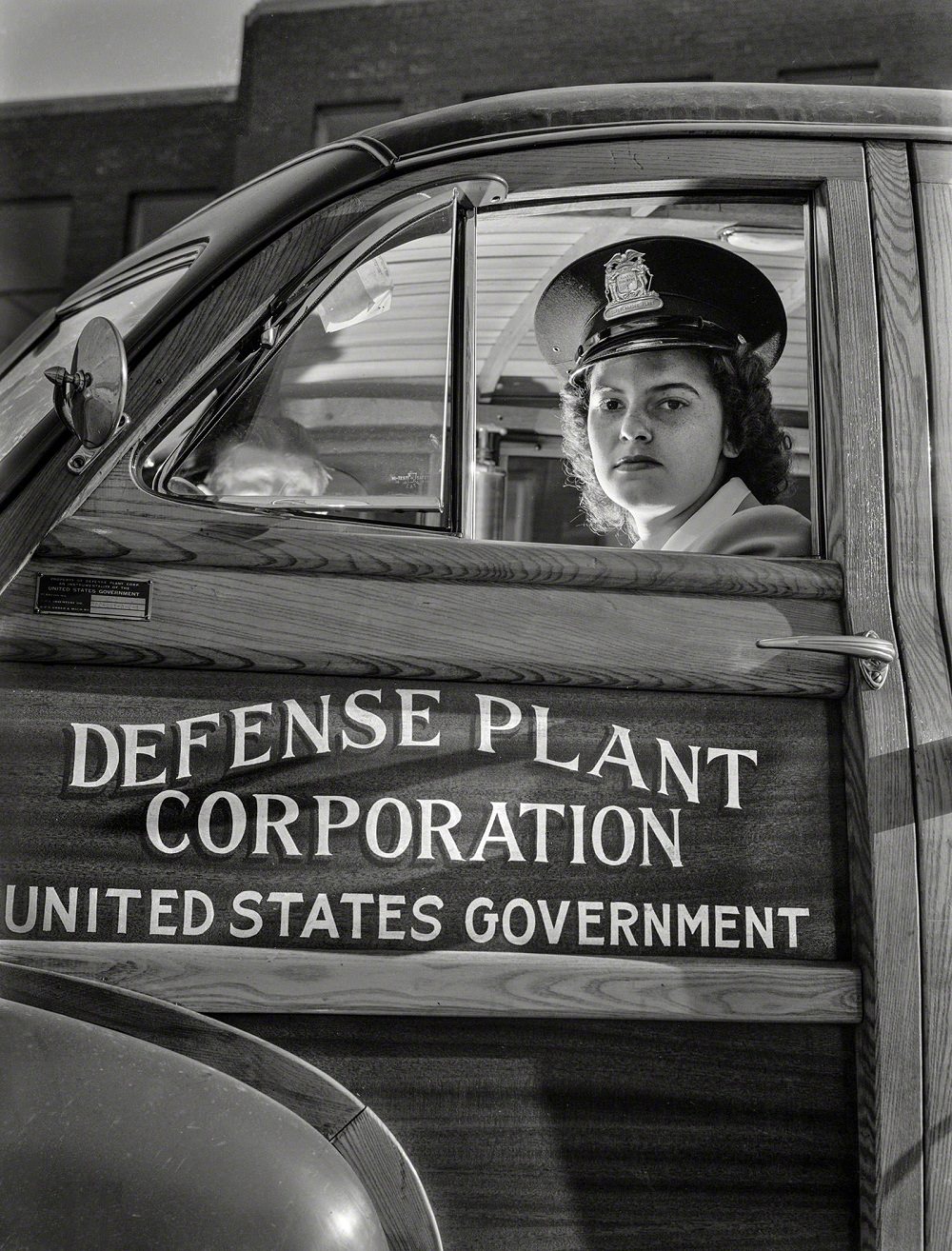
Jewell Halliday had a different wartime role. Her job was shuttling workers between two Midwest war plants for Allis-Chalmers Manufacturing Co. — a logistics task that kept production moving when every hour of factory time counted.
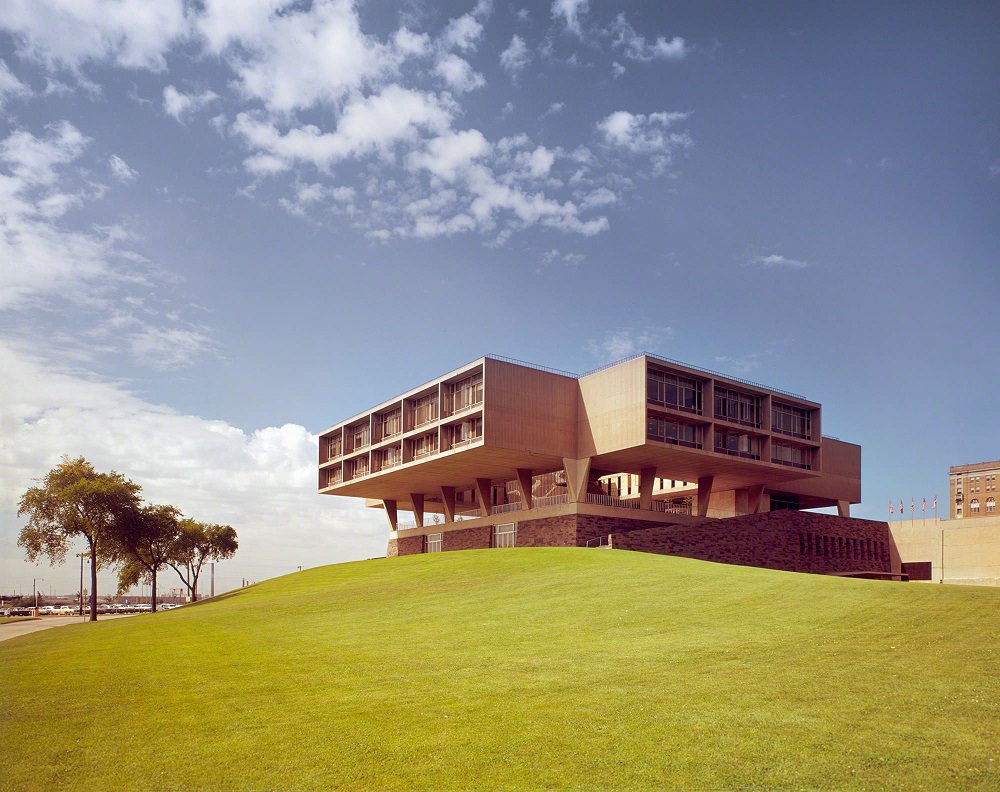
By 1963, Milwaukee had transformed again. The Milwaukee Art Museum, then known as the War Memorial Center, opened on the Lake Michigan lakefront. It was part of a broader postwar expansion that saw the city grow into one of the largest urban centers in the United States, with thriving sectors in health care, insurance, and banking alongside its surviving traditional industries.





This is a fascinating collection. I’d be very interested in hearing what our Native American brothers and sisters think about these photos and the life they portray.
20th century photos are just so impossibly rare 🙄
That fifth picture is a beautiful building. Why was it demolished?
These put the lie to the idea that Milwaukee was a one-horse town. There’s lot of horses pictured.