
The concept of the camera dates back to ancient Greek and Chinese thinkers, but photography as we know it was born in the early 19th century. French inventor Joseph Nicéphore Niépce is widely accepted as the father of modern photography, producing the first surviving photograph in 1827. Since then, cameras have captured milestone moments in science, war, nature, and everyday life. Here is a curated collection of the earliest and most significant “first” photographs ever taken.
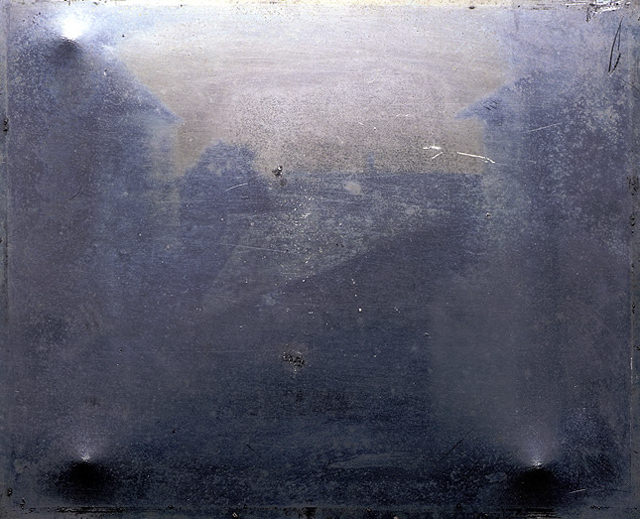
Captured using a technique known as heliography, the shot was taken from an upstairs window at Niépce’s estate in Burgundy. As heliography produces one-of-a-kind images, there are no duplicates of the piece.
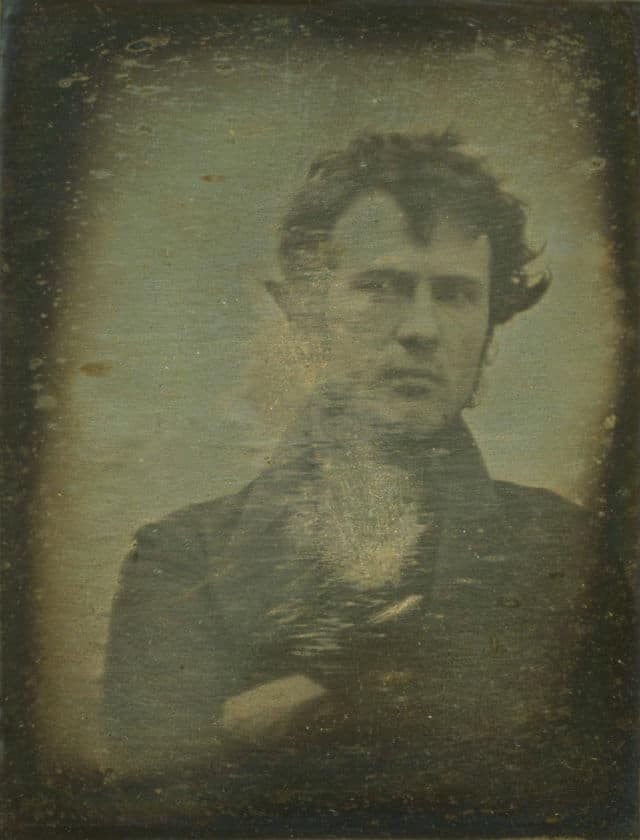
Robert Cornelius’s 1839 image lays claim to the first self-portrait. Taken in Philadelphia, Cornelius sat for a little over one minute before covering the lens.
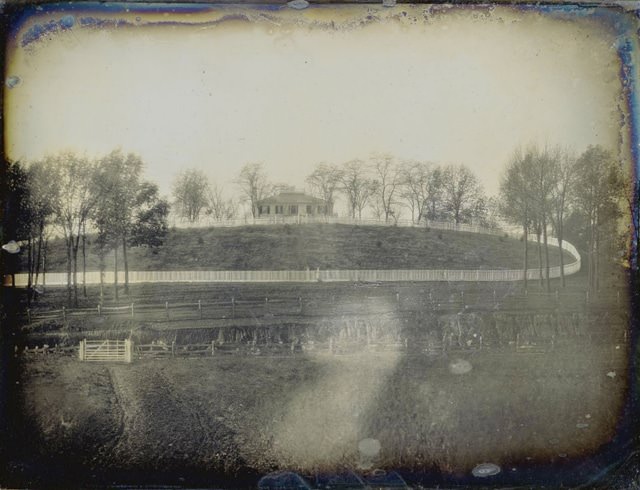
This 1848 daguerreotype of Manhattan’s Upper West Side is the oldest surviving photo of New York. In 2009, it was sold at Sotheby’s for $62,500. Unfortunately, the first photo of New York, which shows the Unitarian Church, is now lost.
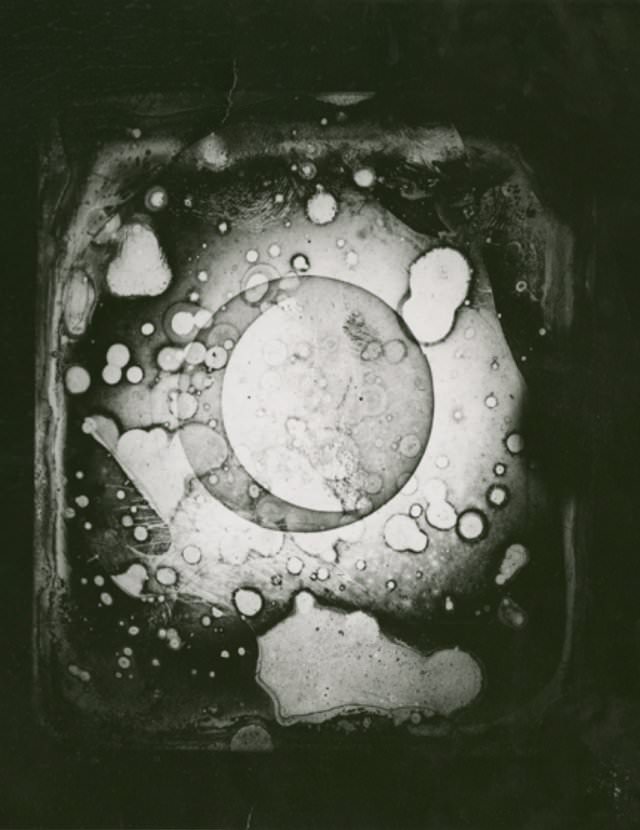
This daguerreotype by John W. Draper from 1840 is the first photo of the moon. Taken from his rooftop observatory at New York University, the image has since sustained extensive damage.
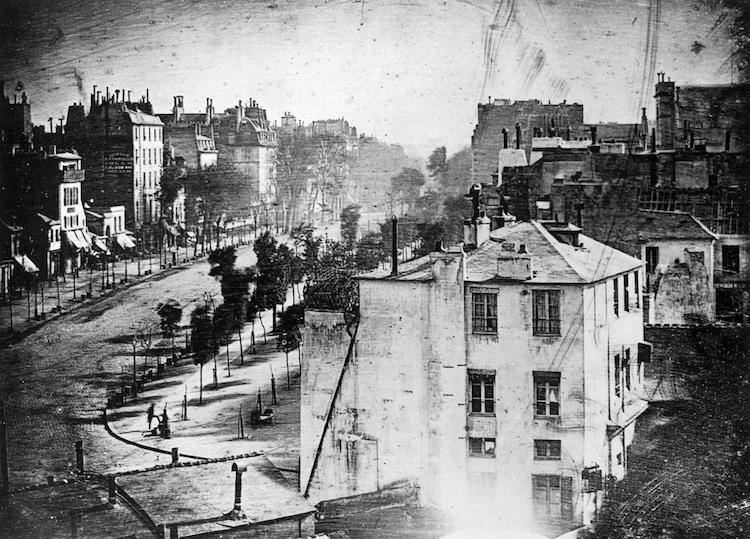
Louis Daguerre — the inventor of the daguerreotype — captured the first-ever photograph of people. The 10-minute long exposure was taken in 1839 in Place de la République, and it is just possible to make out two blurry figures in the left-hand corner.
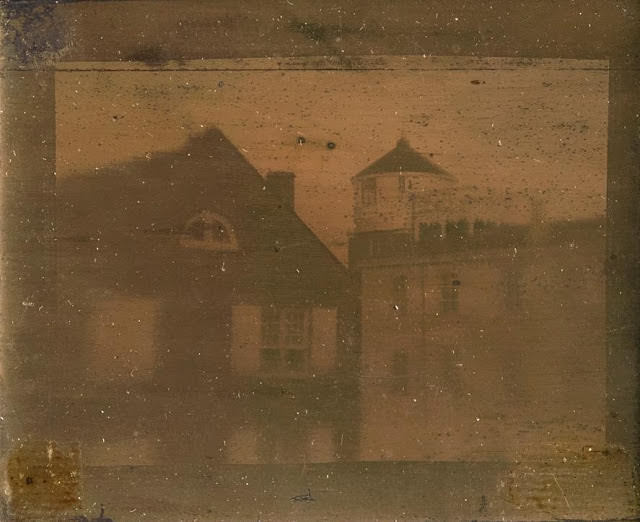
This is believed to be the oldest photograph taken in the USA: Central High School in Philadelphia, by Joseph Saxton, 1839.
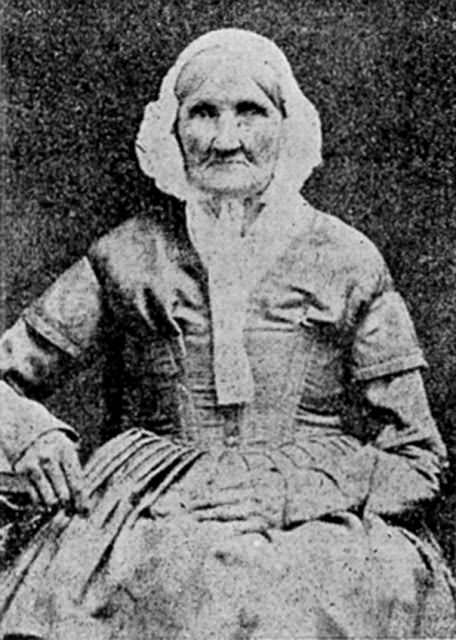
Born in 1746 and photographed in 1840, Hannah Stilley is the earliest-born person known to have been photographed.
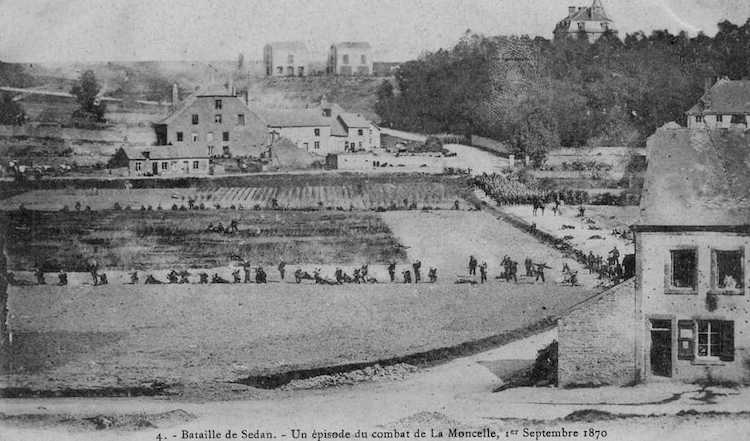
Carol Popp de Szathmari is the first known war photographer, capturing hundreds of images of the Crimean War. But it is this image from 1870 that is thought to be the first photograph of an actual battle. Showing a line of Prussian troops as they advance, the photographer shot the image while standing with French defenders.
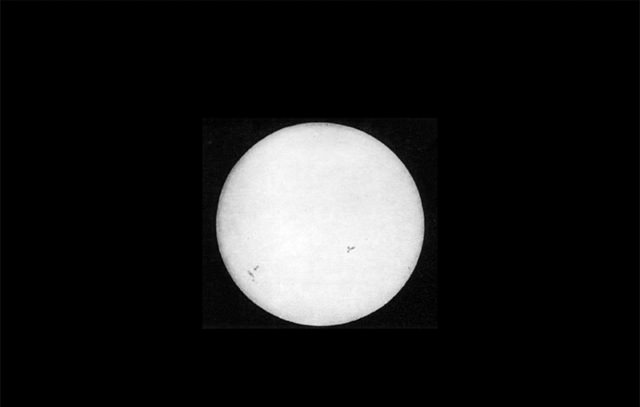
The first photograph of our sun was taken by French physicists Louis Fizeau and Léon Foucault on April 2nd, 1845. The snapshot was captured using the daguerreotype process and resulted from a 1/60 of a second exposure. If you observe the photograph carefully, you can spot several sunspots.
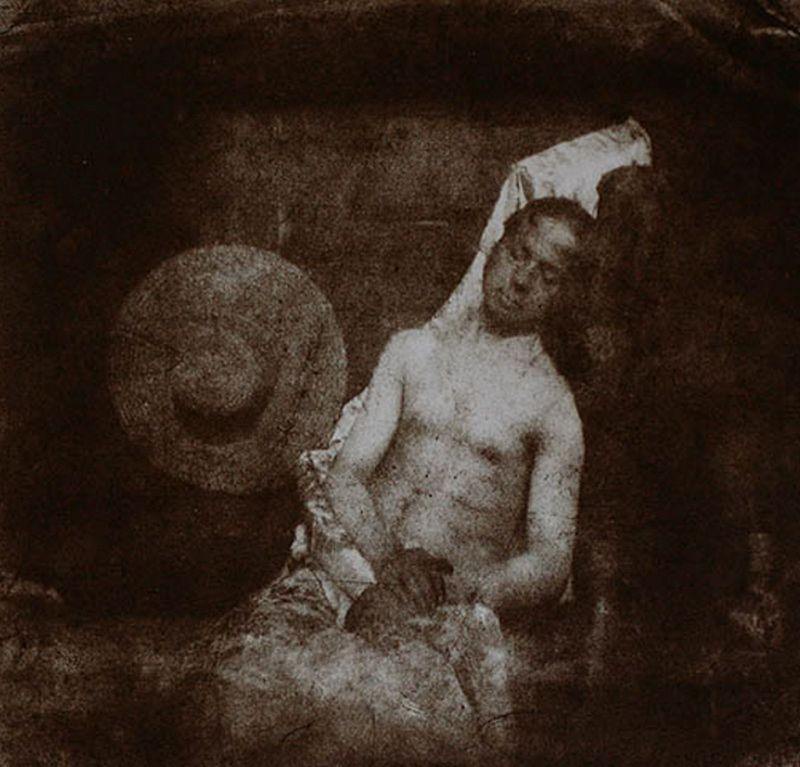
The first hoax photograph was taken in 1840 by Hippolyte Bayard. Both Bayard and Louis Daguerre fought to claim the title “Father of Photography.” Bayard had developed his photography process before Daguerre introduced the daguerreotype. However, the announcement of his invention was held off, and Daguerre claimed the moment. In a rebellious move, Bayard produced this photograph of a drowned man, claiming that he killed himself because of the feud.
![[Factually Corrected] First Photo of a Tornado, 1884](https://www.bygonely.com/wp-content/uploads/2019/12/first_photographs_history_11.jpg)
On April 26, 1884, a tornado moved slowly across Anderson County, which allowed amateur photographer A.A. Adams to set up his box camera. A pioneering image in meteorology, Adams’s image is a precursor to the storm chasers we still see today.
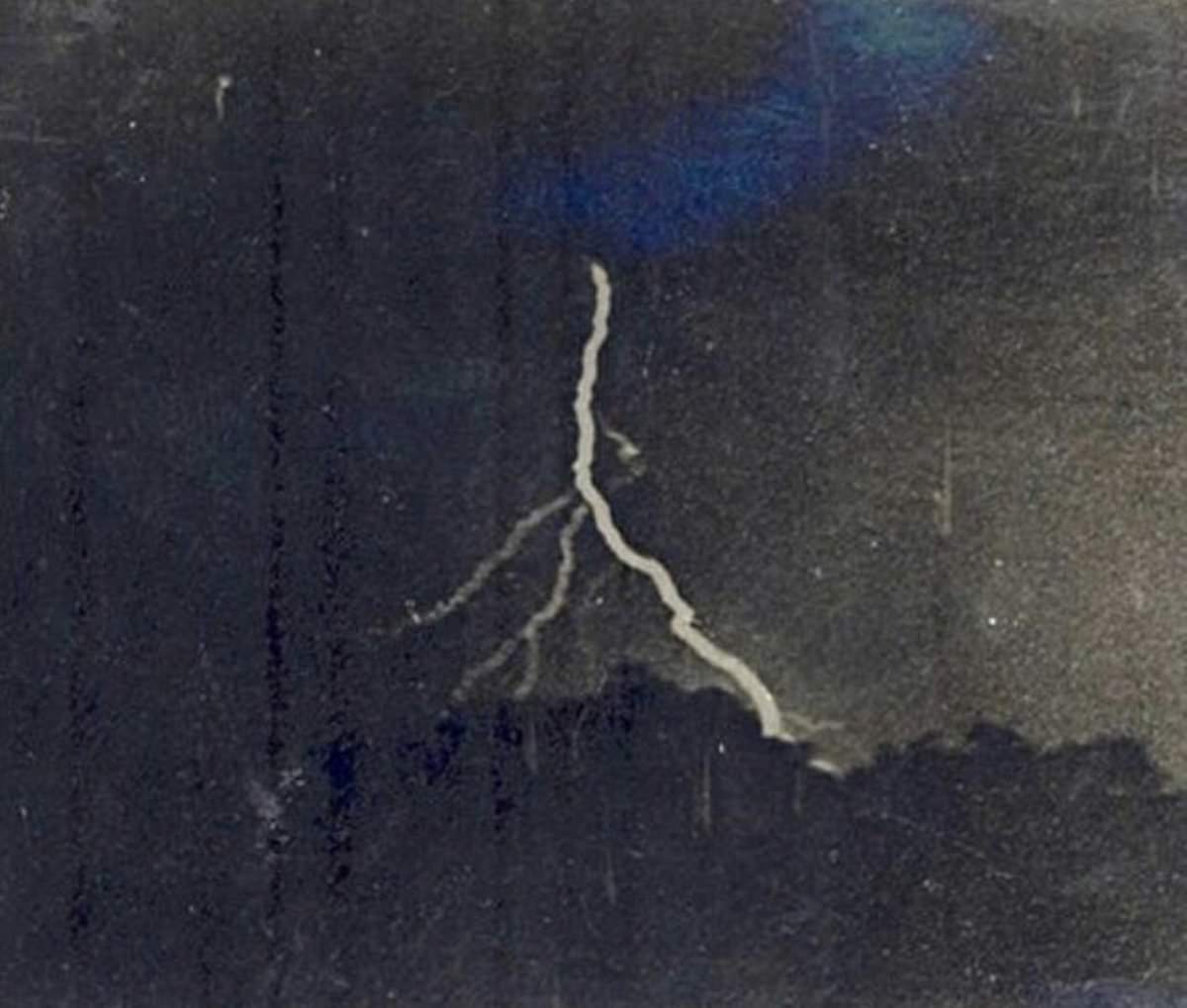
Lightning can be an exciting subject to capture, and the first photographer to grab a snapshot did so in 1882. Photographer William Jennings used his findings to show that lightning was much more complicated than originally thought — notice how the lightning branches out in the image above.
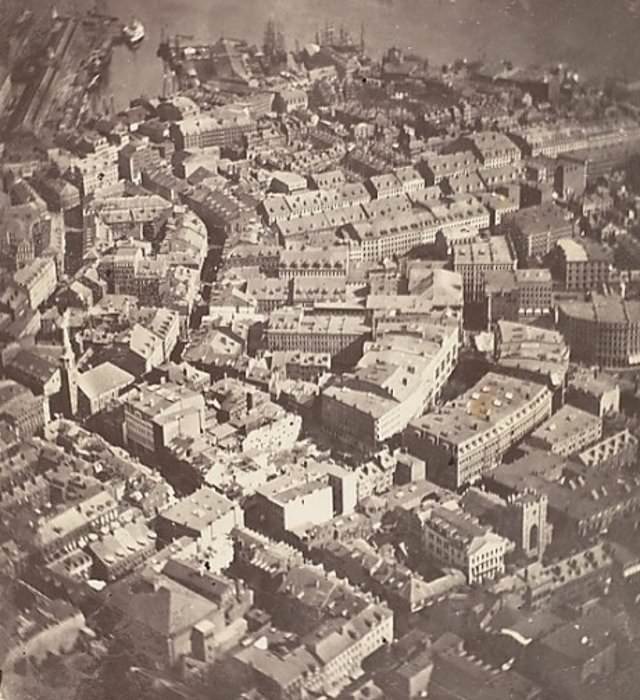
Showing Boston from over 2,000 feet in the air, this aerial photograph was taken by James Wallace Black and Samuel Archer King. Unfortunately, the first aerial image, which was taken by French photographer and balloonist Gaspard-Félix Tournachon, has been lost.
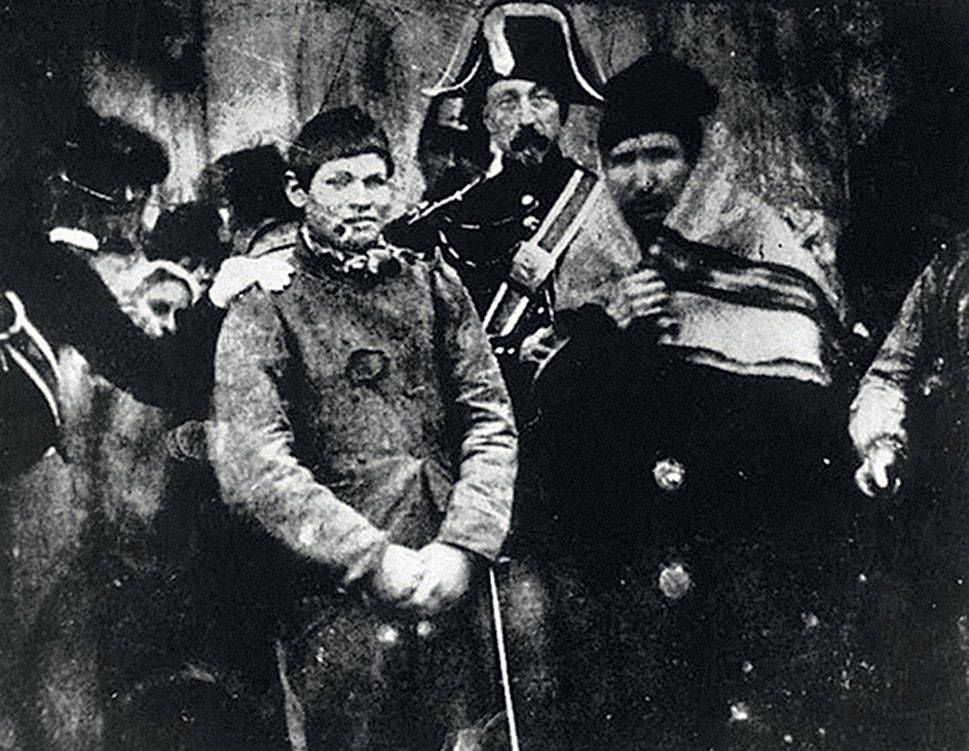
While the photojournalist’s name has been lost, his work has not. This photograph taken in 1847 via the daguerreotype process is thought to be the first photograph ever taken for the news; it depicts a man being arrested in France.
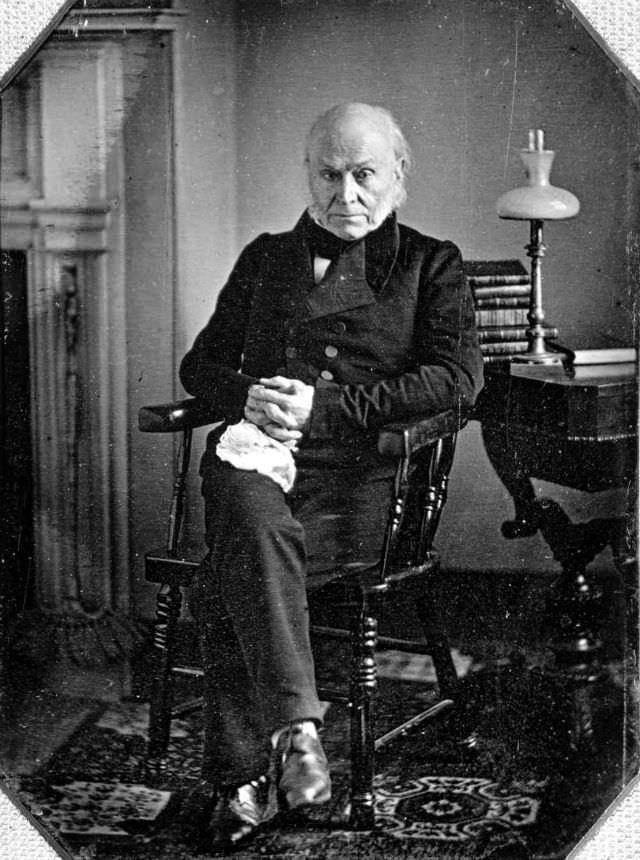
John Quincy Adams holds the distinction of being the first U.S. president photographed, though he was not in office at the time. Captured at his home in Quincy, Massachusetts in 1843 — fourteen years after he left office — the daguerreotype was shot by Philip Haas. The first photograph of a sitting president was taken in 1841 but has since been lost. It depicted short-lived president William Henry Harrison before he died from pneumonia just 31 days after taking office.
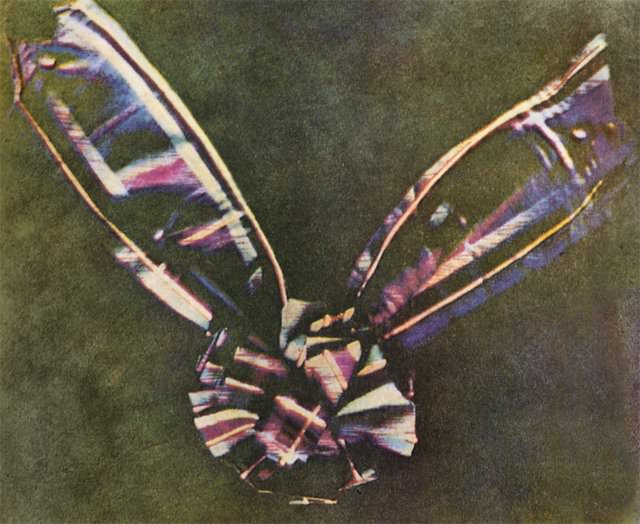
Physicist James Clerk Maxwell is responsible for taking the world’s first color photograph. In 1855, Maxwell developed a three-color method, with the actual shutter being pressed by Thomas Sutton in 1861. The subject of the image is a colored ribbon, also known as a tartan ribbon.
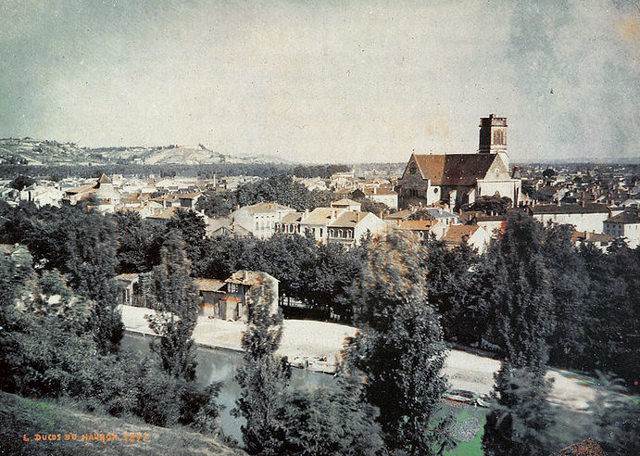
The first color landscape photograph was taken in 1877. Photographer Louis Arthur Ducos du Hauron was a pioneer in color photography and was the driving force behind the process that created this photo. The shot depicts southern France and is titled “Landscape of Southern France.”
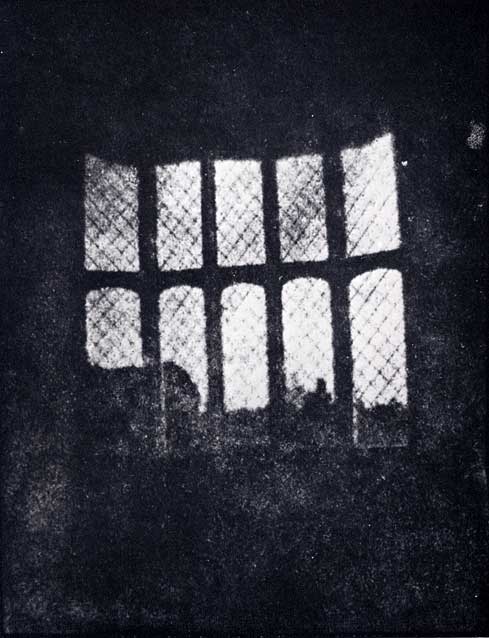
Latticed window at Lacock Abbey, August 1835. A positive print from what may be the oldest existing camera negative.
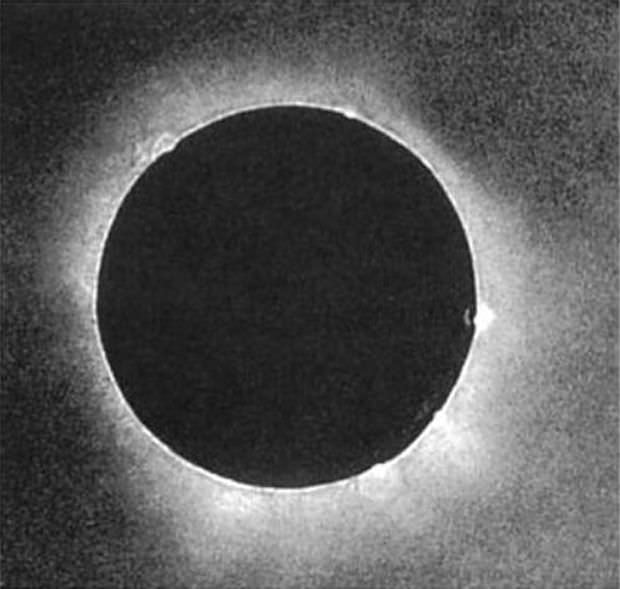
Johann Julius Friedrich Berkowski made the first solar eclipse photograph on July 28, 1851, using the daguerreotype process.
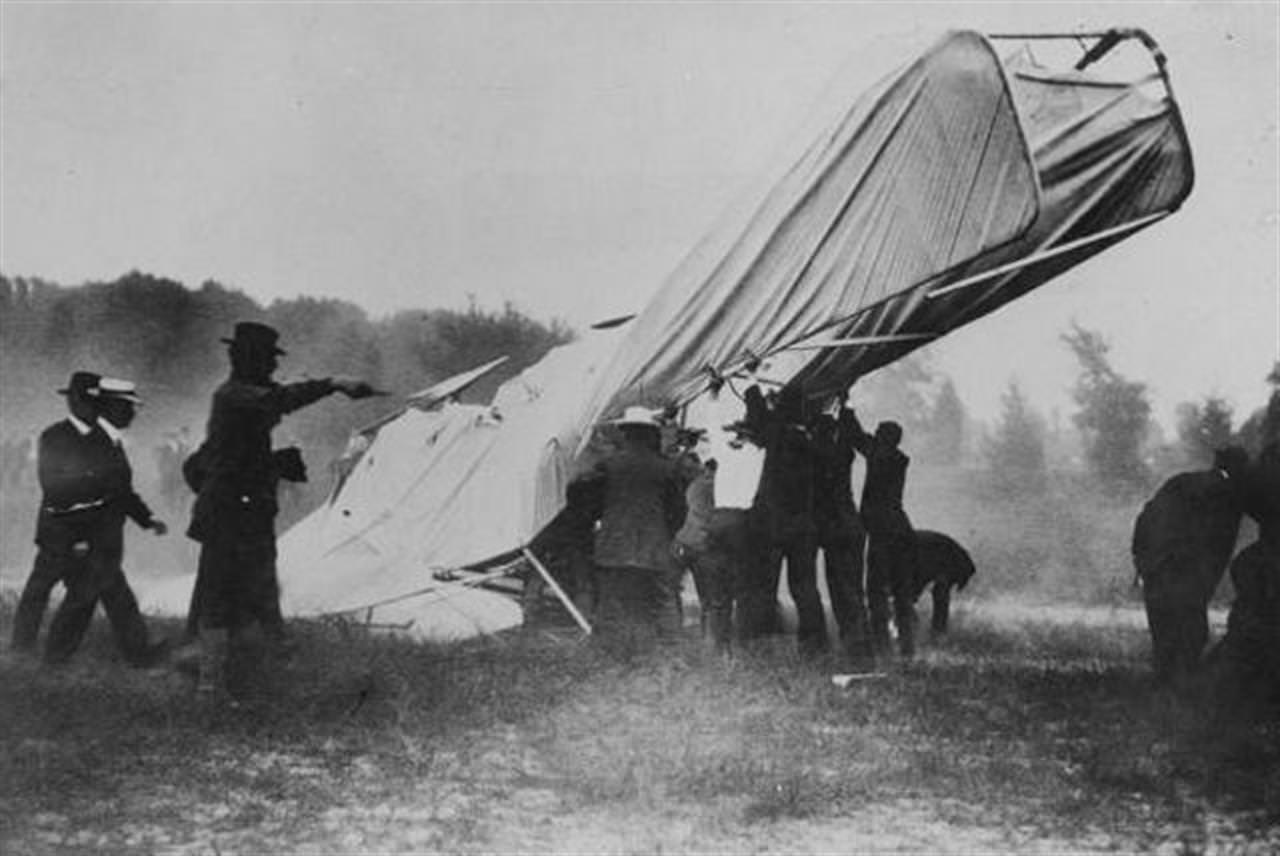
This photo from 1908 shows the death of aviator Thomas Selfridge. The plane was an experimental design by the Aerial Experimental Association, which was part of the U.S. Army. The plane was also carrying Orville Wright when it crashed; however, he survived.
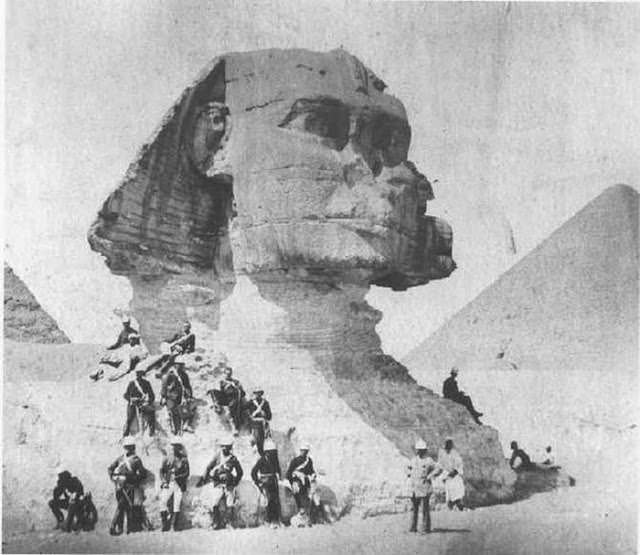
The Great Sphinx was first photographed in 1880.
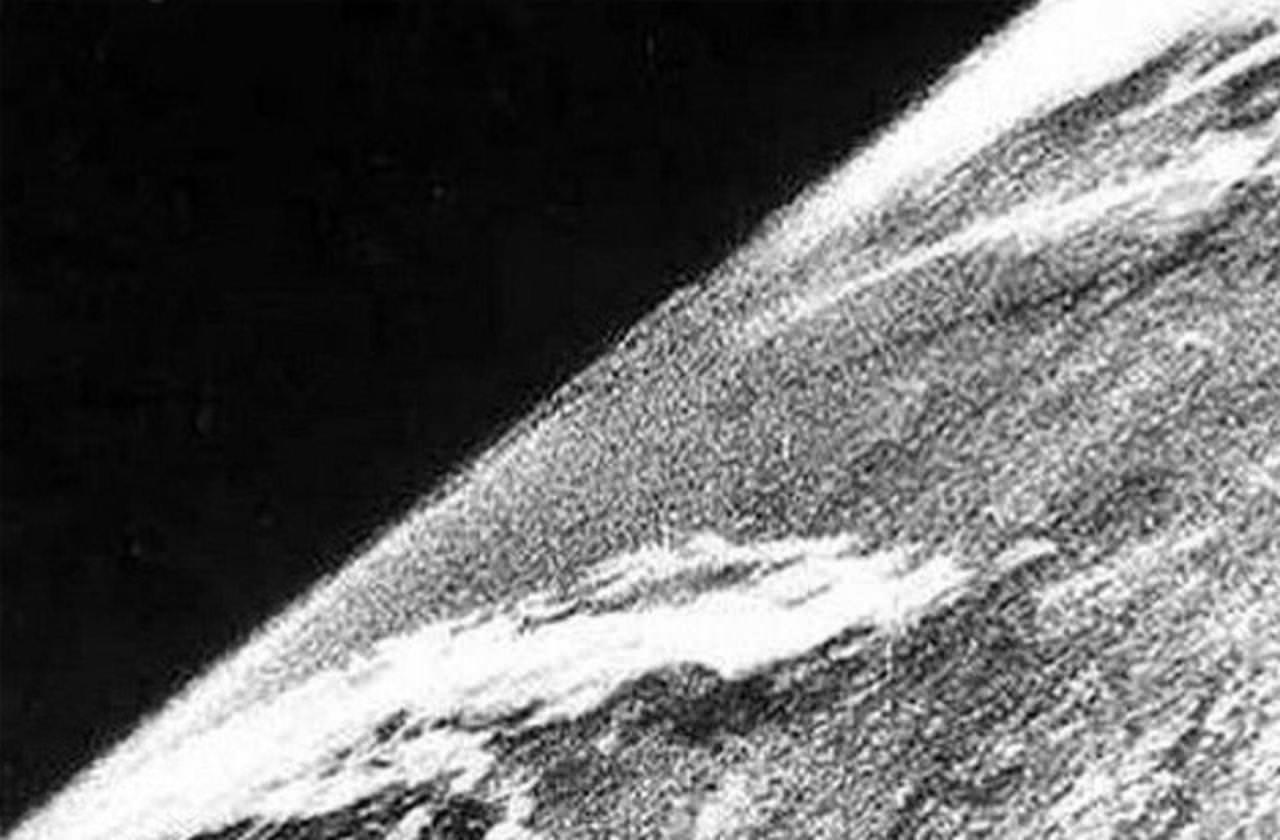
The first photograph from space was taken by the V-2 #13 rocket, which was launched on October 24th, 1946. The photo shows the Earth in black and white from an altitude of 65 miles. The camera that captured the shot was a 35mm motion picture camera that snapped a frame every second and a half as the rocket climbed straight up into the atmosphere.
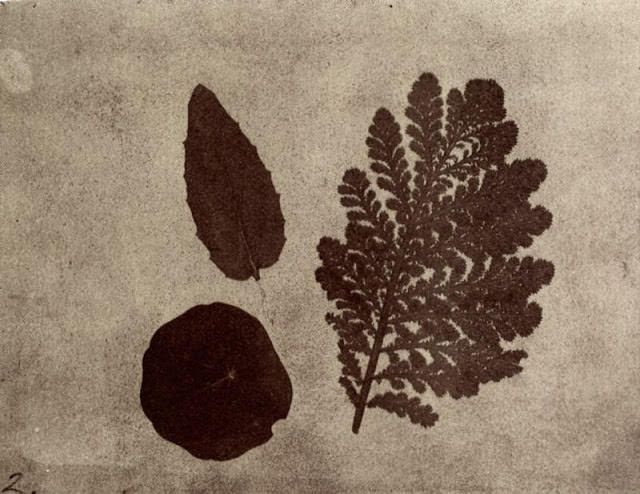
This photo was taken in 1840 by an unknown photographer. It shows three leaves from different plants.
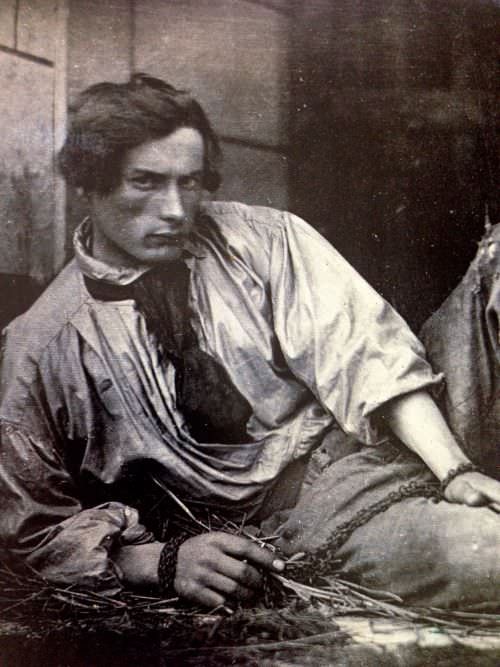
Louis Dodier was the first prisoner ever photographed, in 1847. From a rich Parisian family, Baron Louis Adolphe Humbert de Molard was one of those wealthy amateurs who brought their talent and passion to early photography.
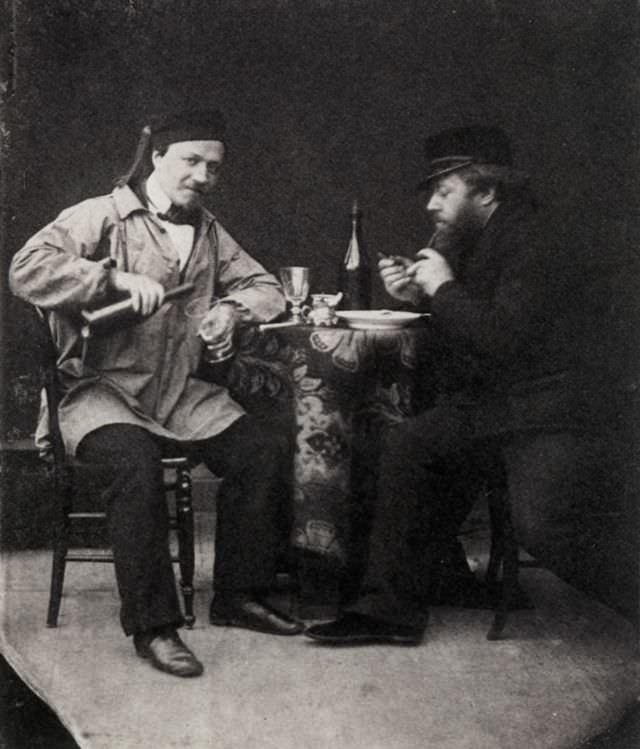
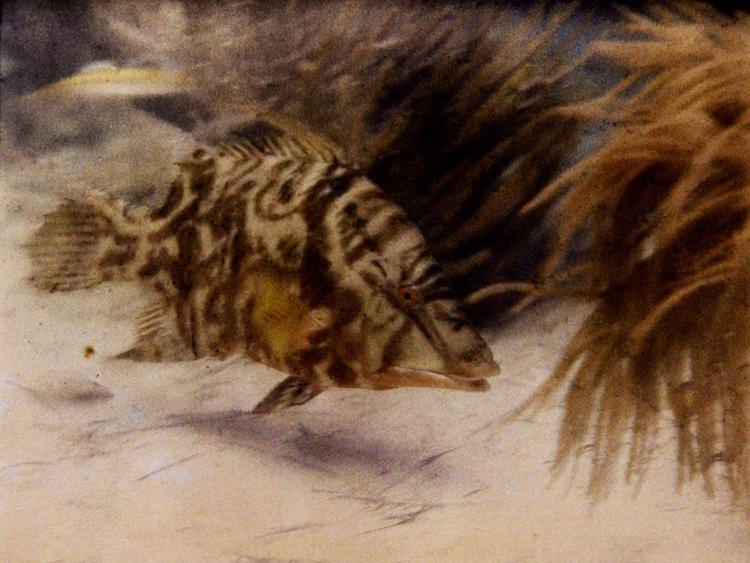
In 1926, National Geographic photographer Charles Martin and botanist William Longley took the first underwater photograph in color. Taken off the Florida Keys, it shows a hogfish. The duo took this pioneering shot by encasing cameras in waterproof housing and using a magnesium-powered flash.
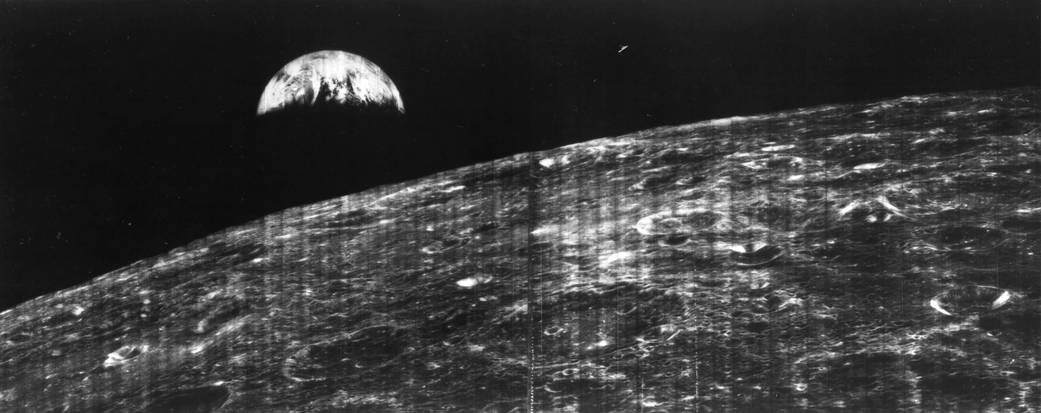
The Earth was photographed from the Moon on August 23rd, 1966. A Lunar Orbiter traveling near the Moon snapped the shot, and it was then received at Robledo De Chervil in Spain. This was the lunar spacecraft’s 16th orbit around the Moon.
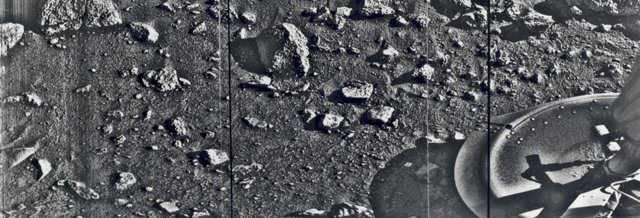
The first image of the planet Mars was taken by Viking 1 shortly after it touched down on the red planet. The photograph was taken on July 20th, 1976, as NASA fulfilled its mission to obtain high-resolution images of the planet’s surface. The images were used to study the Martian landscape and its structure.
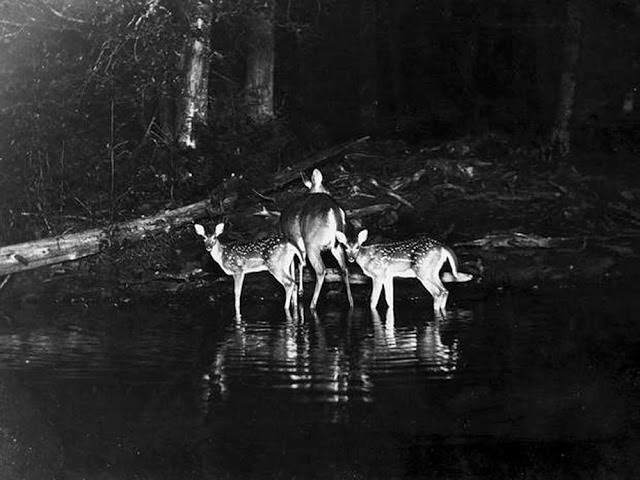
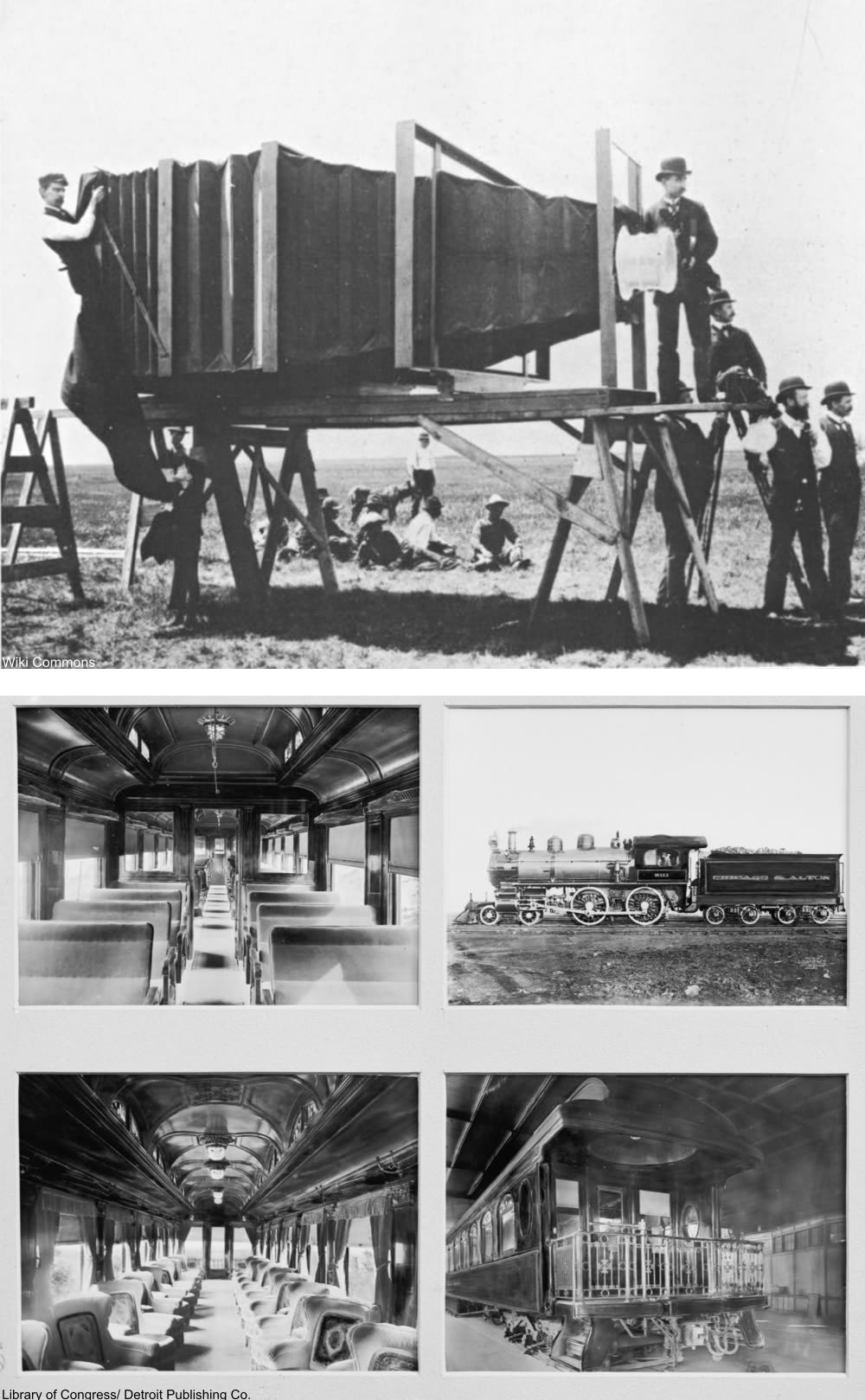
Near the turn of the 20th century, one photographer set out to take the world’s biggest photograph, and for that he needed the world’s biggest camera. But there was a problem — it did not exist yet. The photograph was to be of the Alton Limited train, an exclusive service that ran between Chicago and St. Louis. The Alton Limited was commonly referred to as “the handsomest train in the world.” To accommodate this larger-than-life request, a very large camera was needed. At the time, camera technology meant that a large subject would require a large plate on which to develop the image, or else the image would have to be pieced together. Lawrence built a camera large enough for this purpose, which weighed 1,400 pounds with its plate holder loaded and could accommodate an 8′ × 4.5′ plate — big enough to capture the Alton Limited in all its glory.
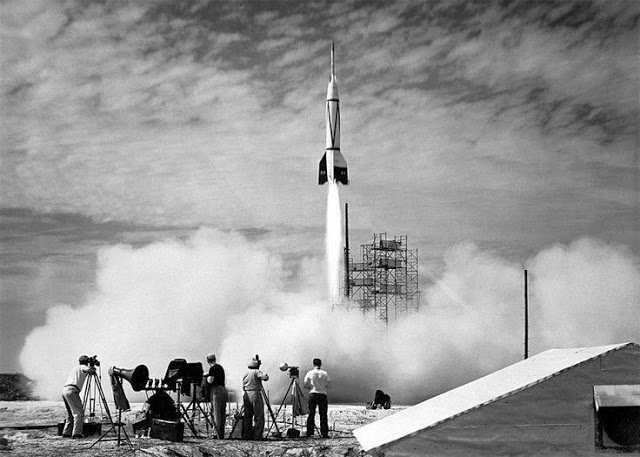
NASA photographers snapped the first photograph of a Cape Canaveral launch in July of 1950. The rocket being launched was known as the “Bumper 2”; it was a two-stage rocket made up of a V-2 missile base and a WAC Corporal rocket. The shot also clearly shows other photographers lined up and ready to capture their own images of the event.
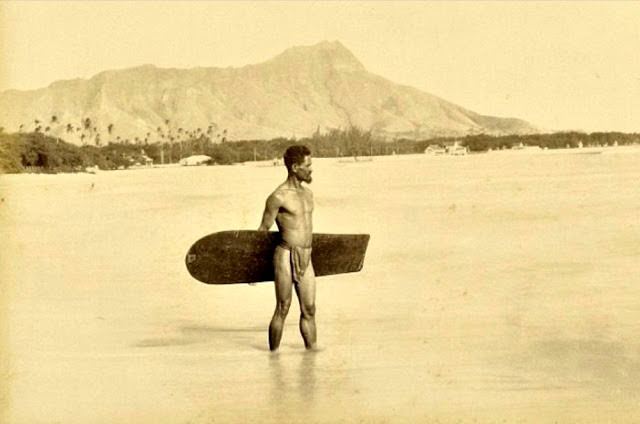
Dating back to 1890, this is the first photo ever taken of a surfer. The muscled Hawaiian beach man is photographed wearing a traditional loin cloth and shown standing in the shallows holding his board. The original owner and the photographer are not known.
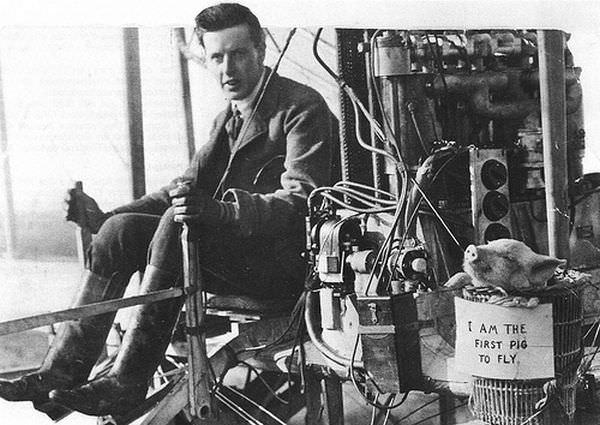
The first historically recorded flight of a pig took place at Leysdown in Kent, Great Britain, on November 4th, 1909. With this flight, the aristocratic British aviator made pig aviation a reality. He fixed a wicker basket to a wing strut of his Voisin biplane and carefully strapped a pig into it. The basket had a handwritten sign reading “I am the first pig to fly.” He then took the pig on a flight of about 3.7 miles from Shellbeach, the Short Brothers airfield at Leysdown on the Isle of Sheppey.
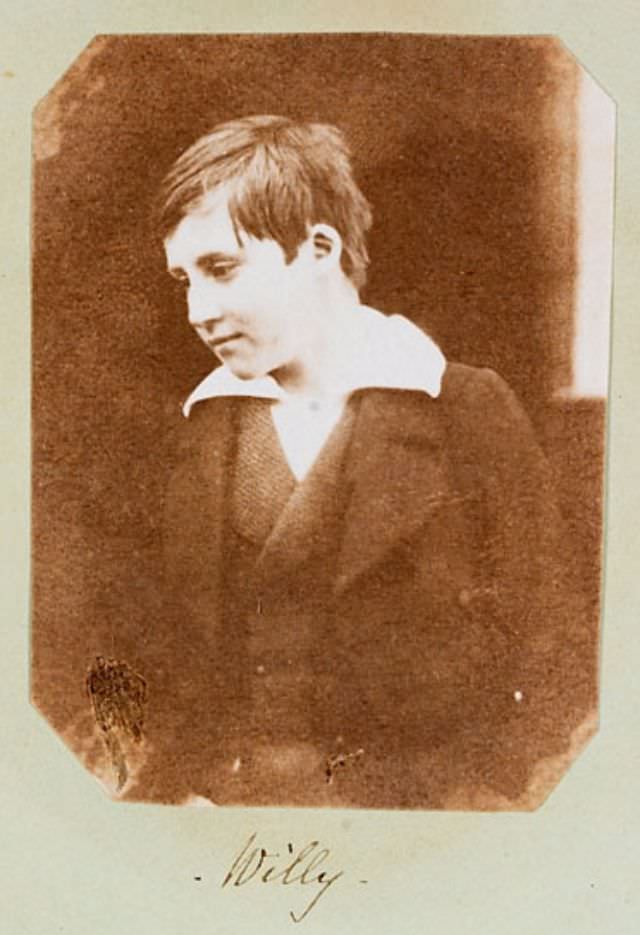
The photograph is simply labeled “Willy.” It features a young man with close-cropped hair dressed in fine clothing, including a collared shirt and jacket. Willy is looking at something amusing off to his right, and the photograph captured just the hint of a smile — the first ever recorded, according to experts at the National Library of Wales.
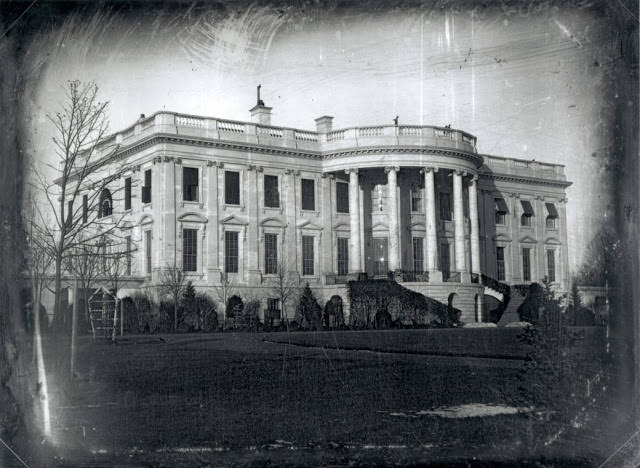
A Welsh immigrant named John Plumbe, Jr. — one of the country’s first prominent professional photographers — took the daguerreotype in January 1846.
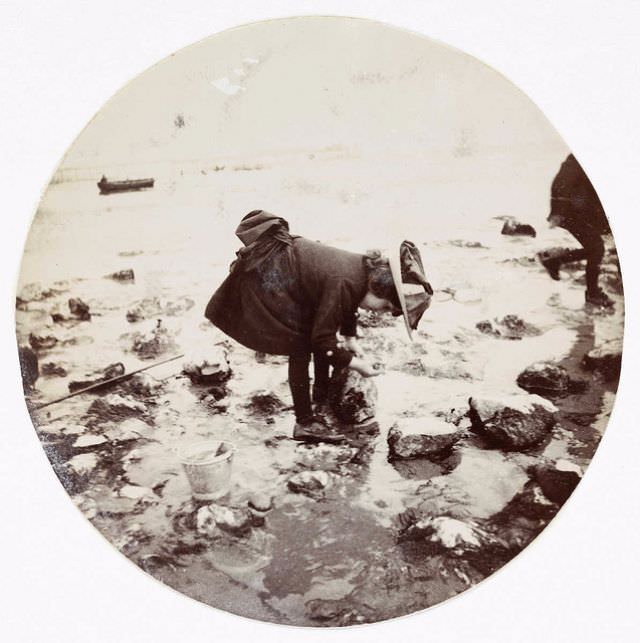
The Kodak camera was the invention of American George Eastman (1854–1932). It was a simple, leather-covered wooden box — small and light enough to be held in the hands. Taking a photograph with the Kodak required only three simple actions: turning the key to wind on the film, pulling the string to set the shutter, and pressing the button to take the photograph. There was not even a viewfinder — the camera was simply pointed in the direction of the subject. The Kodak produced circular snapshots two and a half inches in diameter.
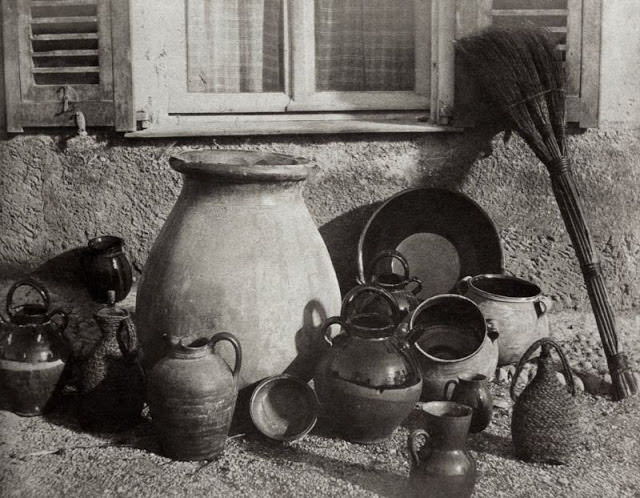
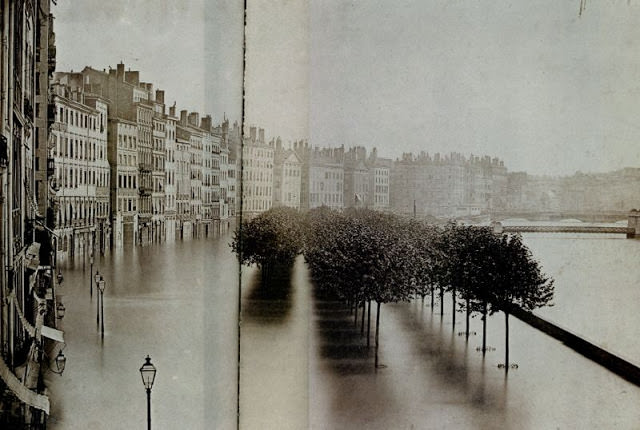
Late May to early June 1856 was marked in France by a sudden and massive rise in the water levels of major French rivers. The flood of 1856 went down as one of the major floods in the history of France.
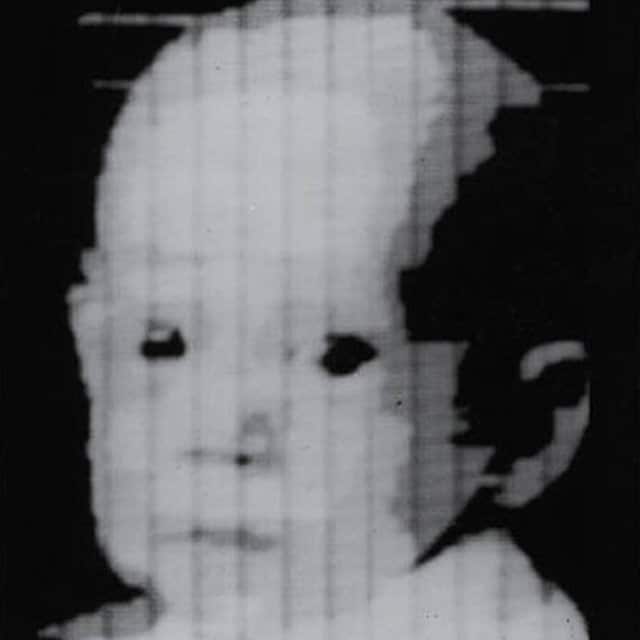
The first digital photo was taken earlier than most people think. Almost 20 years before the original Kodak digital camera, in 1957, this square image of Russell Kirsch’s son was taken. The photo is a digital scan of a film image, resulting in a square photograph.

This is the first picture ever uploaded to the internet, in 1992. It was taken by IT developer Silvano de Gennaro. The photo is a shot of Les Horribles Cernettes, a comedy band that performed near Geneva’s CERN laboratory. Gennaro shot the photo with a Canon EOS 650, and it just so happened that Tim Berners-Lee — inventor of the World Wide Web, who was working at CERN at the time — was also working on a new version of the Web, one that could handle photos.
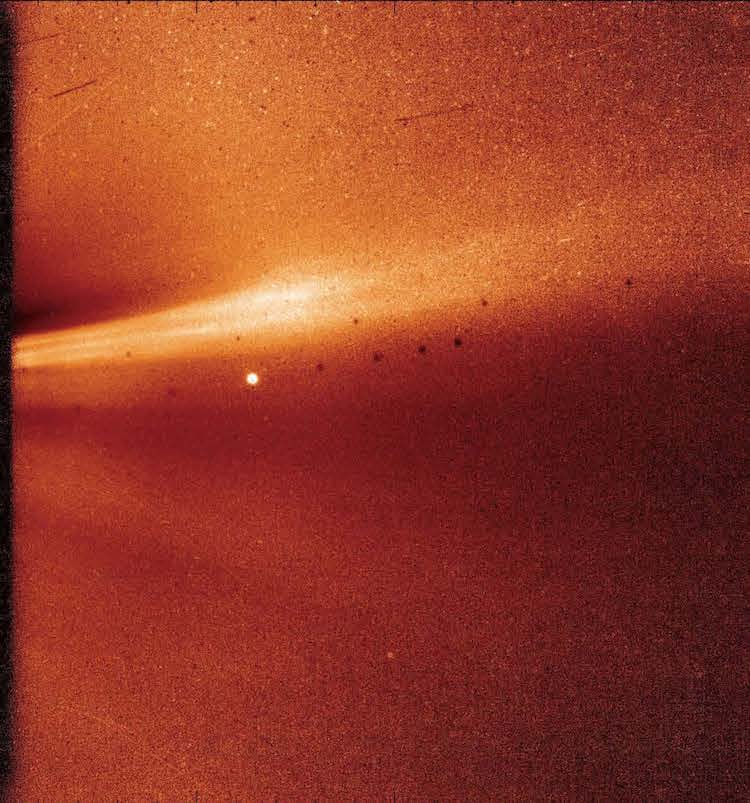
On November 8, 2018, NASA’s Parker Solar Probe took a groundbreaking photograph at 16.9 million miles from the Sun. That is incredibly close when one considers that Earth is located 91 million miles from the Sun. This first-ever photo from inside the Sun’s corona is a breakthrough in the field of heliophysics, and researchers are hopeful it will help us learn more about this giant star.
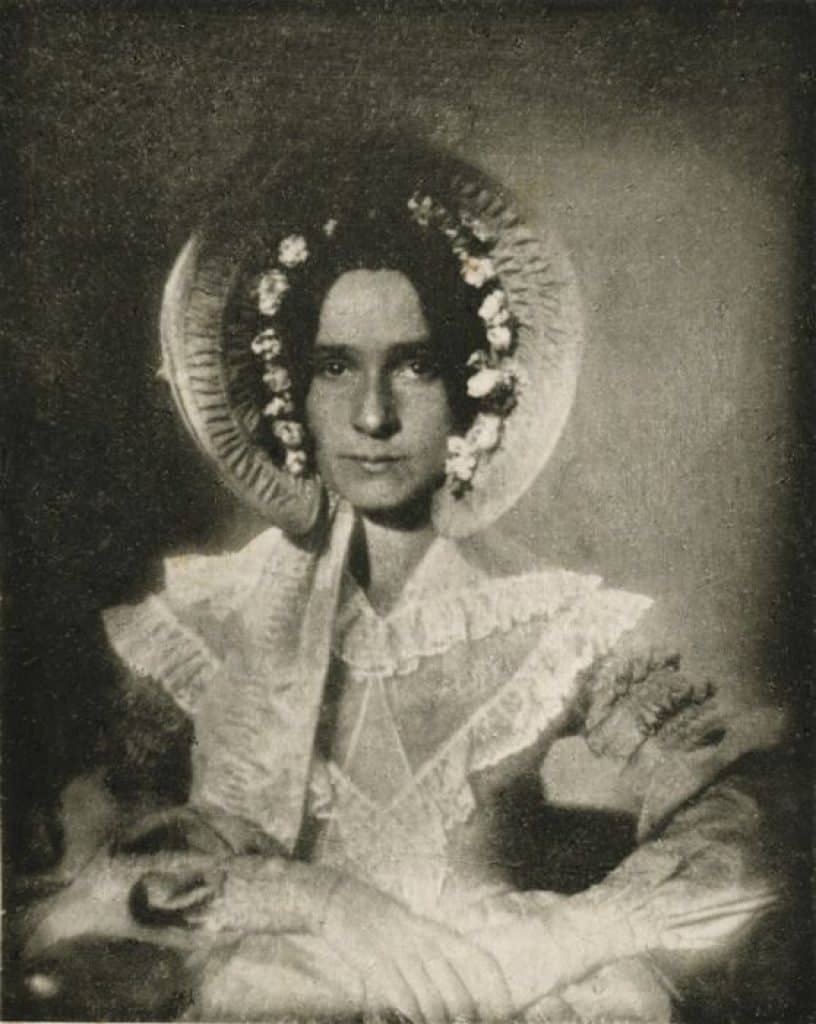
Not long after the invention of the daguerreotype, Dr. John W. Draper made additional improvements to the device’s photographic process. Draper saw its usefulness for portraits and made history by taking the first photograph of a woman. The woman was his sister, Dorothy Catherine Draper, and he took this image in 1839 or 1840 in Draper’s studio at New York University. Without blinking, Dorothy sat motionless for 65 seconds to take this historic photo.
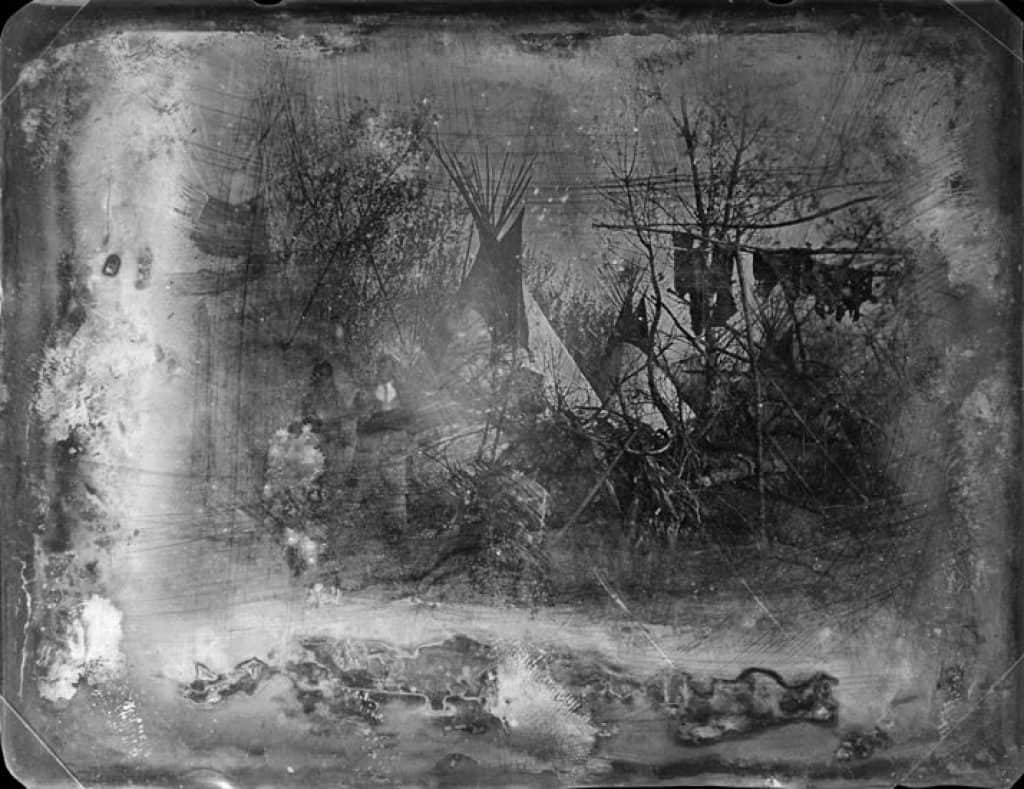
In 1853, Solomon Nunes Carvalho used a daguerreotype to take this picture of a Cheyenne camp at Big Timbers, in what is now Colorado. Although difficult to spot, two Cheyenne individuals are standing to the left of center. This first photograph of a Native American camp is held in the U.S. Library of Congress.
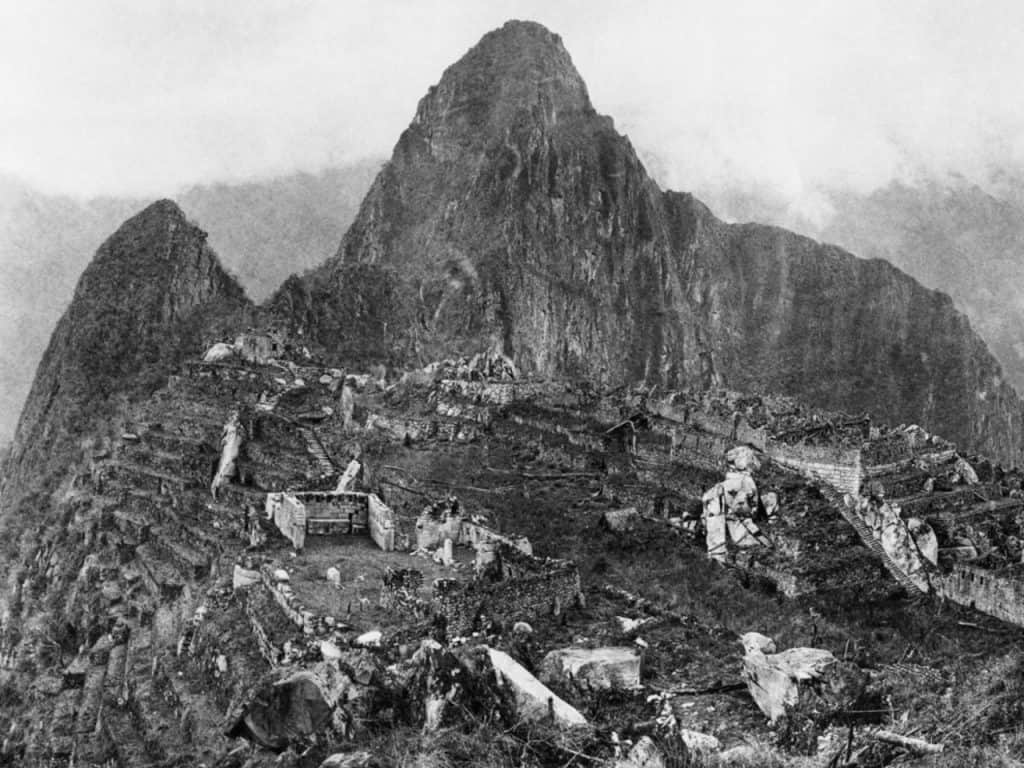
Hiram Bingham III took the earliest photograph of Machu Picchu in 1912. Already known to exist by Peruvian locals, Bingham introduced this Inca city to the wider world after visiting it in 1911. The photograph above was taken after the area was cleared of foliage, and only half of Machu Picchu is visible in the picture. With over 150 buildings and 3,000 stairs, it is remarkable that anyone could build such a city without the wheel and modern tools.
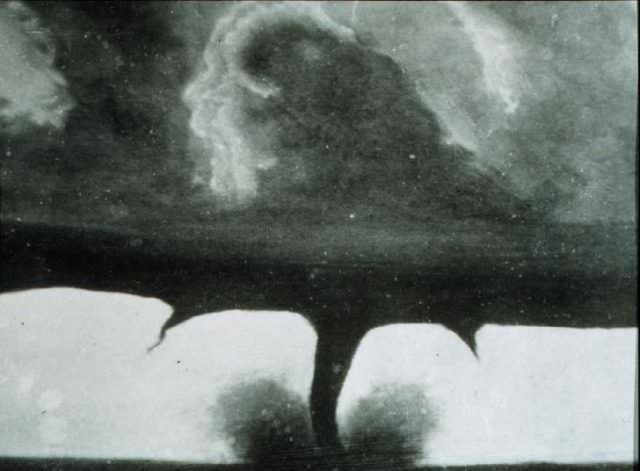
This is said to be the oldest known photograph of a tornado. It was taken 22 miles southwest of Howard, South Dakota on August 28, 1884.
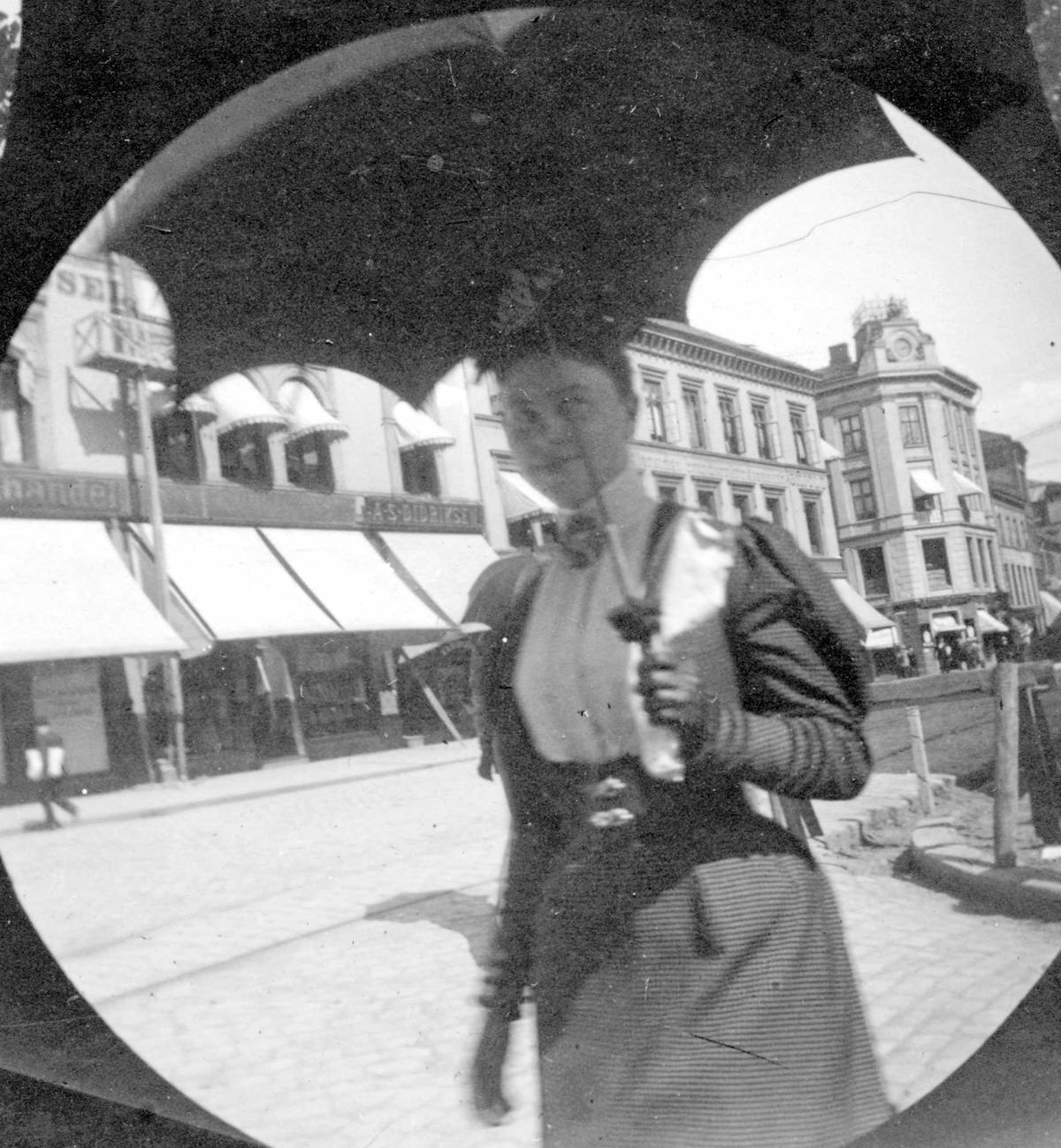
Carl Størmer (1874–1957) was a young mathematics student when he purchased his first hidden camera. It was so small that the lens fit through the buttonhole in his vest, with a cord that led down to his pocket, allowing him to secretly snap photos. He photographed over 500 secret images.
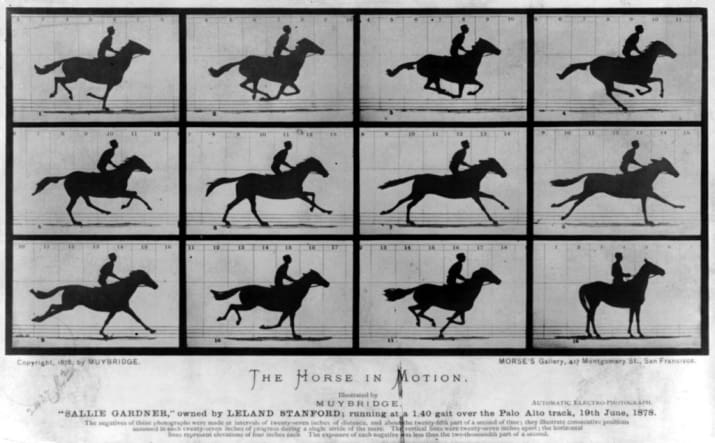
Photographer Eadweard Muybridge was hired by Leland Stanford to determine whether all four of a horse’s hooves left the ground while running. It was not until six years later, using dozens of cameras and a series of strings, that he produced these photos — proving that a horse’s hooves do leave the ground at the same time.
On June 11, 1997, Kahn took the first “camera phone” photo of his newborn daughter in a maternity ward and then wirelessly transmitted the photo to more than 2,000 people around the world. Since “camera phones” did not exist at that time, Kahn put together a primitive one by combining a digital camera and a cell phone to send the photos in real time.
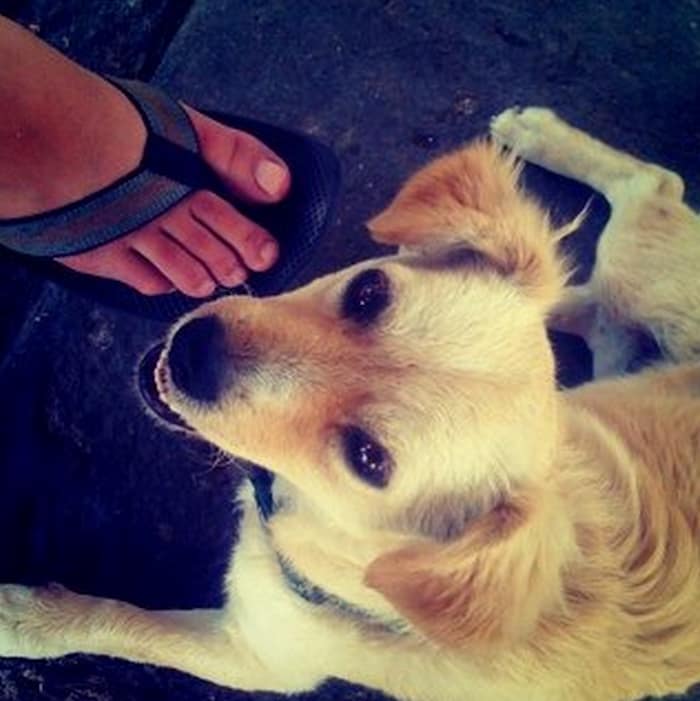
On July 16, 2010, Instagram co-founder Kevin Systrom uploaded the first post on Instagram. It was uploaded using an app called Codename, which three months later became the app known as Instagram. The first photo on Instagram shows Systrom’s dog sitting at a taco stand in Mexico.
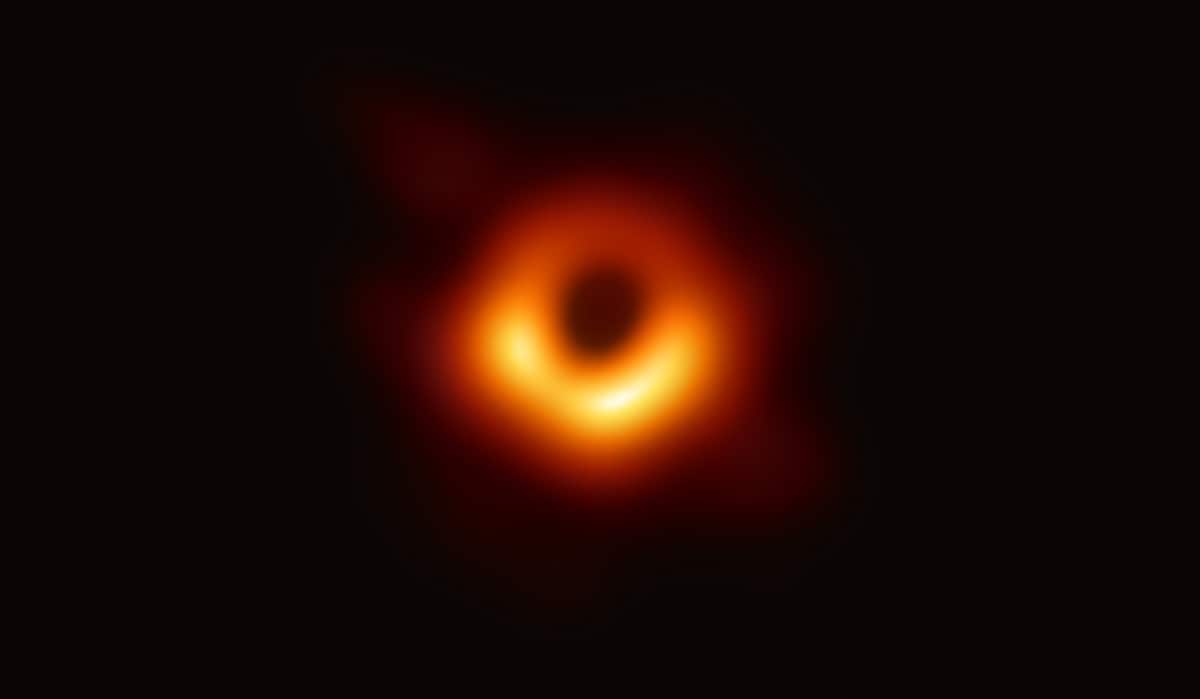
In April 2019, NASA released the first known image of a black hole. This entity sits in the center of the Messier 87 galaxy — 55 million light years from Earth — and was captured by the Event Horizon Telescope. The luminous disk visible in the image is the black hole’s accretion disk, where hot gases swirl around the empty space at its center.
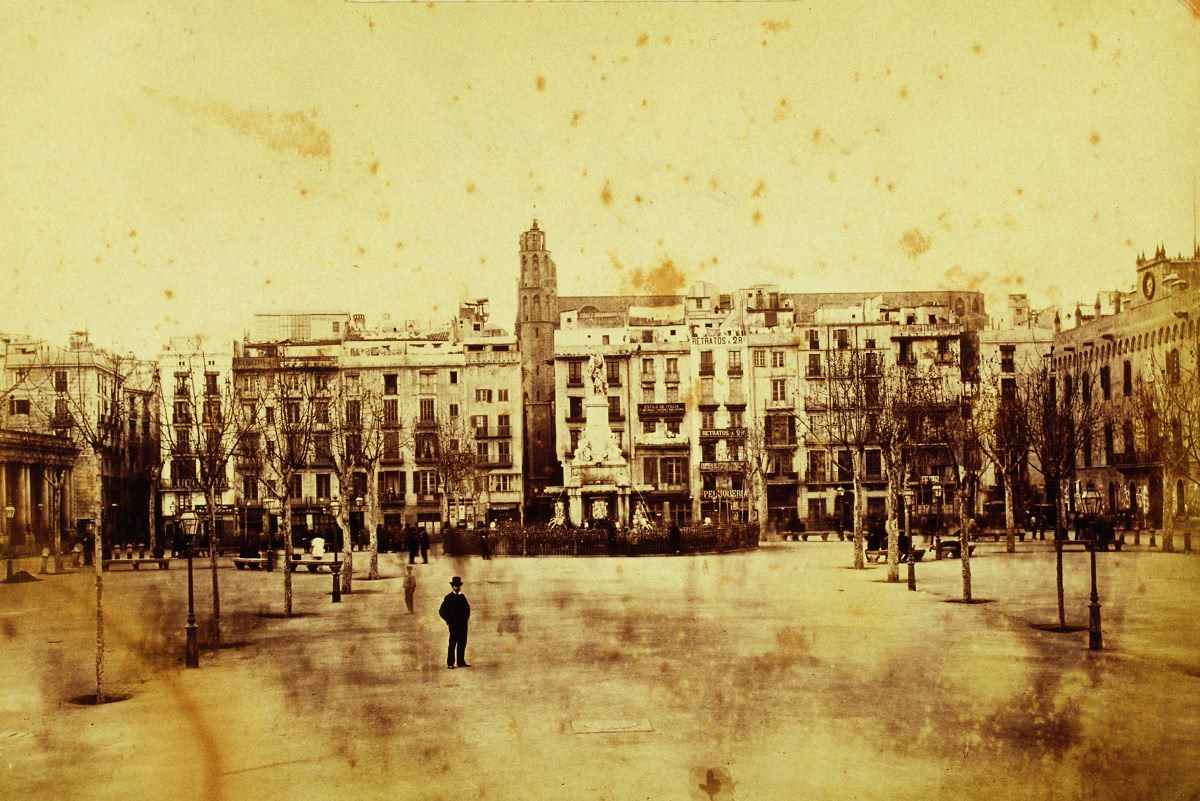
Not only was it the first photograph ever taken in Barcelona, but in the entire Iberian Peninsula as well. The image was taken on November 10, 1839, from a terrace on Pla de Palau, in a public event. The photograph was then raffled to raise funds, and this is when it became lost. It is unknown whether it still exists and who may possess it 175 years later.
Louis Dodier: stealer of hearts
It’s hard to believe that so many years have passed without any photographs of naked people, especially given how common such imagery is today. In fact, it’s likely that some of the earliest photographs ever taken depicted nudity, even if those images have been lost or forgotten over time. Additionally, it’s true that the pornography industry has played a significant role in driving technological advancements and equipment sales, even if this aspect of its influence is not always recognized by historians.
By the way, the first photo is on display at the Harry Ransom Center in Austin, Texas. You can see it for free.
There are two different first photos of a tornado. 🙂
It’s almost the 200th anniversary of photography, we should throw a party.
First Colored Landscape Photograph, 1877, is VERY NICE!