
Las Vegas in the 1990s was a city in the middle of reinventing itself. Casino operators and hotel developers had spent decades selling Sin City as an adults-only playground, but by the early part of the decade, they were chasing a different kind of visitor — families. The result was a construction boom unlike anything the Strip had seen before, with mega-hotels, theme parks, and entertainment venues rising out of the desert at a breakneck pace.
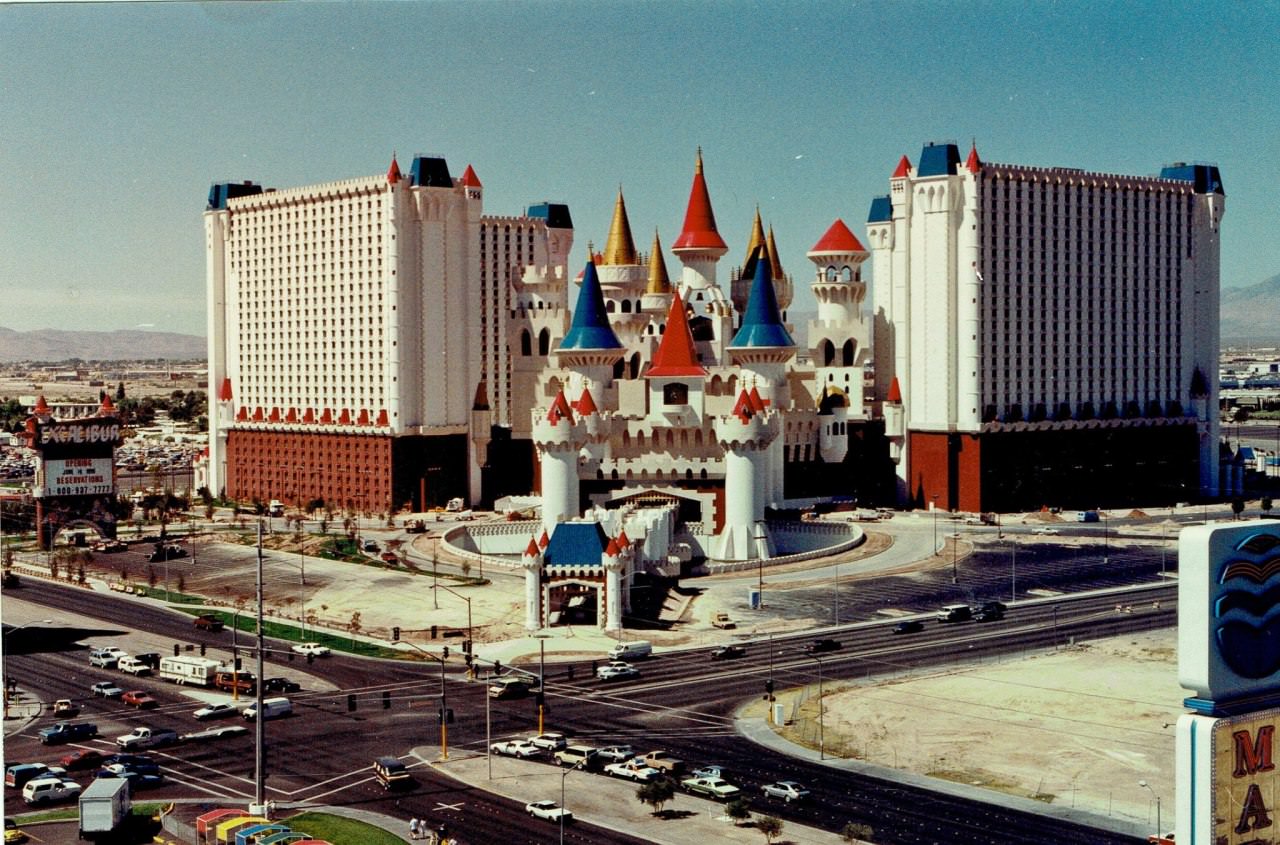
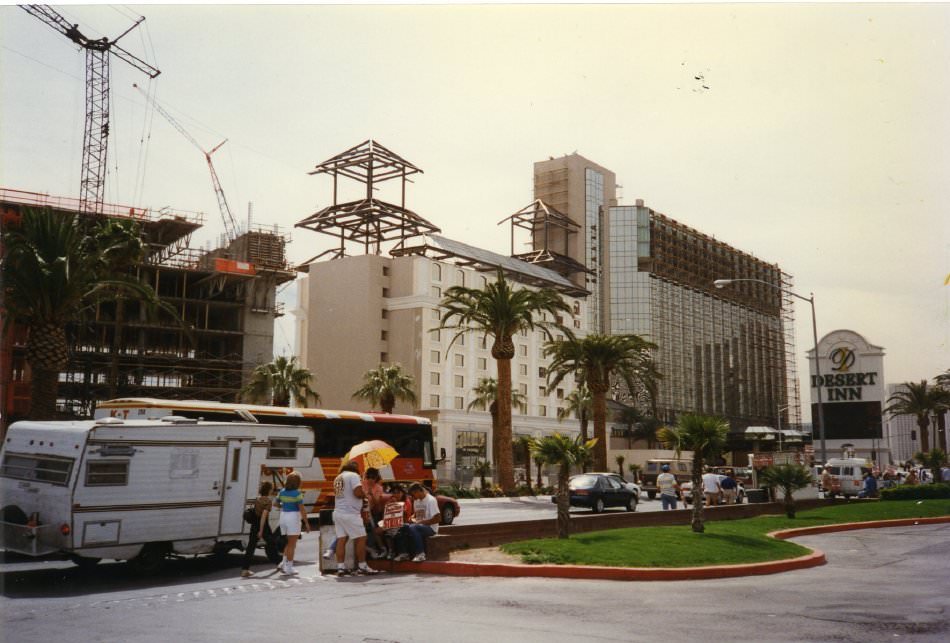
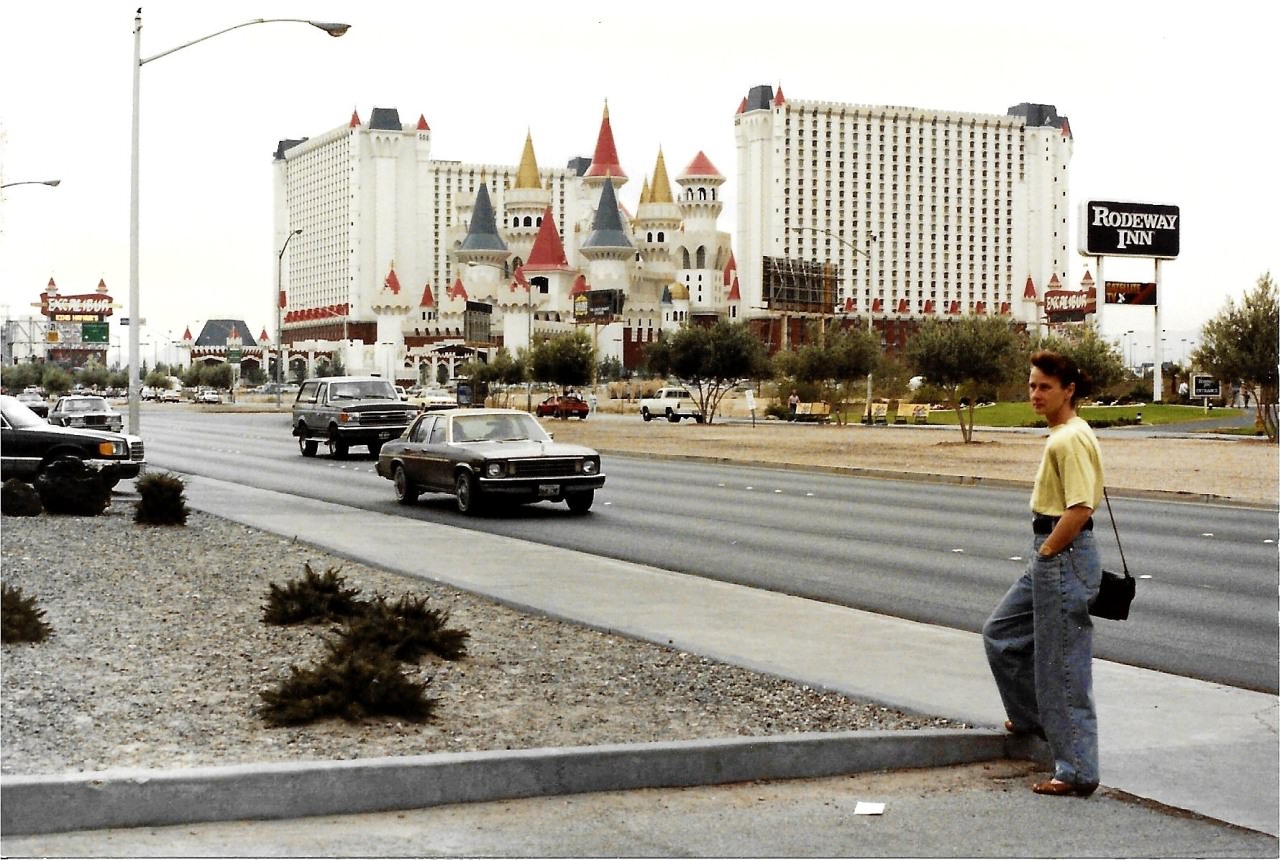
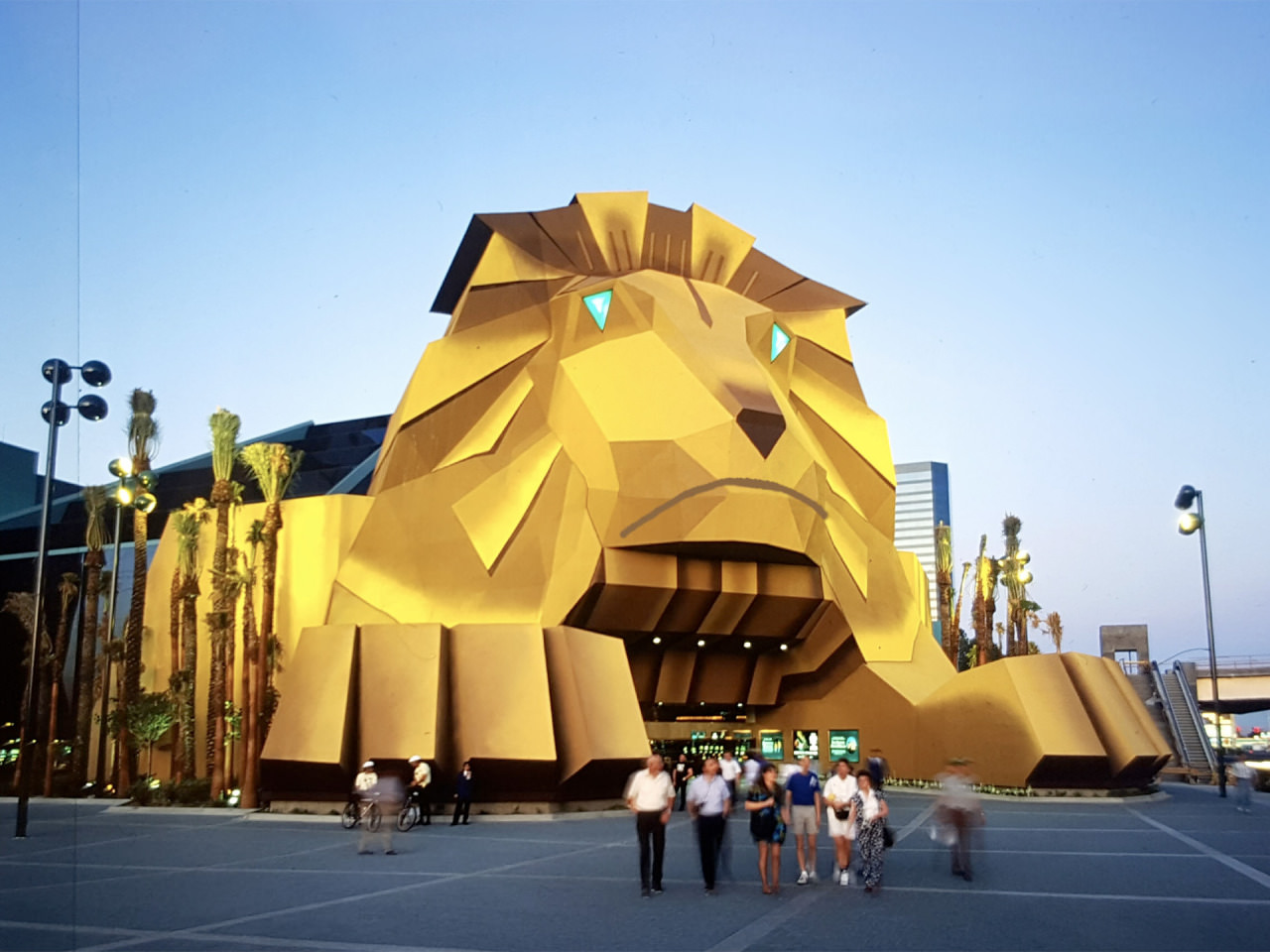
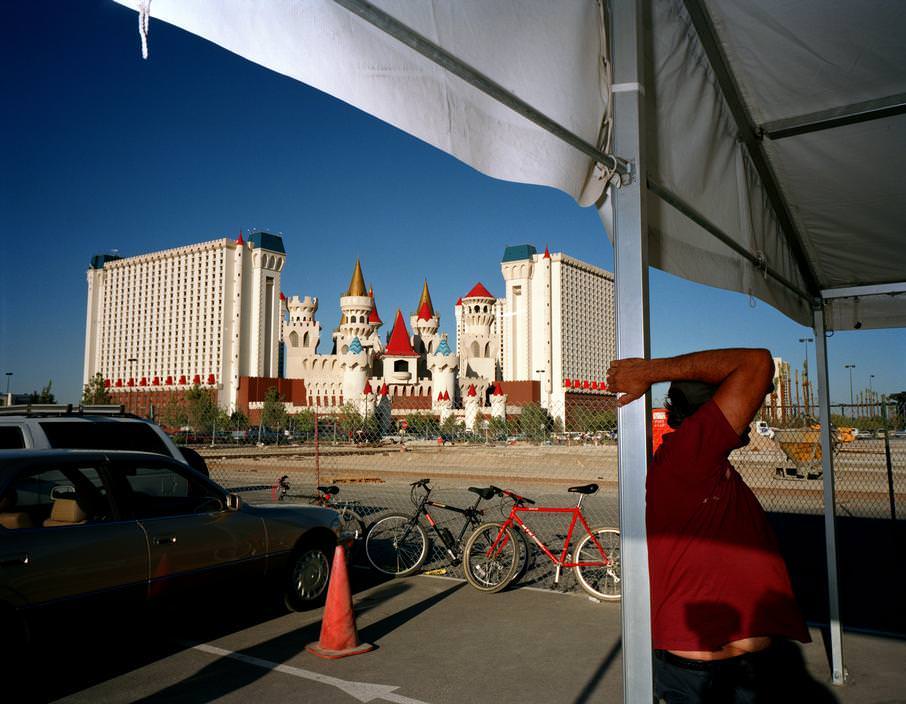
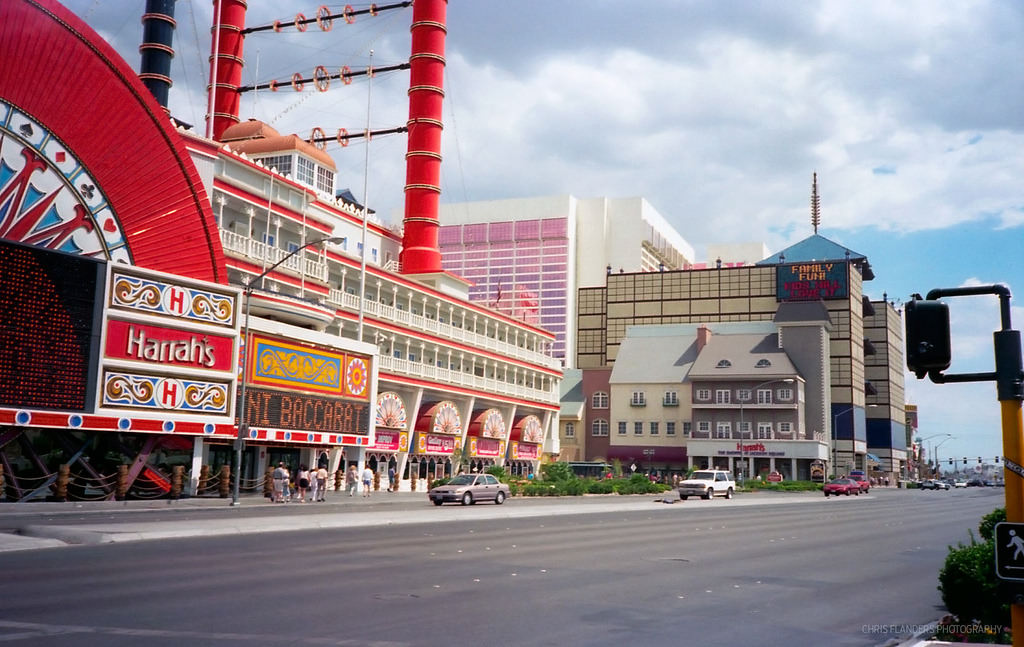
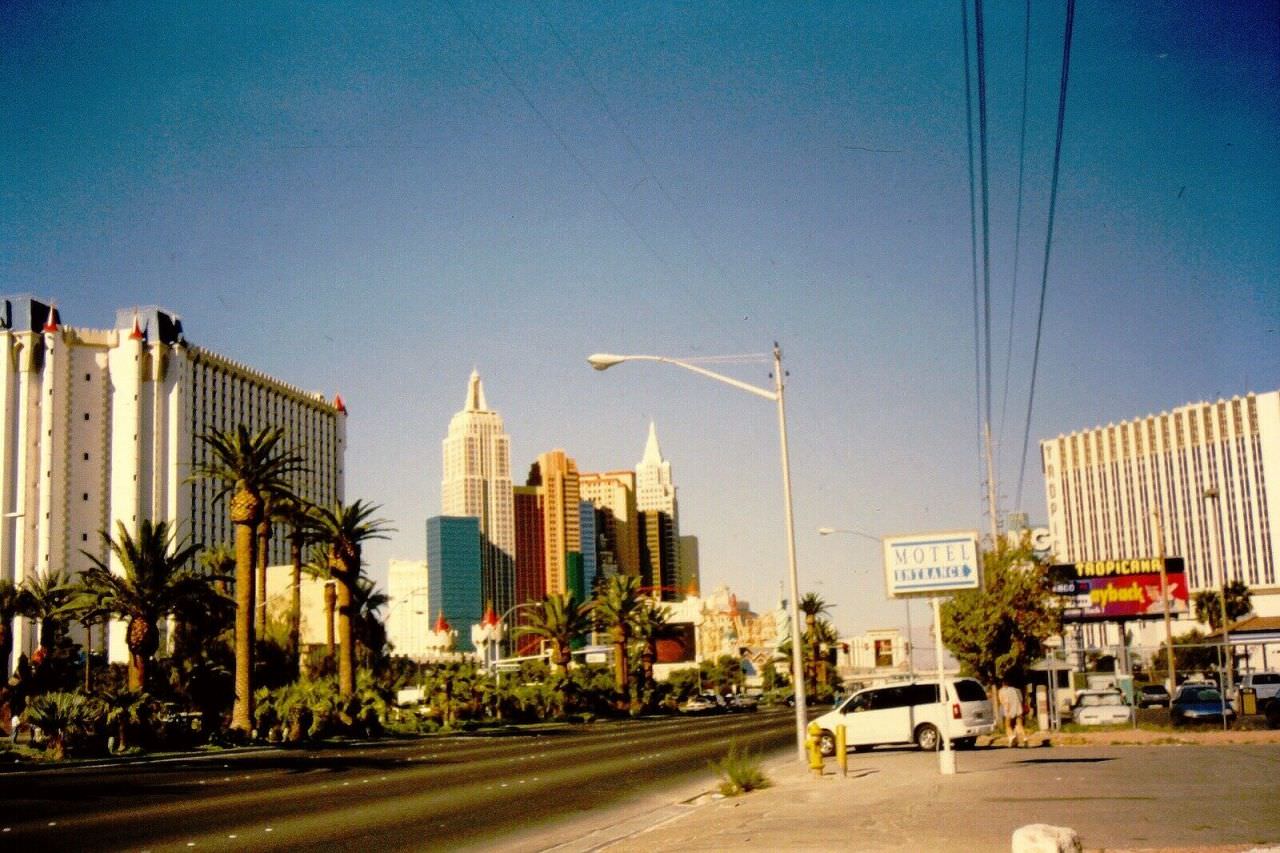
The Excalibur Hotel and Casino opened in June 1990, bringing a medieval castle fantasy to the south end of the Strip. It was followed by the MGM Grand in 1993, which at the time was the largest hotel in the world, boasting over 5,000 rooms and its own theme park, MGM Grand Adventures. These properties weren’t just hotels — they were destinations built to keep entire families busy for days.
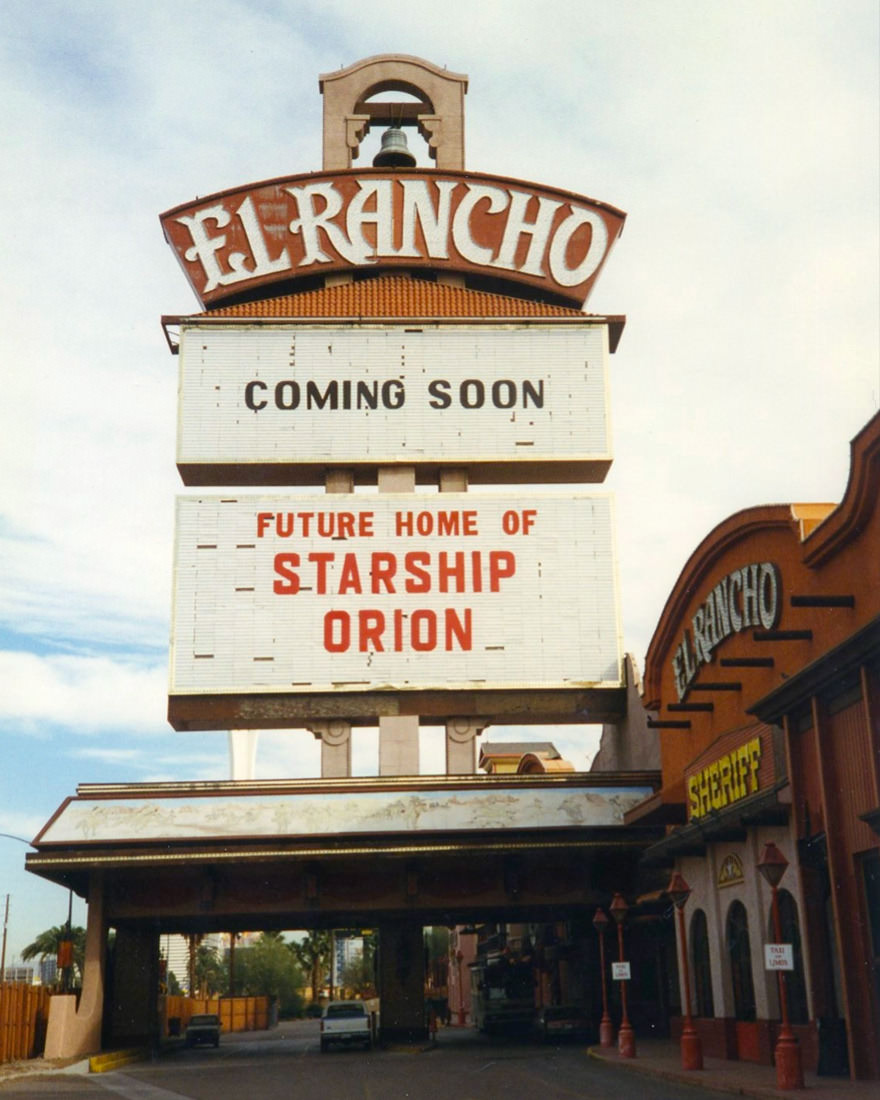
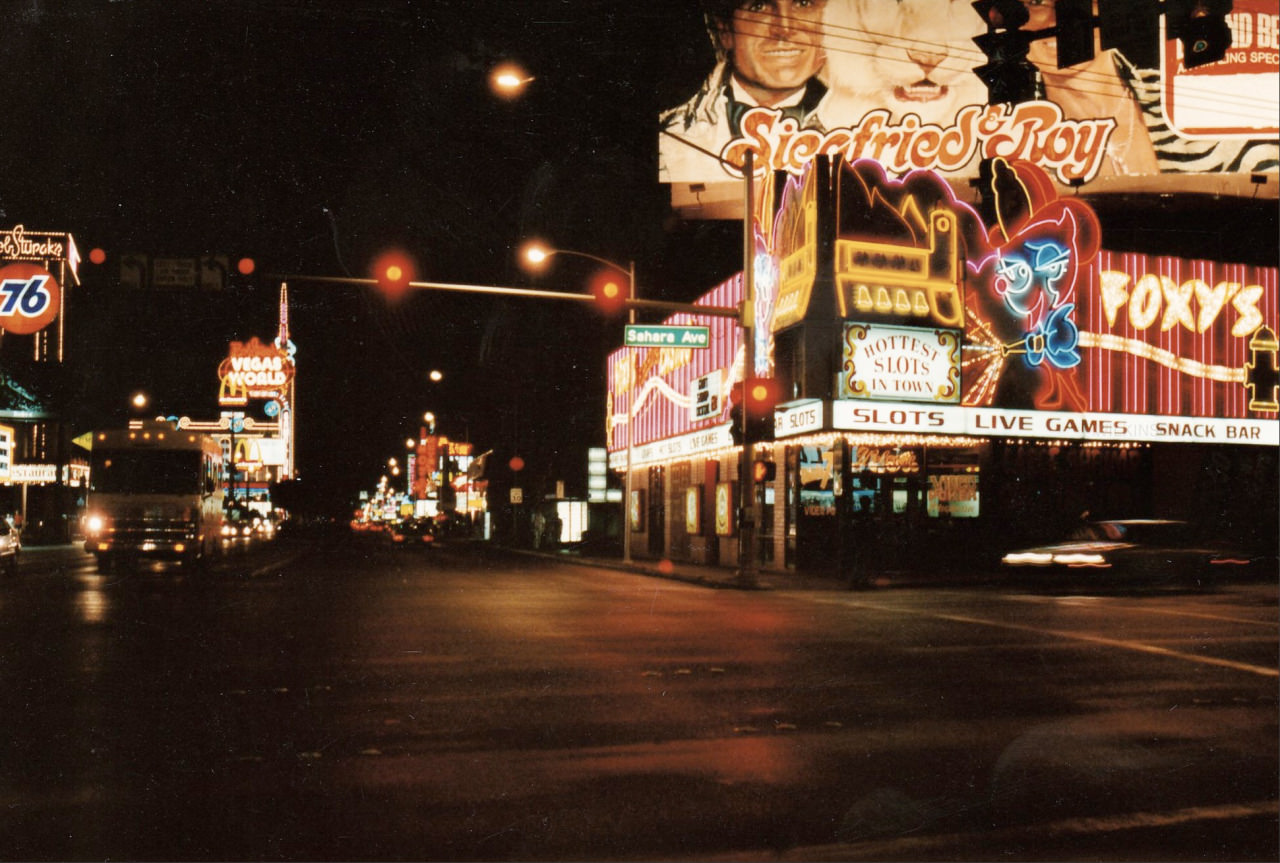
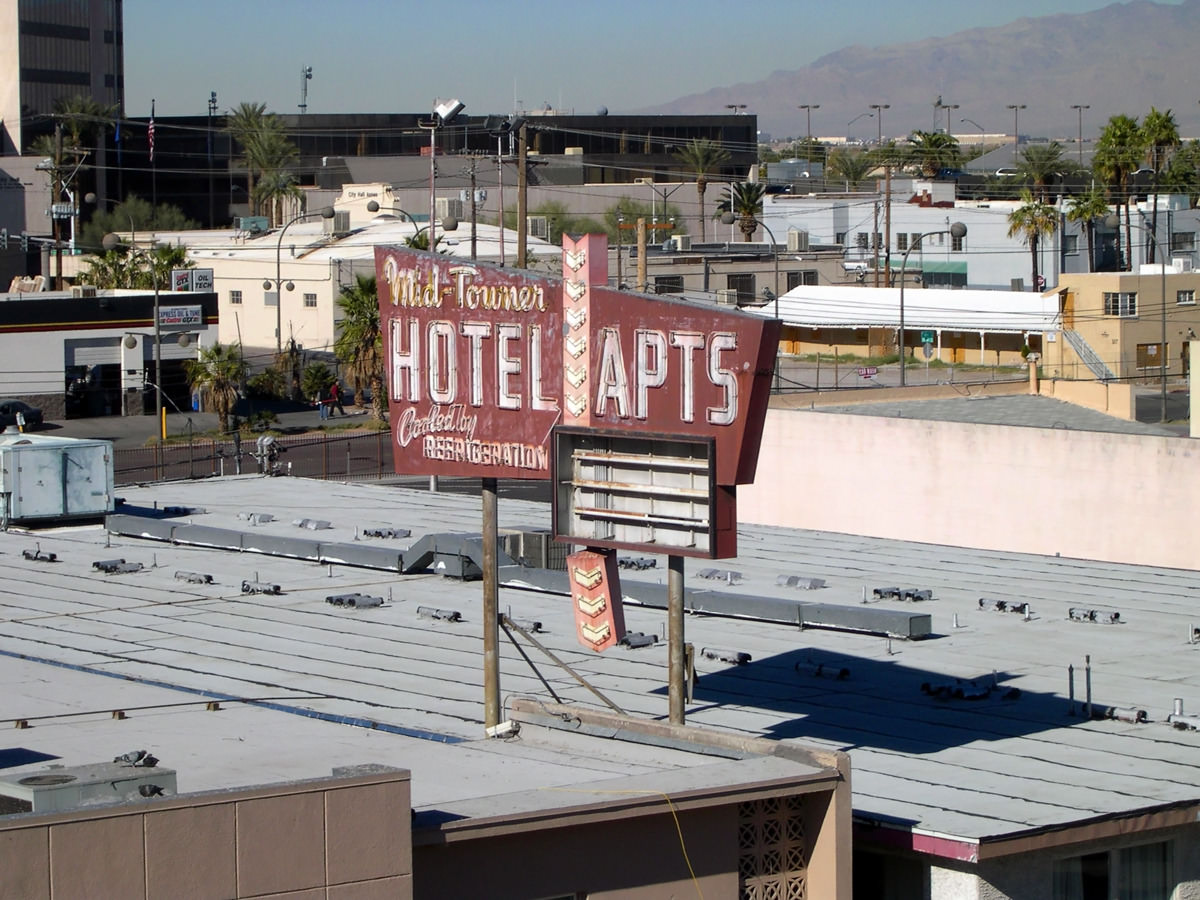
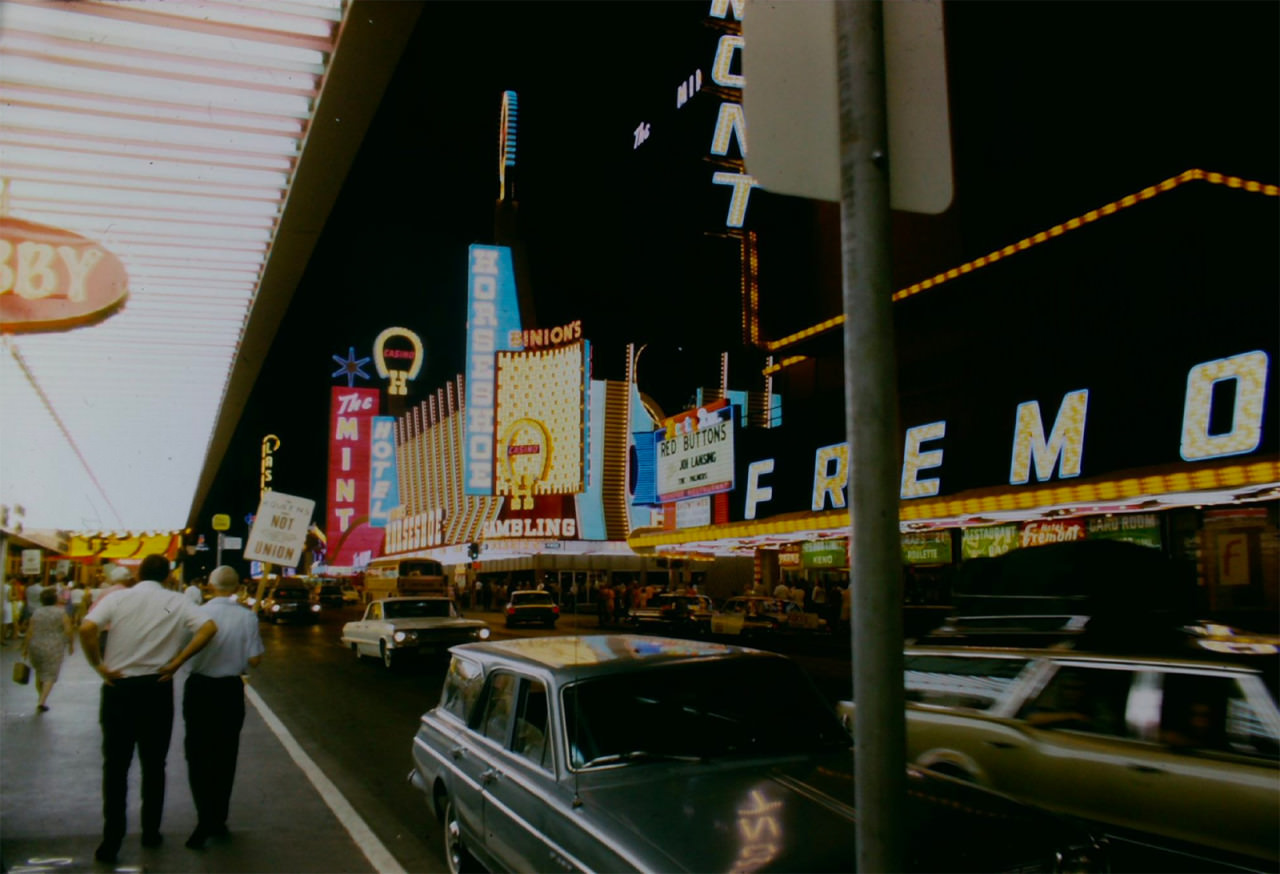
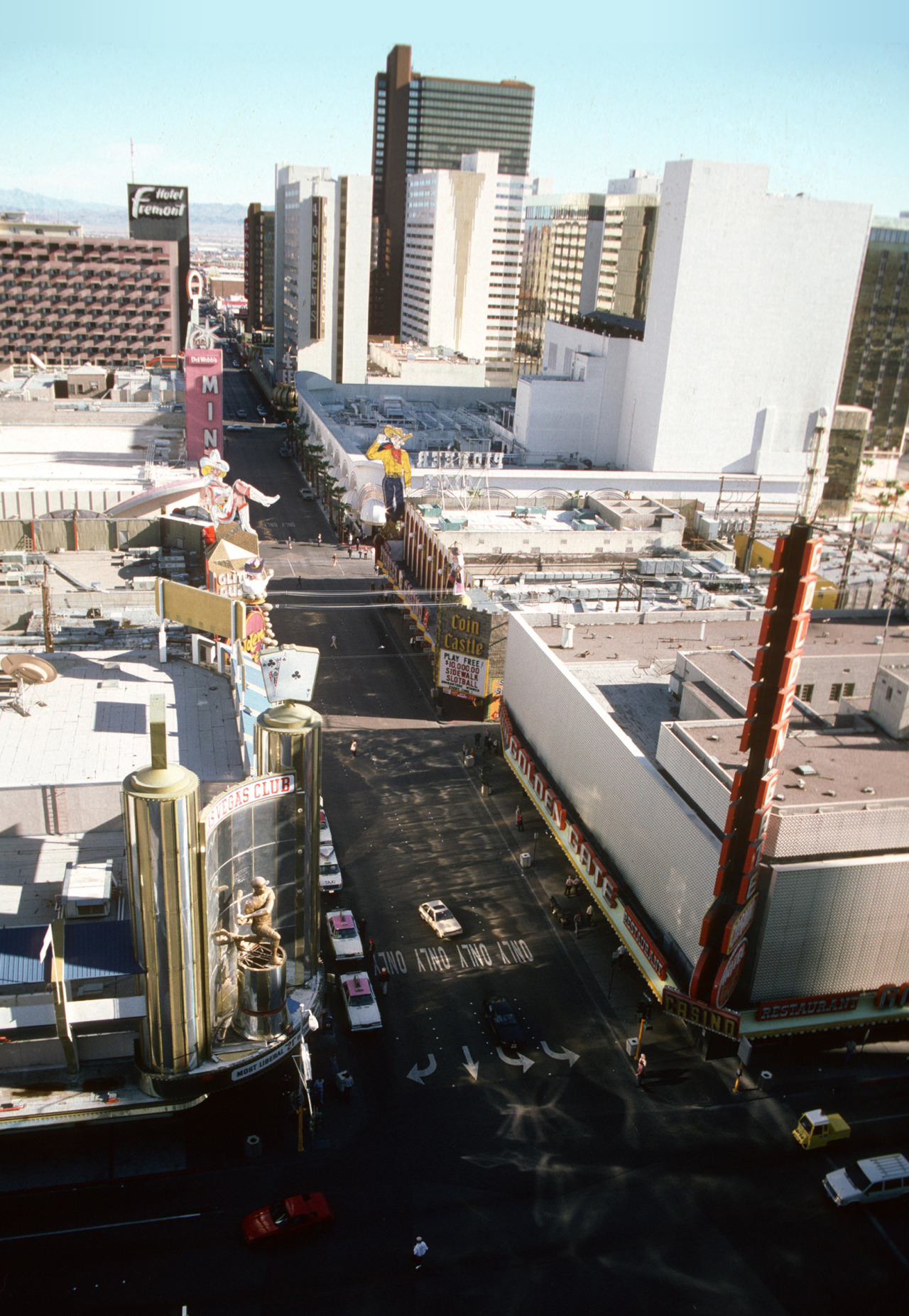
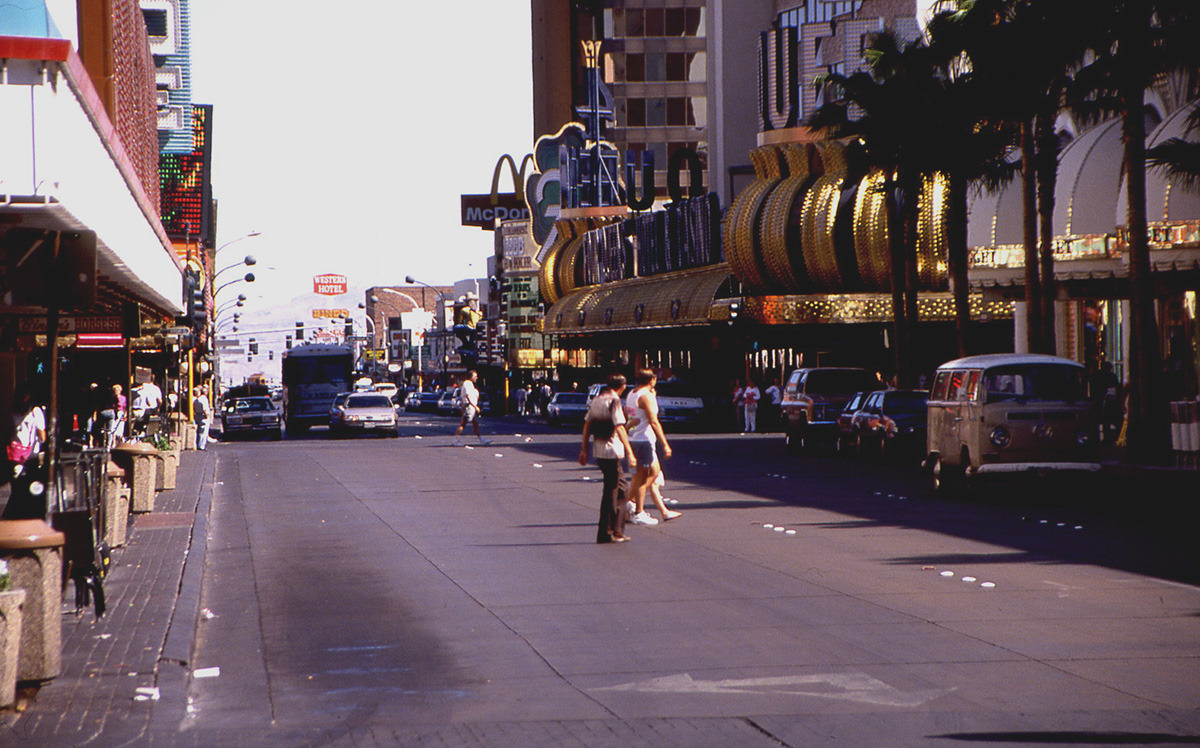
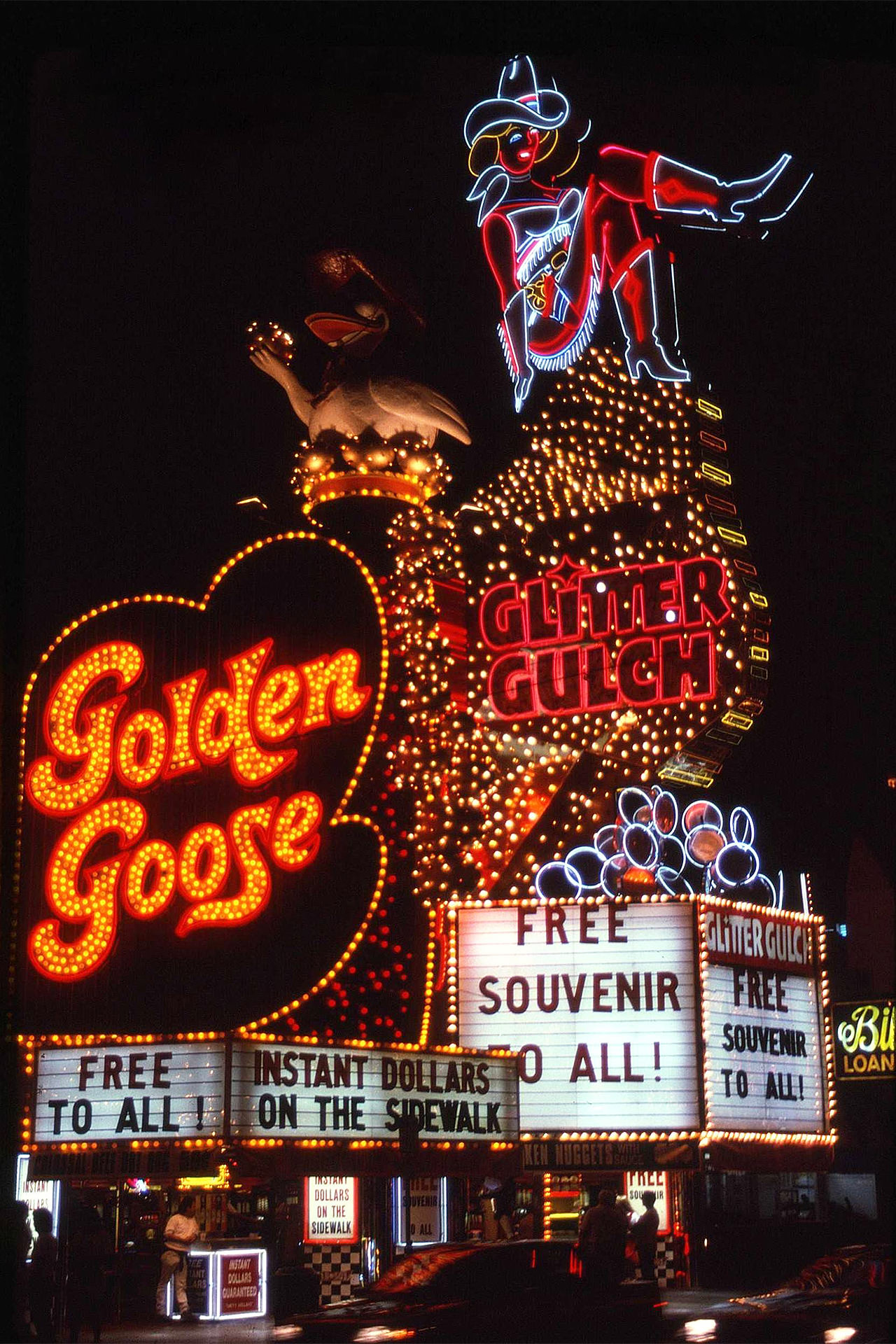
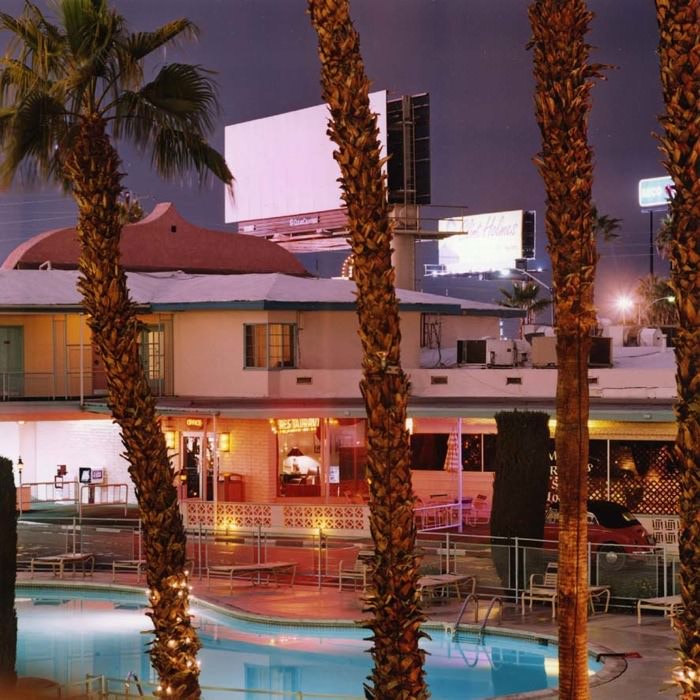
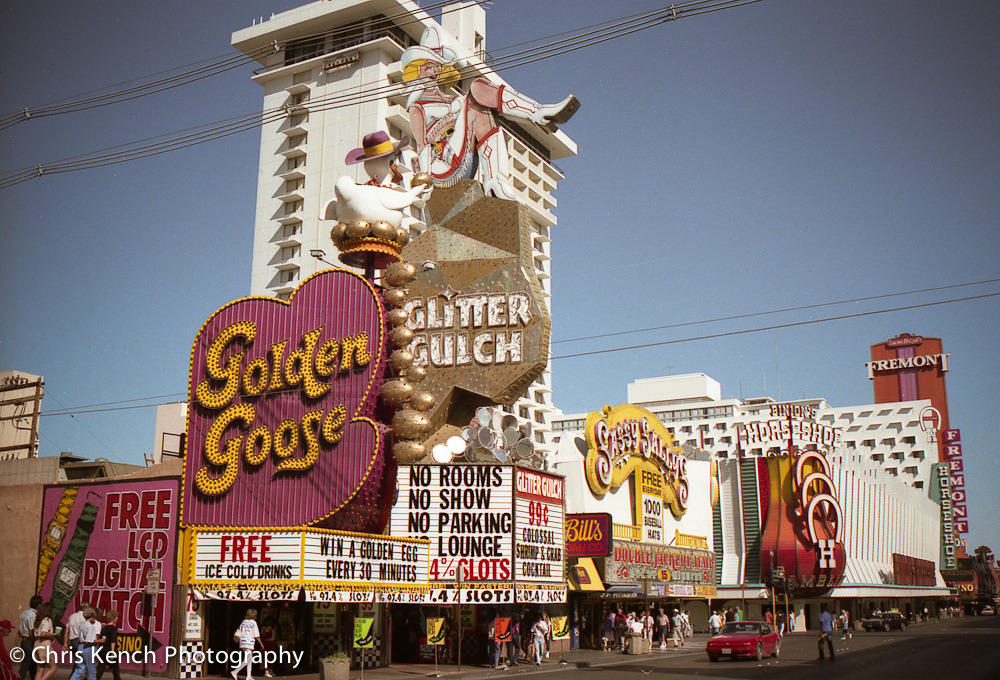
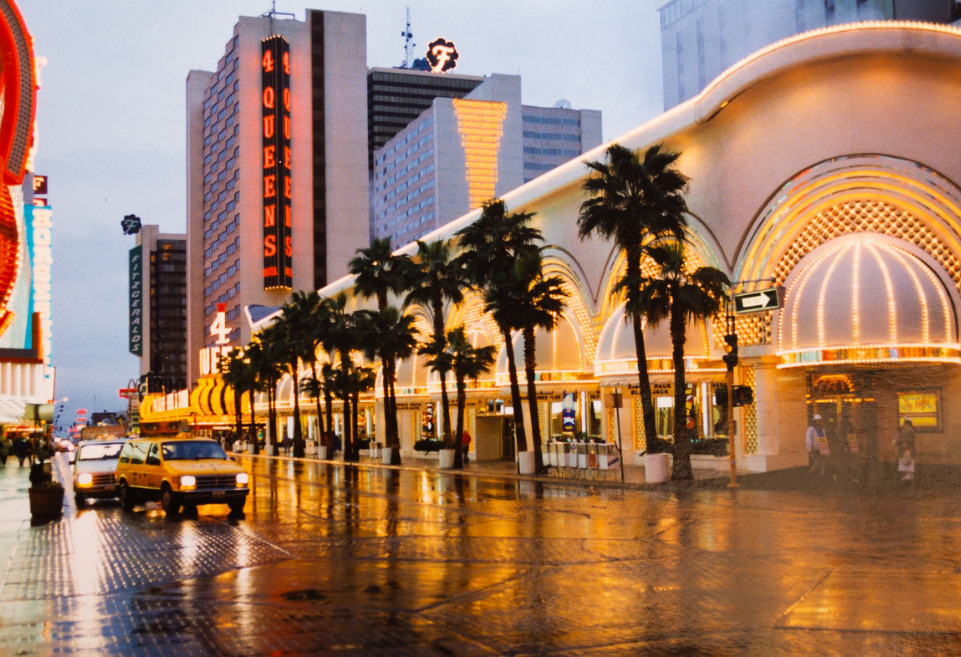
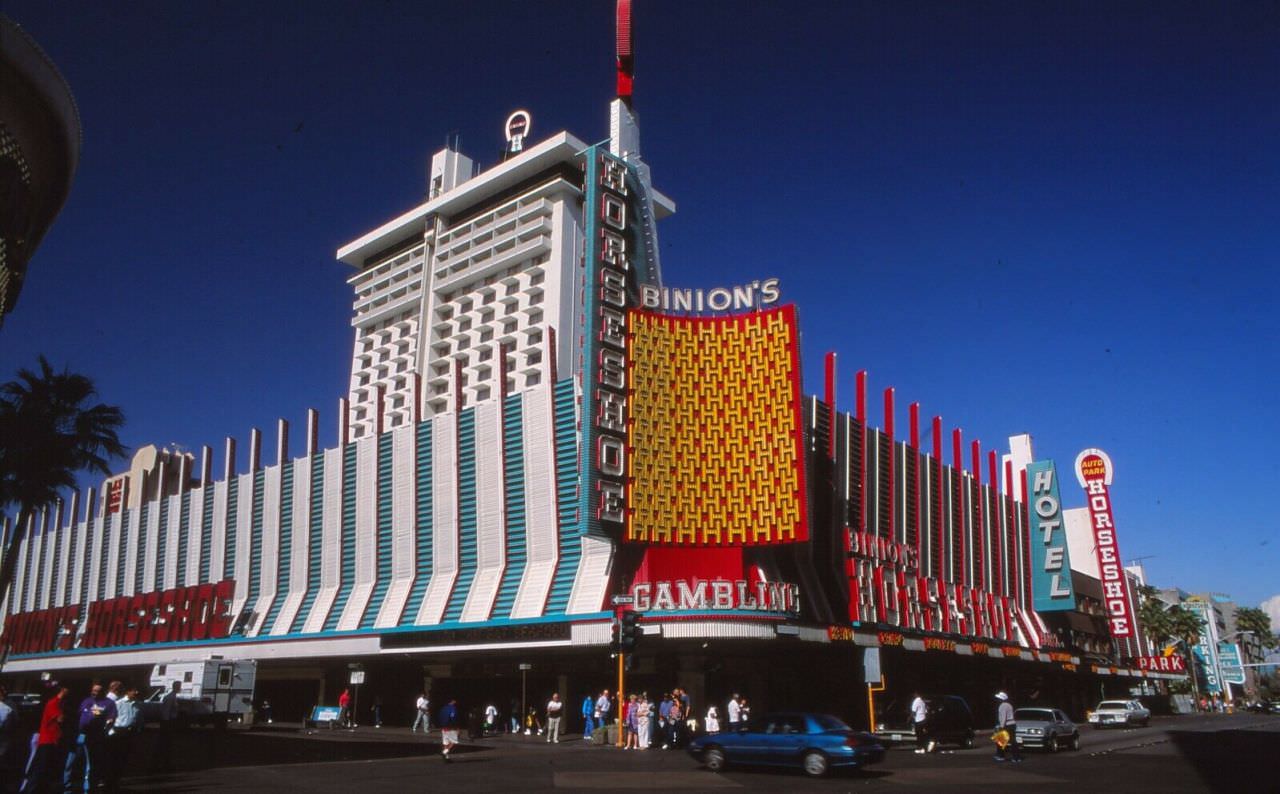
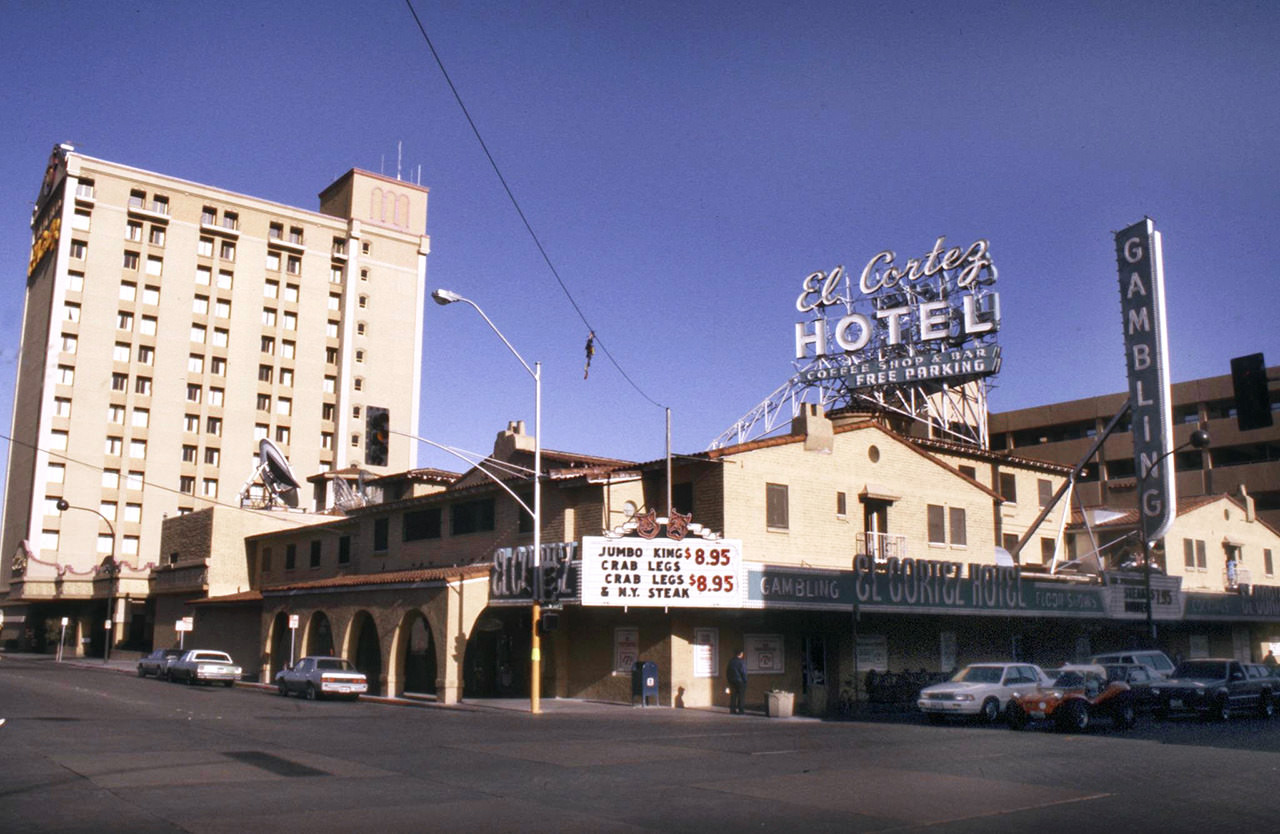
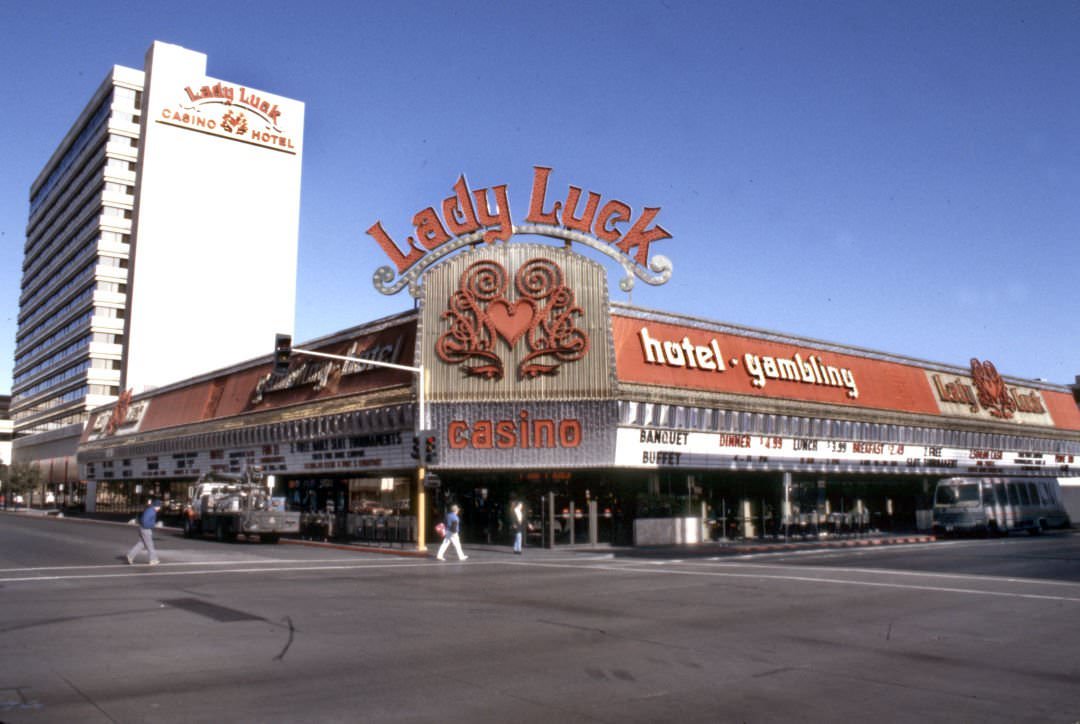
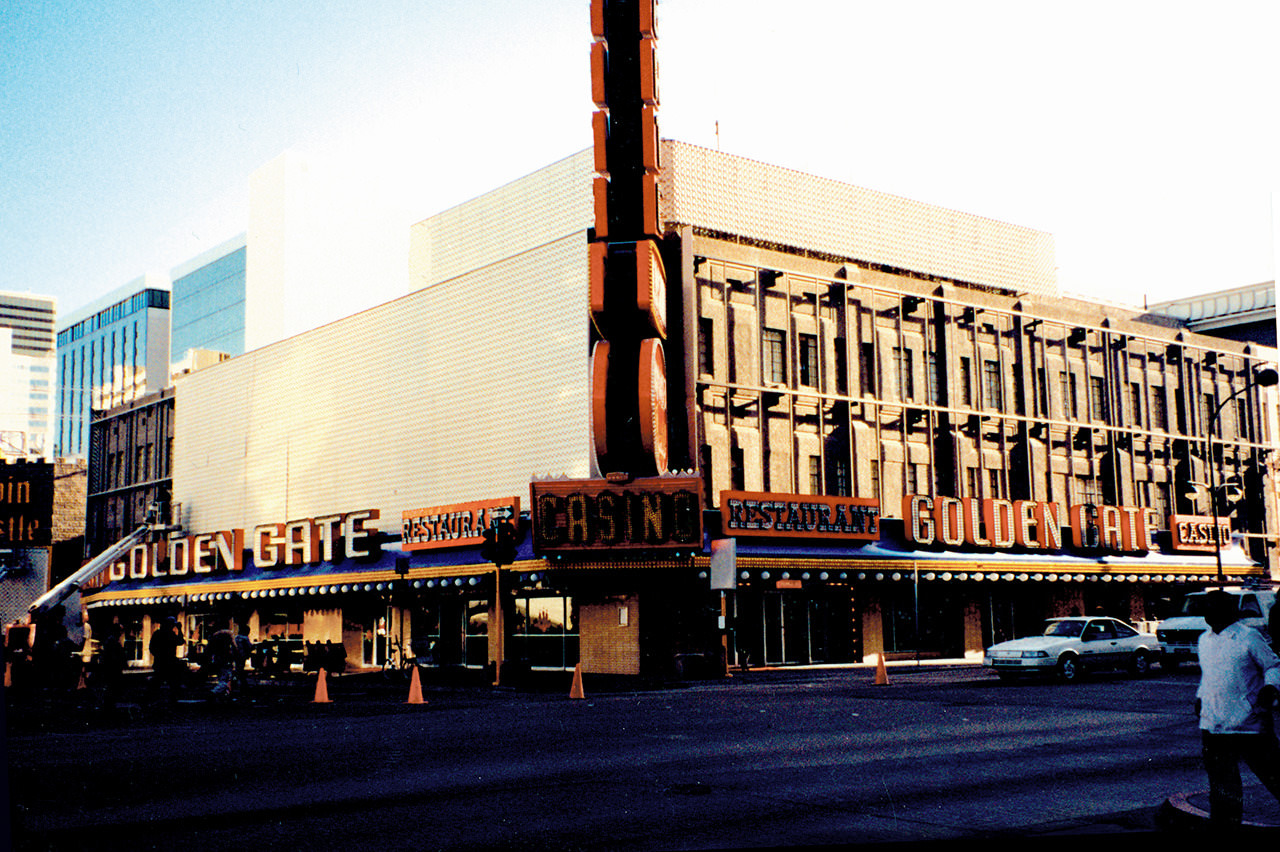
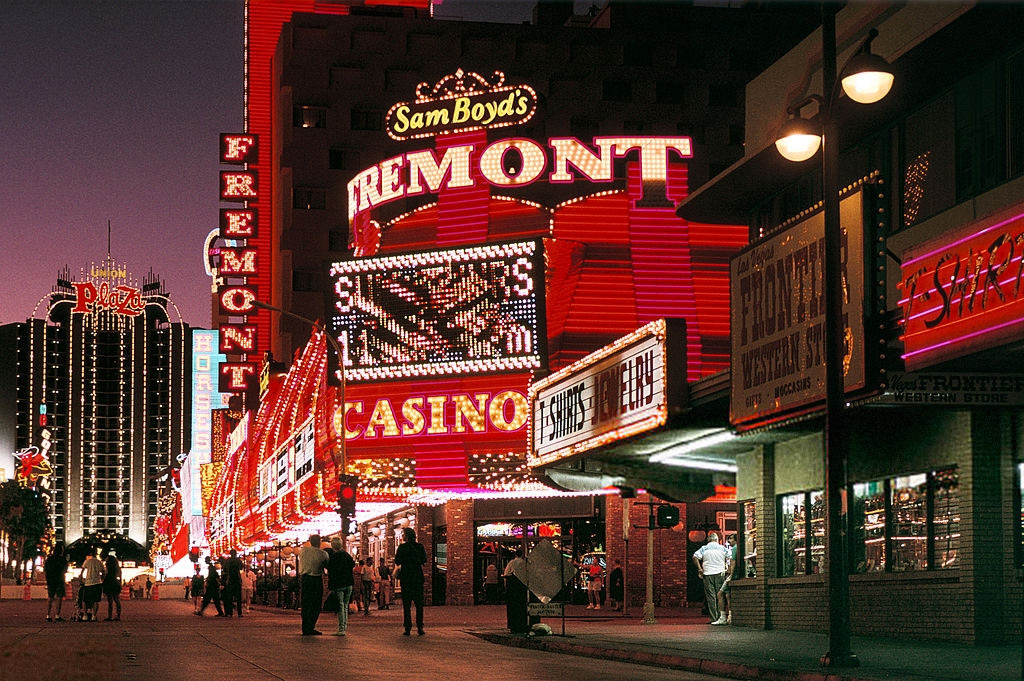
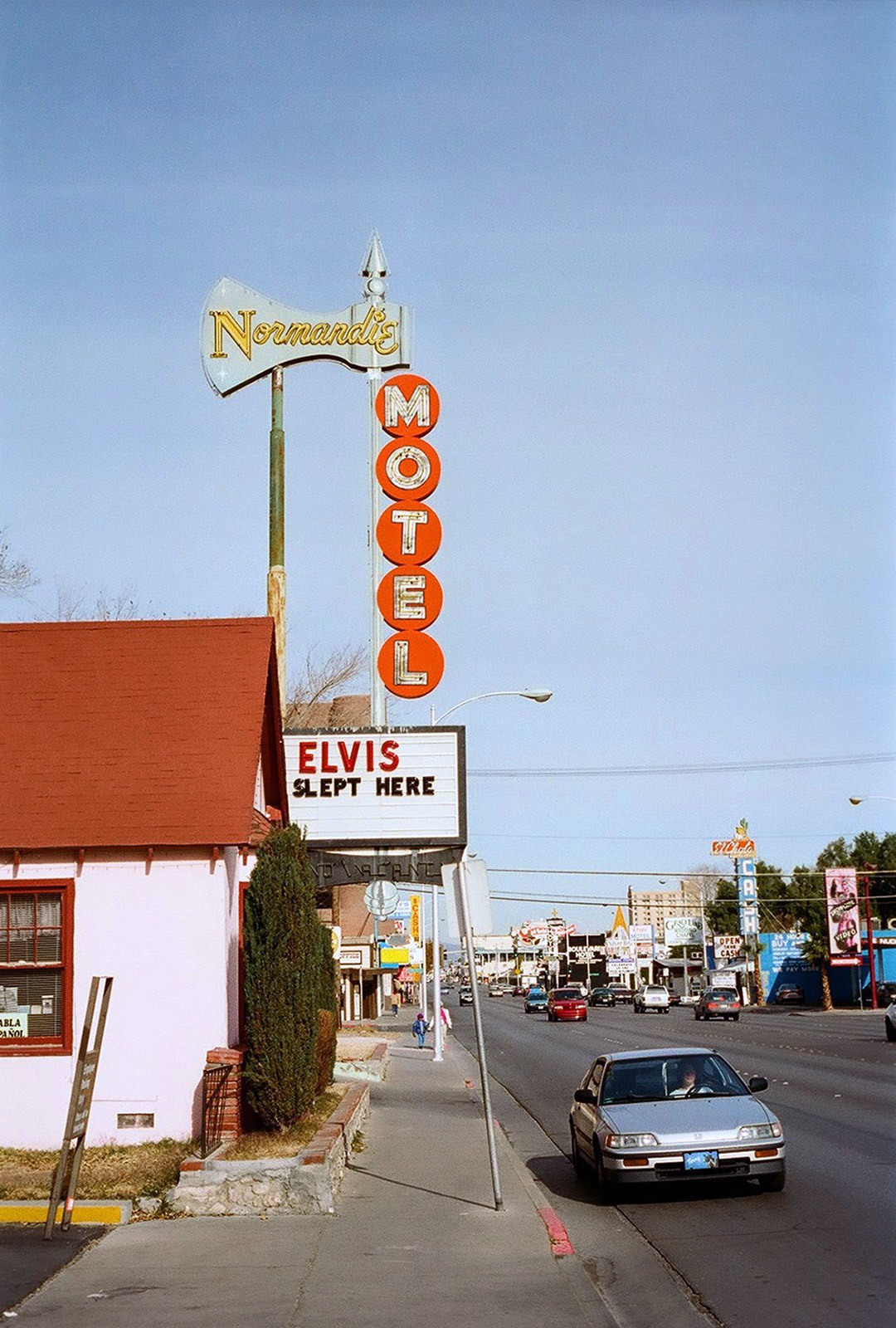
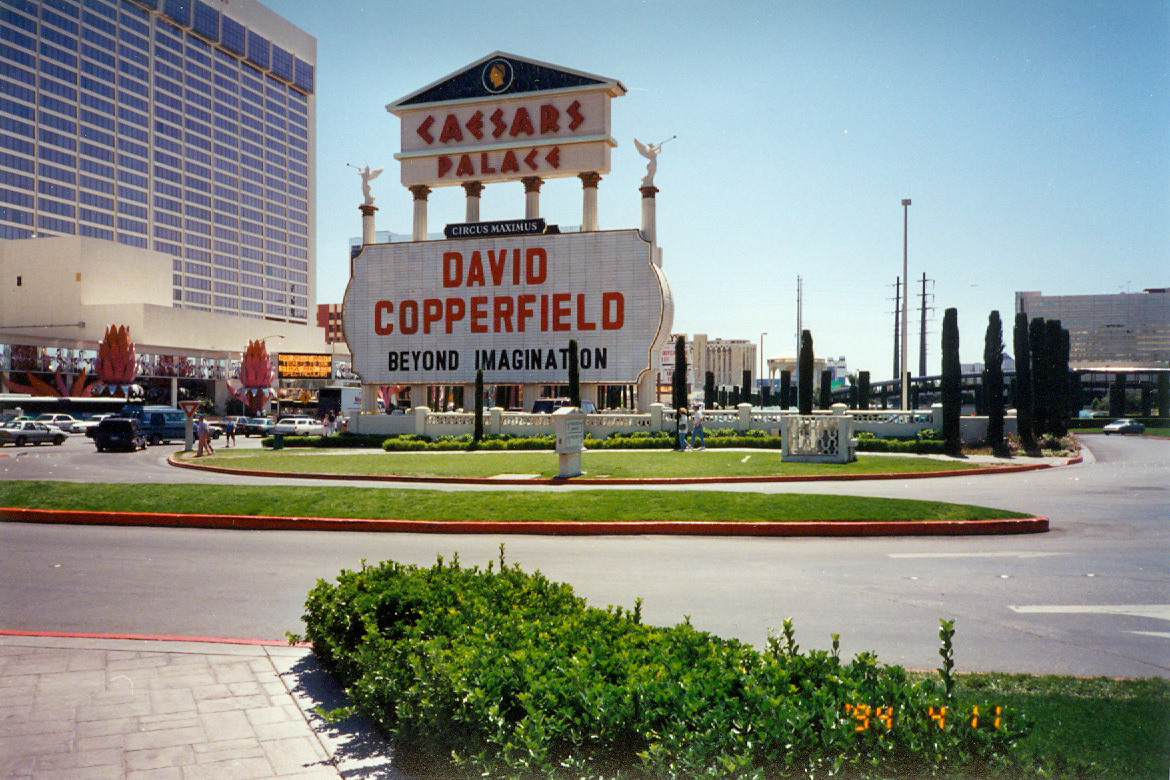
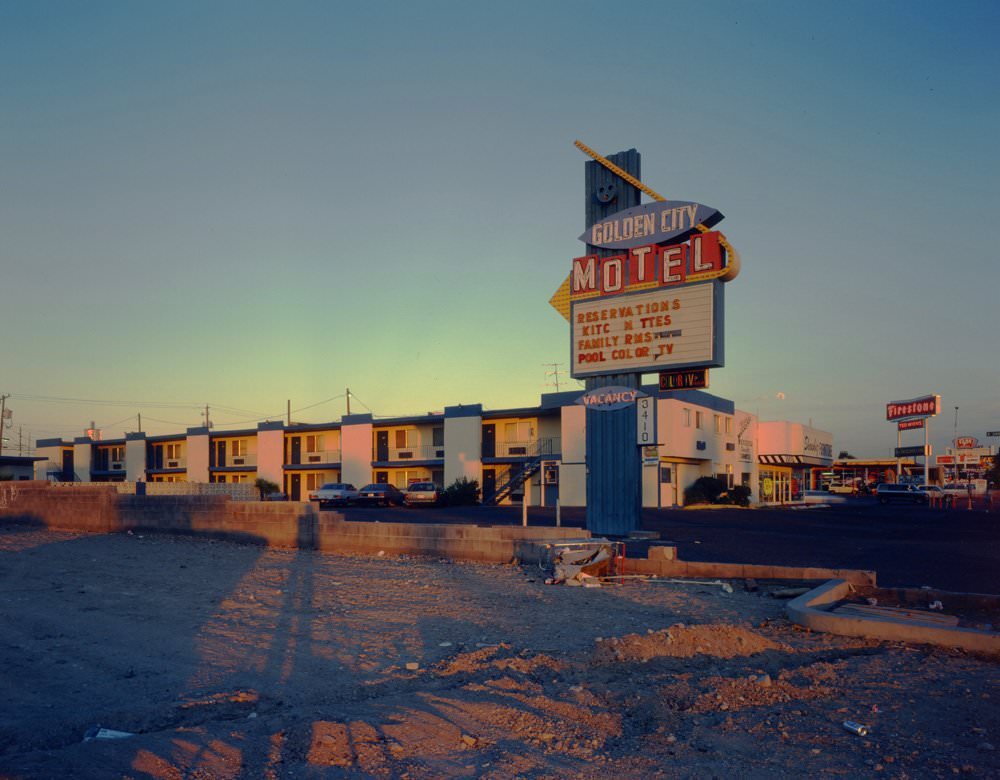
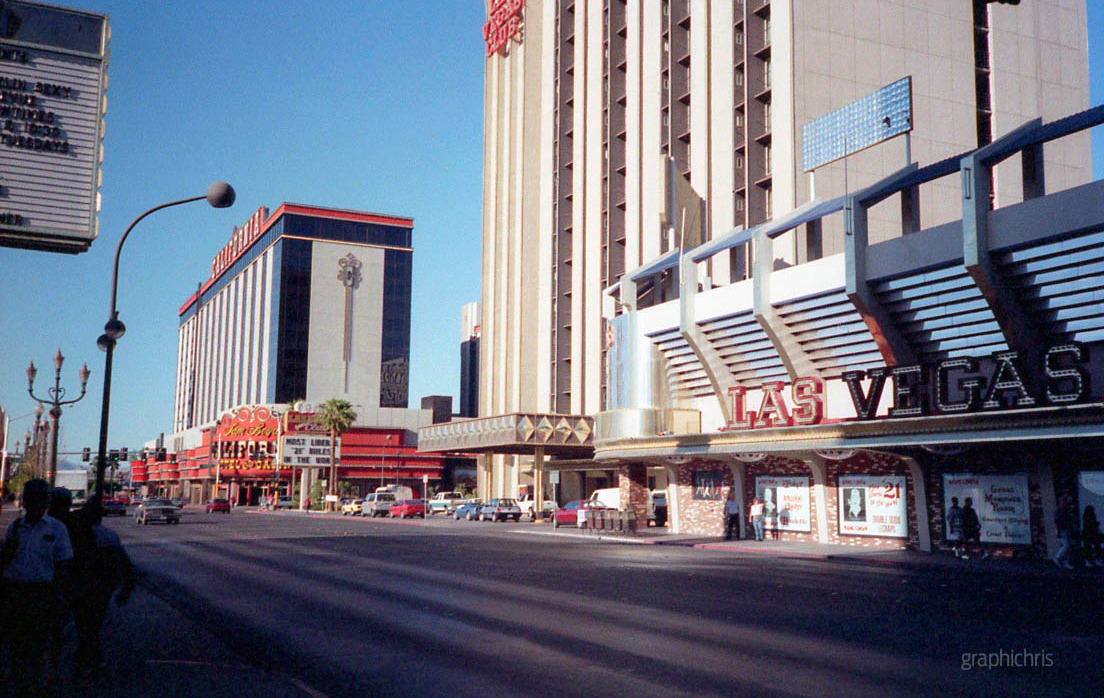
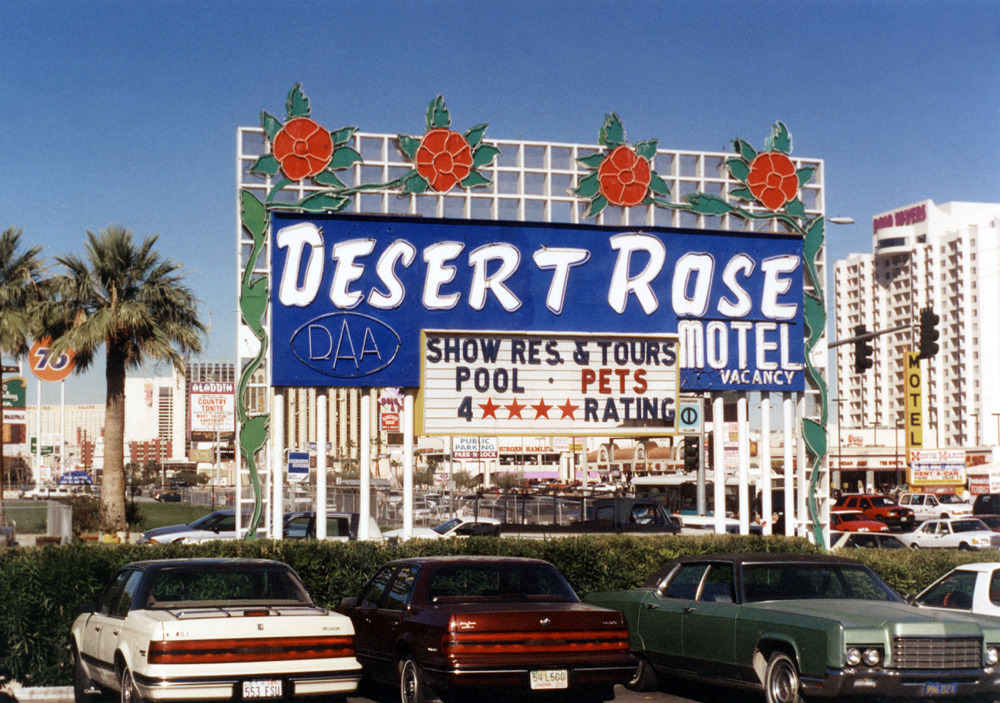
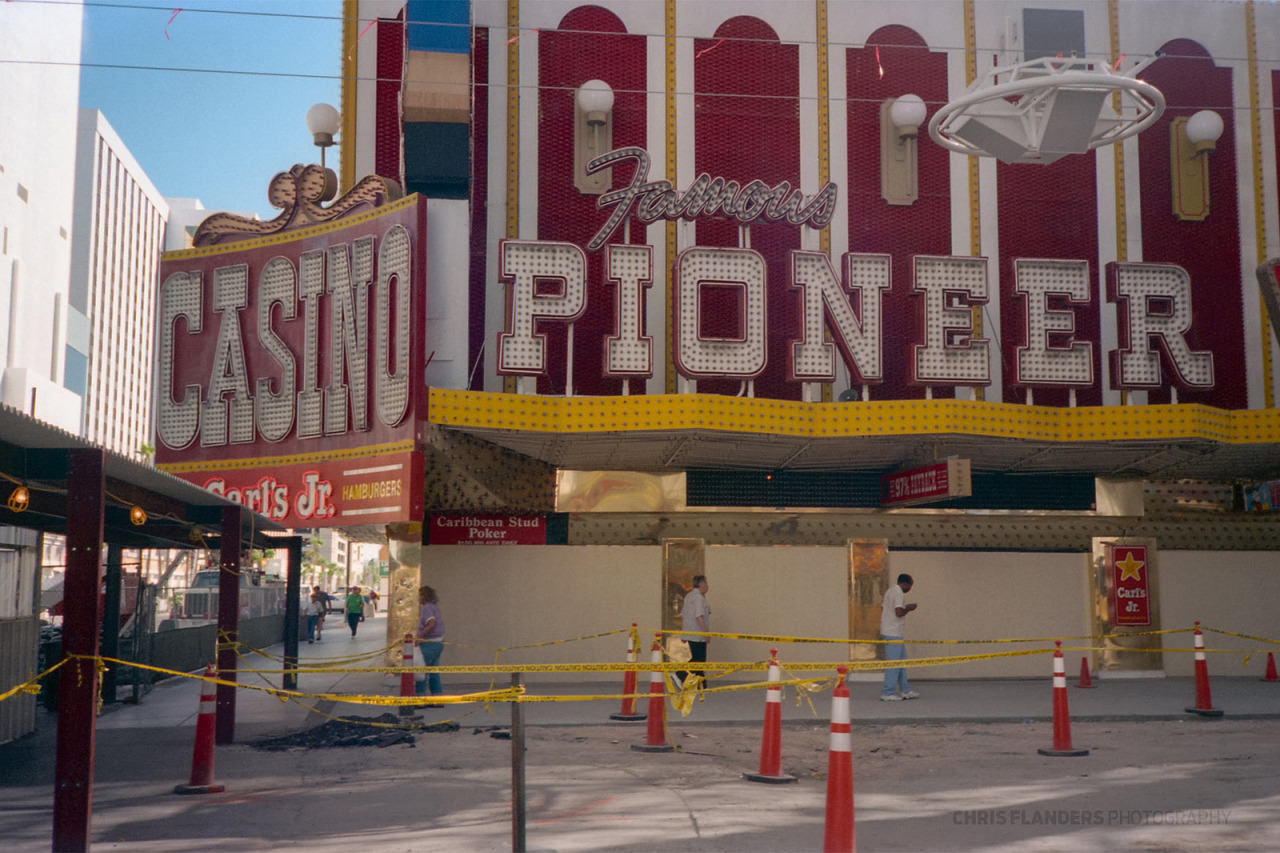
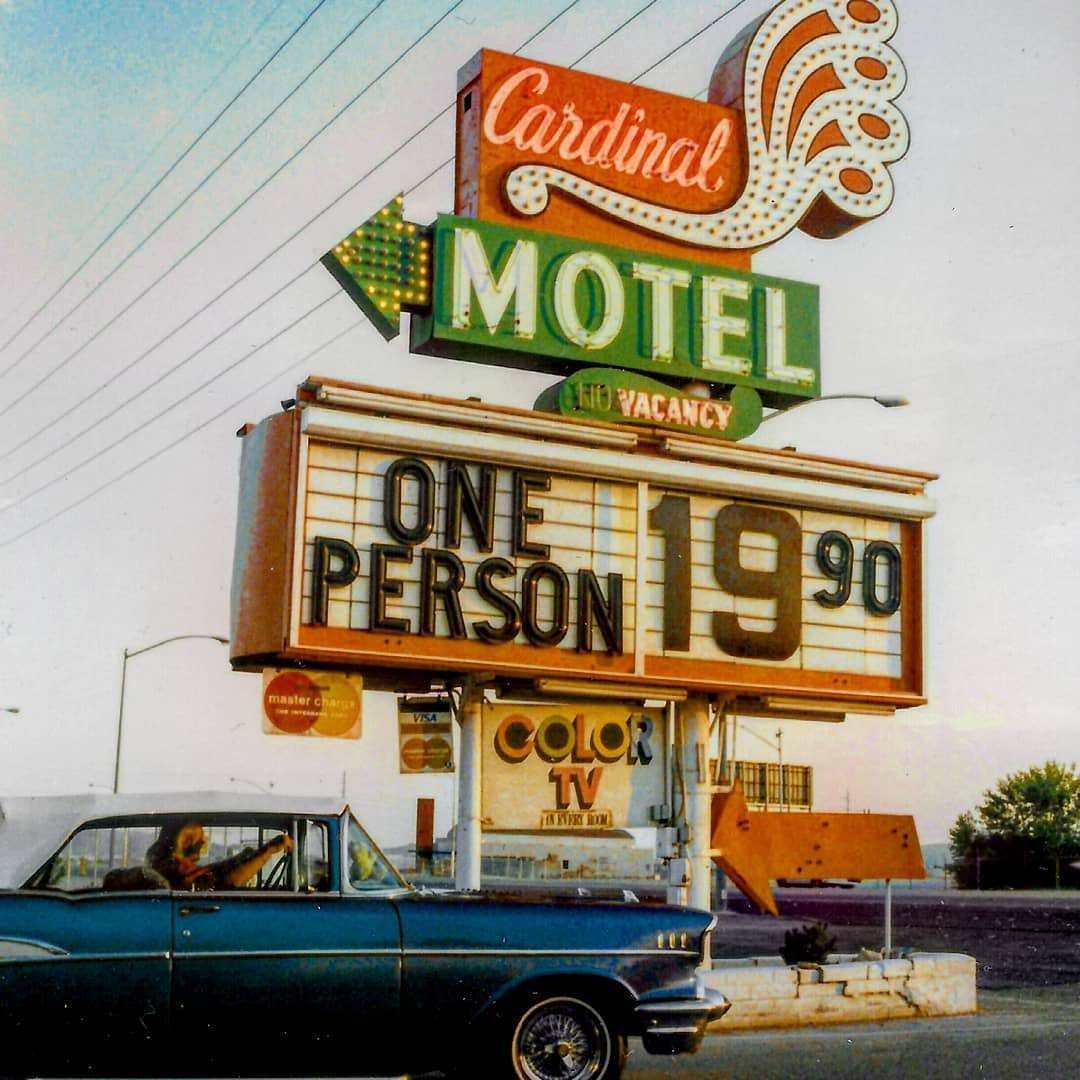
The early part of the decade still carried the look and feel of old Las Vegas. Neon signs blazed outside motels and casinos that had been around since the 1950s and 60s. Downtown’s Fremont Street was still an open road, busy with traffic and lined with the kind of classic casino fronts that defined the city’s original identity.
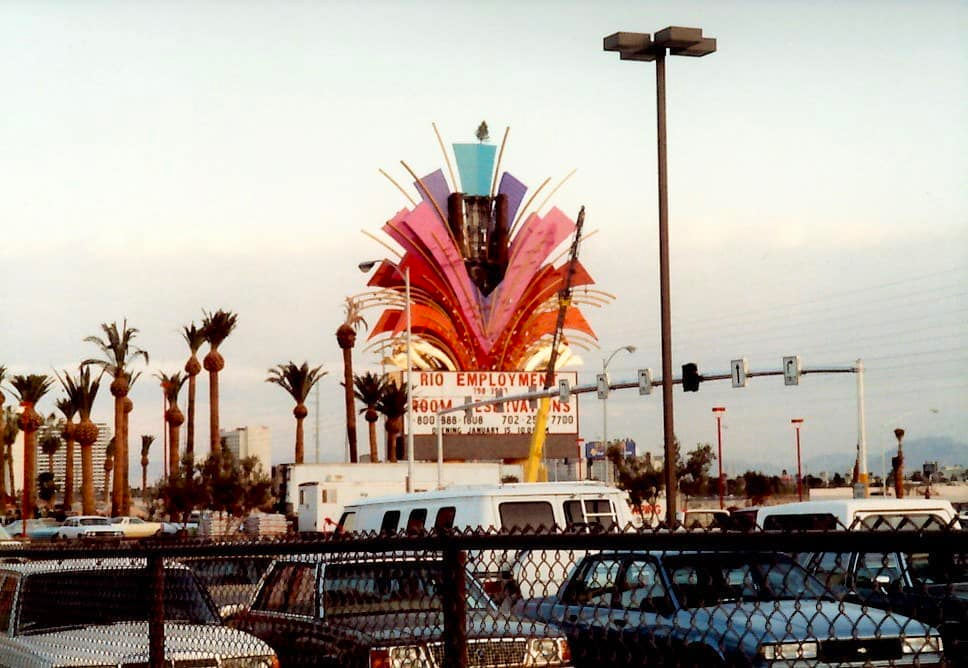
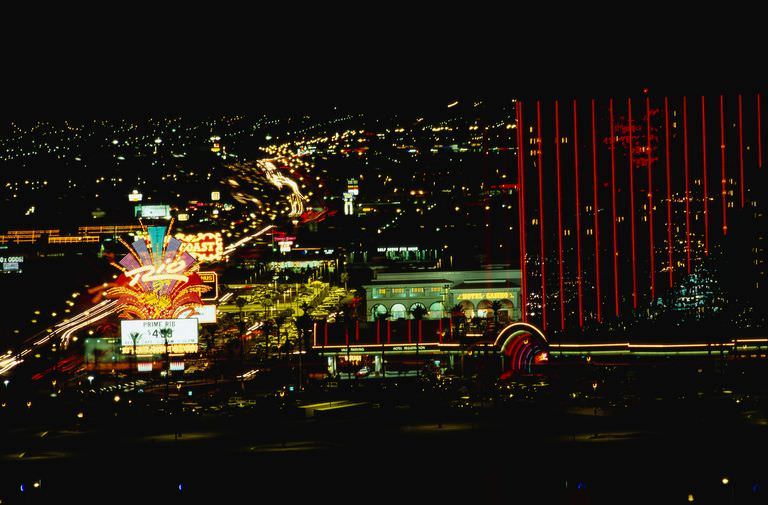
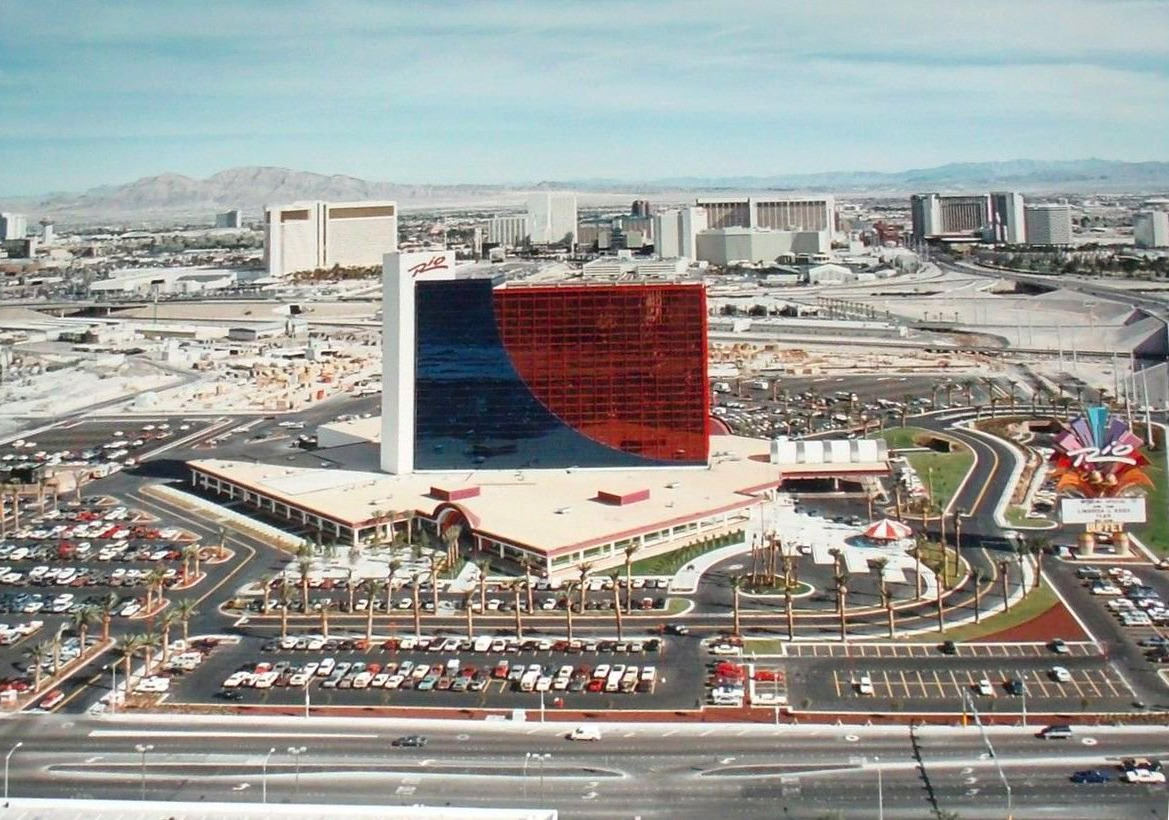
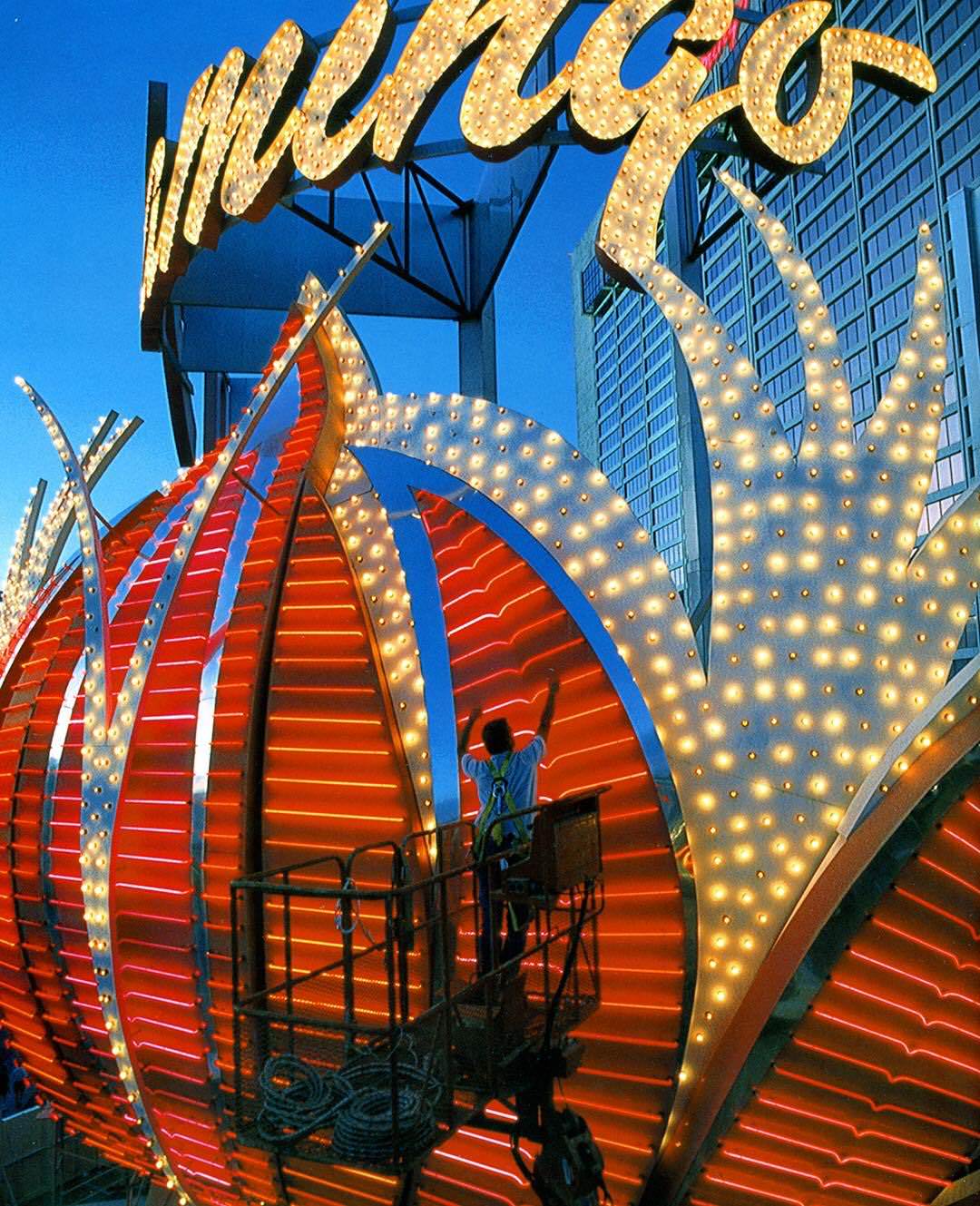
The Rio All-Suite Hotel and Casino was one of the first major openings of the decade, launching in 1990 with a Carnival-themed identity that set it apart from the traditional Strip properties. Its bold signage and colorful branding made it an instant landmark just west of the Strip.
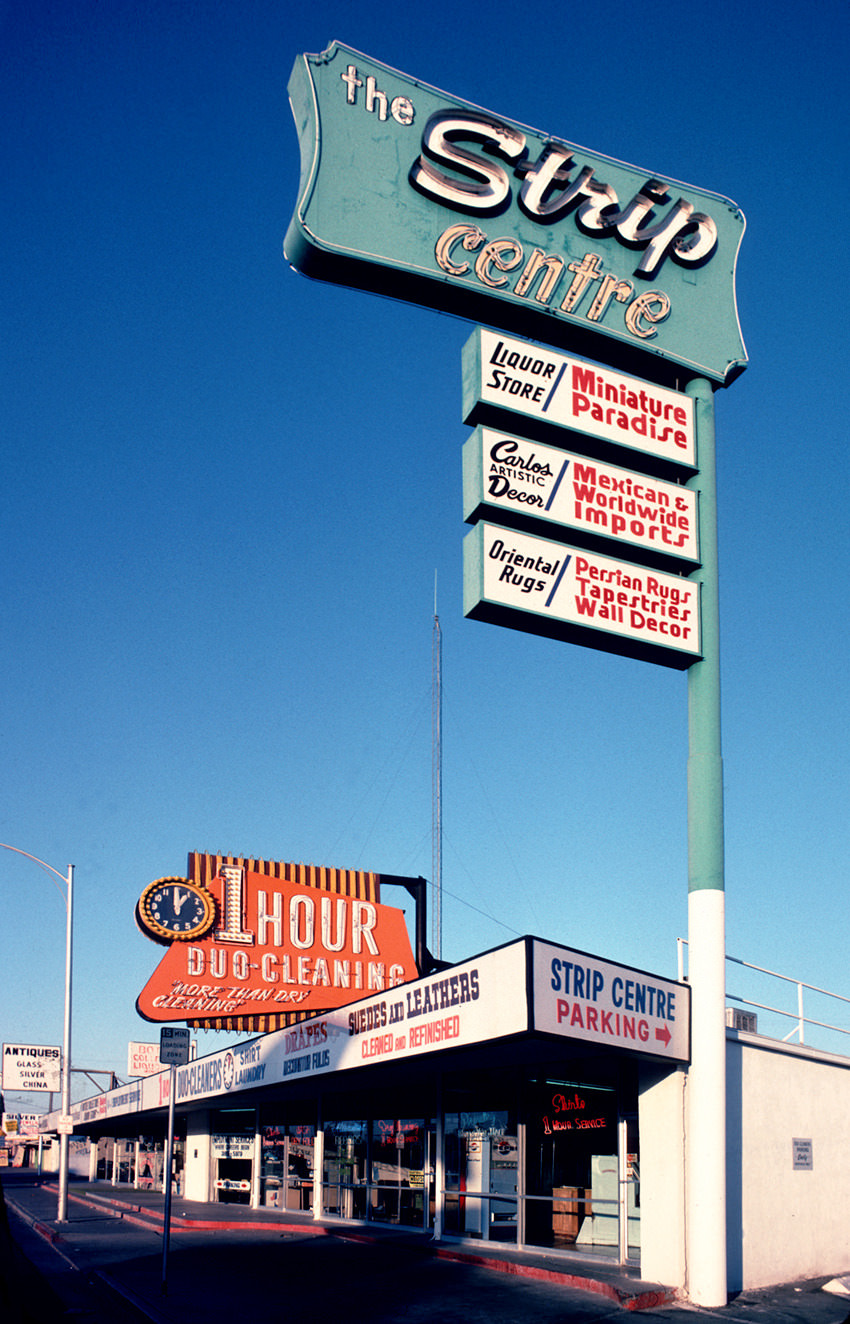
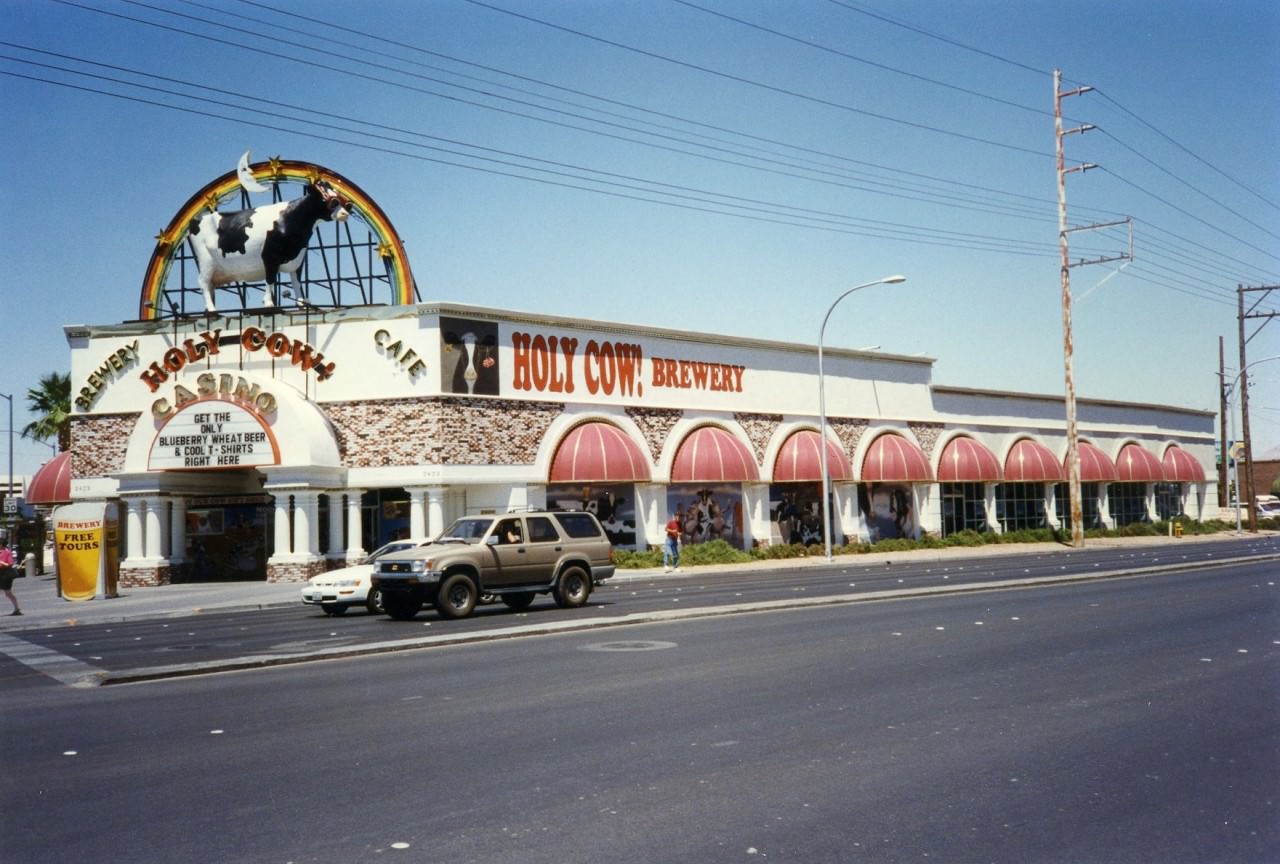
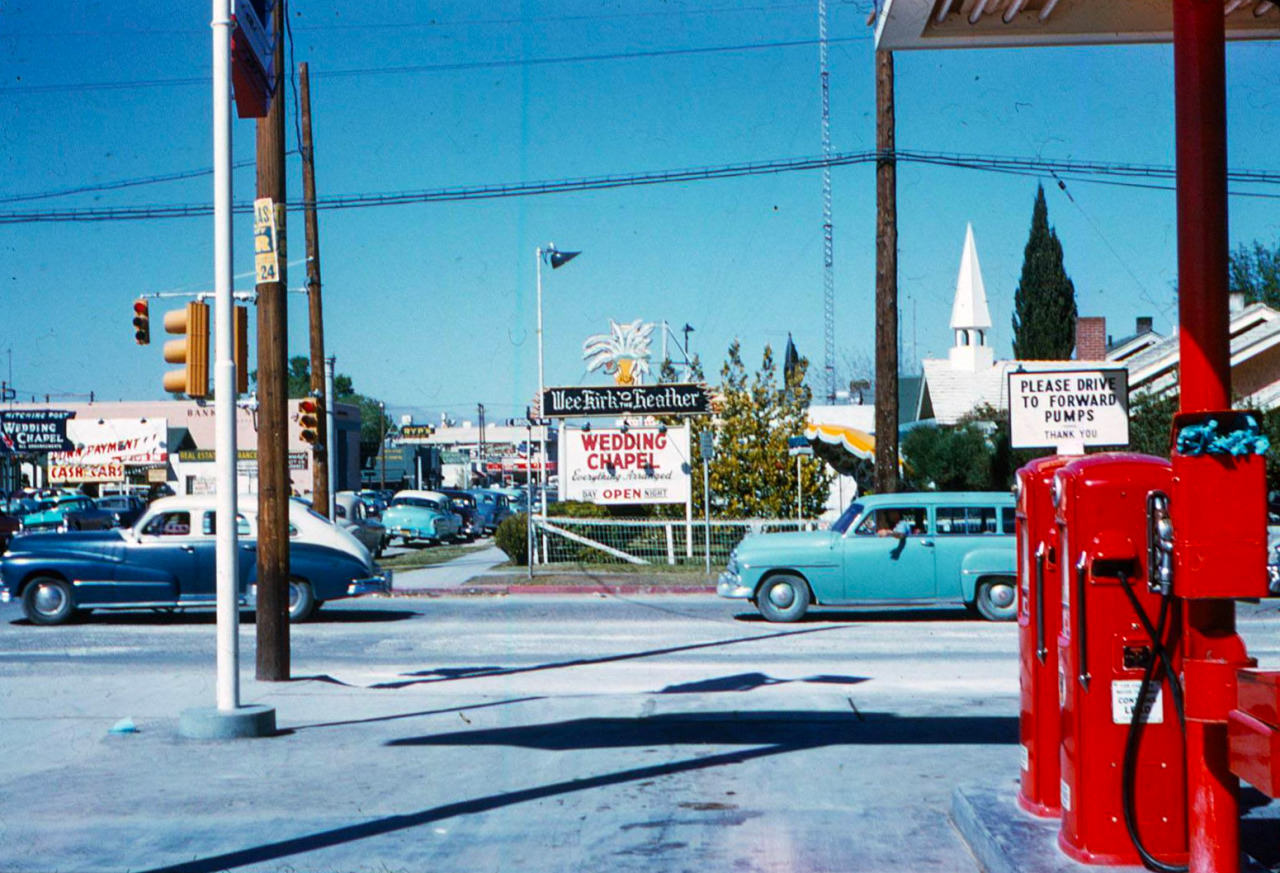
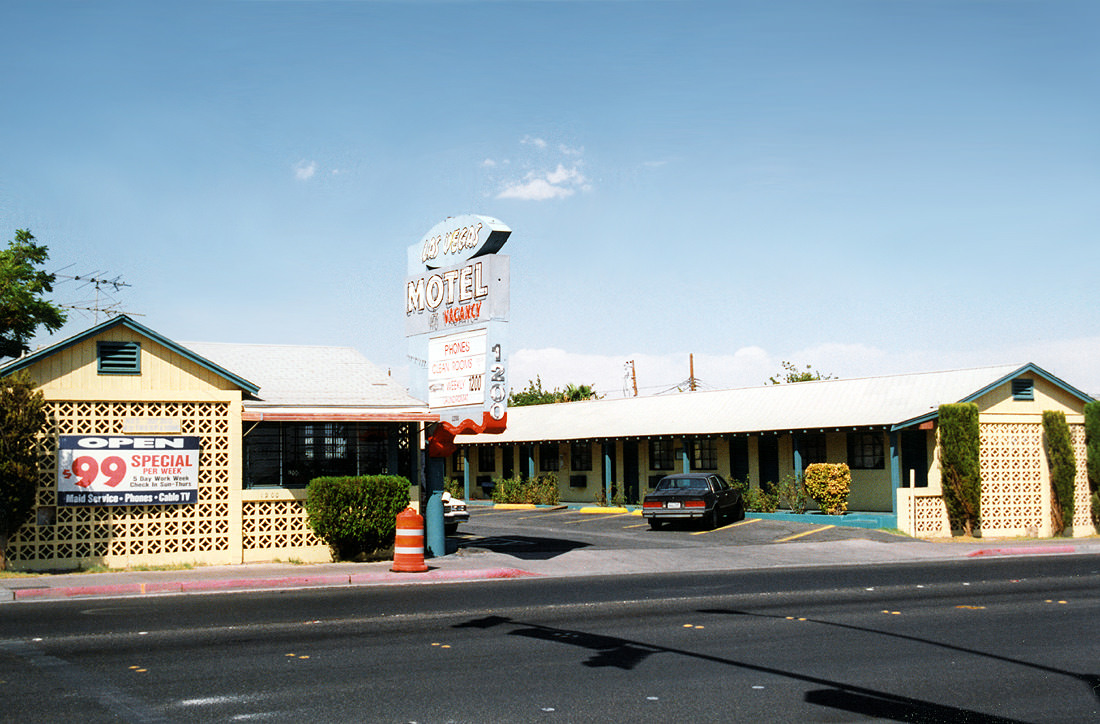
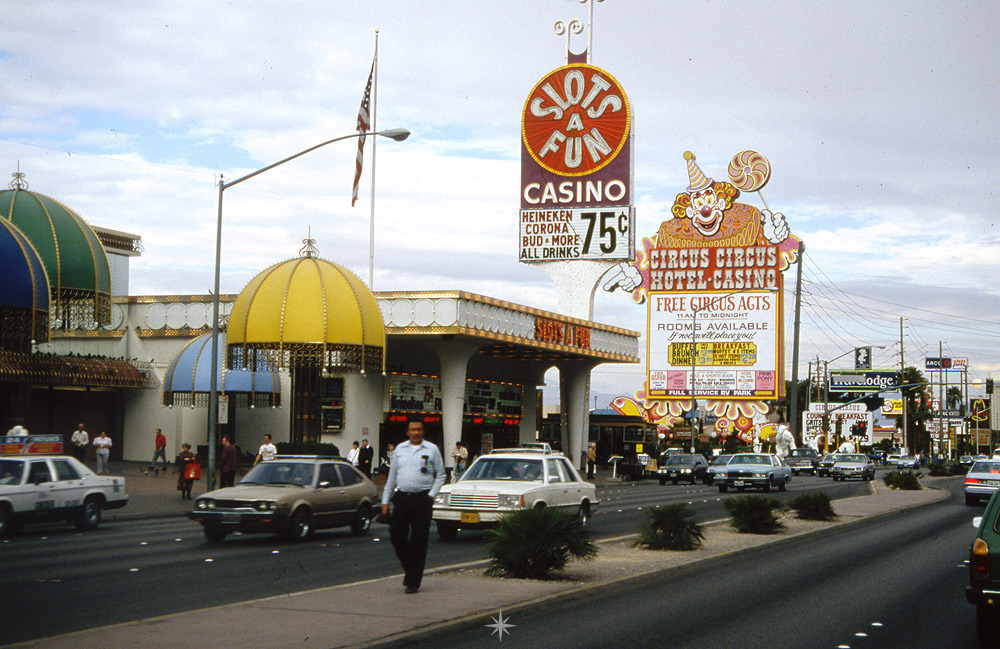
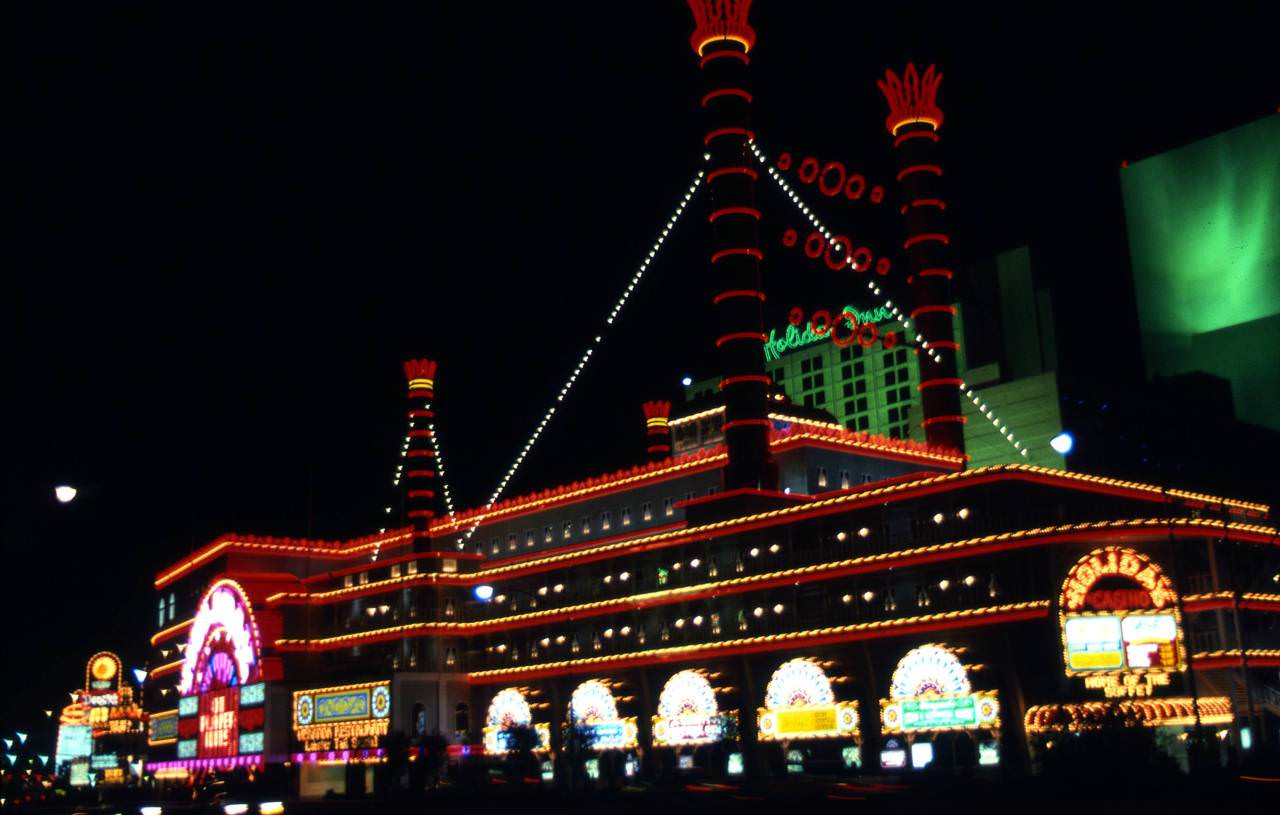
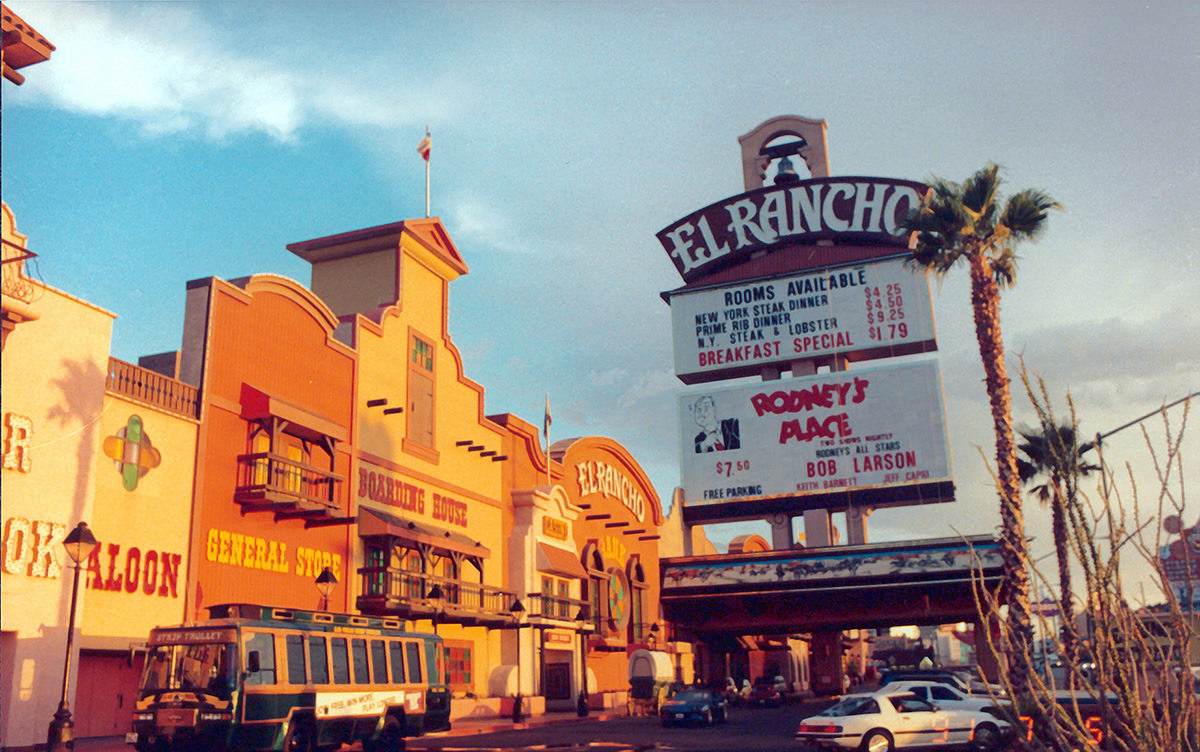
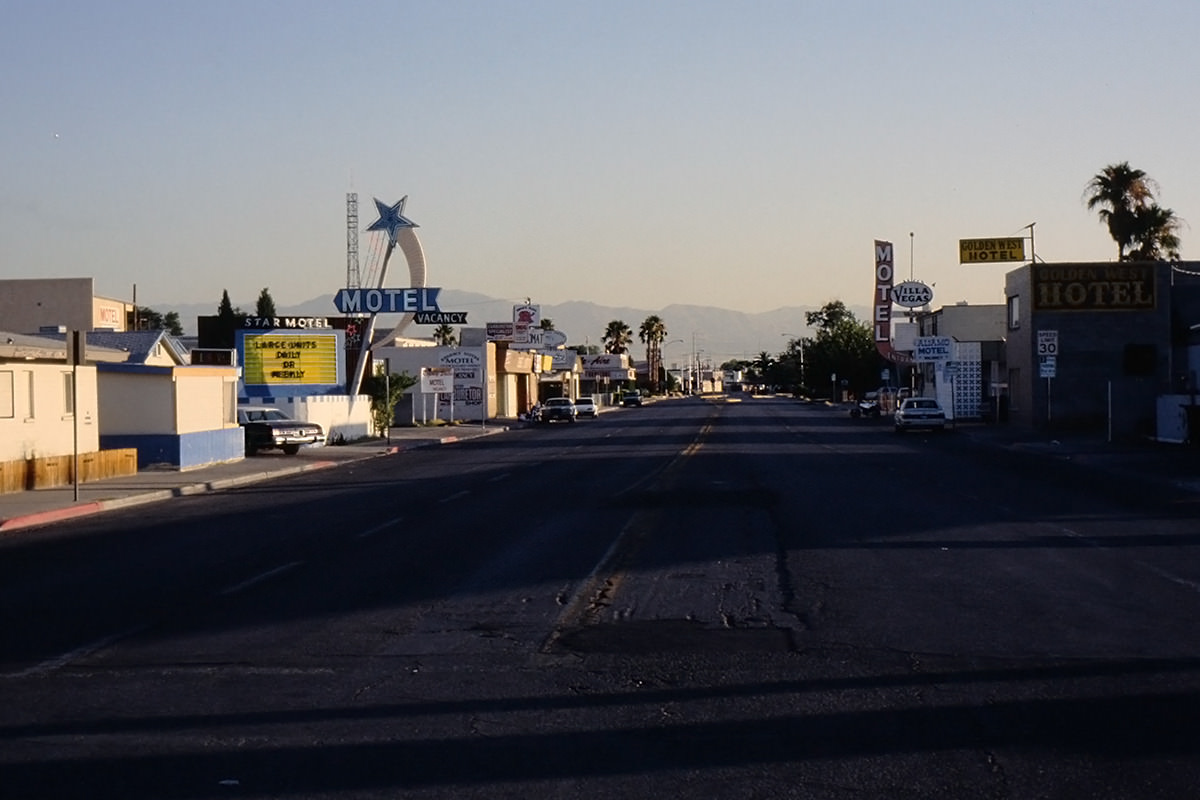
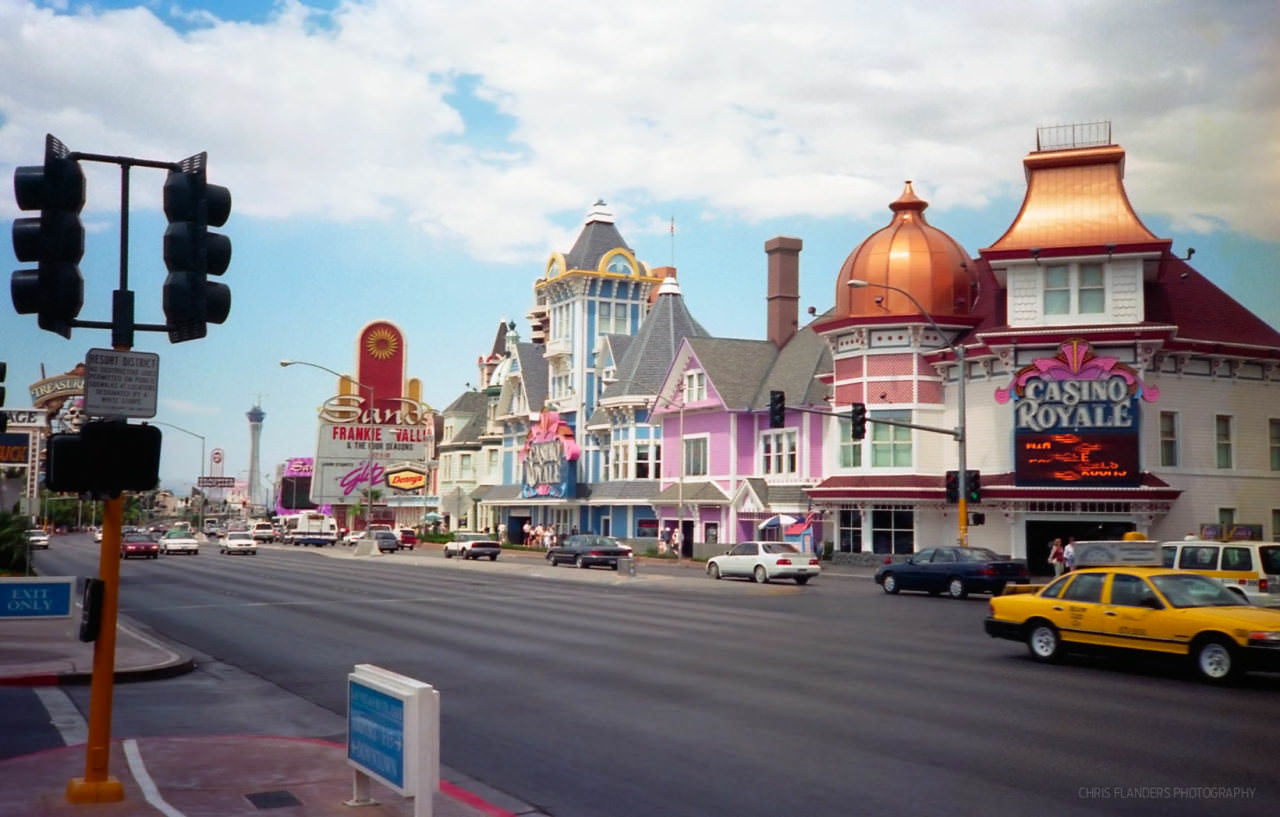
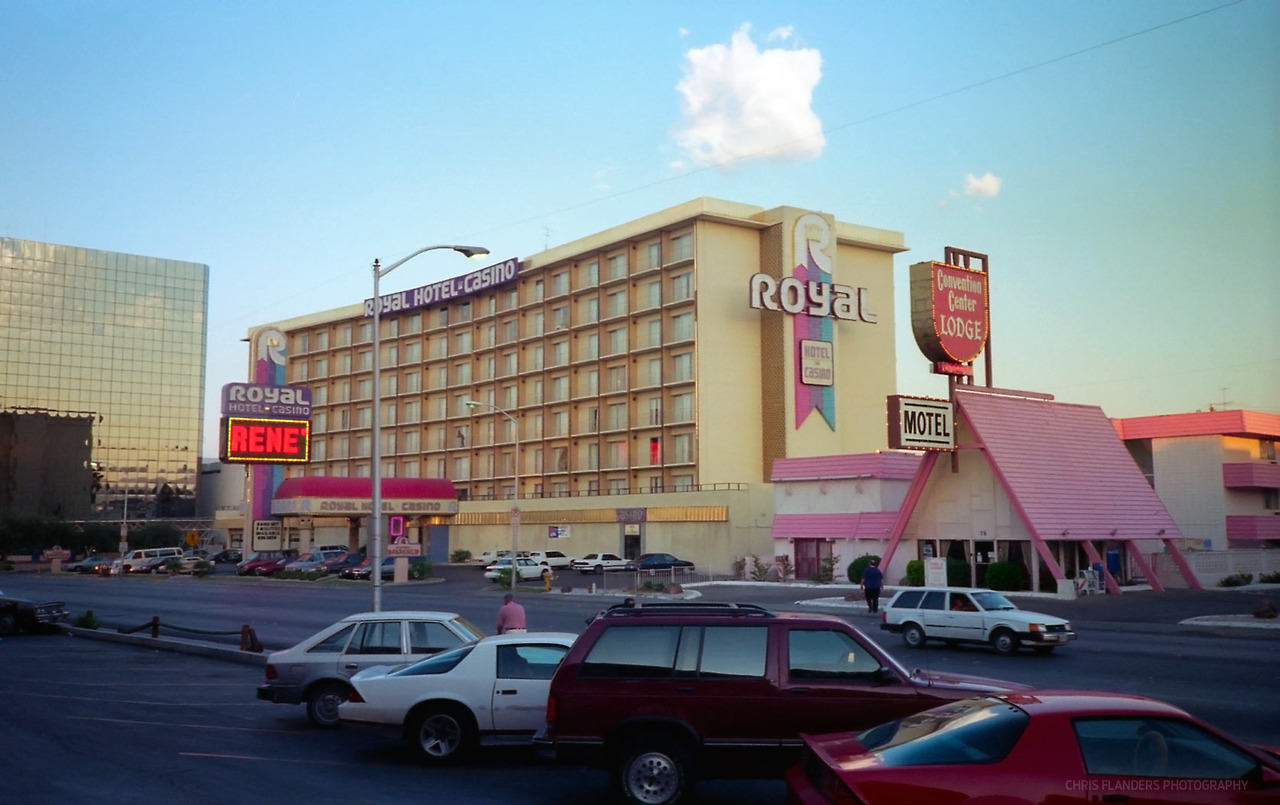
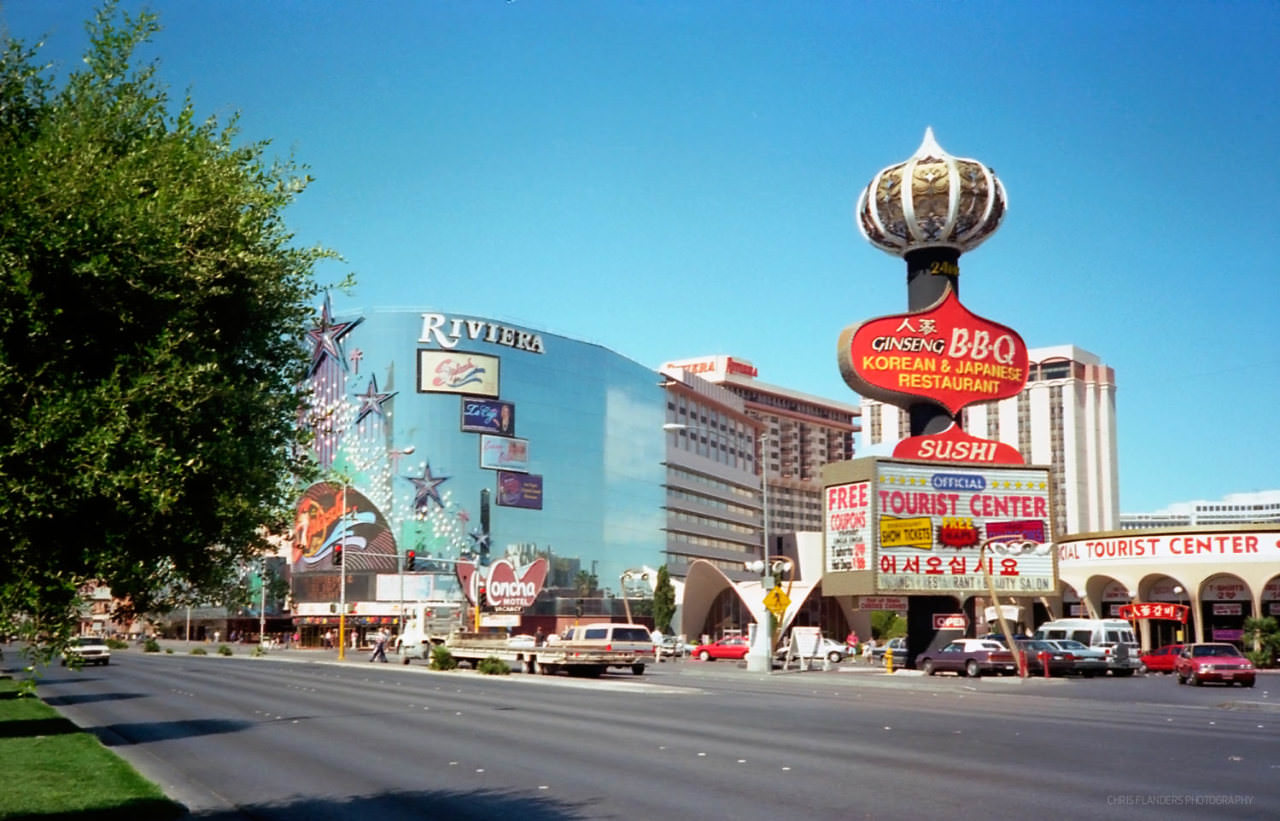
Not every business chasing Las Vegas visitors was a casino. The Strip and its surrounding streets were packed with small businesses, diners, motels, and novelty shops that catered to the steady flow of tourists. These storefronts captured the grittier, more commercial side of the city that existed alongside the glittering resorts.
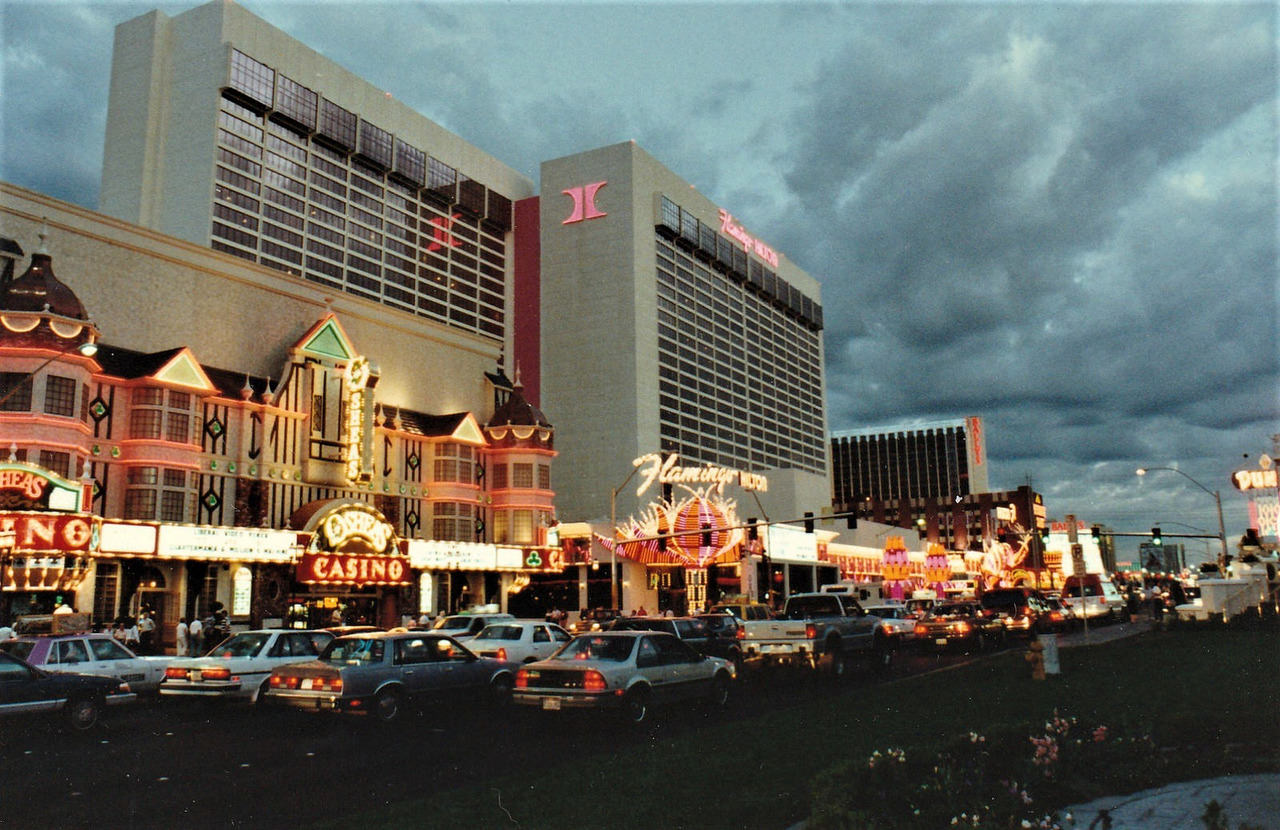
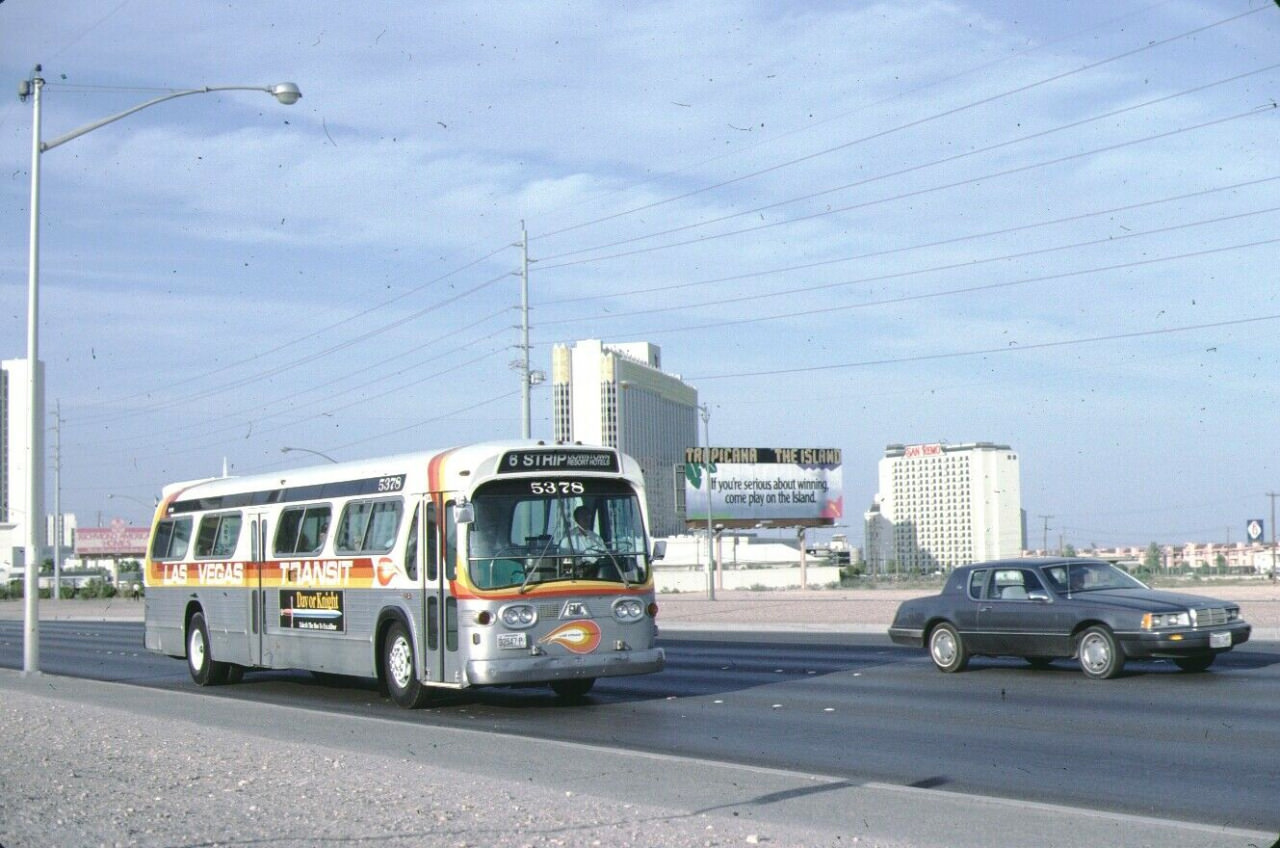
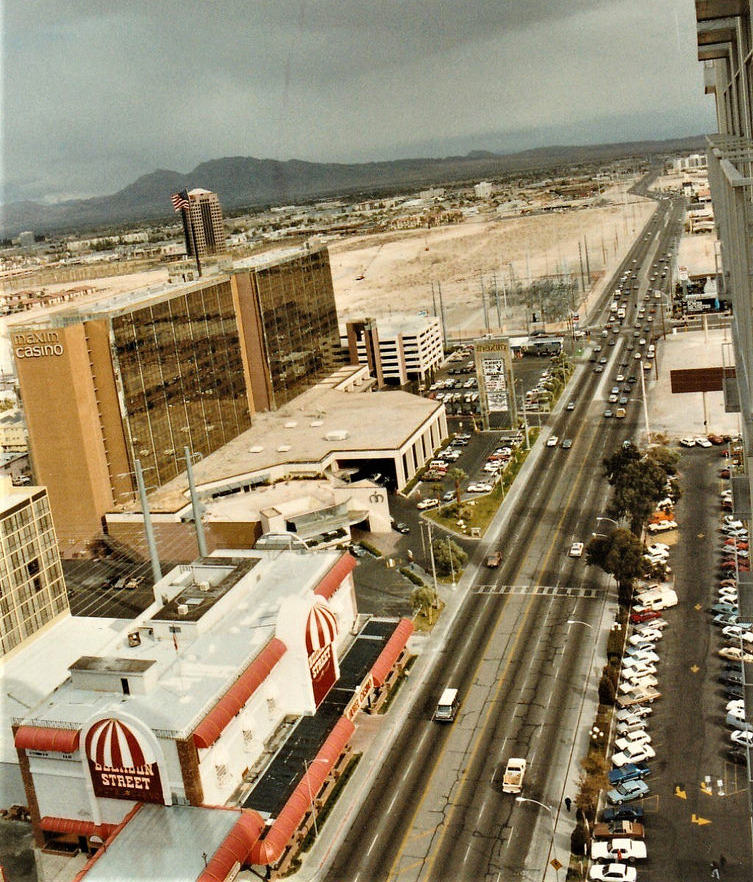
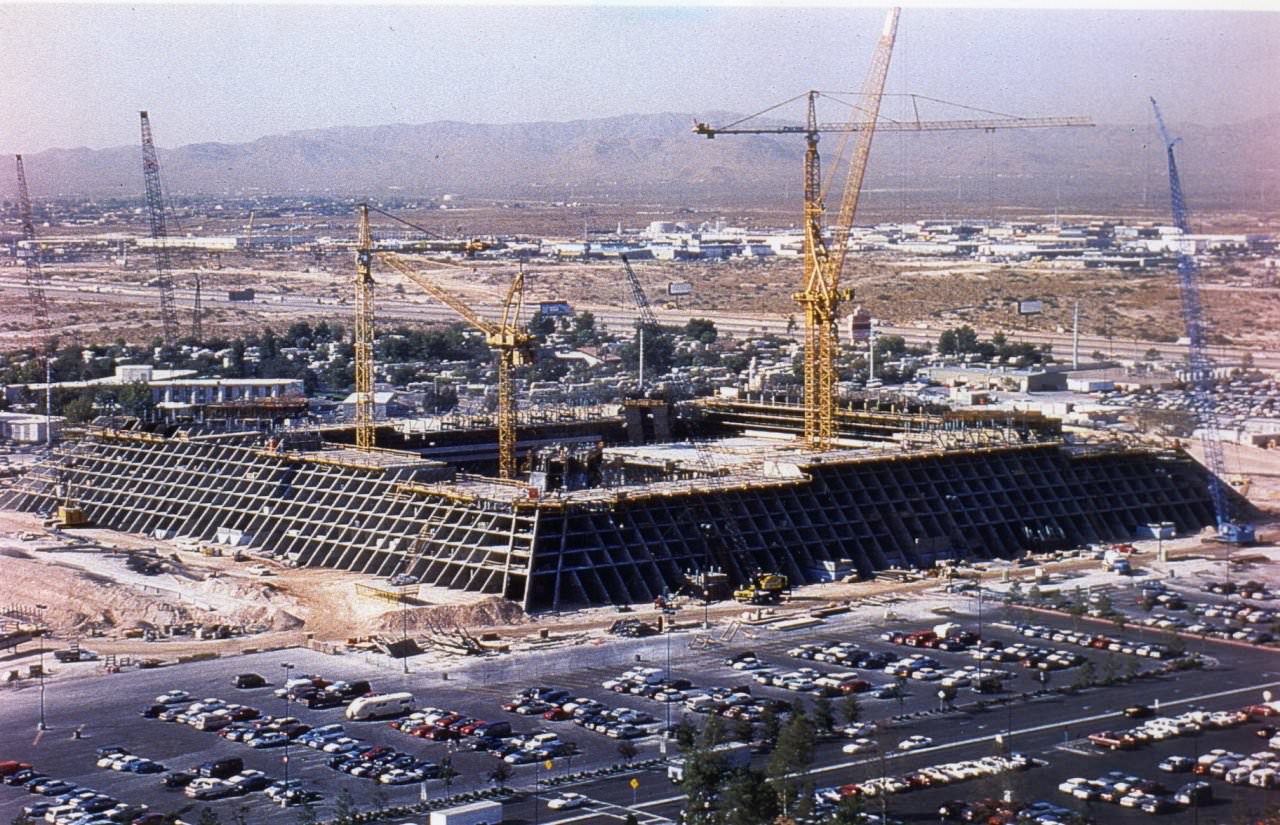
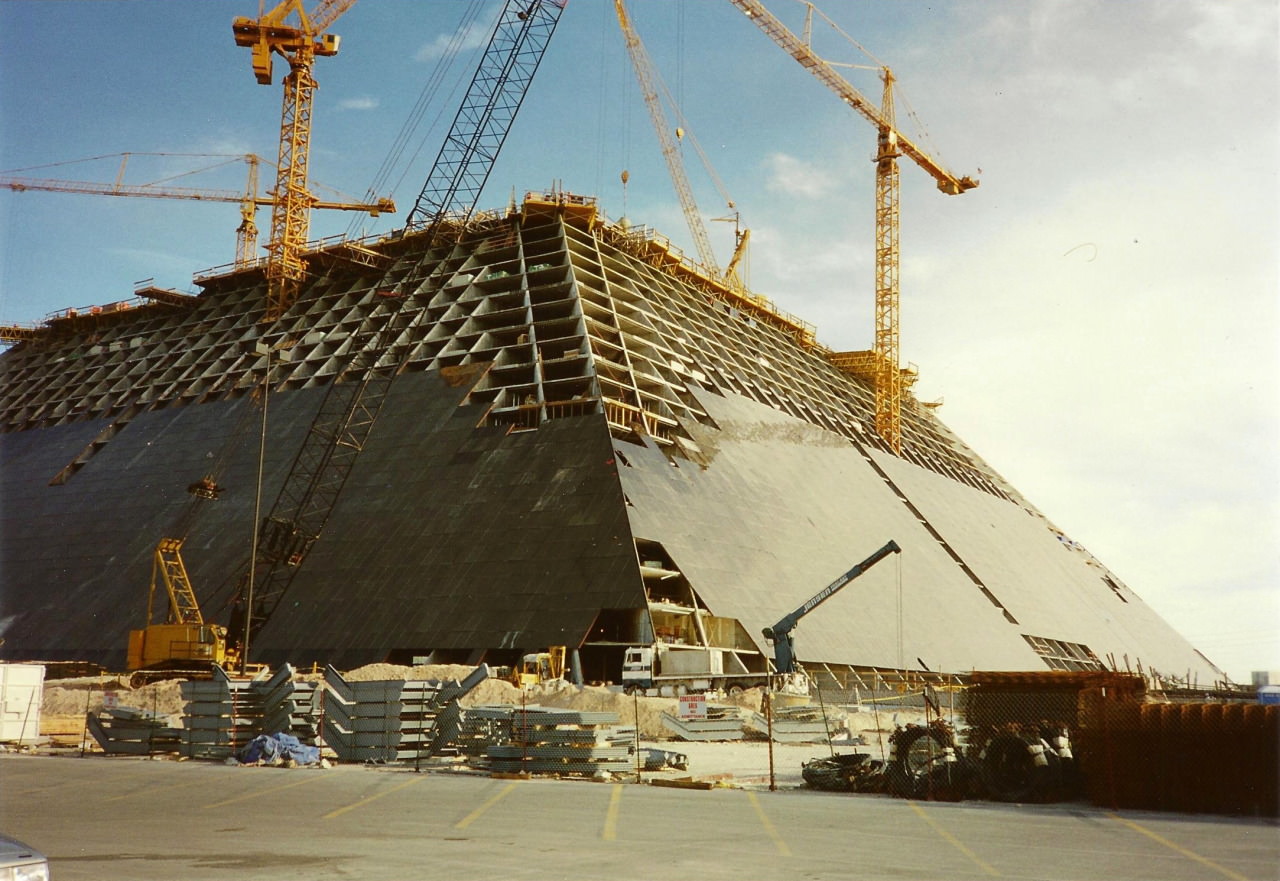
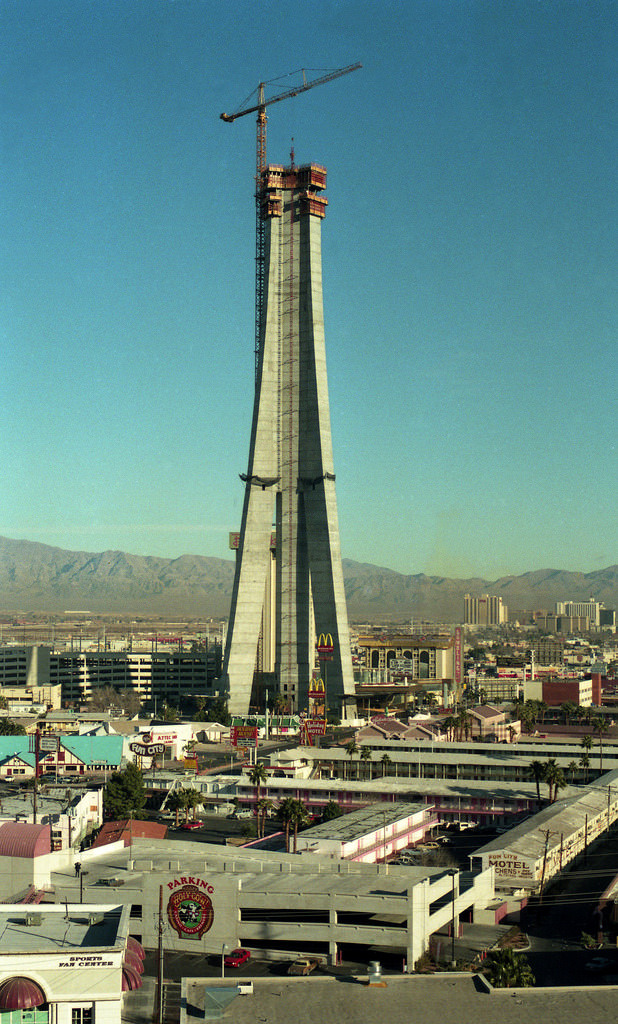
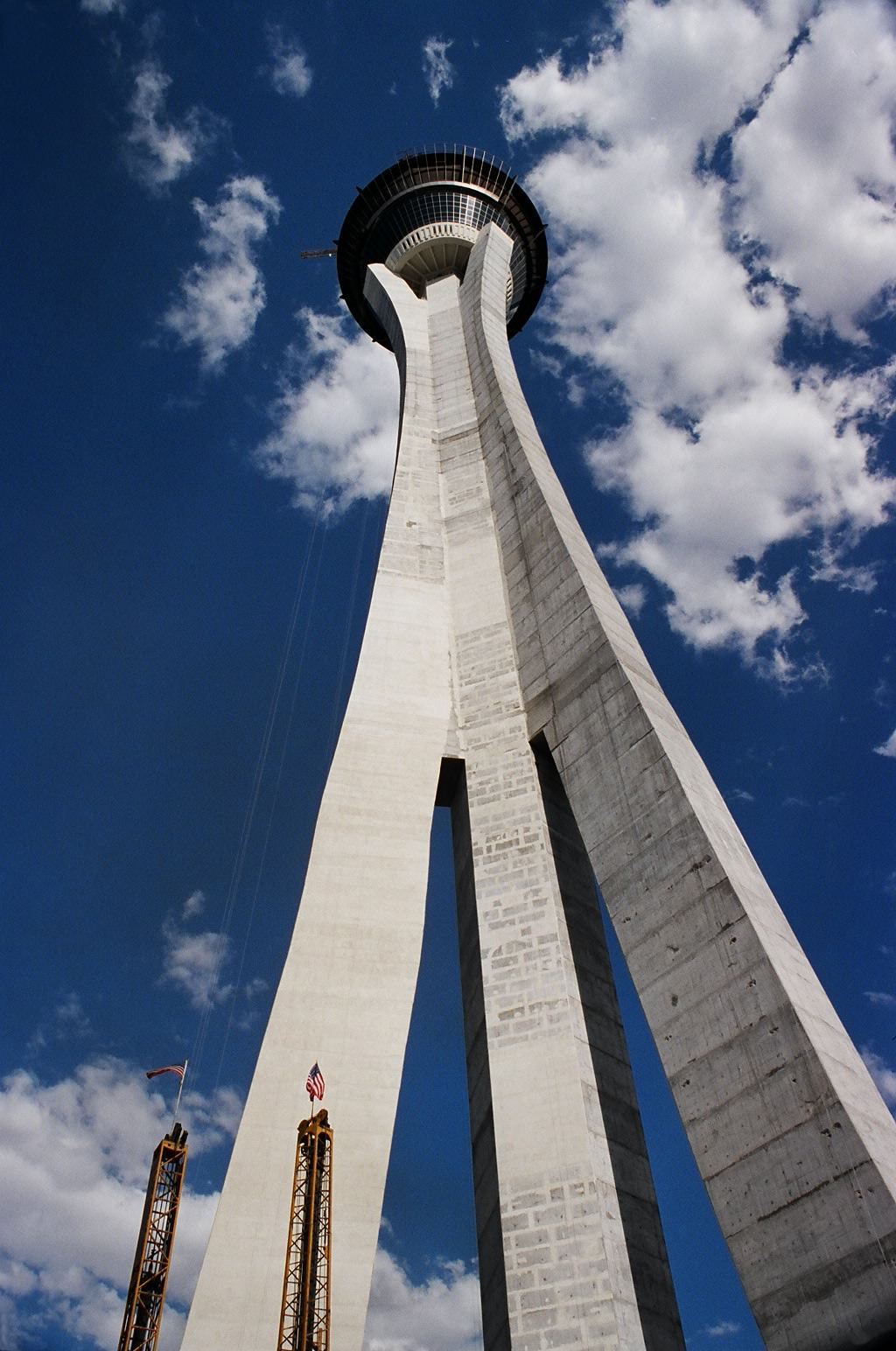
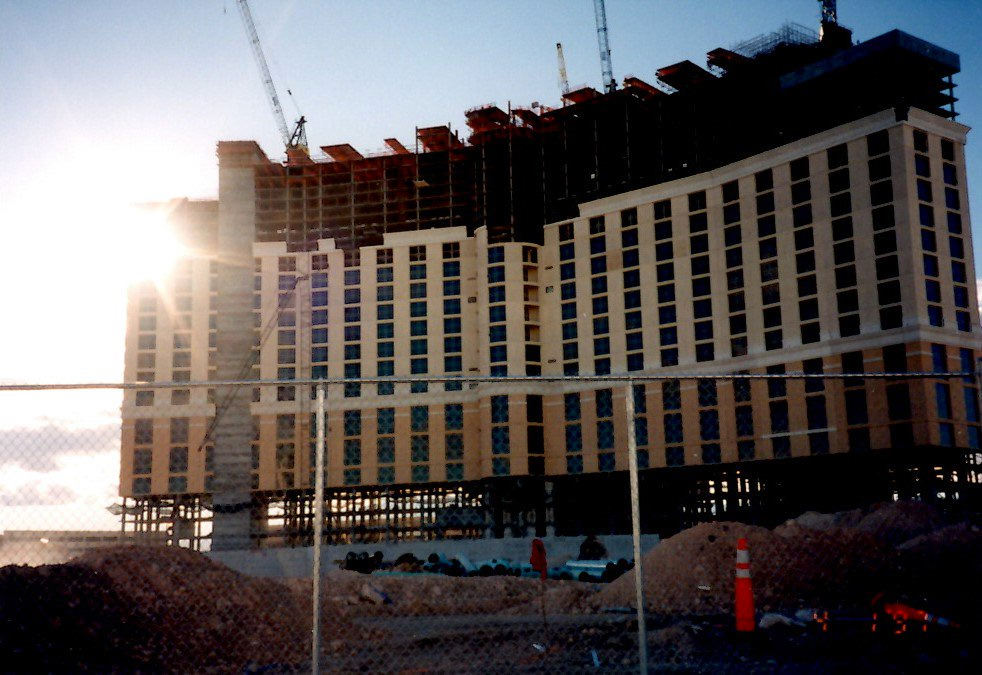
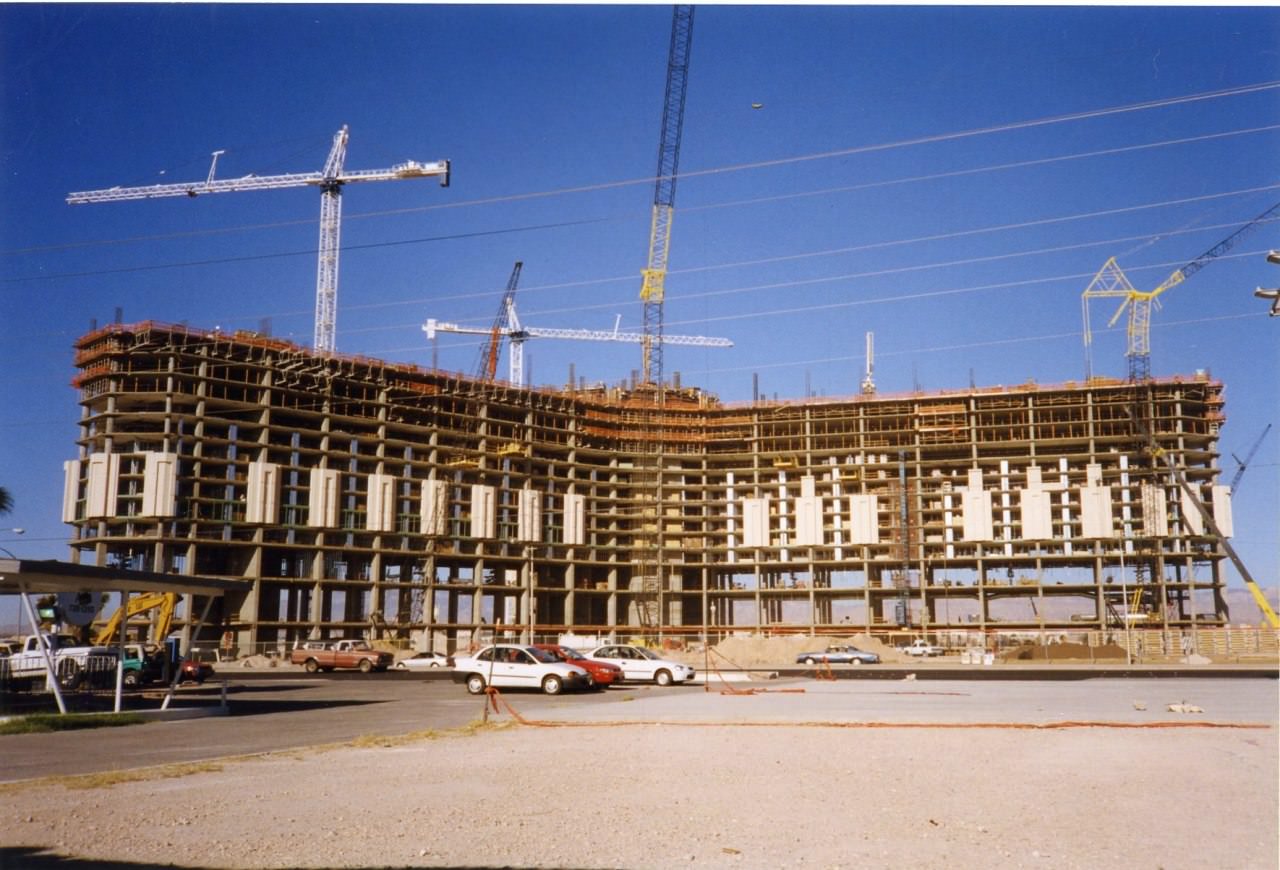
By mid-decade, the pace of new construction had transformed the southern Strip into a dramatically different skyline. The Luxor, with its iconic black glass pyramid and bright skybeam, opened in October 1993. The Stratosphere Tower began rising in 1994, eventually becoming the tallest freestanding observation tower in the United States. Meanwhile, the Bellagio and Mandalay Bay were already in planning stages before the decade was halfway done.
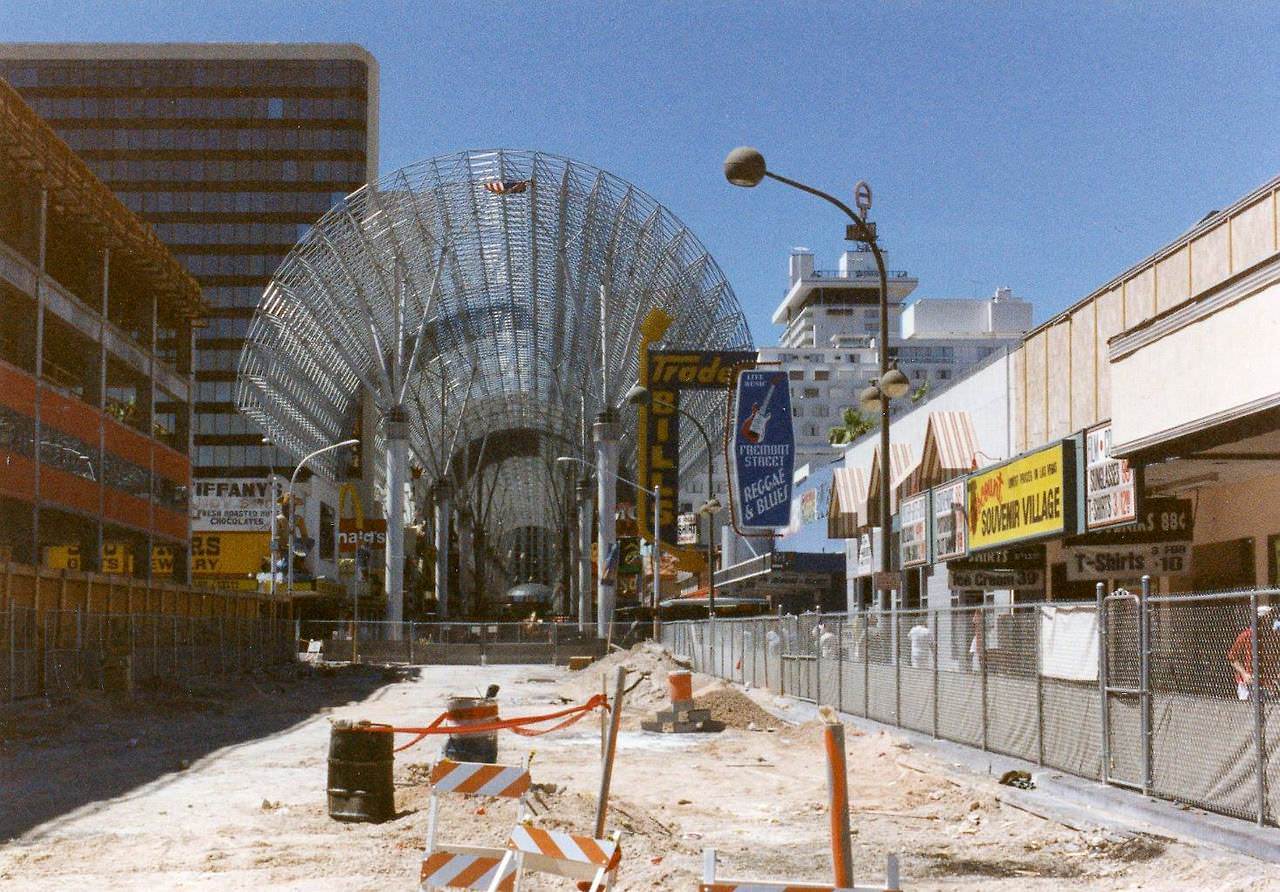
Downtown Las Vegas also underwent a massive transformation. Fremont Street was closed to vehicle traffic in 1994 to make way for the Fremont Street Experience, a covered pedestrian mall topped with a massive LED canopy. Construction ran through 1995, and when it opened, it gave downtown a new tool to compete with the ever-growing Strip.
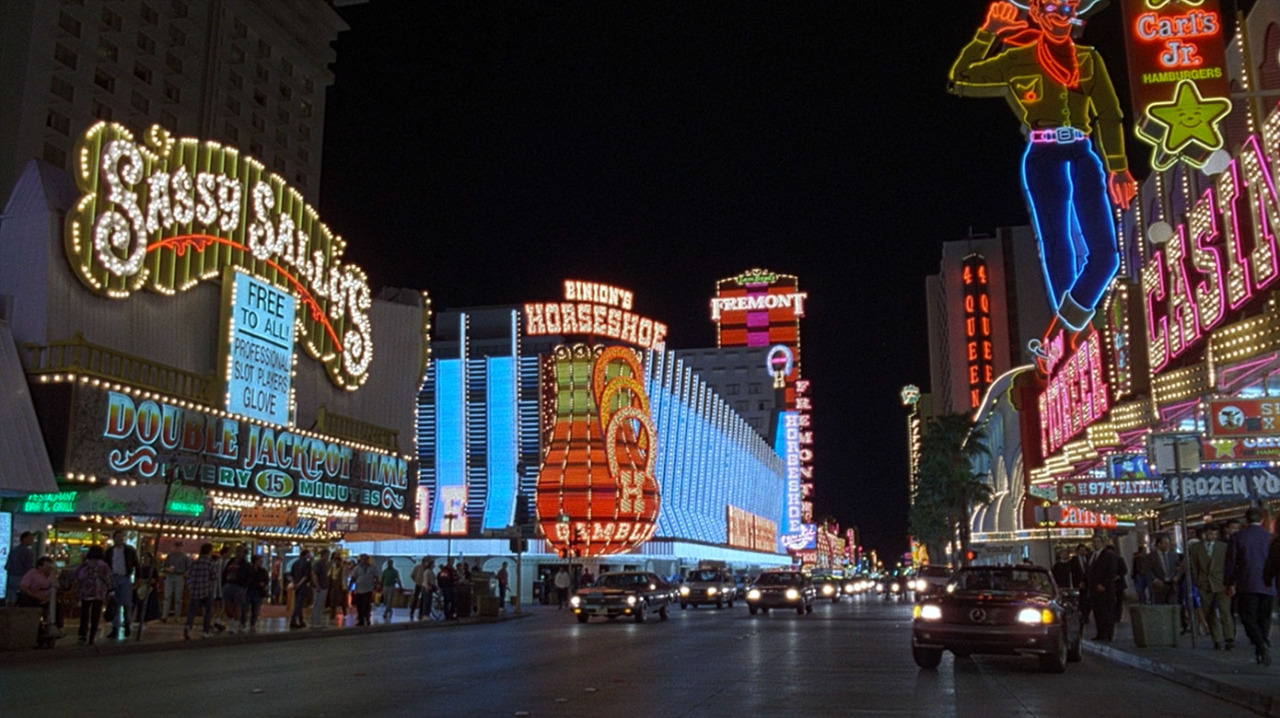
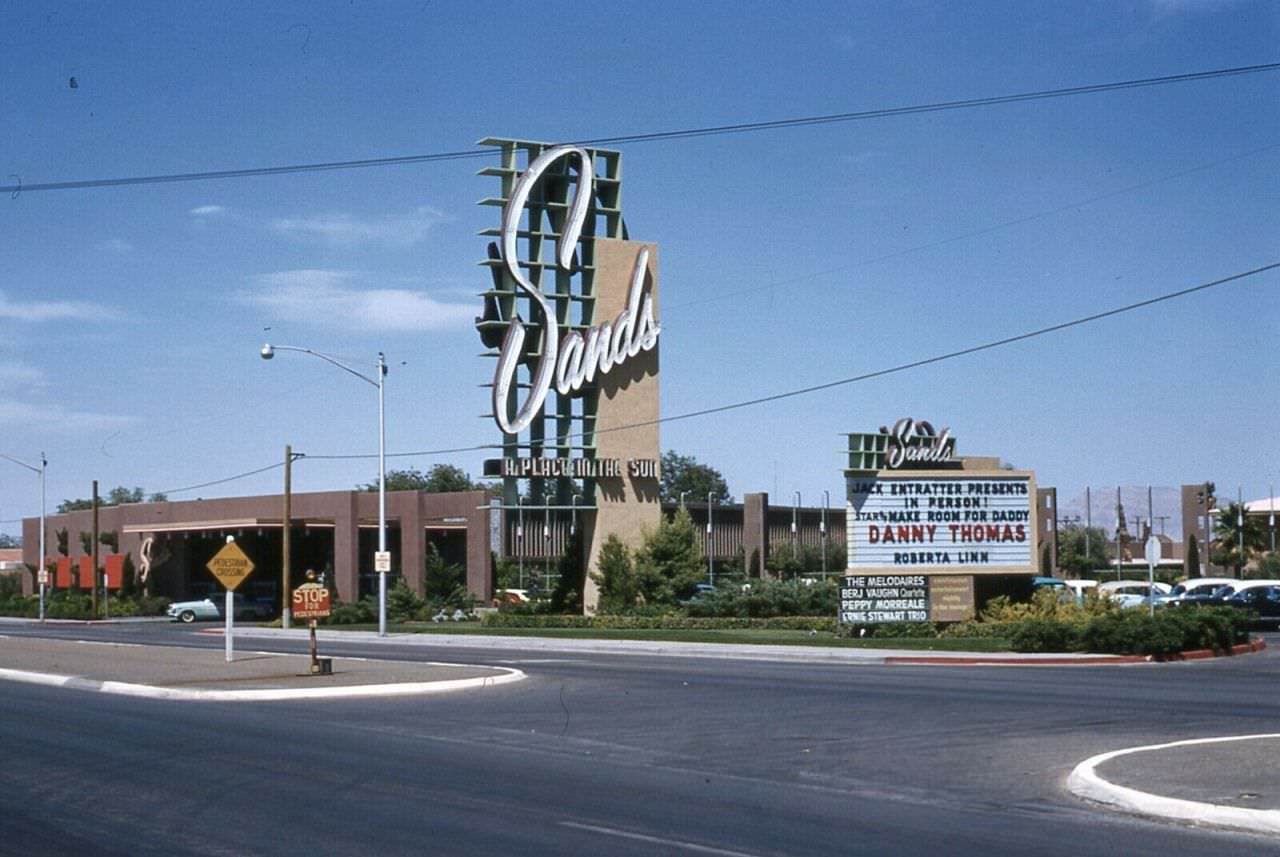
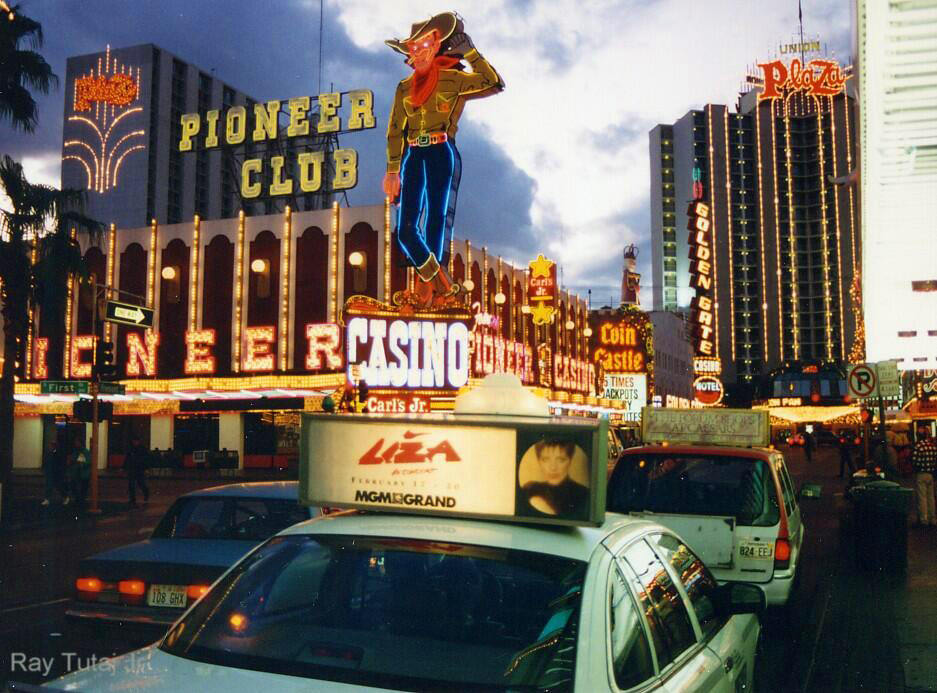
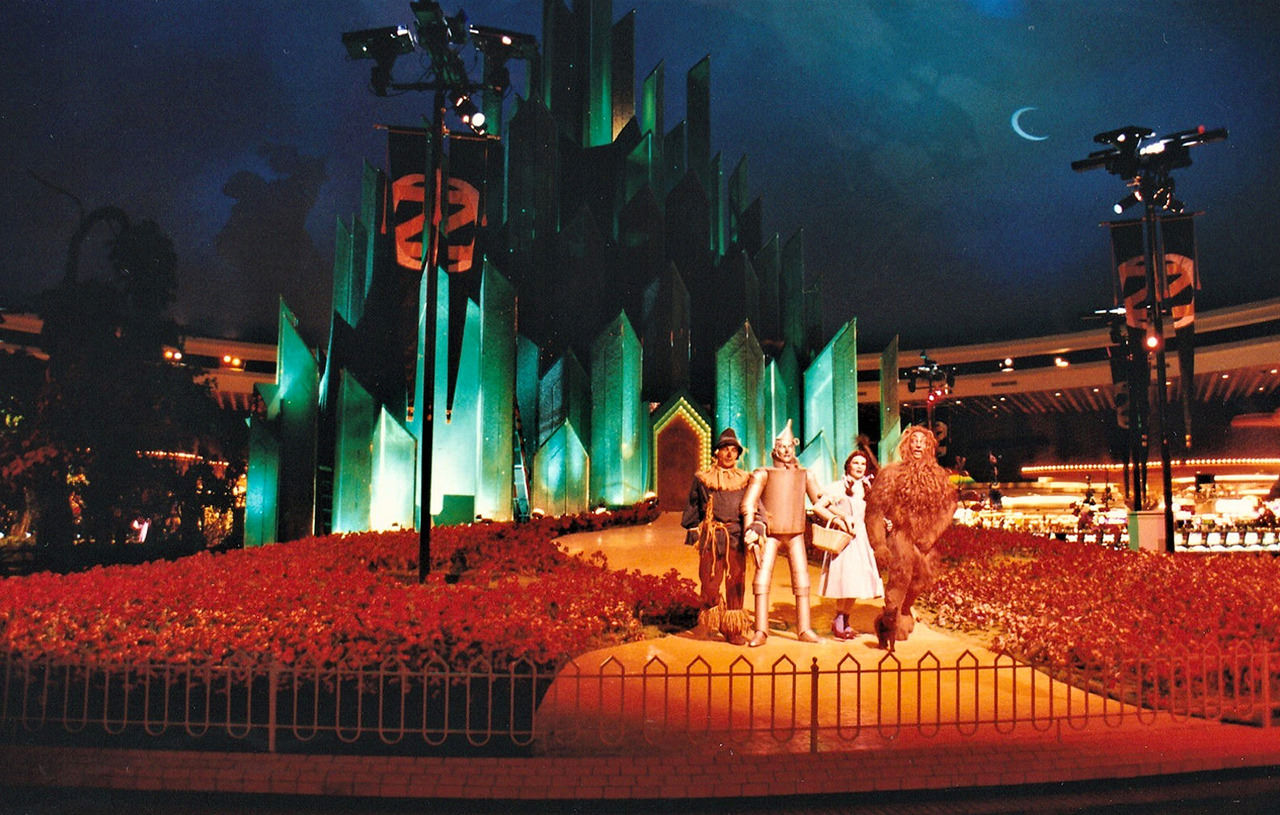
Las Vegas also made history off the casino floor during this decade. Jan Laverty Jones became the city’s first female mayor in 1991. In 1993, Circus Circus opened Grand Slam Canyon — a five-acre, pink-domed indoor amusement park — as part of its existing property, doubling down on the family entertainment model. And in 1996, the Neon Museum was founded to preserve the vintage signs being retired as older casinos modernized or closed.
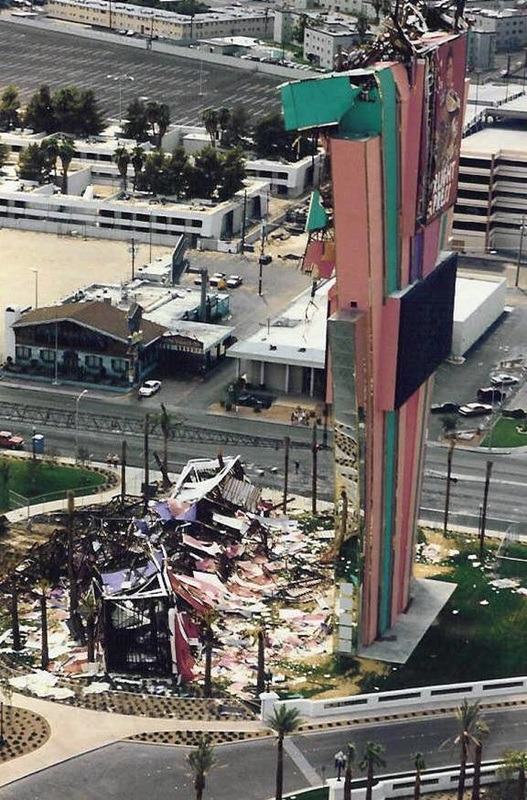
Hollywood kept Las Vegas in the public eye throughout the decade. ‘Indecent Proposal’ (1993) used the city as its backdrop for high-stakes gambling and moral conflict. ‘Leaving Las Vegas’ (1995) portrayed the city’s darker side and earned Nicolas Cage an Academy Award. ‘Showgirls’ (1995) put the entertainment industry’s underbelly on screen. Each film reflected a different slice of what Las Vegas actually was during this era.
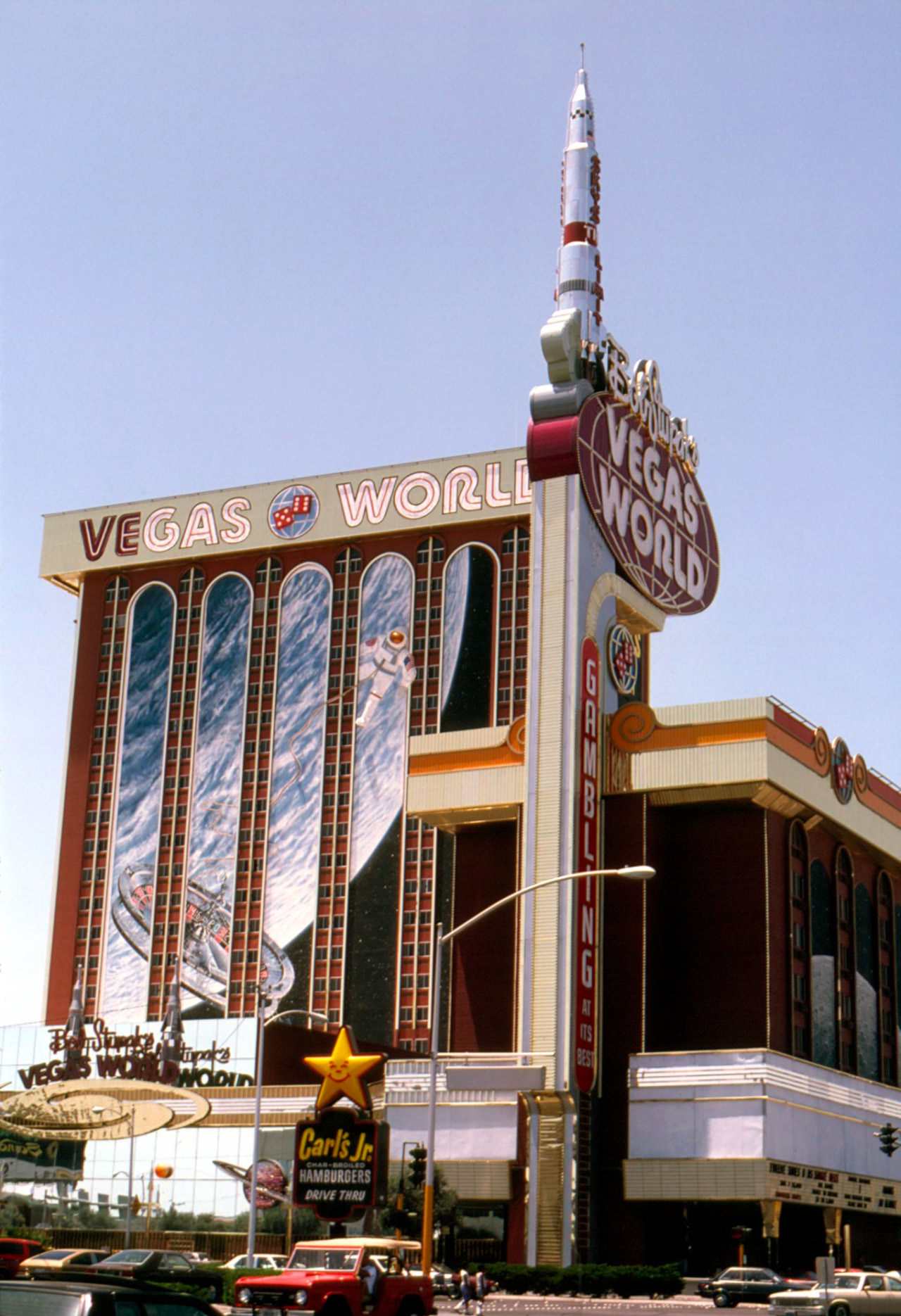
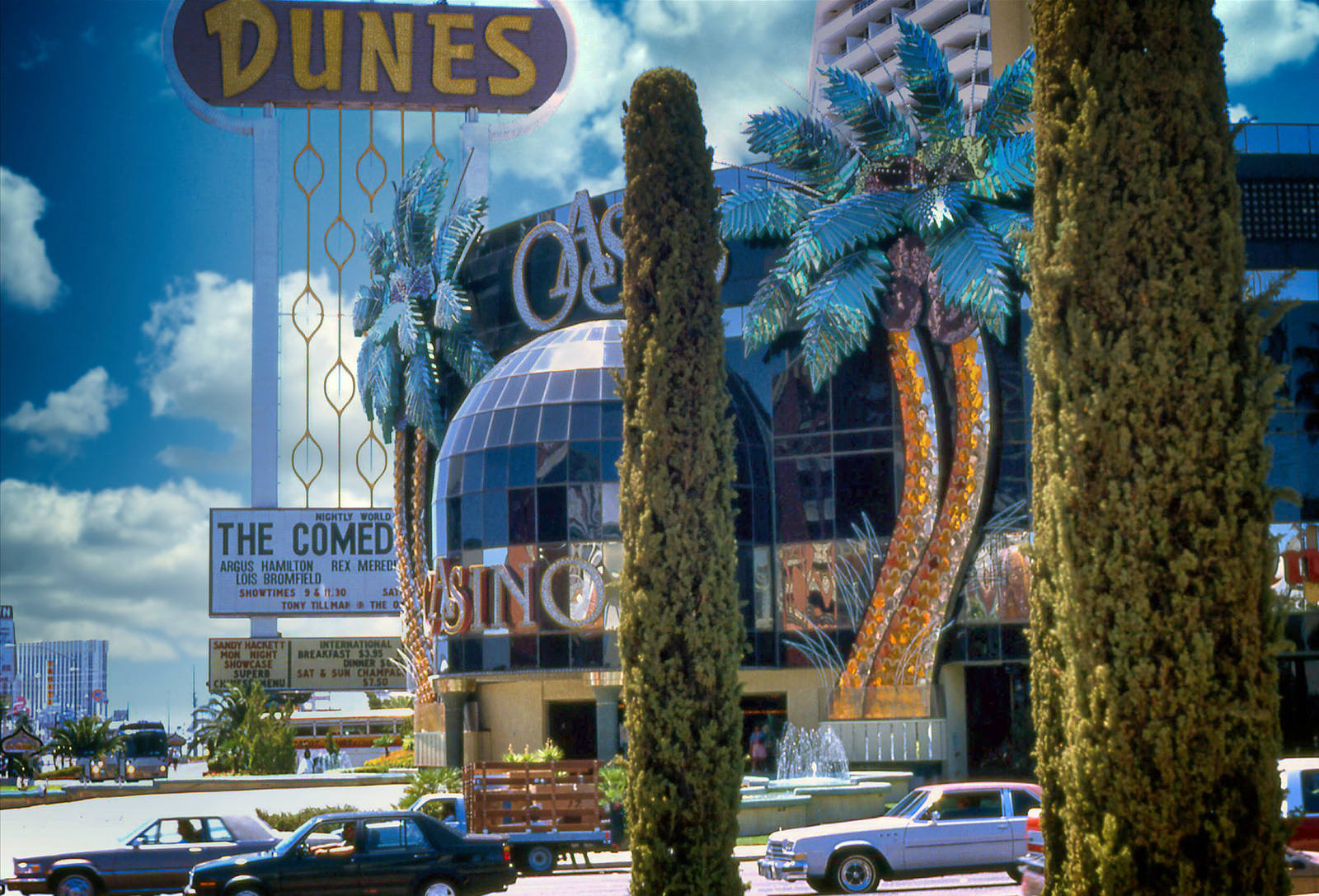
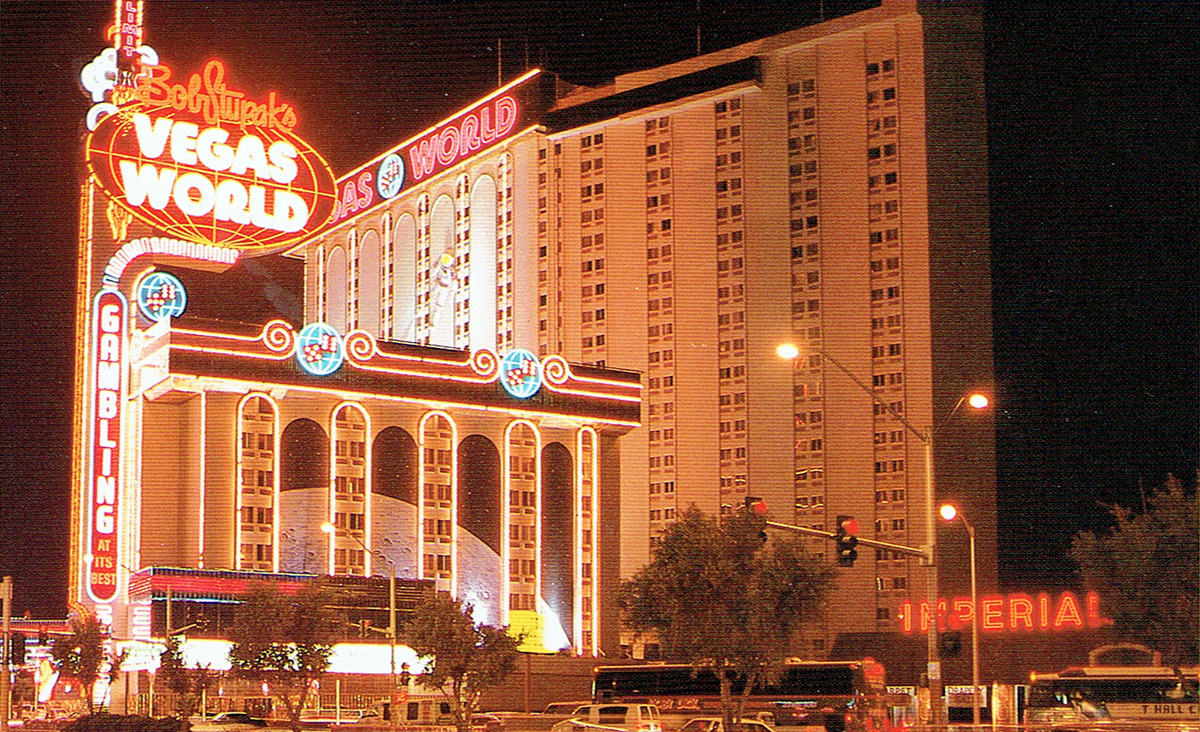
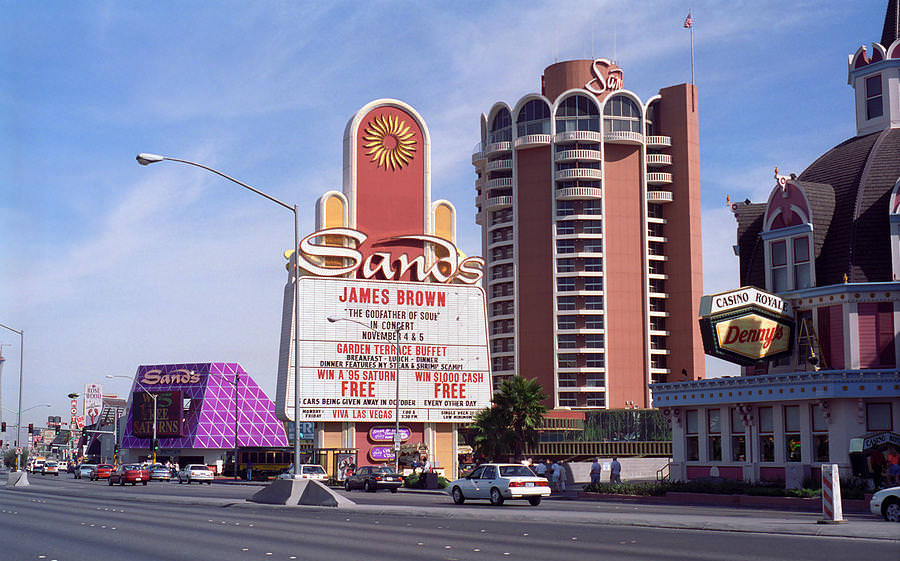
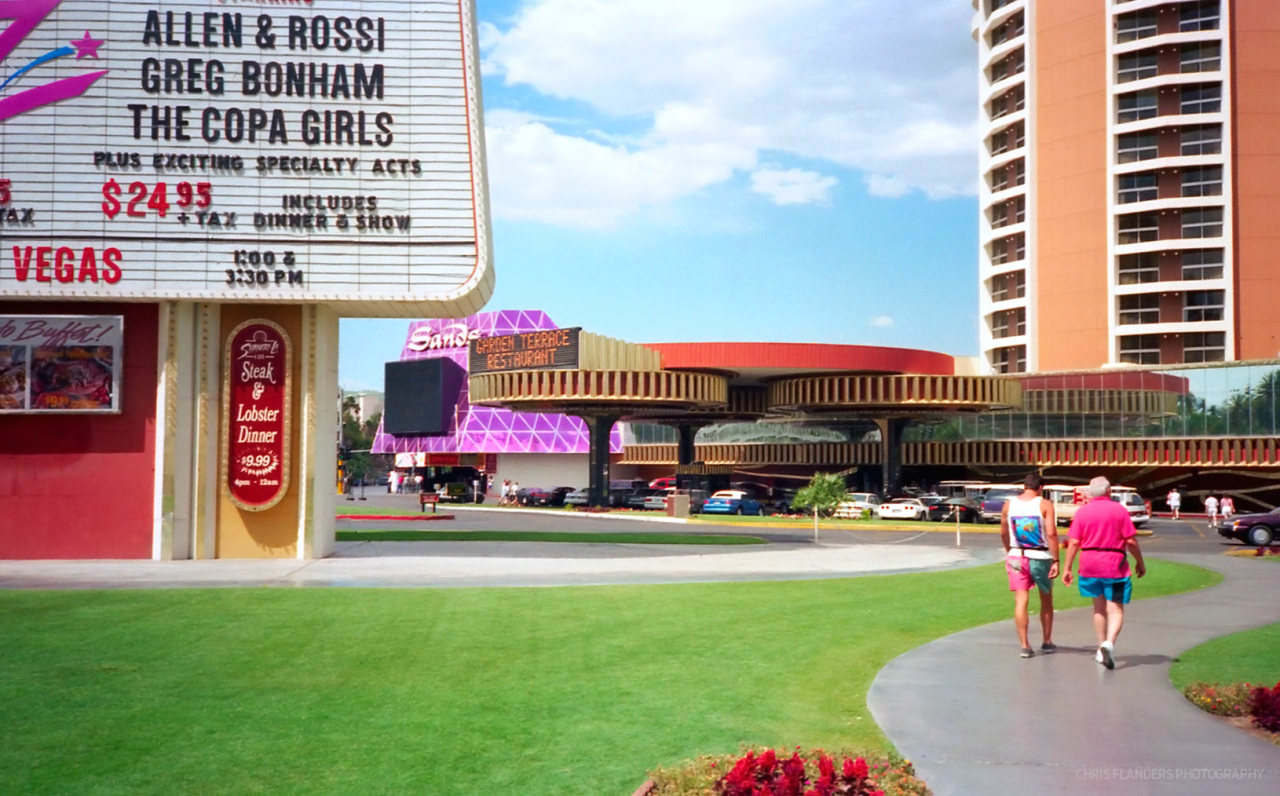
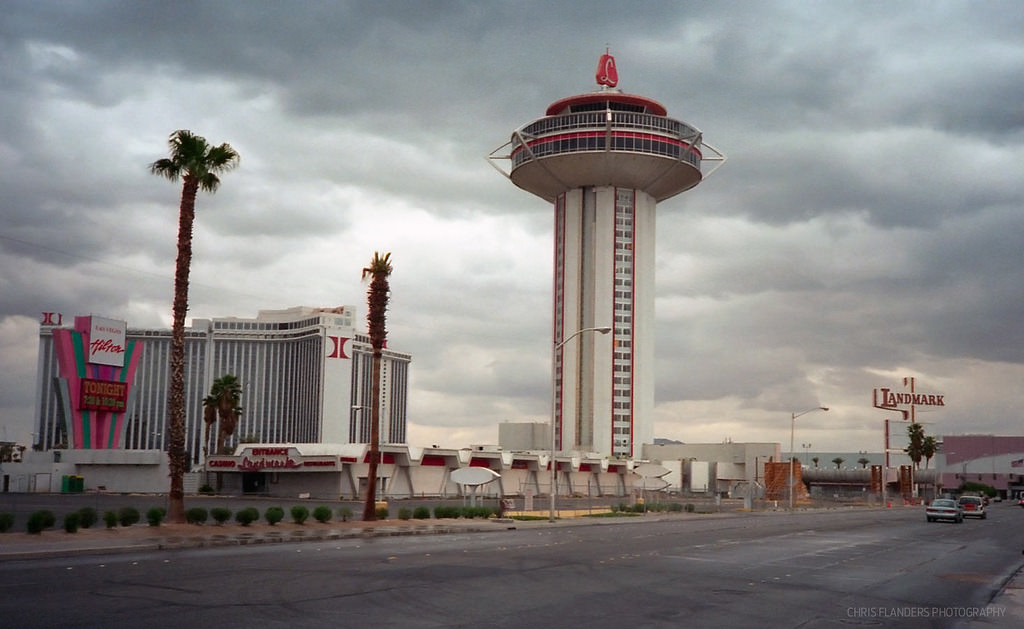
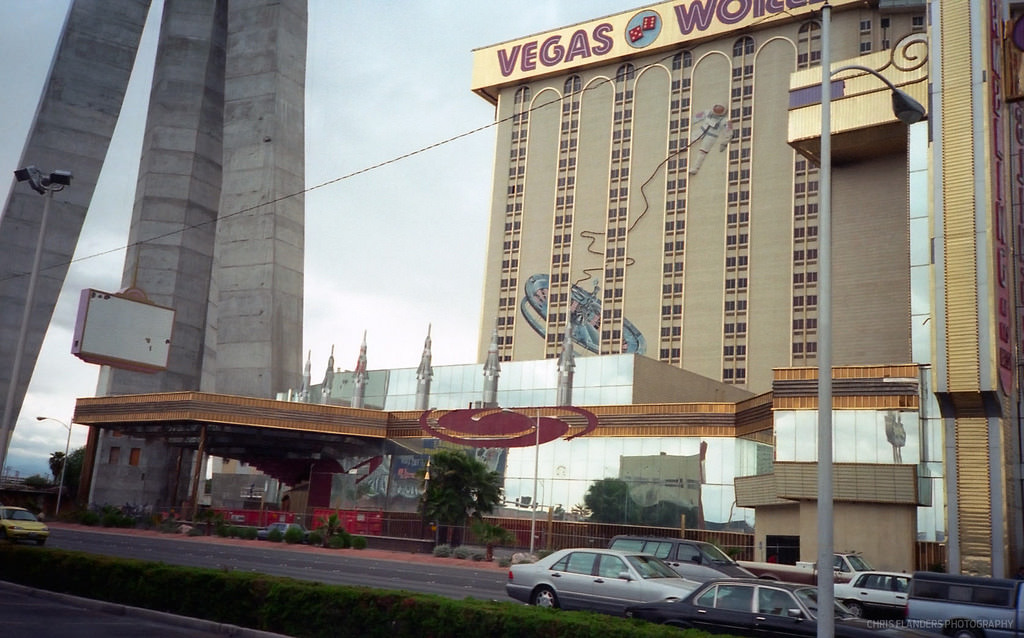
Some of the city’s most famous older properties were also fading out during the 1990s. The Dunes closed in 1993 and was imploded in 1994 to make way for the Bellagio. The Sands, which had hosted the Rat Pack in its golden years, closed in 1996. Vegas World, the space-themed casino on the north Strip, shut its doors in 1995 as the Stratosphere rose in its place. These closures marked a clear break from the old Las Vegas.
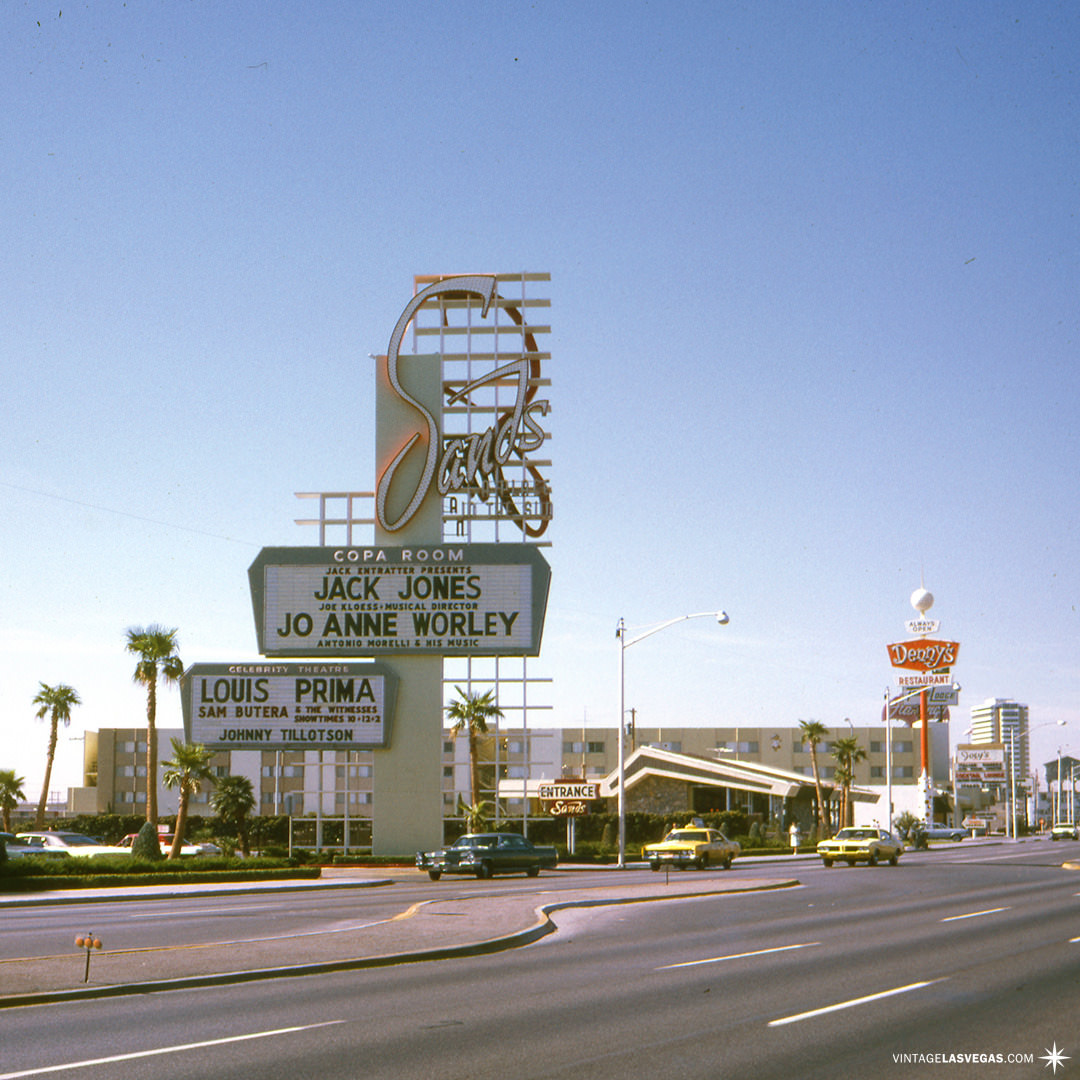
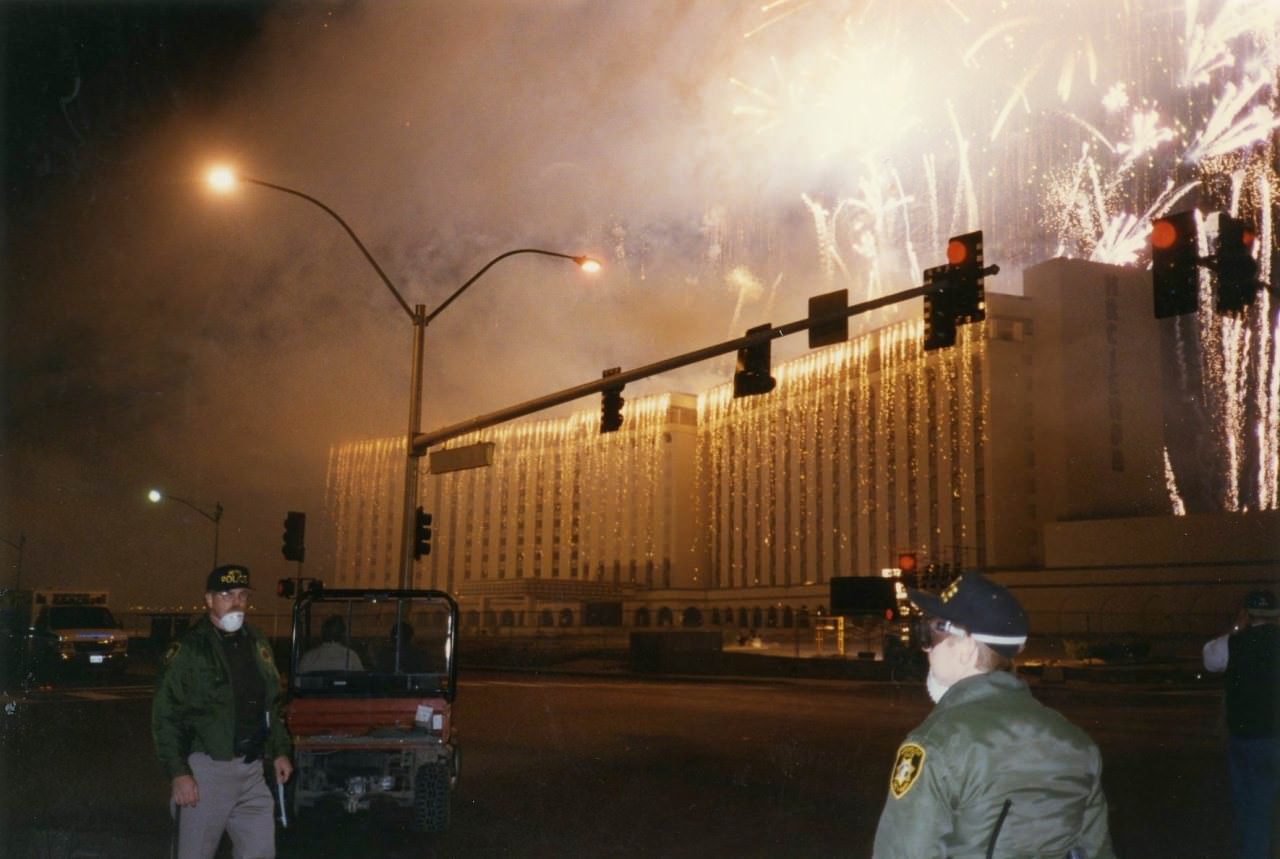
The Hacienda Hotel, which sat at the far southern end of the Strip, ended its run in spectacular fashion. On December 31, 1996, it was demolished with a televised fireworks-and-implosion show, making way for Mandalay Bay. These demolitions became a Las Vegas tradition in their own right — a city willing to blow up its own past to build something bigger.





The MGM Lion had to be removed because the Asian tourists believed walking into a lion’s mouth would bring them bad luck
That makes the 90s look so dated. I wish I had been in Vegas before it became so… whatever it is these days. That way-back feel to it seems comforting
I didn’t realize Mandalay Bay was so old.
It’s not. That was 1997 not ’77
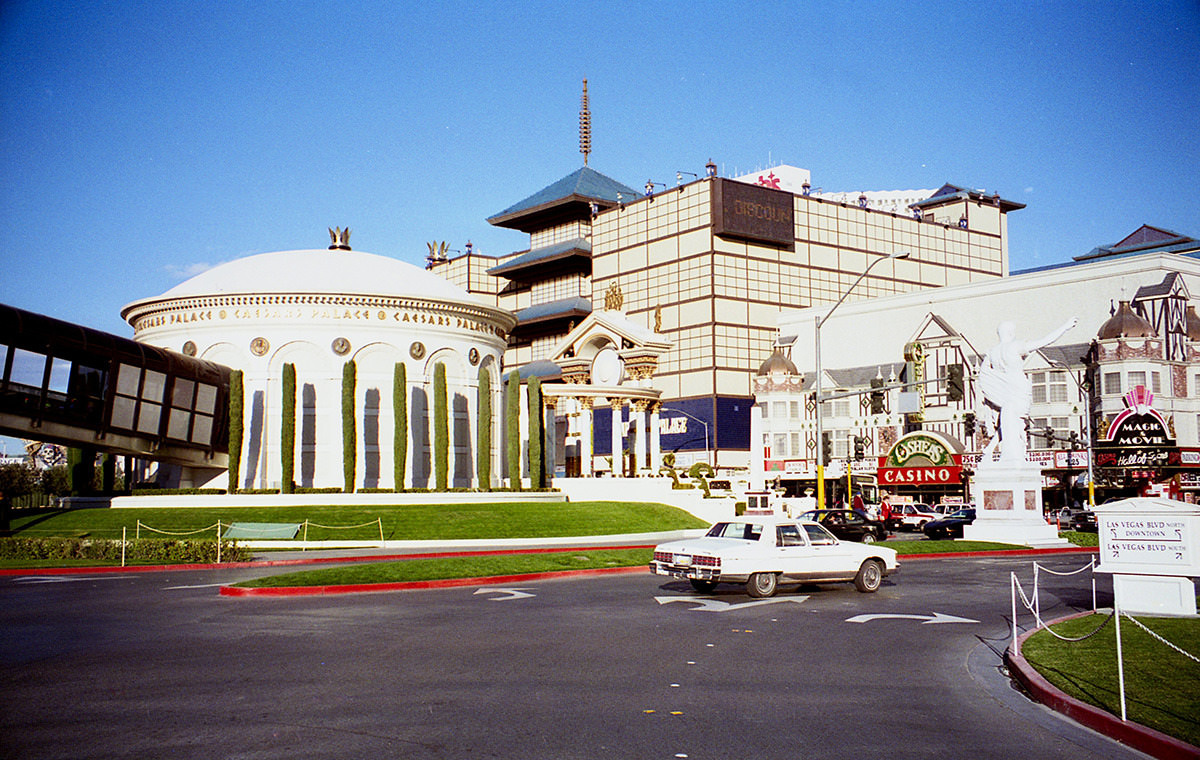
When I was a kid, I loved staying at the Imperial Palace. It flooded then, and it floods now!
These are stunning. Takes me back. thanks.
I grew up here. Fremont Street experience was such a big disappointment for a child. My family used to drive to the strip and down Fremont street to see all the glittering mascots. Now it’s just a ceiling showing explosions while Imagine Dragons blasts out.
Despite being 33 years old, I daydream about experiencing Las Vegas in the 80s and 90s without the presence of social media.
As someone born in 1970 who was present in Las Vegas during the 80s and 90s, I can attest that my imagination would often run wild during that time. The smaller casino hotels added an element of mystery to the city, as there was much we didn’t know. My favorite places to stay were the Imperial Palace and Circus Circus, both of which were popular at the time but not nearly as large as they are today.
I’m 56 and have been going to Vegas for work and play since about 1991. It’s been wild to see the changes but it was really special in the 90s.
In my opinion, everything went downhill when they discontinued the original Pirate Show at Treasure Island.
For me, the 1990s represented the pinnacle of Las Vegas.
These are amazing photos. In my opinion, Las Vegas was much more enjoyable during that time. I was a little surprised that there wasn’t a single picture of my personal favorite, the Stardust.
This was a great journey down memory lane.
I really enjoy looking at these pictures. We moved to Las Vegas in 1990, so they bring back memories of a time when we used to do The Strip Crawl.
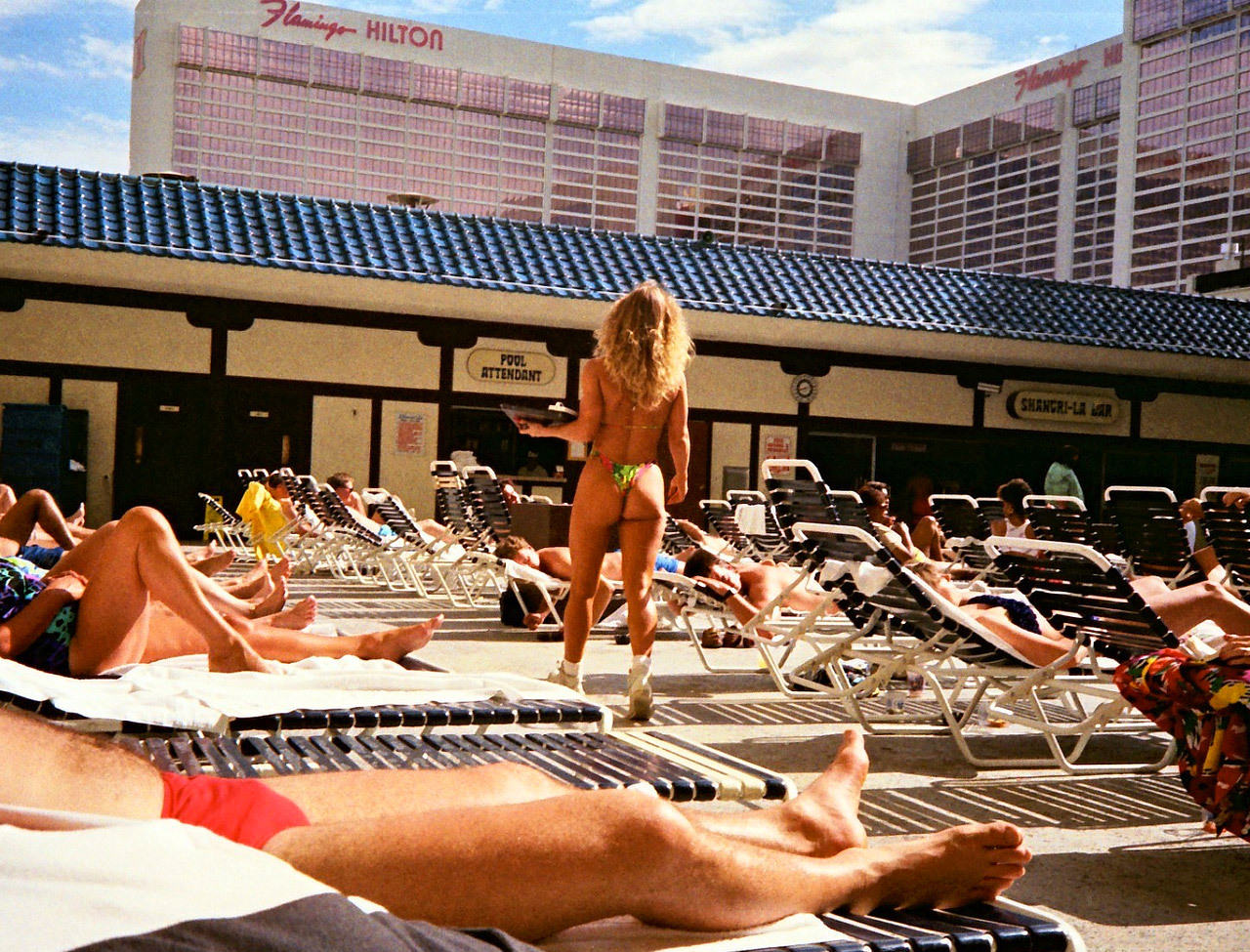
During that time, I had a great fondness for the Rio. As a child, I loved their amazing pool, and the world buffet was, without a doubt, the best place I had ever eaten.
When people actually won gambling….
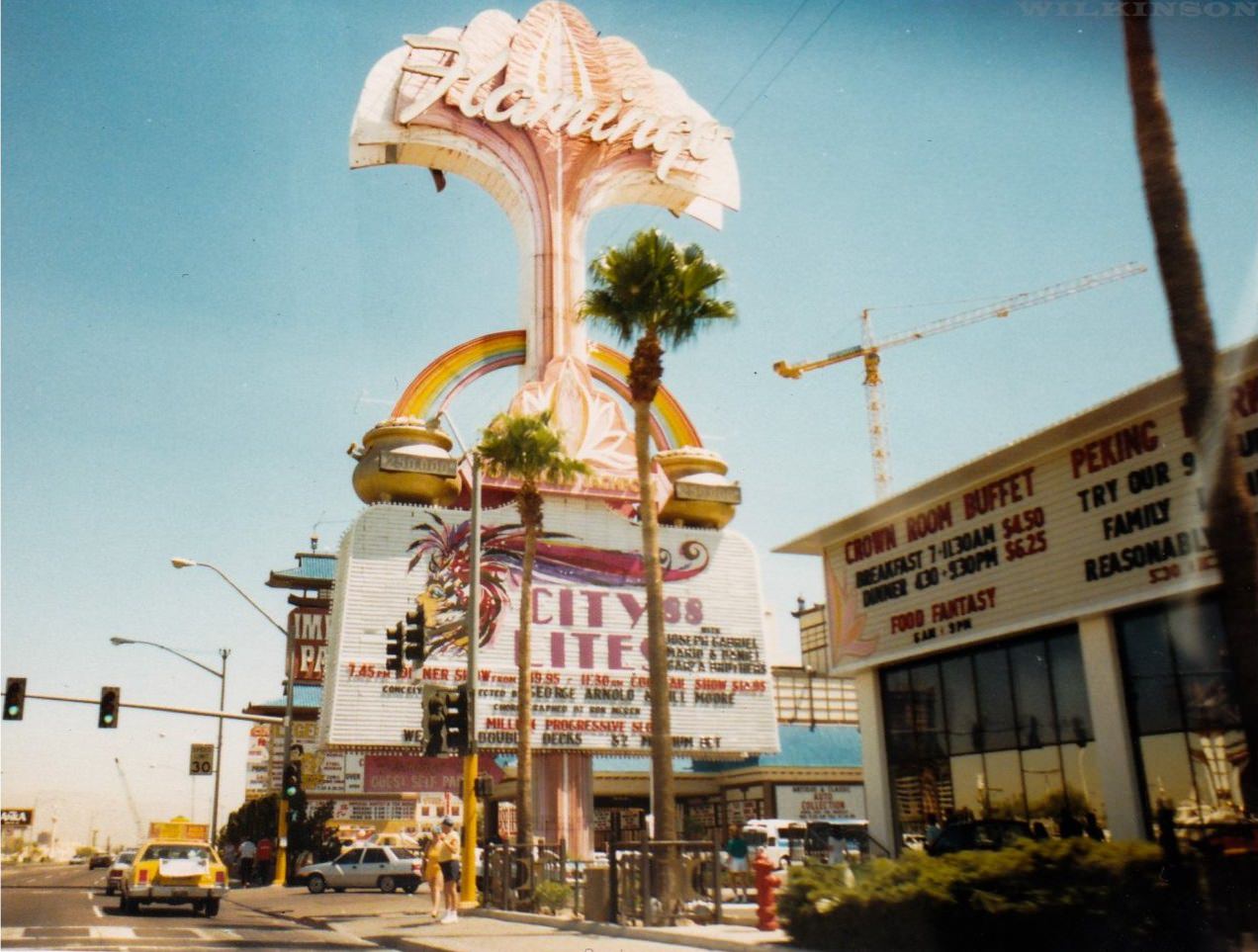
Look at those prices for Breakfast and dinner. Was there in 1989. From what I hear hotels on the strip charge ridiculous fees blackjack tables minimums are 25 dollars. Was considering going back but can’t afford to
Put a dollar in, won a car…Put a dollar in, won a car…Put a dollar in, won a car
Well done Mr Papageorgio.
Nick Pappagiorgio from Yuma? You like getting massaged?
There are a lot more things to do then than now.
Great photos Sure doesn’t seem that long ago 😕
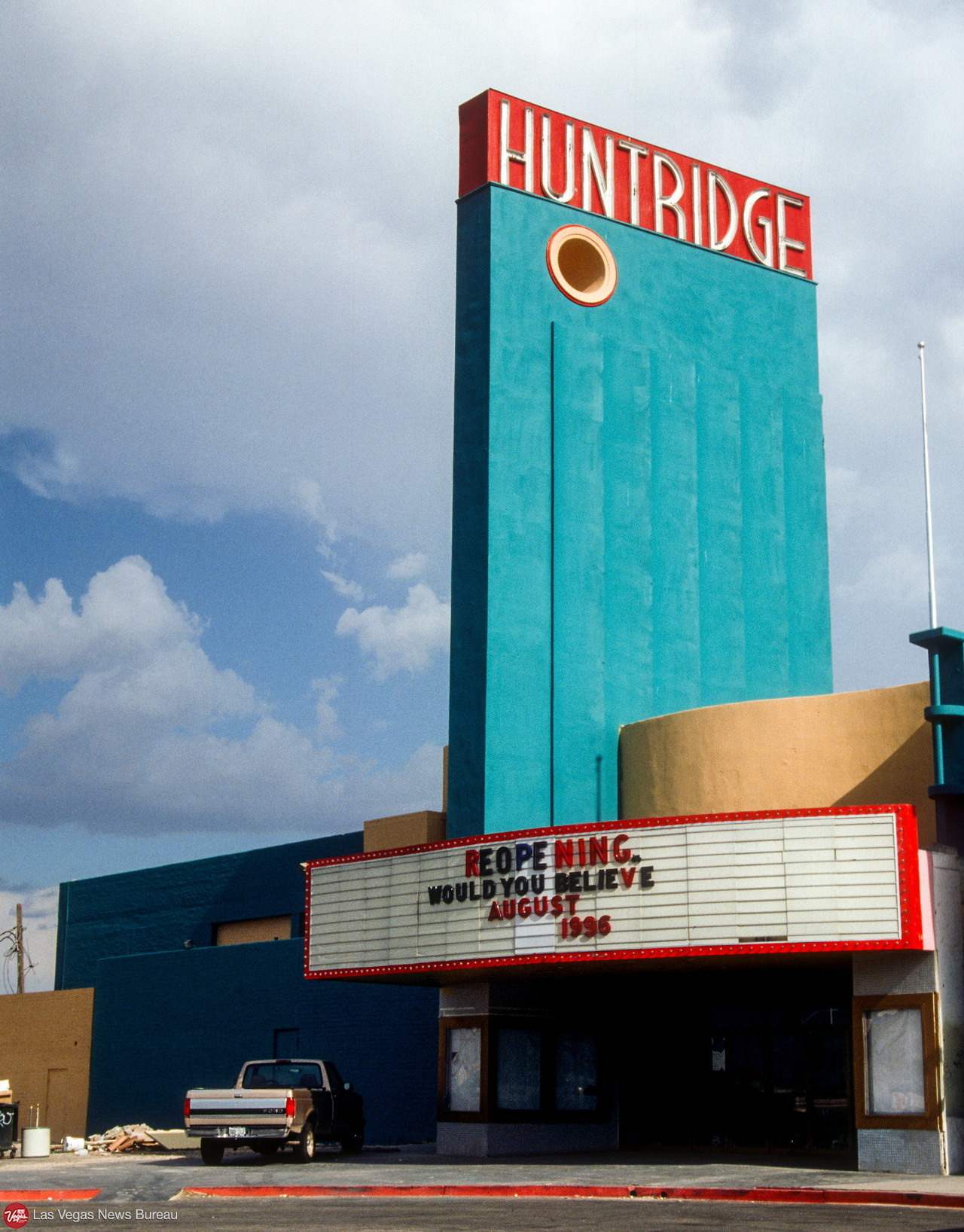
Huntridge been “reopening” for 30 years now!
And where did the money come from to rebuild the pyramids? Junk bonds.