

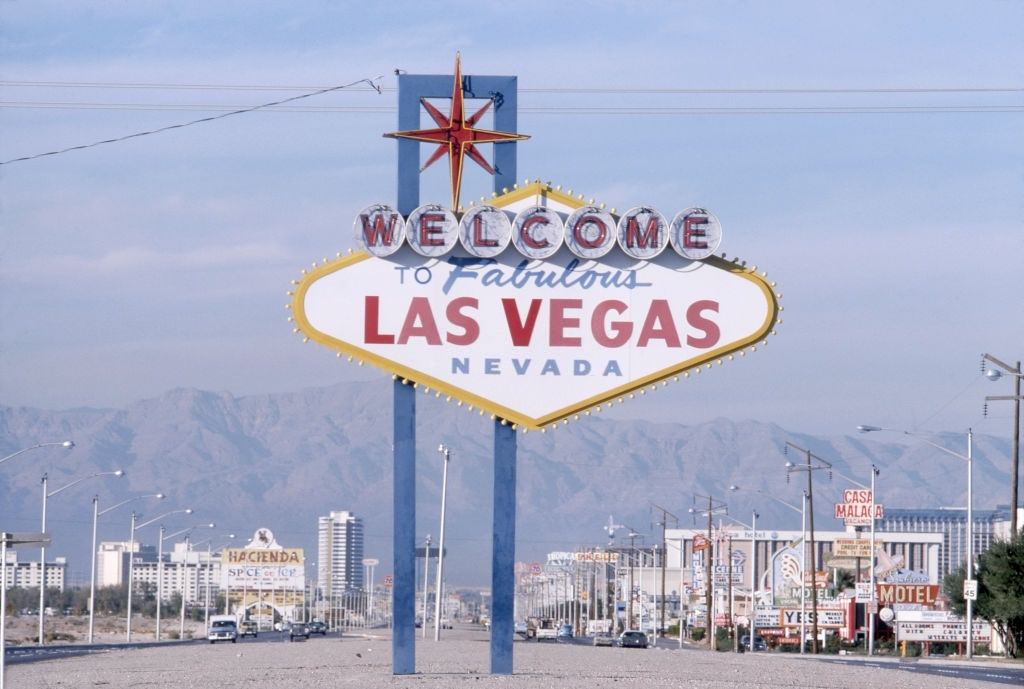
Las Vegas in the 1970s was unlike any other place on earth. The city ran around the clock — gambling floors never closed, neon signs blazed through the night, and live music poured out of nearly every casino on the Strip. It was a decade when Las Vegas locked in its identity as the entertainment capital of the world, drawing millions of visitors who came for the shows, the tables, the food, and the spectacle.
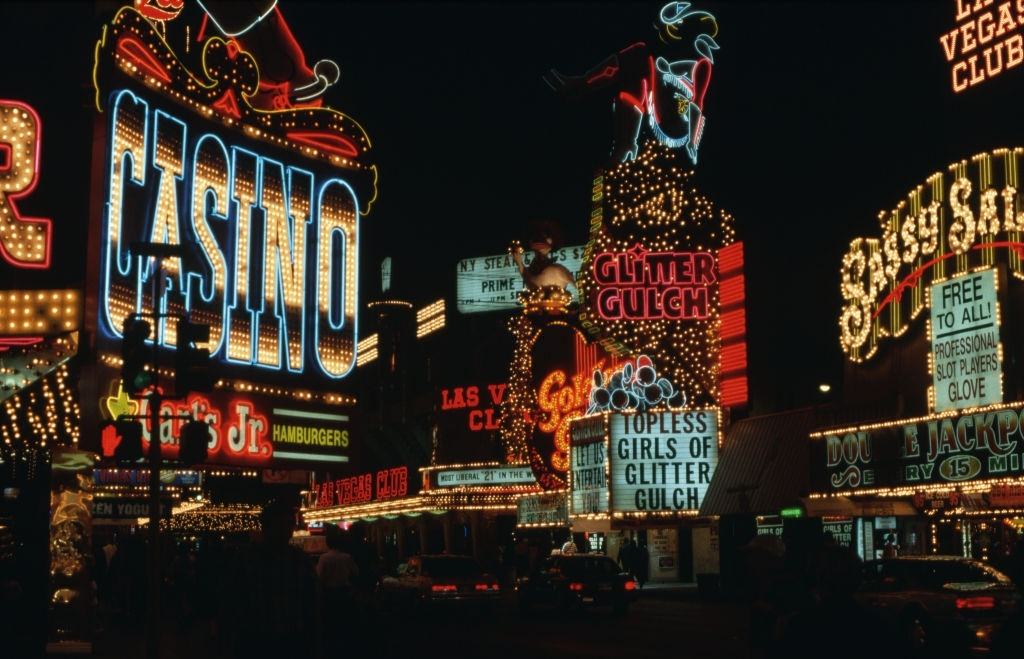
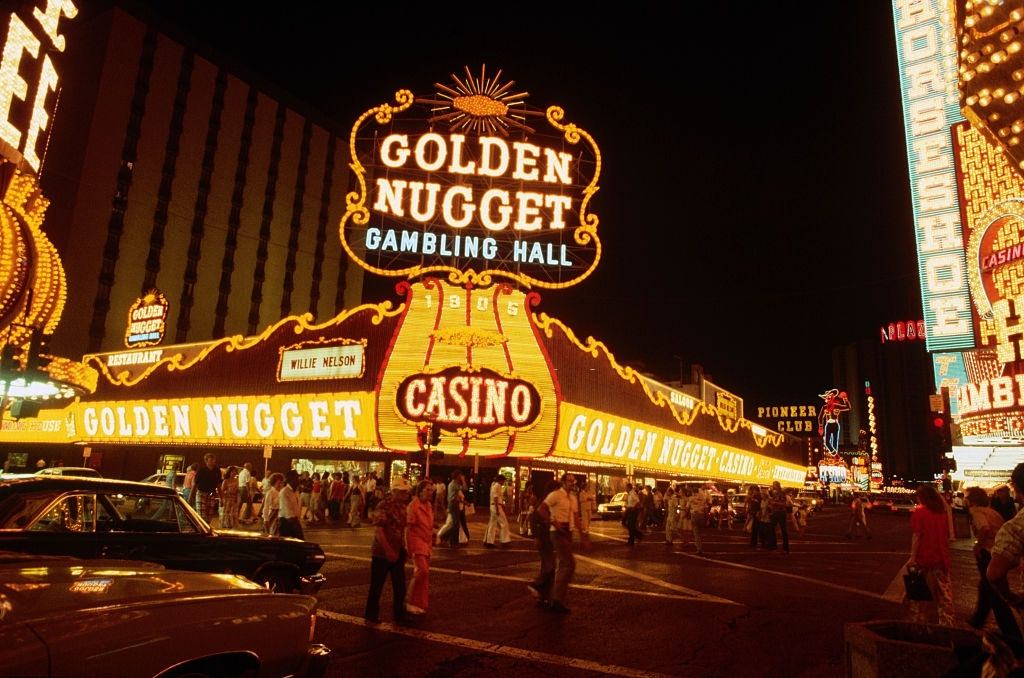
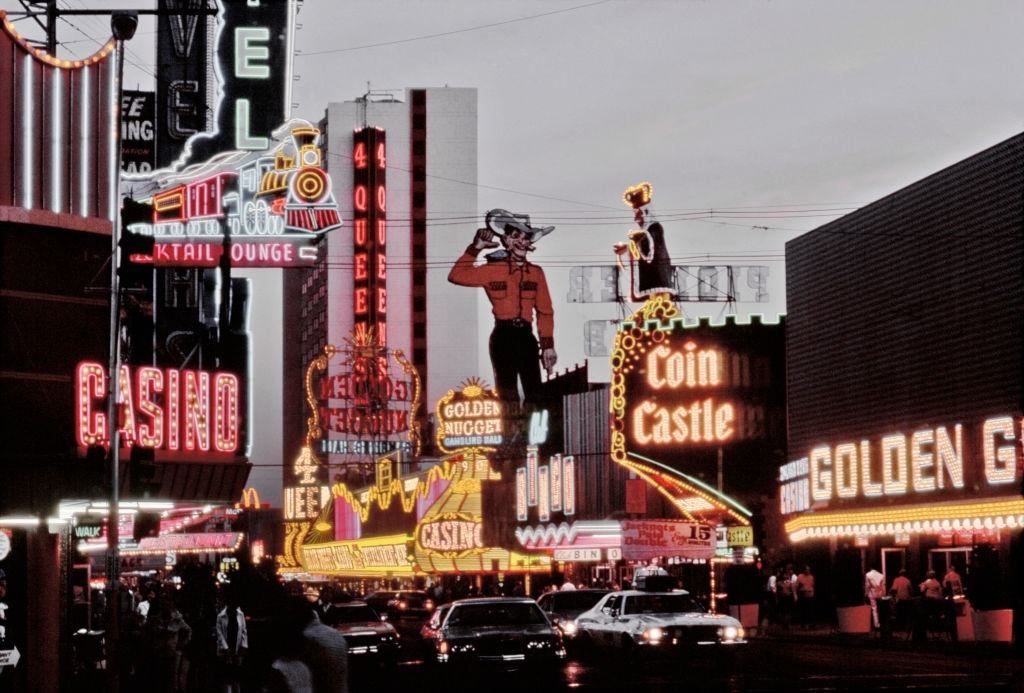
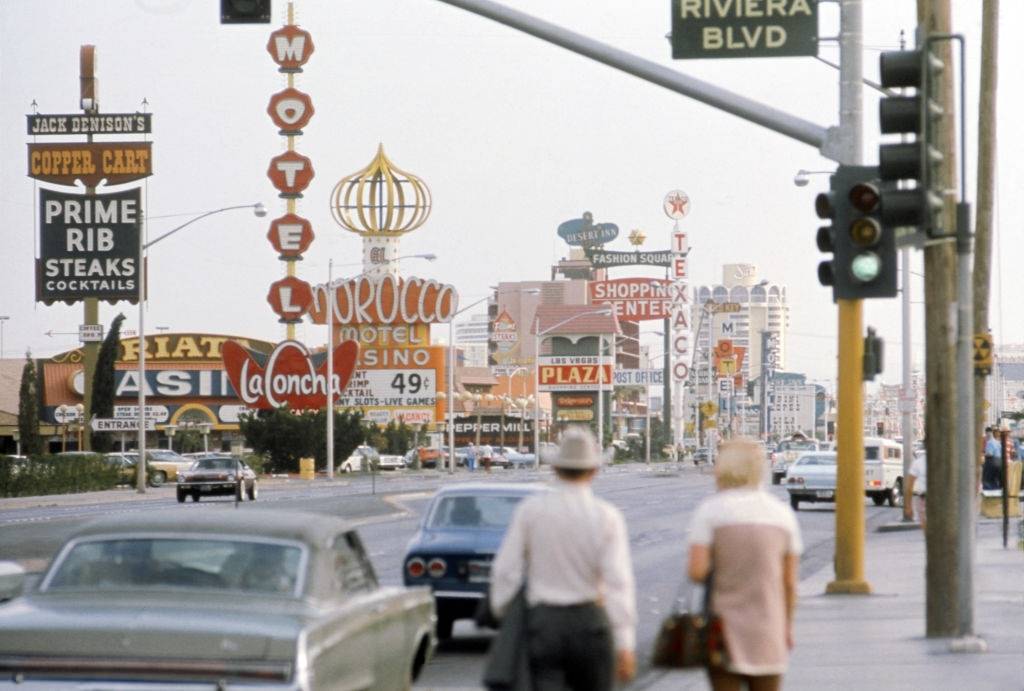
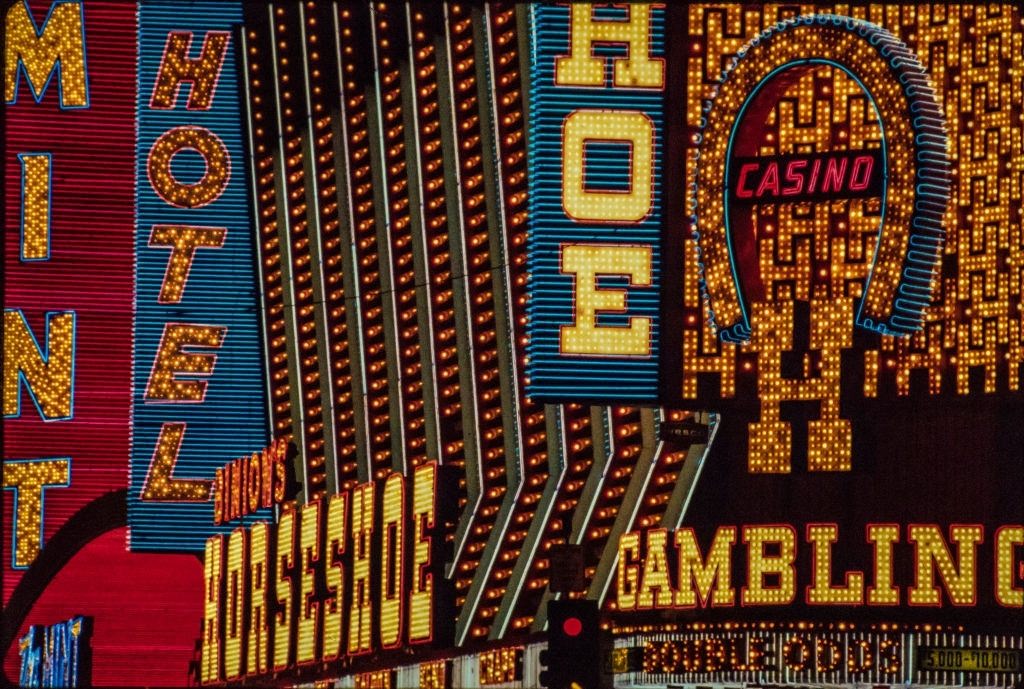
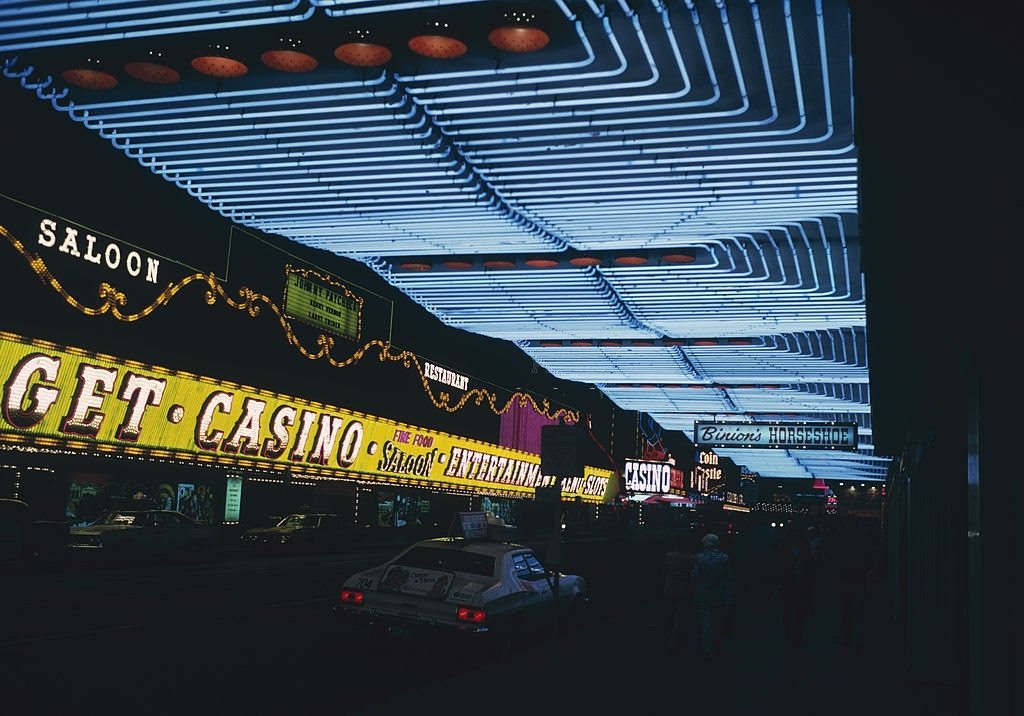
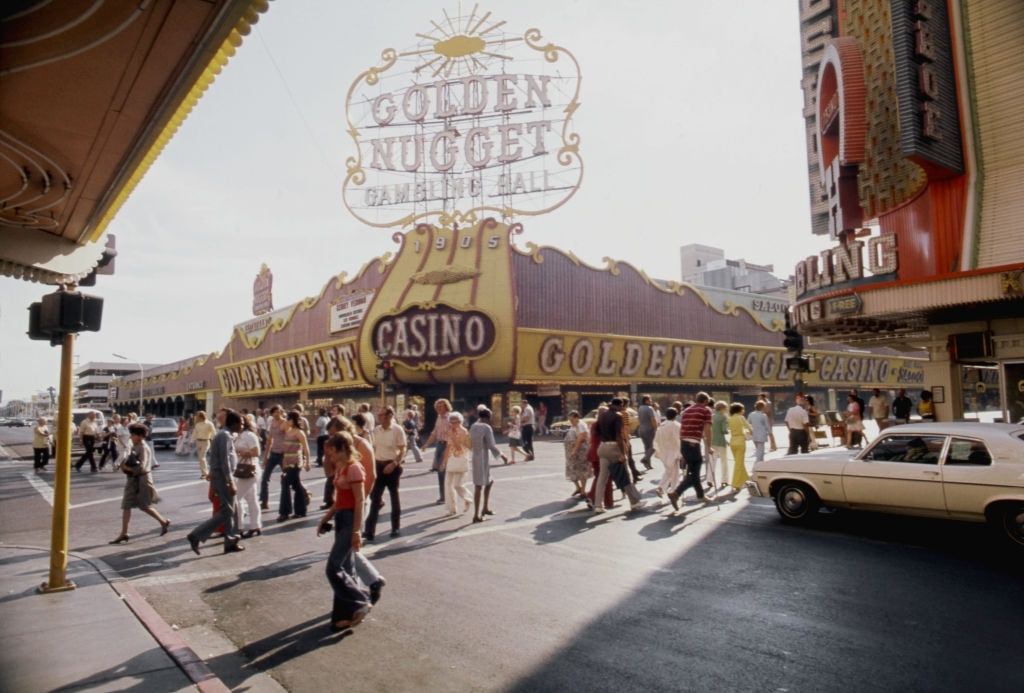
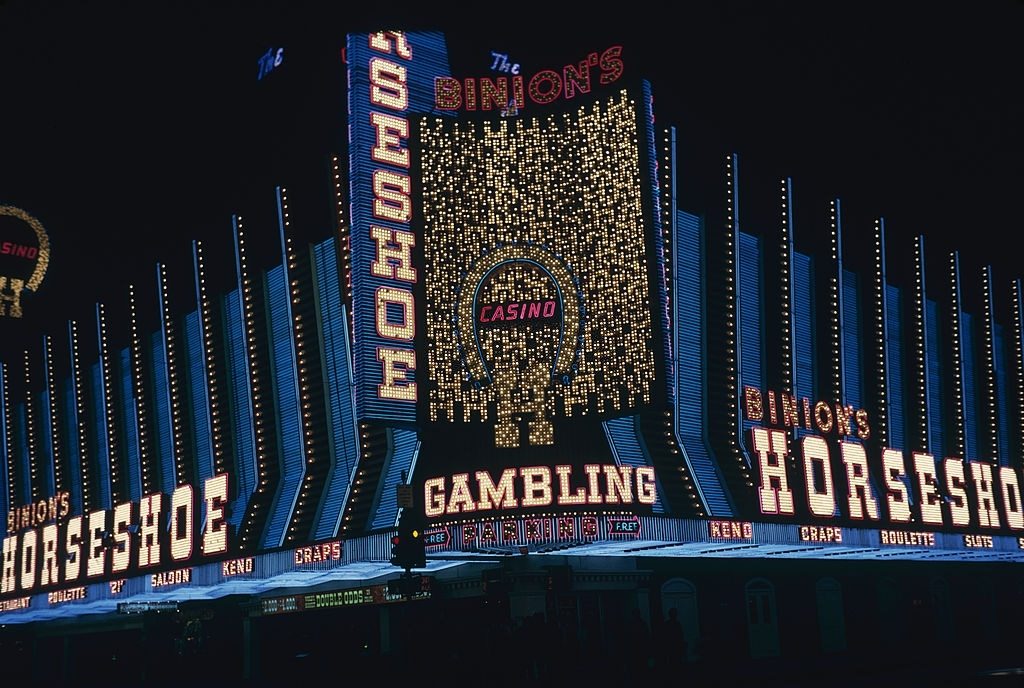
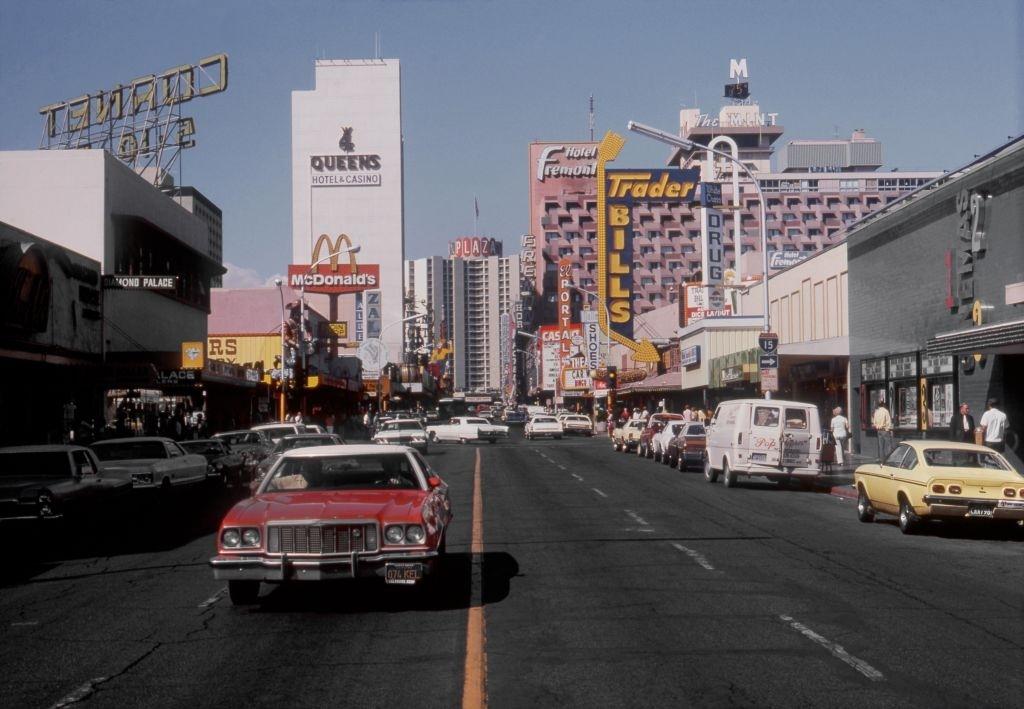
The Strip itself was the beating heart of the city. Hotels and casinos stretched along Las Vegas Boulevard, each competing to be louder, brighter, and grander than the next. The MGM Grand, the Sands, the Riviera, the Desert Inn, and the Tropicana were among the big names drawing crowds. Downtown, Fremont Street offered a slightly different flavor — older, denser with neon, and home to legendary gambling halls like Binion’s Horseshoe and the Golden Nugget.
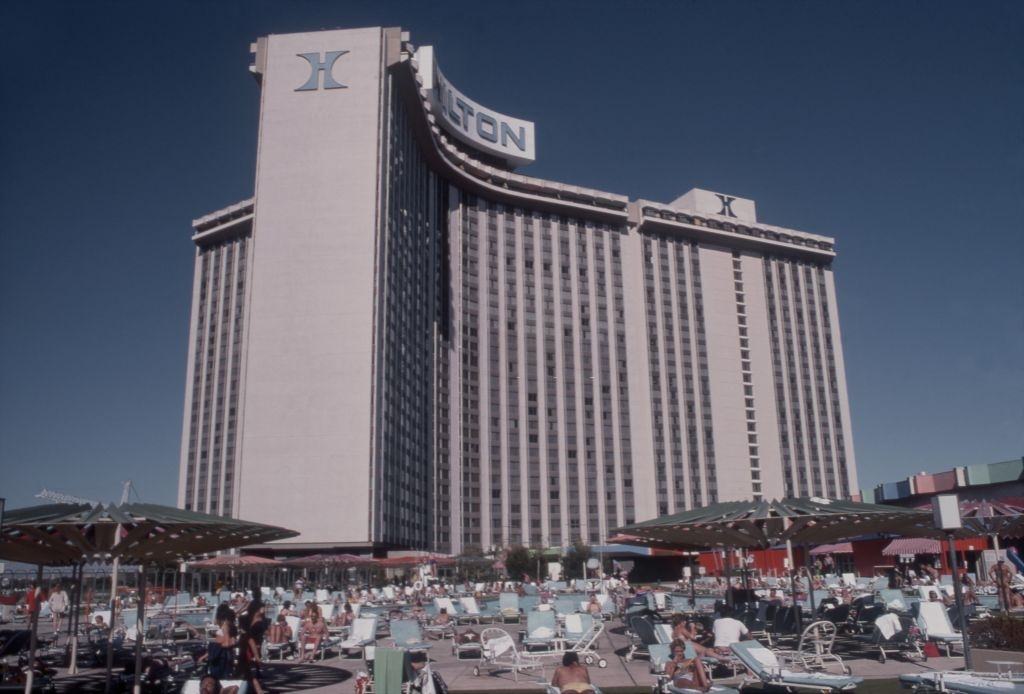
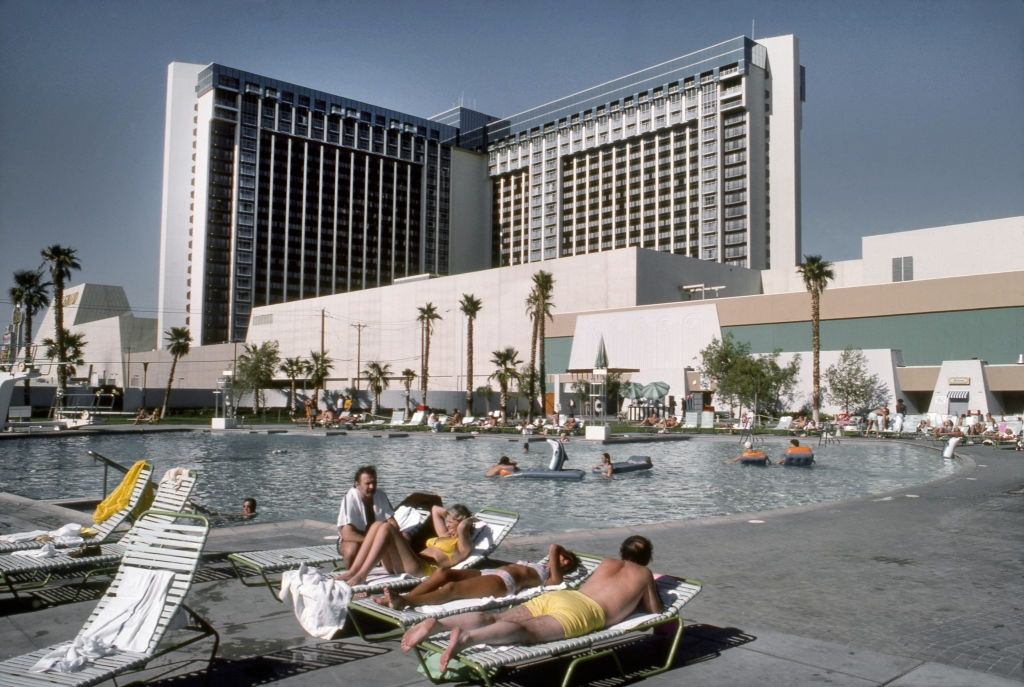
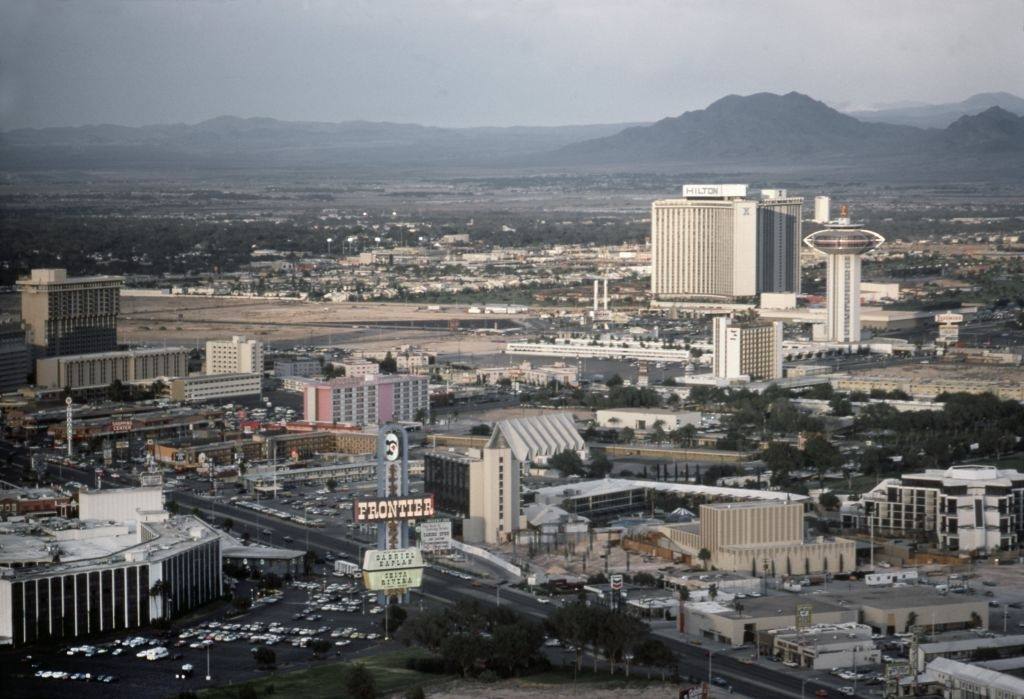
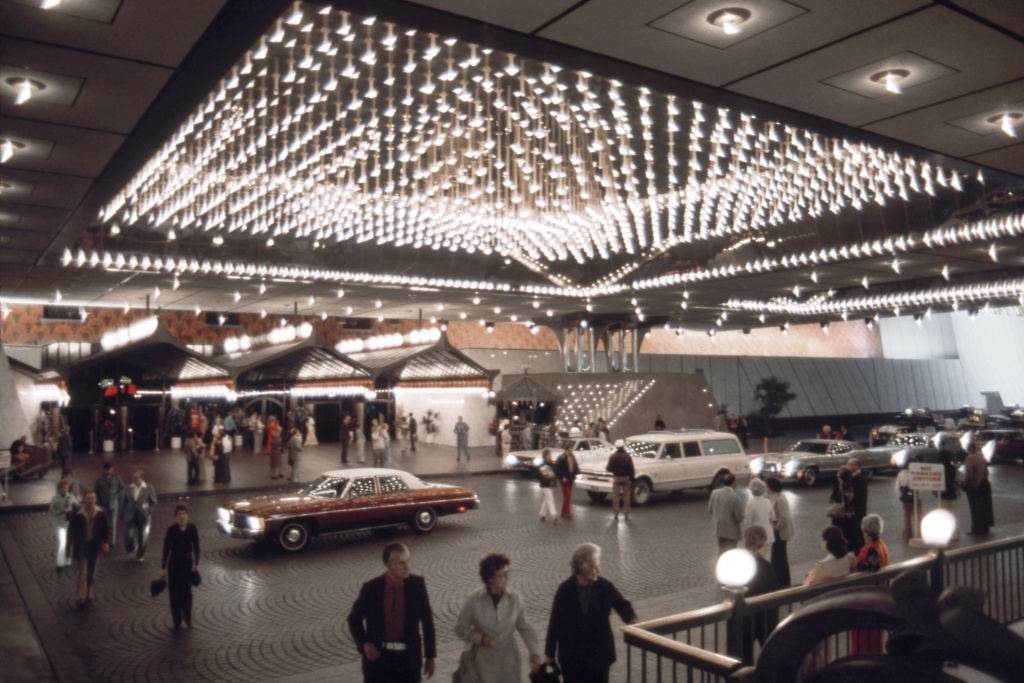
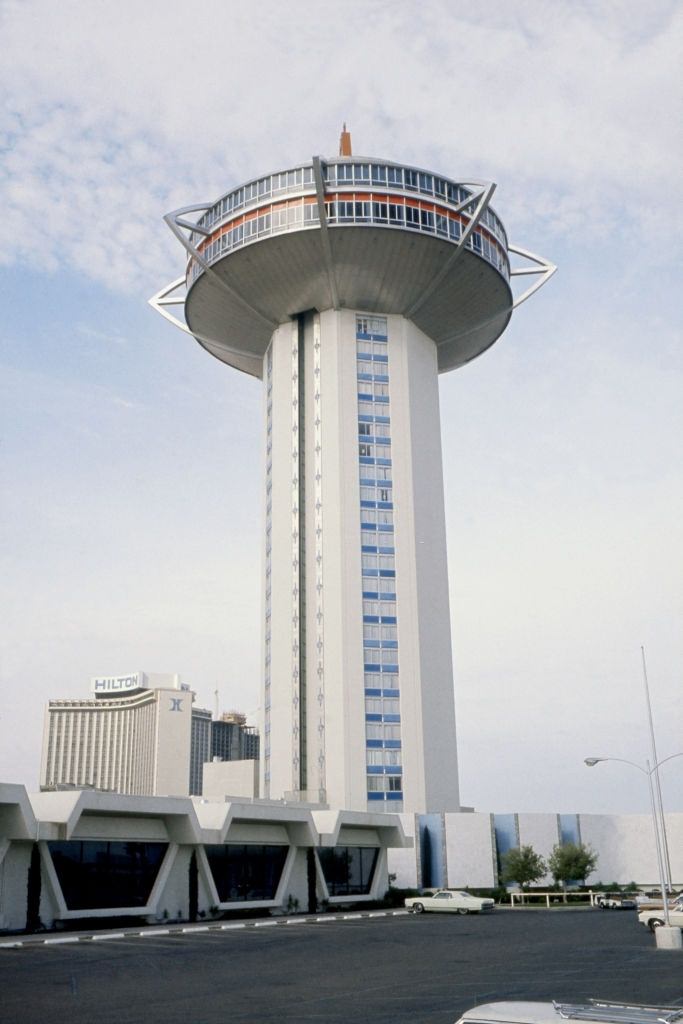
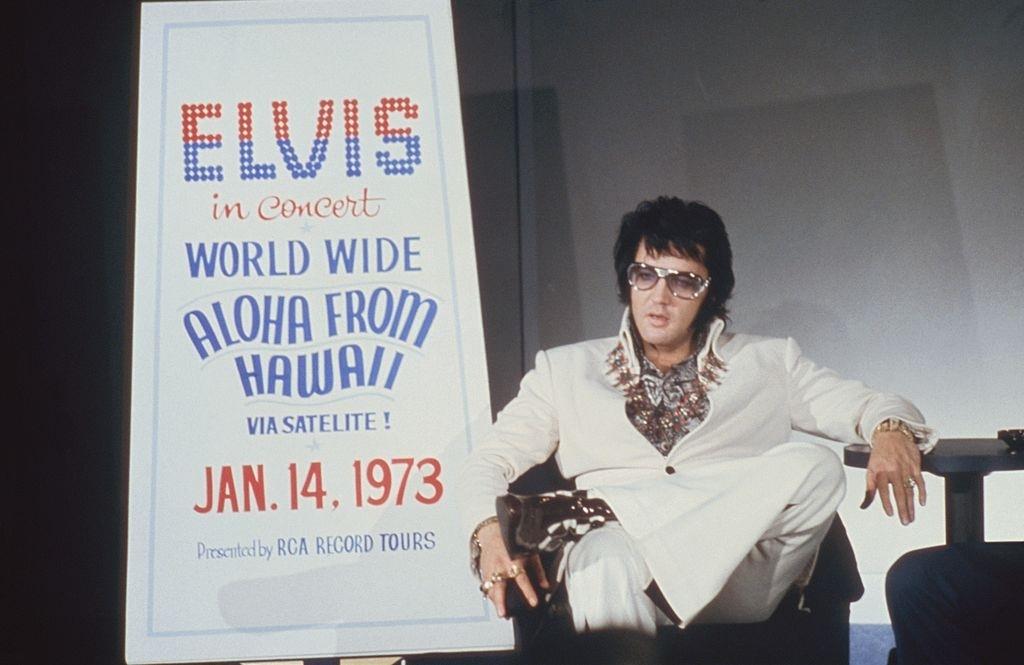
Major hotels defined the skyline and the experience. The Las Vegas Hilton was one of the most prominent properties on the Strip, offering luxury rooms, a massive pool, and headline entertainment. It was also the venue where Elvis Presley held a press conference in 1972 to announce his landmark ‘Aloha from Hawaii’ concert broadcast. Elvis was a regular presence in Las Vegas throughout the decade, having launched his comeback residency there in 1969.
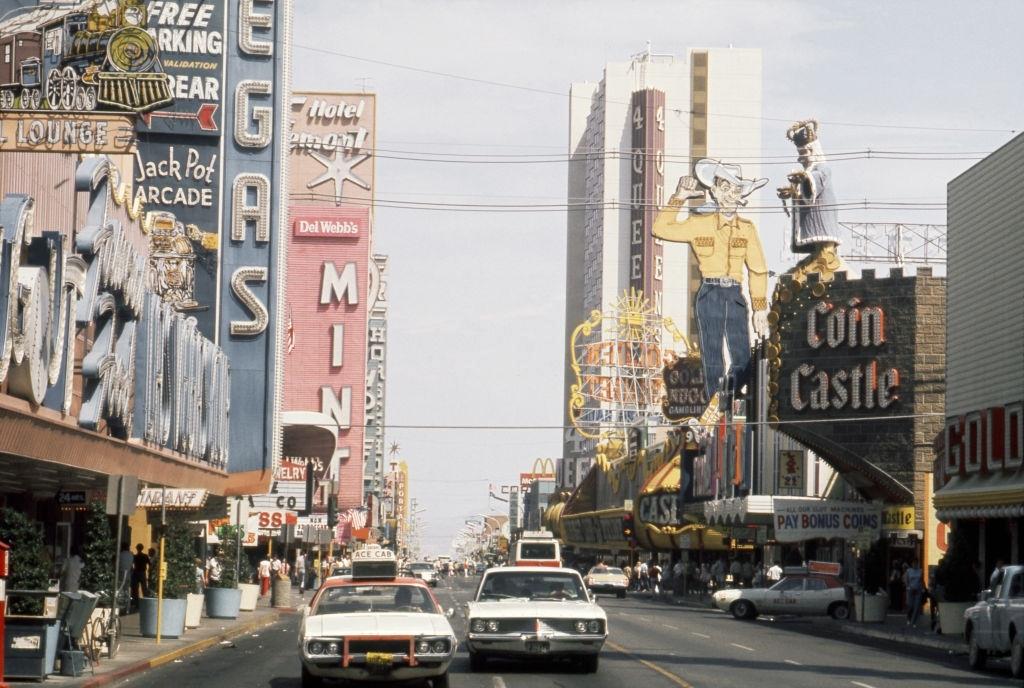
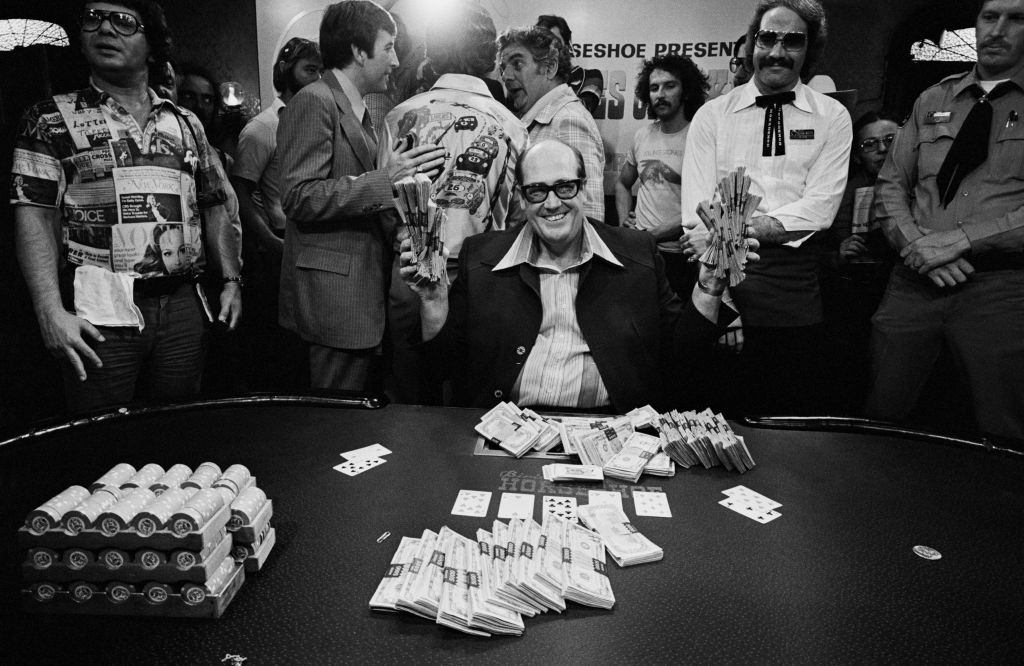
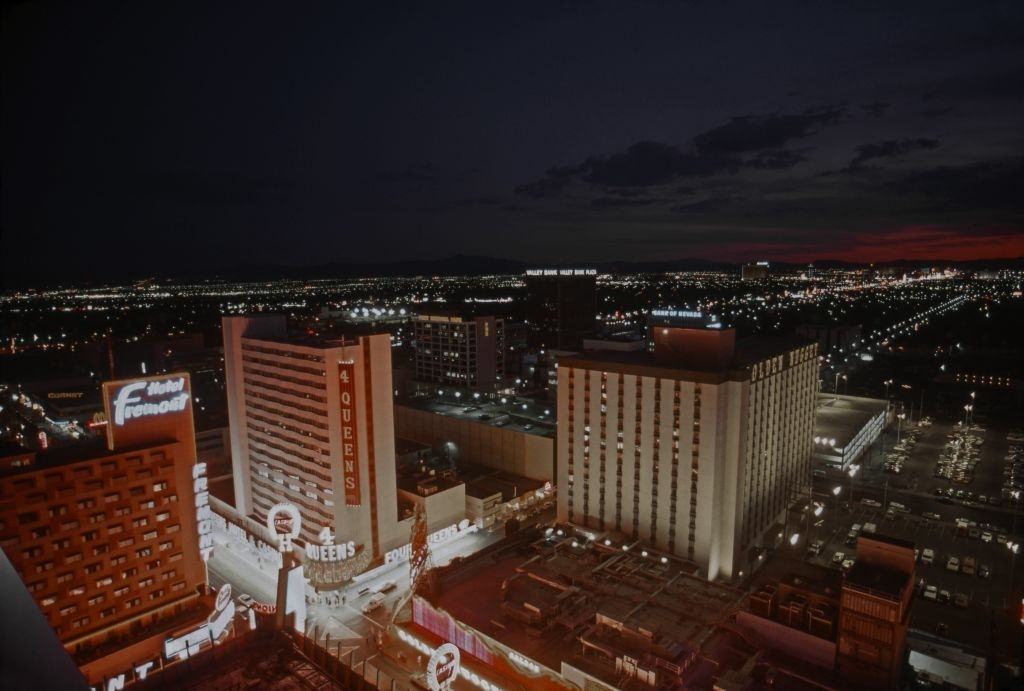
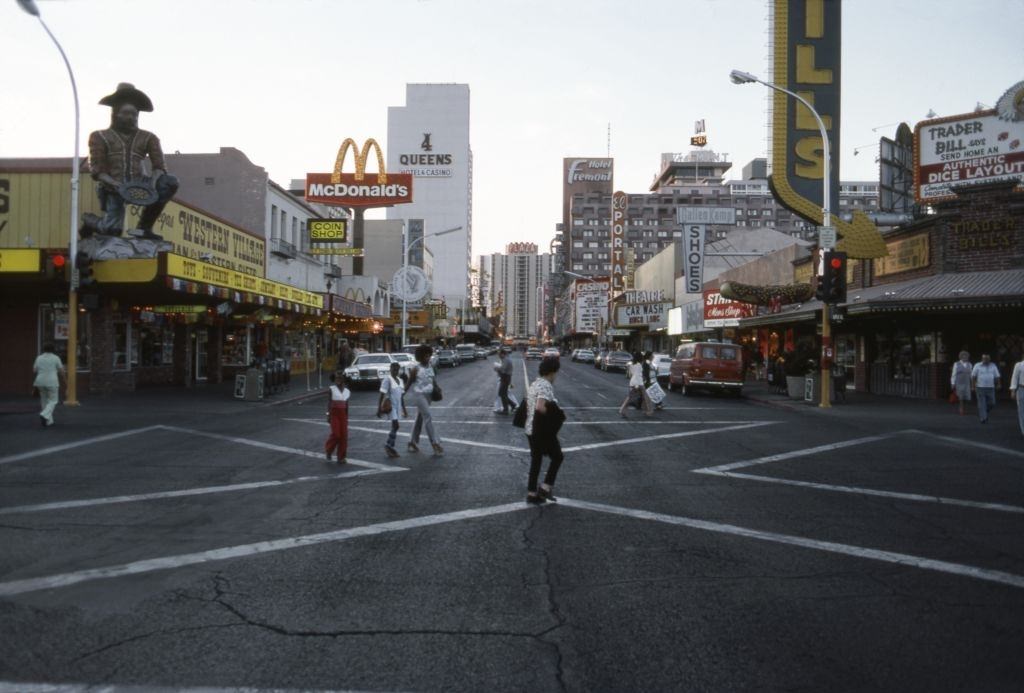
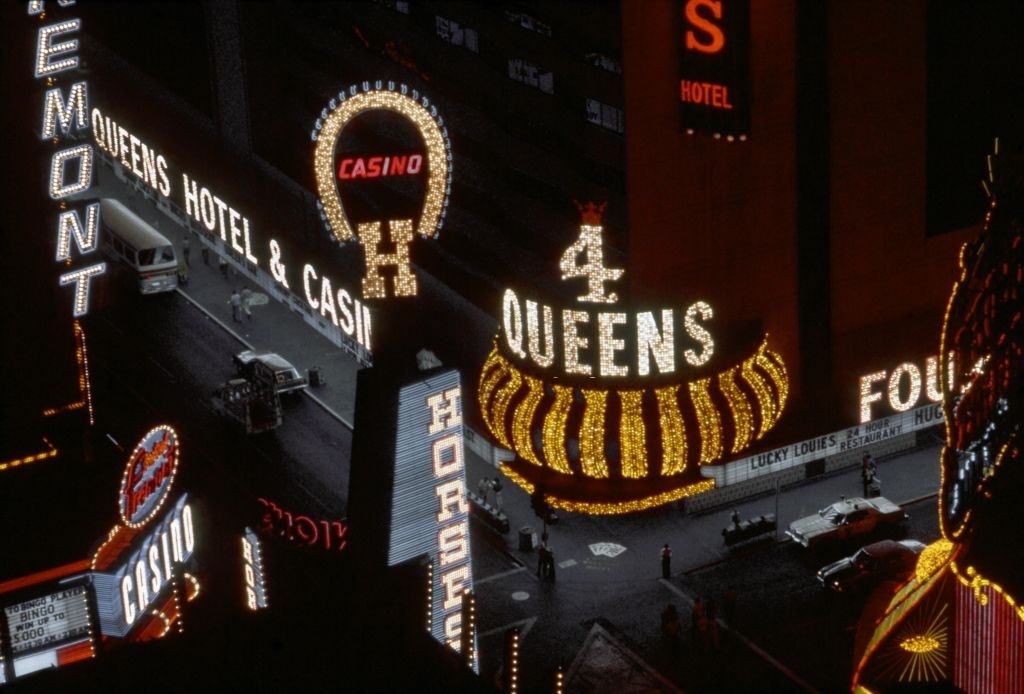
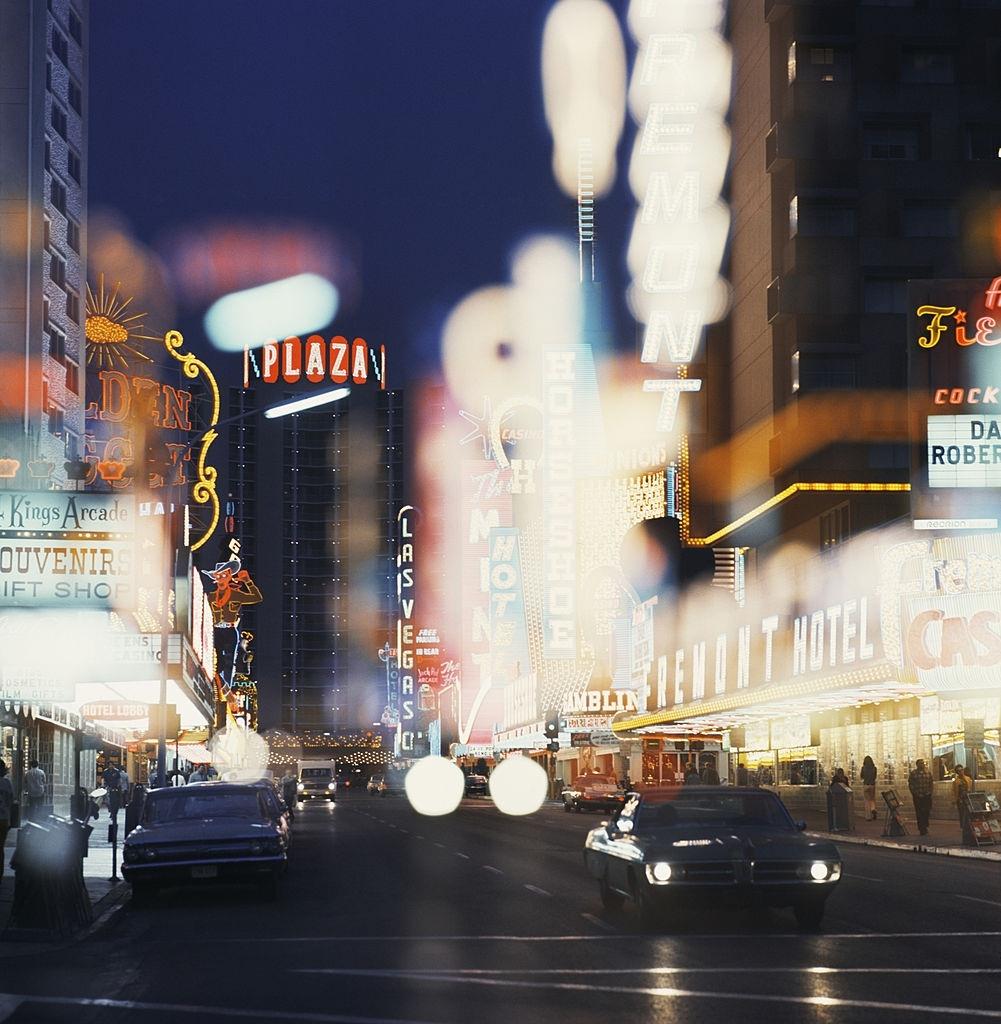
Fremont Street downtown was a world of its own. Packed with casinos, hotels, and wall-to-wall neon, it was the older, grittier counterpart to the Strip. Binion’s Horseshoe Hotel was one of the street’s anchors, famous for its no-limit poker games. The World Series of Poker was held there, and in 1977, Doyle Brunson won the championship, taking home $340,000.
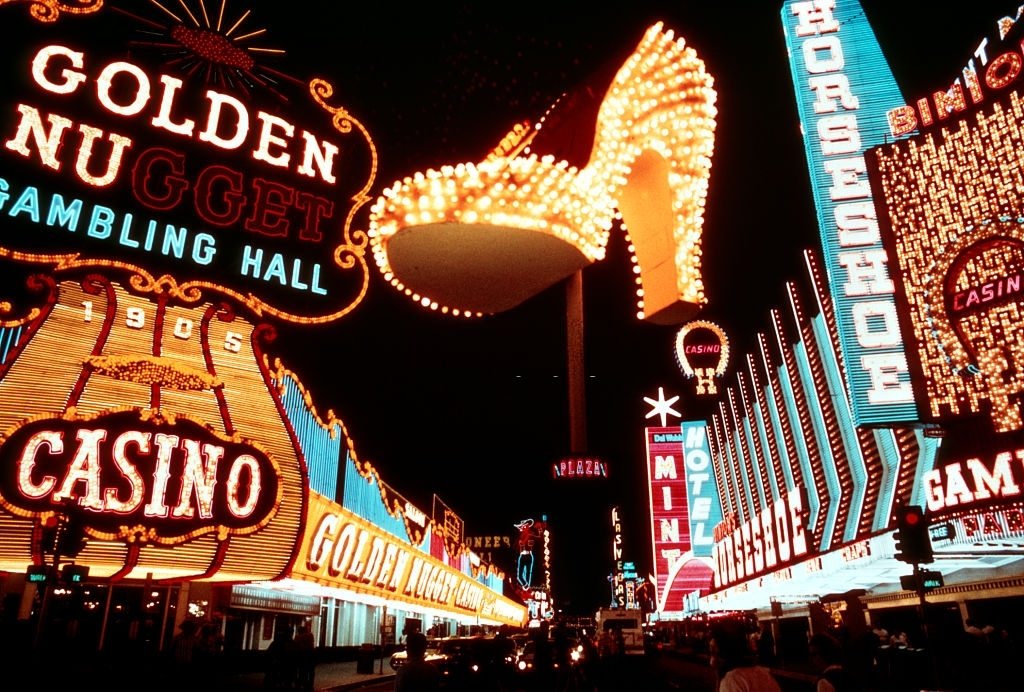
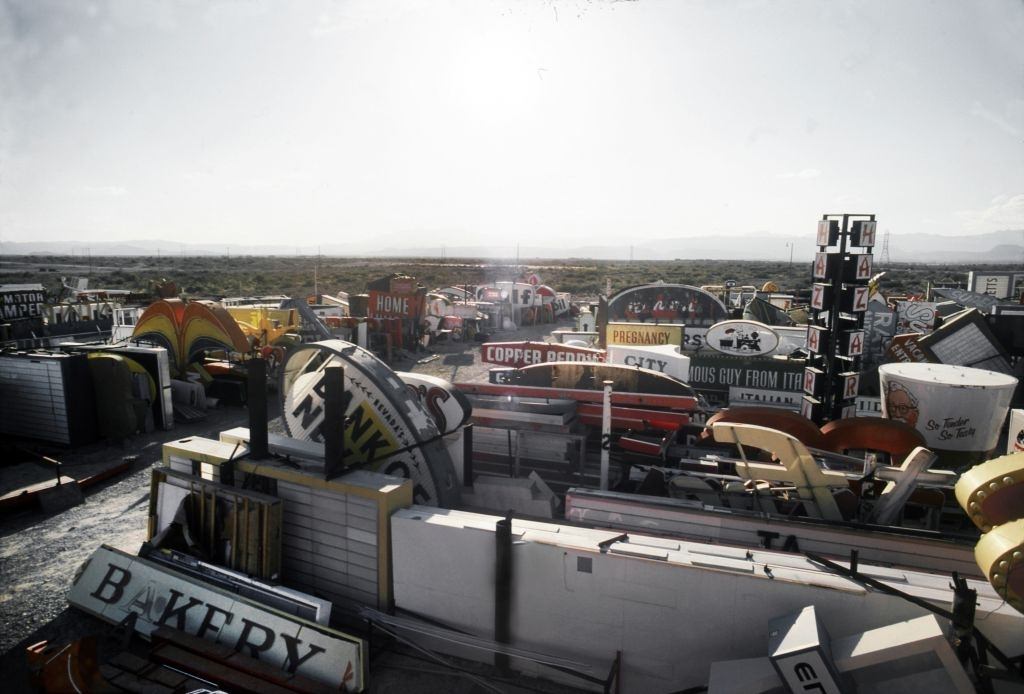
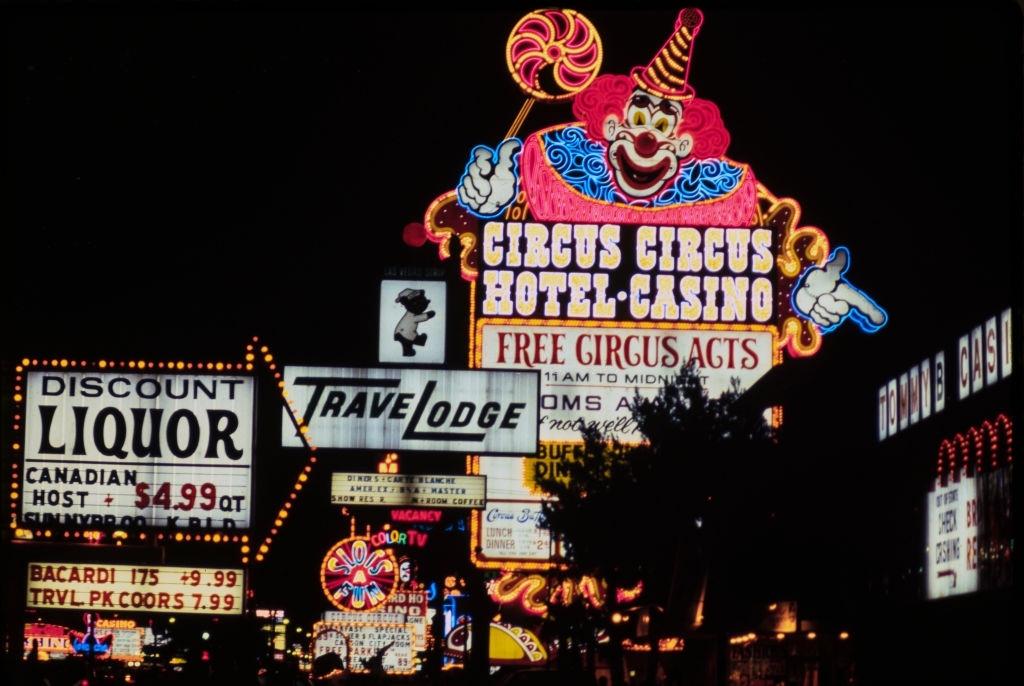
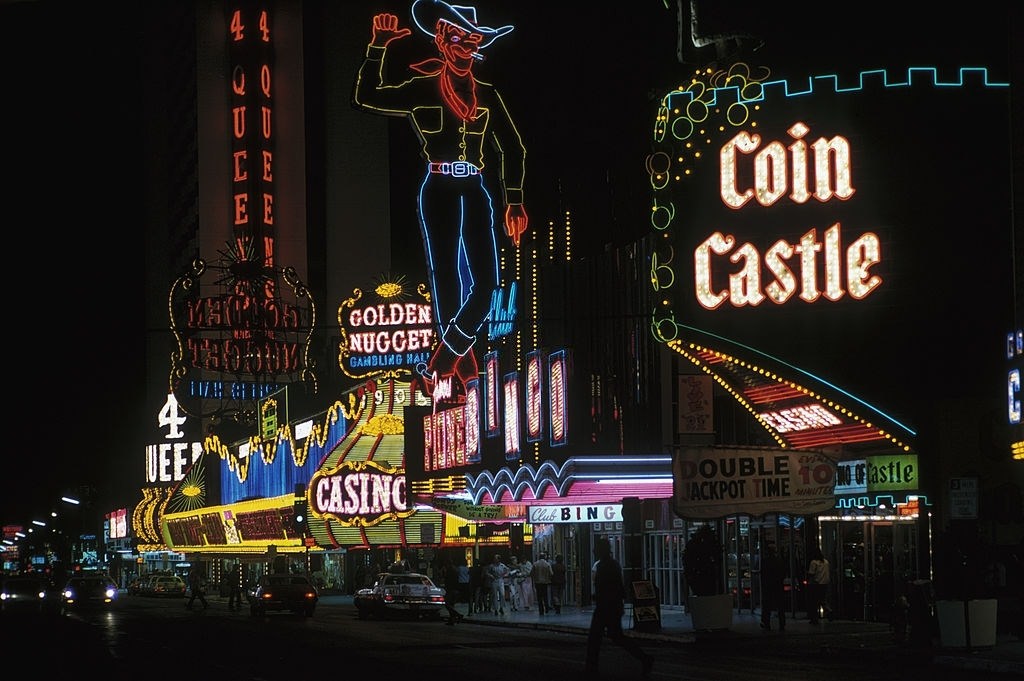
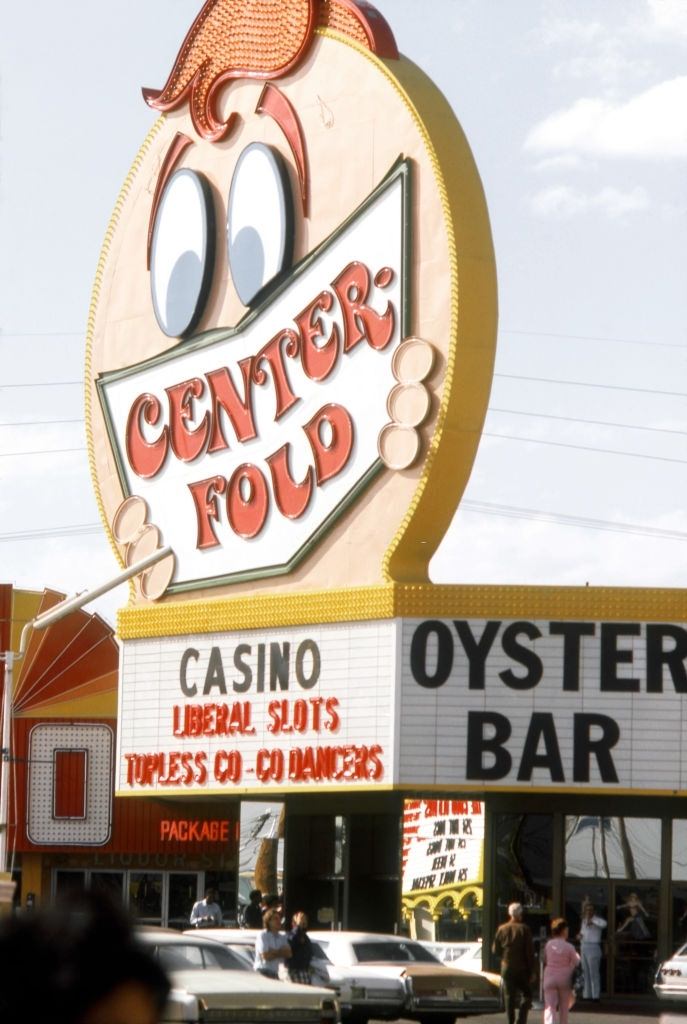
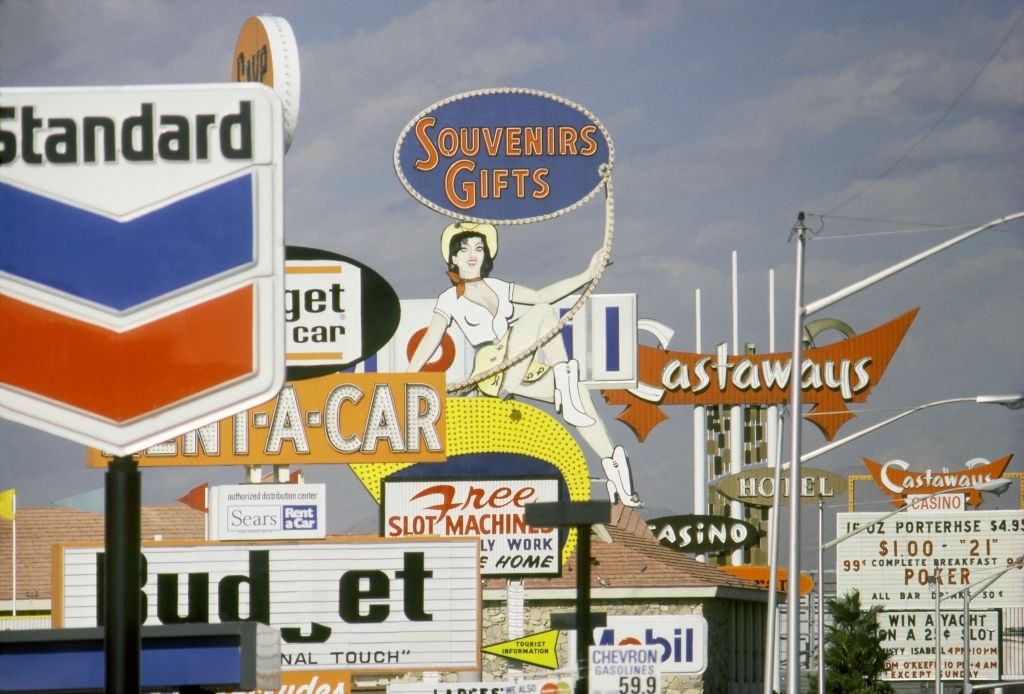
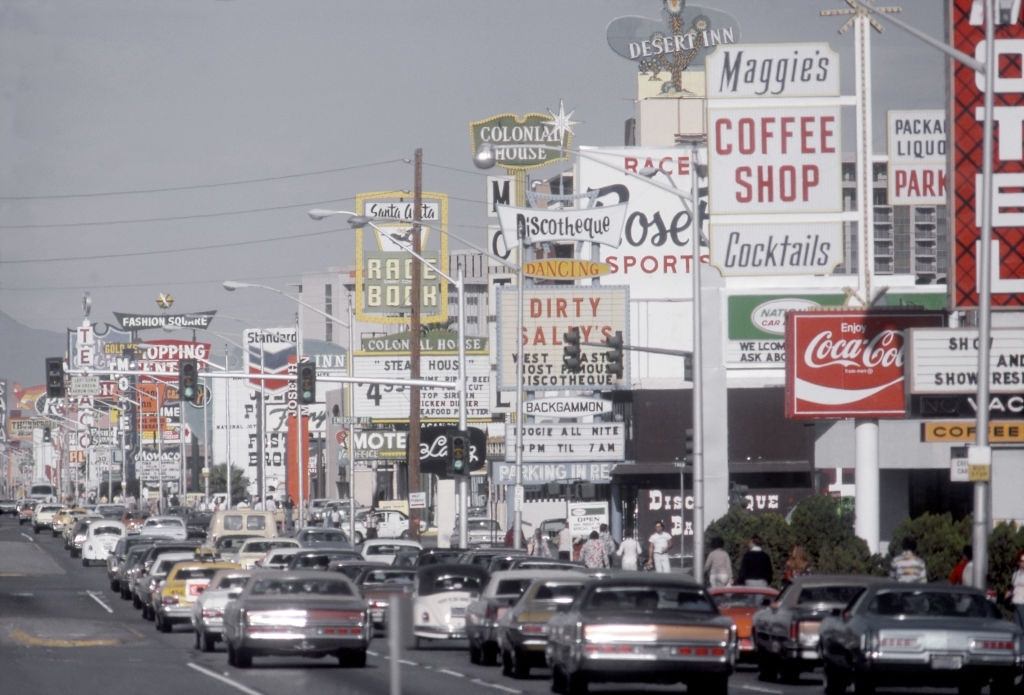
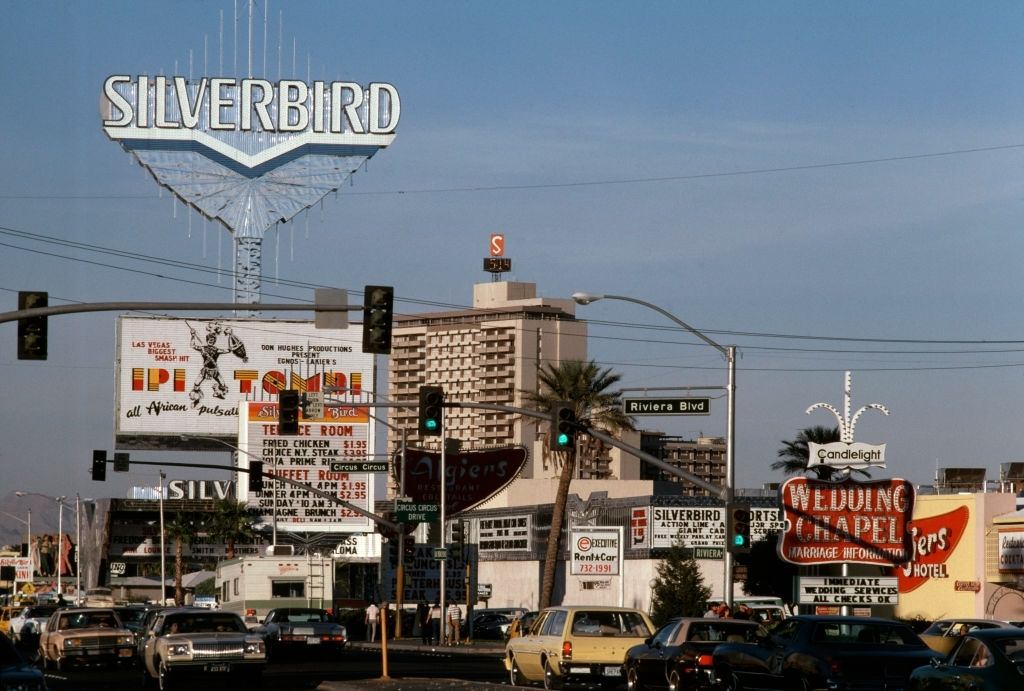
Neon was the visual language of Las Vegas. Every casino, motel, restaurant, and wedding chapel used glowing signs to pull in passersby. Fremont Street in particular was a tunnel of light after dark. But not every sign had a permanent home — a neon sign graveyard existed in the city by 1977, where retired and broken signs from decades of Las Vegas history were stored in rows.
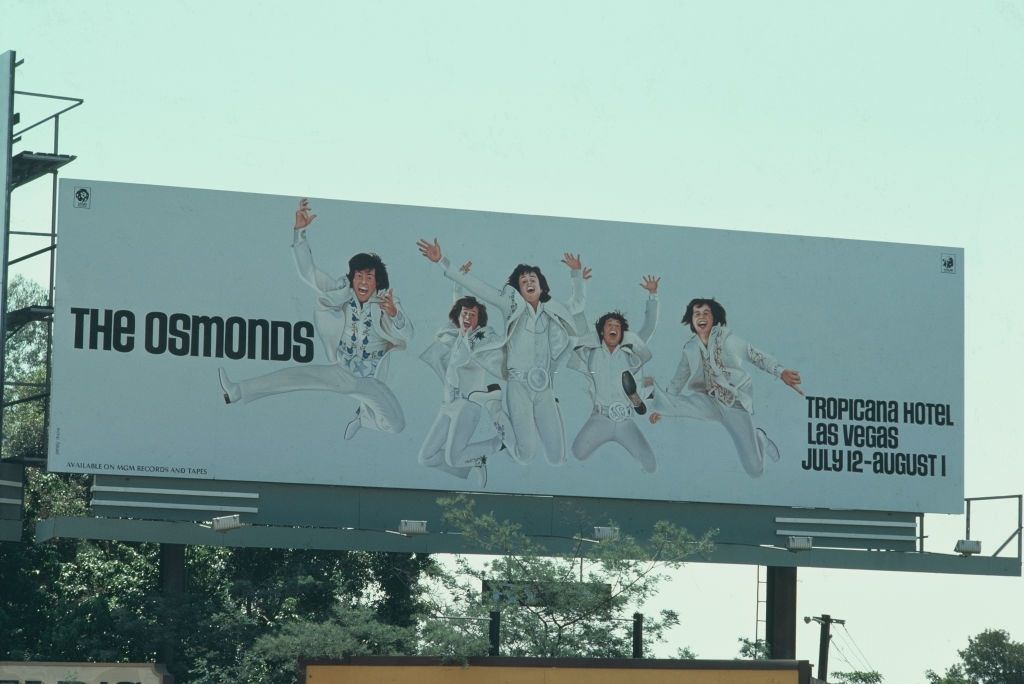
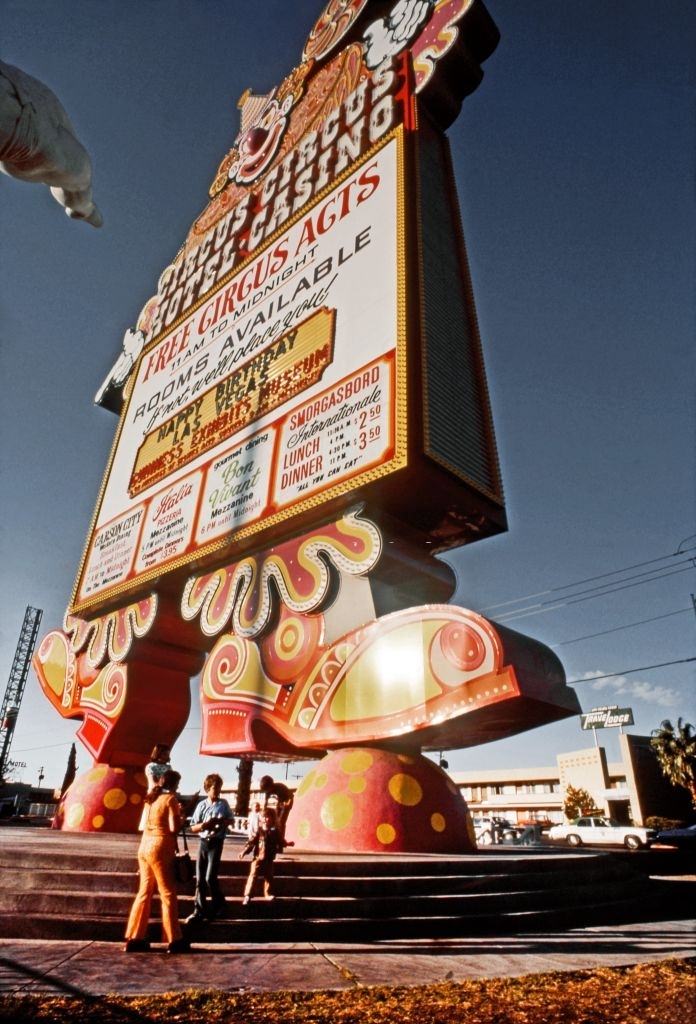
Entertainment went well beyond gambling. The city hosted some of the biggest names in music, comedy, and performance throughout the decade. Ella Fitzgerald performed at the Flamingo. Helen Reddy headlined at the MGM Grand. The Osmonds drew crowds to the Tropicana in the summer of 1974. Circus Circus offered a uniquely family-oriented experience, with circus acts performing above the casino floor while guests played below.
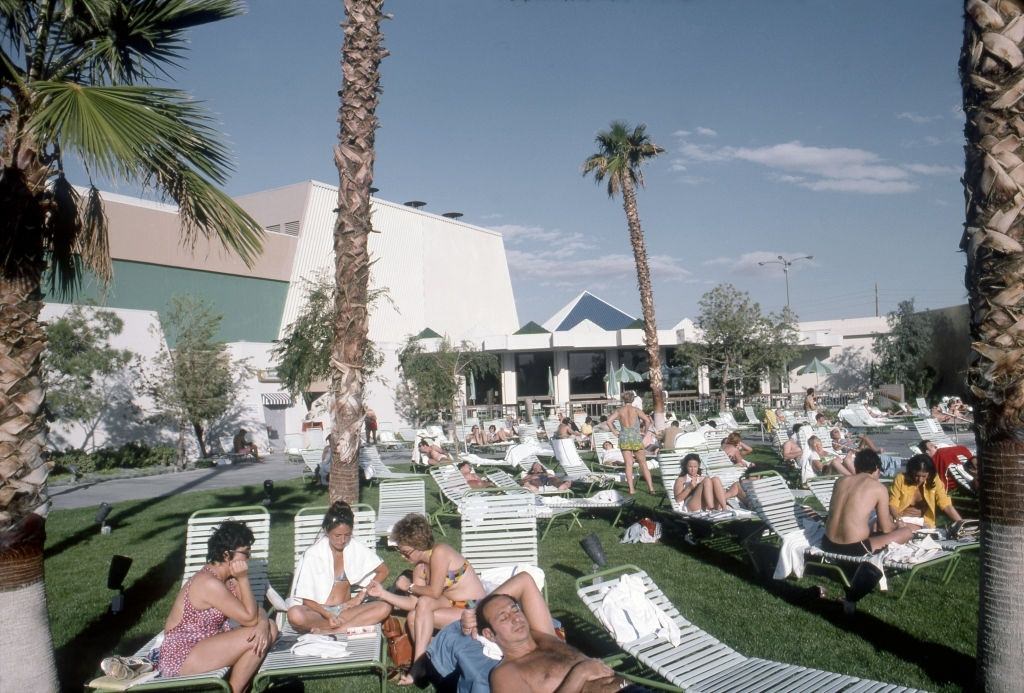
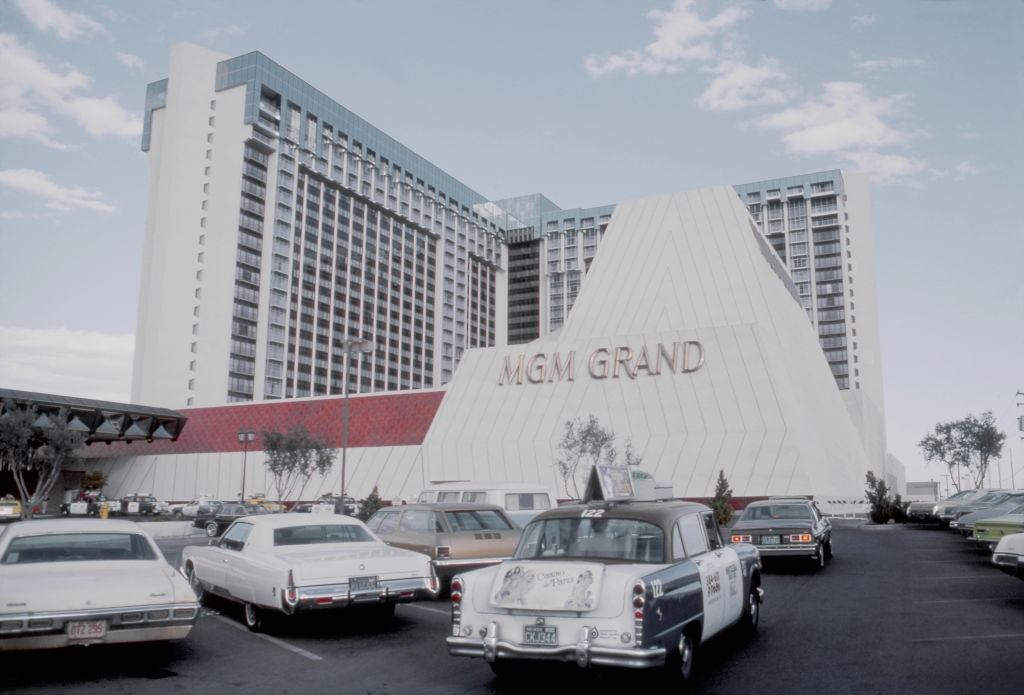
The MGM Grand was one of the most talked-about properties of the era. When it opened in 1973, it was the largest hotel in the world. Its pool area became a popular gathering spot, and its entertainment lineup was among the strongest on the Strip. The sheer scale of the resort set a new standard for what a Las Vegas hotel could be.
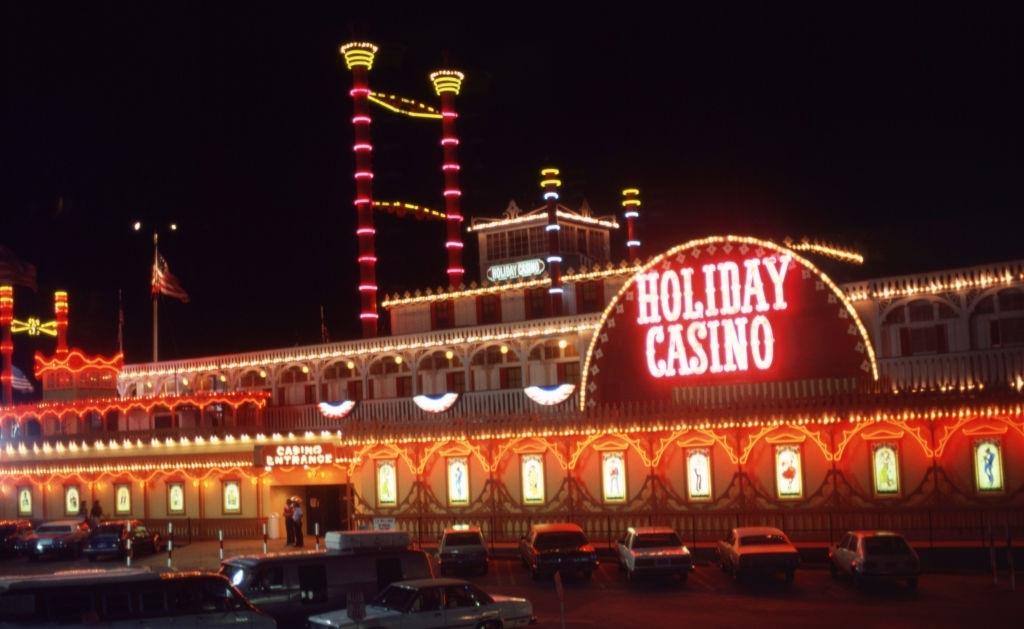
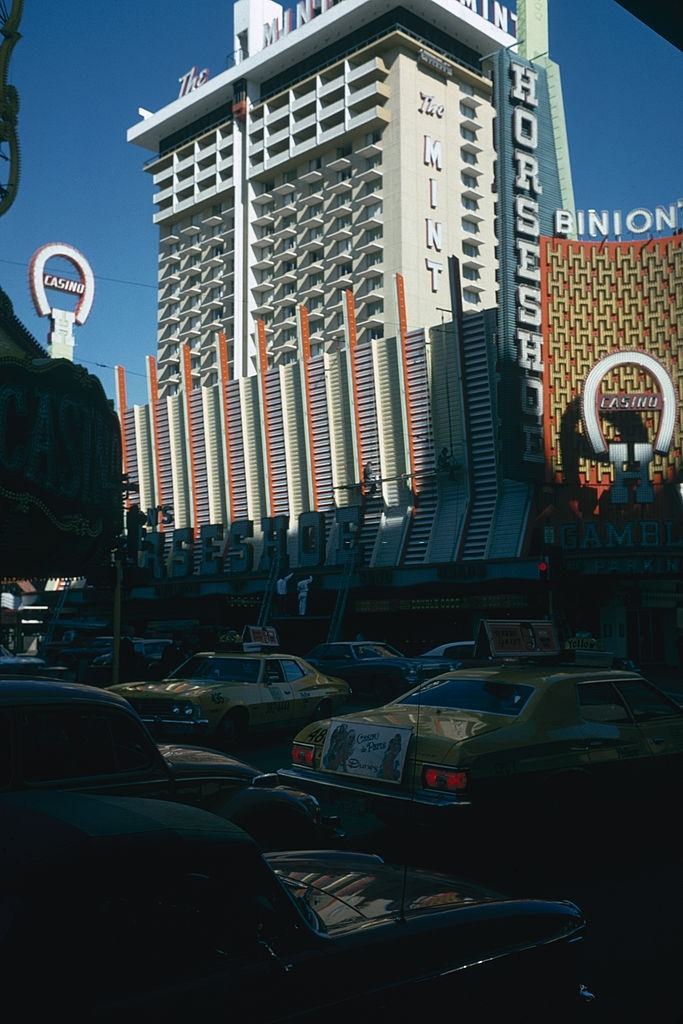
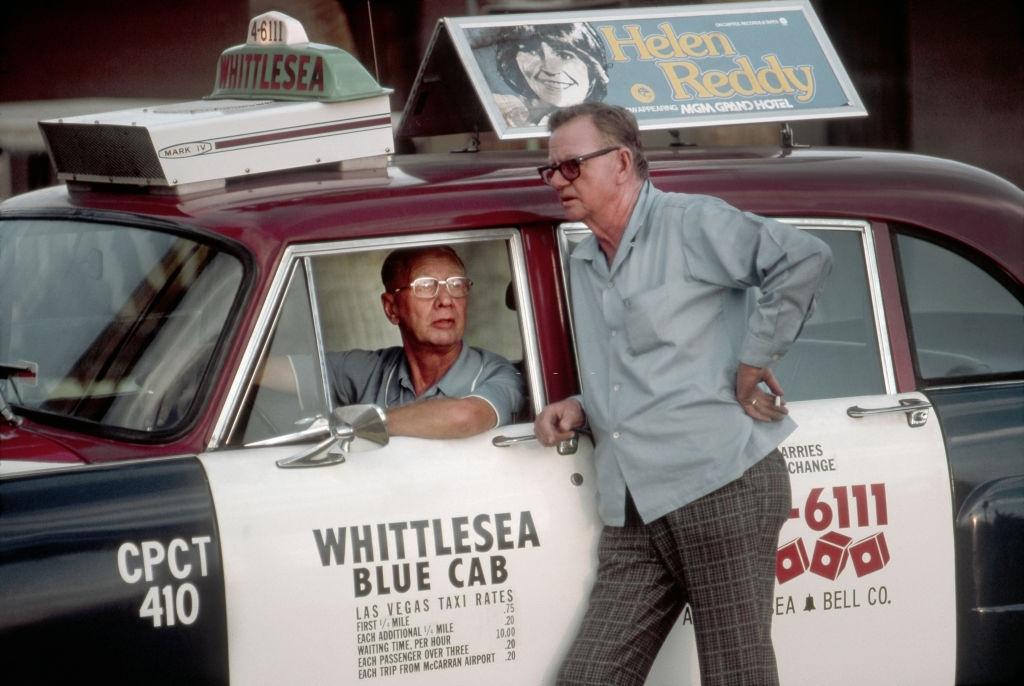
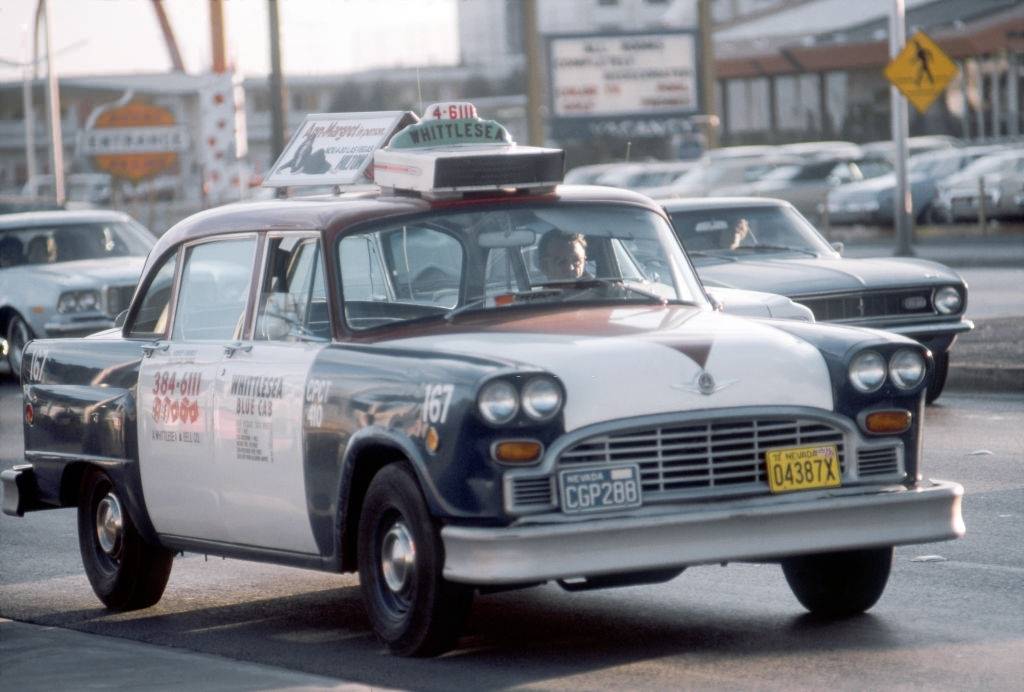
Las Vegas Boulevard at night was a spectacle of color and movement. Taxis, including the well-known Whittlese Blue Cab, shuttled visitors between hotels and casinos while billboard advertisements for performers loomed overhead. The street itself was rarely quiet, with traffic moving at all hours between the Strip’s major properties.
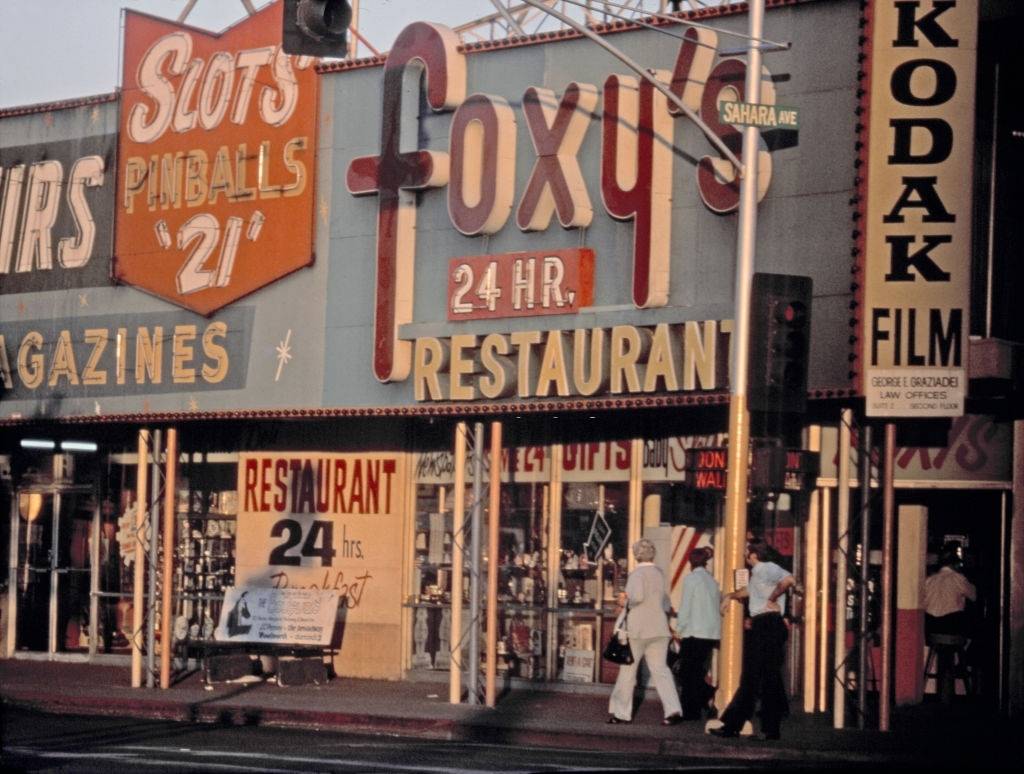
Food in Las Vegas ranged from fine dining inside the major casino hotels to low-cost deals designed to keep visitors in the city. Downtown restaurants offered 99-cent breakfasts and $5 steak specials. These cheap meals were a deliberate strategy — casinos subsidized food to keep gamblers on the premises. The variety meant that a visitor could eat a gourmet dinner one night and a budget breakfast the next without leaving the Strip.
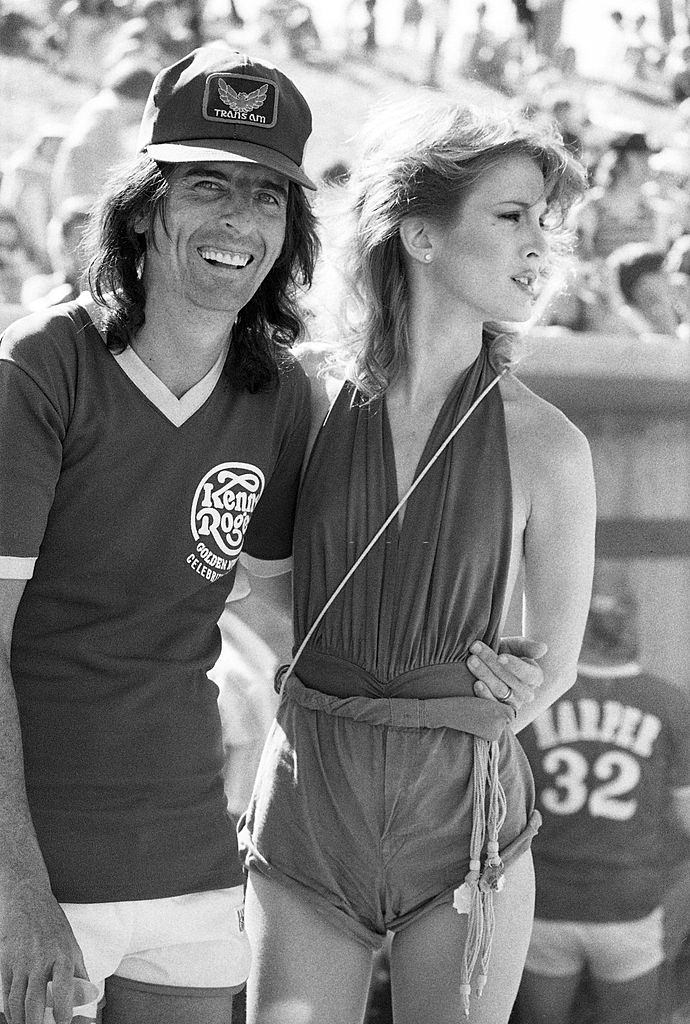
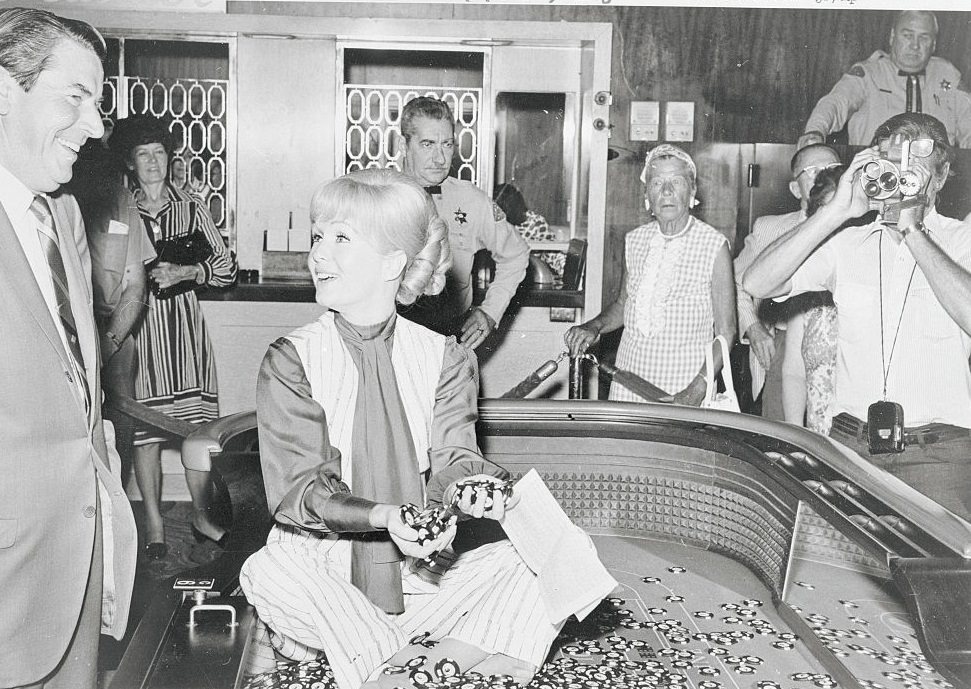
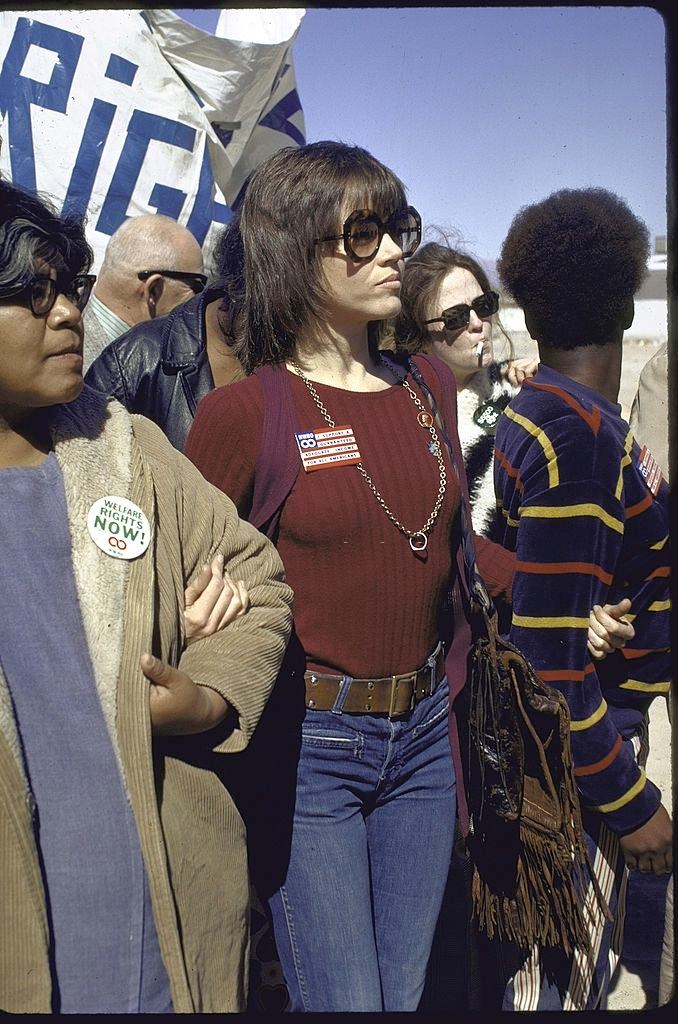
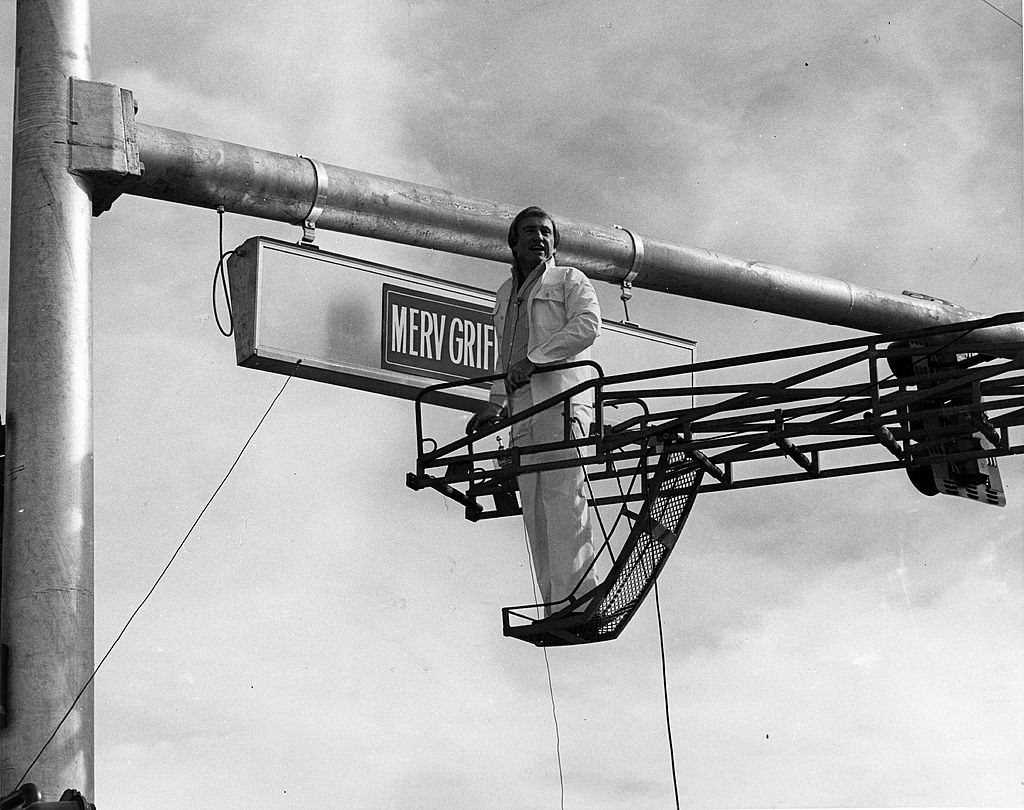
Celebrities were a constant presence. Talk show host Merv Griffin was photographed showcasing Merv Griffin Boulevard in 1975. Actress Debbie Reynolds was photographed seated on a craps table at the Desert Inn in 1971. Actress Jane Fonda attended a welfare rights march in Las Vegas the same year. Alice Cooper and his wife Sheryl Goddard appeared at the Kenny Rogers Golden Nugget celebrity softball game in 1977, one of the casino’s popular annual events.
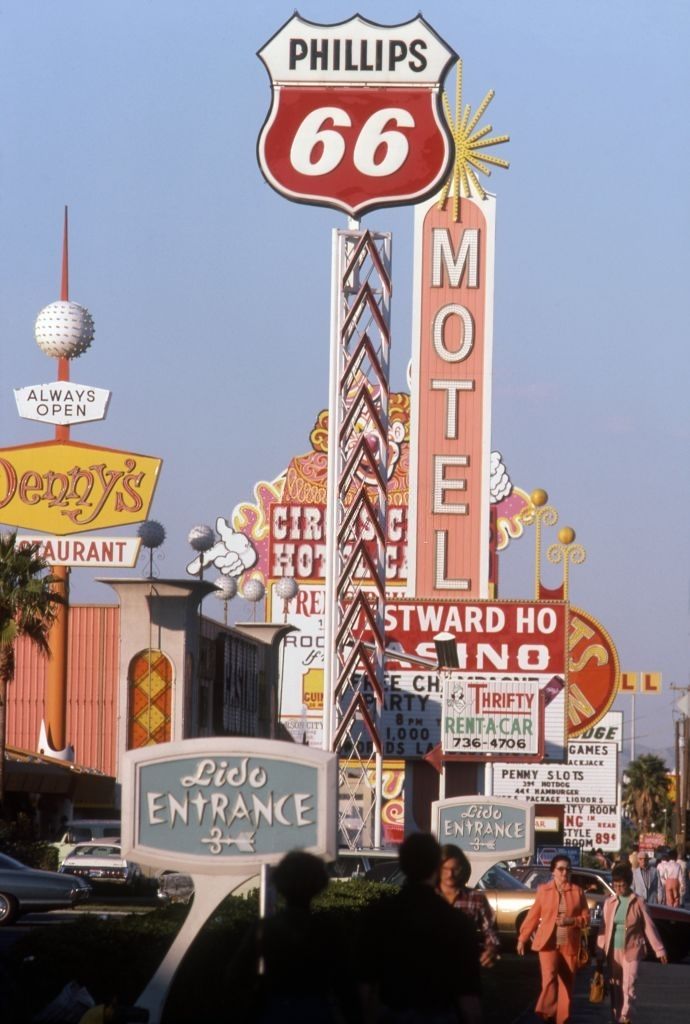
The Strip continued to evolve throughout the decade. New properties opened and older ones were renovated. The Castaways, the Landmark, and smaller motels like the Morocco sat alongside the massive resort hotels. Each property carved out its own identity, from the cowboy-themed casinos downtown to the sleek, modern towers on the Strip.
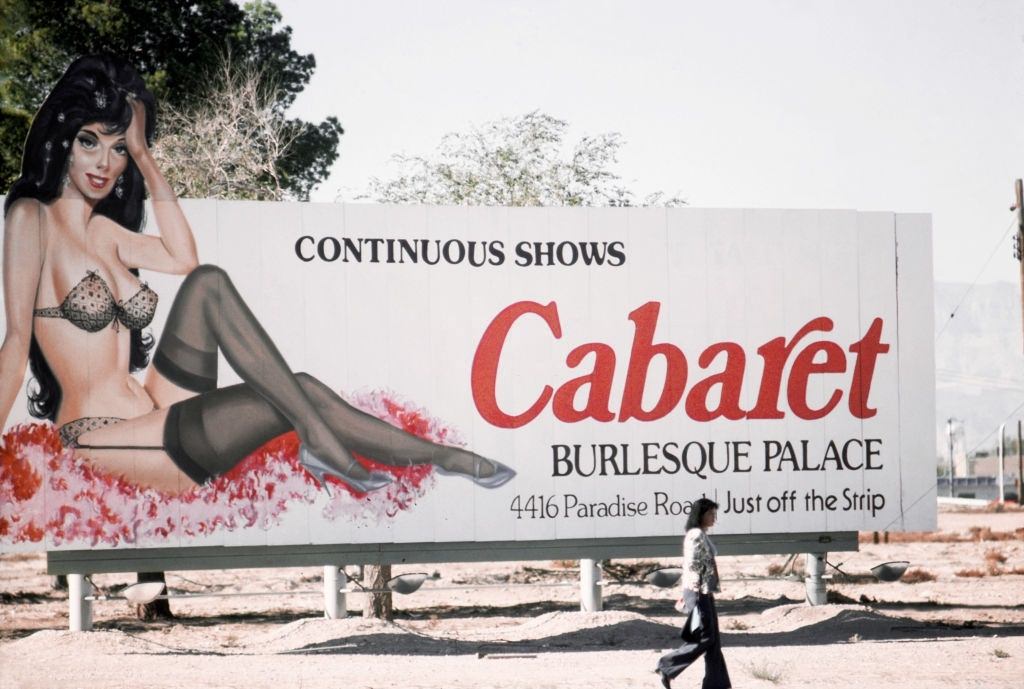
Adult entertainment was openly advertised on the Strip. Burlesque shows ranged from high-budget productions to stripped-down revues. Billboard ads for shows like the Burlesque Palace were a common sight along Las Vegas Boulevard in 1975. The city had no interest in hiding these attractions — they were marketed as openly as any other show or restaurant.
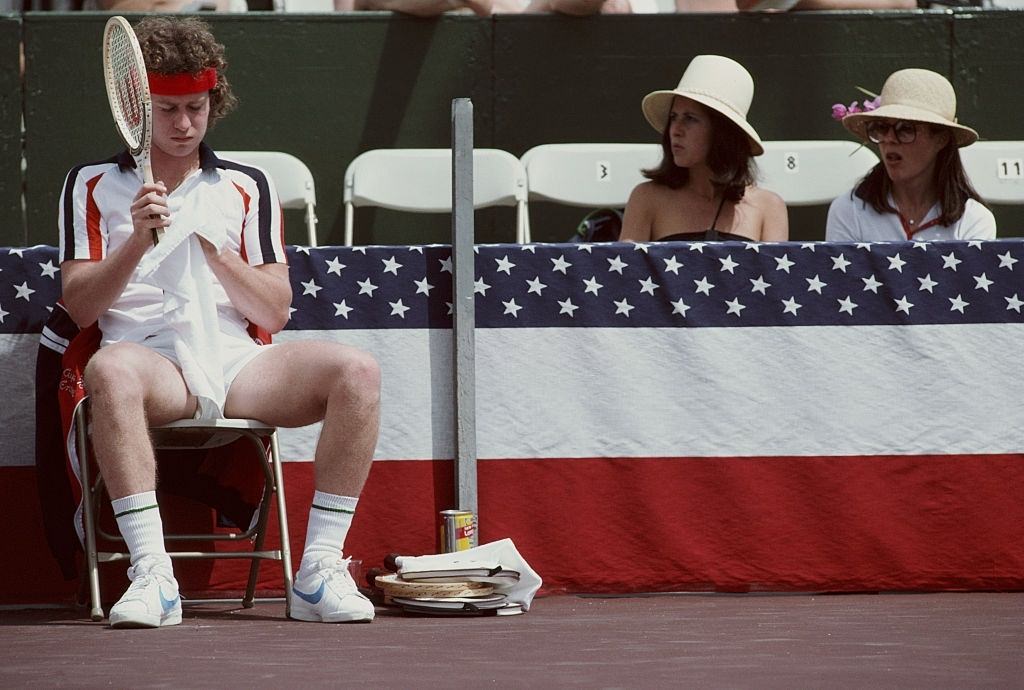
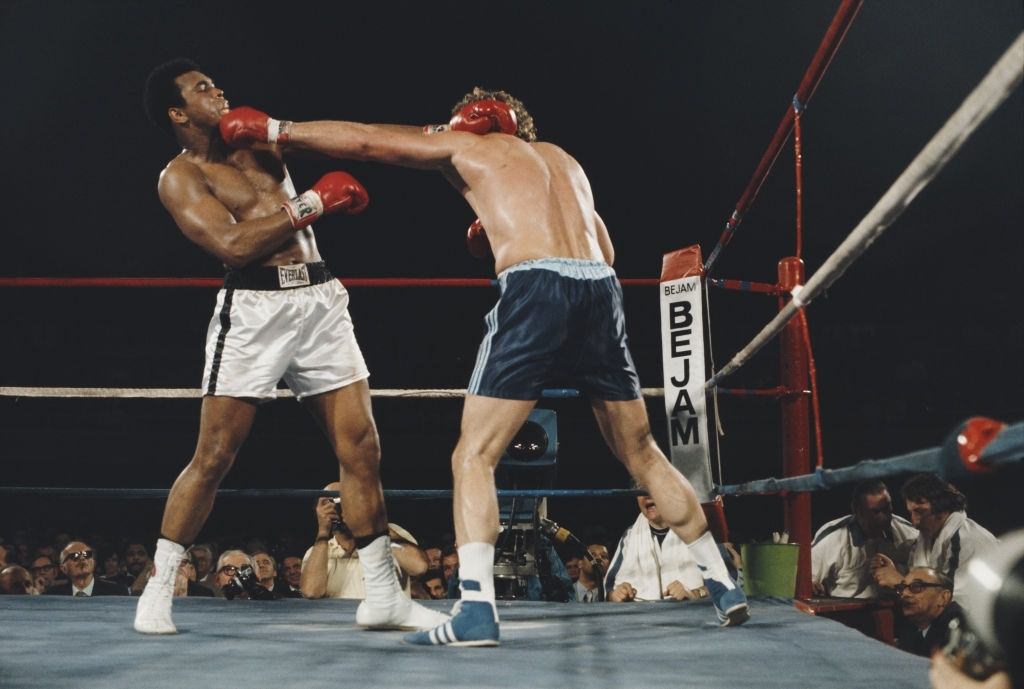
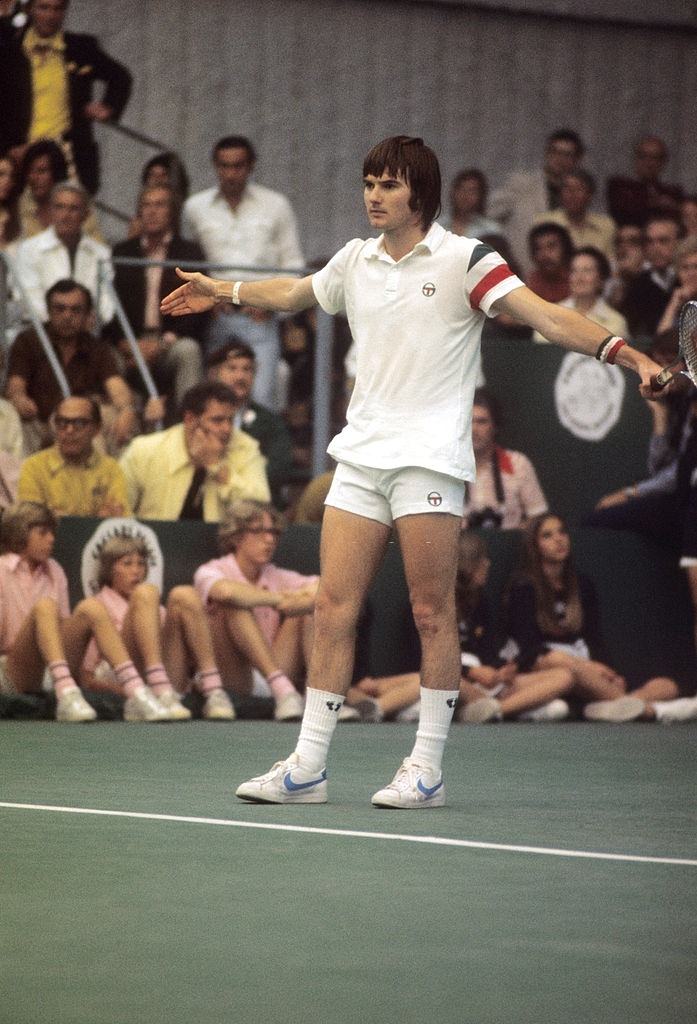
Sports events also drew major attention. Muhammad Ali fought British boxer Joe Bugner at the Las Vegas Convention Centre in 1973 in a heavyweight bout that Ali won by unanimous decision. Tennis tournaments like the Alan King Tennis Classic brought stars like John McEnroe and Jimmy Connors to the city. Las Vegas was building a reputation as a serious sports venue alongside its entertainment identity.
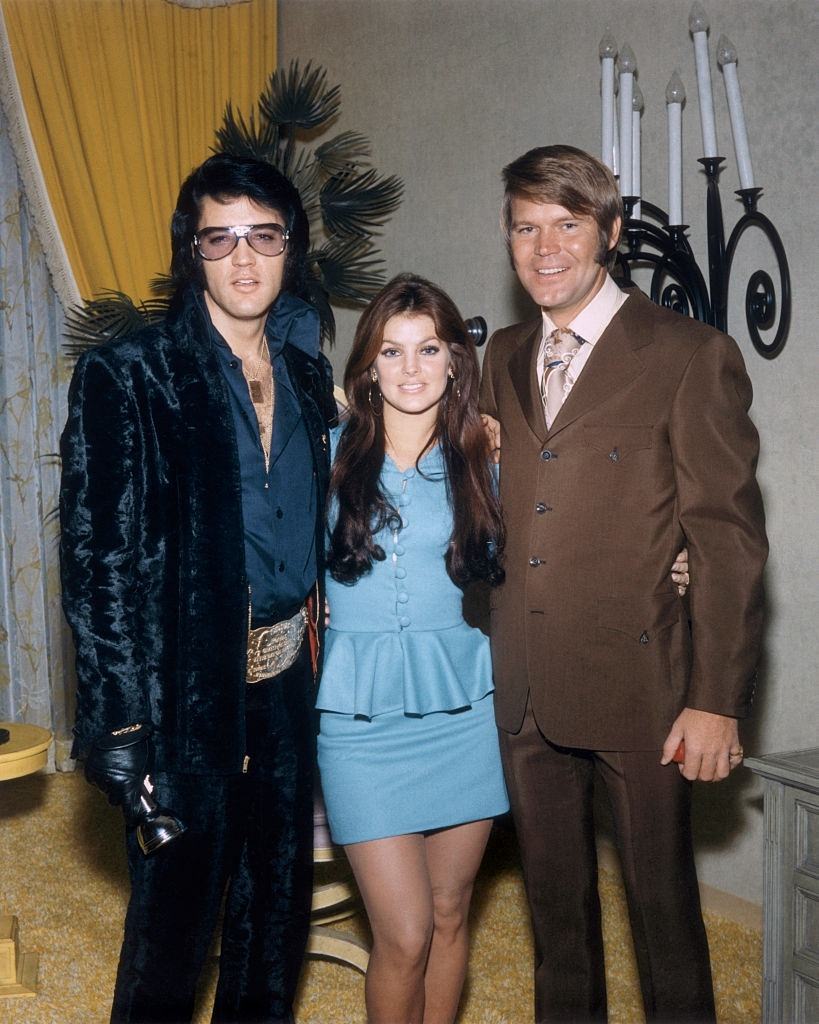
Elvis Presley’s connection to Las Vegas ran deep. He and Priscilla were photographed at a wedding party in the city in 1970, and his concert announcements were major news events. In 1972, his press conference at the Las Vegas Hilton to announce the ‘Aloha from Hawaii’ satellite broadcast drew widespread media coverage. His residencies at the International Hotel — later the Hilton — made him the defining entertainer of the city during this period.
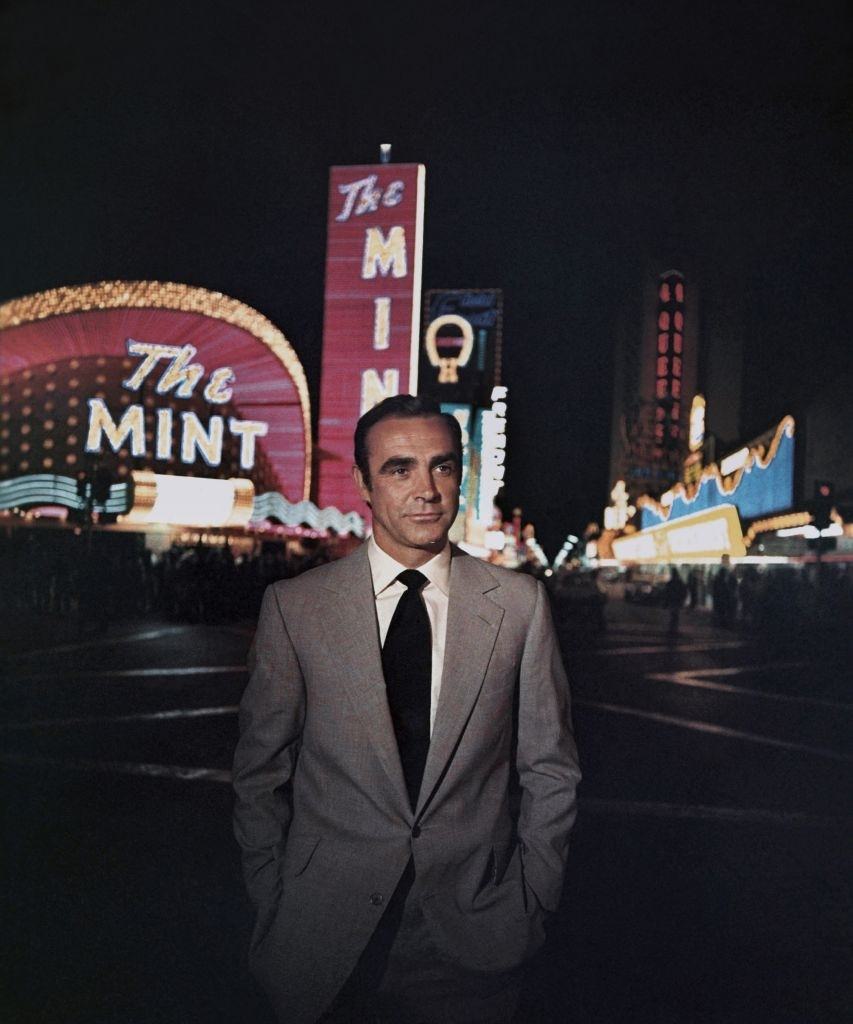
Hollywood had a long-standing relationship with Las Vegas. Sean Connery filmed scenes for the 1971 James Bond film ‘Diamonds Are Forever’ in the city, using real Las Vegas locations as the backdrop. The film featured the Tropicana, the Circus Circus casino, and the desert outside the city. The production brought a major international spotlight to Las Vegas at the start of the decade.
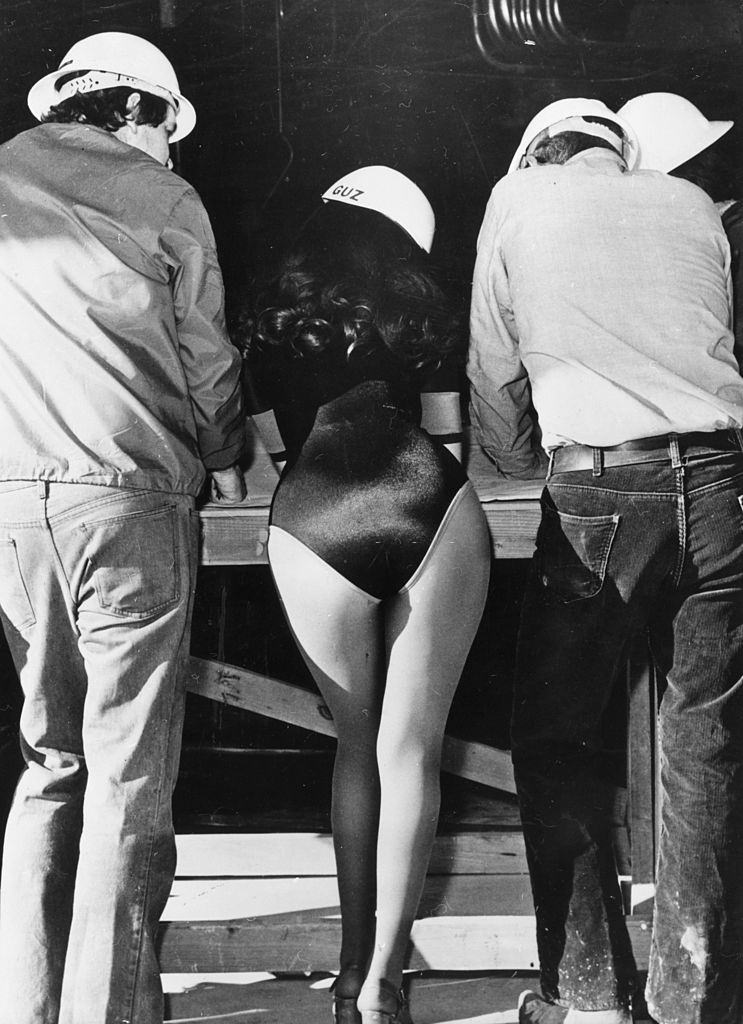
Las Vegas City Hall was completed and opened to the public in 1973, marking a sign of the city’s growing civic infrastructure alongside its booming entertainment economy. By the mid-1970s, the city was processing enormous amounts of money, visitors, and construction. Development plans were constantly in motion — building sites at major properties like the Sands were a regular part of the cityscape.
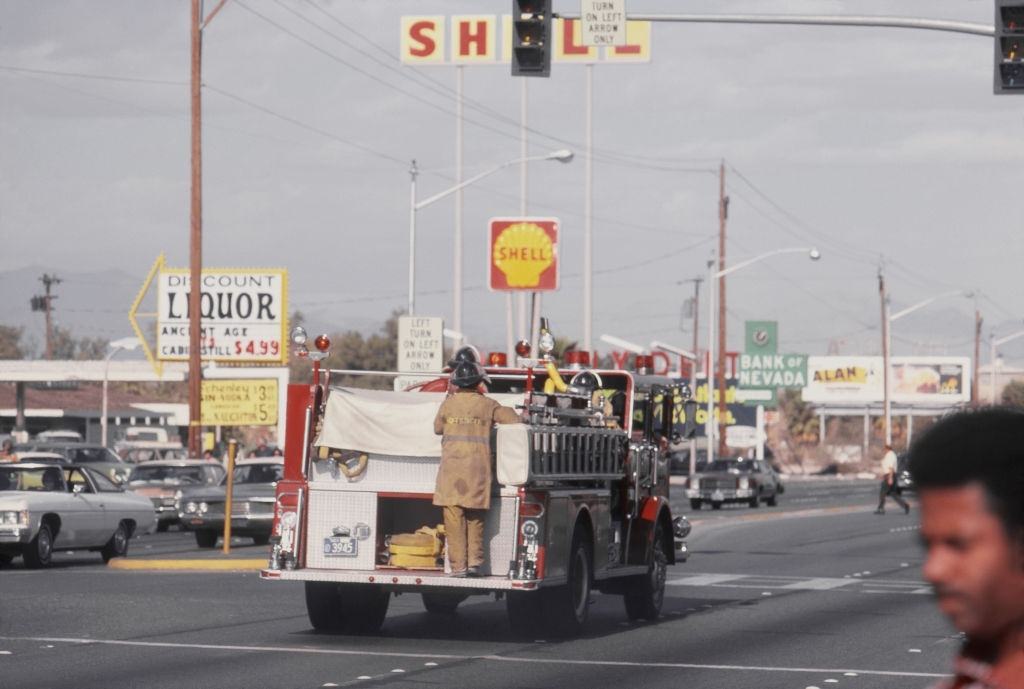
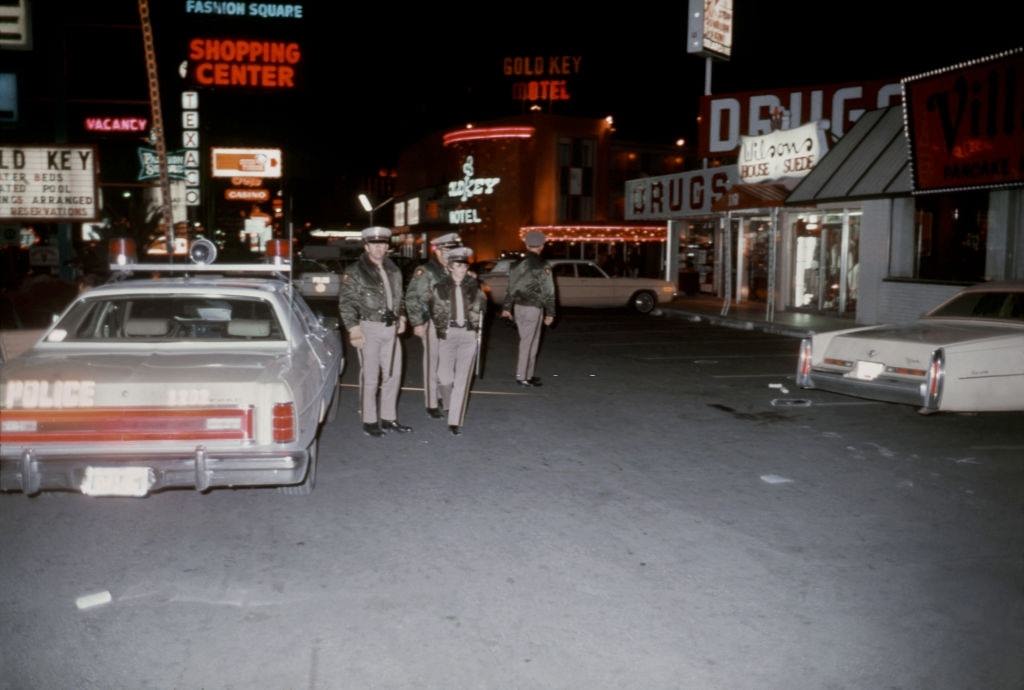
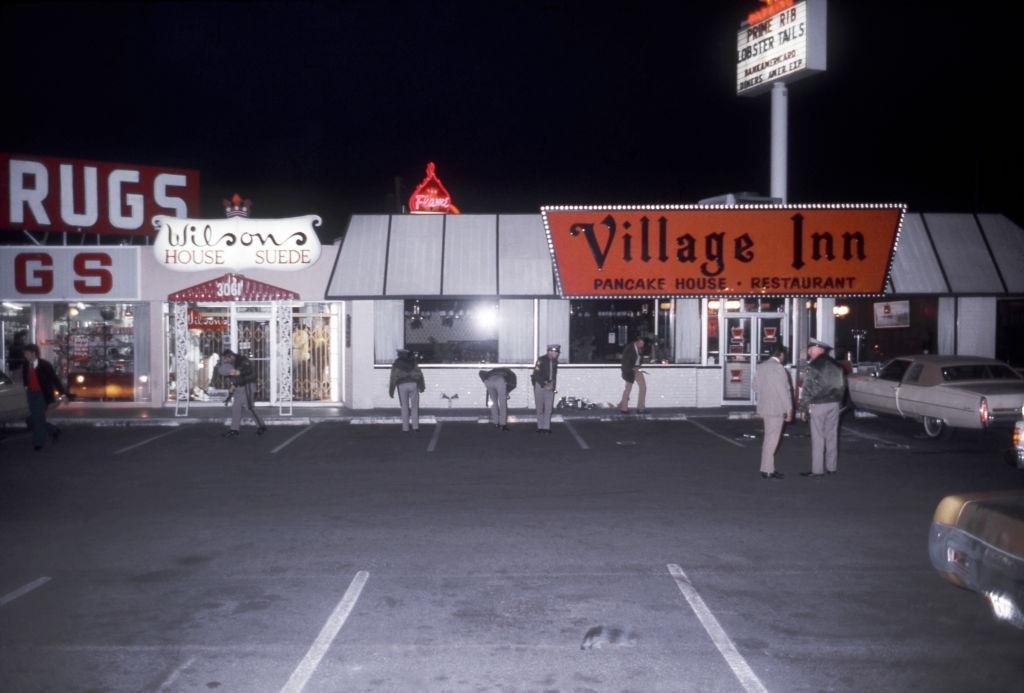
Crime was not absent from the city’s story. Las Vegas police were a visible presence on the Strip, responding to incidents that occurred even in front of well-known establishments like the Village Inn Pancake House. The glamour of the casinos existed alongside the realities of a city that was always busy, always crowded, and always operating at a high level of intensity.
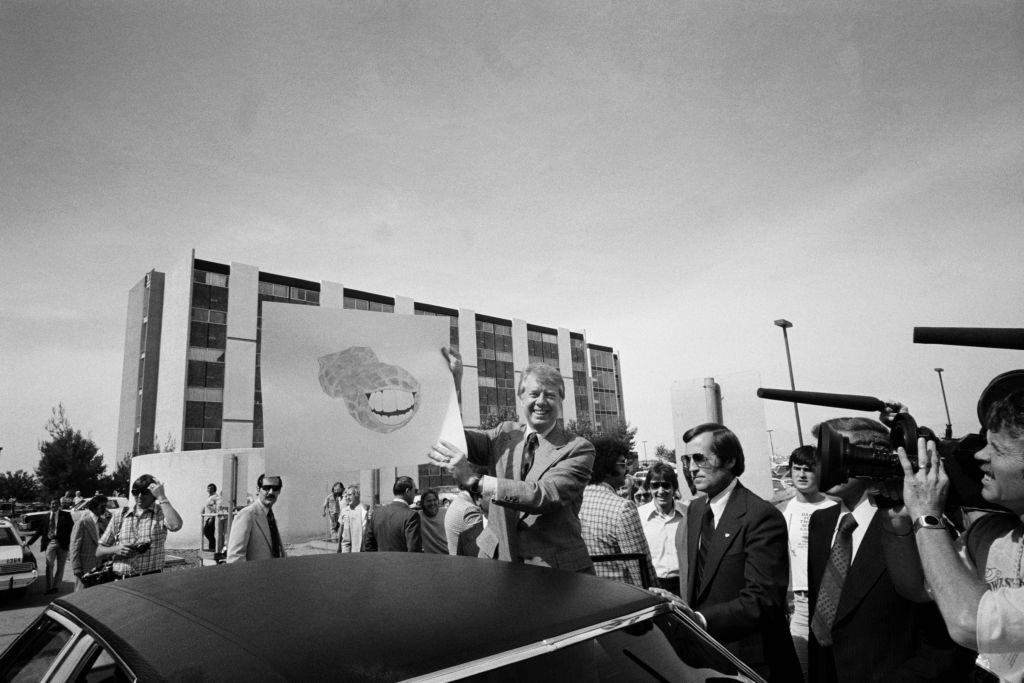
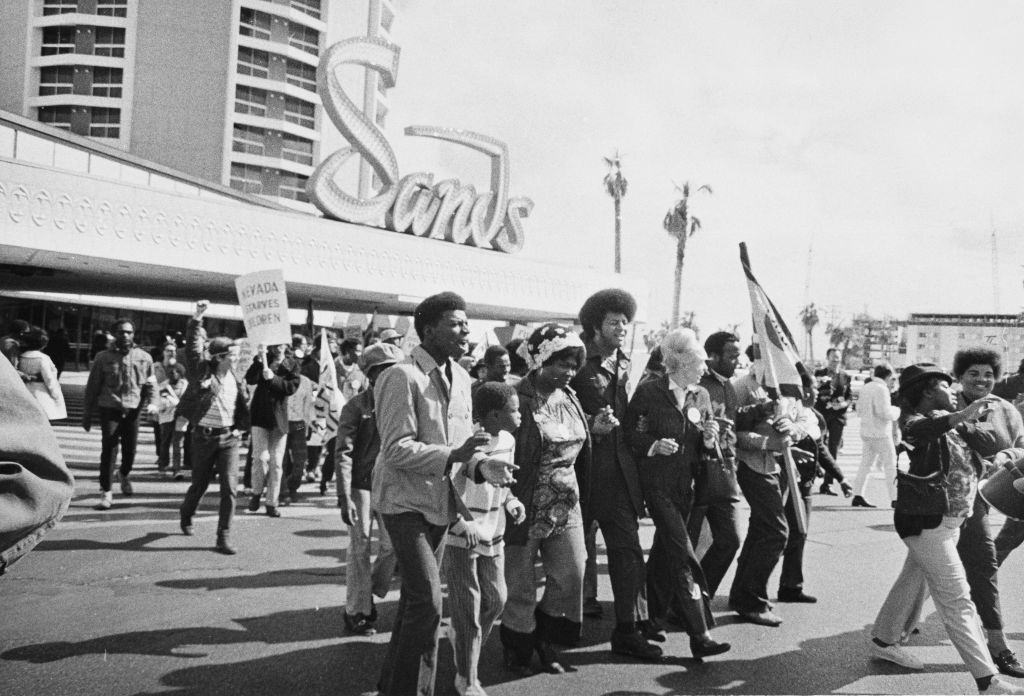
Politics also passed through Las Vegas. In 1976, Jimmy Carter campaigned at the University of Nevada, Las Vegas, as part of his presidential run. Demonstrations and protests also took place — a demonstration outside the Sands casino was photographed in 1971. The city was not immune to the social and political currents running through the United States during the decade.
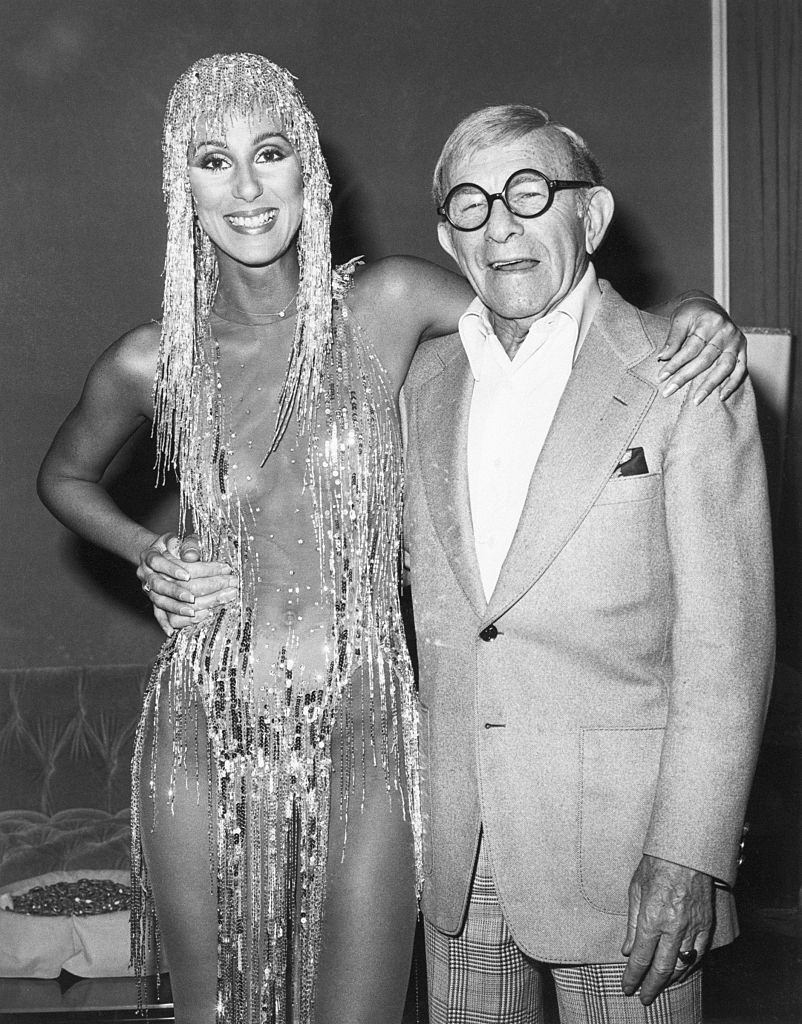
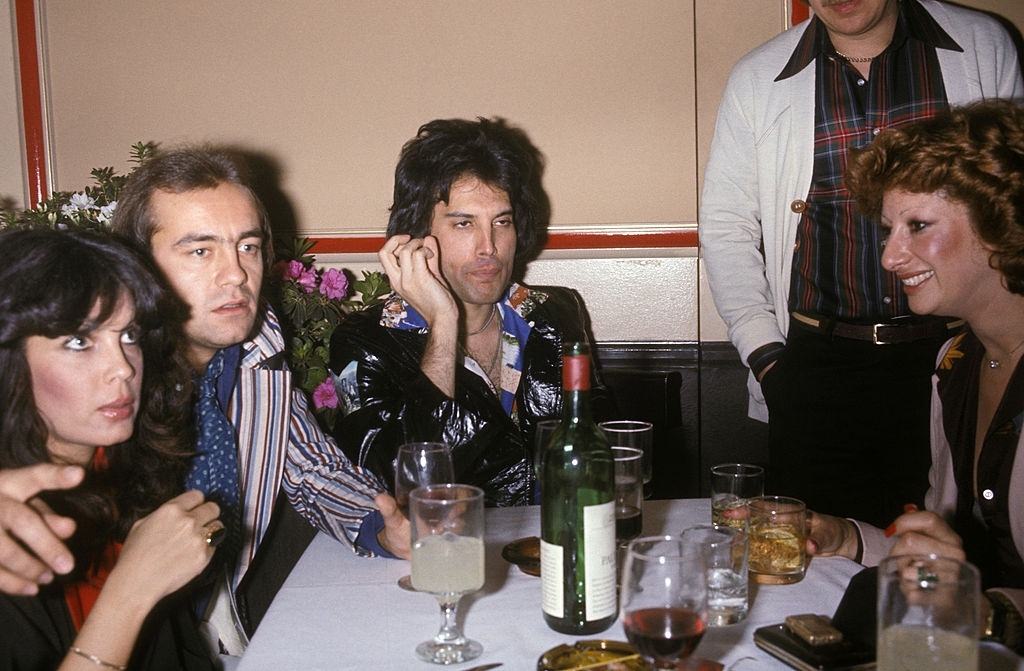
Music royalty moved through the city constantly. Freddie Mercury of Queen and lyricist Bernie Taupin were photographed together at a post-concert party in Las Vegas in 1977. Cher appeared at Caesars Palace alongside George Burns in 1979. Caterina Valente and Rudi Carrell were photographed there in 1973. The city attracted artists from across the world, making it a crossroads for international entertainment.
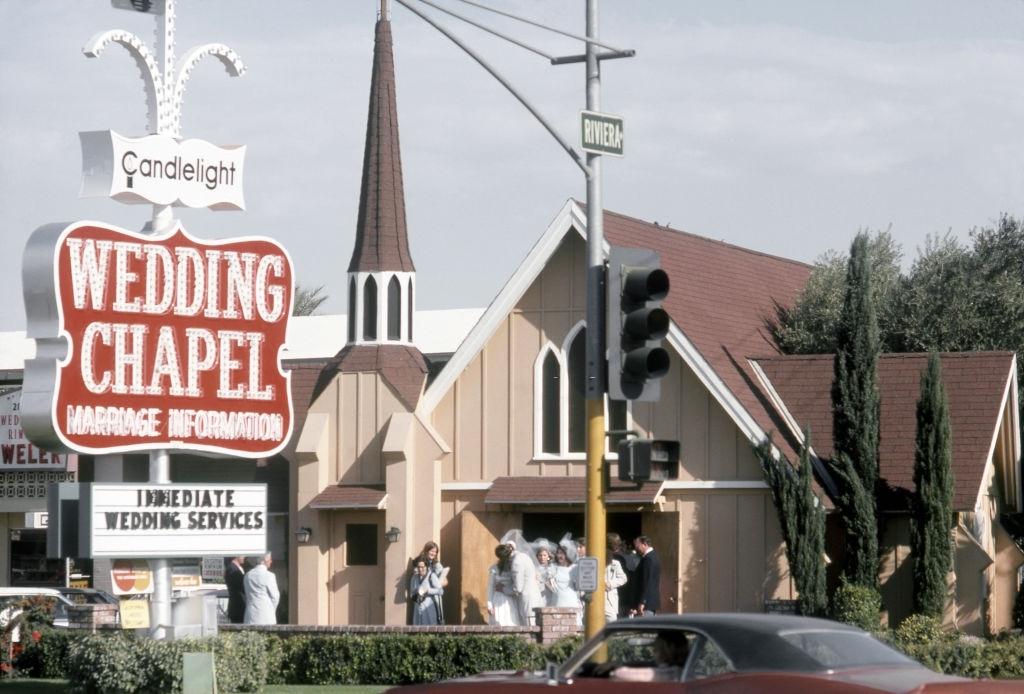
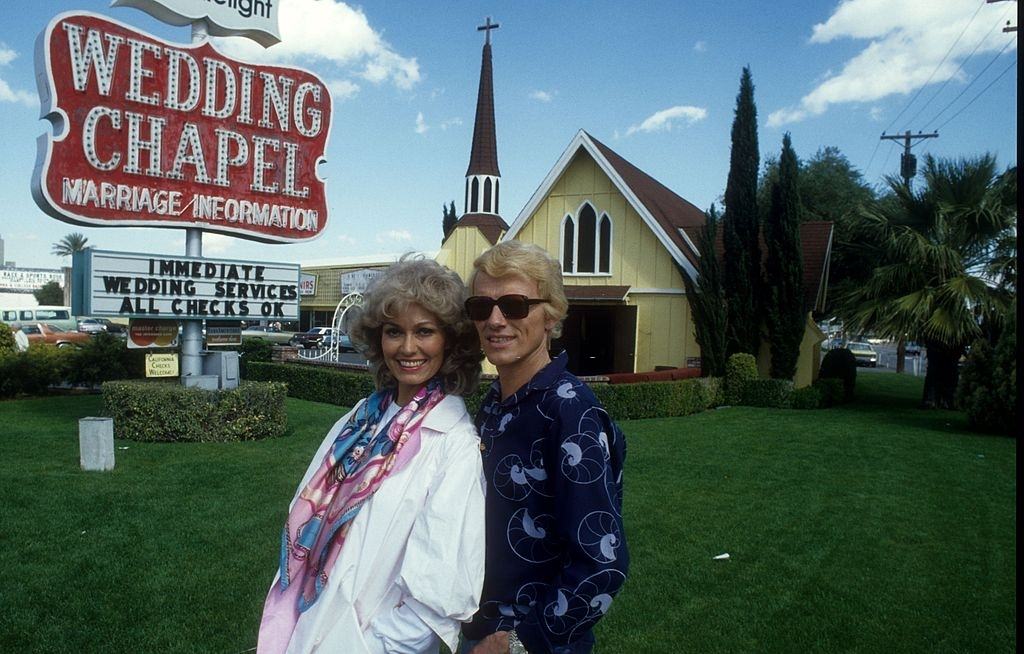
Quick weddings were a Las Vegas staple. The Candlelight Chapel on the Strip was one of several venues where couples could marry at almost any hour. In 1978, Hannelore Kramm and Henio were photographed at a Wedding Chapel, capturing a tradition that was already well-established and growing by the end of the decade. The city had built an entire industry around fast, easy marriage ceremonies.
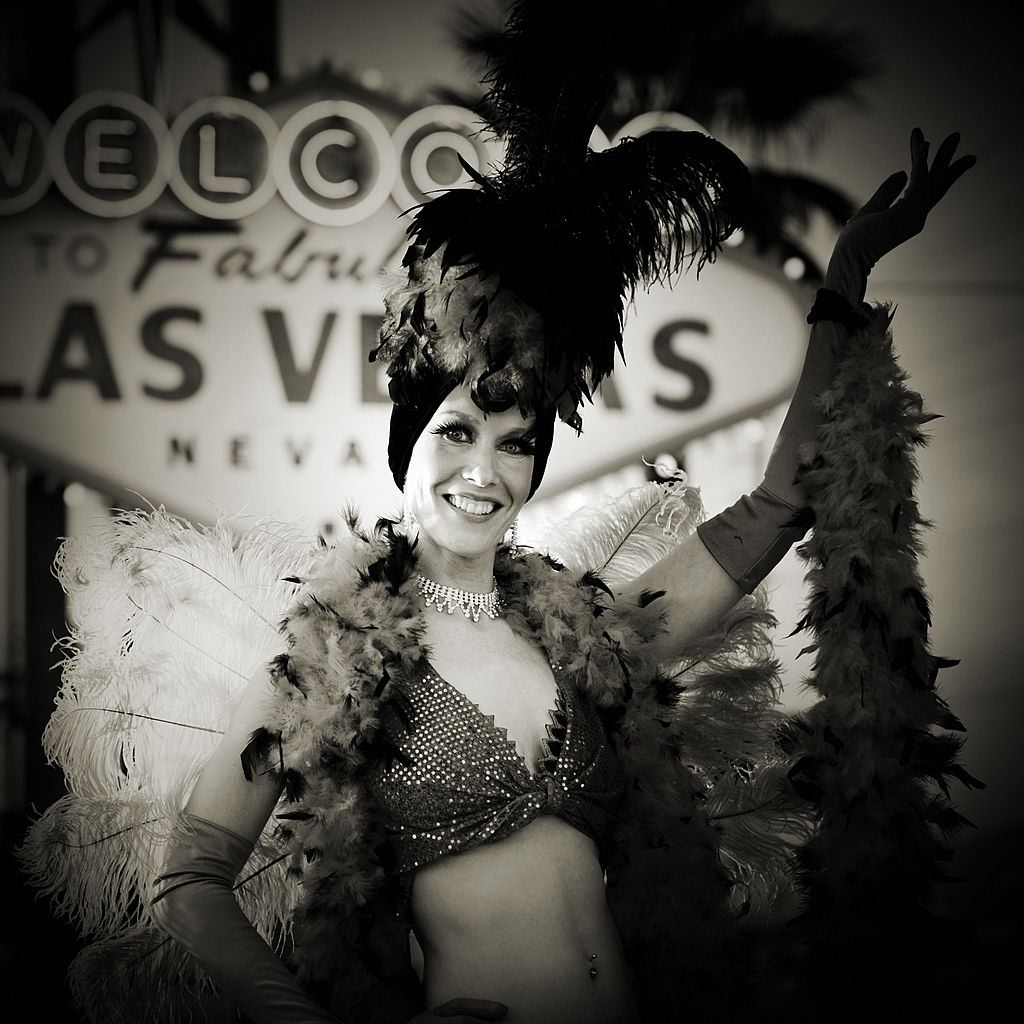
Showgirls were one of the most recognizable symbols of Las Vegas in the 1970s. Dressed in elaborate costumes with feathered headdresses and sequined outfits, they performed in the major casino revues and appeared in promotional material throughout the city. The shows they appeared in ranged from full theatrical productions at the biggest hotels to smaller revues at less prominent venues.
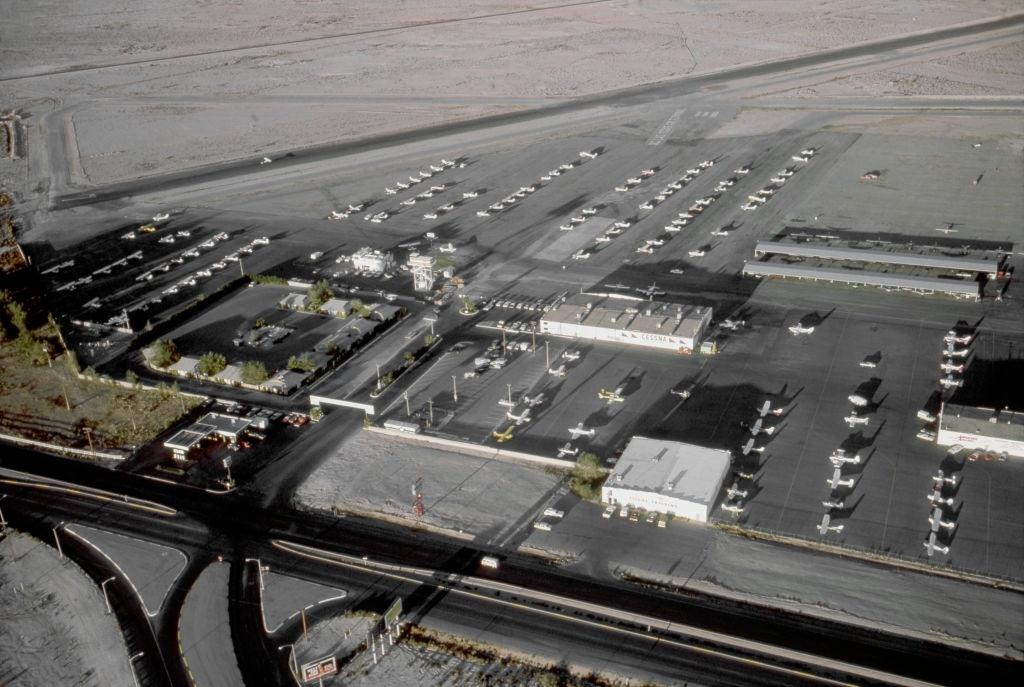
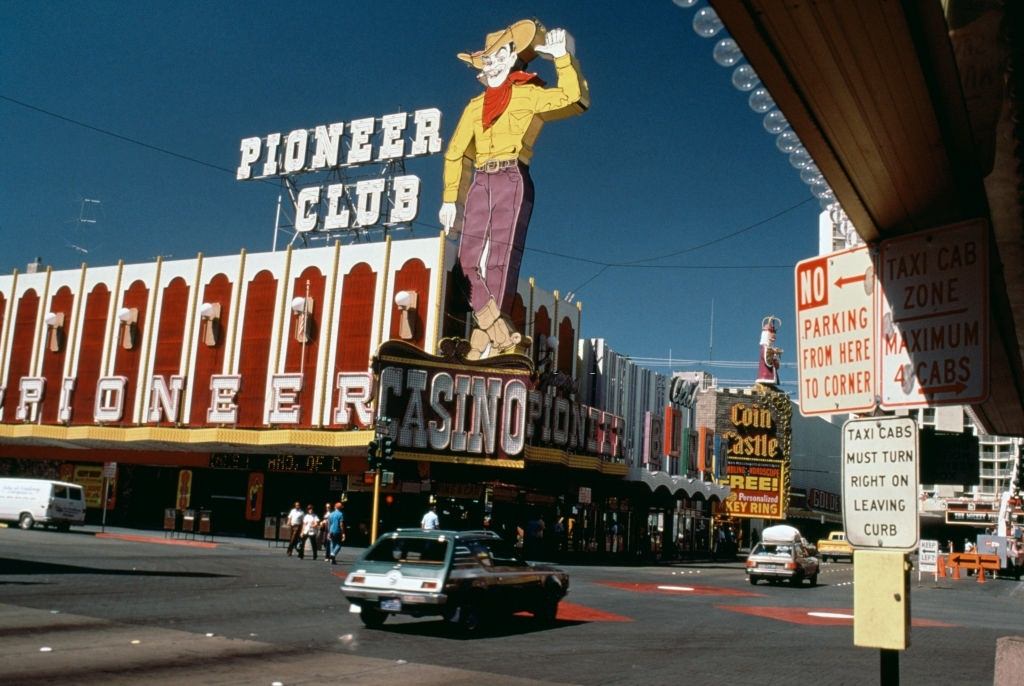
By the late 1970s, Las Vegas was still expanding. New signs, new casinos, and new entertainment offerings kept arriving. The Pioneer Club, the 4 Queens, and dozens of smaller establishments competed for attention on Fremont Street while the mega-resorts continued to dominate the Strip. McCarran Airport handled growing numbers of private planes, reflecting the wealth that flowed into the city from across the country.
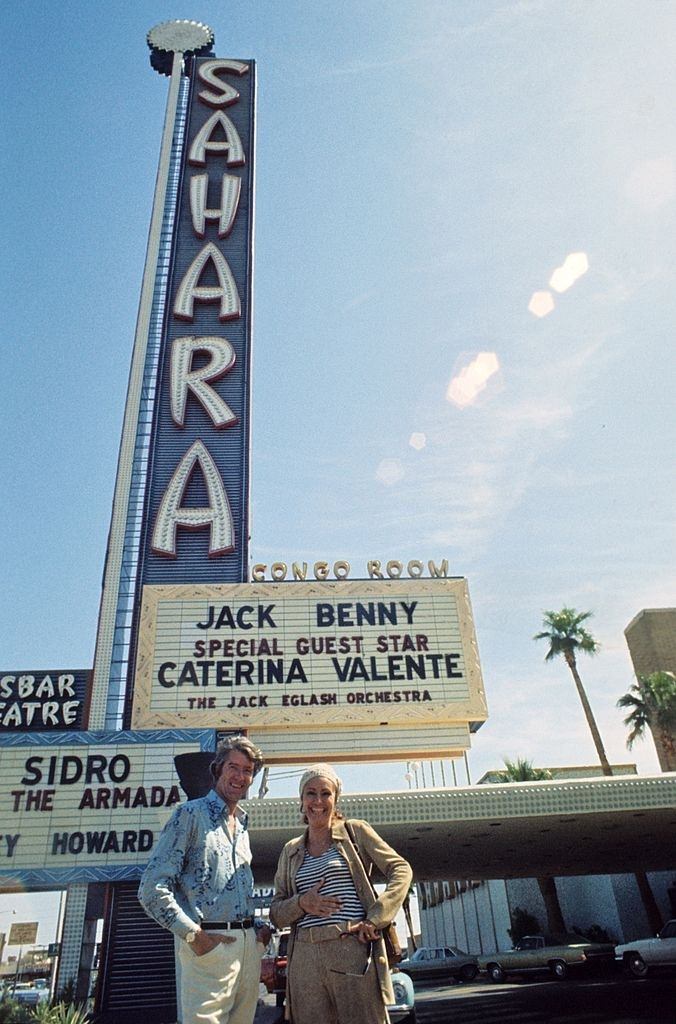
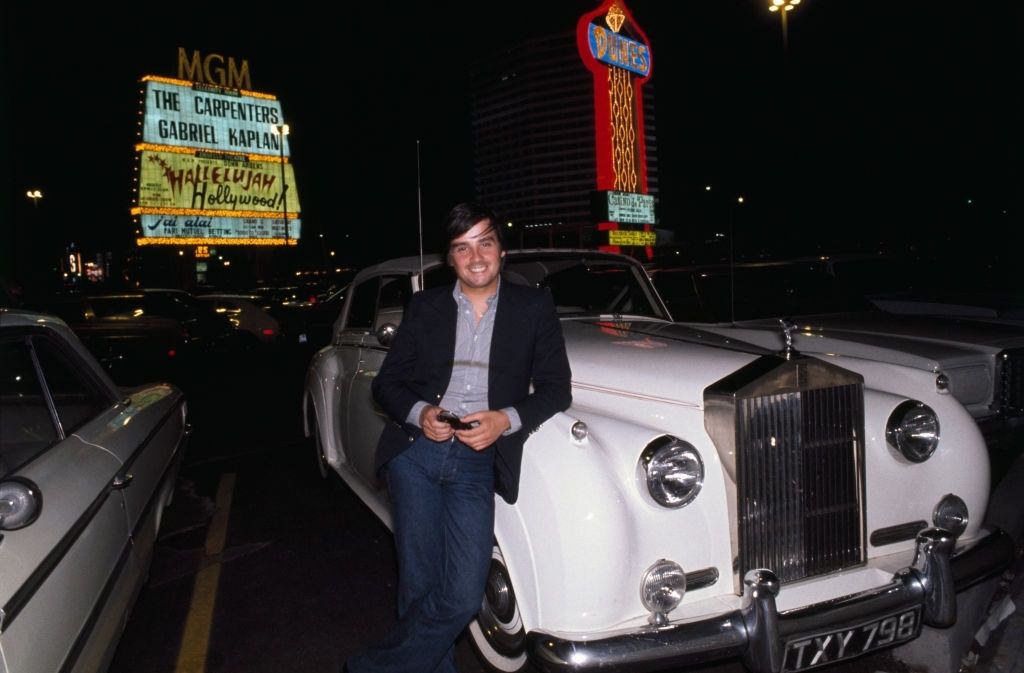
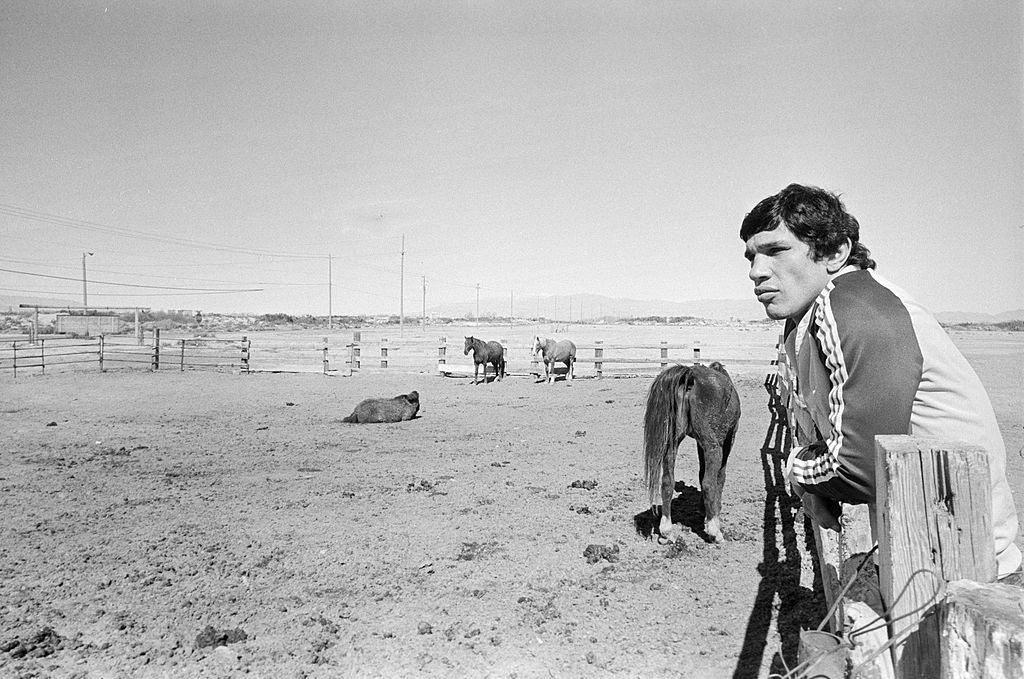
International visitors and performers made Las Vegas a genuinely global destination. French actor Thierry Le Luron was photographed in the city in 1977. French boxer Gratien Tonna was captured at a horse ranch outside Las Vegas in 1978. The city’s reputation had spread well beyond the United States, drawing entertainers, athletes, and tourists from Europe and beyond.
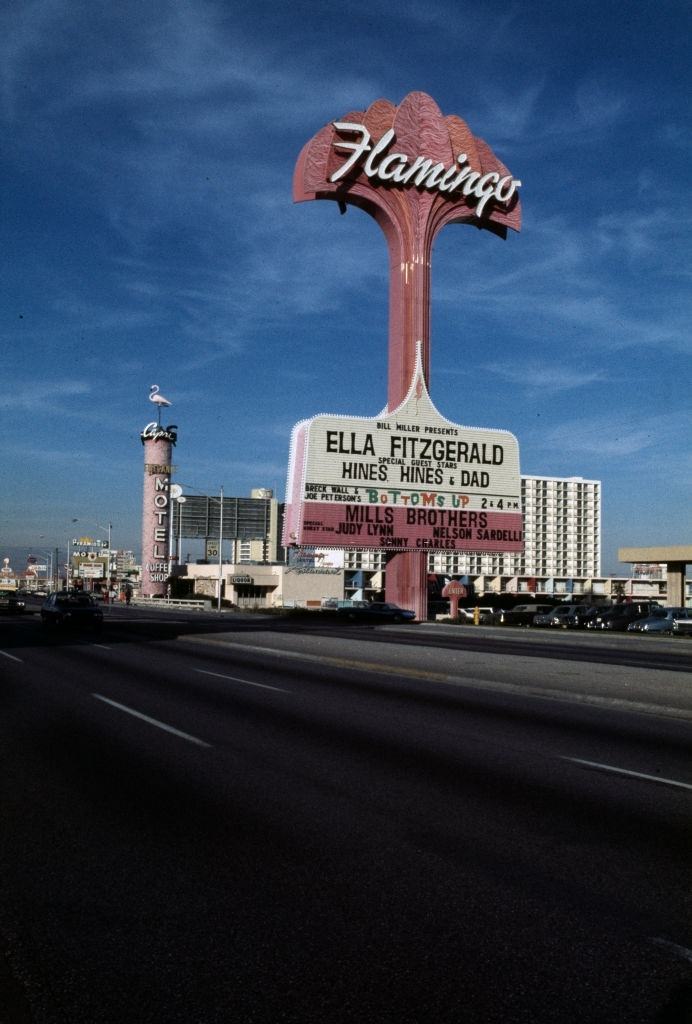
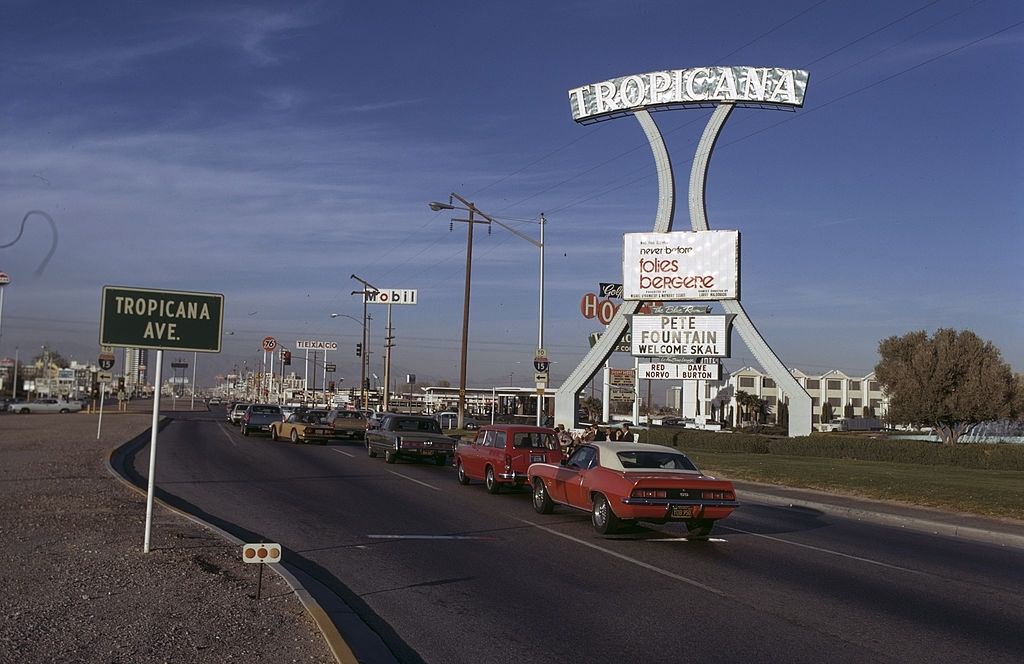
The Tropicana was one of the Strip’s most enduring properties throughout the decade. Its position along Las Vegas Boulevard made it one of the first major resorts visitors encountered when coming in from the south. It hosted major acts, drew heavy traffic from the road, and was a fixture in photographs of the Strip throughout the 1970s. The Flamingo, a few blocks north, carried a similar legacy with headliners like Ella Fitzgerald performing there in 1971.
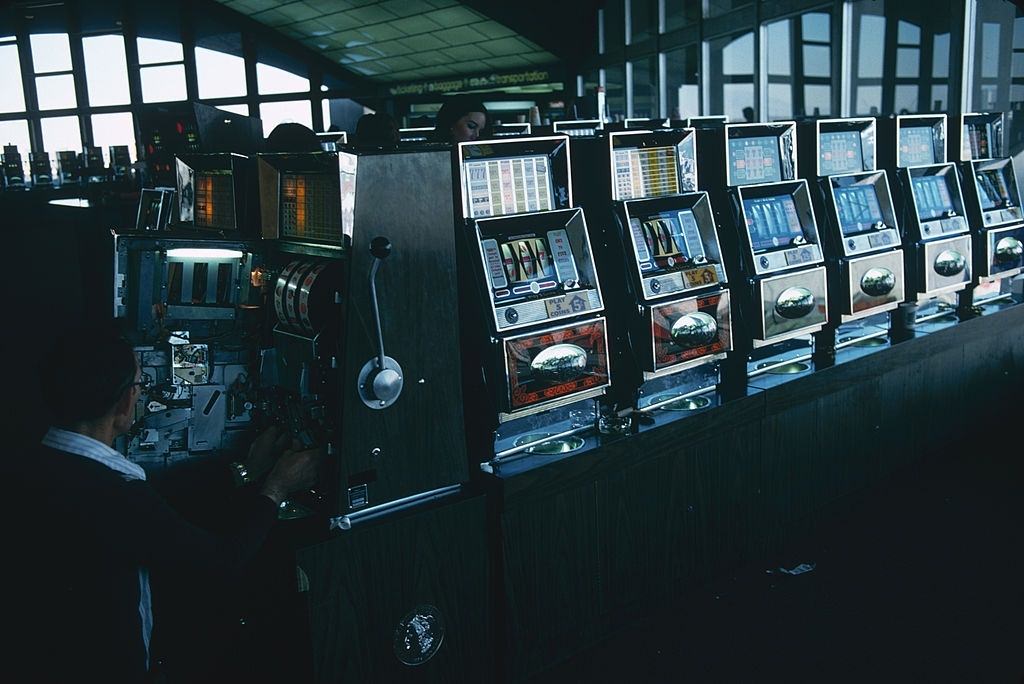
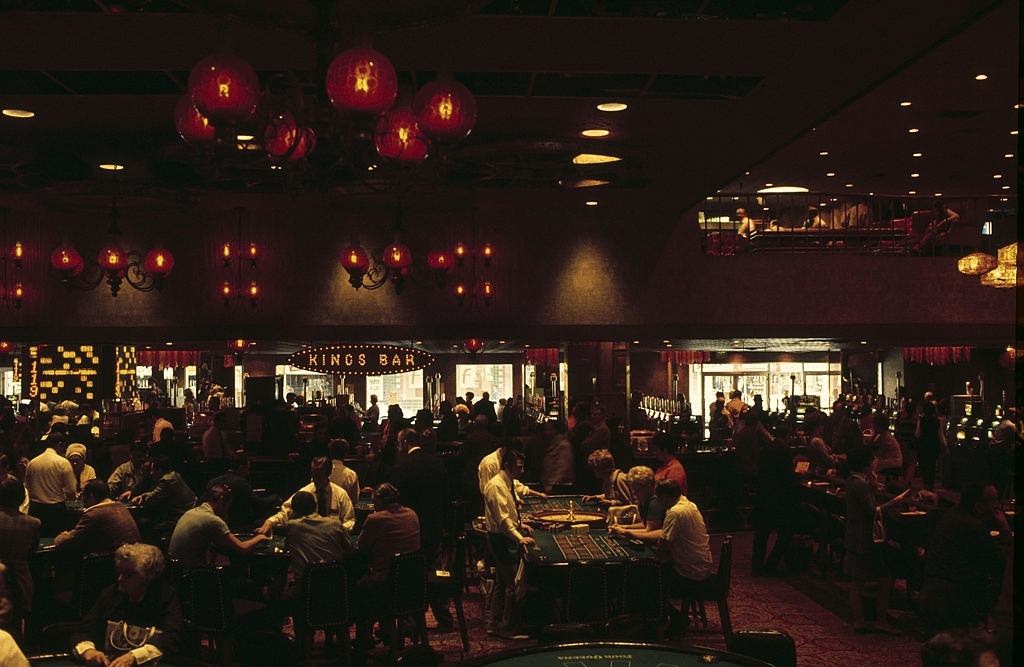
Inside the casinos, the floors were vast. One-armed bandits — slot machines — lined the walls and filled entire sections of the gaming floors. Poker rooms, craps tables, and roulette wheels occupied the center spaces. Casino rooms in the largest properties held hundreds of players at once. The noise was constant: coins dropping, wheels spinning, dealers calling out bets. It was an environment designed to keep players seated and playing.
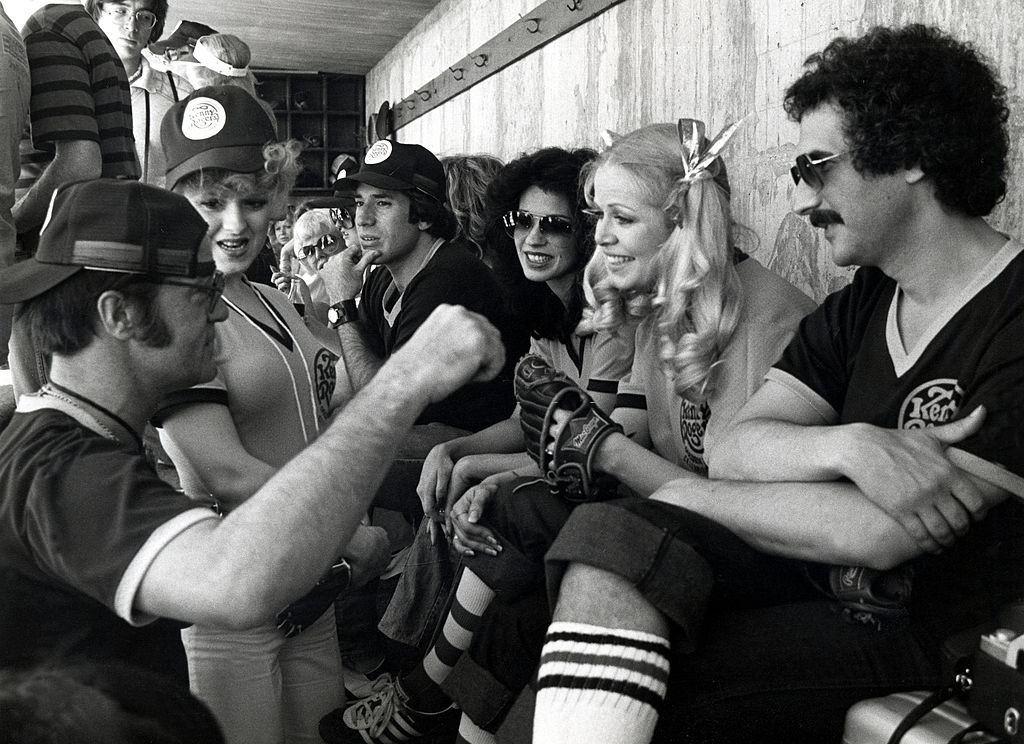
The Golden Nugget’s annual celebrity softball game became one of the city’s most popular recurring events. By its fifth year in 1977, the event drew major names from entertainment and sports. Alice Cooper’s appearance that year was just one of many celebrity sightings tied to the game. It reflected how Las Vegas used celebrity culture not just inside the showrooms, but as a broader marketing tool for the entire city.

My parents used to take me to Las Vegas every year. Even my dad would stop along the way to place bets, and as long as we stayed “far enough away” – whatever that meant – we were fine. As a teen, I played enough poker or Blackjack in the casinos to run the table at home. Eventually, no one would even play with me anymore because I always won. I eventually stopped going with my parents as a teen since I had “learned the game”.
the Strip was the place to be. Imagine walking down the famous Las Vegas Boulevard, lined with iconic hotels and casinos like the Sands, the Stardust, and the Flamingo. These places were like magical kingdoms, with their grand entrances, marquee signs, and flashy neon lights illuminating the night sky. You couldn’t help but be drawn into their glitzy allure.
The Rat Pack, a group of entertainers led by Frank Sinatra, was a symbol of camaraderie and good times. They would perform together, hang out at the lounges, and party till dawn.
First time I visited was 1978. The above photos were what I remember. Going down the strip just as the sunset and all the neon glowing made a real impression. I’d follow my Dad around the casino slots area. No one ever told us I couldn’t be there, as it was illegal. But I can only suppose they just saw a kid with his Dad, no threat of the 8 year old gambling. He hit a jackpot in Stardust, got a $50 payout in quarters but fifty dollars was quite a bit of money then. He was so stoked, carrying all these cups of quarters.