
The Zürich that emerged from the 1940s was a city in transition. World War II had left deep marks on Europe, and Switzerland — though never occupied — was not untouched. Zürich’s textile industry, once a cornerstone of the local economy, declined sharply in the postwar years. Other manufacturing sectors followed. But as those industries faded, a new economic force stepped in. Banks, insurance companies, and financial services firms expanded rapidly, reshaping the city’s identity from an industrial hub into a financial capital. During the war itself, Zürich’s banks had played a controversial role. Swiss banking secrecy laws allowed financial institutions to help the Nazi Party launder gold and stolen valuables. This dark chapter sat beneath the surface of the city’s postwar prosperity, largely unacknowledged in public life at the time. While the economy restructured, the city’s population grew fast. Immigrants arrived from rural Switzerland and from abroad, drawn by jobs and opportunity. By the end of the 1950s, Zürich’s population had surpassed one million. The city was expanding — physically, commercially, and culturally. These photographs, taken across the decade, capture a Zürich that was modernizing while still holding onto the textures of an older urban world.
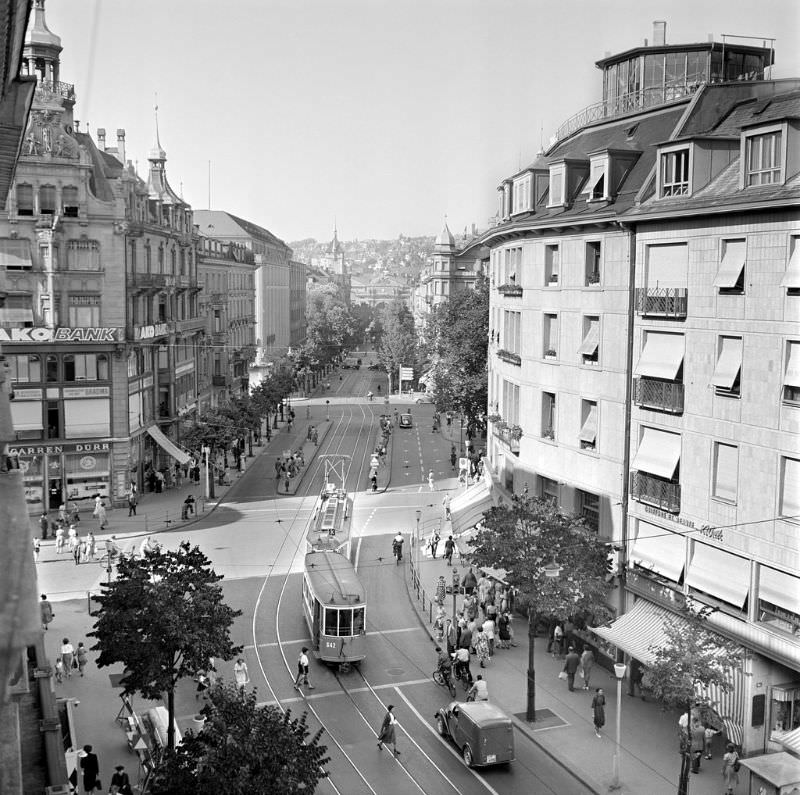
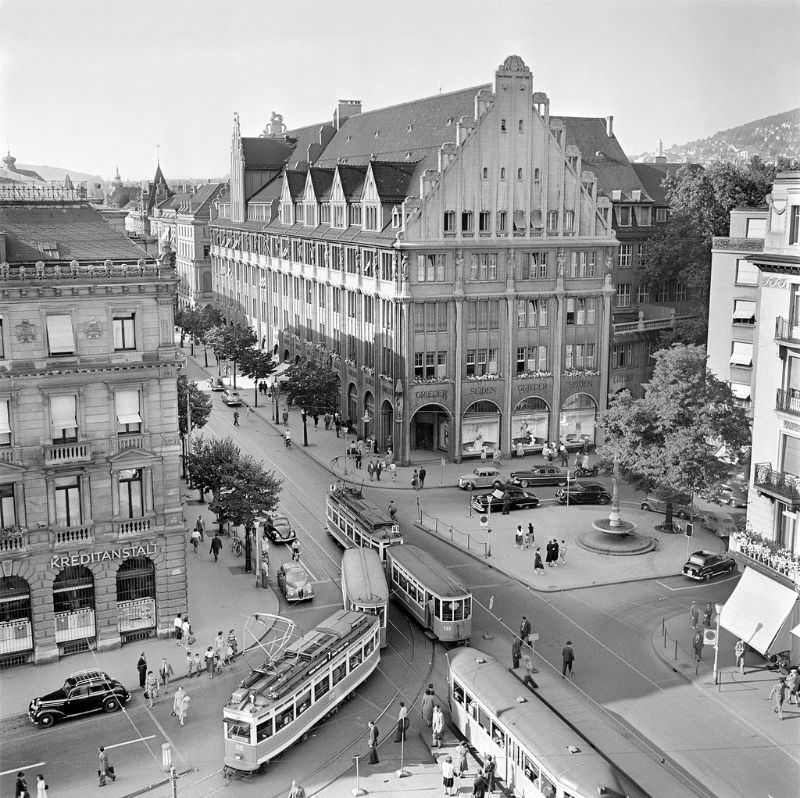
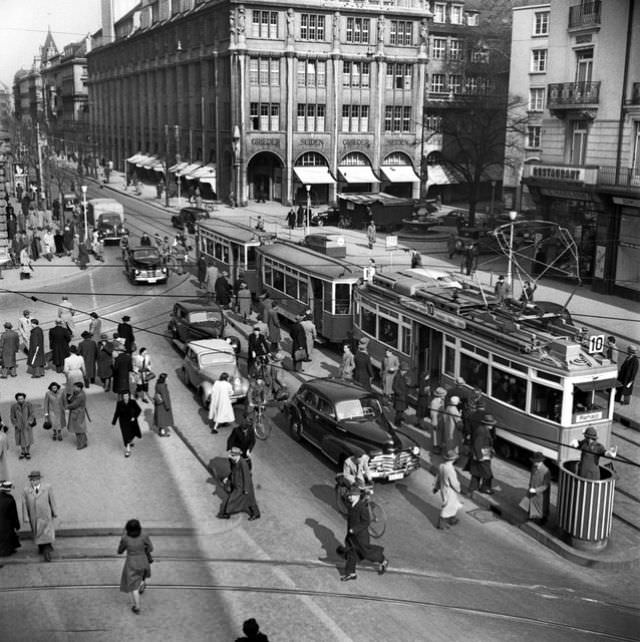
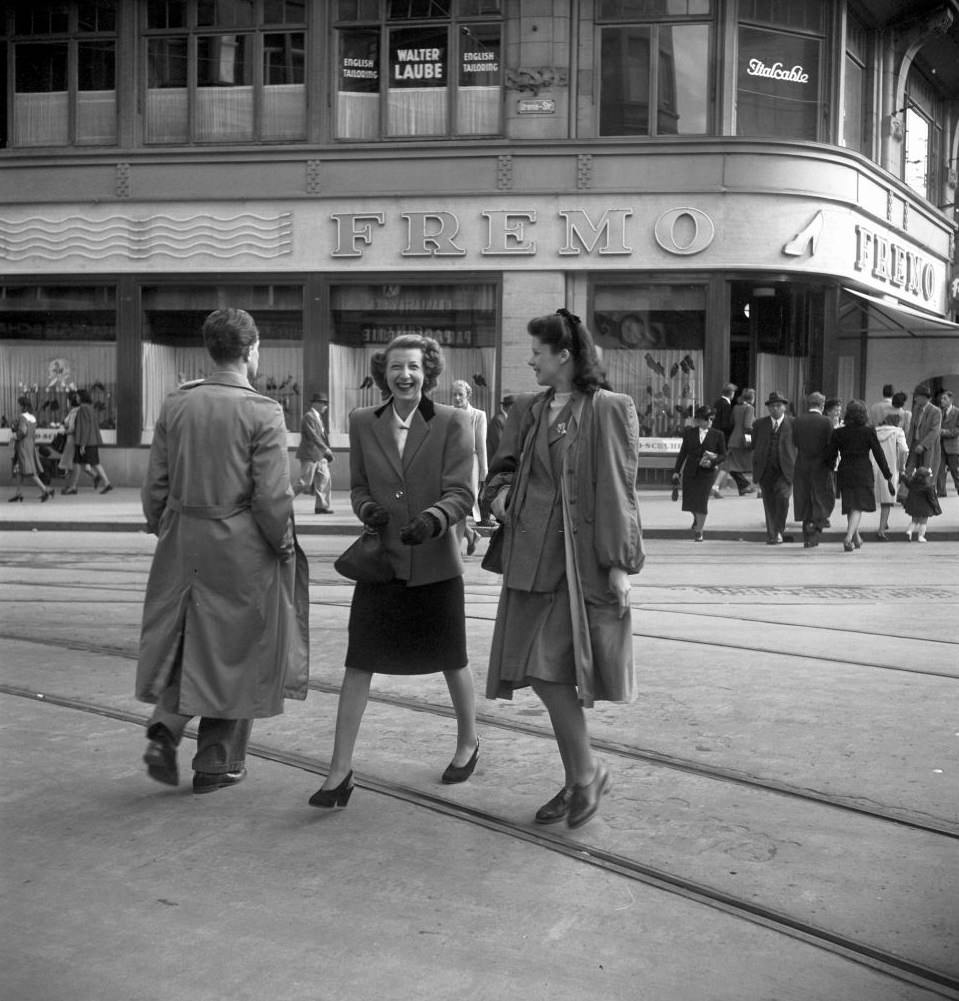
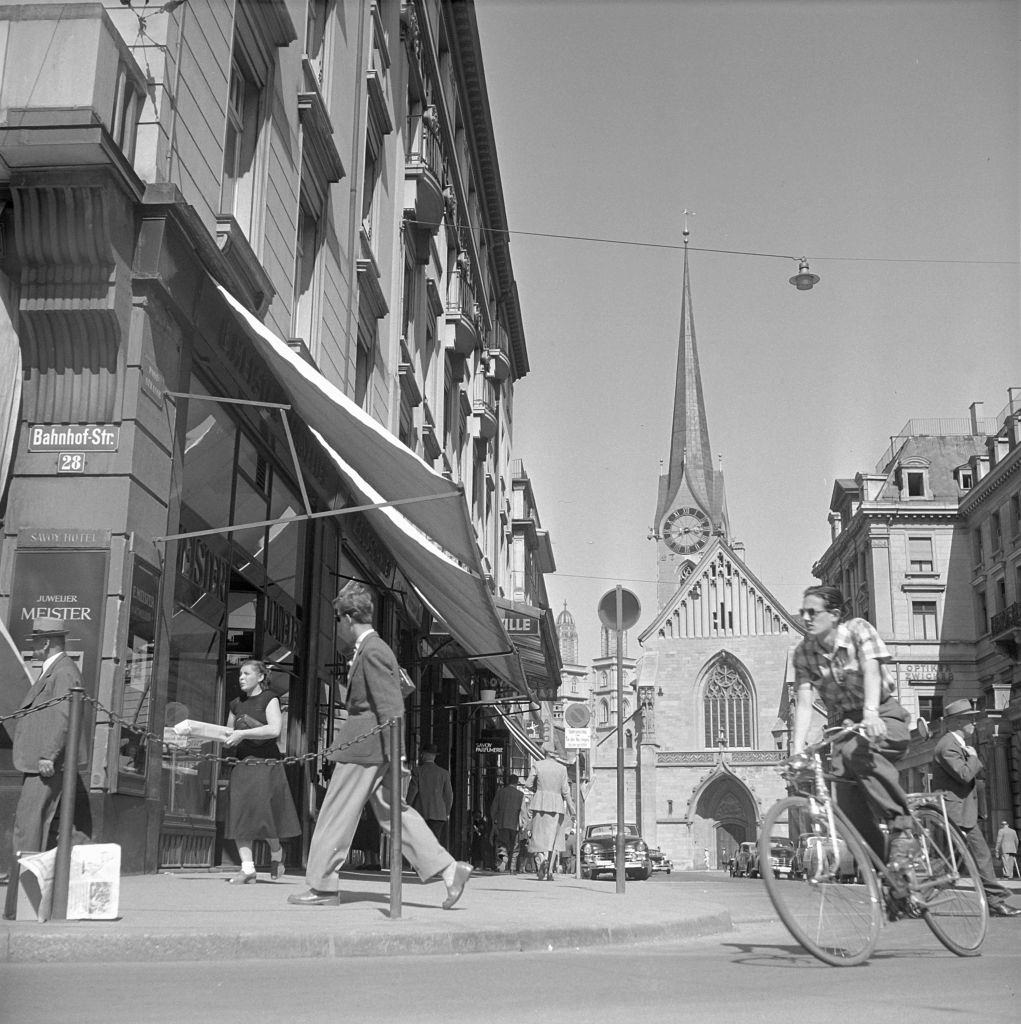
The Bahnhofstrasse was Zürich’s commercial spine. Running from the main train station down toward Lake Zürich, it was lined with department stores, fashion houses, and banks. Around 1950, it buzzed with foot traffic, trams, and shop windows dressed to draw in passersby. The street was already well established as one of Europe’s premier shopping avenues, and the early 1950s saw it grow even more polished.
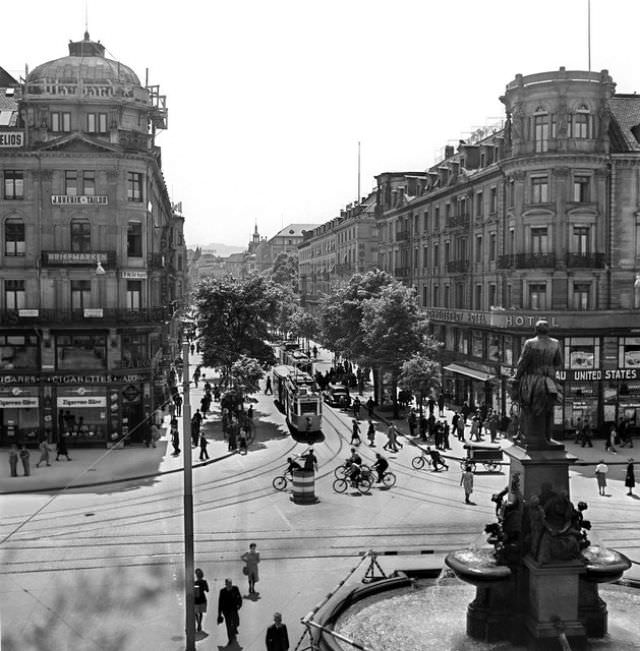
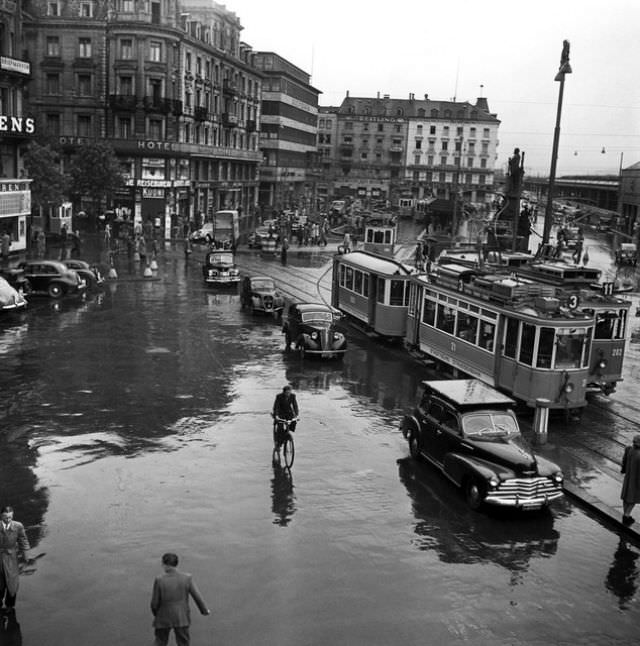
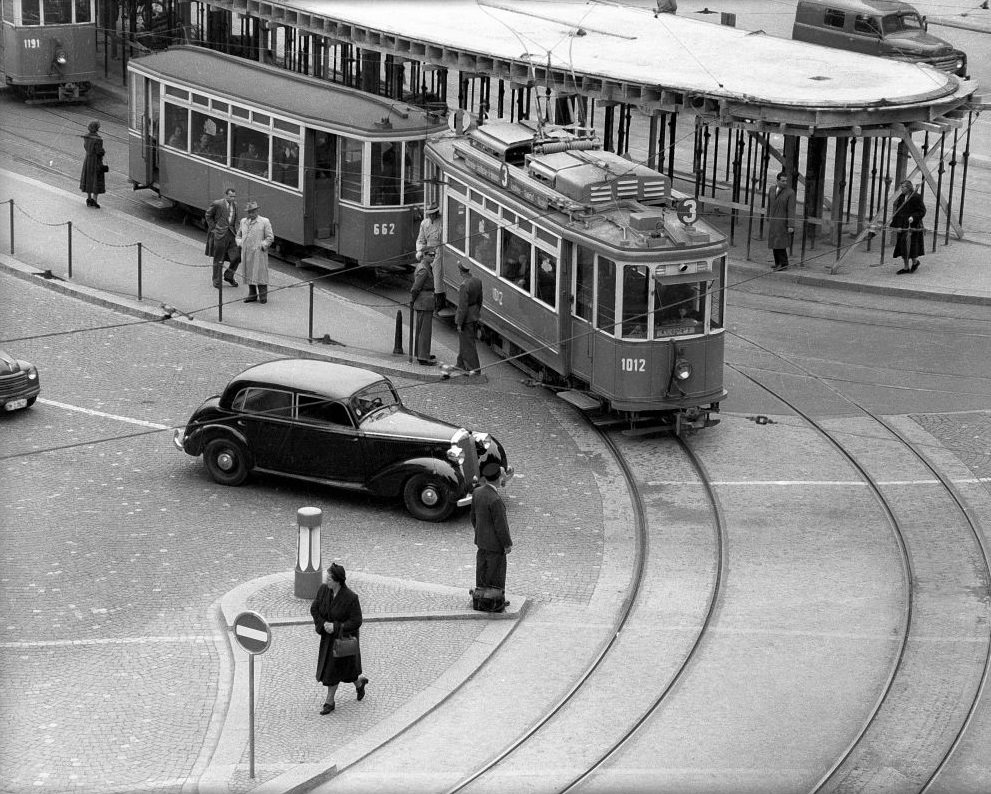
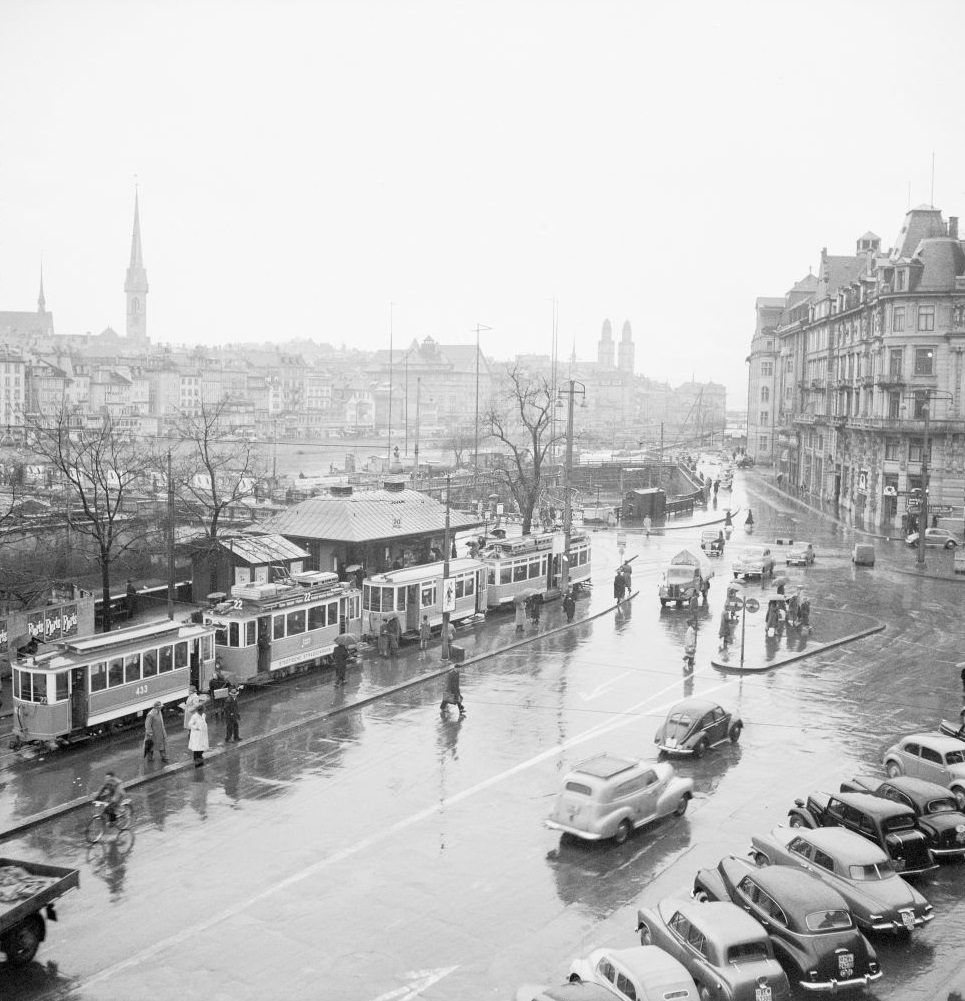
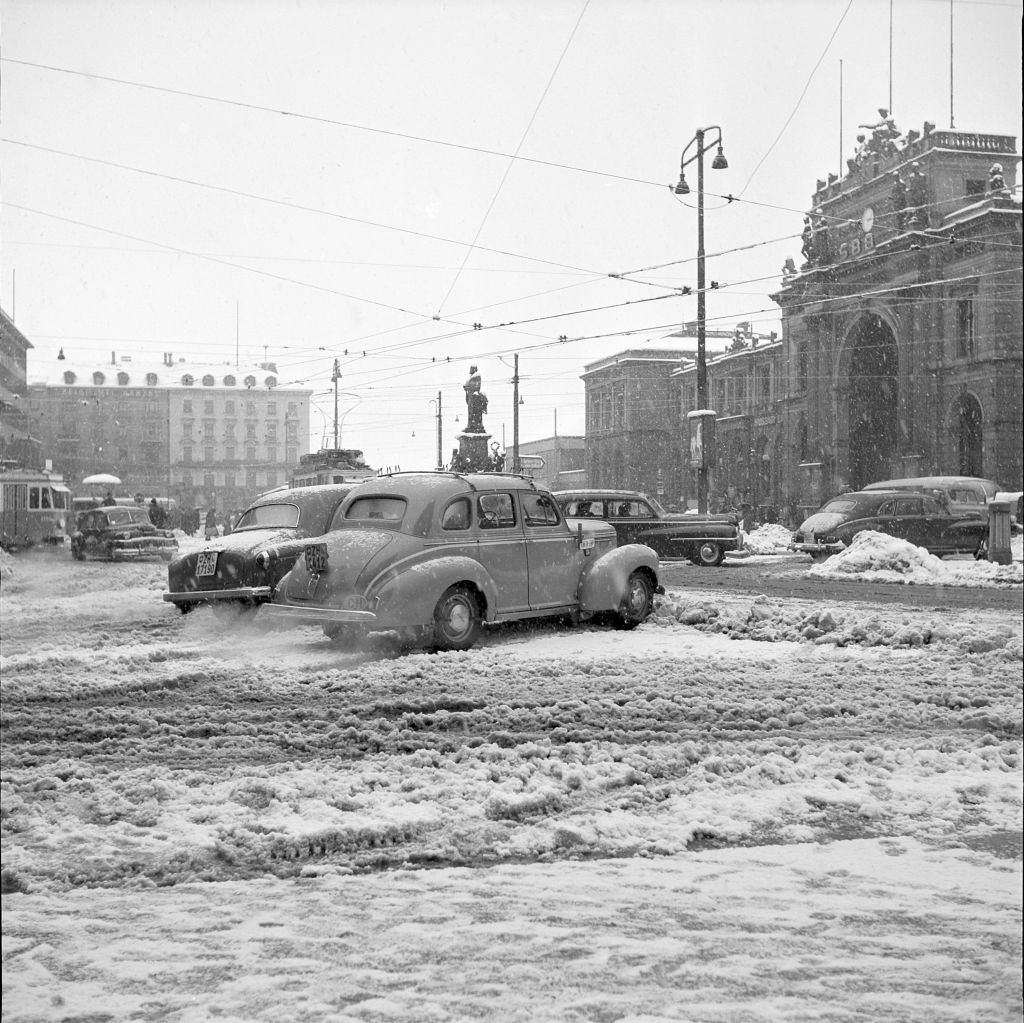
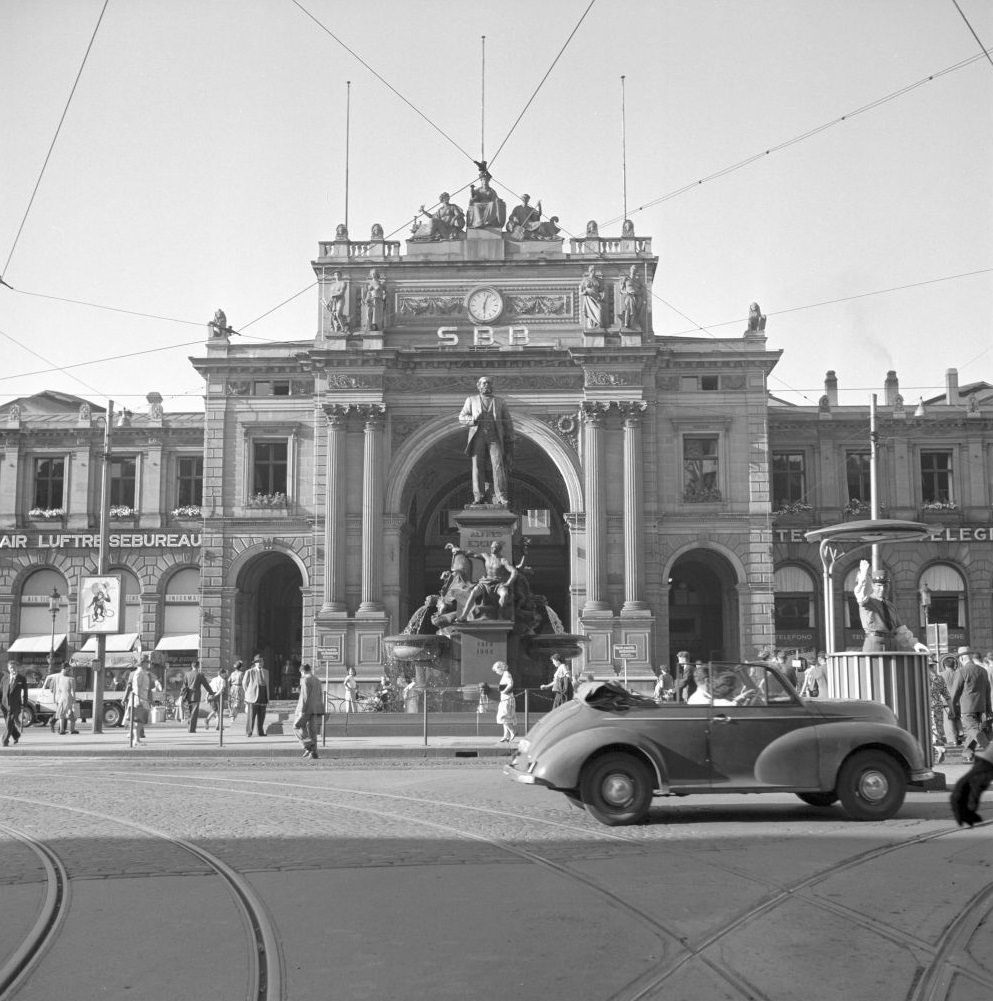
The area around the Hauptbahnhof — Zürich’s main train station — was the city’s busiest hub. Trams converged here, taxis lined up, and commuters poured in and out at all hours. The station square served as the starting point for much of city life, connecting neighborhoods, businesses, and the broader rail network that tied Switzerland together.
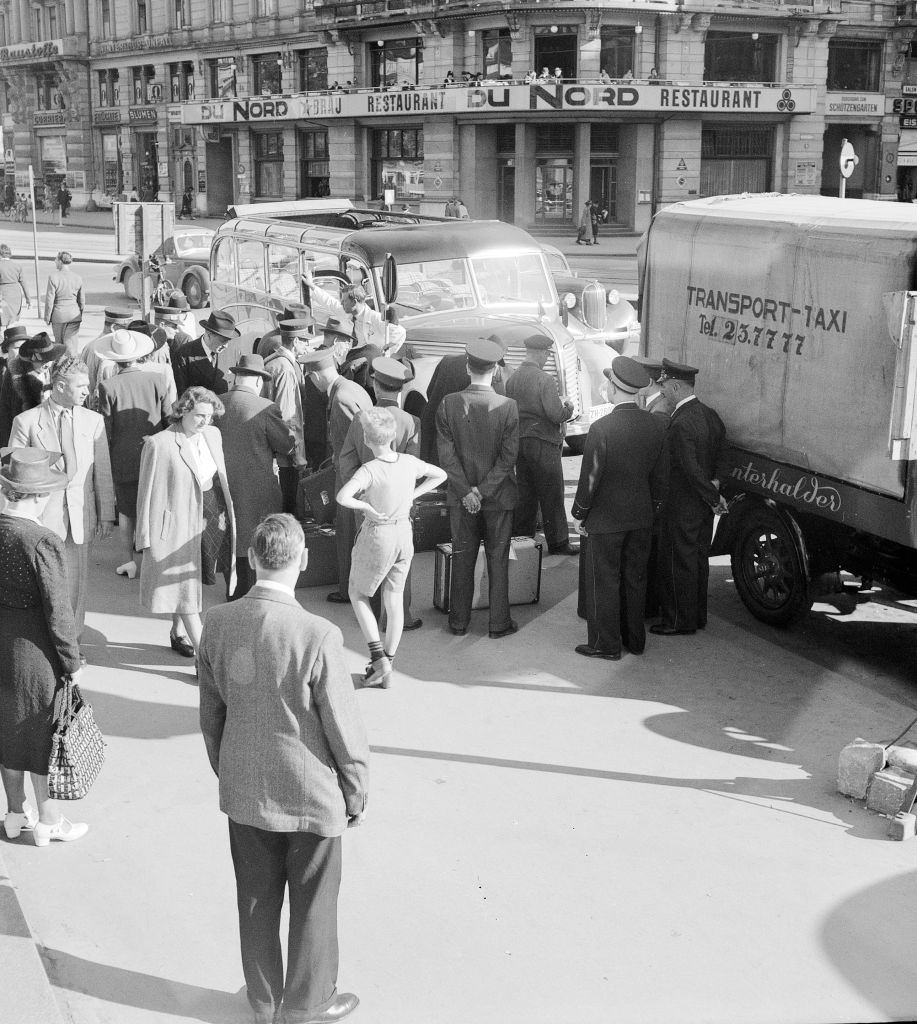
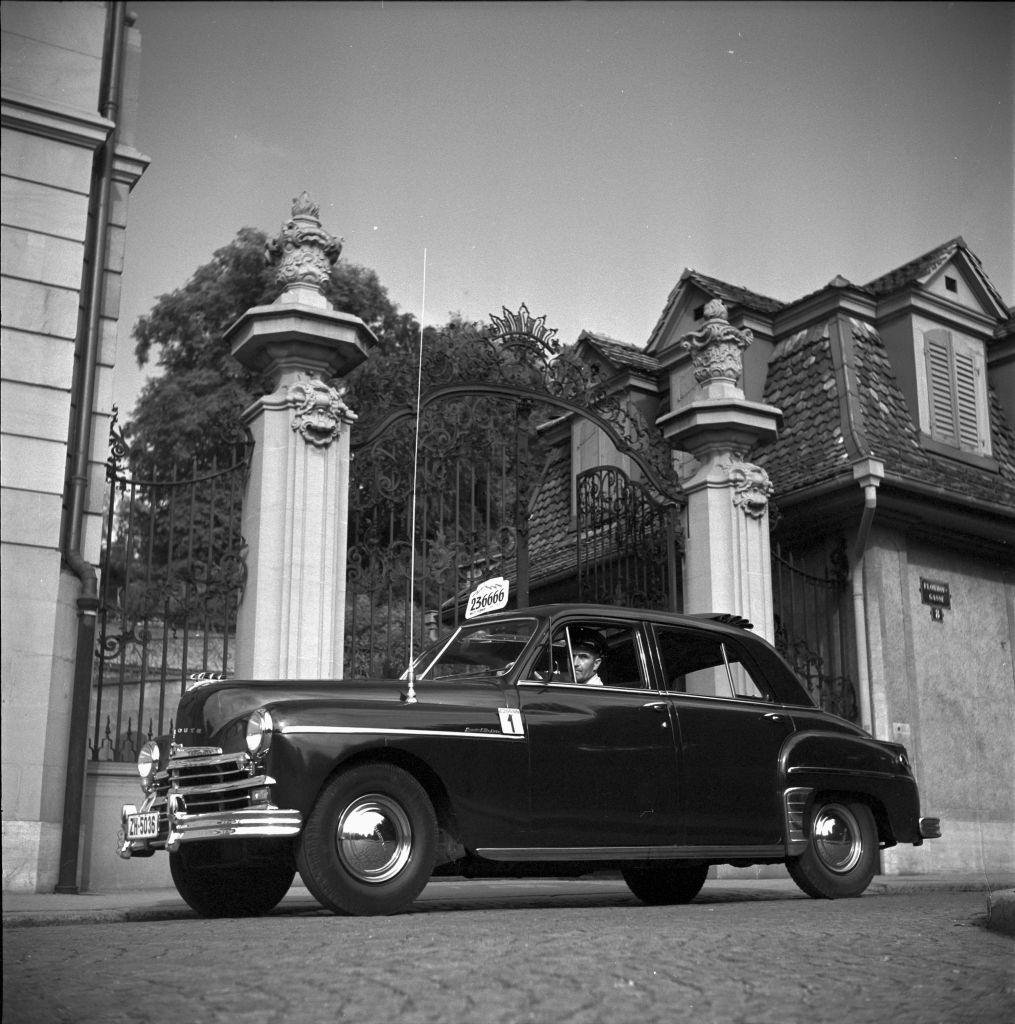
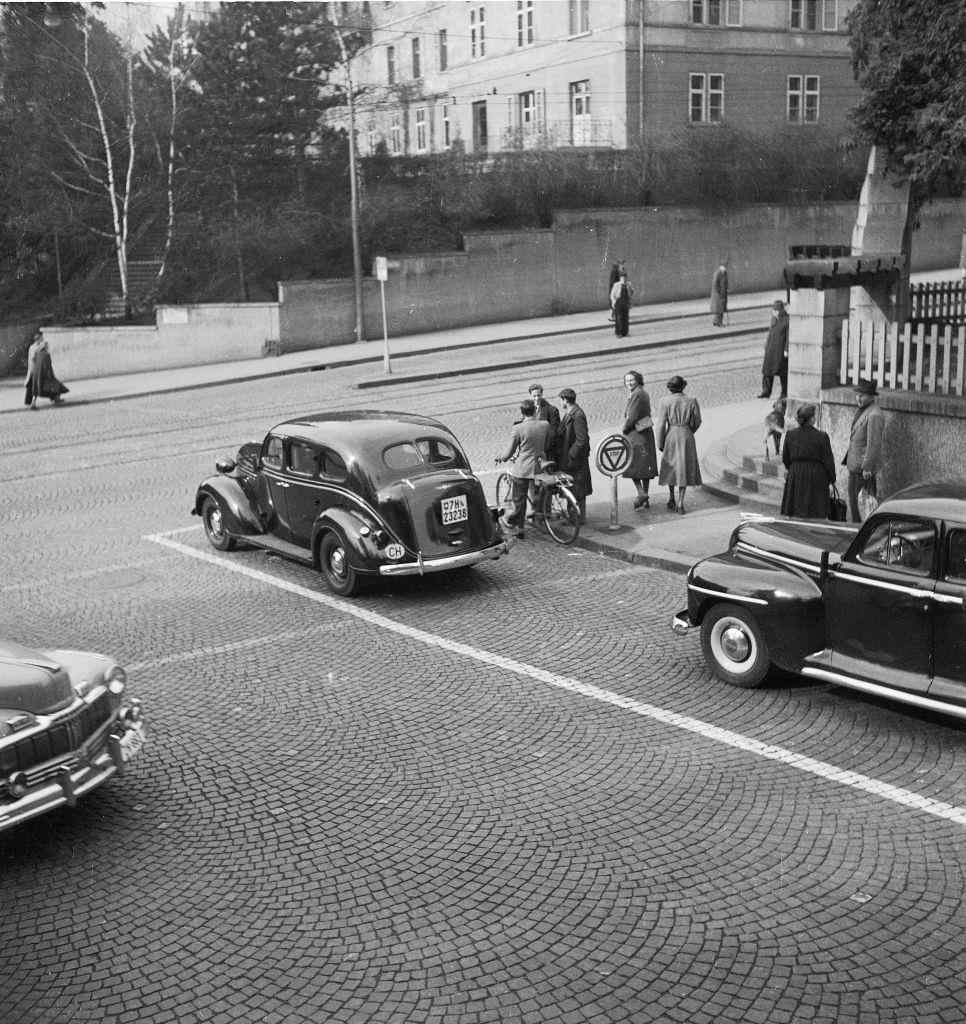
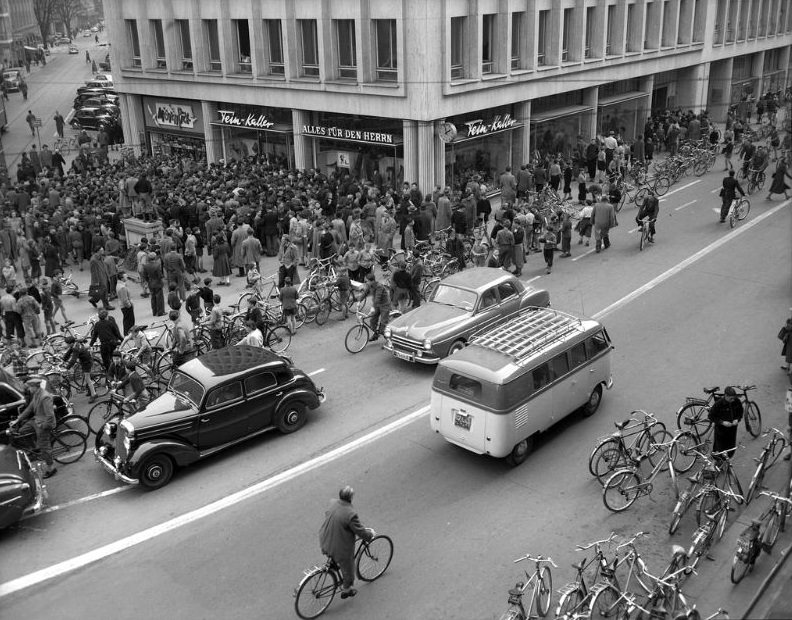
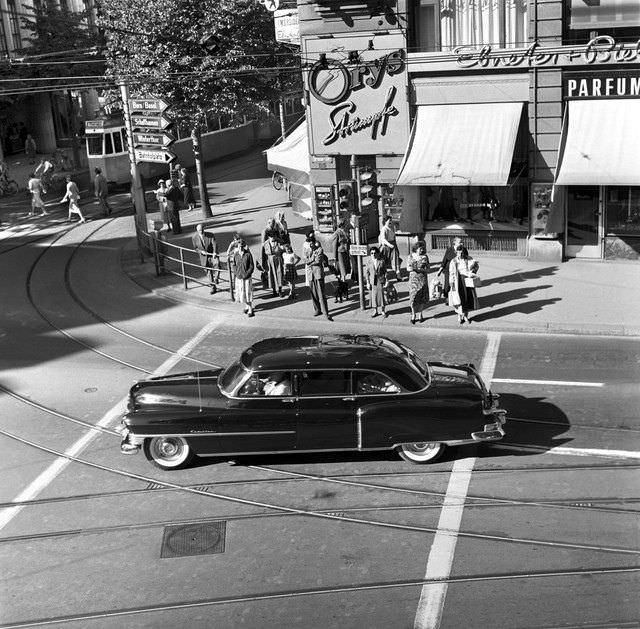
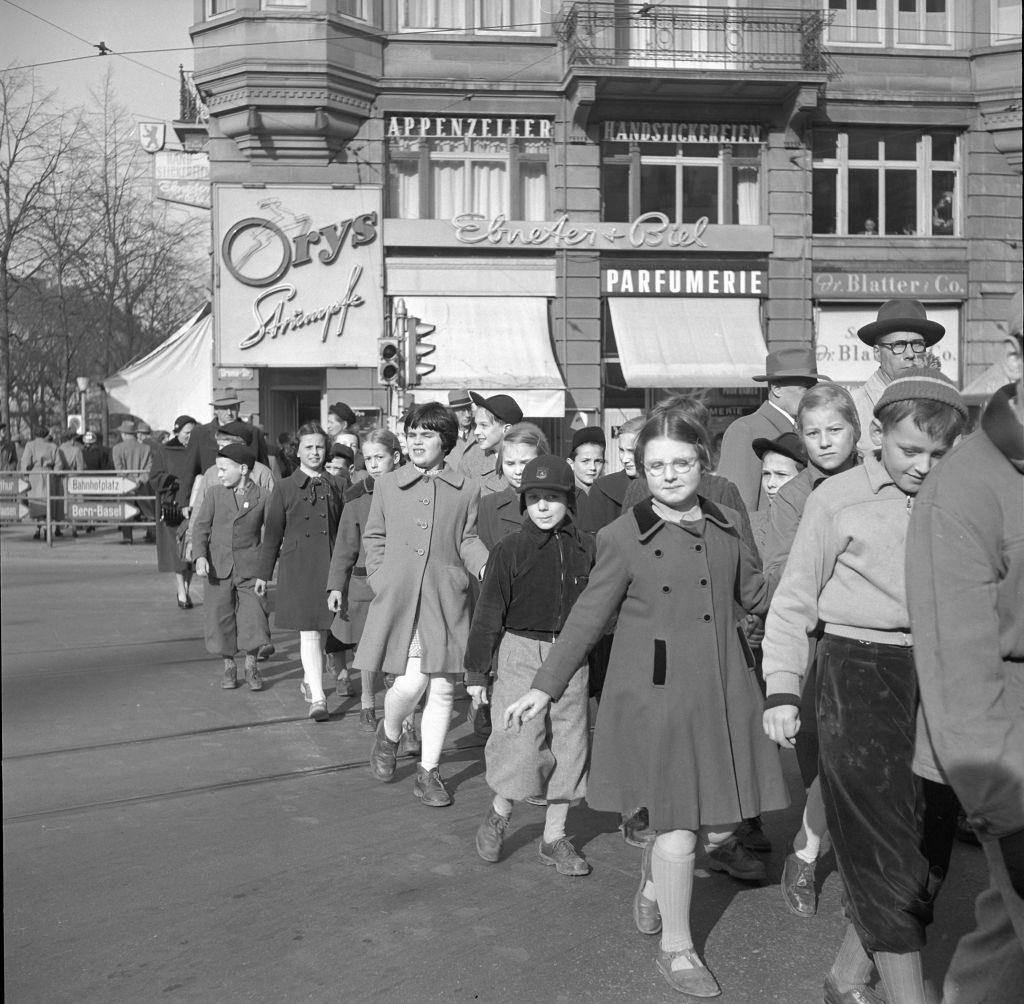
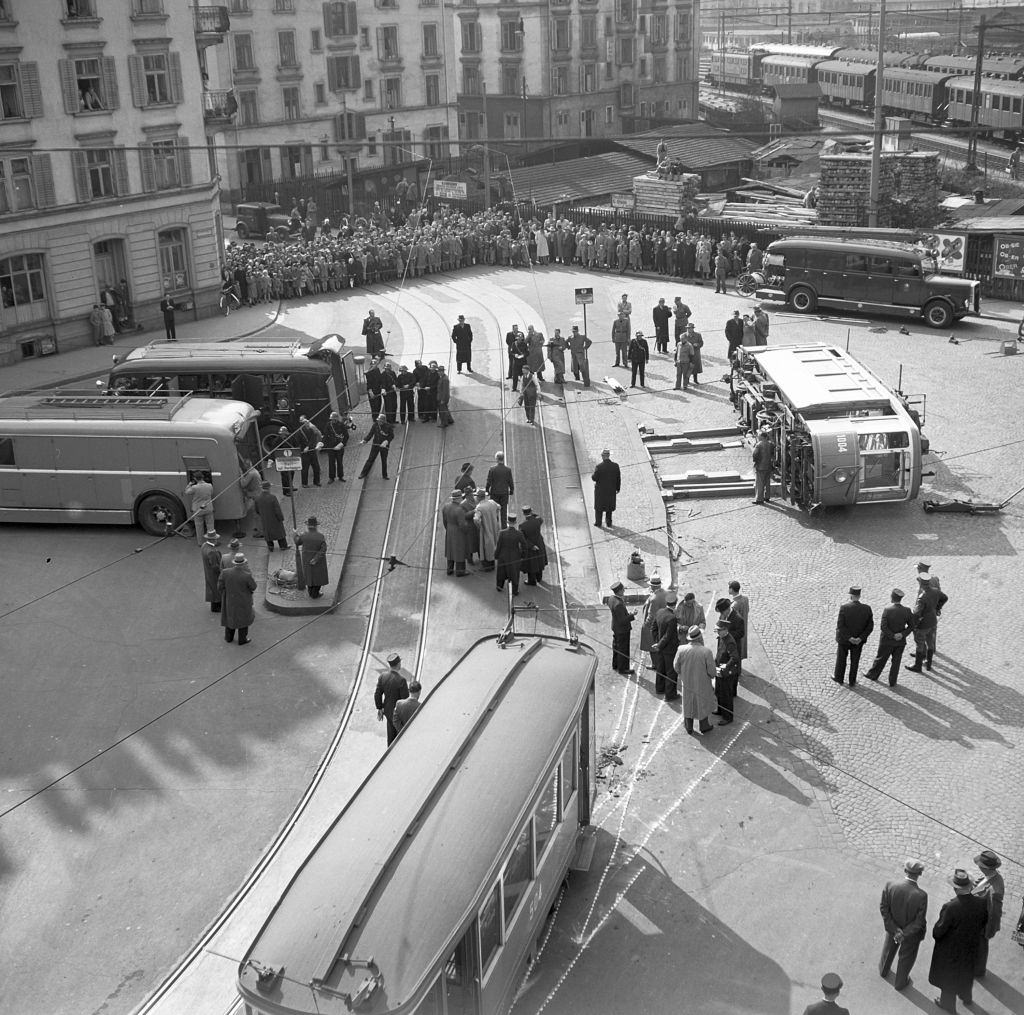
Street life in 1950 Zürich had a particular rhythm. Cars were still far less common than they would become by the end of the decade, and public transport — especially the tram network — dominated urban movement. Tram accidents were documented more than once during the early 1950s, a reminder that the city’s transit system, though extensive, operated in close quarters with pedestrians and other vehicles.
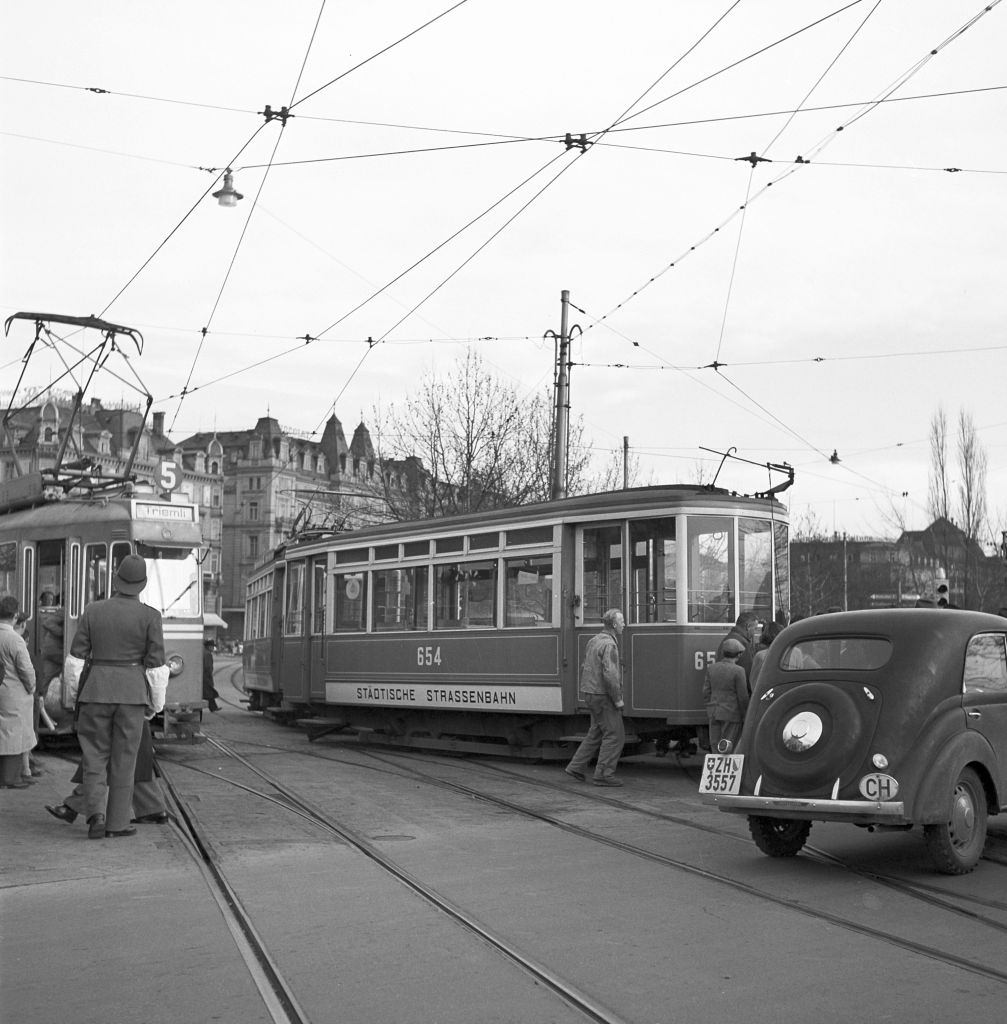
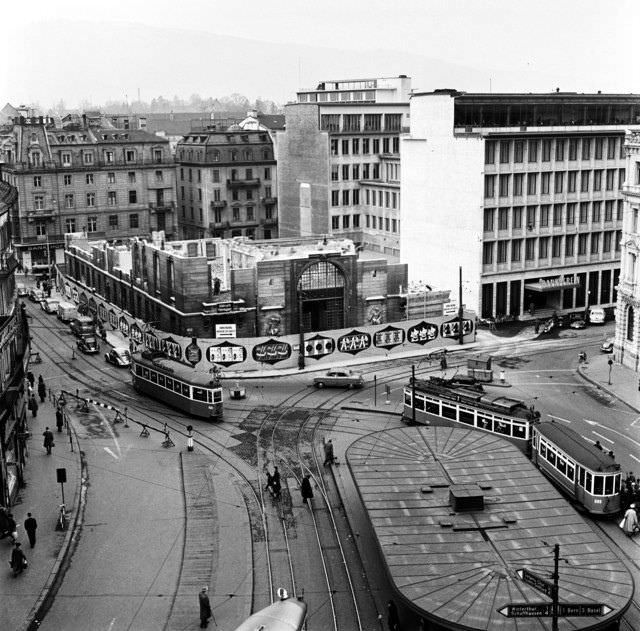
The Paradeplatz sat at the heart of Zürich’s financial district. Flanked by major banks, it was the symbolic center of Swiss banking power. In 1956, one of its landmarks was torn down — the bank association building at the Paradeplatz was demolished, making way for new construction that would reflect the sector’s growing ambitions. The square itself remained a constant gathering point, captured in photographs that show it busy with trams and suited pedestrians.
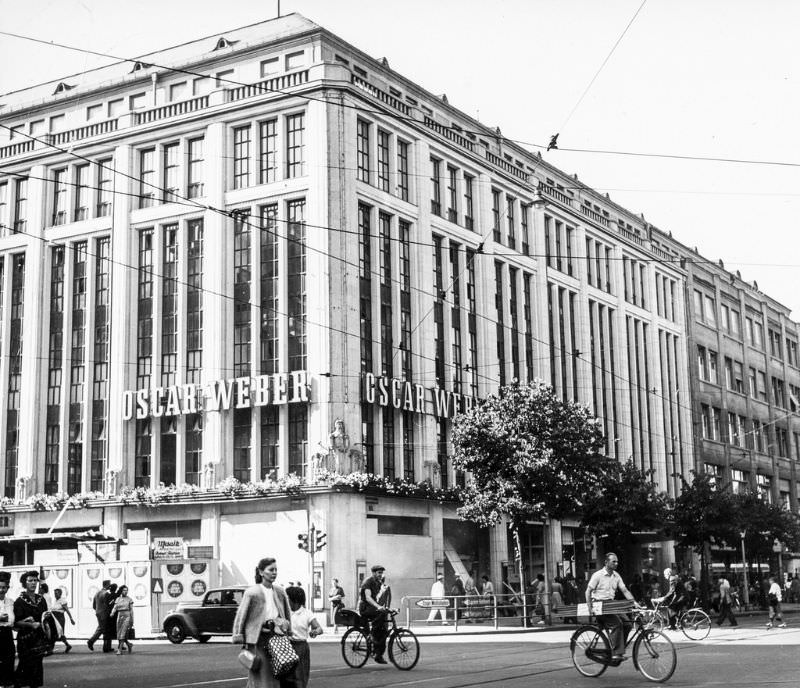
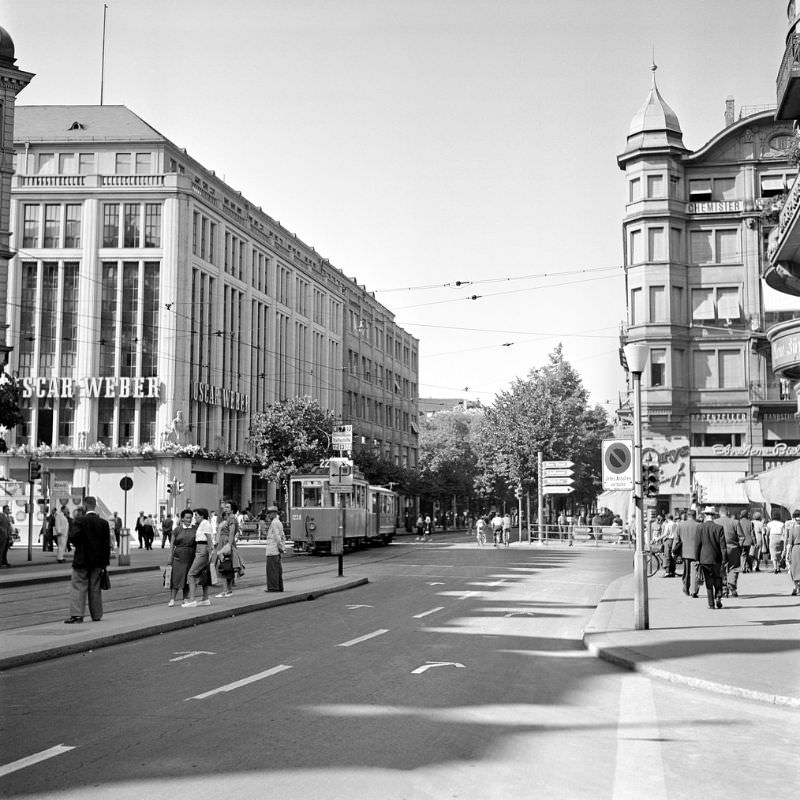
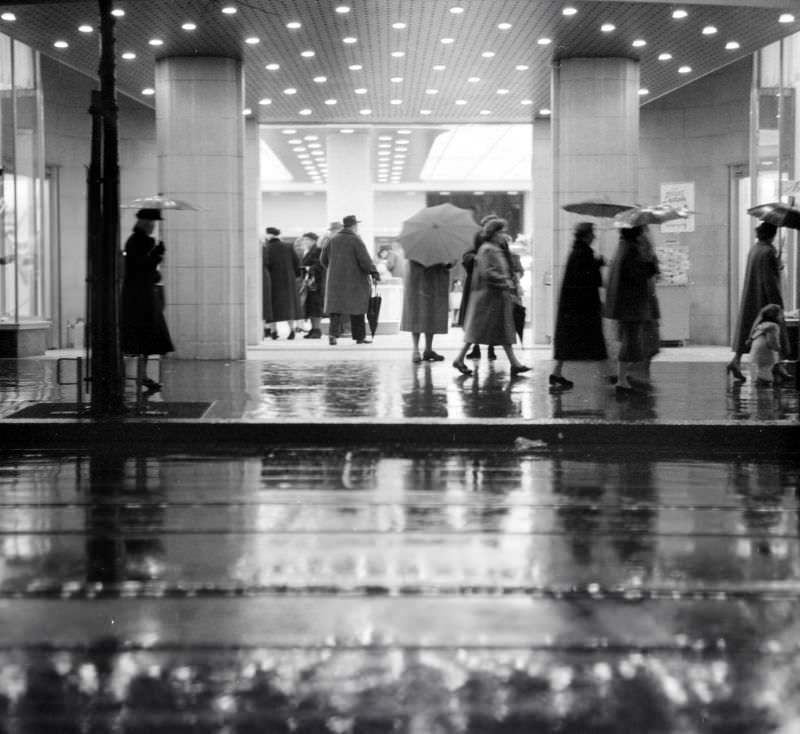
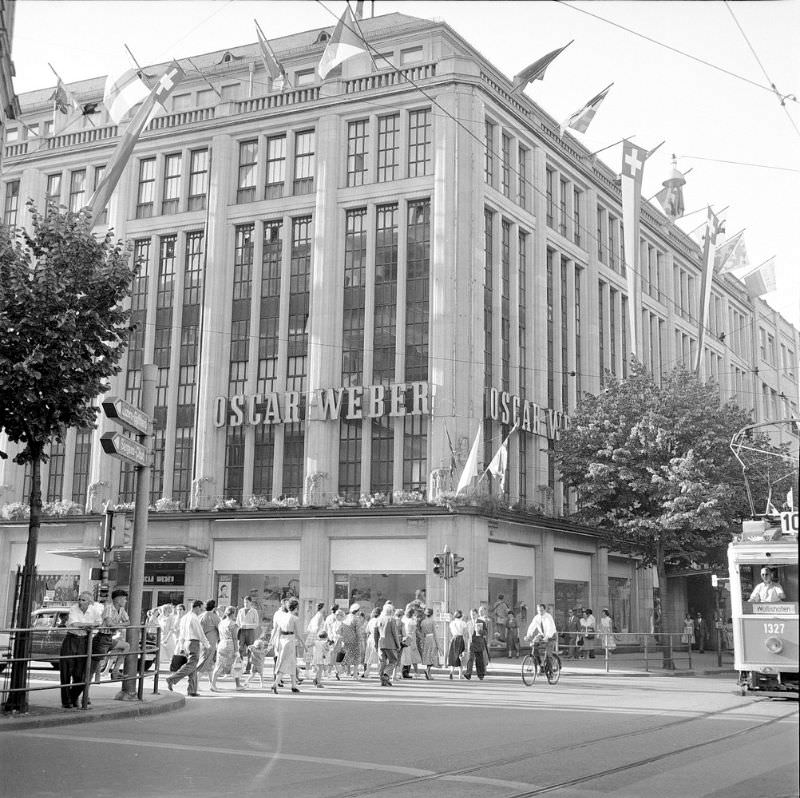
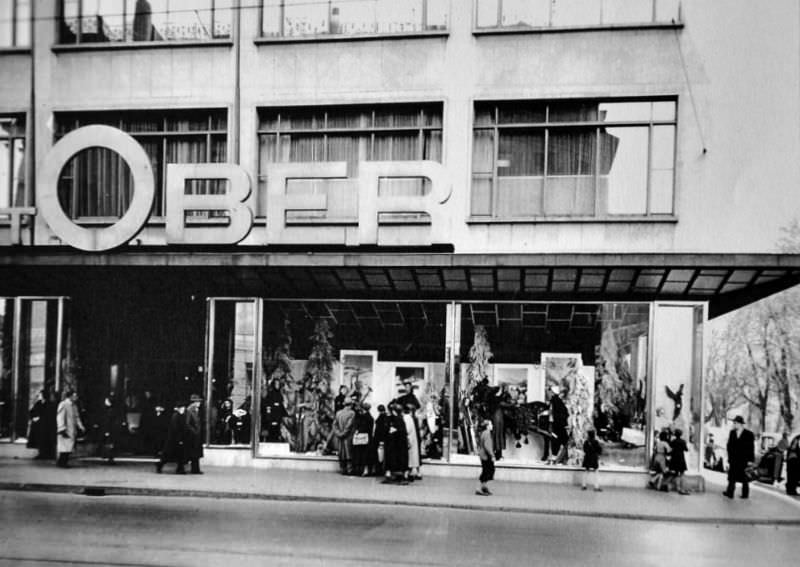
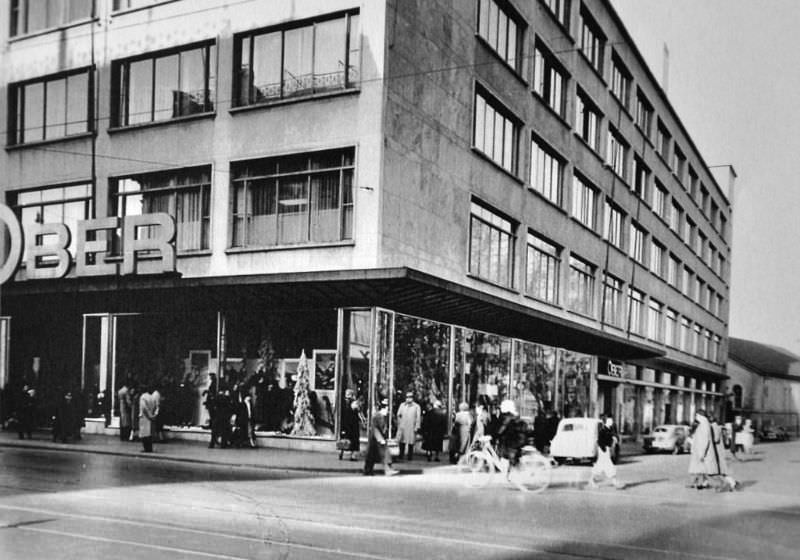
The Oscar Weber department store on the Bahnhofstrasse was one of the most recognizable retail establishments in the city. Originally operating as Julius Brann, it occupied a prominent position at Bahnhofstrasse 75 and drew shoppers throughout the decade. By 1952, the store had installed a new main entrance fitted with an air curtain in place of traditional doors — a modern touch that signaled the store’s forward-looking approach to retail design. The building later became the Manor department store.
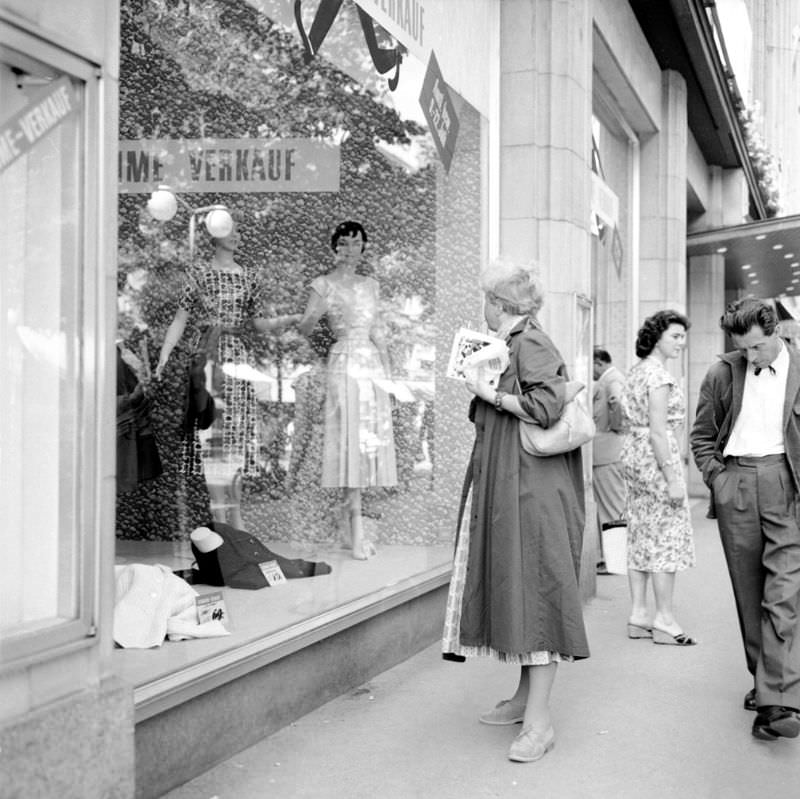
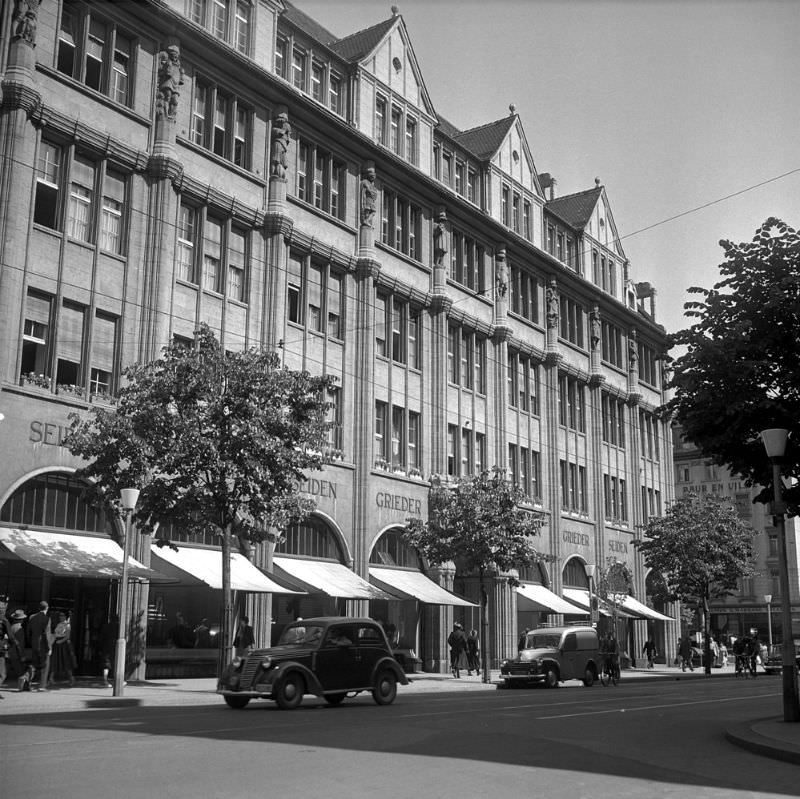
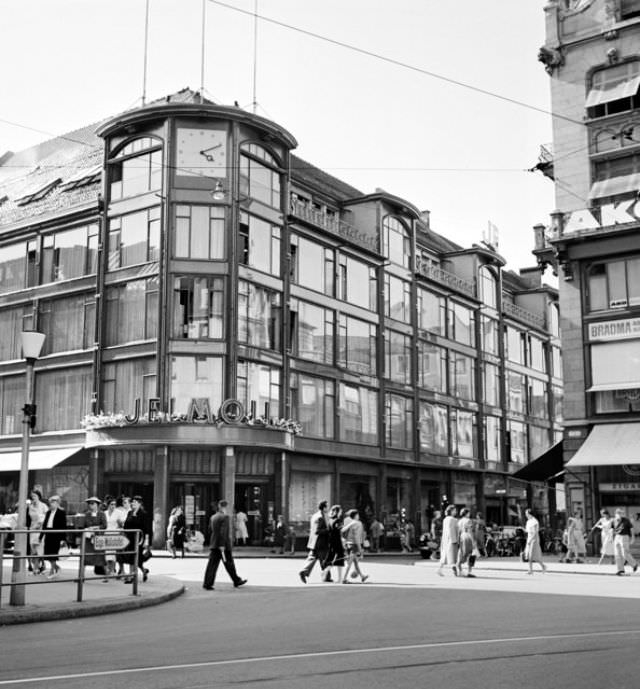
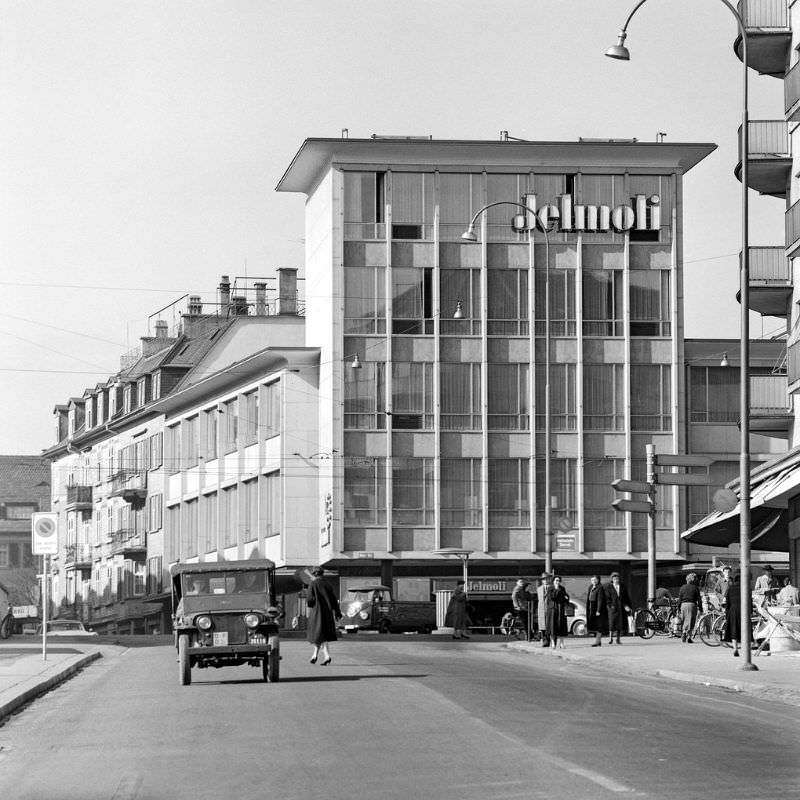
Other major retailers competed for shoppers along the same stretch. Grieder, a high-end fashion retailer, had its own presence on the Bahnhofstrasse. Jelmoli, one of Switzerland’s oldest and largest department stores, was also prominent. By 1959, a modernized Jelmoli had opened, representing a broader wave of architectural and commercial renewal across the city center.
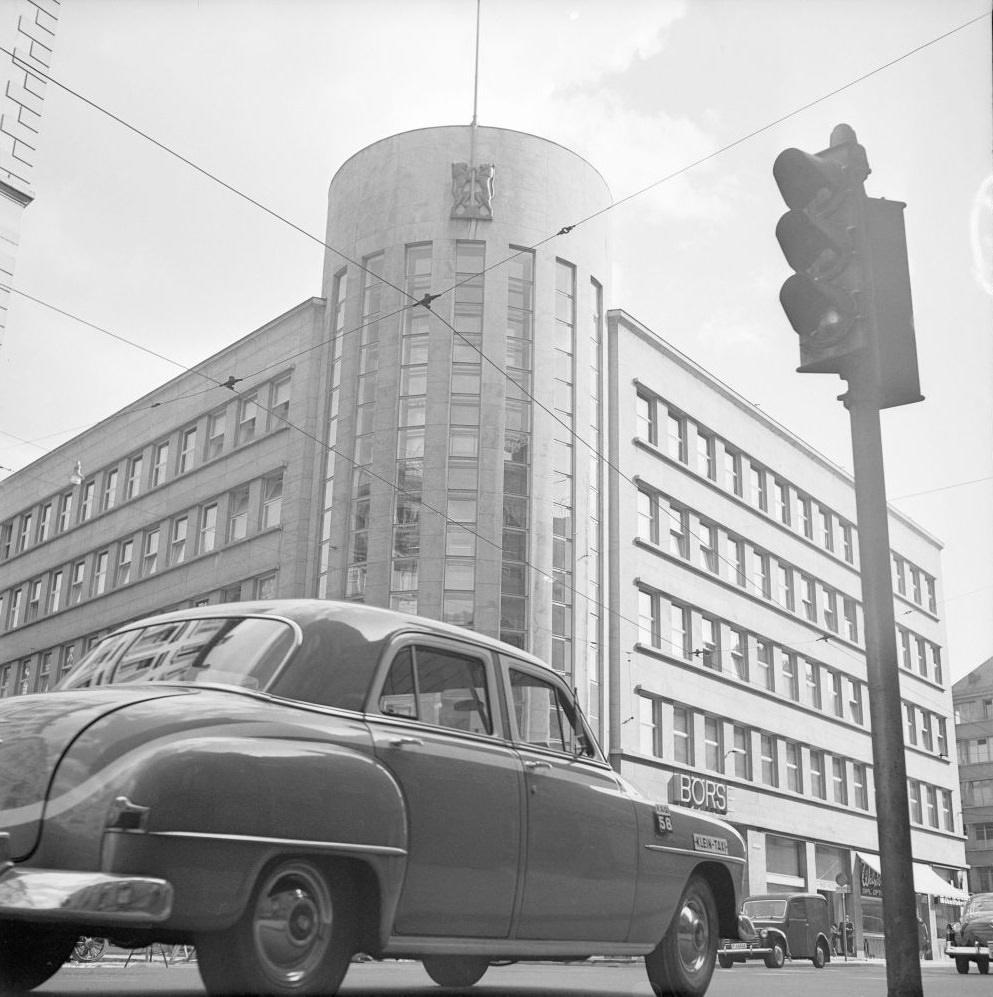
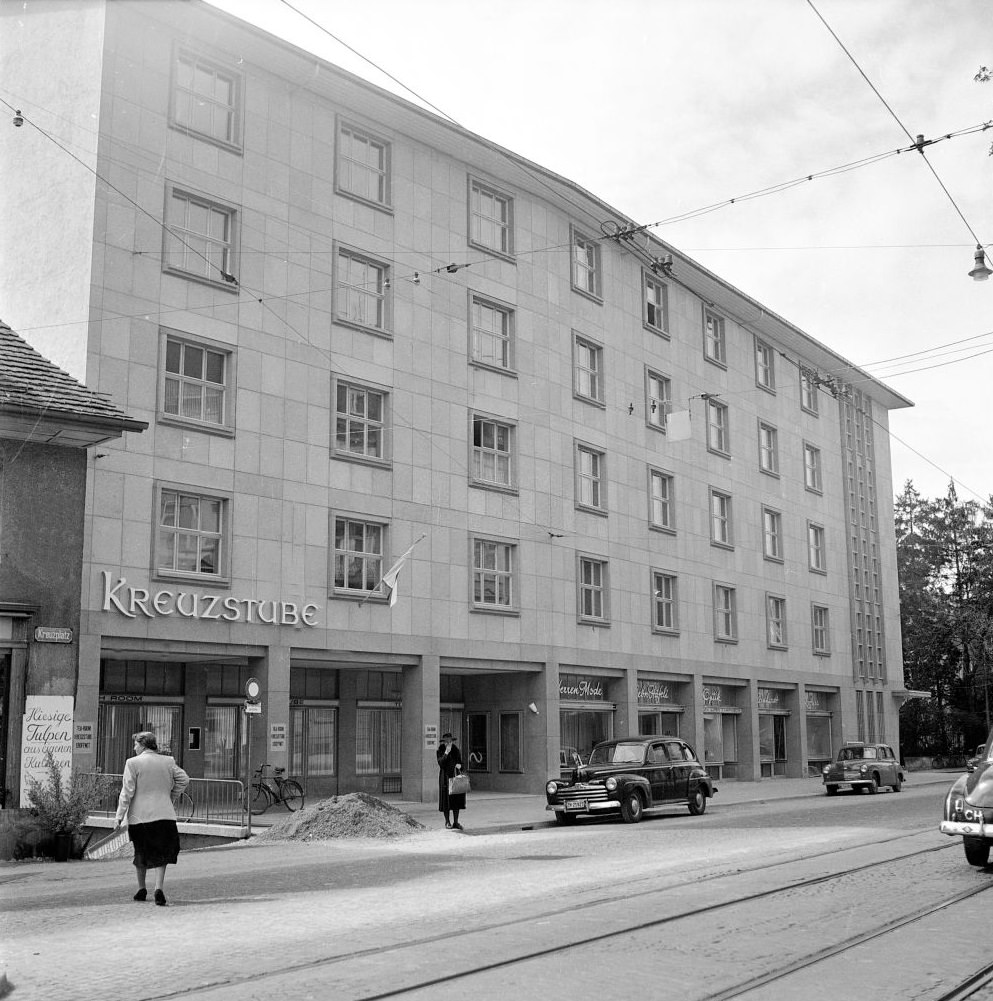
The fashion house Robert Ober operated at the corner of Gessnerallee and Sihlbrücke, a location that placed it near the Sihl River on the western edge of the old city. Multiple photographs from 1953 document the building’s exterior and window displays, showing a city where fashion retail was thriving even as the broader textile manufacturing sector contracted. The Fein Kaller store and the Modissa building at the Bahnhofstrasse corner of Uraniastrasse were further examples of the decade’s retail energy.
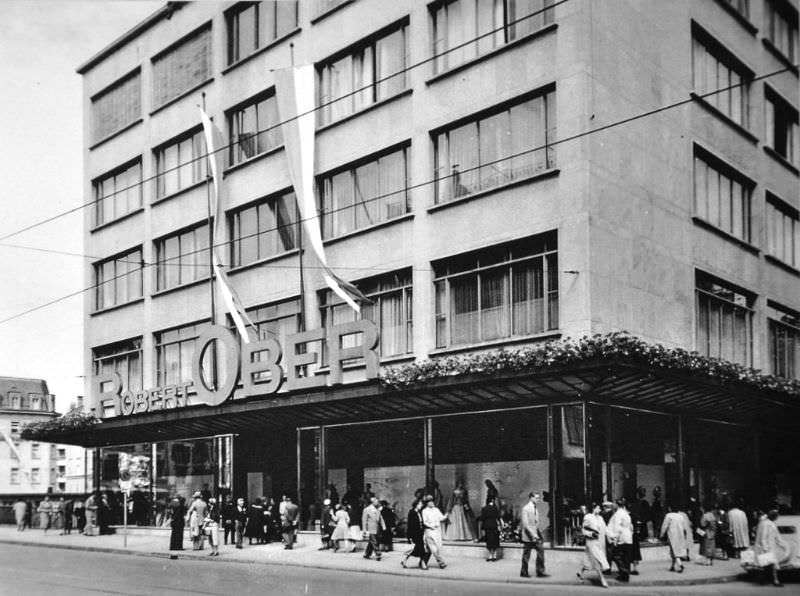
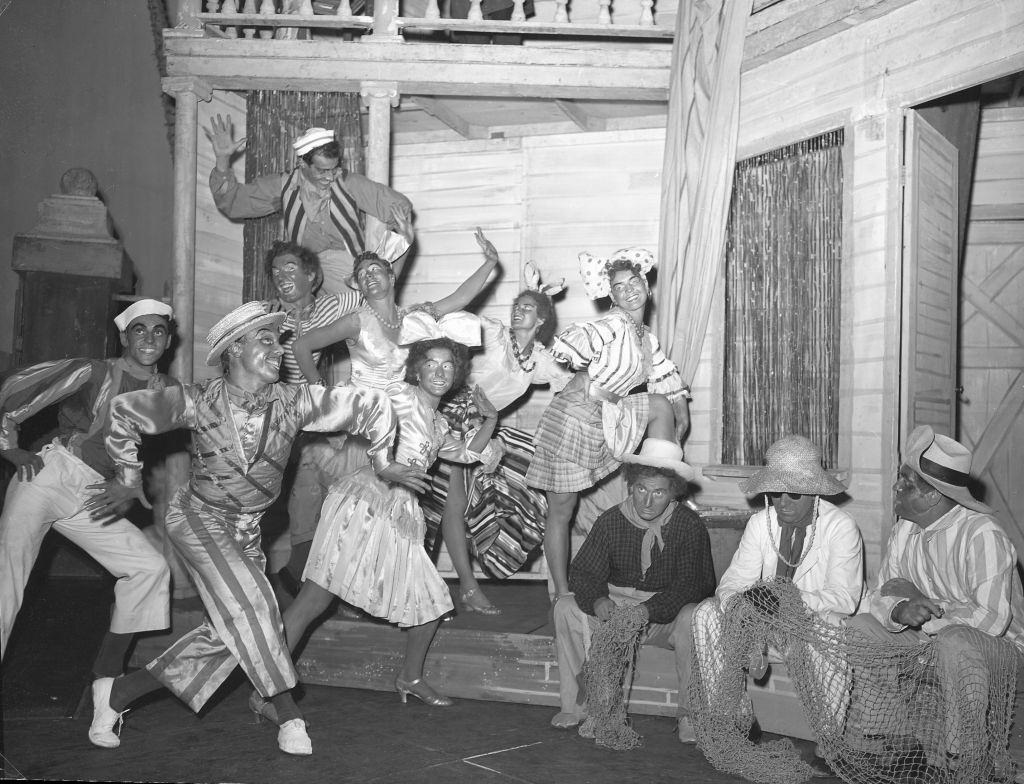
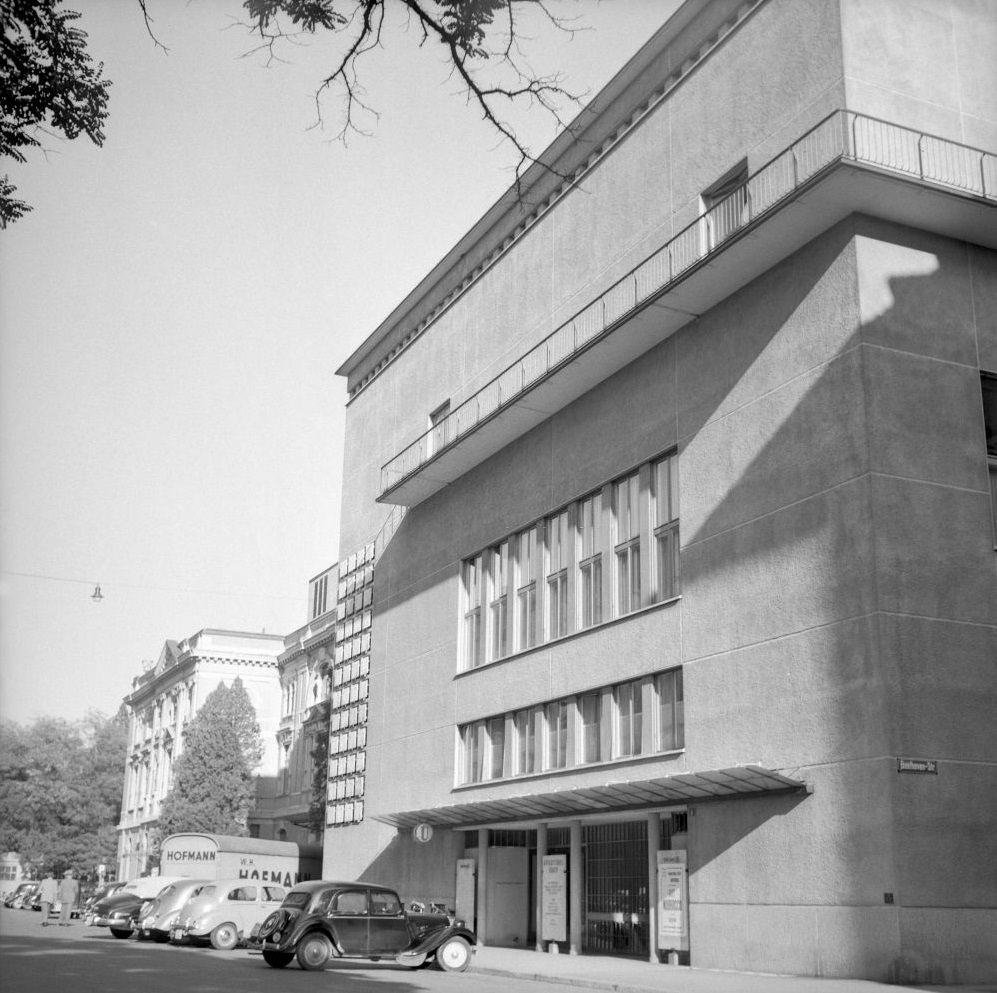
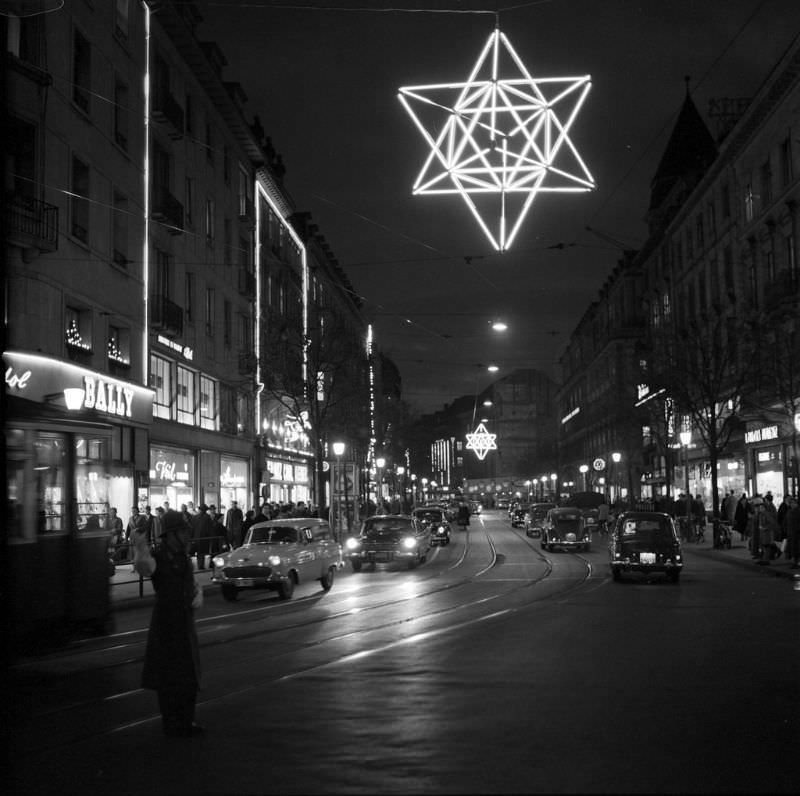
Beyond shopping, the city offered a rich public and cultural life. The Opernhaus Zürich staged a production of the ballet ‘Porgy and Bess’ in 1950, drawing audiences to one of the city’s most celebrated venues. The Kongresshaus served as a major civic gathering space. Christmas on the Bahnhofstrasse brought festive lighting that transformed the commercial strip into a seasonal spectacle, as photographs from 1957 clearly show.
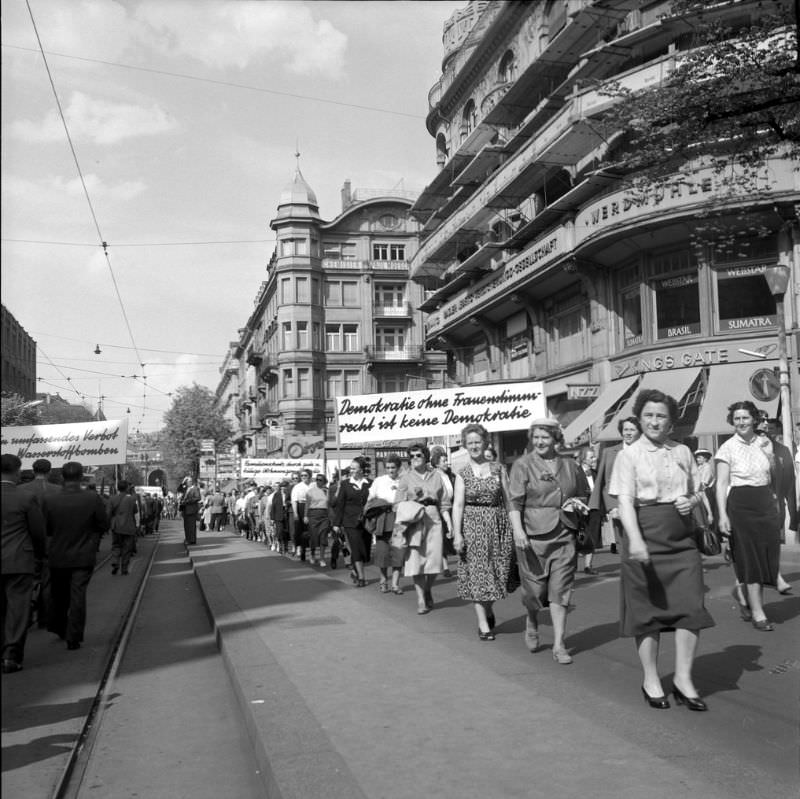
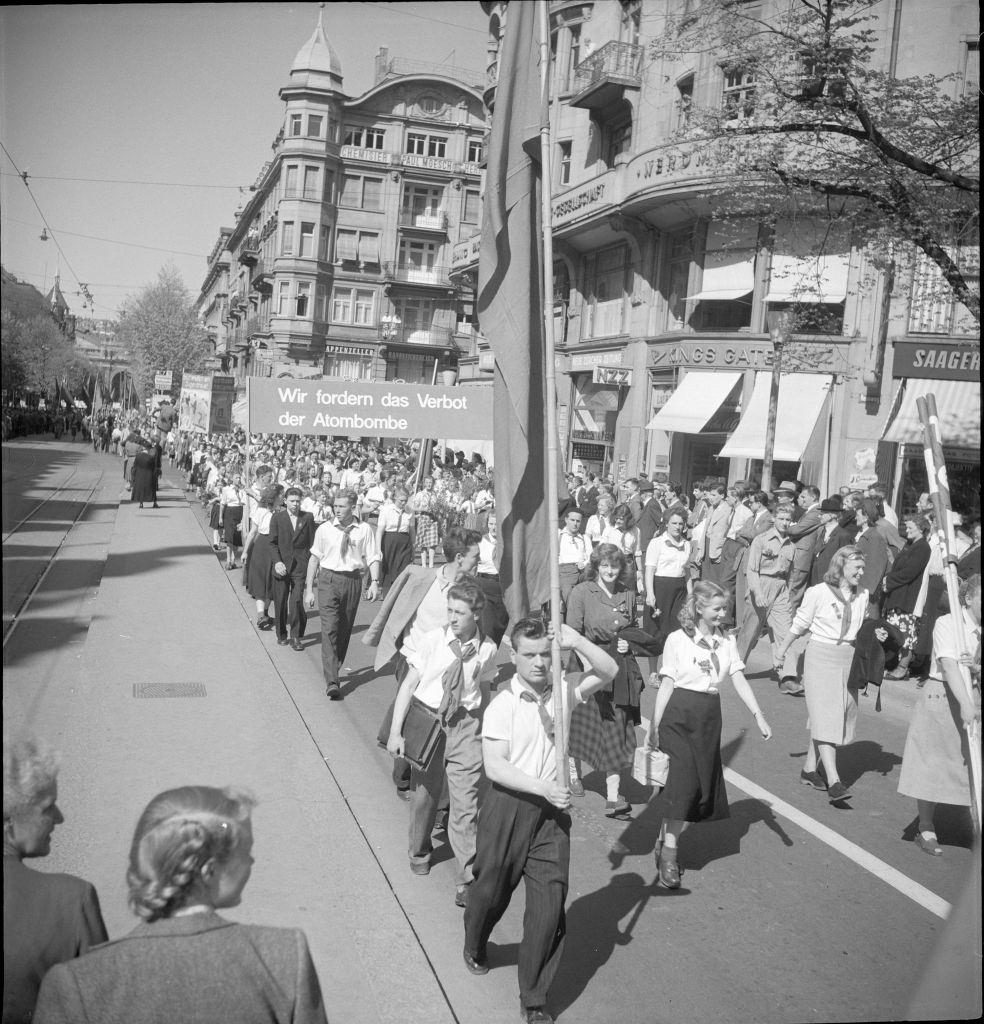
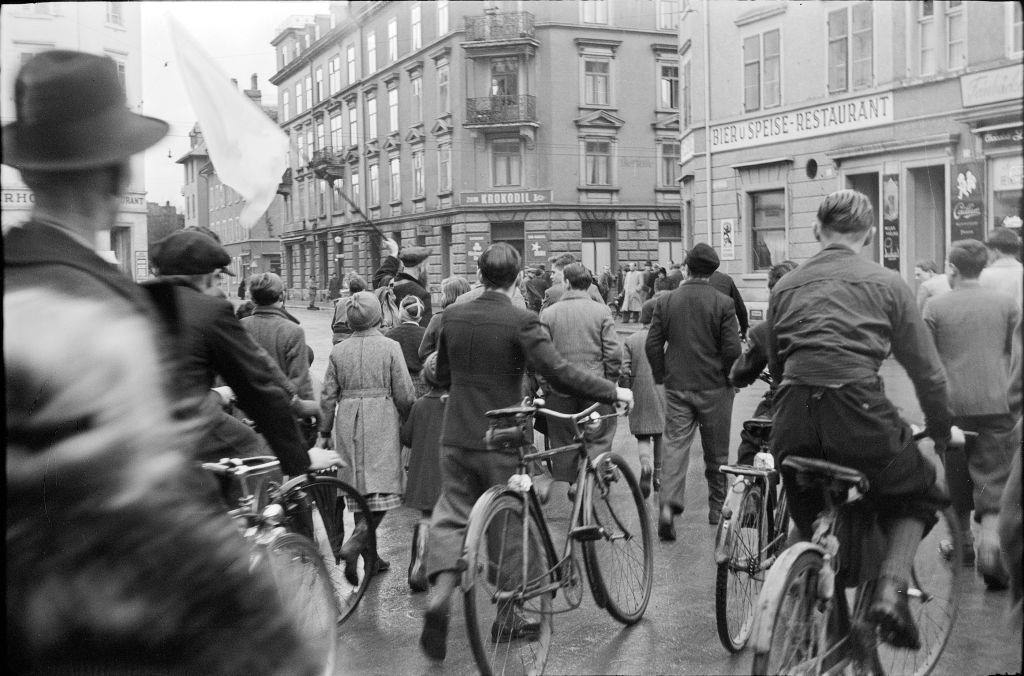
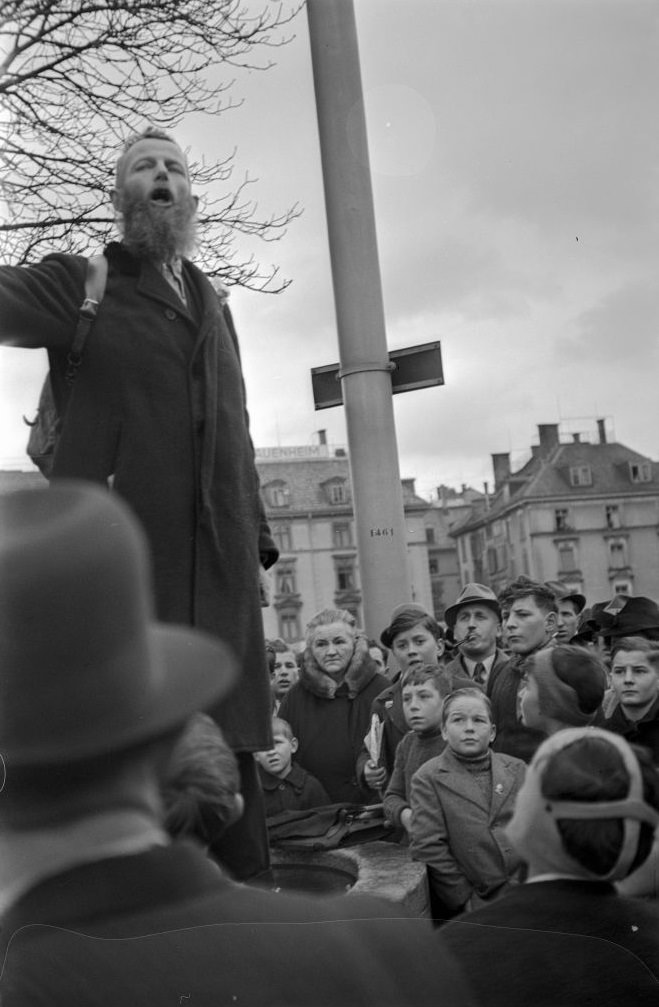
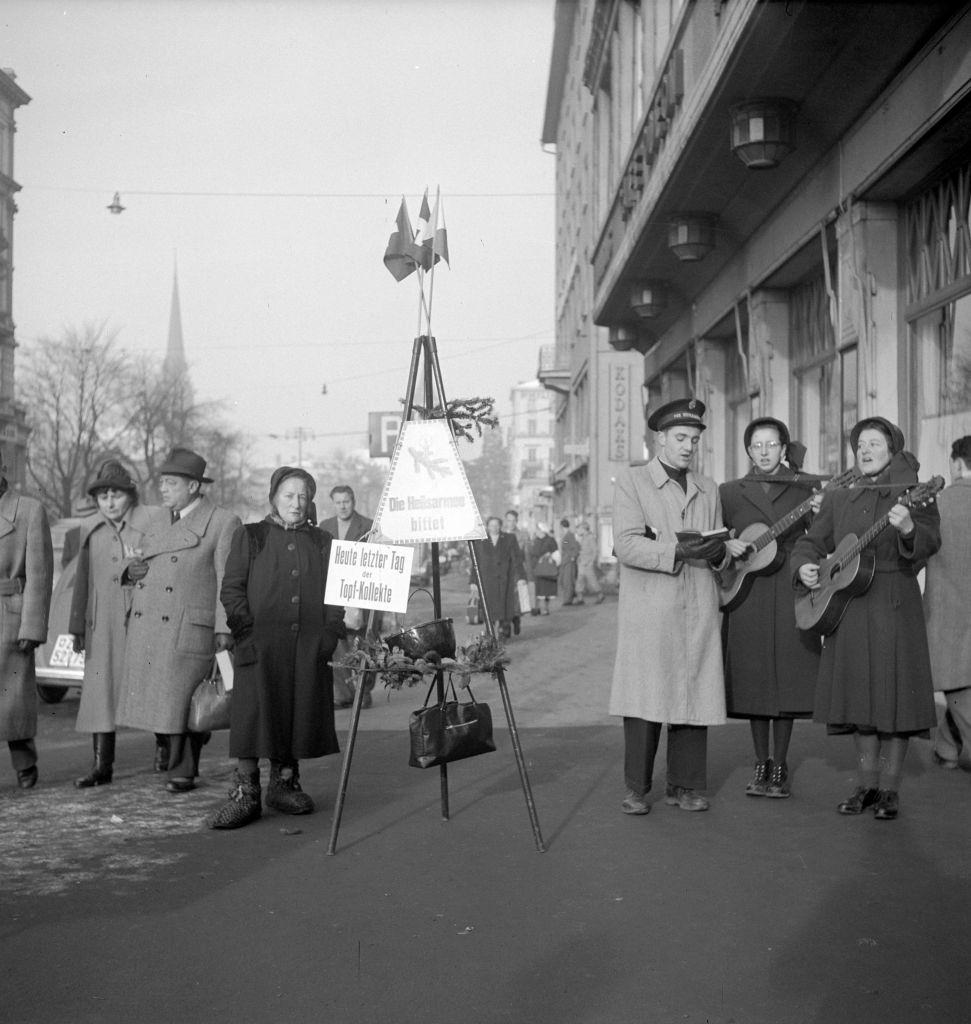
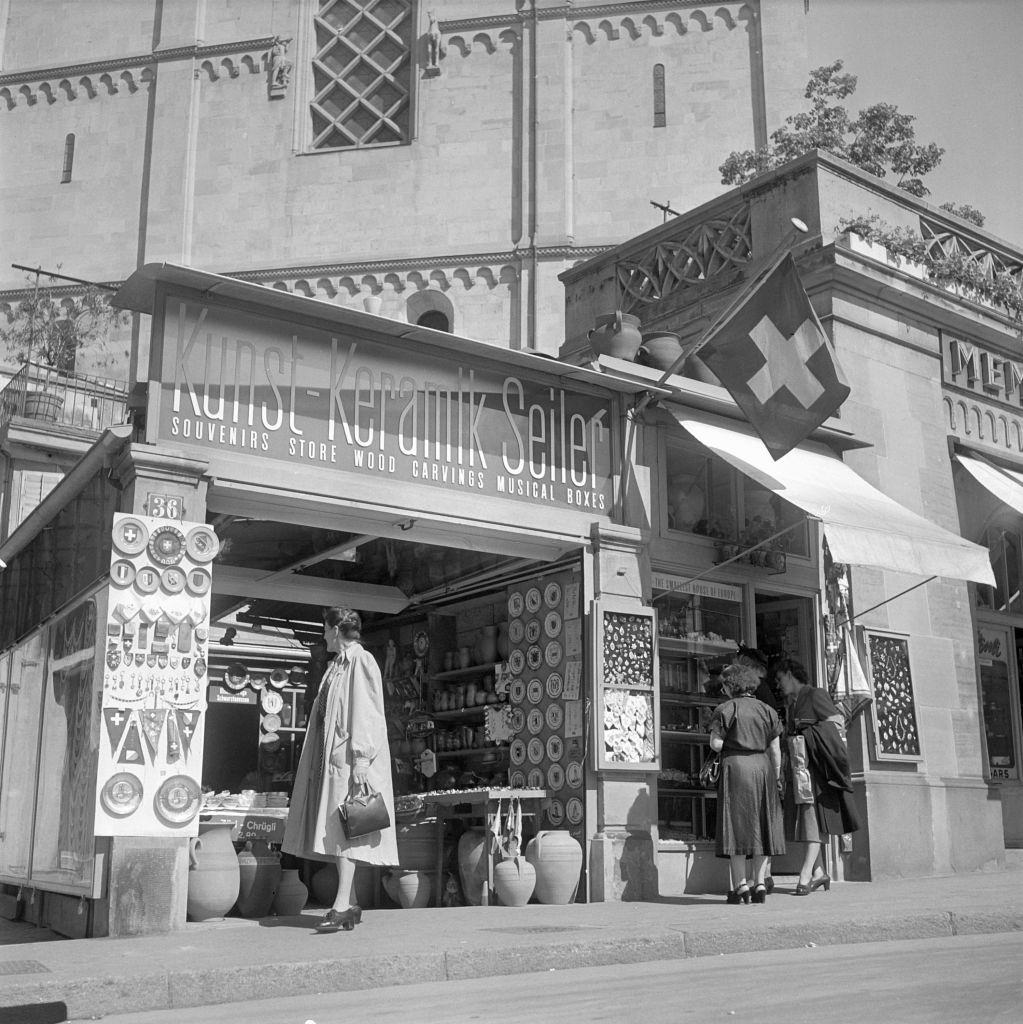
Political life was visible on the streets too. May Day rallies drew youth and workers, with a shawm orchestra performing at the 1952 demonstration. Pacifist Max Daetwyler was photographed near the Volkshaus in 1950, part of a broader current of civic activism that ran through Swiss public life. The Salvation Army sang in the streets at Christmas, and souvenir shops along the Limmatquai catered to visitors passing through the old town.
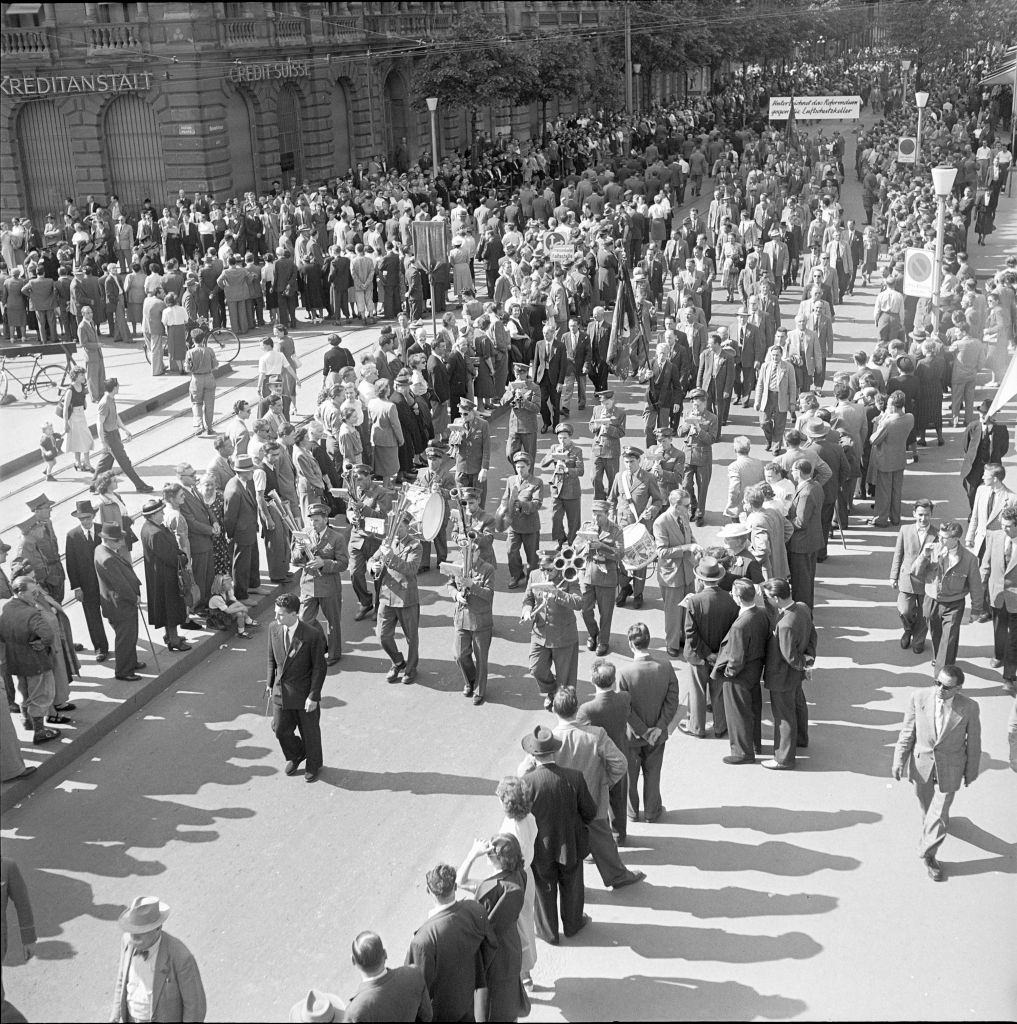
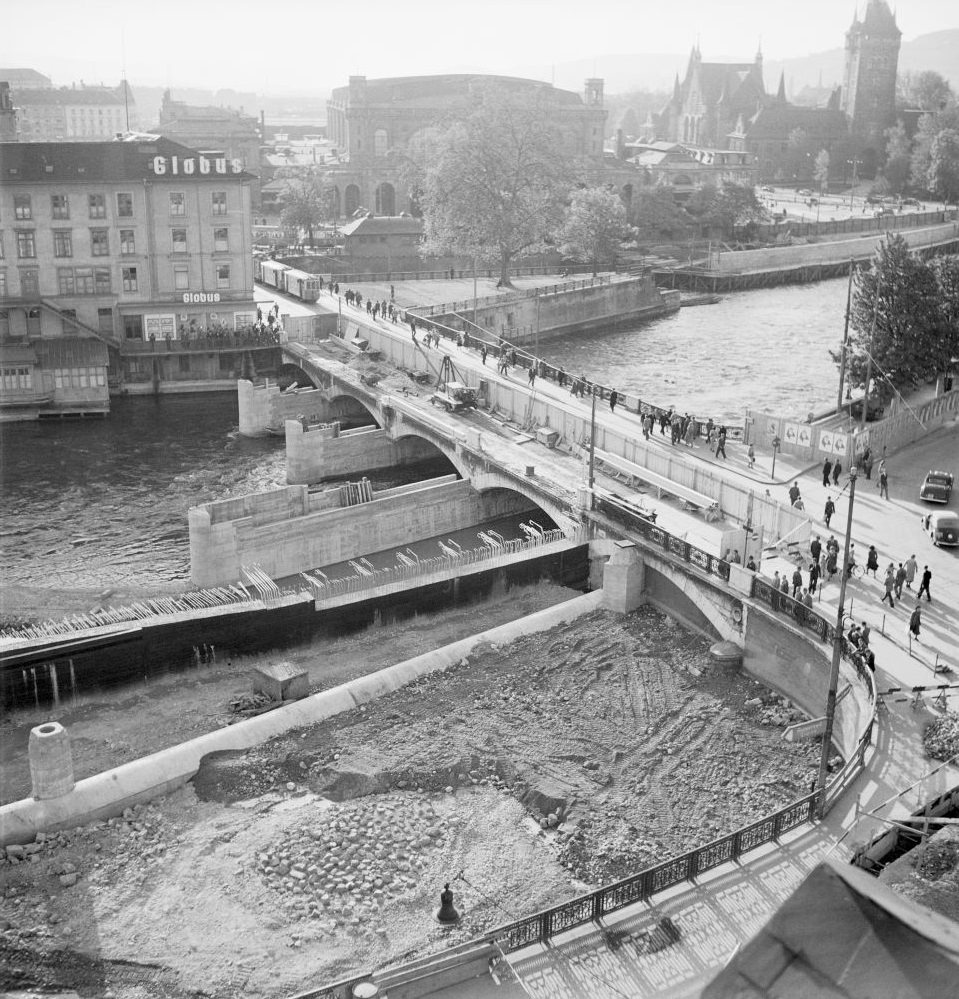
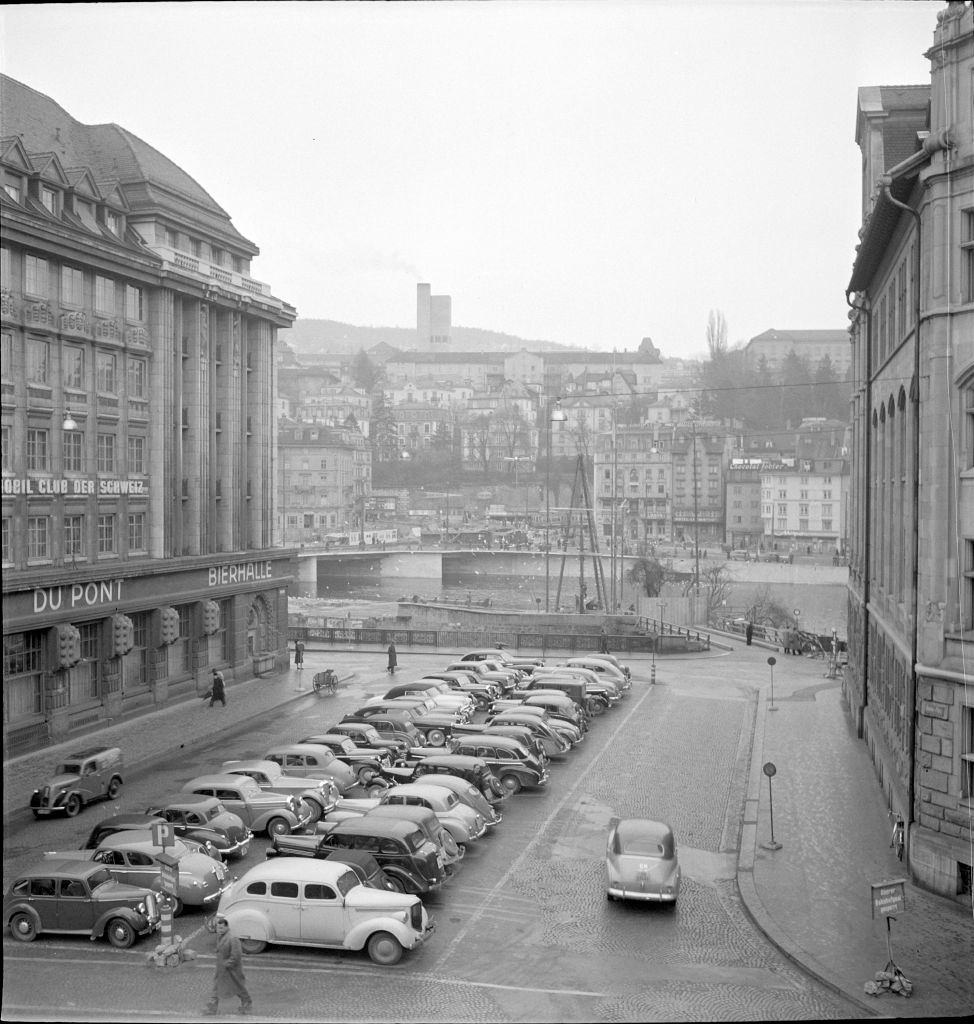
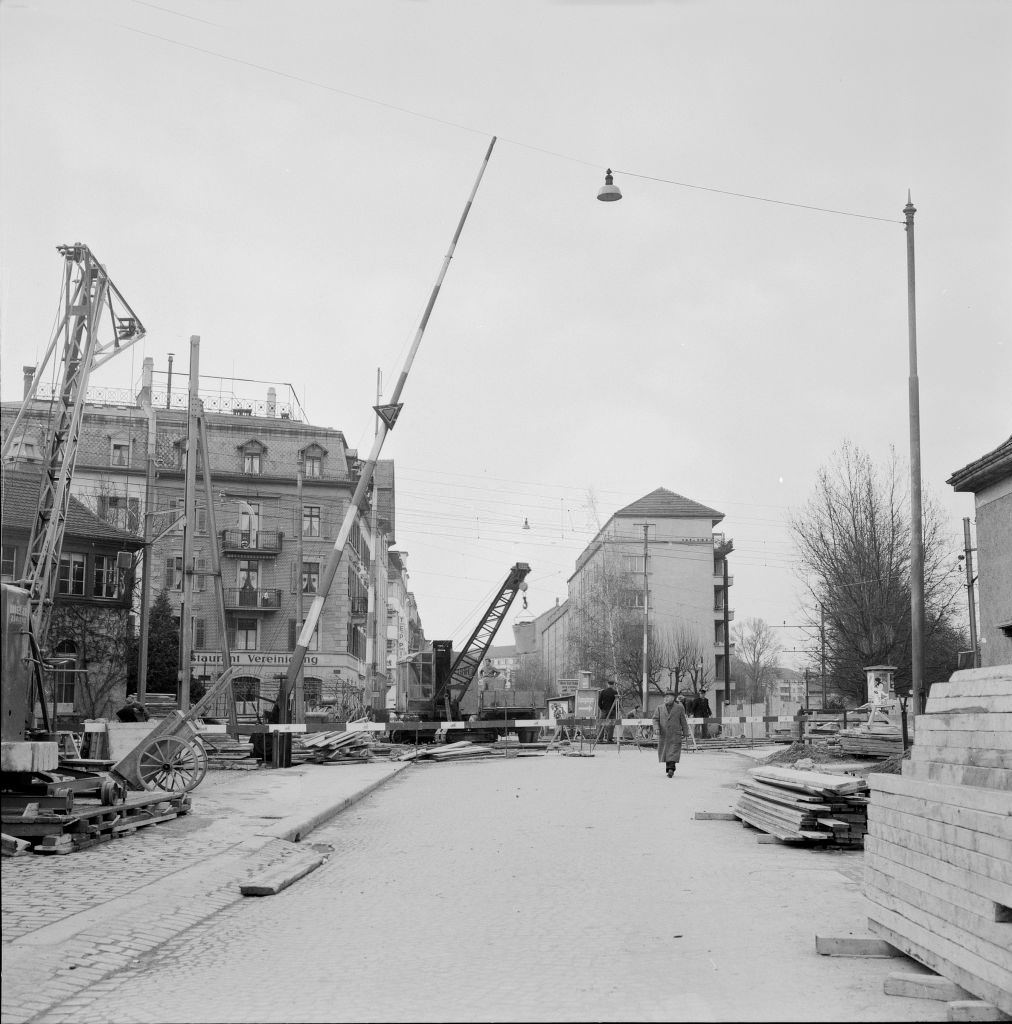
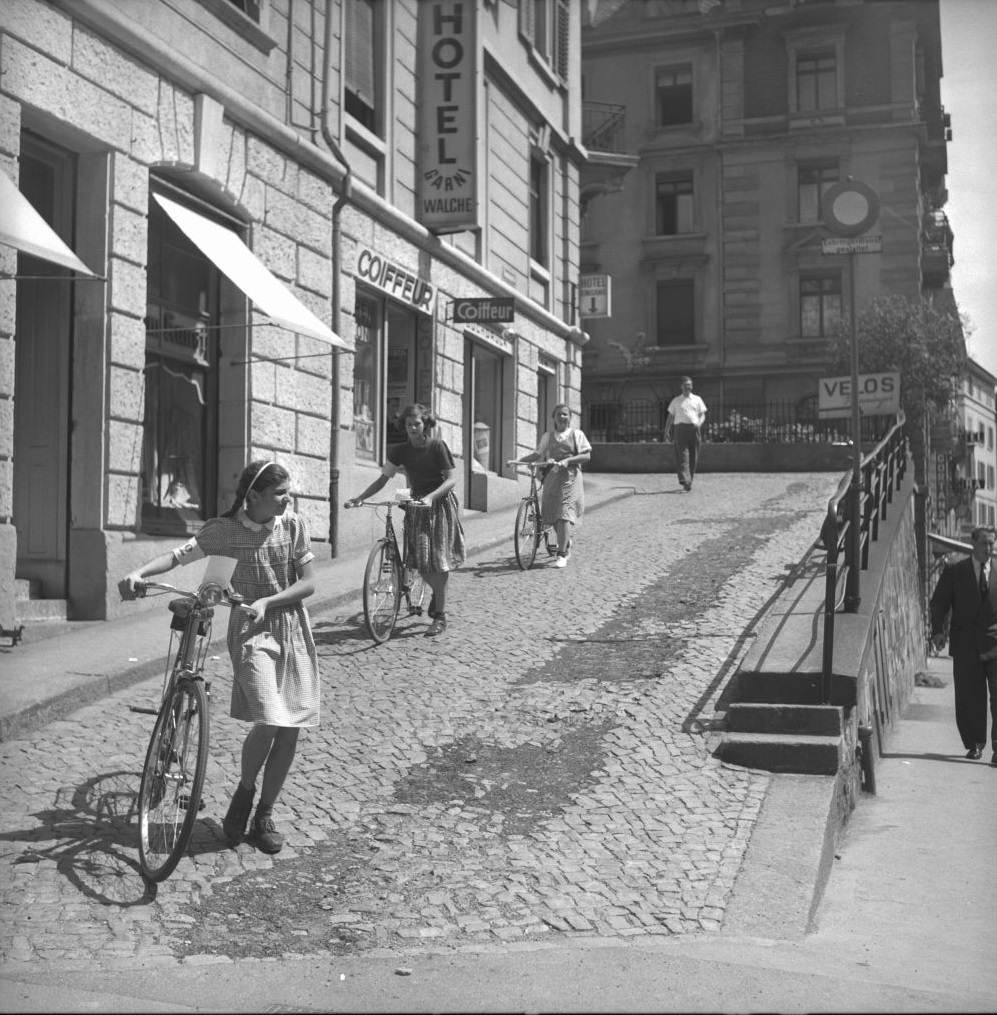
Infrastructure kept pace with the city’s growth. The Central district underwent renovation works in 1951. The Bahnhofquai waterfront was photographed in the same year, showing the Limmat River lined with buildings and activity. A parking area at the Walche near Waisenhausplatz appeared in a 1952 photograph — an early sign of the automobile era beginning to press on the city’s older street plan. By 1954, the Giessübel underpass was under construction, a project designed to ease traffic through a congested part of the city.
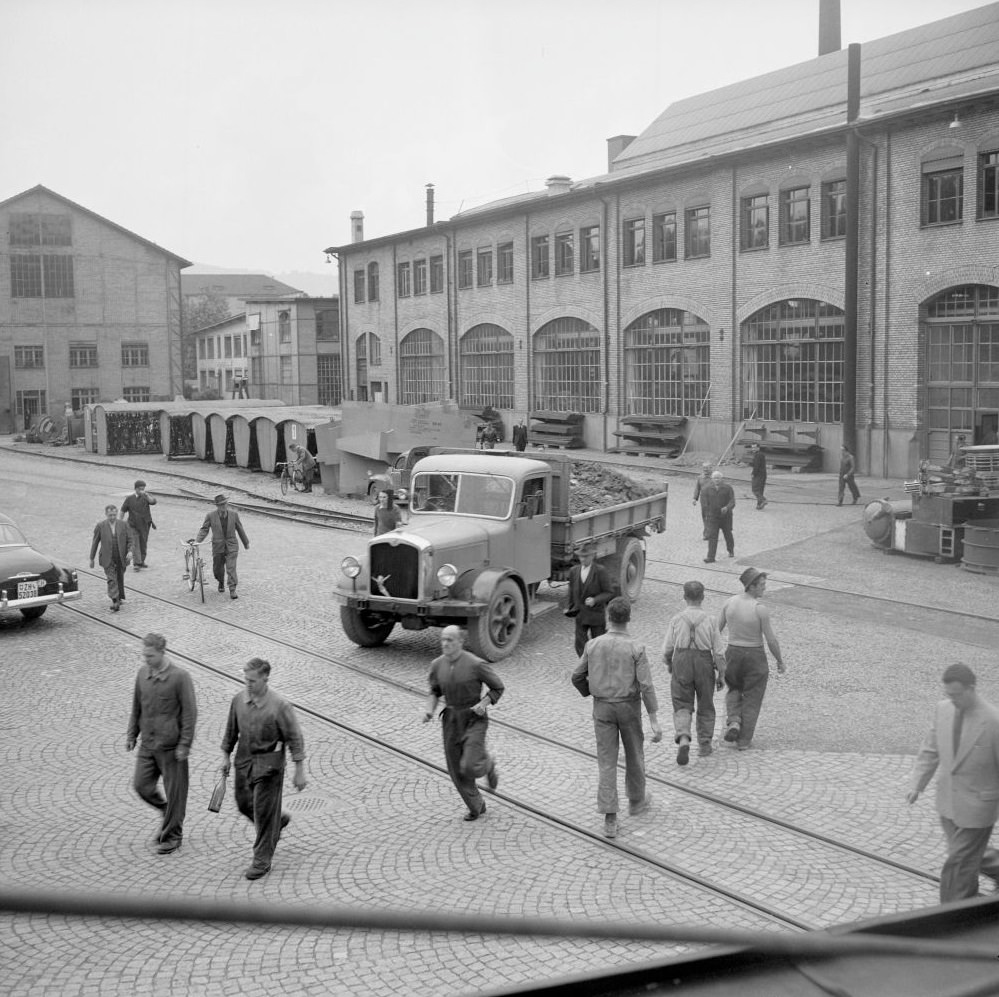
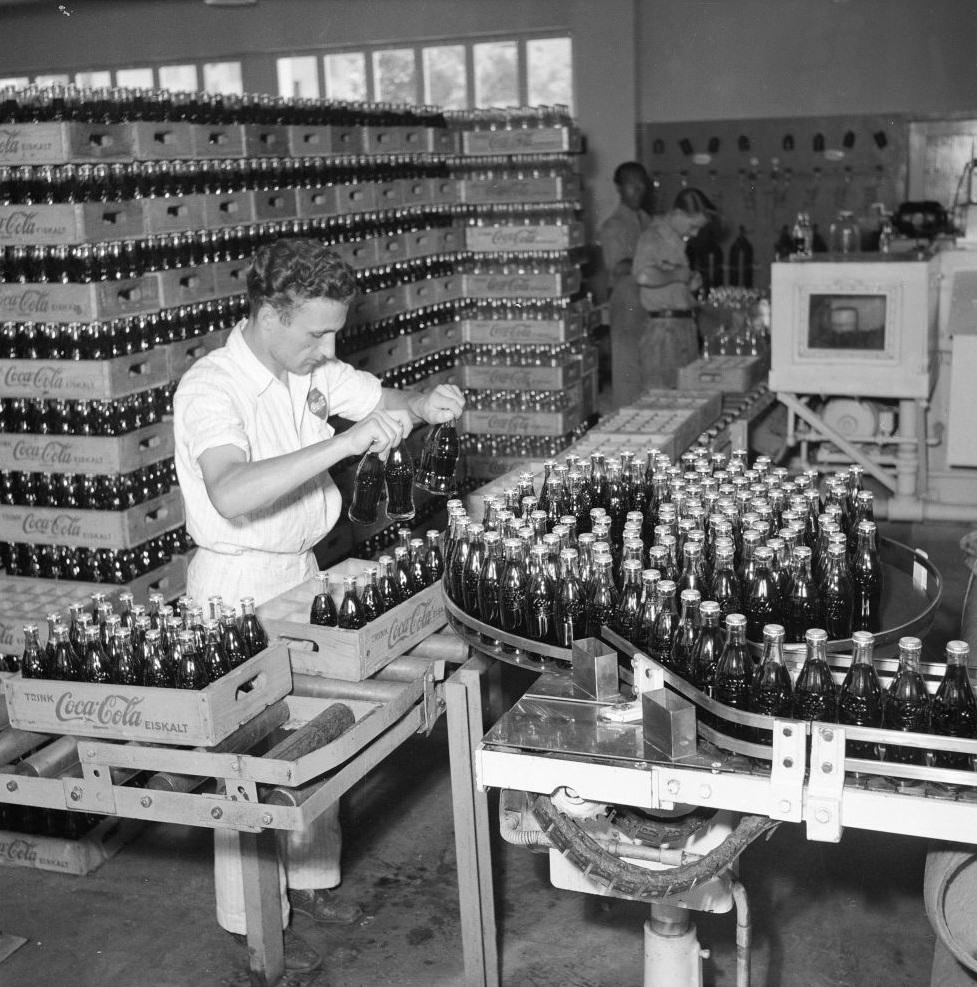
Industry still had a footprint in the city. The Escher Wyss factory, one of Zürich’s most historically significant engineering works, was photographed in 1953. A Coca-Cola filling plant operated in the city in 1951, part of the postwar spread of American consumer goods into Europe. The Zürich Stock Exchange was documented in 1952, its trading floor a physical reminder of the financial sector’s central role in the city’s economy.
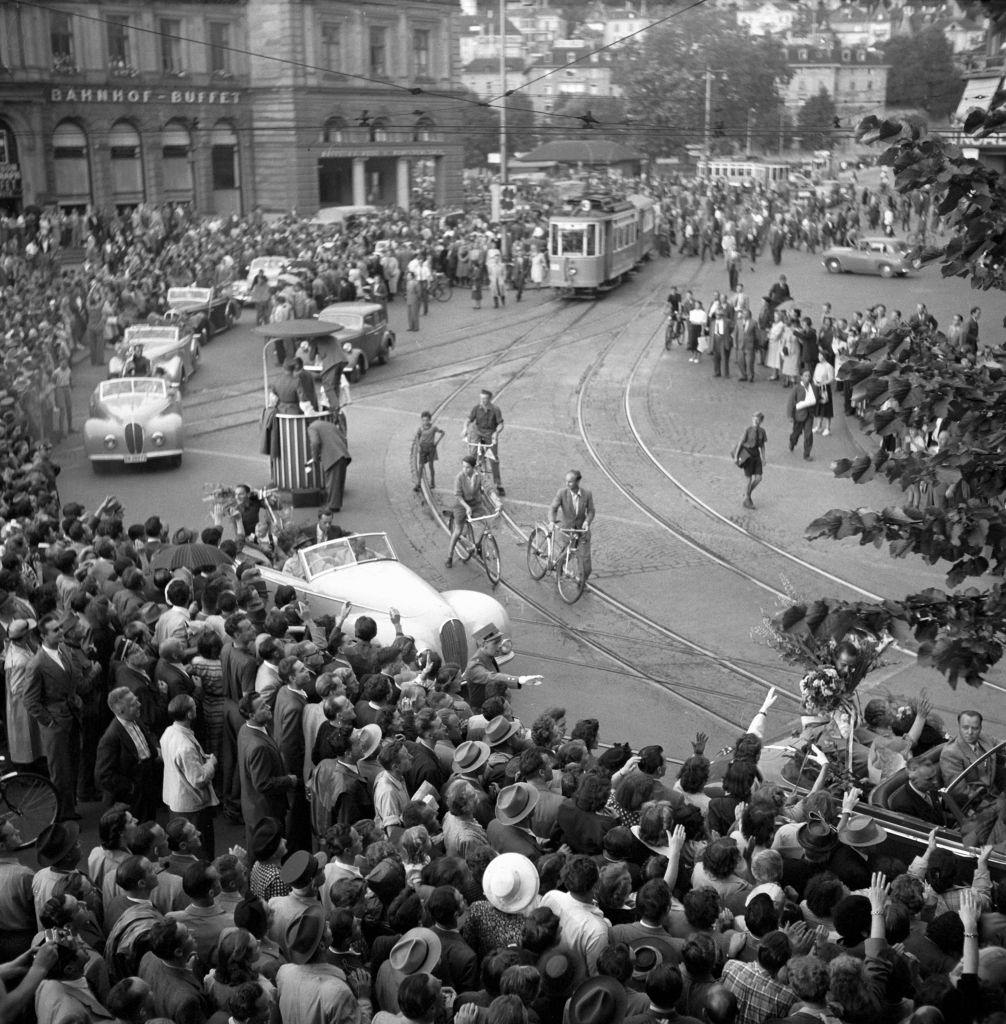
Sport brought the city international attention. In 1951, Zürich hosted the Grand Prix Switzerland, a Formula One World Championship race that drew drivers and crowds from across Europe. That same year, Swiss cyclists returning from the Giro d’Italia were given a public reception in the city — a celebration of national athletic achievement that drew large crowds.
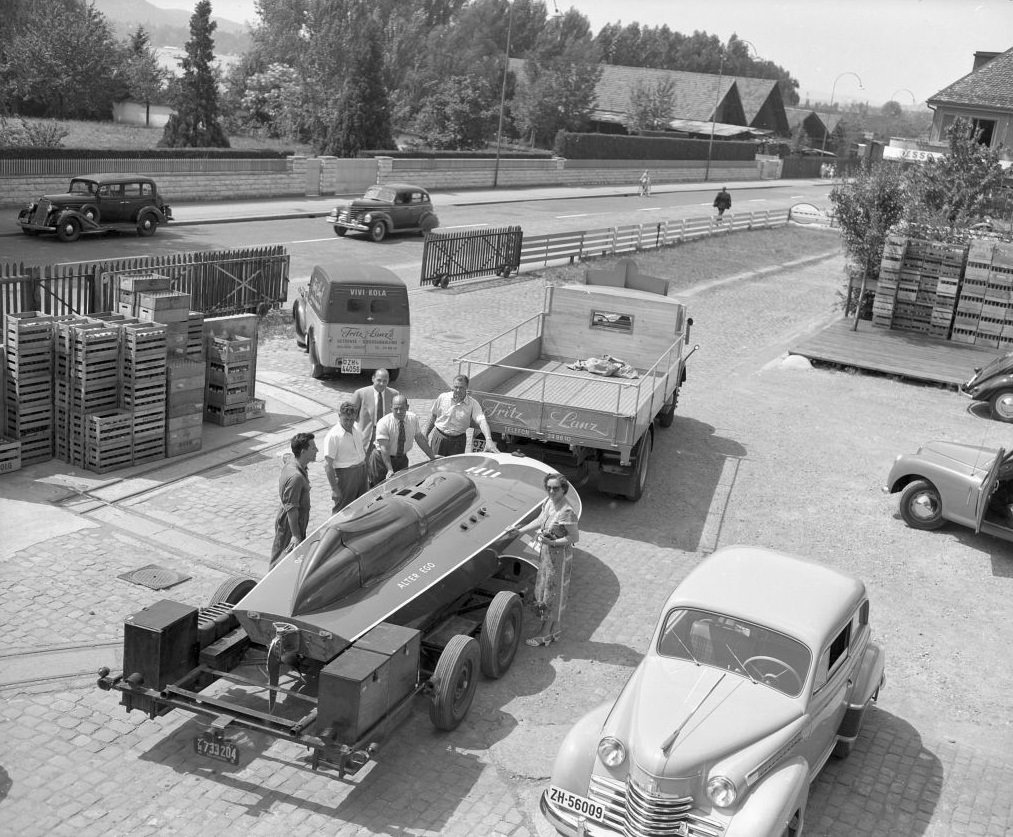
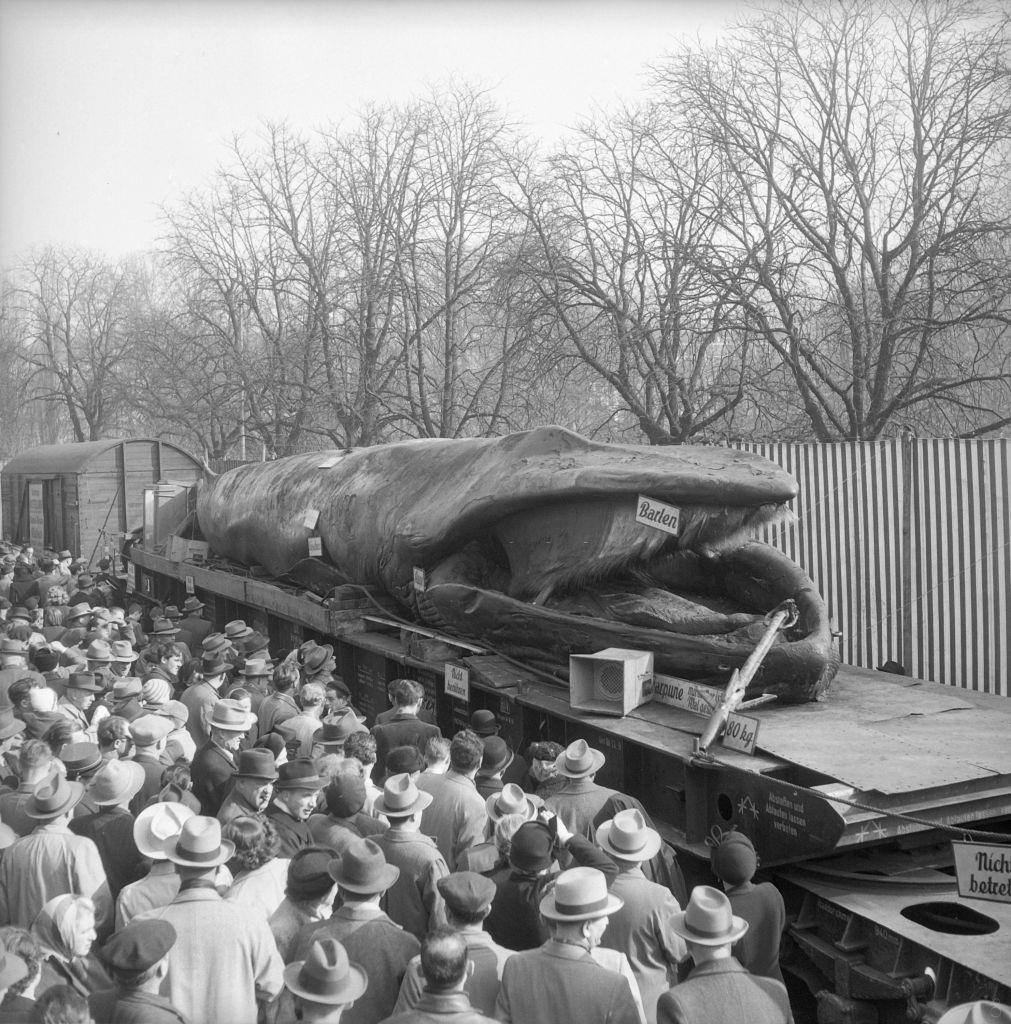
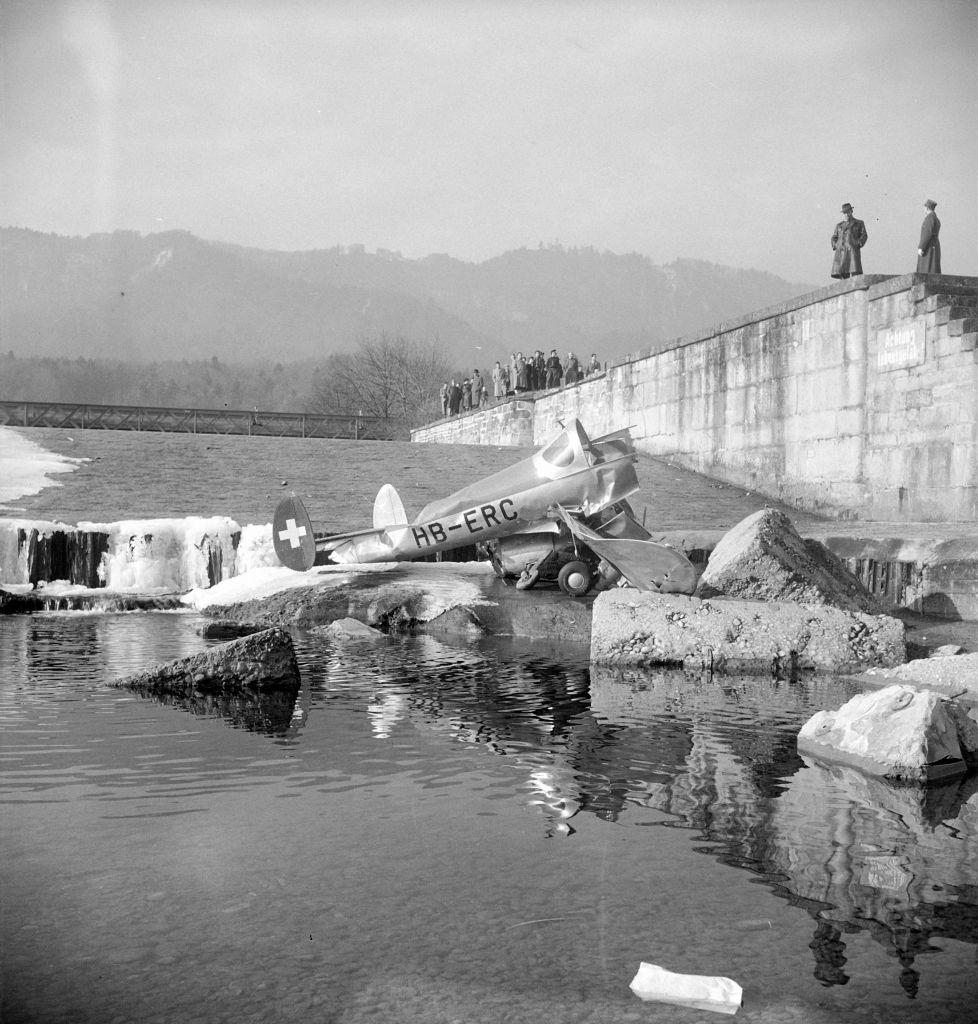
The city had its share of unusual events too. In 1952, a dead whale was put on public display somewhere in Zürich, drawing crowds of onlookers — a strange spectacle in a landlocked city. A sports airplane crashed into the Sihl River at the Allmend in 1950, an incident that drew attention to the growing use of small aircraft in postwar Switzerland. These moments, odd and unexpected, are woven into the fabric of ordinary city life.
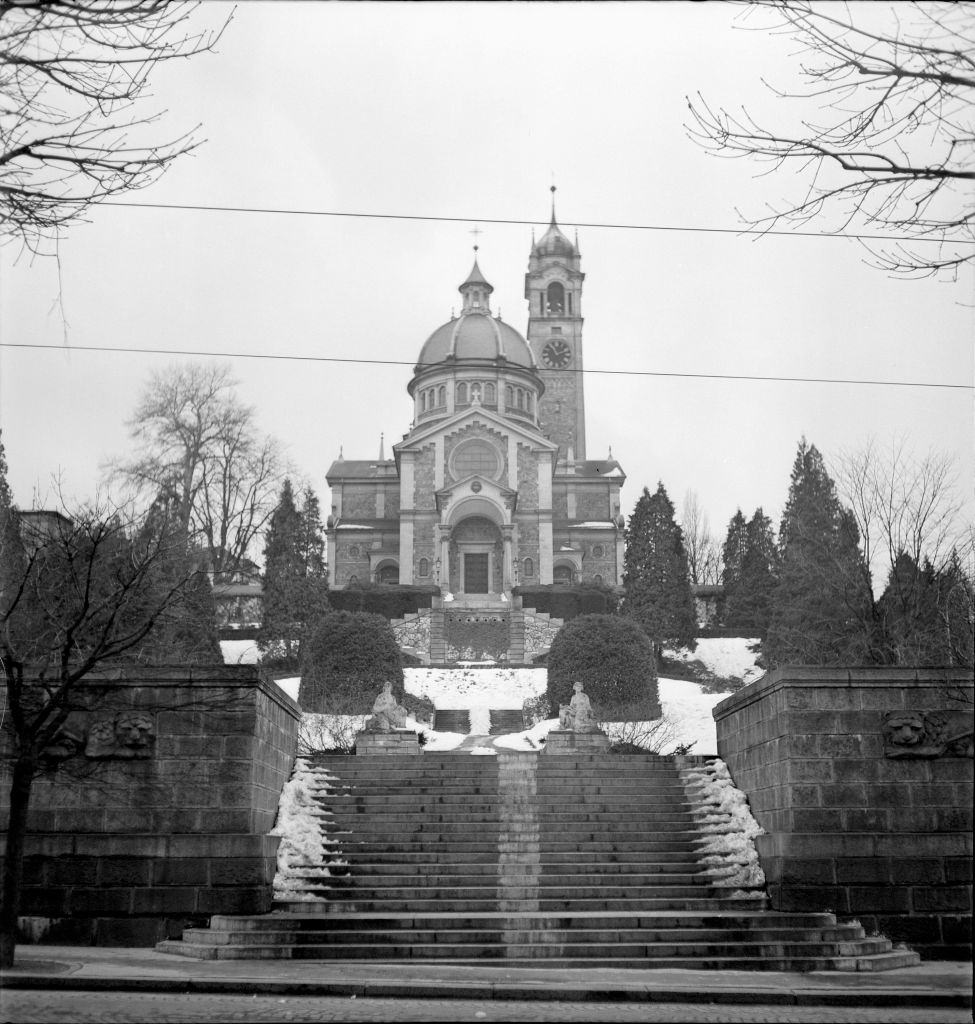
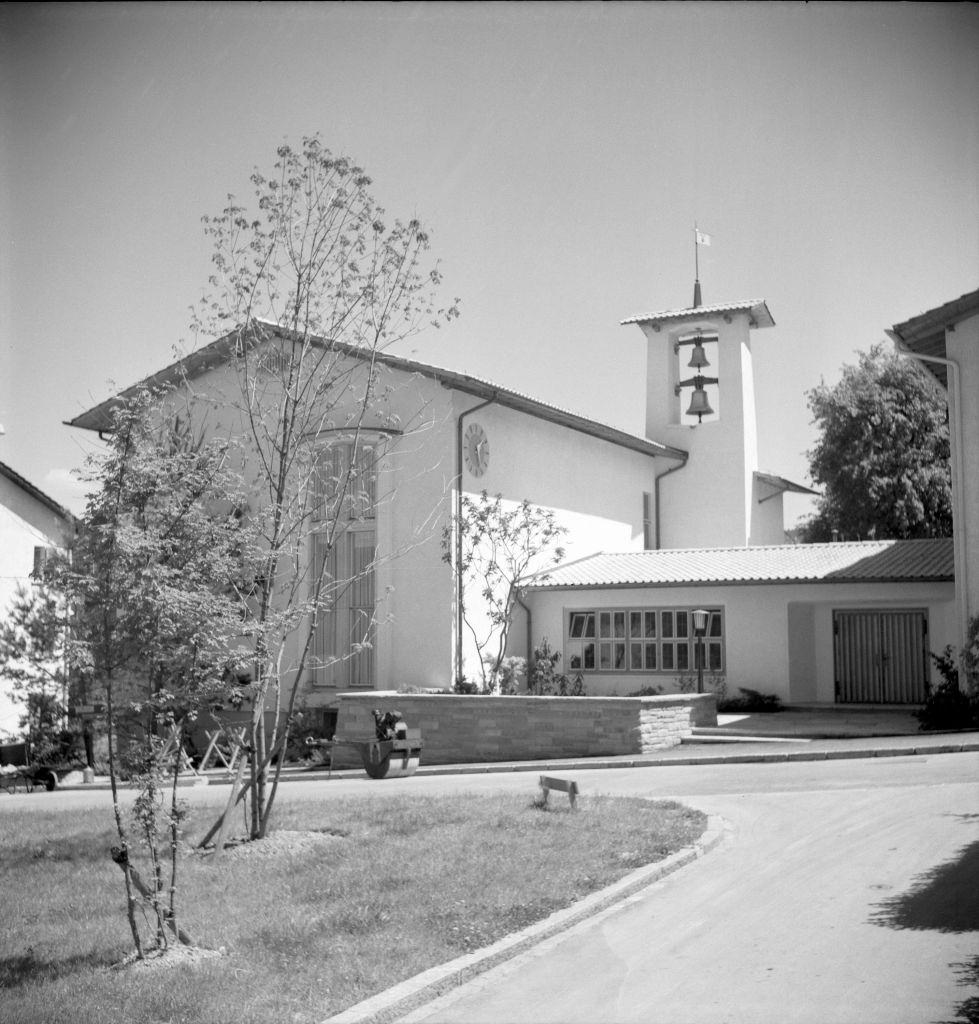
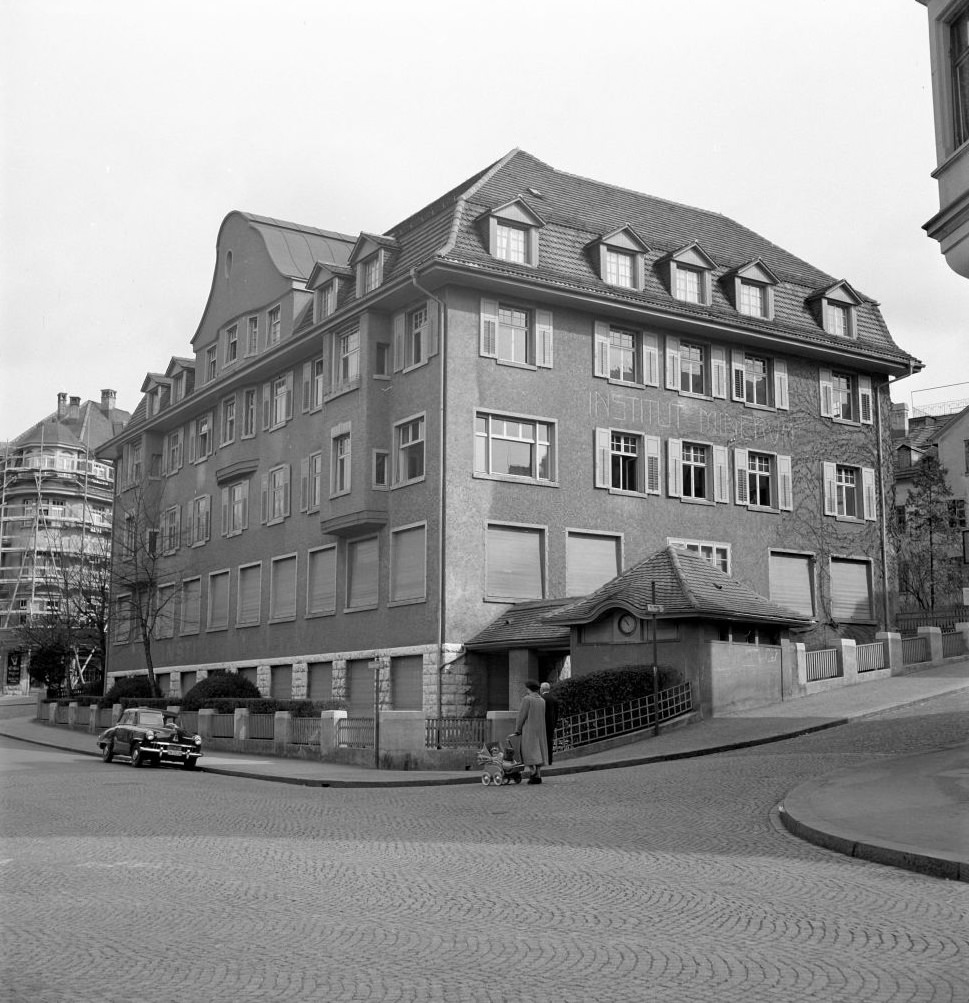
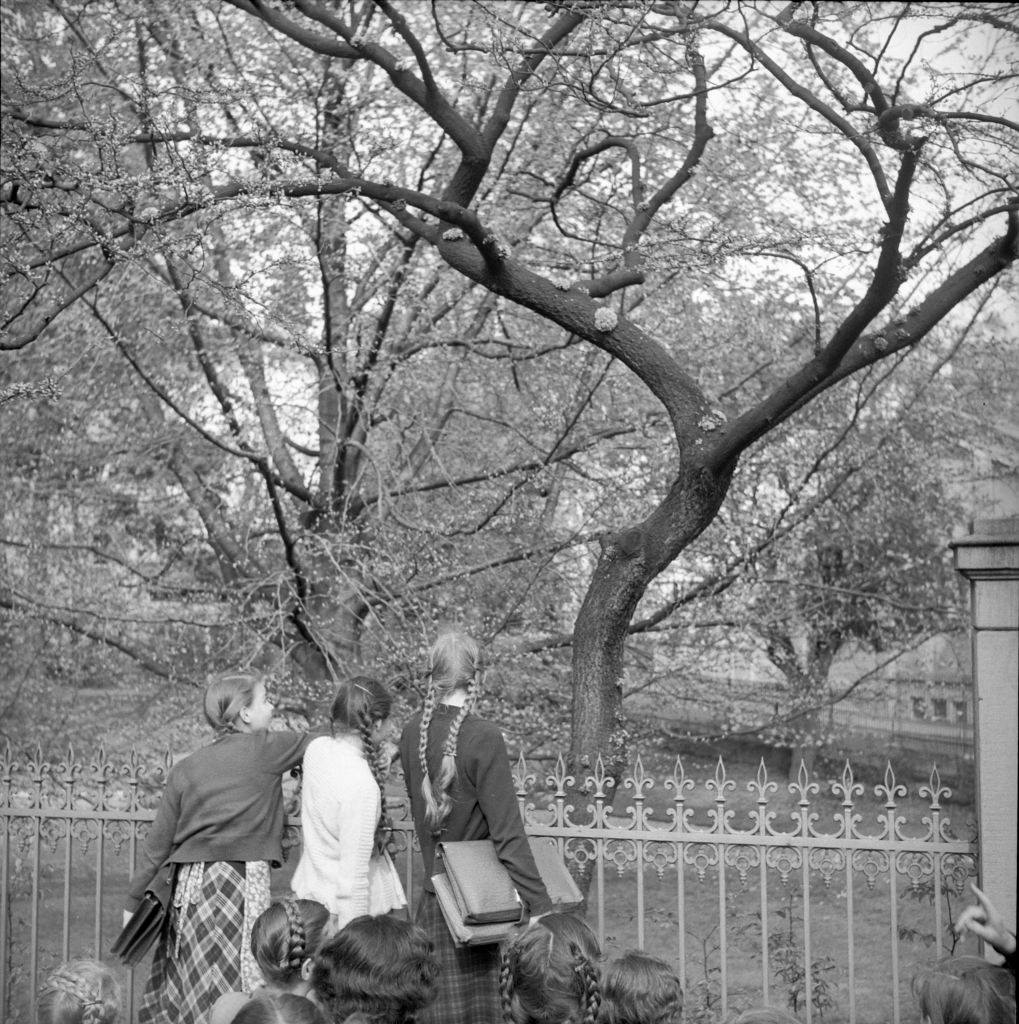
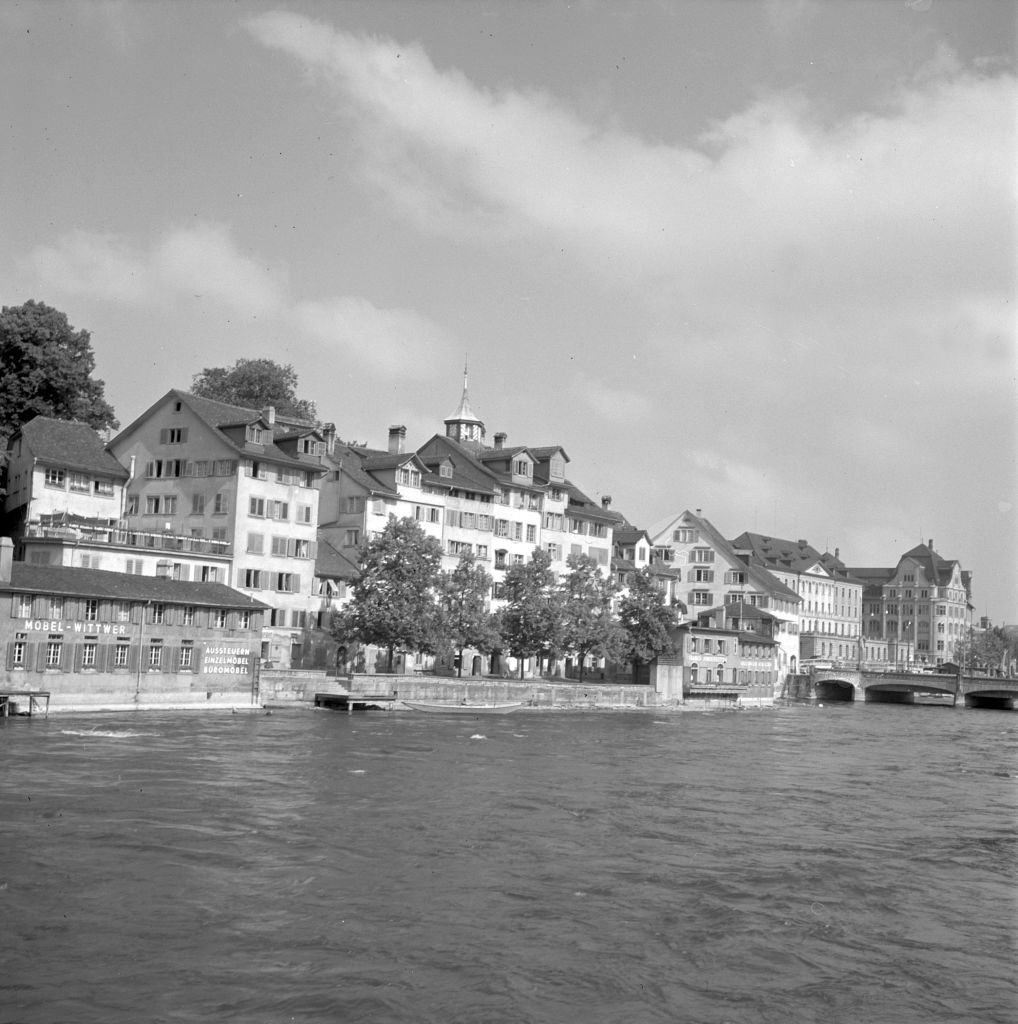
Everyday Zürich in the 1950s was also a city of neighborhoods, schools, churches, and quiet streets. The private Minerva school, the Cantonal Eye Clinic, a new Swiss technical college for women, and the Matthew Church on Wehntalerstrasse all appear in photographs from the early part of the decade. The Enge Church, the Hirschengraben district with its blooming judas tree, the Schipfe along the river — these scenes offer a ground-level view of urban life that the big commercial images alone cannot provide.
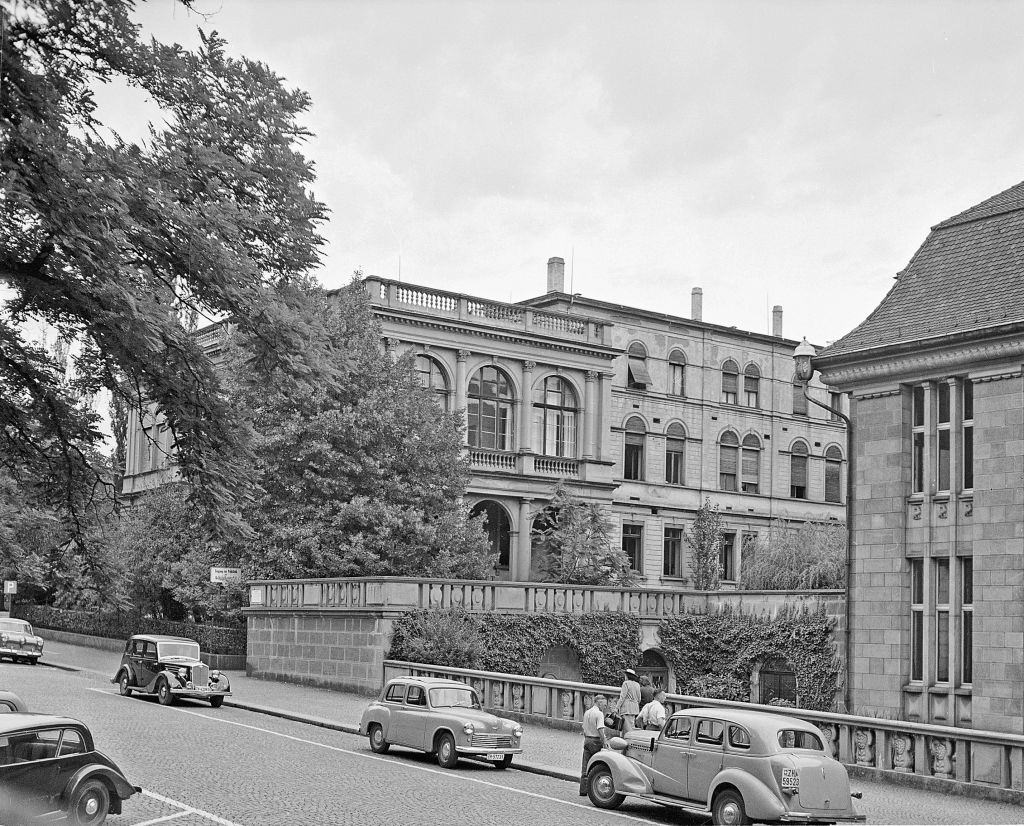
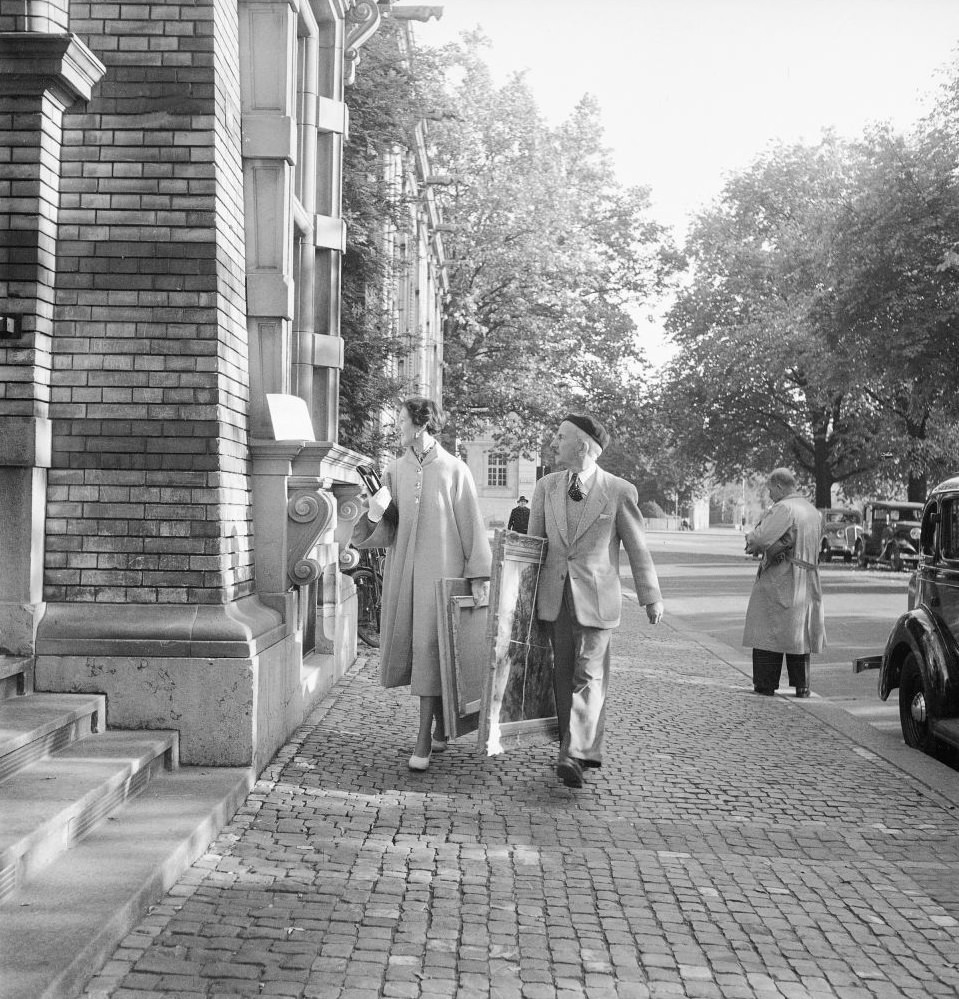
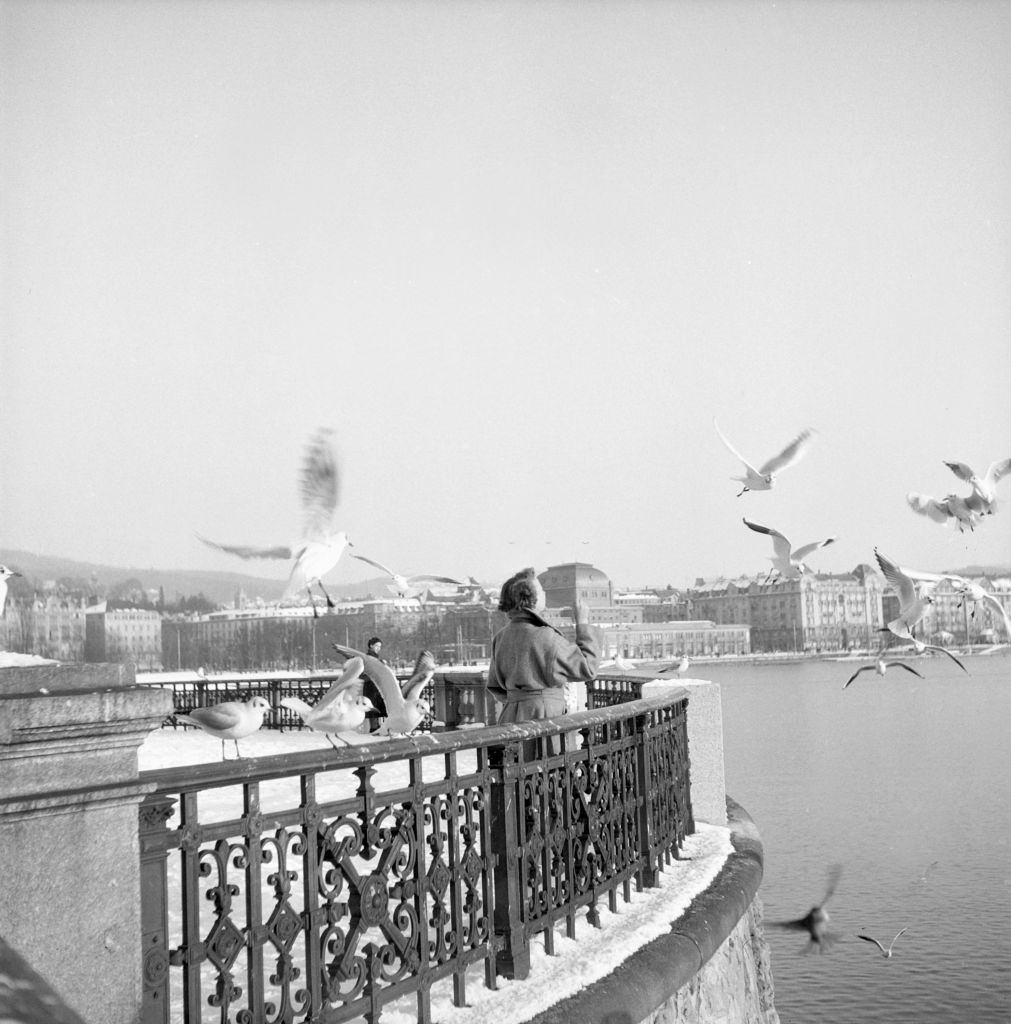
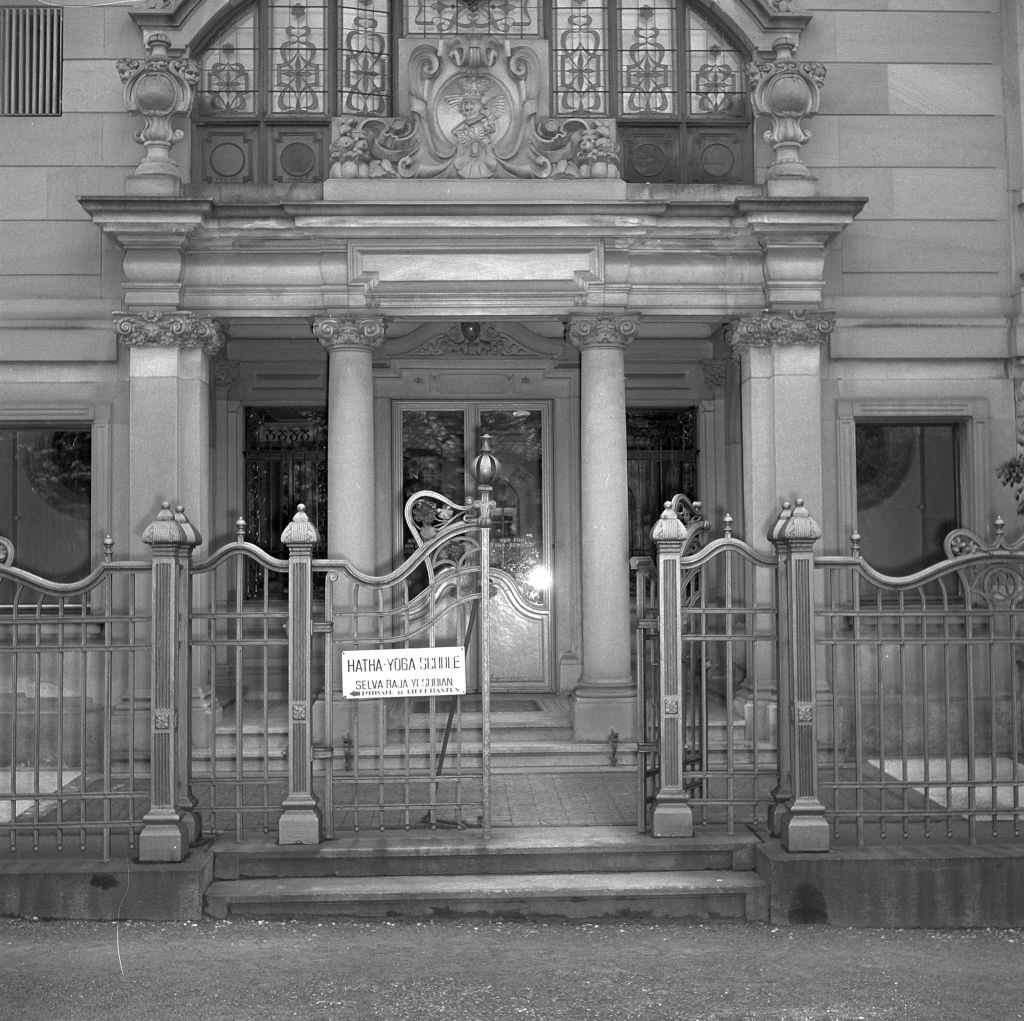
Women were a visible part of city life — walking the streets, feeding gulls at the Zürichsee, attending rallies, and enrolling in newly opened technical schools. Road safety education programs appeared in 1953, aimed at a population navigating streets that were growing busier each year. A yoga school was photographed in the same year, pointing to new ideas and practices filtering into Swiss urban culture. By the time the 1950s drew to a close, Zürich had been transformed. The Sihlporte district, captured in a 1959 photograph, showed a city still in motion — building, renovating, and expanding. The Hauptbahnhof, buried in snow in a striking 1952 image, had served millions of arrivals who came to make the city their own. Zürich in the 1950s was not a finished place. It was a city actively becoming what it would be.






The more it changes.
Who on earth brought a dead whale to Zurich by train? And why?
It was an exhibition which went around the world. One could even go inside!!
Strong smells.
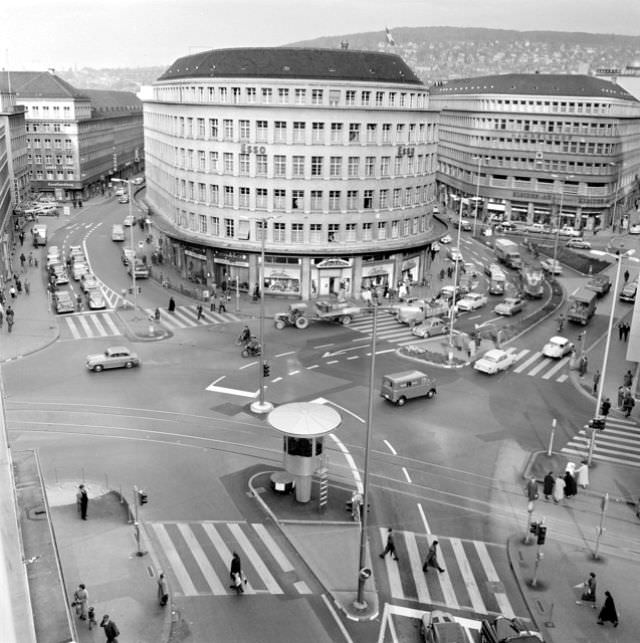
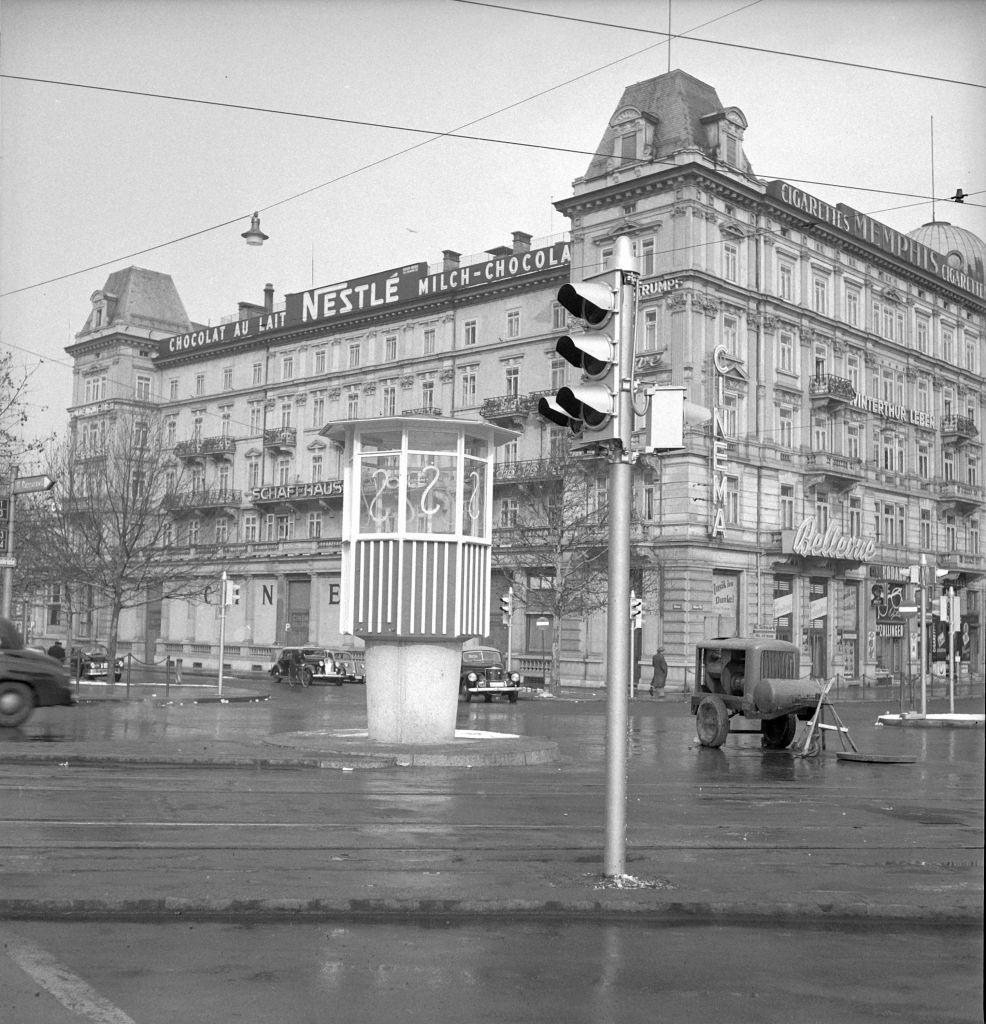
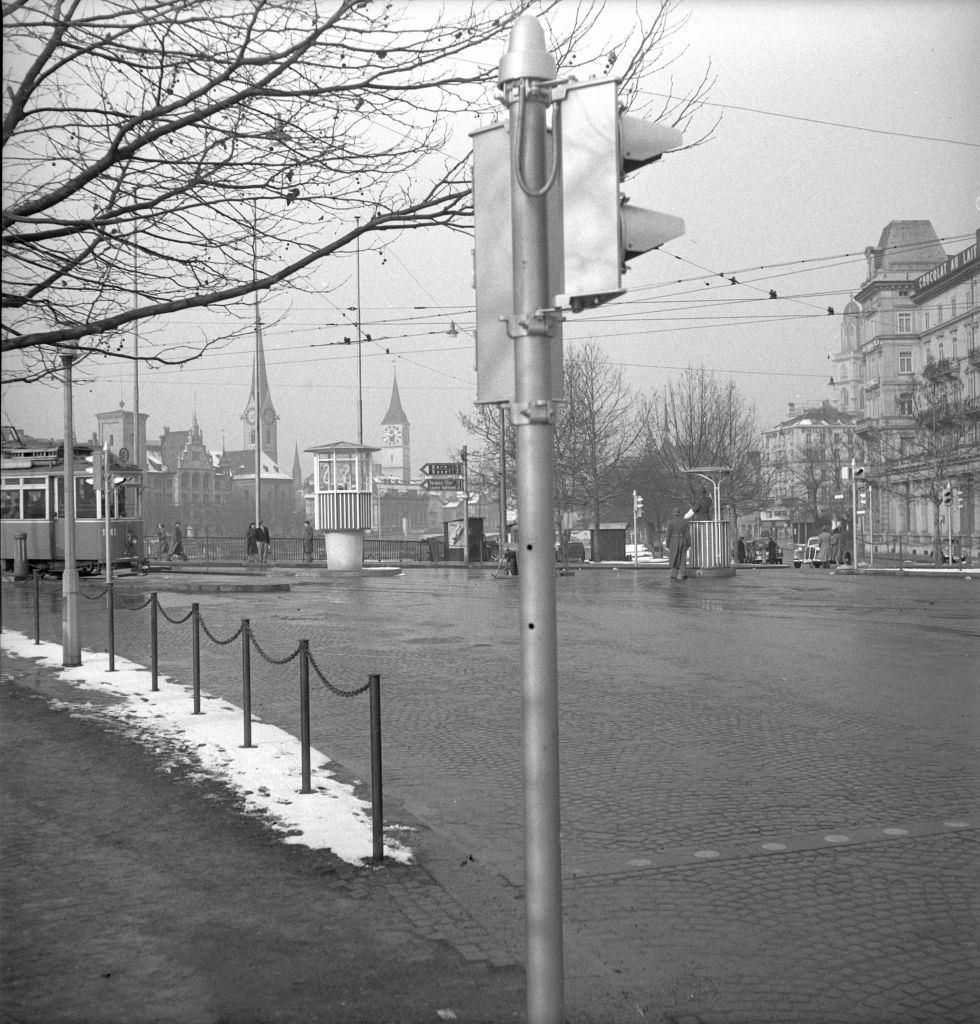
Does anyone know if this weird booth on the Central for the ‘traffic policeman’ in those 1950-photos is the same as the one today? Or is it a replica?
Why weird? The original was removed a few years ago, cannot remember where to.
Zürich doesn’t have 1 million inhabitants now. How did that number come about?
They’re probably referring to the count for the “Metropolregion” Zürich, which includes all most of the canton: almost everything between Winterthur, Rapperswil, Zug, Wohlen, Baden, and Schaffhausen. Today, that region counts 1.45 million.
The city itself would’ve been around 430’000 in the late 1950s. It did drop considerably until around 1990, but today it’s higher than in the 50s again.
The manor is shut down.
So is Modissa.
The lack of timestamps for articles and comments here is frustrating.
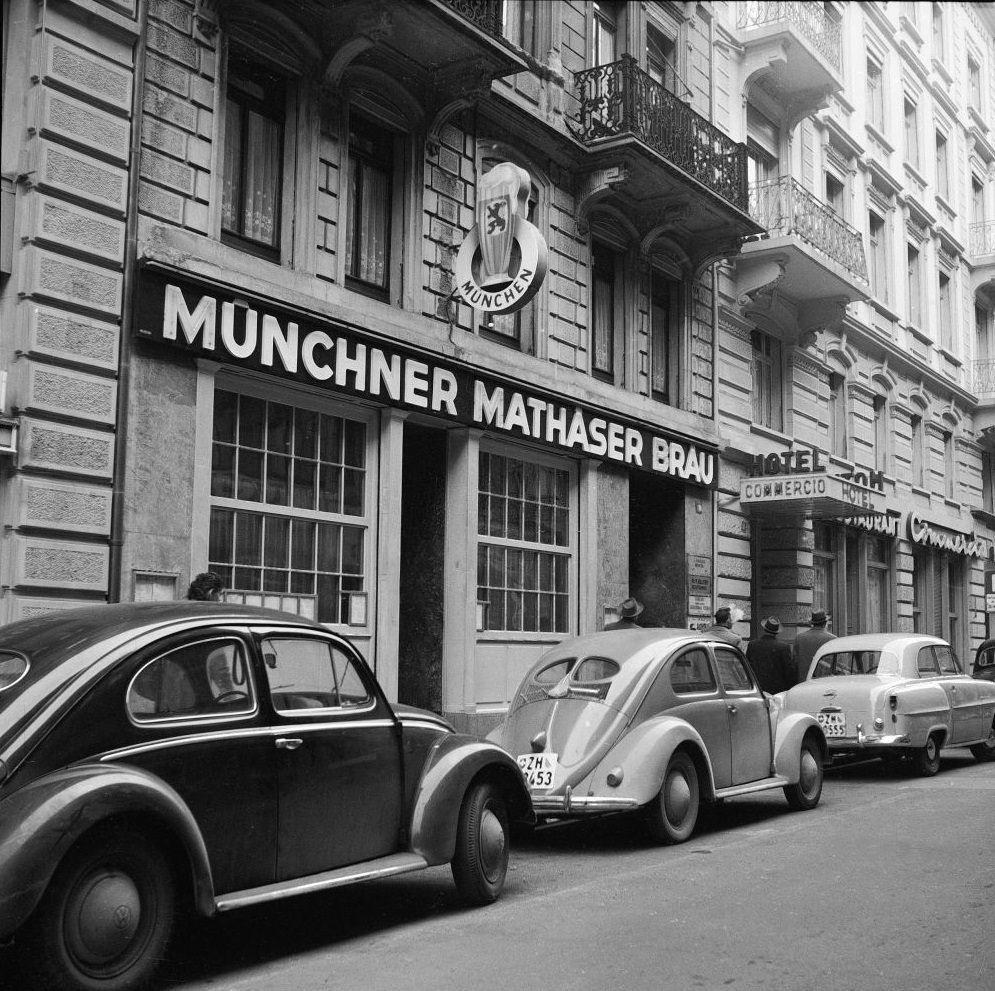
The streets are so quiet and so many parking places…
Hasn’t changed that much surprisingly
That’s what today’s Zürich needs: bring back the dead whales.
I was able to recognize maybe half of the locations in these photos.
In the late 1950s my husband worked in the Rami Pavilion in Zurich. I have unsuccessfully tried to find any information on this venue. Can anyone recall this venue?
#54 is not Walche, that would be in the other side of the river further down. And the square is called Beatenplatz (there is no Waisenhausplatz in Zurich).
https://omaps.app/44B4pBlYu1/Beatenplatz
om://44B4pBlYu1/Beatenplatz
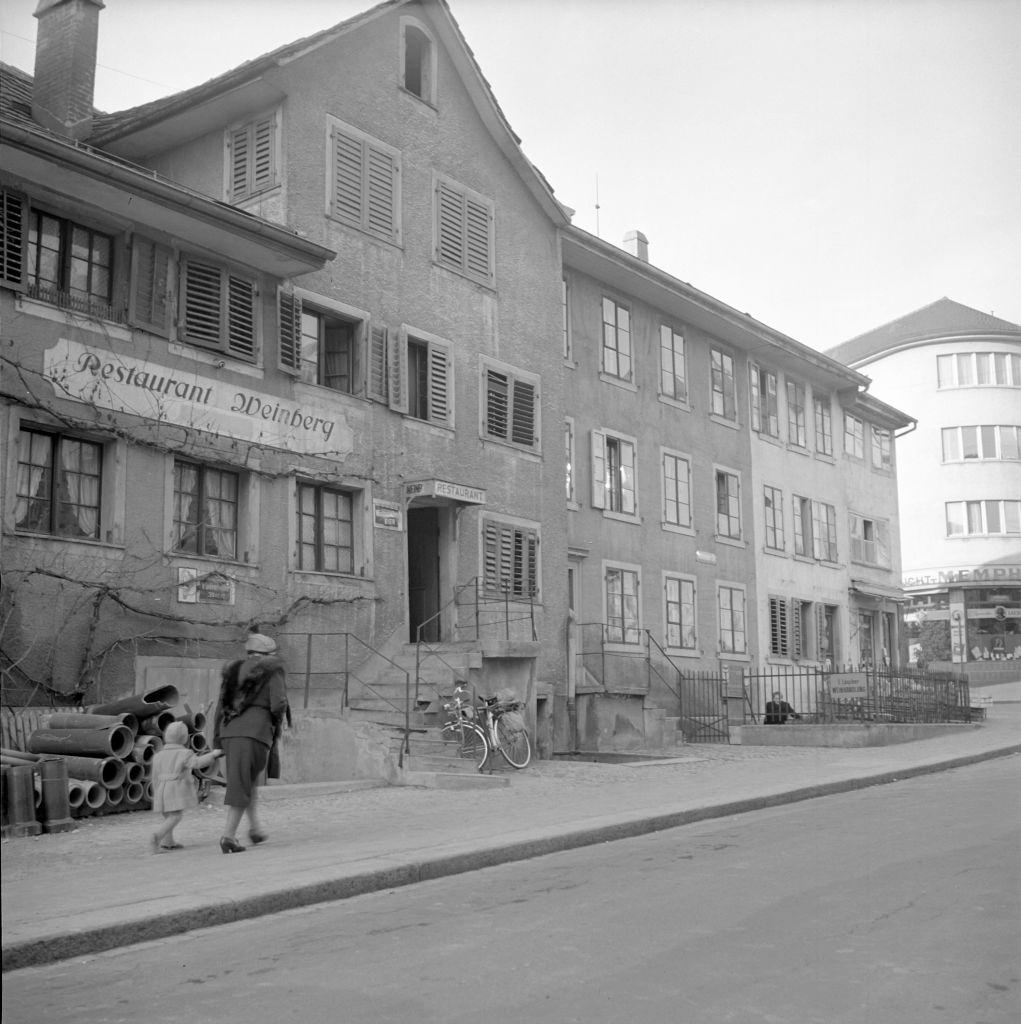
#57 Das Restaurant Weinberg dürfte eher an der Weinbergstrasse gelegen haben, nicht an der Culmannstrasse. Die Nr. 26 beherbergt heute eine Pizzeria.
Picture #7 illustrates a demonstration advocating for women’s voting rights. Three years later, a referendum was held on this issue. While the majority in Geneva, Neuchâtel, and Vaud voted in favor (and Jura had always supported it), the proposal was rejected at the federal level. Women in Switzerland ultimately gained the right to vote in 1971. Interestingly, Appenzell Innerrhoden resisted until 1990, when the Federal Supreme Court mandated that women be allowed to vote.
Those are very interesting photographs, some places still look almost the same.
What was the story with the dead whale, I wonder?
It drowned.
The last one caught in lake of Zurich. The whaling industry got into a steep decline after that too.
Looks a lot like it does today tbh!
What’s the story behind the wale?
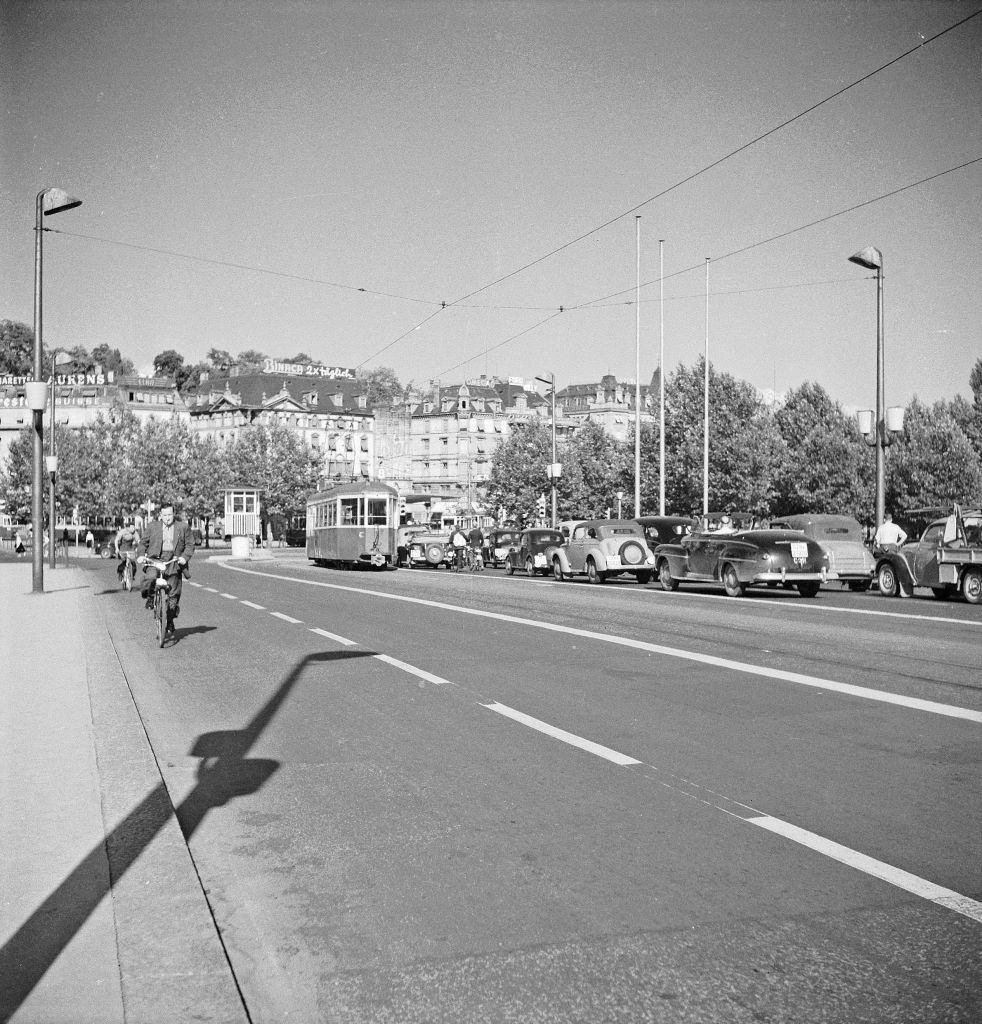
The more things change, the more they stay the same (traffic jams at Bellevue).
The women in photo #8 are suffragettes. Switzerland was probably the last country in Europe to give voting rights to women: 1971 at national level, with Appenzell withholding local voting rights till 1990 (!).
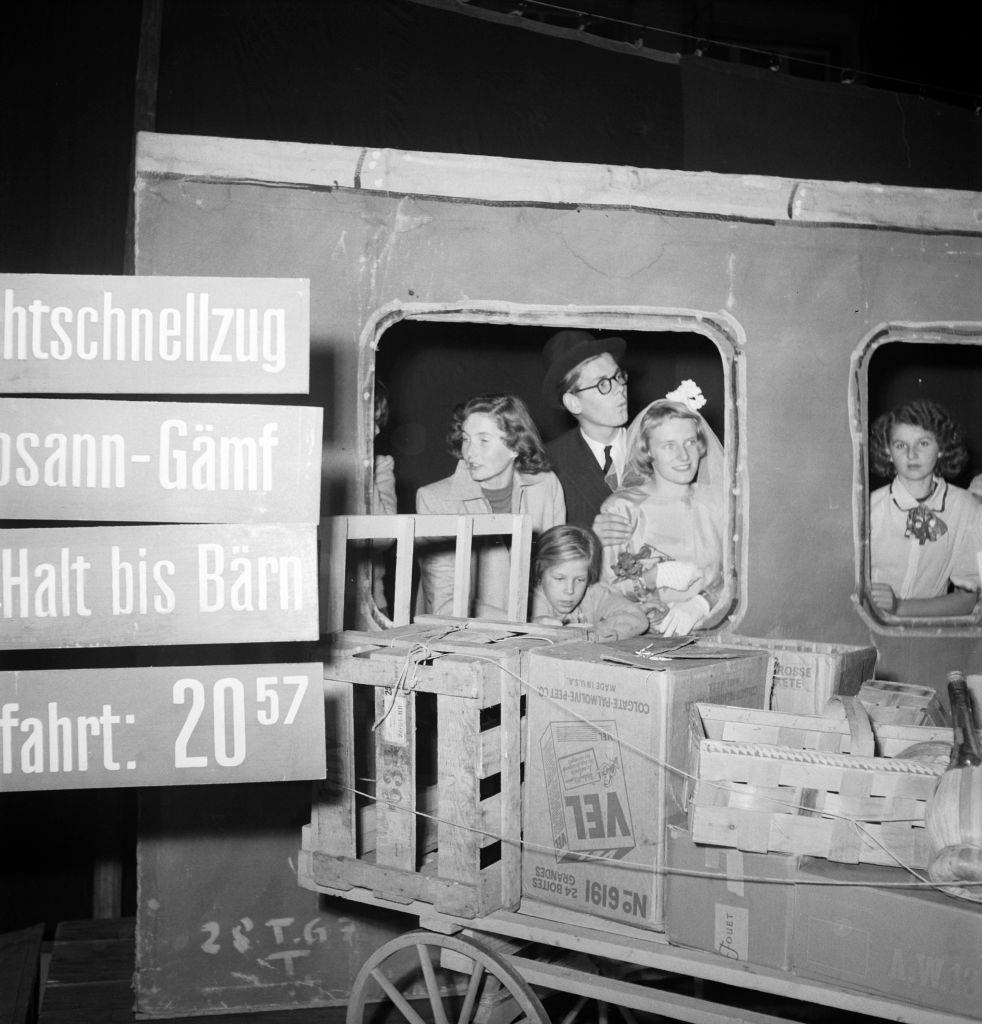
Anyone still call Genf Gämf?
Is the writing for the banners in the women’s voting protest called Sütterlin?
Normal cursive writing. Sütterlin was developed in Prussia in 1911 and was a German school script that was widely used in Germany until the 1940s (Wikipedia). Switzerland had its own writing traditions and was more strongly oriented towards Latin scripts than German Kurrent or Sütterlin. Although Kurrentschrift was also used to some extent in German-speaking Switzerland, Sütterlin was not adopted as a simplified school script.
Thanks. I just noticed the angularity of the script and wondered if it was related.
If it had been Sütterlin, you would have had massive difficulties reading it: https://i.pinimg.com/736x/18/2c/8a/182c8ad1205762a2d094b0f2620ff8bc–script-lettering.jpg
Wow. You are right. Very hard to read. Thanks.