Johnny Cash grew up in Dyess, Arkansas, a small farming community where hardship was a daily reality. His family picked cotton during the Great Depression, and those years of poverty and struggle stayed with him for the rest of his life. They shaped his voice, his lyrics, and the way he connected with everyday people. Long before he became one of the most recognized figures in American music, he was just a farm kid with a love for gospel songs and a gift for storytelling.
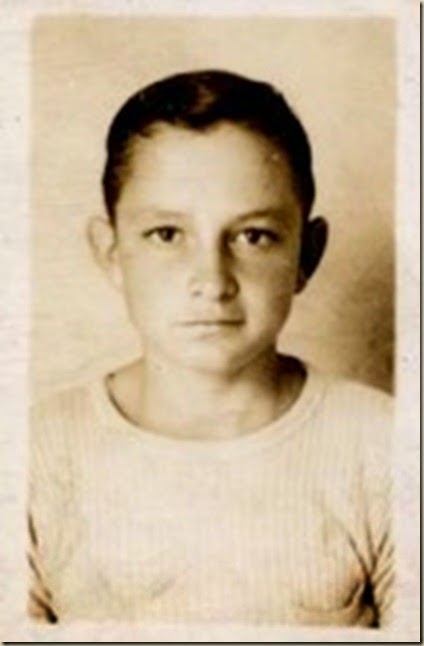
Cash showed an early interest in music, encouraged by his mother Carrie, who taught him guitar. He grew up listening to gospel music on the radio and singing in church. That early devotion to gospel never left him — it became the foundation of everything he recorded later in life.
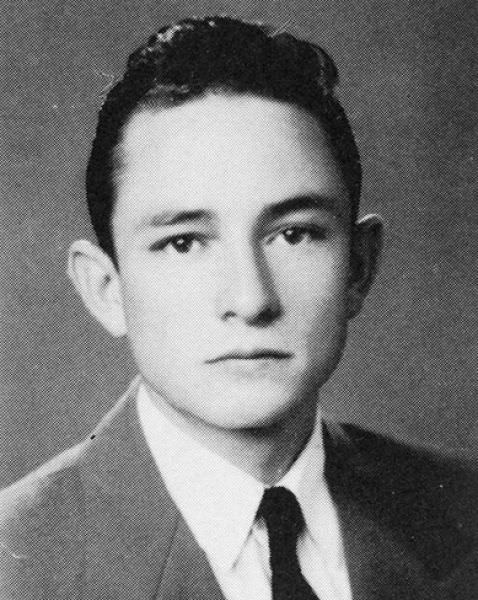
After graduating high school, Cash enlisted in the U.S. Air Force in 1950 and served for four years. He was stationed in Germany, where he bought his first guitar and formed his first band. When he returned to the United States, he set his sights on Memphis, Tennessee — the beating heart of American music in the mid-1950s. At 22, he moved there and took a job selling appliances to pay the bills while studying to become a radio announcer. At night, he played music with guitarist Luther Perkins and bassist Marshall Grant.
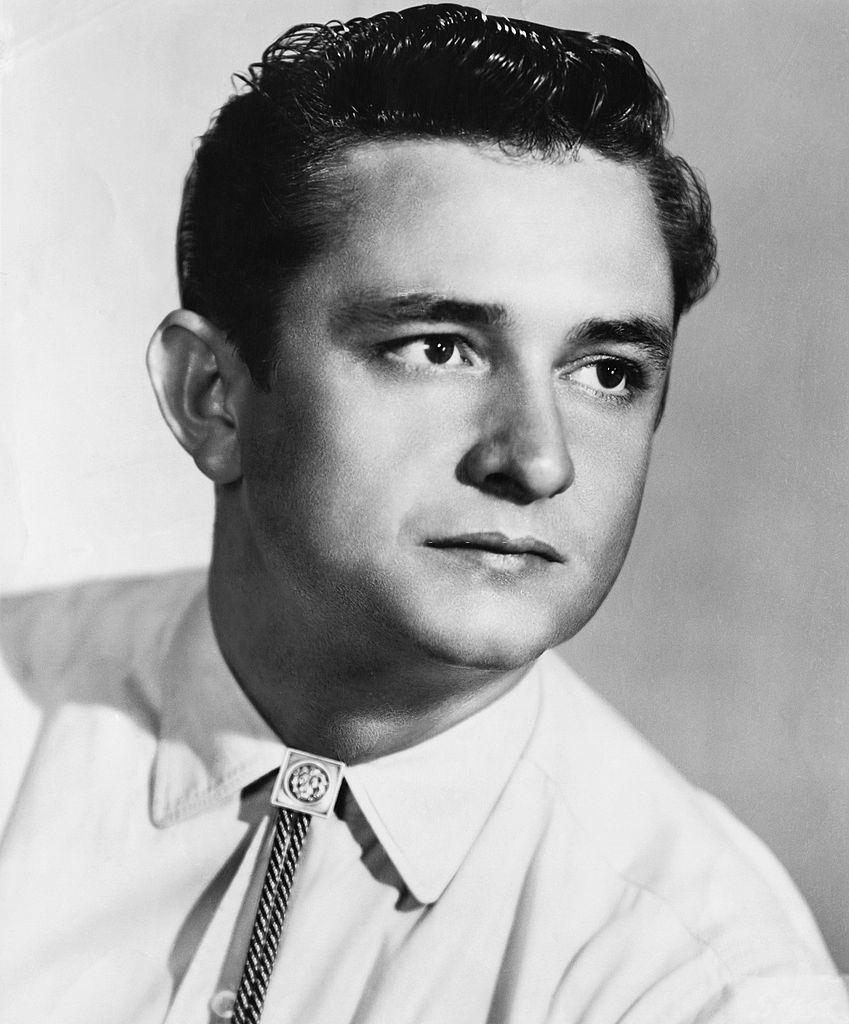
Cash landed an audition at Sun Records with Sam Phillips, the same producer who had worked with Elvis Presley. He walked in hoping to record gospel music, but Phillips pushed him toward original material. In 1955, Cash recorded “Hey Porter,” his first official release. The same year, he cut “Folsom Prison Blues,” a song inspired by a movie he had seen while in the Air Force. That record climbed to the top of the country music charts and announced to the world that a bold new voice had arrived.
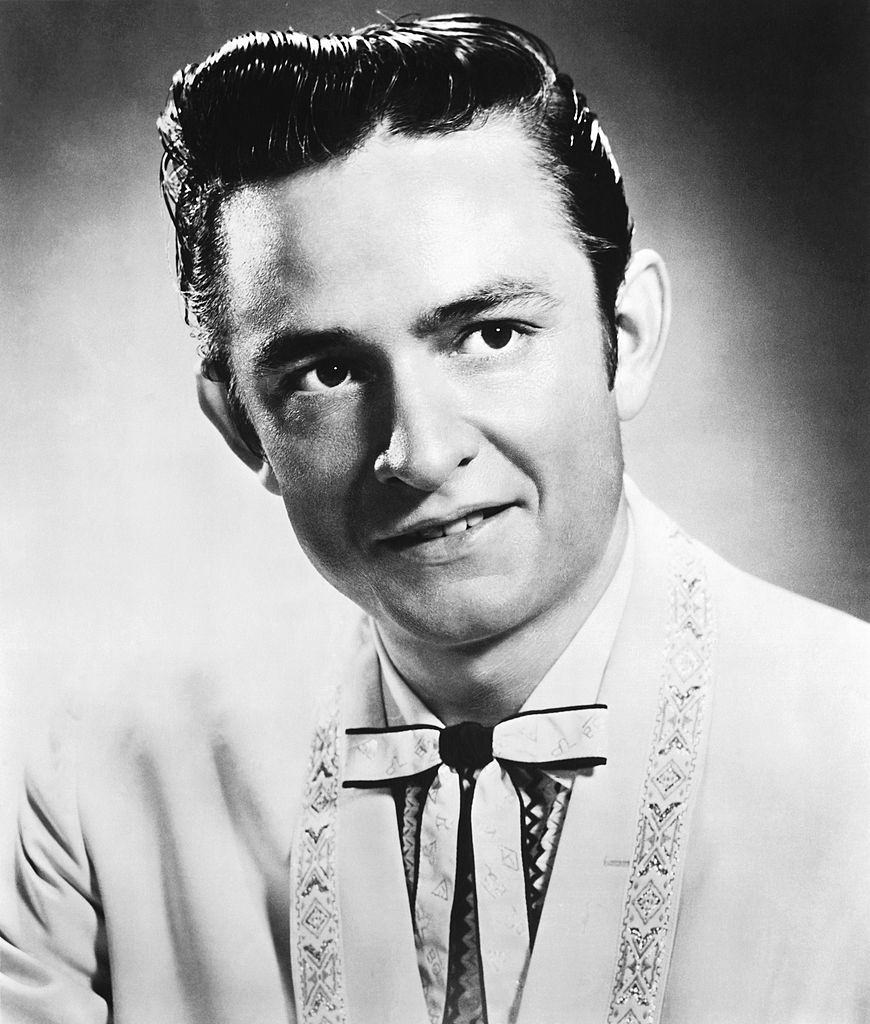
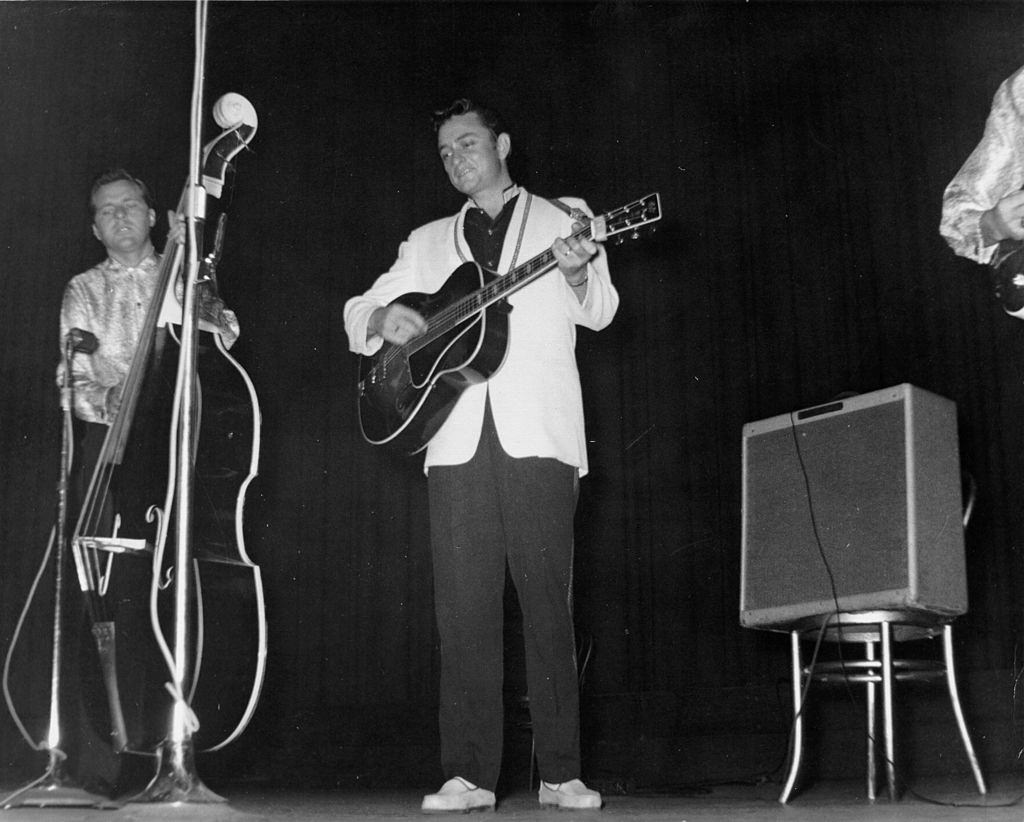
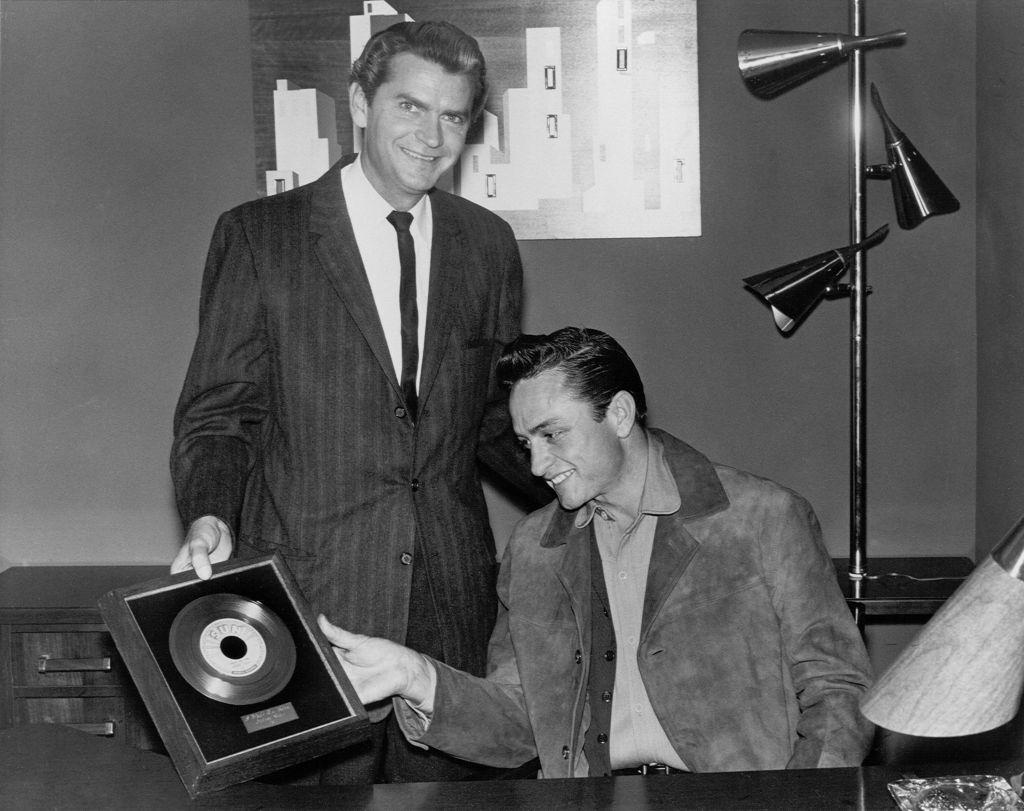
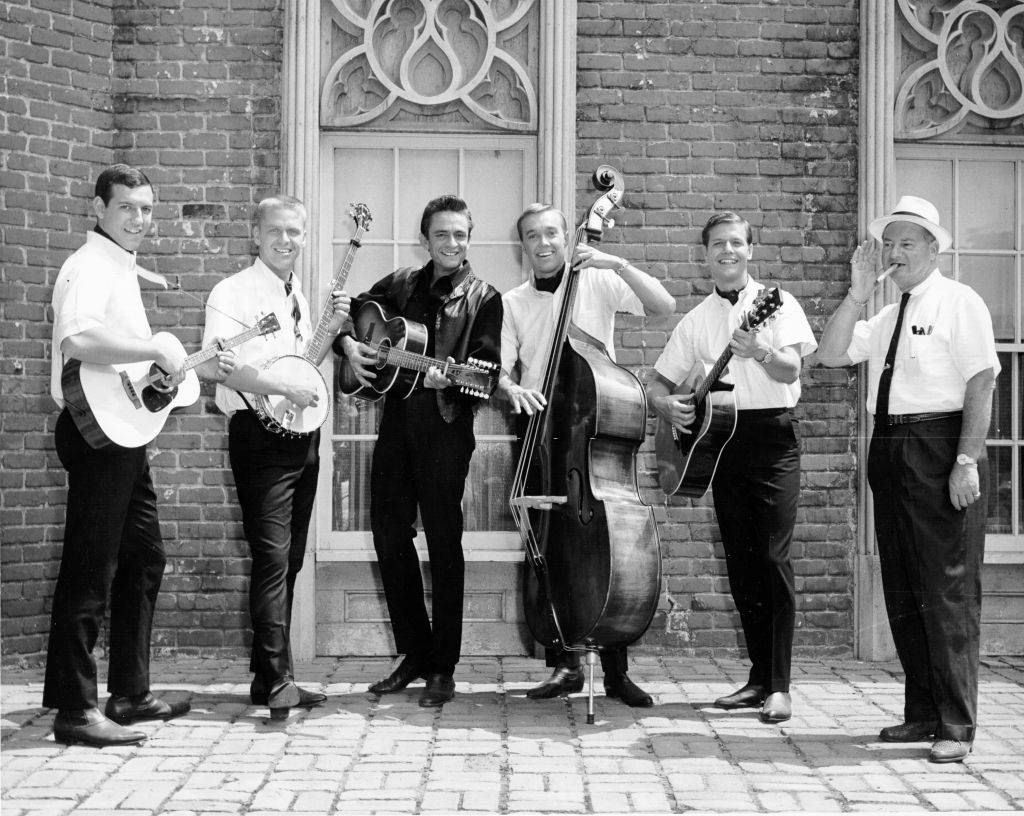
By 1956, Cash was performing regularly with his backing band, The Tennessee Two — Luther Perkins on electric guitar and Marshall Grant on upright bass. Their stripped-down sound was unlike anything else on the radio. No drums, no piano, just that boom-chicka-boom rhythm that became Cash’s signature. That same year, he released “I Walk the Line,” which hit number one on the country charts and crossed over into the pop top 20. Sun Records founder Sam Phillips presented Cash with a framed copy of the record to mark the achievement.
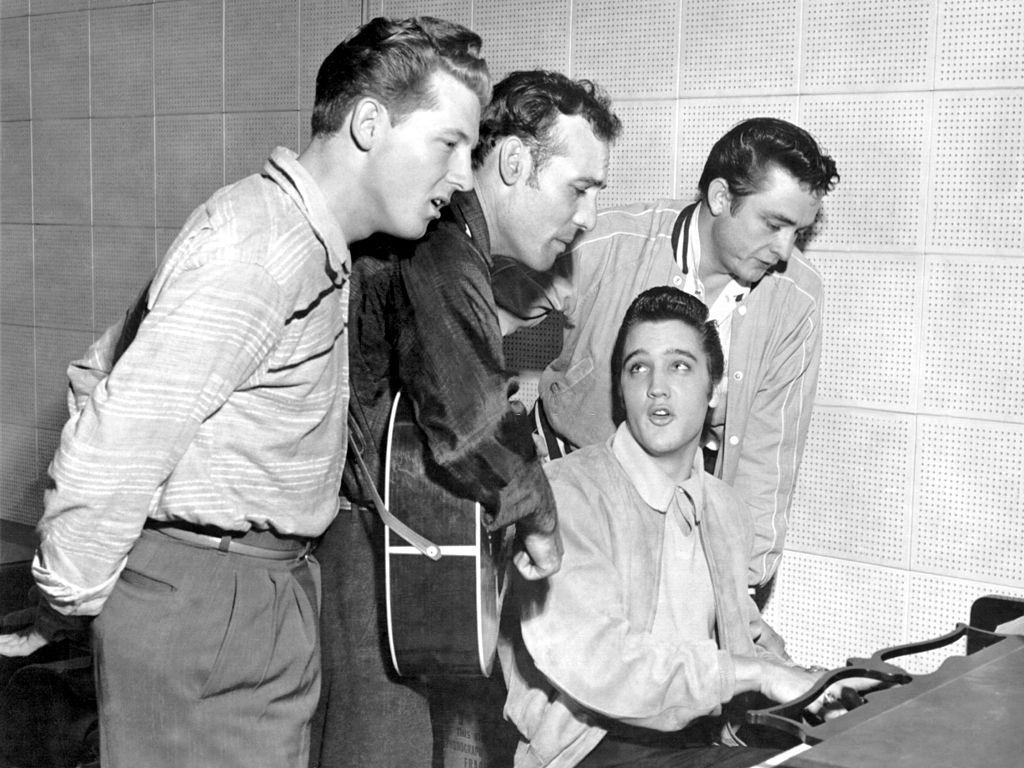
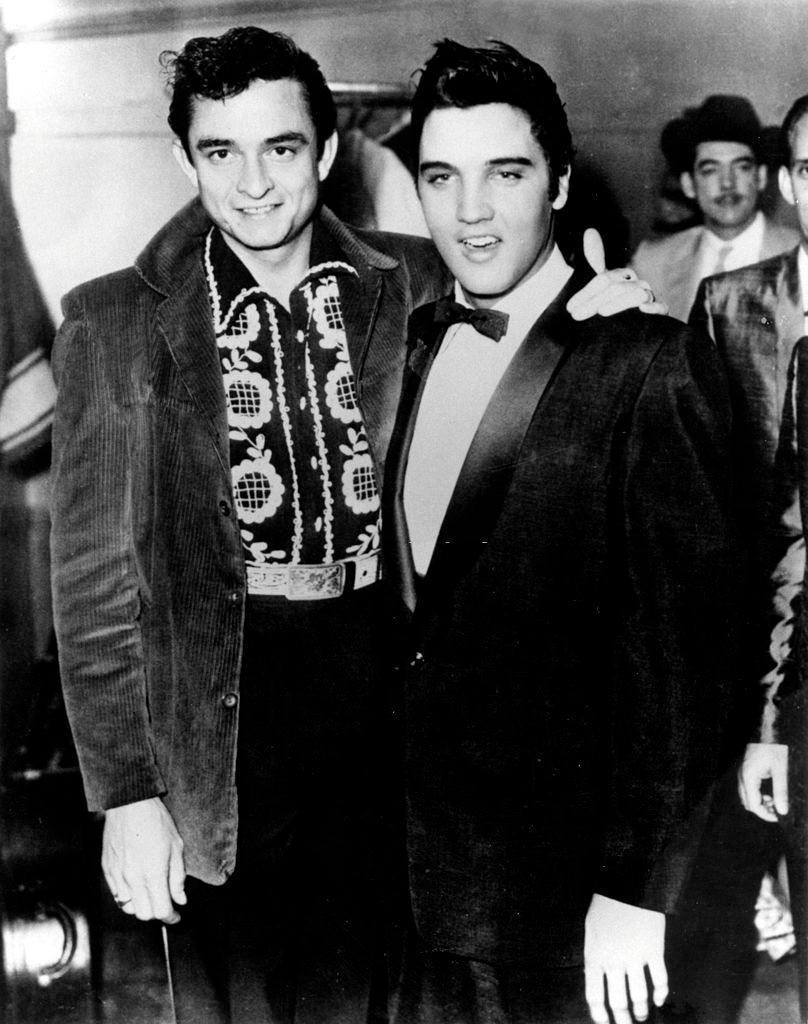
During those early Sun Records years, Cash was rubbing shoulders with some of the biggest names in music. In December 1956, he was part of an impromptu jam session at Sun Studio alongside Elvis Presley, Jerry Lee Lewis, and Carl Perkins — a gathering that later became known as the Million Dollar Quartet. It was a snapshot of a moment when American music was being completely reinvented.
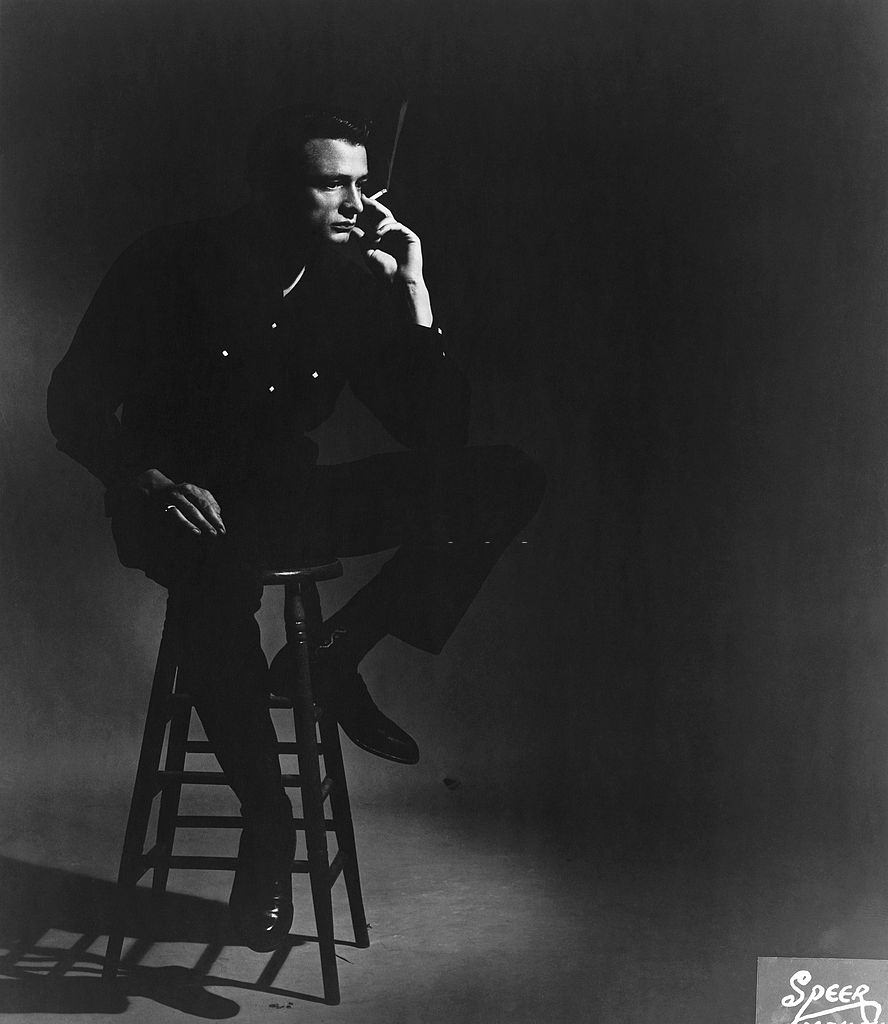
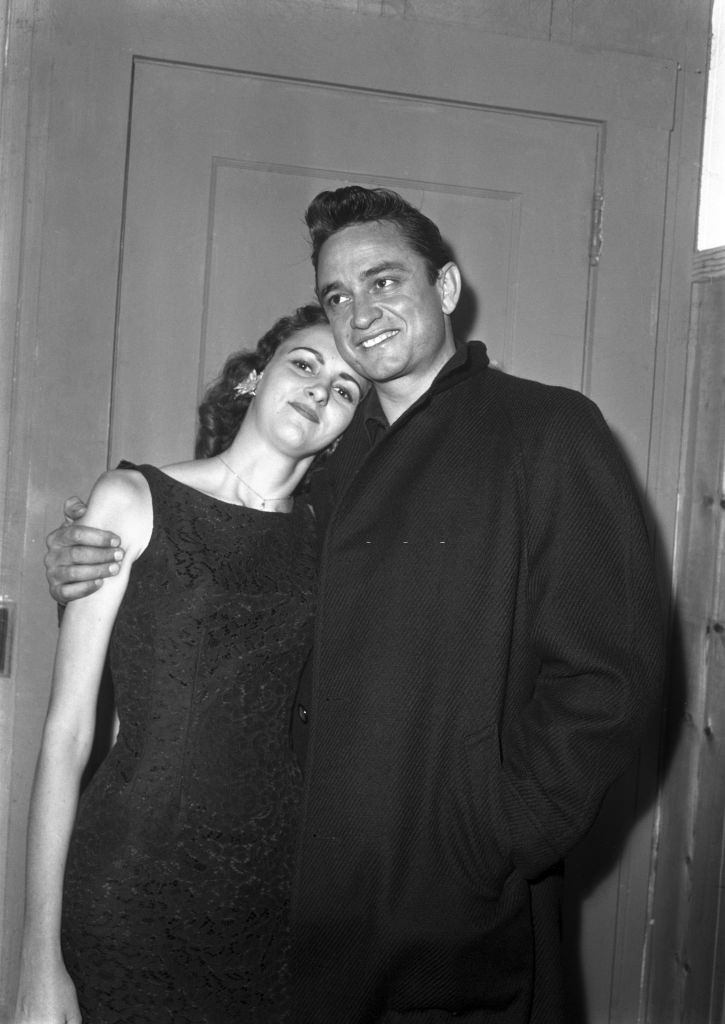
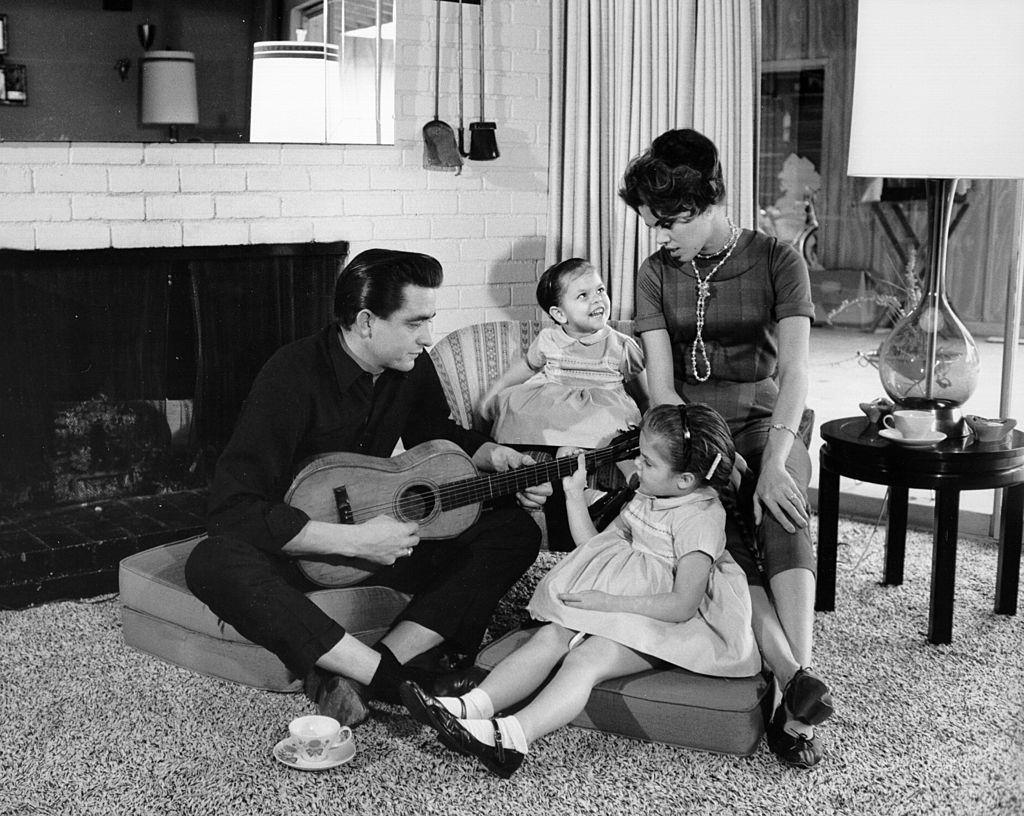
By 1957, Cash was a star on the rise with a young family. He had married Vivian Liberto in 1954, and the couple had daughters together. Despite the demands of touring and recording, Cash maintained ties to the people closest to him — his wife, his children, and his mother Carrie, who had first put a guitar in his hands.
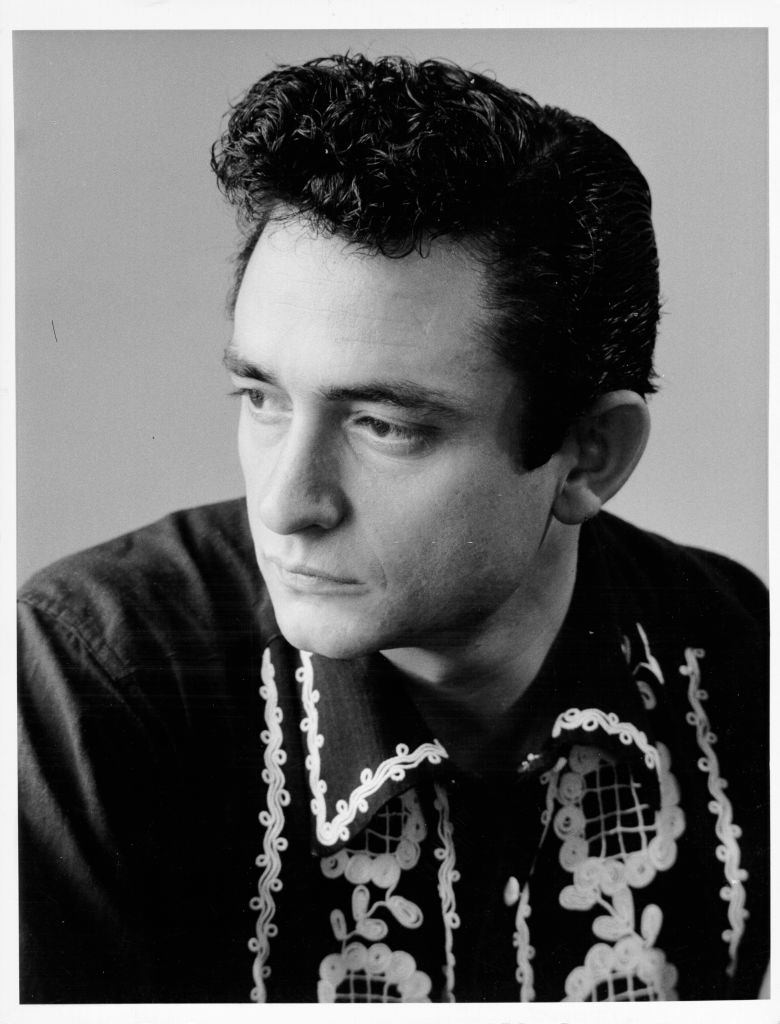
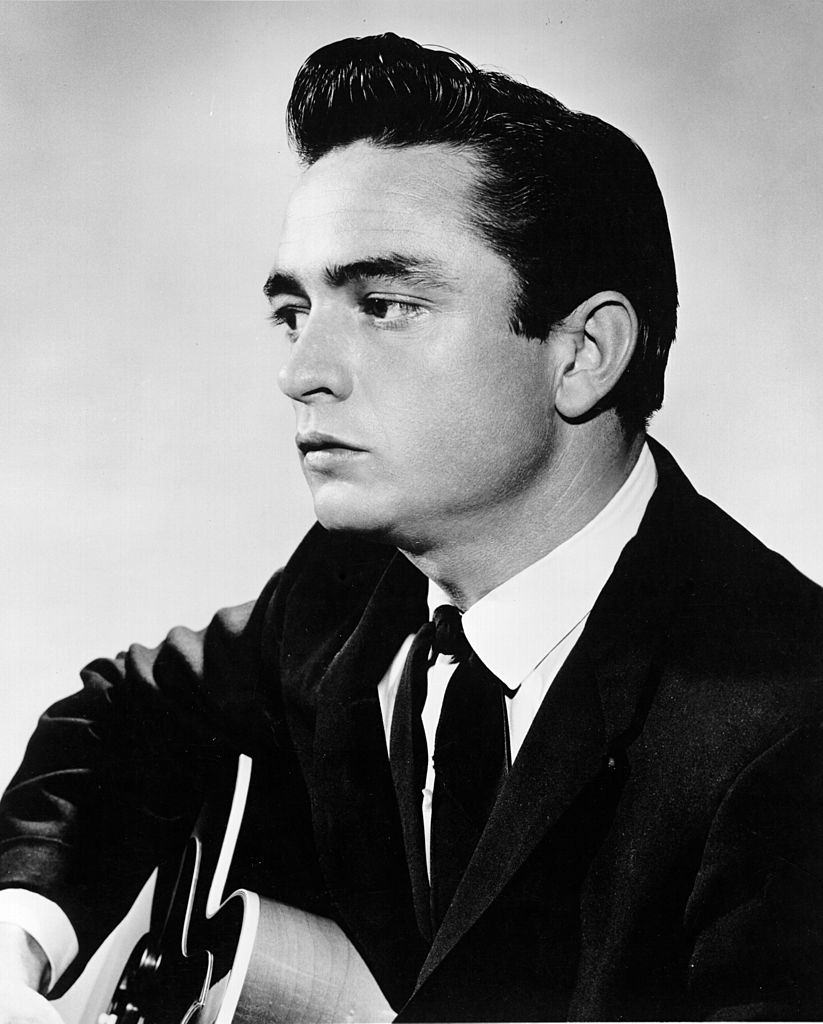
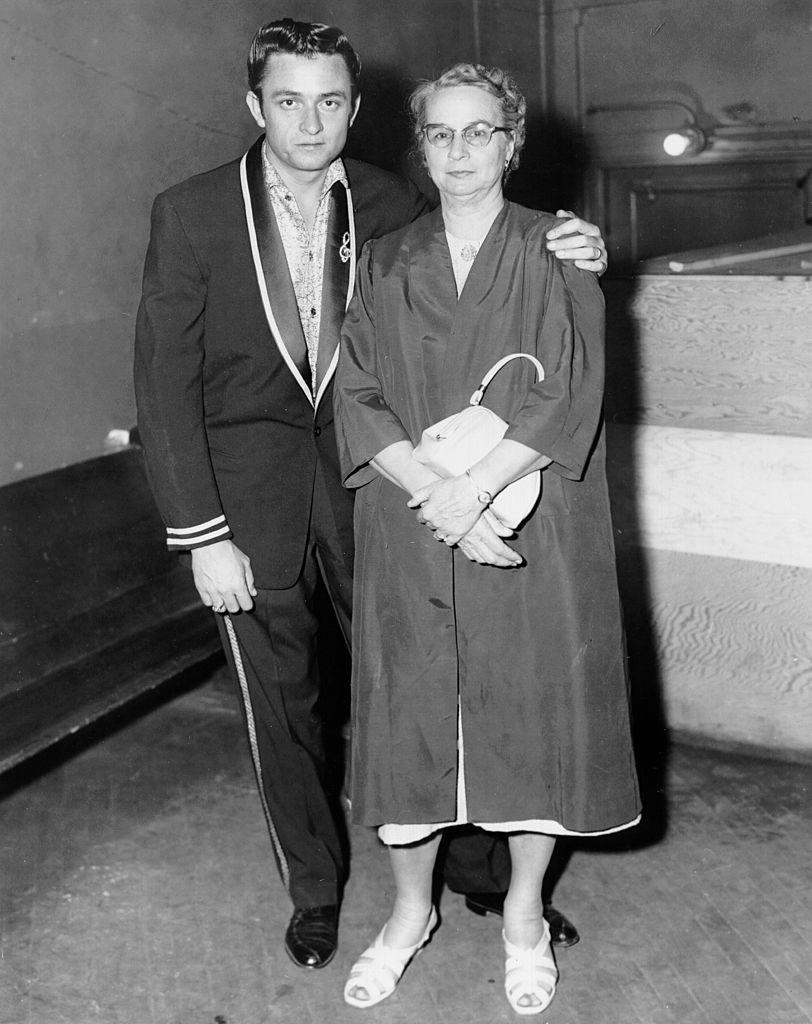
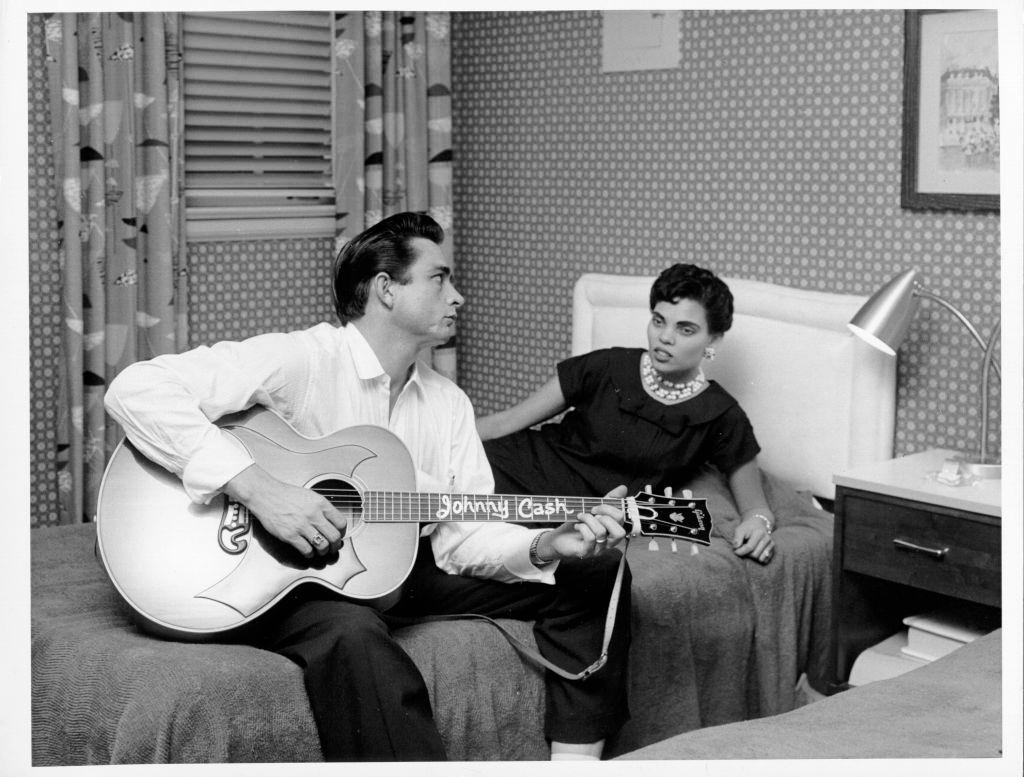
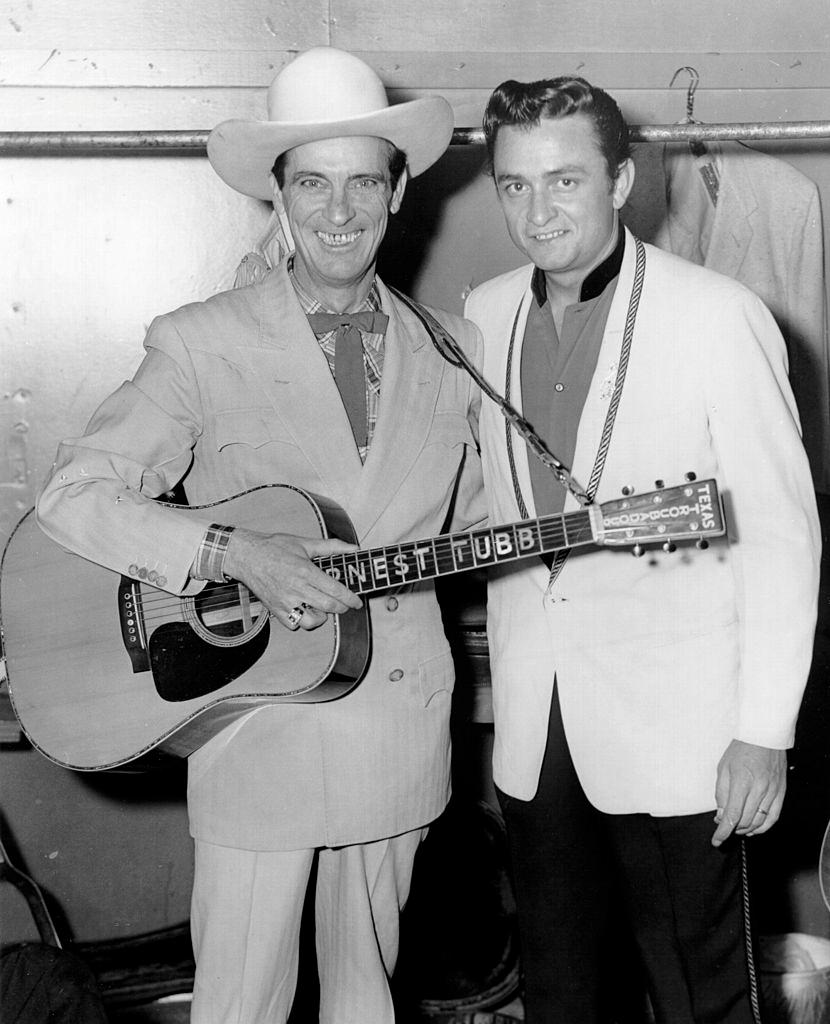
The late 1950s were a whirlwind of performances, television appearances, and travel. Cash became a regular on the country music circuit, sharing stages and green rooms with icons like Minnie Pearl, Ernest Tubb, and Johnnie Wright and Jack Anglin. In 1957, he even traveled to New York, where he was photographed with photographer Marvin Koner — a sign of the wider cultural attention he was beginning to attract.
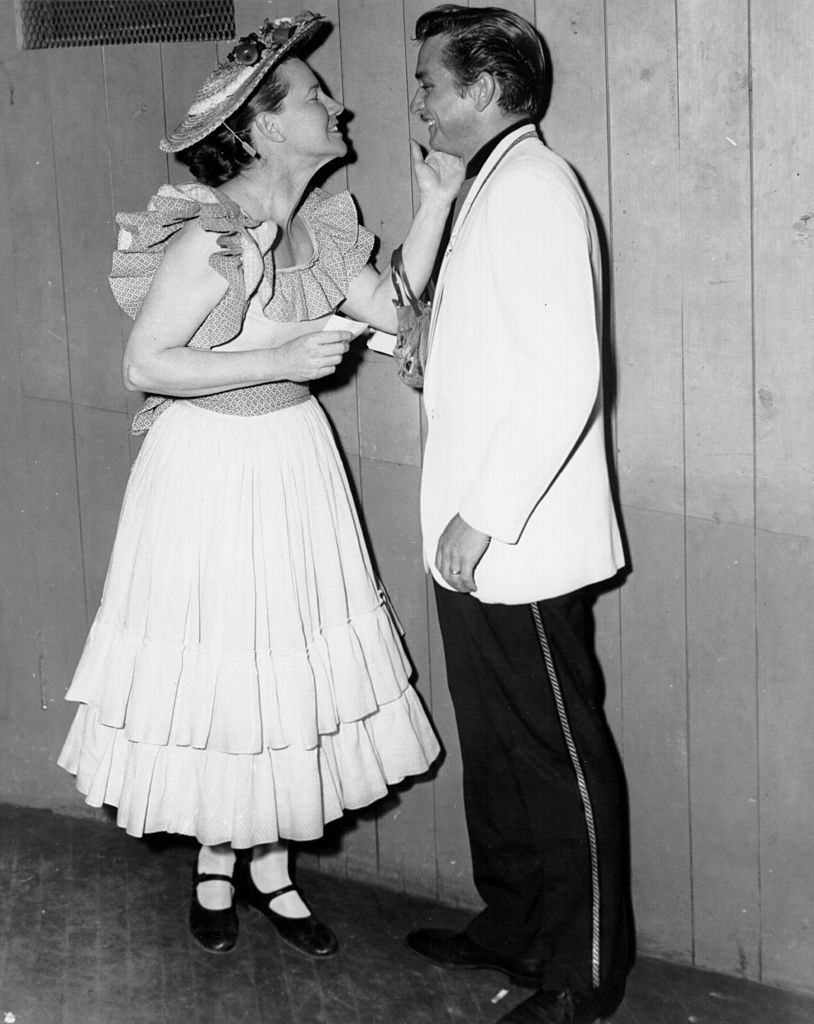
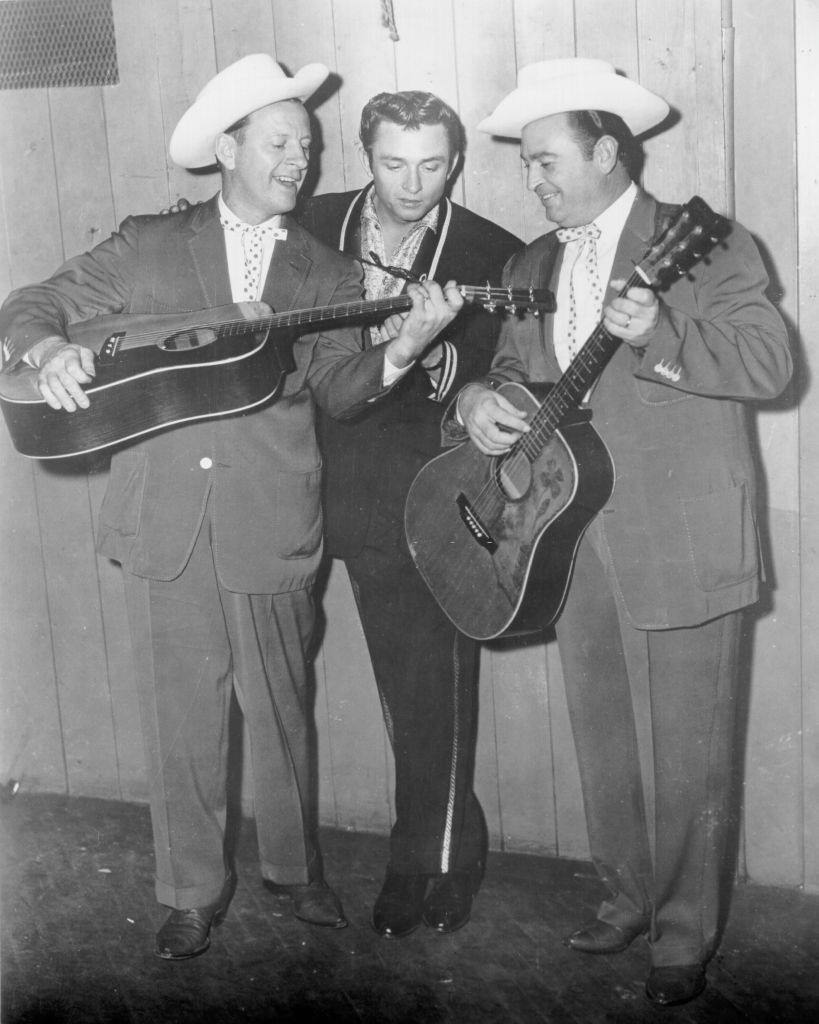
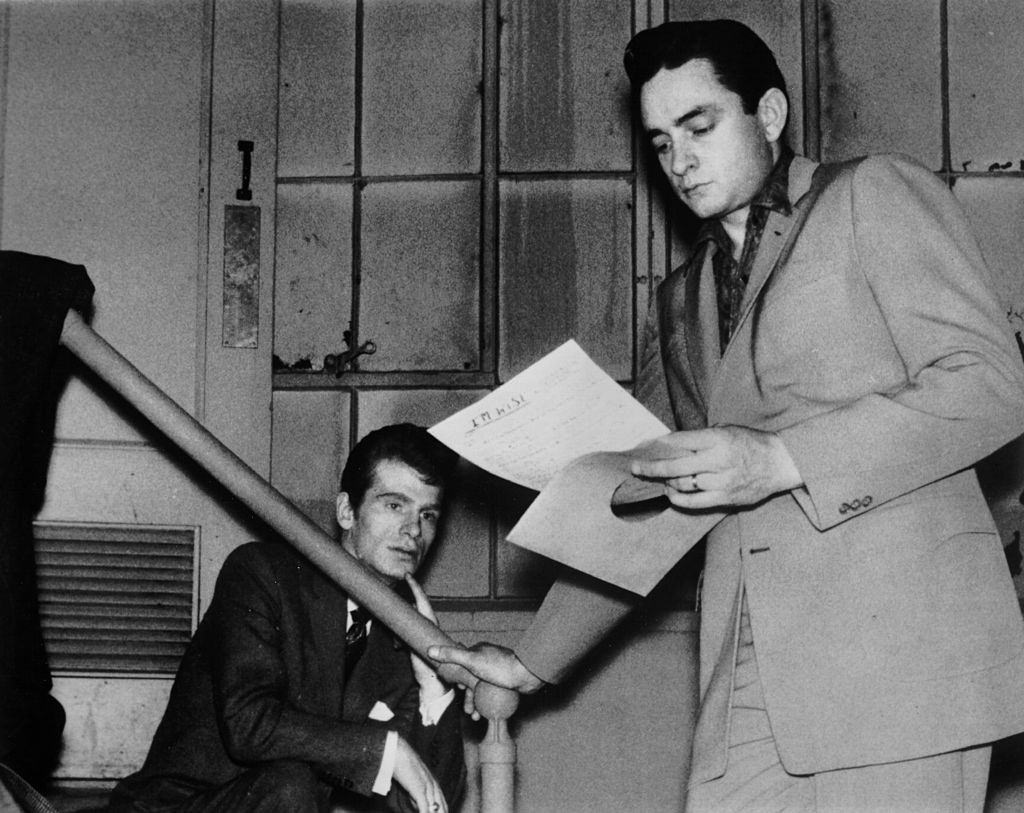
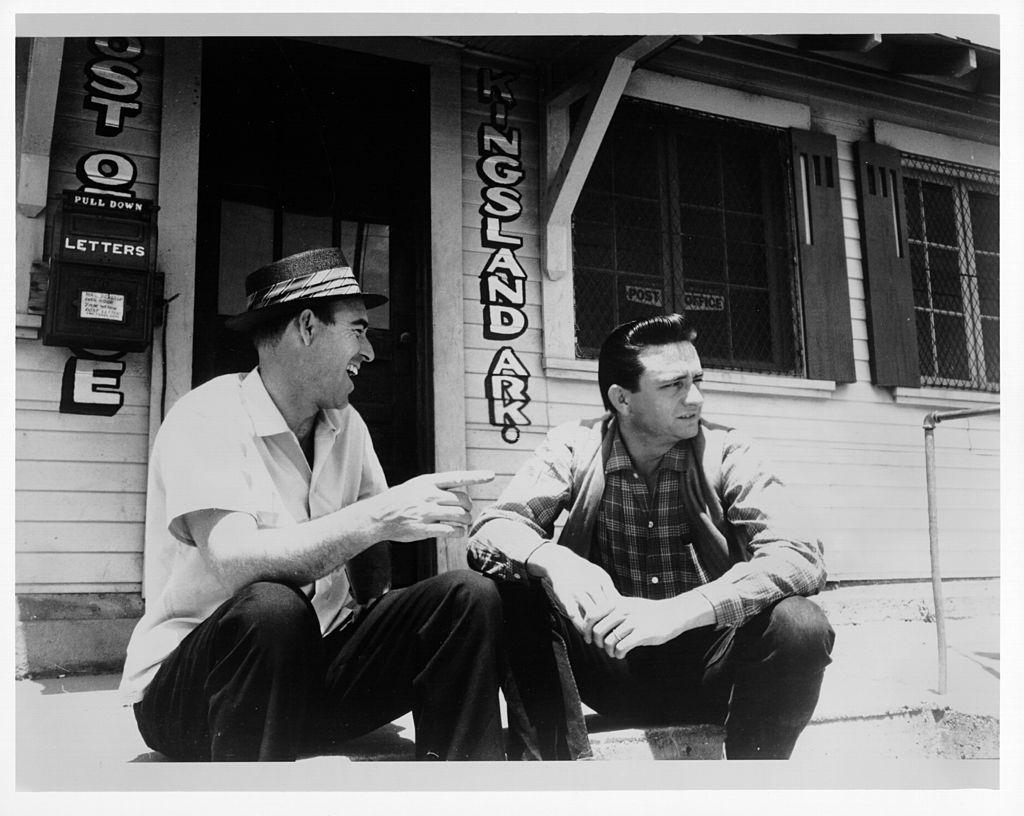
In 1959, Cash made his first trip to England, arriving in London to a growing international fanbase. That same year, he made his television acting debut on the Civil War drama The Rebel and appeared on The Dick Clark Beechnut Show, broadening his reach far beyond country radio. He also visited his hometown of Kingsland, Arkansas, where he was photographed at the local post office with fellow country artist Johnny Horton.
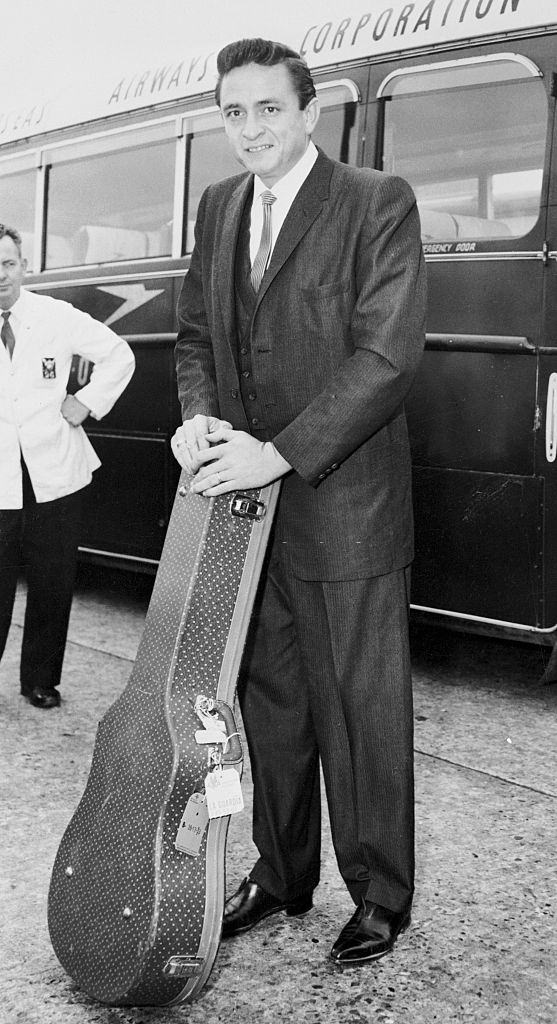
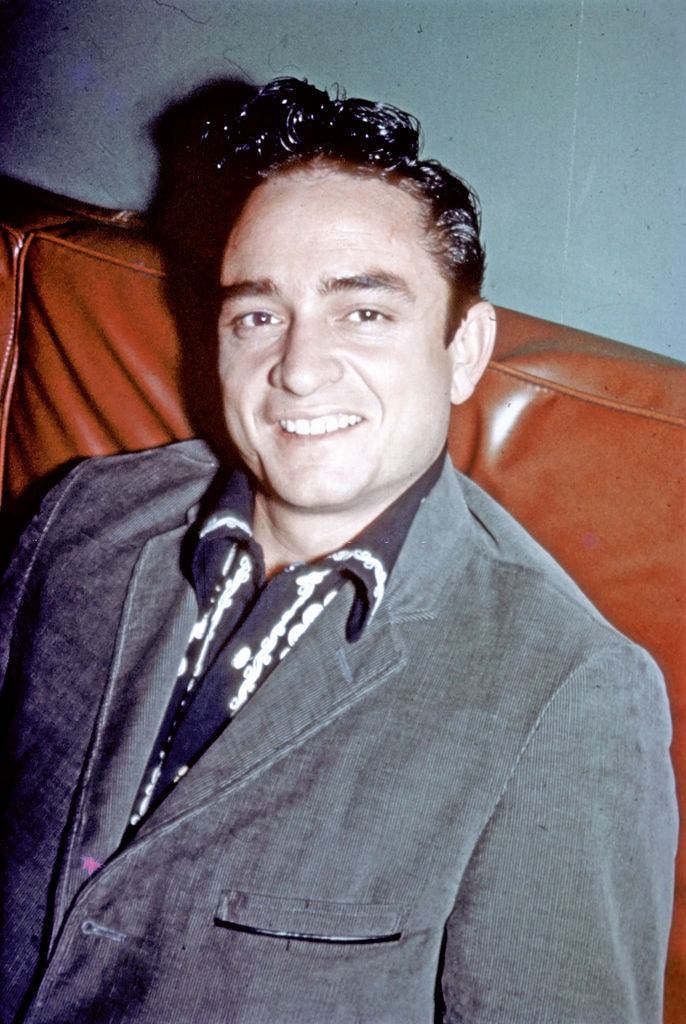
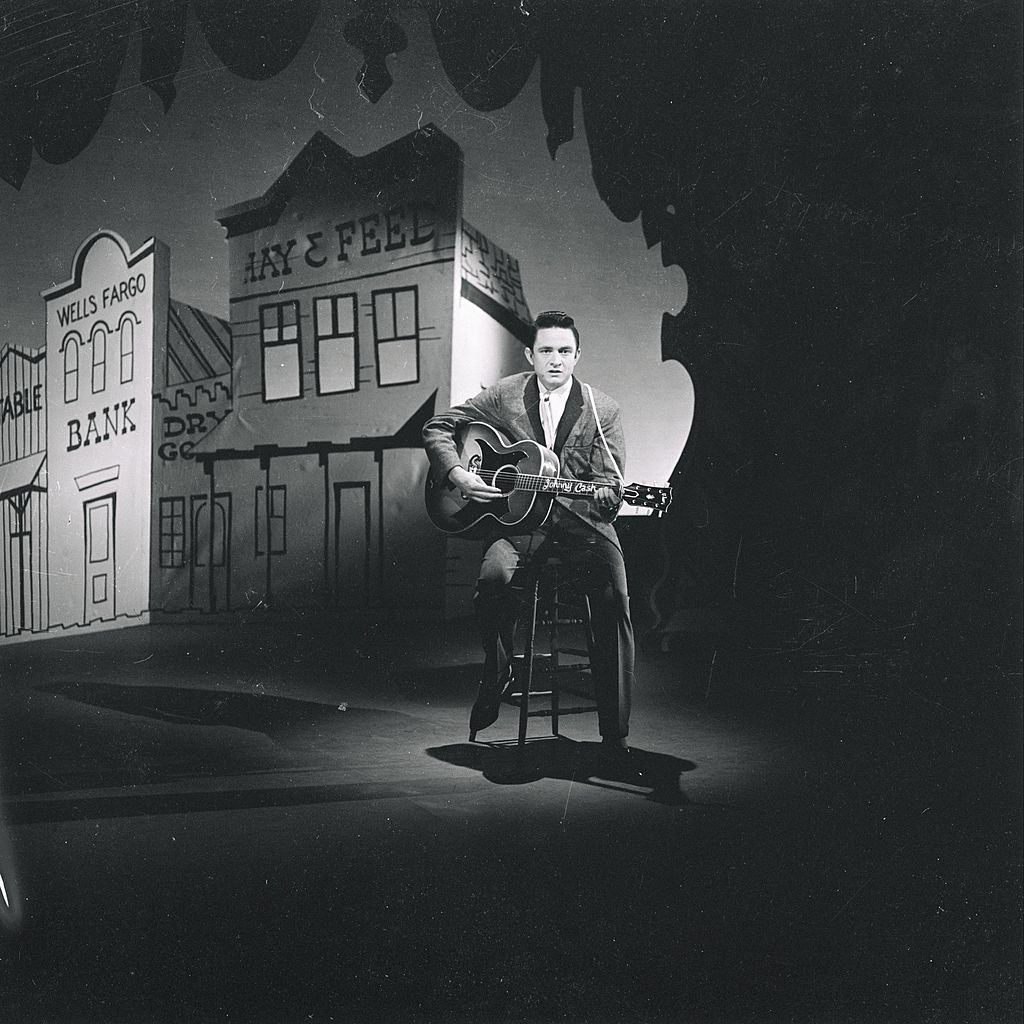
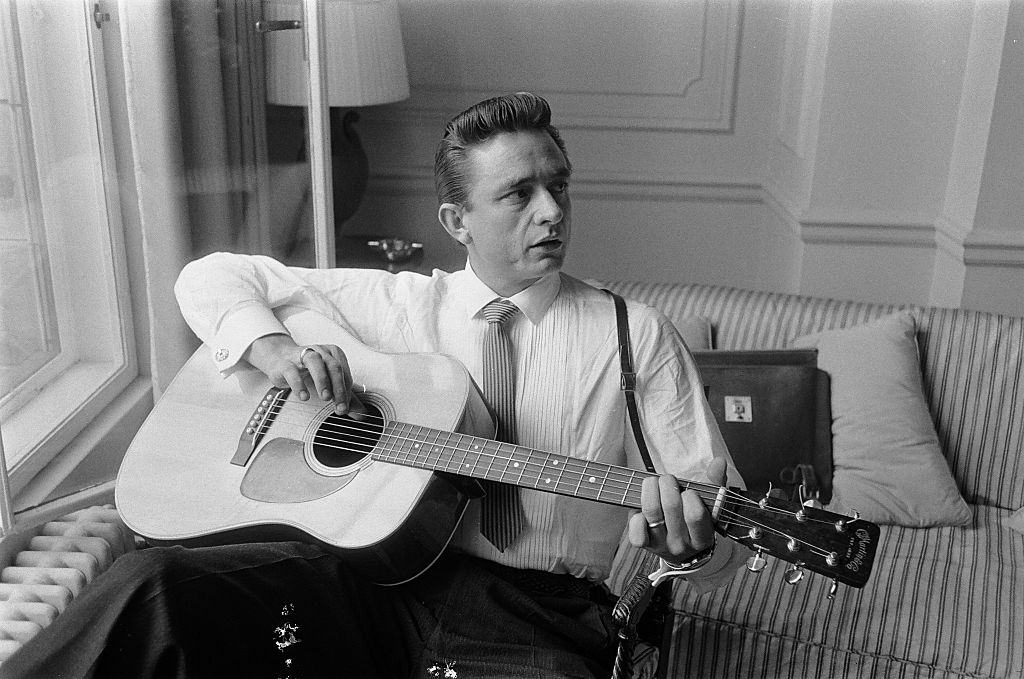
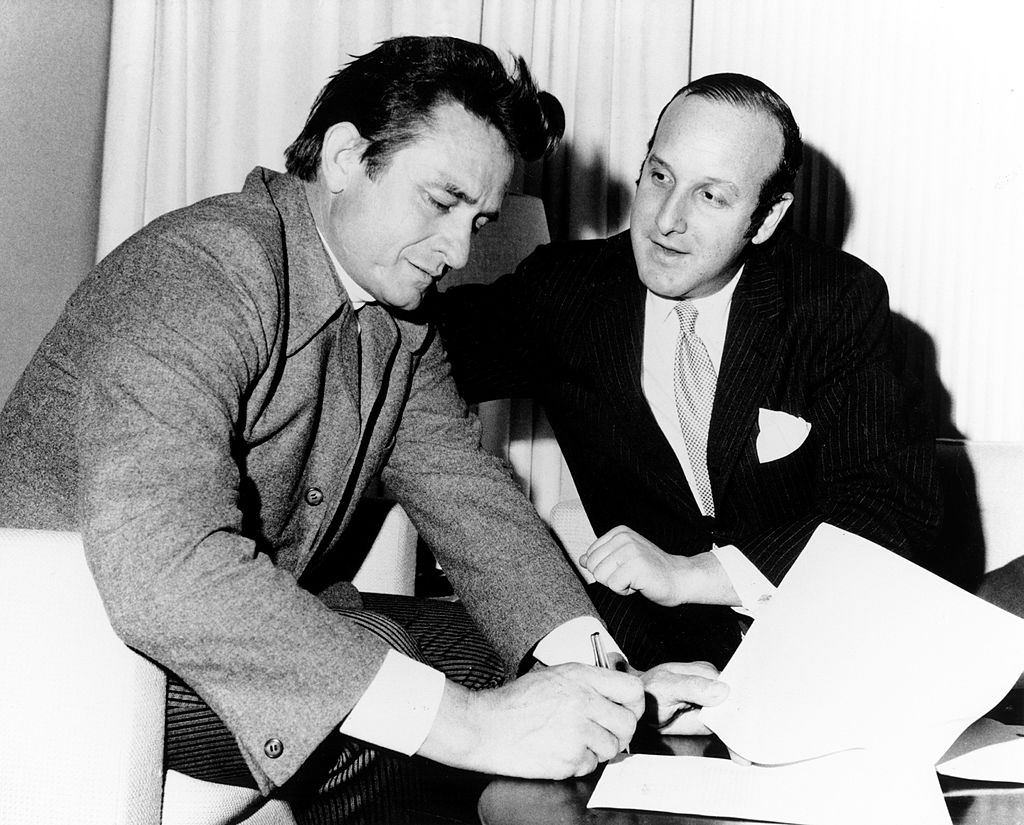
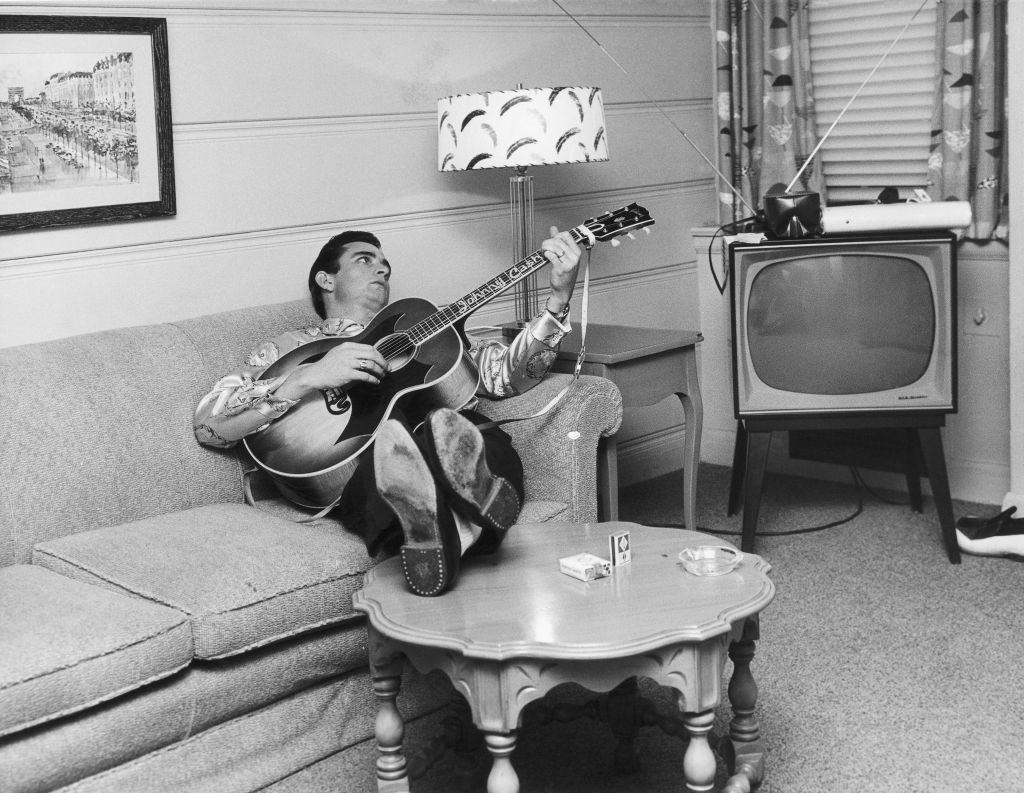
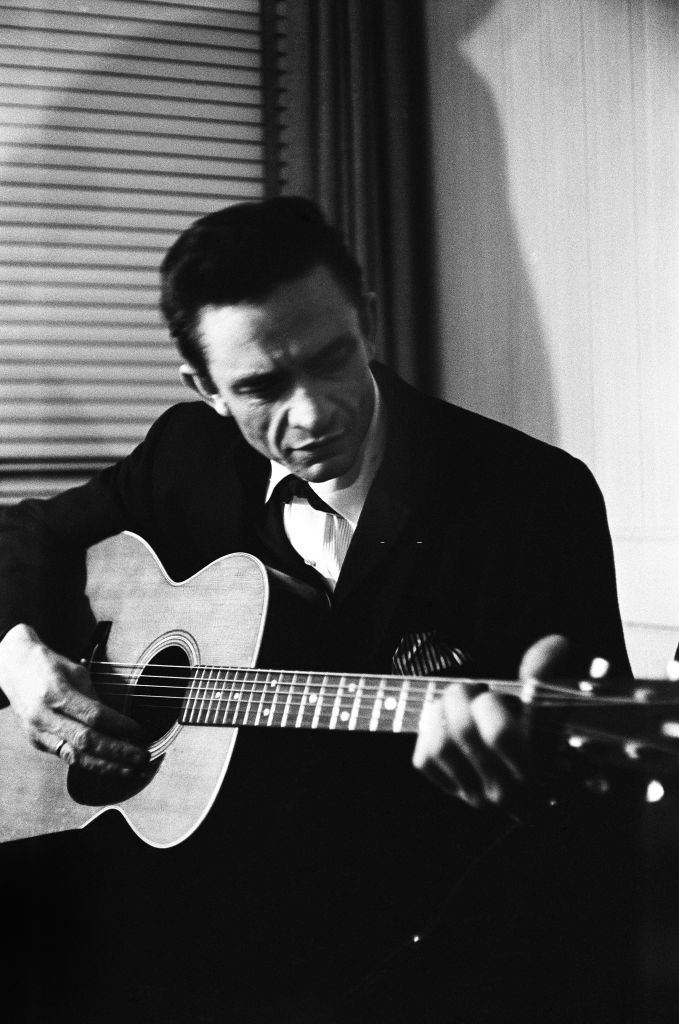
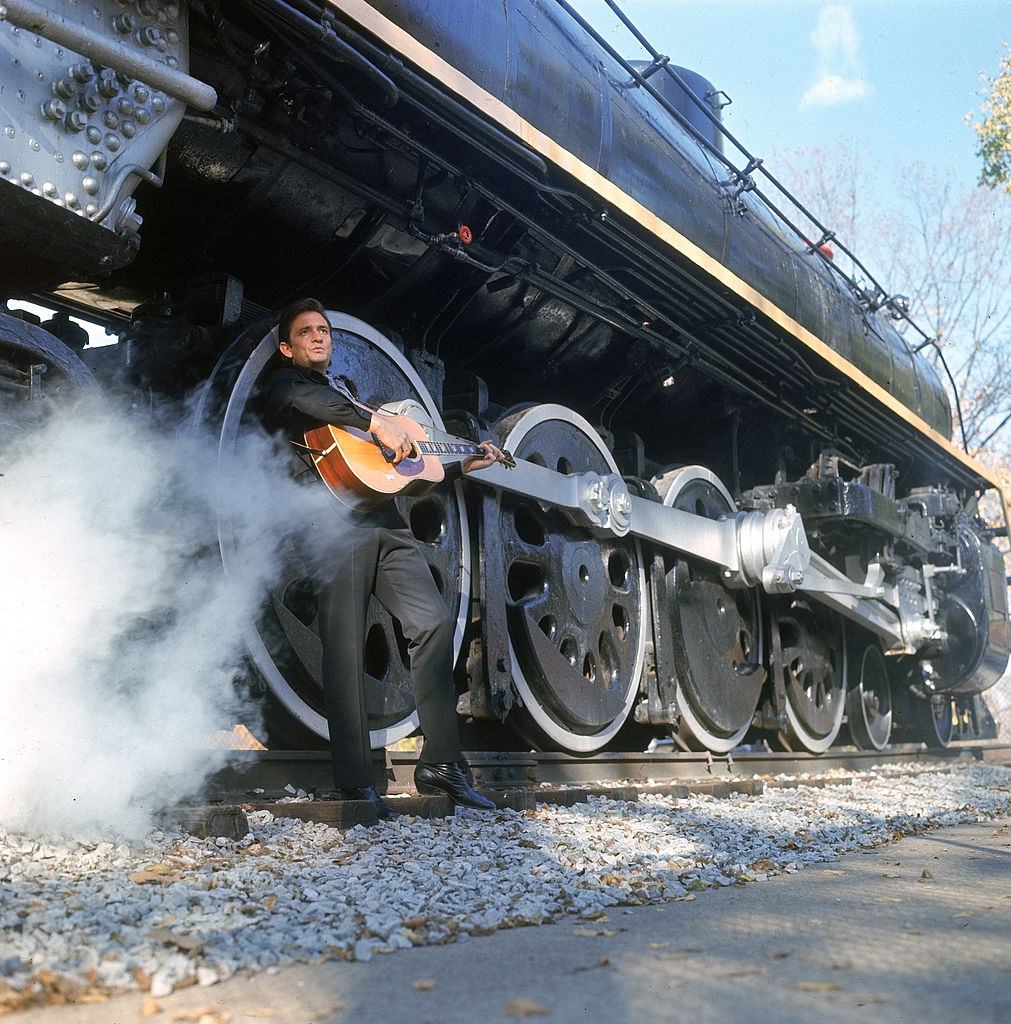
In 1960, Cash signed with Columbia Records, moving on from Sun Records and stepping into a new phase of his career. He was photographed signing his contract with Columbia Records lawyer Clive Davis — a deal that would open the door to some of the most important recordings of his life. That same year, he relaxed in Nashville between sessions, playing acoustic guitar and preparing new material for the studio.
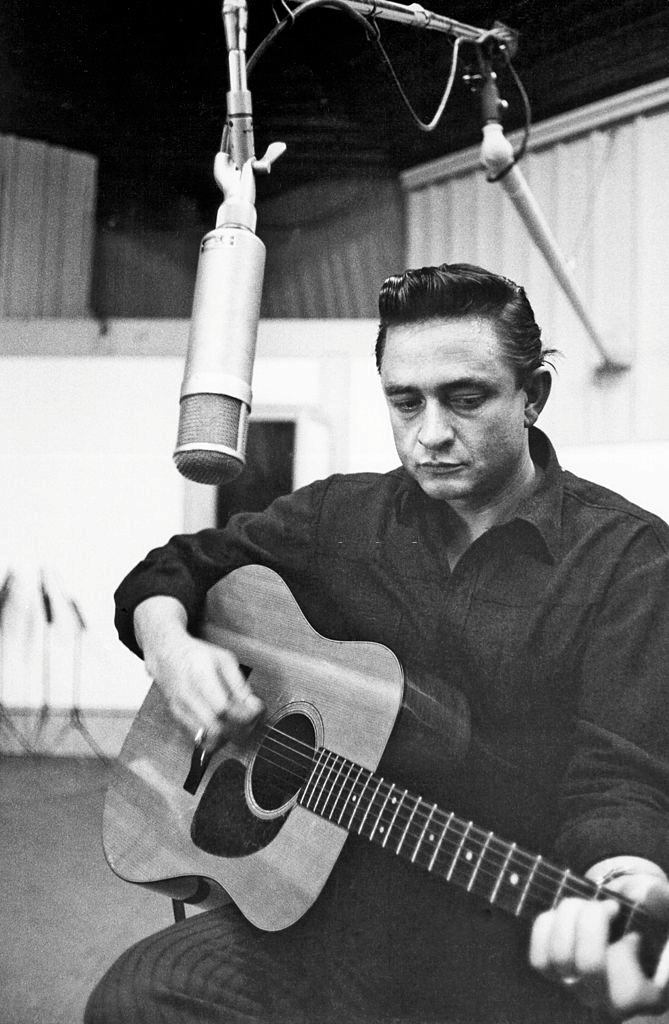
Cash made his film debut in 1961 with Five Minutes to Live, a low-budget crime thriller in which he played a ruthless criminal named Johnny Cabot. It was a sharp departure from his stage persona, and it showed he was willing to take risks as a performer. That same year, U.S. Customs agents found hundreds of pep pills and tranquilizers in his luggage, and he was arrested — a public sign of a drug problem that had been building for years. Cash used stimulants to stay awake during grueling tour schedules, and the habit spiraled into a serious addiction. He was arrested a total of seven times on charges including public drunkenness, reckless driving, and drug possession.
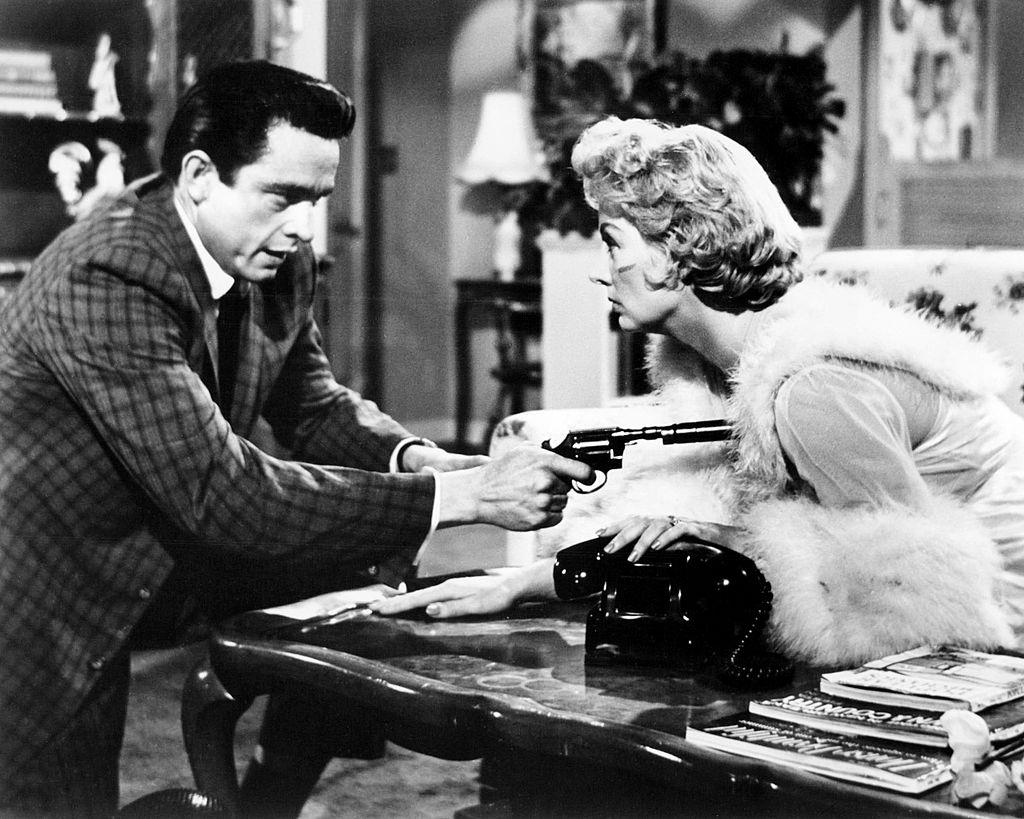
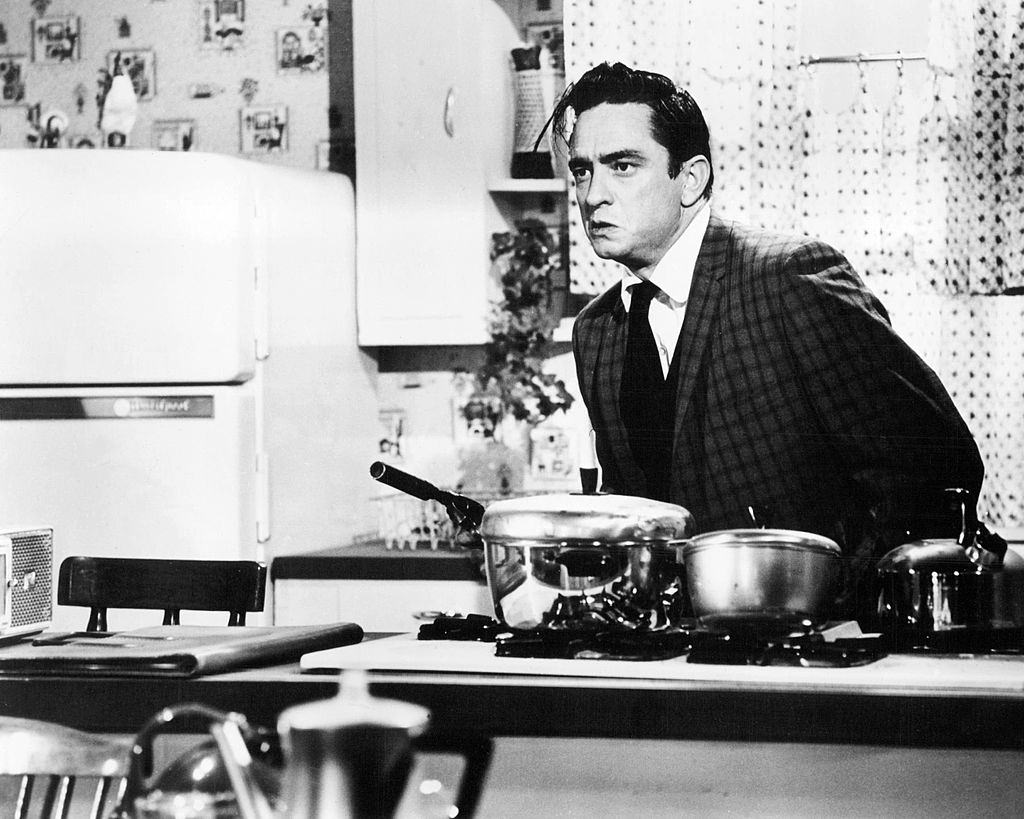
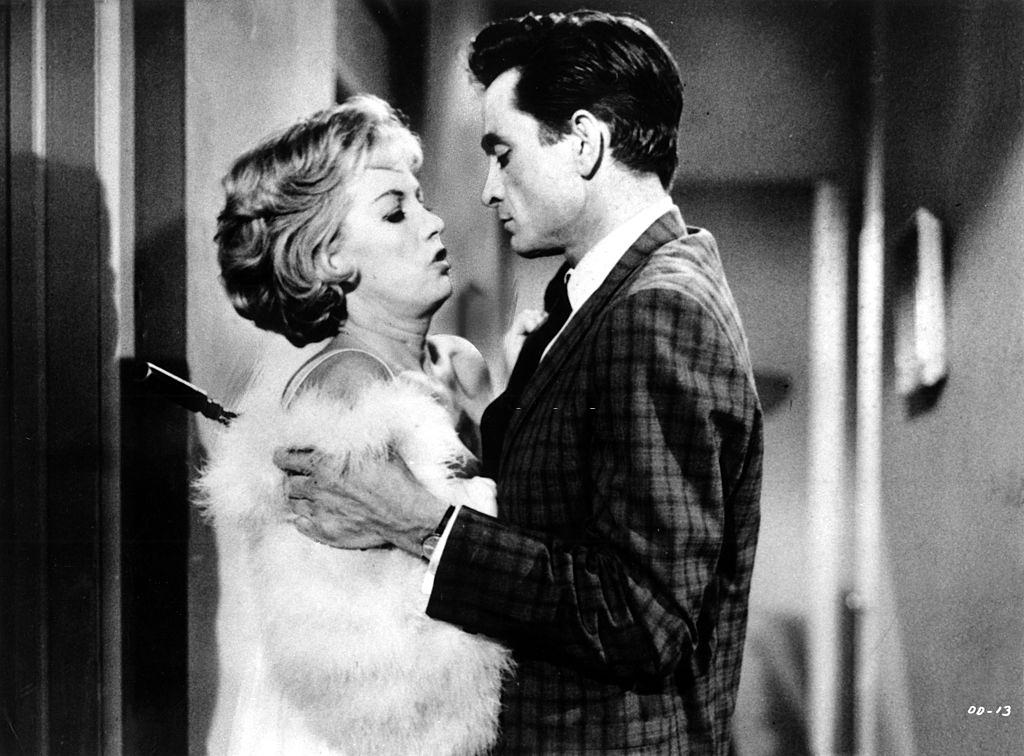
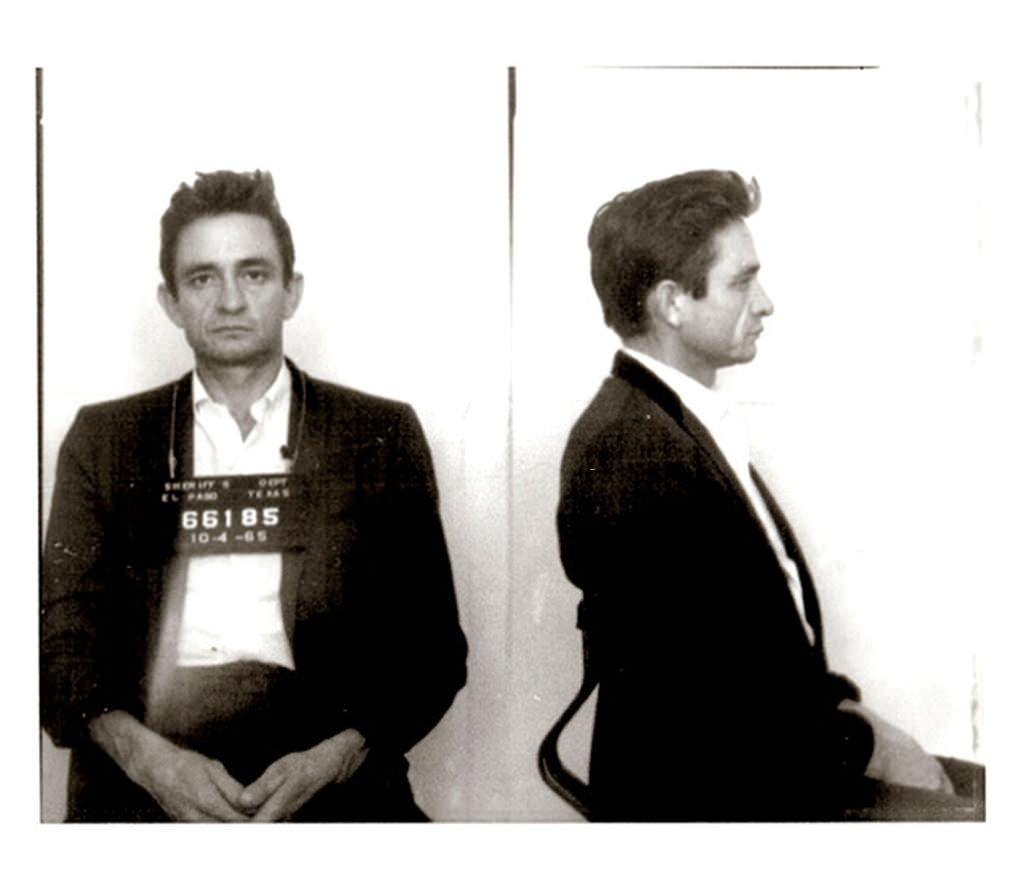
Despite the personal turmoil, Cash kept performing. His connection to folk music grew during the early 1960s, and he appeared at major festivals including the Newport Folk Festival in July 1964 and the New York Folk Festival in 1965. He connected naturally with the folk movement’s focus on social justice and working-class stories — themes he had been singing about since his very first records. Around this time, he also appeared on television programs like The Jimmy Dean Show, further cementing his status as a crossover star.
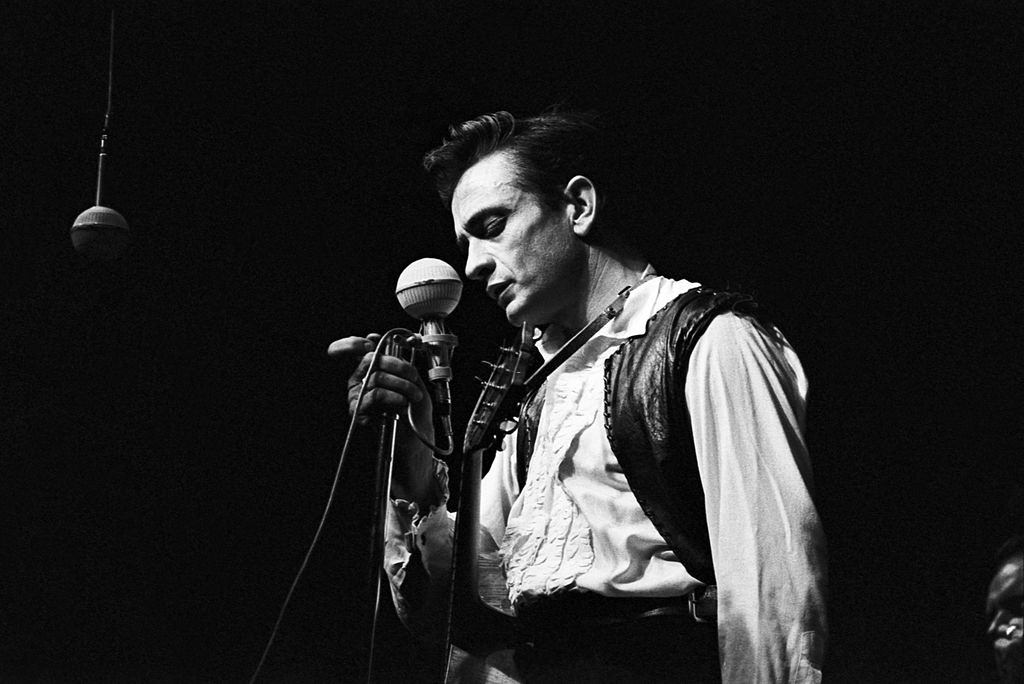
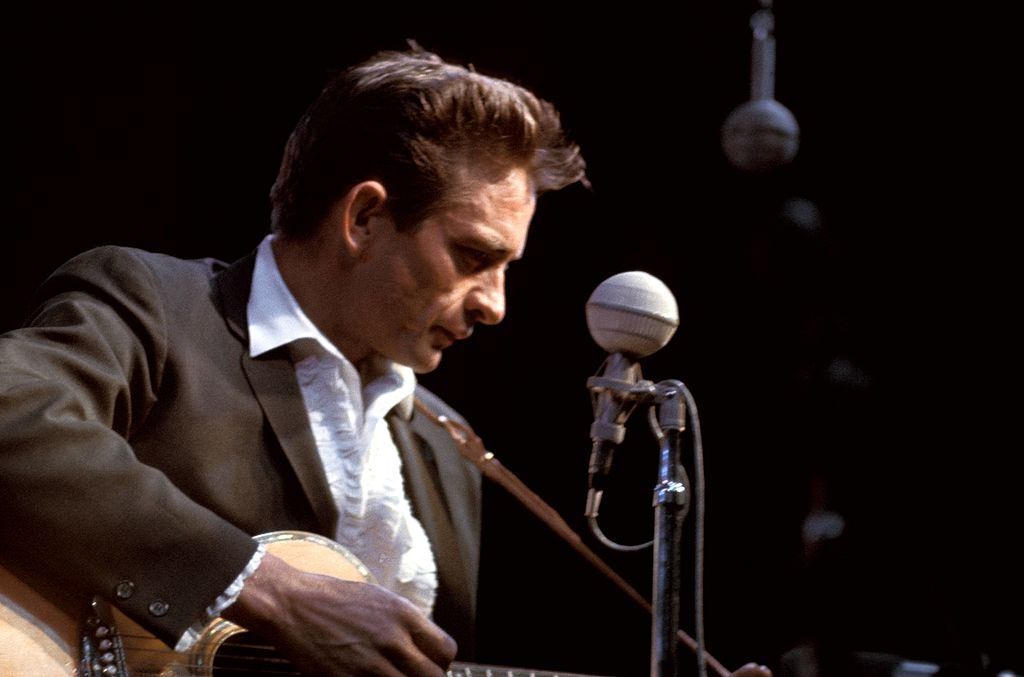
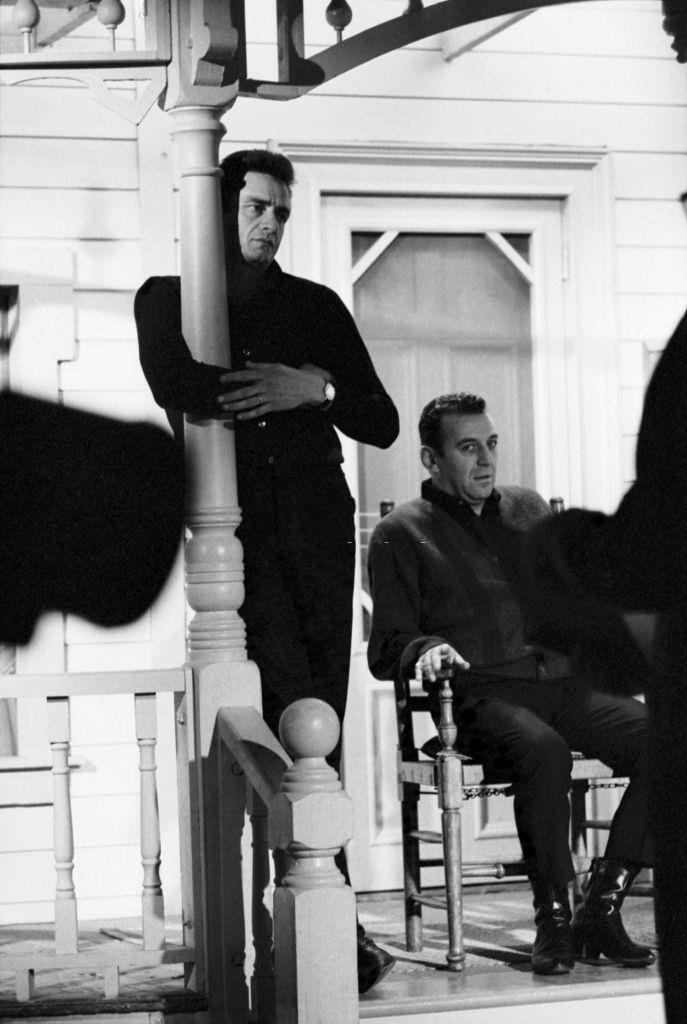
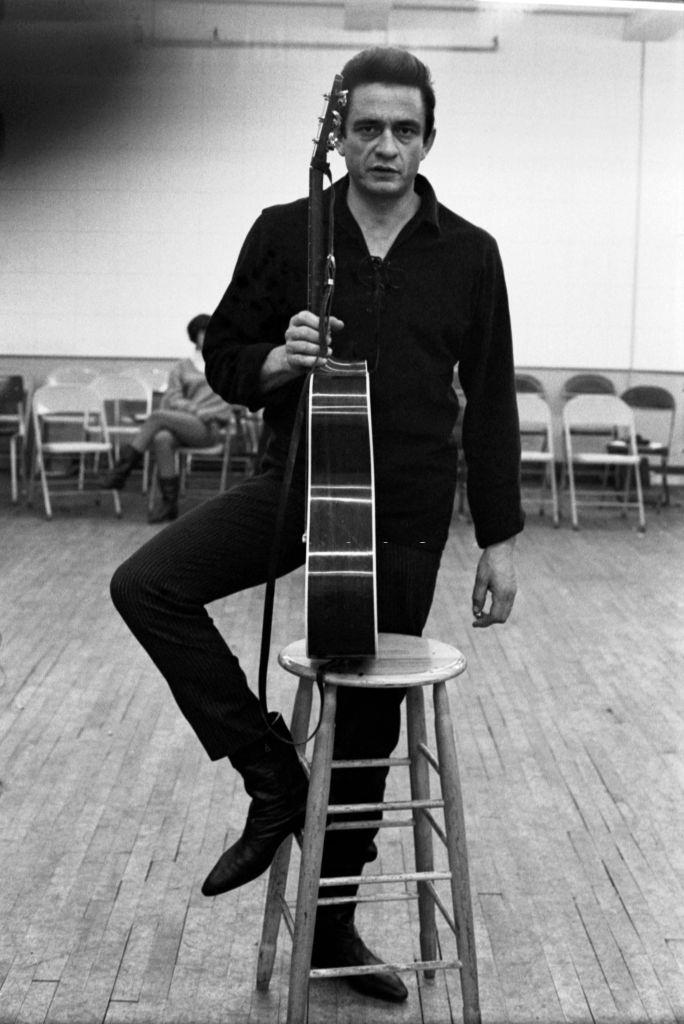
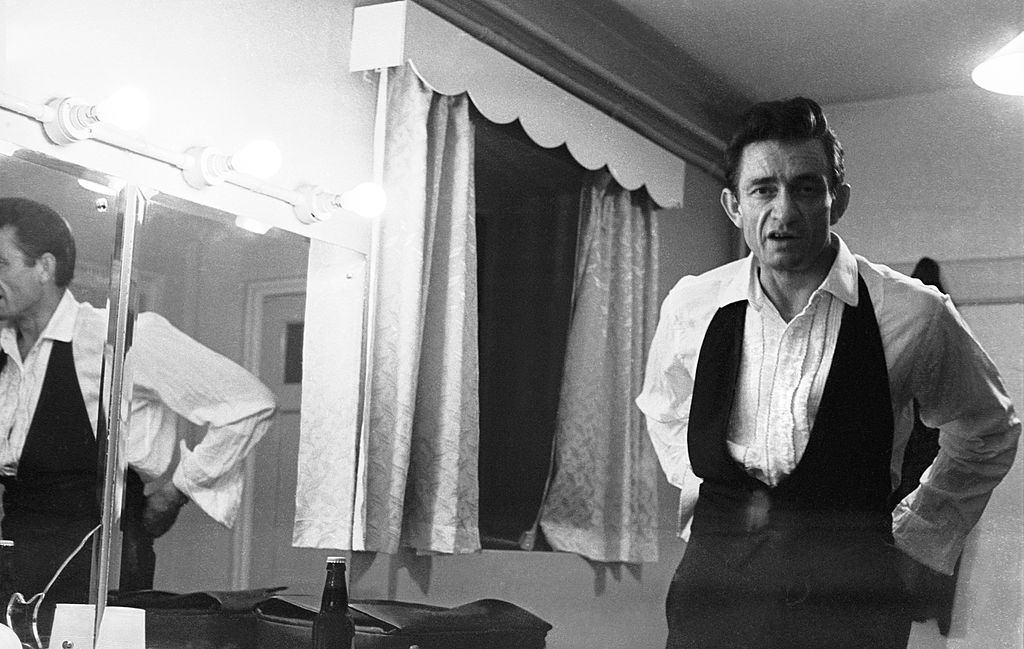
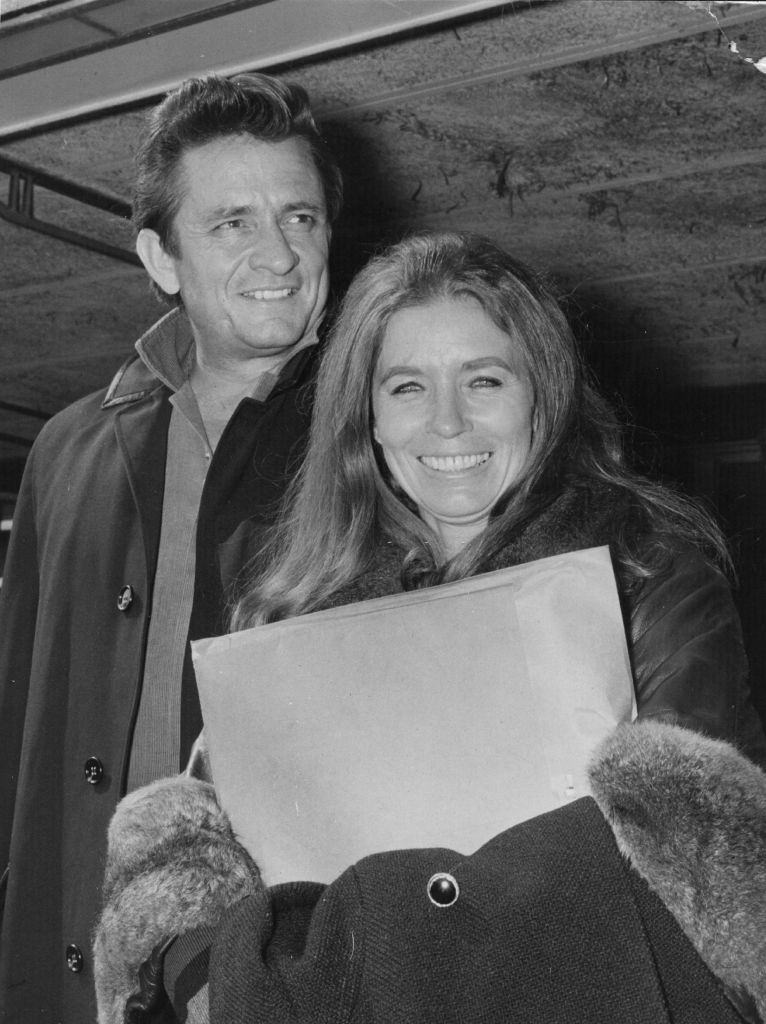
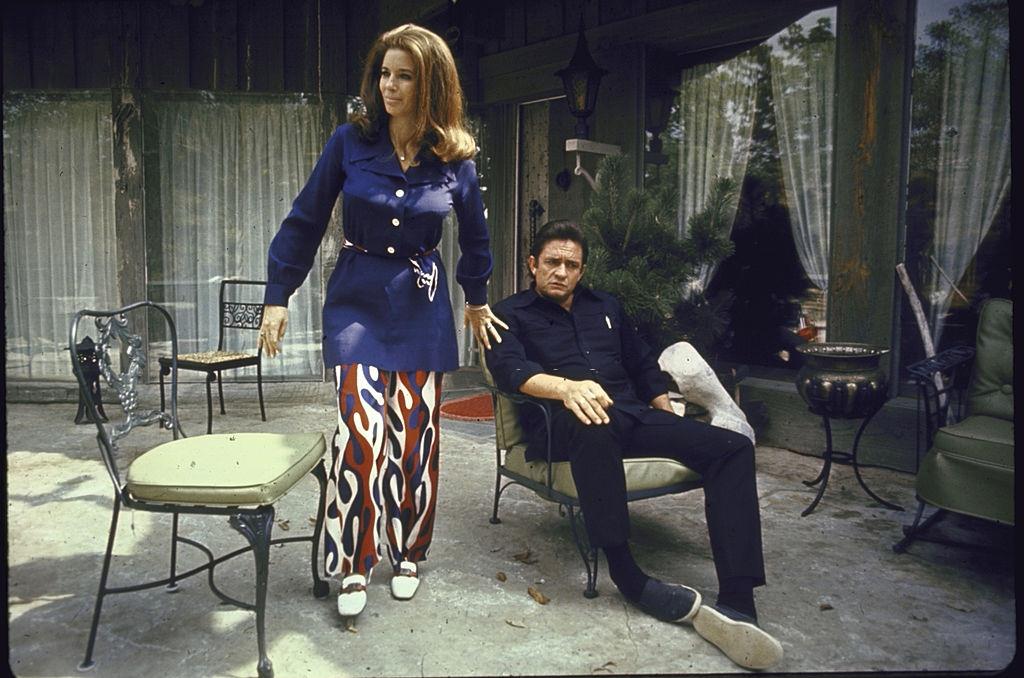
Cash’s first marriage to Vivian Liberto ended in divorce in 1966 after 12 years together. Three years later, he married June Carter while on tour in 1968. June had been a stabilizing force in his life as he battled addiction, and the two had developed a deep bond over years of performing together. Their marriage produced one of country music’s most well-known love stories, and June remained by his side until her death in May 2003.
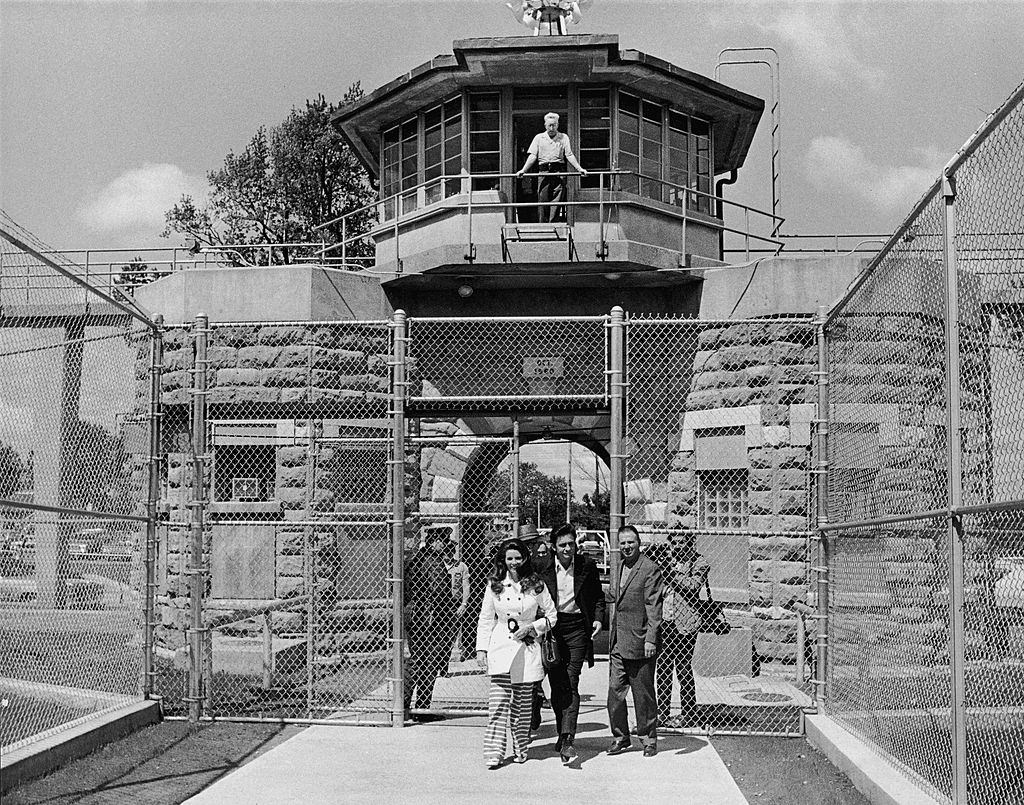
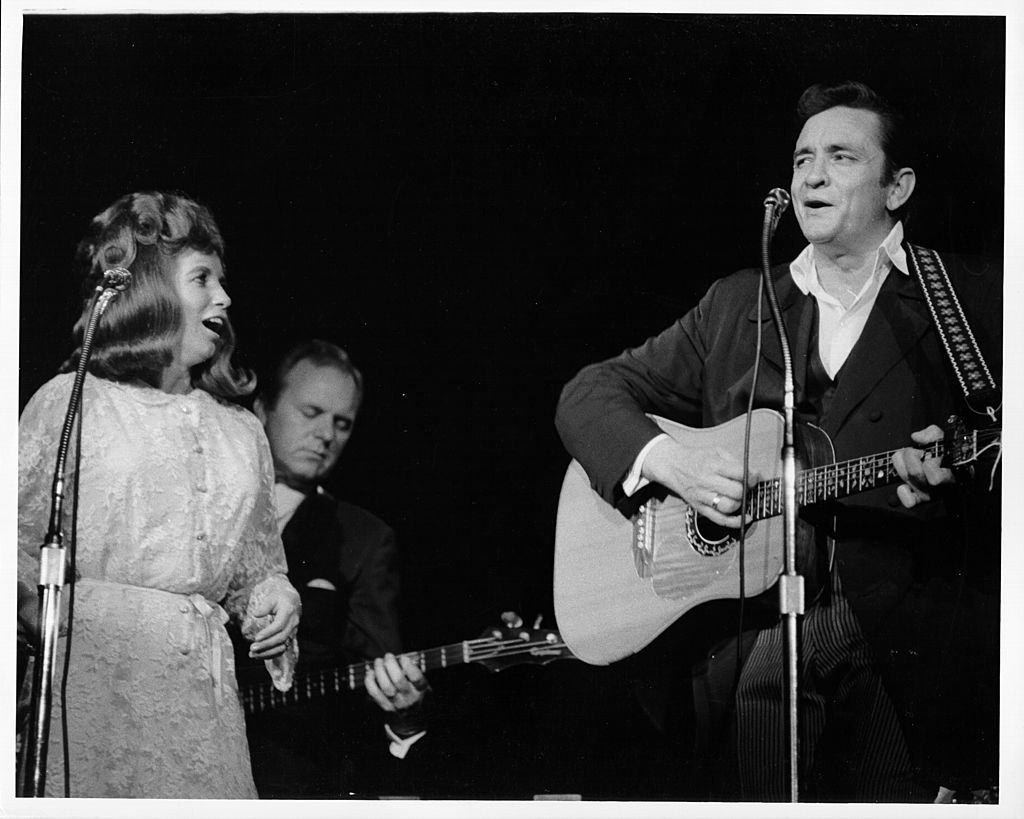
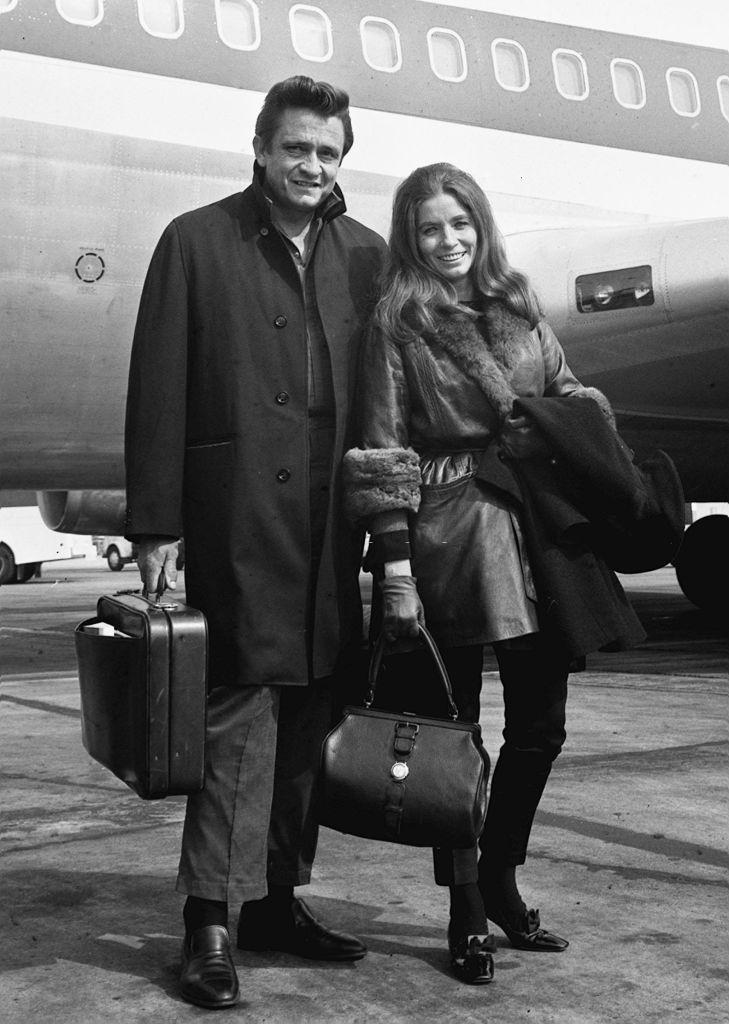
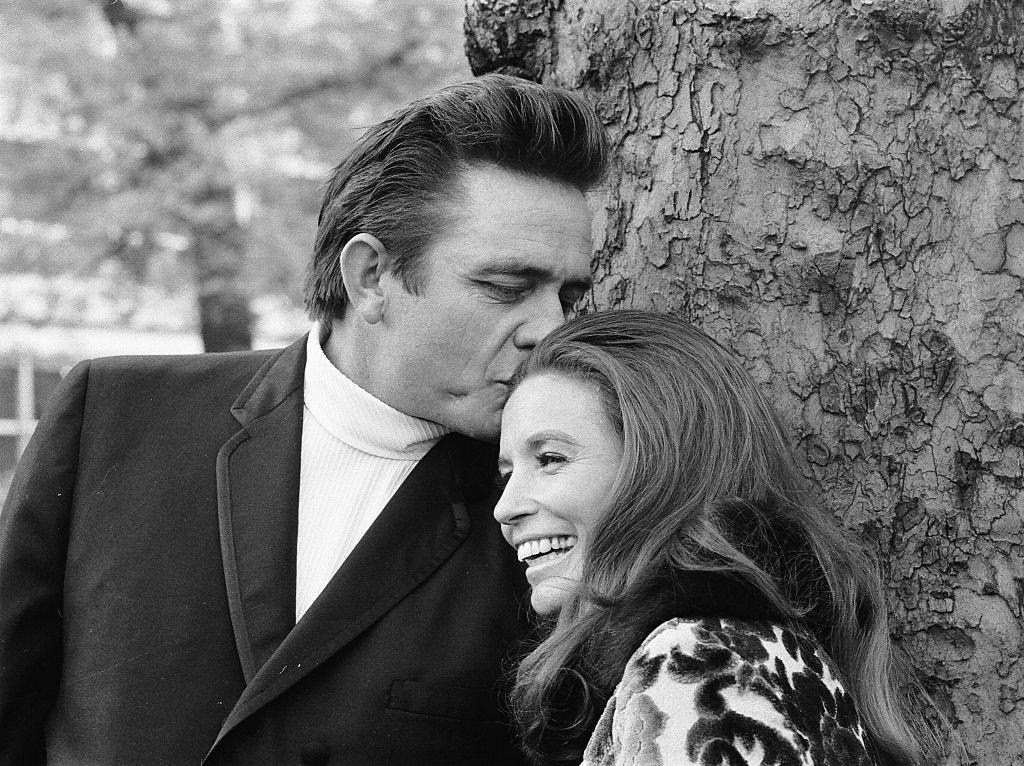
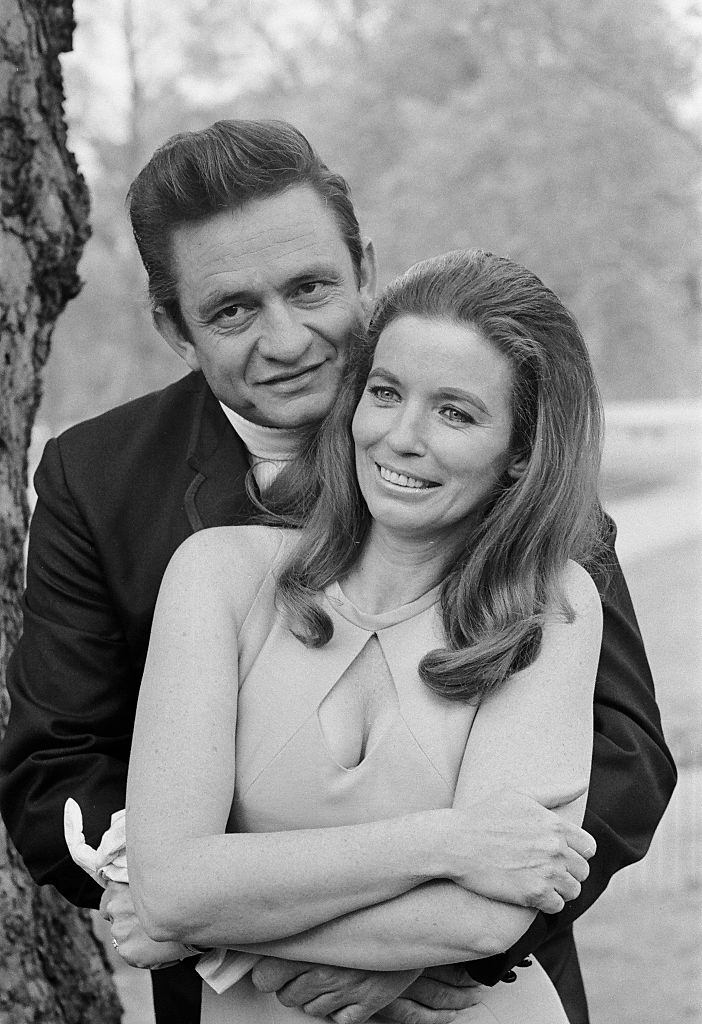
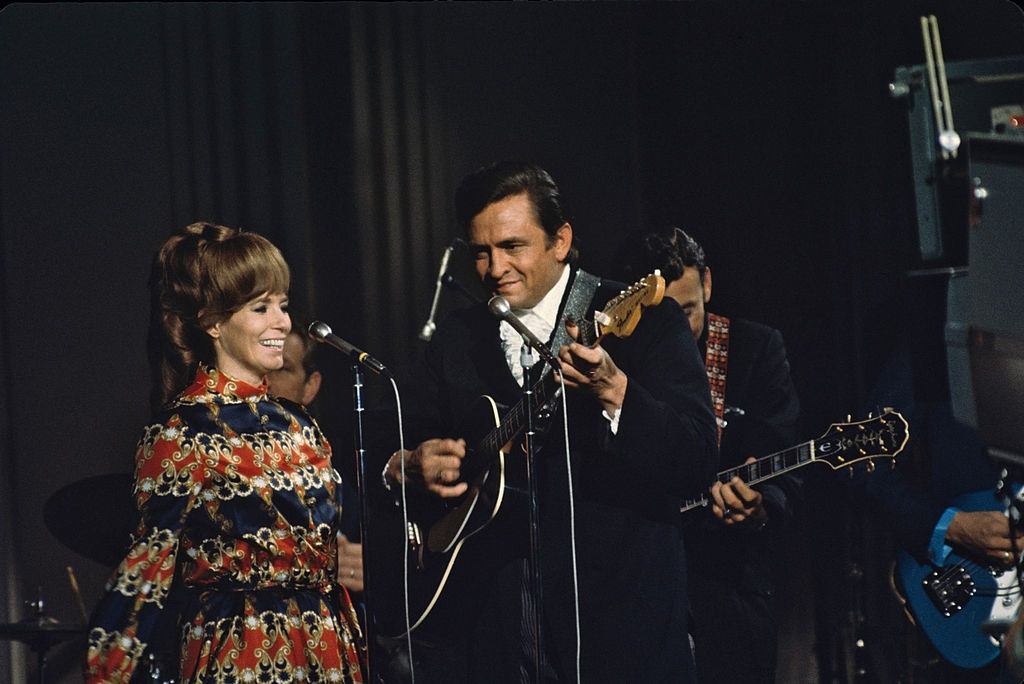
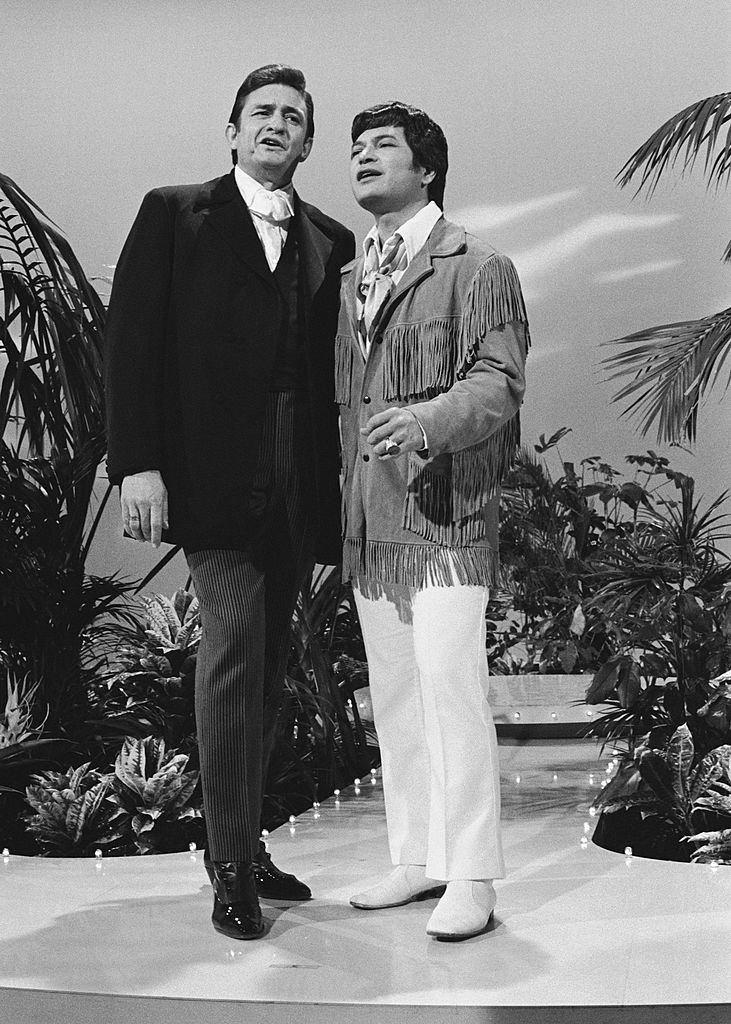
By 1969, Cash was at the peak of his commercial success. His live albums Johnny Cash at Folsom Prison and Johnny Cash at San Quentin both reached number one on the Billboard country album charts. He had his own television variety show, The Johnny Cash Show, which ran on ABC. In 1980, he became the youngest living inductee into the Country Music Hall of Fame. Over the course of his career, his music sold more than 90 million copies worldwide, earning him spots in the Rock and Roll and Gospel Music Halls of Fame as well.
In 1997, Cash was diagnosed with a neurodegenerative disease, initially identified as Parkinson’s disease and later reclassified as autonomic neuropathy associated with diabetes. In 1998, he was hospitalized with severe pneumonia that permanently damaged his lungs. Even in his final years, he continued recording. In the last four months of his life alone, he completed 60 songs. Cash died on September 12, 2003, at the age of 71, from complications related to diabetes — just four months after losing June.