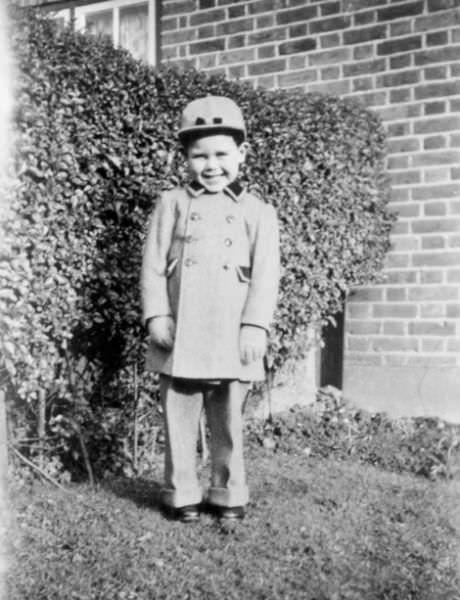
Elton John didn’t become one of the biggest music icons in history by accident. The foundation was laid early — very early. Born Reginald Kenneth Dwight in Pinner, England, he taught himself the basics of piano at just four years old. By the time he was a young boy, his talent was undeniable.
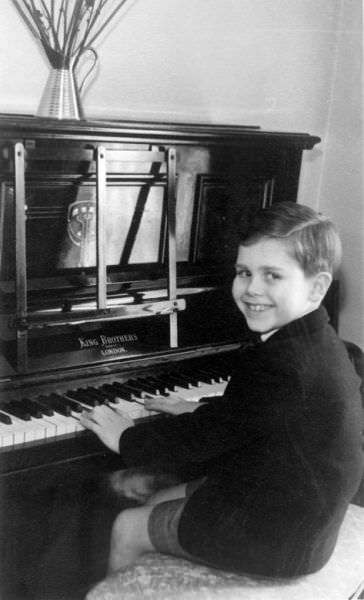
His gift earned him a scholarship to the junior program at the Royal Academy of Music in London, one of the most respected music schools in the world. He studied there while still a schoolboy, balancing classical training with a growing passion for rock and pop.
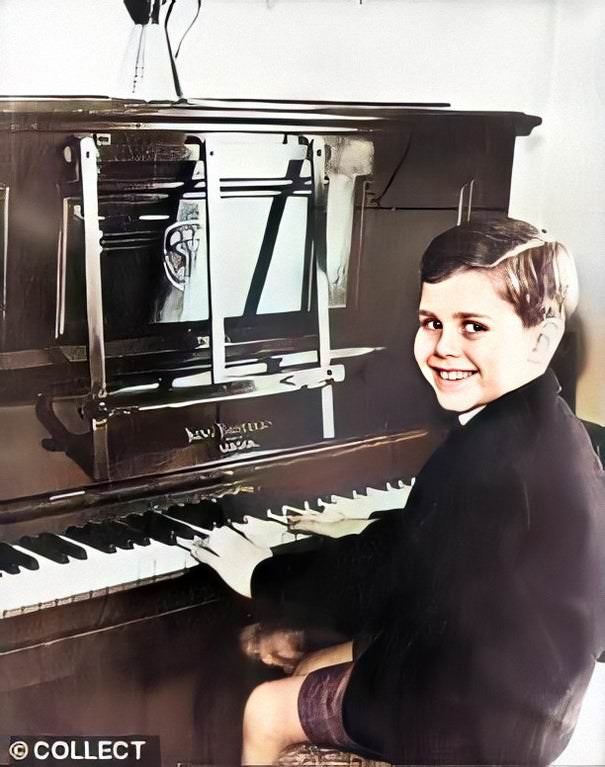
At 17, he walked away from formal studies and bet on himself. It turned out to be the right call. His first album, Empty Sky, arrived in 1969 — a collaboration with lyricist Bernie Taupin, the man who would become his most enduring creative partner.
The partnership between Elton and Bernie Taupin is one of the most productive in pop music history. Taupin wrote the lyrics, Elton wrote the music, and the two rarely even worked in the same room. Taupin would hand over finished words and Elton would set them to melody — often in minutes.
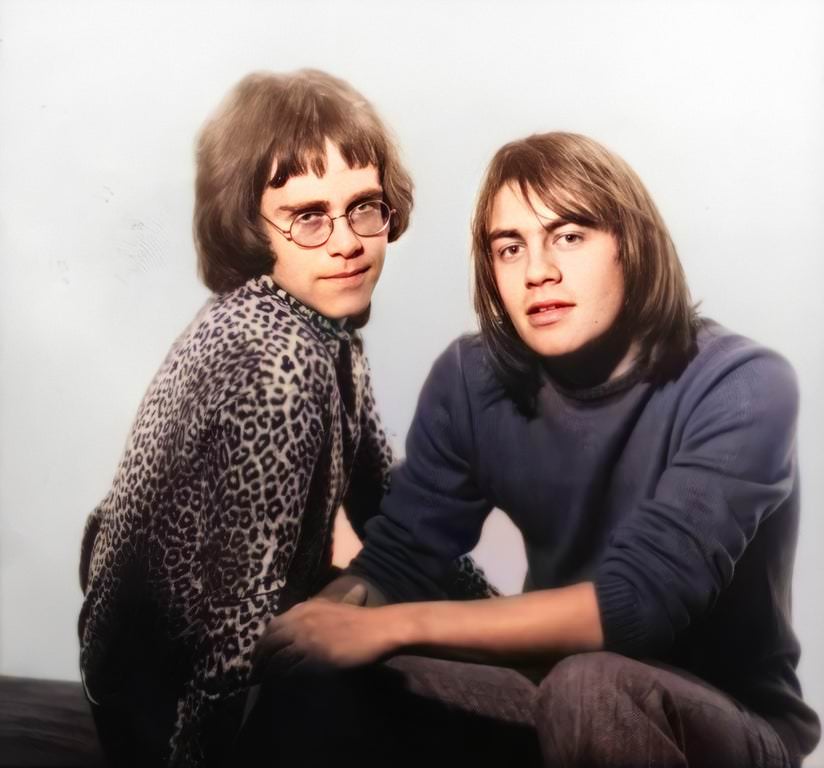
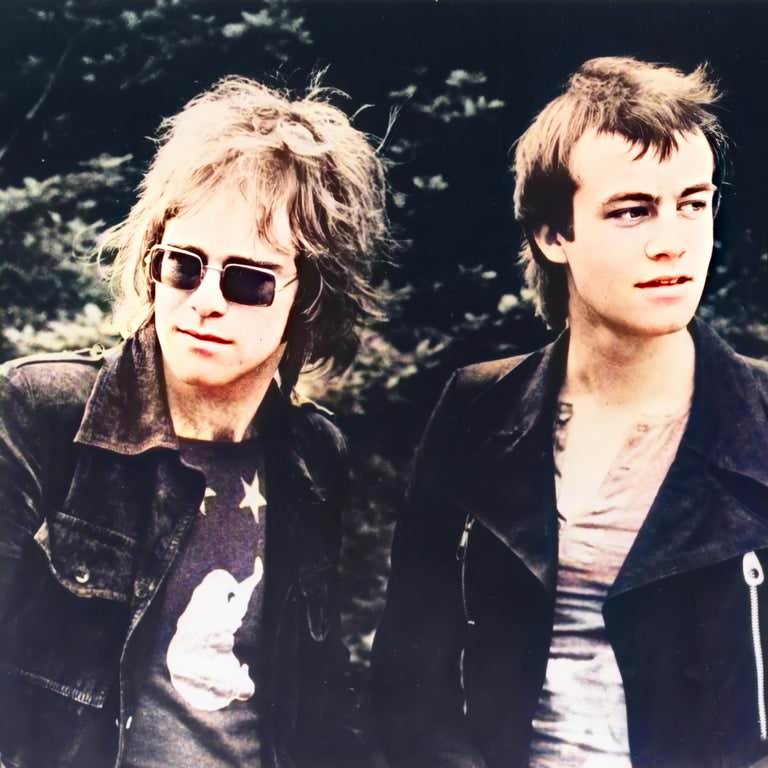
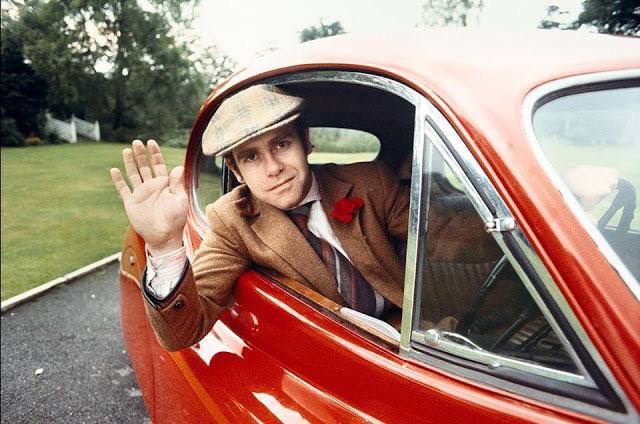
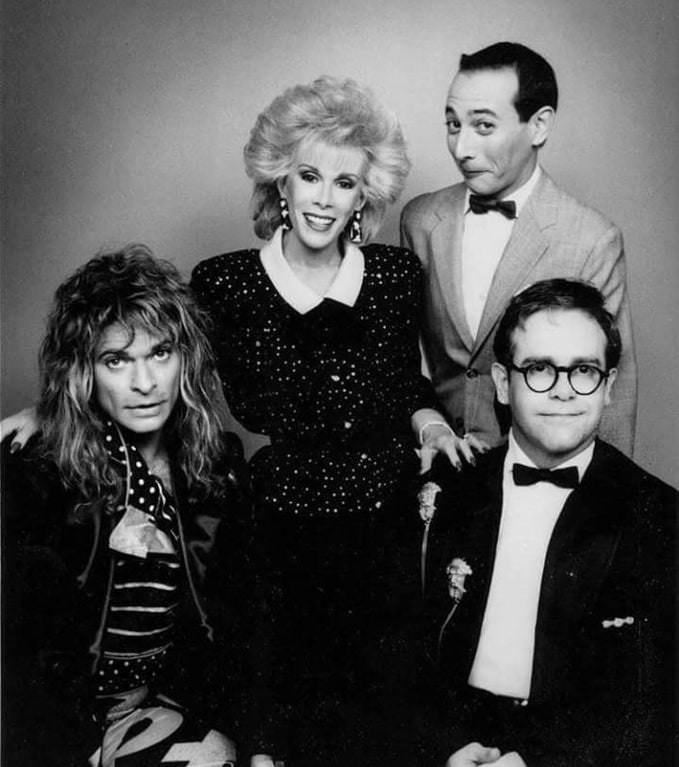
Before the fame exploded, Elton was already building his profile. By 1968 he was doing proper photo shoots and mixing with the London music scene, still years away from the rhinestone glasses and feathered hats that the world would come to know.
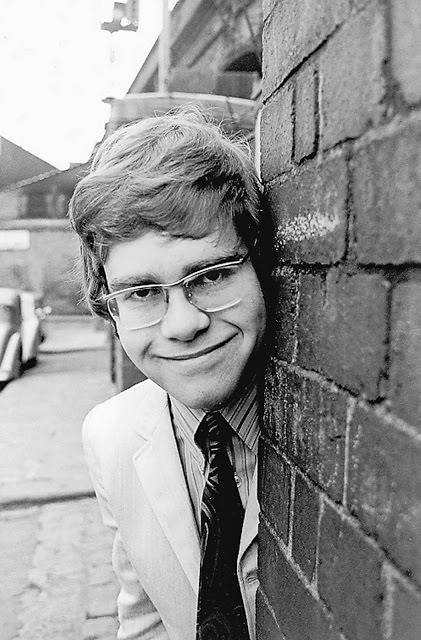
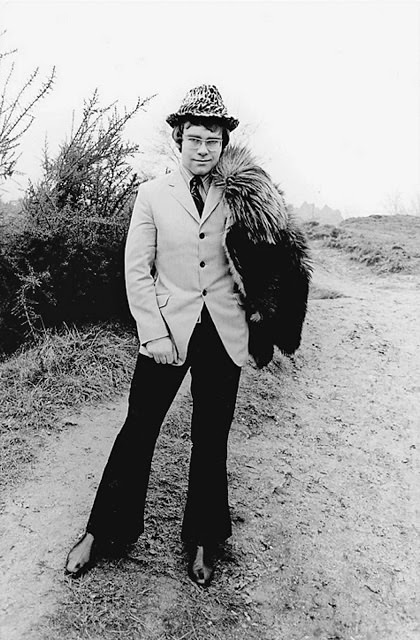
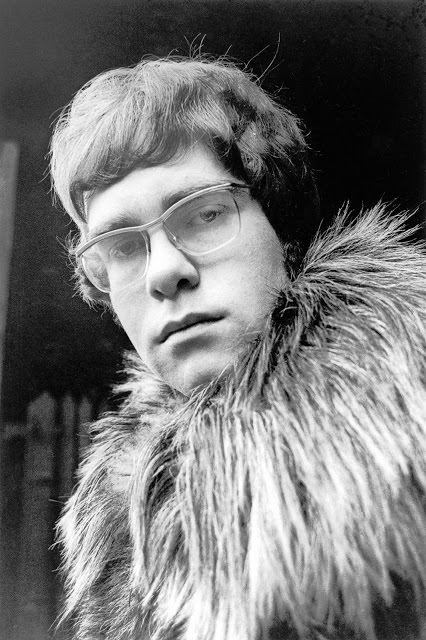
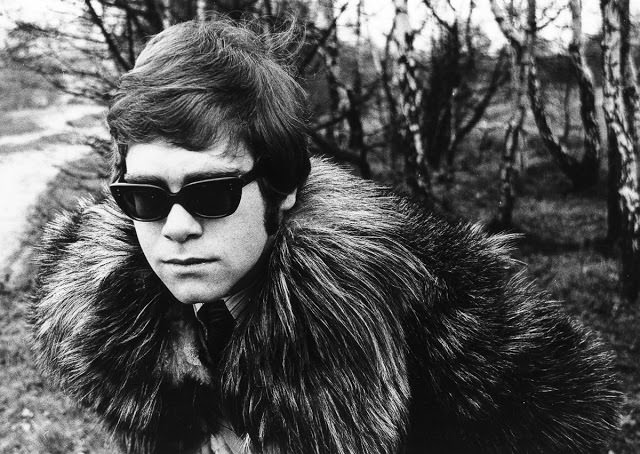
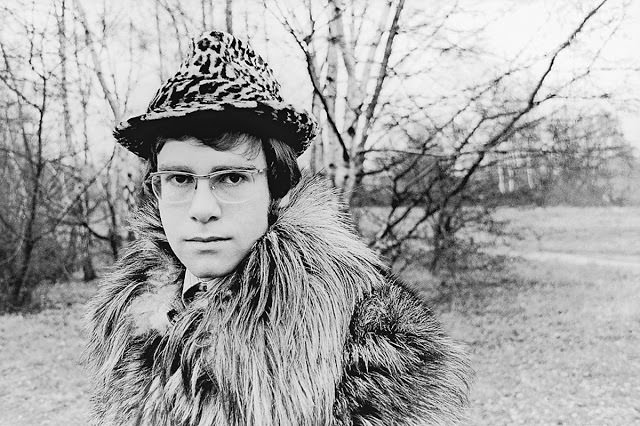
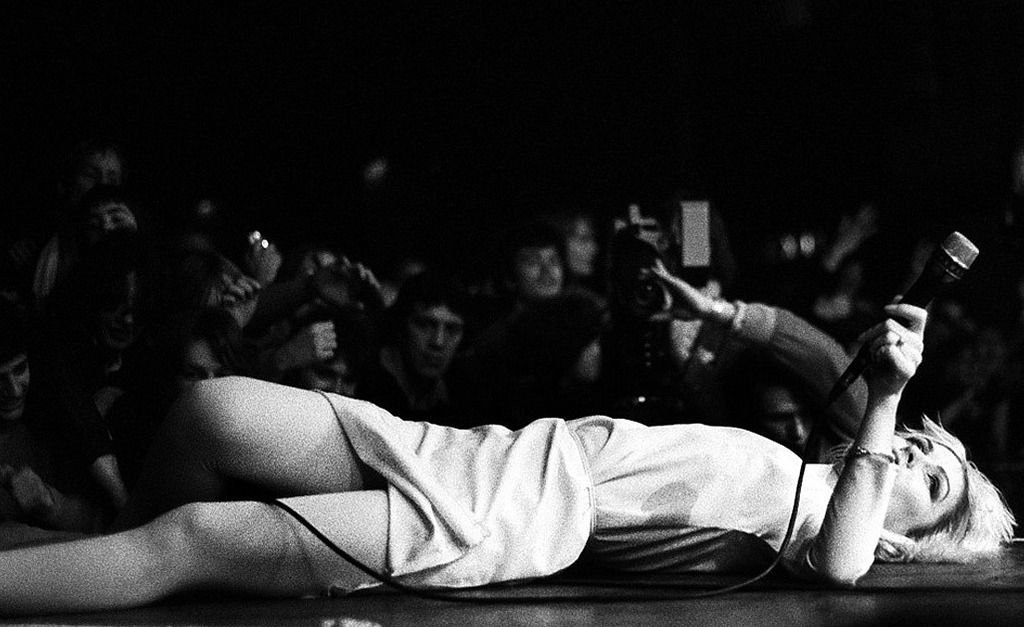
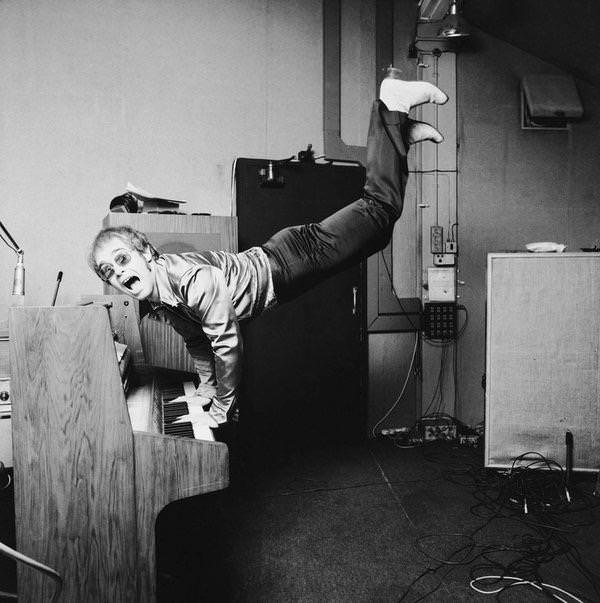
His first North American tour in 1970 launched him into a different stratosphere. Audiences were stunned. He played piano standing up, kicked the bench away mid-song, and delivered an energy that no one expected from a British kid with glasses. It was the beginning of a live performance career that would eventually span more than 4,000 concerts across over 80 countries.
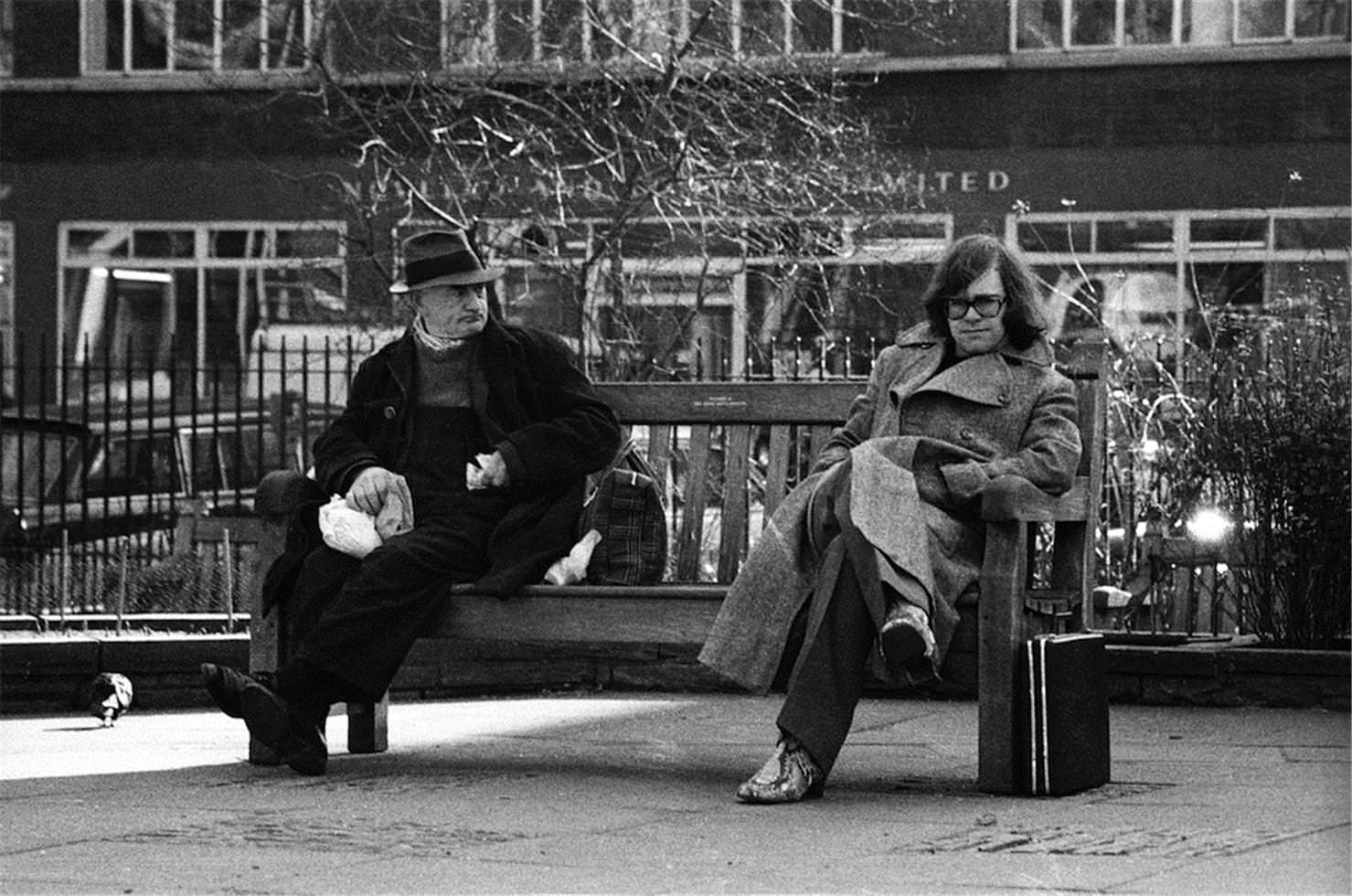
The early 1970s saw Elton release a string of albums that locked his place in rock history. He wasn’t just prolific — he was consistent. His style on stage grew wilder with each year, but his music remained emotionally grounded, thanks in large part to Taupin’s lyrics.
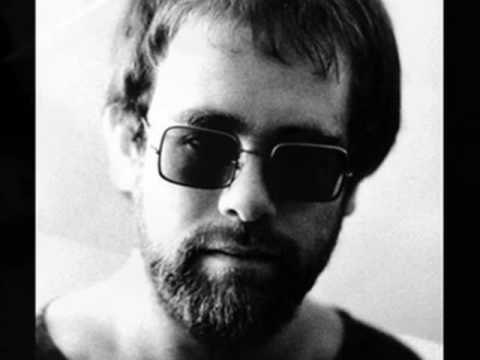
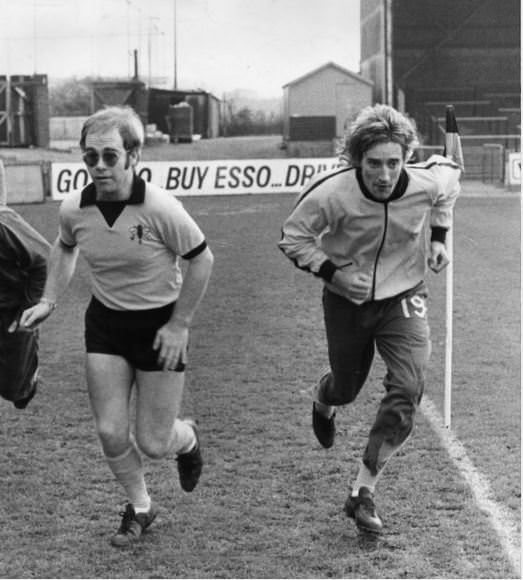
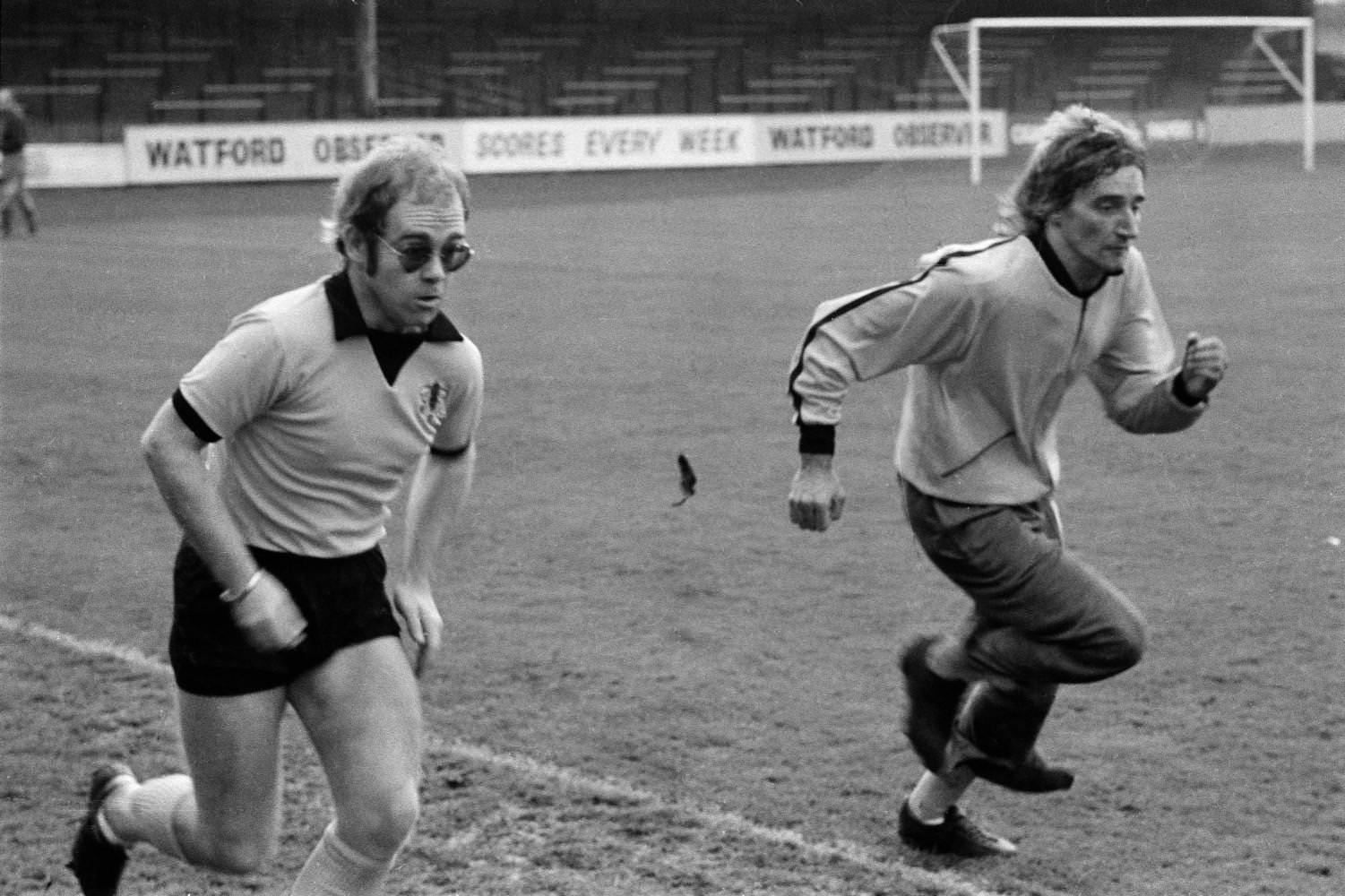
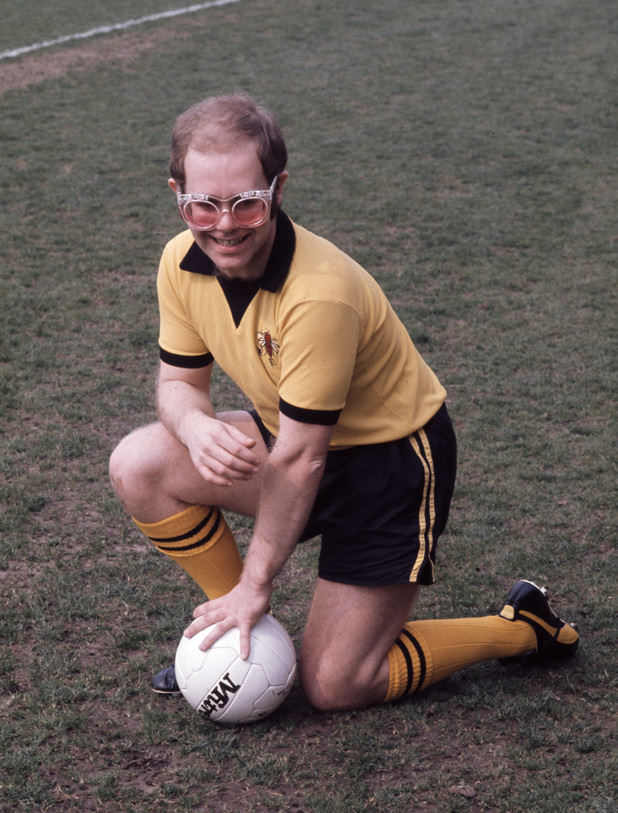
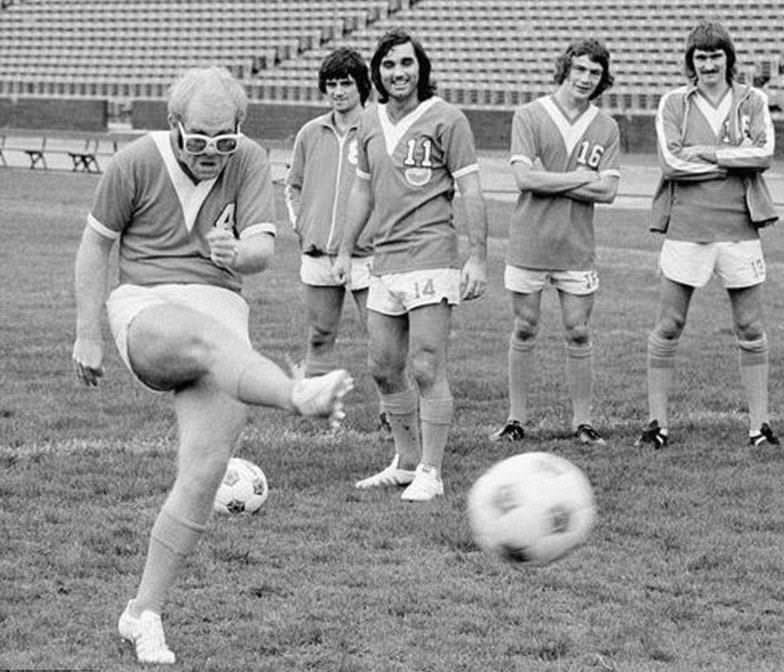
Off stage, Elton was just as social as he was theatrical. He had a genuine football obsession and became chairman of Watford FC, the club he had supported since childhood. He was a regular presence at the club, sometimes even training alongside friends.

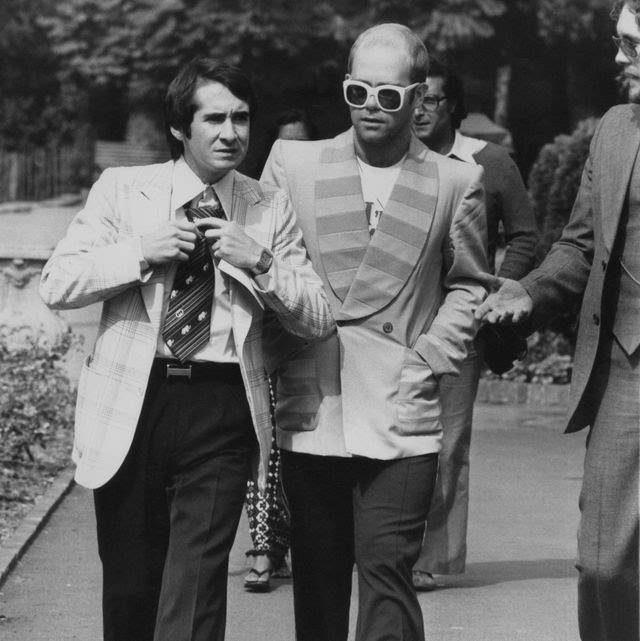
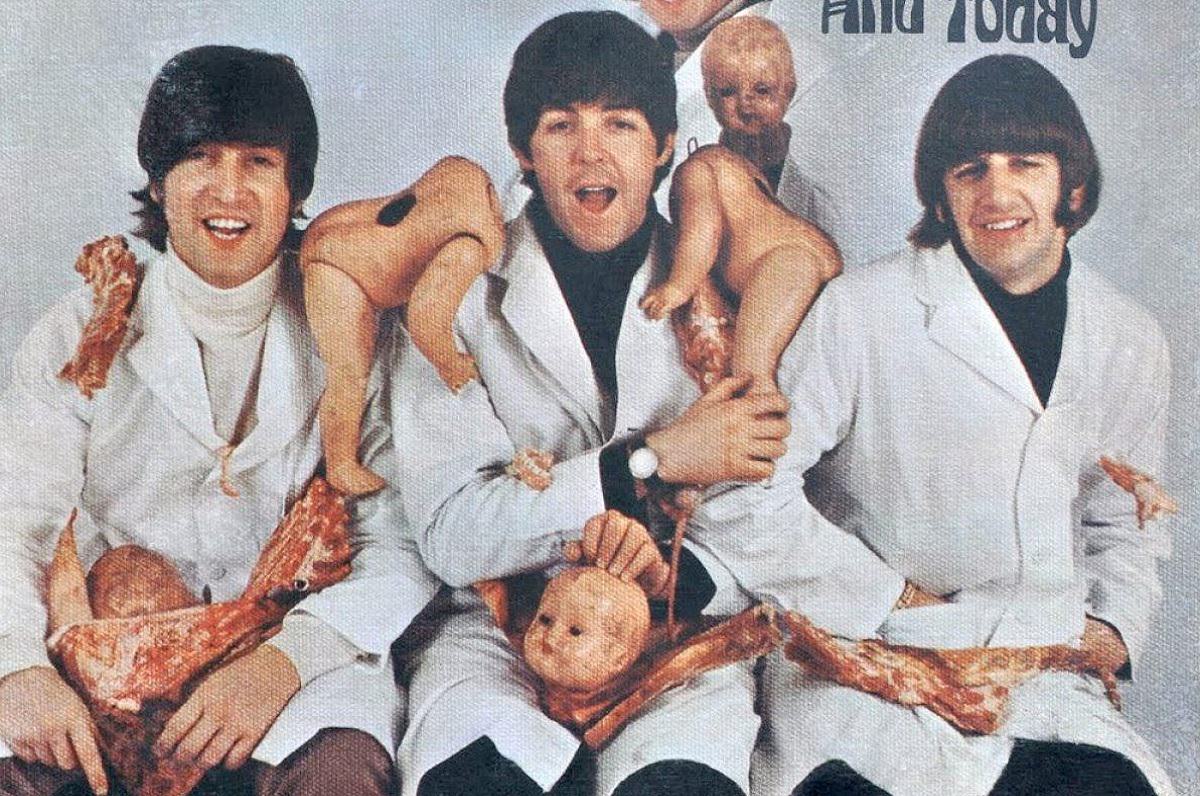
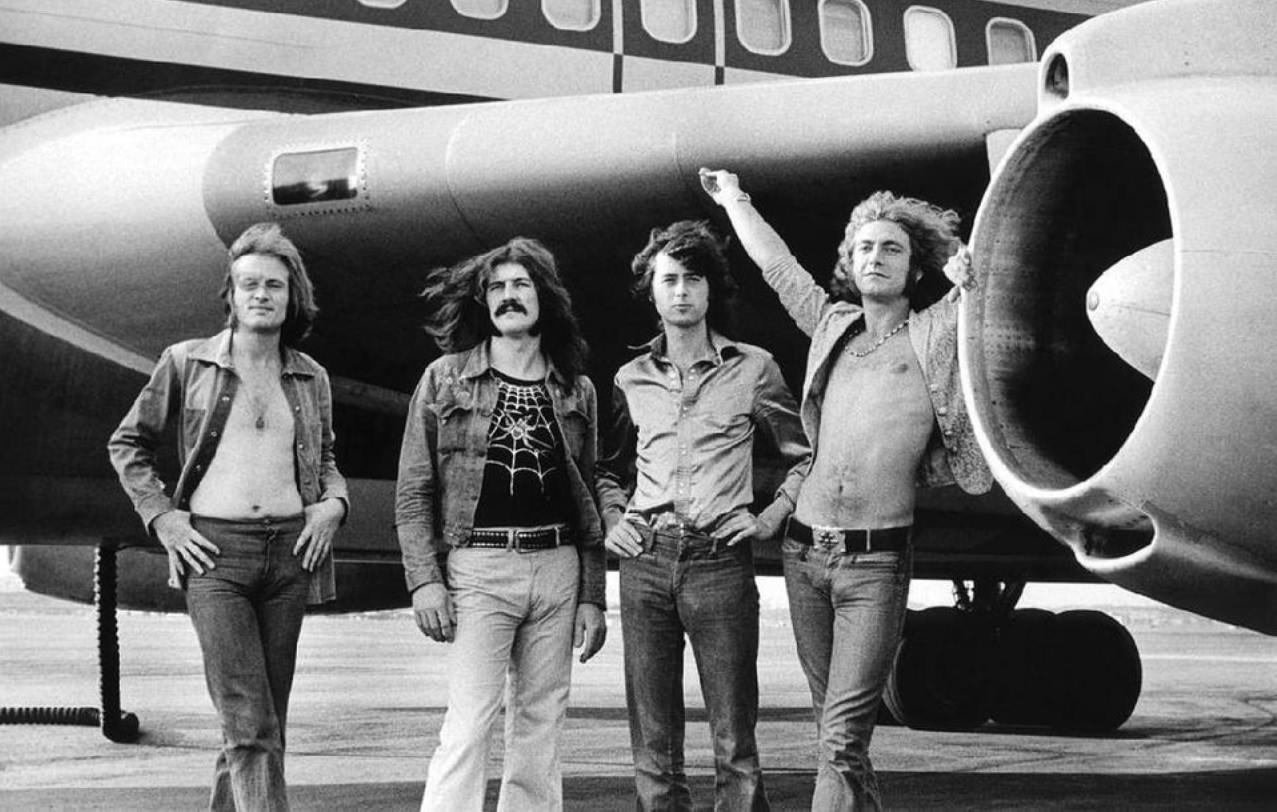
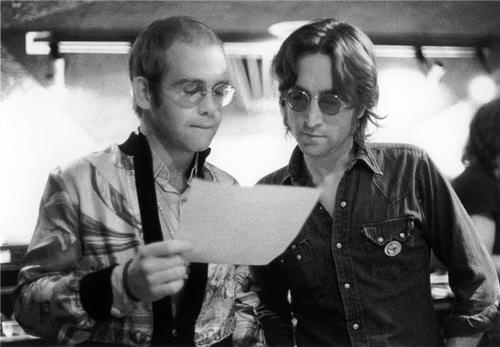
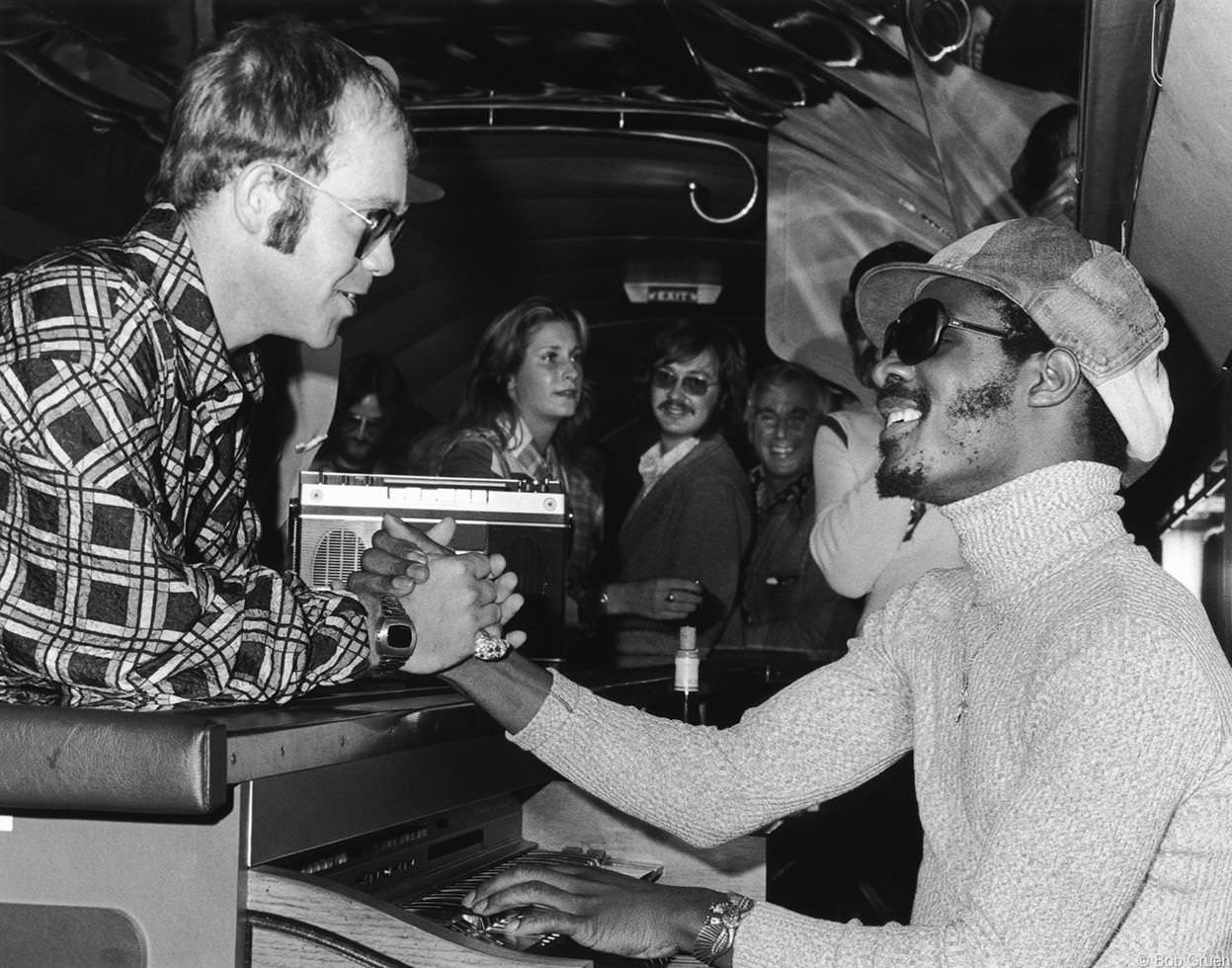
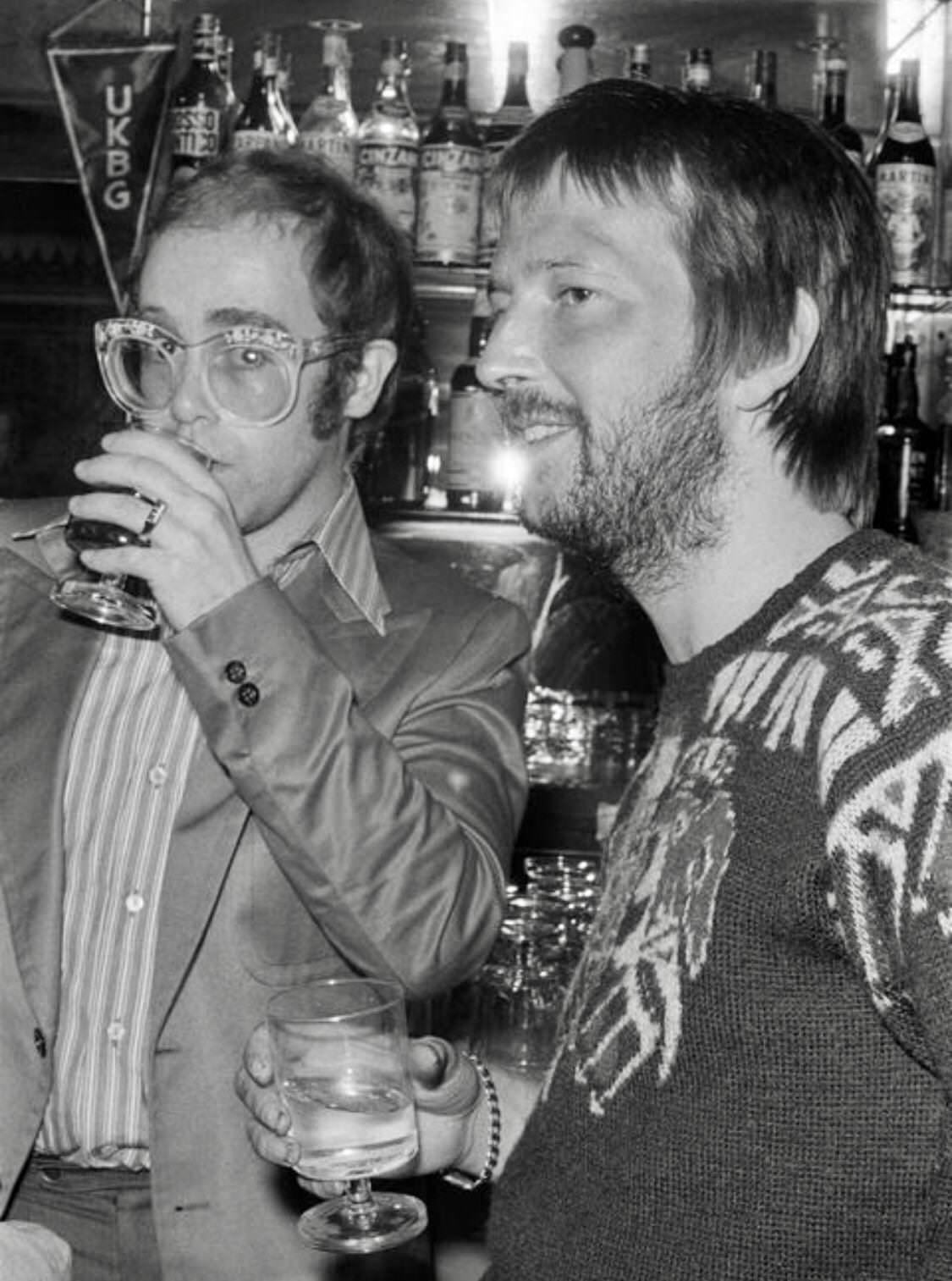
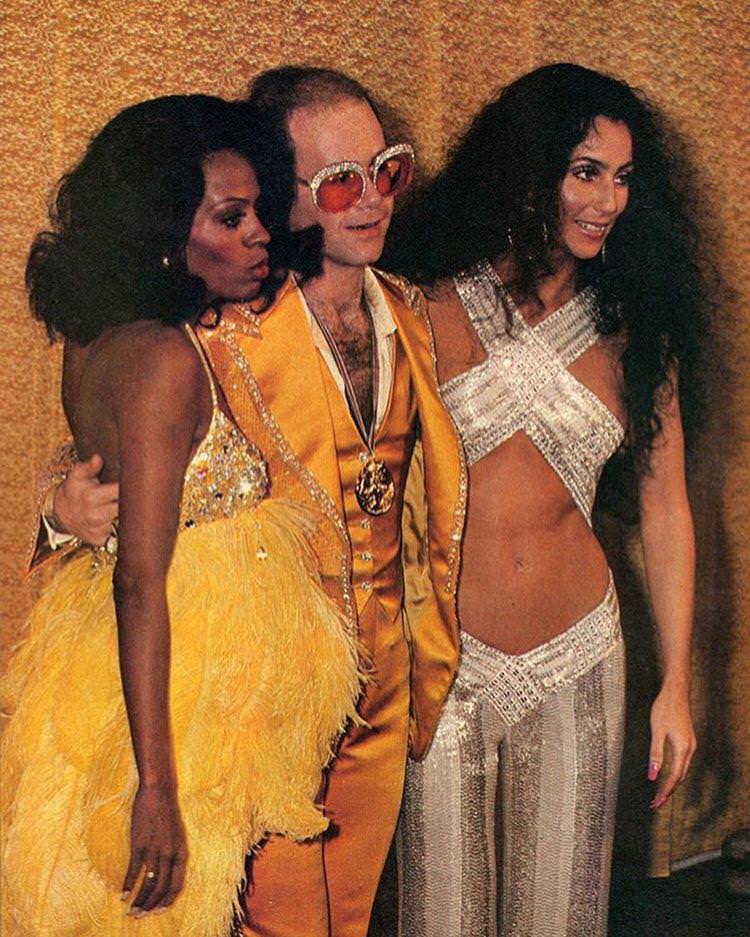
By the mid-1970s, Elton was rubbing shoulders with music royalty at every turn. John Lennon, Freddie Mercury, Stevie Wonder, Eric Clapton, Robert Plant — the era’s greatest artists all crossed paths with him, and many became close friends.
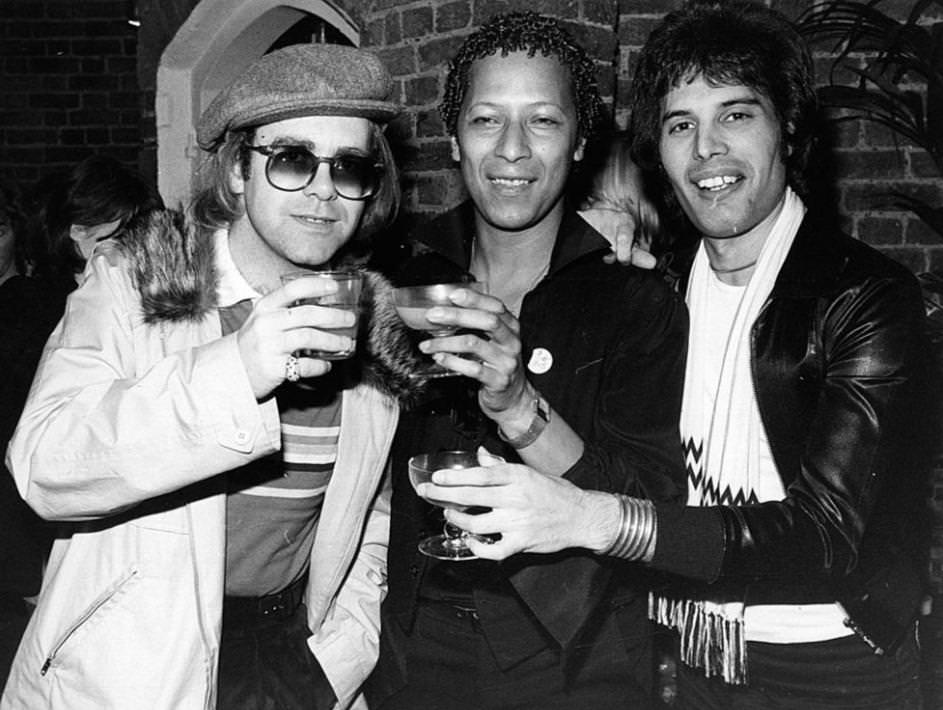
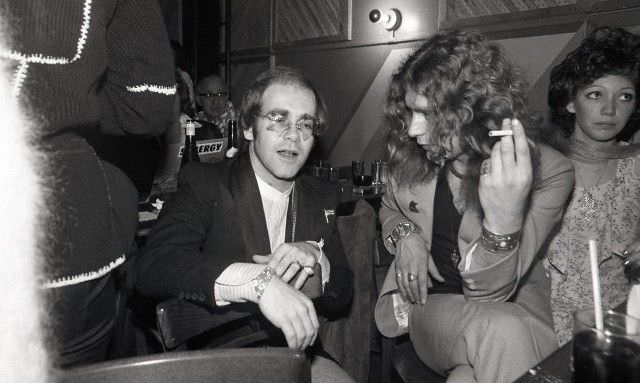
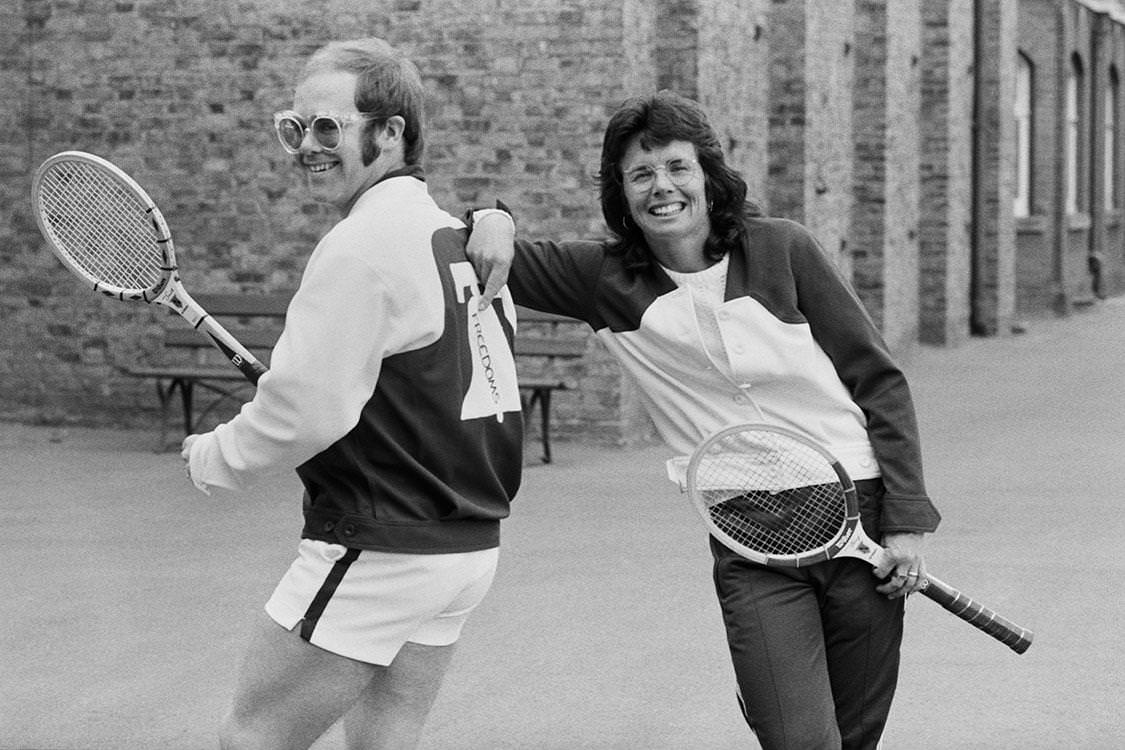
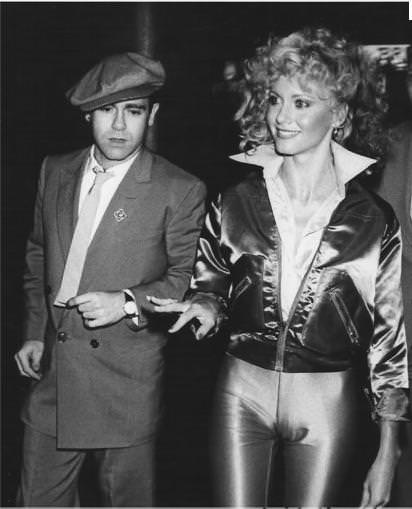
He also mixed freely with Hollywood. Cary Grant, Billie Jean King, Olivia Newton-John — Elton moved between the music world and entertainment’s broader elite with complete ease. His Dodger Stadium shows in October 1975 became legendary events, attracting celebrities from every corner of the industry.
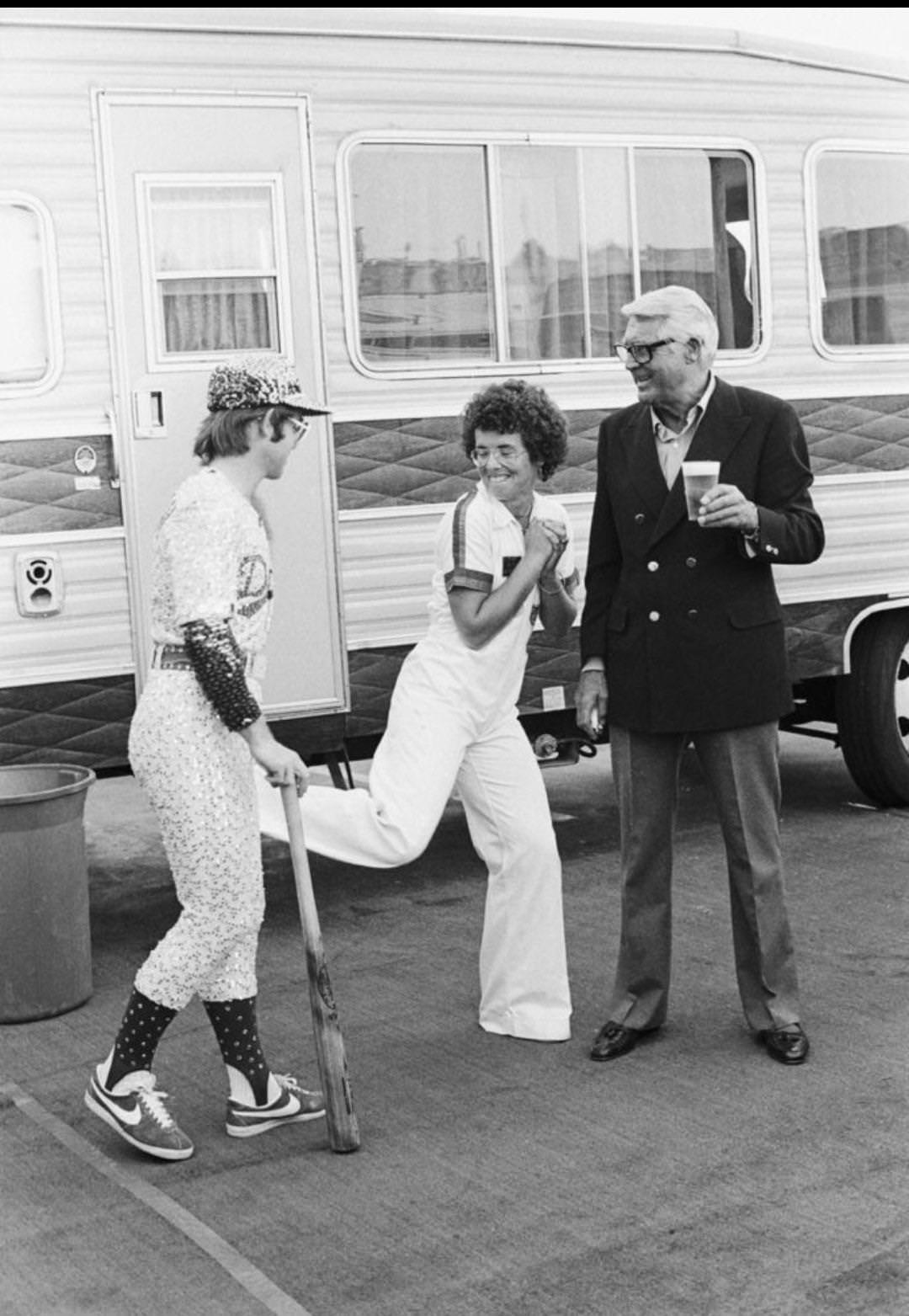
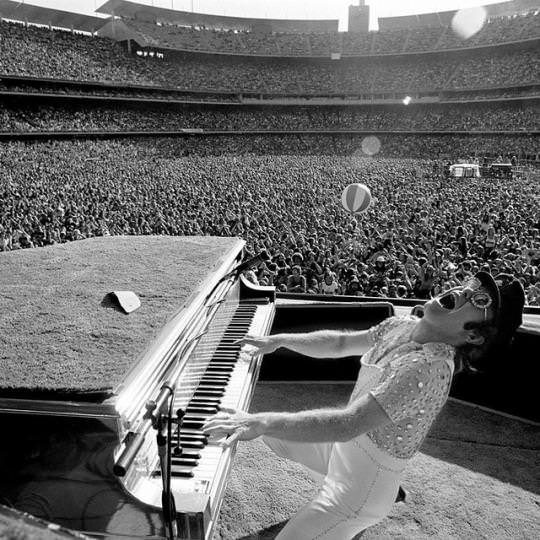
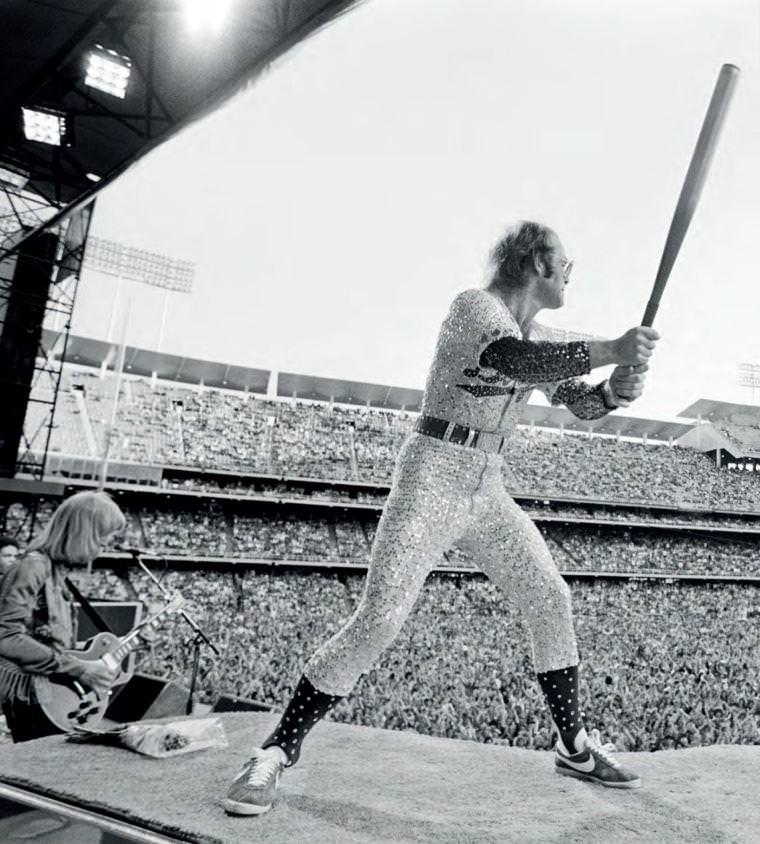
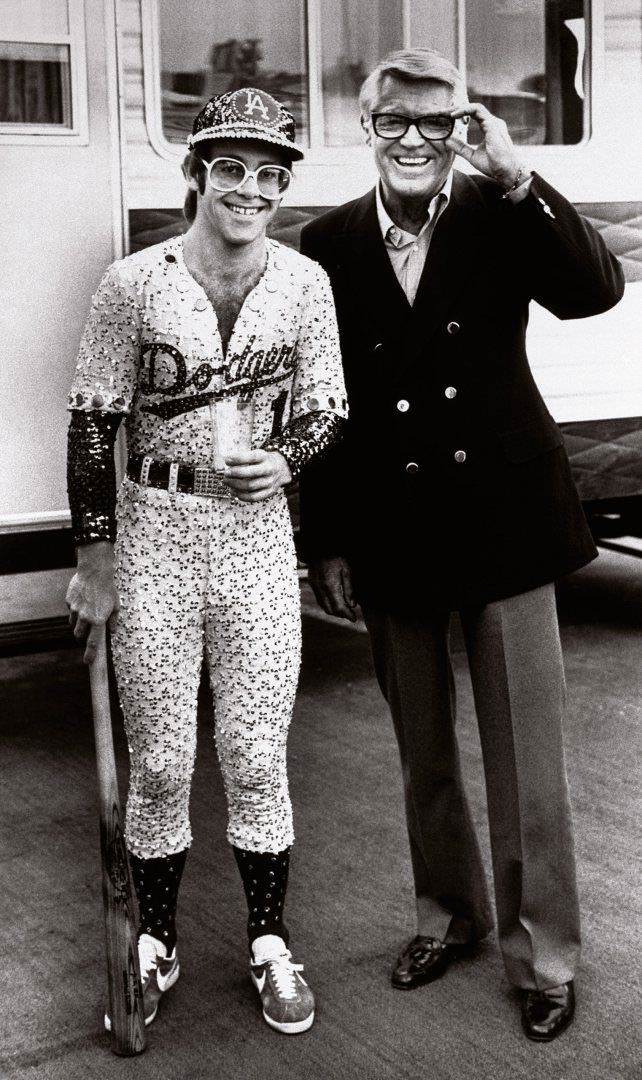
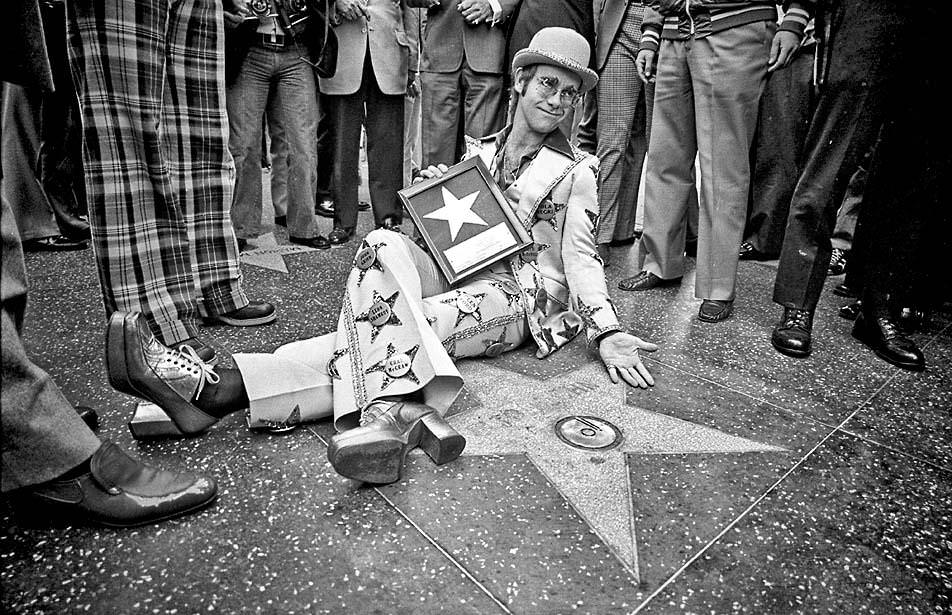
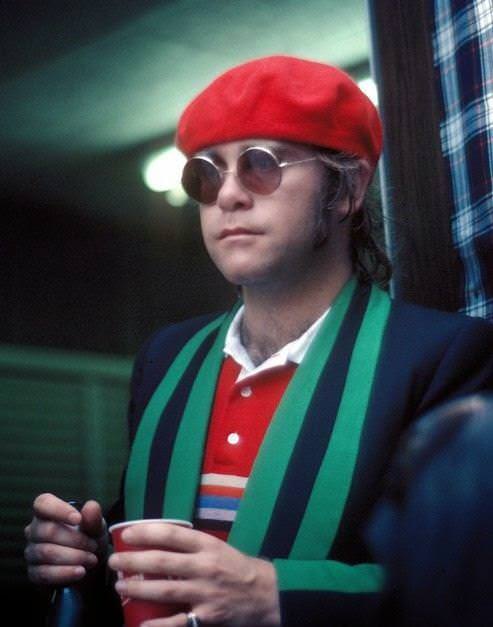
The costumes were never just for show — they were part of the statement. Whether dressed as the Statue of Liberty or decked out in sequined jumpsuits, Elton used fashion as a form of expression that matched the scale of his music. No other artist of the era committed to a stage persona so completely.
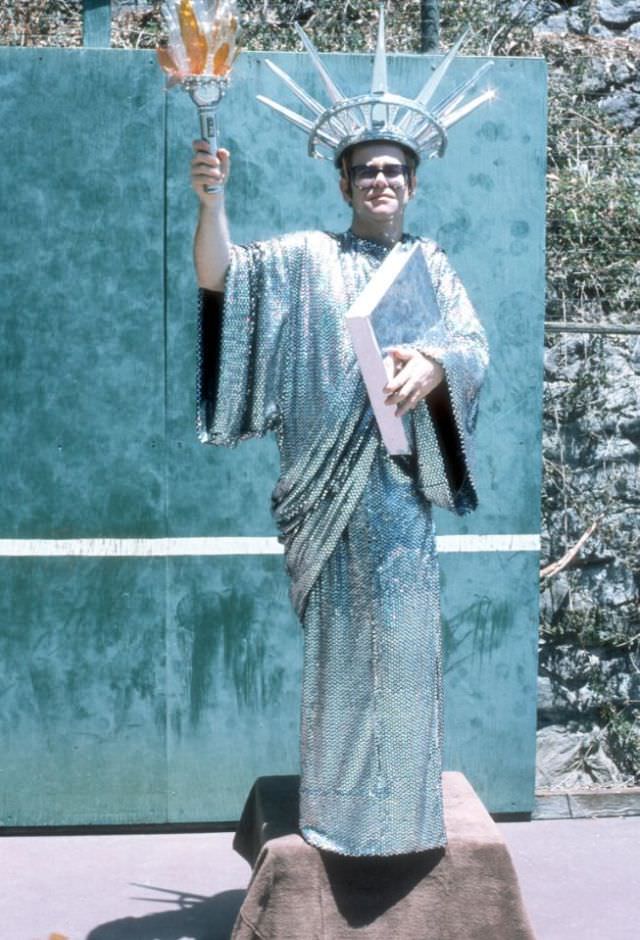
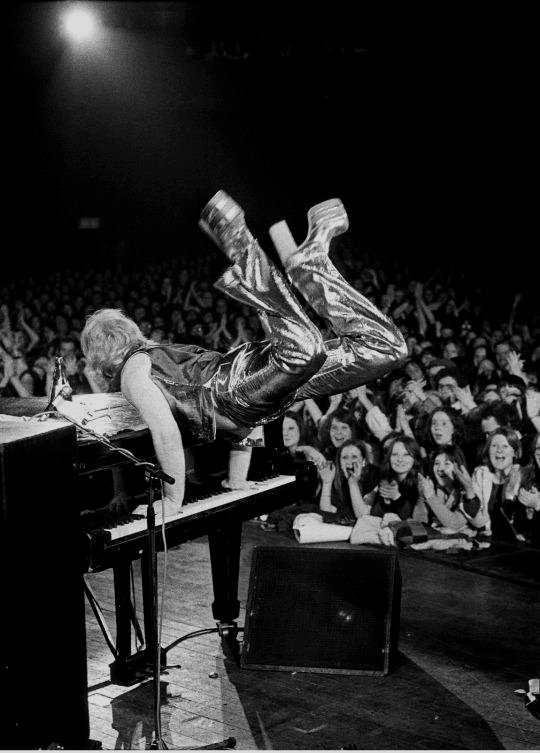
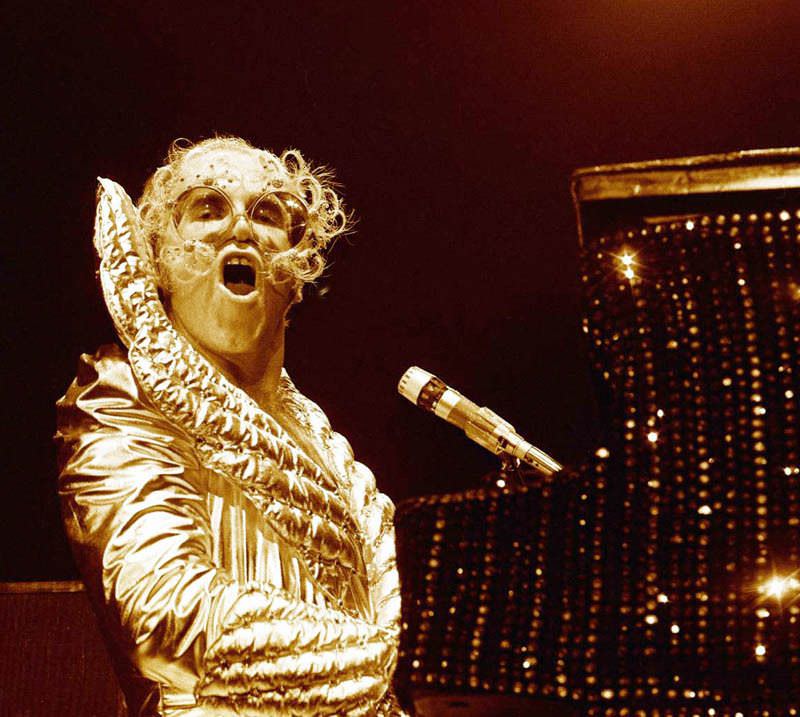
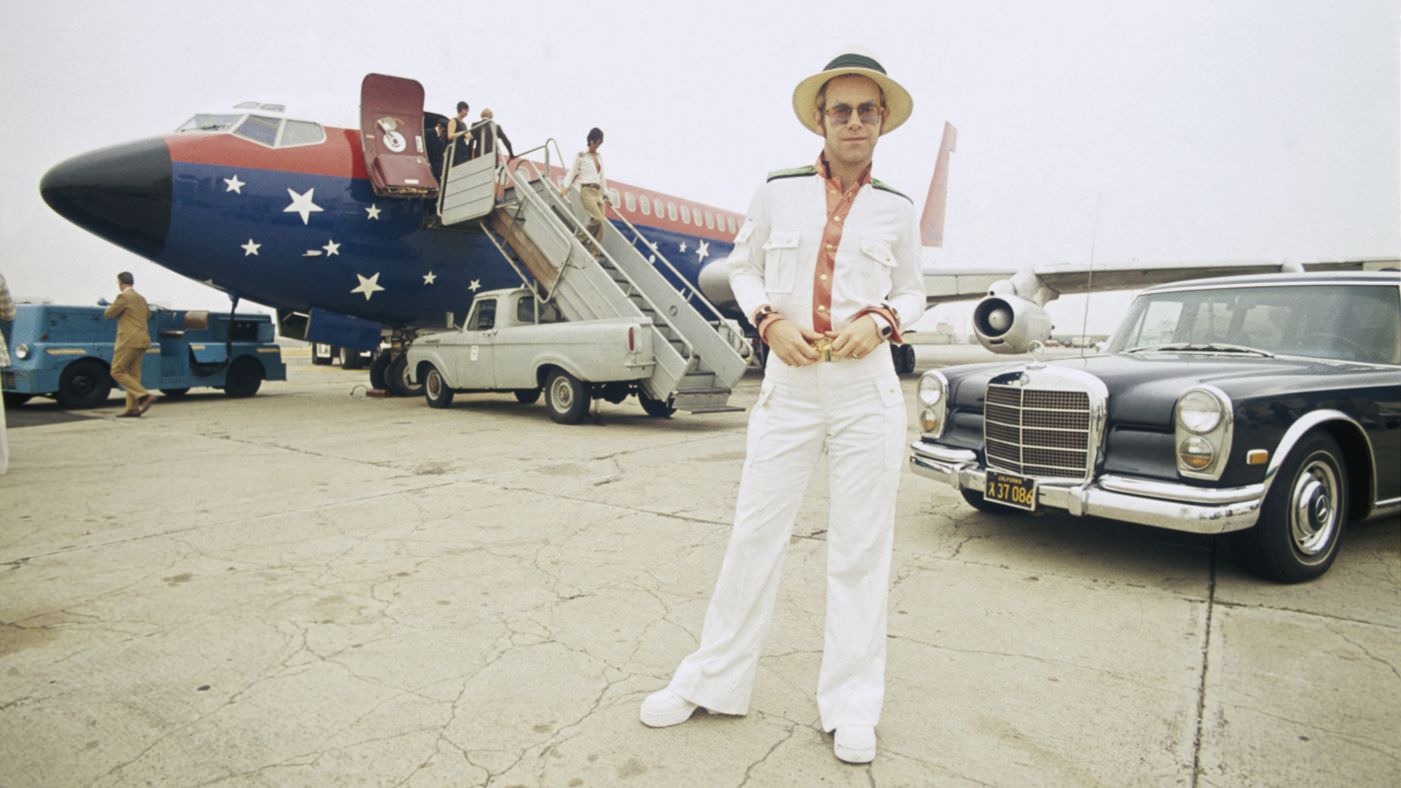
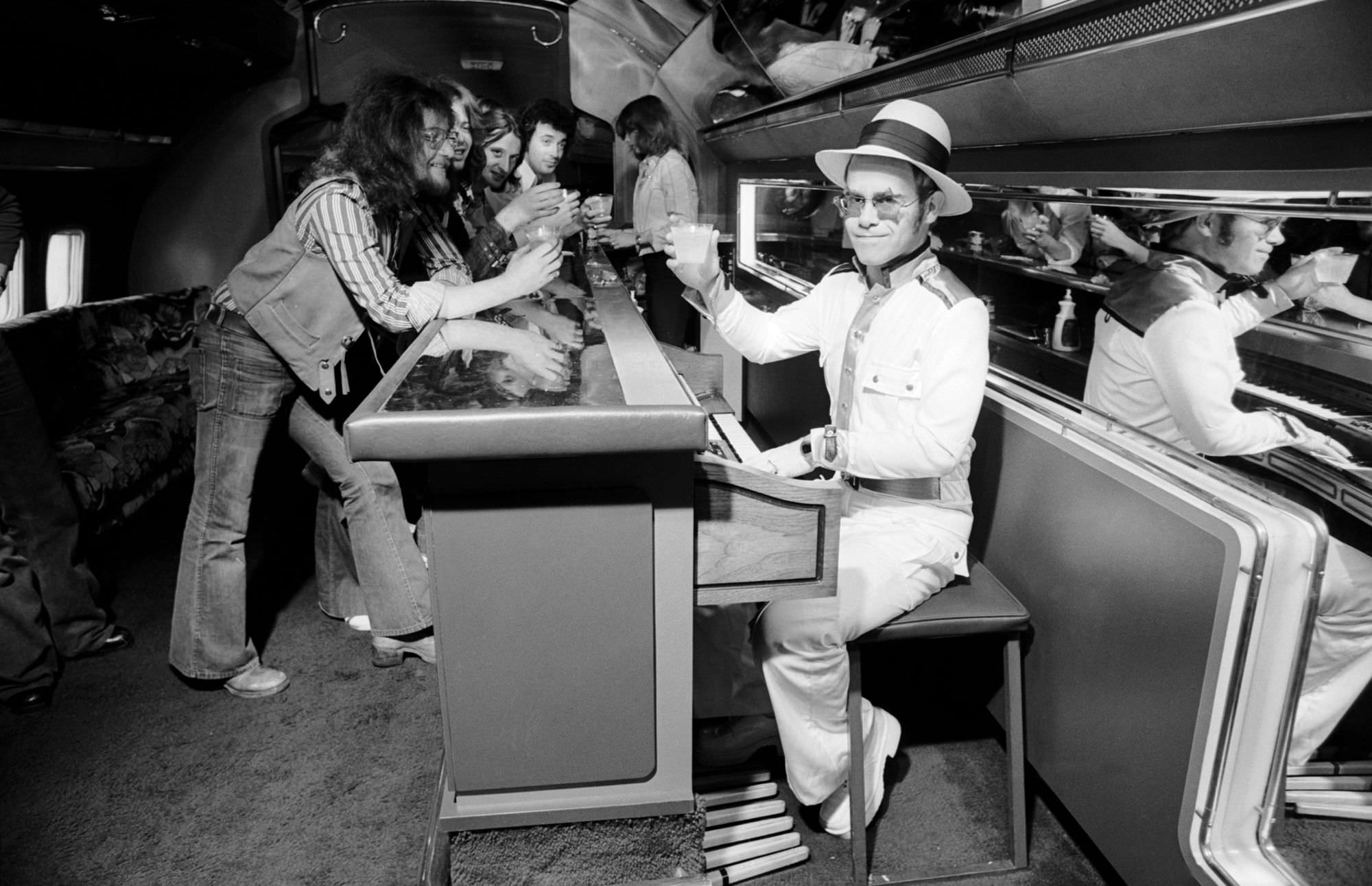
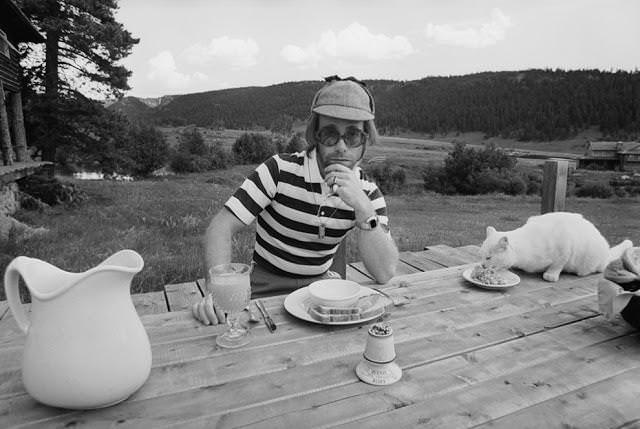
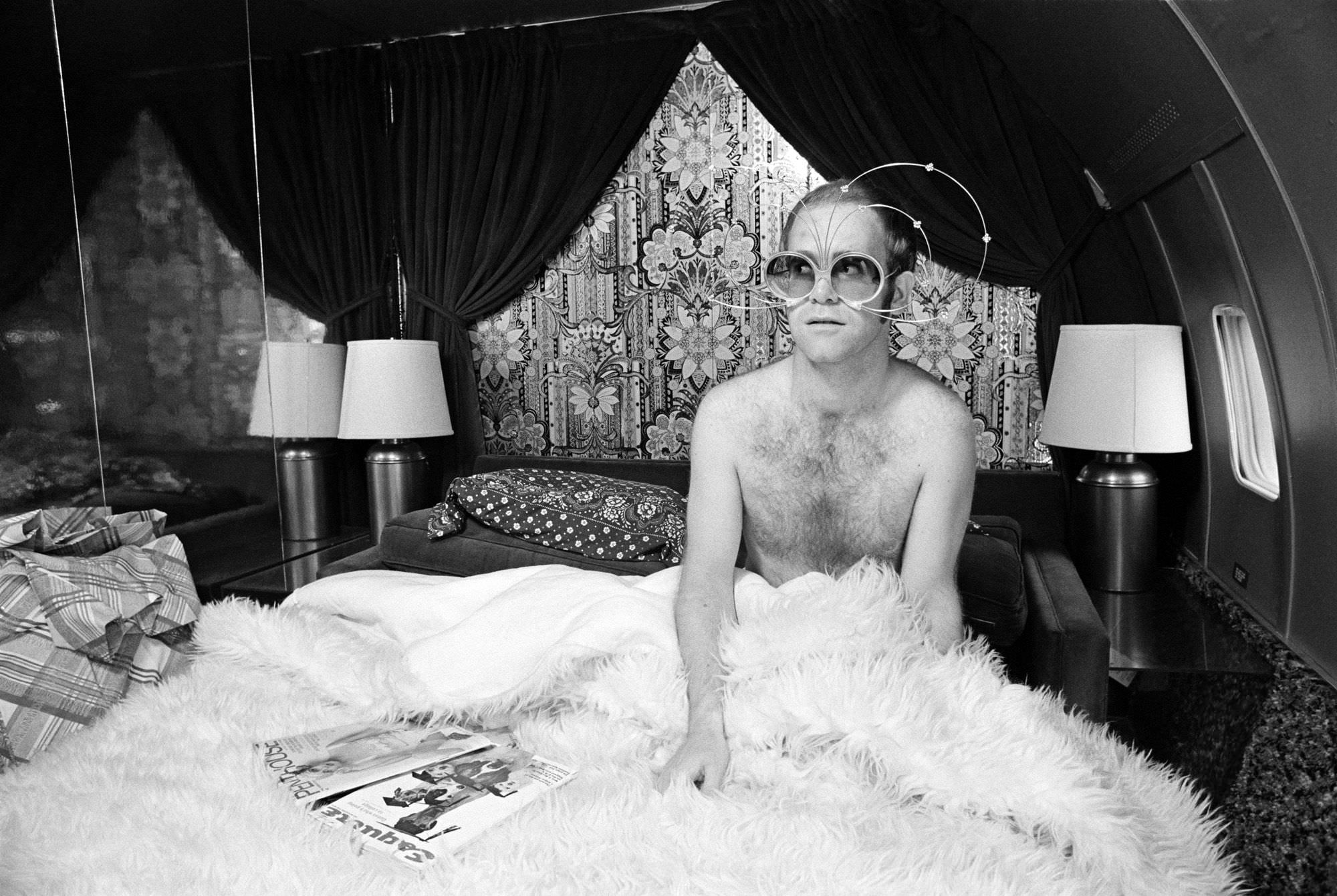
His private life in this era was just as vivid. He traveled on a customized private jet that included a piano bar, dined with his cat in Colorado, and was photographed by legendary lensman Terry O’Neill in bed on a plane mid-flight. Fame, for Elton, was lived fully and loudly.
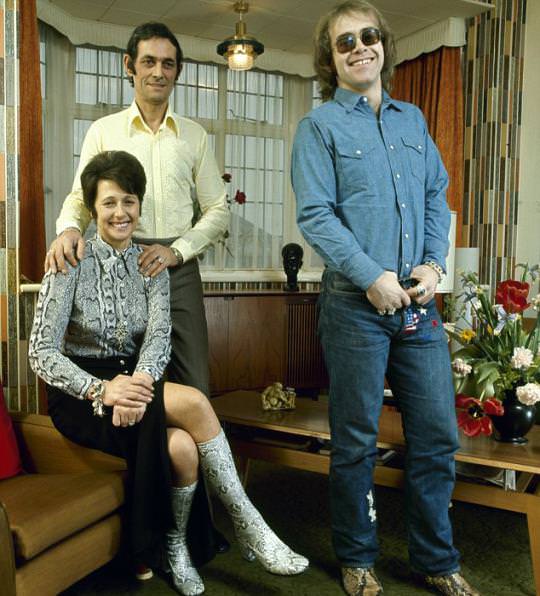
He remained close to his family through it all. His parents were a fixture in his early career years, and the relationship with them was captured in candid photos that show a very different, quieter side of the superstar.
Elton’s total record sales crossed 300 million copies worldwide, making him one of the best-selling solo artists in history — behind only the Beatles and Madonna. His tribute single “Candle in the Wind 1997,” rewritten in honor of Princess Diana, sold over 33 million copies alone, making it one of the best-selling physical singles ever released.
The awards stacked up in proportion to the output: five Grammy Awards, five Brit Awards, two Academy Awards, two Golden Globe Awards, a Tony Award, a Disney Legends award, and the Kennedy Center Honor. Few artists in any genre can match that breadth of recognition across so many platforms.