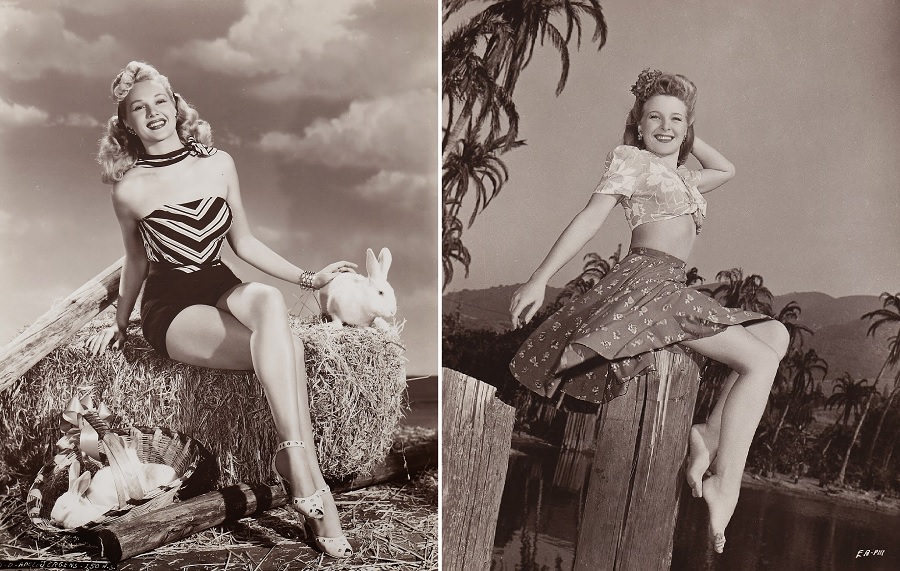
Dick Van Dyke built one of the most recognizable careers in American entertainment. Tall, lanky, and naturally expressive, he found success across stage, film, and television over the course of seven decades. But before the awards and the household name, there was a younger man working his way up from small-town ambitions and part-time radio gigs. These early photos capture the actor at the start of a remarkable run.
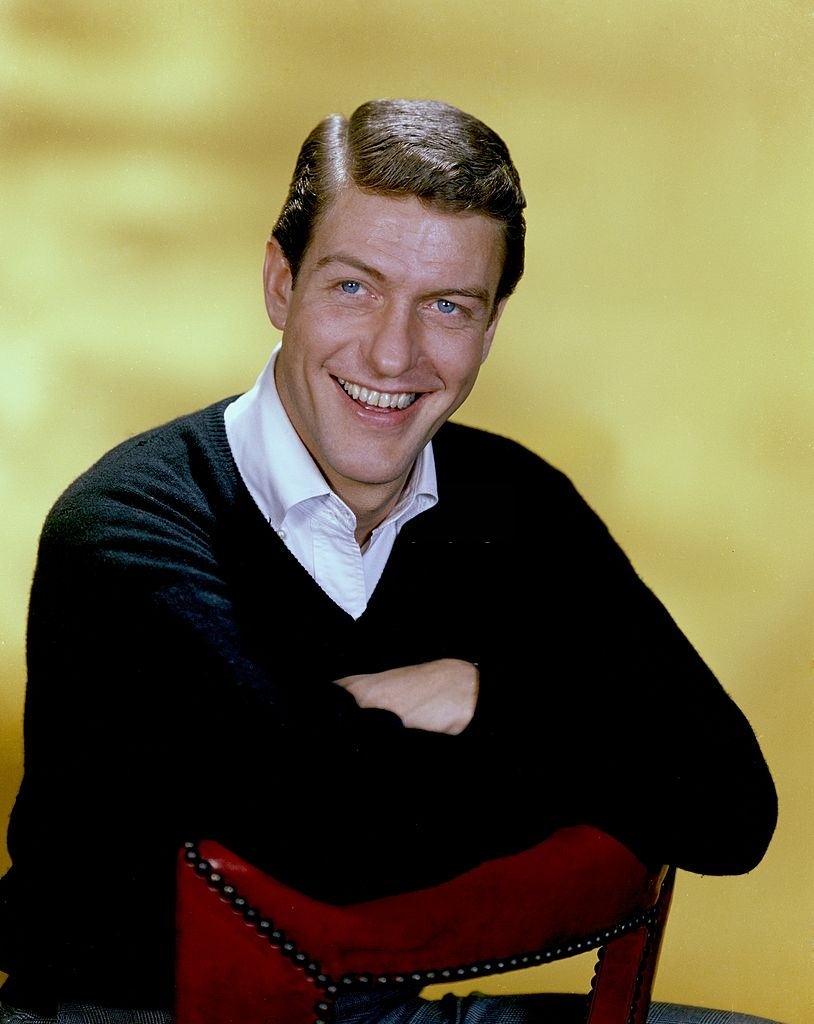
Van Dyke grew up with political ambitions, but his time in a high school drama club changed his direction entirely. There, he developed his singing and dancing skills — two abilities that would define his public image for decades. His classmates included actor Donald O’Connor and entertainer Bobby Short, giving him early exposure to serious talent. After school, he worked part-time at a local radio station and later enlisted in the U.S. Air Force, which further shaped his discipline and stage presence.
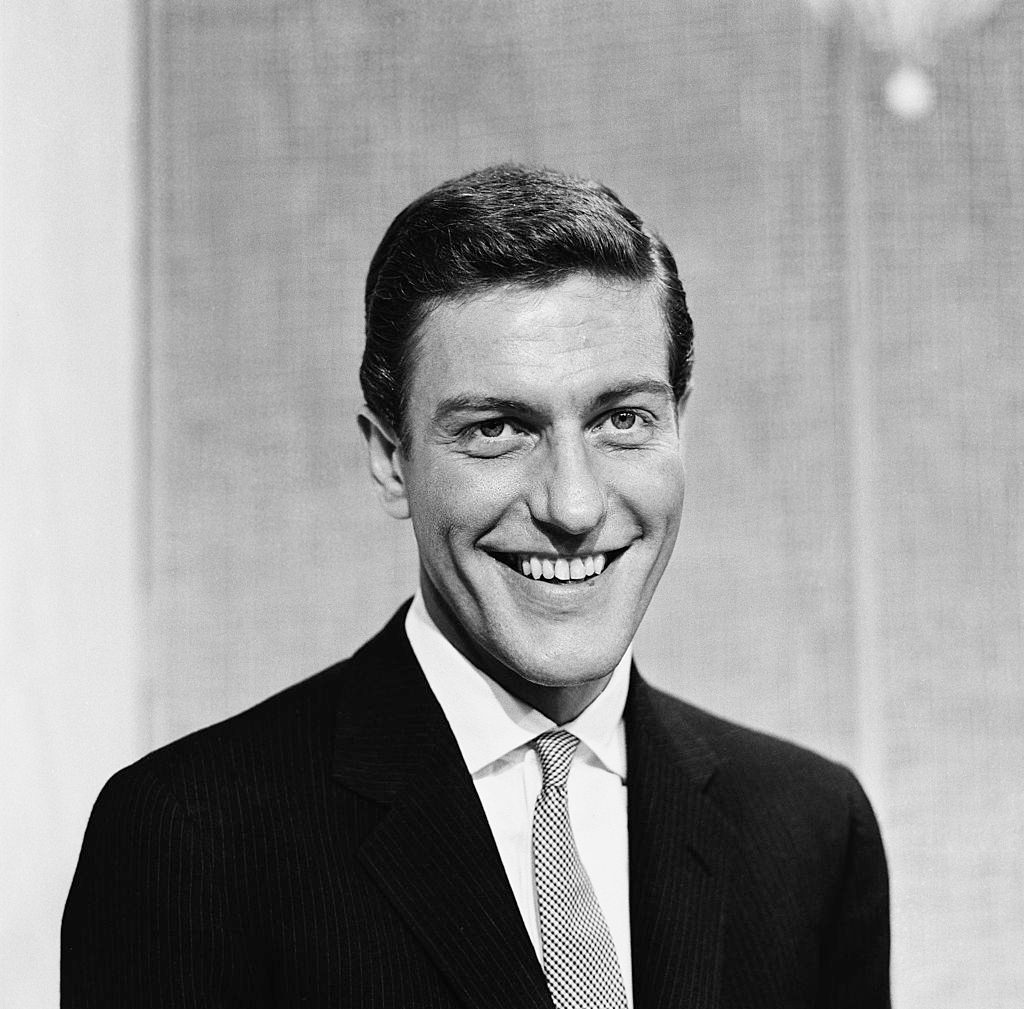
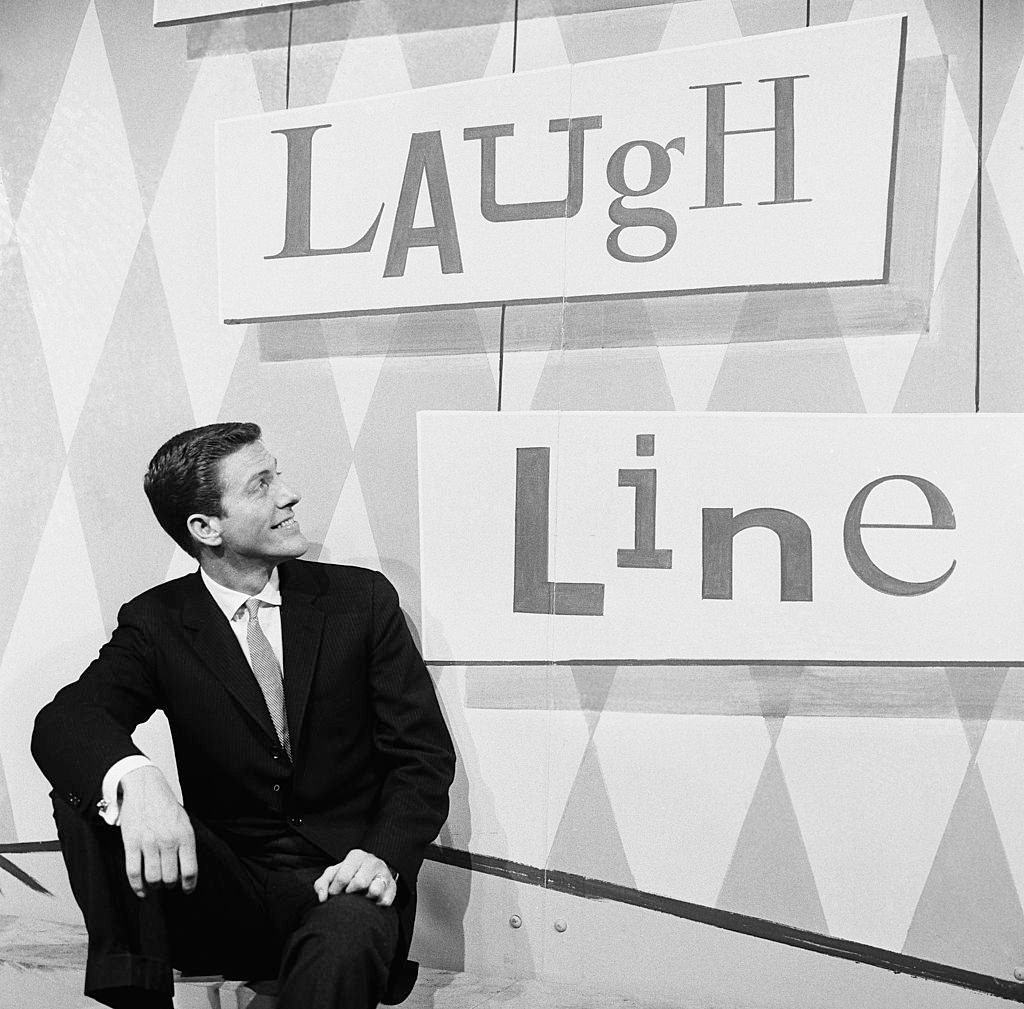
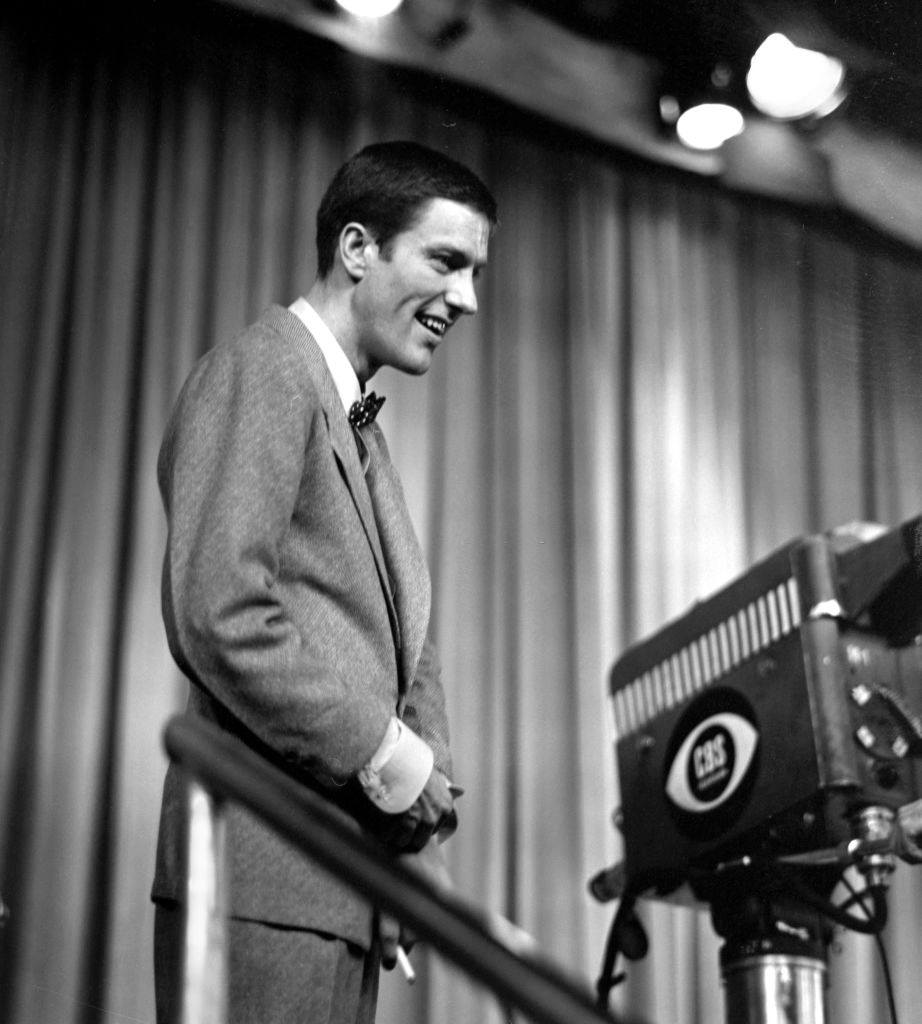
His professional career began in the late 1940s with radio and television work in Atlanta. It was modest work, but it gave him real-world experience in front of microphones and cameras. By the mid-1950s, he was making steady progress, and by 1957, he was working at CBS studios. The grind of early career broadcasting was unglamorous, but Van Dyke used every opportunity to sharpen his craft.
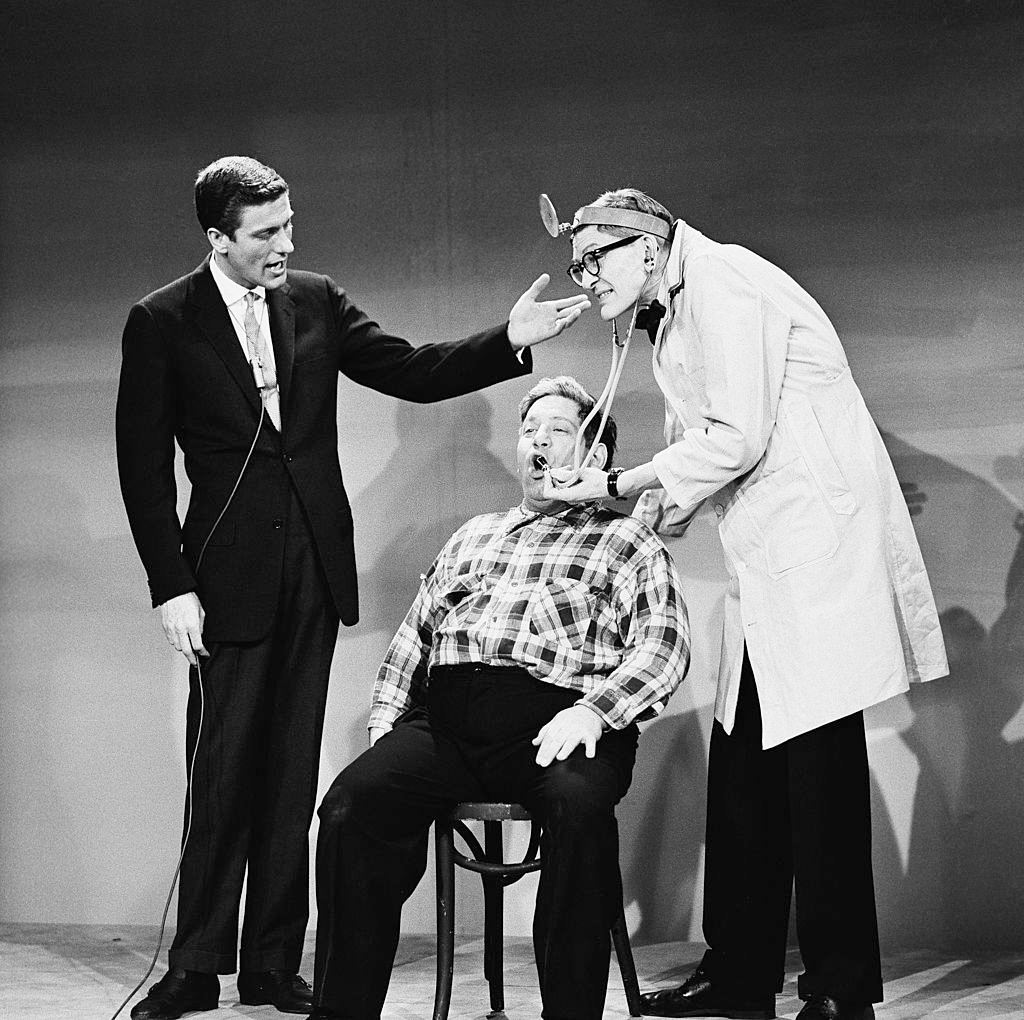
By 1955, Van Dyke was preparing for his professional stage debut, a milestone that set the tone for what came next. His Broadway debut arrived in the comedy show ‘Girls Against the Boys,’ introducing him to live theater audiences in New York. That experience on Broadway carried direct momentum into Hollywood, where he landed the role of Albert F. Peterson in the 1960 musical ‘Bye-Bye Birdie’ — a performance that earned him a Tony Award.
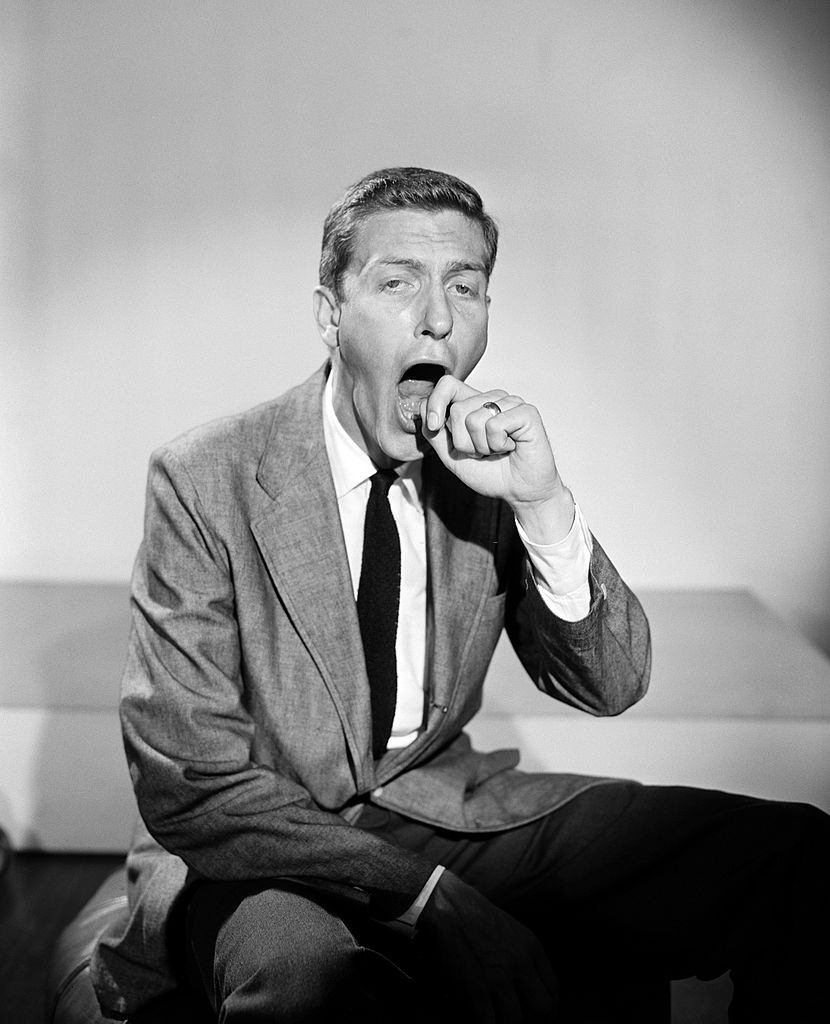
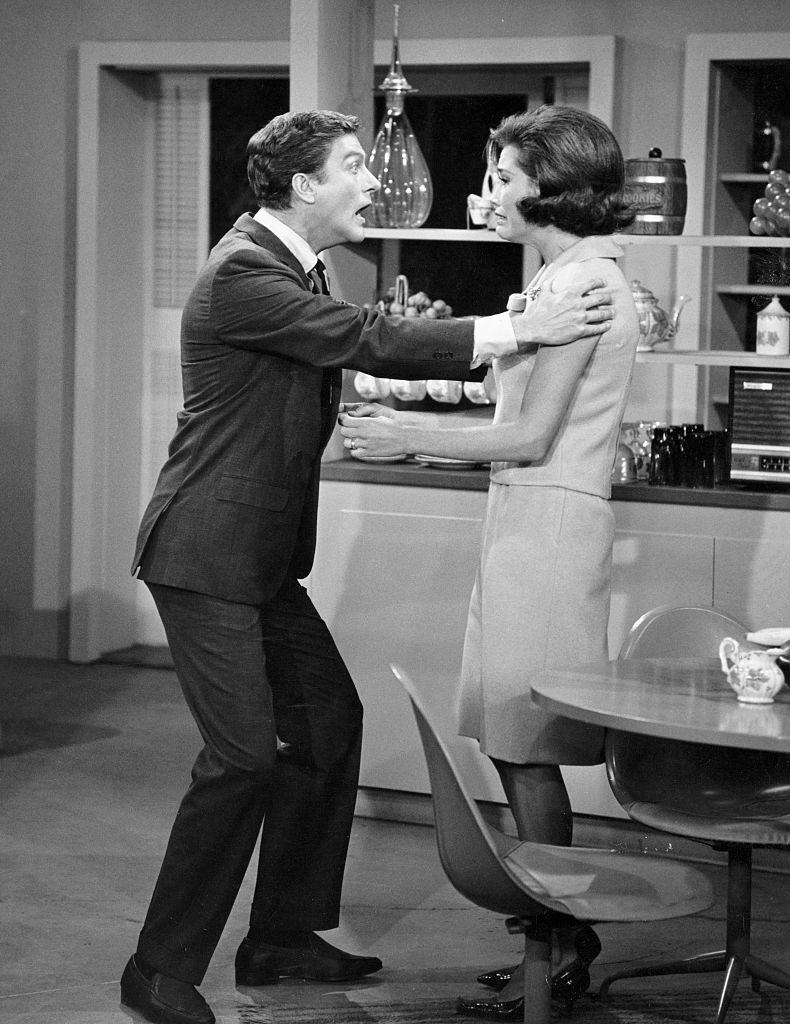
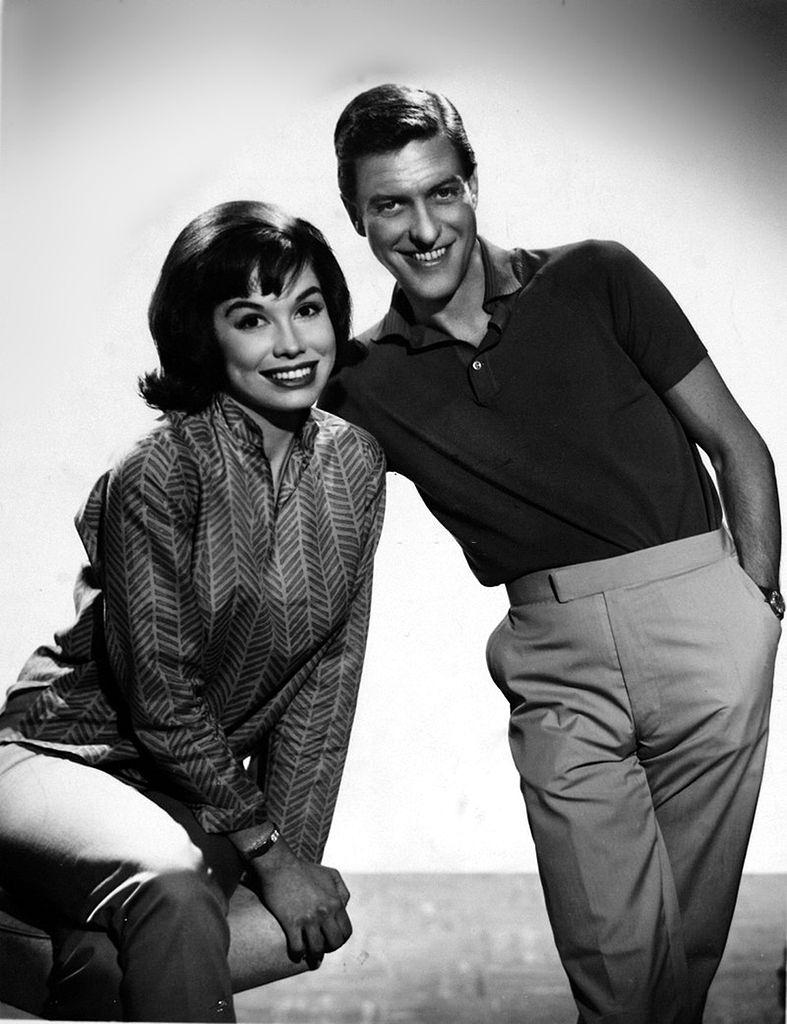
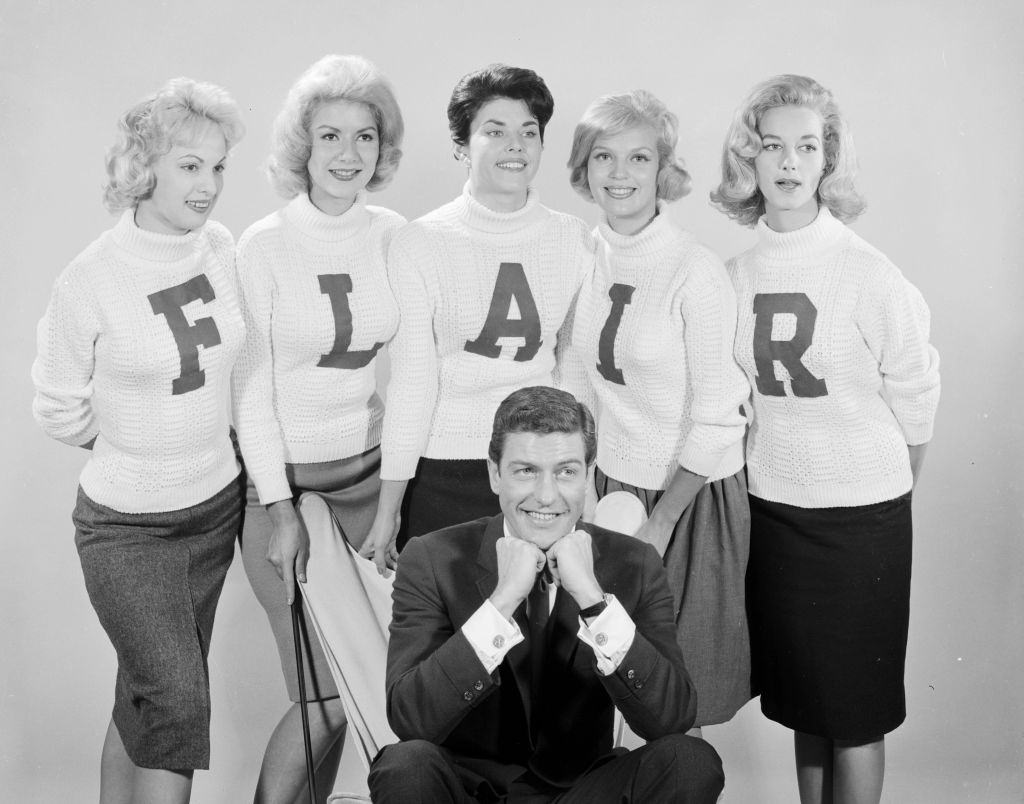
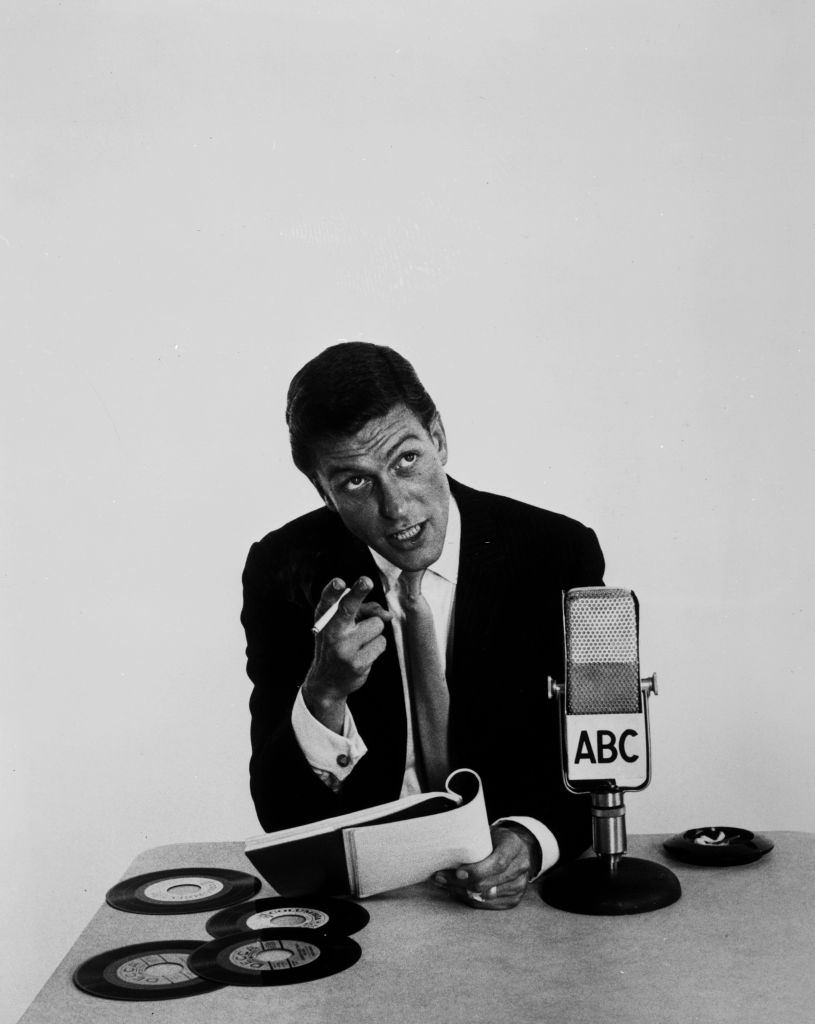
Around this same time, Van Dyke was also connected to ABC Radio’s ‘Flair,’ a show that gave him additional exposure and put him in front of a wider audience. Promotional work tied to the program placed him alongside models and industry figures, further cementing his public profile. The radio world had launched his career, and even as television took over, he remained active in that space.
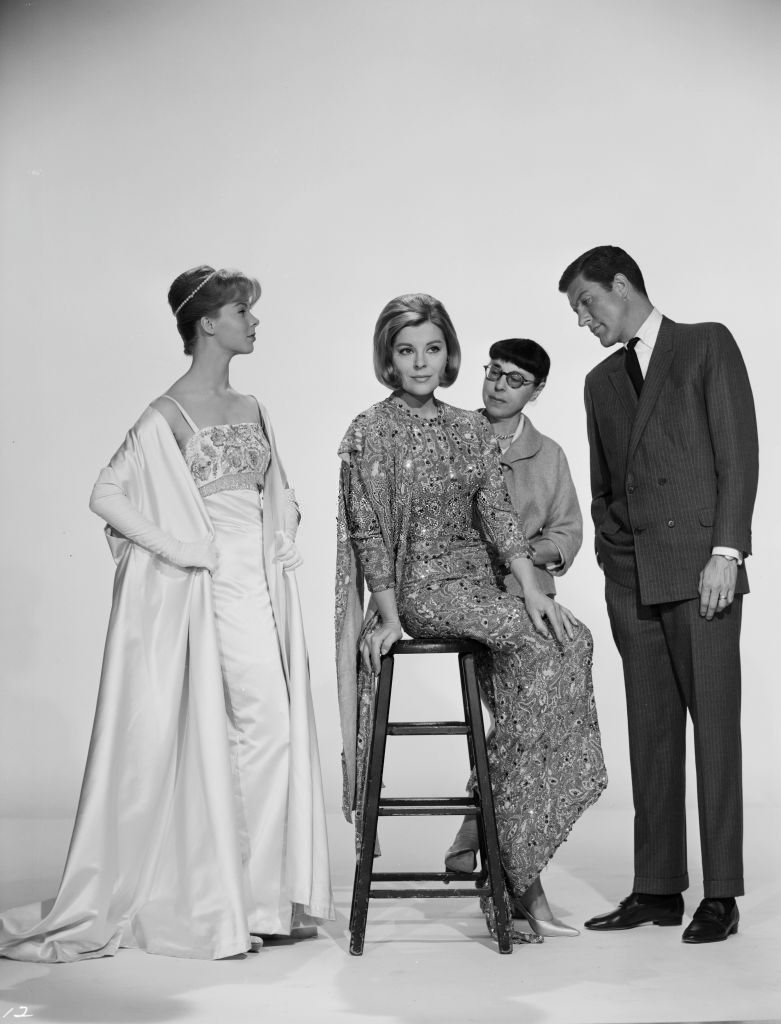
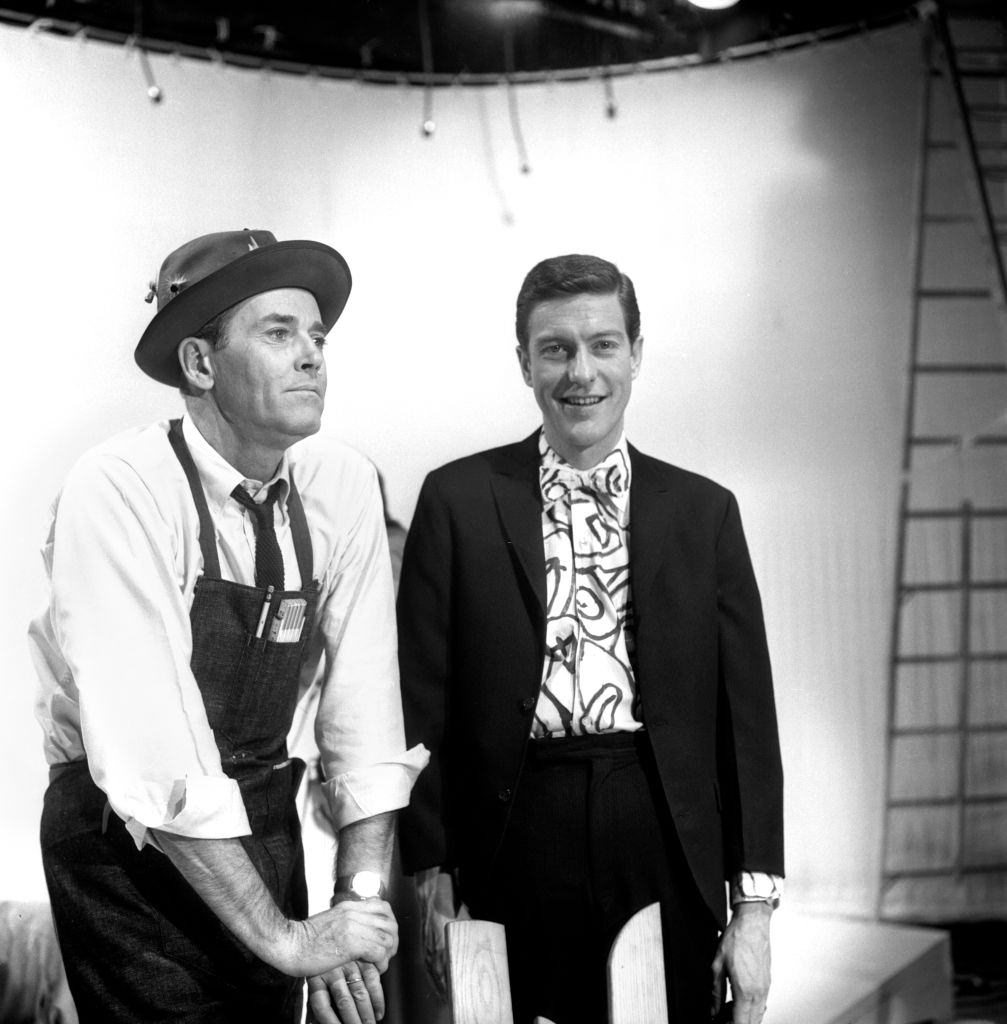
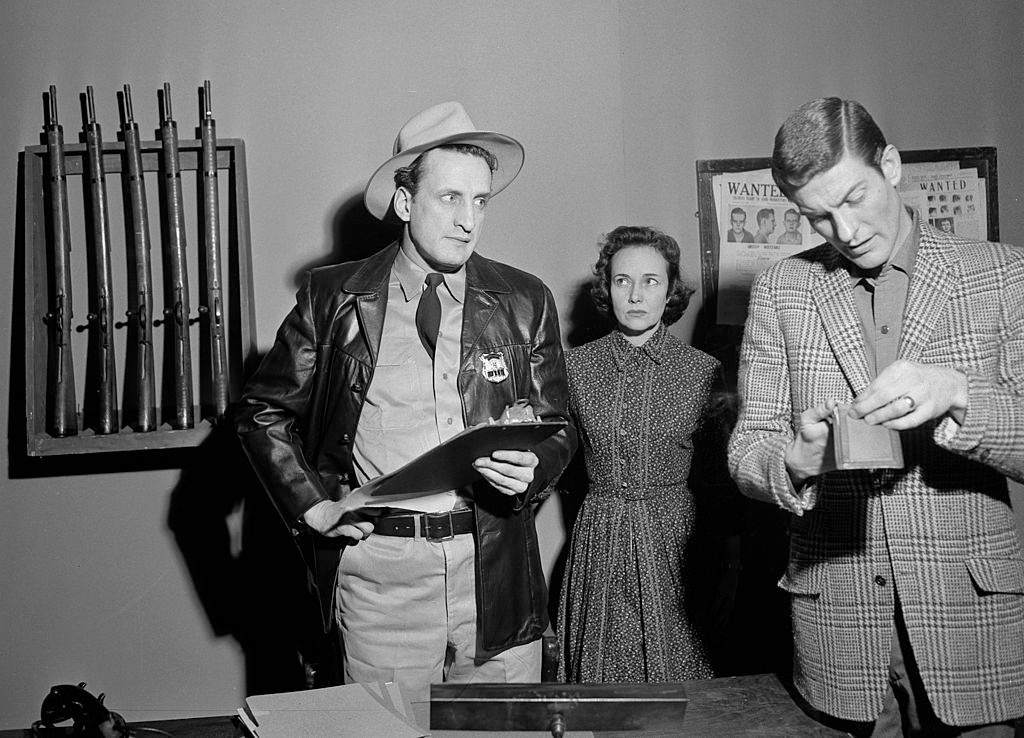
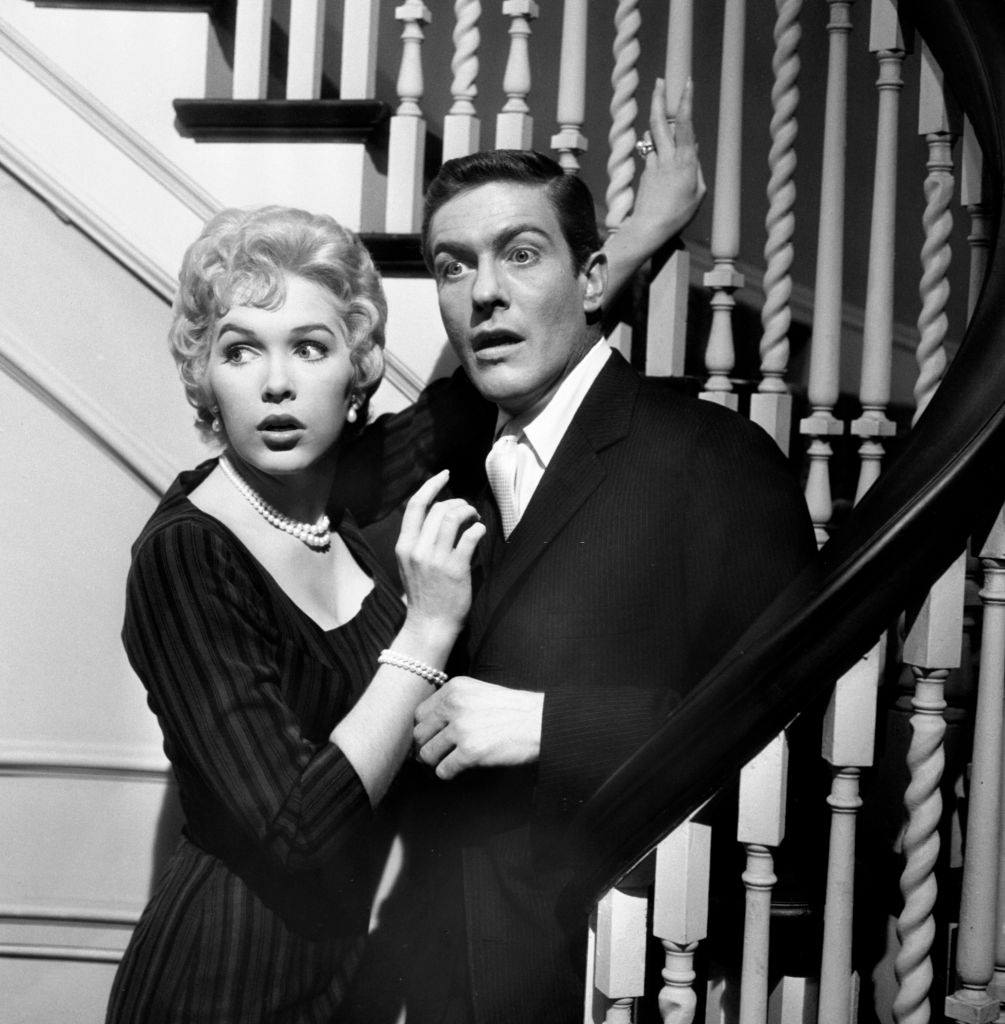
1960 was a defining year. In addition to ‘Bye-Bye Birdie’ and his radio commitments, Van Dyke appeared on the CBS television program ‘Alfred Hitchcock Presents,’ playing a character named Thomas Craig. He also took mambo and cha-cha dance lessons in January of that year — a detail that underscores just how committed he was to expanding his physical range as a performer.
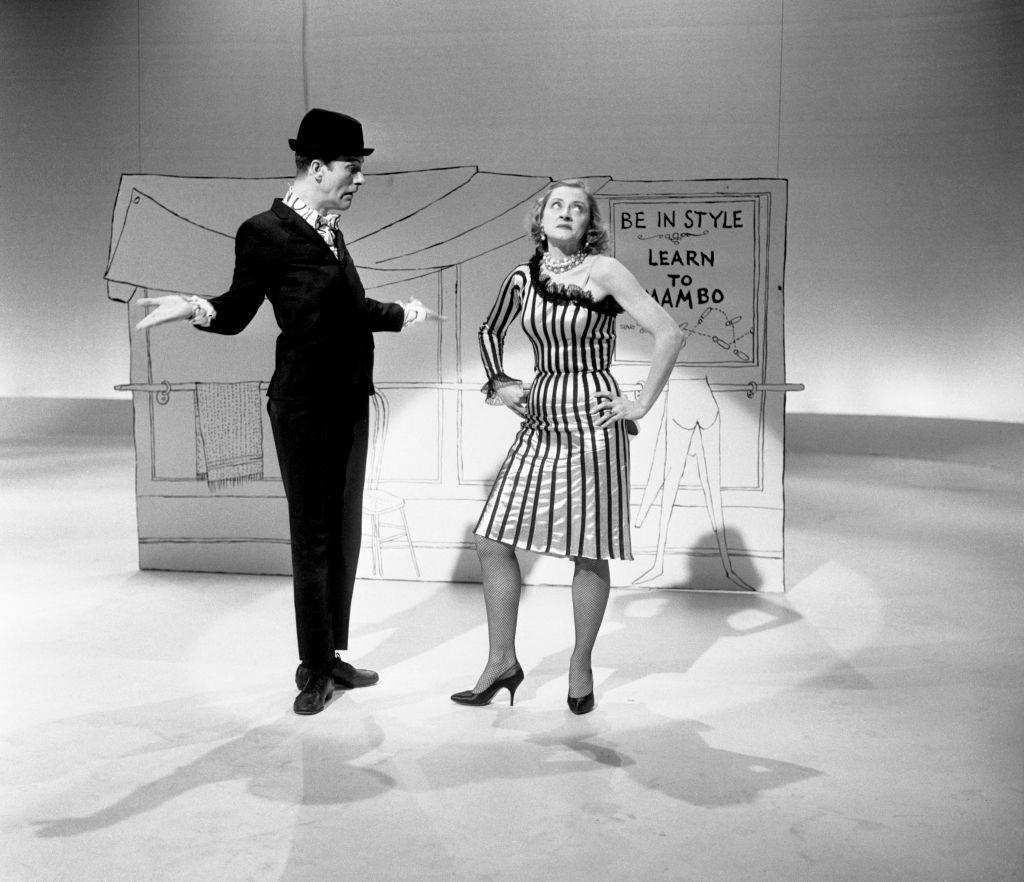
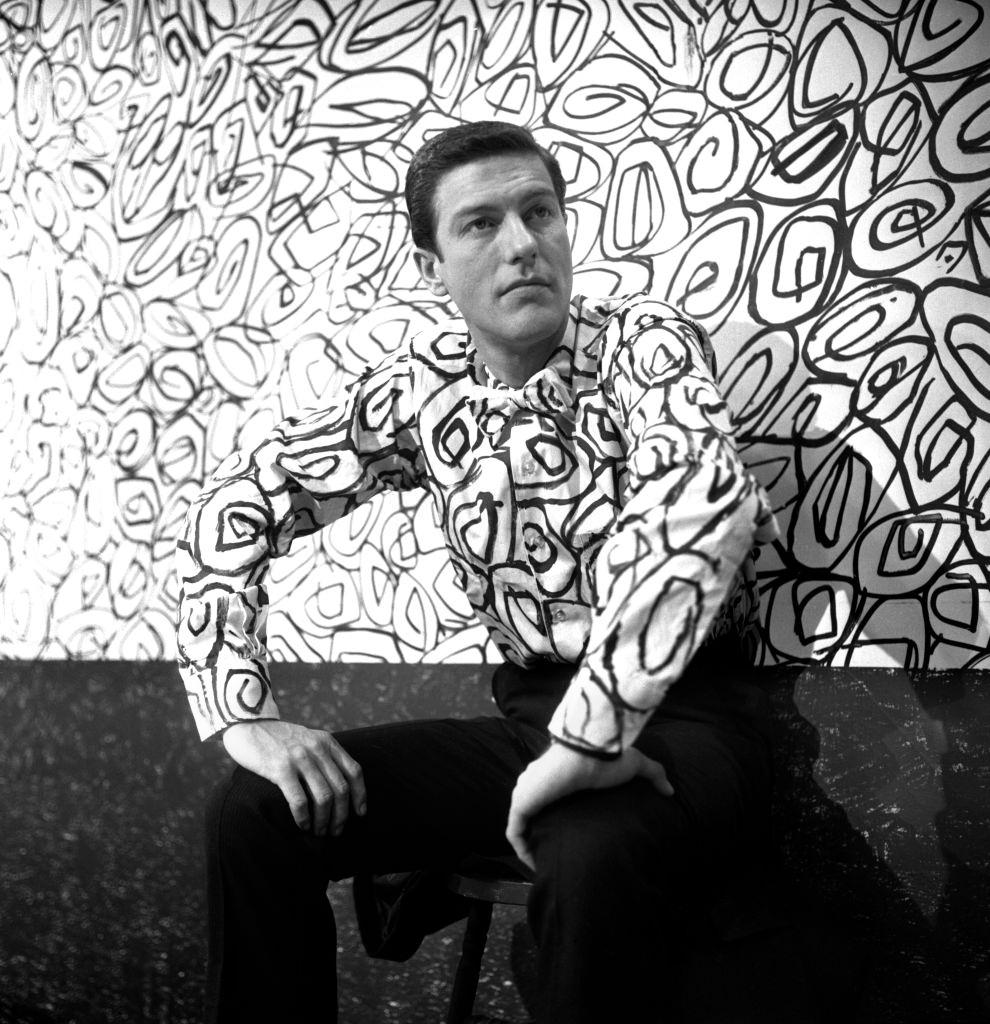
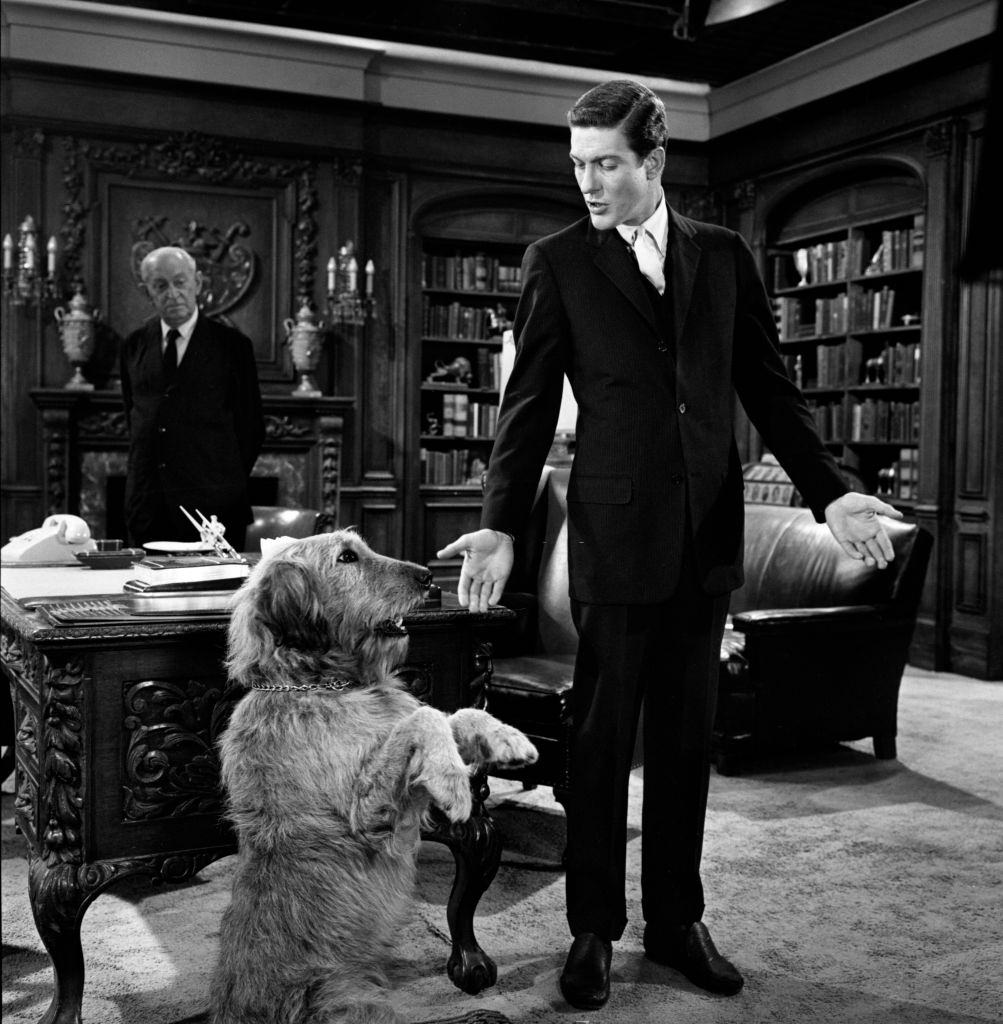
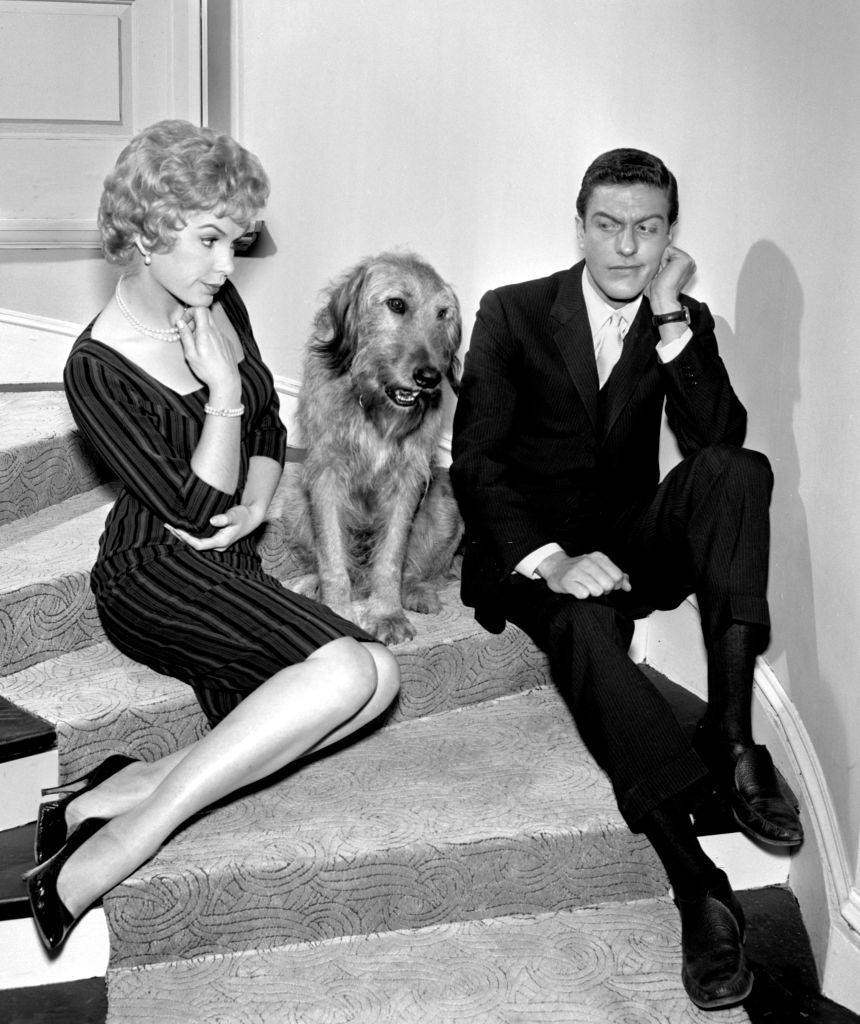
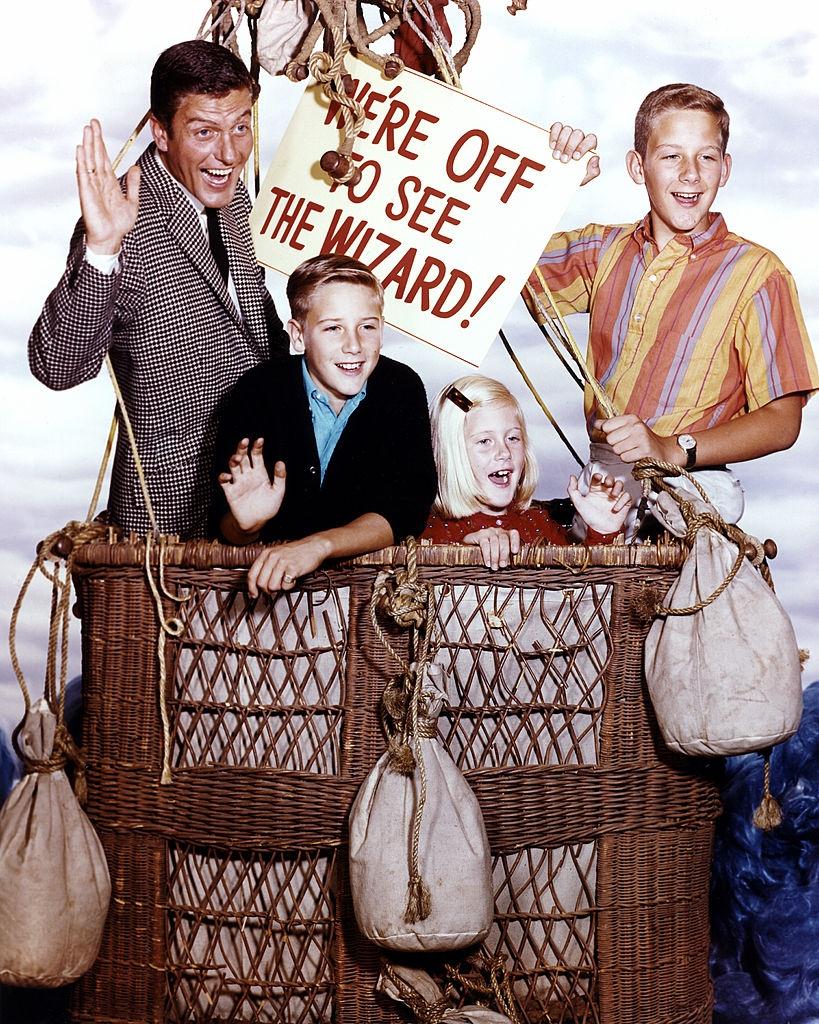
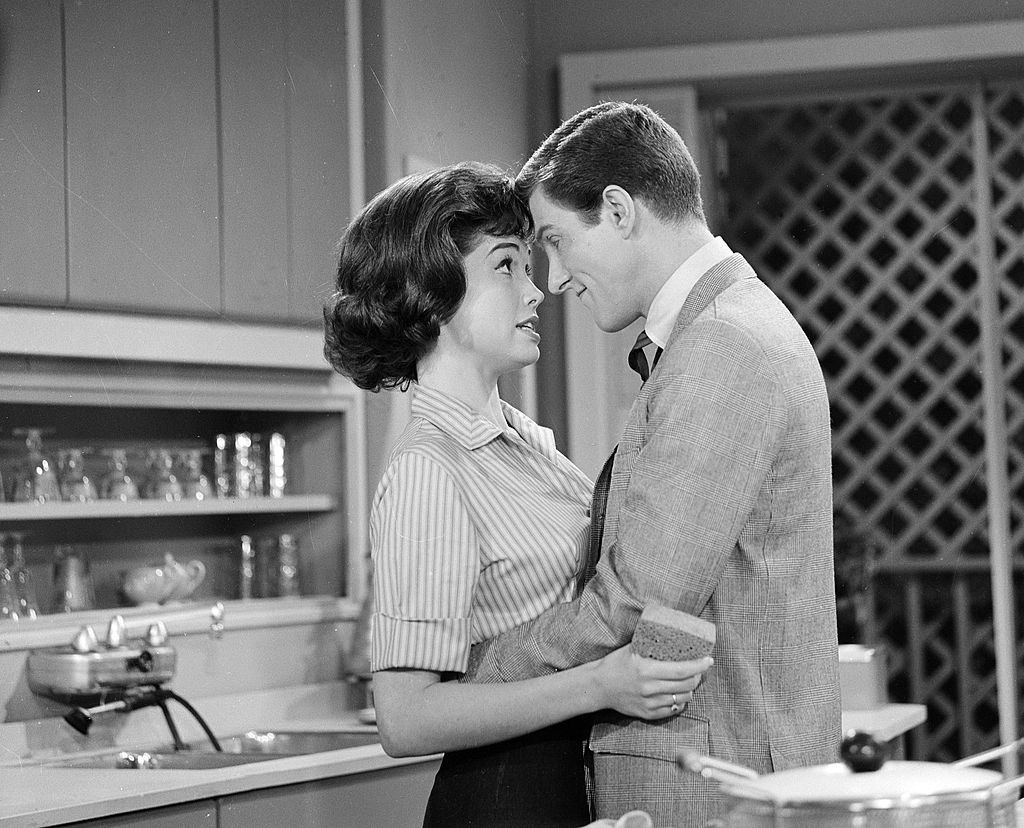
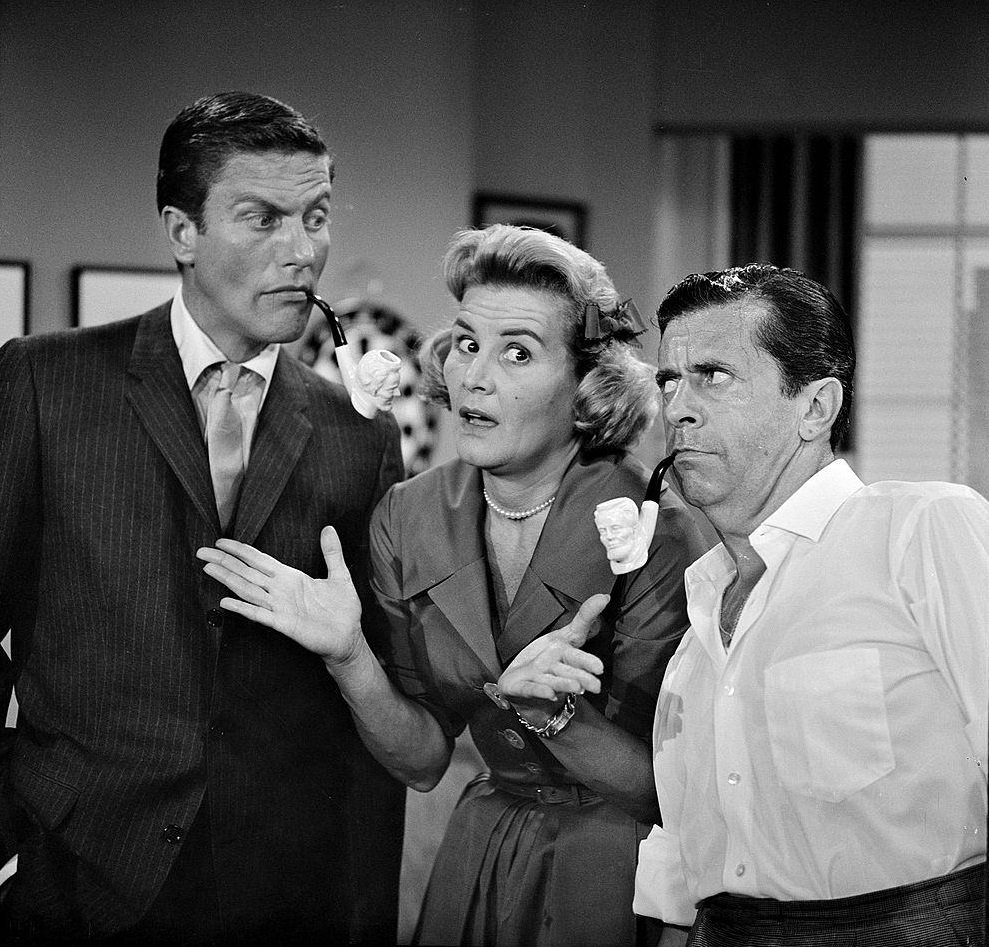
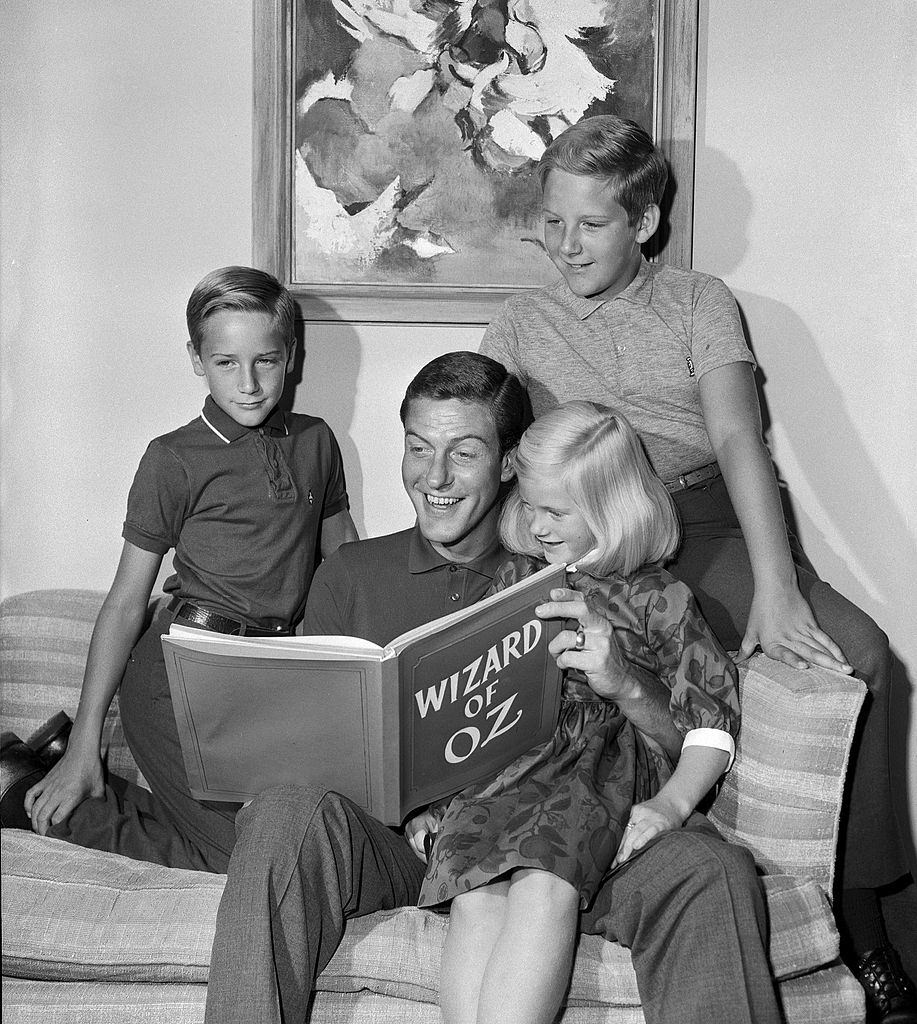
In 1961, Van Dyke signed on to play comedy writer Rob Petrie on ‘The Dick Van Dyke Show.’ The role made him a television star almost immediately. Co-starring alongside Mary Tyler Moore, Rose Marie, and Morey Amsterdam, the show became one of the most celebrated sitcoms of the 1960s. That same year, he also hosted a telecast of the 1939 film ‘The Wizard of Oz’ alongside his children, offering a rare glimpse into his family life during a period of rapid professional growth.
Van Dyke’s personal life ran alongside his professional one. He had married his first wife, Margie Willett, in 1948 on a radio program called ‘Bride and Groom.’ The couple had four children — Chris, Stacey, Barry, and Christian. Though they eventually separated after many years together, the family was a visible part of his early public life. By 1964, Margie was photographed with him in London during what was a productive stretch in his film career.
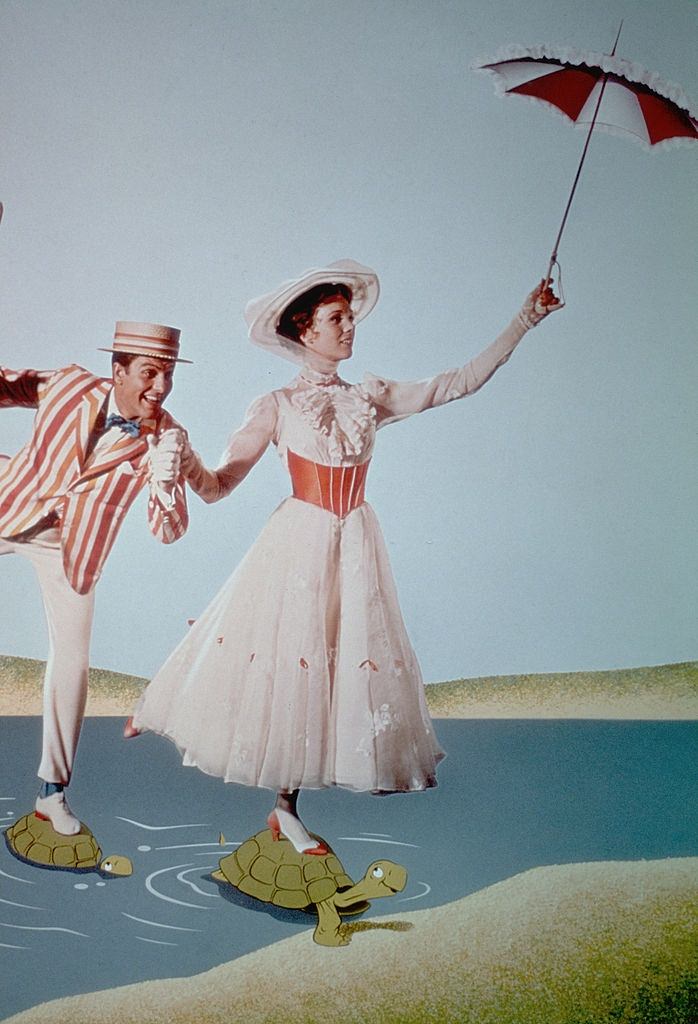
His film work in the mid-1960s placed him among the biggest names in Hollywood. ‘Mary Poppins’ (1964) with Julie Andrews remains one of his most beloved roles. That same year, he appeared with Shirley MacLaine in ‘What a Way to Go,’ showing his range beyond musical-fantasy productions. In 1964, he was also in London for filming, where his profile had grown significantly on the international stage.
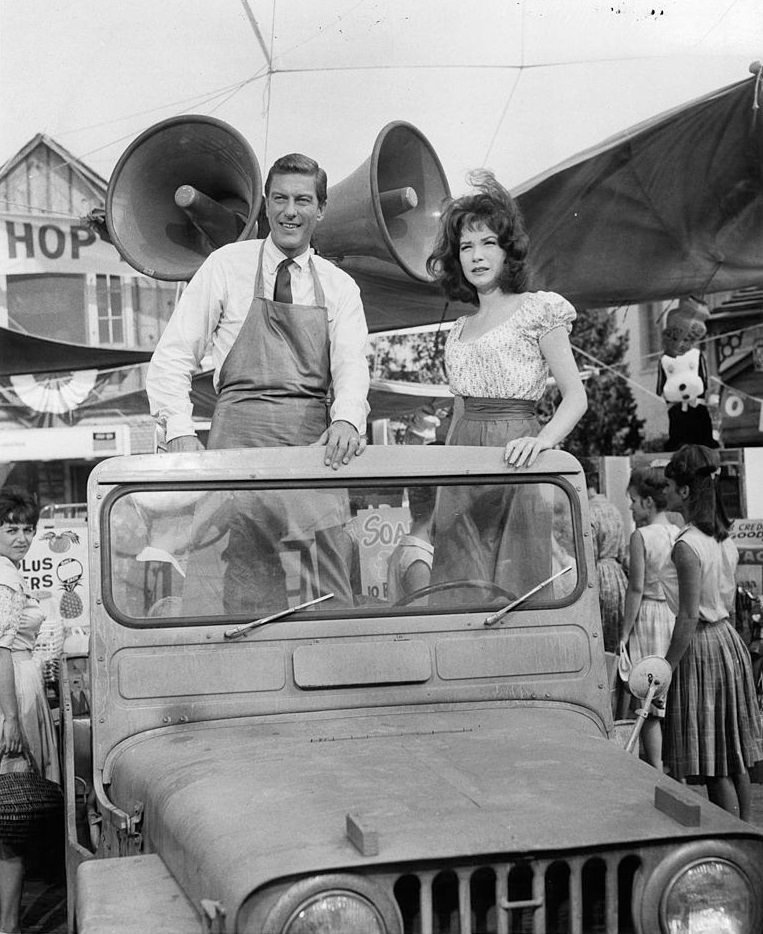
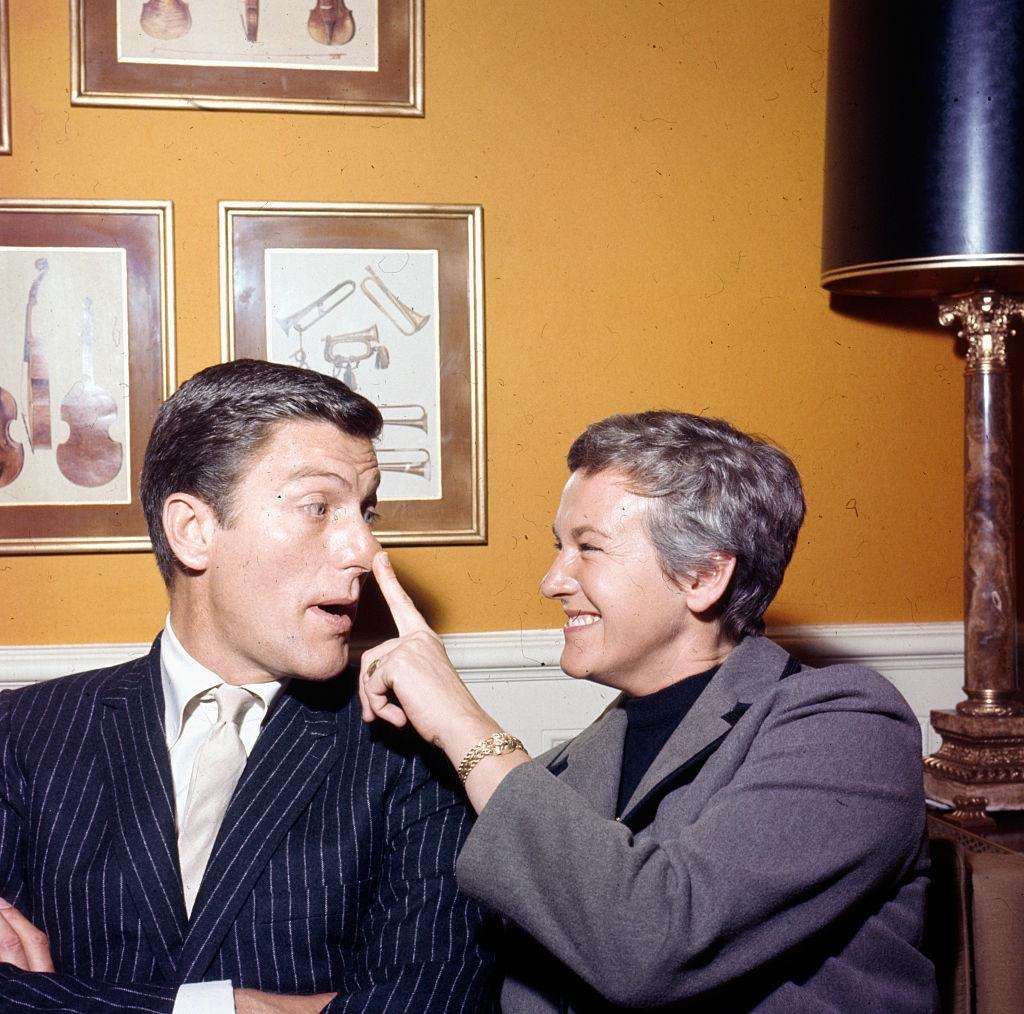
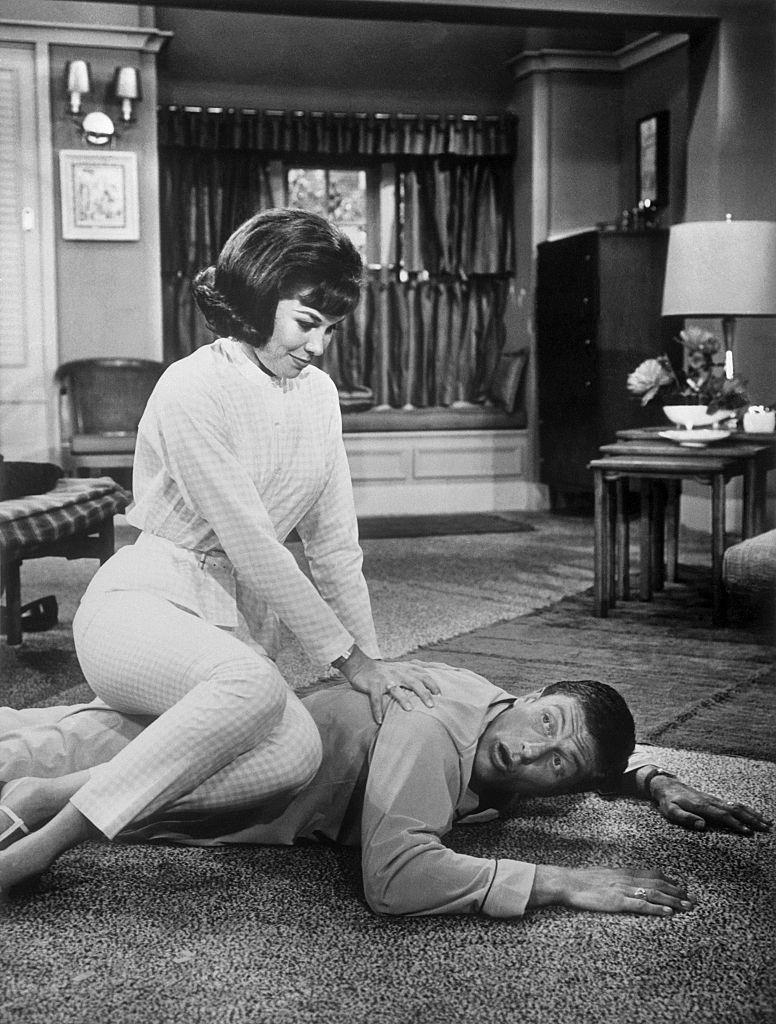
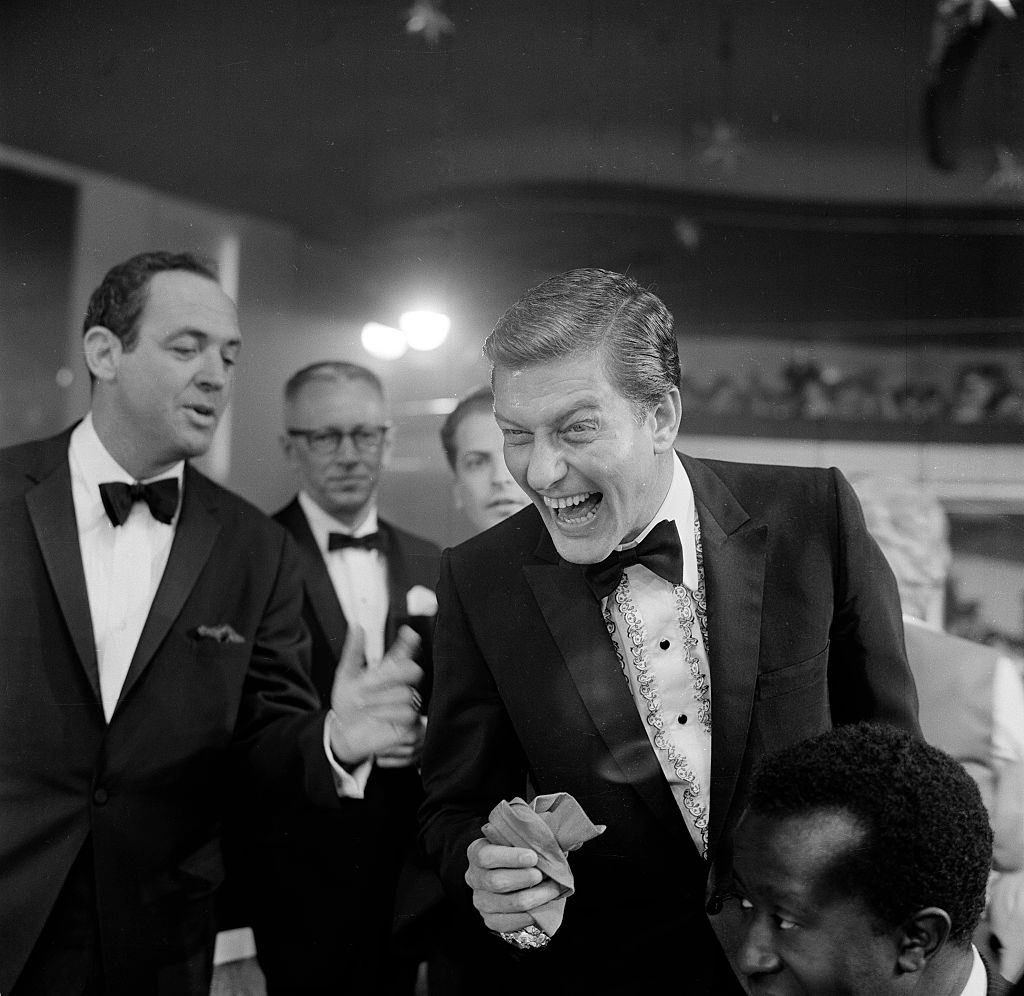
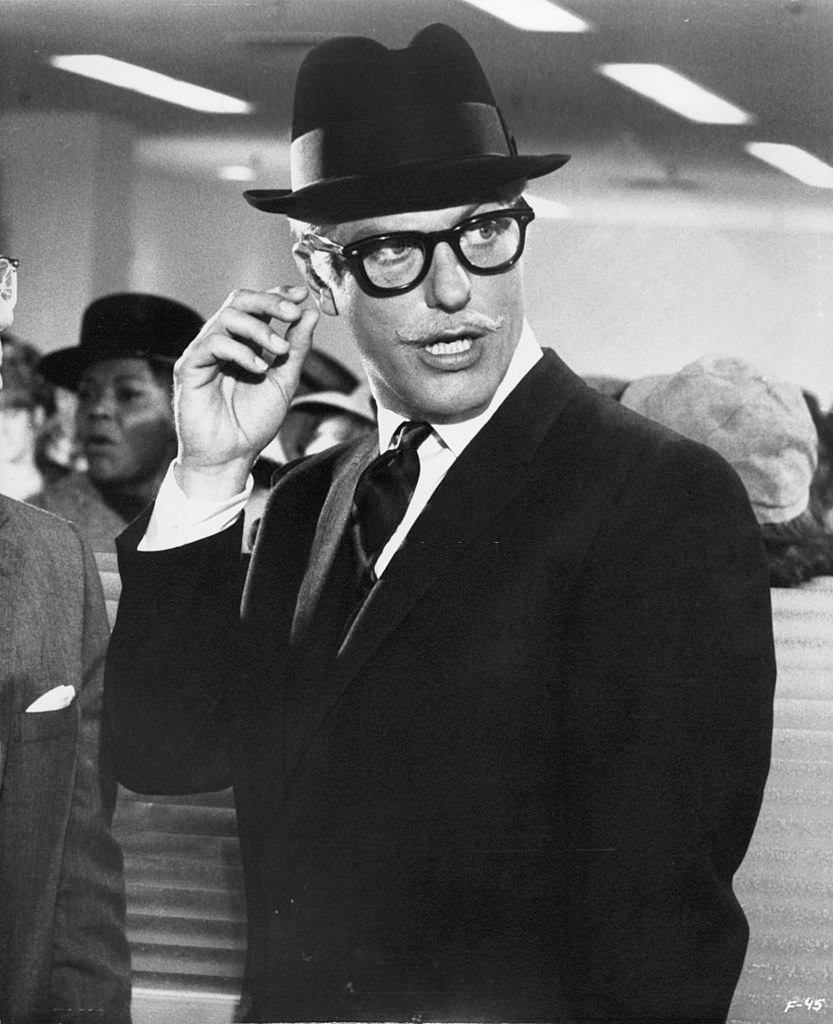
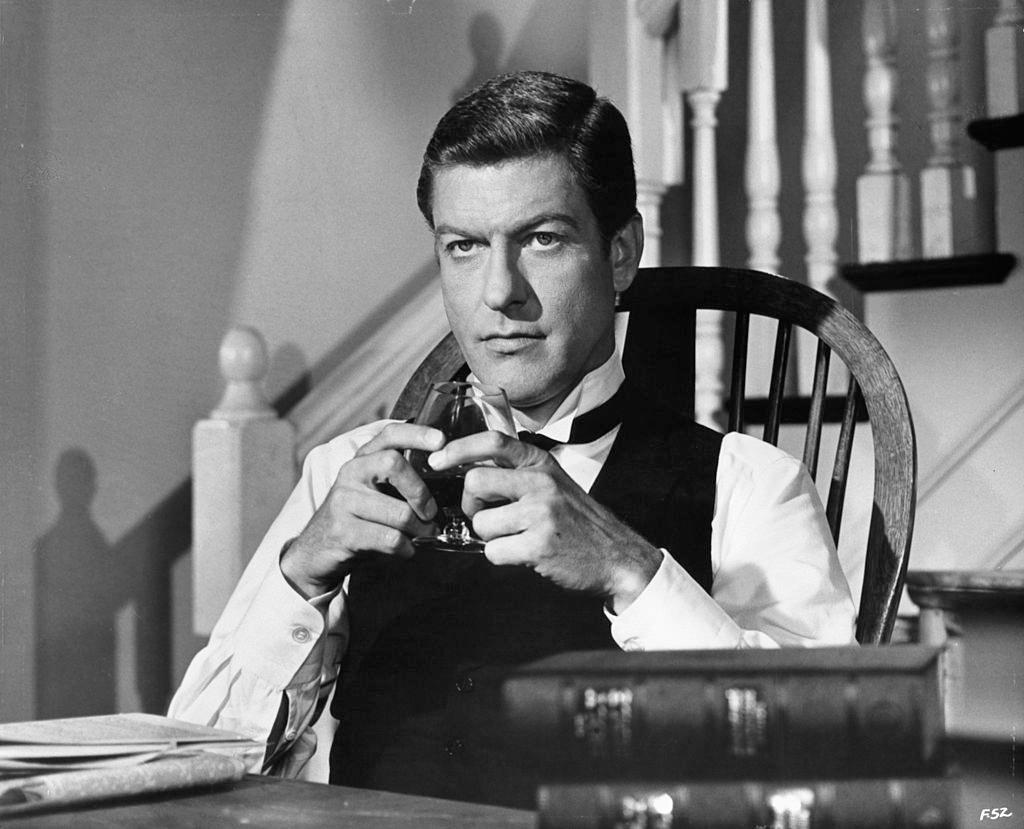
The Emmy Awards recognized Van Dyke’s television work as ‘The Dick Van Dyke Show’ continued its run through the decade. By 1966, he was a fixture at major awards ceremonies in Los Angeles. His attendance at that year’s Emmy Awards reflected just how thoroughly he had crossed over from up-and-coming performer to established star. The late 1960s brought fresh film projects, including the caper comedy ‘Fitzwilly’ (1967), where he played a scheming butler.
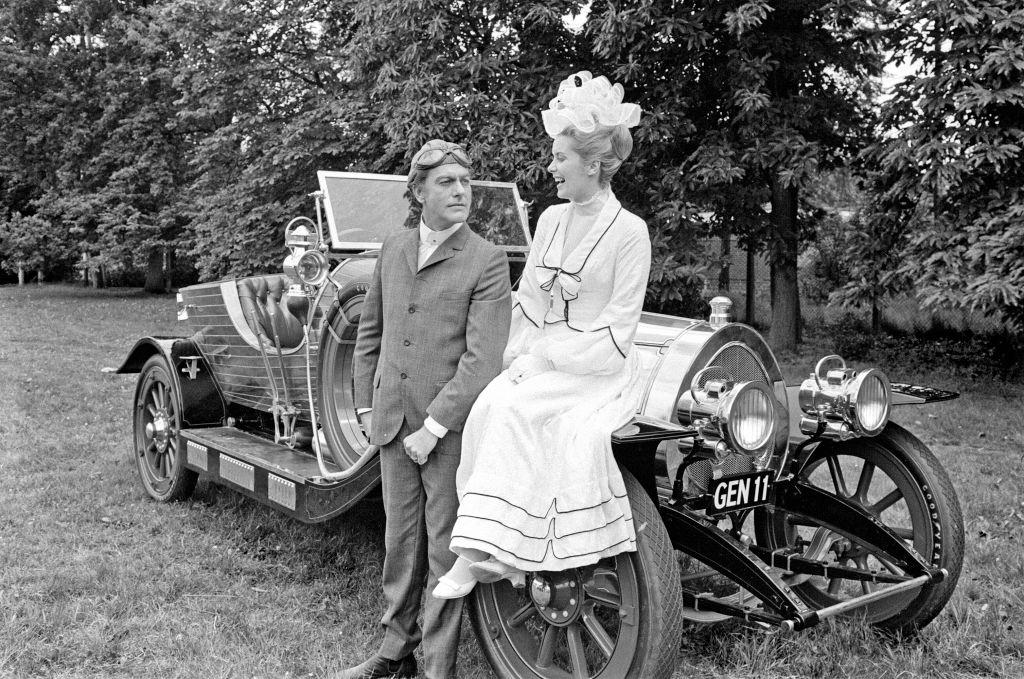
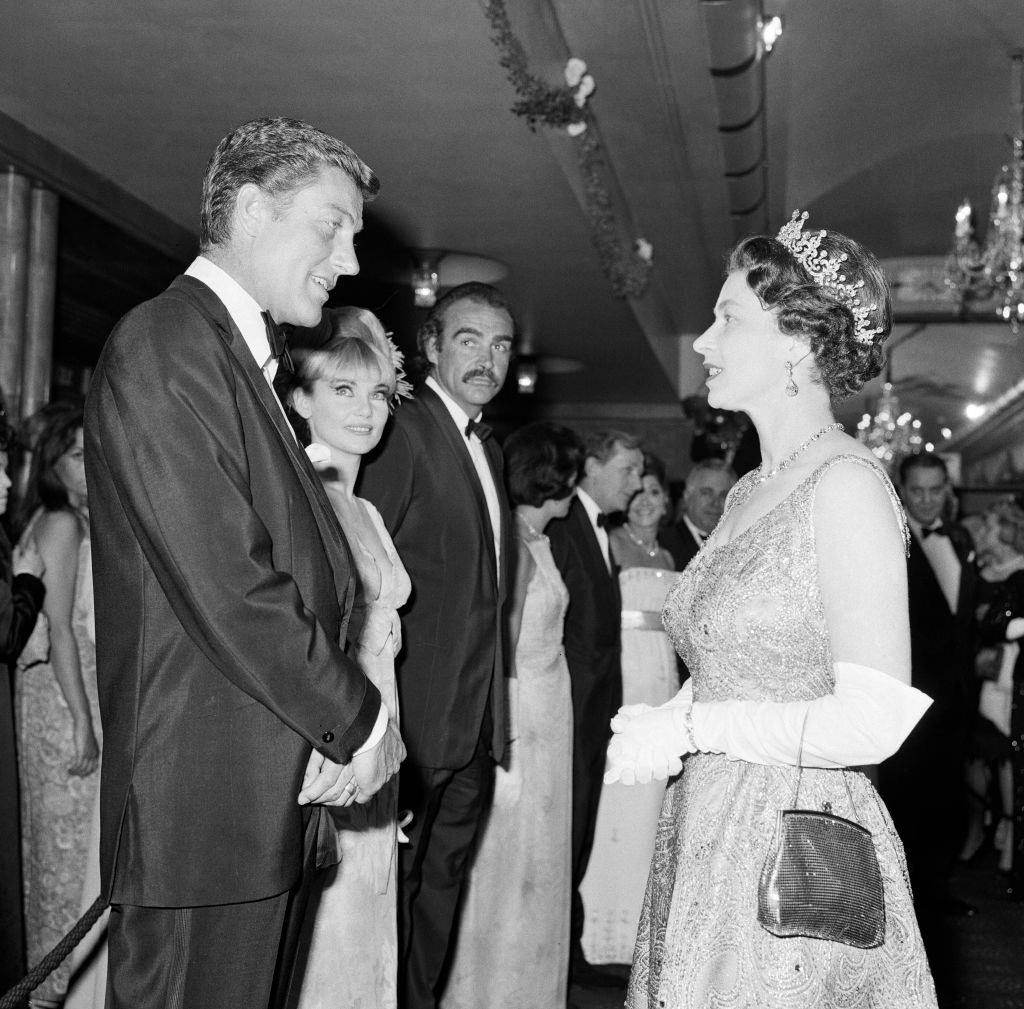
Also in 1967, Van Dyke was photographed at Pinewood Studios in England alongside Sally Ann Howes with the iconic car from ‘Chitty Chitty Bang Bang,’ and he met Queen Elizabeth II at the premiere of ‘You Only Live Twice’ on June 12, 1967. The meeting underlined how far his career had taken him — from a part-time radio job in a small American city to rubbing shoulders with royalty in London.
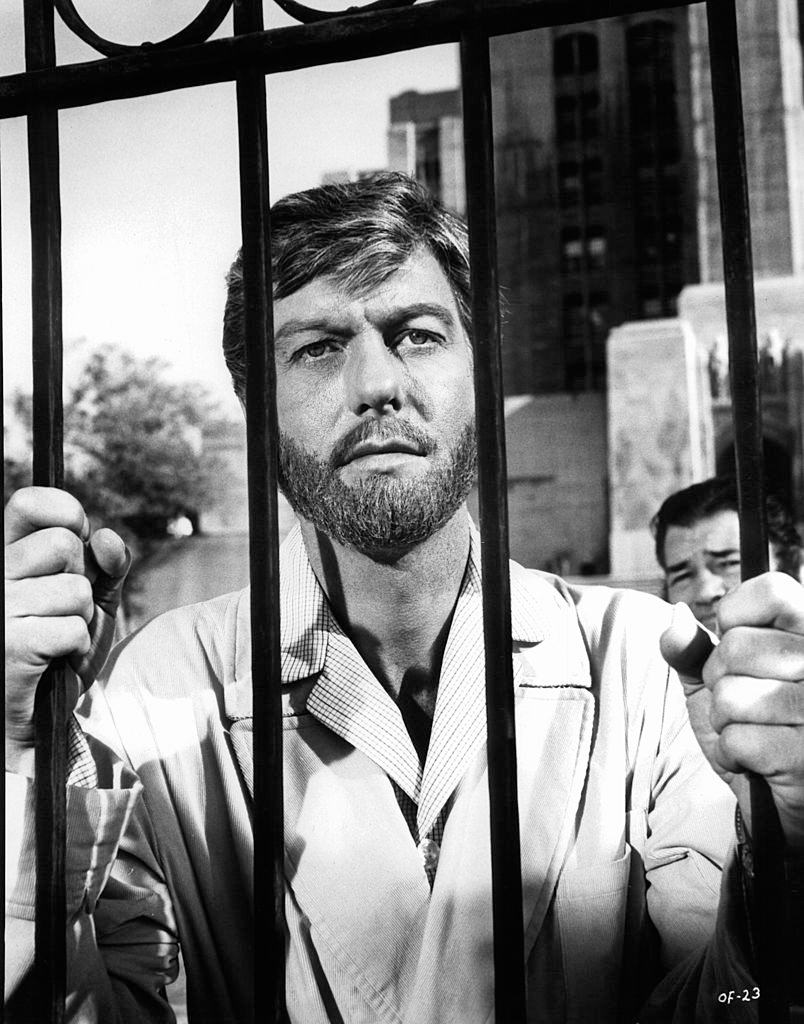
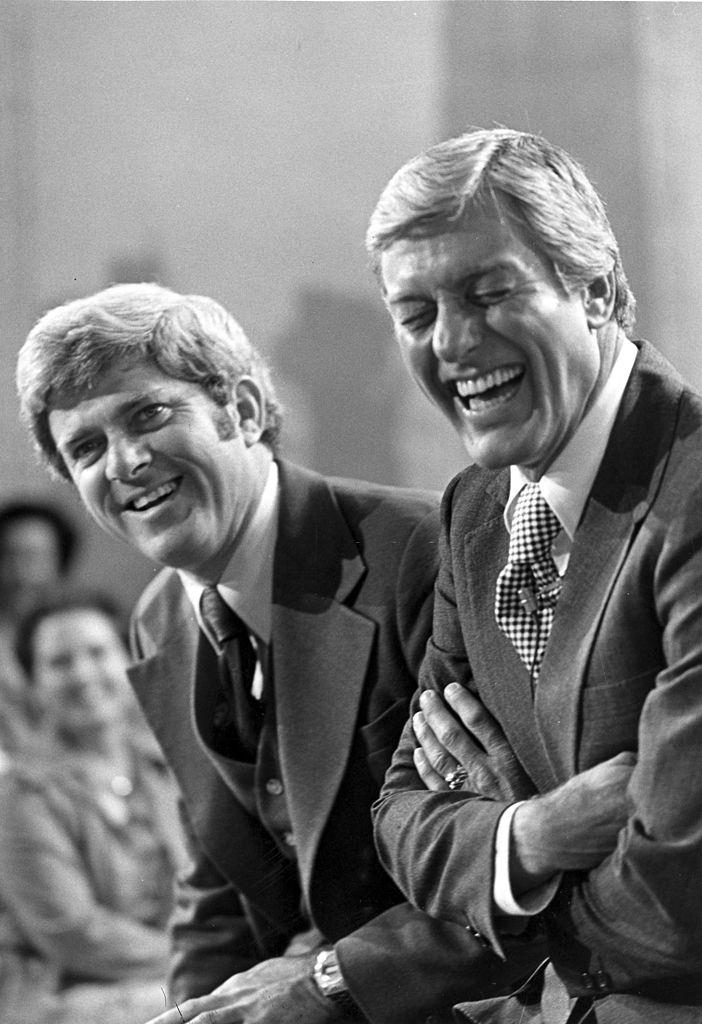
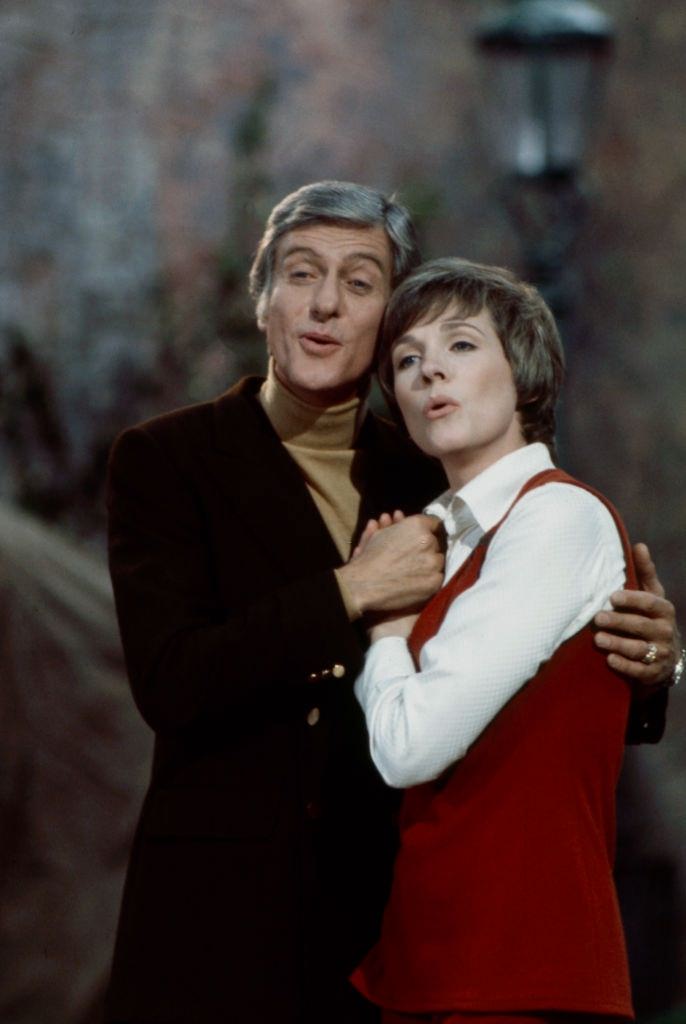
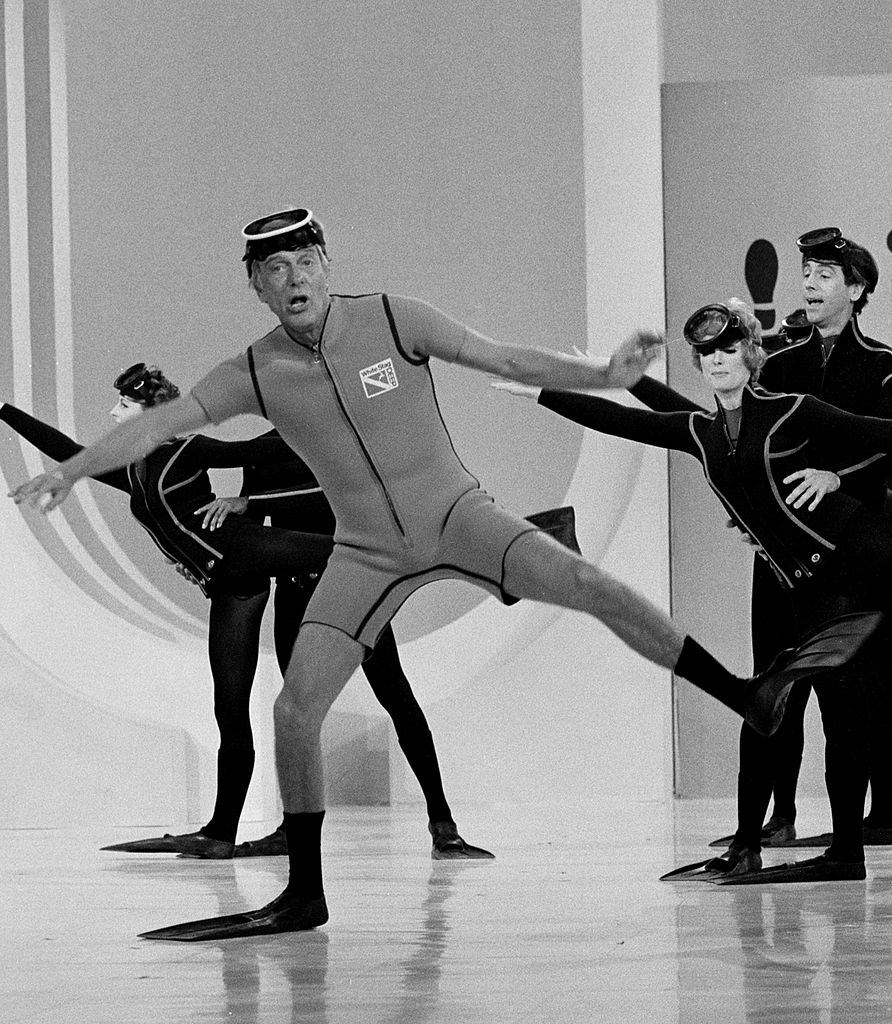
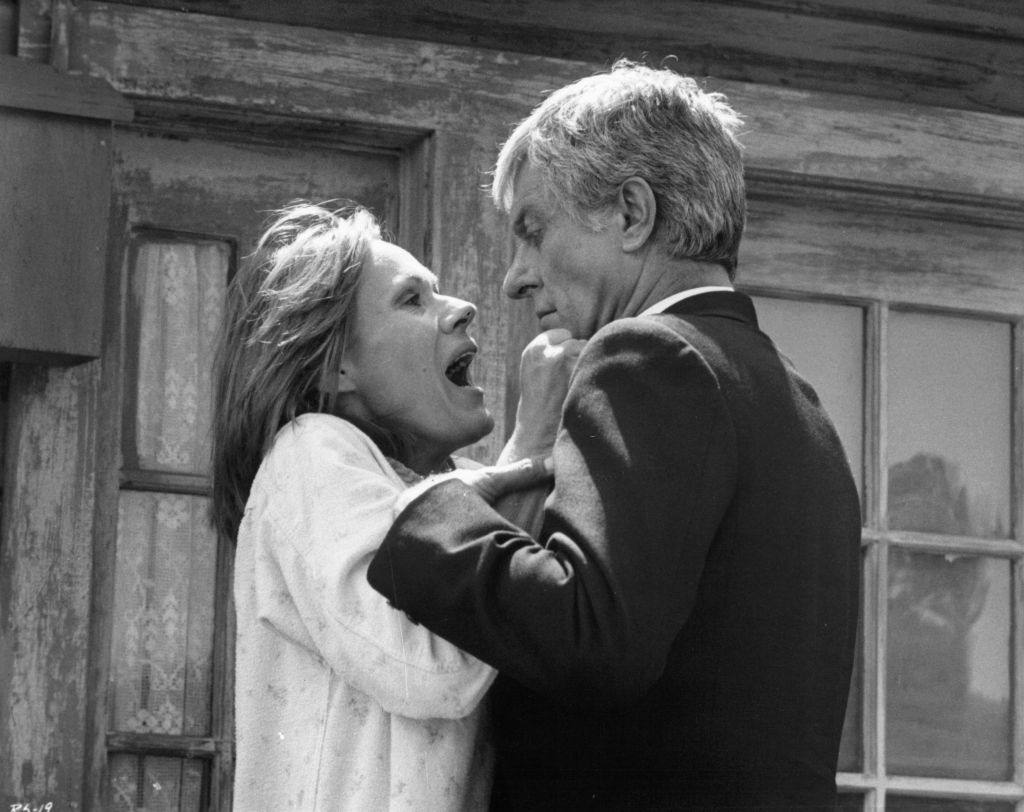
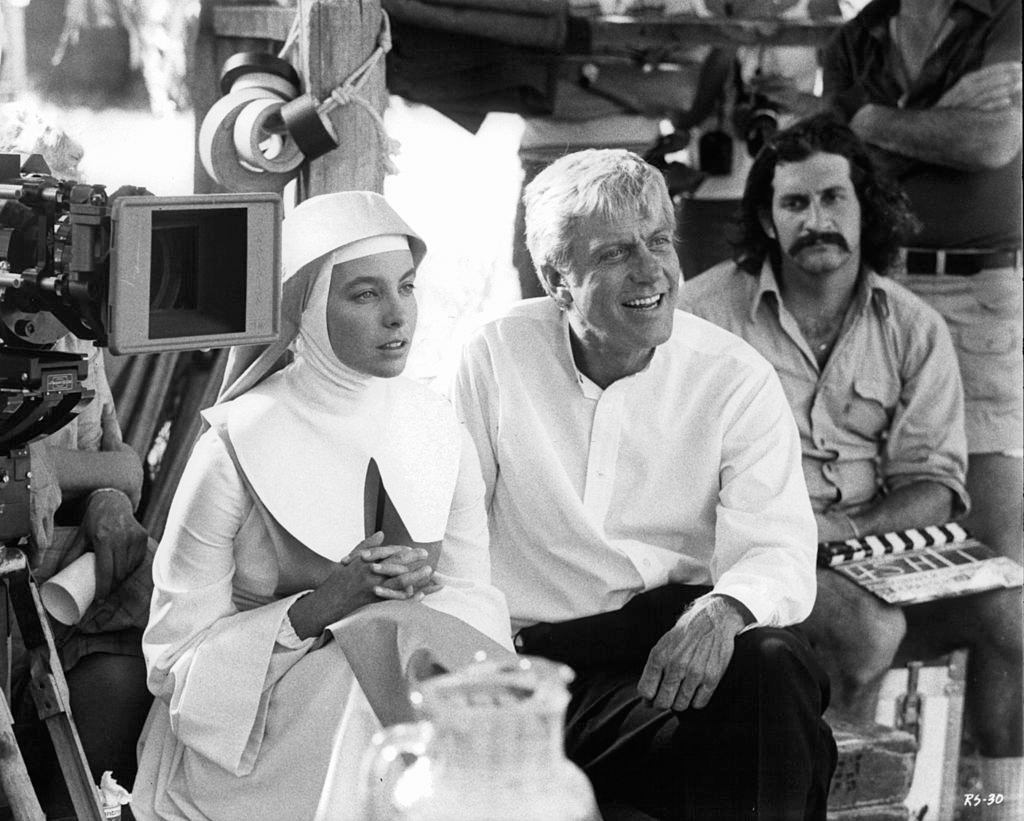
The 1970s saw Van Dyke continue working steadily in both television and film. He appeared on ‘The Carol Burnett Show’ in 1976 and reunited with Julie Andrews for the ABC television movie ‘Julie and Dick at Covent Garden.’ He also appeared on Phil Donahue’s talk show in 1970, demonstrating a willingness to stay visible across different types of programming. His dramatic range expanded further with the 1979 film ‘The Runner Stumbles,’ in which he starred alongside Tammy Grimes and Kathleen Quinlan.