
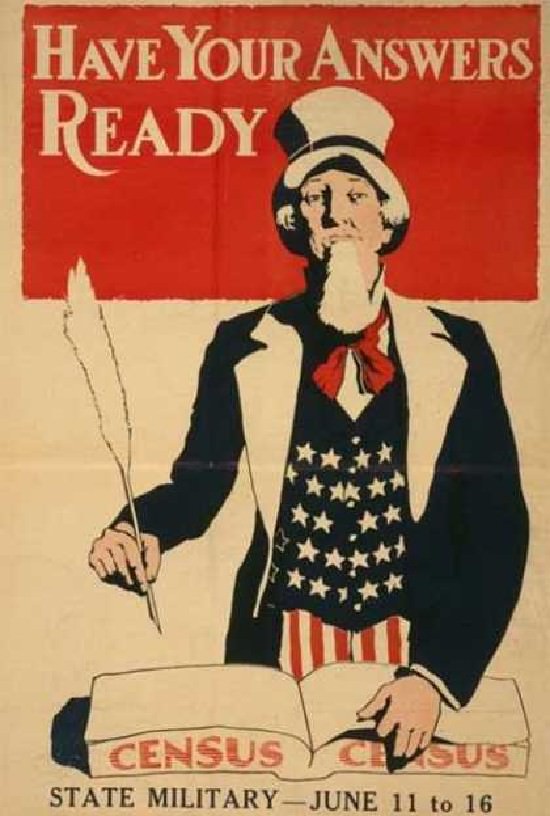
When the United States entered World War I in April 1917, the country was far from ready. The U.S. Army had just 133,000 active troops — a fraction of what the war demanded. The government needed money, manpower, and public support, and it needed all three fast. What followed was one of the most aggressive domestic persuasion campaigns in American history, driven largely by a single tool: the propaganda poster.
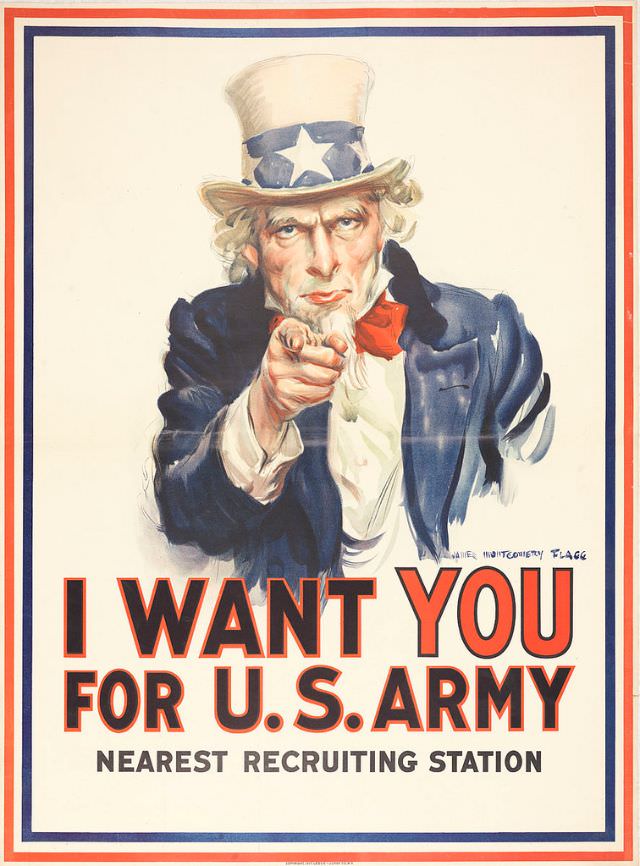
In 1917, President Woodrow Wilson’s administration established the Committee on Public Information. One of its key arms was the Division of Pictorial Publicity, formed specifically to apply commercial advertising techniques to wartime messaging. Artists, illustrators, and designers were recruited to produce bold, emotional images that could appear in newspapers, magazines, storefronts, and public spaces. The goal was simple: get ordinary Americans to act — enlist, donate, conserve, and buy.
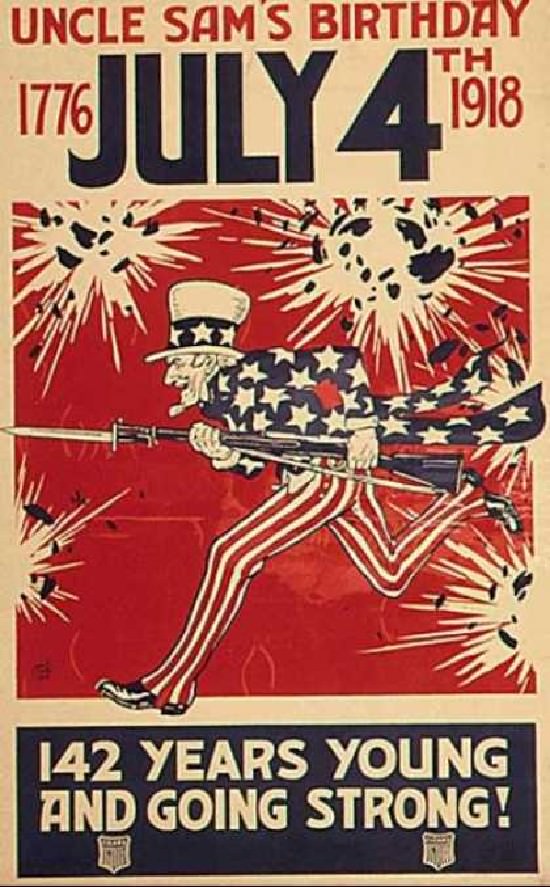
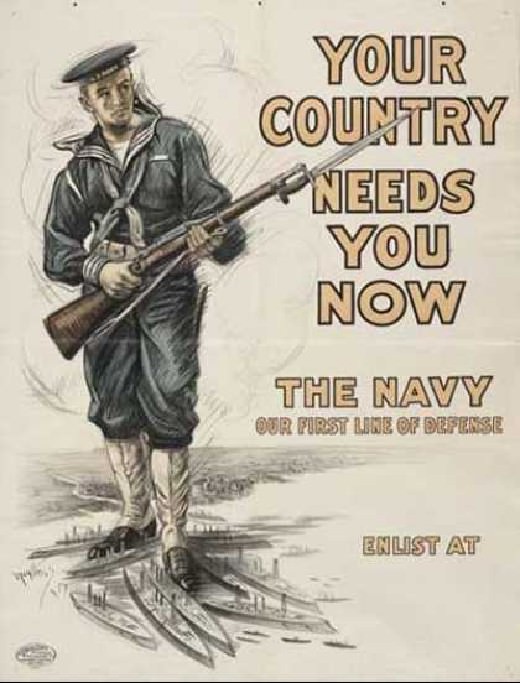
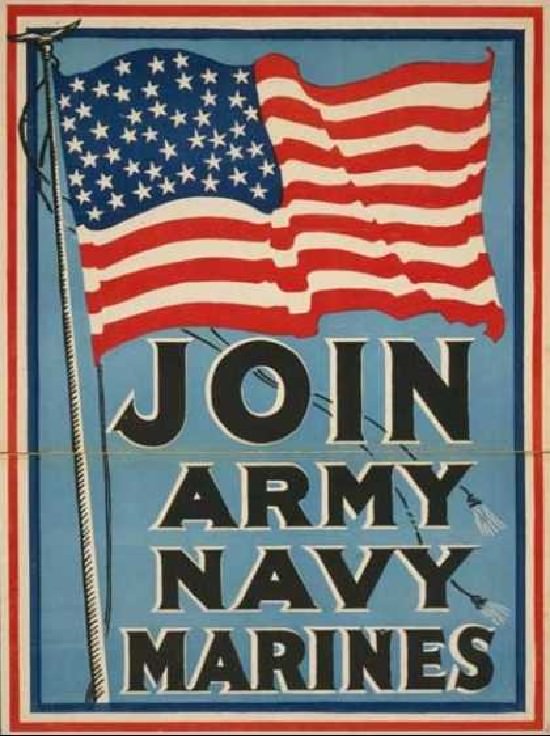
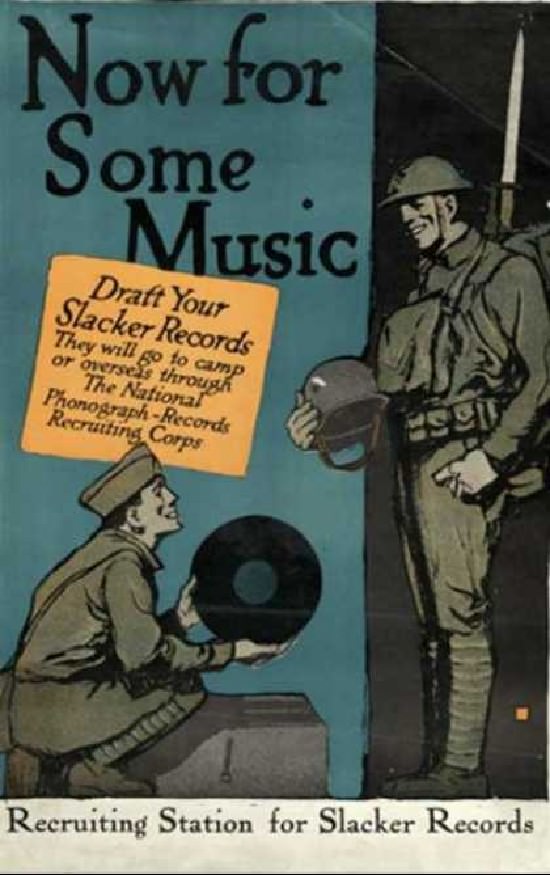
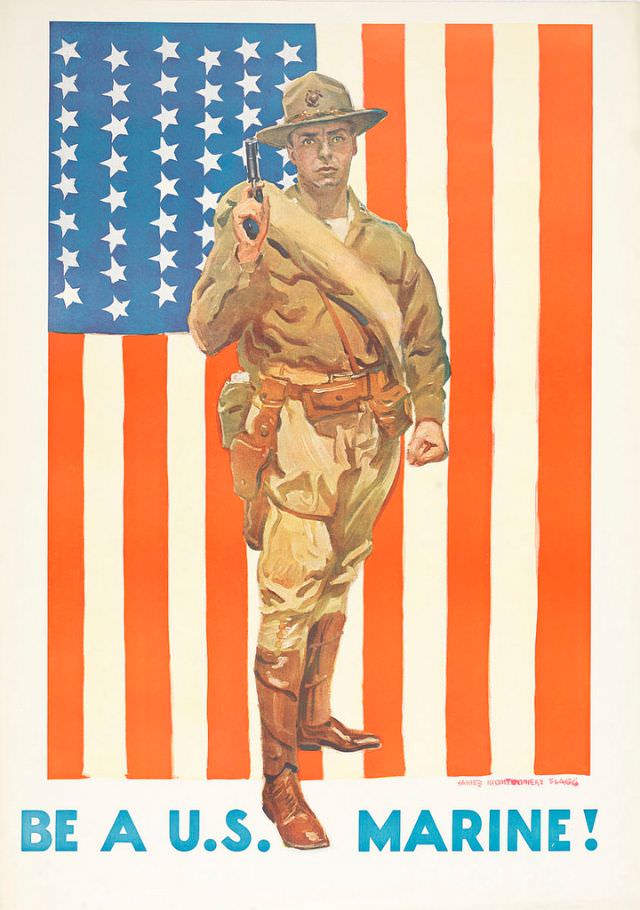
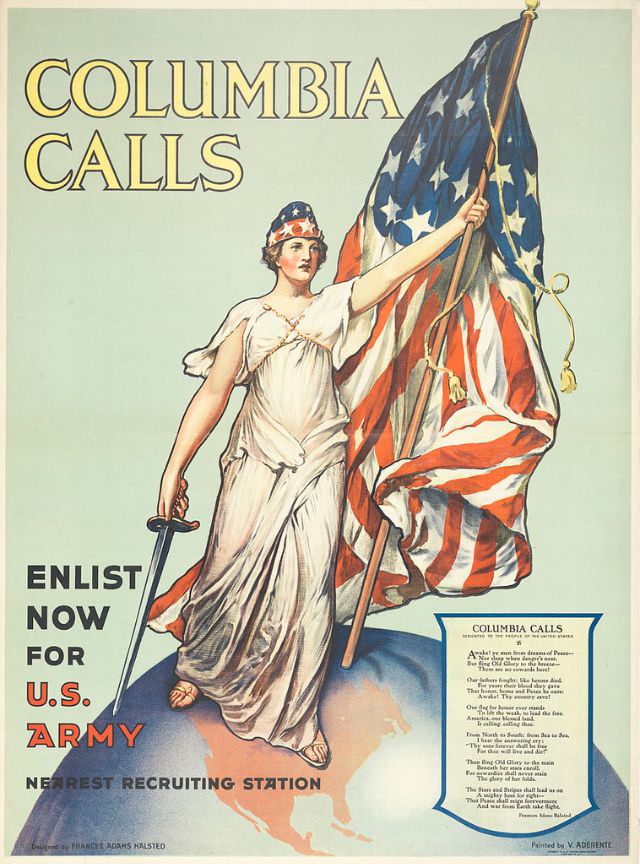
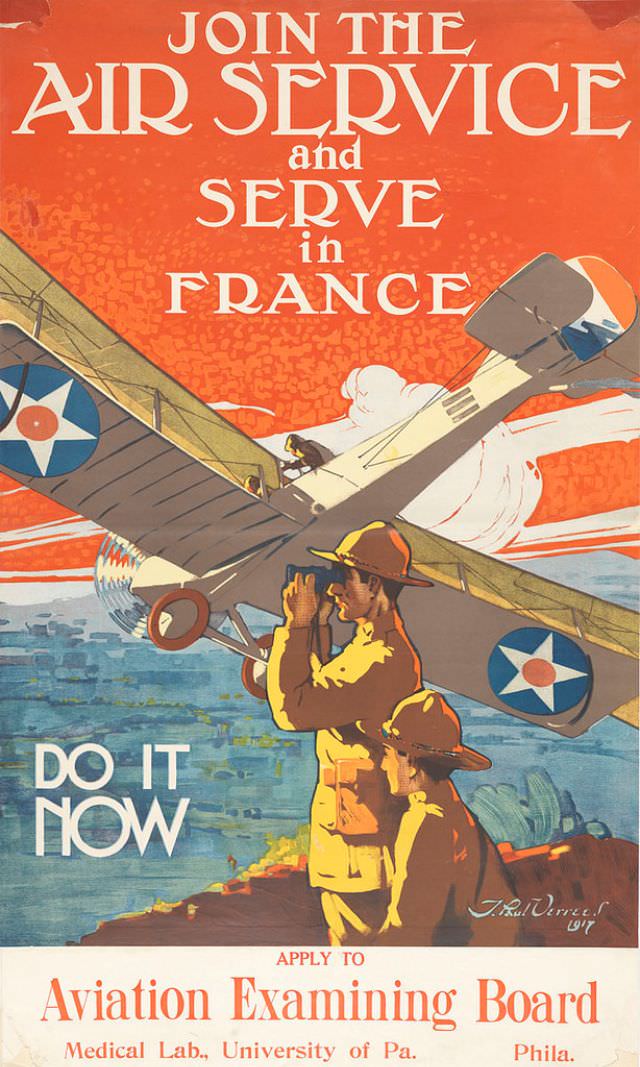
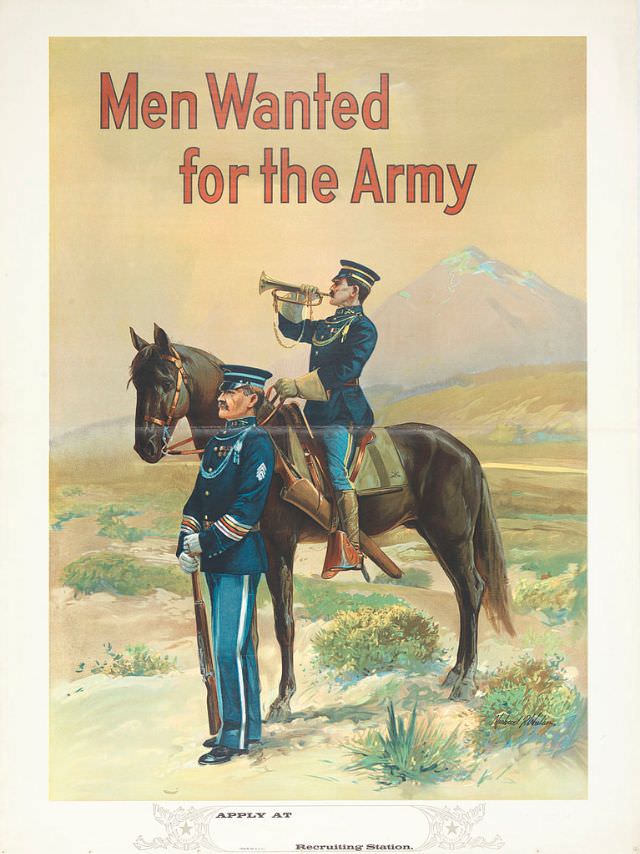
Recruitment was the most urgent priority. Congress passed the Selective Service Act in 1917, which ultimately brought in around 2.8 million draftees by the war’s end. Another 2 million Americans volunteered. Posters were a major engine behind that volunteer push. They depicted soldiers as strong, purposeful, and heroic — men doing exactly what their country needed them to do.
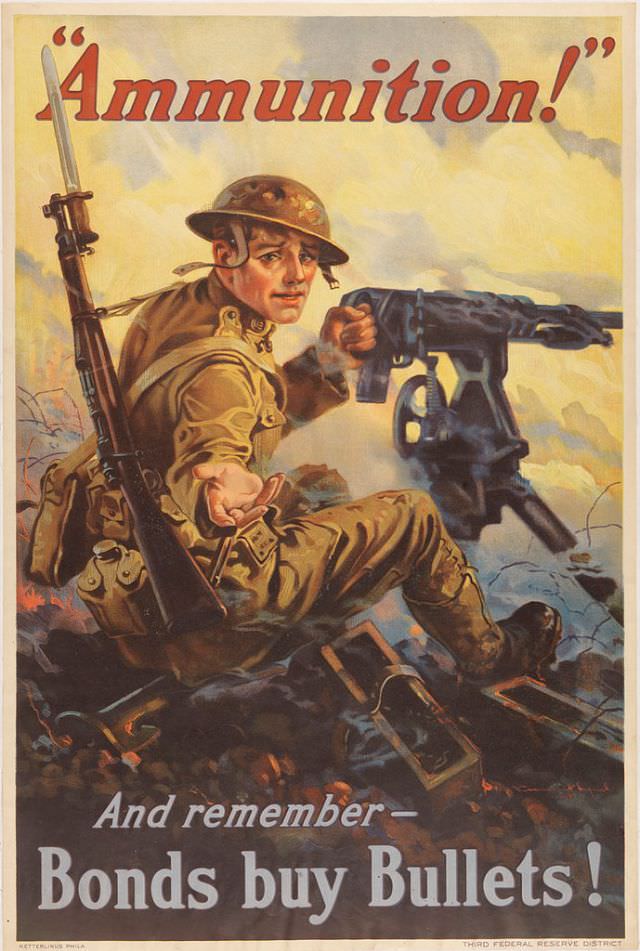
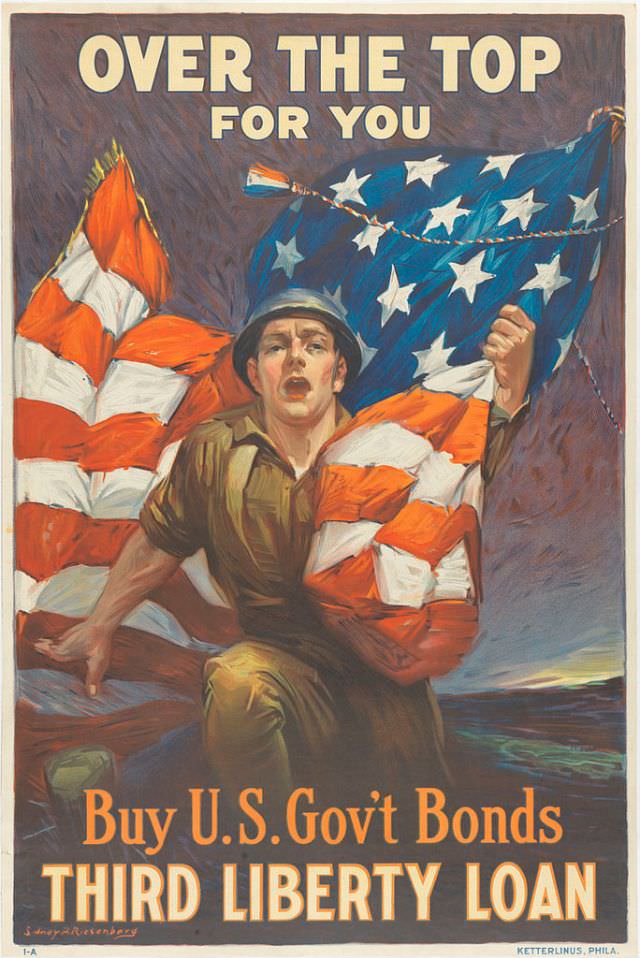
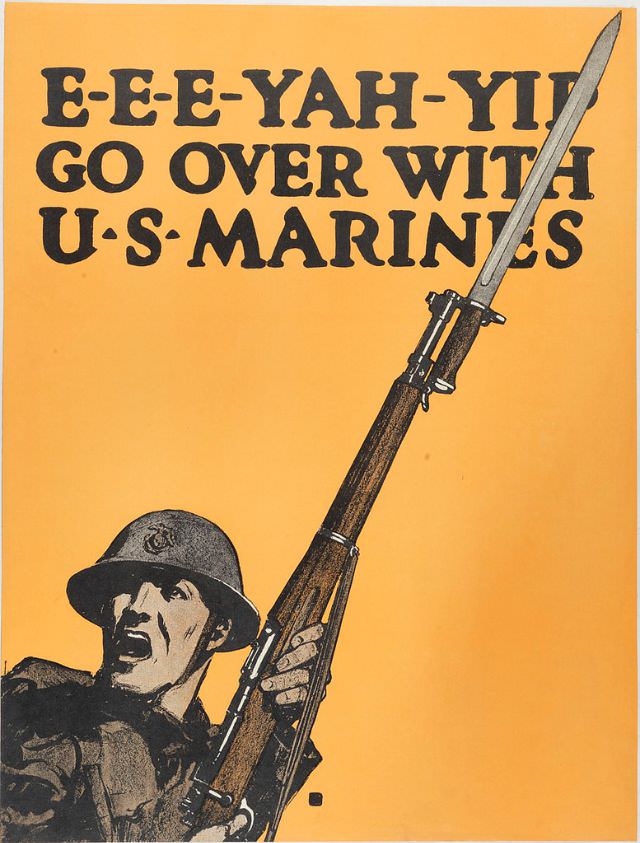
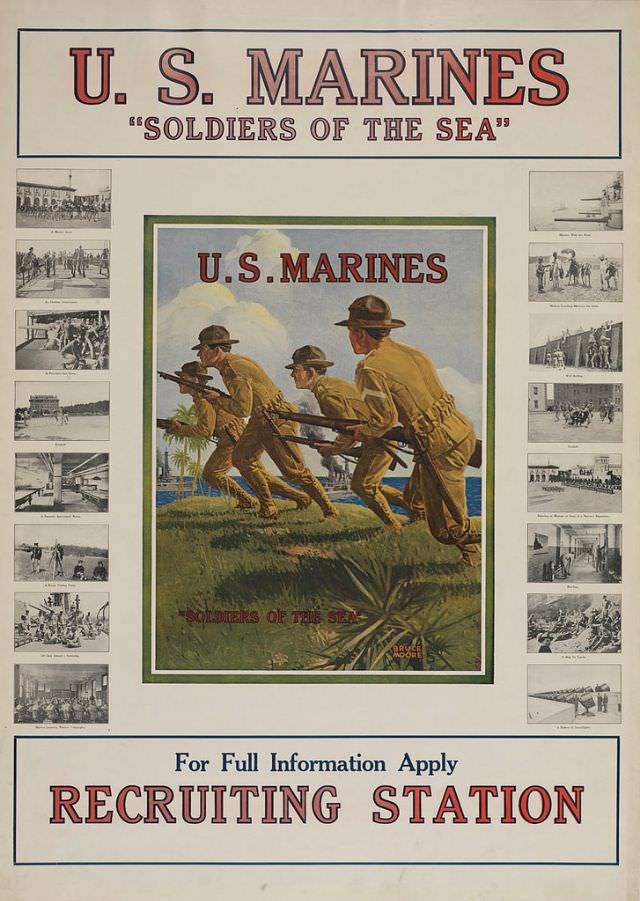
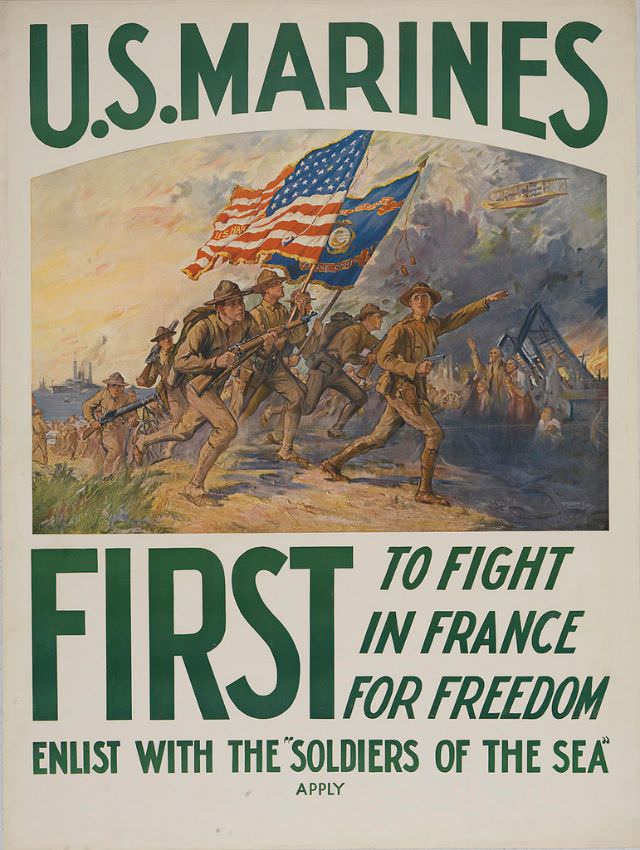
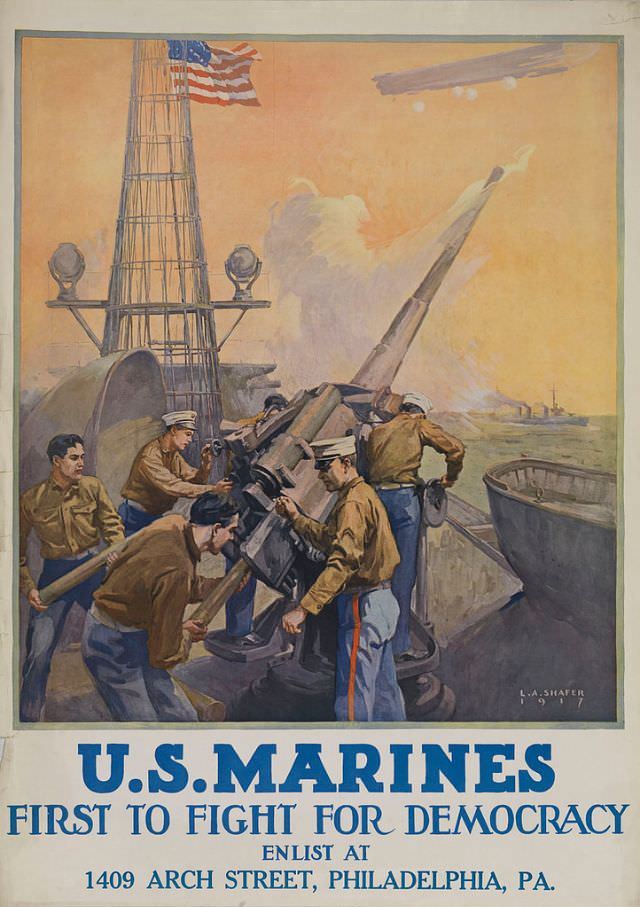
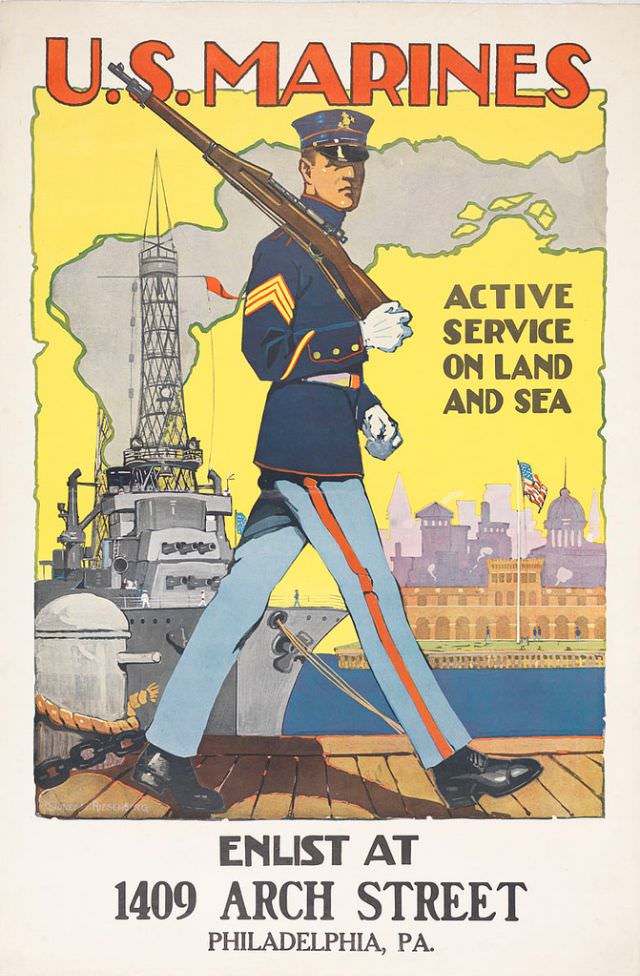
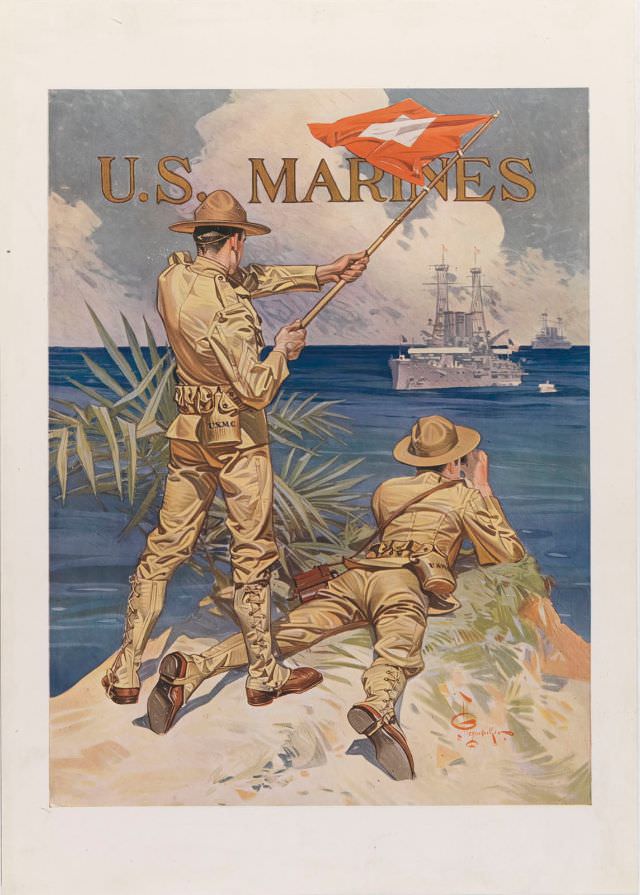
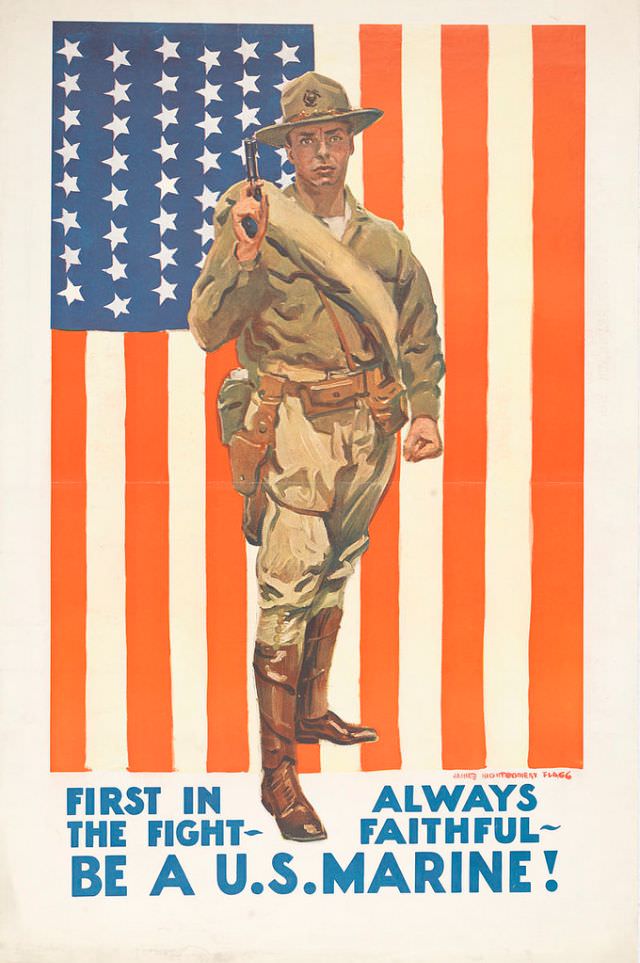
The Marine Corps ran some of the most visually striking recruitment campaigns. Marines were shown in action — charging into battle, standing at attention with rifles, training on ships and beaches. These posters didn’t just ask men to sign up; they sold a specific identity. Joining the Marines meant adventure, discipline, and pride.
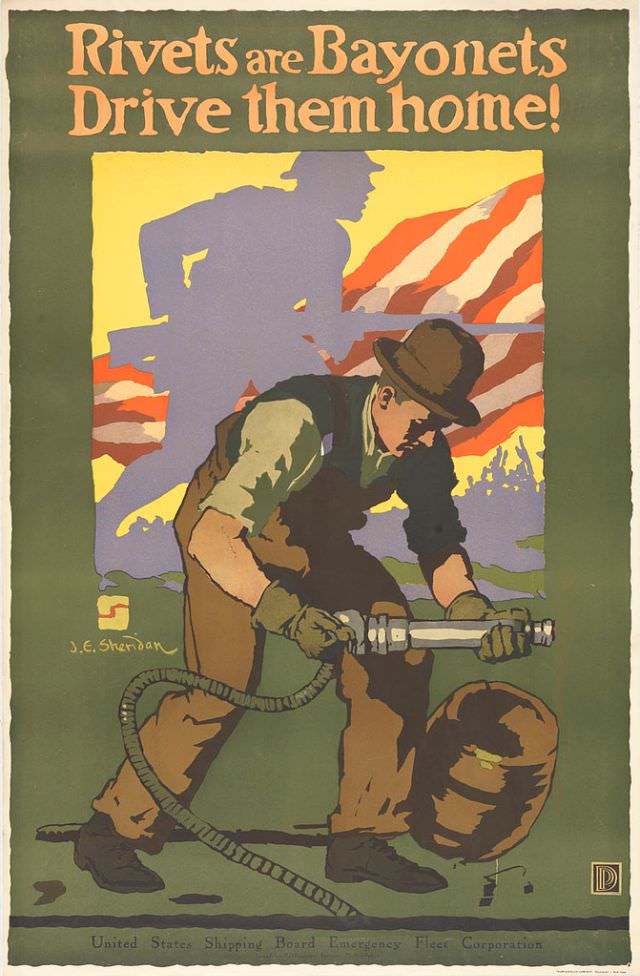
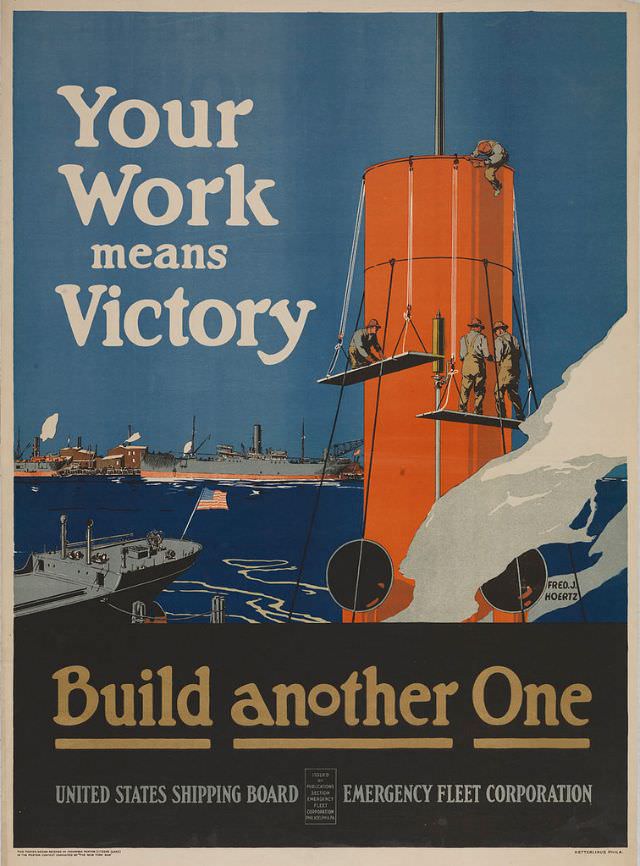
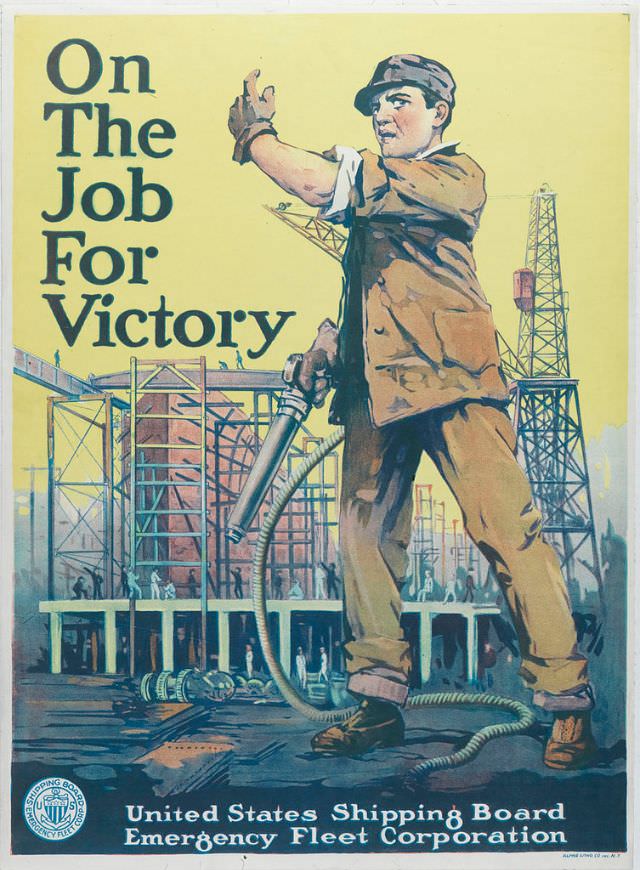
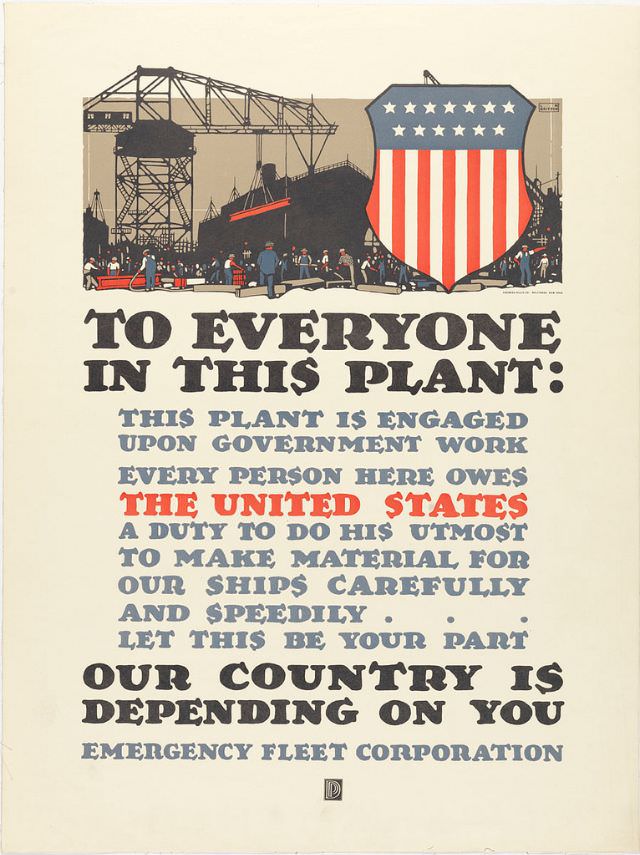
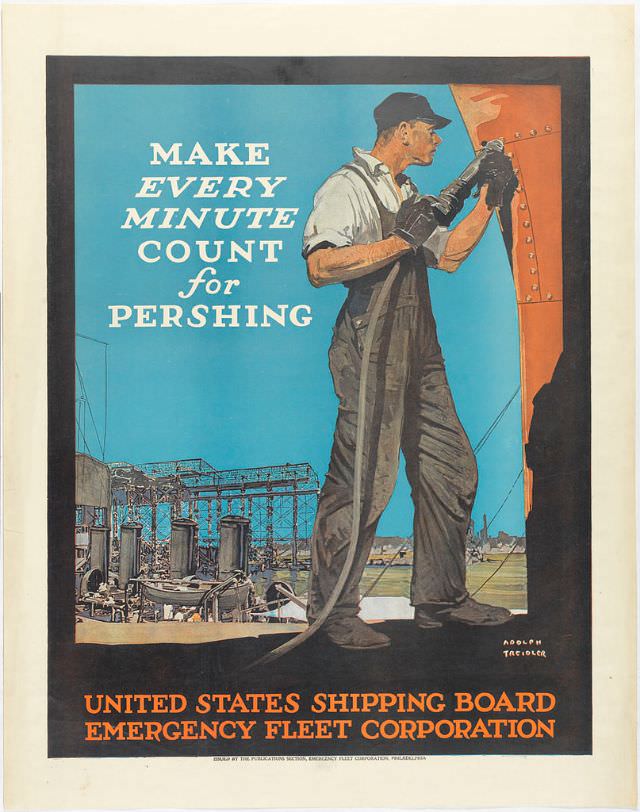
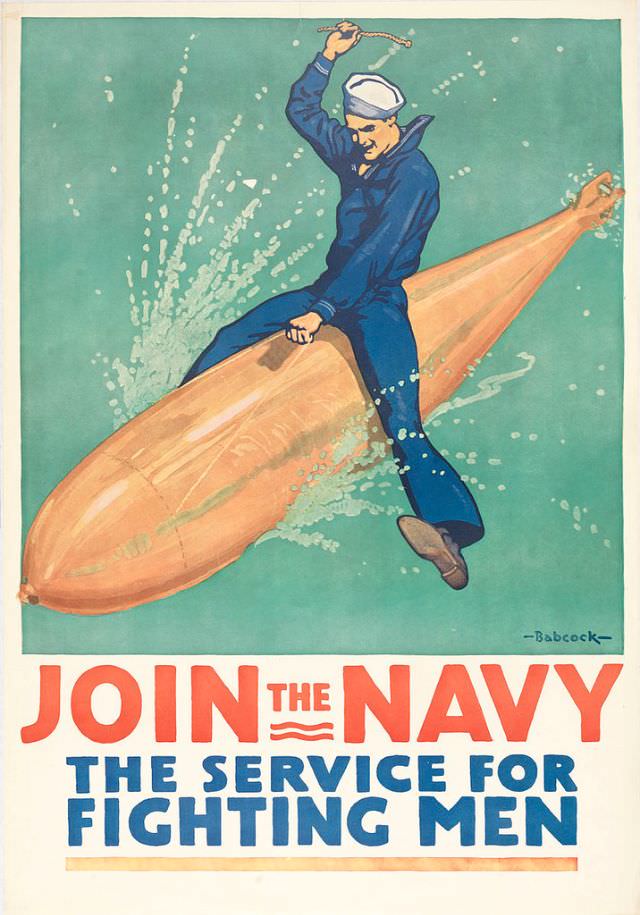
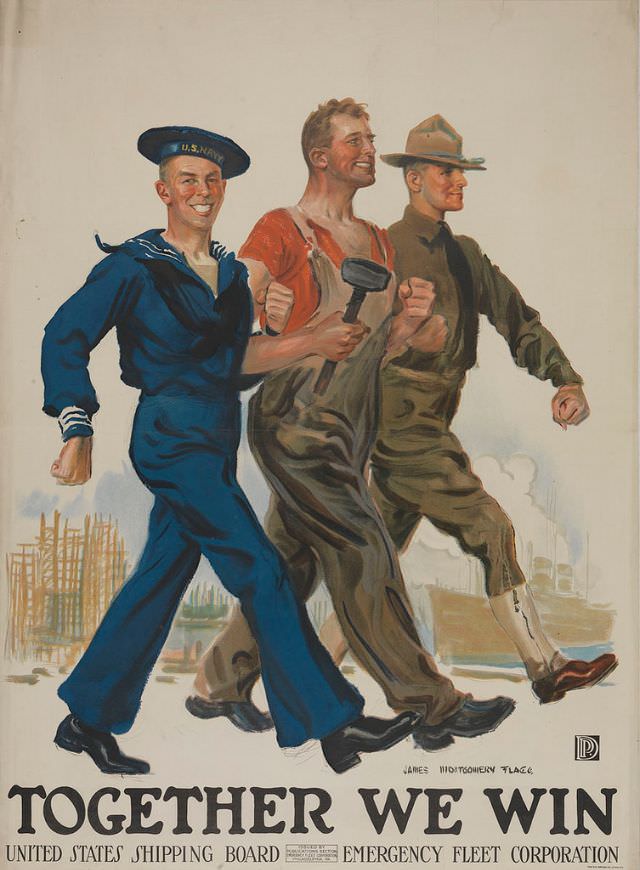
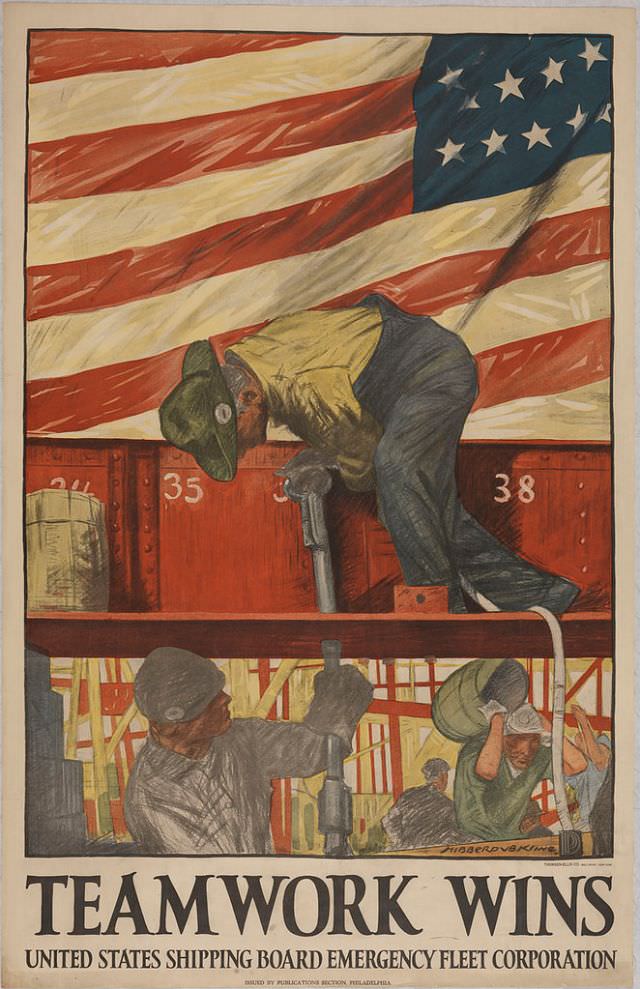
The Navy and its shipbuilding effort also featured heavily in wartime imagery. Workers in shipyards were portrayed as soldiers in their own right — their labor directly tied to victory. One set of posters depicted men riveting hulls and raising flags over newly launched ships, framing industrial work as a form of patriotic service.
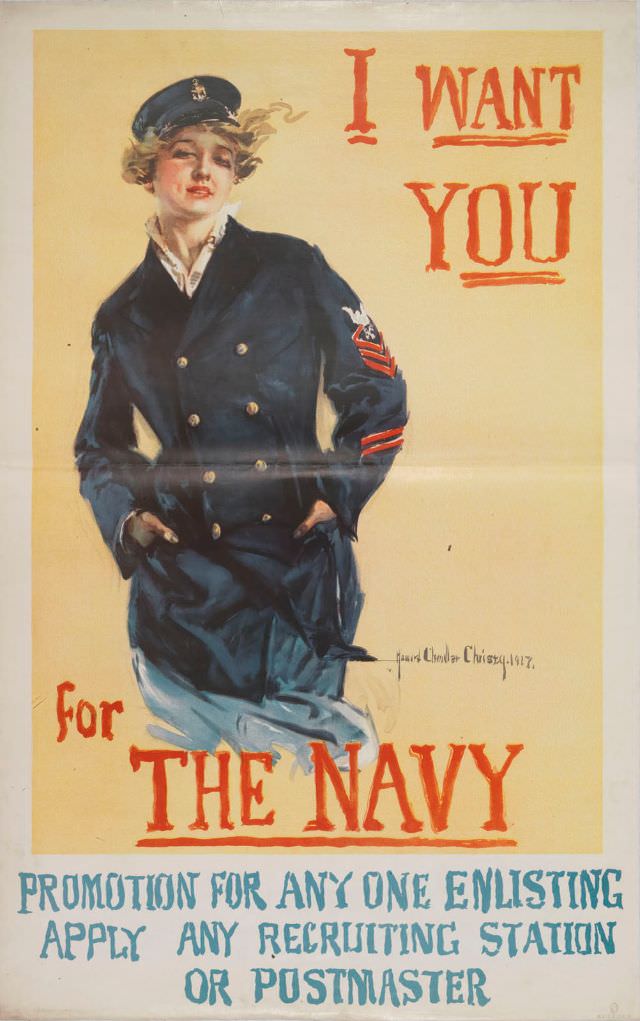
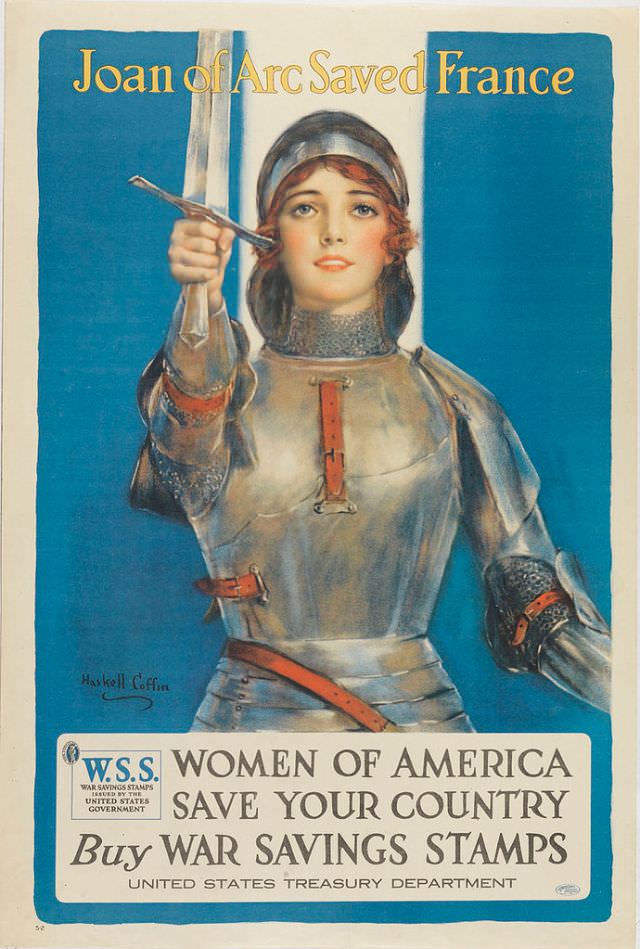
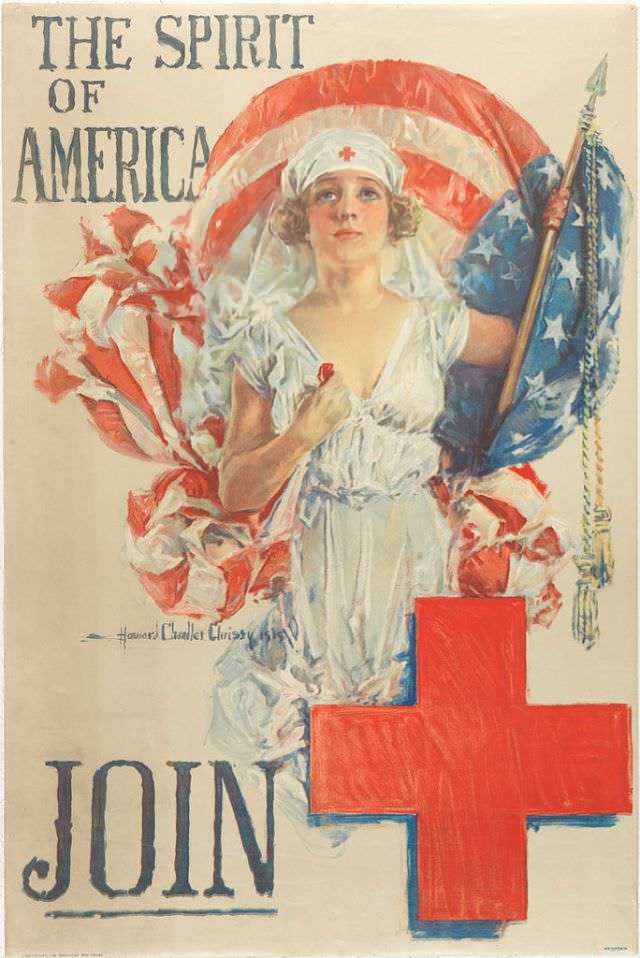
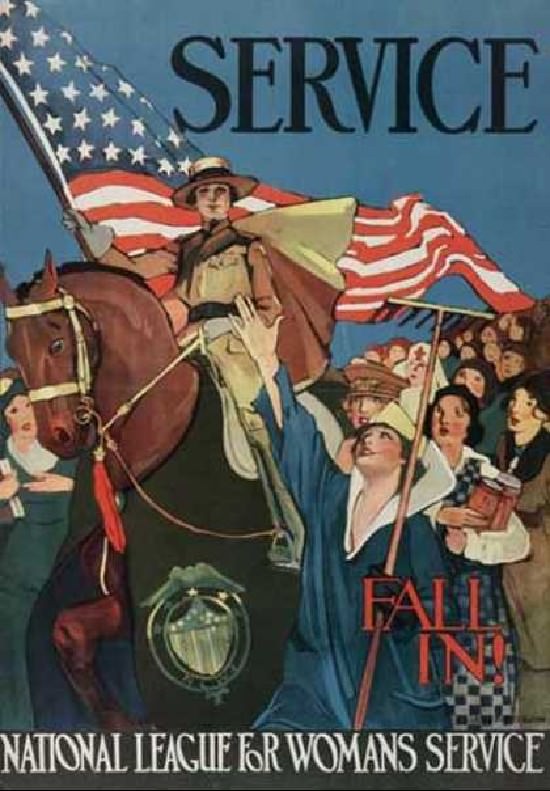
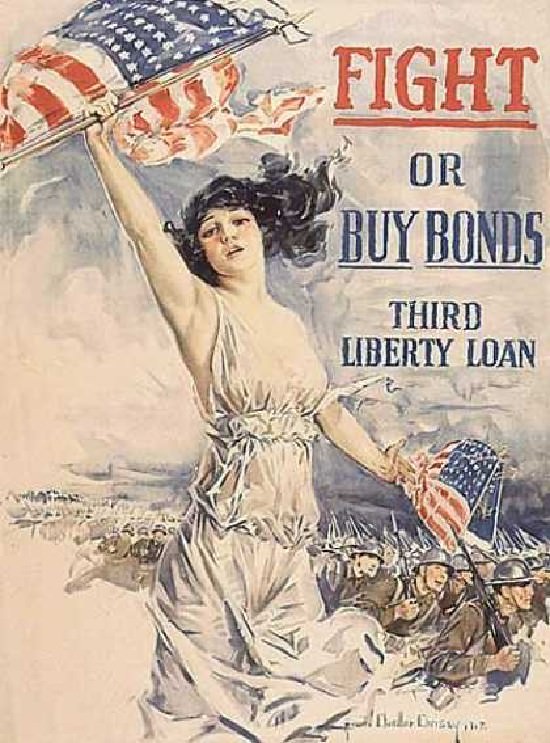
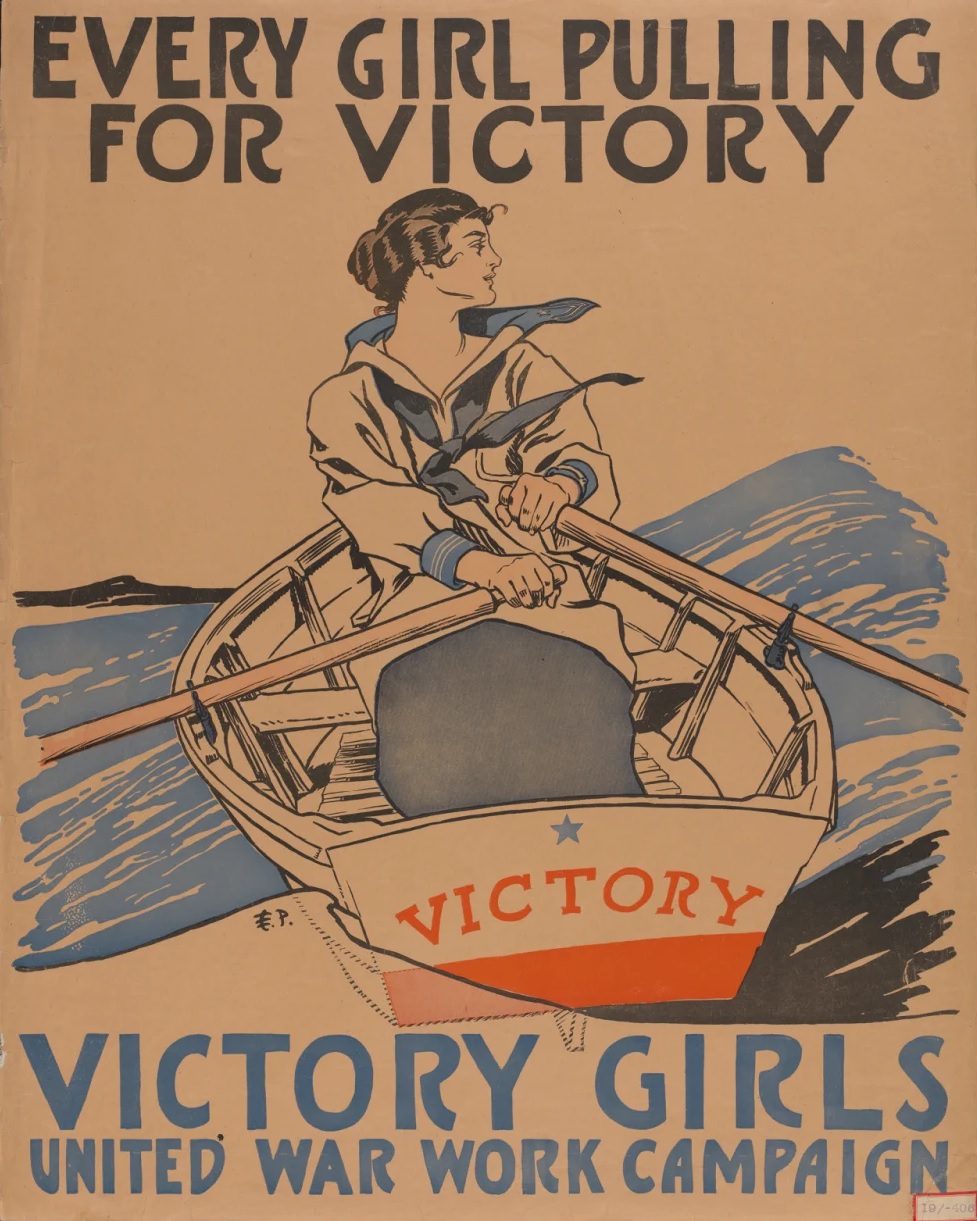
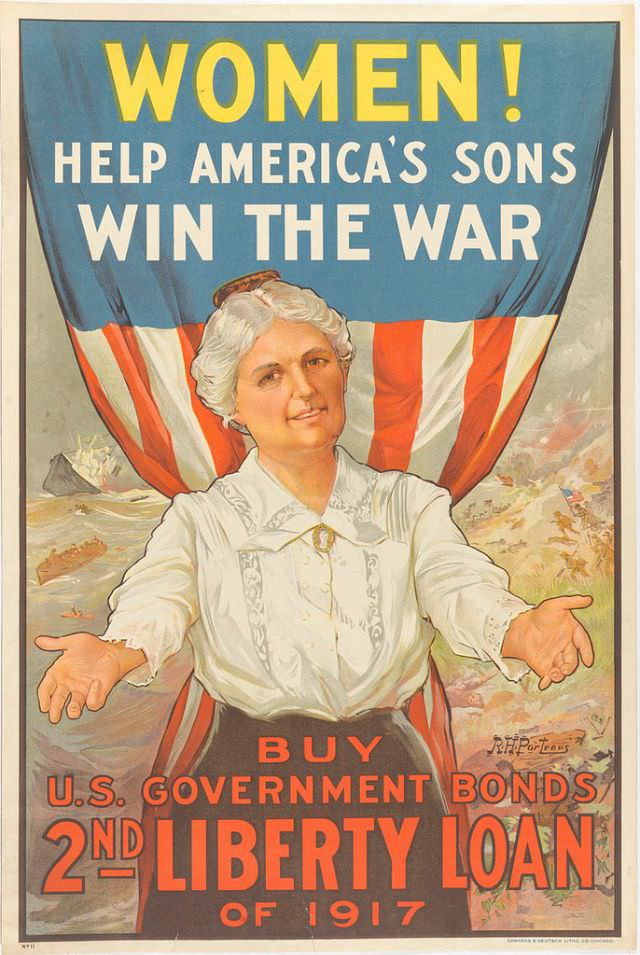
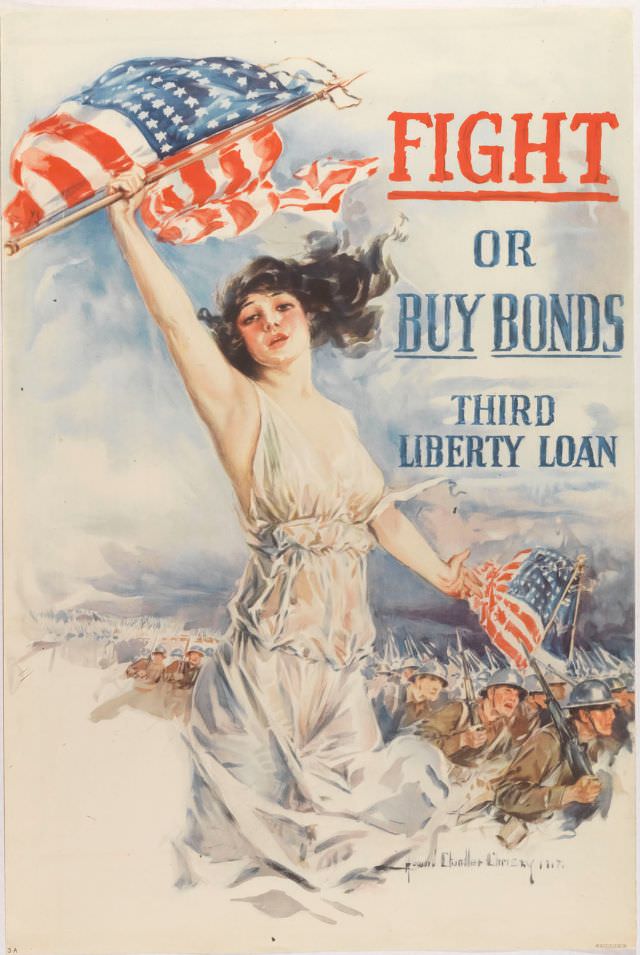
Women were a central target of the propaganda effort, both as recruits and as symbols. The Navy and other branches actively sought female enlistees for clerical and support roles. Posters showed women in naval uniforms, nurse’s caps, and Red Cross gear — active participants in the war effort, not passive bystanders. At the same time, allegorical female figures — modeled on Lady Liberty or Joan of Arc — appeared on dozens of posters urging men to fight and civilians to donate.
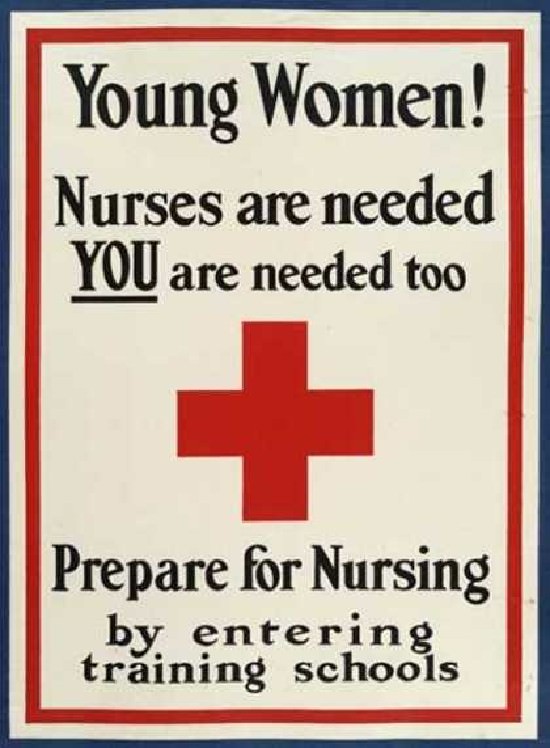
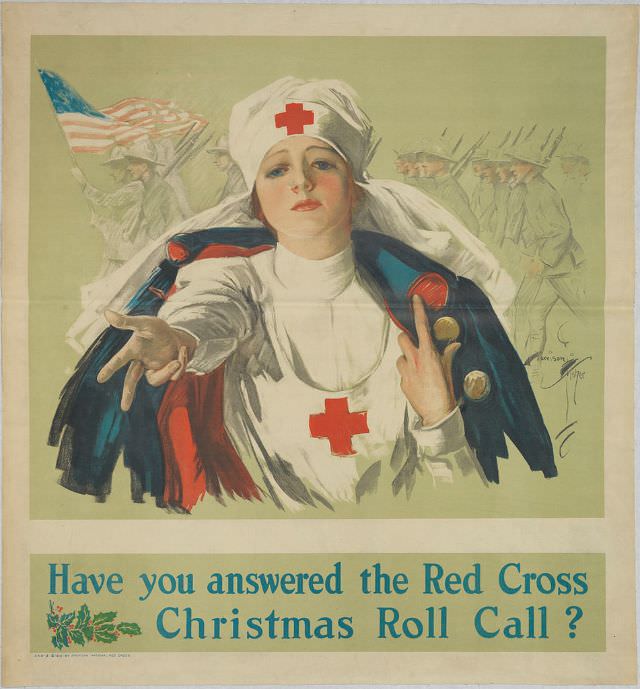
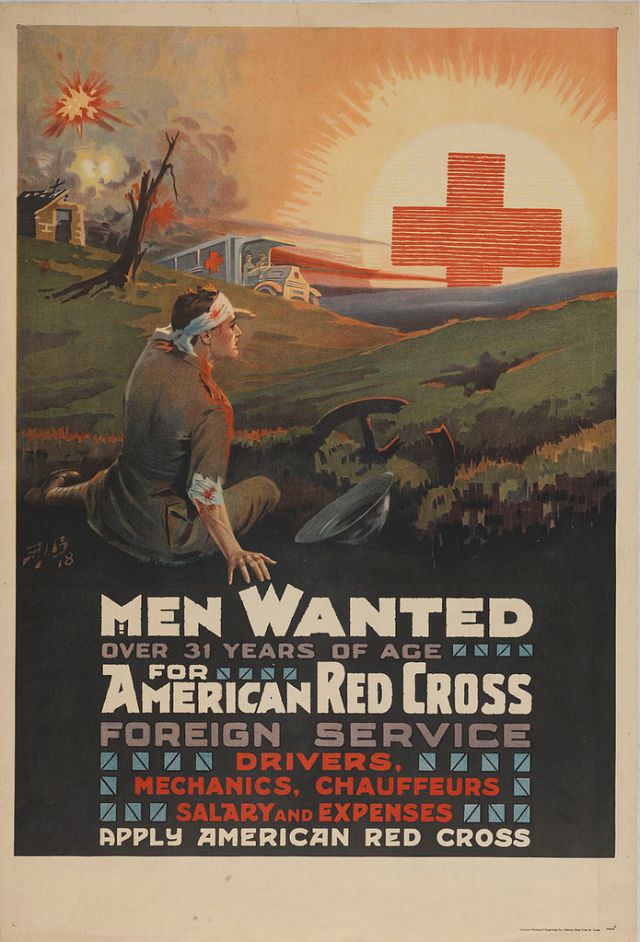
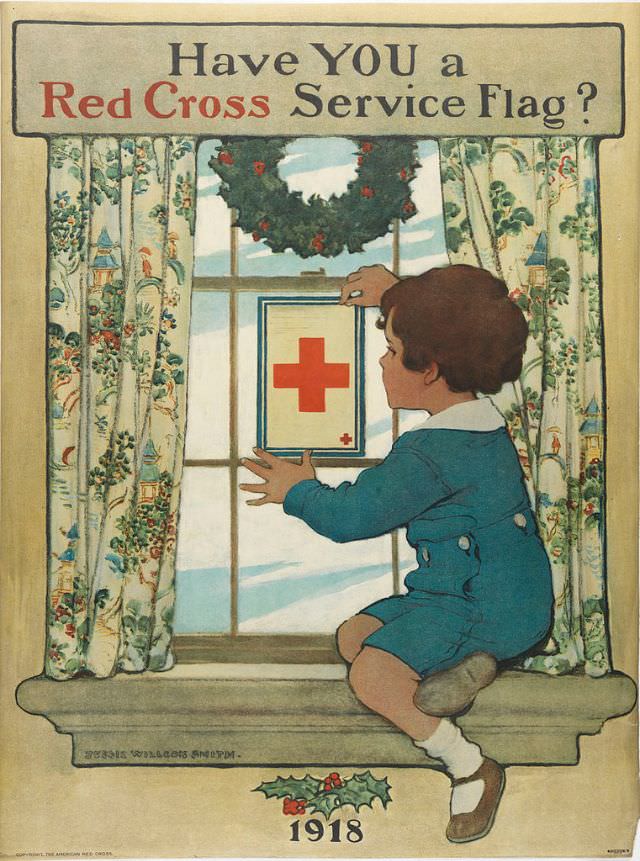
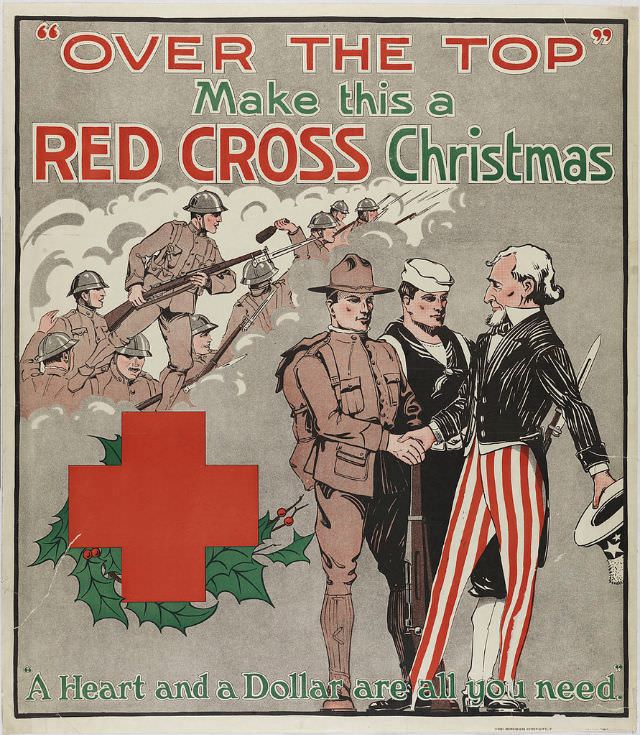
The Red Cross ran its own poster campaigns, recruiting nurses and volunteers and encouraging civilian donations. A recurring image showed a nurse in uniform reaching toward the viewer — a direct appeal to both women looking to serve and donors being asked to fund medical care for wounded soldiers.
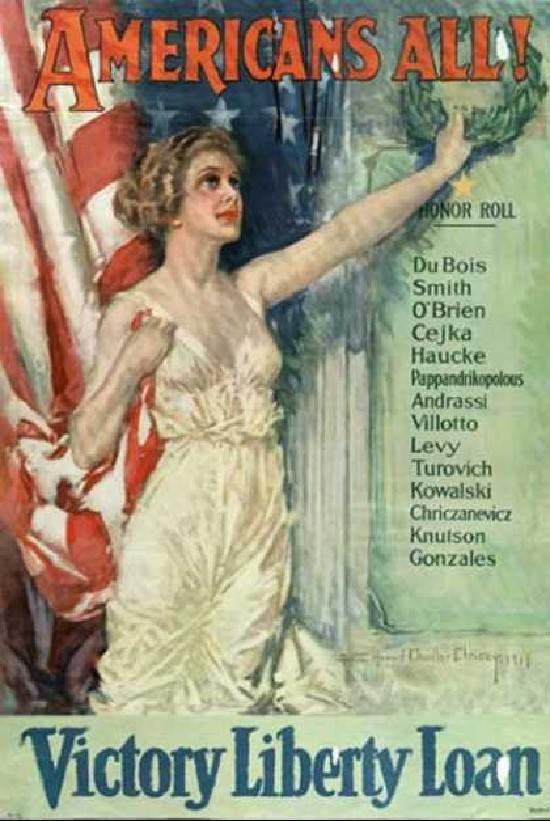
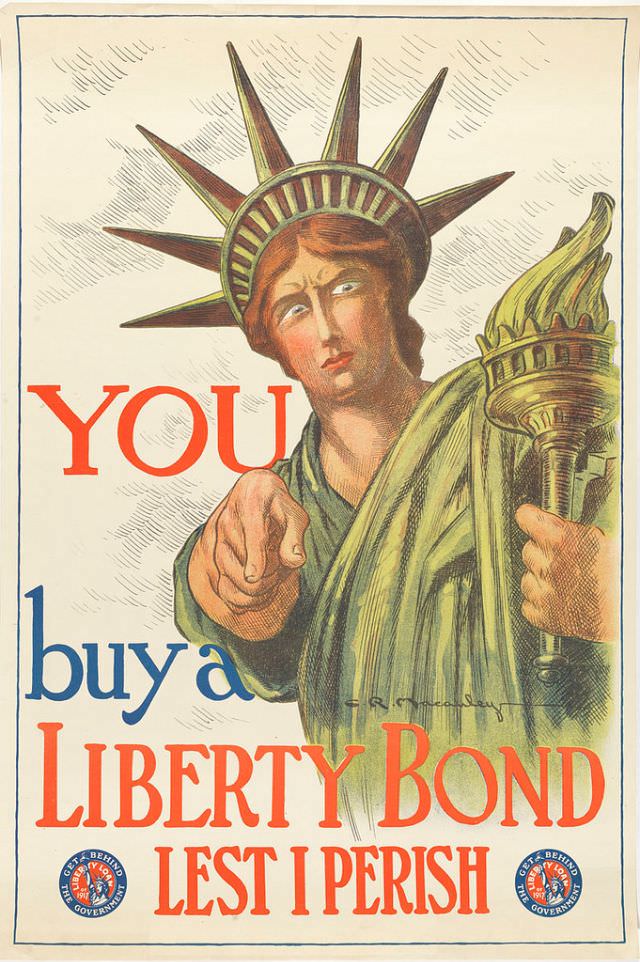
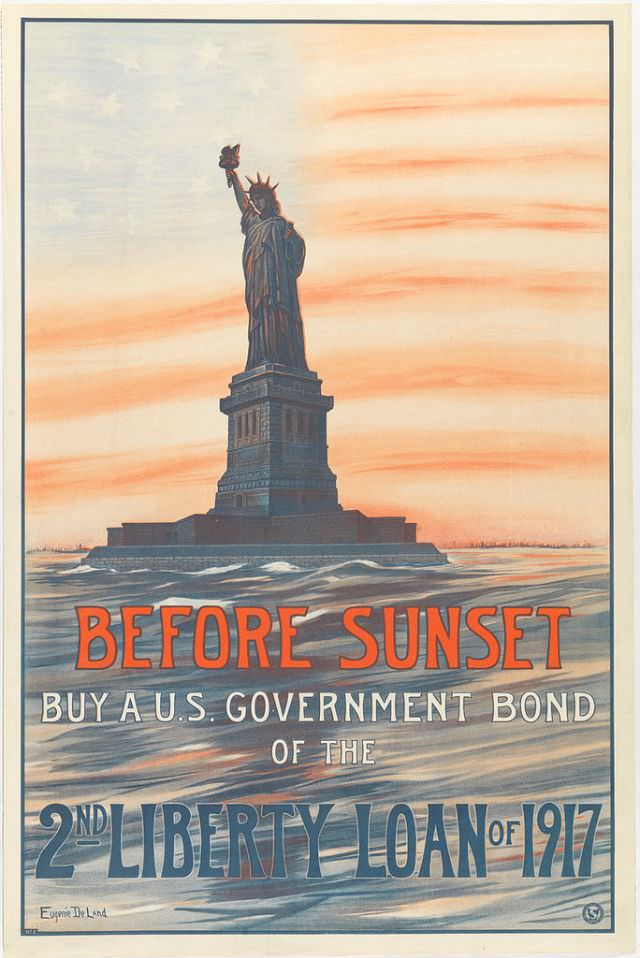
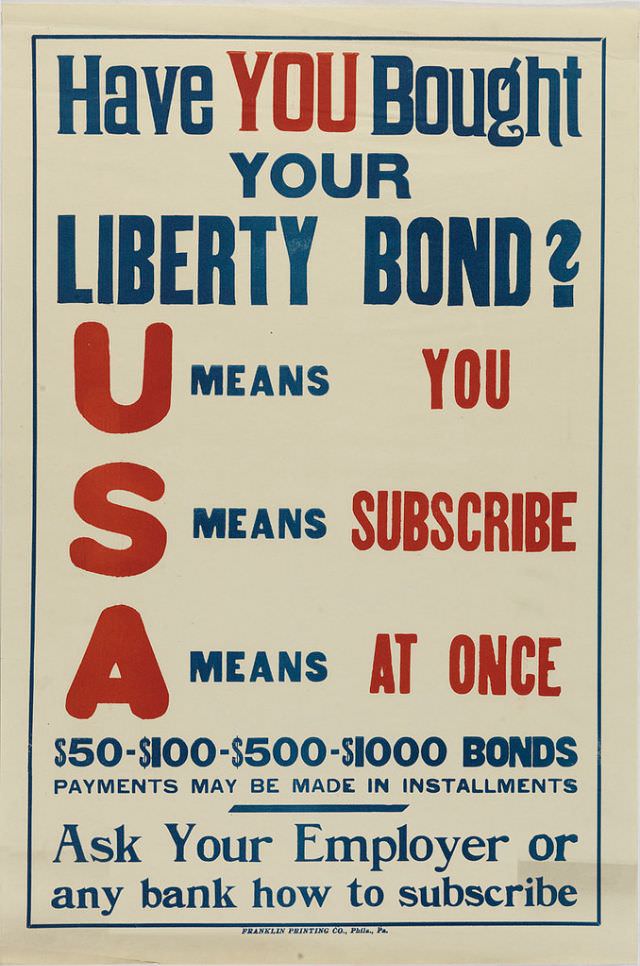
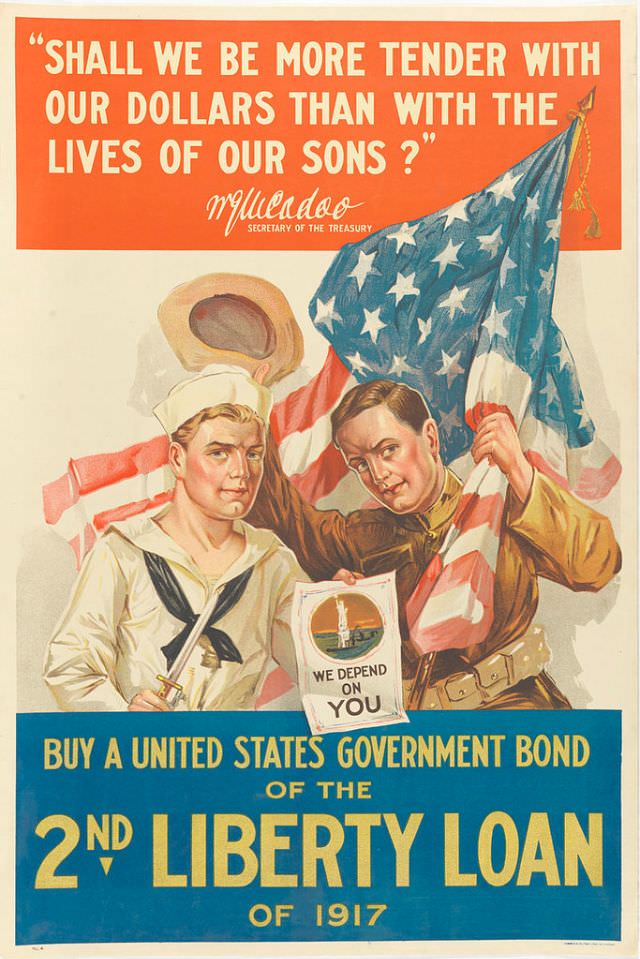
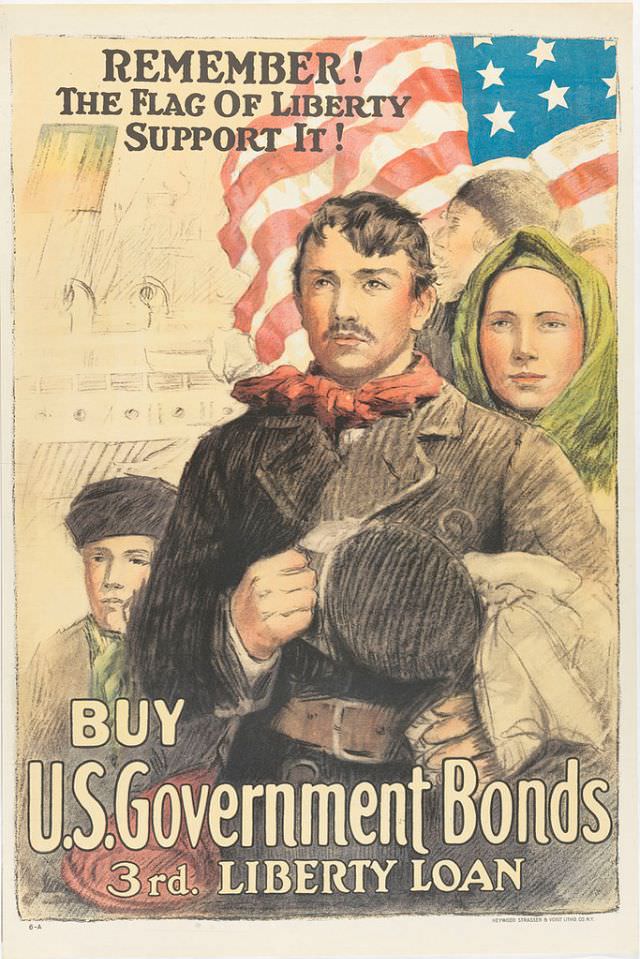
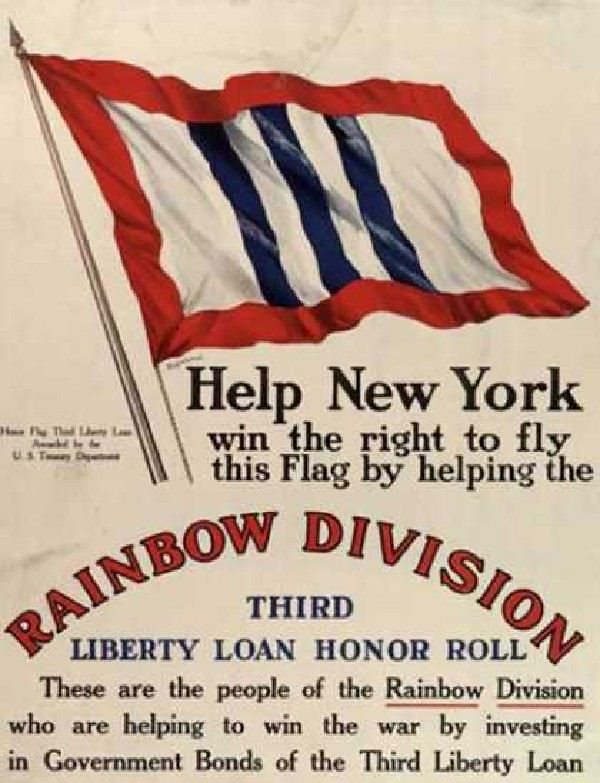
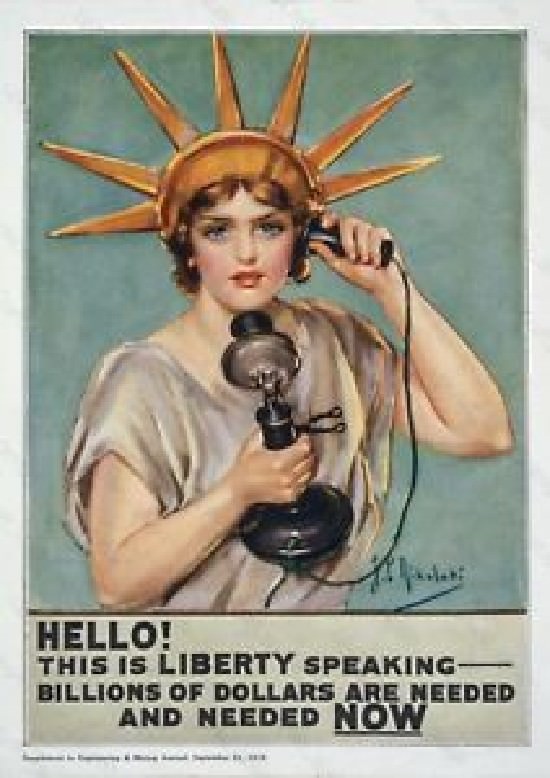
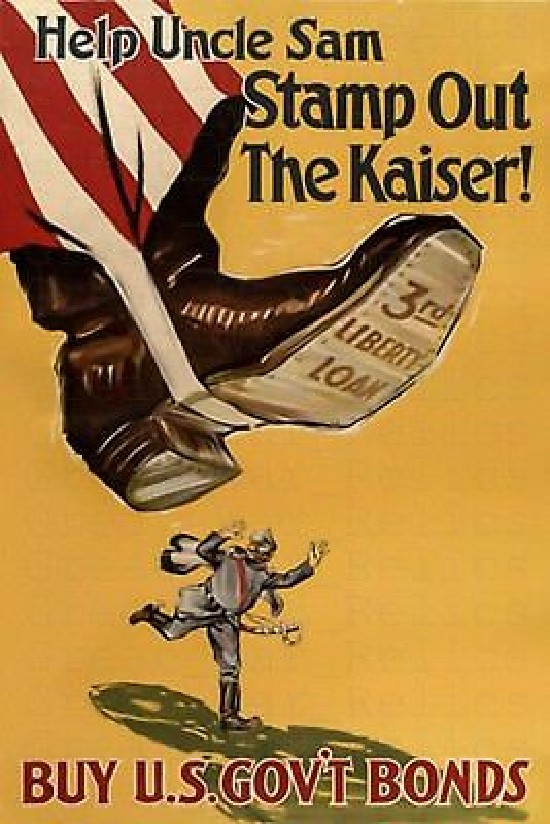
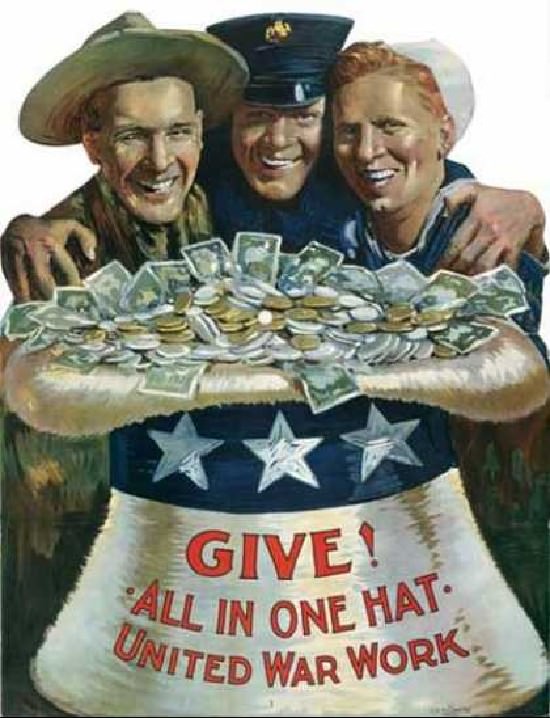
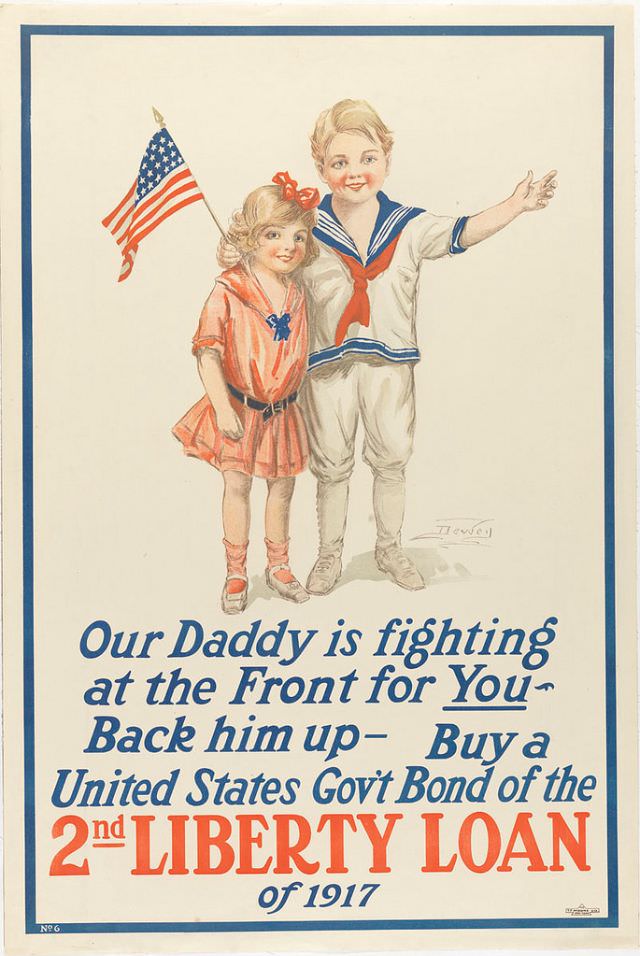
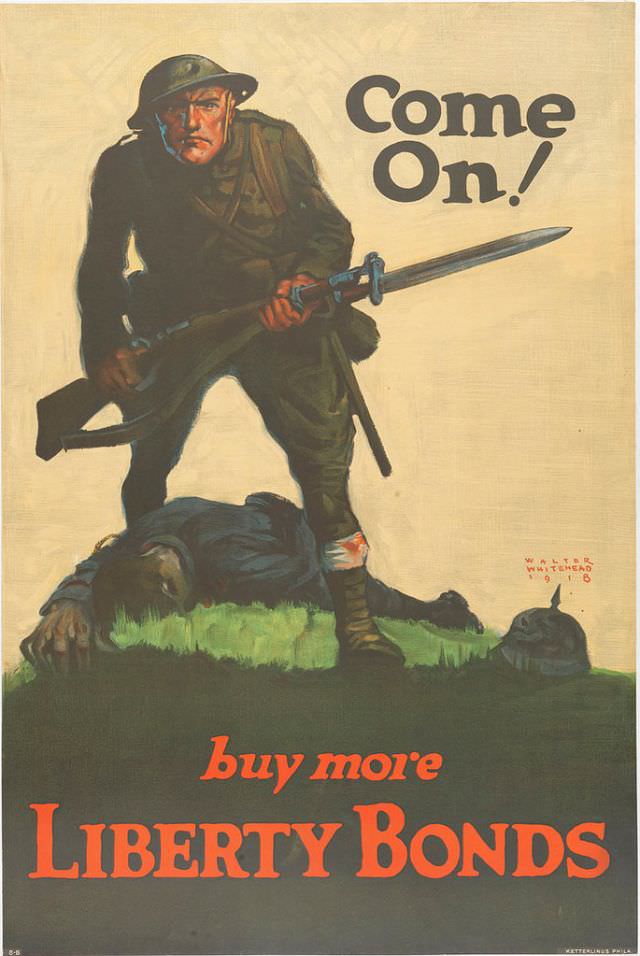
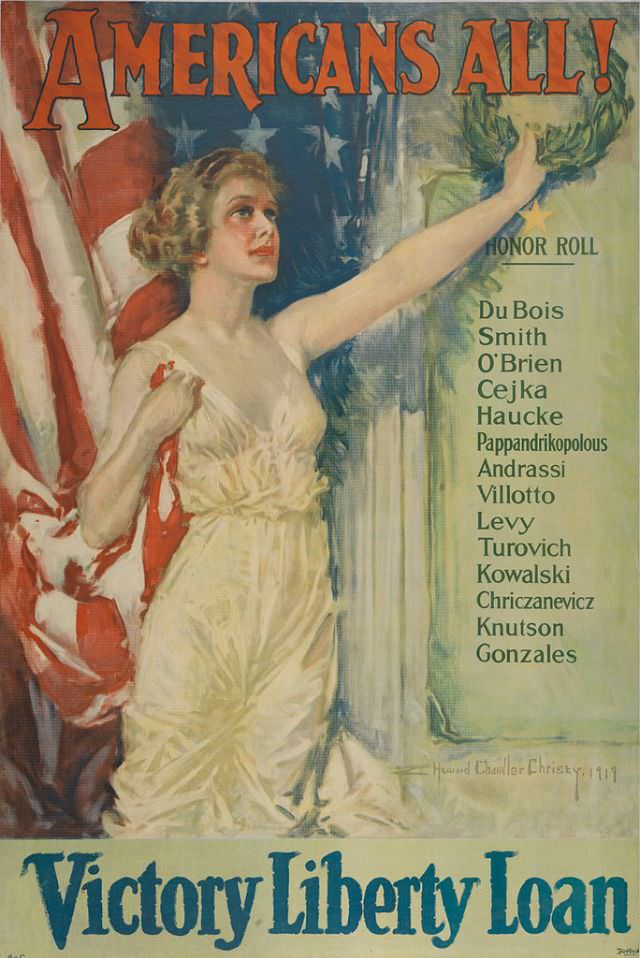
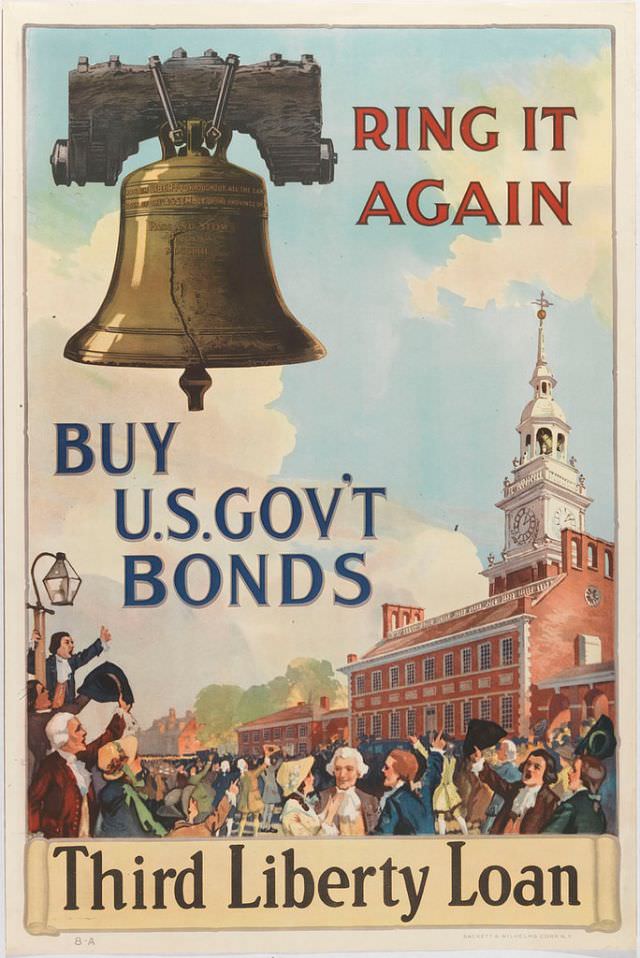
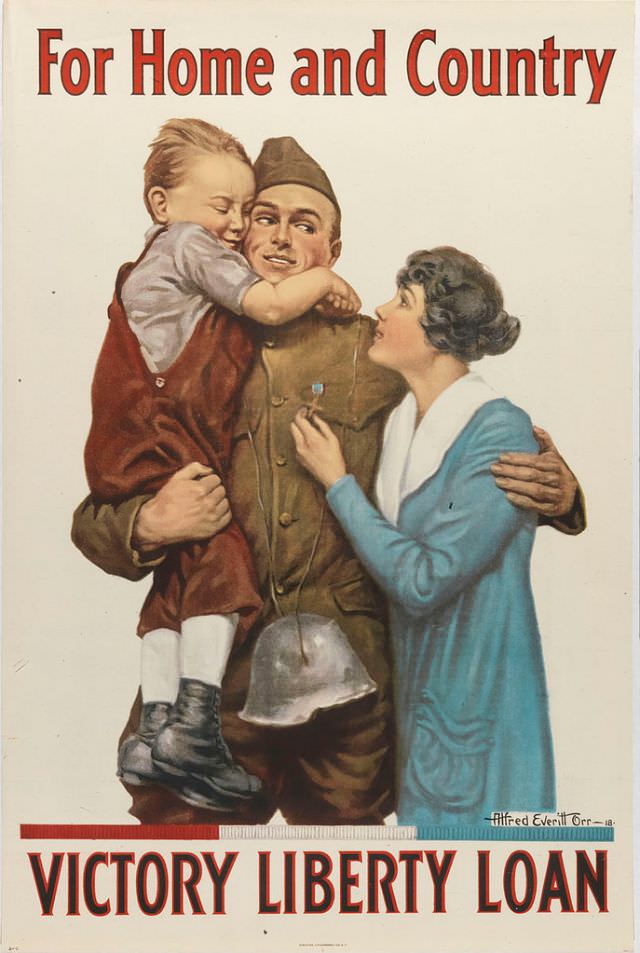
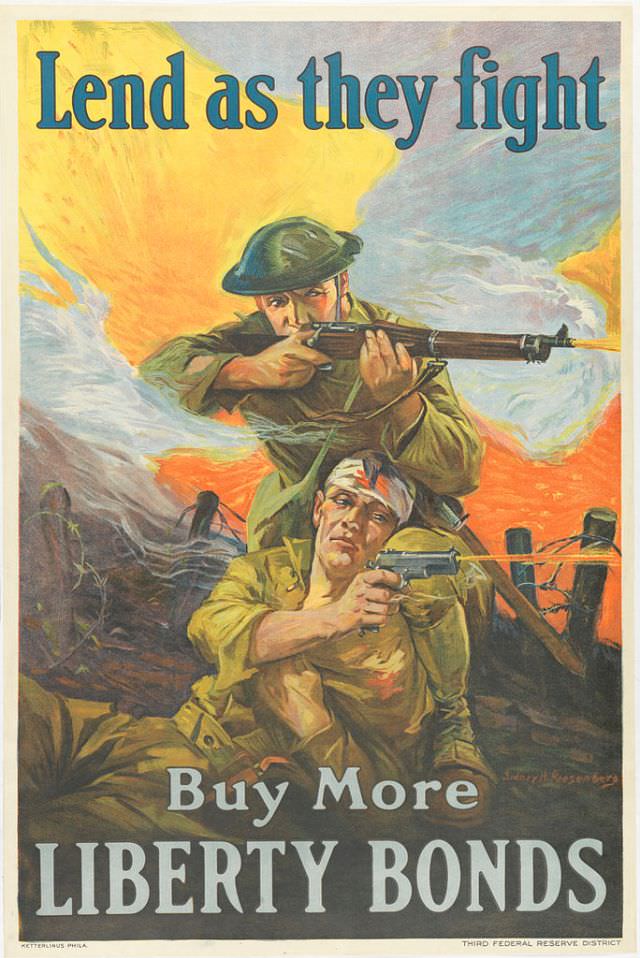
Financing the war required a different kind of persuasion. The government issued Liberty Bonds — essentially loans from the public to the federal government, repaid with interest after the war. These bonds were sold through some of the most widely circulated posters of the era. Lady Liberty appeared on countless designs, sometimes holding a torch, sometimes standing on a globe, sometimes shown against the skyline of New York Harbor. The Statue of Liberty was used repeatedly as a visual shorthand for what Americans were supposedly defending.
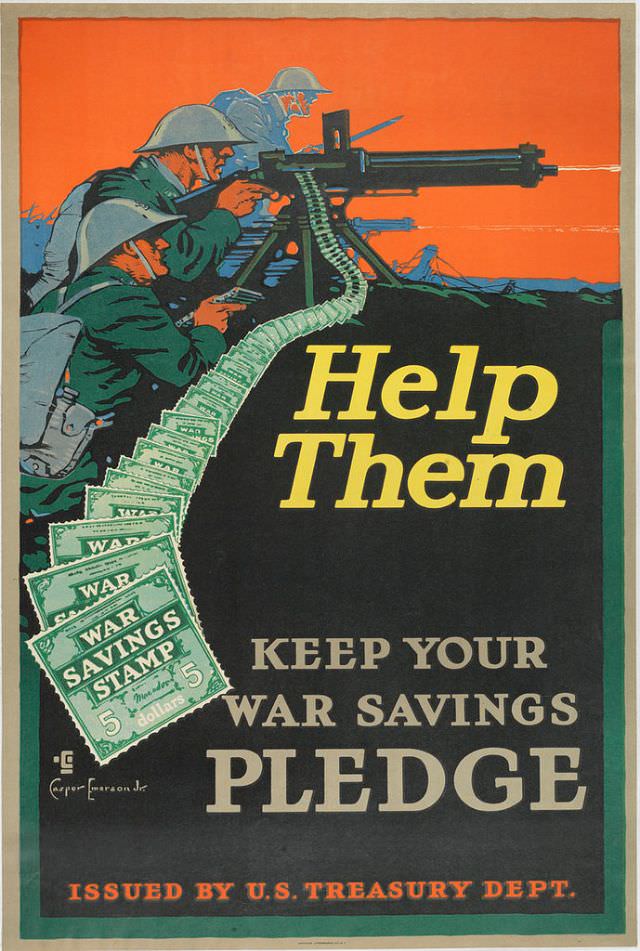
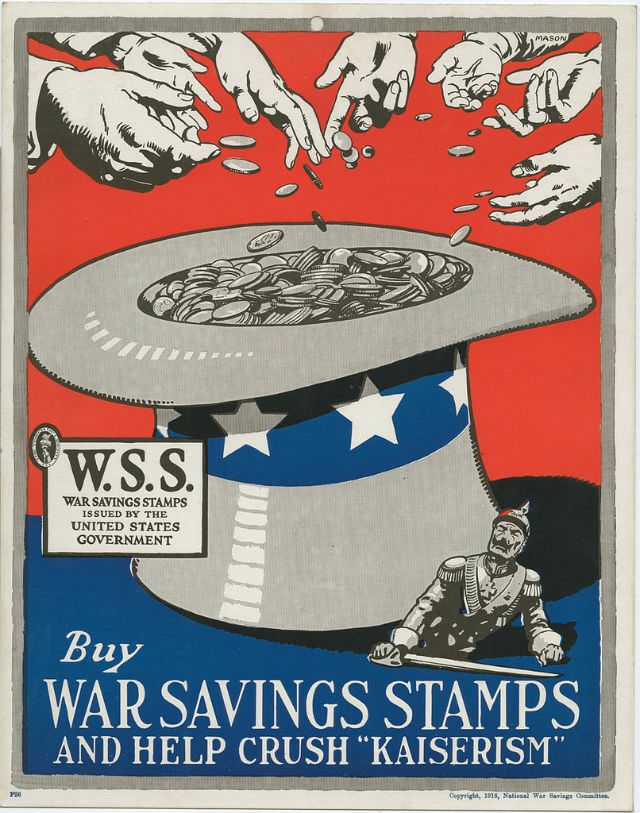
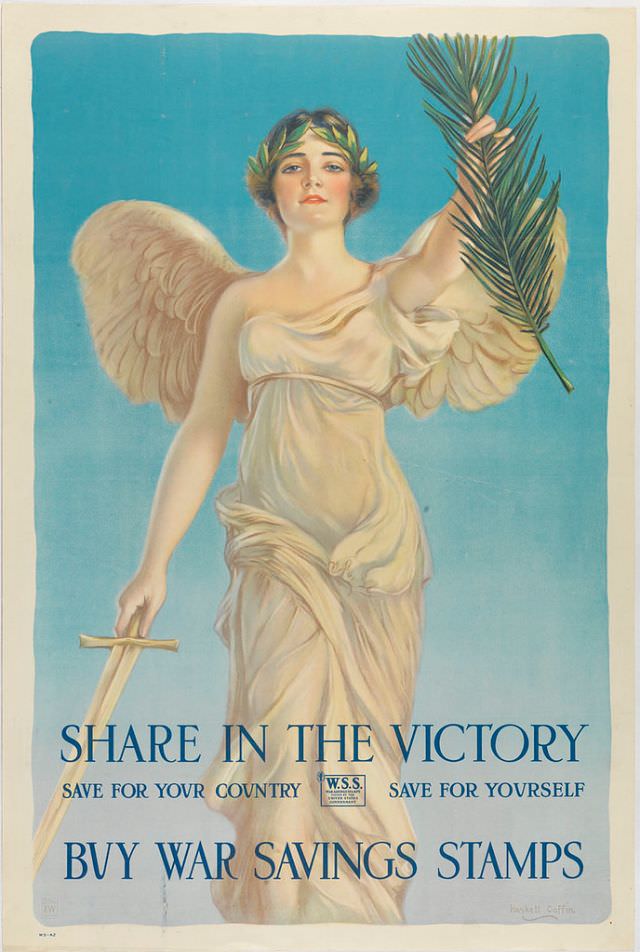
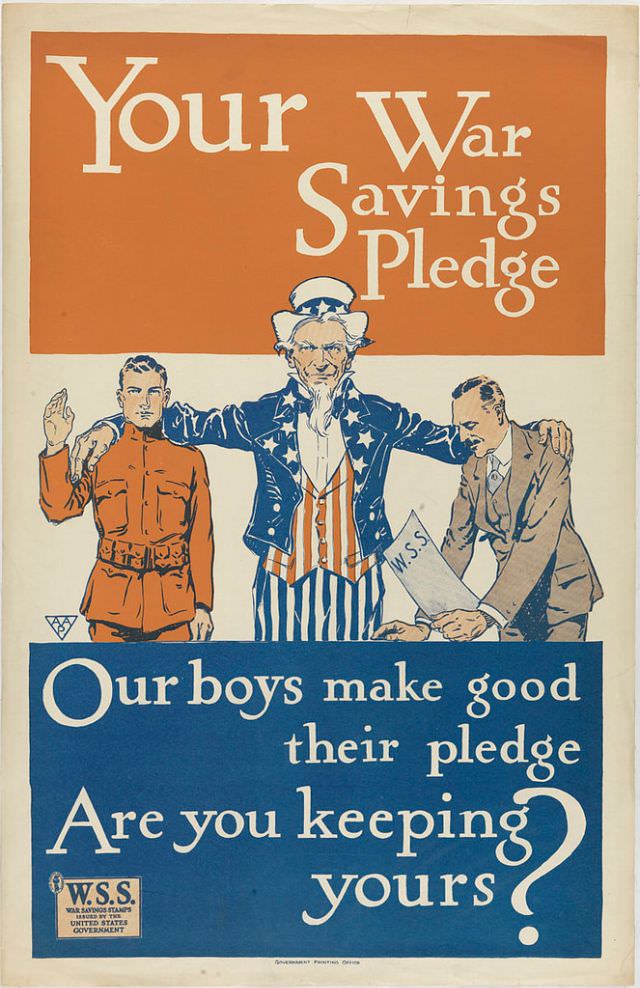
War Savings Stamps offered a lower-cost alternative for Americans who couldn’t afford full bonds. These stamps were sold widely and marketed to workers, families, and even children. One striking poster depicted War Savings Stamps feeding directly into a soldier’s machine gun as an ammunition belt — a blunt visual argument that buying a stamp was as useful as pulling a trigger.
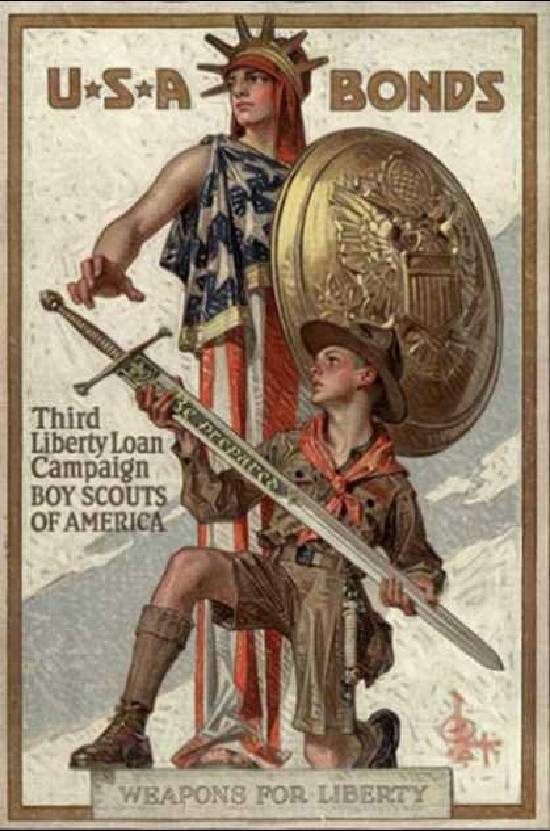
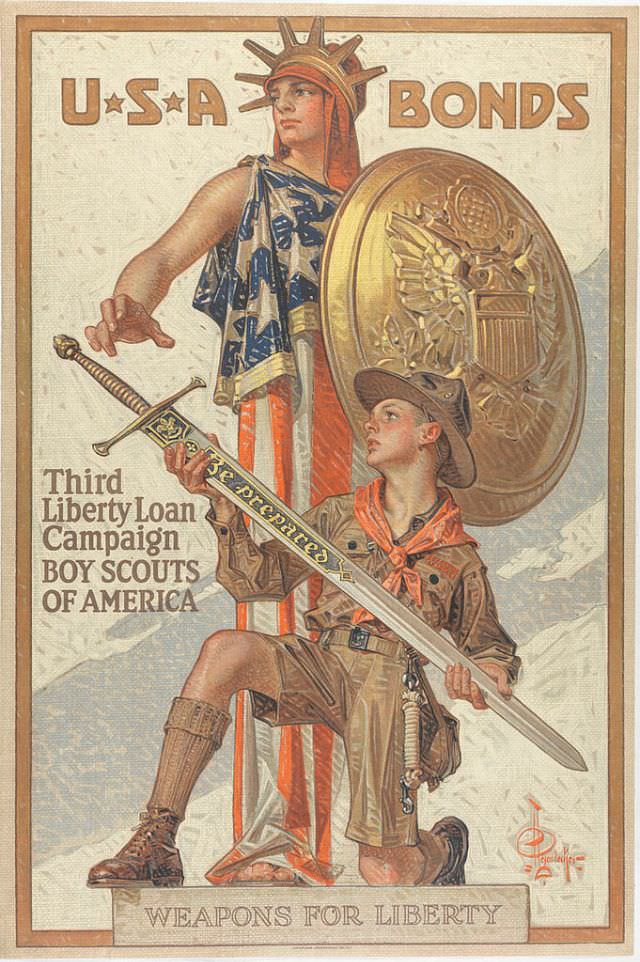
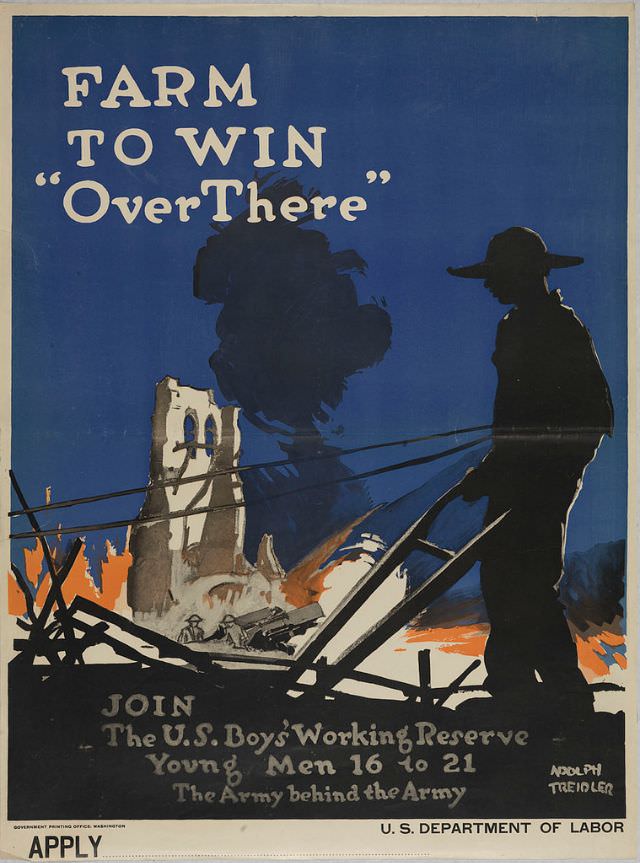
Boy Scouts played an active role in selling Liberty Loans and War Savings Stamps, and posters reflected that. Young boys were depicted in uniform, carrying swords labeled “Be Prepared” or waving flags beside other children. The U.S. Boys’ Working Reserve — billed as “the Army behind the Army” — was promoted through posters showing boys plowing fields while soldiers fought in the background.
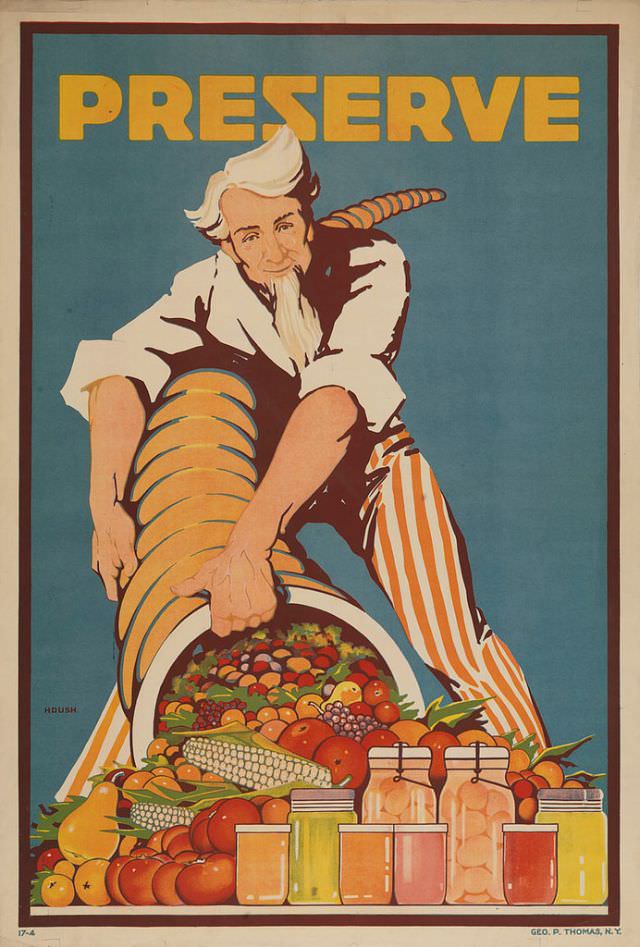
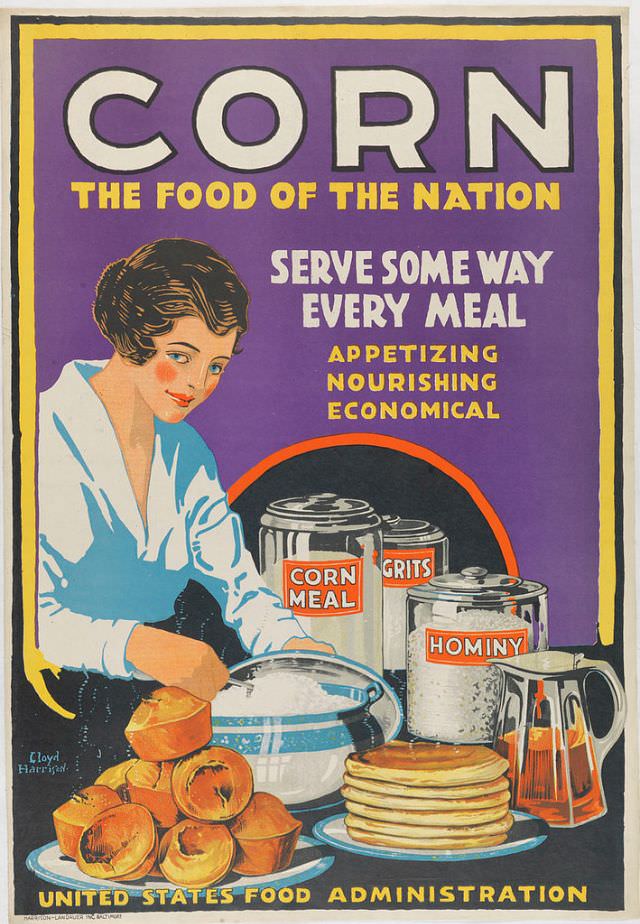
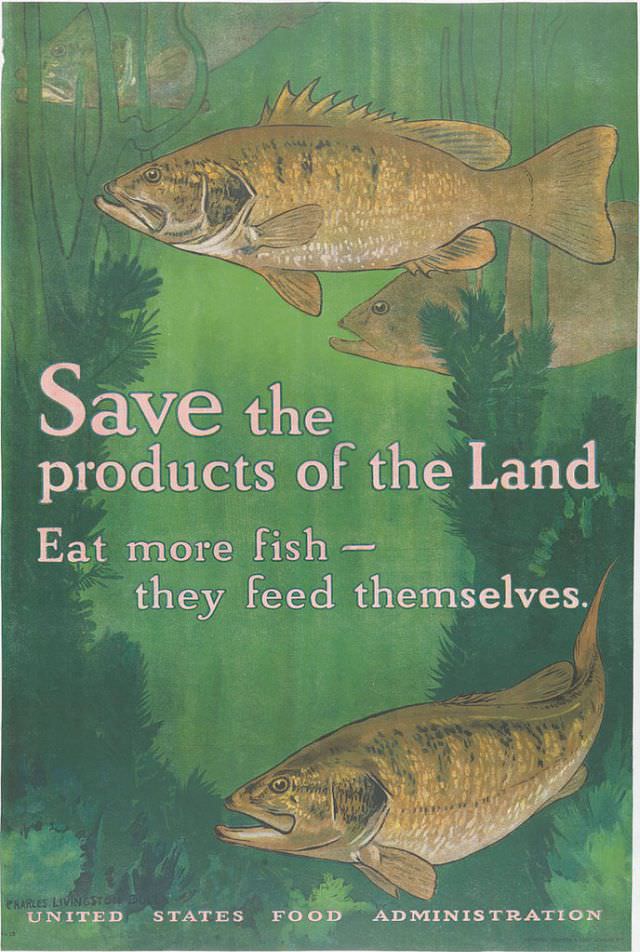
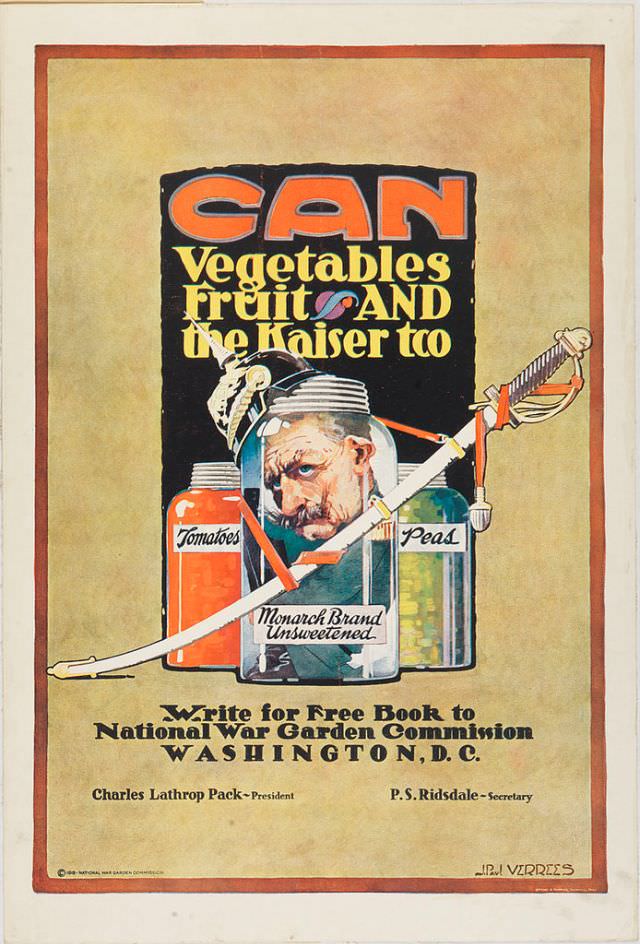
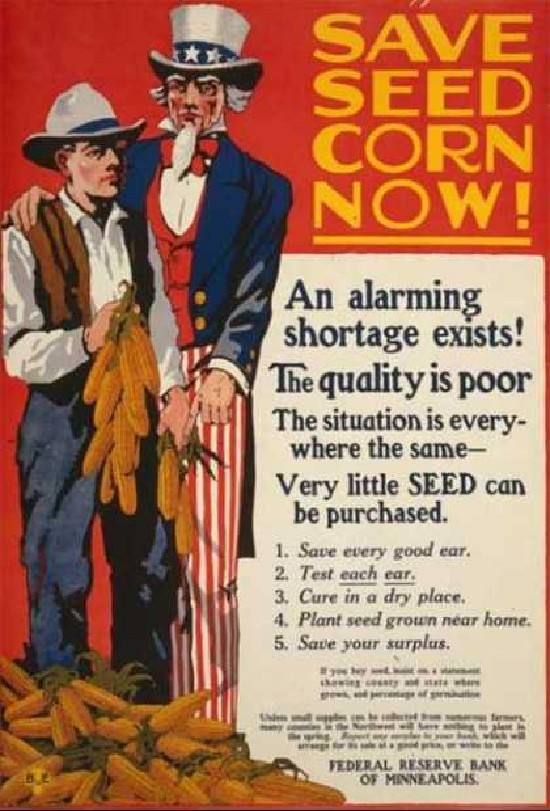
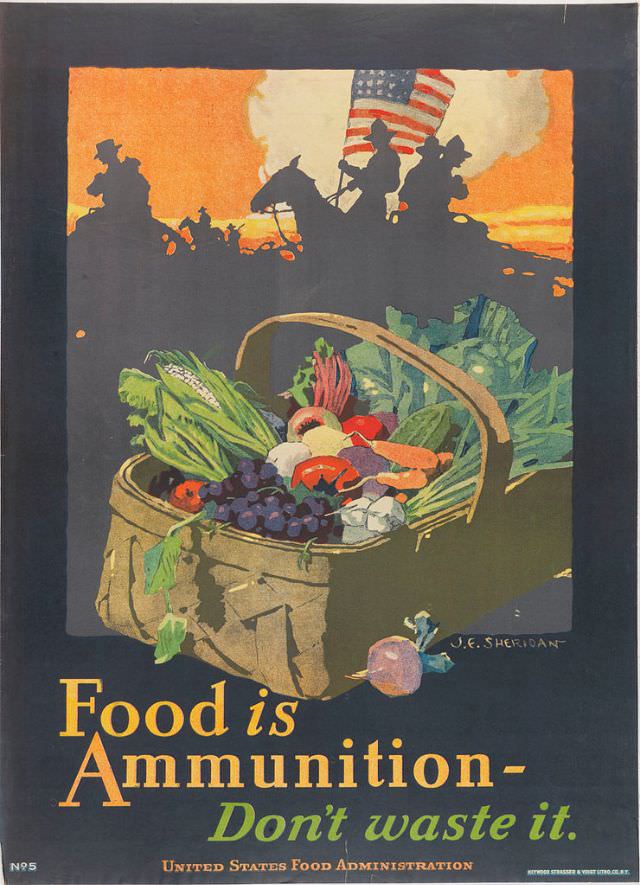
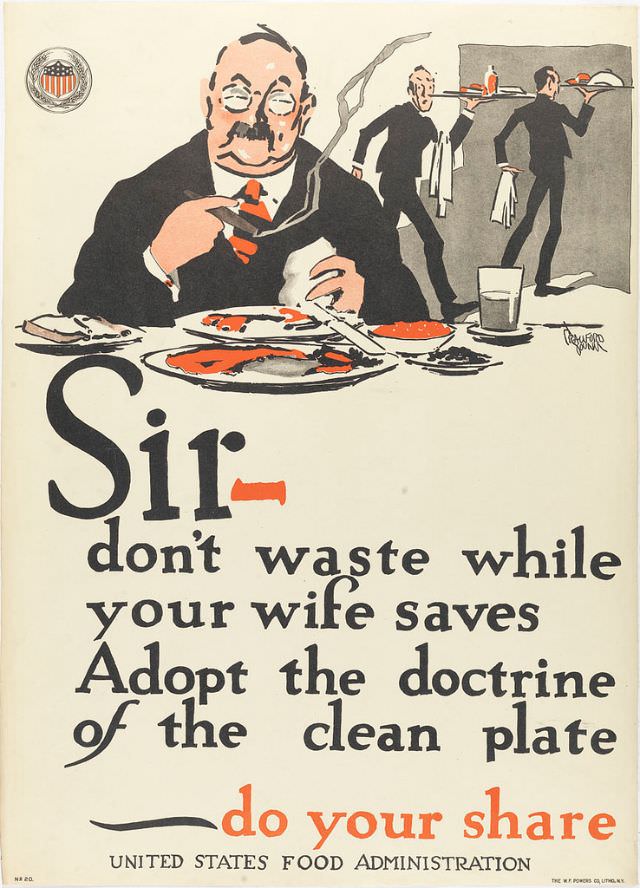
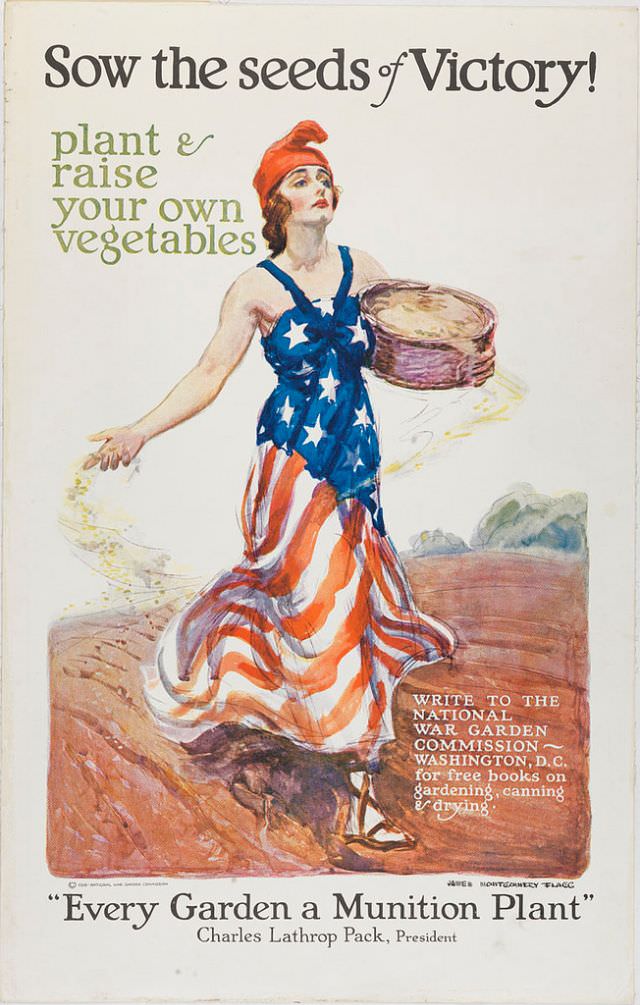
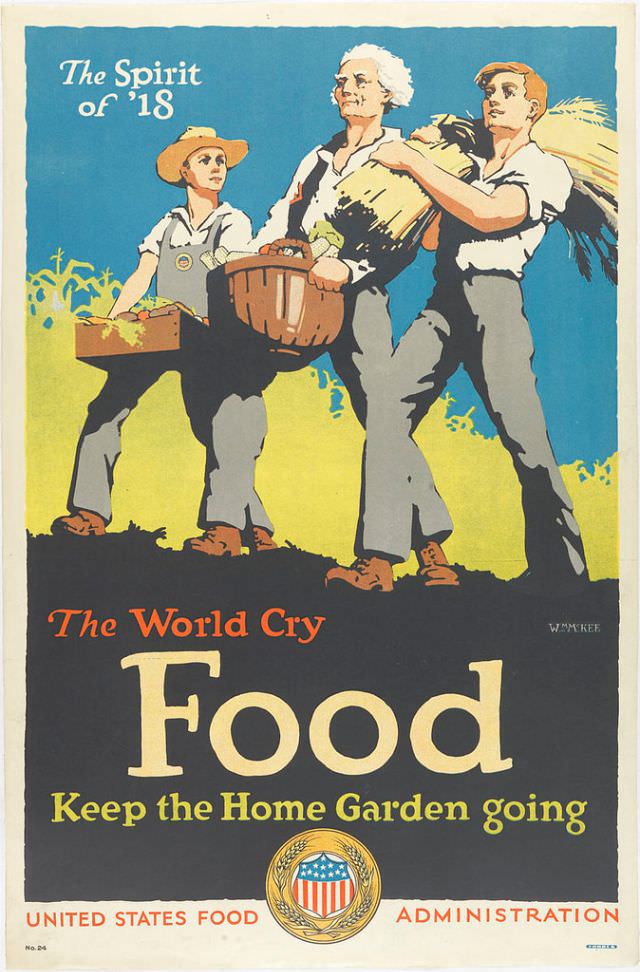
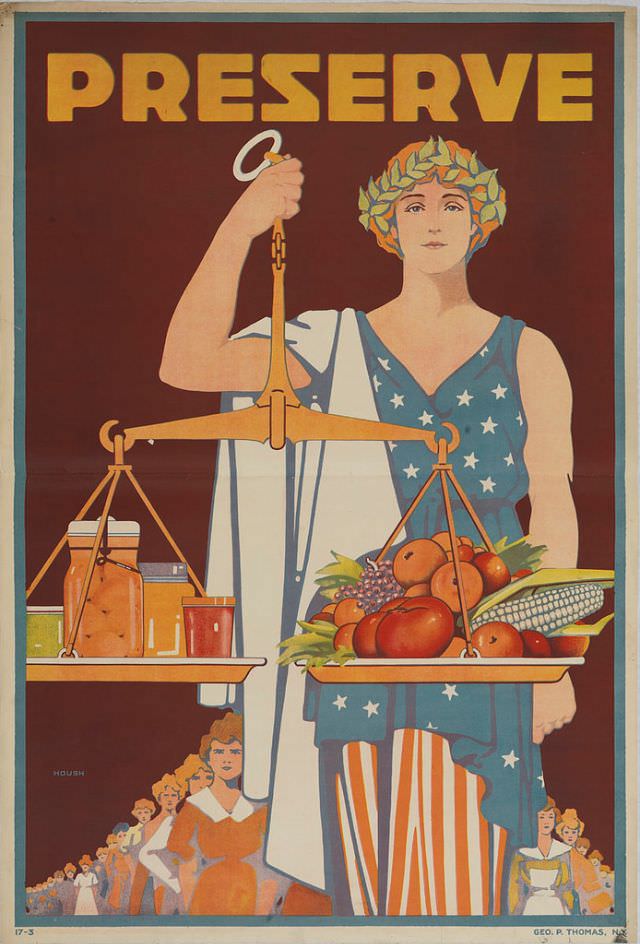
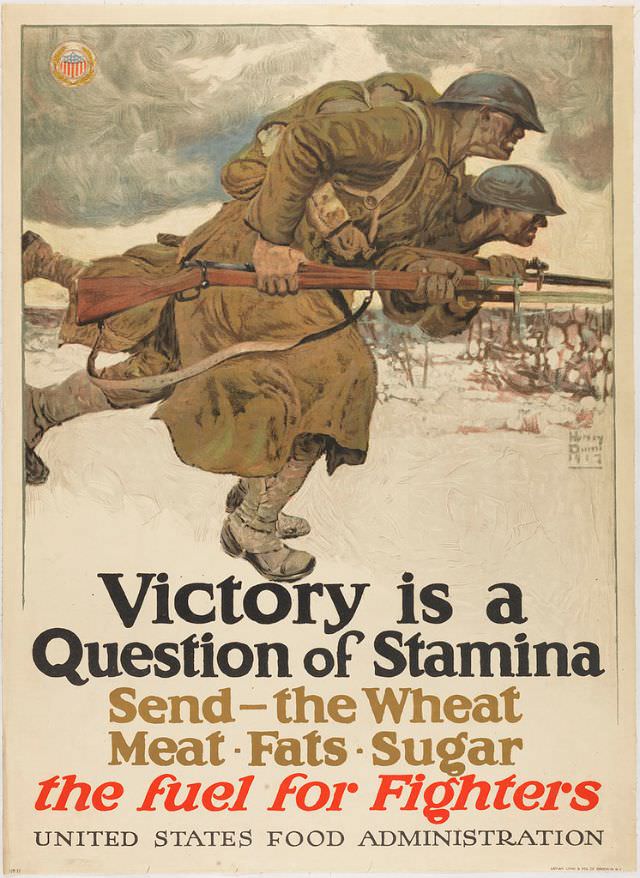
Food conservation was another major front. With European allies facing severe shortages, the U.S. Food Administration — led by Herbert Hoover — asked Americans to cut back on wheat, meat, and sugar. Posters promoted home gardening, canning vegetables, eating fish instead of meat, and substituting corn for wheat in cooking. Uncle Sam appeared in several food-related designs, pouring out cornucopias or standing beside home gardens.
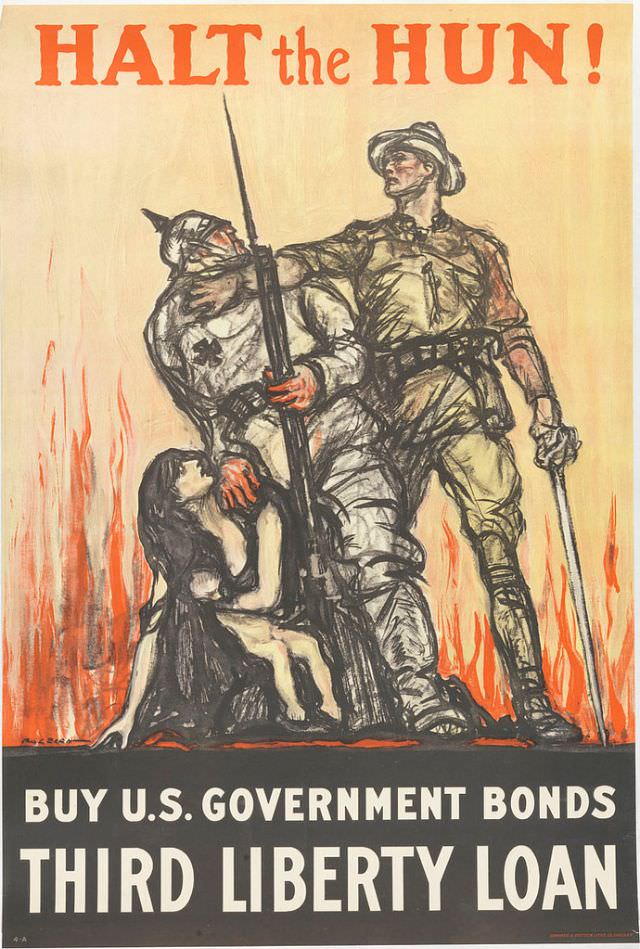
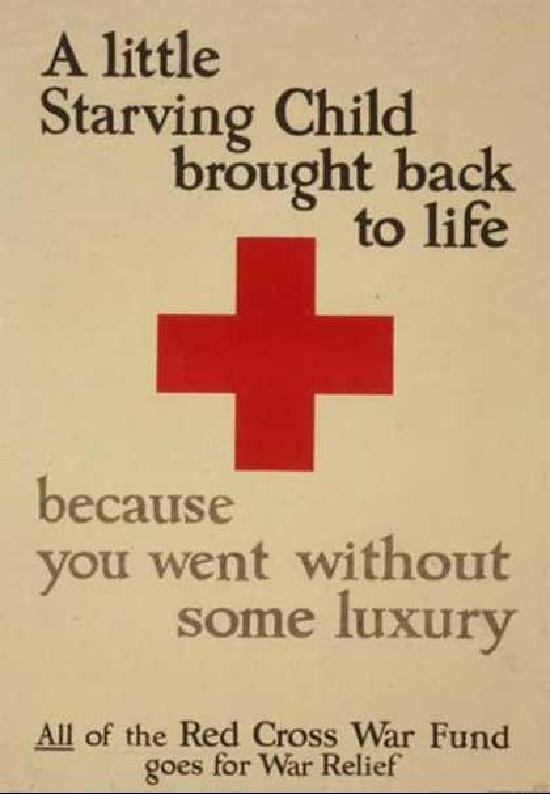
Some posters leaned directly on fear and guilt. One depicted an American soldier shielding a woman and child from a menacing German soldier — a clear message that purchasing government bonds meant protecting innocent civilians. Others used emotional imagery of starving children to push food conservation, framing personal sacrifice as a matter of life and death for people overseas.
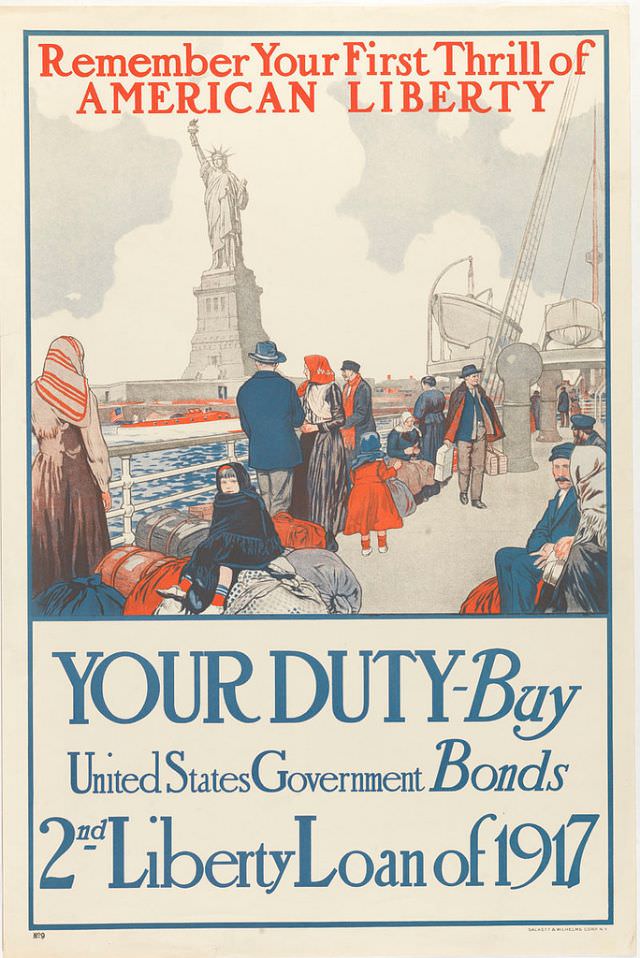
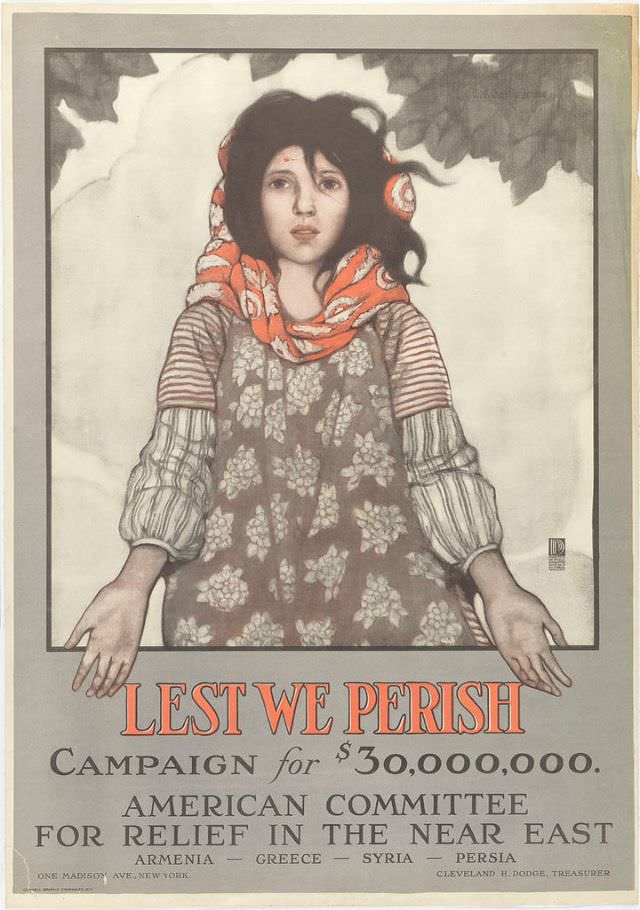
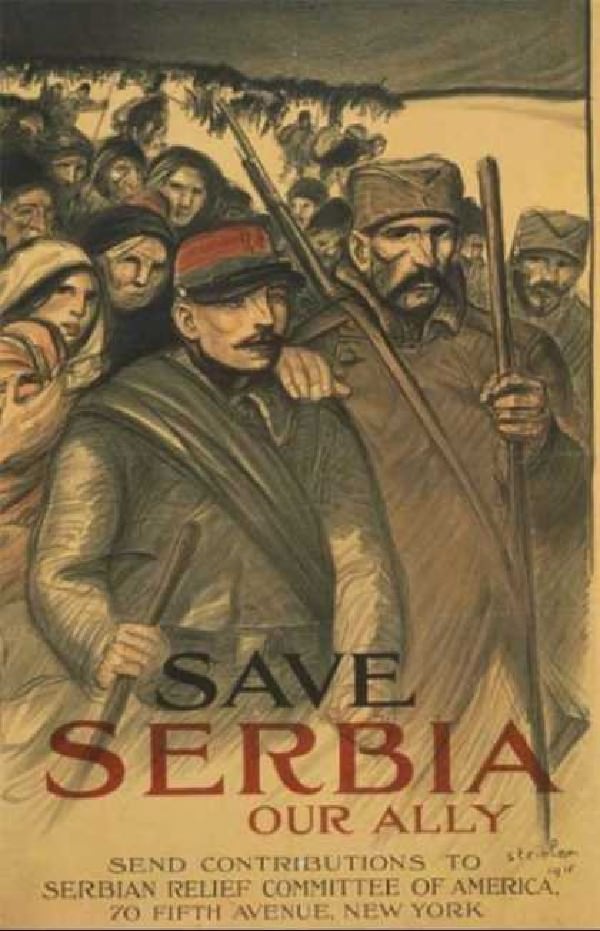
Posters also targeted specific immigrant communities. One design showed the Statue of Liberty alongside a ship entering New York Harbor, appealing directly to immigrants who had passed that same landmark on their way to America — and now being asked to invest in Liberty Loans to defend their adopted country. A separate campaign urged contributions for Armenians and Syrians facing wartime atrocities, reaching communities with personal ties to those regions.
The “Have You Answered?” style of poster was among the most direct. These designs put the viewer on the spot — asking what they had done for the war, what they would tell their children, or whether they were doing their part. The poster showing two uniformed men holding a sign reading “We Depend On You” placed responsibility squarely on the civilian reading it.
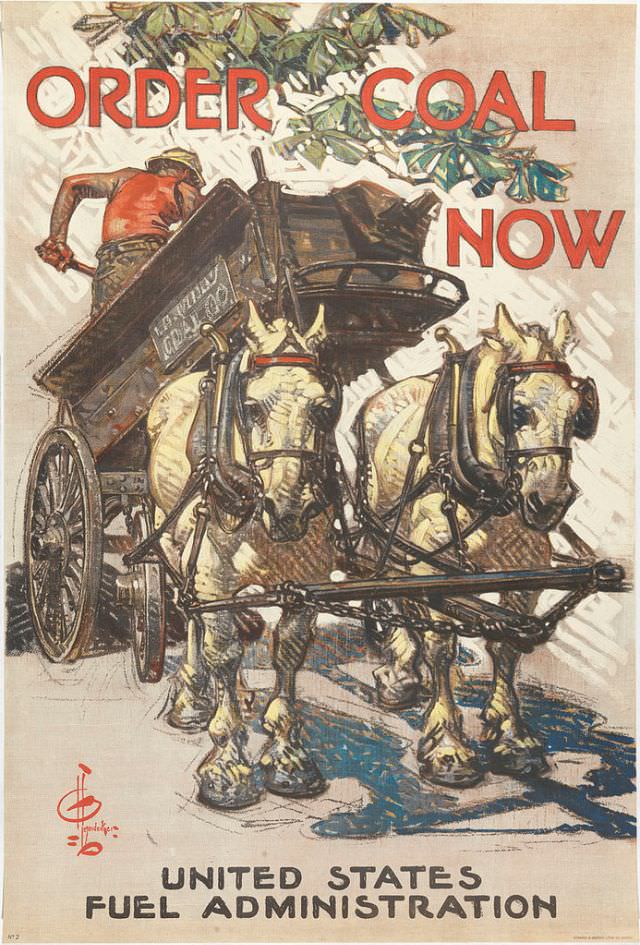
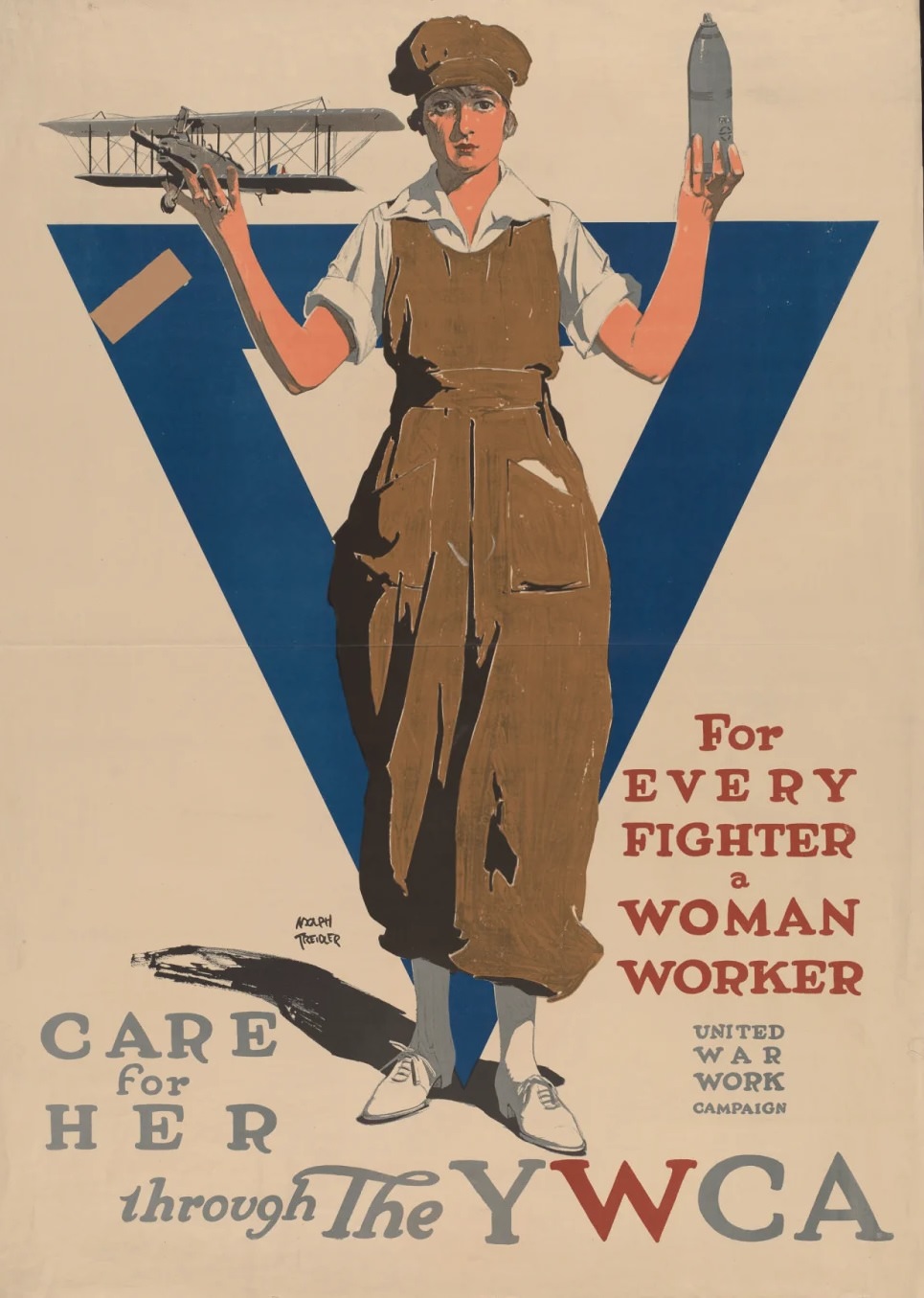
Factory workers and industrial laborers were not left out. Posters targeted shipyard workers, coal handlers, and munitions employees — framing their jobs as essential to the war machine. One poster showed a shipyard worker raising a tool in the air under an American flag; another depicted coal being hauled to keep the war effort powered. Speed and output were the message: every rivet driven and every ton of coal moved brought the Allies closer to victory.
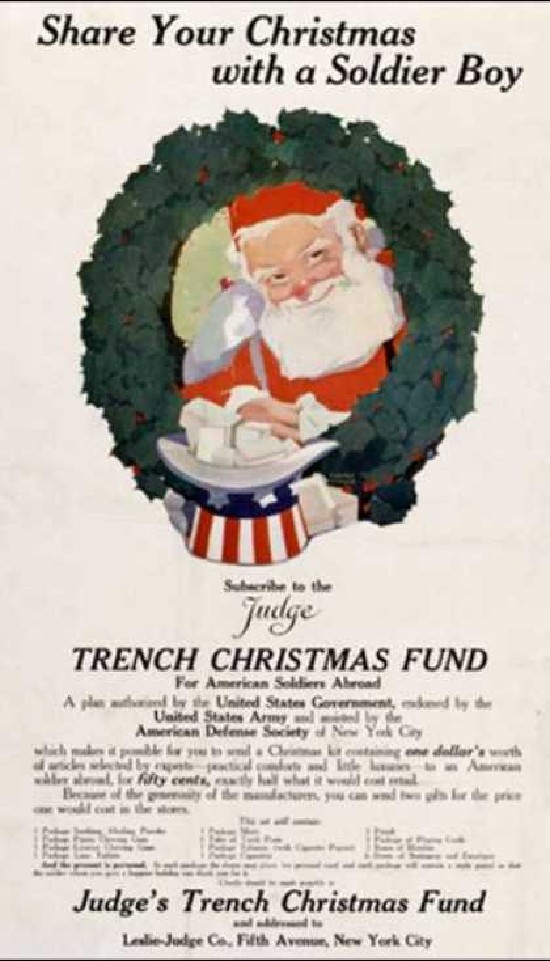
Even holiday imagery was drafted into service. Santa Claus appeared in at least one wartime poster, and seasonal themes were woven into bond drives and donation campaigns. No part of American cultural life was considered off-limits for the propaganda effort. The Division of Pictorial Publicity understood that the most effective messages were the ones that met people where they already were — in their faith, their families, their sense of national identity, and their daily routines.
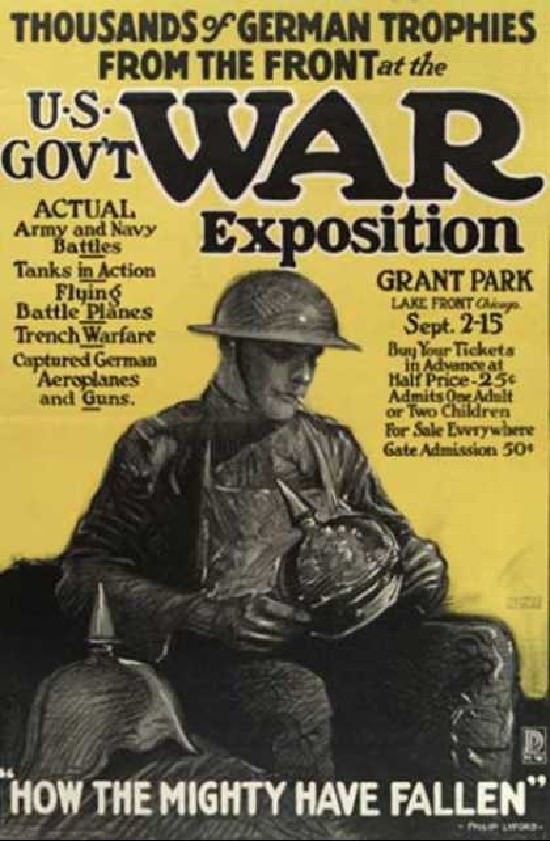
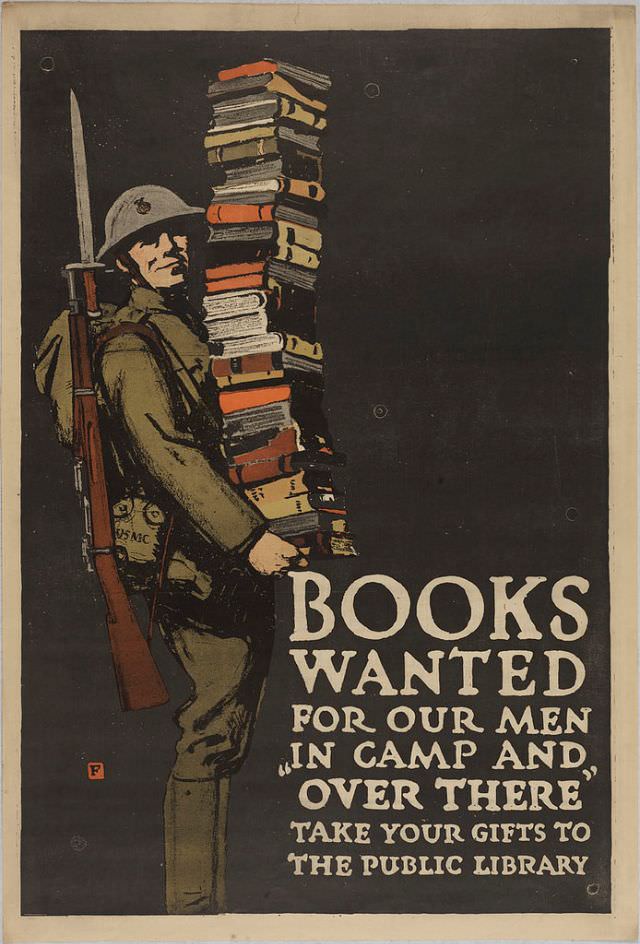
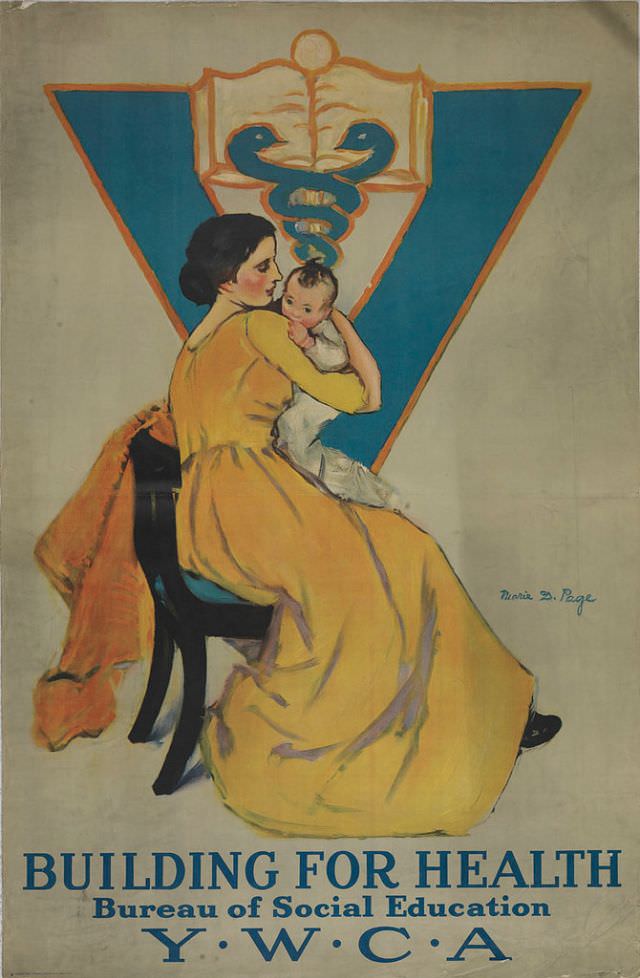
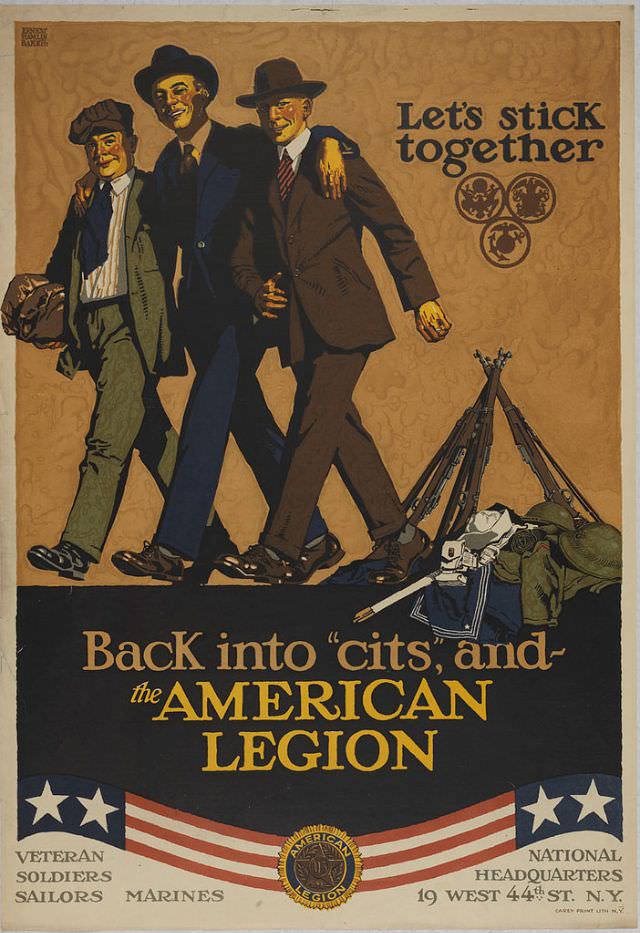
Below is the full collection of U.S. WWI propaganda posters referenced in this article. Together, they document the full scope of the government’s wartime messaging campaign — from military recruitment and bond sales to food conservation, industrial labor, and civilian morale.



i like the 1