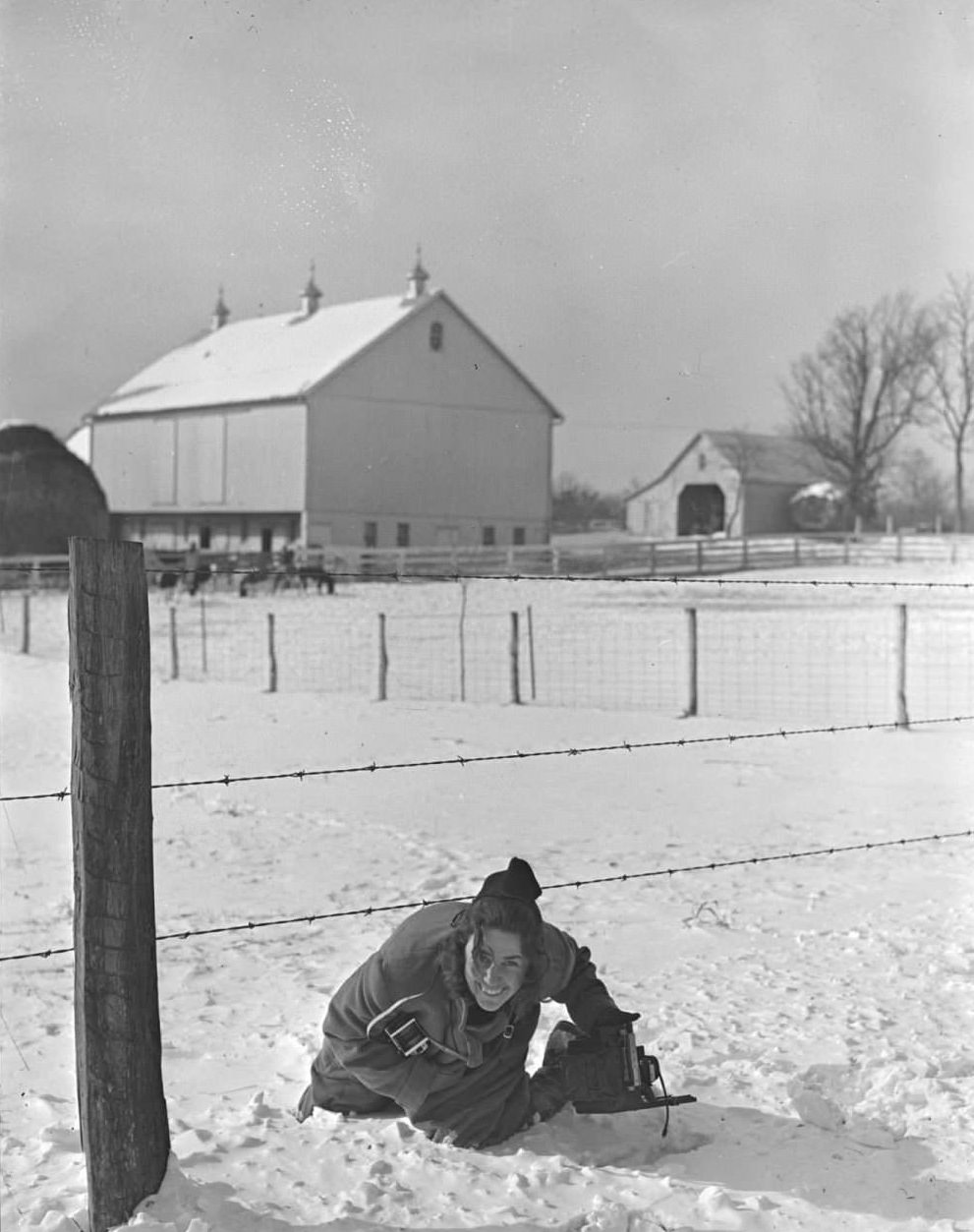
Marion Post Wolcott grew up in New Jersey after her parents separated. She attended boarding school and spent her formative years surrounded by her mother’s circle of artists, writers, filmmakers, and photographers. That environment shaped her deeply. Those same people pushed her to travel, explore, and figure out who she was.
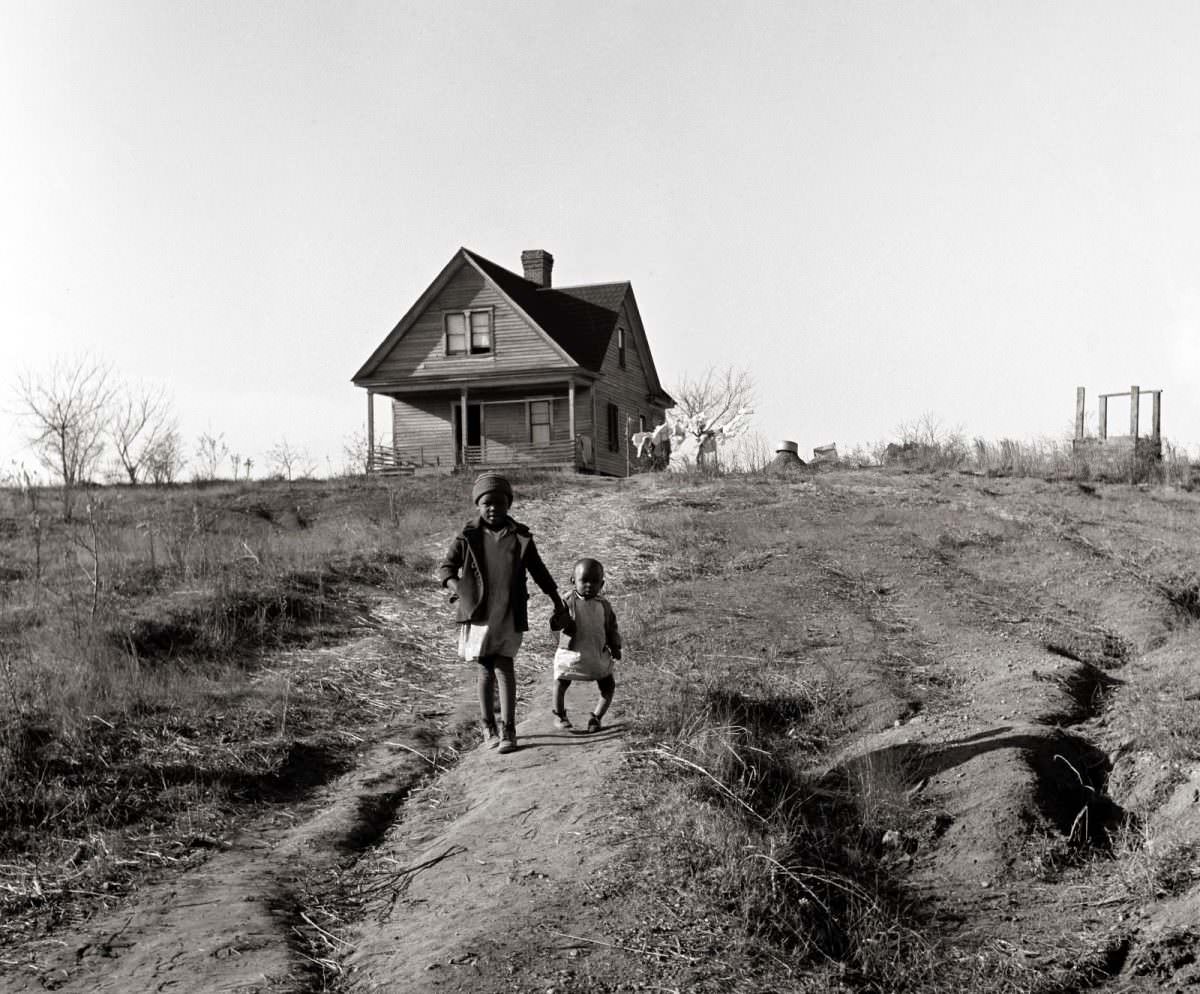
As Marion traveled the East Coast, she saw firsthand what the Wall Street crash of 1929 had done to ordinary Americans. Unemployment, poverty, and desperation were everywhere. Her sister Helen then invited her to Vienna, where they studied photography together under Austrian photographer Trude Fleischmann (1895–1990). While in Vienna, Marion witnessed the brutal rise of the National Socialists. She returned to the United States changed, and joined an Anti-Fascist group soon after.
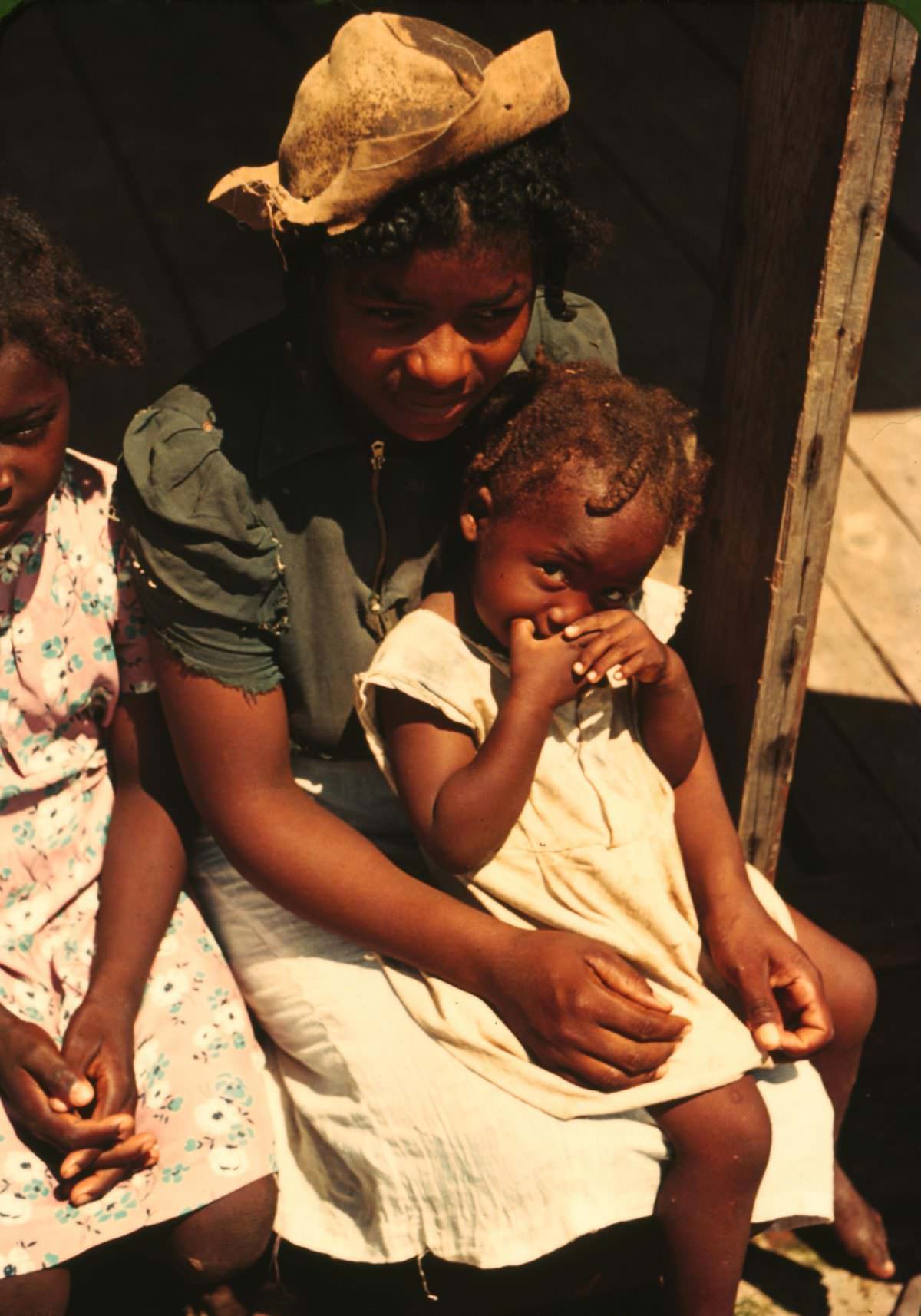
The Farm Security Administration (FSA) hired Marion Post to photograph working-class Americans during the Great Depression. The FSA wanted a visual record of how poverty was reshaping the country. Marion traveled through rural towns, coal country, Southern cities, and agricultural communities to build that record.
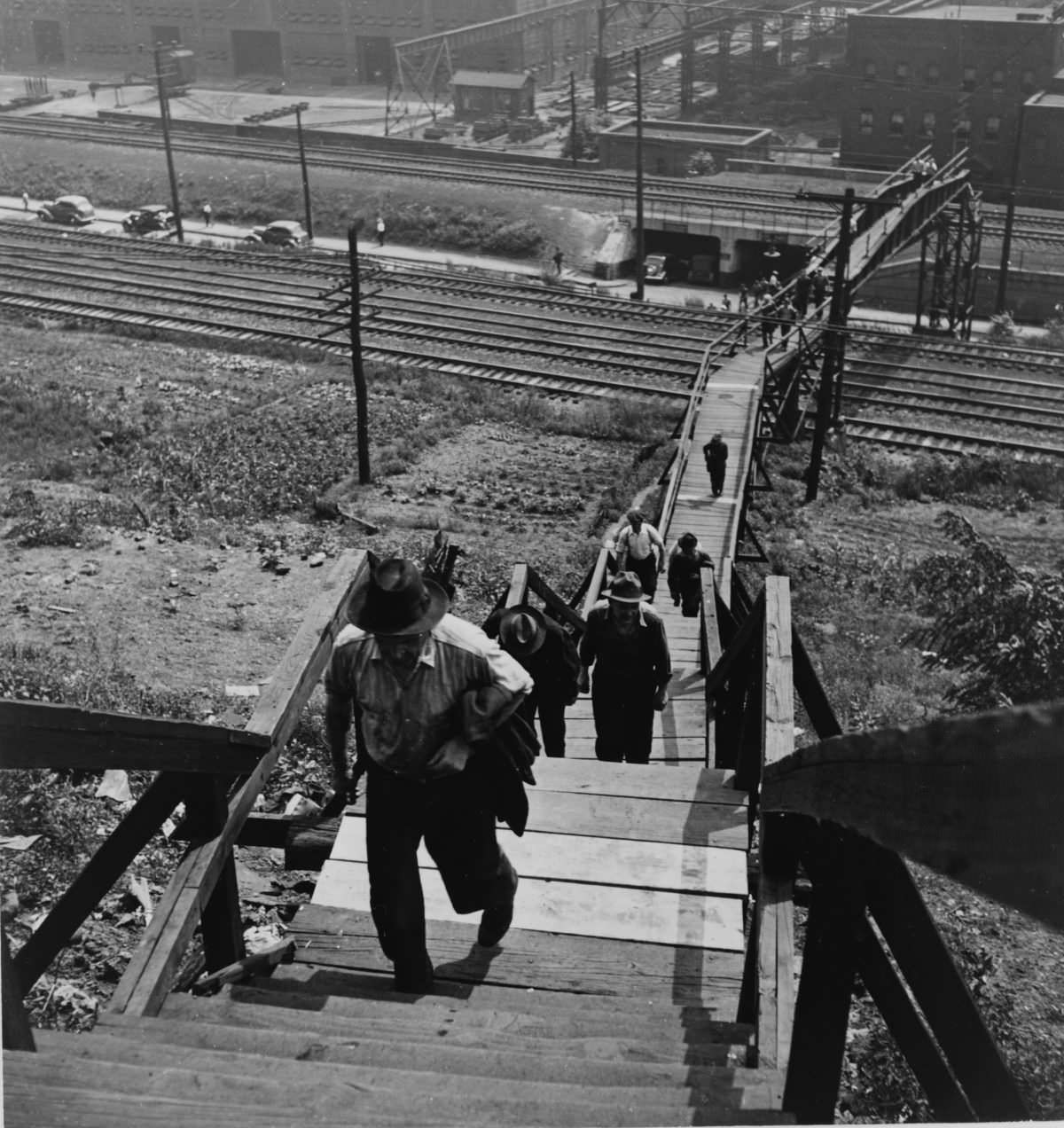
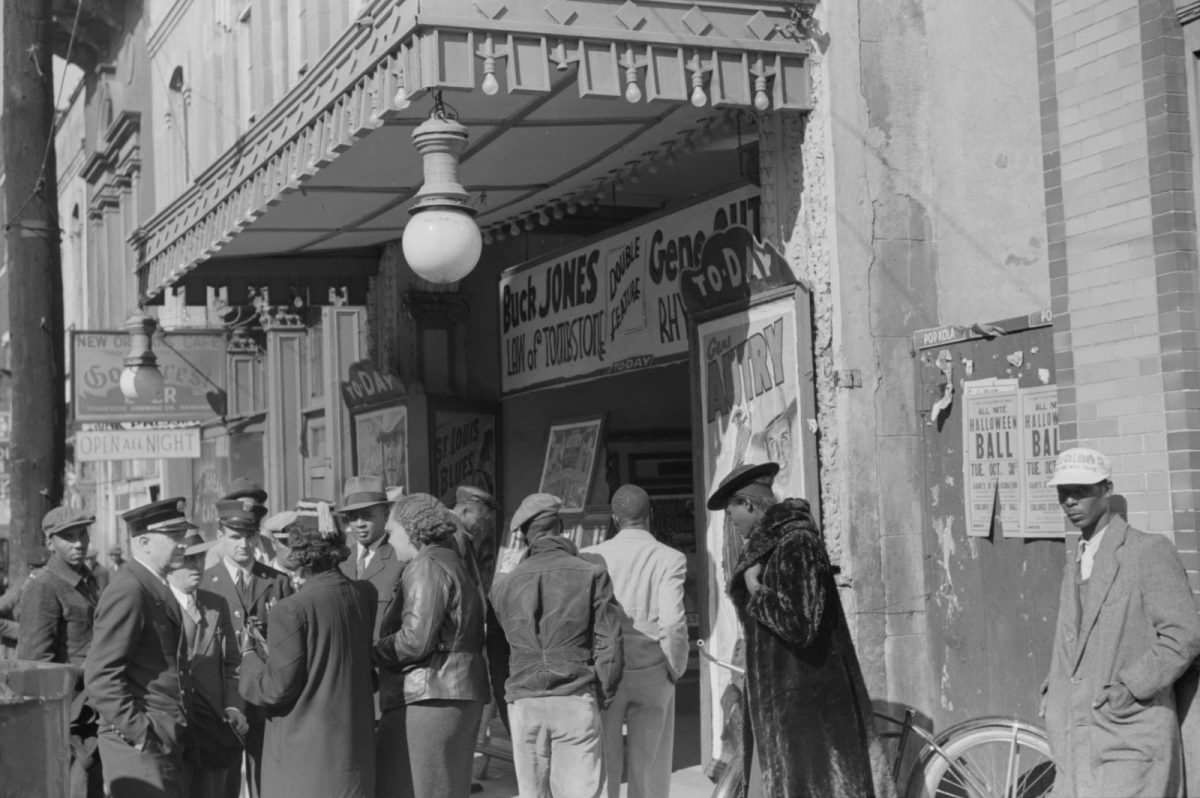
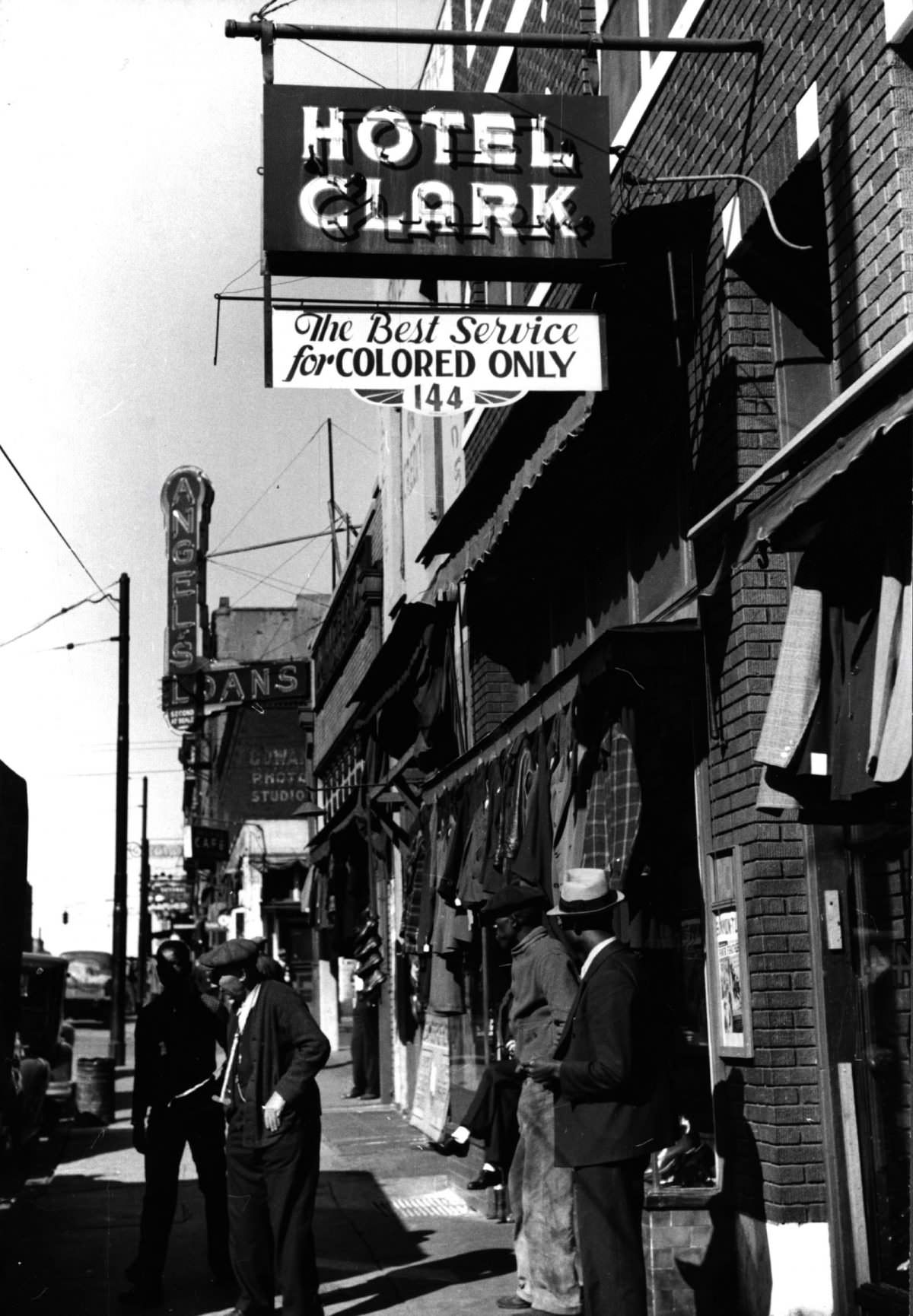
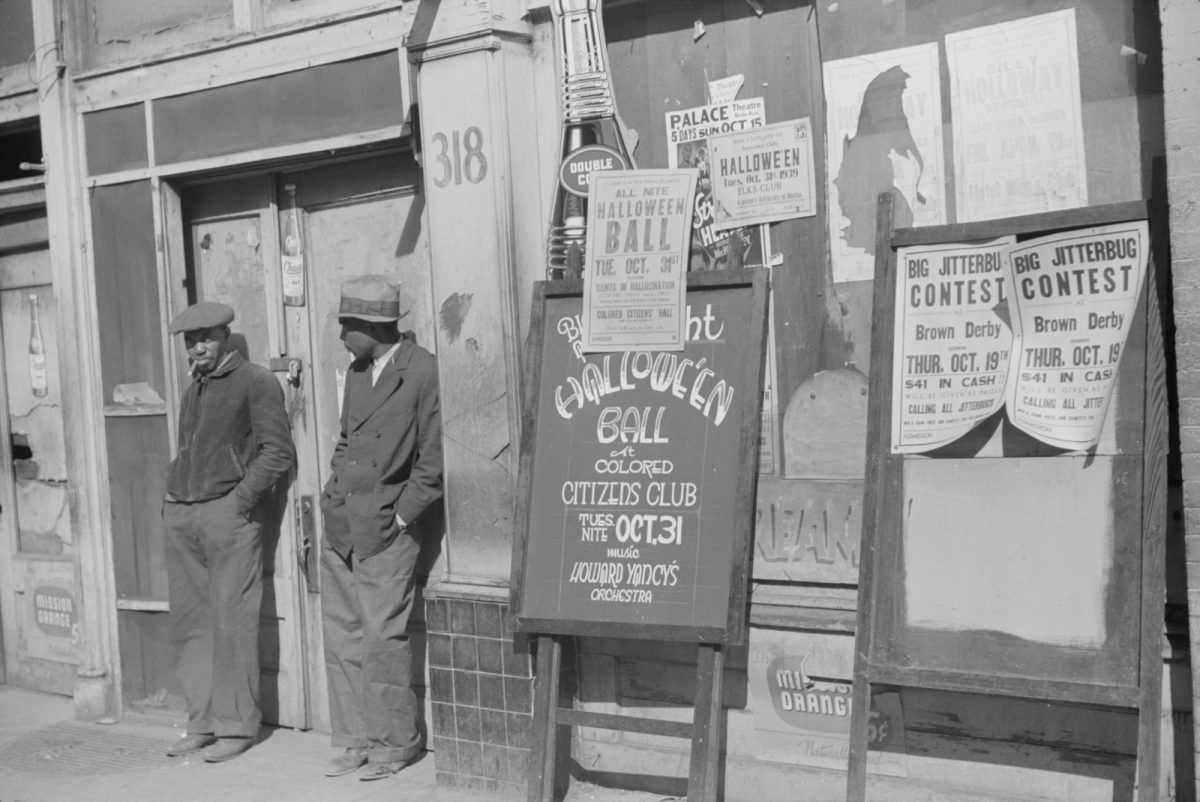
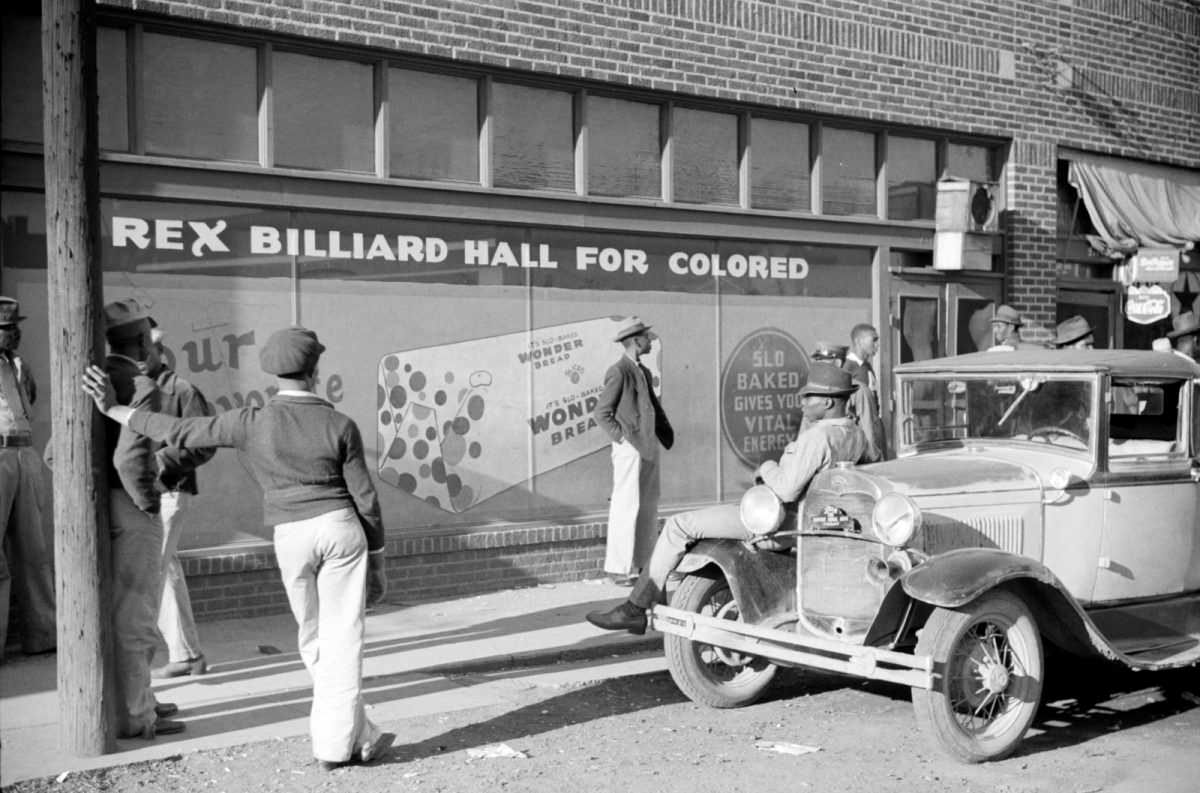
Beale Street in Memphis, Tennessee, was one of her important subjects. The street was a hub of Black American culture, commerce, and daily life in the late 1930s. Marion photographed its hotels, billiard halls, and storefronts with unflinching honesty.
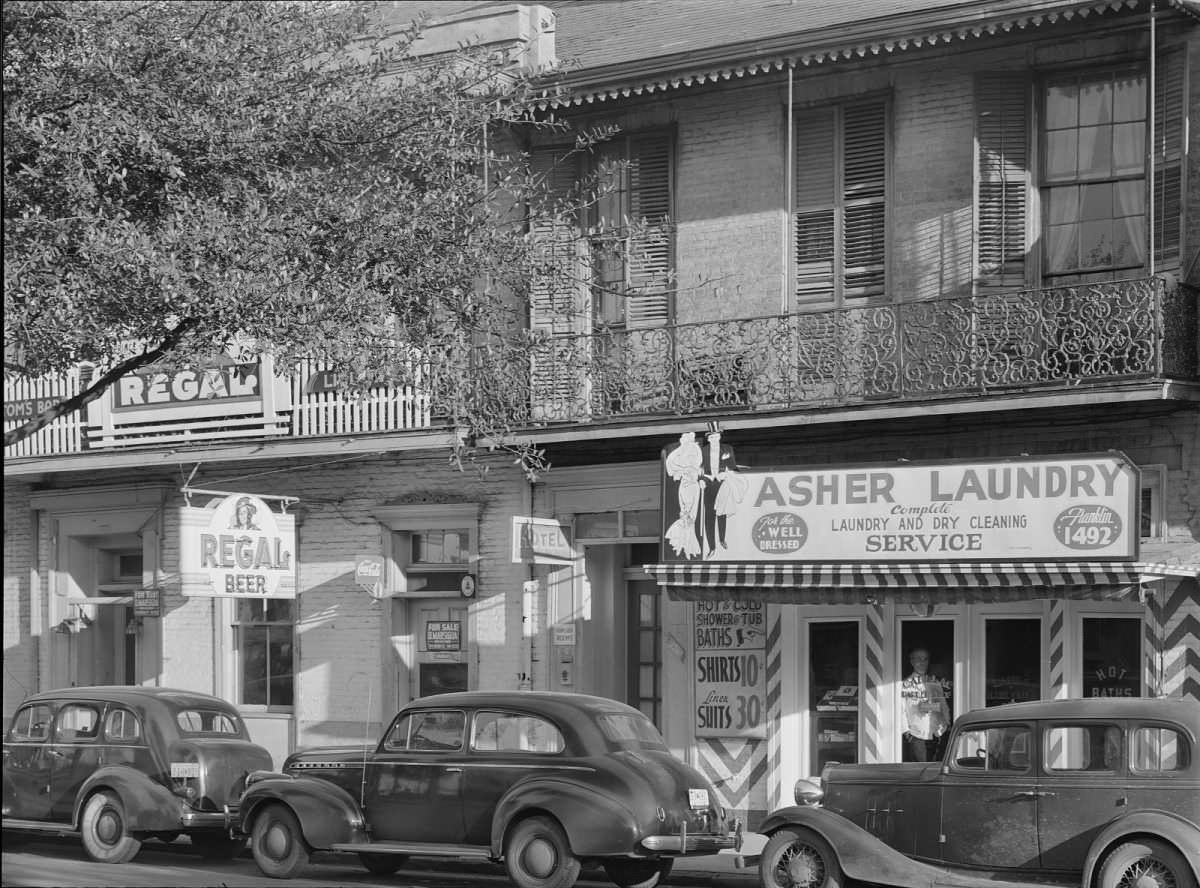
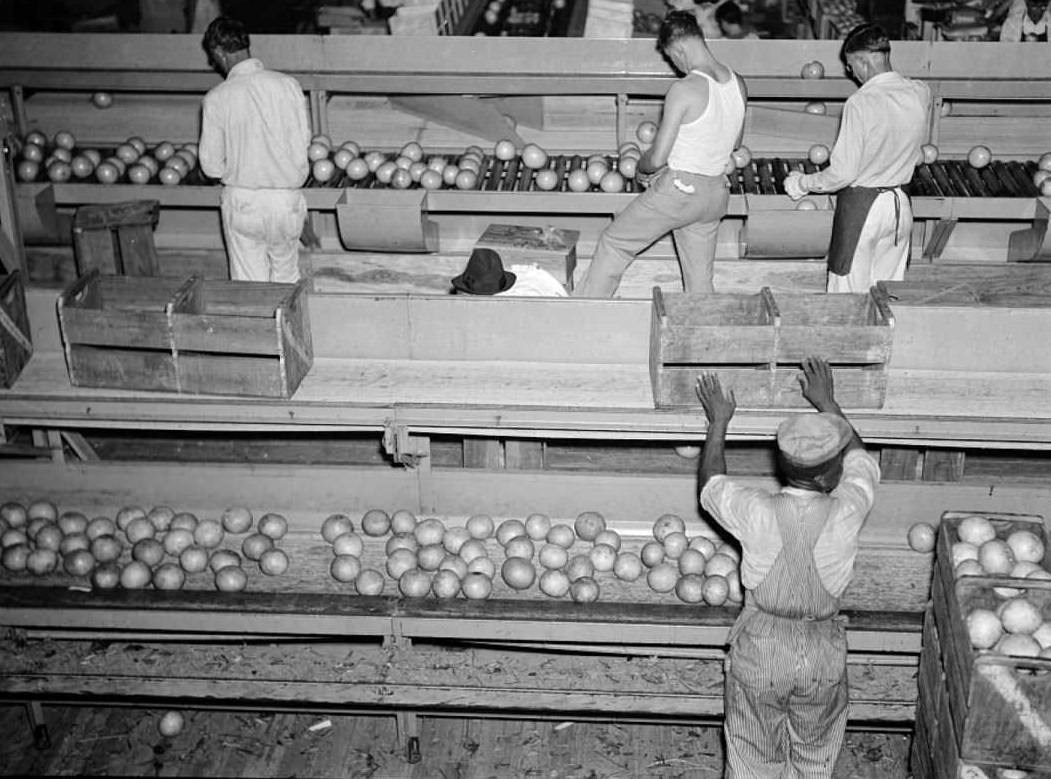
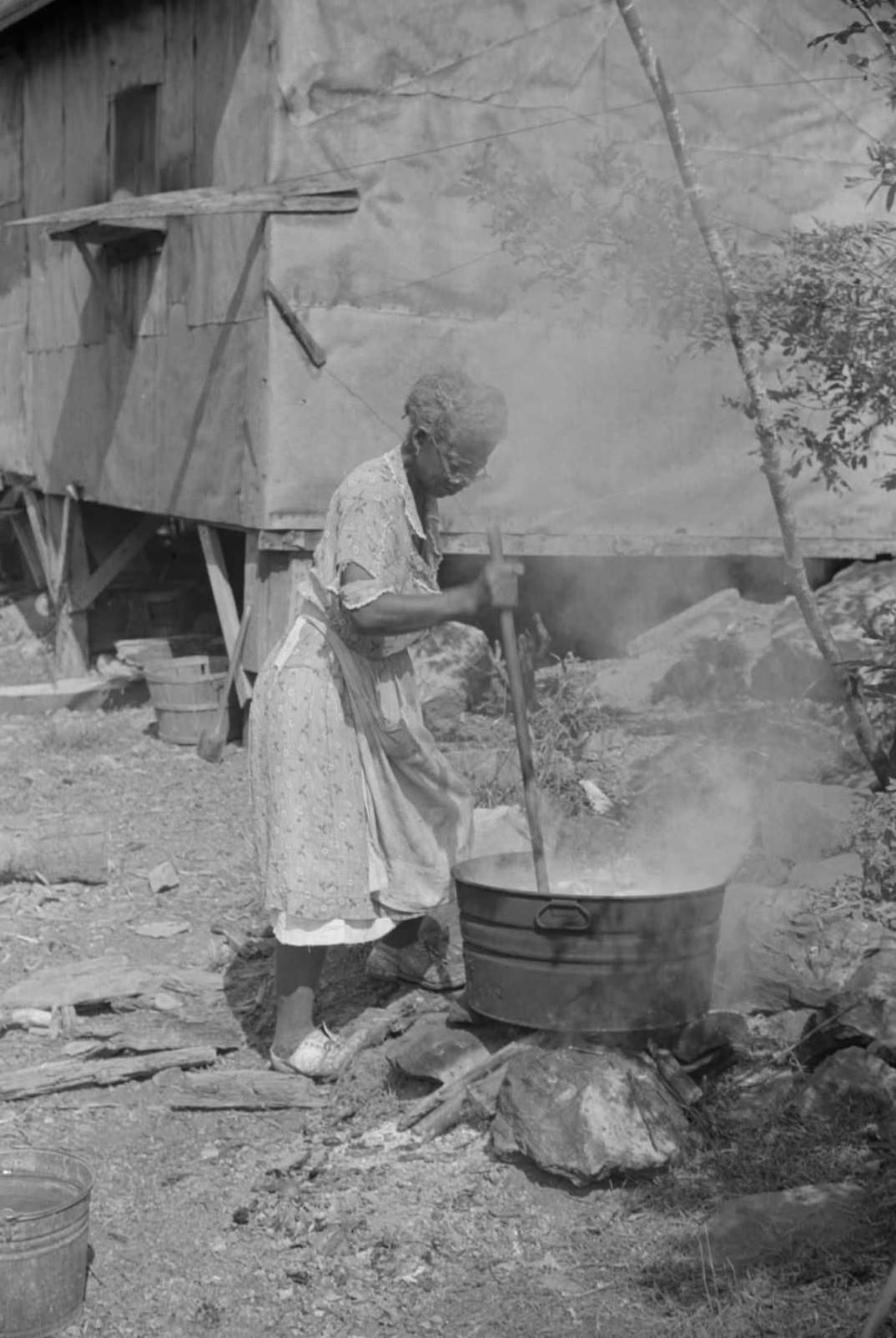
Her lens also turned to workers in New Orleans and the broader South. Laundry workers, tobacco farmers, and citrus packers all appeared in her images. These were jobs that demanded long hours and paid little — work that most Americans never saw or thought about.
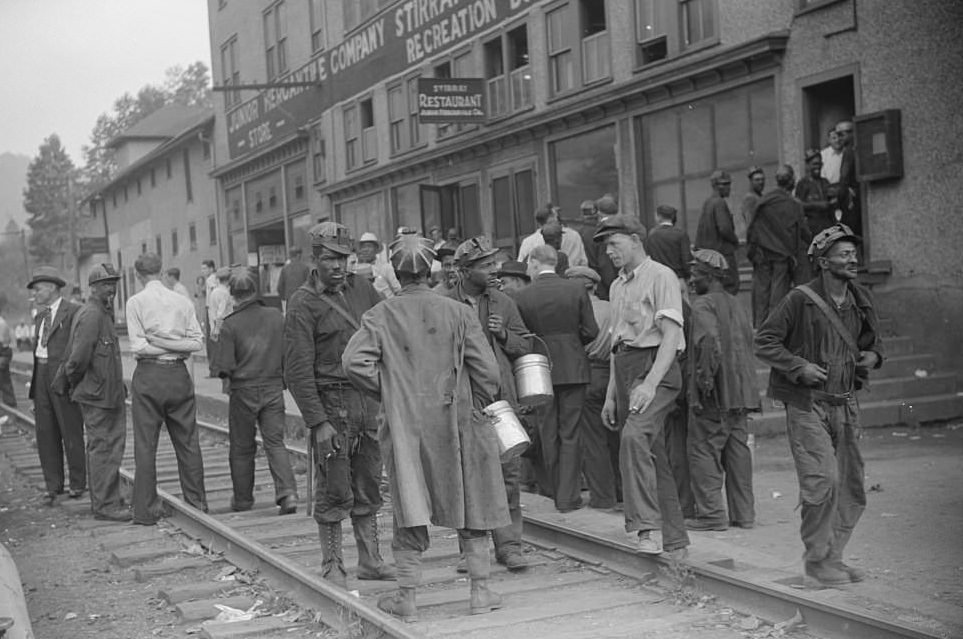
West Virginia’s coal mining communities were among the hardest-hit during the Depression. Marion documented the miners themselves, their families, and the physical toll of life near the mines. A coal miner’s wife scrubbing clothes on a front porch or a woman washing laundry beside the river captured the relentless labor of domestic life under extreme poverty.
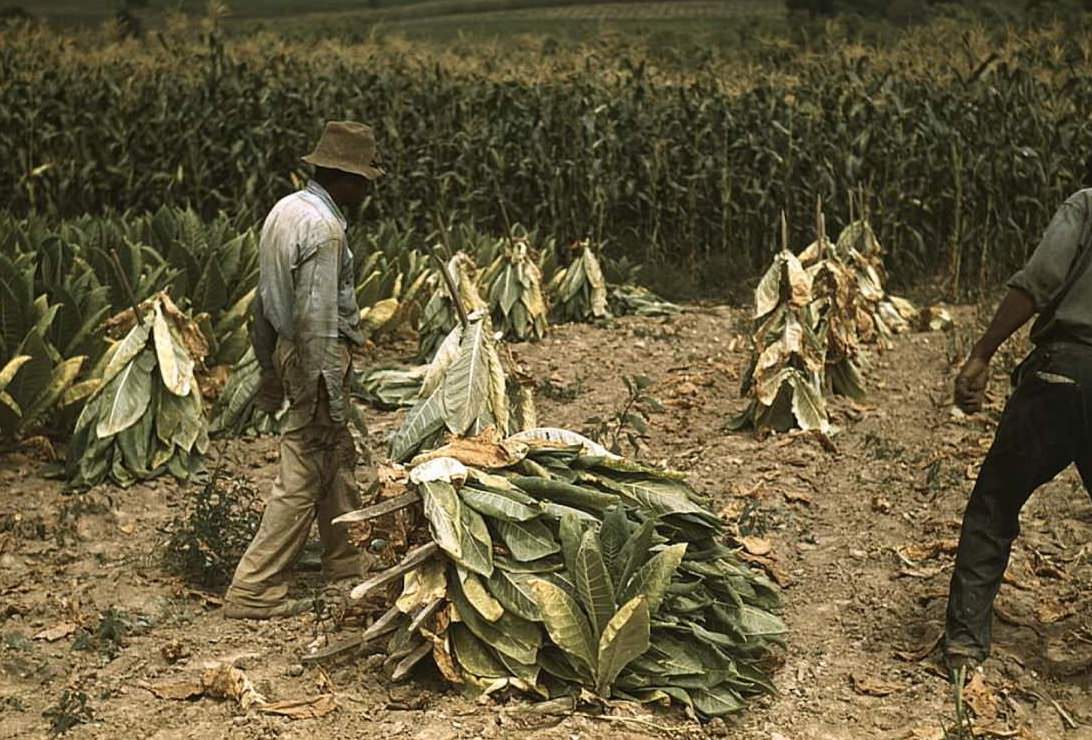
Agricultural labor across the rural South also featured prominently in her work. From corn shucking in North Carolina to tobacco farming in Kentucky, Marion recorded the seasonal rhythms of farm life that kept families fed but rarely comfortable.
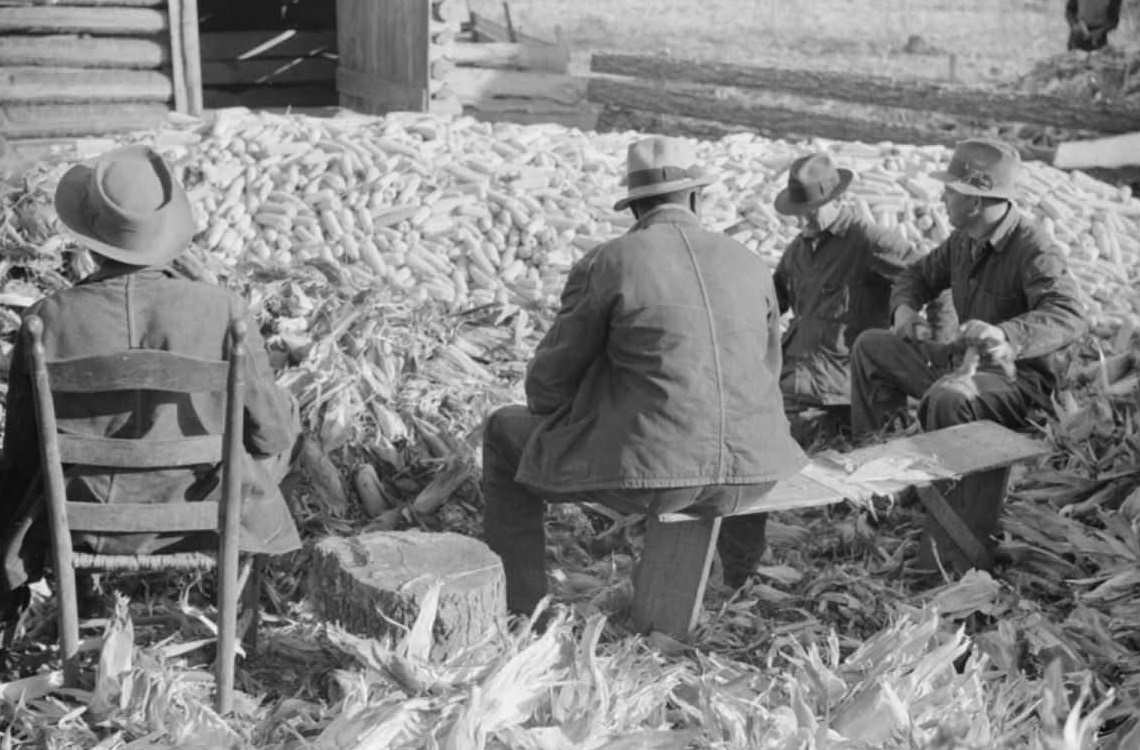
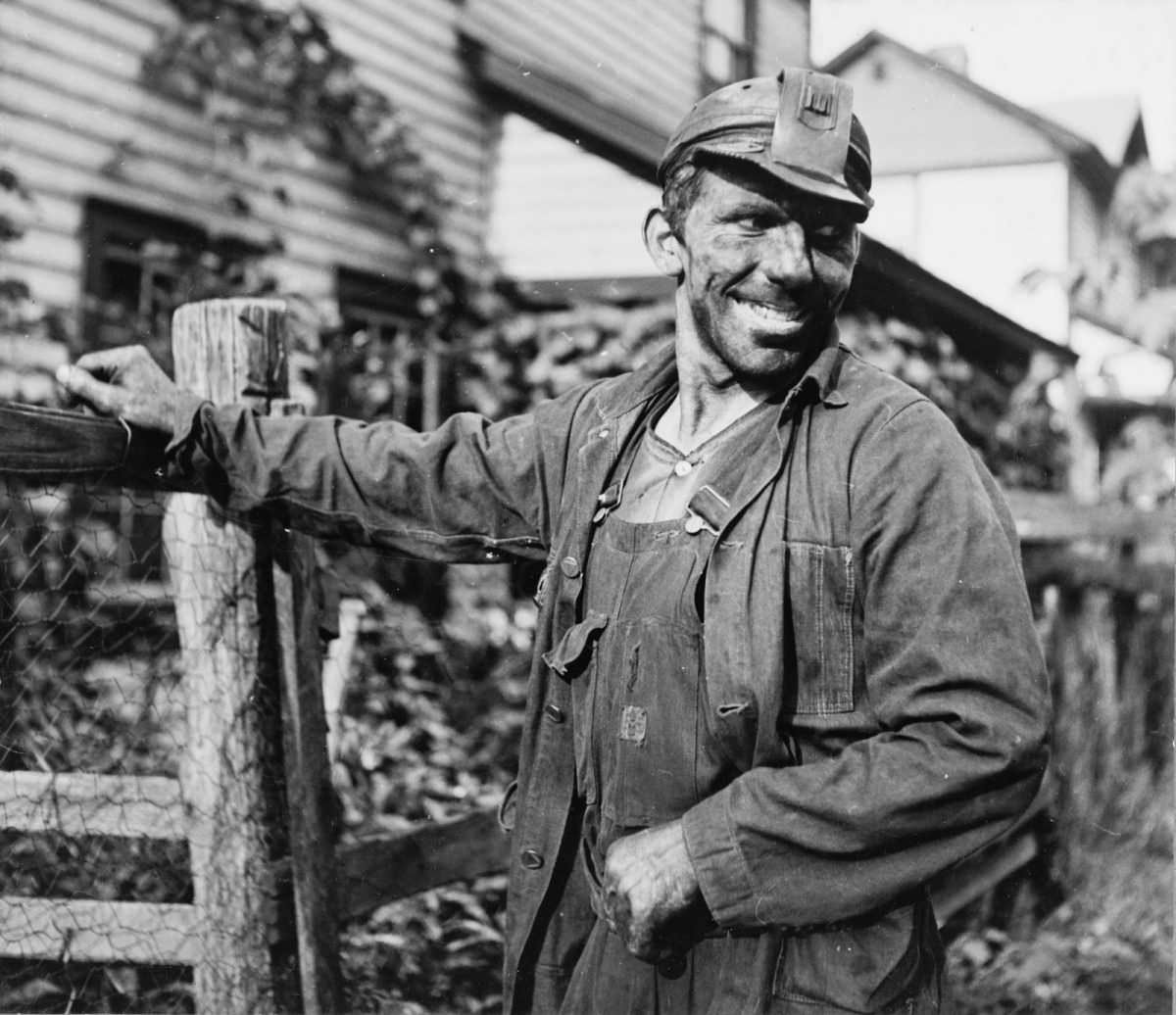
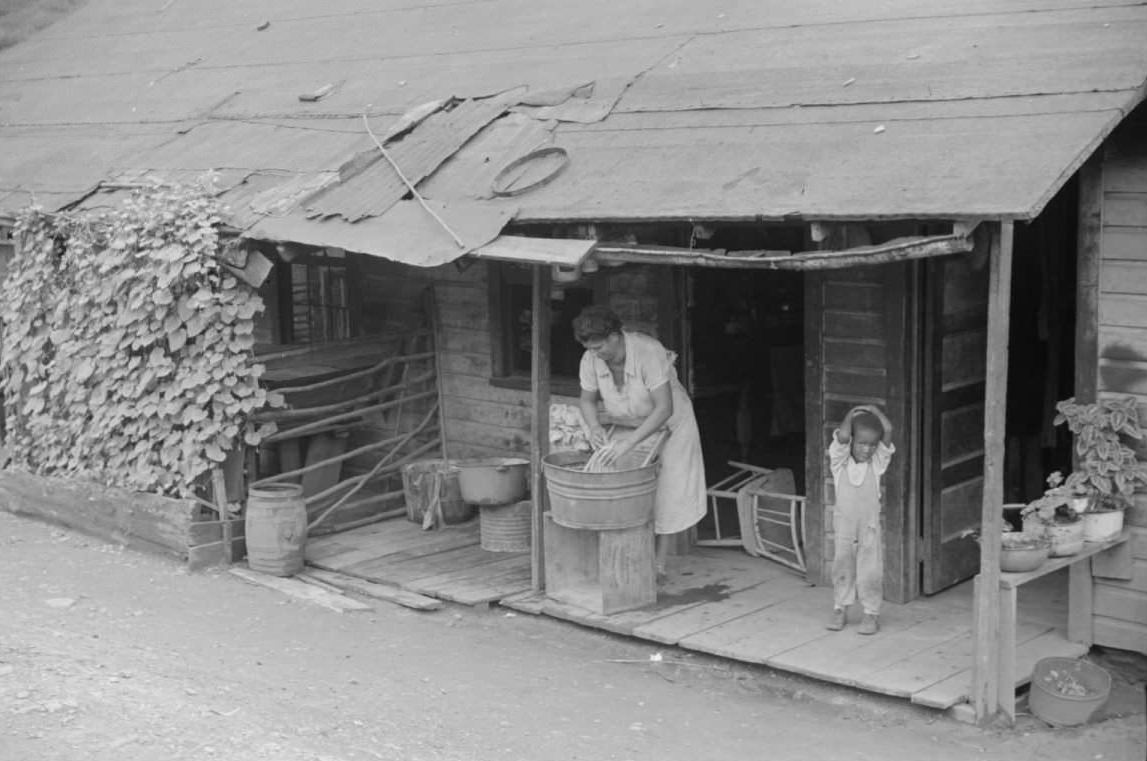
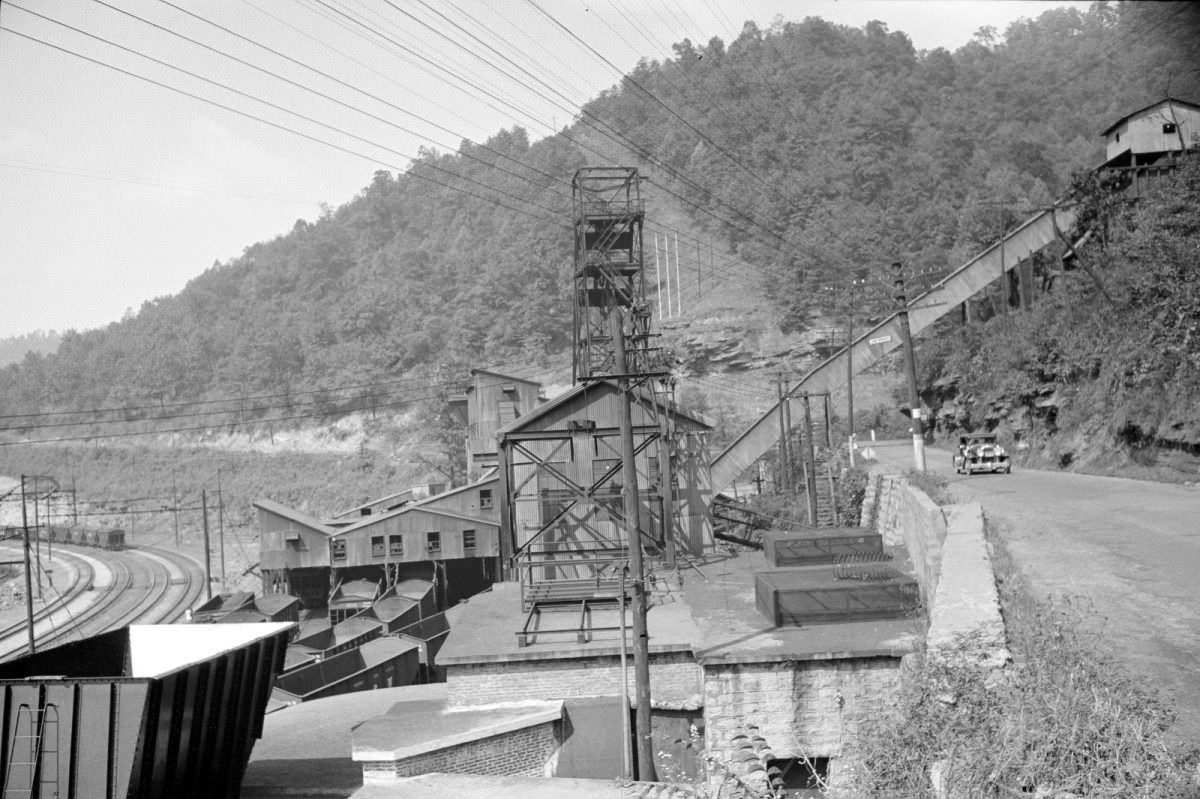
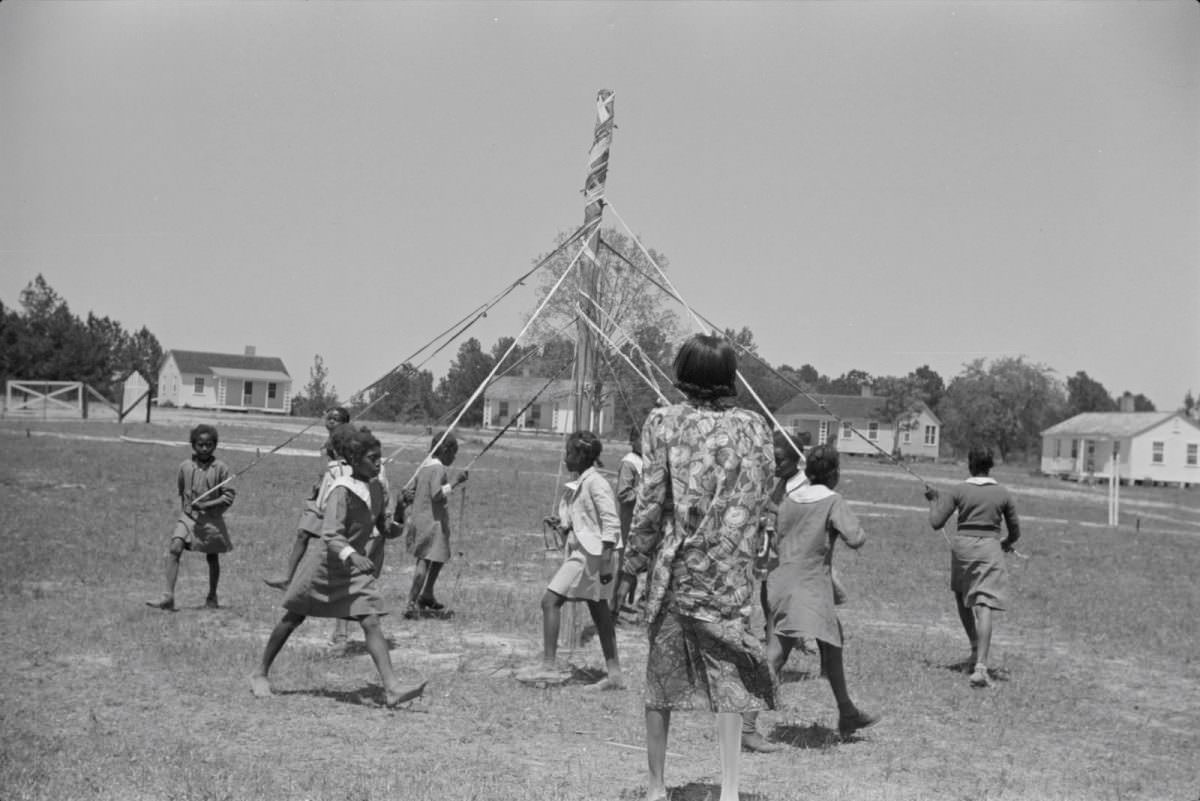
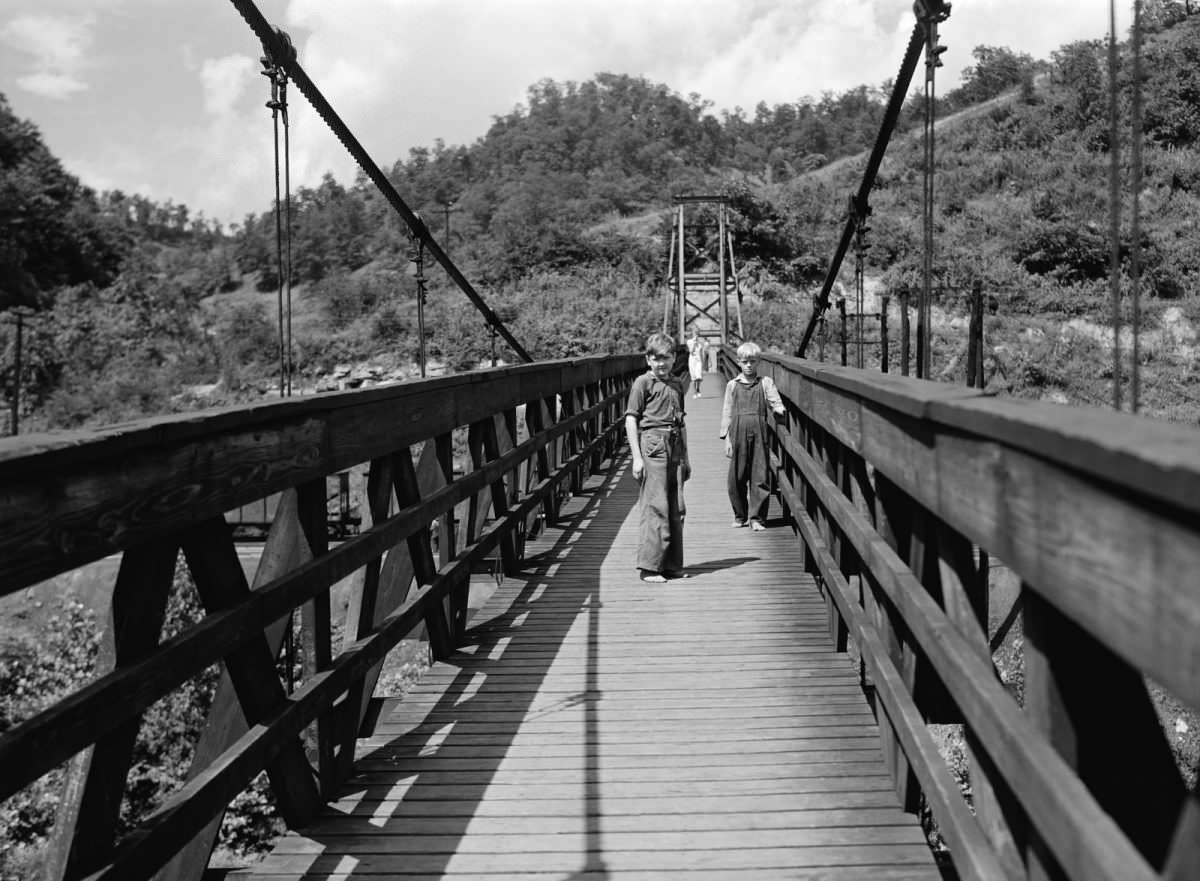
Children appeared throughout her photographs as well — not posed or staged, but caught in real moments of play, work, and everyday life. From kids dancing around a maypole in Alabama to children crossing a swing bridge in Hazard, Kentucky, Marion showed the full texture of Depression-era childhood.
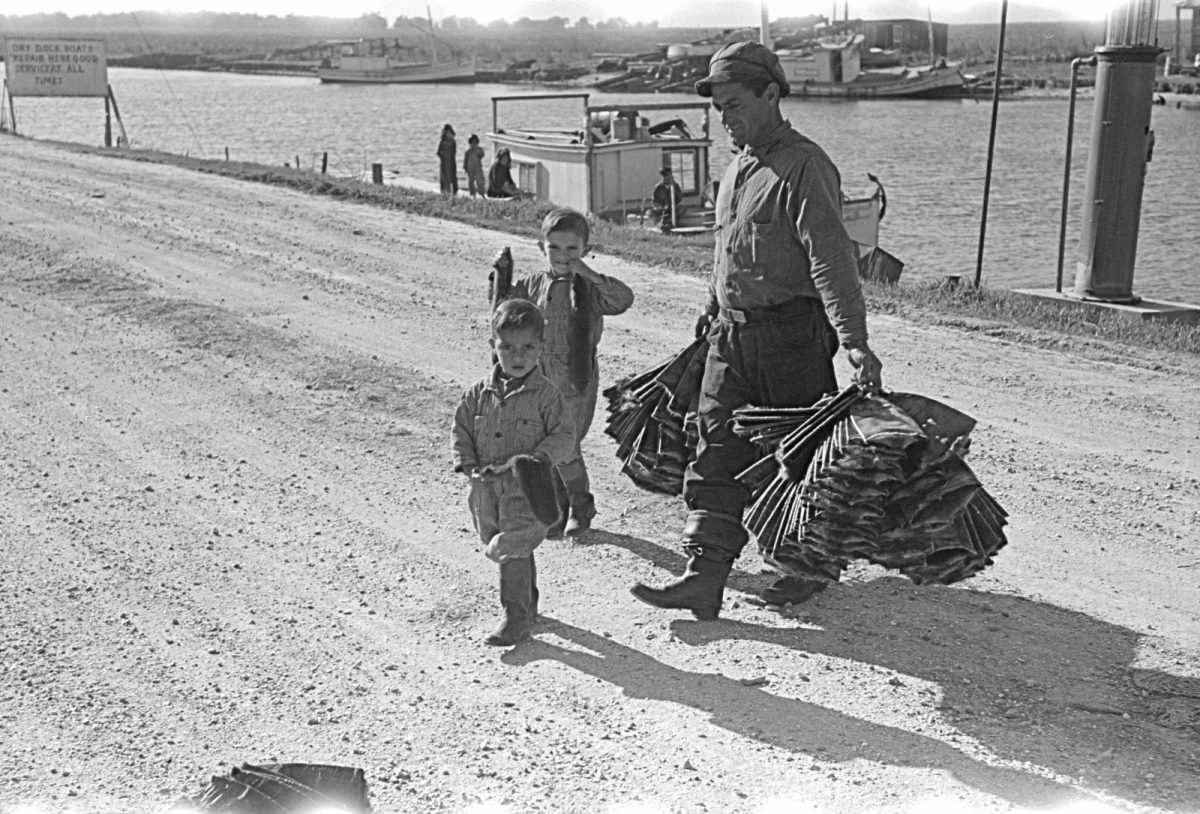
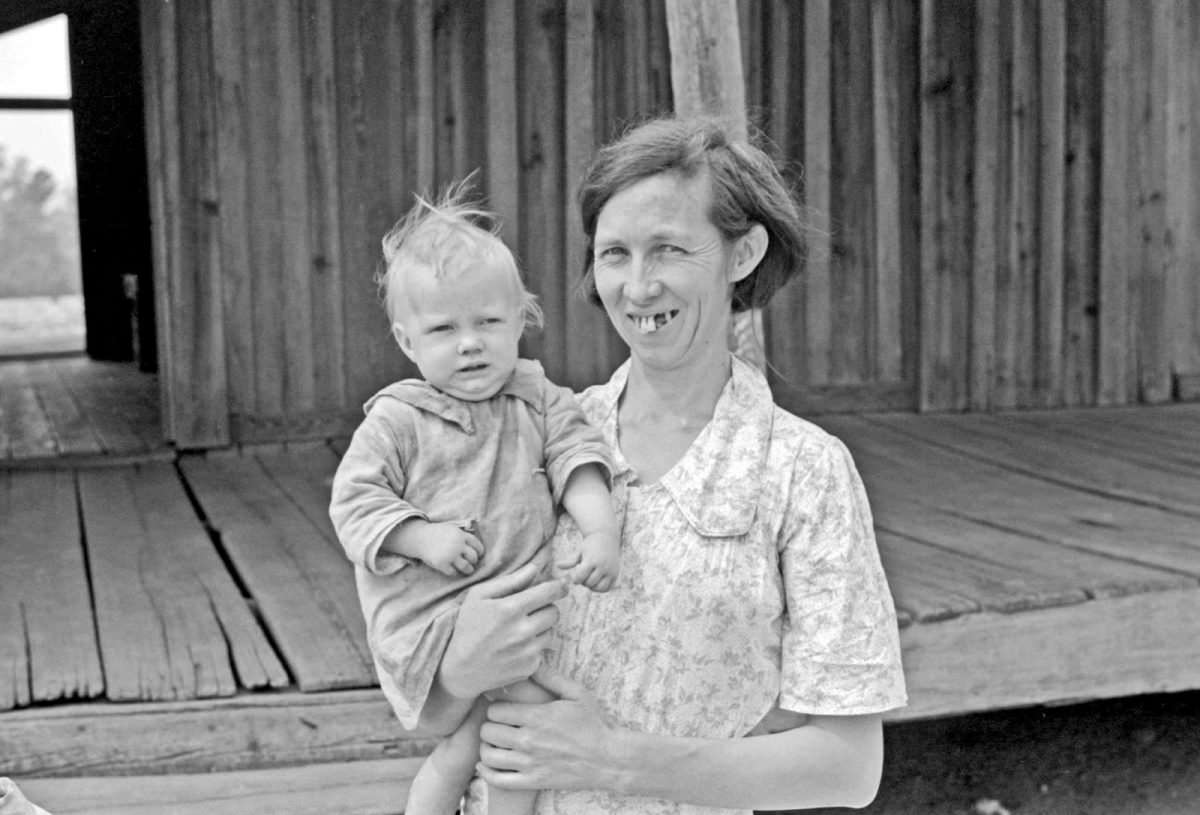
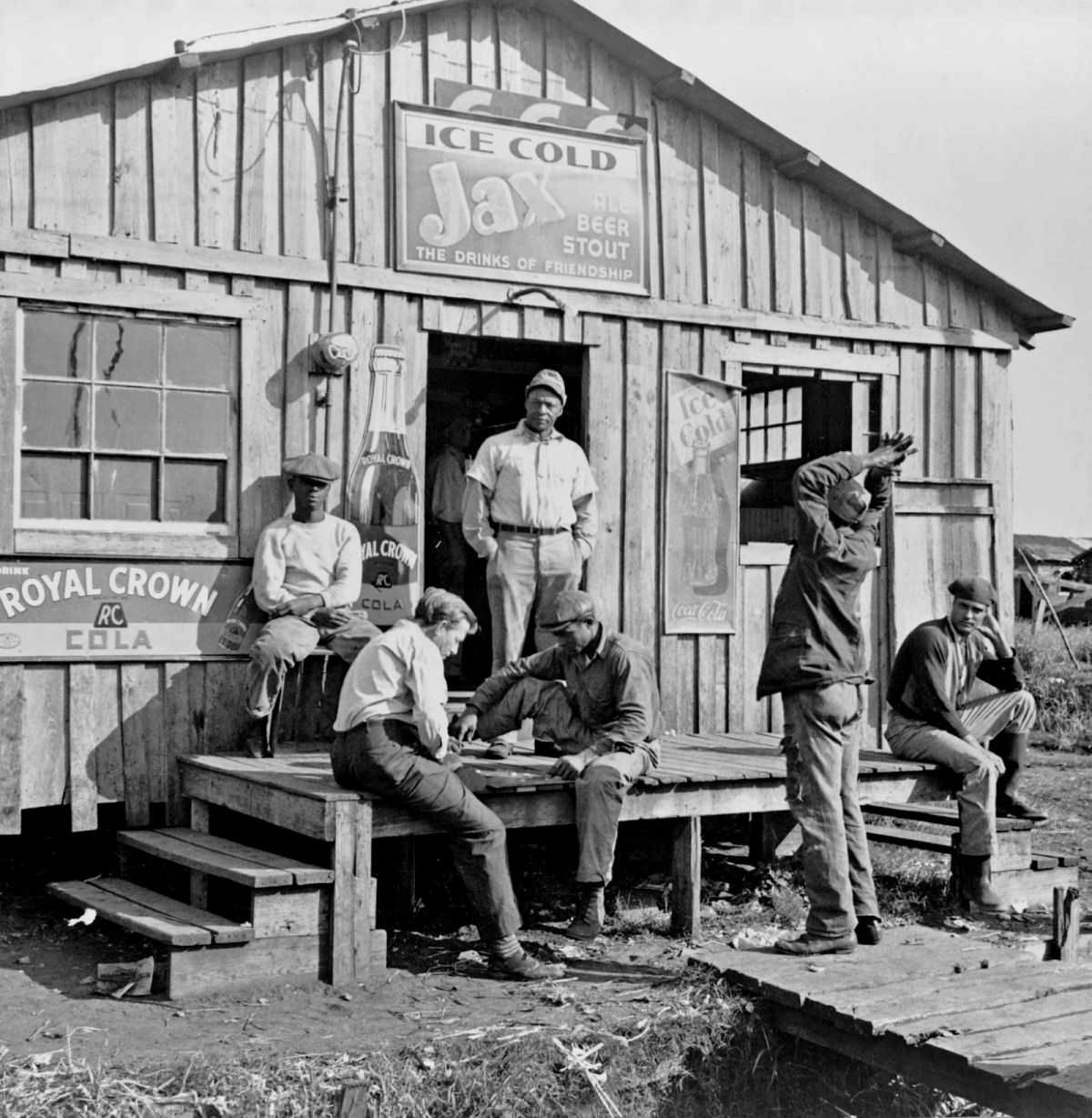
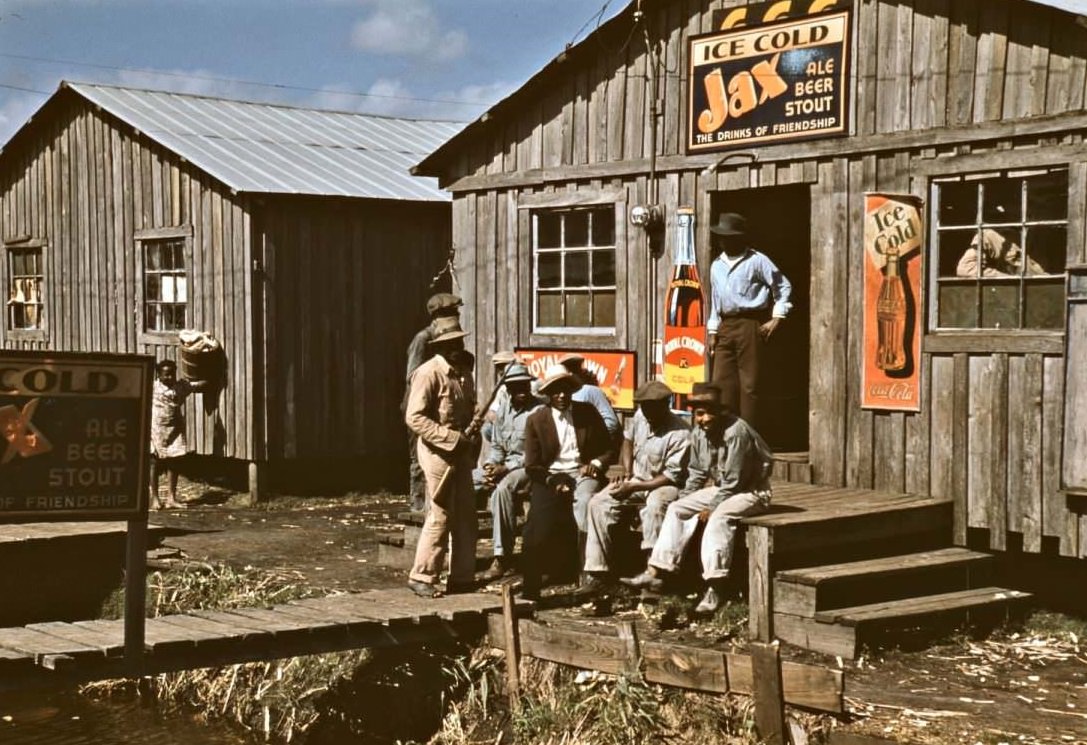
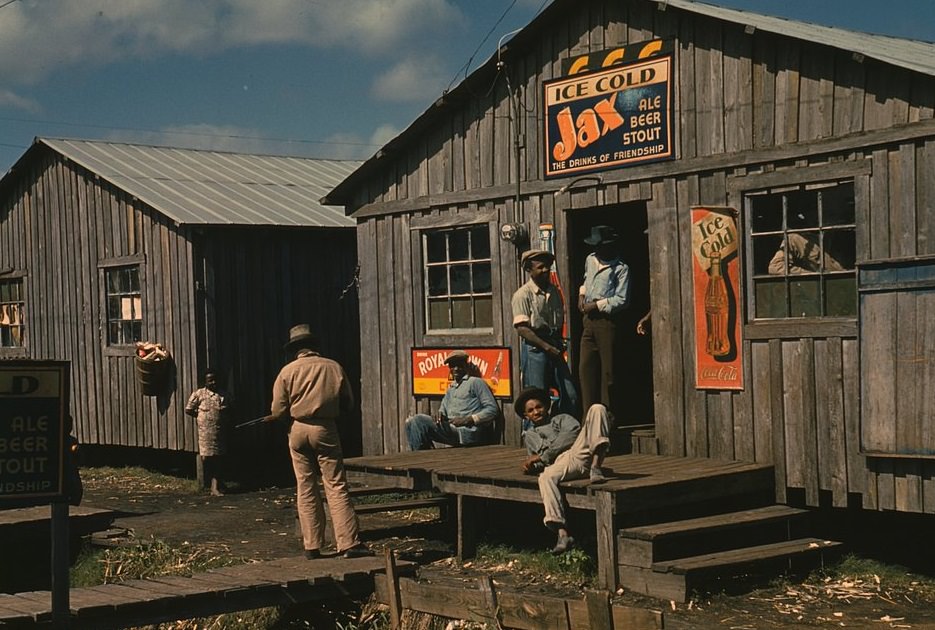
Migratory laborers in Belle Glade, Florida, were another community she documented closely. During the slack season, when vegetable picking slowed, workers gathered outside juke joints to pass the time. Marion photographed them playing checkers, socializing, and simply waiting — a reminder that rest was also part of the working-class experience.
In 1941, Marion met Leon Oliver Wolcott, then Deputy Director of War Relations for the U.S. Department of Agriculture. They married and started a family. Raising children pulled her focus away from fieldwork, and she stepped back from her photographic career to take on the role of wife and mother — setting aside the camera that had taken her across Depression-era America.