
Wittenberg is a small village in Shawano County, Wisconsin, covering just 1.79 square miles within the Town of Wittenberg. Surrounded by agricultural fields and hardwood forests, it sits close to both Wausau and the Fox Valley. But in 1953, much of the daily life in this quiet corner of Wisconsin revolved around one institution that had shaped the community for decades: the Bethany Indian Mission.
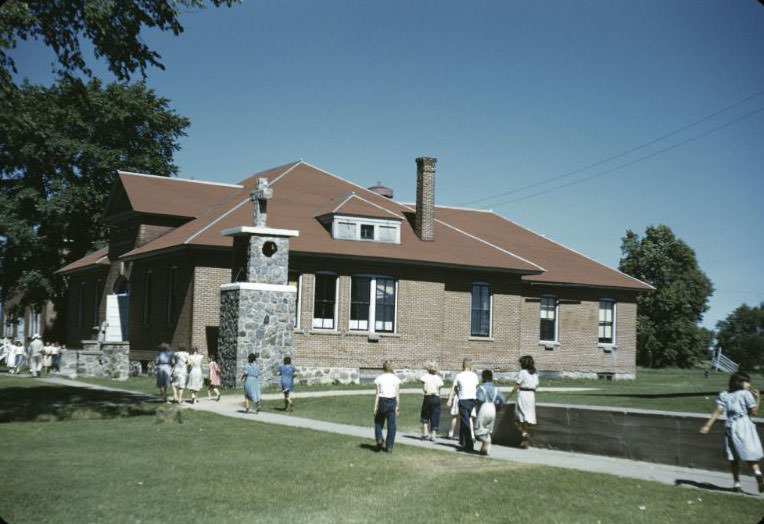
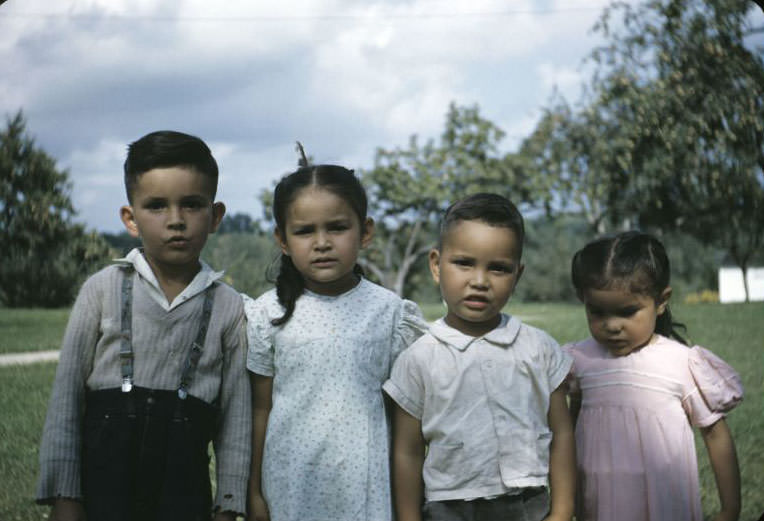
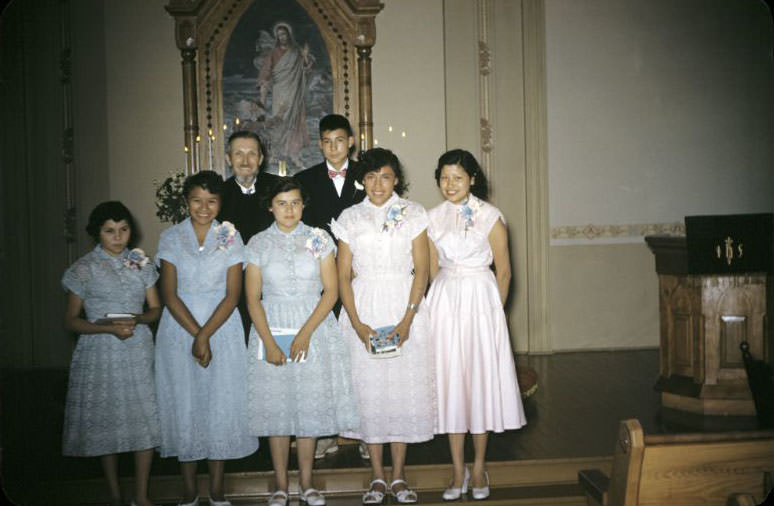
The Bethany Indian Mission operated in Wittenberg from 1883 to 1955. It began as an outreach of the Norwegian Synod and continued under the Norwegian Lutheran Church of America after the 1917 merger. The mission served the local American Indian population through education, religious instruction, and community support. These 1953 photographs offer a rare, detailed look at everyday life there — inside the classrooms, in the fields, at the chapel, and in the homes.
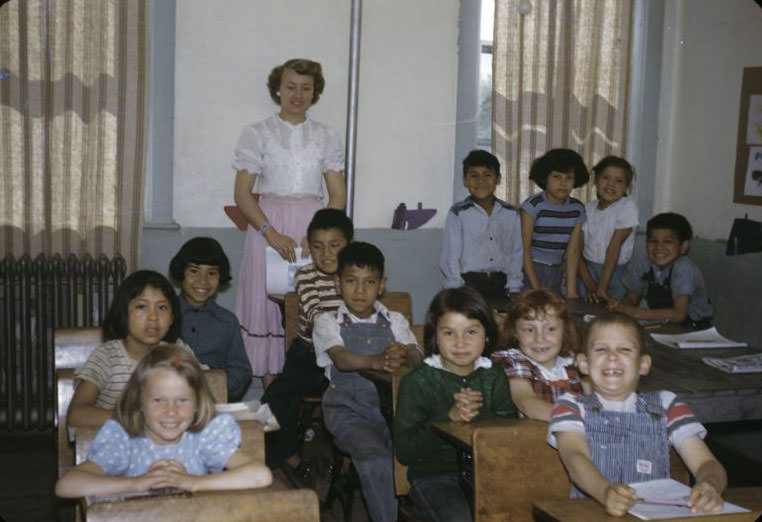
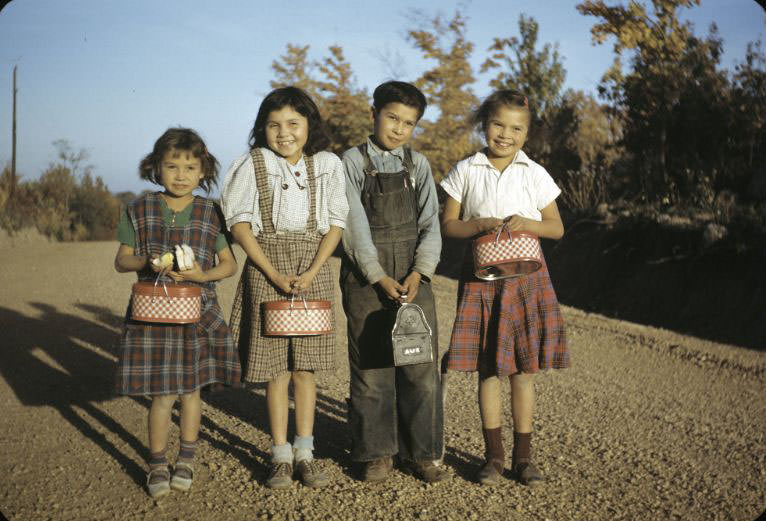
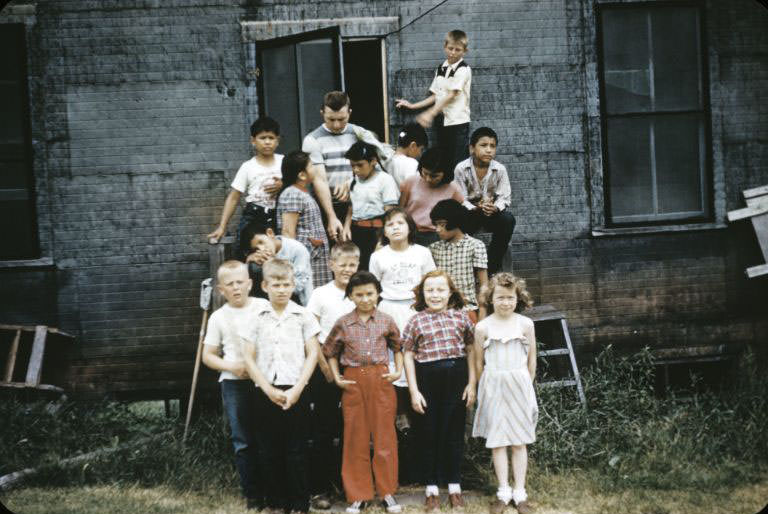
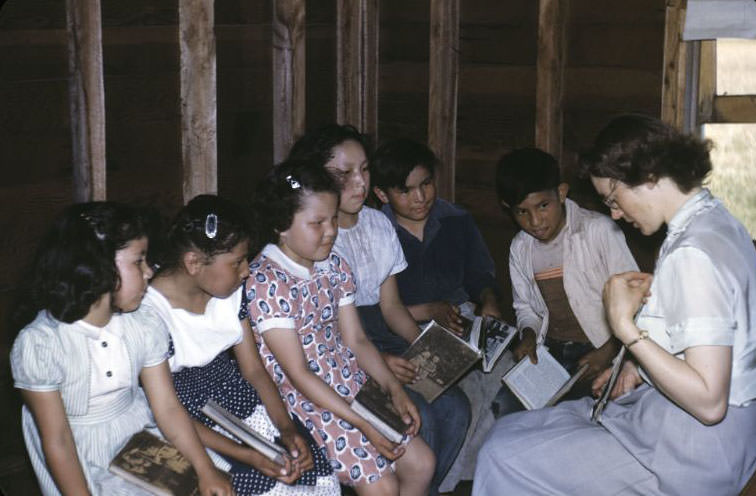
Education was central to the mission’s work. Teachers like Norma Garness led second-grade classrooms, while Gordon Trelstad taught fourth grade. Children arrived carrying lunch pails and left each day having studied reading, faith, and practical skills.
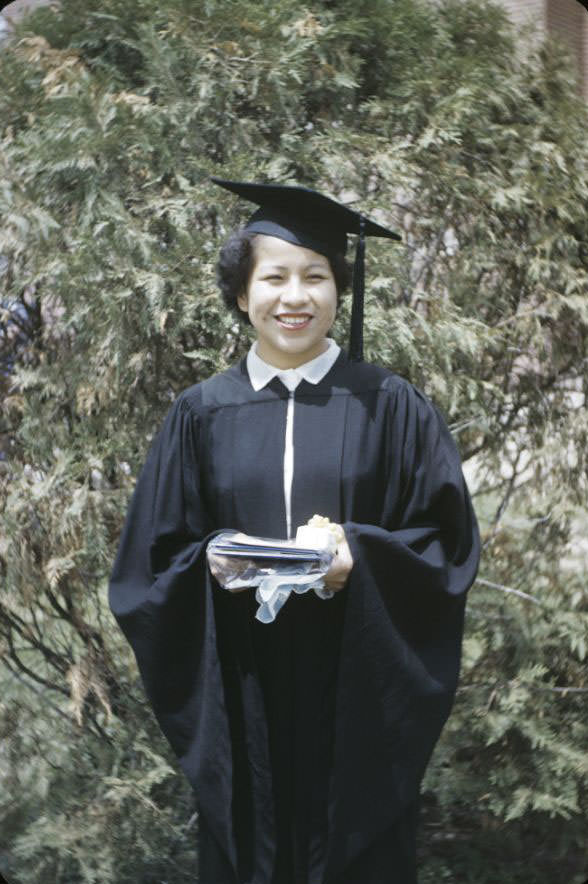
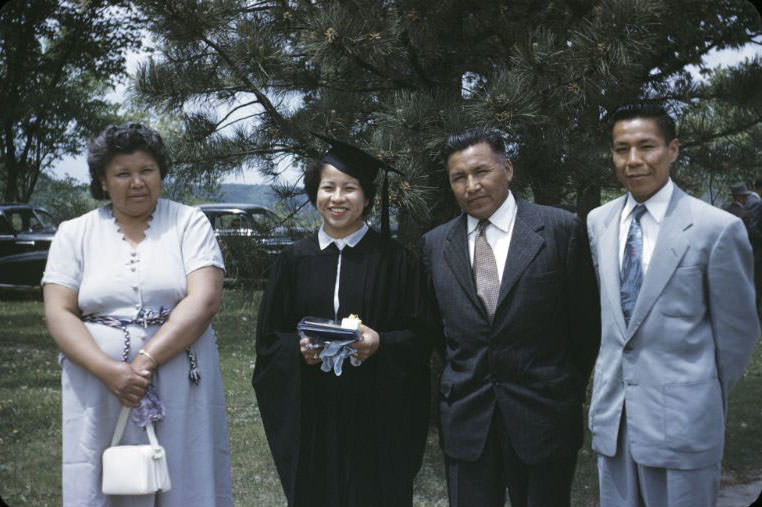
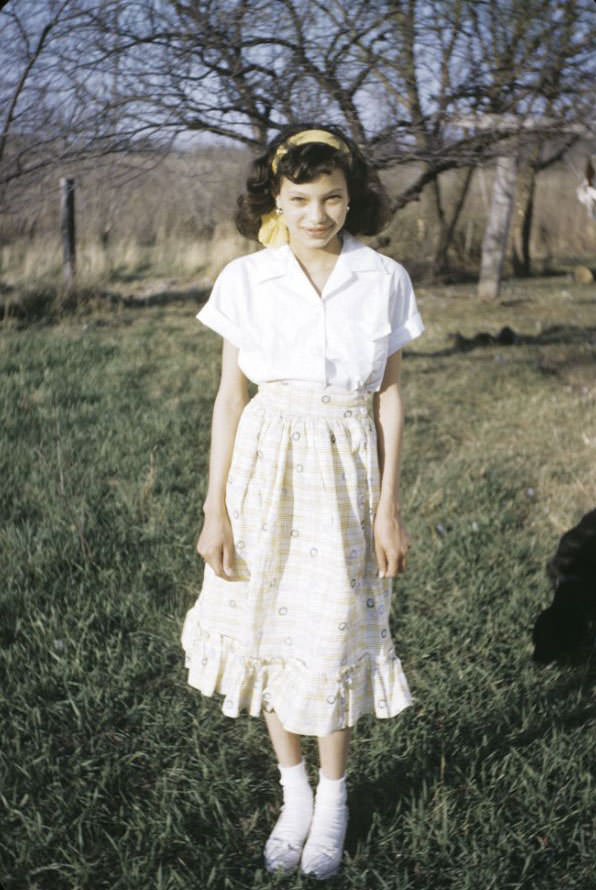
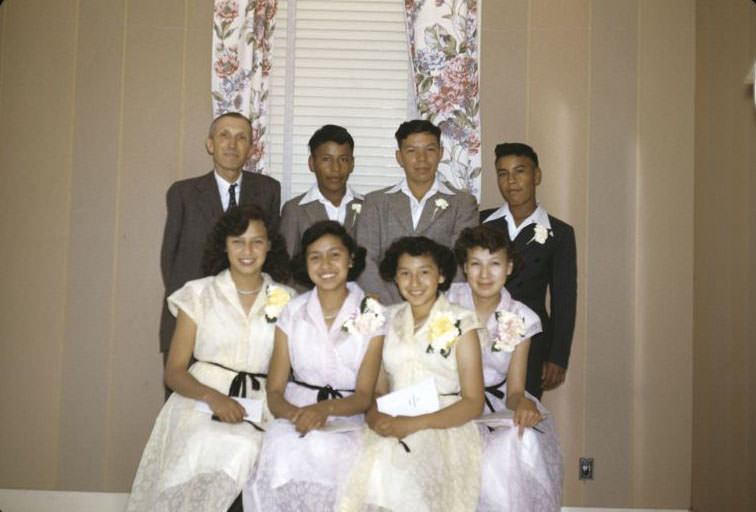
Angelina Hopinka was among those whose education was supported through the mission’s network. In 1953, she graduated from Luther College — a significant achievement documented in photographs alongside her stepparents and her brother Chauncey. Constance Rockman was another Luther College student connected to the mission that same year.
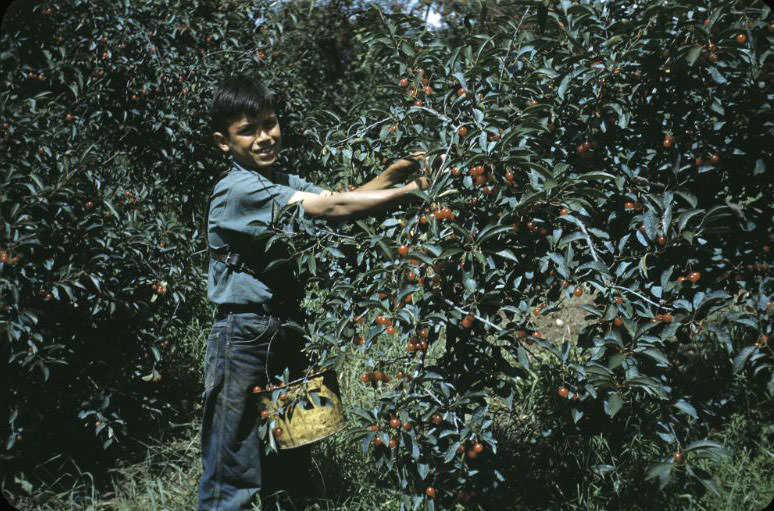
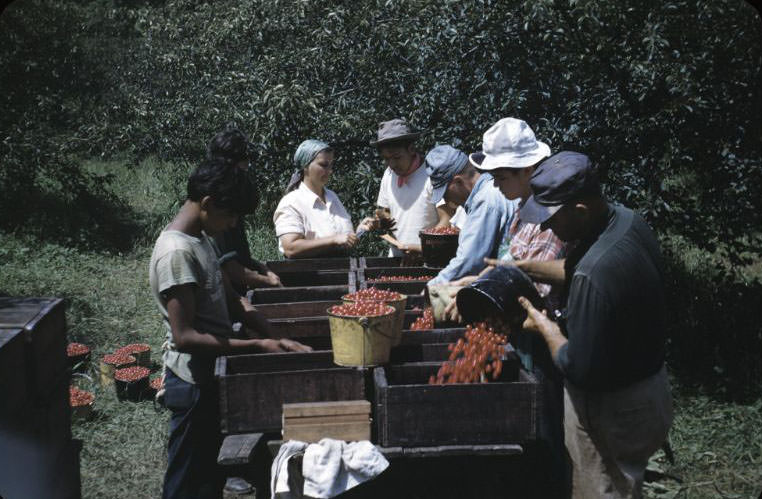
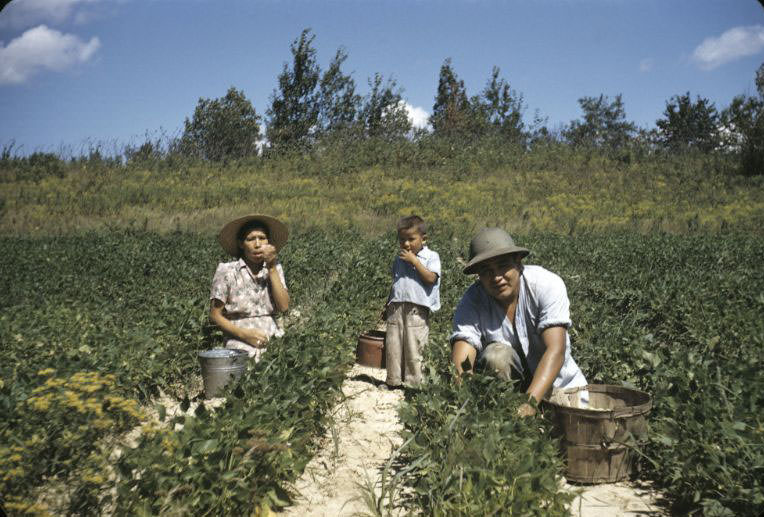
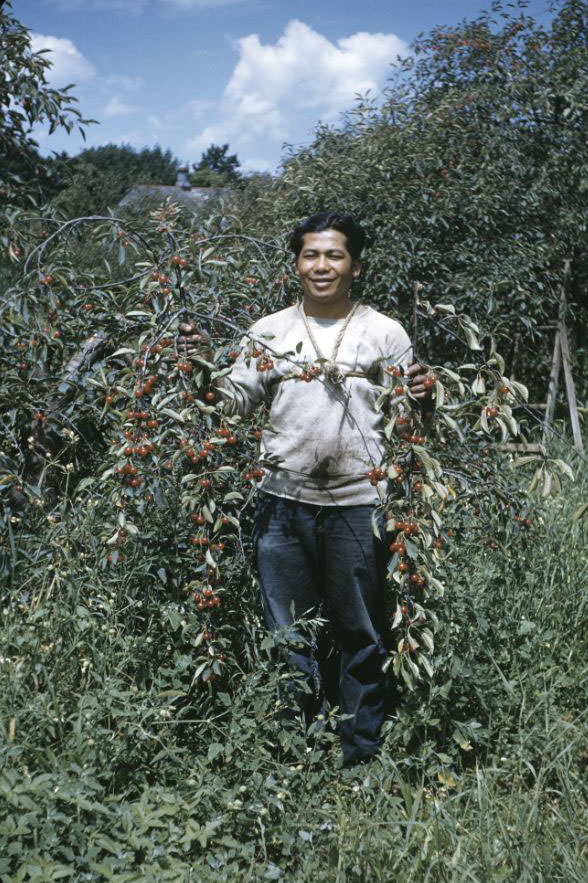
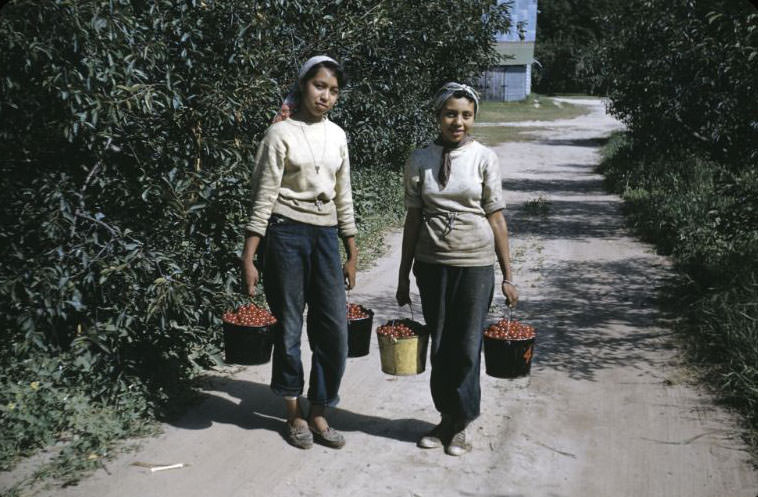
Seasonal labor was a major part of life for mission families. Each summer, community members traveled to cherry orchards to pick fruit. Children and adults worked side by side, hauling pails and checking in at orchard stations. The Gibraltar orchard, where workers slept in a bunkhouse, was one of the main sites. Julian Valena was photographed among the cherry trees that season.
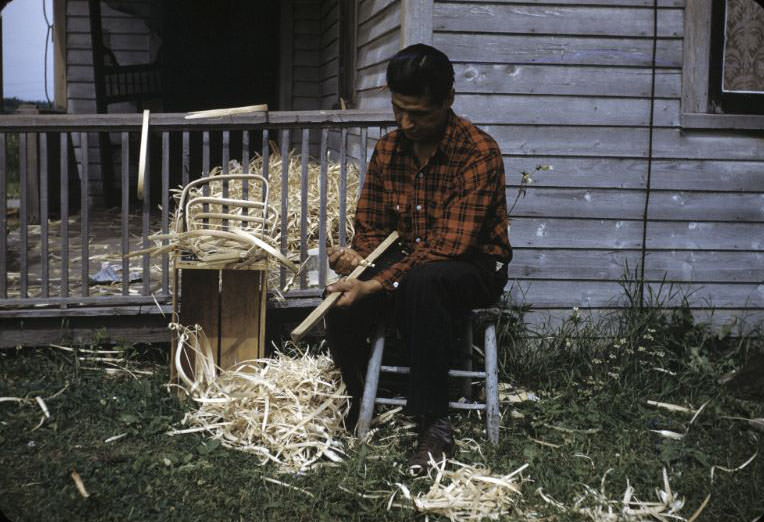
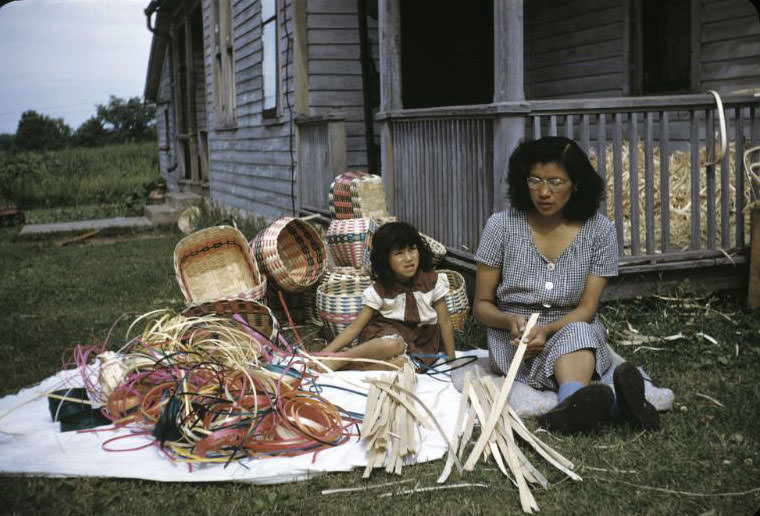
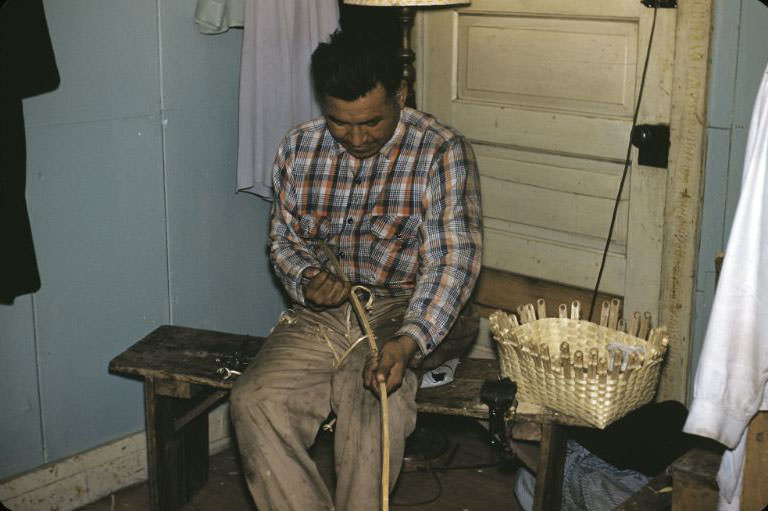
Traditional crafts remained an active part of the community’s culture. Residents carved wood and wove baskets, skills passed down through generations. These weren’t just hobbies — they were a visible connection to American Indian heritage maintained within the mission community.
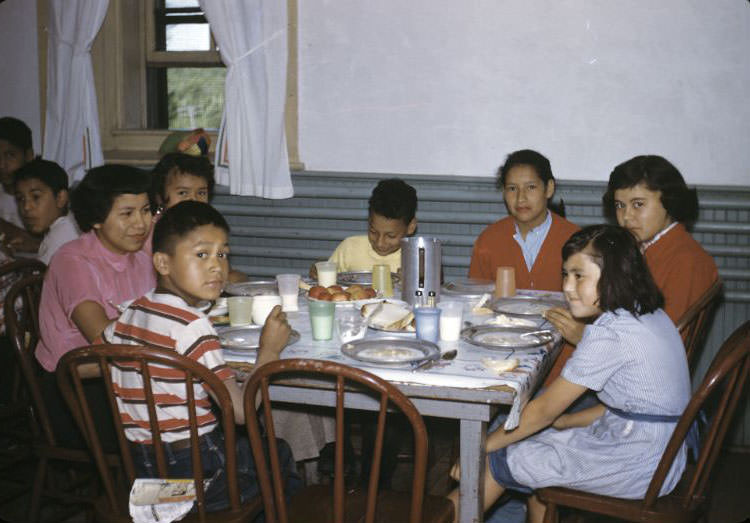
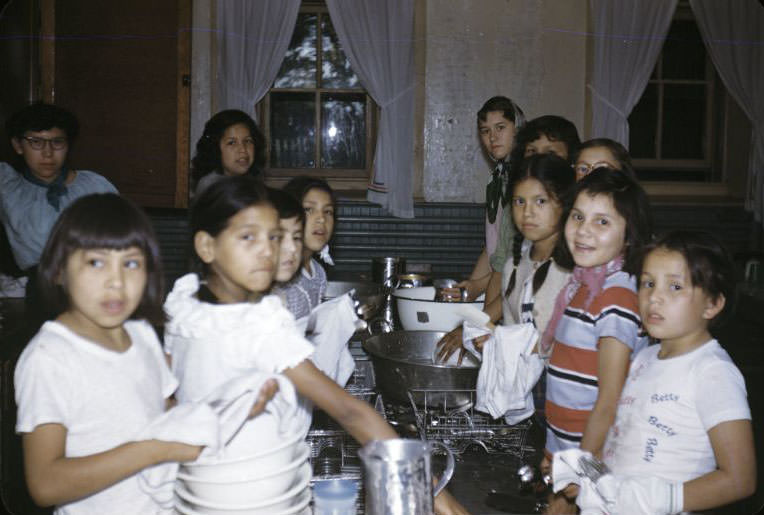
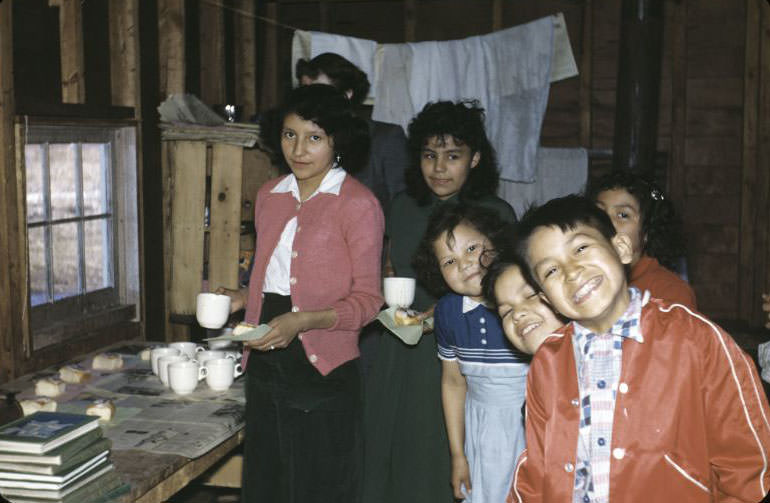
Mealtimes and daily chores were shared experiences for children at the mission. Teacher Angeline Hopinka supervised children at the table, and kids helped wash dishes after meals. These routines built a structured community life that blended faith, education, and practical work.
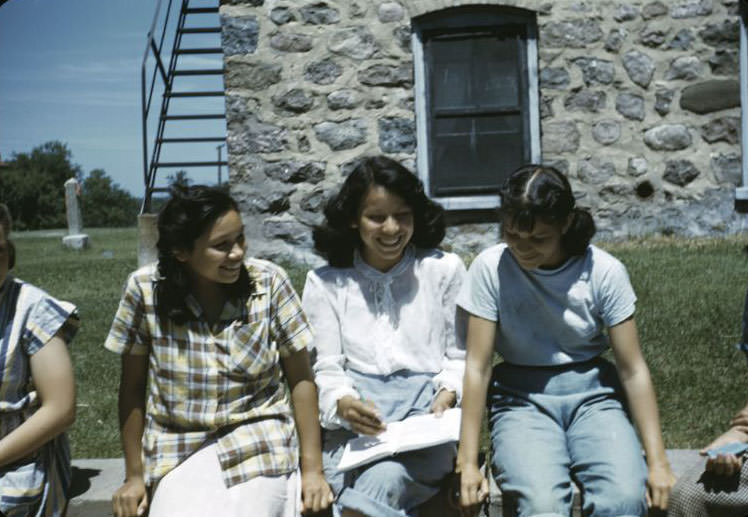
Religious life was woven into every part of the mission’s calendar. Children performed in program plays, confirmation classes gathered for instruction, and the congregation assembled for both indoor and outdoor Sunday services. The Christian Summer School ran its own staff separate from the regular school year.
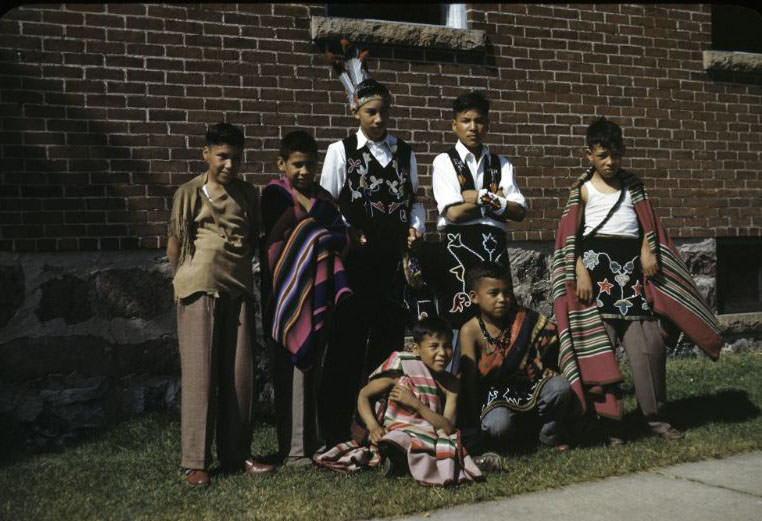
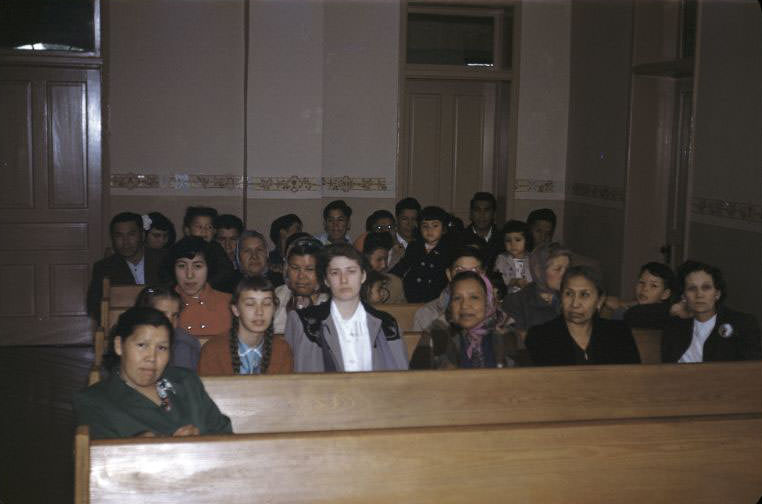
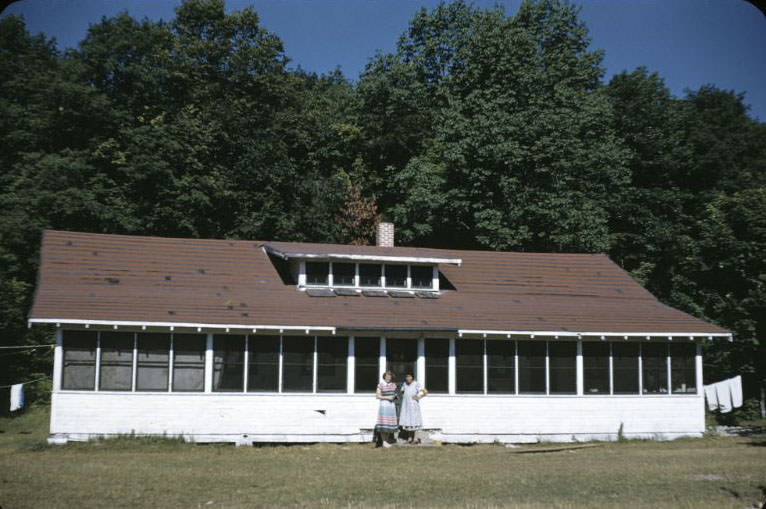
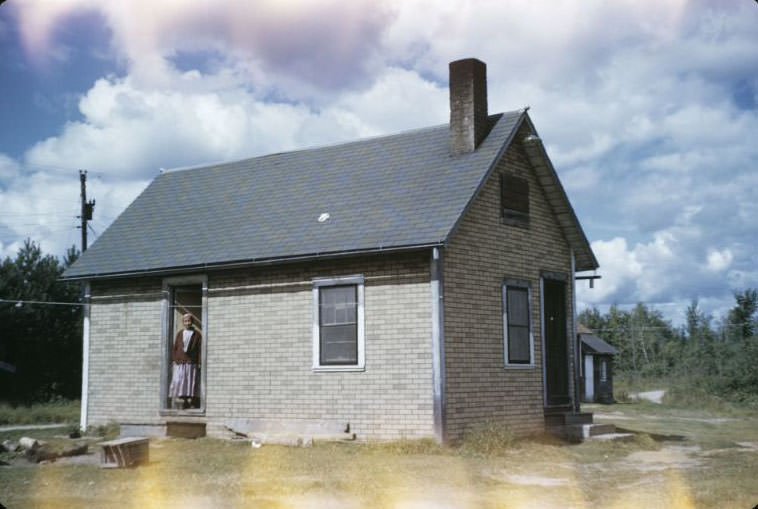
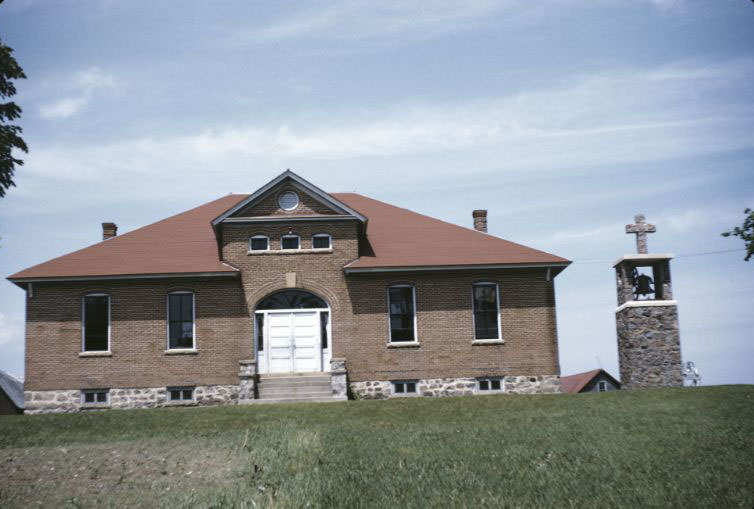
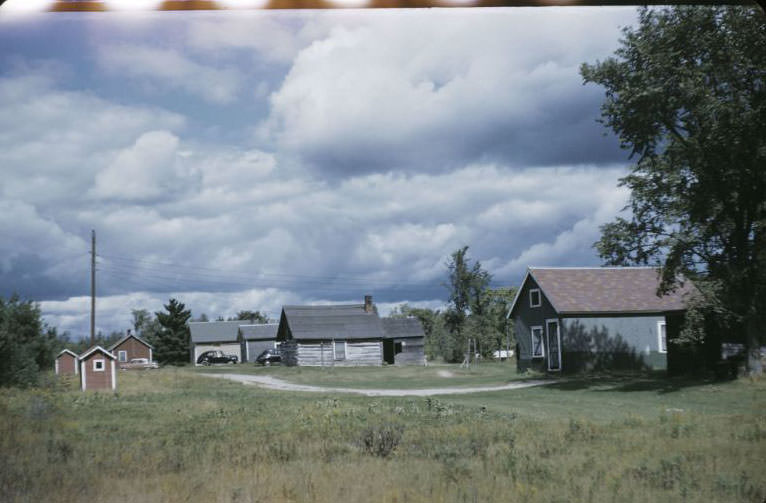
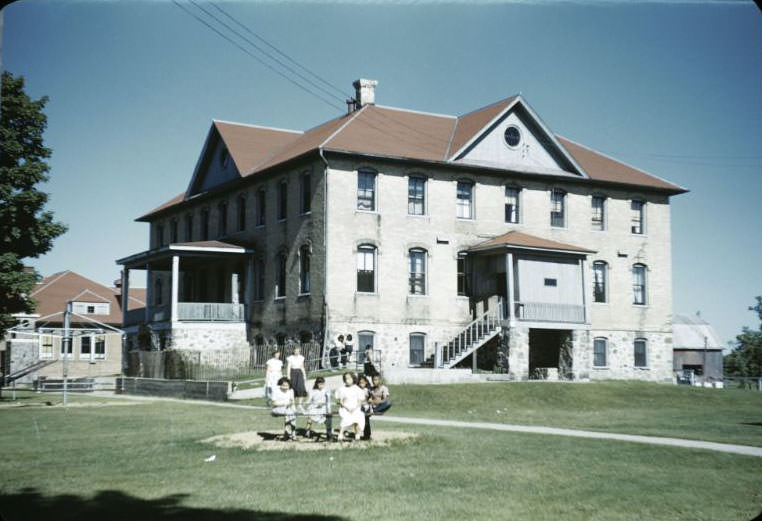
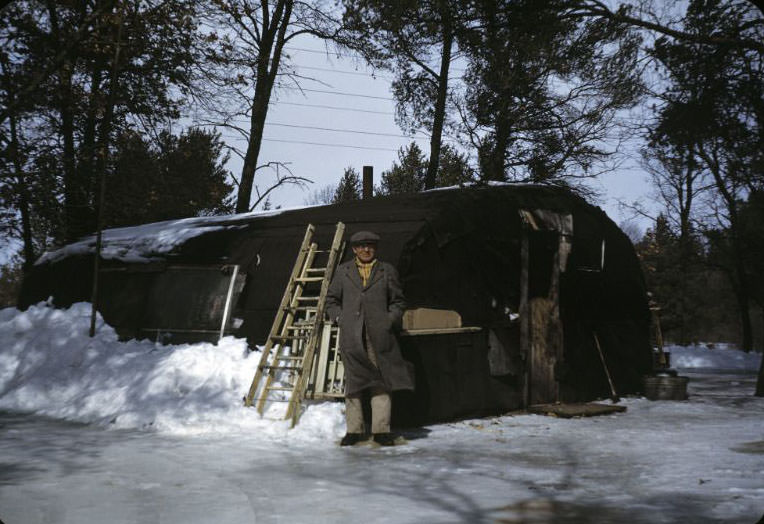
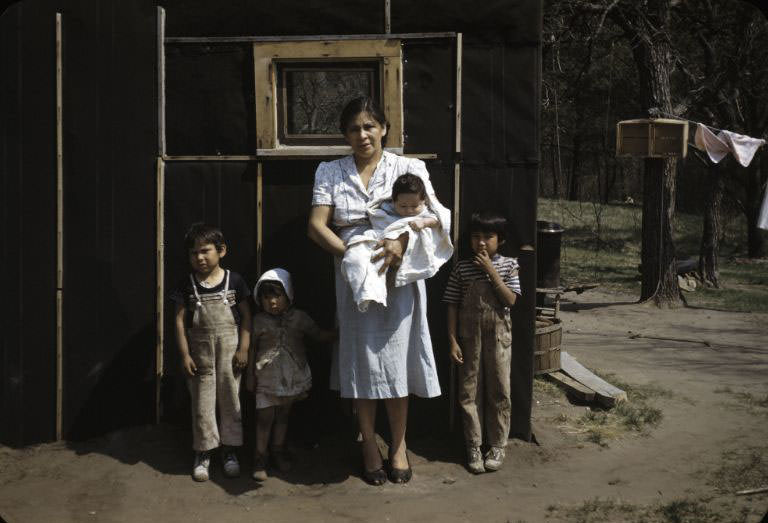
The mission’s physical campus included a chapel, schoolhouse, Girls Building, employees’ building, and individual cabins. Five cabins sat north of Wittenberg, and some residents lived in more modest dugout homes. The variety of housing reflected the different circumstances of families connected to the mission.
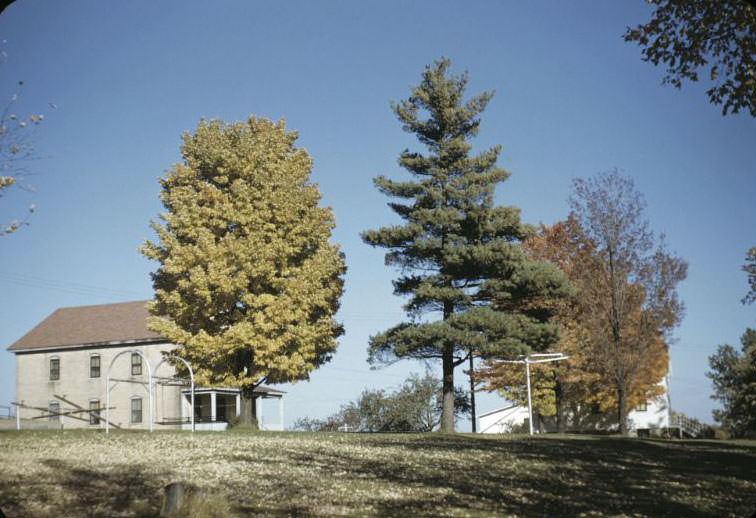
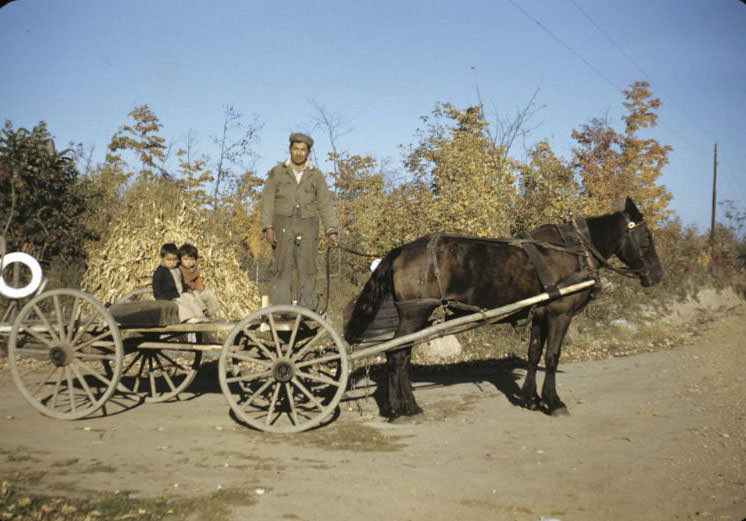
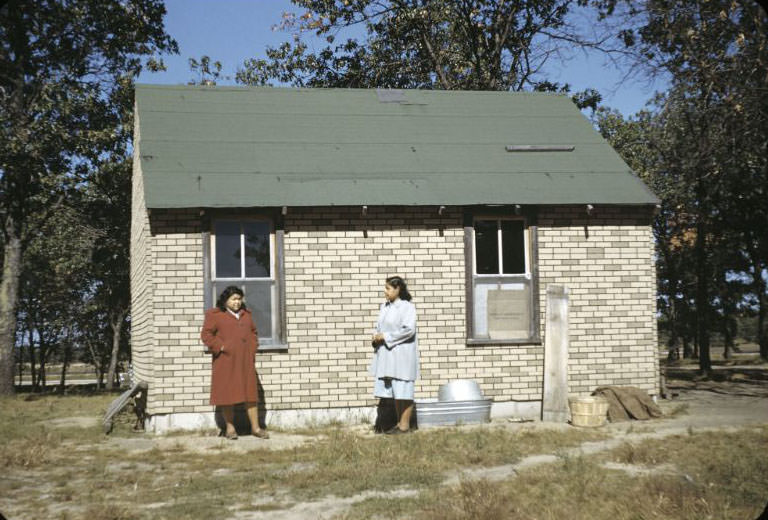
Field work and farm labor kept many mission residents occupied throughout the warmer months. The cranberry marsh hosted a weekday parish school for children whose families worked there seasonally, bringing education directly to where families lived and labored.
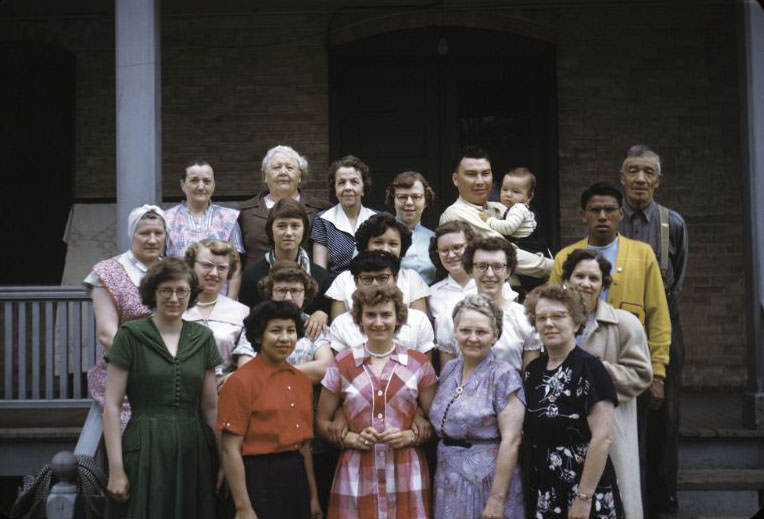
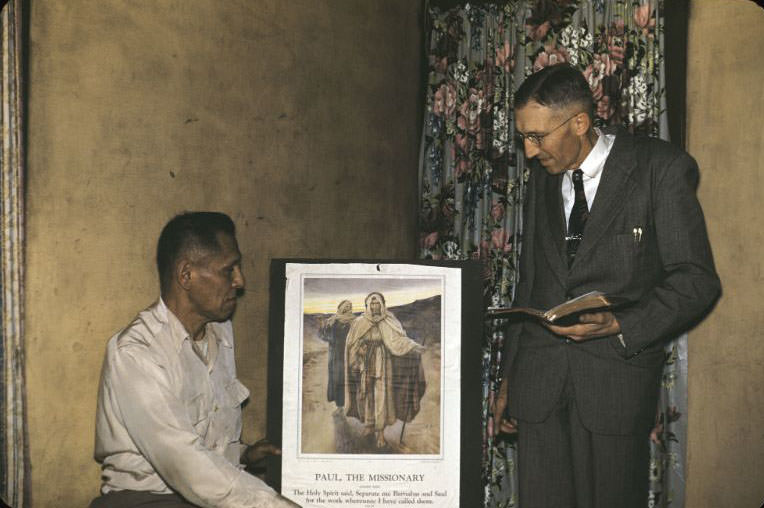
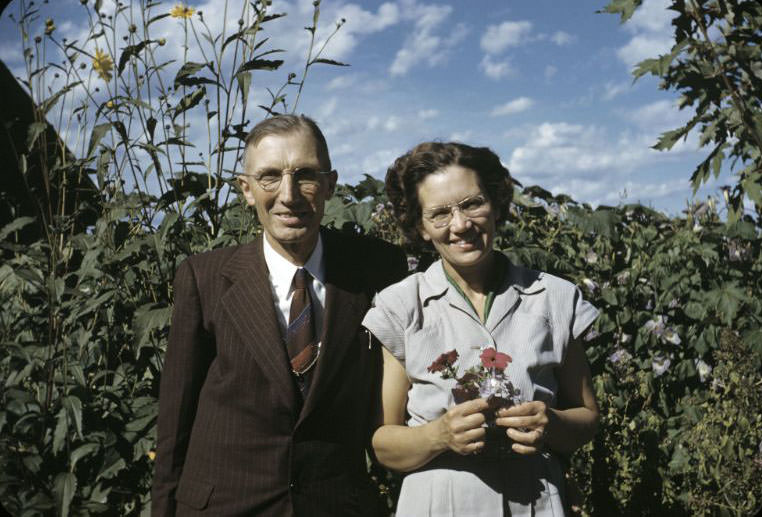
Pastor Ernest W. Sihler and his wife were central figures at the mission in 1953. Sihler and another man were photographed that year with a poster of Paul the Missionary, reflecting the evangelical spirit that drove the mission’s work. The Oneida Ladies Aid group, active in the Wittenberg-Tigerton area, was another organized expression of the community’s faith life.
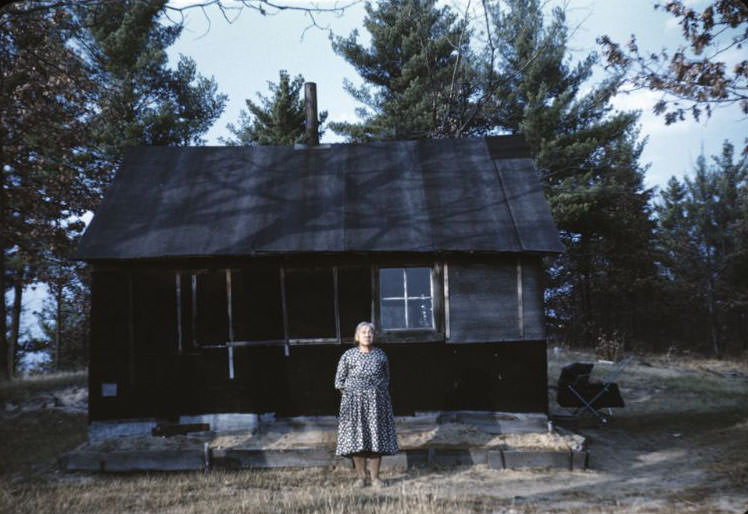
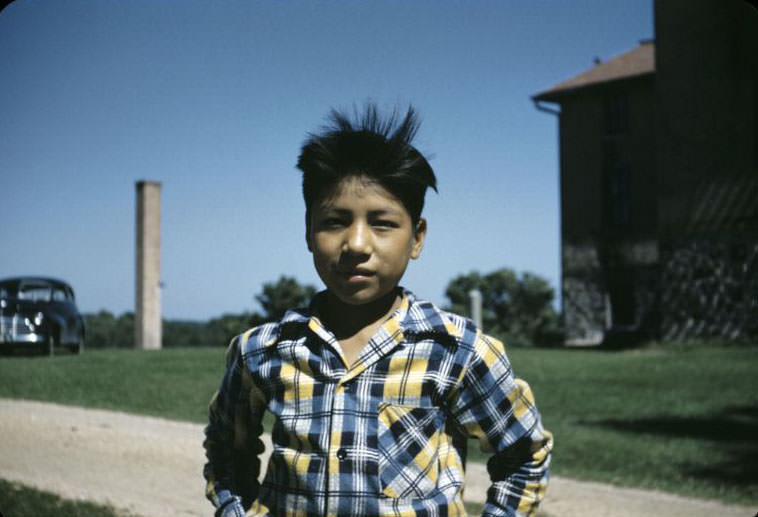
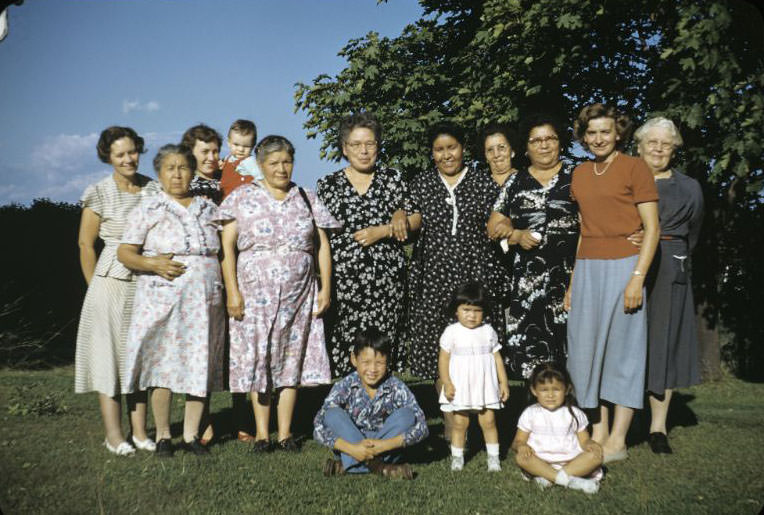
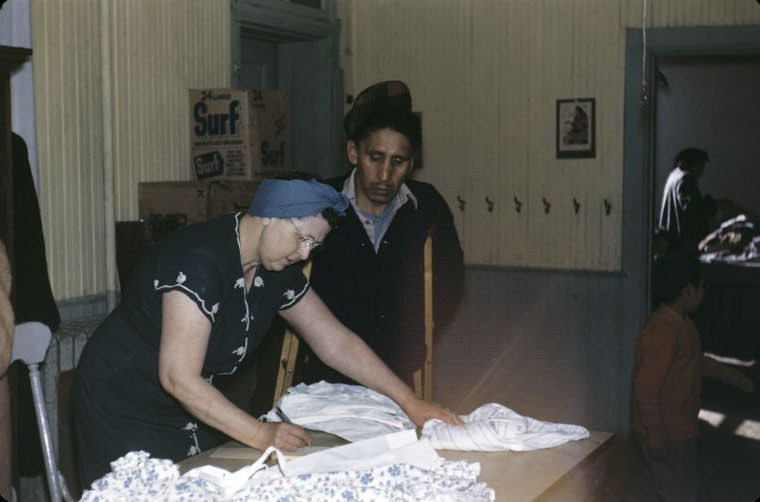
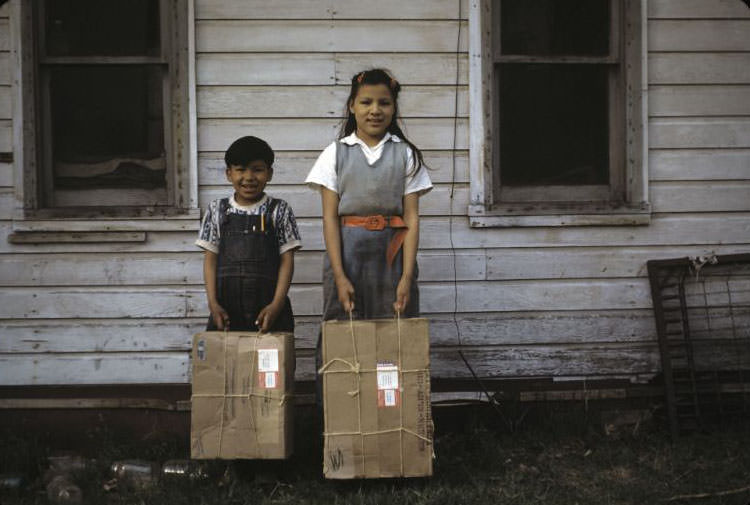
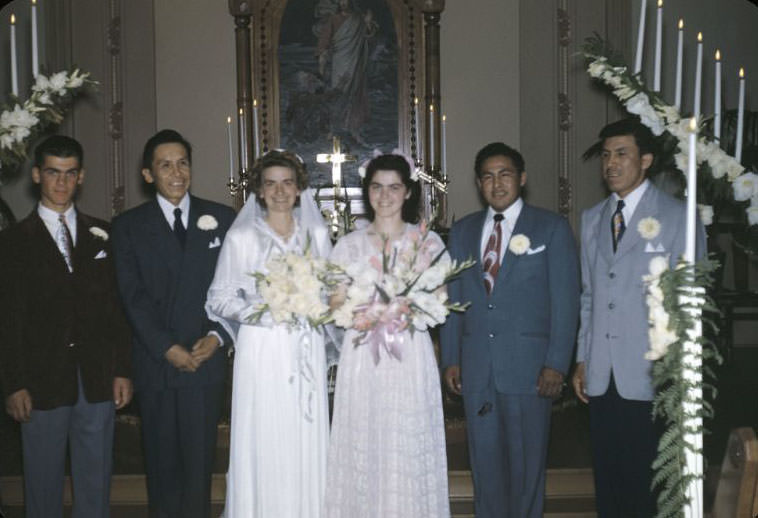
Outdoor Sunday services brought the congregation together in the open air, a common practice during warmer Wisconsin summers. Weddings, too, were documented that year, showing that major life milestones within the community were tied to the mission’s religious framework. Tony and Martha Whitewing were photographed with packages — likely goods distributed on Clothing Day, a regular event when donations were handed out to families.
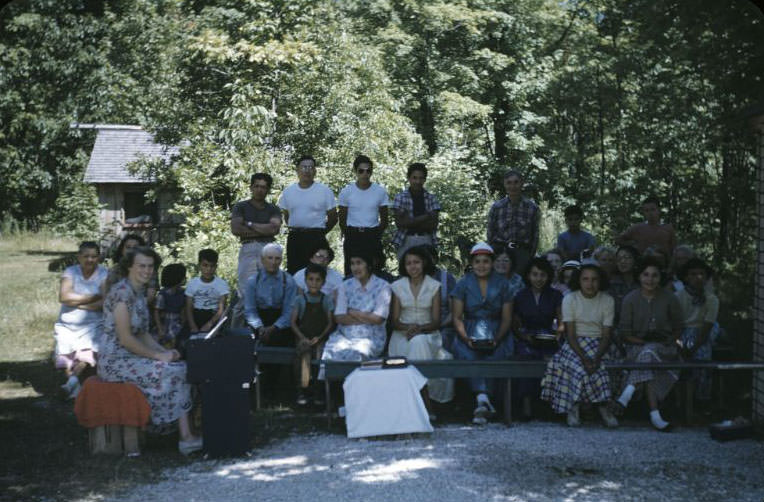
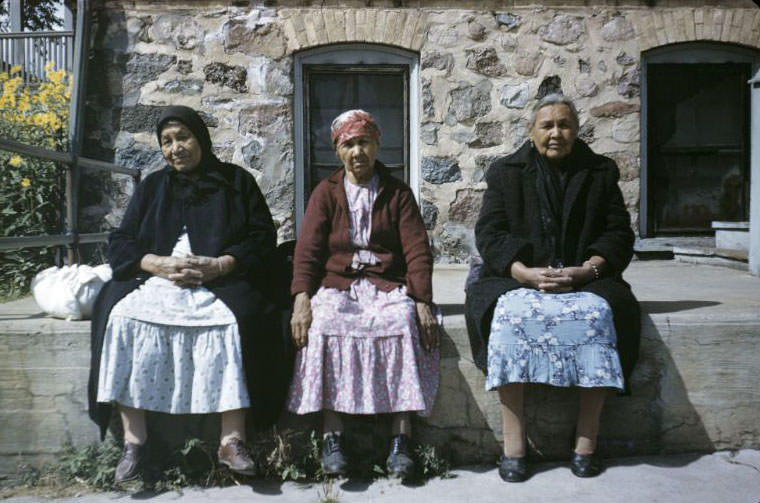
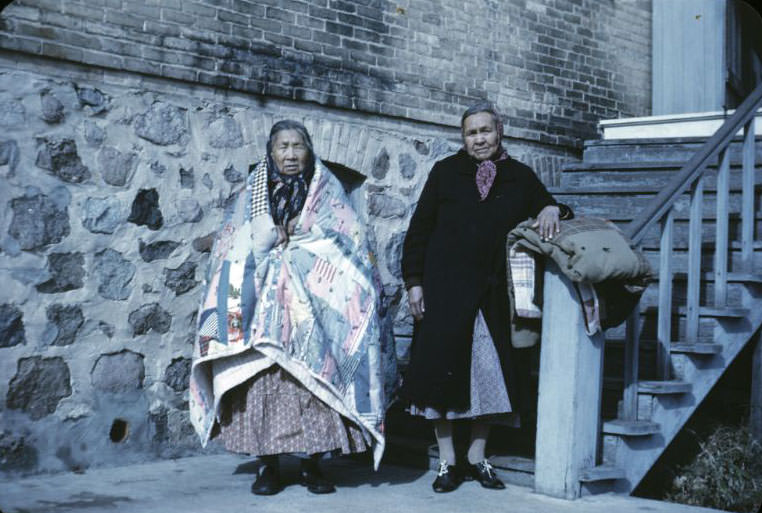
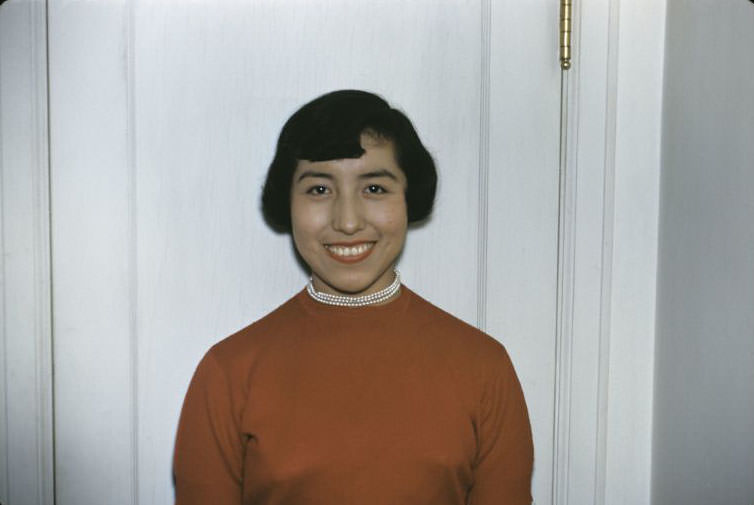
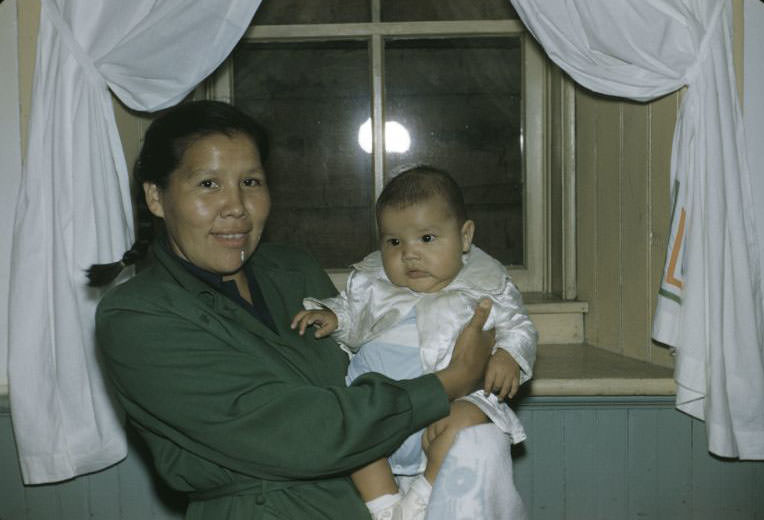
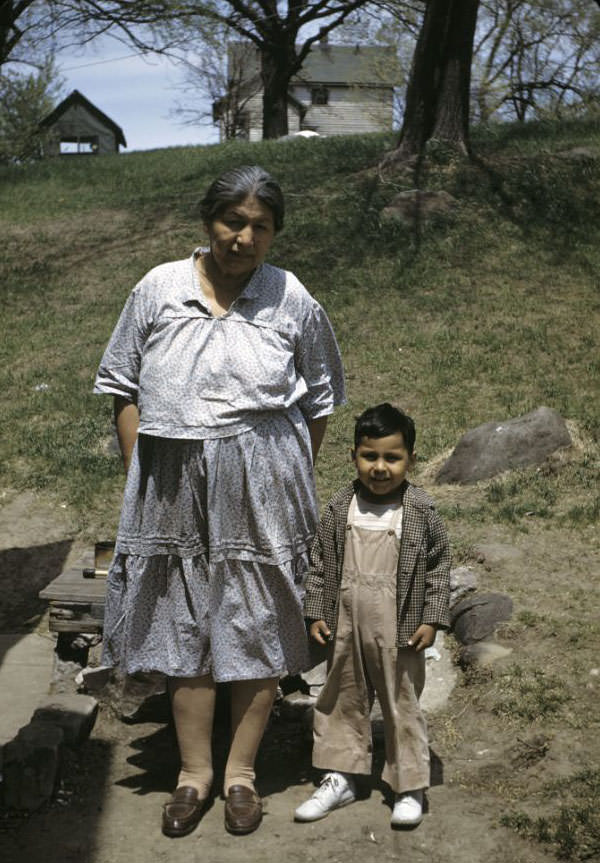
Basket weaving was practiced and photographed multiple times that year, underscoring its importance to the community’s daily and cultural life. These images, alongside portraits of individuals like Anita Hill and Nellie Wolf and scenes of women with children, capture the texture of ordinary life at Bethany — structured, communal, and deeply rooted in both native tradition and Lutheran faith.





Wow. I don’t know what I expected, but these all look just like my family’s old photos. Wouldn’t change a thing.