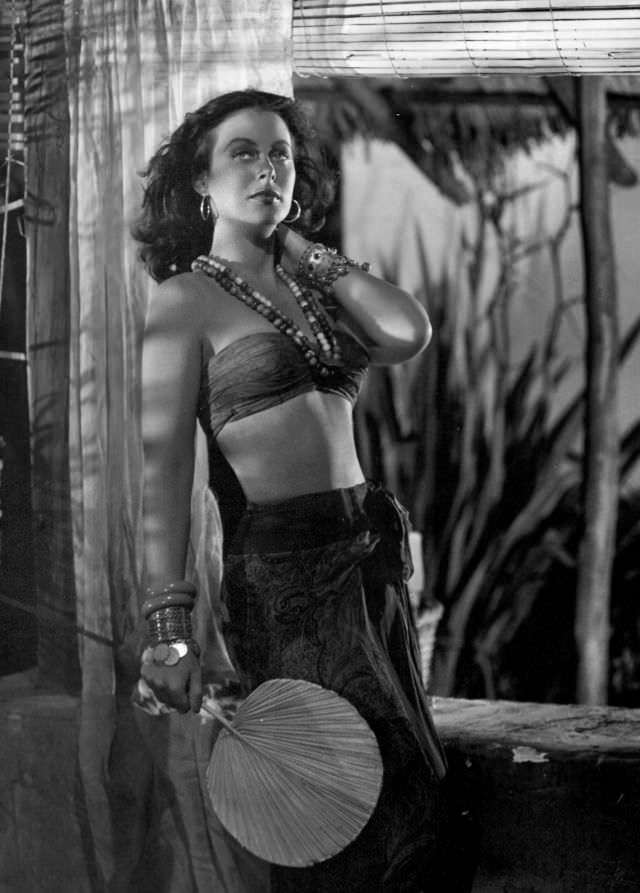
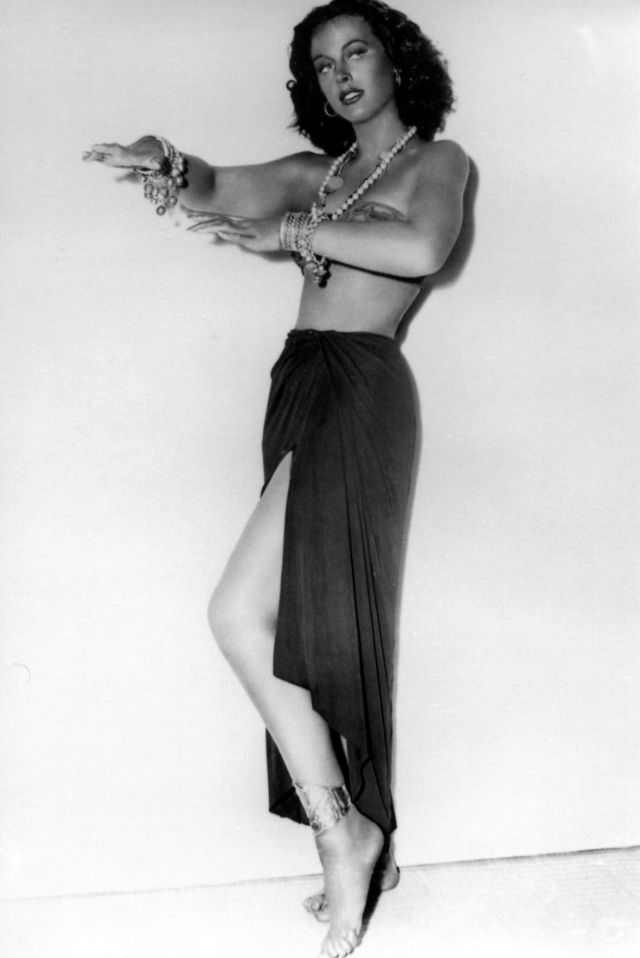
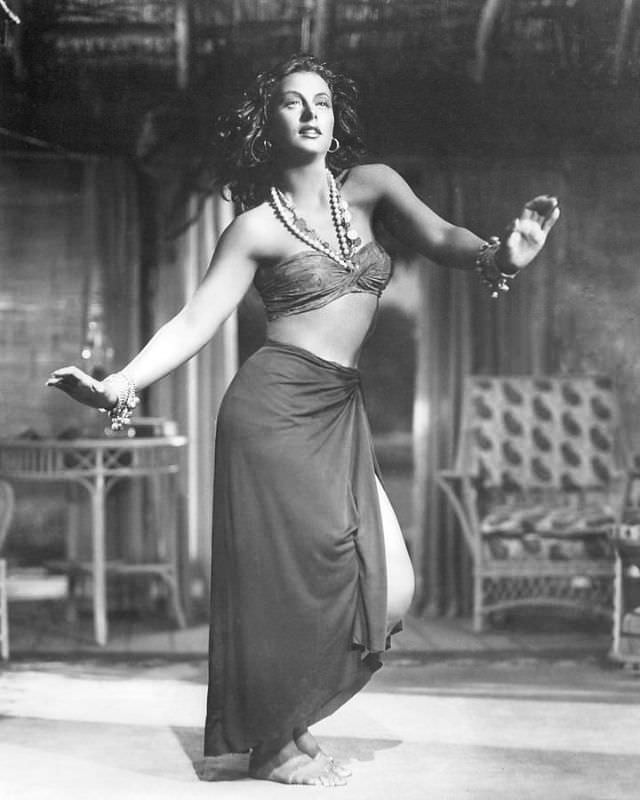
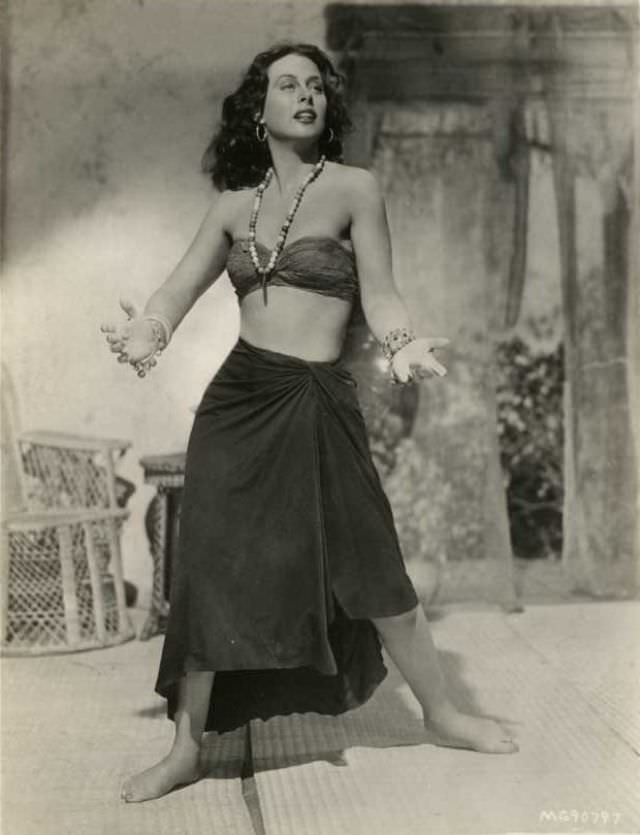
White Cargo, released by MGM in 1942, was one of Hollywood’s most daring productions of the era. Directed by Richard Thorpe, the film starred Hedy Lamarr and Walter Pidgeon and was adapted from Leon Gordon’s stage play, which itself drew from Ida Vera Simonton’s earlier source novel. Set on a British rubber plantation deep in Africa, the story follows a plantation manager whose world is upended by the arrival of a new administrator — and by the presence of Tondelayo, the seductive and manipulative woman at the center of the drama.
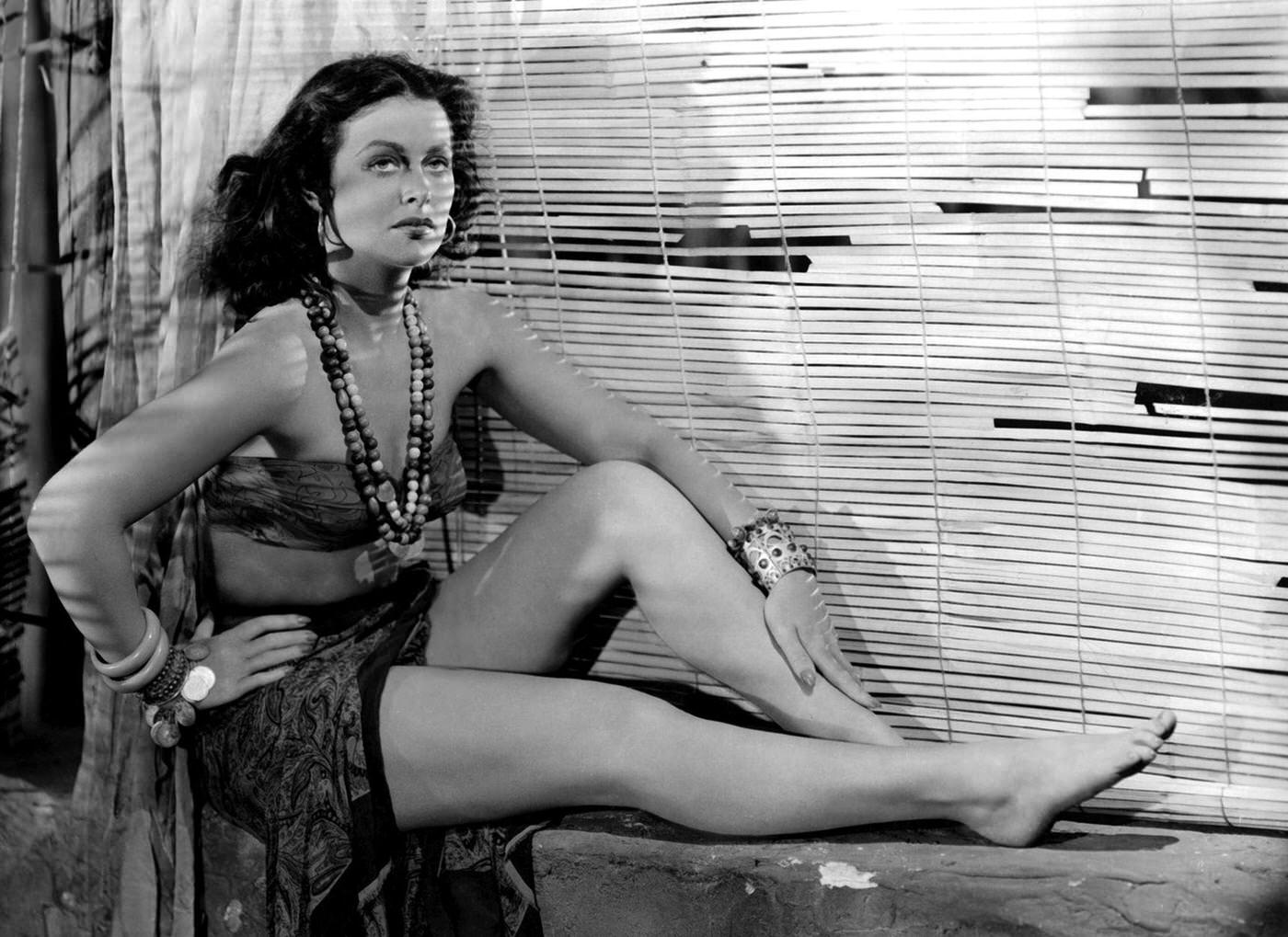
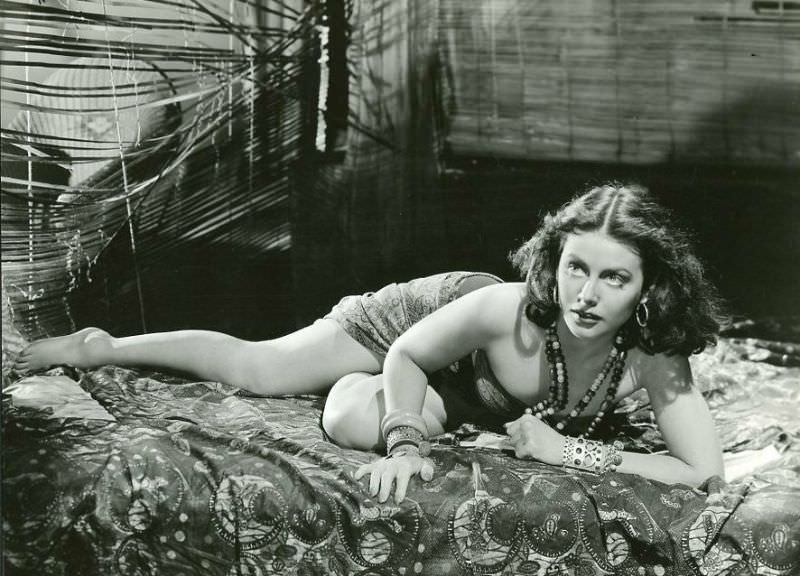
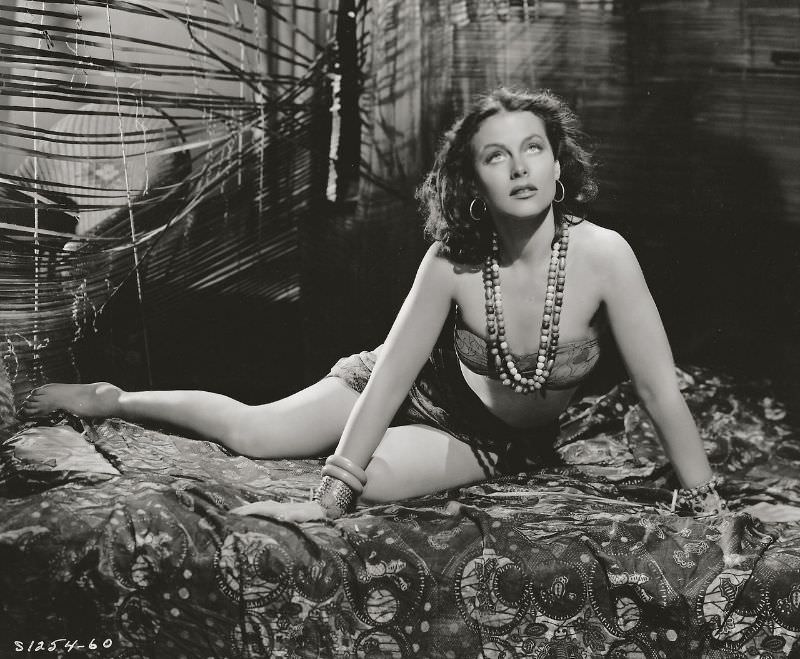
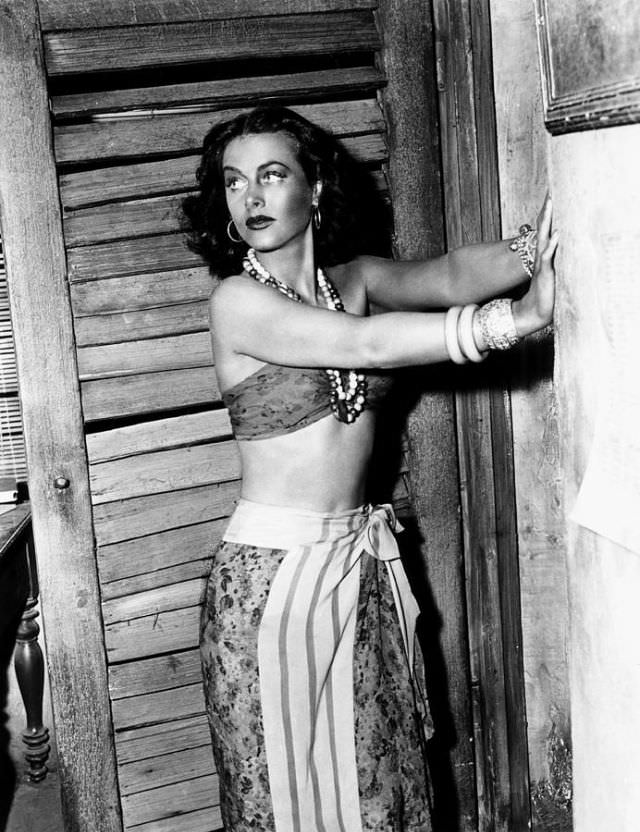
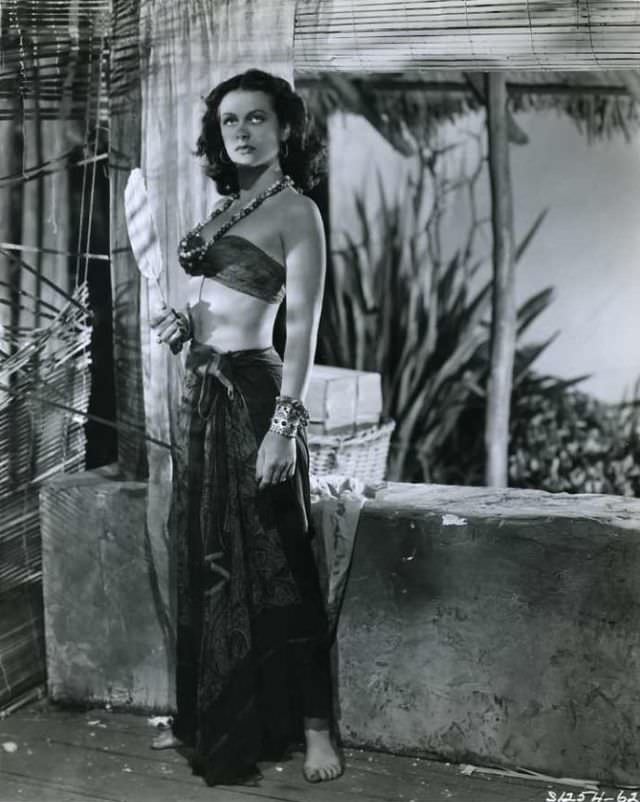
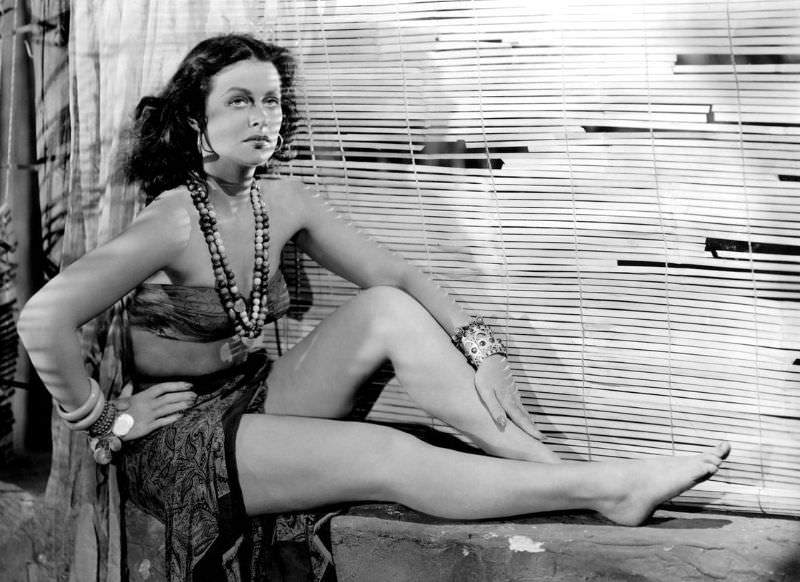
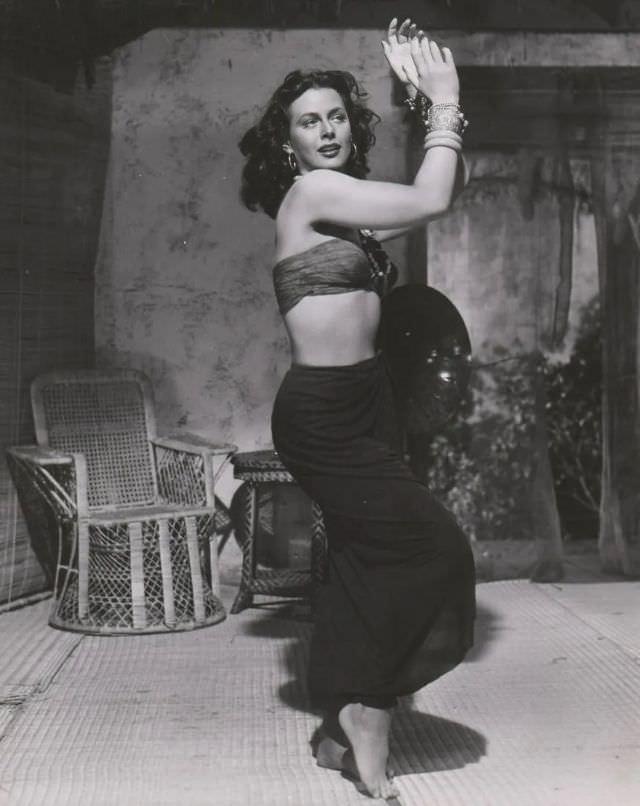
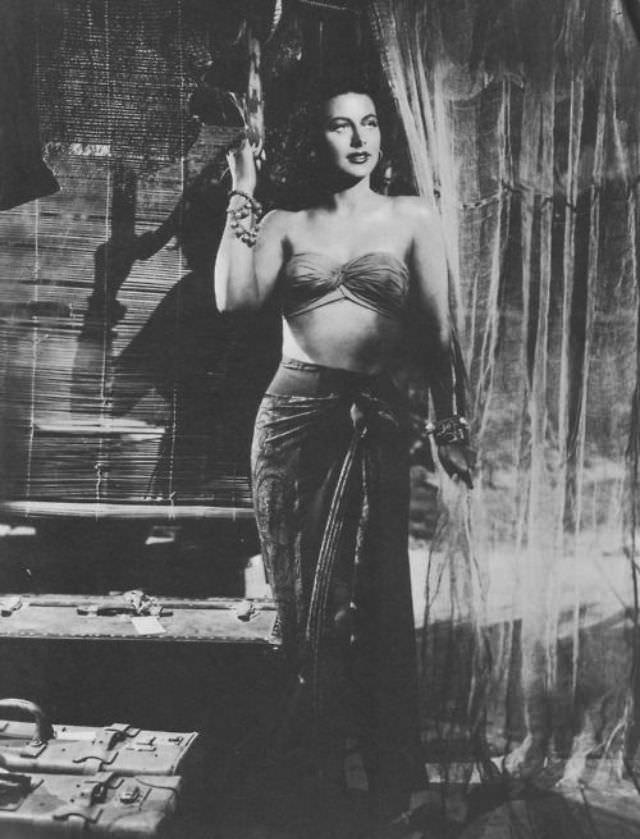
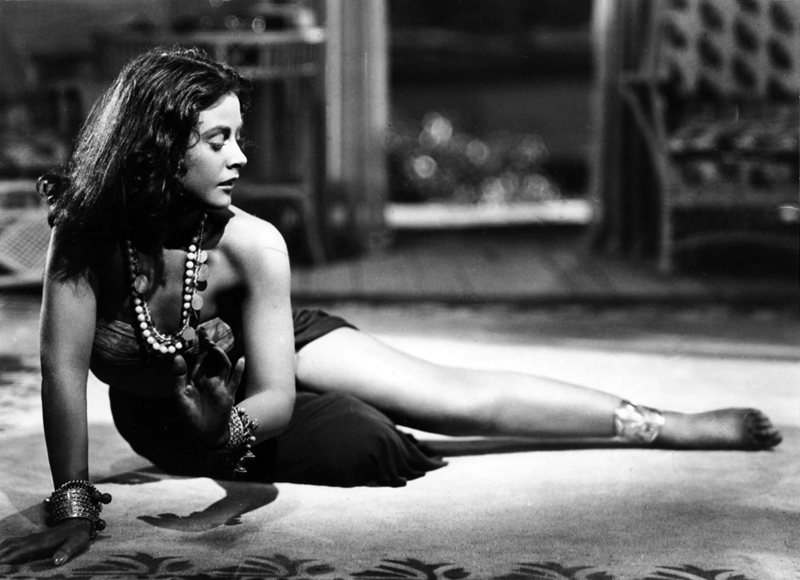
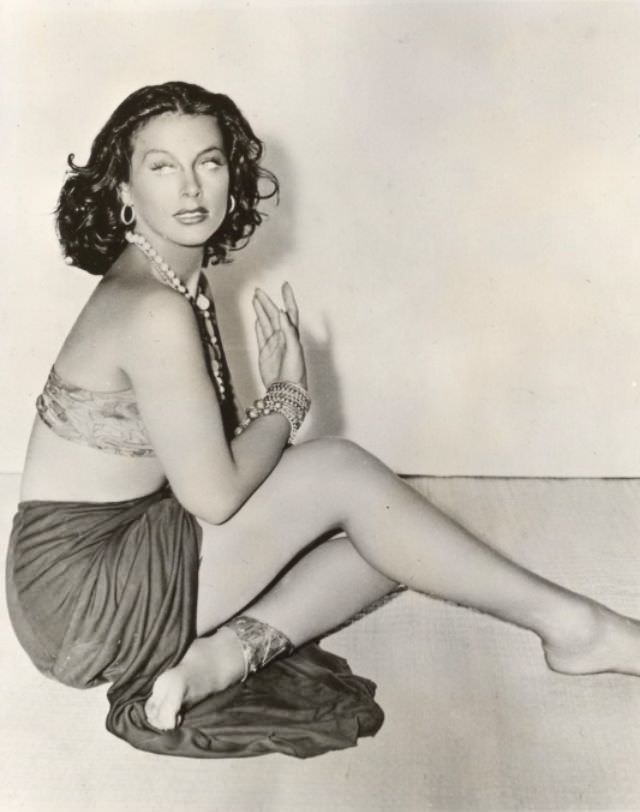
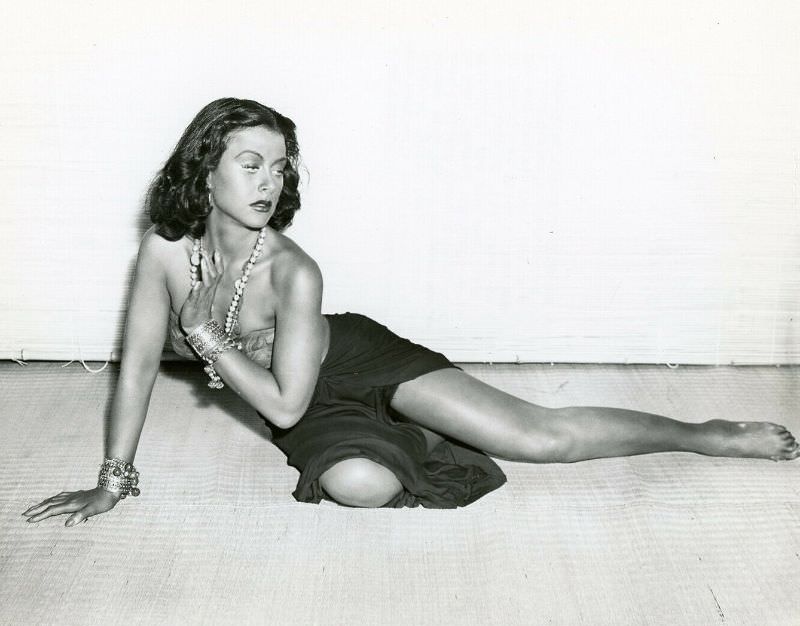
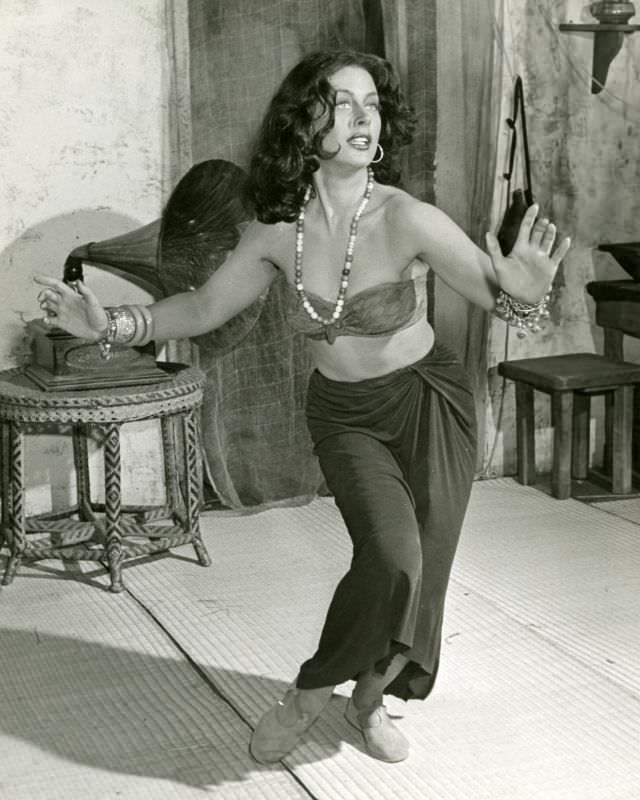
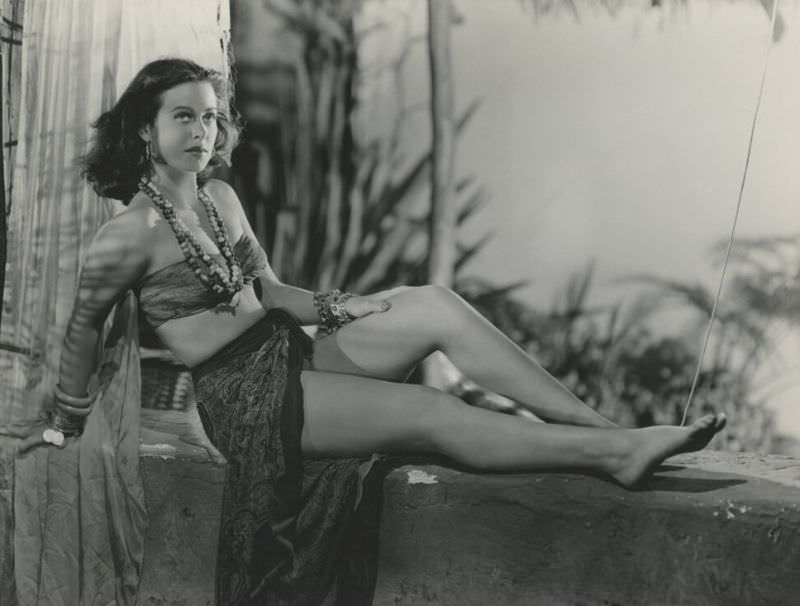
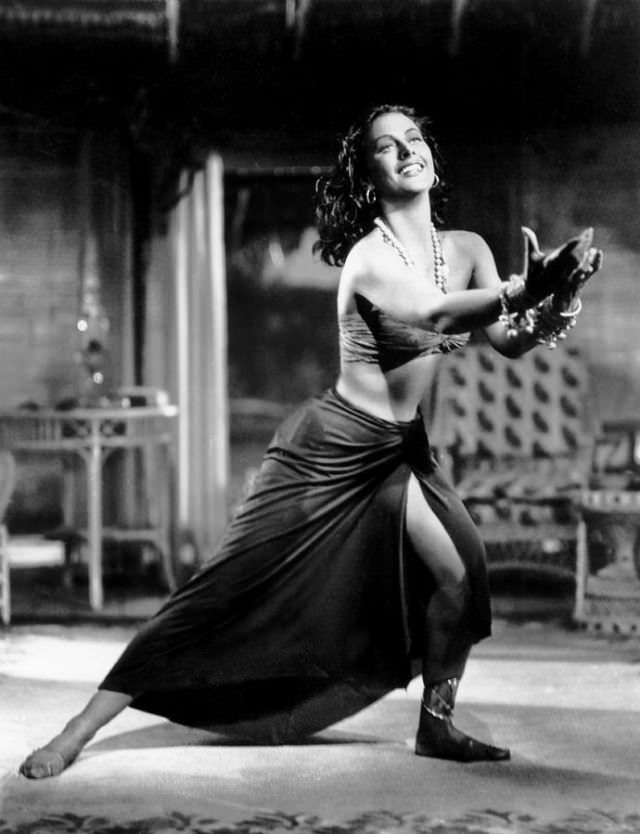
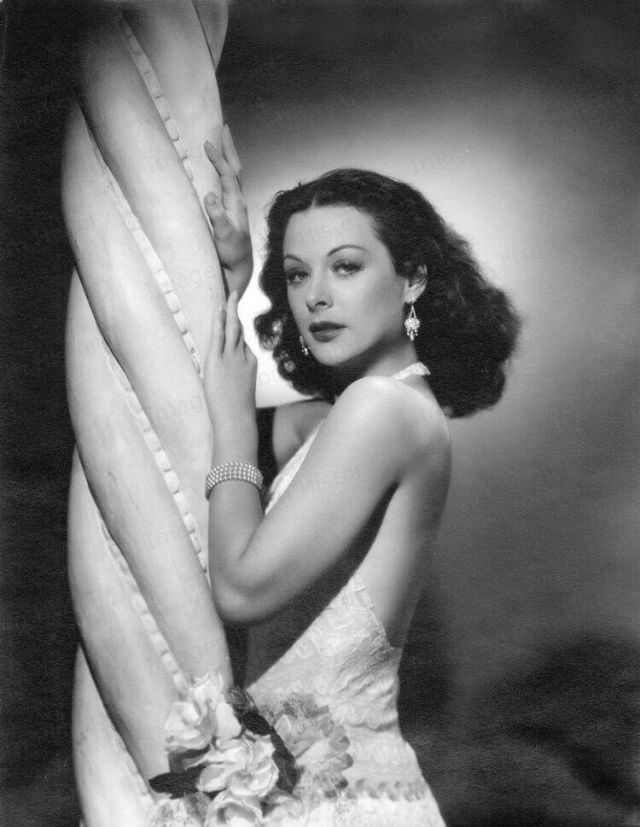
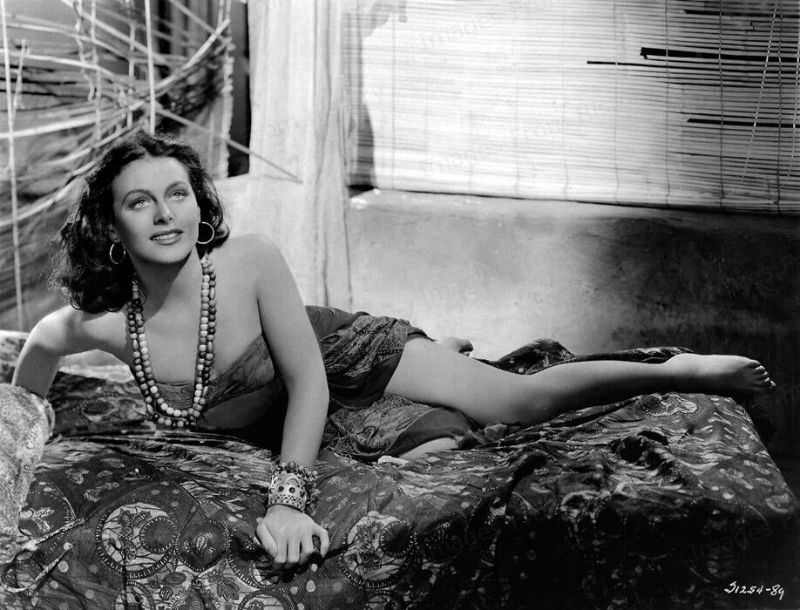
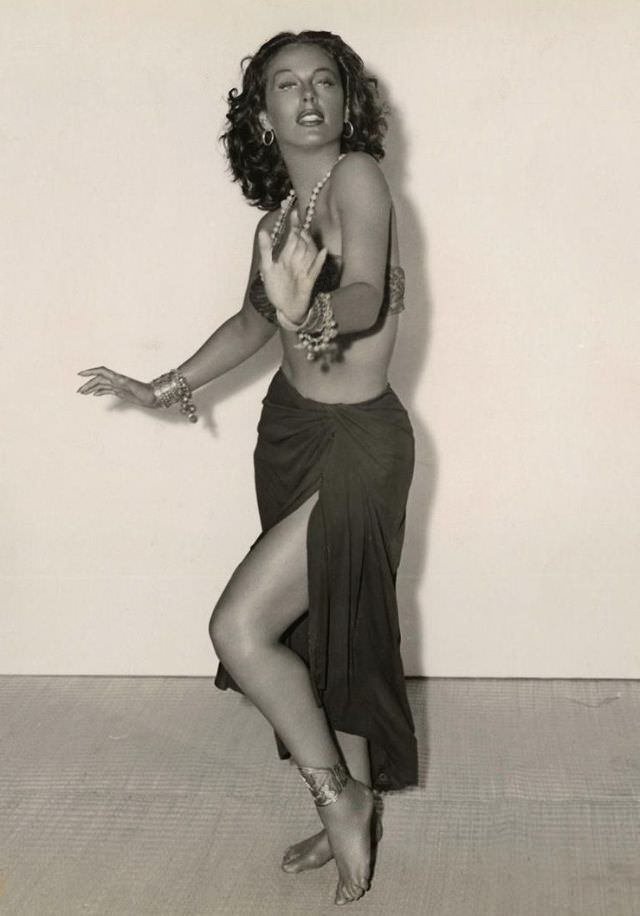
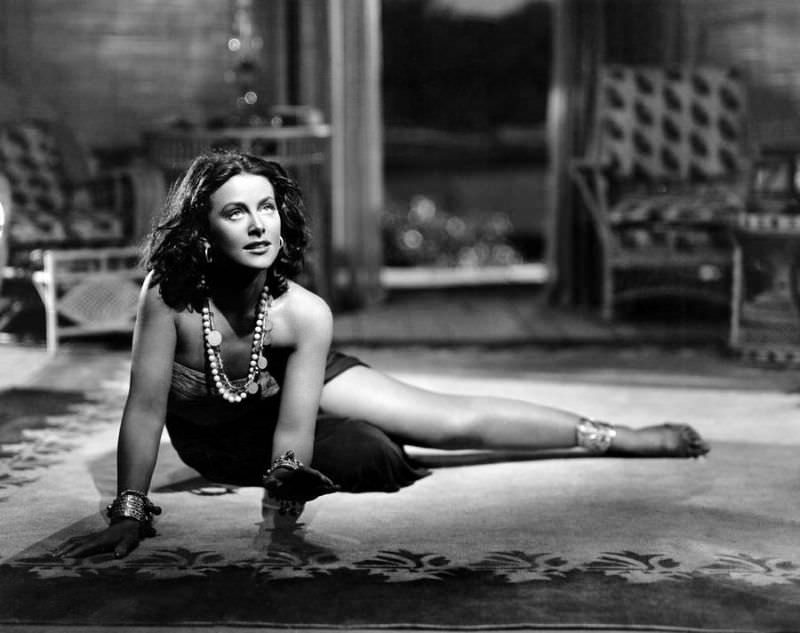
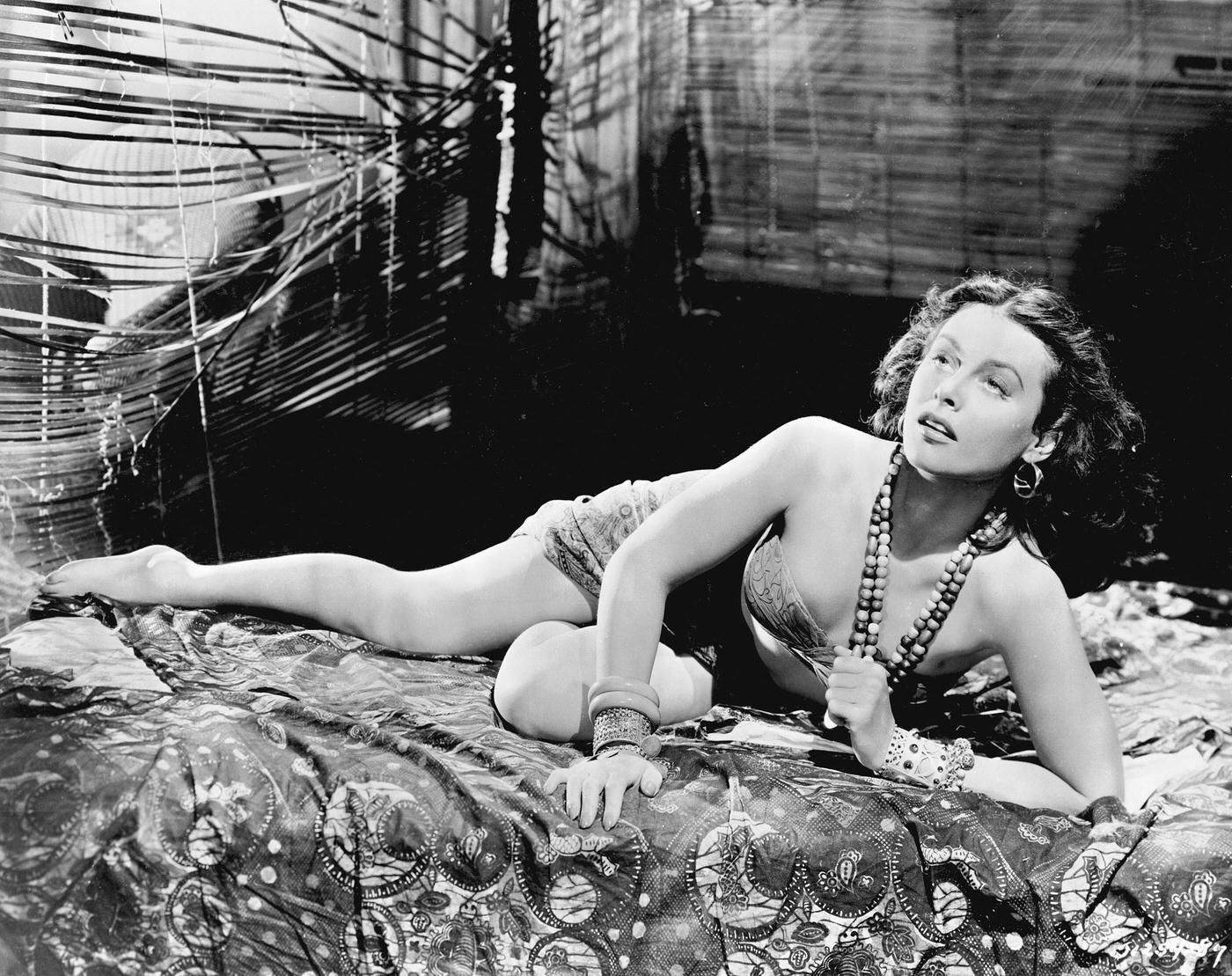
Hedy Lamarr played Tondelayo, a role that became one of the most talked-about performances of her career. The character was sultry, calculating, and morally complex — a sharp contrast to the more restrained female roles that dominated Hollywood at the time. Lamarr threw herself into the part, and the result was a screen presence that critics and audiences found impossible to ignore.
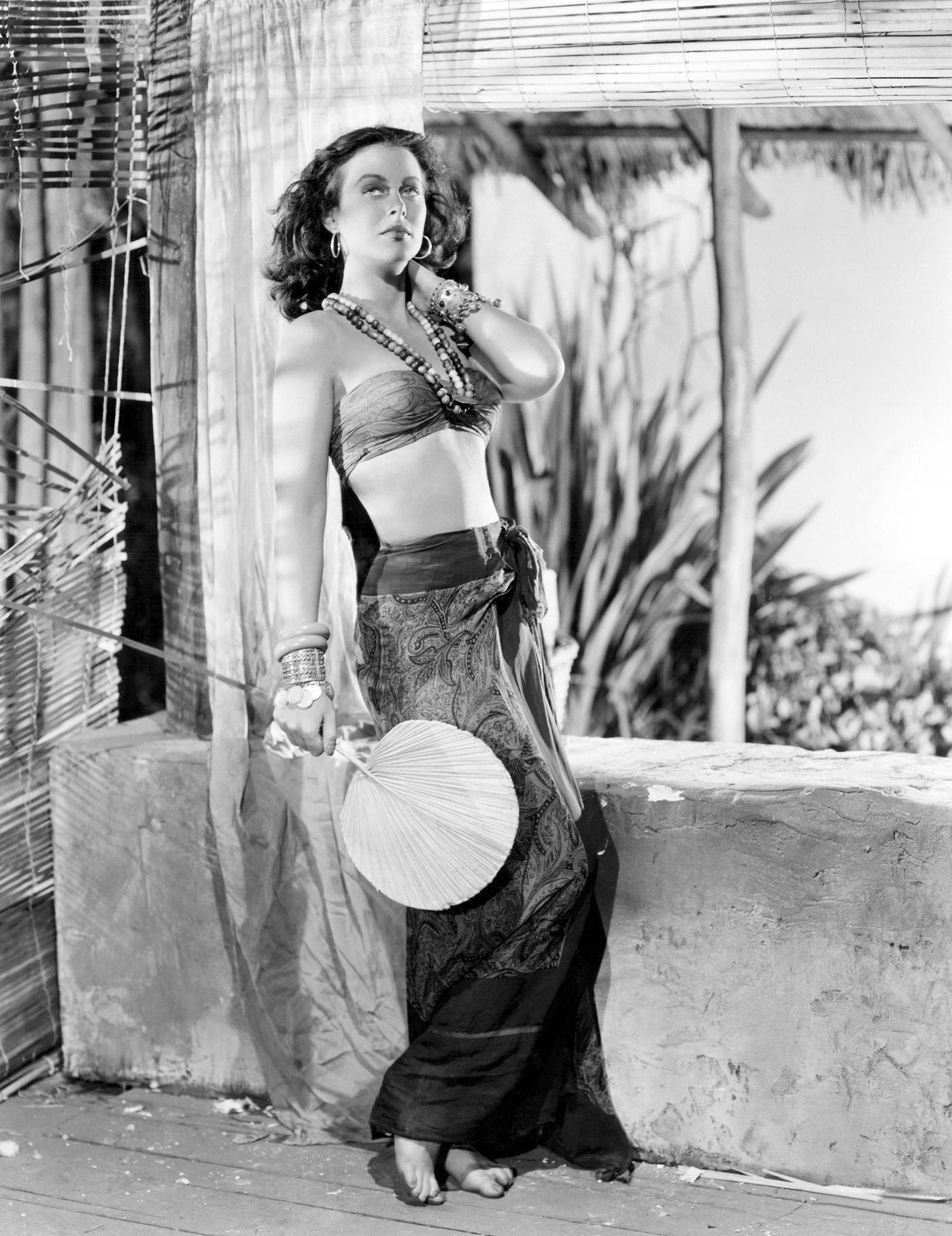
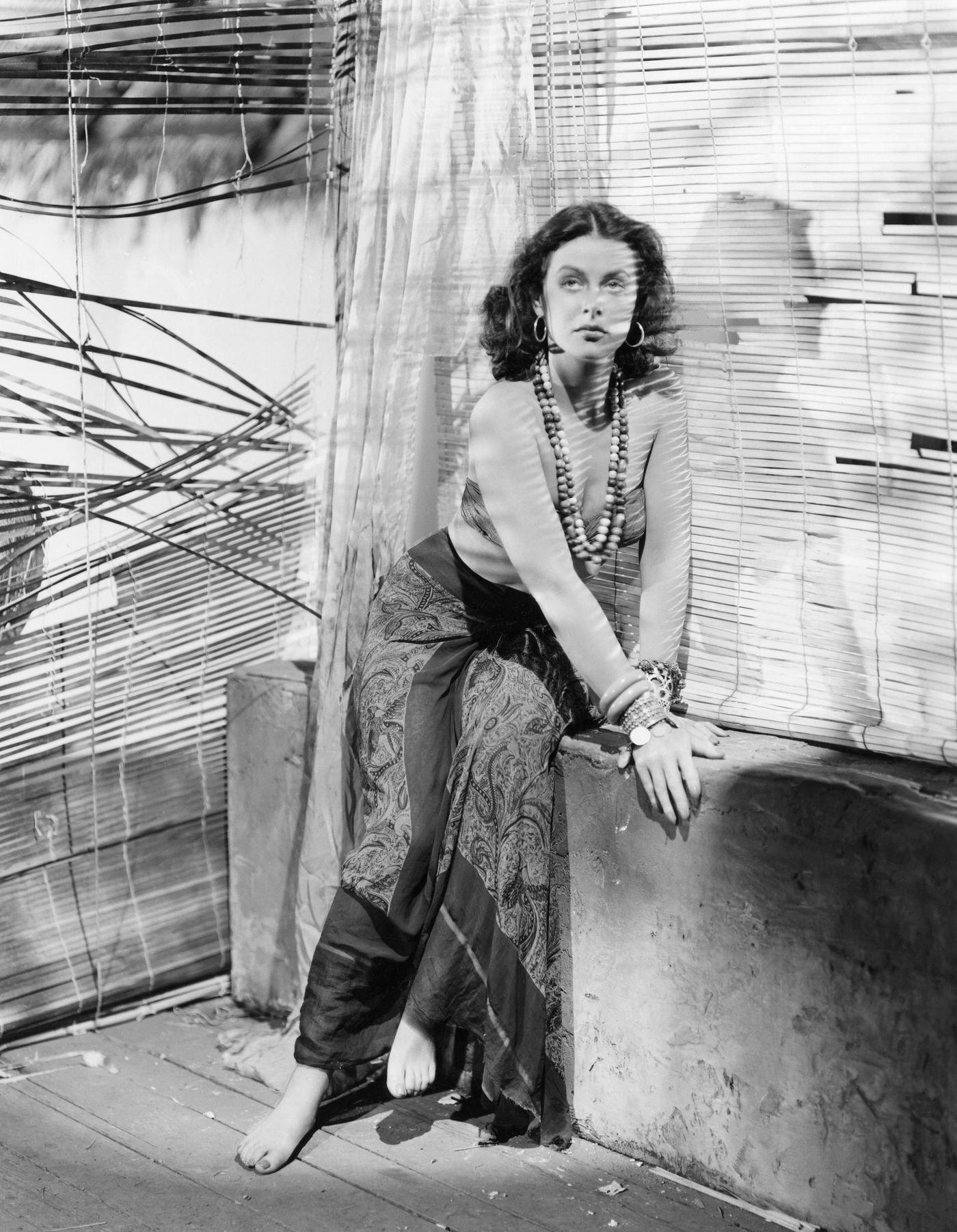
The film tackled racial and sexual themes that most Hollywood studios avoided entirely. In 1942, that kind of subject matter on screen was genuinely controversial. White Cargo pushed hard against the unwritten rules of mainstream American cinema, and it did so in a way that was direct rather than subtle. MGM knew the film would provoke strong reactions — and it did, on both sides.
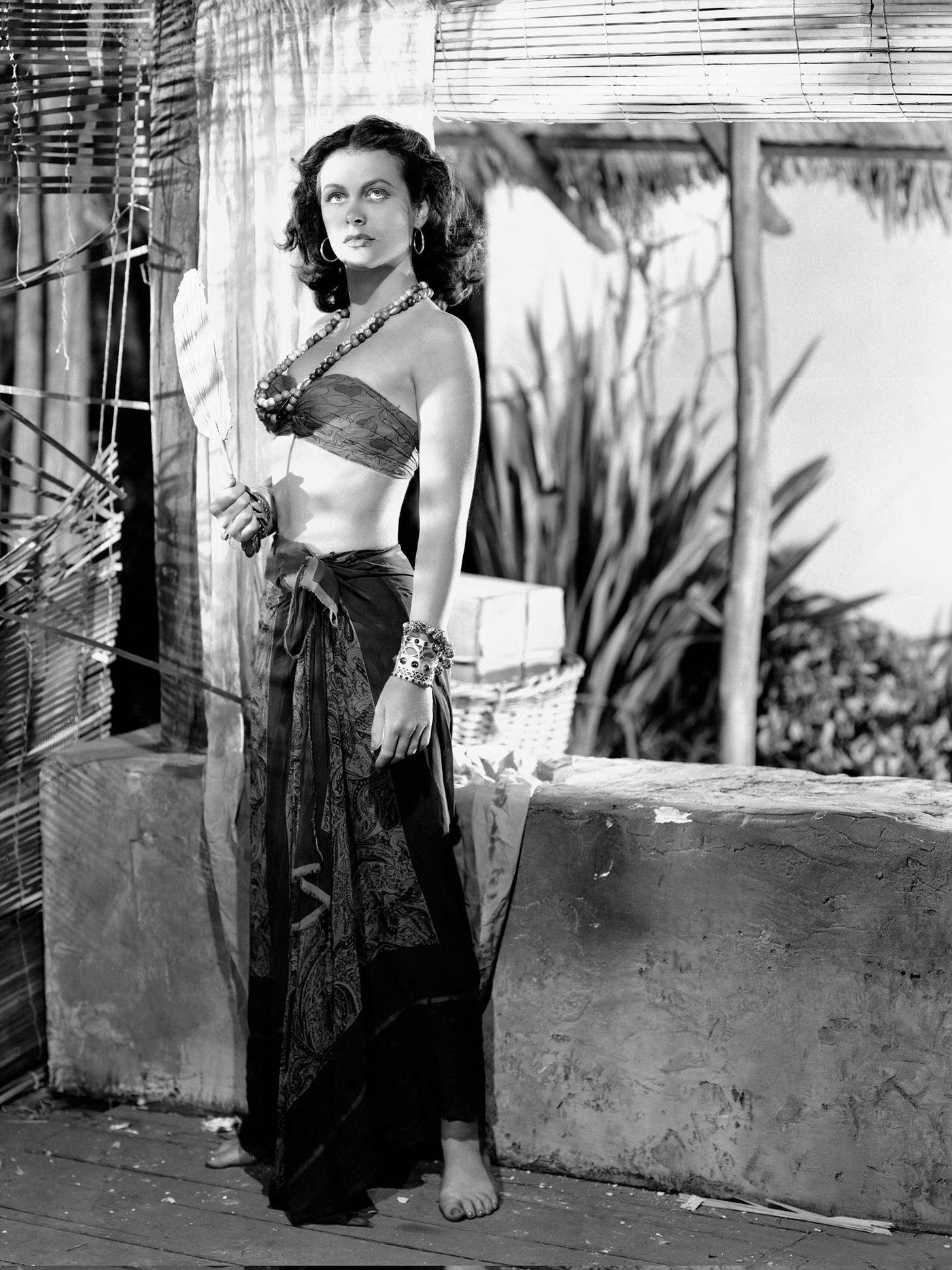
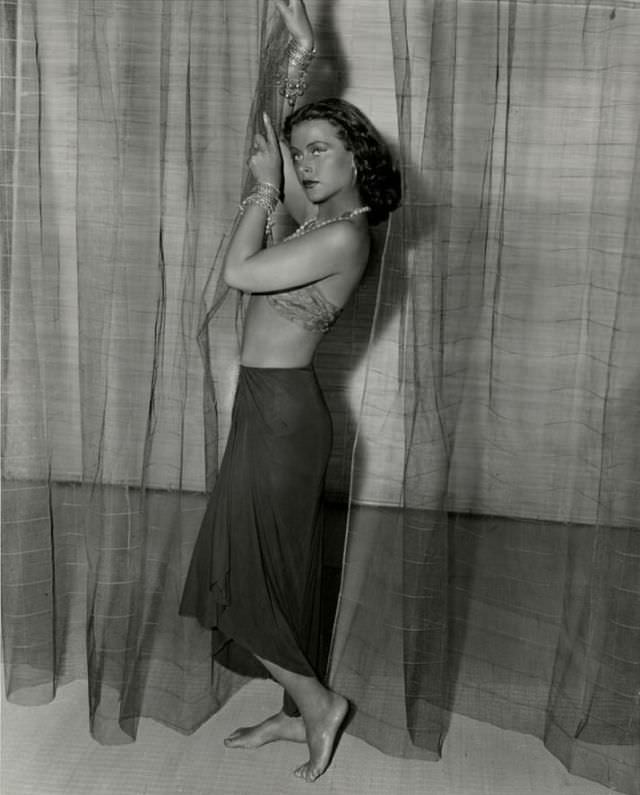
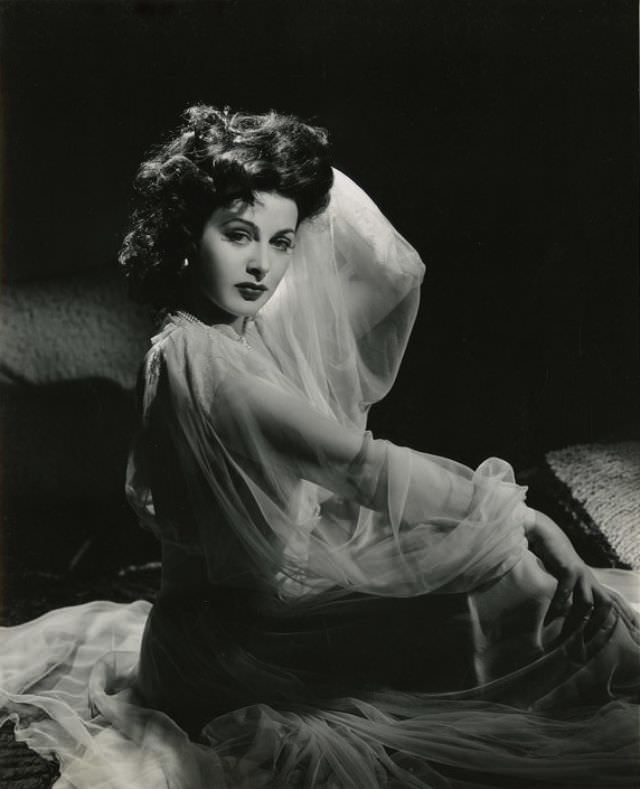
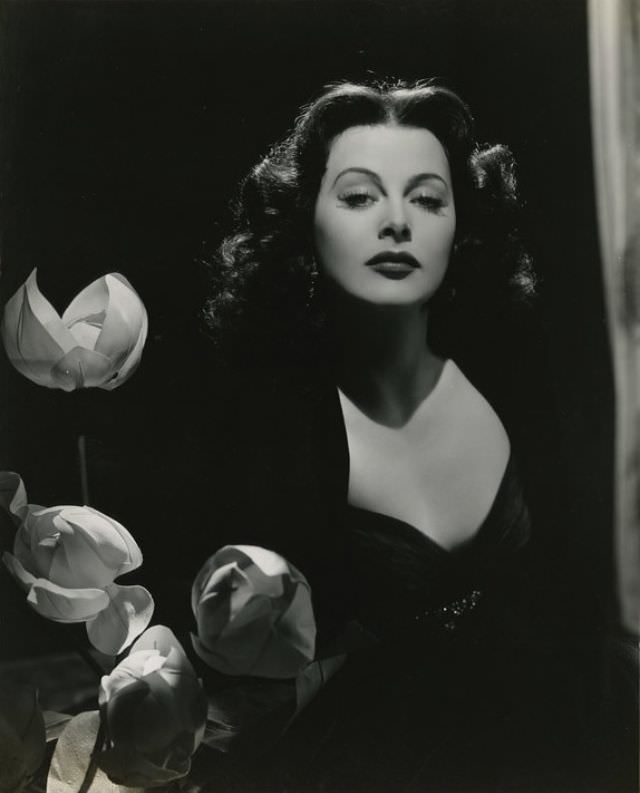
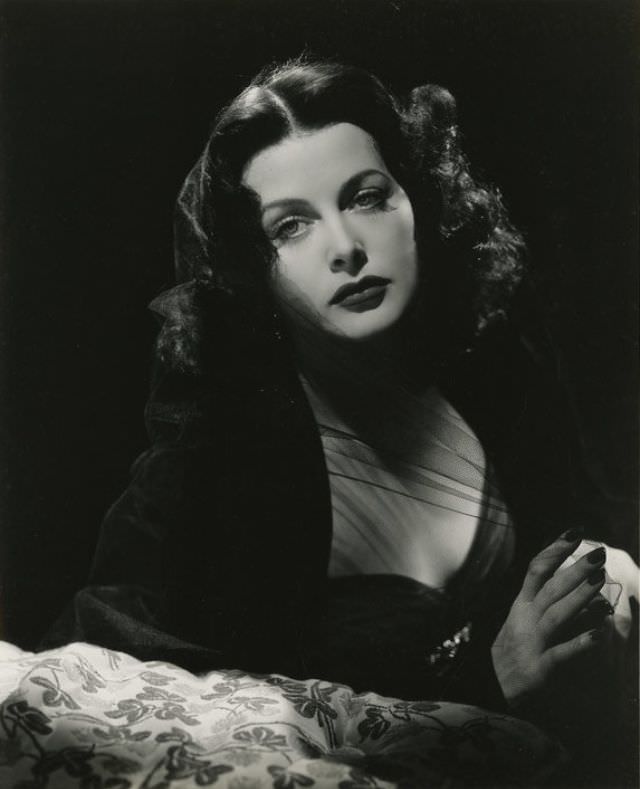
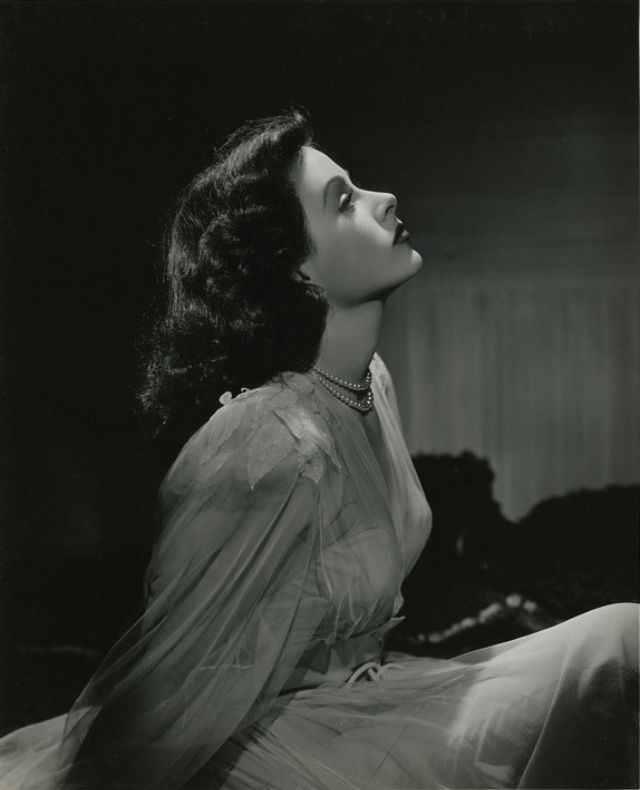
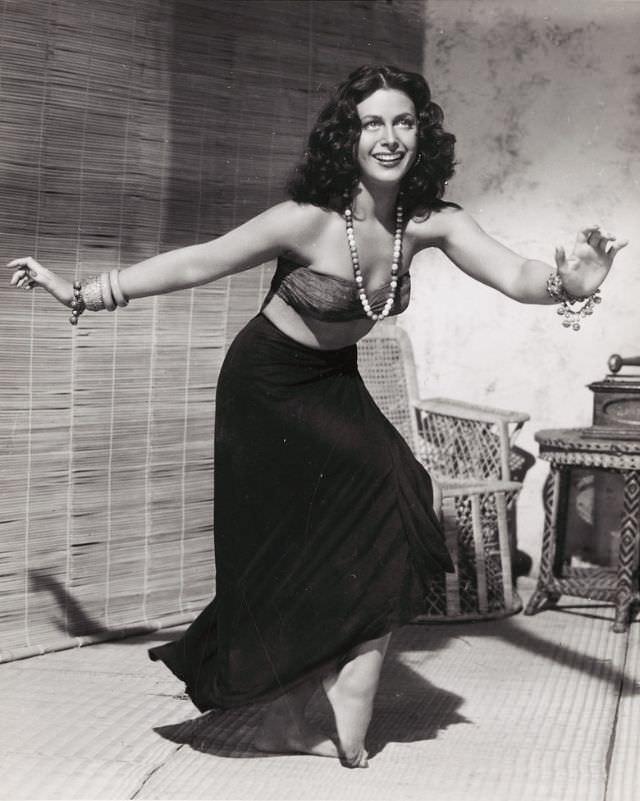
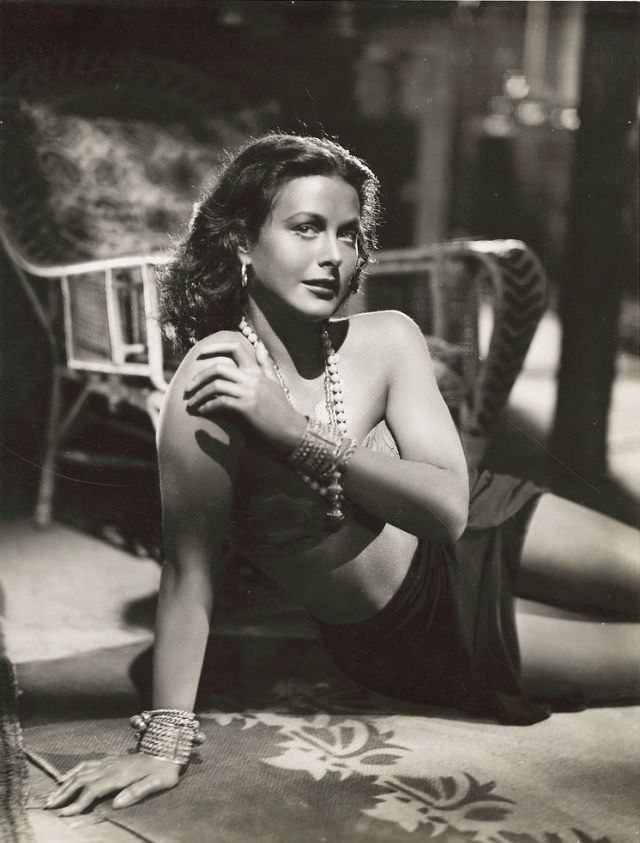
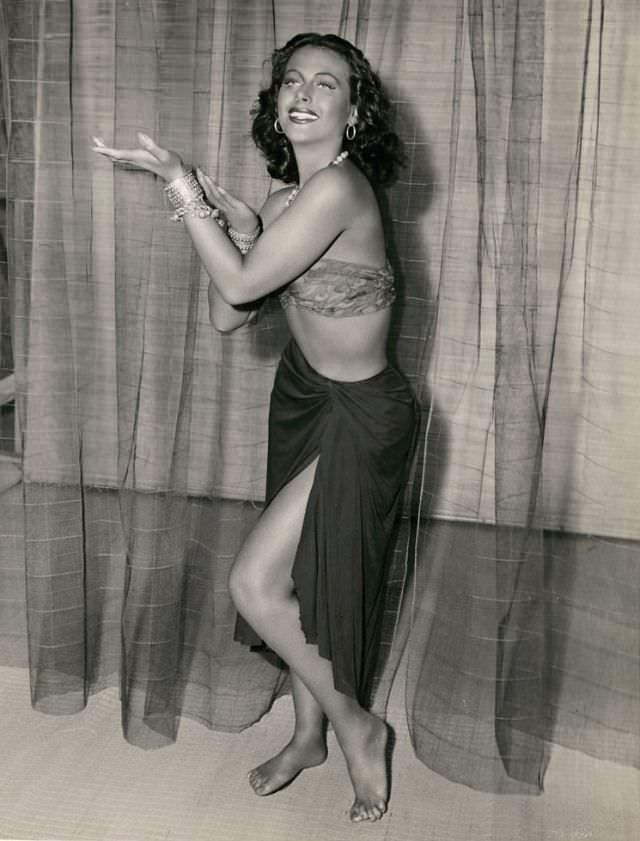
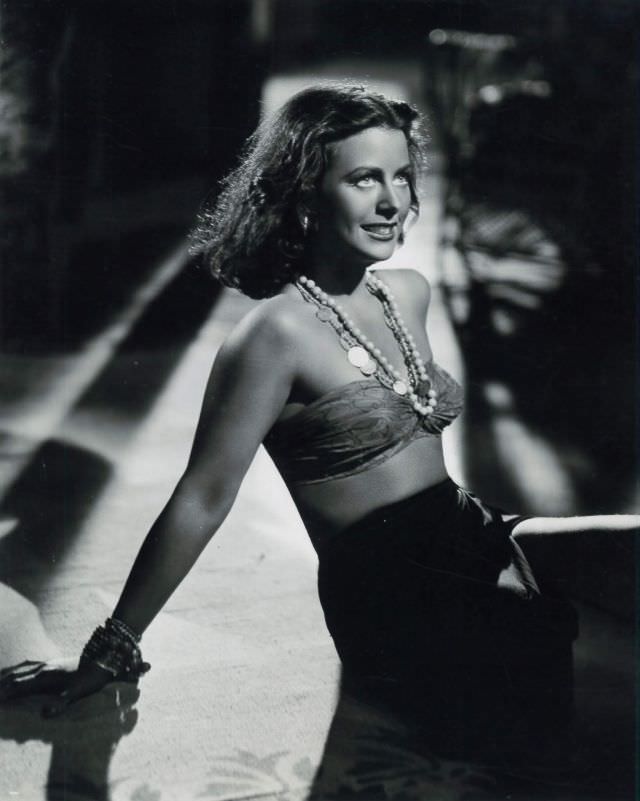
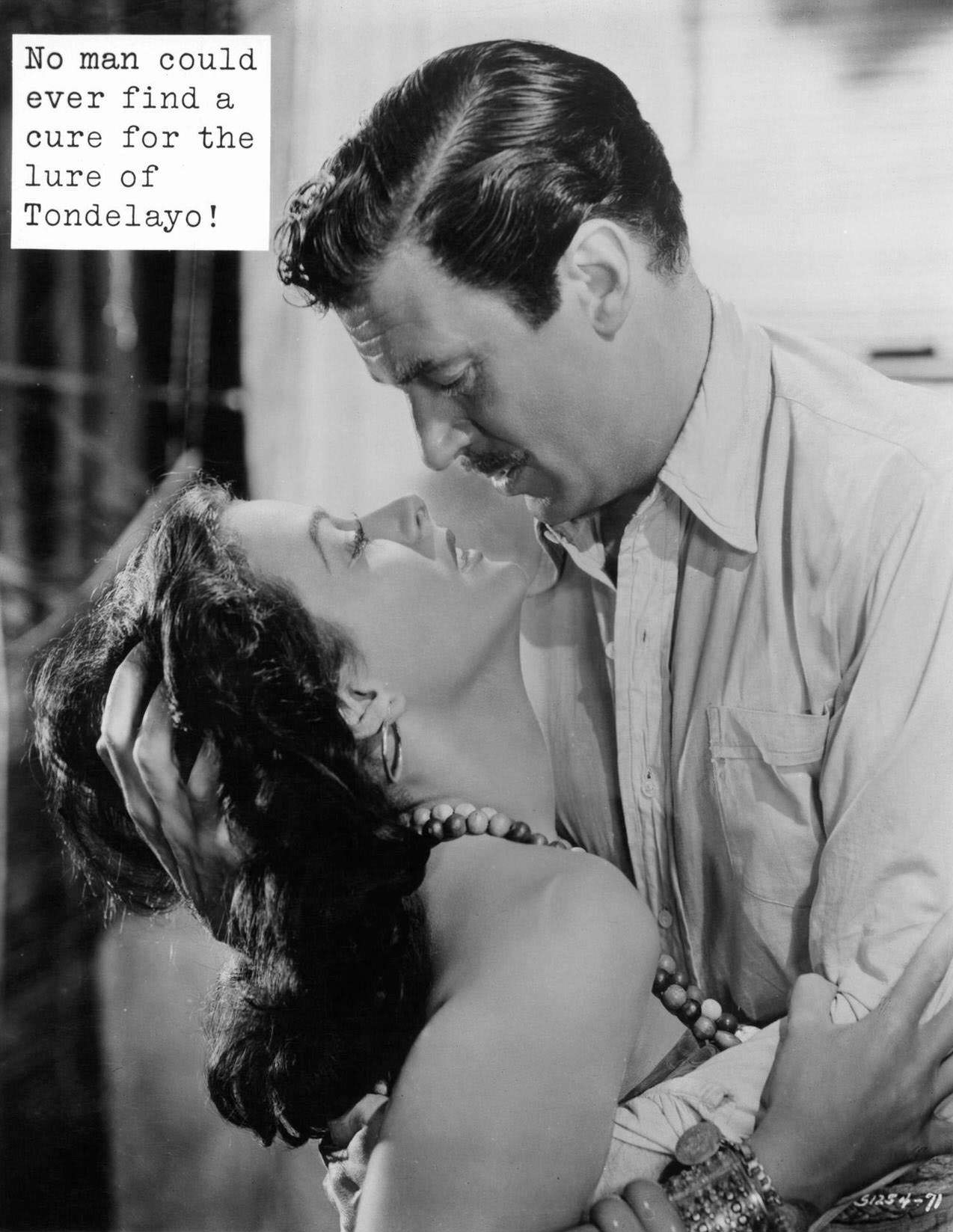
Lamarr’s costuming for the role was carefully designed to reflect Tondelayo’s character — minimal, striking, and deliberately provocative for the era. The wardrobe choices generated considerable press coverage before the film even opened. Photos from the set circulated widely, fueling public curiosity.
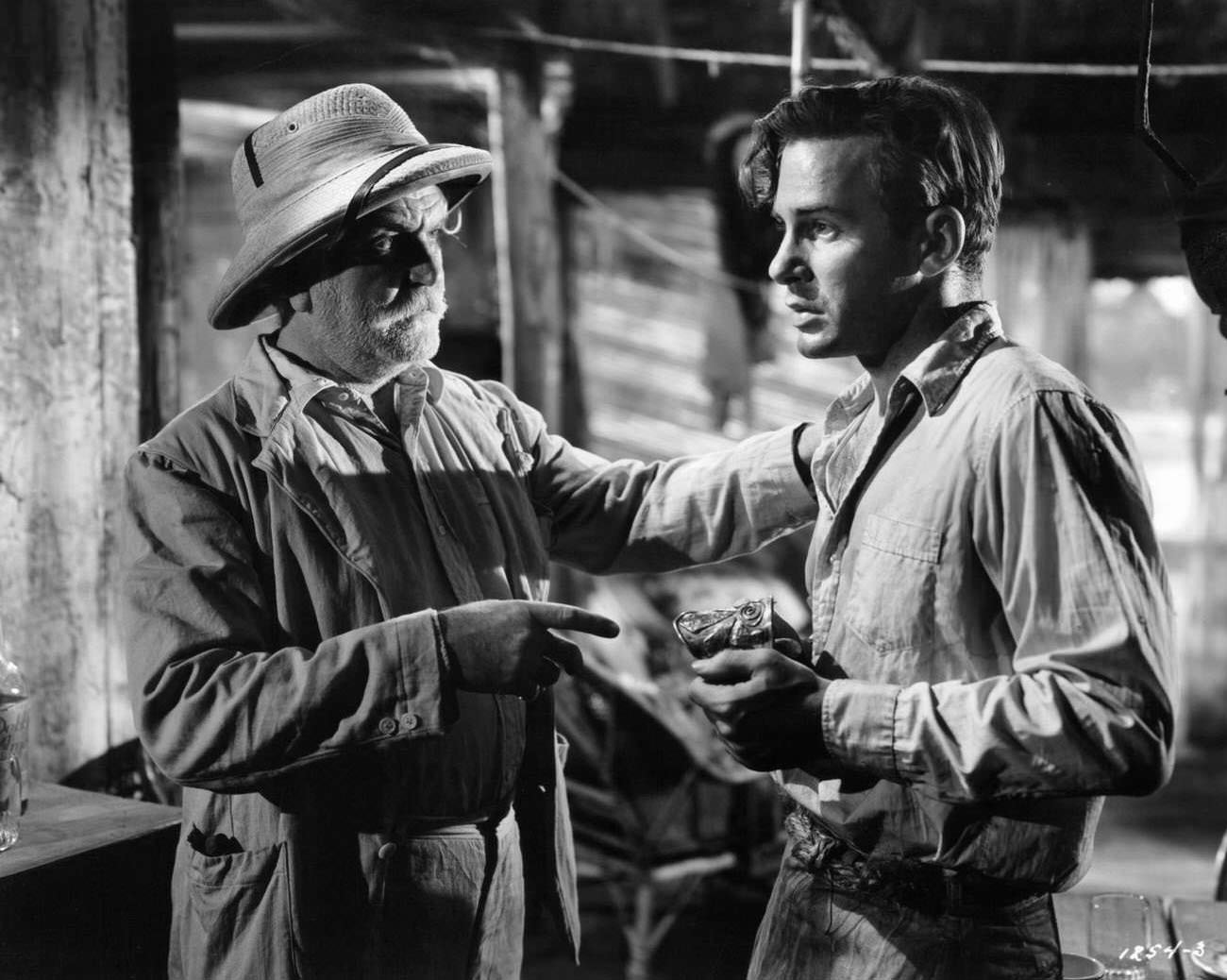
Walter Pidgeon starred as Harry Witzel, the British plantation veteran whose experience in Africa has made him hardened and cynical. Richard Carlson played Langford, the newly arrived assistant whose naivety makes him vulnerable to Tondelayo’s schemes. Frank Morgan appeared in a supporting role as the weary, world-worn doctor stationed at the plantation. Together, the cast created a tense, pressure-cooker atmosphere throughout the film.
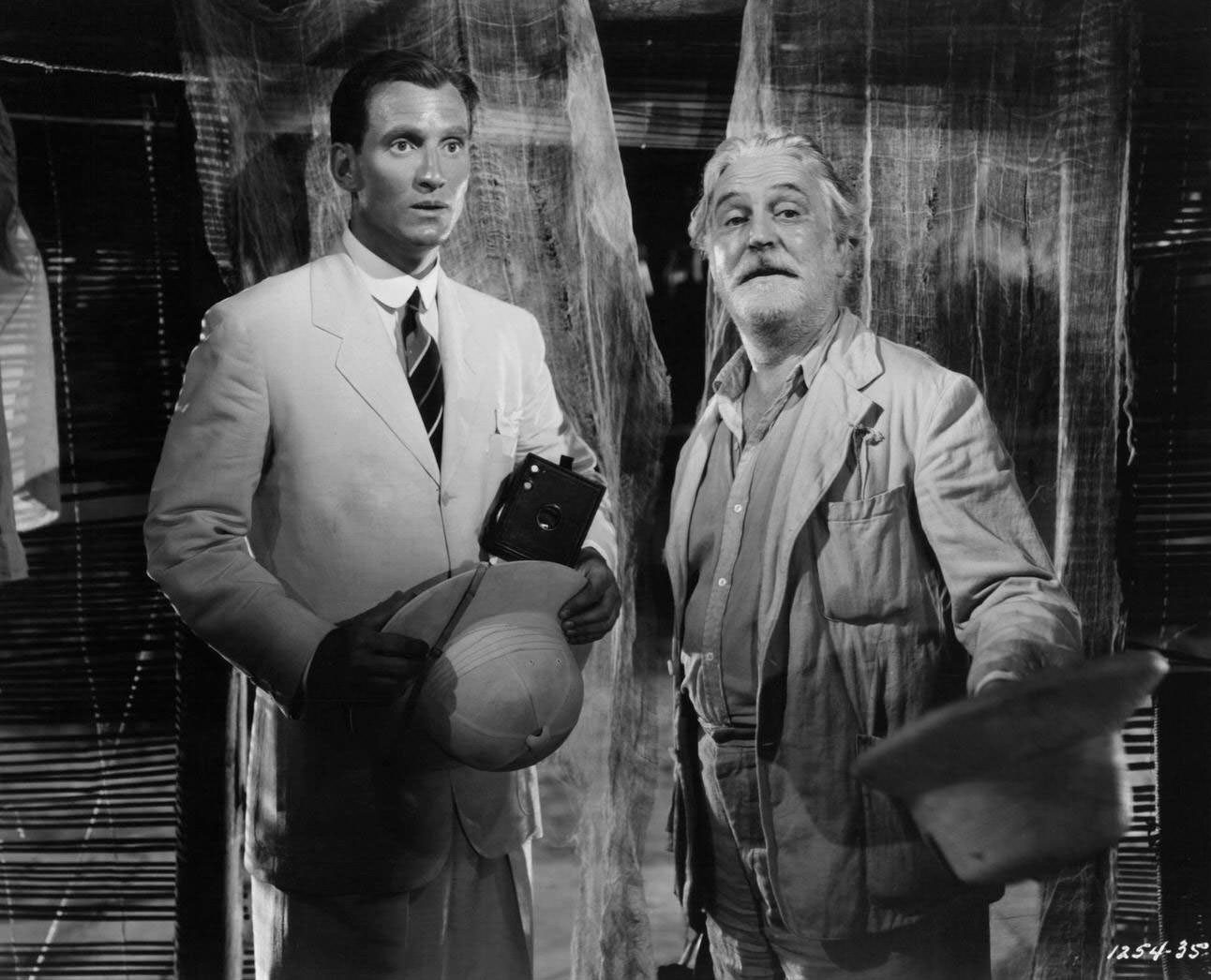
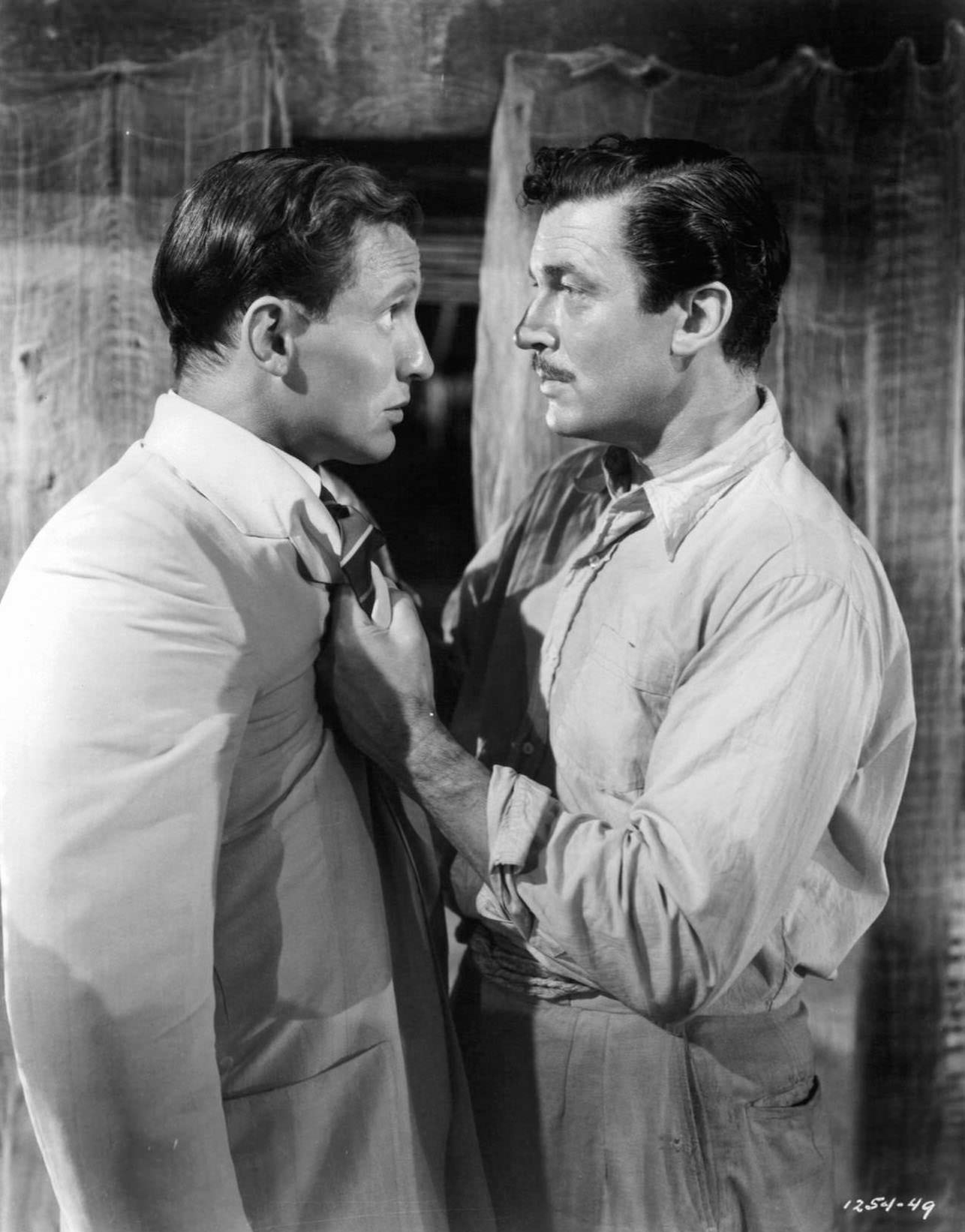
The tension between the male characters runs through nearly every scene. Pidgeon’s Witzel functions as a man who has seen too much of the jungle’s toll on Europeans, and he spends much of the film trying to prevent others from making the same mistakes he witnessed before. His warnings carry weight precisely because he shows no sentimentality about them.
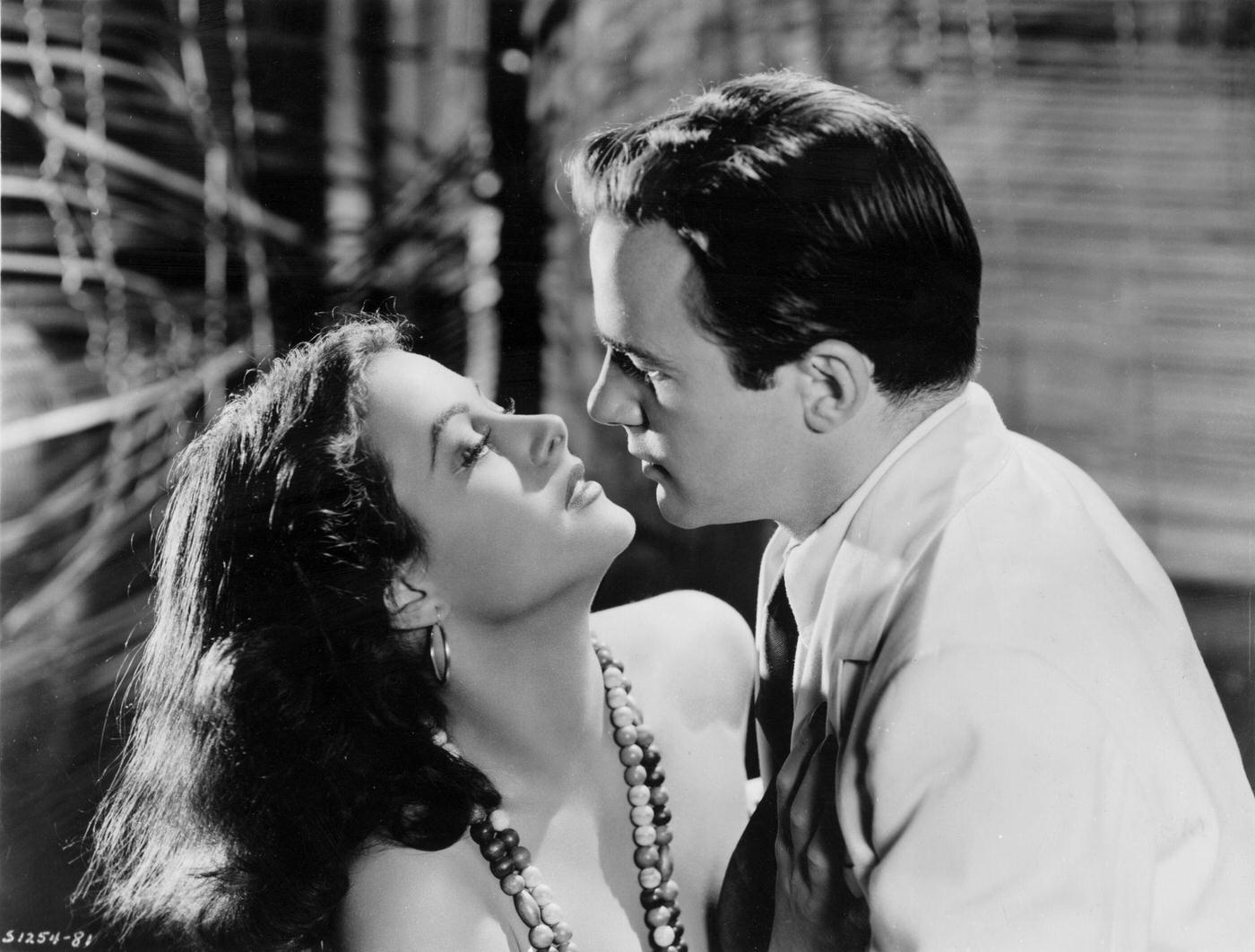
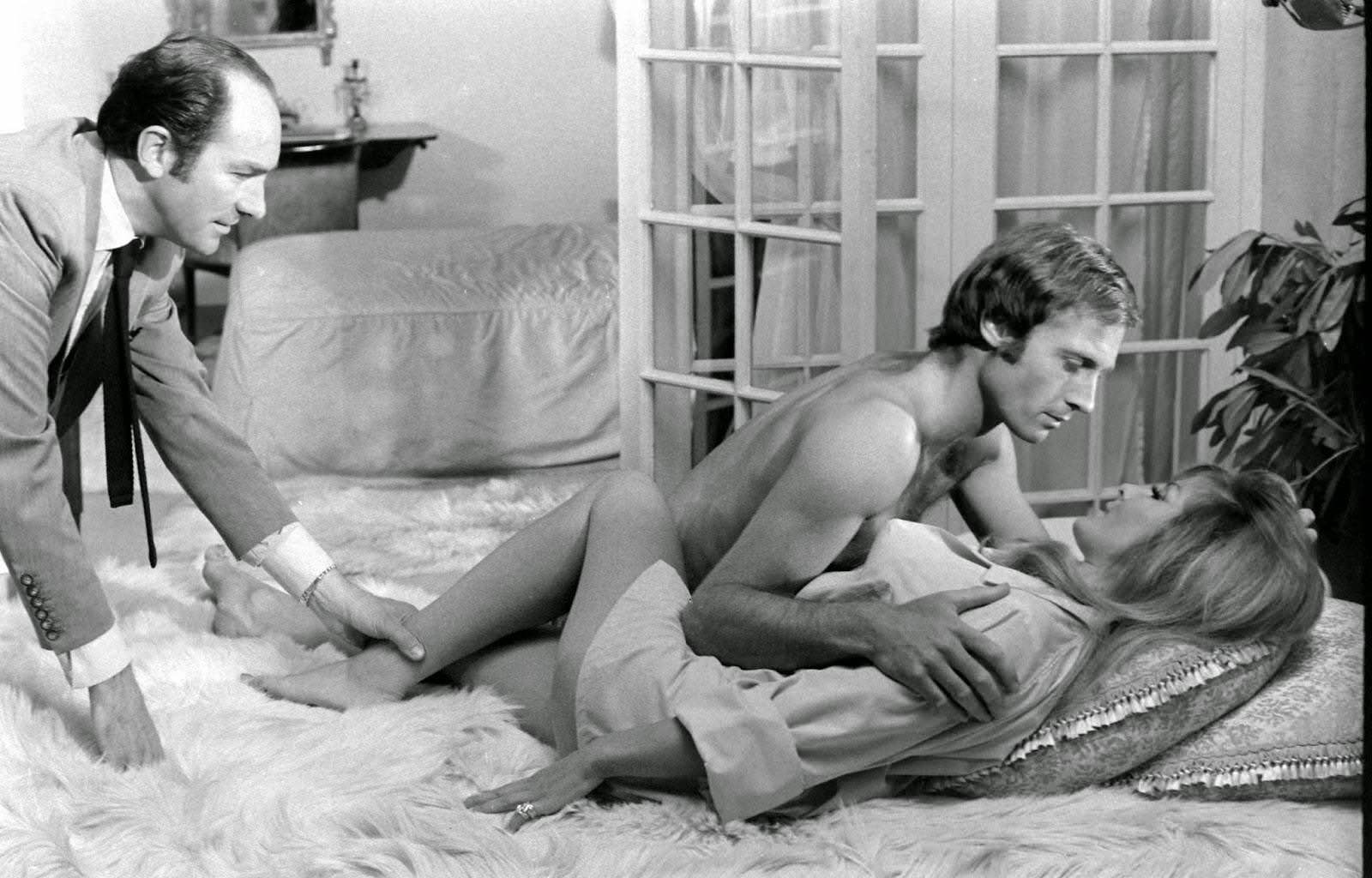
The romantic scenes between Lamarr and Pidgeon were among the most charged moments in any Hollywood film that year. The chemistry between the two leads was tangible on screen, and director Richard Thorpe gave those scenes enough space to breathe without cutting away too quickly.
White Cargo was a commercial success, and its box office performance cemented Lamarr’s standing as a top-tier Hollywood star. She had already made a name for herself before this film, but Tondelayo was the role that proved she could carry a production built almost entirely around her presence. The film’s success was a direct reflection of that.