In March 1923, a new kind of magazine hit American newsstands. It was printed on cheap, rough paper. Its covers were vivid and strange. Its stories were stranger still. Weird Tales was unlike anything readers had seen before, and it would spend the next three decades publishing some of the most daring fiction in American history.
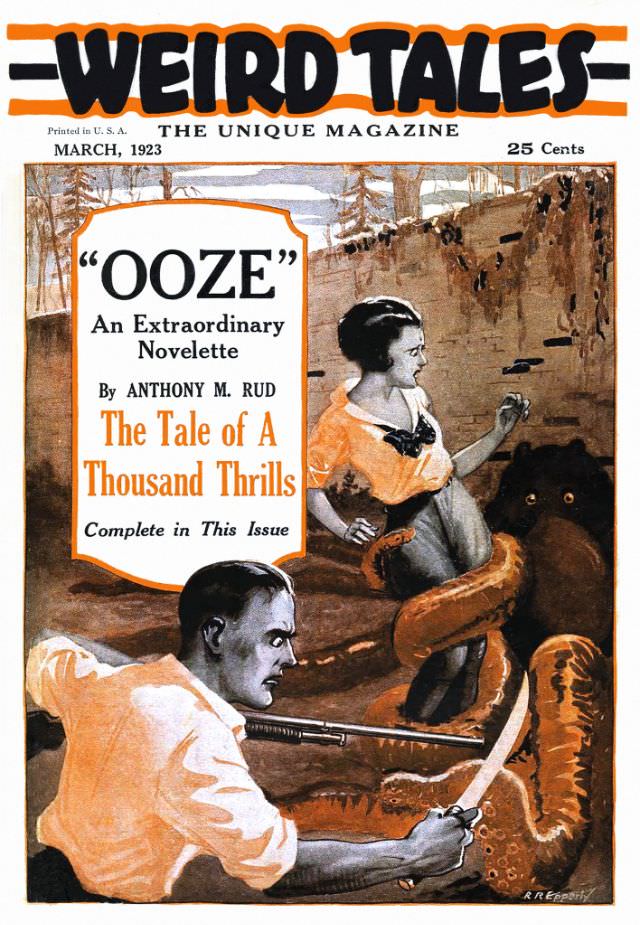
Pulp magazines were a booming format in the early 20th century. They were cheap to produce and cheap to buy, which made them accessible to a wide audience. Most pulps stuck to well-worn genres — westerns, adventure, romance. Weird Tales carved out its own space by focusing on horror, fantasy, and the supernatural. It welcomed stories that other publications turned away, and that willingness to take risks defined the magazine from the start.
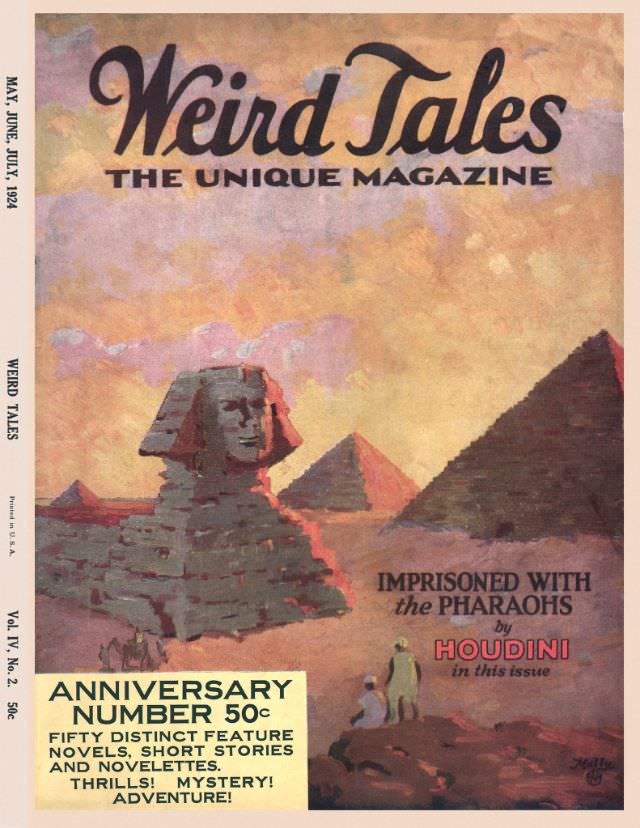
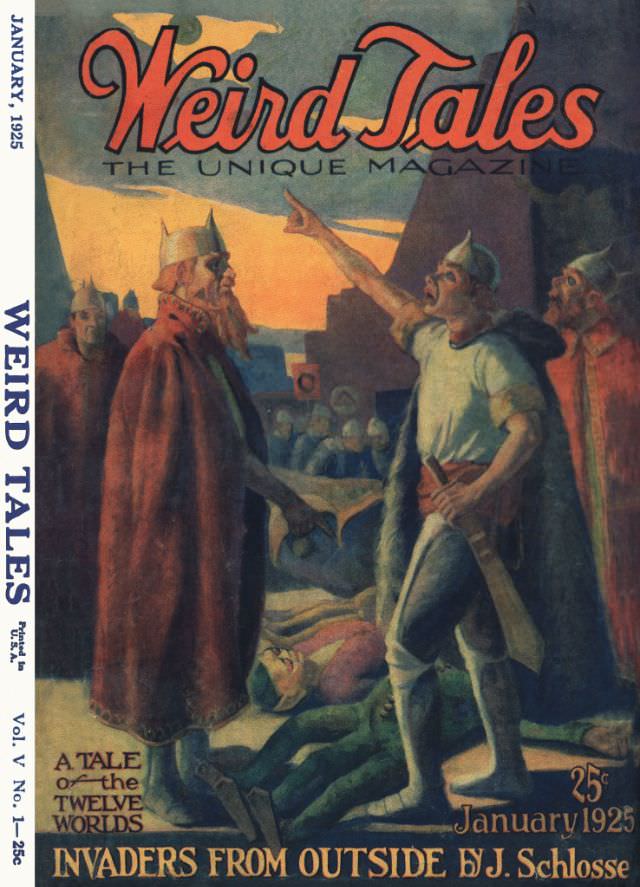
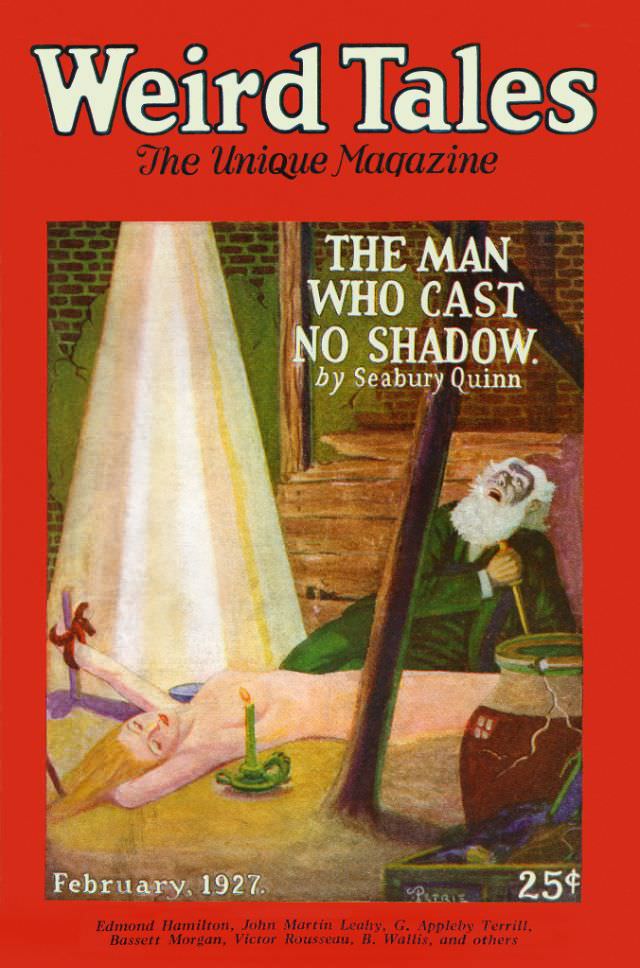
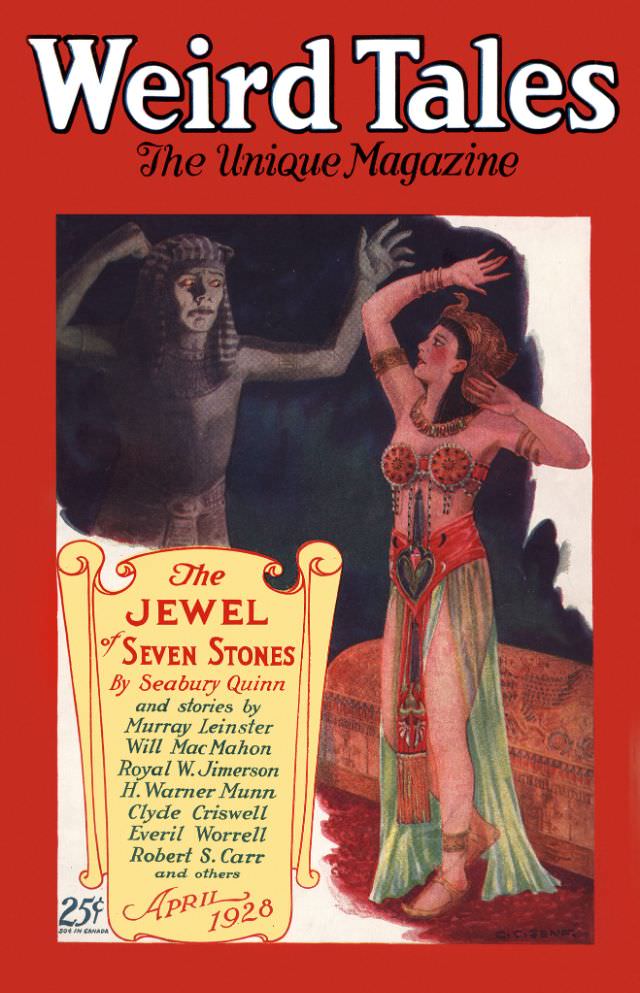
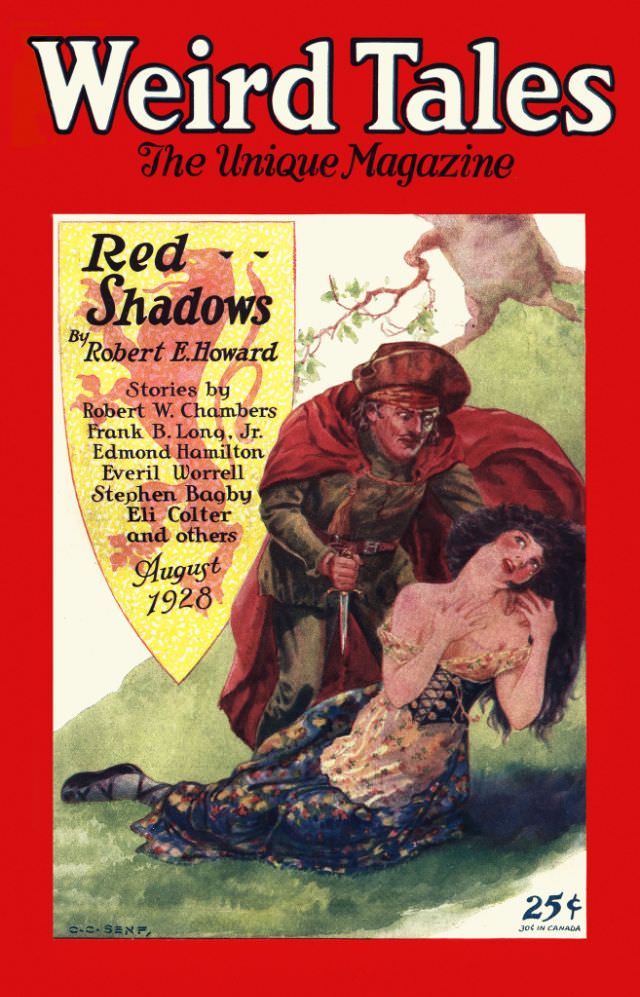
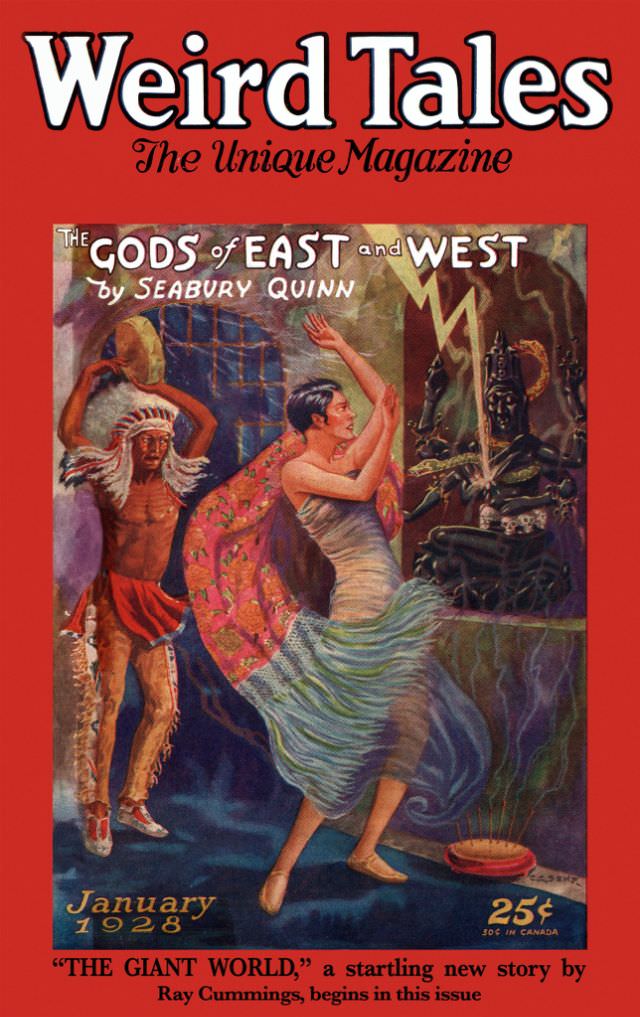
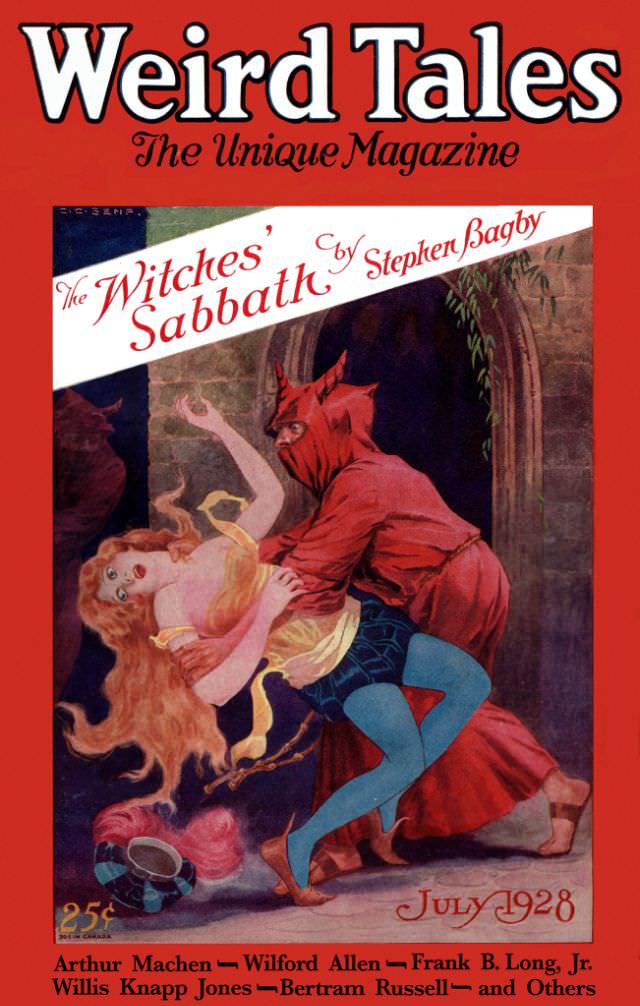
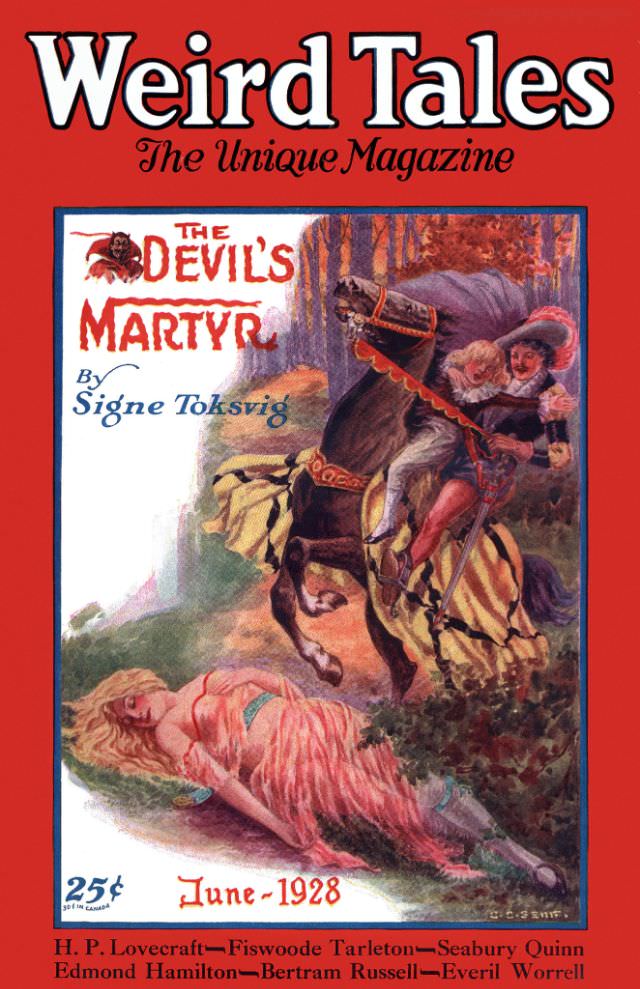
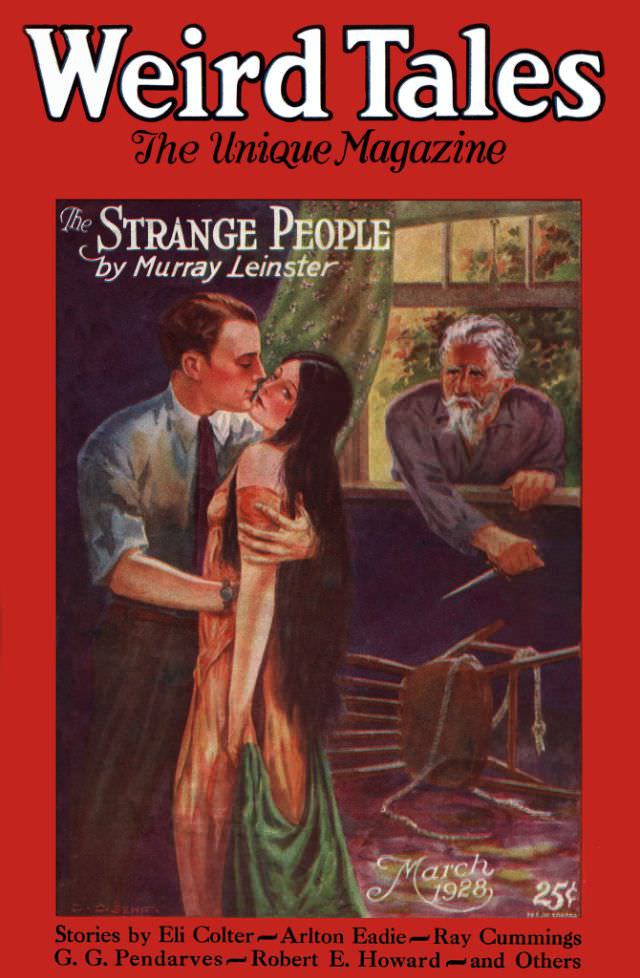
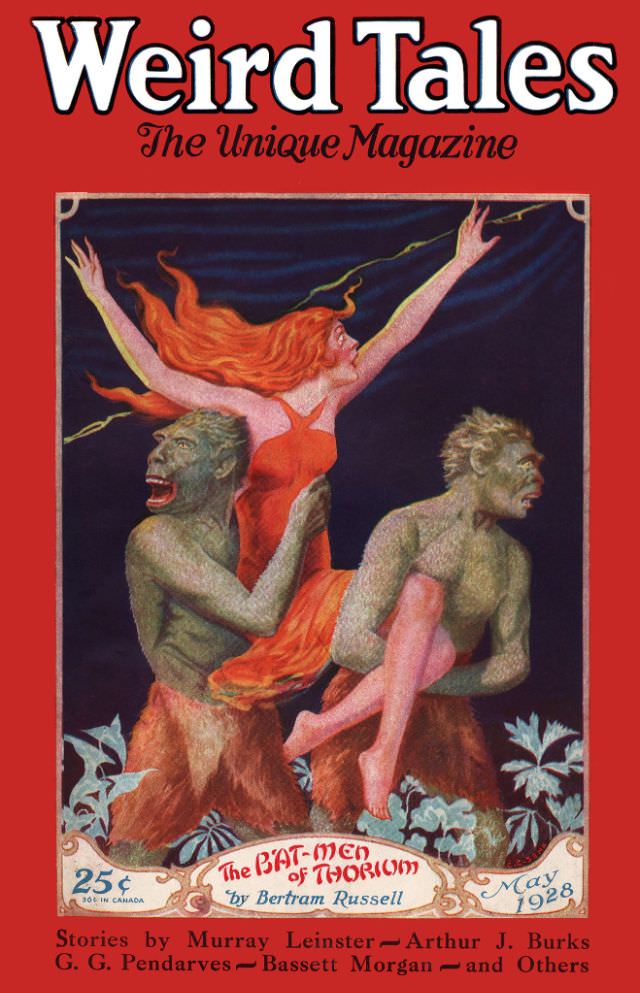
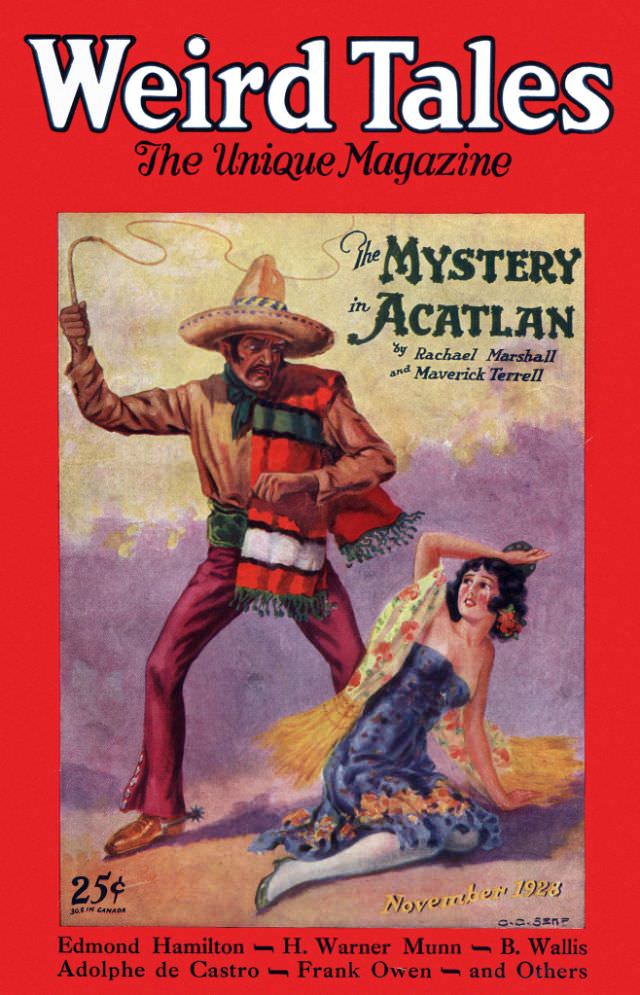
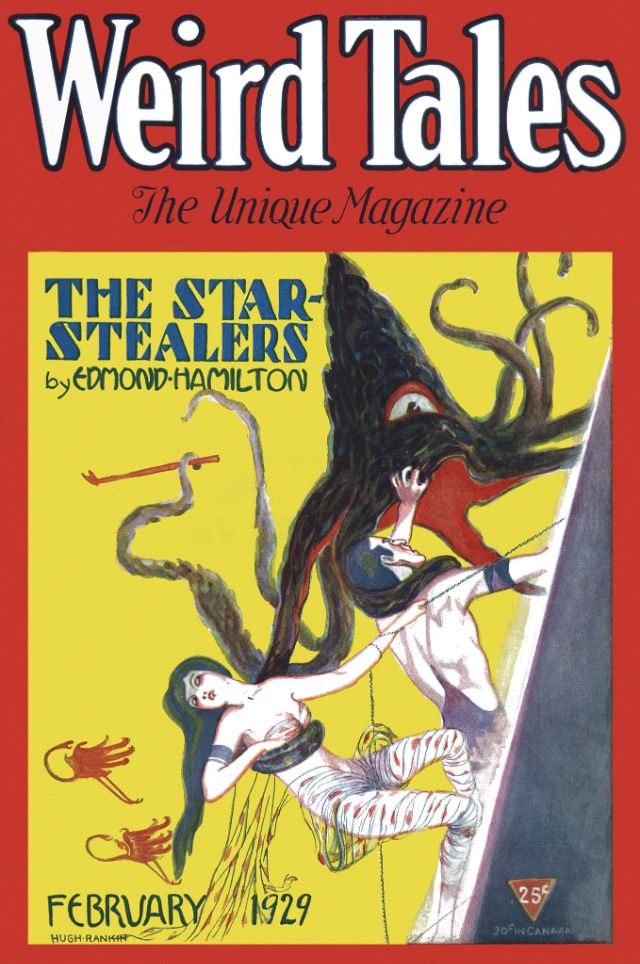
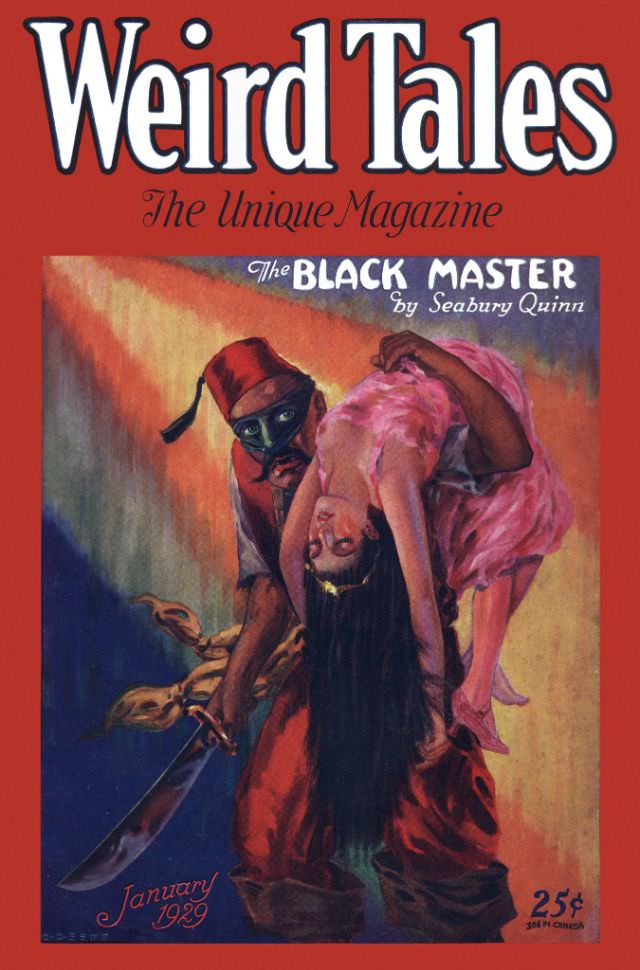
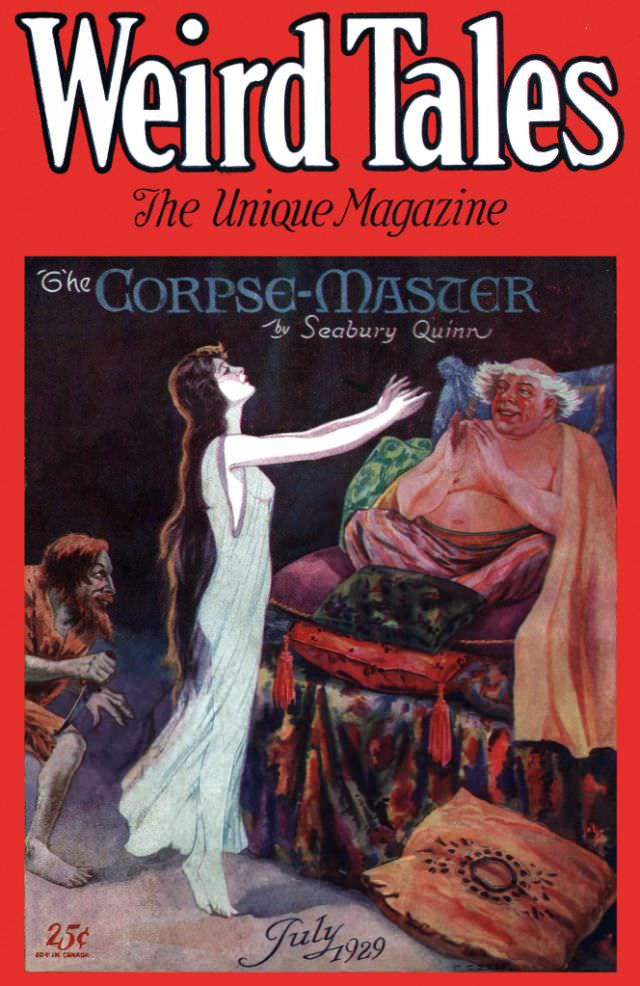
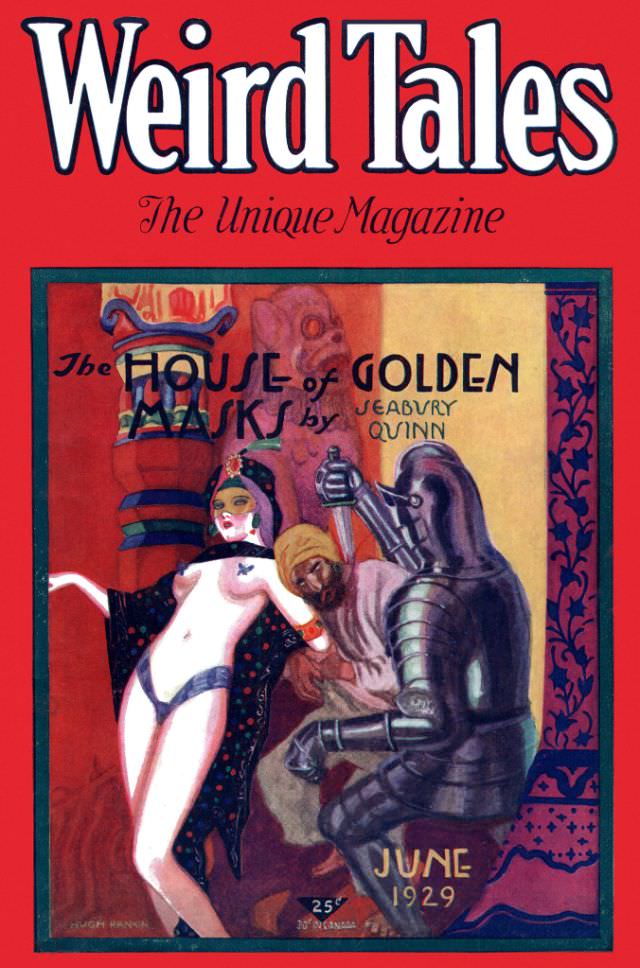
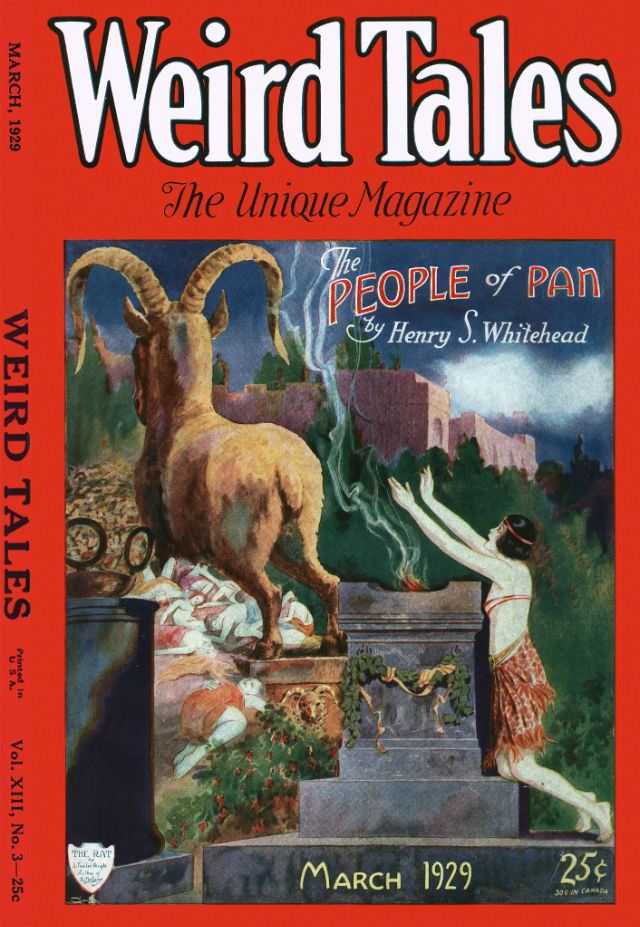
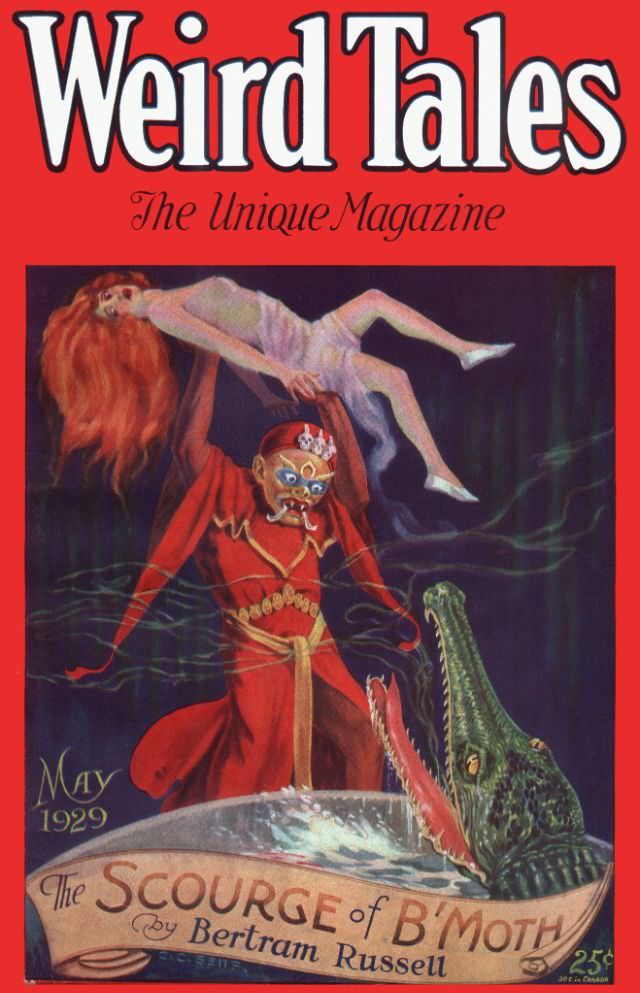
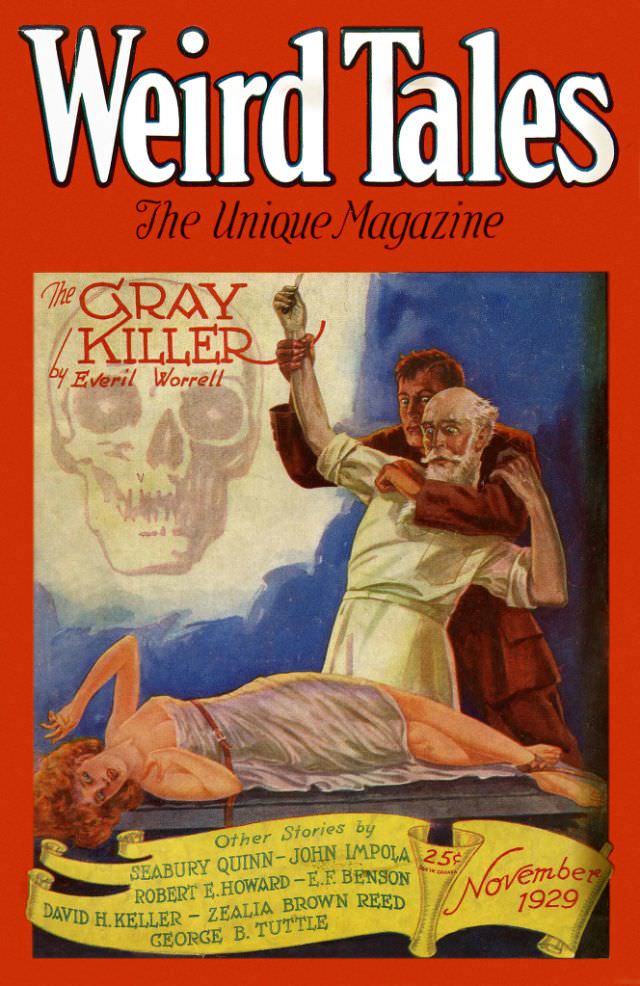
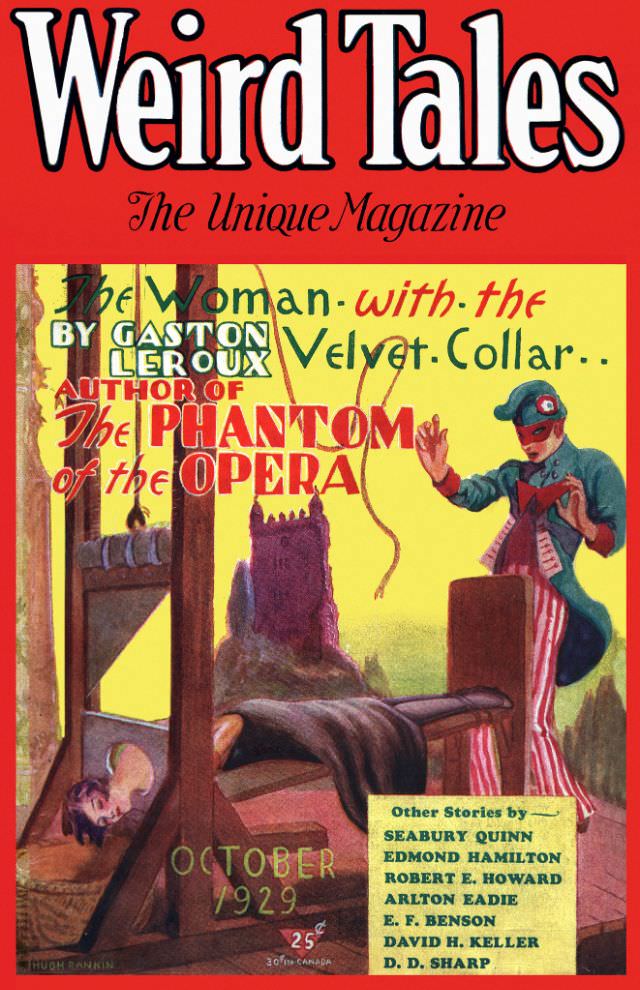
The magazine’s cover art was a major part of its identity. Bold colors, monstrous figures, and scenes of dread pulled readers in from across a crowded newsstand. Each issue promised something dark, something otherworldly, something that didn’t follow normal rules. The covers weren’t just decoration — they were a signal to readers about what kind of stories waited inside.
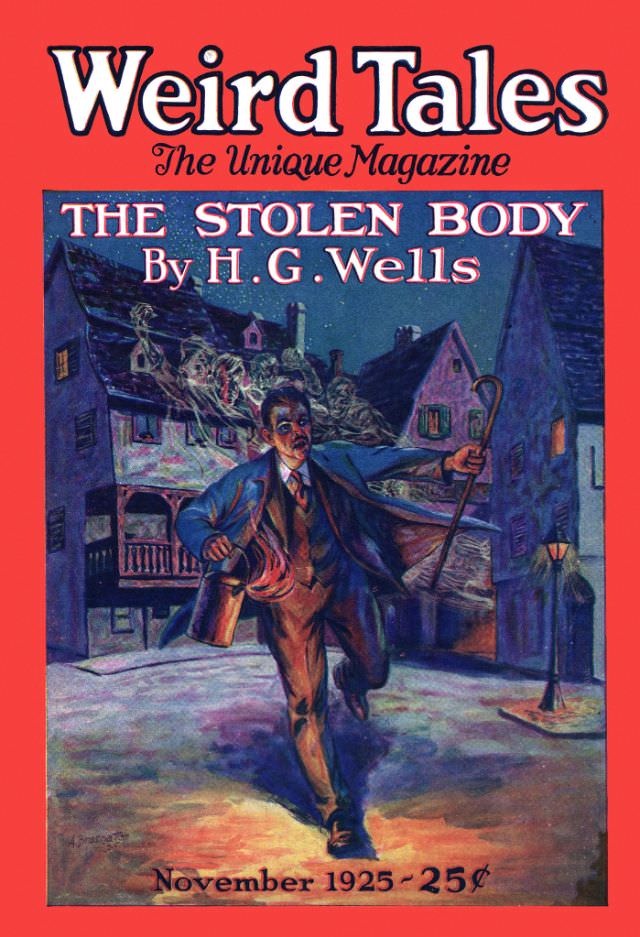
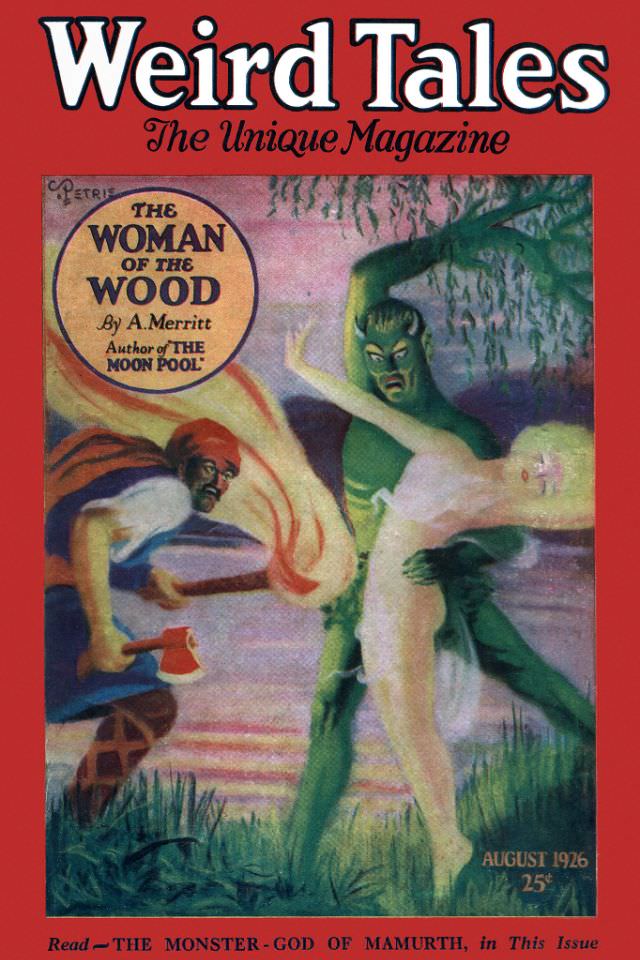
H.P. Lovecraft published much of his most important work in Weird Tales. His stories introduced readers to ancient, unknowable cosmic forces — beings so vast and alien that the human mind could not fully grasp them. Lovecraft’s universe was cold and indifferent, and Weird Tales gave him the platform to build it story by story. Robert E. Howard also found his home in these pages, publishing his Conan the Barbarian stories alongside tales of dark sorcery and brutal conflict.
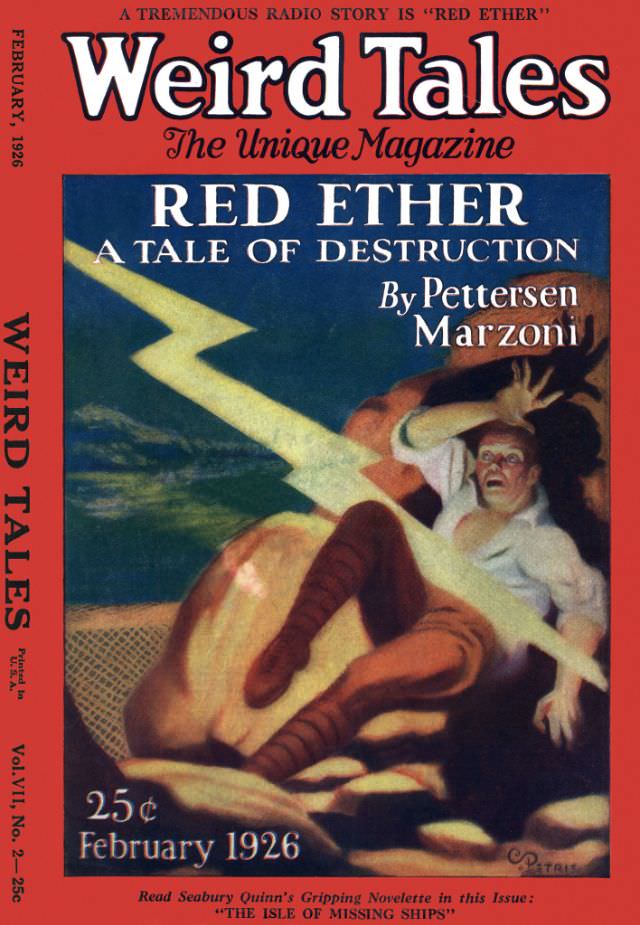
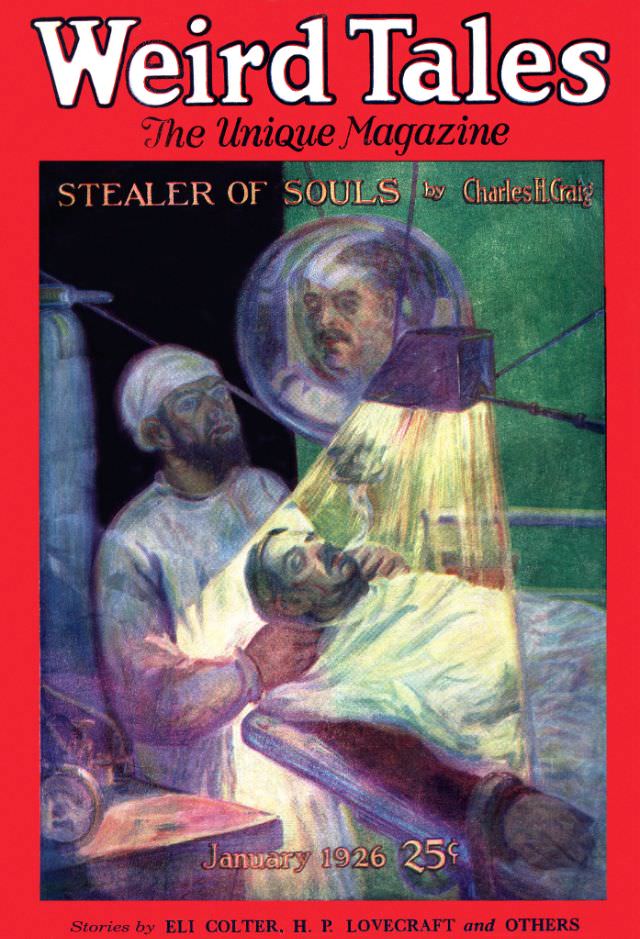
August Derleth was another regular contributor. He was deeply committed to the magazine and to the broader world of weird fiction, later co-founding Arkham House to preserve the work of writers like Lovecraft after their deaths. Clark Ashton Smith brought a poetic, almost hallucinatory style to his fiction — his stories were dense with invented worlds, dying suns, and necromancers. Weird Tales published all of it without flinching.
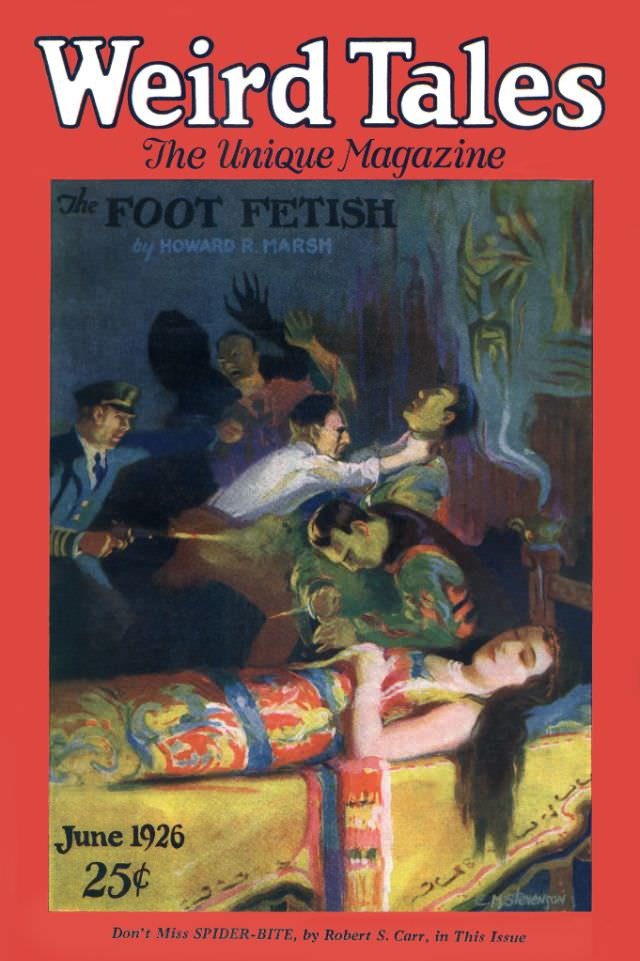
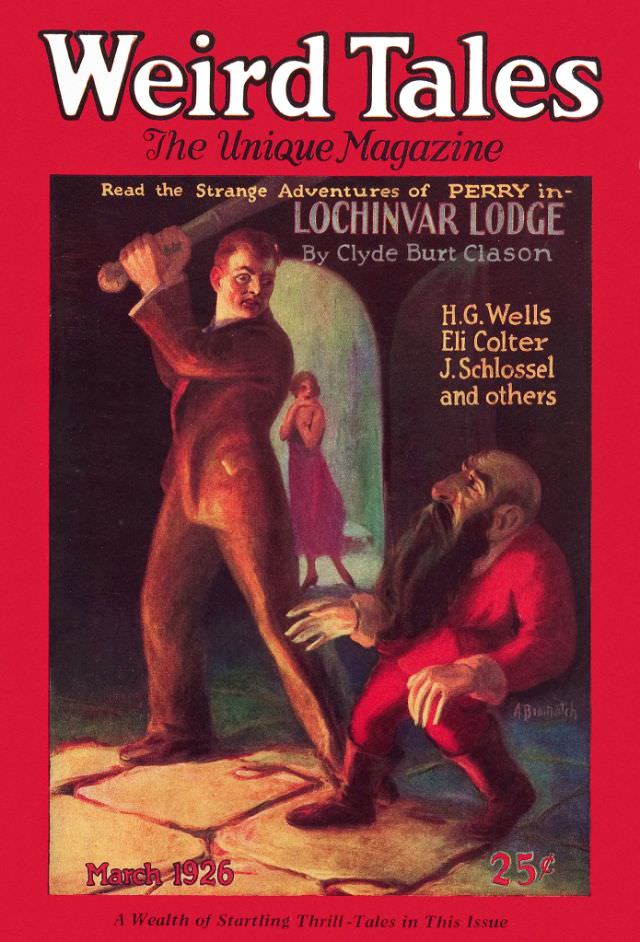
Robert Bloch began publishing in Weird Tales as a teenager in the 1930s. He had been a pen pal of Lovecraft’s and learned the craft of horror fiction through the magazine’s pages. He would go on to write Psycho decades later. Seabury Quinn was one of the magazine’s most prolific contributors, publishing dozens of detective-horror stories featuring his occult investigator Jules de Grandin. Quinn’s stories appeared in more issues than those of any other single writer.
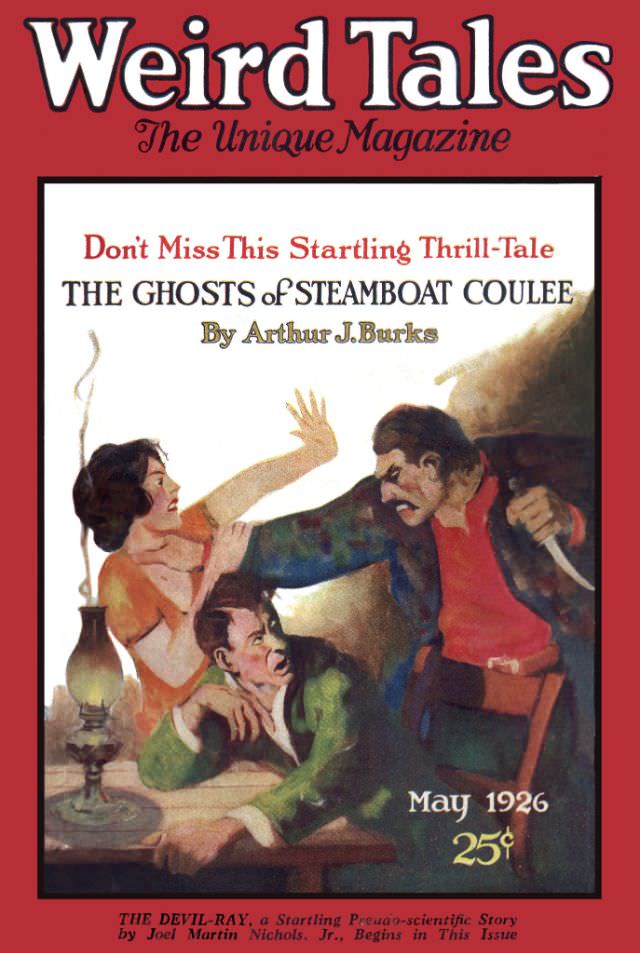
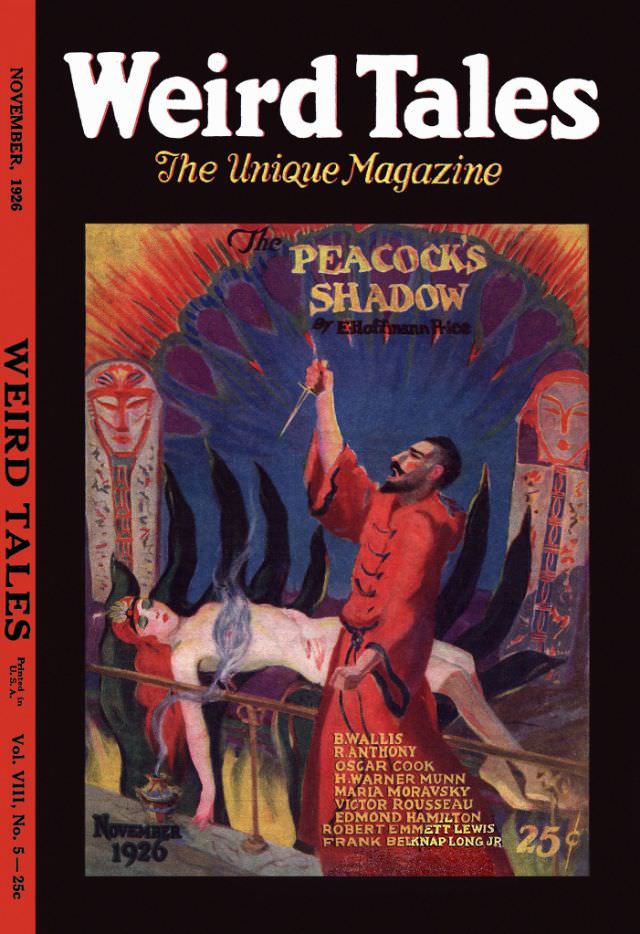
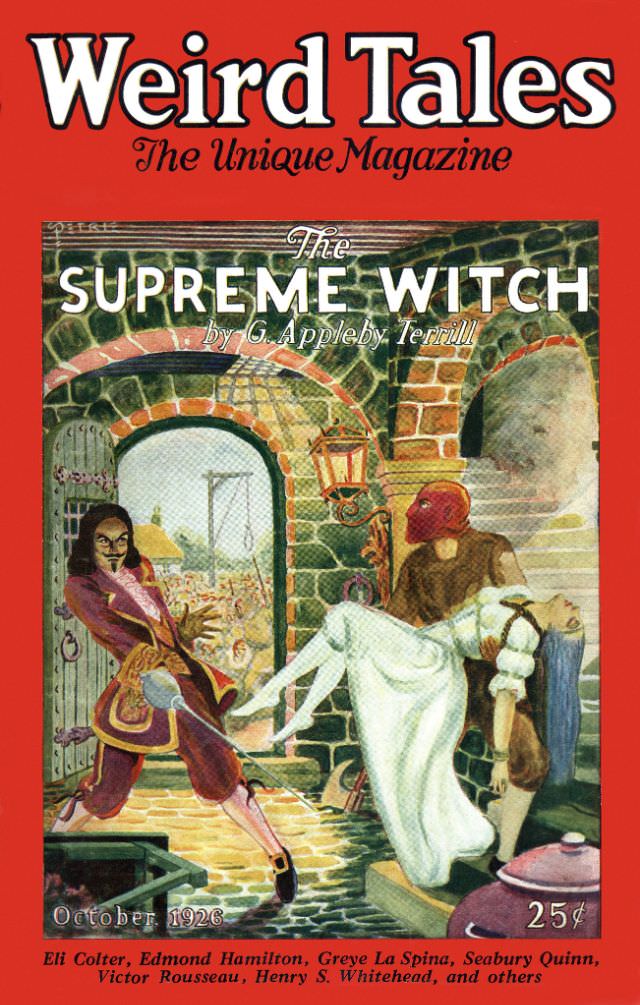
Through the late 1920s, the magazine hit its stride. New contributors arrived regularly, and the range of stories expanded. Gothic horror sat alongside sword-and-sorcery adventure. Ghost stories ran next to tales of alien worlds. The magazine didn’t enforce a rigid style, which allowed writers to experiment freely.
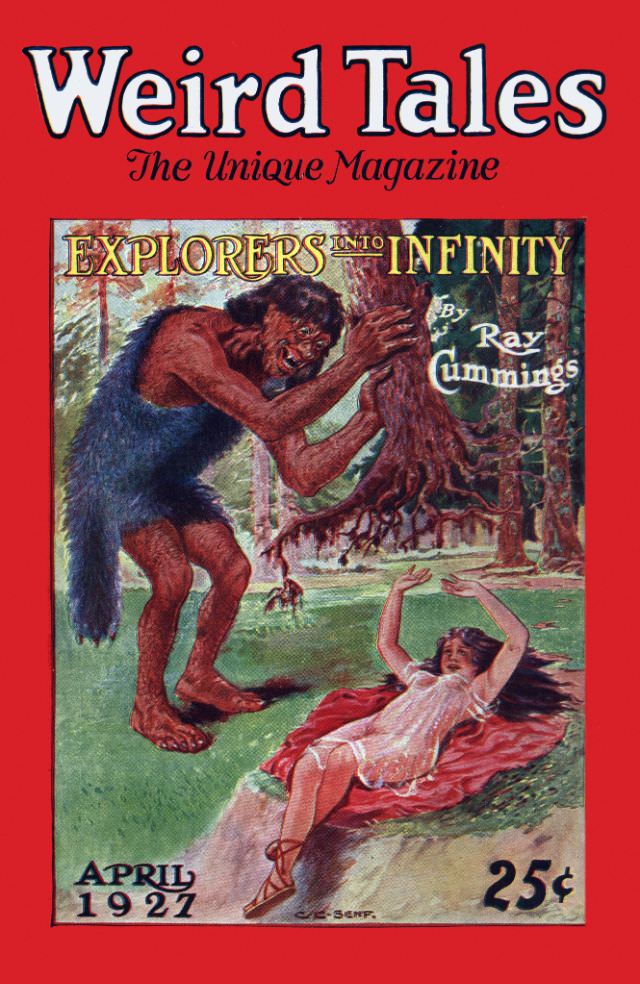
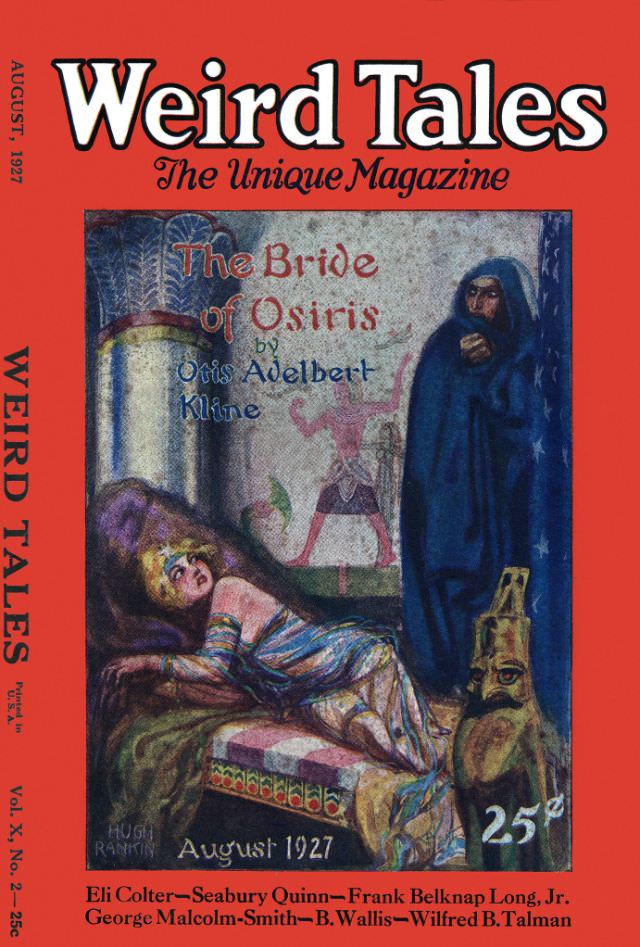
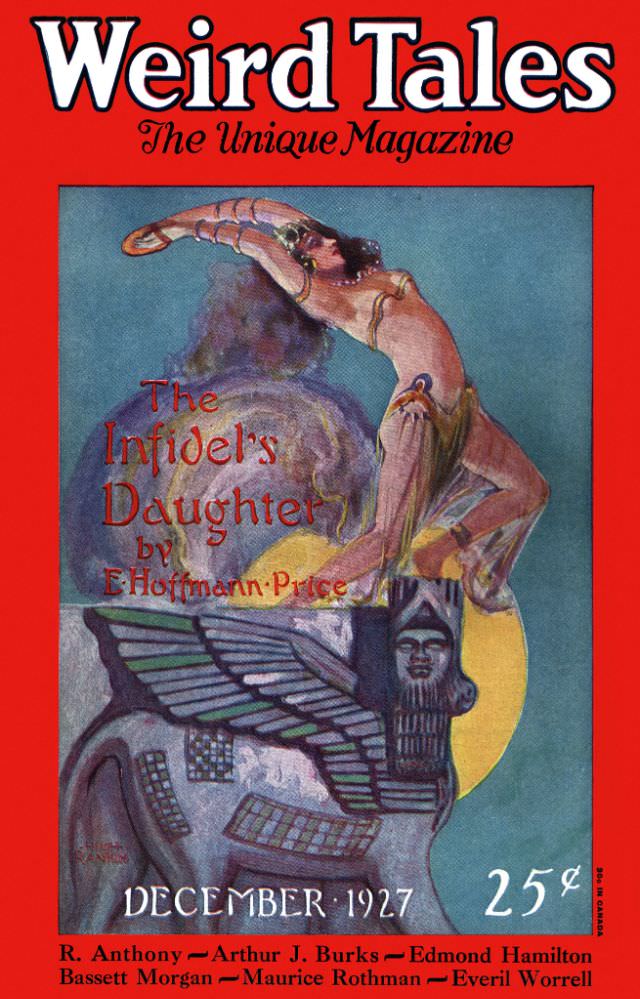
The 1927 issues show just how consistent the magazine’s output was. Month after month, new stories rolled out across a wide range of supernatural themes. The readership grew, and so did the reputation of the writers the magazine published.
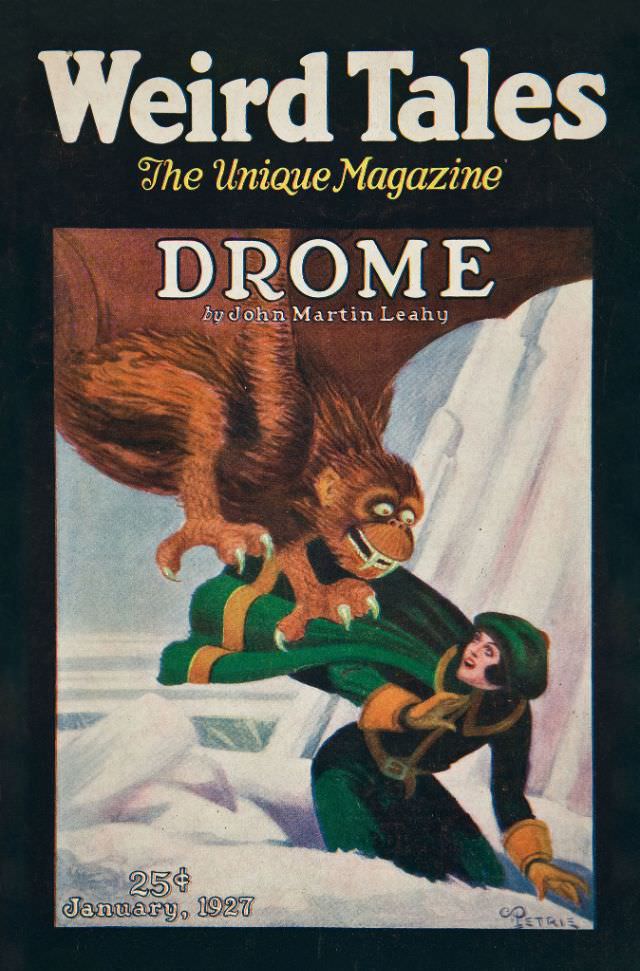
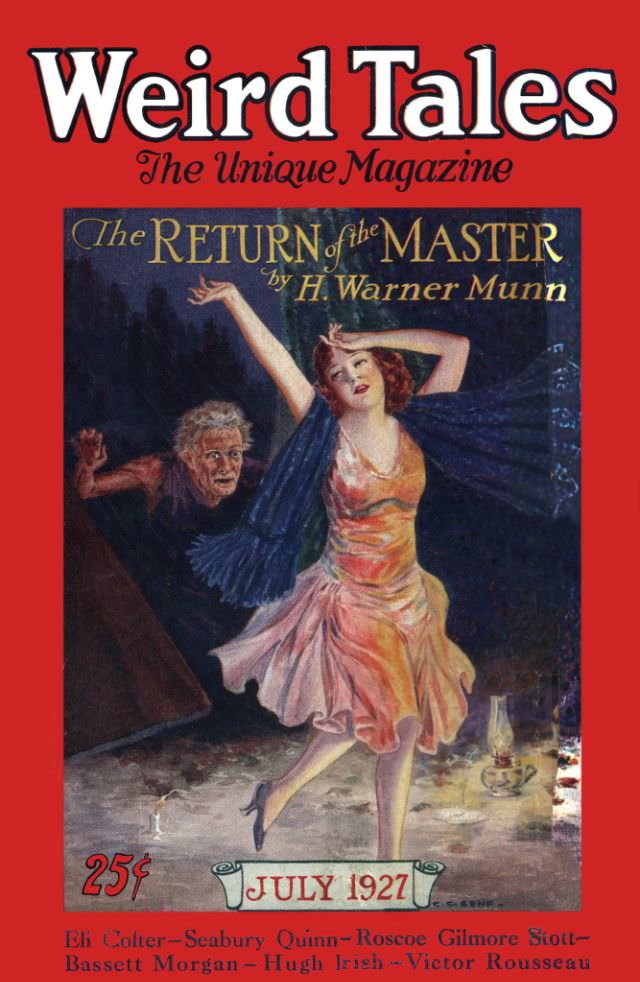
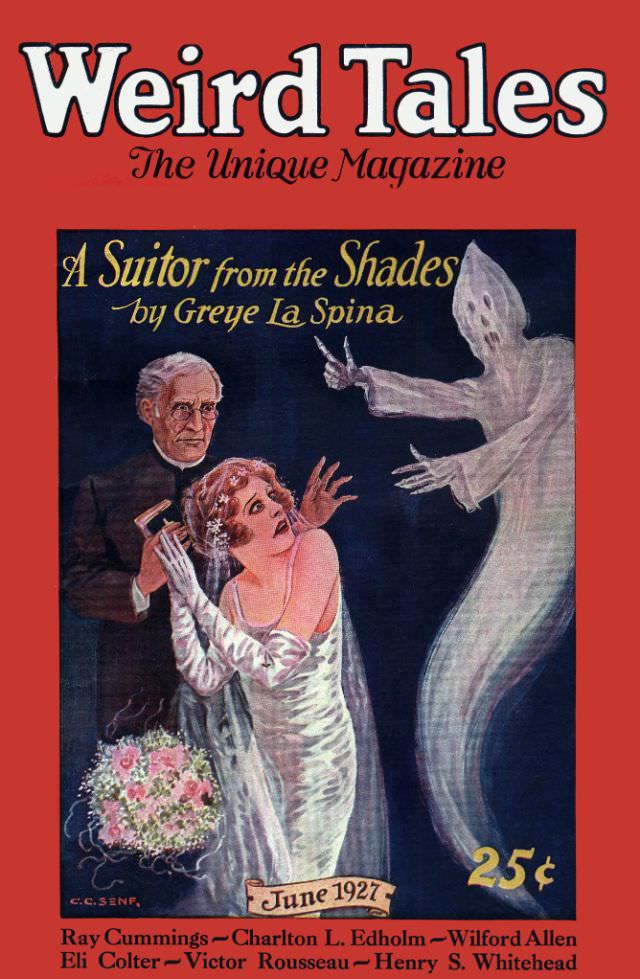
By 1928, the magazine had established a clear voice. Its stories weren’t meant to comfort readers — they were meant to unsettle them. Weird Tales published tales about death, madness, ancient evil, and the fragility of human sanity. These weren’t themes that mainstream publishers were eager to touch, but Weird Tales made them its specialty.
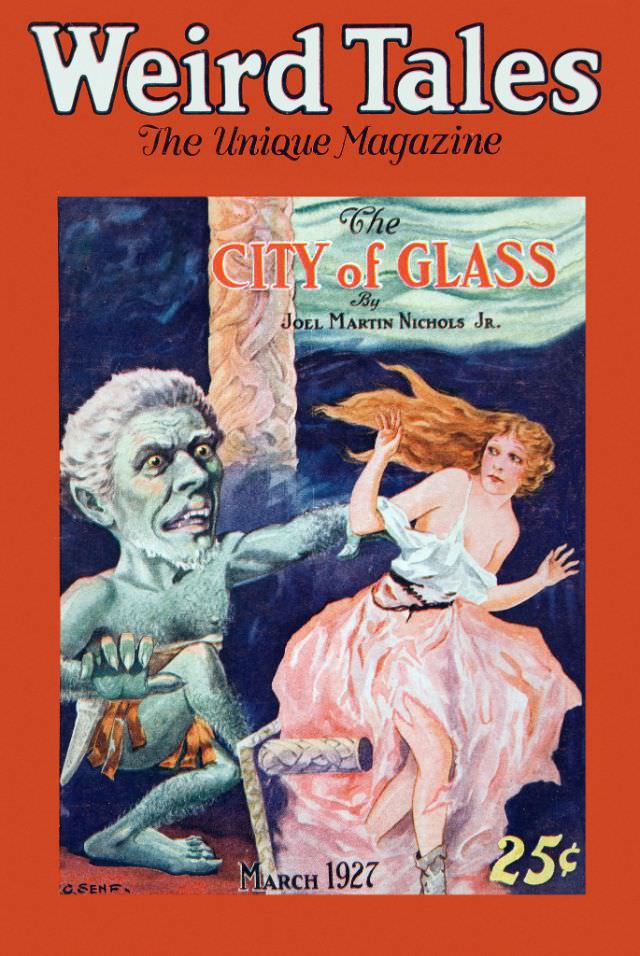
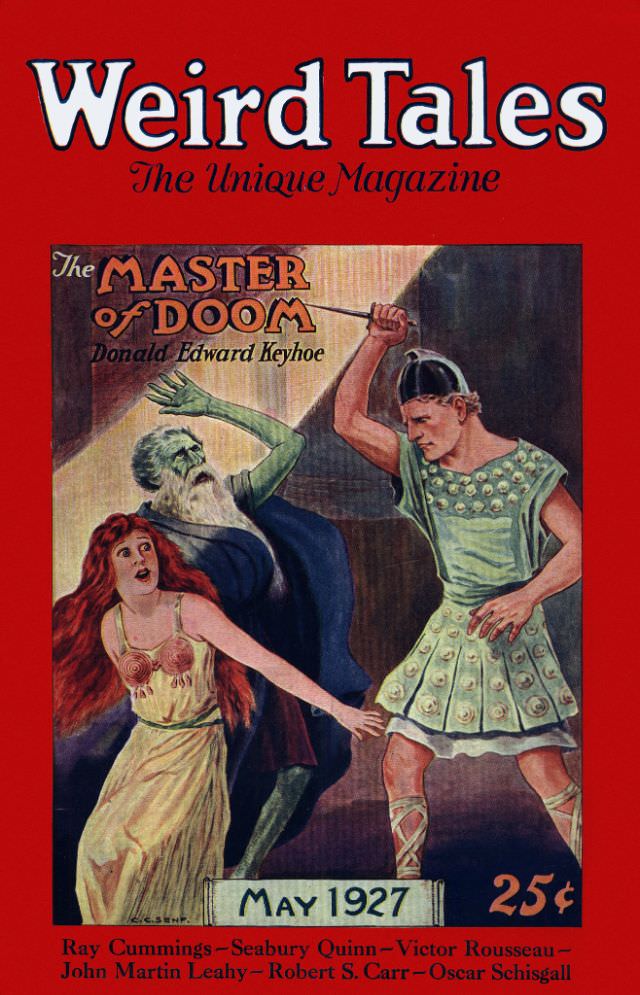
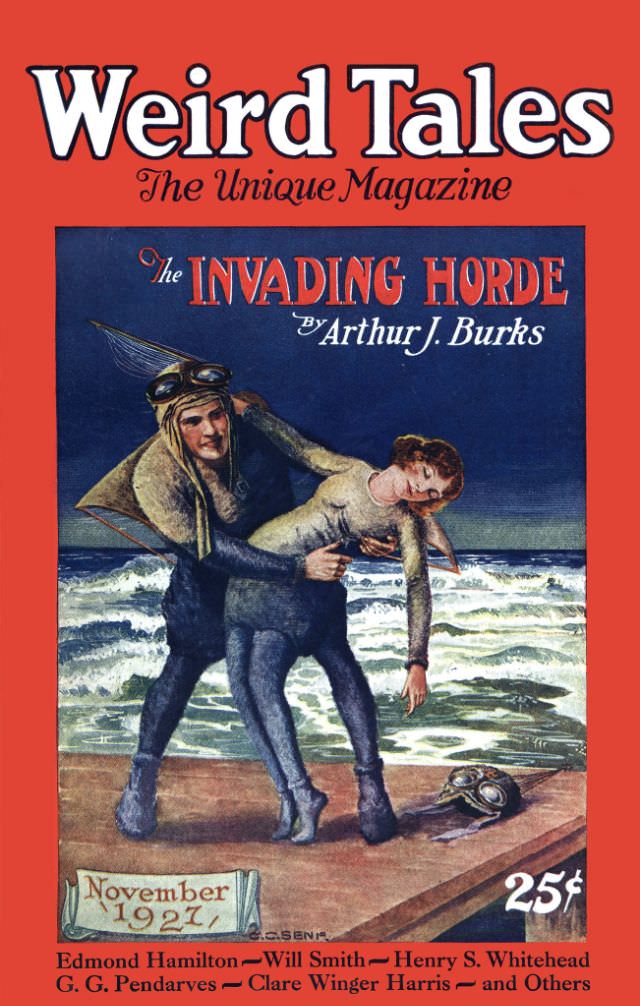
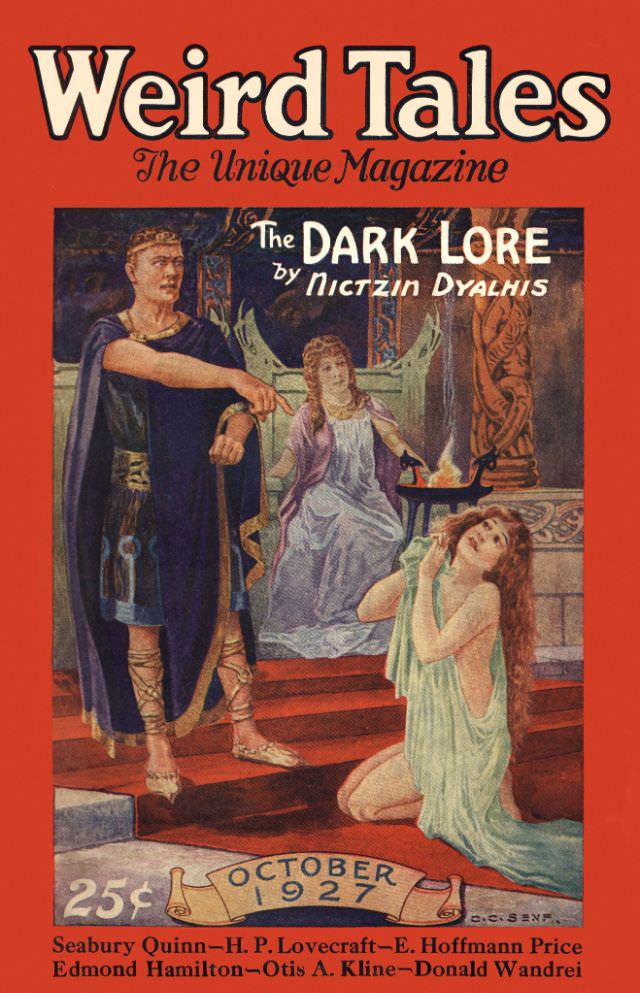
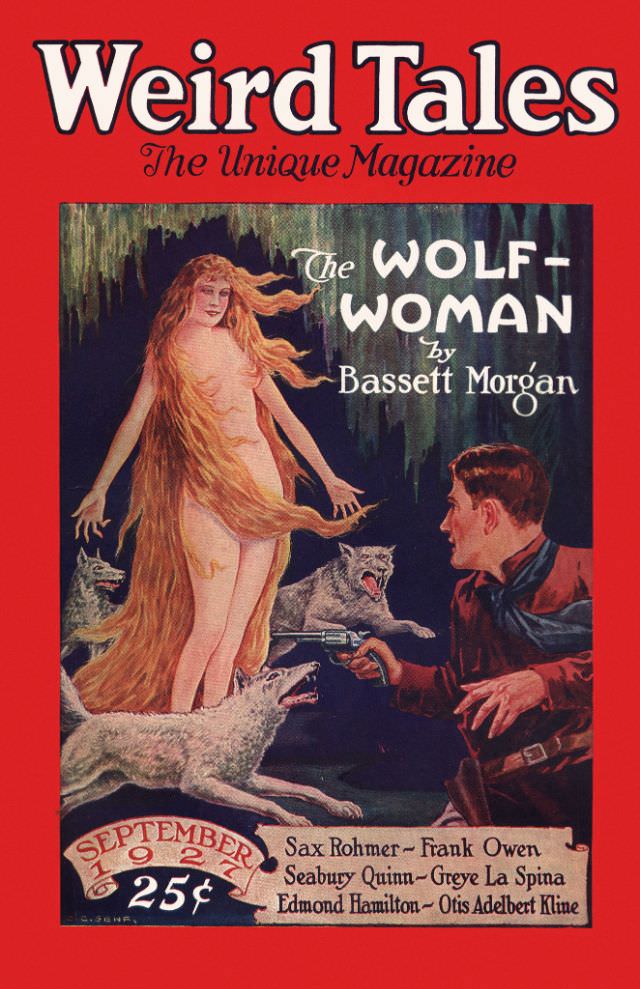
The covers from 1928 reflect the magazine’s growing confidence. Each one was a small piece of art designed to grab attention and hold it. The illustrations ranged from gothic dread to outright grotesque, always vivid, always striking.
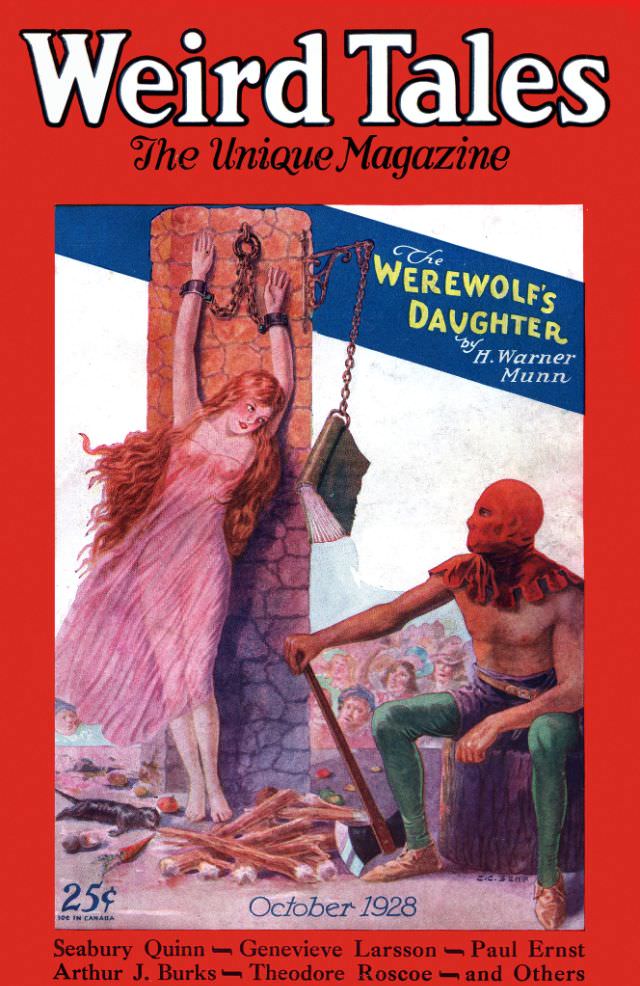
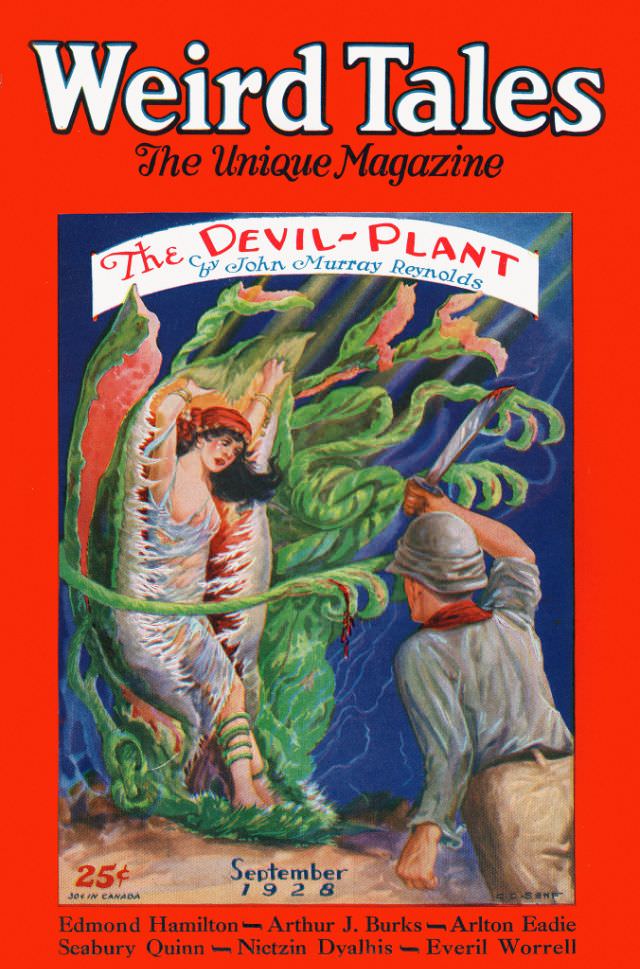
As the 1920s closed out, Weird Tales had built a loyal following. Readers knew exactly what they were getting — and they kept coming back for more. The magazine’s output through 1929 shows no sign of slowing down, with issue after issue delivering fresh horror and fantasy from a rotating cast of talented writers.
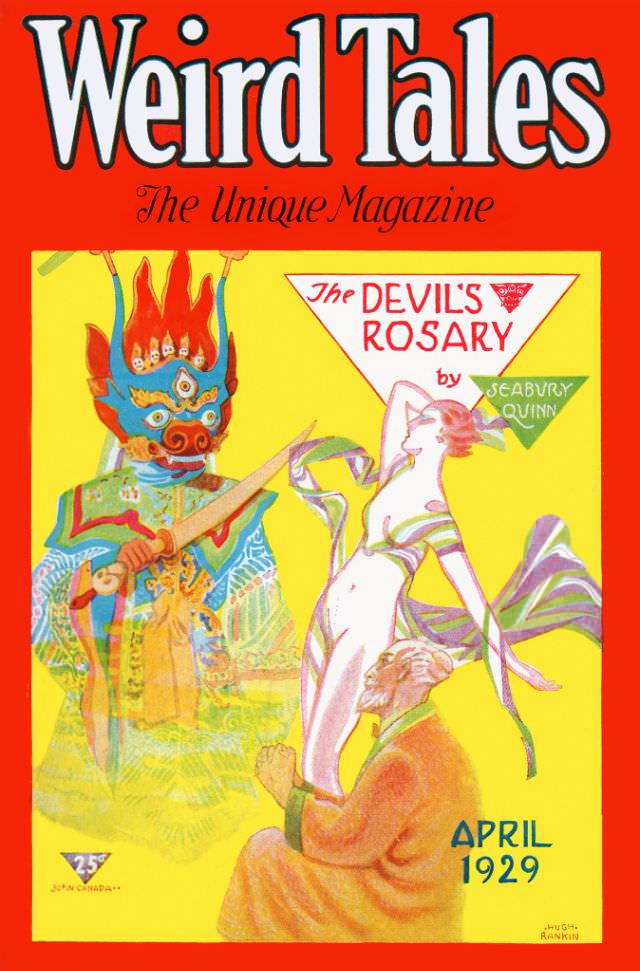
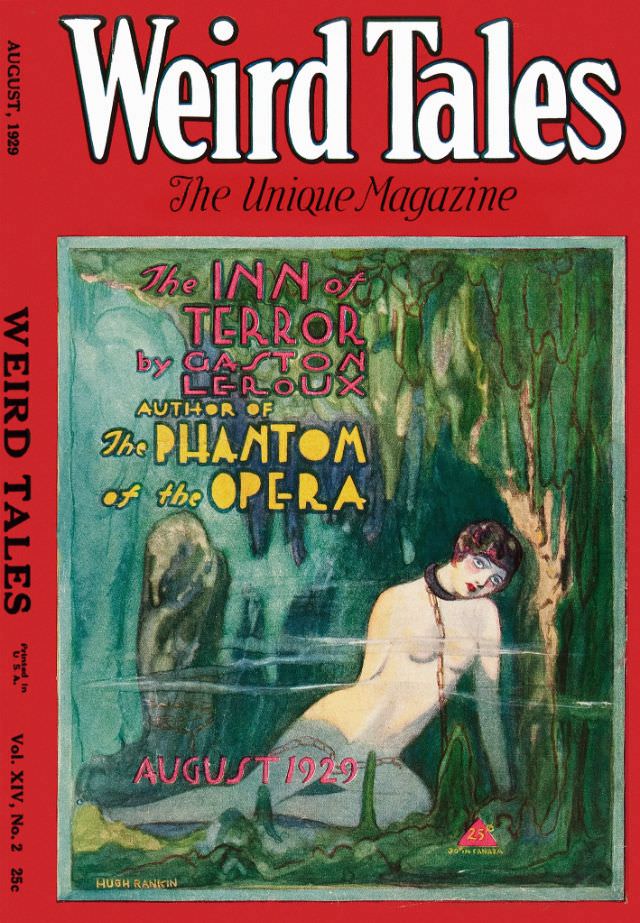
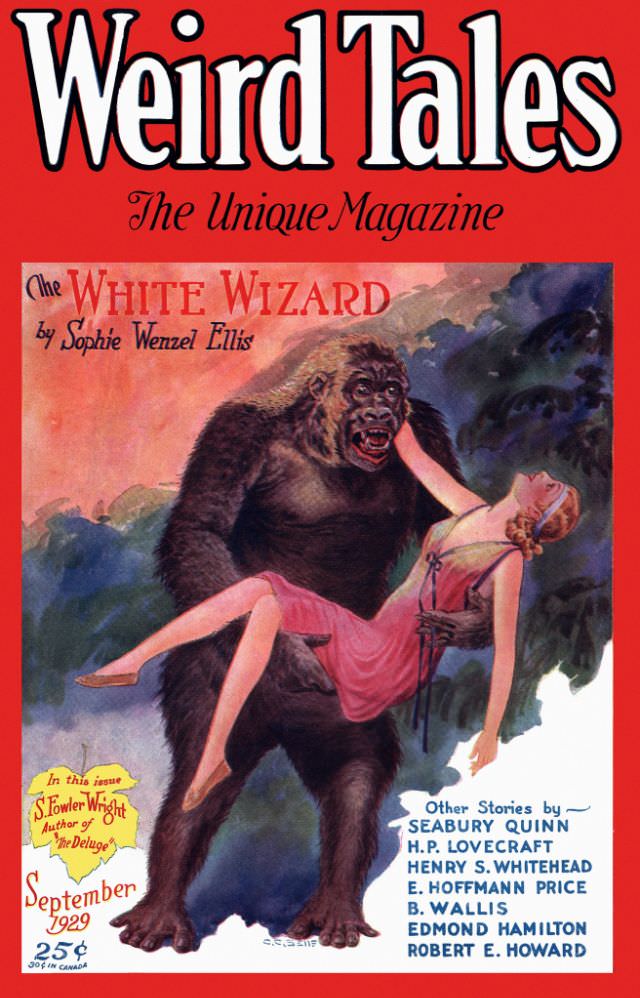
The magazine ran until 1954, when declining readership and the changing economics of publishing finally brought it to a close. Over its 31-year run, it published hundreds of writers and thousands of stories. It gave a home to fiction that had nowhere else to go, and in doing so, it helped define what horror and fantasy literature could be. The covers alone — month after month of bold, fearless art — tell the story of a publication that never apologized for what it was.