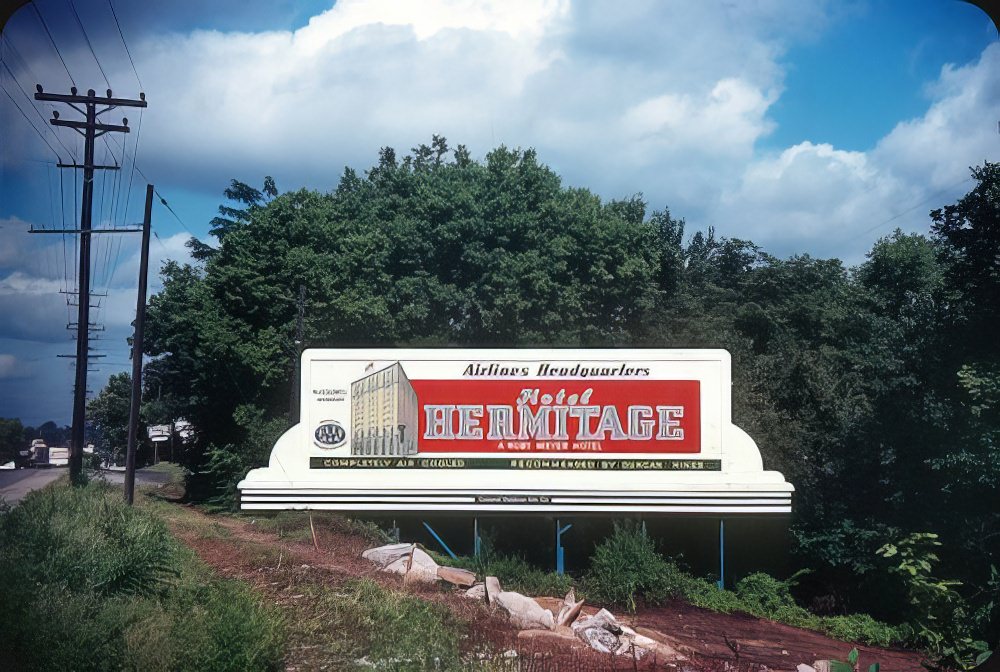
Nashville in the 1940s was a city in motion. World War II had ended, and the town was building itself into a hub for both music and industry. One of the most vivid records of that era isn’t found in newspapers or government files — it’s found in the signs. A local billboard artist photographed and painted the streetscapes of the time, leaving behind a striking visual document of daily life.
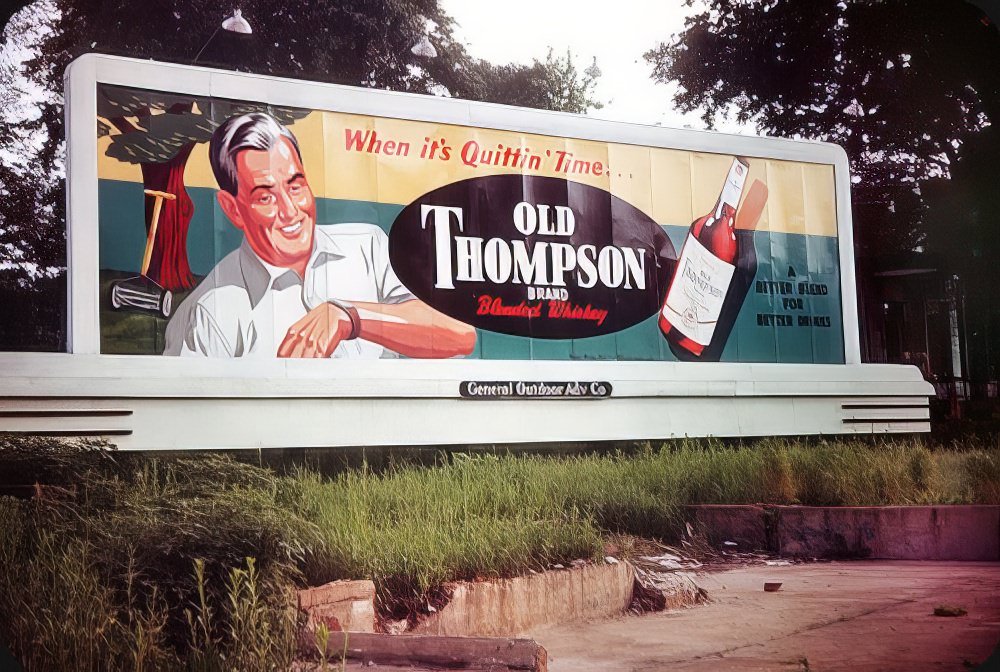
Walking through Nashville’s streets in that decade meant moving through a constant display of color, light, and lettering. Neon signs buzzed and flickered above doorways. Hand-painted boards stretched across storefronts. Every block had something competing for your attention.
Music sat at the center of Nashville’s identity, and the signs made that clear. Venues like the Ryman Auditorium advertised their shows with bold neon displays. Tootsie’s Orchid Lounge drew in crowds with glowing hues visible from down the street. These weren’t quiet announcements — they were open invitations.
Honky-tonks lined stretches of Broadway, each one marked by its own neon signature. The signs promised live music, cold drinks, and a room full of people looking to unwind after the war years. Locals and out-of-towners alike used these glowing markers to navigate the nightlife.
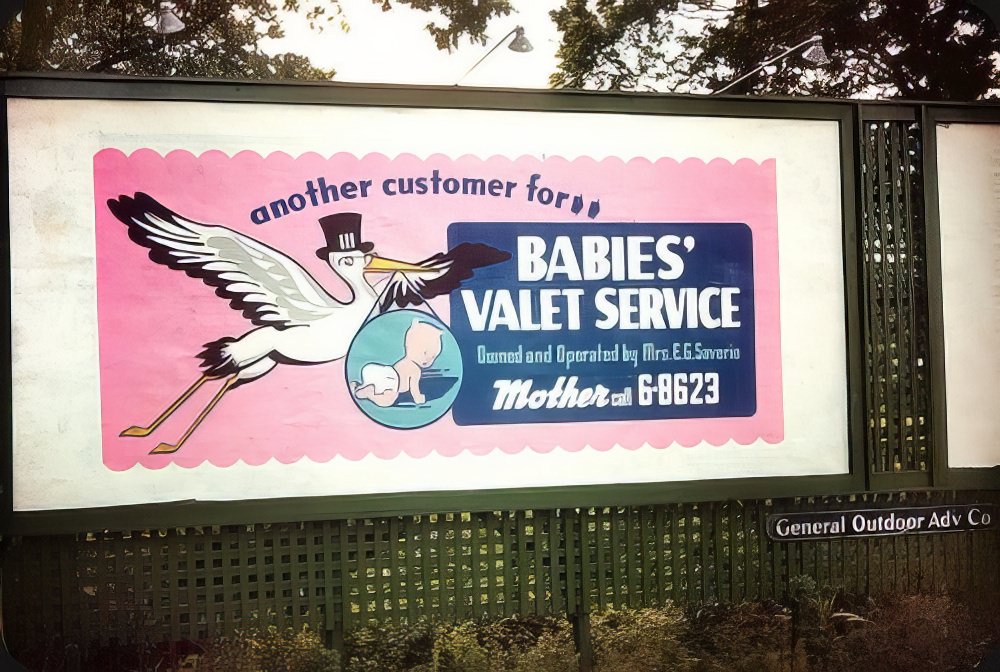
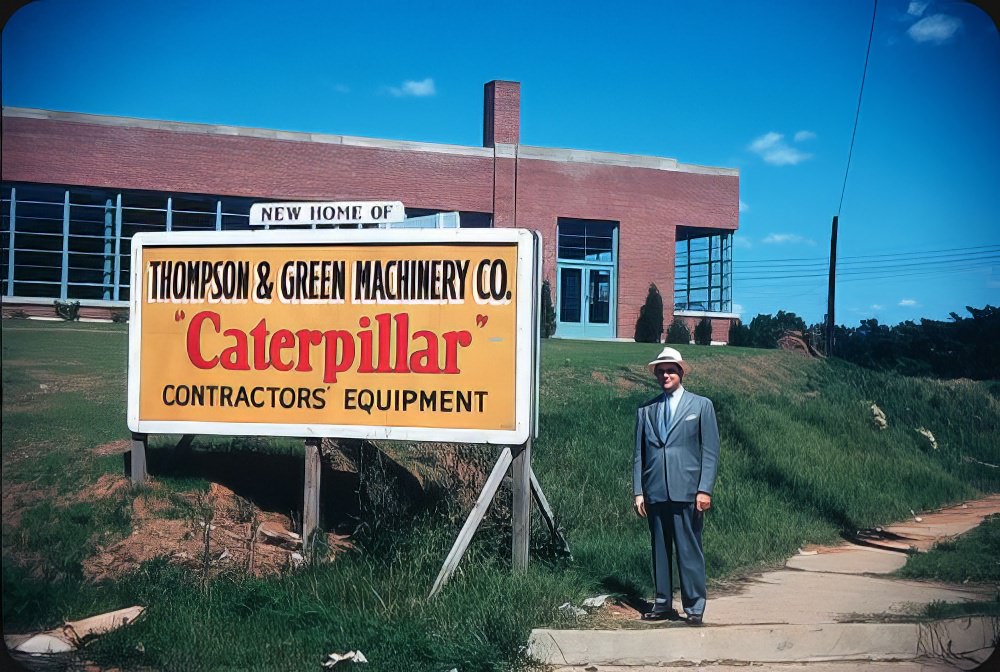
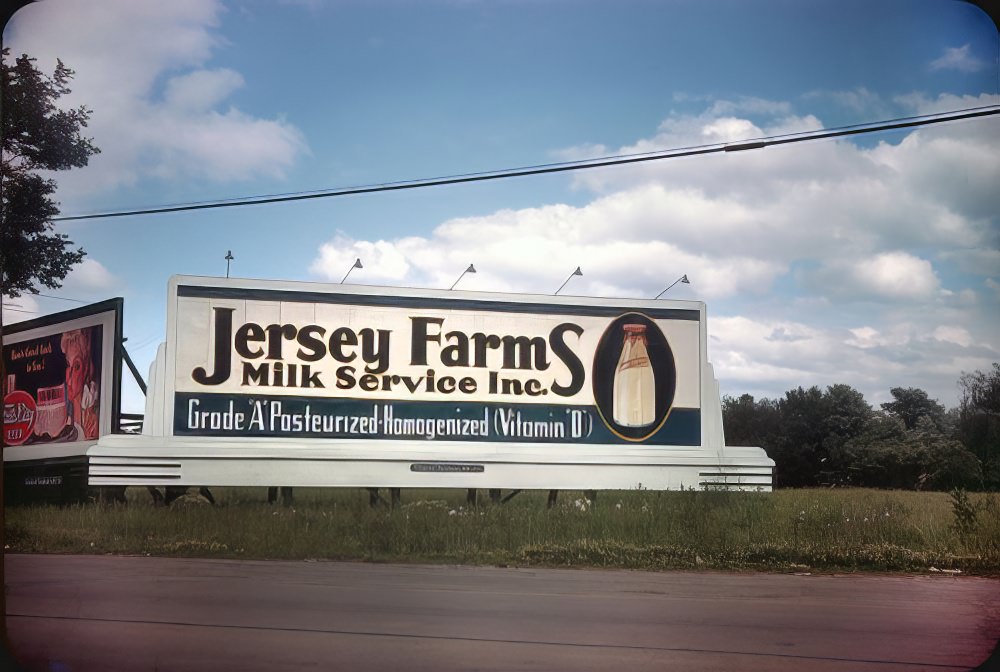
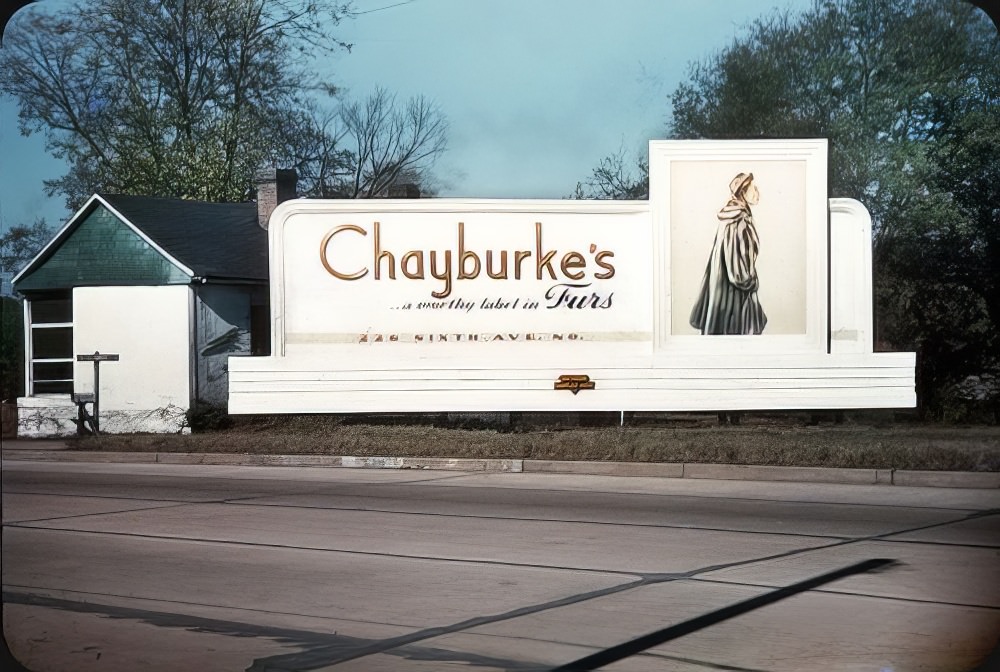
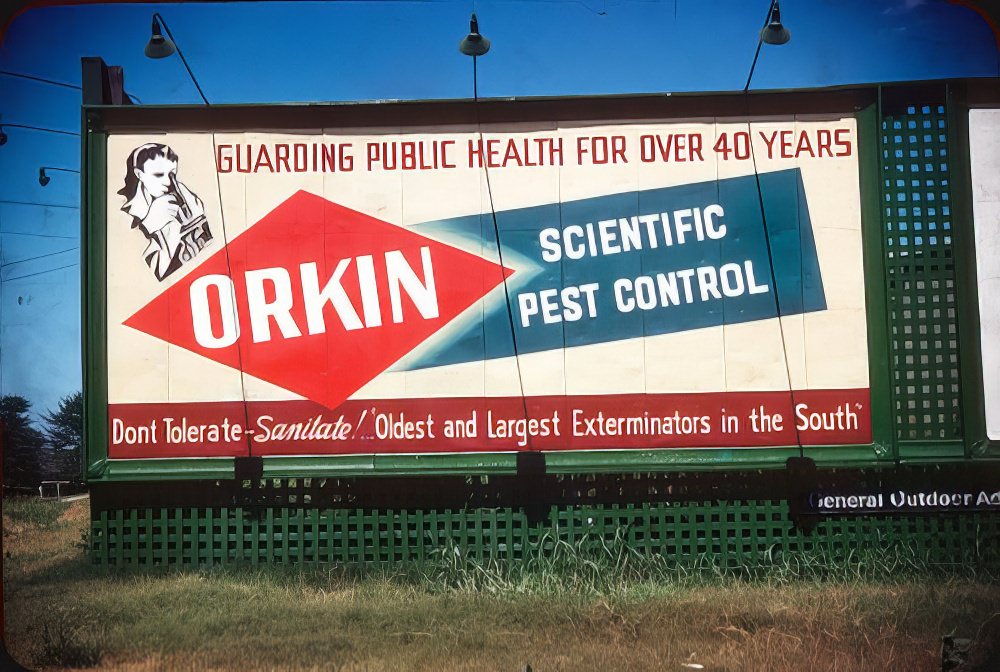
Away from the music venues, hand-painted signs told a quieter story. Pharmacies, barber shops, and grocery stores all marked their presence with carefully lettered boards. These signs were practical by design — clear fonts, direct wording, and just enough color to catch the eye.
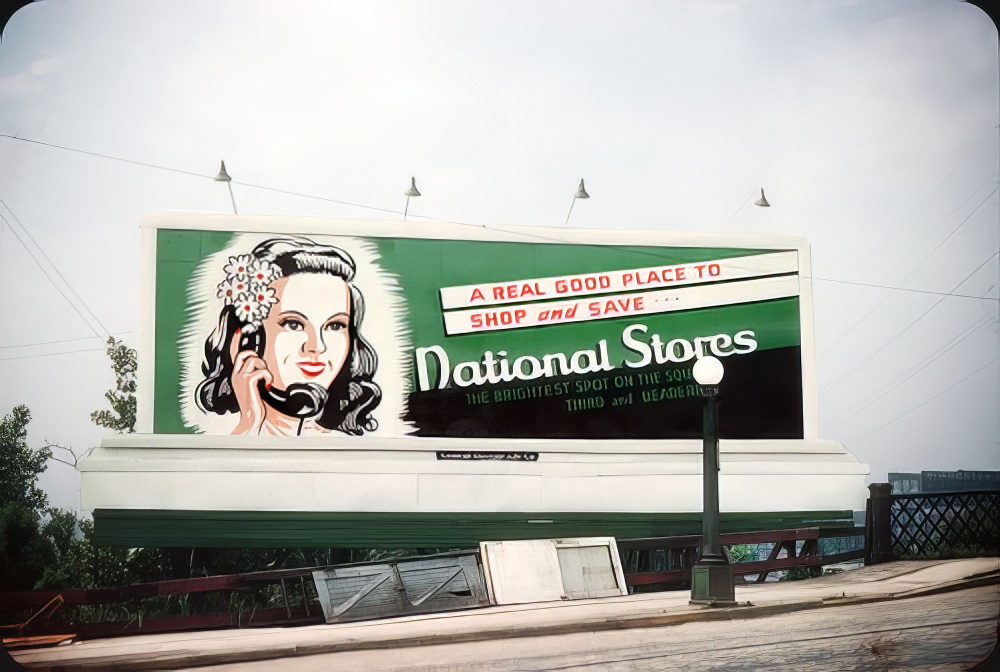
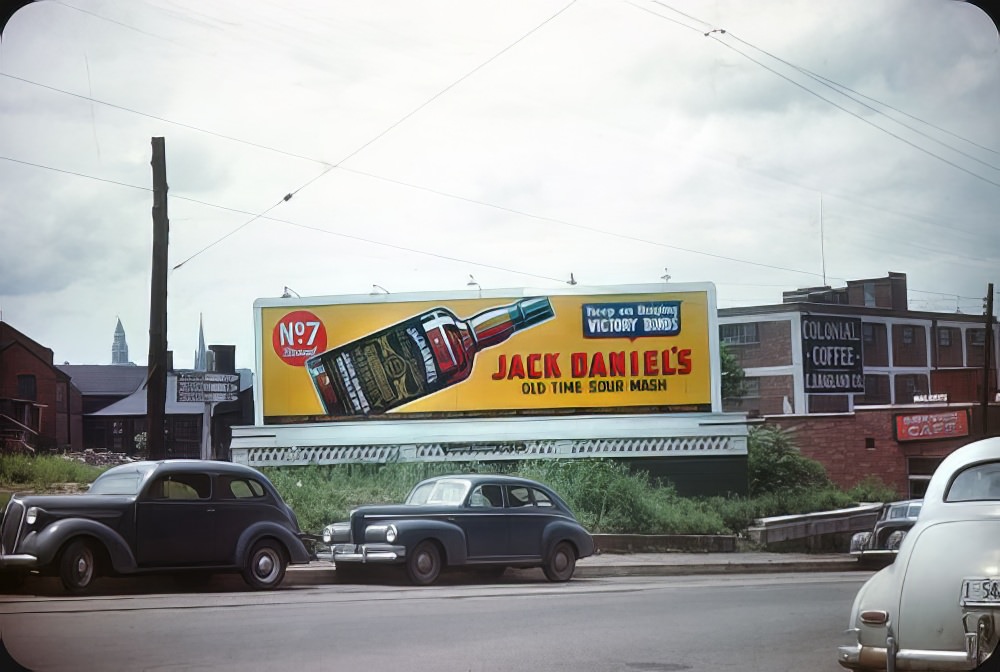
The craftsmanship behind each sign was deliberate. Billboard artists mixed paints by hand, scaled lettering by eye, and worked in all weather conditions. Their work had to hold up on the side of a building for years at a time.
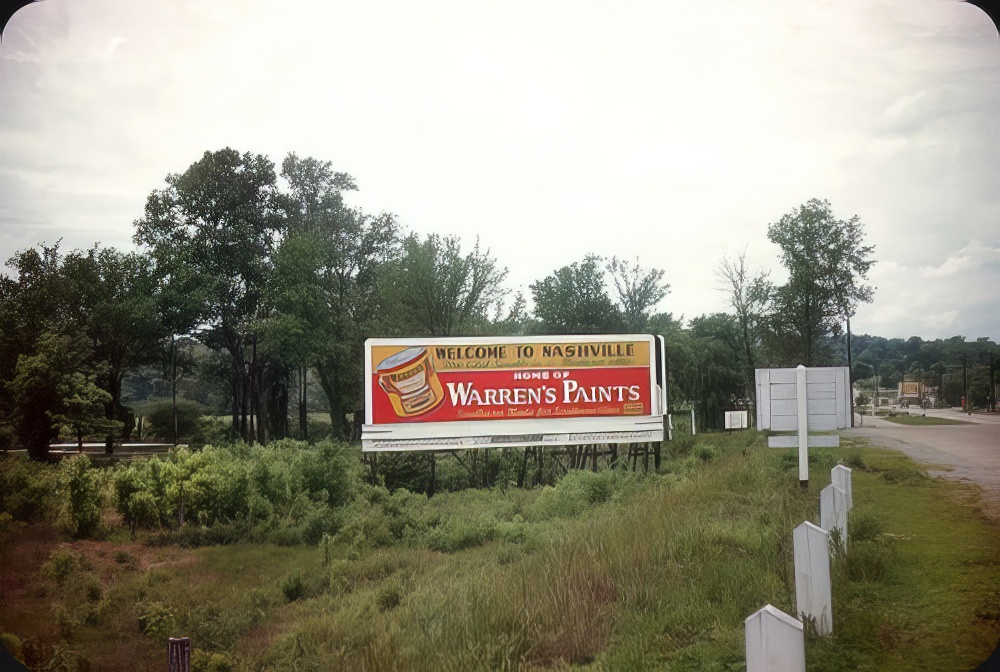
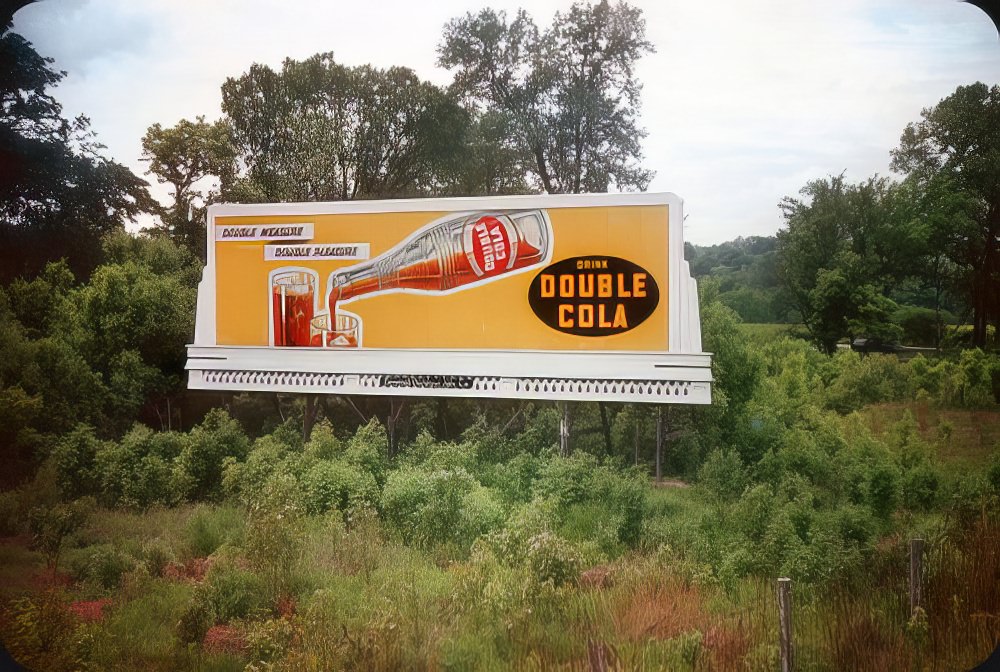
Auto repair shops, dry goods stores, and diners all relied on signage to pull in customers from the street. There were no social media pages or digital ads — the painted sign on your wall was your loudest voice.
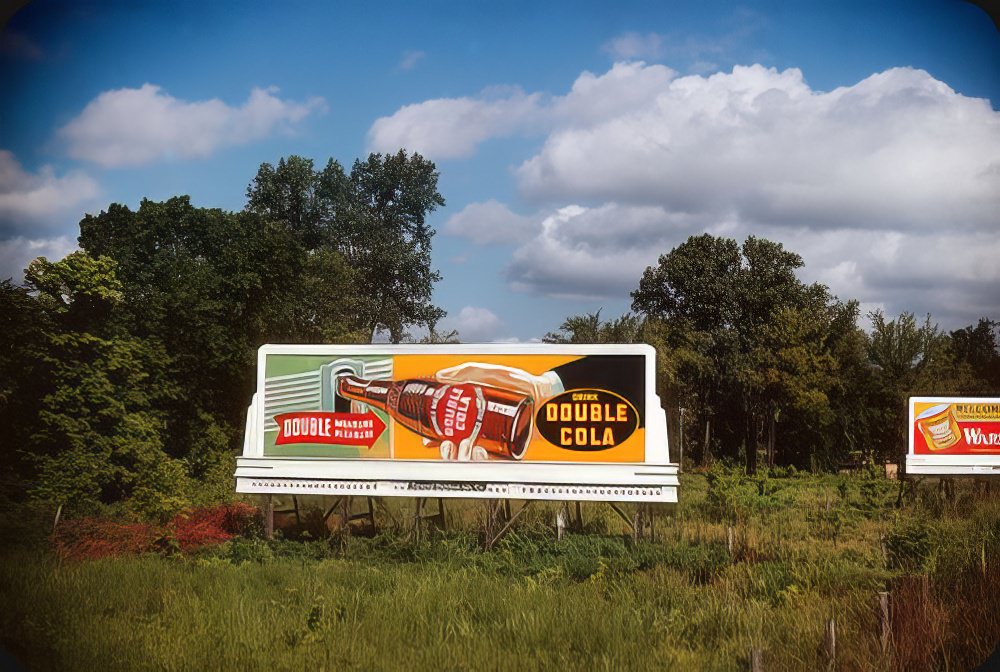
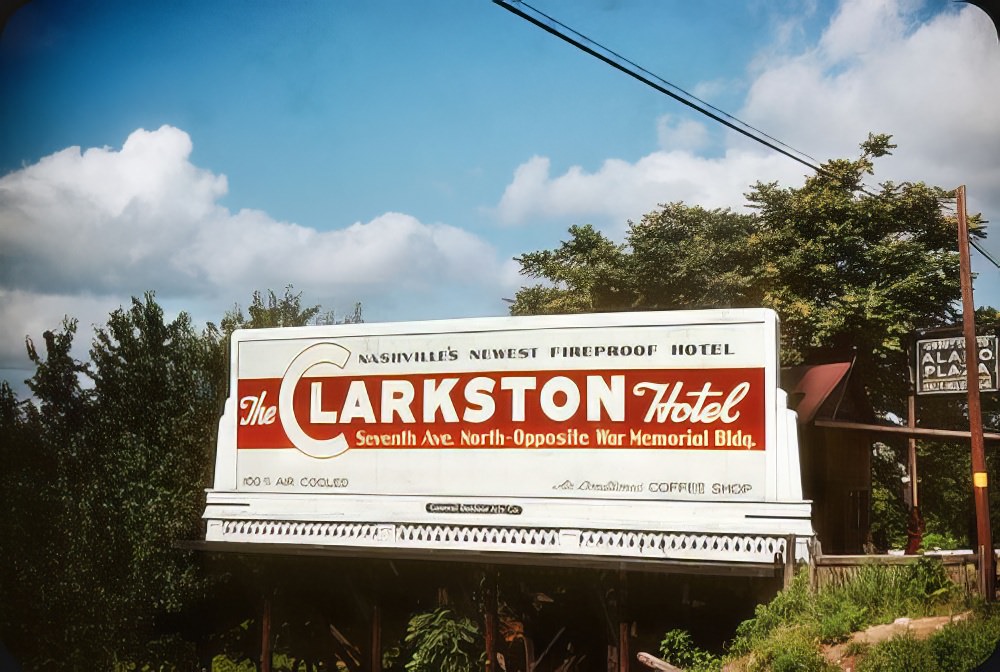
Neon technology had advanced enough by the 1940s that even smaller businesses could afford a glowing storefront. The tubes were bent into letters, brand names, and decorative shapes, then filled with gas that lit up at night. Nashville’s commercial streets after dark looked nothing like they did at noon.
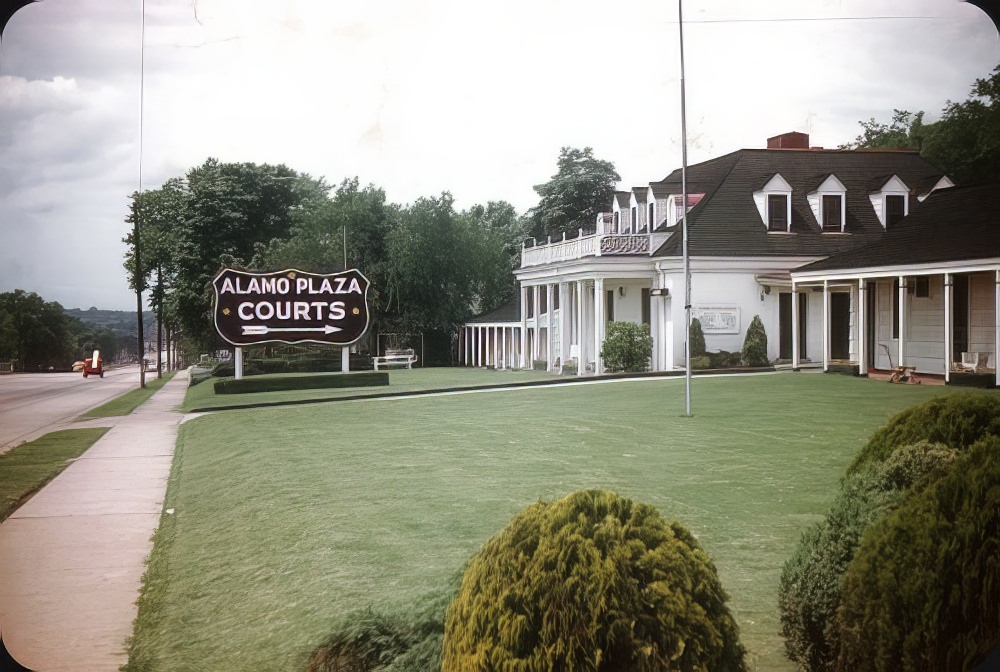
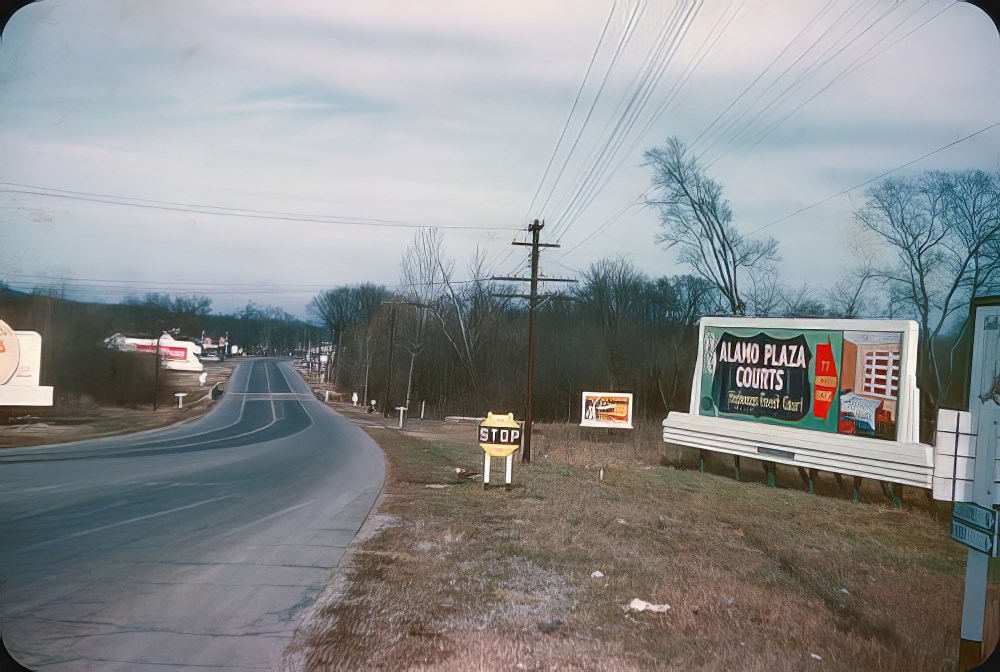
Taken together, these signs form a detailed map of how Nashville looked, worked, and spent its time in the postwar years. Each one marks a real place where real people spent their money, heard their music, and went about their days.