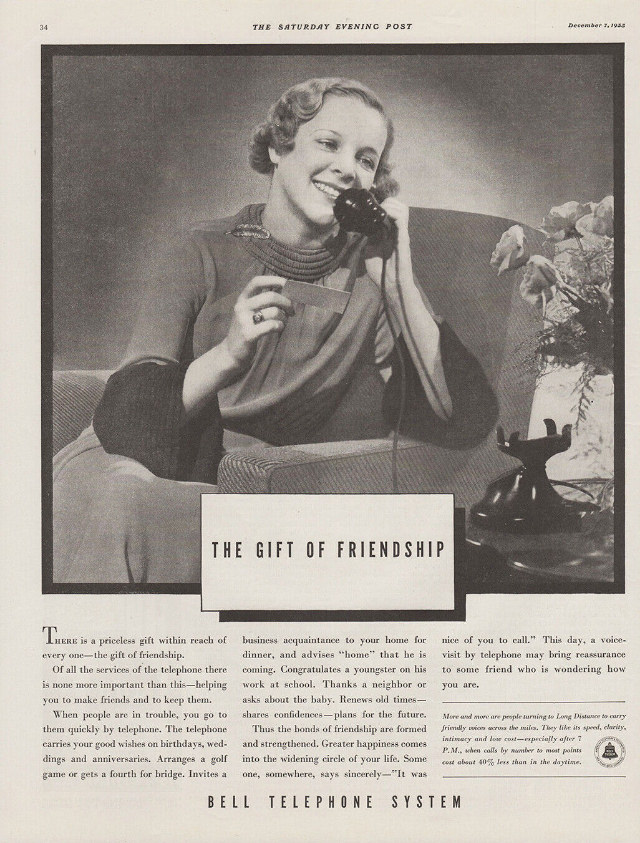
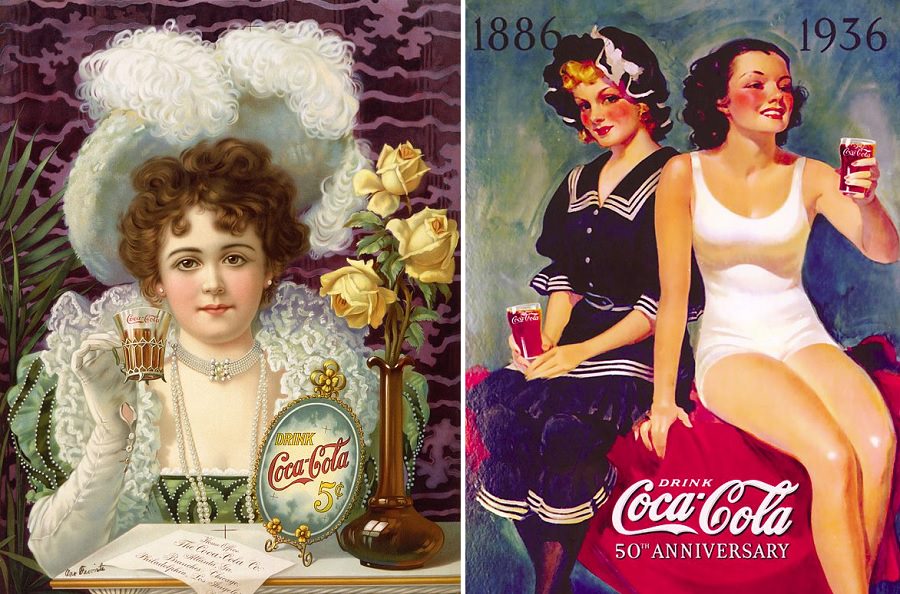
Long before smartphones and automated menus, a real human voice connected every phone call in America. For much of the 20th century, that voice almost always belonged to a woman. The Bell Telephone Company — later known as AT&T — built its reputation on the reliability and warmth of its female operators, and its advertising made sure the public knew it.
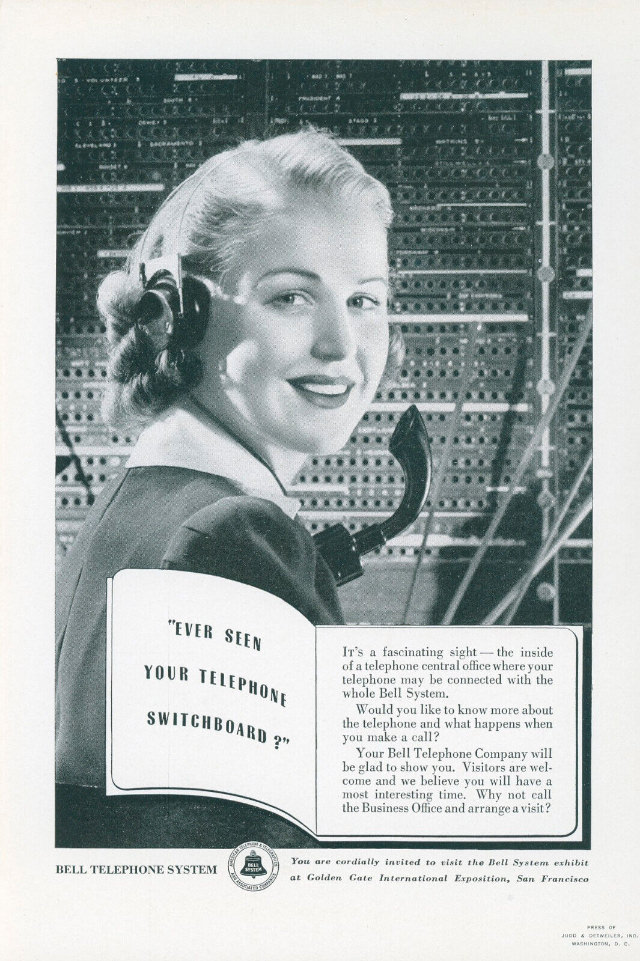
It wasn’t always this way. When telephone exchanges first opened in the 1870s, Bell hired teenage boys to work the switchboards. The experiment failed quickly. The boys were rude, rowdy, and impatient with customers. Young women replaced them almost immediately, and the profession became female-dominated from that point forward.
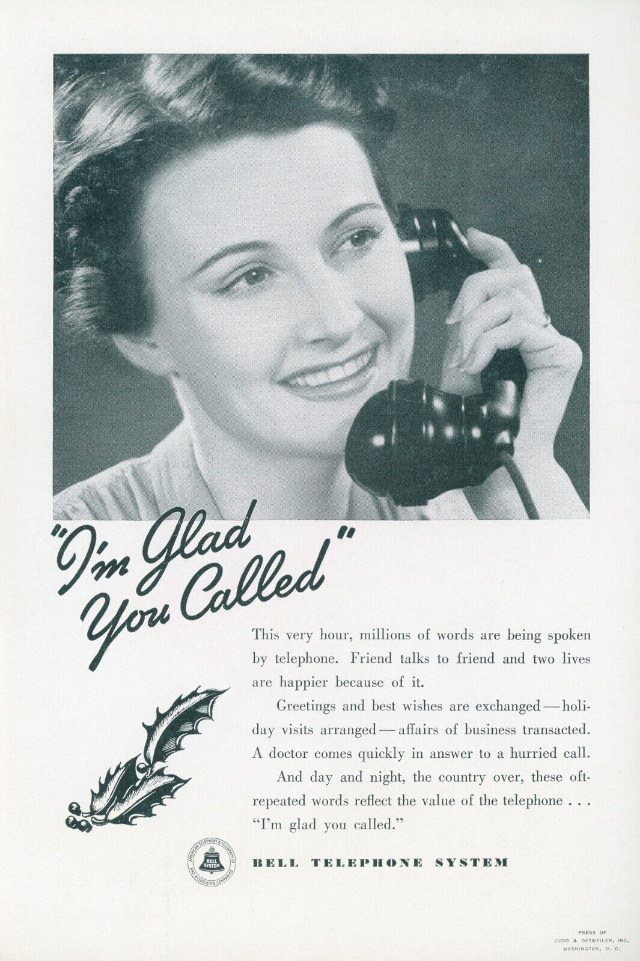
Women were chosen for more than their manners. Supervisors prized their gentle voices and nimble fingers, which made working a switchboard faster and more accurate. They were also paid significantly lower wages than men — a fact the company relied on to keep operating costs down.
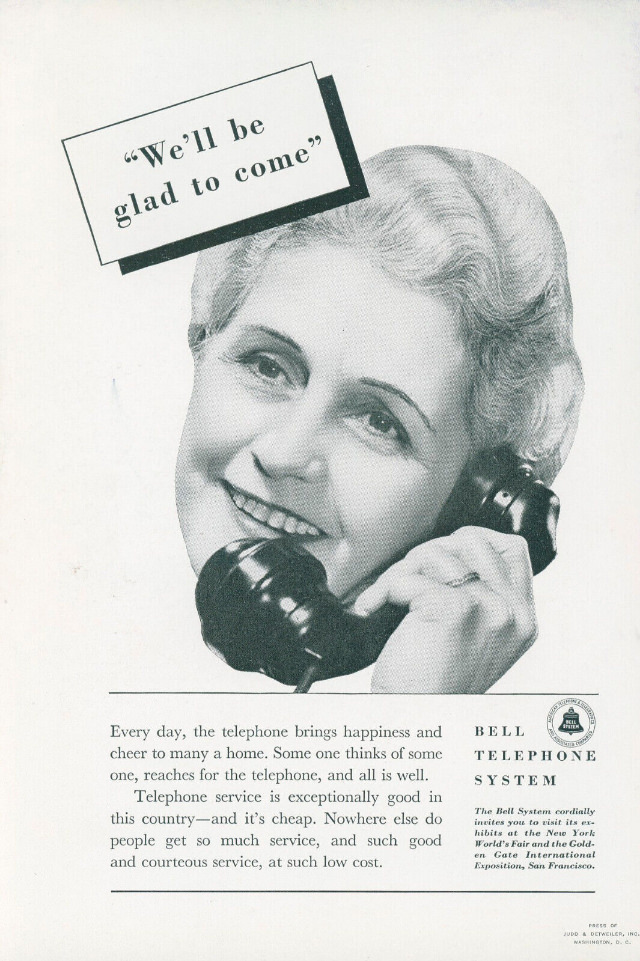
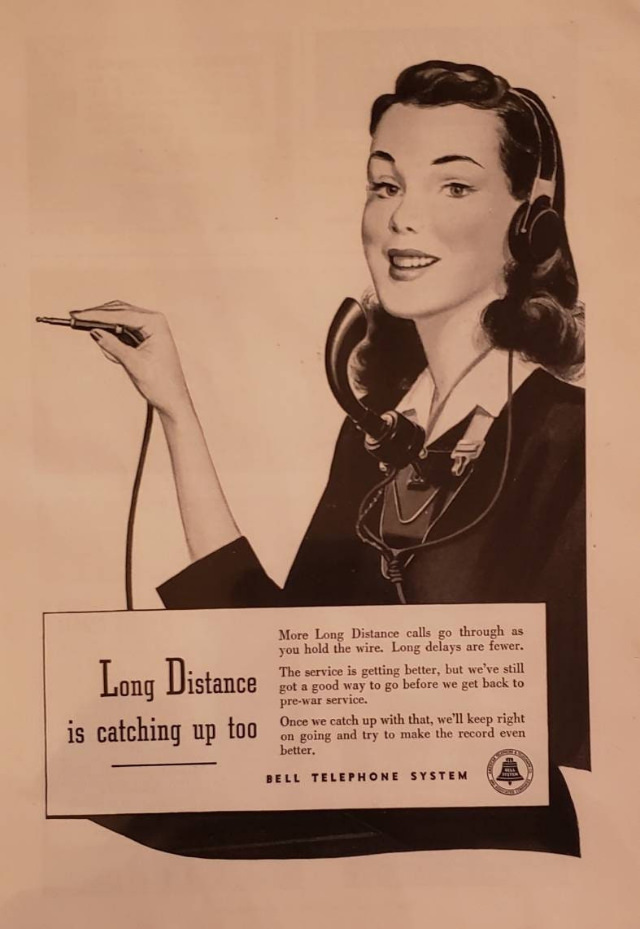
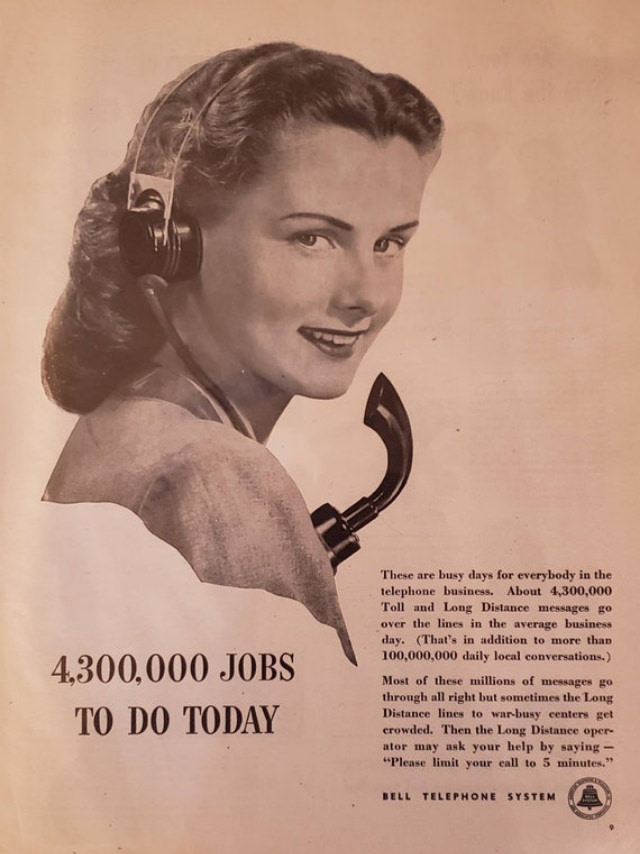
By the 1930s, AT&T had crafted a powerful marketing identity around its operators. The slogan “The Voice with a Smile” became one of the most recognized phrases in American advertising. The campaign ran through the 1950s and put a cheerful, painted face to the friendly voice customers heard on the other end of the line.
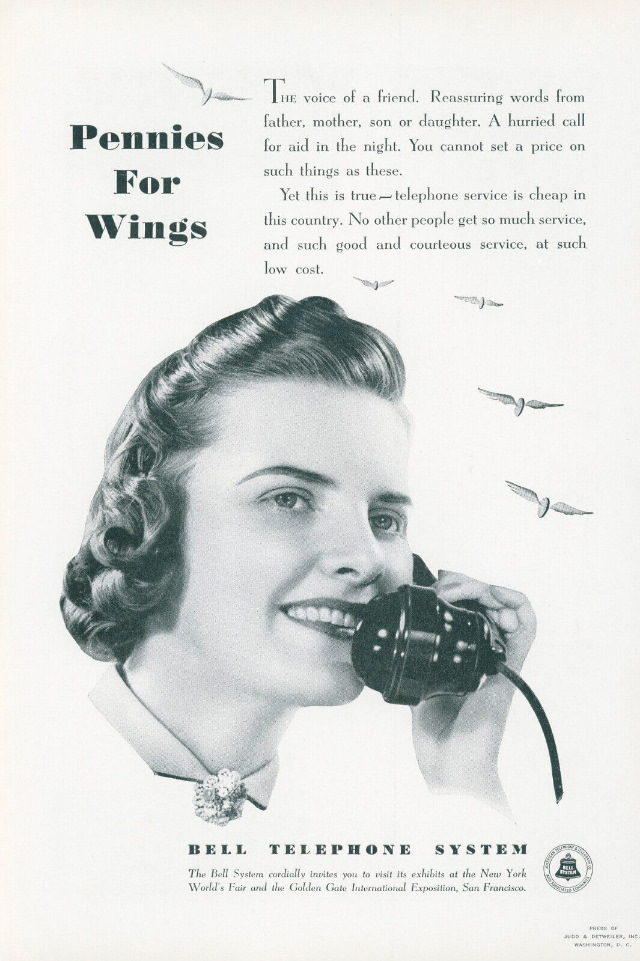
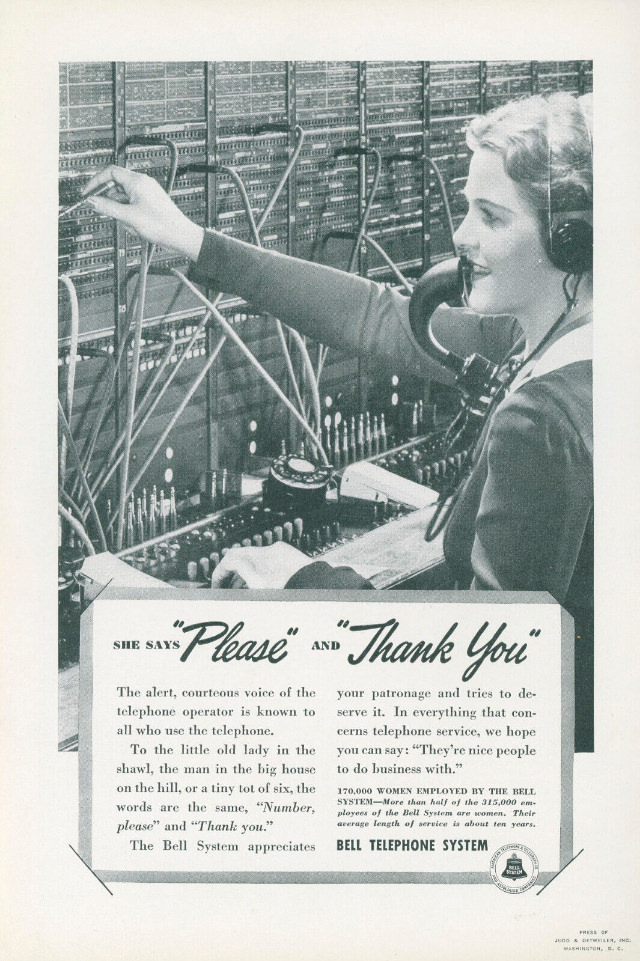
That smile was carefully managed. Supervisors monitored operators by listening in on calls without warning. Strict scripts governed how operators were allowed to speak, what phrases they could use, and how they were expected to respond to difficult customers. There was little room for improvisation.
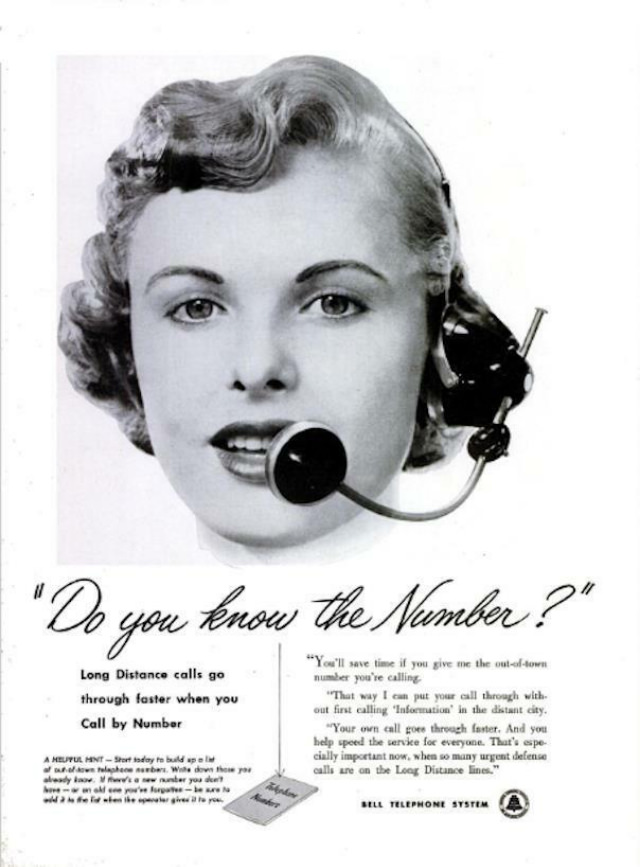
To recruit new operators, AT&T placed ads in magazines aimed directly at young women. Publications like American Girl, Senior Prom, and True Story ran Bell System advertisements alongside ads for weight loss products, bust creams, and feminine itch relief. The company targeted women who were just finishing school and looking for steady work.
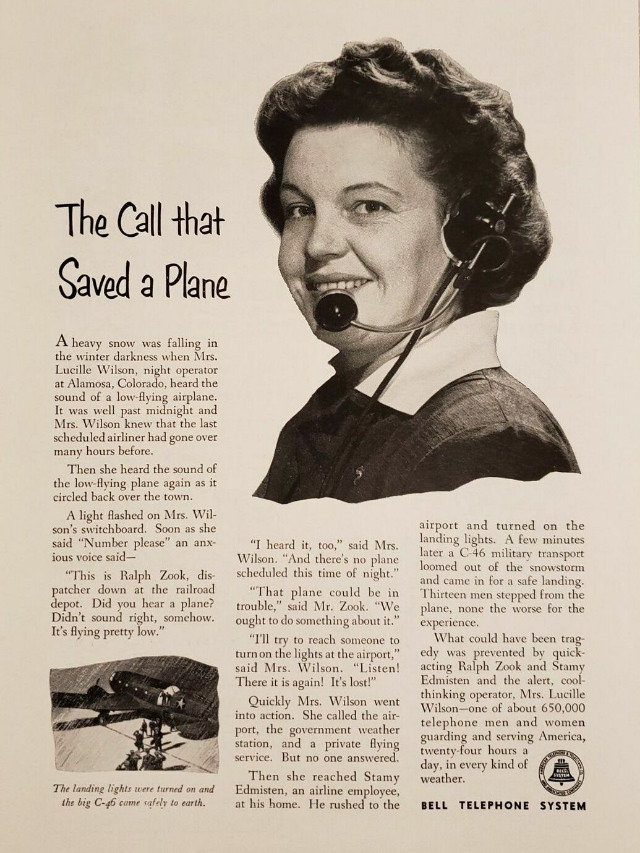
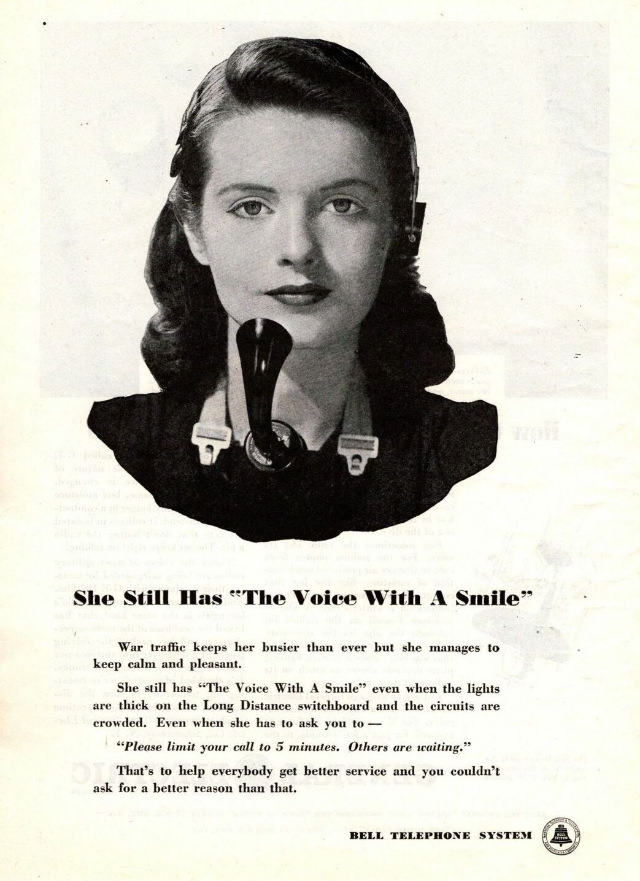
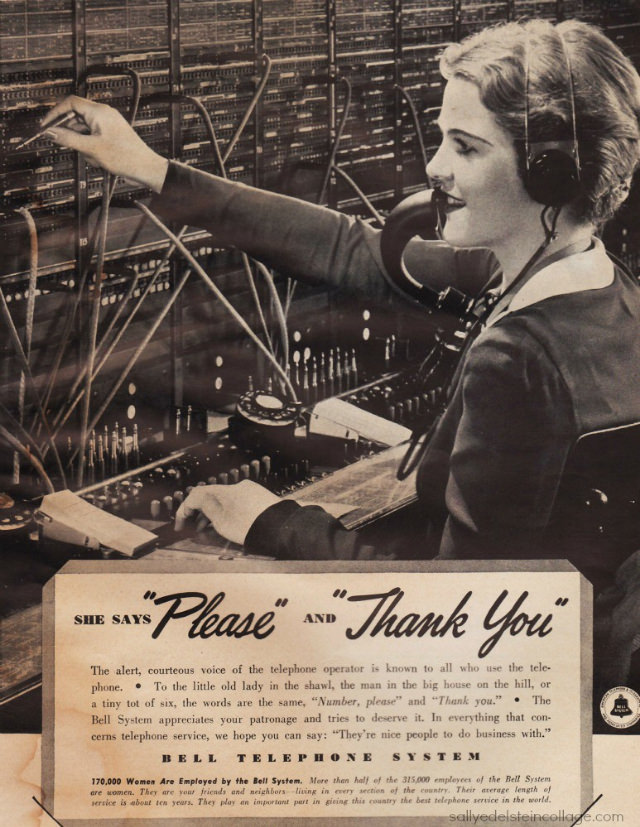
The ads emphasized community as much as employment. One advertisement told readers that 170,000 women worked within the Bell System — part of a total workforce of 315,000, meaning women made up more than half of all employees. The copy reminded readers that these women lived nearby: they were friends and neighbors, not strangers in a distant office.
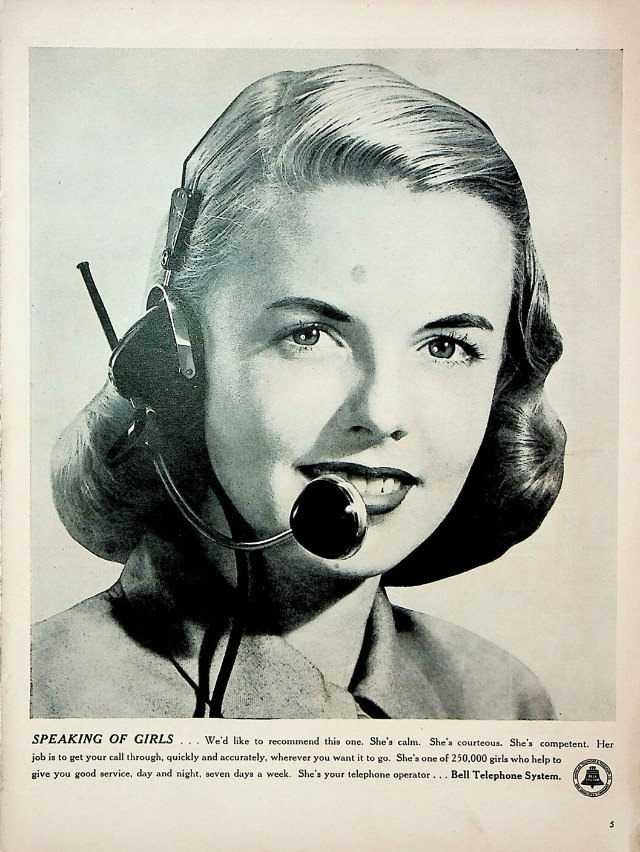
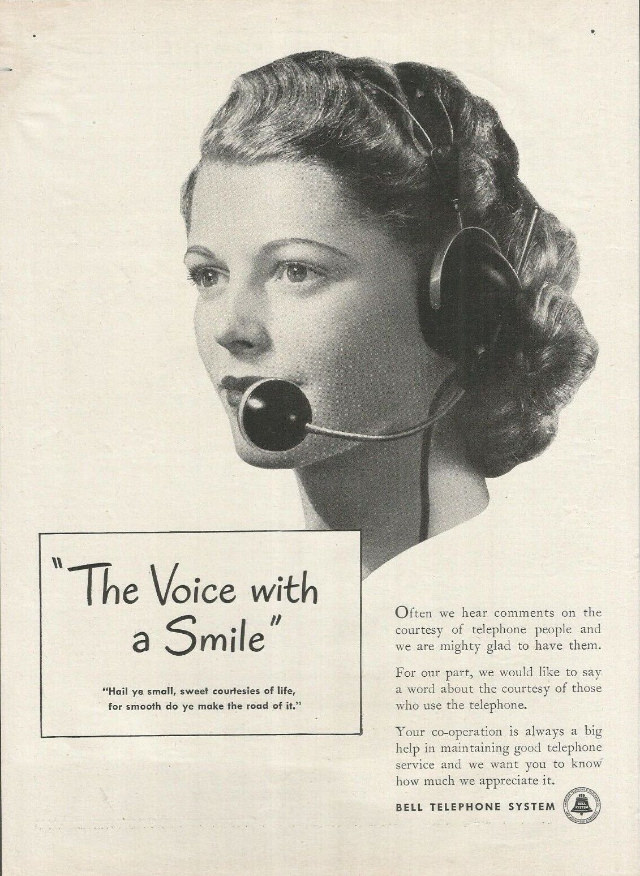
Operators handled long-distance calls, connected businesses, and guided customers through a phone network that was still new to many households. The average operator stayed in the job for about ten years — a sign that, despite the low wages and constant monitoring, many women built genuine careers within the Bell System.
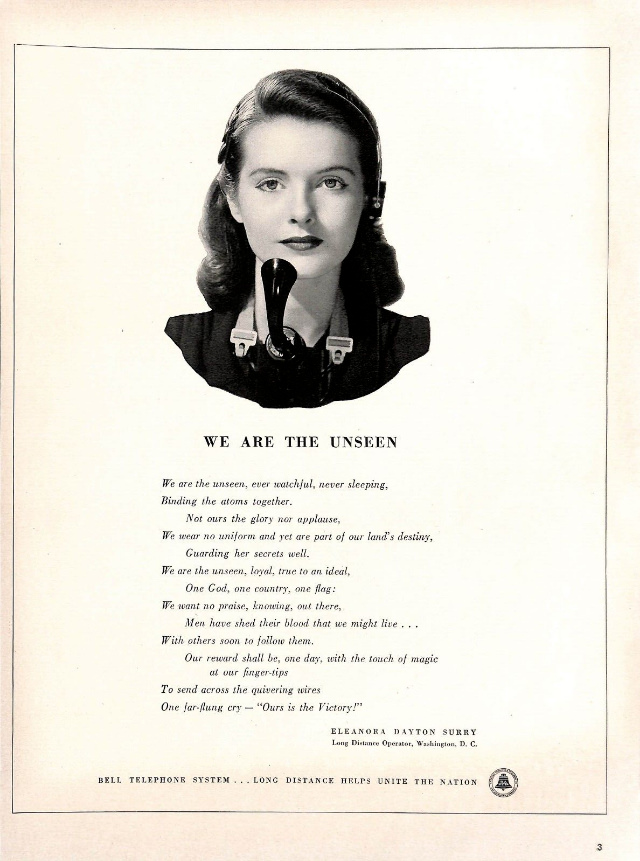
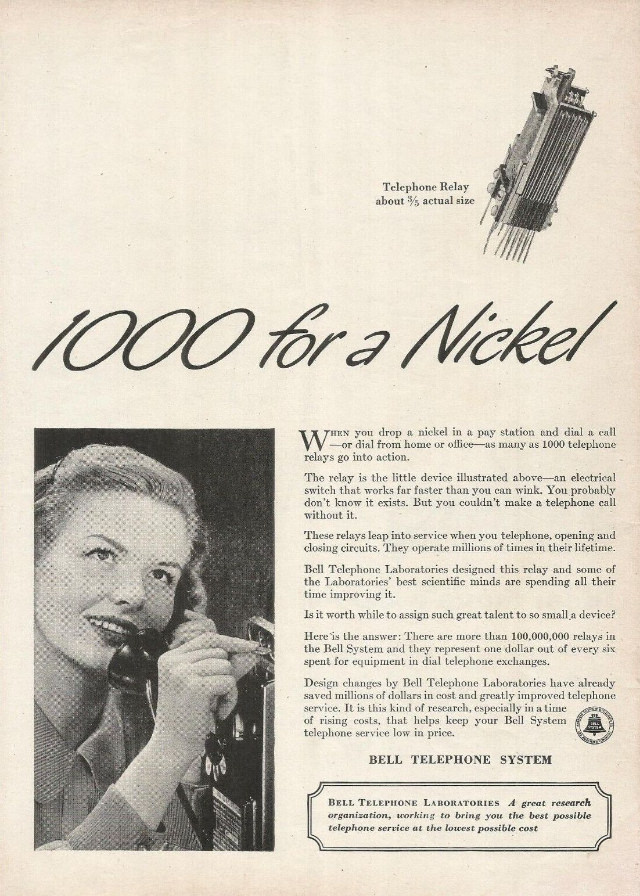
The vintage ads from this era present a polished, wholesome image of telephone work. Operators are shown smiling, well-dressed, and perfectly composed. The illustrations and photography used in these campaigns were designed to make the job look appealing to a younger female audience while reinforcing trust among telephone subscribers.
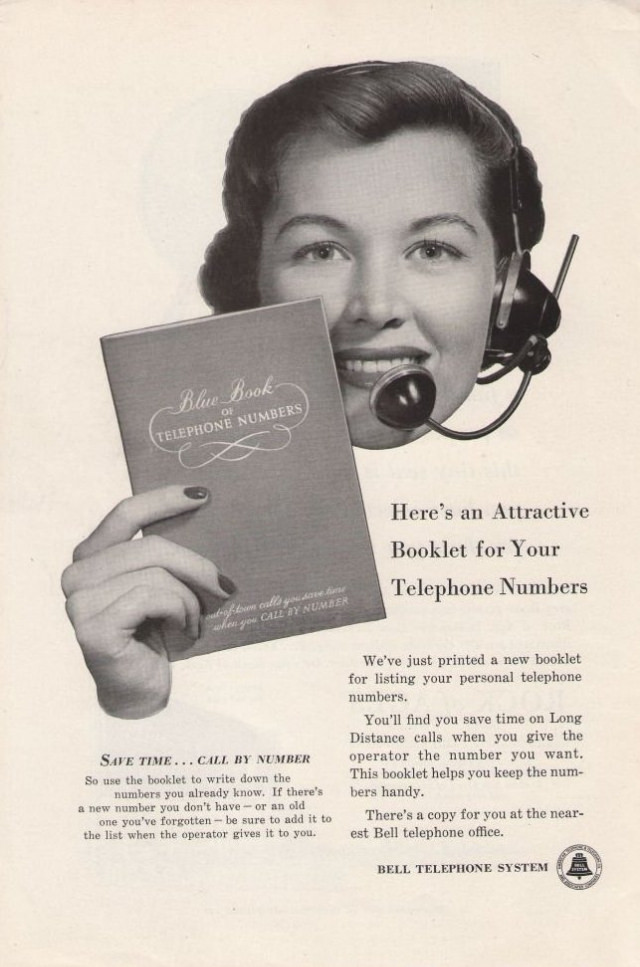
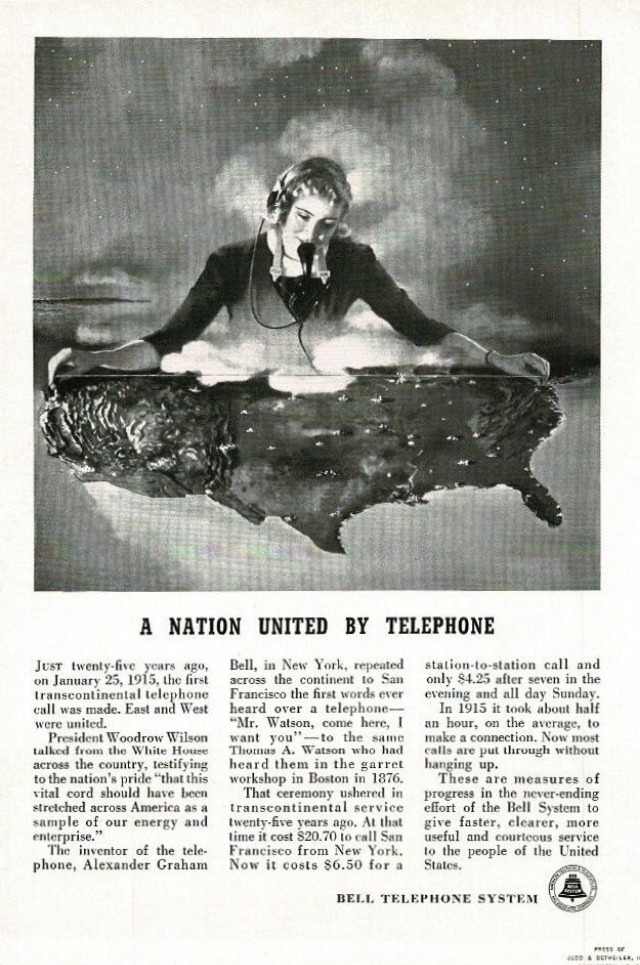
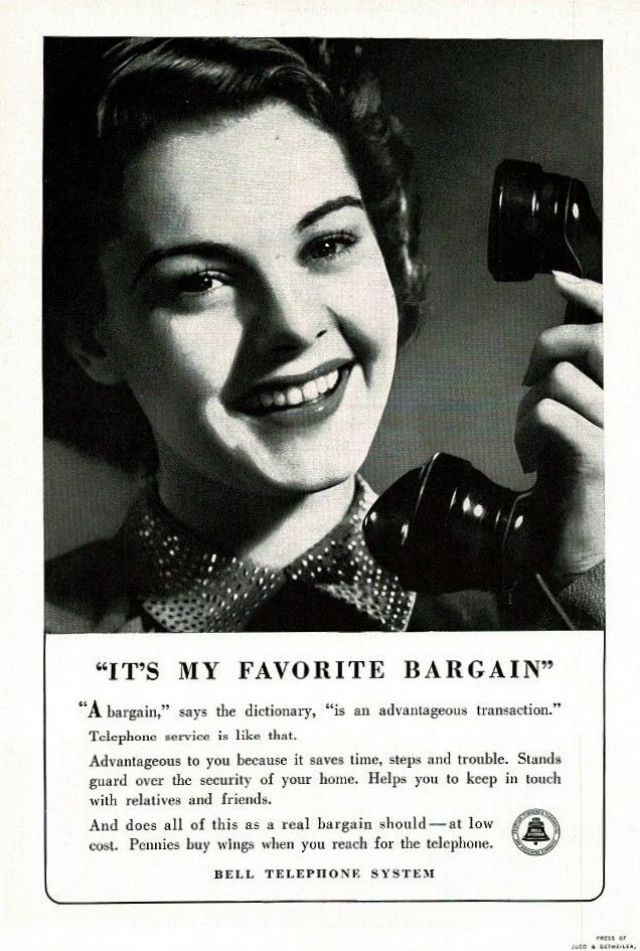
Each ad was a small piece of a much larger effort to shape how Americans thought about the telephone — and the people behind it. Bell wasn’t just selling a service. It was selling the idea that a friendly, capable woman was always ready to help, just on the other side of the line.