

Before home consoles took over living rooms, the arcade was king. In the 1970s and 1980s, rows of large, cabinet-style machines packed into dimly lit rooms drew in players of all ages. These weren’t small setups — arcade gaming was a serious business. By the early 1990s, arcades in the United States alone were pulling in over $7 billion every year. That kind of money meant fierce competition among manufacturers, and companies were willing to use every marketing trick available to get arcade owners to buy their machines.
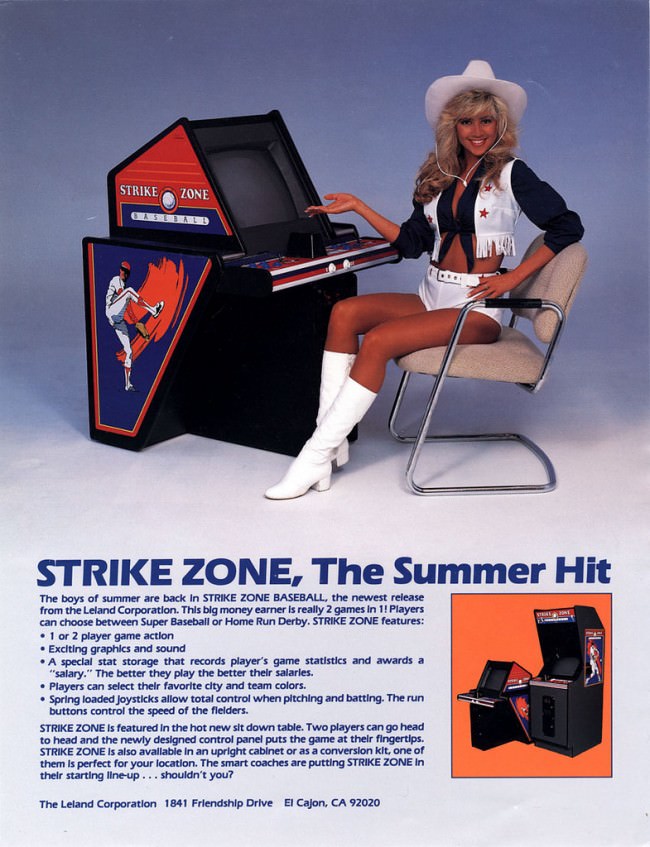
One of the most consistent tactics across the industry was featuring young, glamorous women in trade advertisements. These ads weren’t aimed at casual players — they targeted arcade operators and business owners who decided which machines to purchase and install. Manufacturers ran these promotions in trade publications, at expos, and in direct mail campaigns. The women in the ads were almost always posed alongside the machines, dressed to draw attention, serving as a visual hook to make one cabinet stand out over another.
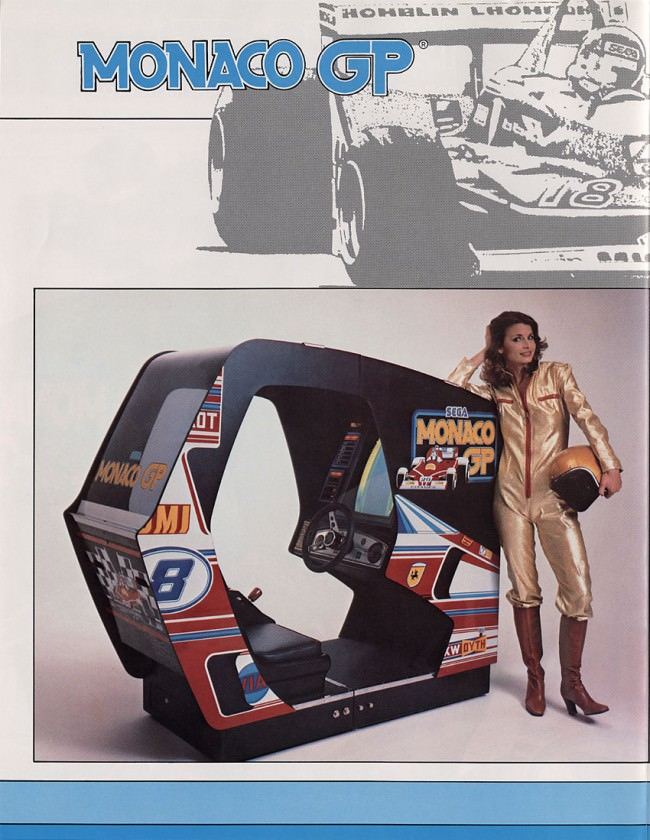
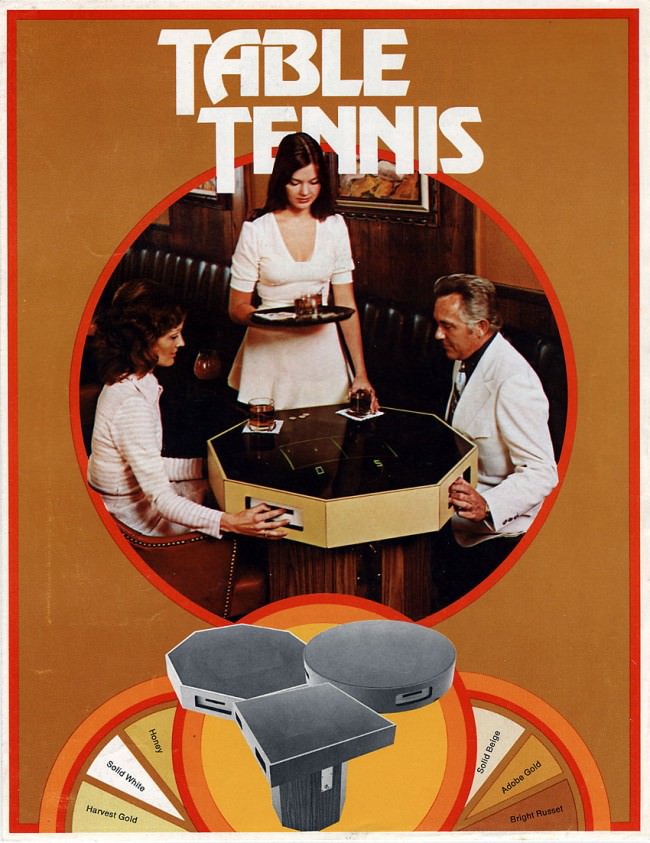
The arcade cabinet itself was a technical marvel for its time. Each machine was a self-contained unit with its own processor, display, controls, and speaker system. Early machines ran on hardware specifically designed for a single game, meaning operators had to buy an entirely new cabinet for each new title. This made the marketing around each machine critically important — a manufacturer had one shot to convince a buyer that their game was worth the floor space and the investment.
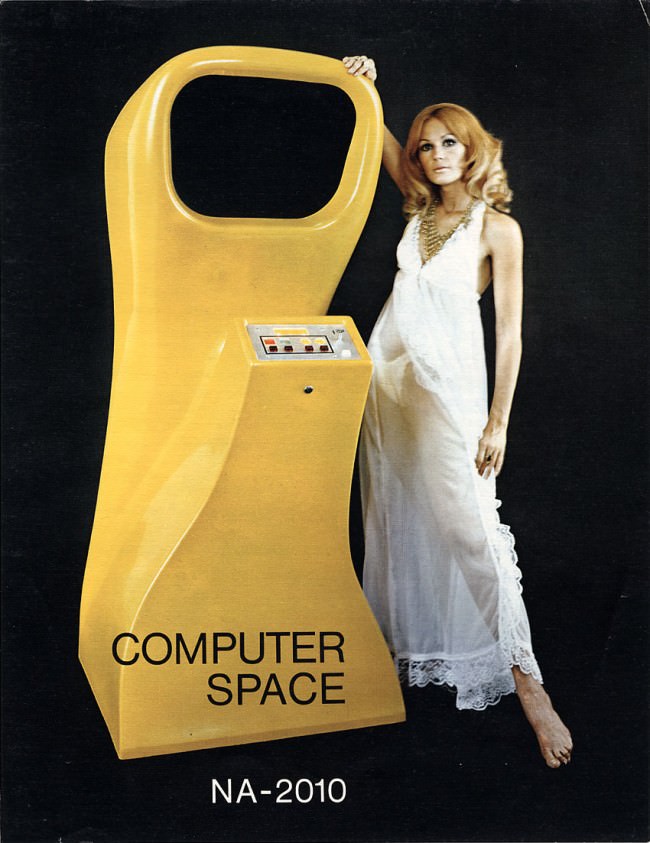
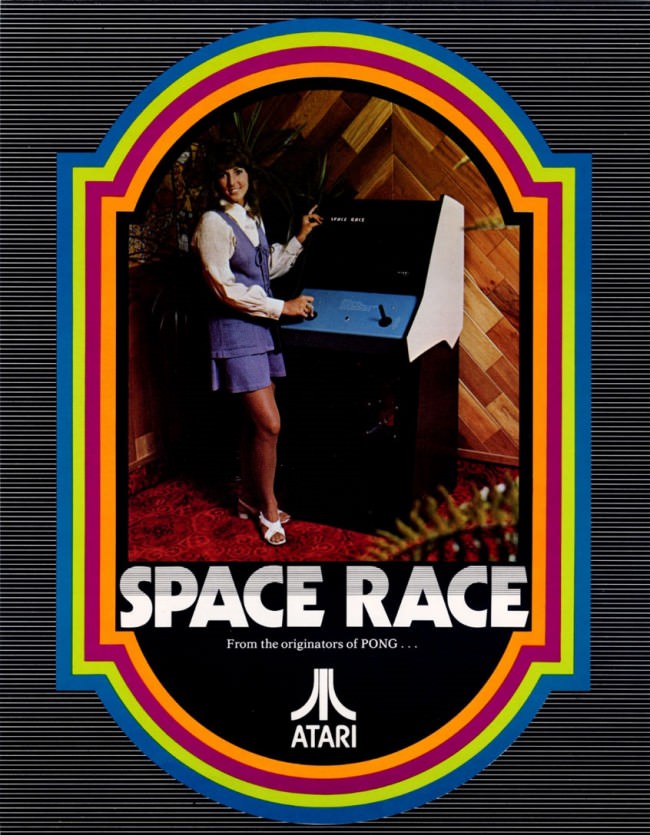
Major players in the industry during this era included Atari, Midway, Williams, Bally, Taito, and Namco. These companies competed to produce games that were visually exciting, mechanically engaging, and commercially profitable. Titles like Space Invaders, Pac-Man, Donkey Kong, and Asteroids became cultural touchstones. But behind the games themselves was an entire machinery of sales and promotion, and the advertising style of the era reflected the broader attitudes of the time.
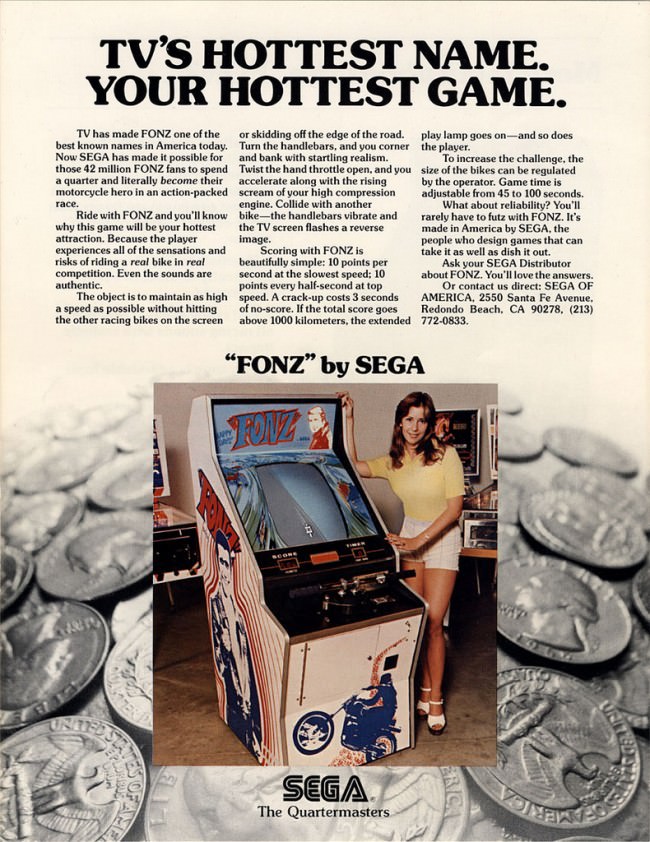

The ads below span roughly two decades of arcade marketing. Some feature women posing beside full-sized upright cabinets. Others show them draped over cocktail-table machines or standing in front of promotional banners at trade shows. The settings vary — showroom floors, staged photo shoots, convention centers — but the formula stays largely the same throughout.
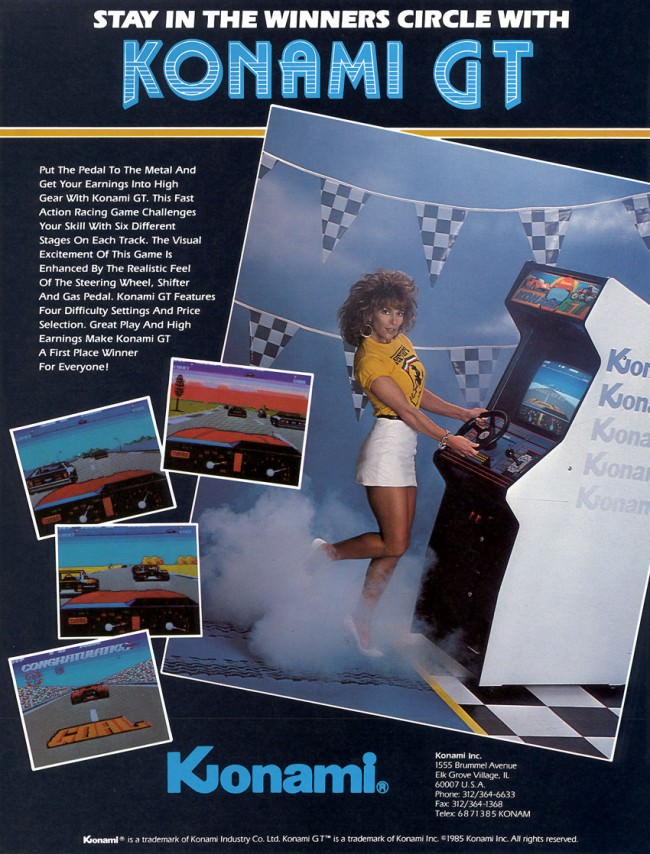
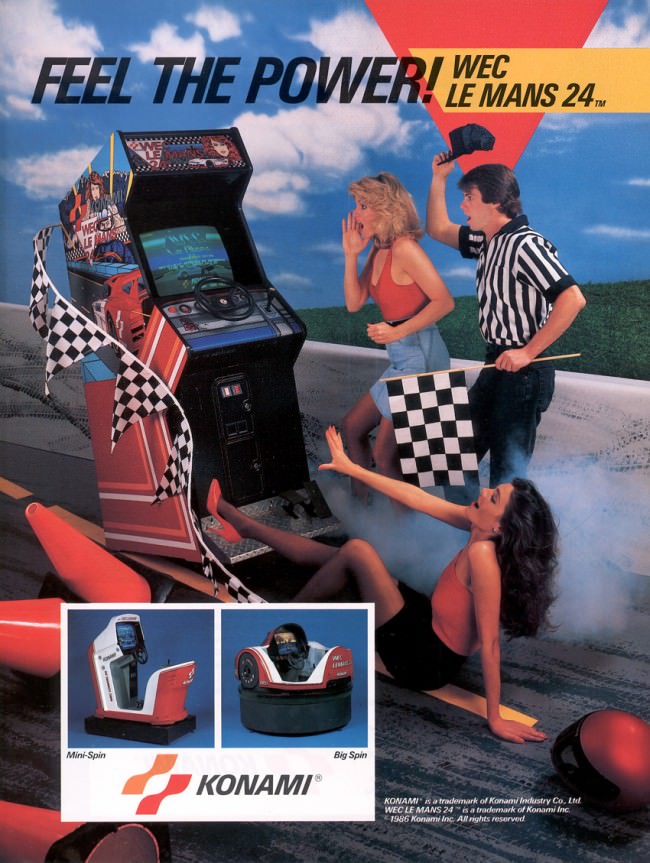
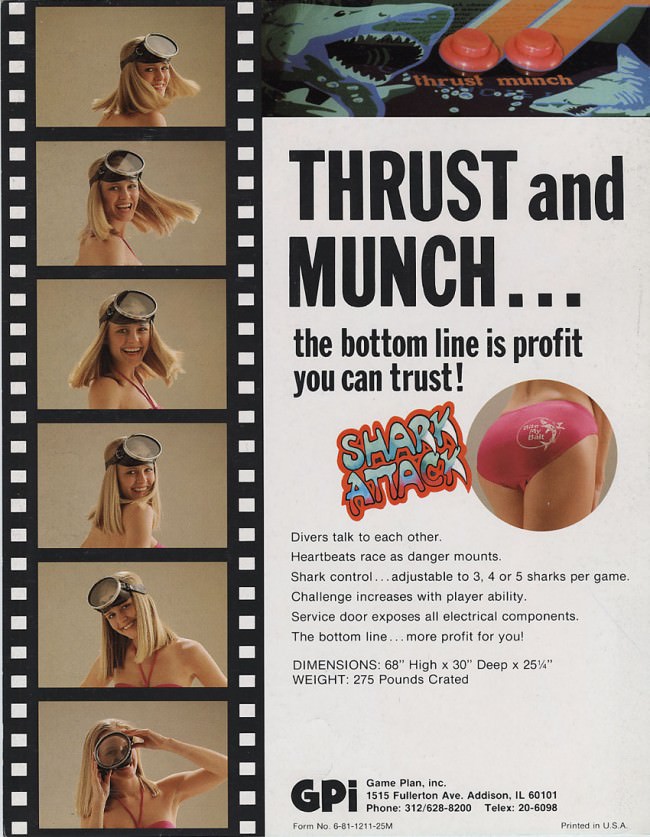
Trade shows like the Amusement and Music Operators Association (AMOA) expo were annual events where manufacturers unveiled new titles and competed for operator attention. Booth displays were elaborate, loud, and designed to overwhelm the senses. Attractive female models were a standard part of many booths, used to draw crowds toward a company’s display in the same way car manufacturers used them at auto shows during the same period.
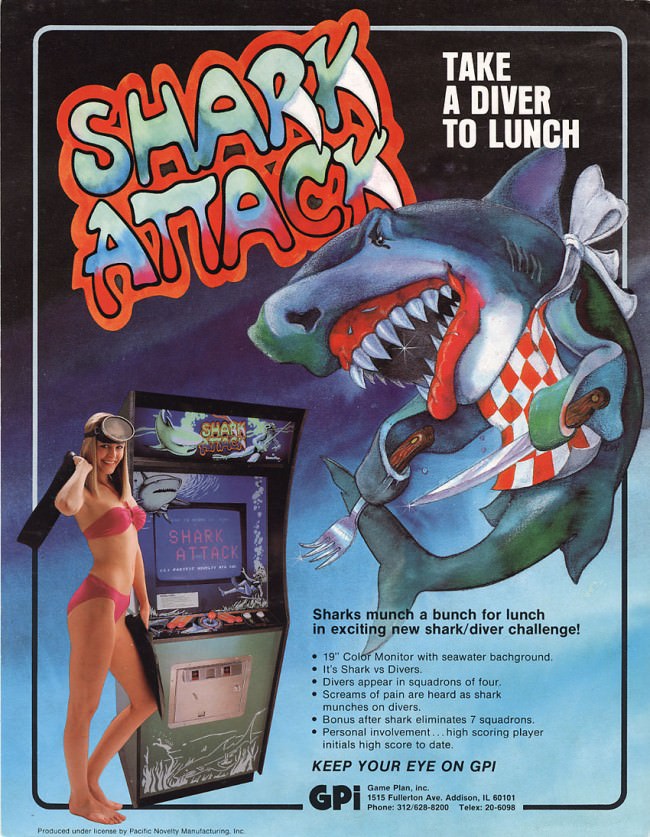
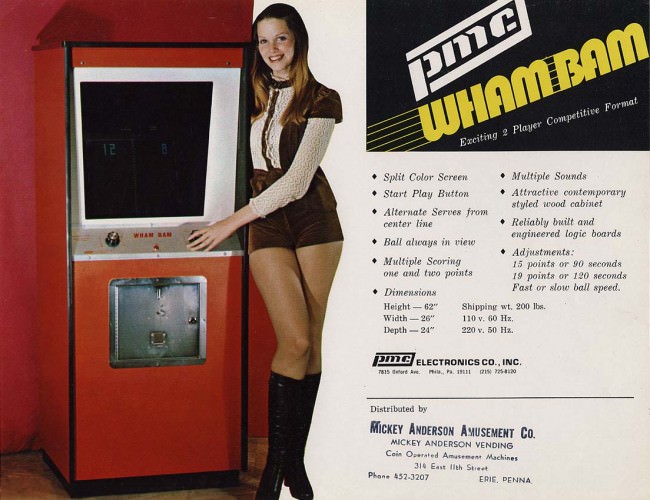
Print ads from this era followed a similar pattern. The game cabinet would be prominently displayed, often with bold text highlighting the game’s name and key selling points — coin-per-play earnings potential, durability, service accessibility. The model in the ad added visual appeal meant to hold the reader’s attention long enough to absorb the sales pitch. In many cases, the women weren’t interacting with the machine at all; they were simply placed next to it.
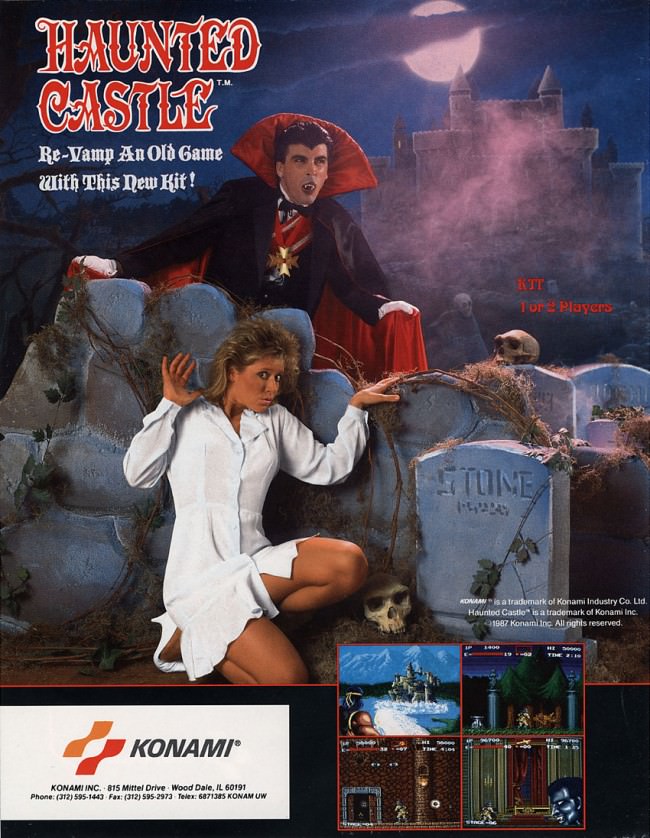

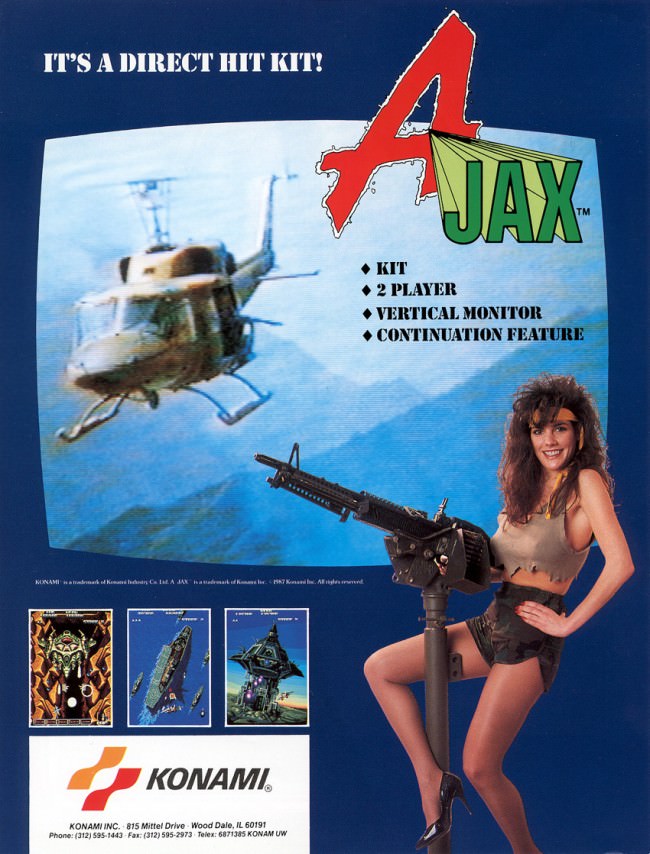
This practice wasn’t unique to the arcade industry. Advertising throughout the 1970s and 1980s regularly used women as decorative elements across dozens of product categories, from cars and beer to electronics and power tools. Arcade companies were simply following the same playbook that dominated marketing at the time. The target buyer — predominantly male arcade operators — was assumed to respond to this kind of imagery, and the ads were designed with that assumption baked in.
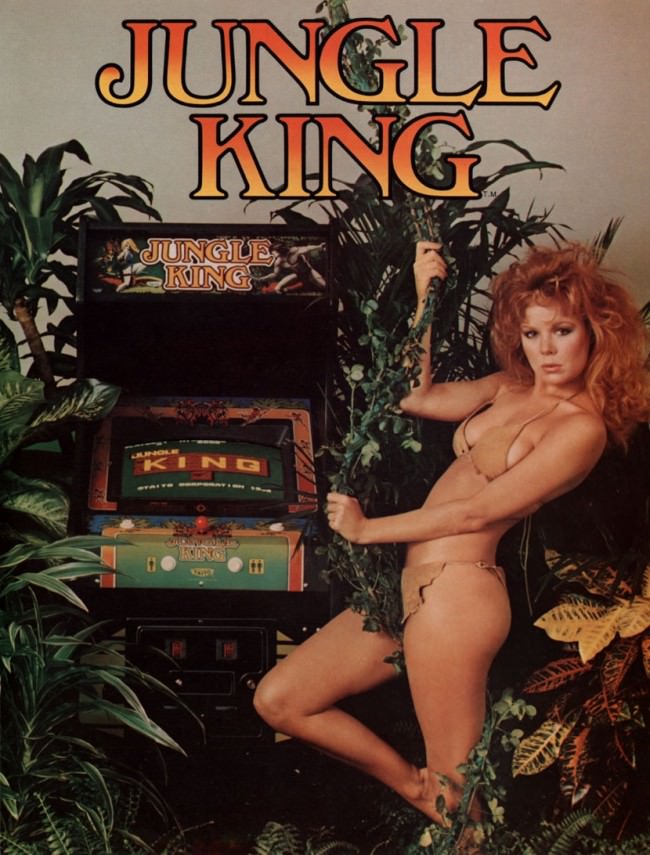
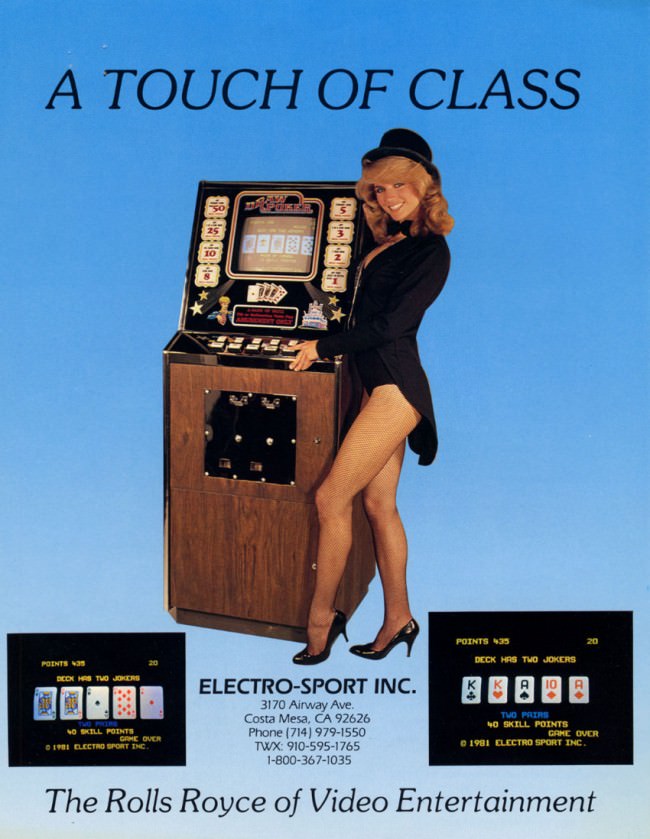
Some ads leaned into the entertainment angle more broadly. Gaming arcades of this era were often lumped in with other coin-operated amusements — jukeboxes, pinball machines, pool tables, and vending machines. Companies like Bally manufactured all of these products and marketed them together. The ads for these combined product lines often featured the same aesthetic: sleek machines, bold graphics, and female models positioned to suggest that buying the product meant buying into a certain kind of atmosphere.
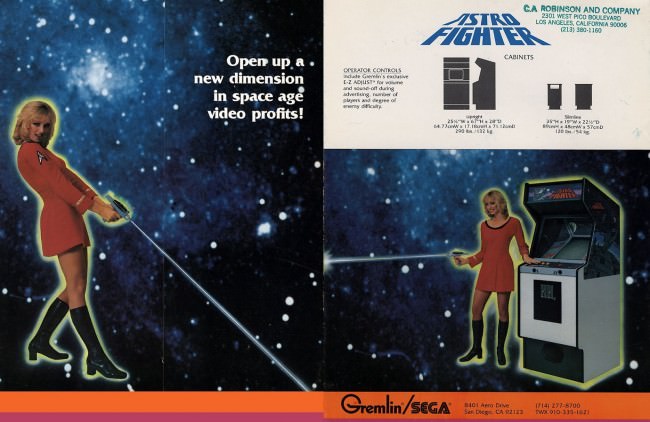
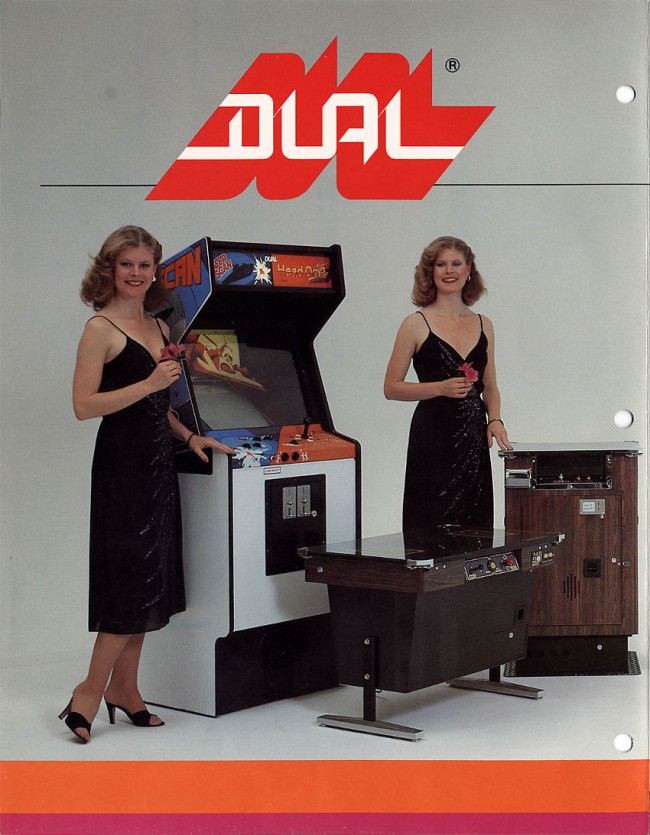
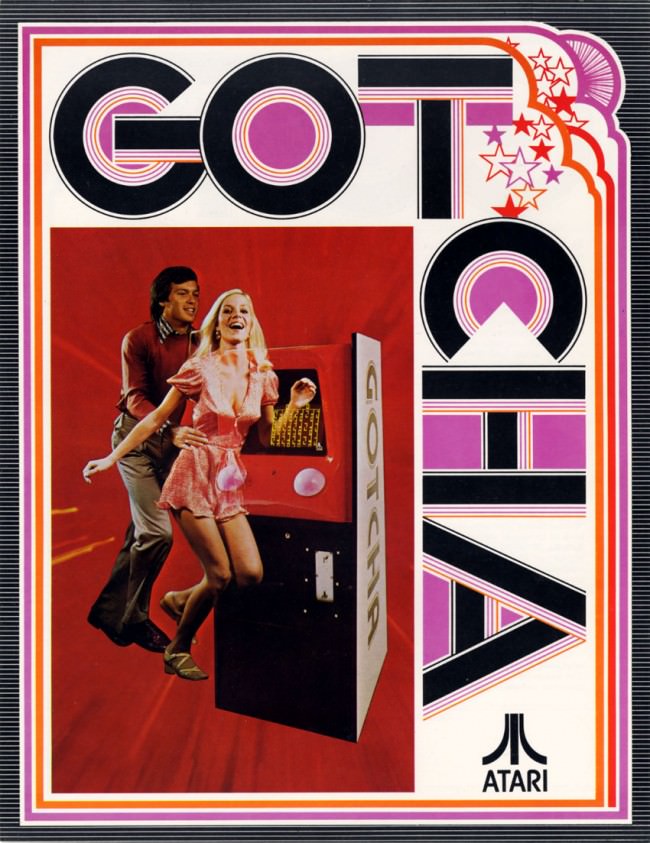
By the mid-1980s, the home console market had begun to grow, but arcades still held the edge in raw processing power and graphics quality. A game like Dragon’s Lair or Space Ace, which used laserdisc technology, couldn’t be replicated at home with the hardware available at the time. This kept arcades relevant and kept the trade advertising machine running at full speed.
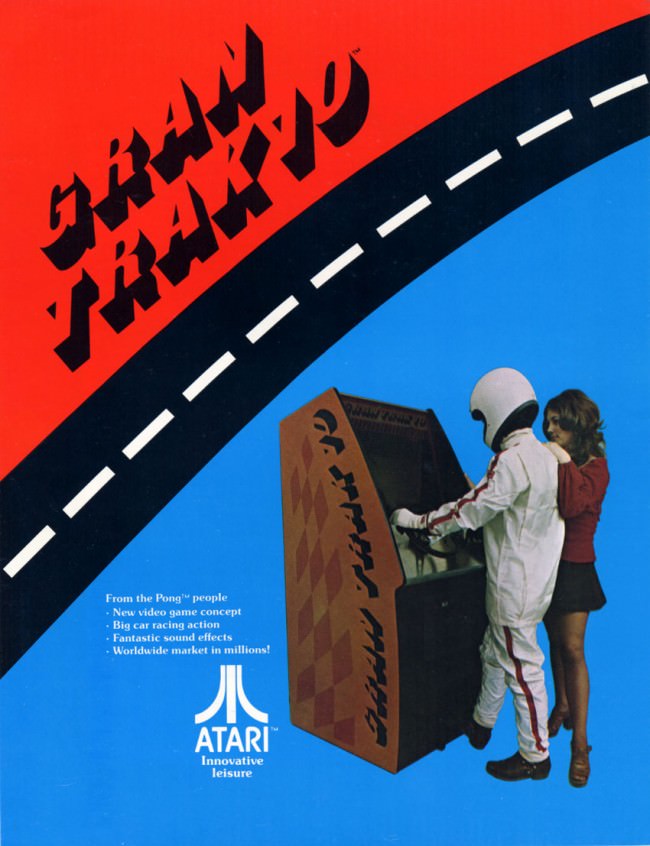
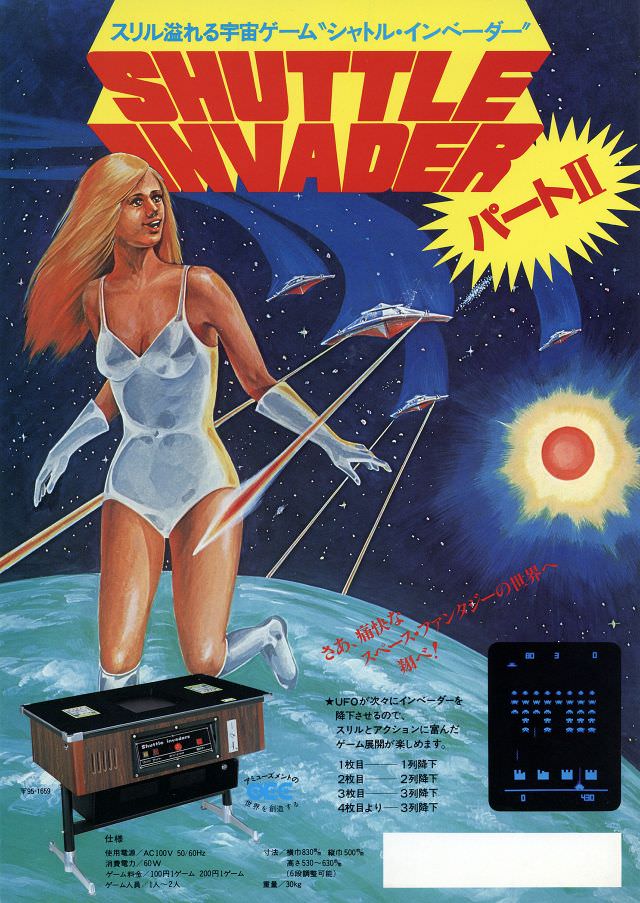
The volume of advertising produced during this period was substantial. Manufacturers released new titles frequently — sometimes multiple times per year — and each required its own promotional campaign. This created a large body of printed material: flyers, brochures, full-page magazine ads, and poster displays. Many of these materials have been preserved by collectors and archivists who recognized them as documents of both gaming history and advertising history.
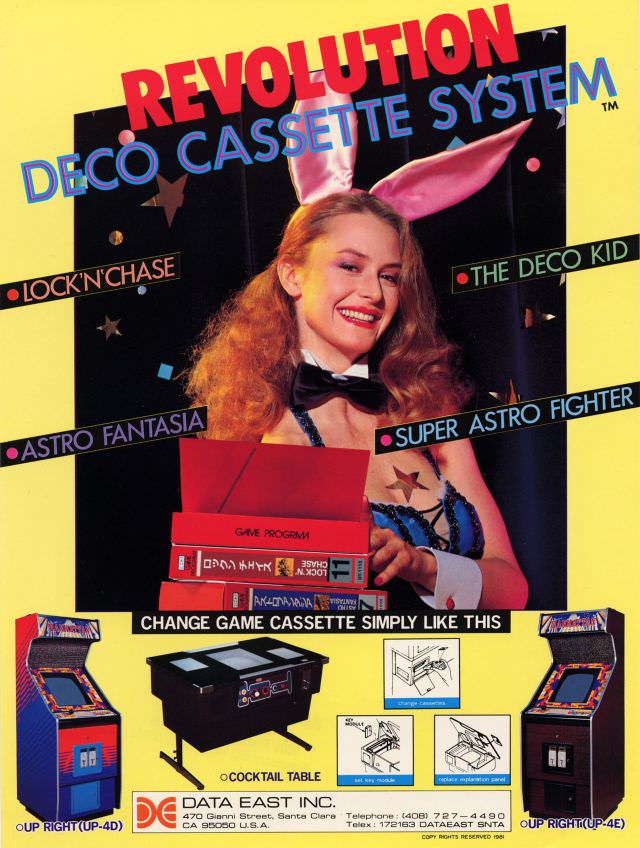
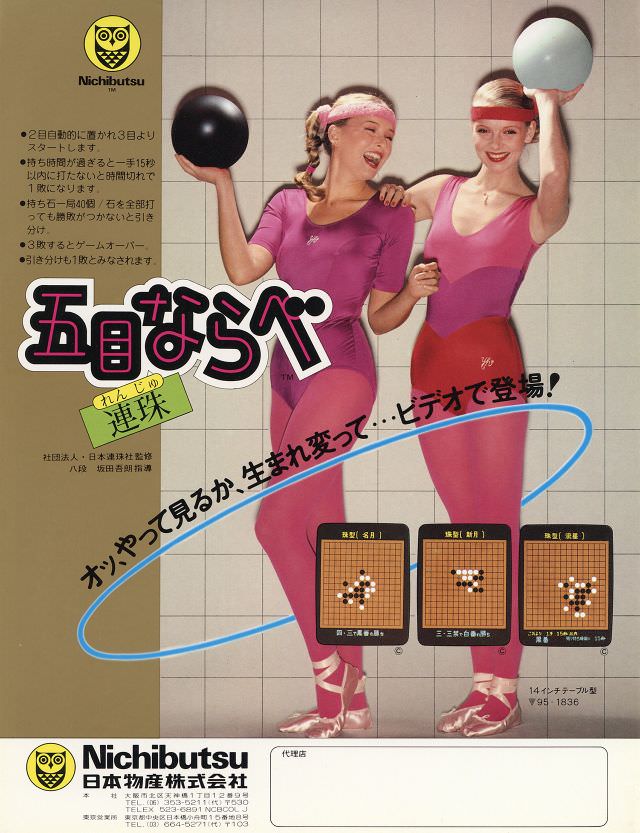
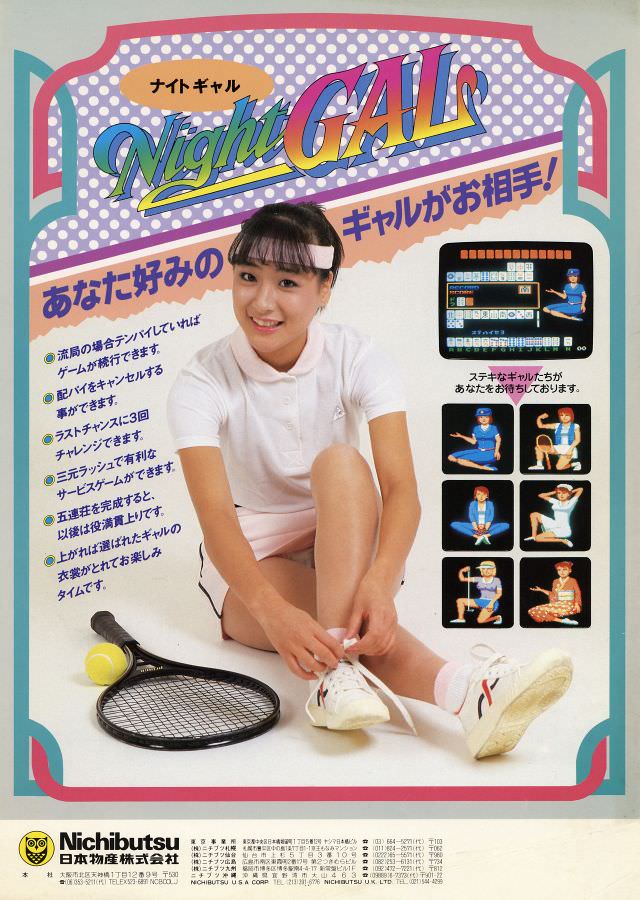
Looking at these ads as a collection reveals just how standardized the formula was. Across different companies, different games, and different years, the visual language barely changes. The machine anchors the composition. The woman draws the eye. The copy sells the specs. It’s a template that was applied again and again throughout the golden age of arcades.
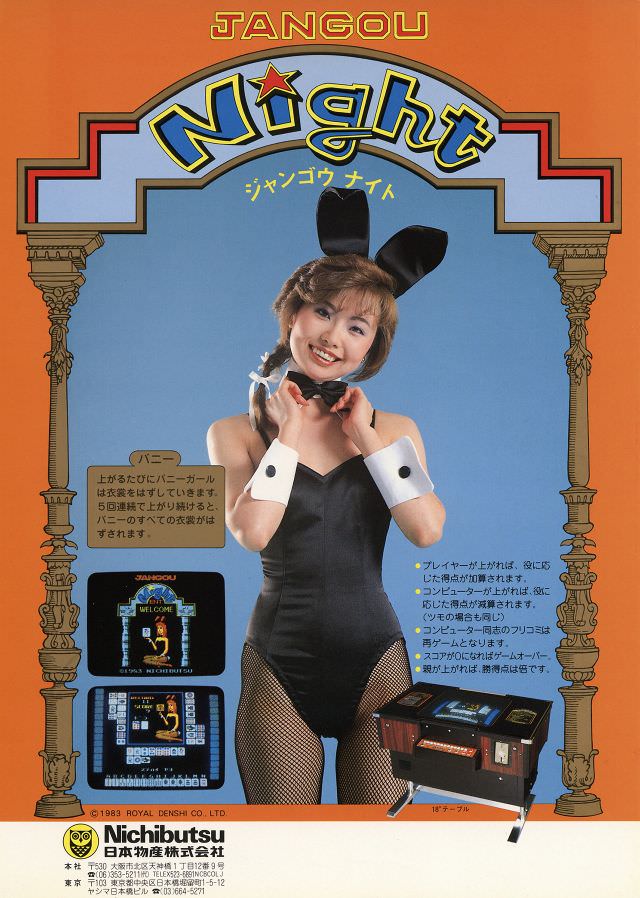
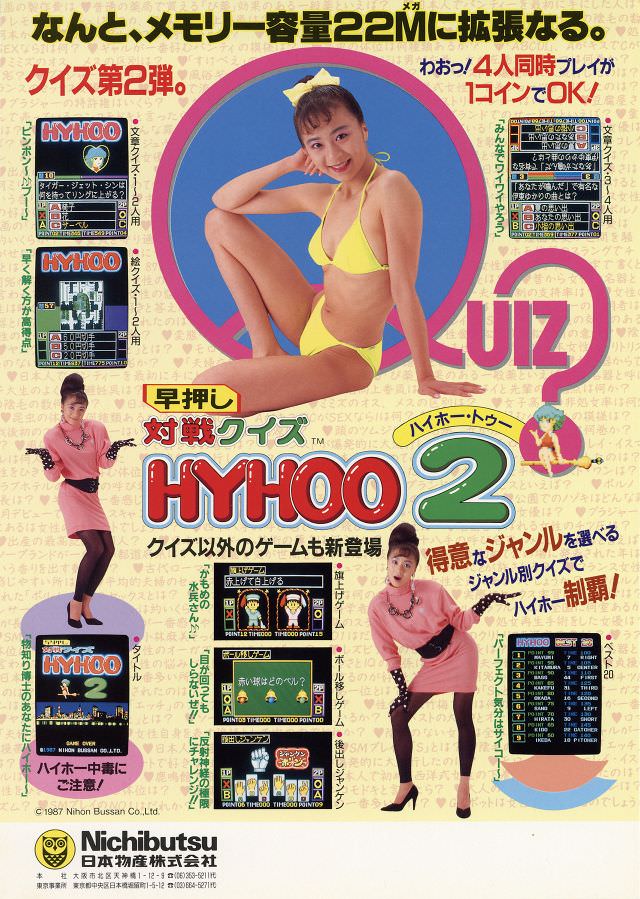
The golden age of arcades is generally considered to have run from around 1978 to 1983, though the industry remained commercially strong well into the late 1980s. The crash of 1983, which hit home console makers hard, actually gave arcades a second wind for several years. Operators continued to invest in new machines, and manufacturers continued producing aggressive advertising to capture that spending.
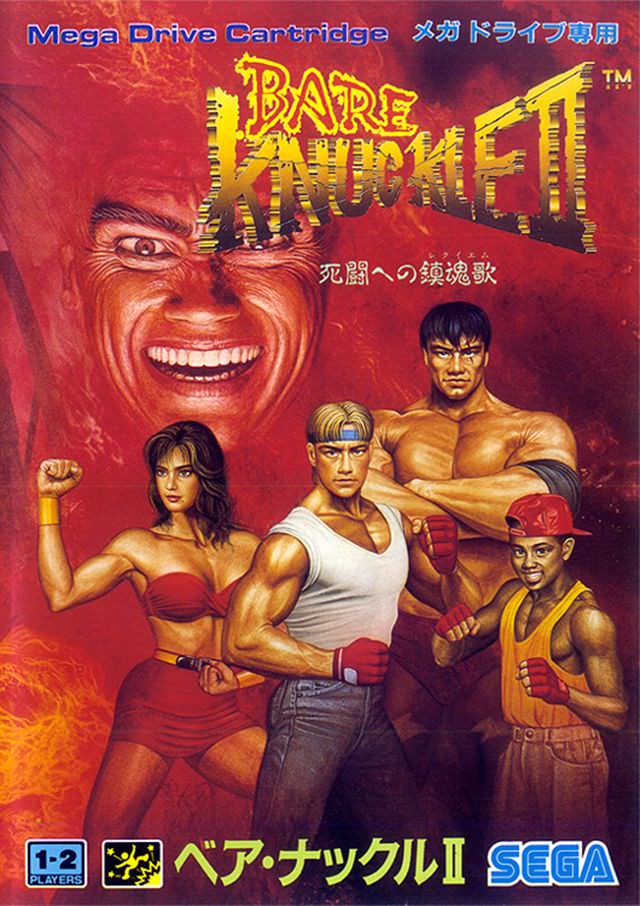
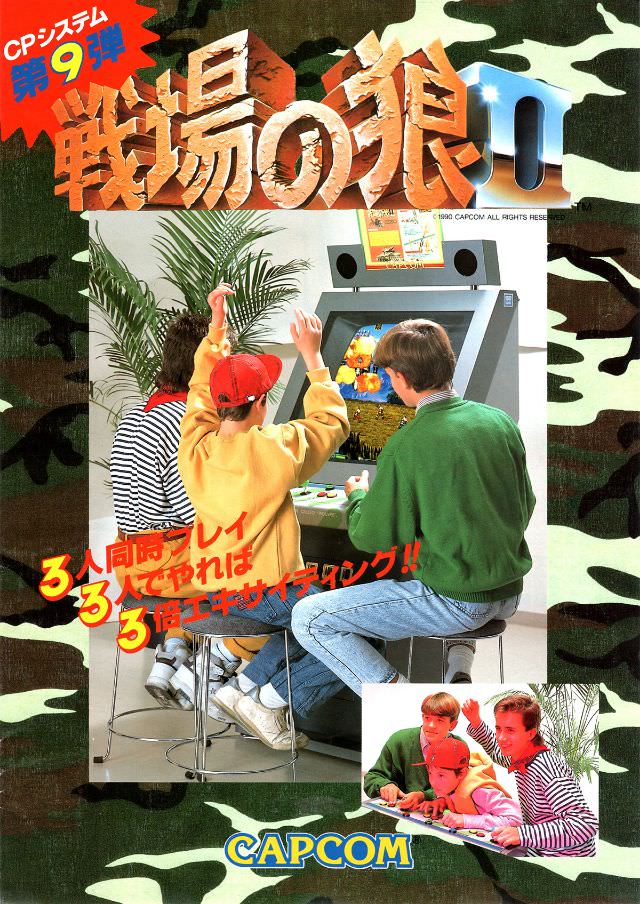
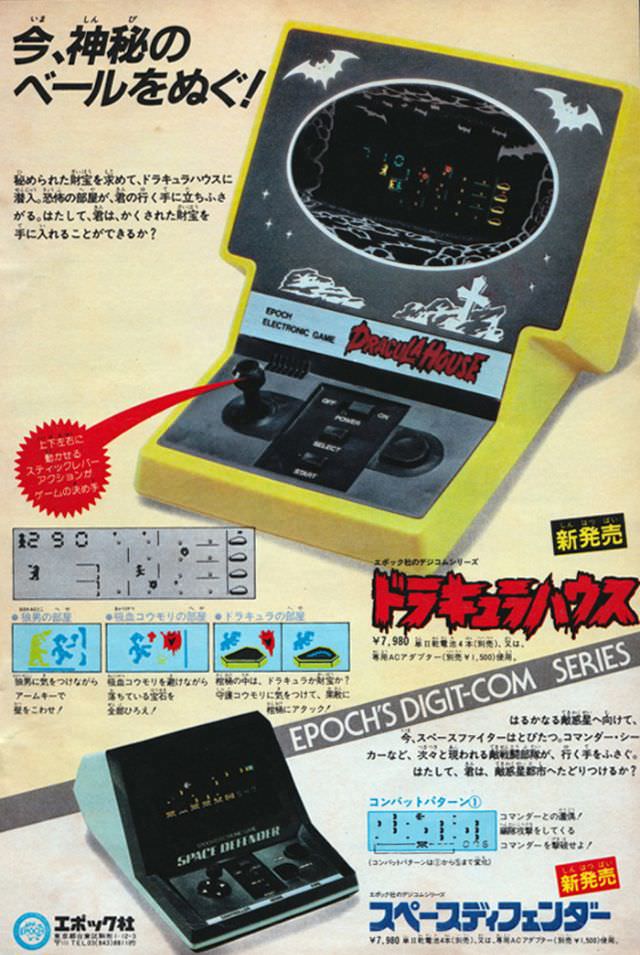
These ads also capture the physical design language of arcade cabinets from this period. Many machines featured bold side artwork — painted or printed graphics that covered the sides and marquee of the cabinet. This artwork was part of the product’s identity. The ads often reproduced this artwork prominently, allowing potential buyers to see exactly what a machine would look like on their floor.
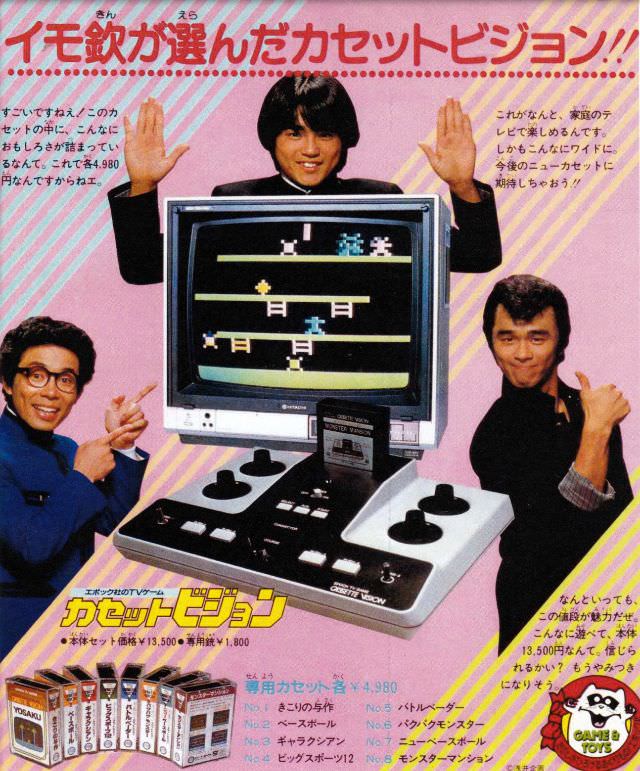
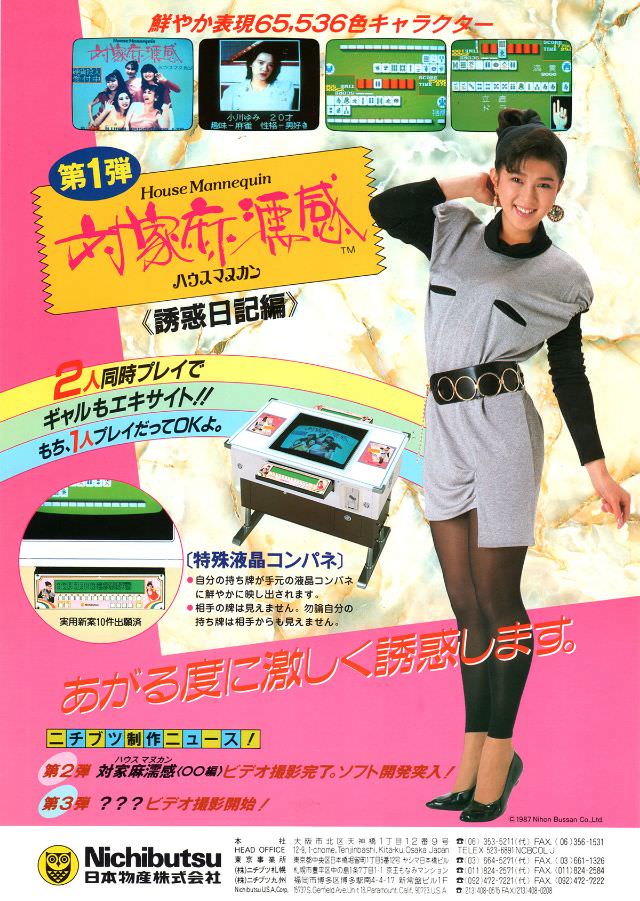
Cocktail cabinets — flat-topped machines where two players sat across from each other — had their own advertising niche. These were popular in bars, restaurants, and lounges where full upright cabinets didn’t fit the atmosphere. The ads for cocktail units often leaned even harder into the lifestyle angle, showing the machines in social settings and pairing them with models to reinforce that association.
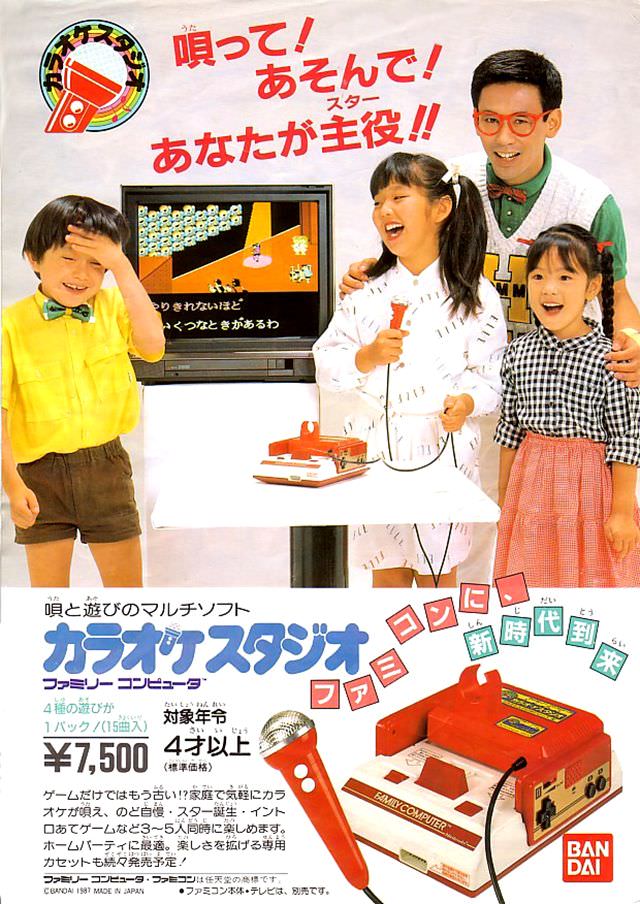
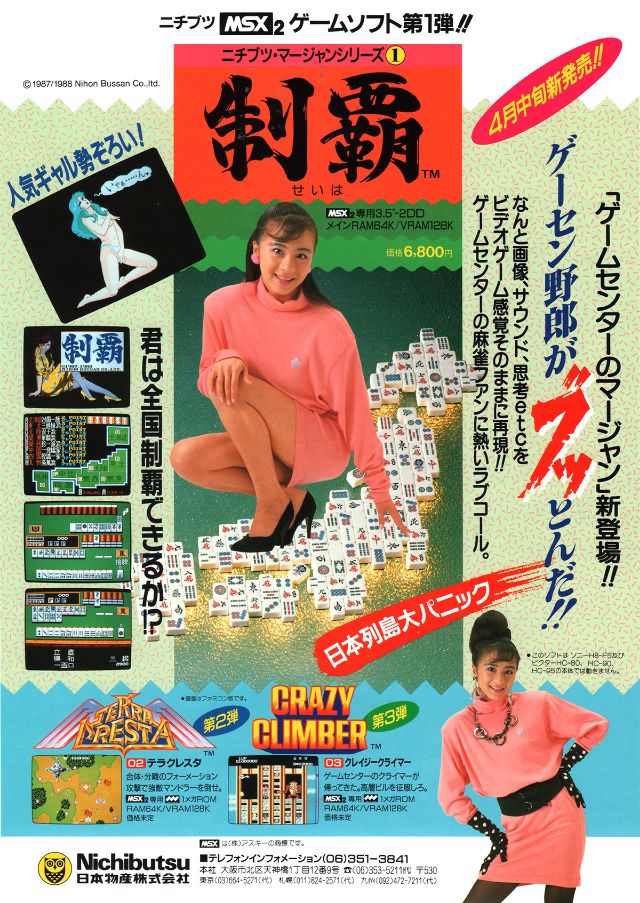

The sheer number of companies producing these ads — and the consistency of the approach across all of them — shows that this was an industry-wide standard, not the choice of any single manufacturer. Atari did it. Midway did it. Williams did it. Smaller, lesser-known companies did it too. The ads in this collection come from across the full spectrum of the industry.
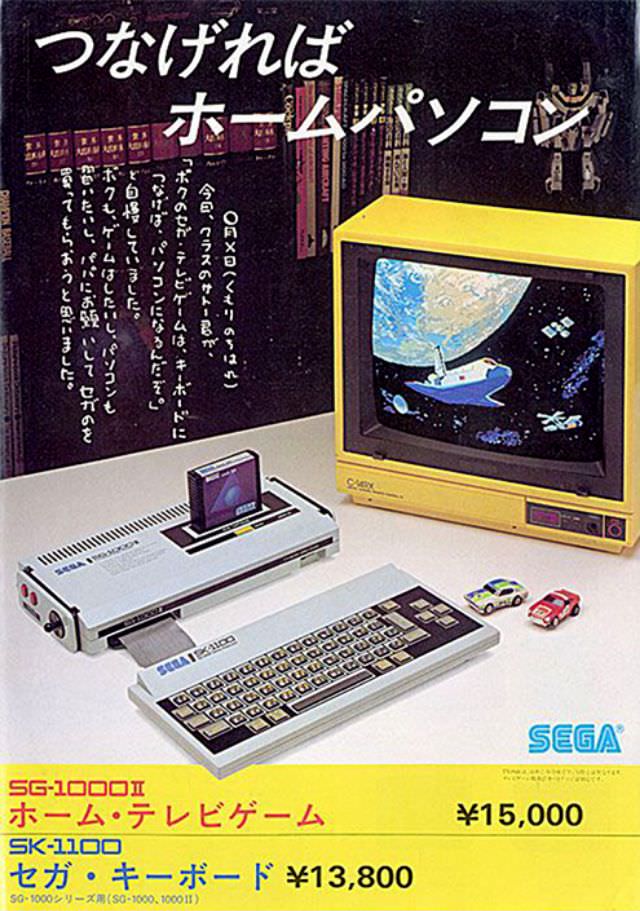
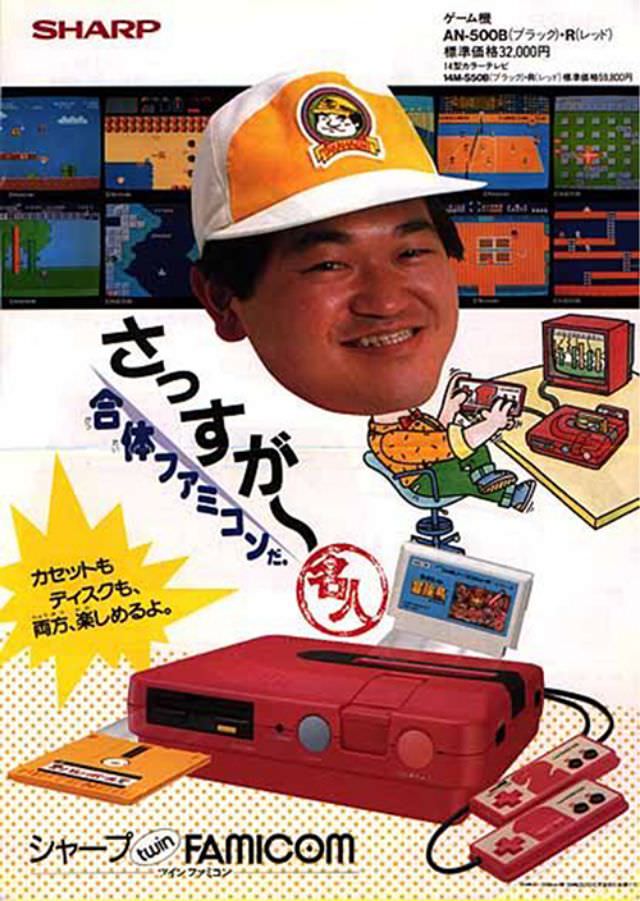
Some of the ads are more subtle than others. A few simply show a woman playing the game, positioned as a regular customer. Others are more overt, with poses and styling clearly designed to be eye-catching rather than representative of a typical arcade patron. Both approaches served the same commercial purpose: getting the attention of the buyer and keeping it long enough to make a sale.
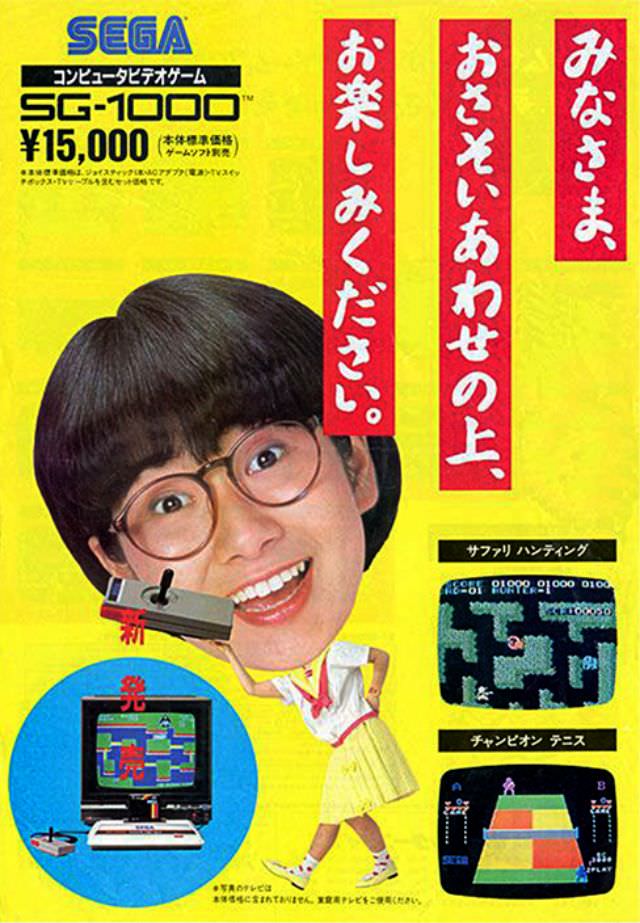
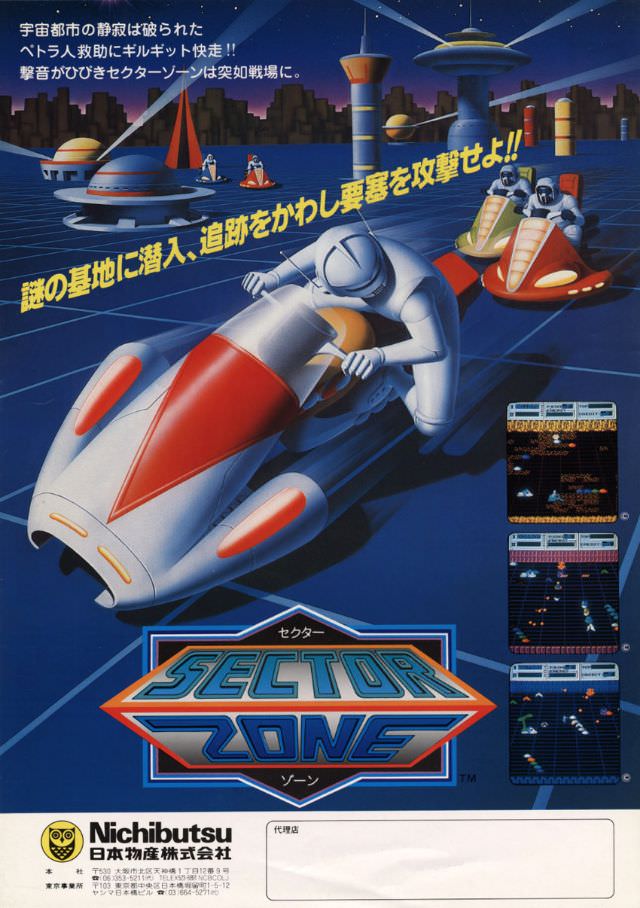
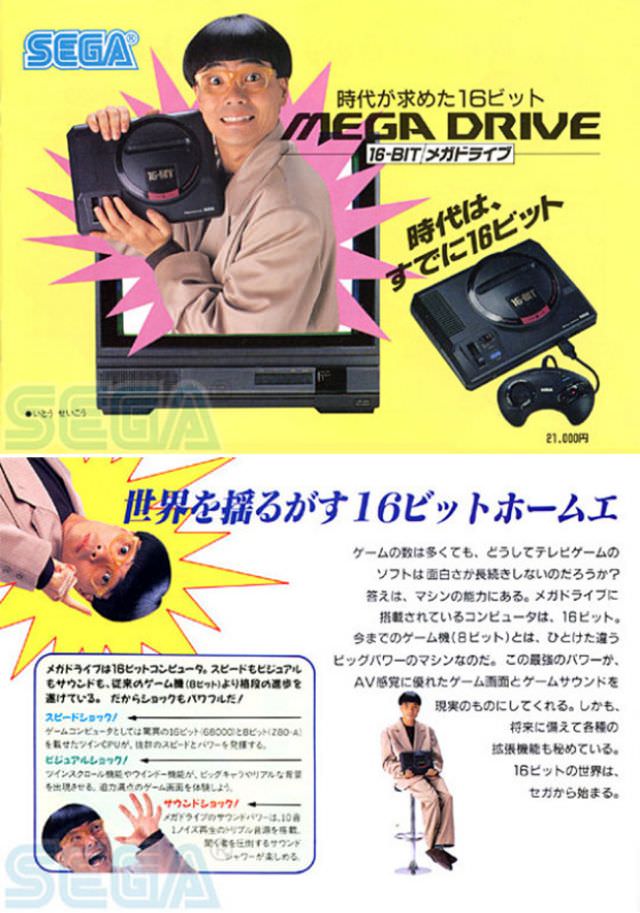
What these ads document, beyond their obvious sales function, is the business side of an industry that most people only experienced as consumers. For every quarter dropped into a Pac-Man machine, there was a chain of commercial decisions that put that cabinet in that location. Manufacturers competed for contracts. Distributors managed territories. Operators weighed costs against projected earnings per play. These ads were the front line of that commercial process, and they reflect exactly how that industry chose to present itself during its most profitable years.
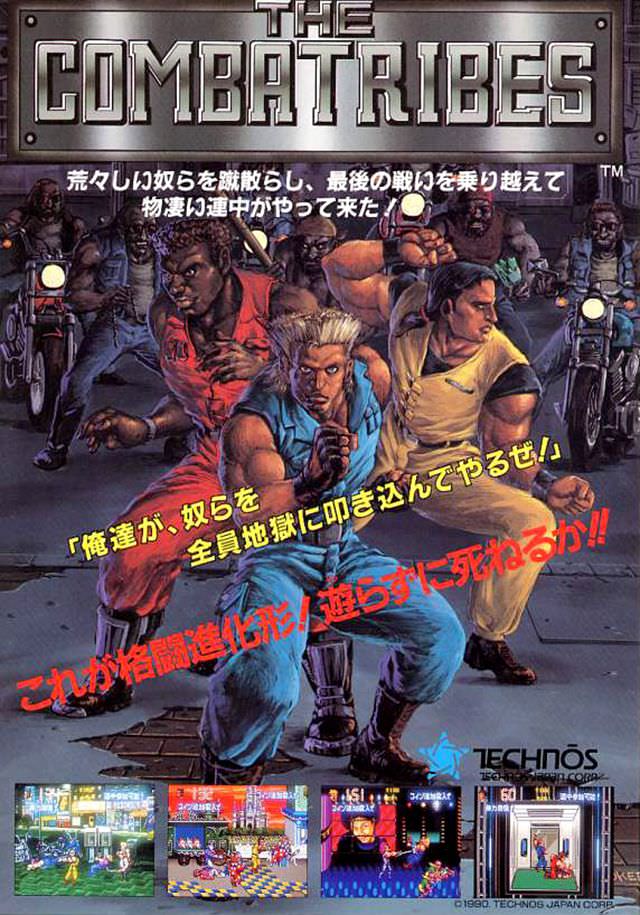
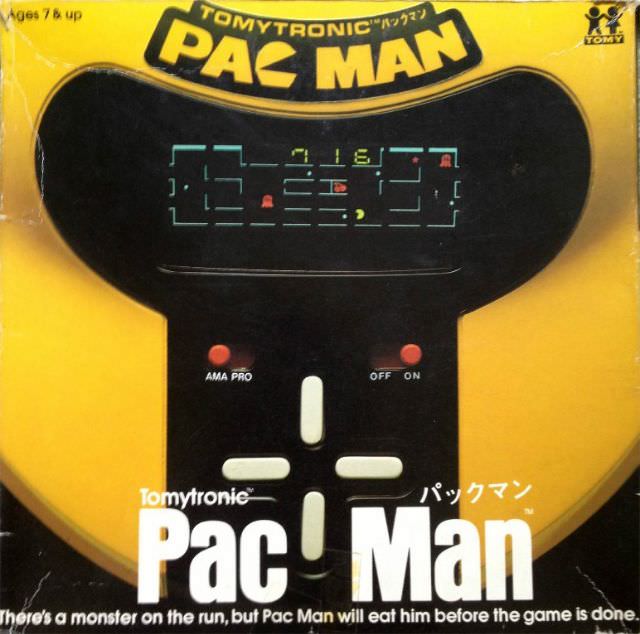
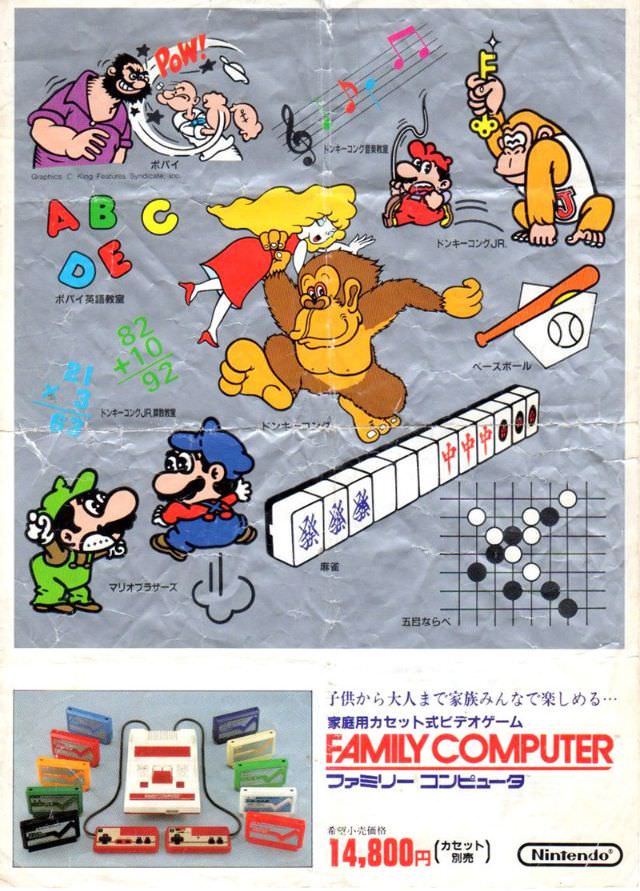

Man, the good old days.
Up up down down left right left right B A start” cheat code didn’t have much use at the arcade.
My buddies and I played the hell out of these games.