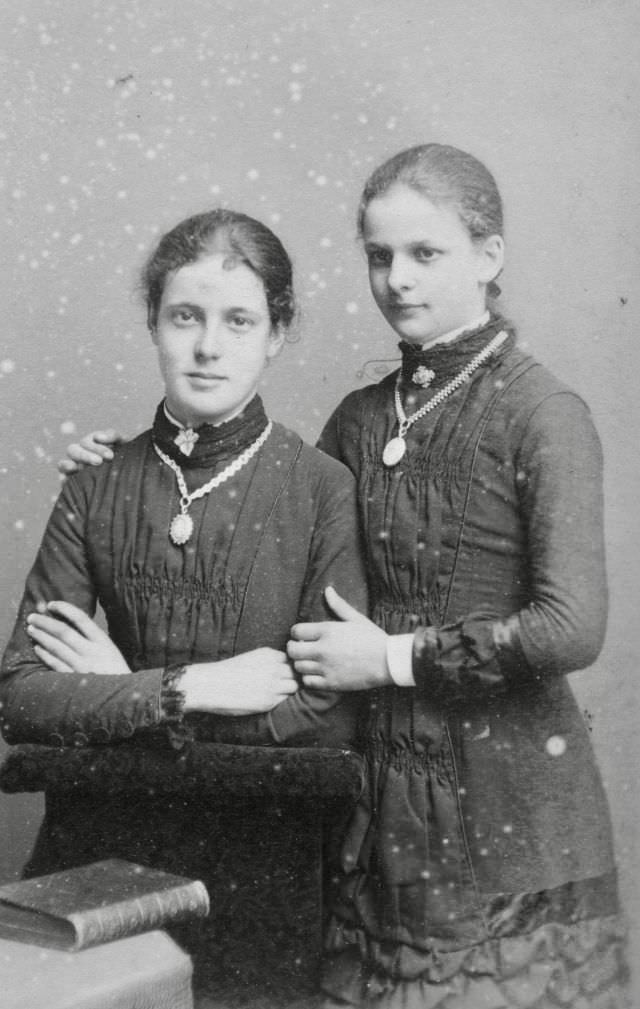
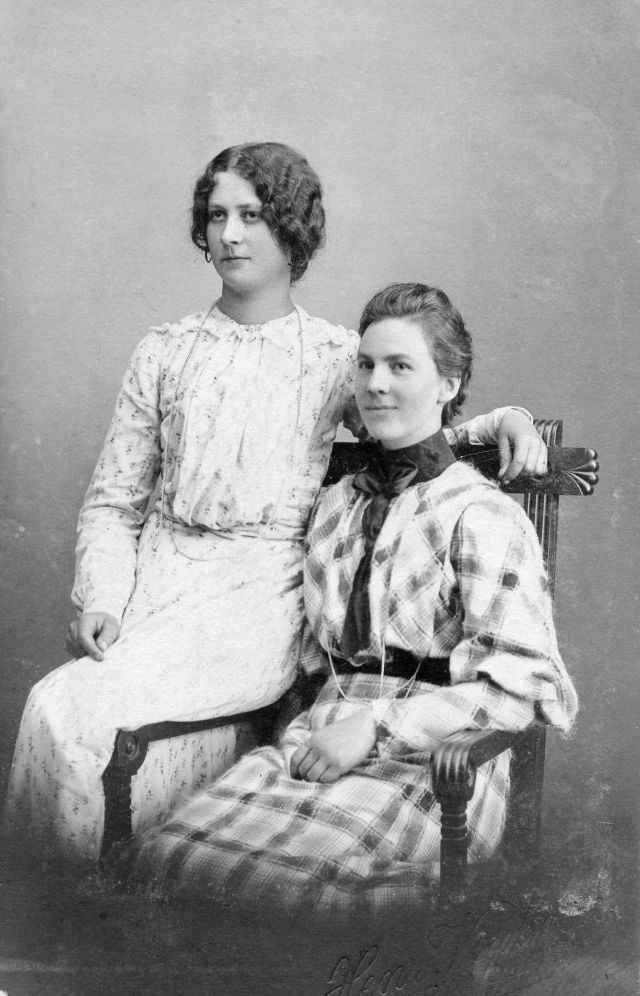
In the late 19th century, portrait photography became one of the most powerful ways to document family life. Studios across Europe and North America filled their walls with images of siblings posed side by side, and Victorian sister portraits stand out as some of the most striking examples of the form. These photographs were carefully constructed to communicate far more than a simple likeness.
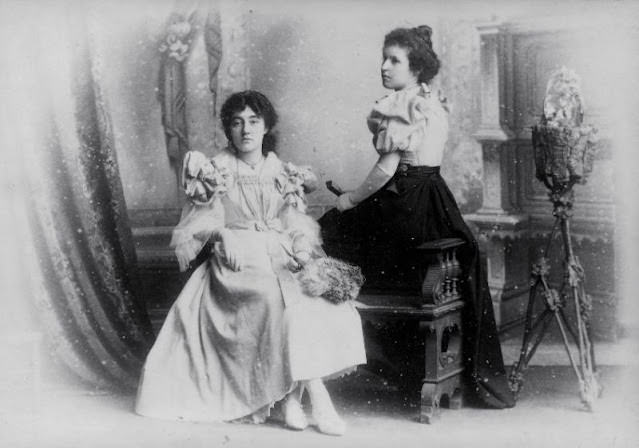
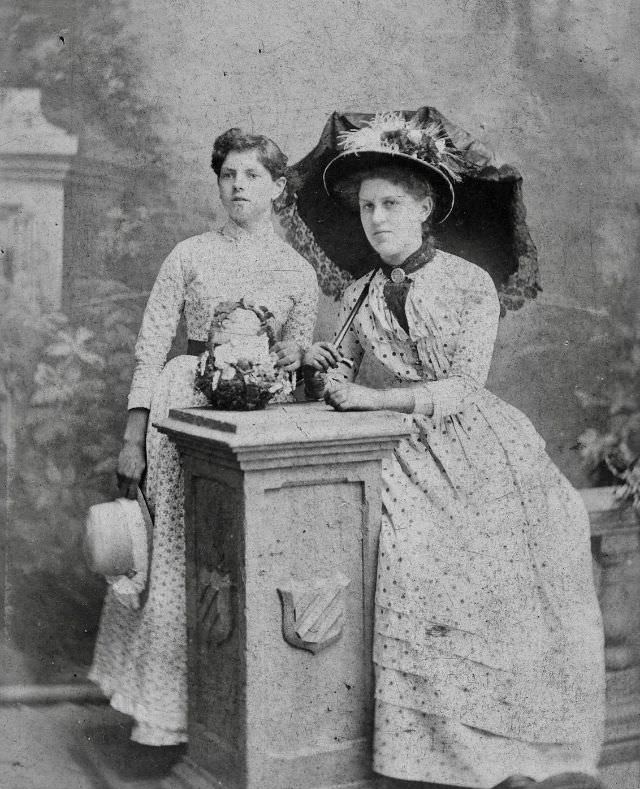
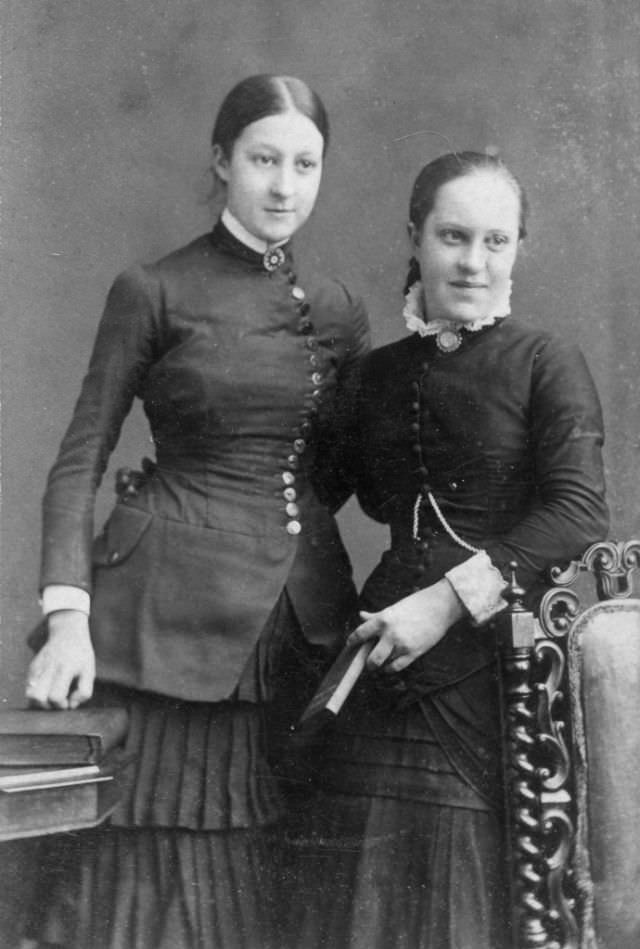
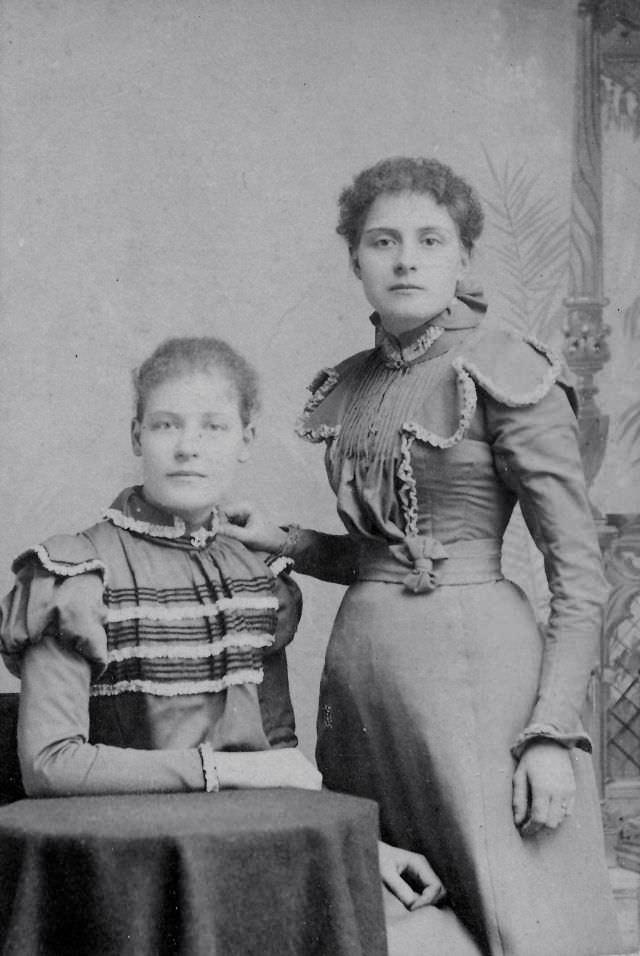
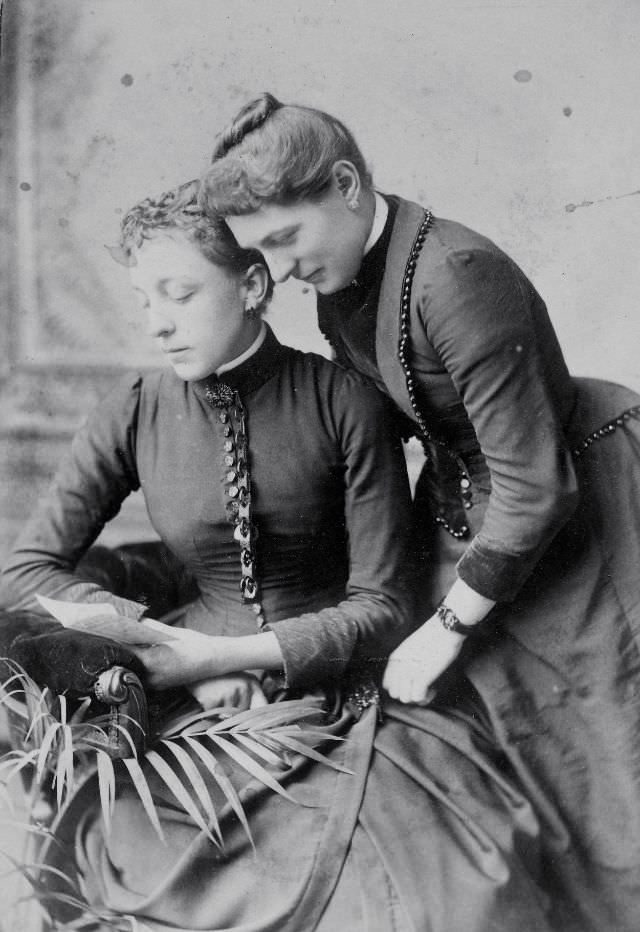
Every detail in these portraits carried meaning. Photographers chose poses deliberately, often placing an older sister in a standing or forward-leaning position to signal her protective role. Younger sisters were frequently seated or slightly behind, reinforcing the family hierarchy that Victorian society valued. Flowers, books, and other props hinted at a subject’s virtues or personal interests.
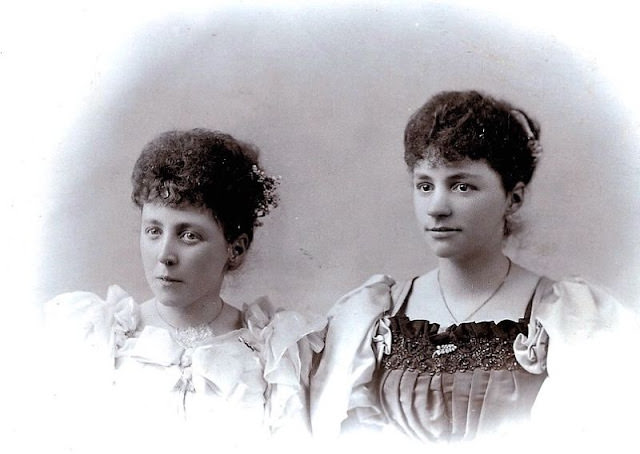
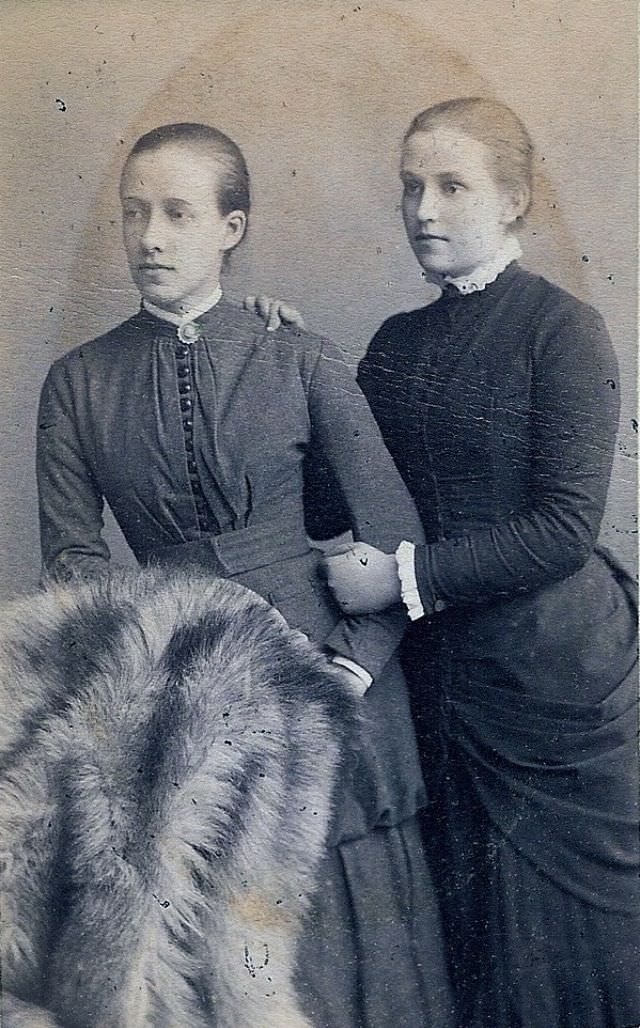
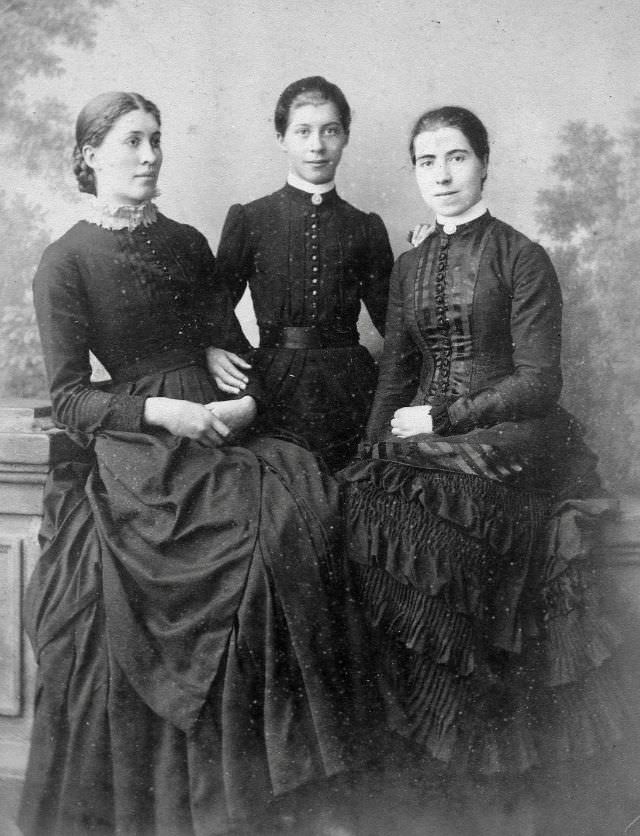
The clothing itself tells its own story. Elaborate dresses with corseted waists, puffed sleeves, and layers of fabric reflected both social standing and current fashion trends. Hairstyles were equally considered — tight curls for younger girls, swept-up styles for older ones. Together, these choices gave each portrait a visual language that Victorian viewers understood at a glance.
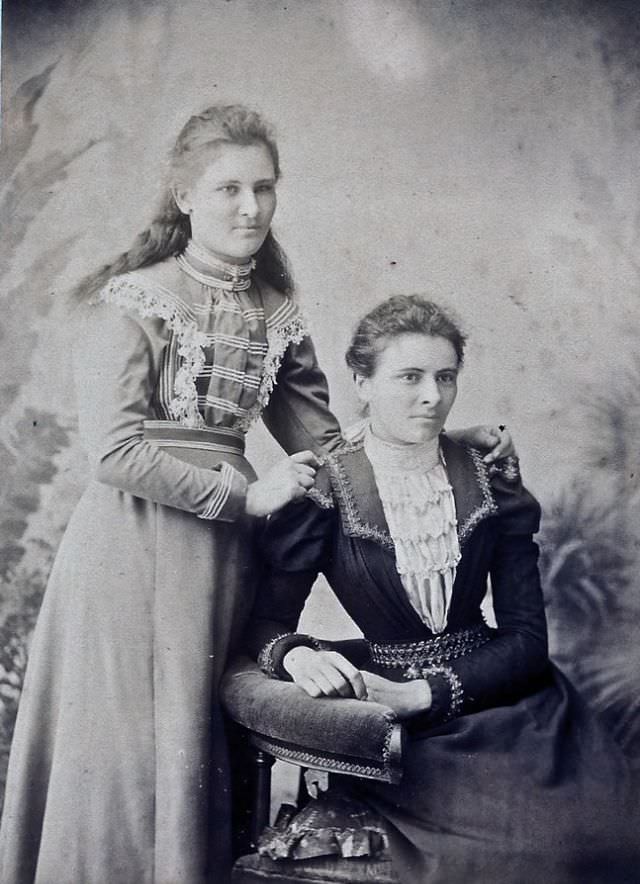
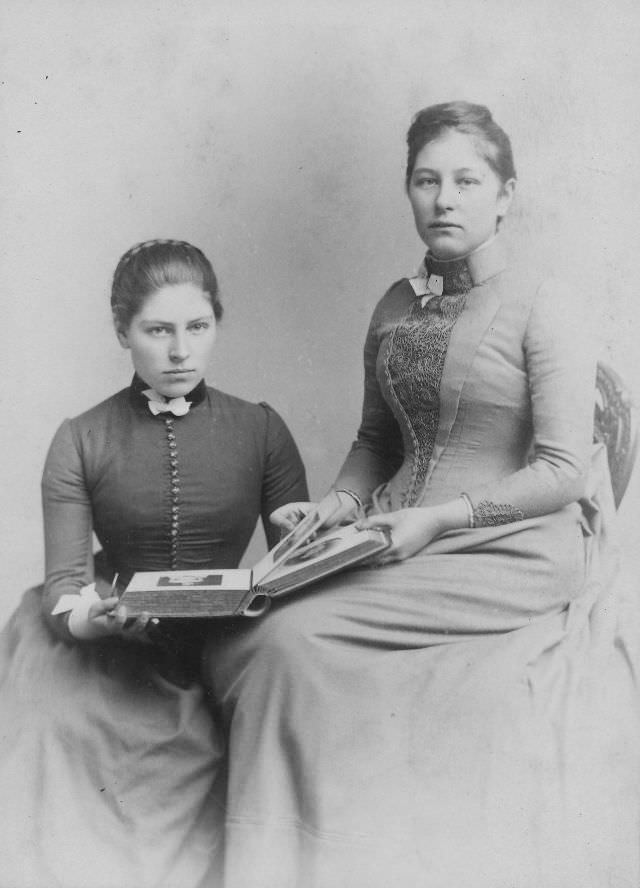
Taking a photograph in this era required real patience. Early methods like daguerreotypes, ambrotypes, and tintypes demanded long exposure times — sometimes several minutes. Subjects had to hold perfectly still, which explains the serious, unsmiling expressions seen in so many surviving portraits. Blinking or shifting even slightly would blur the final image.
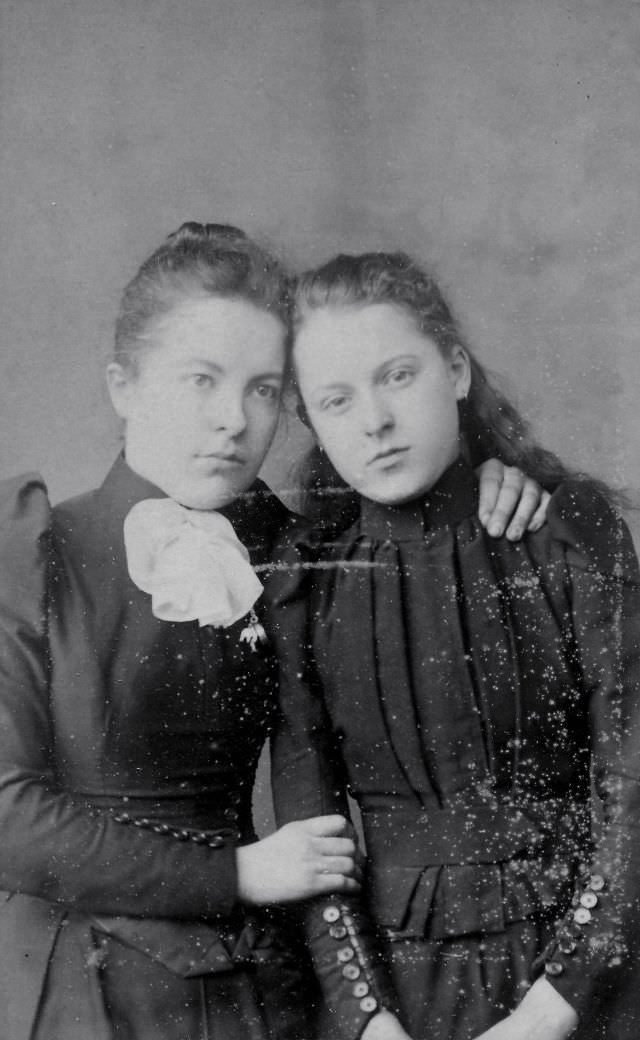
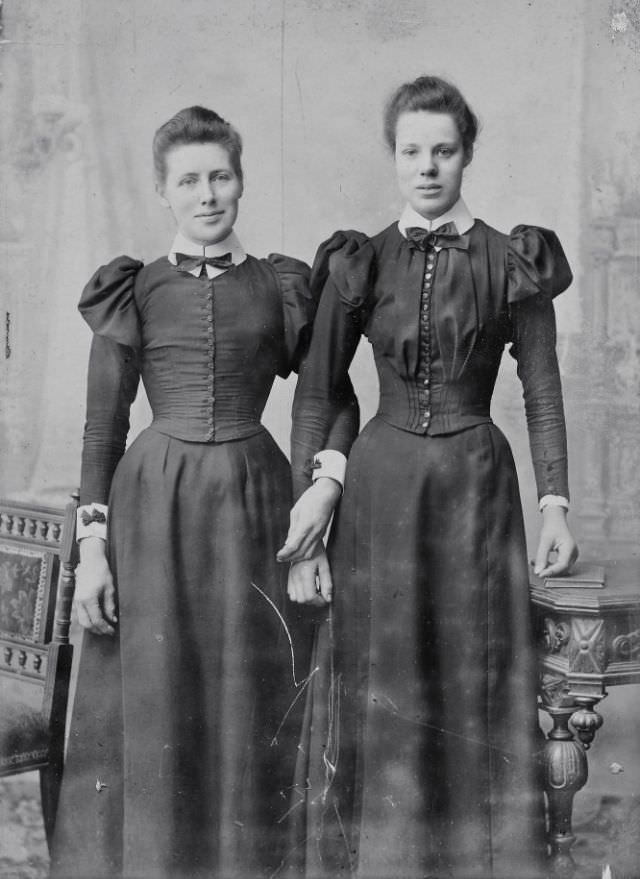
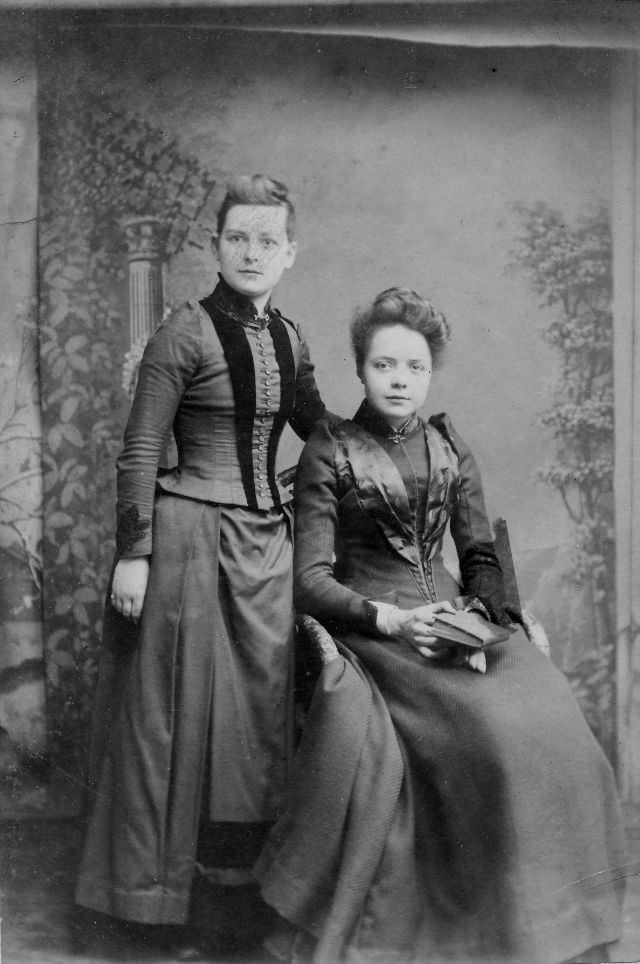
The introduction of dry plate technology toward the end of the 19th century changed things significantly. Shorter exposure times meant sitters no longer had to endure minutes of complete stillness. Photographers gained more flexibility, and subjects could hold slightly more natural expressions. The shift opened the door to a wider range of compositions and moods.
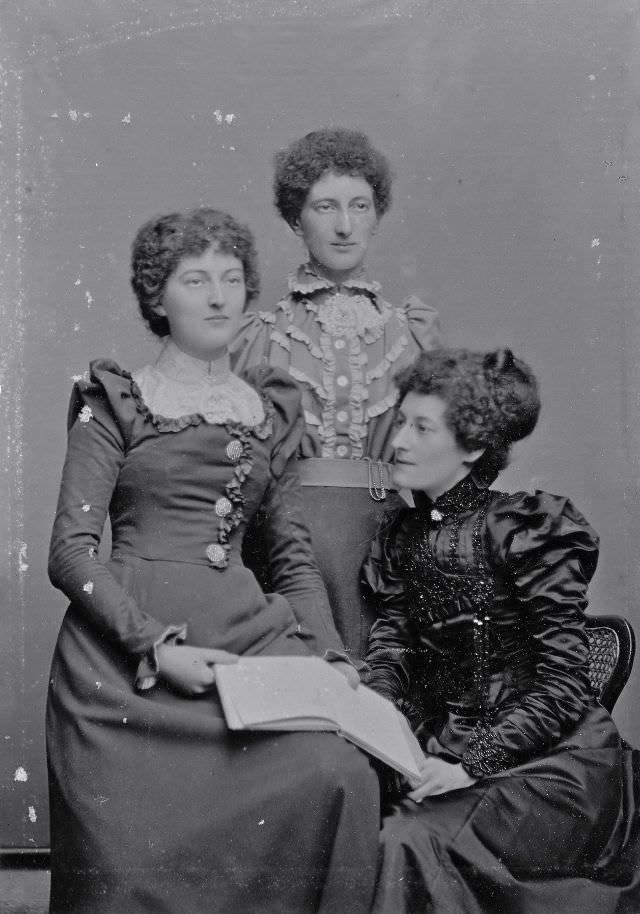
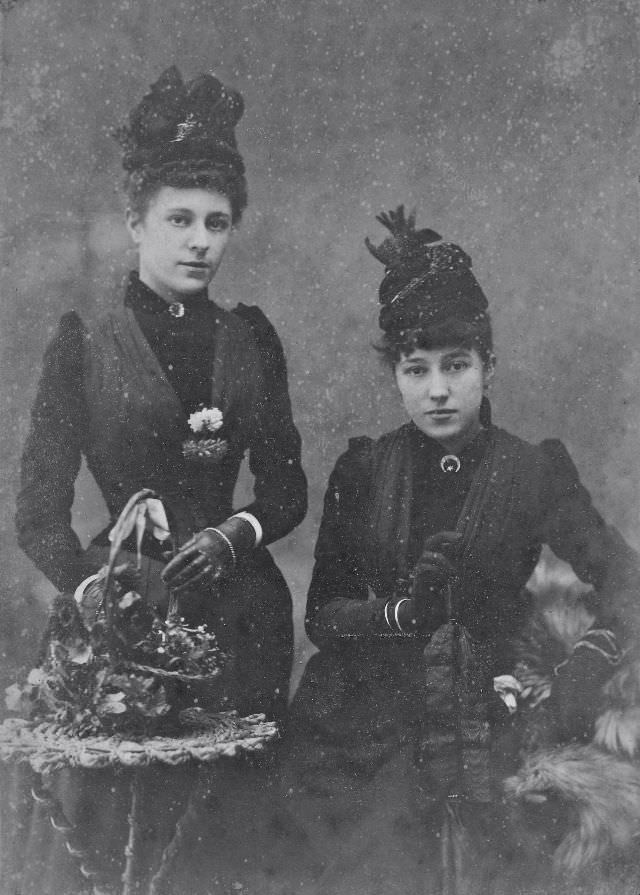
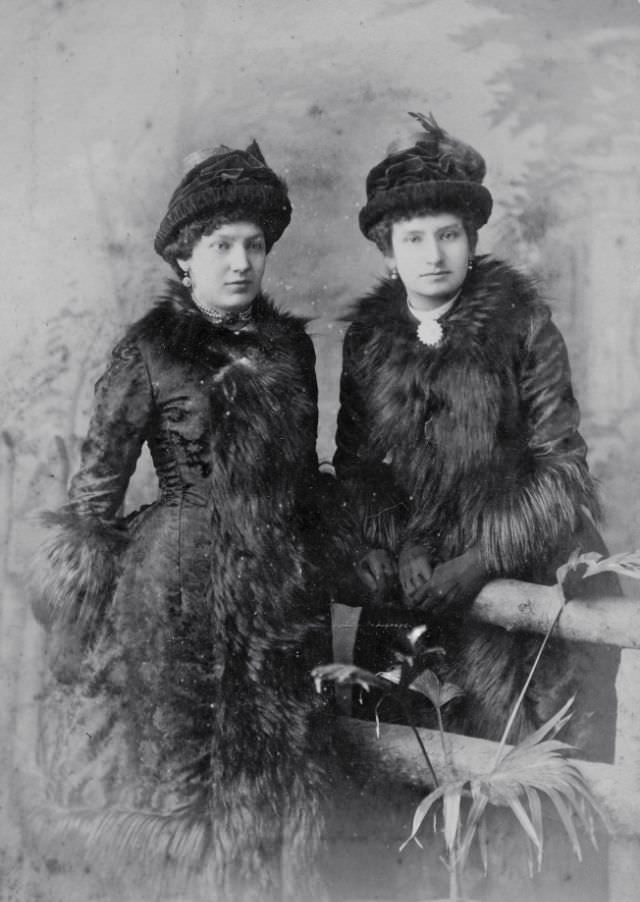
Lighting was another tool photographers used with great skill. Natural light from large studio windows was angled carefully to flatter faces and add depth to the image. Backdrops — painted to suggest gardens, draped curtains, or classical columns — placed sisters in settings that elevated their perceived social status, even if their real circumstances were modest.
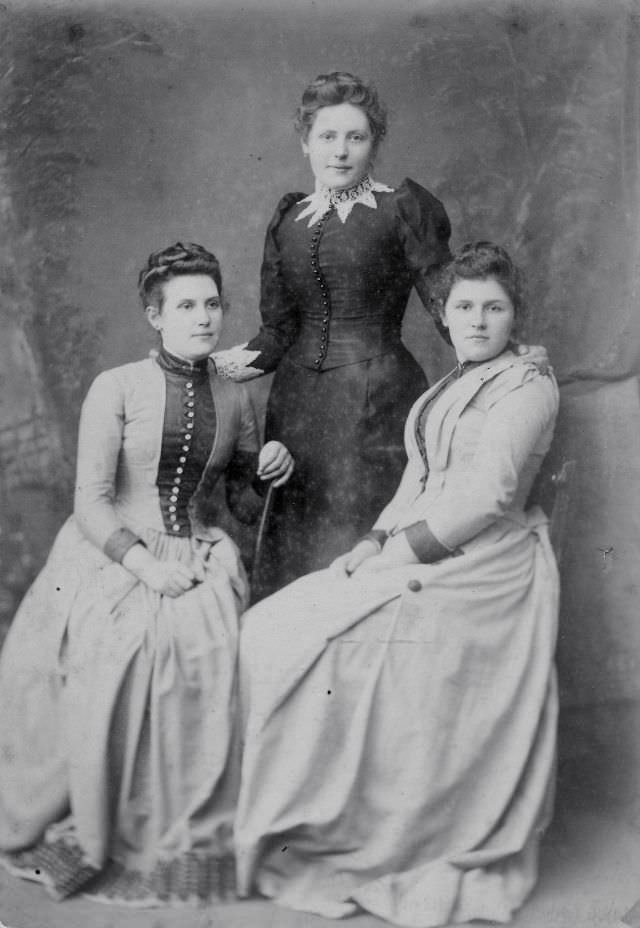
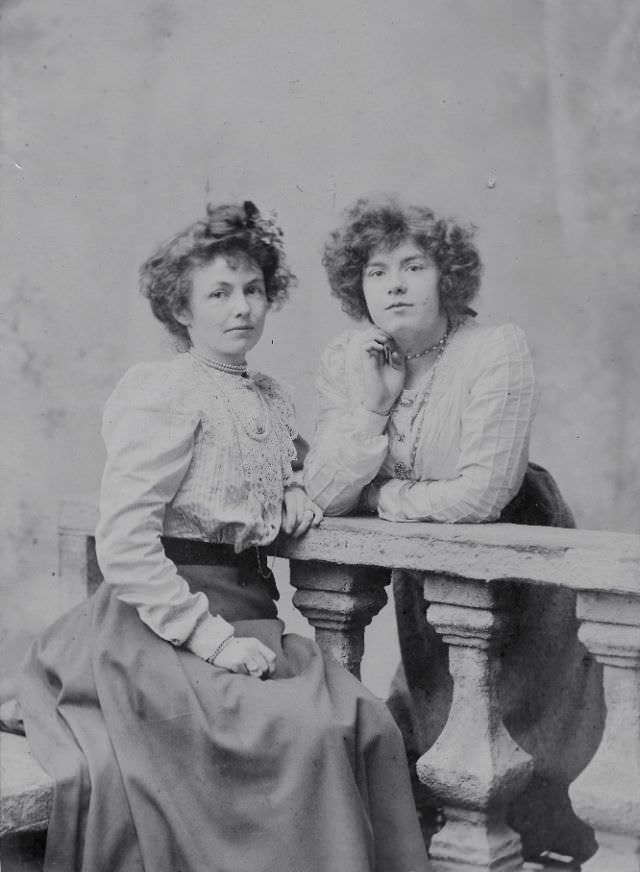
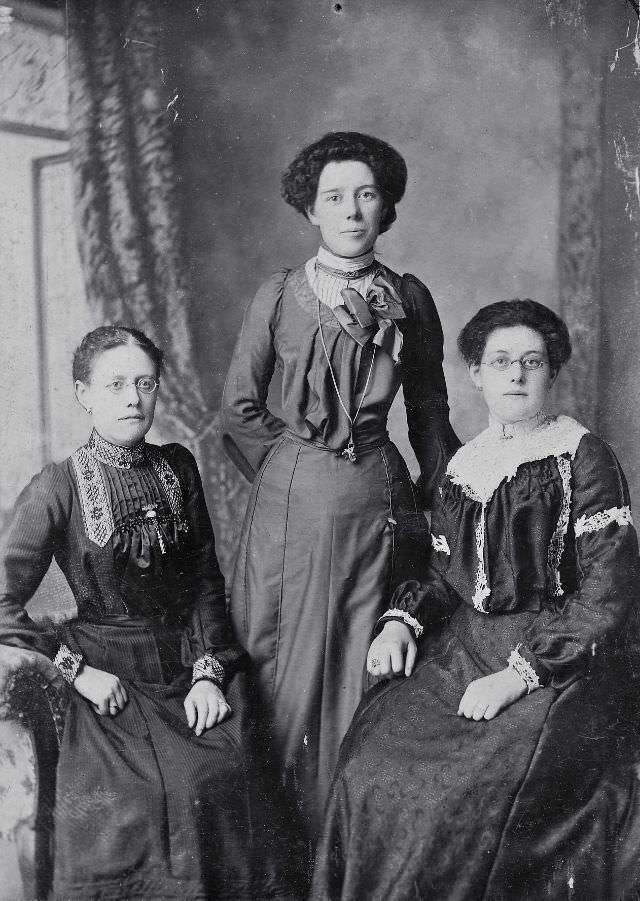
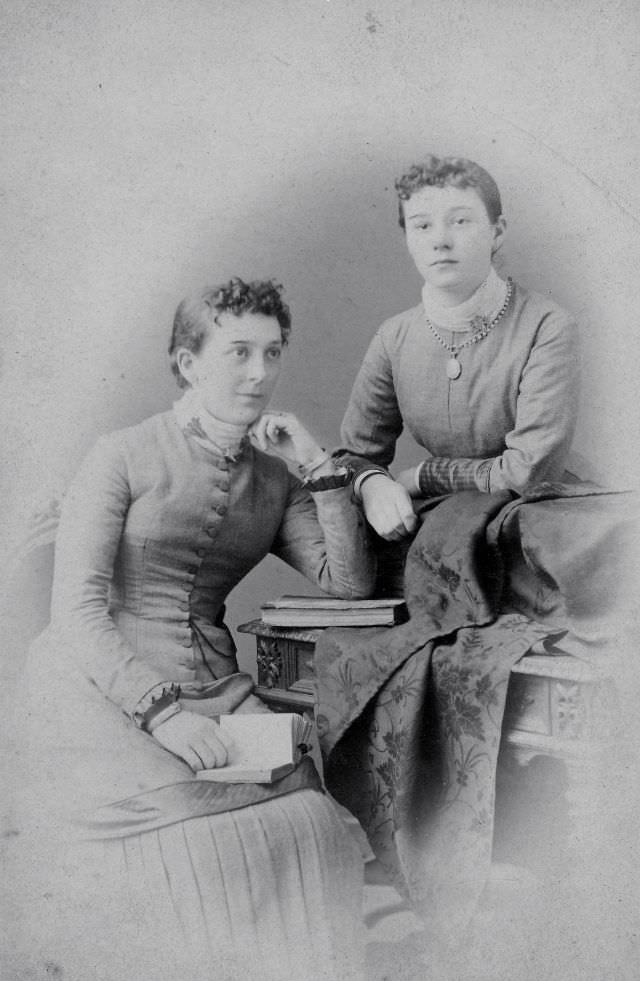
These portraits were treasured objects in Victorian homes. Families displayed them in parlors or kept them in velvet-lined cases. Copies were sent to relatives and friends as tokens of affection. The cabinet card format, a photograph mounted on thick cardboard, became especially popular in the 1870s and 1880s, making portraits easy to share and display.
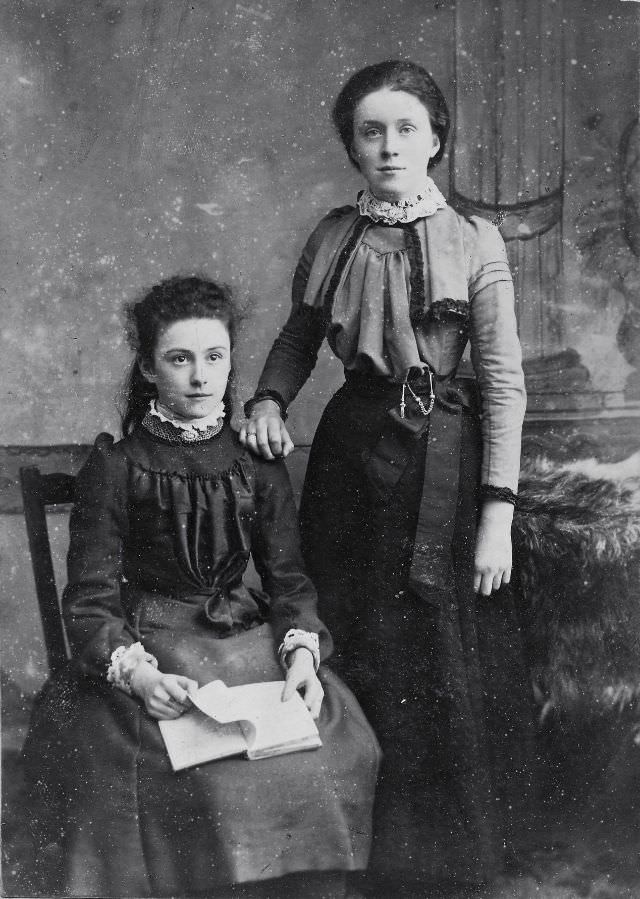
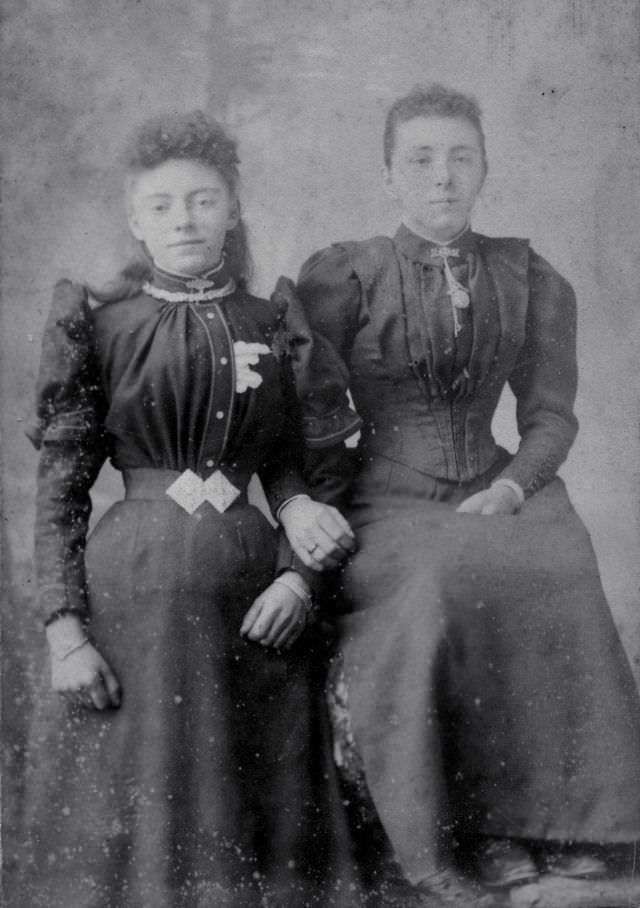
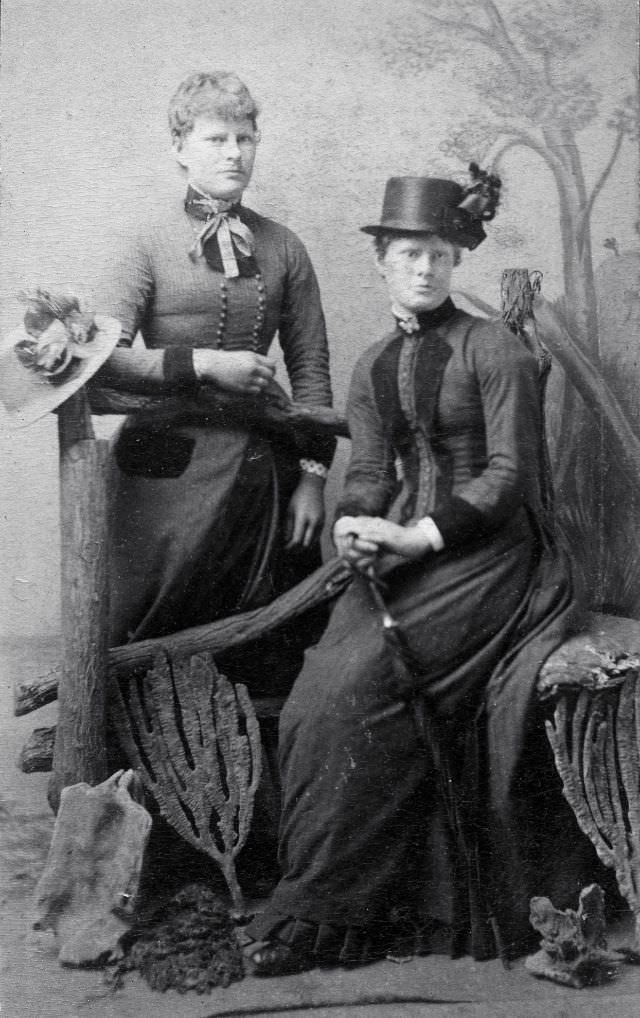
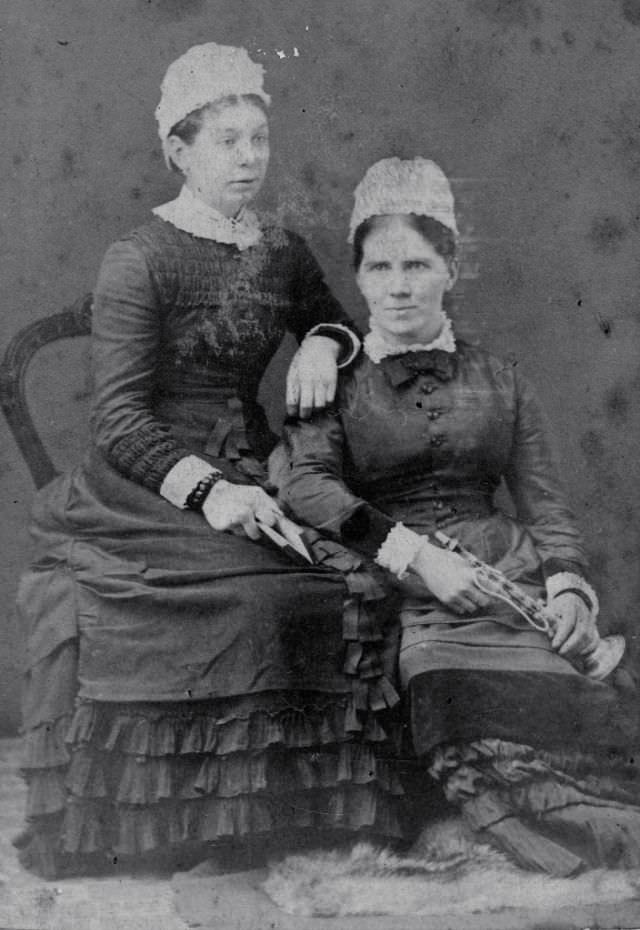
The bond between sisters was a theme Victorian culture treated with deep sentimentality. Poetry, novels, and paintings of the era frequently celebrated sisterhood as a relationship defined by loyalty and shared experience. Photographers tapped into this sentiment by arranging sisters in close physical contact — hands clasped, heads tilted together, one resting on the other’s shoulder.
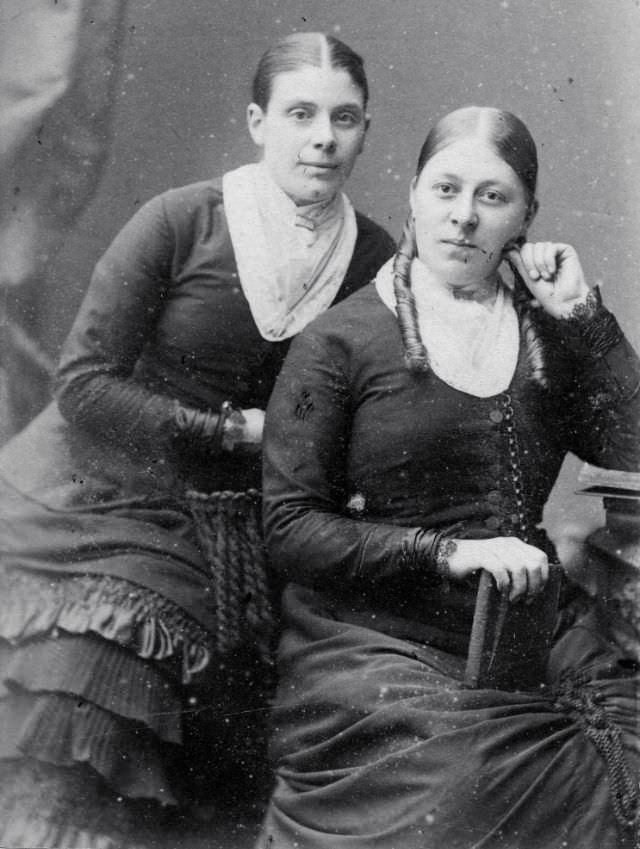
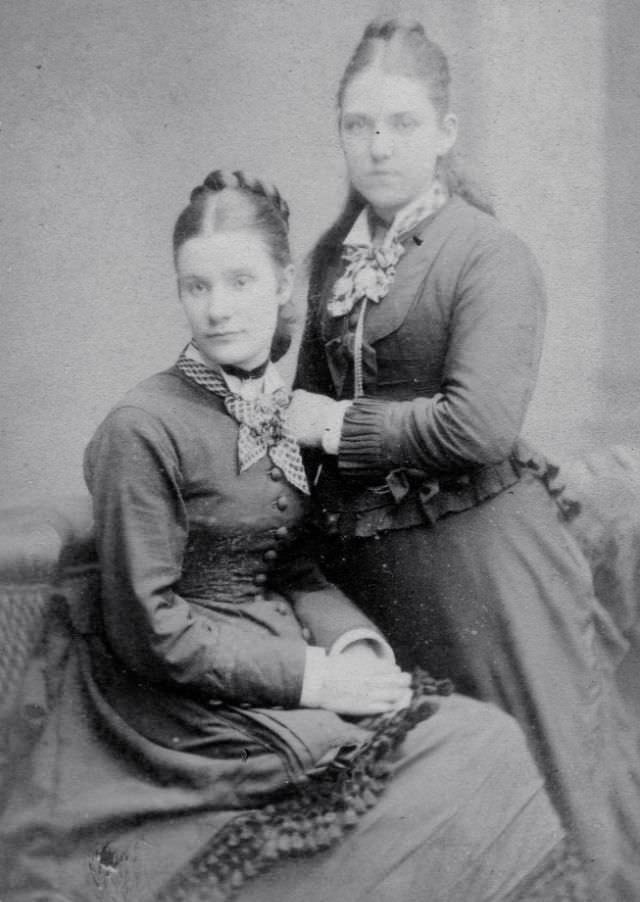
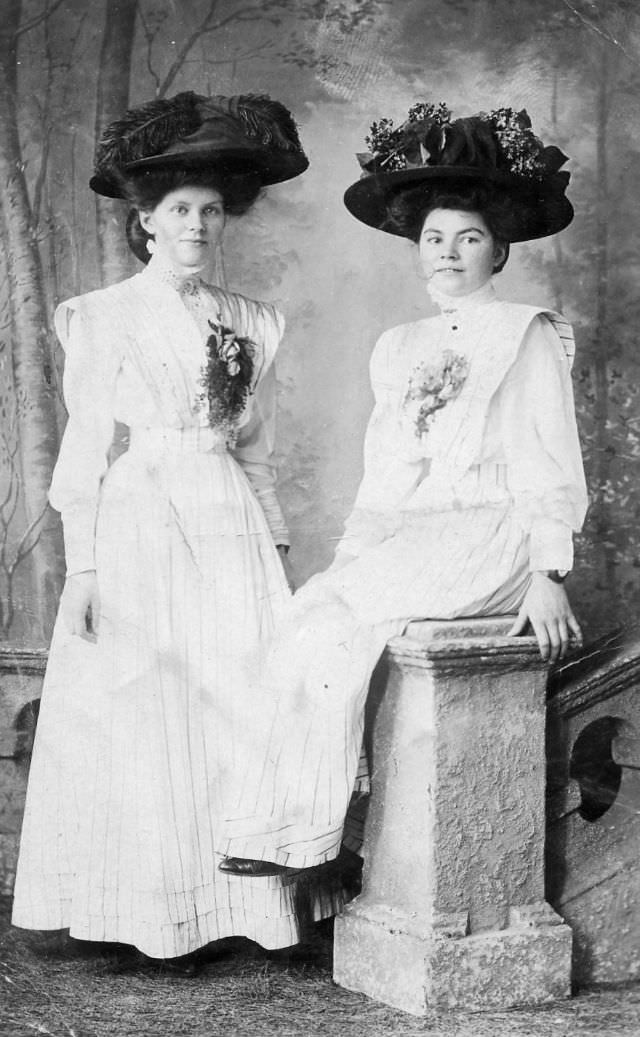
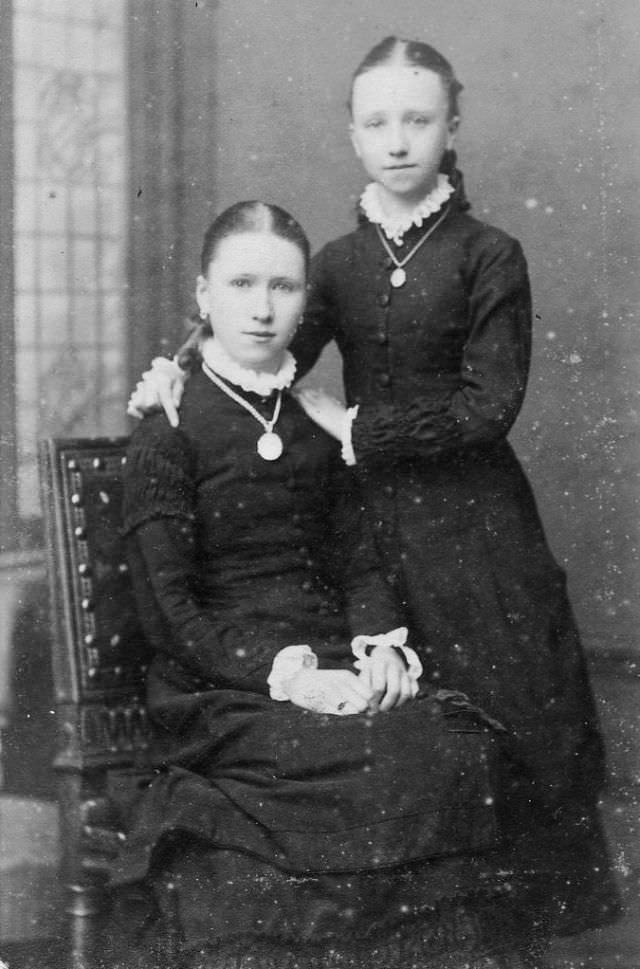
What makes these photographs so compelling today is the combination of formality and intimacy. The stiff poses and formal dress sit alongside genuine physical closeness between sisters. These were real people, dressed in their finest, sitting under hot studio lights, doing their best to stay still — and in the results, something authentic still comes through.