
Hey There! Before You Go. 😧
Get the best vintage content straight into your inbox!

Don't worry, we don't spam

Fascinating Vintage Photos of Venice in the 1950s

Venice emerged from World War II remarkably intact. While the historic city itself was spared from bombing, the nearby industrial zones of Mestre and Marghera were repeatedly targeted by Allied air raids, as were key railway lines running to Padua, Trieste, and Trento. During the war, Venice had also become a center of anti-Mussolini partisan activity, with resistance fighters operating throughout the city and its surroundings.

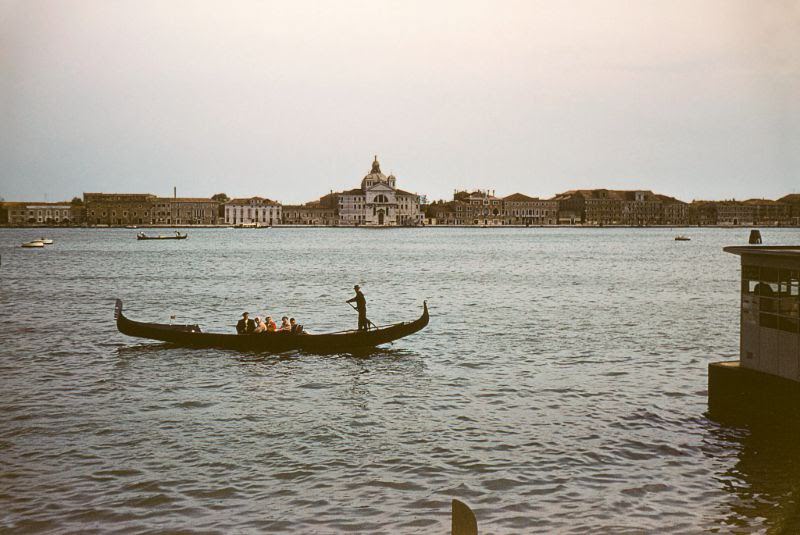
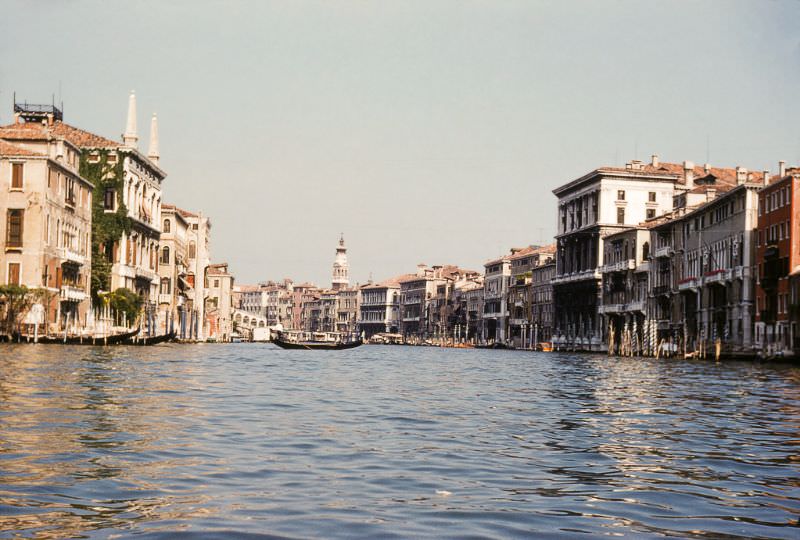
On the Grand Canal, Venice, 1950s

On 29 April 1945, British and New Zealand troops of the British Eighth Army, under the command of Lieutenant General Freyberg, liberated Venice. The city transitioned quickly into peacetime, with leftist governments taking control in the immediate postwar years. By the early 1950s, centrist and centre-left administrations had taken over, steering Venice through one of its most transformative decades.

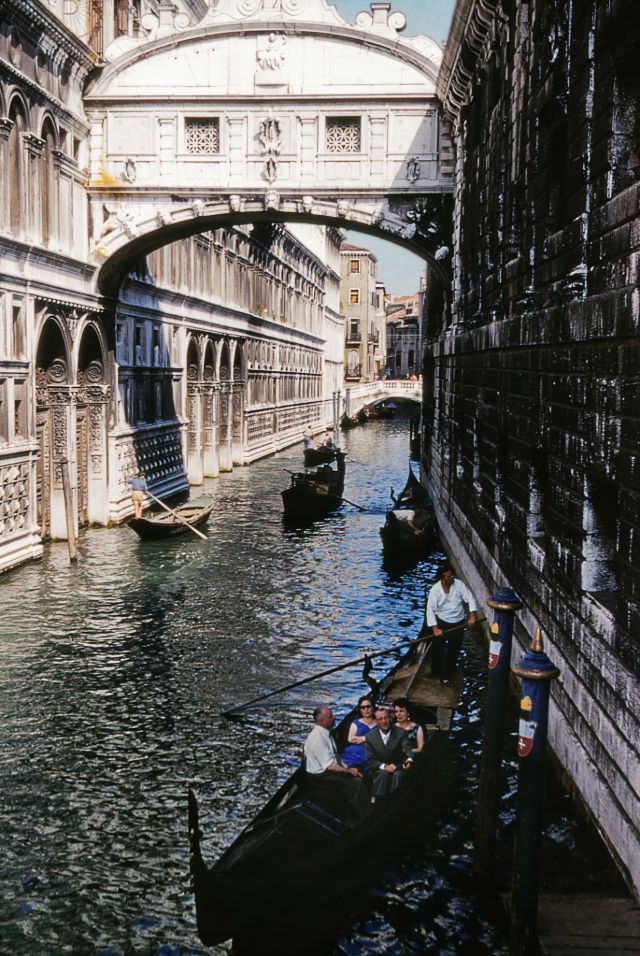
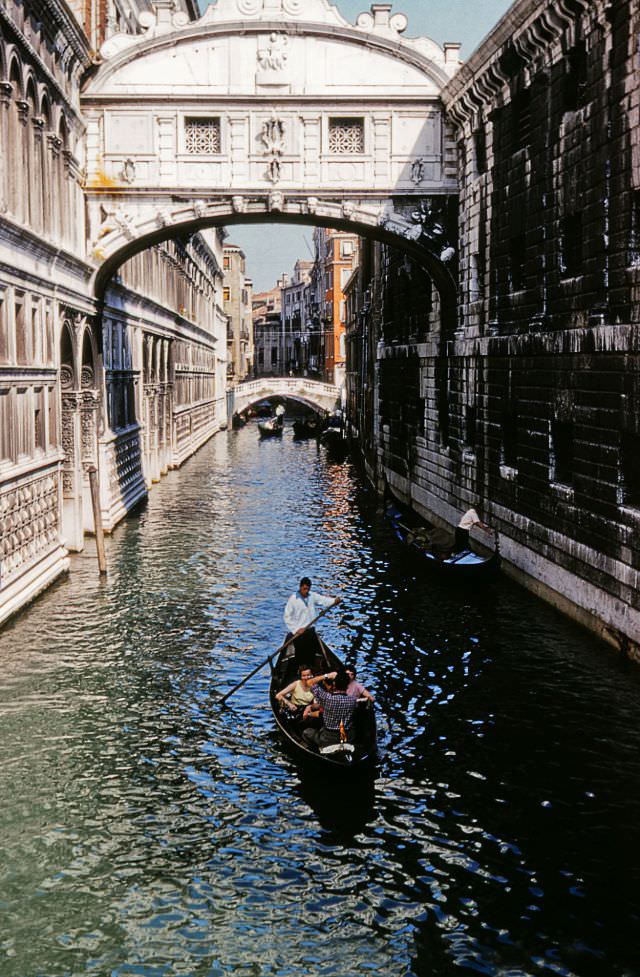
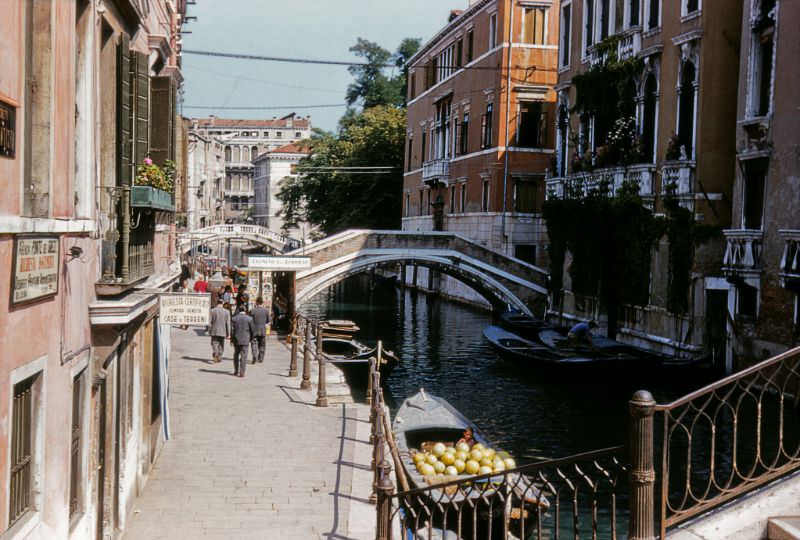
Bridge of Sighs, Rio de Palazzo, Venice, 1950s

The 1950s were a period of rapid growth for Venice. Reconstruction reshaped the city’s relationship with its surroundings, and the population in the broader metropolitan area expanded steadily. Yet the ancient core of Venice — its canals, bridges, and stone palaces — remained a world apart from the modern changes happening on the mainland.

Bridge of Sighs, Rio de Palazzo, Venice, 1950s
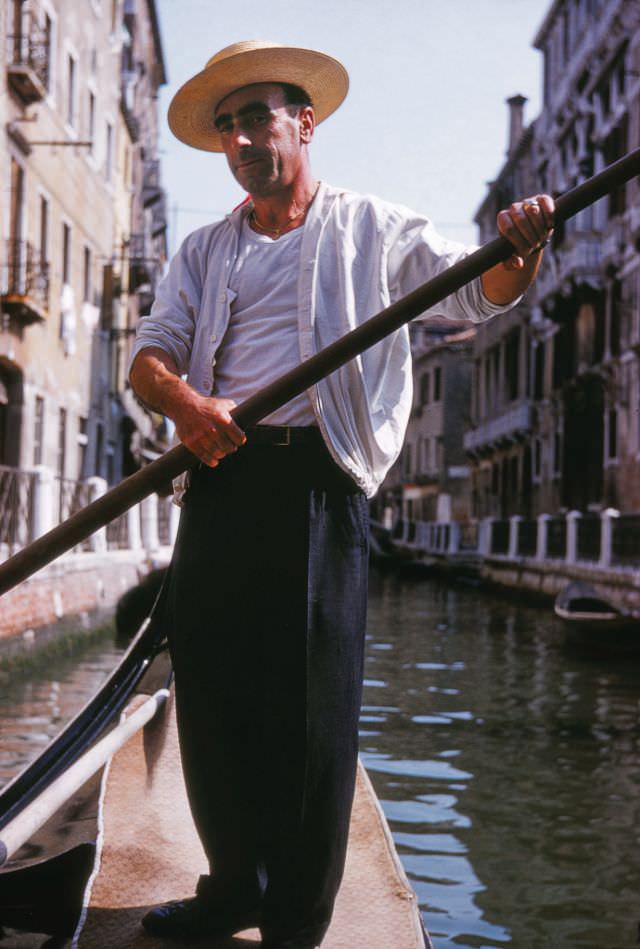
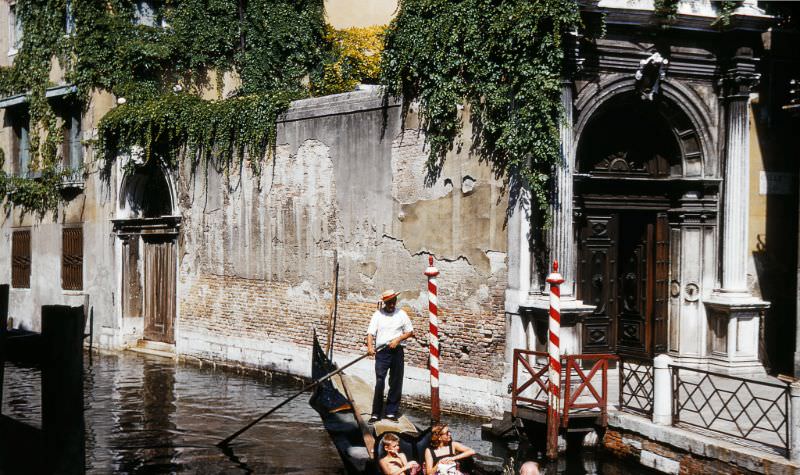
Gondolier, Venice, Italy, 1950s

The Grand Canal remained the city’s main artery throughout the decade. Gondoliers navigated its waters alongside vaporetti — the public water buses that had become a fixture of everyday Venetian life. Tourists from across Europe and North America were beginning to arrive in growing numbers, drawn by the city’s unique beauty and its art-filled churches and museums.

Grand Canal, Venice, 1950s
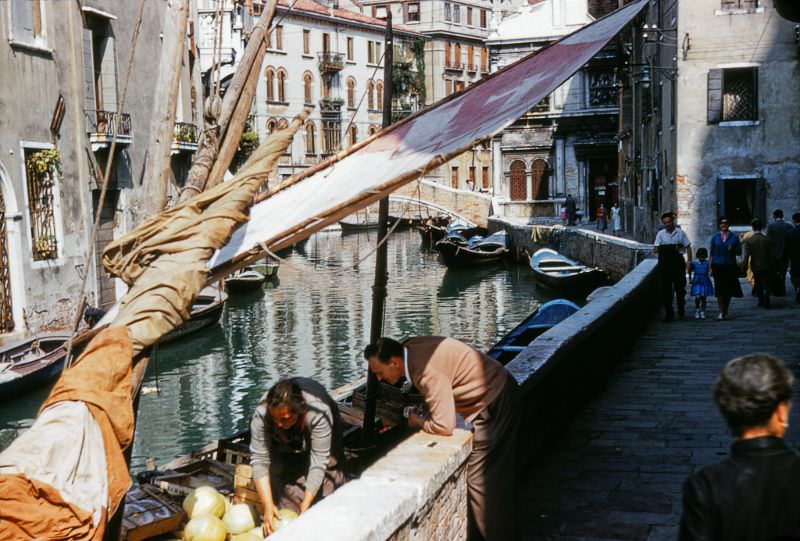
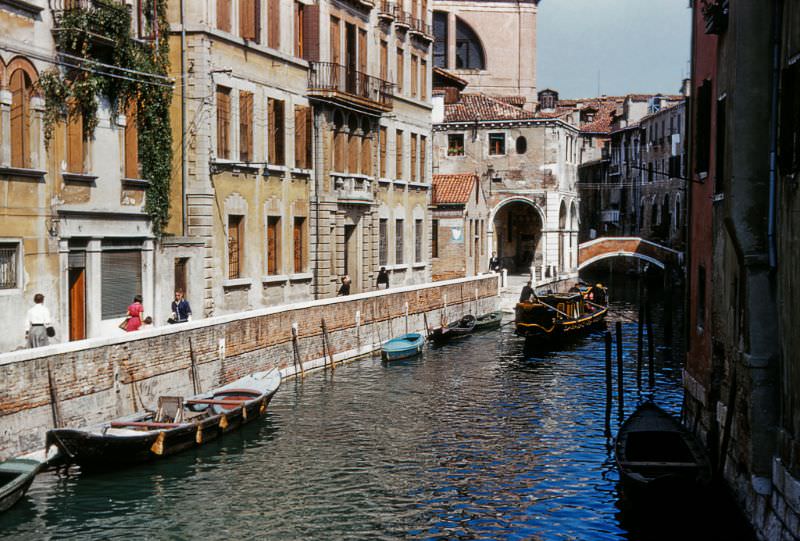
Northerly view along Rio di S. Lorenzo from Ponte dei Greci, Venice, 1950s

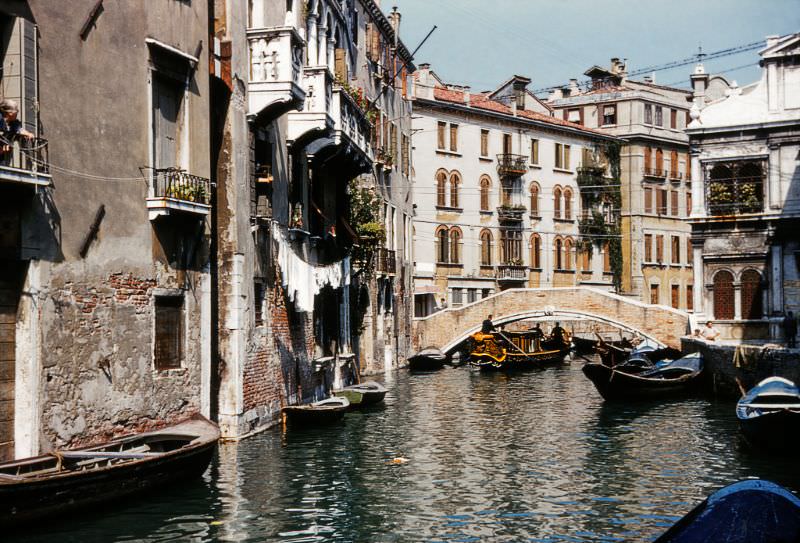
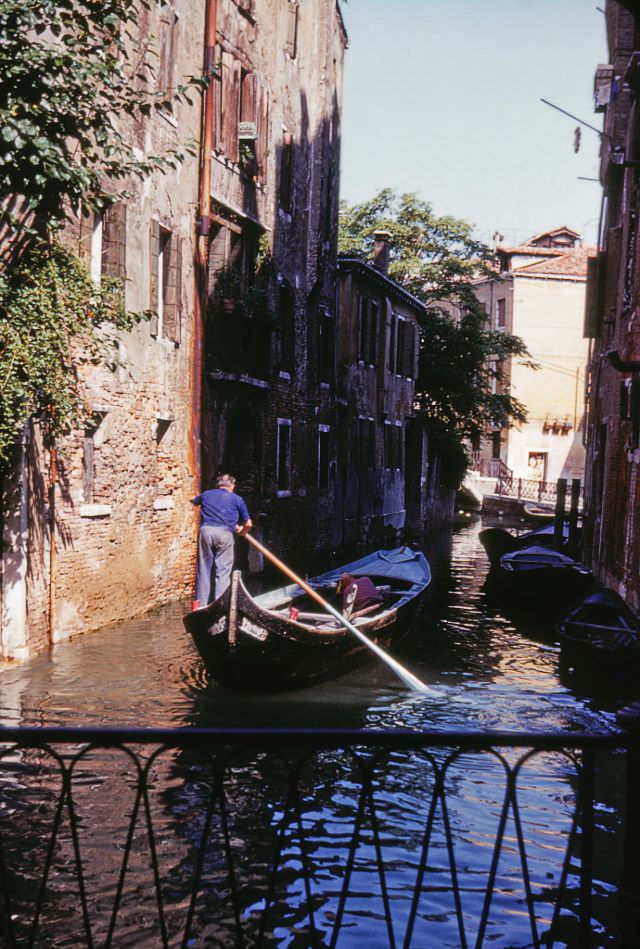
Away from the tourist trails, Venice’s quieter canals and backstreet bridges offered a more intimate view of the city. Narrow waterways like the Rio di S. Lorenzo and Rio de la Pleta wound through residential neighborhoods where daily life carried on much as it had for generations. Laundry hung between windows, boats delivered groceries, and children played on stone footpaths beside still water.

Northerly view from bridge on Salizzada dei Greci, along Rio de la Pleta, Venice, 1950s
Fascinating Vintage Photos of Venice in the 1950s
Northerly view from Ponte de la Comenda along Rio di S. Antonin, Venice, 1950s

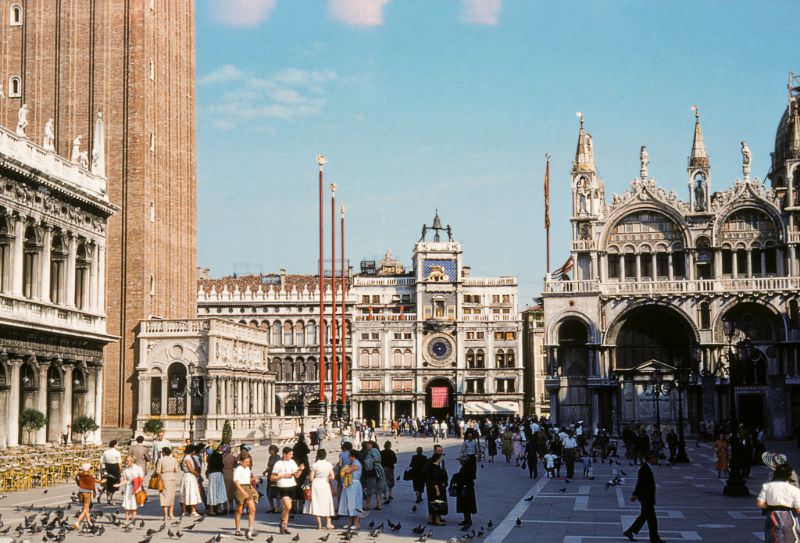
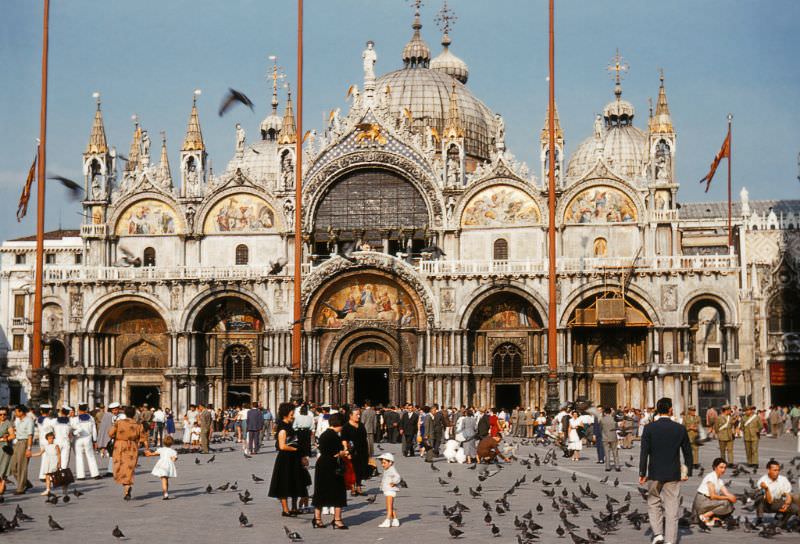
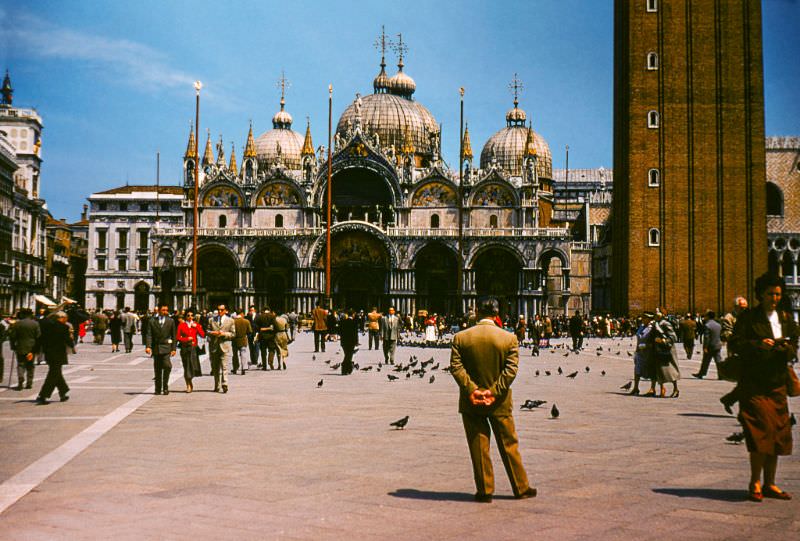
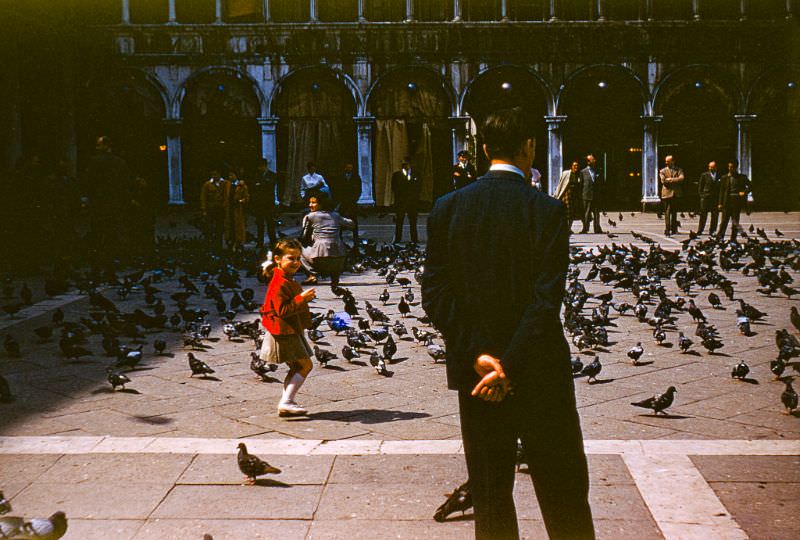
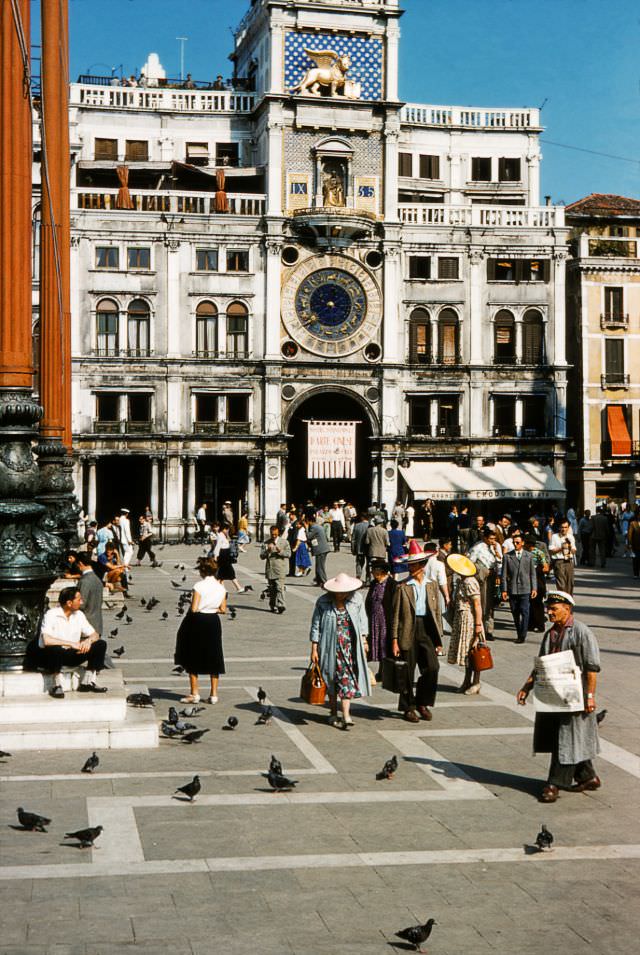
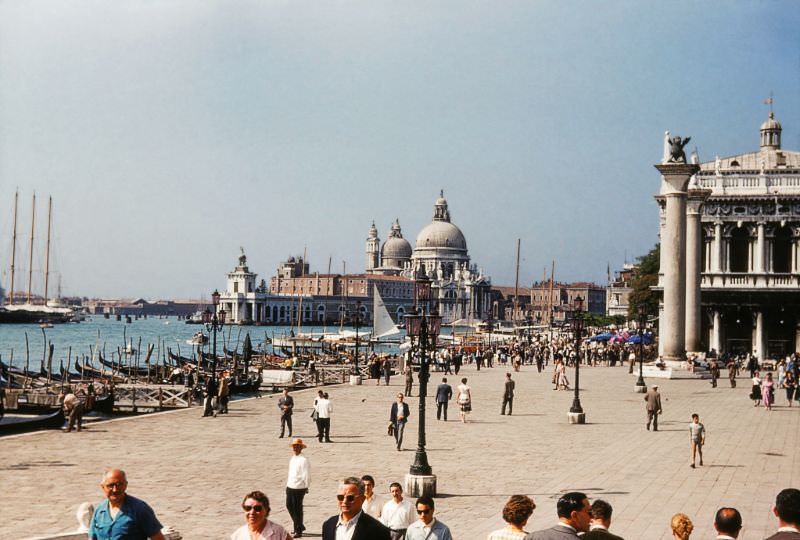
St Mark’s Square — Piazza San Marco — served as the social and cultural heart of the city. Flanked by the Procuratie buildings and anchored by the magnificent Basilica, the square drew crowds of locals and visitors alike. Café tables spilled onto the piazza, and pigeons gathered in vast flocks across its broad stone surface, a scene that defined the look of Venice for generations of photographers.

Piazza San Marco, Venice, 1950s
Piazzetta, Venice, 1950s

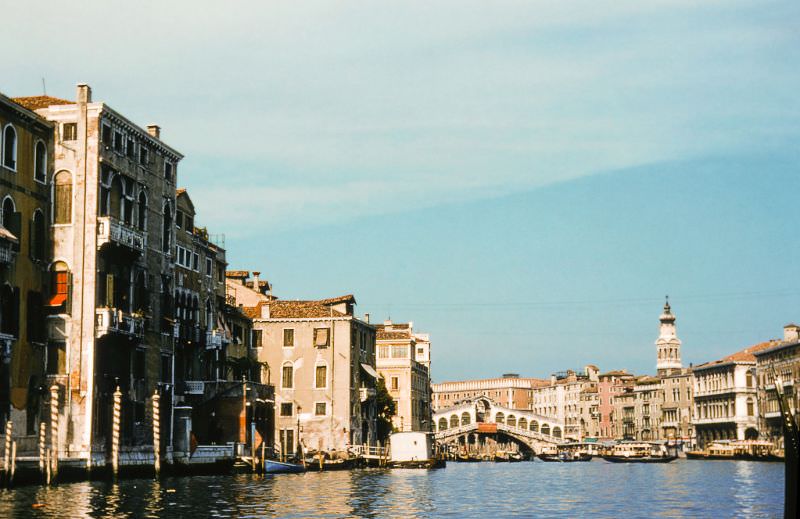
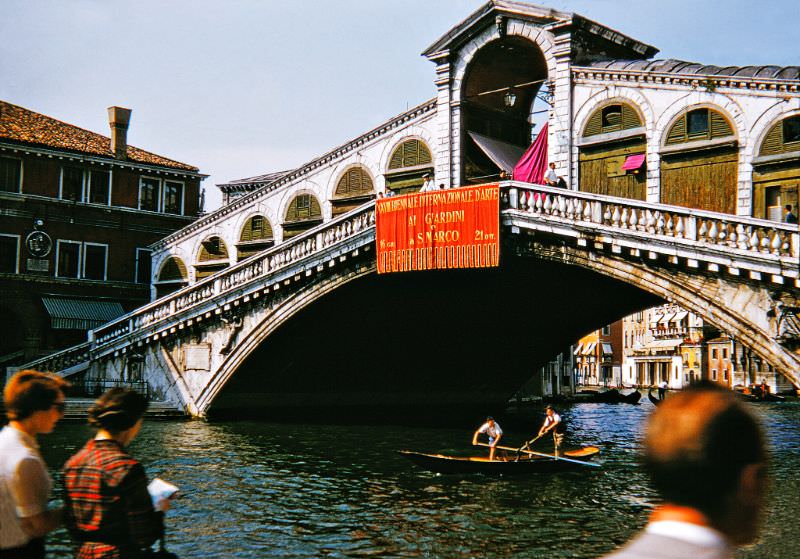
The Rialto Bridge, one of Venice’s oldest and most recognizable landmarks, spanned the Grand Canal at its narrowest point. In 1956, a banner for the XXVIII Venice Biennale hung from its stone arch — a sign of the city’s ongoing role as a major destination for international art and culture. The Biennale, held every two years, brought artists, critics, and collectors from around the world to Venice’s pavilions and galleries.

Rialto Bridge, Grand Canal, Venice, 1950s
Riva degli Schiavoni, Venice, 1950s

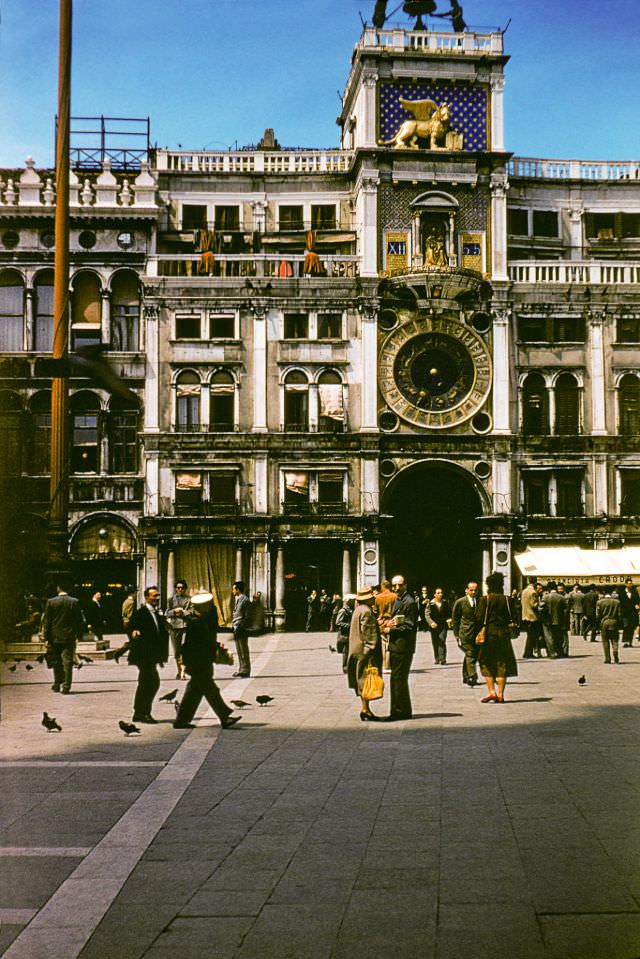
Saint Mark’s Basilica dominated the eastern end of the piazza with its gilded mosaics and Byzantine domes. The Torre dell’Orologio — the clock tower — stood at the square’s northern edge, its face showing the time, the phases of the moon, and the position of the sun through the zodiac. Both structures had stood for centuries and continued to define the skyline of central Venice throughout the 1950s.

Saint Mark's Basilica, Venice, 1950s
Saint Mark’s Basilica, Venice, 1950s
St Mark's Square, Venice, 1950s
St Mark’s Square, Venice, 1950s
St Mark's Square, Venice, 1950s
St Mark’s Square, Venice, 1950s
St Mark's Square, Venice, 1950s
St Mark’s Square, Venice, 1950s

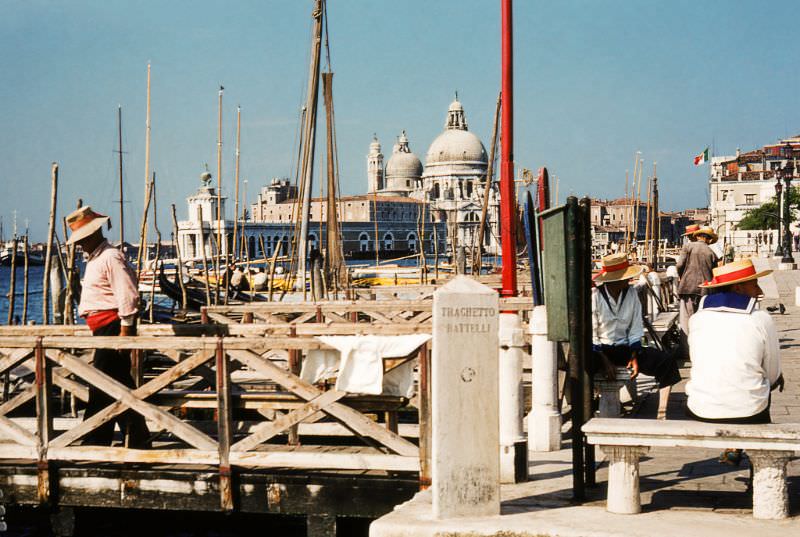
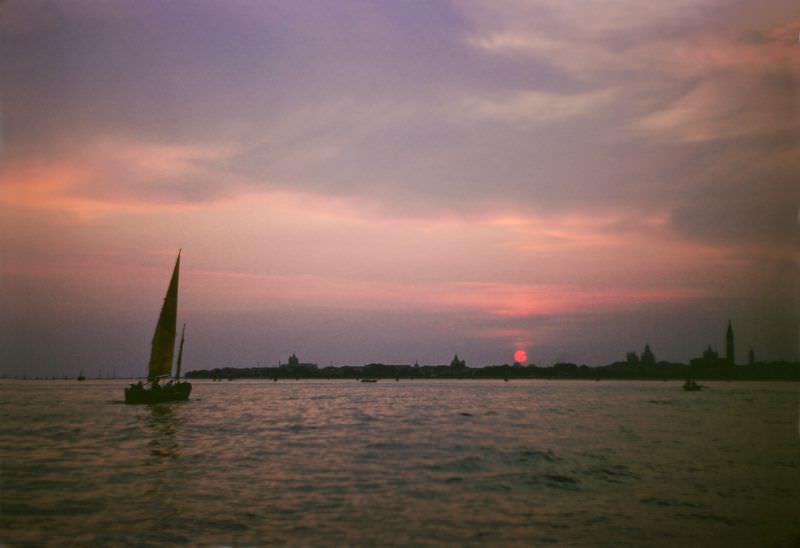
As the sun set over the lagoon, Venice took on a different quality entirely. The water turned amber and gold, and the domes and bell towers of the city were silhouetted against the evening sky. From Ponte della Paglia, next to the Doge’s Palace, visitors looked westward toward the Basilica di Santa Maria della Salute — its white stone glowing in the fading light across the mouth of the Grand Canal.

Sunset over Venice, early 1950s
Torre dell'Orologio on St Mark's Square (Piazza San Marco), Venice, early 1950s
Torre dell’Orologio on St Mark’s Square (Piazza San Marco), Venice, early 1950s
Venice, early 1950s
Venice, early 1950s

The smaller canals and bridges scattered across Venice’s six sestieri — its six districts — each had their own character. The Rio di San Zulian, viewed from Ponte de la Guerra, and the waterways near Fondamenta Salute showed a quieter, less photographed side of the city. These were the places where Venetians lived and worked, far from the crowds gathering around the Basilica and the Rialto.

View from Ponte de la Guerra of Rio di San Zulian, Venice, early 1950s
View from Ponte della Paglia (next to the Doge's Palace) towards the Basilica di Santa Maria della Salute, Venice, 1950s
View from Ponte della Paglia (next to the Doge’s Palace) towards the Basilica di Santa Maria della Salute, Venice, 1950s
Banner for the XXVIII Venice Biennale hanging from the Rialto Bridge, Venice, 1956
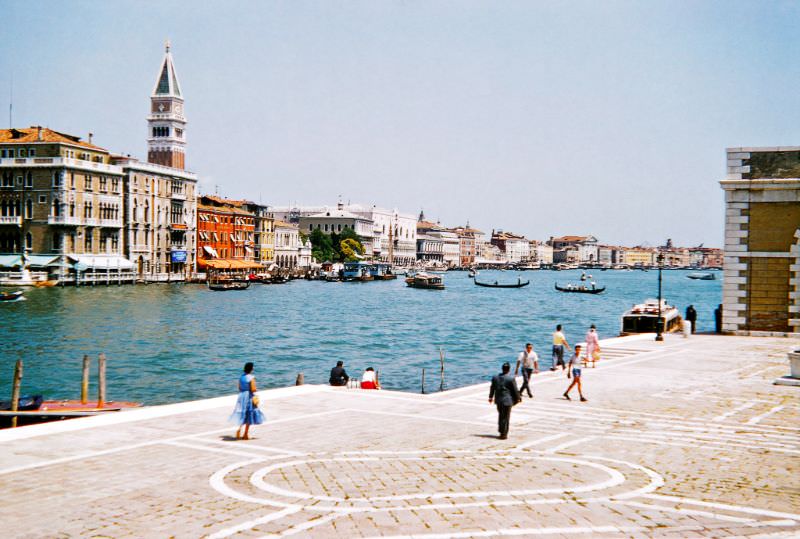
View from Fondamenta Salute, Venice, 1956
Enjoyed this post? Get new ones in your inbox.

Leave a Comment

Your email address will not be published. Required fields are marked *

2 Comments

Share this Post 🥺

Please take a moment to share this content. Your support is greatly appreciated! 🙌🙏

Share this Post 🥺

Please take a moment to share this content. Your support is greatly appreciated! 🙌🙏
Scroll to Top
 
Hey Friend, Before You Go.. Please like & follow for more interesting content