
In 1953, Venezuela was one of the world’s top oil-producing nations. That oil wealth was reshaping the country at a fast pace, but not everyone felt its benefits equally.
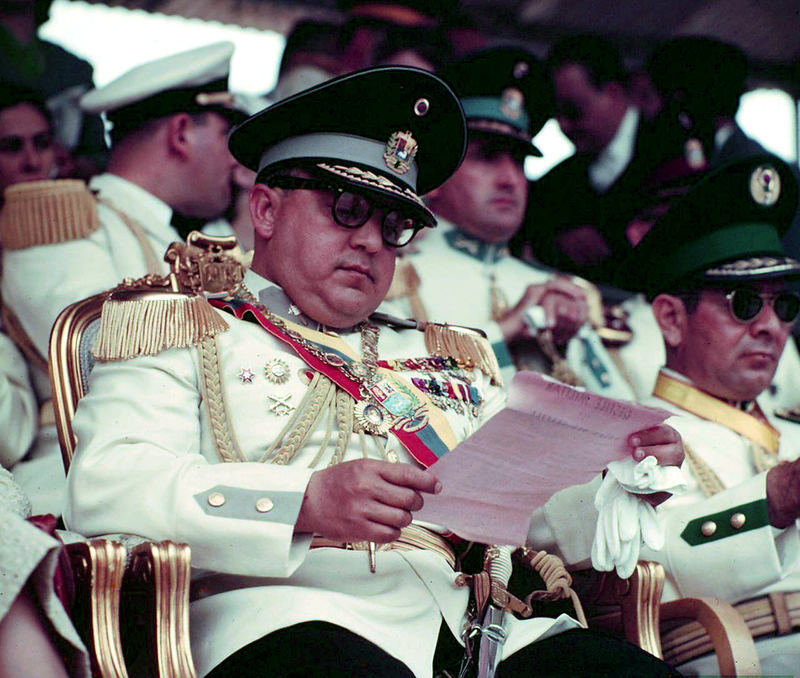
Military dictator Marcos Pérez Jiménez controlled the country. He had taken power in a coup in 1948 and ran a tight, authoritarian government. Political opponents were jailed or forced into exile, and the press operated under strict government control.
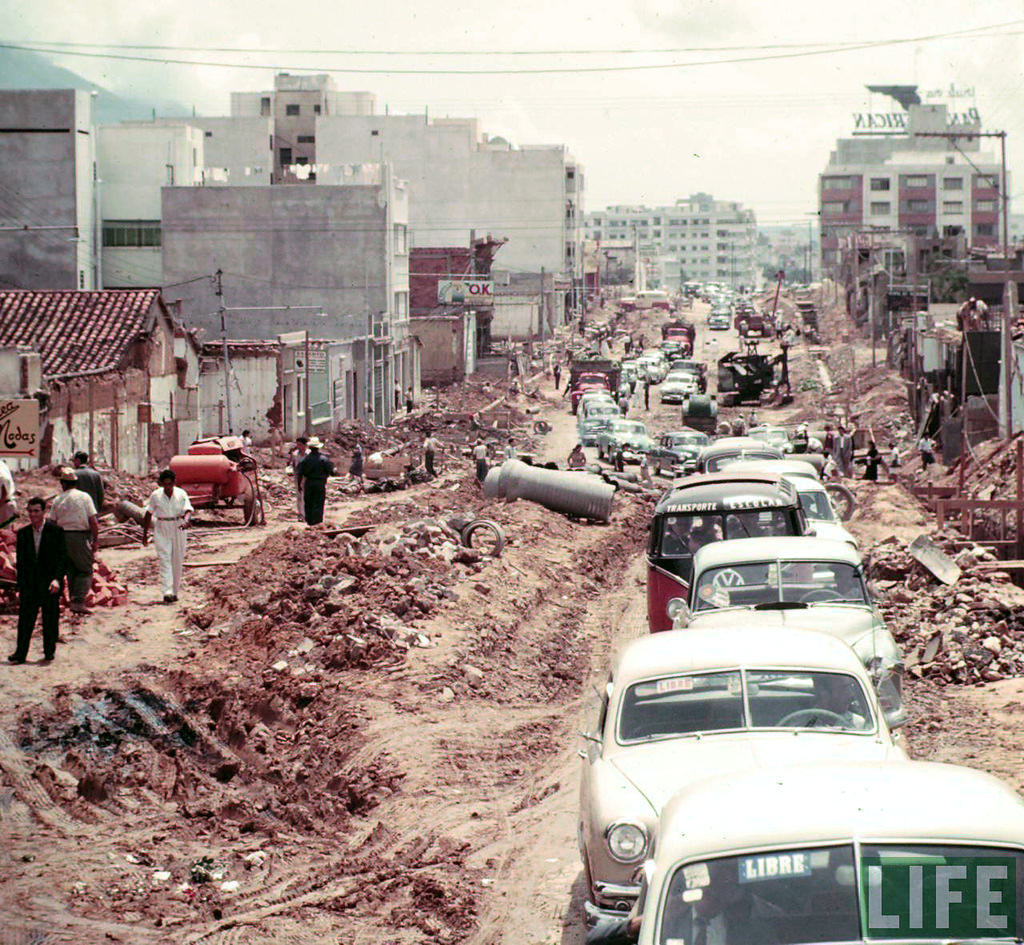
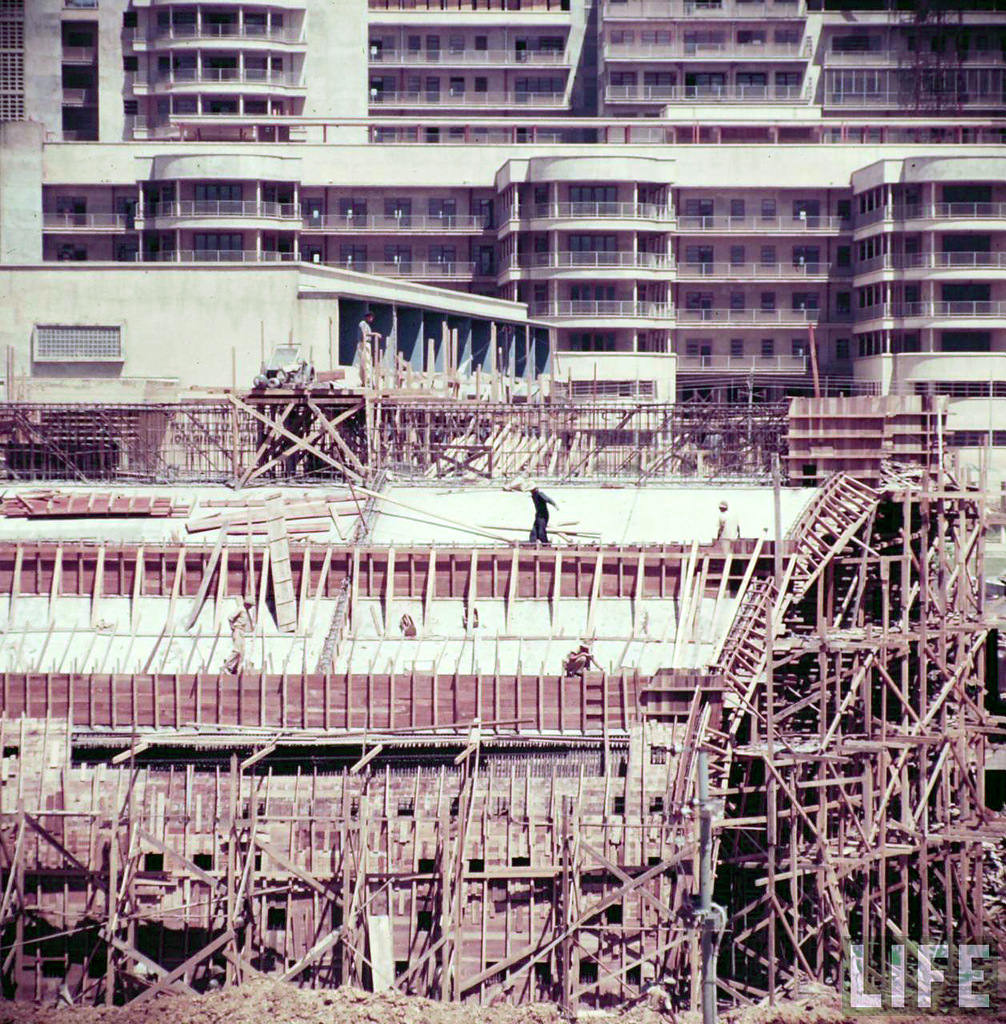
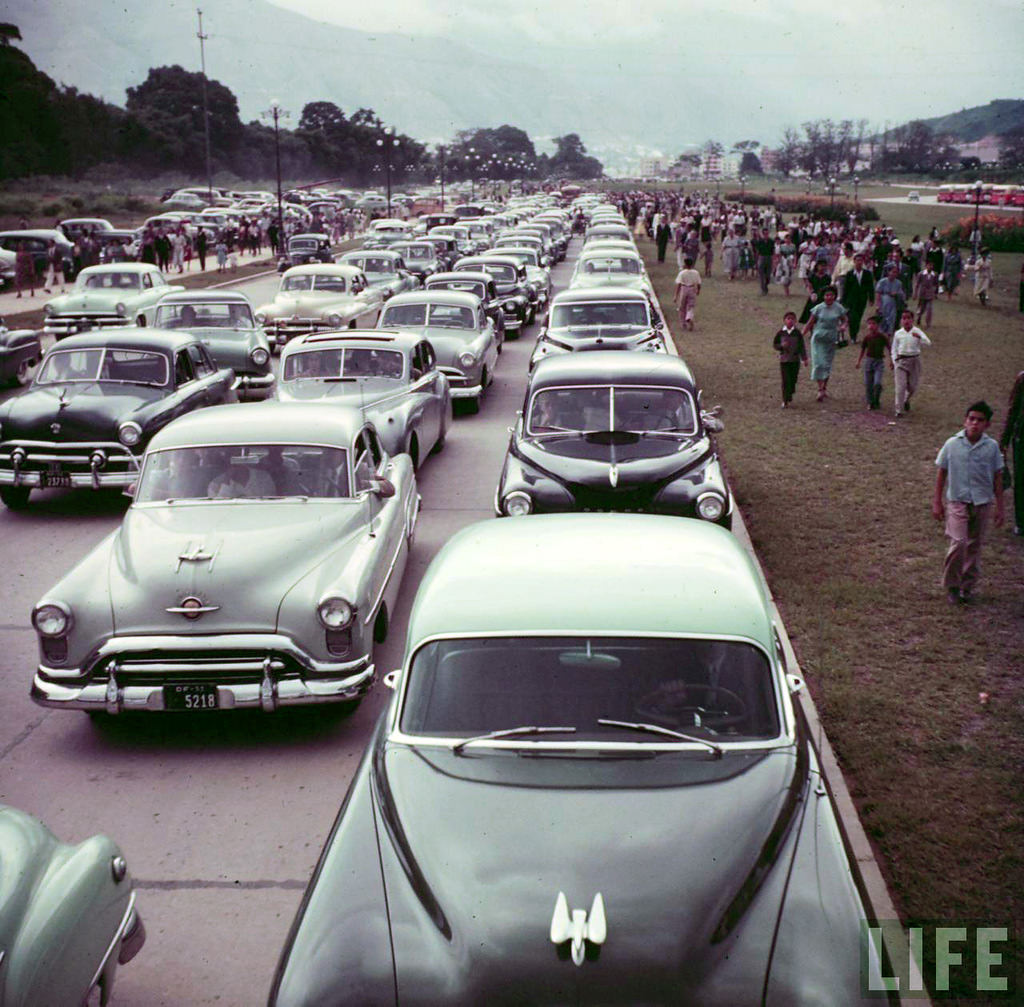
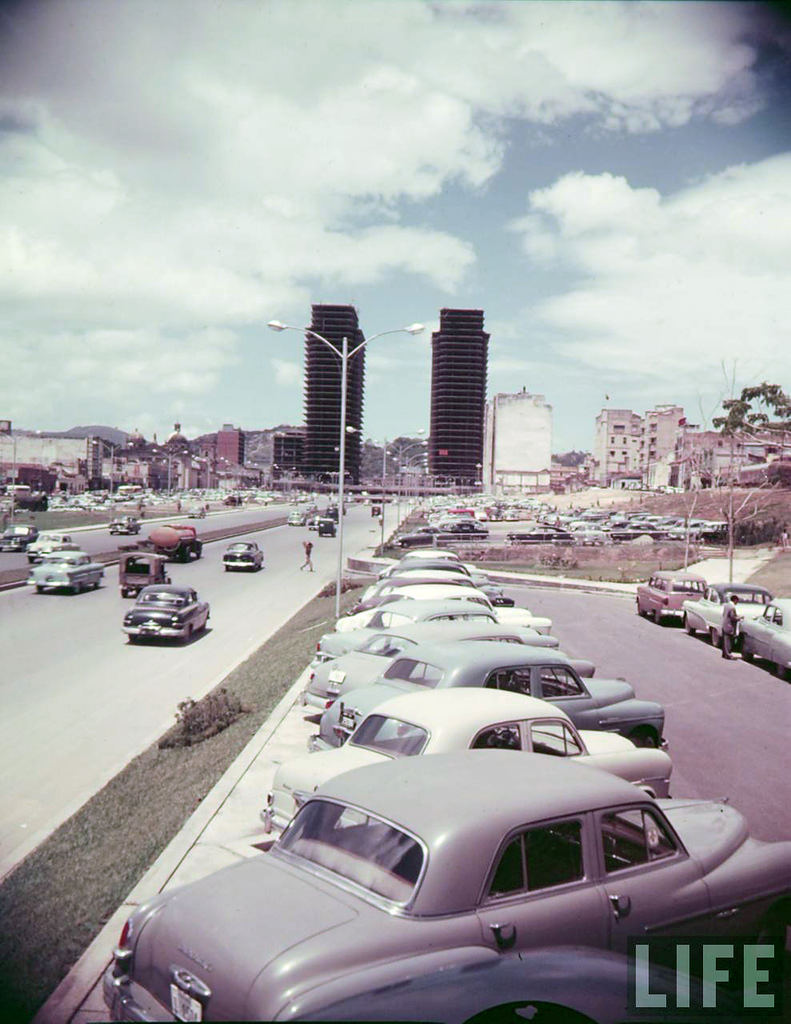
Oil revenue poured into massive construction projects. New highways cut across the landscape, and modern buildings rose in Caracas. The capital’s skyline was filling with skyscrapers — visible proof of the country’s rapid development.
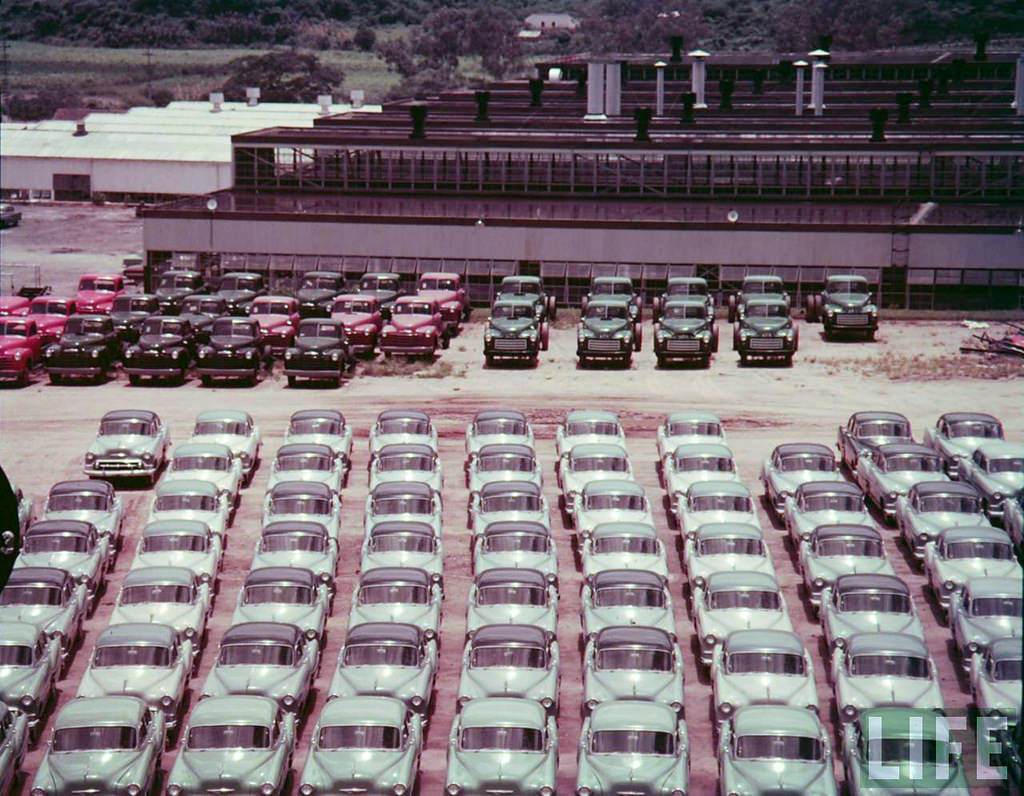
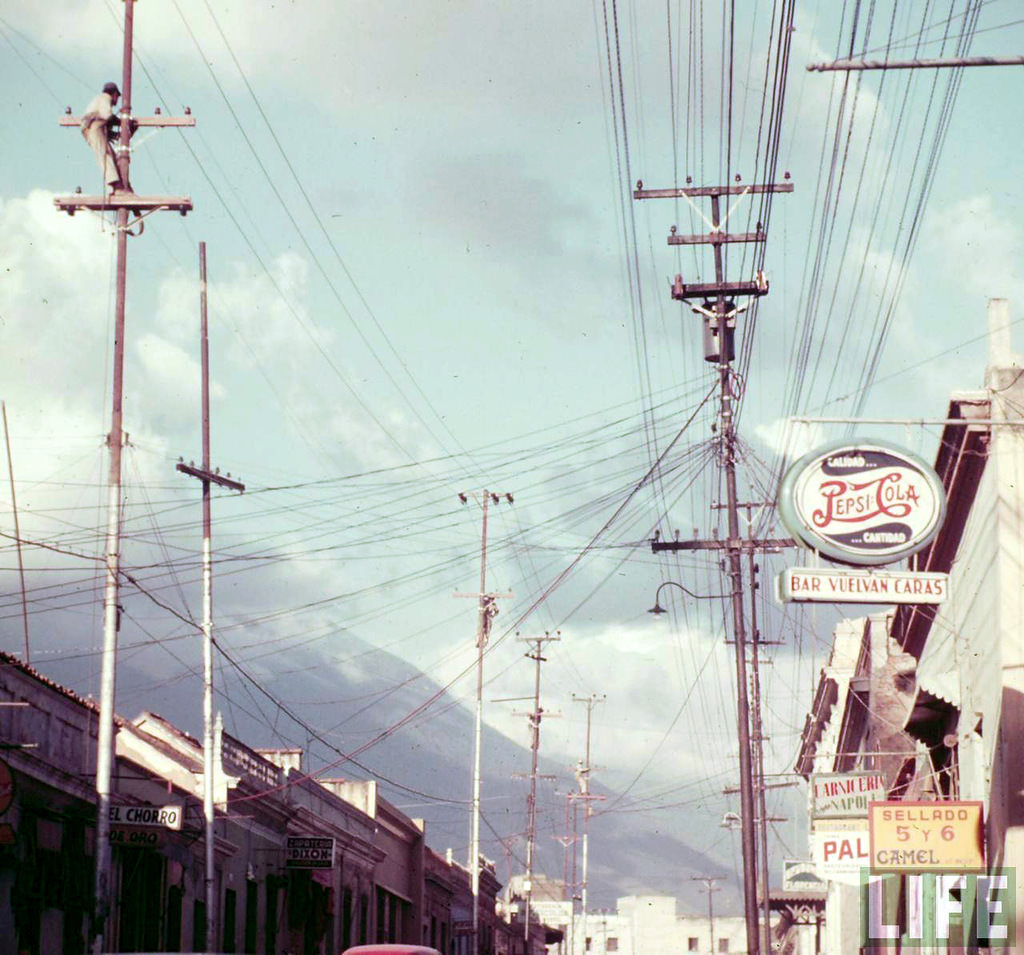
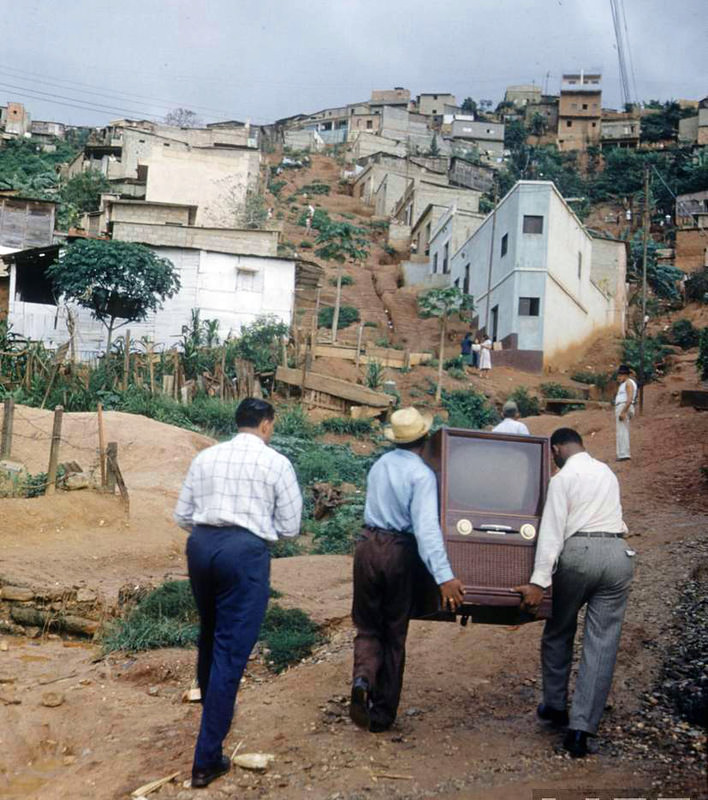
People poured in from rural areas looking for work in the cities. New neighborhoods grew quickly around urban centers to house the rising population. Caracas expanded in ways that would have been hard to predict just a decade earlier.
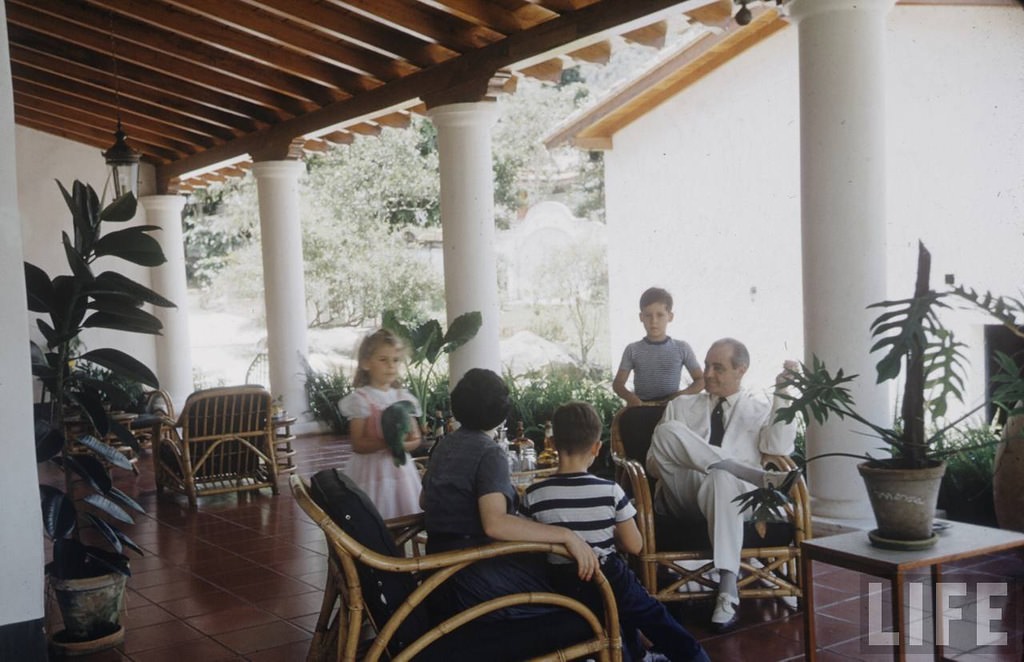
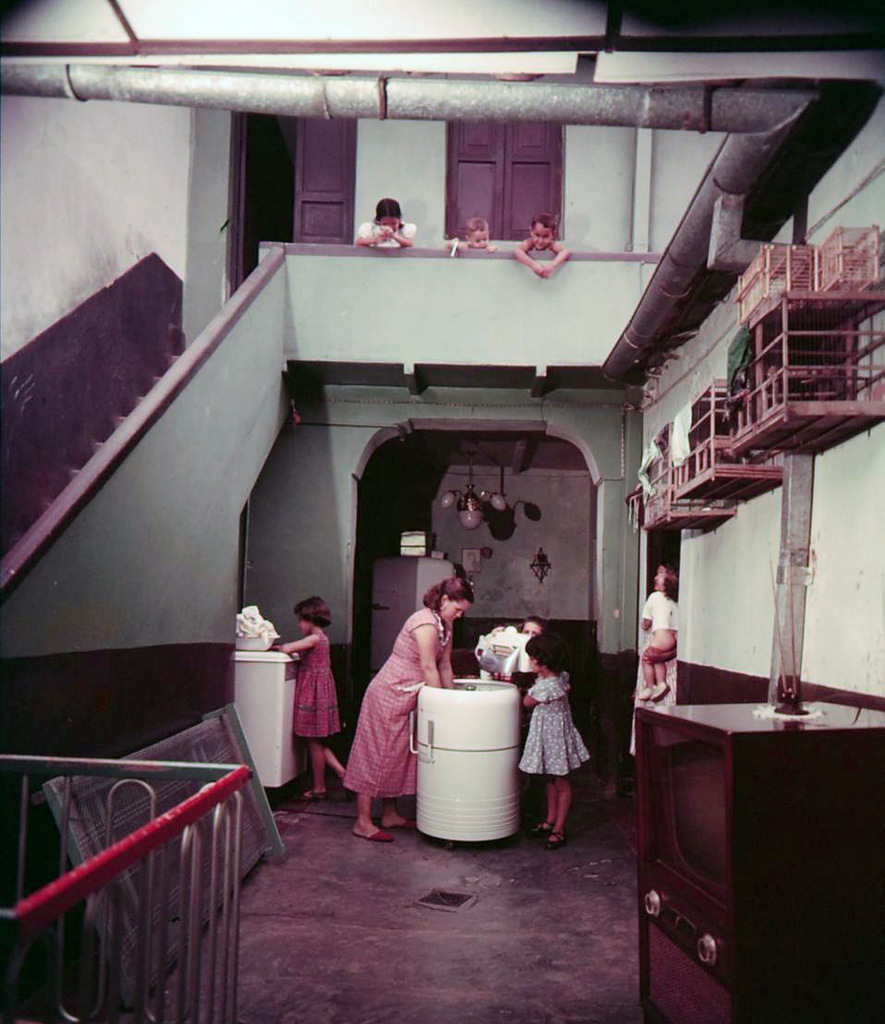
Despite the construction boom, wealth was concentrated at the top. A large gap separated the rich from the poor. Many Venezuelans lived in poverty even as oil profits climbed. The government launched social programs to ease these tensions, but the divide remained wide.
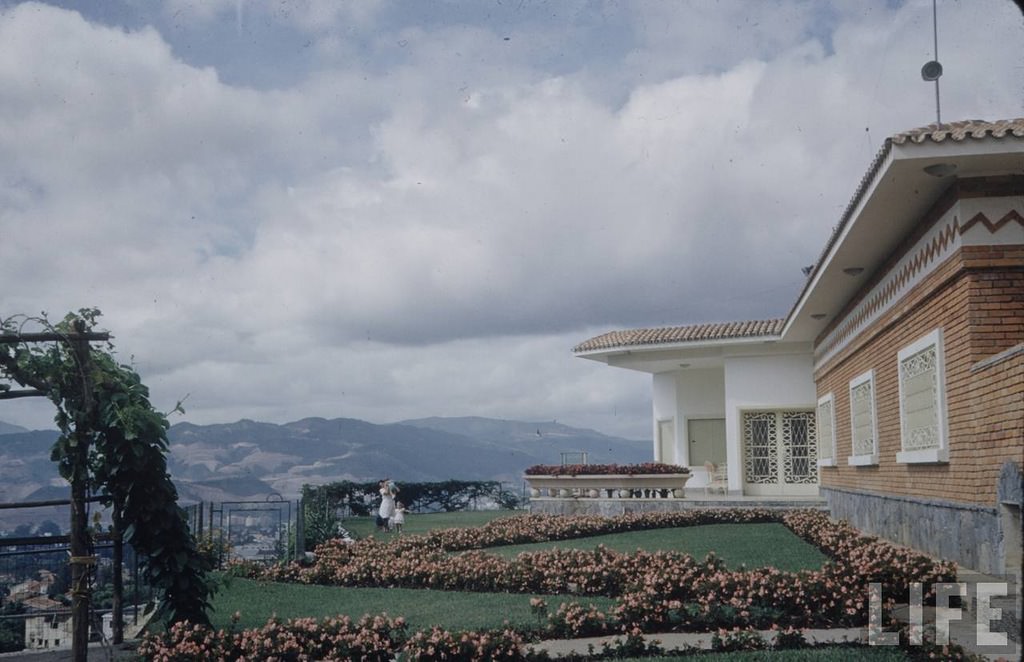
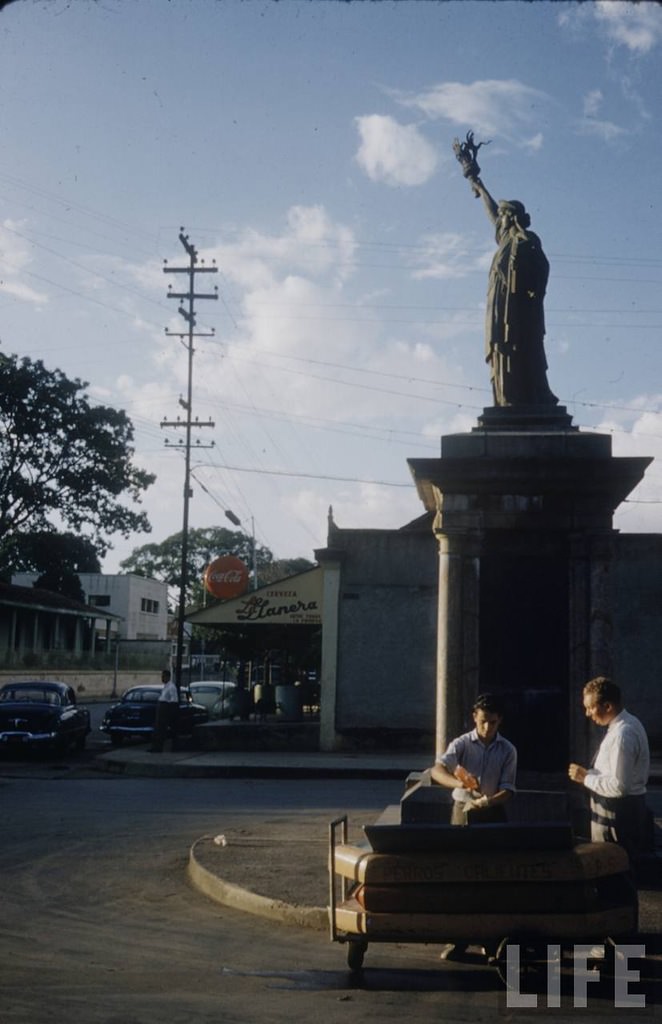
That same year, Venezuela hosted the Miss Universe pageant in Caracas. It was a carefully staged moment for the Pérez Jiménez government — a chance to present Venezuela as a modern, prosperous nation to the rest of the world.
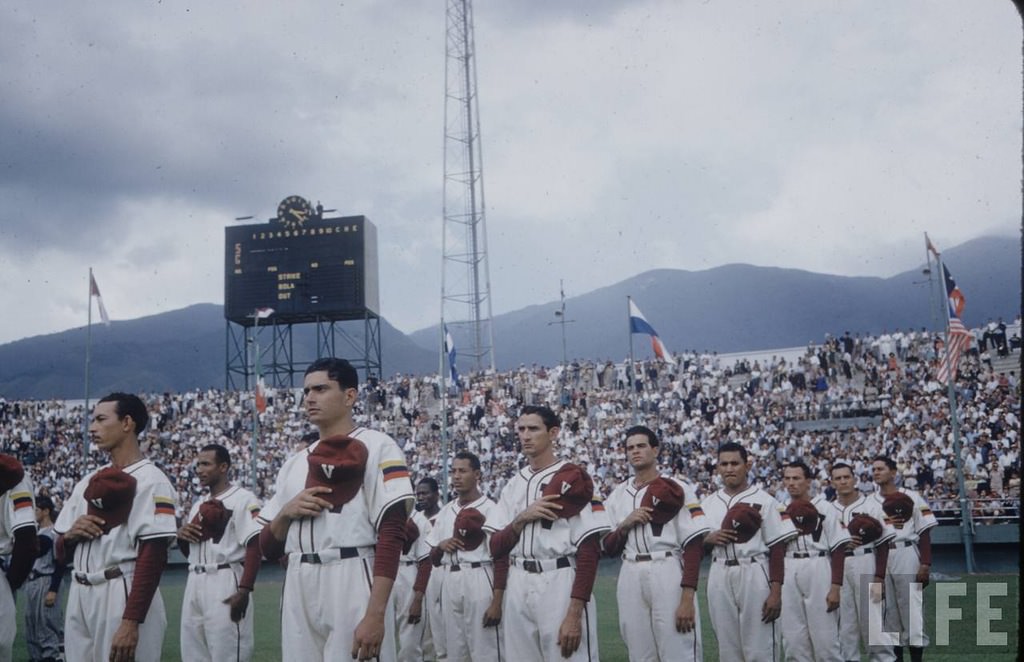
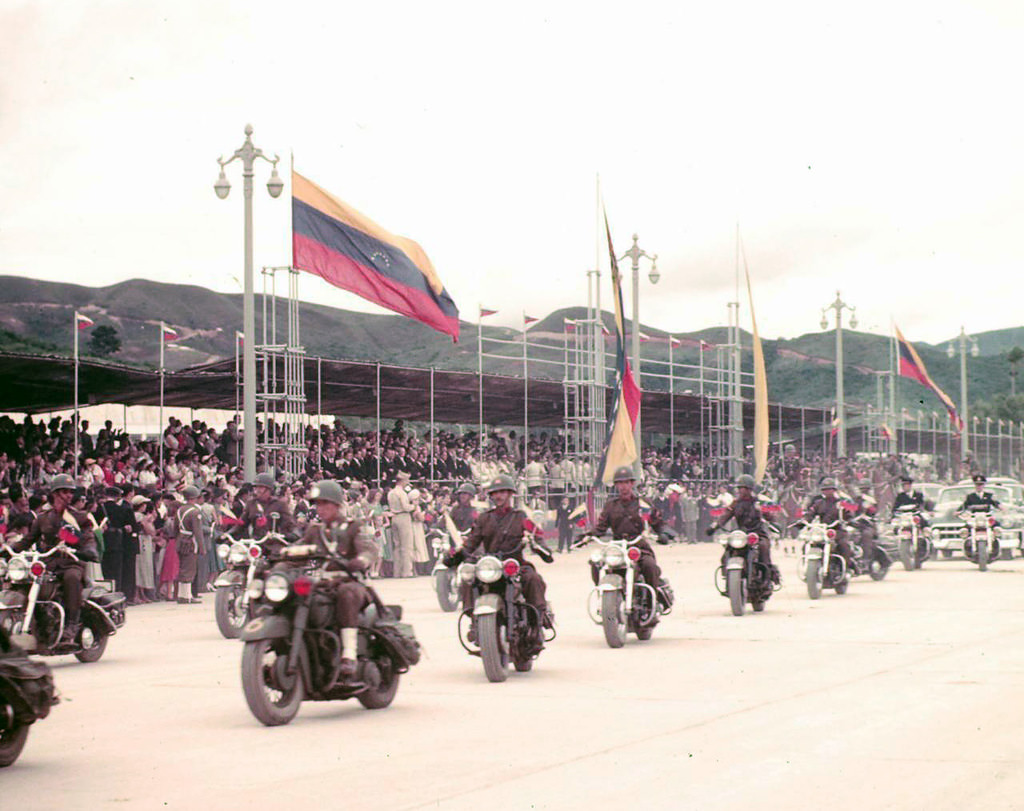
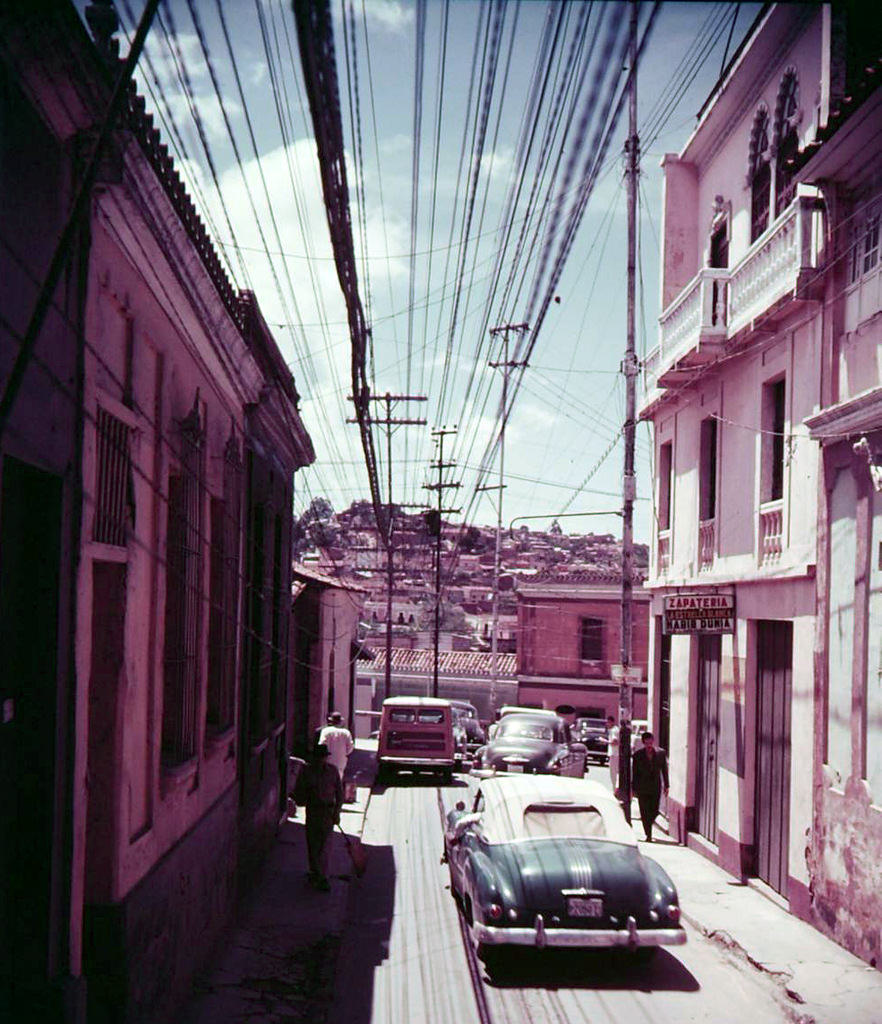
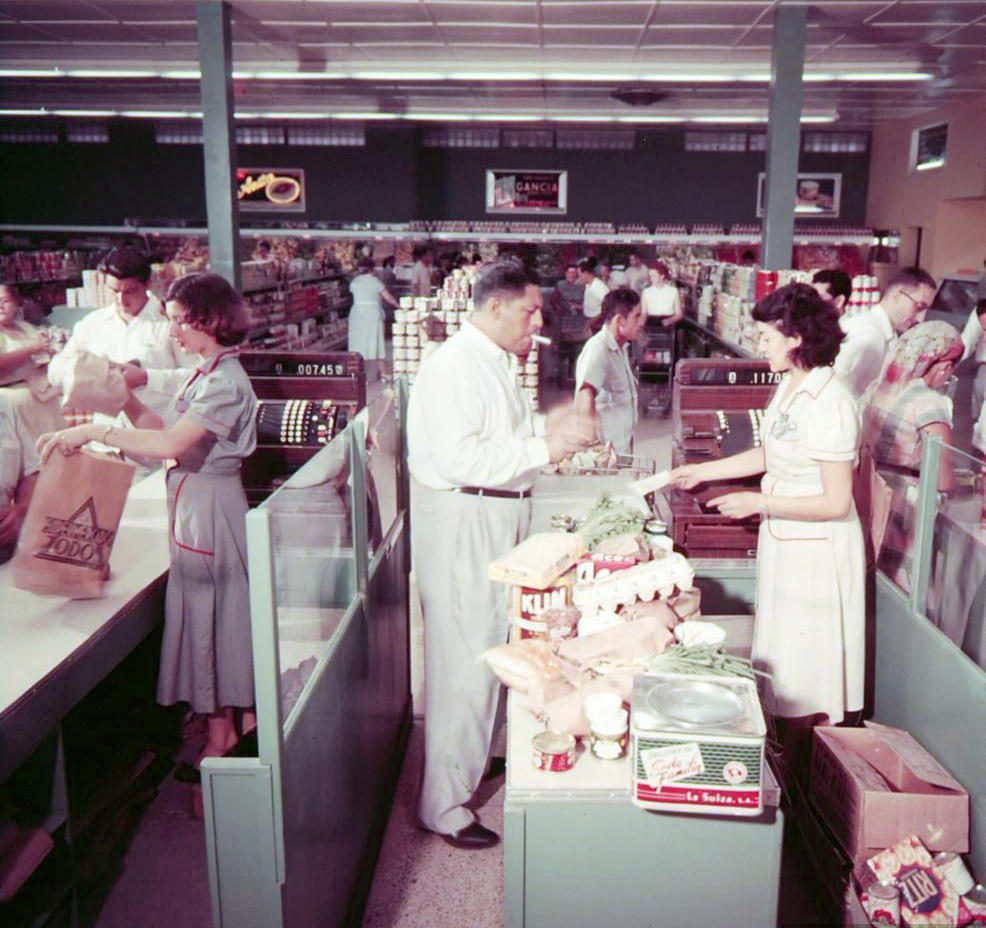
Daily life for ordinary Venezuelans mixed old and new. Street markets, traditional routines, and close community ties existed alongside the steel and concrete of a changing city.
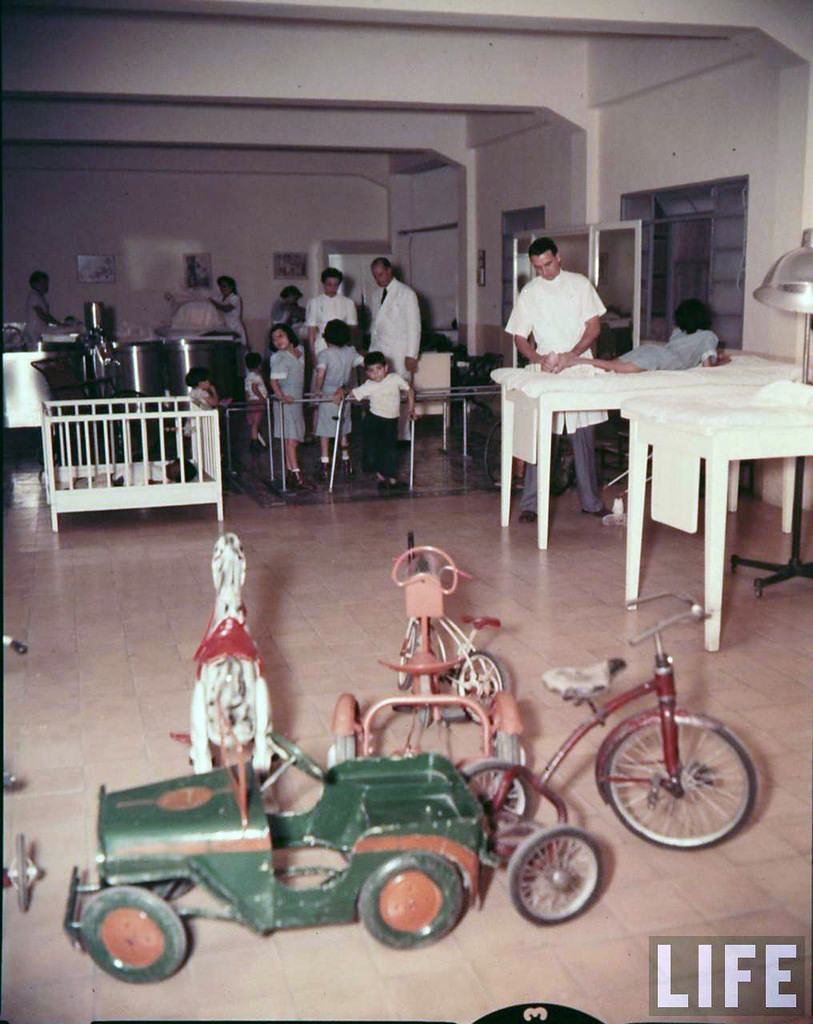
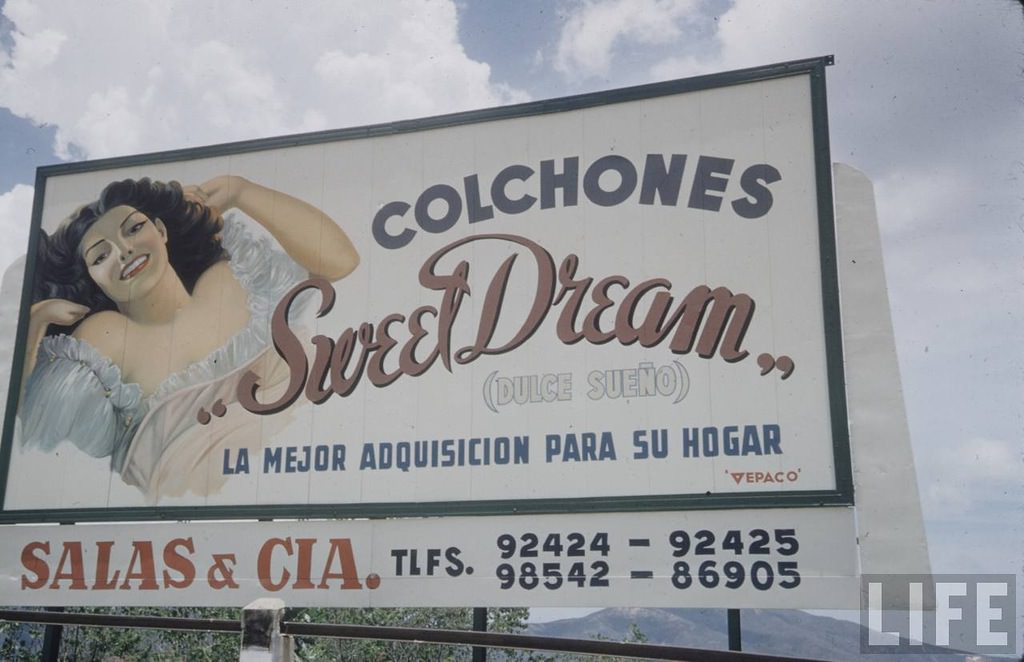
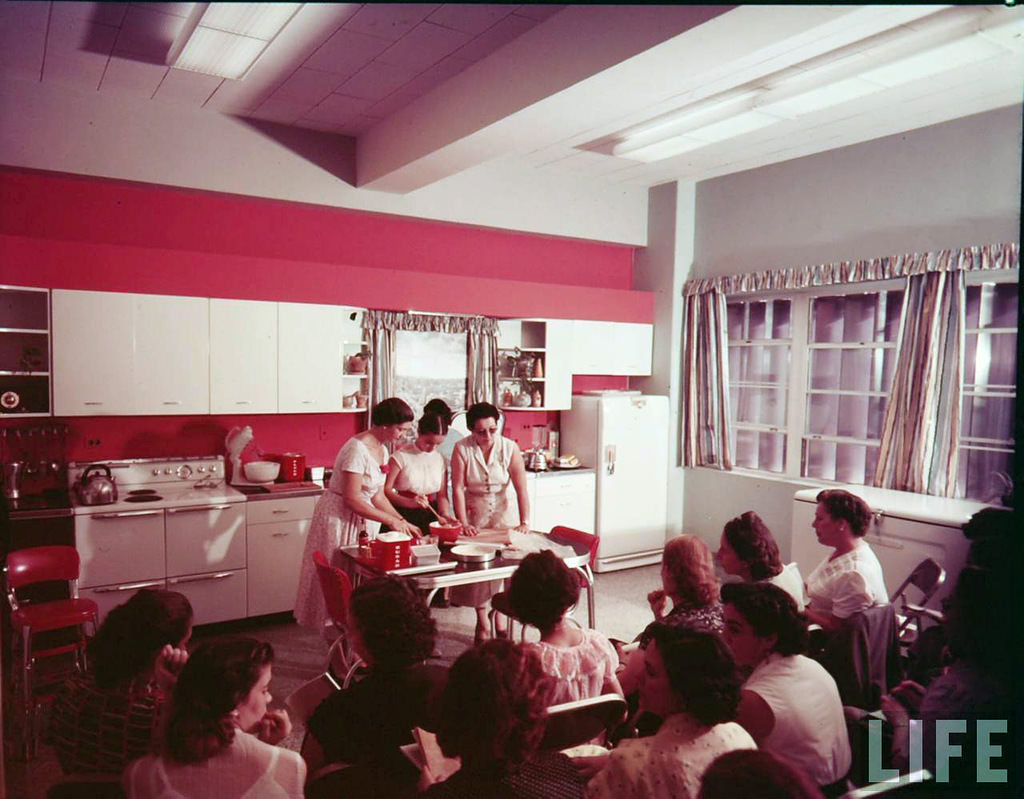
The oil industry created jobs, but it also made Venezuela heavily dependent on a single resource. That economic structure shaped how people worked and where they lived throughout the decade.
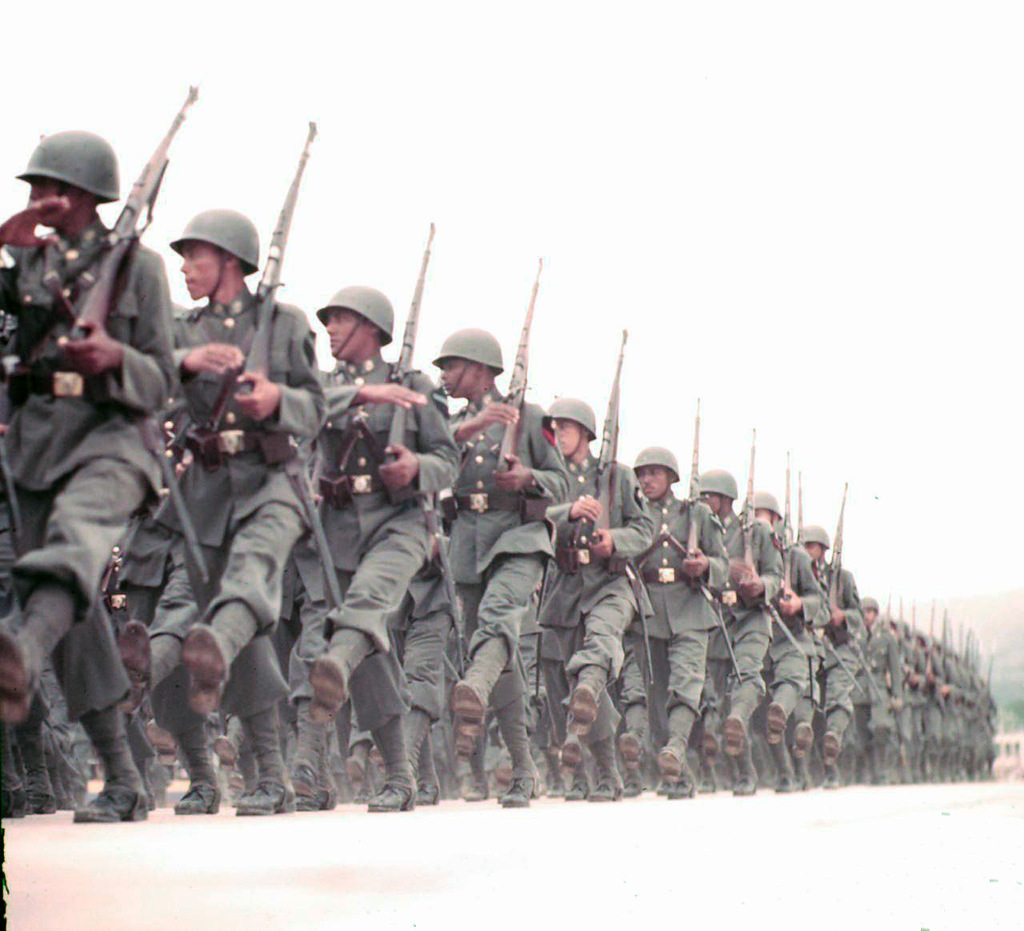
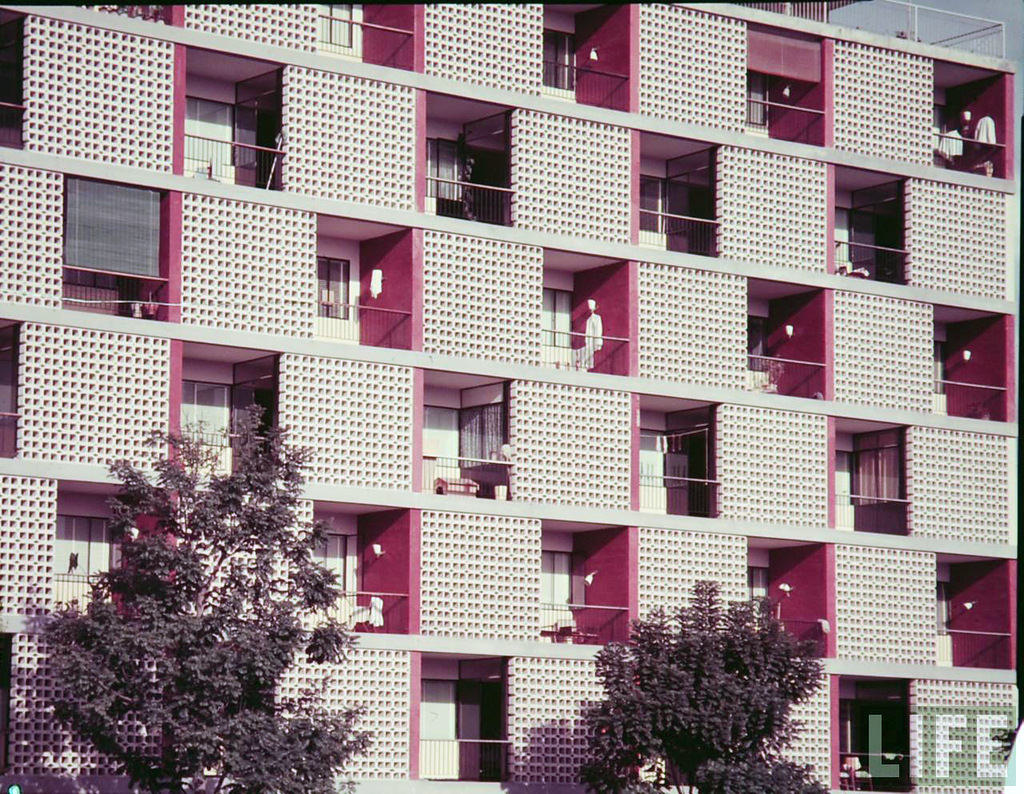
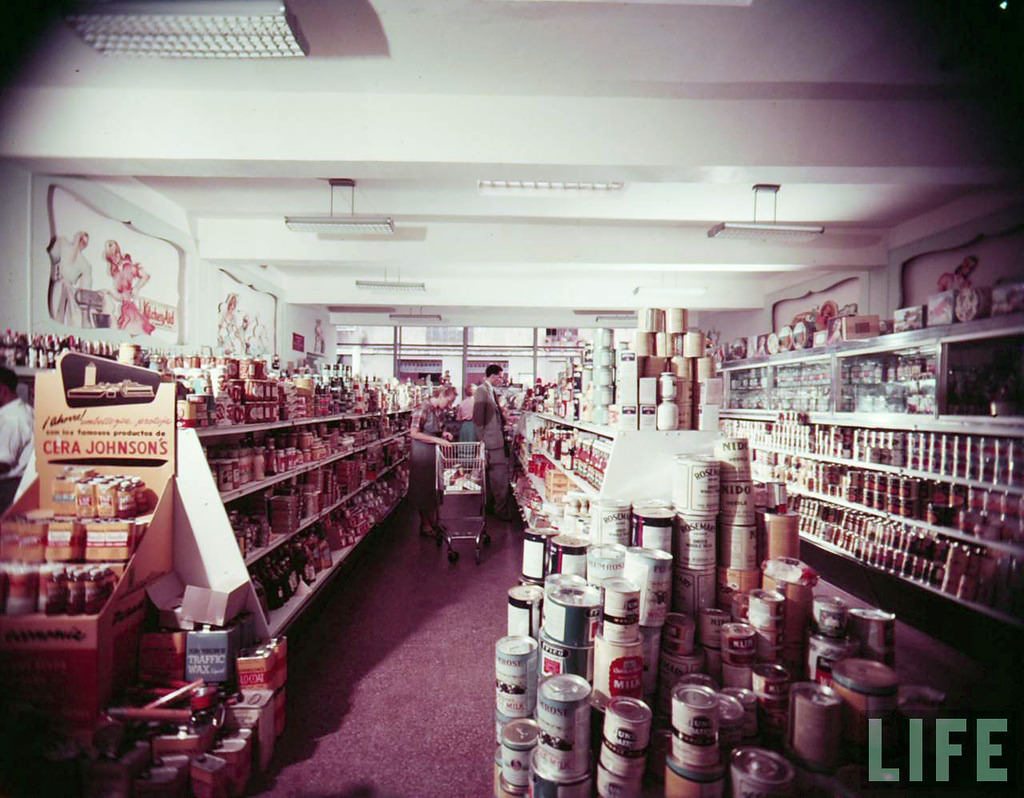
These vintage photographs capture a snapshot of Venezuela at a turning point — a country modernizing under a government that allowed economic growth while crushing political freedom.