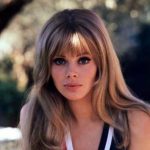
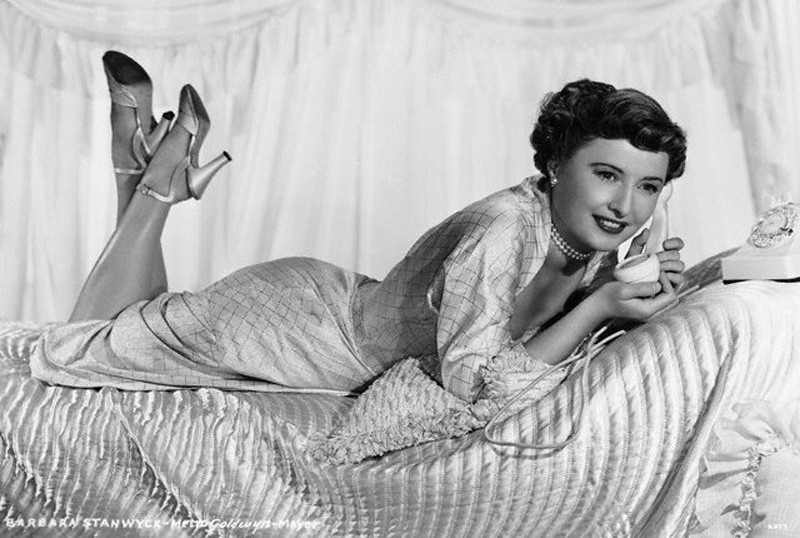
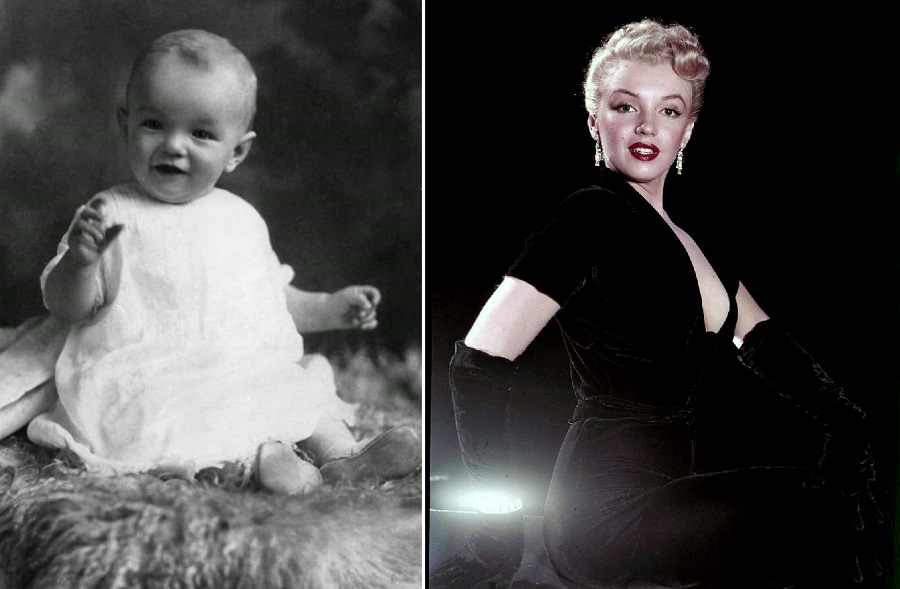
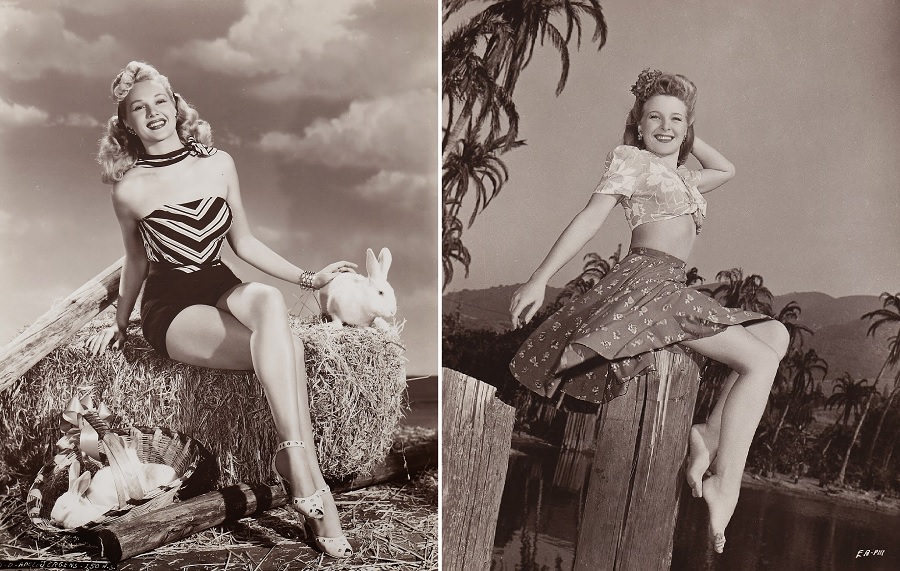
Tuesday Weld is an award-winning former actress and fashion model who rose to fame during the 1960s for her performances in films and television. Her story is one of remarkable early achievement set against a childhood marked by hardship and pressure. She began modeling and acting before most children start middle school, and by her late teens she was already a recognizable face in Hollywood.
Weld was born on August 27, 1943, in New York City. Her father died when she was still a young child, leaving the family in a difficult financial position. With her mother unable to support the household alone, Weld stepped in. She became a successful child model, appearing in advertisements and mail-order catalogs. The money she earned helped keep her family afloat.
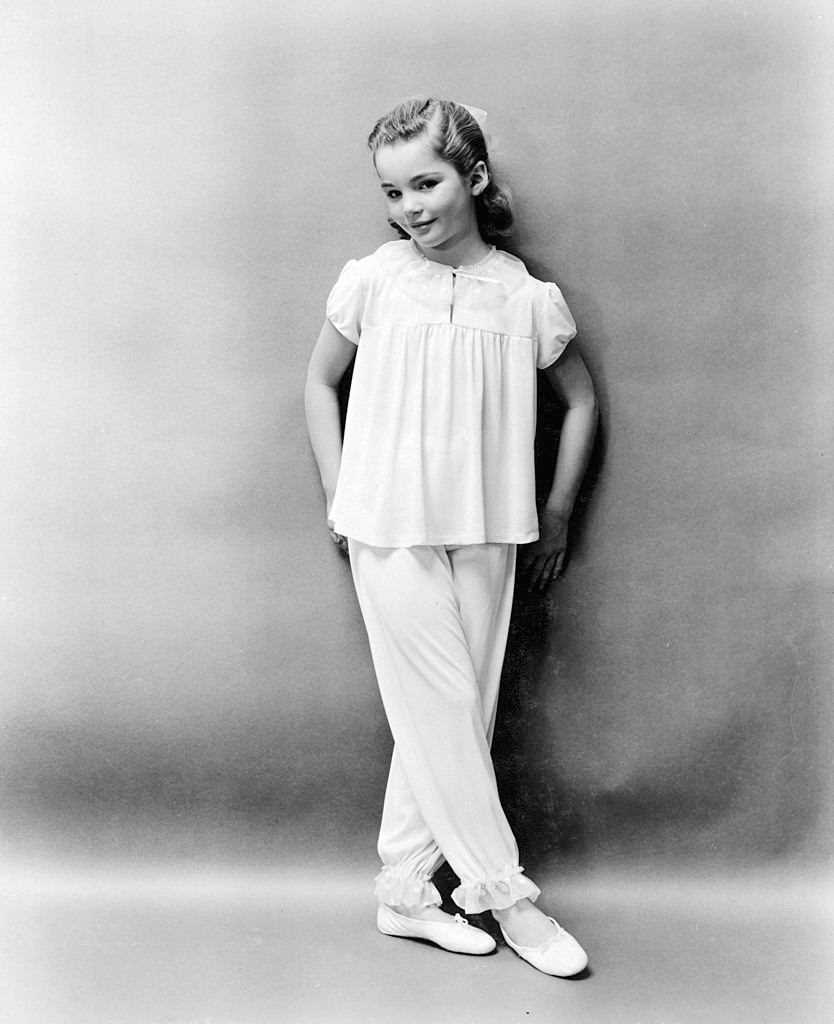
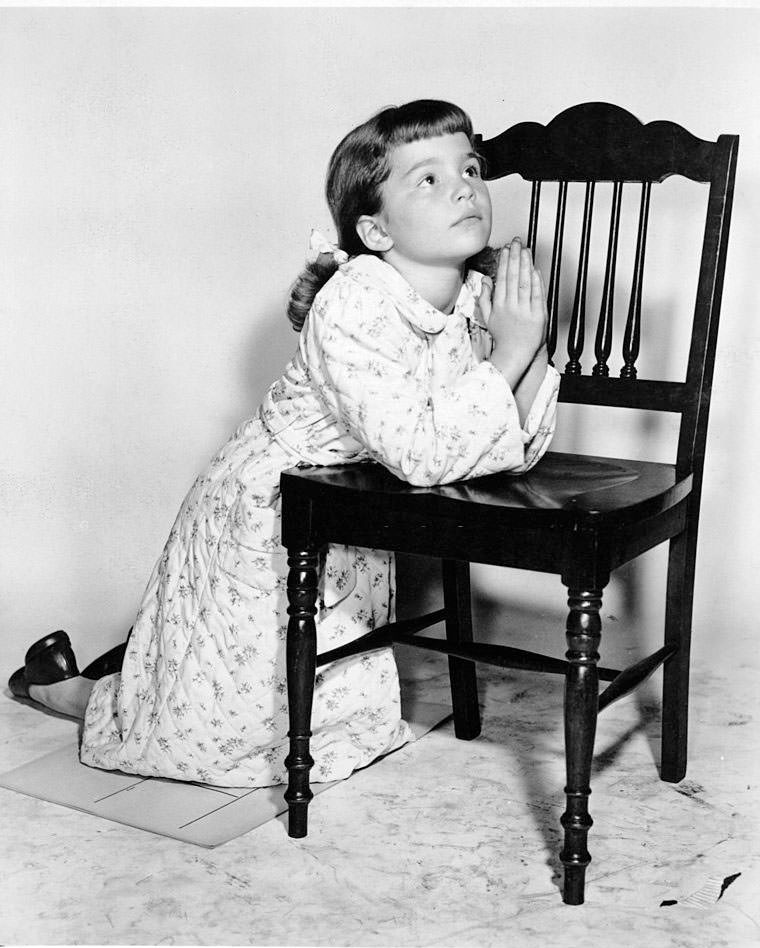
Even as a small child, Weld was already working in front of the camera. These early modeling years shaped her comfort with being photographed and laid the groundwork for the screen presence she would later develop. The pressure of being a child breadwinner, however, took a serious toll. By age nine she suffered a nervous breakdown, and by twelve she had developed alcoholism. She also attempted suicide during this period. These were not rumored struggles — Weld spoke about them openly in later interviews.
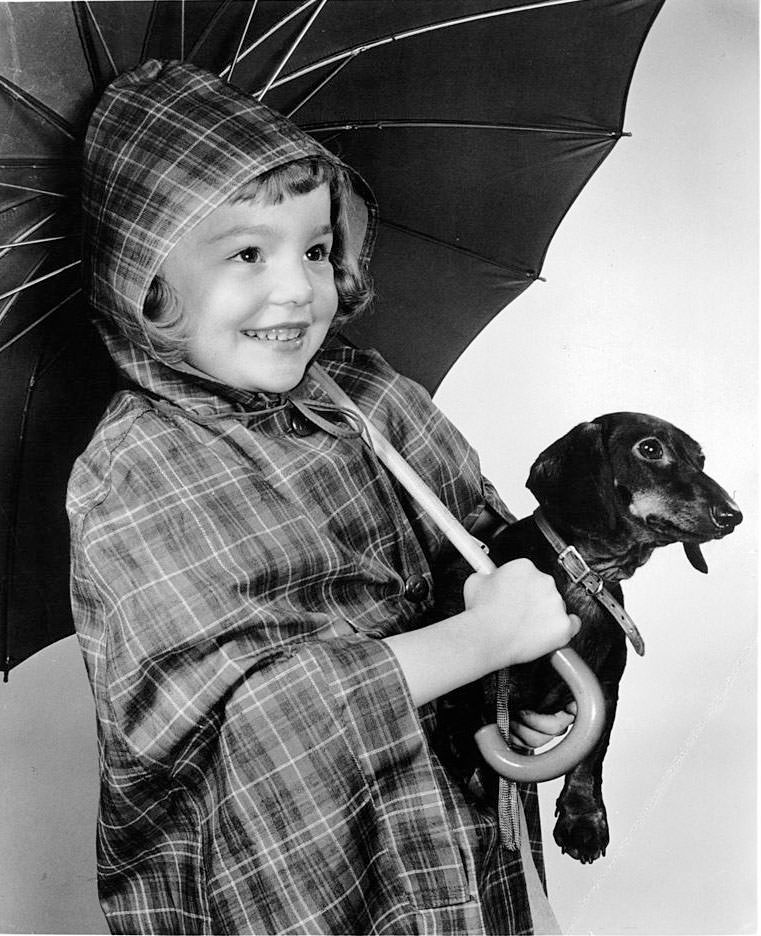
Despite the chaos of her early years, Weld continued to work. At twelve, she made her acting debut on television. That same year, 1956, she made her film debut in the crime drama ‘Rock, Rock, Rock,’ taking on the lead role. She also appeared that year in a ‘Backwoods Cinderella’ episode of the Goodyear Playhouse television anthology series. Hollywood was already taking notice.
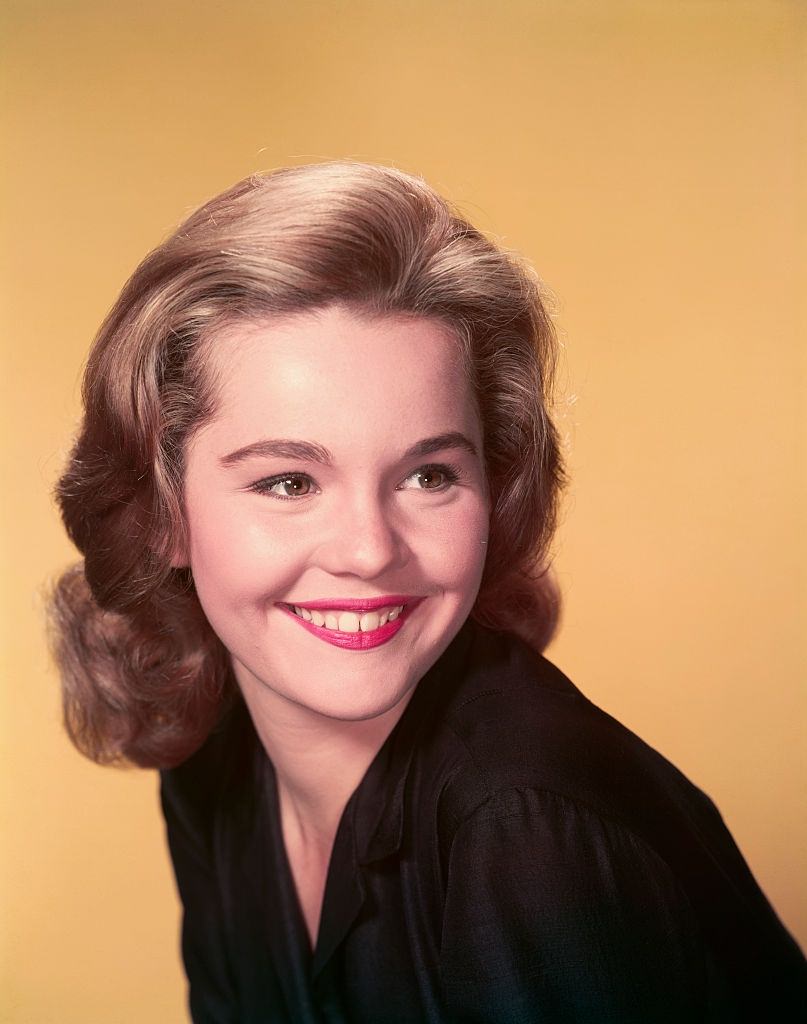
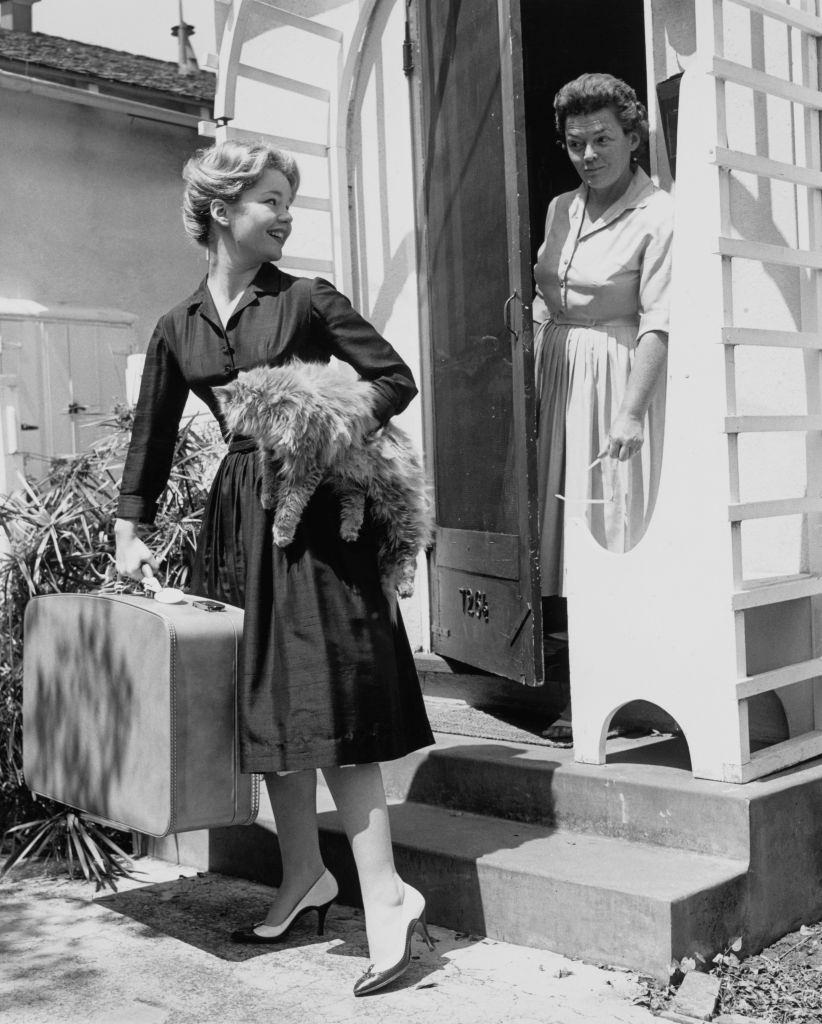
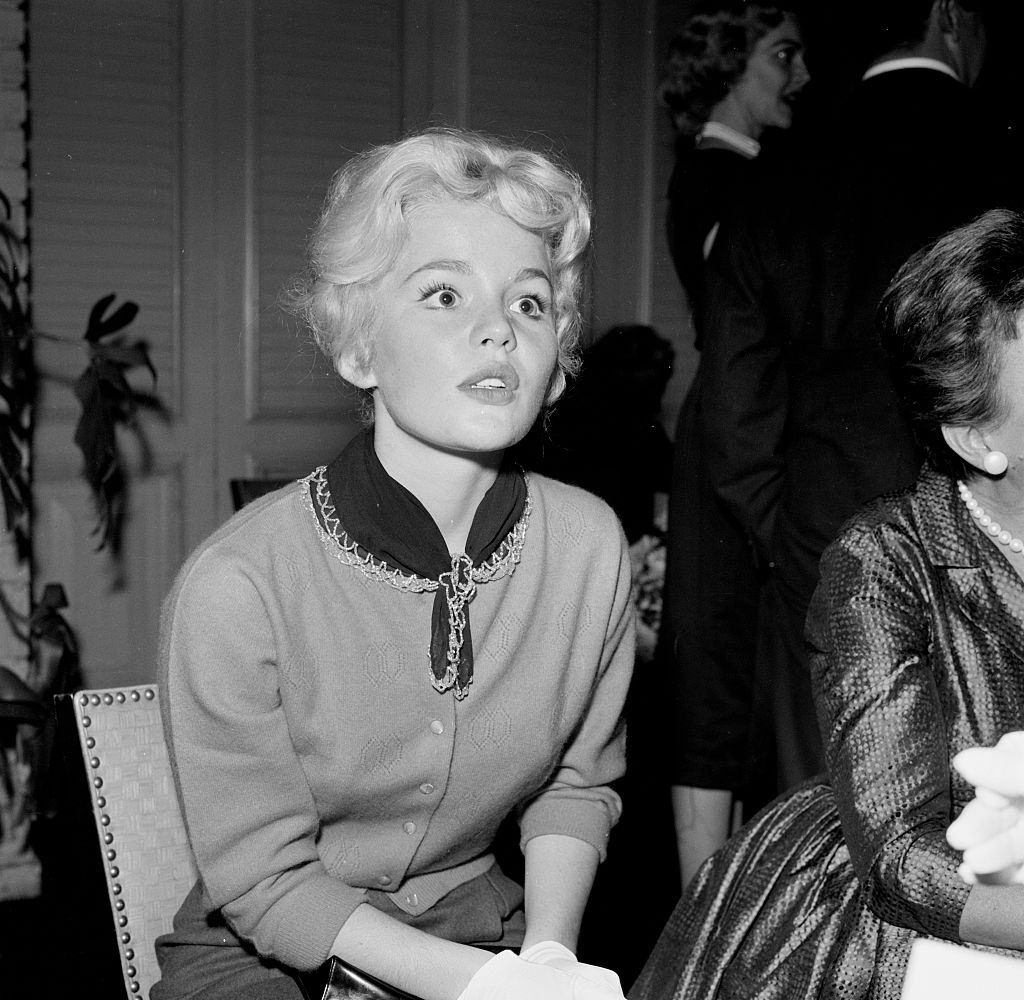
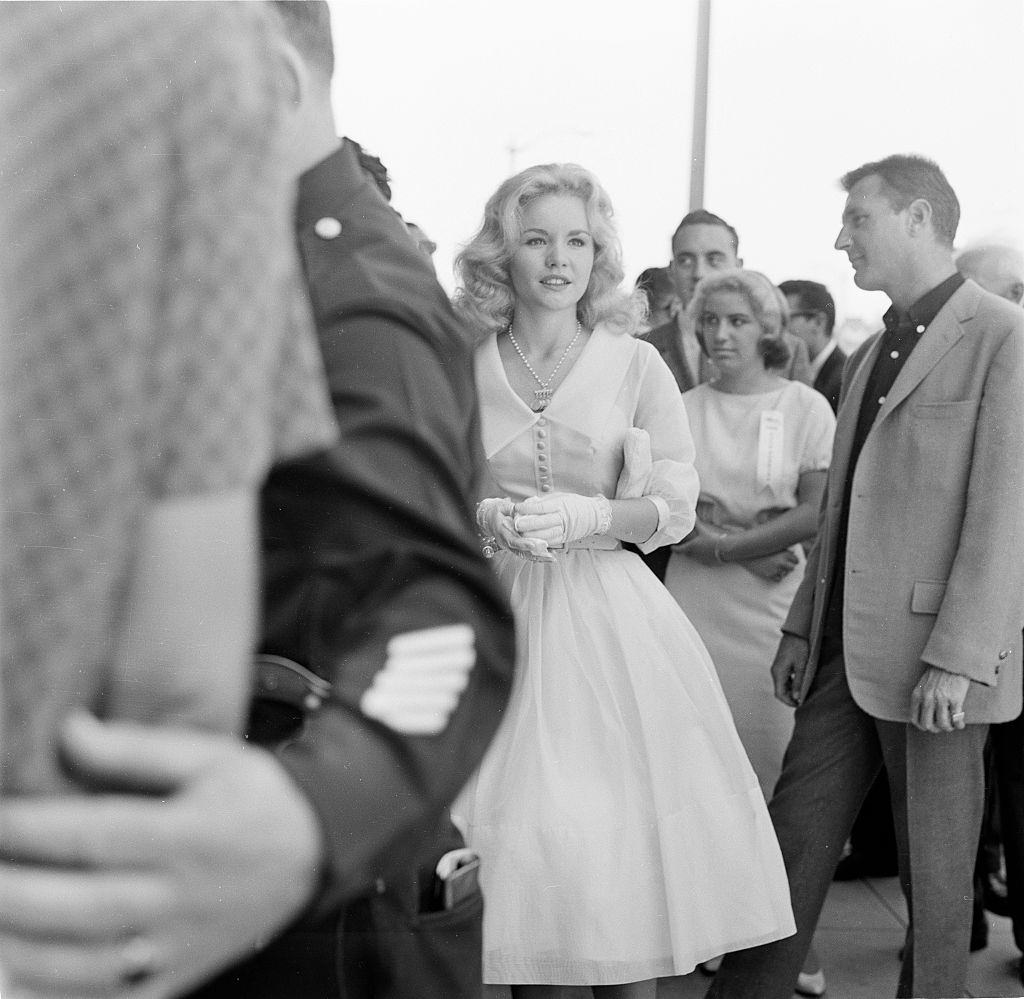
Executives at 20th Century Fox signed Weld to a long-term contract after seeing her early work. The studio placed her in the Leo McCarey-directed film ‘Rally Round the Flag, Boys!’ (1958), which gave her more exposure alongside established stars. That same year she appeared at various Hollywood events, building her public profile alongside actors who would themselves become legends.
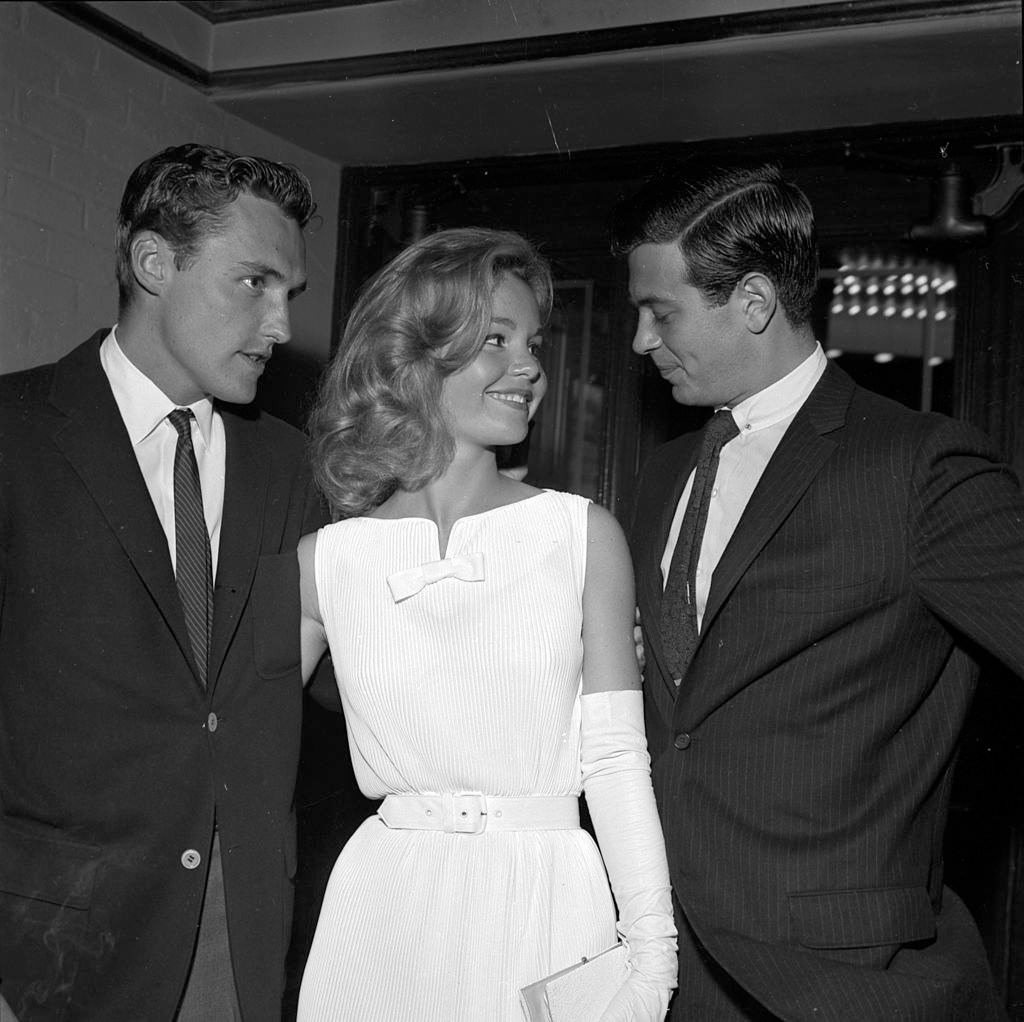
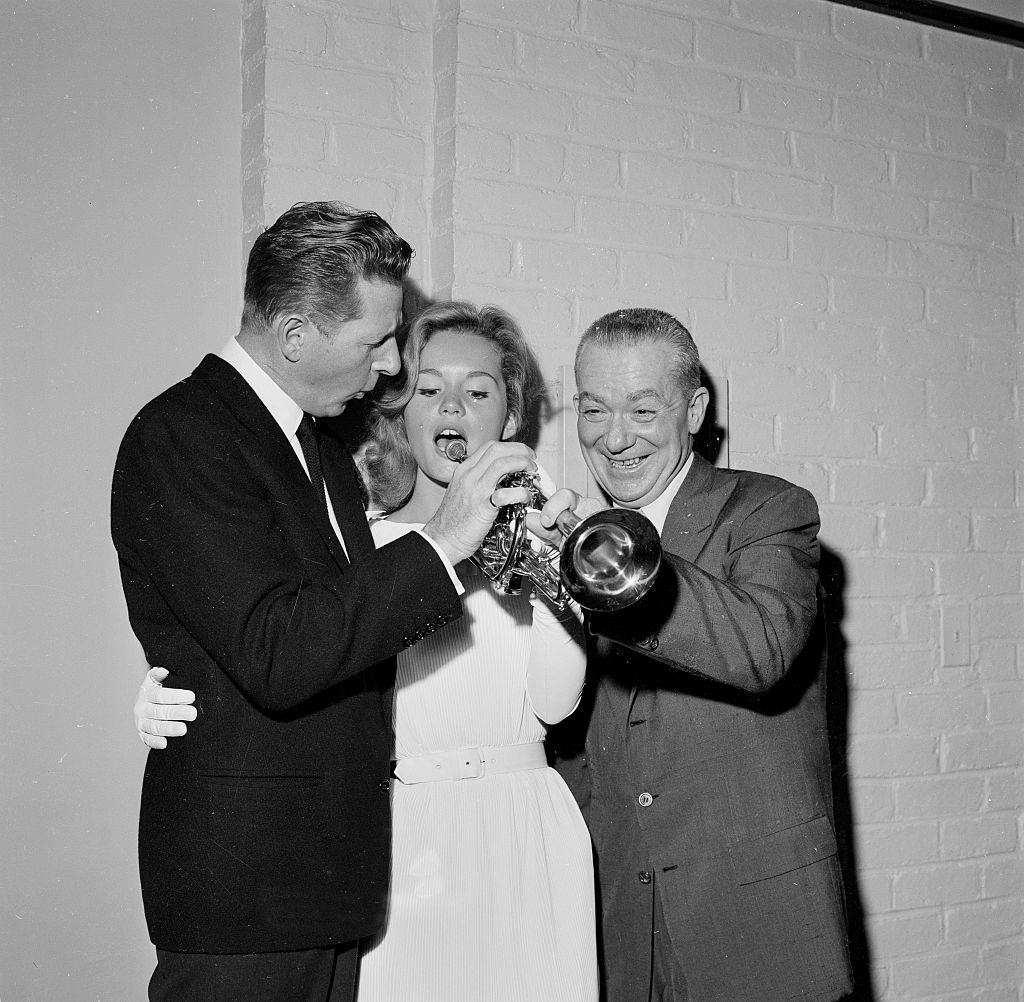
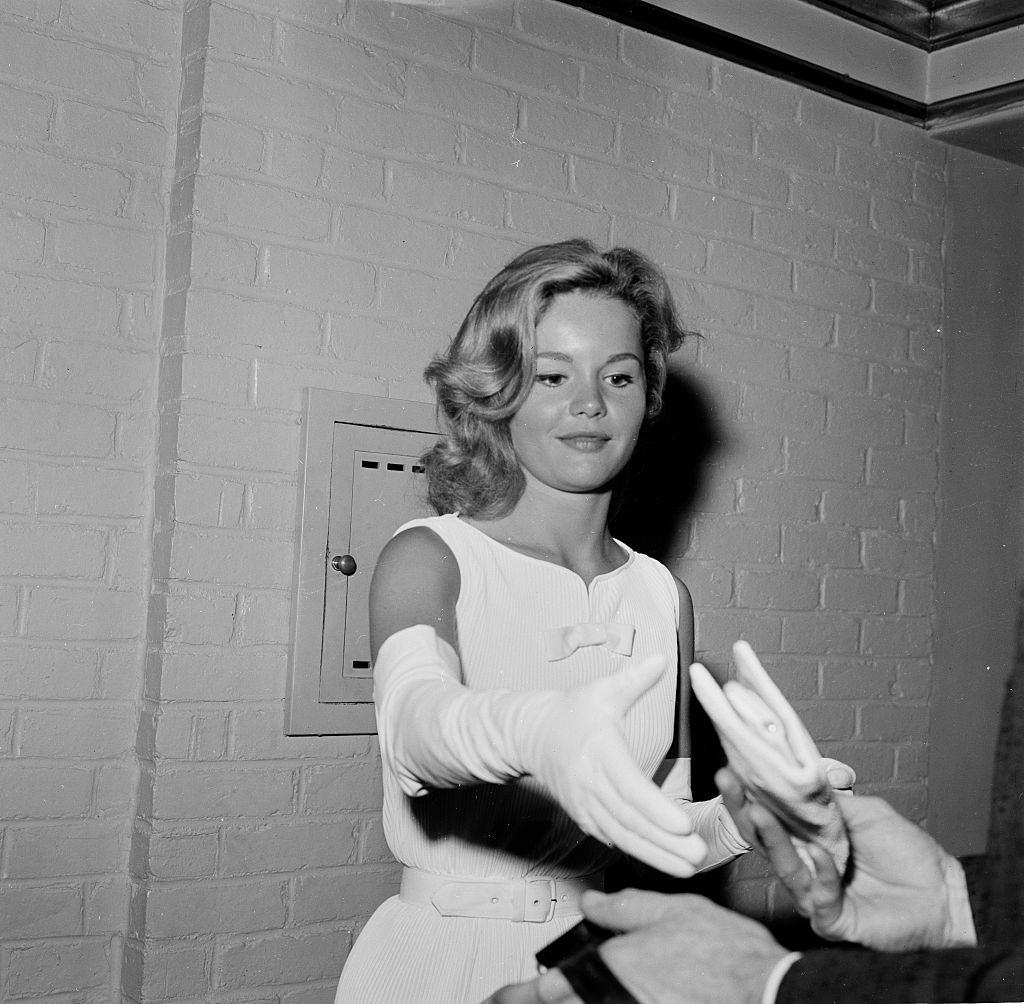
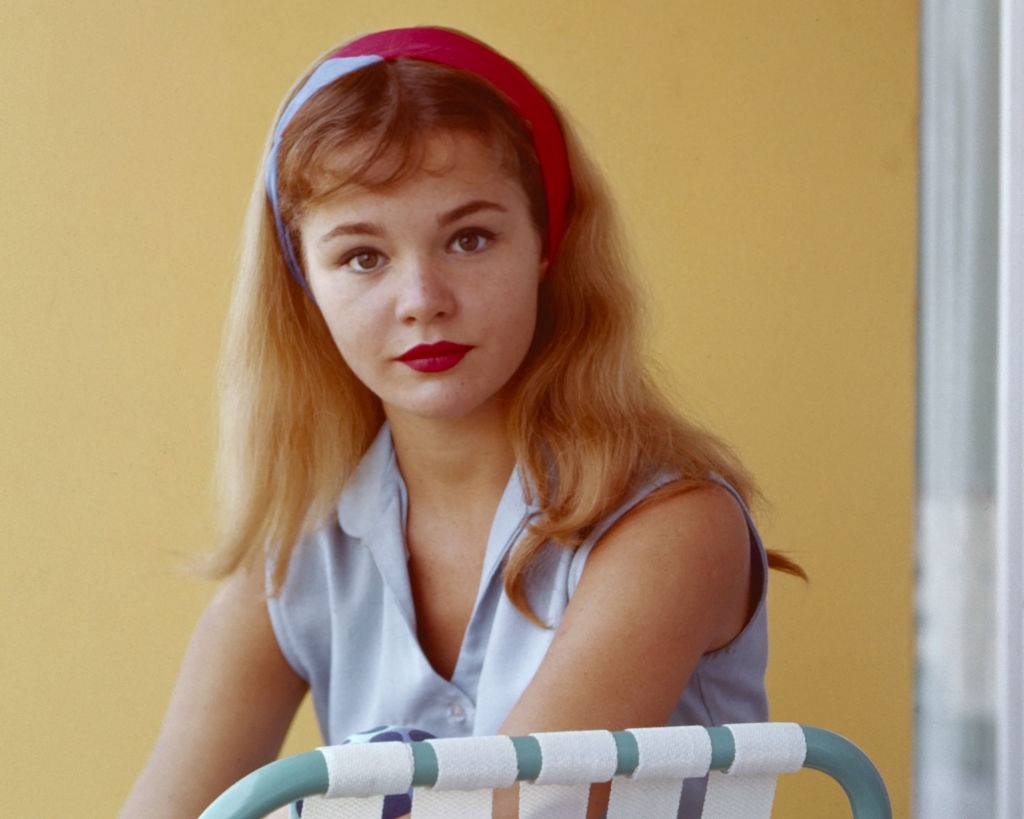
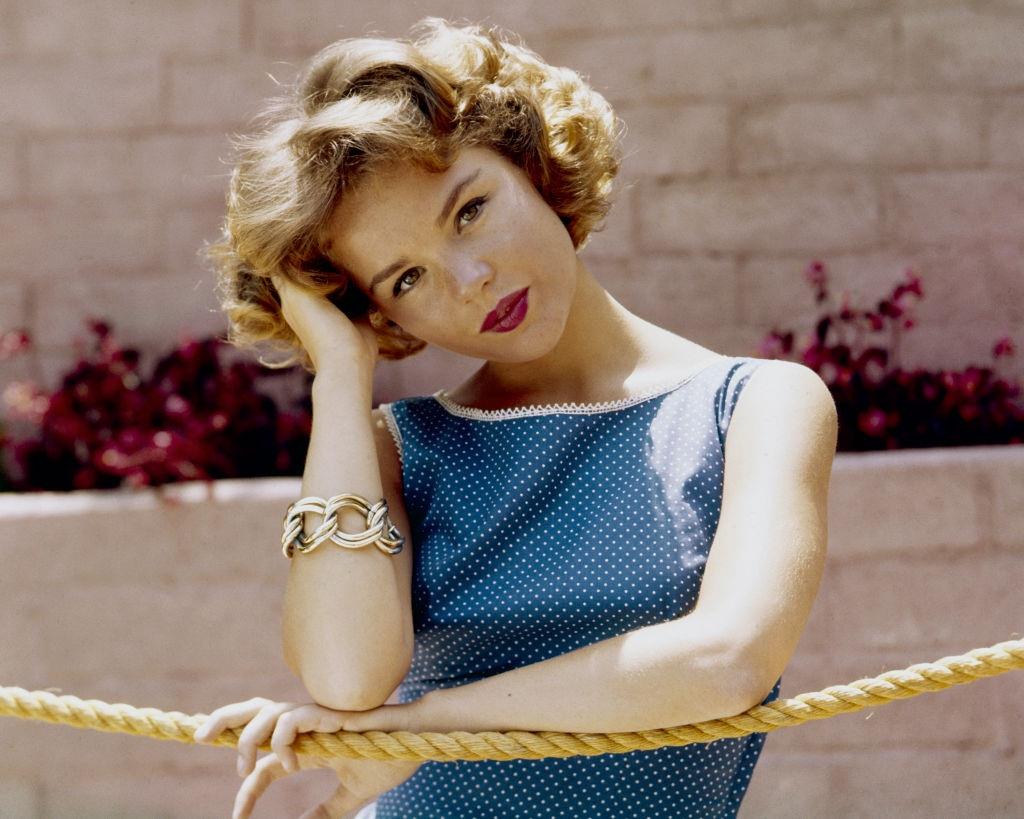
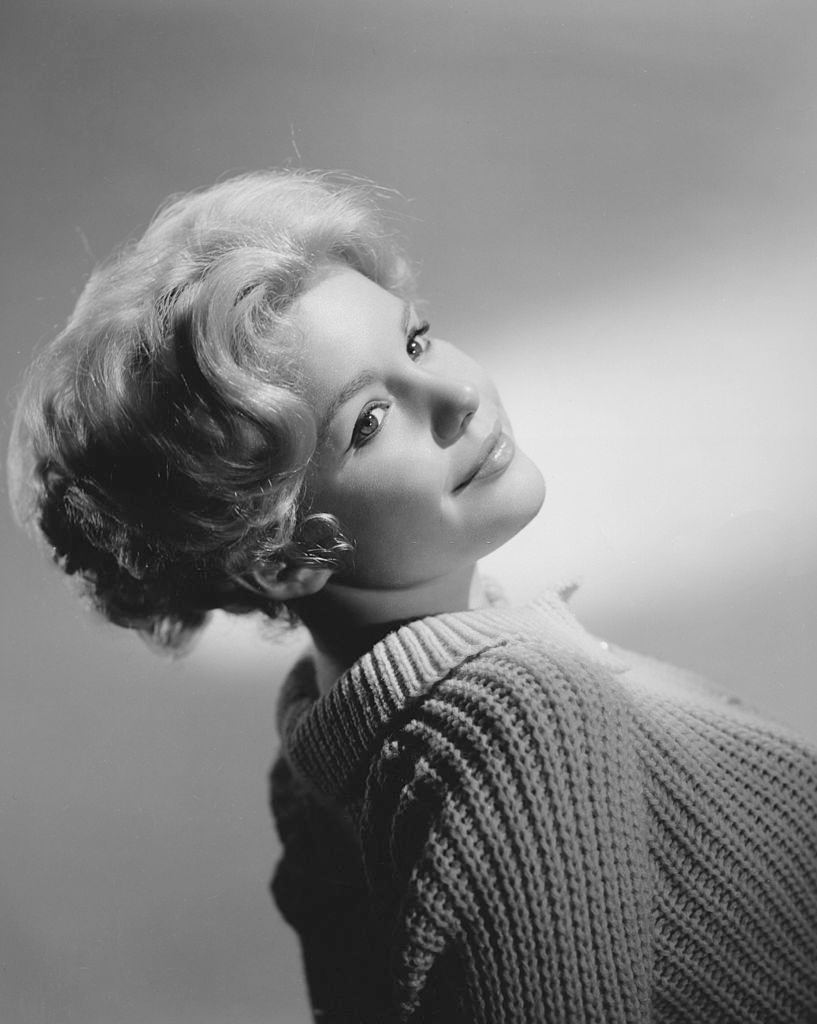
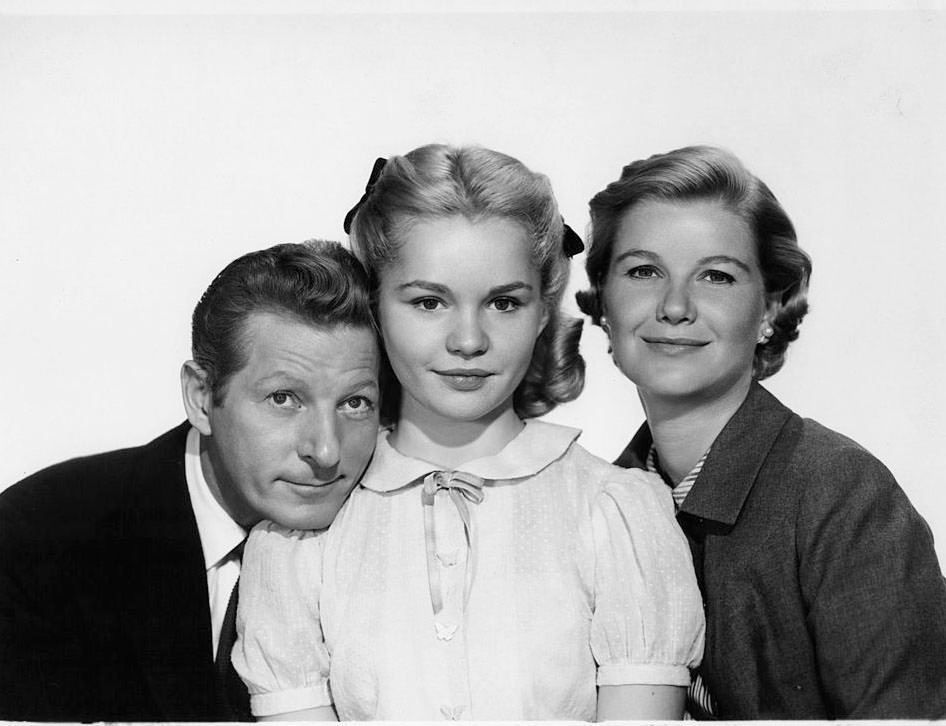
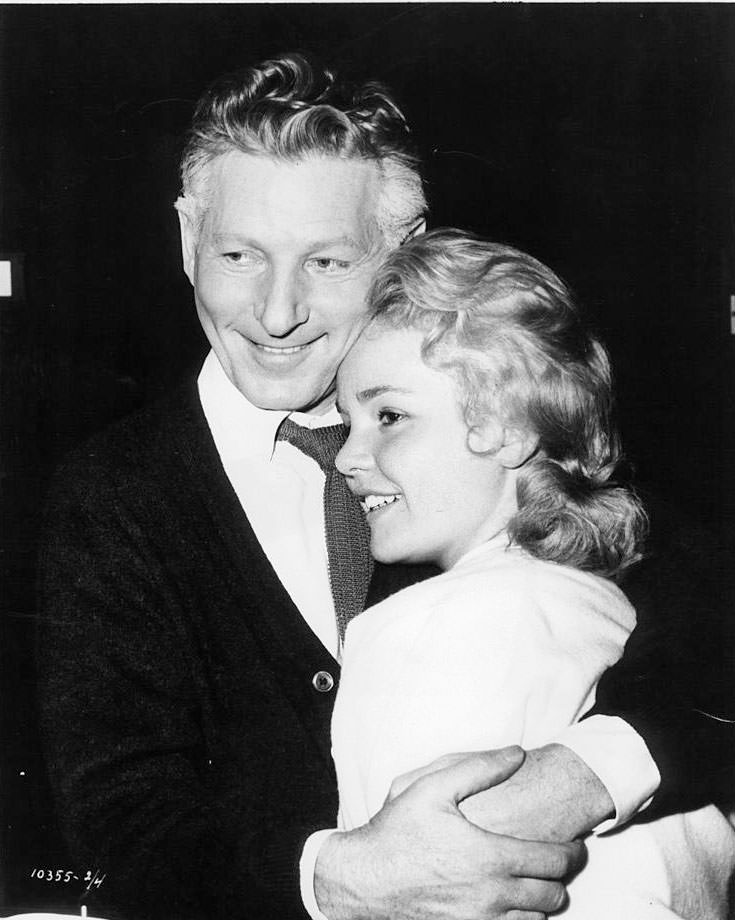
By 1959, Weld was a fixture on both the big screen and at Hollywood events. She appeared in the Danny Kaye film ‘The Five Pennies,’ which brought her further recognition. That year also saw her make a legal move that reflected her growing identity as a professional: she appeared in Santa Monica Superior Court to formally change her name.
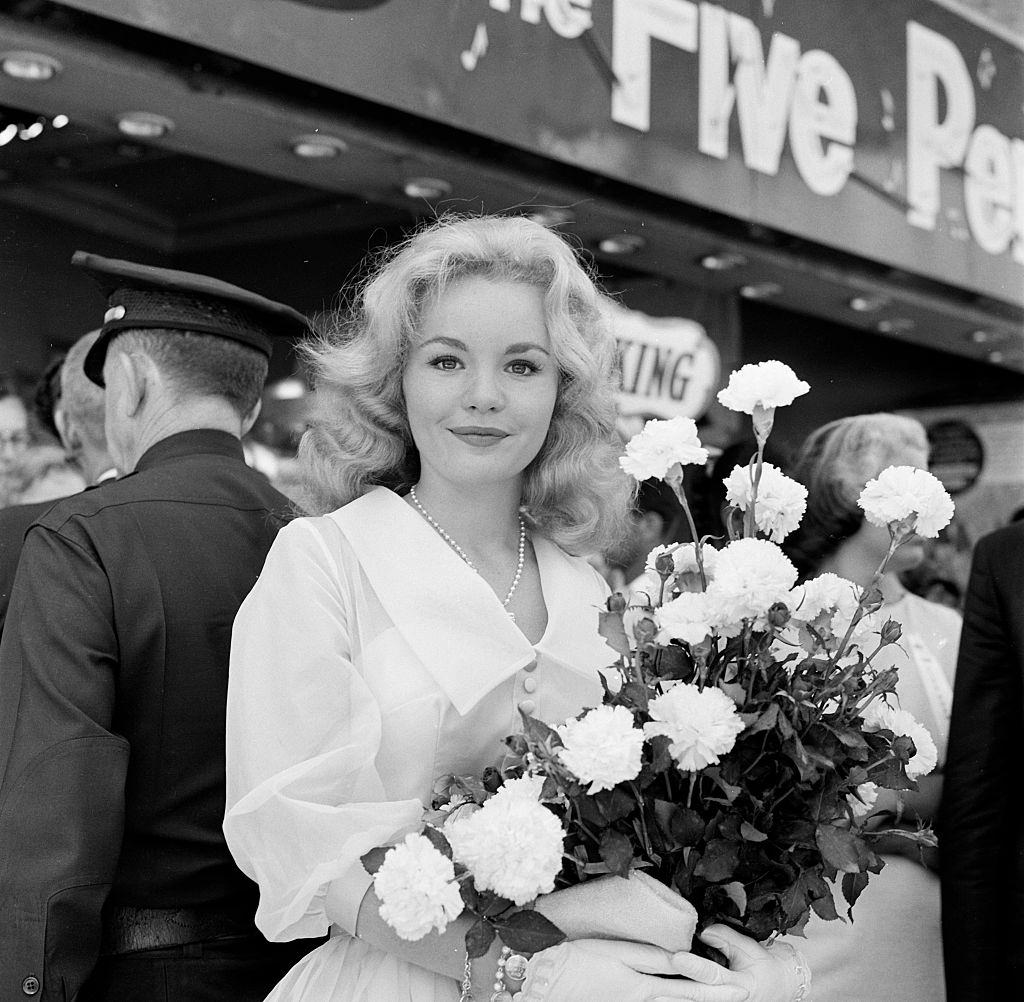
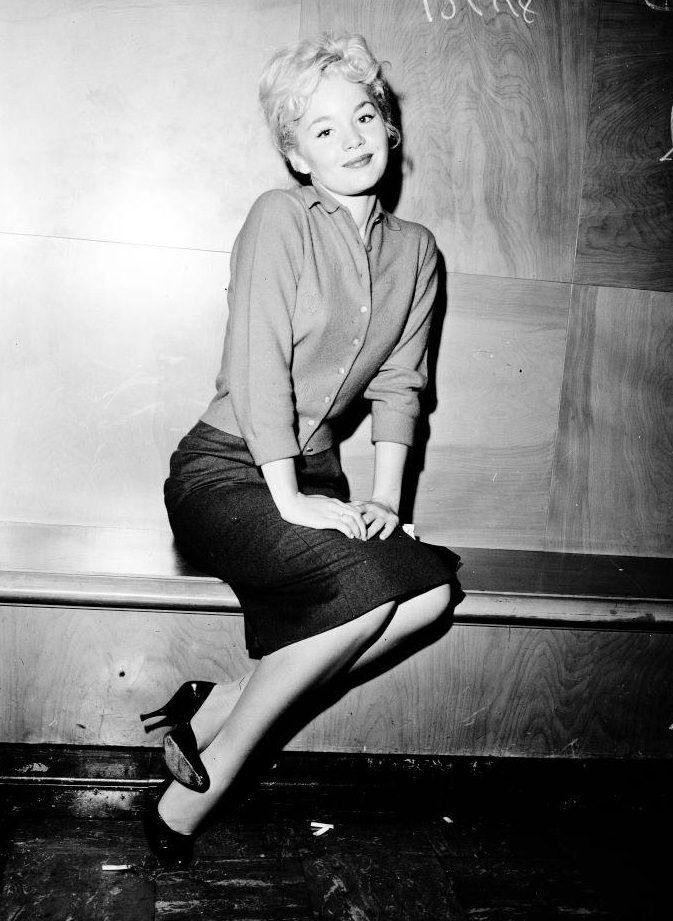
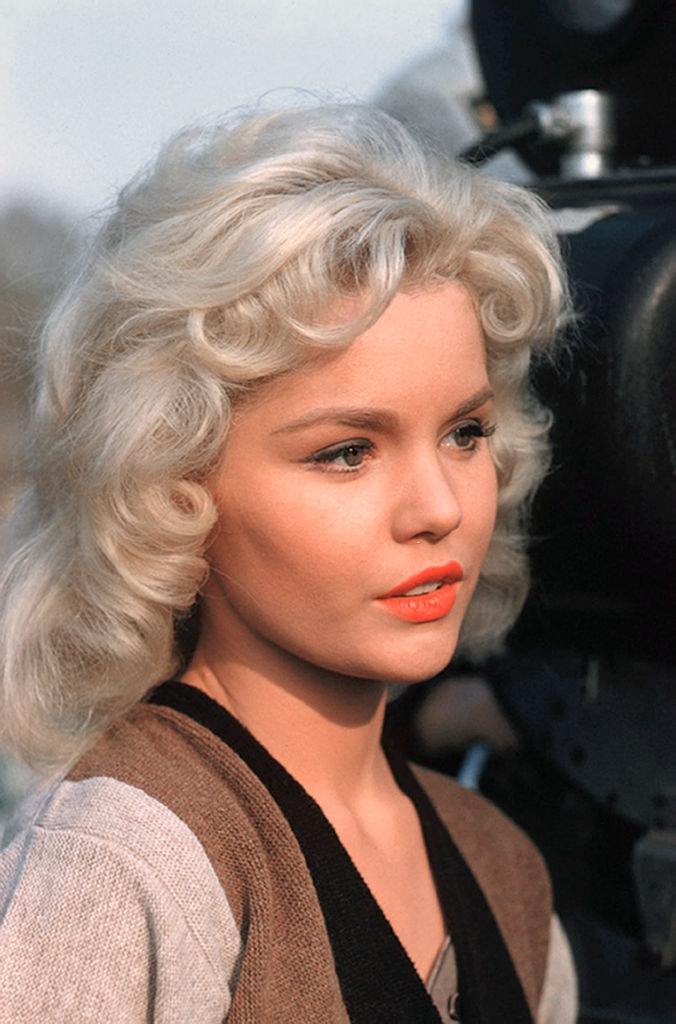
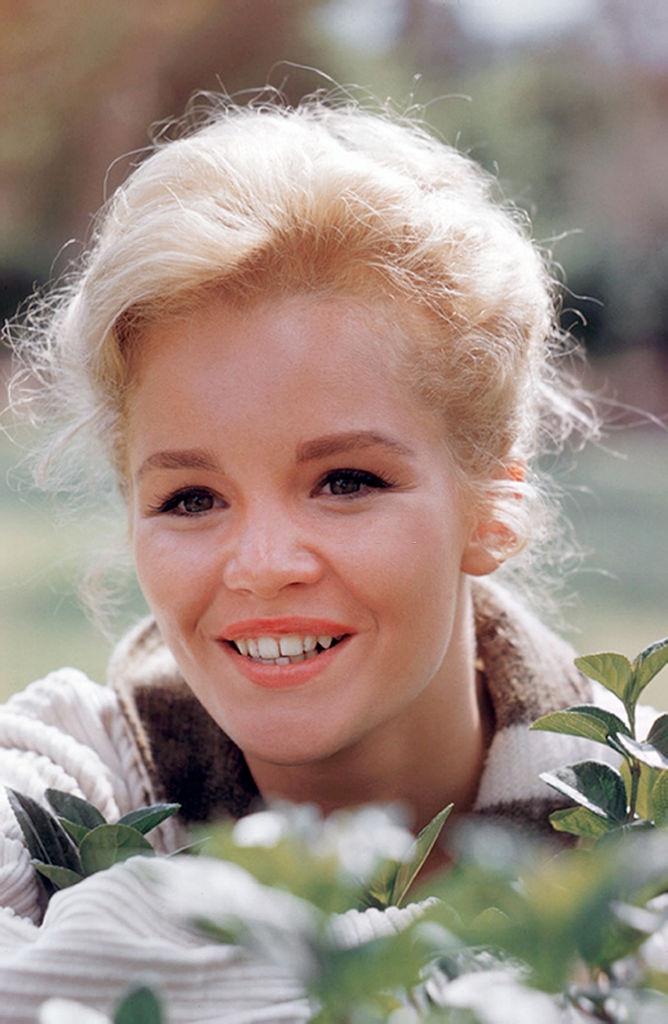
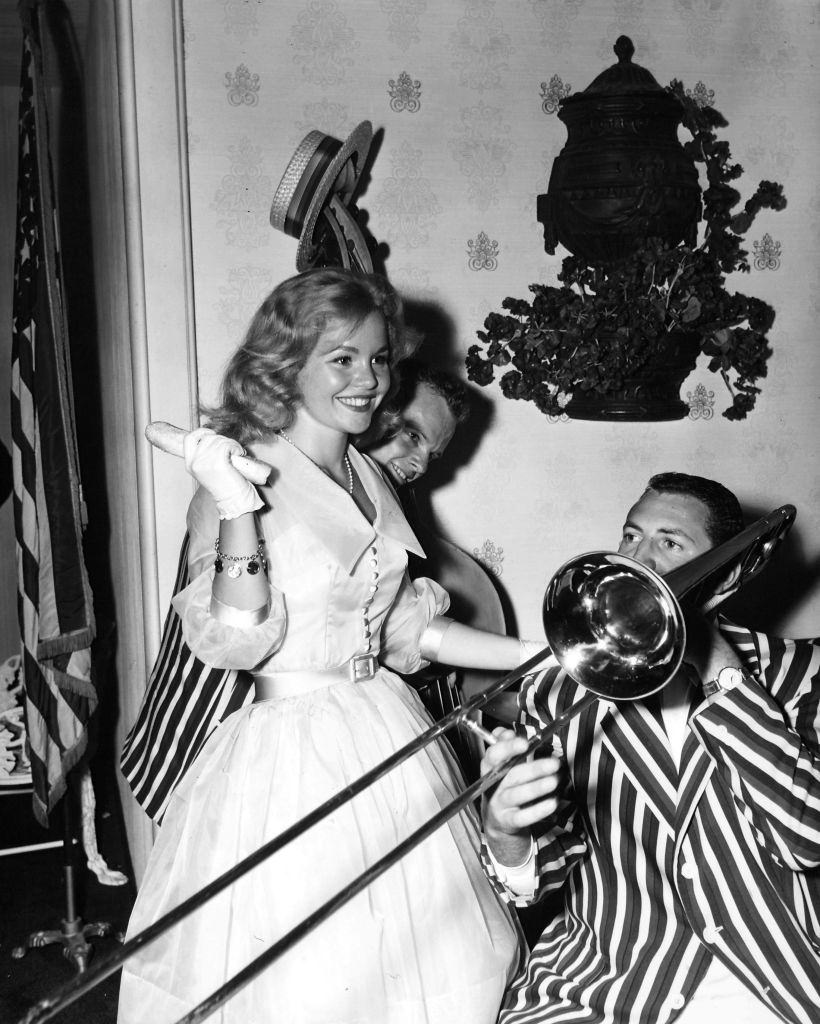
The role that cemented Weld’s TV stardom was Thalia Menninger on the CBS sitcom ‘The Many Loves of Dobie Gillis,’ which premiered in 1959. She played the flirtatious and unattainable Thalia opposite Dwayne Hickman’s Dobie. The character became one of the most memorable on the show, and Weld’s performance earned her co-winner status at the Golden Globe Awards for Most Promising Female Newcomer in 1960. Her salary for the series was $35,000 per year — a significant sum at the time for a teenager.
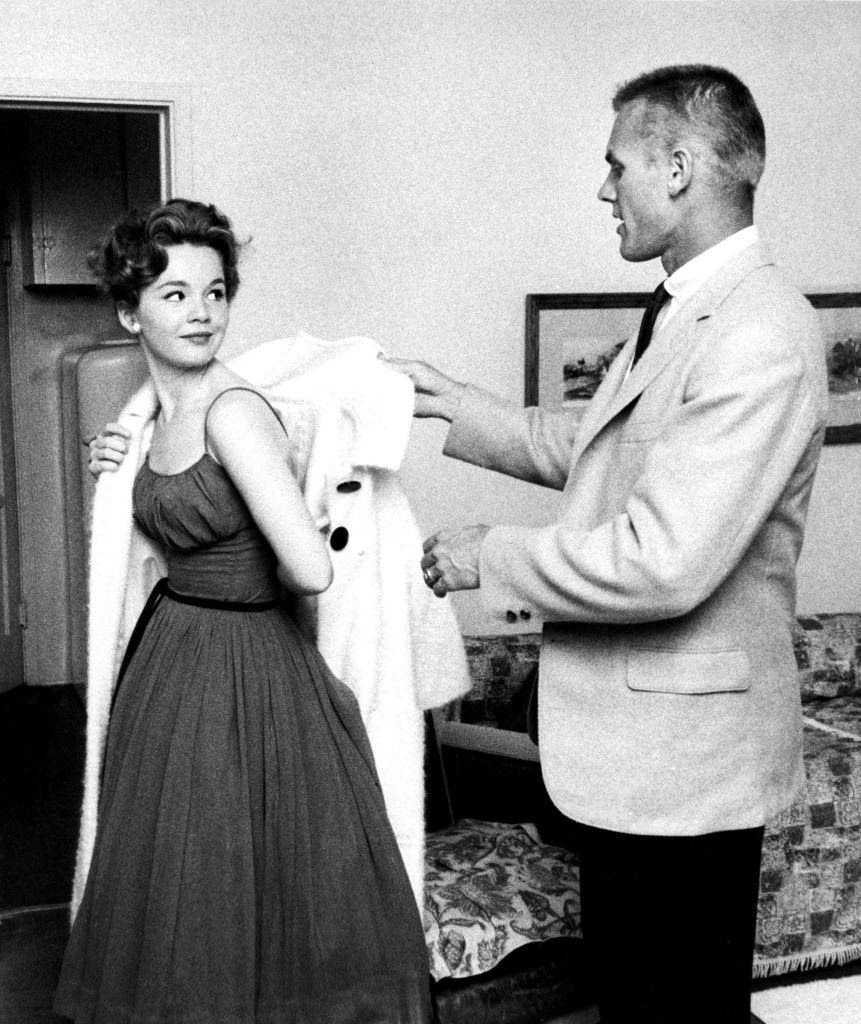
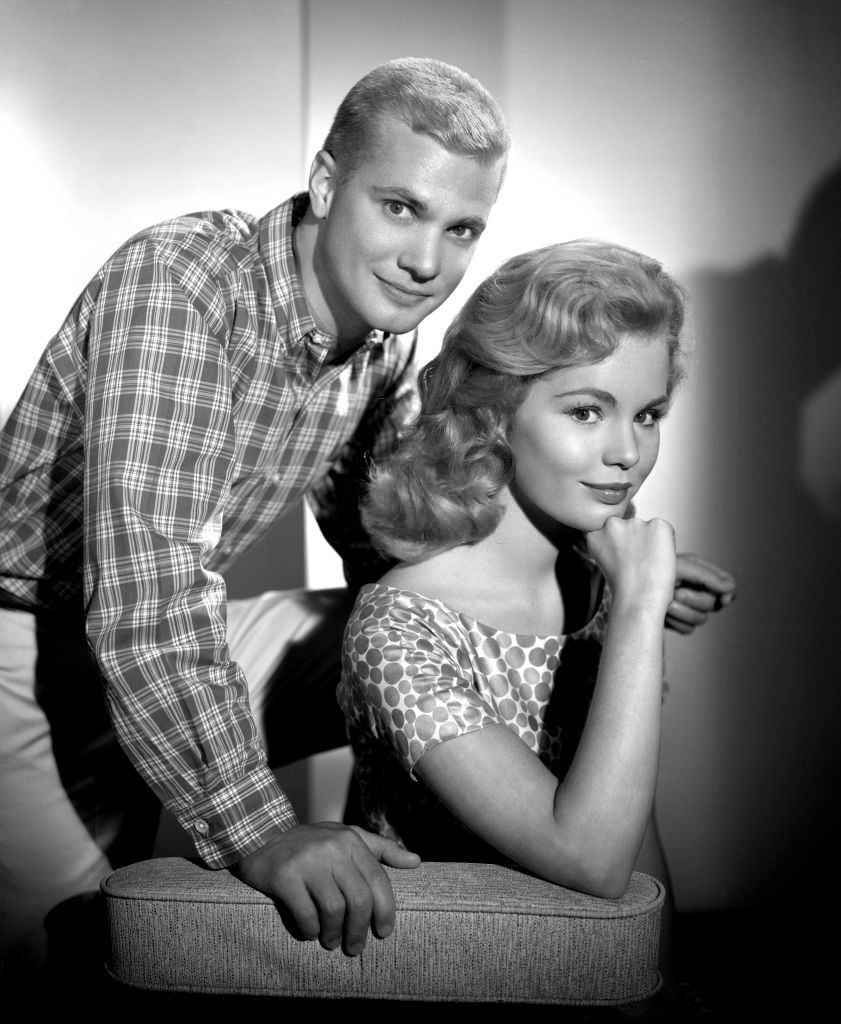
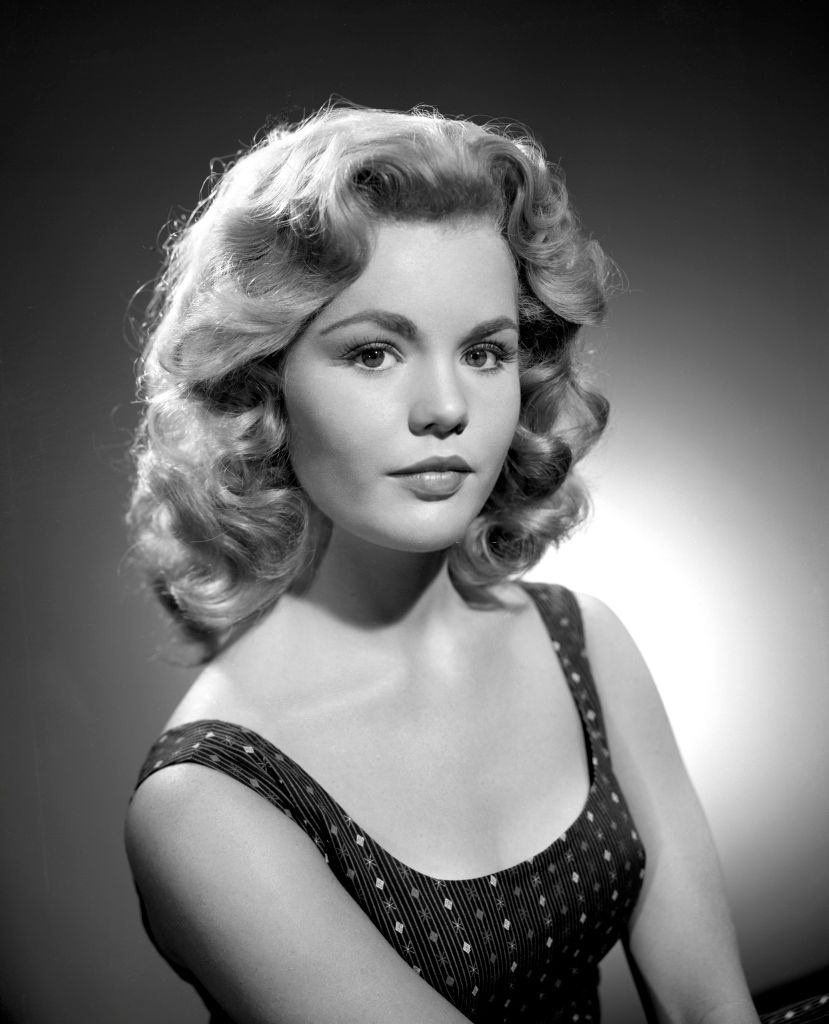
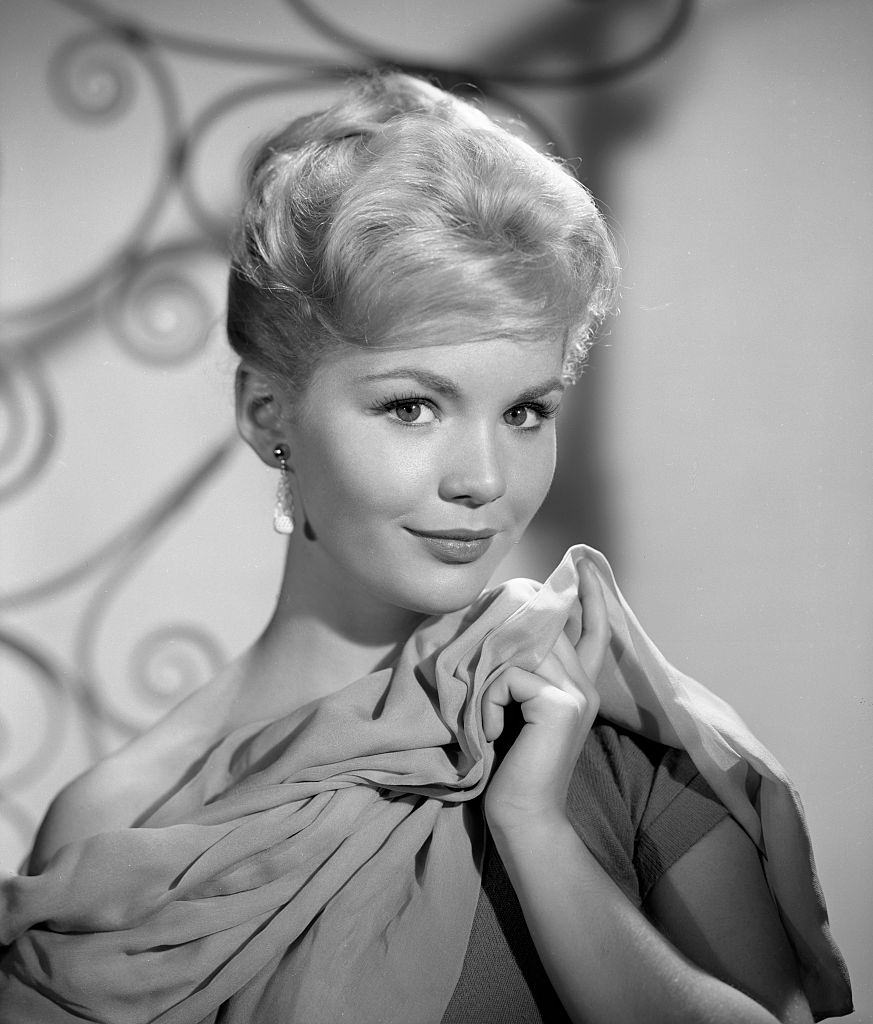
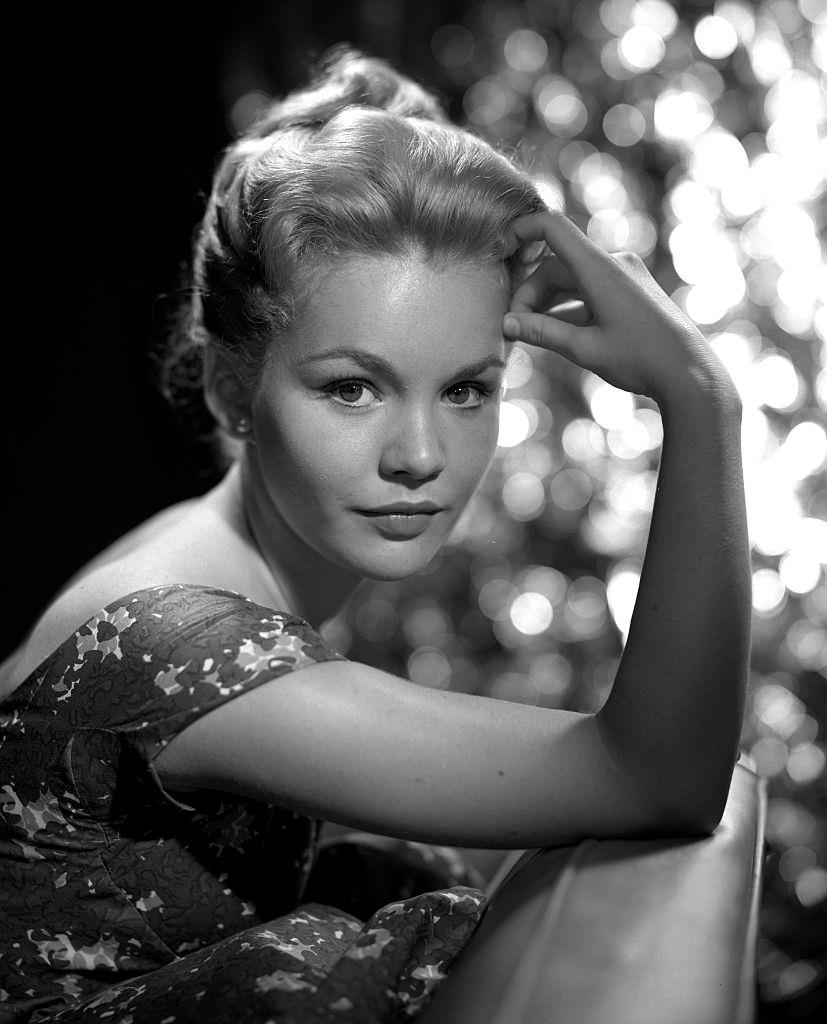
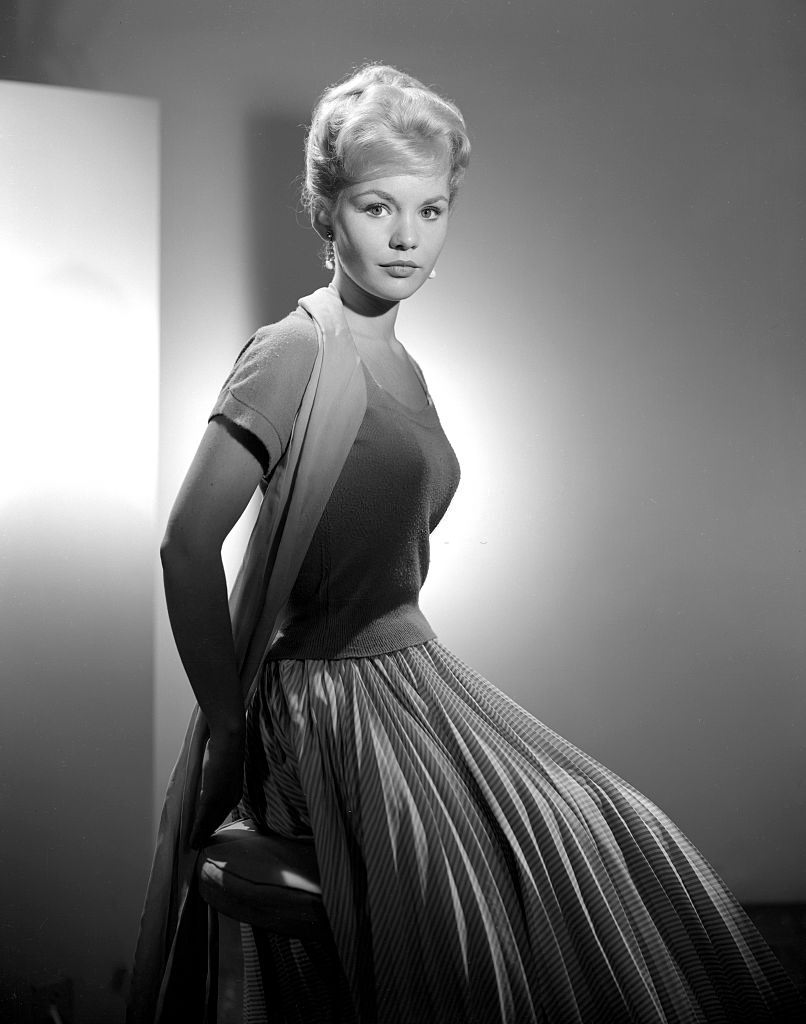
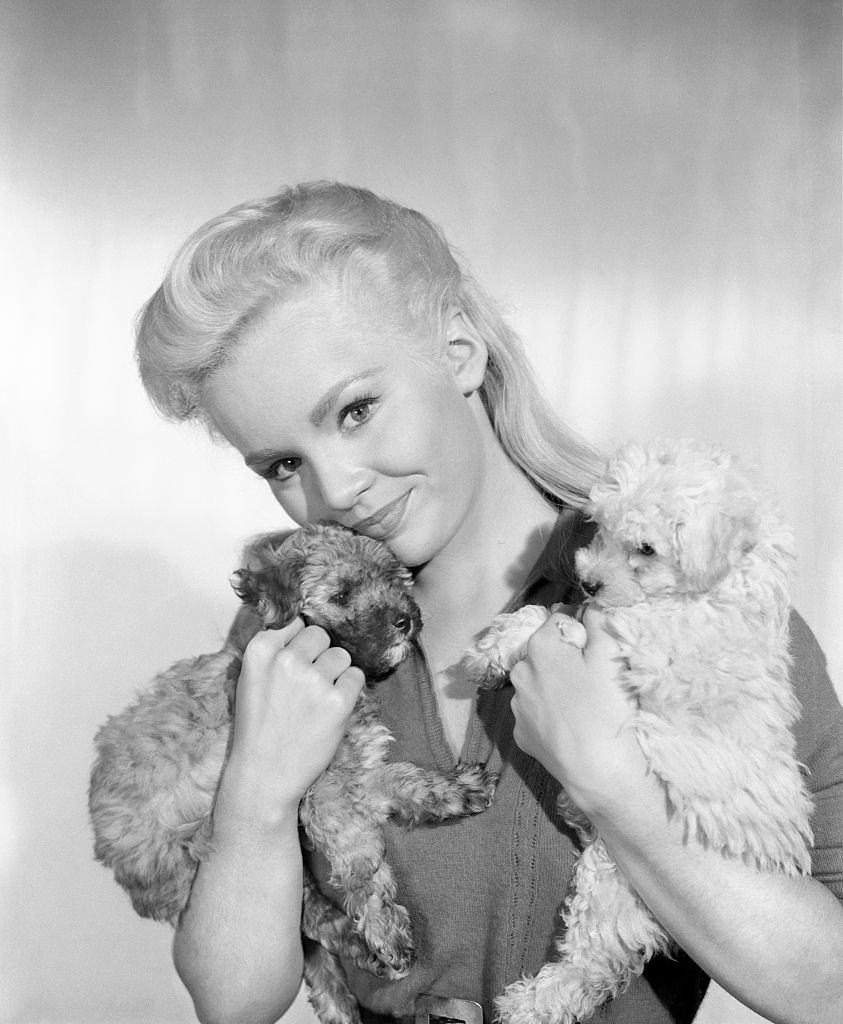
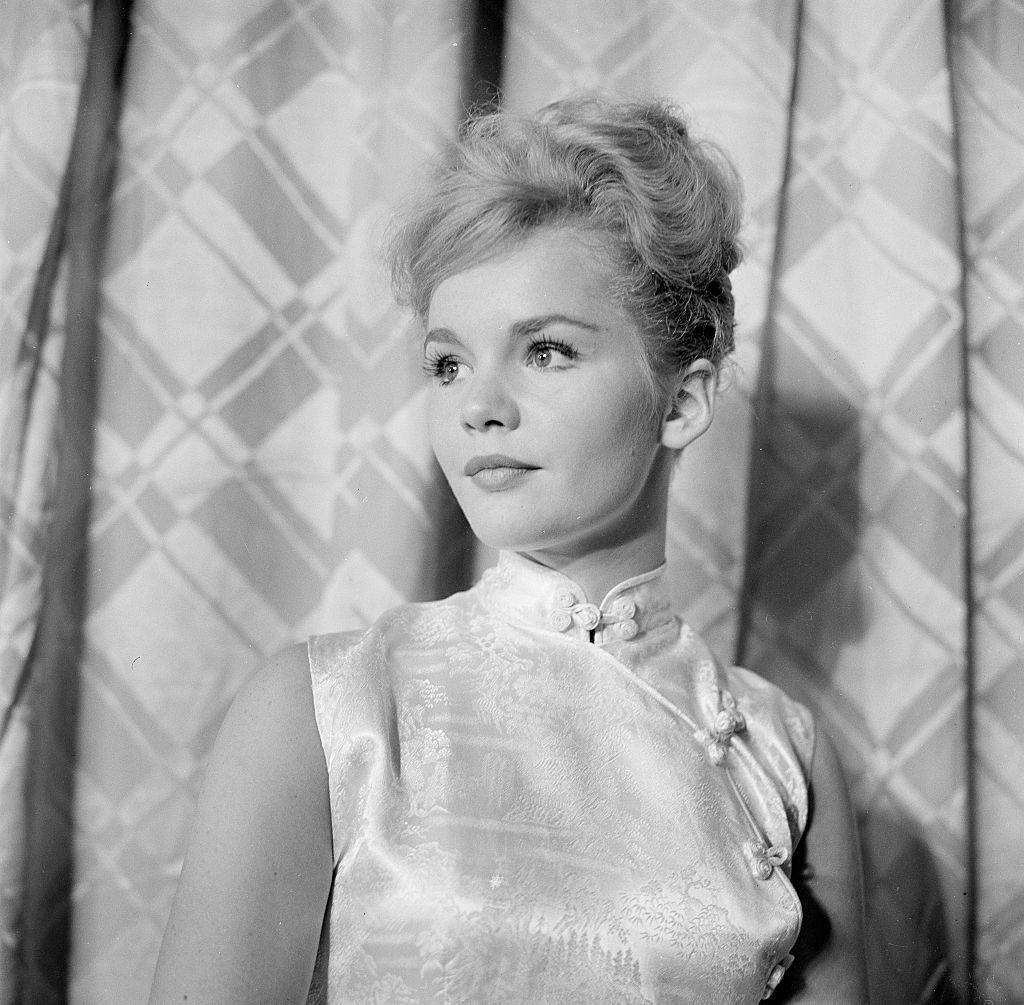
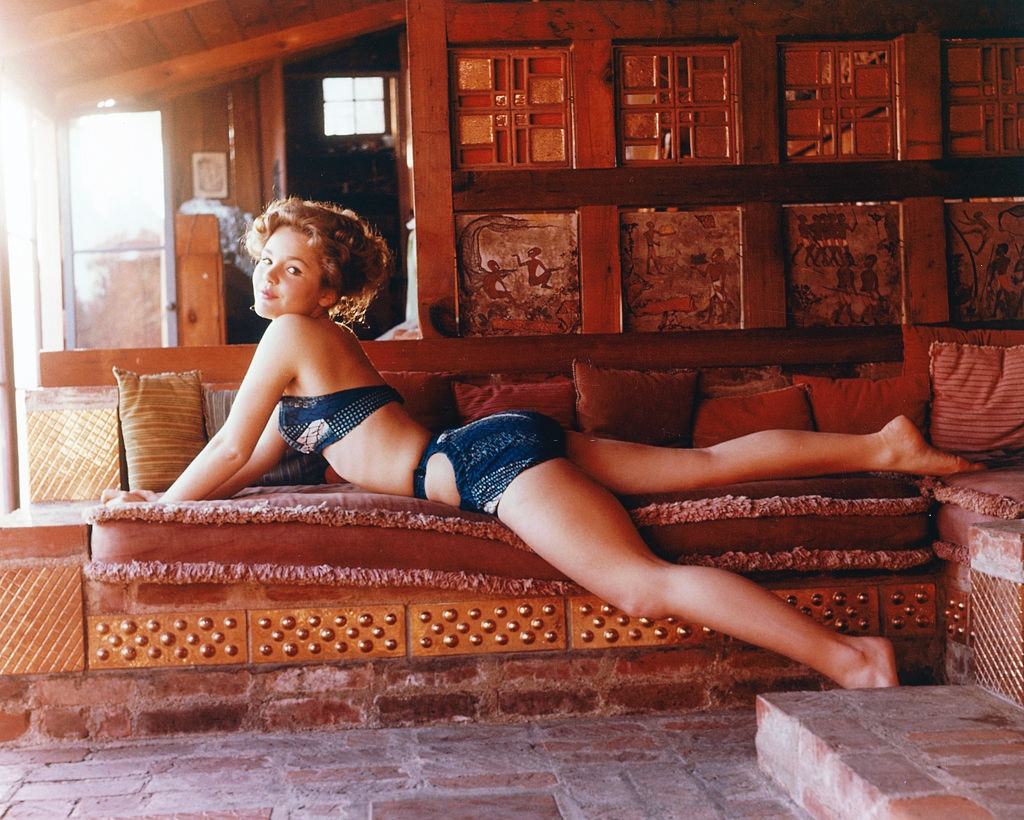
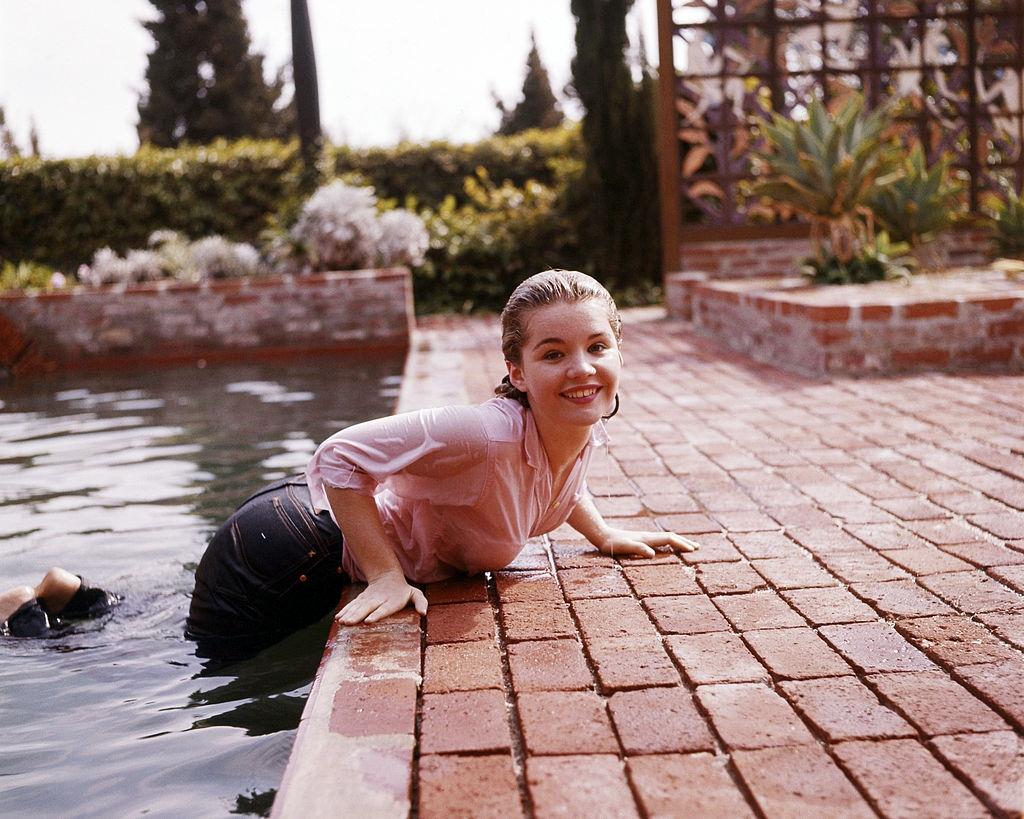
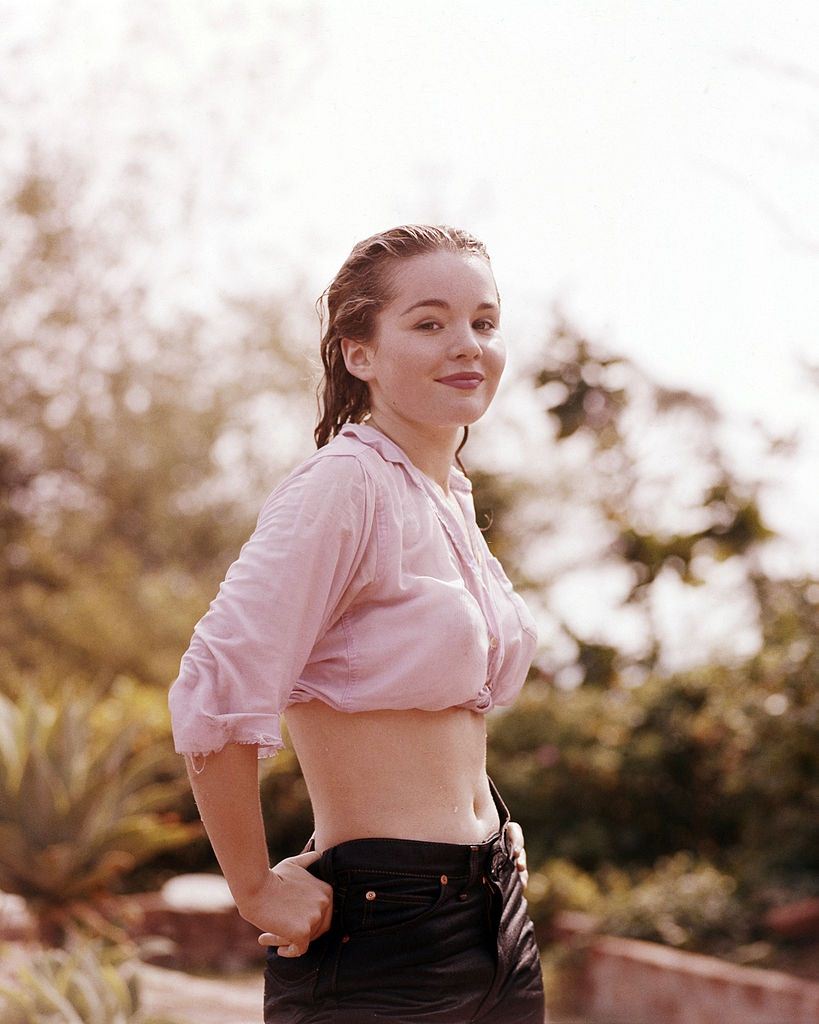
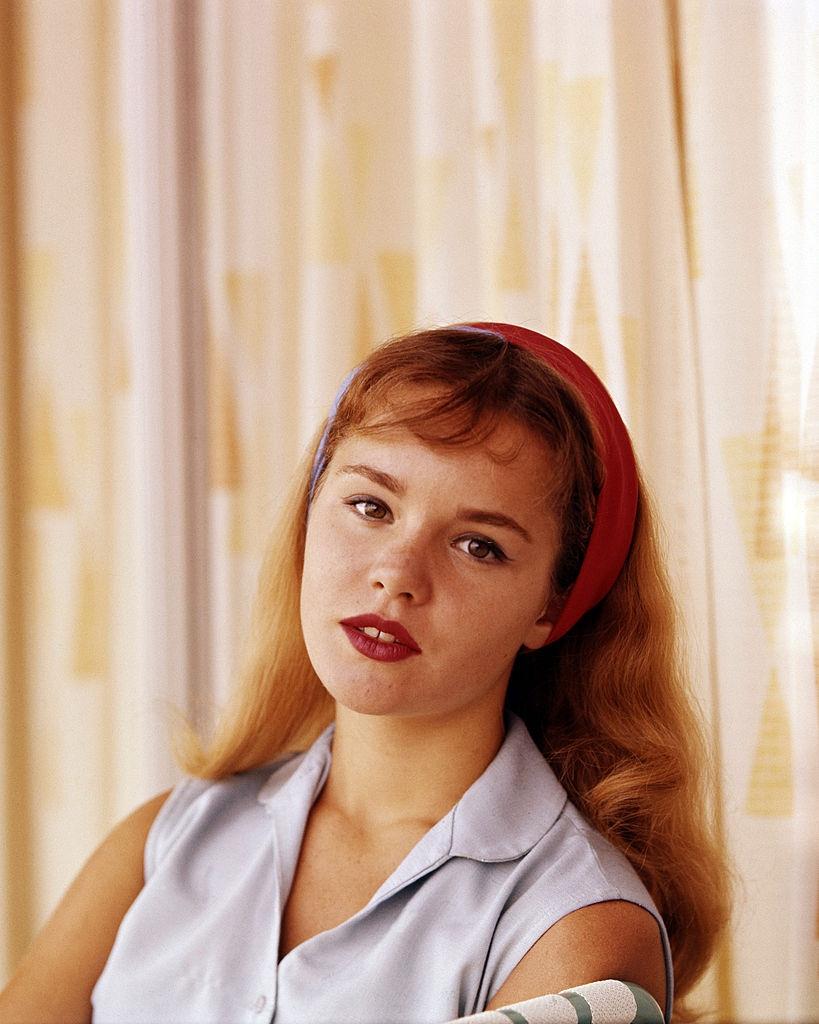
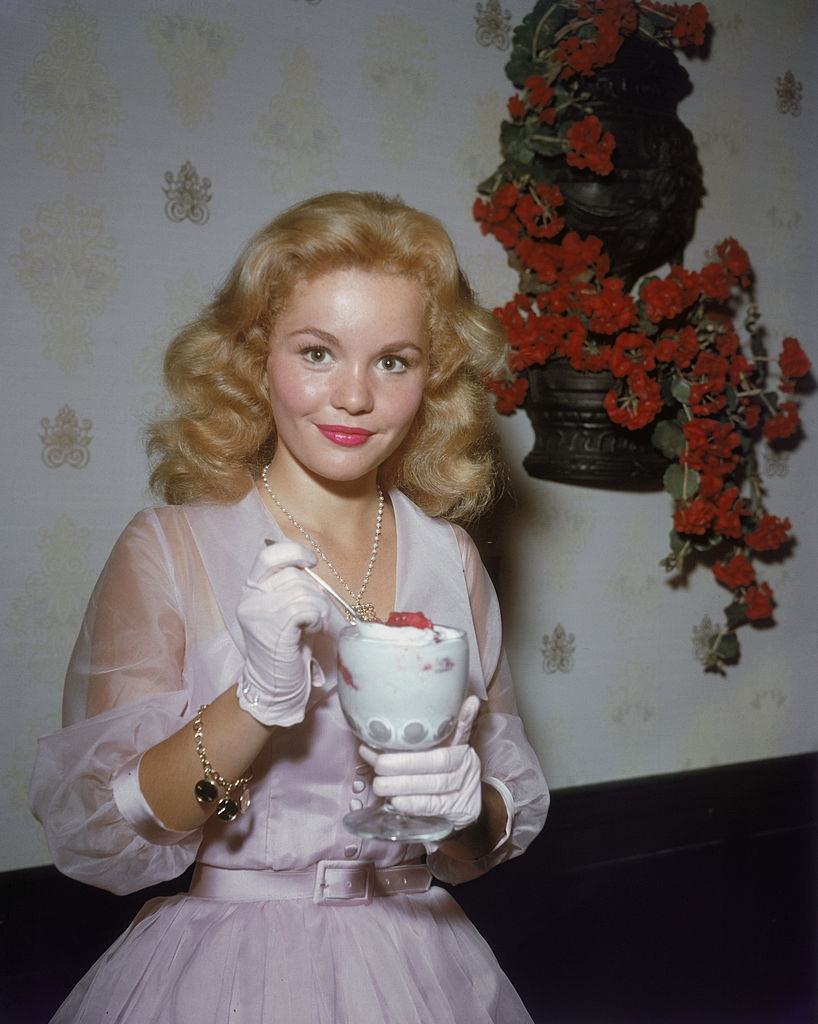
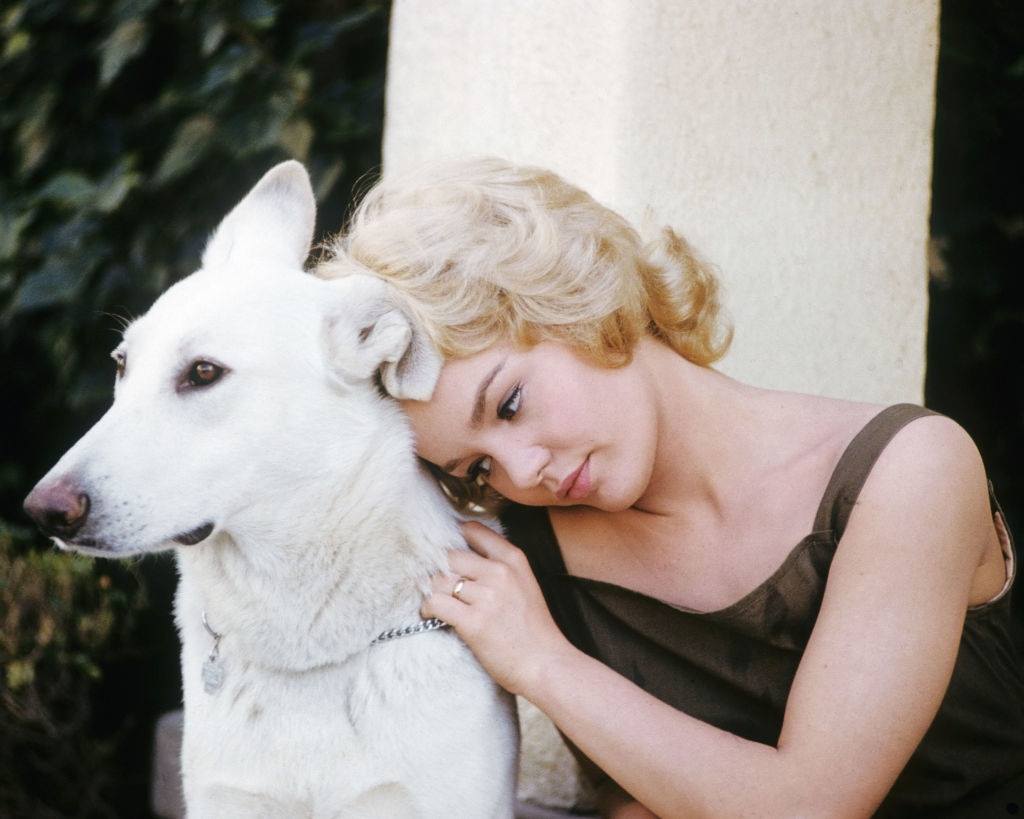
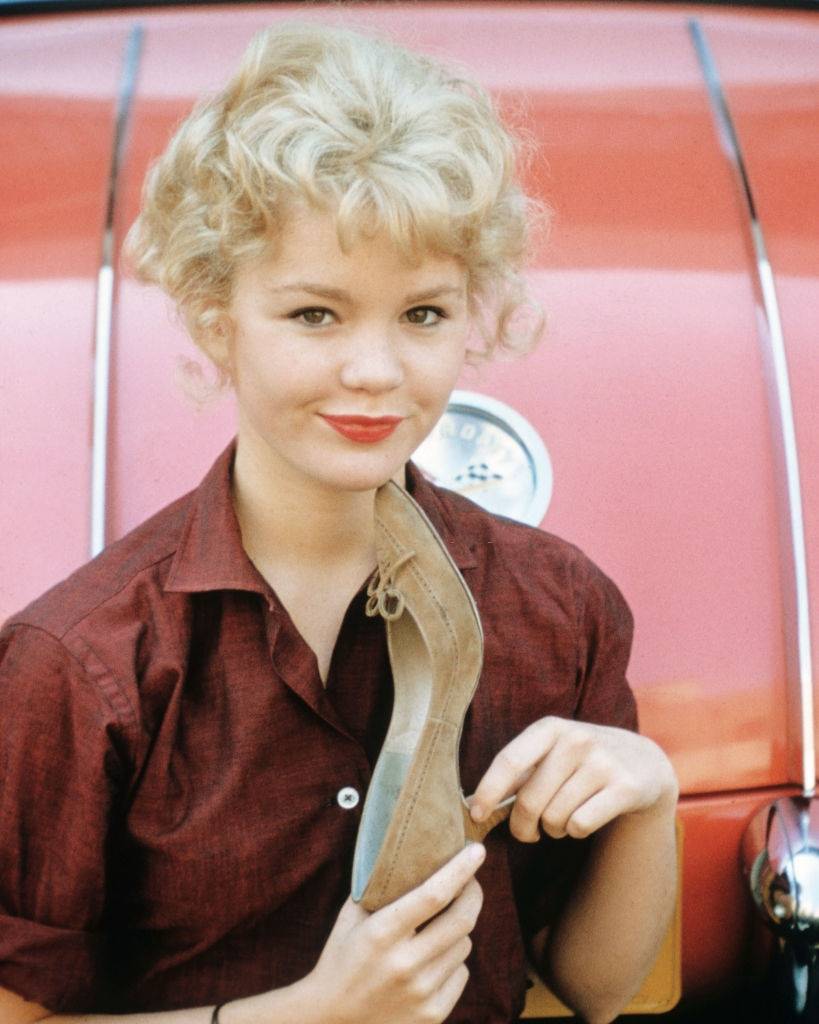
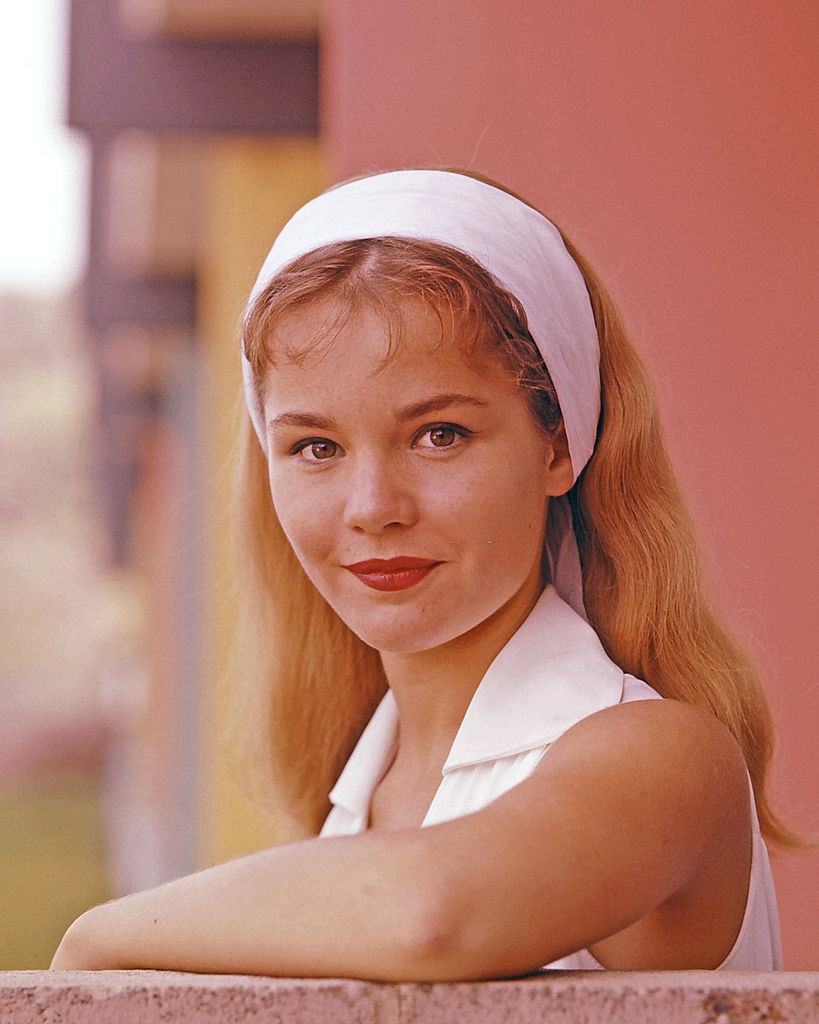
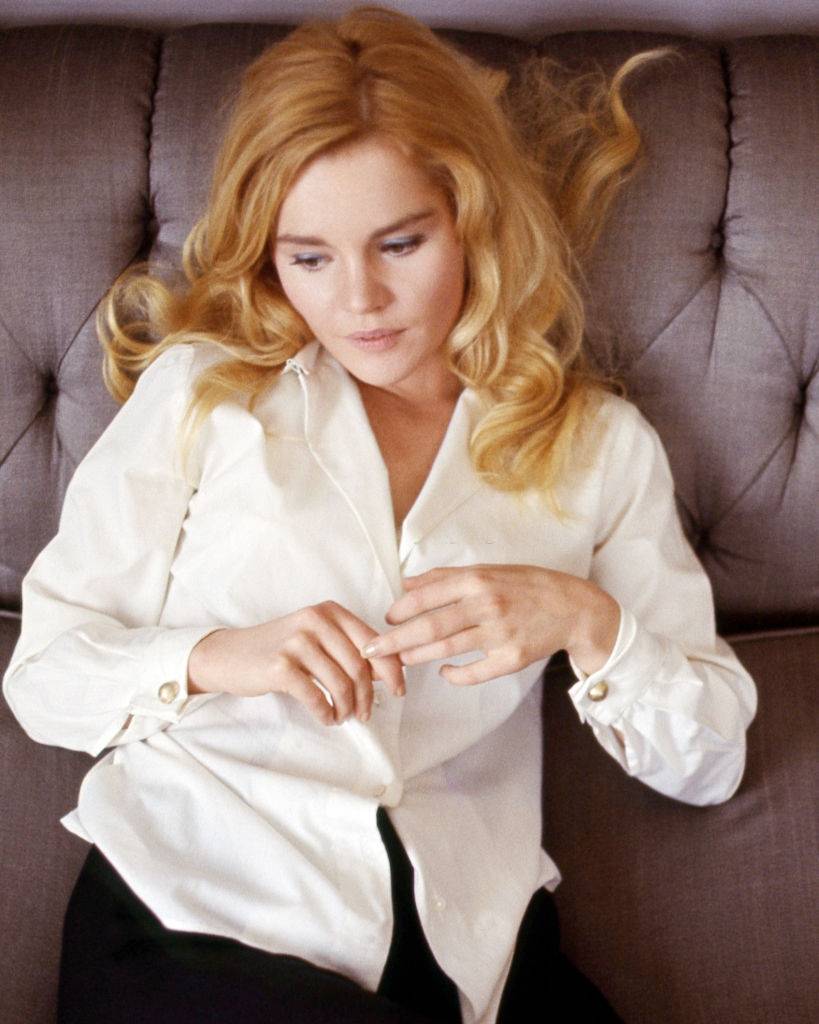
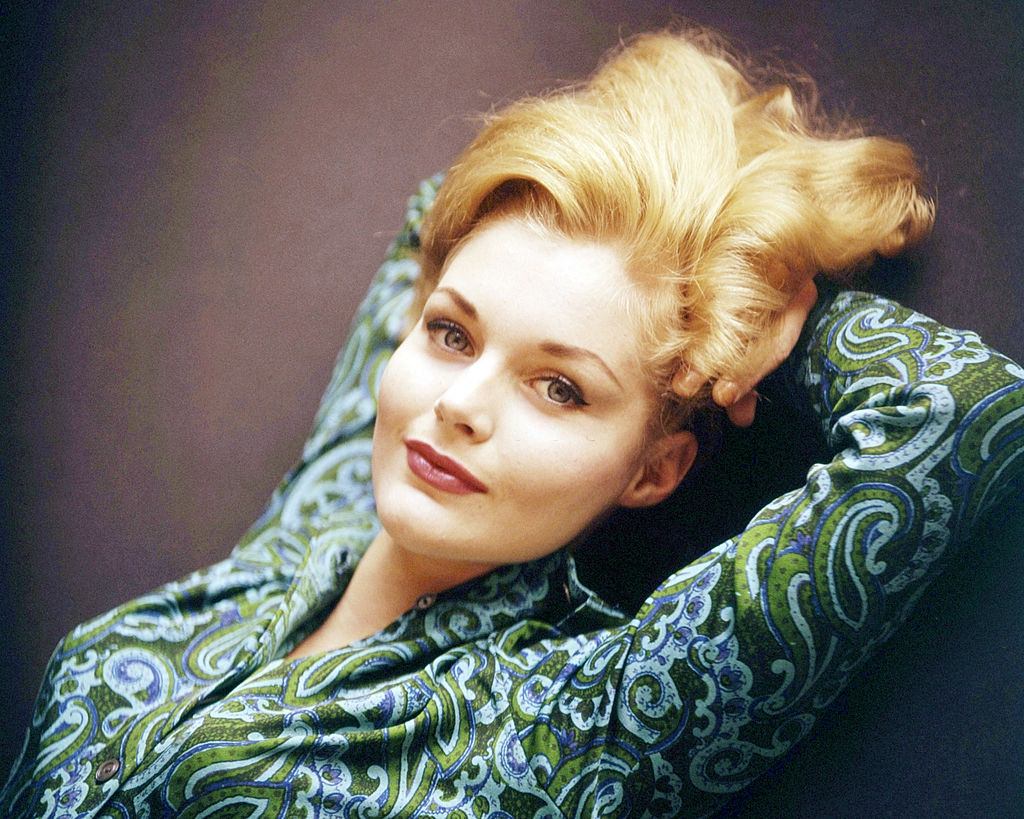
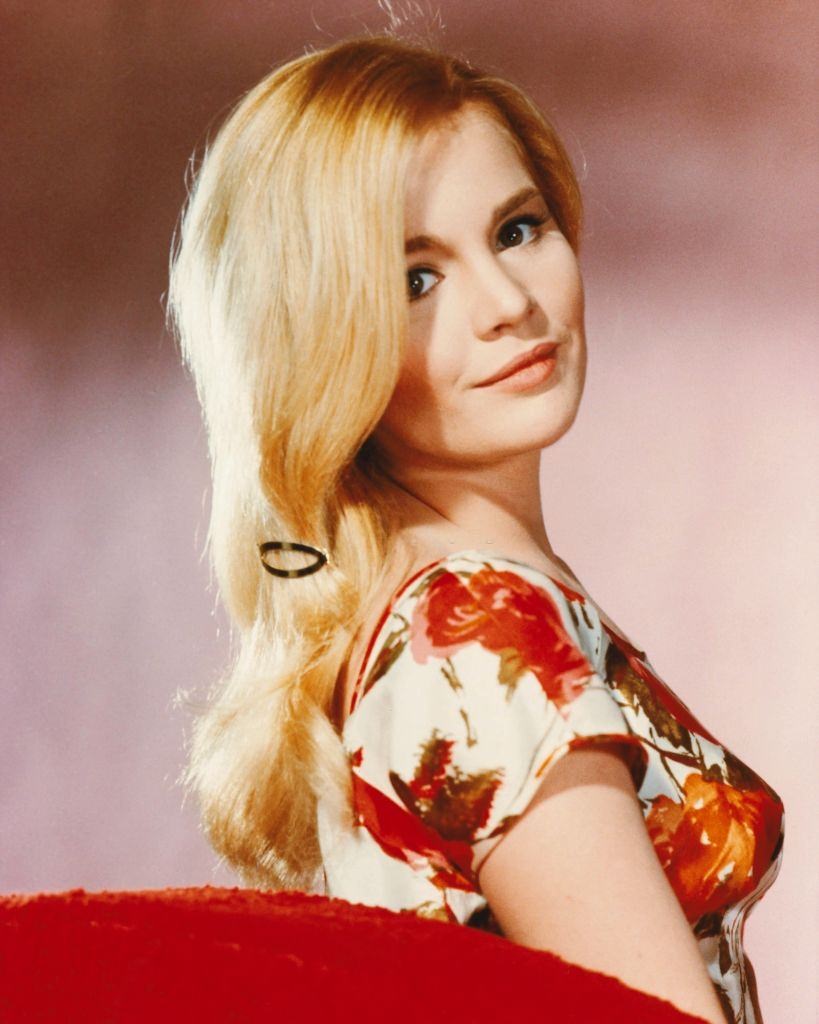
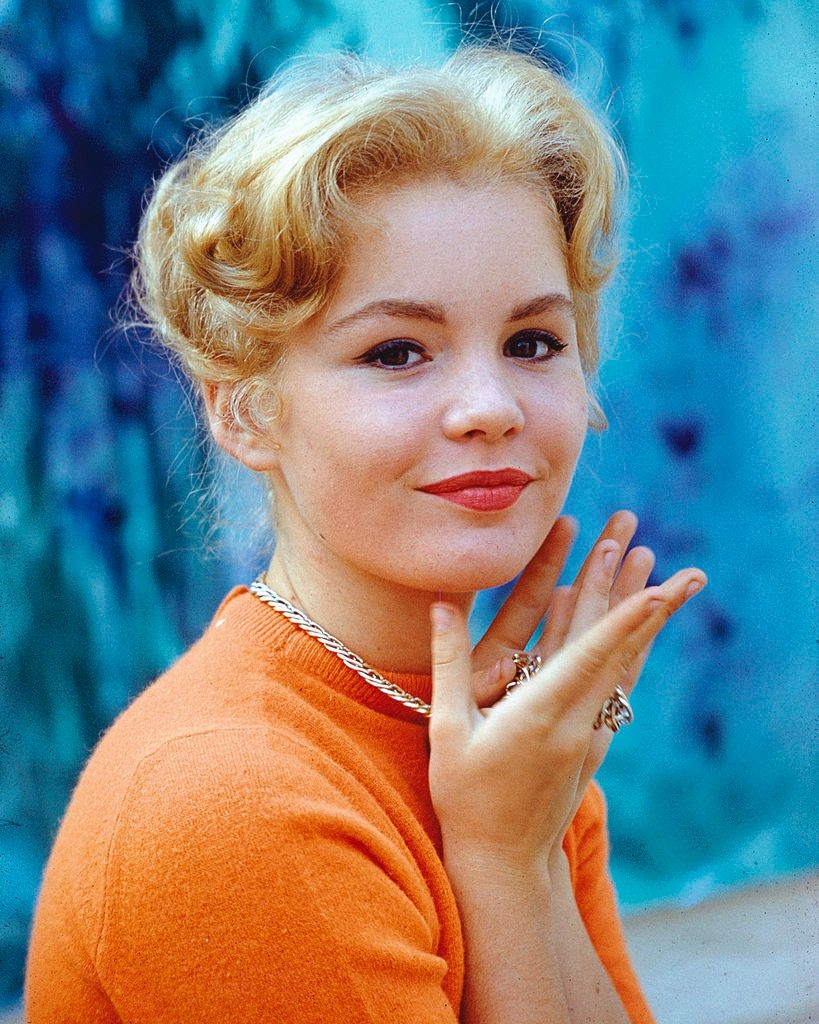
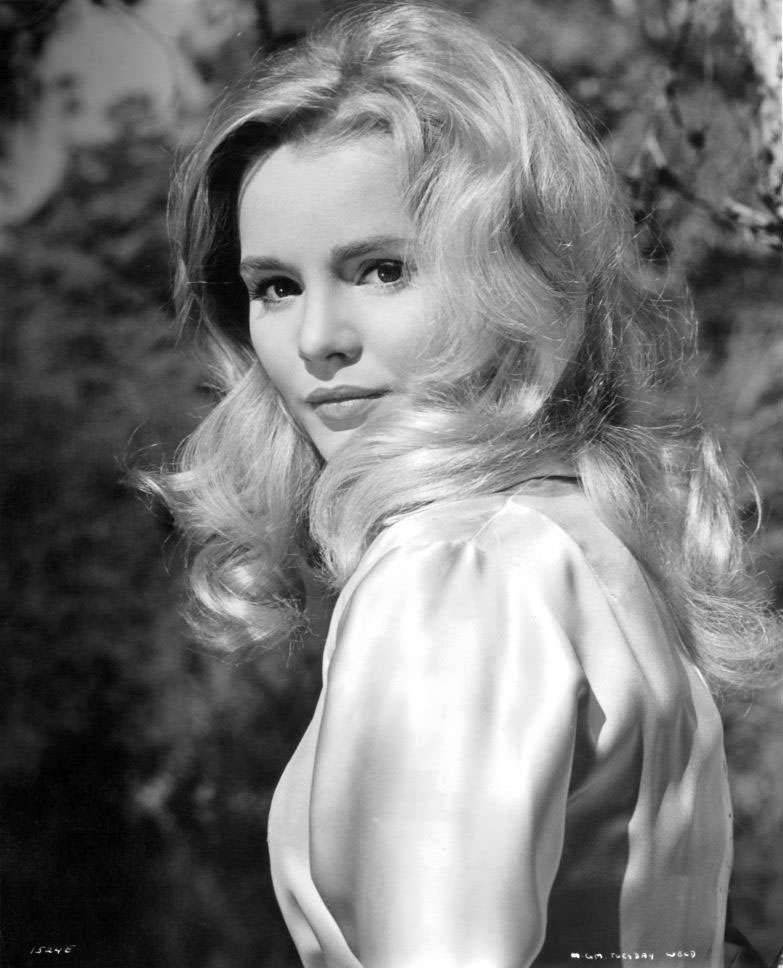
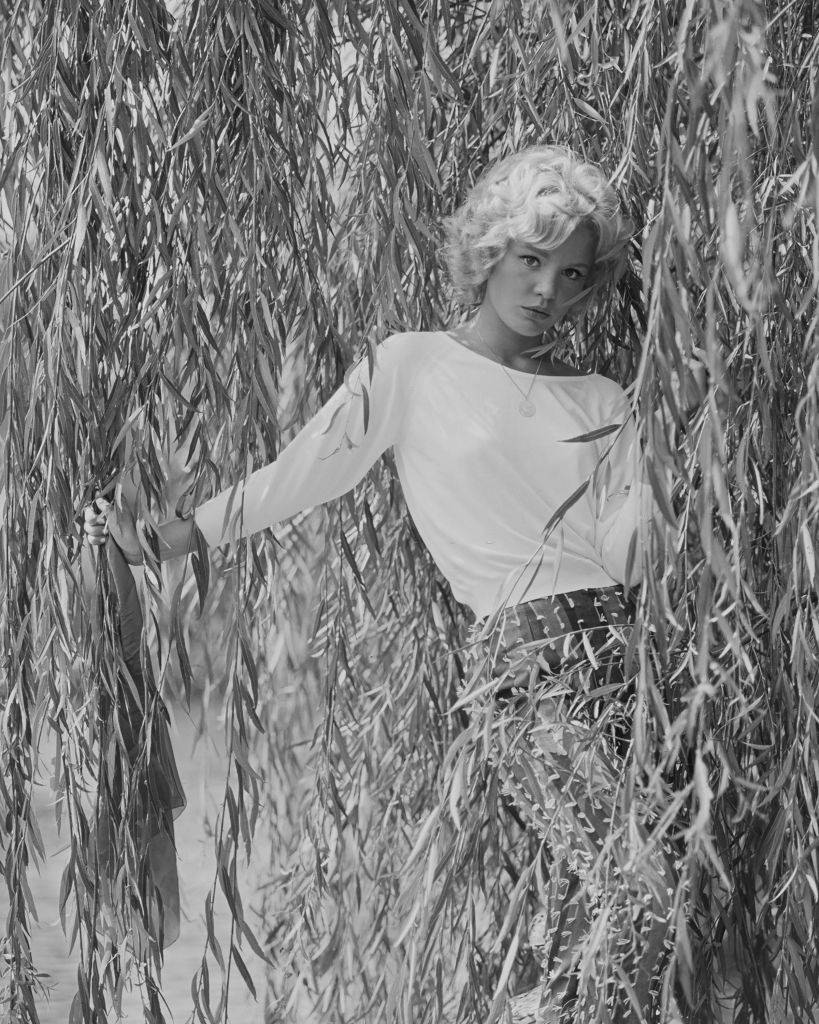
As the 1960s began, Weld transitioned from teen roles toward more dramatic parts in feature films. She appeared in ‘Because They’re Young’ (1960) and continued to be one of the most photographed young women in Hollywood. Her blonde looks and natural ease in front of the camera made her a frequent subject for photo sessions beyond the screen.
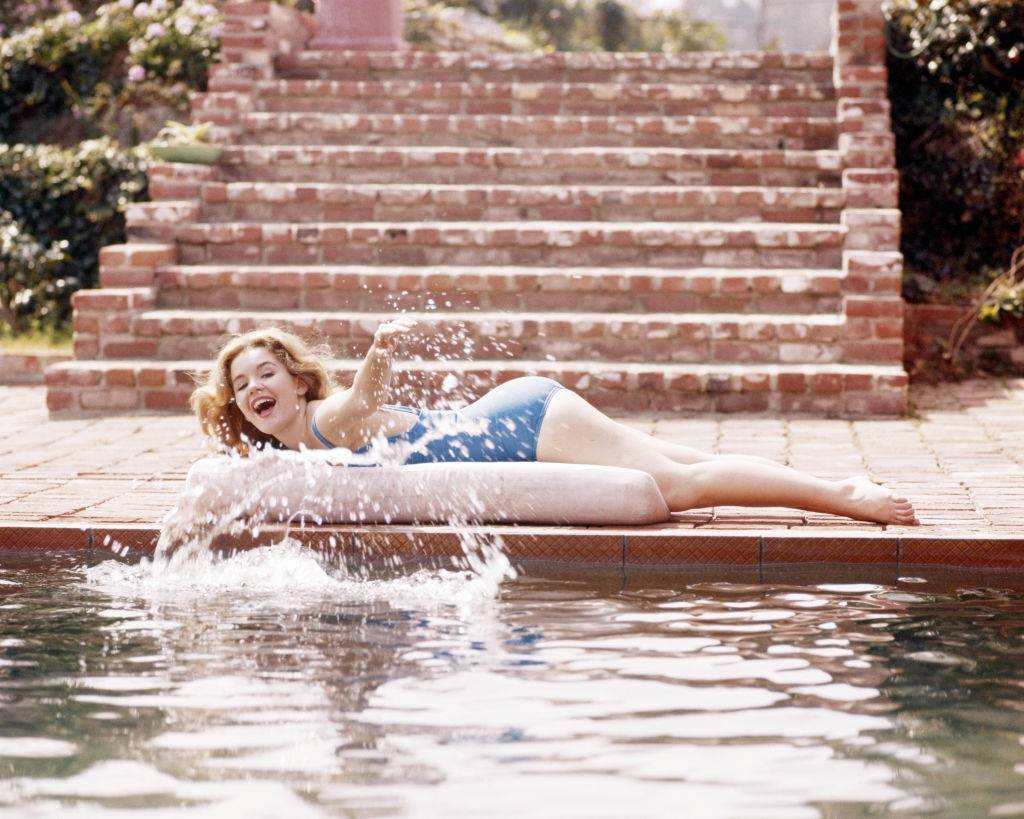
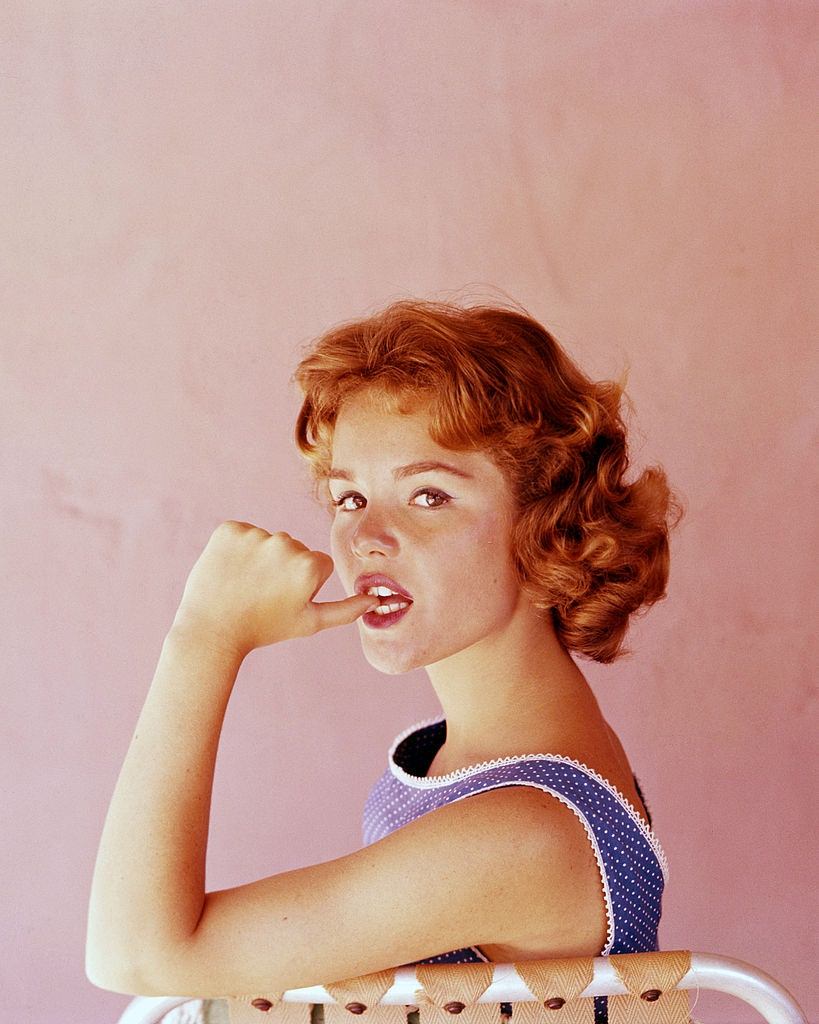
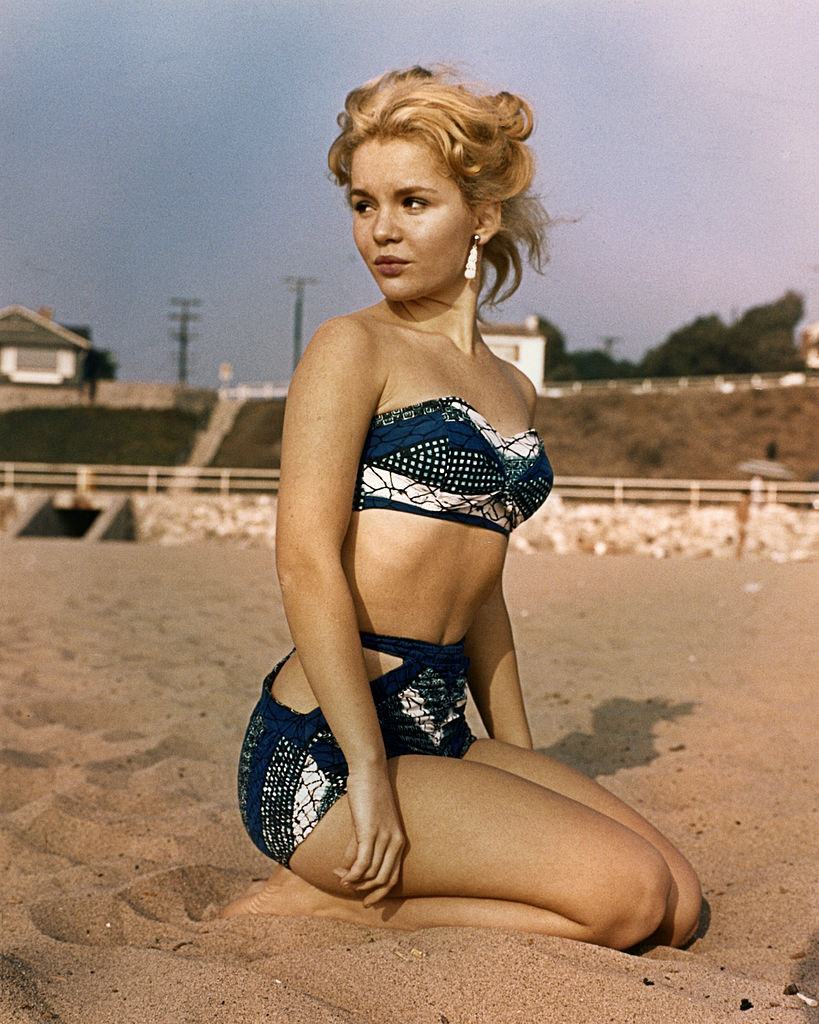
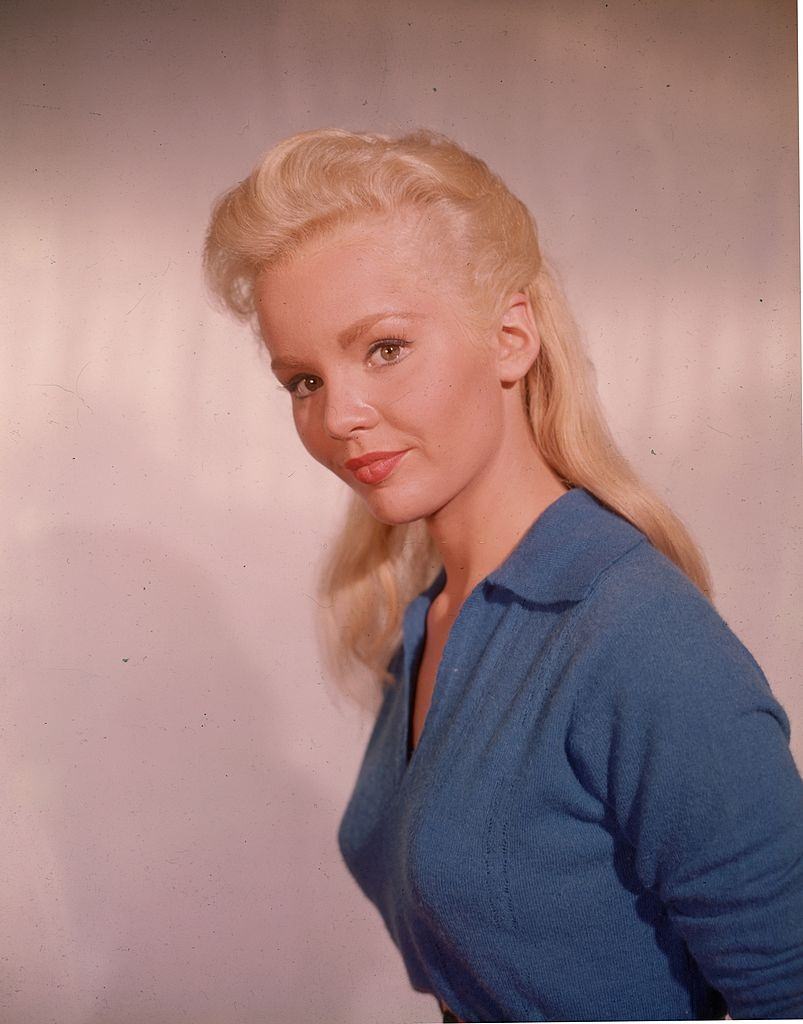
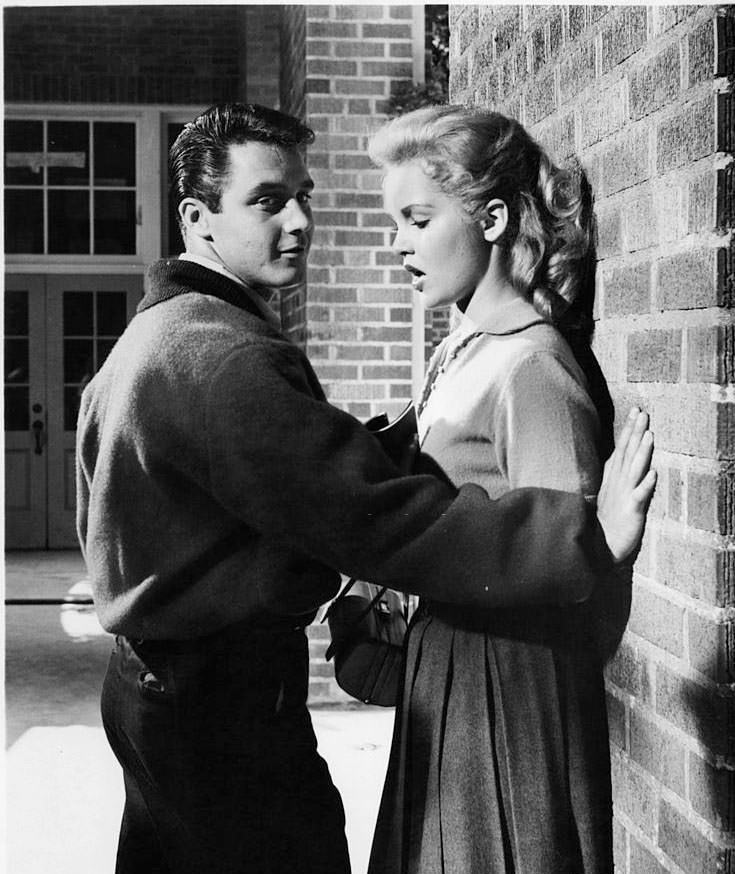
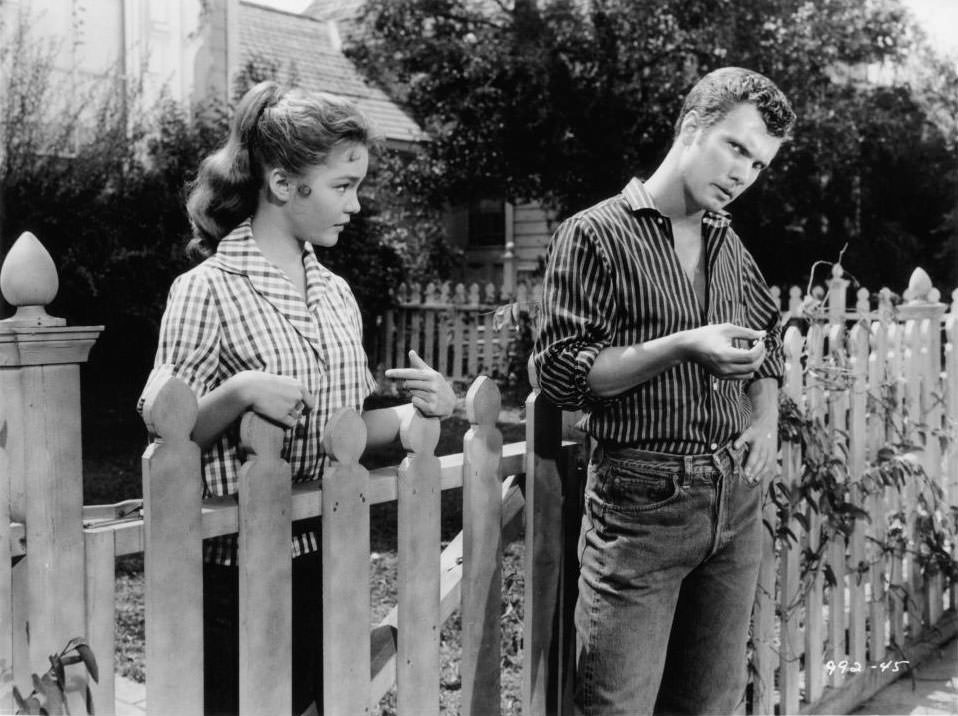
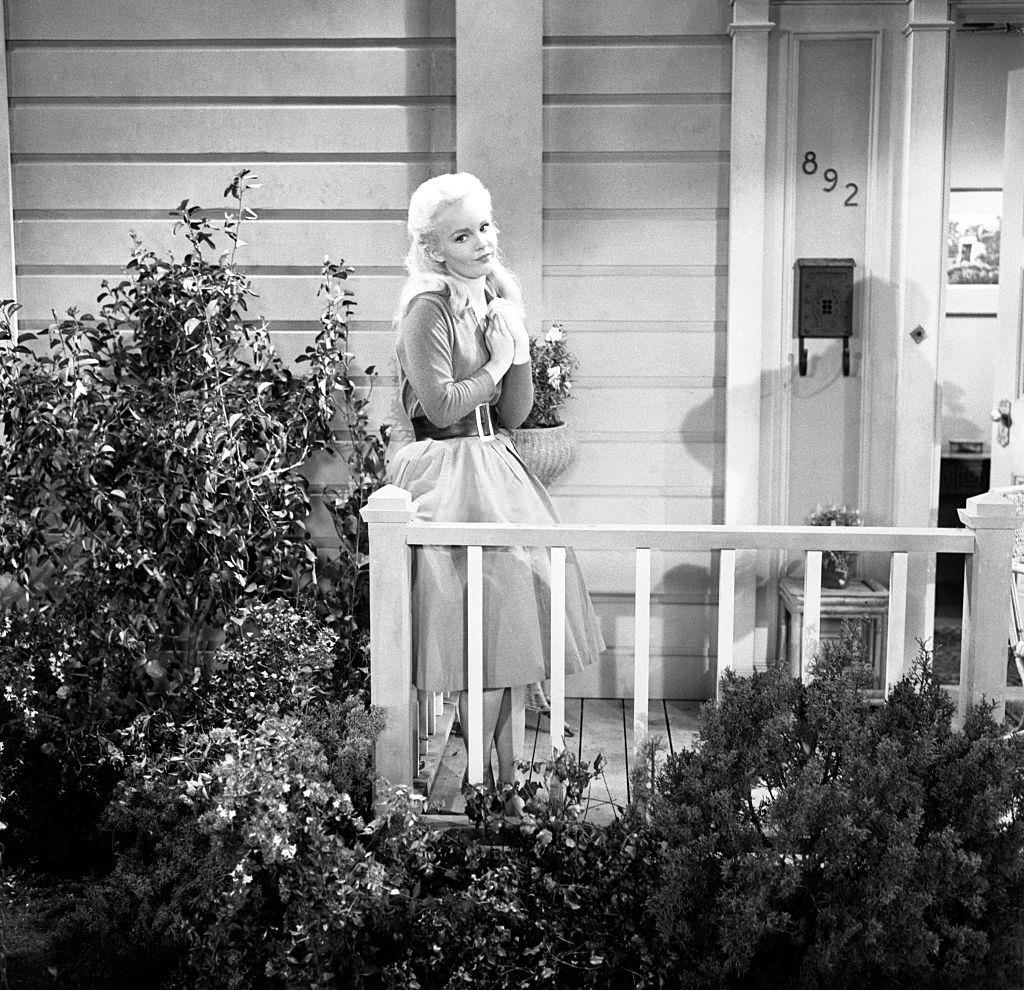
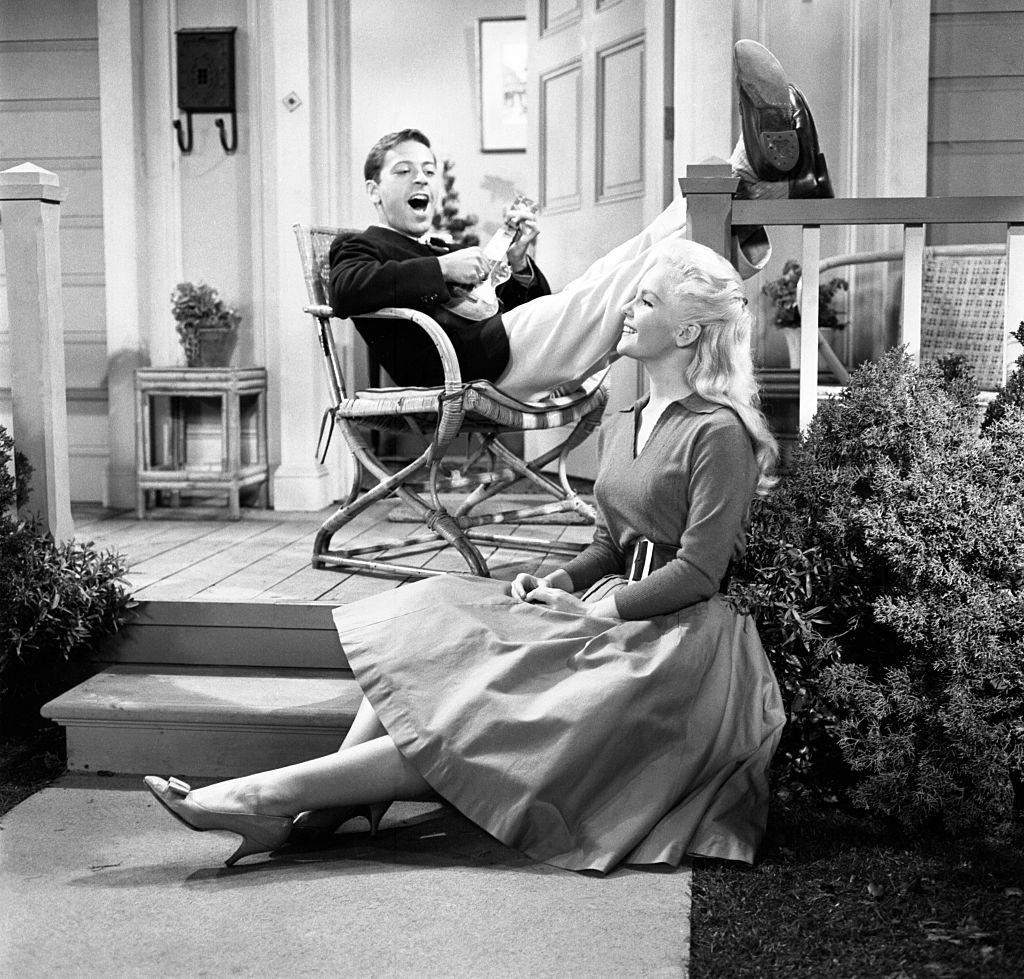
In 1961, Weld appeared alongside Elvis Presley in ‘Wild in the Country.’ The two also dated during this period, and Weld was among a notable list of high-profile relationships she had throughout her career — including Al Pacino, Richard Gere, Mikhail Baryshnikov, and David Steinberg. Her personal life attracted as much press attention as her professional work.
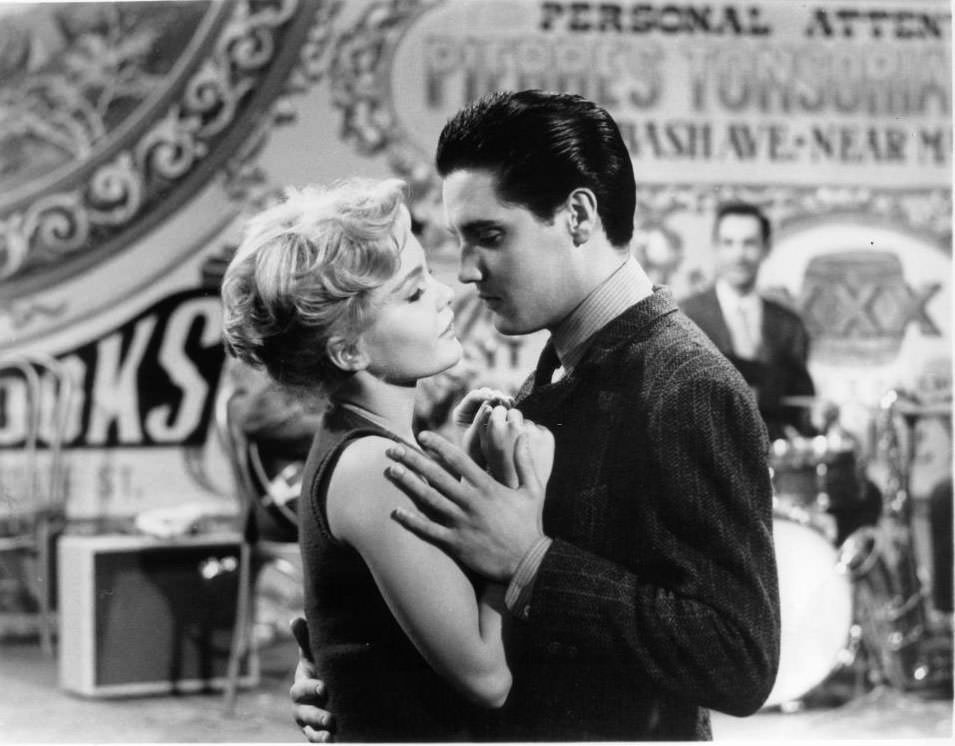
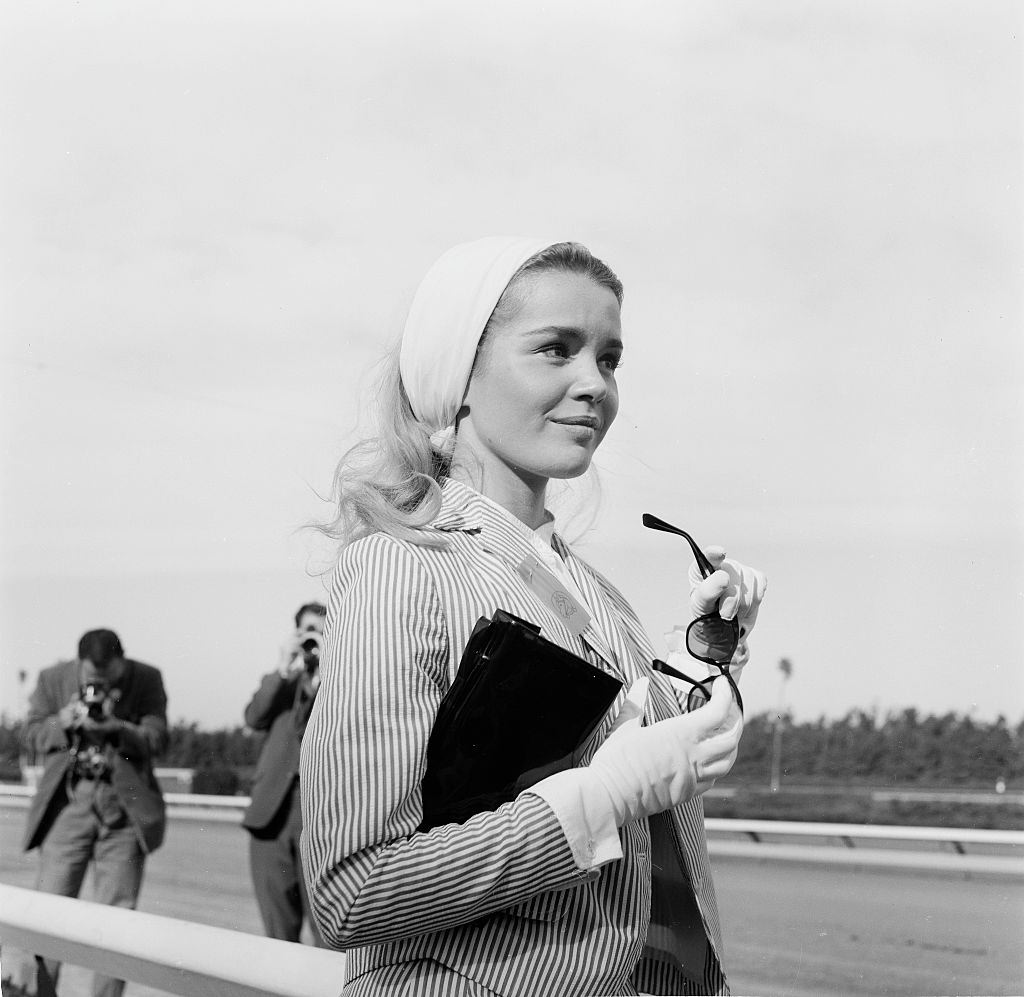
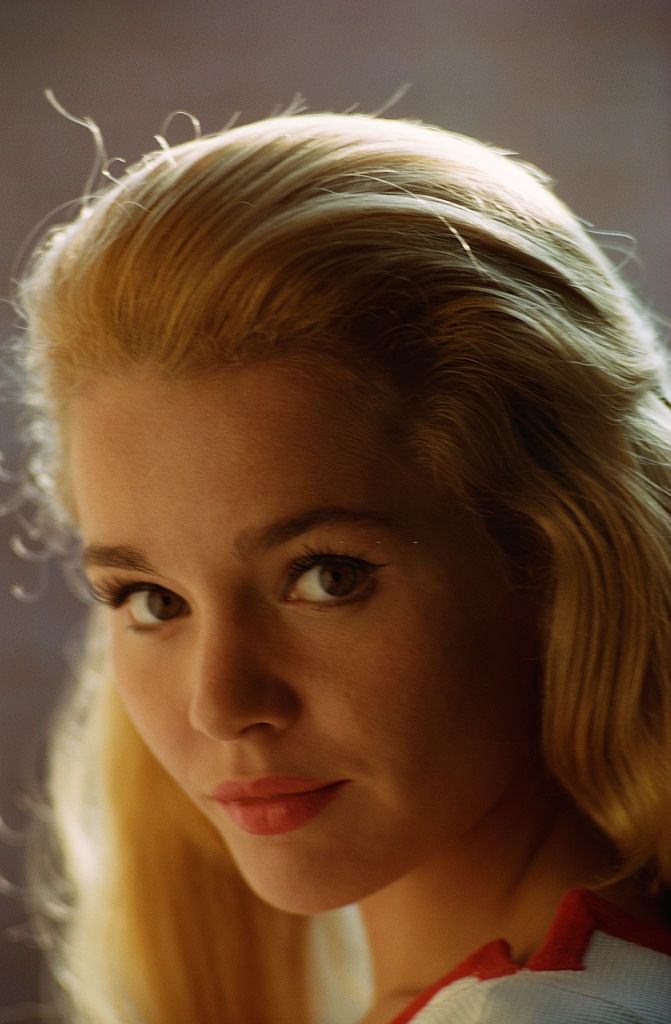
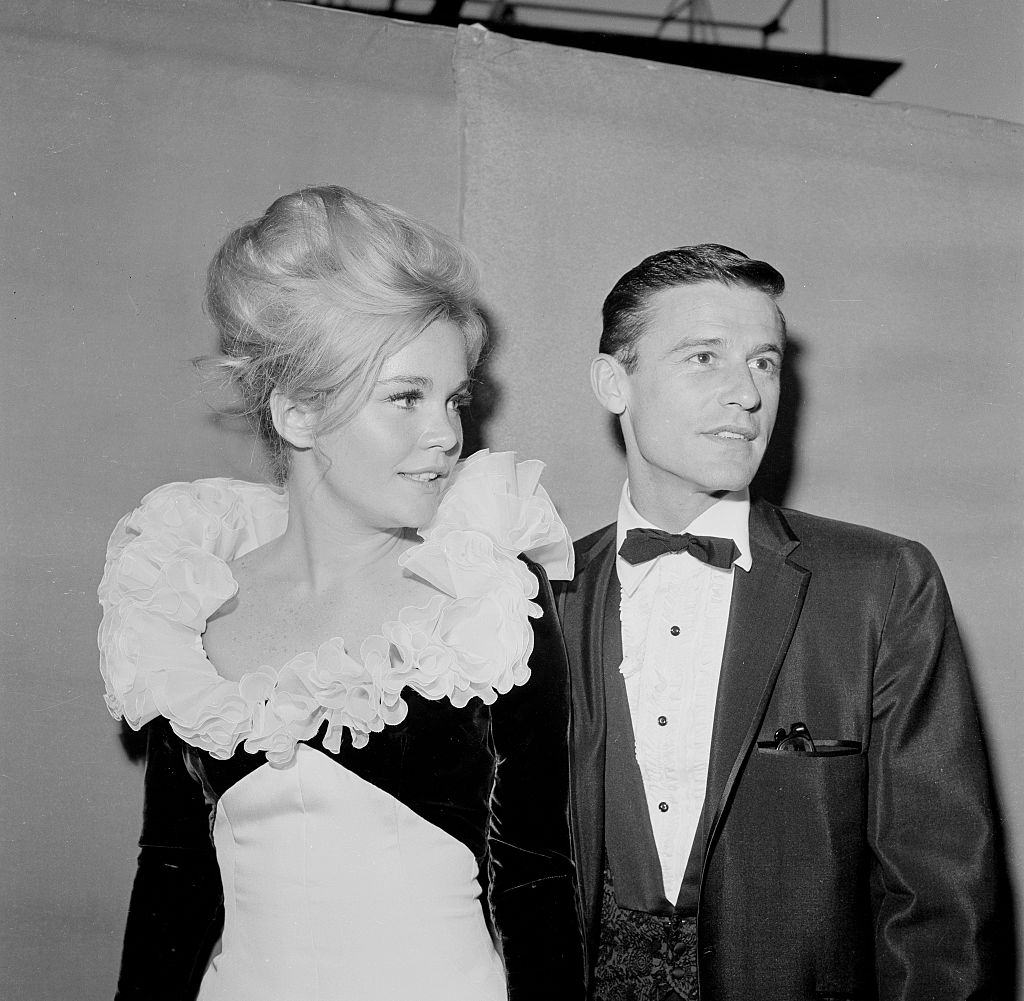
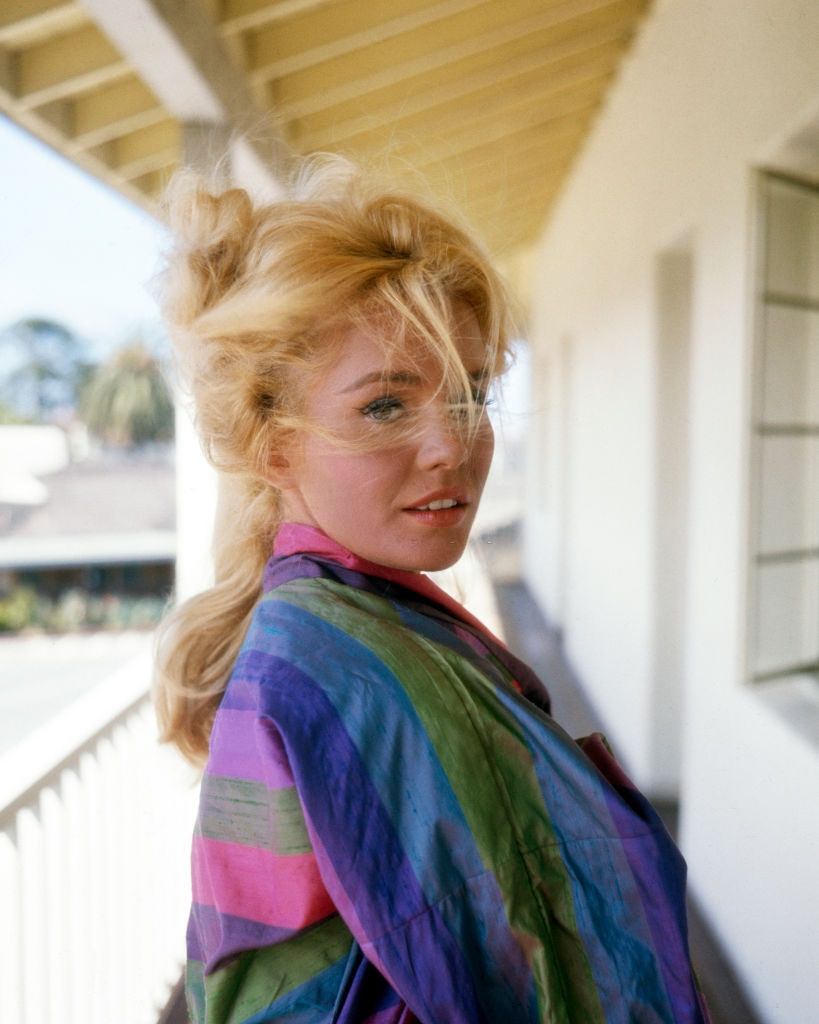
The early 1960s kept Weld busy on screen and off. In 1963, she filmed ‘Soldier in the Rain,’ and photo sessions from that period show her at ease both on set and in fashion shoots. Her look during this era — often captured in swimsuits, casual tops, and relaxed outdoor settings — became closely associated with the California glamour of the decade.
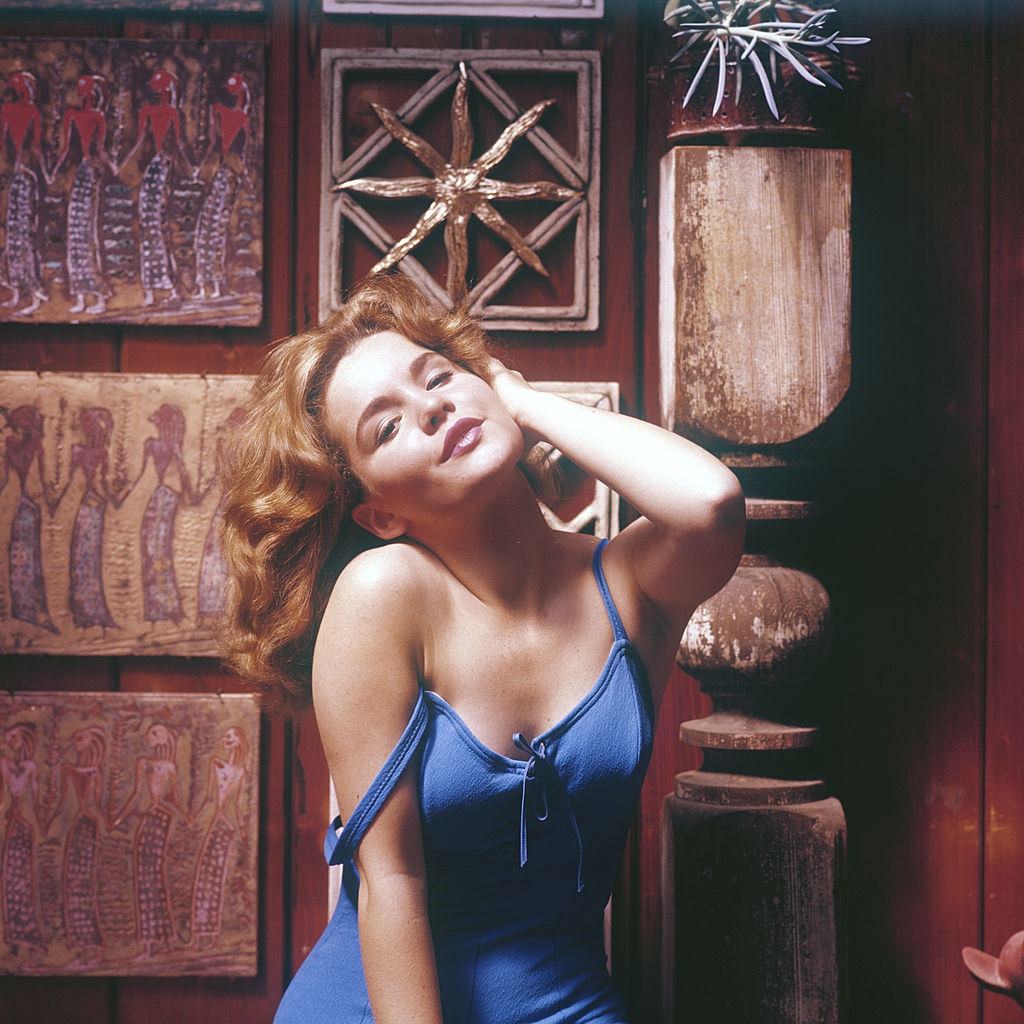
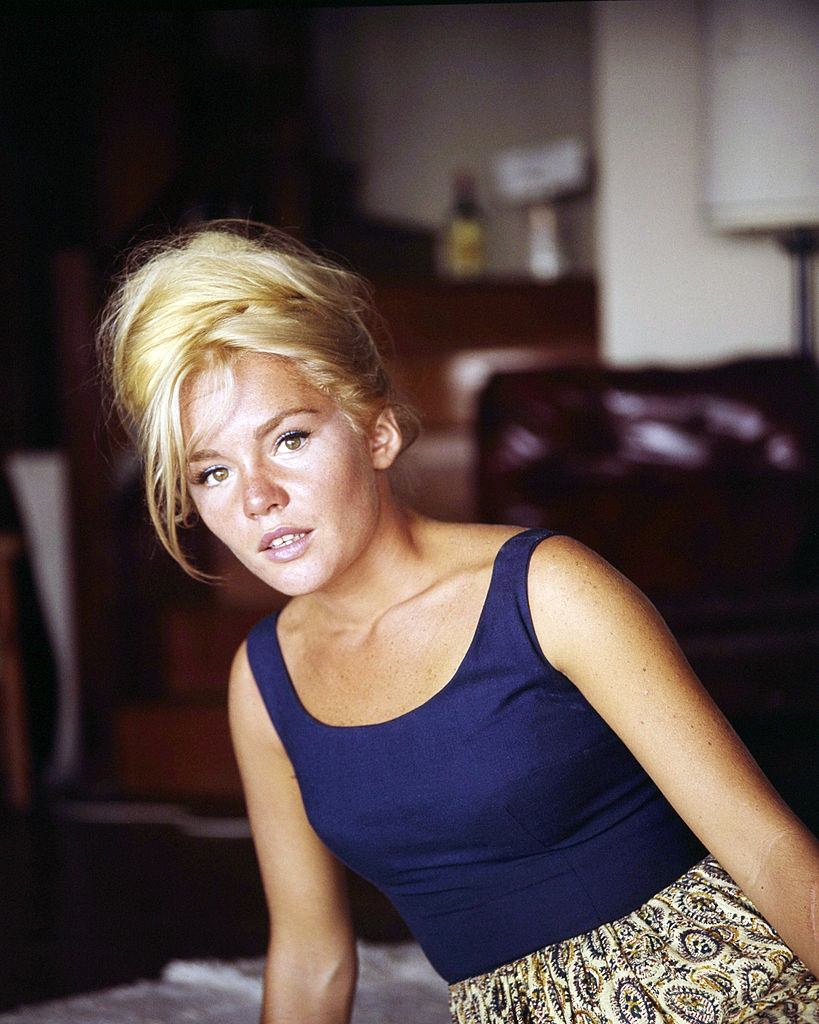
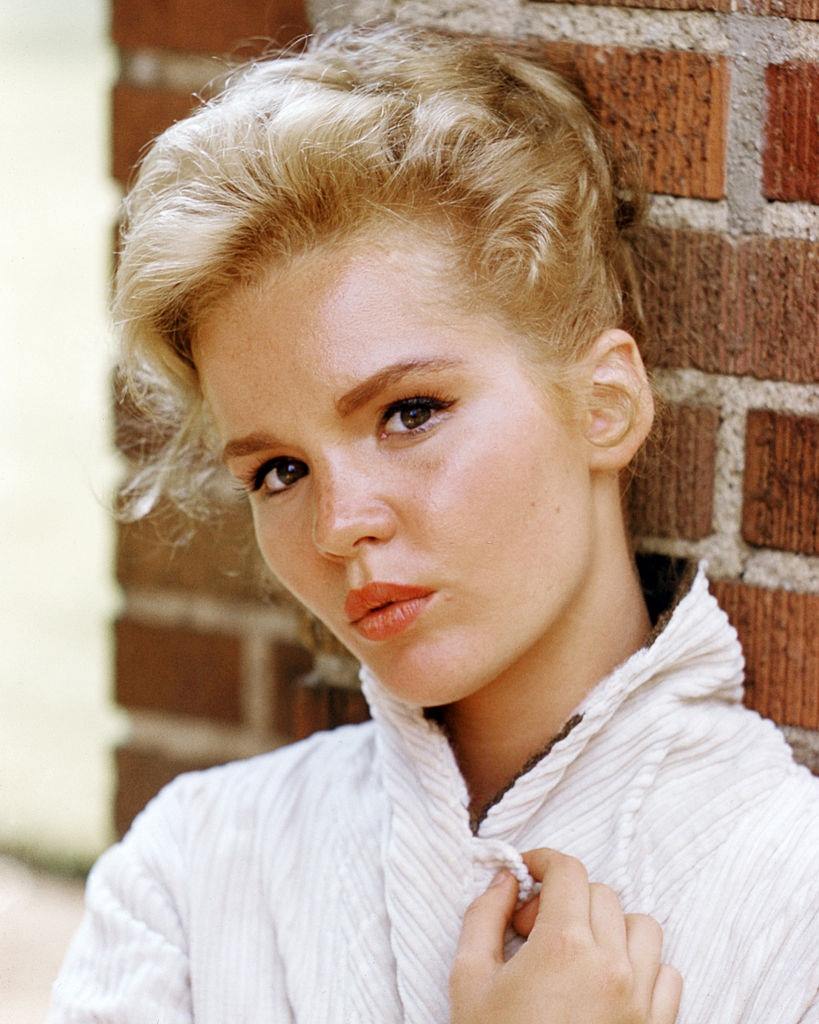
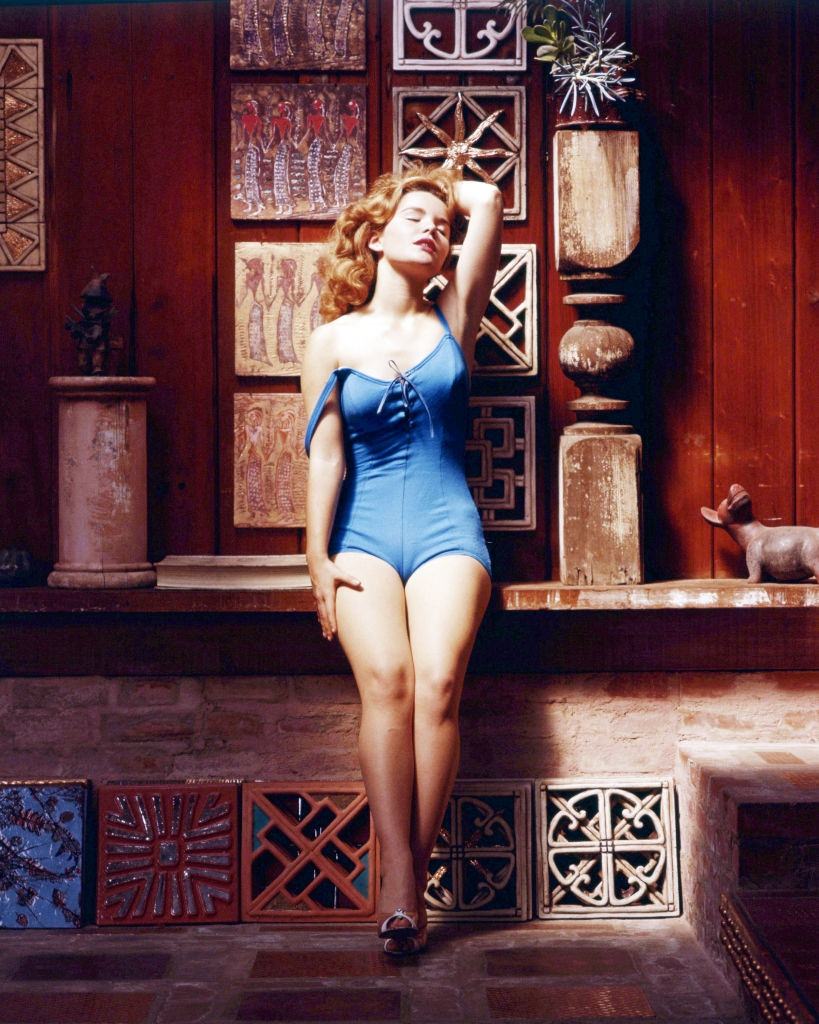
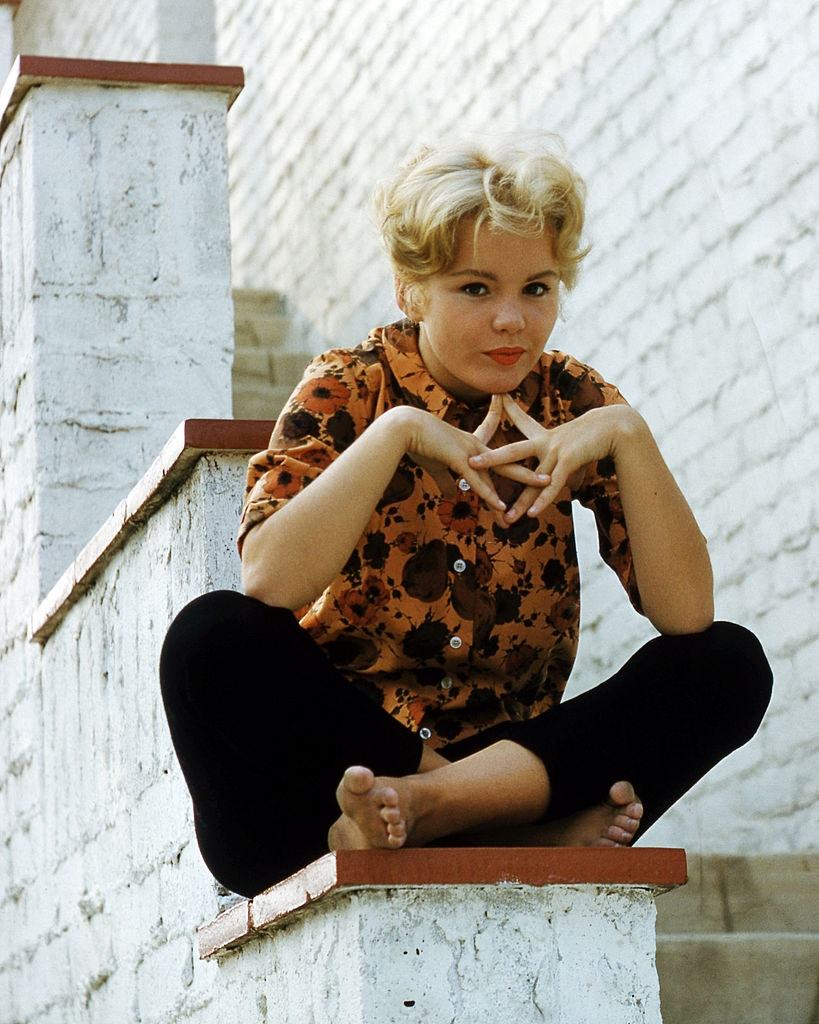
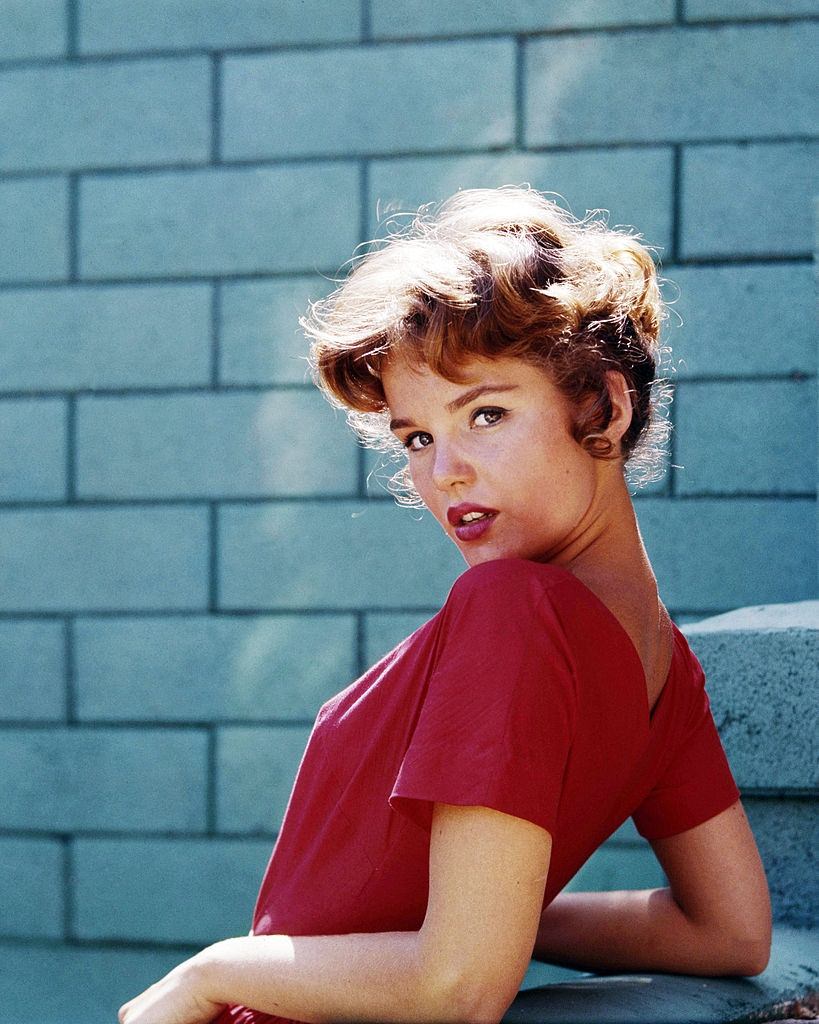
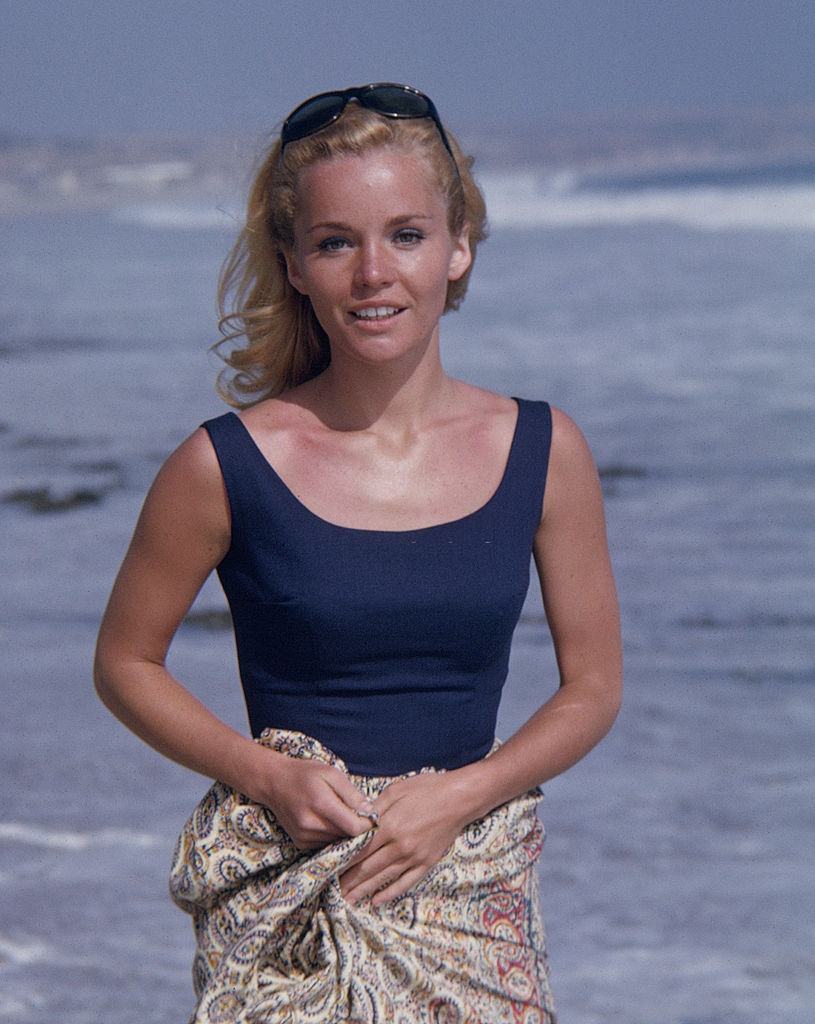
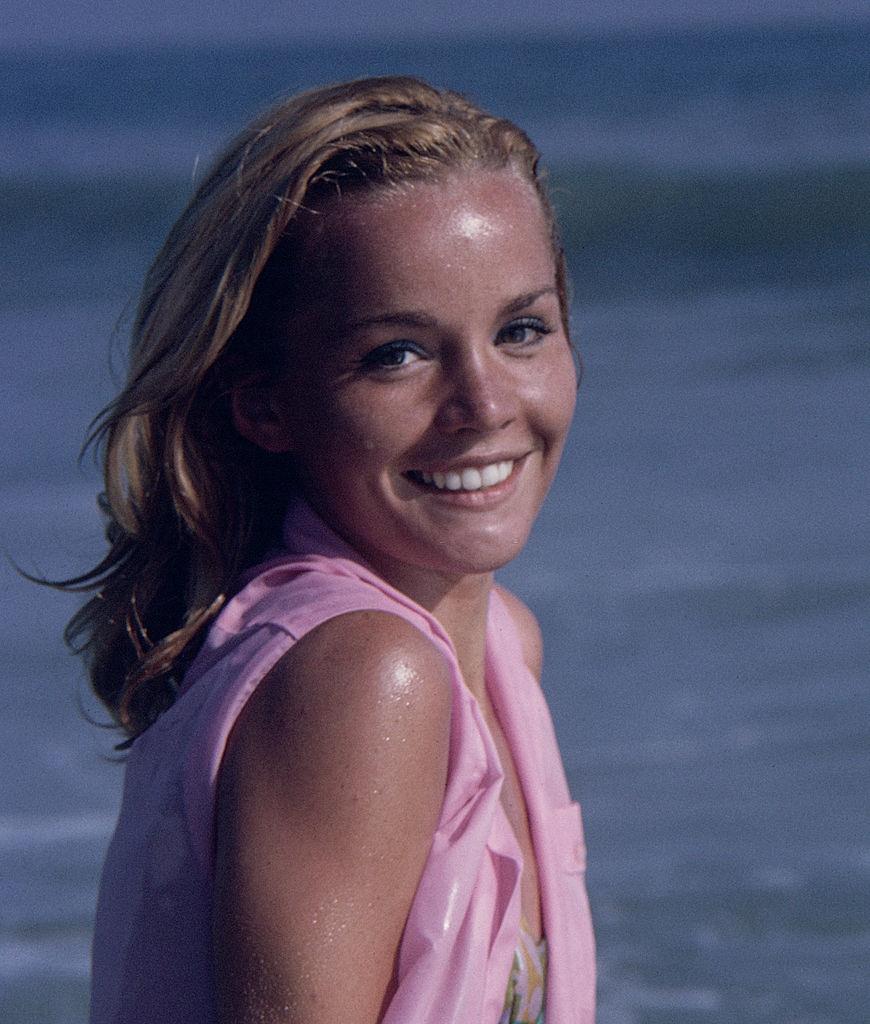
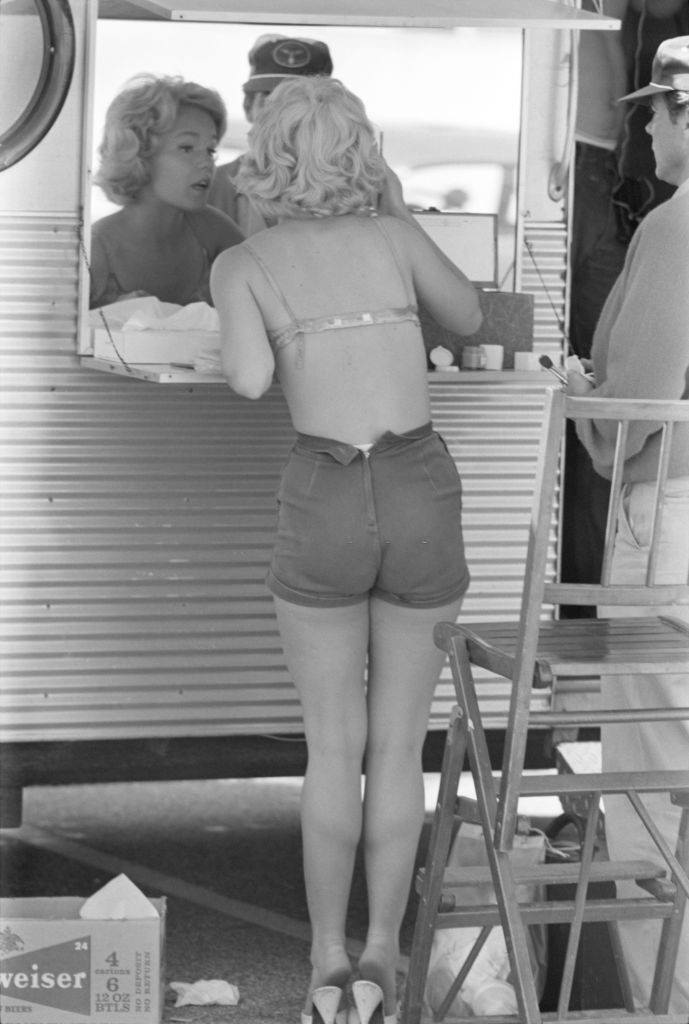
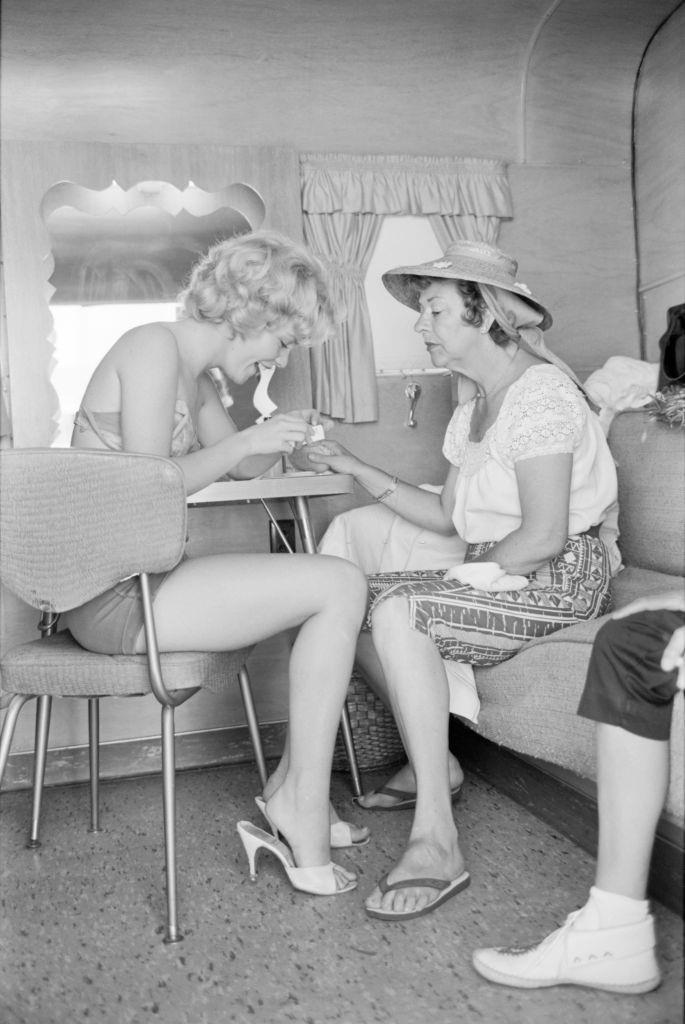
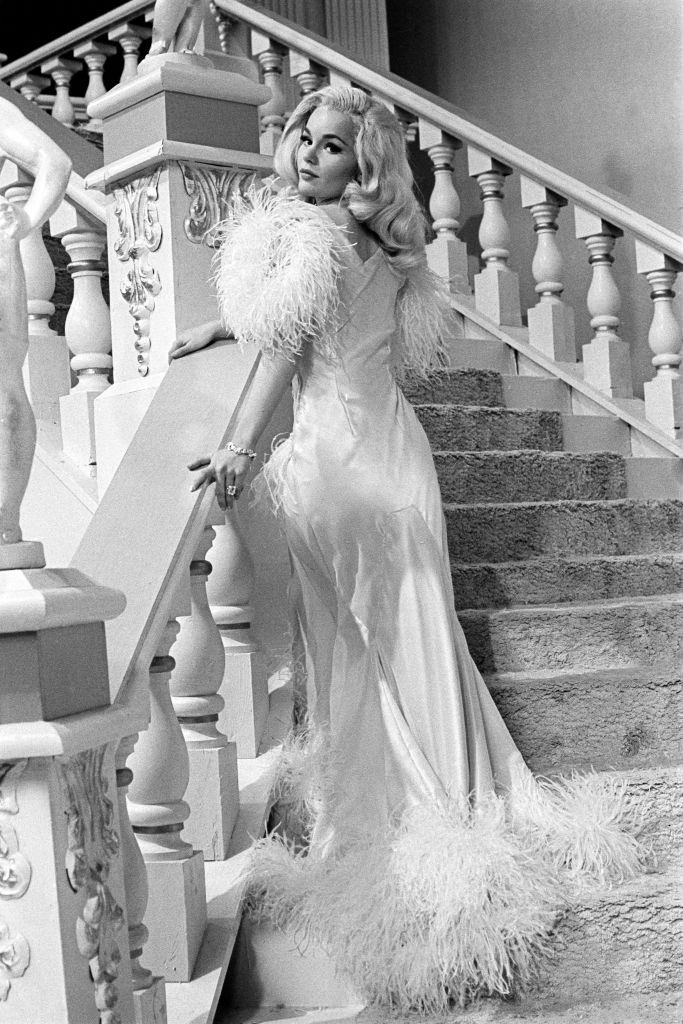
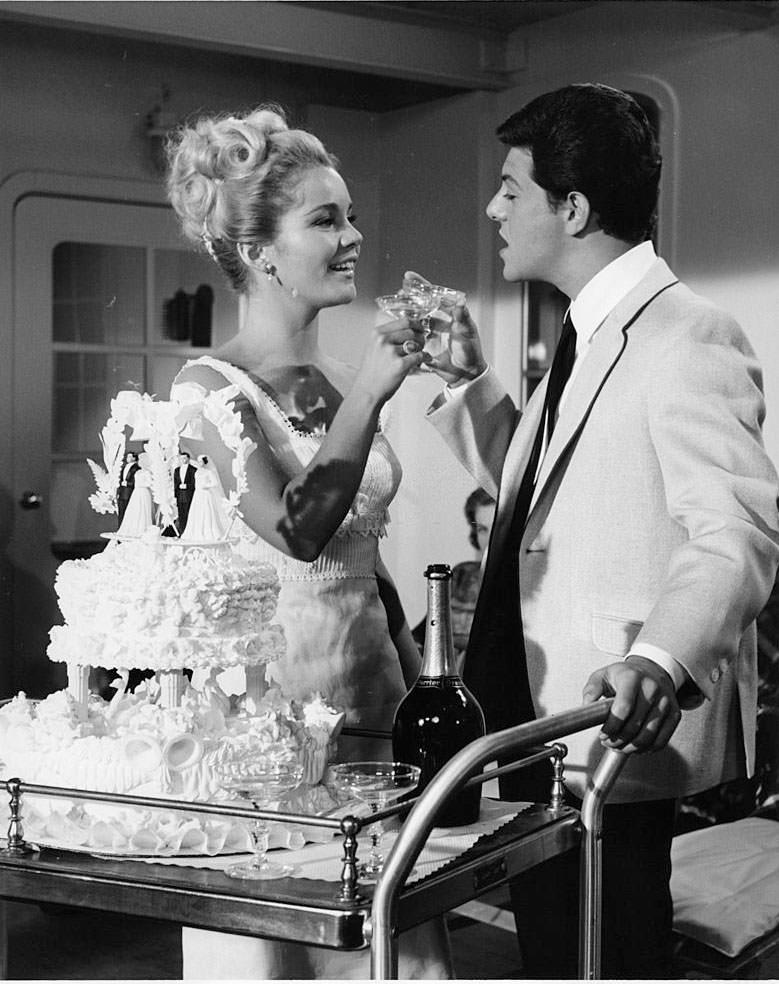
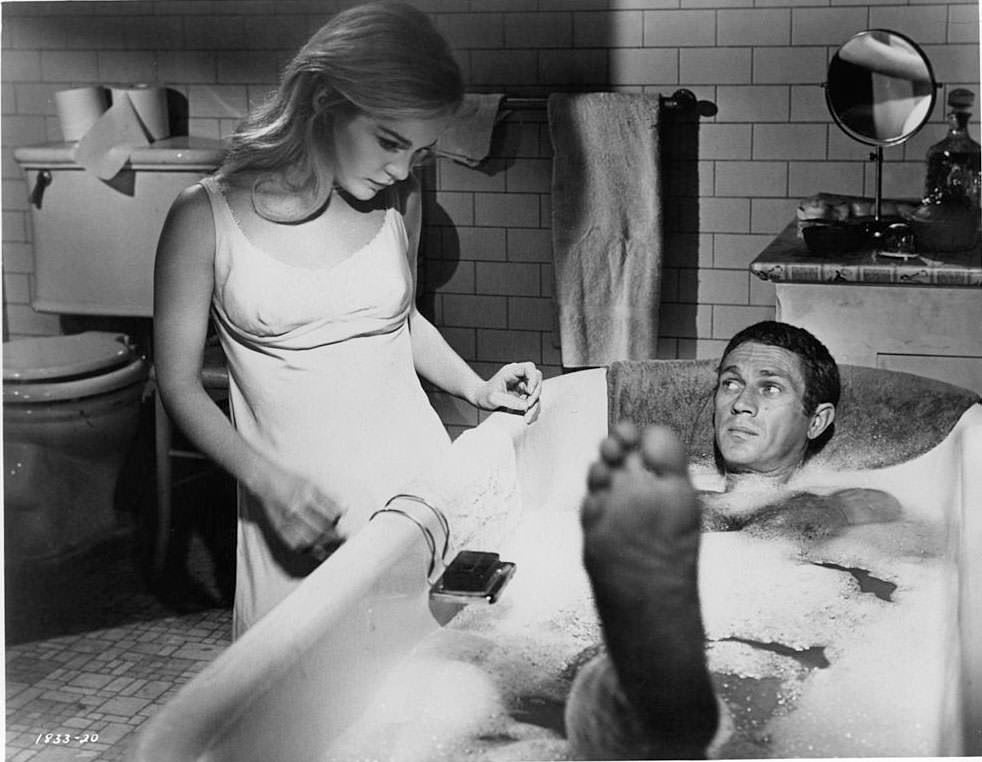
By 1965, Weld was appearing in a range of films and remained a sought-after subject for portrait photographers. That year she starred opposite Steve McQueen in ‘The Cincinnati Kid,’ playing a dramatic role that showed the range she had developed far beyond her early teen parts. She also appeared in ‘I’ll Take Sweden’ with Frankie Avalon. On a personal level, 1965 was also the year she married screenwriter Claude Harz.
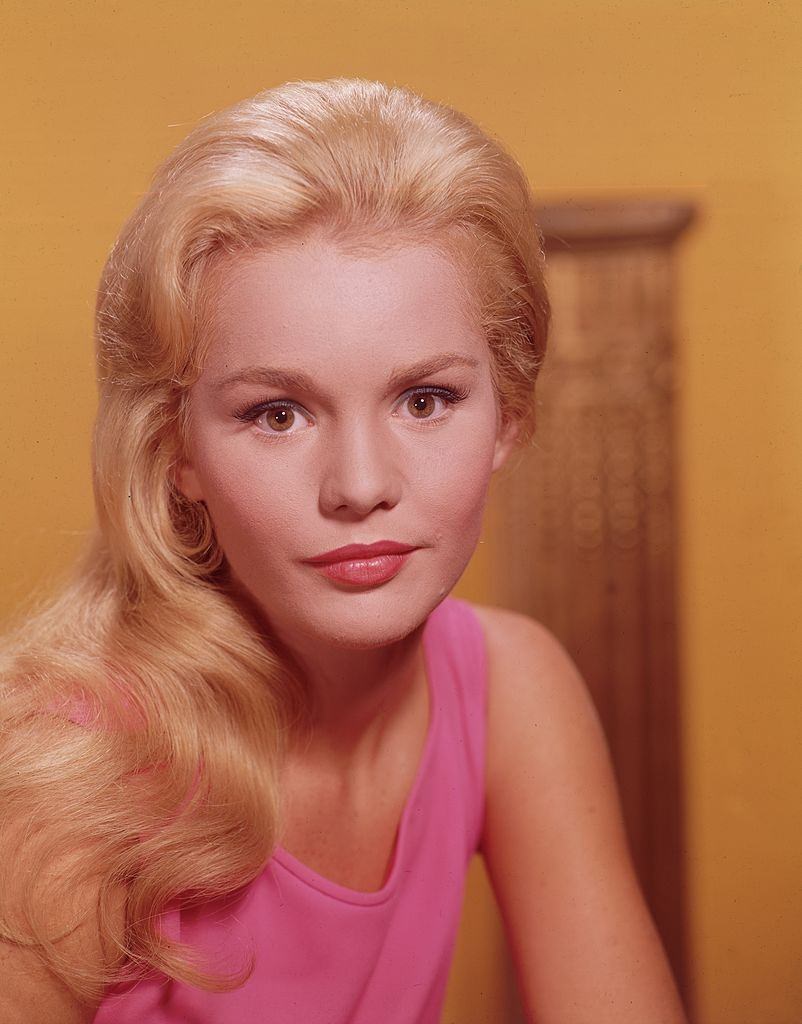
Weld’s marriage to Claude Harz lasted from 1965 to 1971. The couple had a daughter, Natasha, born in 1966. After the divorce, Weld went on to marry British actor, musician, and comedian Dudley Moore in 1975. That marriage ended four years later, and they had a son together. Her third marriage was to Israeli concert violinist and conductor Pinchas Zukerman, which lasted three years before ending in divorce.
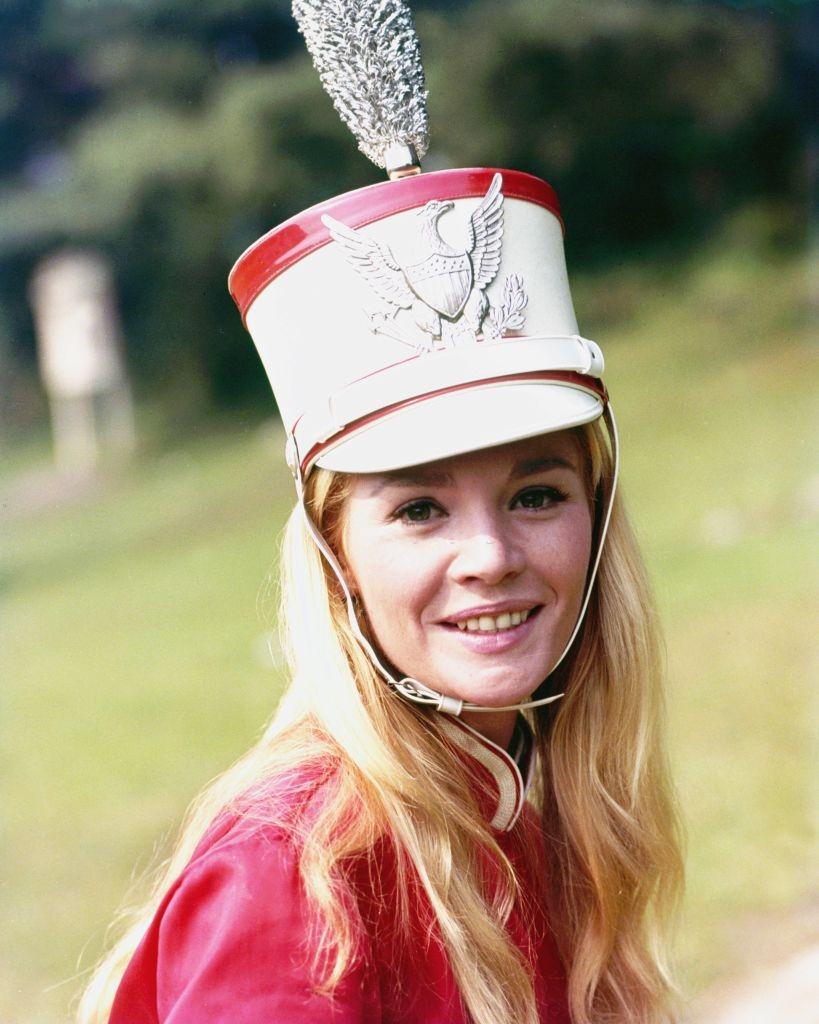
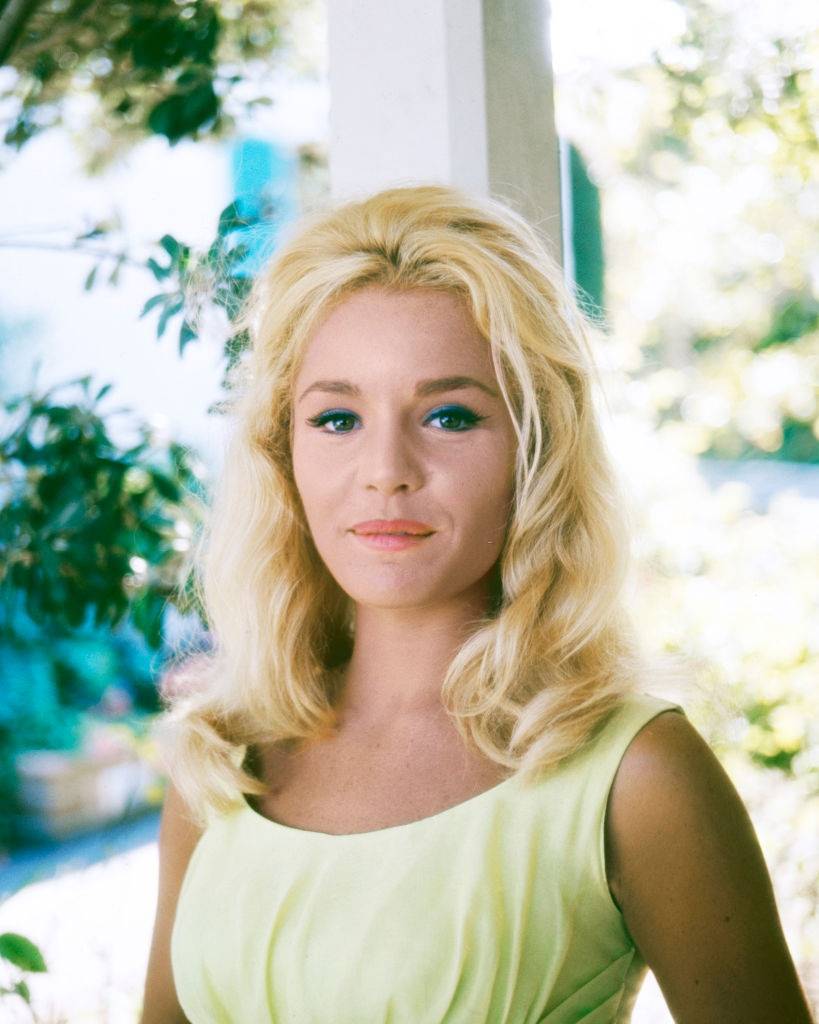
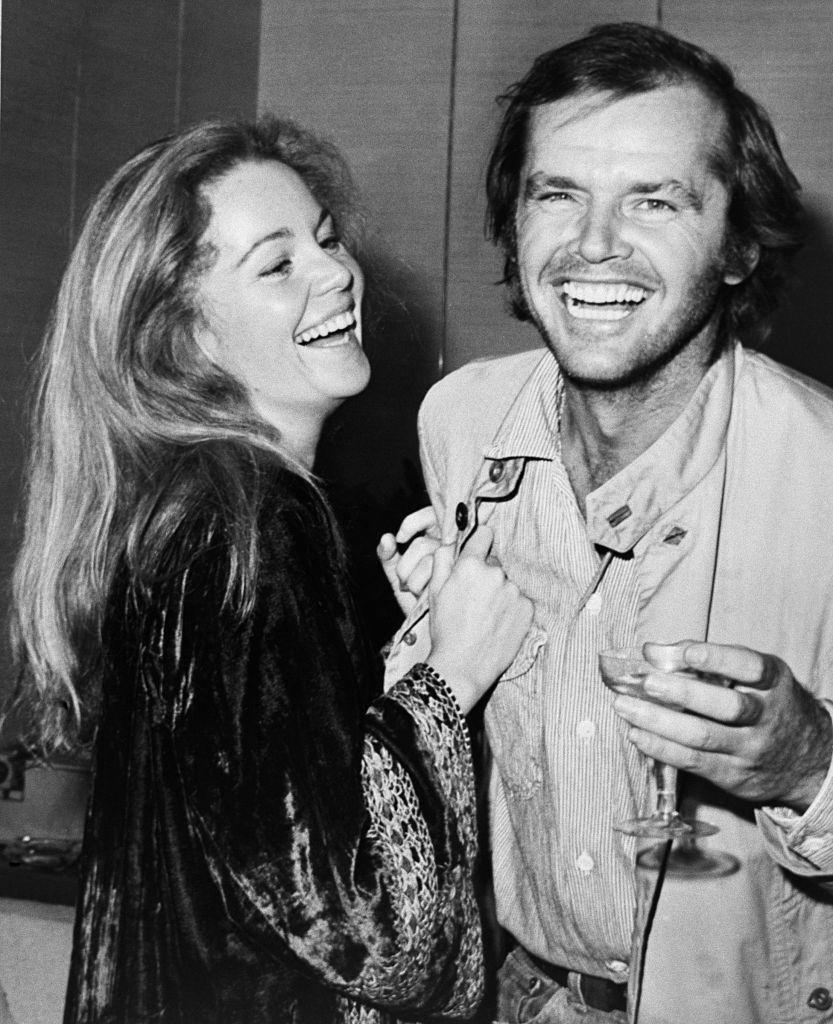
From the mid-1970s onward, Weld shifted her focus increasingly toward made-for-television films. Her most acclaimed performance of that era came in ‘Looking for Mr. Goodbar’ (1977), in which she played the volatile, out-of-control character Katharine. The role earned her serious critical attention and an Academy Award nomination for Best Supporting Actress. She followed that with an appearance in ‘Who’ll Stop the Rain’ in 1978. In 1975, she had also taken on the role of Zelda Fitzgerald in the ABC TV movie ‘F. Scott Fitzgerald in Hollywood.’
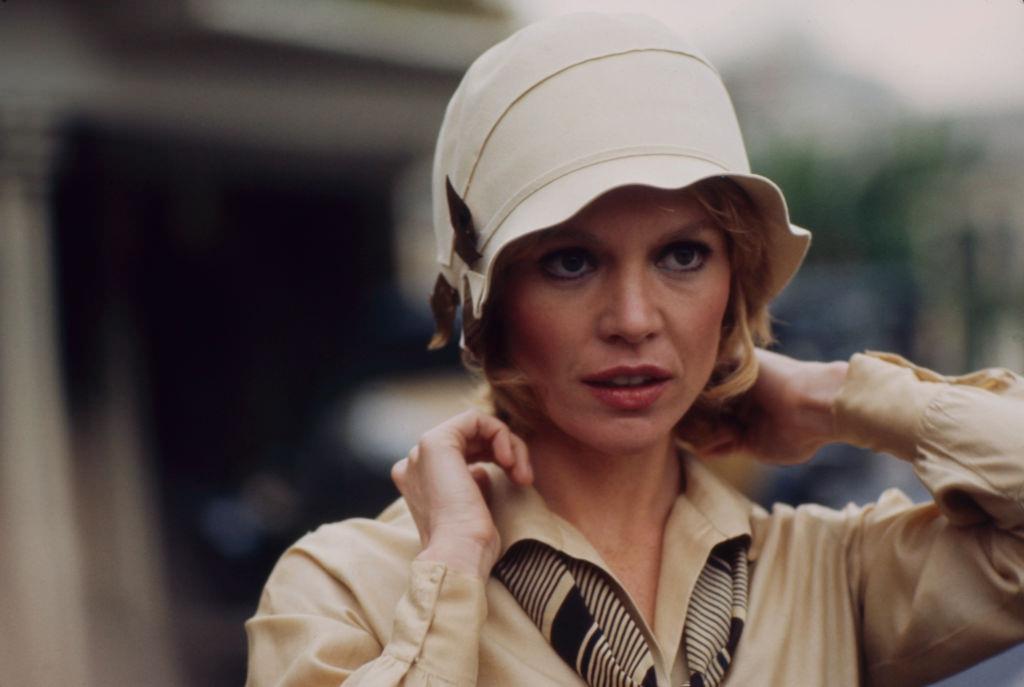
Weld made her final screen appearance in the 2001 film ‘Chelsea Walls,’ closing out a career that had spanned five decades and crossed nearly every format in American entertainment. From mail-order catalog model to Golden Globe winner to Oscar nominee, she covered enormous ground — most of it before she turned thirty-five.