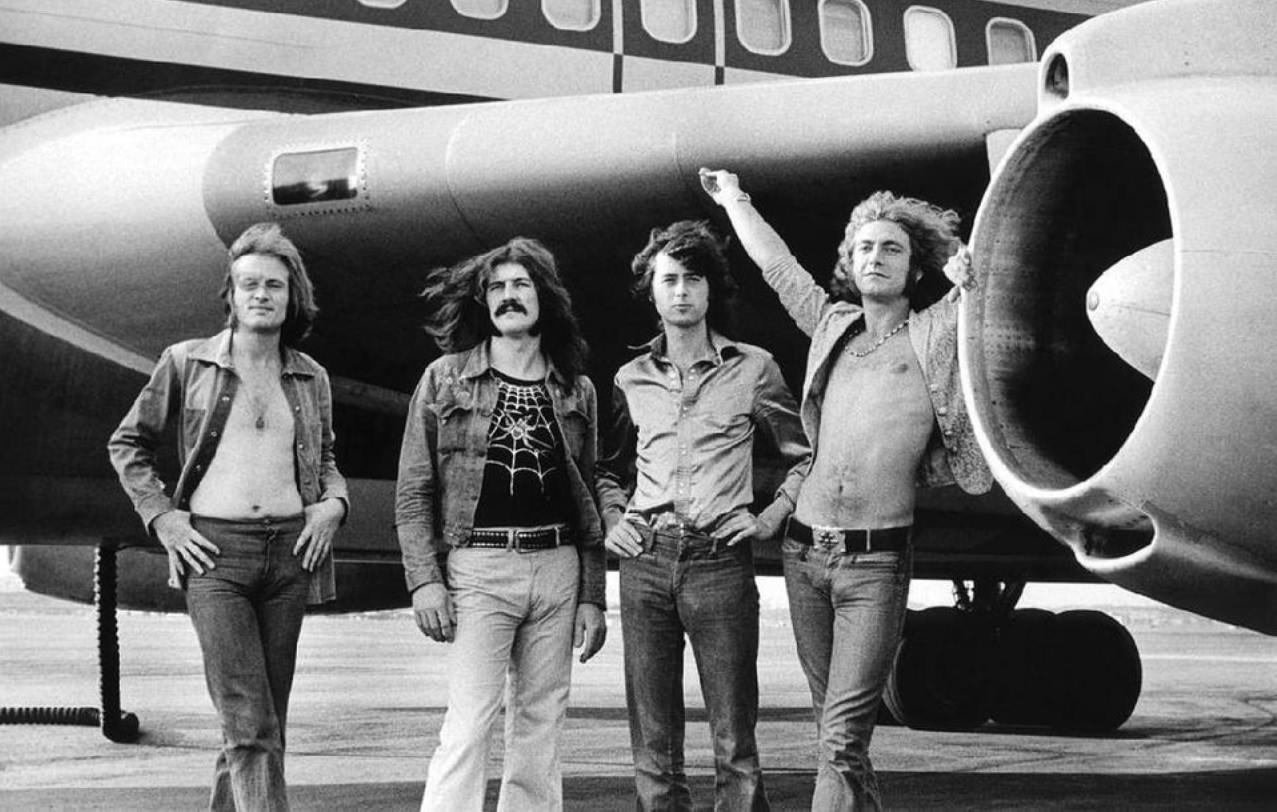
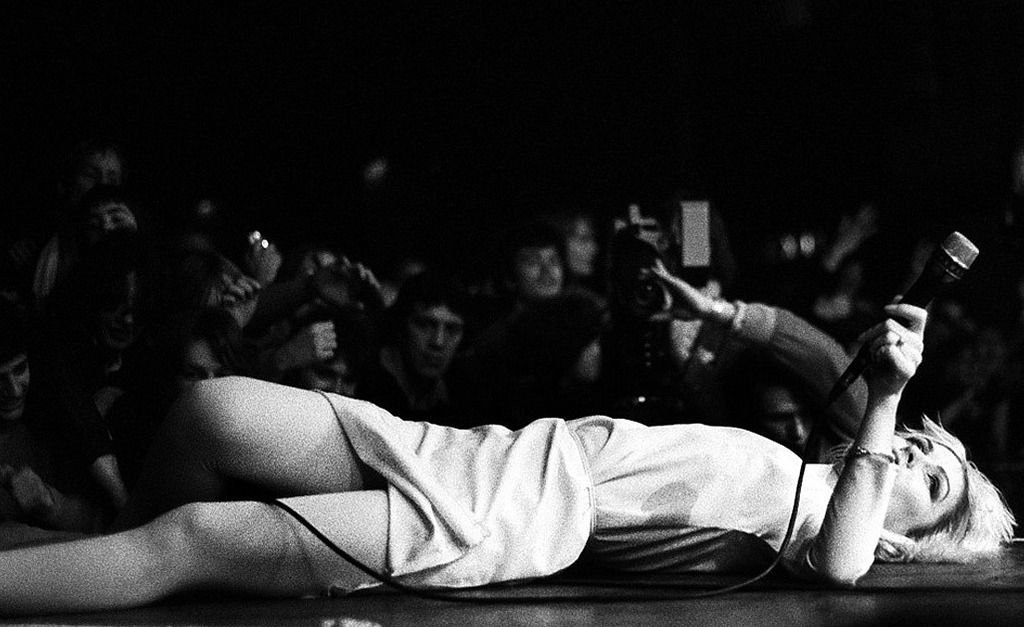
Tina Turner didn’t just become the Queen of Rock ‘n’ Roll — she earned that title through raw talent, relentless work, and decades of performing that left audiences breathless. Born Anna Mae Bullock, she began singing as a teenager before her life changed completely in 1956, when she met musician Ike Turner. That meeting launched one of the most recognizable acts in American music history.
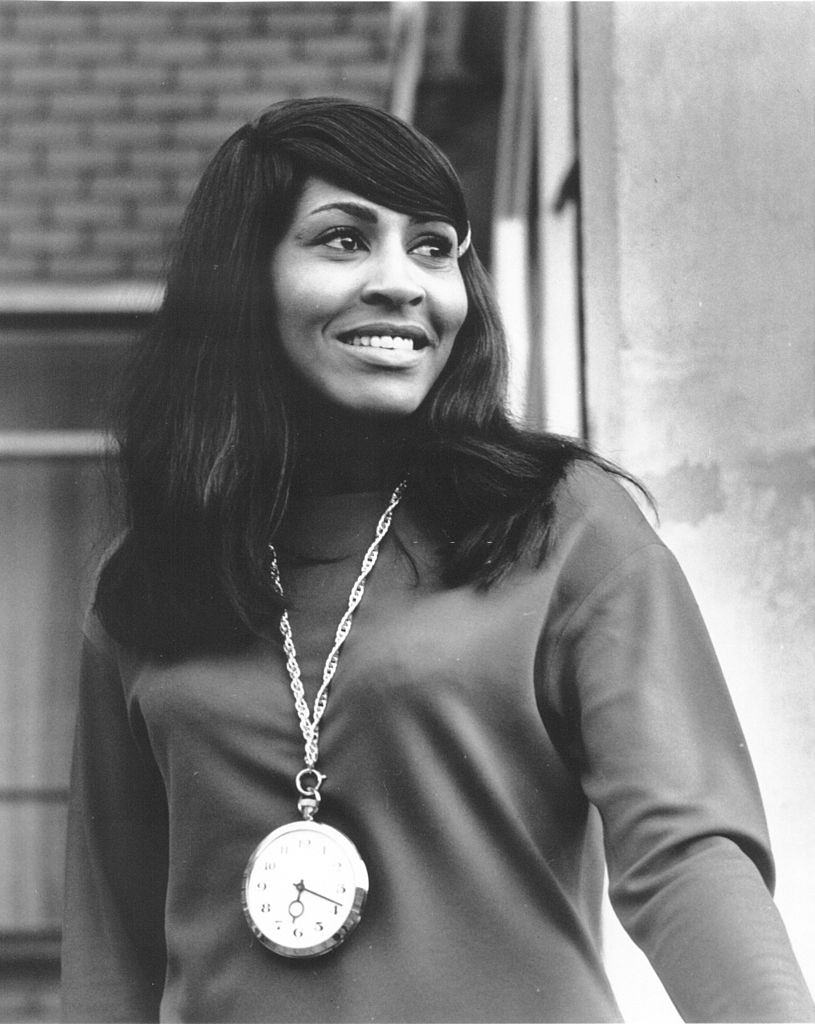
Together, Tina and Ike formed the Ike and Tina Turner Revue, a high-energy touring act that packed venues throughout the 1960s. Tina’s voice cut through a room unlike anything audiences had heard before — powerful, gritty, and completely her own. The Revue built a massive following across the United States and beyond, making them one of the hardest-working acts on the circuit.
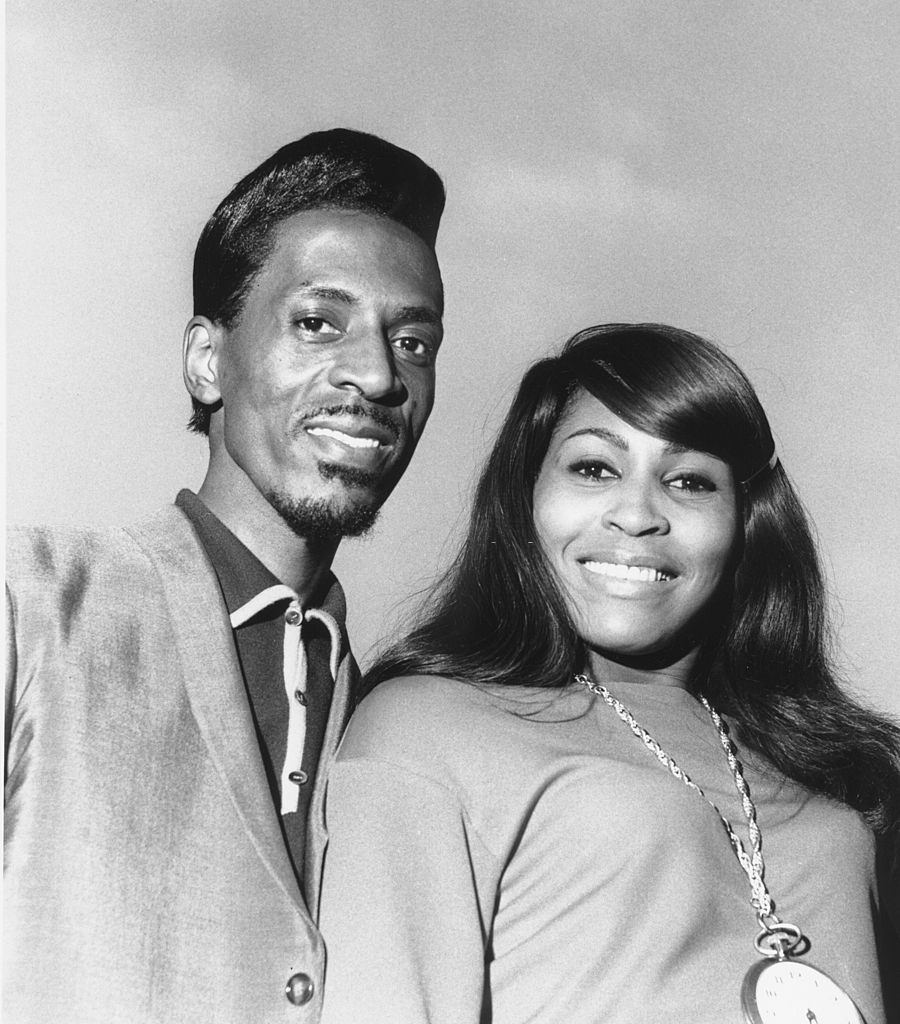
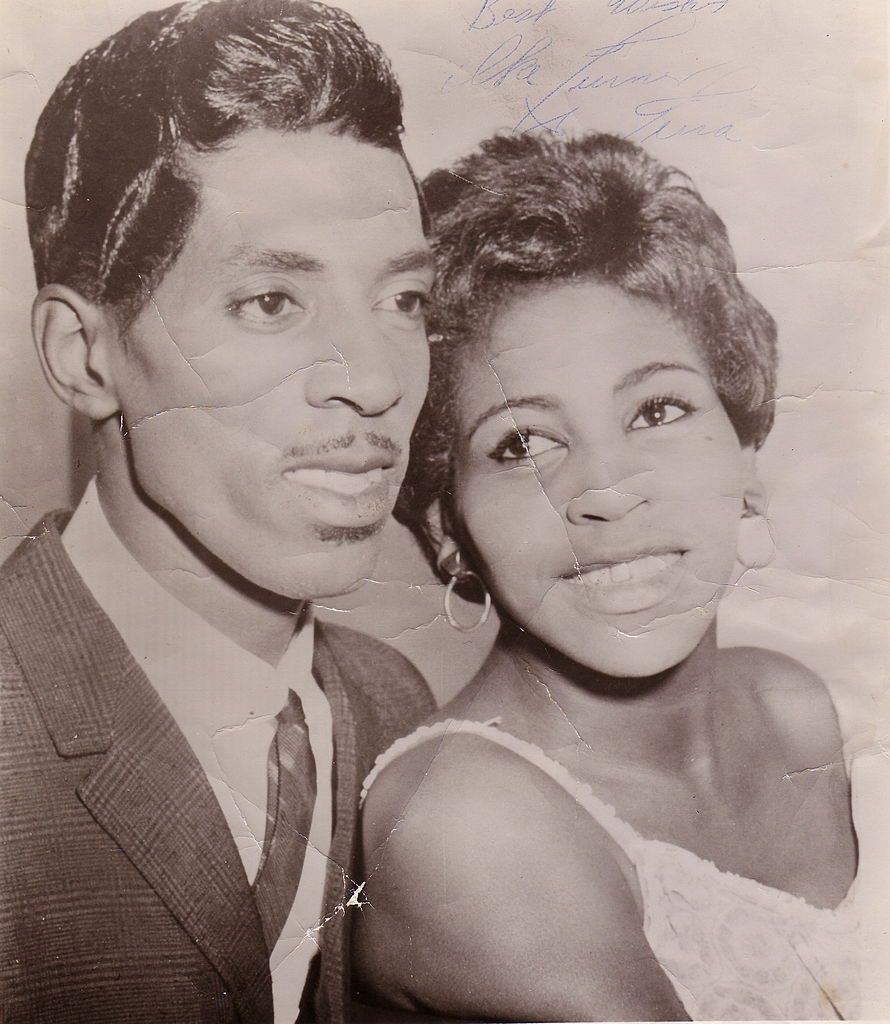
Ike and Tina married in 1962. But behind the glittering stage act, the relationship was deeply troubled. Tina later described Ike as a violent, drug-addicted wife-beater. She endured years of abuse before finally walking away on July 1, 1976 — leaving with only 36 cents and a Mobil credit card. Their divorce was finalized on March 29, 1978.
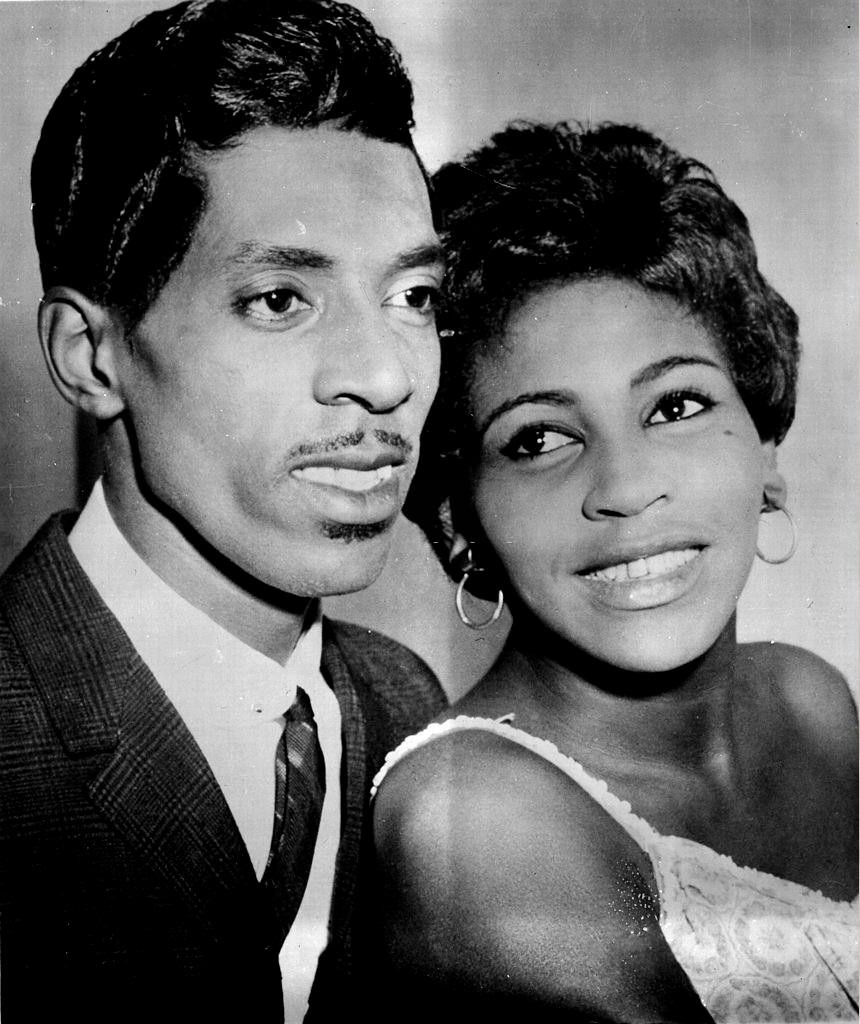
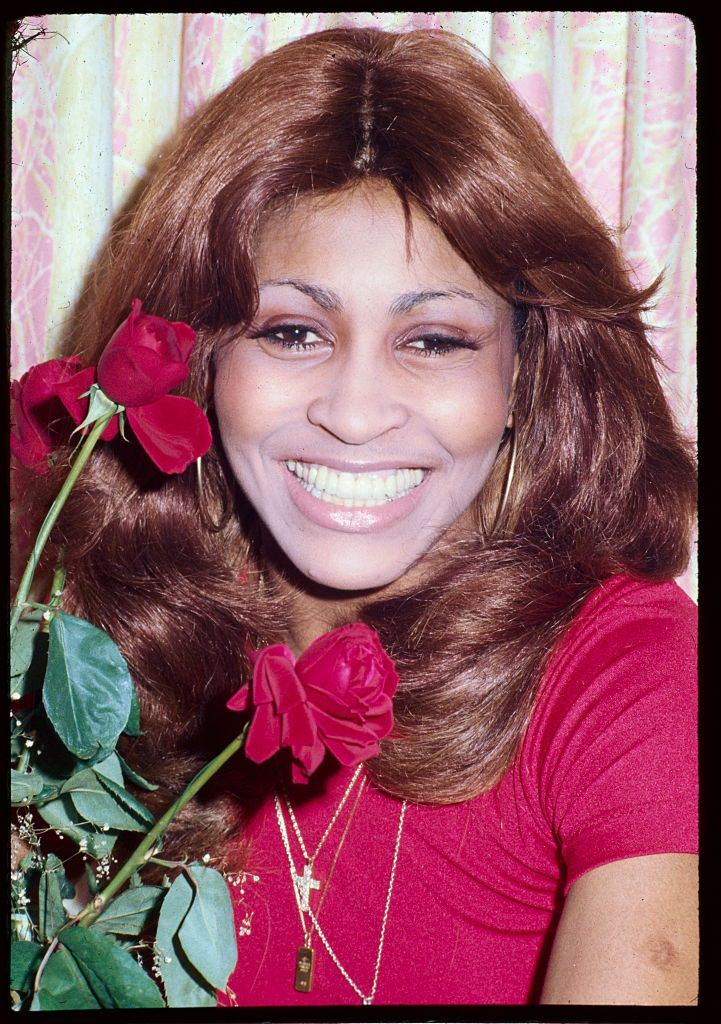
Before her relationship with Ike, Tina had fallen in love with a man named Harry Taylor. That relationship ended when she discovered Taylor had married another woman he had impregnated. She also had a year-long relationship with saxophonist Raymond Hill, with whom she had a son.
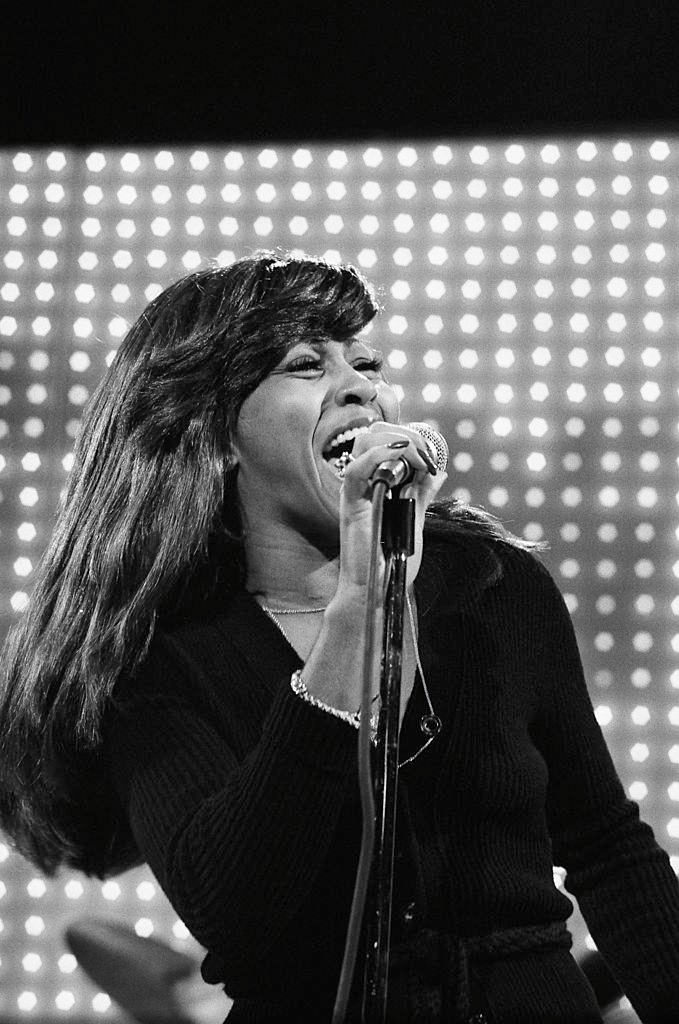
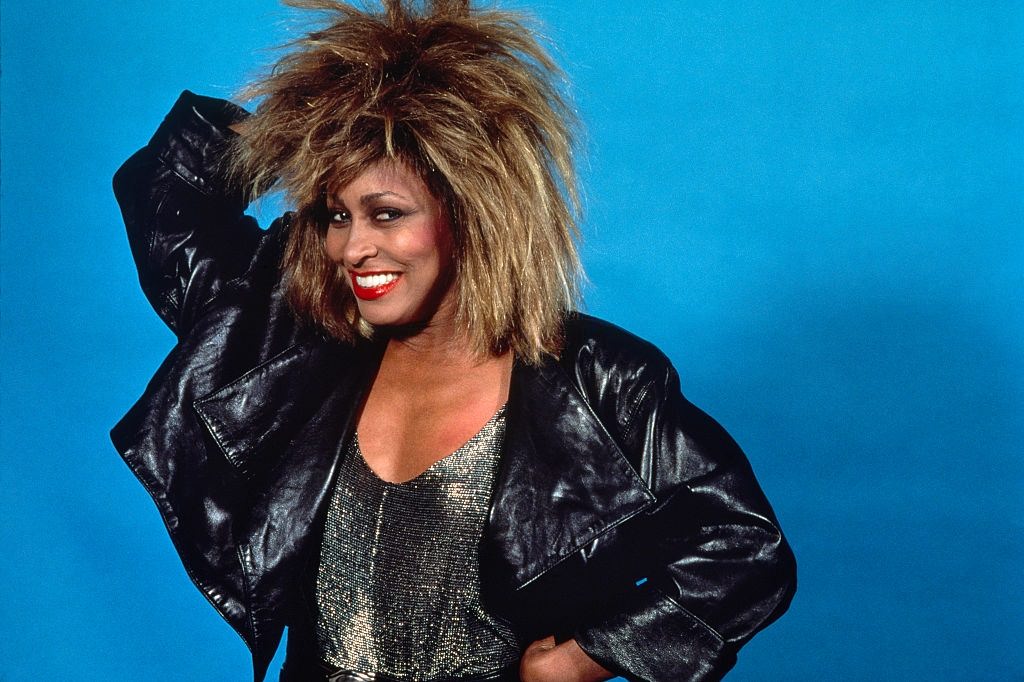
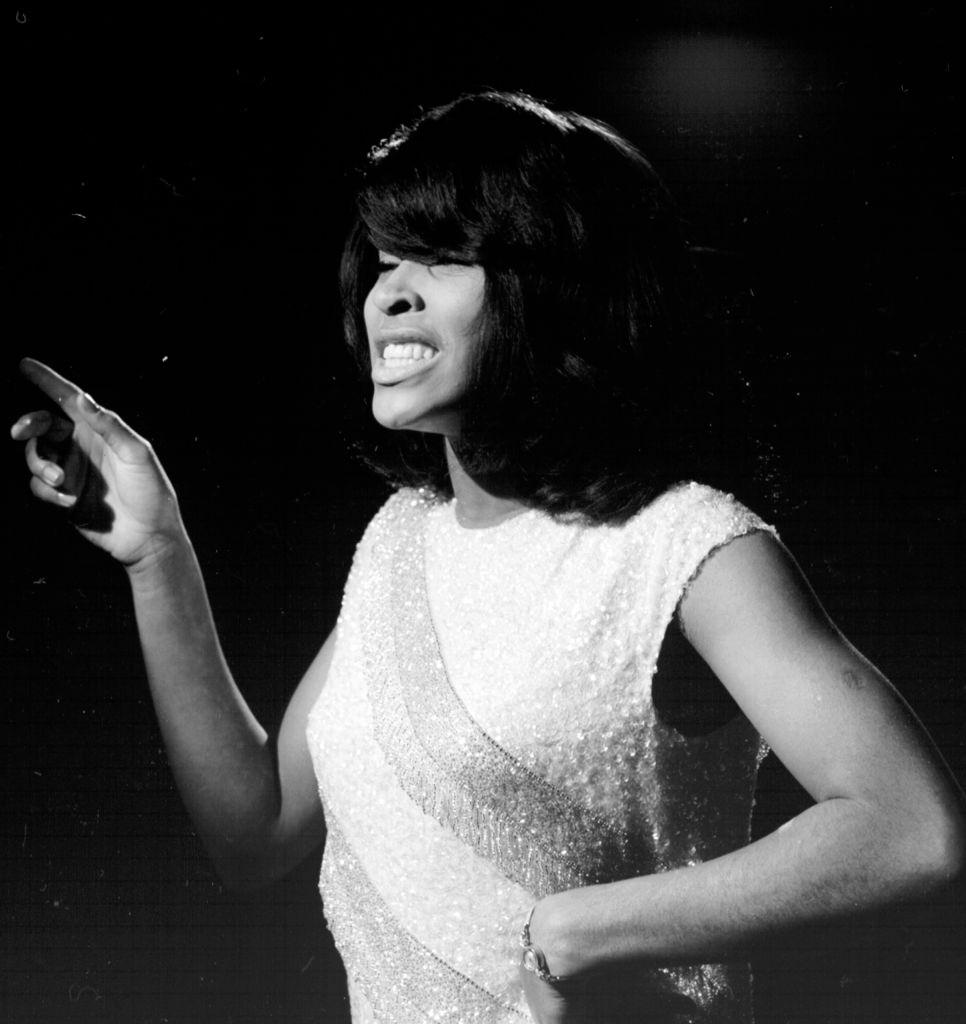
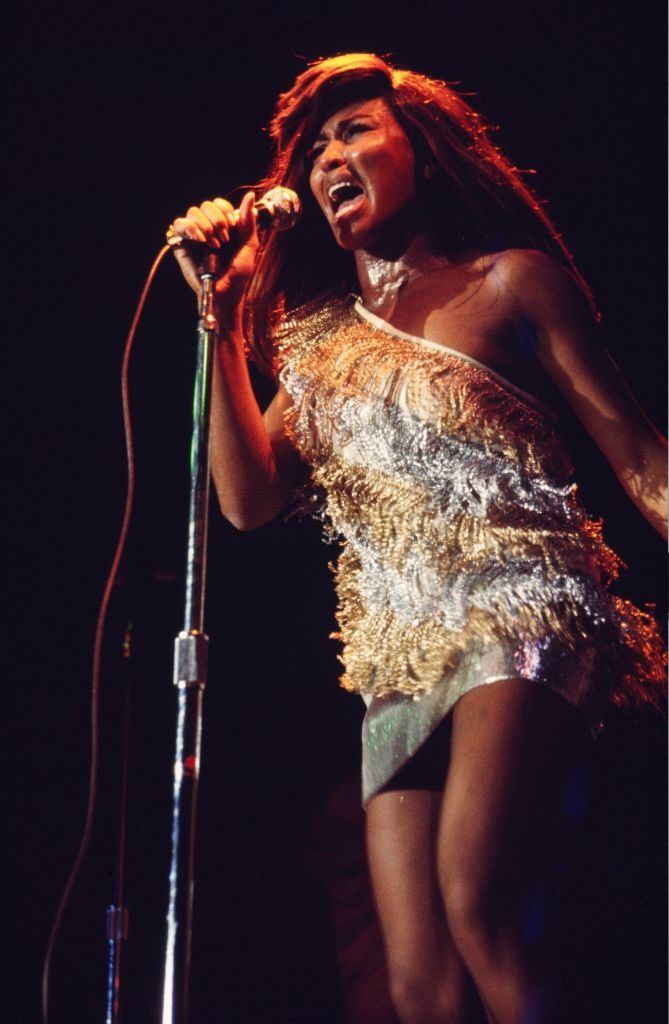
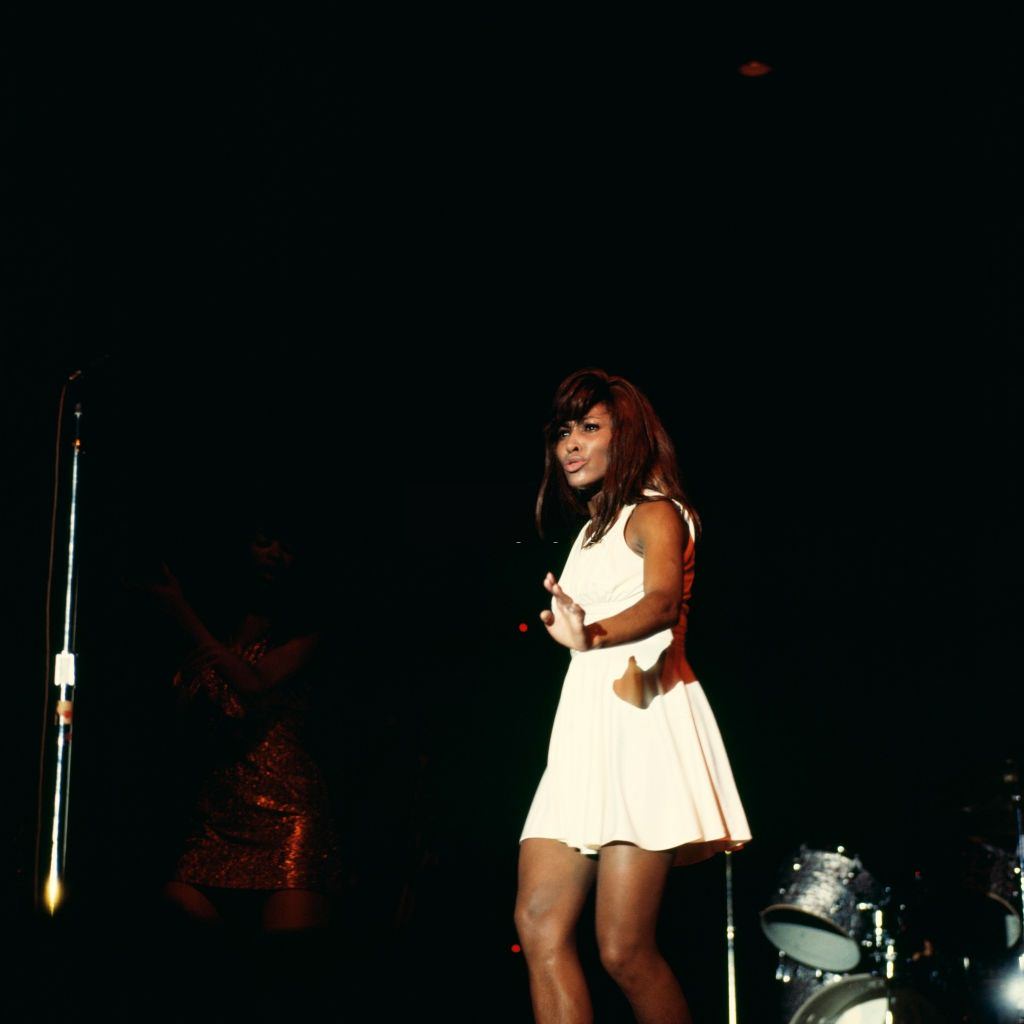
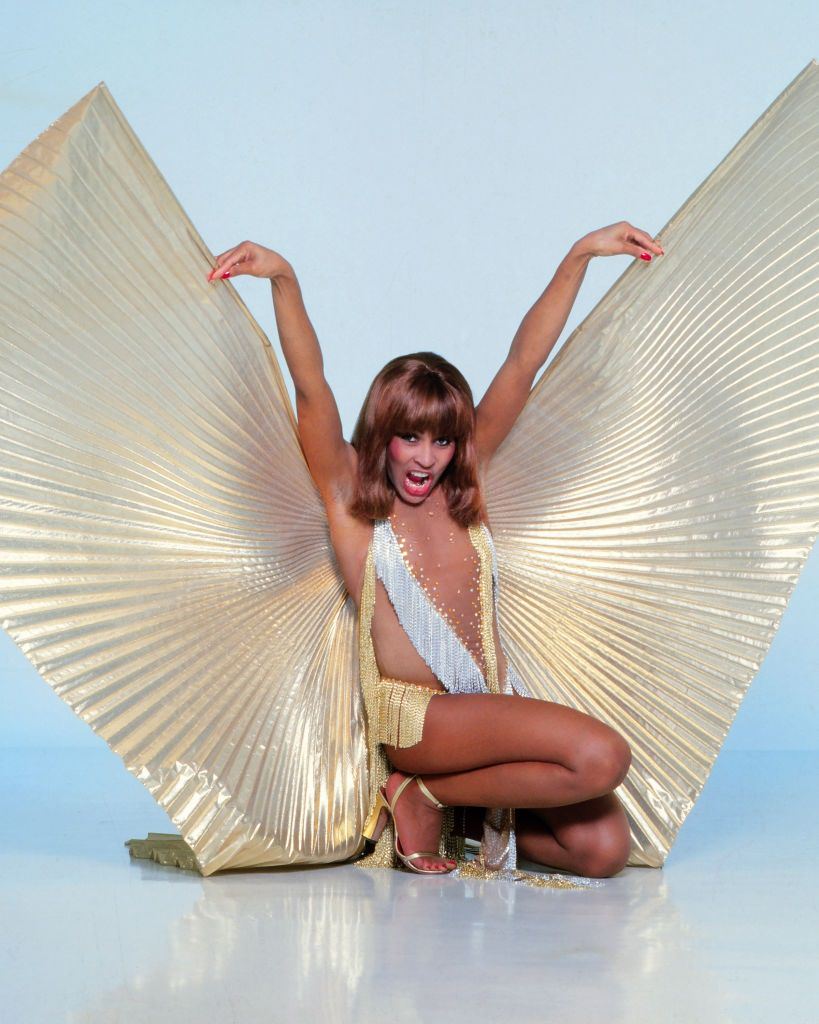
On stage during the 1960s, Tina was a force of nature. Her performances were athletic and commanding — she danced, she belted, she controlled the room. The Revue toured constantly, and Tina’s presence was always the magnetic center of every show.
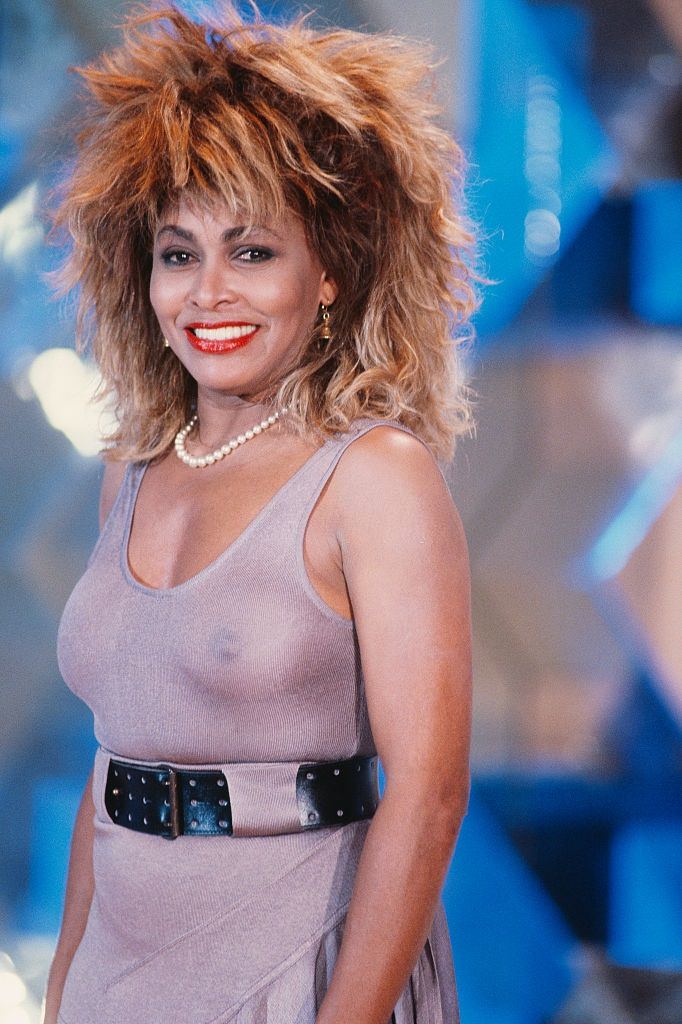
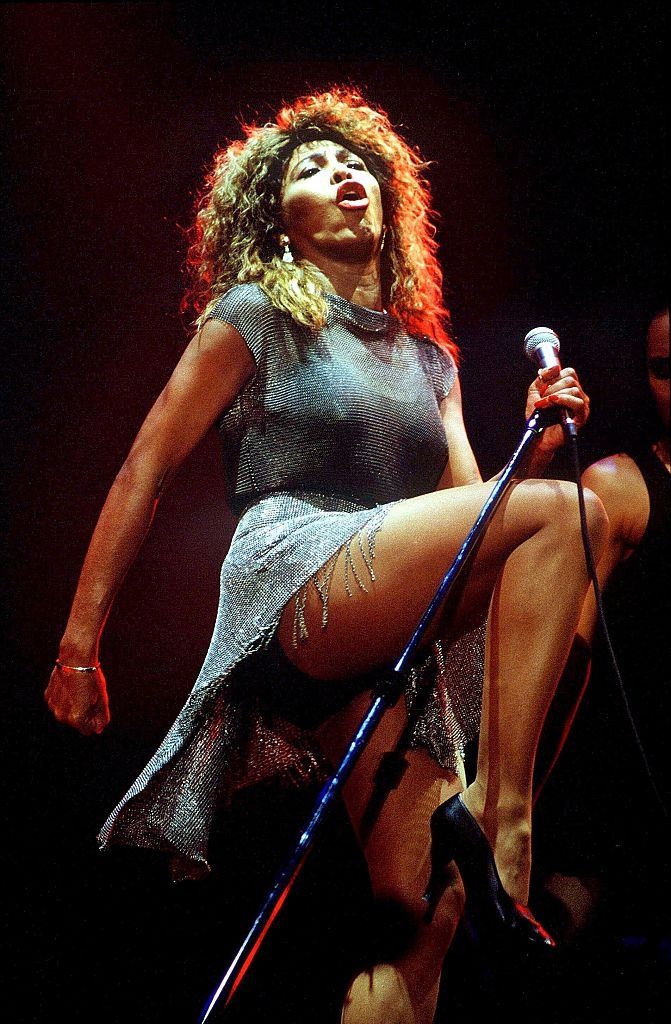
By 1962, the Revue was recording seriously, with Tina laying down vocals in Los Angeles studios. These early sessions captured her voice in its rawest, most unfiltered form — a sound that producers and fellow musicians recognized immediately as something special.
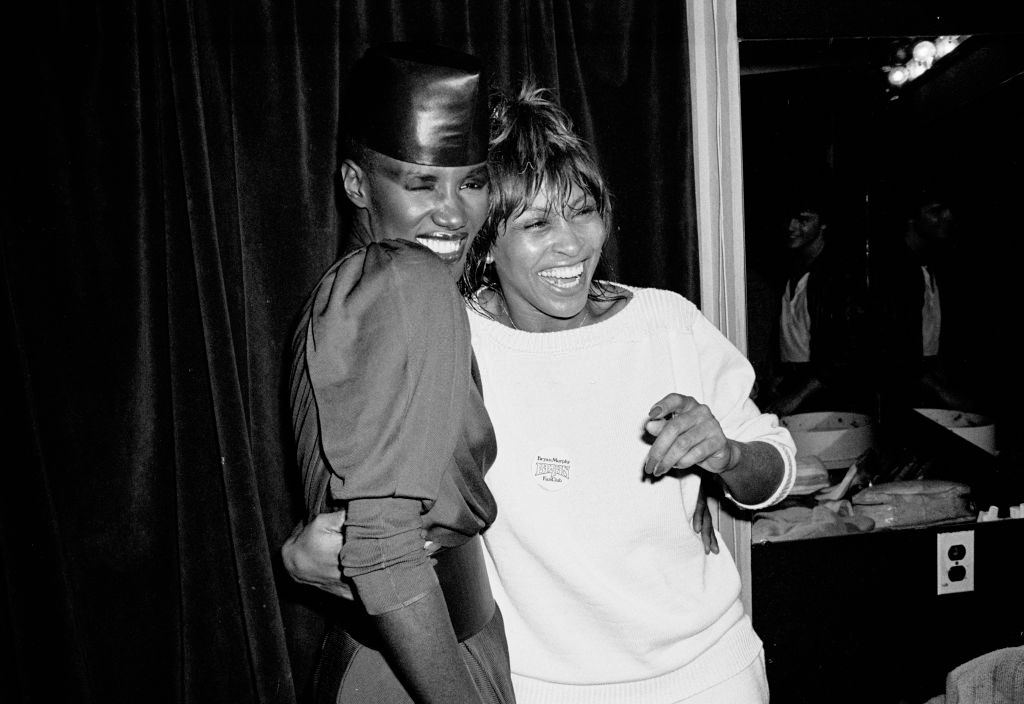
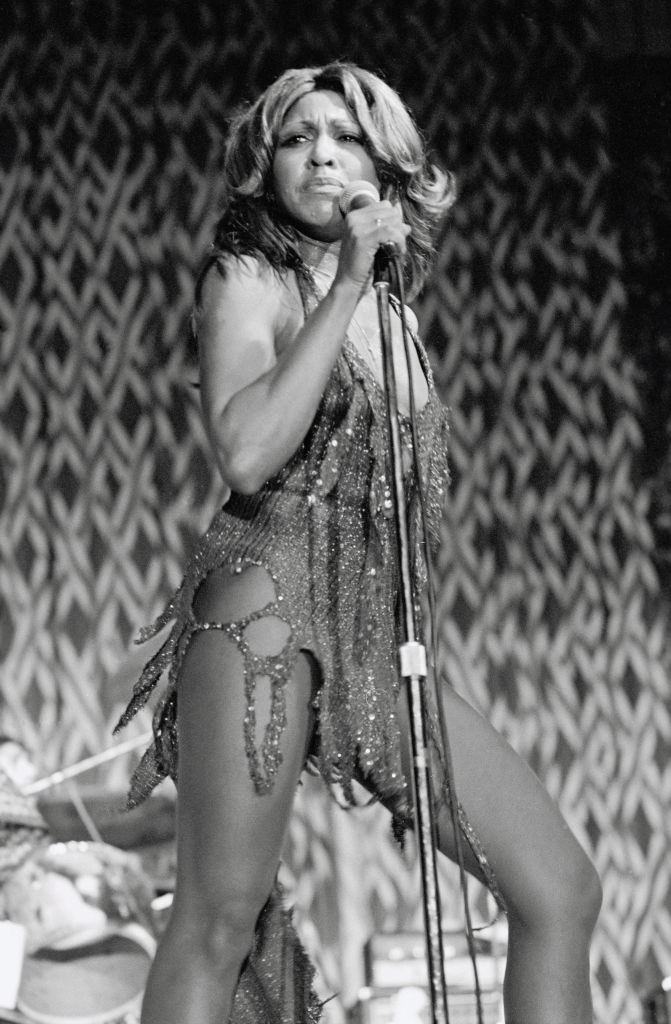
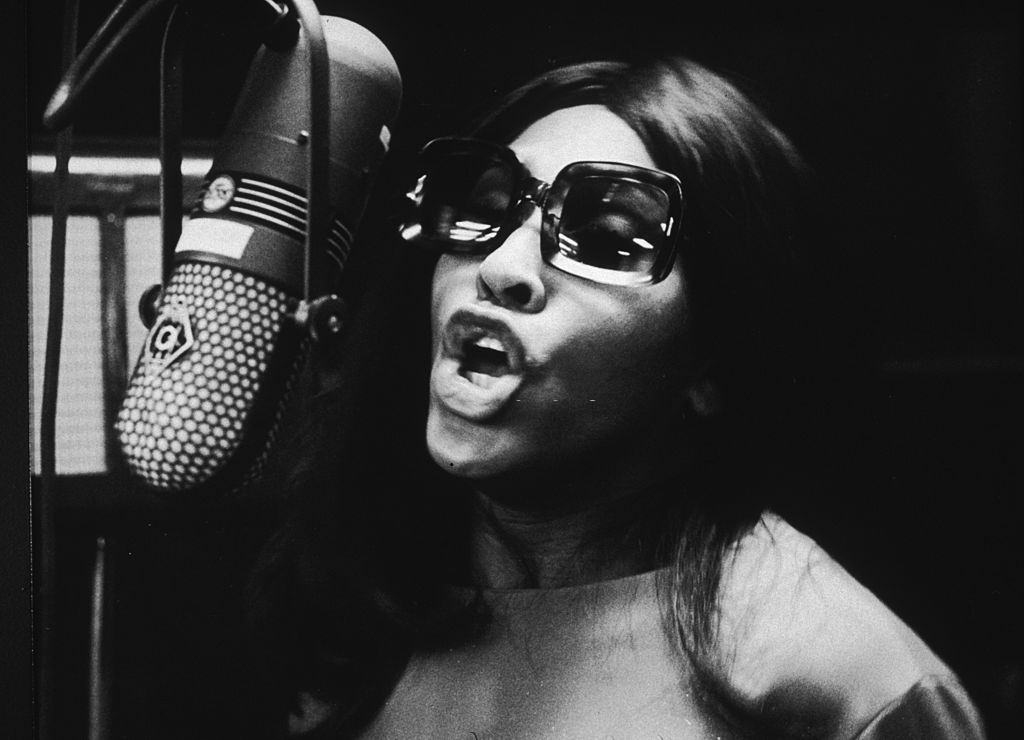
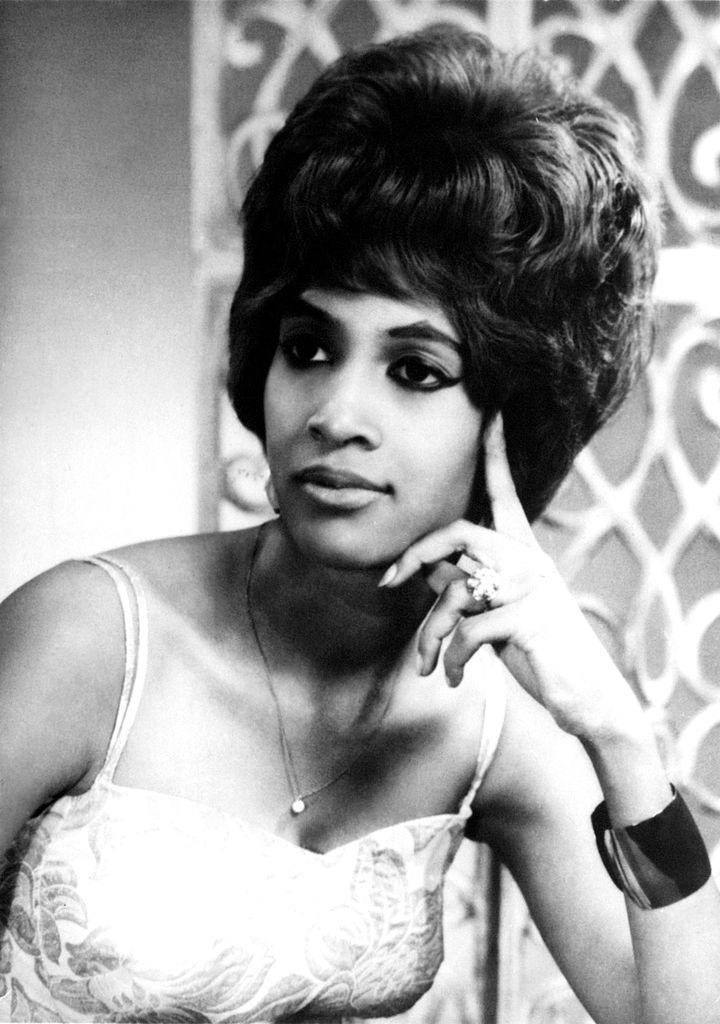
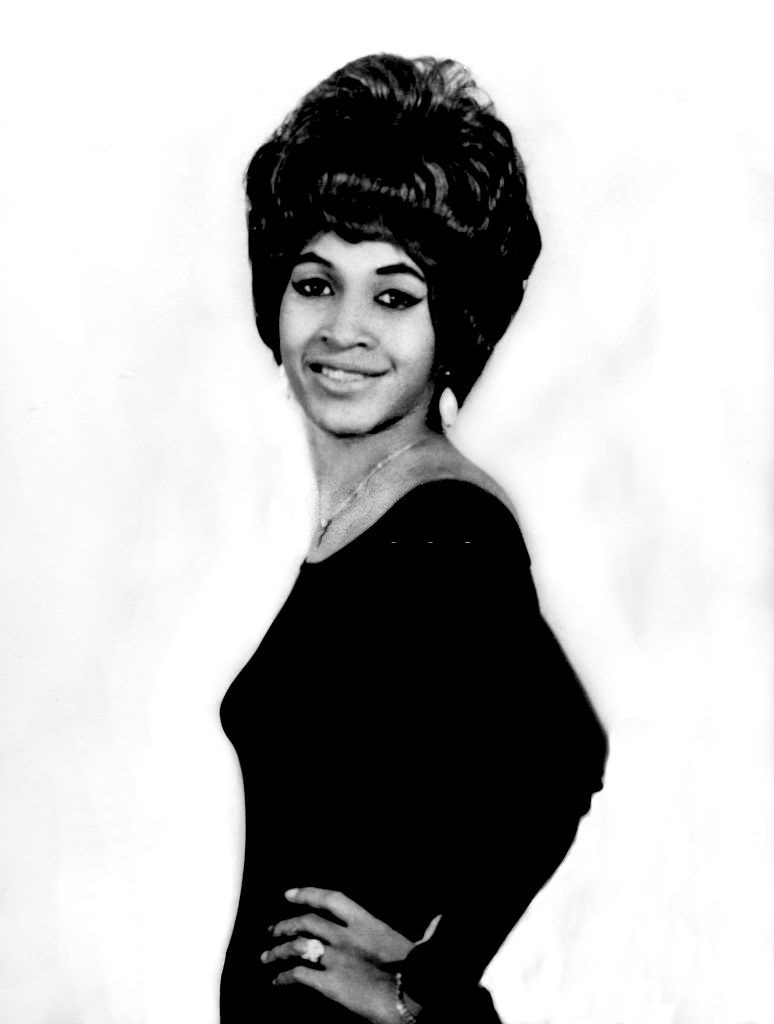
The early 1960s were a defining period for Tina. Touring from city to city, performing night after night, she refined every element of her stage craft. The photos from this era show a young woman who already carried herself with total confidence and star power.
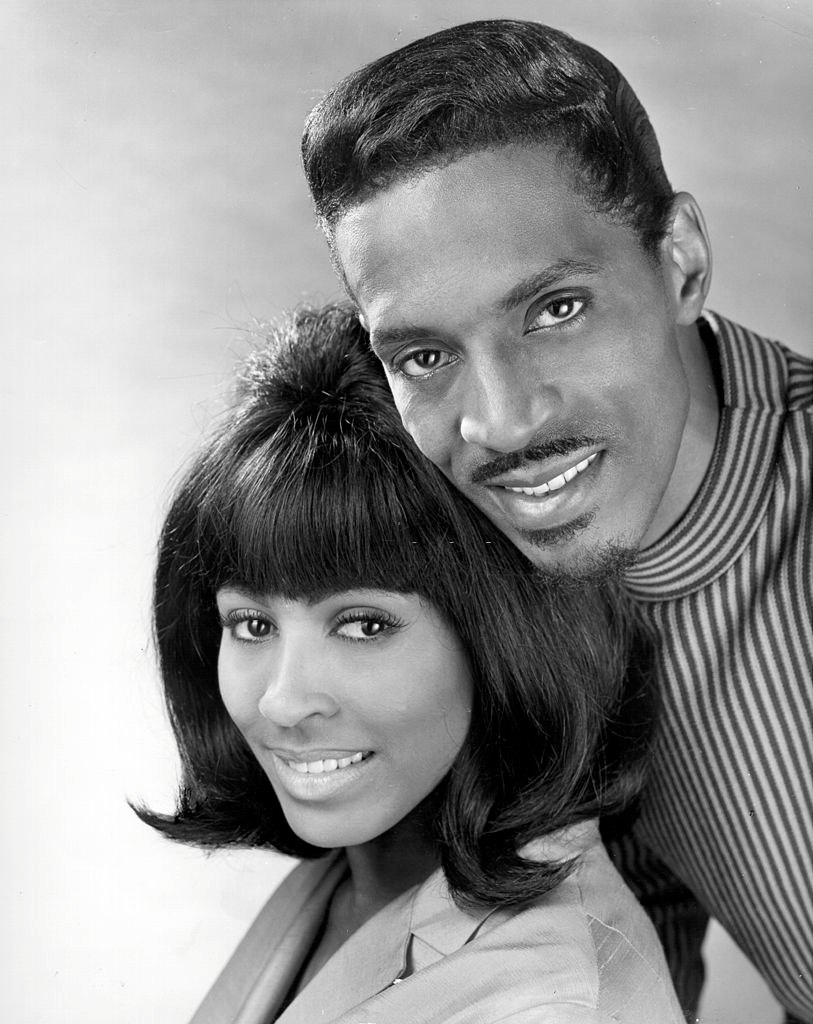
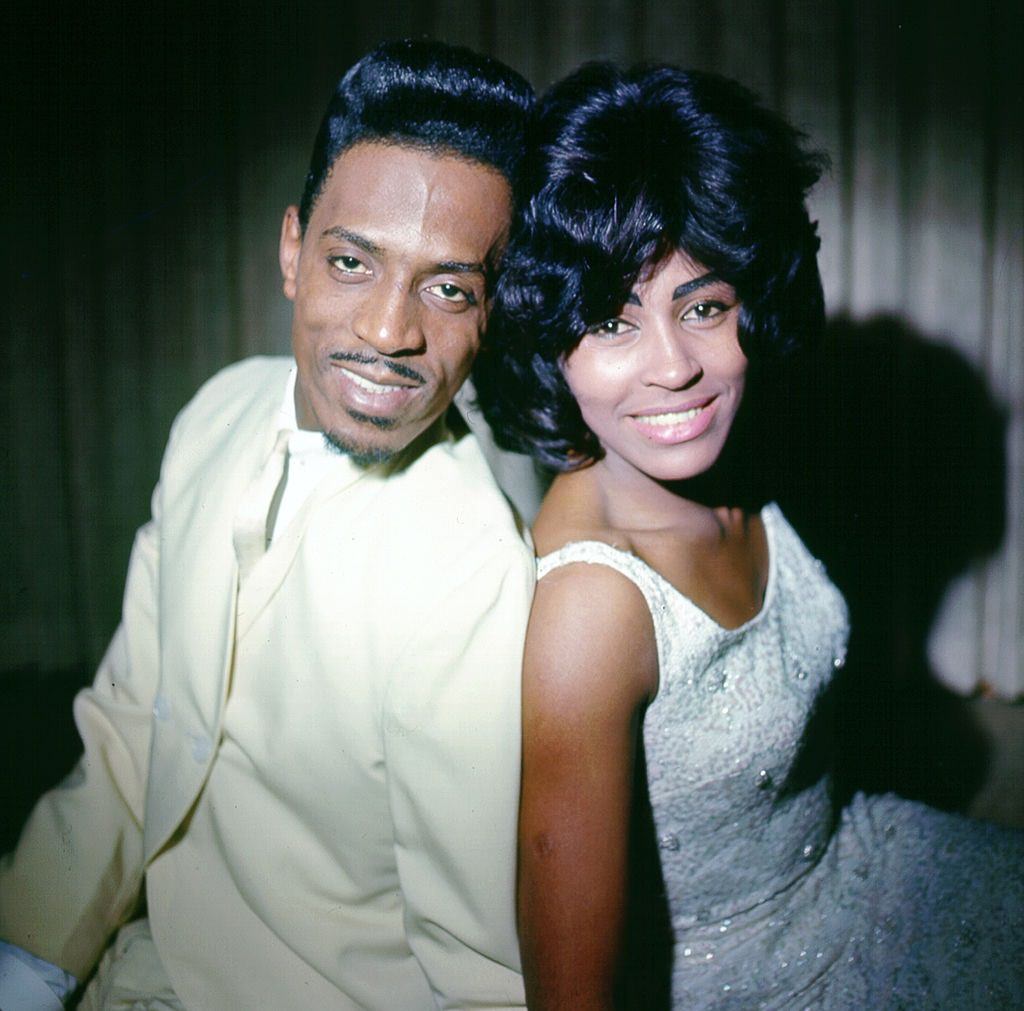
By 1964, the Revue had expanded its lineup. The Ikettes — Tina’s backup dancers and singers — became a signature part of the act, adding choreographed energy to an already electrifying show. That year, the group played venues in Texas, New York, and beyond, building a fanbase that stretched across the country.
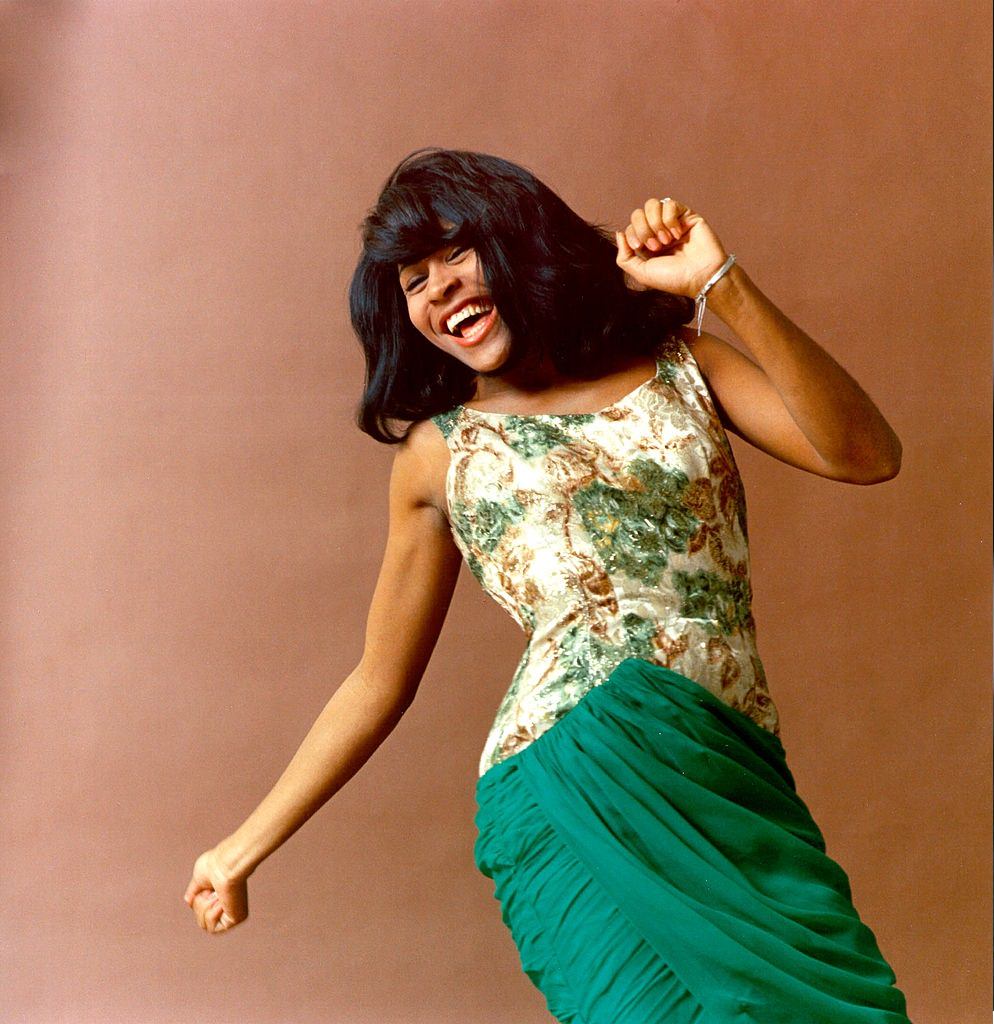
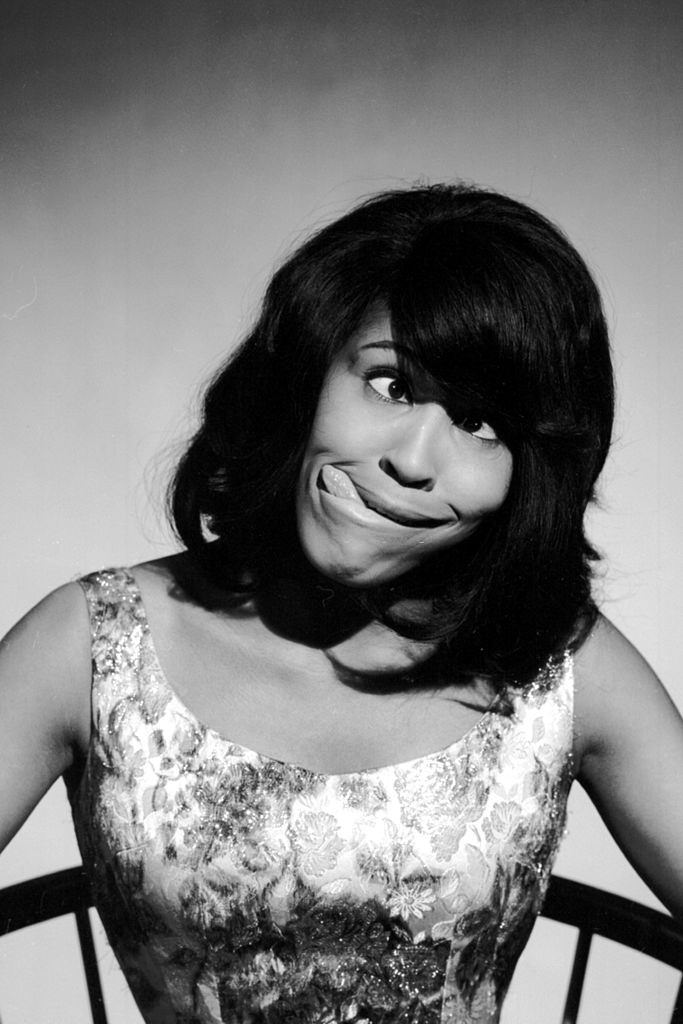
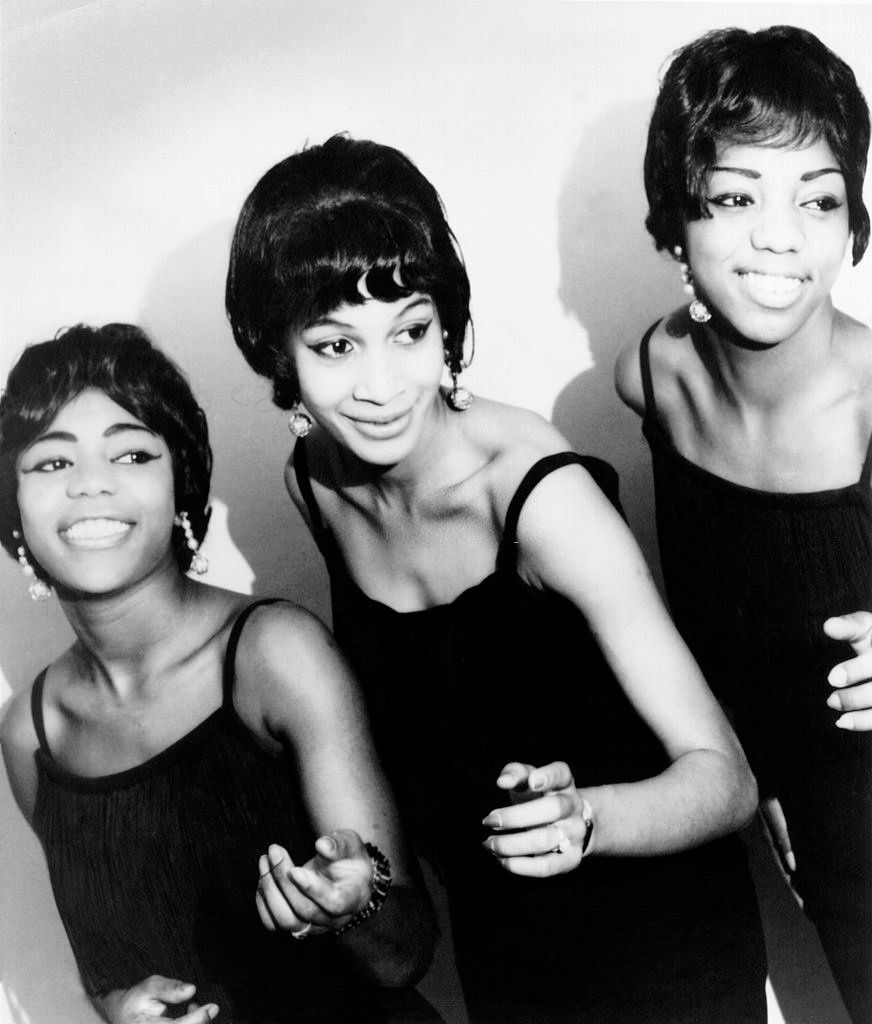
Dallas and Fort Worth saw some of the Revue’s most celebrated live performances of the decade. Ike played a Fender Stratocaster while Tina owned the mic — a combination that became their signature live setup. These Texas shows captured the group at the peak of their touring energy.
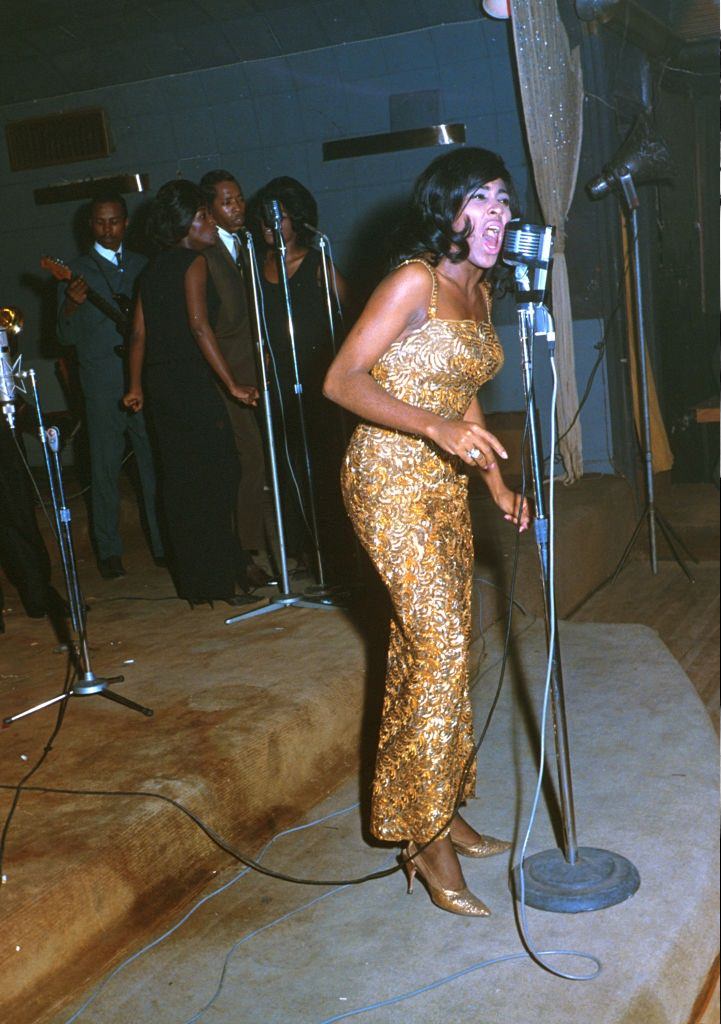
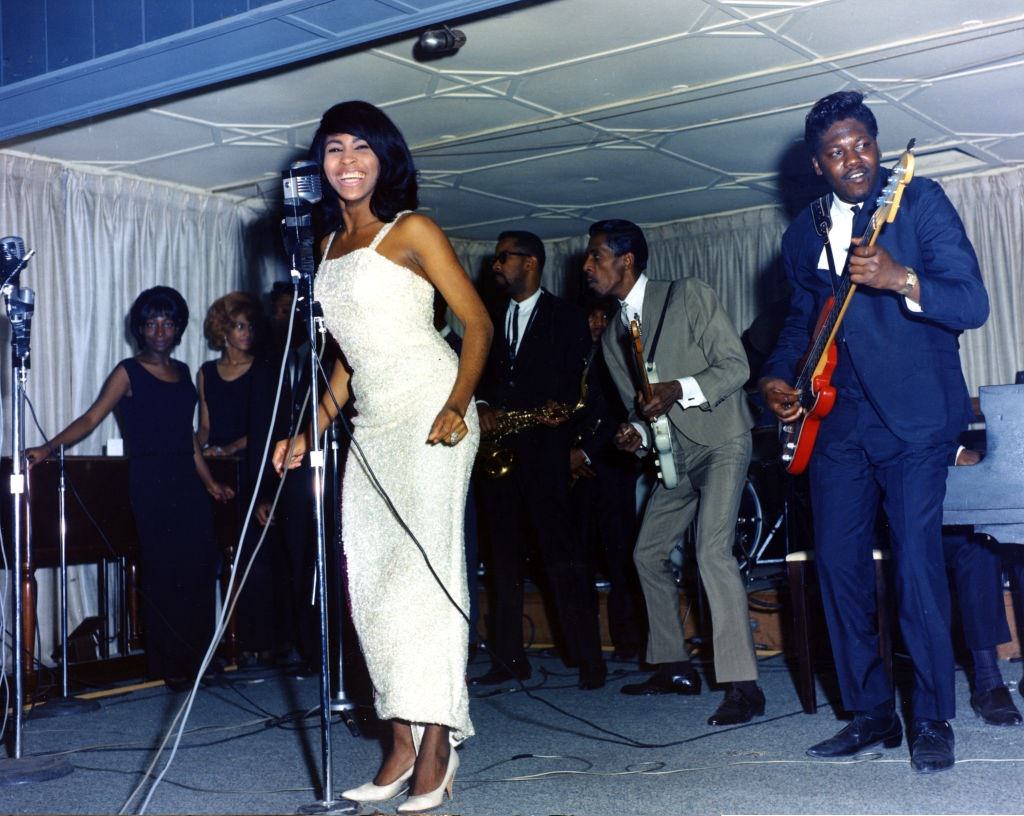
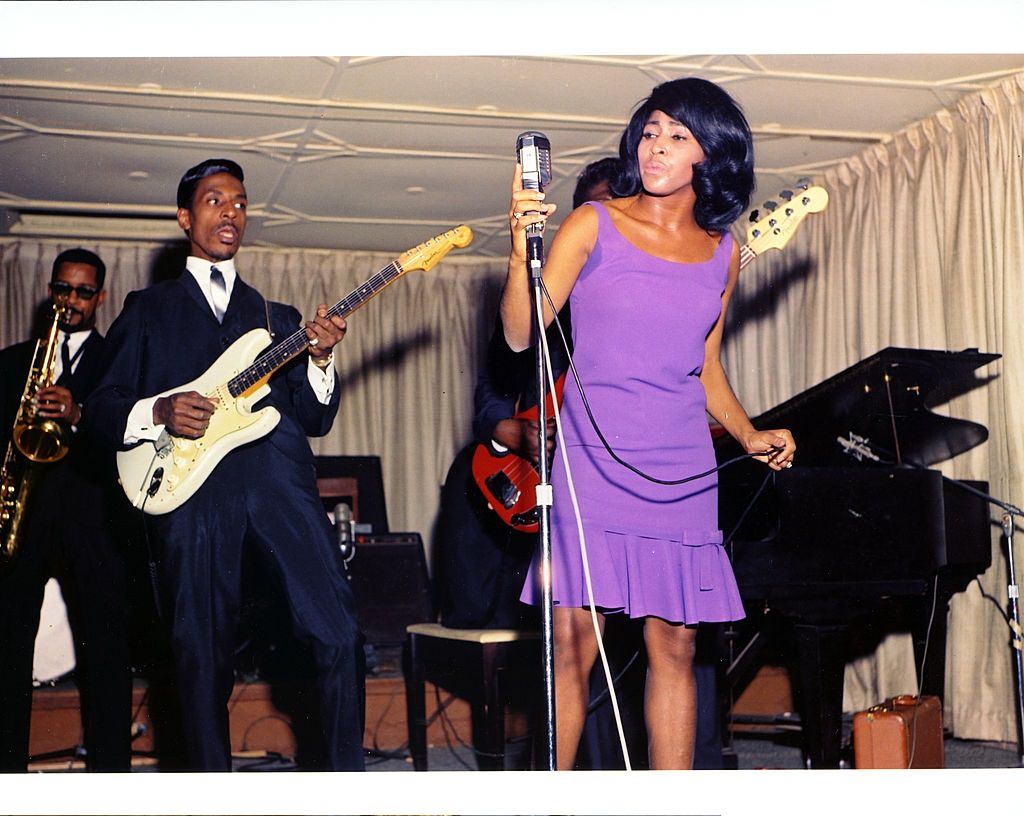
New York City became another key stop for Tina in 1964, where she appeared alongside fellow performers Jessie Smith, Robbie Montgomery, and Venetta Fields. These collaborations placed her squarely in the company of some of the era’s most talented vocalists.
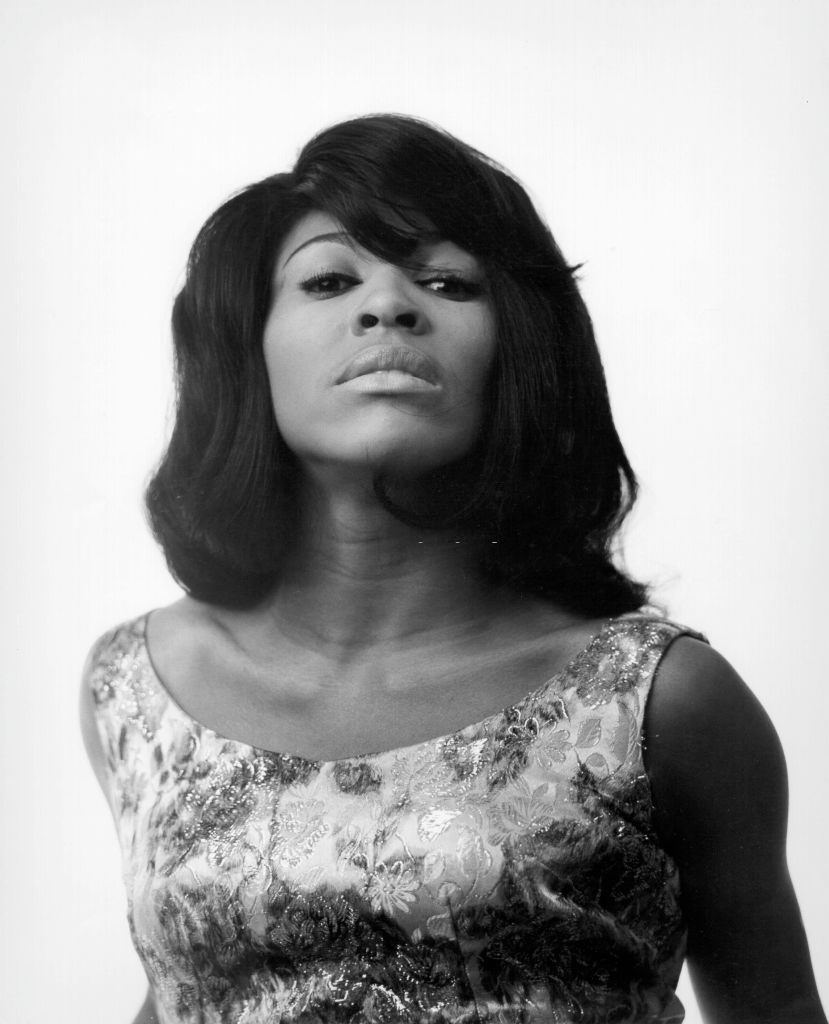
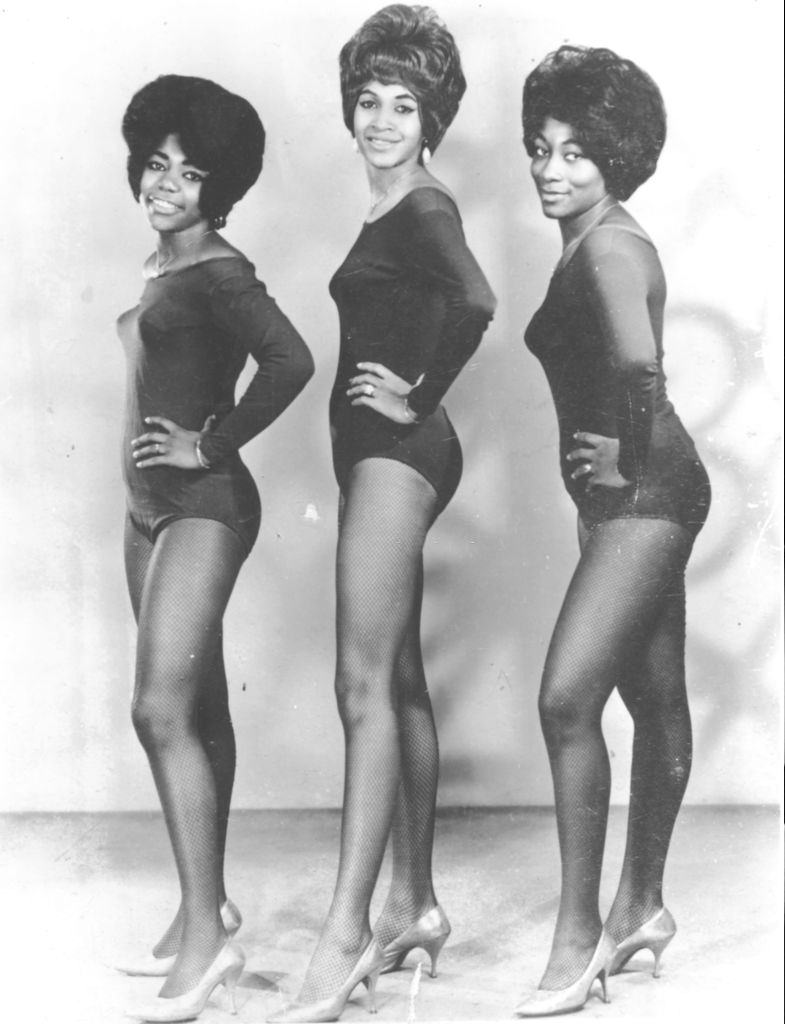
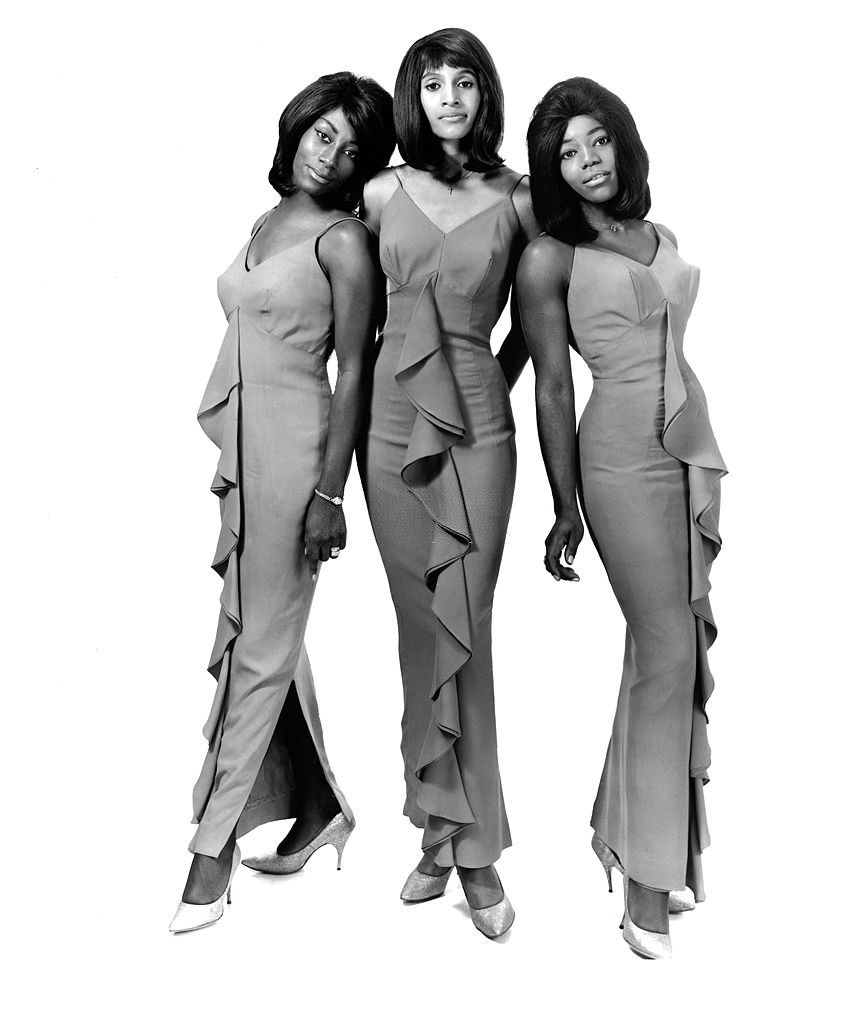
By 1967, the Revue was playing prestigious West Coast venues. Tina performed at the Hungry-I in San Francisco — a club known for hosting top-tier talent — on multiple occasions that year. These performances helped cement her reputation far beyond the R&B circuit, pulling in rock and pop audiences as well.
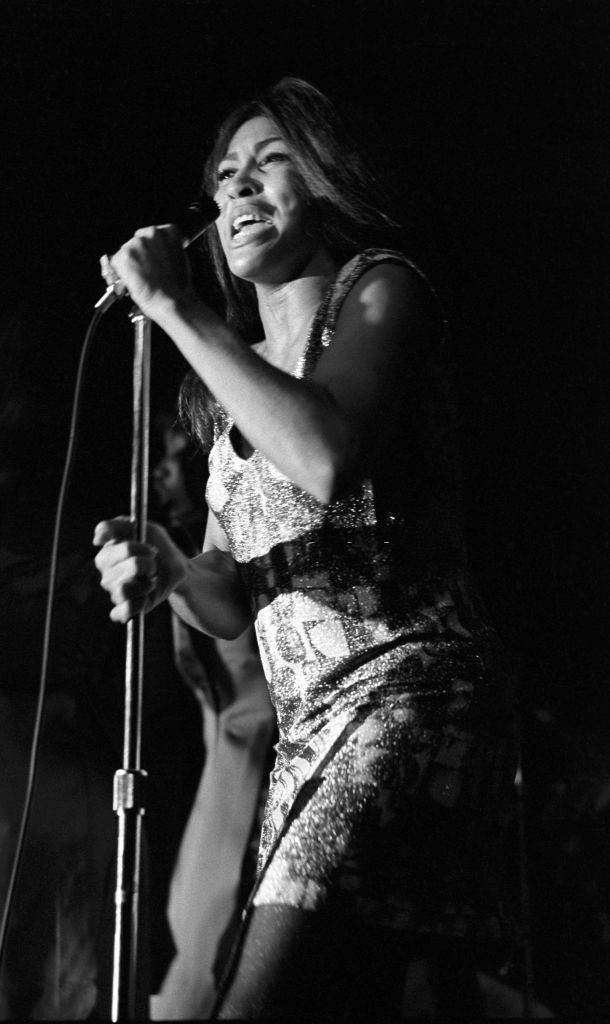
The late 1960s brought Tina to some of the country’s biggest stages. In 1969, she performed at Central Park in Manhattan, at the Gold Rush Festival at Lake Amador in California on October 4, and at the Felt Forum in New York City on November 25. That same year, on January 21 in Los Angeles, she shared a stage with Janis Joplin — a meeting of two of the most powerful voices of the era.
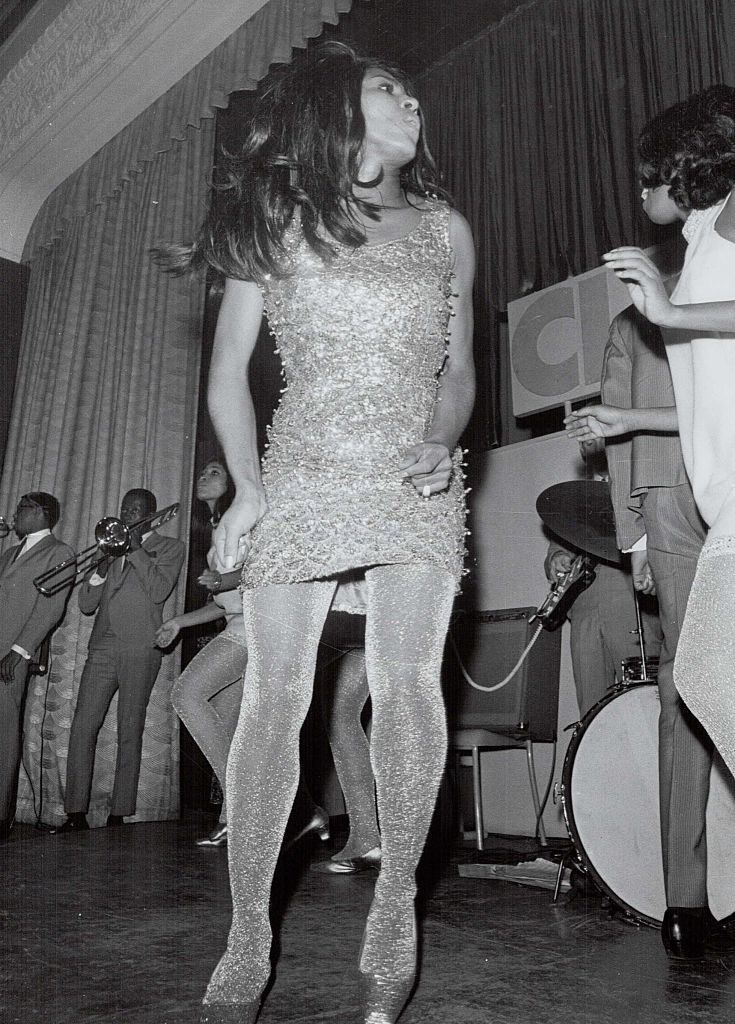
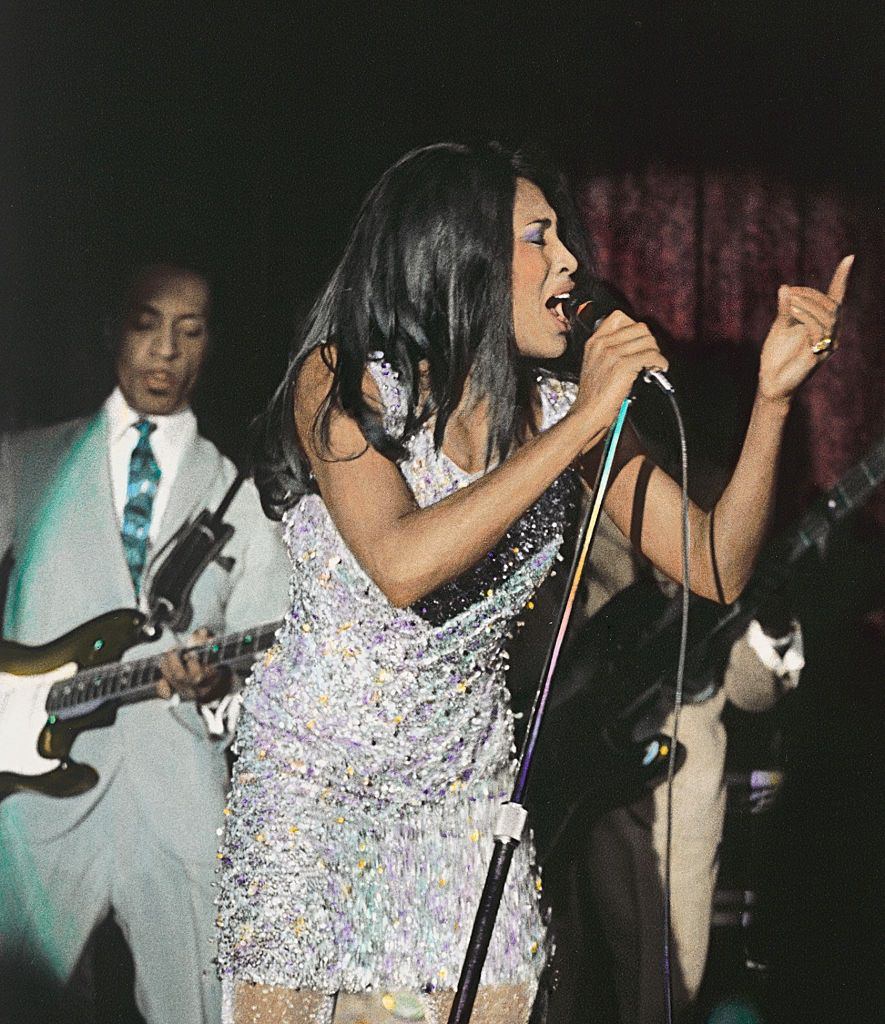
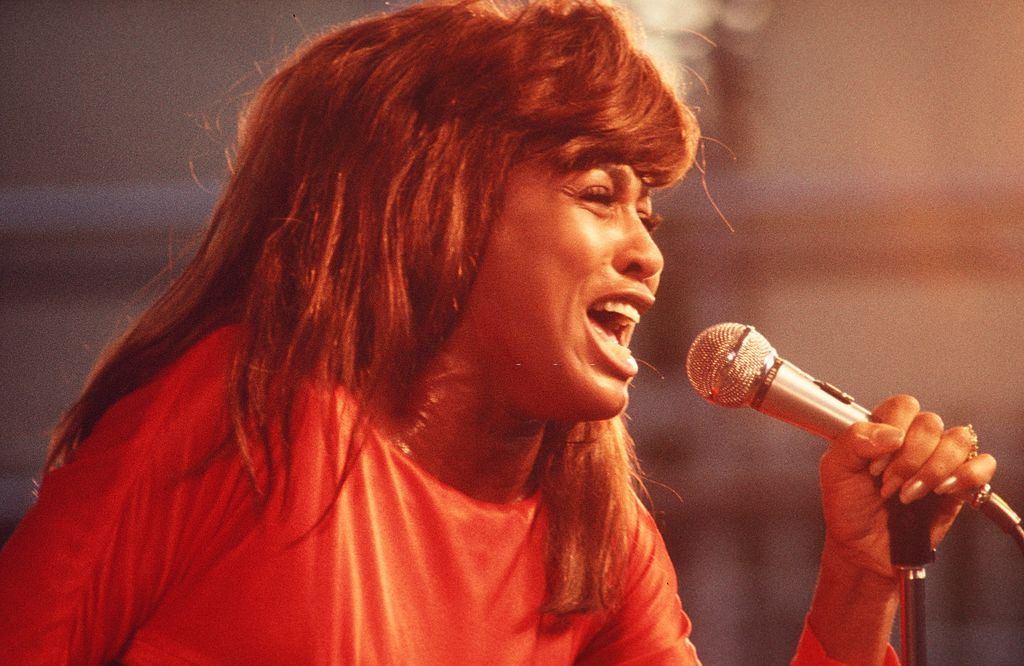
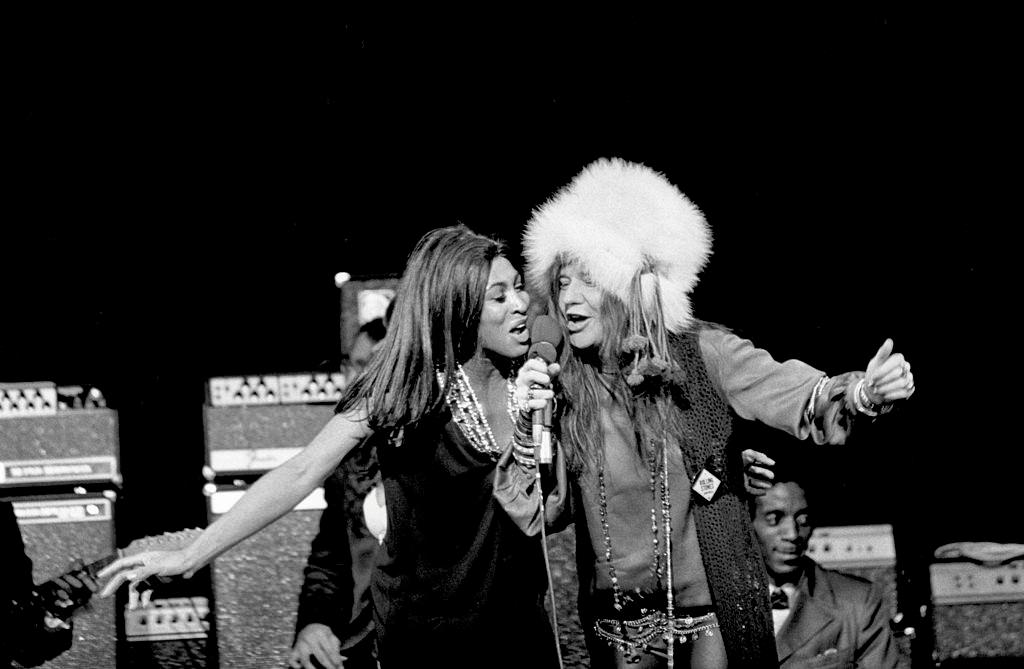
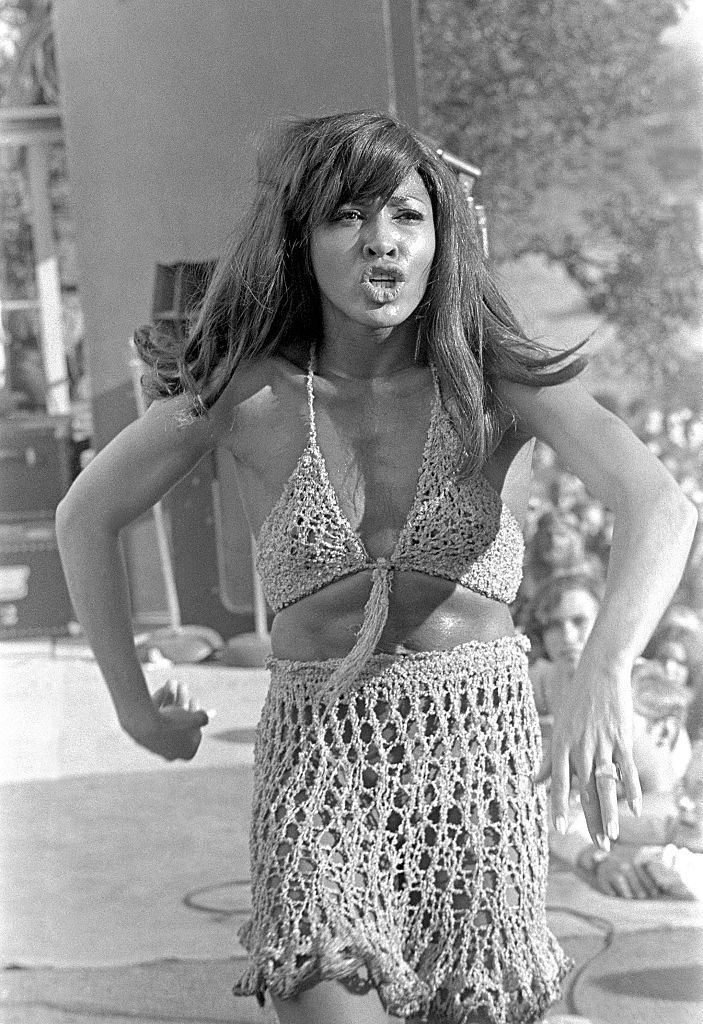
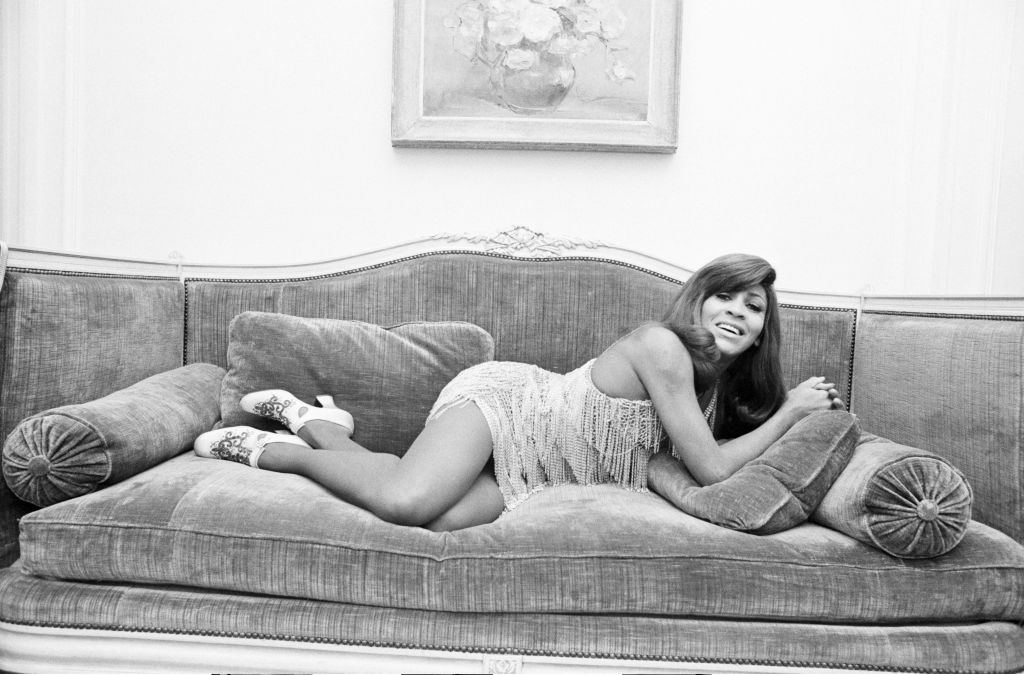
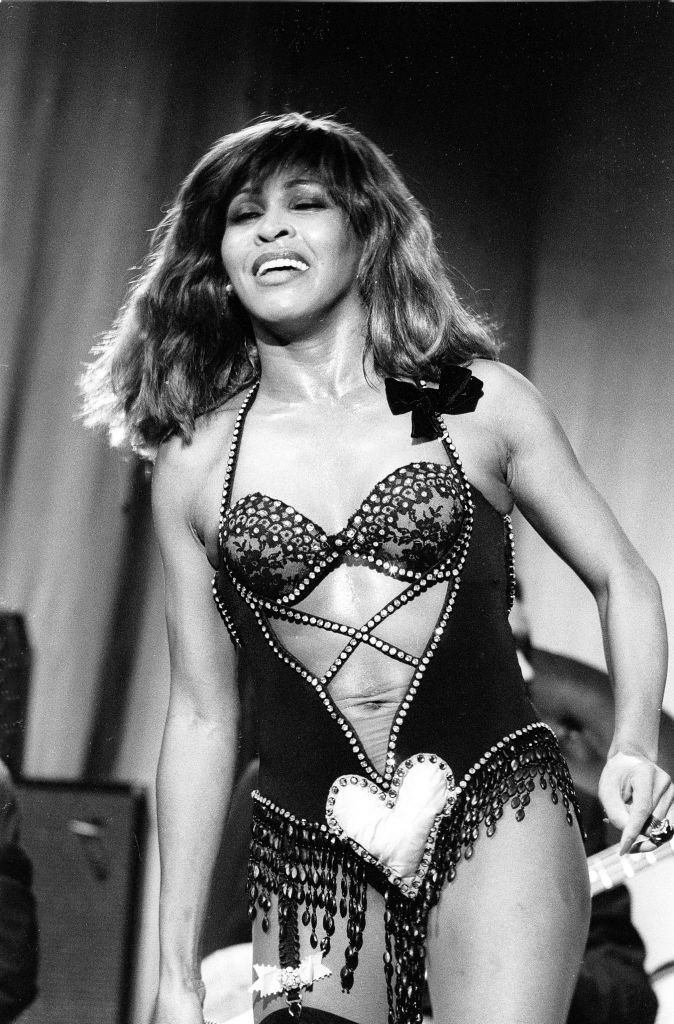
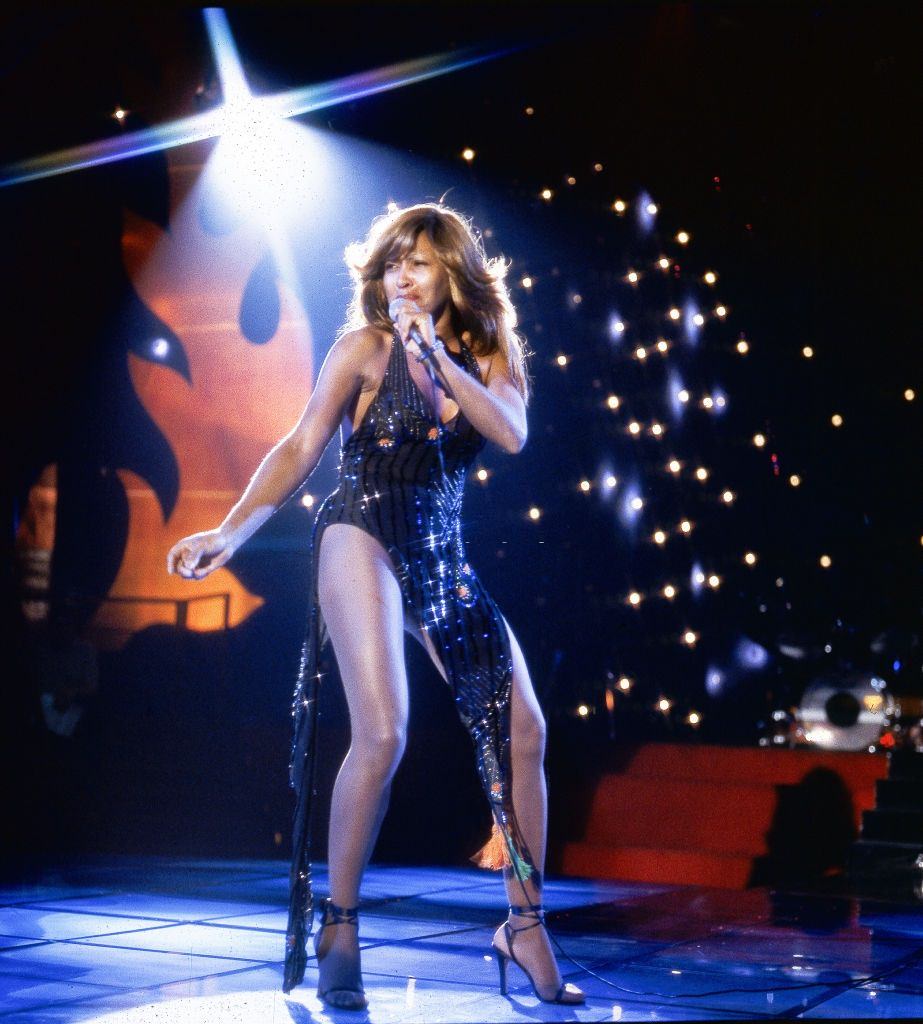
Through all of these performances, Tina’s look was as memorable as her voice. Whether snapping her fingers in a dark crocheted mini-dress in New York City or commanding a festival stage in California, she brought total physical commitment to every moment in the spotlight.
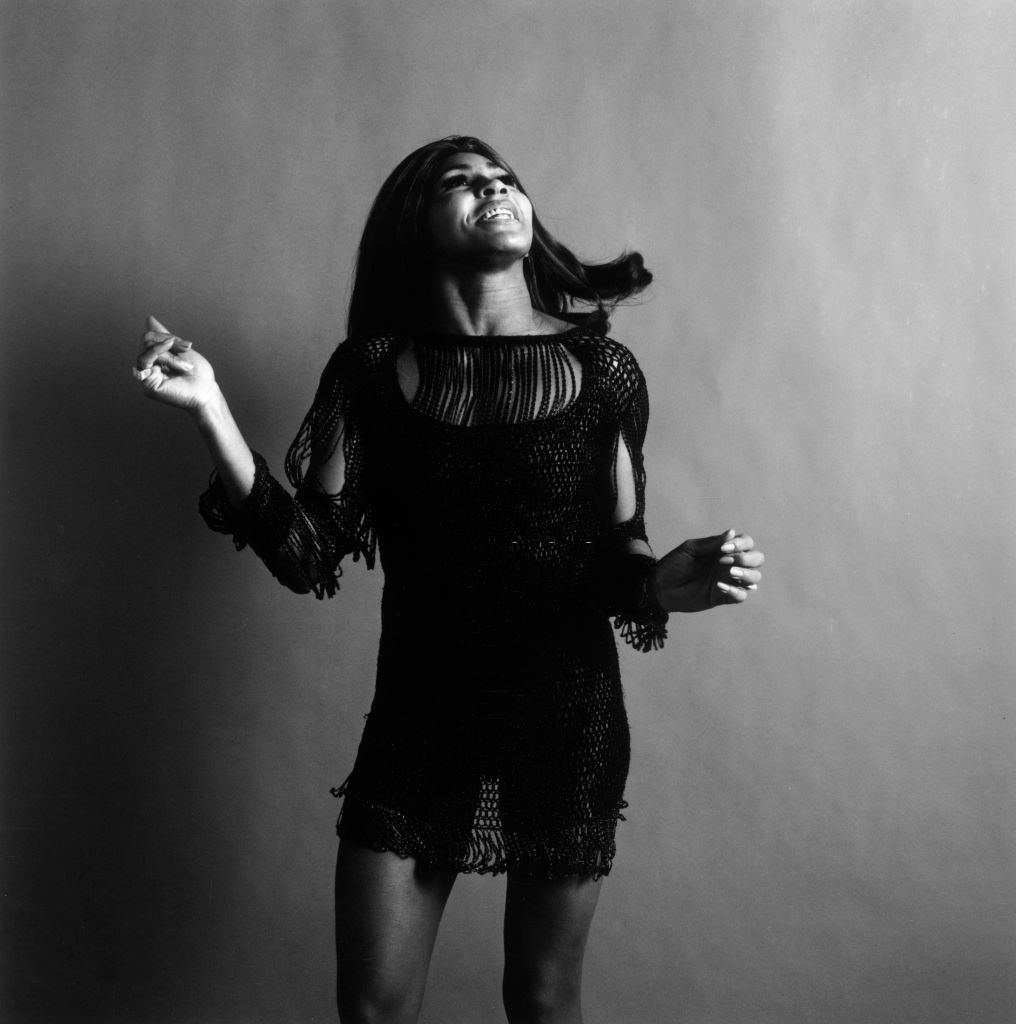
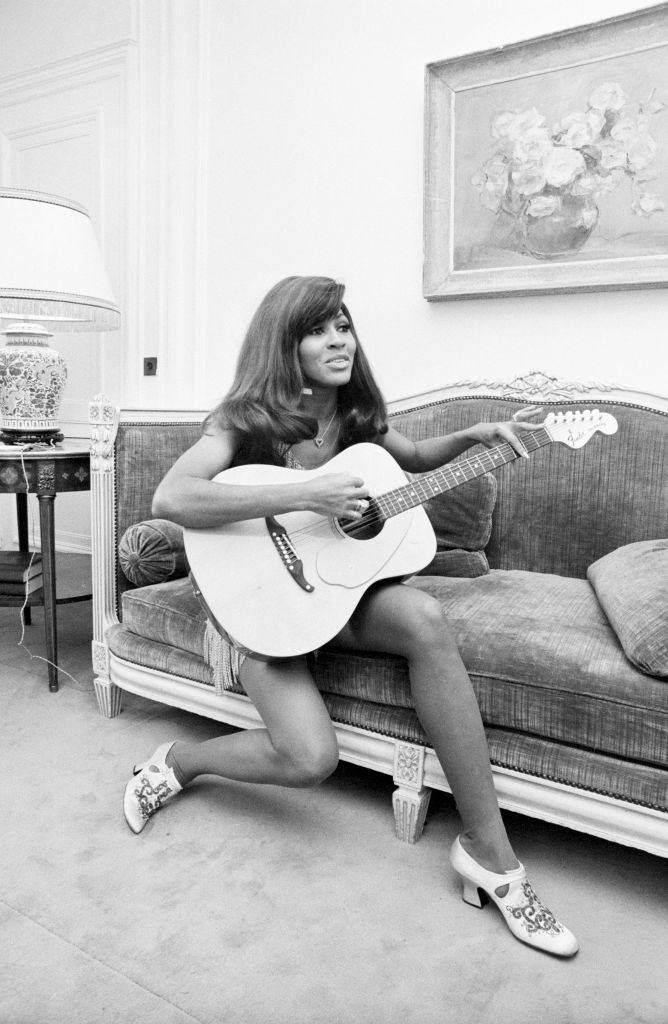
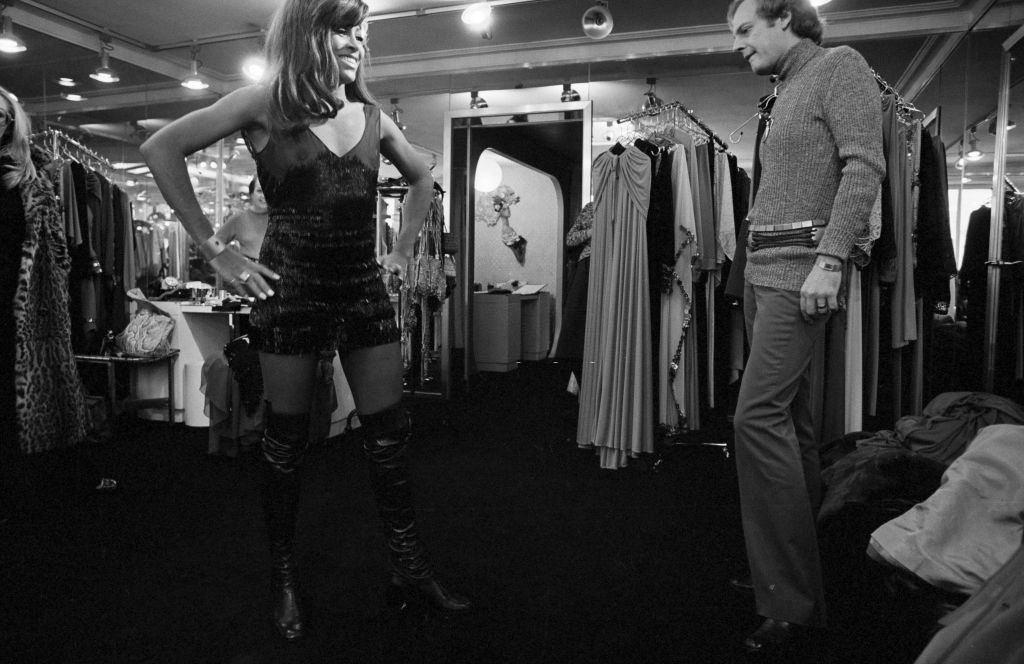
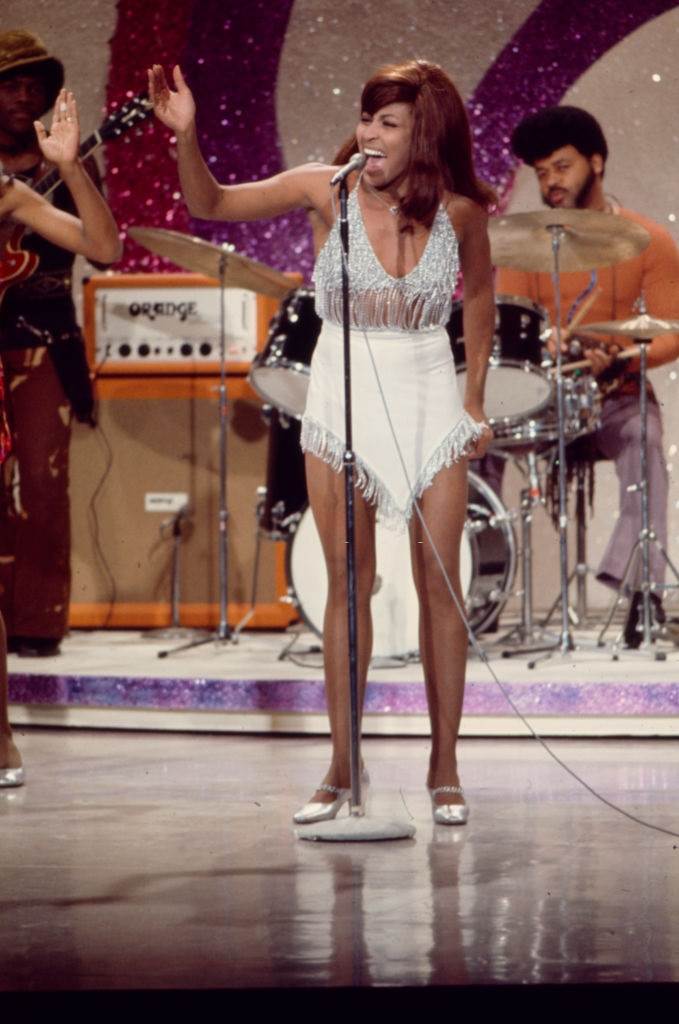
The 1970s saw Tina expand into television, performing on Walt Disney Television’s The Pearl Bailey Show in 1971 and making appearances across Europe. In 1971, she also traveled to Paris, where she was photographed at the George V hotel and visited designer Loris Azzaro’s store — signs that her global profile was growing steadily.
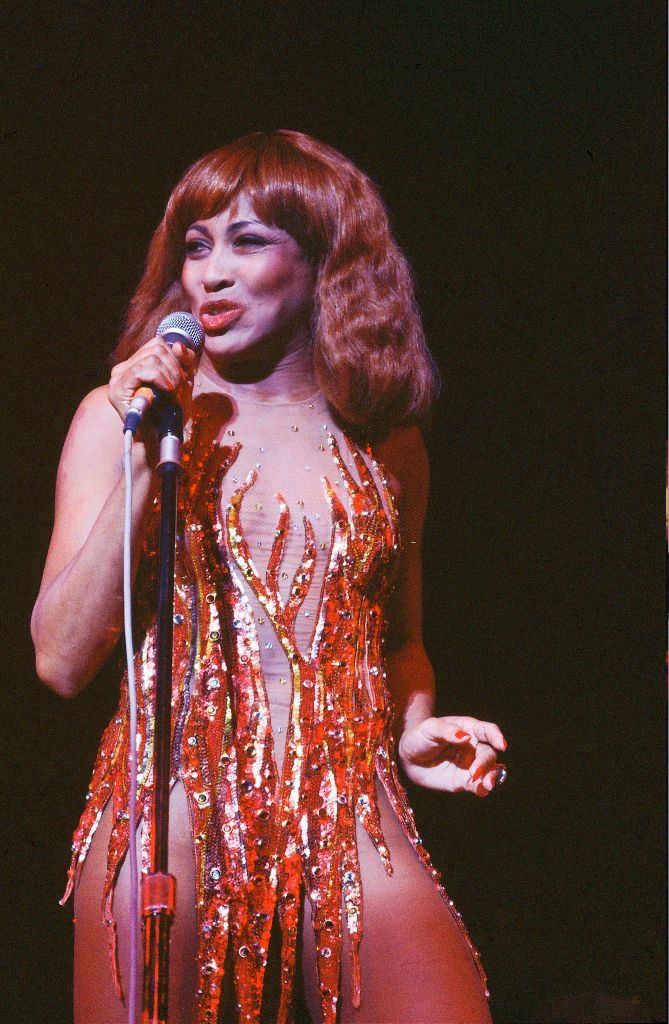
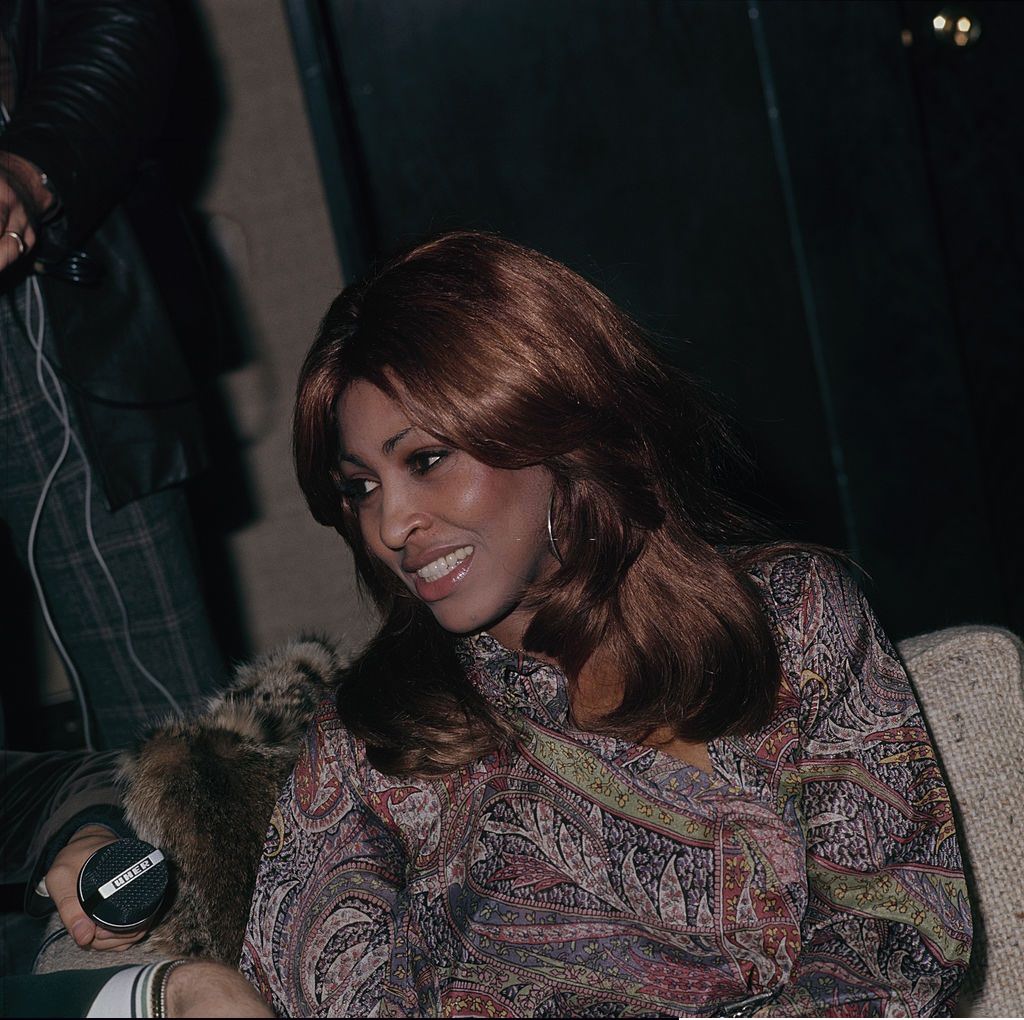
After leaving Ike, Tina rebuilt her career from the ground up. Her solo start was slow, but she kept performing — in Berlin, Zurich, the UK, and across the United States. A 1975 UK interview captured her in the thick of this transitional period, composed and determined.
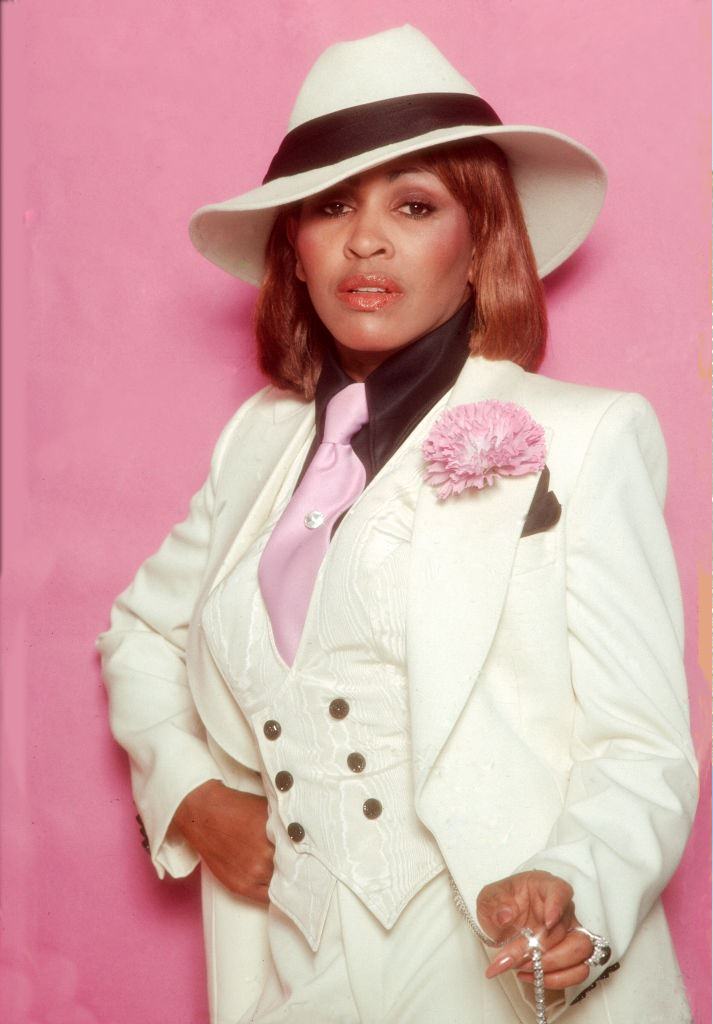
By 1980, Tina was photographed in Los Angeles — poised, sharp, and on the verge of a commercial explosion that the music world had not yet seen coming. Her 1984 album Private Dancer sold over ten million copies worldwide and made her the biggest-selling female rock artist on the planet. In 1985, she starred opposite Mel Gibson in Mad Max Beyond Thunderdome, winning the NAACP Image Award for Outstanding Actress for her performance.
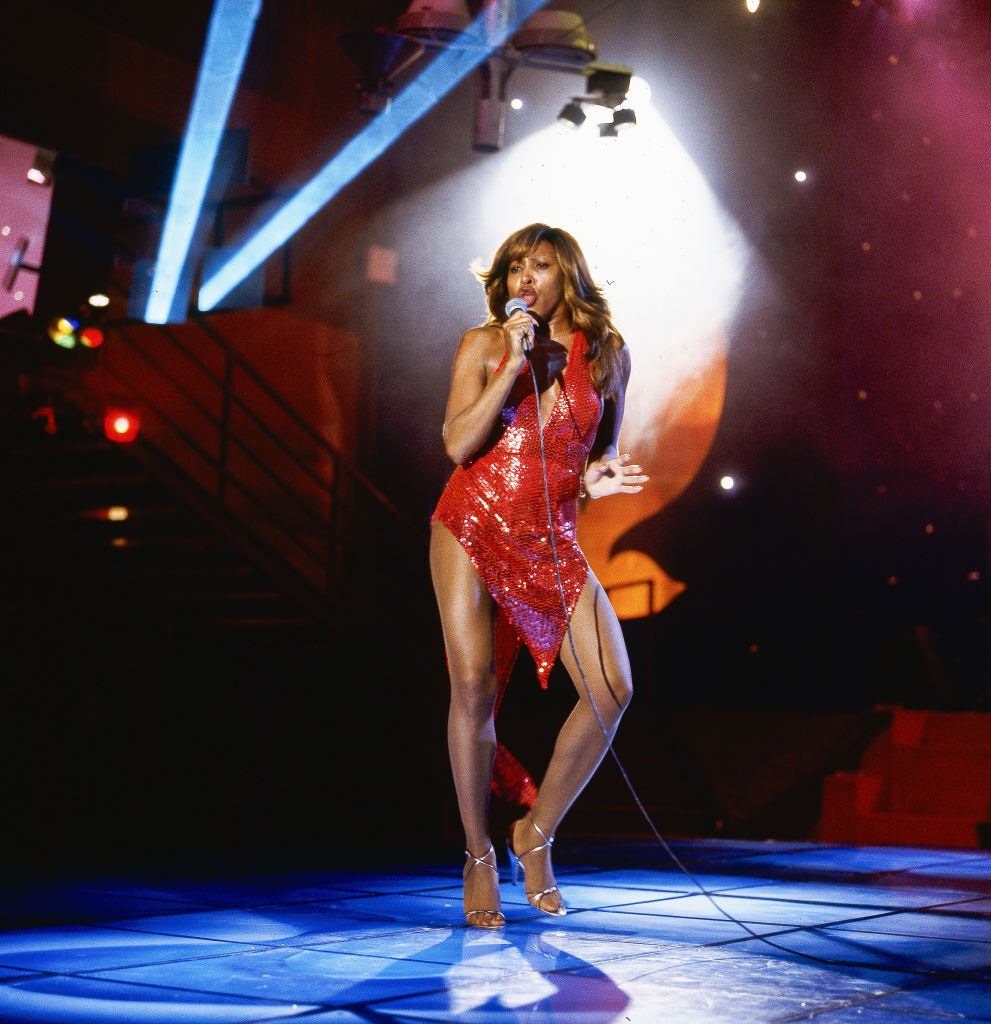
Her Twenty Four Seven Tour in 2000 became the highest-grossing concert tour of that year, earning over $100 million. After that tour, Tina announced her retirement from live performing. In 1986, she had met German music executive Erwin Bach, and after 27 years together, the two married. In 2013, she suffered a stroke. In 2016, she was diagnosed with intestinal cancer and kidney failure. Bach donated one of his kidneys, and Tina underwent transplant surgery on April 7, 2017. She passed away on May 24, 2023, at the age of 83, at her home in Küsnacht near Zurich, Switzerland.