By 1918, Theda Bara was one of the biggest stars in American cinema. Fox Film Corporation had built her into a carefully crafted screen icon — mysterious, dangerous, and irresistible. Her role as Salomé that year was a perfect fit. The biblical character, a princess who demands the severed head of John the Baptist as payment for her dance, matched everything Bara had come to represent on screen.
Director J. Gordon Edwards helmed the production, as he did for many of Bara’s Fox films during this period. The supporting cast included Albert Roscoe and Edward Connelly. Edwards understood how to frame Bara’s presence on screen, and Salomé gave him the full range of dramatic material to work with — royal courts, seduction, and execution.
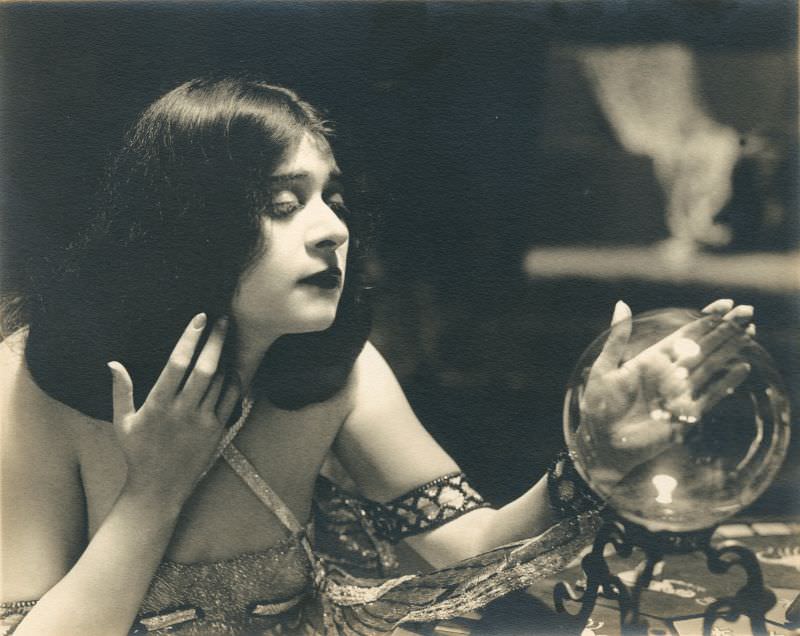
The film draws directly from the biblical account in which Salomé dances for King Herod and, at the urging of her mother Herodias, demands the head of John the Baptist on a platter. This story had already captivated artists and writers for centuries before cinema brought it to life. Oscar Wilde’s stage play of the same name had made the character even more closely tied to themes of fatal desire.
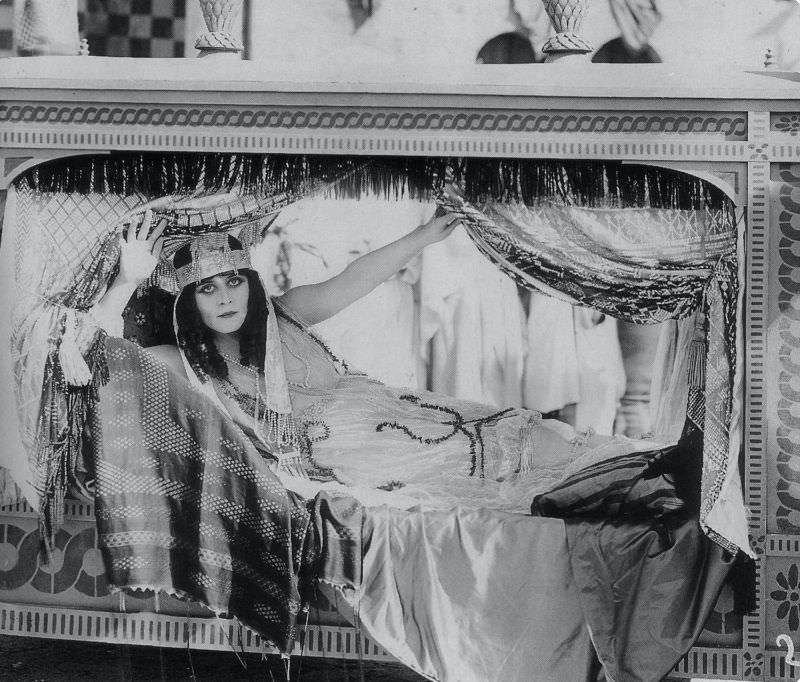
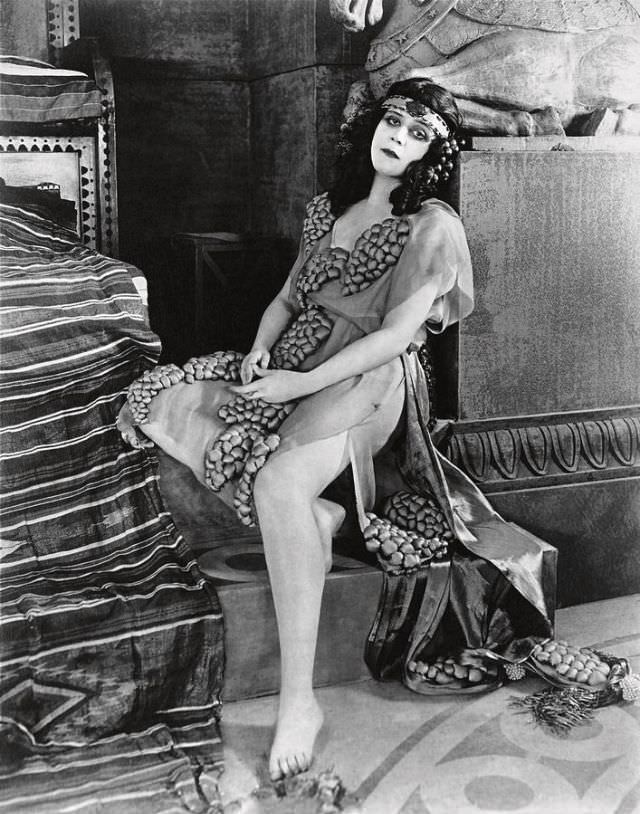
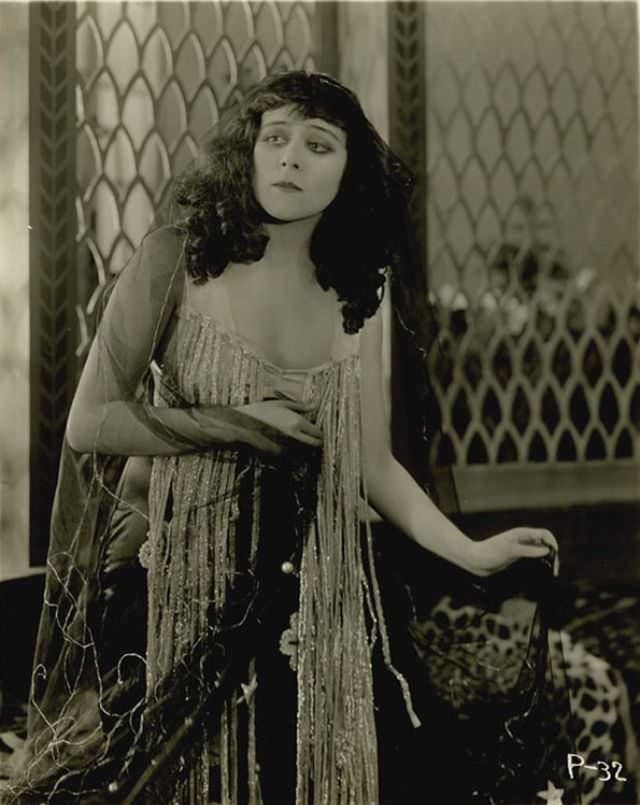
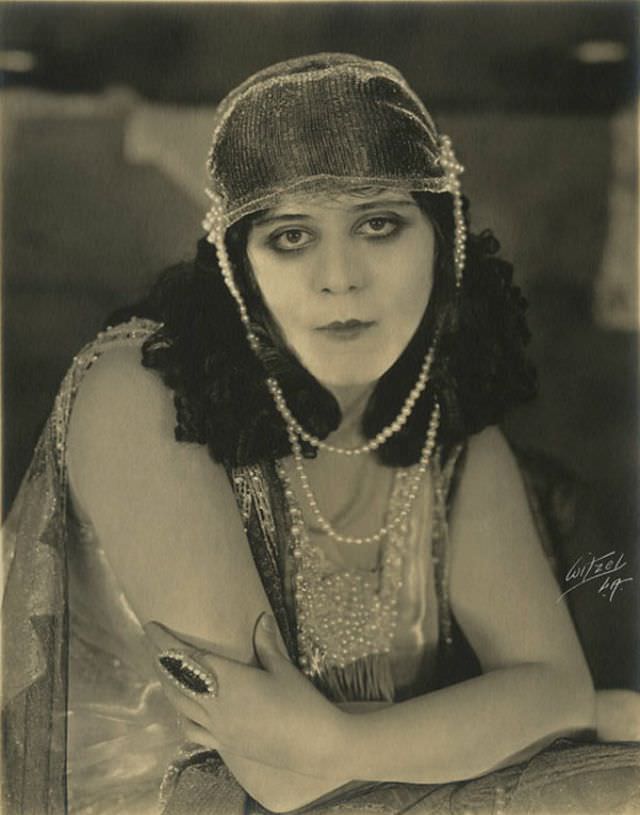
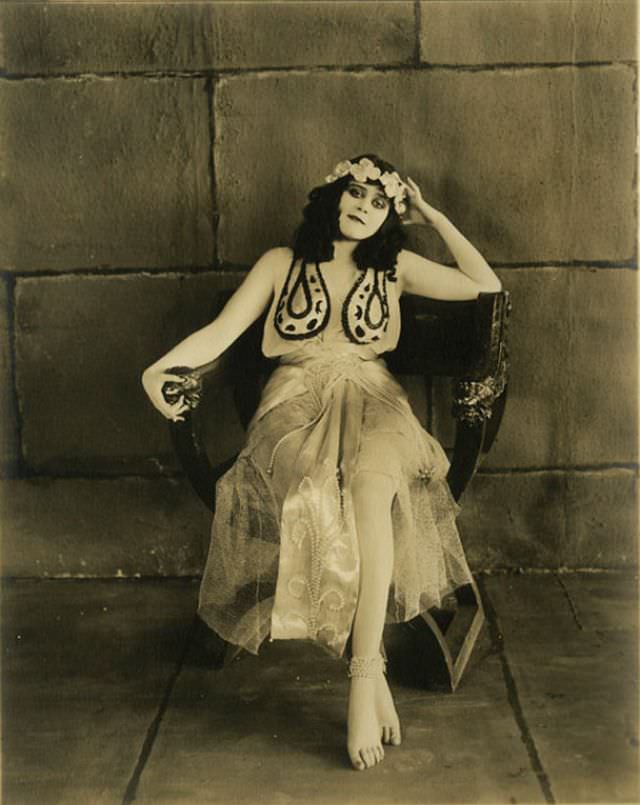
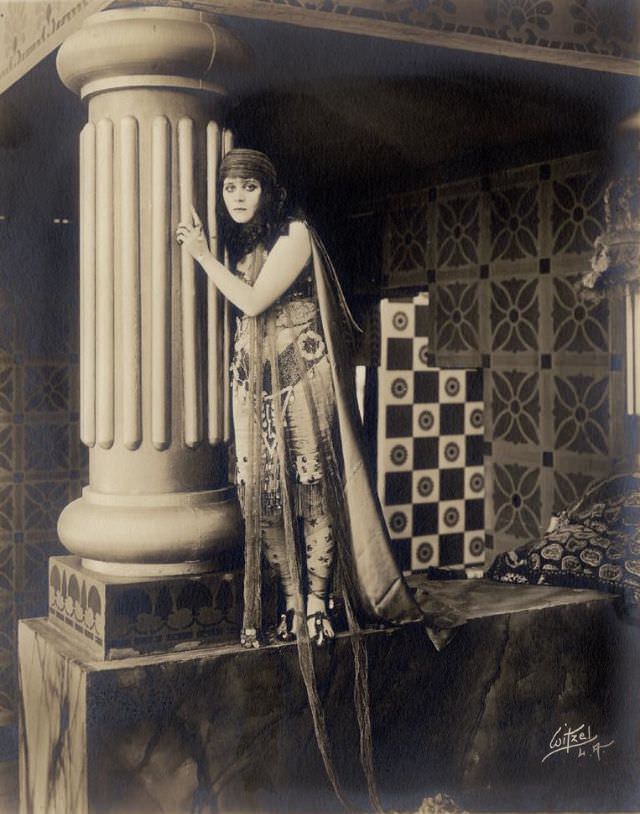
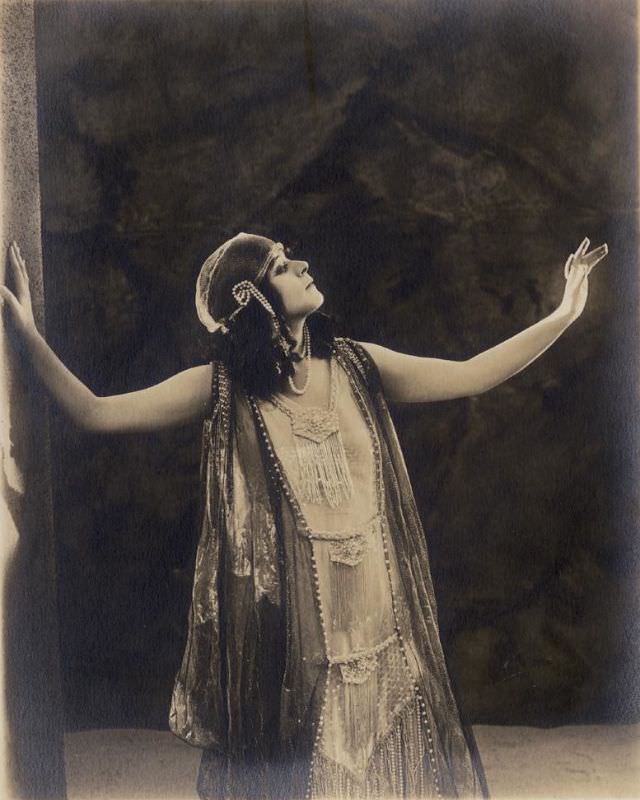
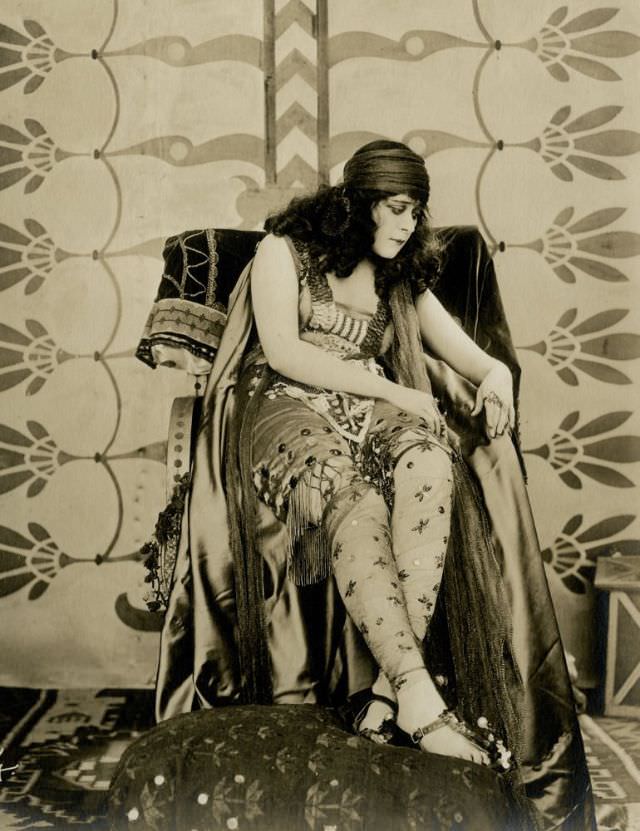
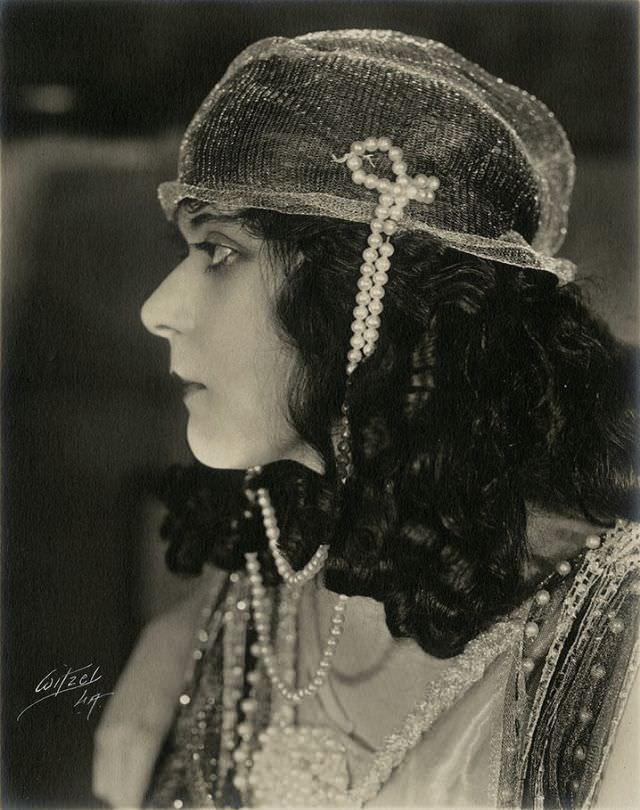
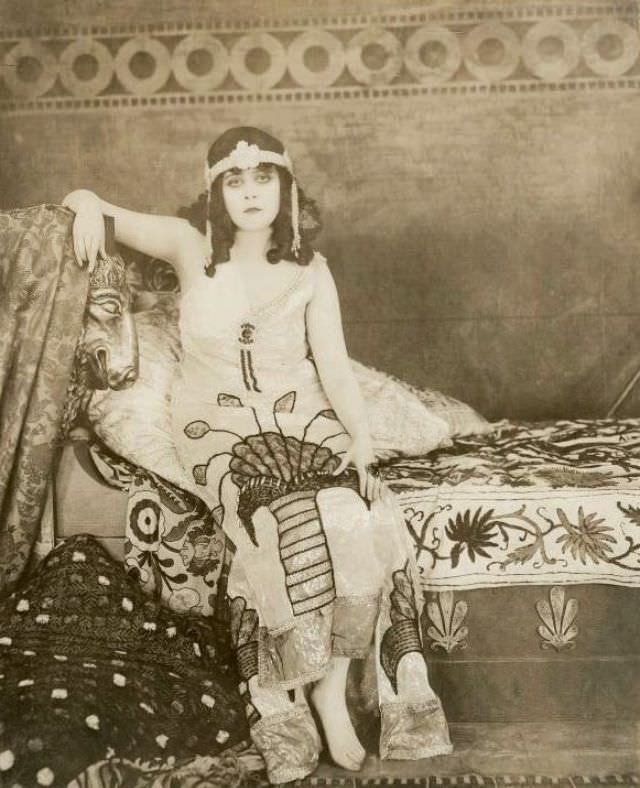
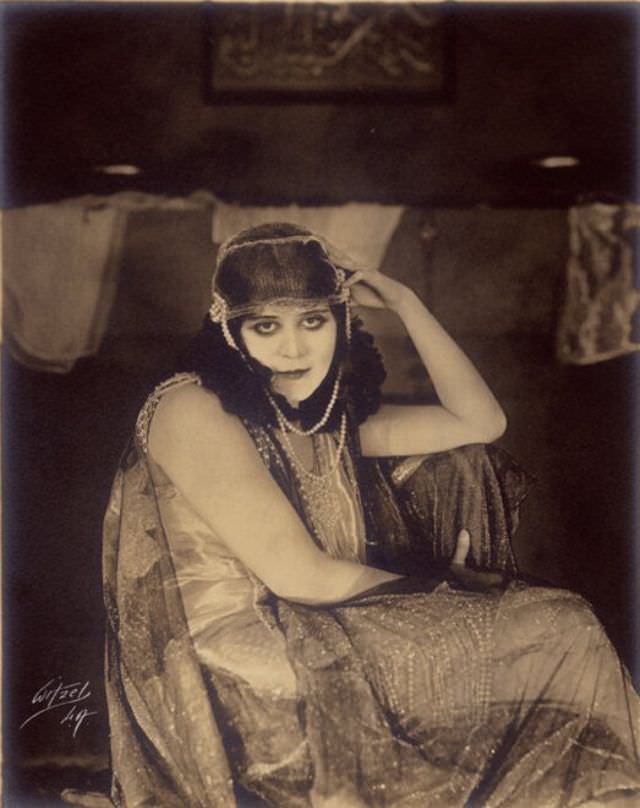
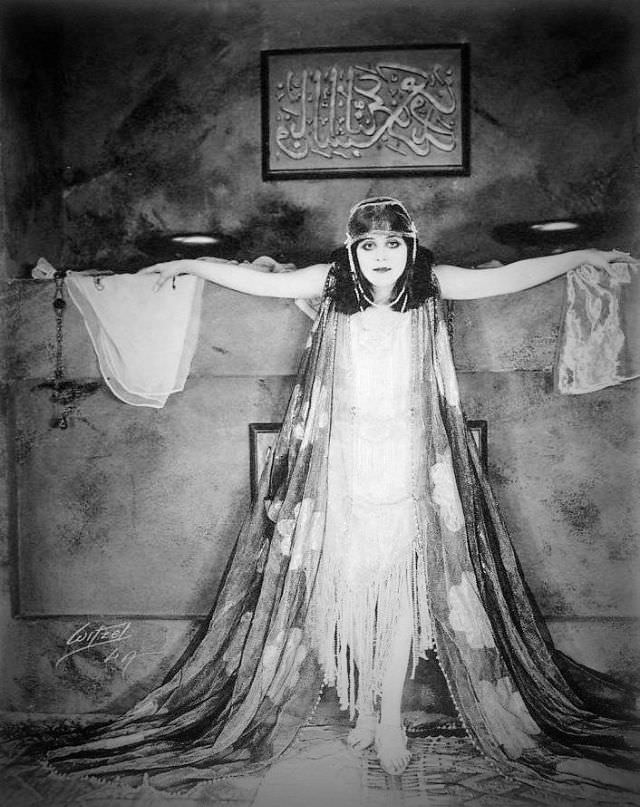
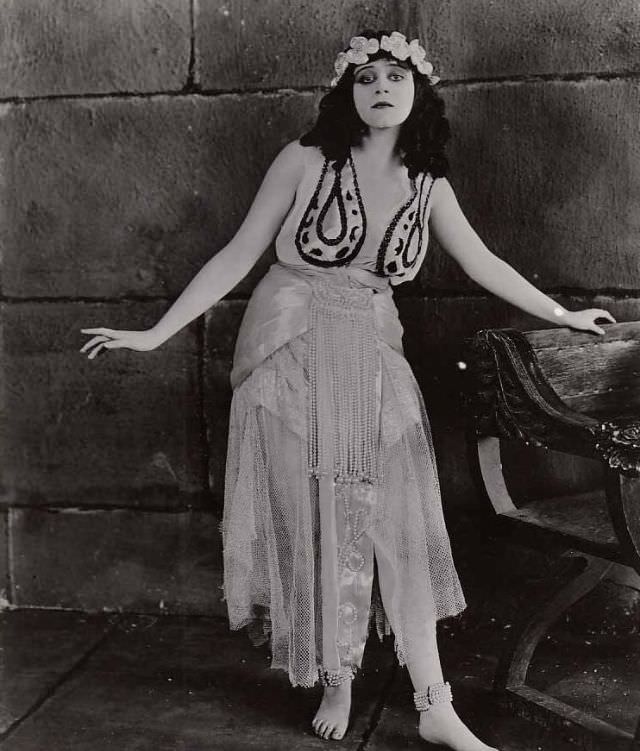
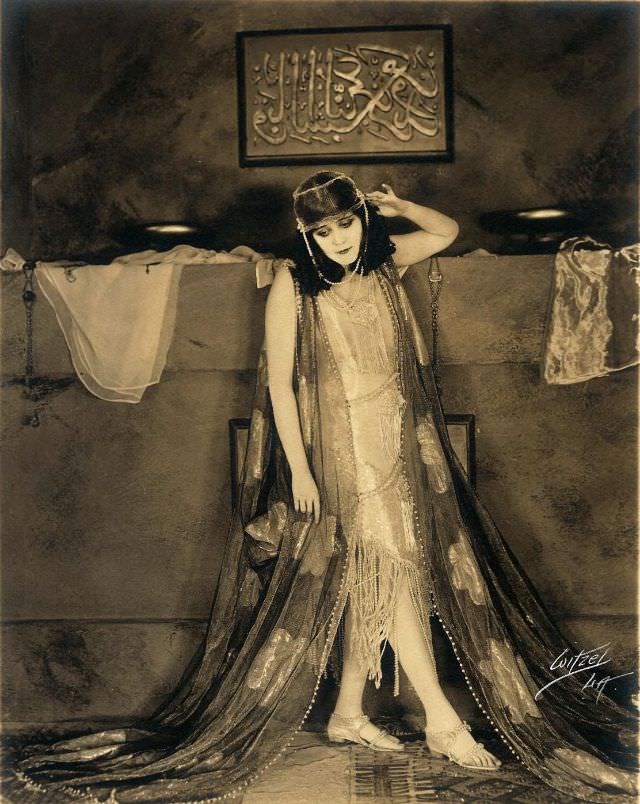
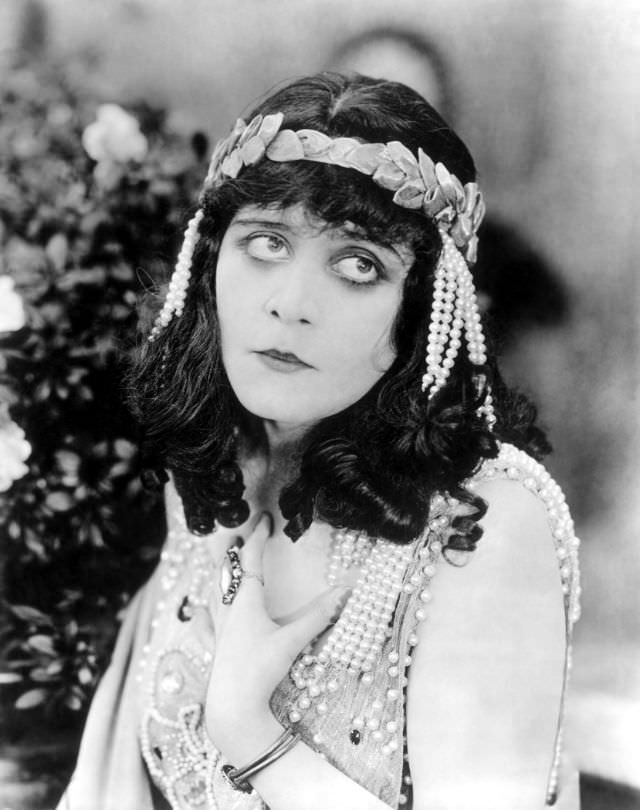
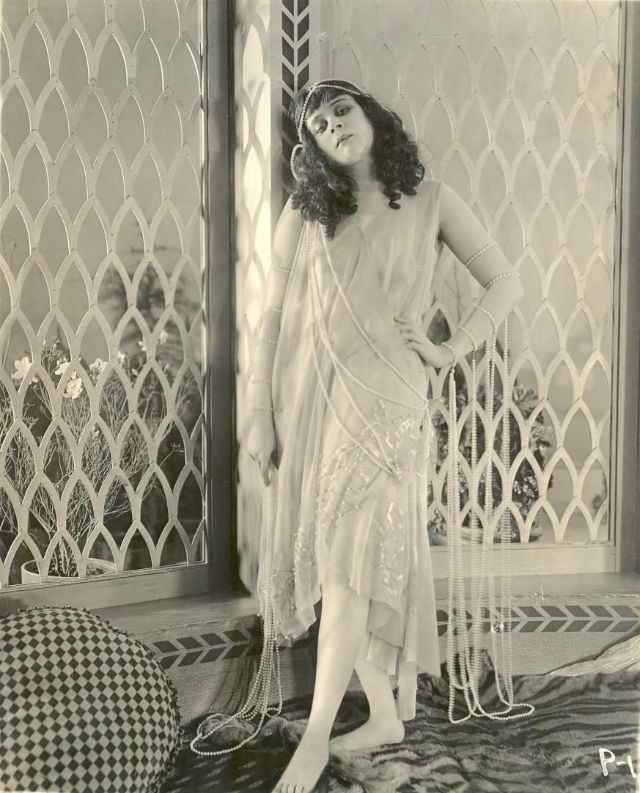
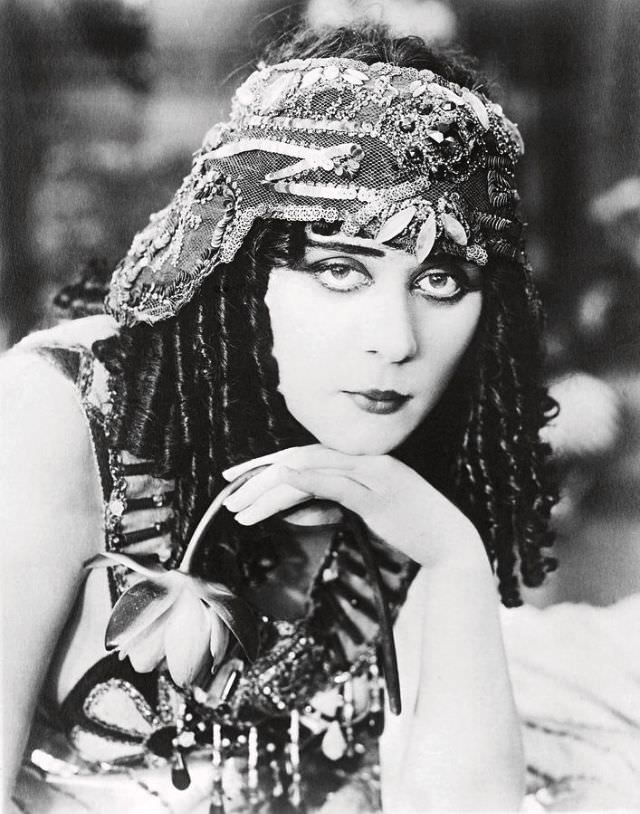
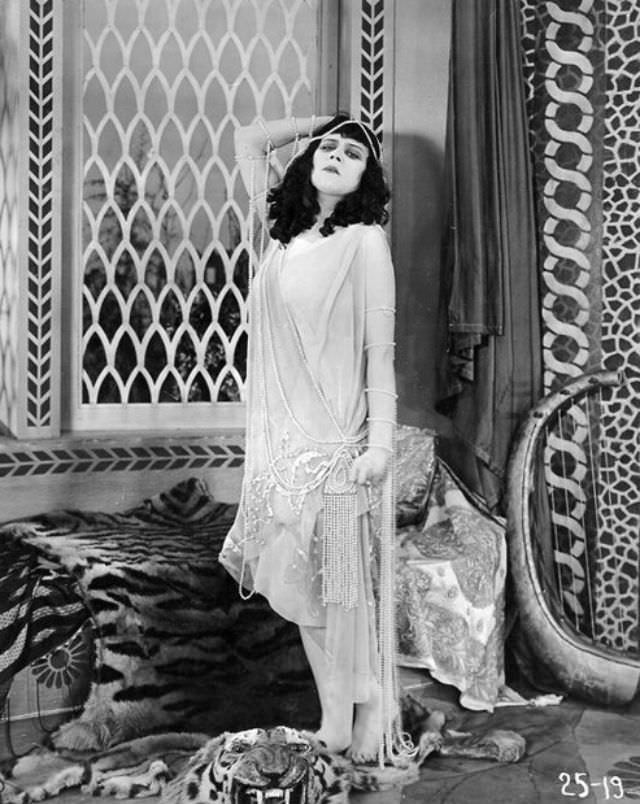
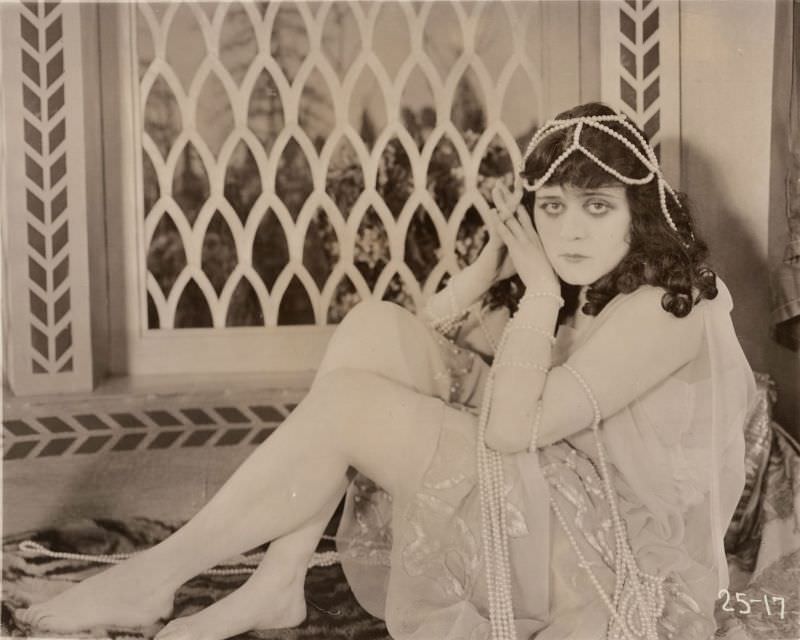
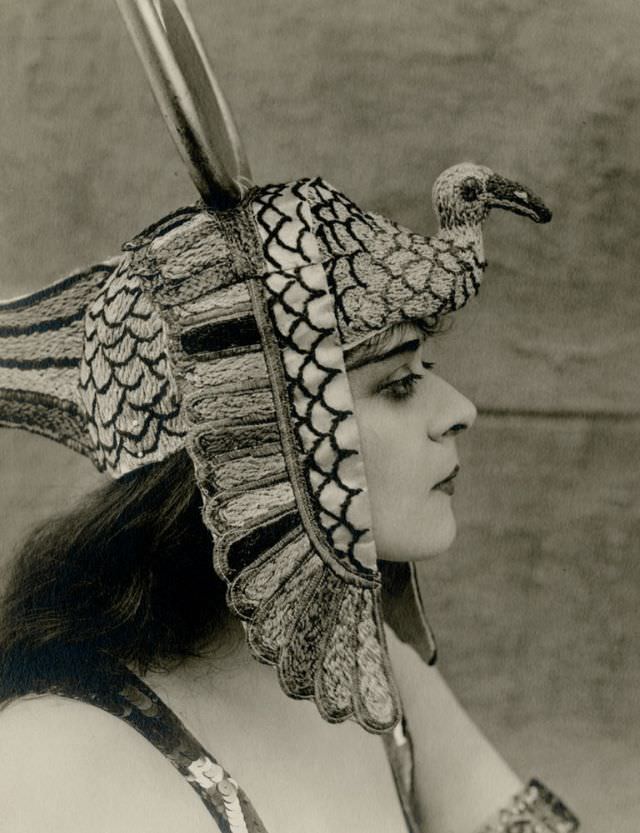
Bara’s costume for the role was deliberately provocative. She wore an elaborate headdress, heavy jewelry, and a revealing outfit that pushed hard against the standards of the era. The wardrobe was designed to reinforce Salomé’s dangerous allure and signal to audiences that this was not a conventional heroine.
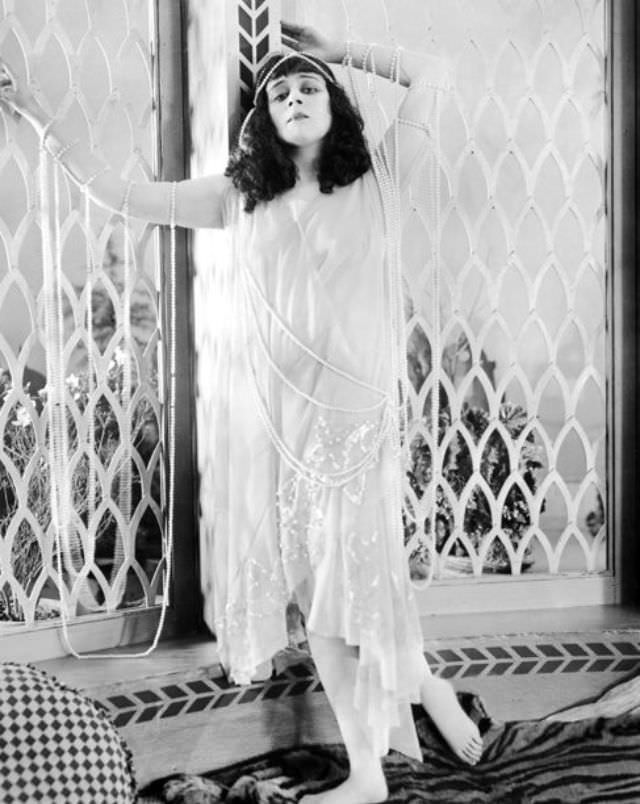
The centerpiece of the film is the Dance of the Seven Veils. In this sequence, Salomé performs for Herod, using her dancing as a weapon to extract what she wants. Bara played the scene with a mix of cold calculation and physical performance that made it the most talked-about moment in the film.
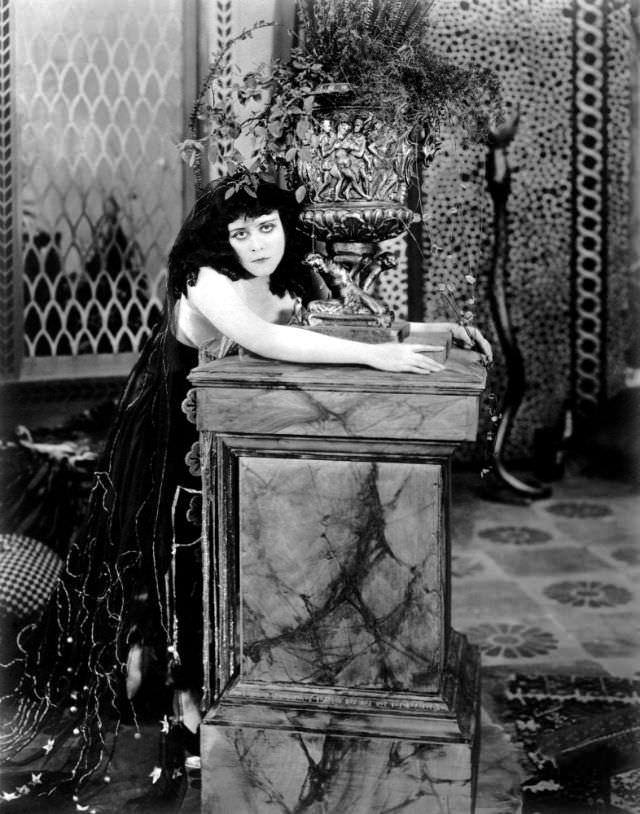
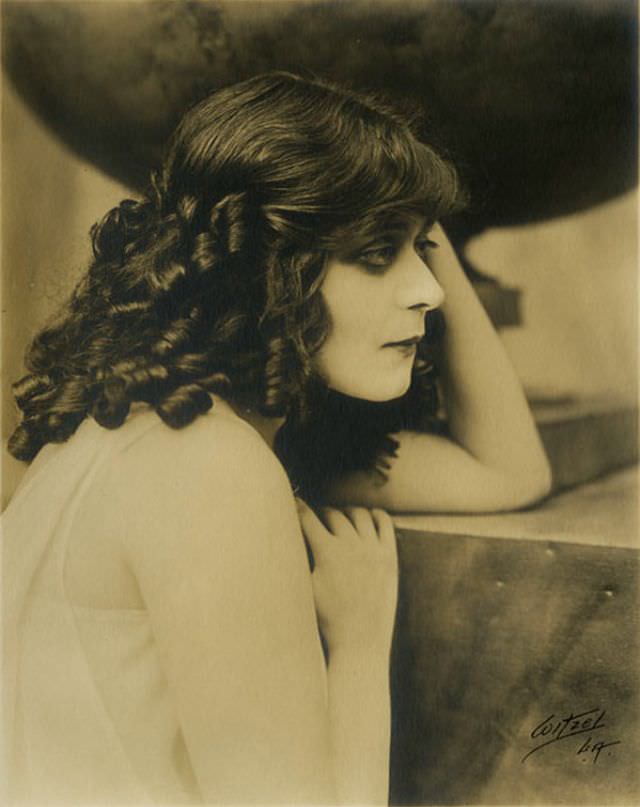
Bara had built her career playing what Hollywood called a “vamp” — a woman who uses beauty and seduction to destroy men. She leaned fully into this archetype in Salomé. Audiences in 1918 were both scandalized and fascinated. The film was a commercial success and reinforced Bara’s status as the era’s premier femme fatale.
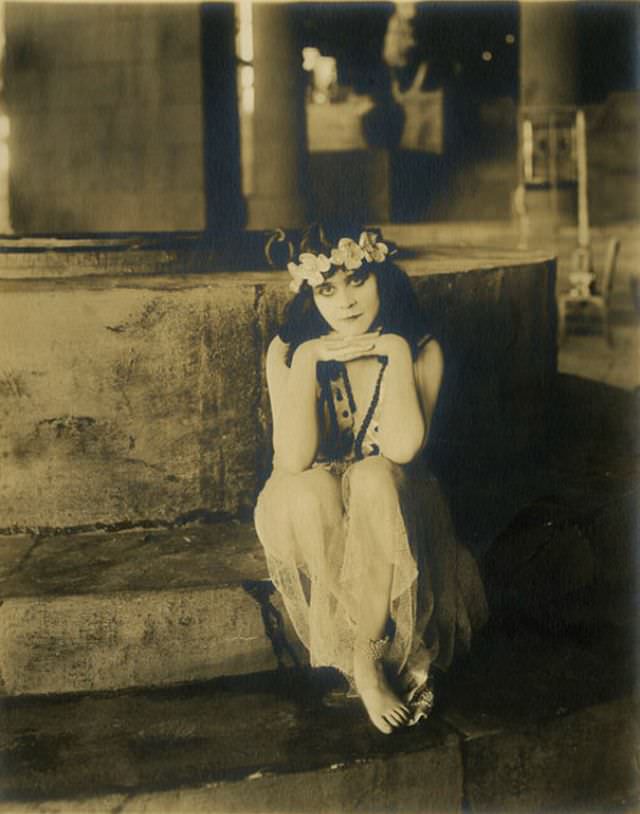
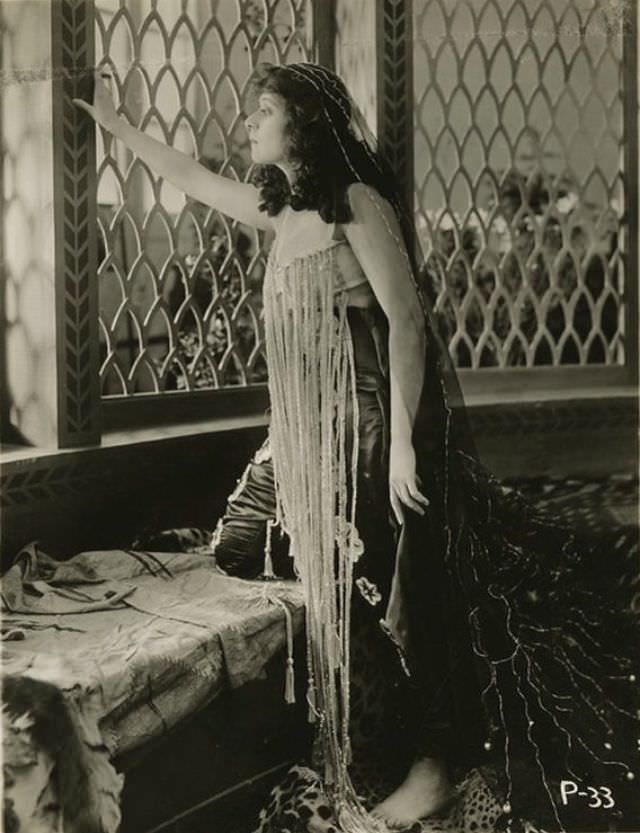
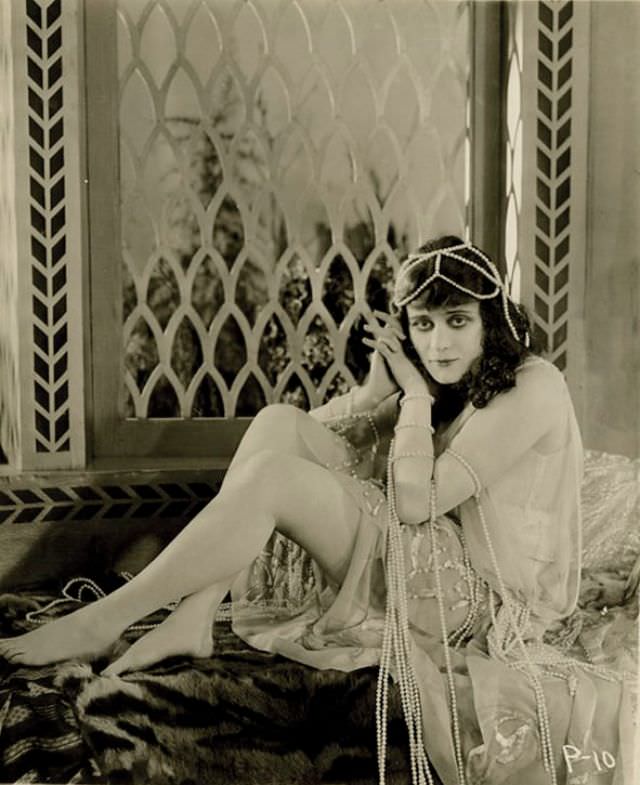
Like the vast majority of silent films, the original print of Salomé (1918) is lost. Only promotional photographs and written accounts survive. These images, taken on and around the set, are among the only records that show how the film looked and how Bara inhabited the character.