Long before Hollywood had a star system, before fan magazines plastered actresses across every newsstand, there was Theda Bara. She was the first woman in film history to be deliberately sold as a sex symbol, and the machine behind her was as calculated as anything the modern entertainment industry has ever produced. Between 1914 and 1926, she made more than 40 films, defined an entirely new type of female screen character, and became one of the most recognized faces in the world — all without speaking a single word on screen.
Bara’s path to stardom began not in film but on stage. In 1908, she took a role in the stage production of ‘The Devil,’ where she developed her craft performing in front of live audiences. Her transition to film came in 1914 with ‘The Stain,’ in which she played a Gang Moll — a hard-edged supporting role that gave little hint of what was coming. That changed completely in 1915.
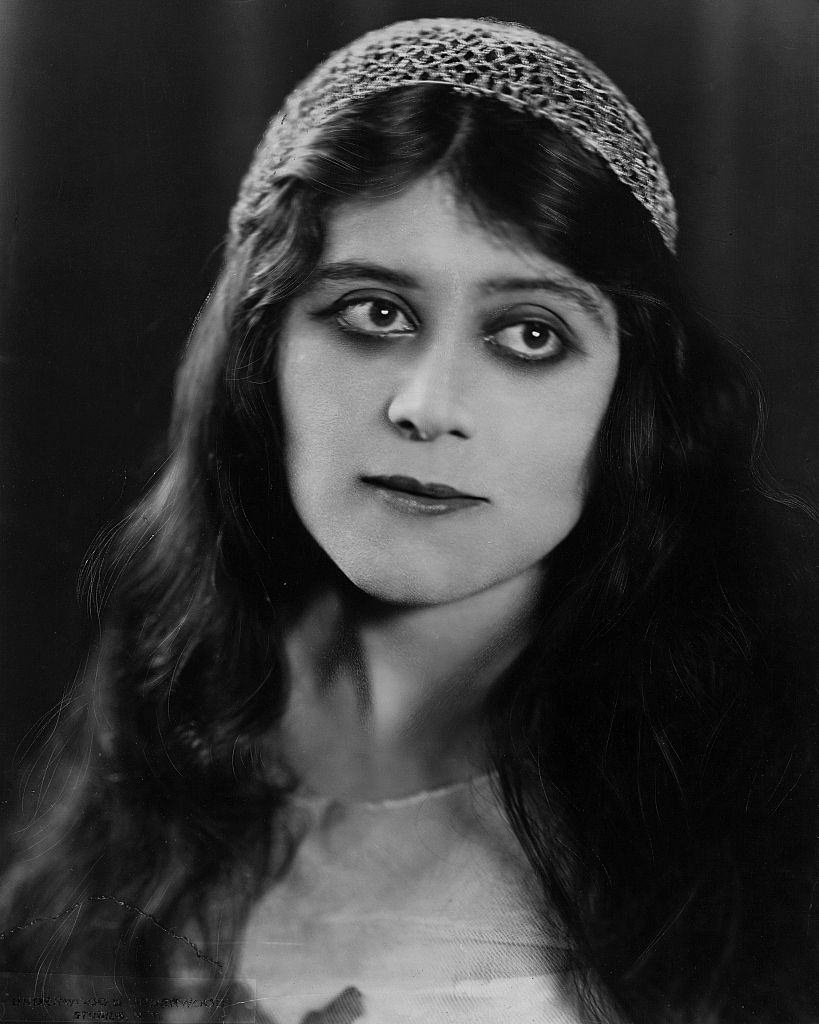
The film that made Theda Bara a star was ‘A Fool There Was,’ released in 1915. She played a predatory woman who seduces and destroys a respectable married man, draining him of his money, his family, and his dignity. The character was built entirely around the idea of a woman with no moral limits and no compassion — a creature who lived purely for her own pleasure at the expense of the men around her. Fox Film Corporation backed the release with an aggressive publicity campaign unlike anything audiences had seen before, and it worked. Bara became a star overnight.
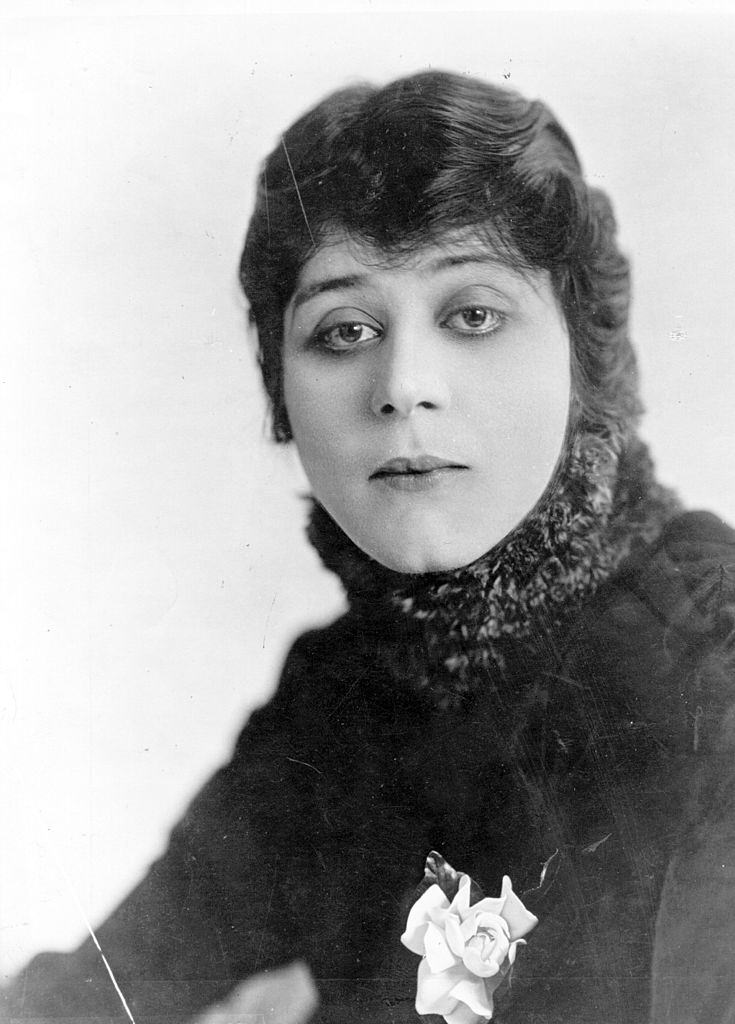
The word ‘vamp’ — short for vampire — became permanently attached to her name after that film. She wasn’t just playing a seductress; she was playing a predator. The vamp archetype she embodied was a woman who lured men toward ruin with a look and a gesture. In the same year ‘A Fool There Was’ was released, Bara appeared in five additional films, cementing her identity as the screen’s defining vamp. She would go on to play the role again and again in different settings, different costumes, and different historical periods.
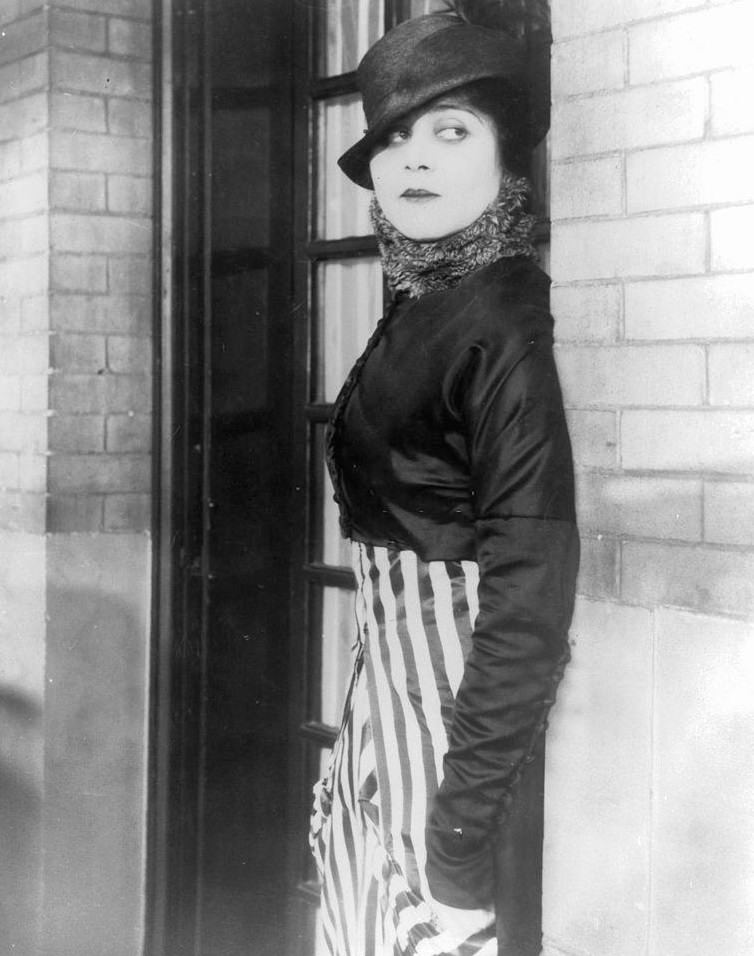
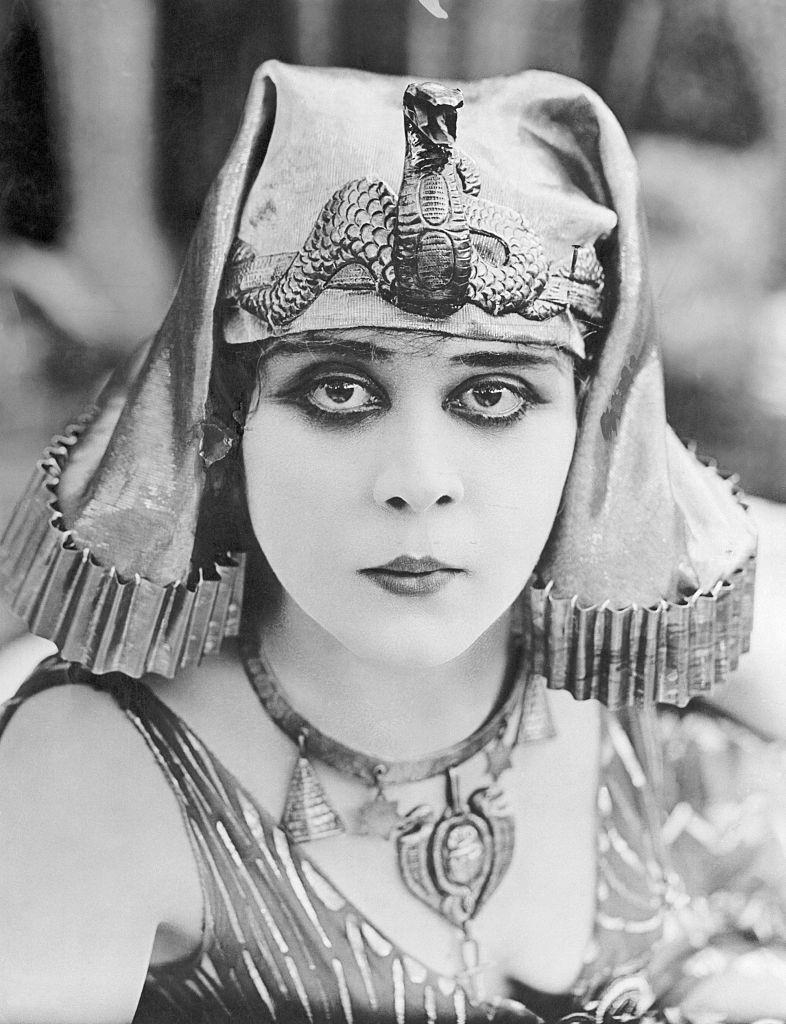
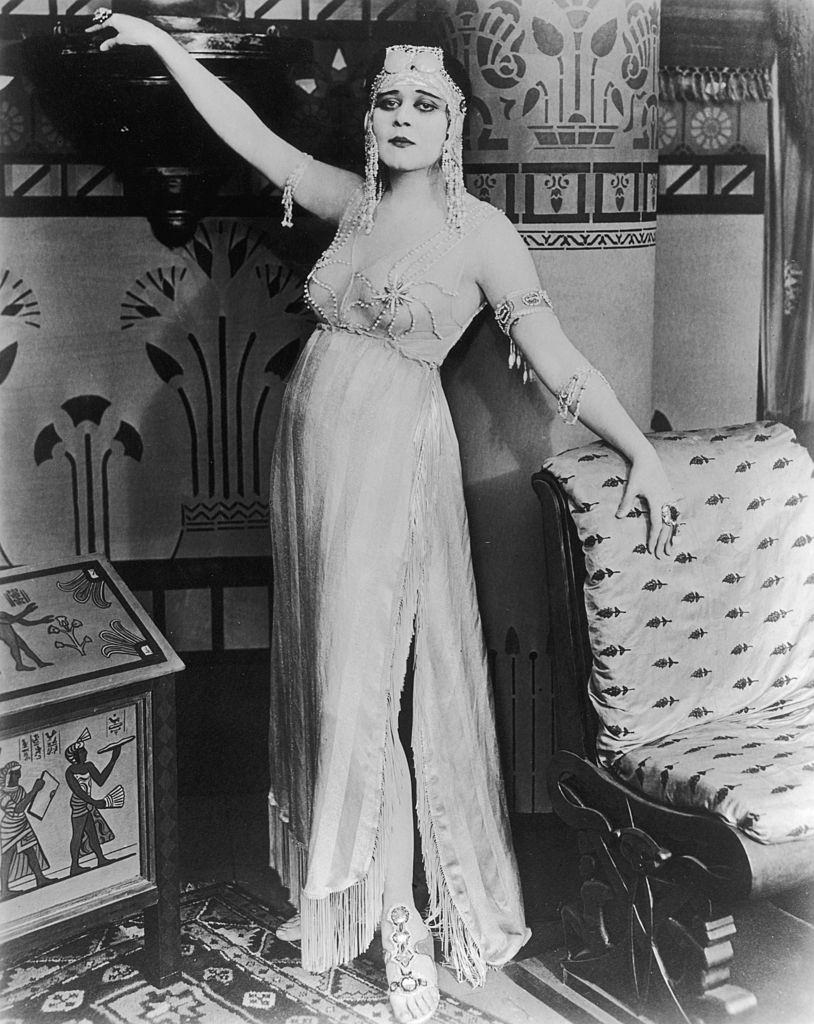
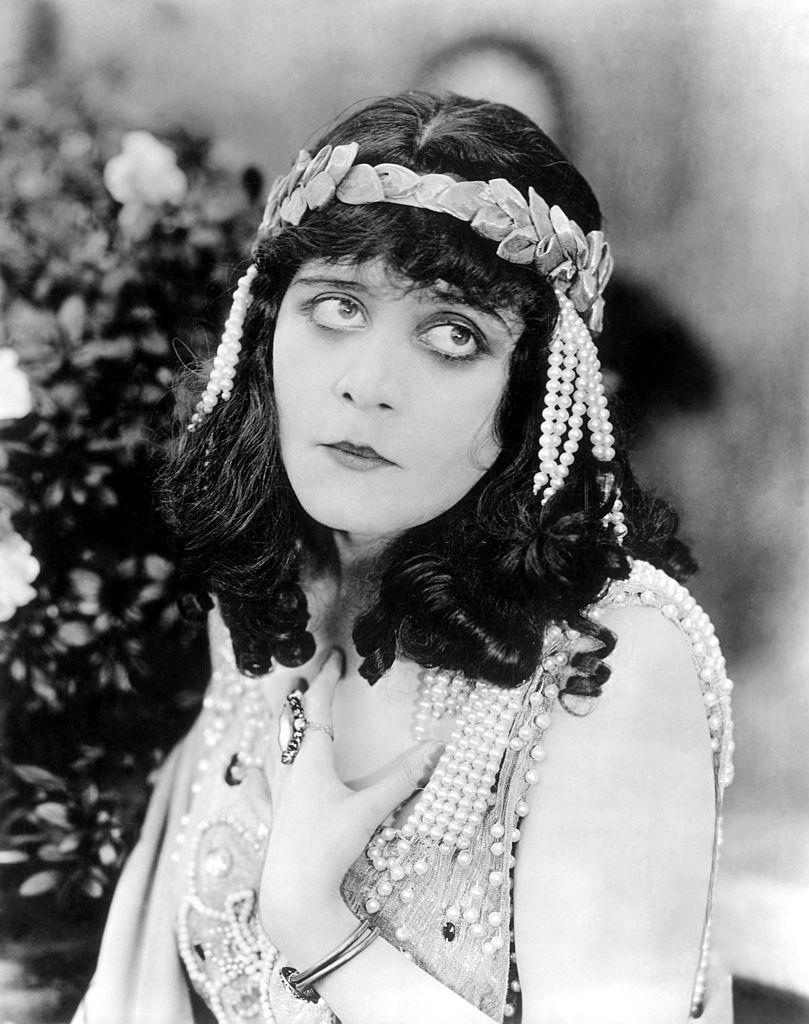
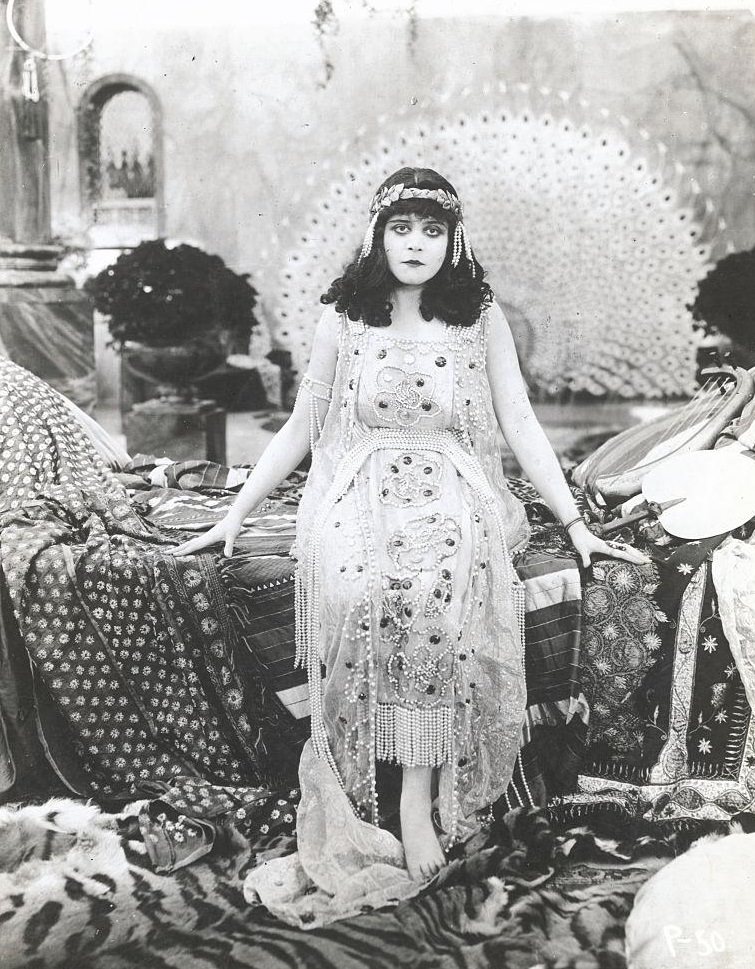
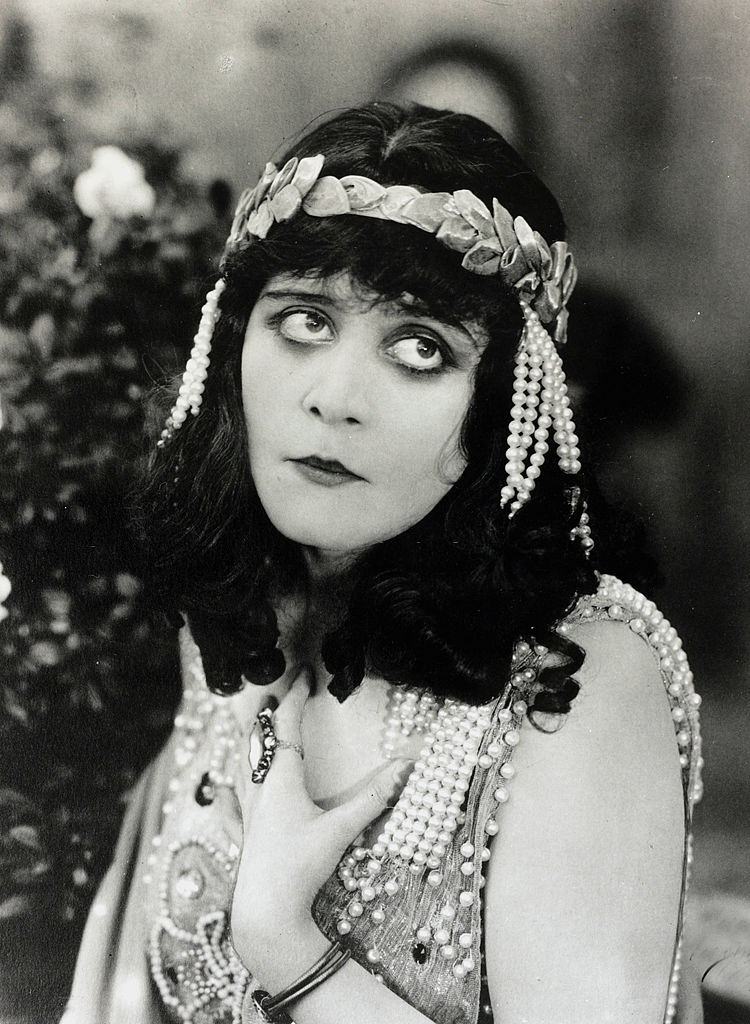
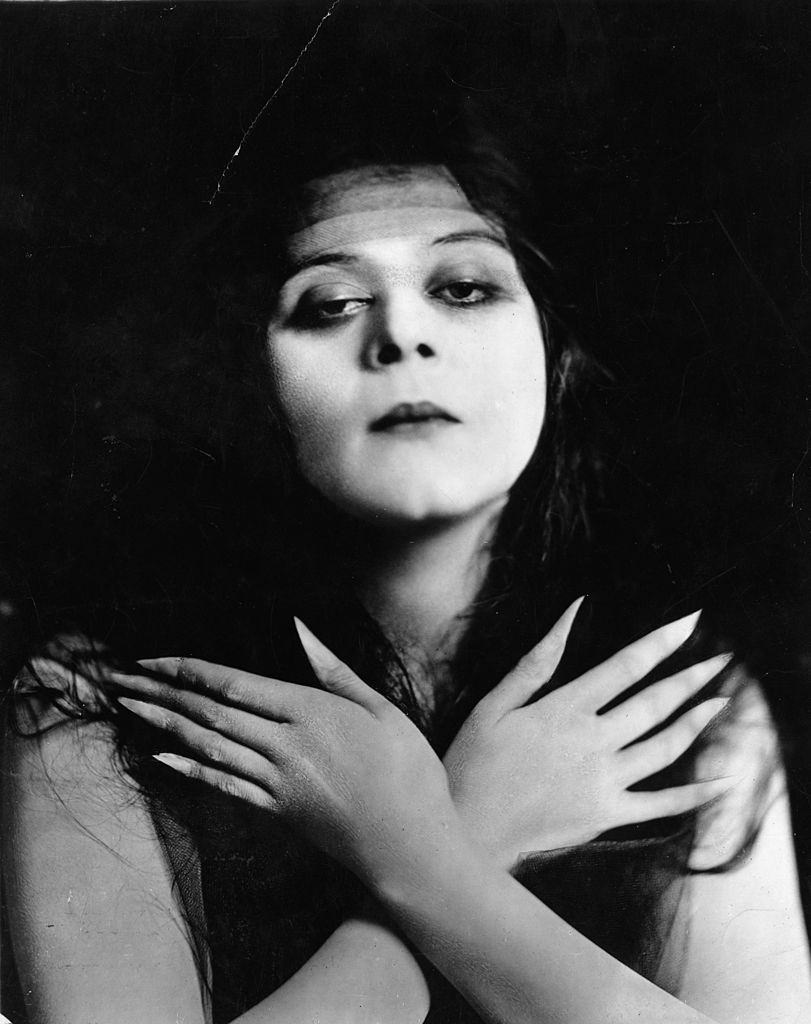
Her costumes were a central part of her on-screen power. Bara wore revealing outfits that were designed to shock, and in many cases they did — the type of clothing she appeared in was later banned outright from Hollywood productions. Studios dressed her in jeweled headdresses, barely-there draped fabrics, and elaborate accessories that communicated danger, wealth, and desire all at once. These weren’t accidental choices. Every element of her screen image was intentional, constructed to make audiences feel both drawn in and unsettled.
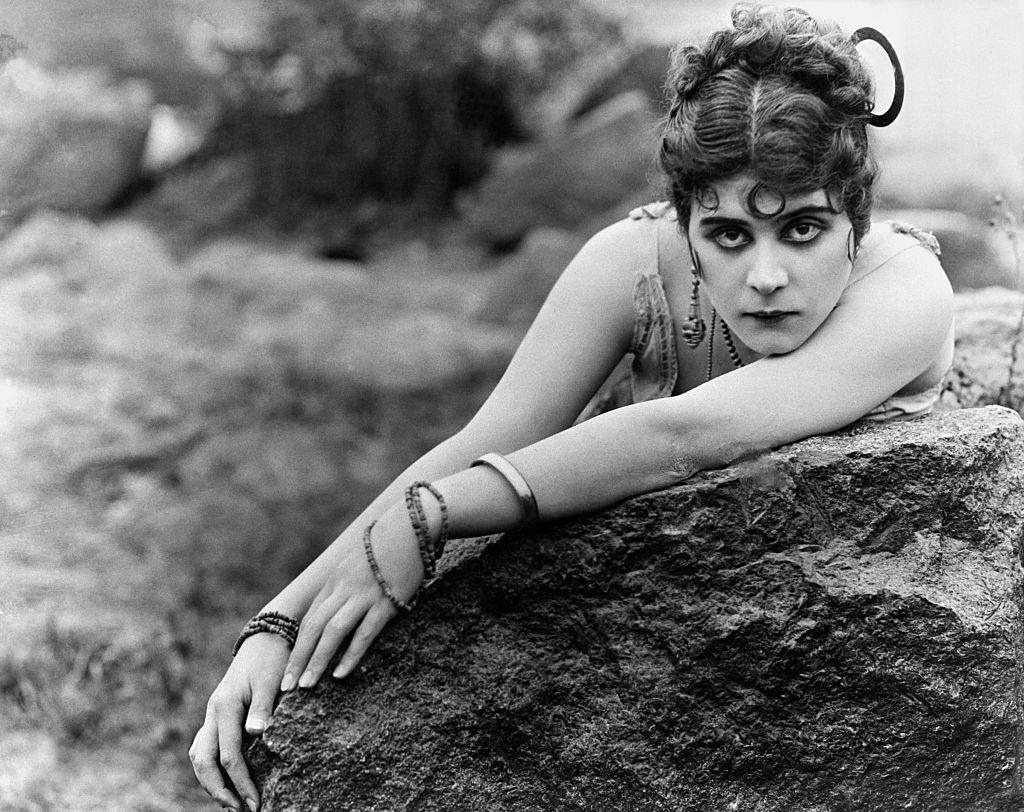
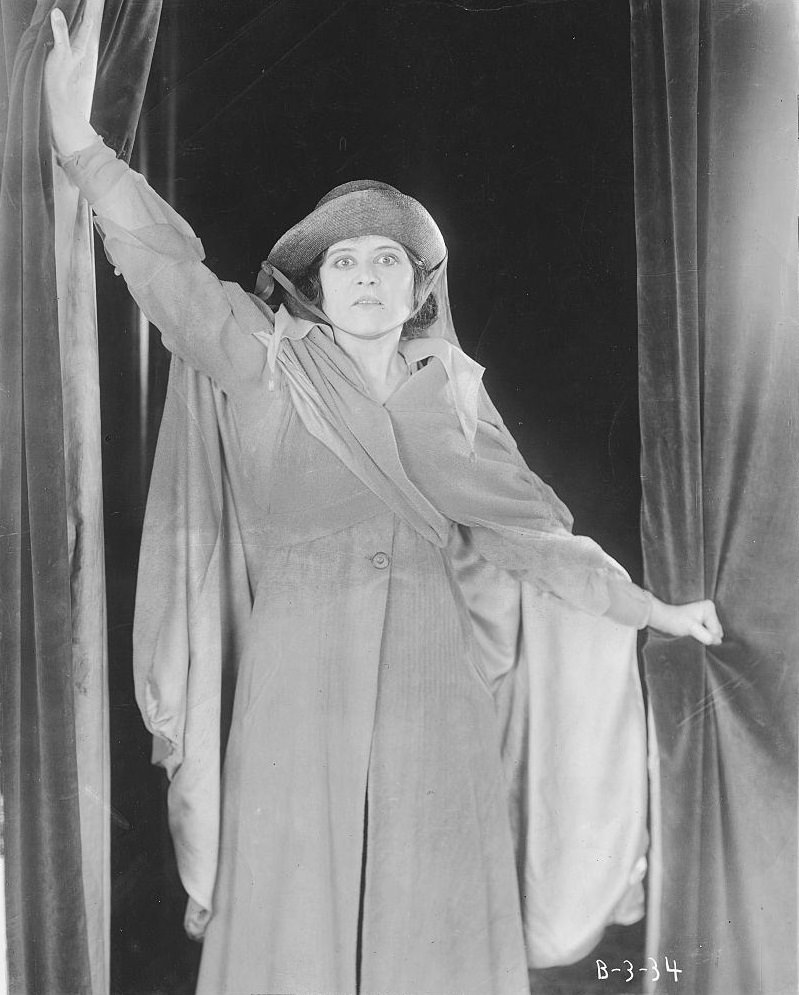
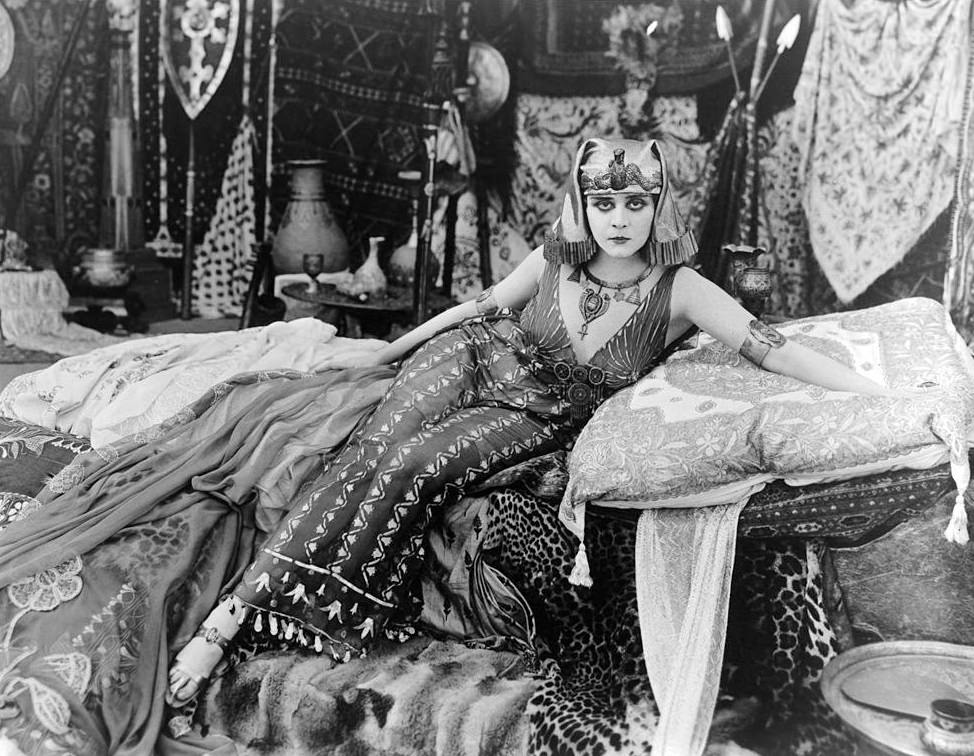
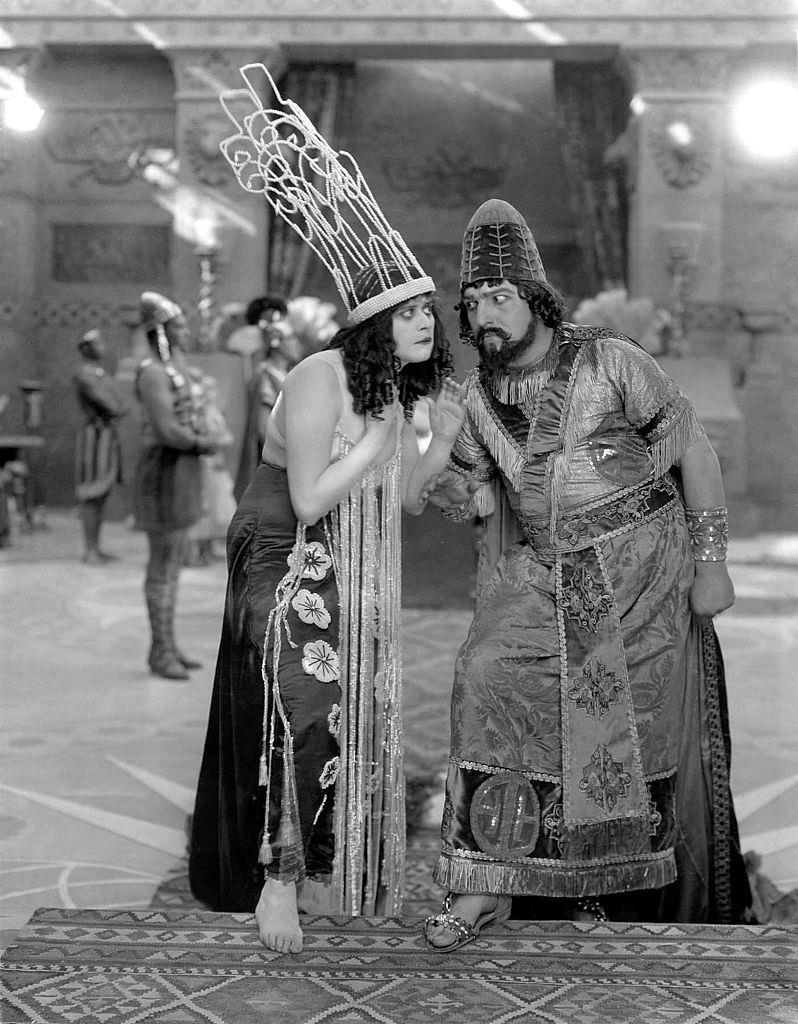
Bara’s roles frequently placed her inside grand historical settings, and none was more ambitious than her portrayal of Cleopatra in 1917. The production was one of the most elaborate of the silent era, with lavish sets and intricate costumes that turned the Egyptian queen into the ultimate expression of the vamp character — a ruler who used desire as a political weapon. Bara sat on full-scale thrones, surrounded by attendants, draped in costumes featuring sequined snakes and heavy headdresses. The film gave her the grandest stage she had ever performed on.
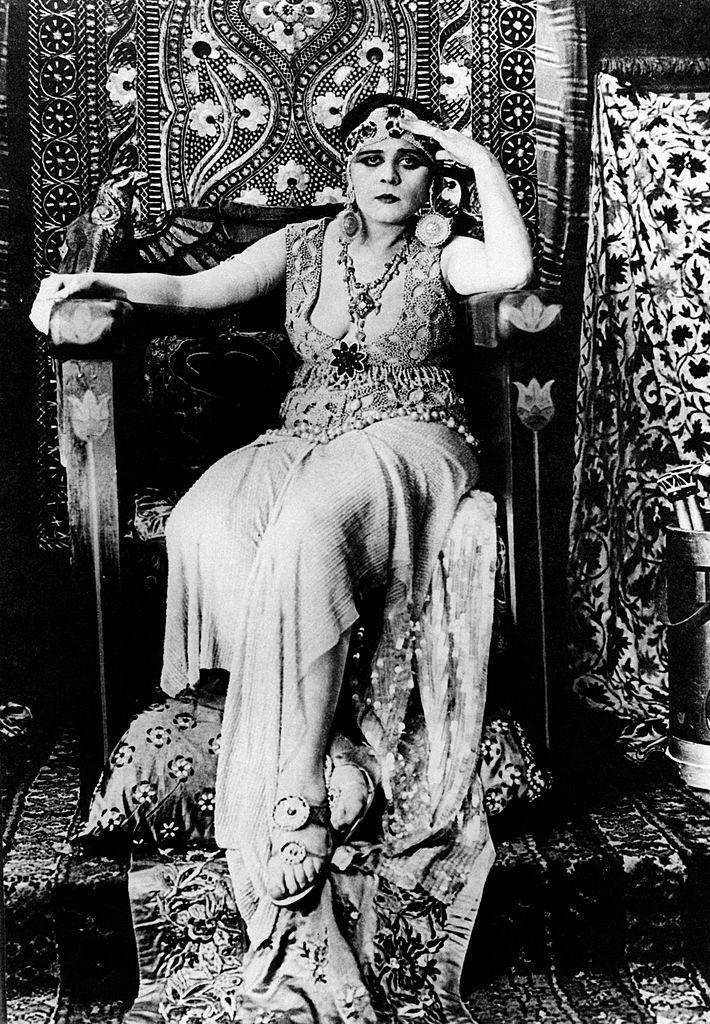
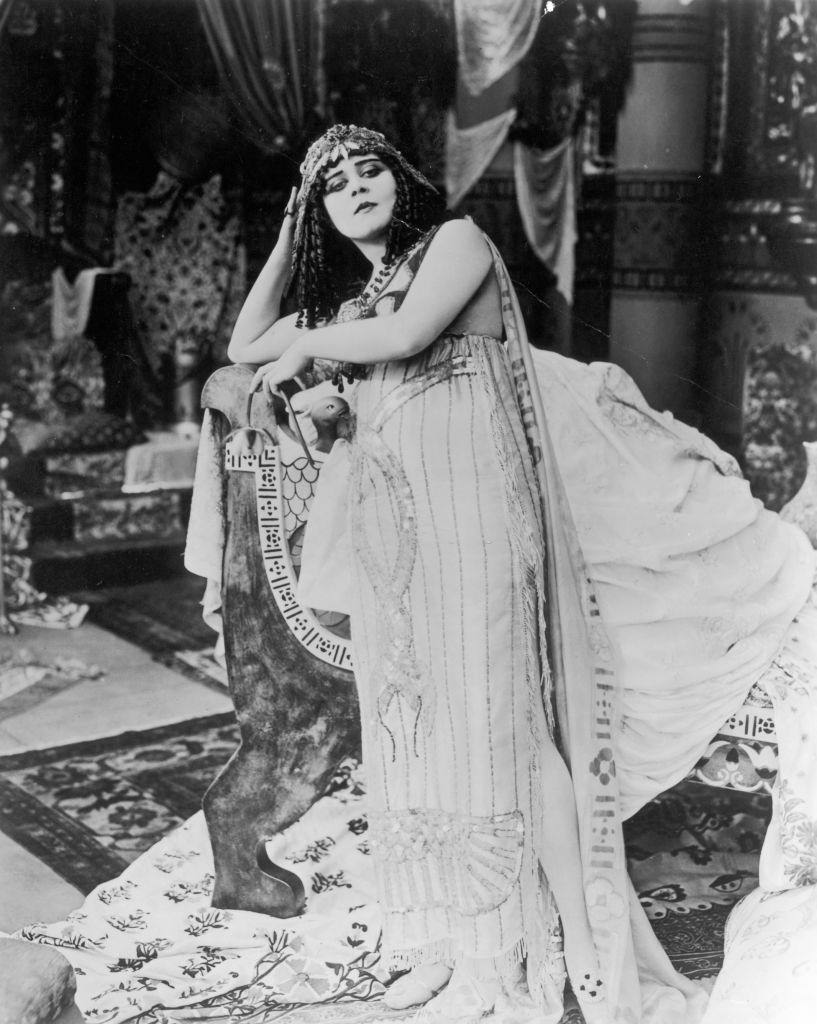
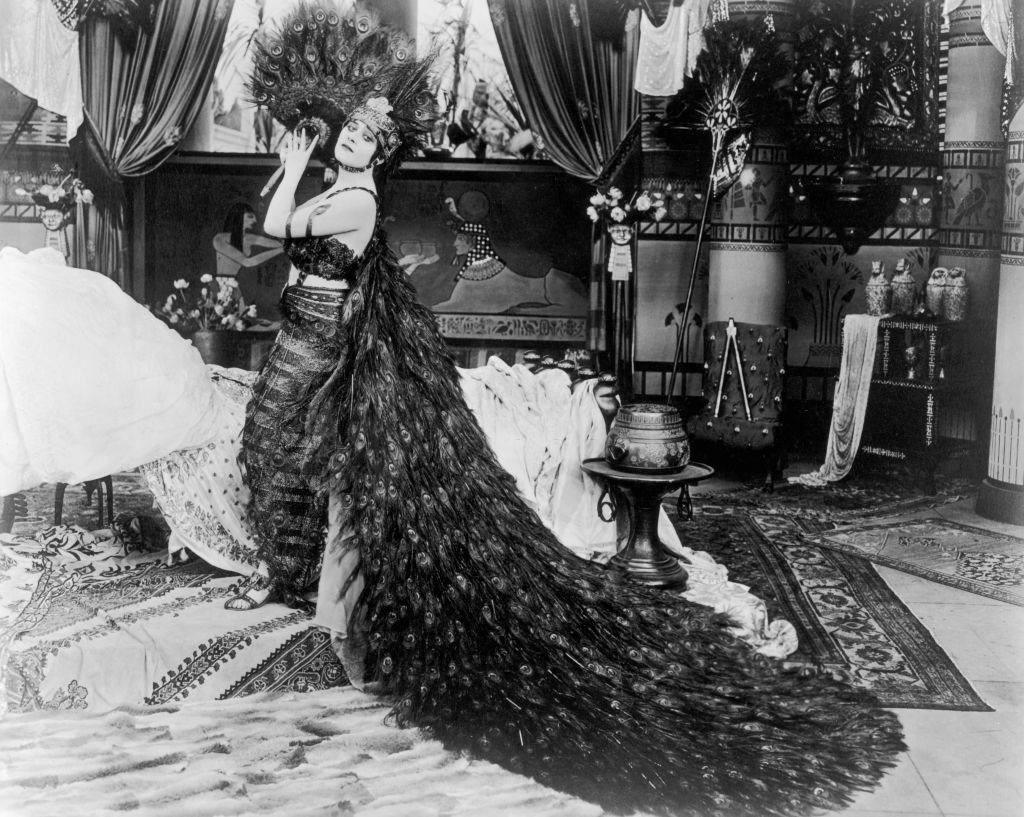
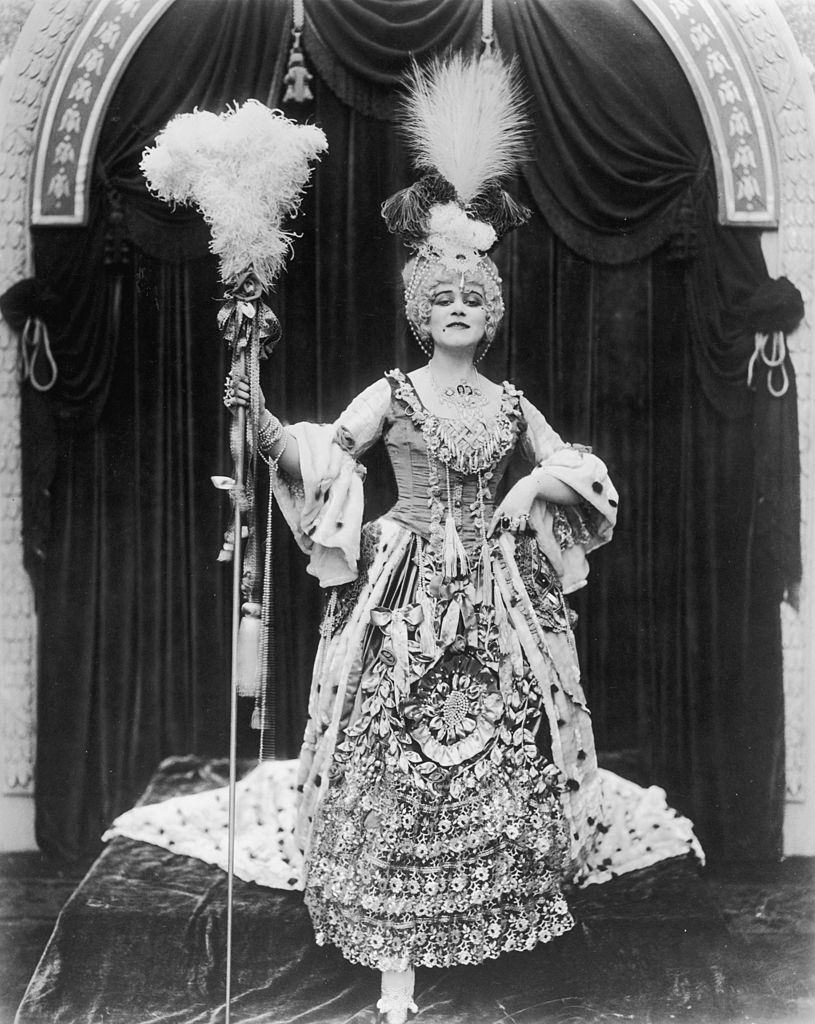
The same year she filmed Cleopatra, Bara also took on the role of Madame Du Barry, the French royal mistress whose story of power, seduction, and eventual downfall made her a natural fit for the vamp treatment. These historical figures gave Bara’s performances a sense of scale and legitimacy while still delivering the same essential character audiences expected. She was always the dangerous woman at the center of a man’s destruction.
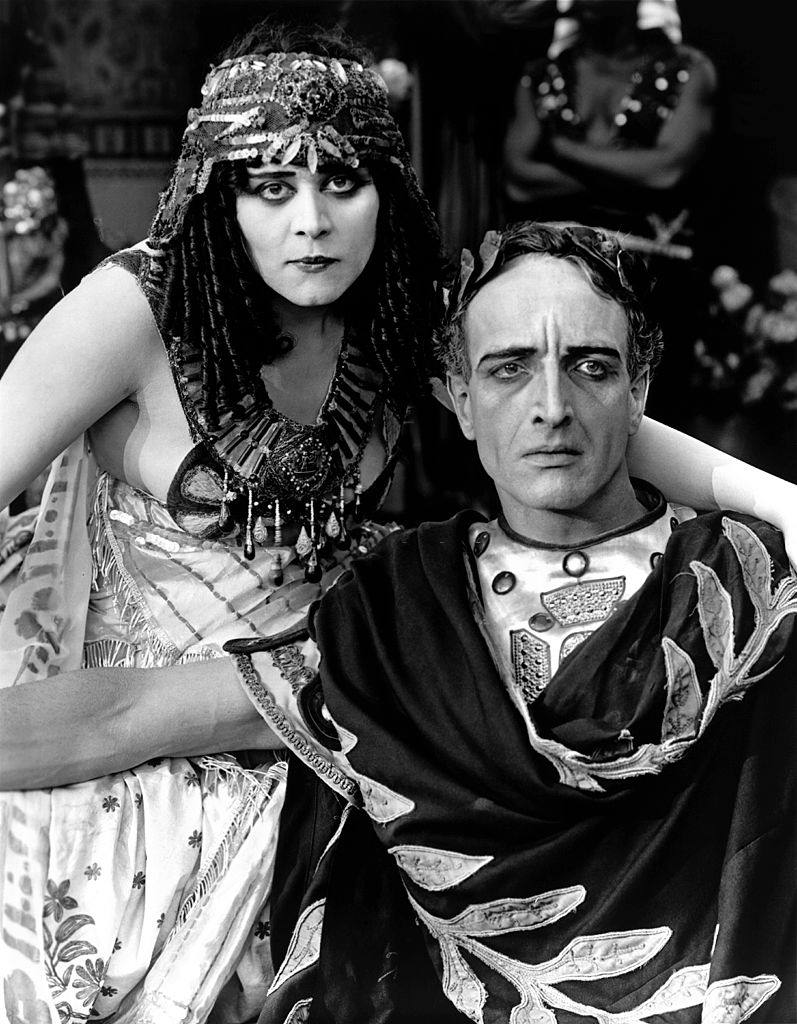
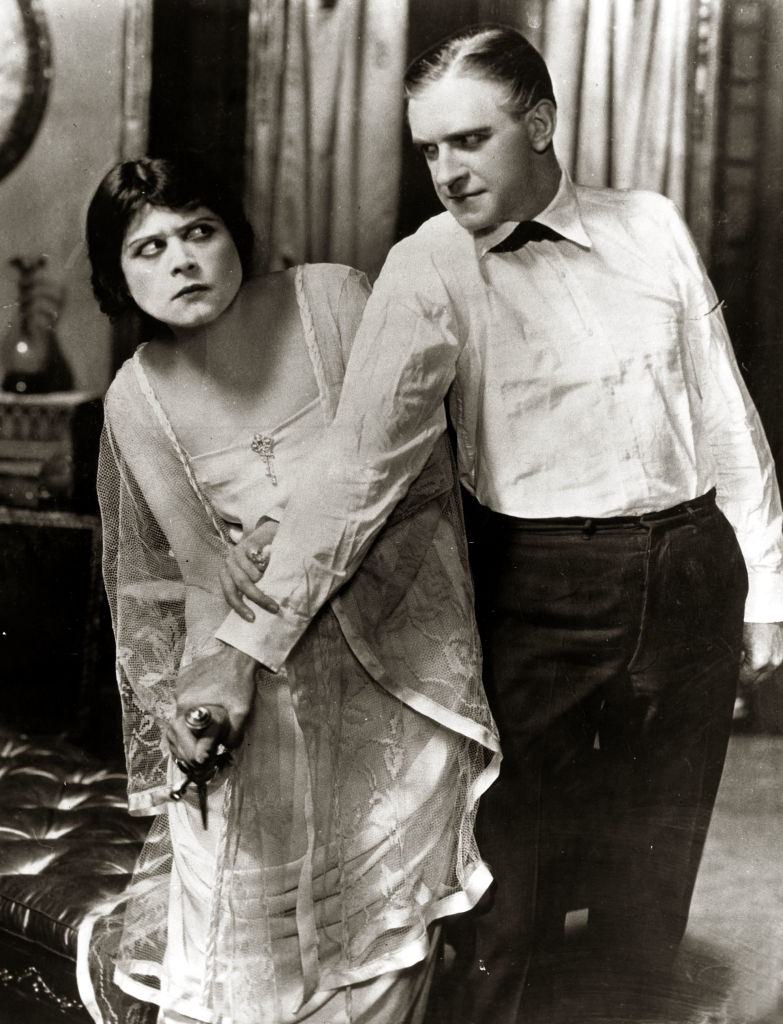
One of her other notable 1917 productions paired her with actor Fritz Leiber on the Cleopatra set, in scenes that captured the charged dynamic her roles depended on — the sense that two forces were in conflict, and that Bara’s character would inevitably come out on top.
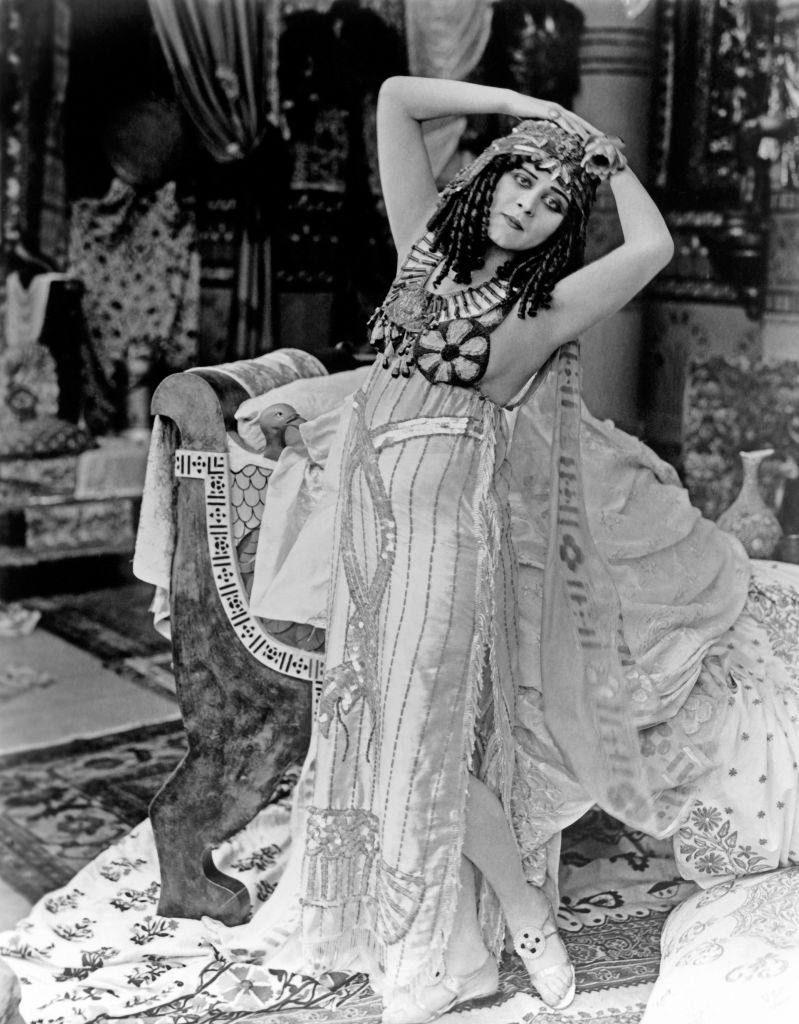
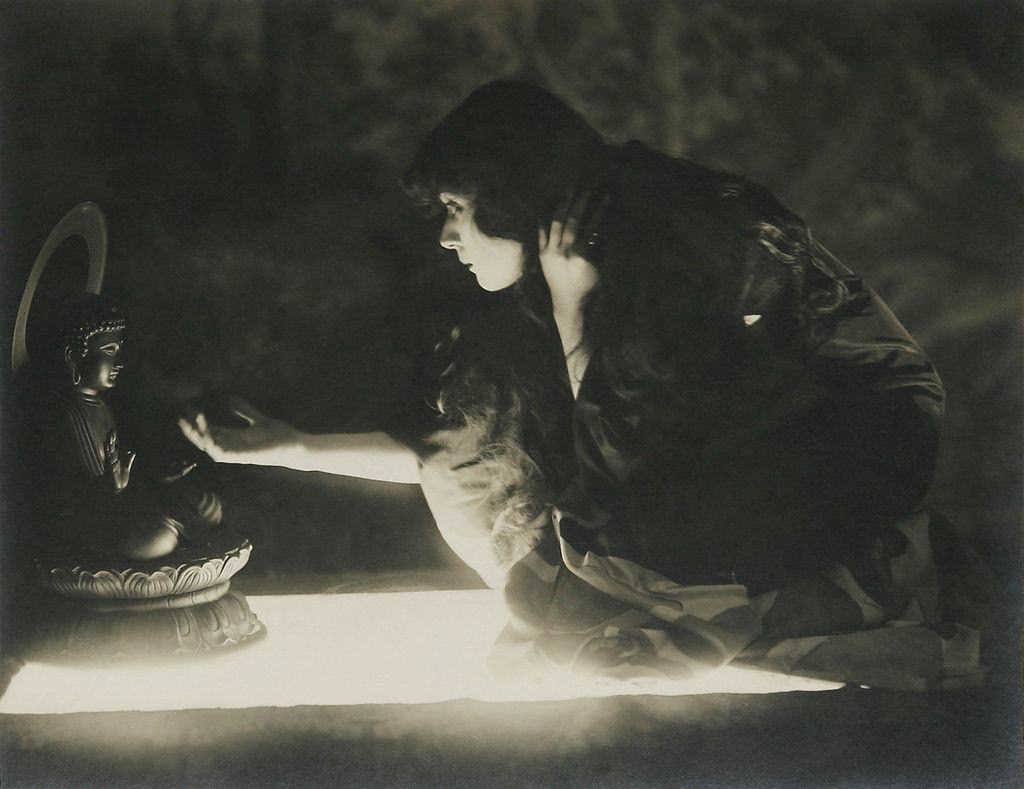
In 1918, Bara continued working at a rapid pace, appearing in films including ‘The Soul of Buddha’ and the ambitious production ‘Salome.’ The Salome role, drawn from the biblical story of a princess who demands the head of John the Baptist, was another perfect vehicle for the vamp persona. On set, she wore costumes that pushed against the limits of what film censors would allow, and the finished film leaned fully into the character’s cruelty and appetite for power.
Earlier in her career, Bara had also appeared alongside William E. Shay in ‘The Clemenceau Case,’ a film that placed her in a morally charged domestic drama. These supporting productions filled the gaps between her major star vehicles and showed how consistently her studio deployed her in roles built around temptation and transgression.
In 1921, Bara married film director Charles Brabin and stepped away from acting. The retirement was complete — she did not return to the screen in any significant capacity for years, and when she did appear again, the film landscape had changed. Sound pictures were on the horizon, and the silent era’s biggest stars were beginning to face an uncertain future. Bara never made a sound film. Her final screen appearance came in 1926 with the comedy short ‘Madame Mystery,’ a film that cast her as a version of herself — a knowing, older figure playing on the mythology that had built up around her name.
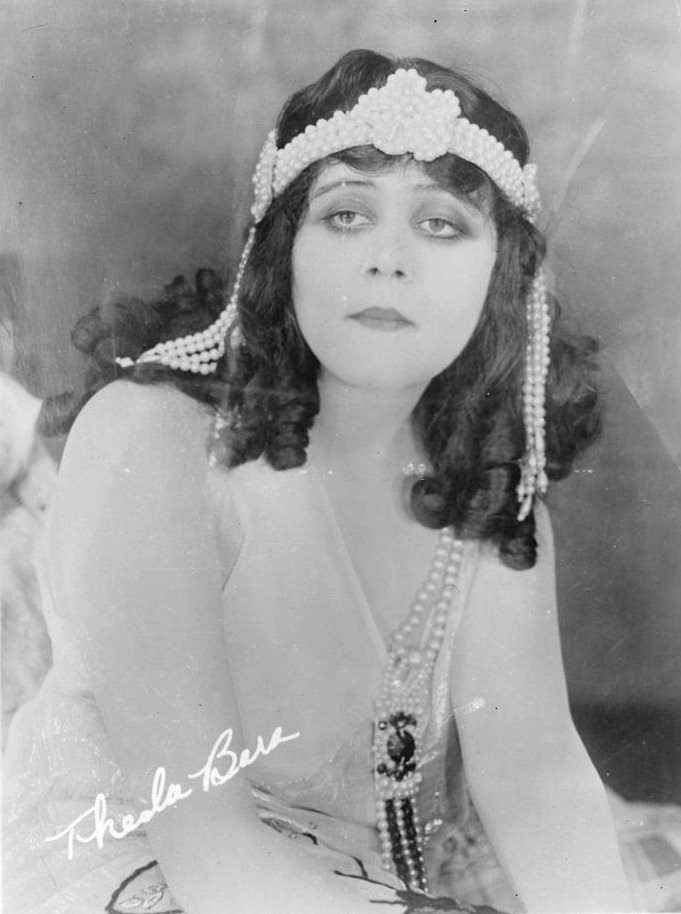
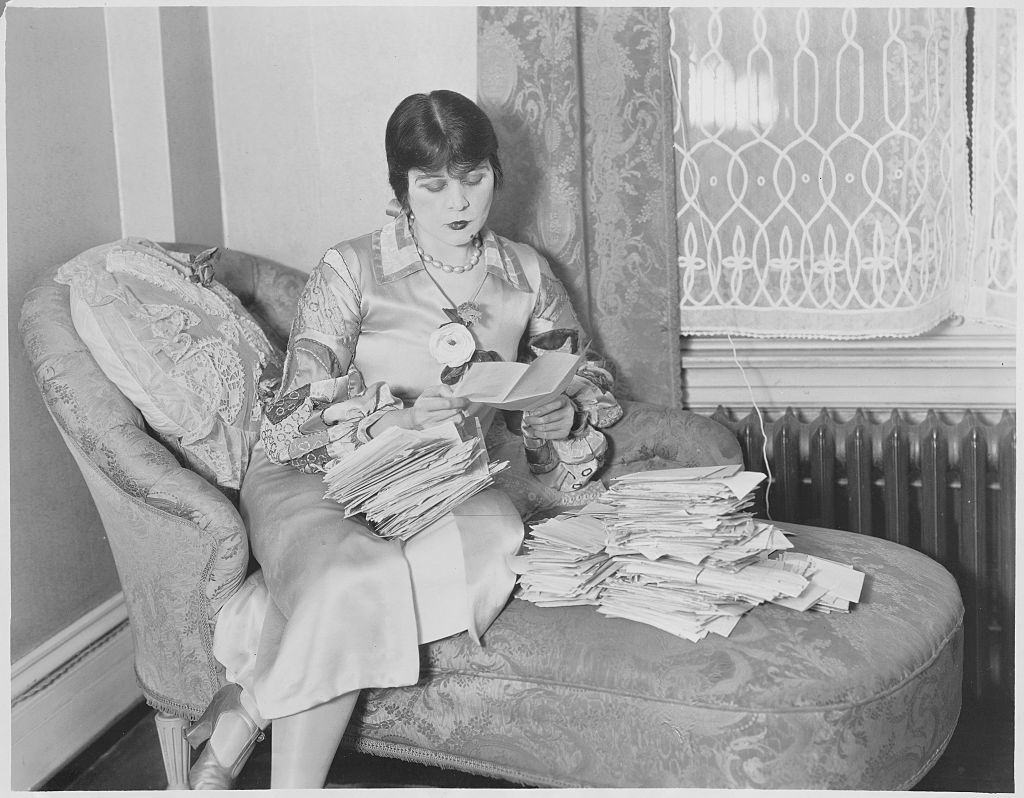
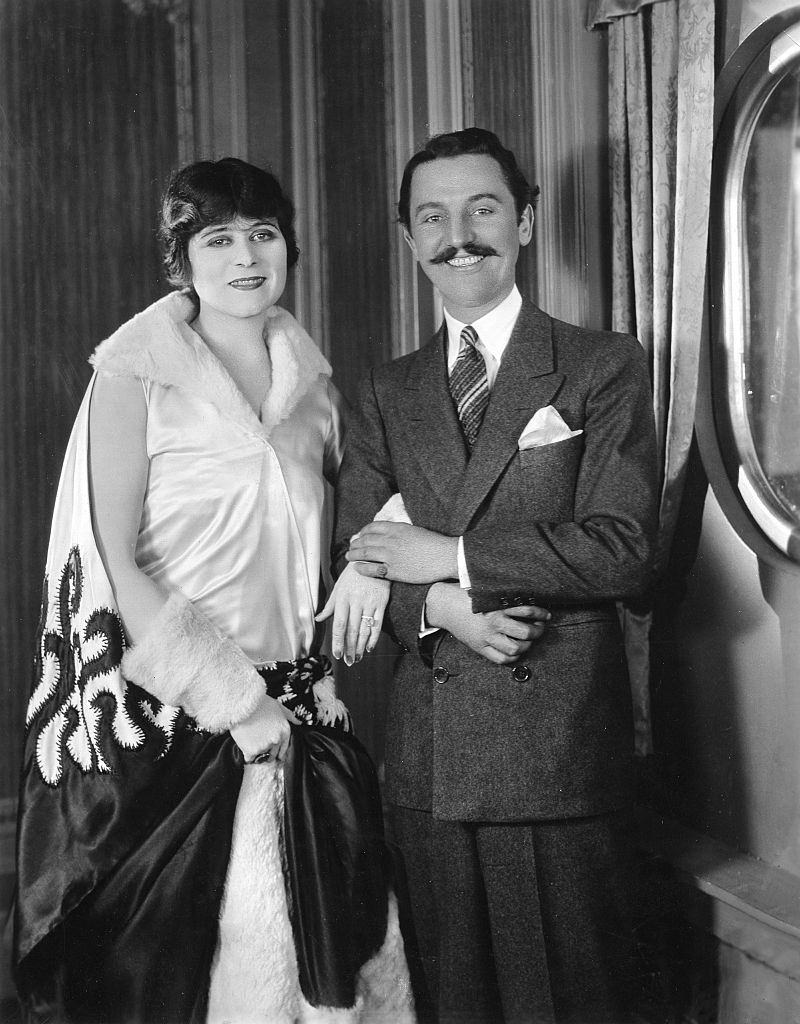
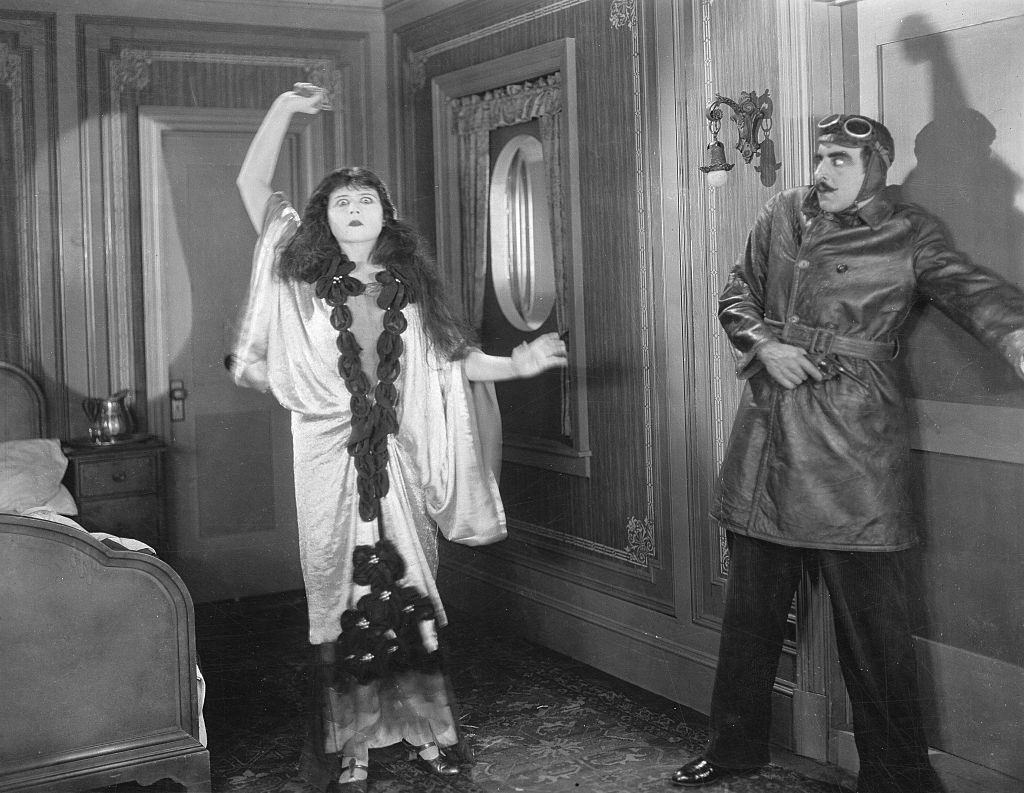
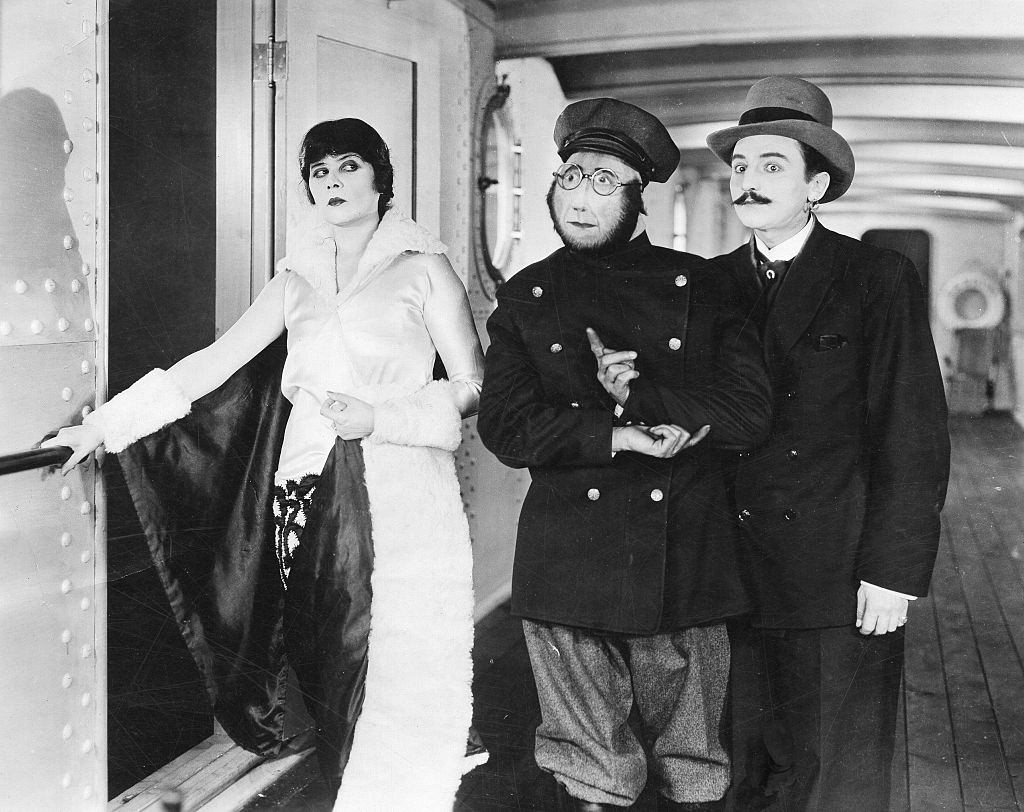
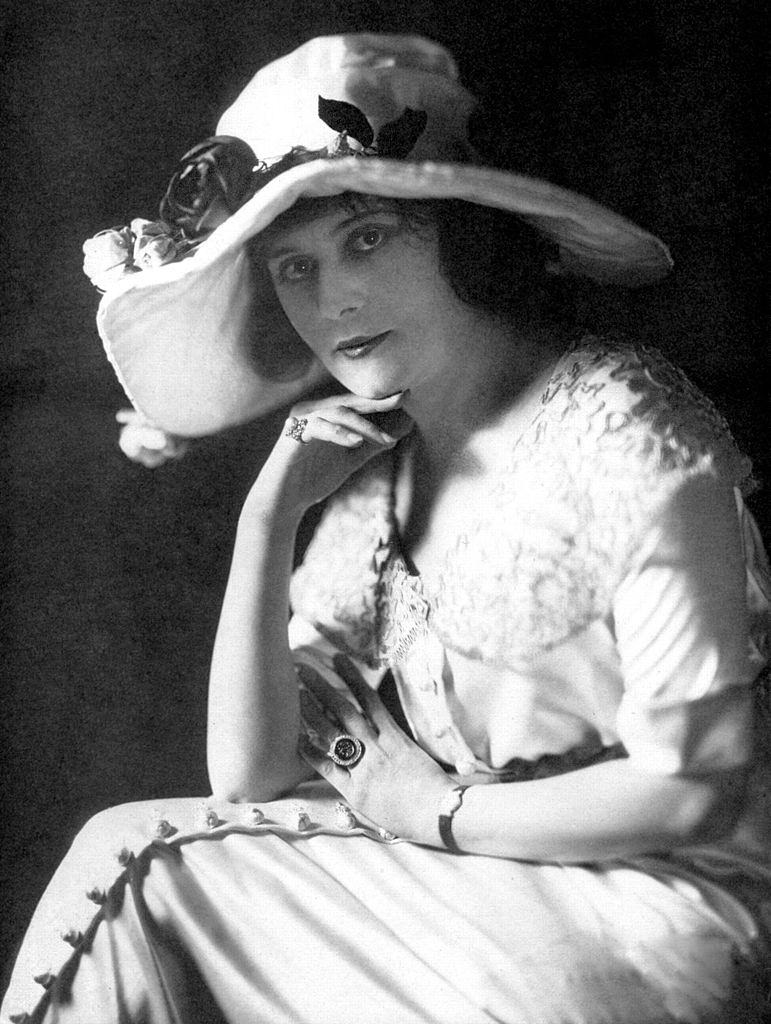
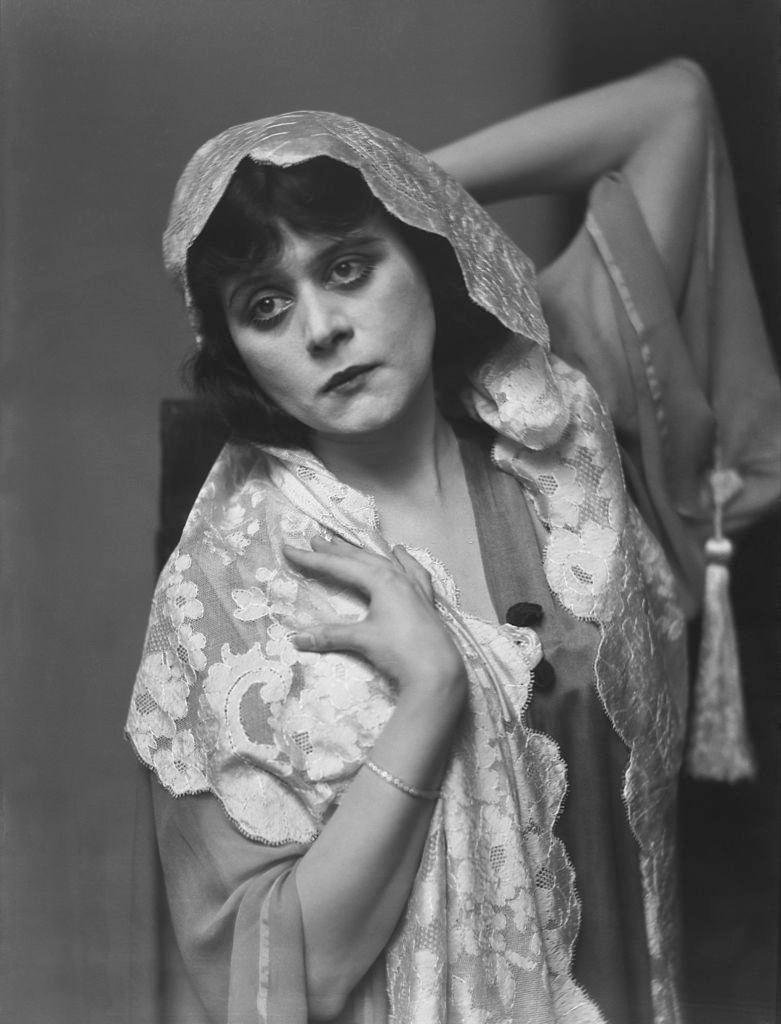
One of the great losses of early film history is tied directly to Bara’s career. In 1937, a fire at Fox Studios destroyed the majority of her films. Most of the more than 40 productions she made are now gone. What survives — a handful of films, production stills, and promotional photographs — gives only a partial picture of how she performed and what those films looked like in full. The photographs that remain show how deliberate her image was: the dark eyes, the dramatic poses, the costumes that signaled danger at a glance.
After retiring from the screen, Bara lived comfortably and privately as a hostess in both Hollywood and New York. Her marriage to Charles Brabin lasted the rest of her life. The couple had no children. She did not chase a comeback, did not give desperate interviews, and did not try to reinvent herself for sound pictures. On April 7, 1955, Theda Bara died of abdominal cancer at Lutheran Hospital in Los Angeles. She was 69 years old. She was buried as Theda Bara Brabin at Forest Lawn Memorial Park Cemetery in Glendale, California.