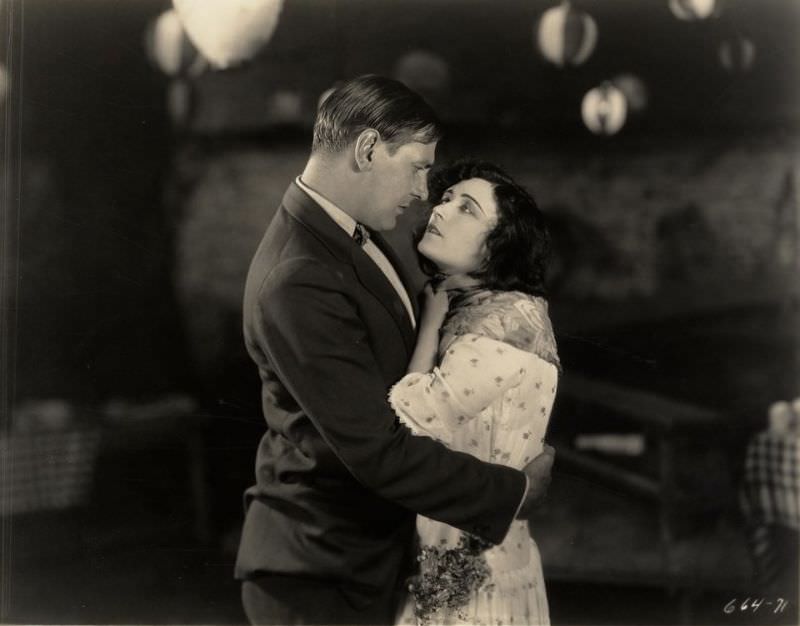
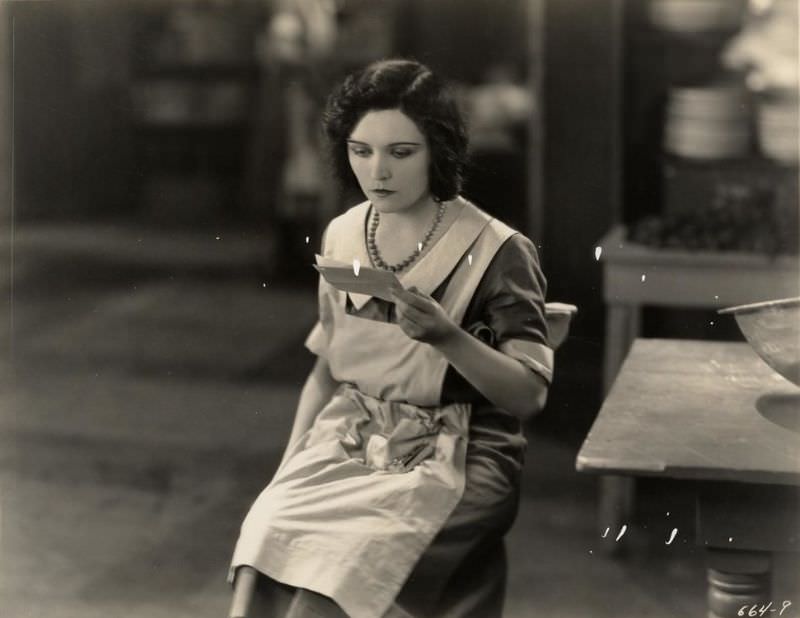
Released in 1928, The Secret Hour is a romantic silent drama directed by Rowland V. Lee. The film stars Pola Negri and Jean Hersholt and is set in a small European village where duty and desire pull a young woman in opposite directions.
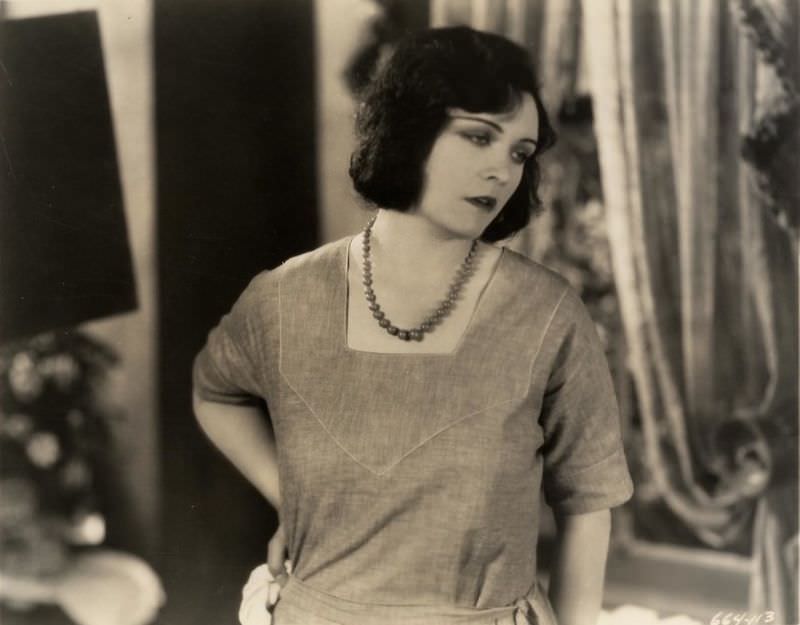
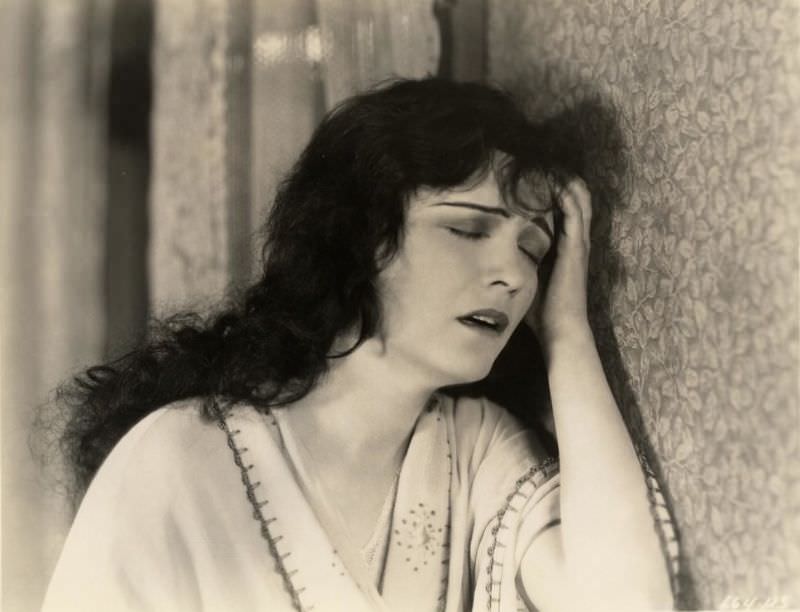
Negri plays Marie, a young woman who is forced to marry the much older and wealthier Pierre, played by Hersholt, to rescue her family from financial ruin. Marie, however, is secretly in love with another man. Her heart is split between the obligation she owes her family and the love she cannot openly pursue.
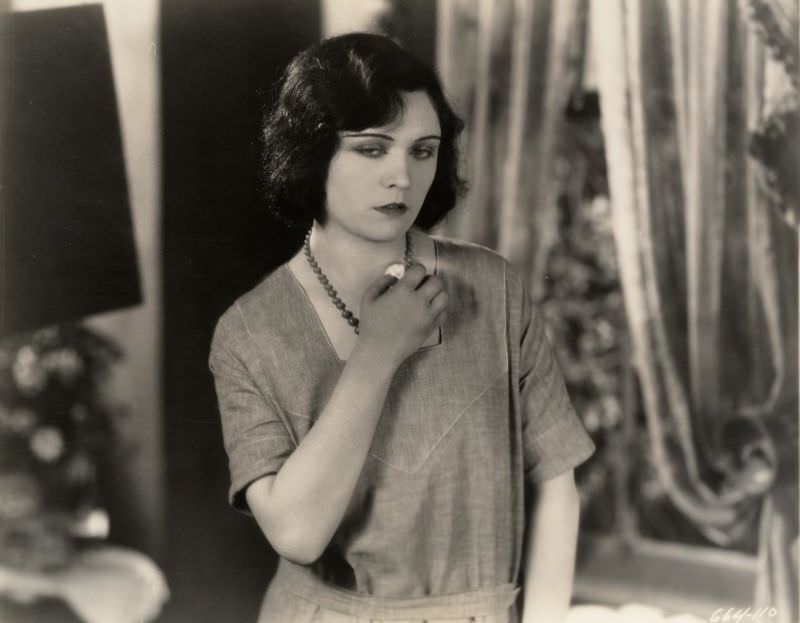
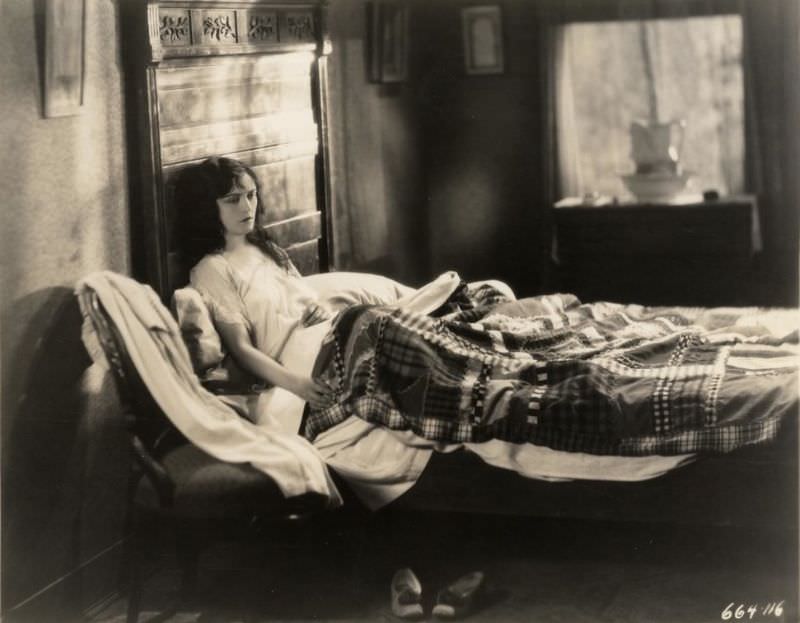
The film is built around clandestine meetings and hidden emotions. Both characters carry a heavy inner weight — Marie from her secret longing, and Pierre from knowing his wife loves someone else yet staying devoted to her regardless.
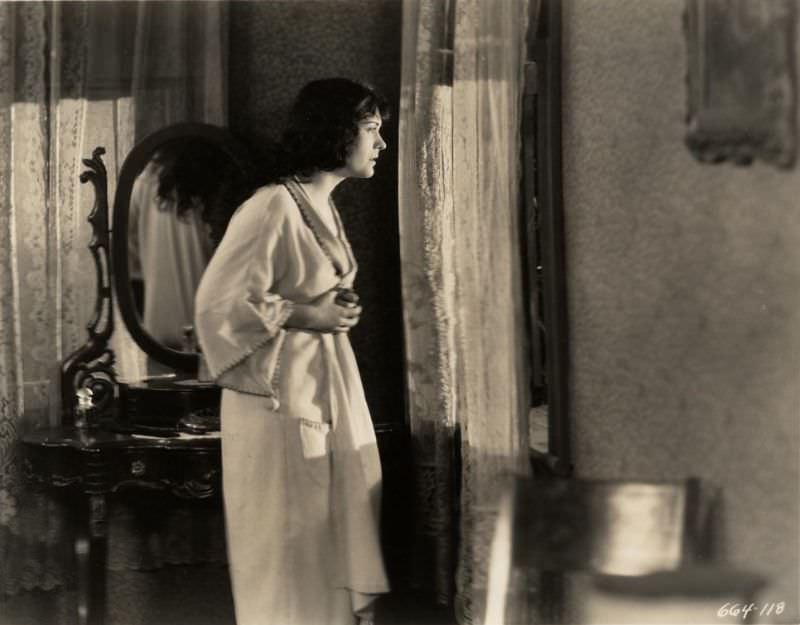
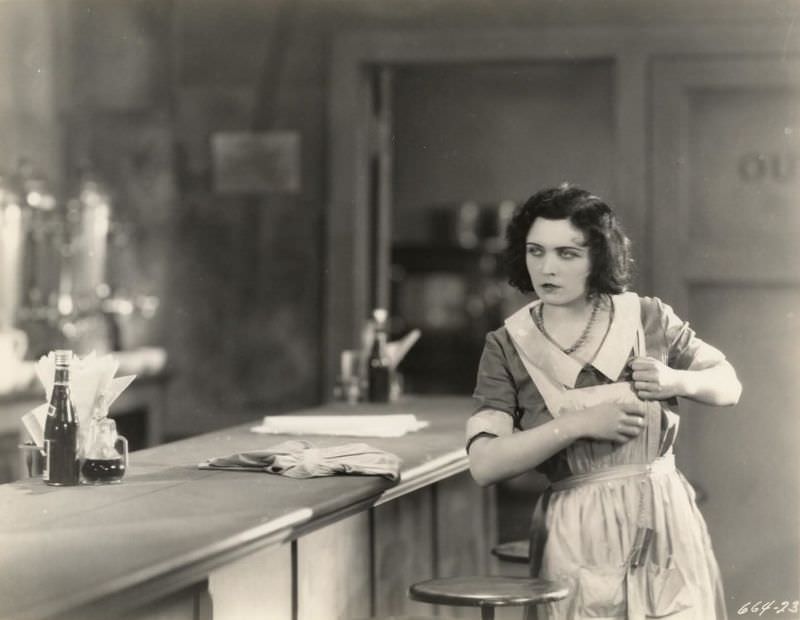
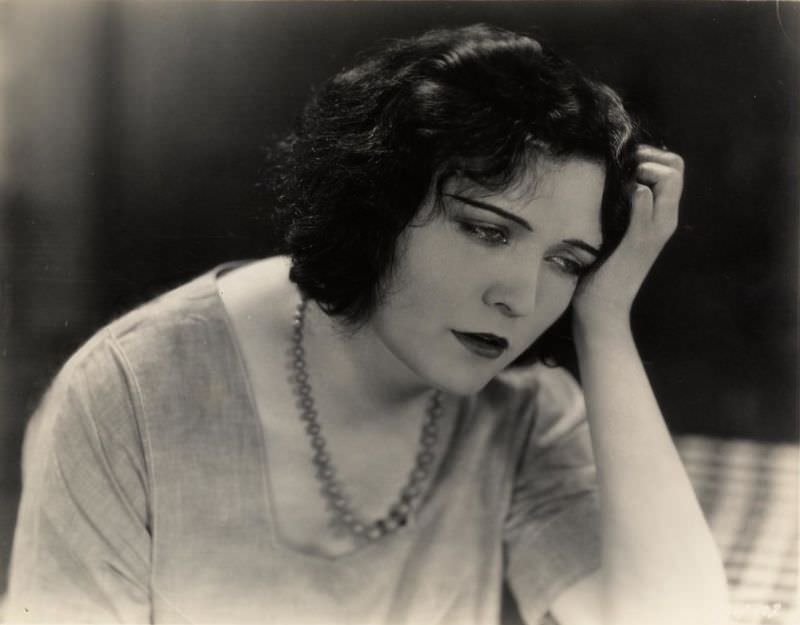
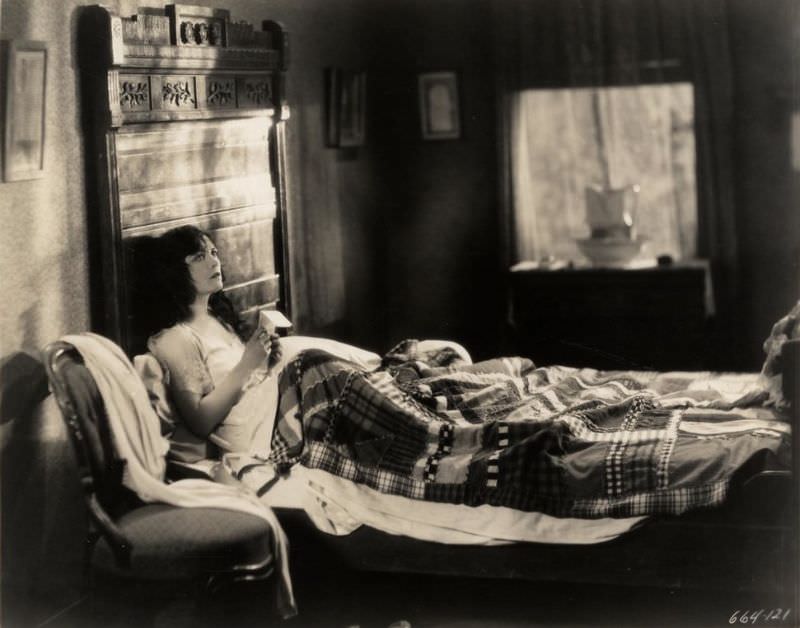
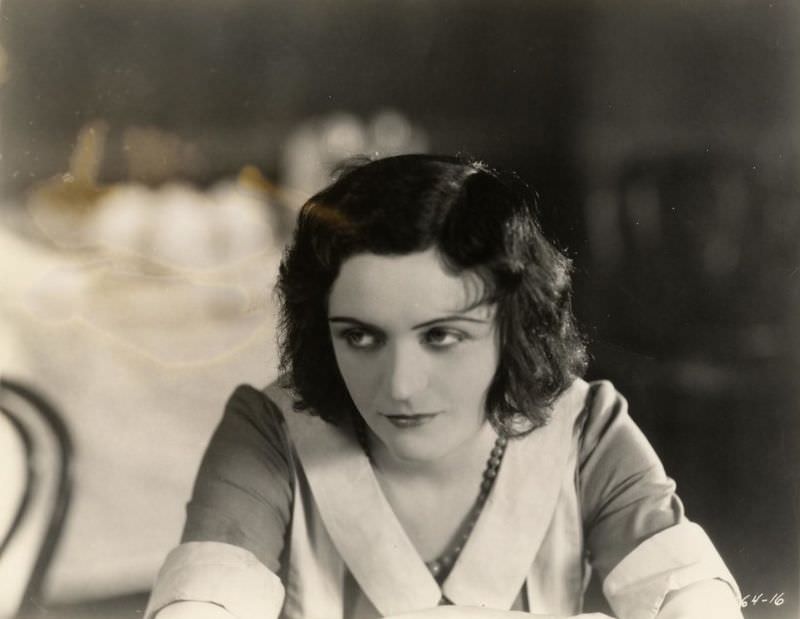
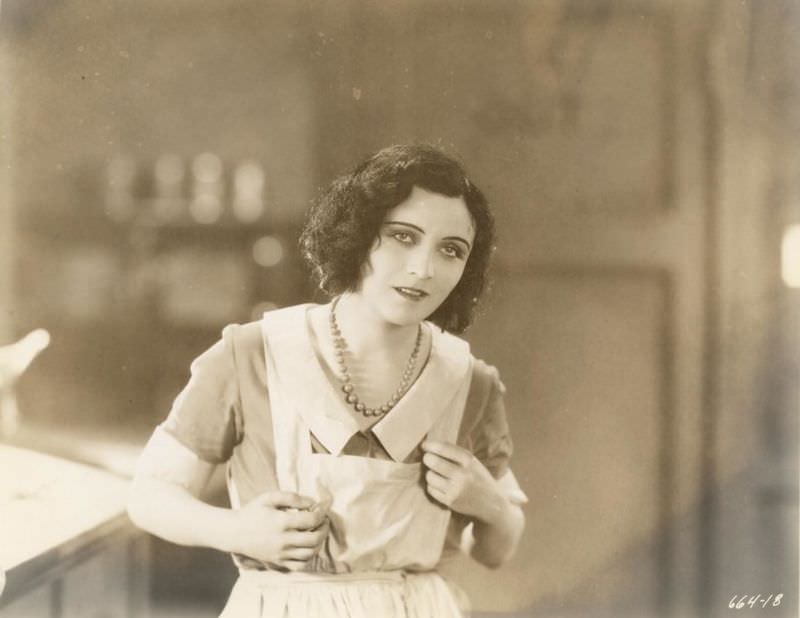
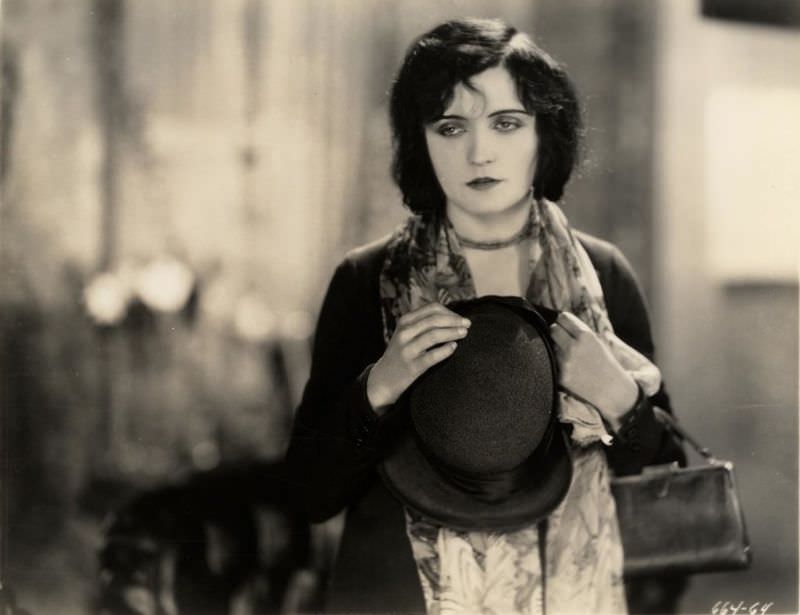
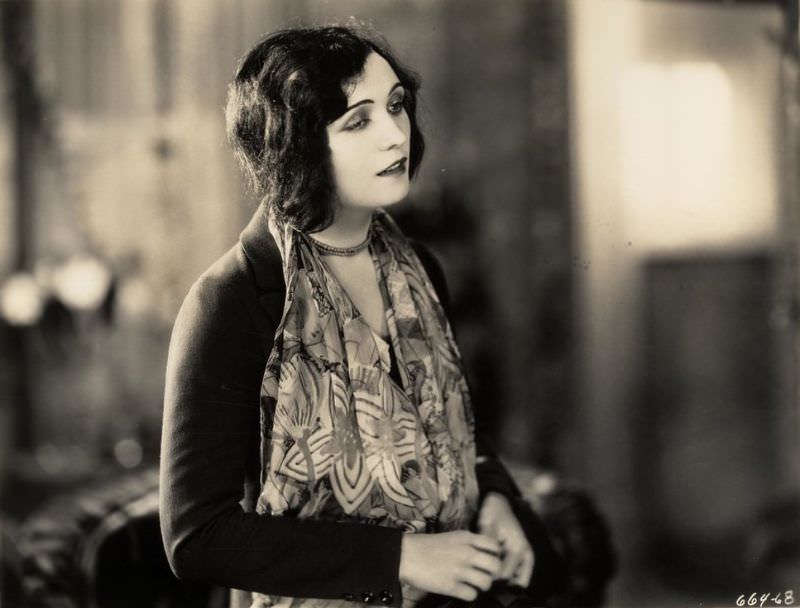
Negri’s performance is one of the film’s strongest assets. Her expressive eyes and precise physical gestures carry Marie’s conflict without a single spoken word. It is a masterclass in silent-era acting, communicating layers of emotion through expression alone.
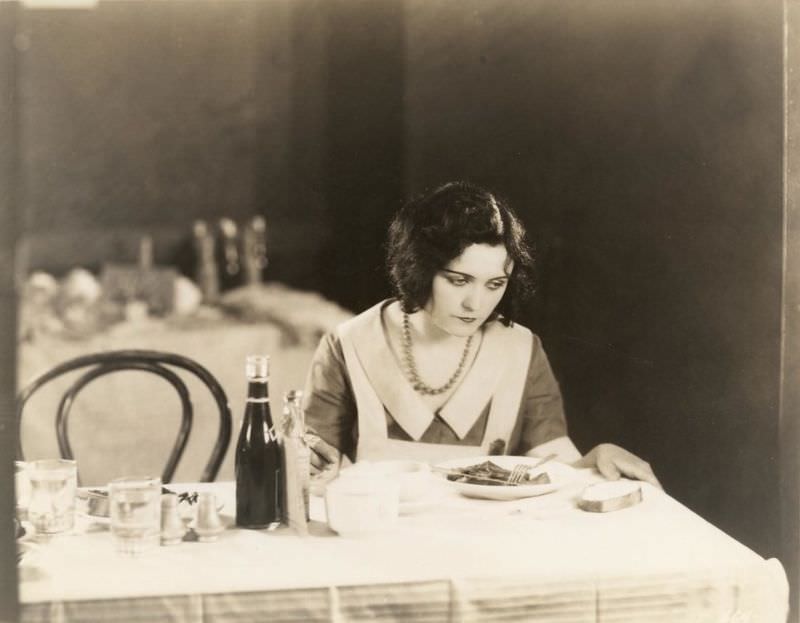
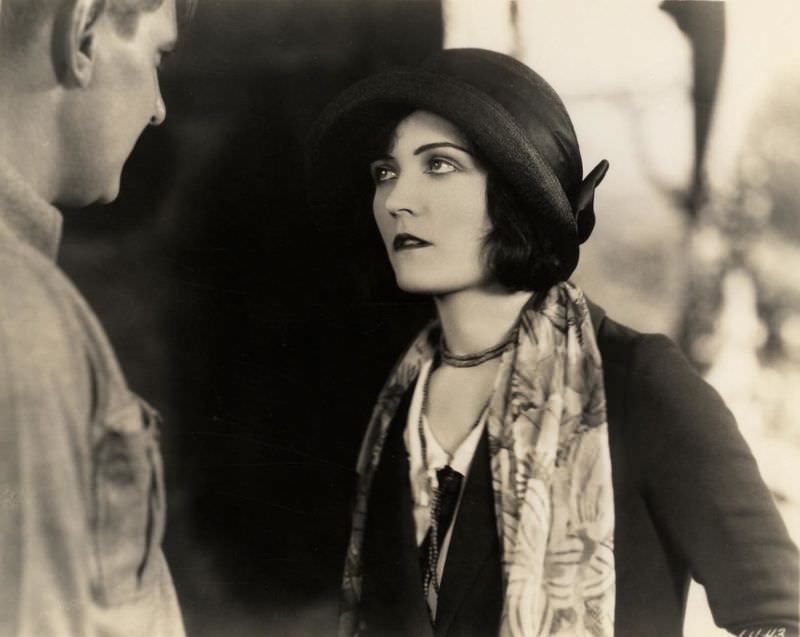
Hersholt brings real depth to Pierre. Rather than playing him as a cold or oblivious husband, he portrays a man who is aware of his wife’s secret yet remains steadfast. That quiet devotion gives the film much of its emotional tension.
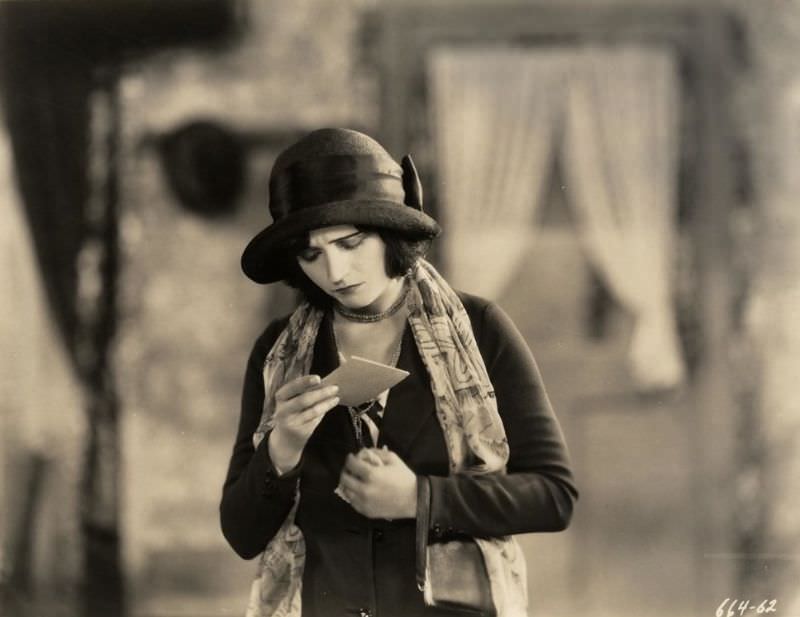
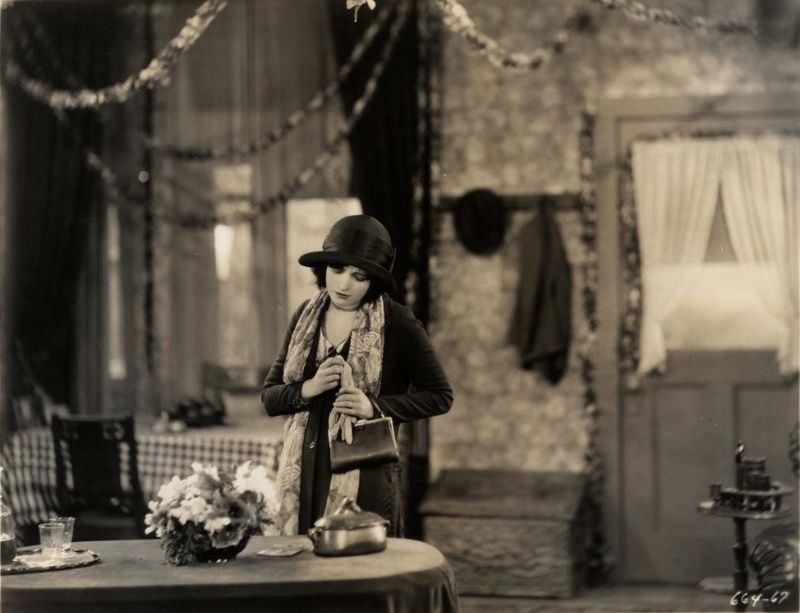
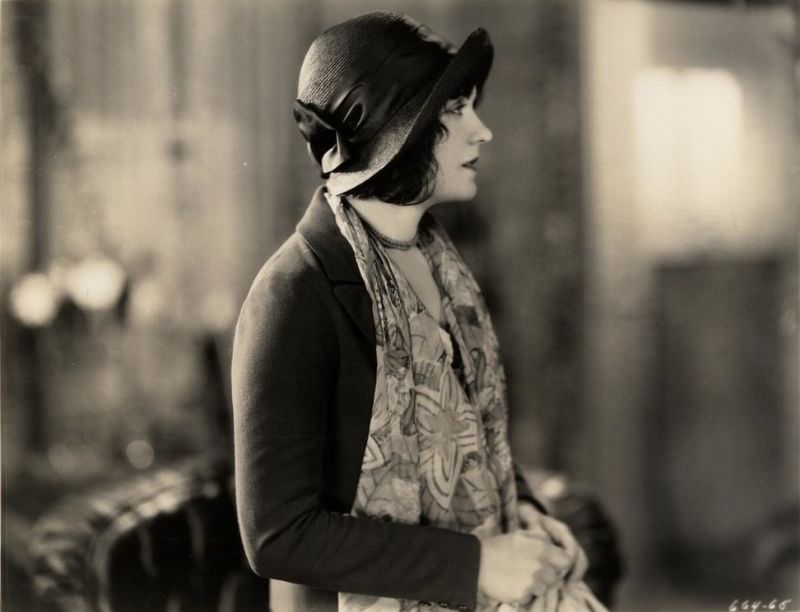
The cinematography stands out as a defining feature of The Secret Hour. Atmospheric lighting and carefully composed frames give each scene a painterly quality. Every shot is constructed to reflect the mood of the characters on screen.
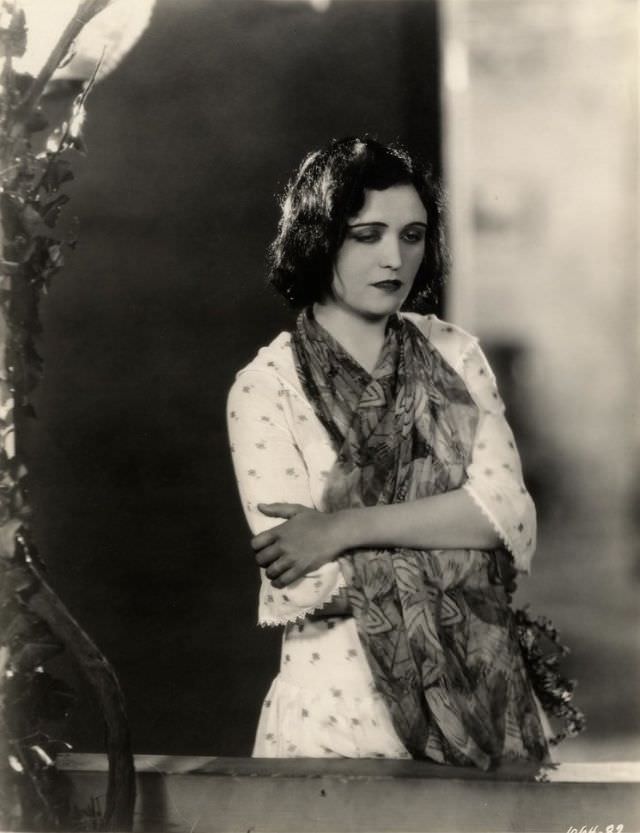
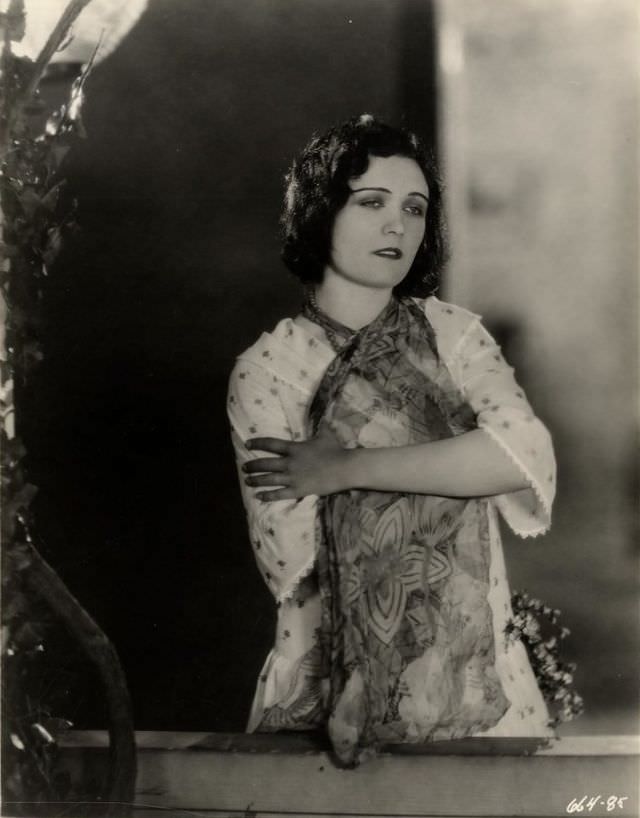
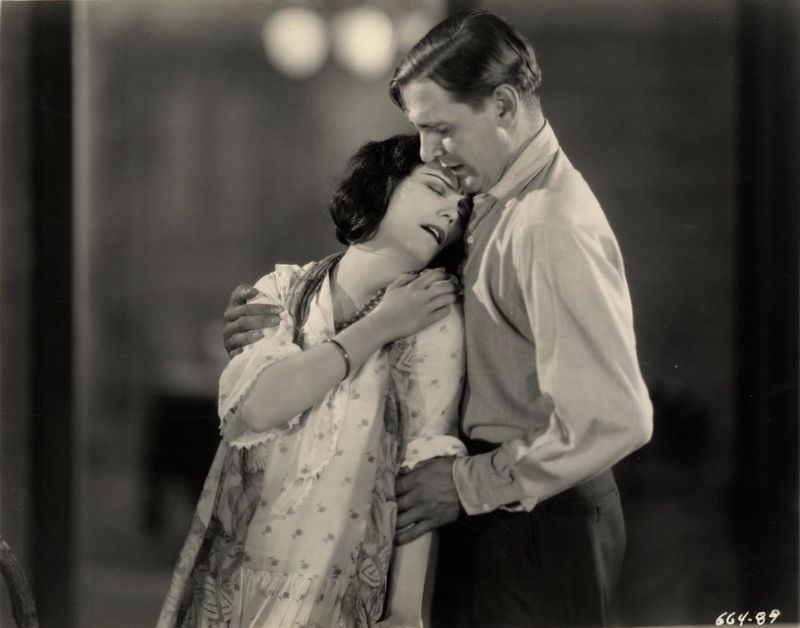
The village setting reinforces the story’s themes. Its tight social structure leaves little room for personal freedom, making Marie’s secret all the more dangerous to keep. The environment itself becomes a kind of pressure on the characters.
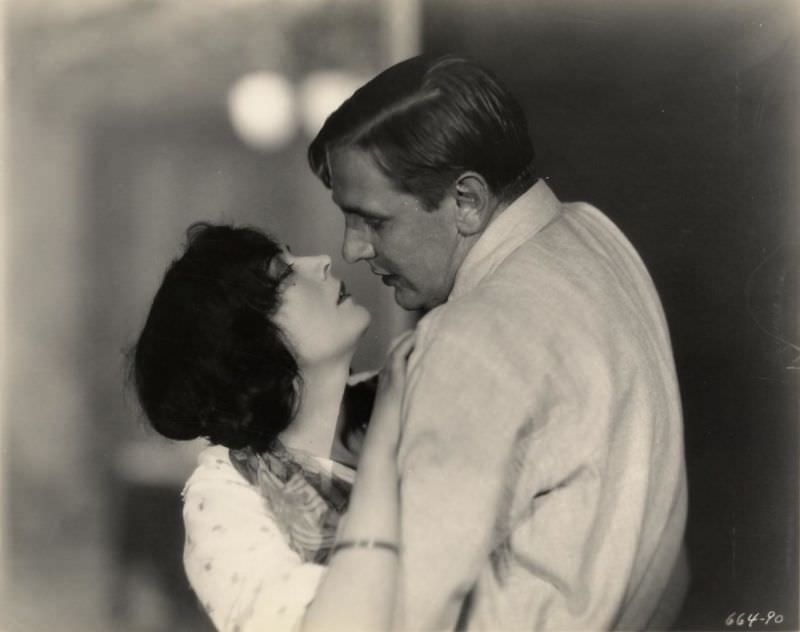
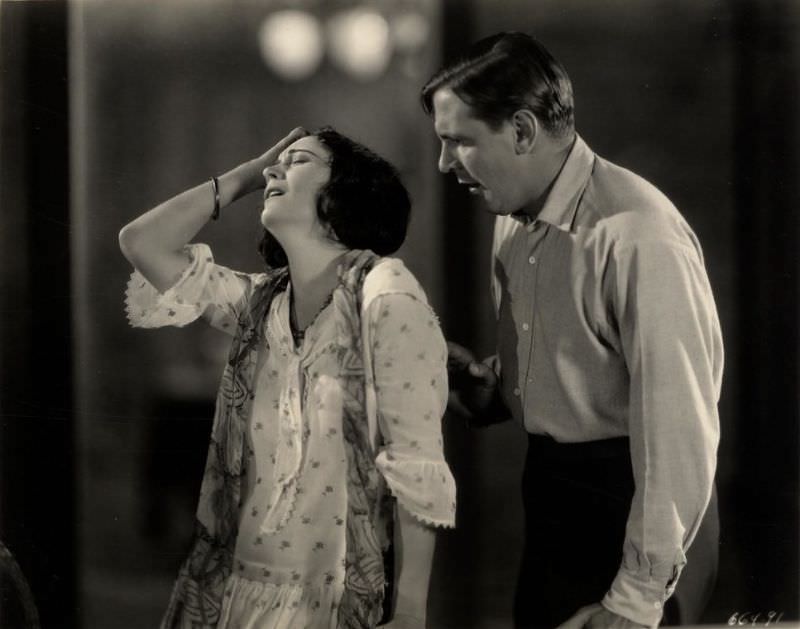
Rowland V. Lee keeps the pacing deliberate and focused. There is no wasted movement in the story. Each scene advances either the emotional stakes or the relationship between the key characters.
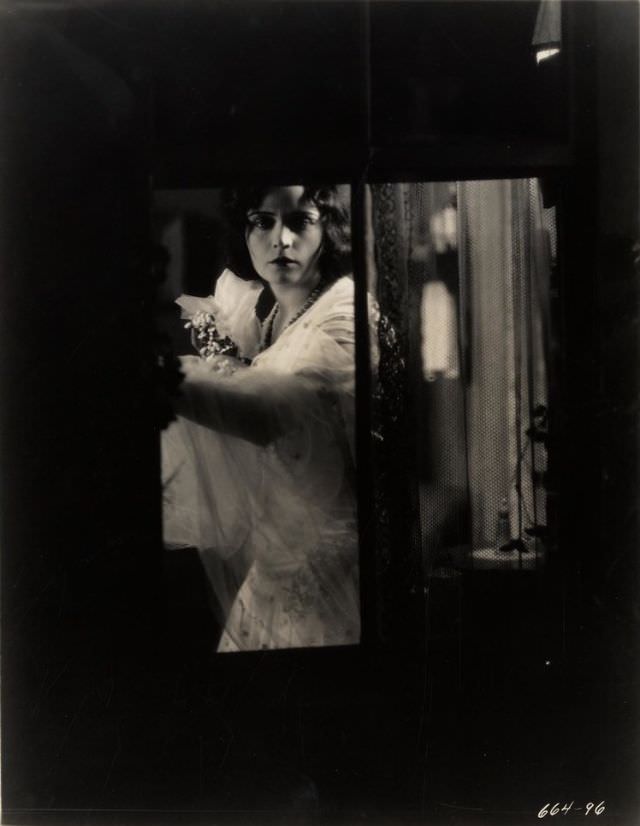
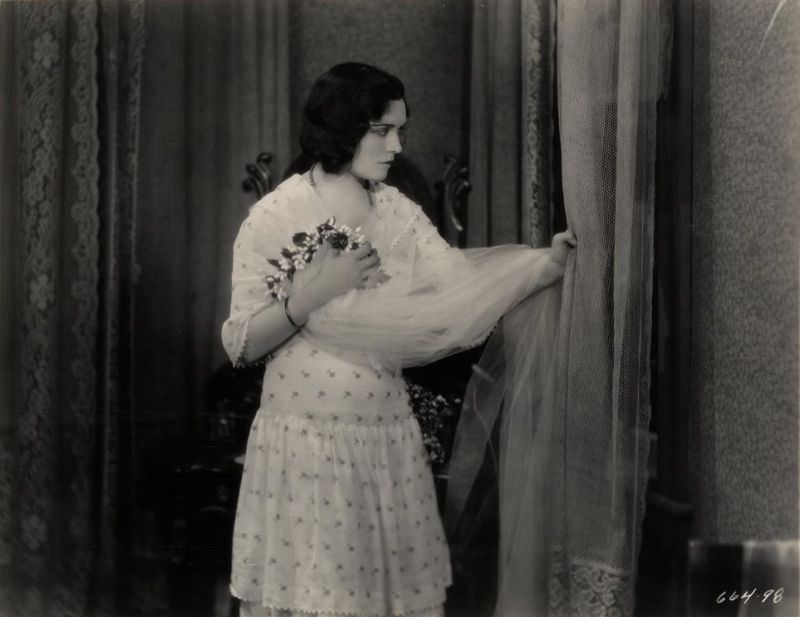
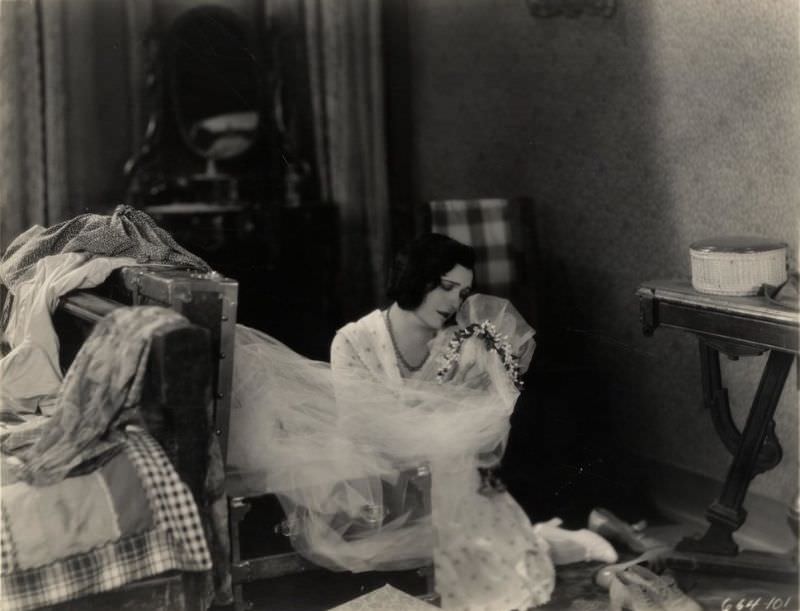
The film captures a specific tension common to 1920s drama — the conflict between social expectation and personal feeling. Marriage for financial survival was a real and common circumstance, and the film treats that reality seriously rather than sentimentally.
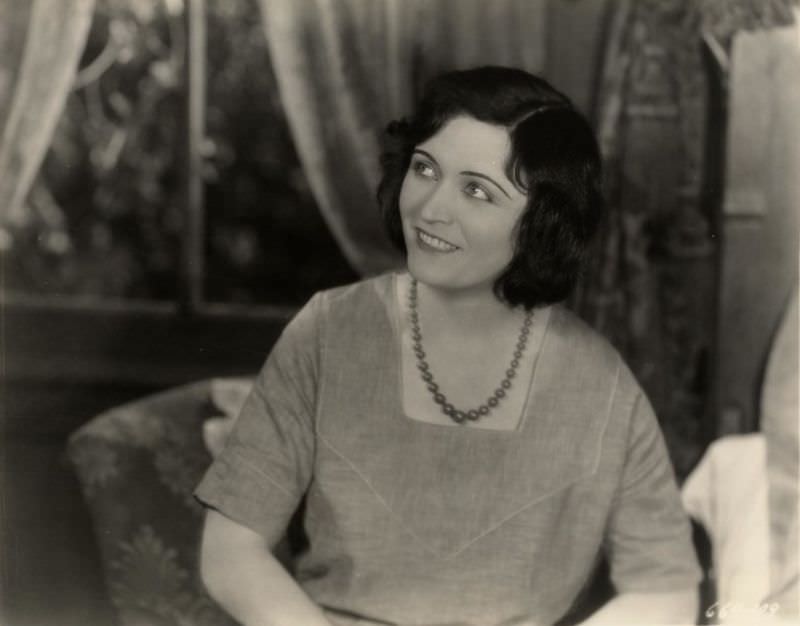
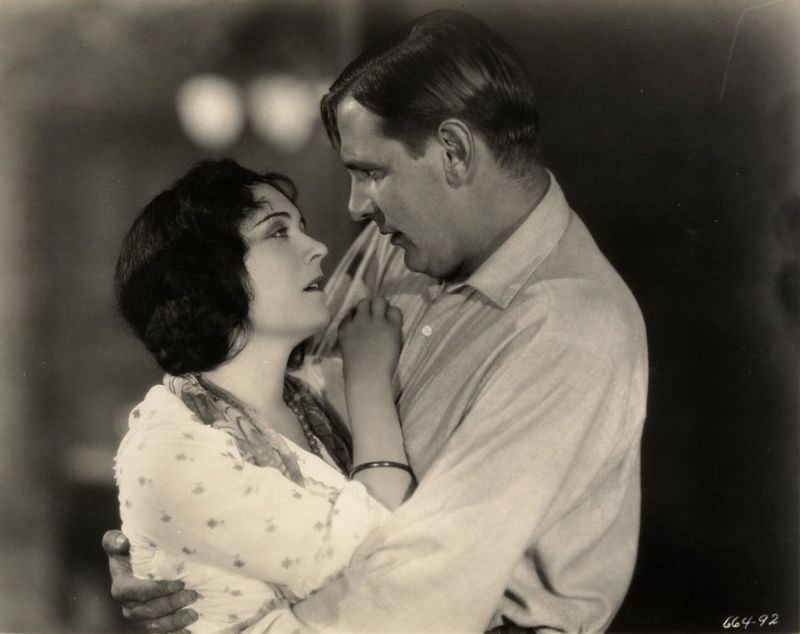
Pola Negri was already an internationally recognized star by 1928, having made her mark in both European and Hollywood productions. Her casting as Marie brought both credibility and star power to the project.
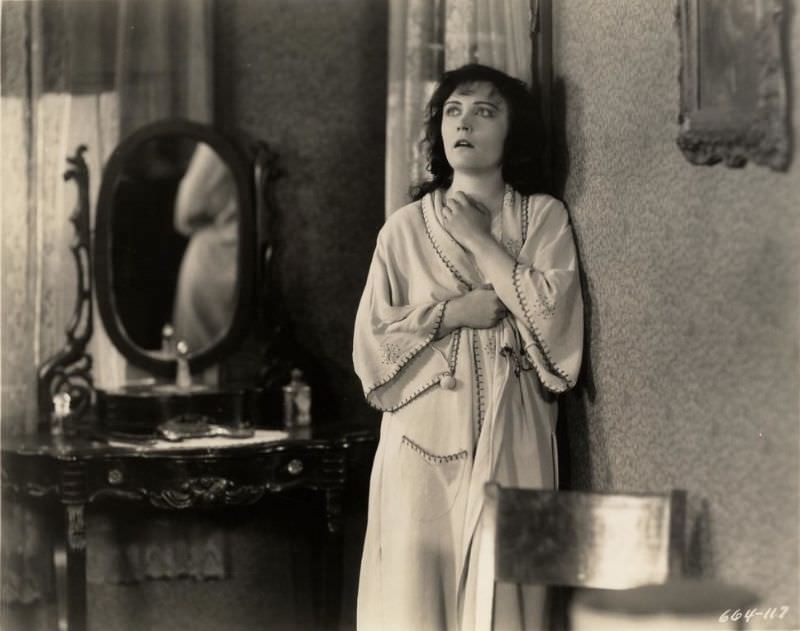
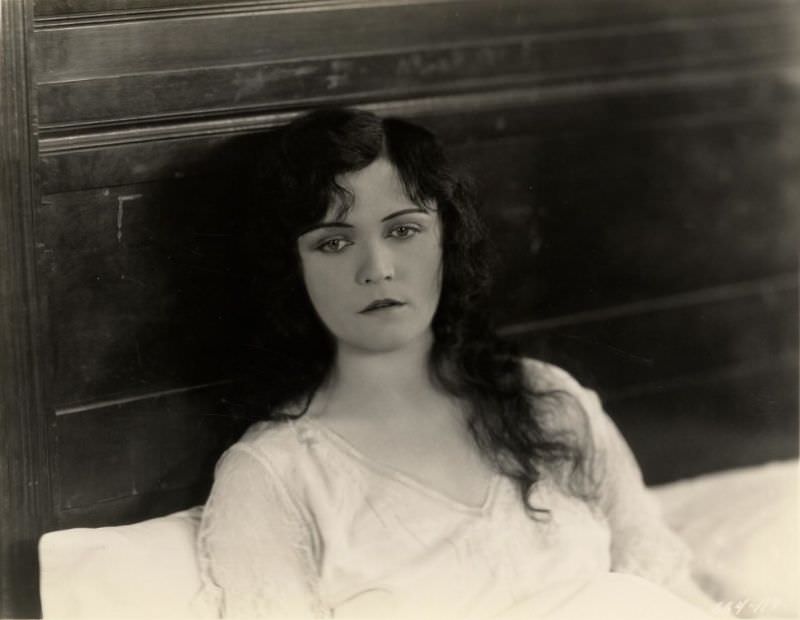
Jean Hersholt was a respected character actor known for bringing nuance to roles that could easily have been one-dimensional. His Pierre is not a villain or a fool — he is a man trapped in his own quiet form of longing.
The title itself is a direct reference to the stolen moments Marie shares away from her marriage. Those hours are the emotional core of the film — brief, hidden, and charged with everything that cannot be said openly.
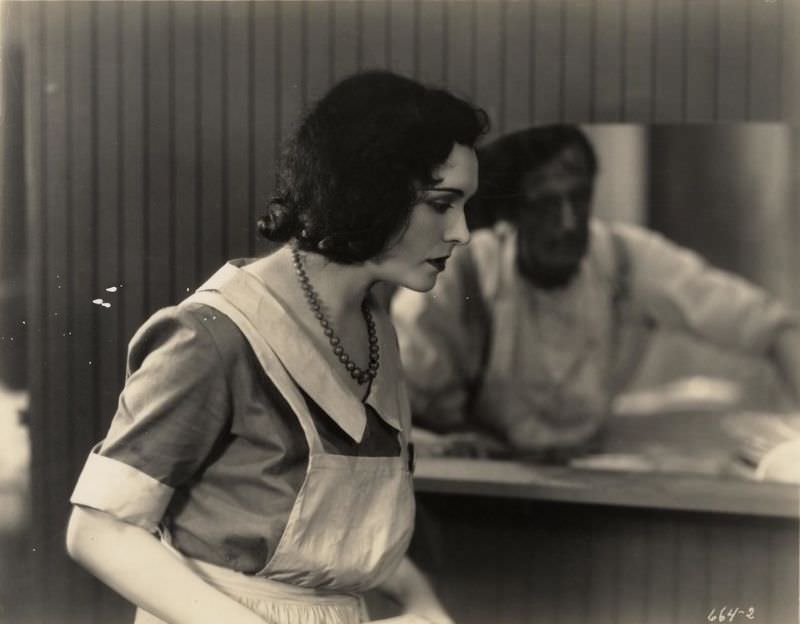
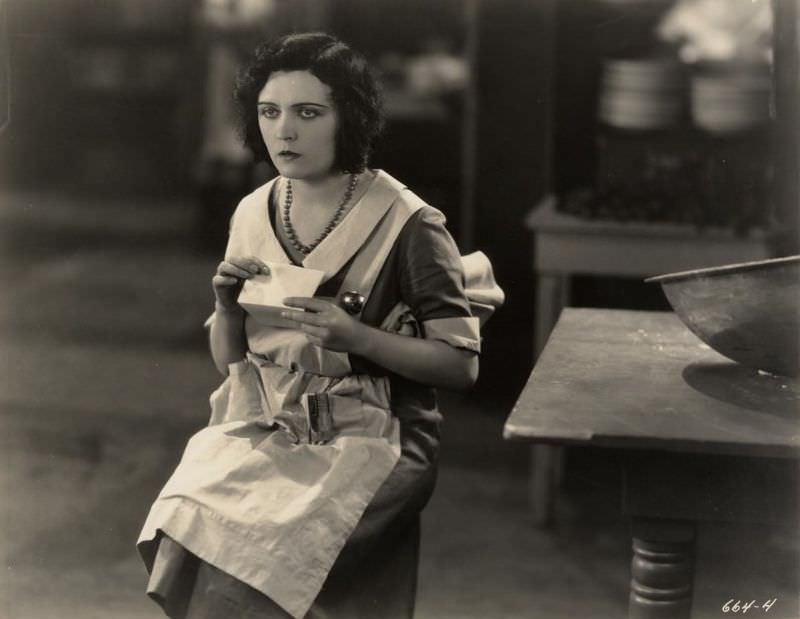
The Secret Hour arrived at the tail end of the silent film era. Sound was just beginning to take hold in Hollywood, making 1928 a transitional year. Films like this one represent the full artistic maturity of a format that was about to be replaced.
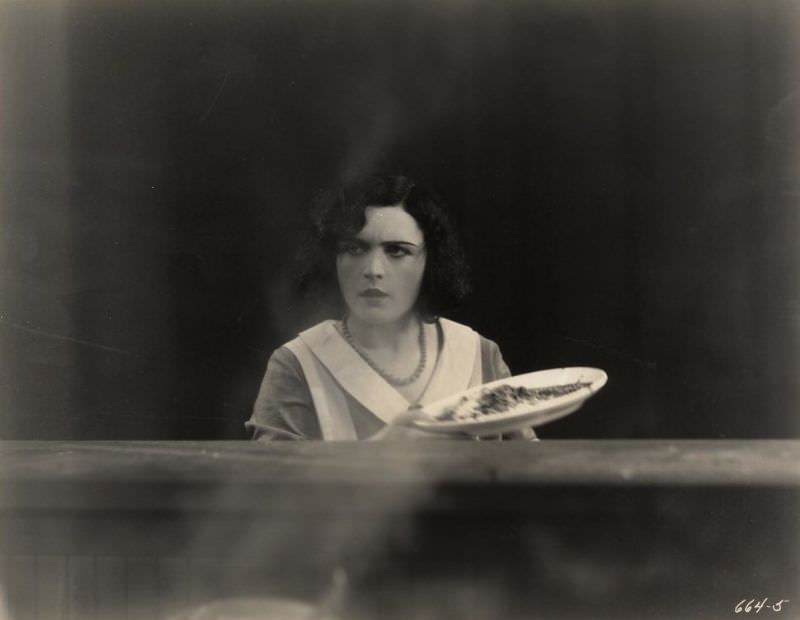
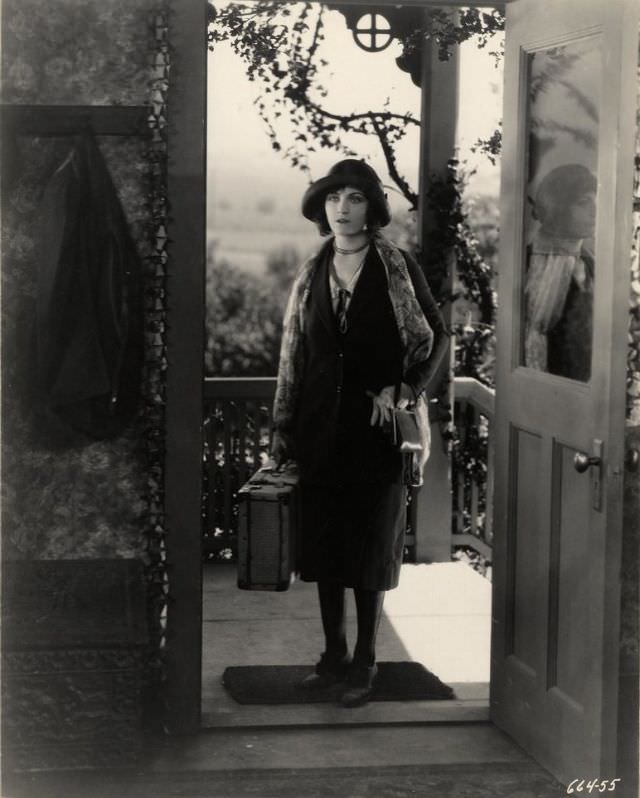
The visual storytelling in The Secret Hour is precise and intentional. Because there is no dialogue, the filmmakers rely entirely on image, light, and performance. That constraint produces some of the most carefully crafted scenes of the decade.
The film’s score, as performed in theatrical screenings of the era, would have added another emotional layer. Live accompaniment was standard practice, and the music would have been tailored to amplify each scene’s dramatic weight.