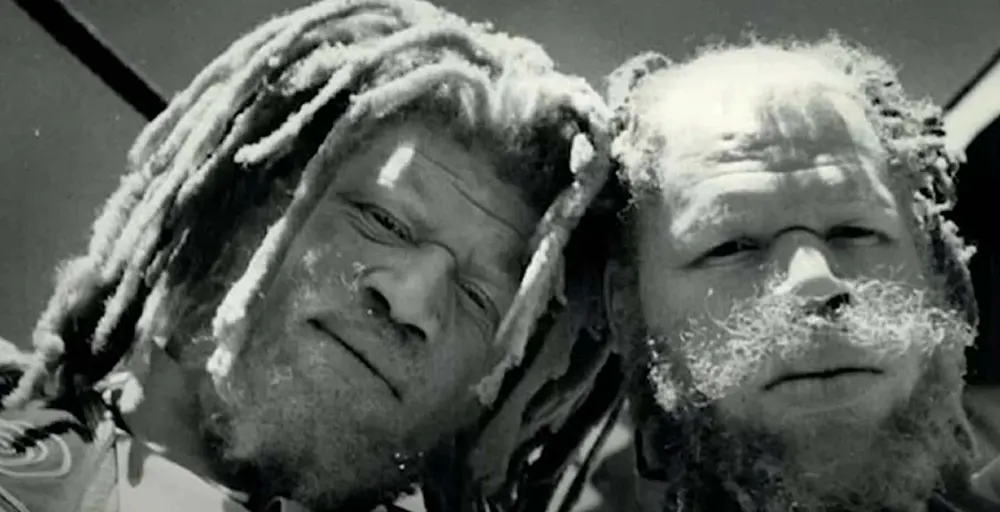
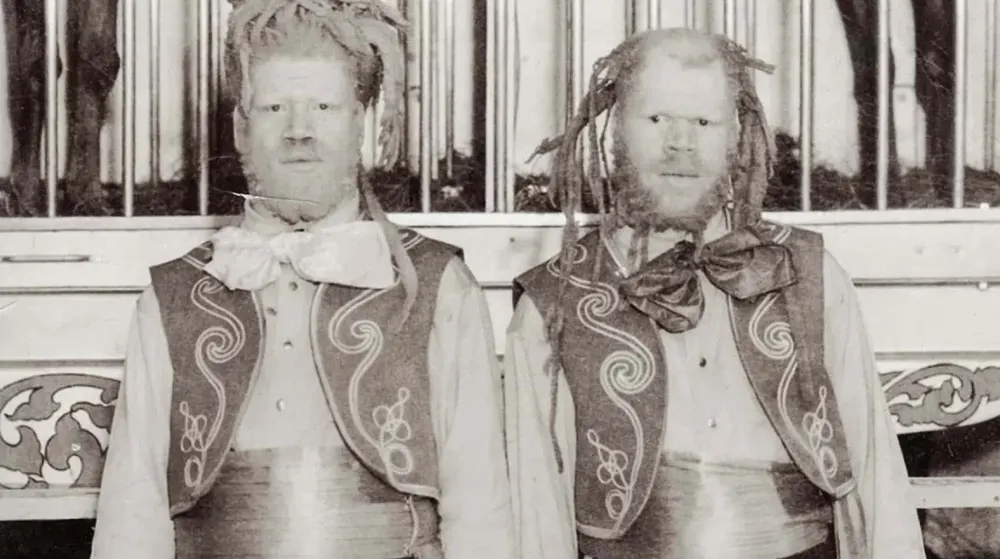
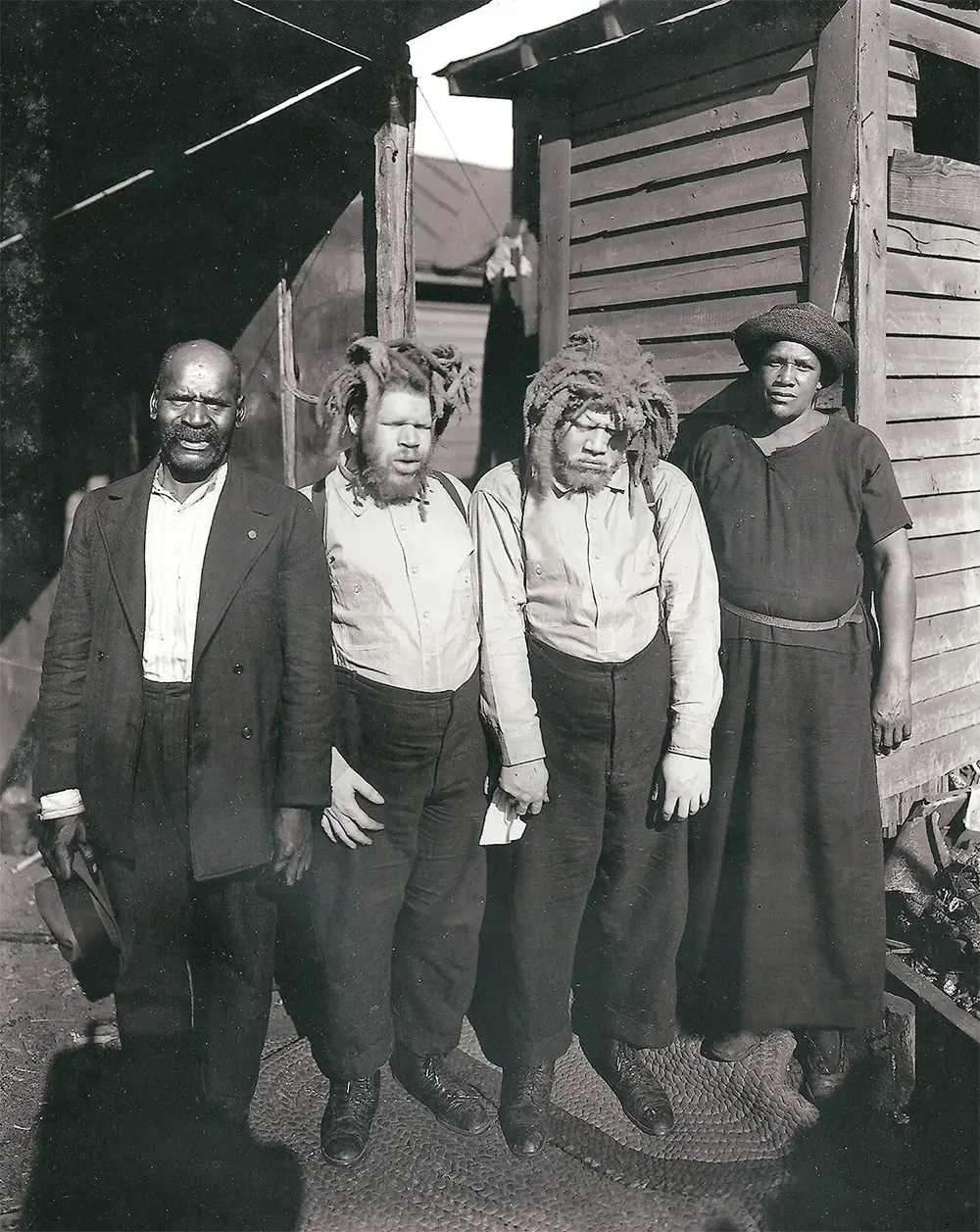
In the early 1900s, the rural American South was a dangerous place for anyone who looked different. George and Willie Muse were born with albinism — a condition that gave them light skin, golden hair, and bright blue eyes. In their African-American community in Virginia, they stood out immediately. That visibility, which should have meant nothing, became the reason their childhoods were stolen from them.
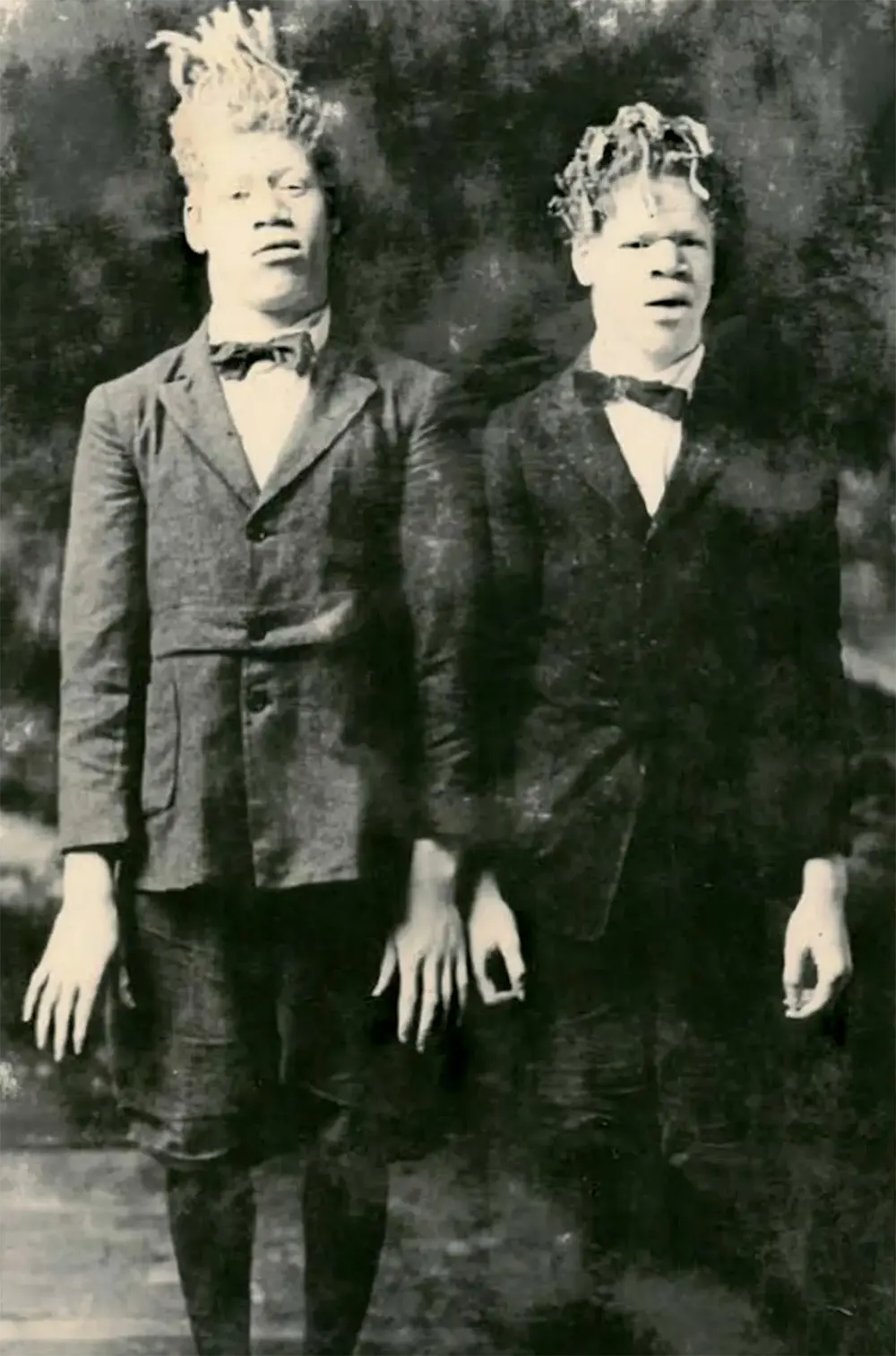
Bounty hunters, who scoured the South looking for people with unusual appearances to sell to circus promoters, kidnapped the brothers as children. They were taken from their home and from their mother, Harriett Muse, without warning. Harriett was left behind with no information about where her sons had gone or who had taken them.
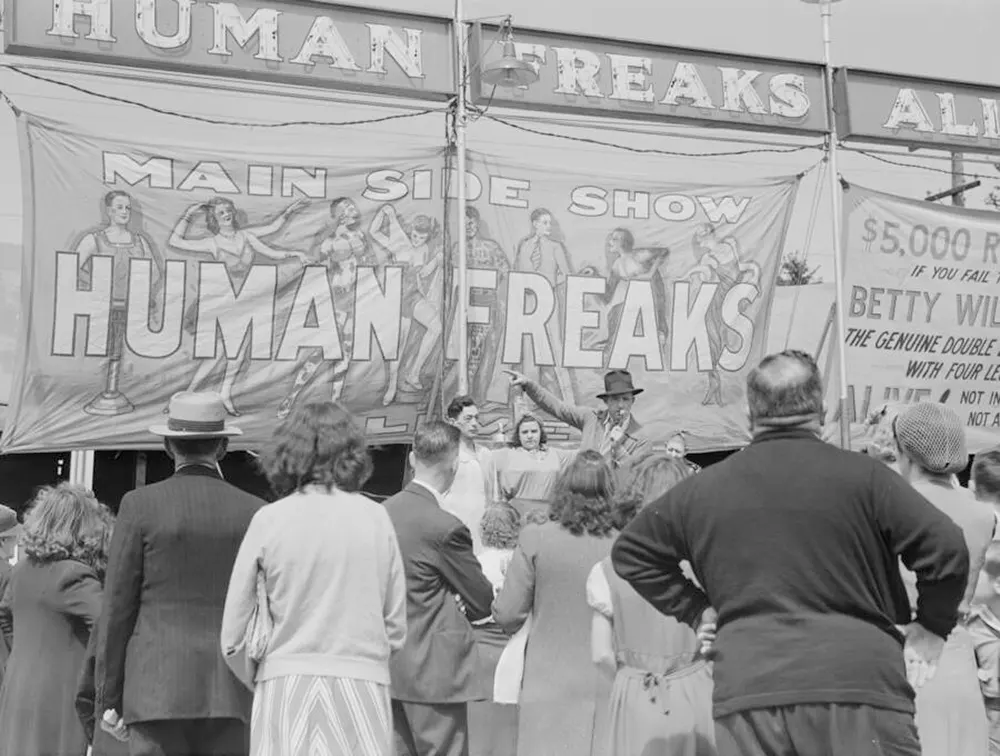
The circus world that swallowed George and Willie was built on spectacle. Circuses were one of the most popular forms of entertainment across the United States at the time, drawing massive crowds to every town they visited. Promoters knew exactly how to package their performers — and they had no hesitation about lying to do it.
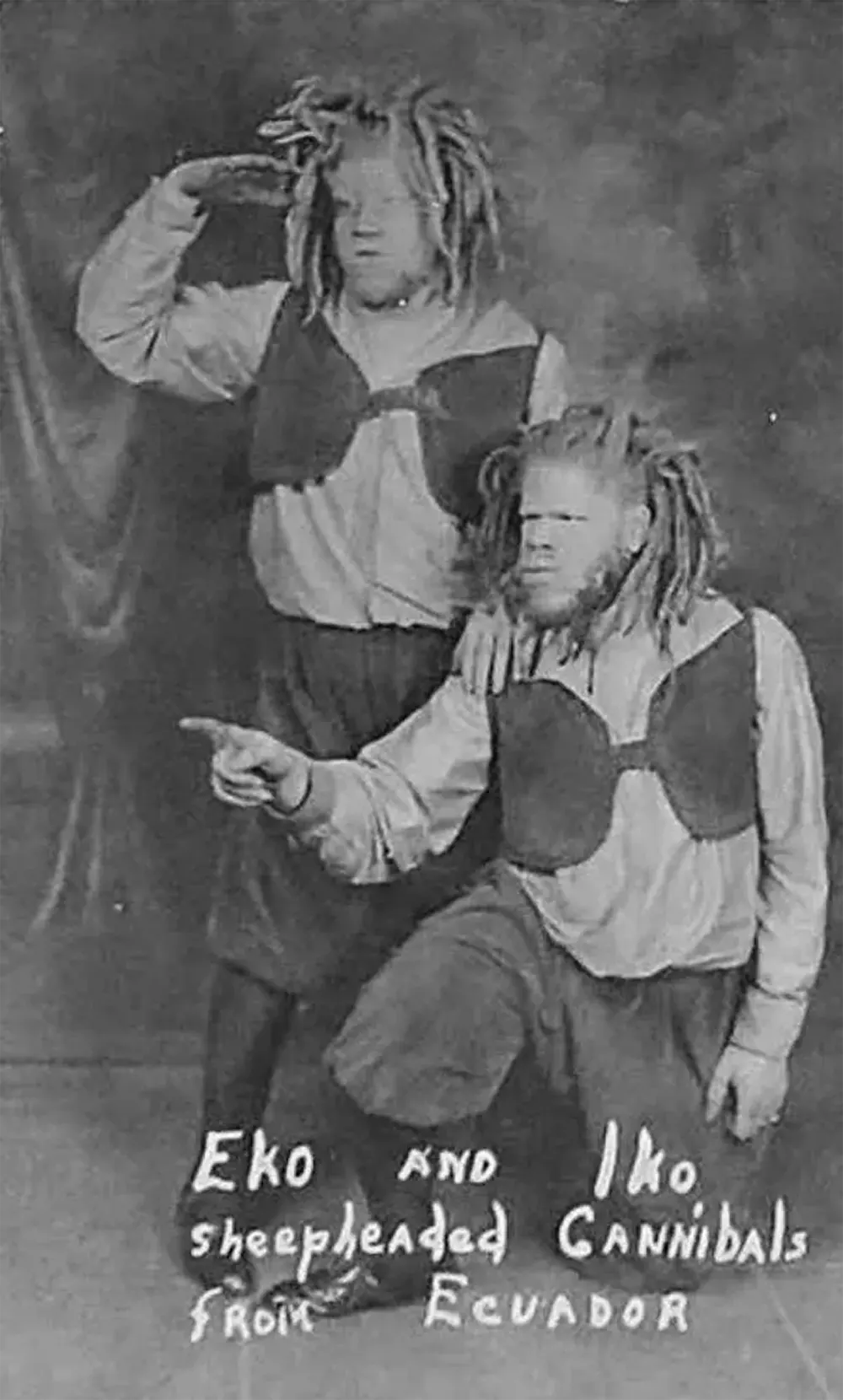
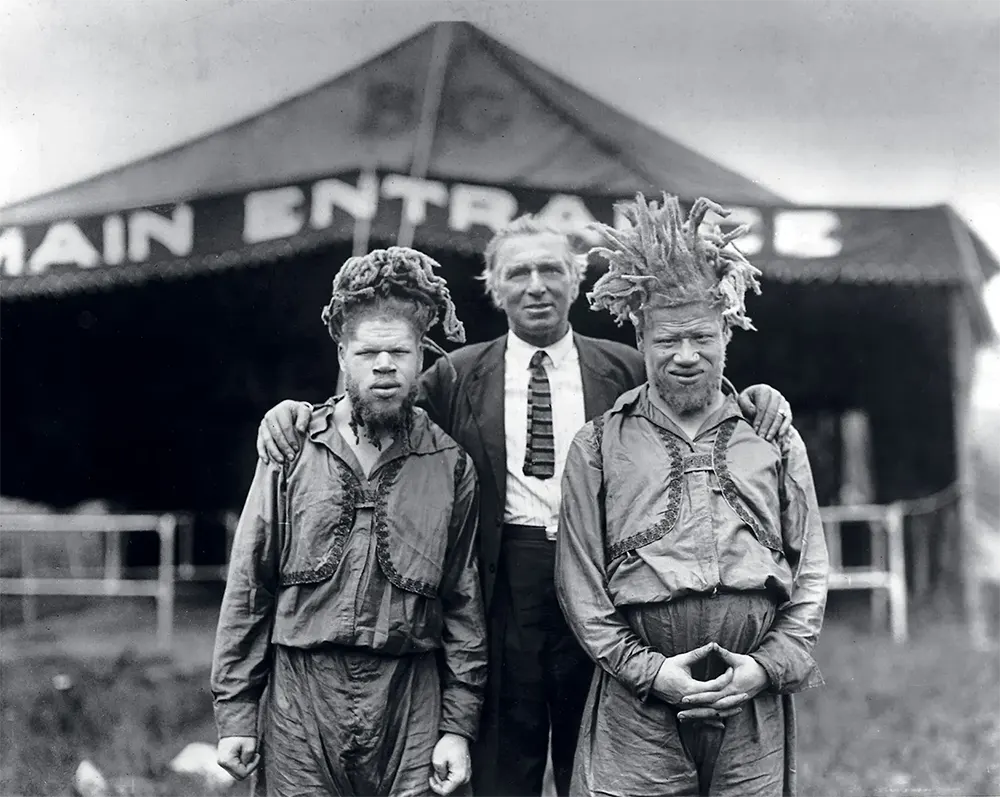
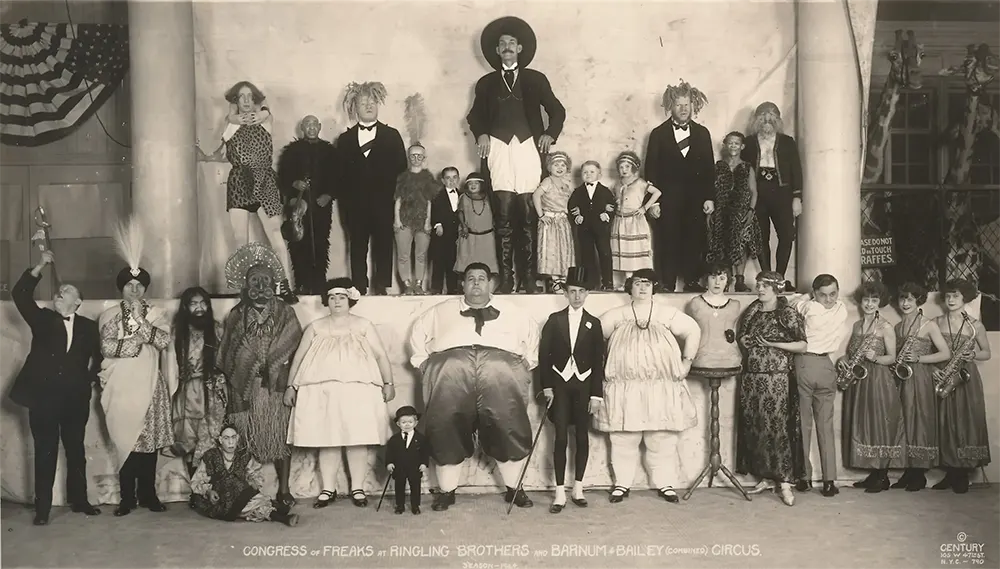
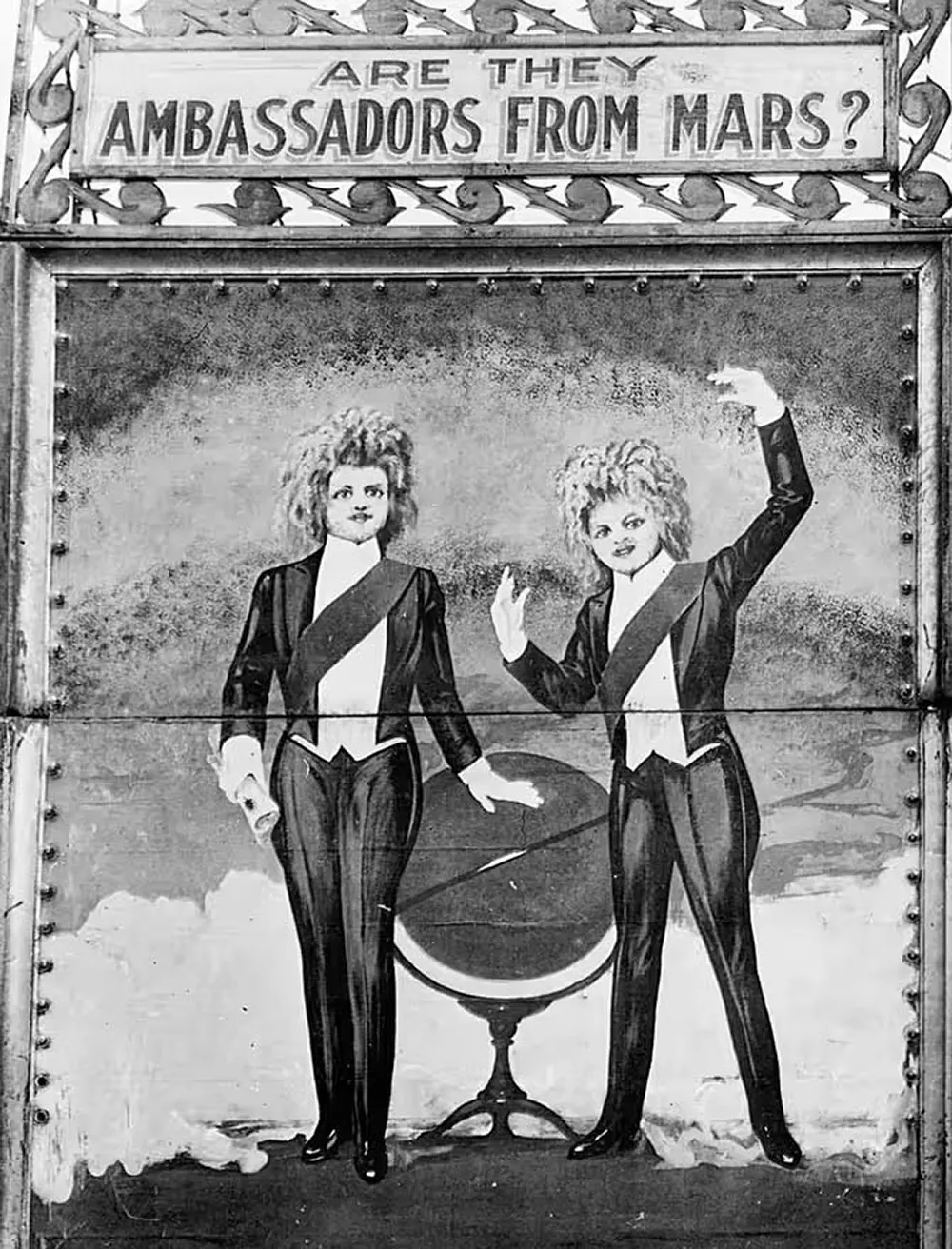
George and Willie were handed off to the Ringling Brothers and Barnum & Bailey Circus, the most powerful circus operation in the country. Under the stage names “Eko and Iko,” they were billed as “white-haired cannibals from Ecuador.” At other times, promoters marketed them as “Ambassadors from Mars” or “Sheep-Headed Men.” Each false identity was designed to shock and draw paying customers.
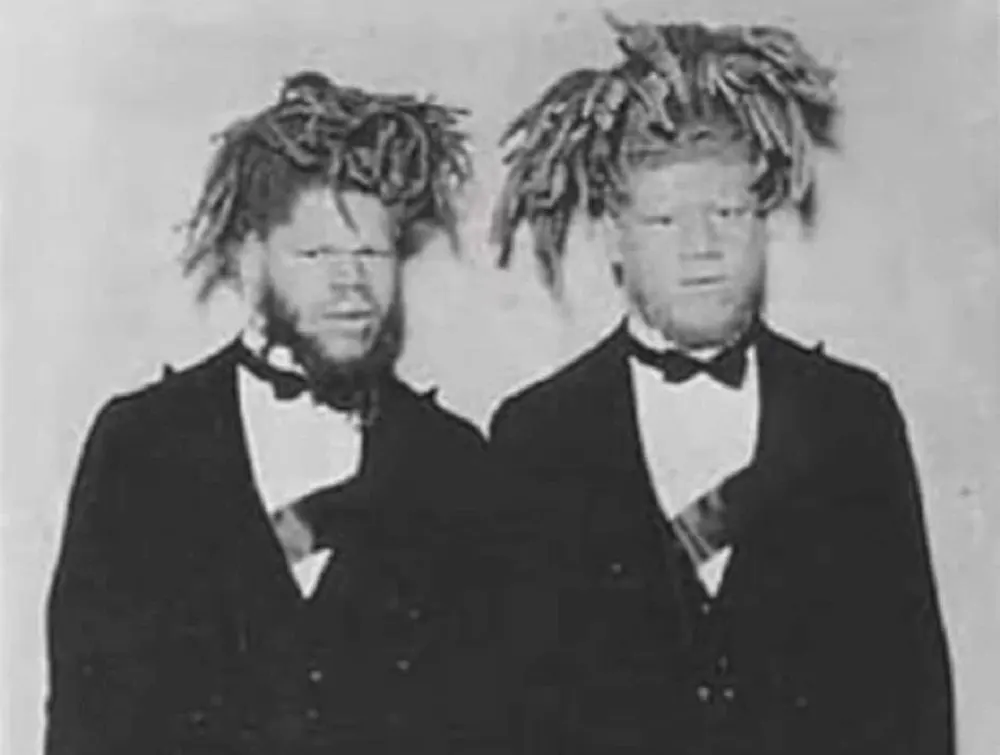
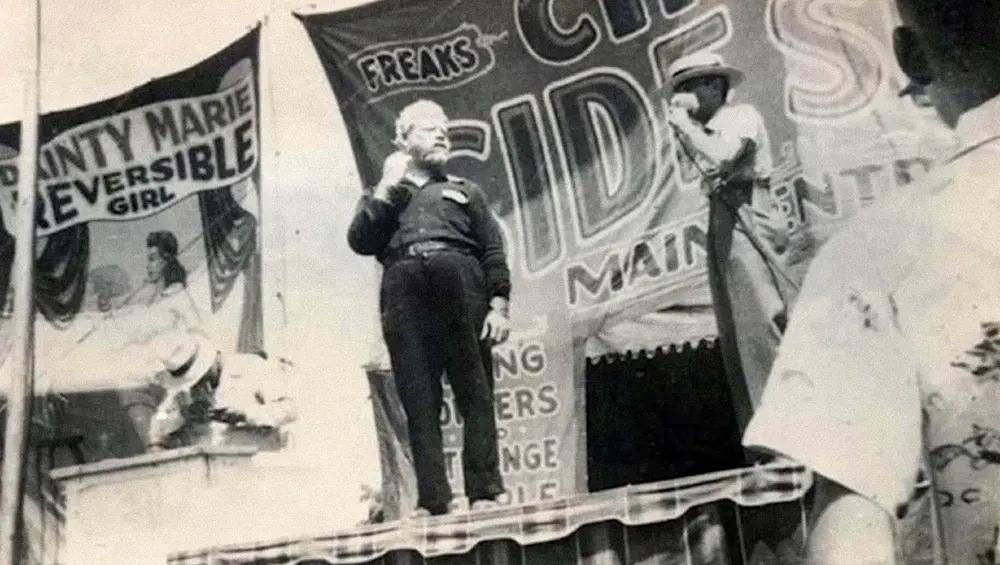
The brothers performed across the country alongside dozens of other sideshow acts. Their albinism was packaged as something alien and threatening — something to gawk at. None of the fantastical stories told about them were true, and the crowds who paid to see them had no idea they were looking at two young Black men from rural Virginia who had been kidnapped from their family.
Behind the spectacle, George and Willie lived under tight control. They received little to no pay for their performances. They had no freedom to leave, no contact with their family, and no say in how they were presented to the public. The circus kept them working and kept them isolated.
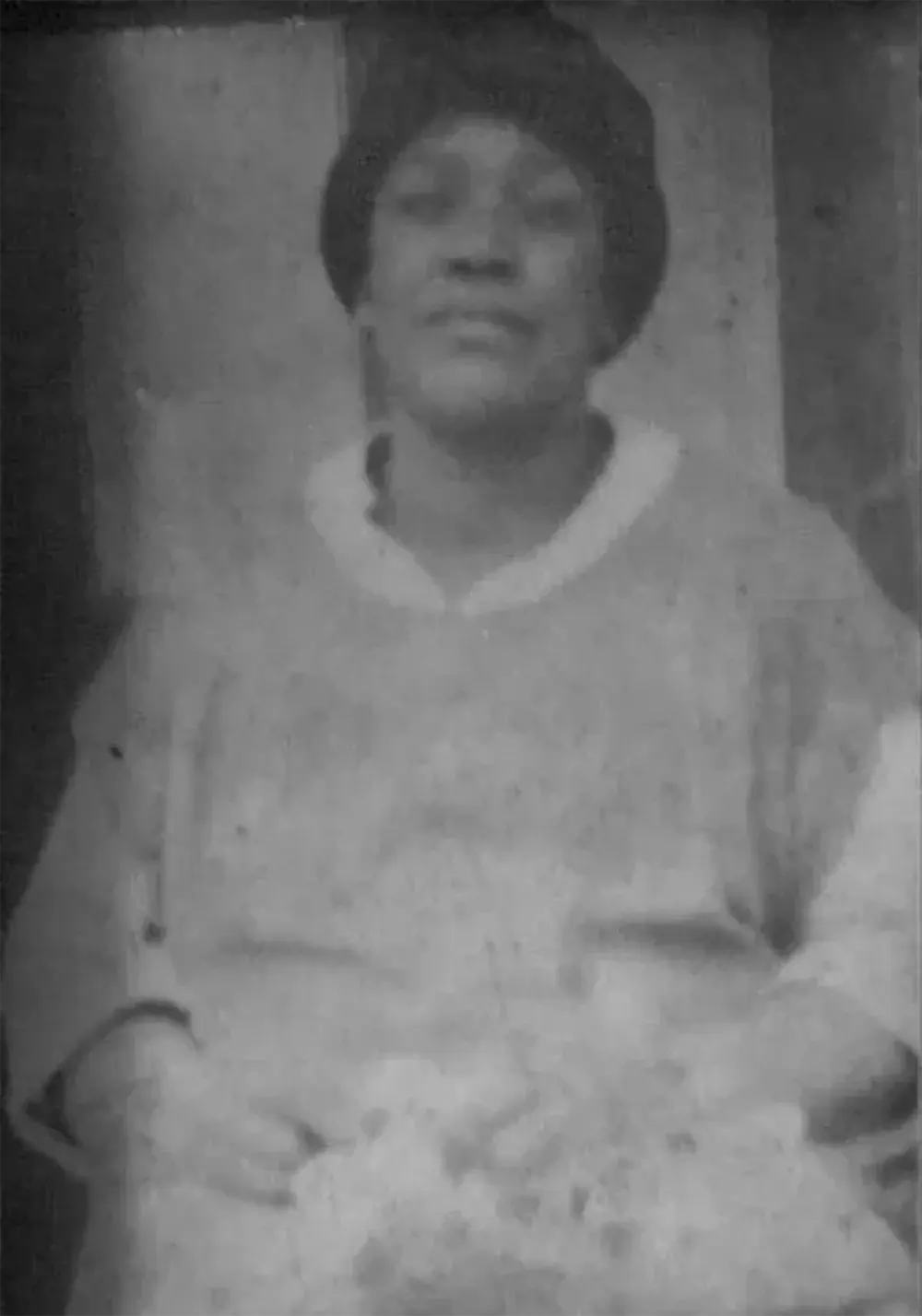
While her sons were being paraded across the country, Harriett Muse never stopped searching for them. She had little money, limited formal education, and no powerful allies — but she had fierce determination. For years she tracked down leads, following the circus circuit and asking questions wherever she could.
In 1927, Harriett finally located her sons at a sideshow stop in Roanoke, Virginia. The reunion was immediate and emotional. She confronted the circus management directly and refused to leave without George and Willie. Her challenge to the Ringling Brothers organization — one of the most powerful entertainment companies in the world — was an act of extraordinary courage.
The legal fight that followed focused on back pay owed to the brothers for years of unpaid performances. The case put a harsh light on the exploitation embedded in show business and on the racial dynamics that made it possible. Two Black men with disabilities had been kept in a form of forced servitude for years, and no one in the industry had intervened.
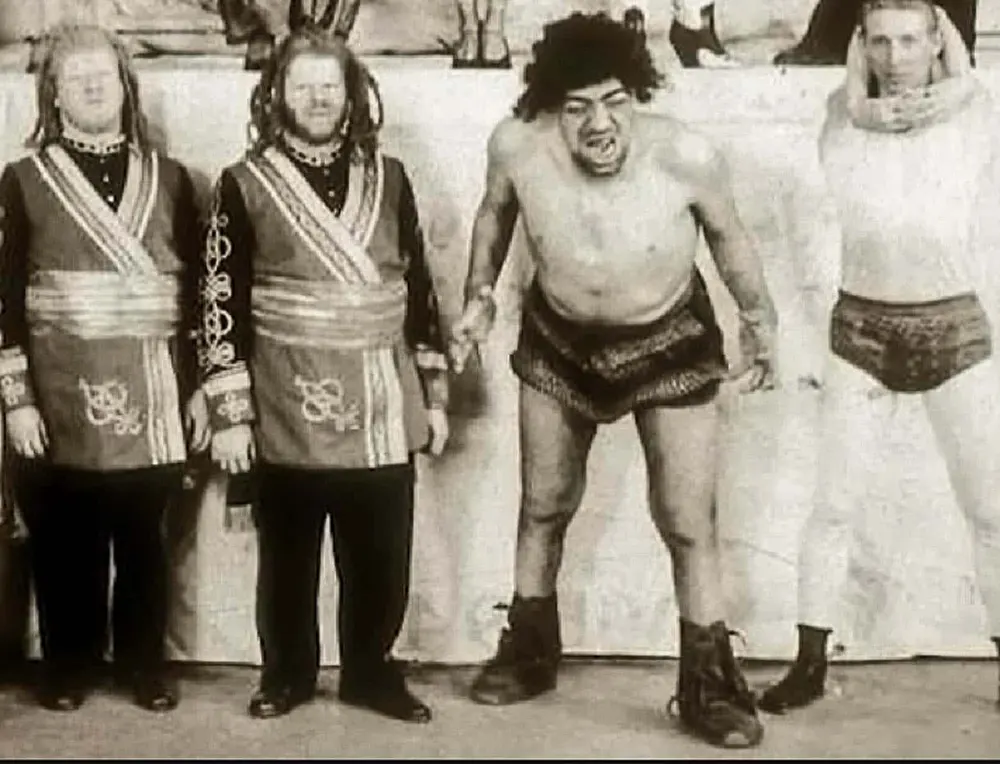
The legal outcomes provided limited financial compensation for what the brothers had endured. But the case cracked open the silence around these practices, making visible an industry built on the exploitation of people who had no power to refuse. After the legal battle, George and Willie returned to the circus — this time on their own terms, earning real wages and performing by choice. They continued to perform until the 1960s.