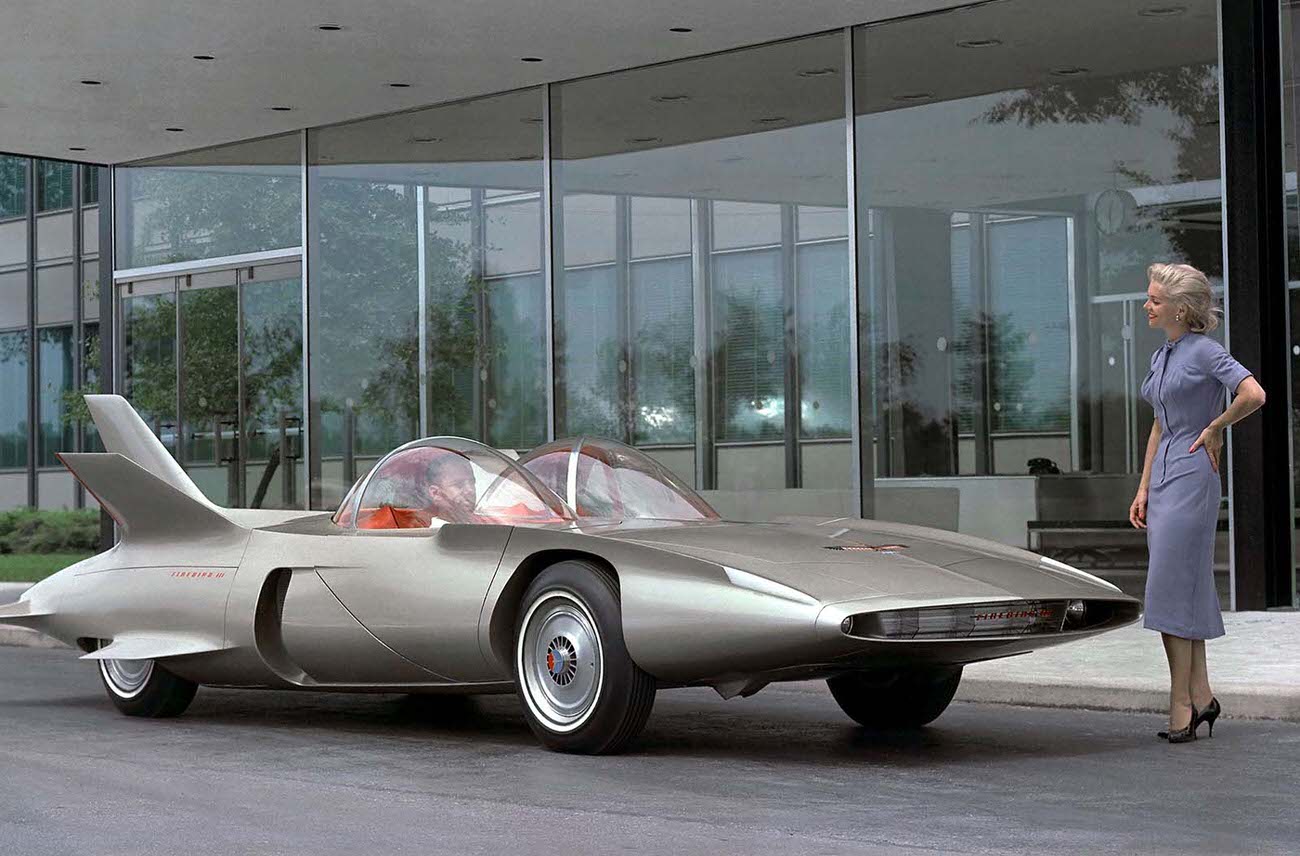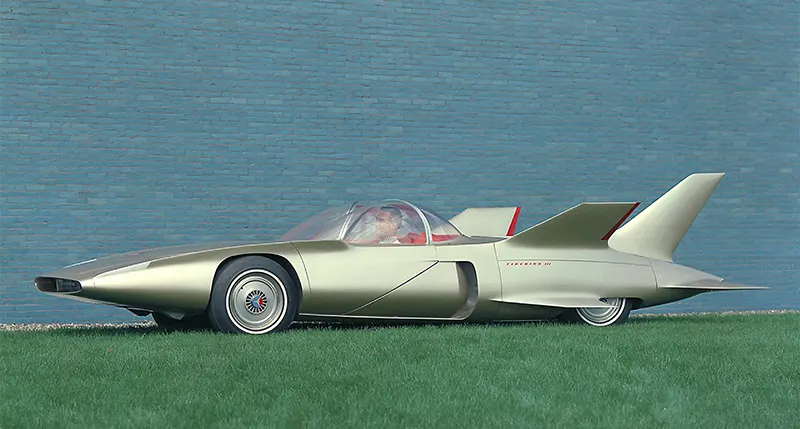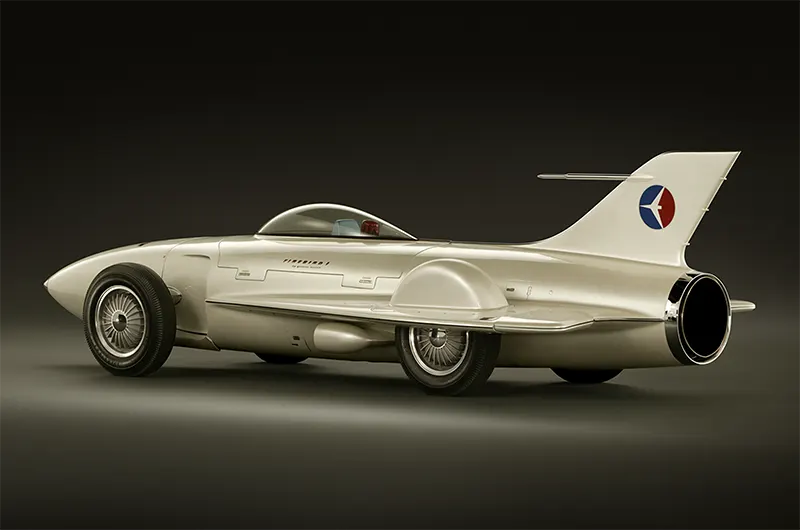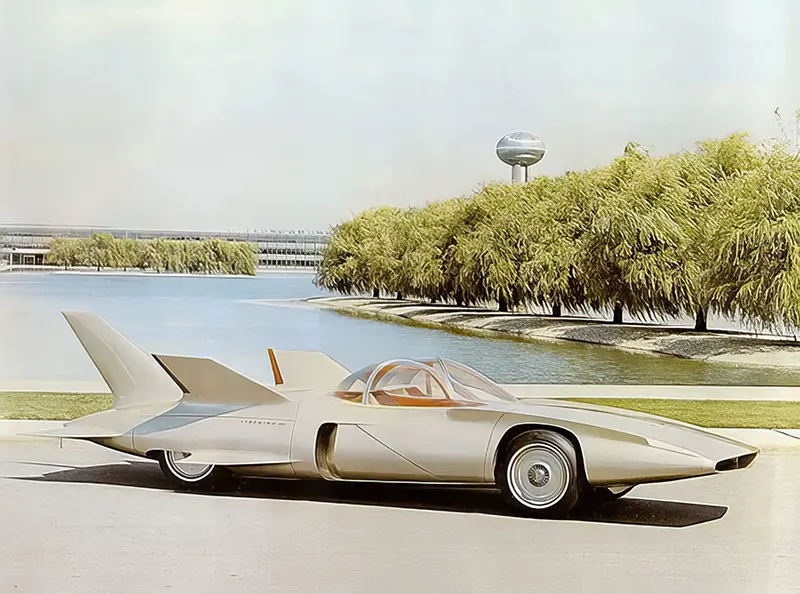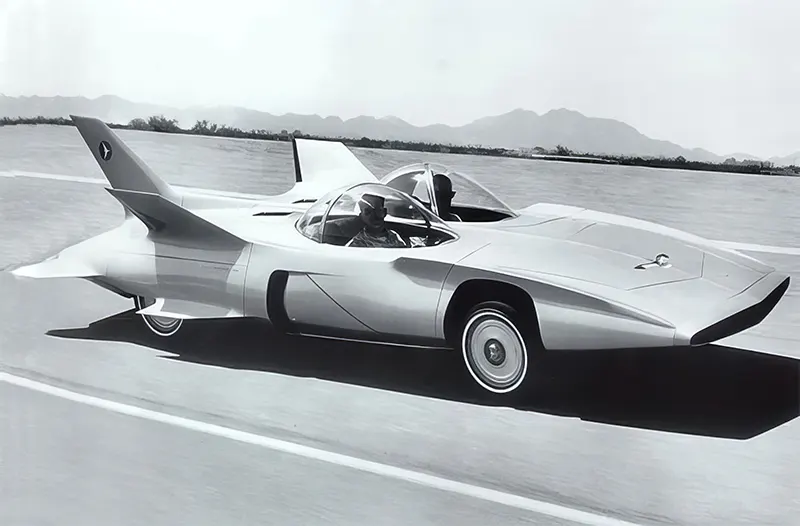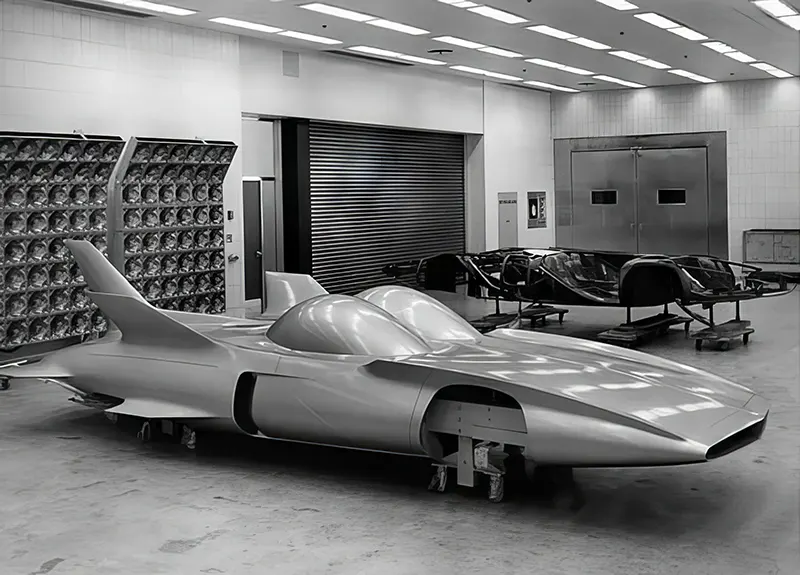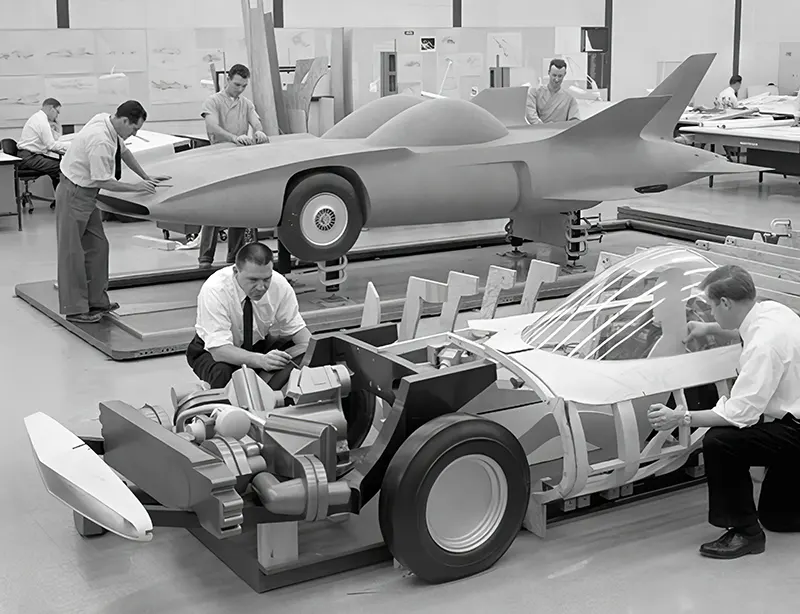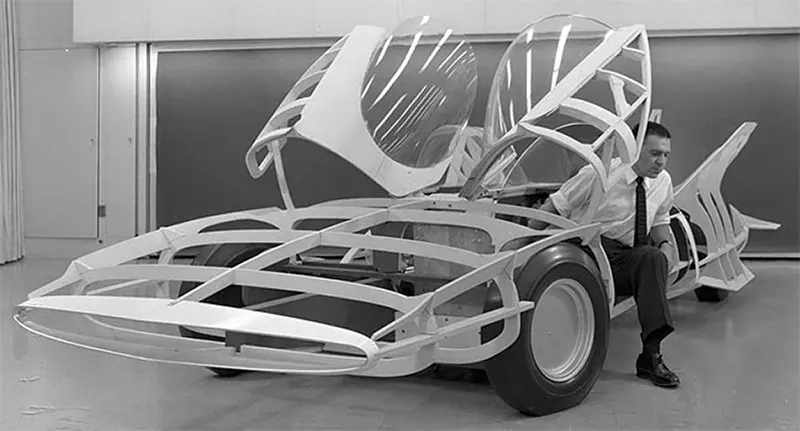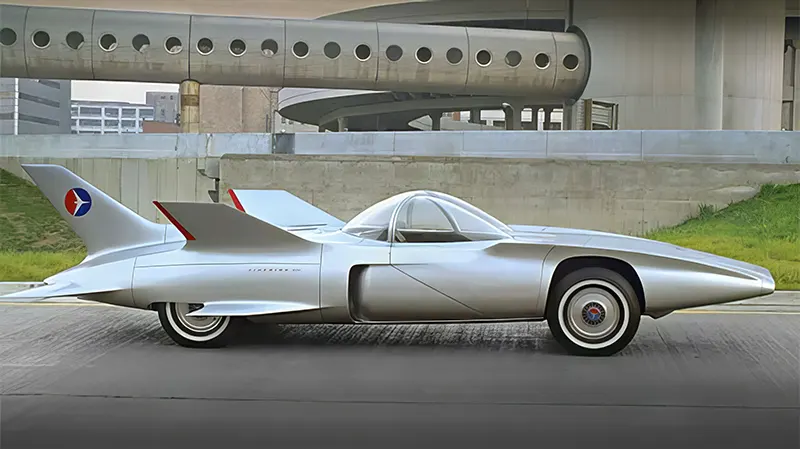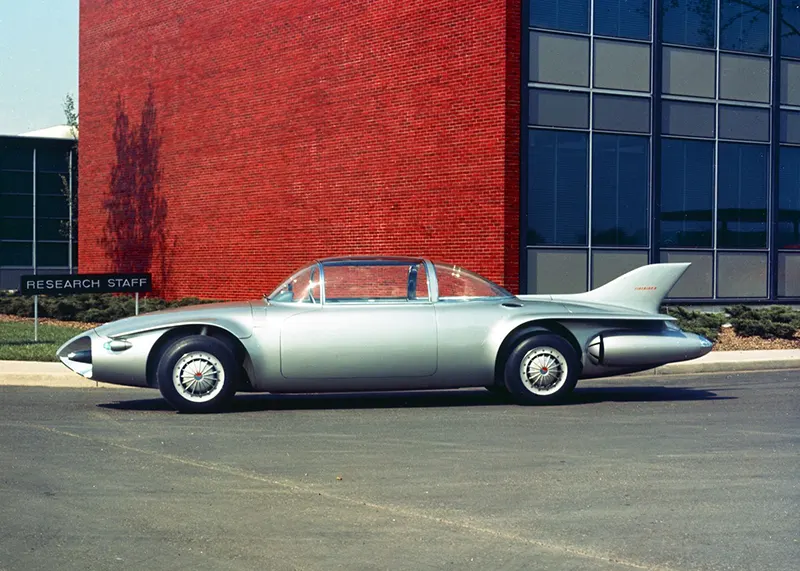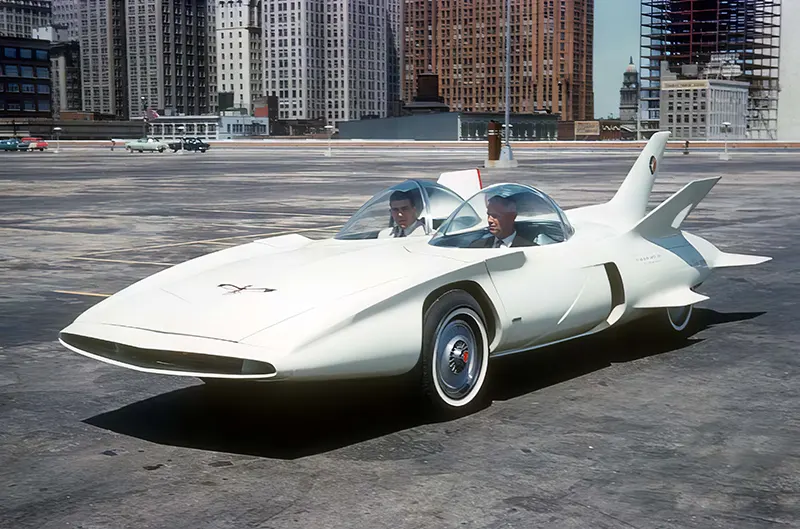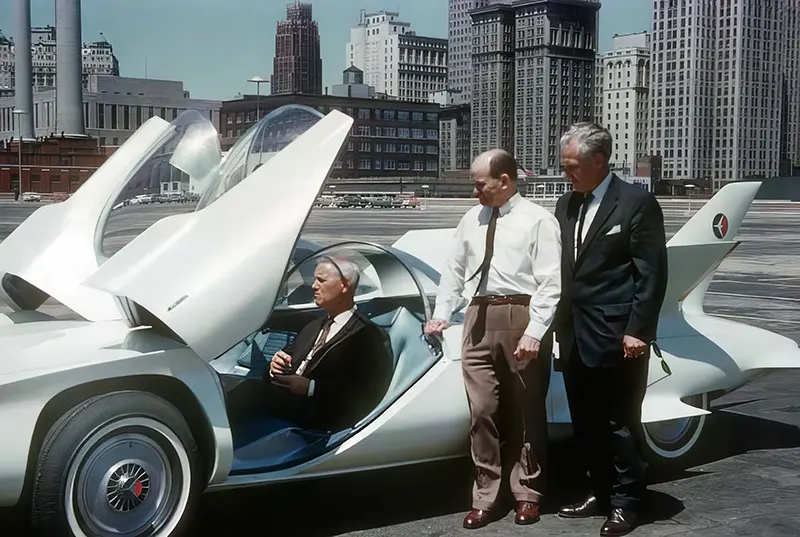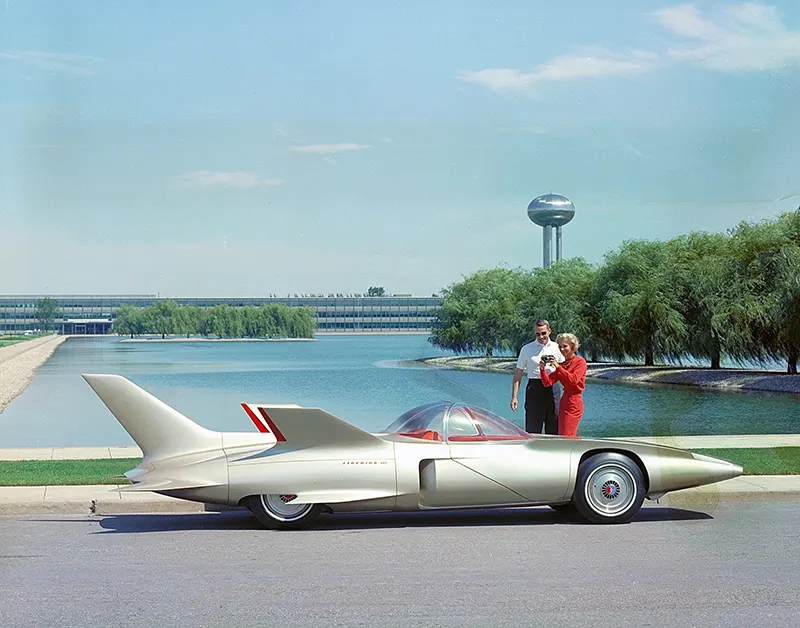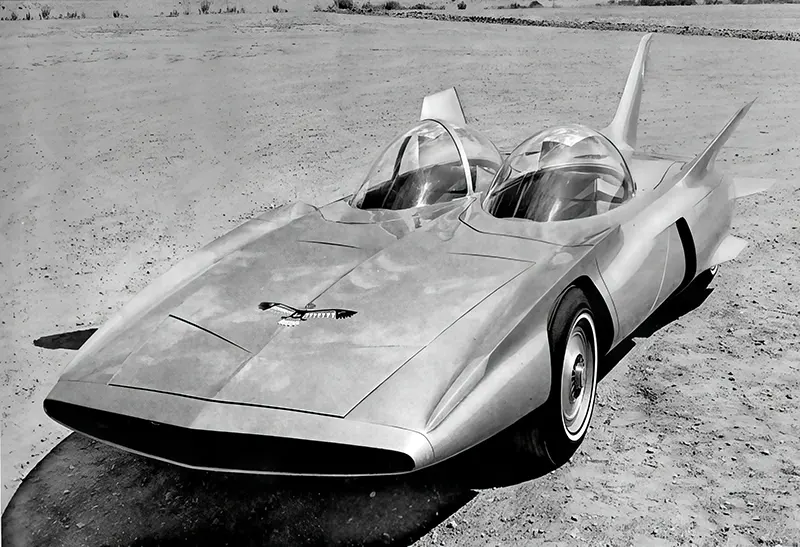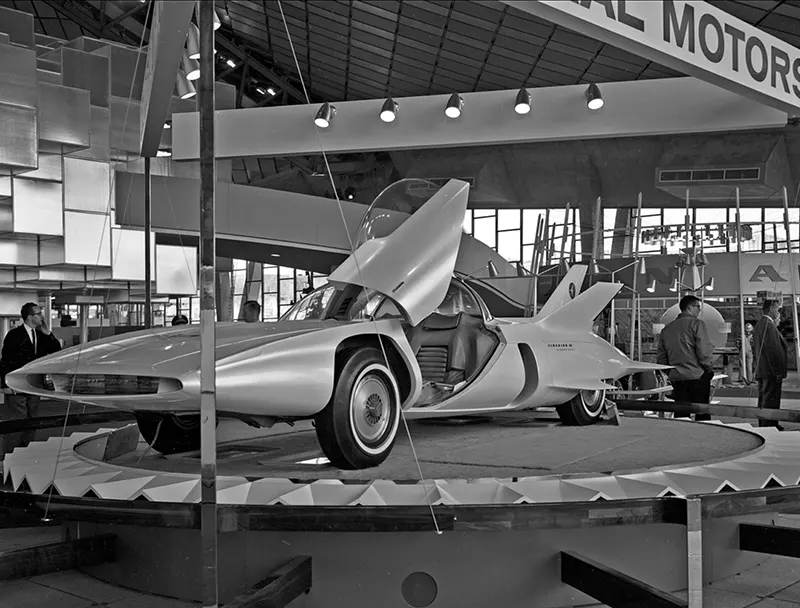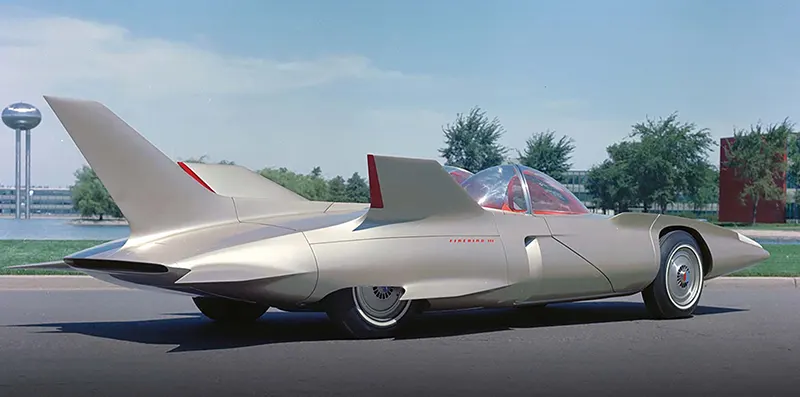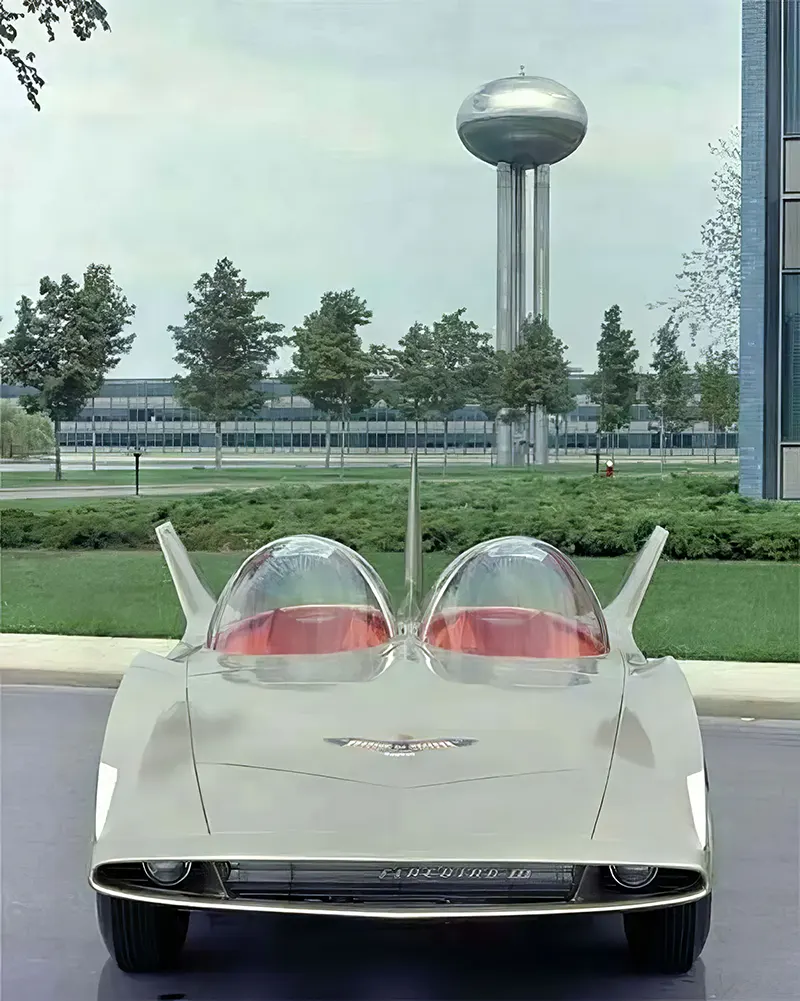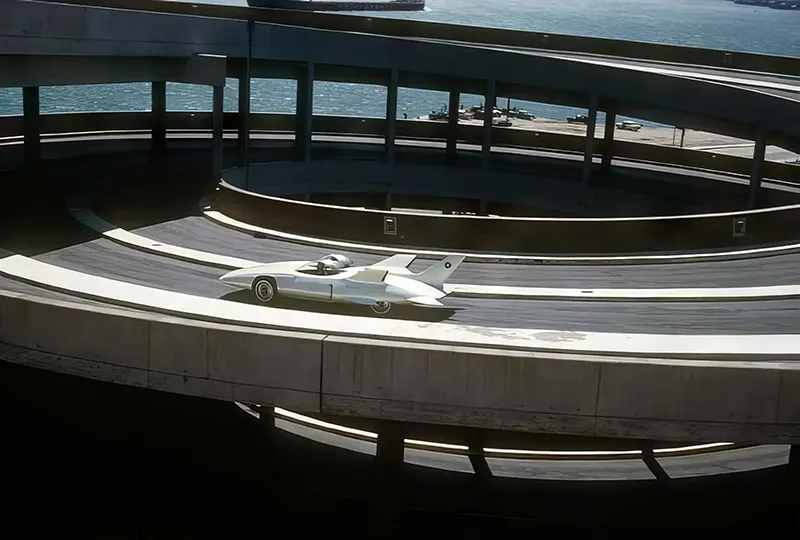

In the world of automobiles, few vehicles stand out like the Firebird III. Built by General Motors in 1958, this concept car was a part of the Motorama, a series of auto shows where GM showcased its most imaginative designs. The Firebird III was not just a car; it was a bold statement about the future of automotive design and technology. Its sleek lines and futuristic features made it look as if it had come straight out of a science fiction movie.
The Design of the Firebird III
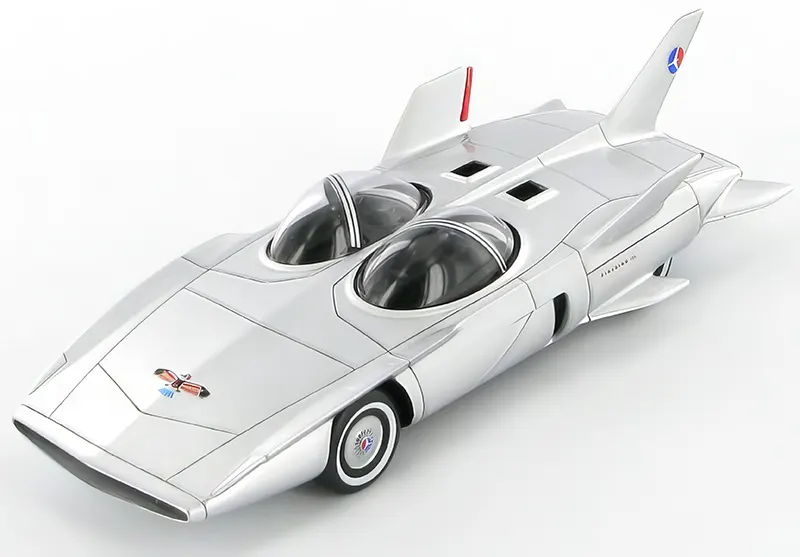
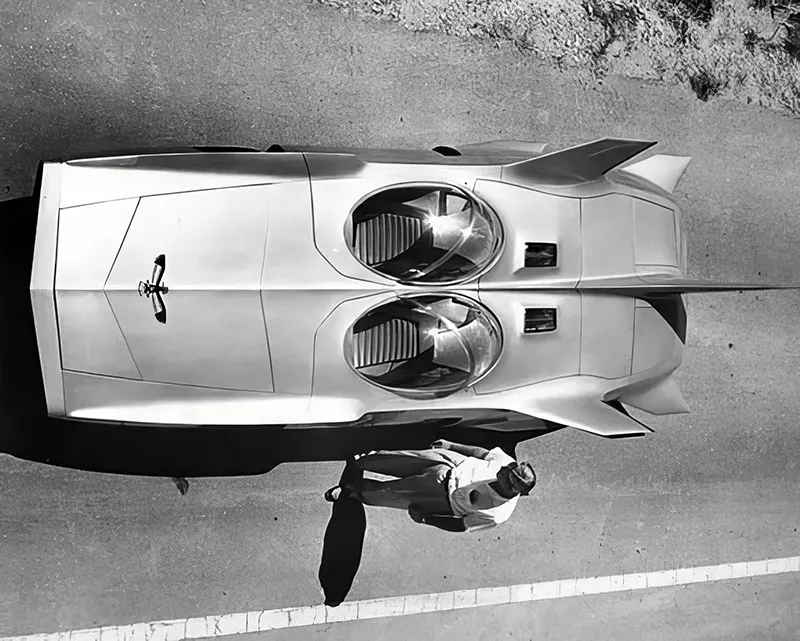
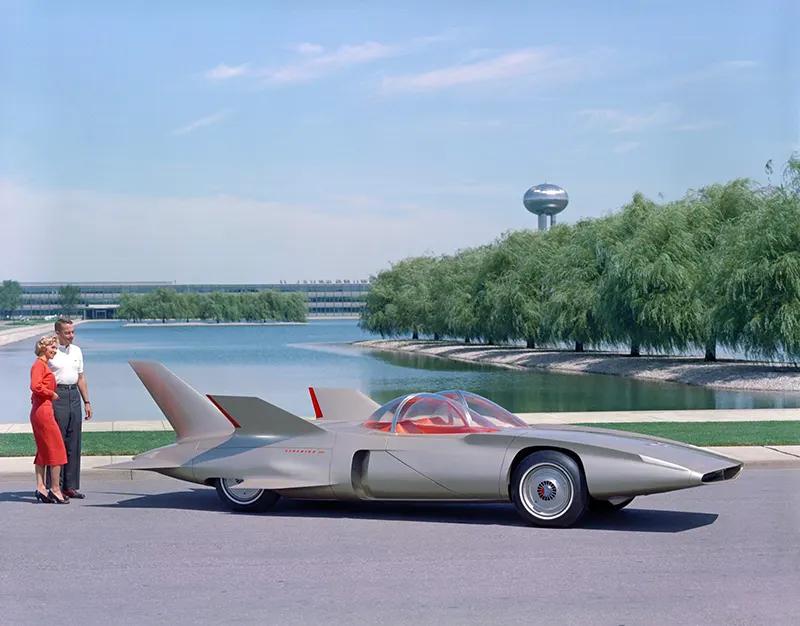
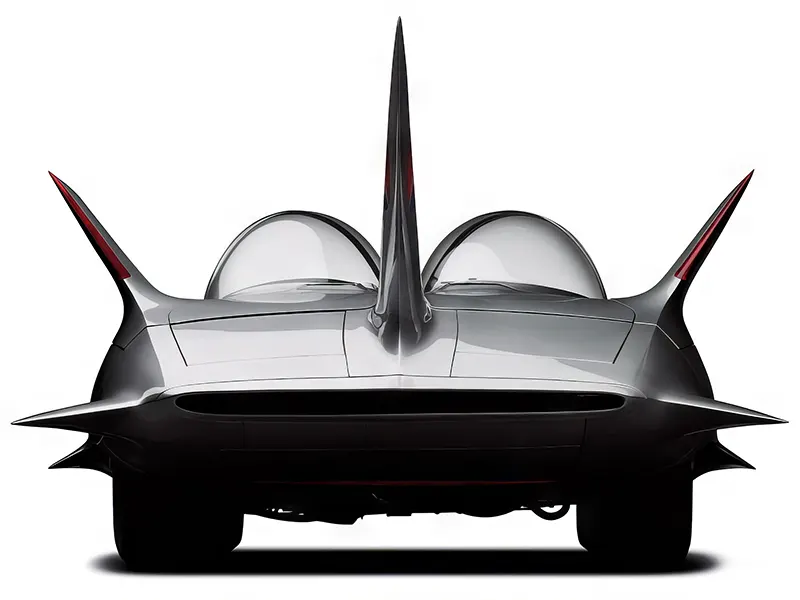
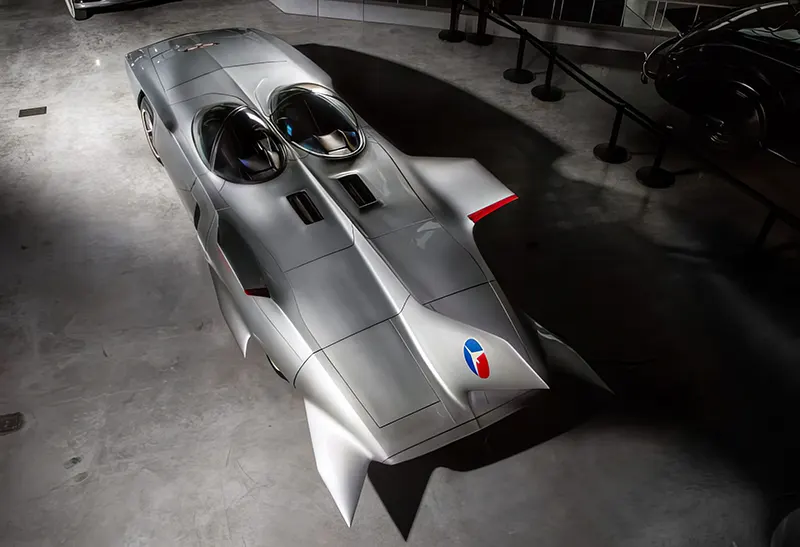
The Firebird III is often regarded as one of the most fascinating models among the Motorama Firebirds. It was designed under the guidance of Harley Earl, who was known for his innovative approach to automotive design. Earl drew inspiration from the sleek lines of fighter aircraft, which were becoming increasingly popular during the late 1950s. The result was a vehicle with a fiberglass body that featured seven short wings and dramatic tail fins, giving it a strikingly futuristic appearance.
One of the most distinctive aspects of the Firebird III was its avoidance of traditional design elements. Unlike many cars of its time, the Firebird III featured minimal chrome and did not rely on parallel lines. Instead, it showcased sculpted surfaces and a dramatic rocker panel tuck-under that would later influence the design of the 1959 Cadillac. The 1959 Cadillac adopted these design elements, demonstrating the impact the Firebird III had on GM’s production vehicles.
Read more
Technical Innovations
The Firebird III was powered by a unique combination of engines. It featured a 225 horsepower Whirlfire GT-305 gas turbine engine, which was cutting-edge technology for the time. In addition to the turbine engine, the car had a smaller two-cylinder, 10 horsepower gasoline engine used to run its accessories. This dual-engine setup allowed for impressive power while also offering a glimpse into the future of automotive engineering.
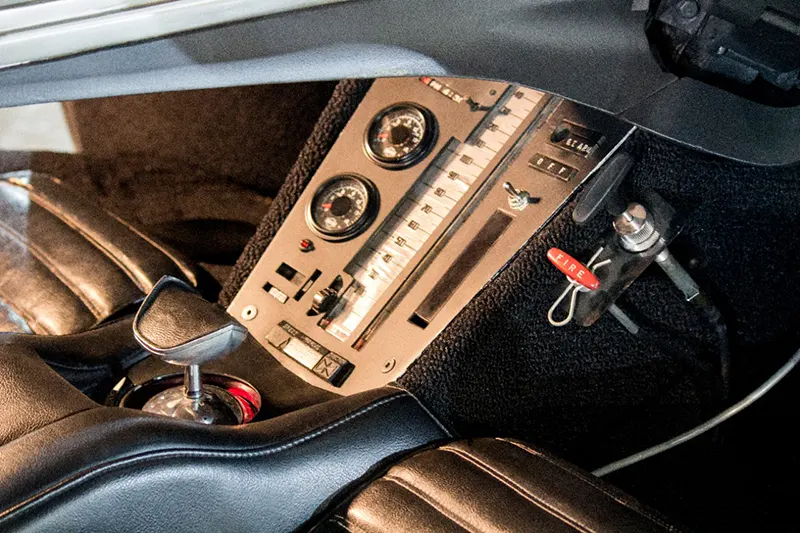
The exterior design of the Firebird III included several advanced features that were revolutionary for the era. It had a double-bubble canopy that provided a spacious and unique look for the two-seater vehicle. Inside, the Firebird III was equipped with several technologies that would not become standard in cars for many years, such as cruise control and anti-lock brakes.
The car also featured air drag brakes, which were similar to those used in aircraft. These brakes emerged from flat panels in the bodywork to help slow the vehicle down from high speeds, showcasing the innovative thinking behind its design.
Futuristic Features
The Firebird III was packed with features that made it feel like a vehicle from the future. For instance, it had an “ultra-sonic” key that opened the doors, a concept that seemed far ahead of its time. The car also included an automated guidance system, which helped avoid accidents by providing assistance to the driver. This feature hinted at the future of self-driving technology.
In a departure from traditional vehicle controls, the Firebird III utilized a joystick for steering. Positioned between the two seats, this joystick allowed for precise handling and control, making the driving experience unique. This design choice was a radical departure from the standard steering wheel and reflected the innovative spirit of the car.
While General Motors never intended the Firebird III for mass production, the car had a lasting impact on automotive design. The Firebird III made its debut at the 1959 Motorama, where it captivated the audience and left a lasting impression on car enthusiasts.
Although plans for a Firebird IV were developed, including a full-sized wooden frame, it never made it to production. Starting in 1967, the Pontiac division of GM launched the Firebird line of pony cars. While these vehicles were not directly related to the Firebird concept cars, they carried on the name and spirit of innovation.