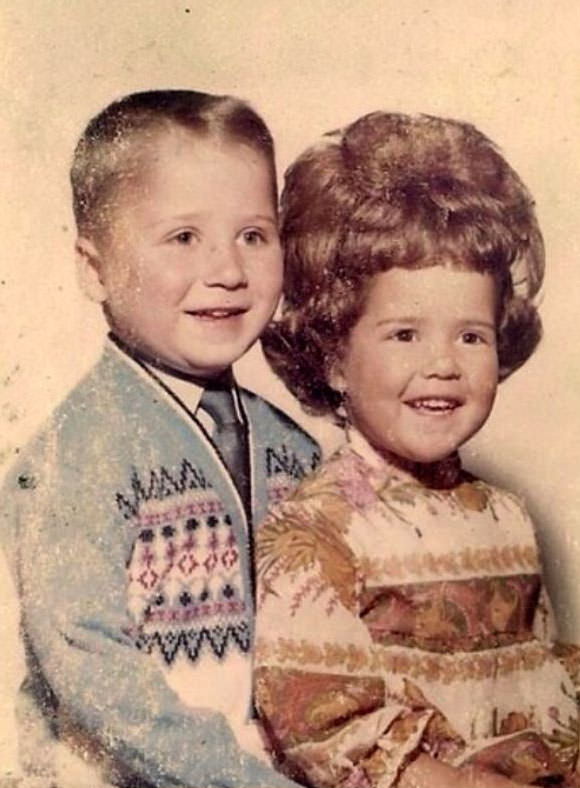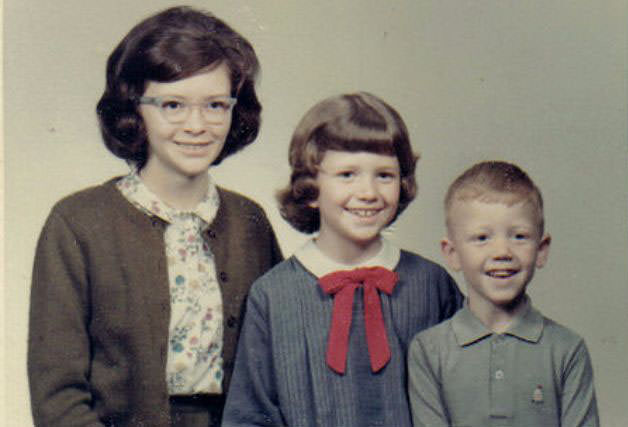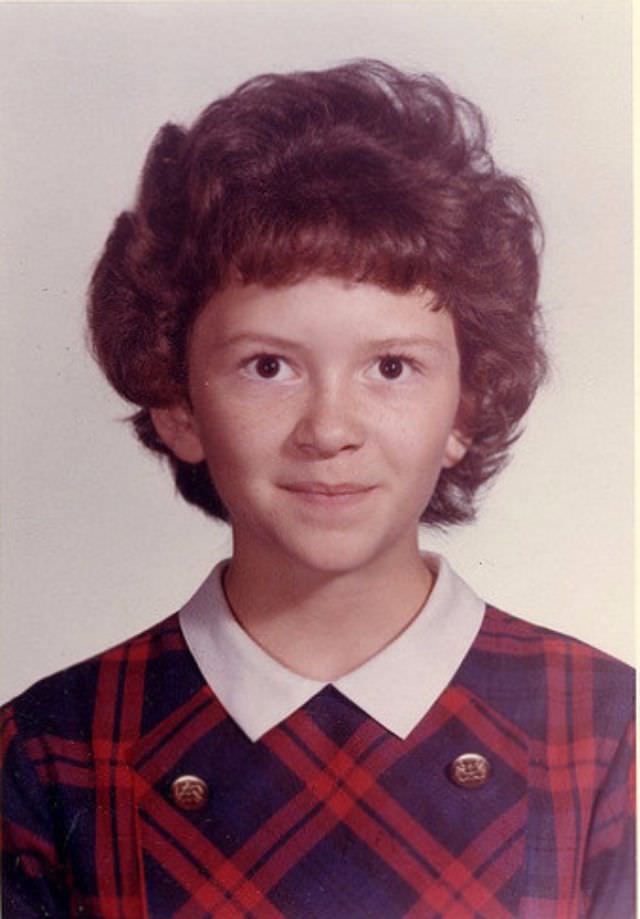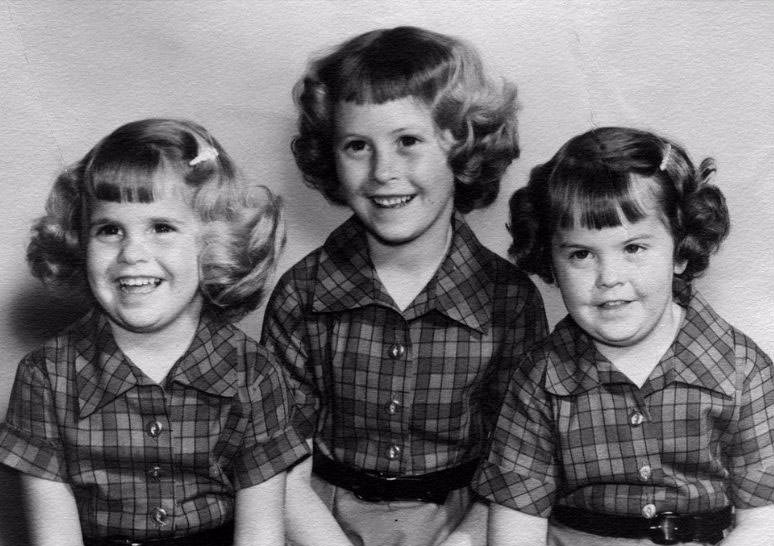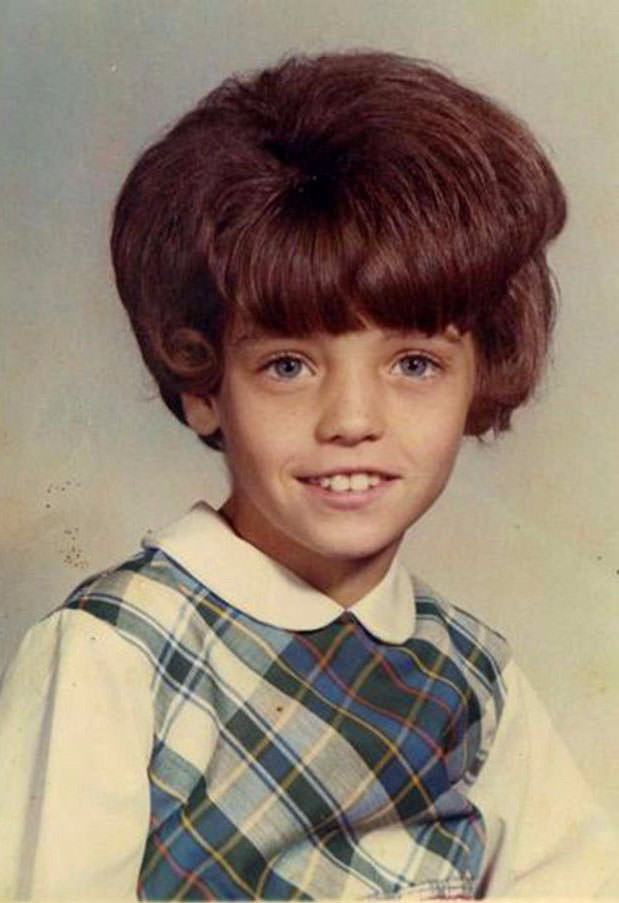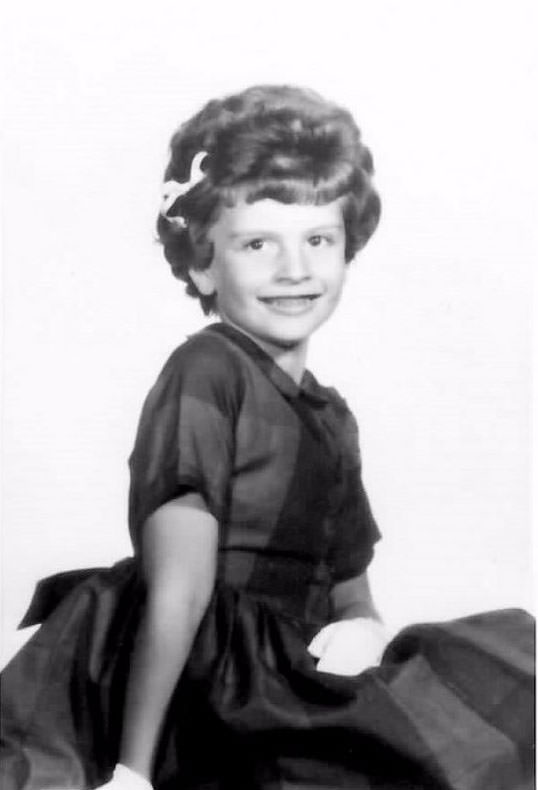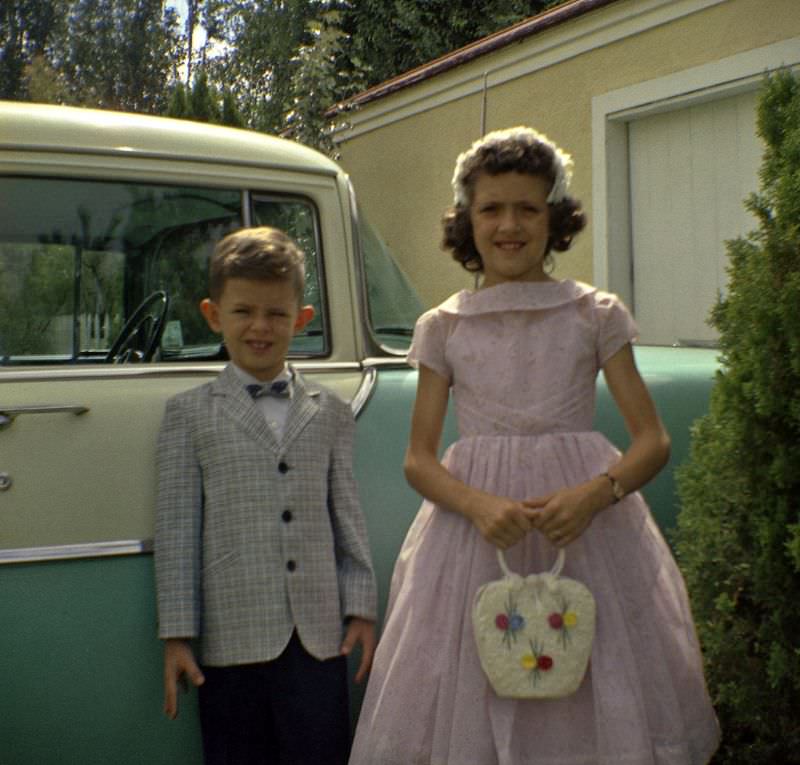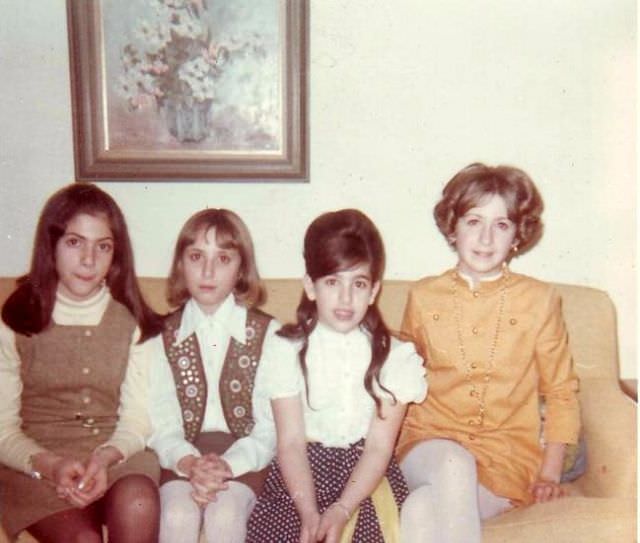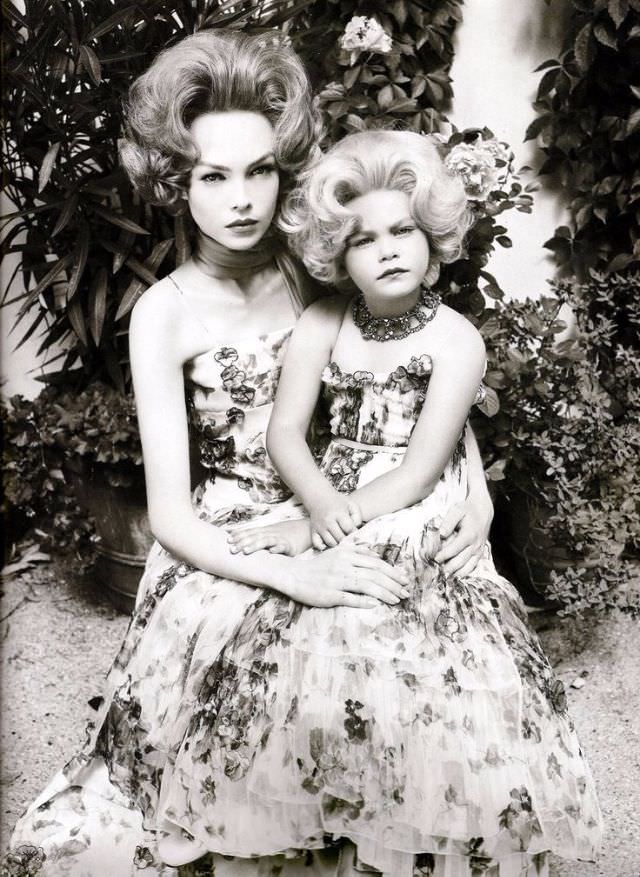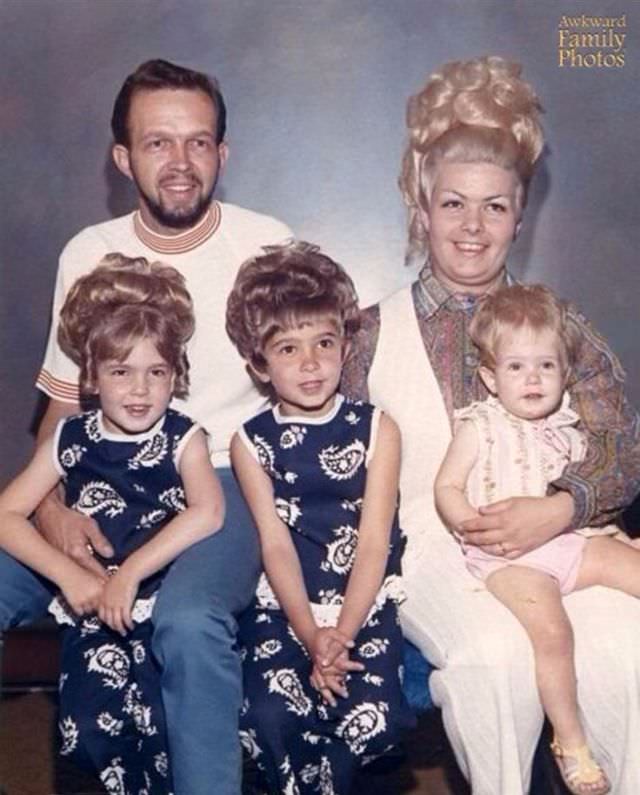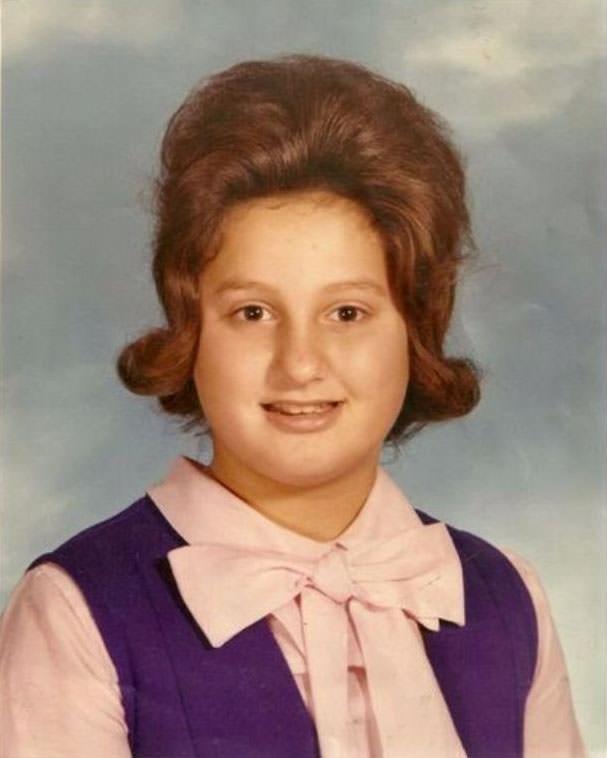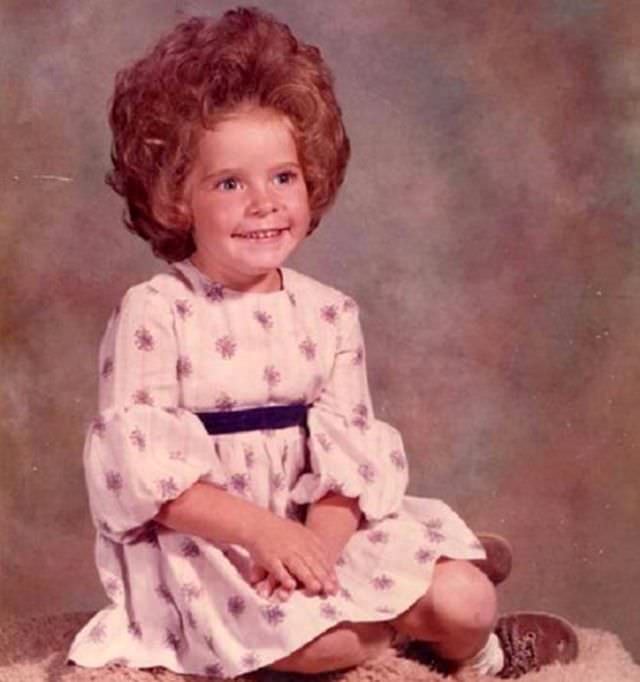

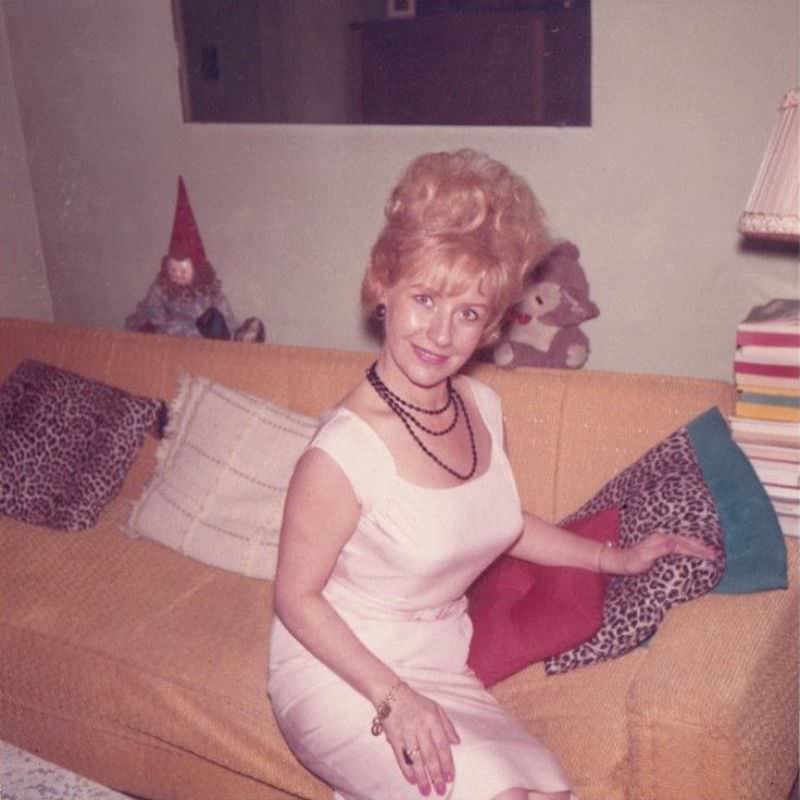
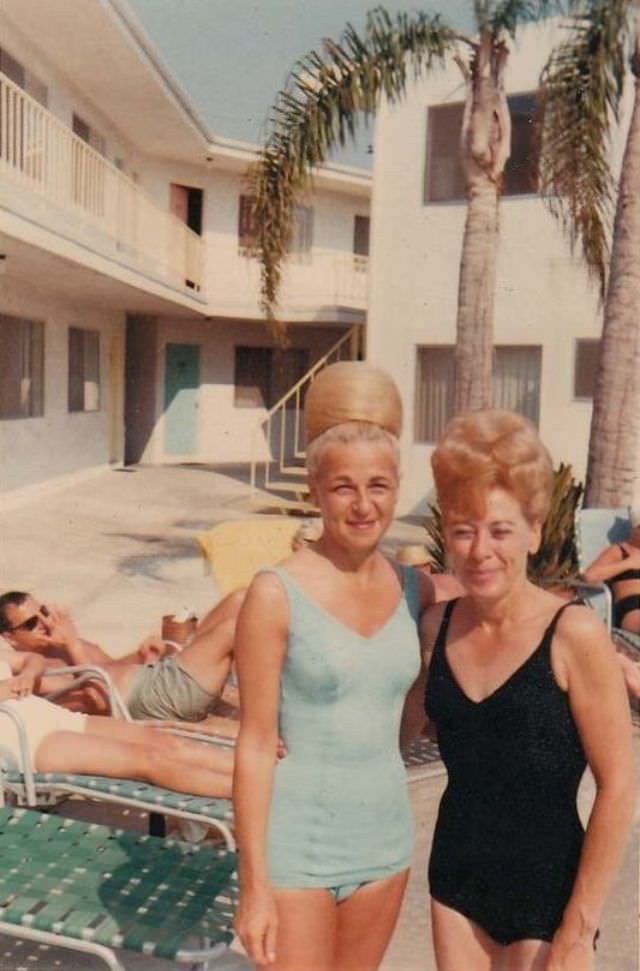
Few hairstyles have ever made a statement quite like the beehive. Tall, rounded, and stacked high above the head, the beehive hairdo became one of the most recognizable symbols of 1960s fashion. Also known as the B-52 or bouffant style, it was built by teasing or backcombing the hair upward and locking it in place with generous amounts of hairspray. The result was a dramatic, structured silhouette that turned heads everywhere it went.
The style has a clear point of origin. Celebrity hairstylist Margaret Vinci Heldt created the beehive in 1960 for a magazine photoshoot. She wanted something that felt fresh and forward-looking — and that’s exactly what she delivered. Within a short time, the style spread from the pages of magazines to salons across the country.
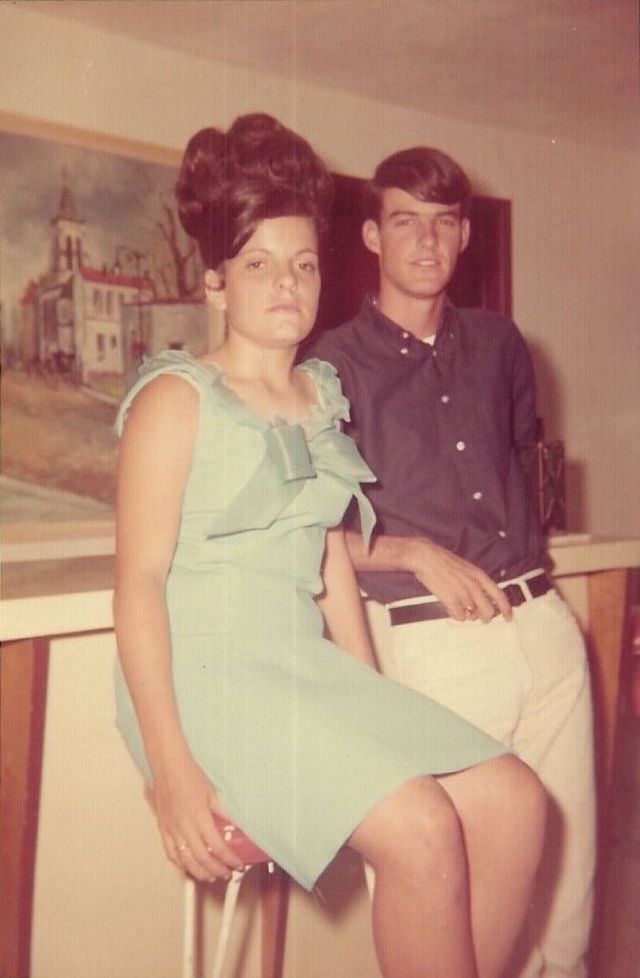
Young women in particular took to it quickly. The 1950s had favored neat, modest hairstyles that stayed close to the head. The beehive was the opposite — bold, tall, and impossible to ignore. For many women, wearing it felt like stepping into a new era.
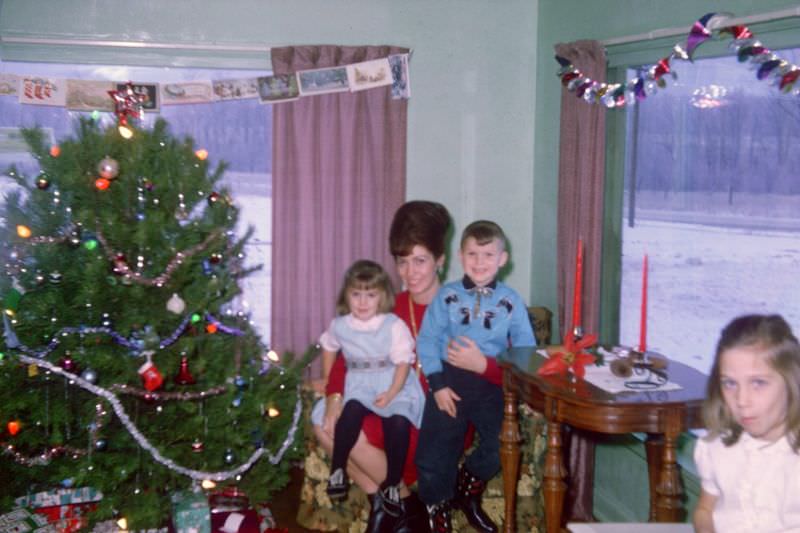
The rise of rock ‘n’ roll and girl groups played a major role in pushing the beehive into mainstream popularity. Performers took the style onto stages and into publicity photos, making it visible to millions of fans. Girl groups like The Ronettes wore sky-high beehives as part of their signature look, and The Supremes brought a polished version of the style to television screens and concert venues around the world.
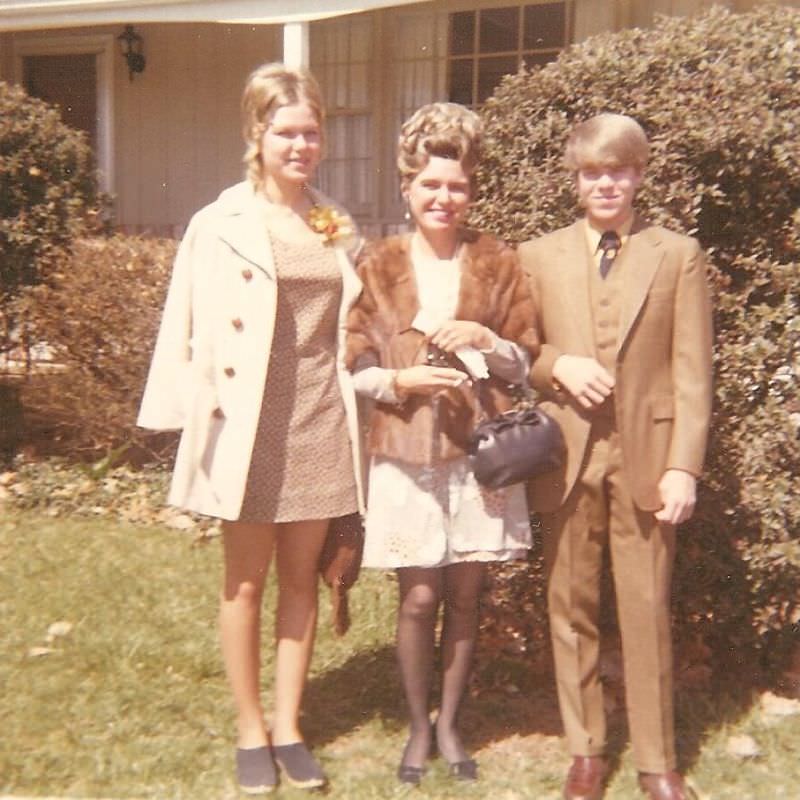
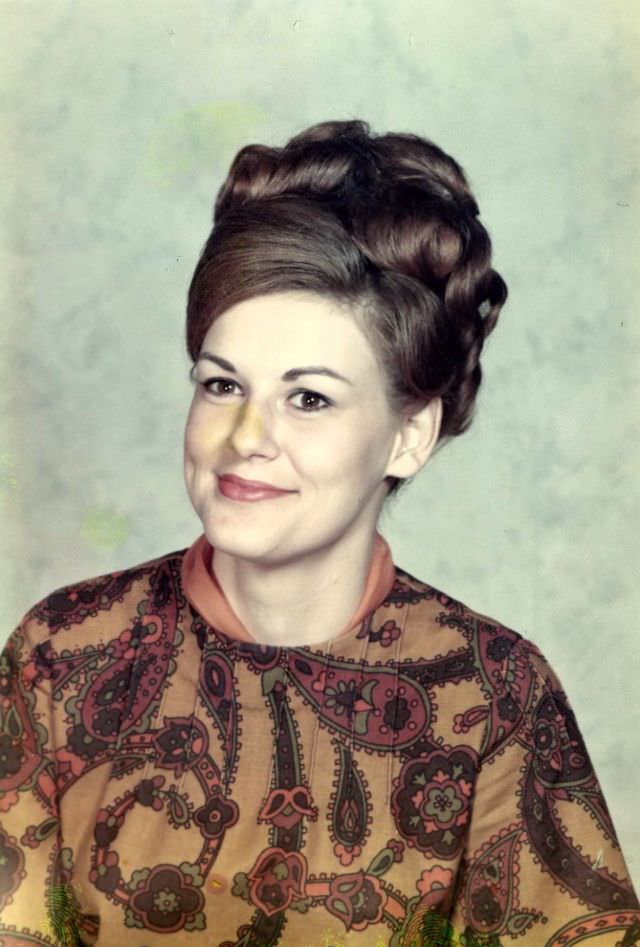
Dusty Springfield was another major figure who wore the beehive with confidence and flair. Her teased, towering hair became as much a part of her identity as her powerful voice. Fans noticed, and stylists across the country found themselves replicating the look week after week.
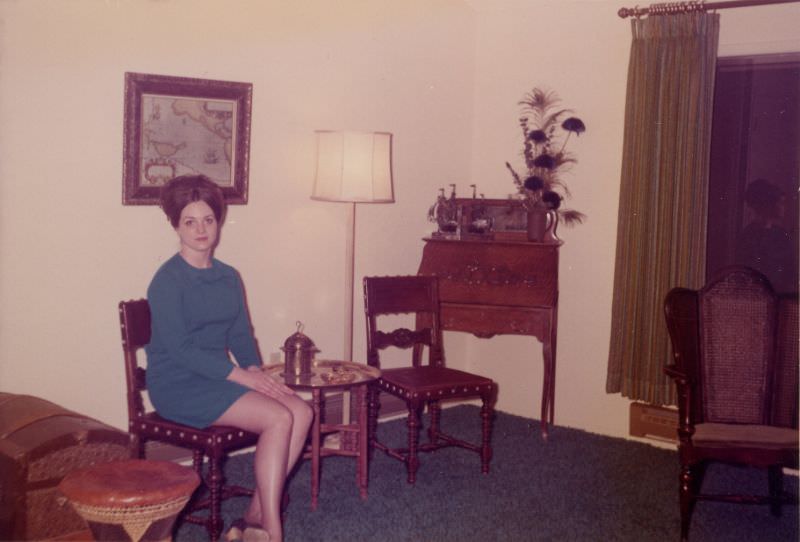
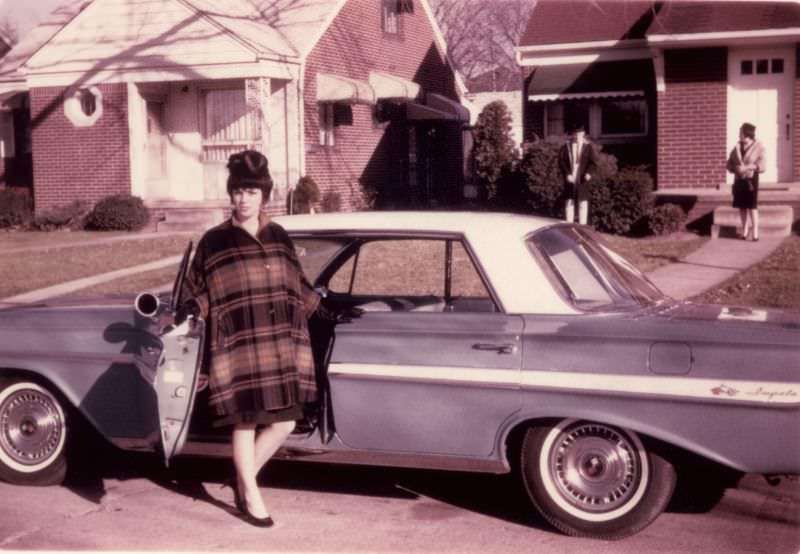
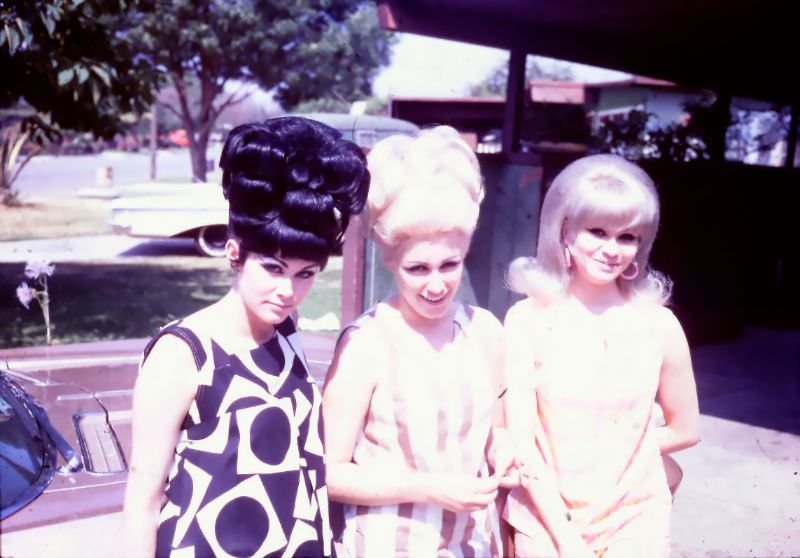
The beehive didn’t exist in a fashion vacuum. It paired naturally with the mod clothing movement that was sweeping through the decade. Short hemlines, geometric prints, and bold colors complemented the height and drama of the hairstyle. Together, the look projected confidence and a sharp sense of style.
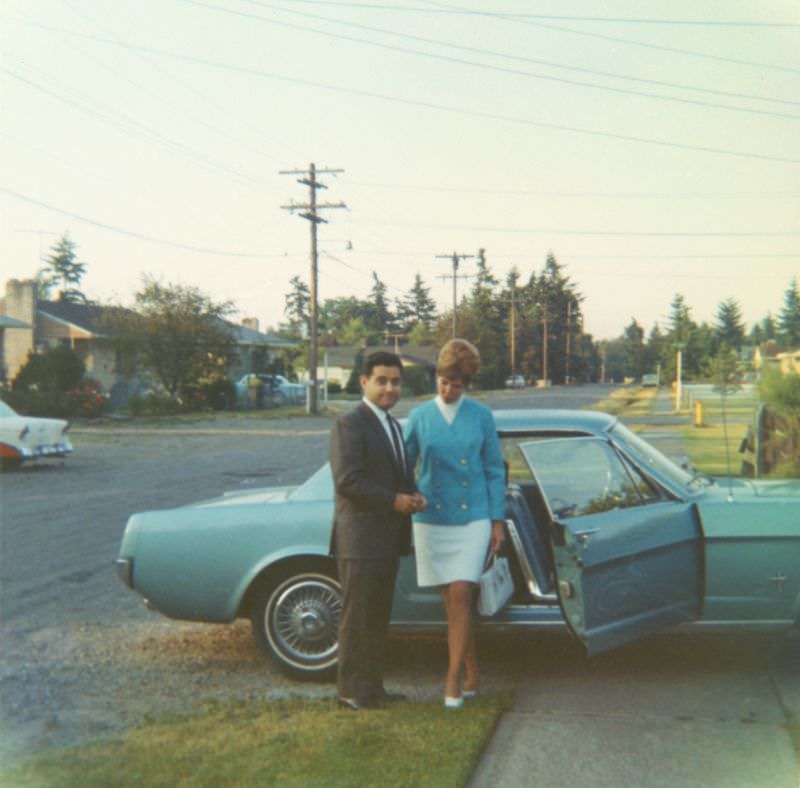
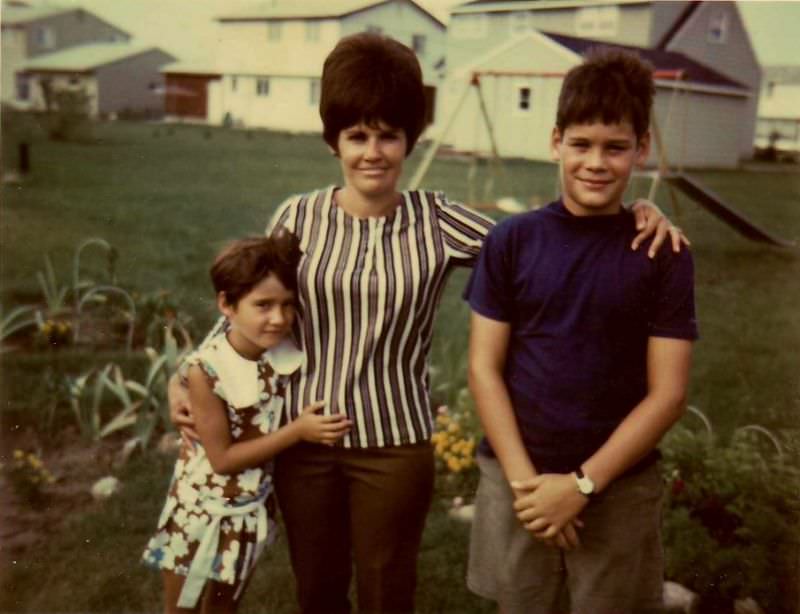
Beyond fashion, the beehive carried real cultural weight. It was seen as a symbol of women’s independence — a way of claiming space and pushing back against expectations that women should look demure and understated. Choosing a hairstyle that demanded attention was itself a form of self-expression.
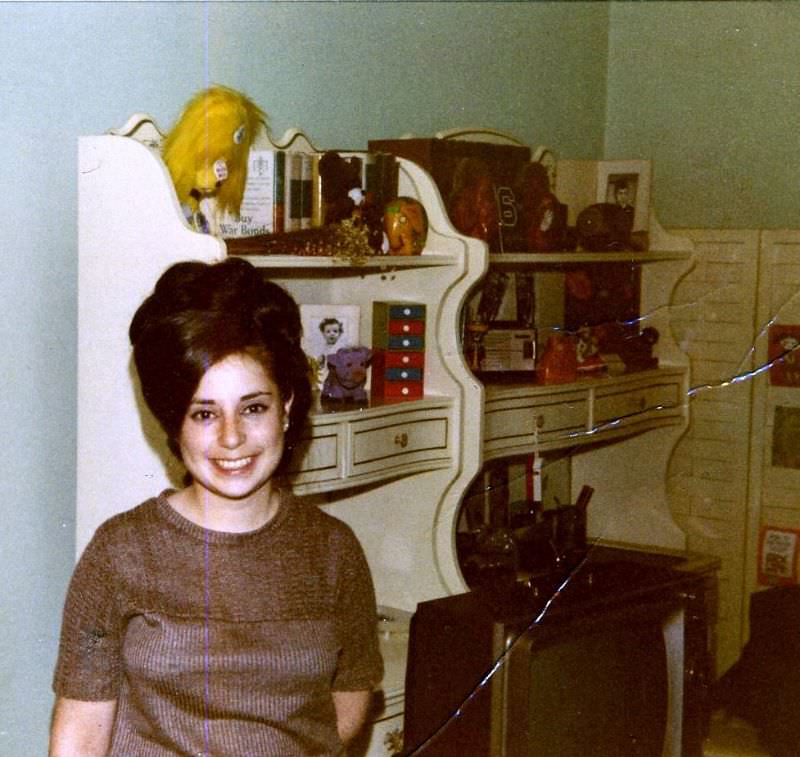
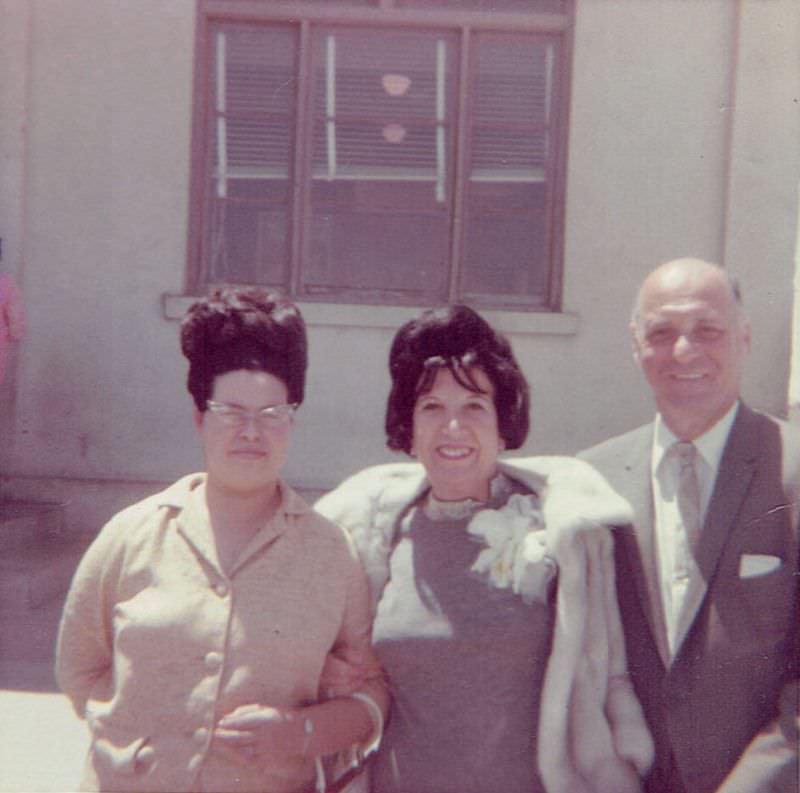
Not everyone was a fan. Some critics called the beehive impractical, and they had a point. Building and maintaining the style required time, skill, and a lot of hairspray. Sleeping without disturbing the shape was a nightly challenge. Others simply found the look too showy for their tastes.
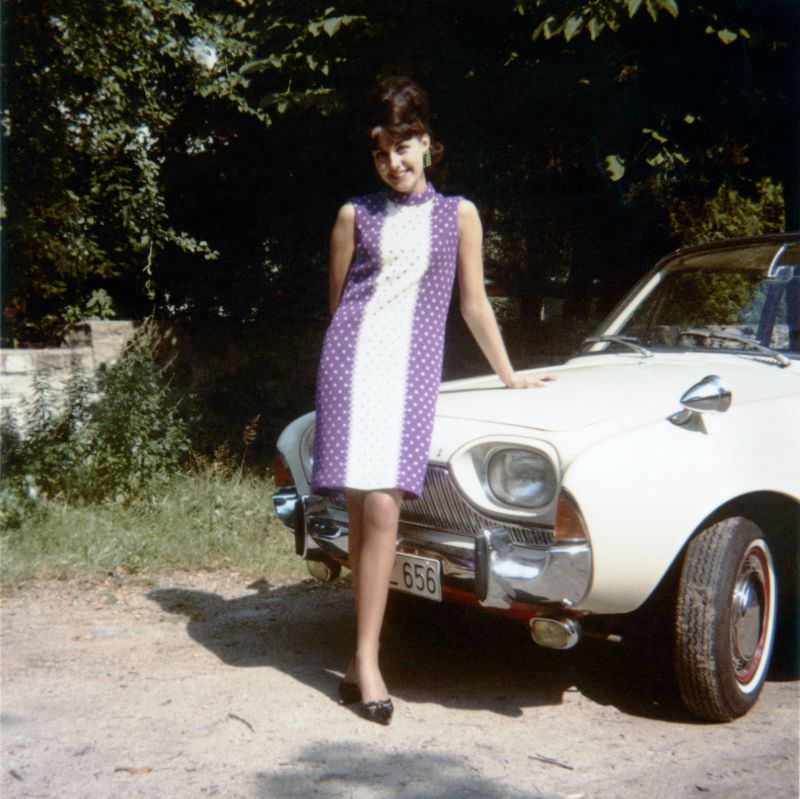
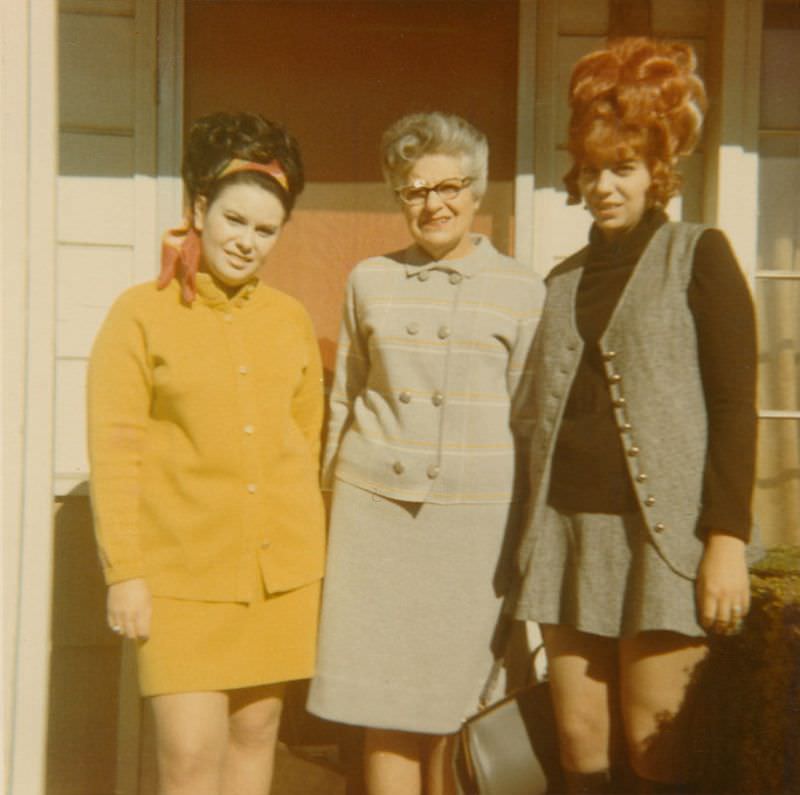
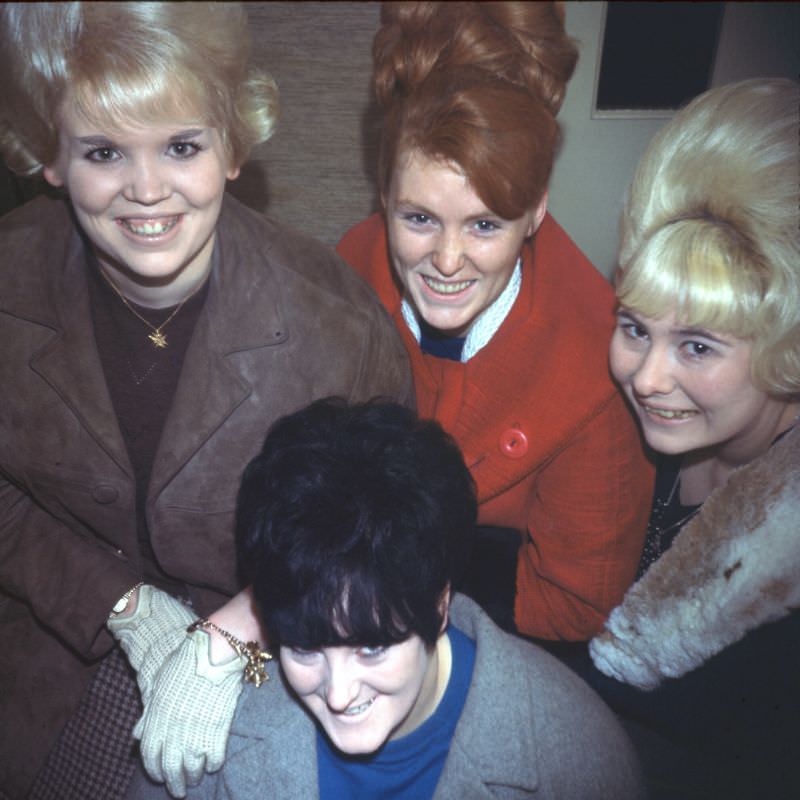
Despite the criticism, demand at salons stayed strong throughout the decade. Women came in with magazine clippings and left with their hair piled high. The beehive became a weekly appointment for many, not just a one-time experiment.
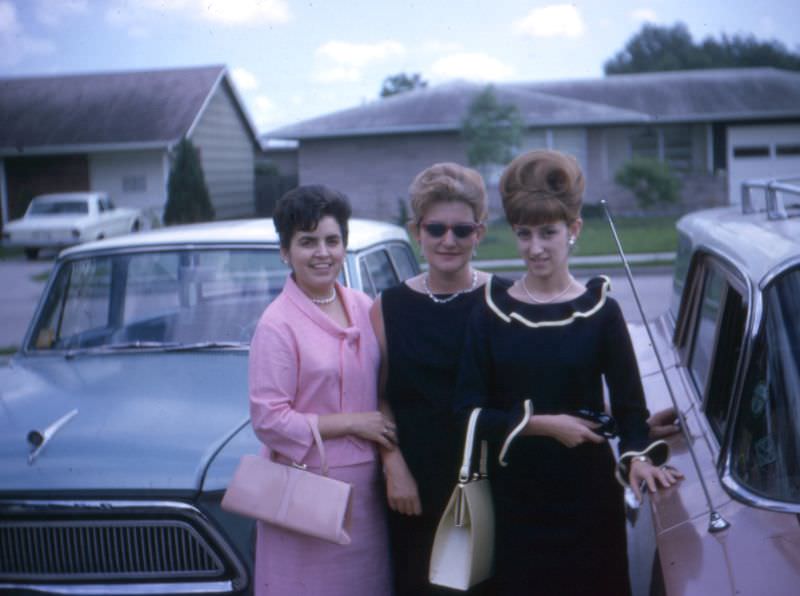
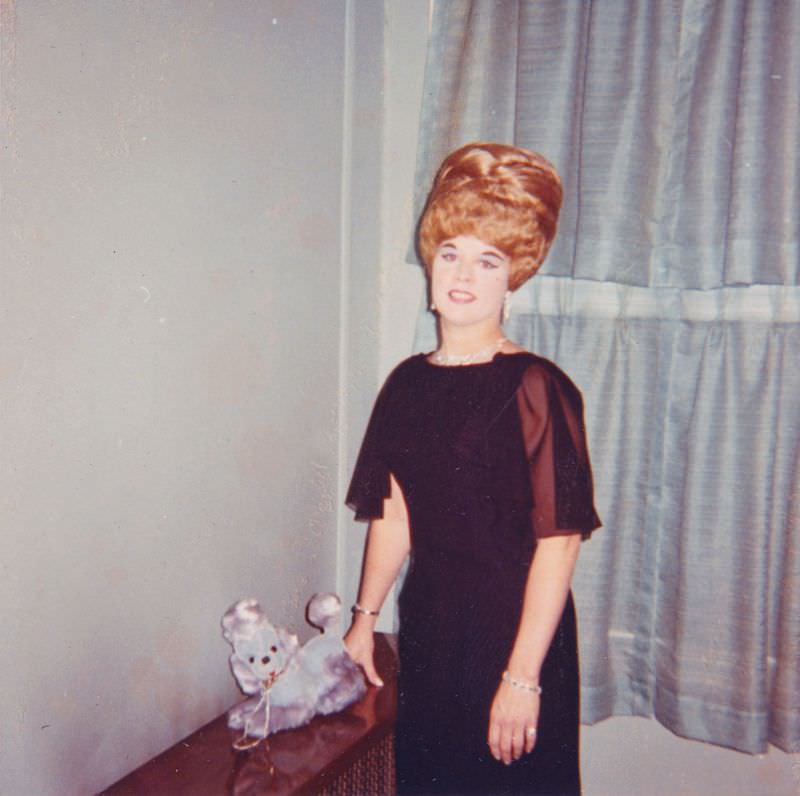
The name itself came from the obvious visual resemblance to a beehive. The B-52 nickname was a nod to the large, dome-nosed bomber aircraft — another reference to the style’s remarkable height and volume. Both names stuck, and both captured the sheer scale of what hairstylists were constructing.

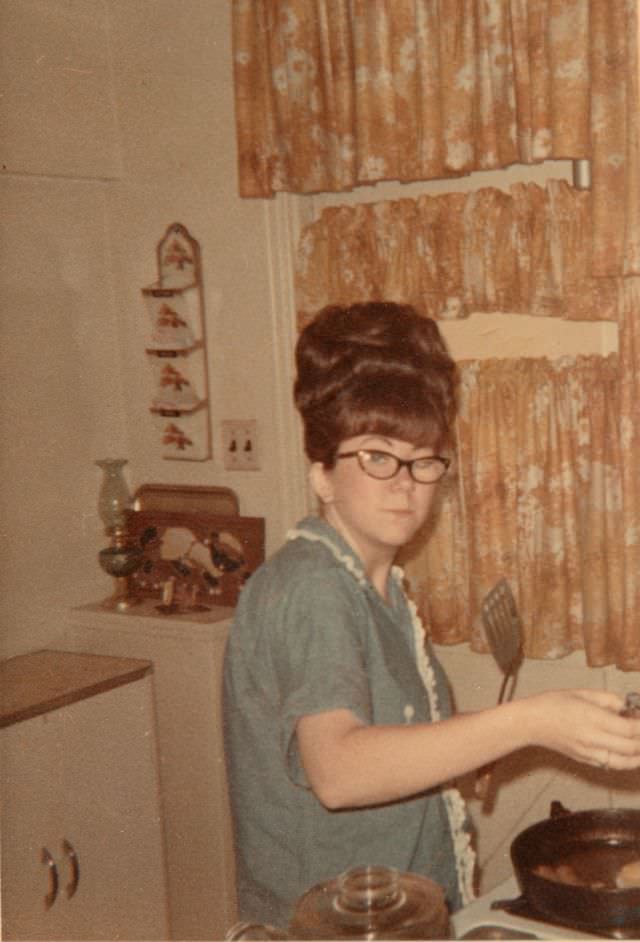
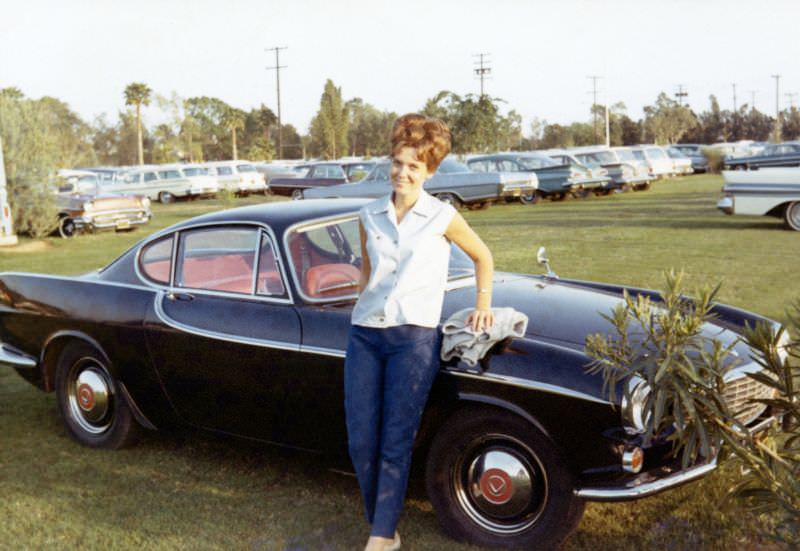
Getting the shape right took technique. Hairstylists would tease sections of hair from the ends toward the roots, creating volume and texture. The hair was then smoothed on the outside and pinned into the signature rounded dome. A coat — or several coats — of hairspray sealed everything in place.
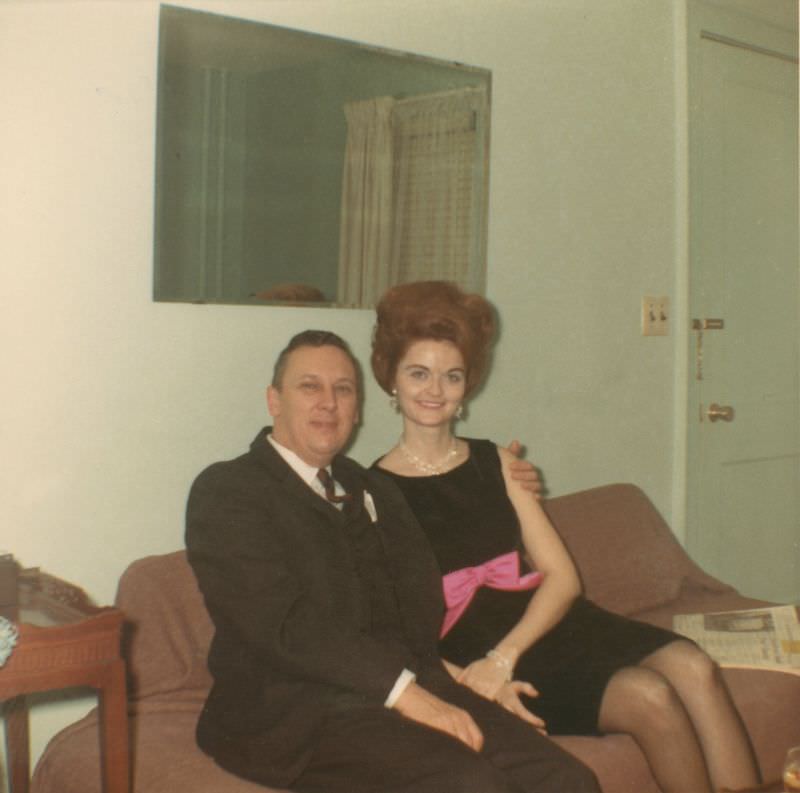
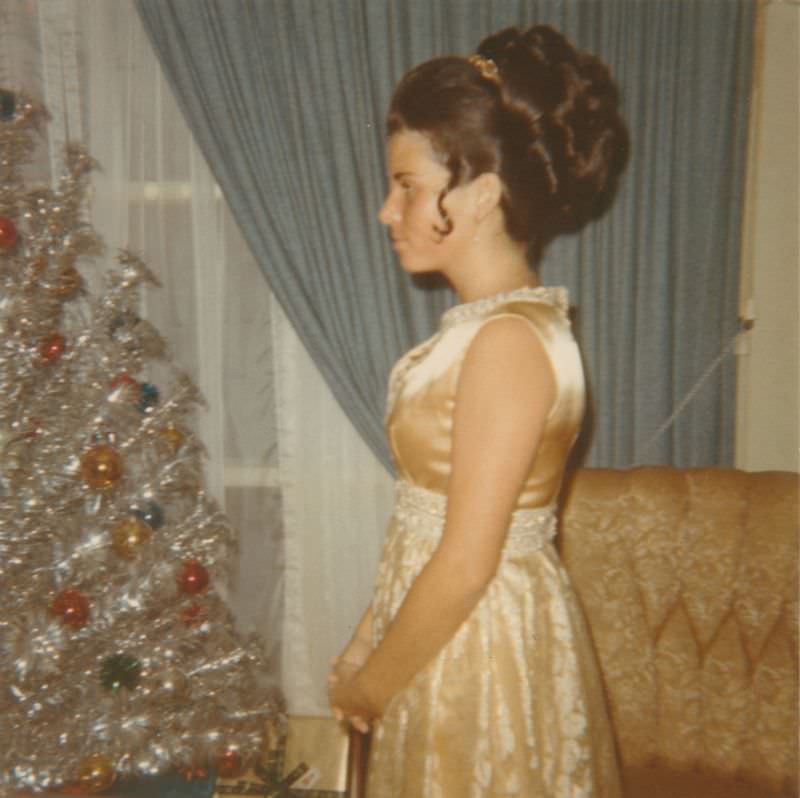
Women with shorter hair weren’t left out. Hairpieces and extensions made it possible for almost anyone to achieve the look, regardless of their natural hair length. This accessibility helped the style reach across different backgrounds and income levels.
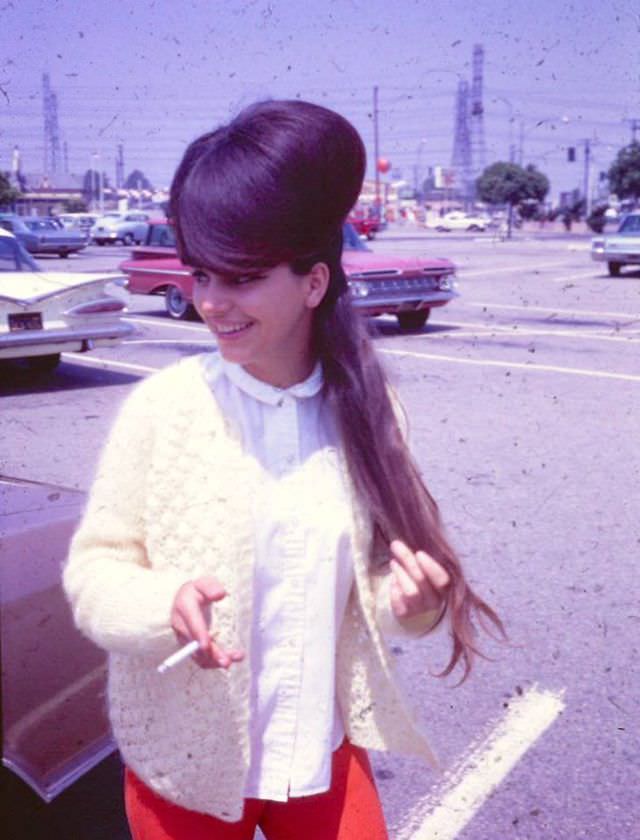
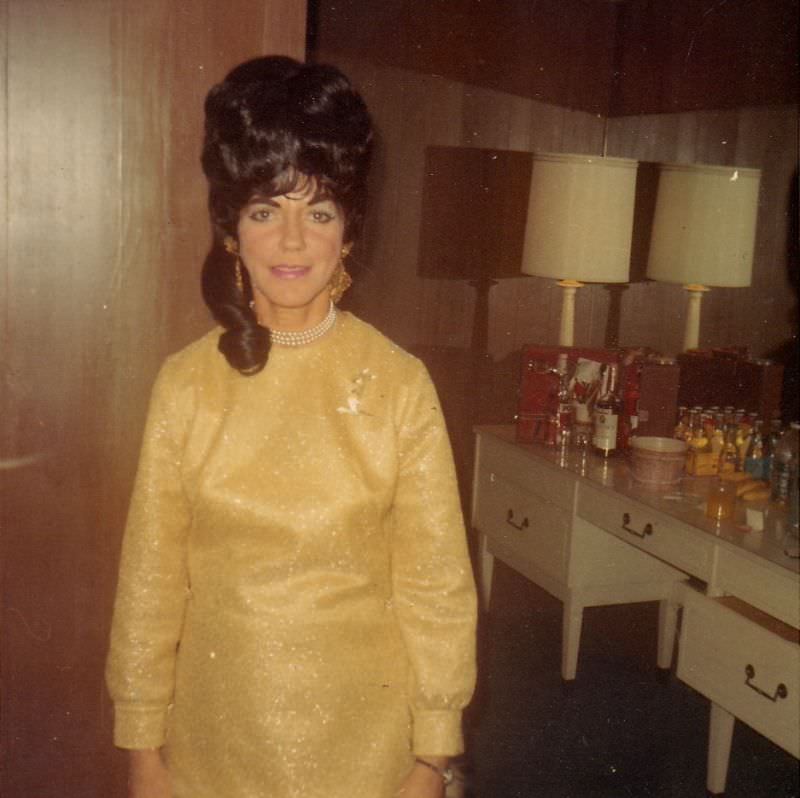
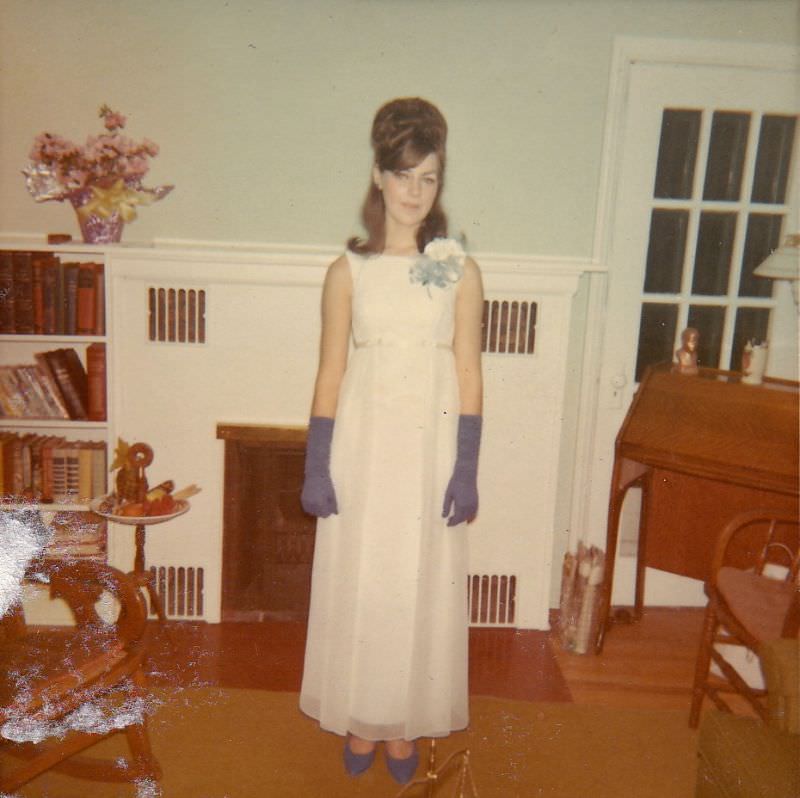
The beehive also appeared in film and television throughout the decade. Characters who wore it on screen reinforced its status as the defining hairstyle of the era. Every appearance in a popular show or movie sent more women to the salon.
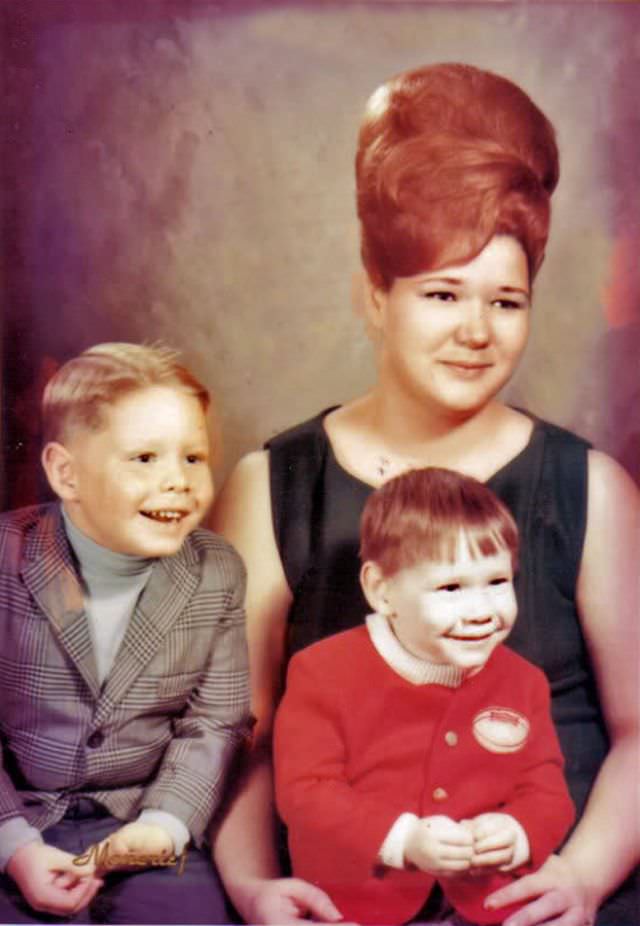
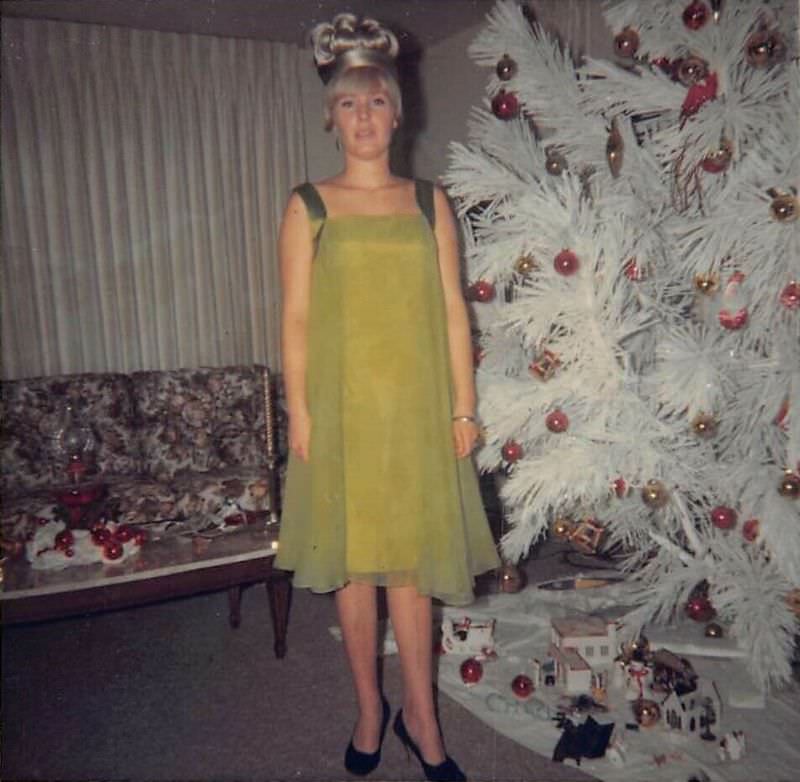
Margaret Vinci Heldt, the woman behind the style, became widely recognized for her creation. She had wanted to design something truly new, and the beehive delivered exactly that. Her work in 1960 set off a decade-long trend that touched virtually every corner of American culture.
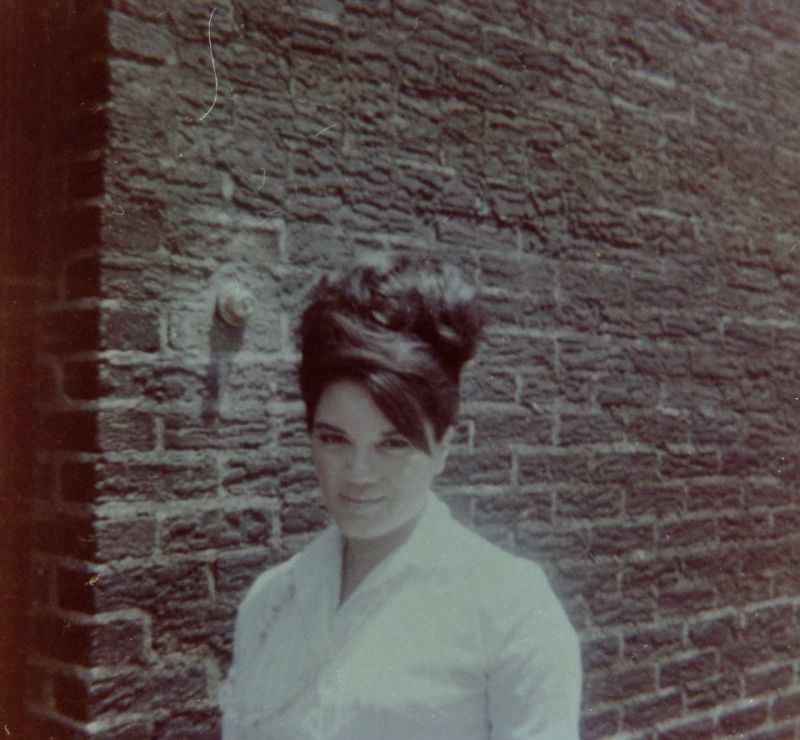
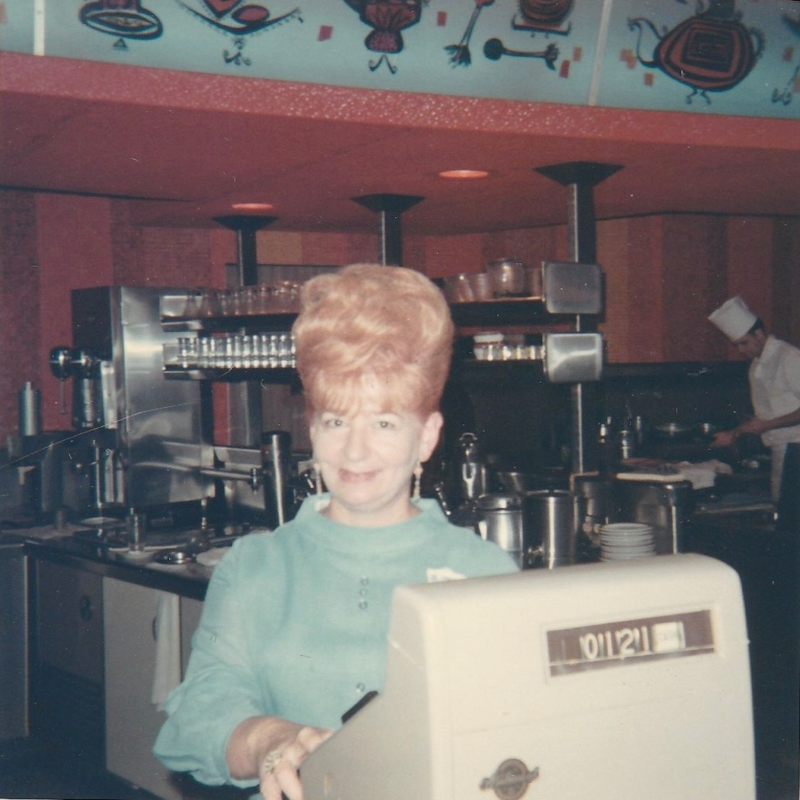
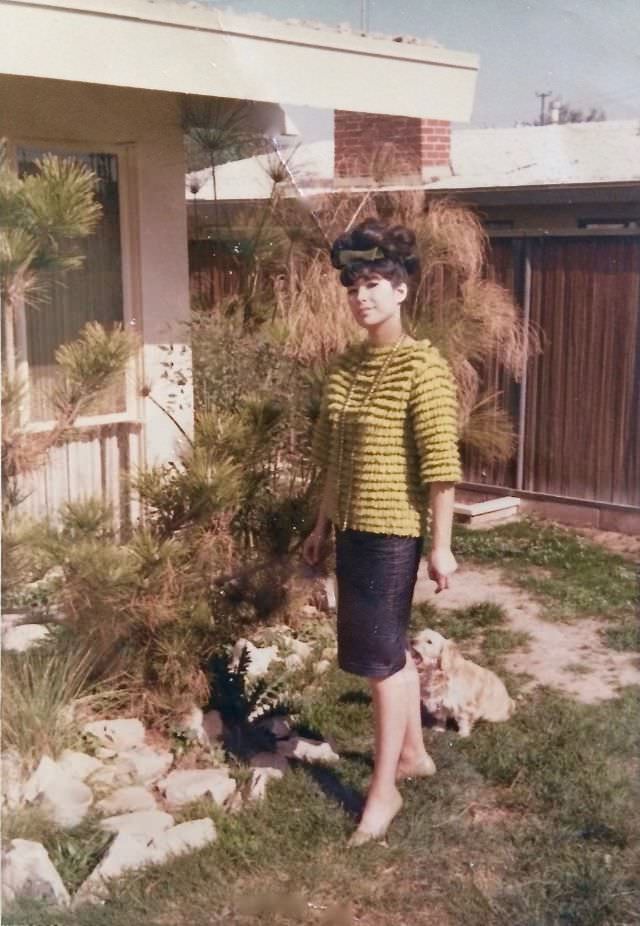
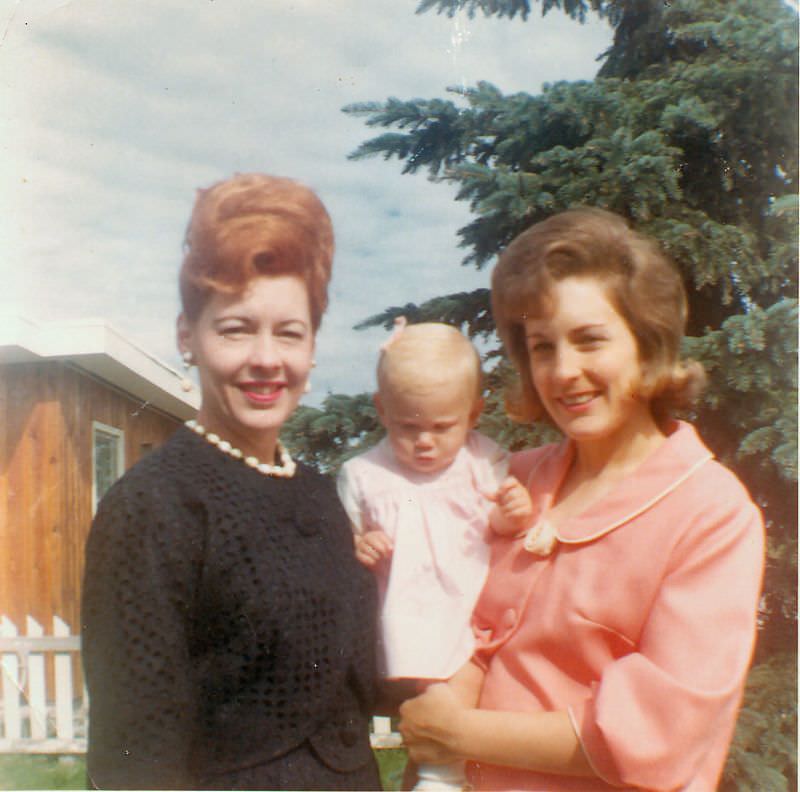
The style also varied widely in its execution. Some women kept it sleek and polished. Others went bigger, taller, and more dramatic. There was room for personal variation within the basic shape, which helped the beehive appeal to a wide range of tastes and personalities.
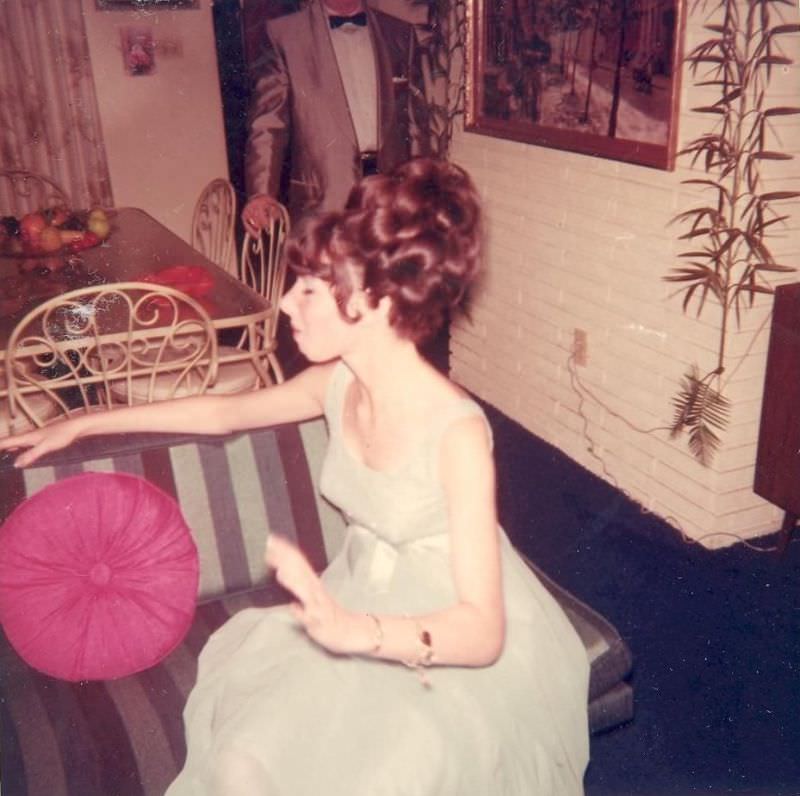
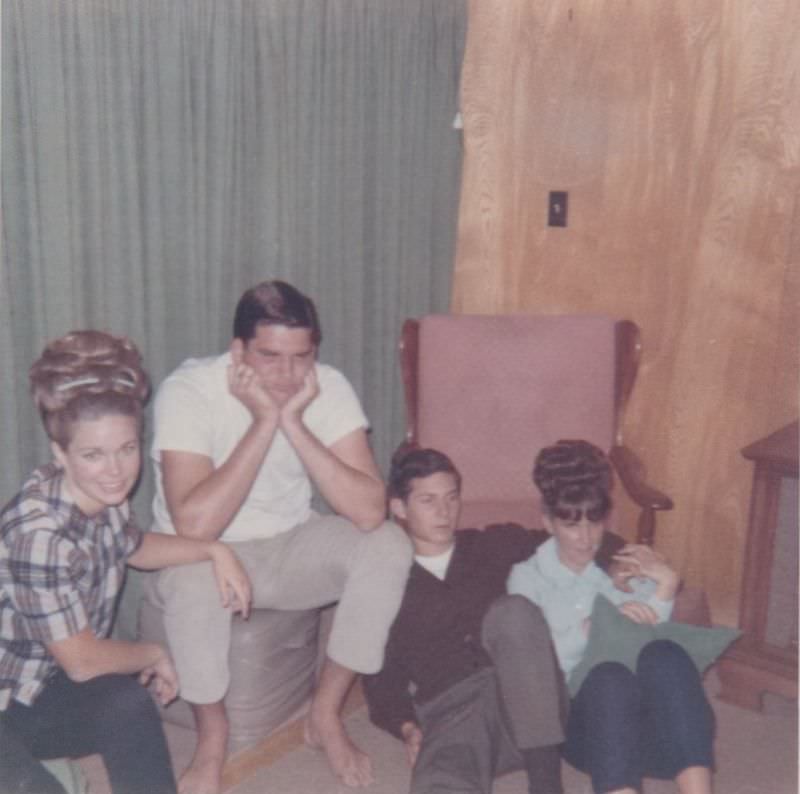
Working-class women embraced the beehive just as enthusiastically as celebrities. Diners, offices, and factories were filled with women who had spent their Saturday mornings in the salon chair. The style crossed class lines in a way that few fashion trends managed to do.
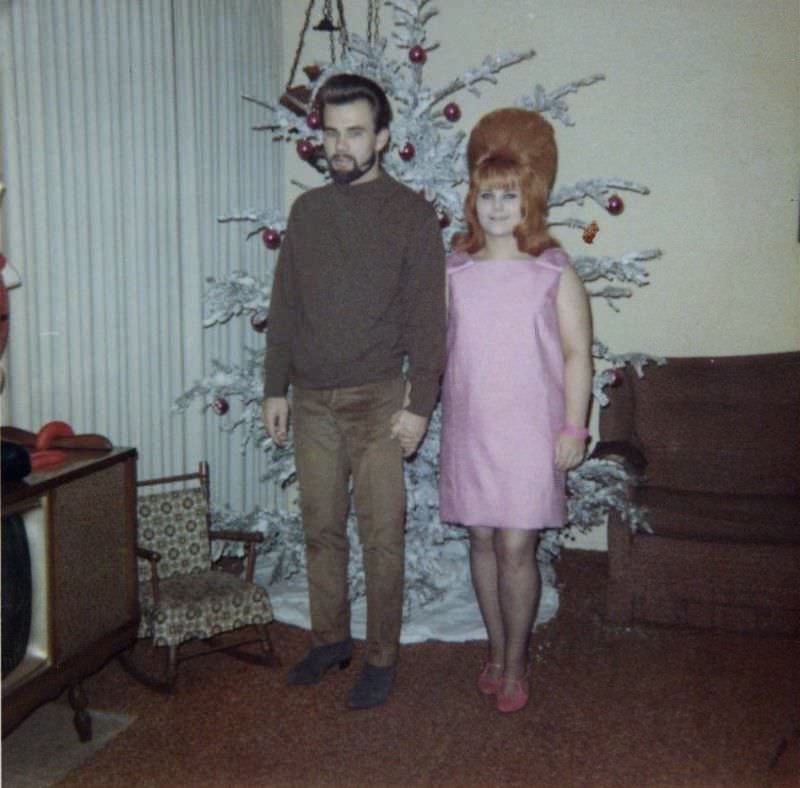
Hairspray manufacturers saw their sales soar during the beehive years. Brands marketed directly to women who wanted to hold their styles in place through long days and nights out. The beehive was, in part, what built the modern hairspray industry into the force it became.
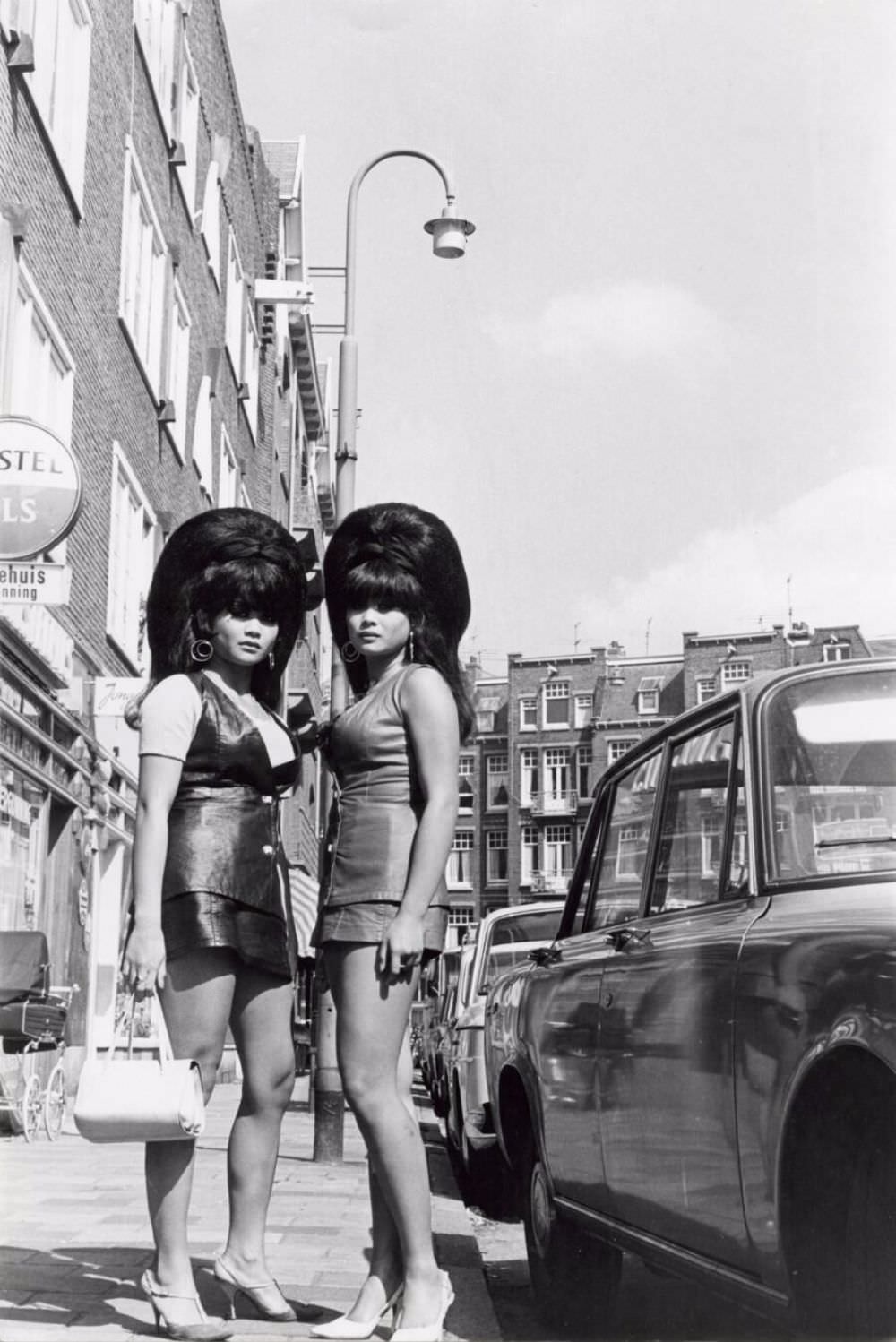
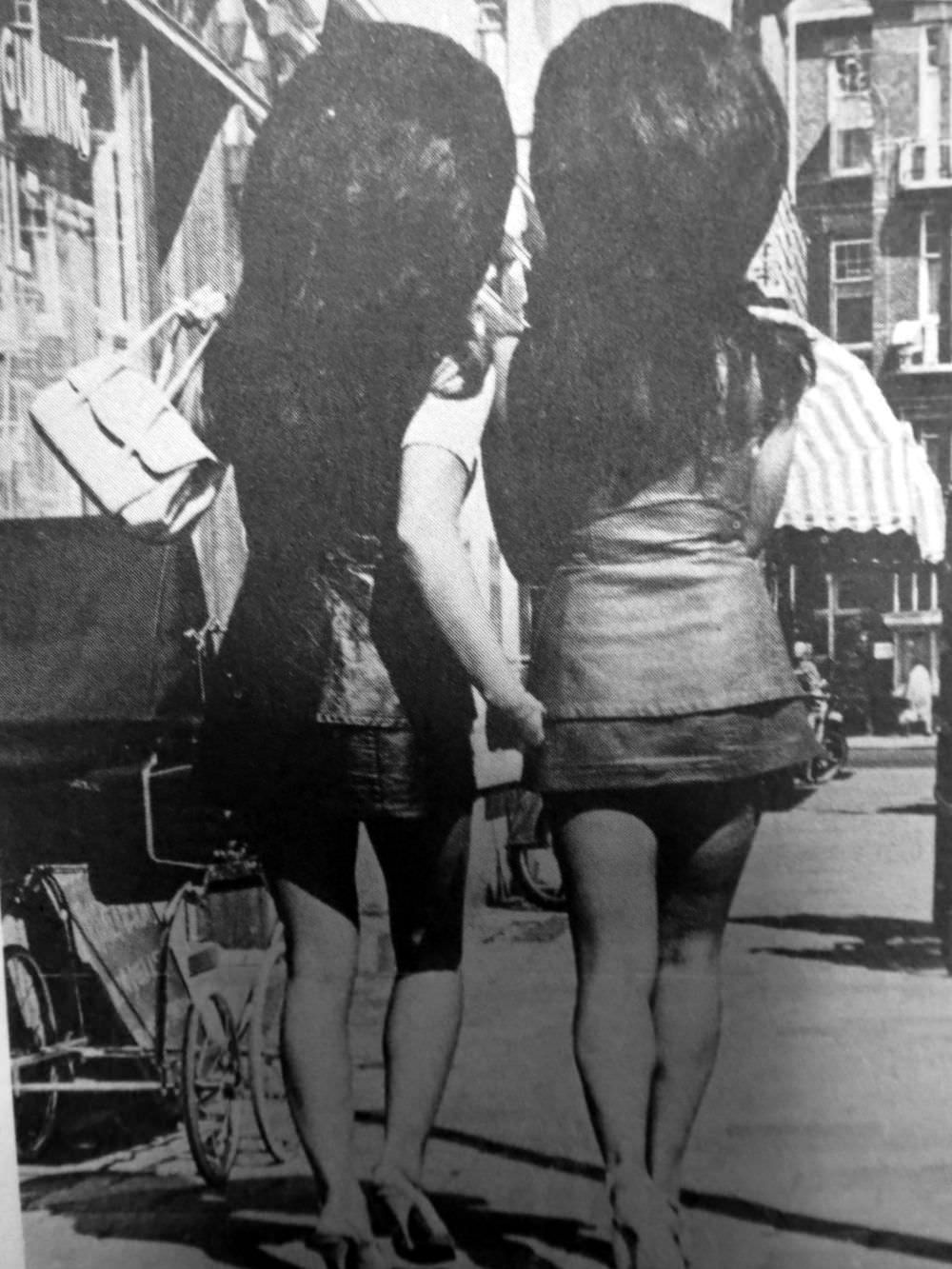
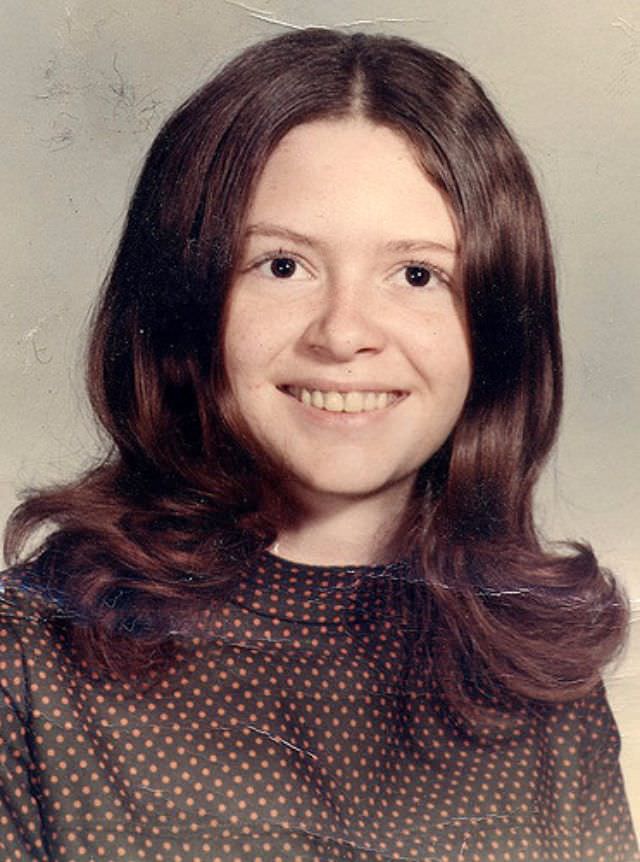
As the 1960s moved into the late part of the decade, fashion tastes began to shift. Straighter, longer, and more natural-looking hair started to gain ground. The counterculture movement favored a very different aesthetic — one that rejected the structured formality of the beehive in favor of loose, flowing styles.
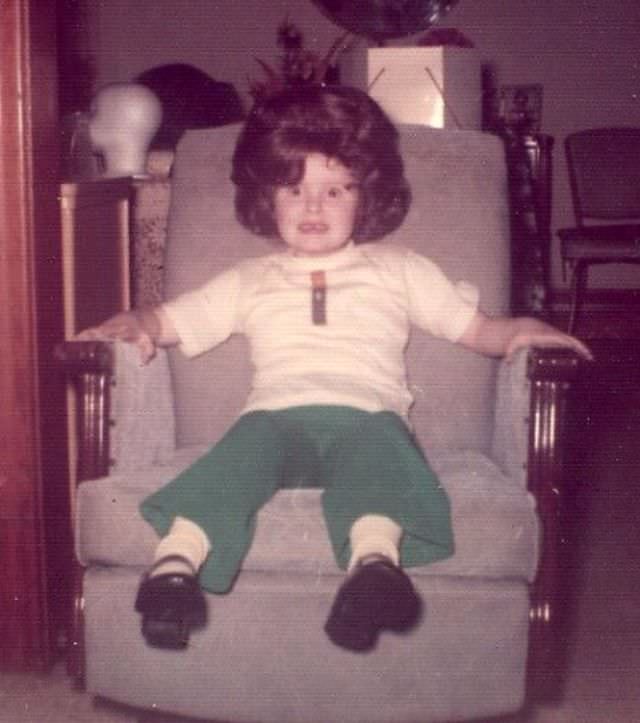
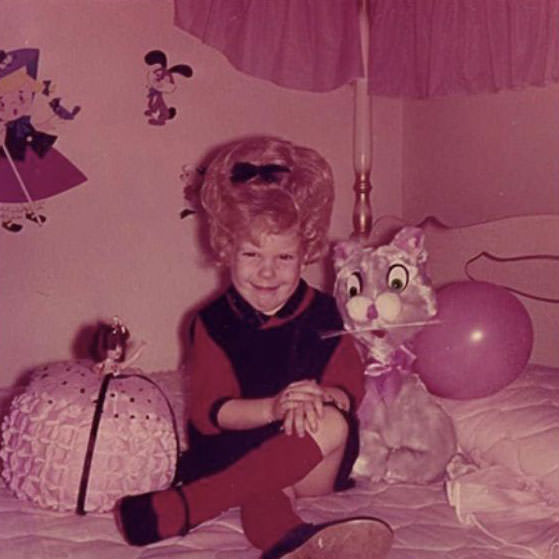
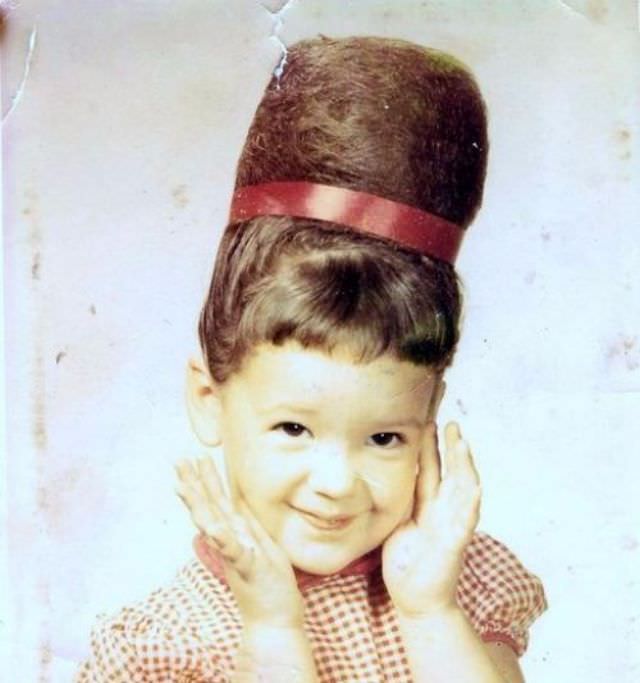
Still, the beehive held on longer than its critics expected. Many women who had adopted the style stayed loyal to it well into the early 1970s. Old habits — especially ones backed by heavy hairspray — die hard.

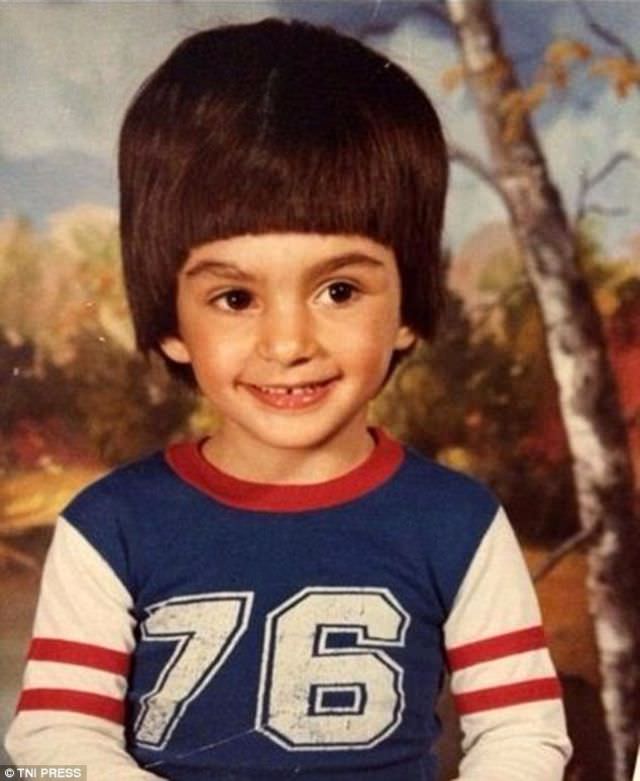
Looking back at photographs from the era, the beehive stands out as one of the most visually distinctive hairstyles of the 20th century. Its height, its structure, and its sheer confidence made it immediately recognizable — then and now.