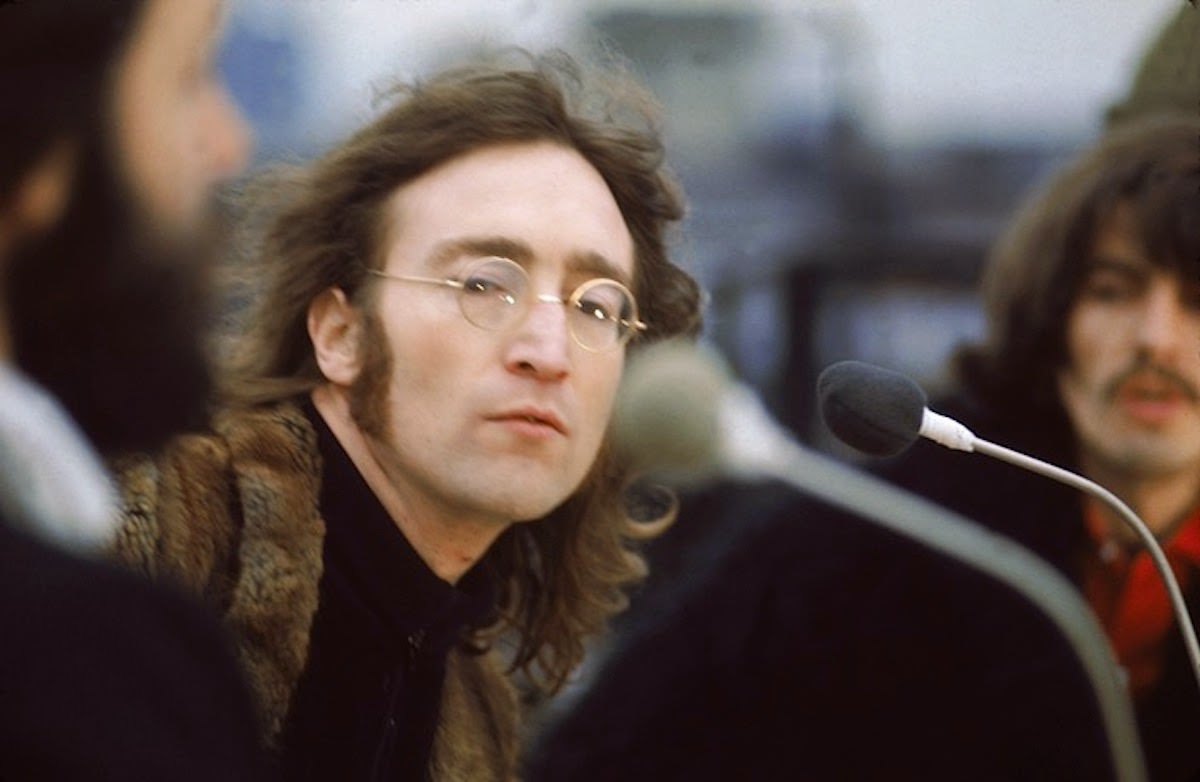
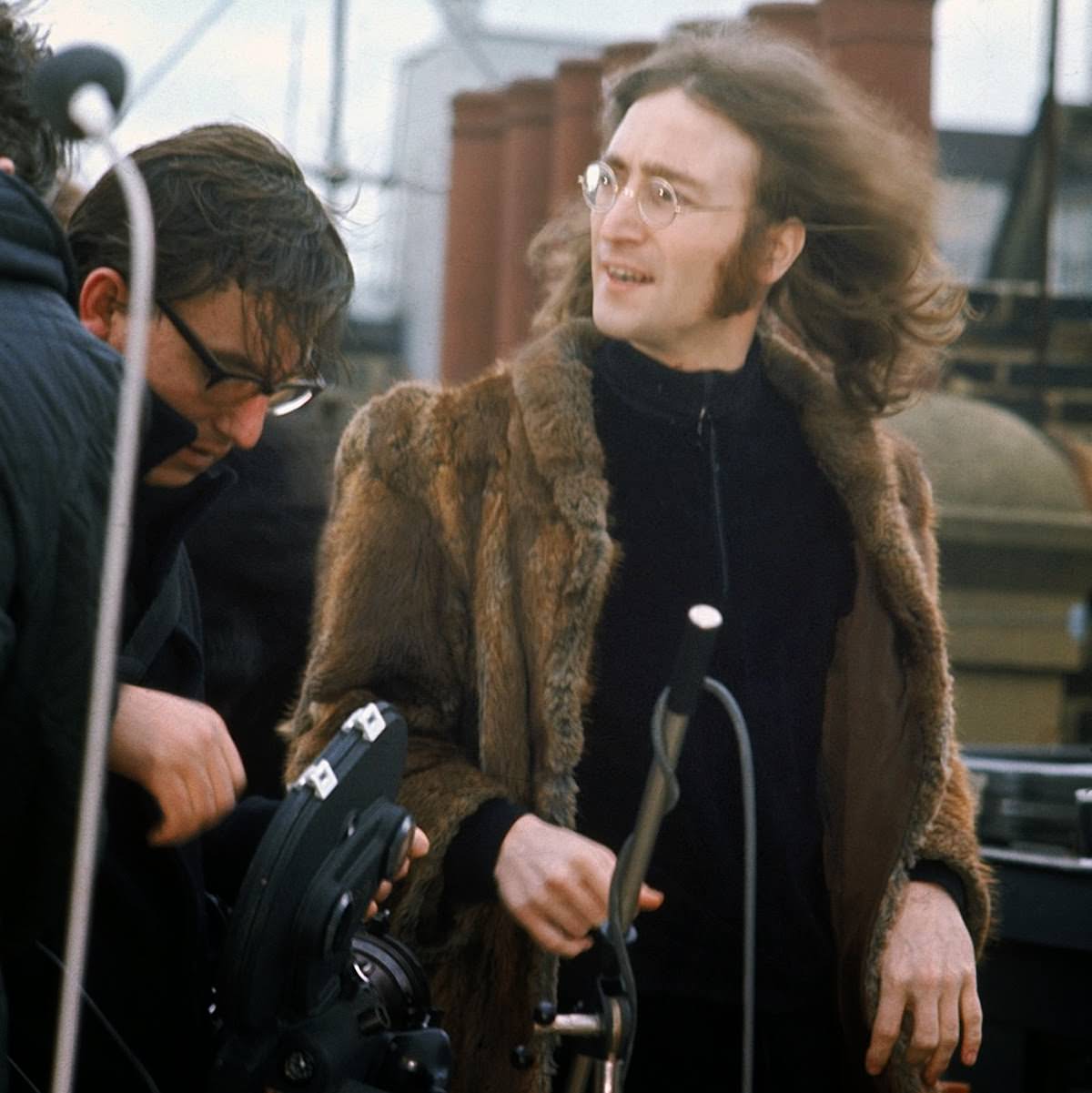
On January 30, 1969, The Beatles climbed to the roof of 3 Savile Row in central London and played their last-ever public concert. No tickets were sold. No venue was booked. The whole thing was completely unannounced, and the people on the street below had no idea what was about to happen above their heads.
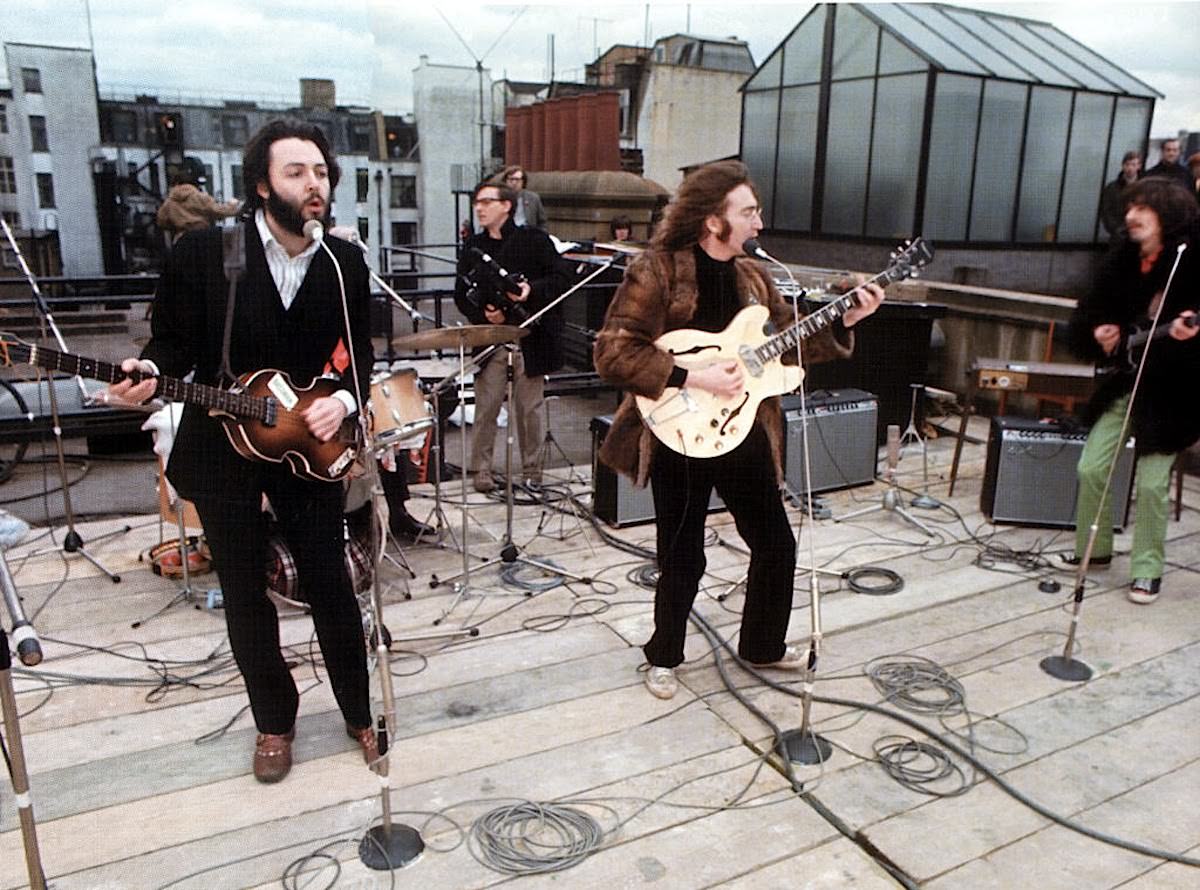
The rooftop sat atop the offices of Apple Corps, the company The Beatles had founded. It was a cold Thursday afternoon in London’s West End, one of the busiest business districts in the city. Office workers, shop owners, and pedestrians stopped in their tracks as music suddenly blasted down from above. Nobody had seen anything like it.
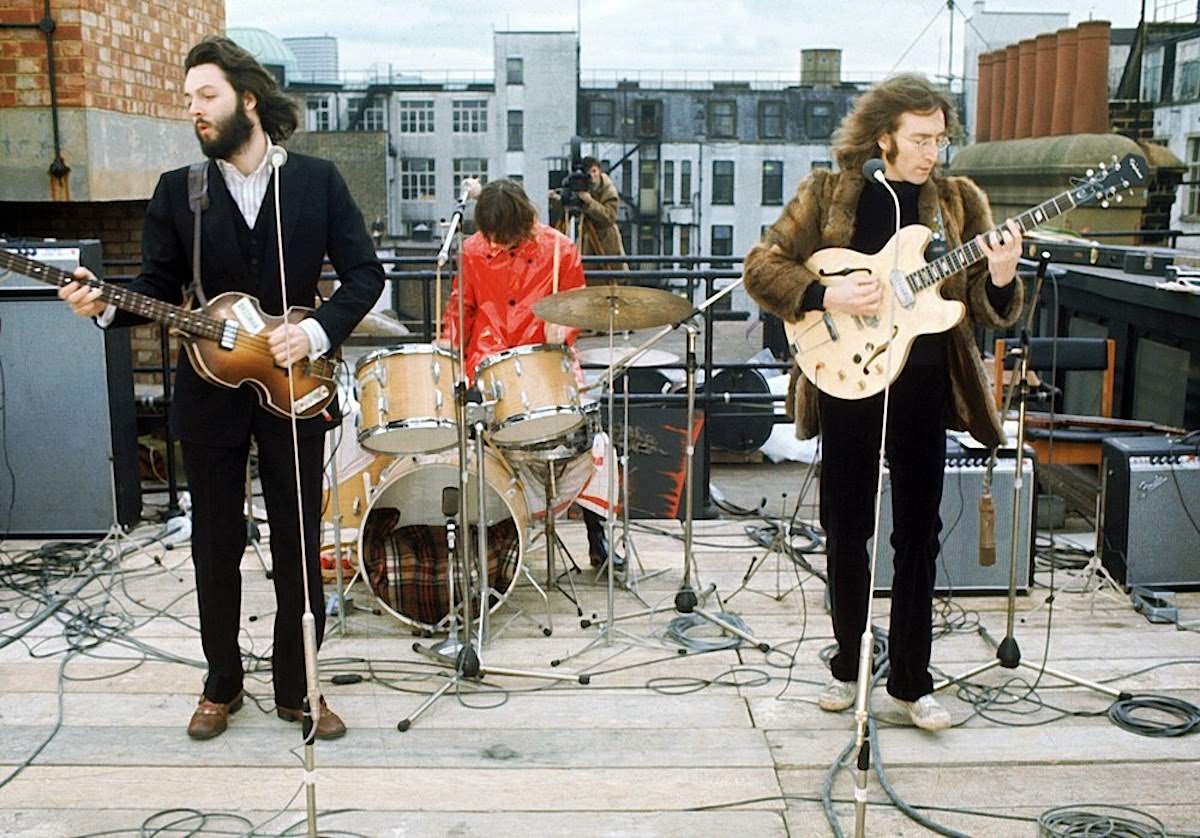
The band launched into a set that included “Get Back,” “Don’t Let Me Down,” “I’ve Got a Feeling,” and “Dig a Pony.” John Lennon, Paul McCartney, George Harrison, and Ringo Starr were joined by keyboardist Billy Preston, who had been working with them during the recording sessions that would eventually become the Let It Be album. The sound carried across the rooftops and down into the streets below, drawing crowds of onlookers who craned their necks upward.
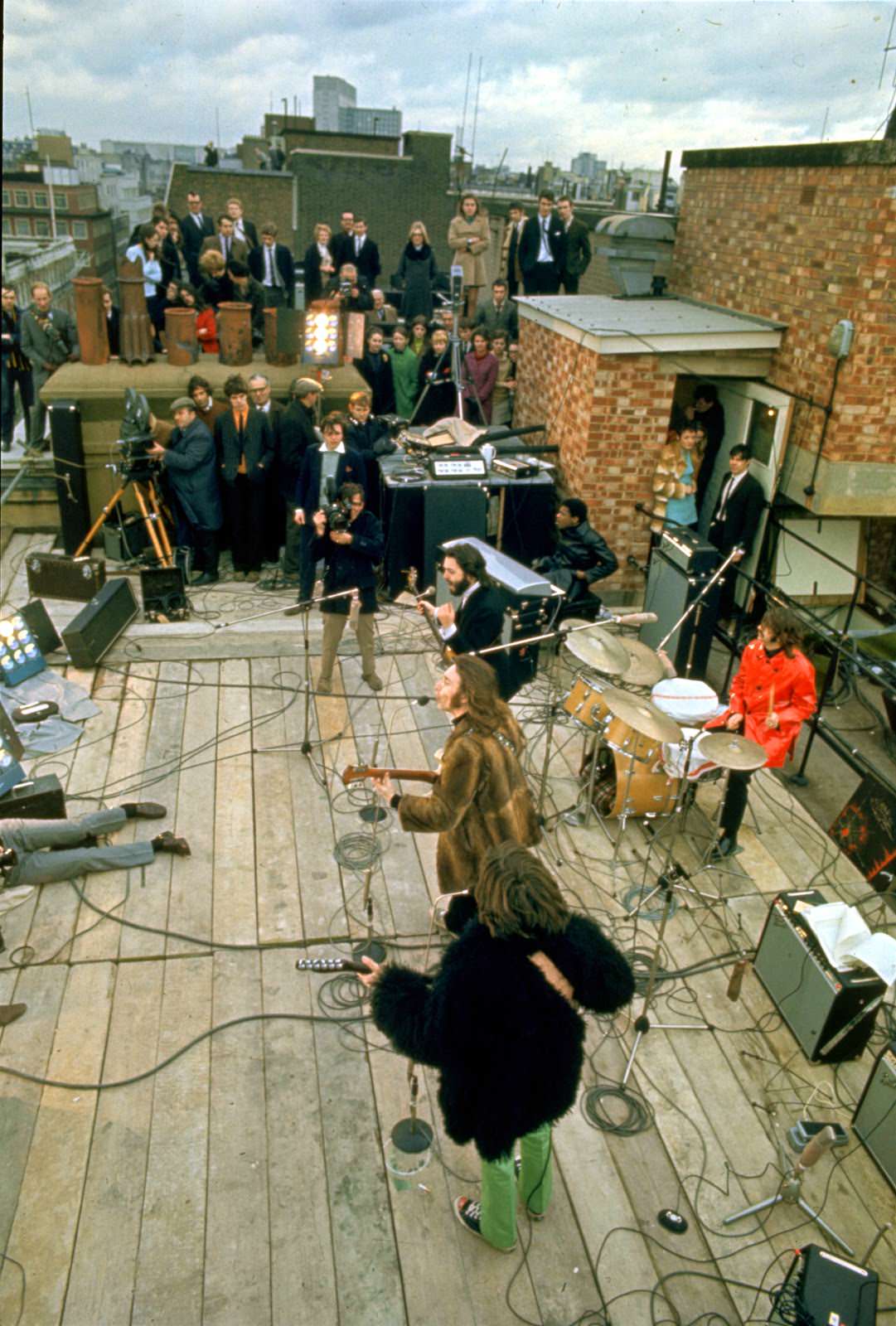
The whole performance was being filmed as part of a documentary project. Cameras captured not just the band on the roof, but also the reactions of people on the street and in nearby buildings. Some spectators watched from windows. Others gathered on the pavement below, looking up in disbelief. The scene was chaotic, joyful, and completely unrepeatable.
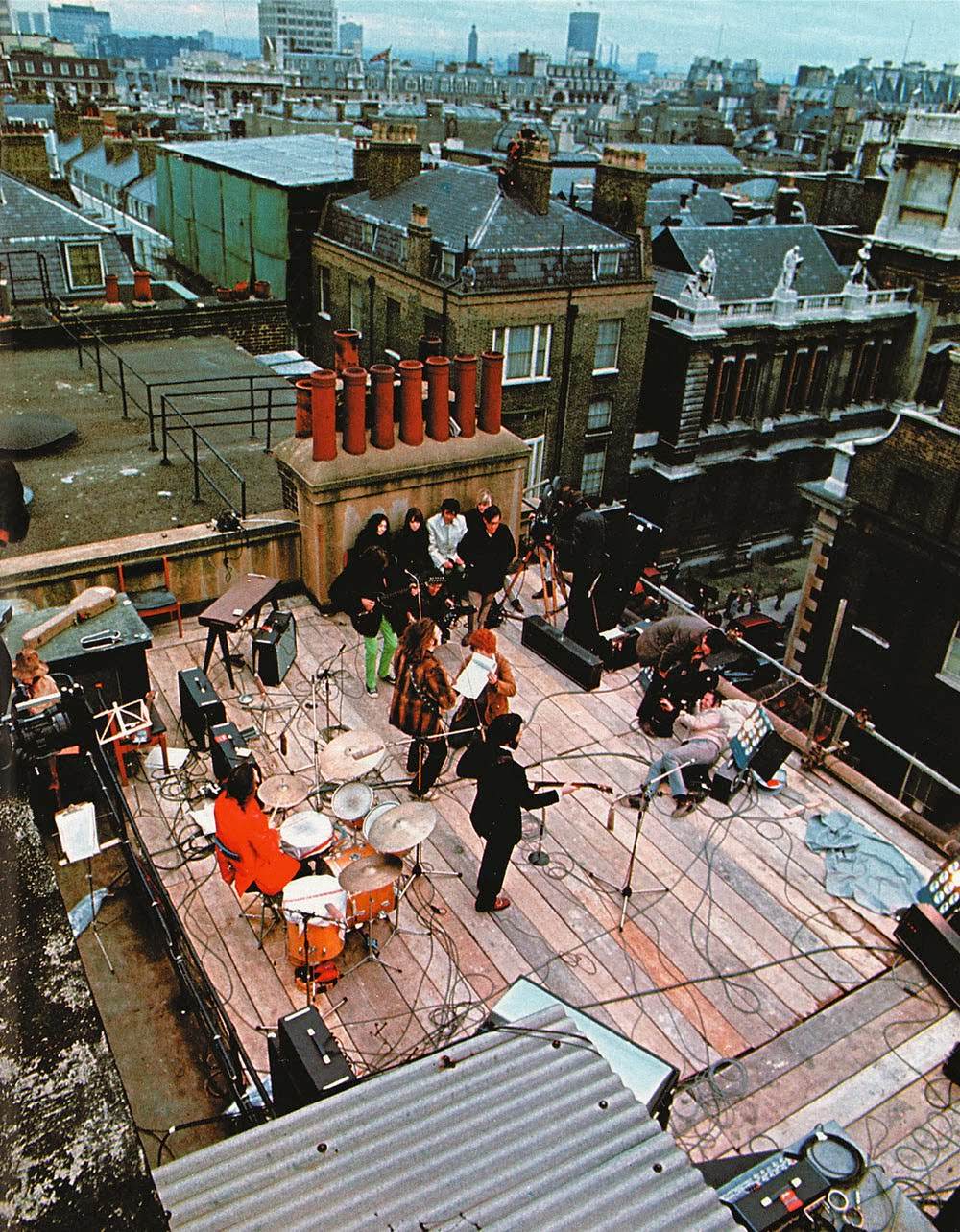
It didn’t take long for complaints to reach the Metropolitan Police. Officers arrived at the building and made their way up to the roof, asking the band to stop. The Beatles kept playing. More officers arrived. Still, the music continued. The entire performance ran for 42 minutes before the police finally succeeded in bringing it to a close.
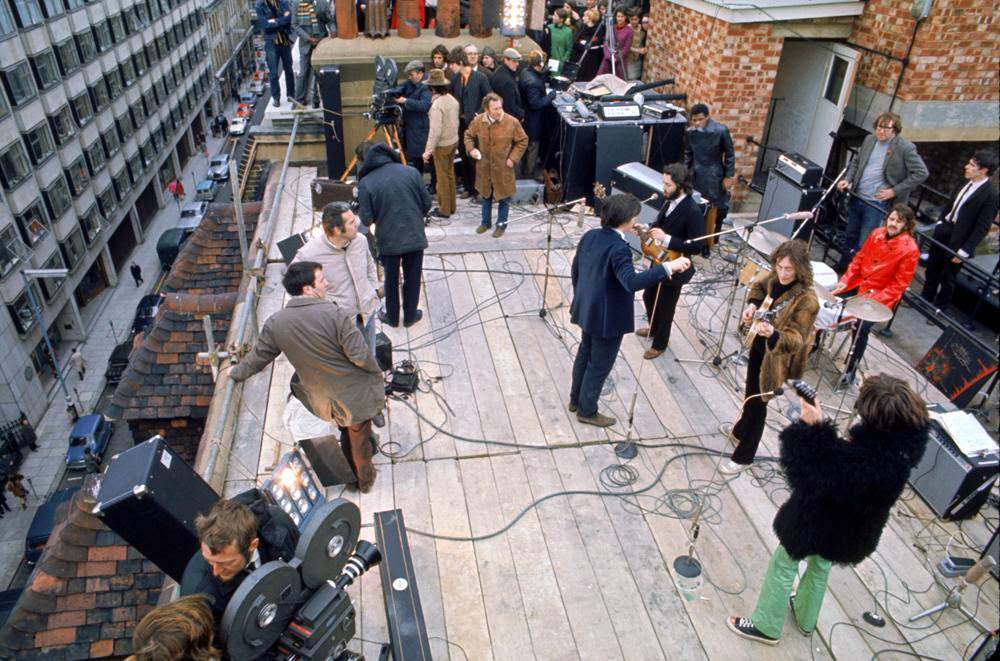
Despite the police intervention, no one was arrested. The officers were firm but did not forcibly remove any of the band members from the roof. Ringo Starr later reflected on the moment with a sense of humor, saying it was a memorable day and that he was disappointed the police hadn’t dragged him off his drums.
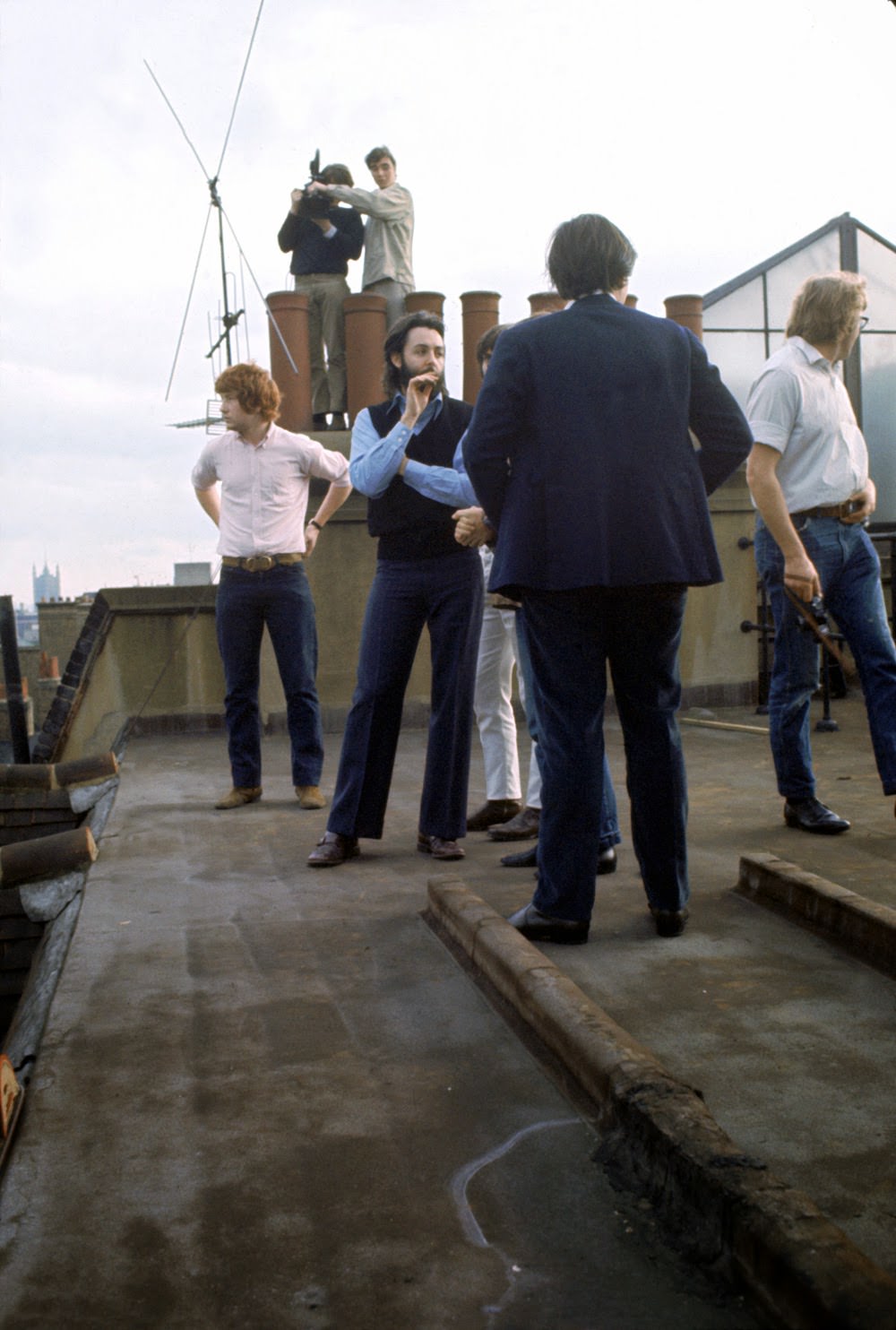
The concert was the climax of a tense and difficult period for the band. The Let It Be recording sessions, which had been taking place at various London locations throughout January, were marked by internal arguments and friction between the members. The rooftop performance was one of the few moments during that period where the four of them seemed to click again as a unit.
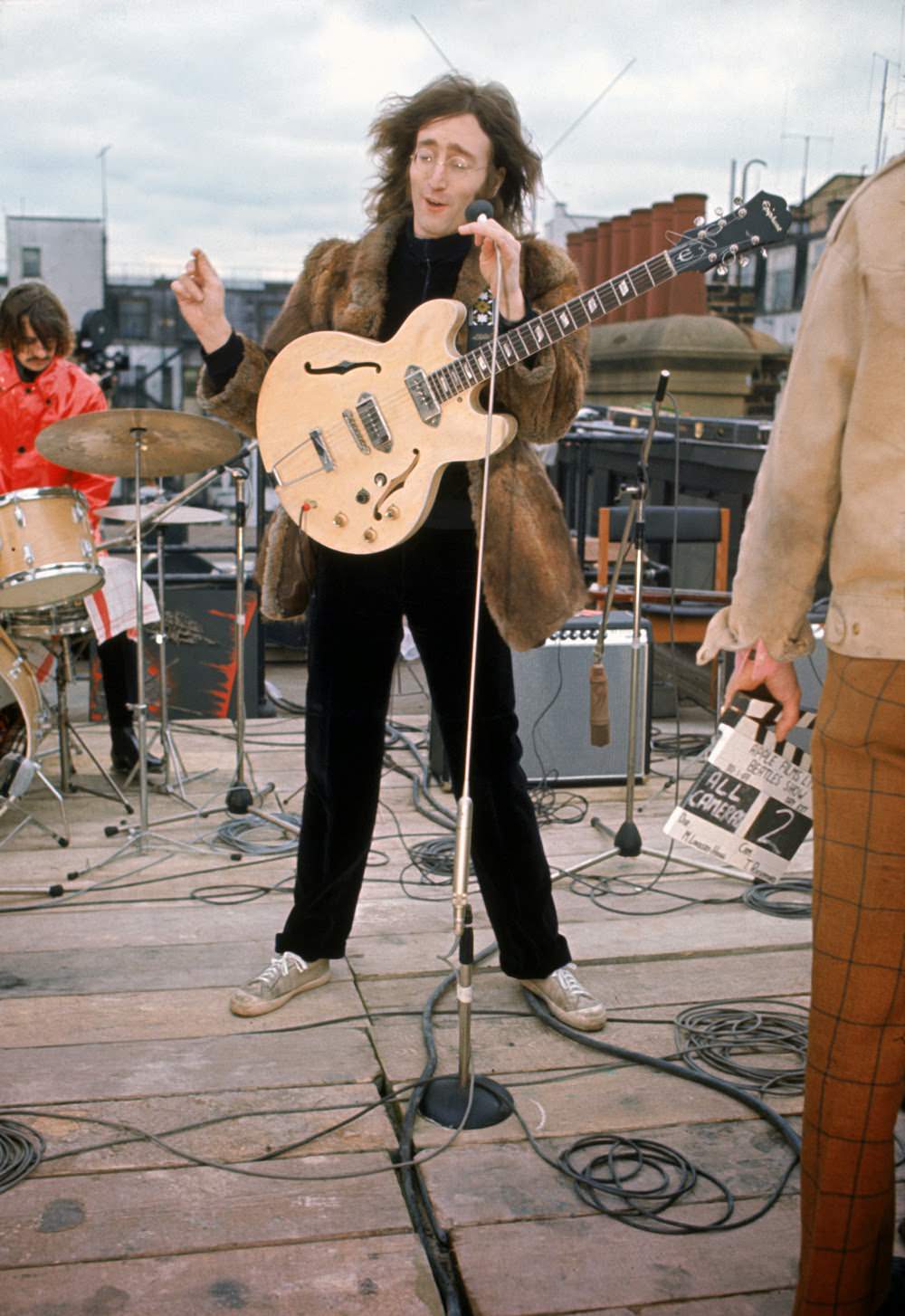
John Lennon closed the set with a wry remark directed at the crowd and the police: “I’d like to say thank you on behalf of the group and ourselves, and I hope we passed the audition.” It was sharp, funny, and perfectly timed — the kind of offhand line that stuck in people’s memories long after the music stopped.
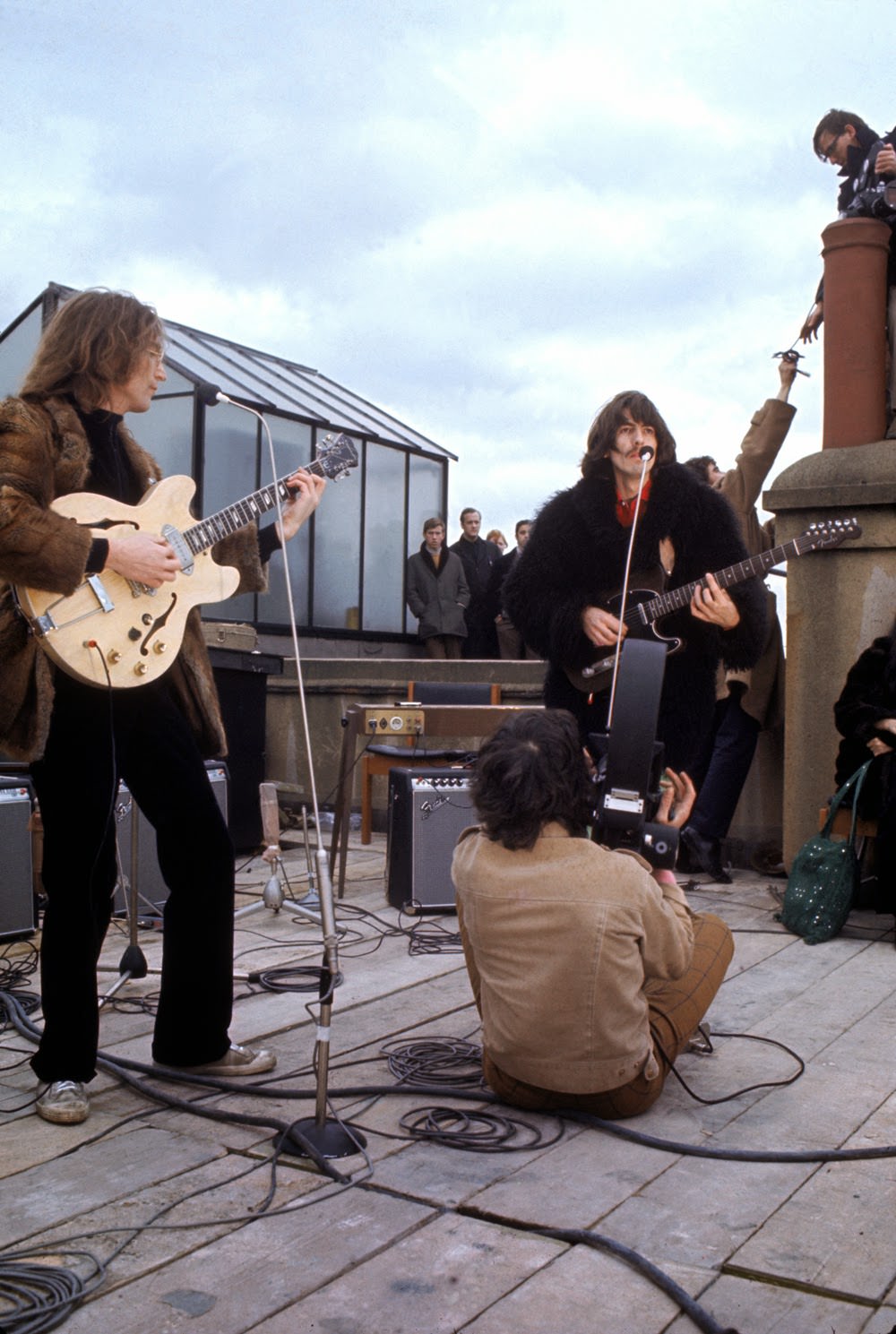
The footage shot that day was eventually released as part of the Let It Be documentary film in 1970. Audiences around the world got to see what those lucky Londoners had witnessed in person — a band at the very end of its time together, playing live on a rooftop in the middle of a weekday afternoon.
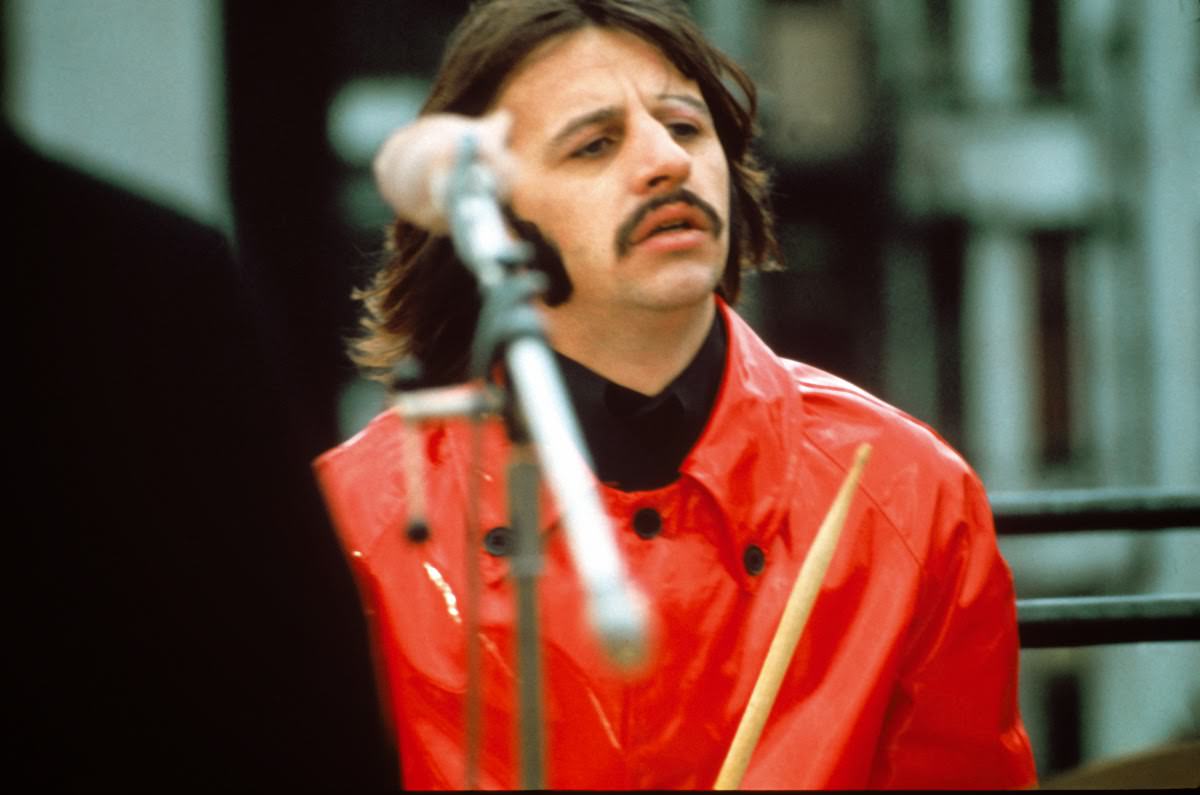
The January 30 rooftop concert stands as The Beatles’ final public performance. They never played live together in front of an audience again. The band officially disbanded in 1970, just over a year after that cold afternoon on Savile Row. What the passersby heard drifting down from that rooftop was, without them knowing it, the last time The Beatles would ever play in public.