Sunday evening, January 5, 1975. Hobart’s River Derwent was calm, and the Tasman Bridge — the city’s main crossing between its eastern and western suburbs — carried the usual flow of traffic above the water. Then, without warning, everything changed. The bulk carrier MV Lake Illawarra, loaded with zinc concentrate and grain, struck one of the bridge’s concrete piers. Two spans of the bridge gave way and crashed into the river, taking the ship — and the lives of 12 people — down with them.
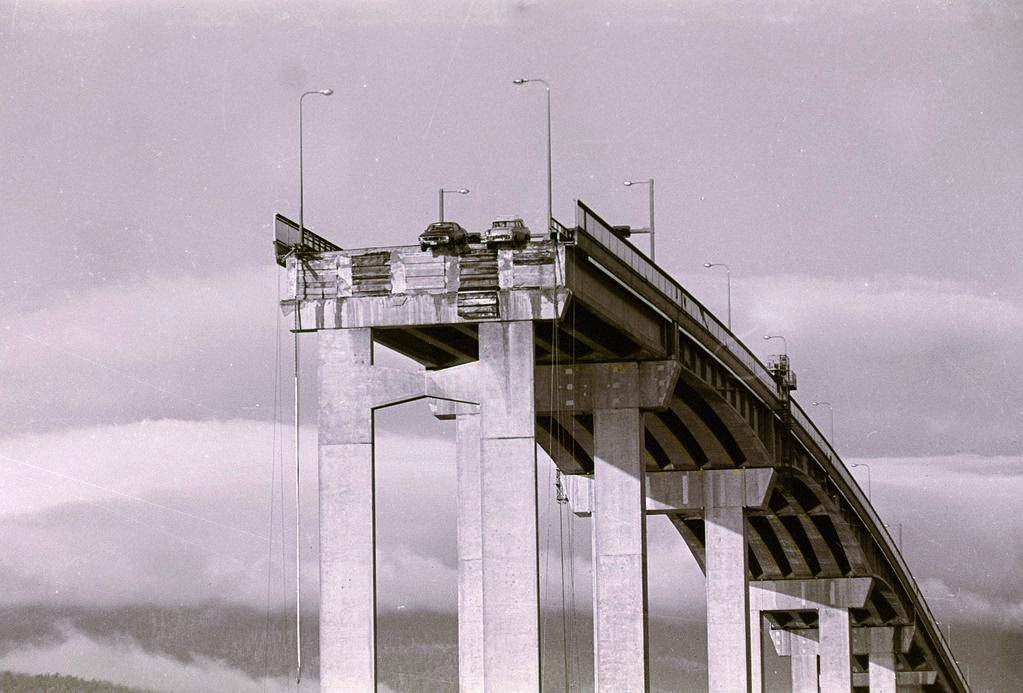
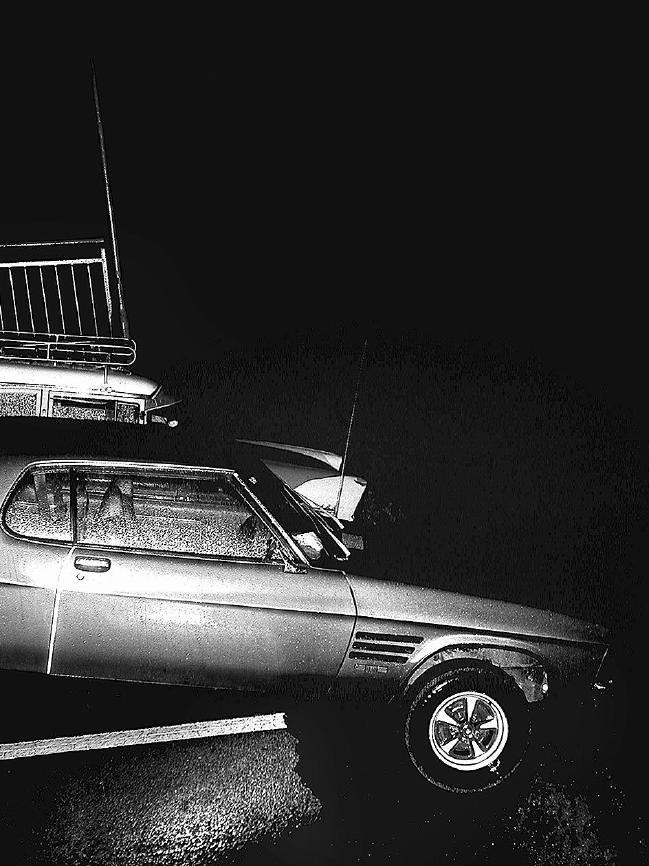
The MV Lake Illawarra was travelling upriver when it struck Pier 18 of the bridge. The impact was catastrophic. Two bridge spans — each weighing thousands of tonnes — fell directly onto the ship, which sank rapidly in about 35 metres of water. Seven crew members went down with the vessel and were never recovered. On the bridge itself, five motorists were killed when their cars plunged into the river. Several other drivers managed to stop just short of the broken edge, their vehicles left teetering with nowhere to go.
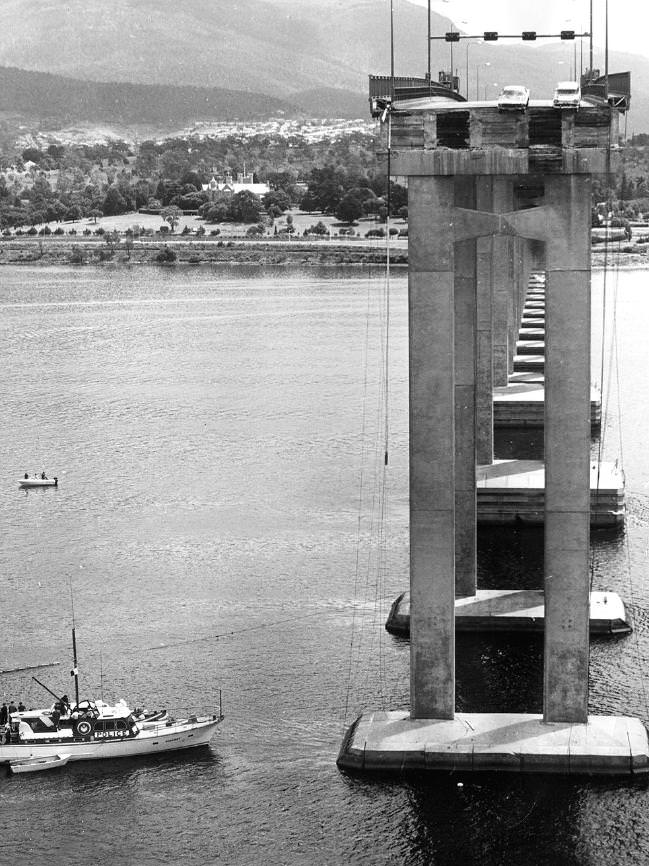
The destruction spread beyond the bridge itself. Falling debris tore through the hulls of several moored boats below. Homes near the riverbank sustained damage from the force of the collapse and the wave it generated. Power lines tied to the bridge structure went down, cutting electricity to parts of the city. The scale of the damage in those first hours was enormous — and the chaos had only just begun.
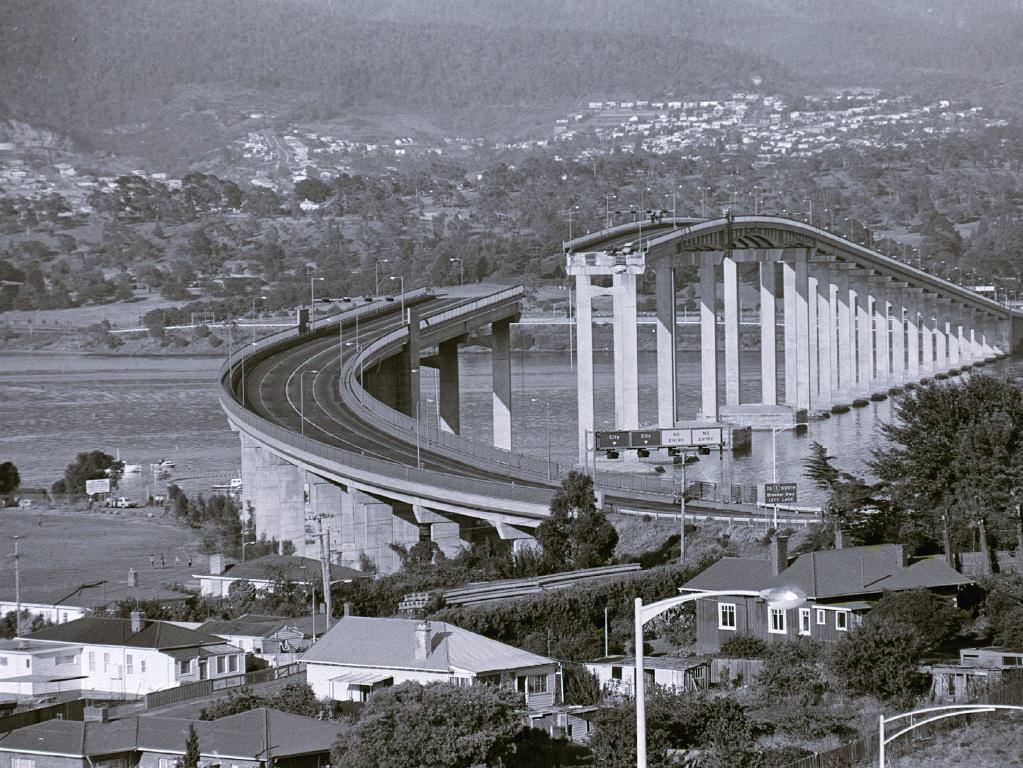
When daylight came, the full extent of the destruction was visible. A gaping hole sat in the middle of Hobart’s most vital river crossing, with jagged concrete and twisted steel marking where two full spans had stood hours before.
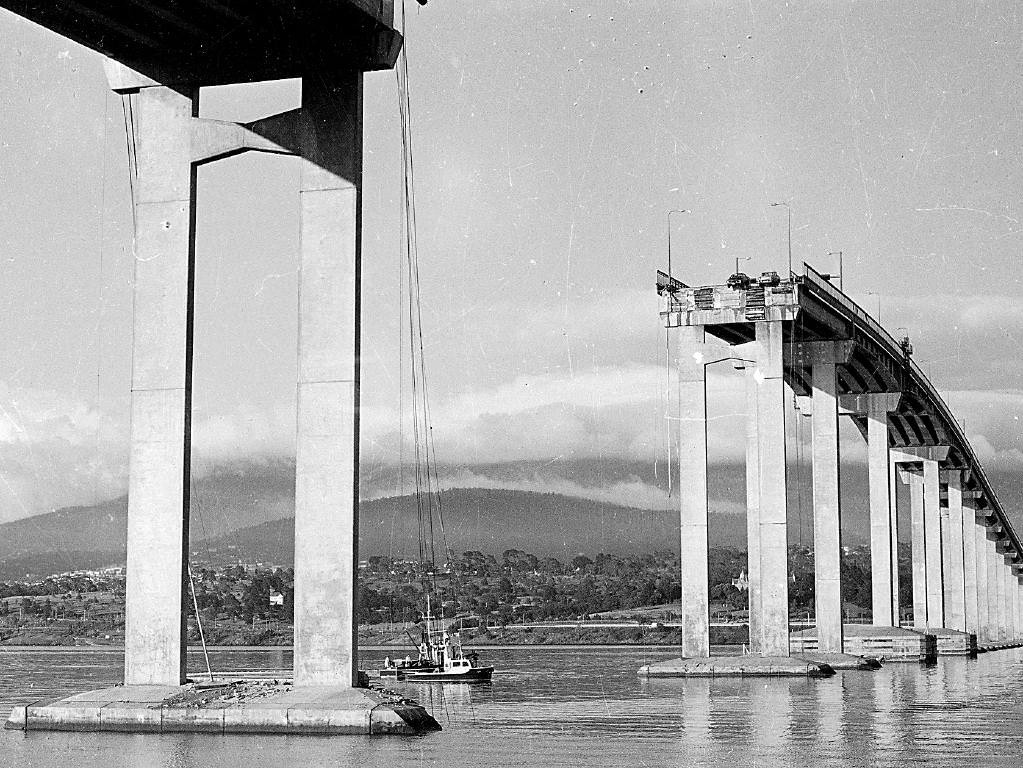
In the immediate aftermath, rescue workers and bystanders rushed to help those stranded on the bridge. Some motorists had stopped with their front wheels hanging over the edge. Neighbours and emergency crews worked together to pull cars back from the drop.
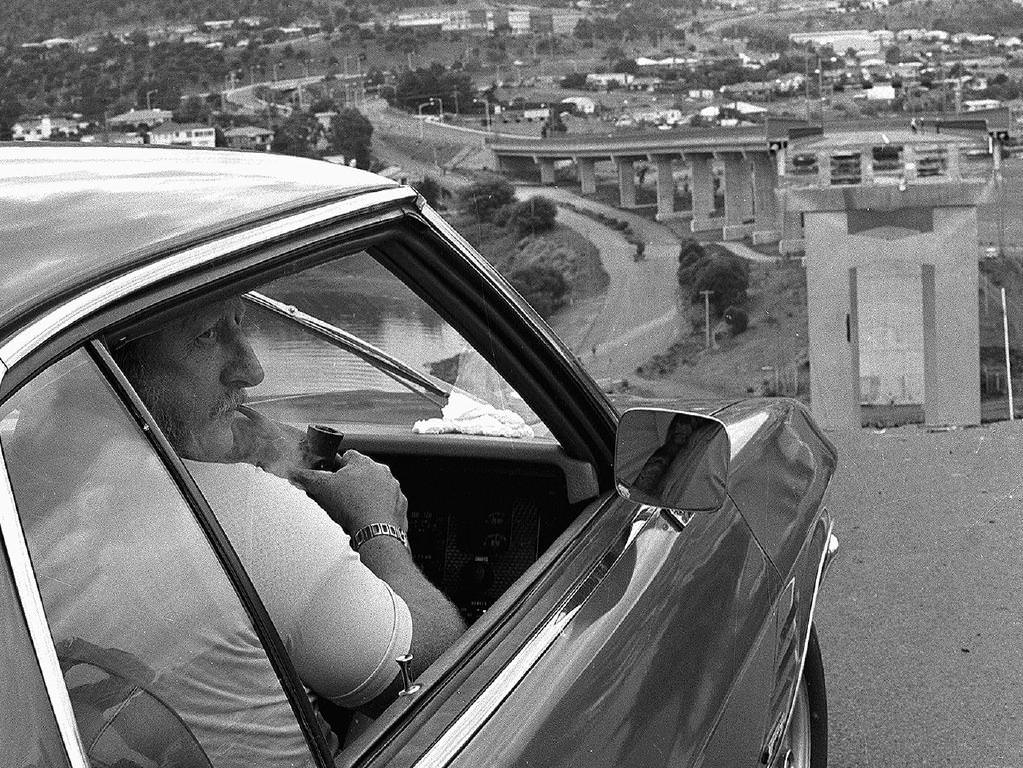
The images captured that night told the story plainly. Cars sat at the broken edge, their drivers having had only seconds to react. Some made it. Others did not.
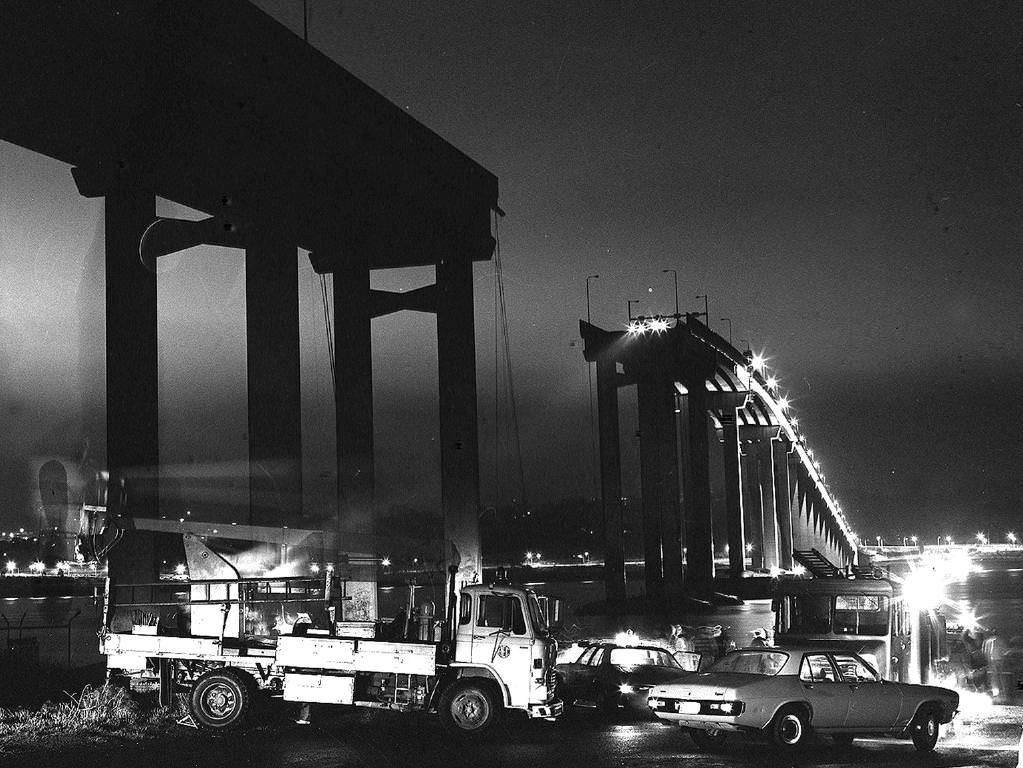
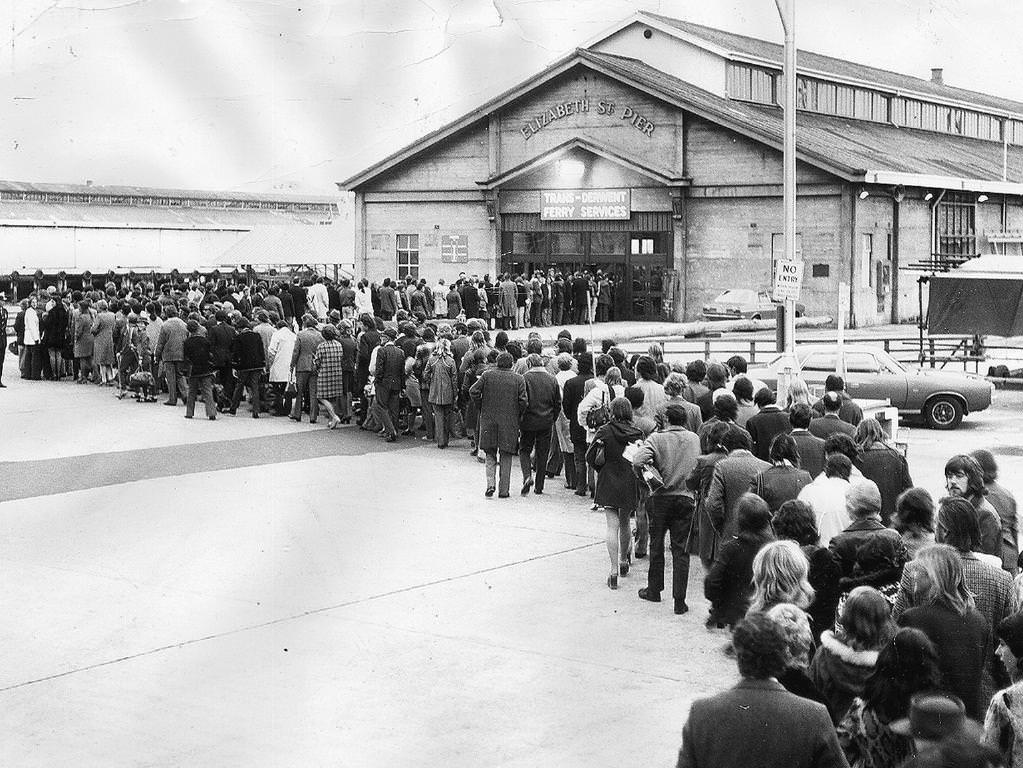
The loss of the bridge split Hobart in two. The eastern suburbs, home to a large portion of the city’s population, were cut off from the central business district. Commutes that had taken minutes now stretched to over an hour as drivers were forced to use the next nearest crossing at Bridgewater, 26 kilometres north. The Tasmanian government moved quickly, establishing ferry services across the Derwent to ease the burden on commuters. Long queues became a daily sight as thousands of Hobart residents adjusted to life without their bridge.
The repair effort was immense. Engineers had to work around the sunken wreck of the Lake Illawarra, which remains on the river bed to this day as a legally protected memorial to the seven crew members still entombed within it. The Tasman Bridge was rebuilt and reopened to traffic on October 8, 1977 — nearly three years after the disaster. During those years, Hobart’s economy took a serious hit, with businesses on both sides of the river feeling the sustained pressure of a divided city.