Stoke Newington sits in the northwest corner of the London Borough of Hackney. That borough itself was created in 1965 through the merger of three former Metropolitan Boroughs — Hackney, Stoke Newington, and Shoreditch. Today the area is lined with Foxtons estate agents, Planet Organic, Whole Foods, and Jojo Maman Bébé. But in the late 1970s, it was a completely different world. Photographer Alan Denney walked these streets and captured what life actually looked like before the money and the makeovers arrived.
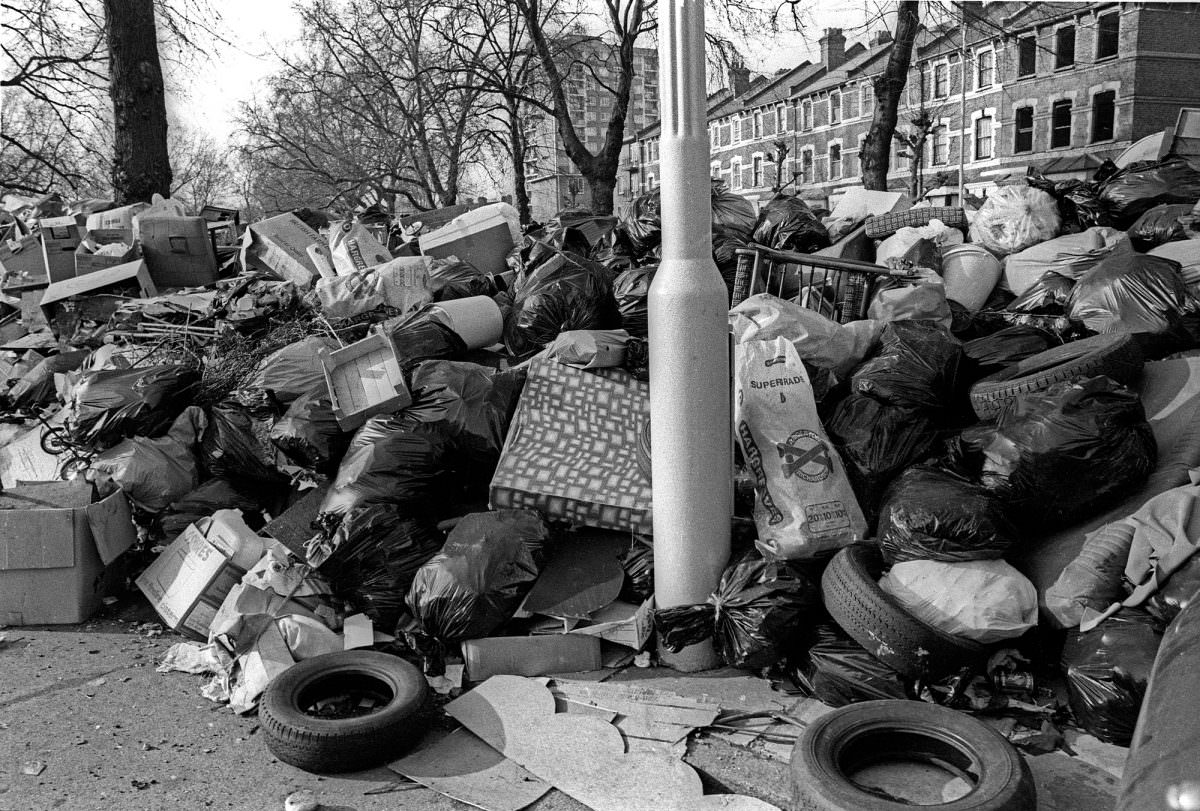
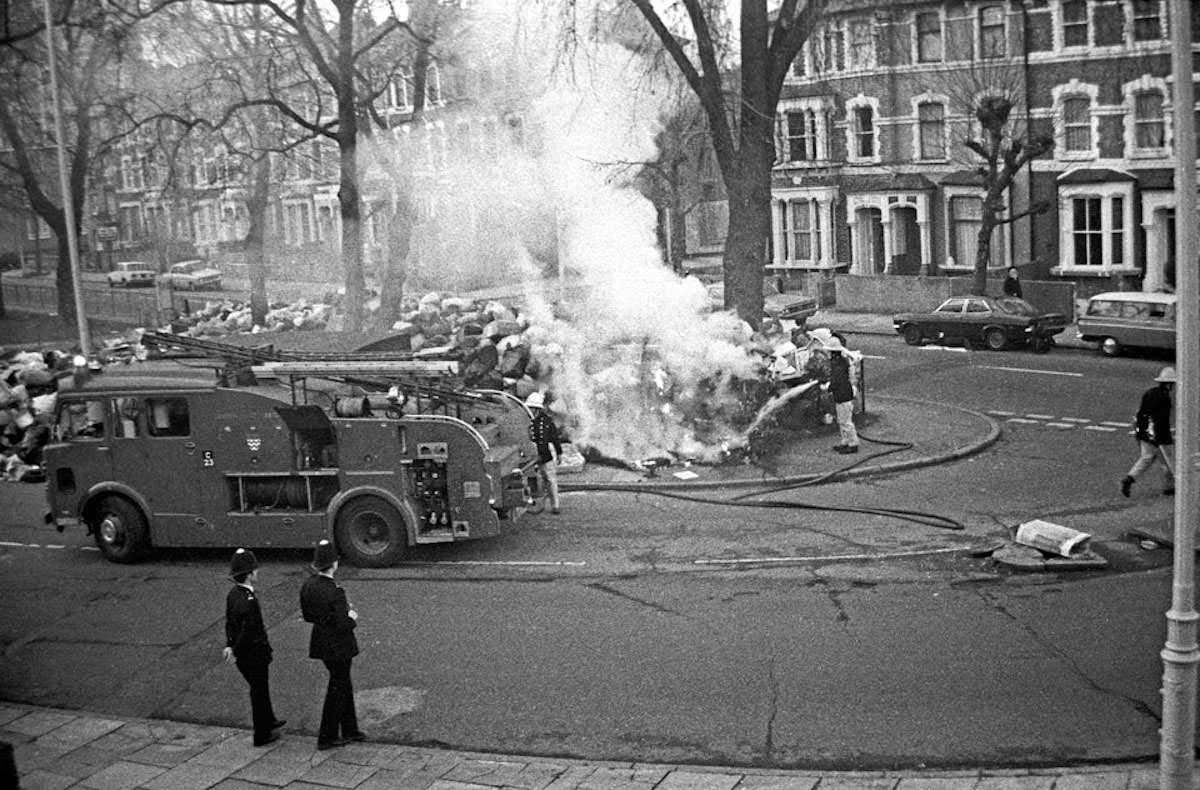
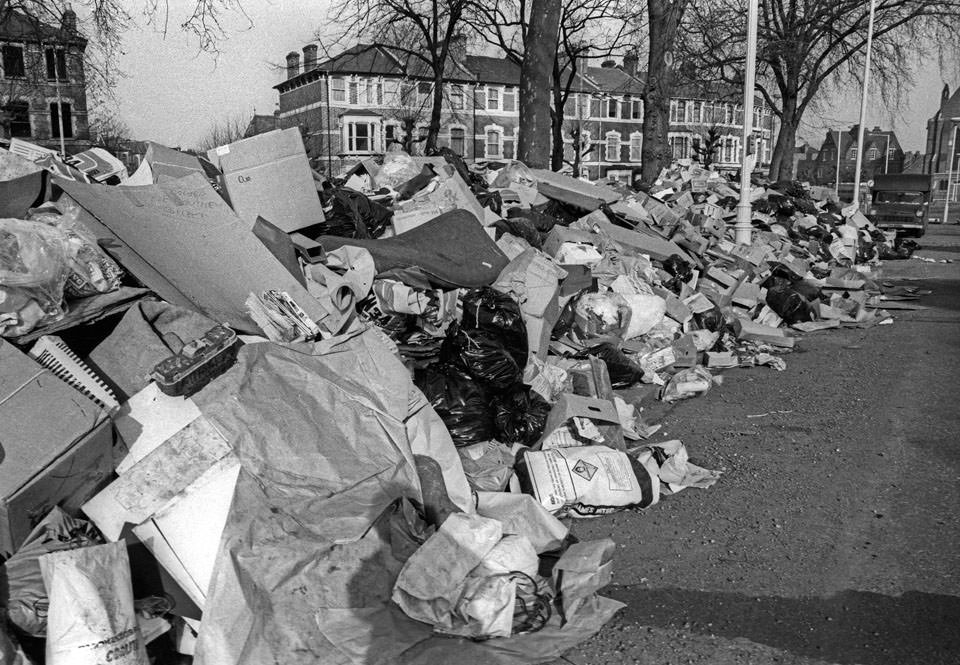
The 1979 binmen’s strike left its mark all over Hackney. Rubbish piled up on street corners and open green spaces alike. Stoke Newington Common was no exception. The strike was part of the wider Winter of Discontent, a period of mass industrial action across Britain that brought public services to a grinding halt. In an area already struggling with neglect and poverty, uncollected waste only added to the sense of abandonment.
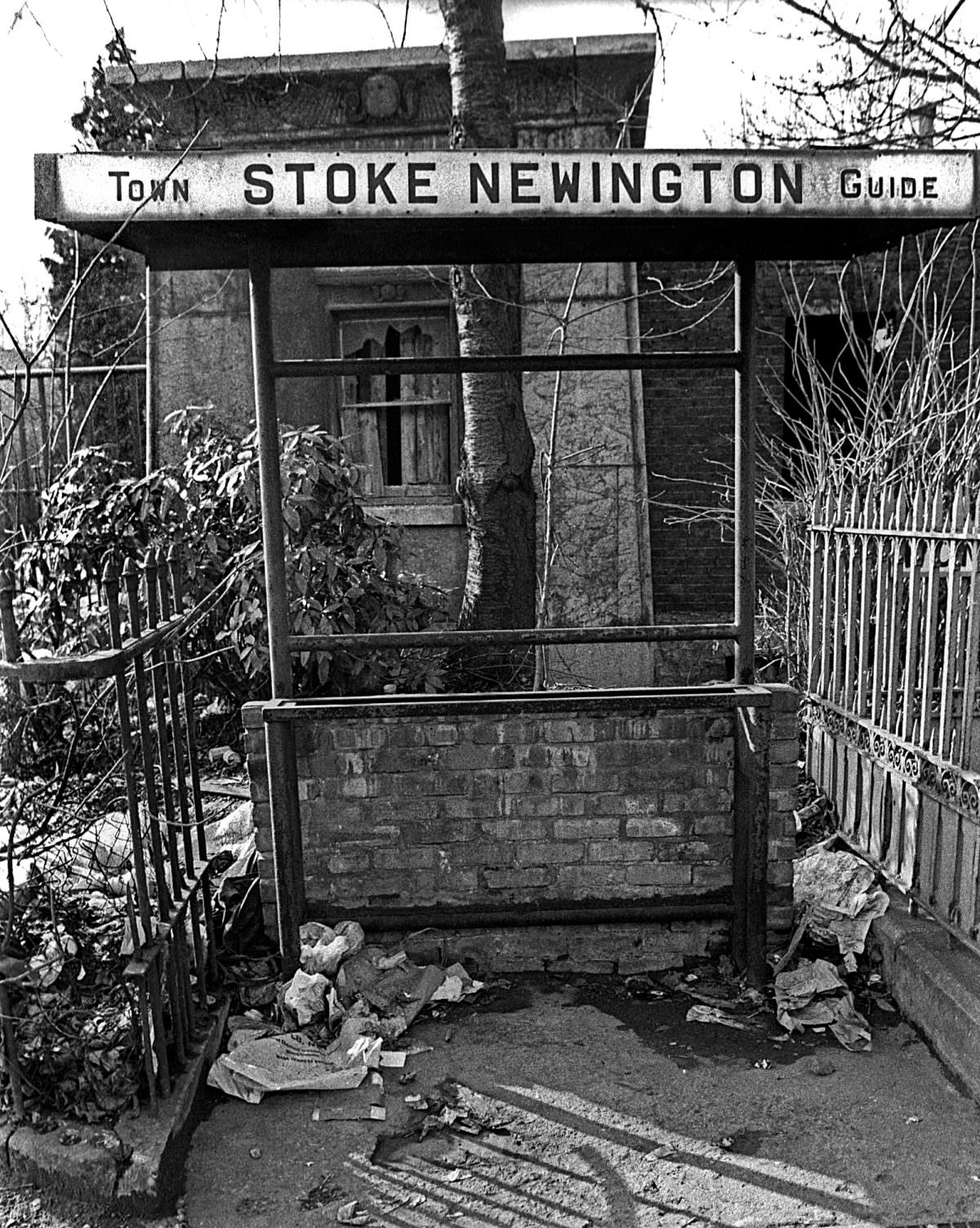
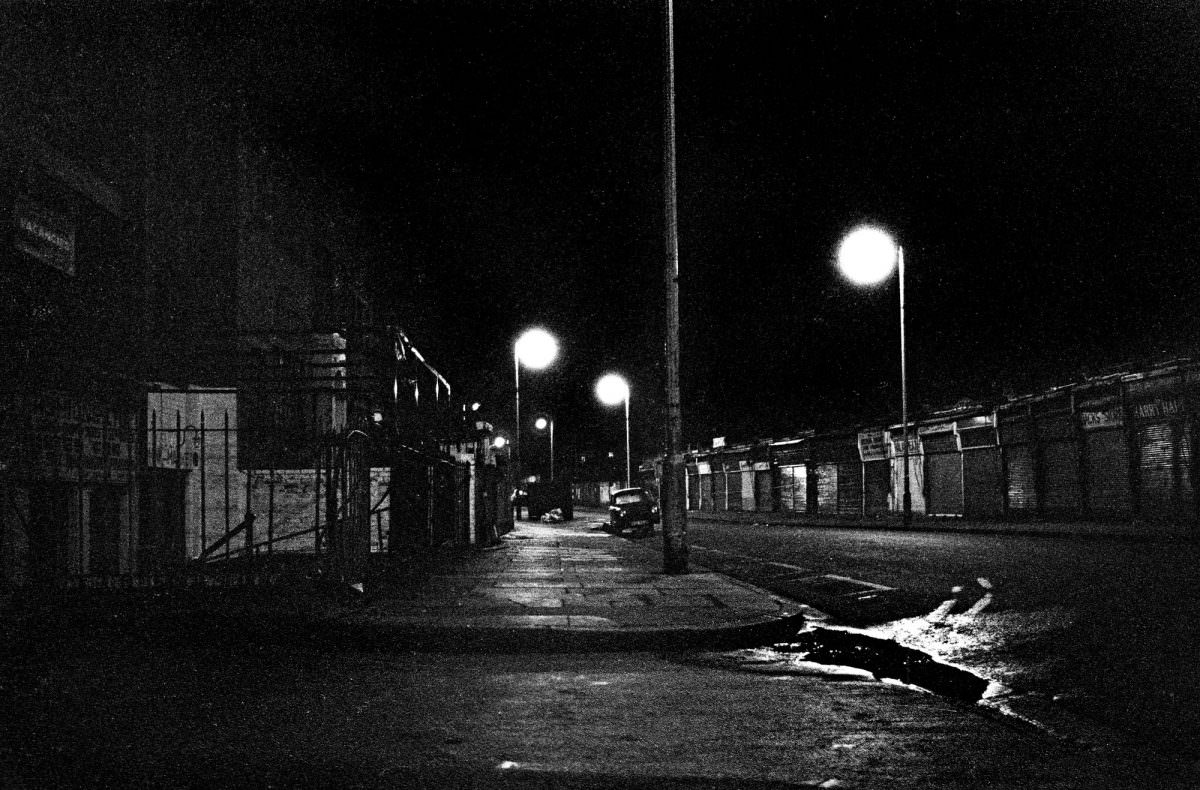
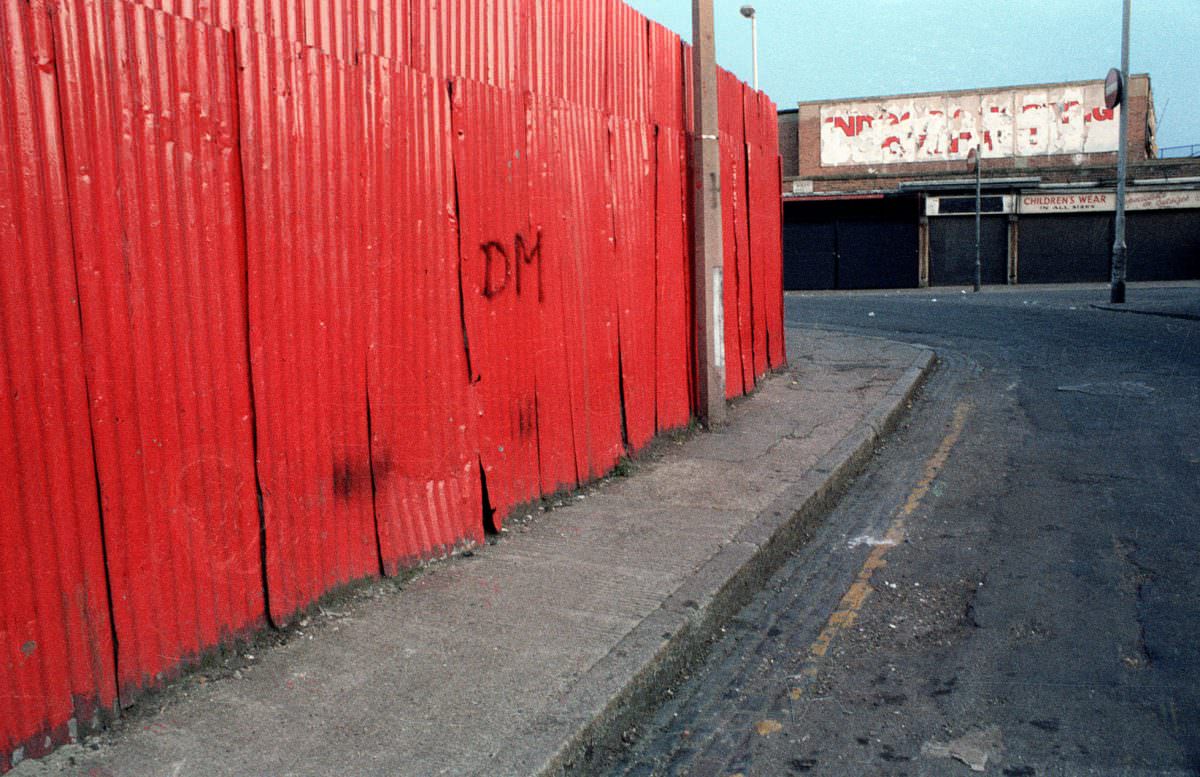
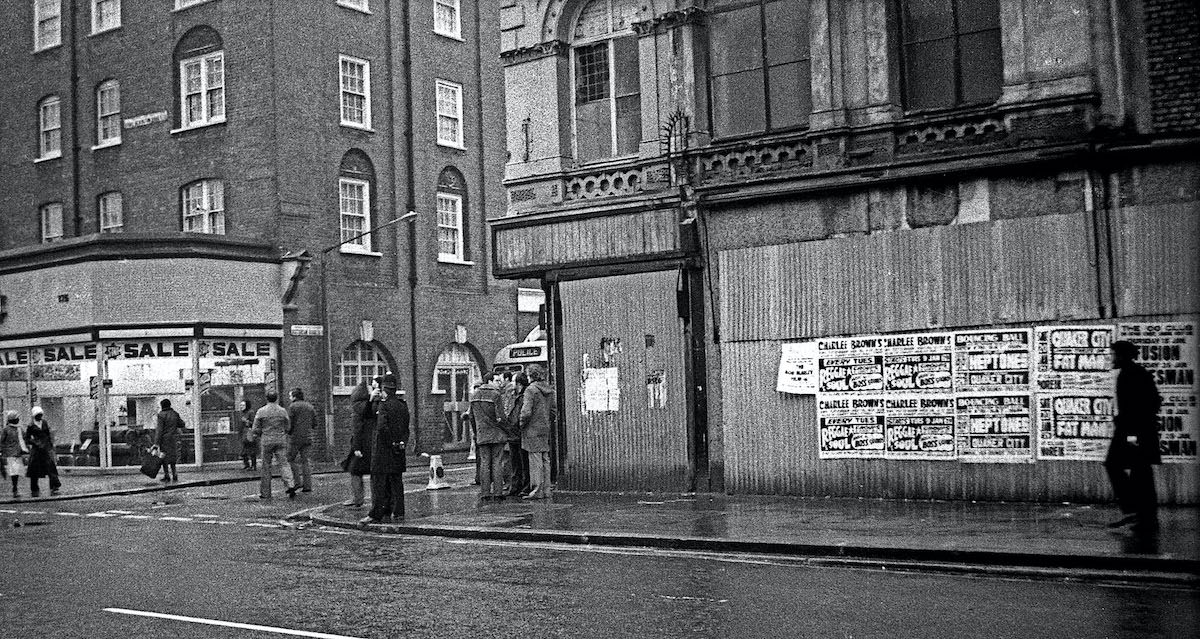
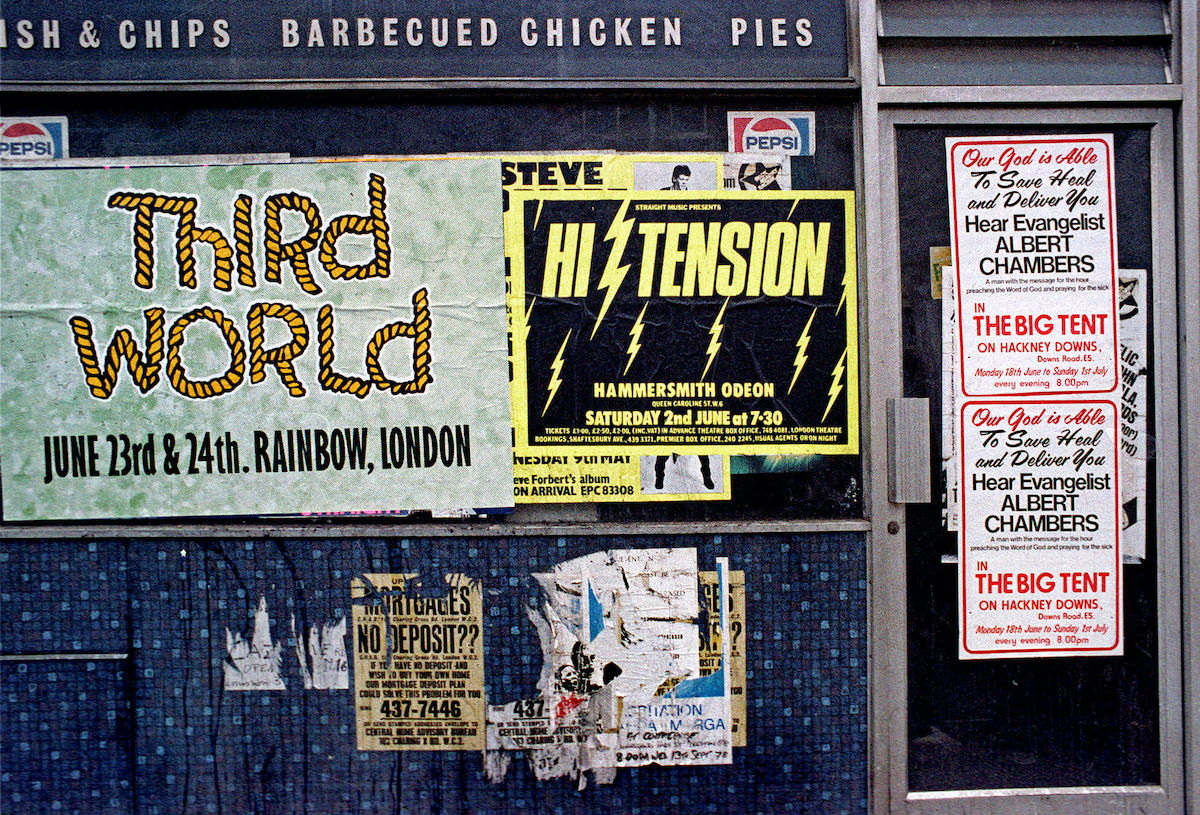
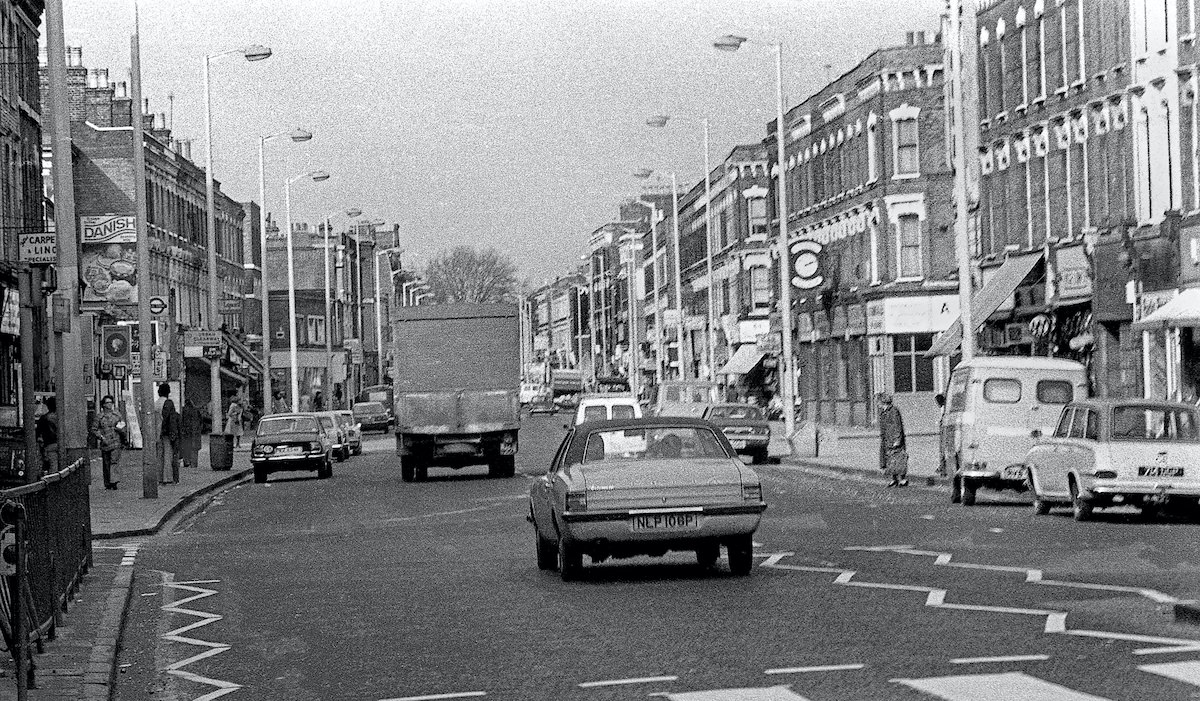
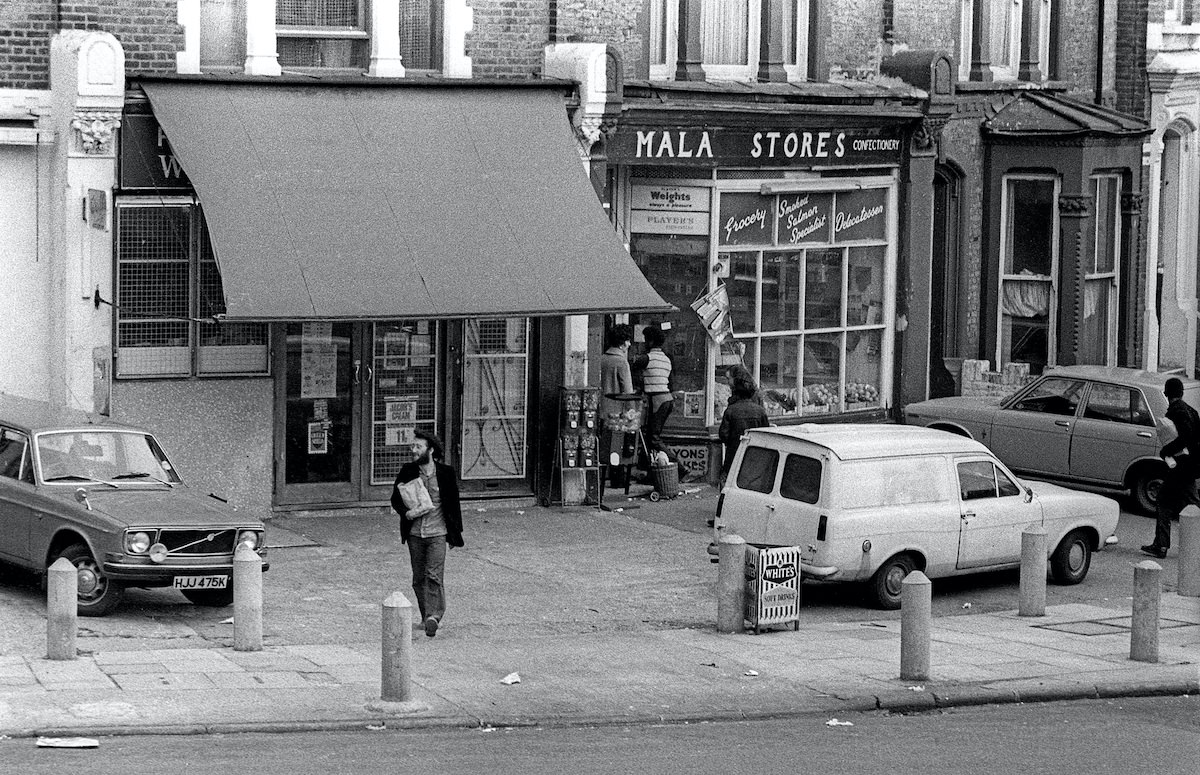
The High Street in 1979 bore little resemblance to the busy commercial strip it is today. Many of its shopfronts were shuttered or boarded up entirely. The buildings were largely Victorian terraces that had seen better days — their brickwork grimy, their windows dark, their facades draped in corrugated iron sheeting covered in graffiti. Some had been empty for years.
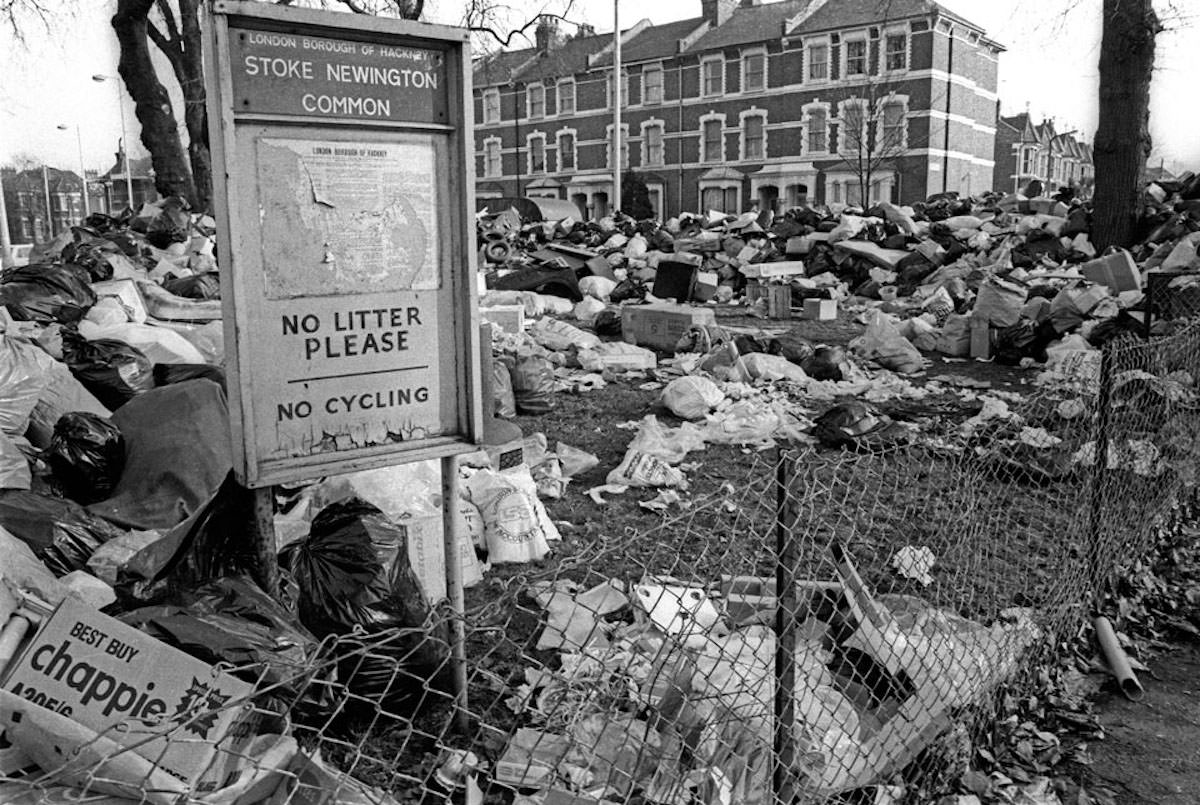
Stoke Newington Common had a notable past connection — rock star Marc Bolan grew up nearby. By 1979, though, the Common was buried under waste during the binmen’s strike, a stark contrast to any nostalgia the area might have carried. The rubbish-strewn green space reflected the broader condition of the neighbourhood at the time.
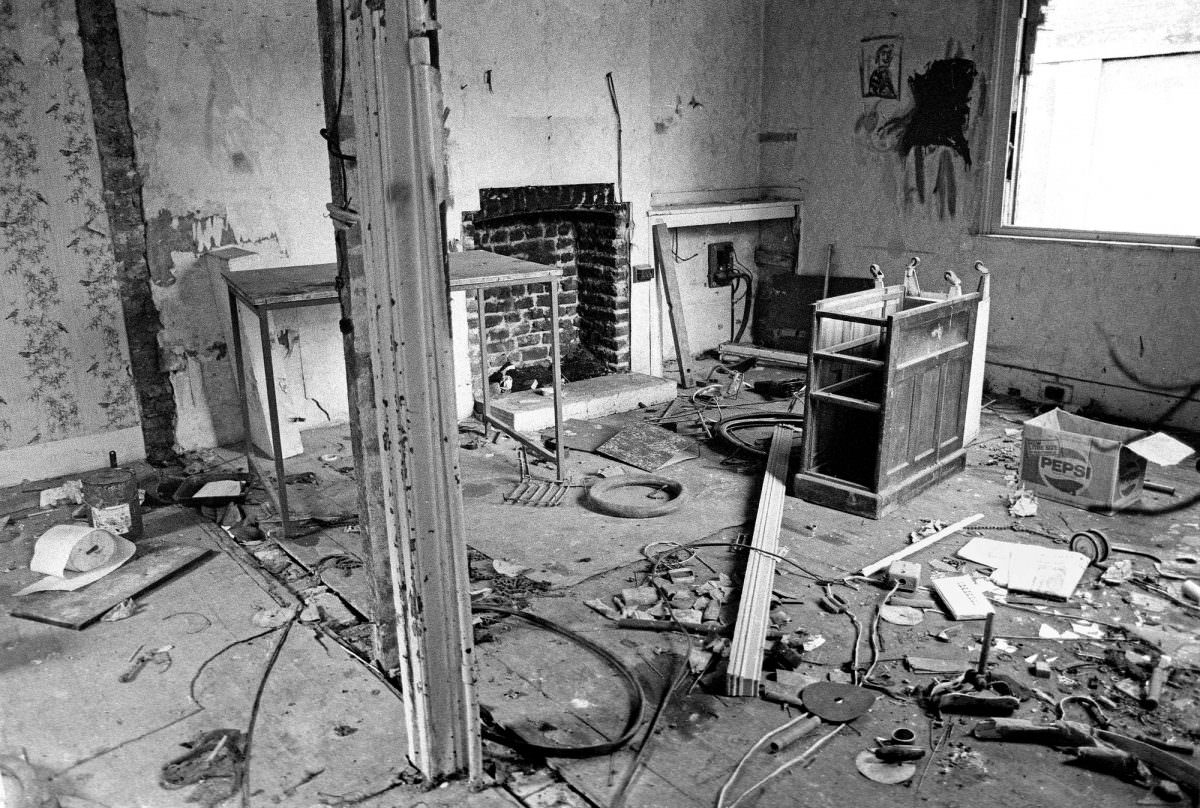
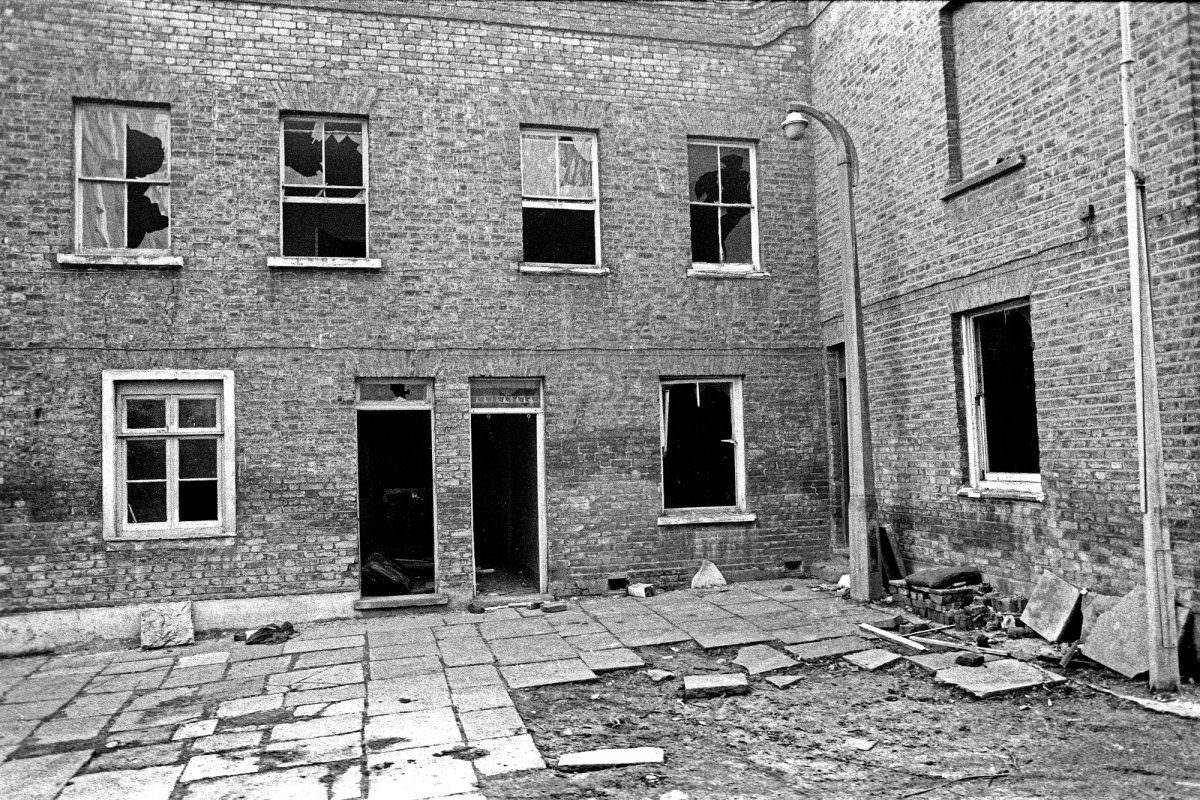
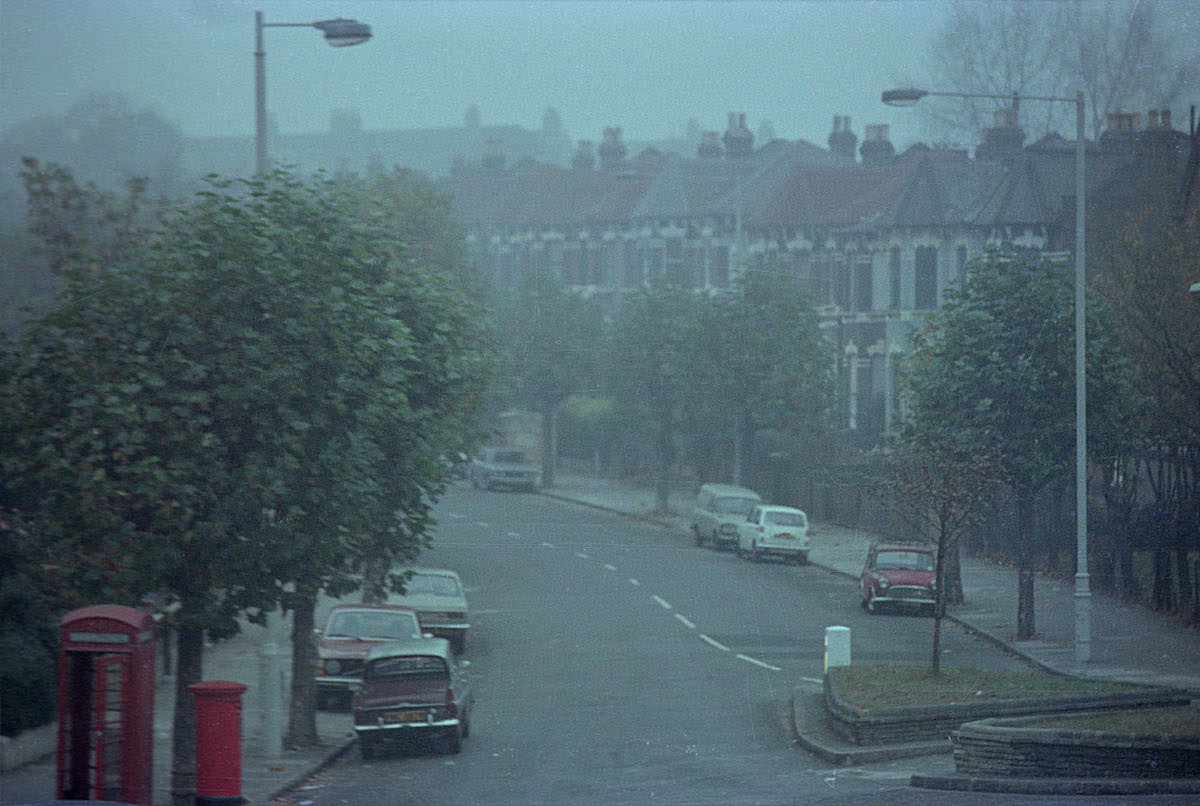
Side streets like Seal Street told the same story as the main roads. Rows of Victorian terraced housing stretched in both directions, many of them showing serious signs of decay. Peeling paint, crumbling masonry, and broken windows were common sights. These weren’t just run-down buildings — many were empty, either awaiting demolition or simply left to deteriorate by absentee landlords or local councils with no budget to act.
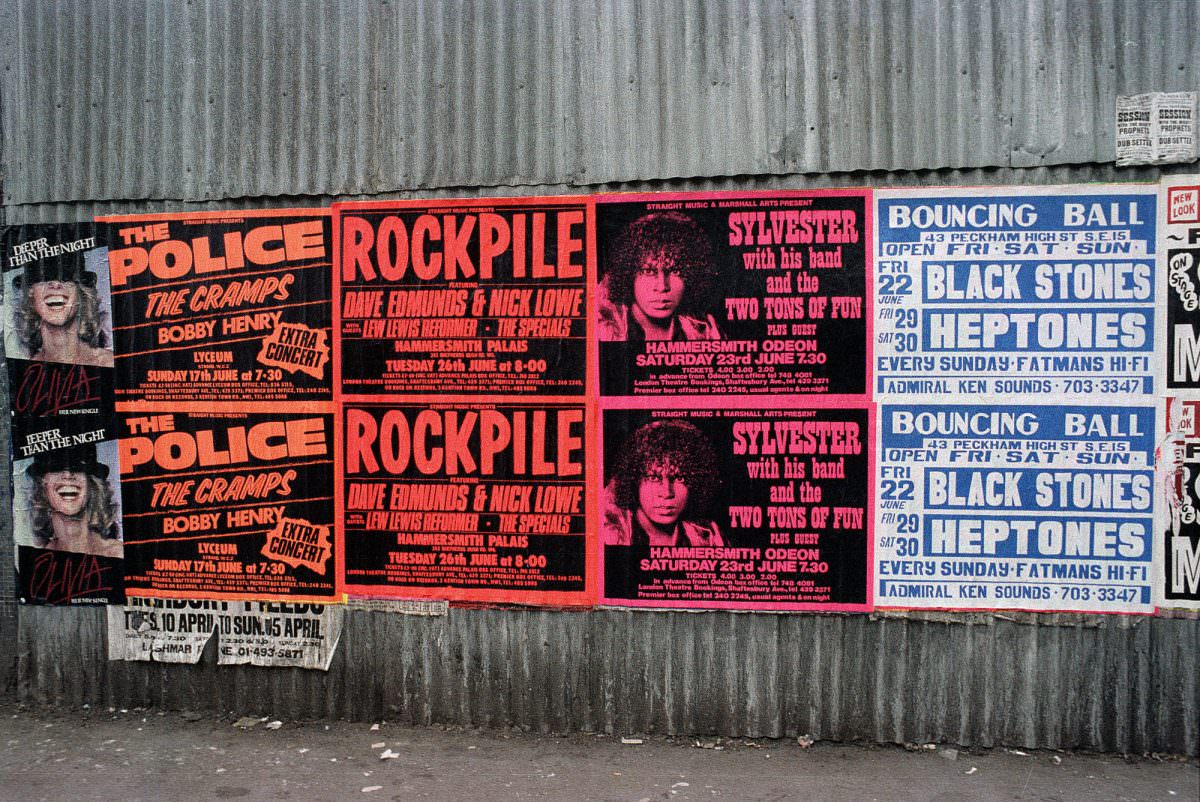
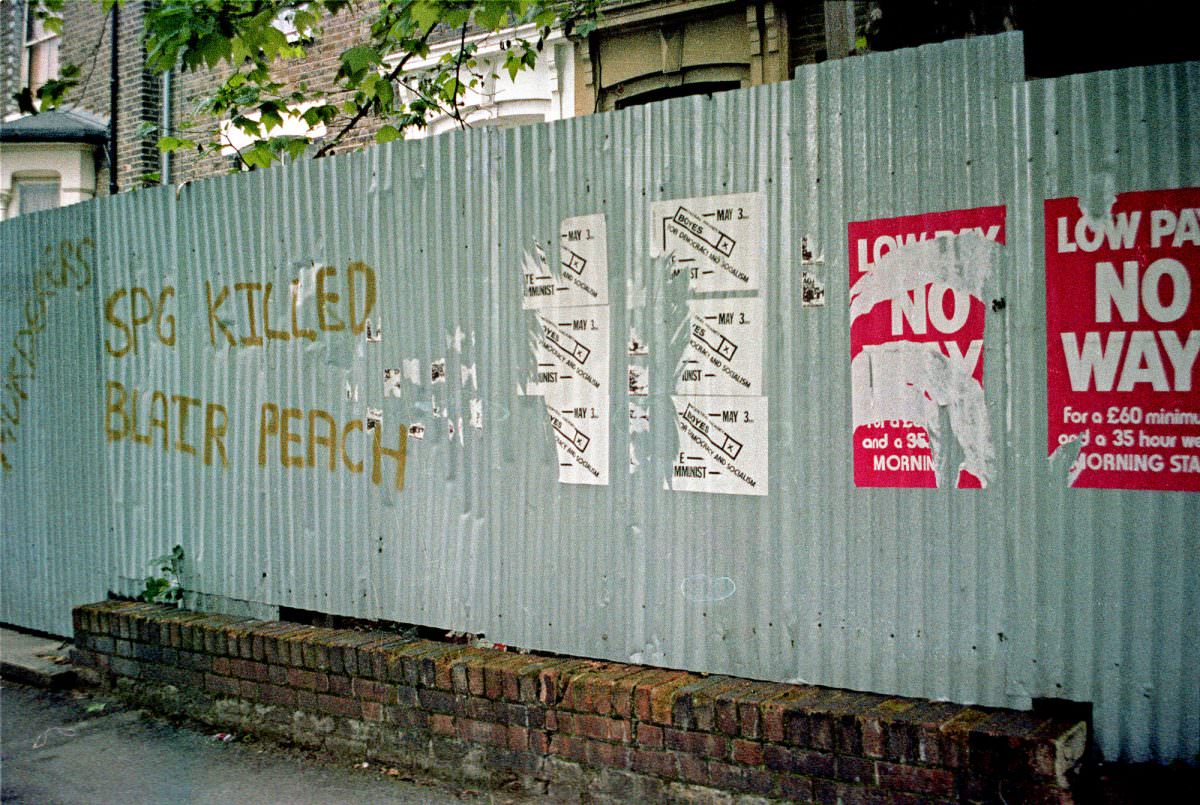
“Tinning up” — sealing vacant properties with corrugated iron sheets — was a common practice across inner London at the time. It was cheap, it kept squatters out, and it required no real maintenance. The result was blocks of buildings that looked fortress-like and hostile, their iron panels often quickly covered in spray paint. Whole stretches of the High Street had this look by the late 1970s.
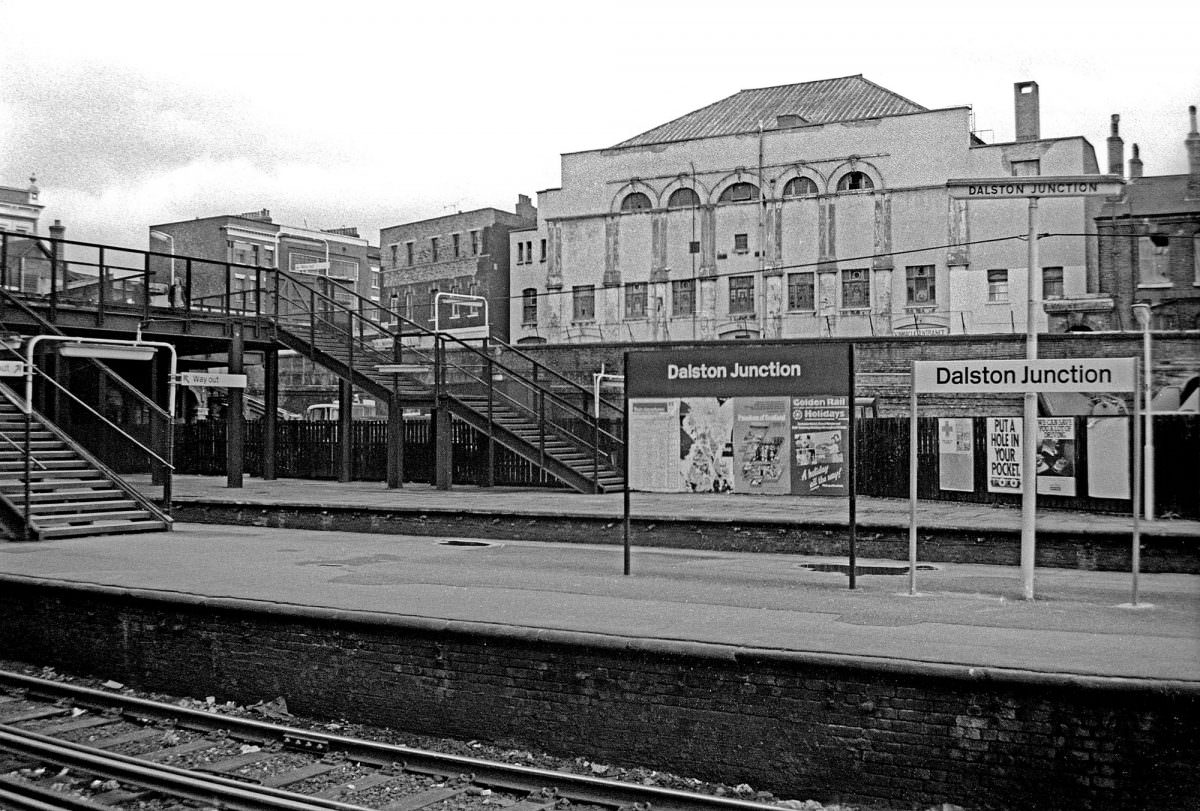
Just beyond Stoke Newington’s borders, neighbouring Dalston had its own landmarks. Dalston Junction station served the area as a key transport hub, but the building that stood out most was the Dalston Theatre — a grand old venue that had become home to the Four Aces Club, one of London’s most important Black music venues during this era.
Ridley Road Market in nearby Dalston was one of the area’s most vibrant spots. Unlike the shuttered shops along the High Street, the market was alive with traders selling fruit, vegetables, fabrics, and fish. It served a working-class and increasingly diverse community, and its stalls reflected the mix of cultures — Caribbean, African, Jewish, and South Asian — that had made this part of north London their home.
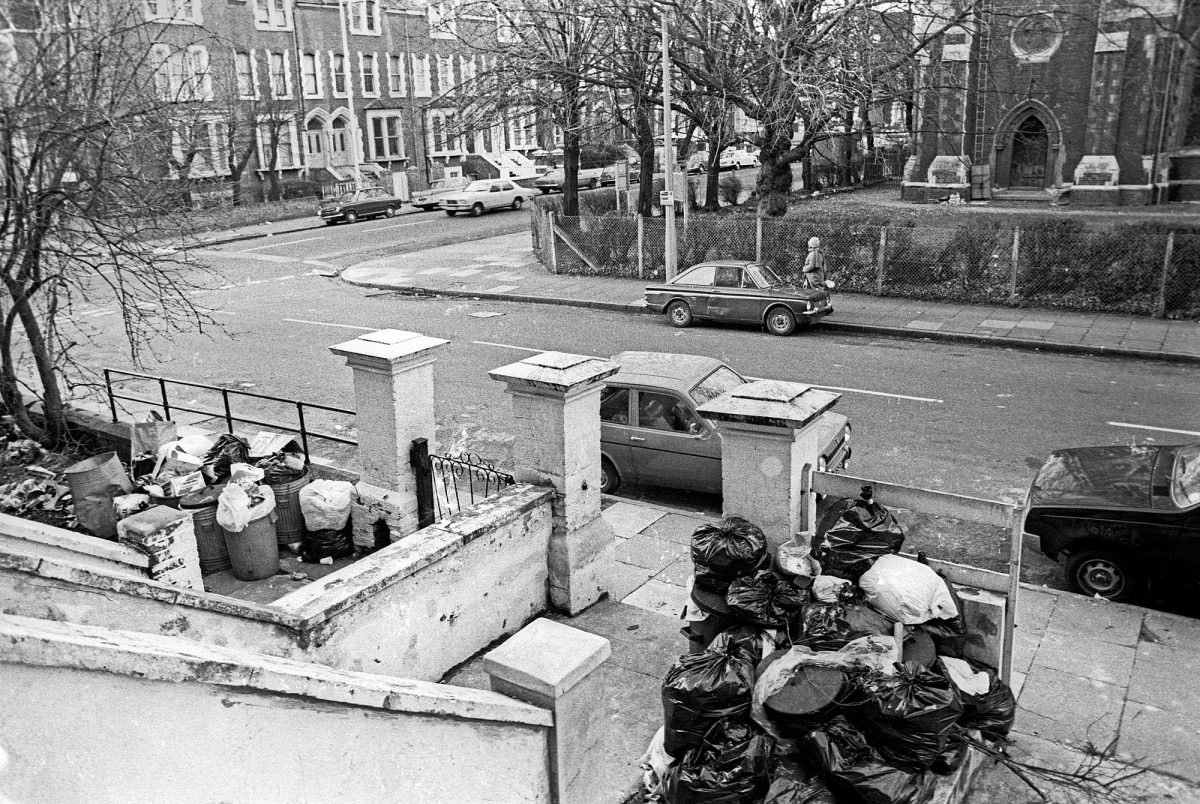
The binmen’s strike created visible crises across the borough. On Colvestone Crescent, bags of rubbish accumulated in doorways and along pavements, left uncollected for weeks. Residents had no choice but to watch the waste build up outside their homes. The images Denney captured here are some of the most striking records of just how badly the strike affected everyday life in working-class London.
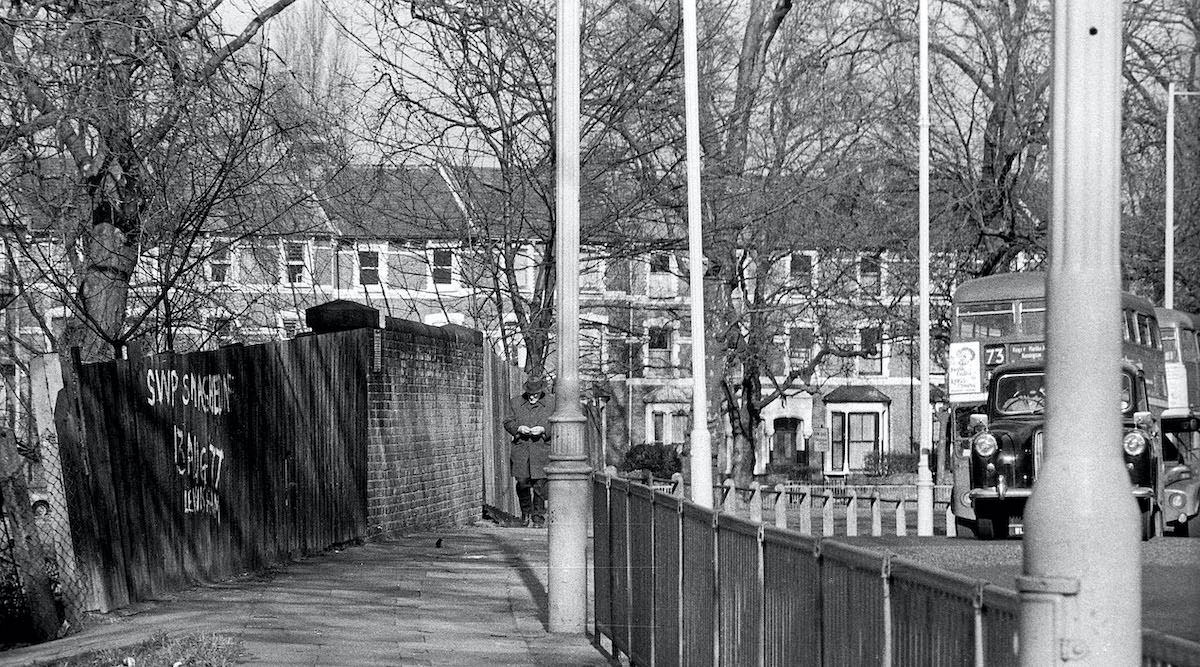
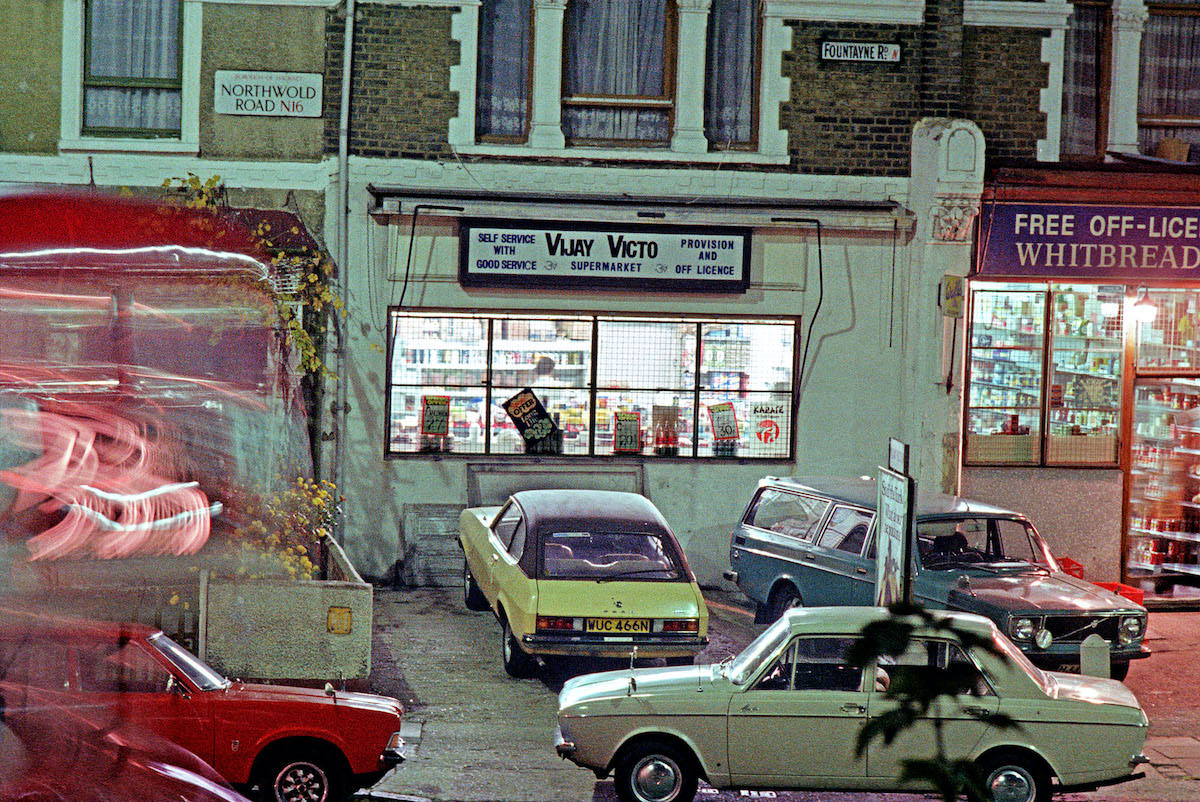
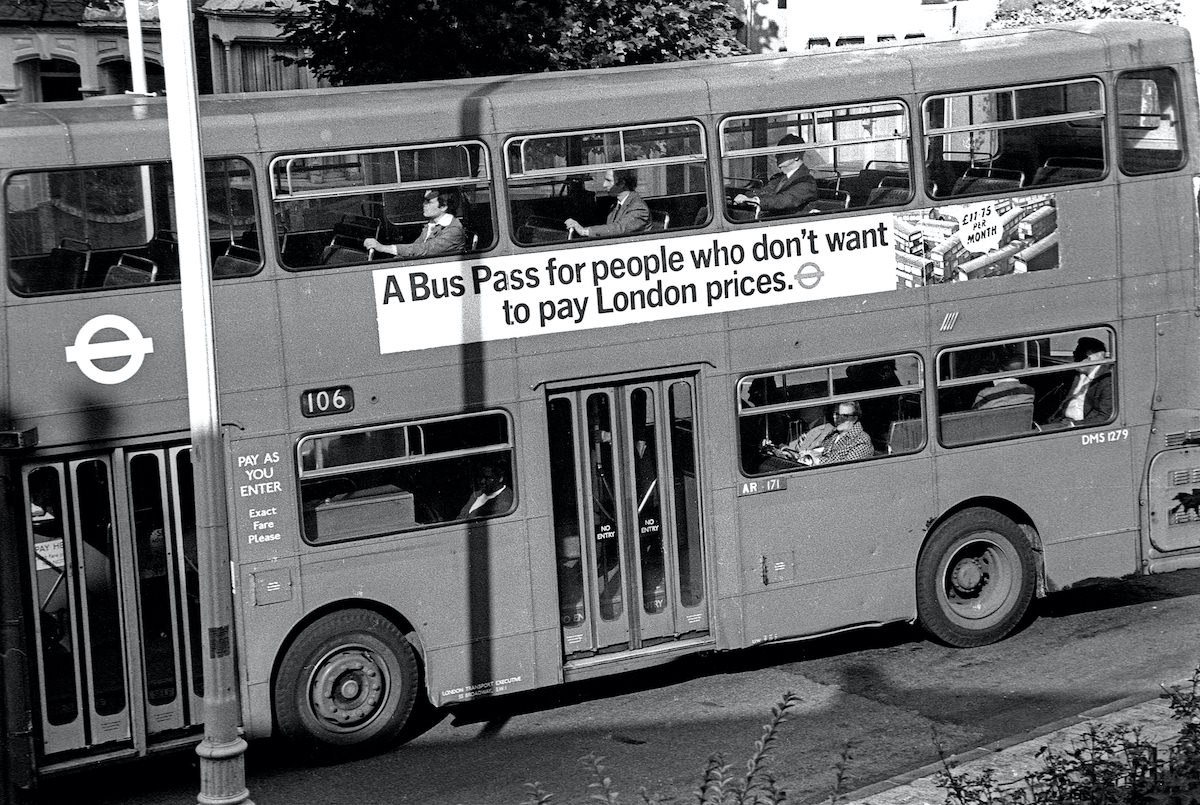
Denney also photographed the streets around Northwold Road and Fountayne Road, capturing the daily rhythm of the area. A number 73 bus rounds the corner in one shot, taken from the vantage point of 20 Stoke Newington Common. It’s an unremarkable moment — but that’s exactly what makes it valuable. These photos document the ordinary, not just the dramatic.
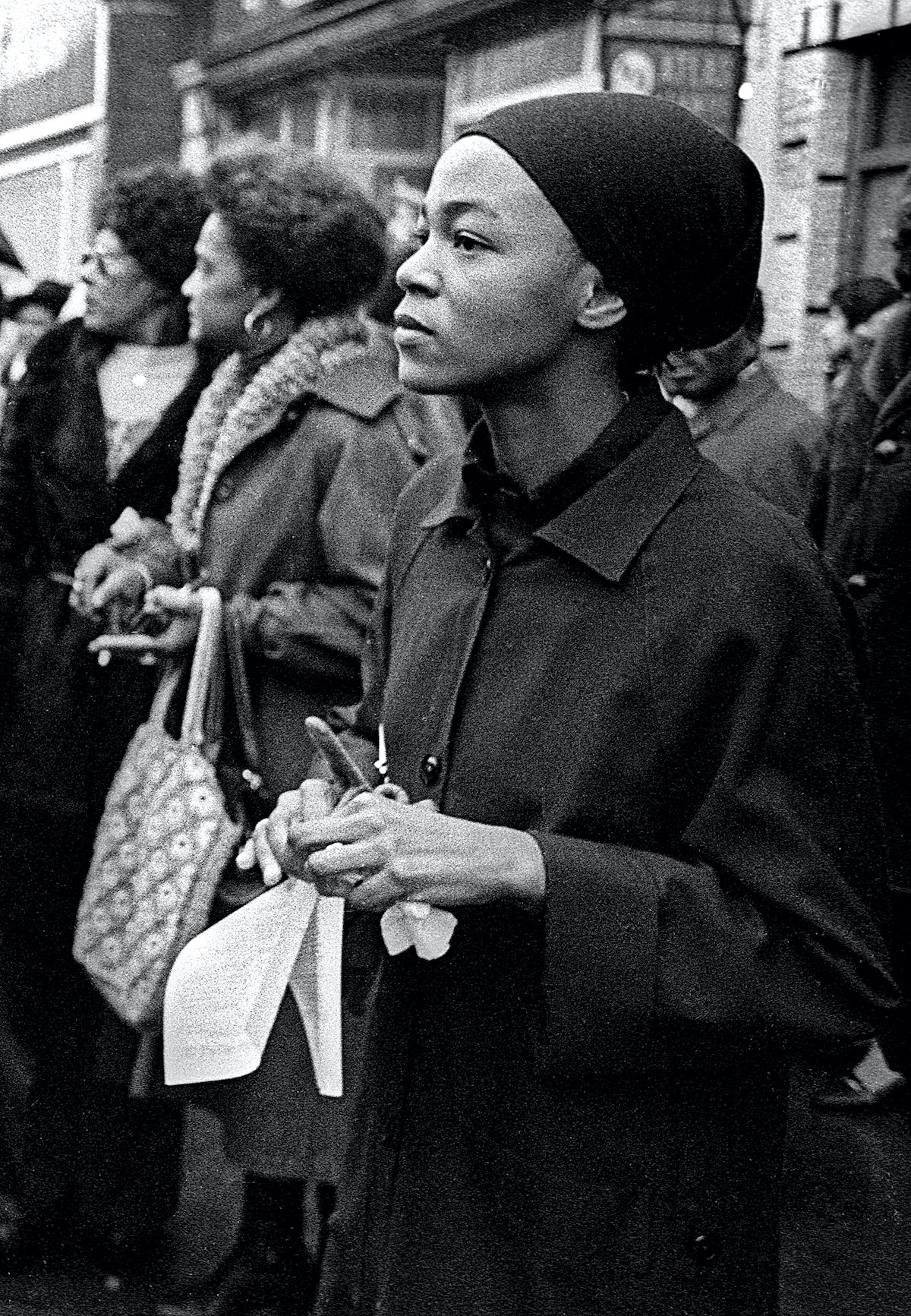
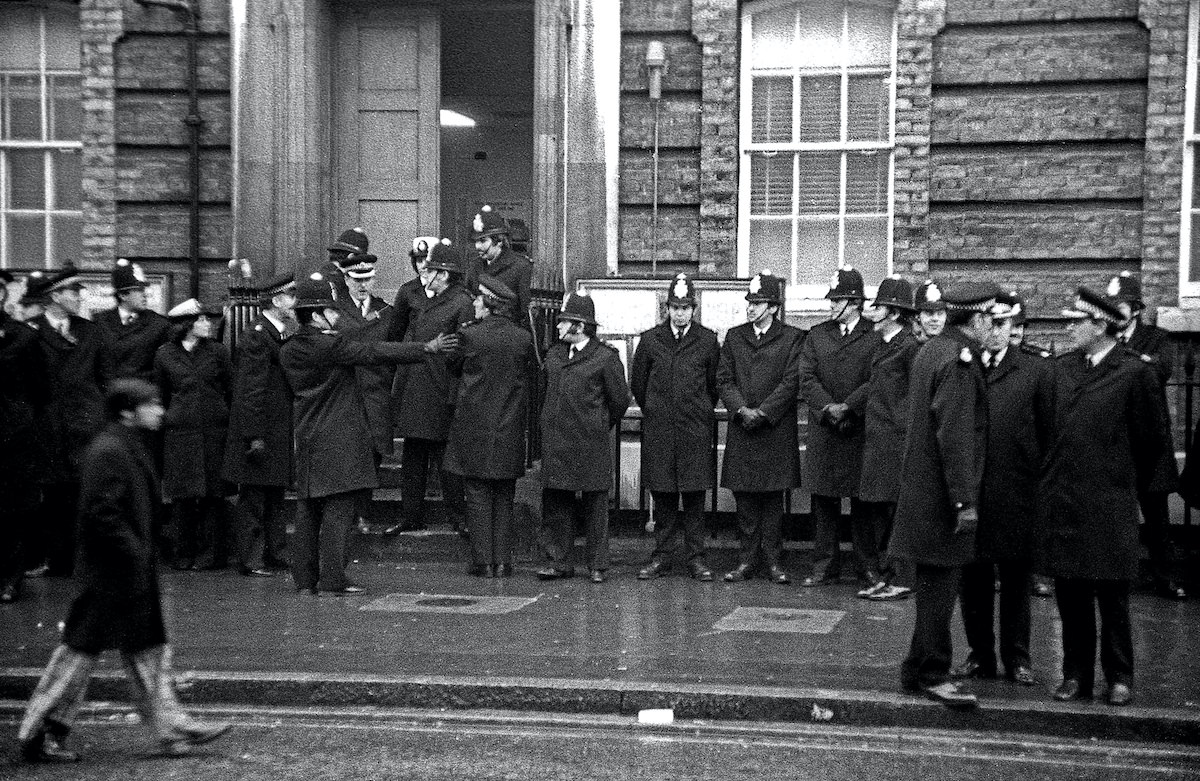
In January 1979, 17-year-old Michael Ferreira died after being stabbed in Stoke Newington. His funeral became a significant moment of public mourning and community tension. Relations between the local Black community and Stoke Newington police were already strained, and the circumstances around Ferreira’s death deepened that friction. Denney photographed the funeral procession, as well as a group of plainclothes police officers watching from the corner of Victorian Road.
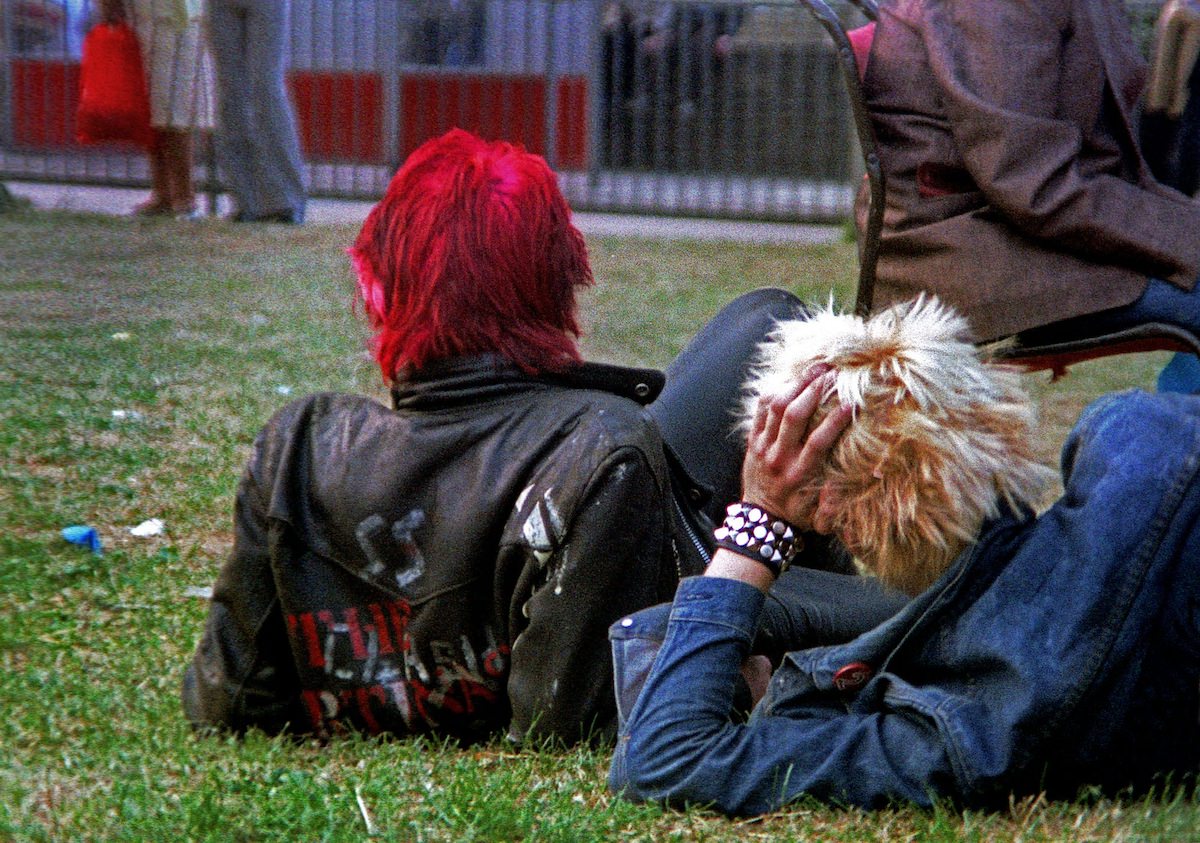
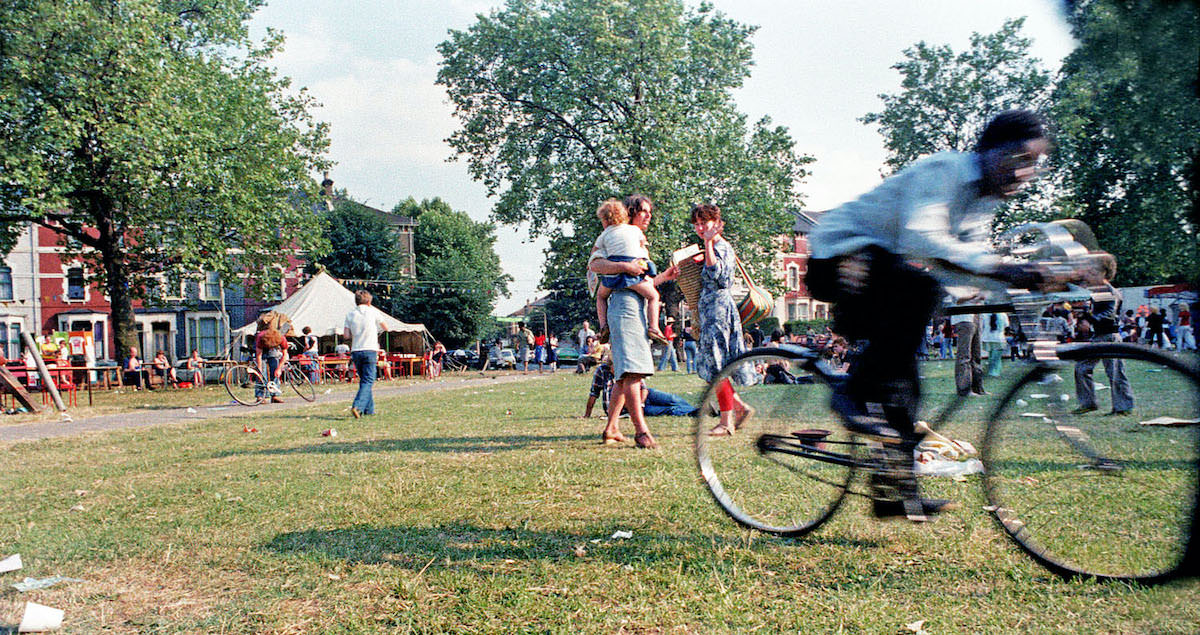
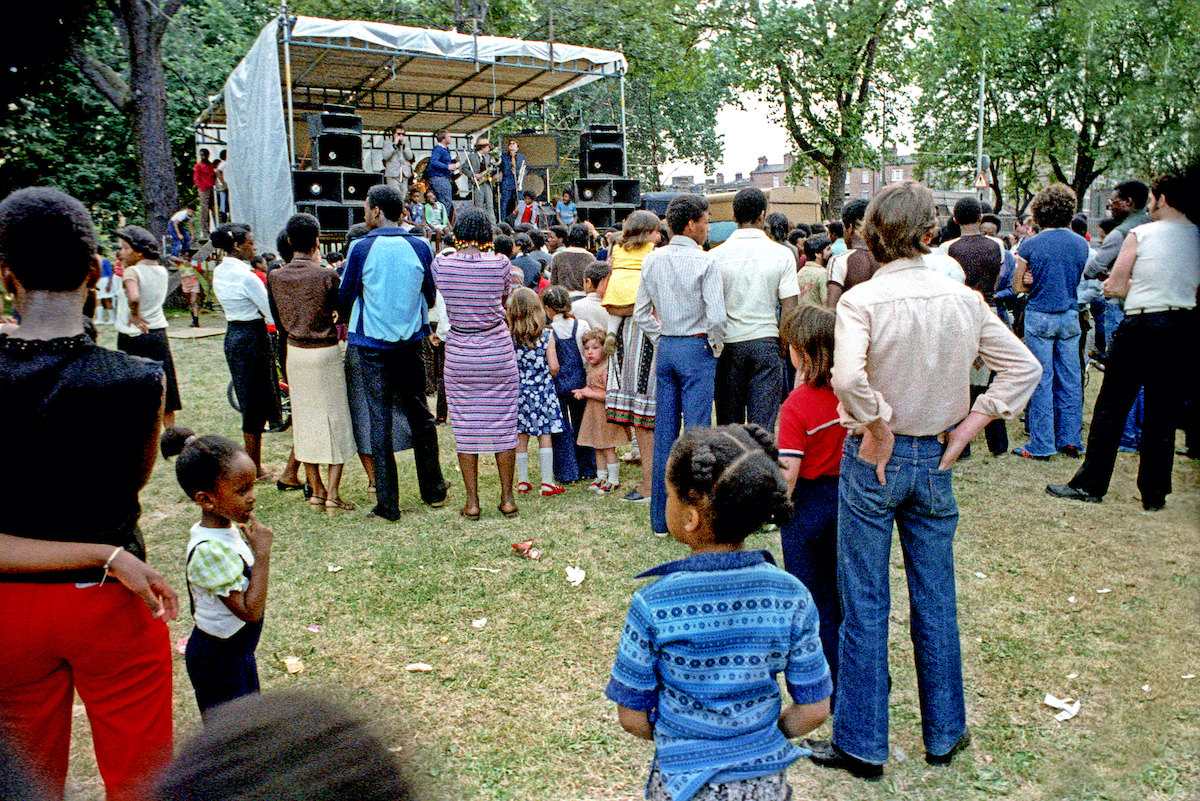
Not everything in these photographs is bleak. The Stoke Newington Common Festival brought the community together in the middle of all the hardship. Local ska band Bad Manners — who would go on to chart success in the early 1980s — played the festival, performing for crowds gathered on the Common. The festival photos show a neighbourhood that, despite its physical state, still had energy and community spirit.
The police presence at Michael Ferreira’s funeral was a telling detail. Plainclothes officers positioned at the corner of Victorian Road watched the mourners from a distance. The image Denney captured of that moment is a quiet but powerful document of the distrust that defined the relationship between law enforcement and the local community in this period.
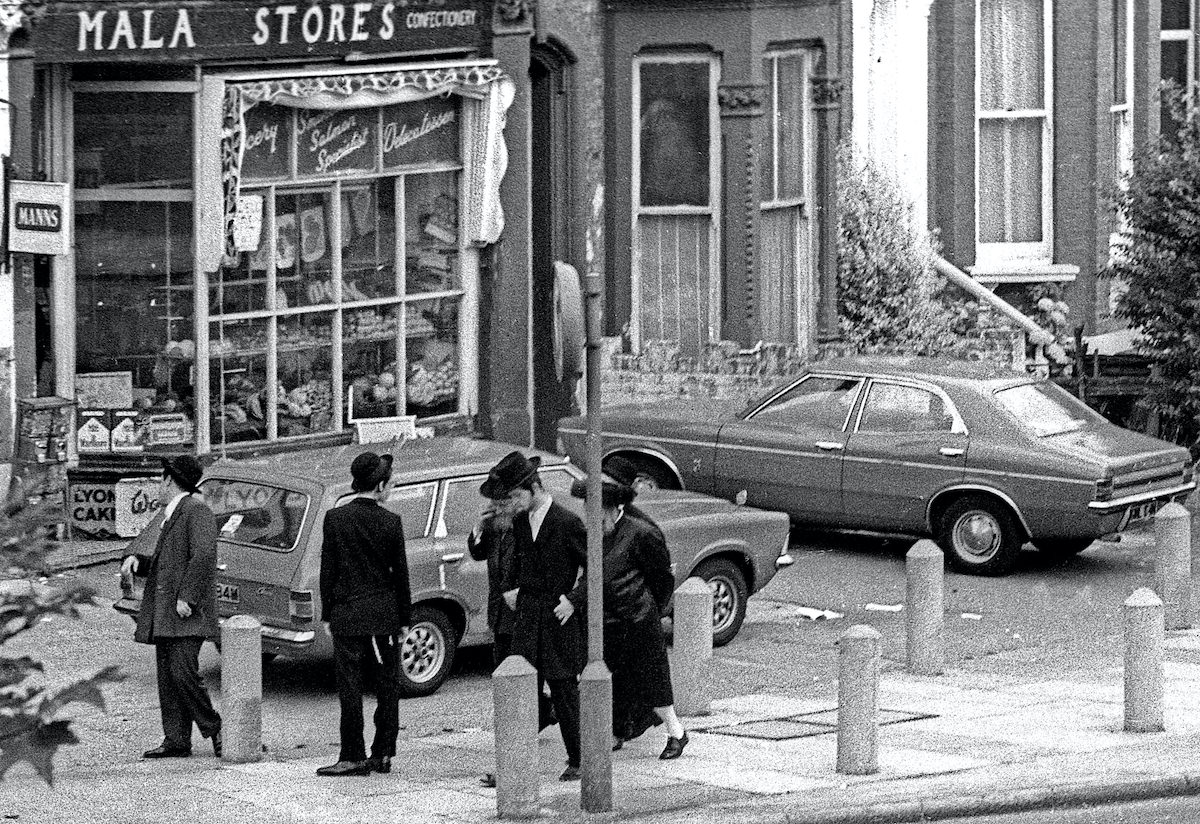
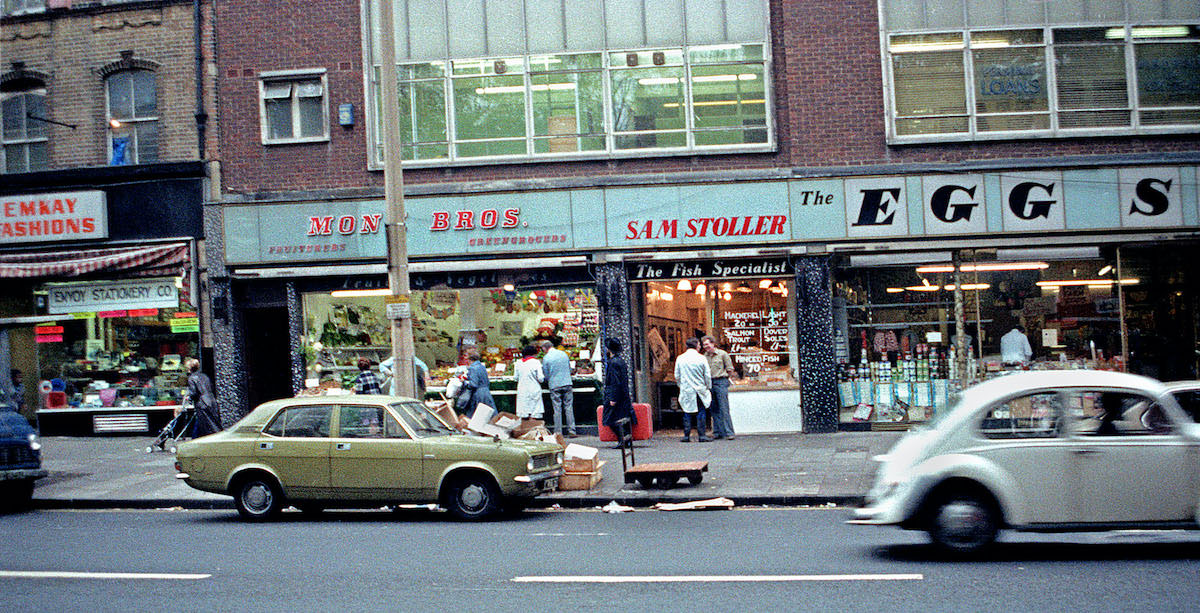
Stamford Hill, just north of Stoke Newington, retained some of its older commercial character. Sam Stoller’s wet fish shop on Stamford Hill was one such survivor — a traditional fishmonger serving an area with a large Orthodox Jewish community. These kinds of specialist, long-established traders were a fixture of the neighbourhood’s commercial landscape in the 1970s.
The photographs taken outside Stoke Newington police station during Michael Ferreira’s funeral round out Denney’s documentation of that event. The station itself was a focal point of community anger. In the years that followed, the station would become notorious for allegations of corruption and misconduct — but in 1979, the funeral images alone spoke to the tensions already present.
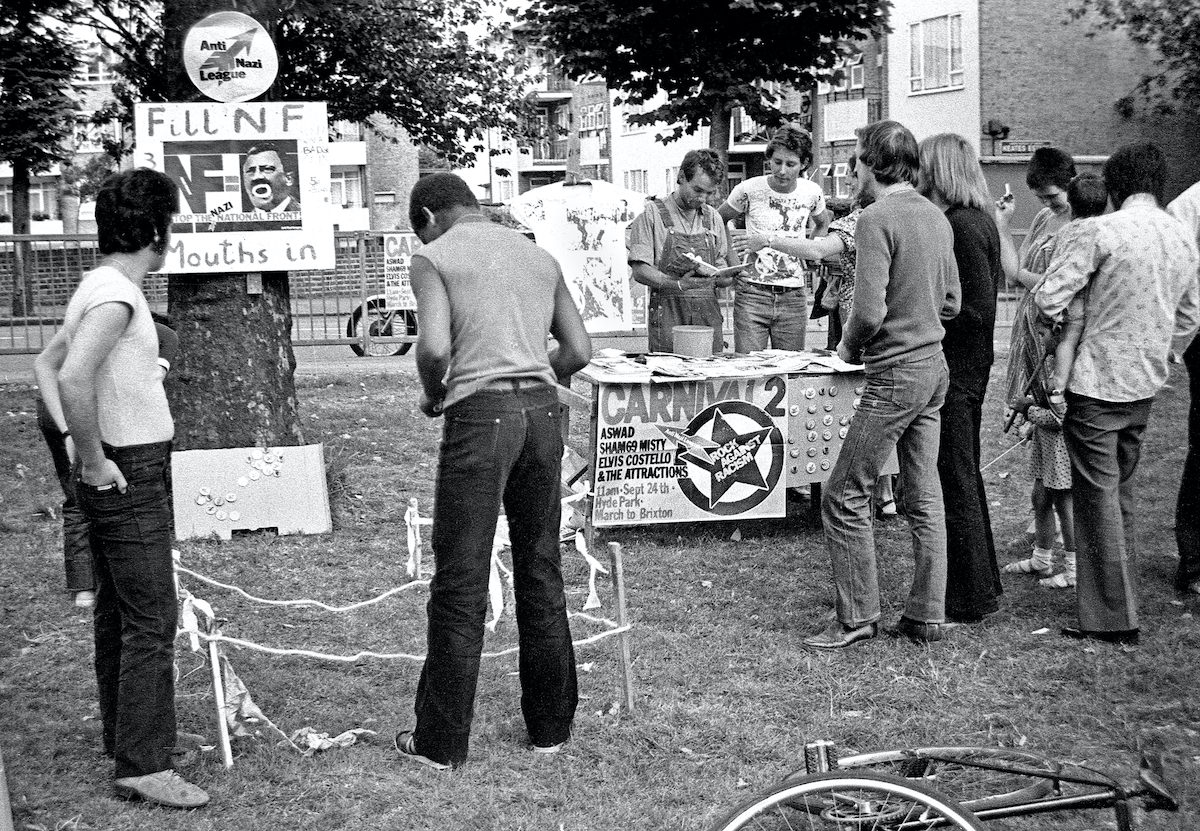
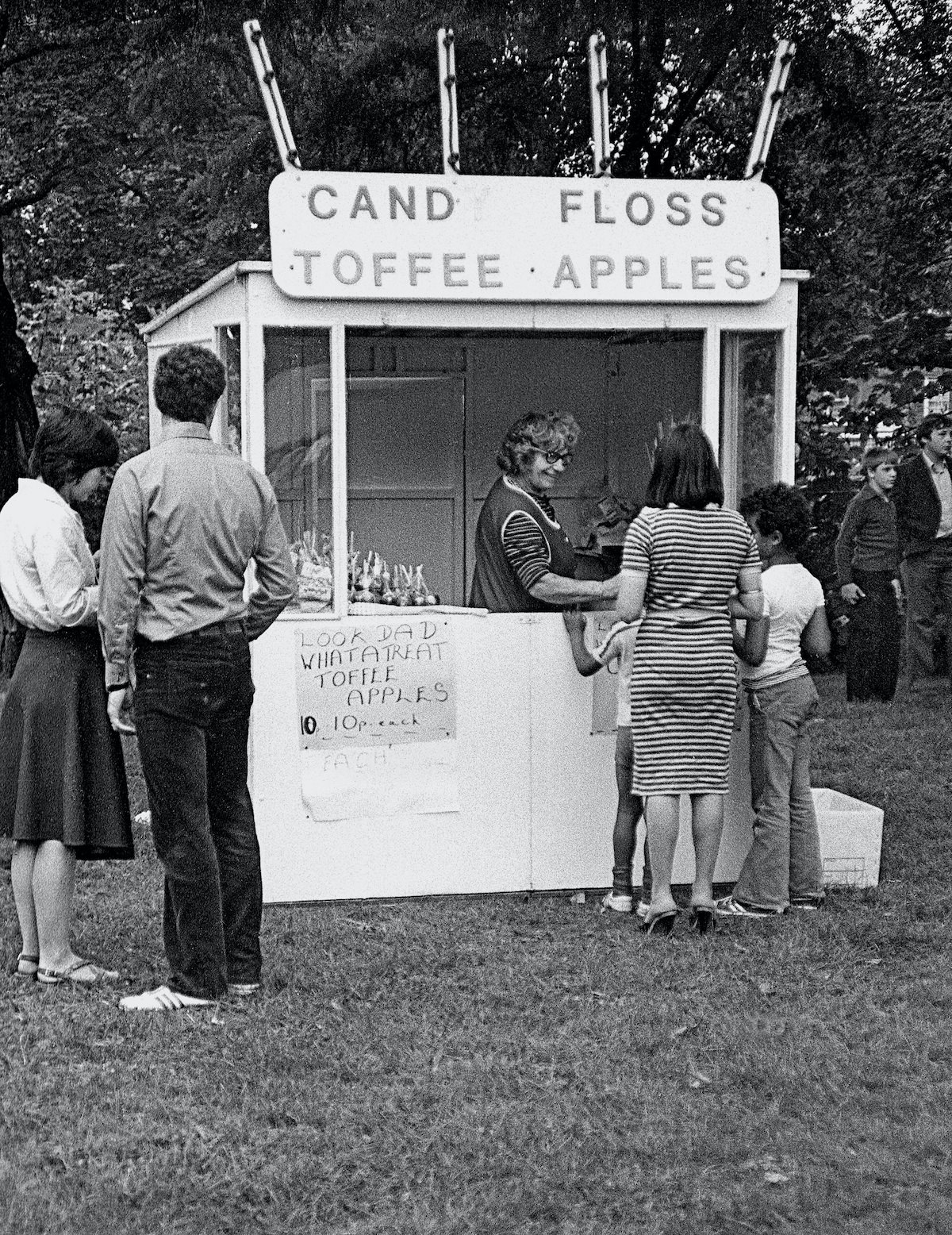
The Stoke Newington Common Festival drew crowds across multiple years. Denney photographed it in both 1978 and 1979, capturing everything from performers on stage to families gathered on the grass. The 1978 photos show a community making use of the open space in a positive way, despite the surrounding decay.
Bad Manners played the Common Festival and brought real energy to the event. The band, who formed in Hackney in 1976, were rooted in the ska and two-tone scene that was taking shape across inner-city Britain in this period. Their performance at the 1979 festival captured by Denney is a direct snapshot of that musical moment, playing out on a patch of green in one of London’s most deprived neighbourhoods.
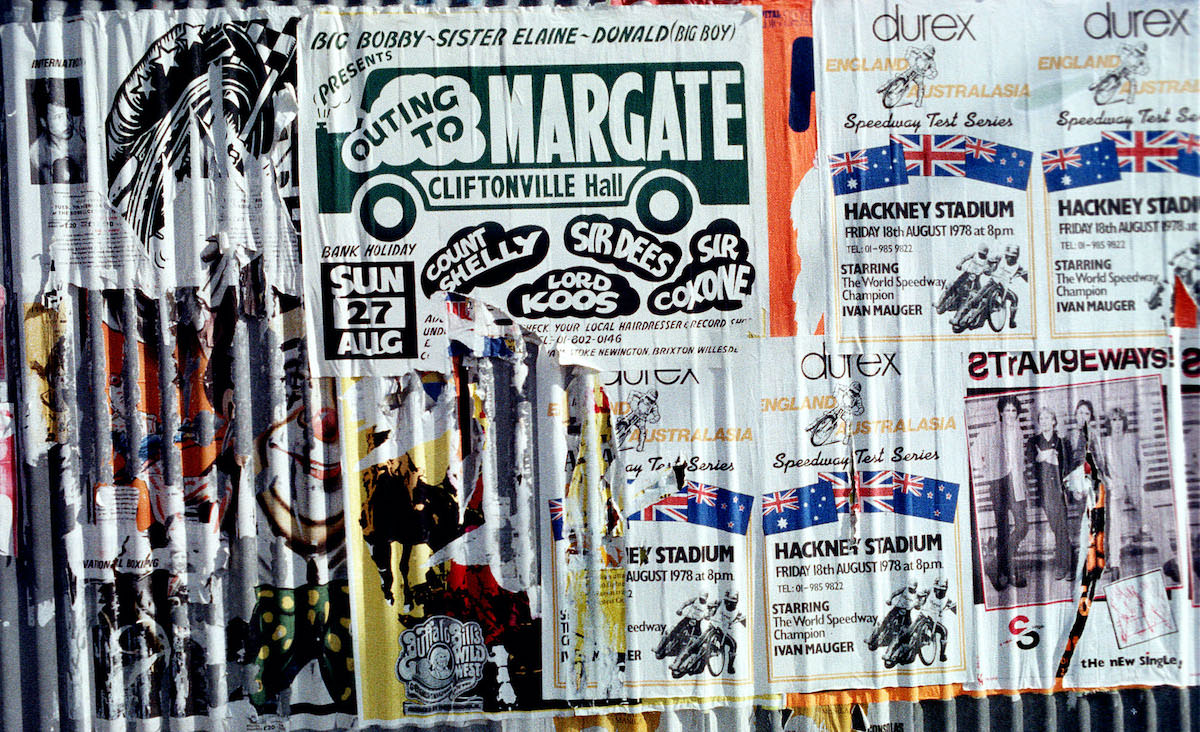
One of the more politically charged images in the collection shows graffiti on a fence at Stoke Newington Common in 1978. The writing references the 13th of August 1977 — the date of the Battle of Lewisham, when the National Front attempted to march through south London and was met by thousands of anti-fascist counter-protesters. The confrontation turned violent, and the fence at Stoke Newington Common still bore a reference to it more than a year later.