Sri Lanka sits in the Indian Ocean just off the southeastern tip of India. Before 1972, the world knew it as Ceylon. Before that, it carried names like Serendib and Sinhale. The island earned two lasting nicknames — “the teardrop island” for its distinctive shape, and “the spice island” for the rich array of spices produced there. For much of its modern history, Sri Lanka passed through the hands of three colonial powers: Portugal, the Netherlands, and Great Britain. By the 1880s, British rule was firmly in place, and the island’s cities, trade routes, and landscapes were being shaped by both colonial administration and the deep-rooted traditions of its people.
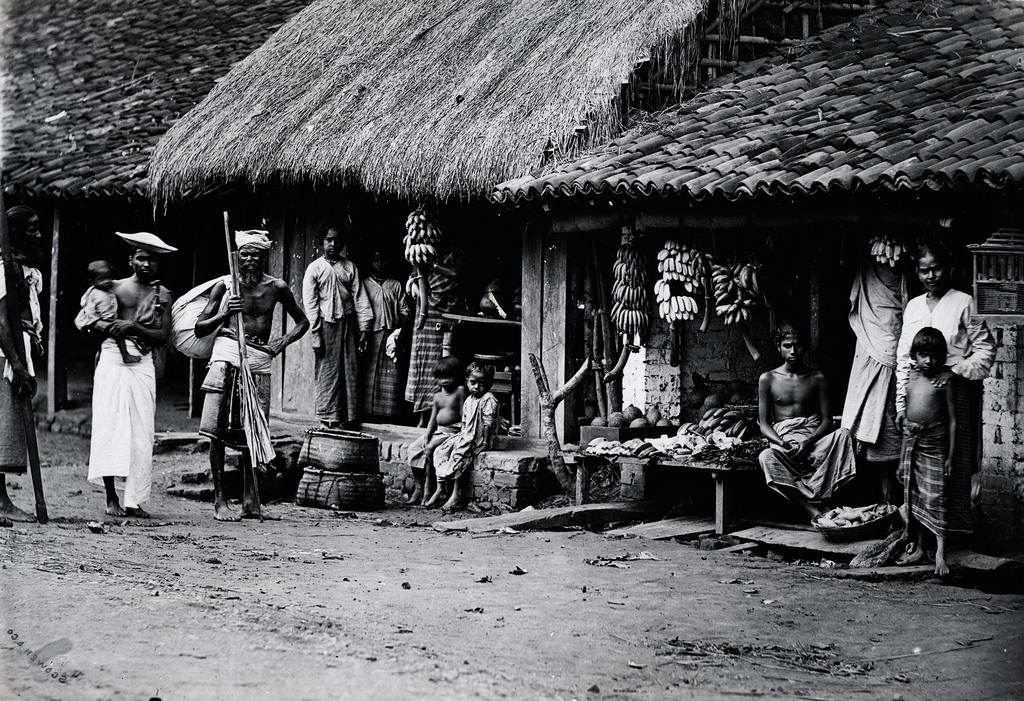
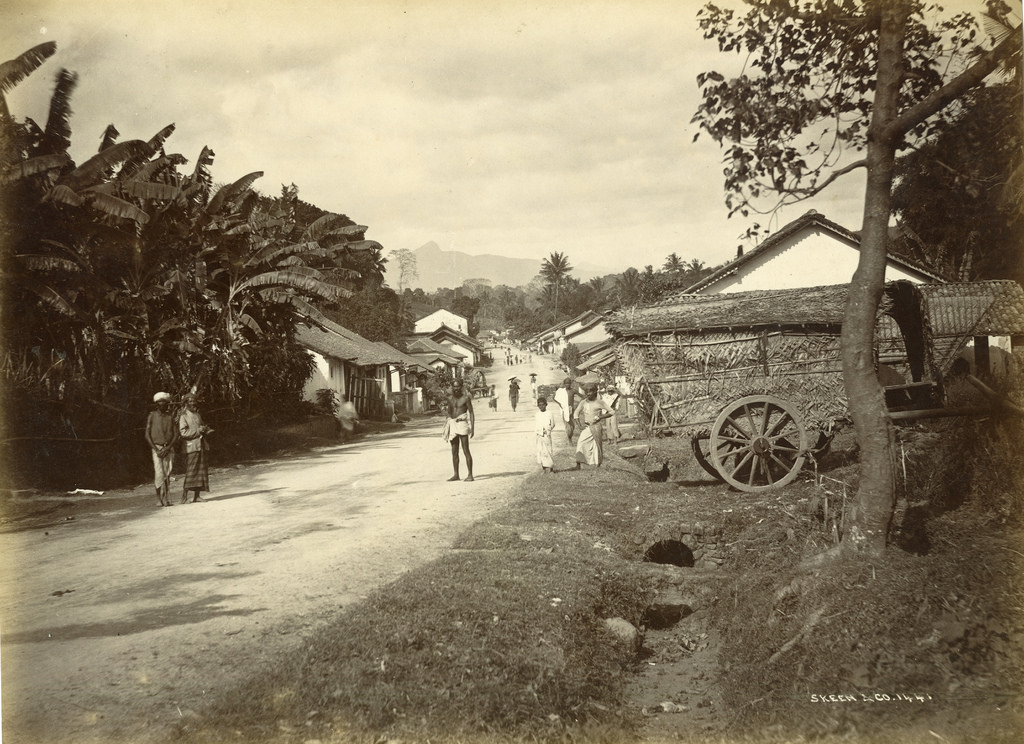
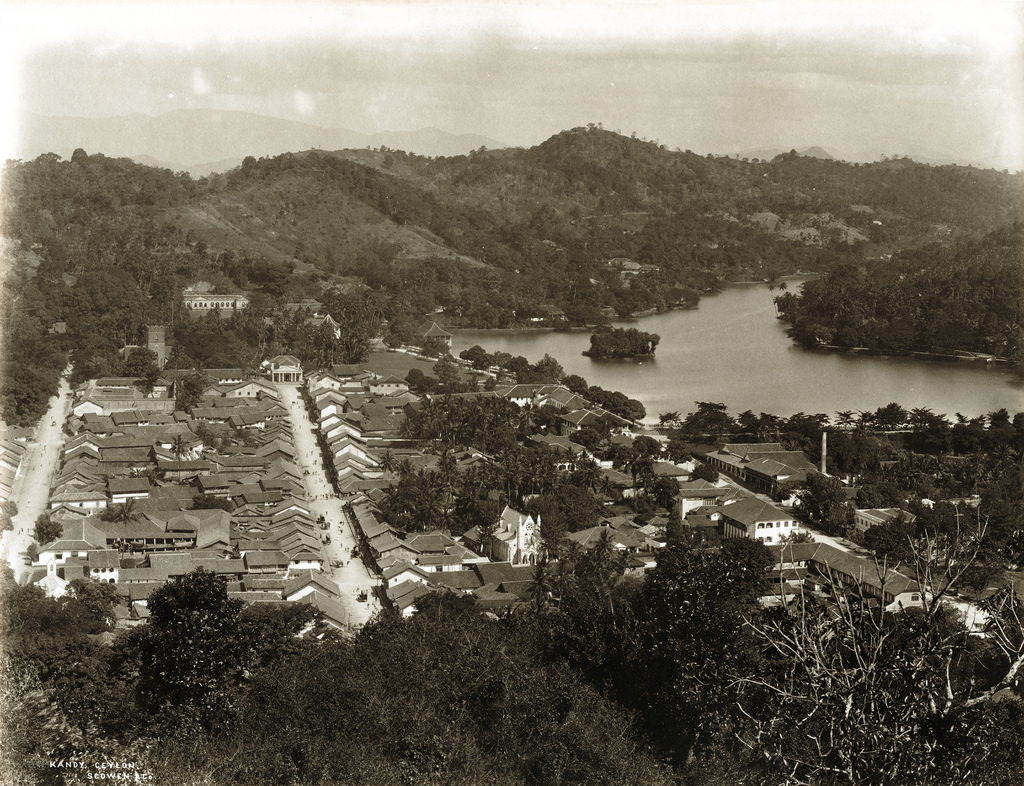
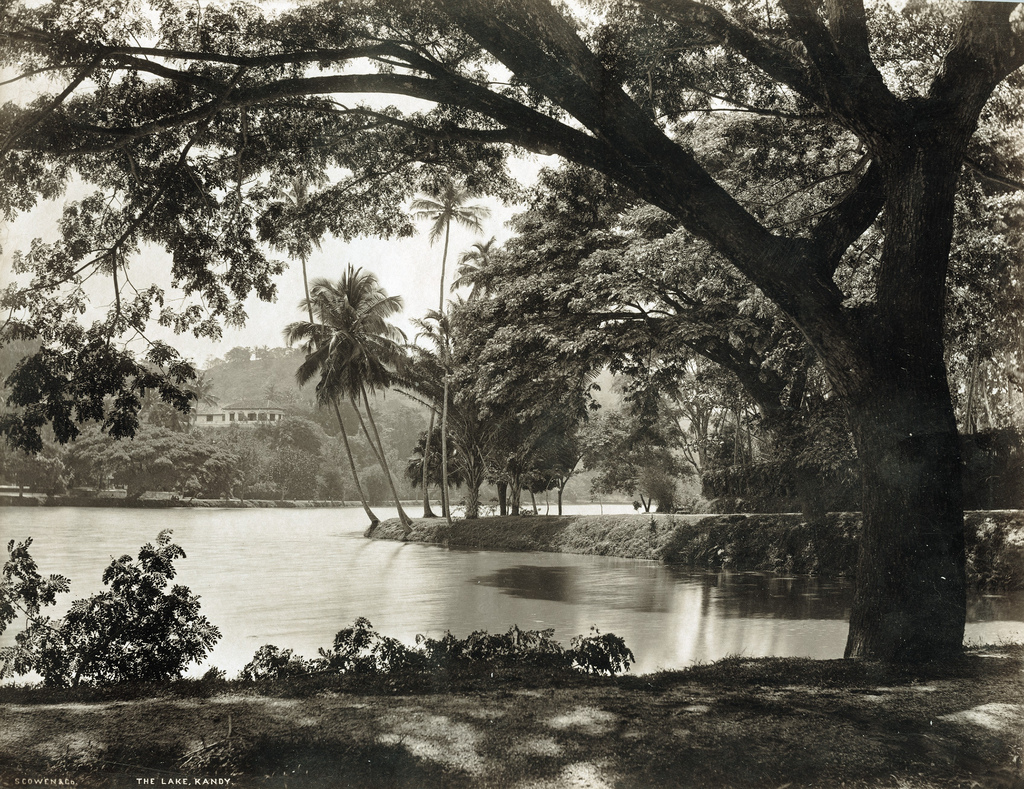
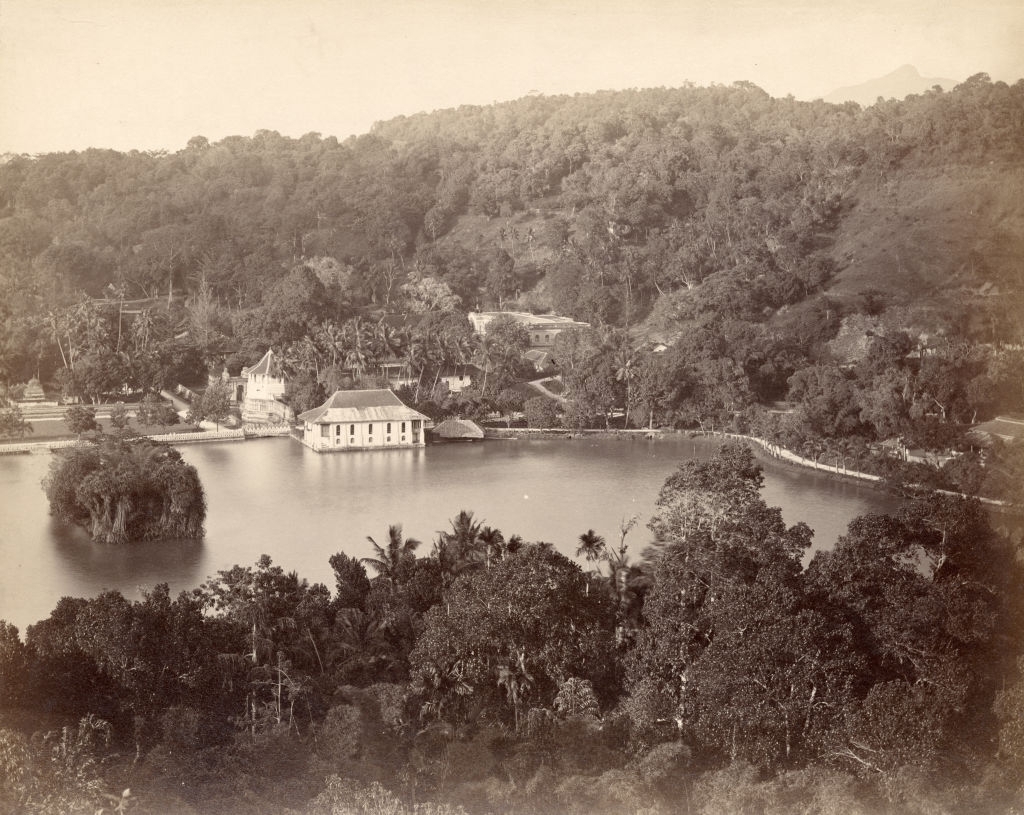
The city of Kandy sat at the heart of the island’s cultural life. Surrounded by hills and tea estates, it was the last royal capital of Sri Lanka before the British took control in 1815. By the 1880s, Kandy was a busy center with a lake at its core and dense village life spreading outward into the surrounding countryside.
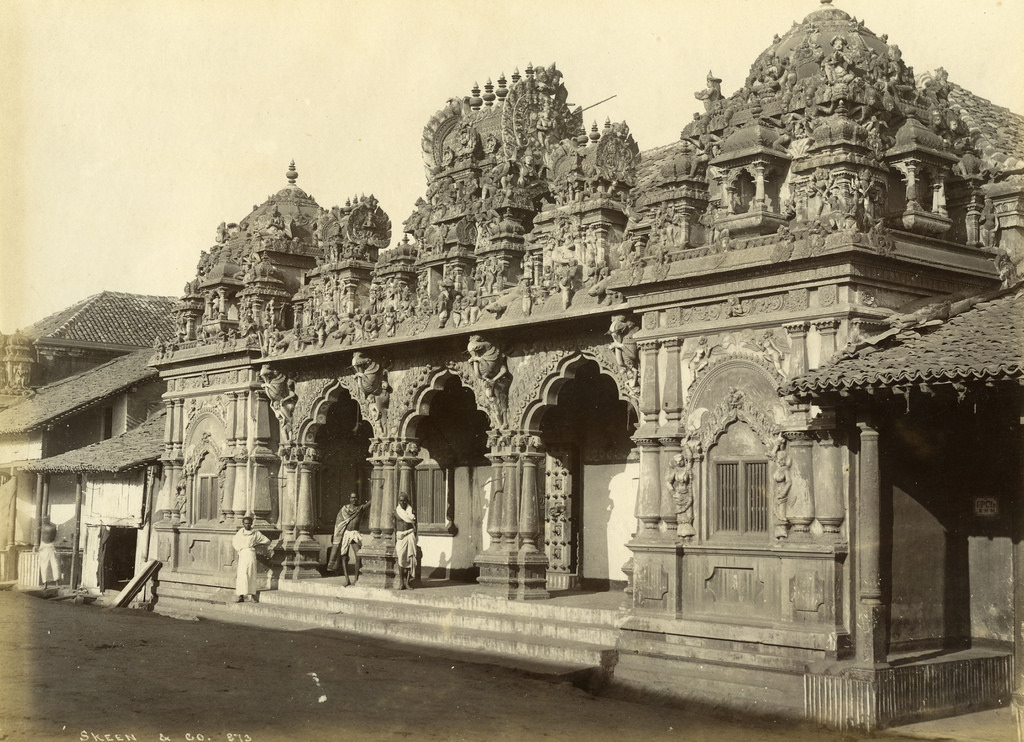
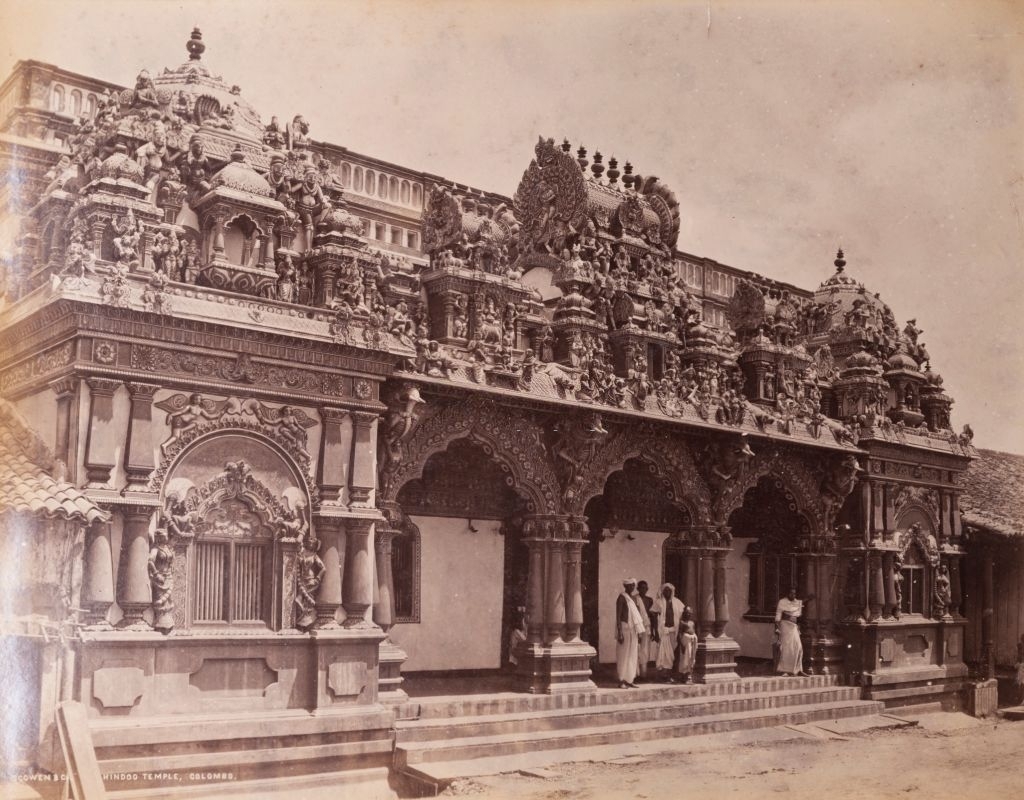
Colombo, the island’s main port city, was home to a mix of religious communities. Hindu temples stood alongside Buddhist shrines and mosques, reflecting the many groups that had settled across Ceylon over the centuries. Tamil, Sinhalese, Malay, Moorish, and Indian communities all maintained distinct religious and cultural practices.
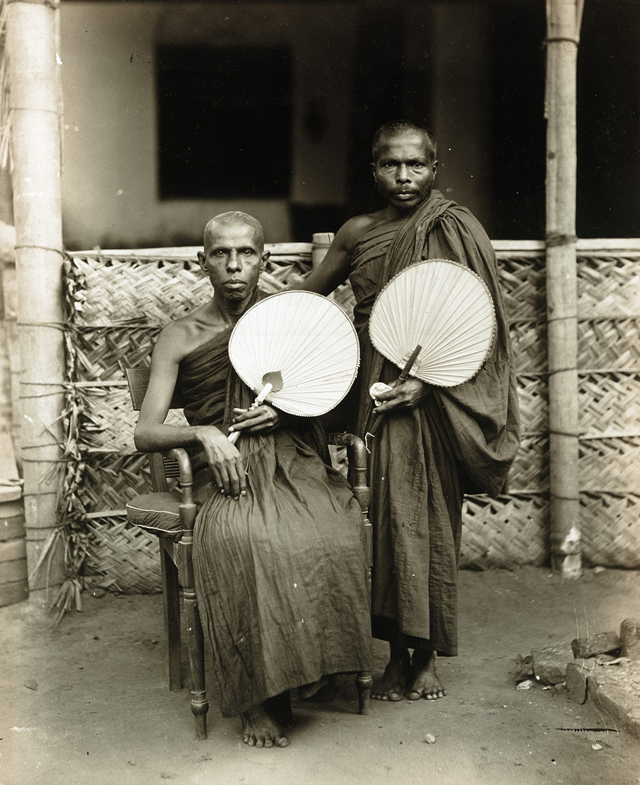
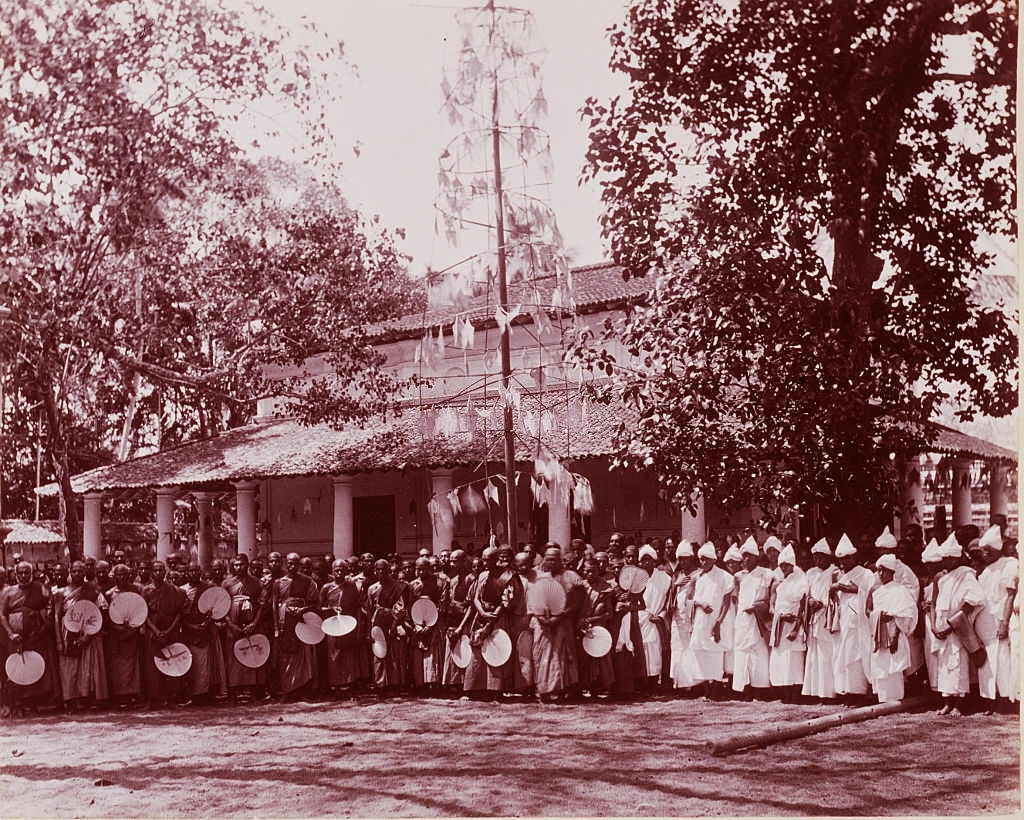
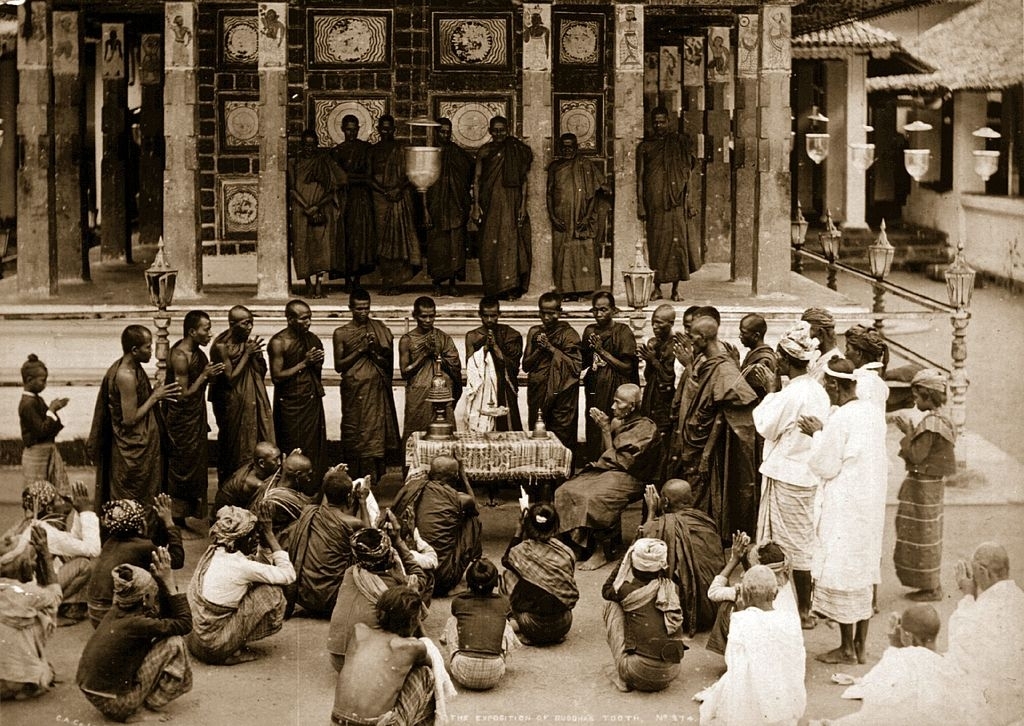
Buddhism held a central role in the daily lives of the Sinhalese majority. Monks in saffron robes were a familiar sight across towns and villages. The faith structured everything from personal conduct to grand public ceremonies that drew thousands of worshippers.
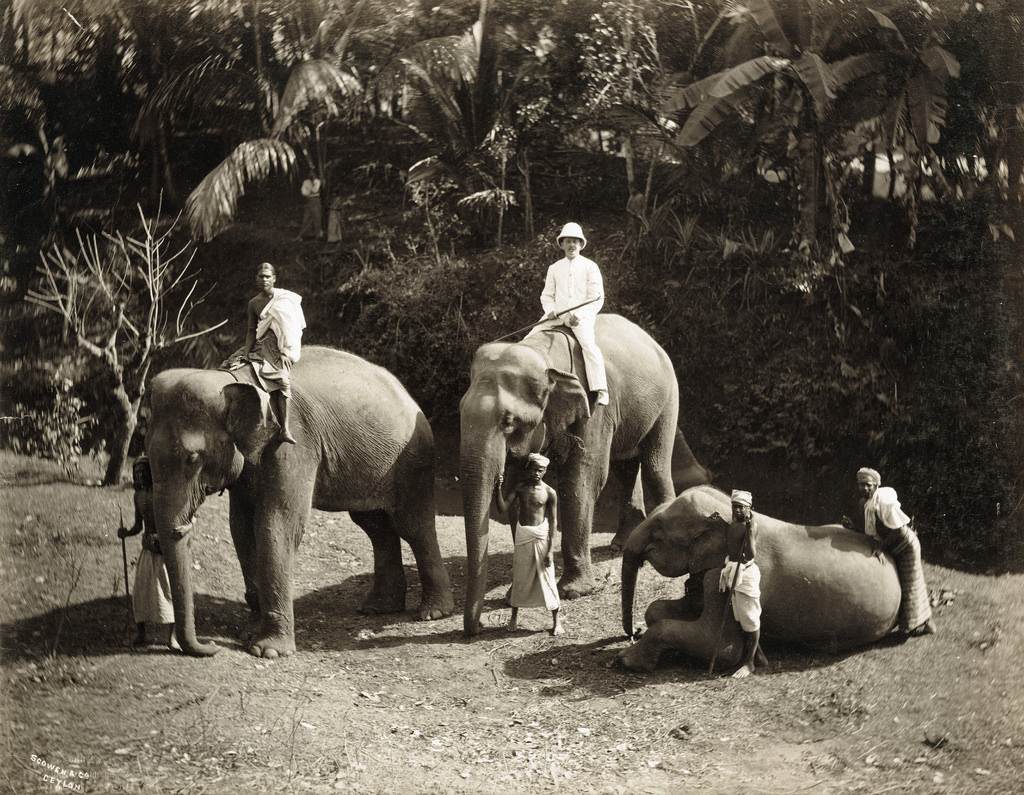
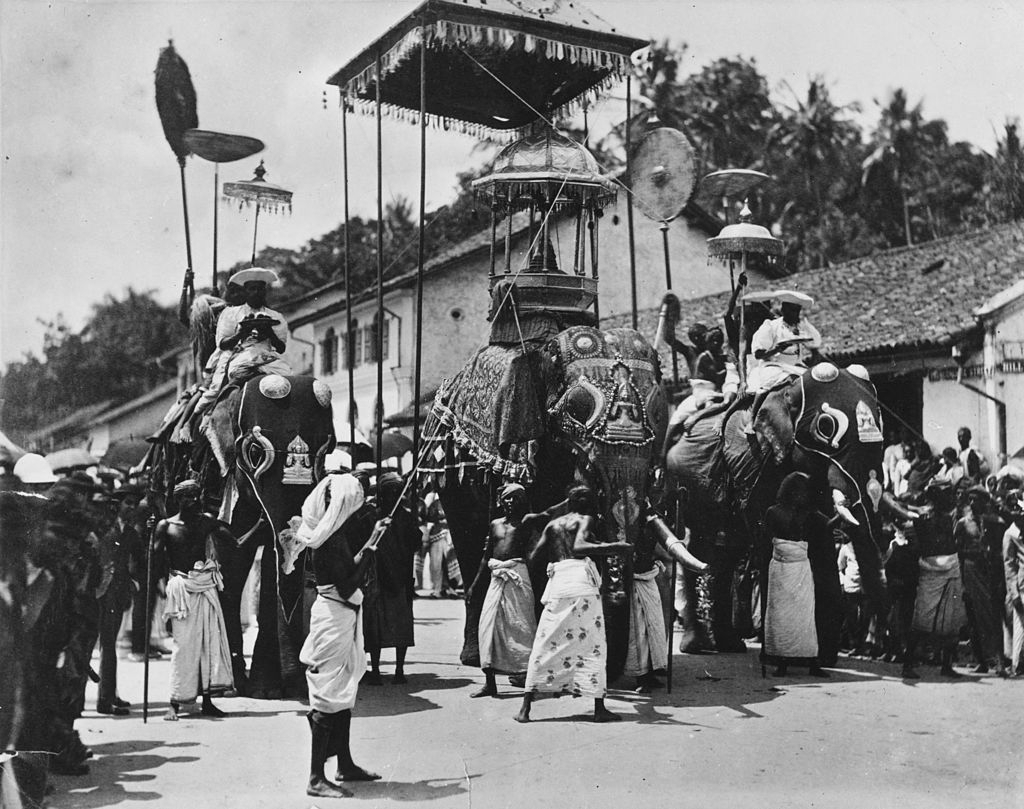
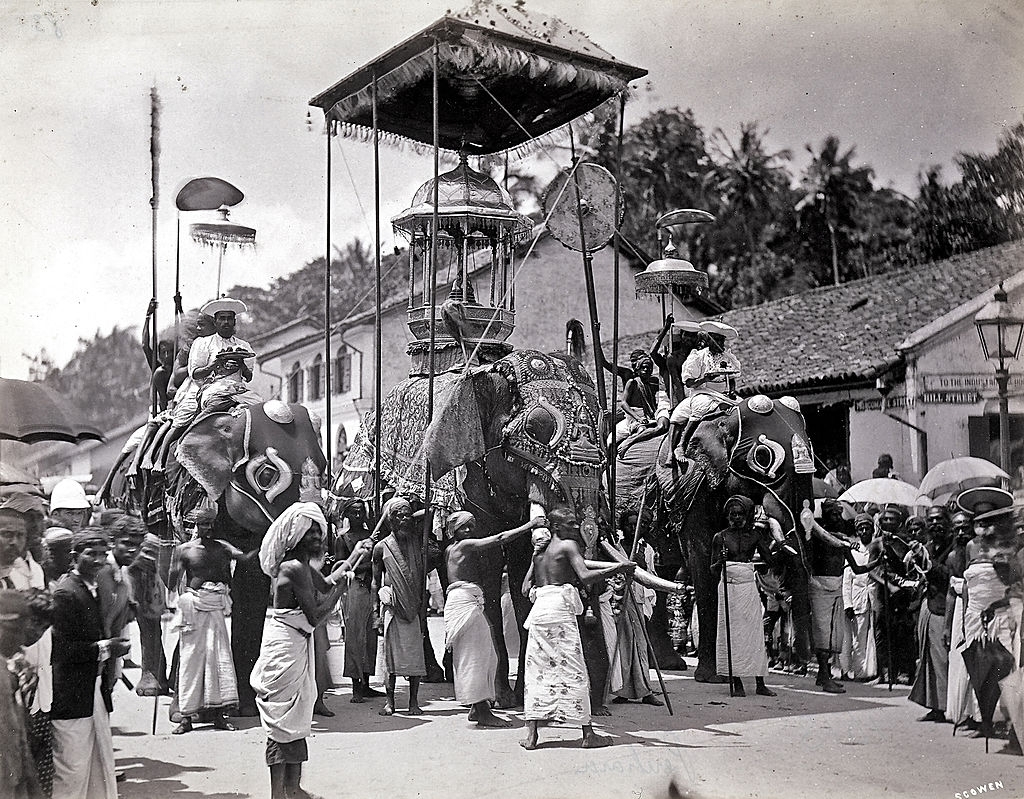
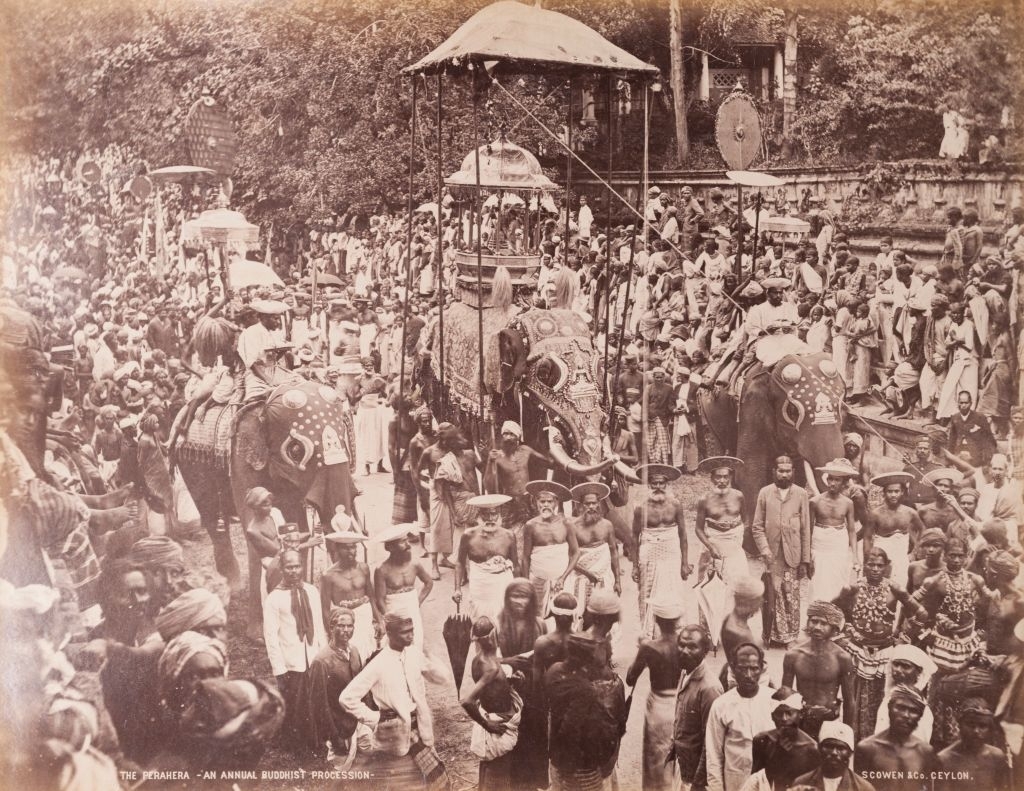
Elephants were not just a feature of the wild — they were working animals deeply woven into both the economy and religion of Ceylon. Trained elephants hauled timber, carried goods, and played prominent roles in Buddhist processions known as peraheras, where they were adorned with elaborate coverings and paraded through city streets.
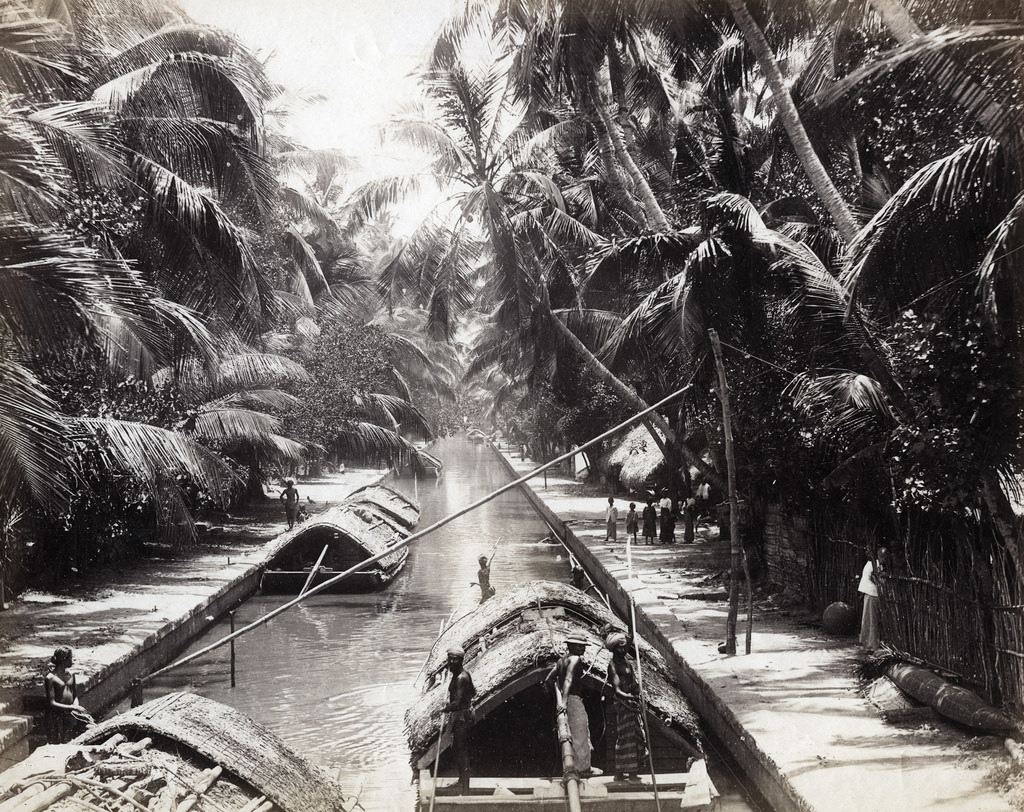
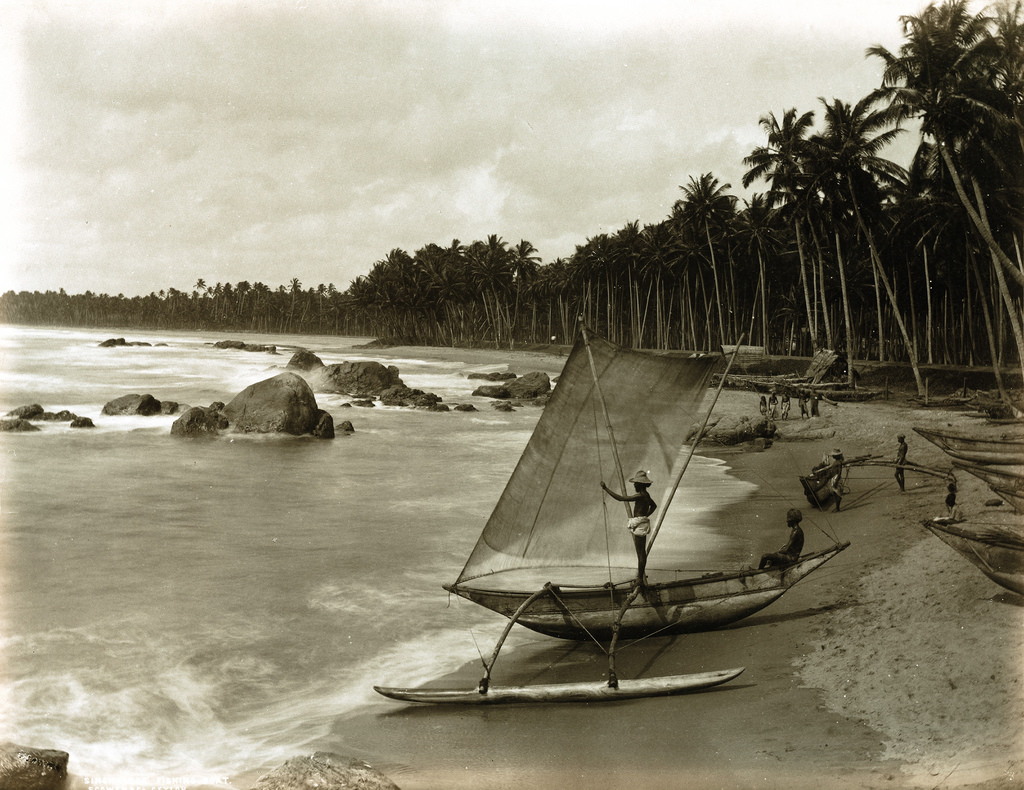
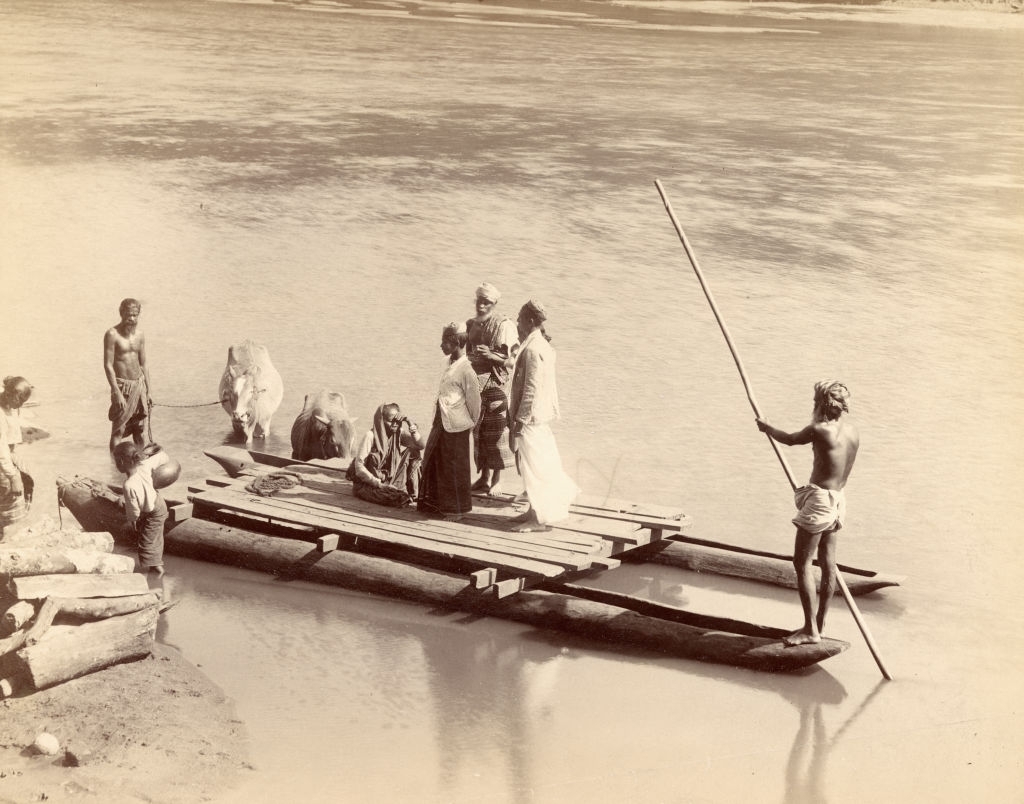
Ceylon’s waterways were vital to transportation and trade. The Negombo Canal connected coastal towns and allowed goods to move without the difficulty of open-sea travel. Fishing communities along the coast relied on traditional boats built and used in ways that had changed little over generations.
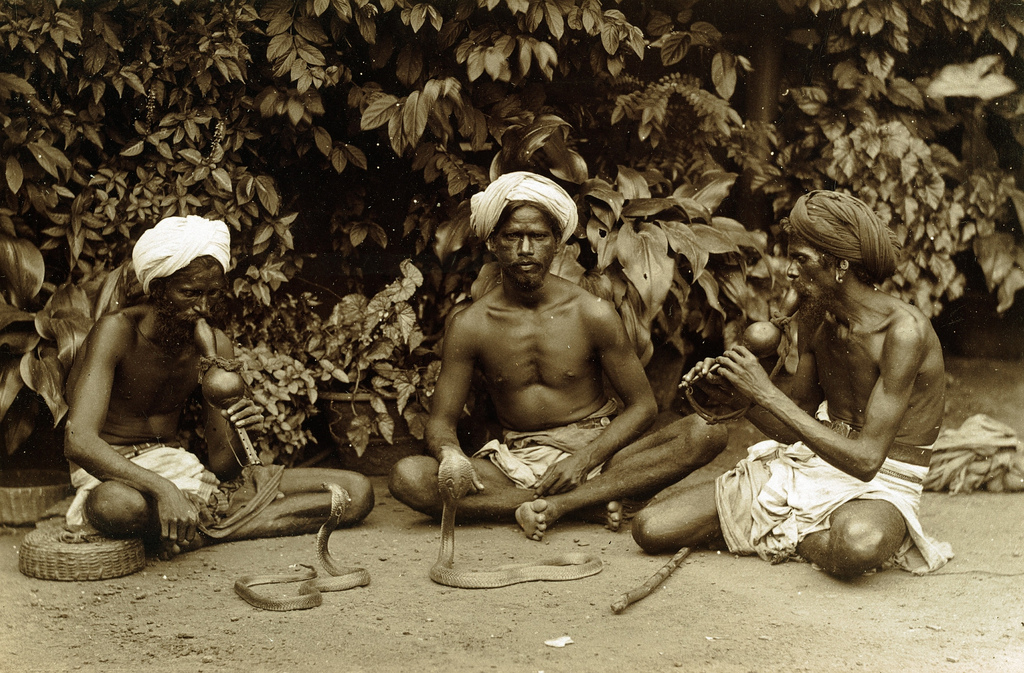
Street performers were a common part of urban life across the island. Snake charmers drew crowds in public spaces, practicing a skill that blended performance with a deep familiarity with the island’s wildlife. These performers were a fixture of the market and street culture that visitors to Ceylon frequently documented.
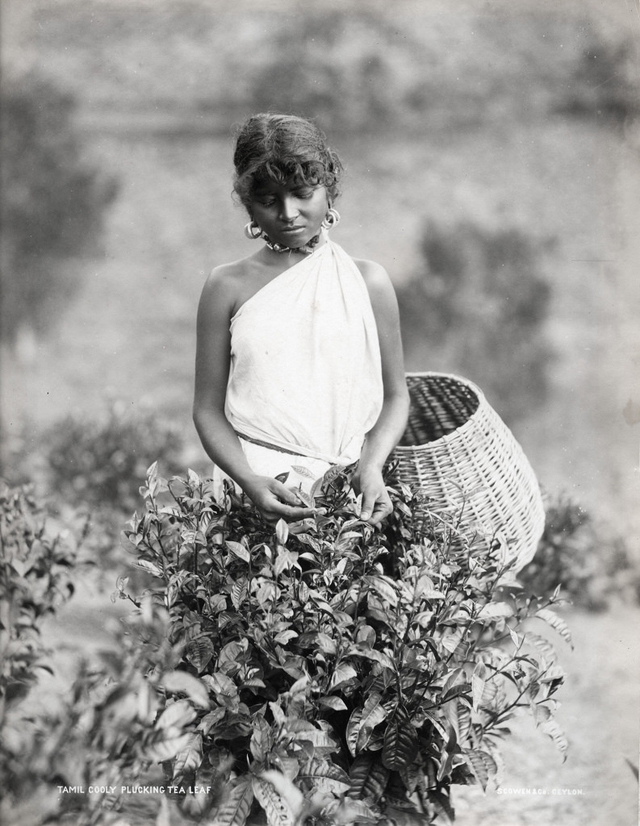
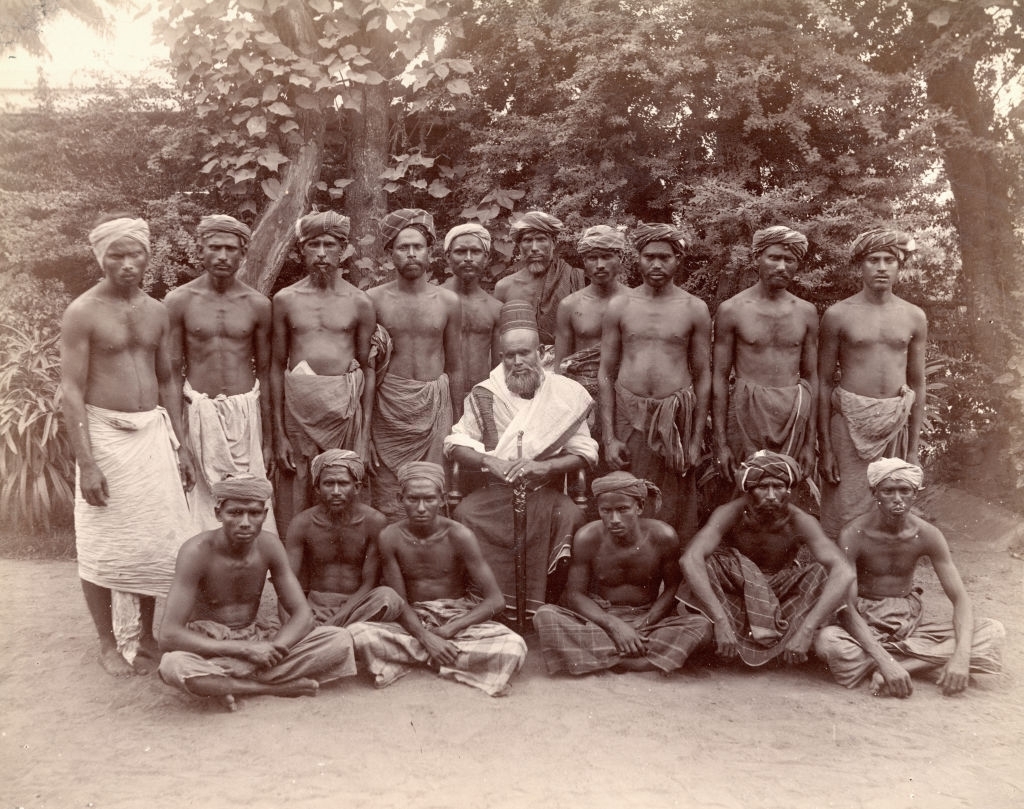
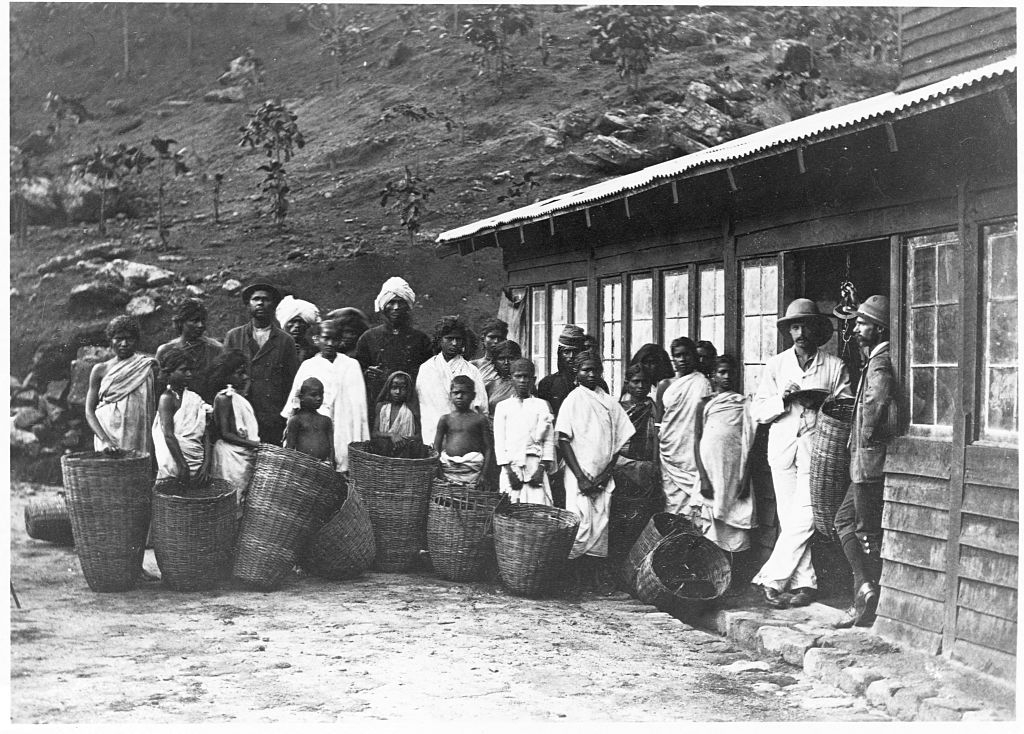
Tea became Ceylon’s most important export crop in the second half of the 19th century. After coffee plantations were devastated by disease in the 1870s, British planters rapidly converted to tea. Tamil laborers, brought from southern India, did the grueling work of picking tea leaves by hand across the steep hillside estates. Their labor drove the entire colonial economy.
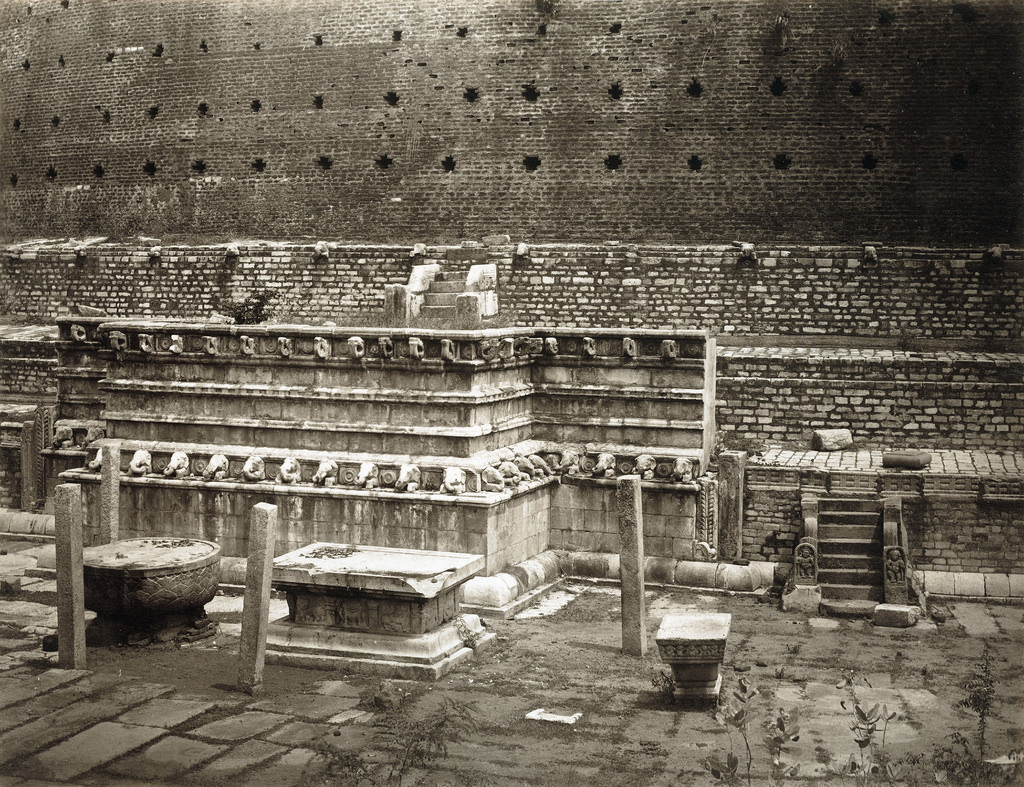
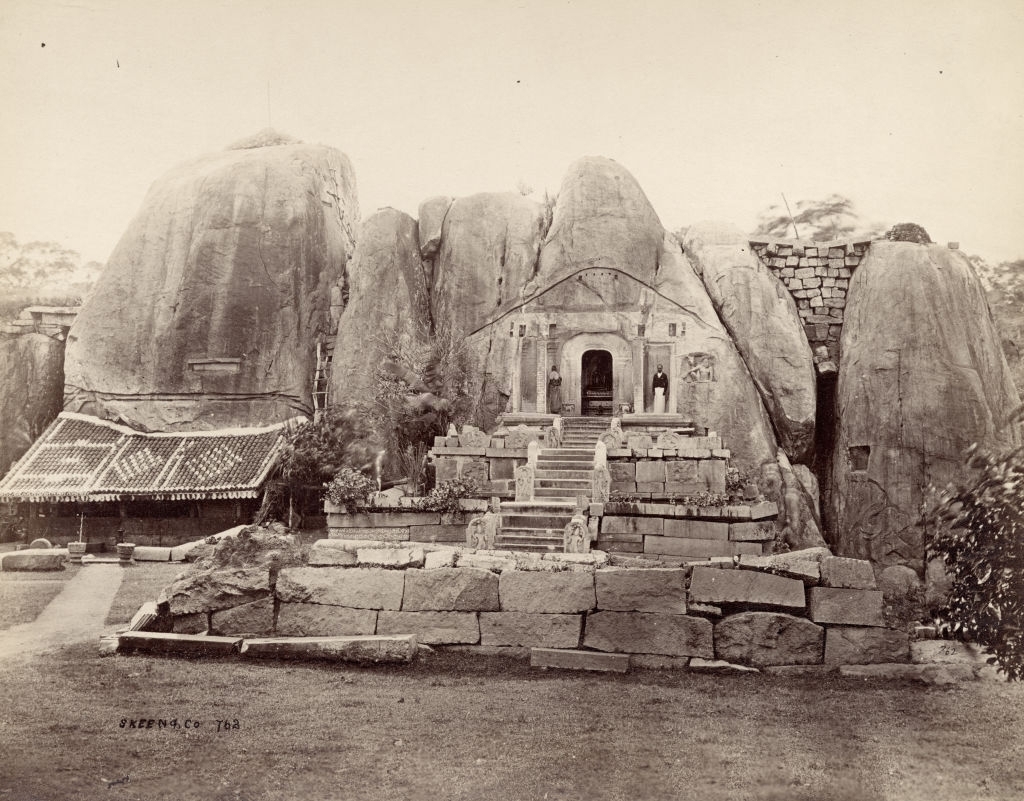
Anuradhapura was one of the oldest cities in Ceylon and a major center of Buddhist history. The dagobas — large dome-shaped stone structures housing sacred relics — had stood there for centuries. By the 1880s, many were in a state of ruin, though they remained sites of pilgrimage and deep reverence.
Religious processions were among the most spectacular public events in Ceylon. Elephants carried gilded shrines through the streets while crowds of worshippers gathered to watch. These peraheras were grand affairs that combined devotion with spectacle on a scale rarely seen elsewhere.
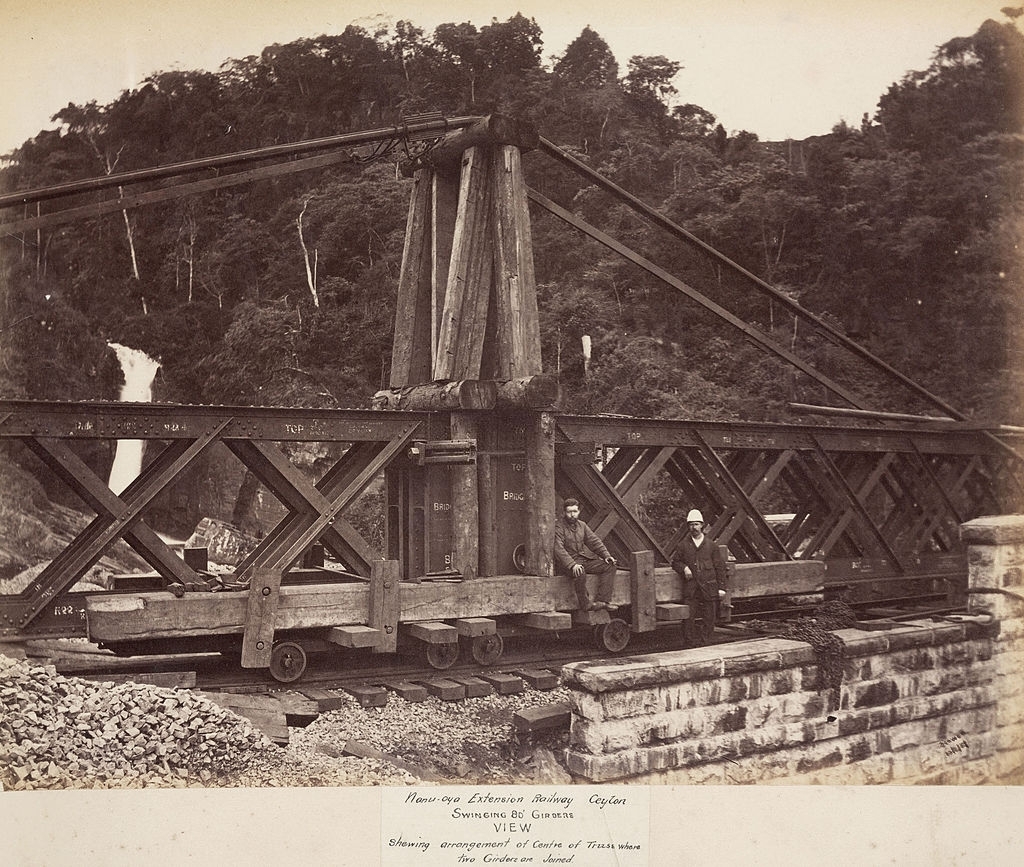
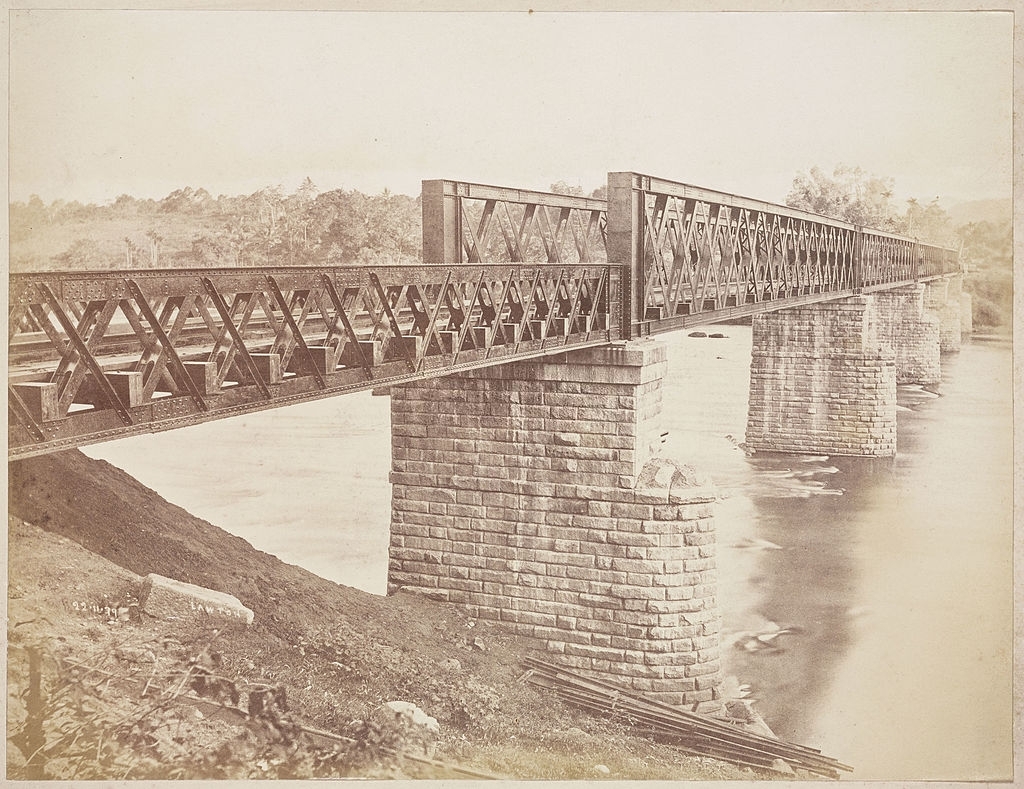
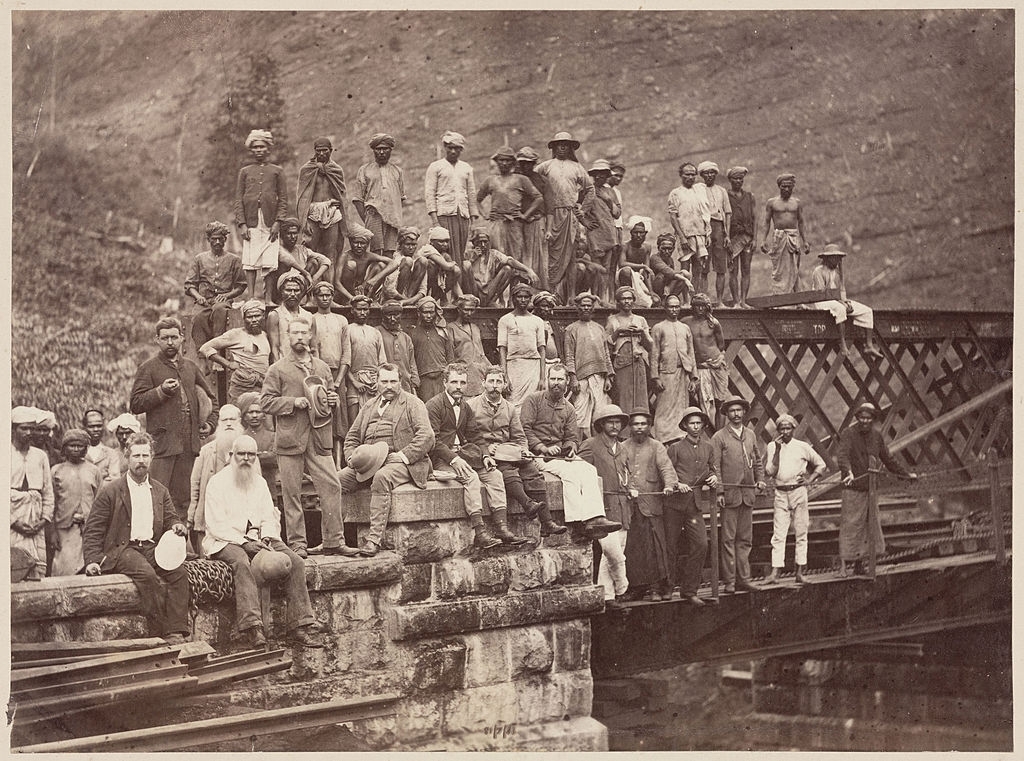
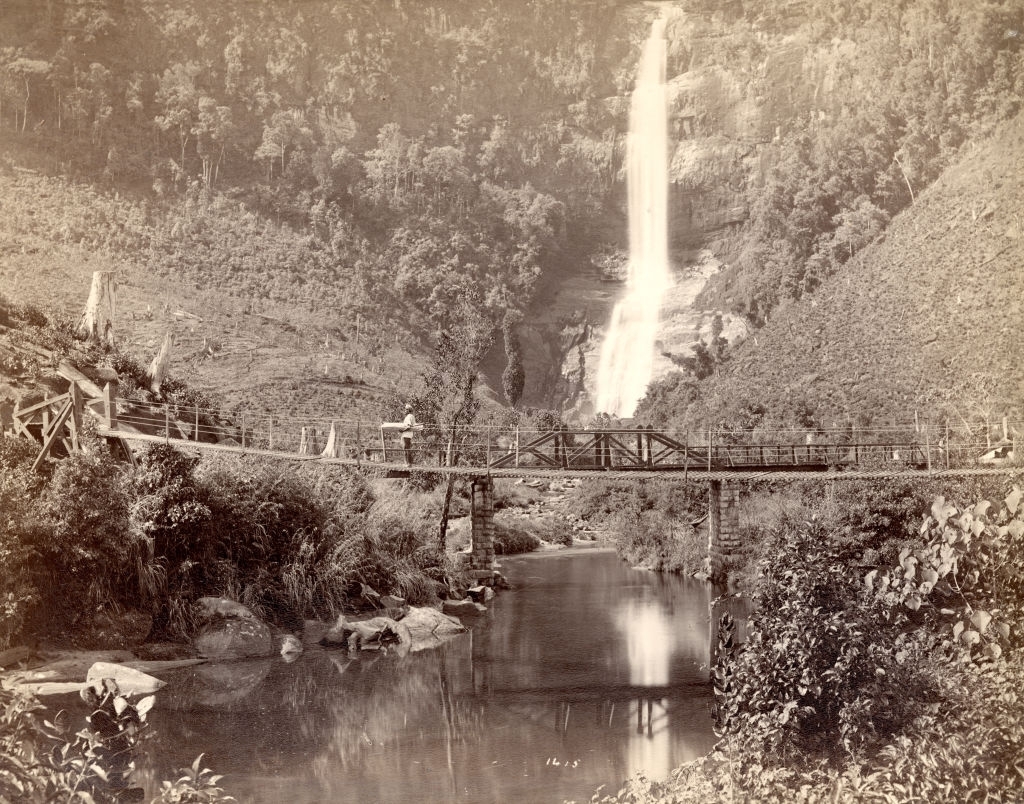
The British administration invested heavily in railway construction during the 1880s. The Nanu Oya Extension brought the railway further into the highlands, connecting tea-producing regions to Colombo’s port. Building through steep and densely forested terrain required enormous labor, much of it carried out by local workers under difficult conditions.
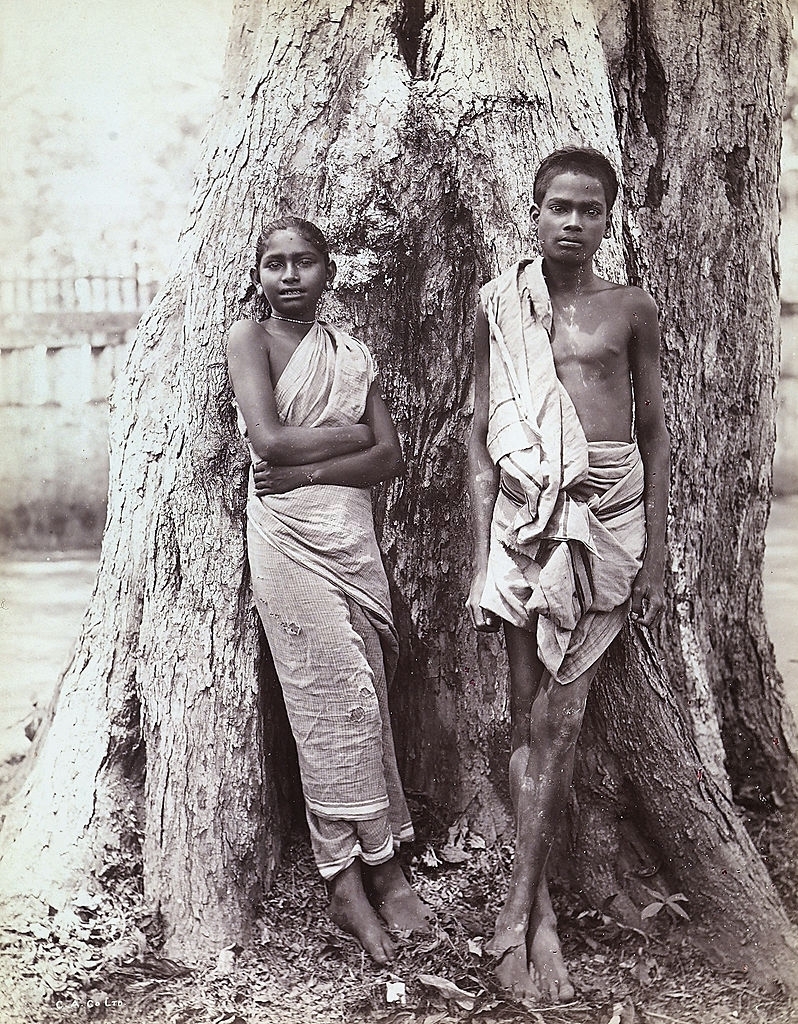
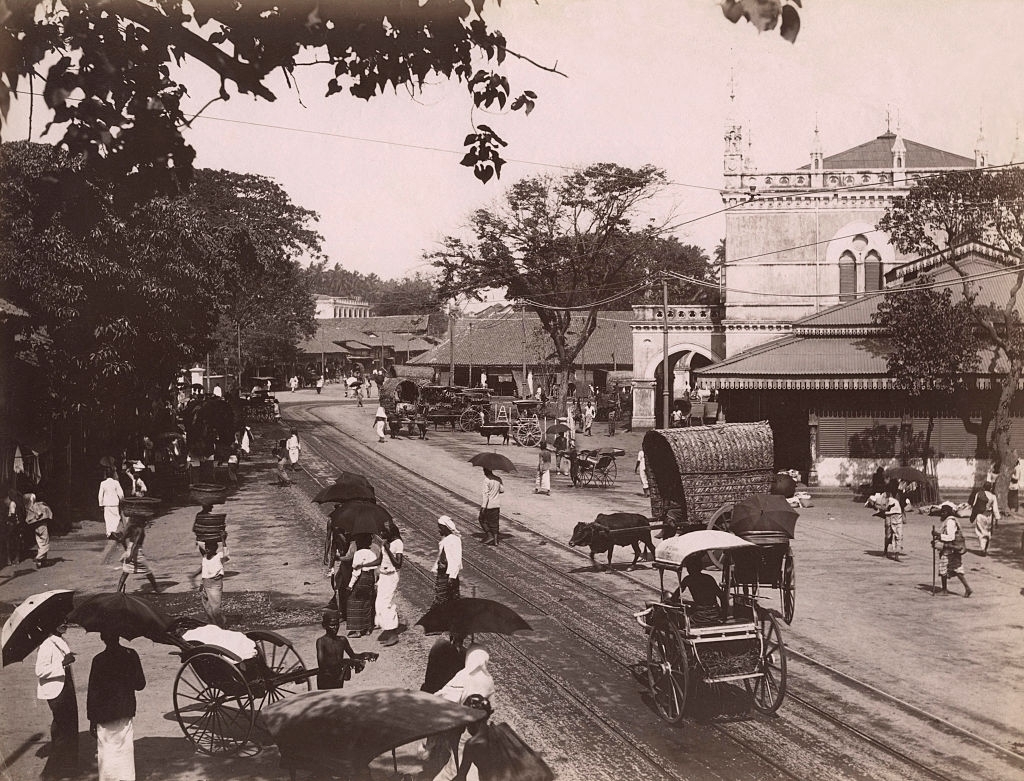
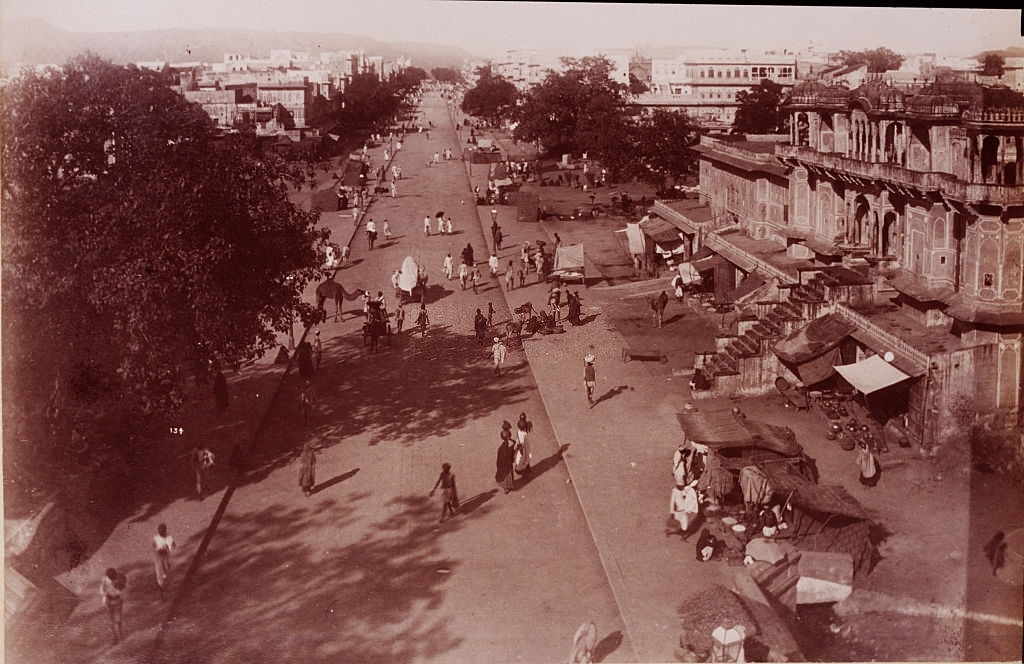
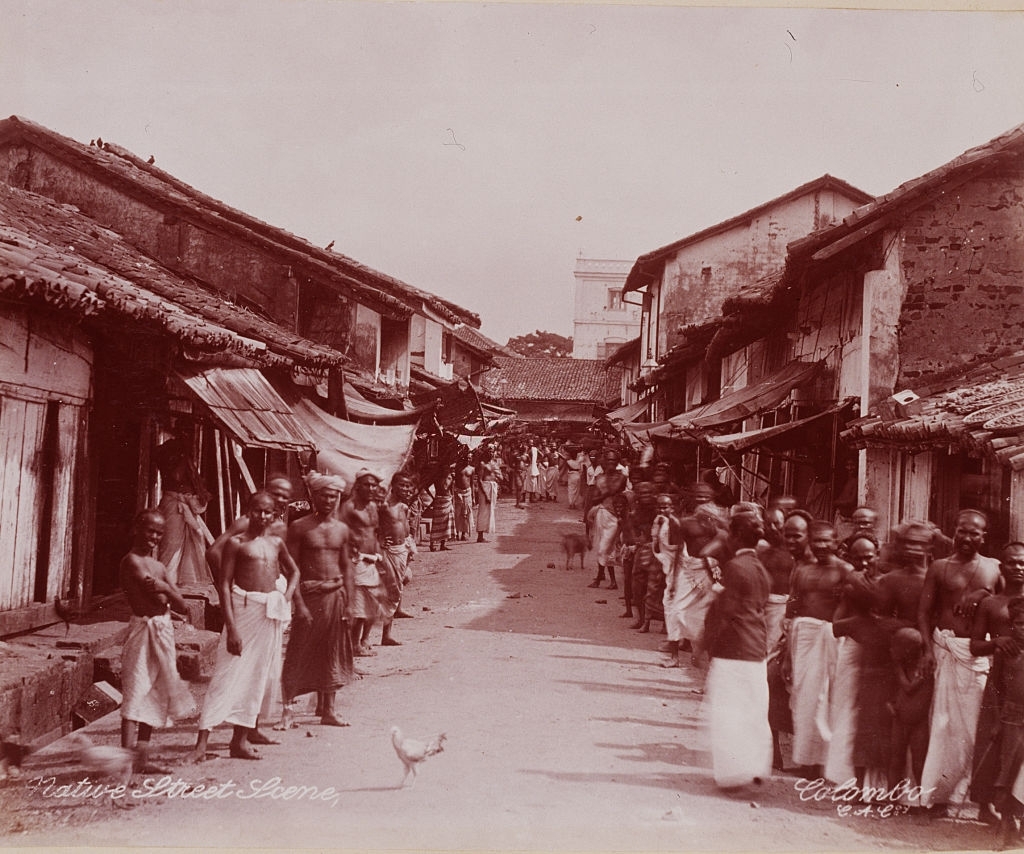
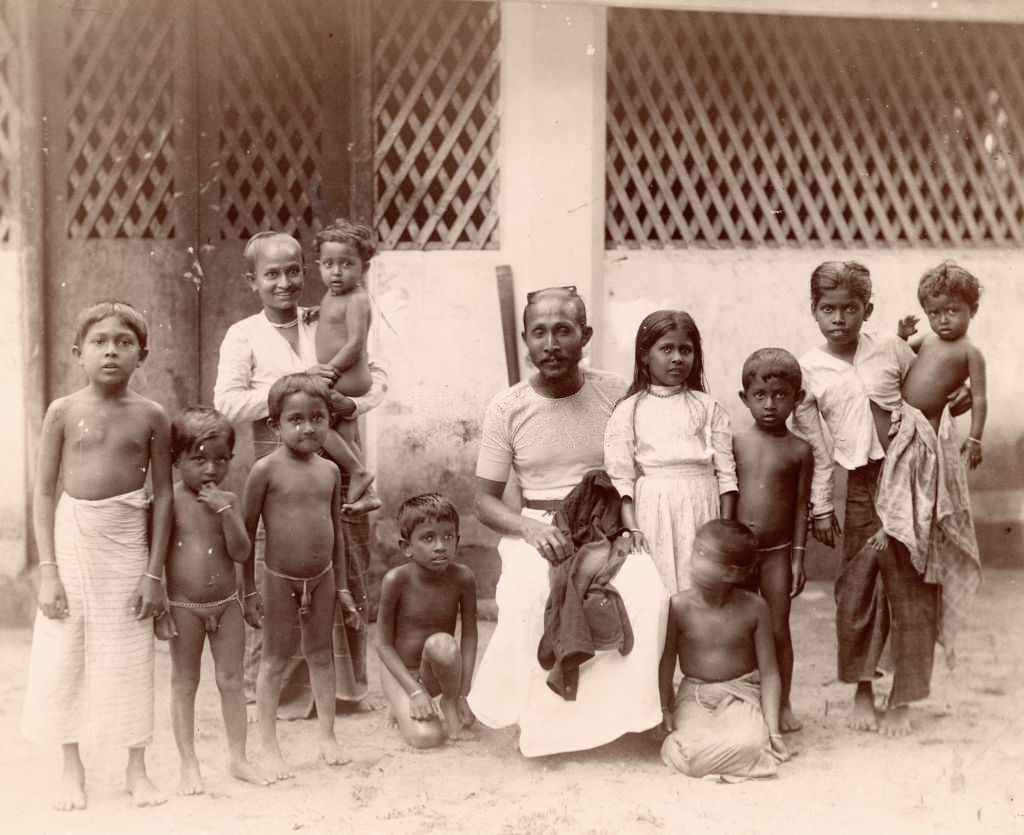
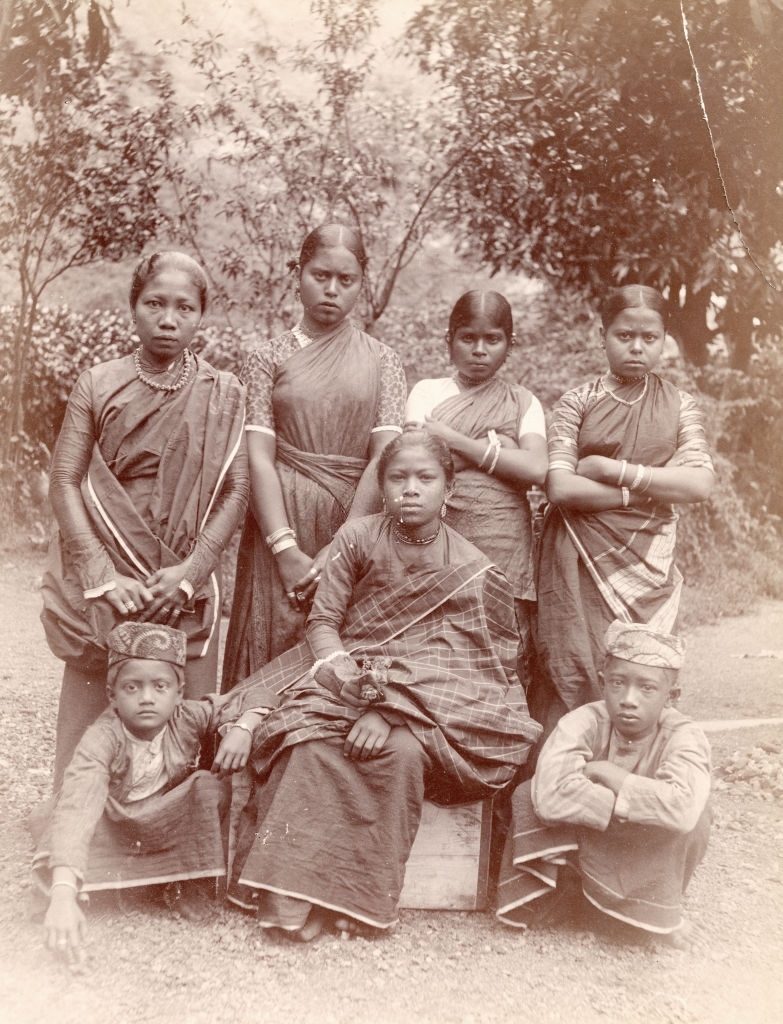
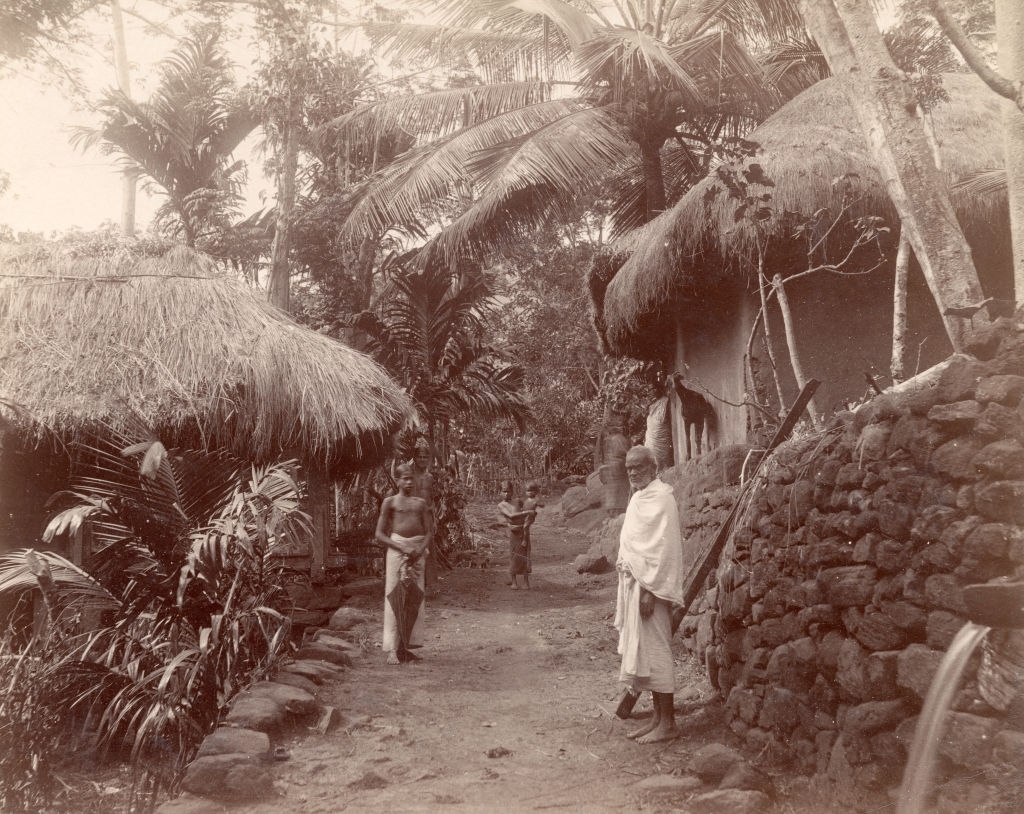
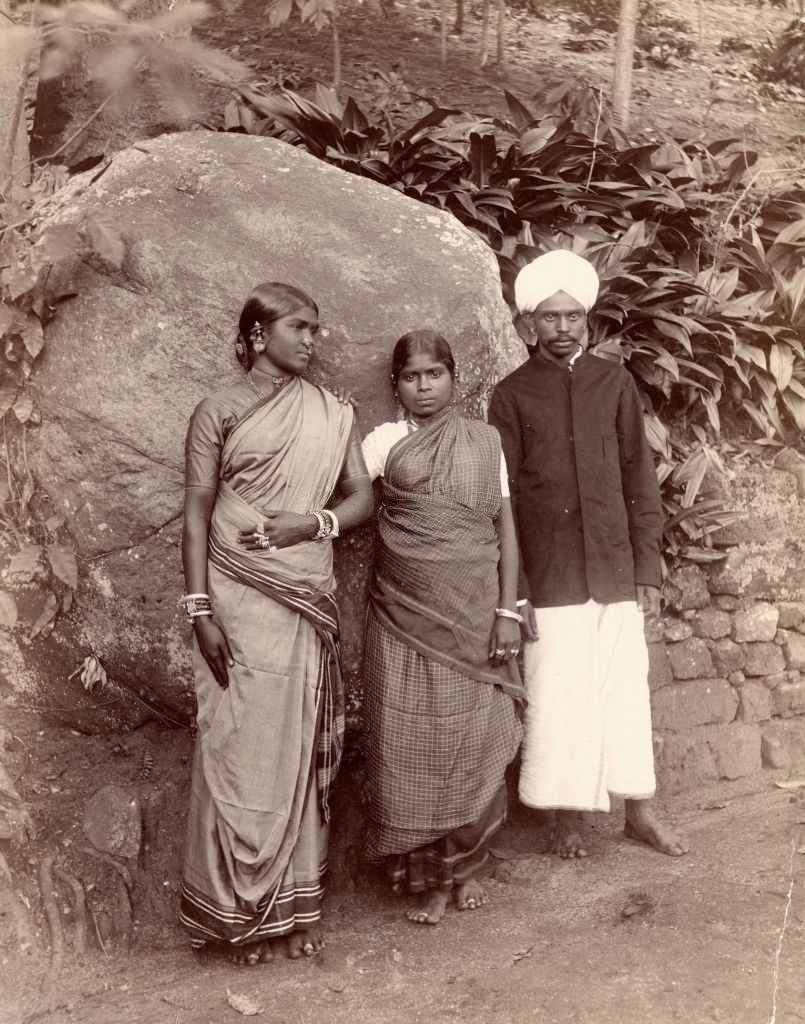
Ceylon’s population in the 1880s was made up of many distinct communities. Tamil and Sinhalese families, Indian migrants, Malay settlers, Moorish traders, and British colonists all shared the island’s streets, though they lived quite separately from one another. Photographs from the period capture this diversity across every city and village.
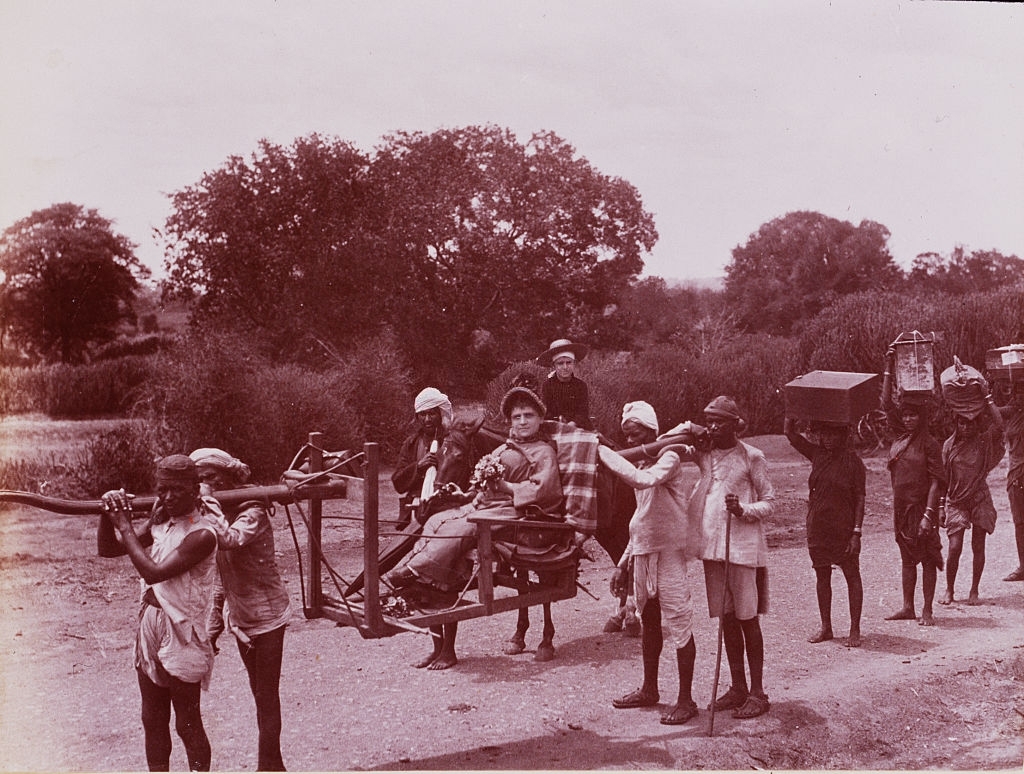
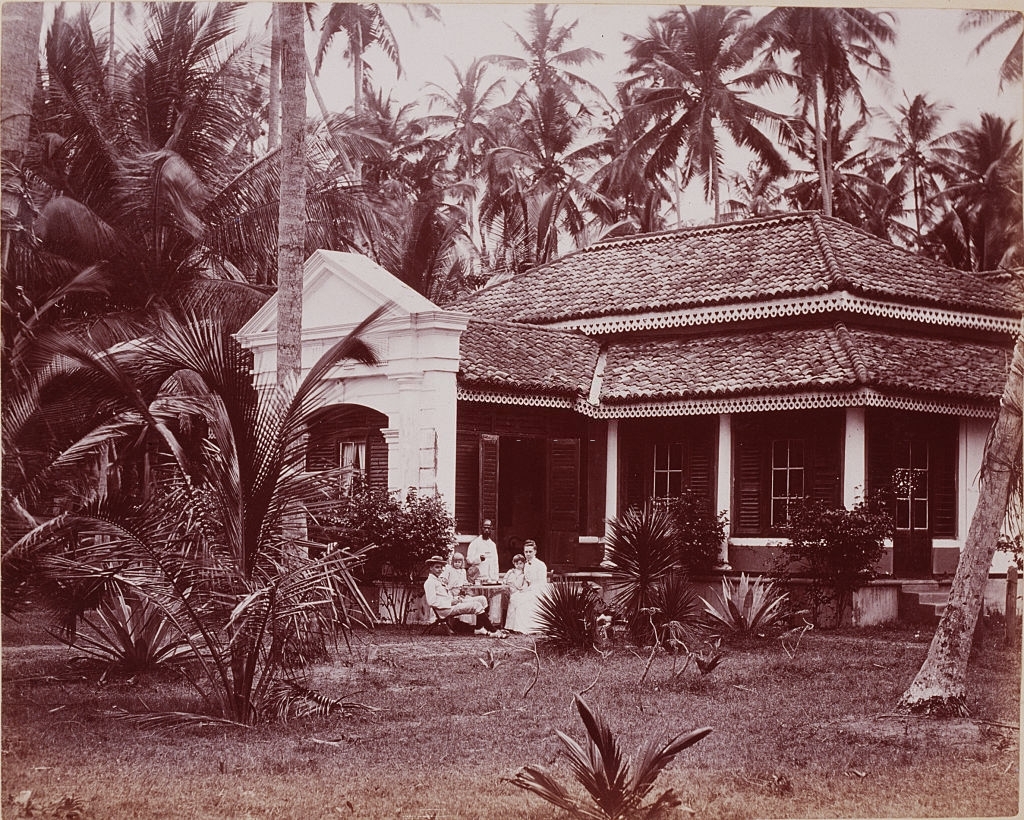
British colonial life in Ceylon operated on clear social hierarchies. European families employed local men as laborers, servants, and carriers. A litter carried by Sri Lankan men was a common form of transport for European women and children, illustrating the stark division between colonizers and the colonized that defined daily life under British rule.
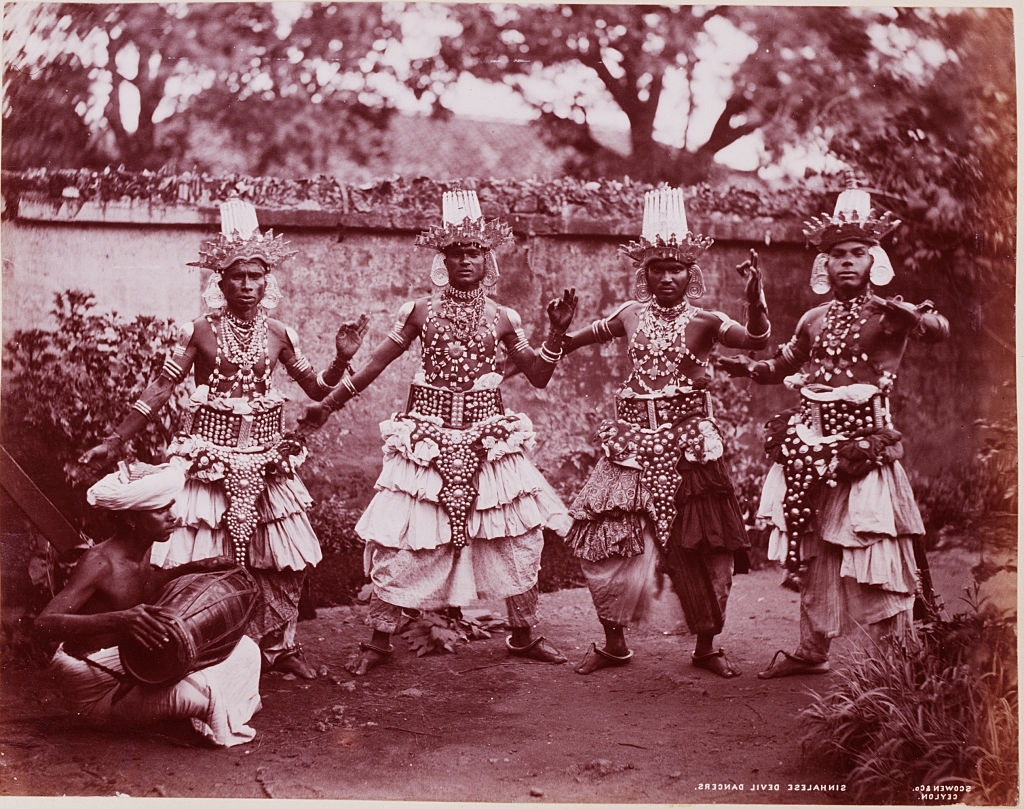
Traditional Sinhalese dance was an ancient art form tied closely to religious ritual. Male dancers performed in elaborate costumes and headdresses, with movements that had been passed down through strict training systems for generations. These performances appeared at temples and public festivals throughout the island.
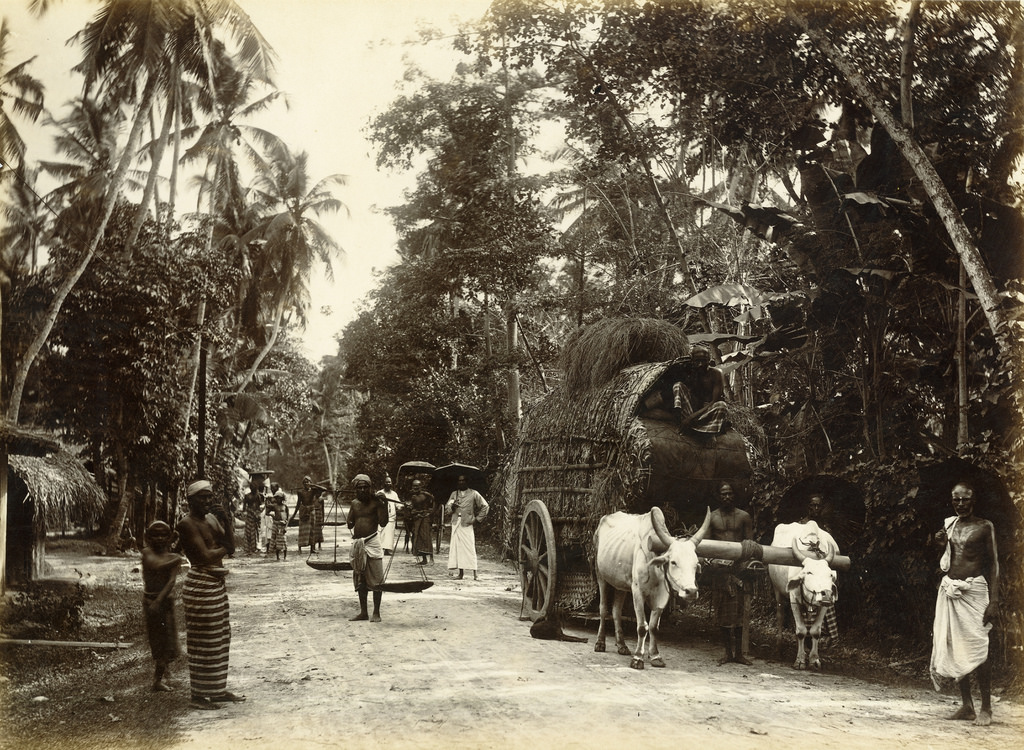
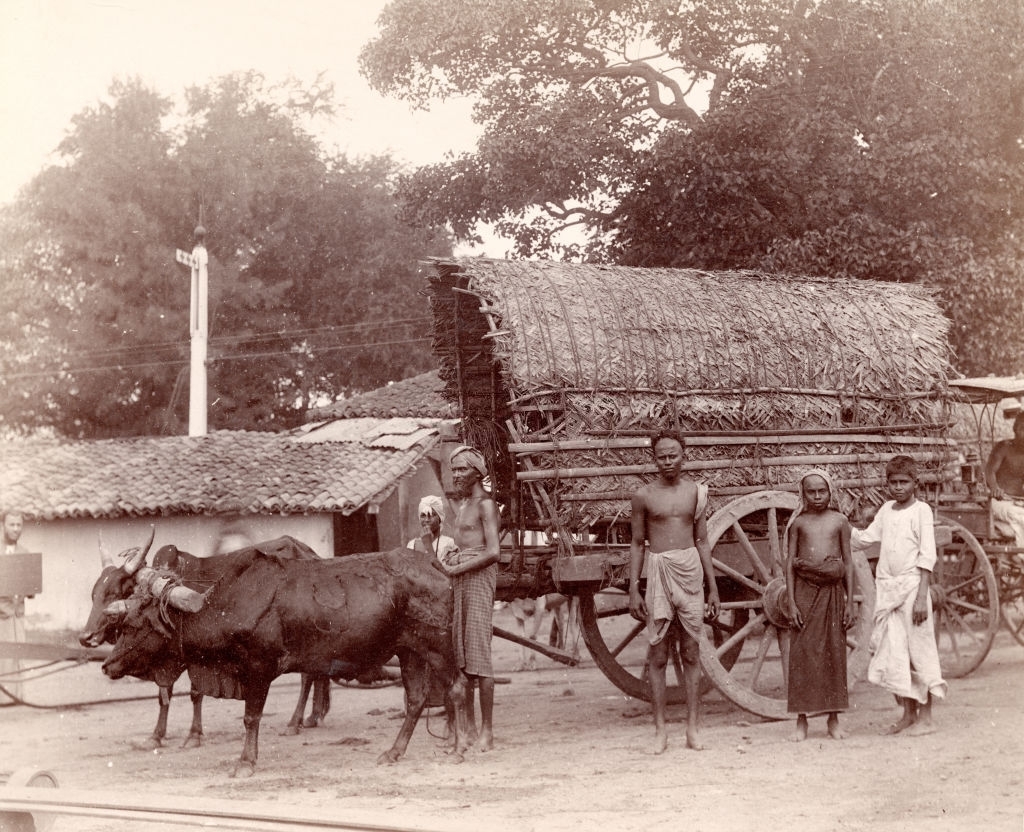
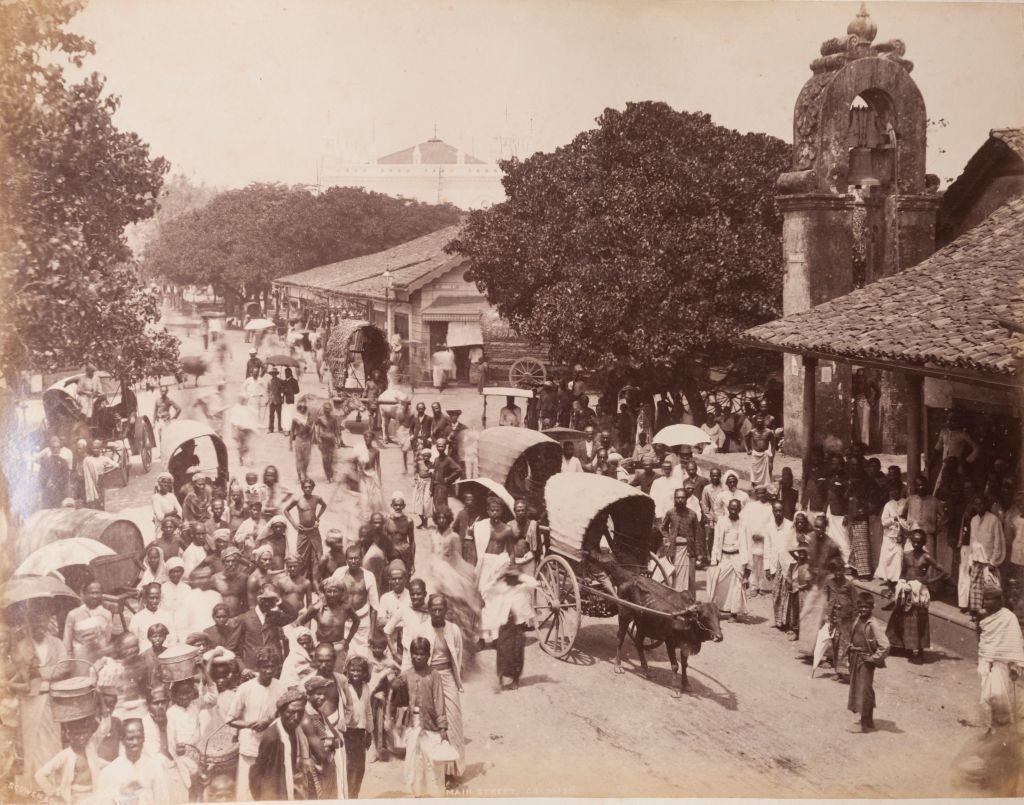
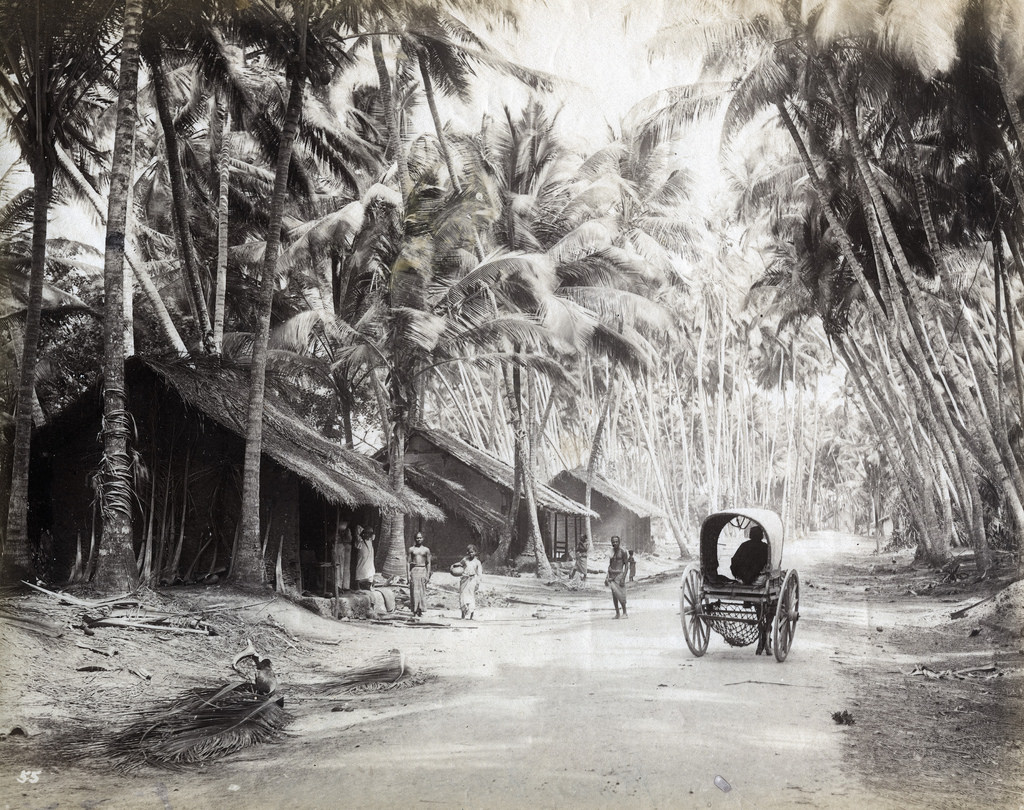
Bullock carts were the standard method of transporting goods and families across the island’s rural areas. Roads were often unpaved, and wheeled vehicles pulled by oxen were far better suited to the terrain than any alternative available at the time. Whole families traveled and worked with these carts as part of daily life.
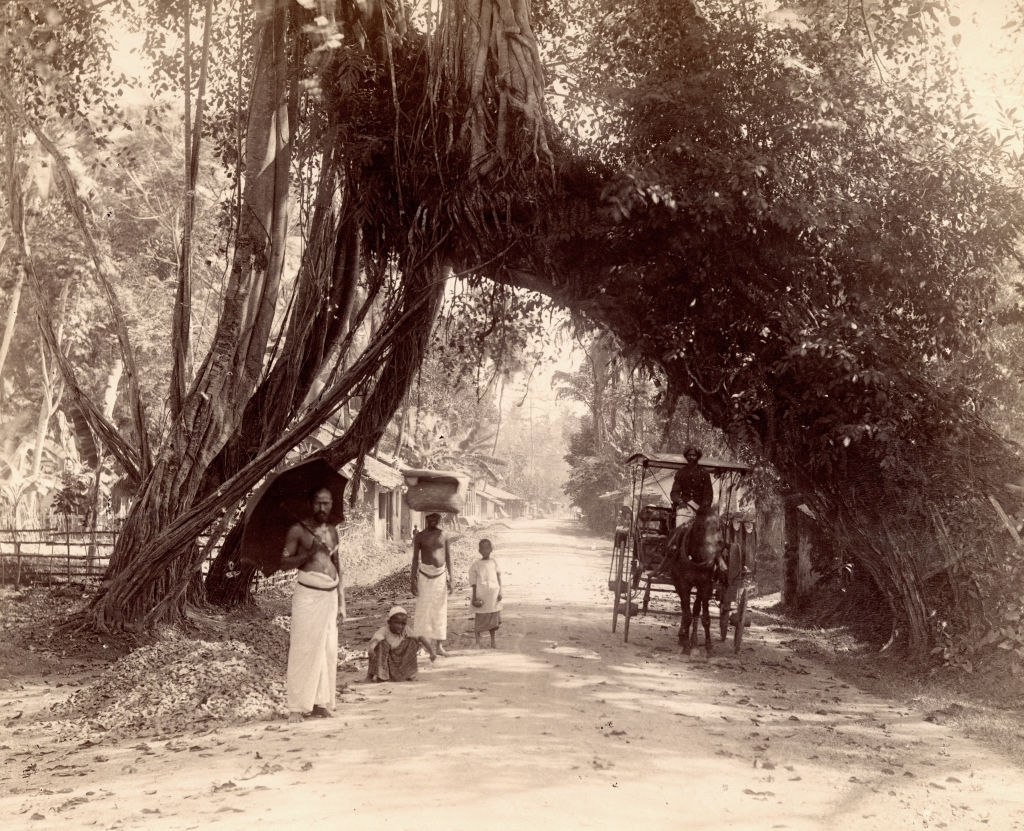
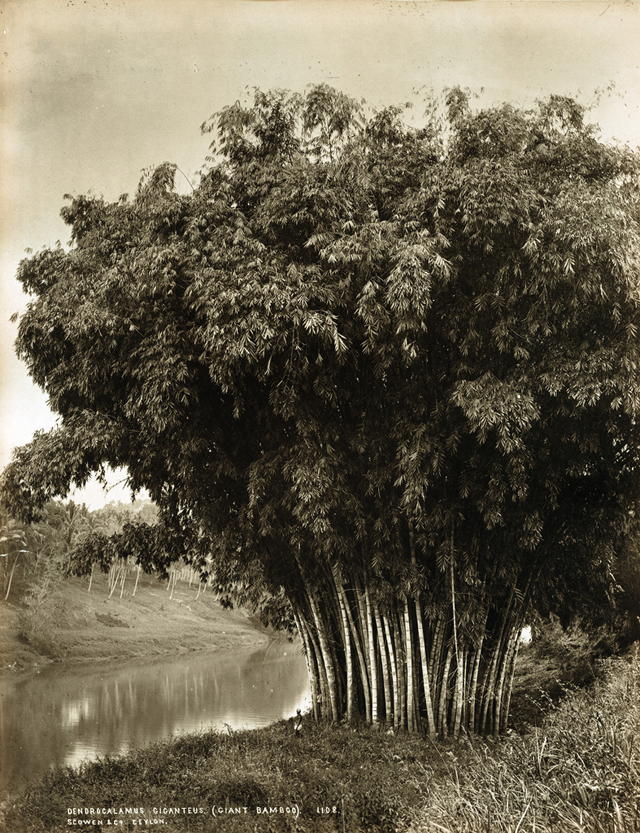
Ceylon’s landscape was dense with tropical vegetation. Giant banyan trees spread their aerial roots across wide areas, creating natural canopies that shaded entire village spaces. Bamboo grew in thick groves across the wetter regions of the island, used by locals for construction and everyday tools.
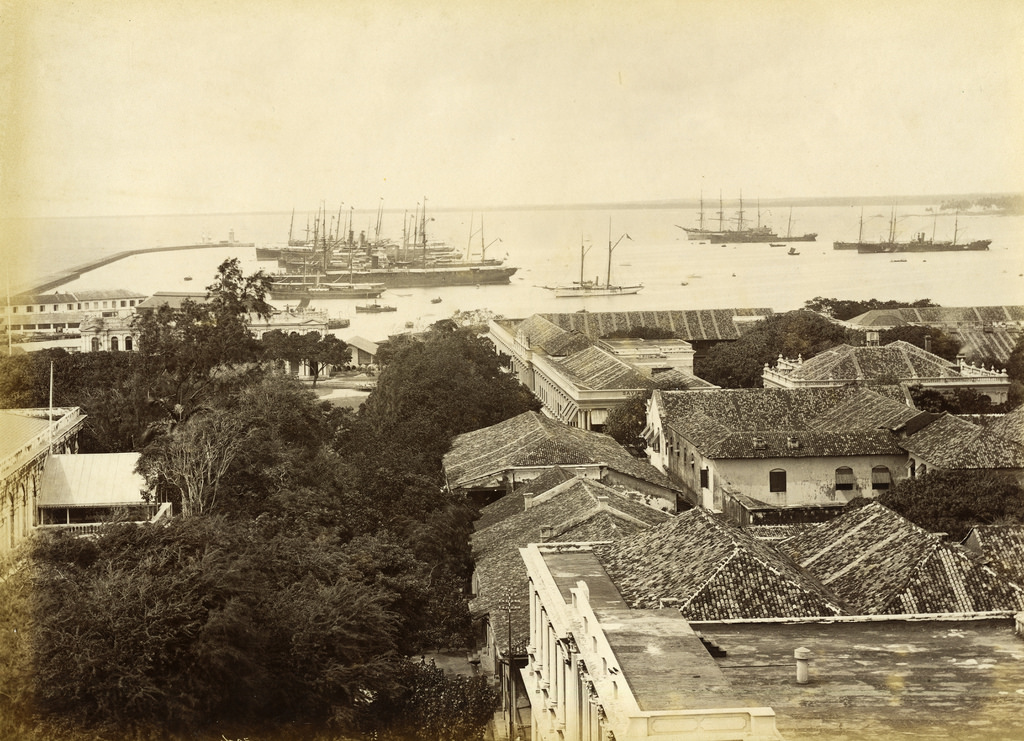
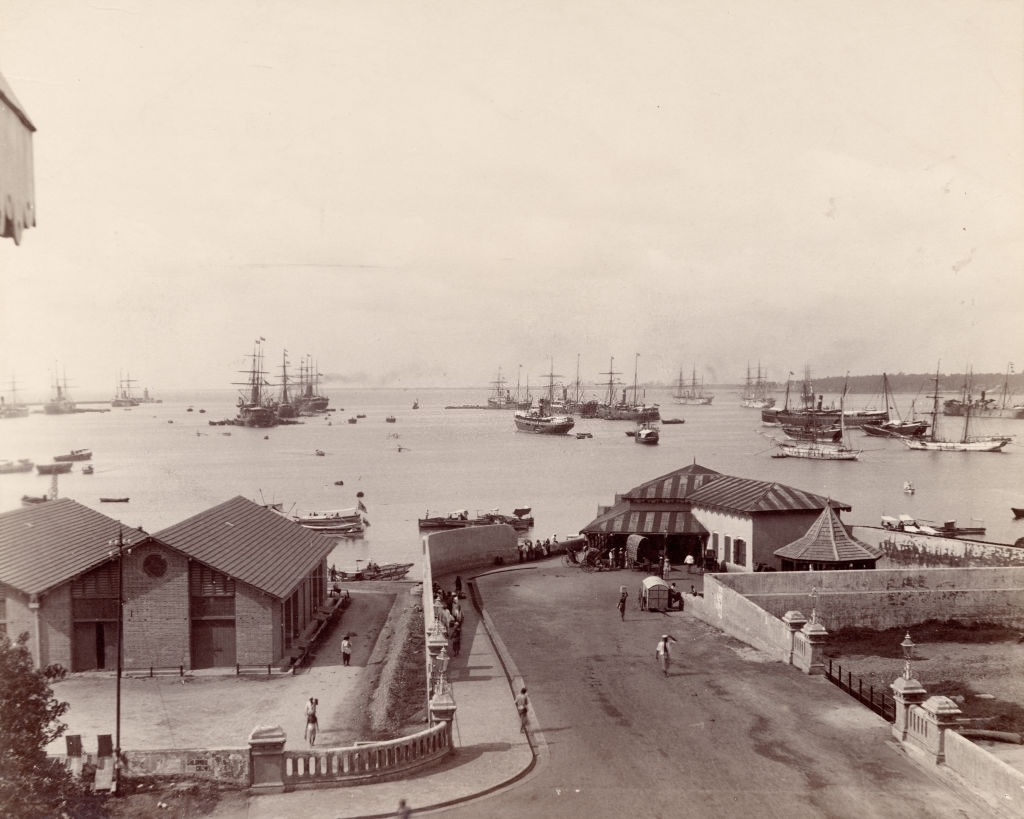
Colombo Harbour was the commercial engine of colonial Ceylon. Ships carrying tea, rubber, and spices departed from its docks and reached markets across Britain and beyond. The harbour also brought in colonial officials, merchants, and goods from Europe, making it the point where Ceylon’s colonial economy was most visible.
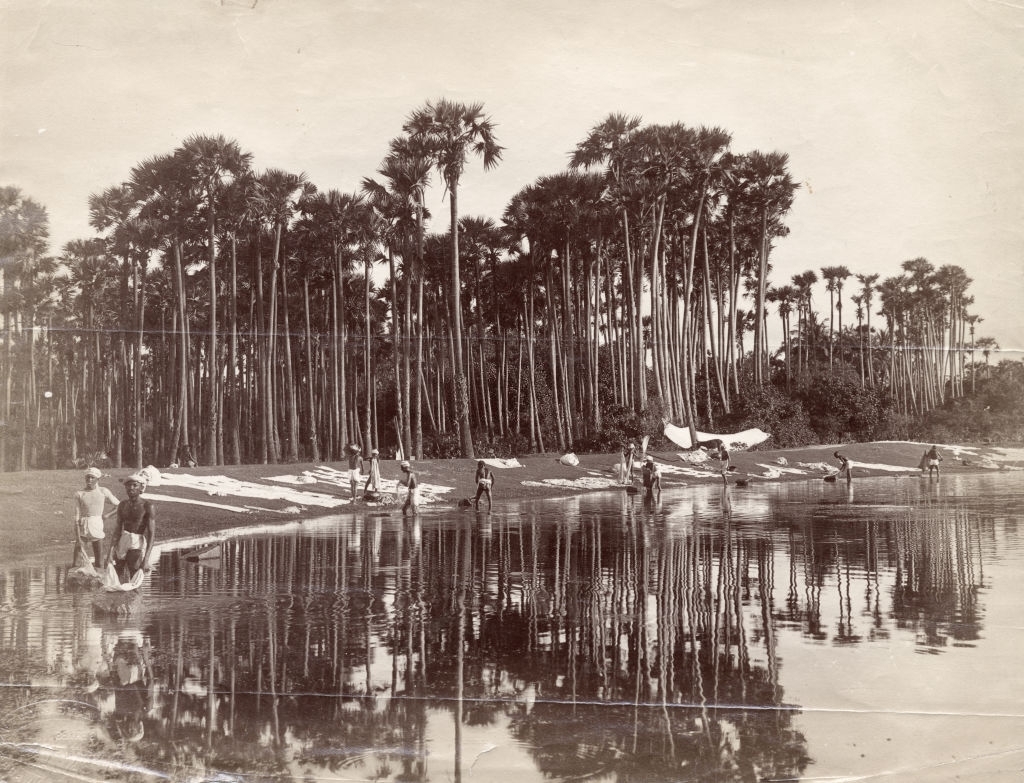
Dhobis — washermen — were a recognized occupational group across South Asia, including Ceylon. They washed and dried clothing for households and, in colonial settings, for British families on the estates. Working near water sources under the shade of palmyra palms was typical of their trade.
The tea industry ran on a precise and physically demanding system. Pickers carried harvested leaves to central weighing stations, where daily quotas were measured and recorded. Tamil workers, including women and children, carried large loads on their backs along steep hillside paths to reach these scales.
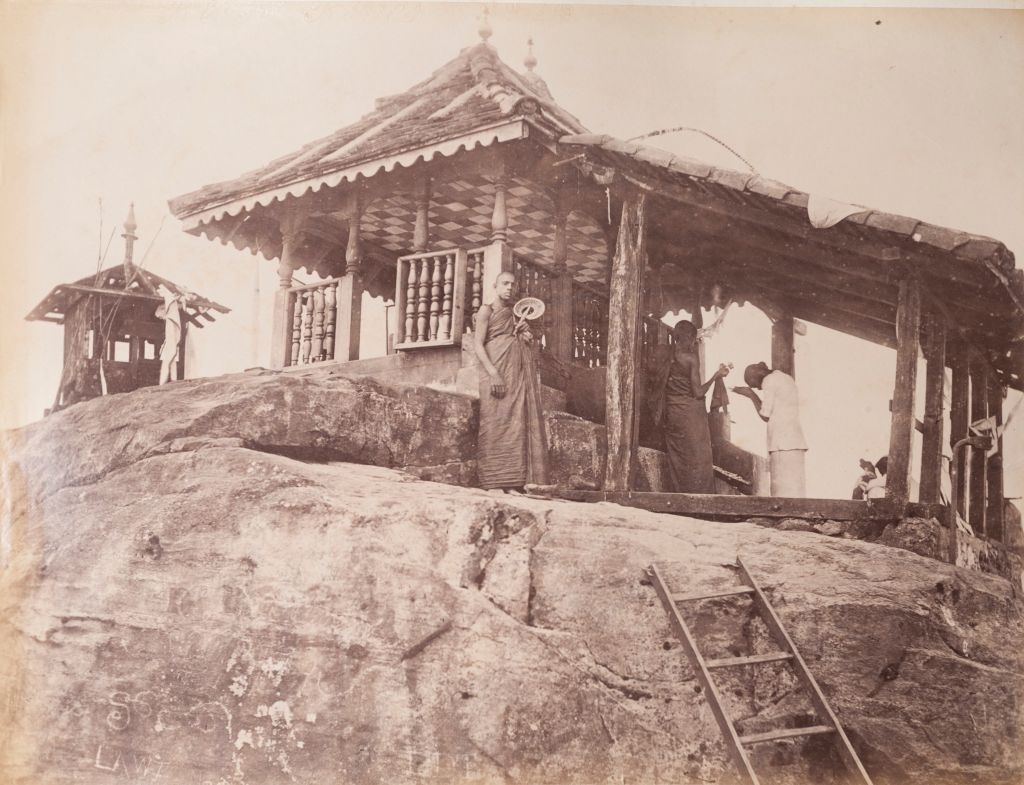
Adam’s Peak is a sacred mountain in central Sri Lanka. It draws pilgrims from Buddhist, Hindu, Muslim, and Christian communities, each of whom attribute religious significance to the footprint-shaped mark at its summit. By the 1880s, thousands made the steep climb each year, and the site’s fame had reached European travelers as well.
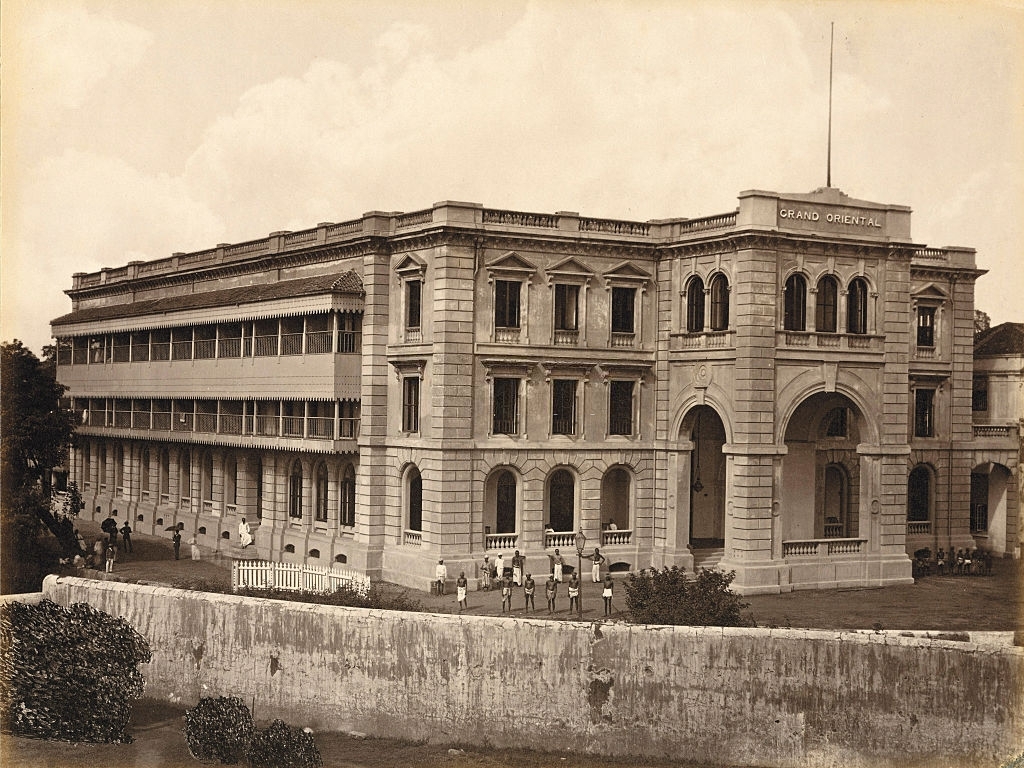
The Grand Oriental Hotel in Colombo was one of the most prominent buildings in the city. It catered to British officials, wealthy merchants, and European visitors passing through the port. Hotels like this one served as social hubs for the colonial class and stood in sharp contrast to the crowded streets of the Pettah market district nearby.
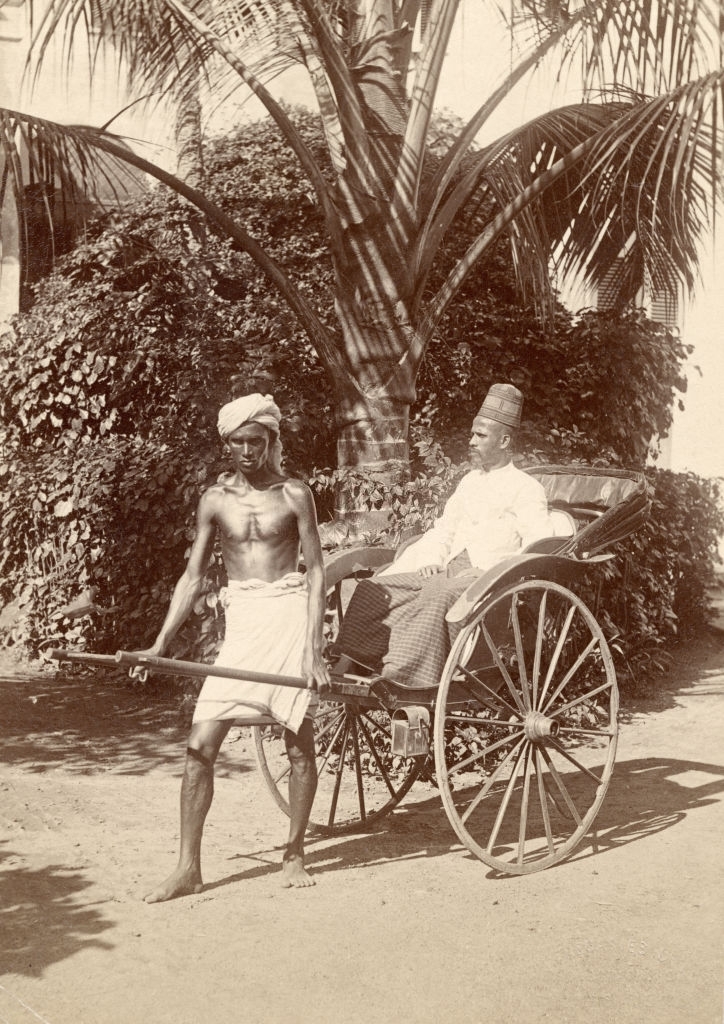
The rickshaw was another common form of transport in Ceylon’s towns and cities. A single driver pulled a passenger seated in a two-wheeled cart, navigating narrow streets and colonial boulevards alike. In Kandy and Colombo, rickshaws were among the most recognizable features of everyday urban movement.
Anuradhapura’s rock-carved temples were among the oldest surviving structures on the island. Many dated back more than a thousand years and had been partially reclaimed by jungle growth by the time British photographers began documenting them in the 1880s. Archaeological interest in these sites grew steadily during the late colonial period.
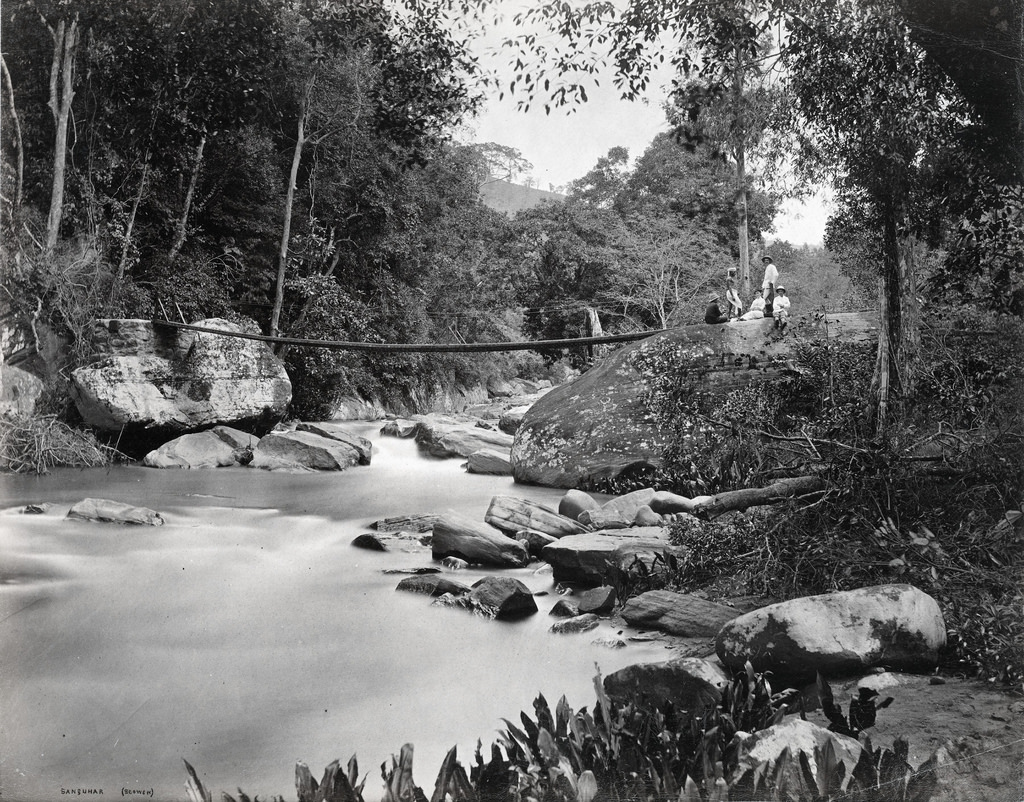
British-owned tea estates were carefully managed operations. The Sanquhar estate in Pussellawa was one of many highland plantations that became profitable after Ceylon’s shift from coffee to tea. Estate owners built colonial-style bungalows, overseeing large workforces of Tamil laborers who lived in separate quarters on the estate grounds.
The exposition of the Buddha’s Tooth Relic was among the most sacred ceremonies in Sri Lankan Buddhism. Held at Kandy’s Temple of the Tooth, the relic was considered the island’s most important religious object. Ceremonies drawing monks and worshippers from across the island were documented by photographers in the 1880s, preserving rare glimpses of these deeply significant events.
Hindu temples across Ceylon were distinguished by their towering entrance gateways, called gopurams, which were covered in intricate stone carvings of gods, figures, and geometric patterns. Tamil communities maintained these temples as active centers of worship and community life throughout the colonial period.