Peter Bock-Schroeder was not the kind of photographer who stayed close to home. Born in Germany, he trained at the Photo-Atelier Binder in Berlin, completing his photojournalism degree there in 1933. From early in his career, his work took him far beyond Europe’s familiar borders — and eventually deep into one of the most restricted countries on earth: the Soviet Union.
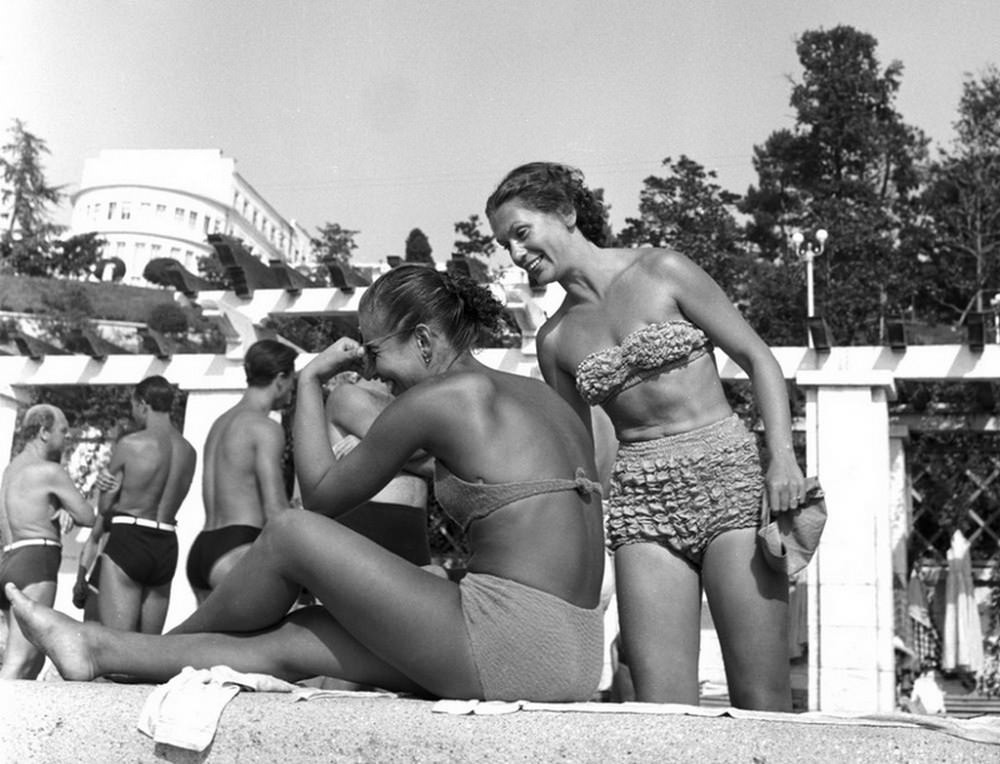
His first access to the USSR came during World War II, when a West German film production hired him for a documentary project. The assignment made him the first West German photographer to be granted permission to work inside Soviet territory. The goal was to travel with an international film crew and produce a documentary called ‘Russia Today, We Saw with Our Eyes.’ Soviet authorities approved the film, giving Bock-Schroeder rare and official access to a country that was almost completely closed to Western cameras.
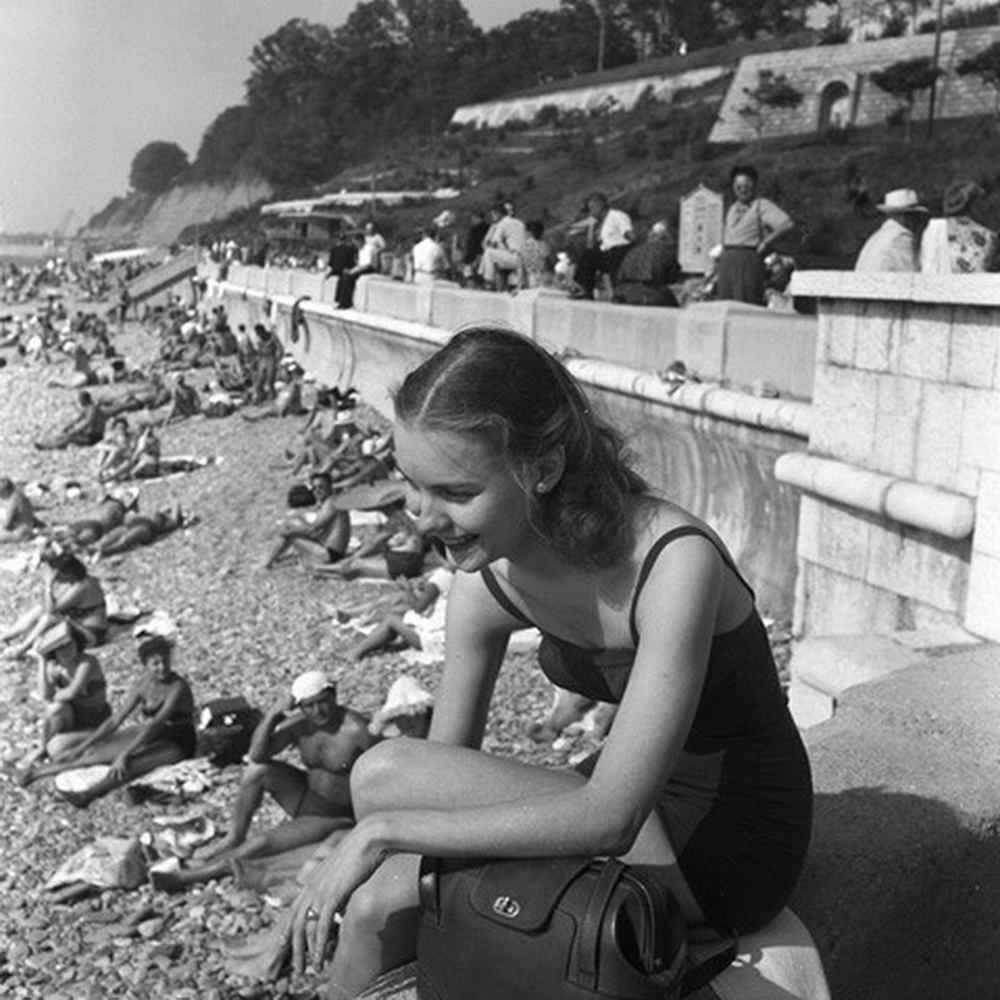
The journey took him across an enormous stretch of territory — from the oriental south to the far north, from western Russia all the way to Siberia. He moved through multiple former Soviet republics, capturing scenes that few Western eyes had ever seen. Getting that footage out of the country was its own challenge. Just before leaving for West Berlin, Bock-Schroeder sewed most of his exposed rolls of film into his trench coat and carried them across the border.
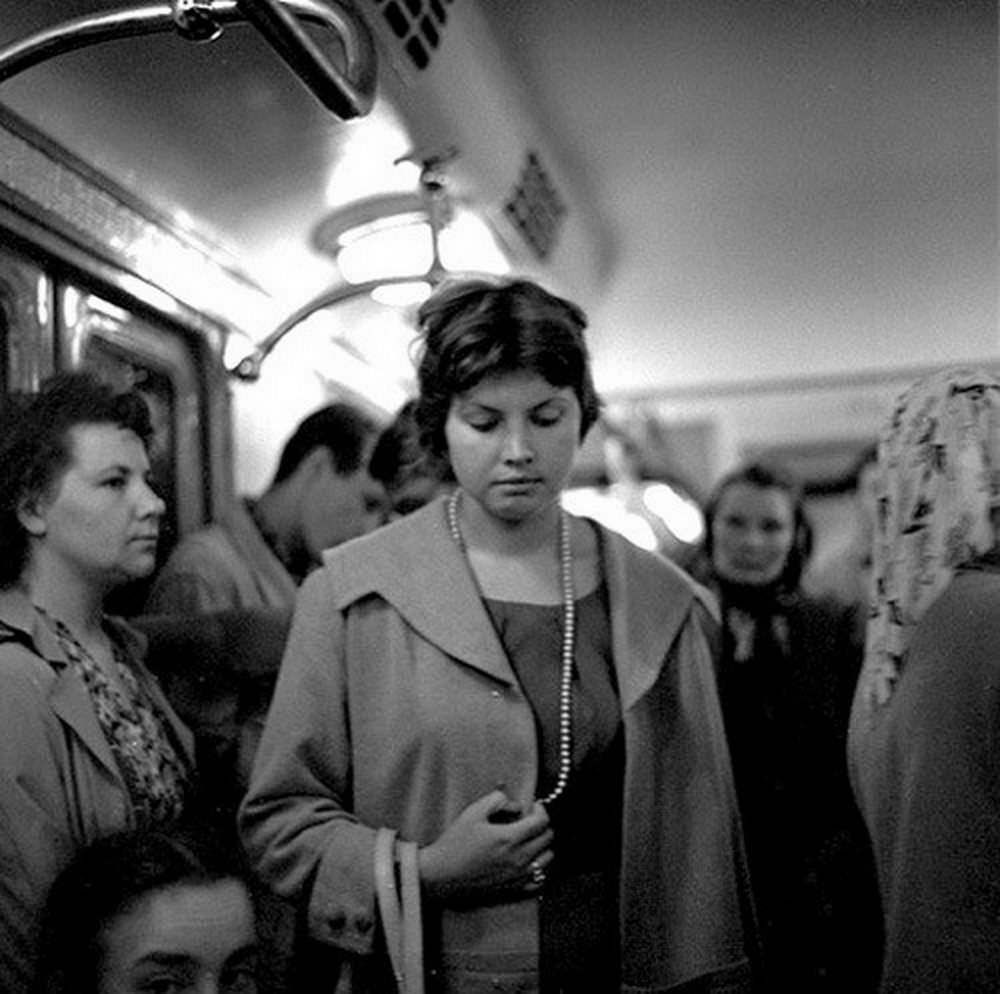
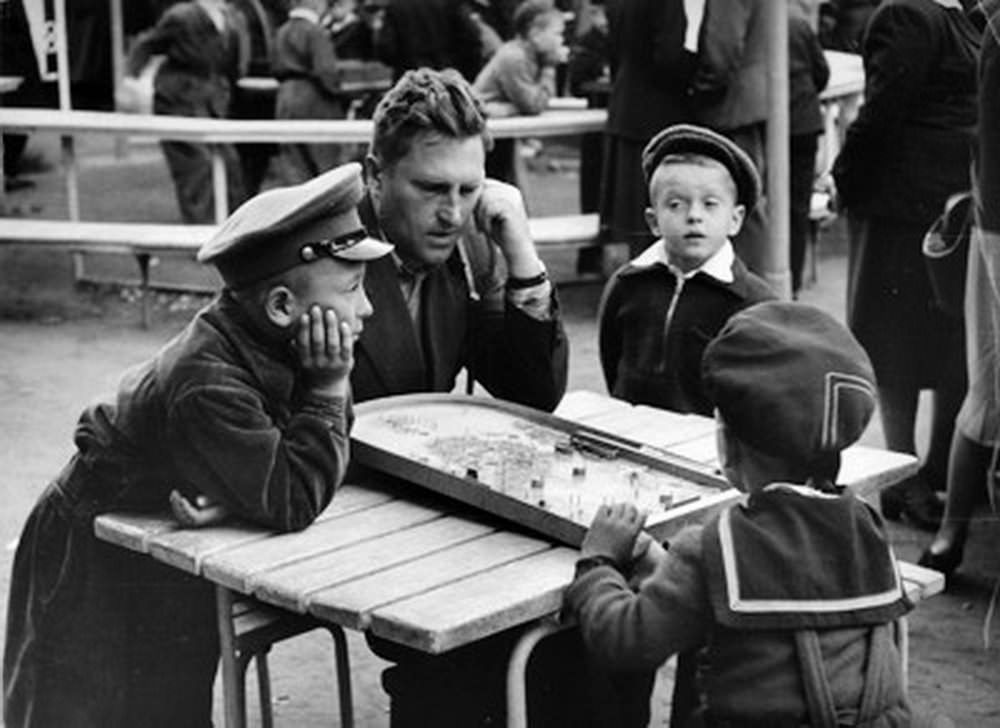
After the war, in 1946, a German news service hired him to work under Sefton Delmer, the well-known British journalist and propagandist. Throughout the 1950s, Bock-Schroeder worked under contracts from three of Germany’s leading news magazines — Stern, Quick, and Revue — which sent him traveling extensively across the globe.
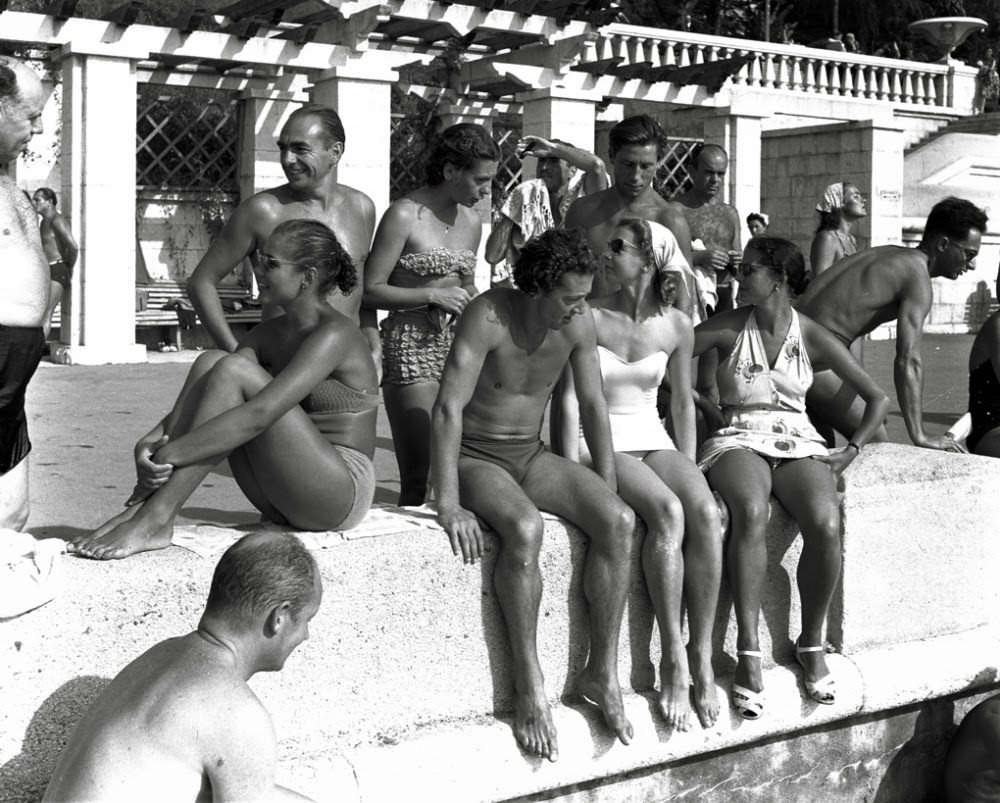
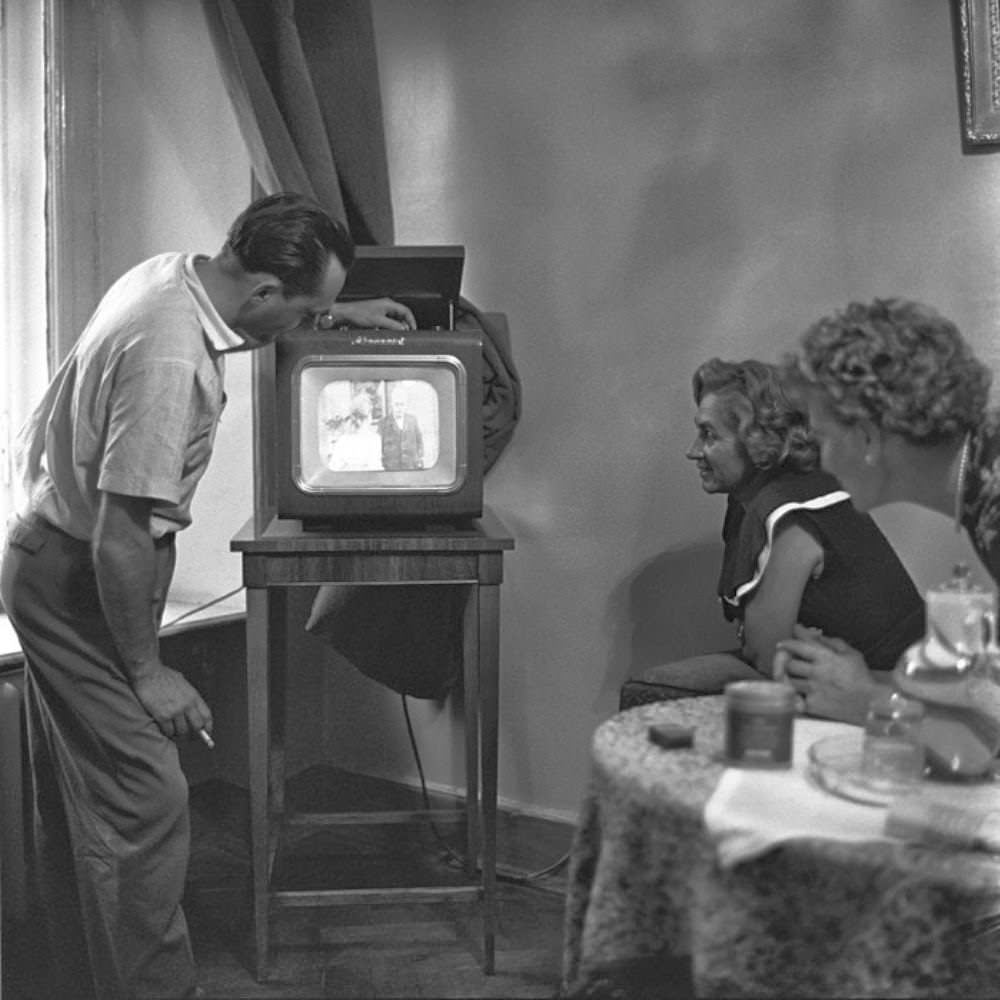
Then came 1956 — a turning point. That year, a peace treaty between Russia and Germany was signed, and Bock-Schroeder once again made history. He became the first West German photographer to be officially permitted to work in the USSR in the postwar era. This second access produced a body of work that documented Soviet daily life at a time when the Western world had almost no visual record of what ordinary life looked like behind the Iron Curtain.
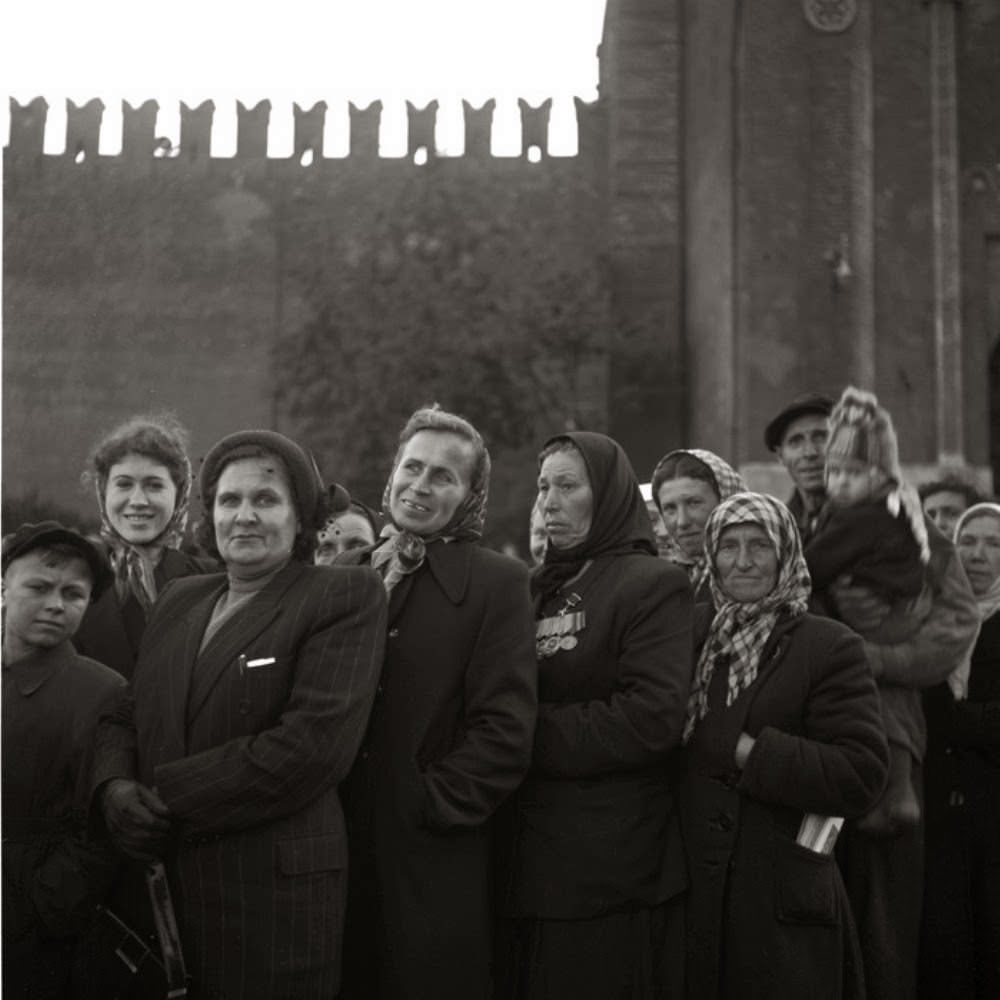
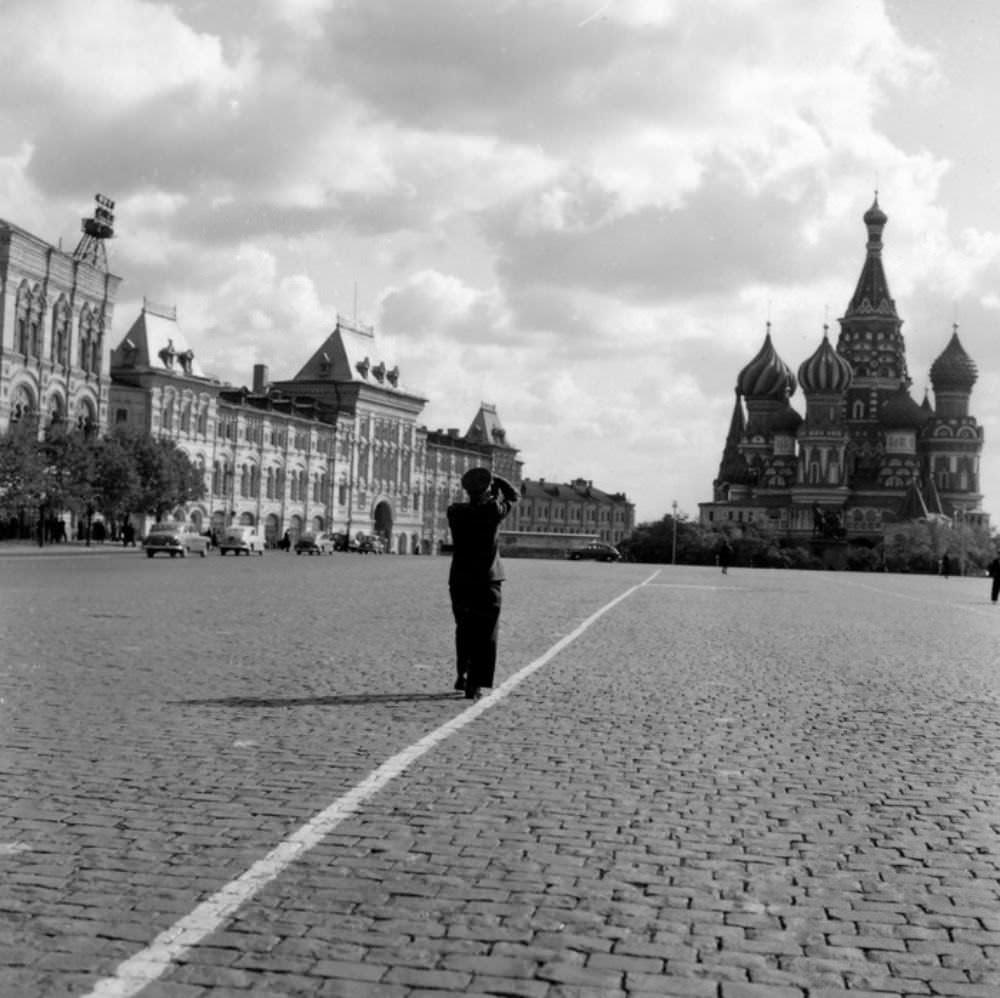
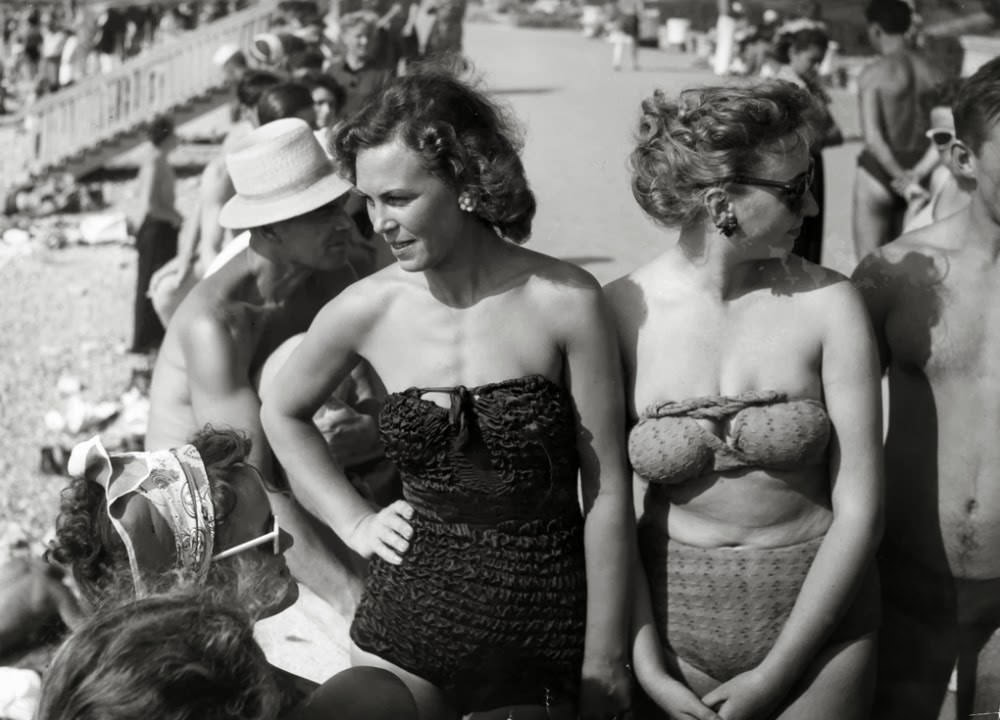
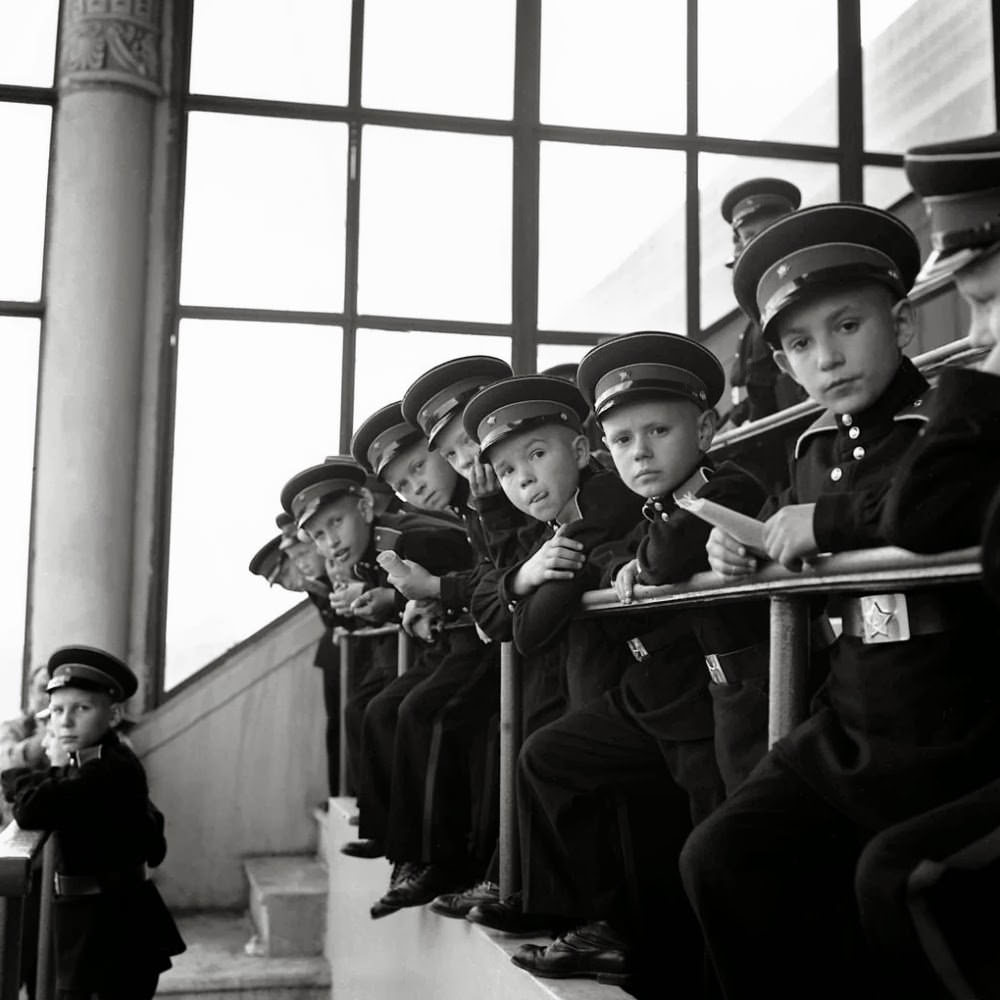
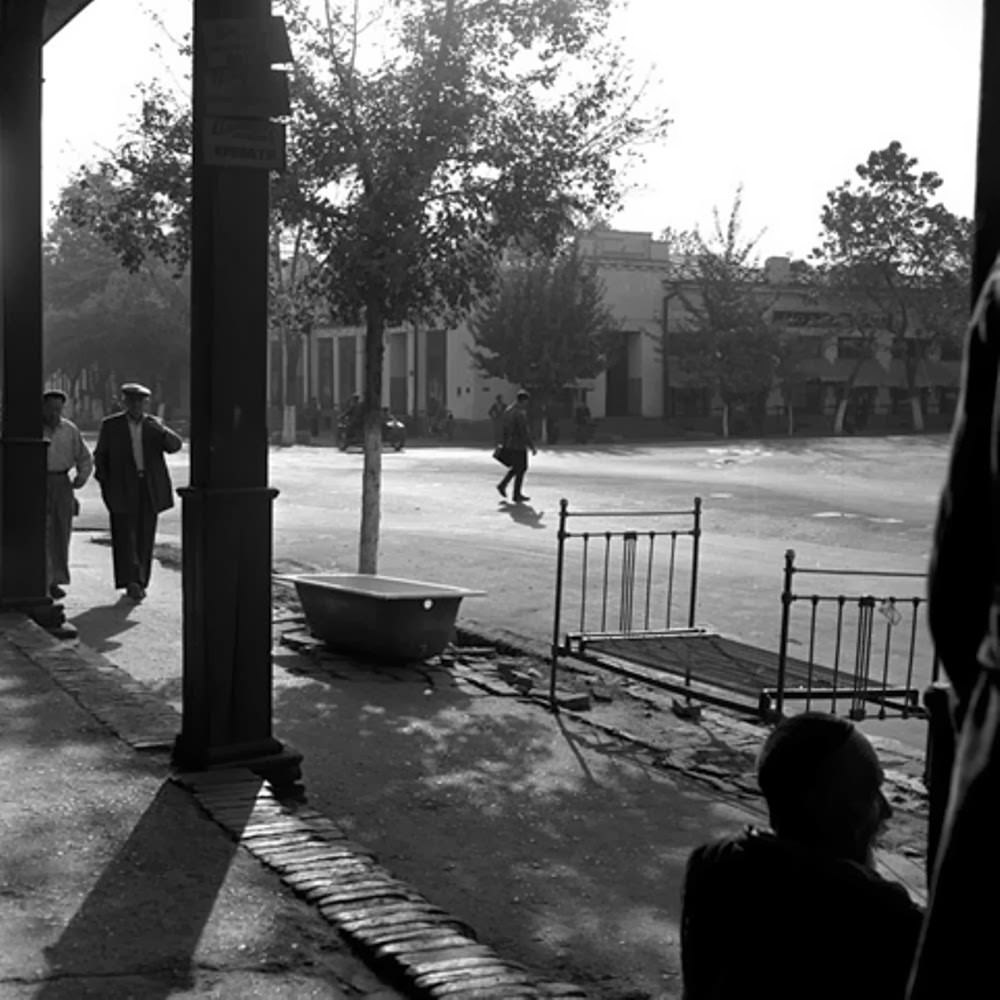
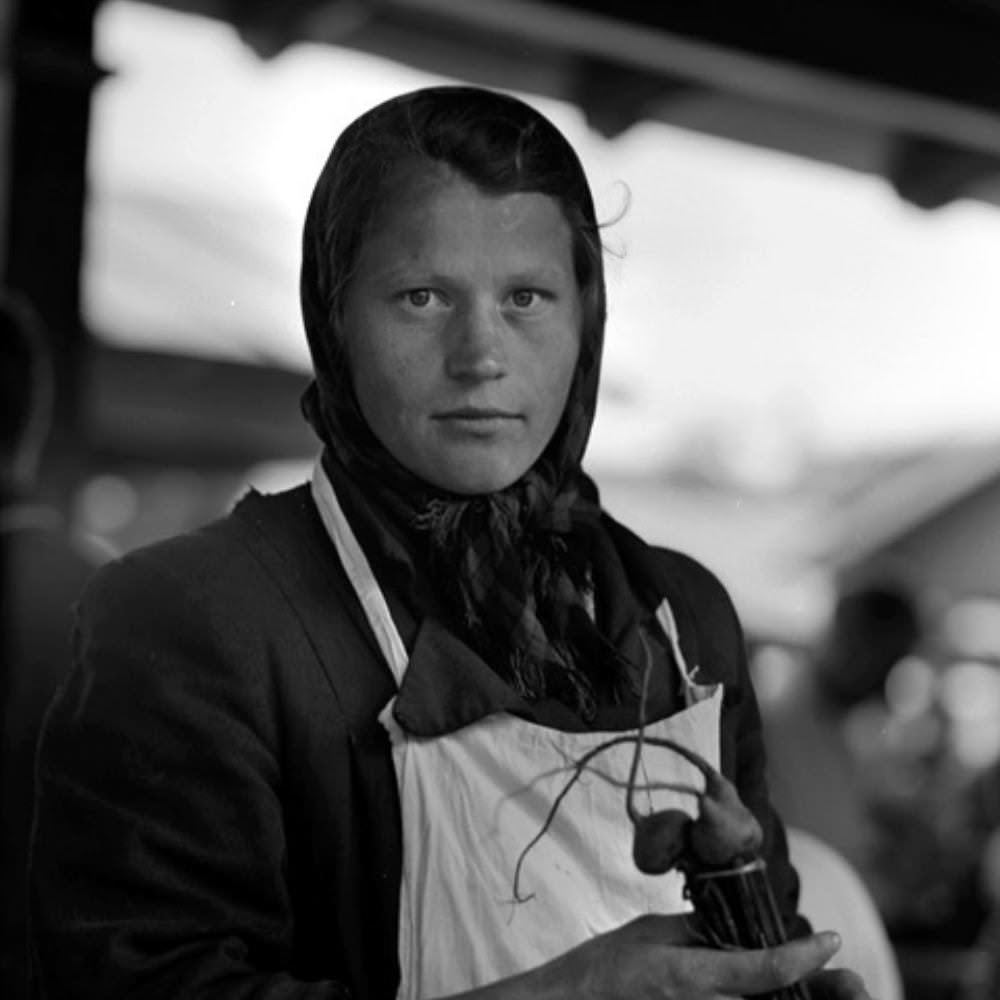
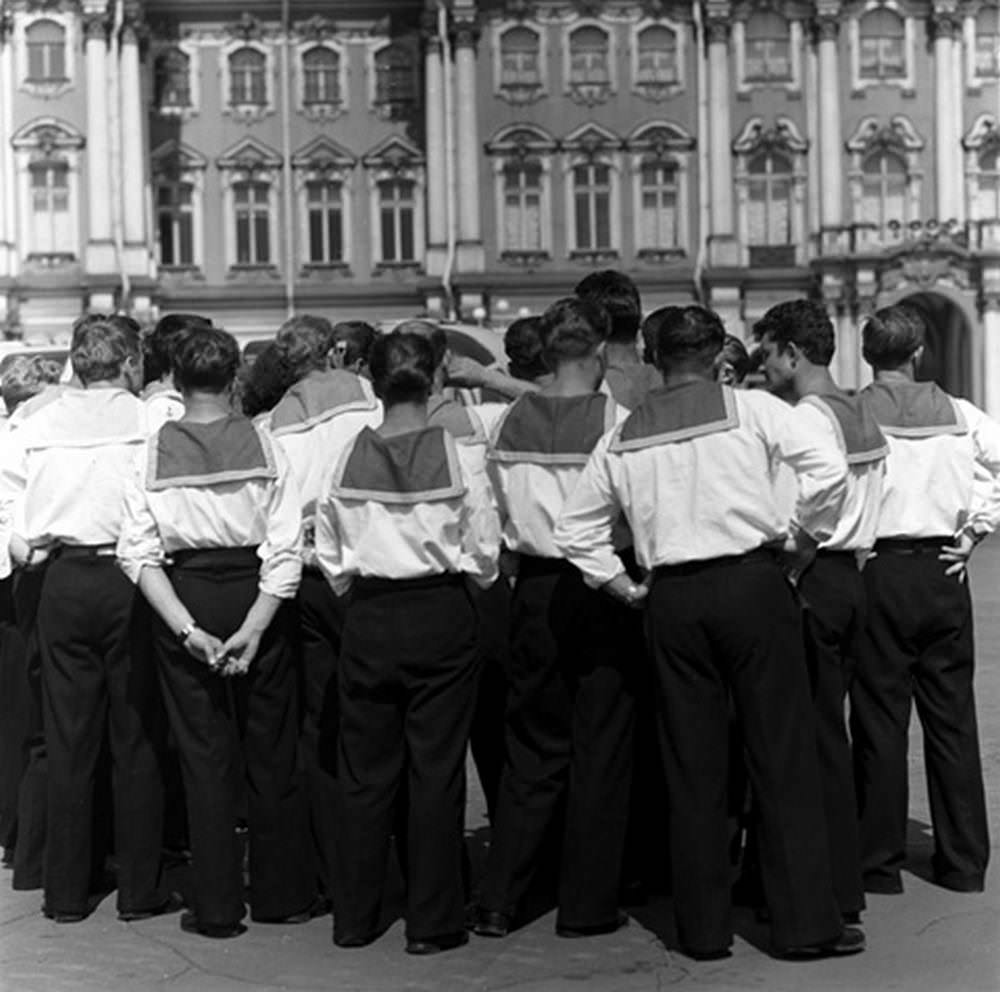
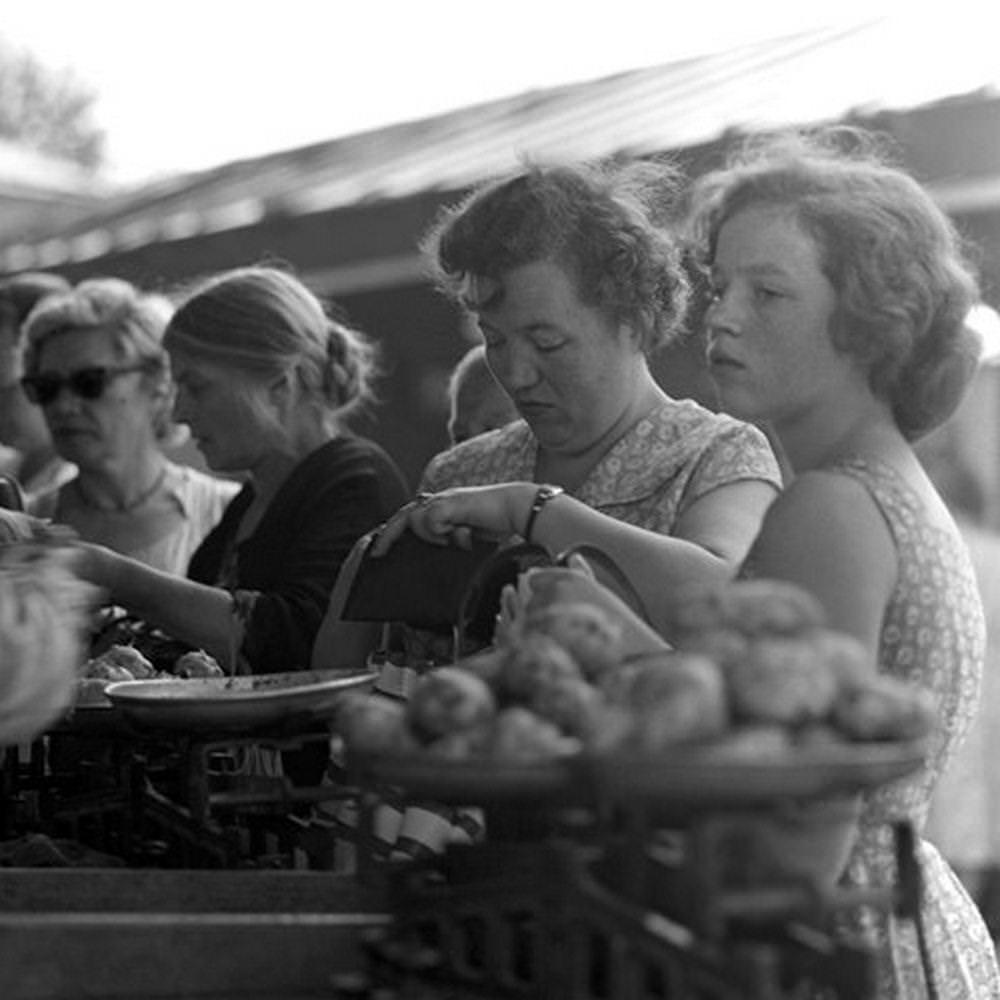
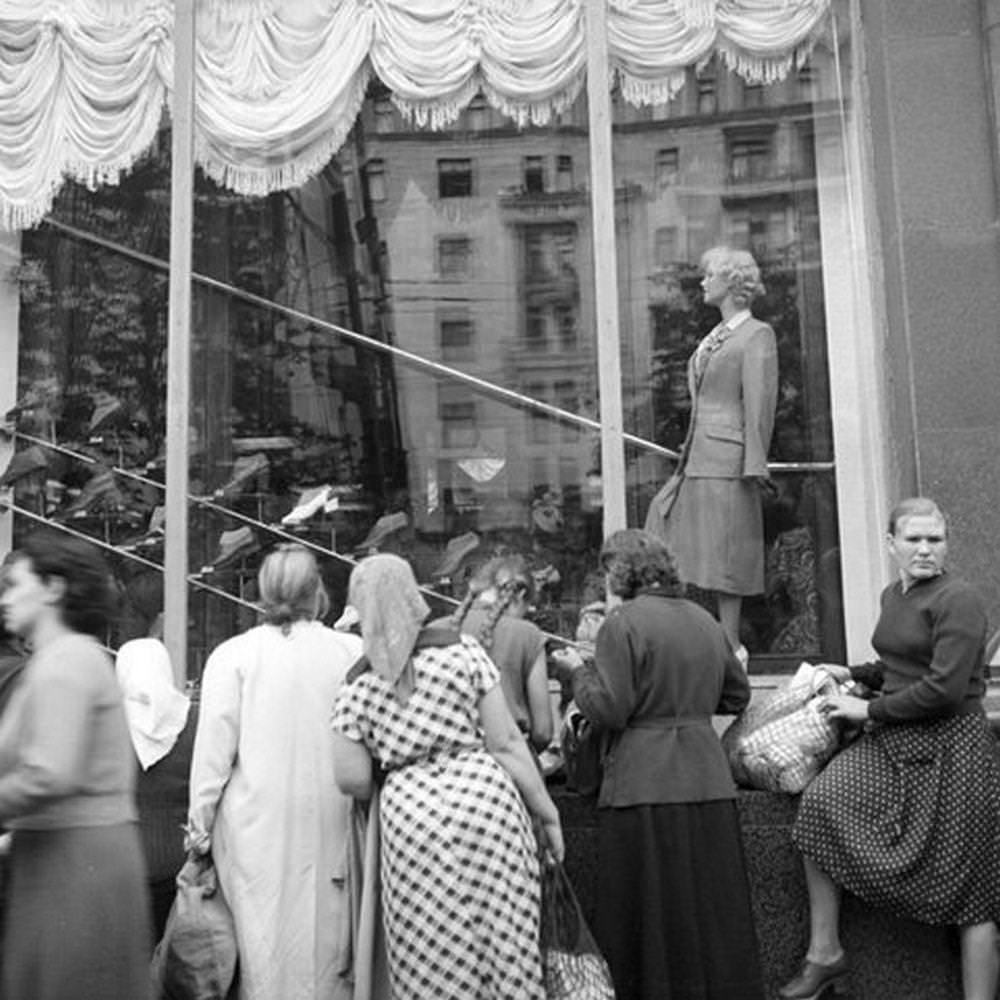
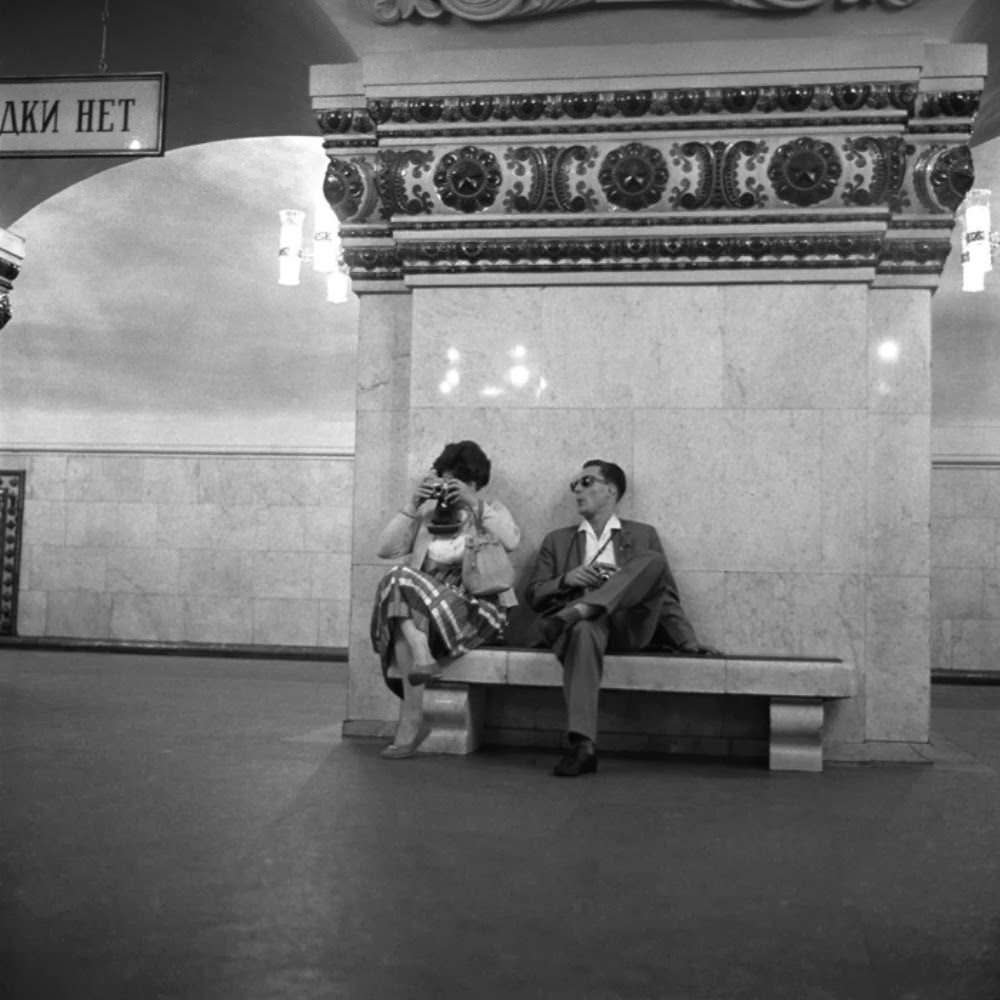
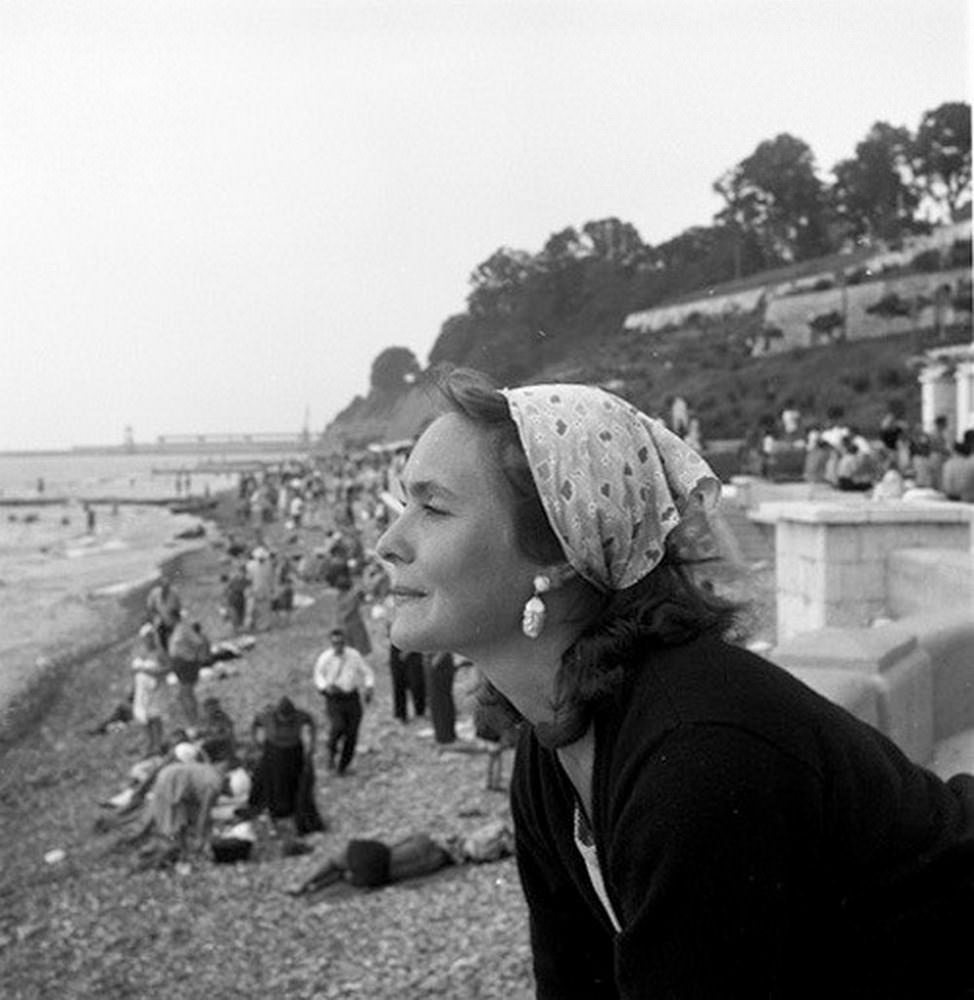
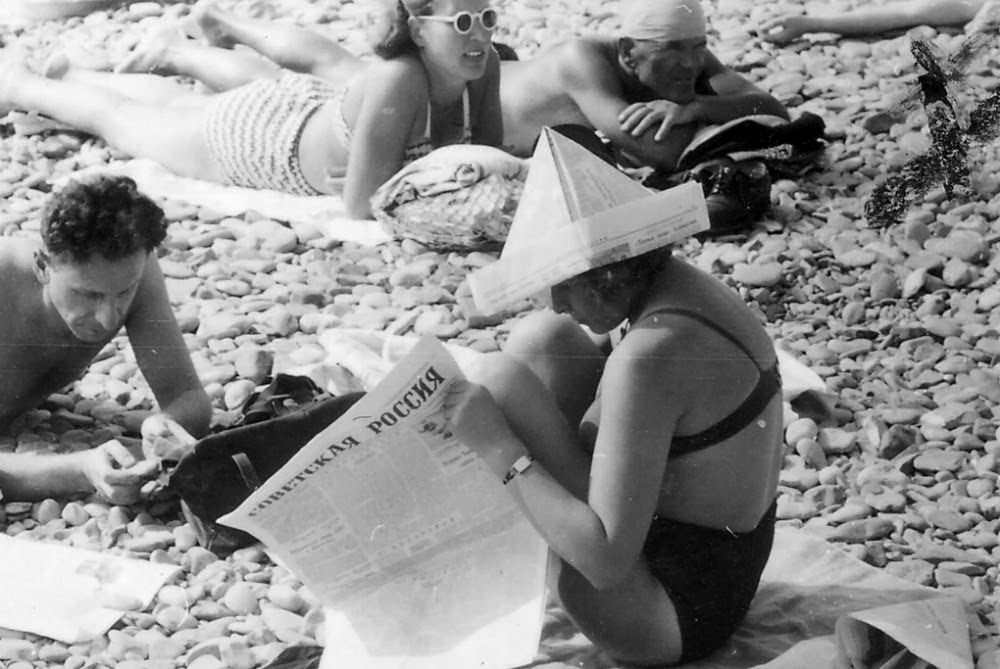
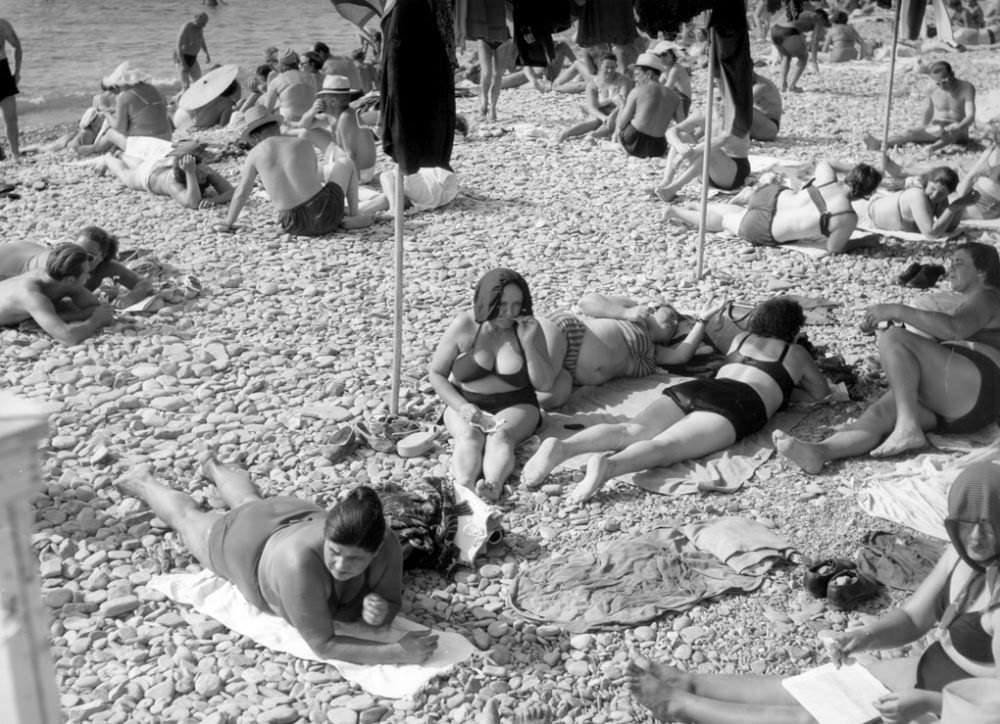
His photographs from the 1950s Soviet Union are striking precisely because they are so ordinary. They show people going about their lives — working, resting, moving through cities and rural landscapes — in a country that Western audiences associated mostly with Cold War tension and political propaganda. Bock-Schroeder’s lens cut through that abstraction and showed real faces, real places, and real moments.
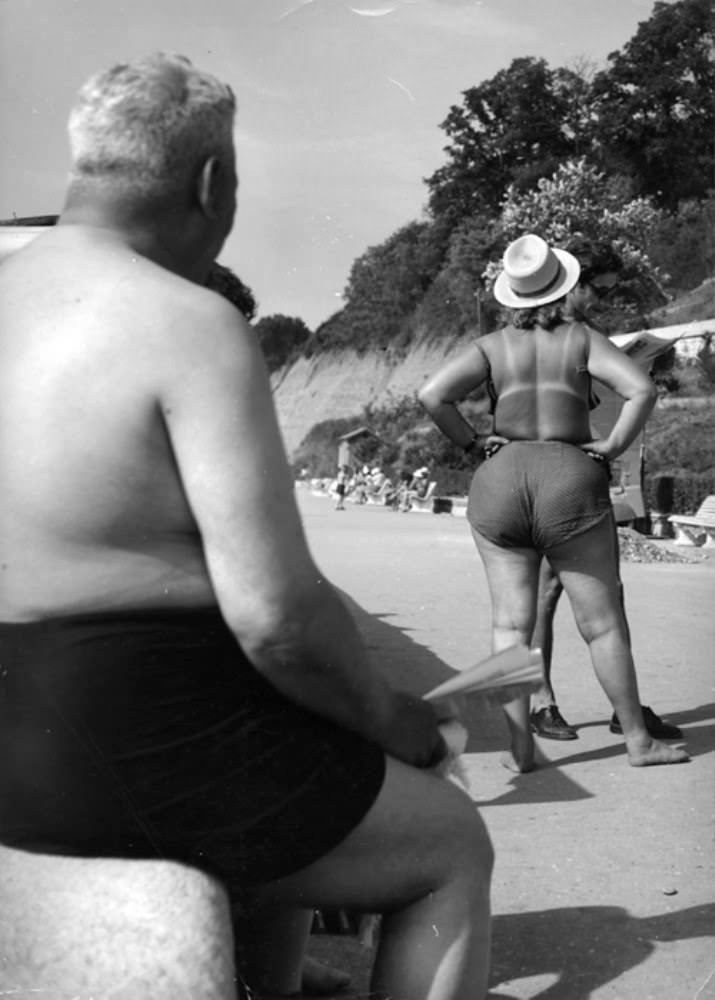
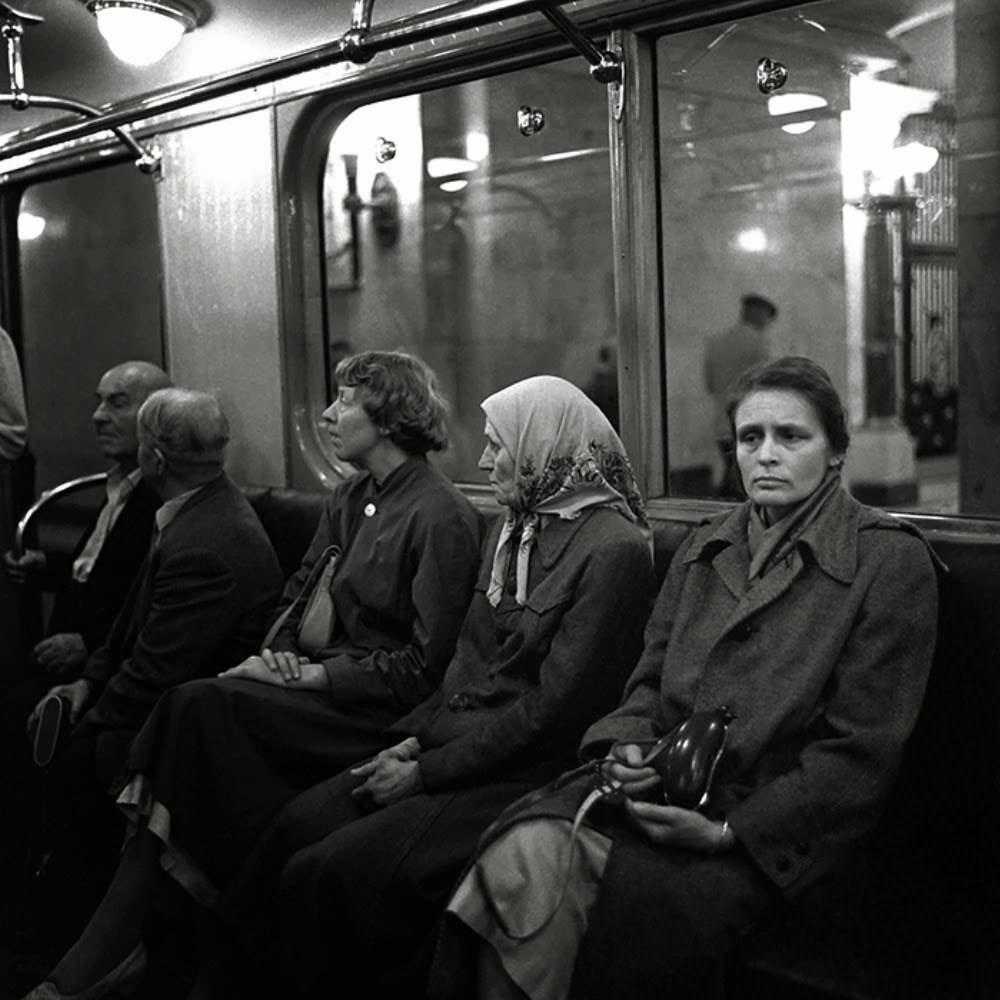
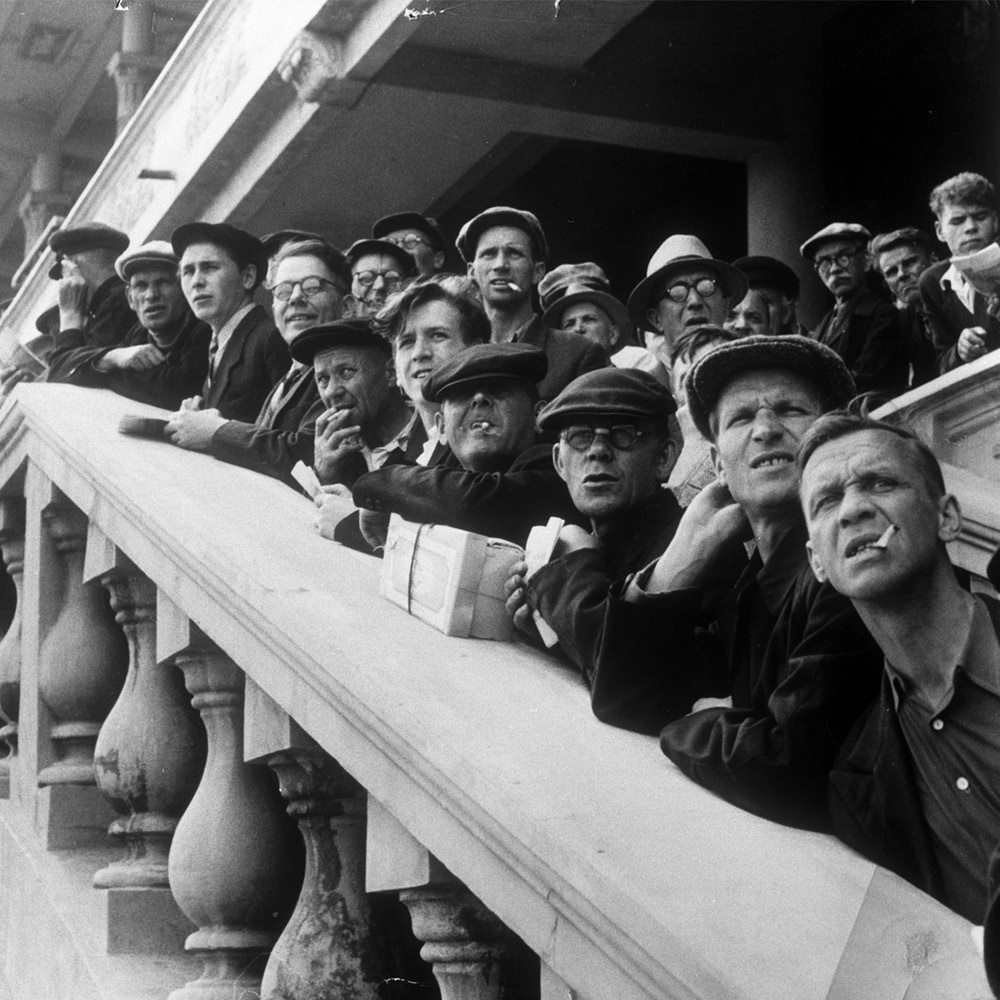
The Soviet Union of the 1950s was a vast and varied place. Across its many republics, cultures, climates, and landscapes differed enormously. Bock-Schroeder’s travels took him through enough of this territory to capture that variety. A photo taken in a southern republic looked nothing like one from Siberia, and that contrast itself told a story that no single image could.
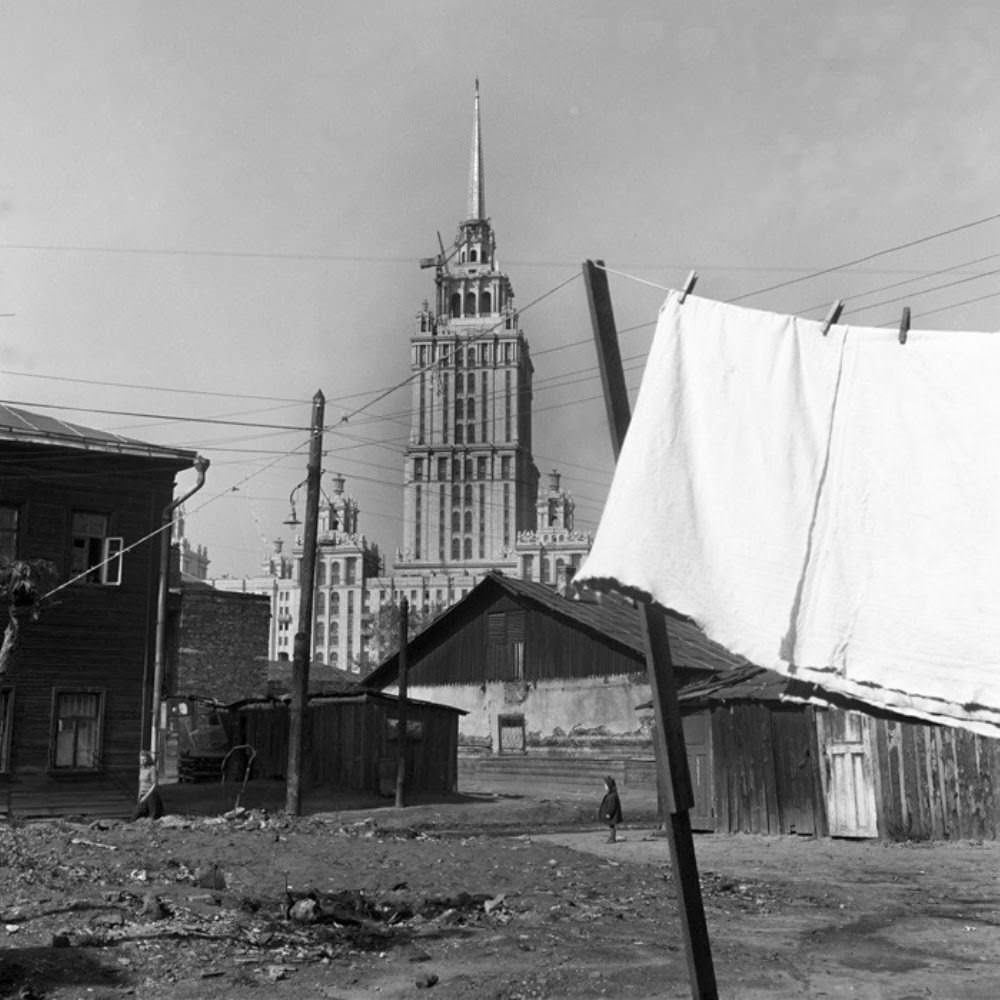
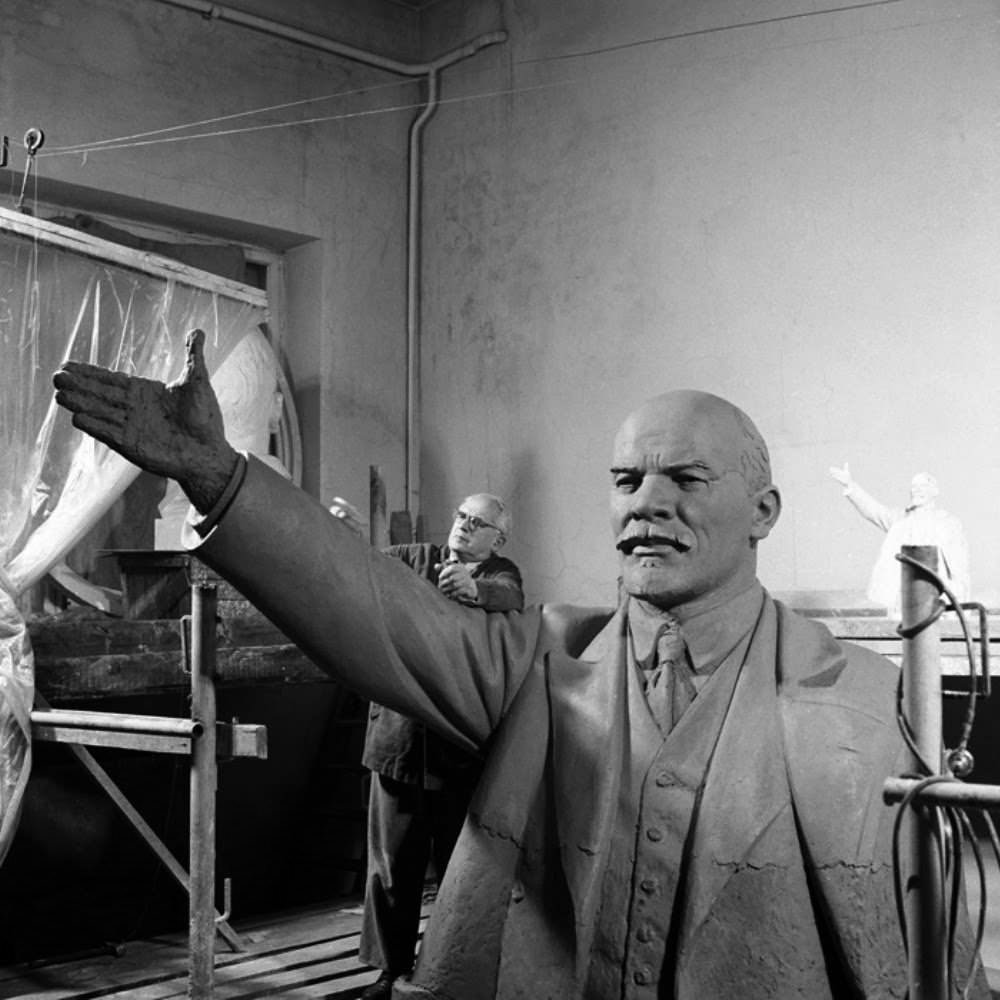
What made his access so unusual was not just the politics of the time — it was the sheer rarity of a Western journalist being trusted enough, or permitted enough, to move through Soviet space with a camera. Most Western photographers never got close. Bock-Schroeder did it twice, under two very different historical circumstances.
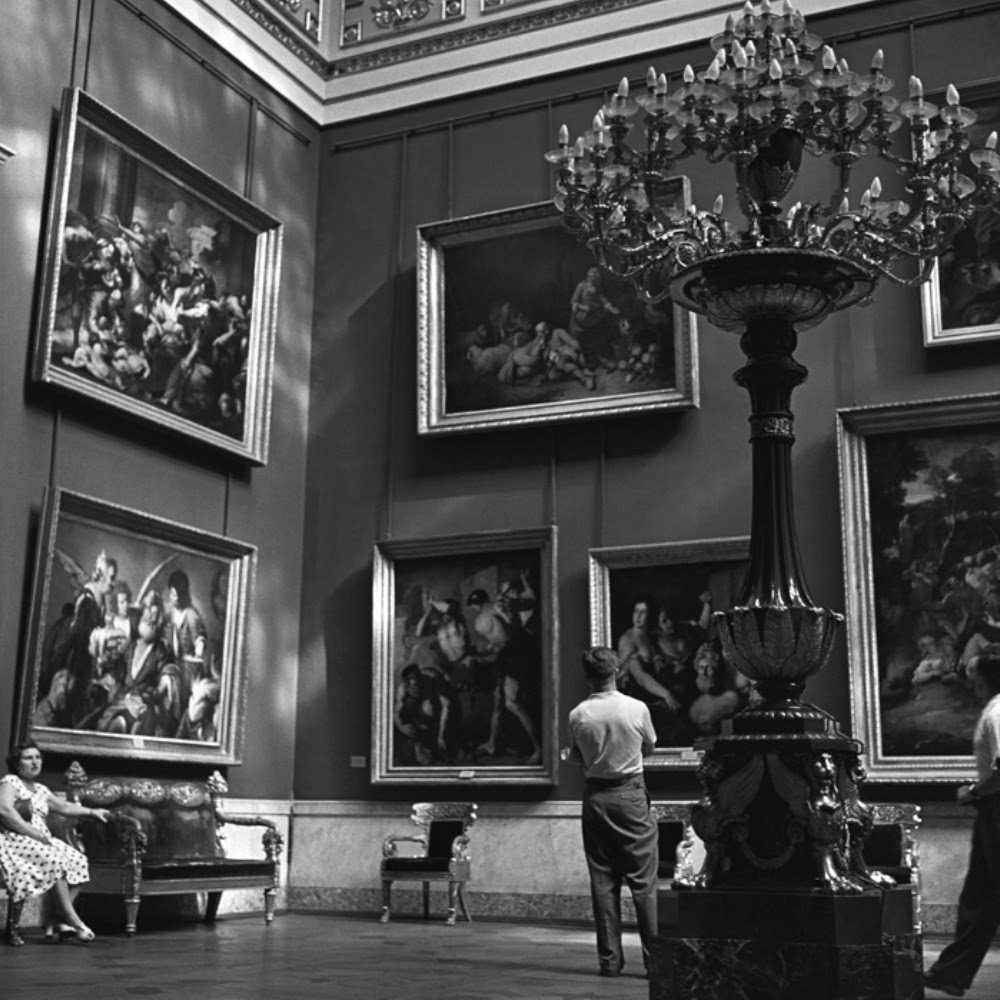
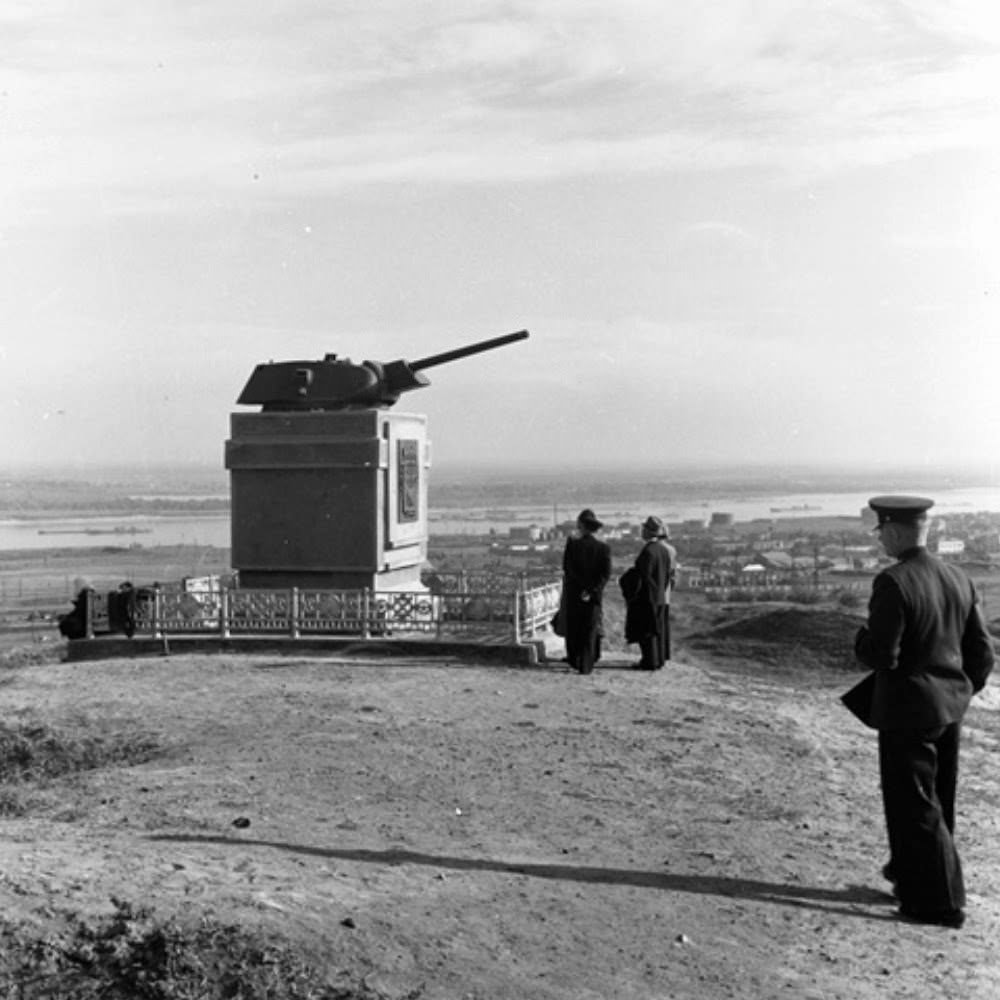
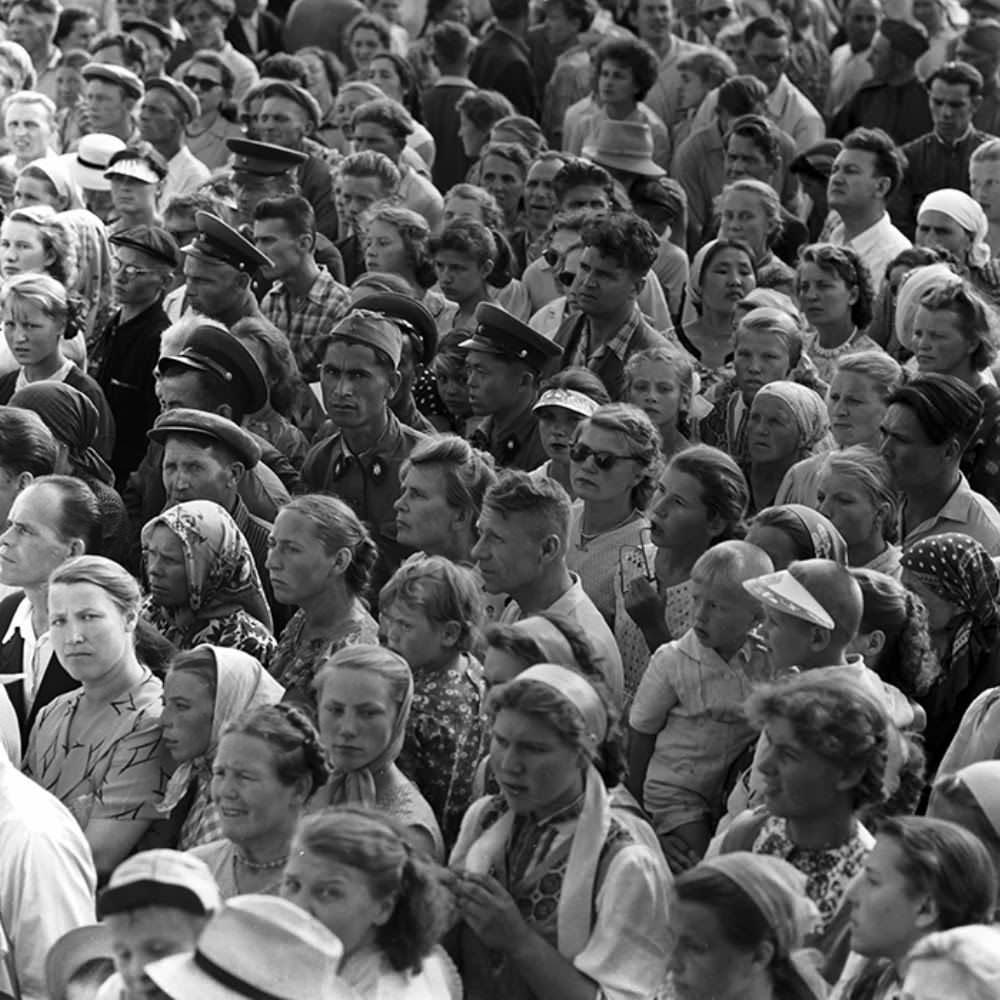
His archive holds photographs from across the Soviet republics — images of workers, children, markets, streets, and landscapes that were invisible to most of the Western world at the time they were taken. Each frame is a document of a society that existed in near-total visual isolation from the West.
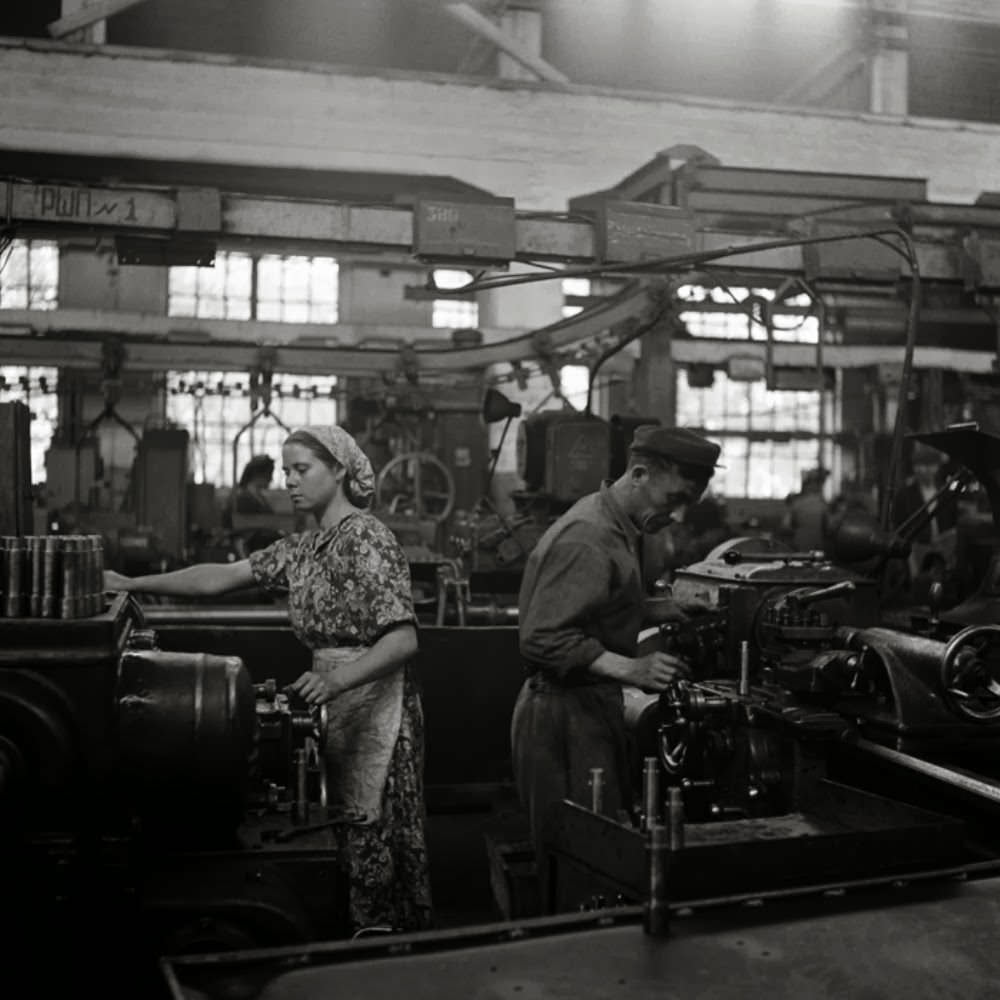
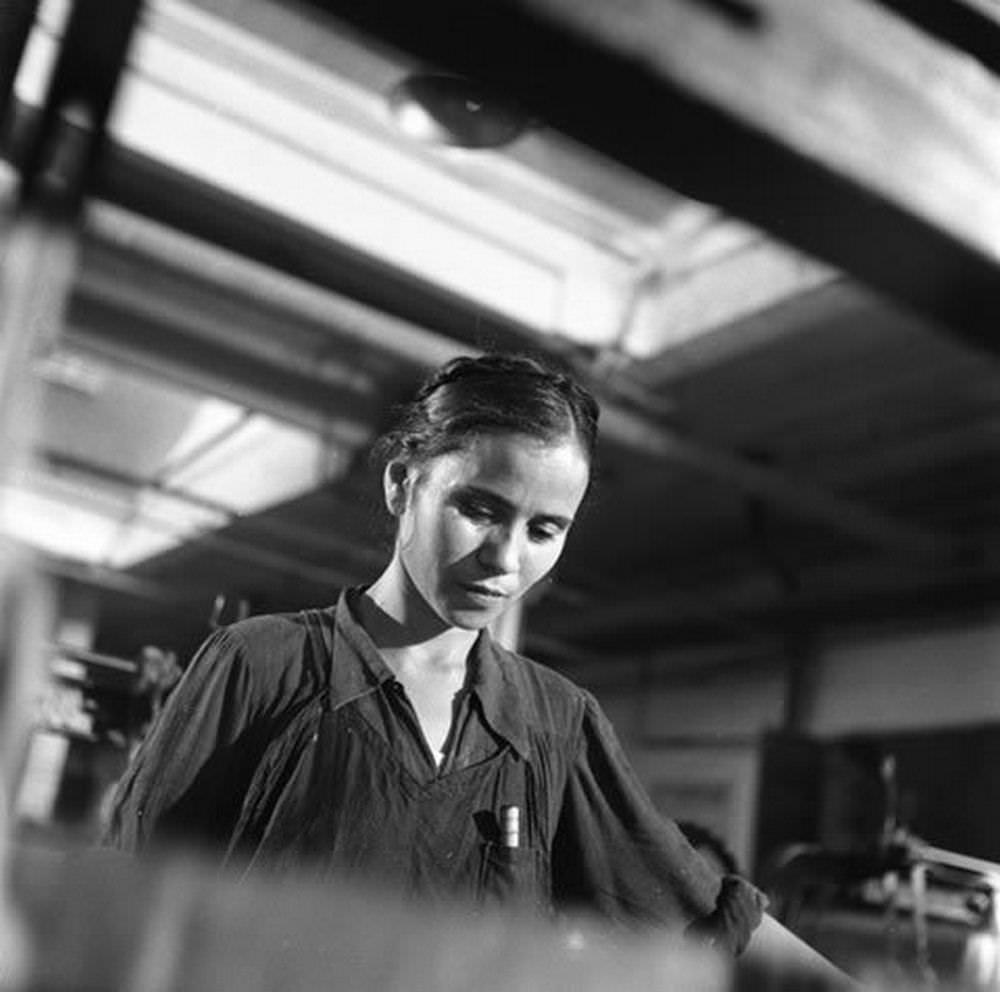
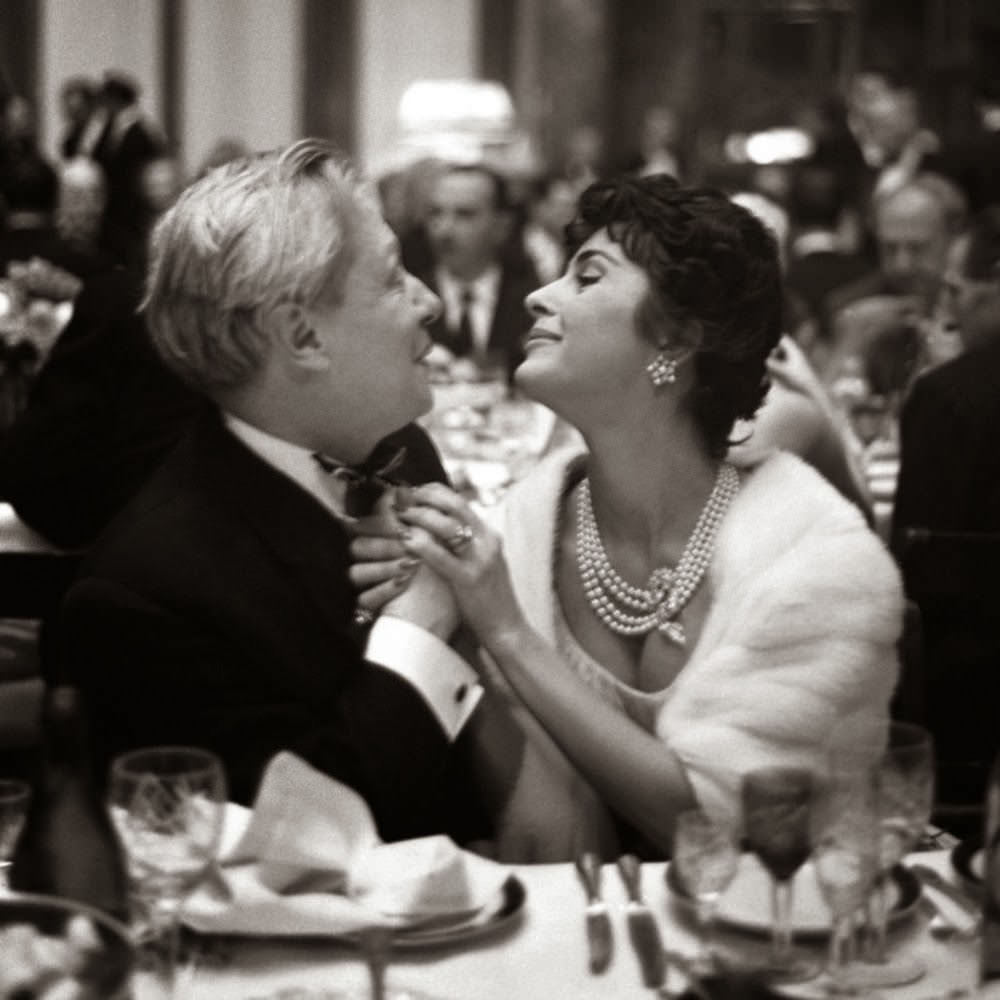
The breadth of his career went far beyond the Soviet Union. His contracts with Stern, Quick, and Revue took him to many parts of the world throughout the 1950s. He was a working photojournalist in the fullest sense — not attached to one region or one story, but moving wherever the assignment sent him.
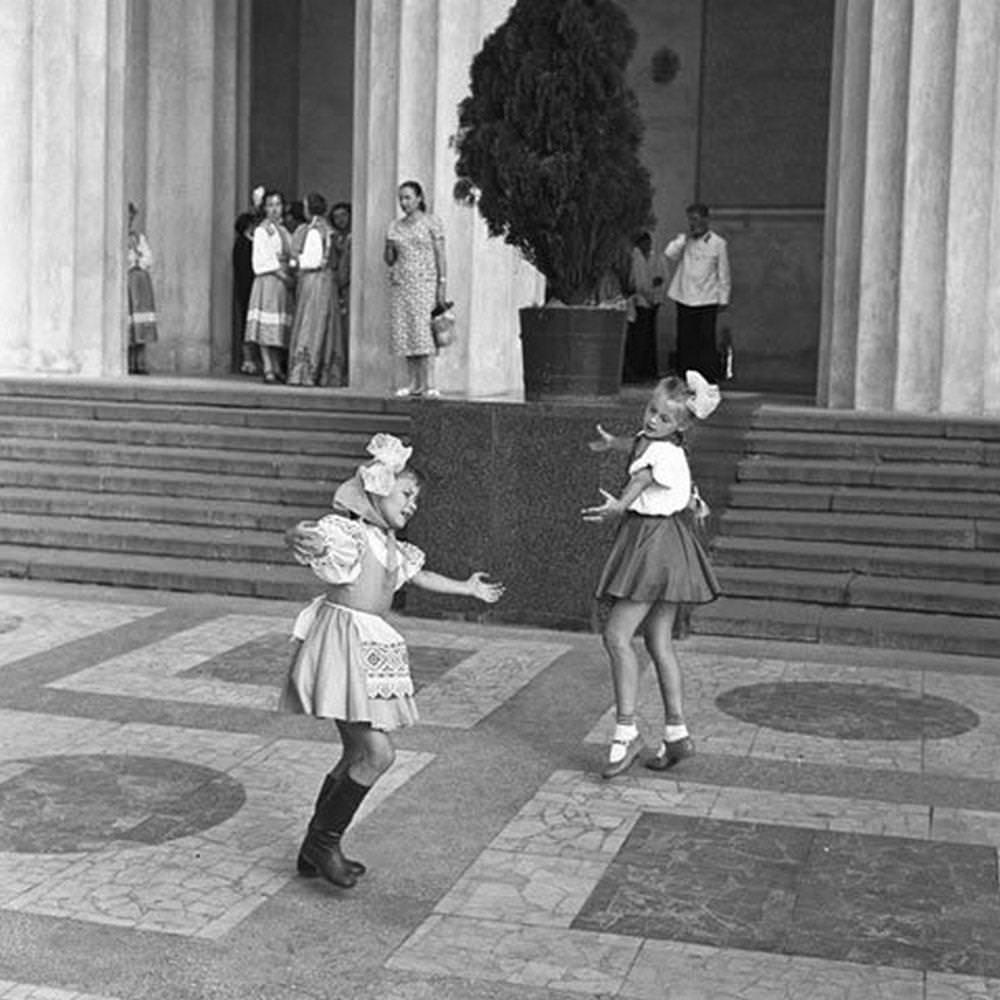
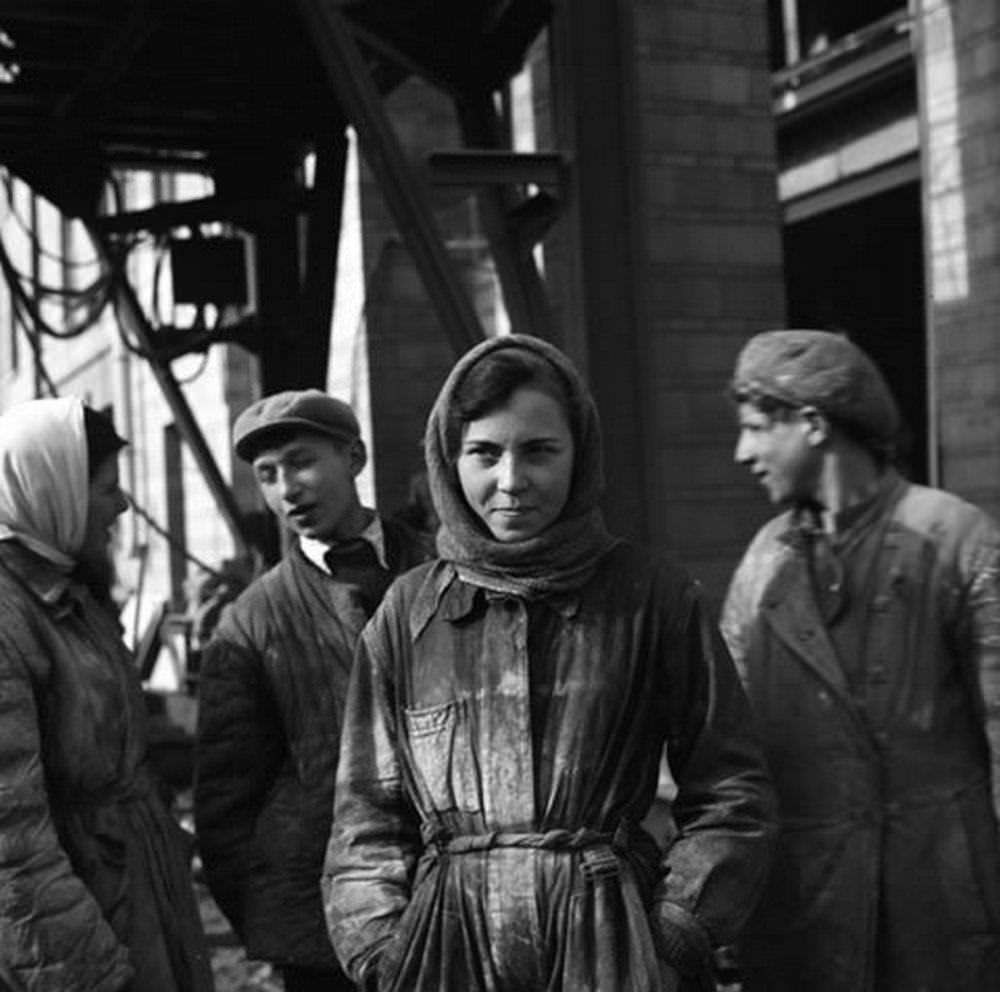
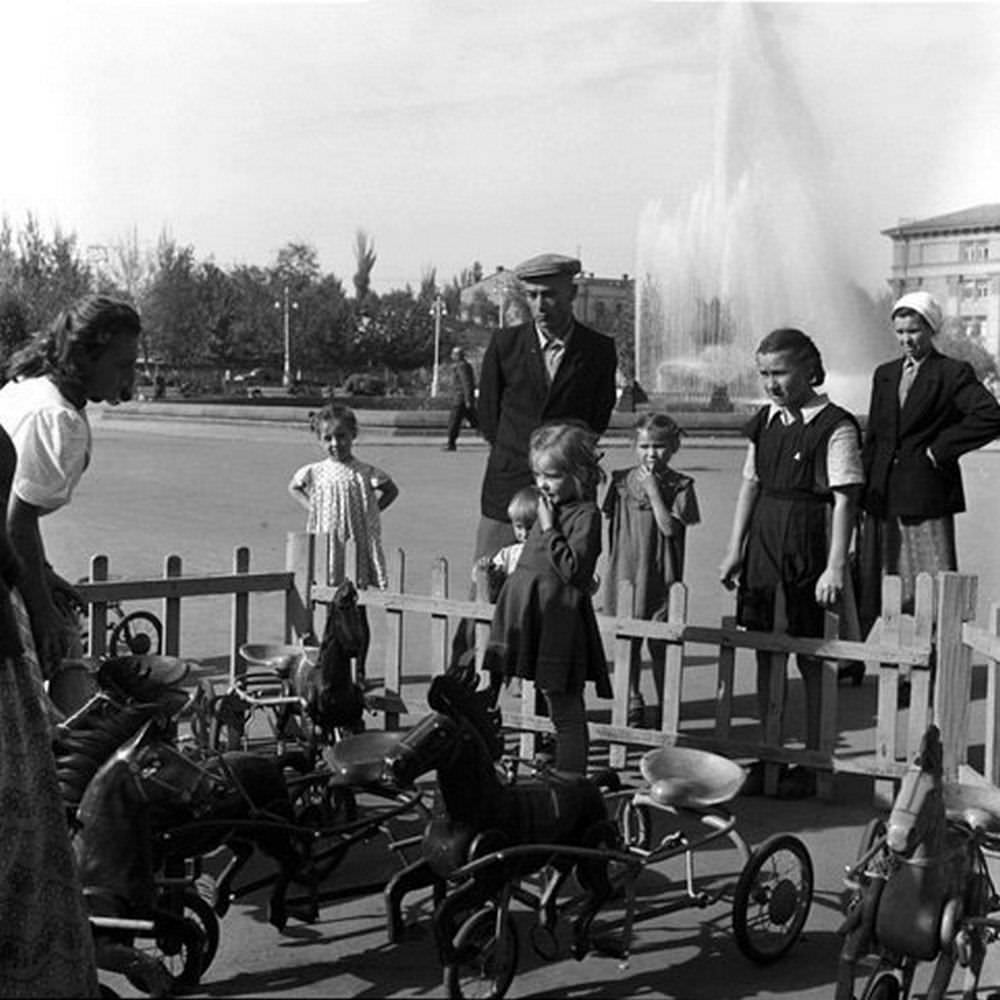
His Soviet photographs, however, stand apart. They represent something that almost no other Western photographer of his era managed to produce: a sustained, wide-ranging visual record of life inside the USSR. From industrial settings to quiet rural scenes, from public spaces to intimate moments, his camera found the human side of a country that most Westerners only knew from newspaper headlines.
Peter Bock-Schroeder died on February 19, 2001, in Munich. He was 87 years old. He was survived by his wife, four children, and three grandchildren.
Today, the Peter Bock-Schroeder Foundation in Paris, France, administers and represents his photographic archive. The collection preserves decades of work from one of the most widely traveled German photojournalists of the twentieth century — including those extraordinary images from a Soviet Union that no longer exists.