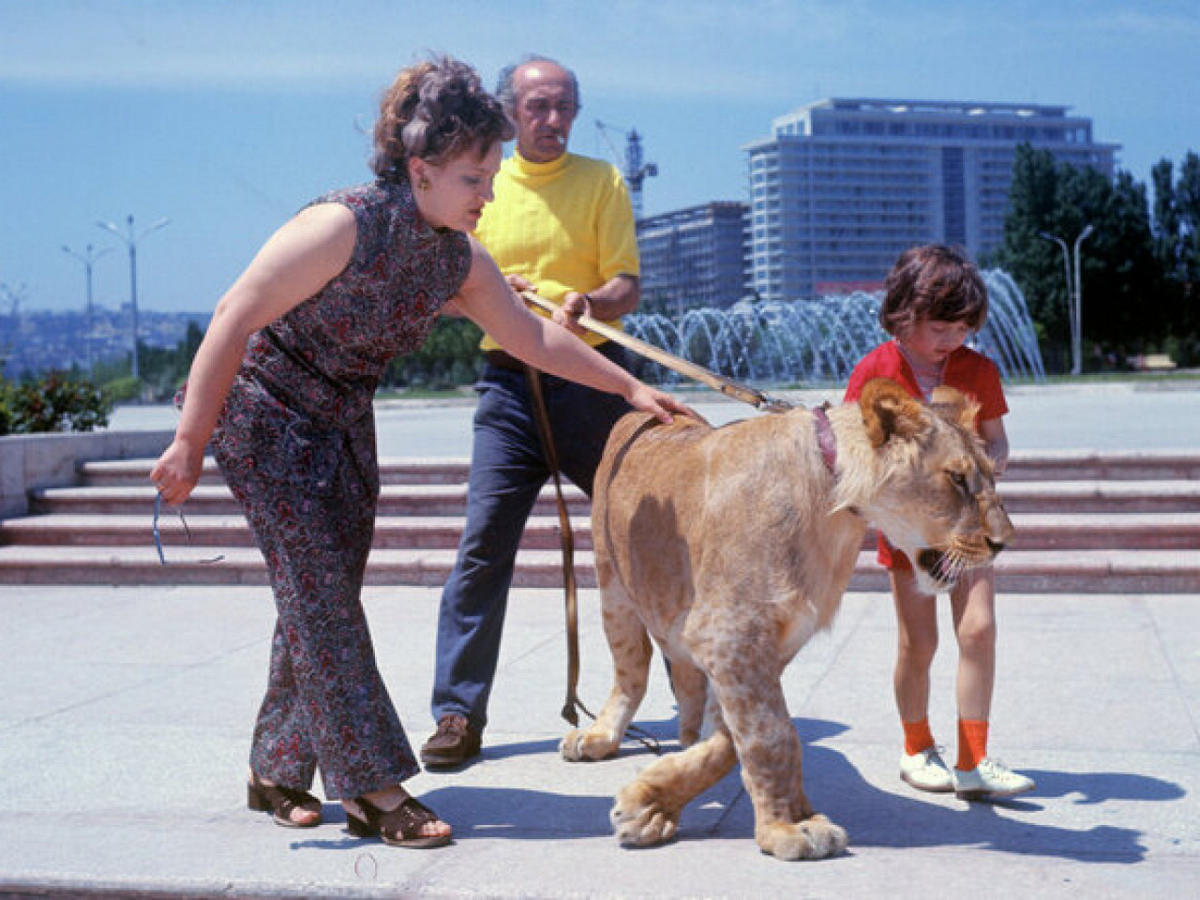
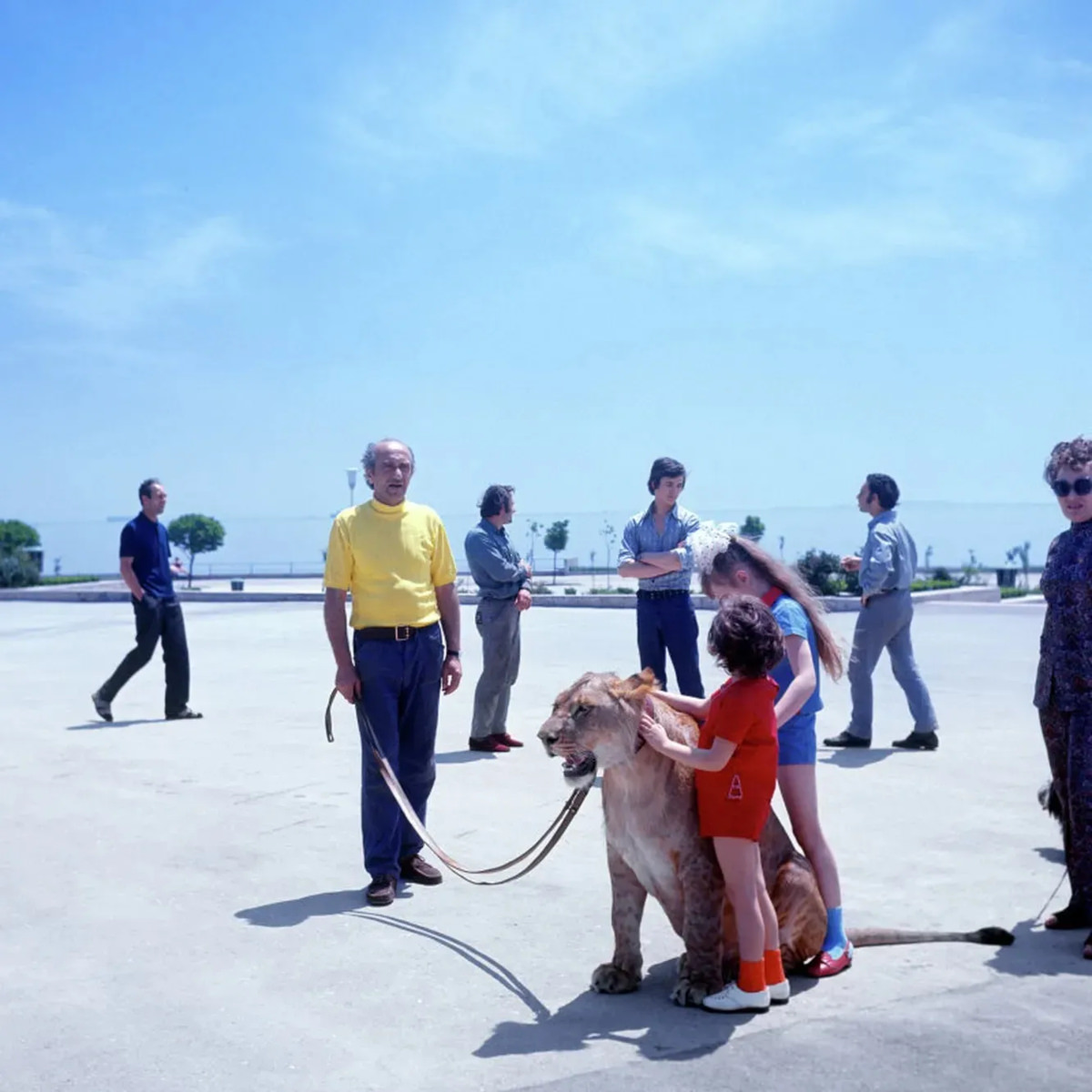
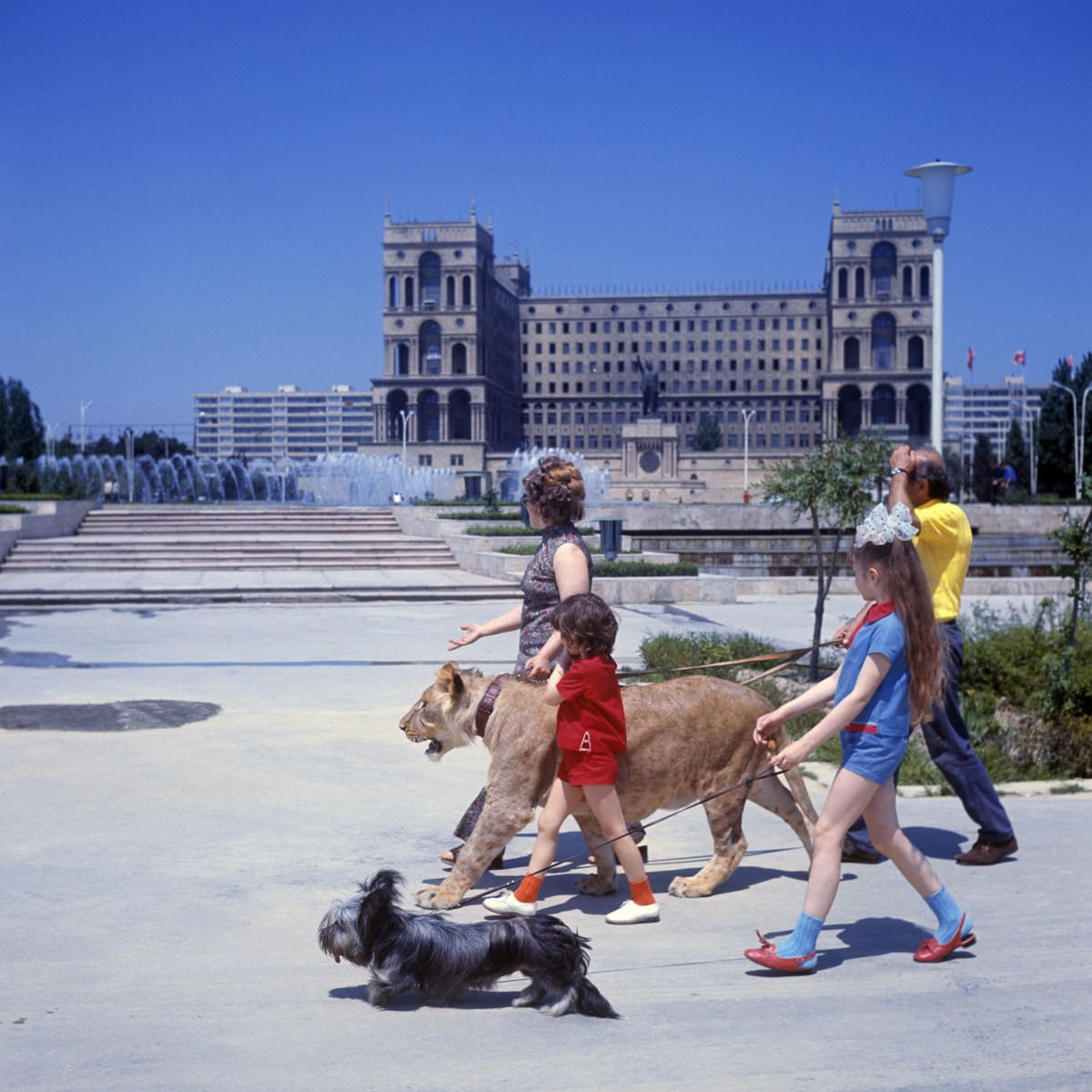
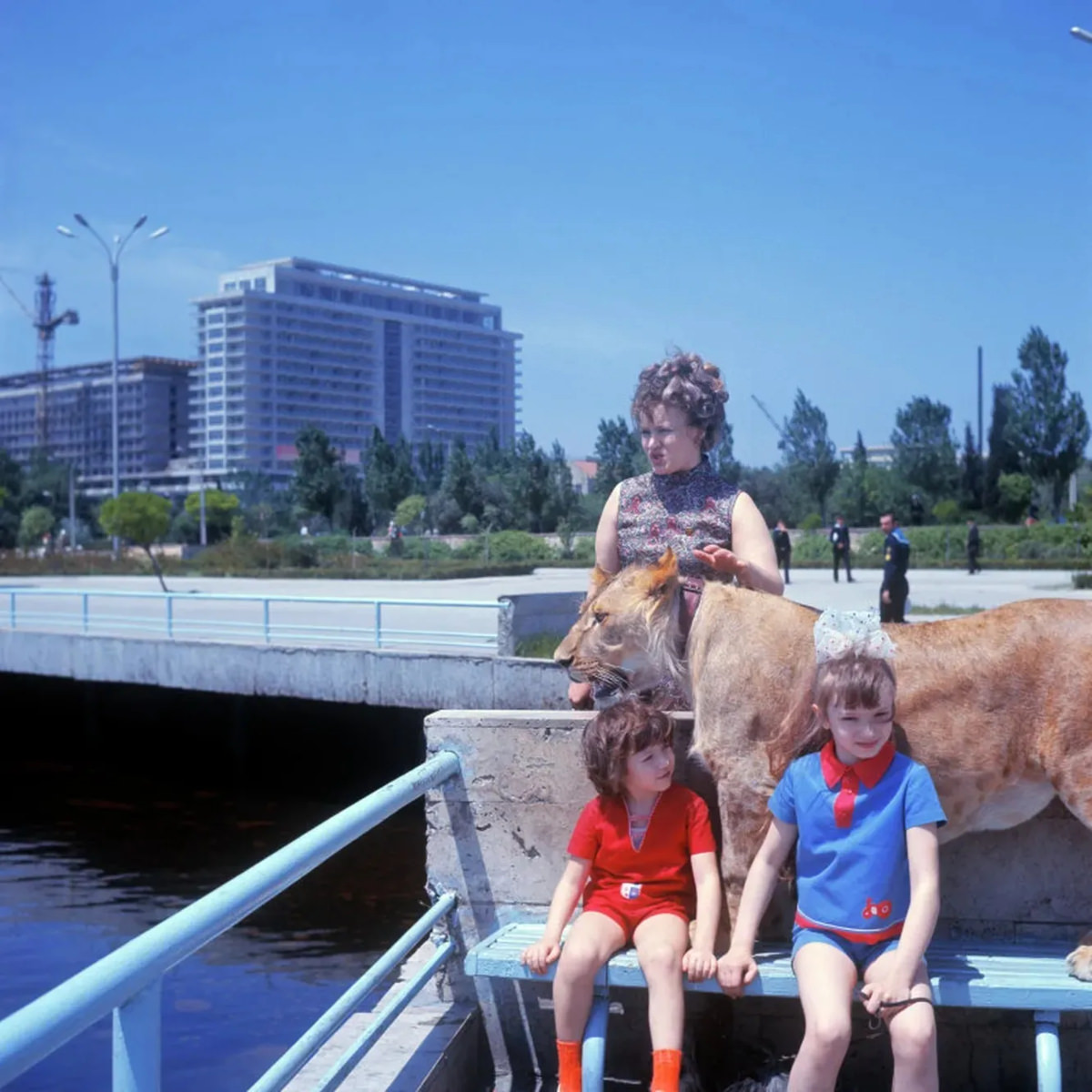
In the 1970s, a family in Baku, Azerbaijan did something almost no one else in the Soviet Union had ever done — they brought a lion into their apartment and raised it as a pet. The Berberov family were already known for their love of animals, so in some ways the lion was just the next step. But the story of the two lions they kept over the years would go from heartwarming to deeply tragic, touching fame, sudden death, and eventually unspeakable loss.
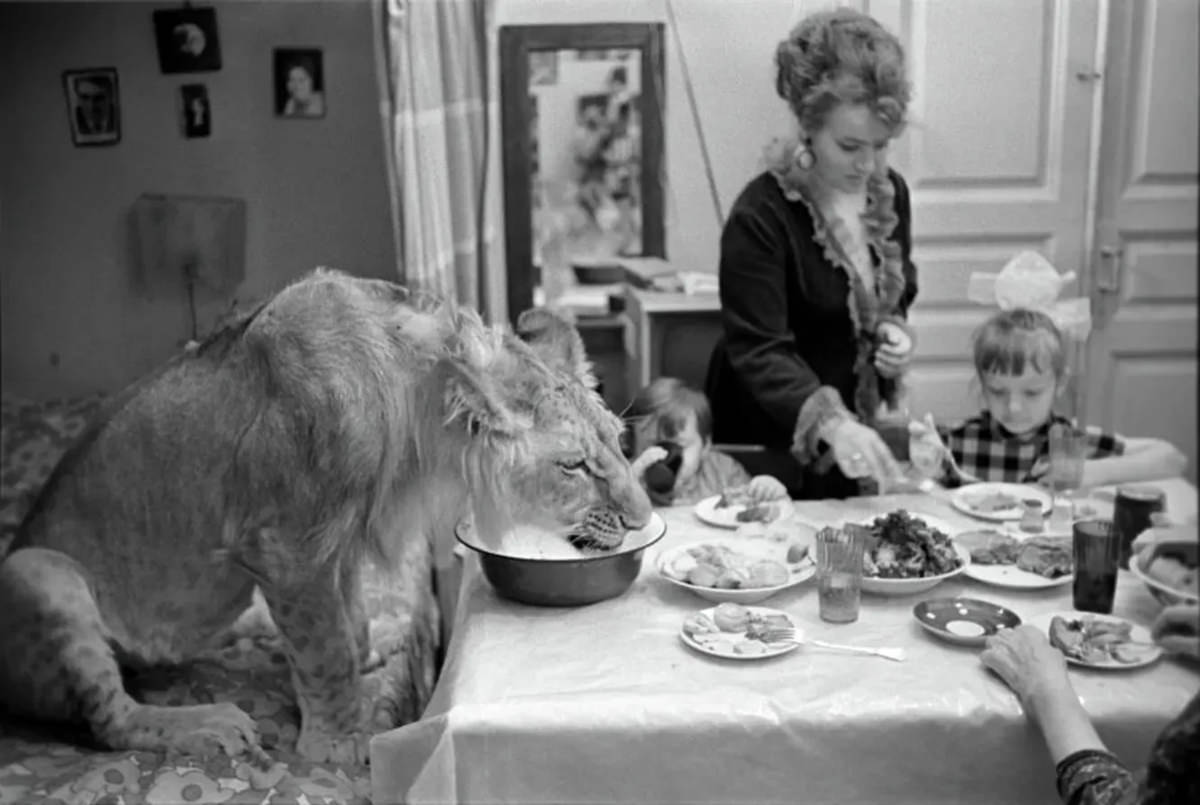
Lev Lvovich Berberov was an architect by trade. His name — Lev Lvovich — translates roughly to ‘Lion, son of the Lion,’ which turned out to be fitting in a way nobody planned. His wife, Nina Berberova, shared his deep affection for animals. Their apartment in Baku measured 100 square meters, and at various points it housed dogs, cats, hedgehogs, snakes, and raccoons. A lion, though, was a different matter entirely.
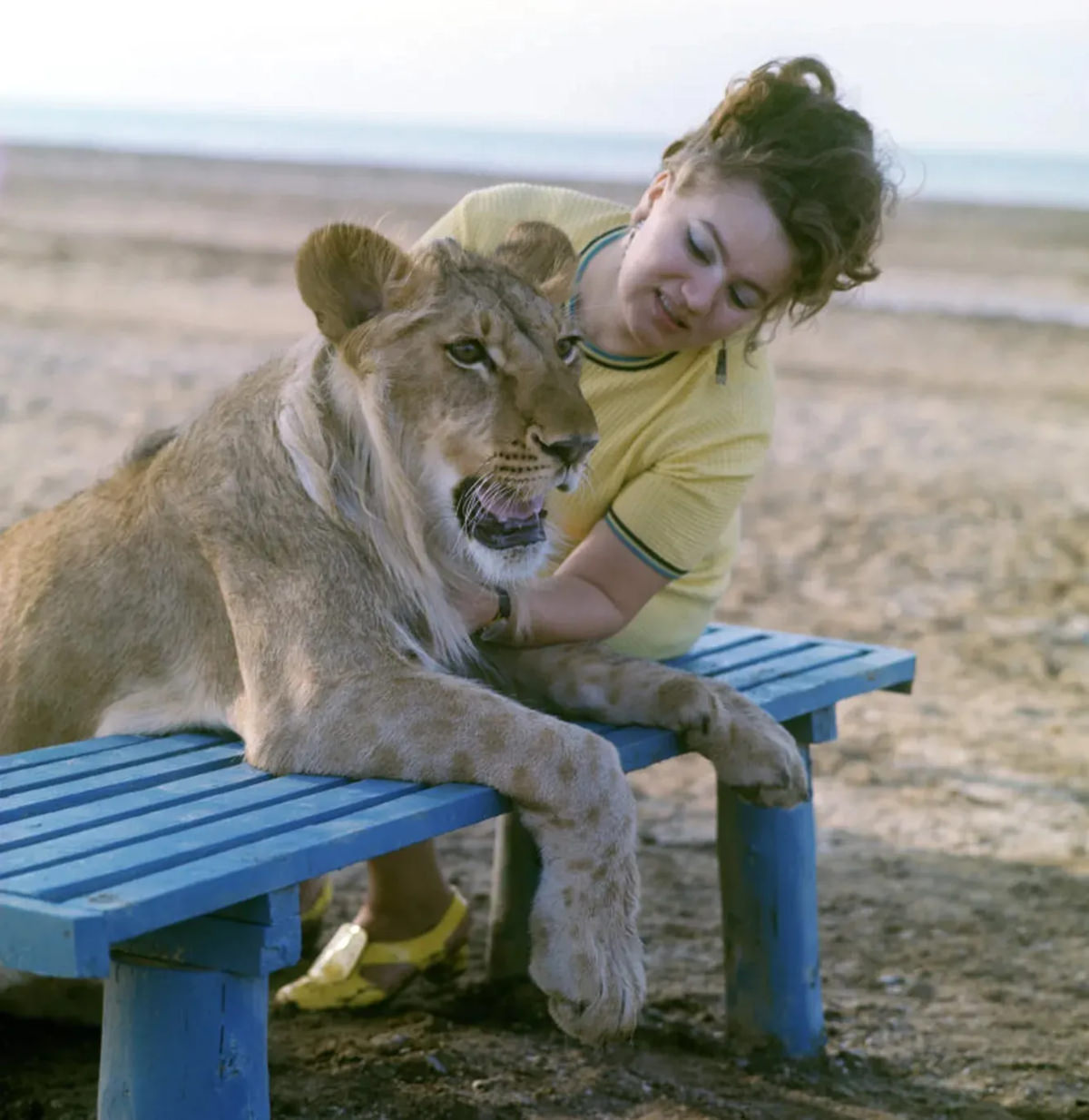
The first lion came into their lives by chance. Nina and her daughter Eva were visiting the local zoo when they spotted a sick lion cub that had been abandoned by its mother. The cub was dying. Nina could not walk away. She spoke with the zoo’s director and received permission to take the cub home. The family named him King.
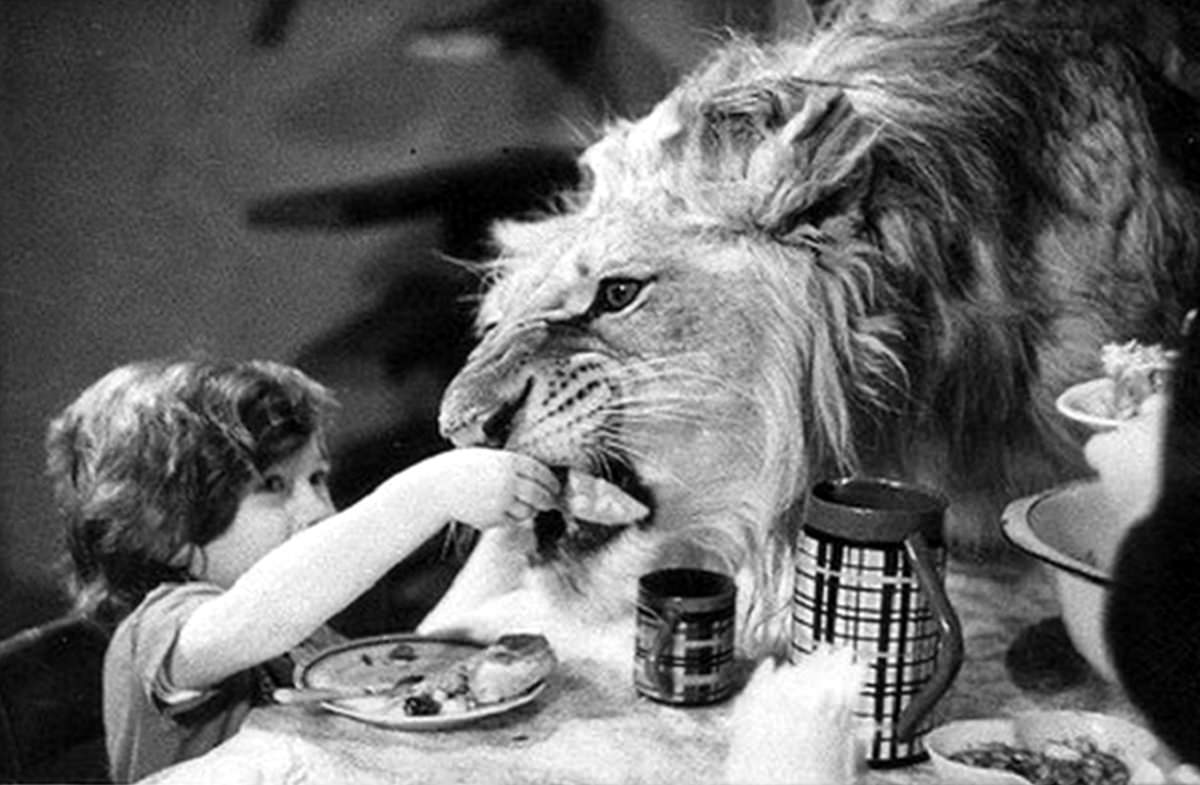
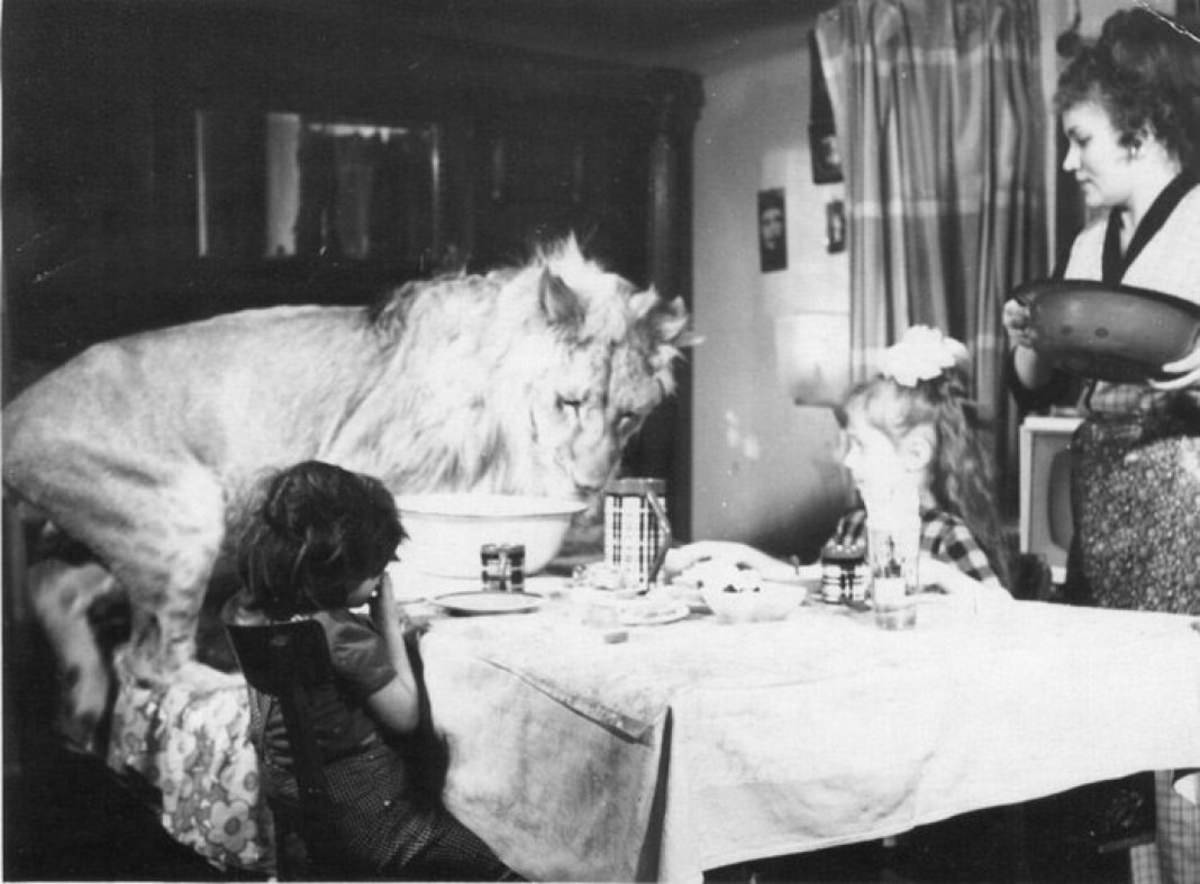
King recovered under the Berberov family’s care and grew into a healthy, good-natured lion. Every member of the family loved him. He had a calm temperament and responded well to the people around him. Nina later described him as grateful — an animal that seemed to understand he had been saved. The apartment that once housed hedgehogs and snakes now had a full-grown lion at its center.
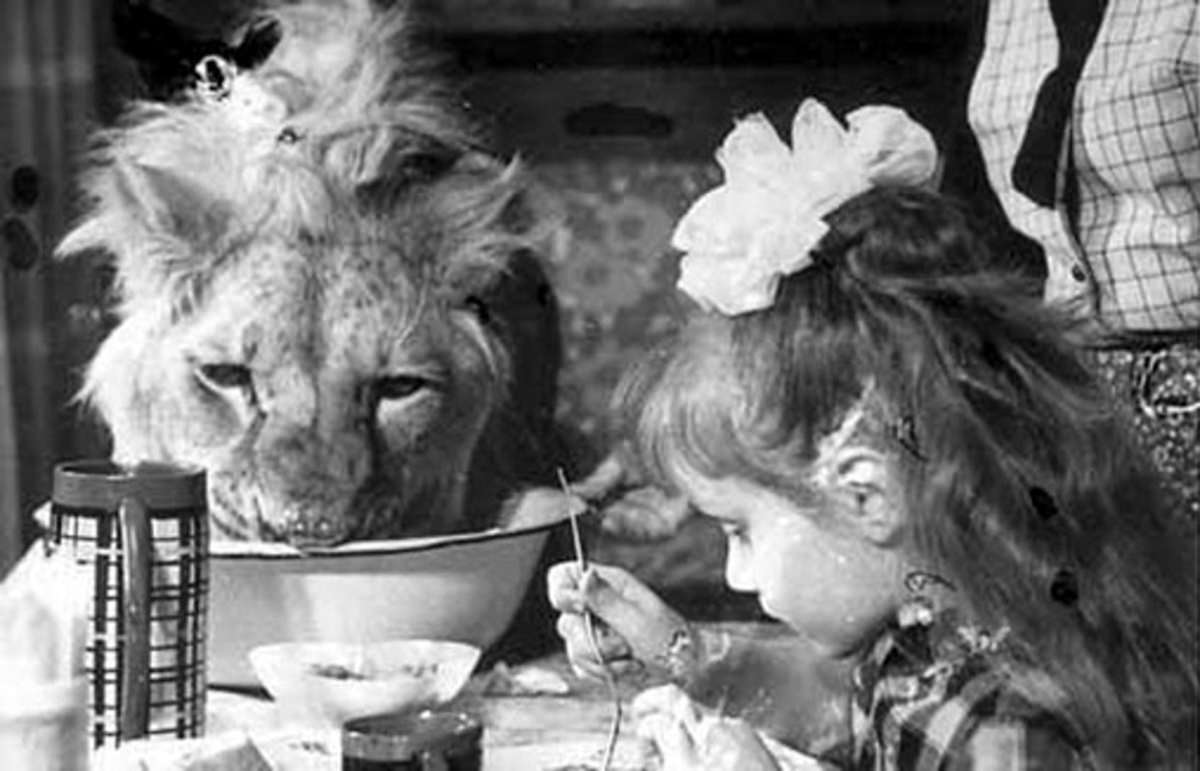
Word spread quickly. Soviet media picked up the story first, then foreign outlets followed. King became a minor celebrity. He appeared in newspaper articles and television programs, and his fame soon caught the attention of the film industry. King was cast in several Soviet movies, including Lion Left House, A Boy, a Girl, a Lion, and the internationally known production The Unbelievable Adventures of Italians in Russia. Lev Berberov left his architecture career to manage King’s work in the film industry full-time, acting as his producer.
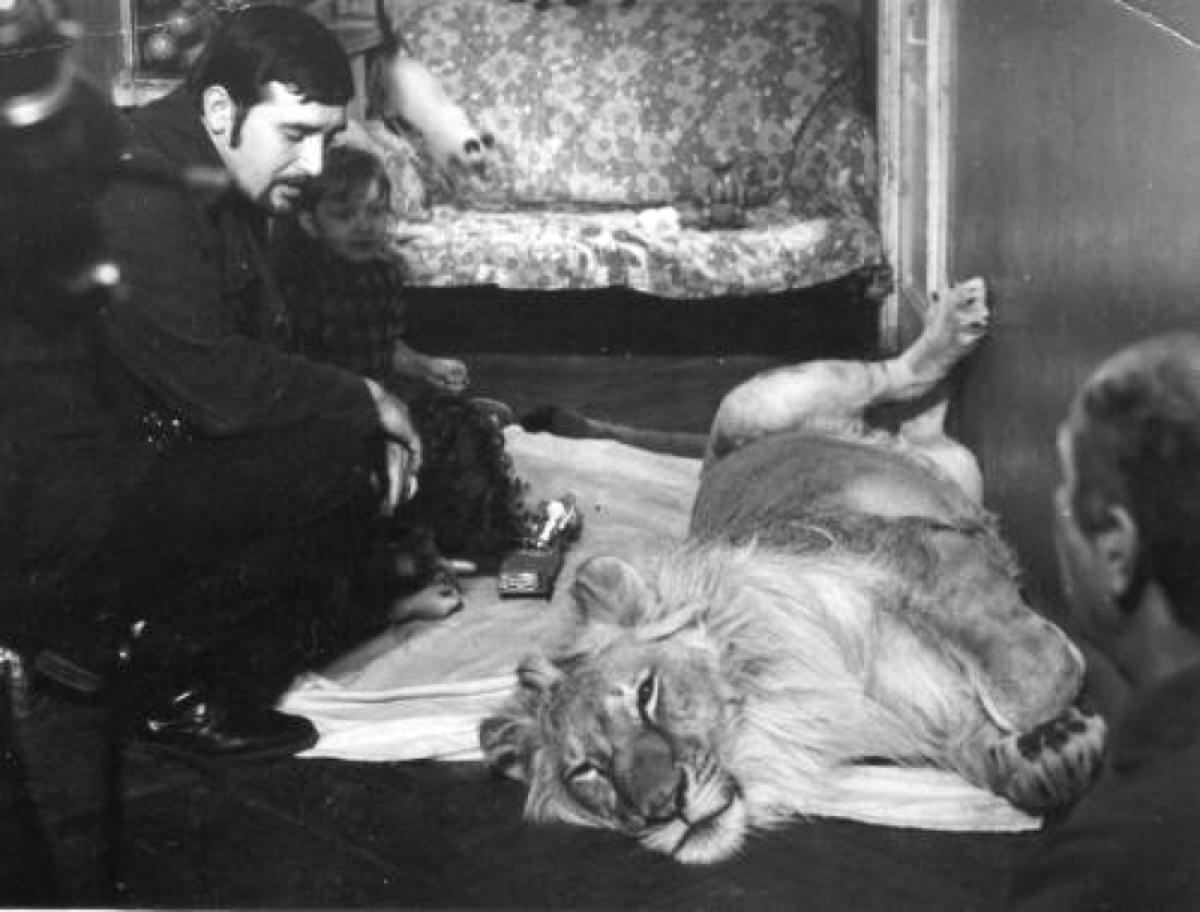
Not everyone was thrilled about living near a lion. The Berberovs’ neighbors lived in a state of constant unease. A lion’s roar carries through walls, and the knowledge that a predator weighing hundreds of pounds was just a door away was not something most Soviet apartment residents had signed up for. The family understood the tension but continued to keep King, managing his presence as carefully as they could.
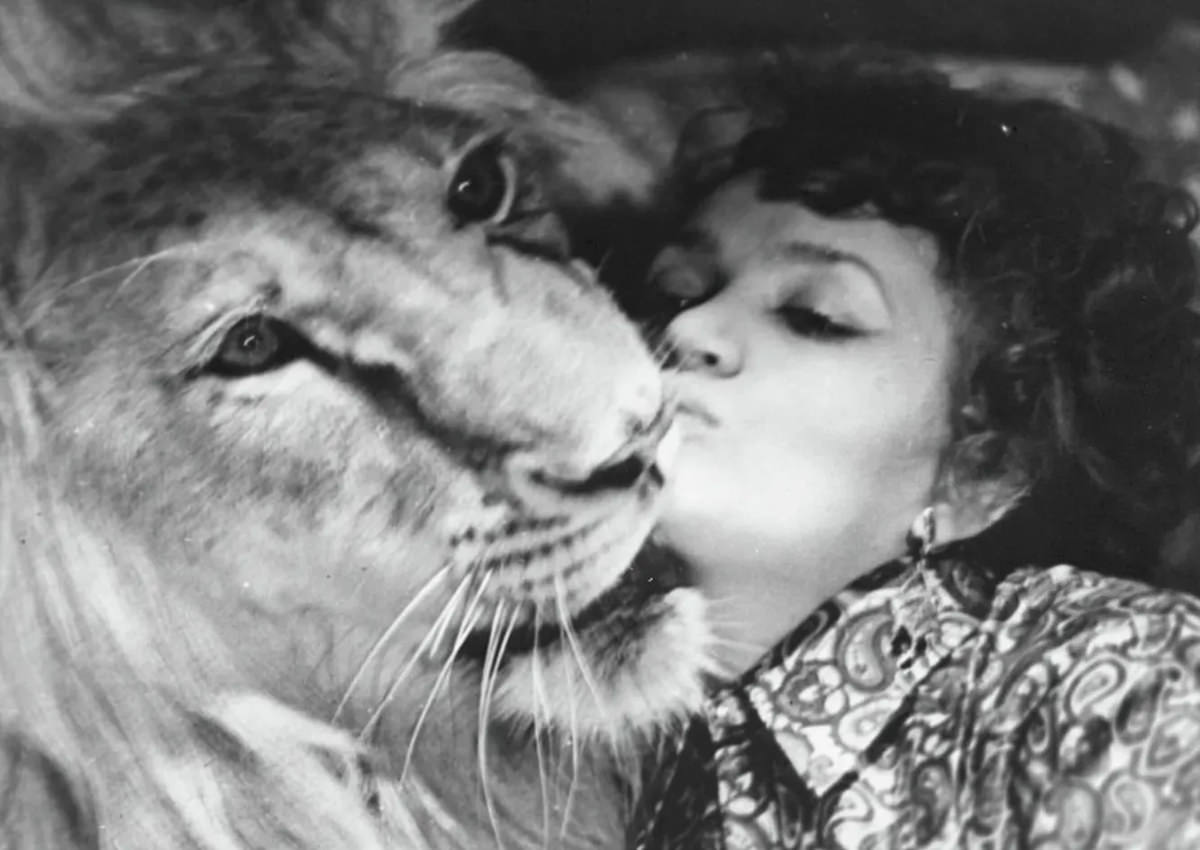
During filming of The Unbelievable Adventures of Italians in Russia in Leningrad, the Berberov family and King stayed temporarily in a school building. Local residents were warned each morning to stay away from the school. Most people listened. One man did not.
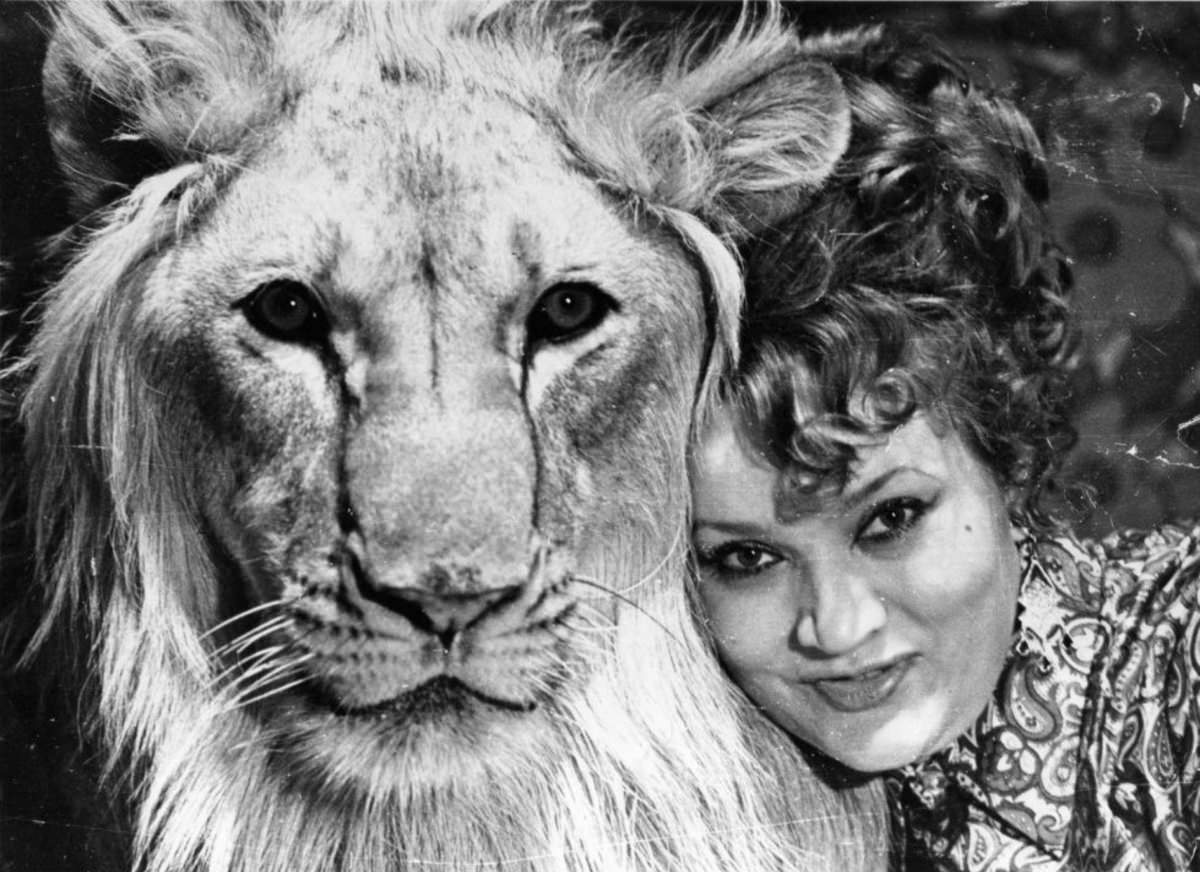
Valentin Markov was a young man who ignored the warnings. He went to the gym window of the school building and began jumping and waving to get King’s attention. To King, this looked like an invitation to play. When Markov broke the window and fell, King reacted as a lion would. King’s trainer was away drinking tea at the time. A police lieutenant heard Markov’s cries and shot King several times, killing him. The film star’s career ended in an instant.
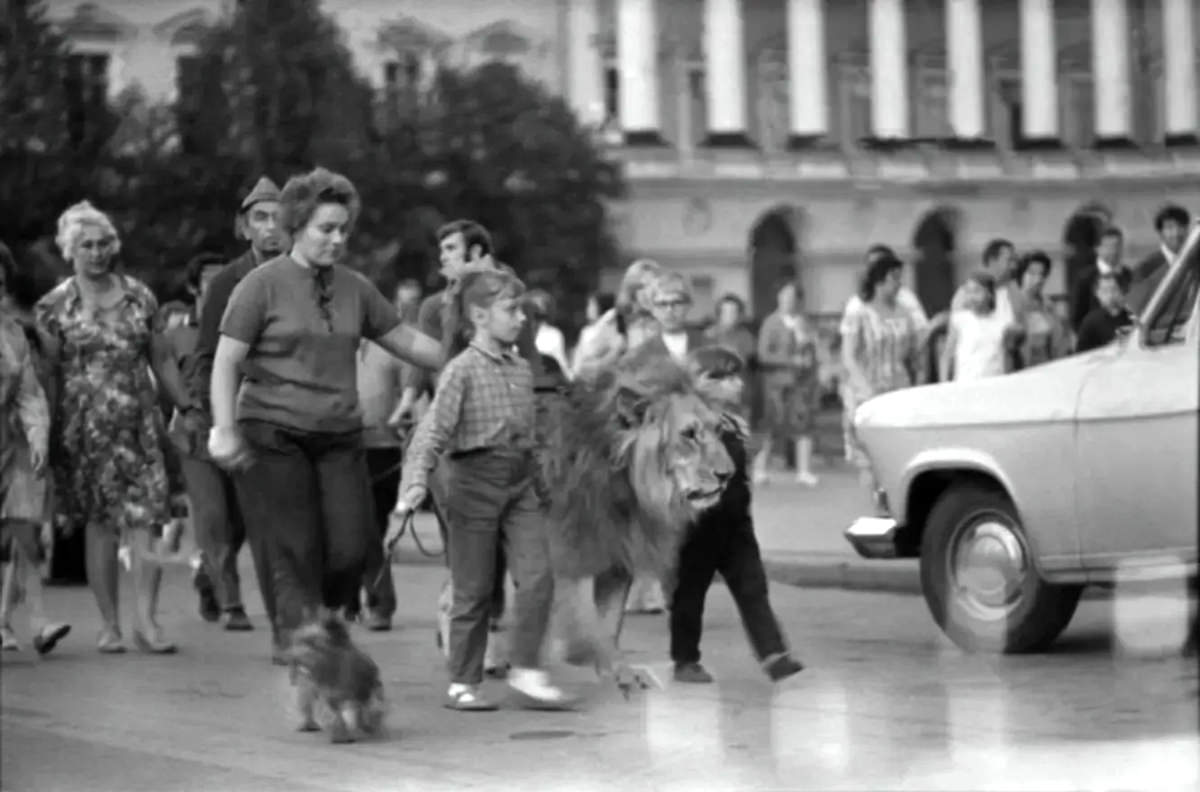
The grief inside the Berberov household was immediate and deep. The children, Eva and Roma, were devastated. Even the family’s dog, Chap, felt King’s absence in a visible way — he wandered the apartment searching for the lion he had grown up alongside. Chap died just a few days after King. The family had lost two of their closest companions within the same week.
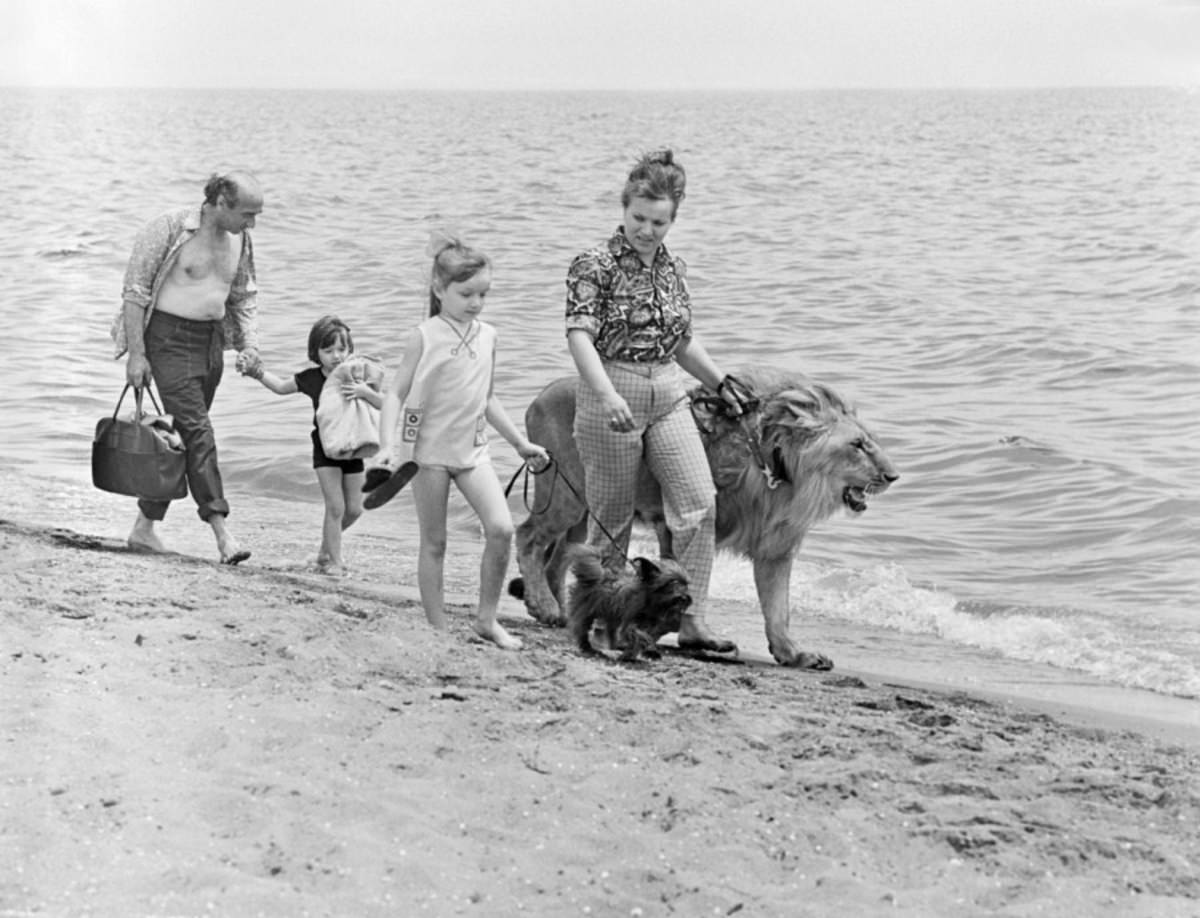
In 1975, the family adopted a second lion and named him King II. He was a different animal from the start — not in the same way that King had been gentle and warm. Still, the family brought him into their home and cared for him. Then in 1978, Lev Berberov died of a heart attack. Nina was now alone, raising two children and managing a lion, all while facing serious financial strain.
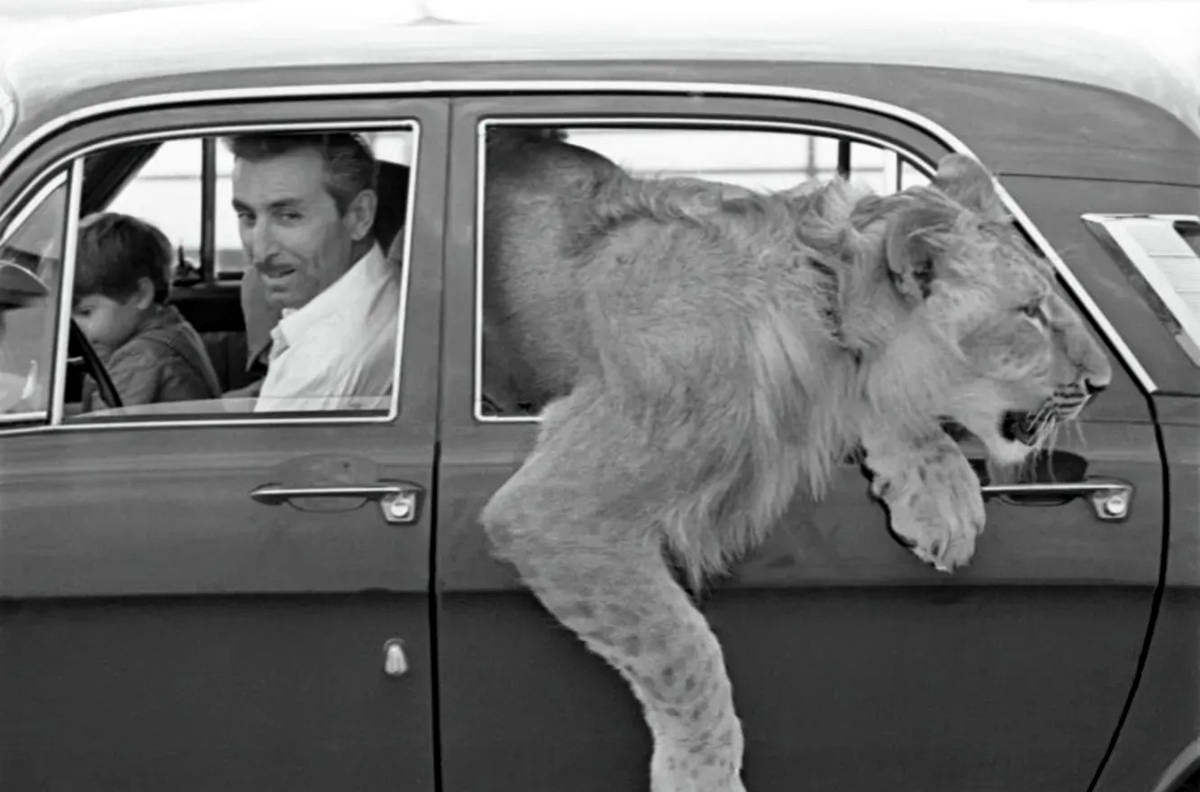
She tried to place King II in the zoo but could not arrange a permanent transfer and could not afford the fees involved in keeping him there. King II remained with the family. Nina had no way of knowing how badly things were about to go wrong.
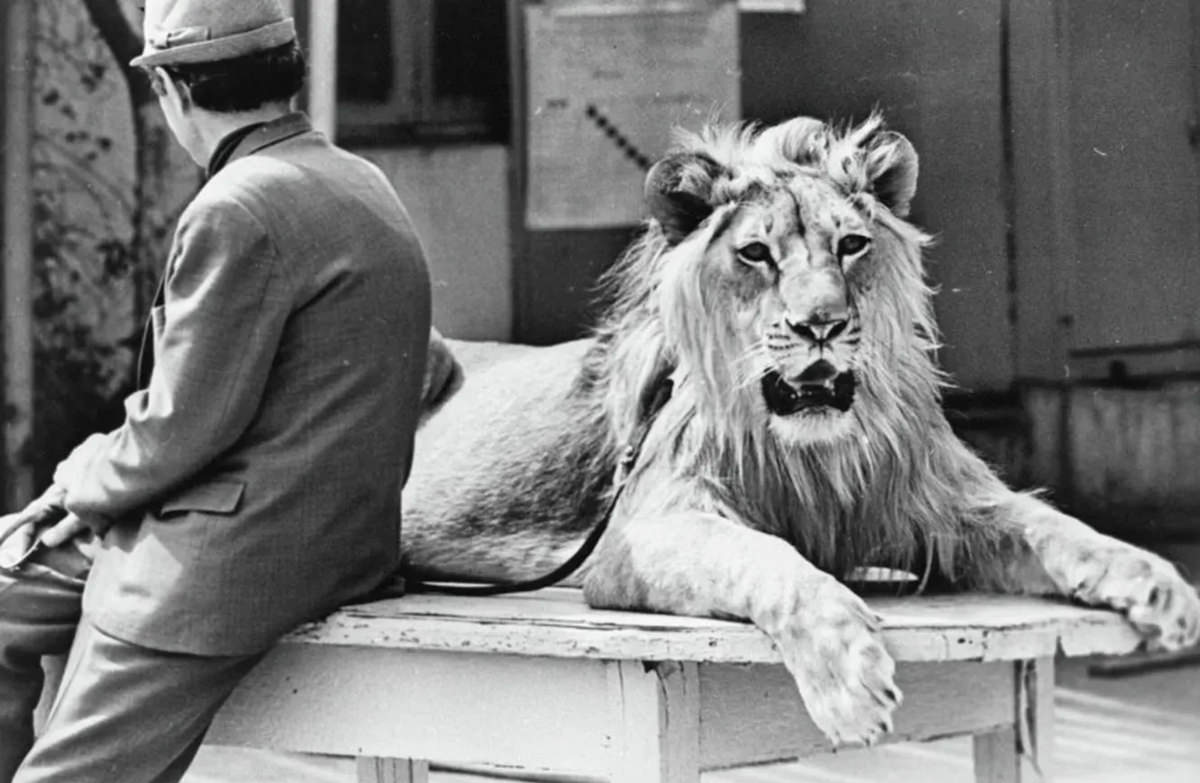
November 24, 1980 is the date Nina Berberova describes as the worst day of her life. While she was at work, a drunk neighbor on an adjacent balcony burned plastic and threw debris toward King II. The smell of burning plastic and the disturbance sent the lion into a state of intense agitation. By the time Nina came home from work, King II was in a dangerous state.
The moment Nina entered the room, King II attacked her. Her son Roma, 14 years old, threw himself between his mother and the lion to try to stop the attack. He could not. King II killed Roma in front of Nina before fatally injuring her as well. Neighbors who heard the commotion called the police, who arrived and shot King II dead.
Nina was rushed to the hospital with severe injuries. She was not told about Roma’s death while she was being treated. When she was finally released from the hospital and learned that her son was gone, she collapsed back into a mental health crisis so severe that she was hospitalized for another three months. During that time, she thought about ending her own life.
The actor Kyazim Abdullaev entered her life during this period and helped pull her back. He stayed close to her during her recovery, offering steady support through months of grief and trauma. Nina and Kyazim married about a year later. They went on to have two children together.
Even with a new marriage and new children, Nina never fully recovered from what happened on that November night. The death of her son Roma remained with her in a way that no amount of time or new happiness could erase. She spoke about it in interviews years later with the same raw grief as someone who had just lived through it.
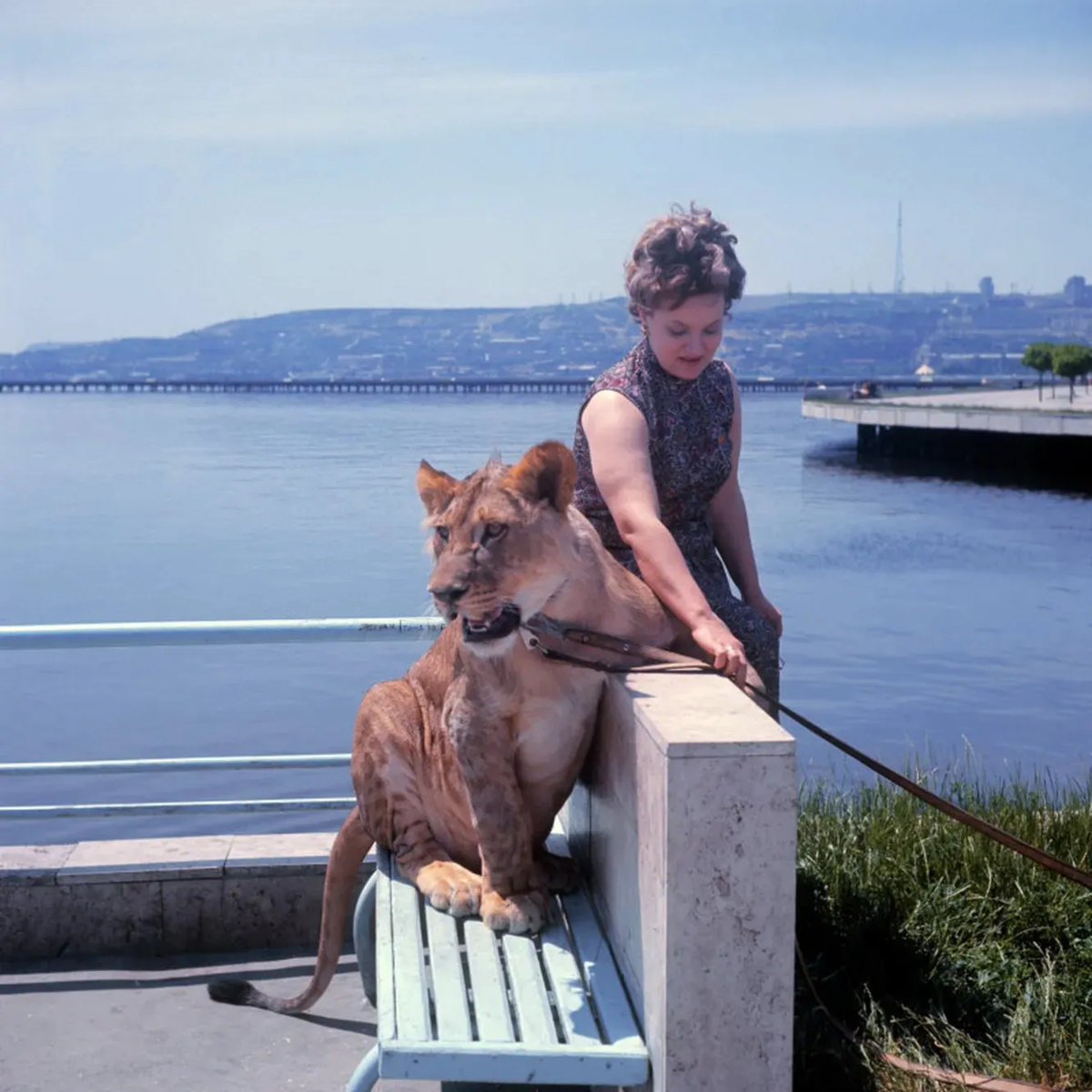
The Berberov story is often remembered as a curiosity — a Soviet family with a lion in their apartment, a pet that appeared in movies. But the facts behind that curiosity are far heavier. Two lions. Two violent deaths of the lions themselves. The loss of a husband. The killing of a 14-year-old boy by the very animal his family had opened their home to. And a mother who survived it all, carrying every piece of it forward.
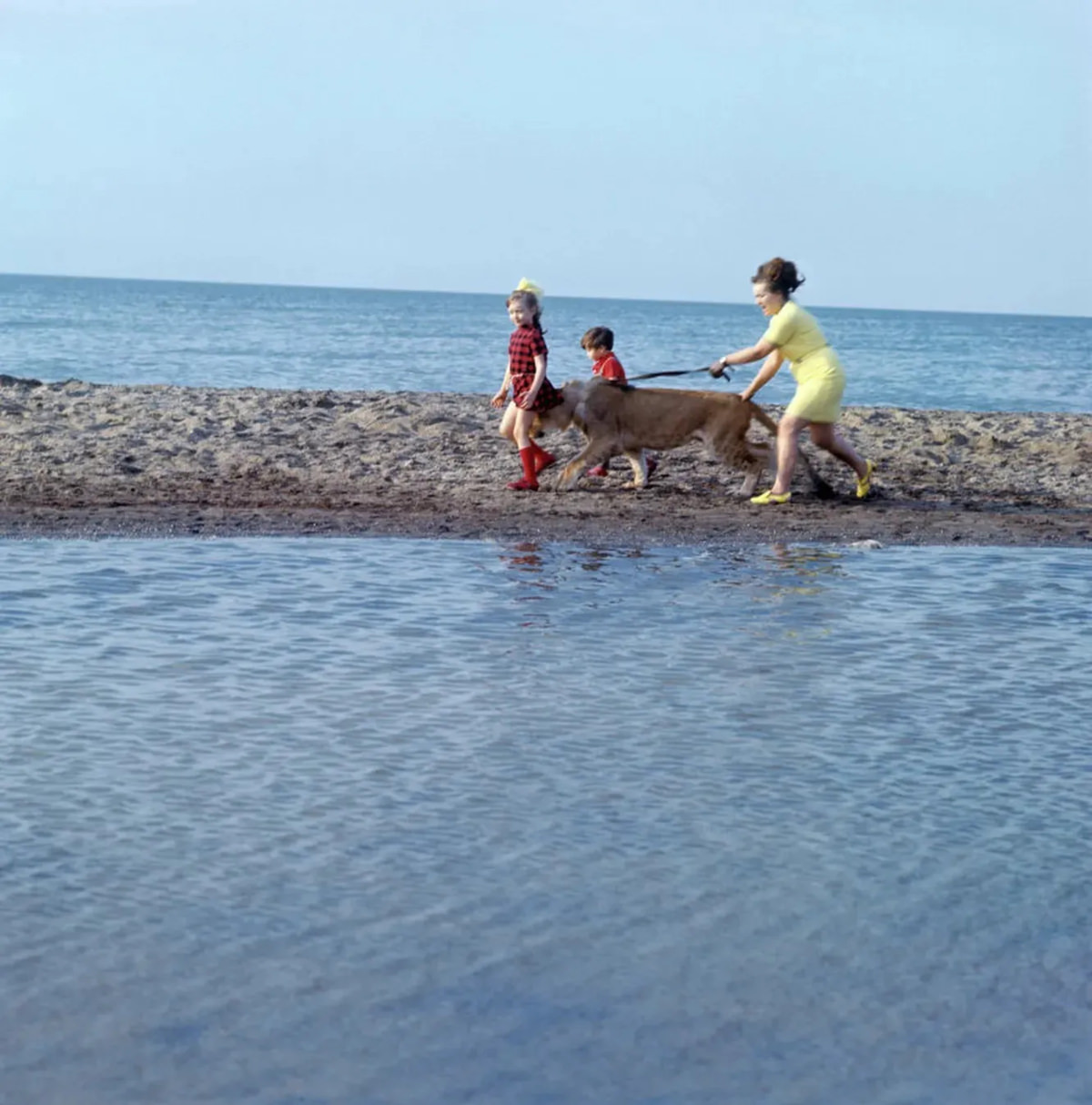
The Berberovs did not set out to become a cautionary tale. They were a family with a genuine love for animals, living in a time and place where the rules around exotic pets were far less strict than they are today. King I was a gentle lion who found fame and died because a stranger ignored a warning sign. King II was an agitated animal pushed past his limit by a careless neighbor. Both outcomes were shaped as much by human decisions as by the nature of the lions themselves.