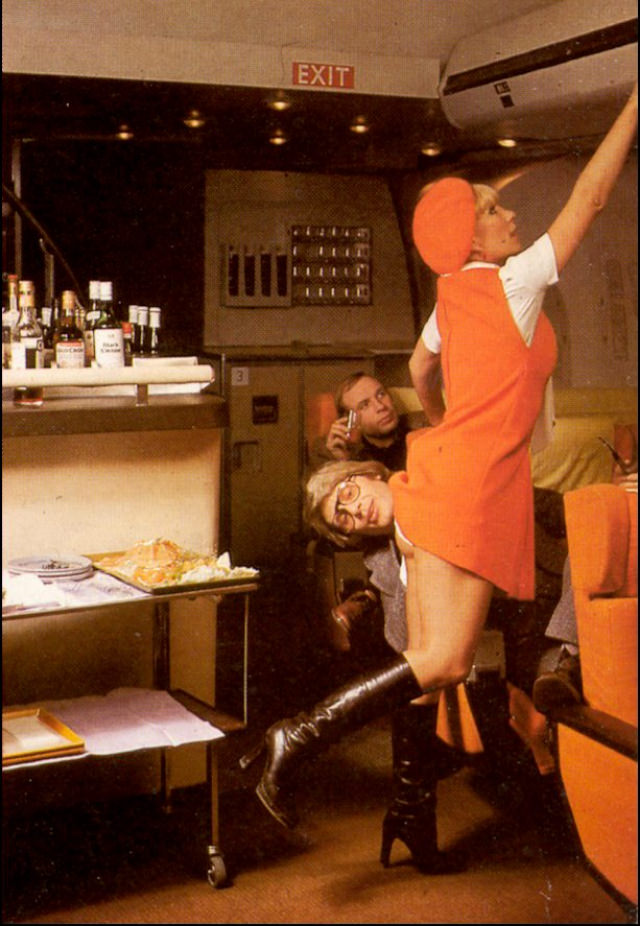
The 1970s airline industry sold passengers a fantasy. Advertisements promised charming, eager young women ready to make every traveler feel welcome. Films like The Swinging Stewardesses and Come Fly with Me pushed that image even further. Airlines openly marketed their female staff as sex symbols — and the women who actually did the job paid the price.
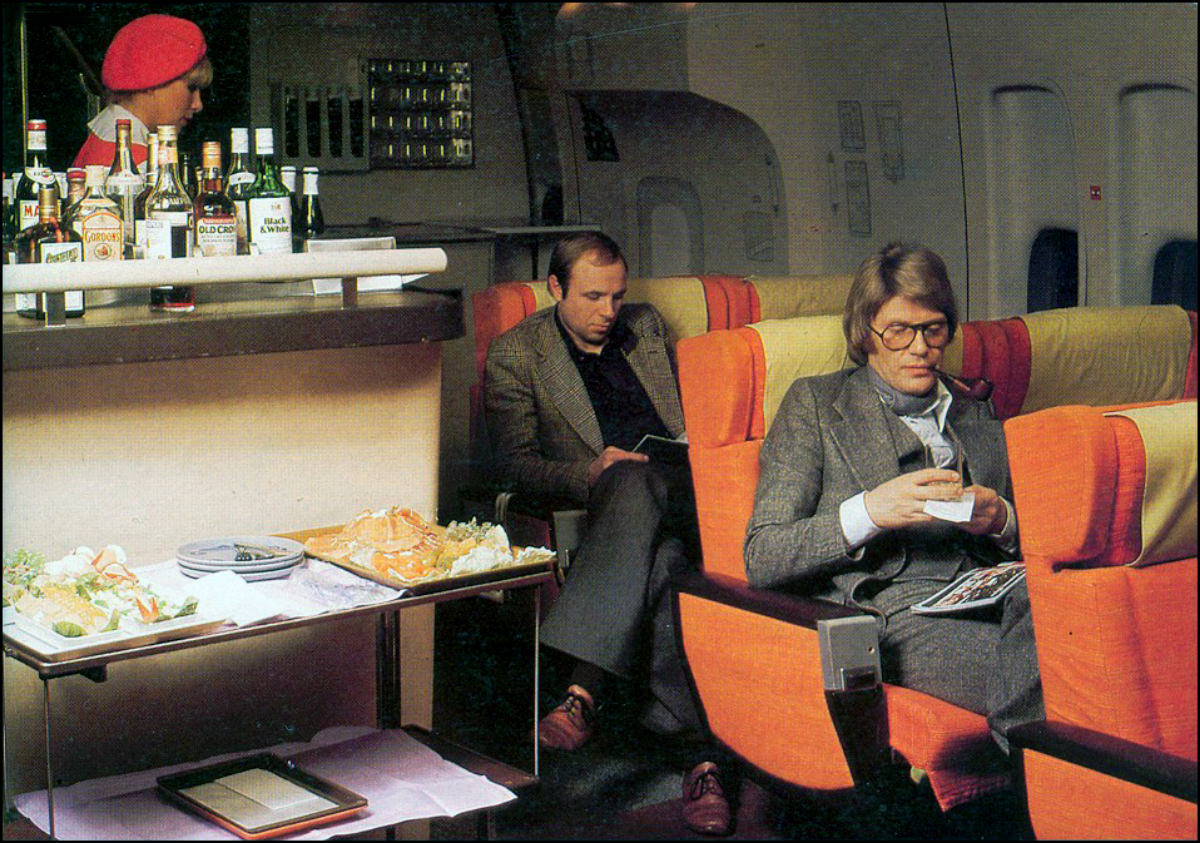
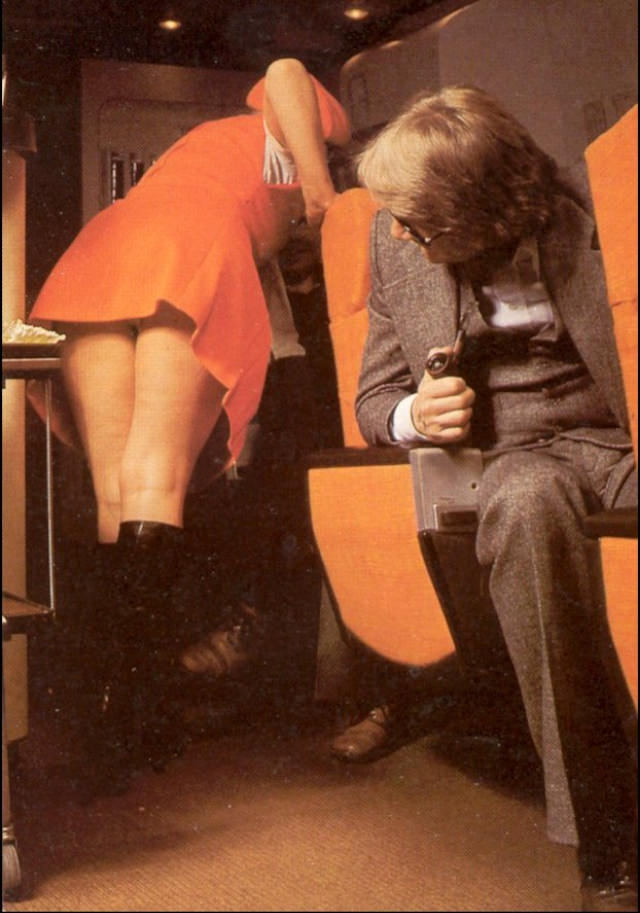
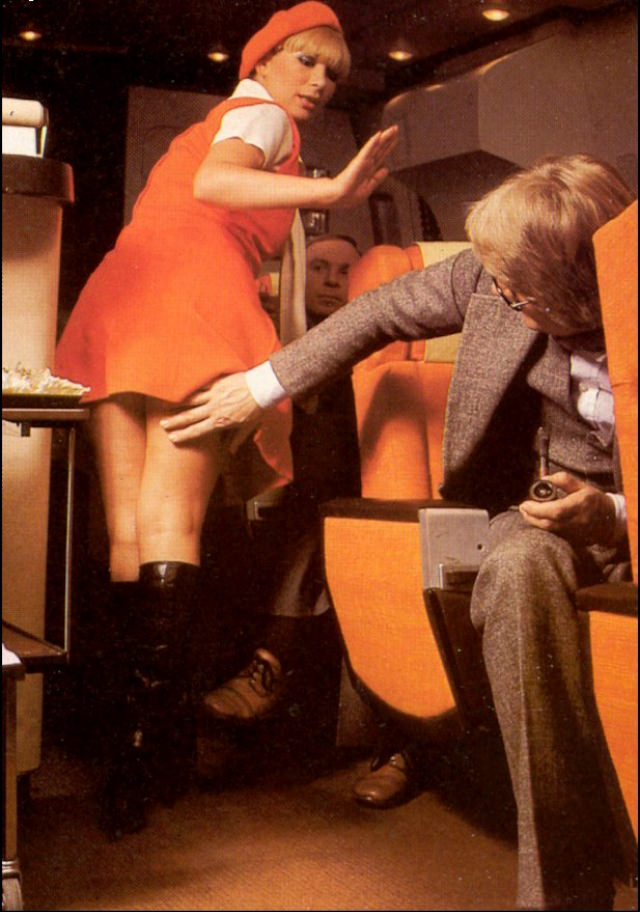
Paula Kane worked as a stewardess during this era and documented what that life actually looked like. Her 1974 book, Sex Objects in the Sky: A Personal Account of the Stewardess Rebellion, is a firsthand account of the harassment these women faced daily. Kane describes a workplace where unwanted physical advances, verbal abuse, and groping from passengers were routine. Women were expected to smile through it, stay composed, and keep working.
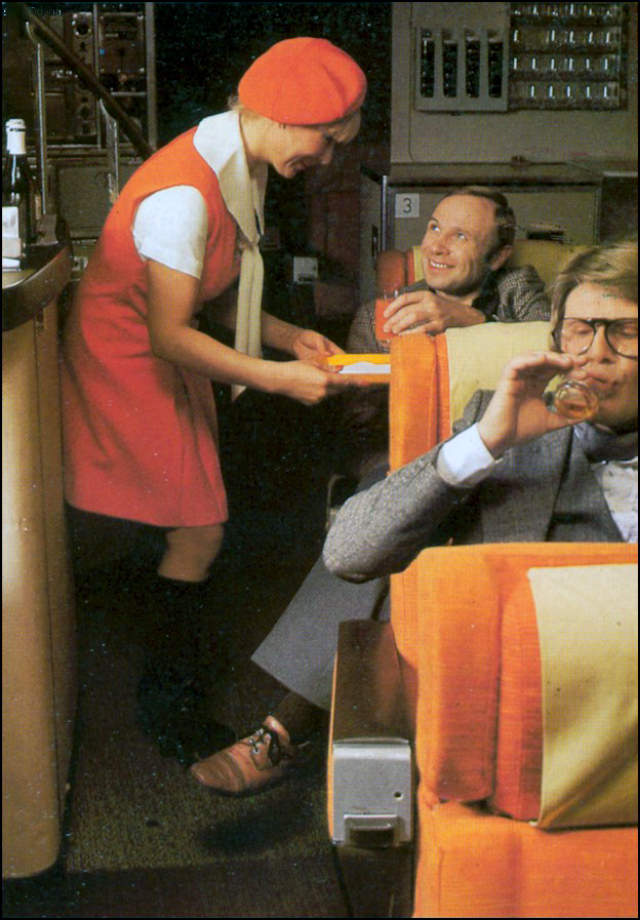
Drunk passengers were a frequent problem. Stewardesses were trained to handle them without causing a scene — which often meant absorbing the abuse rather than confronting it. The airline industry’s own promotional material reinforced the idea that these women existed to please. That framing gave passengers a sense of permission.
The problems Kane uncovered went beyond passenger behavior. Airlines also ignored serious health concerns, including radiation exposure at high altitudes. Women were fired or pressured out when they married or became pregnant. The job’s glamorous image masked a workplace with almost no protections for the people doing it.
Kane connected with the organization Stewardesses for Women’s Rights and worked alongside an investigative reporter to expose these conditions publicly. Together, they pushed these issues into the open. Kane’s decision to speak out — and to keep speaking out — became the foundation of what is now remembered as the Stewardess Rebellion, a direct challenge to an industry that had profited from the objectification of its female workforce for years.