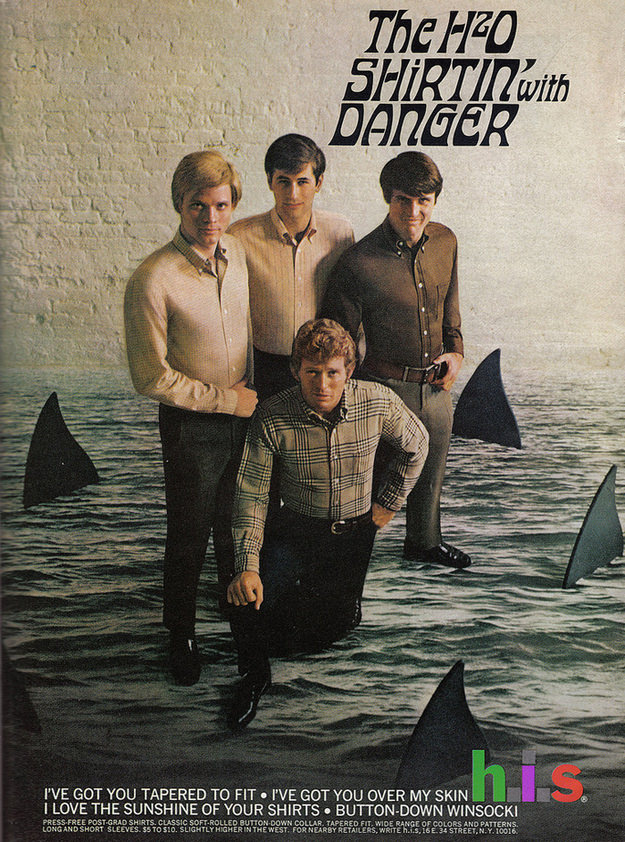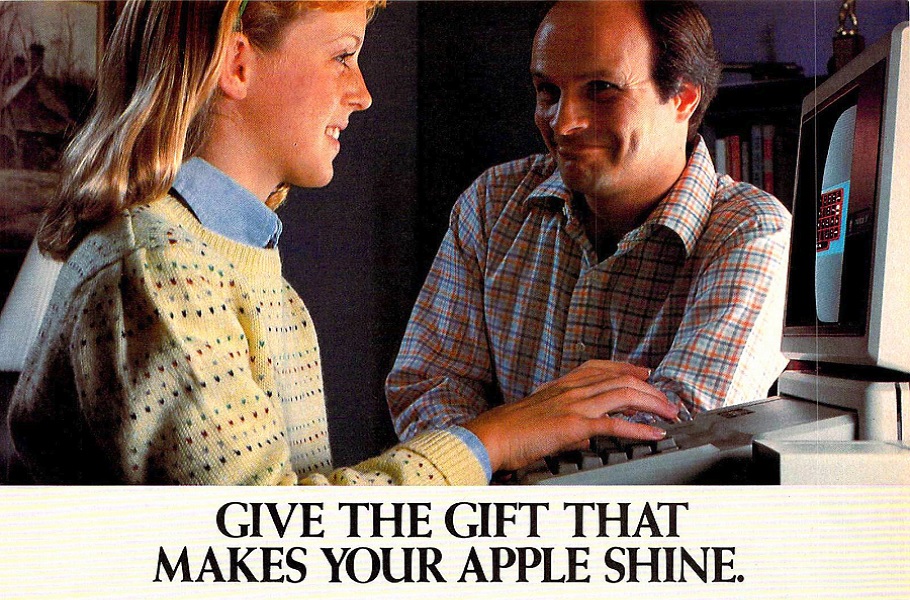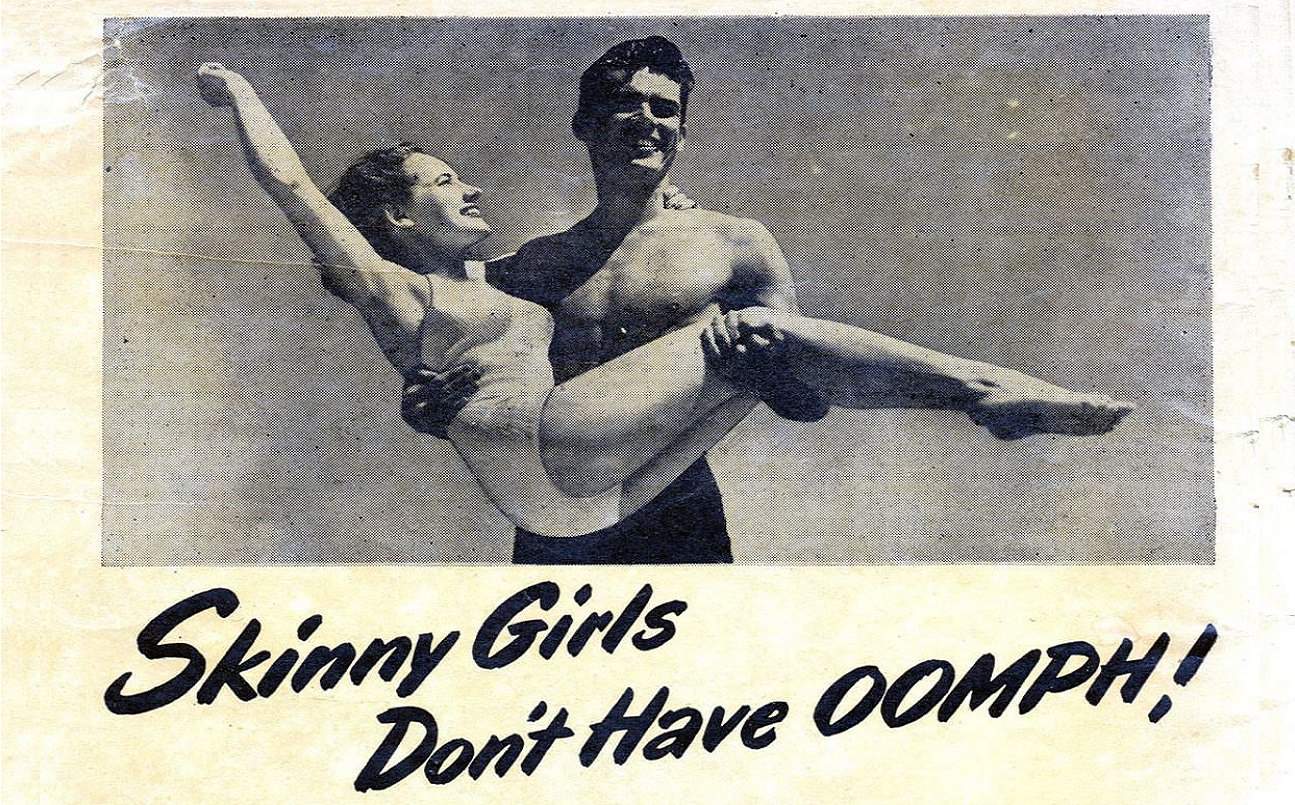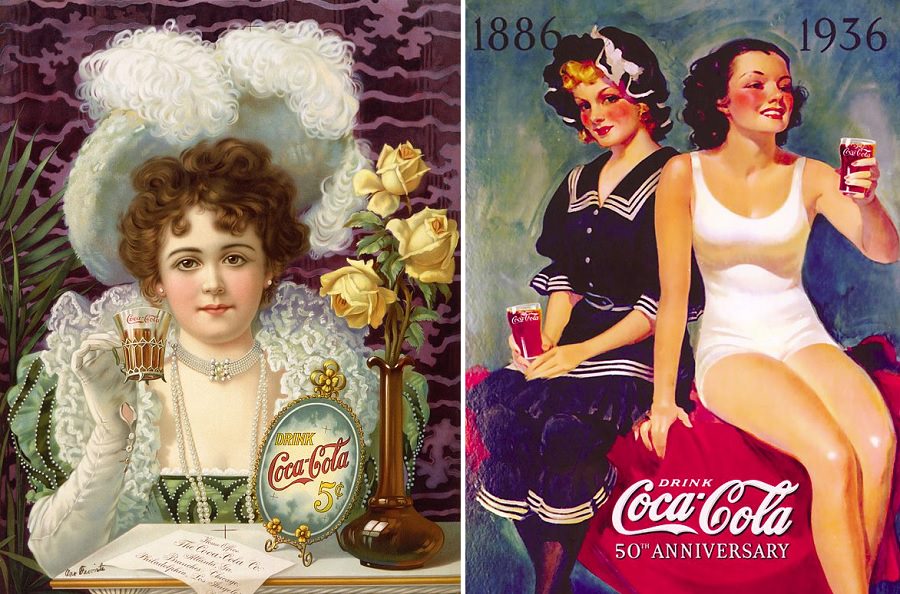
The 1970s threw out the rulebook on men’s fashion advertising. Gone were the stiff, formal poses of earlier decades. In their place came open collars, tousled hair, and a confident kind of sensuality that stopped people mid-page-turn.
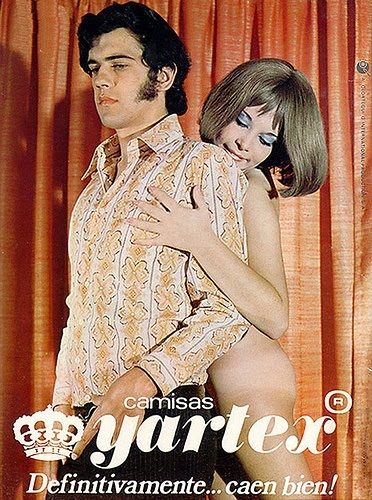
Shirts in these ads were rarely fully buttoned. Models let them hang loose, revealing chest hair that wasn’t hidden or apologized for — it was a selling point. Advertisers leaned into a raw, masculine energy that felt genuinely new for the time.
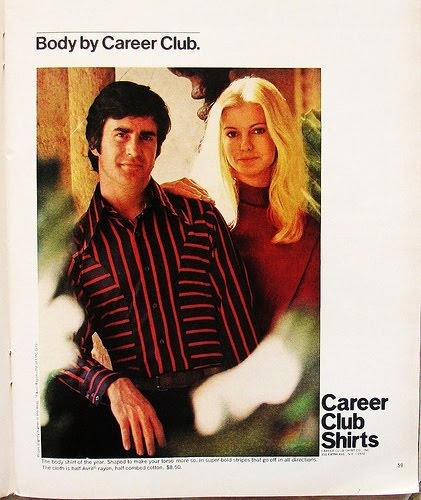
Fabric choices played a huge role in the look. Silk and polyester draped and clung in ways that accentuated the male form, catching the light in a way that cotton simply didn’t. The shirts moved, and the ads made sure you noticed.
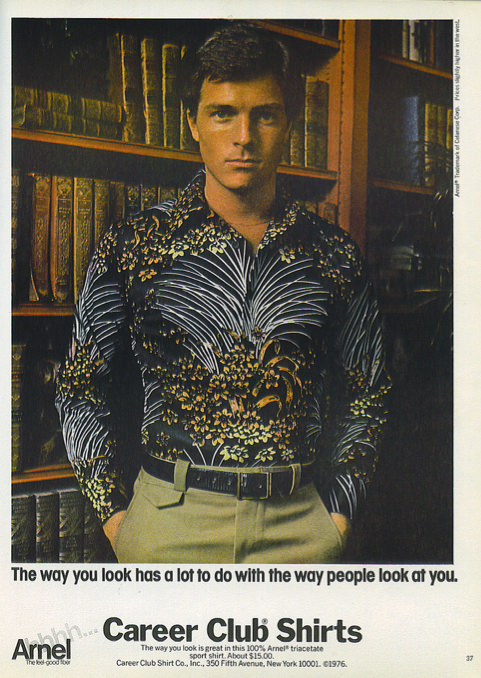
Color and pattern were equally bold. Paisley prints, wide geometric designs, and deep earthy tones dominated. These weren’t subtle fashion choices — they were statements, worn by men who clearly intended to be looked at.
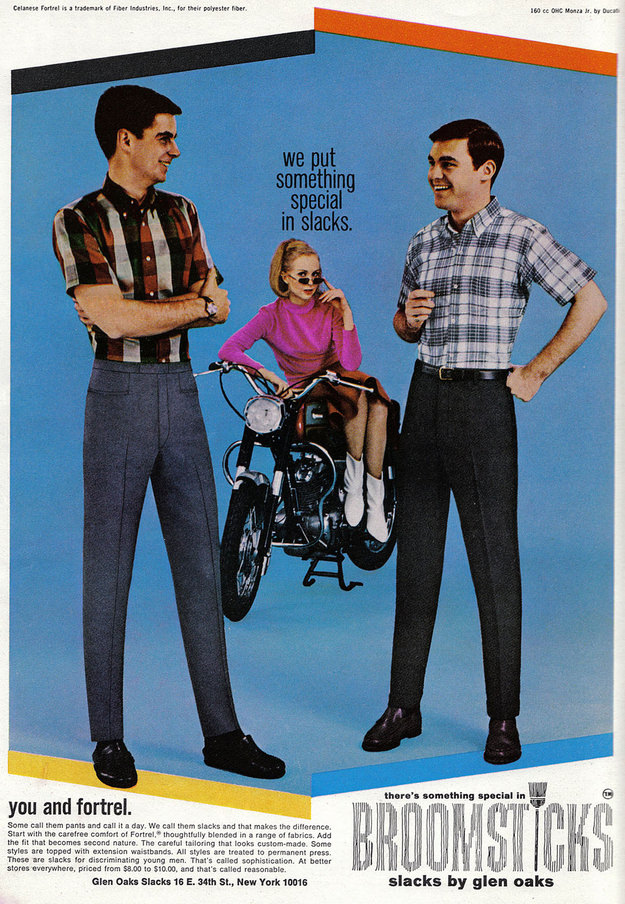
The settings varied widely. A model might be draped across the hood of a vintage car, standing barefoot on a beach, or simply fixing the camera with a direct, unhurried stare. Each setup reinforced the same message: this man is comfortable in his own skin.
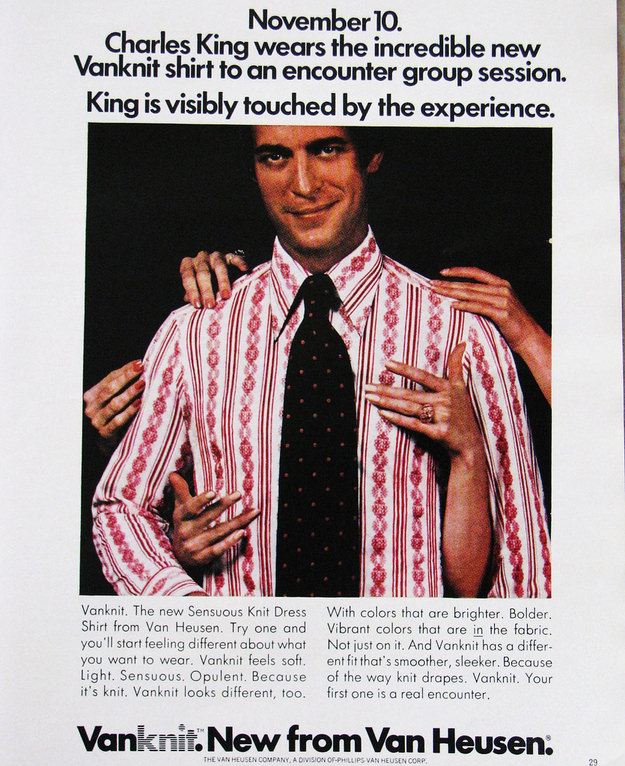
These ads were doing more than selling fabric. They were tapping into the sexual revolution — a cultural shift that made it acceptable, even desirable, for men to be openly sensual in mainstream media.
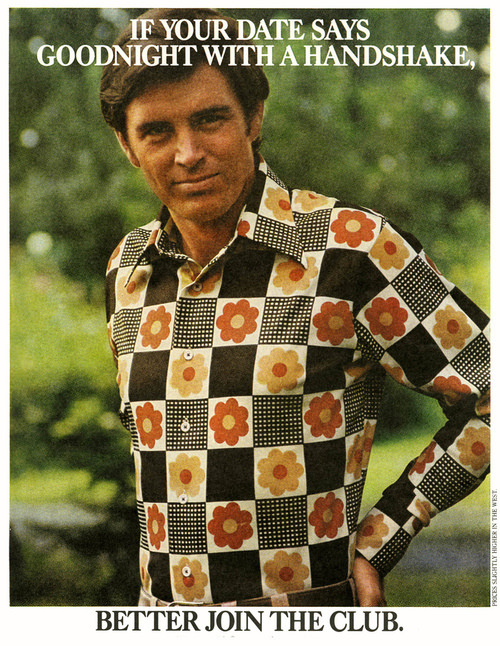
The models themselves were styled to look effortless. Hair slightly disheveled, expressions somewhere between relaxed and inviting. Photographers composed shots that felt candid even when they were carefully staged.
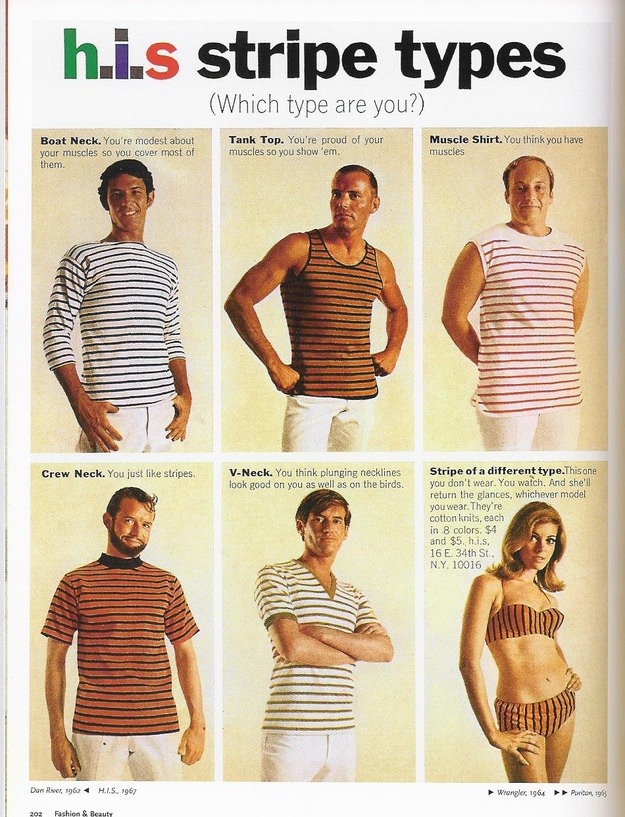
Magazine spreads and billboard placements brought these images directly into everyday life. Readers flipping through publications like GQ or men’s catalogs encountered a vision of modern masculinity that was stylish, free, and a little dangerous.
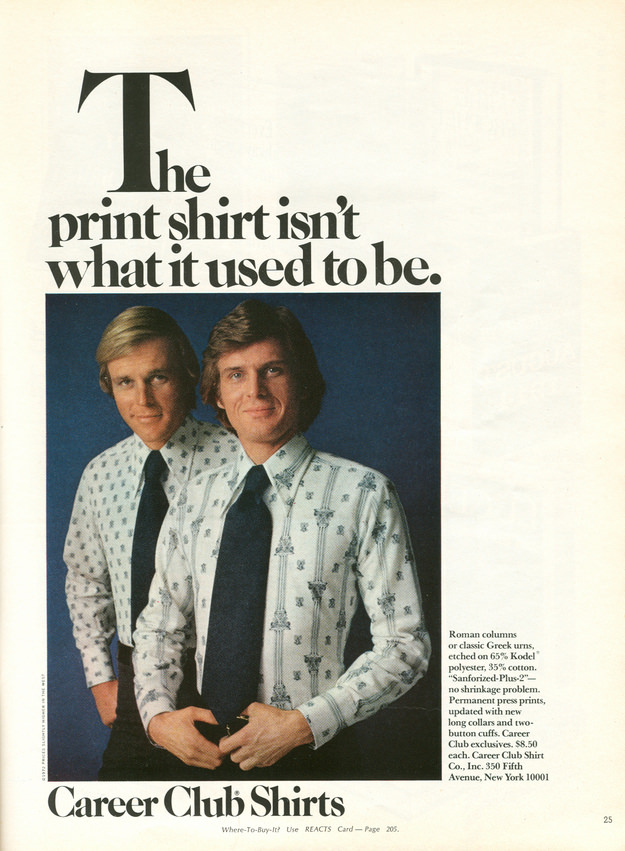
The lifestyle being sold was just as important as the garment itself. Confidence, freedom, and a willingness to turn heads — the shirt was simply the vehicle for all of it.
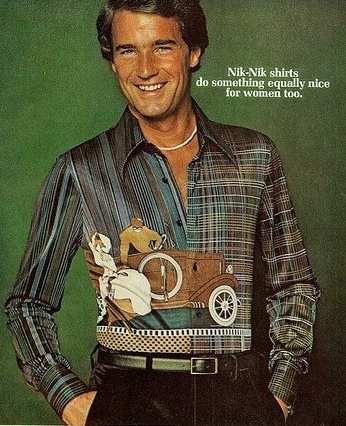
Flared pants and platform shoes defined the decade’s silhouette, but the shirt — unbuttoned, patterned, and worn with attitude — was where the real personality lived. These ads captured a specific moment when men’s fashion stopped playing it safe.