
The 1960s brought sweeping changes to everyday life, and few things captured that shift more visibly than the miniskirt. British designer Mary Quant introduced the style in the early 1960s, and it spread fast. After decades of longer, more conservative hemlines, the miniskirt was a sharp break from the norm. Young women took to it immediately.
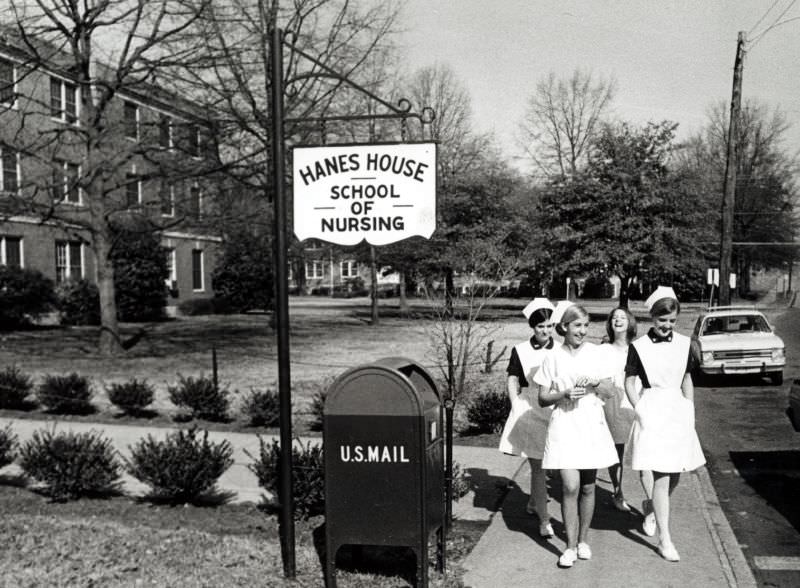
School uniforms had always been about order and conformity. When the miniskirt arrived, it tested those boundaries directly. Some schools banned the style outright. Others allowed it only within strict guidelines on hemline length. Neither approach slowed its spread among students, who saw the garment as a way to push back against rules they found outdated.
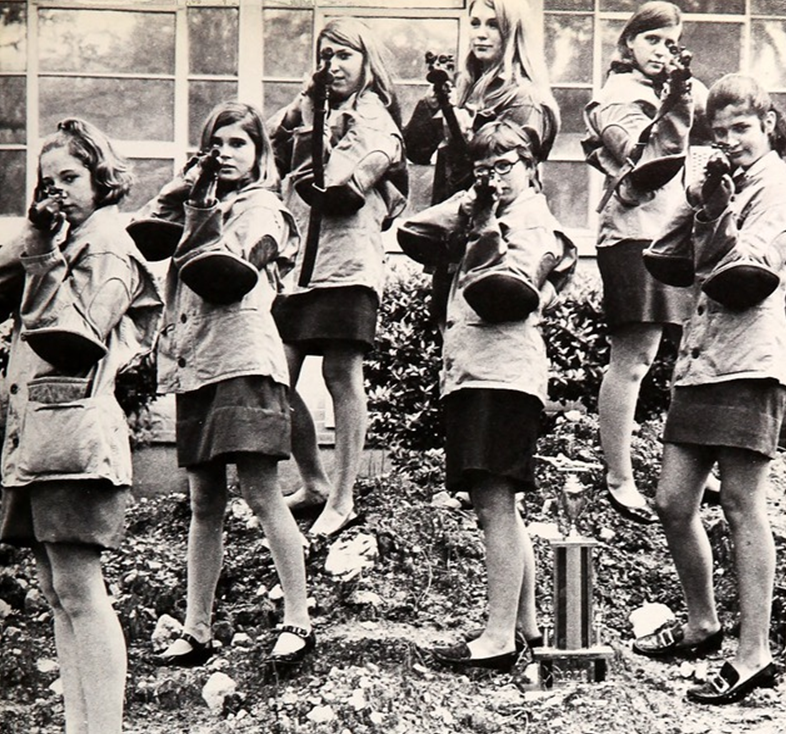
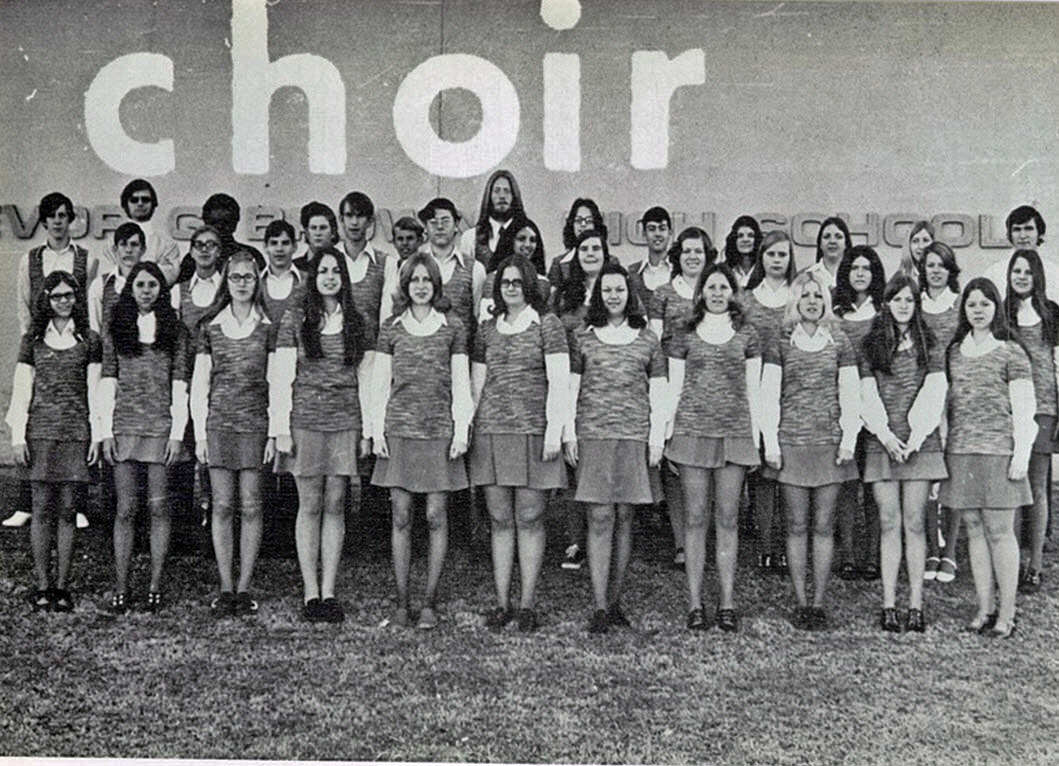
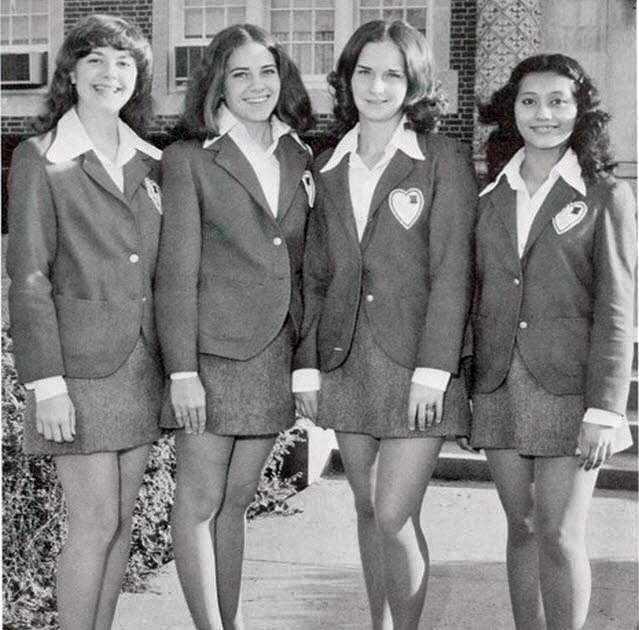
The fabrics were practical: wool, cotton, and polyester were all common. Most schoolgirls paired the skirt with knee-high socks or tights and a simple blouse or sweater. The look was put-together but youthful. It worked for a school day just as easily as it did for an afternoon out with friends.
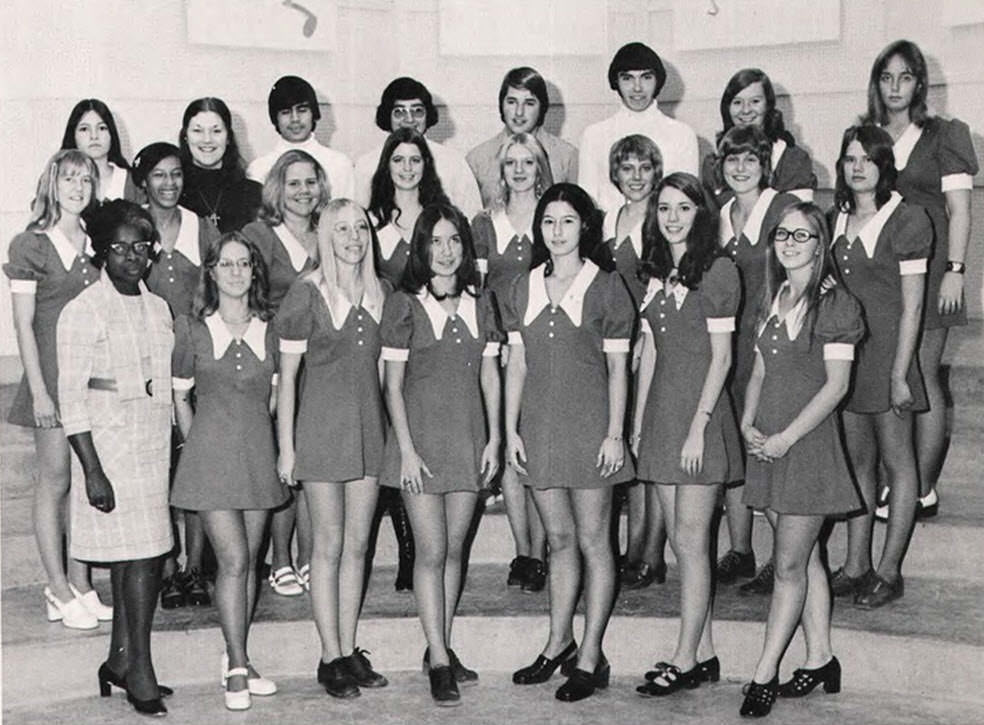
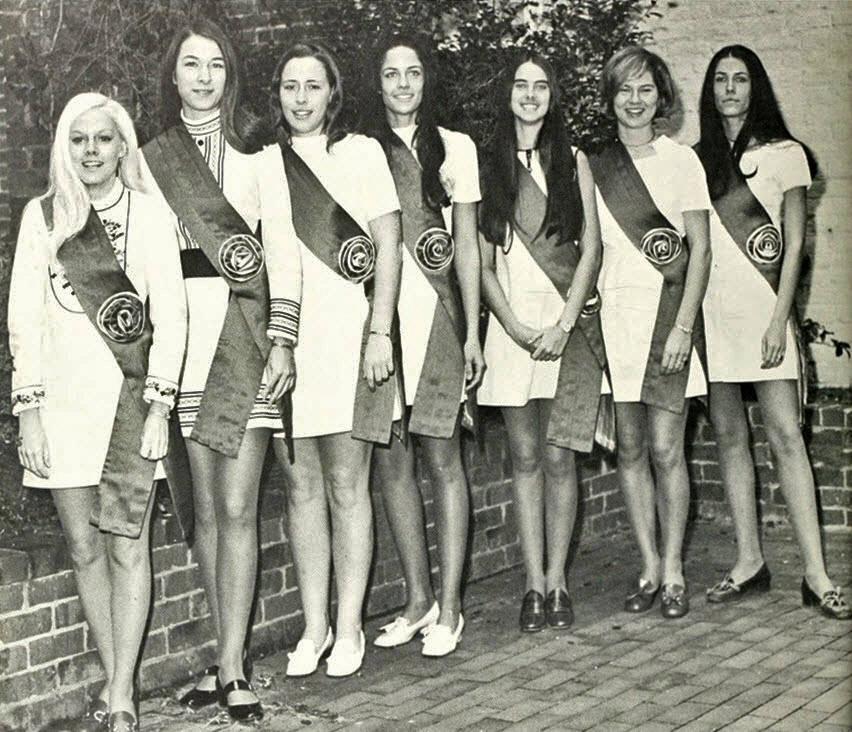
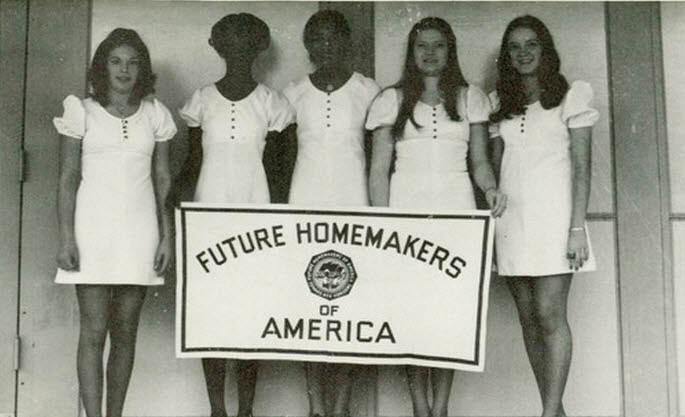
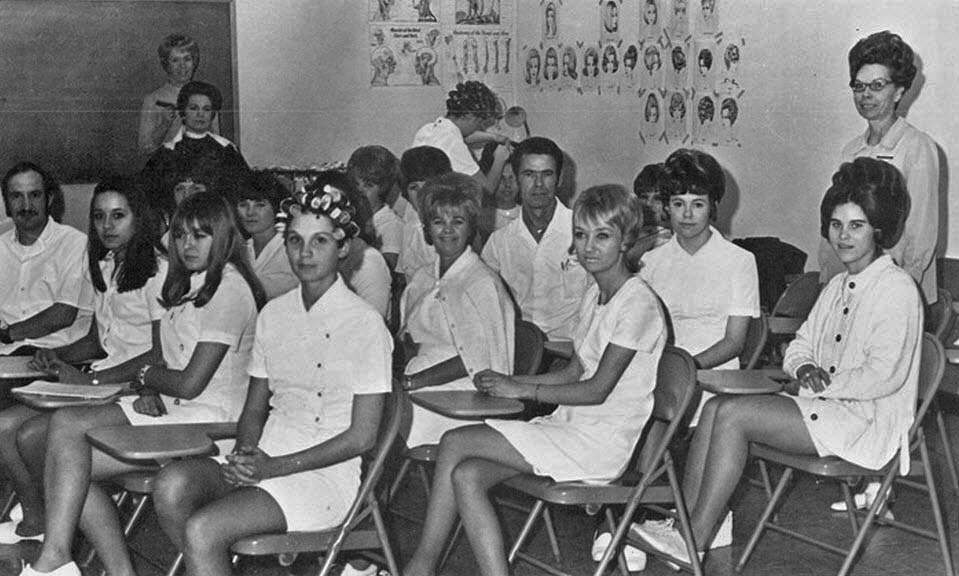
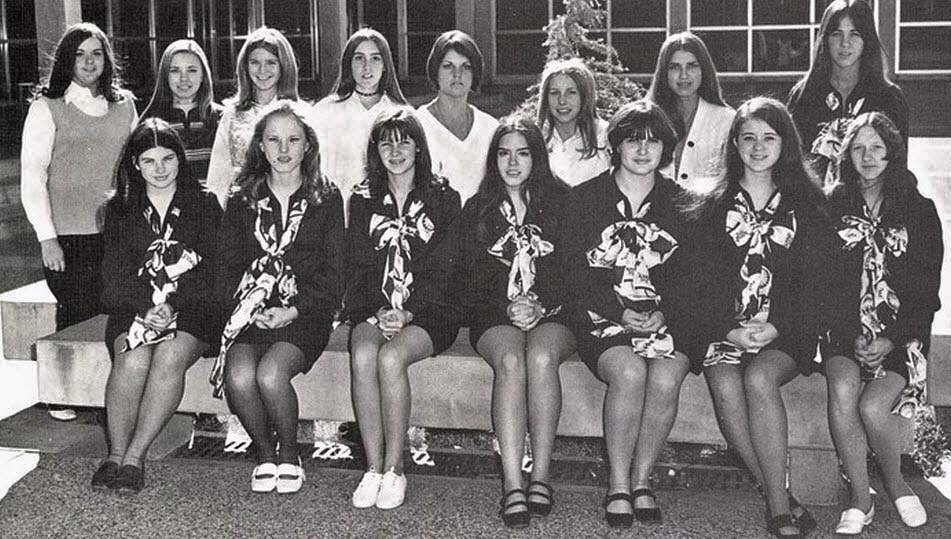
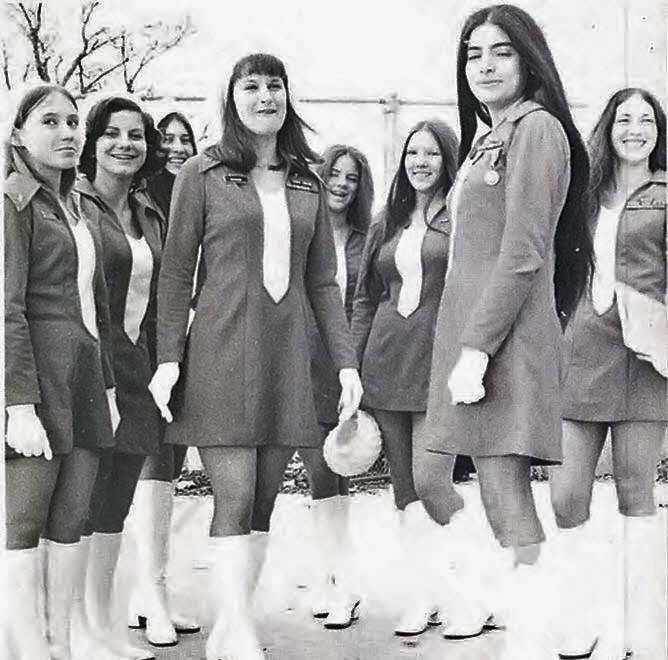
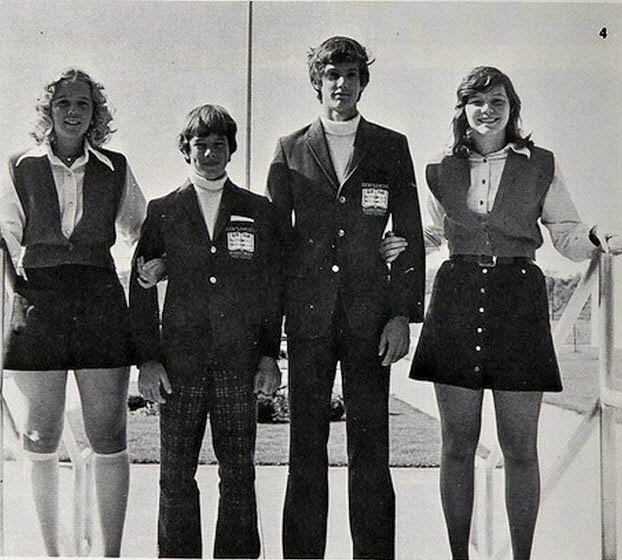
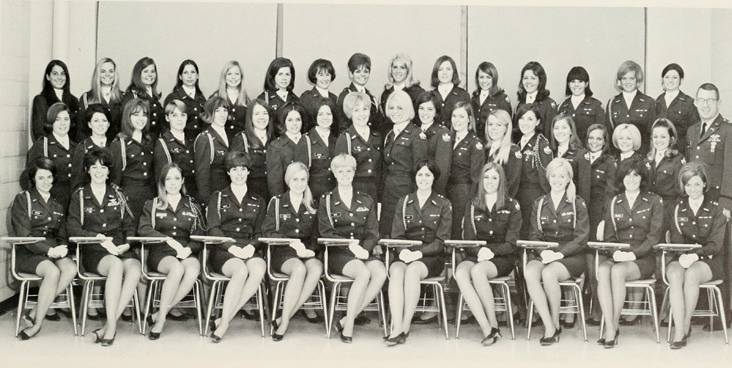
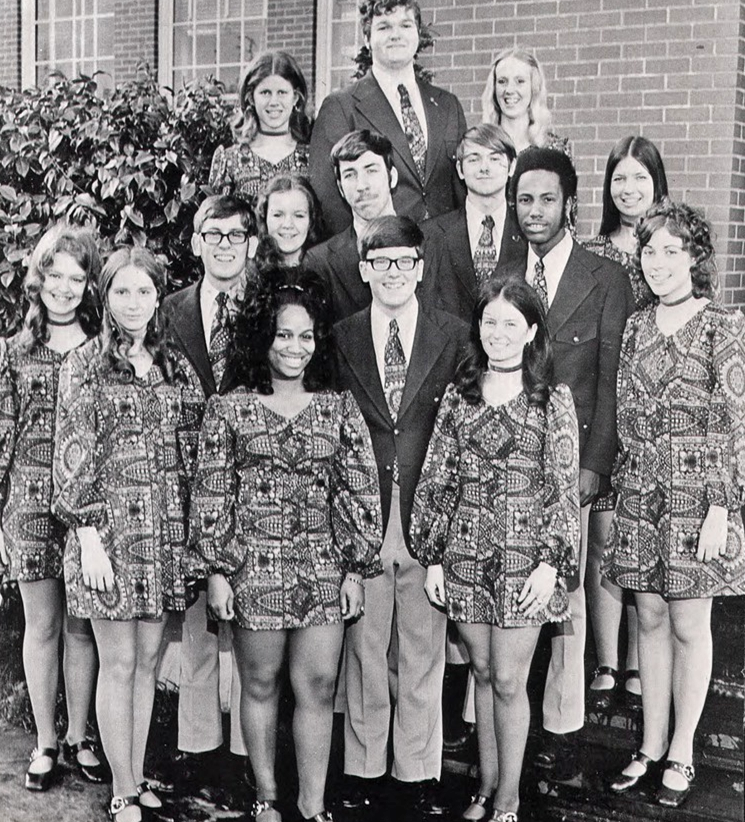
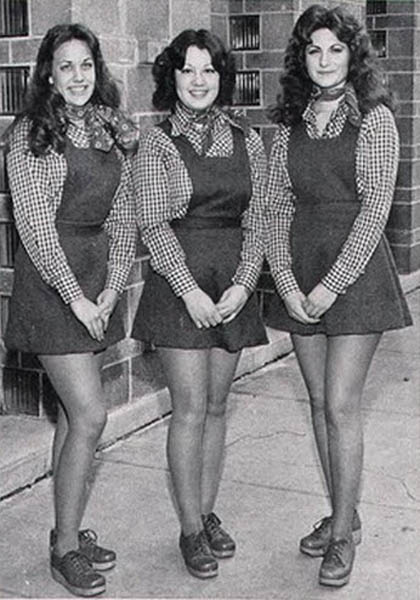
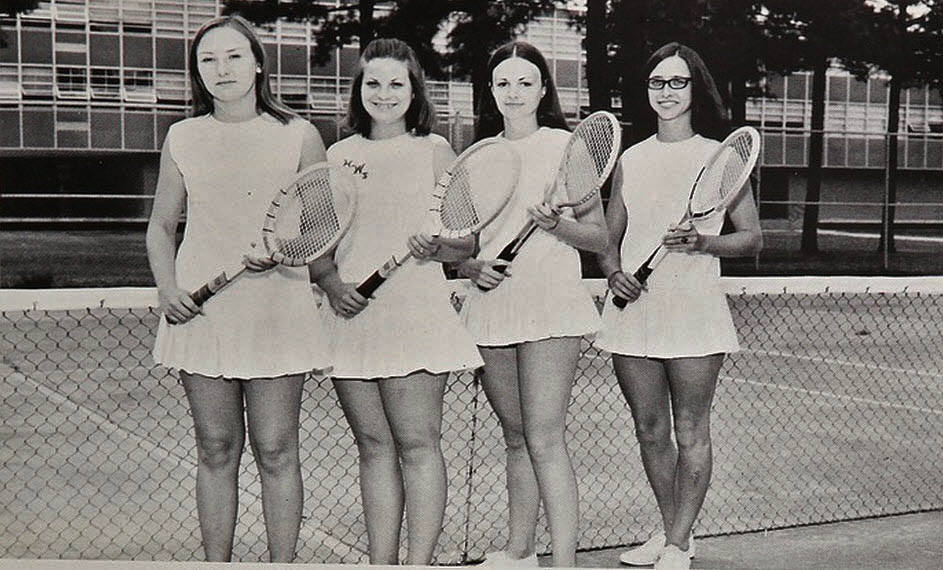
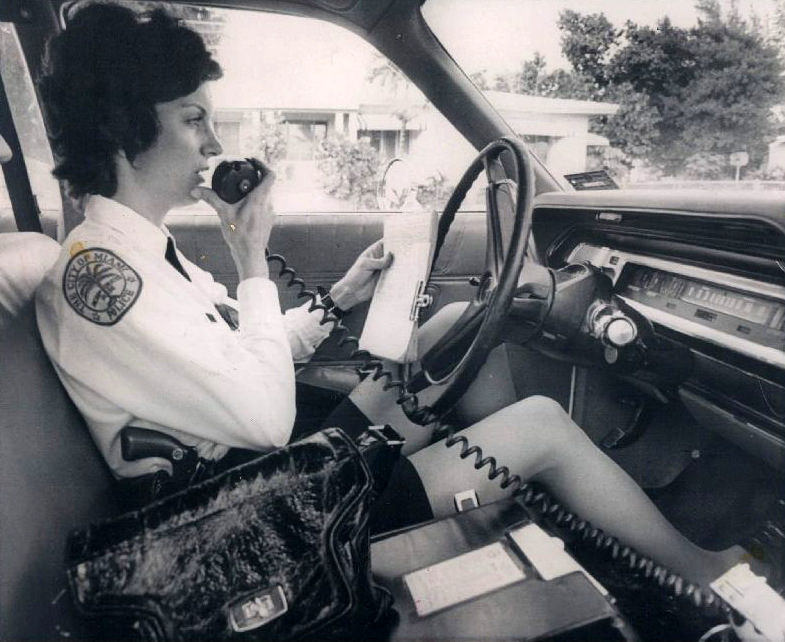
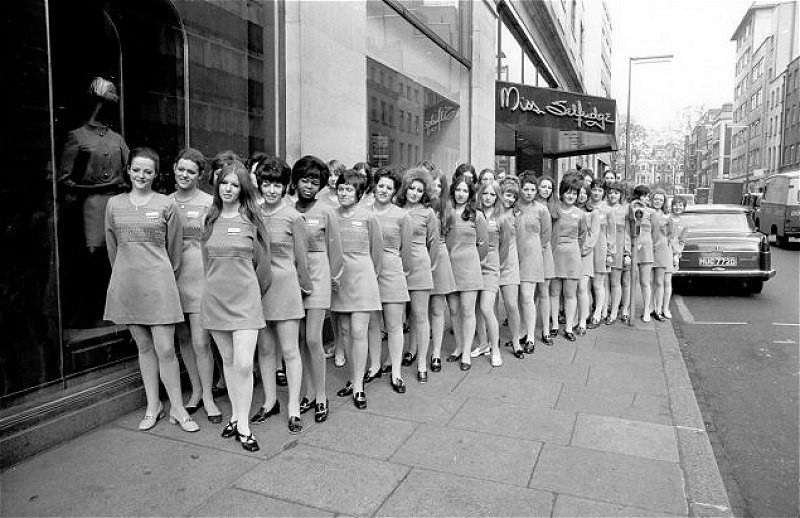
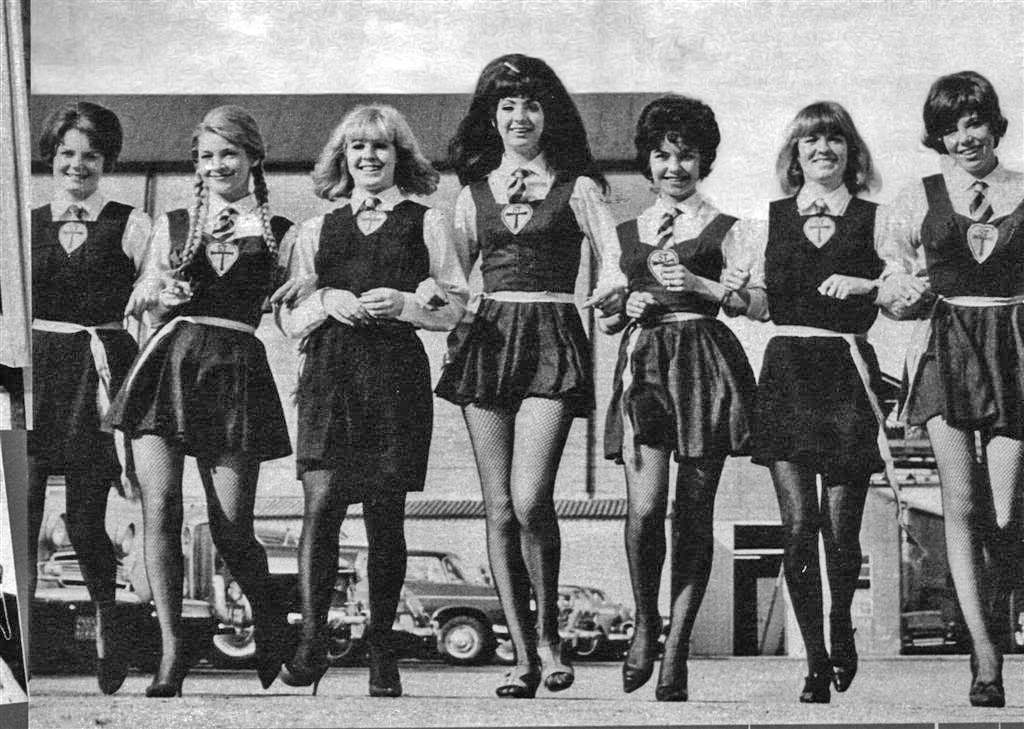
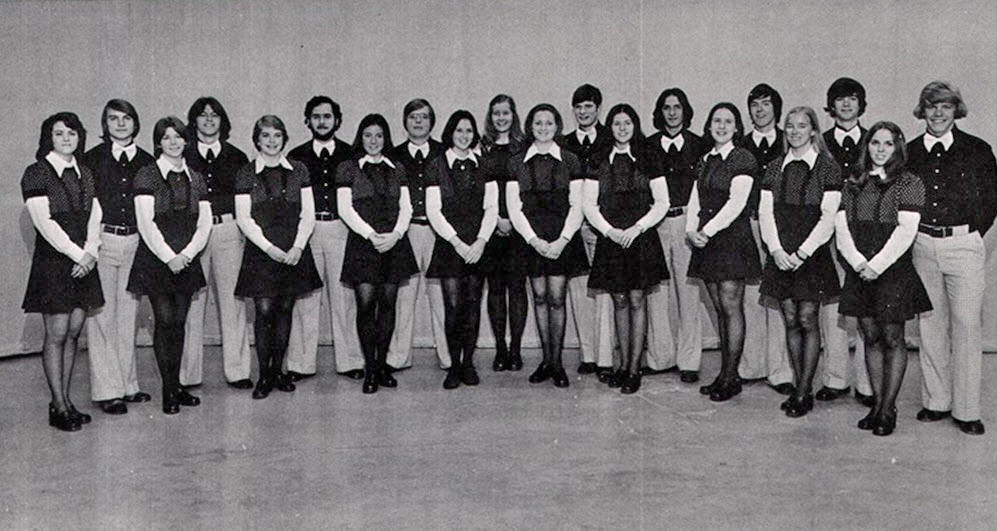
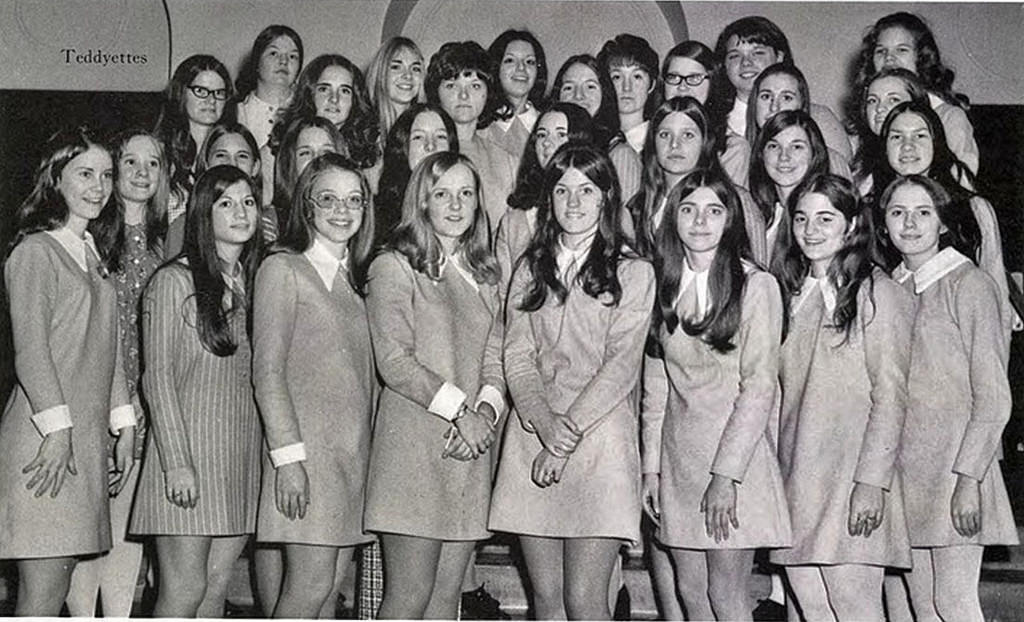
These vintage photographs offer a direct window into that era. The girls in them weren’t simply following a trend — they were participating in a broader cultural moment. Fashion had become a form of personal expression, and even a school uniform could carry a statement.
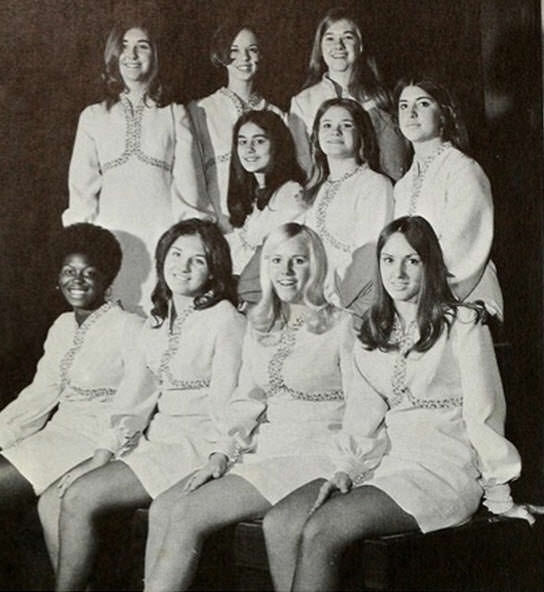
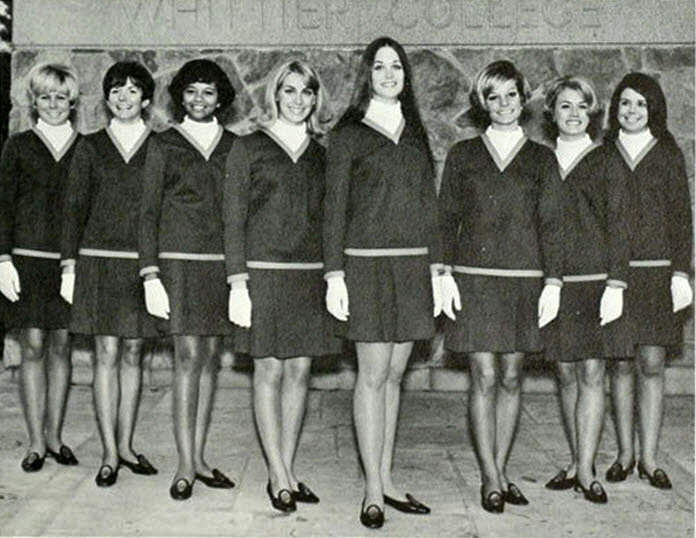
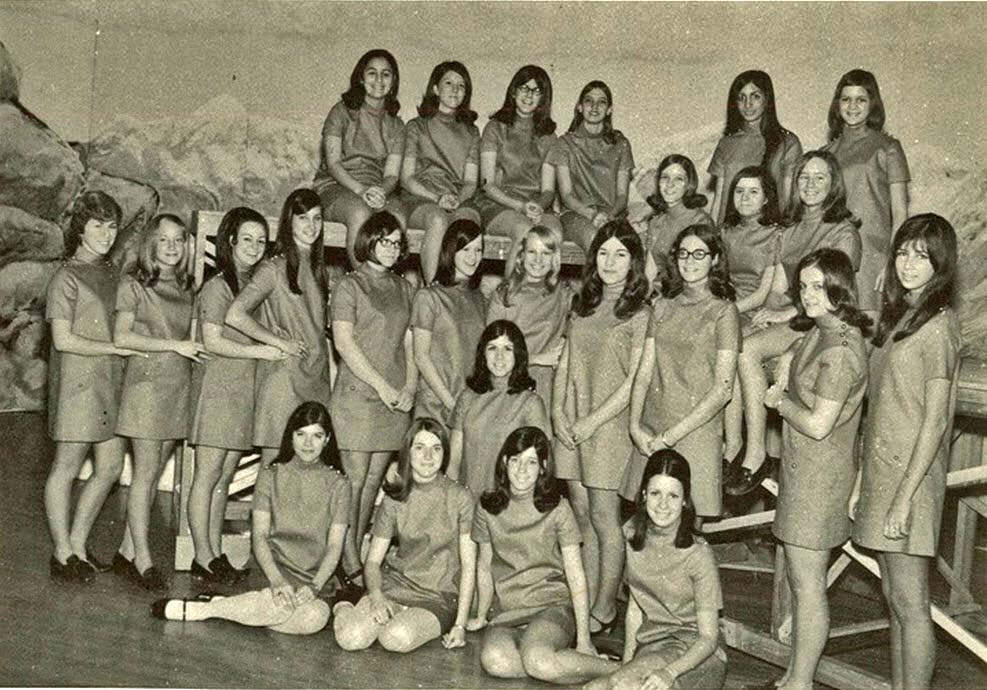
Mary Quant named the skirt after her favorite car, the Mini. The name stuck, and so did the style. By the mid-1960s, the miniskirt had moved from boutique shelves in London’s King’s Road to school hallways across Britain, Europe, and beyond.
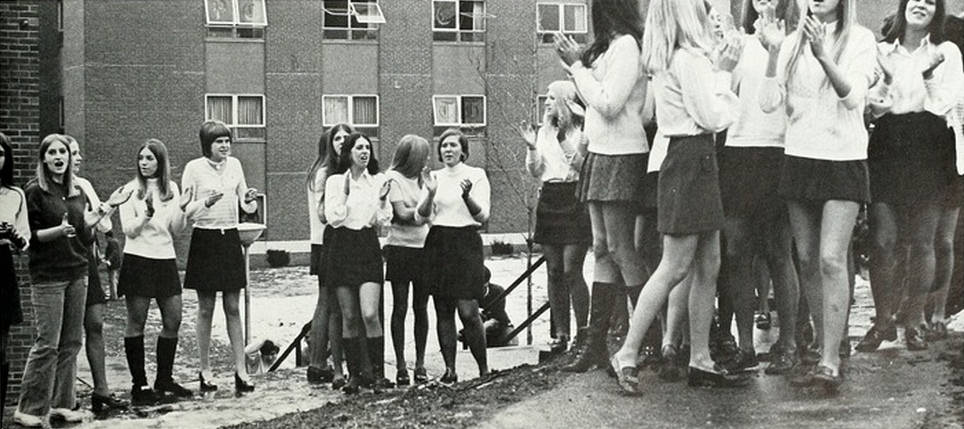
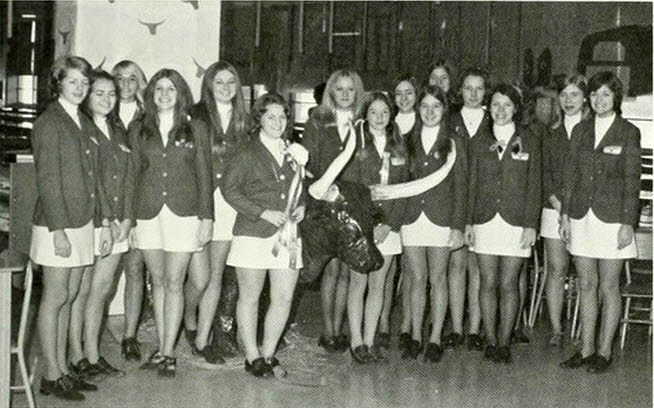
The debate over school dress codes was fierce at the time. Parents, teachers, and school boards argued over what was appropriate. Meanwhile, students continued to roll up their waistbands the moment they left the front door. The back-and-forth between authority and youth was played out, in part, through hemlines.
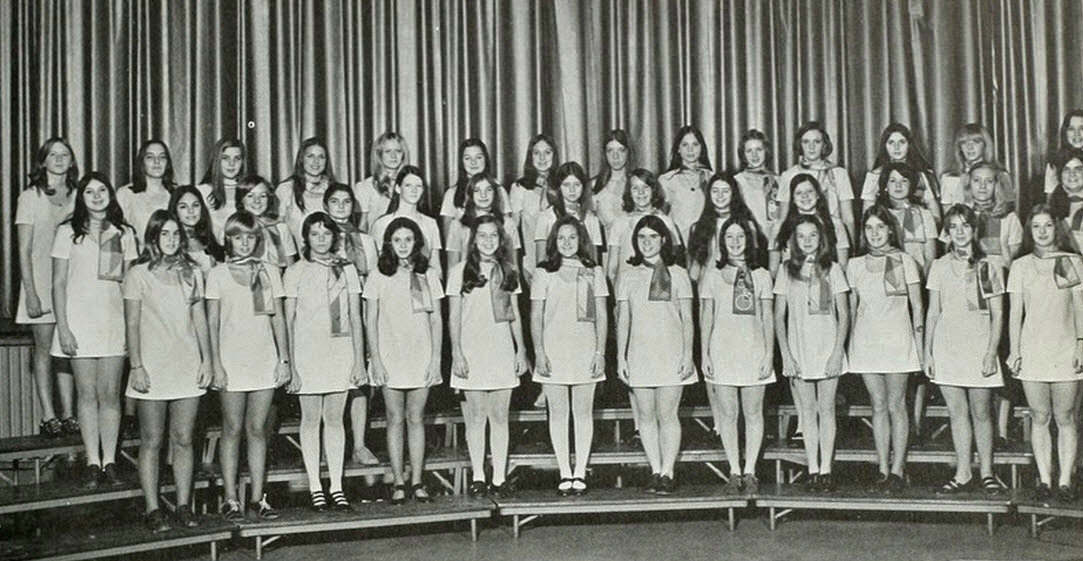
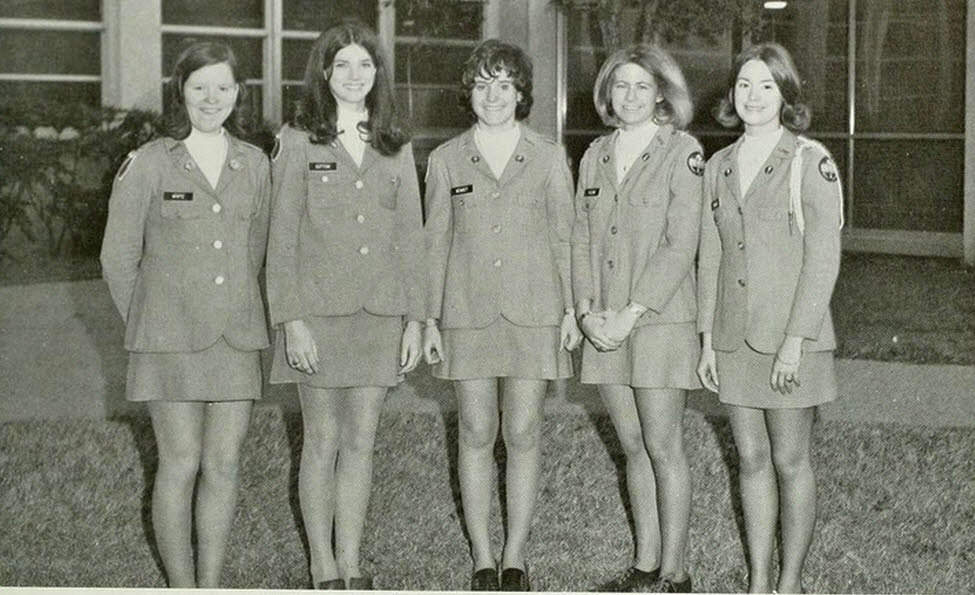
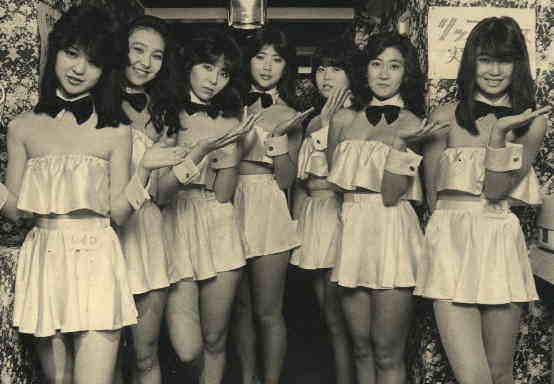
Looking at these photos today, the uniforms feel both familiar and distinctly of their time. The cuts, the fabrics, the way the socks sit just below the knee — all of it is rooted in a specific decade. But the energy behind them, the sense of young people testing limits, is timeless.
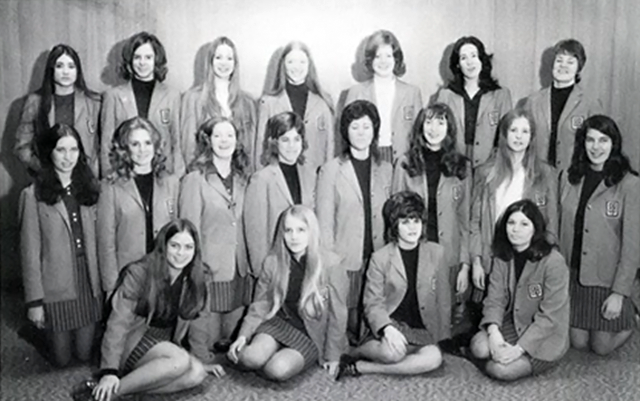
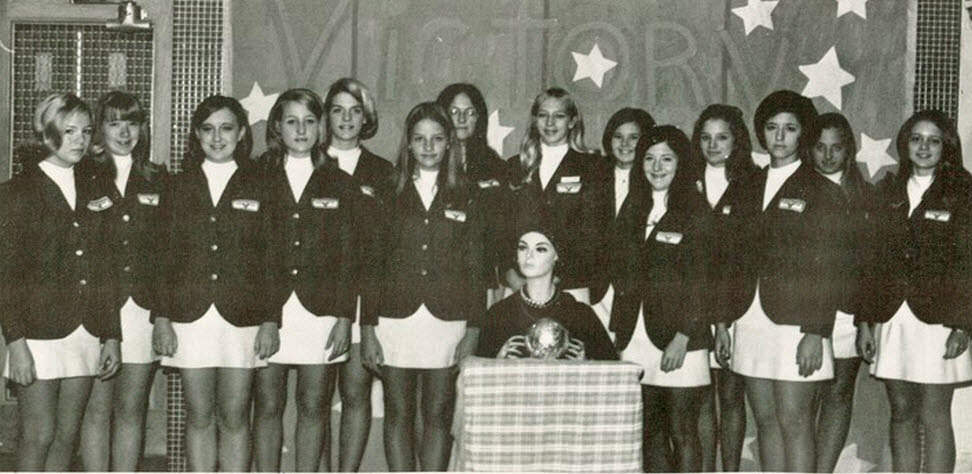
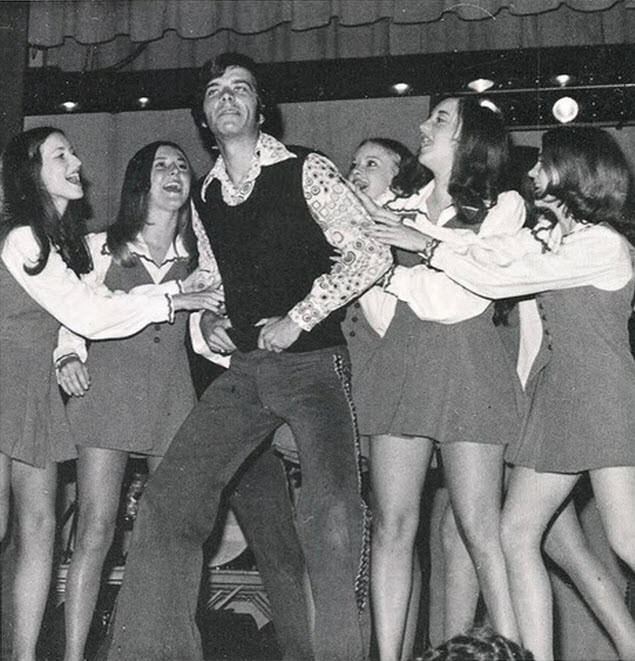
By the late 1960s, the miniskirt was no longer controversial in most schools — it had simply become normal. What had once triggered meetings between parents and principals was now just another part of the school day wardrobe. Fashion moves fast, and the 1960s proved that better than almost any decade before it.
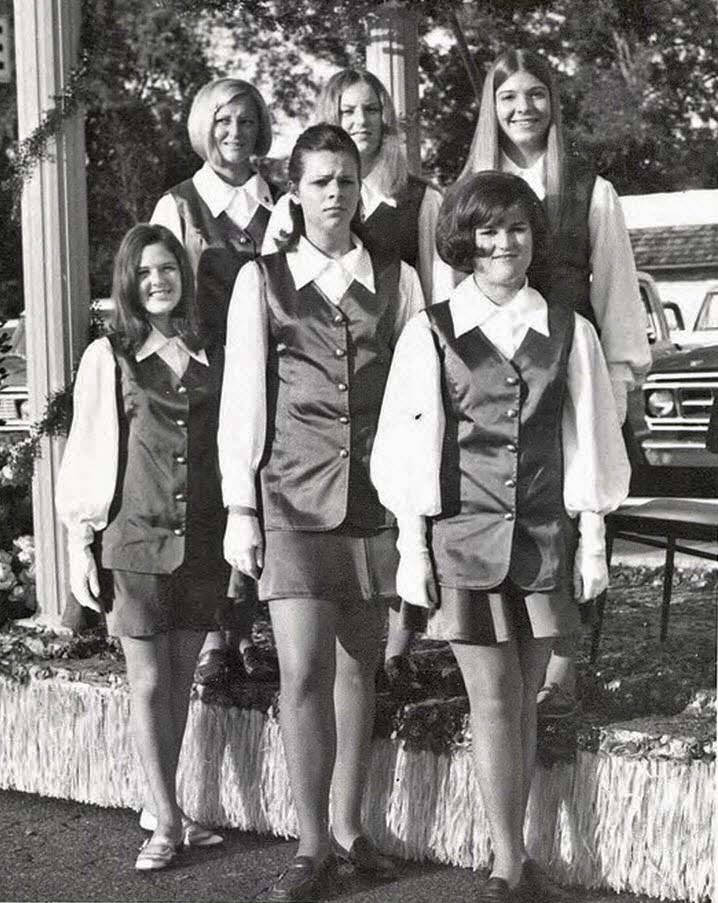
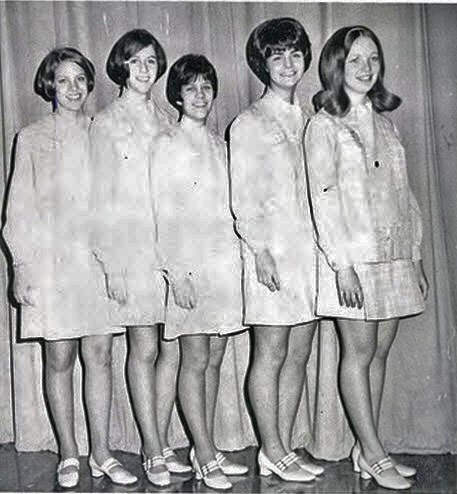
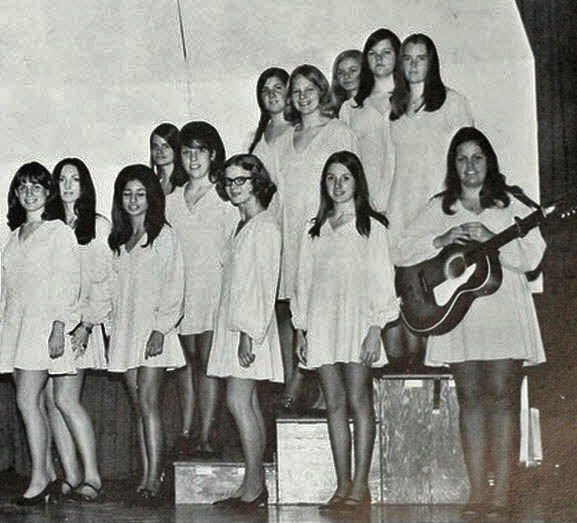
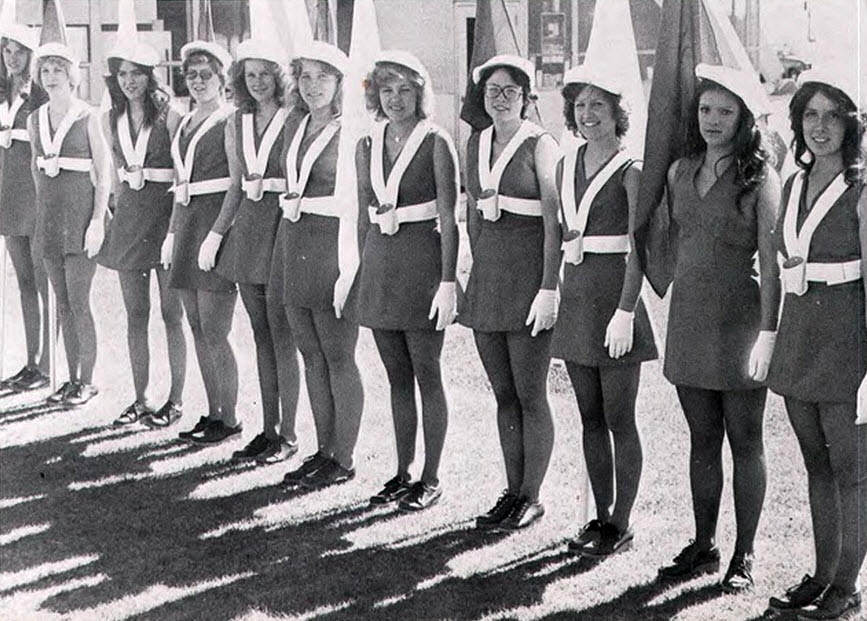
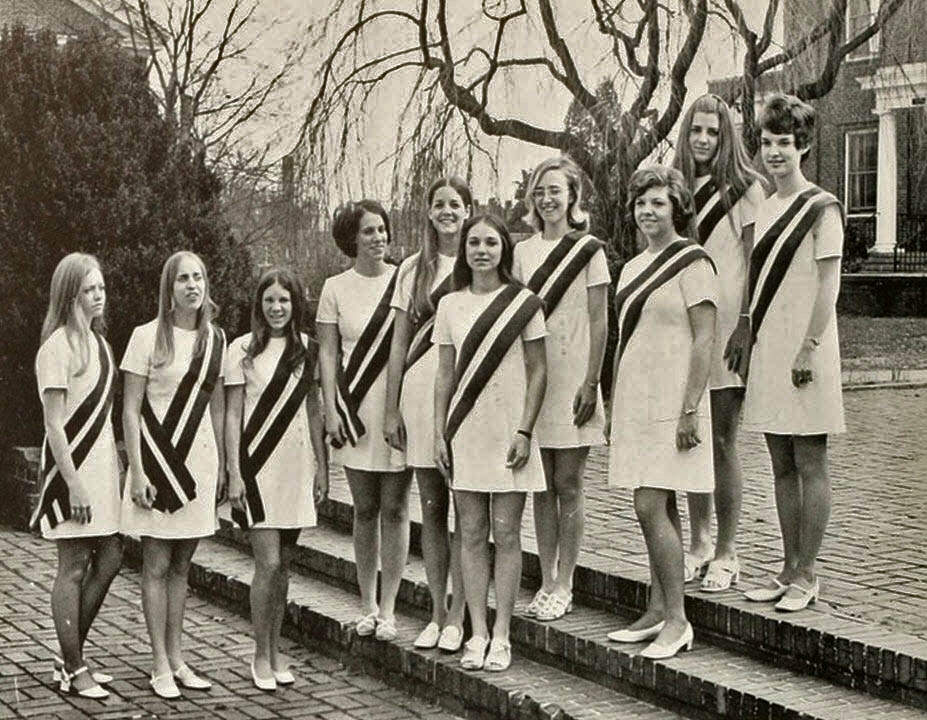
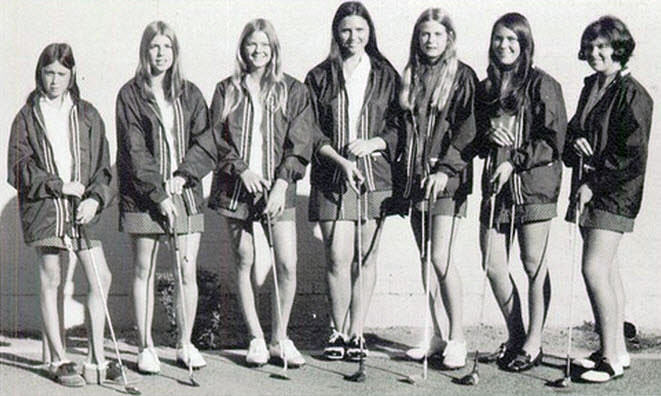
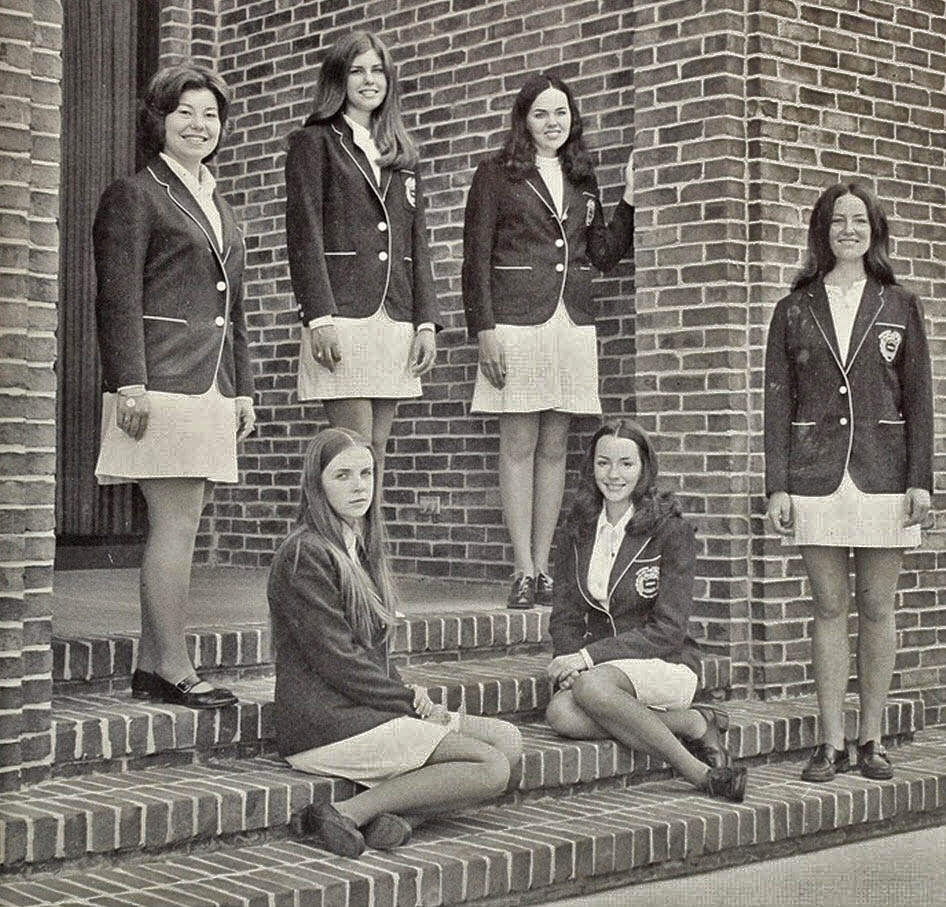
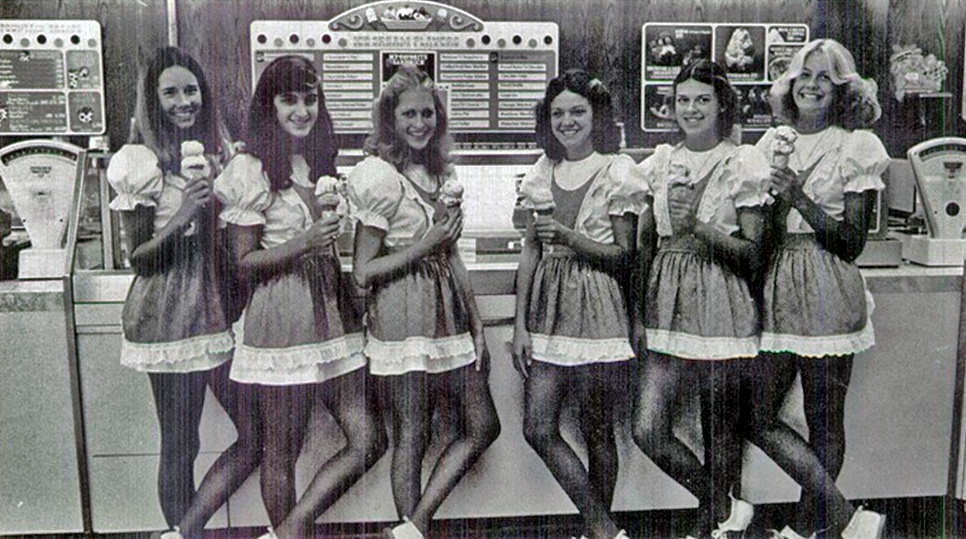
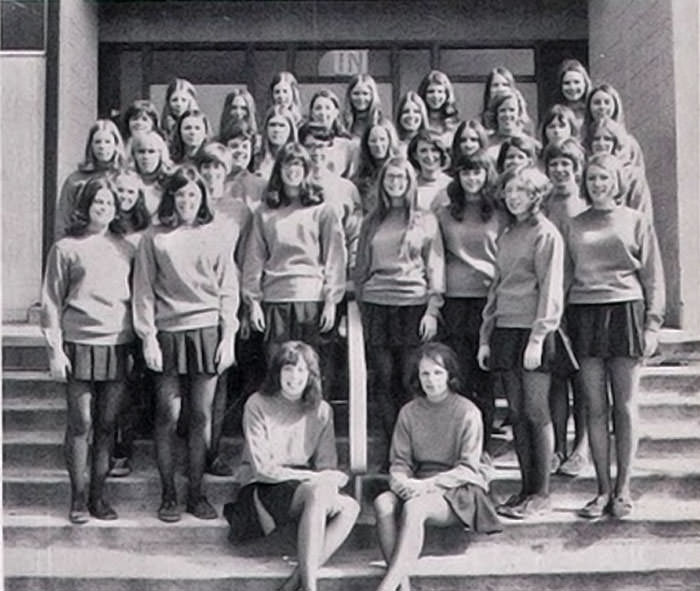

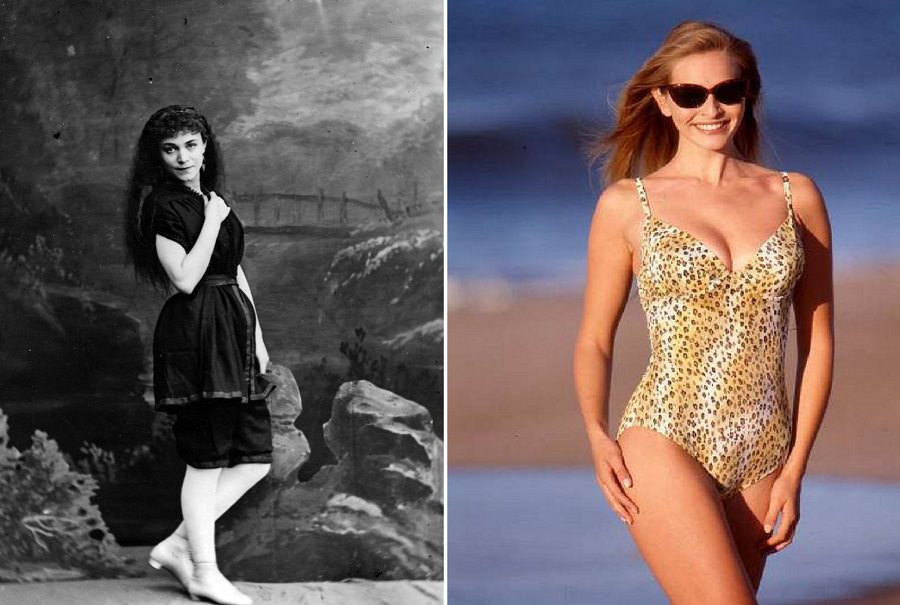

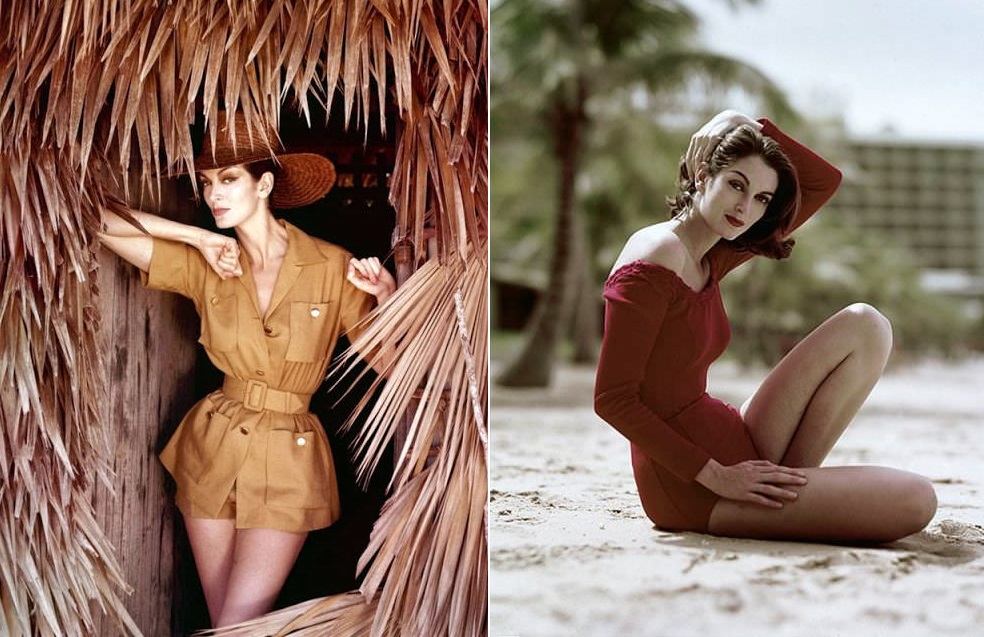
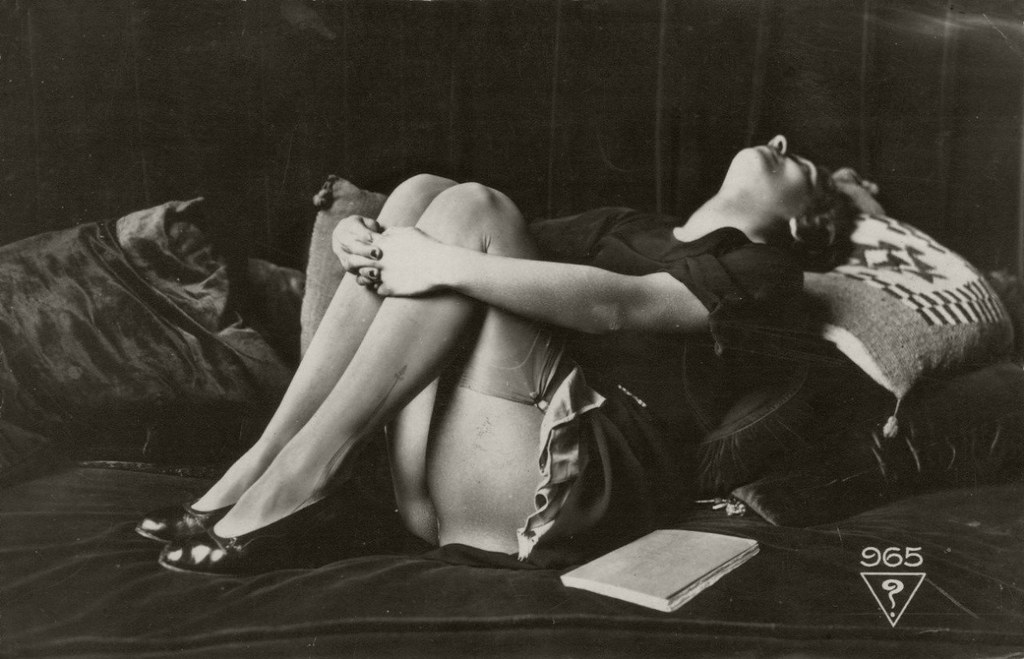
The Third one are NOT school girls 😭
Very few of those pics display short skirts or dresses. In the San Francisco Bay Area, from the late 1960s up to the mid-1970s, those gals put on a real display of maximum leg display.