
Hey There! Before You Go. 😧
Get the best vintage content straight into your inbox!

Don't worry, we don't spam

What Scarecrows looked like in the Past Through these Historical Photos

Scarecrows have been standing in fields for at least 3,000 years. Long before they became a symbol of rural life or a Halloween decoration, they served a single, practical purpose: keeping birds off crops. Farmers built human-shaped figures, dressed them in old clothes, and planted them in open fields to trick birds into staying away.

What Scarecrows looked like in the Past Through these Historical Photos

The earliest known scarecrows were built by ancient Egyptians. They placed them along the wheat fields of the Nile River to stop birds from eating the grain before harvest. These weren’t elaborate figures — they were simple, functional, and built to do a job.

What Scarecrows looked like in the Past Through these Historical Photos

Greek farmers took a different approach. They carved wooden figures meant to look like Priapus, the son of Dionysus and Aphrodite. According to myth, Priapus was extremely ugly and spent his time in the vineyards. His frightening appearance drove birds away and helped improve harvests. Greek farmers copied that idea in wood.

What Scarecrows looked like in the Past Through these Historical Photos

Across cultures and centuries, the basic design stayed largely the same. A frame — often made of wood or straw — was dressed in worn-out clothing and set upright in a field. The human shape was the whole point. Birds instinctively avoid what looks like a standing person.

What Scarecrows looked like in the Past Through these Historical Photos

Part of what made early scarecrows effective was the smell. Human scent lingered in the old clothes, and that alone was enough to keep some birds at a distance. Crows, in particular, are wary of anything that carries the smell of a person.

What Scarecrows looked like in the Past Through these Historical Photos

But crows are also remarkably smart. Over time, they learn that a motionless figure poses no real threat. Once they figure that out, they return to the field without hesitation. Farmers throughout history dealt with this problem constantly.

What Scarecrows looked like in the Past Through these Historical Photos

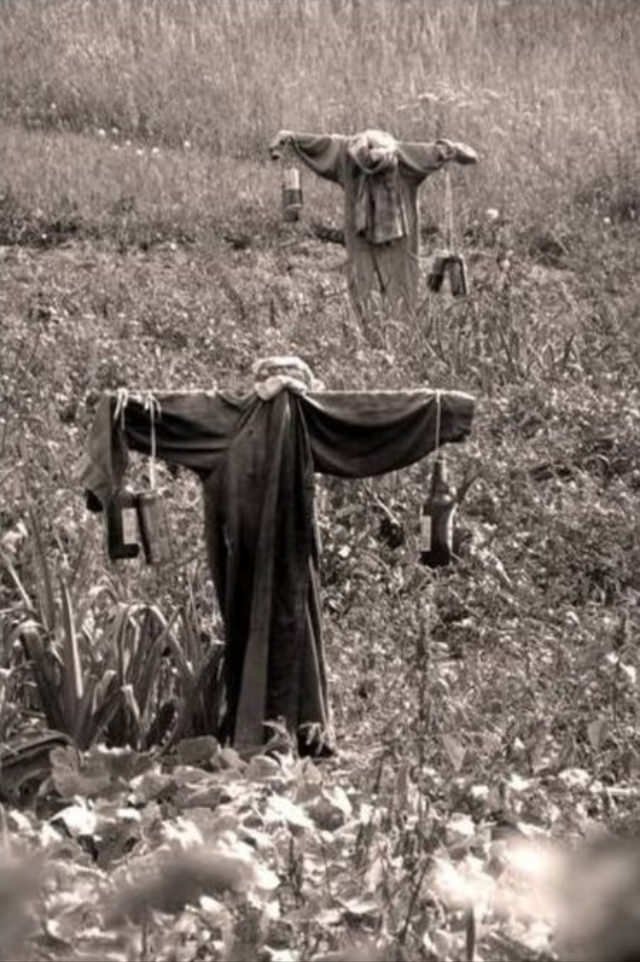
To work around the birds’ adaptability, farmers tried different methods alongside traditional scarecrows. Windmills were set up in fields to create movement. Tin cans were hung from trees to catch the wind and make noise. Noise guns — devices that fired a loud bang at set intervals — were also used to startle birds away.

What Scarecrows looked like in the Past Through these Historical Photos

None of these methods worked forever. Birds adjusted to windmills just as quickly as they adjusted to stationary figures. The noise guns worked for a while, but birds eventually learned to ignore those too. The challenge wasn’t building something frightening — it was building something that stayed frightening.

What Scarecrows looked like in the Past Through these Historical Photos

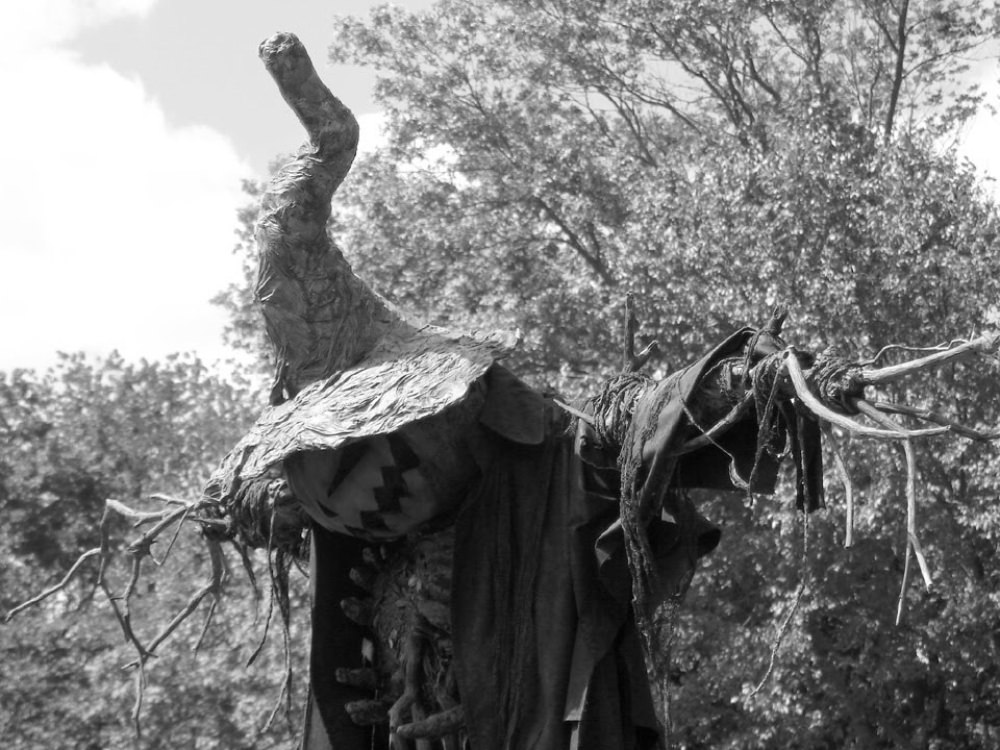
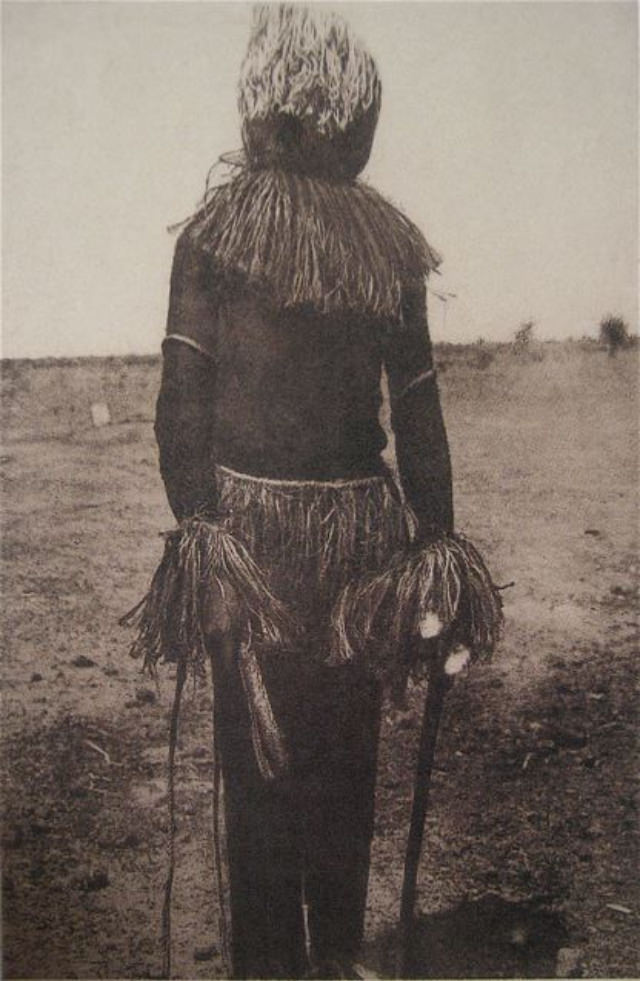
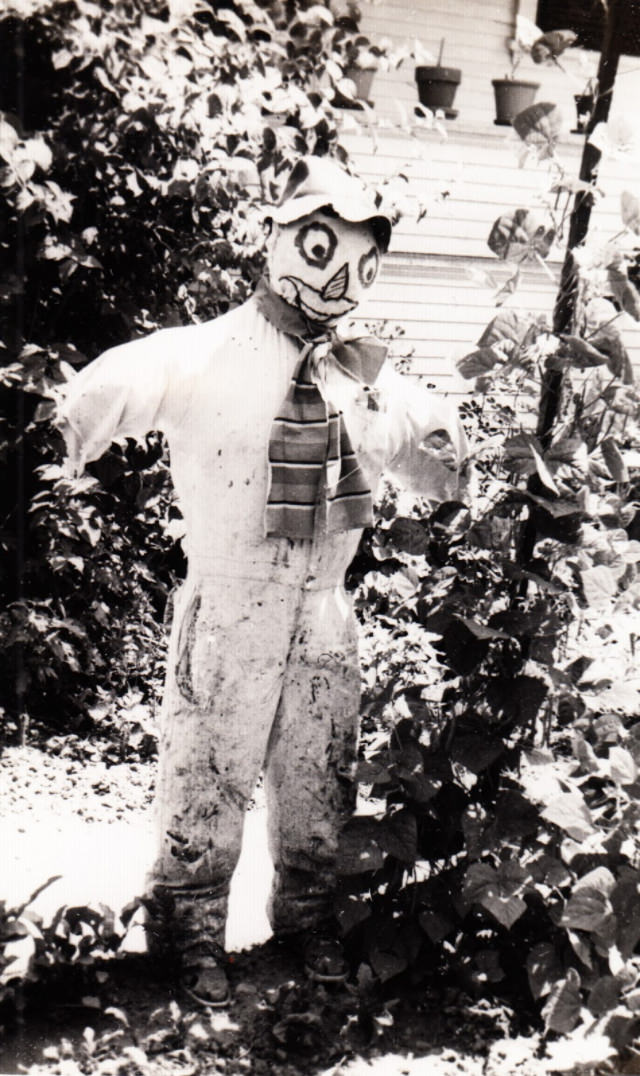
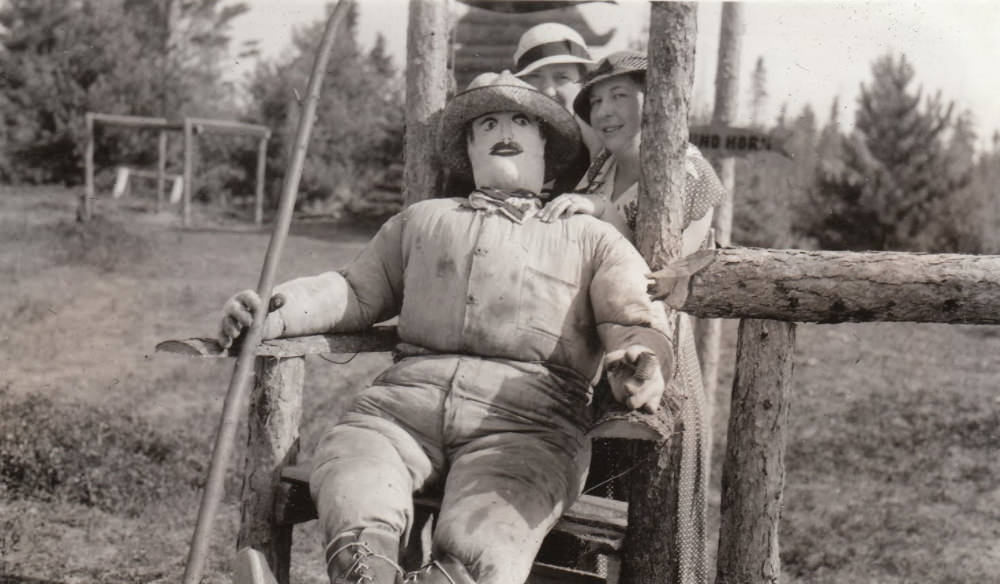
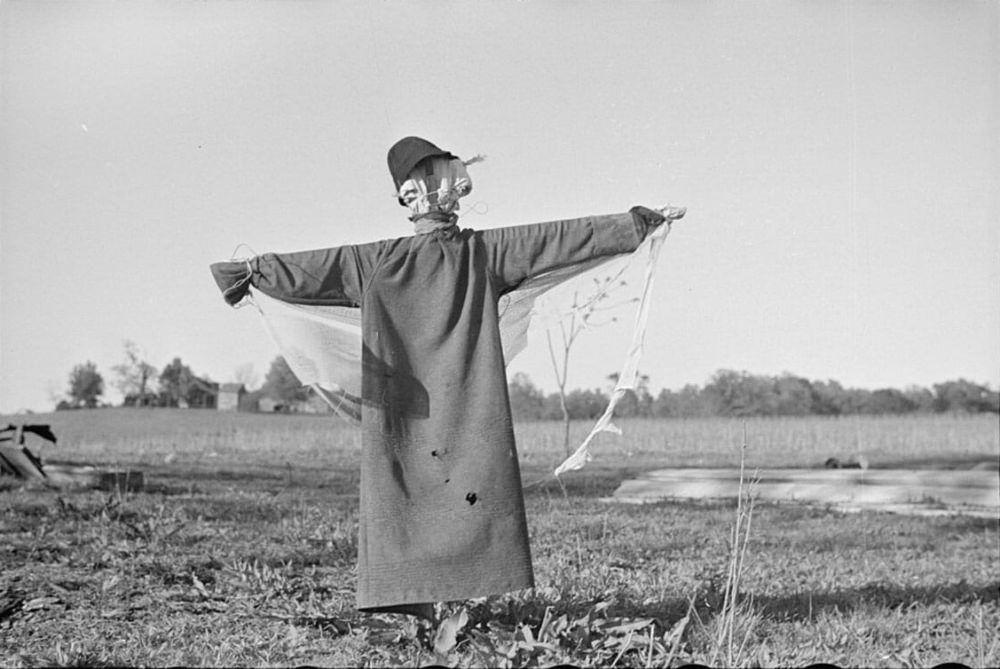
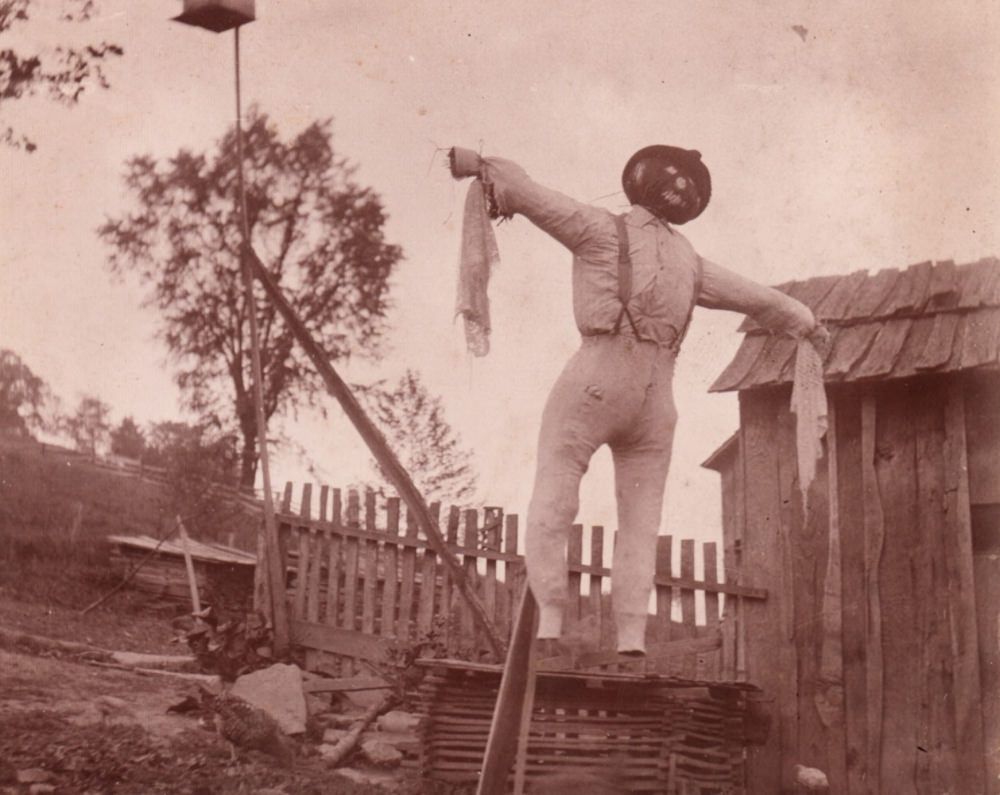
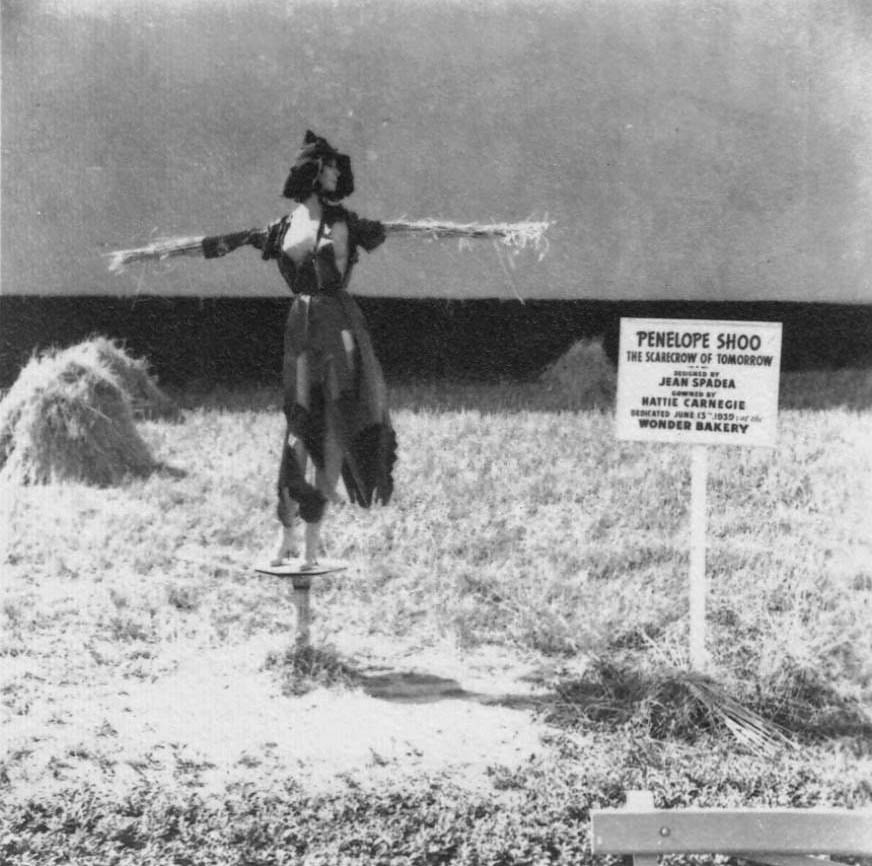
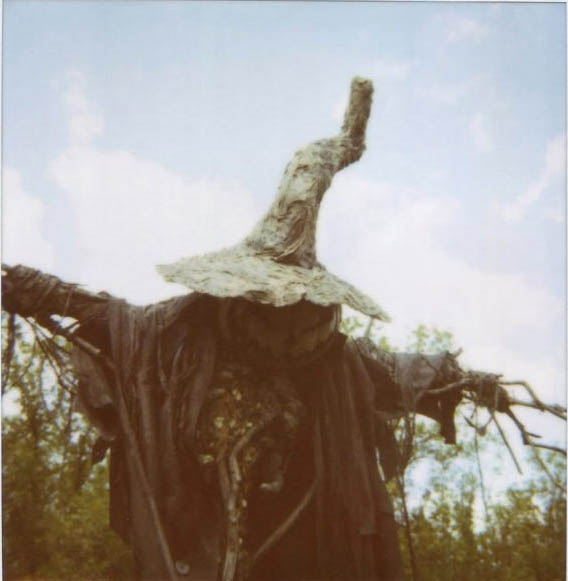
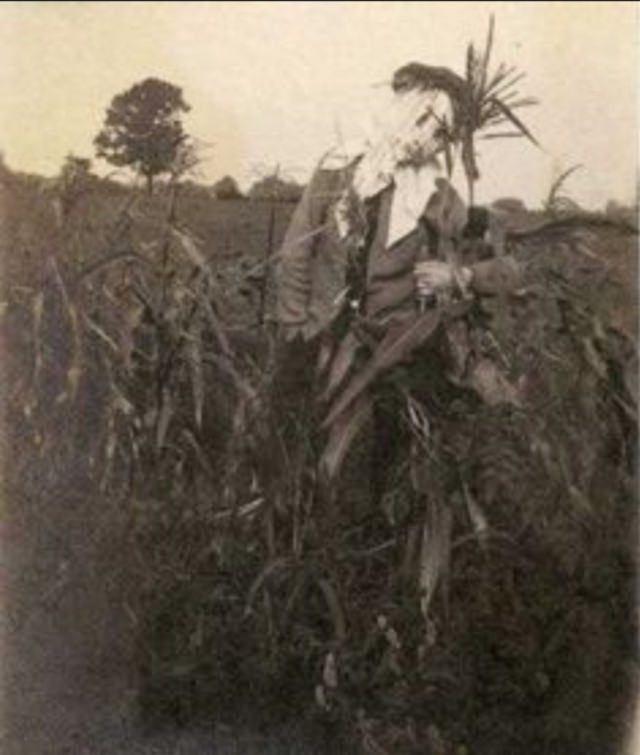
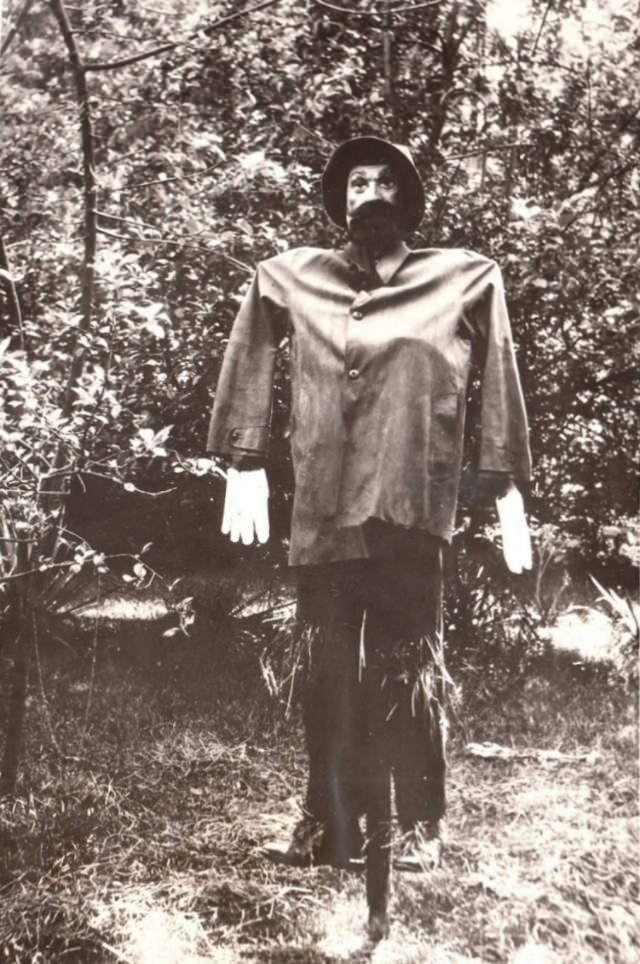
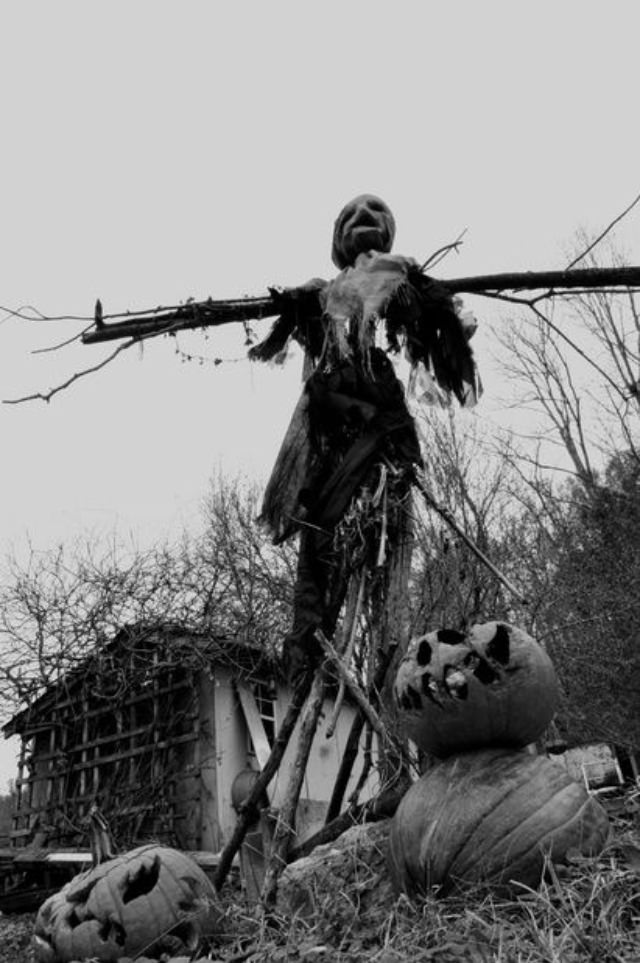
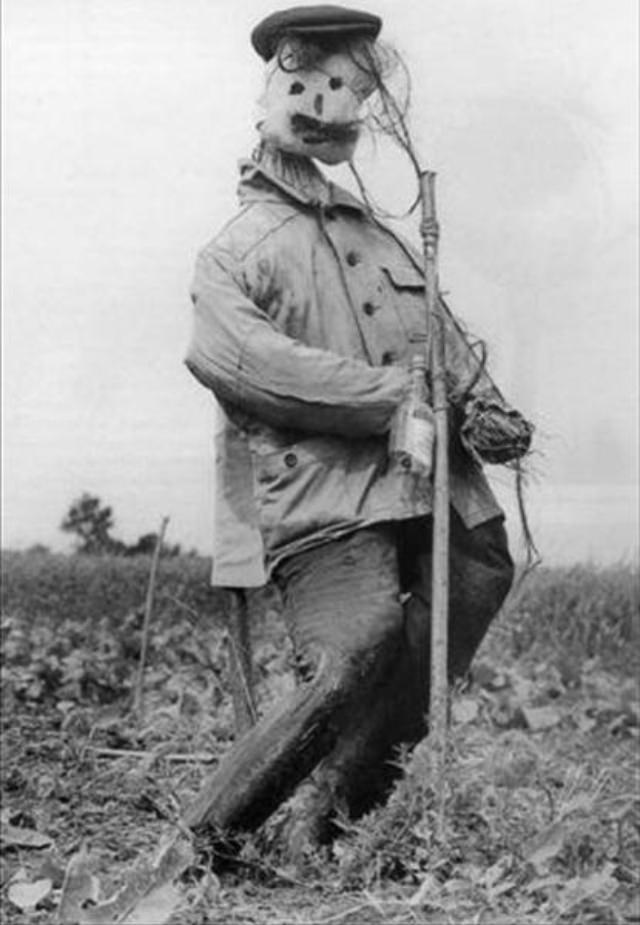
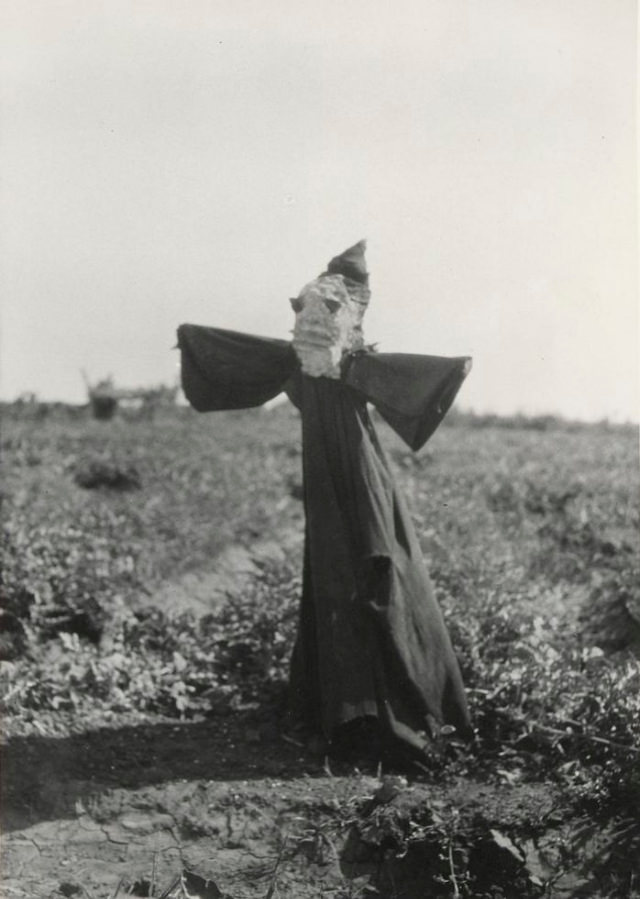
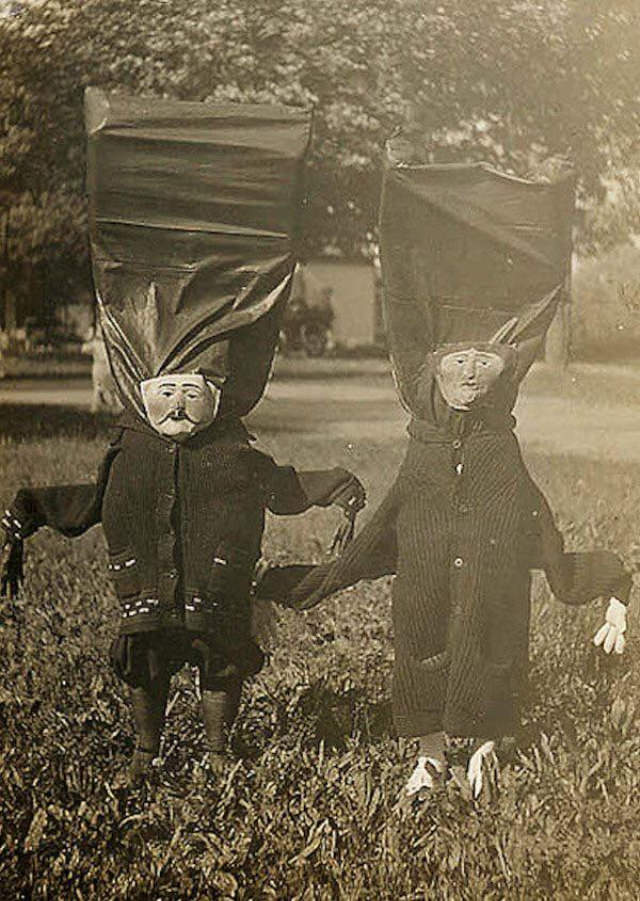
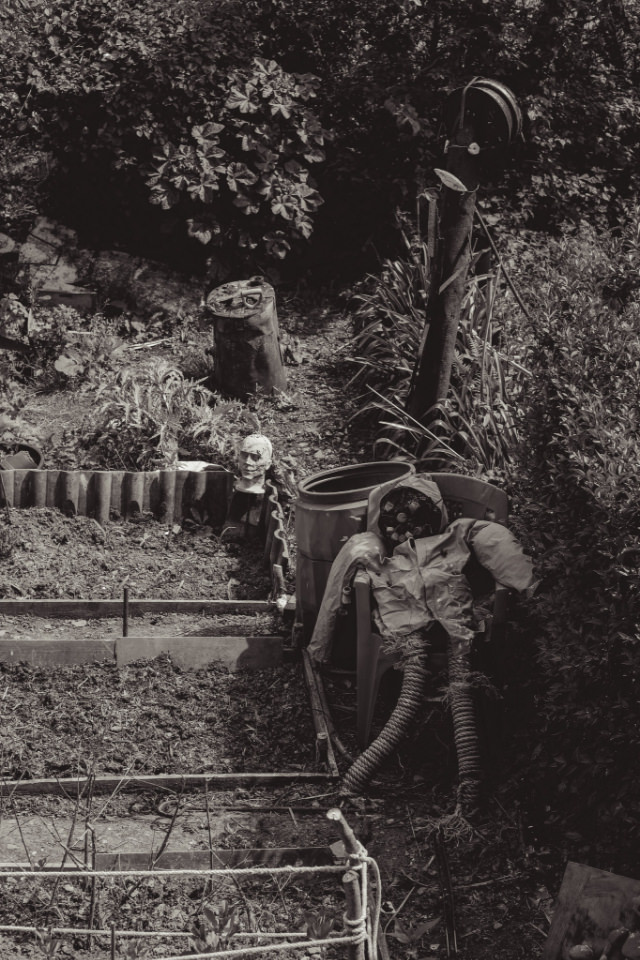
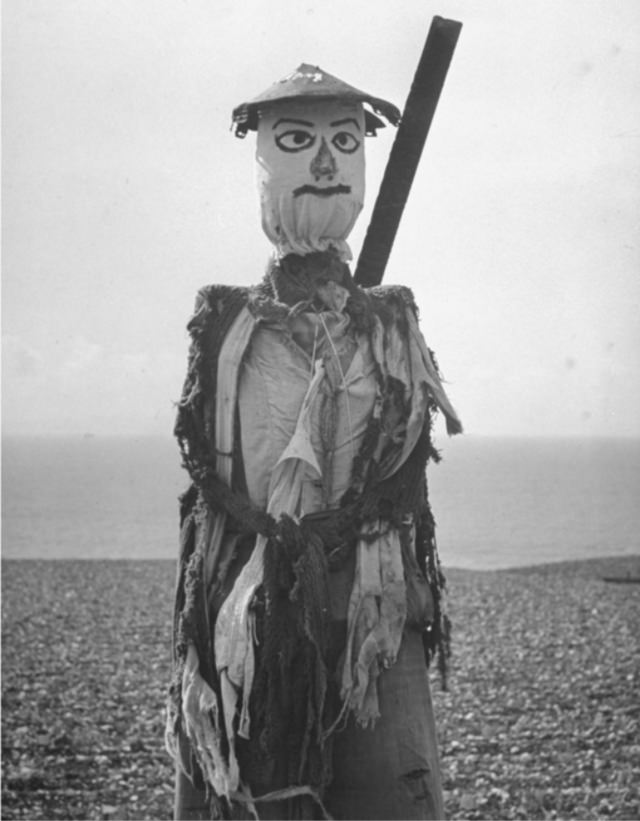
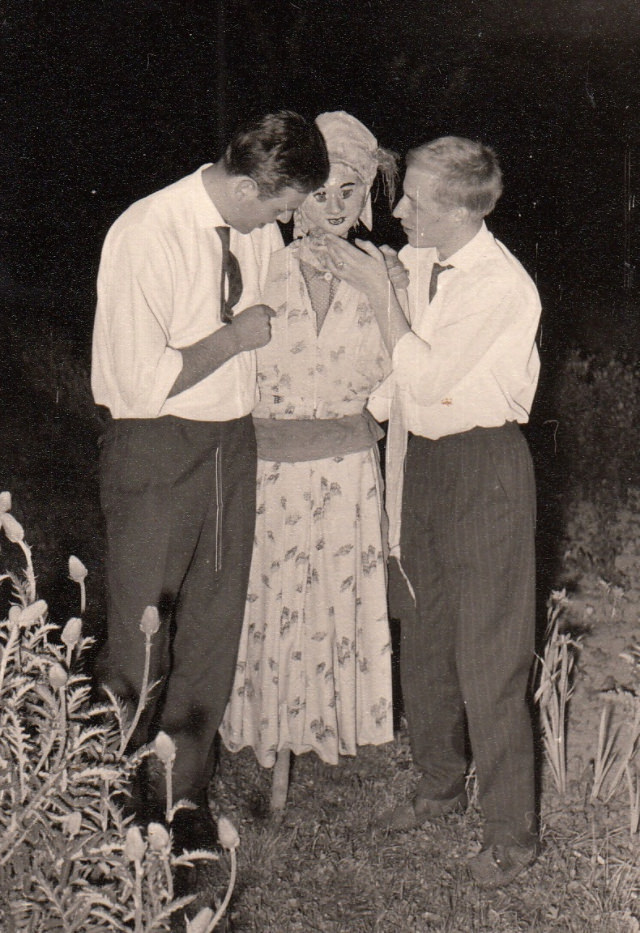
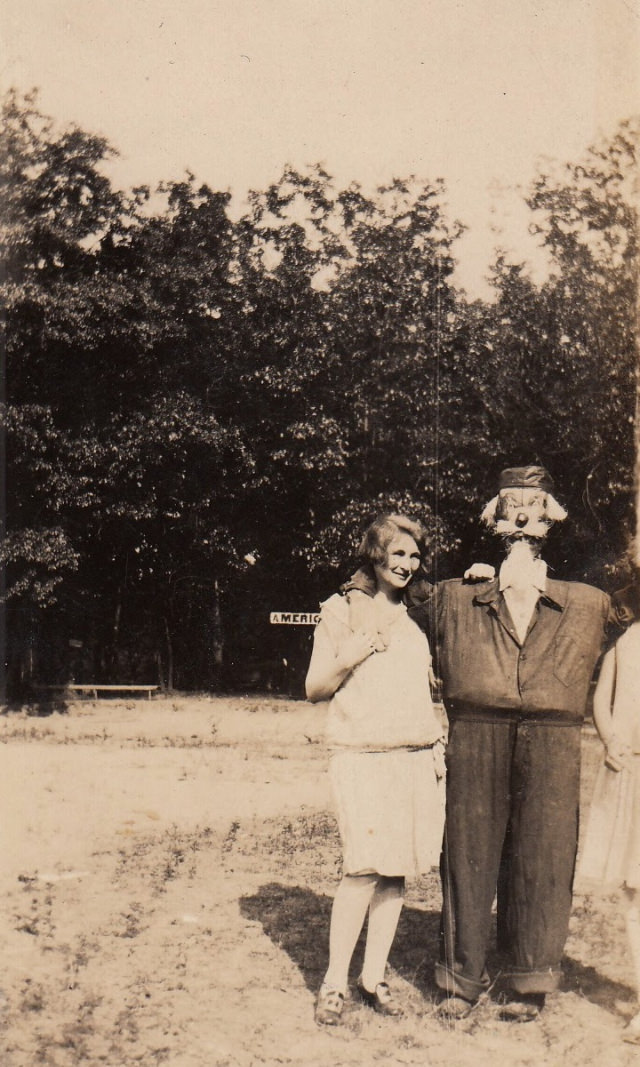
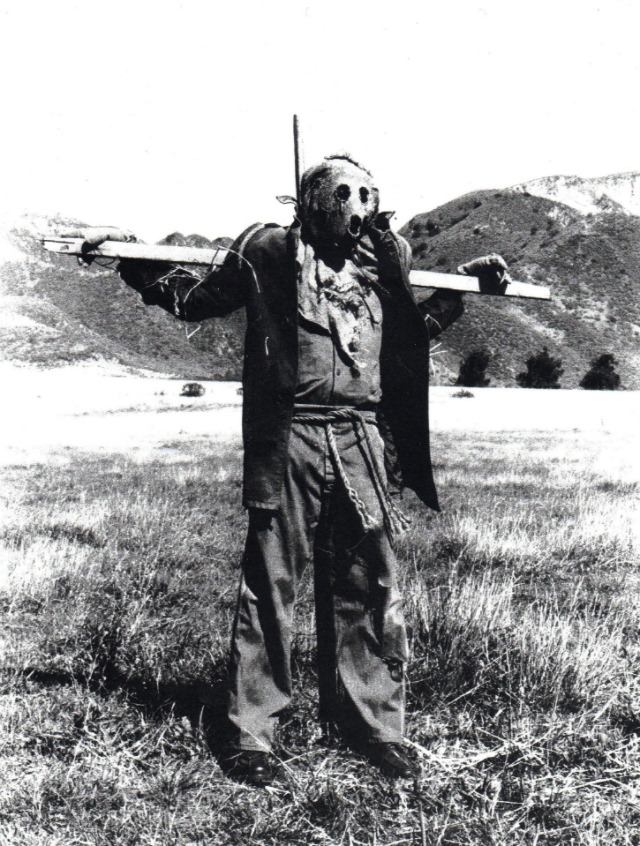
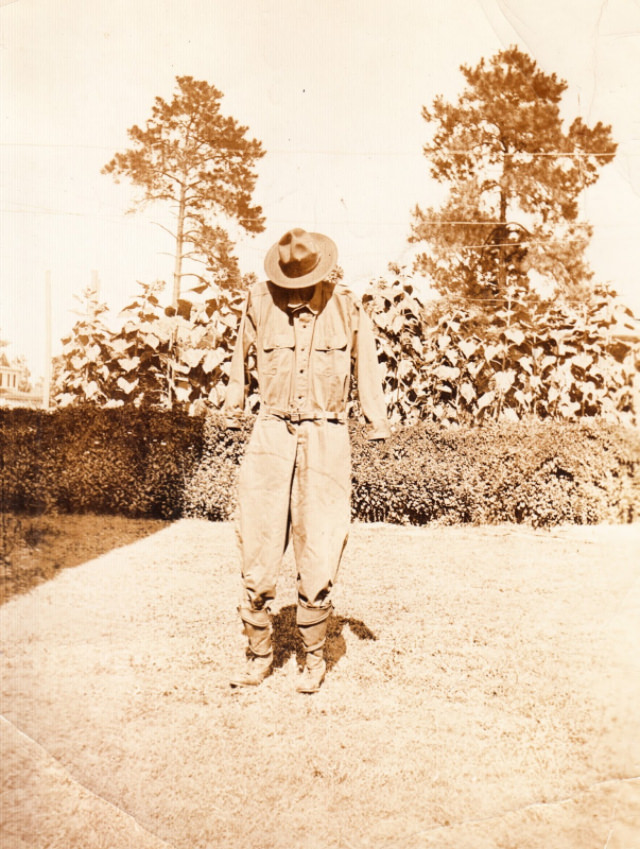
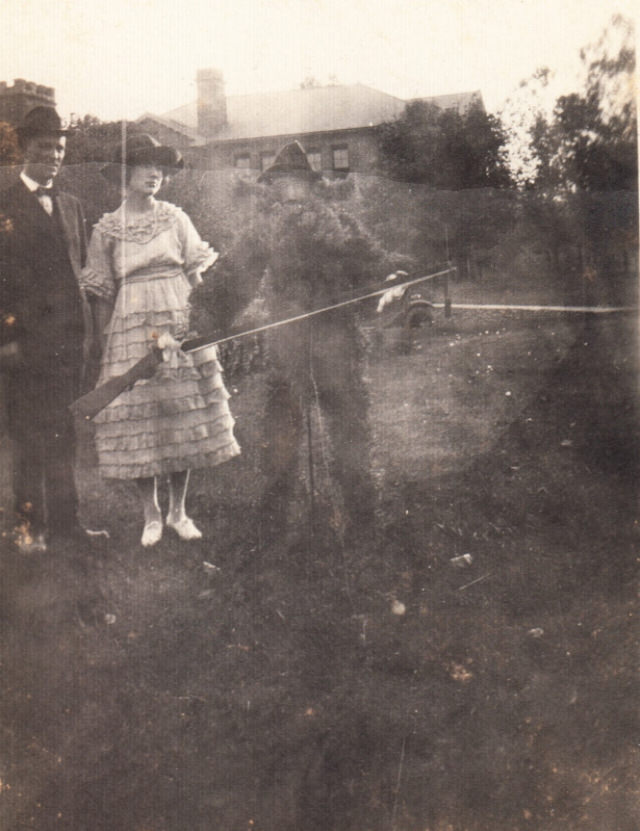
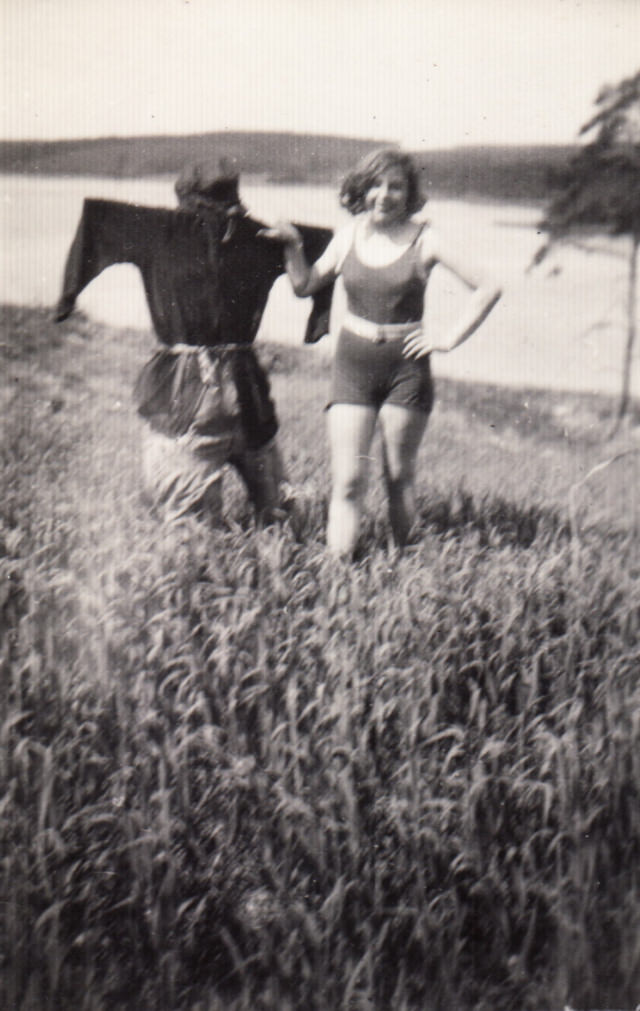
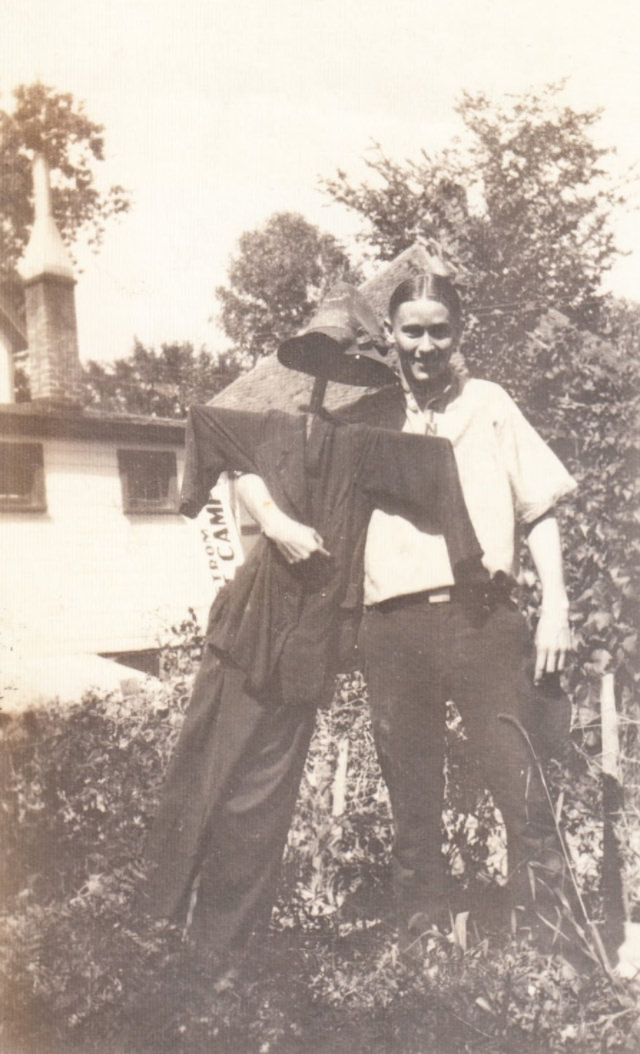
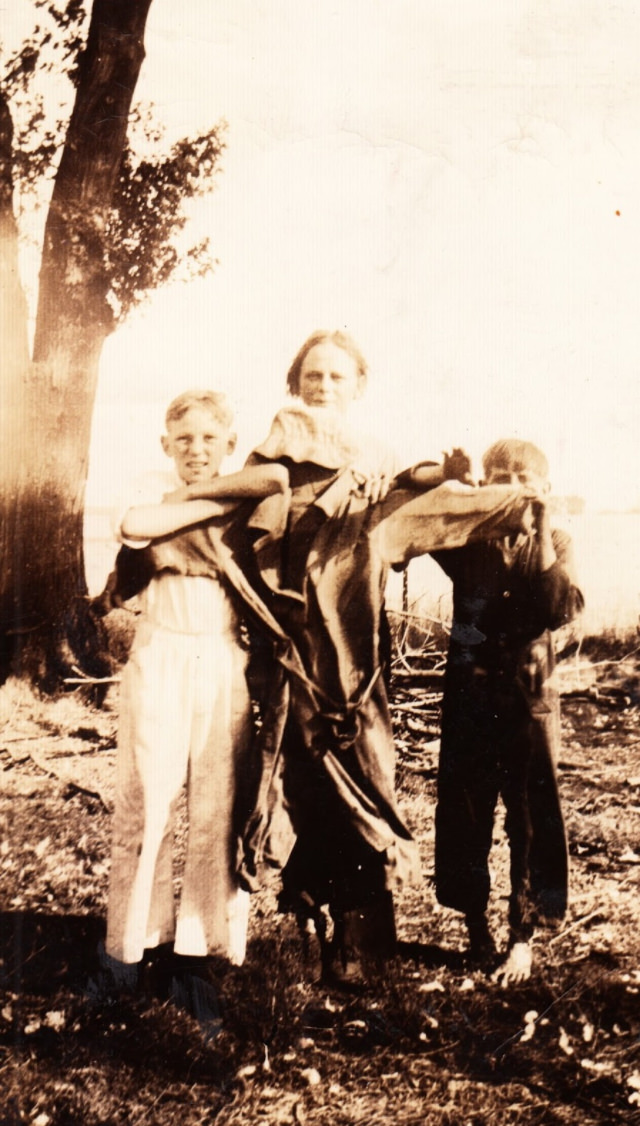
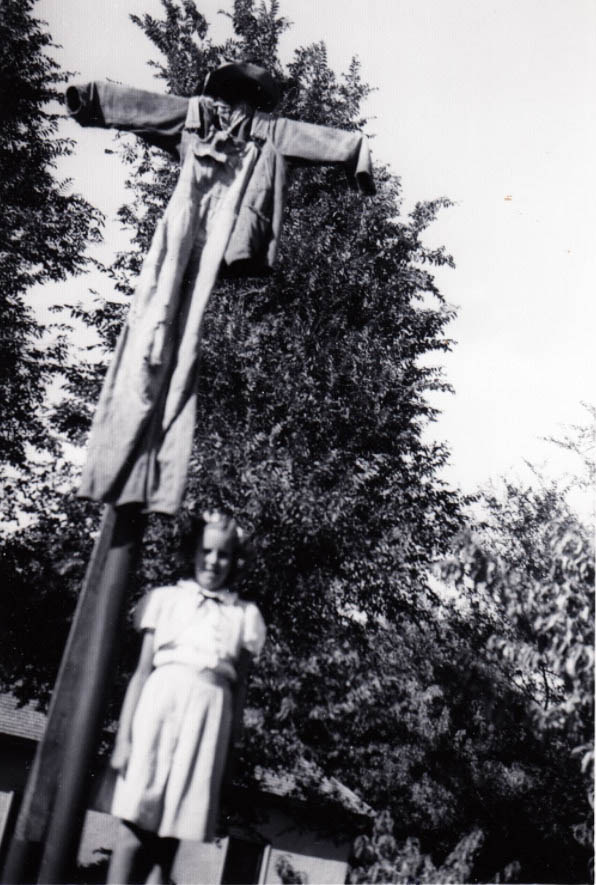
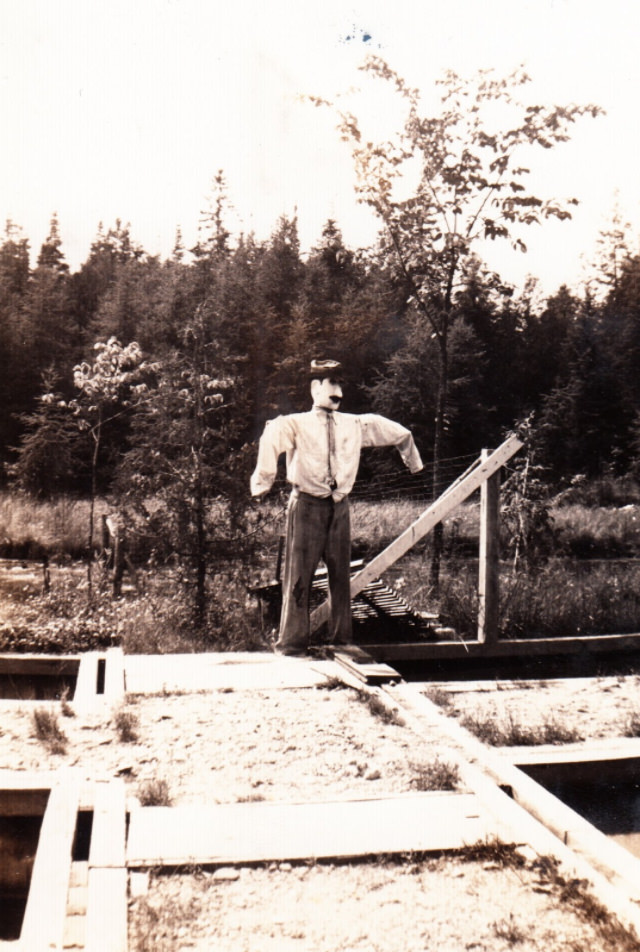
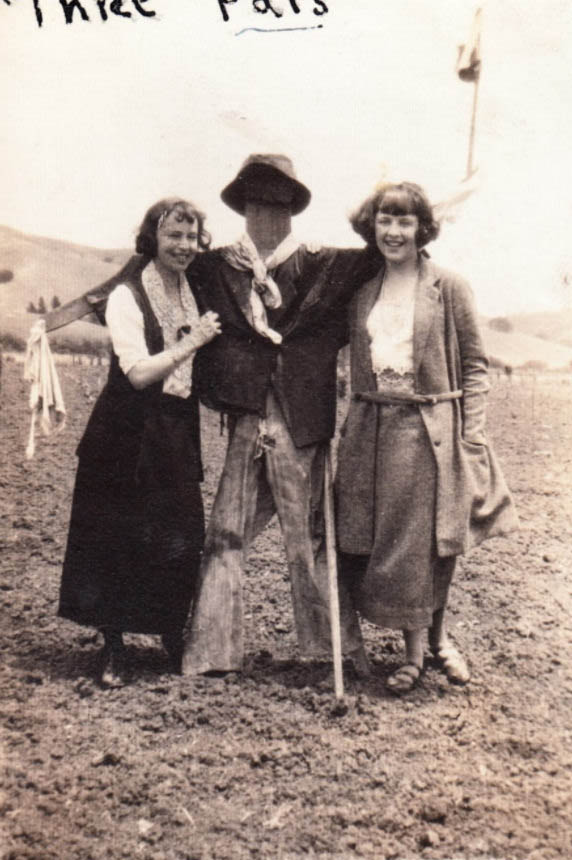
Historical photos of scarecrows reveal just how much variety existed in their construction. Some were carefully assembled to closely mimic a human figure, with stuffed shirts, trousers, gloves, and hats. Others were rough and minimal — little more than two crossed sticks with a piece of fabric.

What Scarecrows looked like in the Past Through these Historical Photos

Regional styles differed widely. In some areas, scarecrows were built tall and imposing. In others, they were low to the ground, placed near the crop rows where birds tended to land. Farmers built what they had the materials for, and no two scarecrows looked exactly alike.

What Scarecrows looked like in the Past Through these Historical Photos

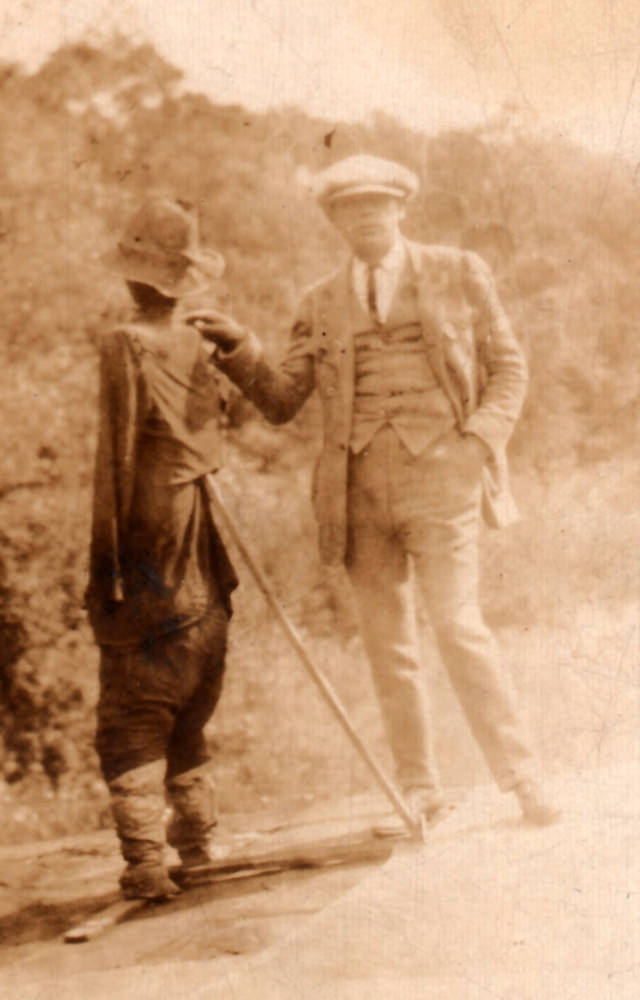
Old photographs from the late 1800s and early 1900s show scarecrows positioned across open farmland, often surrounded by the crops they were meant to protect. The figures in these photos range from nearly lifelike to almost abstract, but all share the same basic human silhouette.

What Scarecrows looked like in the Past Through these Historical Photos

Many of the clothes used to dress scarecrows were genuine hand-me-downs — worn-out work jackets, torn trousers, battered hats. Farmers didn’t waste good clothing on a field figure. Whatever was too worn to use anymore went to the scarecrow.

What Scarecrows looked like in the Past Through these Historical Photos

Straw was the most common stuffing material, which is where the popular image of the straw-stuffed scarecrow comes from. It was cheap, widely available on any farm, and easy to pack into sleeves and pant legs to give the figure shape and bulk.

What Scarecrows looked like in the Past Through these Historical Photos

Faces were added in various ways. Some scarecrows had burlap sacks with painted or stitched features. Others used carved gourds, wooden masks, or simple cloth faces drawn with coal or paint. The goal was always the same — to create the impression of a real human presence in the field.

What Scarecrows looked like in the Past Through these Historical Photos

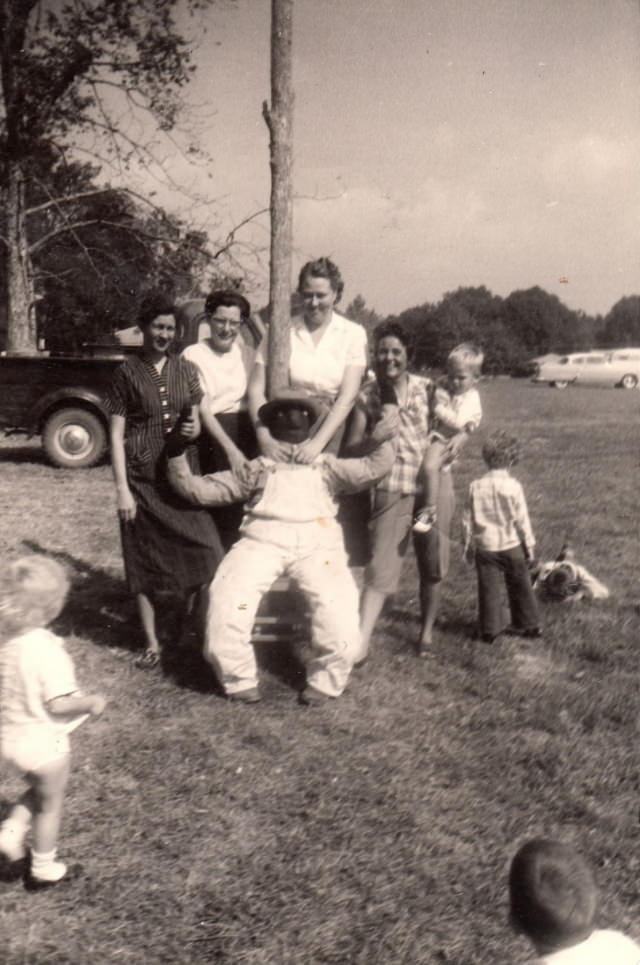
Children sometimes helped build and dress the scarecrow, turning a practical farm task into a seasonal tradition. In many rural communities, building the field scarecrow each spring was simply part of getting ready for the growing season.

What Scarecrows looked like in the Past Through these Historical Photos

These historical photos capture a tool that was once essential to farming life. Every figure standing in those old fields represented a farmer’s attempt to protect a harvest that a family depended on. The scarecrow was never glamorous — it was just necessary.

What Scarecrows looked like in the Past Through these Historical Photos
Enjoyed this post? Get new ones in your inbox.

Leave a Comment

Your email address will not be published. Required fields are marked *

Share this Post 🥺

Please take a moment to share this content. Your support is greatly appreciated! 🙌🙏

Share this Post 🥺

Please take a moment to share this content. Your support is greatly appreciated! 🙌🙏
Scroll to Top
 
Hey Friend, Before You Go.. Please like & follow for more interesting content