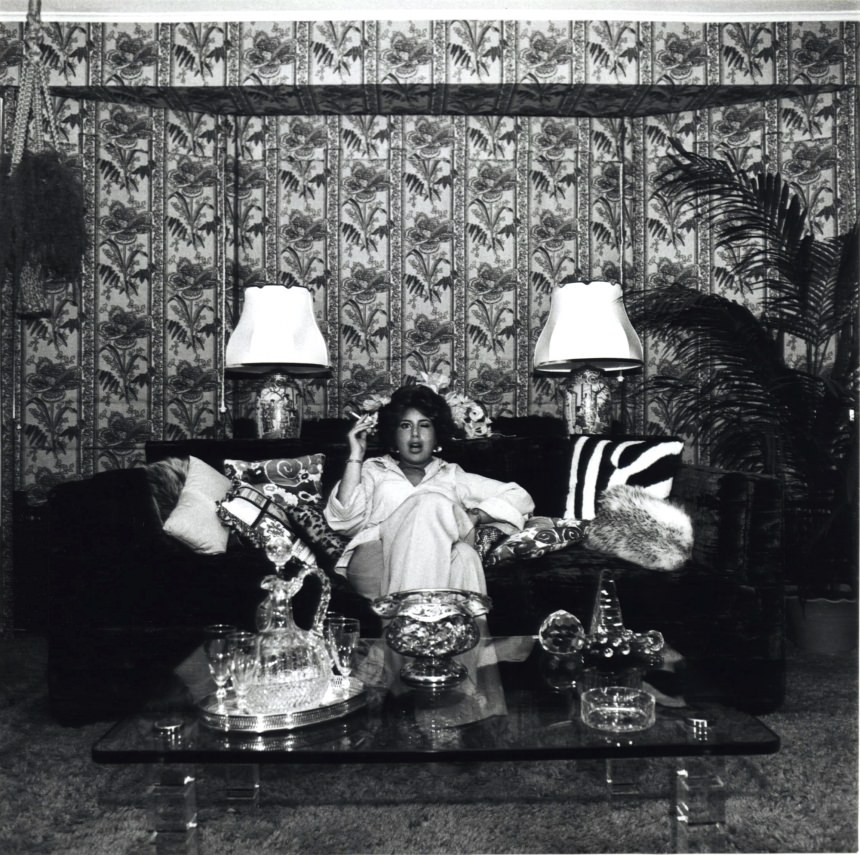
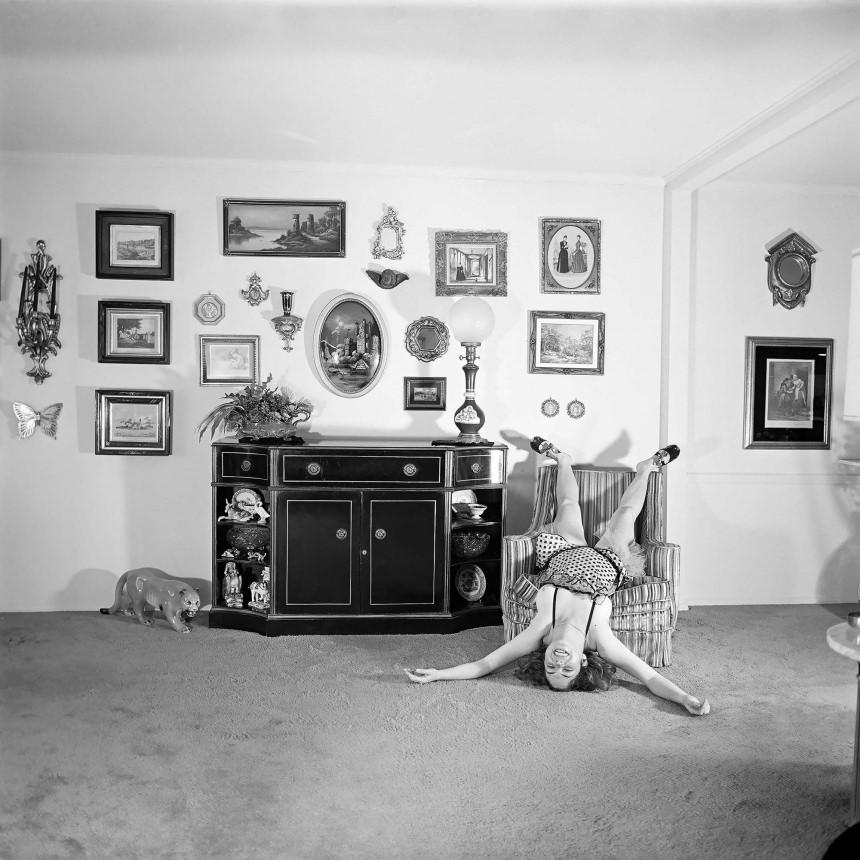
New York City in the 1970s was rough. The city was broke, crime was climbing, and whole neighborhoods were falling apart. But inside all that chaos, something extraordinary was happening. A generation of bold, unapologetic women were carving out their own space — in clubs, in kitchens, in beauty salons, and on street corners. Photographer Meryl Meisler was right there with her camera, and she didn’t miss a thing.
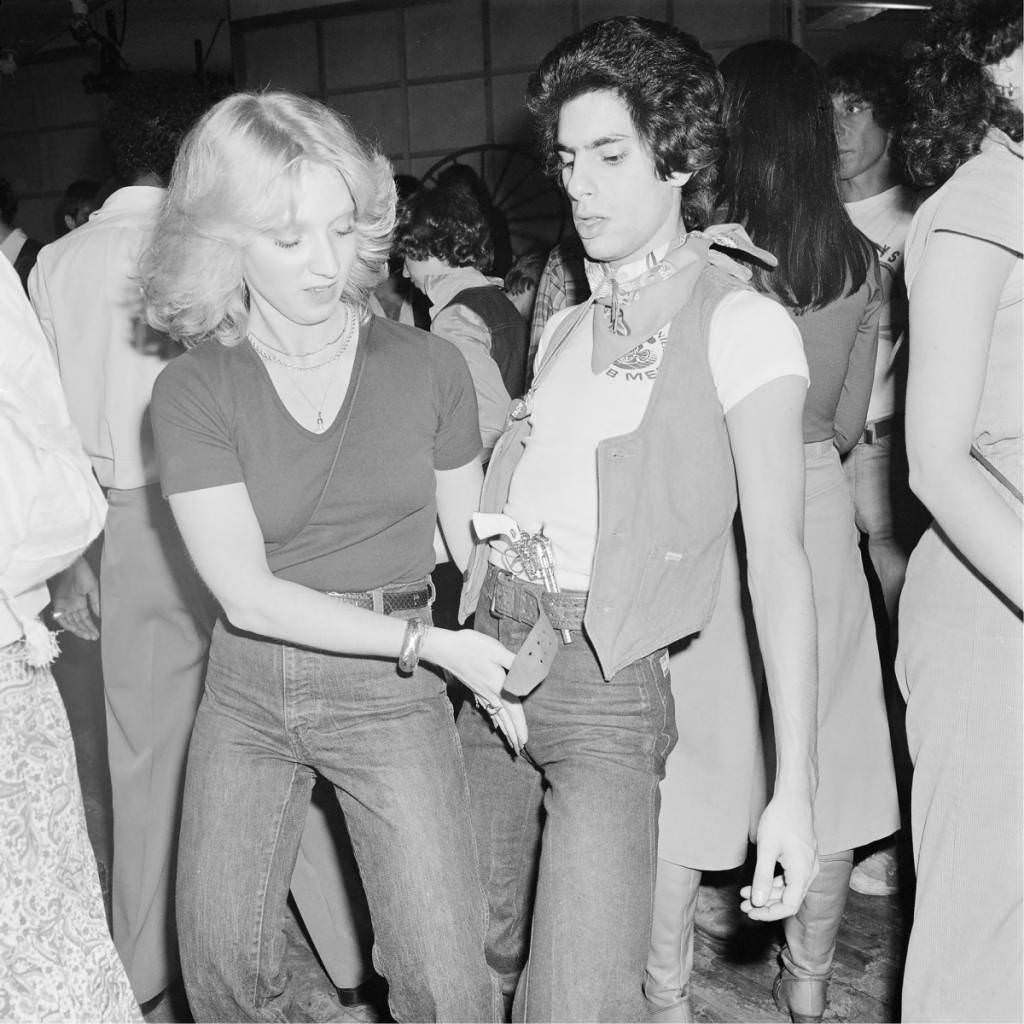
Meisler grew up in New York and returned to the city after graduate school, drawn in by its raw creative energy. She started freelancing for magazines and quickly found her focus: the women who refused to shrink. One of her most dynamic subjects was Judith DeLong, a woman whose presence perfectly matched the explosive nightlife scene erupting across the city. Together, they dove into that world headfirst.
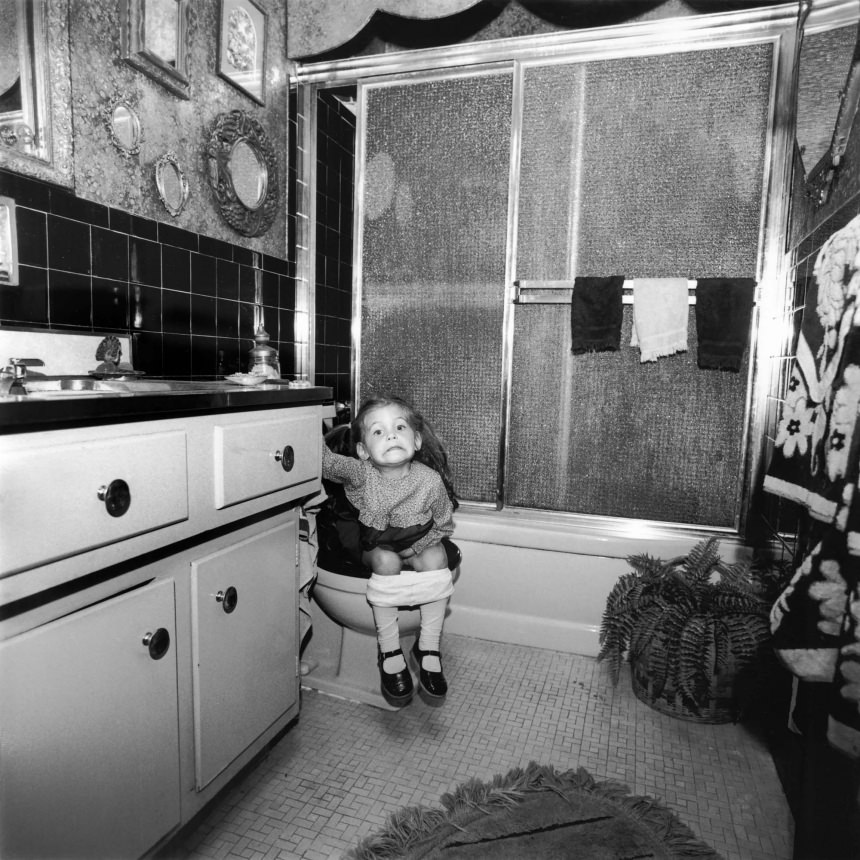
Meisler’s lens didn’t stay fixed on nightclubs. She turned it toward the everyday, too — family gatherings, suburban living rooms, holiday dinners. These quieter moments were just as telling. They showed the full texture of women’s lives in the 1970s, from the domestic to the defiant.
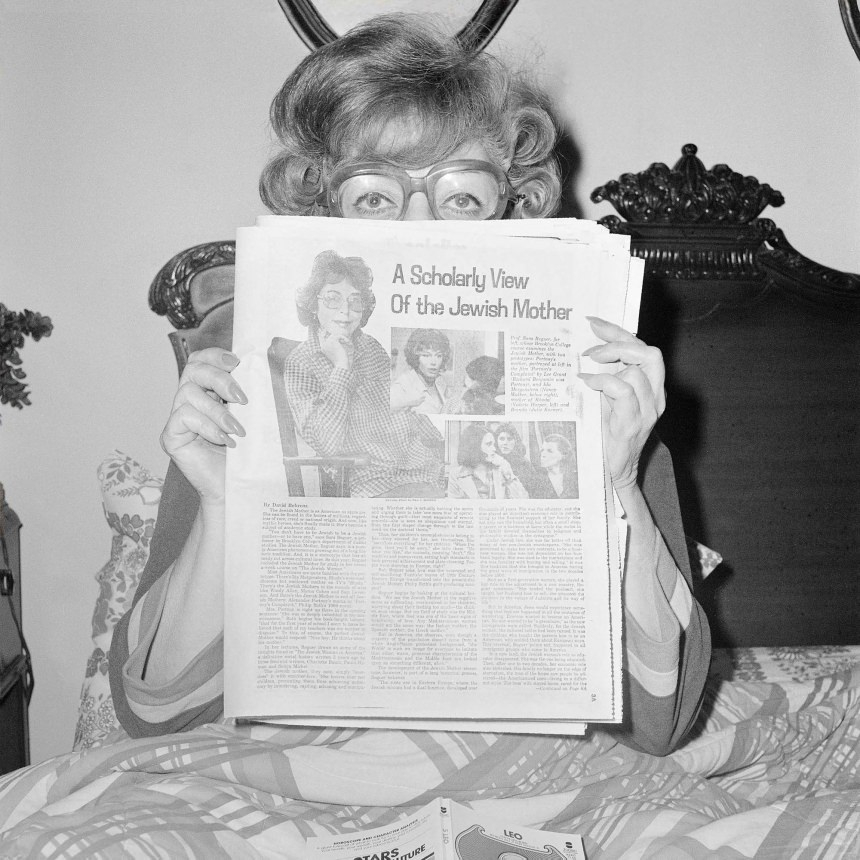
Her photographs from Long Island suburbs like North Massapequa and East Meadow add another layer to the story. These weren’t images of the gritty Manhattan everyone associated with 1970s New York. They were snapshots of middle-class life — bedrooms decorated with personality, beauty rituals treated as sacred, and young women already practicing the confidence they’d carry into adulthood.
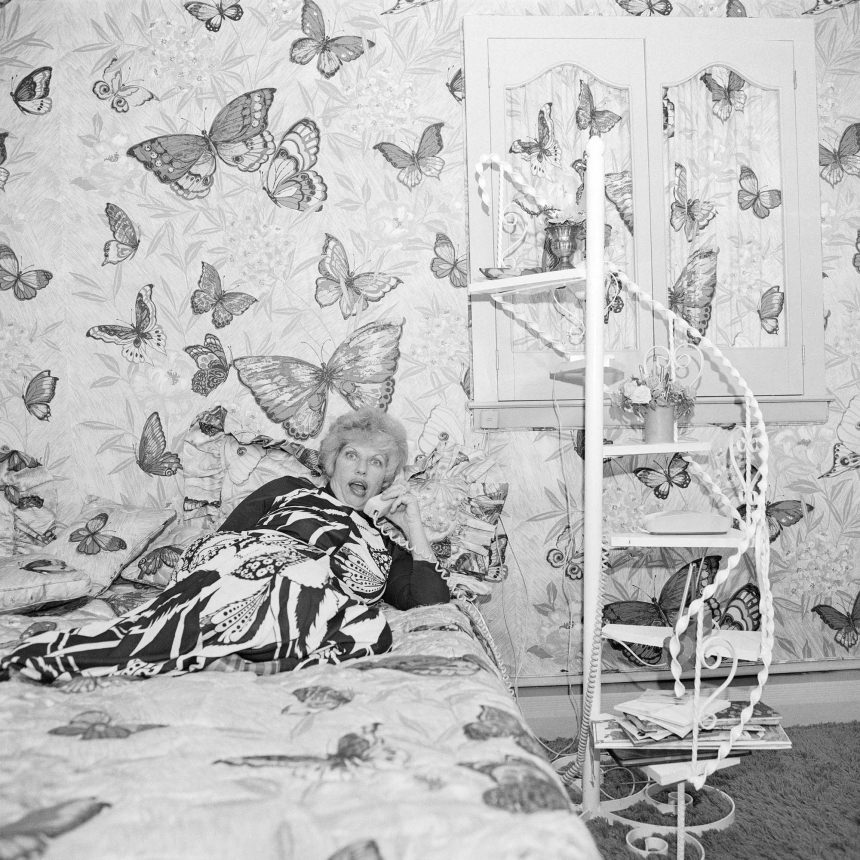
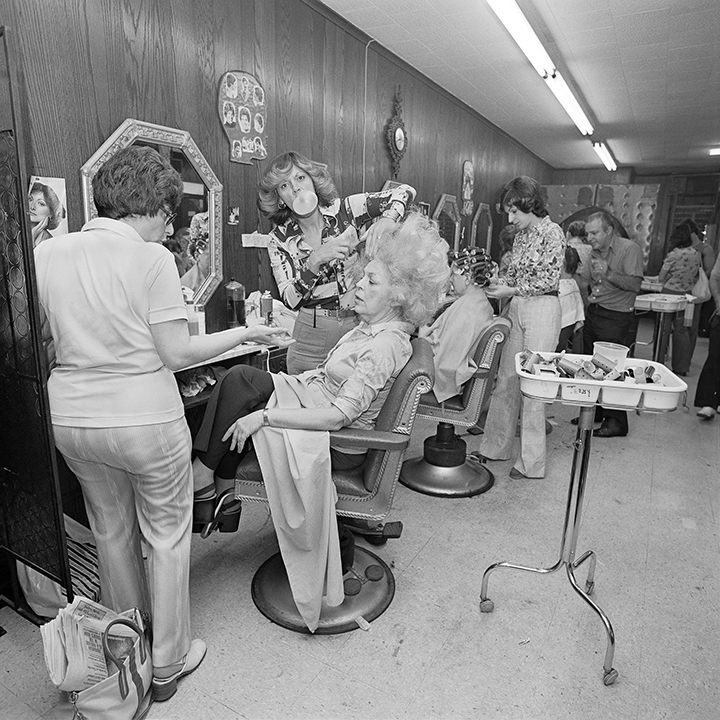
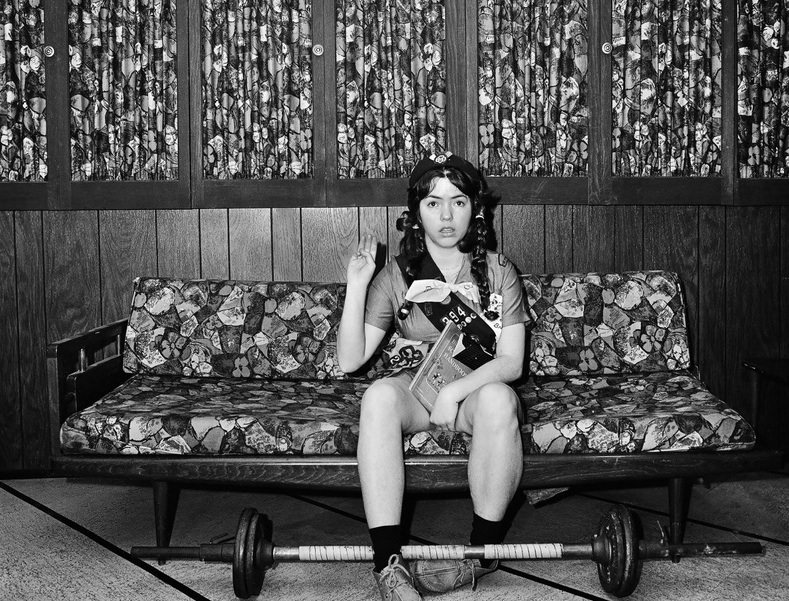
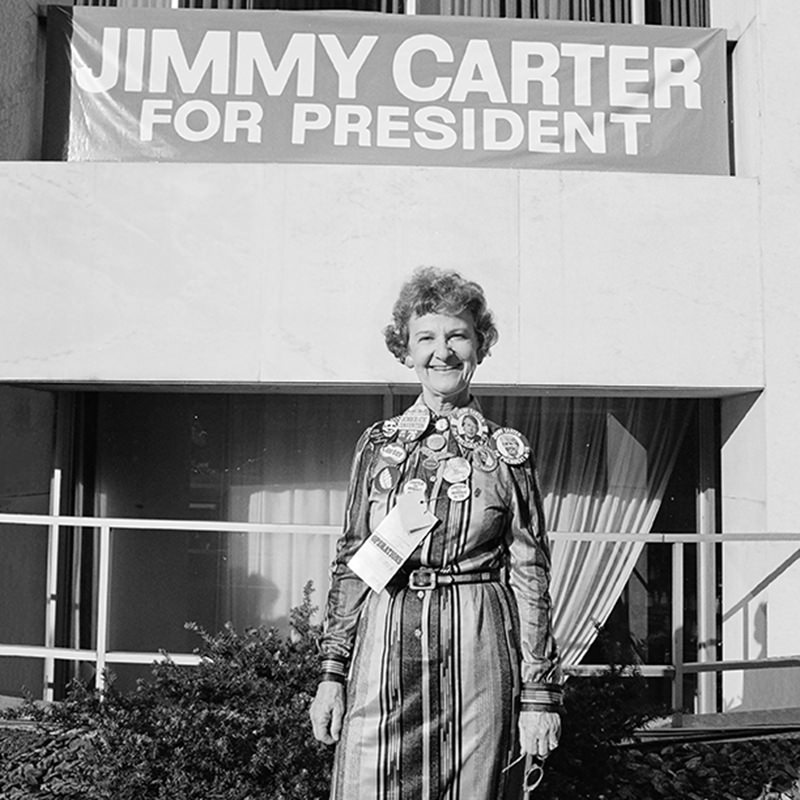
Meisler photographed girls and women across all ages and settings. A Girl Scout oath carried the same weight in her frame as a winking woman at a club with a cigarette between her fingers. Both were acts of self-definition. The 1970s women’s movement was in full swing, and these images put faces to it — not as protest signs, but as lived moments.
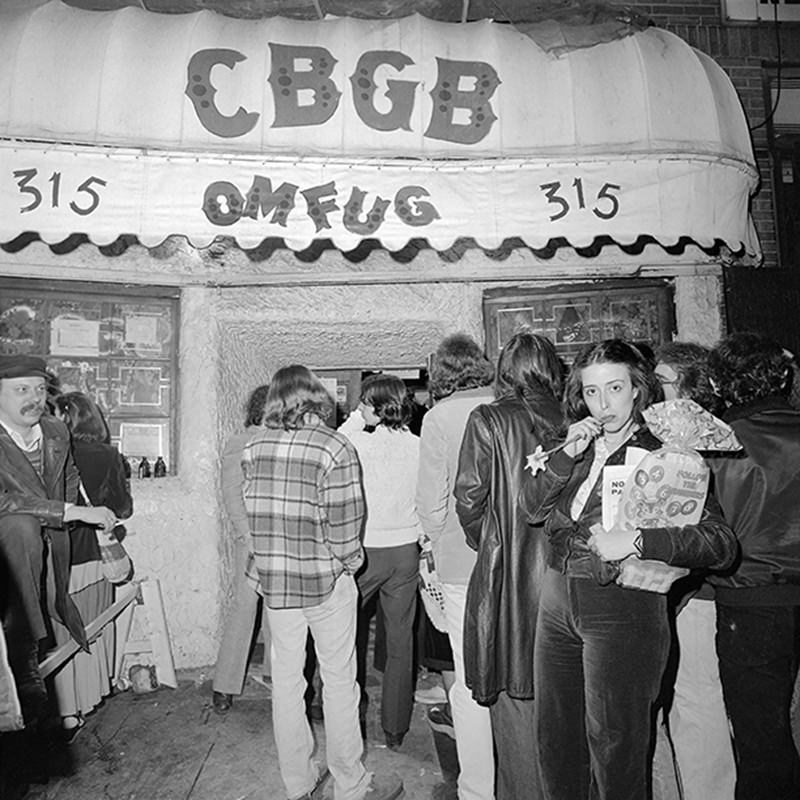
The city’s music and arts scene also drew Meisler’s attention. She documented venues like CBGB, the legendary Lower East Side club that became the birthplace of punk and new wave. The crowd there was just as expressive as the performers — women included, dressed and styled with total intentionality.
Meisler described the city during this period as a kind of purgatory — unstable, overwhelming, but also electric. That tension shows up in every frame. Whether she was shooting a mystery club in Seaford or a suburban holiday dinner, her subjects shared a common thread: they owned the moment completely.