

When the Great Depression hit in the early 1930s, San Jose felt it in full. Banks shut down. Businesses locked their doors. Families who had owned their homes for years lost everything to foreclosure. By 1932, unemployment across California had climbed to 28 percent, and one in five Californians depended on public assistance just to survive. San Jose was not spared from any of it.
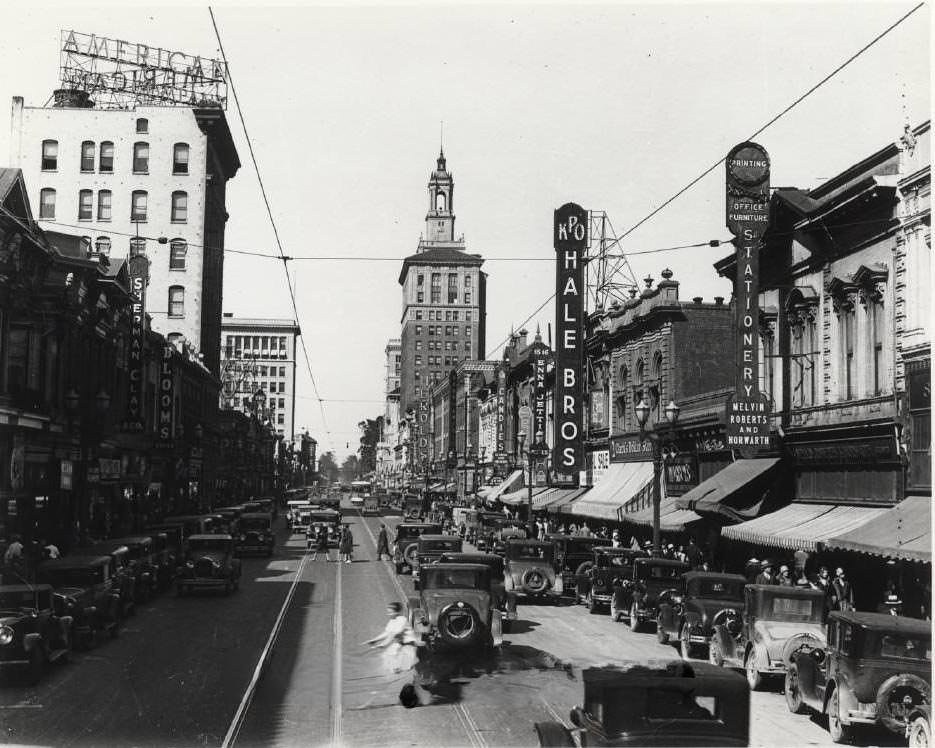
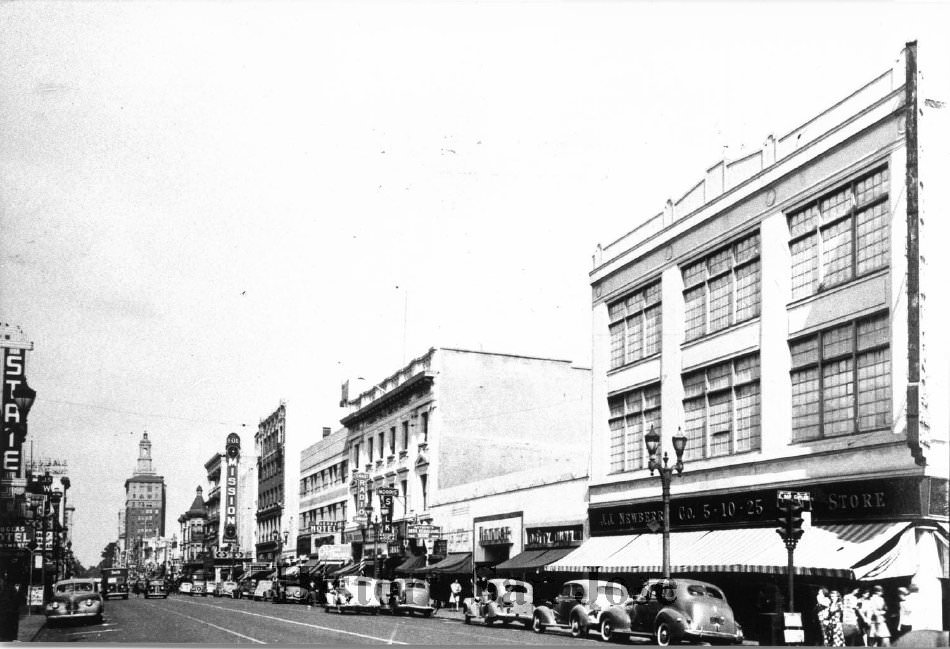
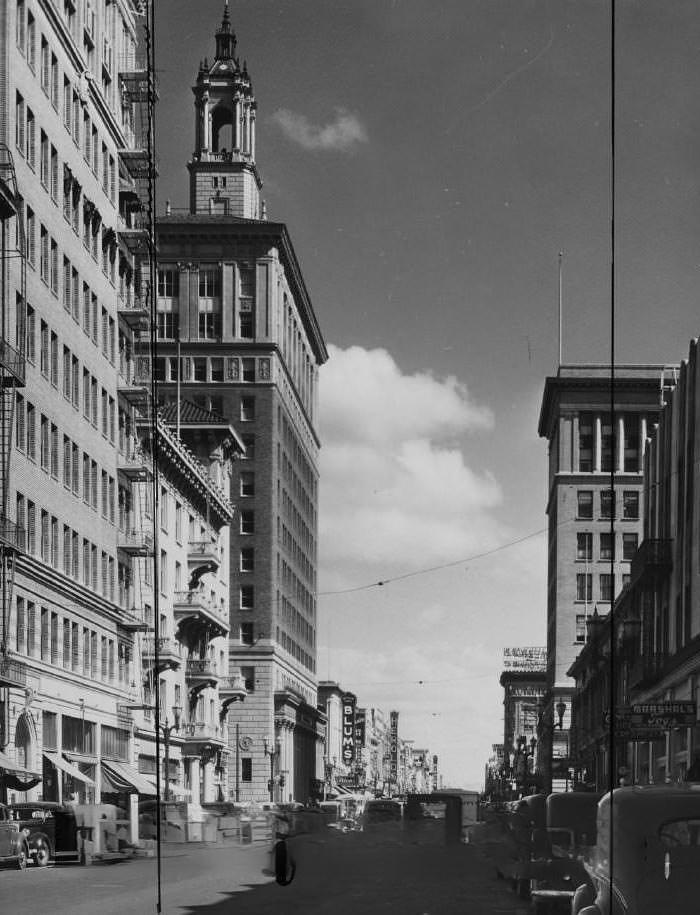
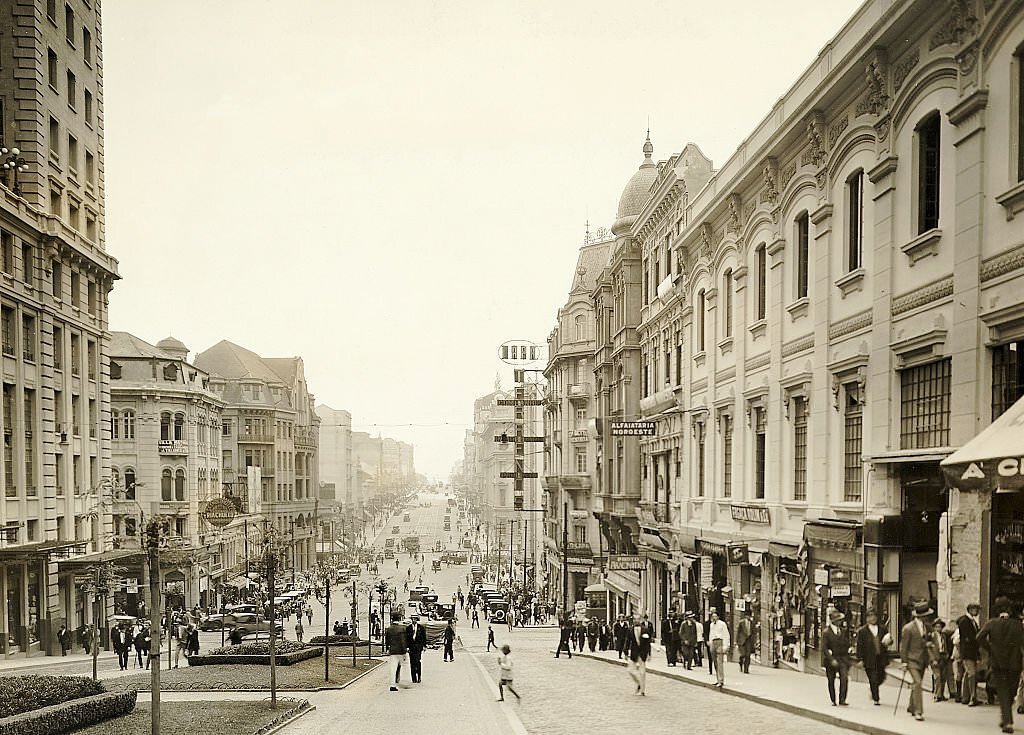
At the start of the decade, downtown San Jose still carried the energy of a working city. First Street buzzed with cars, pedestrians, and storefronts doing steady business. But that surface-level activity masked a deepening crisis. As the years wore on, fewer customers walked through store doors. Merchants who had lined those blocks for years began to disappear. The number of building permits issued in San Jose in 1933 was just one-ninth of what it had been only eight years earlier. Construction had nearly stopped altogether.
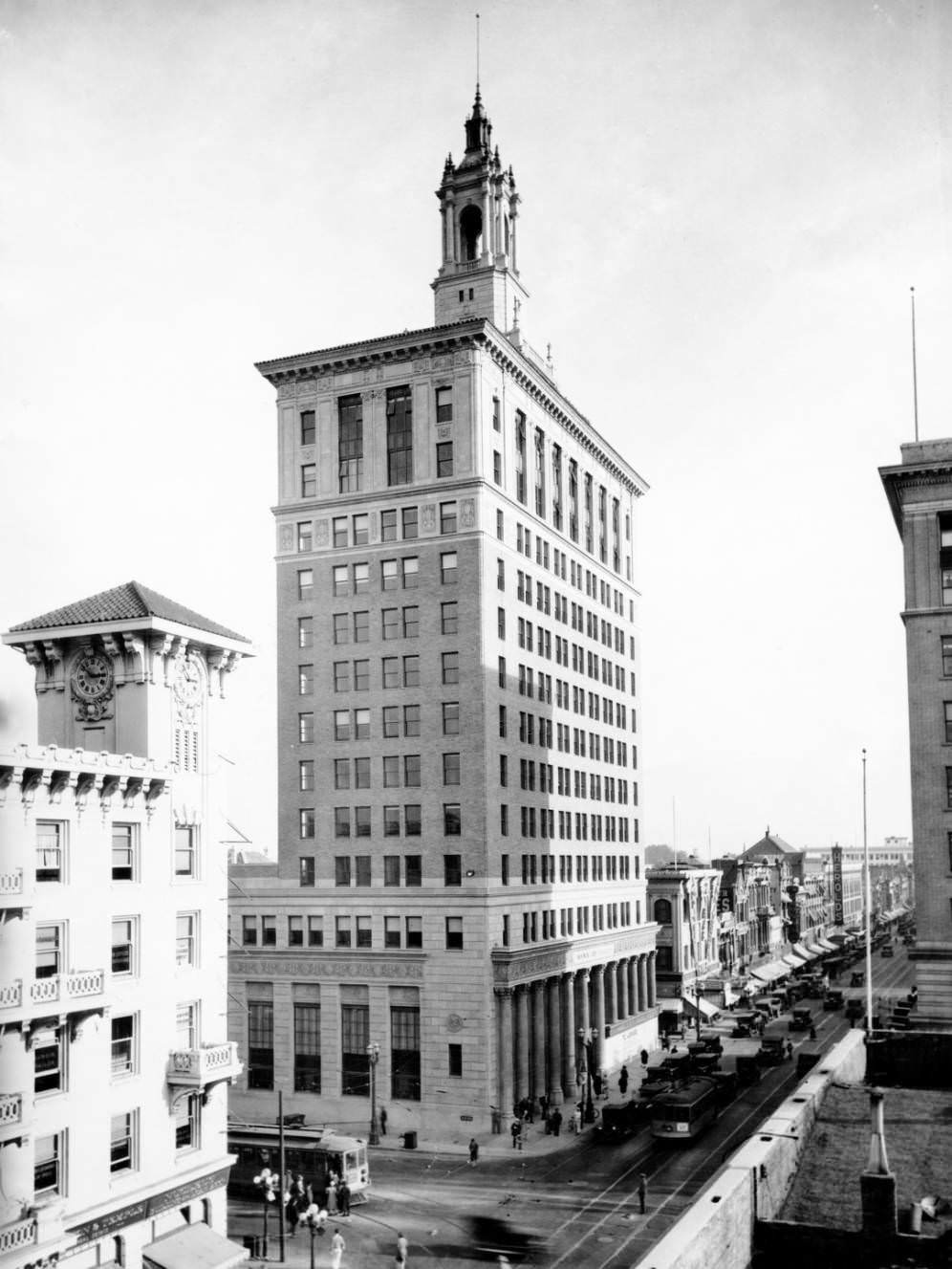
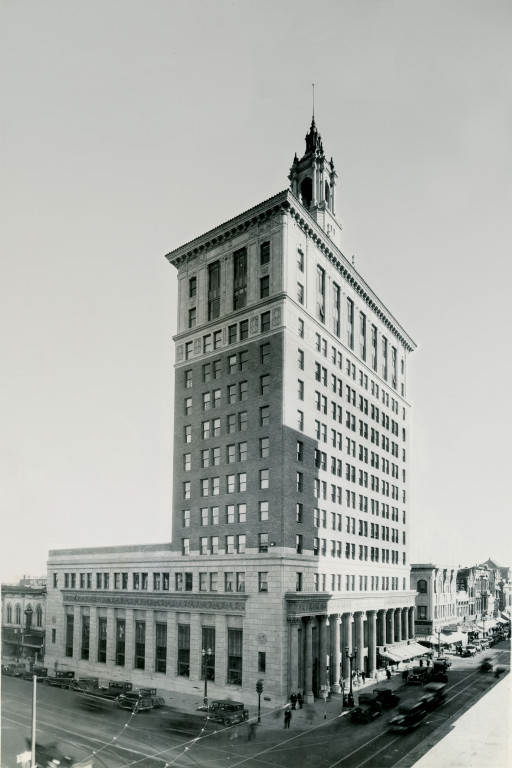
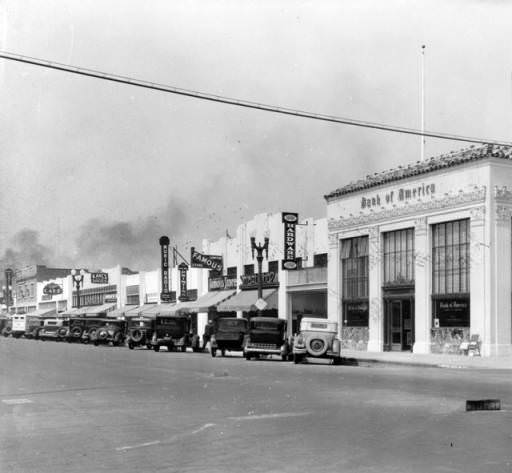
Banks became one of the decade’s most loaded symbols. Thousands of depositors lost their savings when financial institutions across California closed their doors. The Bank of America building on Santa Clara Street stood as one of the city’s most prominent financial landmarks — a reminder of an industry that had failed so many ordinary people. The Bank of Italy, which later became Bank of America, had deep roots in California, and its San Jose branch had served a growing population during the boom years of the 1920s. By 1932, the building still stood, but the confidence that once filled its lobbies had been badly shaken.
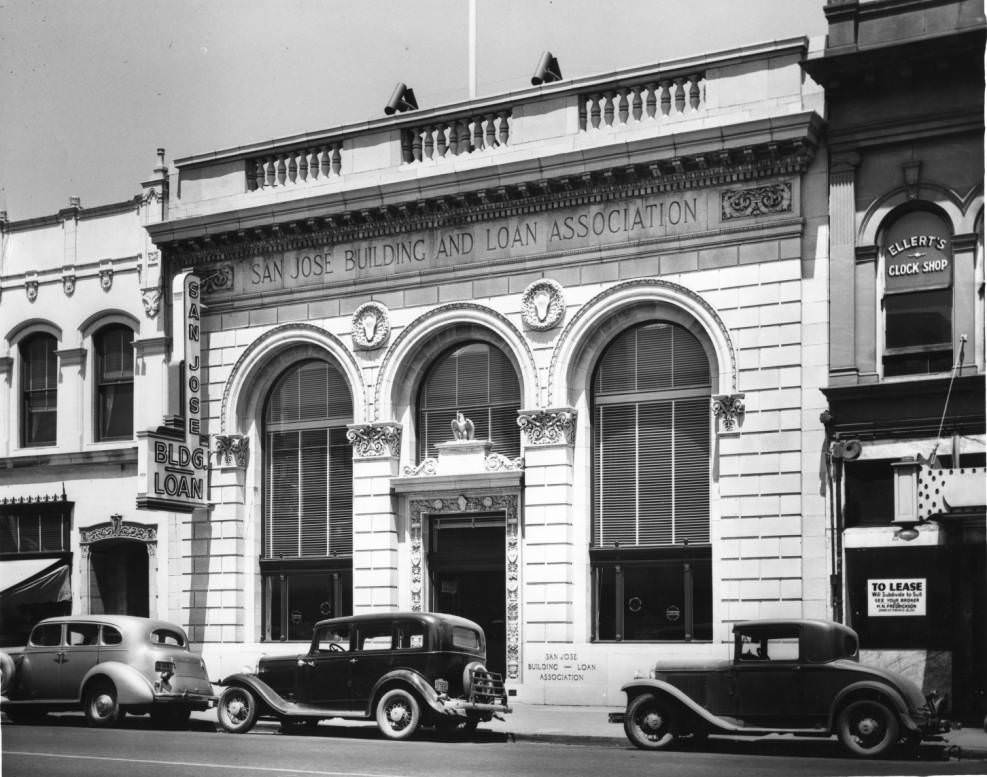
Smaller financial institutions were scattered across the city as well. The San Jose Building and Loan Association at 81 West Santa Clara Street served the surrounding community, with Ellert’s Clock Shop occupying the storefront right next door. A handful of cars still lined the curb out front. Daily life continued, even if more tightly.
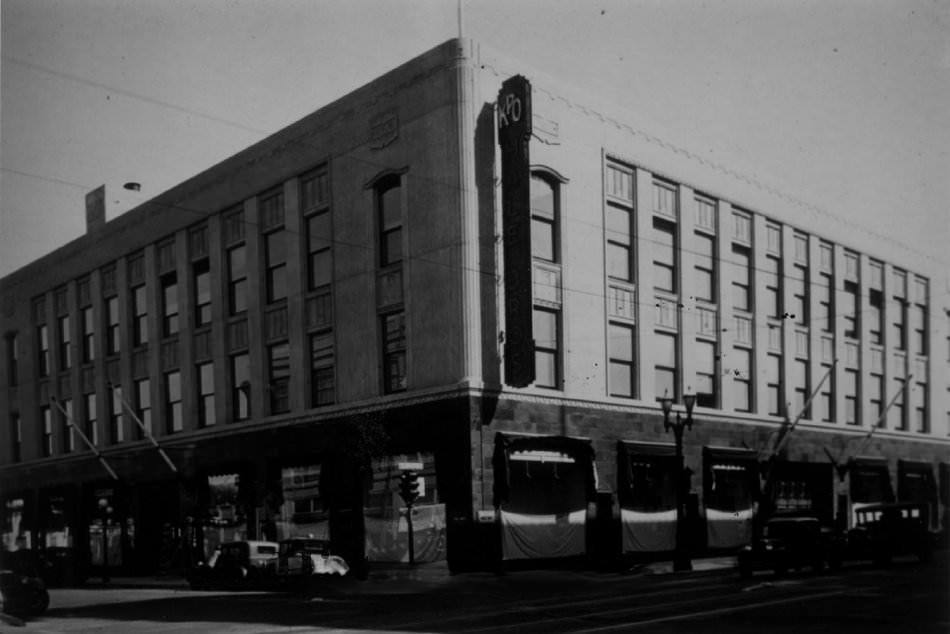
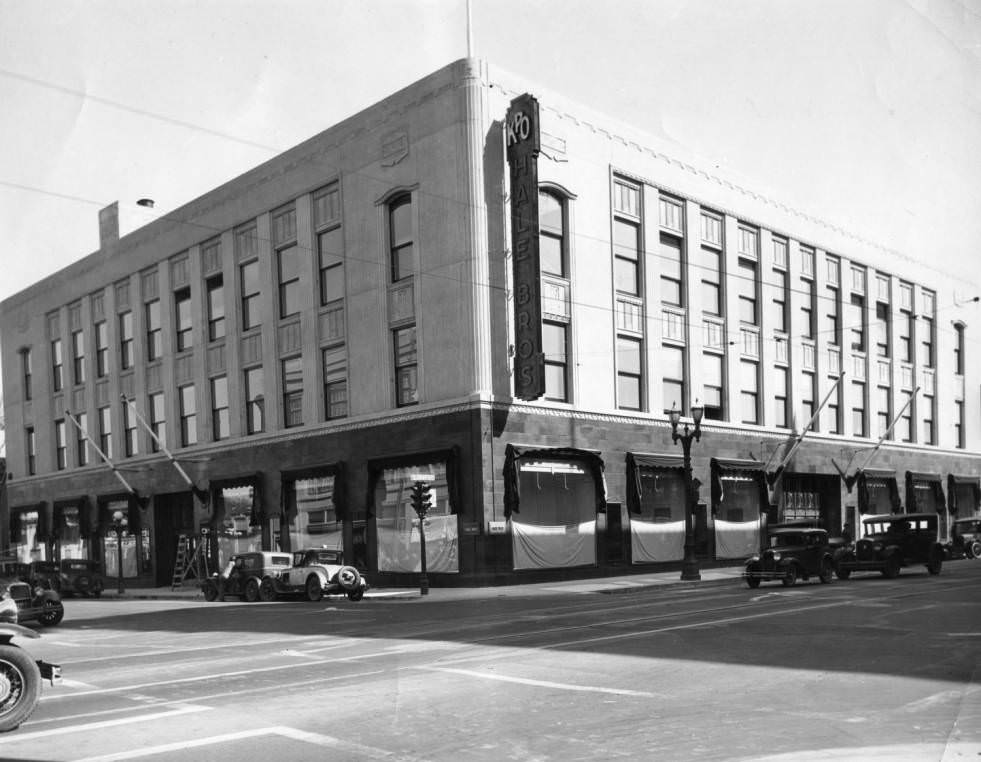
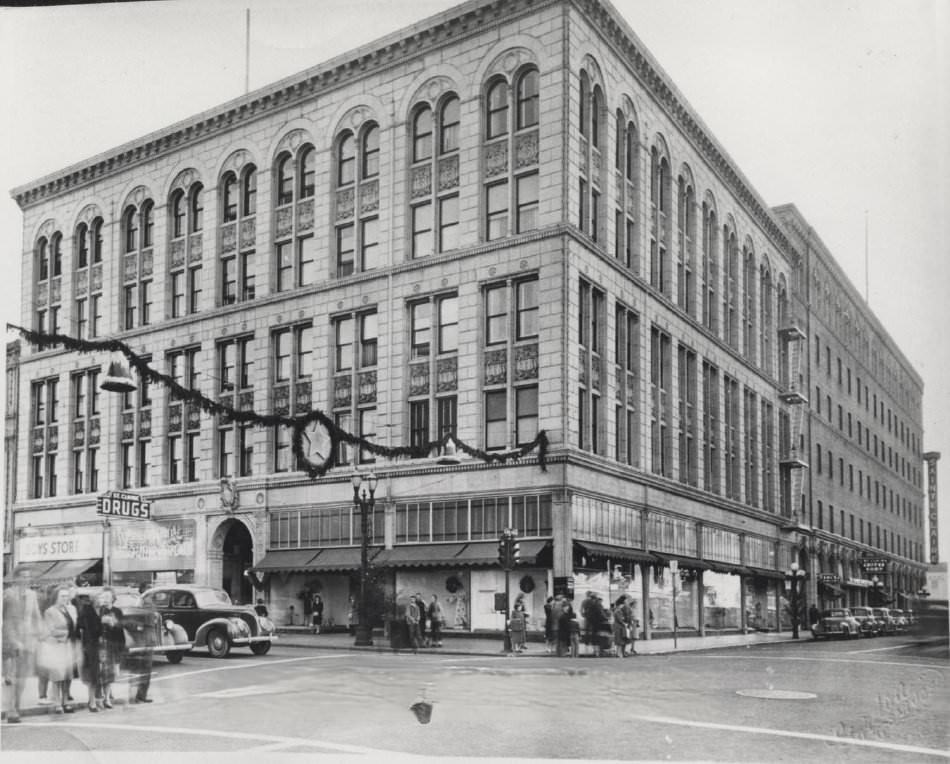
Retail was one of the hardest-hit sectors. Hale Brothers department store at First and San Carlos Streets had been a fixture of downtown shopping for years. In 1930, it still drew customers, but the years ahead would test every retailer in the city. Those who survived did so by cutting prices, running promotions, and grinding through years of thin margins.
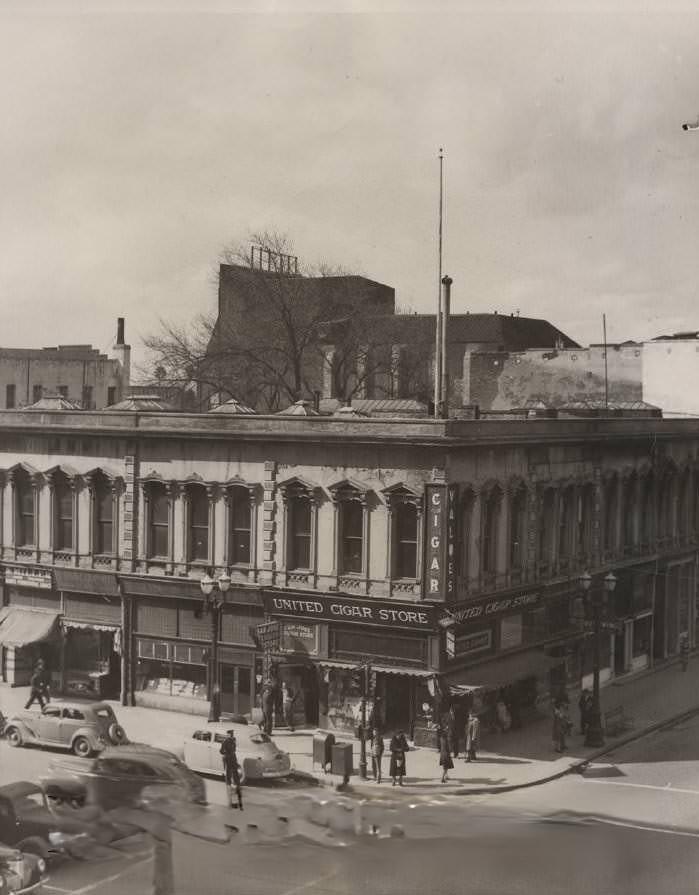
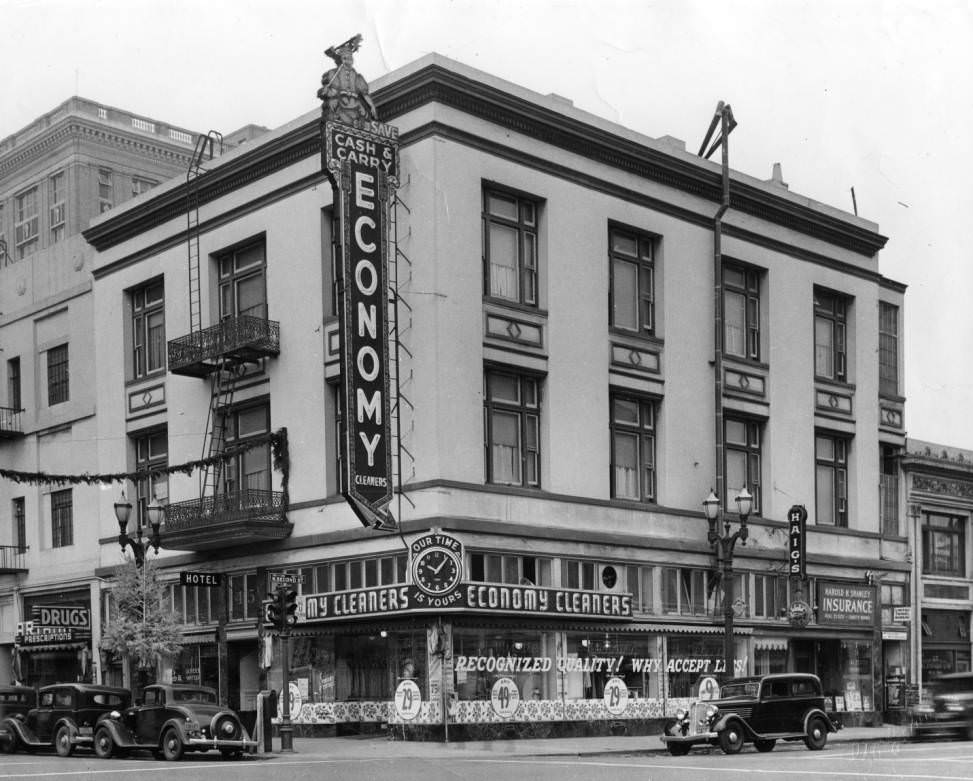
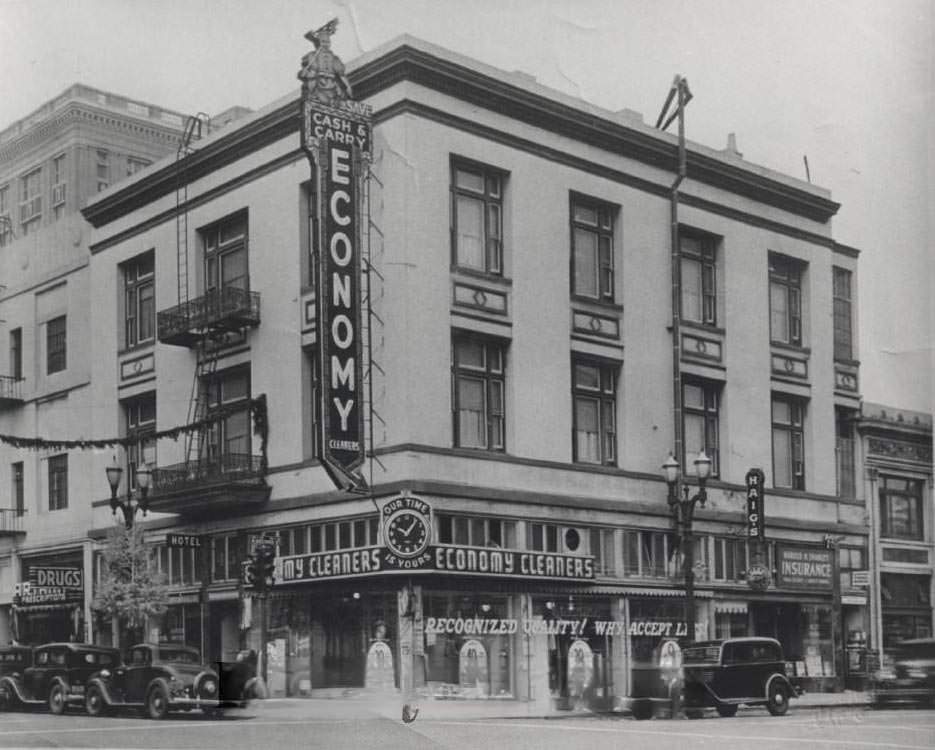
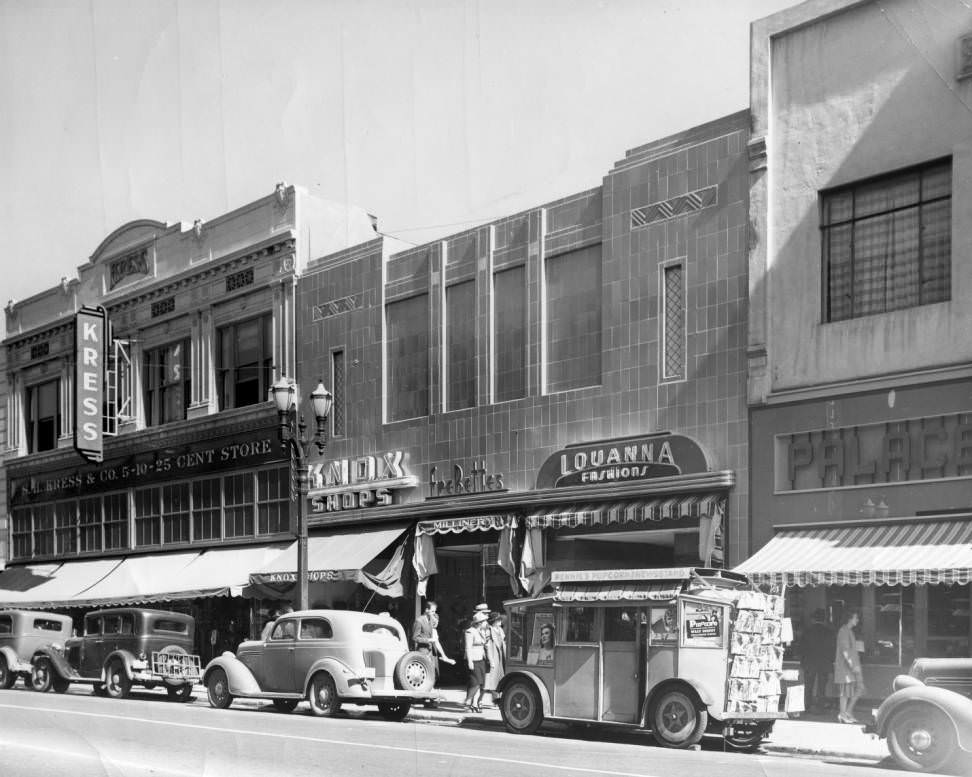
The commercial blocks of downtown San Jose were dense with small operations that employed local residents and served nearby neighborhoods. At the corner of First and Santa Clara Streets, the Knox Block — also called the Beans Block — housed the United Cigar Store and the San Jose Liquor Store, with the Victory Theatre visible in the background. The Beach Building at the northeast corner of Second and Santa Clara Streets, built in 1889 and remodeled in 1913, held Economy Cleaners, Haig’s Jewelry Store, Harold H. Shanley Insurance, Gordon Hatters, and Artana Drugs. Cars lined the streets outside, and foot traffic moved steadily along the sidewalks.
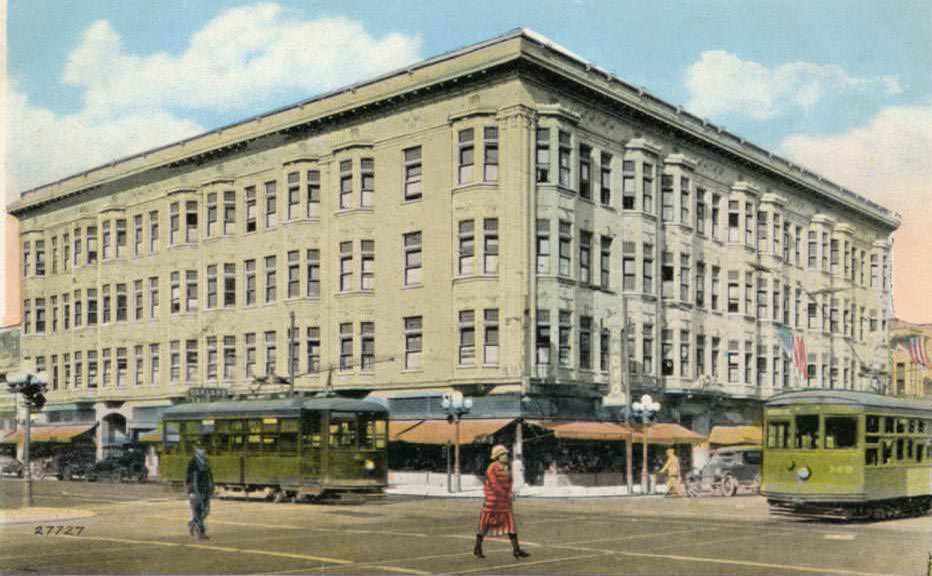
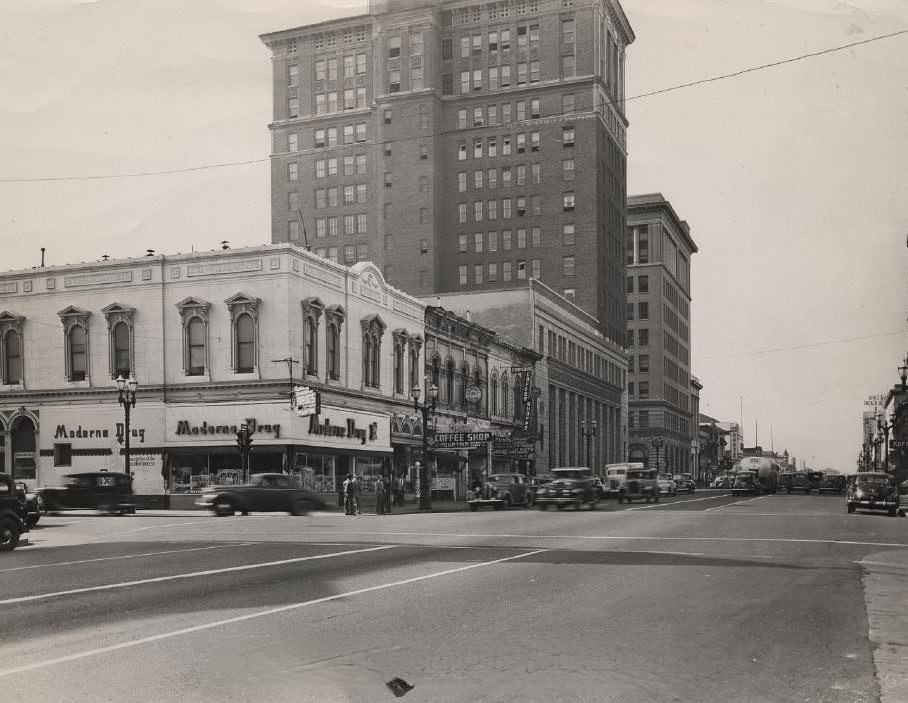
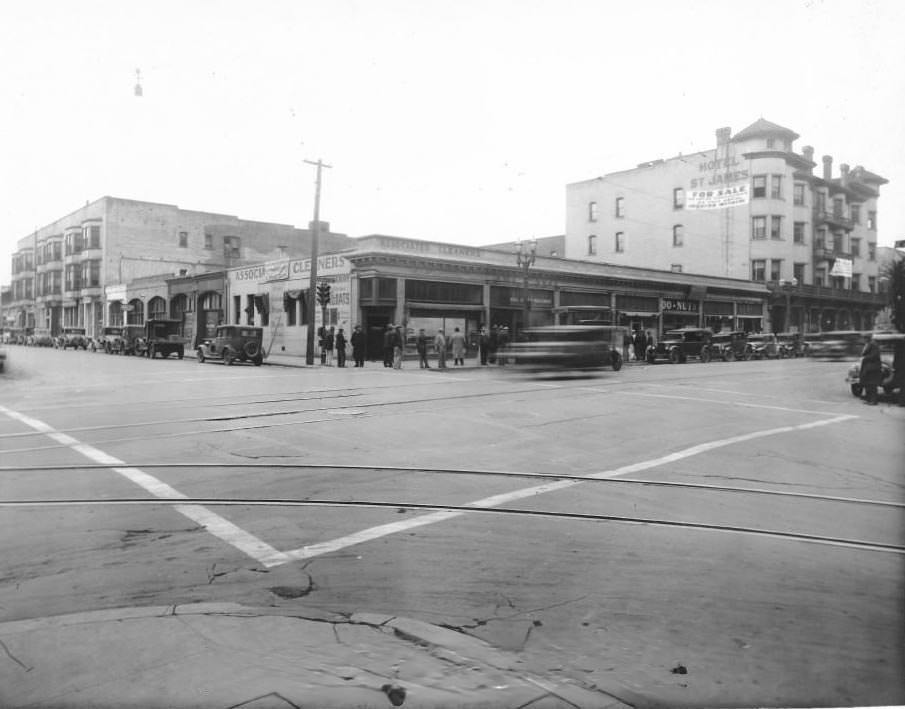
The intersection of Second and Santa Clara Streets was one of the busiest in San Jose. The Porter Building anchored the northeast corner, and streetcars regularly crossed paths there while pedestrians moved mid-block. The building was later demolished in the 1960s to make way for the Pacific Telephone building, but in 1930 it was still a central piece of the city’s commercial fabric.
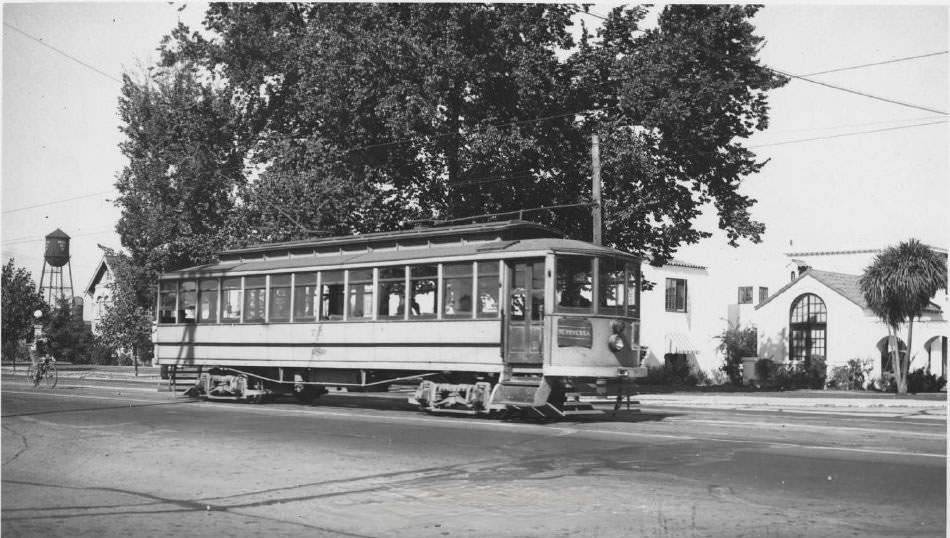
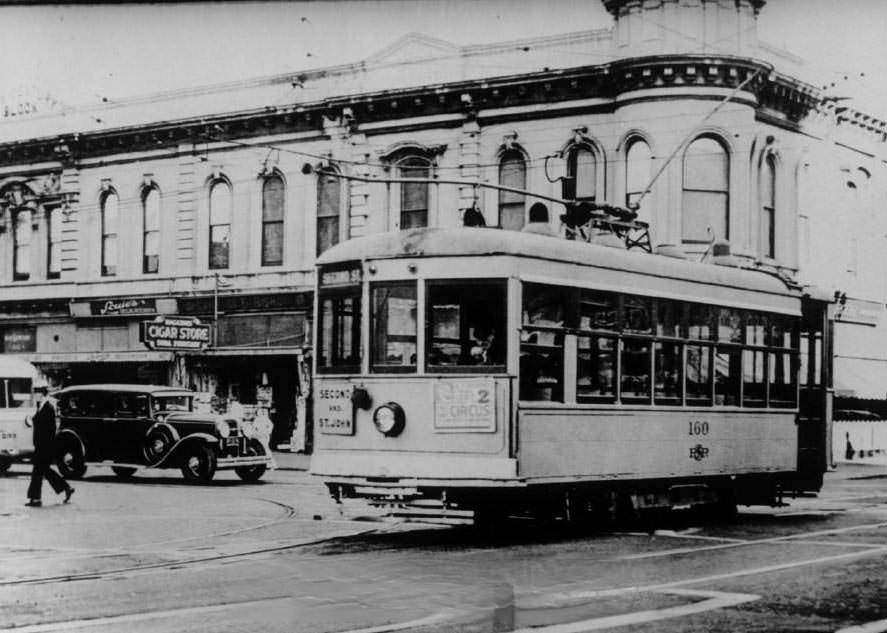
Transportation was one of the few consistent features of daily life throughout the decade. San Jose Railroads operated several lines, running cars along The Alameda, North Second Street, the King Road line, and the Berryessa route. The network connected neighborhoods across town and gave workers without cars a way to get where they needed to go.
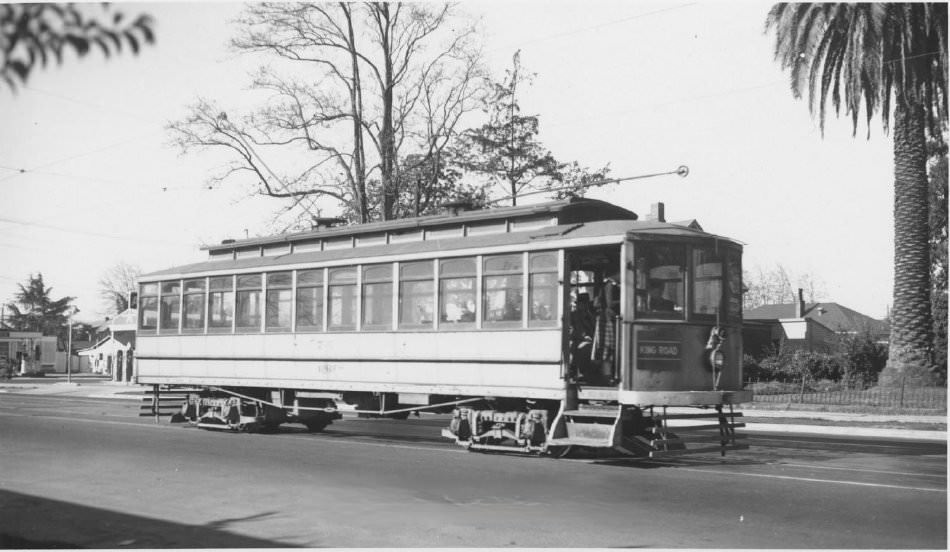
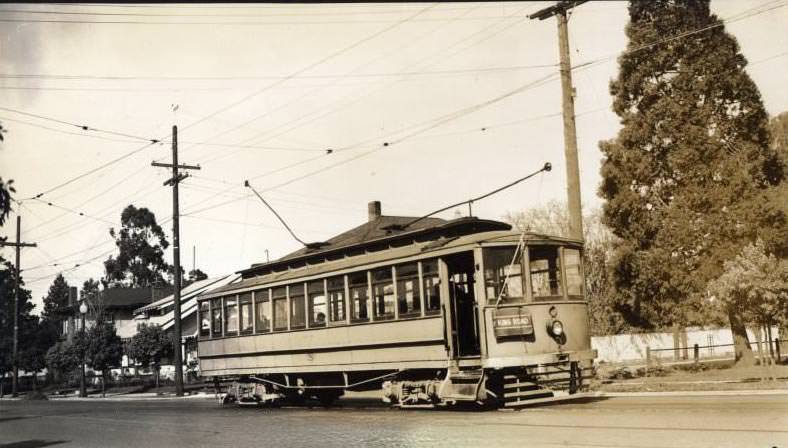
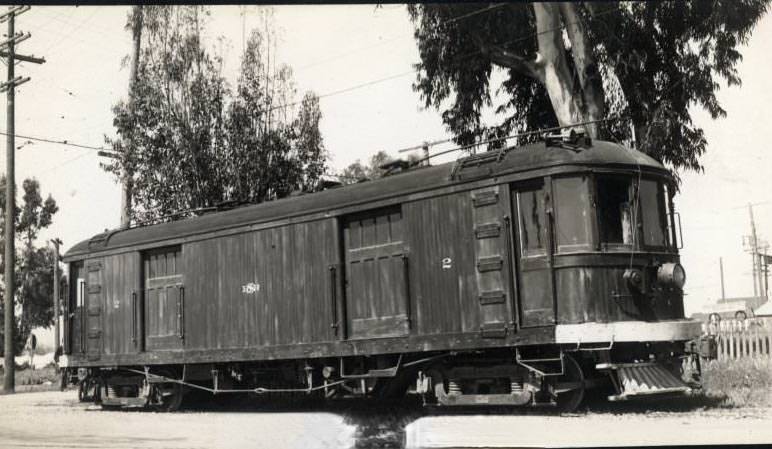
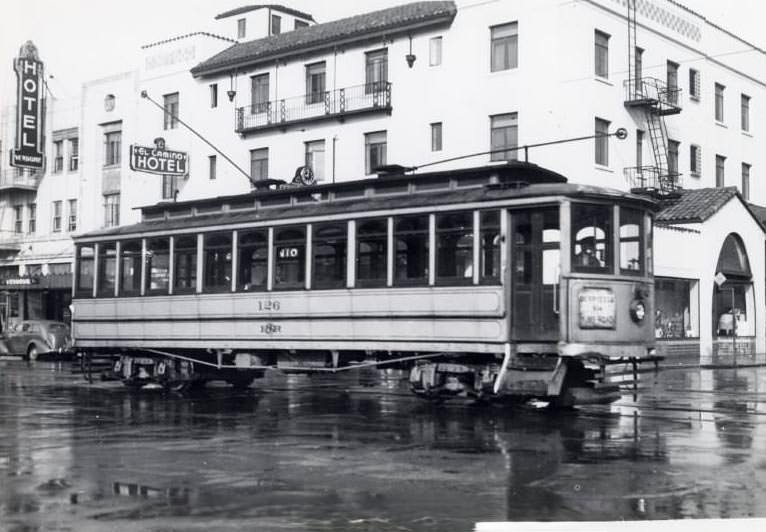
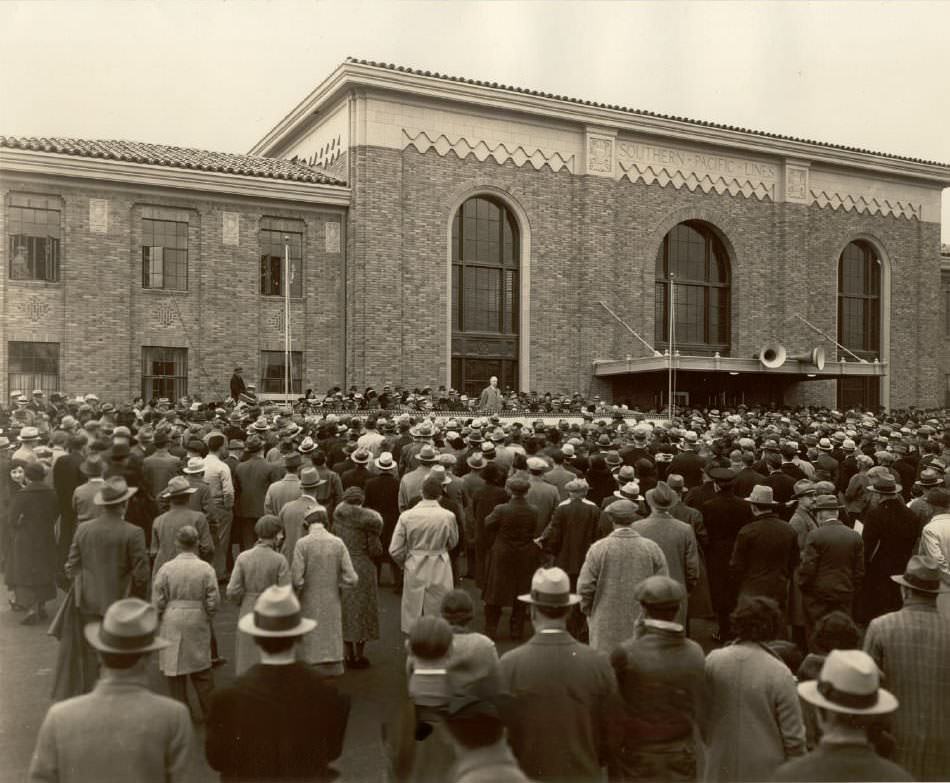
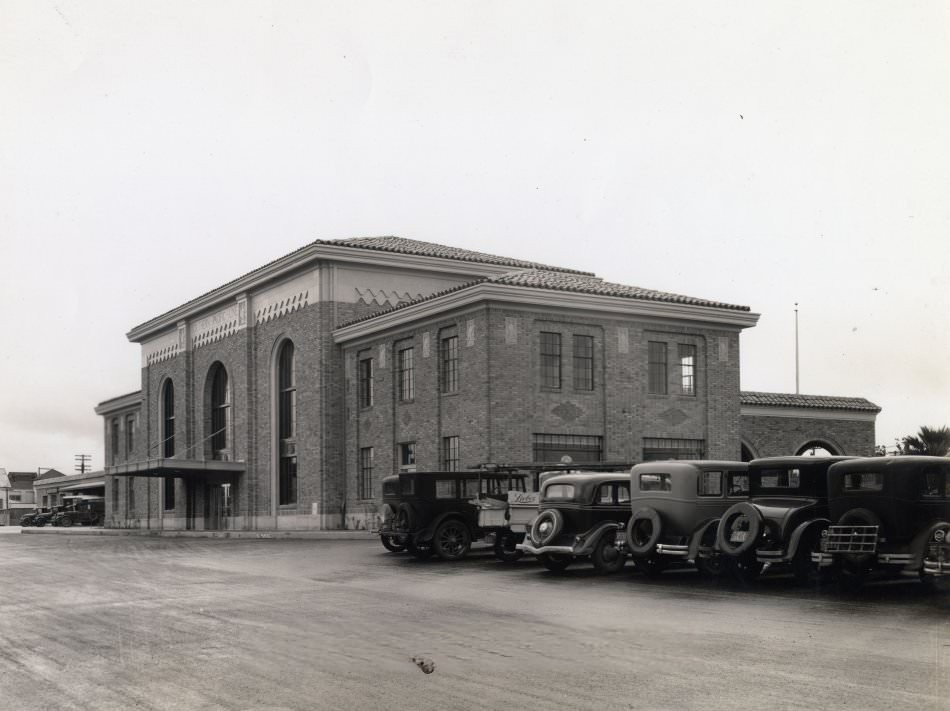
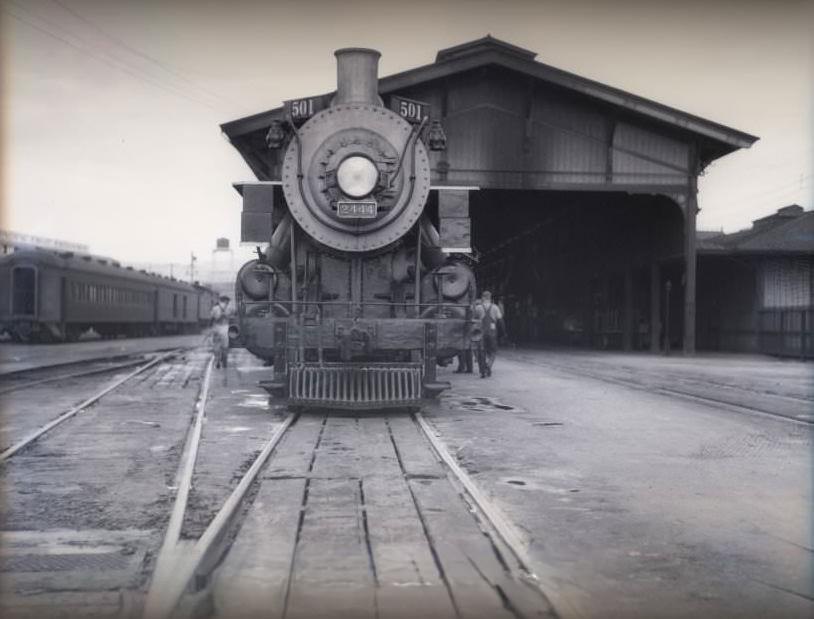
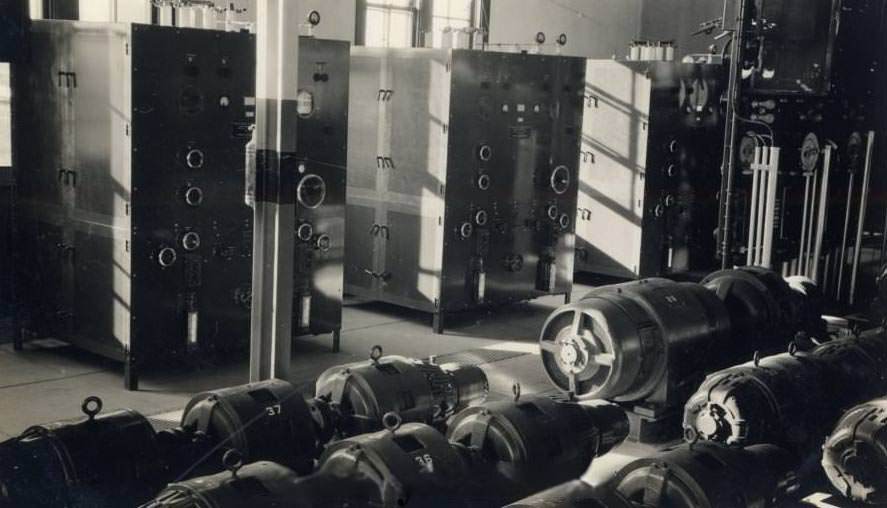
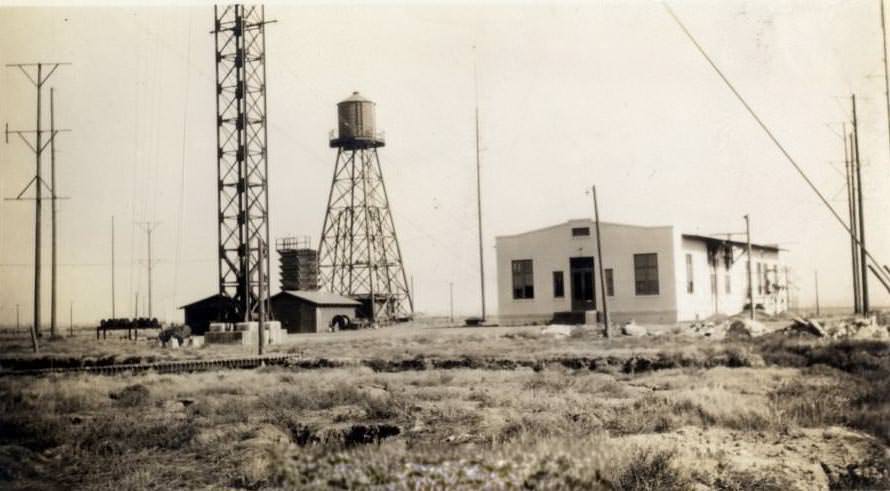
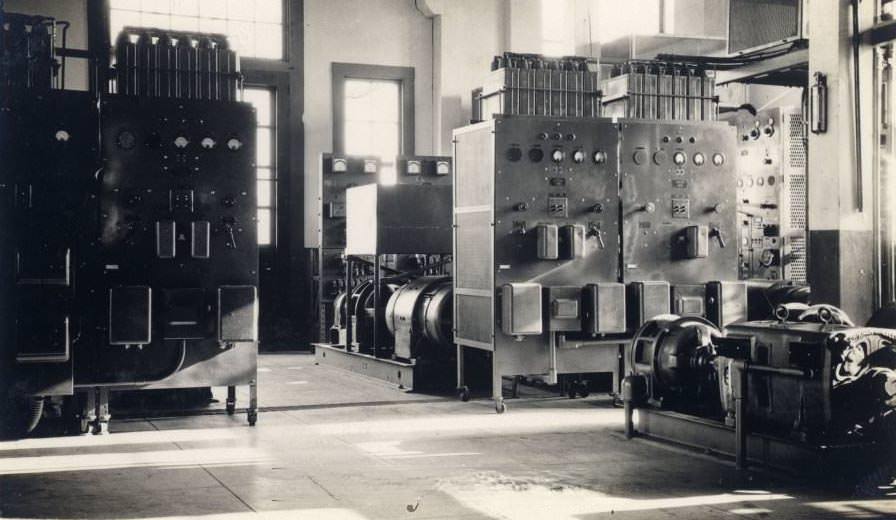
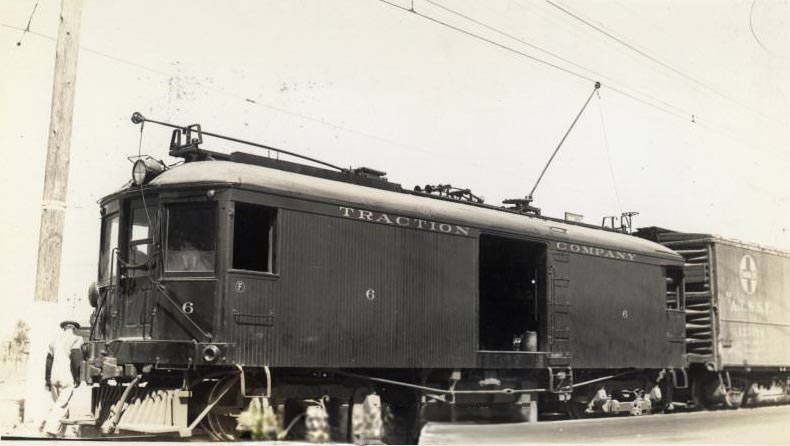
Rail travel beyond the city also kept running. The Southern Pacific Railway maintained its presence throughout the decade, with Cahill Station serving as San Jose’s main passenger depot. In 1935, Senator William G. McAdoo spoke at the station’s dedication ceremony. The station connected San Jose to the broader rail network at a time when personal car ownership was out of reach for many residents. Interurban lines also stayed in service — the Central California Traction Company connected towns across the region, and the electric cars running out of Marsh Station in Palo Alto provided commuter service along the peninsula.
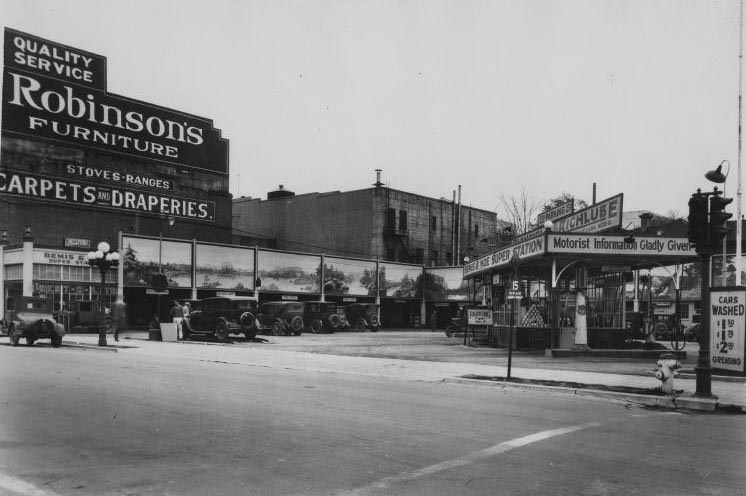
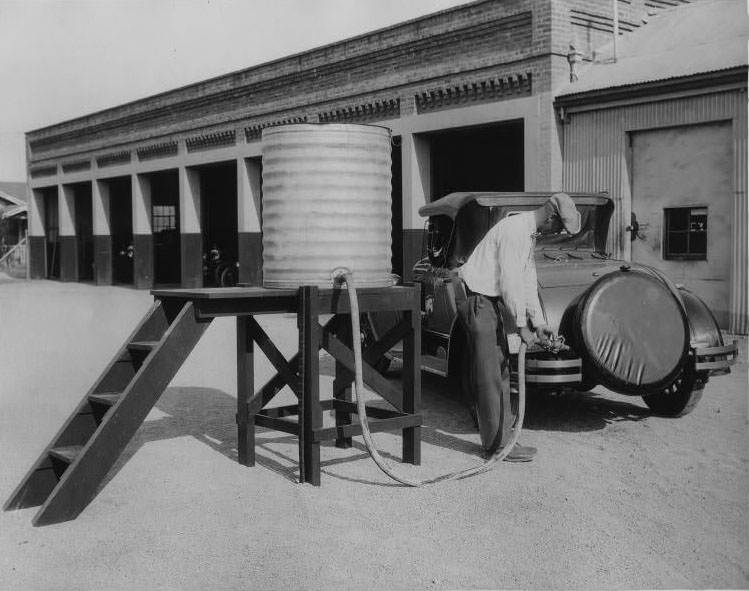
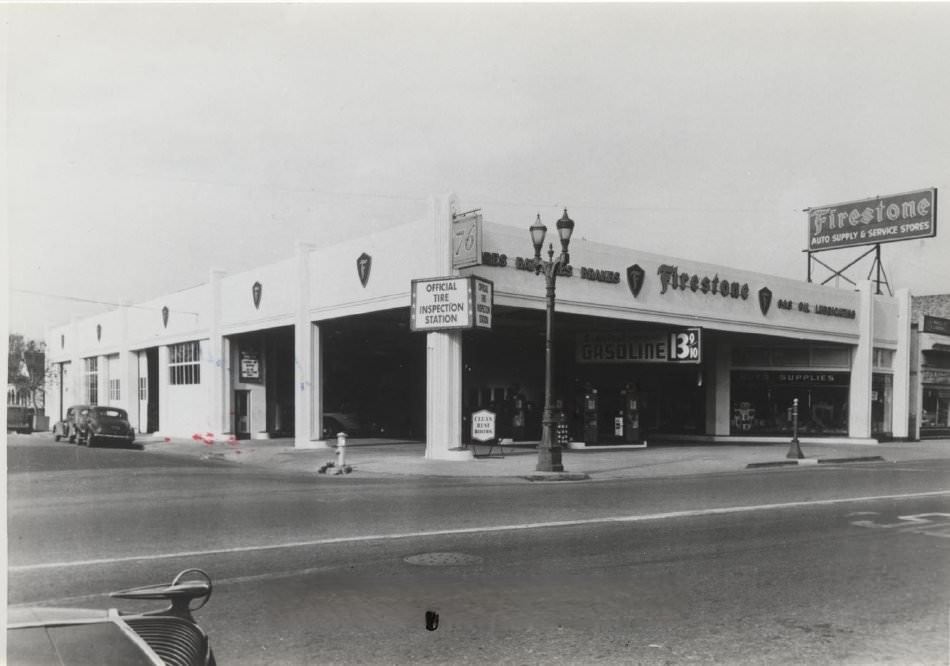
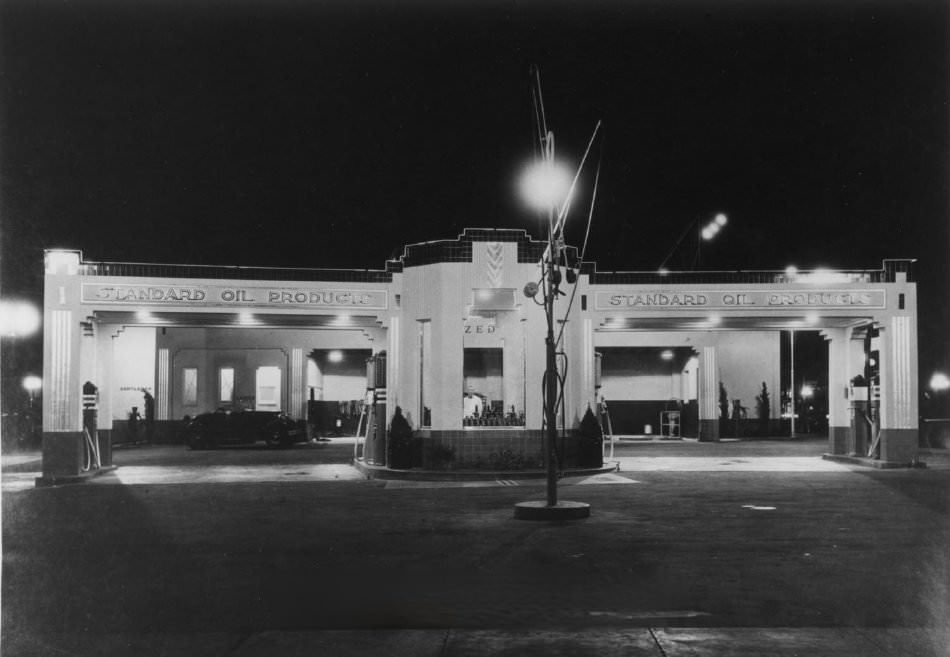
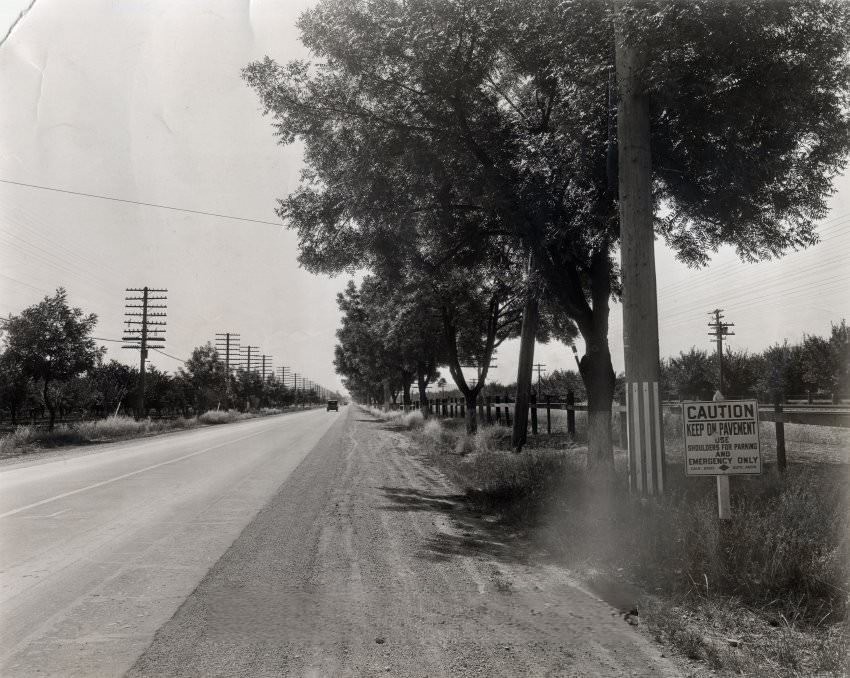
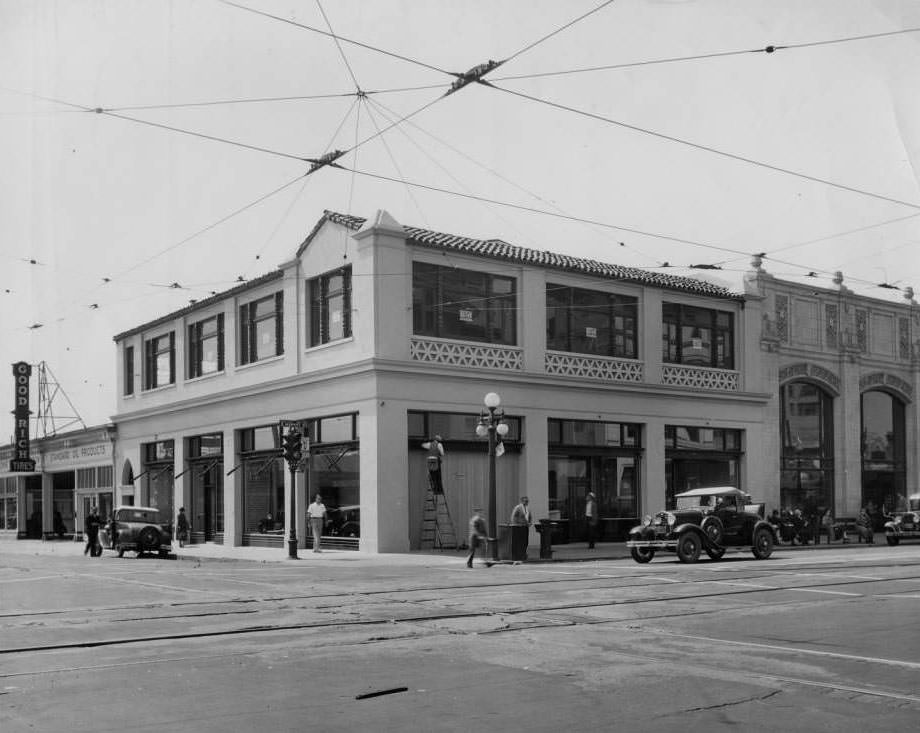
While rail was central to city life, automobile culture was growing fast. Service stations dotted San Jose, from the Bemis and Moe Super Station to Standard Oil Products and the Firestone Auto Supply and Service Station. In 1930, gas was still being pumped from barrels at some locations — a snapshot of how recently the automobile had taken hold. Highway 101 south of San Jose was already seeing regular car traffic by 1931.
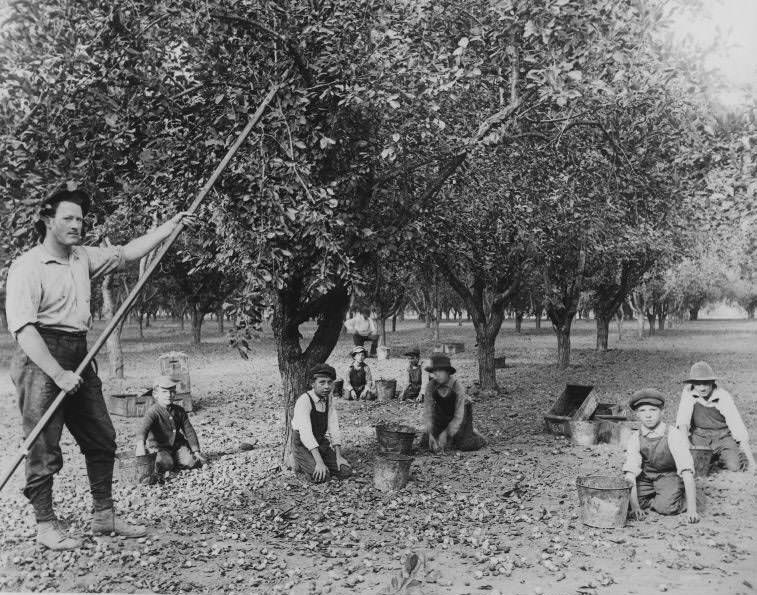
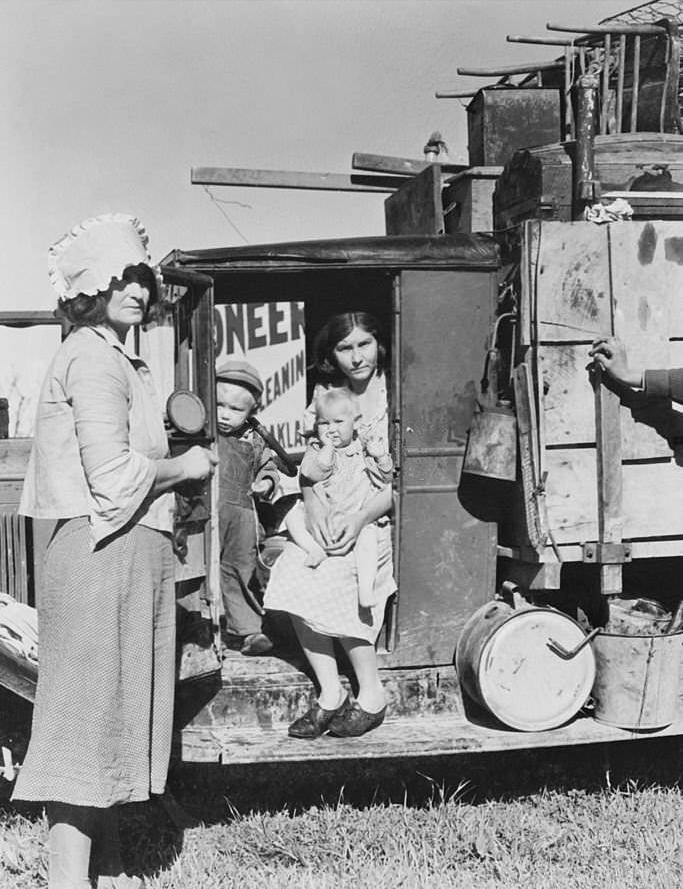
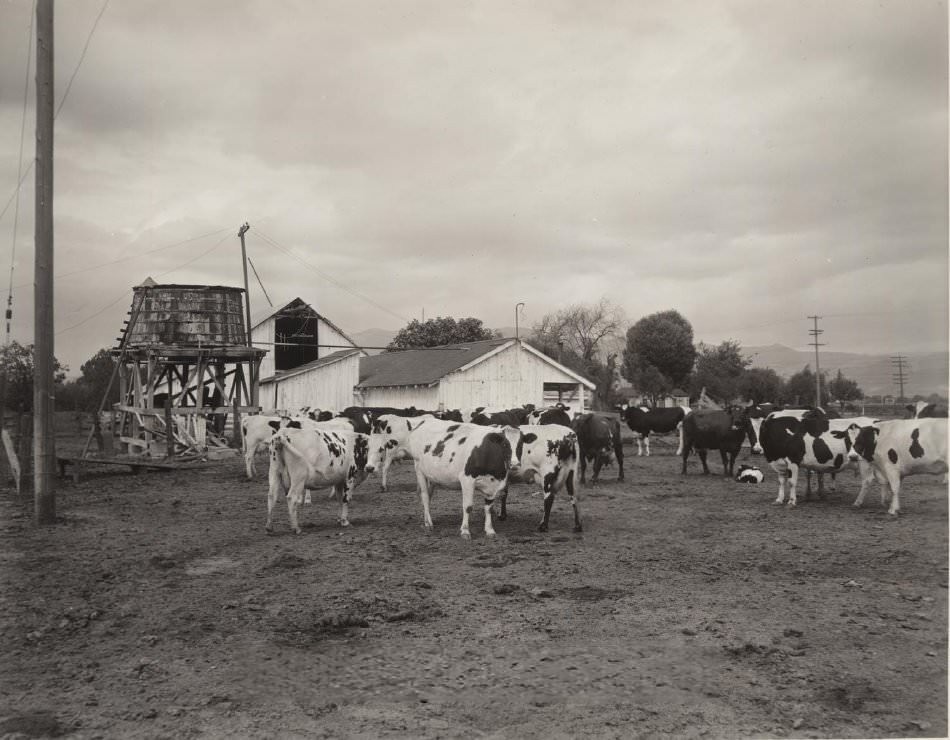
Agriculture was the backbone of the Santa Clara Valley economy, and even during the Depression, the orchards and canneries kept running — often at sharply reduced wages and with seasonal labor that offered no job security. Workers picked apricots and prunes in the fields surrounding San Jose. Children worked alongside adults during harvest season. Field workers spread fruit on drying racks under the summer sun. The work was hard, the pay was low, and the conditions were difficult.
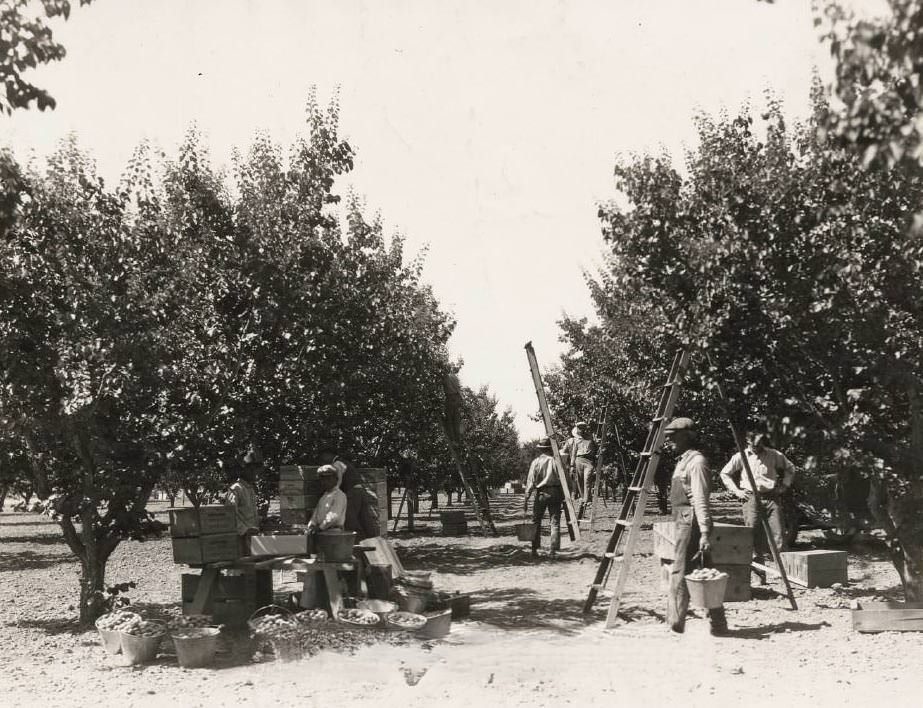
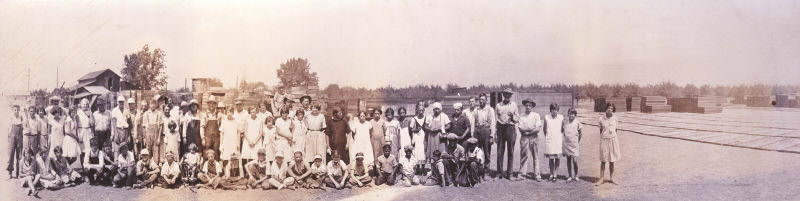
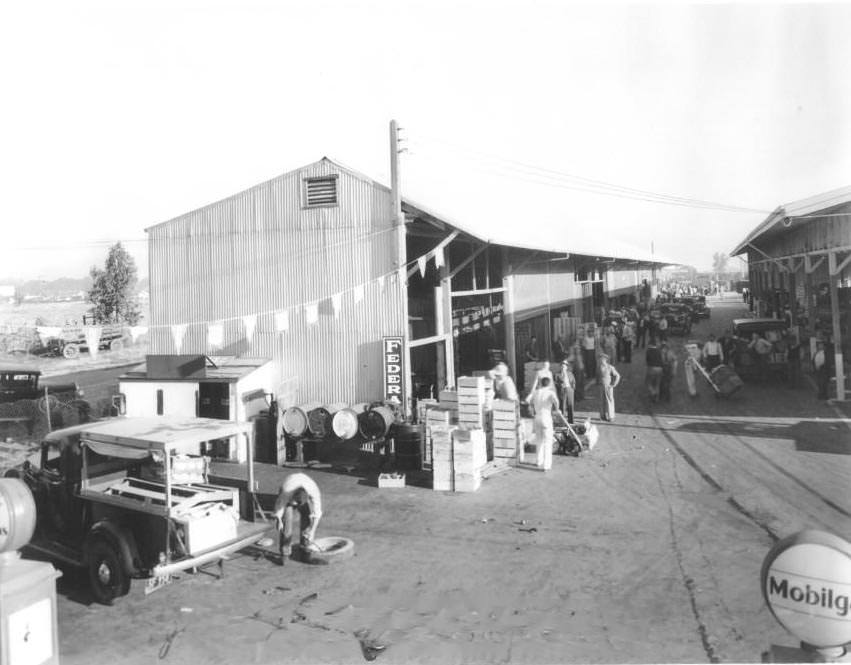
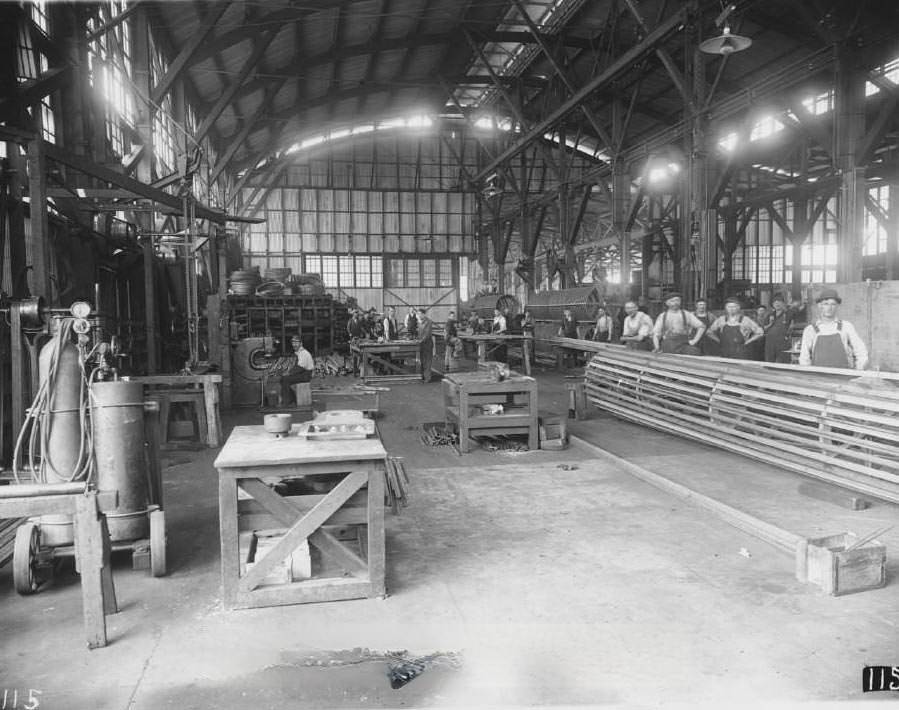
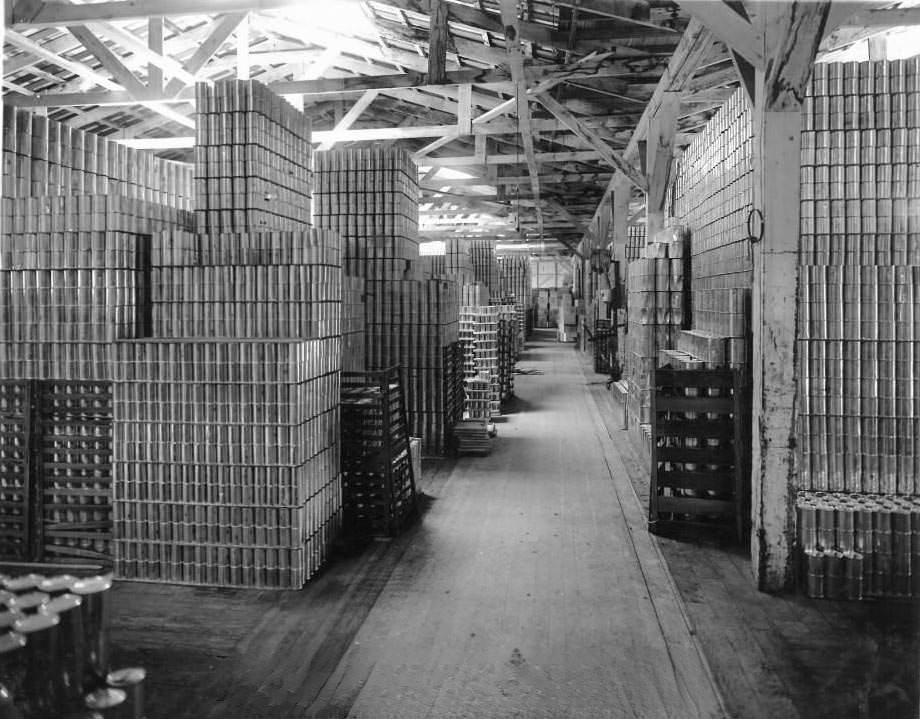
Labor disputes between growers and non-contracted workers turned bitter throughout the decade. With wages driven down by the oversupply of desperate workers, many went on strike. The conflicts were frequent and sometimes violent. The Growers’ Market at 7th and Taylor Streets was one hub of agricultural commerce where produce changed hands and tensions ran high. The Food Machinery Corporation plant on Julian Street manufactured pressure cookers for canneries, supplying the equipment that kept the regional food processing industry running. Canneries along North Fourth Street processed fruit and vegetables from the surrounding farms and provided one of the few sources of industrial employment that held through the Depression years. By 1939, men were still searching for field work in the pea fields outside the city — the Depression’s grip on agricultural labor had not fully loosened even as the rest of the nation began slowly to recover.
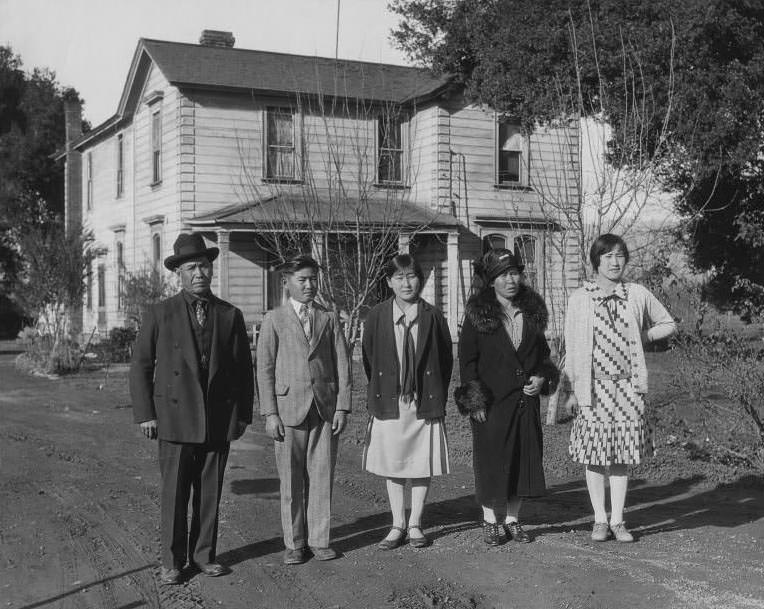
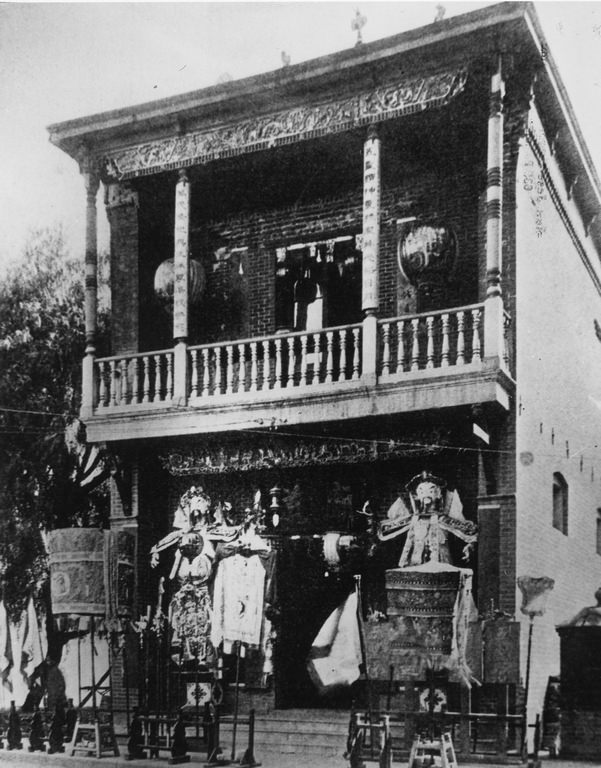
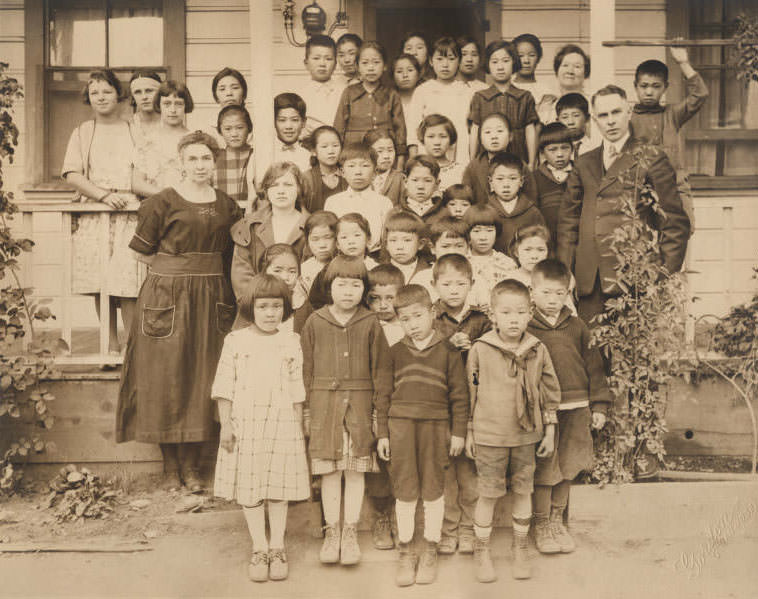
San Jose’s population included Japanese American families who had built lives in the region, many working in agriculture and running small businesses. The economic pressures of the Depression fell on these communities as heavily as anyone else, compounded by the racial discrimination that limited their access to relief programs. San Jose’s Chinese American community gathered around the Ng Shing Gung building in Heinlenville, which served as a place of worship, a community meeting room, a Chinese school, and a hostel for visitors without local family. A 1932 photograph captures the building during Da Jui — the Feast of the Hungry Ghosts — with large paper mache guardian figures that were burned at the festival’s close. A reconstruction of the original building now houses the Chinese American Historical Museum at History Park.
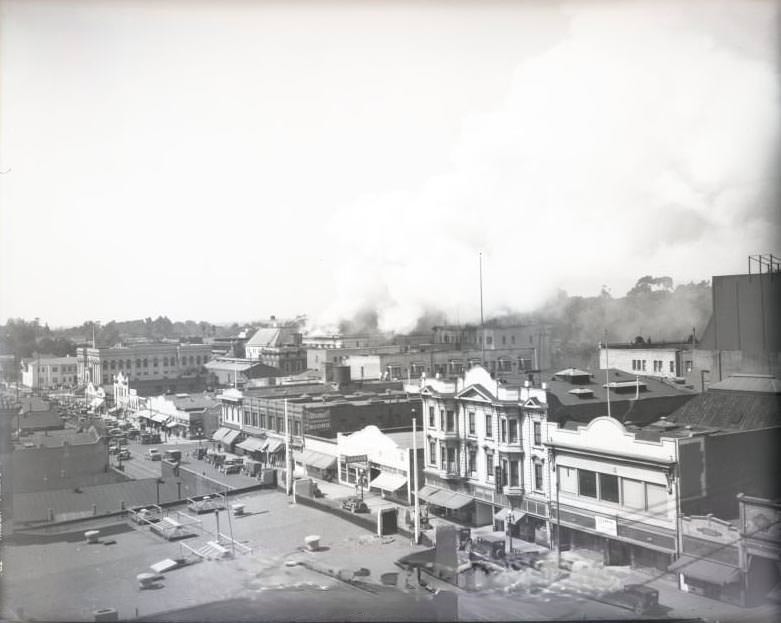
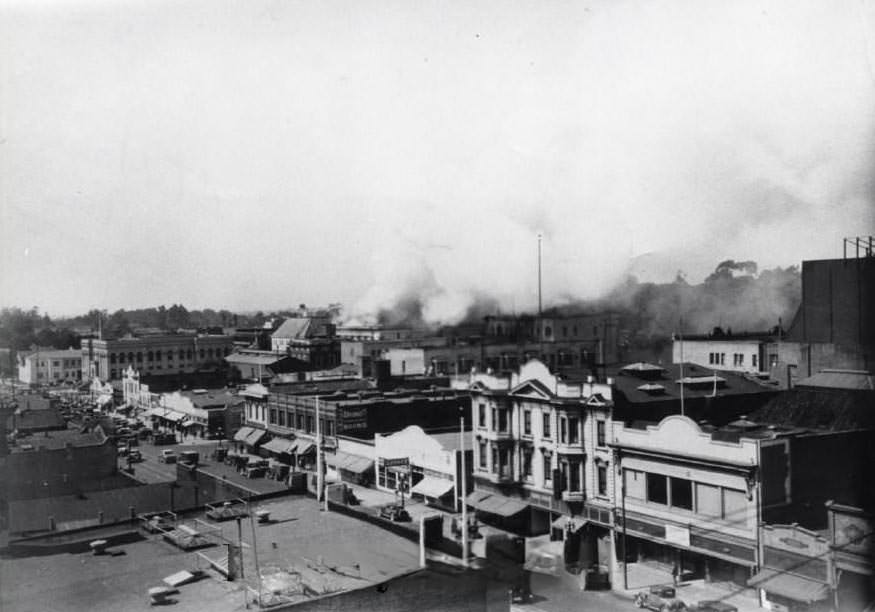
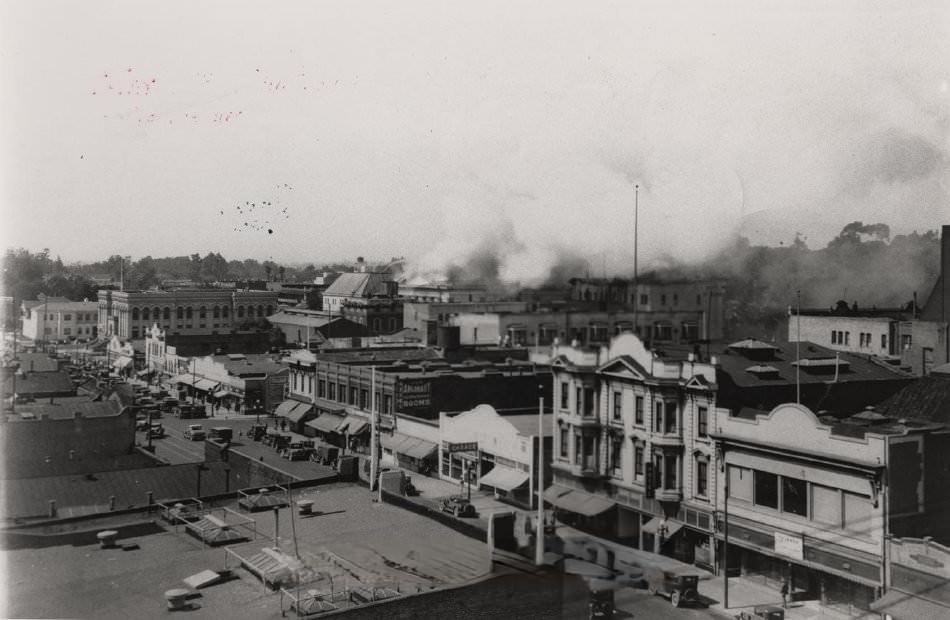
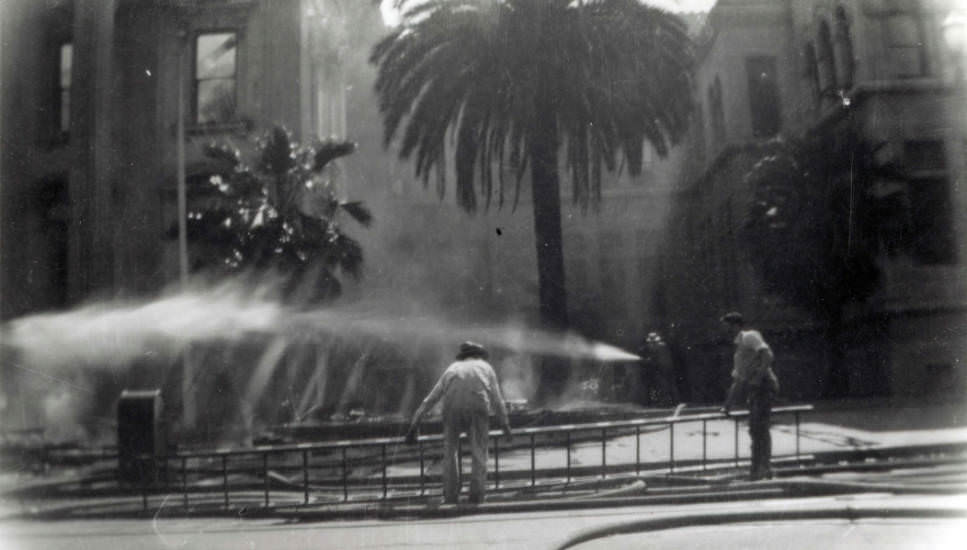
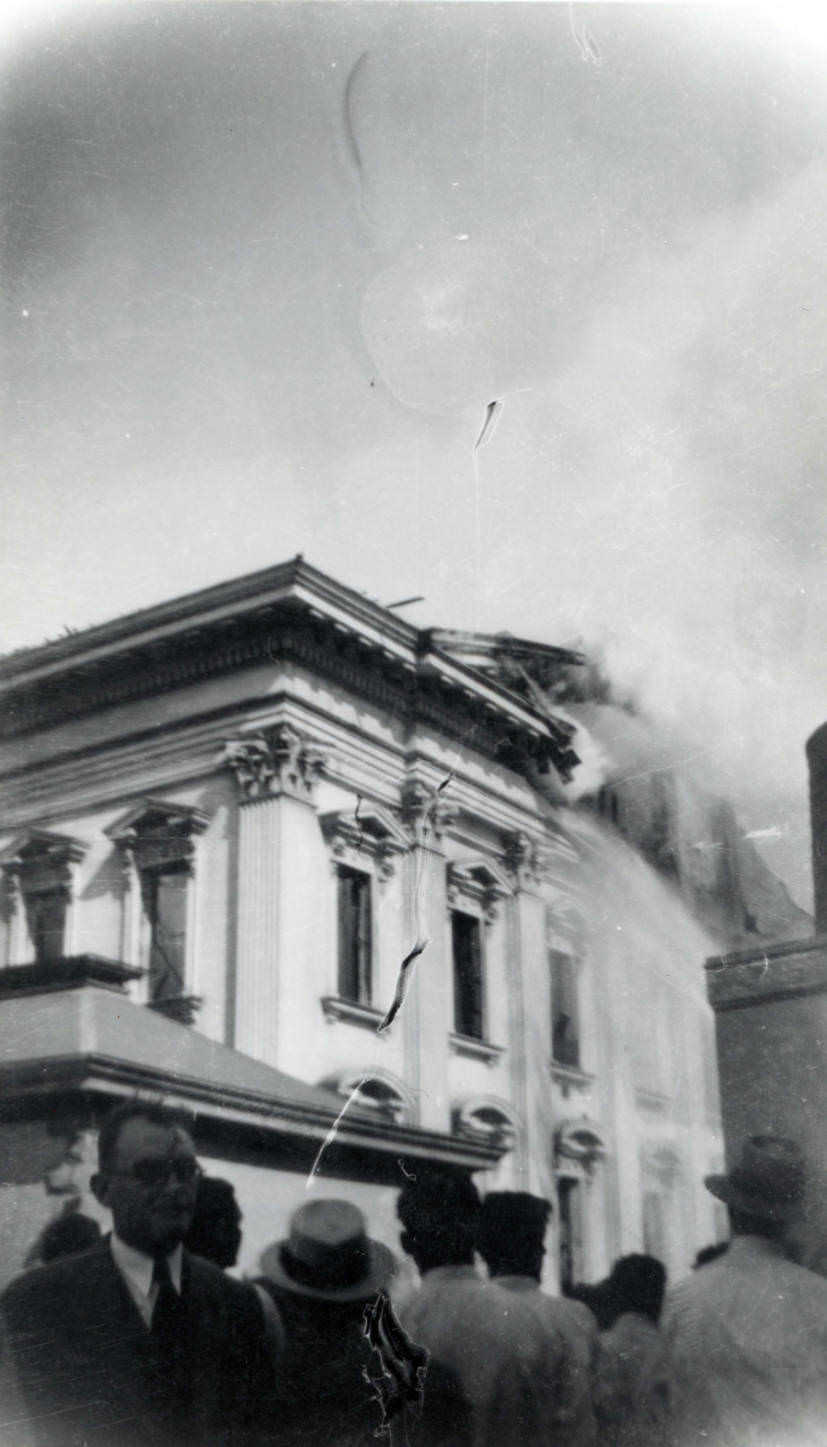
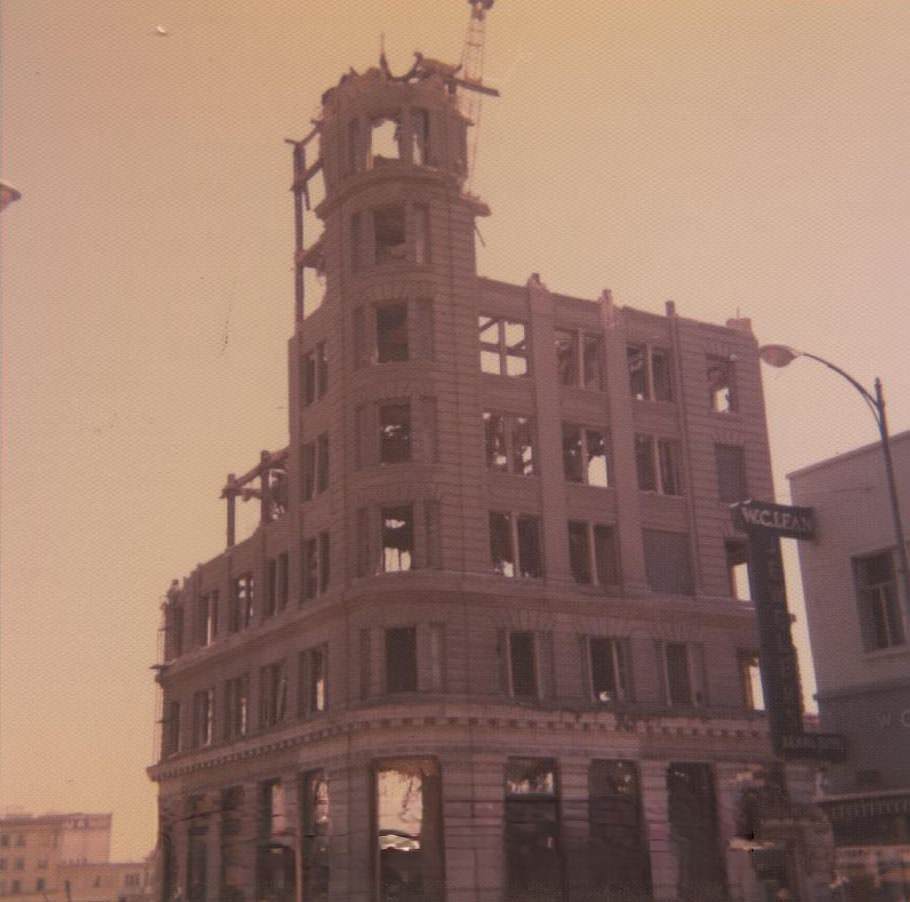
The decade brought dramatic events to the built environment as well. The Santa Clara County Courthouse burned in 1931, a fire visible from office windows across downtown San Jose. The loss of a major government building added to the sense of instability already gripping the city. In 1937, the Wells Fargo Building at First and San Fernando Streets — formerly the Garden City Bank and San Jose’s first skyscraper — was demolished. Its removal marked the end of one of the city’s earliest high-rise landmarks.
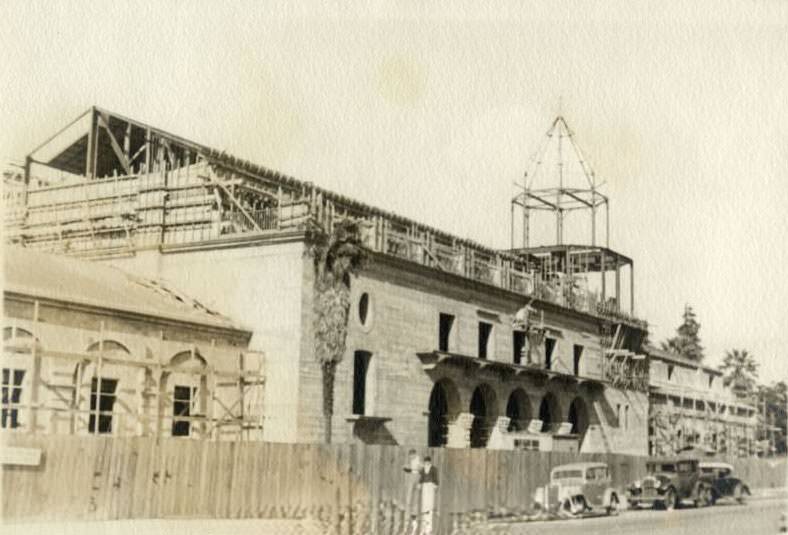
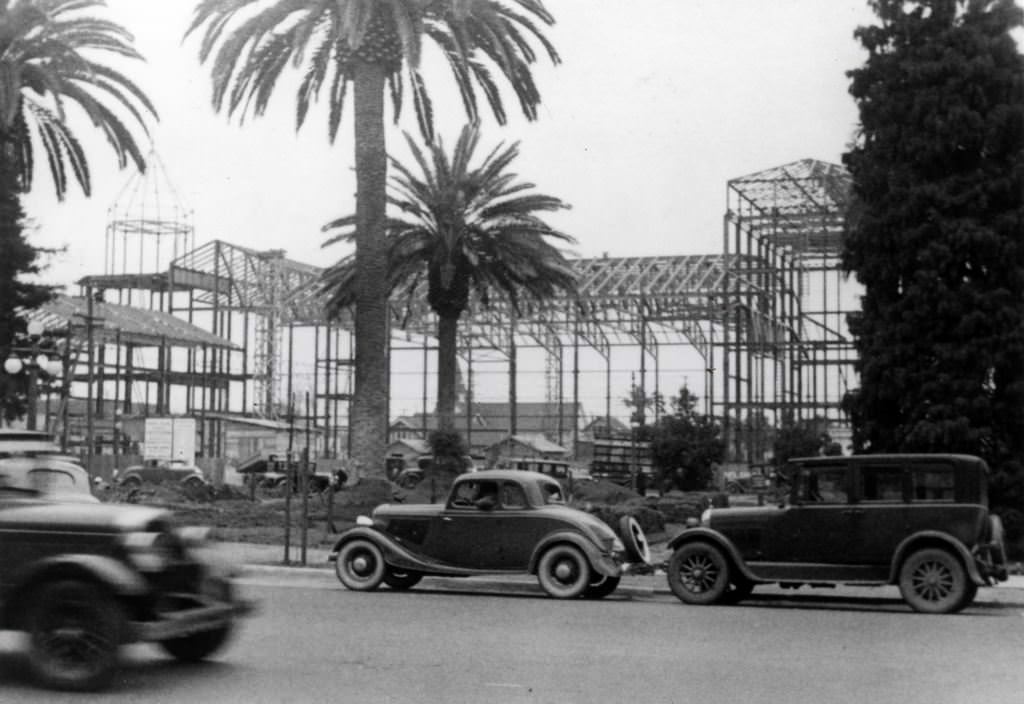
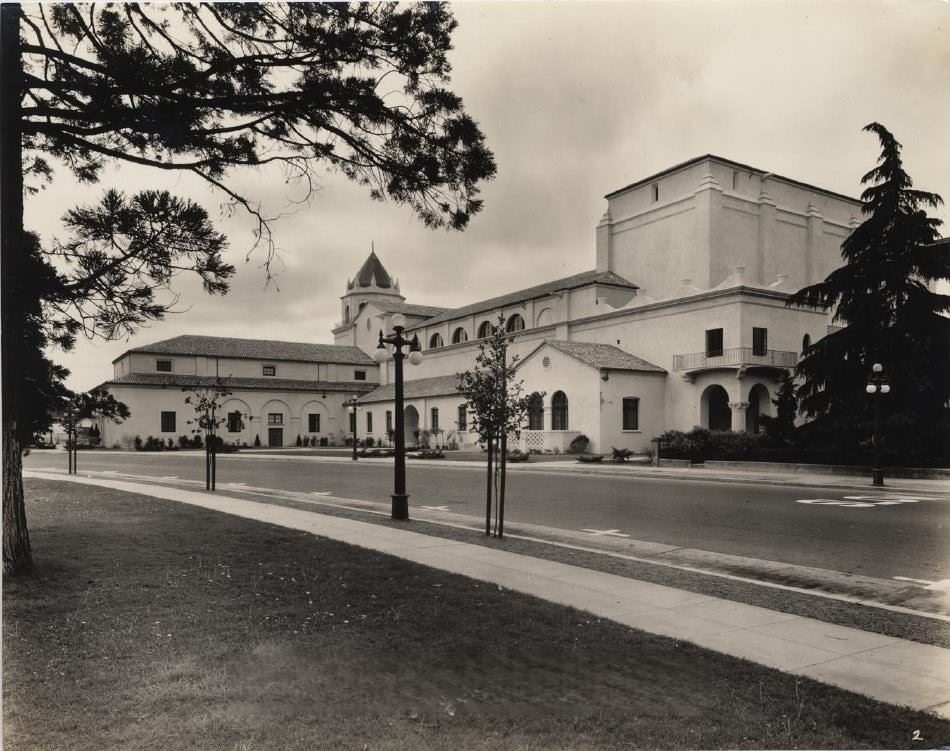
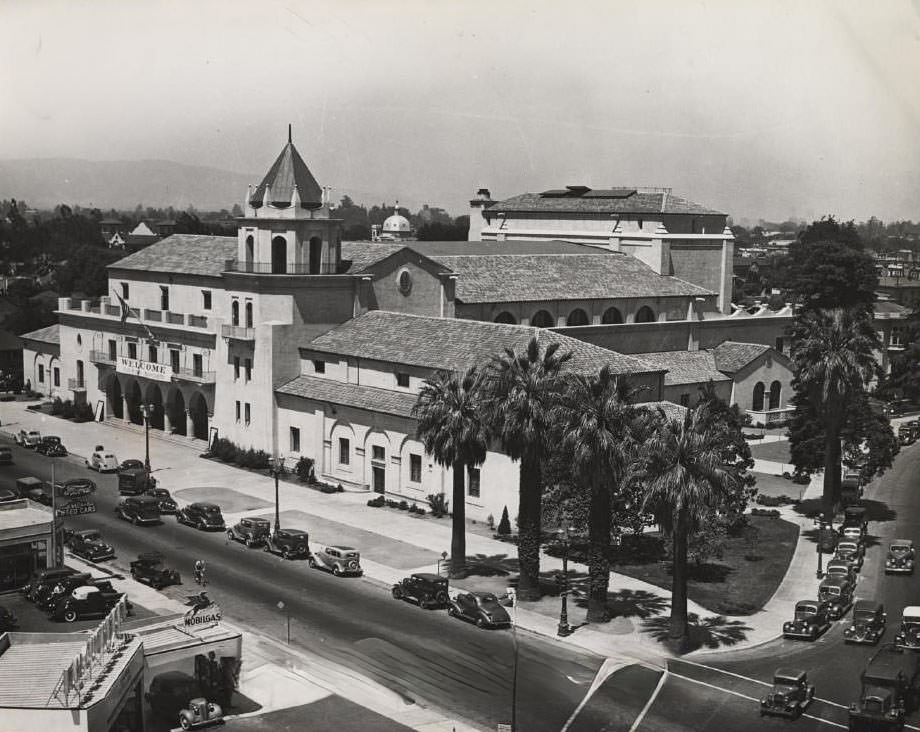
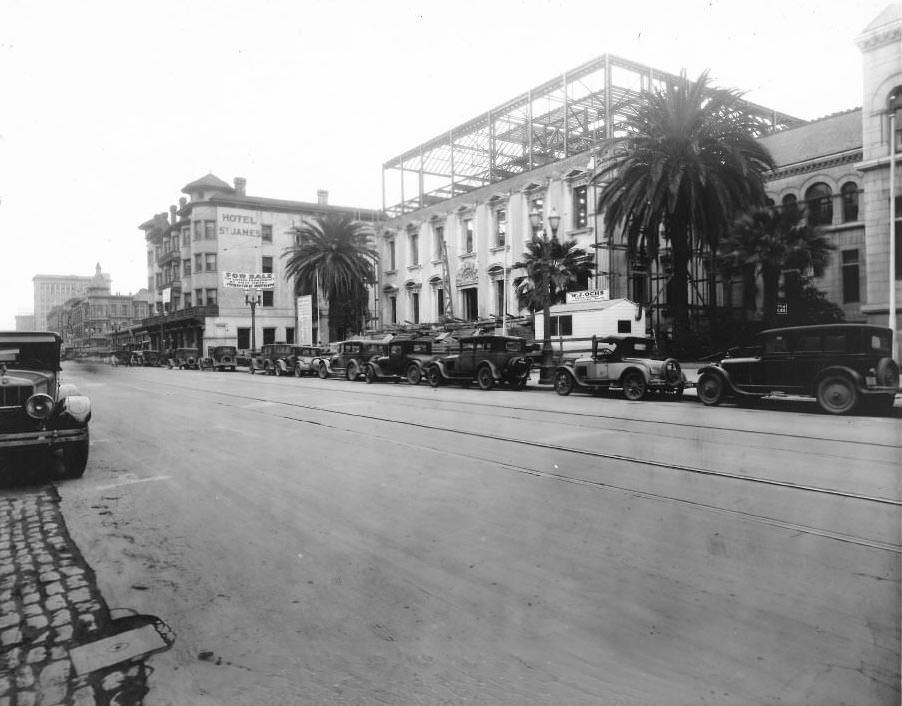
Even as buildings fell, the city was also building. The San Jose Civic Auditorium broke ground in 1934, constructed on land that was originally part of the Pueblo Plaza and donated by Mr. and Mrs. T.S. Montgomery. The project cost $500,000 and opened to the public on July 14, 1936. The federal Works Progress Administration also funded construction — the old Post Office building on St. James Park was a WPA project designed by architect Ralph Wyckoff. Construction photographs from 1932 show the structure rising alongside Hotel St. James, with street railroad lines still visible in the road.
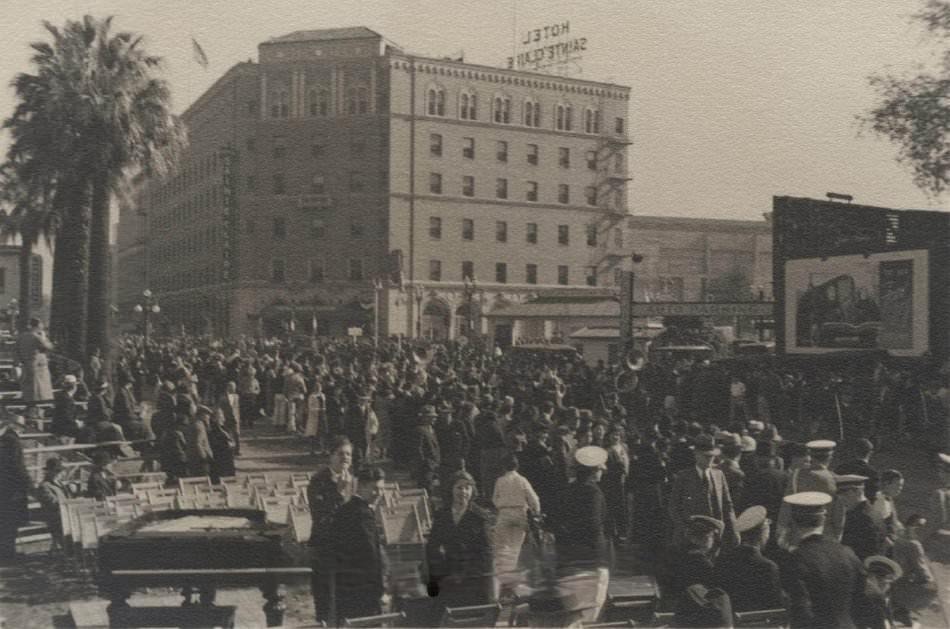
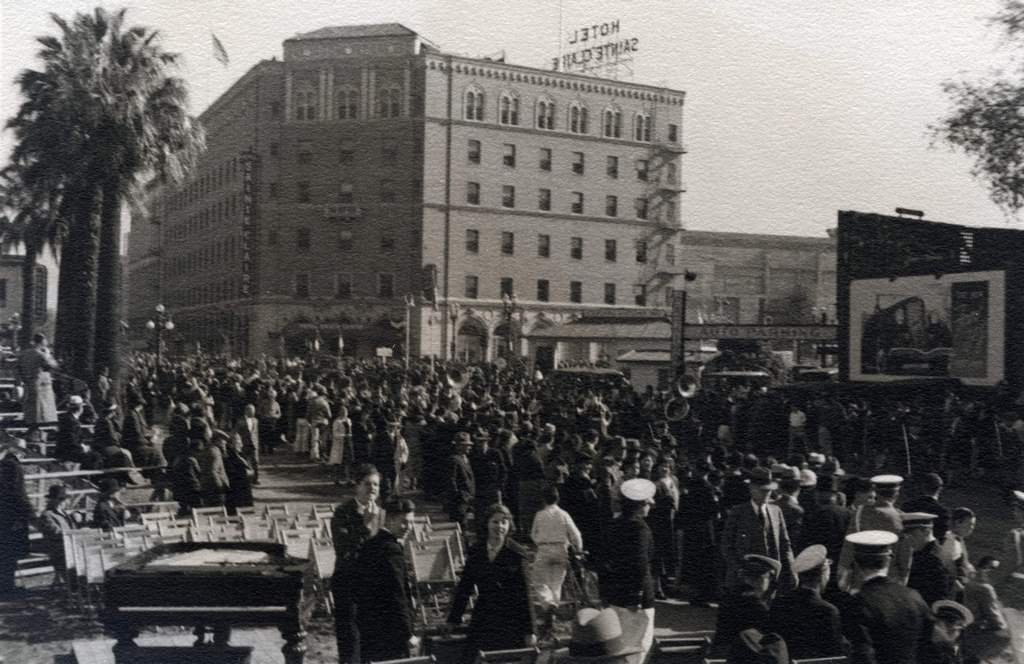
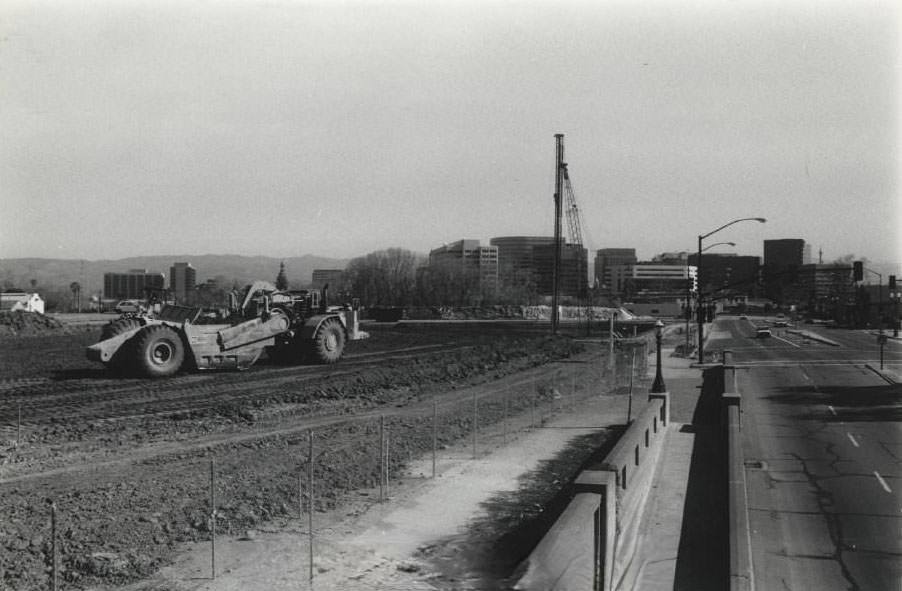
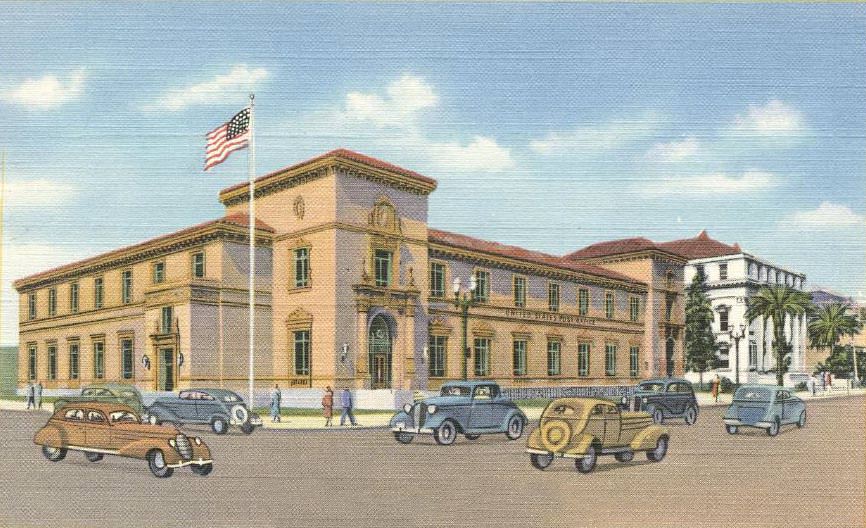
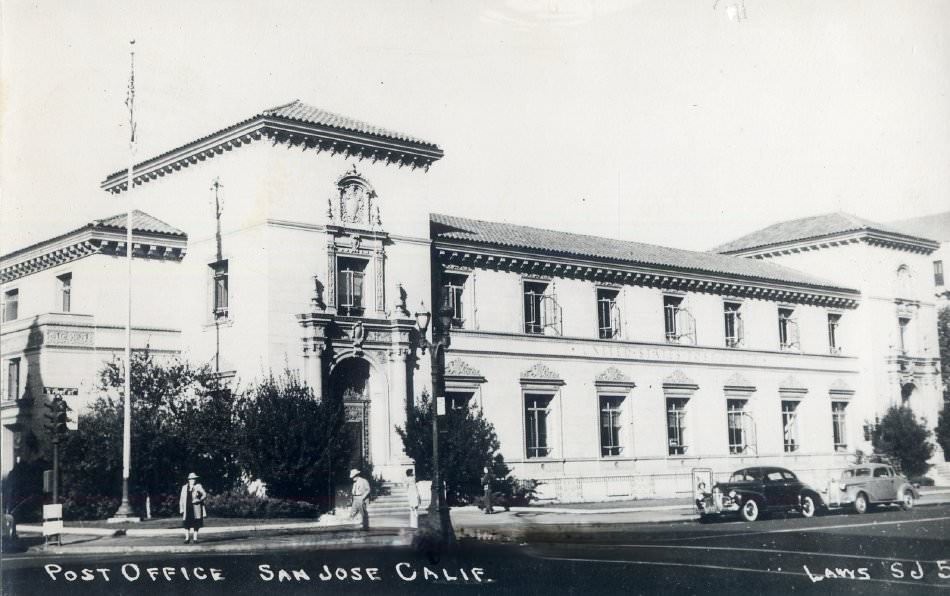
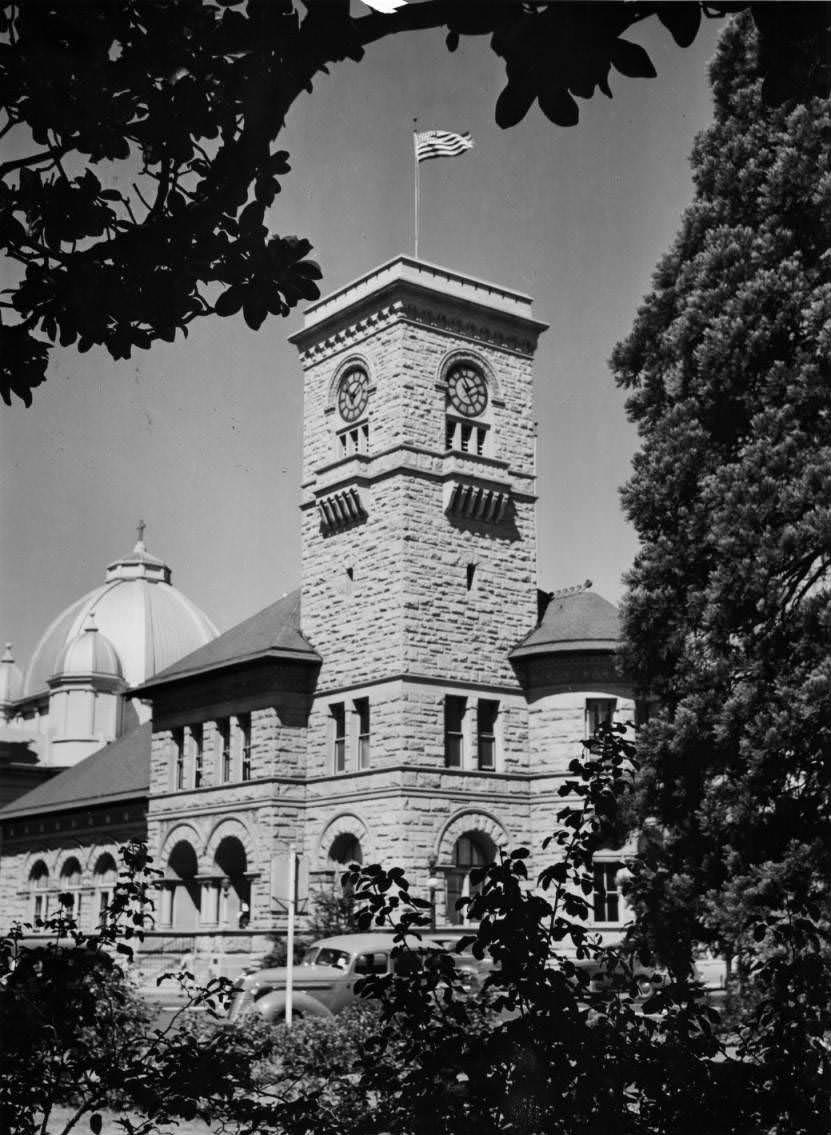
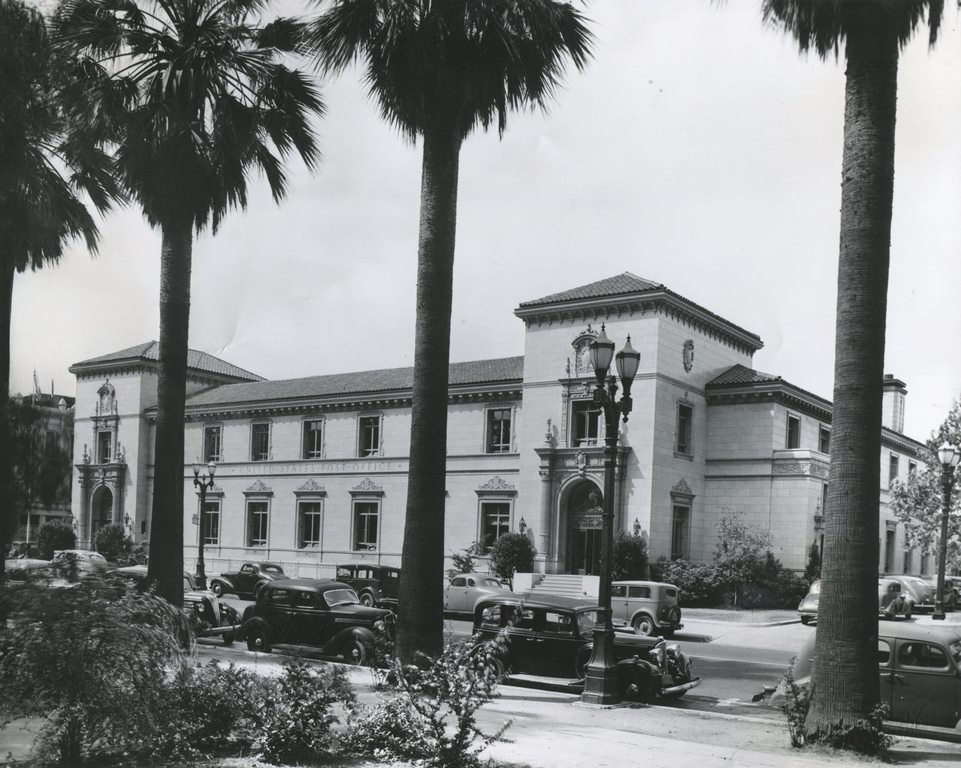
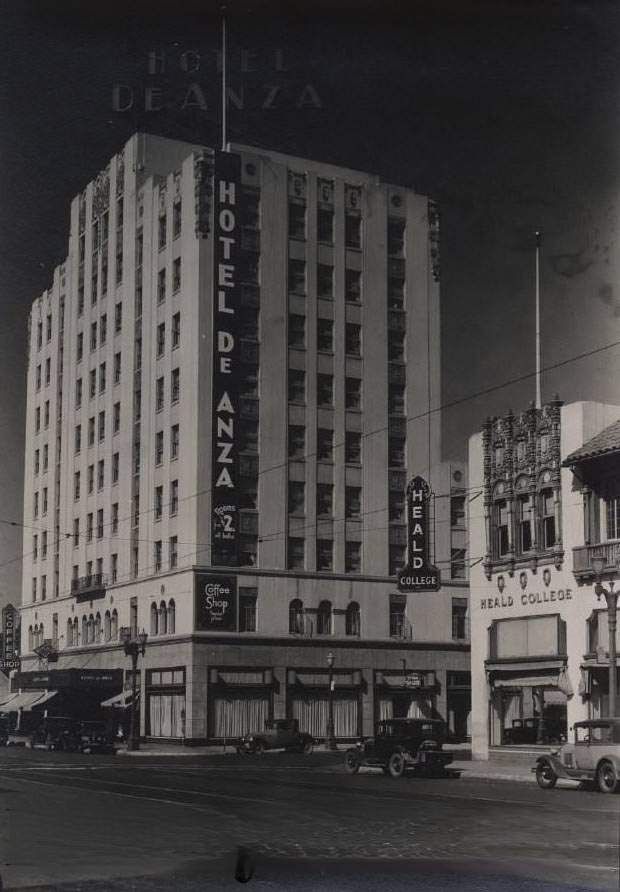
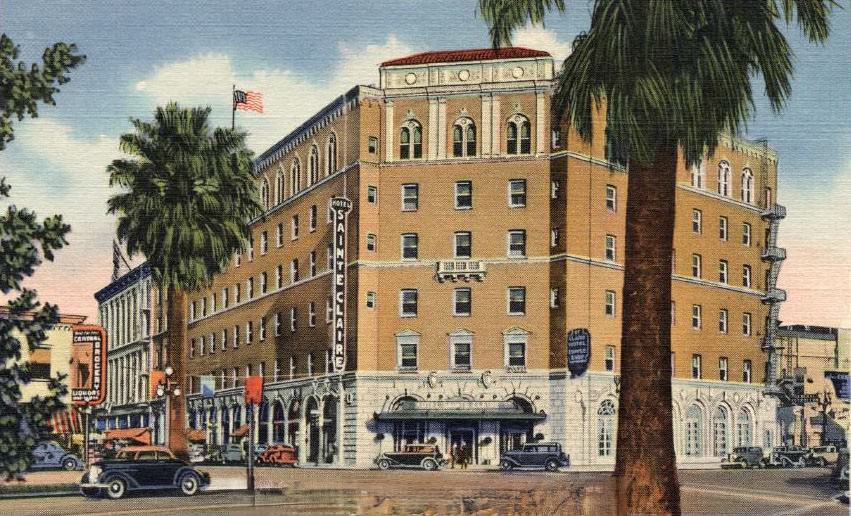
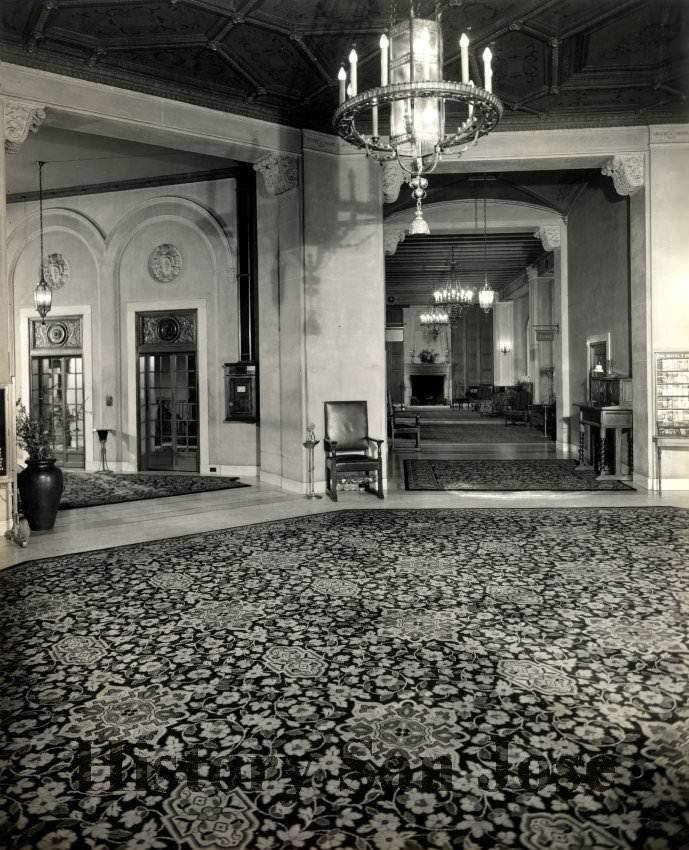
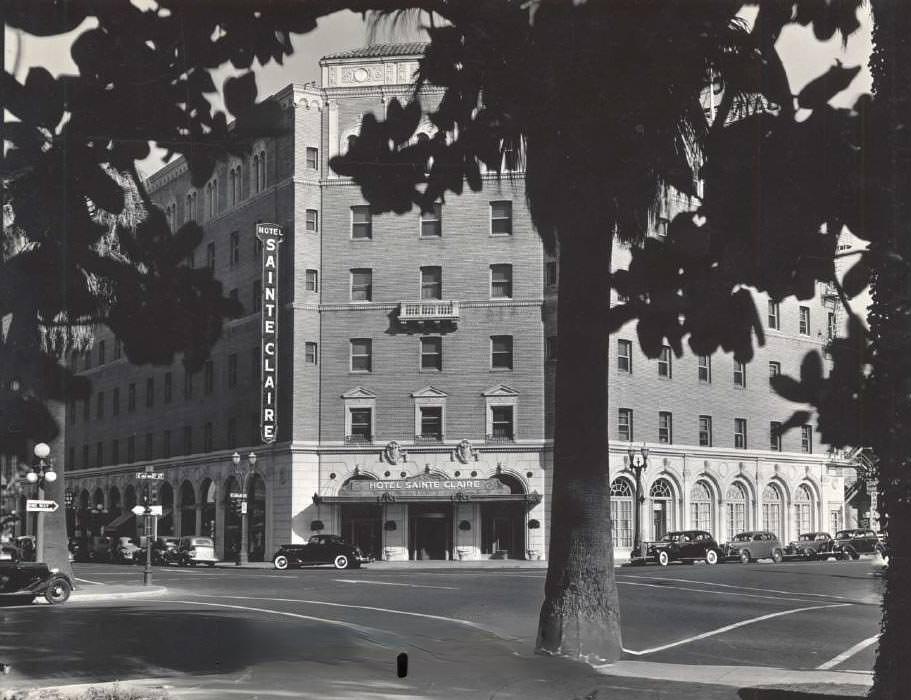
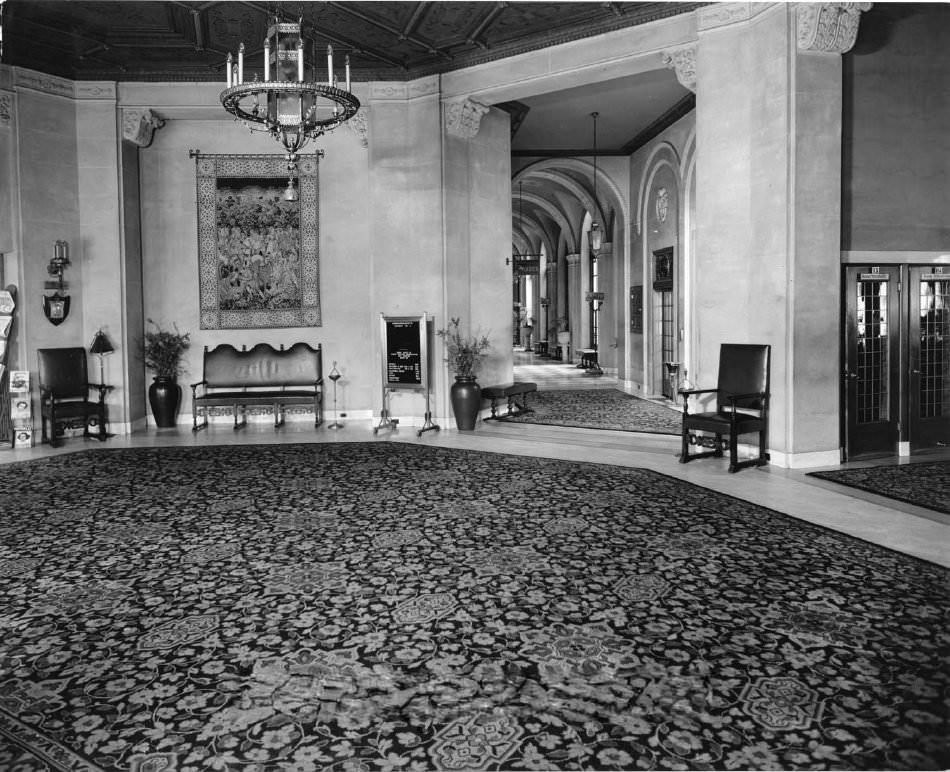
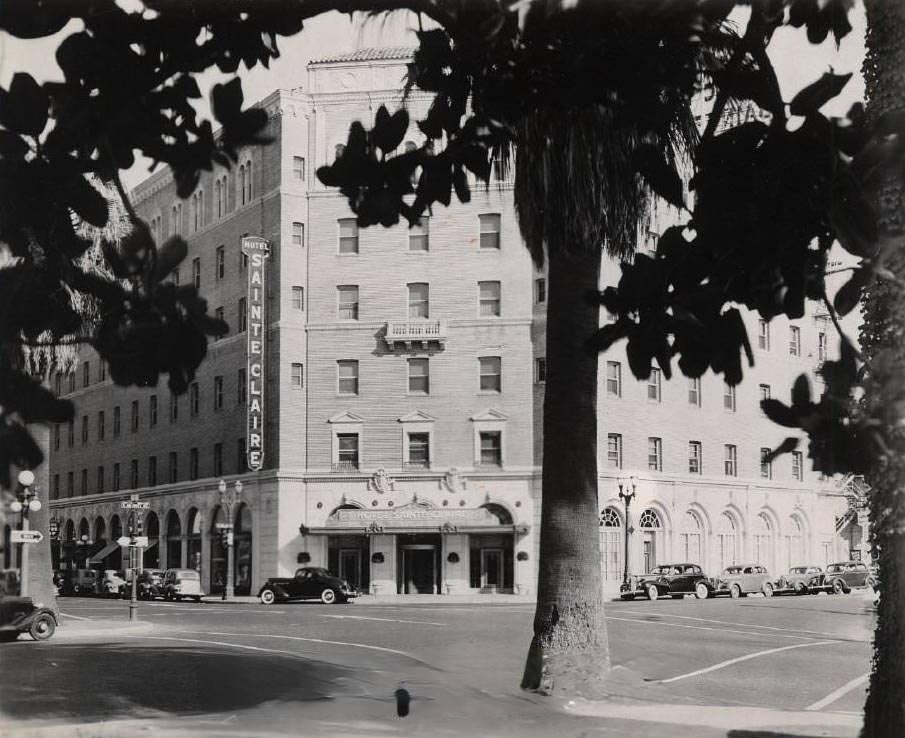
New landmarks also appeared. The Hotel De Anza opened in 1931, bringing Spanish Colonial Revival architecture to the blocks surrounding Santa Clara Street. Despite opening in the depths of the Depression, it attracted guests and added a striking building to the downtown skyline. The Hotel Sainte Claire at San Carlos and Market Streets remained one of San Jose’s premier addresses throughout the 1930s, its elegant lobby offering a glimpse of pre-Depression prosperity the city worked hard to maintain.
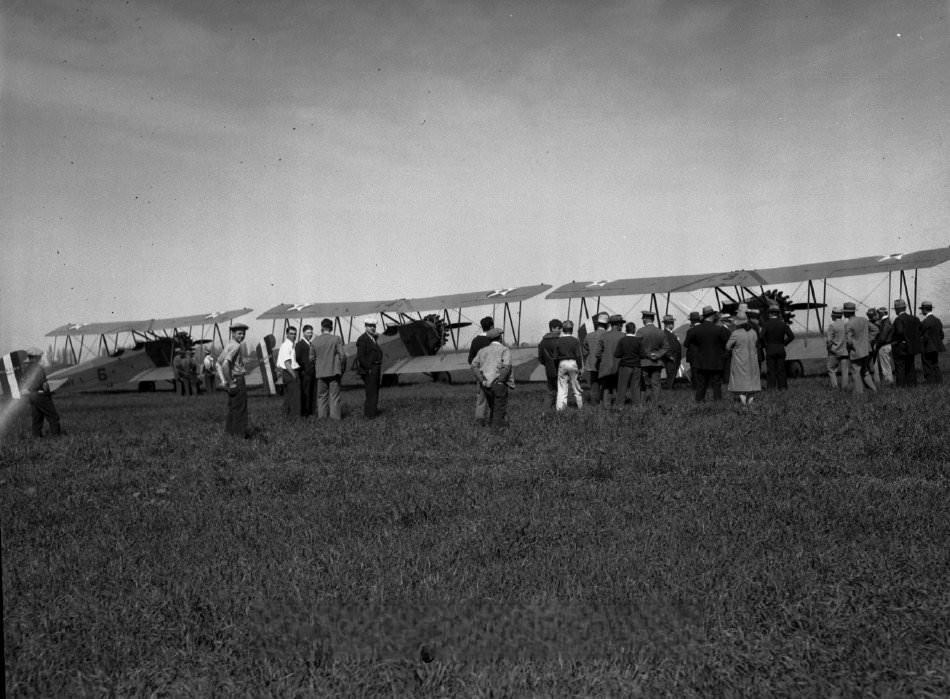
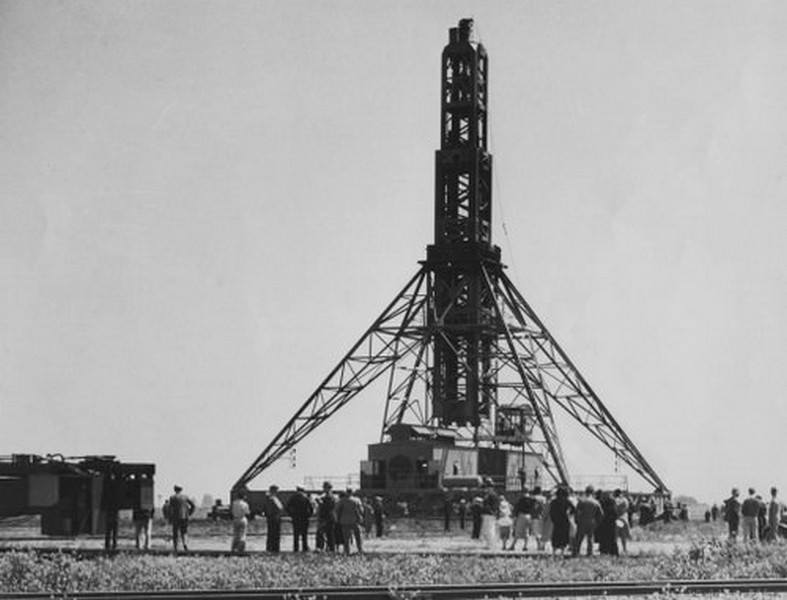
Moffett Field, just north of San Jose near the bay, opened in 1931 and brought a new kind of activity to the region. The massive airship mooring mast at the field was designed to secure blimps and dirigibles when they were not in flight and to guide them into the enormous hangar. The facility grew rapidly in the years that followed its opening.
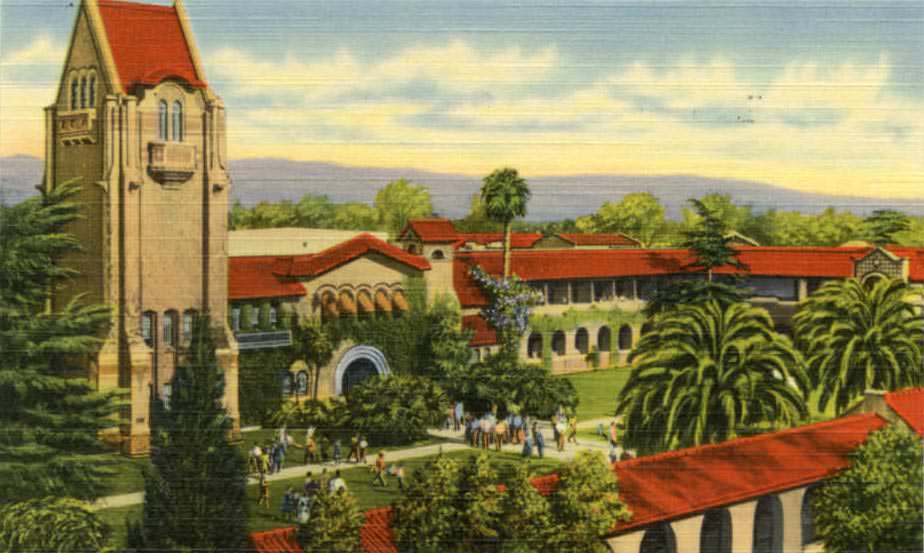
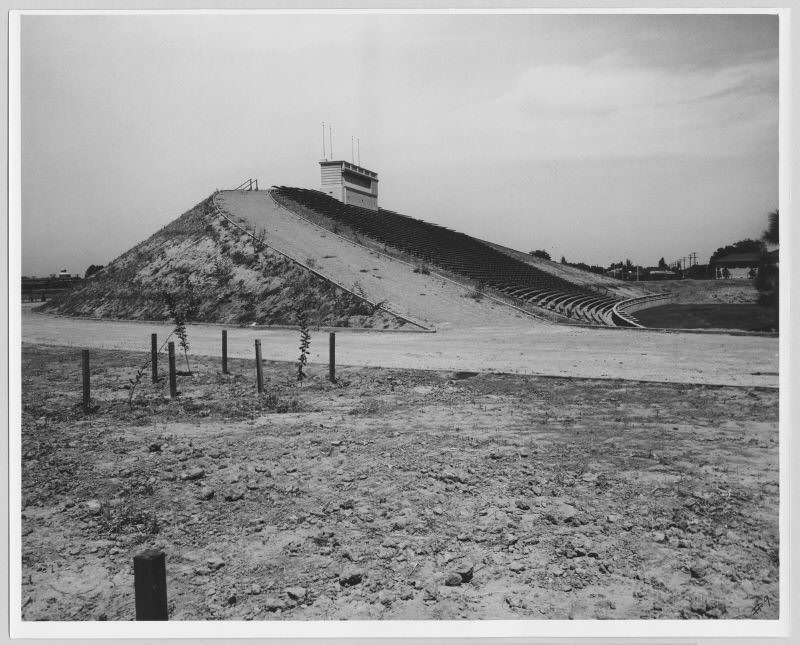
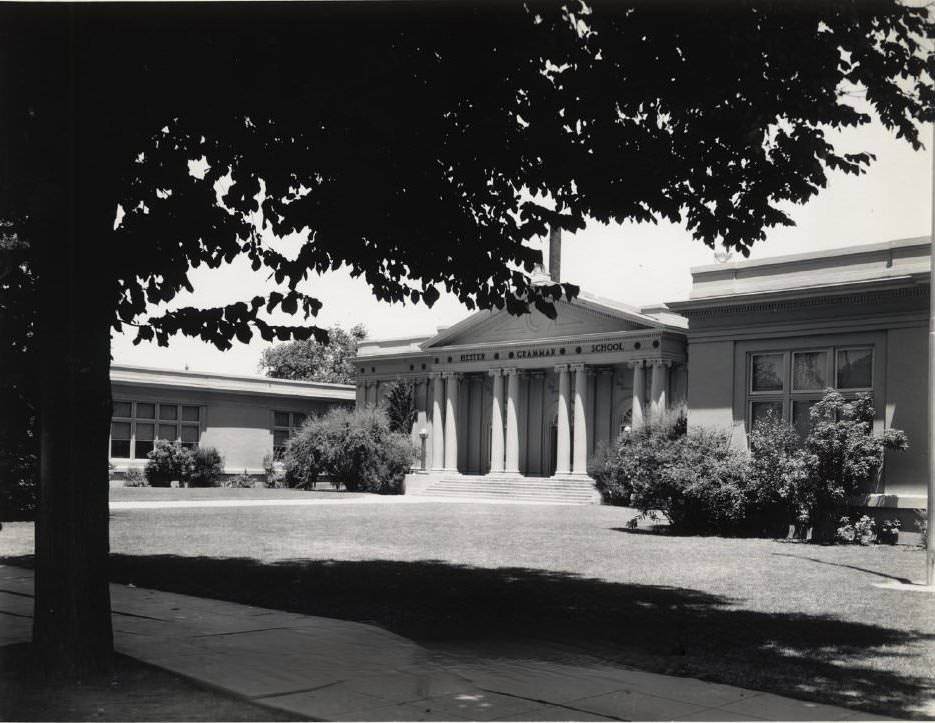
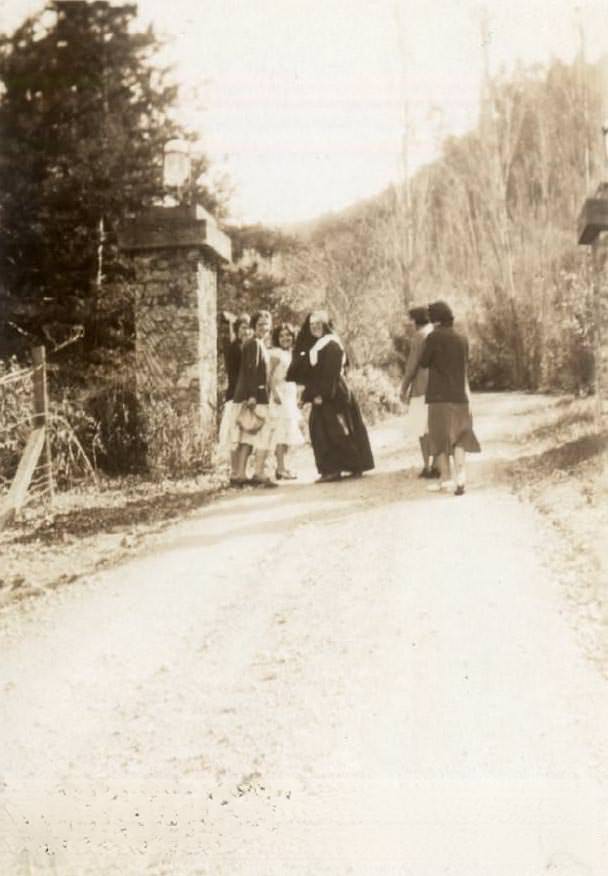
San Jose State College kept its doors open throughout the Depression. Tower Hall and Morris Dailey Auditorium, both built of reinforced concrete in 1910, anchored the campus along with a colonnaded arcade that has since been demolished. Spartan Stadium was in place by 1933. Schools throughout the city also stayed open, even as resources were stretched to the limit. Children gathered on school steps, nuns led classes at Notre Dame High School, and the M.R. Trace School brought students to the Municipal Rose Garden for outings in 1937.
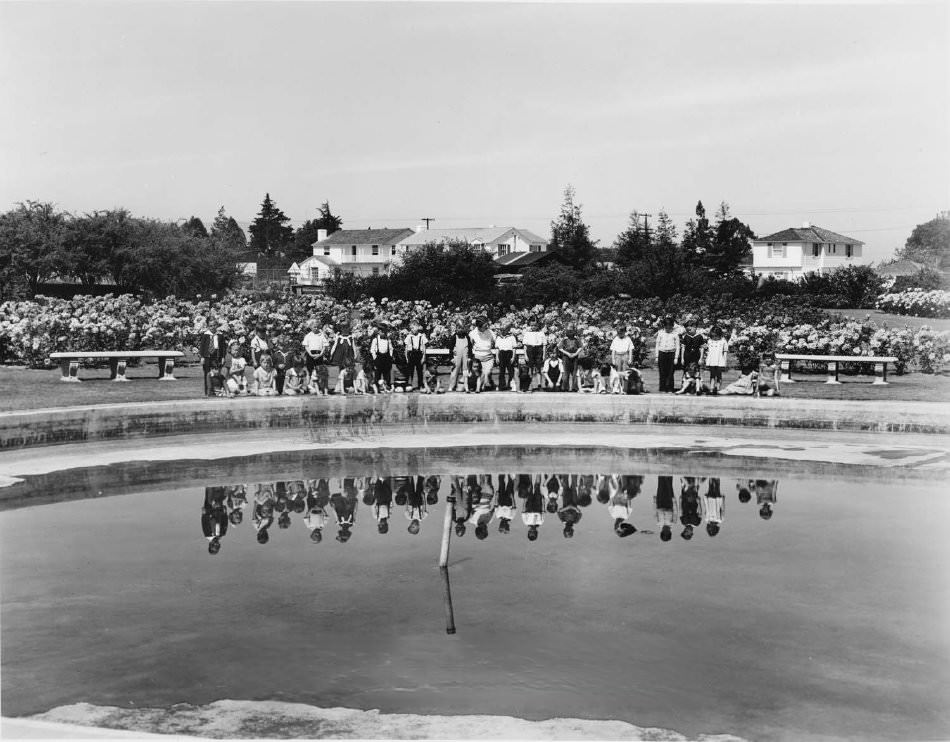
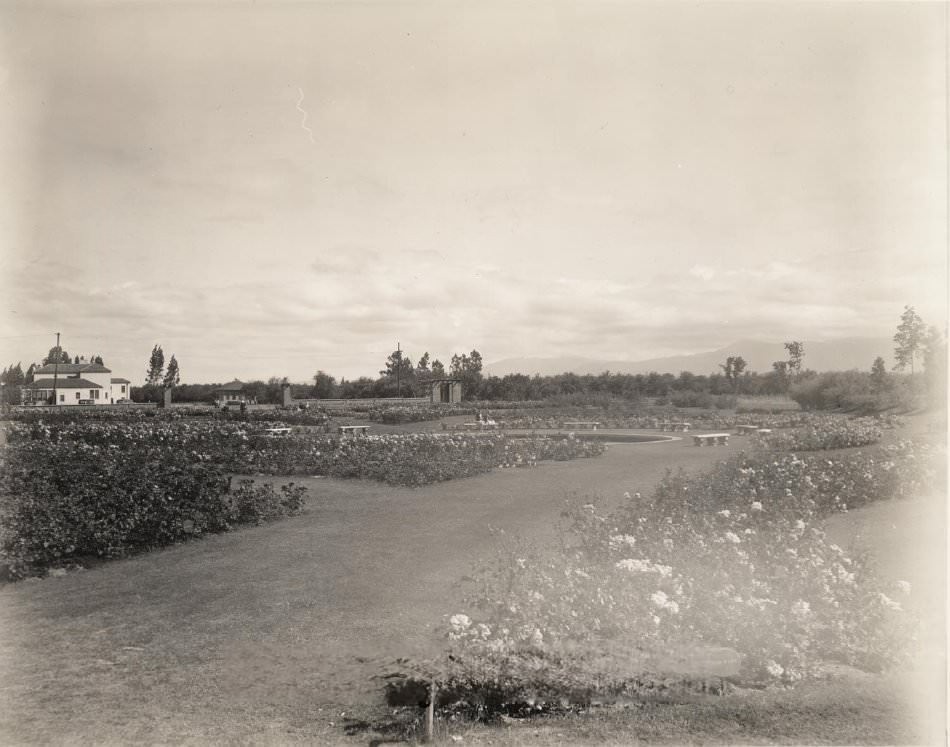
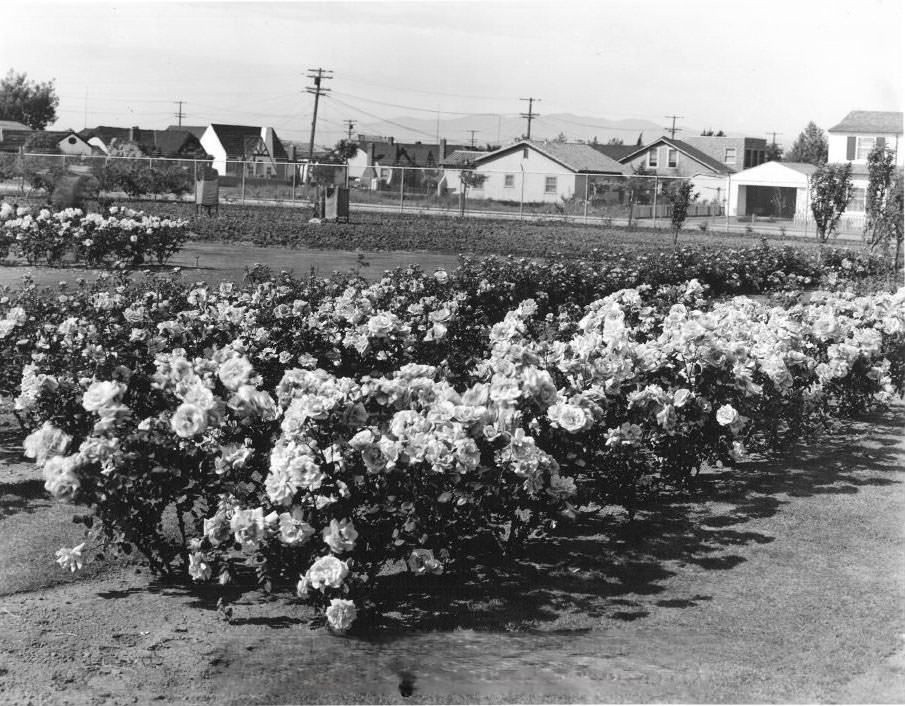
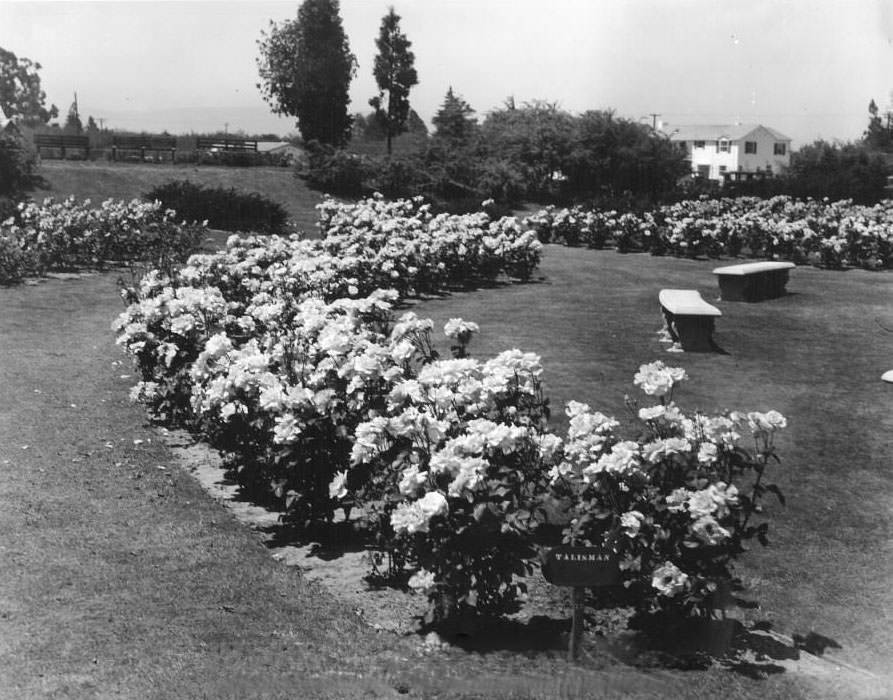
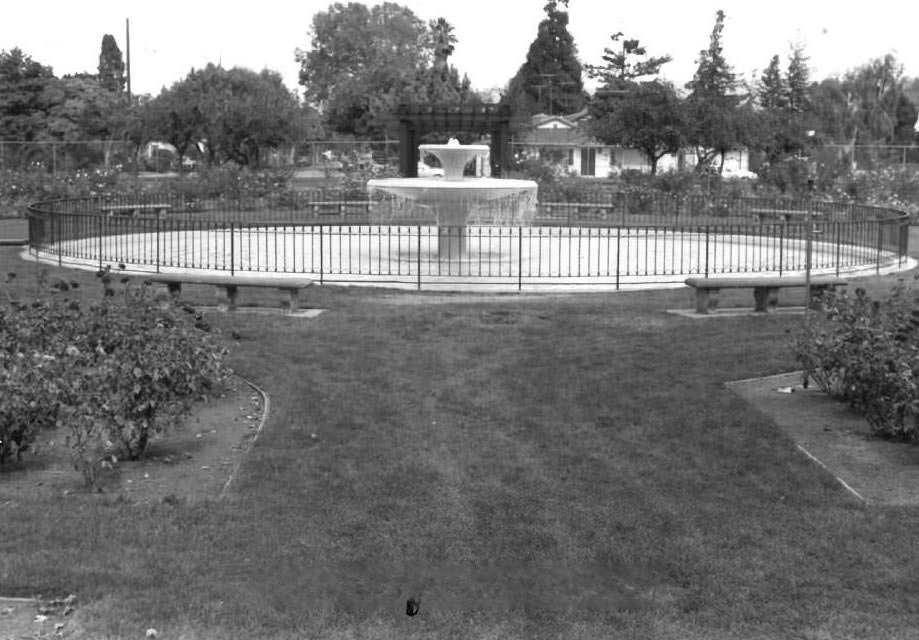
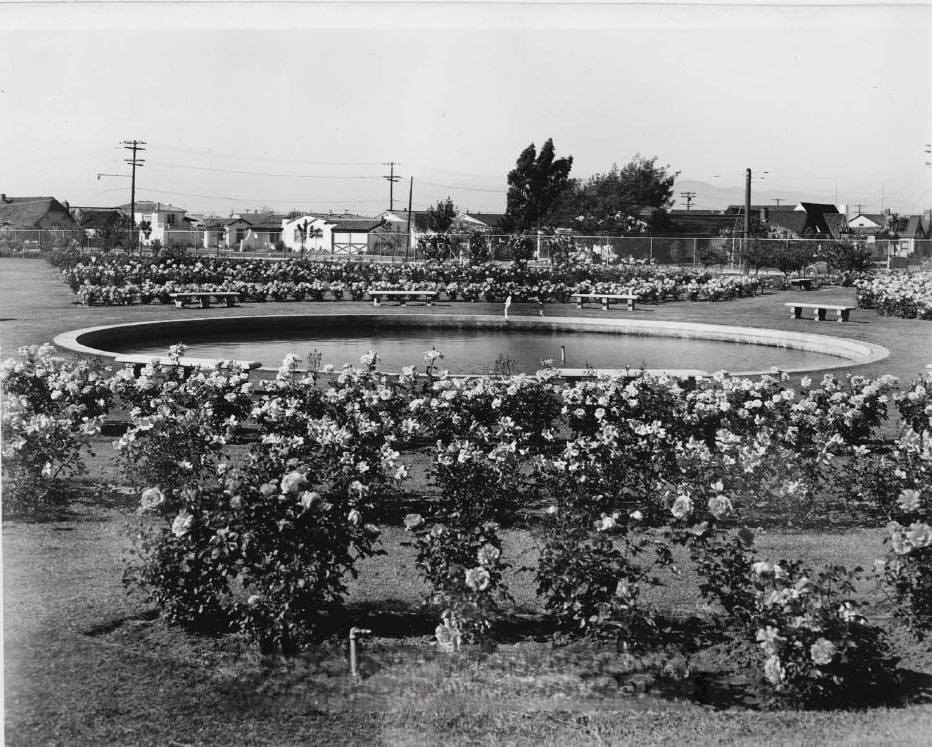
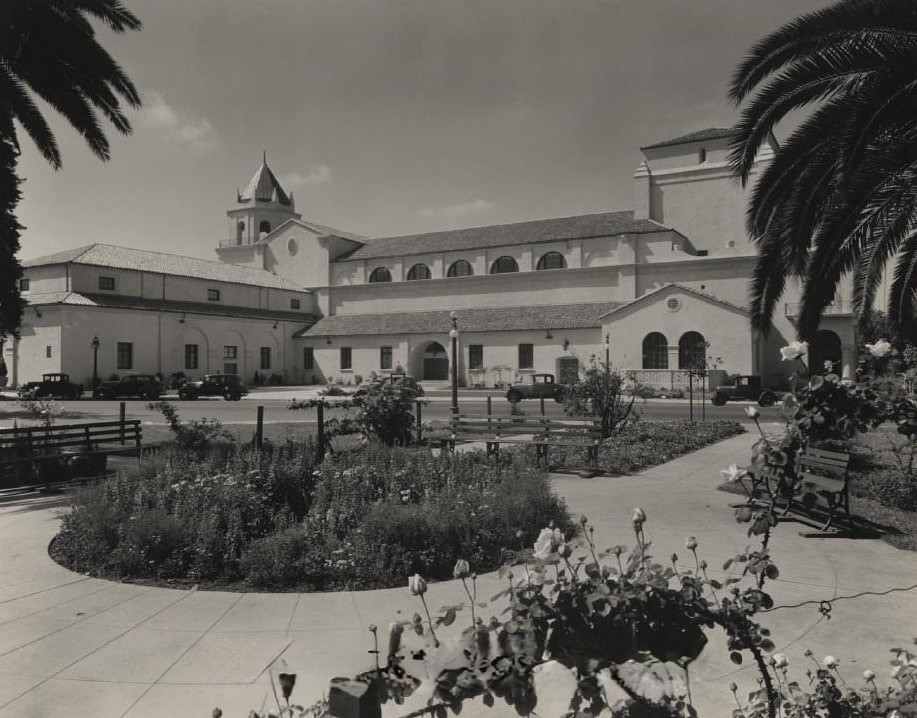
The Municipal Rose Garden was one of San Jose’s great public spaces during the Depression era. The Rotary Club of San Jose funded and built the garden’s central fountain. Roses bloomed in careful rows, a pool reflected the surrounding greenery, and school groups made regular visits. It was a place the city could take pride in regardless of the economic climate.
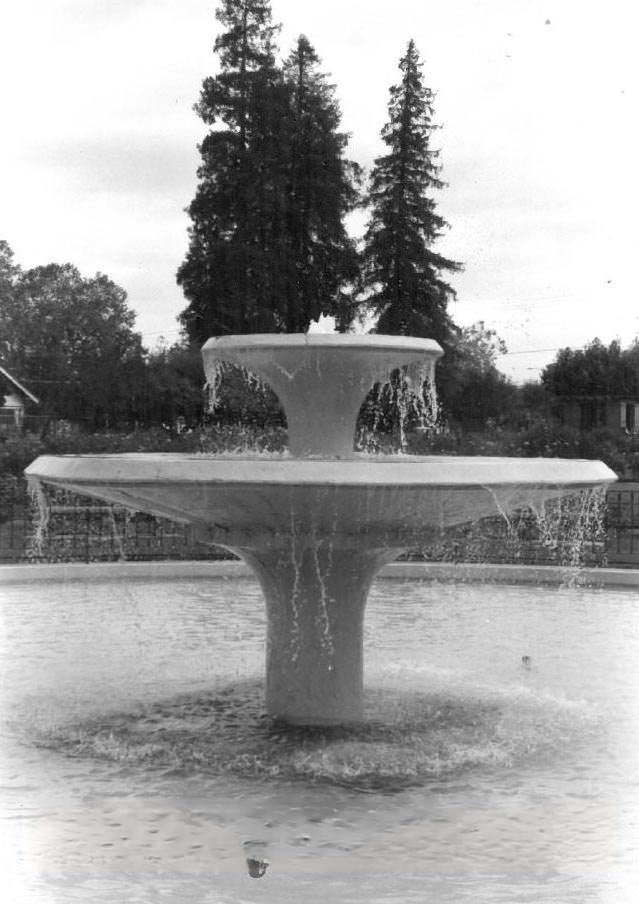
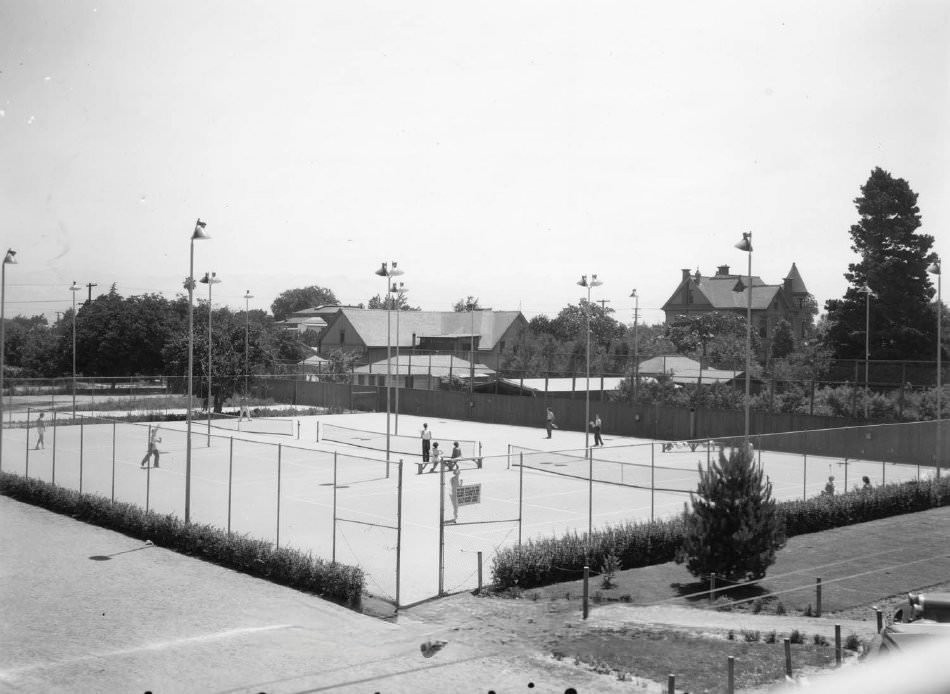
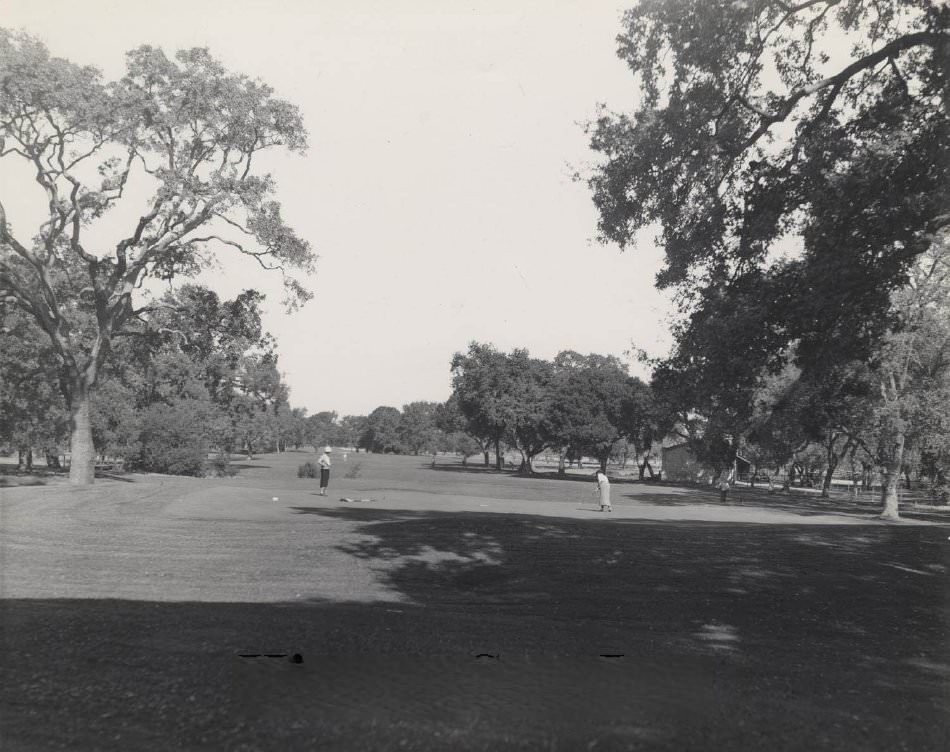
Recreation offered residents a way to manage the strain of the decade. Miniature golf courses opened along The Alameda, offering cheap entertainment. Bicycle races drew crowds. Tennis courts at Roosevelt Park stayed active. Women played golf at the San Jose Country Club. These activities show that even in hard times, people found ways to take part in leisure when they could.
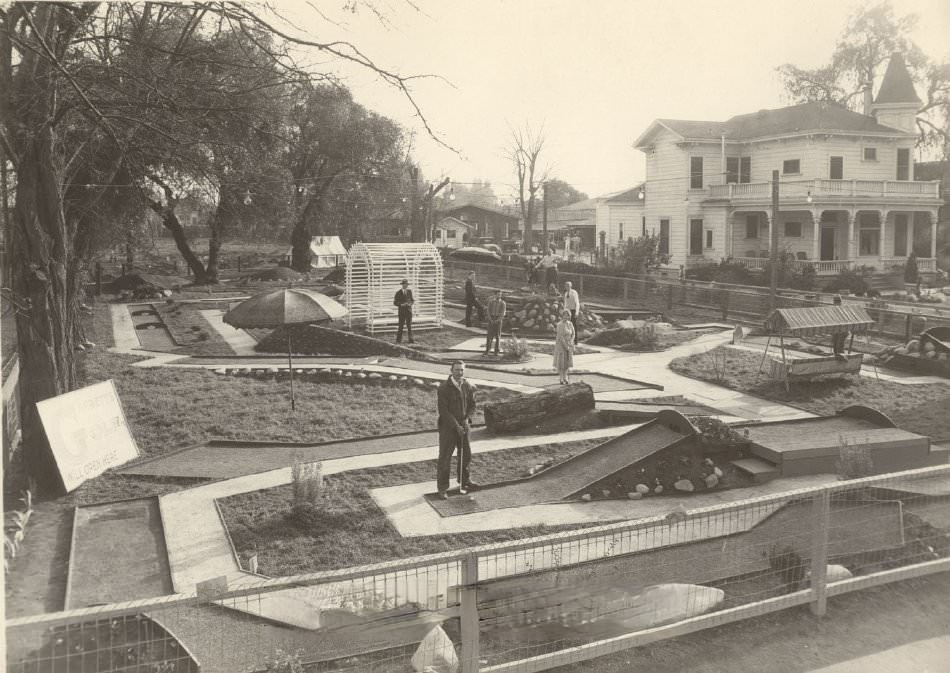
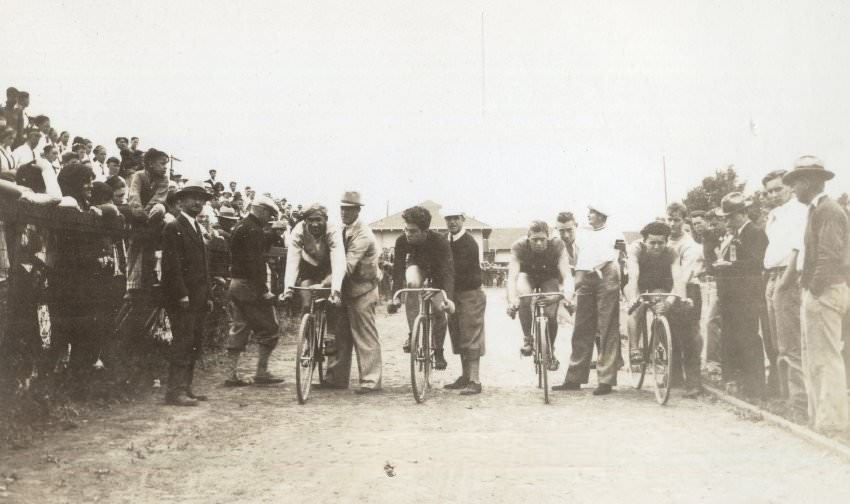
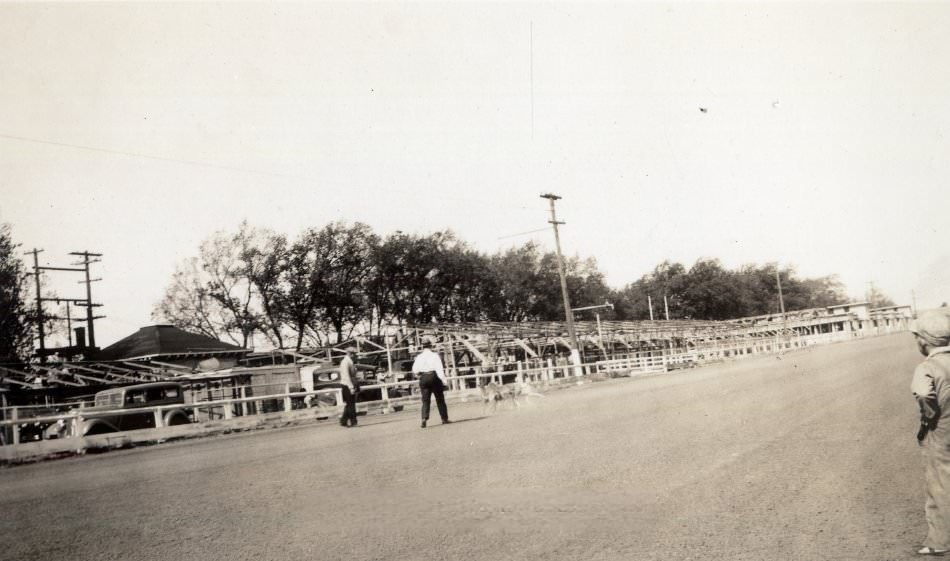
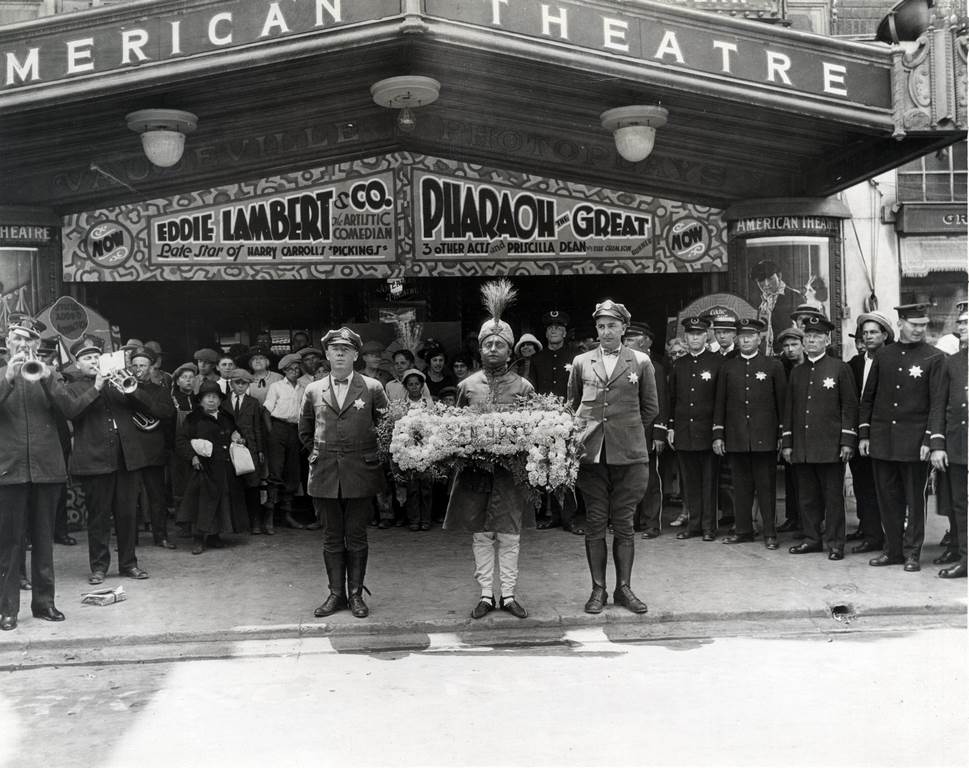
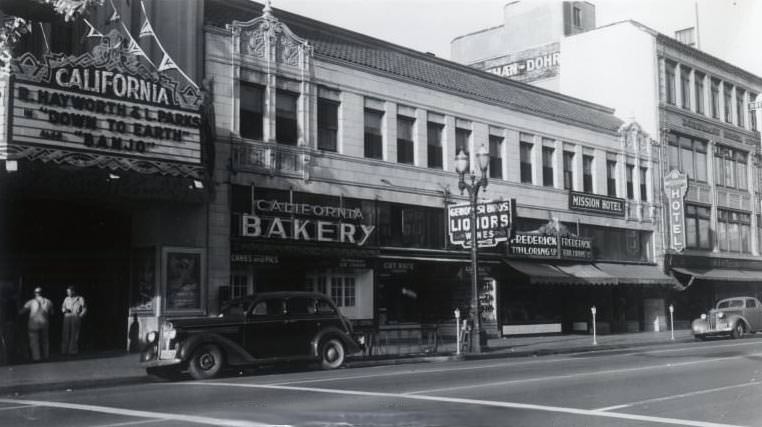
San Jose was a regular stop on the theater circuit, and Beatty’s American Theatre on First Street had welcomed performers like Lionel Barrymore and Sarah Bernhardt in earlier years. In 1930, new shows still opened there, drawing audiences looking for an affordable break from the anxiety of daily life. Entertainment remained a constant, even when money was tight.
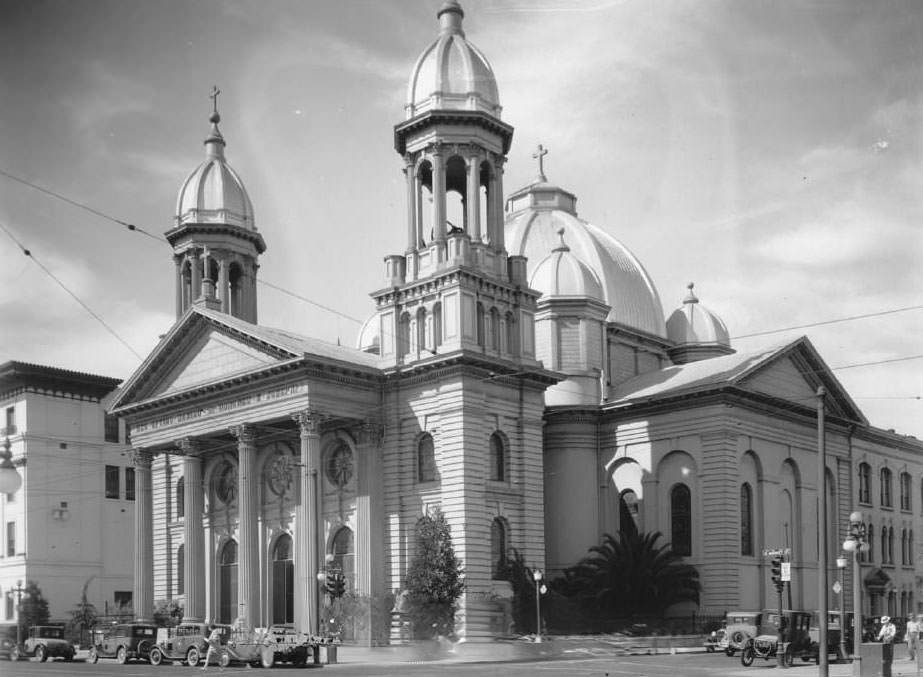
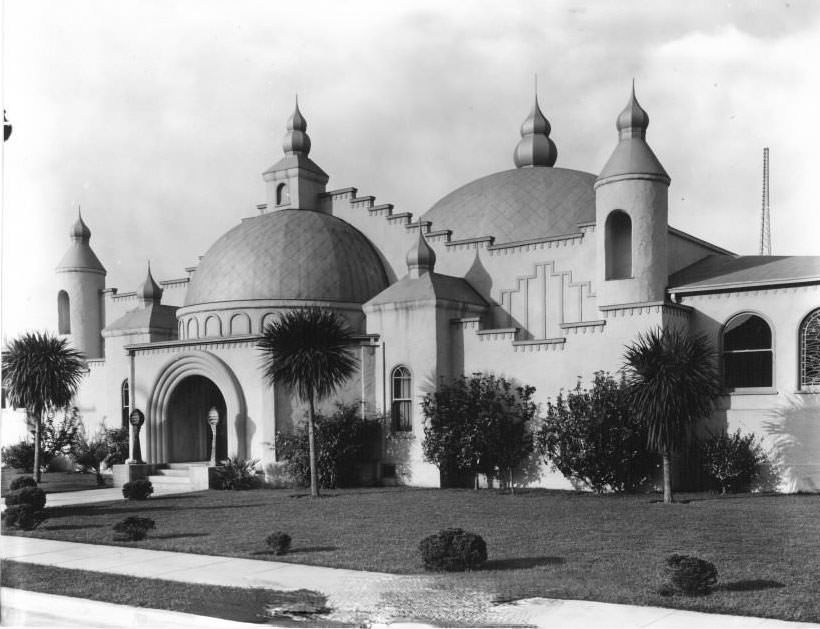
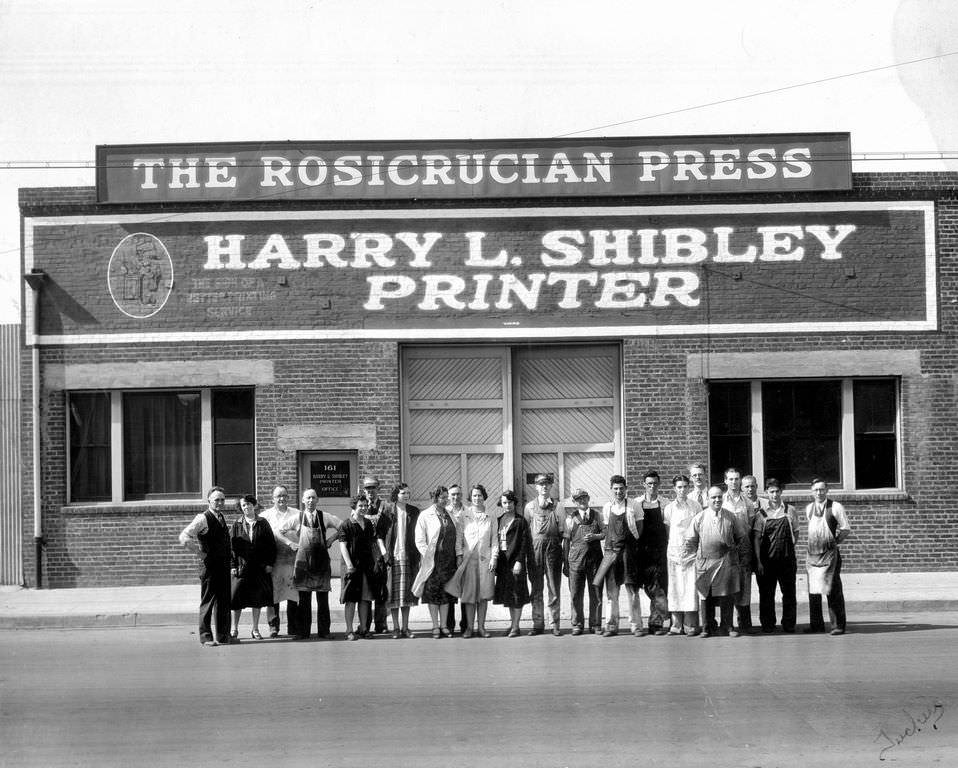
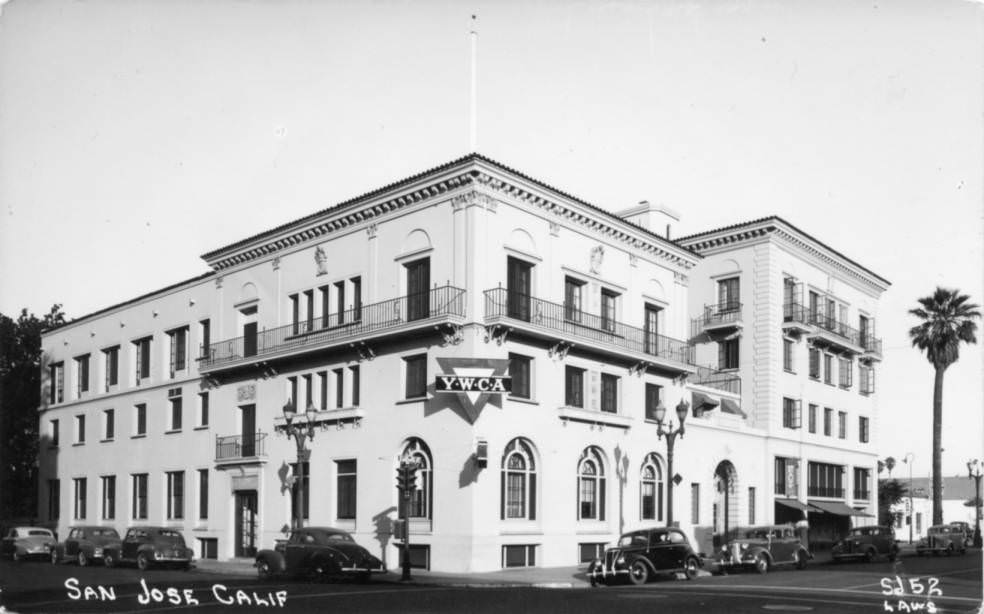
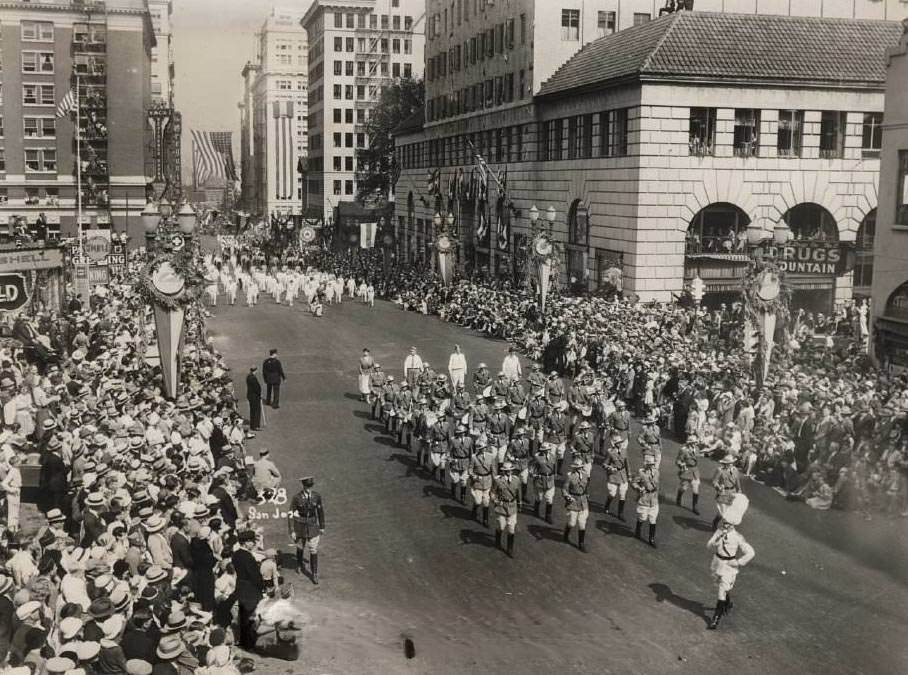
Religious and cultural institutions provided stability for many residents. St. Joseph’s Church in downtown San Jose remained a central gathering place throughout the decade. The Rosicrucian Museum at its Egyptian-themed campus in the Rose Garden neighborhood drew visitors to its collection of ancient artifacts. The YWCA building at Second and Santa Clara Streets — with its original wing designed by architect Julia Morgan and opened in 1916 — continued serving women and families in need. Fraternal organizations also played a visible role. The Temple of the Ancient and Accepted Scottish Rite of Freemasonry and the American Legion Red Devils Band, which marched on parade in 1932, reflected the active community life that persisted through economic hardship.
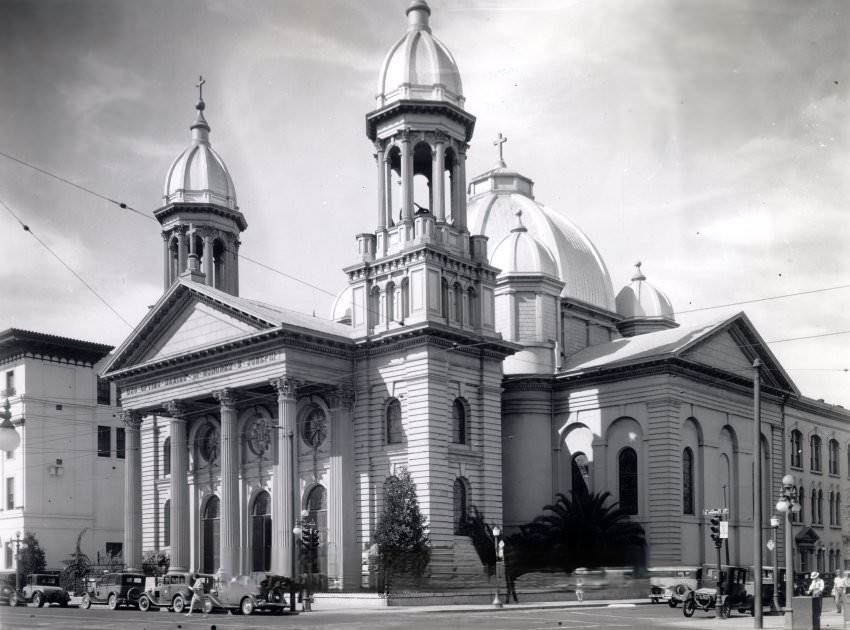
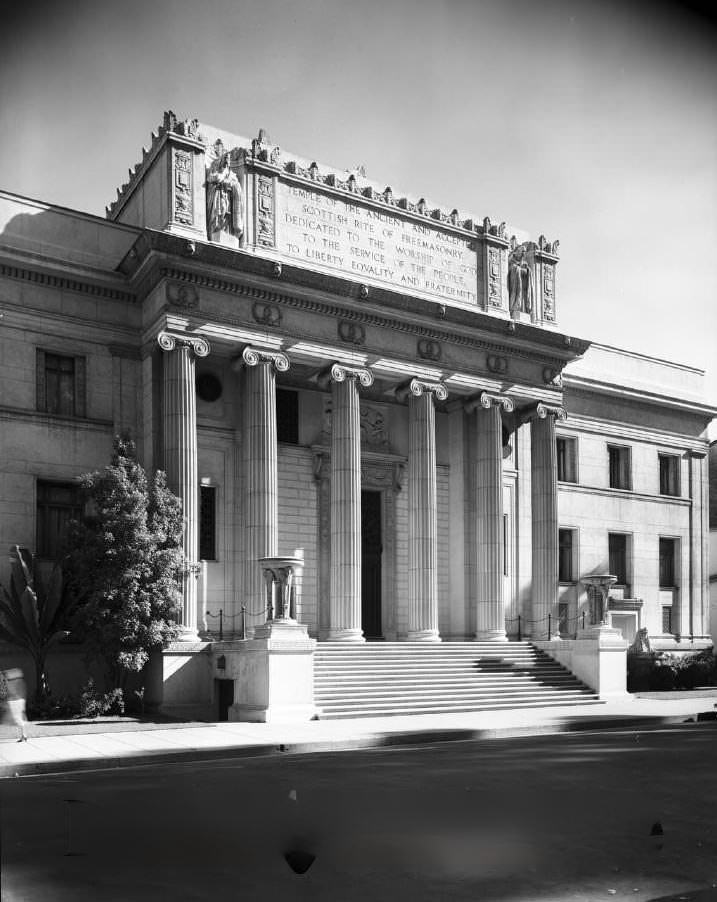
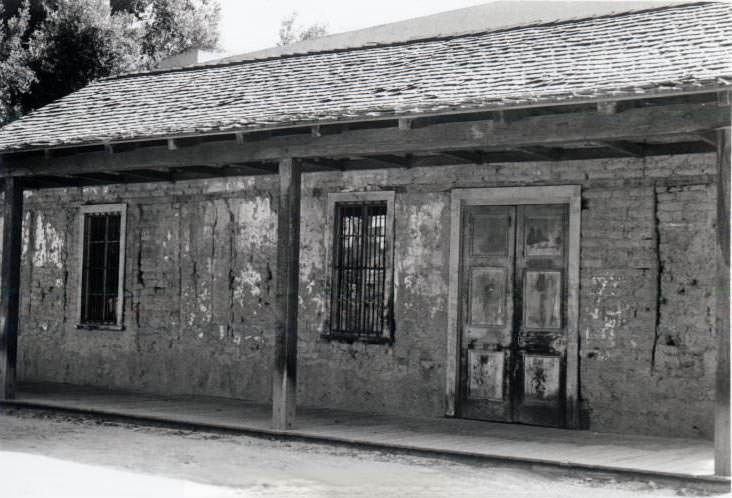
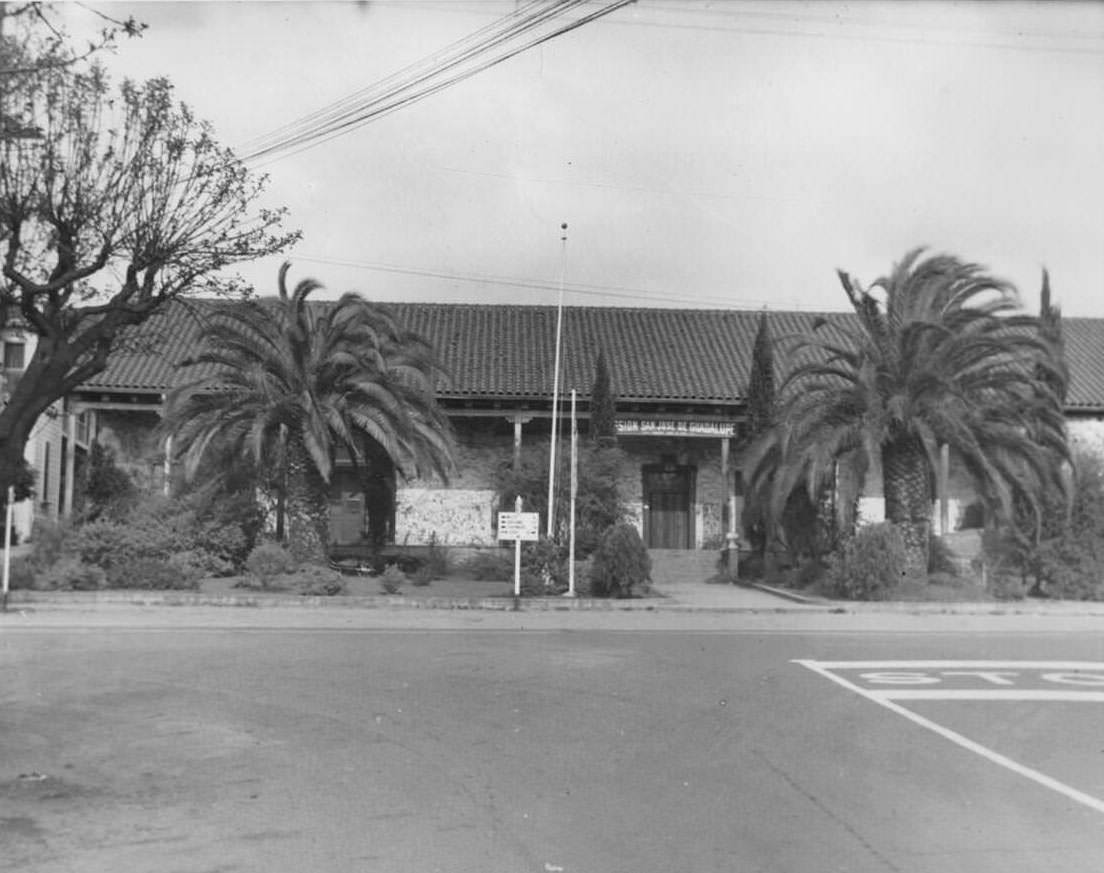
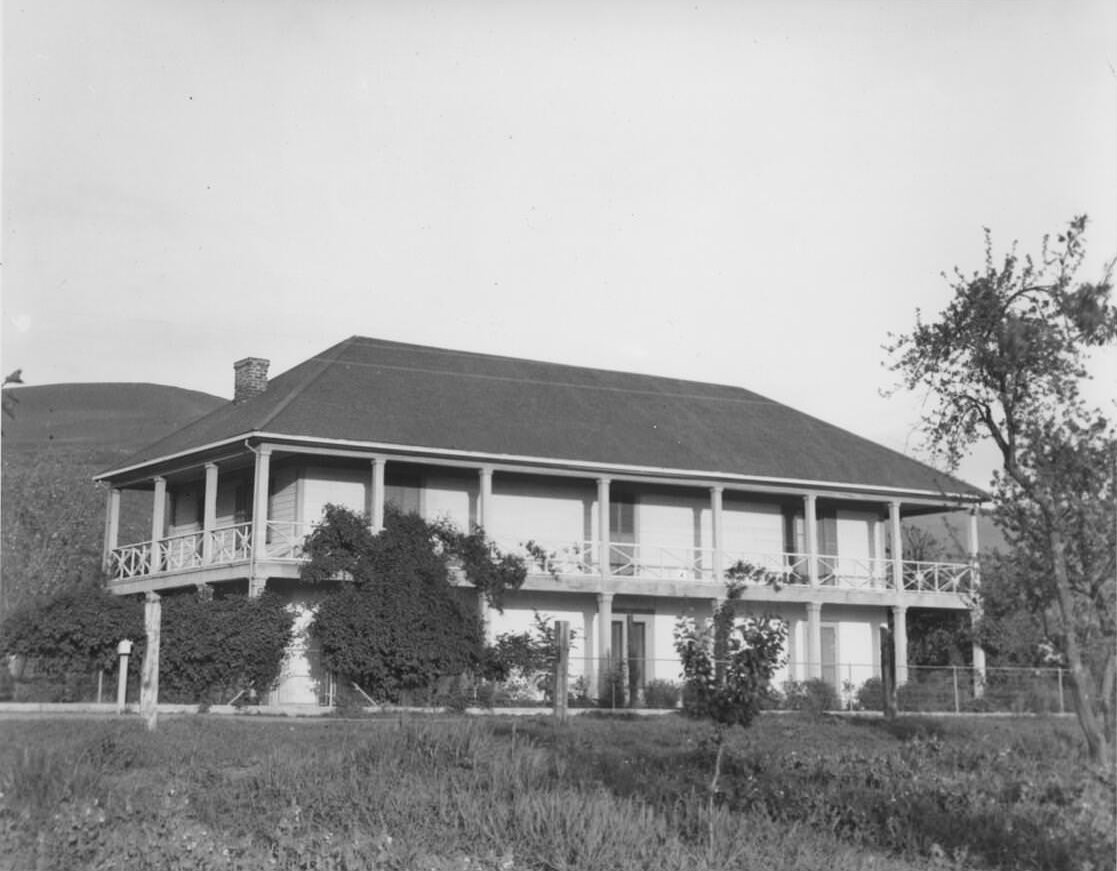
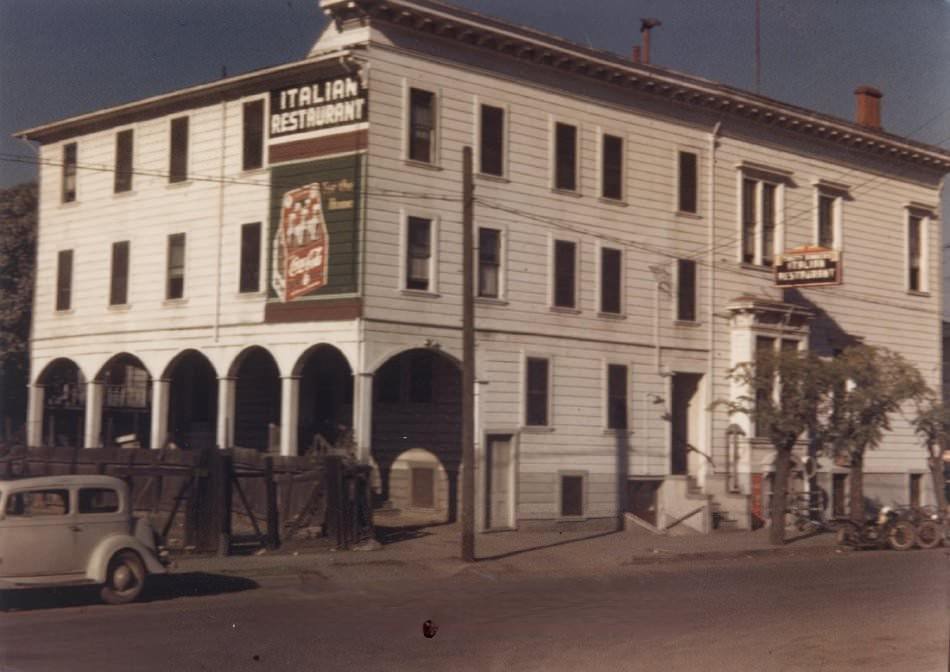
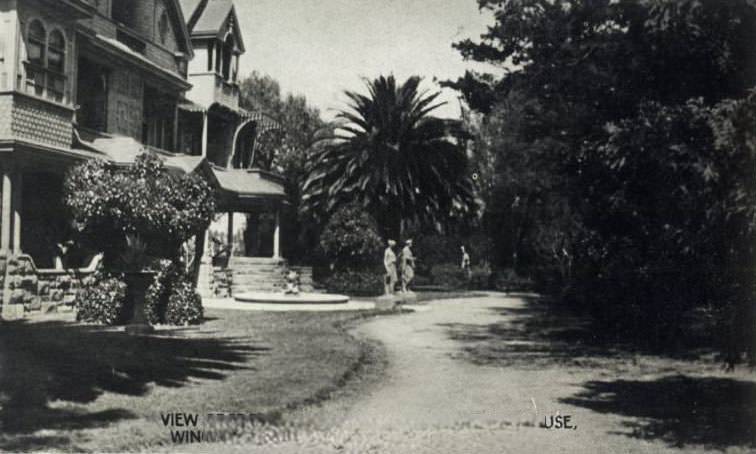
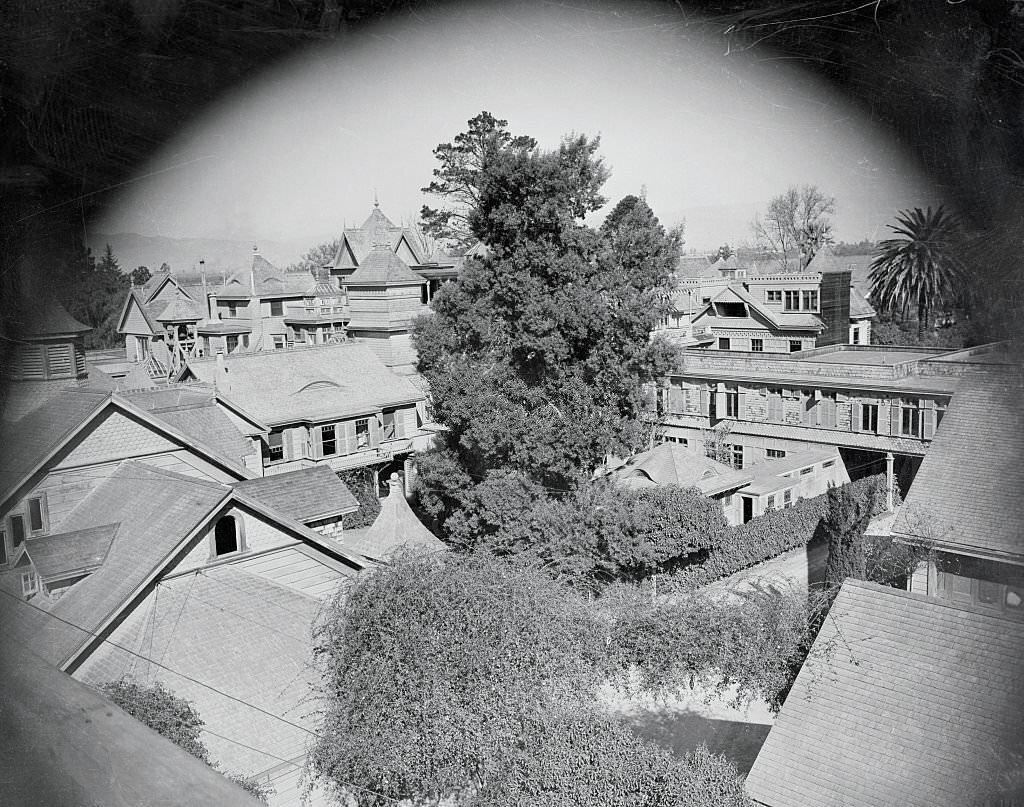
The city’s historic buildings and landmarks were documented extensively during the 1930s, reflecting a growing interest in preservation. The Peralta Adobe, the ruins of the San Jose Mission administrative building, the Alviso Adobe in Rancho Milpitas, and Fallon House — converted into an Italian restaurant by the 1930s — were all photographed during the period. The Winchester Mystery House in Winchester Park continued to attract curious visitors throughout the lean years.
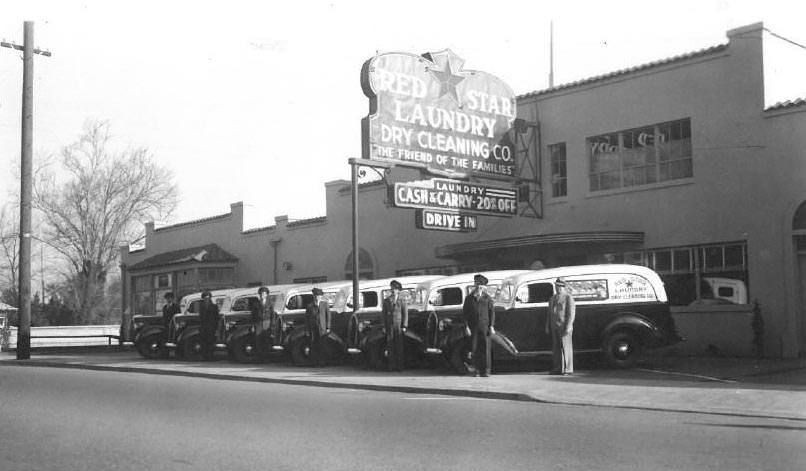
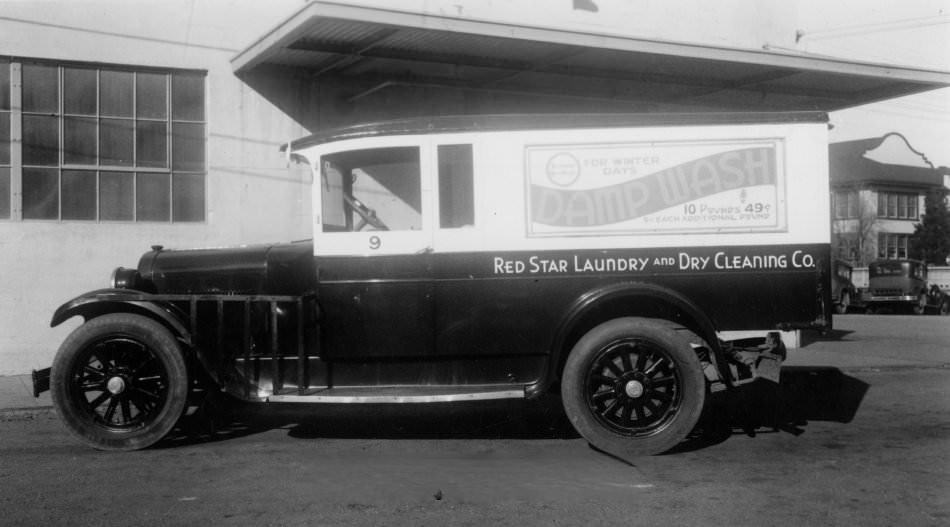
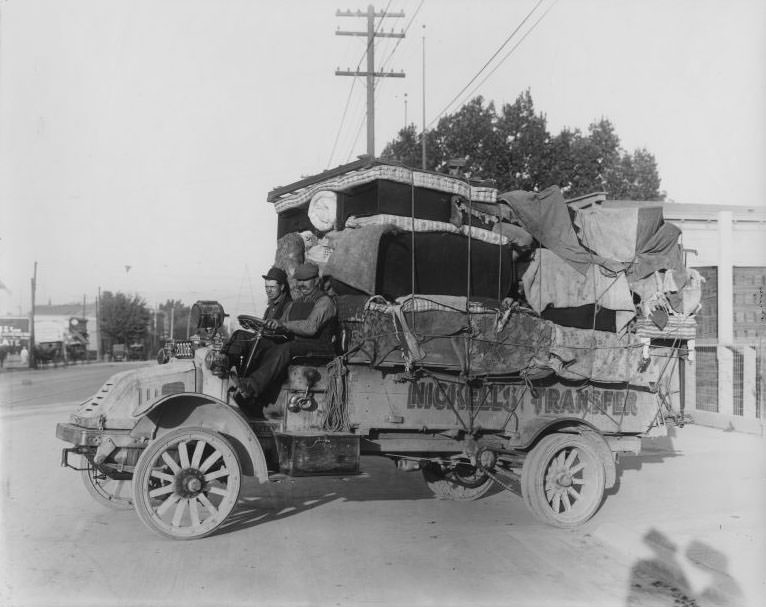
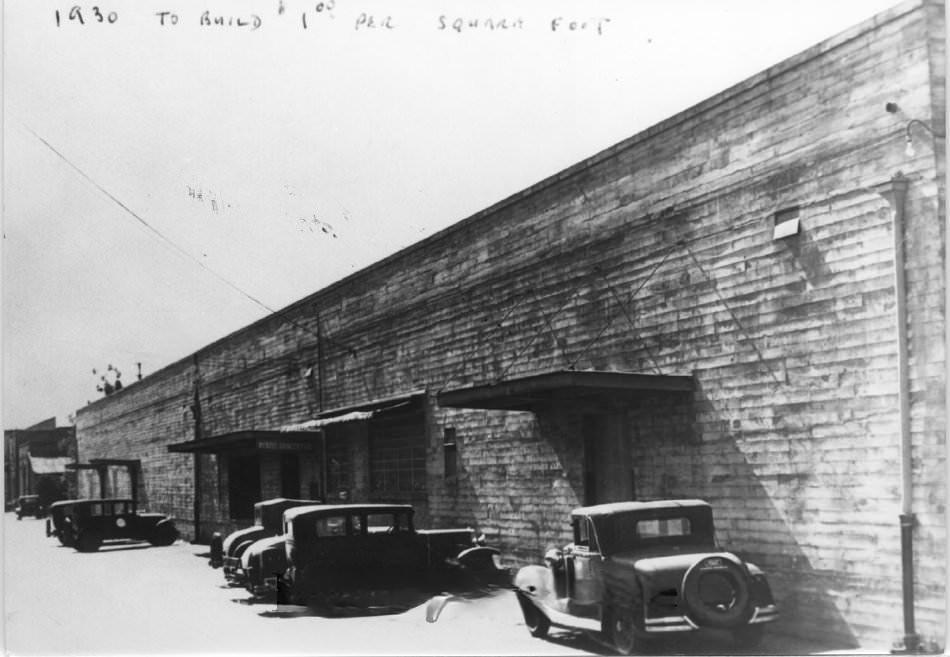
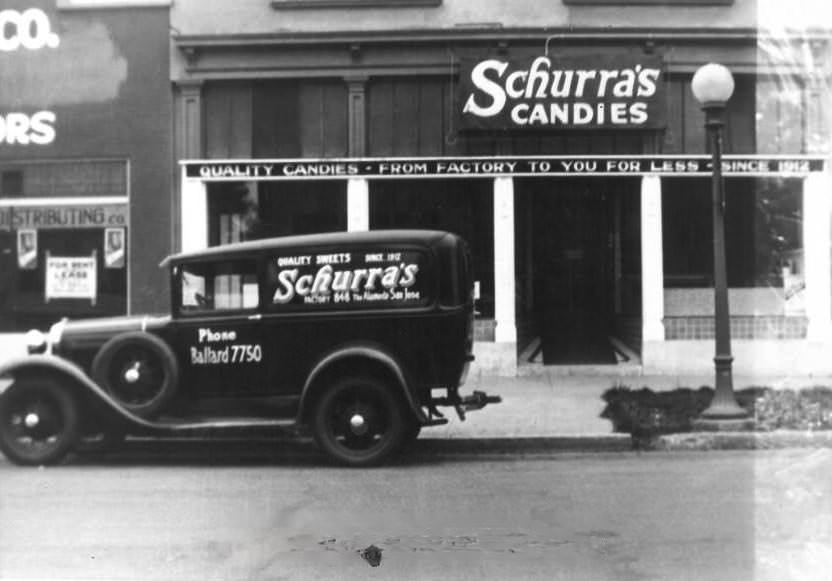
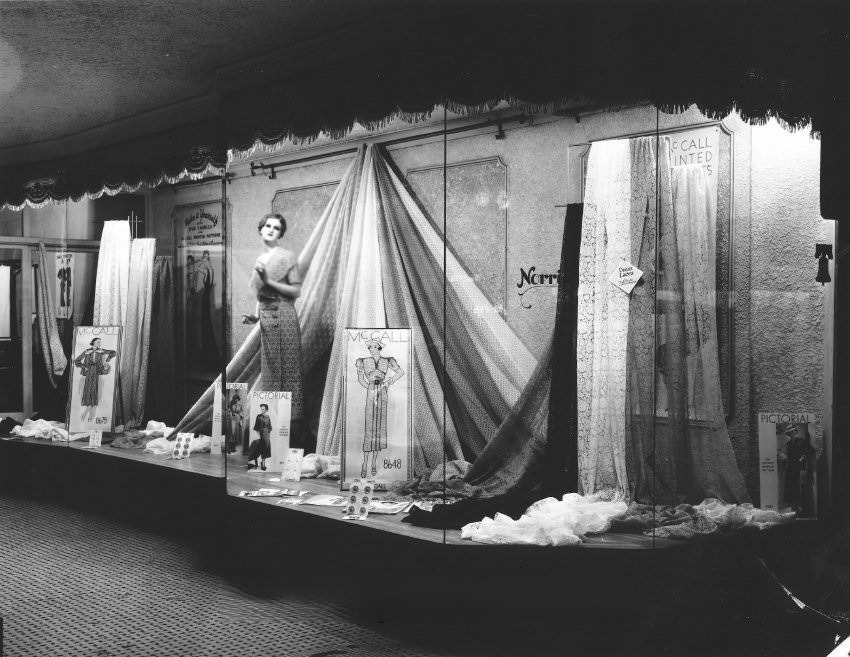
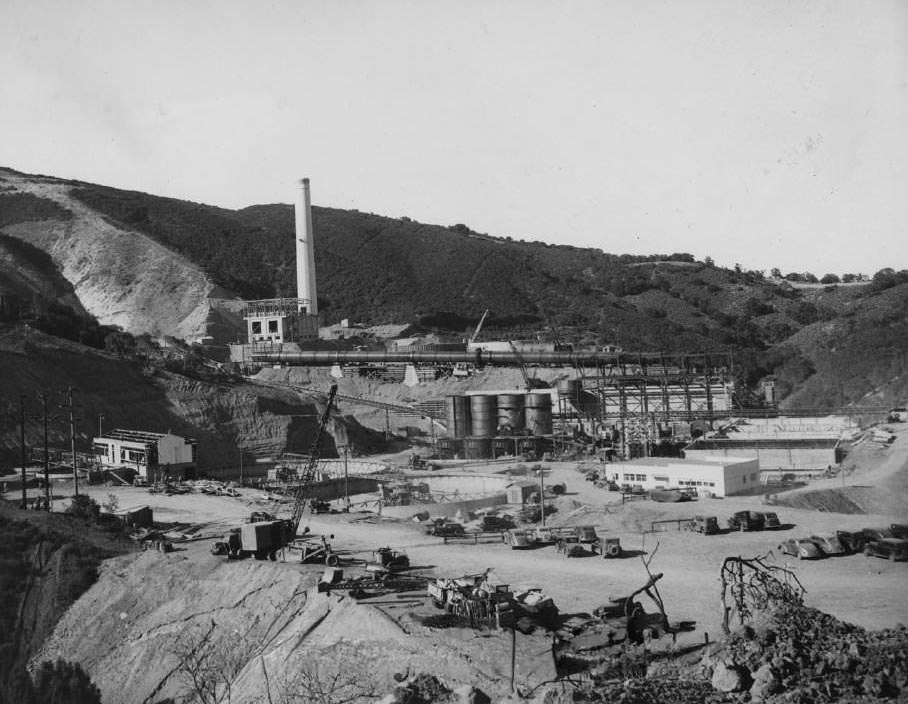
Commercial and industrial San Jose kept moving through the decade at whatever pace it could manage. Red Star Laundry and Dry-Cleaning at 360 Park Avenue ran its delivery vehicles through the late 1930s. Nickell’s Transfer and Storage hauled freight. E.H. Renzel’s warehouse loading dock stayed busy. Schurra’s Candies, Economy Cleaners, and Norris’ Silk House with its polished window displays all reflected a local retail economy that refused to stop functioning entirely. The Permanente Corporation cement facility, operating by 1939, pointed toward the industrial growth that would accelerate in the decade ahead.
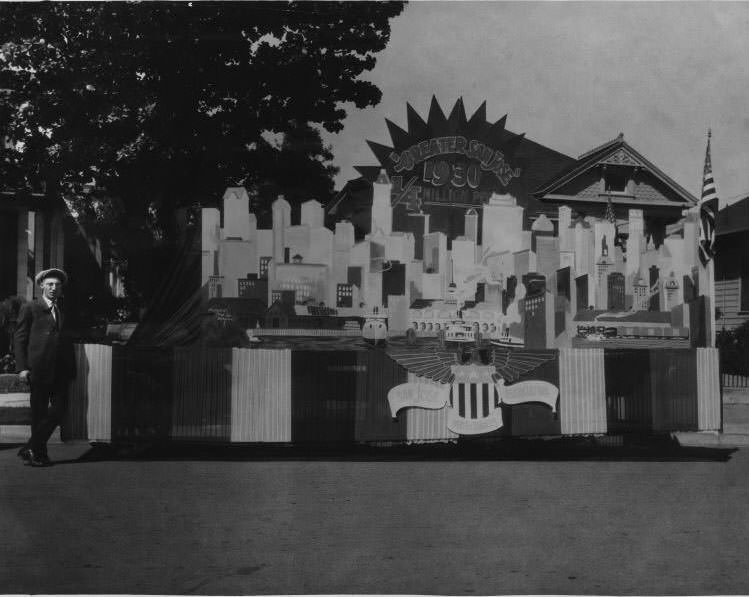
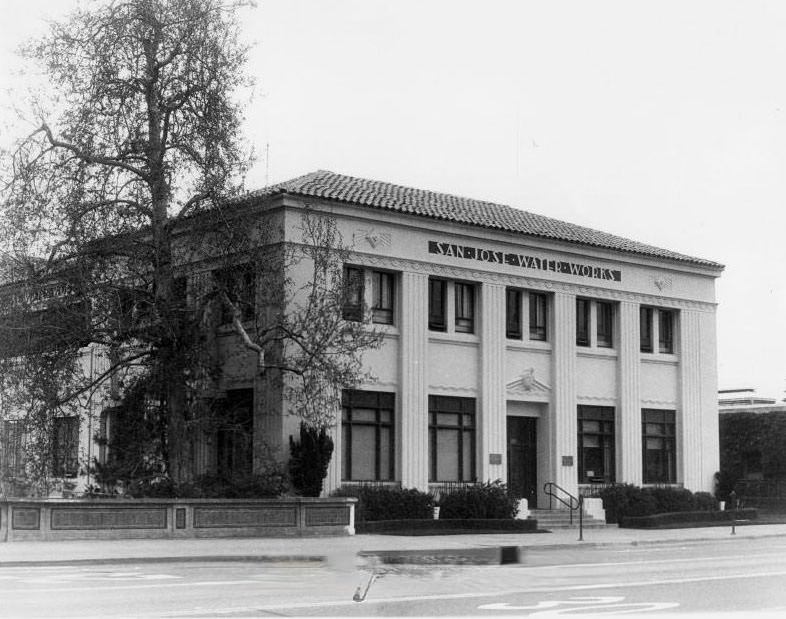
Civic organizations worked to project confidence and promote local commerce. The San Jose Merchants Association entered a float in a 1930 parade, a visible push to encourage residents to shop locally. The Chamber of Commerce, photographed in 1939, had worked throughout the decade to attract investment and stabilize the local economy. The San Jose Water Works provided essential municipal services, photographed in 1934 at a time when basic infrastructure was one of the few areas still receiving consistent funding.
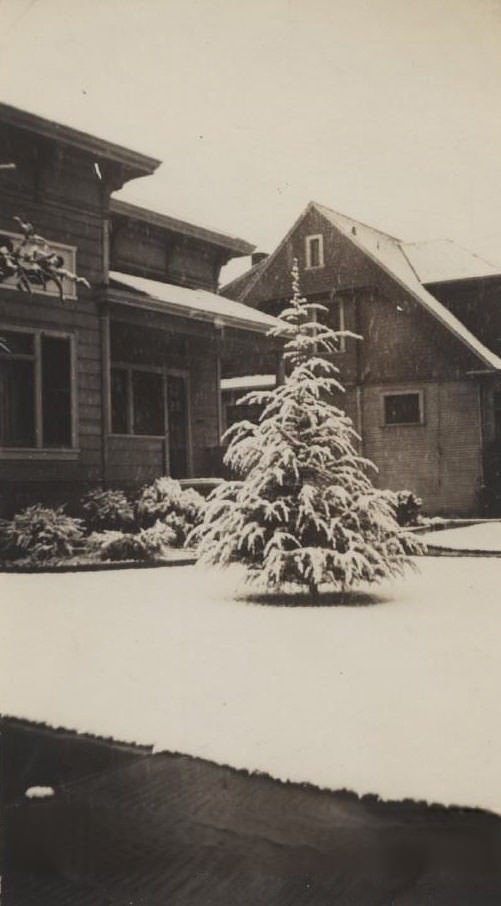
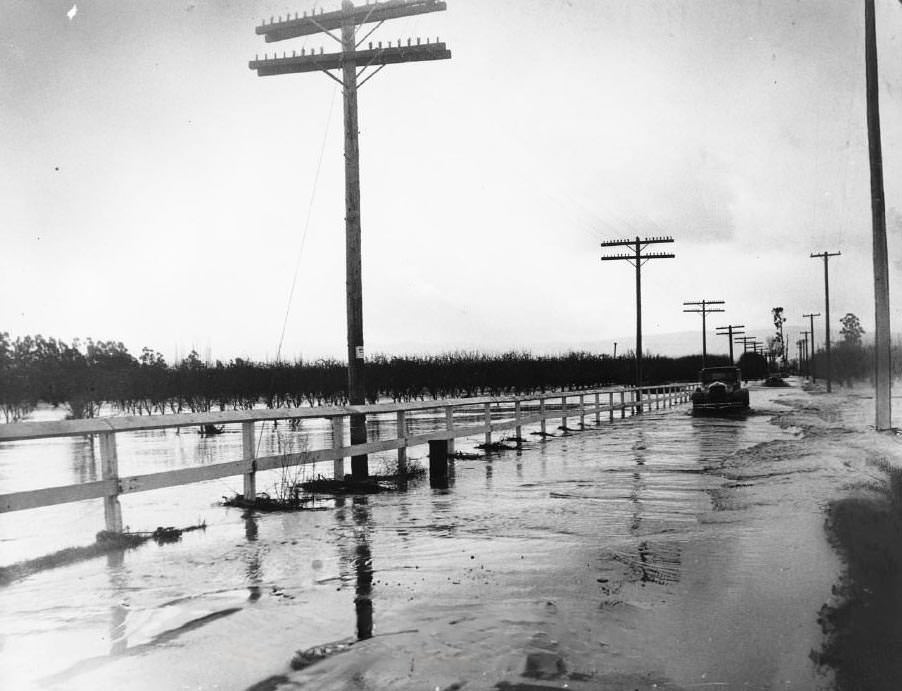
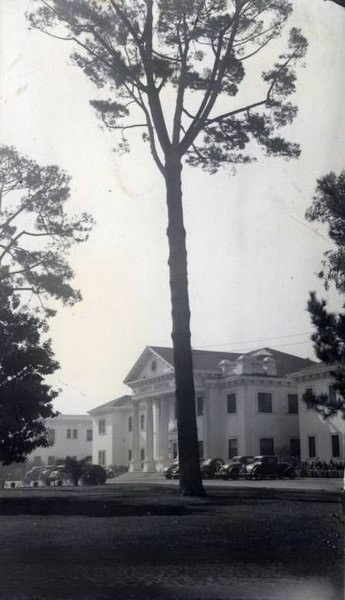
Natural events added further hardship to the decade. A snowstorm in 1932 dusted San Jose’s pine trees — unusual enough to be photographed. Flood conditions near Agnew, California in 1931 waterlogged fields and damaged property, hitting farmers and landowners who had no financial cushion to absorb the losses.
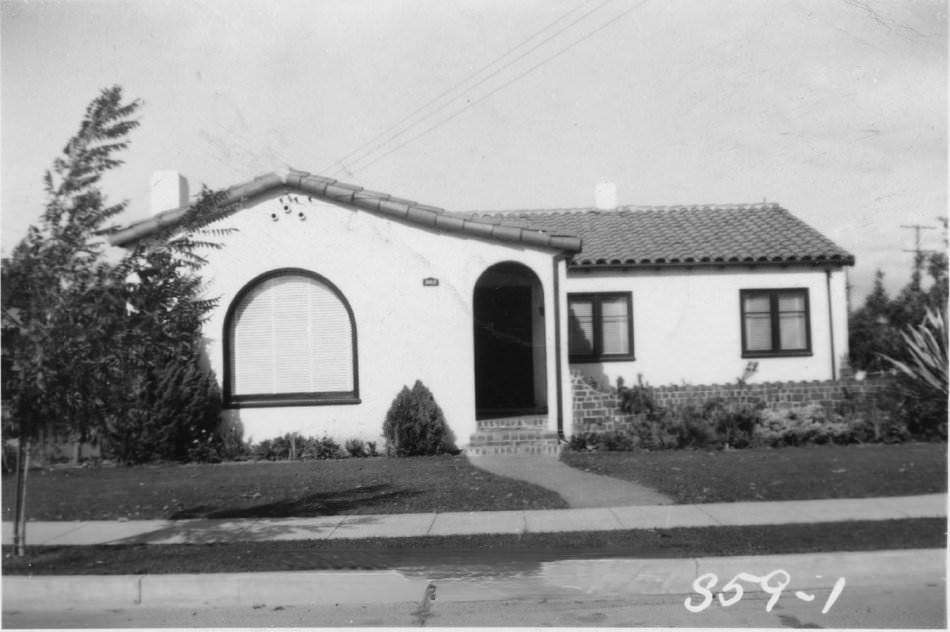
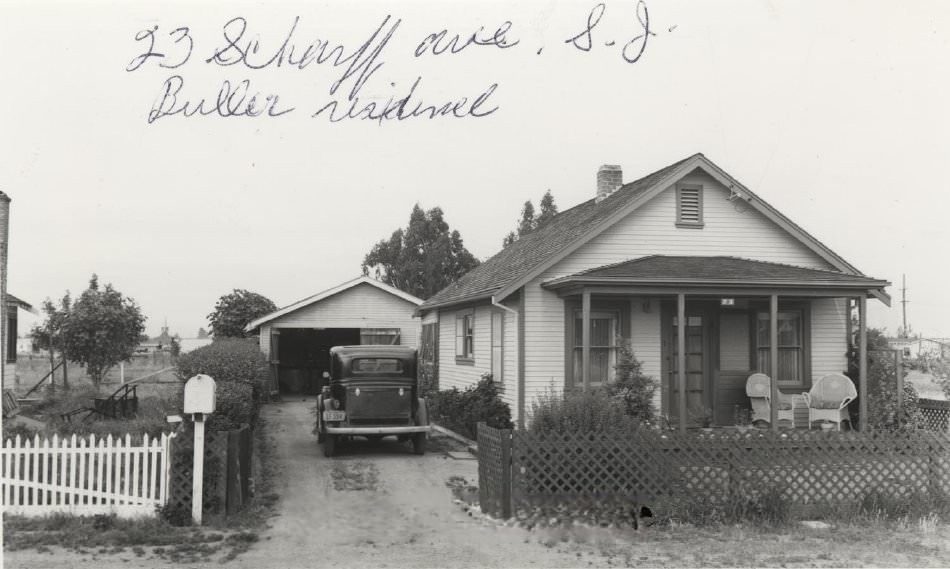
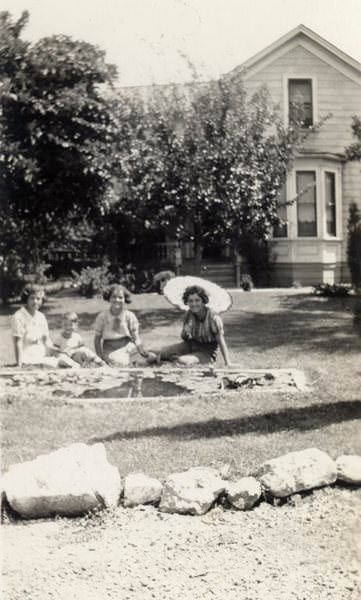
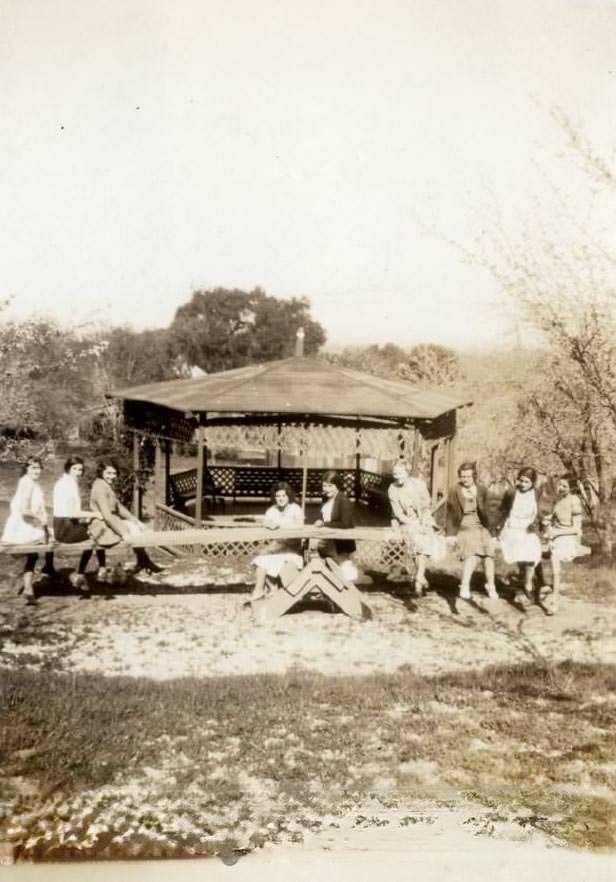
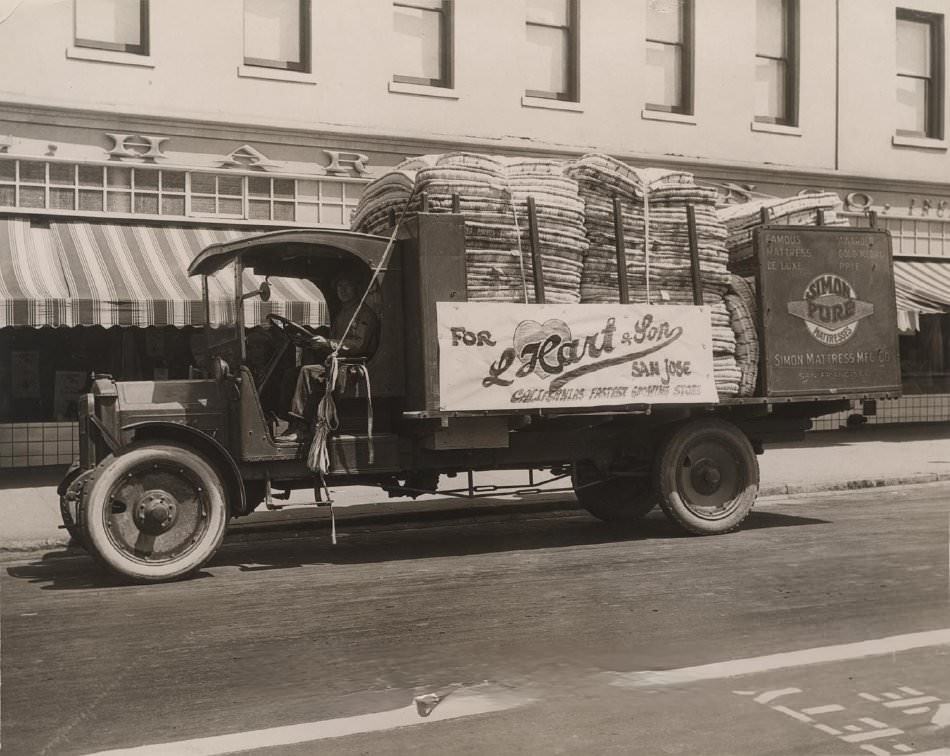
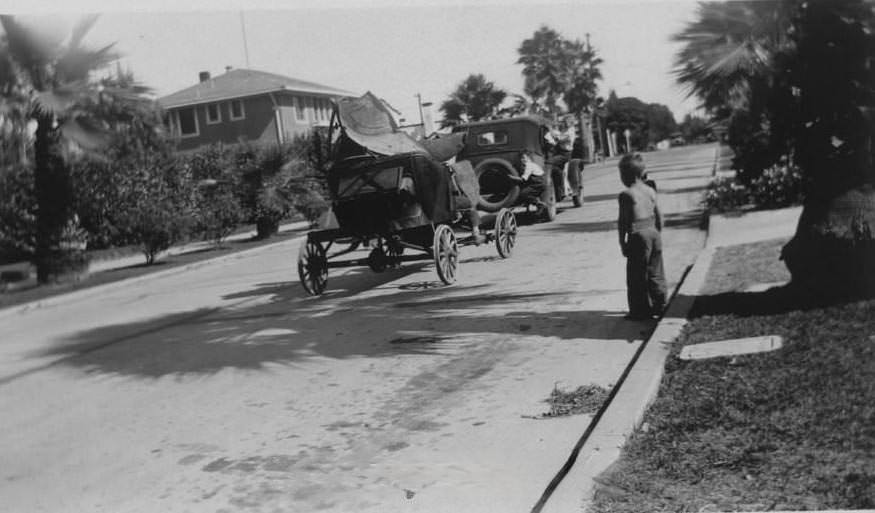
The neighborhood fabric of San Jose held together through all of it. Homes on North 4th Street and Scharff Avenue sat quietly in their residential blocks. Families posed in front of their houses. The everyday texture of neighborhood life — children on see-saws, workers hauling mattresses, a young boy watching a car get towed — continued even as the economic ground shifted beneath it.
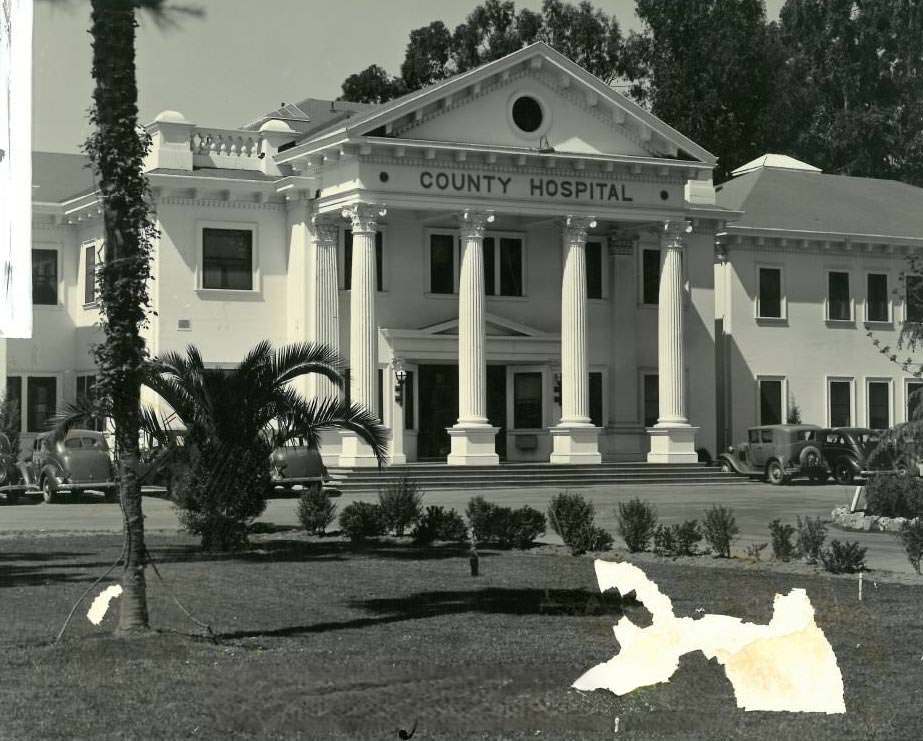
Santa Clara County Hospital, photographed in 1930 alongside its nursing school, served the growing number of residents who needed medical care but could not afford private physicians. Public health institutions absorbed much of the strain created by poverty and malnutrition as the Depression deepened.
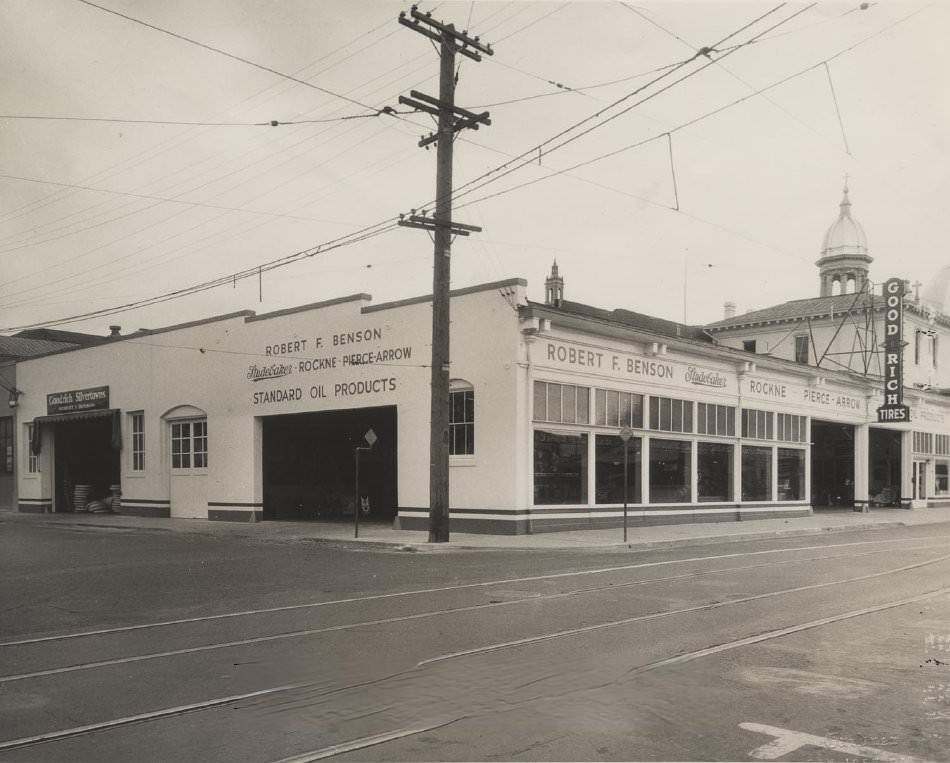
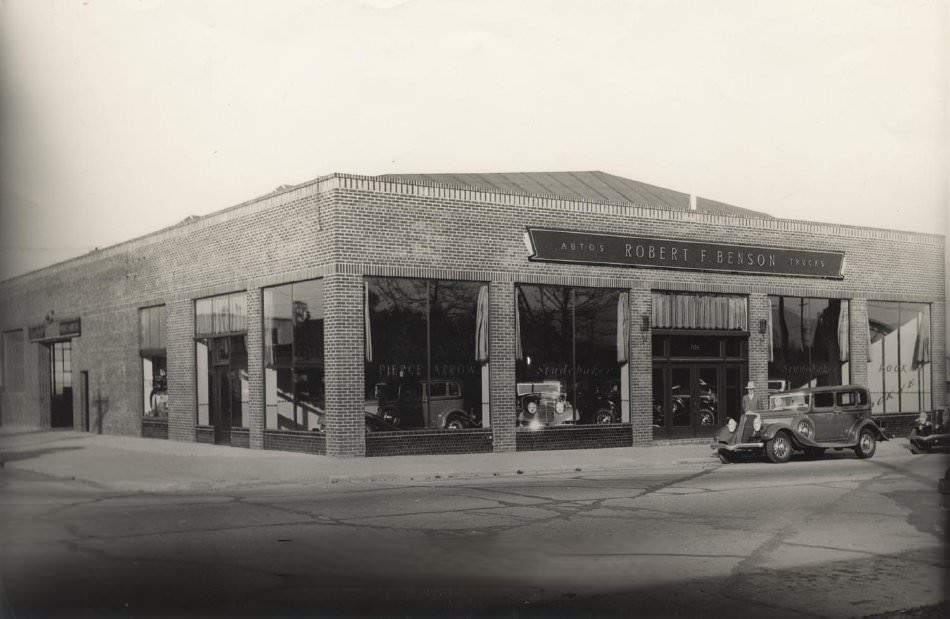
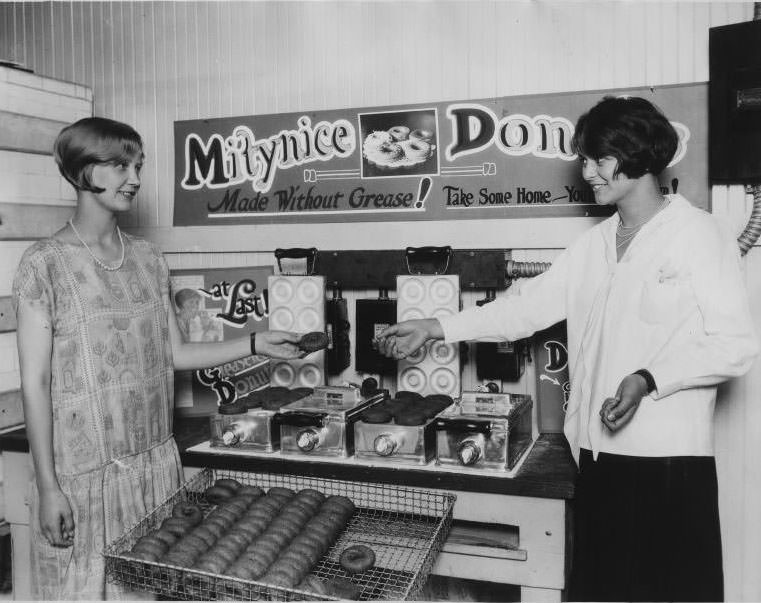
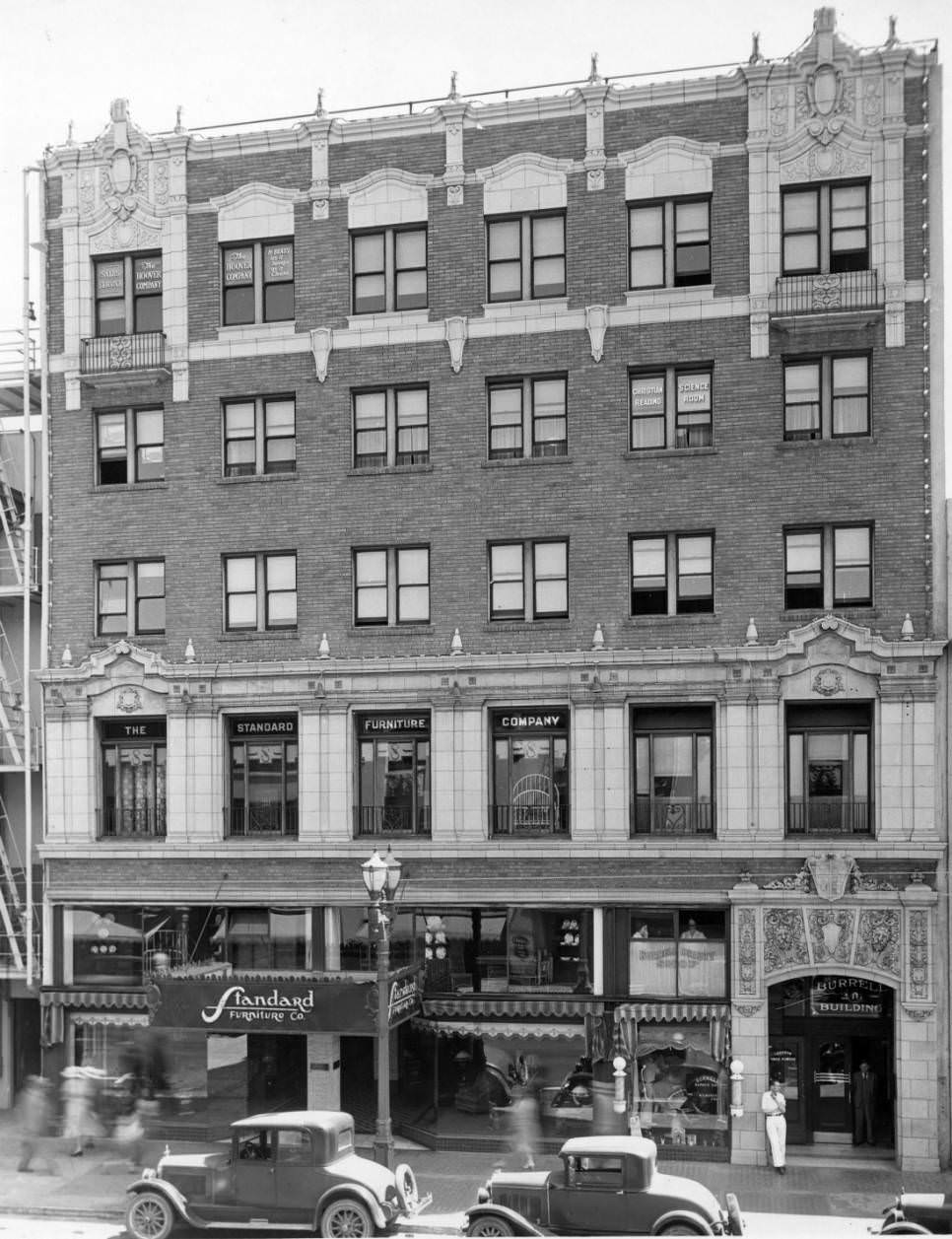
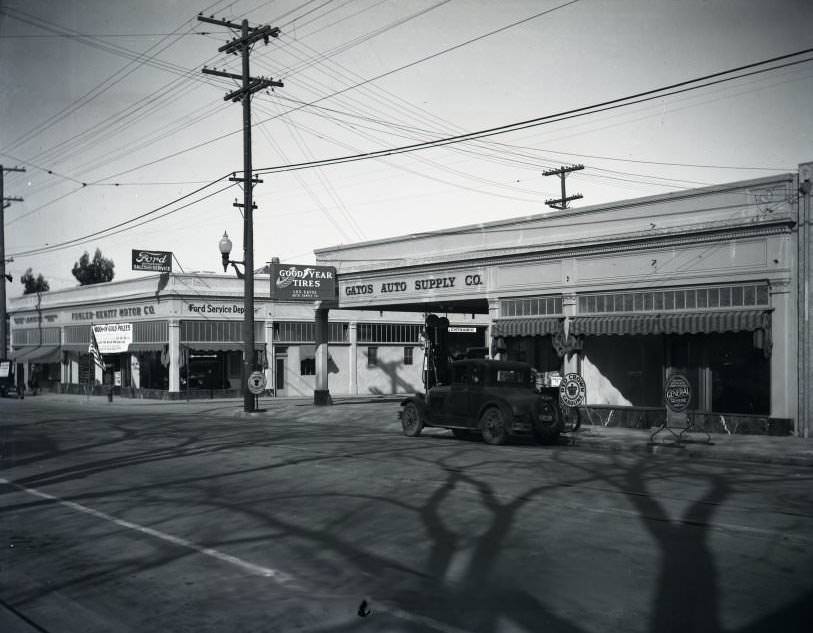
Auto dealerships like the Robert F. Benson Studebaker agency continued to sell vehicles, though at far lower volume than the boom years of the 1920s. Other commercial operations — from donut demonstrations to auto supply stores — reflected an economy that was battered but still in motion. The Burrell Building on South First Street housed the Standard Furniture Company, the Hoover Company, and Burrell Beauty Shop, packing multiple businesses into a single downtown address.
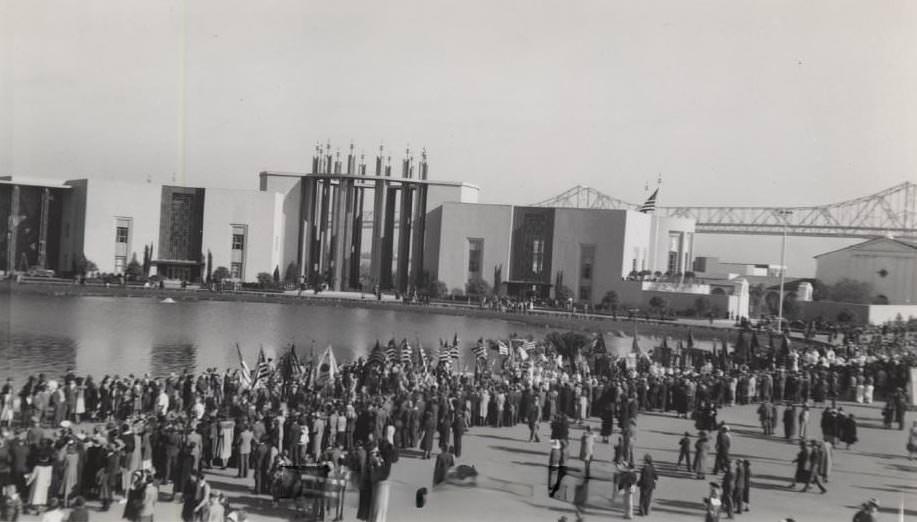
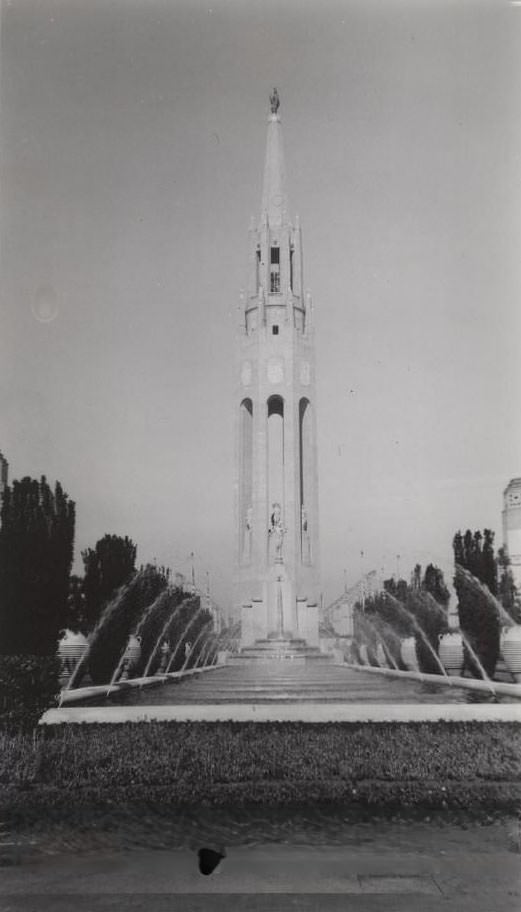
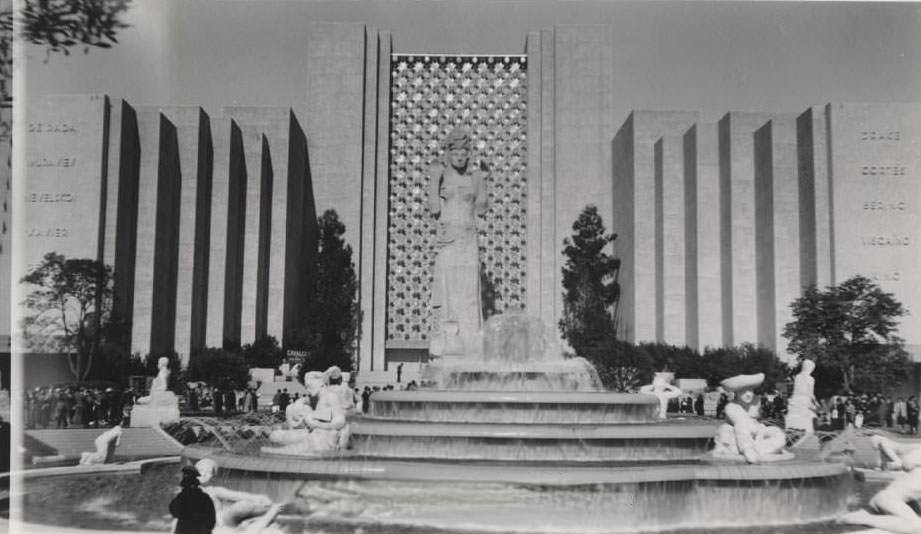
At the end of the decade, the 1939 Golden Gate International Exposition on Treasure Island in San Francisco Bay offered a moment of spectacle for the region. The Tower of the Sun and the Court of Pacifica were among its celebrated structures, visible from the San Francisco shoreline across the water. The fair drew millions of visitors and offered a vision of technological optimism that stood in sharp contrast to the decade that had just passed. For San Jose residents who made the trip north, it was a glimpse of a future the 1930s had made them wait a long time to see.

The one with the kids harvesting prunes is my favorite. What a whole different world that photo captures compared to now.