
San Antonio is the second-most-populous city in Texas, and its roots go back further than almost any other city in the state. It was founded in 1718 as the first civil settlement in Texas. That long history left behind a visible mark on the city — Spanish colonial architecture, centuries-old missions, and streets that still carry the names of their earliest settlers. Visitors today can walk those same streets and get a real sense of what early life in the Southwest looked like.
The 1950s were a turning point for San Antonio. The city’s population had already surged from 253,854 in 1940 to 408,442 by 1950 — a near doubling in a single decade. That kind of growth reshaped neighborhoods, brought new construction, and pushed the city’s economy forward. Military installations had driven much of the economy during both World Wars, but by the 1950s, industries like hospitality, petroleum, cattle, and brewing had taken center stage alongside the military presence.
One of the most recognizable landmarks from this era was the San Antonio River Walk, known locally as the Paseo del Rio. Its cobblestone paths and stairways had been built during the 1930s as a federal Depression-era project, and by the 1950s, the River Walk had grown into one of the most famous urban walks in the entire country. Shops, cafes, and entertainment lined its banks, drawing both locals and visitors alike.
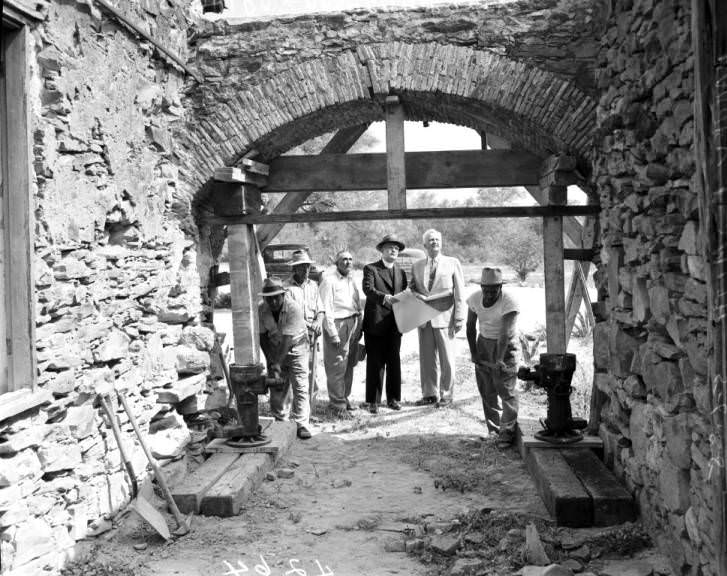
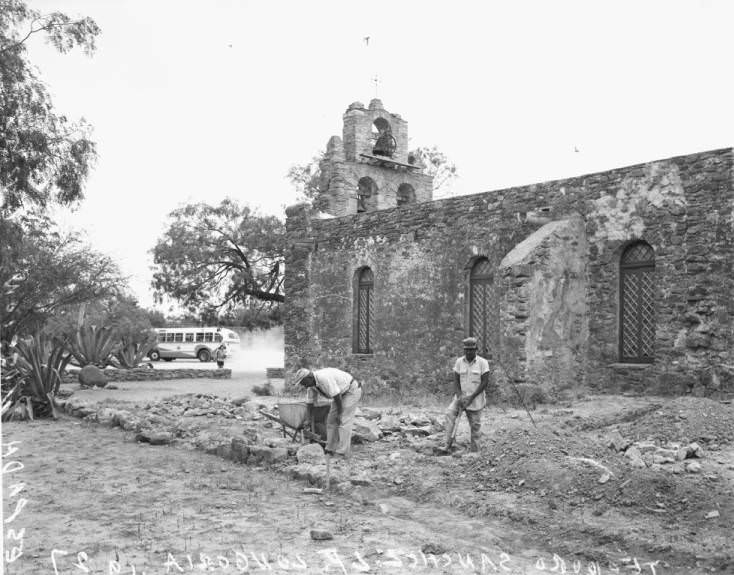
The old Spanish missions scattered across the city were still very much a living part of San Antonio in the 1950s. Active restoration work was underway at several of them throughout the decade, with community leaders, clergy, and laborers working side by side to preserve these centuries-old structures.
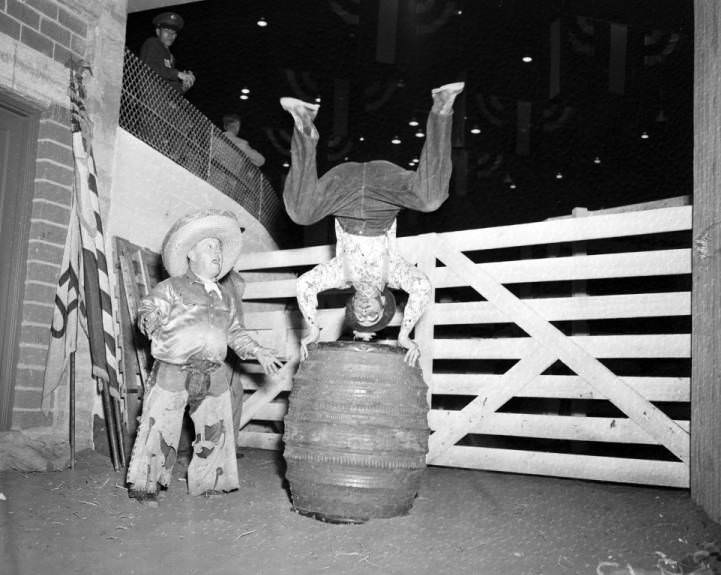
San Antonio’s entertainment scene in the 1950s was a mix of the traditional and the homegrown. Rodeos were a staple of Texas culture, and the city’s own performers became well-known names in that world.
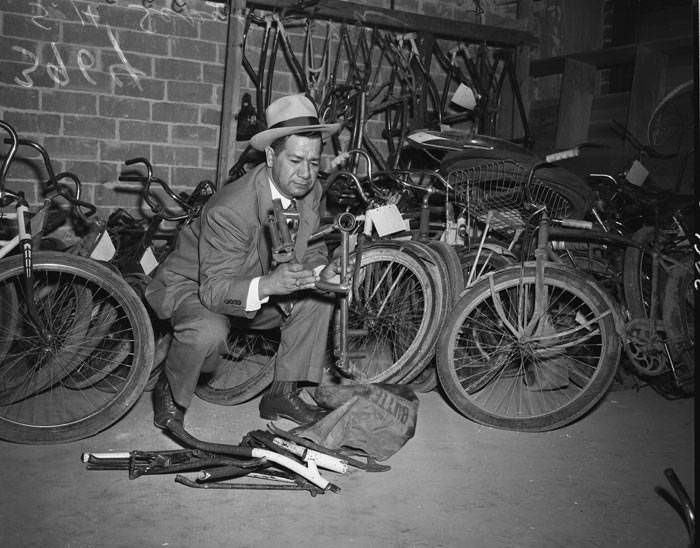
Everyday life in 1950s San Antonio came with its own set of challenges and routines. Law enforcement dealt with a range of issues typical of a fast-growing city, including property crime.
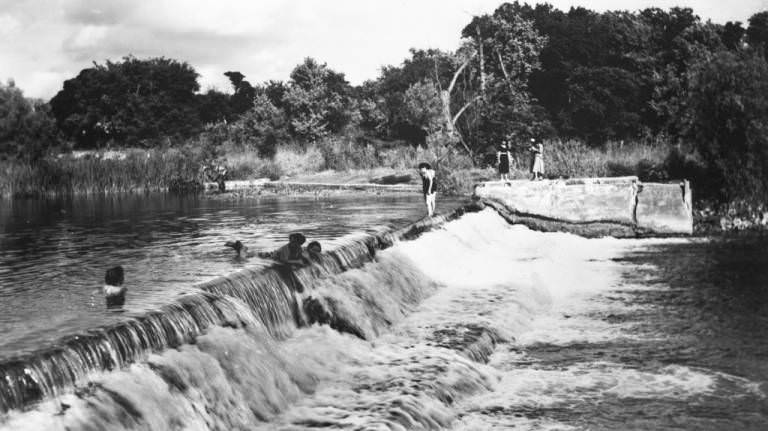
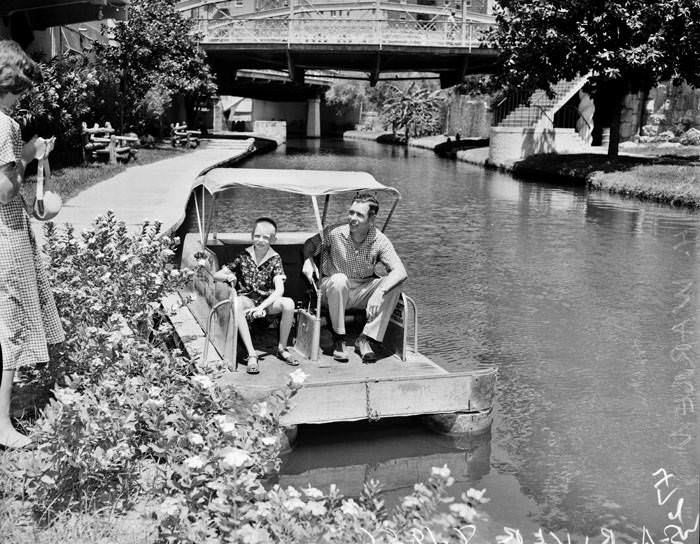
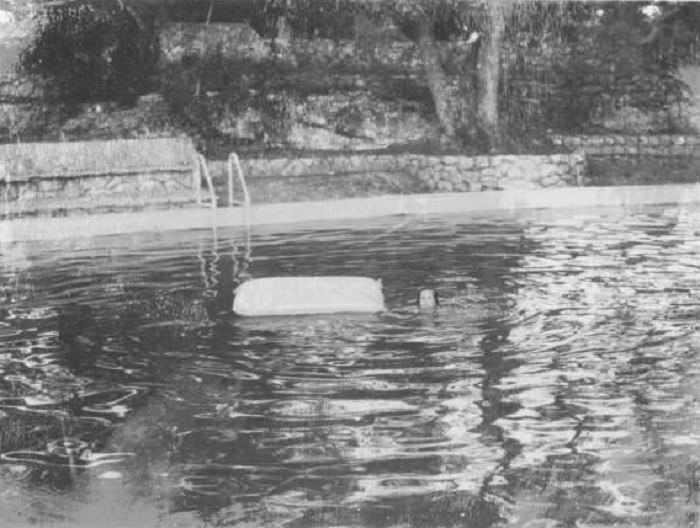
The San Antonio River was not just a scenic backdrop — it was a place where residents actually spent their leisure time. Families swam in it, paddled along it, and gathered near it on weekends.
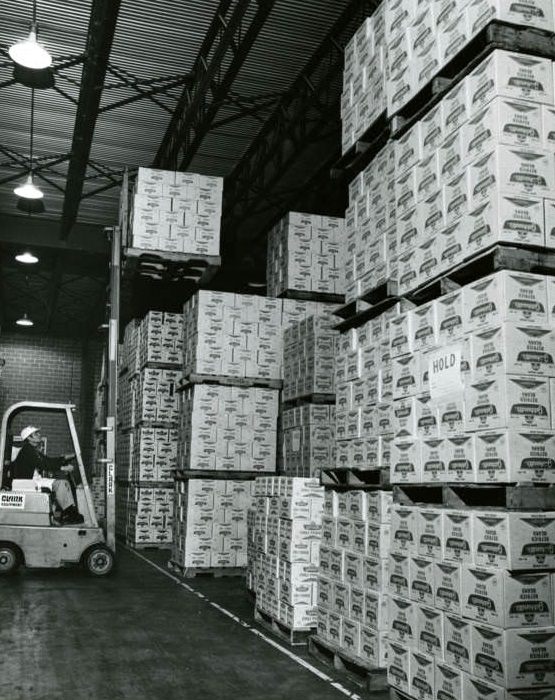
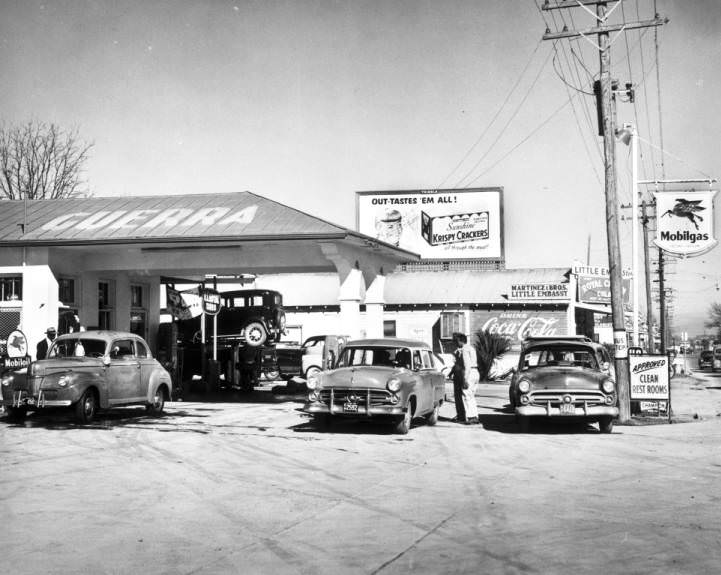
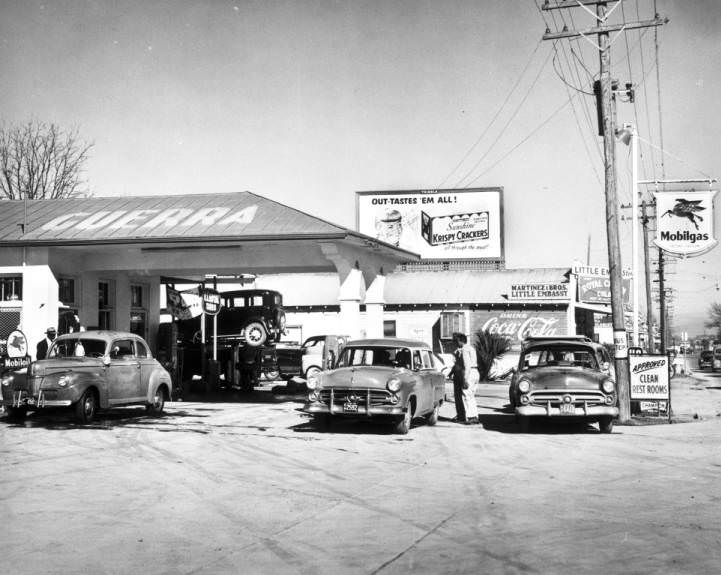
Commerce was thriving across the city. Warehouses, service stations, and local businesses formed the backbone of San Antonio’s working economy in the postwar years.
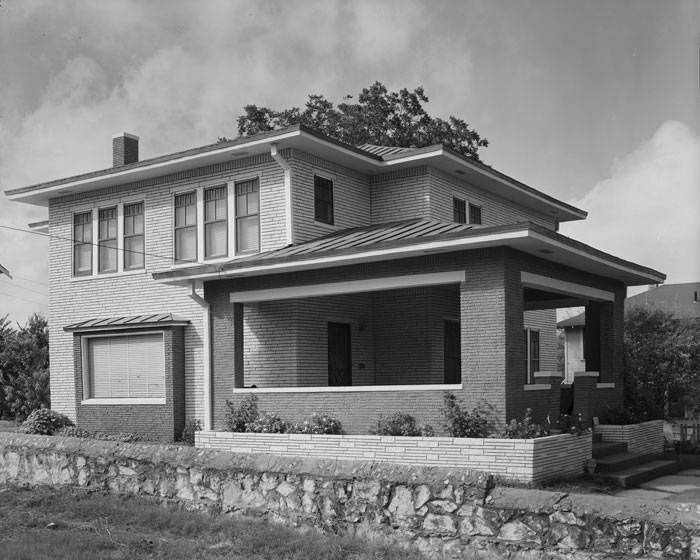
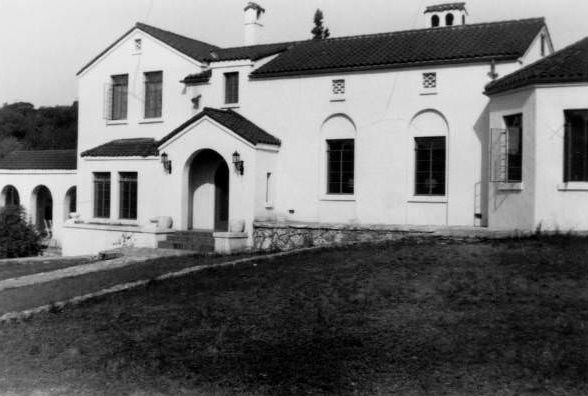
Residential architecture in the 1950s ranged from historic homes with long family histories to newer suburban-style houses built to accommodate the city’s swelling population.
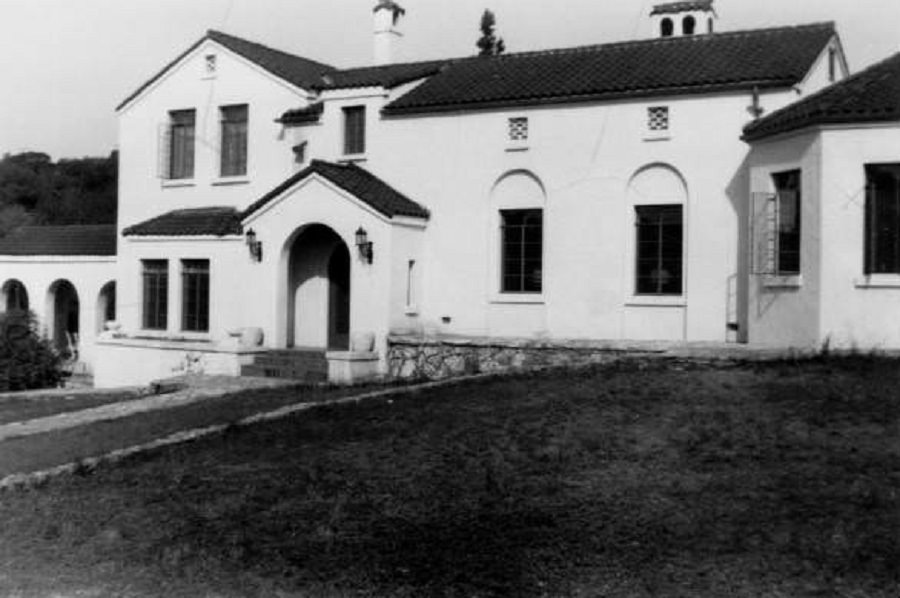
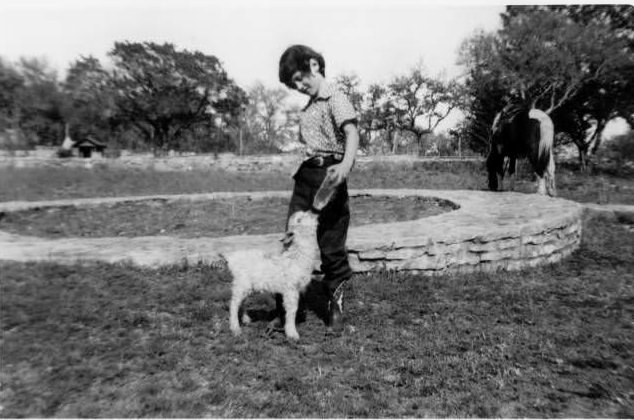
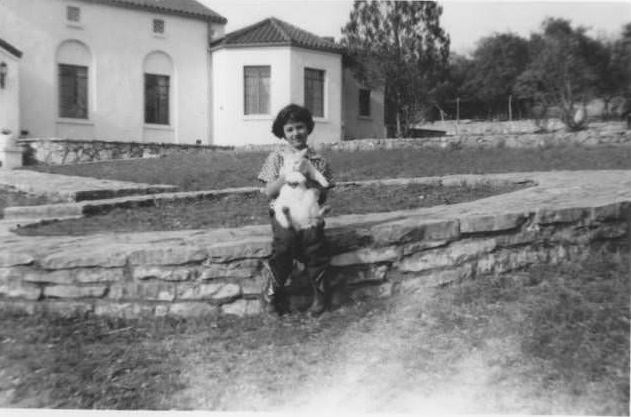
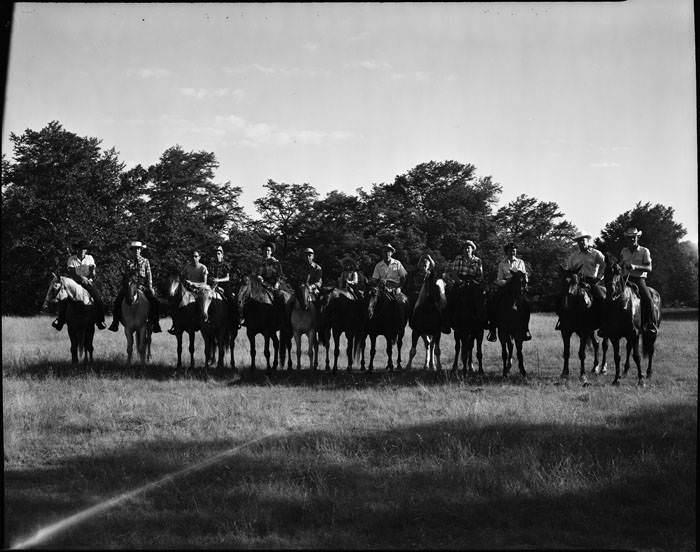
Outside the city limits, ranching remained a central part of life in the region. Properties like Rancho Diana, located northwest of San Antonio, represented the area’s deep agricultural and ranching traditions.
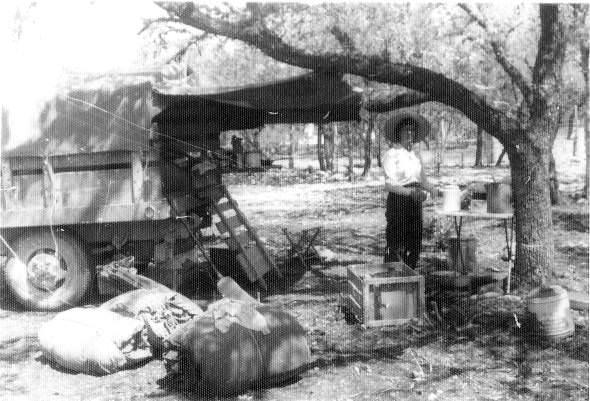
The ranching economy brought with it specialized workers and equipment. Shearing crews traveled the region each season, moving from ranch to ranch with their tools and trucks.
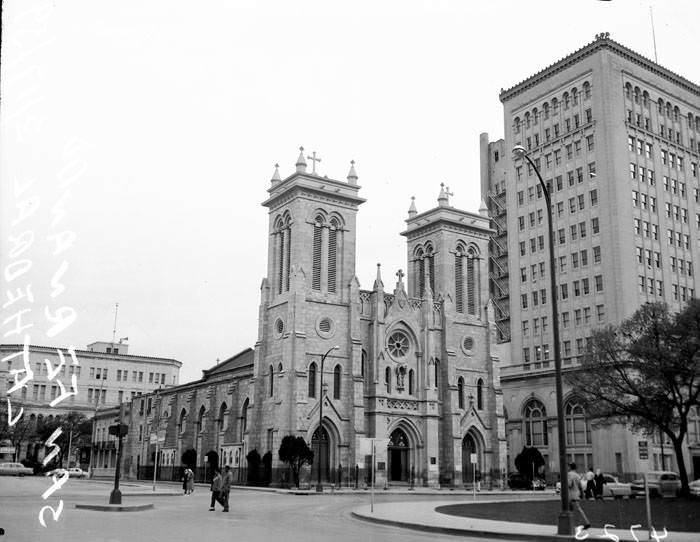
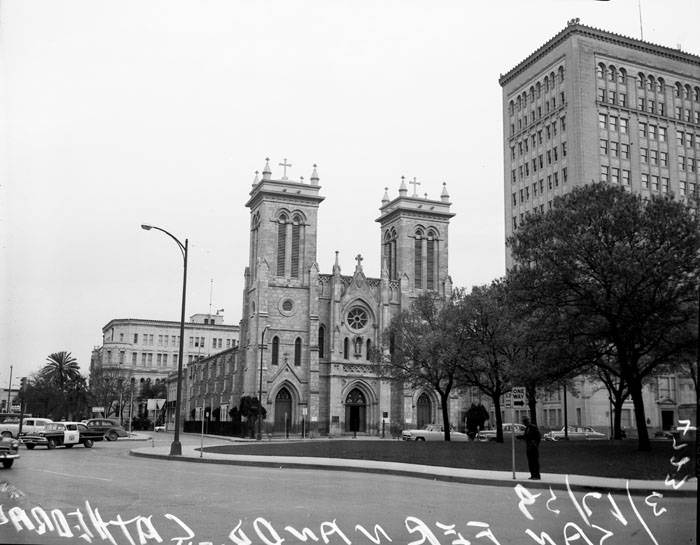
San Fernando Cathedral, located in the heart of downtown San Antonio, was one of the city’s most enduring landmarks. Built in the 18th century, it continued to serve as a center of Catholic worship and community life throughout the 1950s.
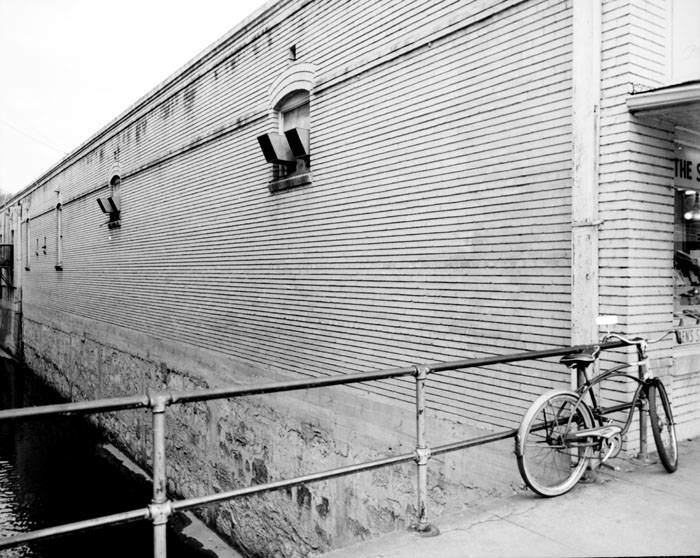
San Pedro Creek ran through some of the city’s oldest commercial districts. The buildings along its banks told the story of decades of business activity in San Antonio.
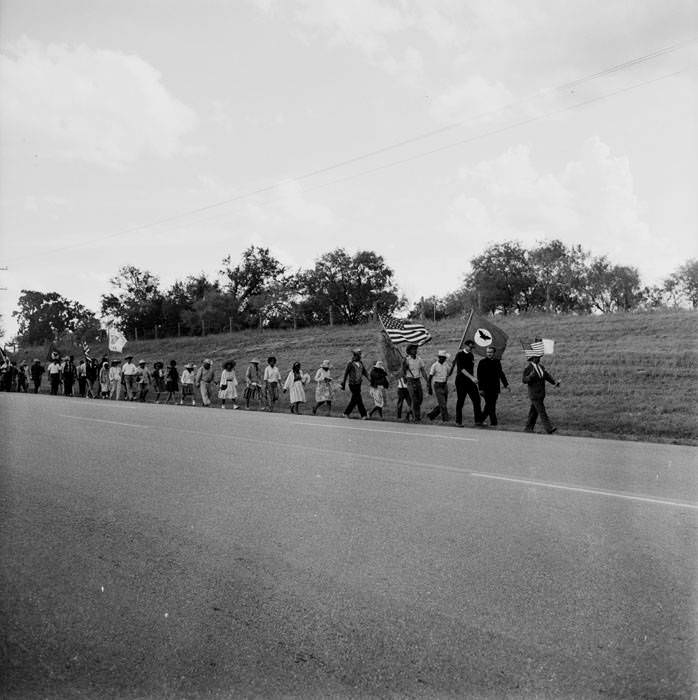
The 1950s were also a time of labor activism across Texas. Farm workers from the Rio Grande Valley organized and marched to Austin to demand better treatment and working conditions, drawing public attention to the struggles of agricultural laborers.
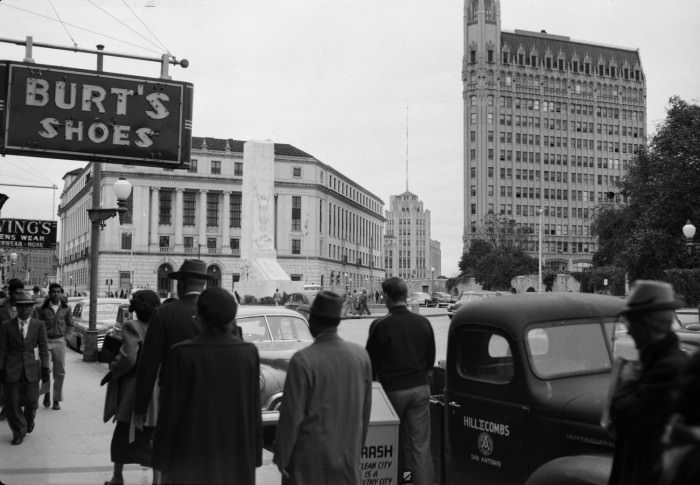
Commerce Street was one of San Antonio’s busiest retail corridors. Clothing stores, department stores, and specialty shops lined the street, drawing shoppers from across the city.
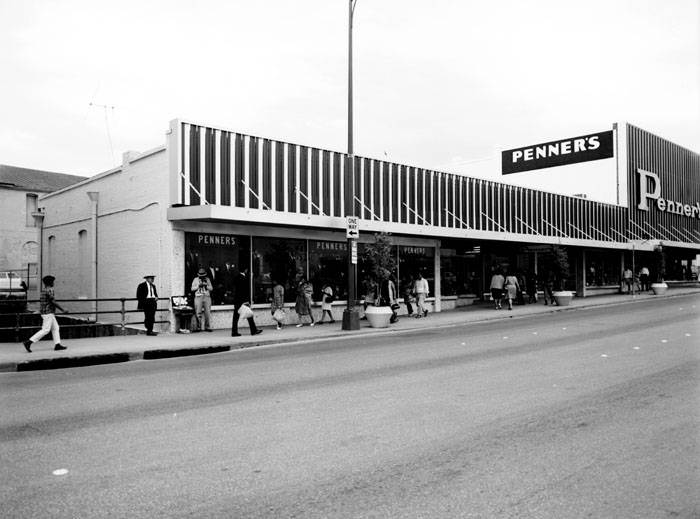
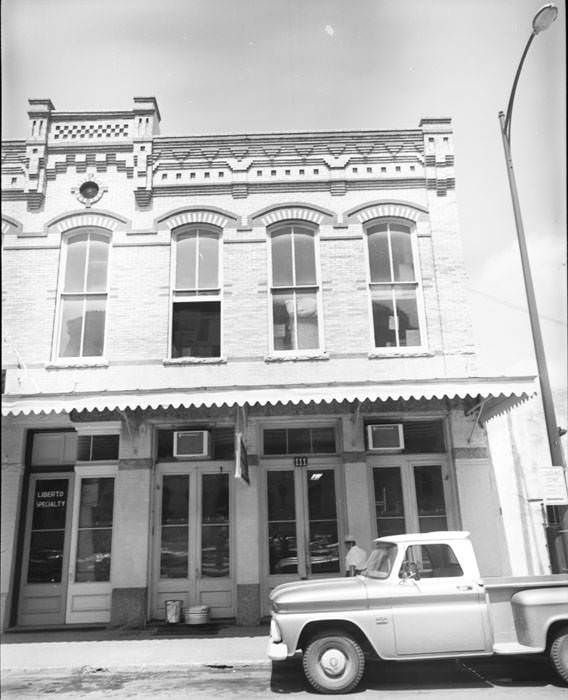
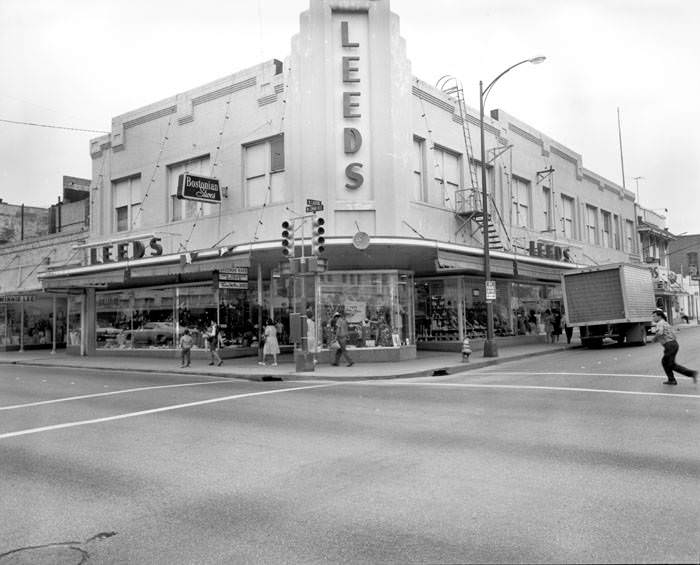
Downtown San Antonio hummed with activity throughout the decade. Buses moved through packed intersections, carrying workers and shoppers across the growing city.
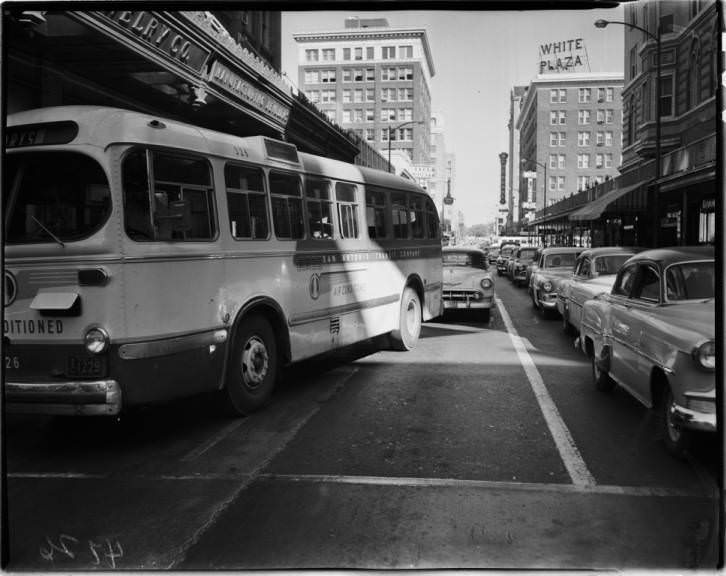
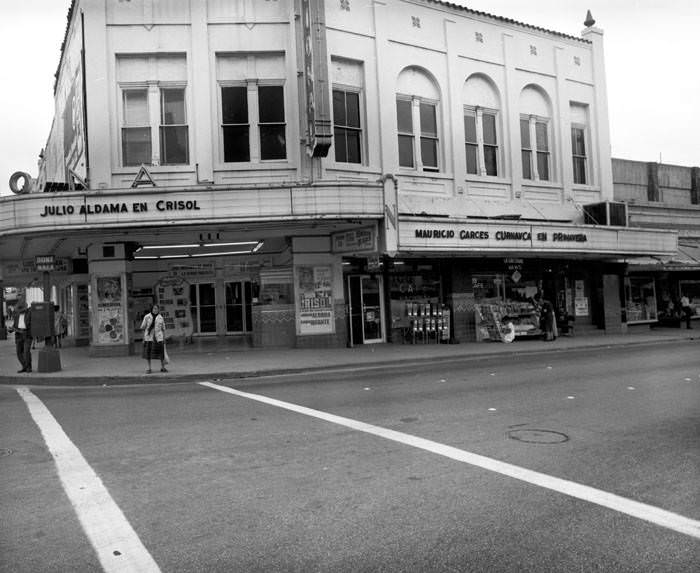
Entertainment venues like the Nacional Theater brought Spanish-language film and culture to San Antonio’s large Hispanic community. The theater sat at the corner of W. Commerce and N. Santa Rosa Avenue, with the Nacional Cafe right next door.
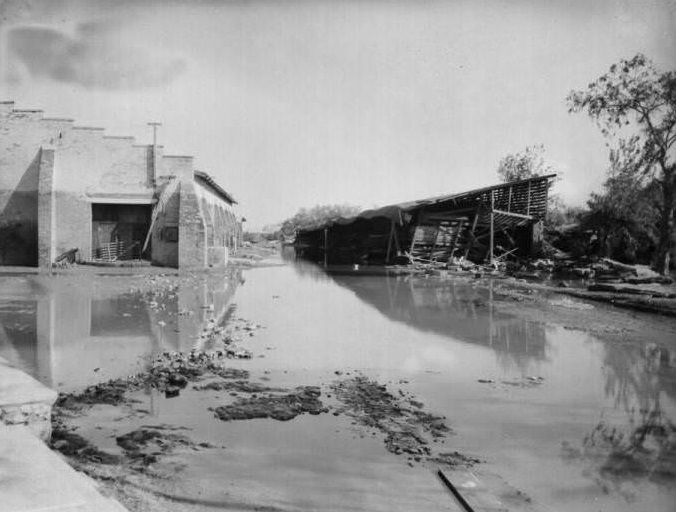
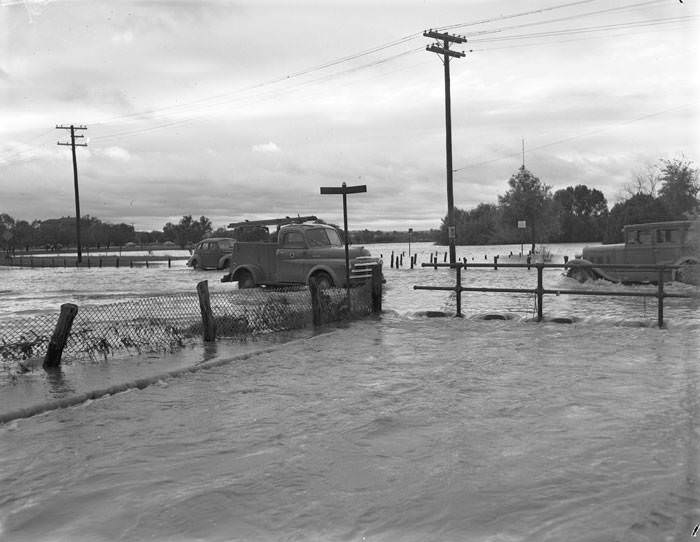
Flooding was a recurring problem in San Antonio. The city’s low-lying areas and river proximity made certain neighborhoods vulnerable when heavy rains hit.
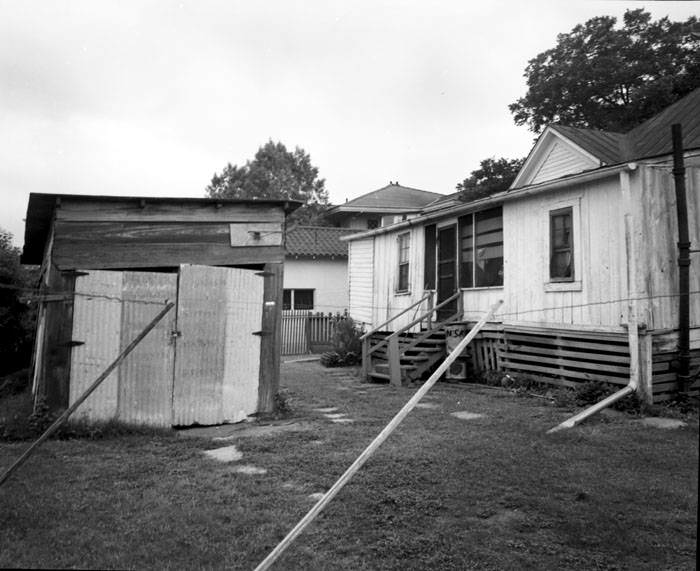
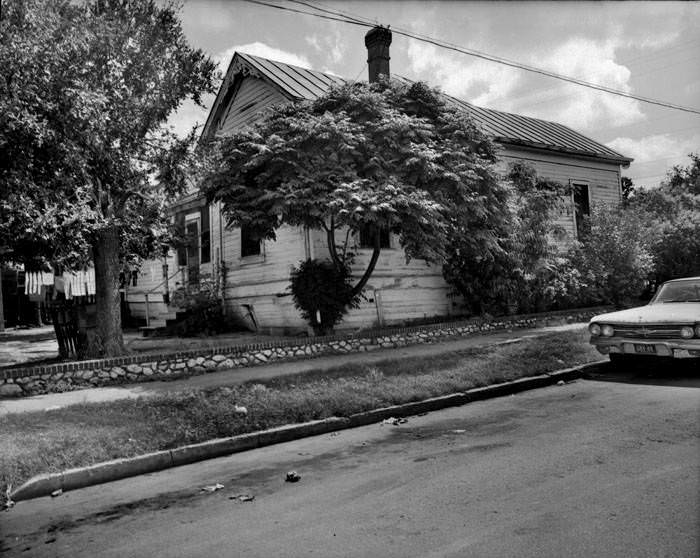
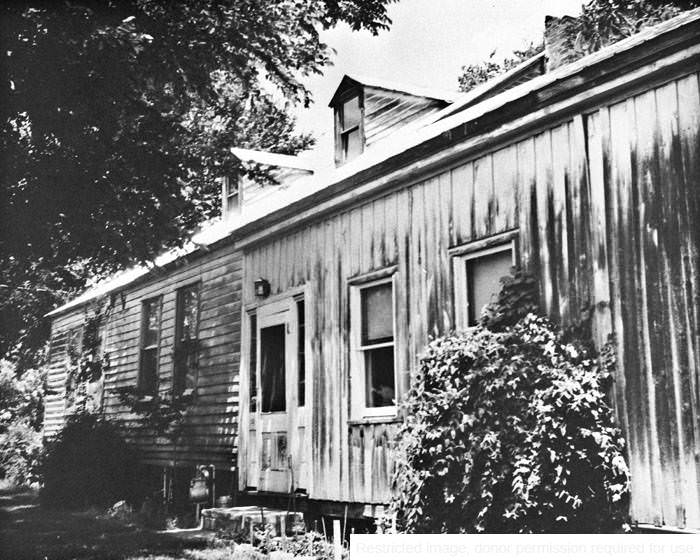
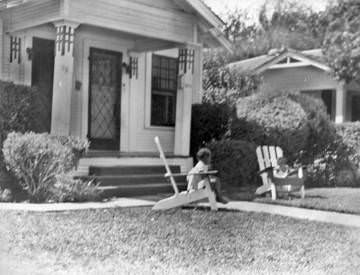
San Antonio’s residential streets in the 1950s featured a wide mix of housing stock — from modest frame houses to more established properties with long histories in the city’s older neighborhoods.
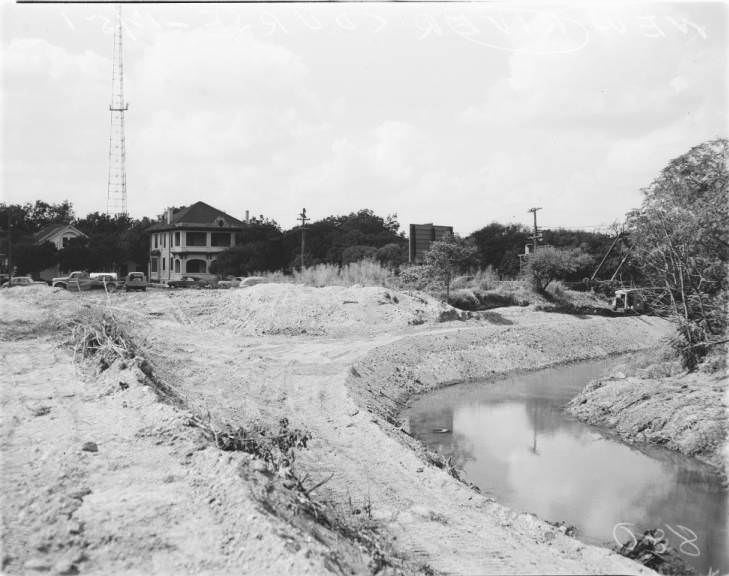
Flood control and river management were major engineering priorities in postwar San Antonio. By 1951, work had been completed to redirect portions of the San Antonio River, changing the city’s landscape permanently.
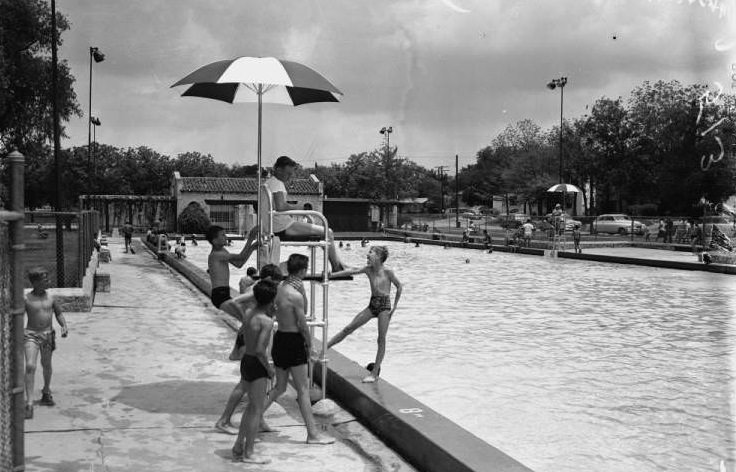
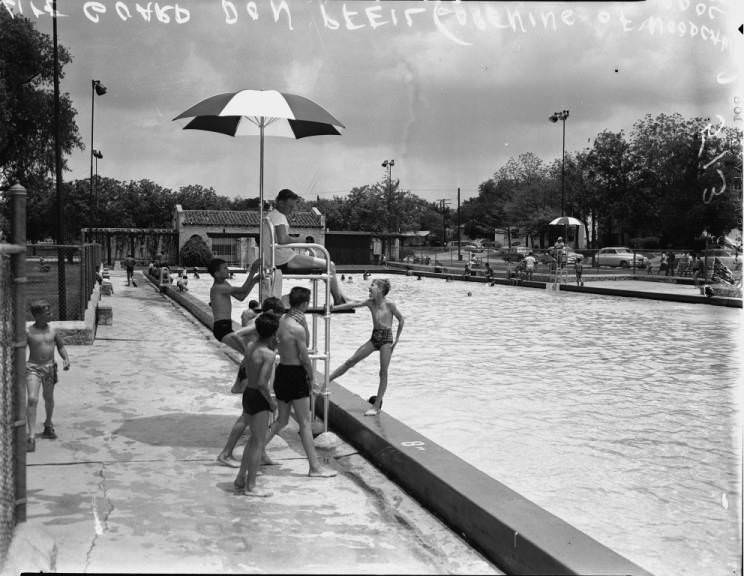
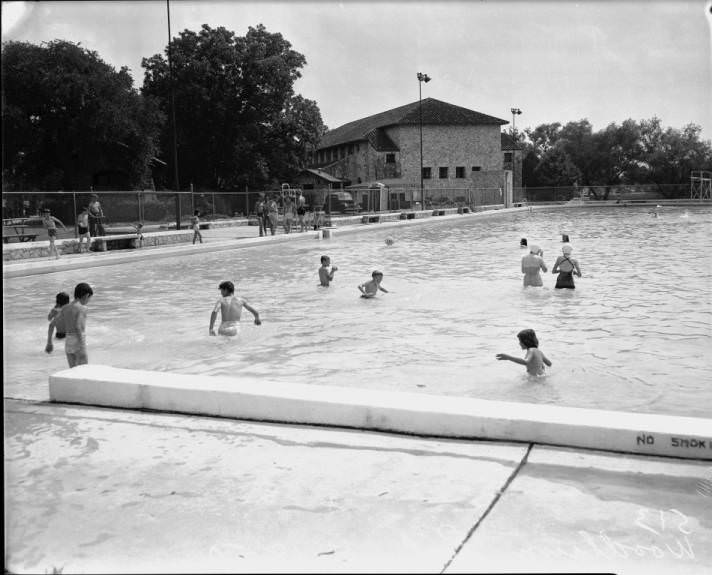
Public pools were a major draw during San Antonio’s hot summers. Woodlawn Pool was one of the most popular, packed with children on warm days and staffed by lifeguards who kept watch from elevated towers.
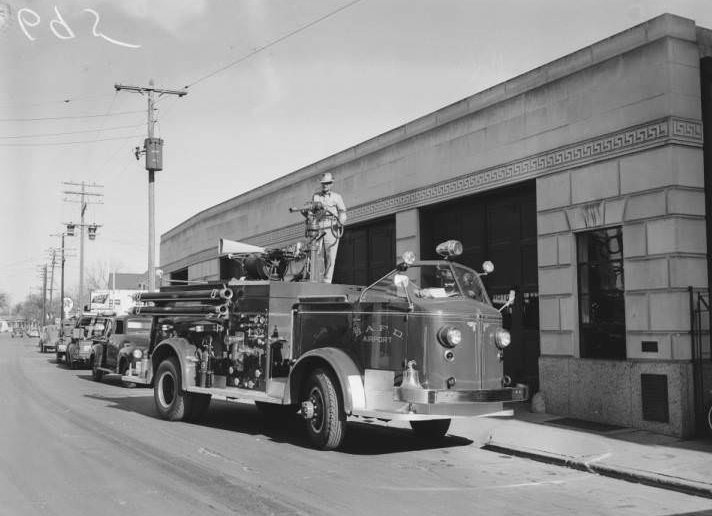
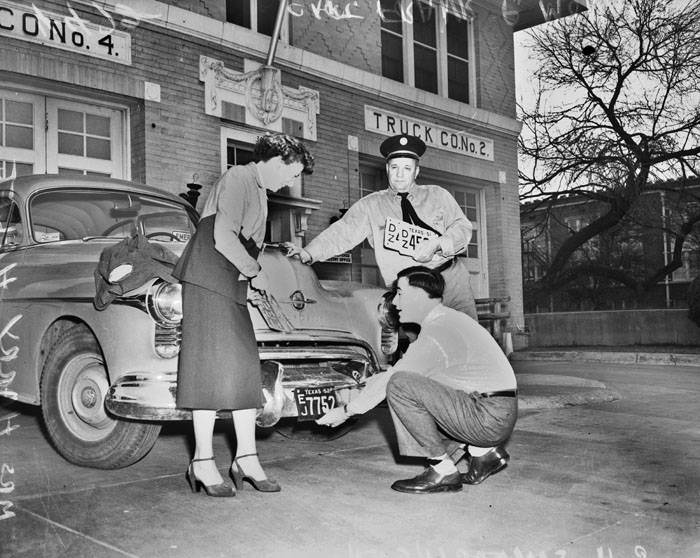
City services expanded alongside the population boom. New fire equipment was acquired to keep pace with the demands of a larger, more spread-out city.
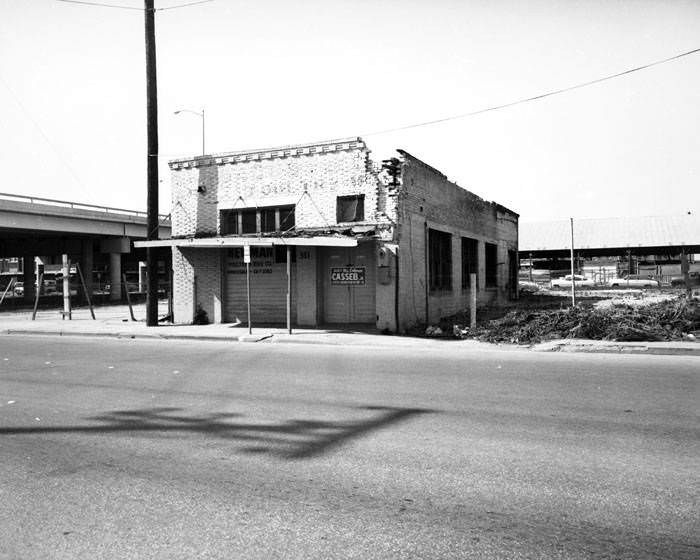
Not every building in 1950s San Antonio was in active use. Vacant properties dotted the urban landscape, some left behind by businesses that had moved on or closed.
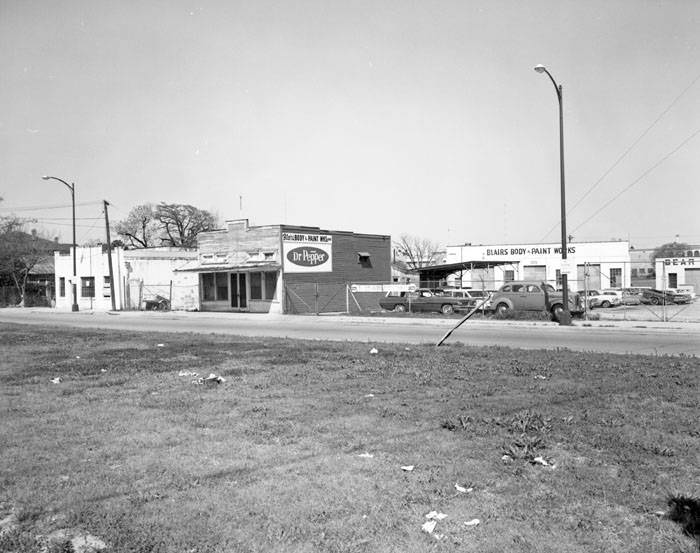
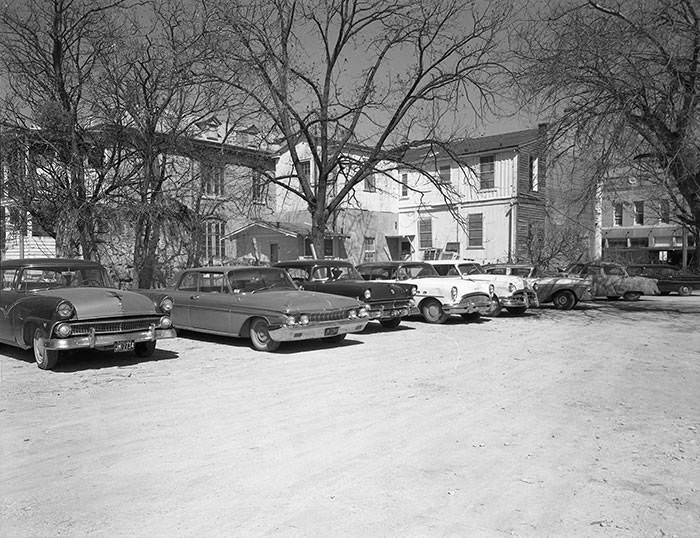
As the city grew and more residents owned cars, parking became a practical concern in downtown San Antonio. Dedicated lots like the Park and Lock on North Street offered a solution to the increasing demand for vehicle storage near the city center.
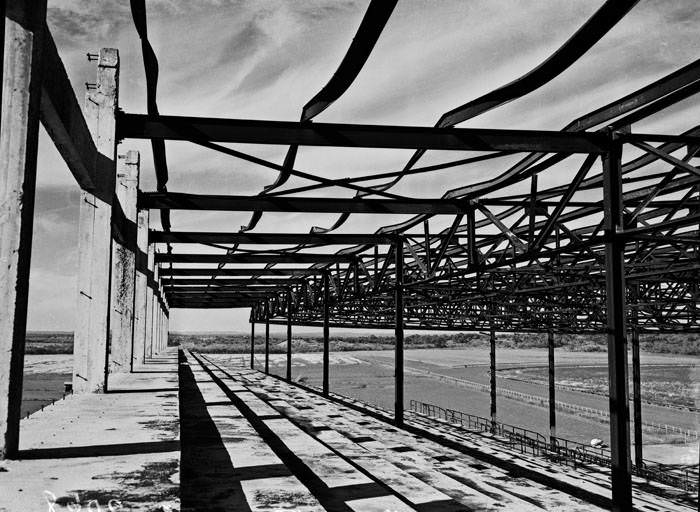
Not all of the city’s landmarks survived into the decade. The Alamo Downs Race Track, once a vibrant venue, stood empty by the early 1950s — its stands silent and its track unused.
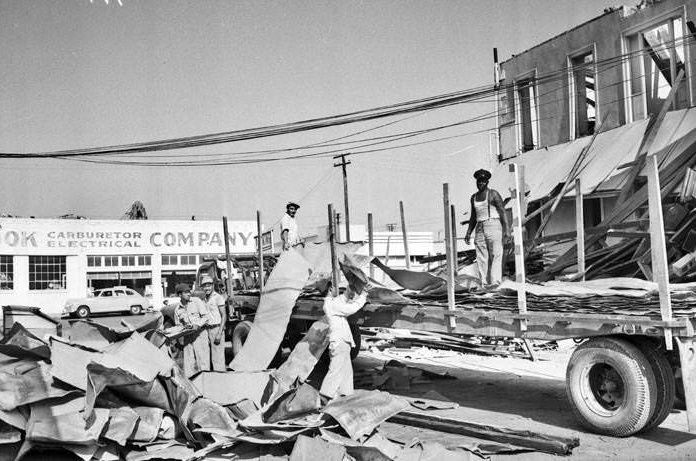
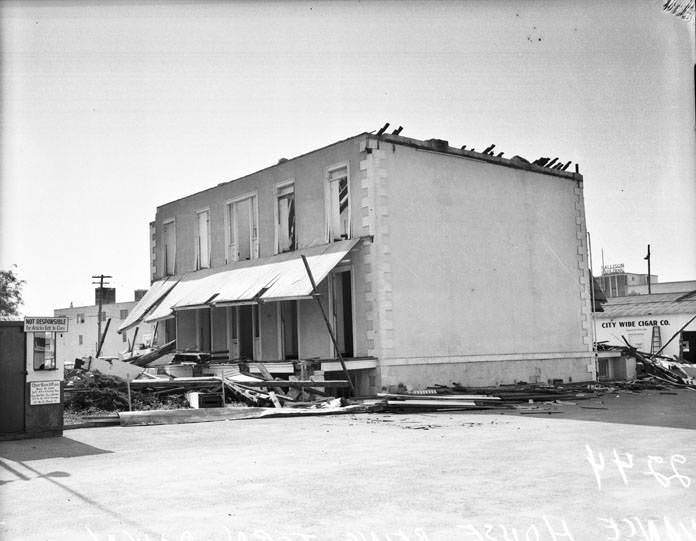
Urban development in the 1950s sometimes meant tearing down old structures to make room for new institutions. The demolition of the Vance house on E. Nueva Street cleared the way for a new Federal Reserve Bank building.
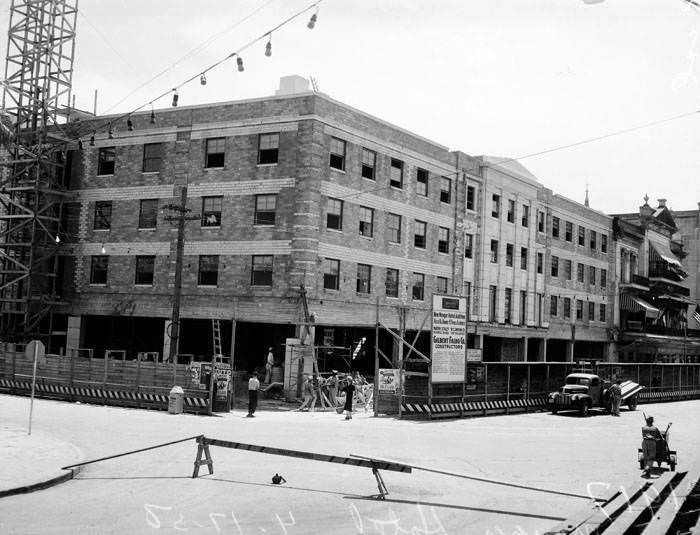
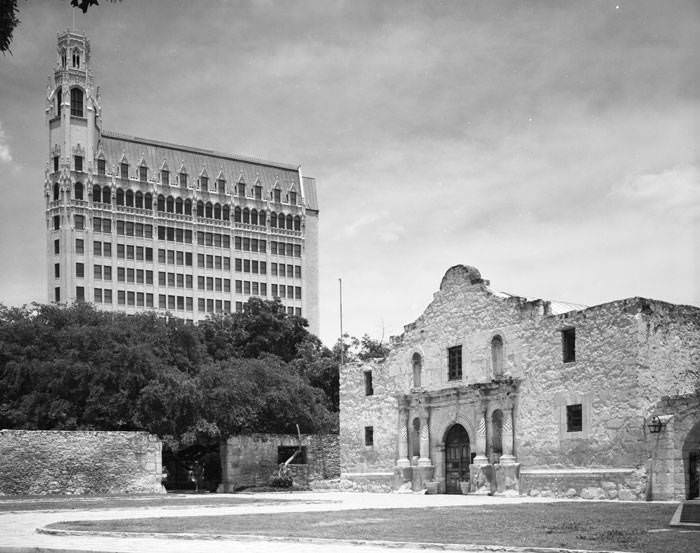
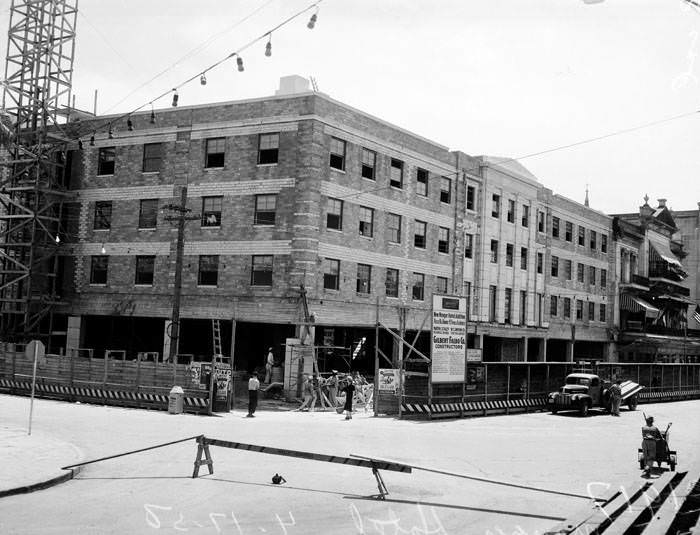
The Menger Hotel, one of San Antonio’s most storied buildings, underwent a major expansion in 1950. Construction of the second north addition was a significant project that added to the hotel’s already considerable footprint near the Alamo.
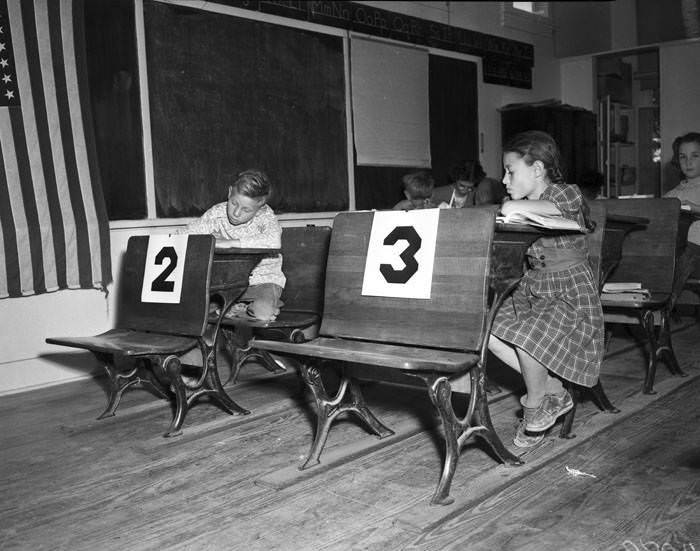
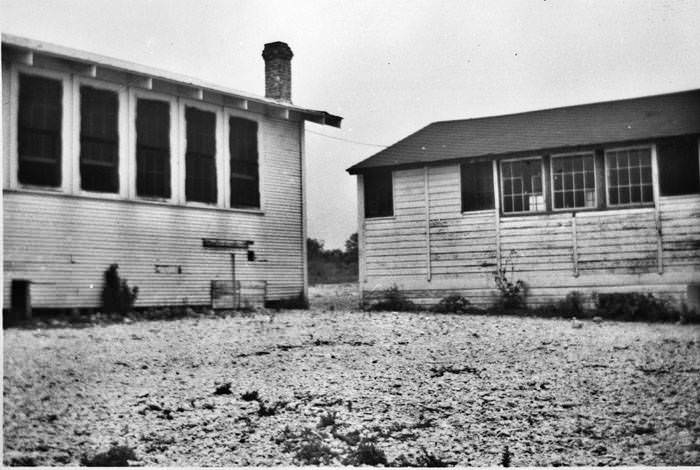
Education in the more rural parts of Bexar County looked very different from schools in the city. Seay School, located two miles northwest of Wetmore on a windswept hill, was one of only two single-room schoolhouses still operating in the county in 1951. One teacher handled four grades, nine subjects, and sixteen students all in the same room.
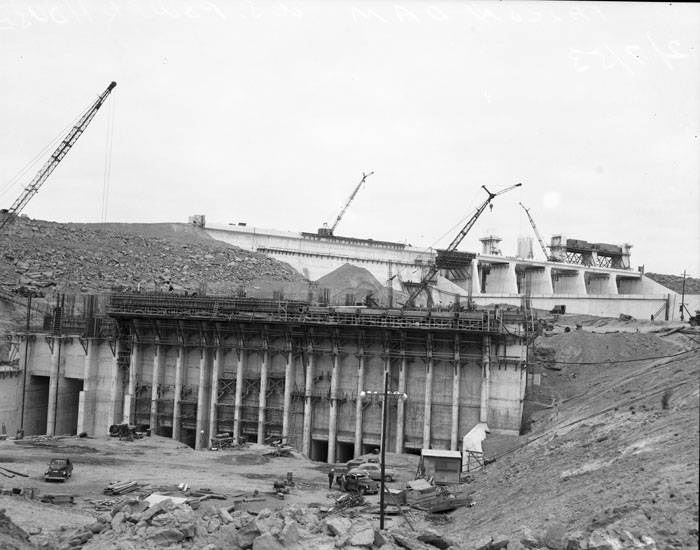
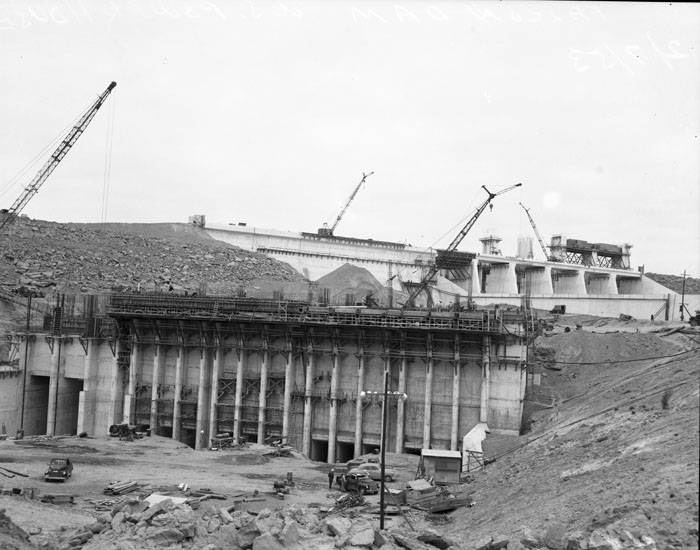
Infrastructure projects around the region reshaped the South Texas landscape during the 1950s. Construction along the Rio Grande brought new dams and powerhouses that promised to control flooding and generate electricity.
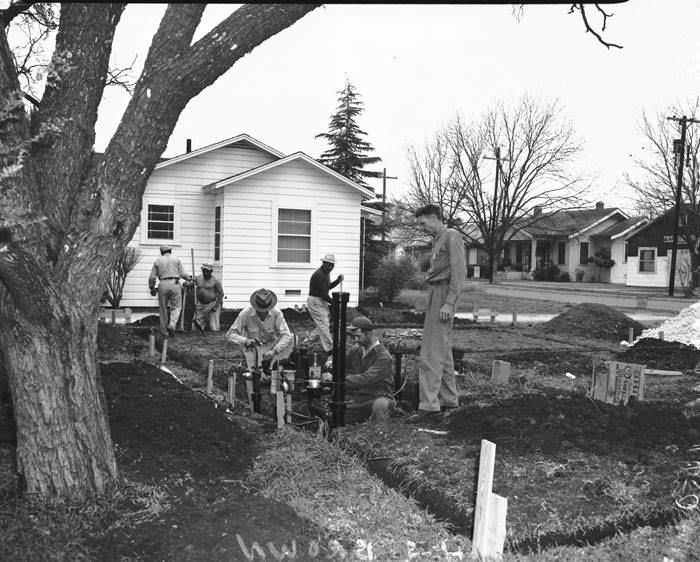
New housing construction was a constant sight across San Antonio in the 1950s. The population surge created steady demand for new homes, and builders worked to keep pace with it.
Stage stops like the one in Bastrop were part of the region’s older transportation history, offering a glimpse into the pre-automobile era that San Antonio had left behind but not entirely forgotten.
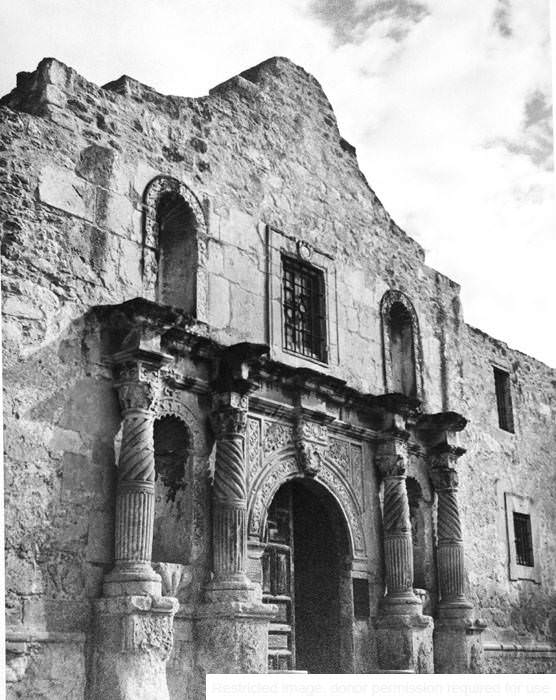
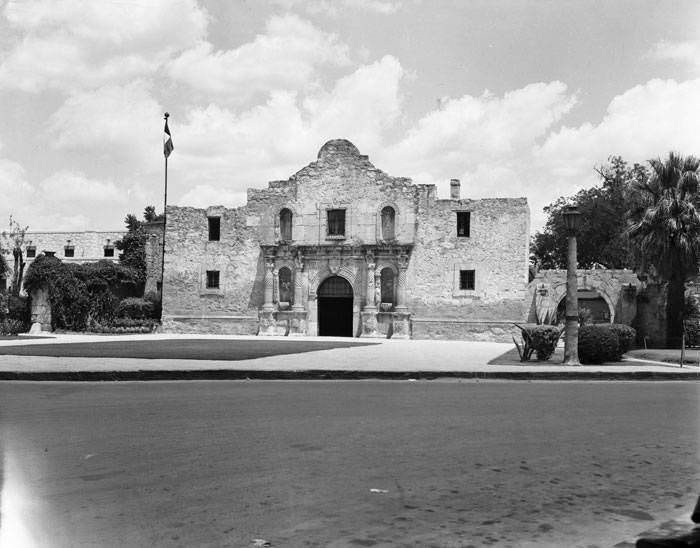
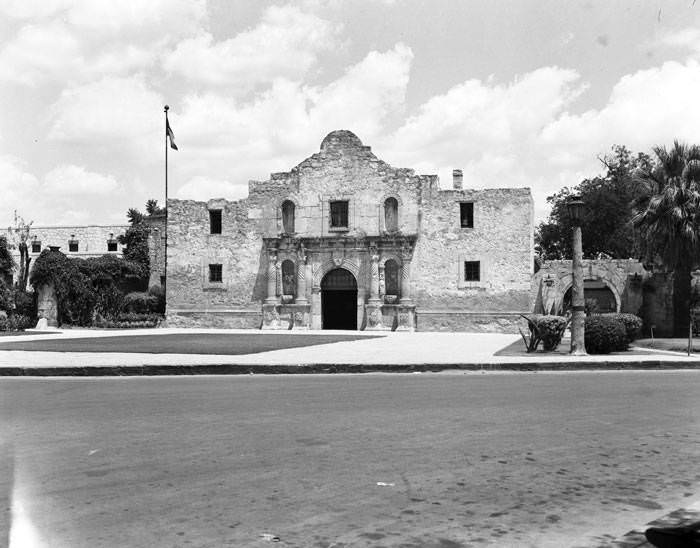
The Alamo remained the single most recognizable symbol of San Antonio throughout the decade. Tourists and locals alike visited the old mission fortress, which had been the site of one of the most famous battles in Texas history back in 1836.
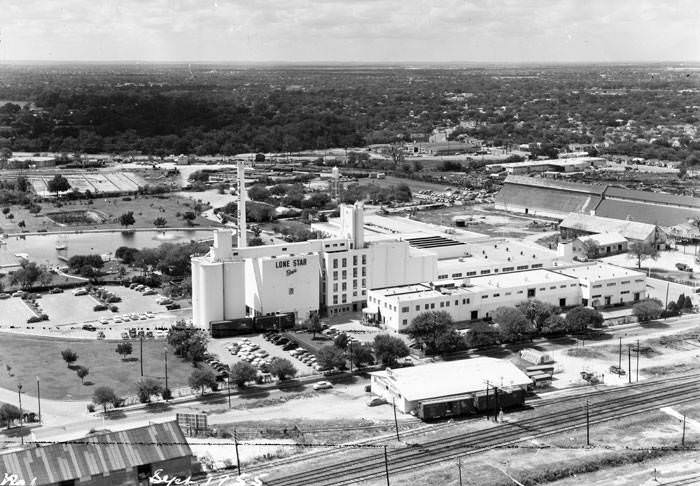
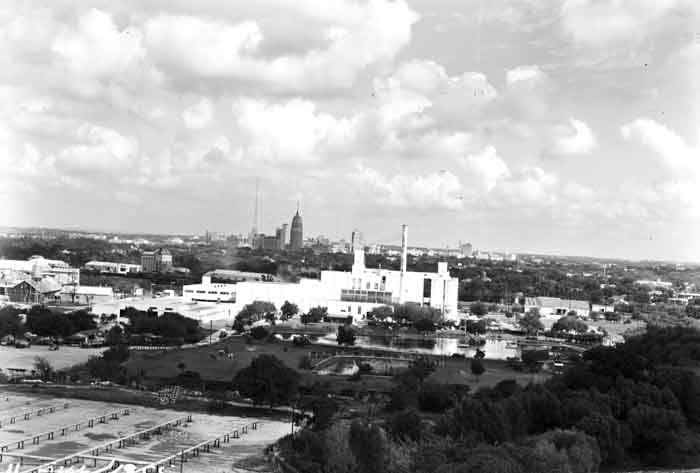
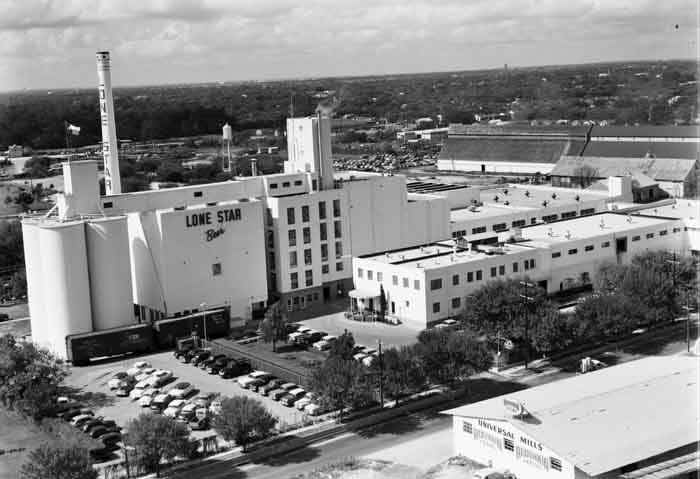
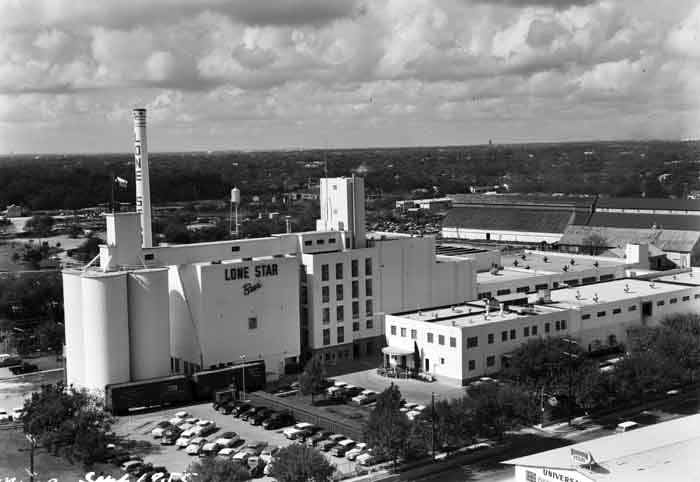
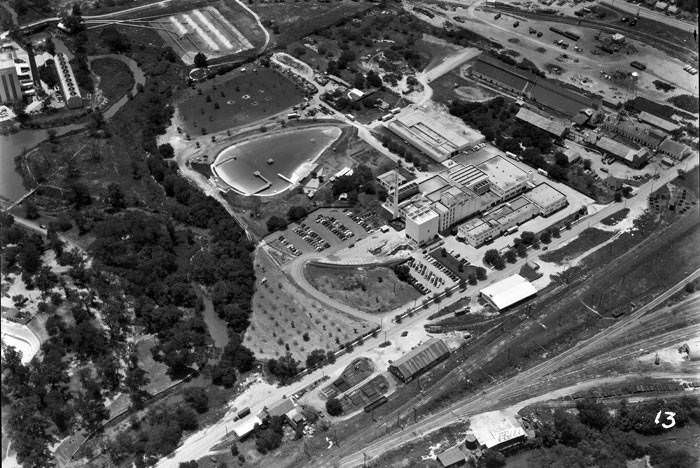
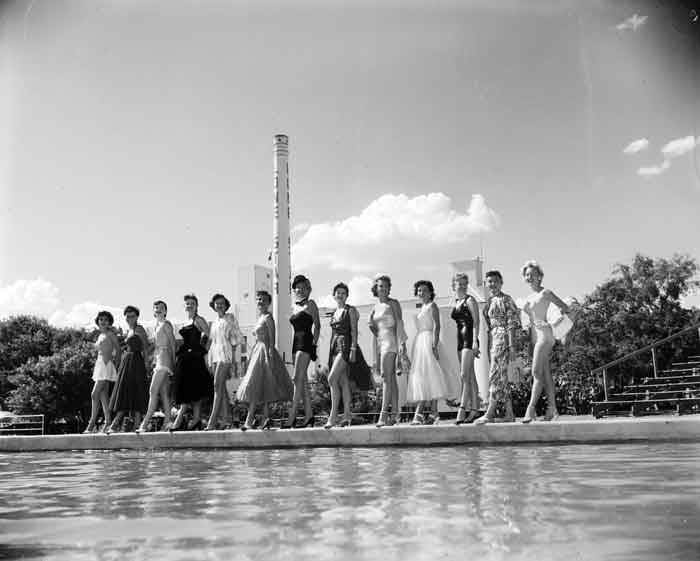
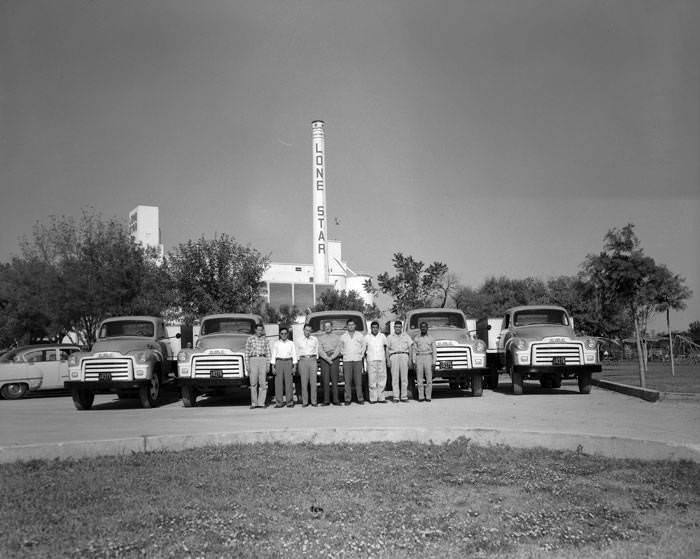
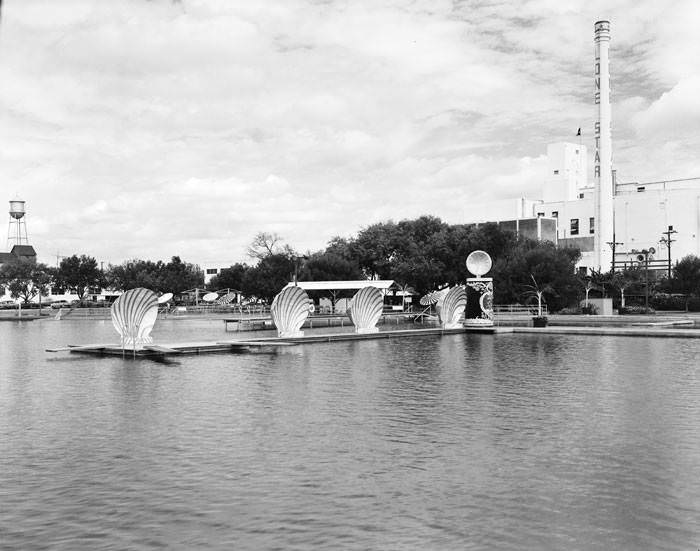
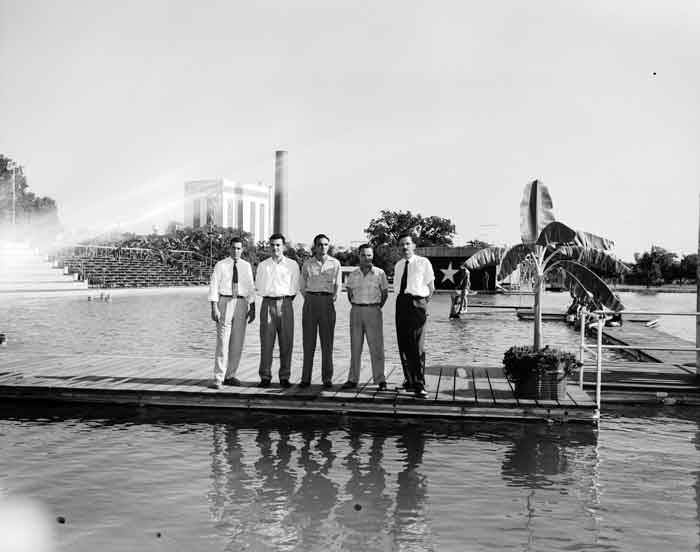
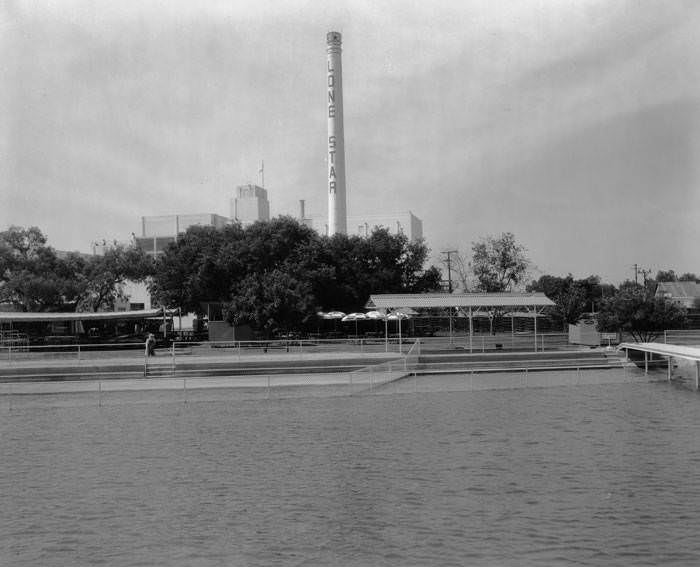
Beer was one of San Antonio’s key products, and Lone Star Brewing Company was at the heart of that industry. Located at 542 Simpson Street, the brewery was a major employer and a well-known local institution. Its grounds included an artesian lake that hosted events and attracted visitors throughout the year.
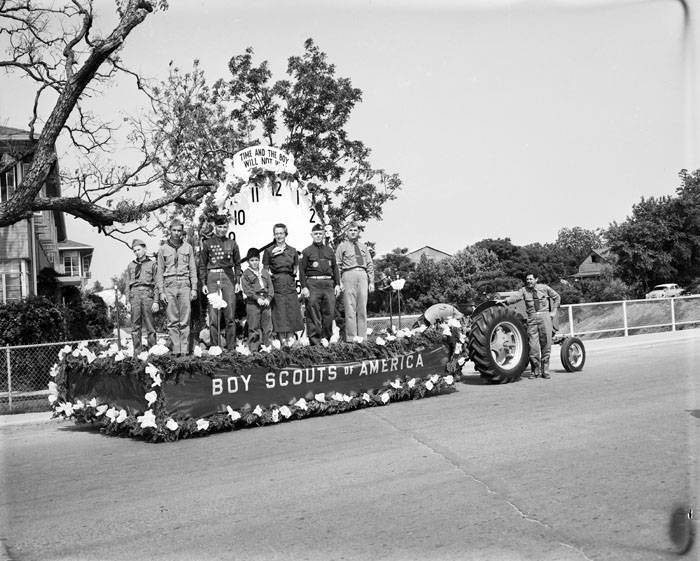
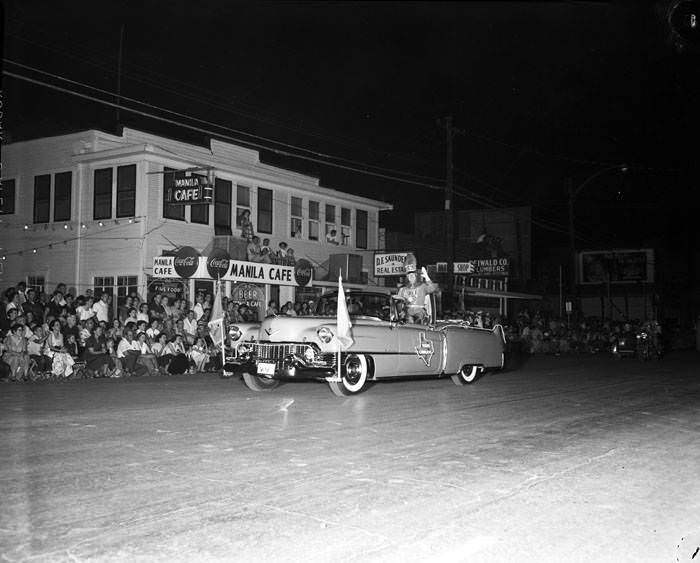
Fiesta San Antonio was — and still is — the city’s biggest annual celebration. The Fiesta Flambeau Parade lit up the streets each spring, featuring elaborate floats, marching bands, and costumed royalty parading through downtown.
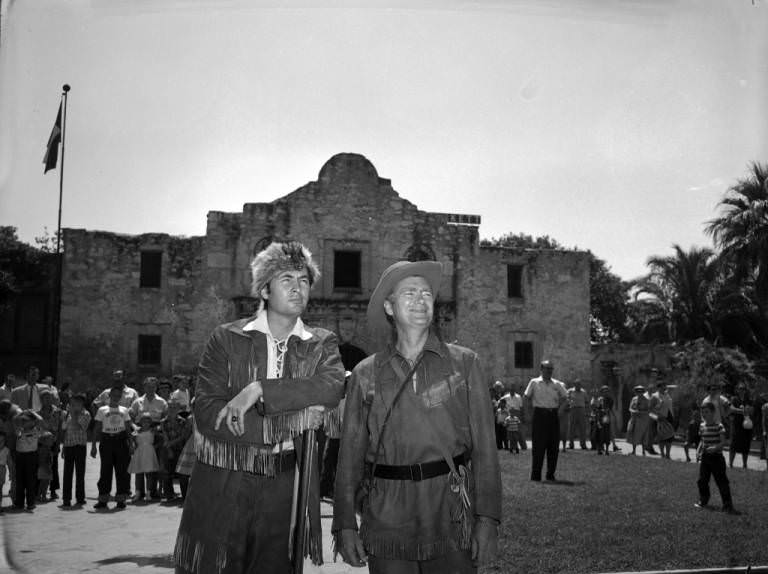
Hollywood took notice of San Antonio’s history in the 1950s. Actors Fess Parker and Buddy Ebsen, well known for their roles in Davy Crockett, were photographed outside the Alamo in 1955 — a fitting backdrop for two men so associated with early American frontier stories.
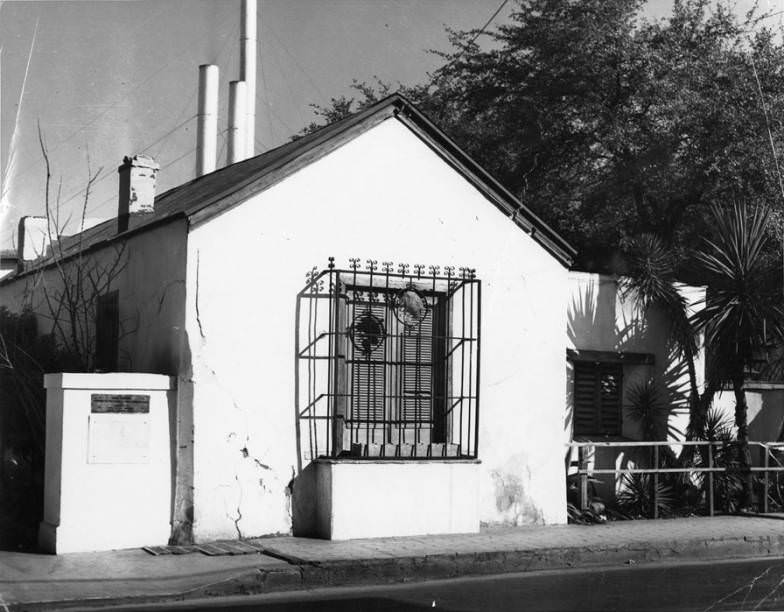
The Cos House was among the historic structures that stood as a reminder of the Texas Revolution. Named after Mexican General Martín Perfecto de Cos, the building dated back to the era when San Antonio was a battleground between Mexican forces and Texas rebels.
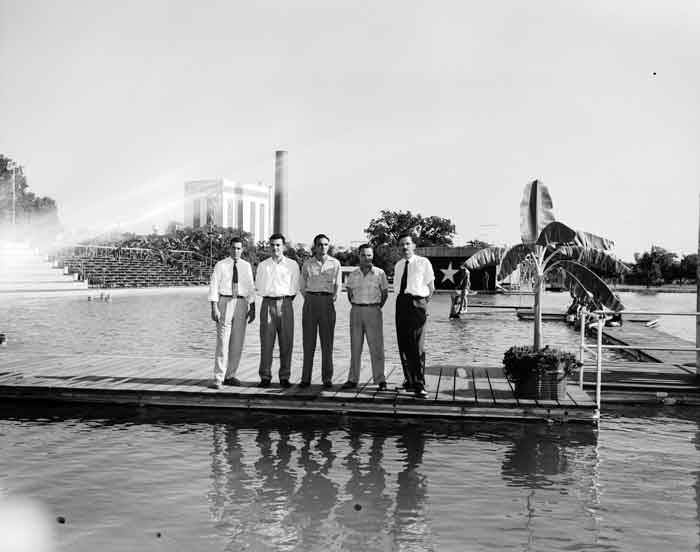
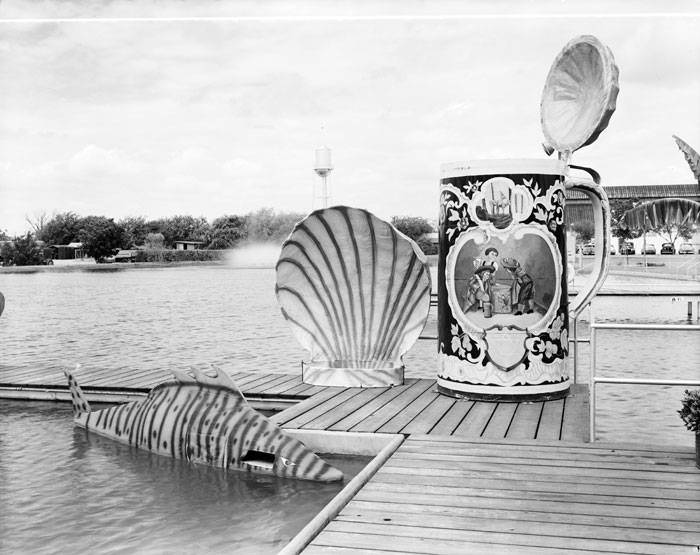
The Lone Star Brewing Company’s grounds were also used for public entertainment events. The Lone Star Aquacade, held on the brewery’s lake, drew crowds who came to watch swimmers and performers put on water-based shows.
The Fiesta Flambeau Parade ran through downtown San Antonio each year, with King Antonio — a ceremonial title given to a prominent local — leading the procession past packed sidewalks and city landmarks.
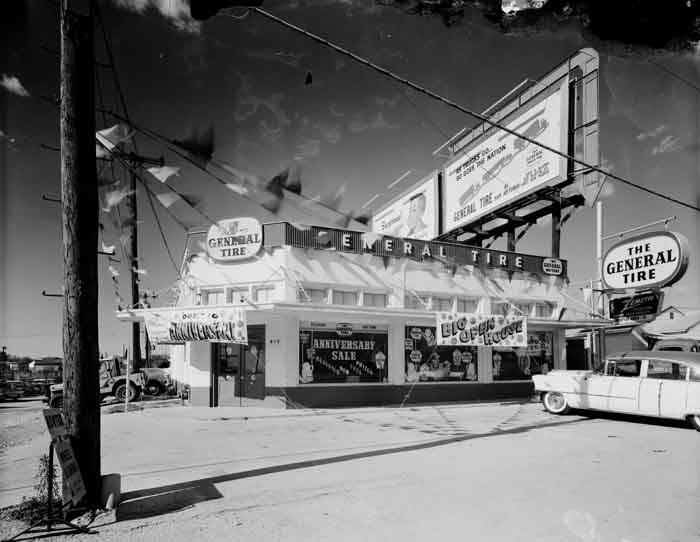
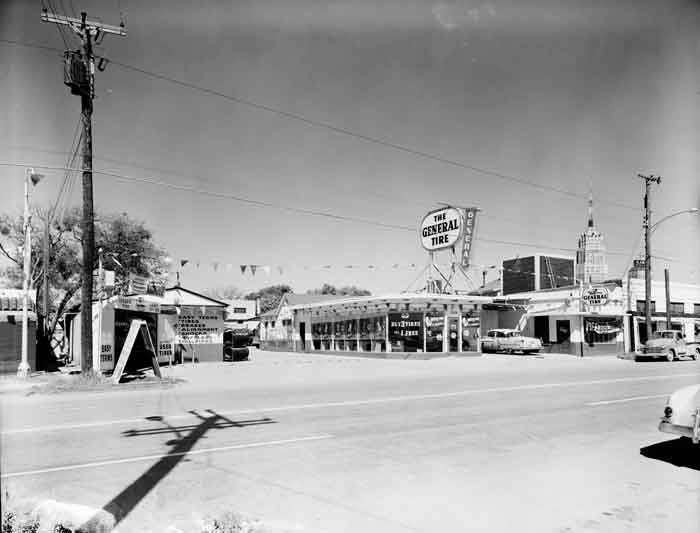
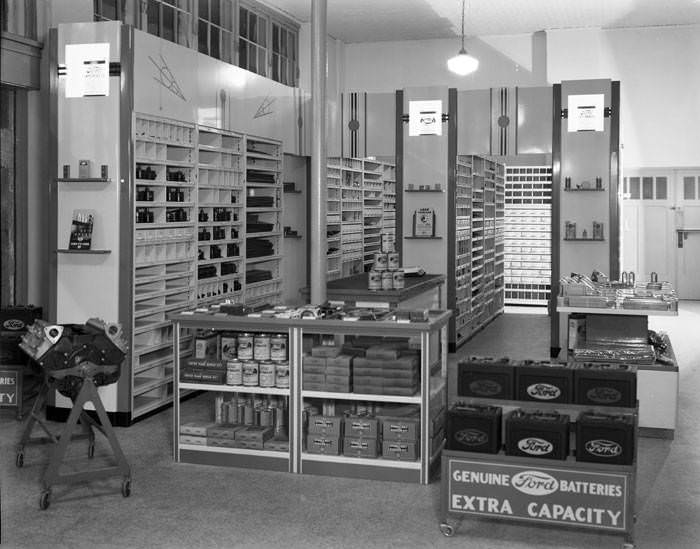
The automotive industry had a strong retail presence in San Antonio by the 1950s. Tire companies and auto parts dealers set up multiple locations across the city to serve a growing population of car owners.
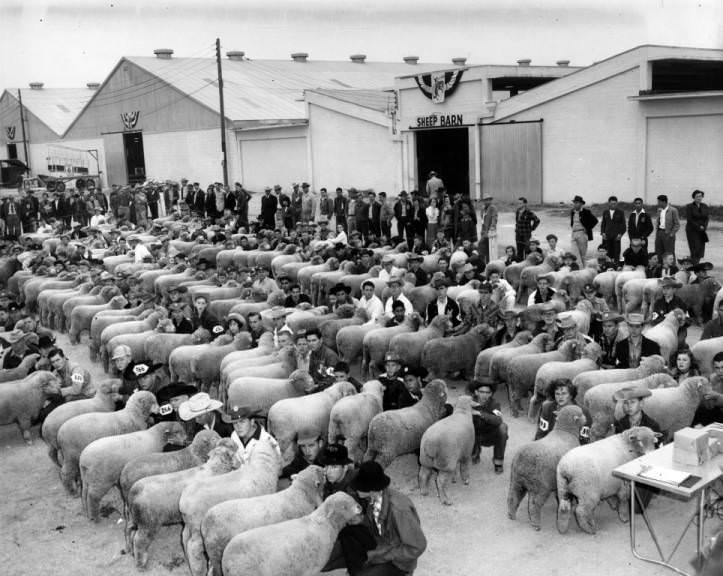
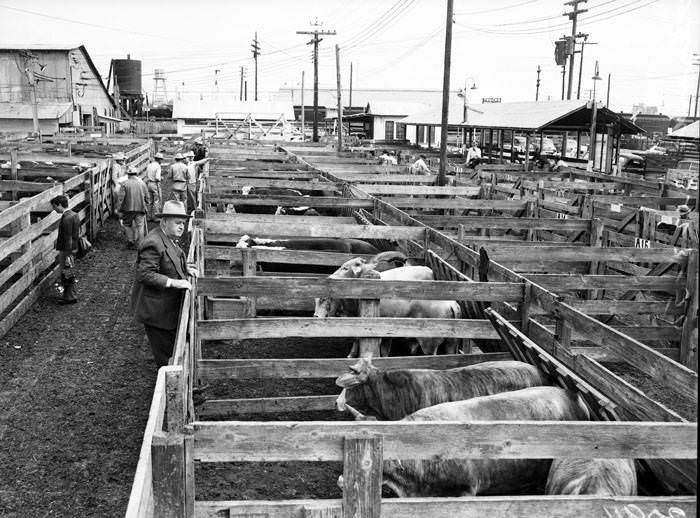
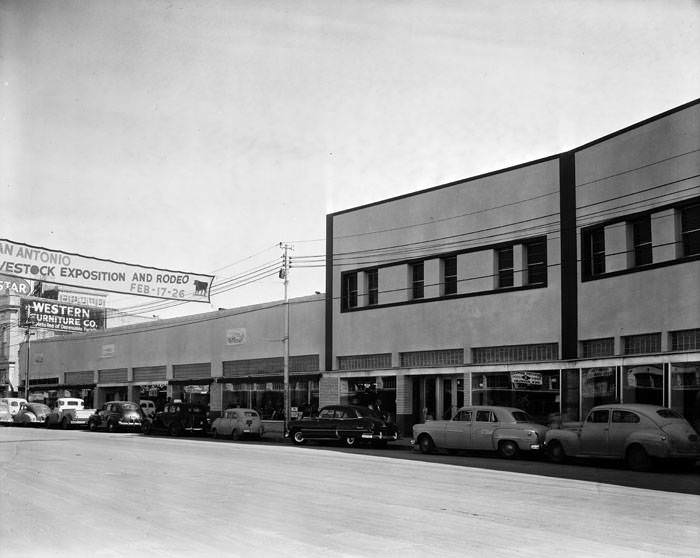
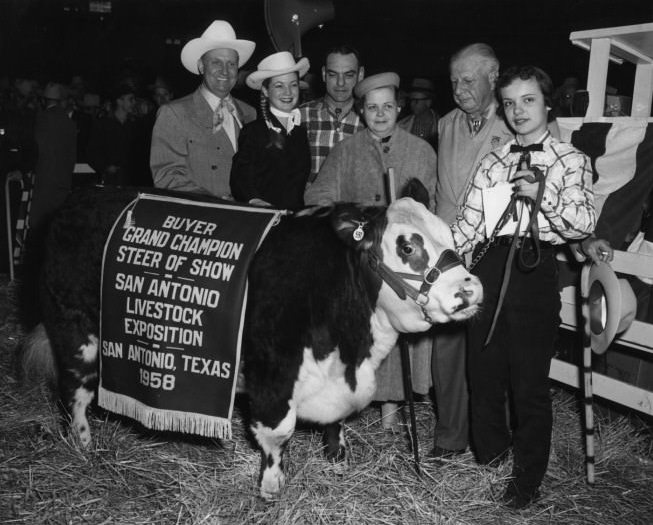
Agriculture remained a vital part of the regional economy. The San Antonio Livestock Exposition was a major annual event that drew ranchers and livestock from across South Texas.
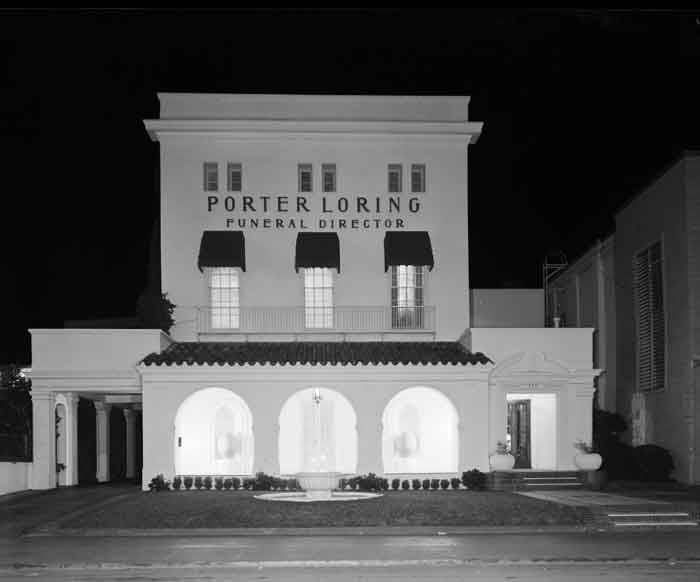
San Antonio’s funeral homes, churches, and community institutions formed the social fabric of 1950s city life. Establishments like Porter Loring Funeral Home on Jefferson Street had served the community for years and continued to do so throughout the decade.
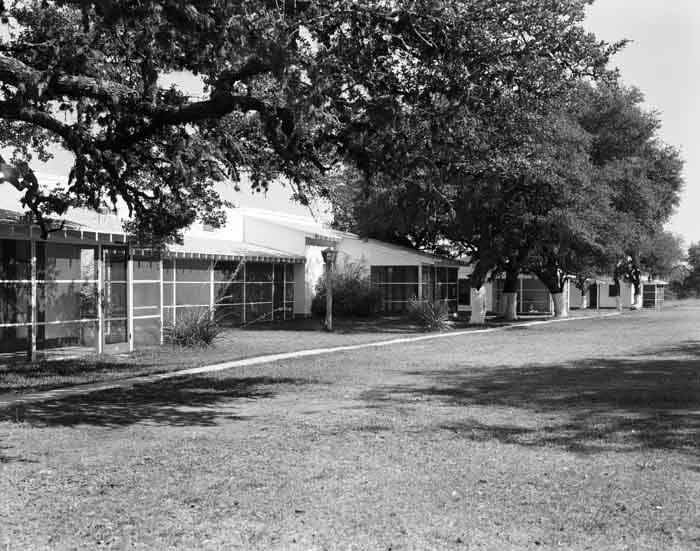
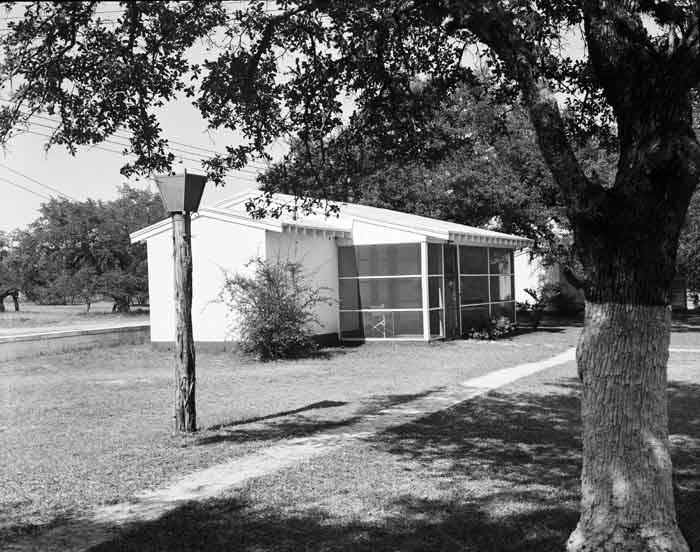
Outside the city, resort ranches offered a different side of Texas life. The Lost Valley Resort Ranch provided guests with screened porches, open land, and outdoor activities — a comfortable retreat from urban San Antonio.
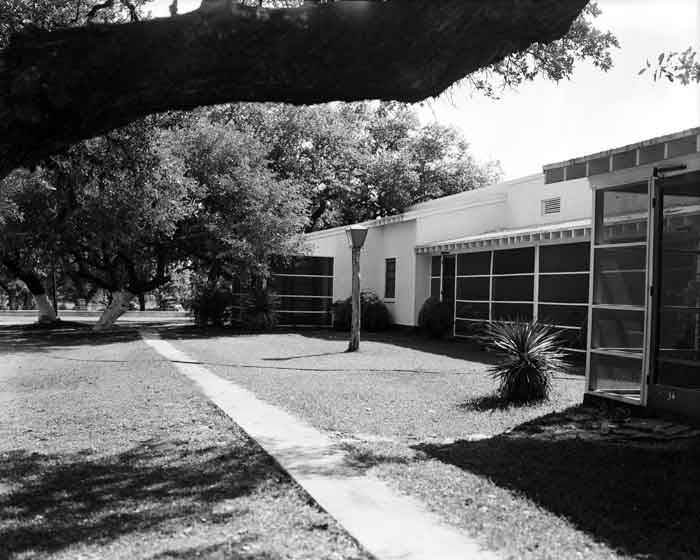
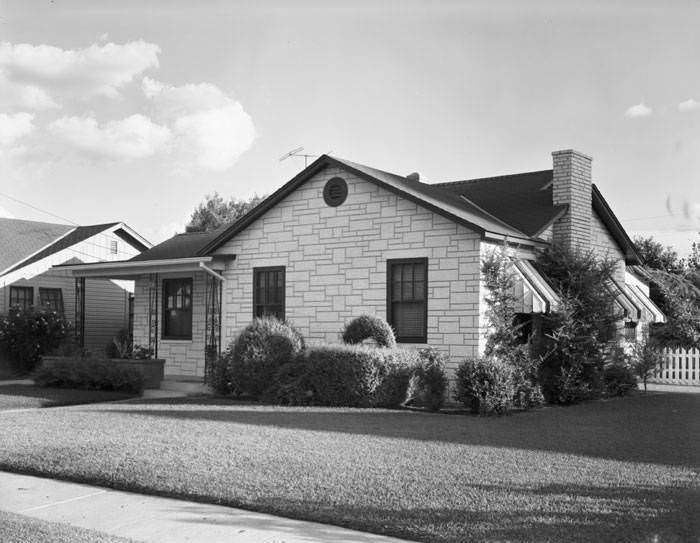
New building materials made their way into San Antonio’s residential construction in the 1950s. Asbestos cement veneer siding, marketed by companies like Brickstone Products Corporation, was applied to existing homes as a durable alternative to traditional wood siding.
By the end of the decade, the Alamo stood as it had for over a century — a quiet, stone reminder of the city’s oldest chapter, surrounded now by the noise and growth of a modern Texas city.
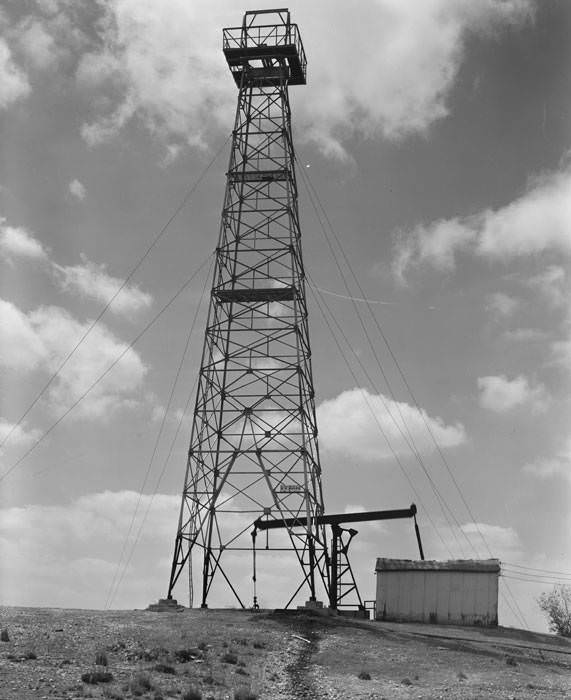
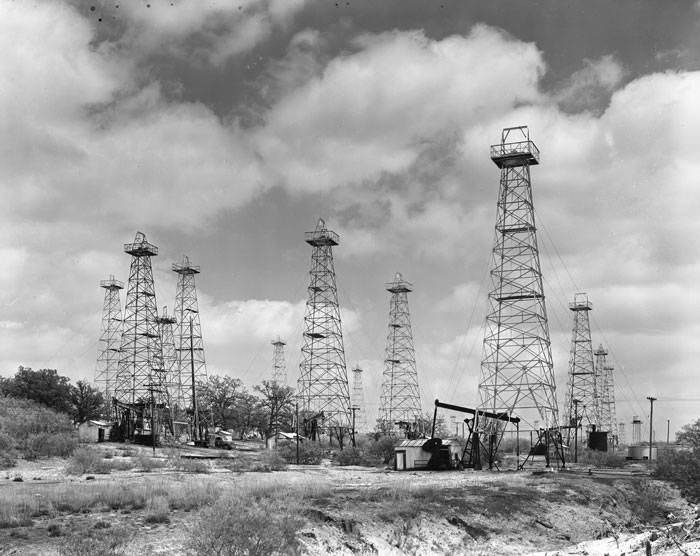
Oil was a major driver of the Texas economy, and the San Antonio region was no exception. Derricks in South Central Texas marked the landscape as the petroleum industry extracted one of the state’s most valuable resources.
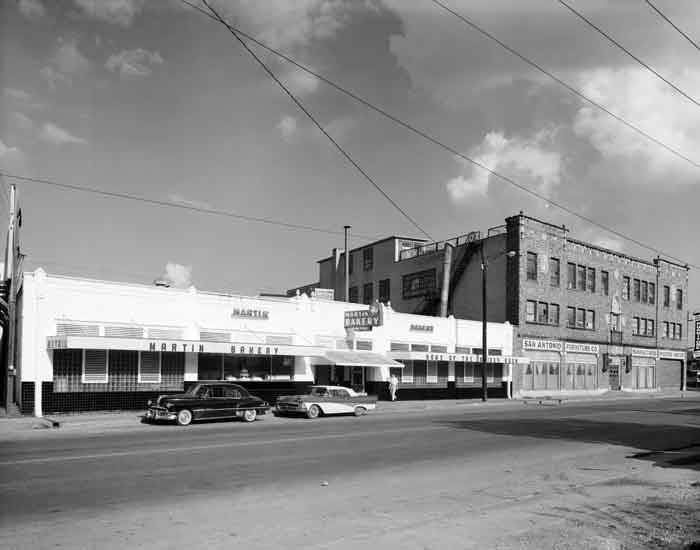
San Pedro Avenue was one of the city’s busier commercial strips. Bakeries, furniture stores, and local businesses lined the avenue, serving the surrounding neighborhoods.
Flooding around Woodlawn Lake was a recurring problem for nearby residents in the early 1950s. The area’s low elevation made it especially prone to water damage when storms moved through the city.
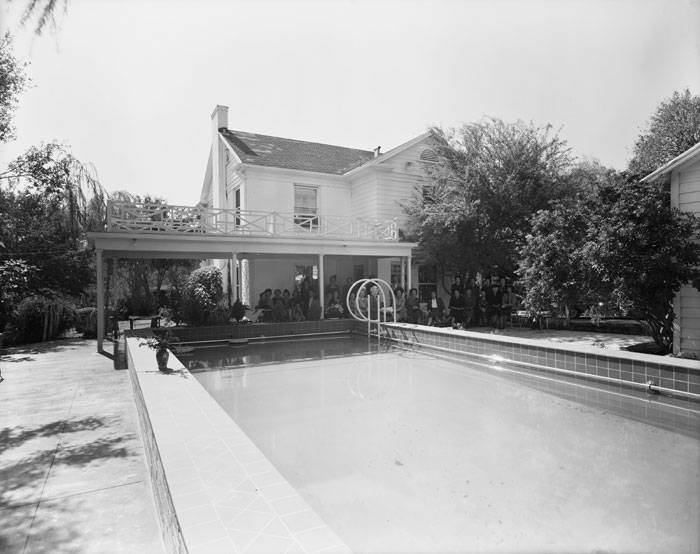
Residential life in suburban neighborhoods like Olmos Park offered a more relaxed pace. Community gatherings took place in private backyards, around swimming pools, and in neighborhood parks throughout the 1950s.
The automotive industry had a strong presence in San Antonio, with dealerships and parts suppliers occupying prominent locations throughout the city.
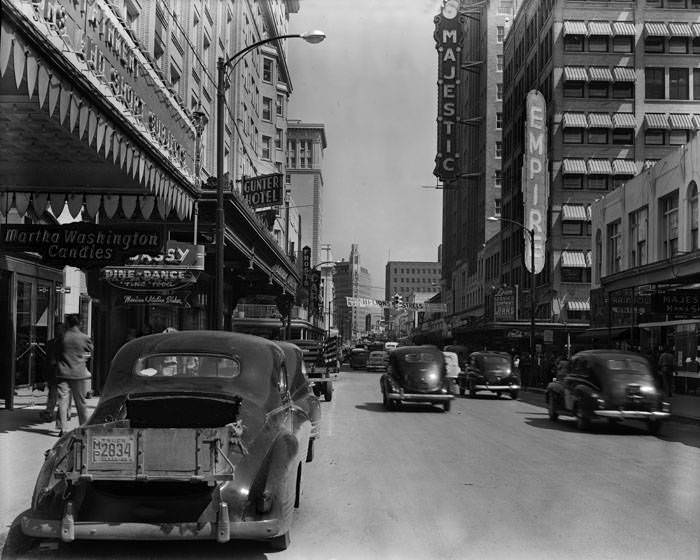
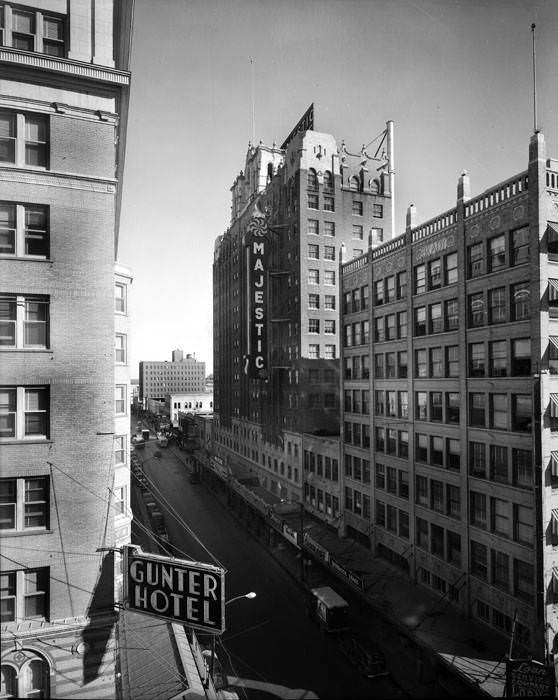
E. Houston Street was one of downtown San Antonio’s main arteries. Looking east from key intersections, the street offered a view of the city’s commercial heart — department stores, office buildings, and busy sidewalks filled with pedestrians.
Public schools were scattered across the city and its surrounding areas, serving a student population that was growing rapidly alongside the overall population. West San Antonio Heights School was one of many institutions that had to expand to meet the decade’s demands.
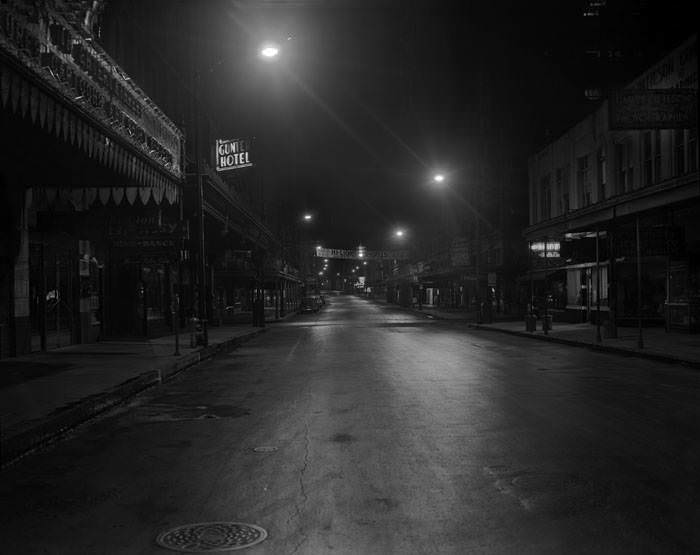
San Antonio’s music scene in the 1950s was quietly significant. Albert “Don Albert” Dominique, a jazz trumpeter and bandleader who had led one of the top swing bands of the 1930s, lived on Lombrano Street. His home was part of a neighborhood that had long been central to the city’s Black community and cultural life.
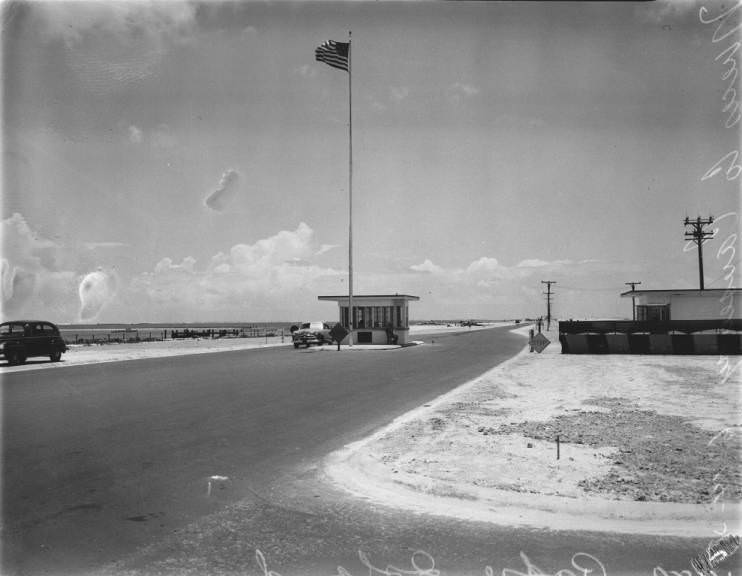
The Texas Gulf Coast was accessible from San Antonio, and the Nueces County Causeway at Padre Island connected the mainland to one of the state’s most popular barrier islands. It was a route that many San Antonians traveled for weekend getaways.
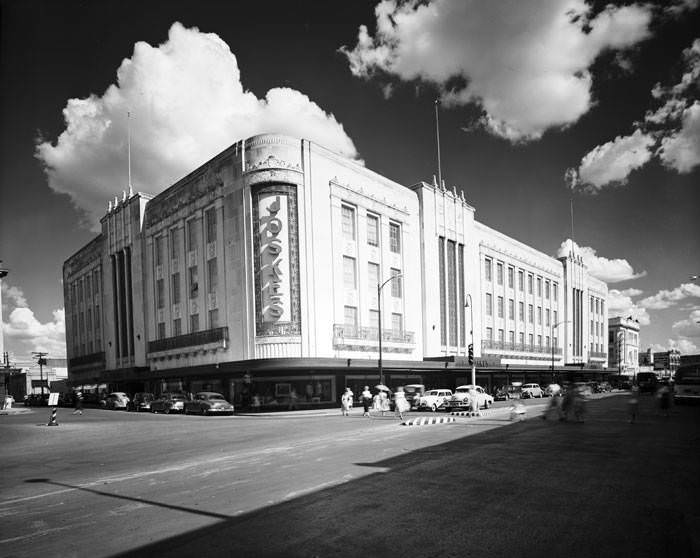
Joske’s department store, positioned at the corner of Blum and N. Alamo Streets just steps from Alamo Plaza, was one of the most prominent retail destinations in the city. Its location made it a landmark in its own right, visible from the historic plaza that anchored downtown.
The Lone Star Brewery’s artesian lake was one of the more unusual features of any industrial site in San Antonio. Fed by natural underground springs, the lake sat on the brewery’s grounds and became a gathering place for employees and visitors throughout the decade.
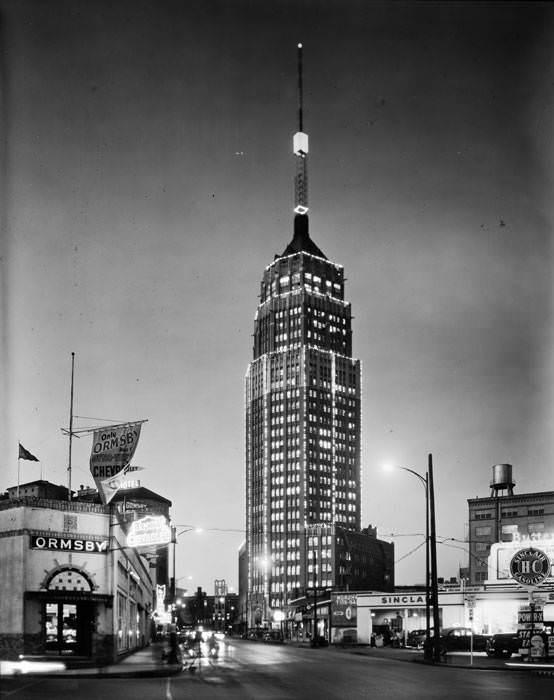
Holiday decorations transformed the city’s skyline each December. The Transit Tower, formerly known as the Smith-Young Tower, was wrapped in Christmas lights in 1950, making it a glowing centerpiece of the downtown skyline during the holiday season.
Small family-owned grocery stores were central to neighborhood life across San Antonio. La Gloria Food Market on S. Laredo Street, operated by Oscar and Rosalinda Elizondo, was one such store — serving customers from the surrounding community and stocking the goods that local families depended on daily.
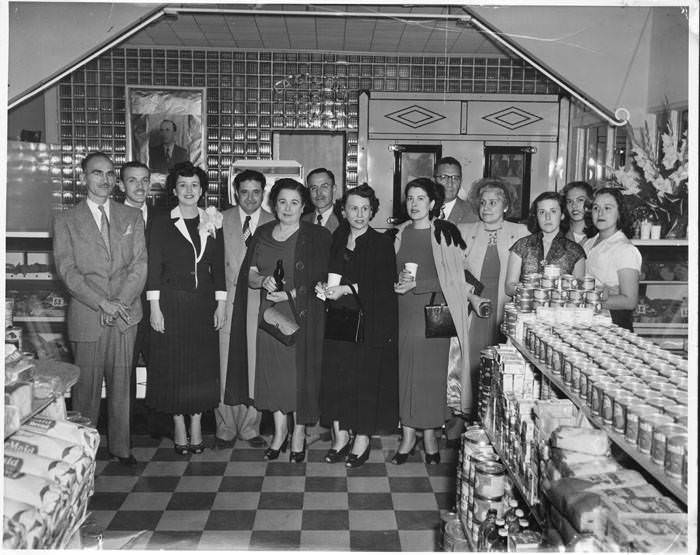
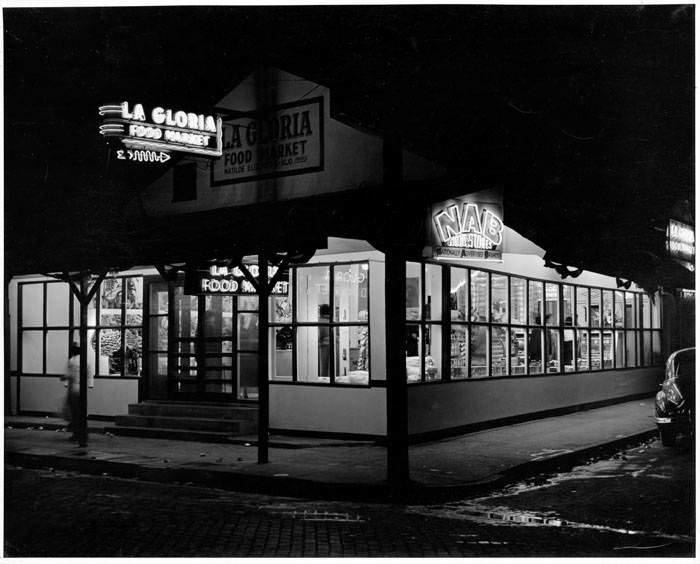
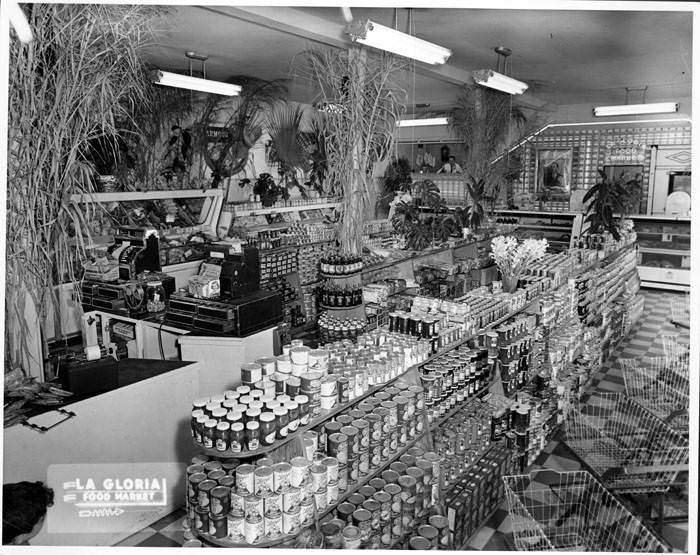
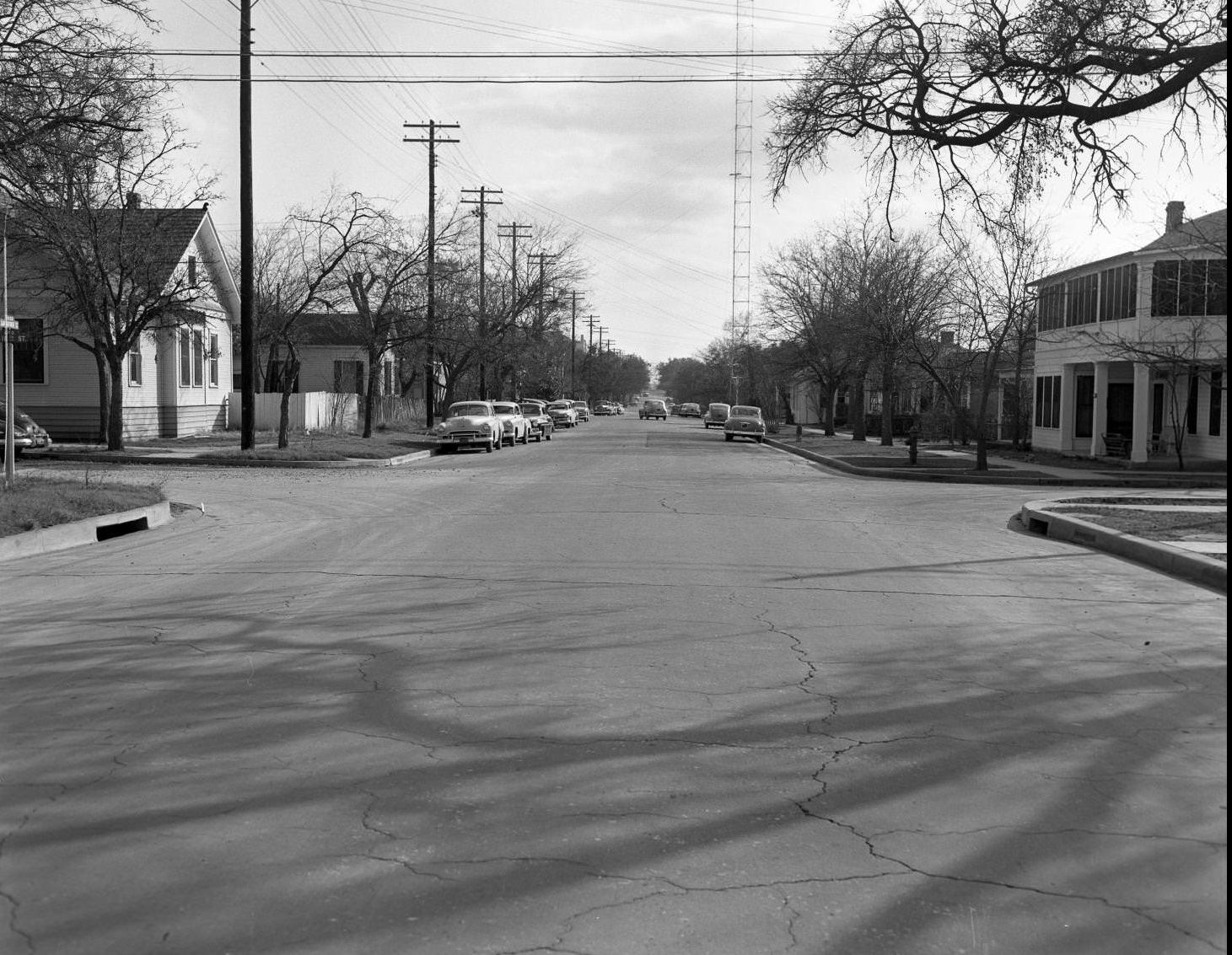
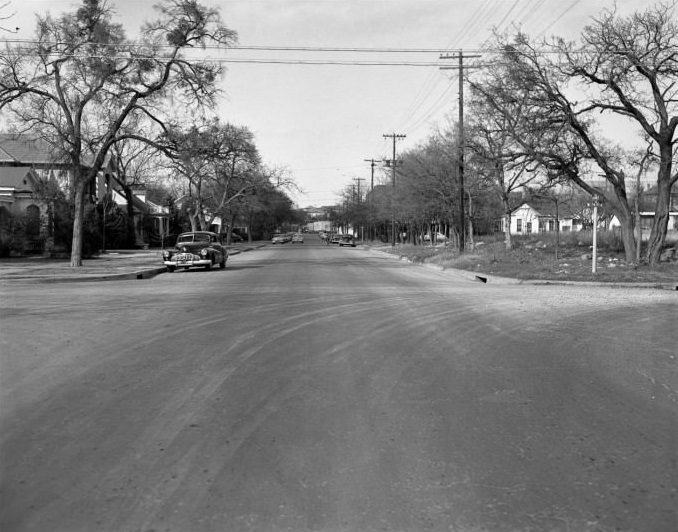
San Antonio Street, viewed from its intersection at 16th Street, captured the look of a mid-century Texas city in full stride — telephone poles lining the road, modest storefronts on the corners, and a street built for a population that was growing faster than it could keep up with.
The San Antonio Livestock Exposition was a competitive event that drew entries from across the region. Prize animals were a matter of serious pride for the ranchers who raised them.
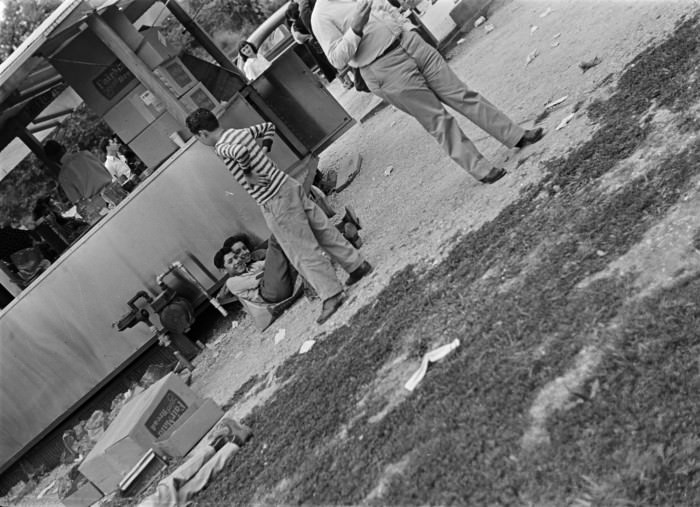
Street food vendors were a familiar sight in San Antonio, reflecting the city’s deep Mexican and Tejano cultural roots. Outdoor food stands served locals in plazas and on busy street corners throughout the decade.
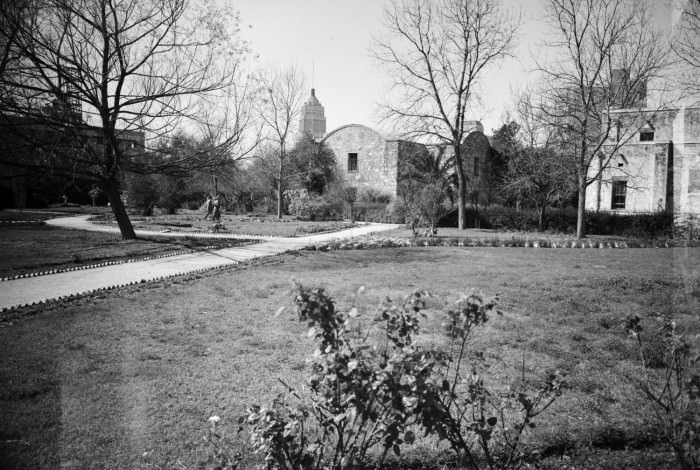
Hollywood’s interest in Texas history extended to the construction of full-scale replicas. In May 1959, Paramount Studios built its own version of San Antonio as a film set, a testament to how deeply the city’s image had embedded itself in American popular culture.
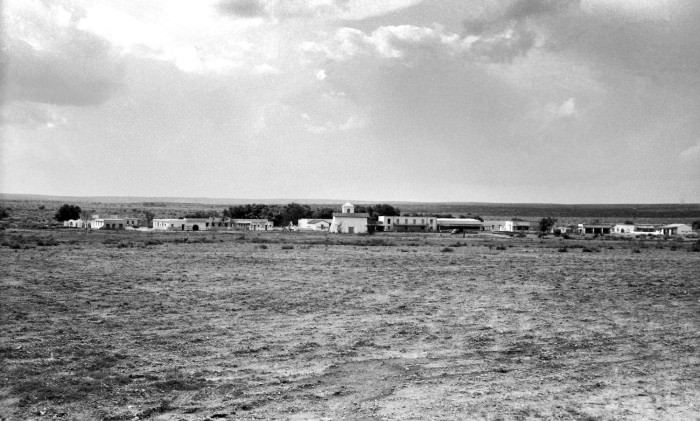
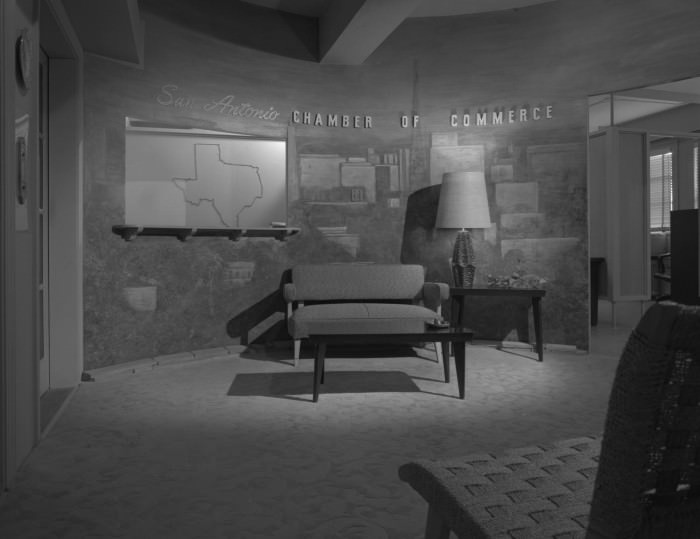
The San Antonio Chamber of Commerce was an active force in promoting the city’s business interests and guiding its growth during the 1950s. As the population expanded, so did the need for organized civic leadership to manage new development and attract investment.
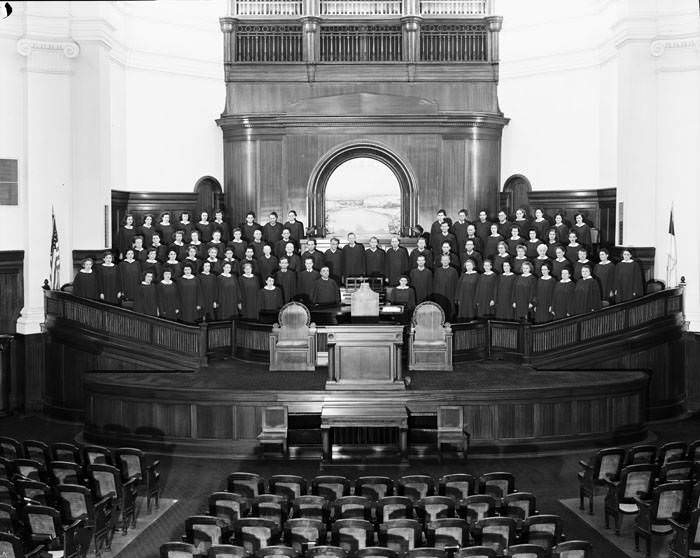
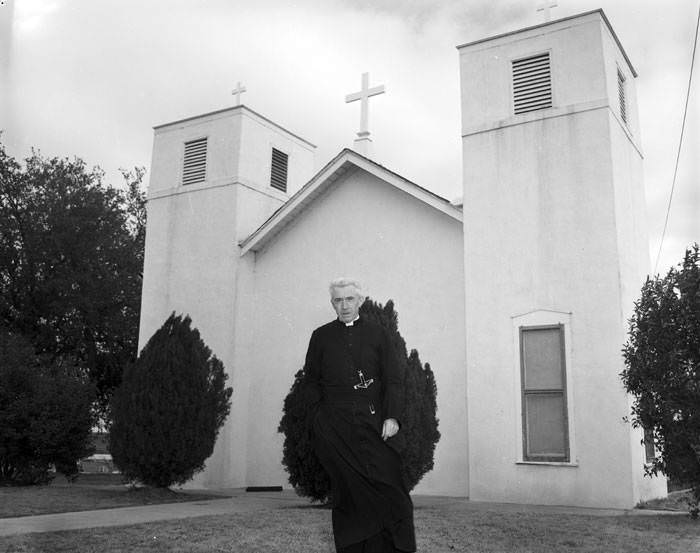
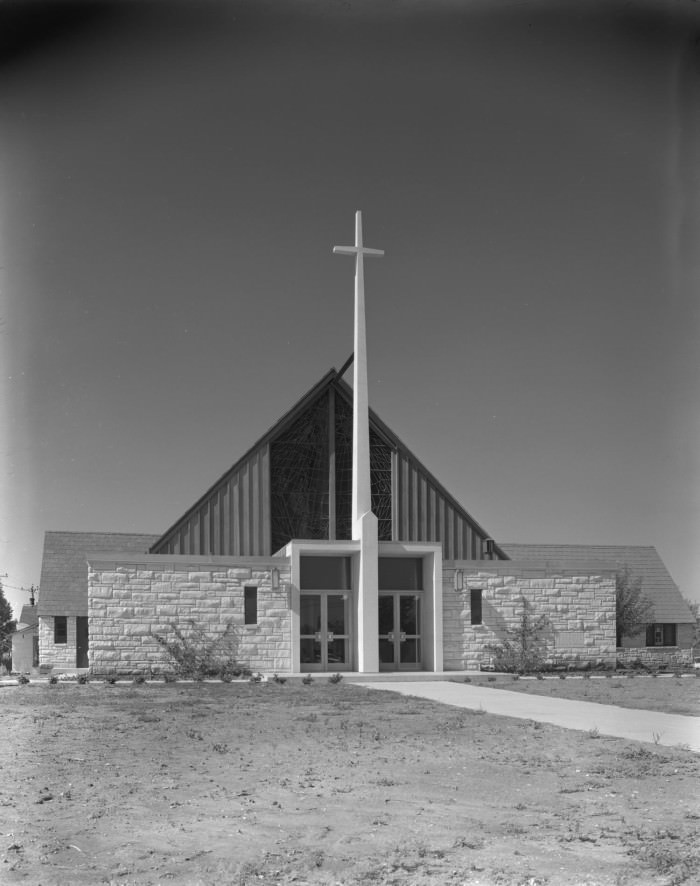
Churches of all denominations served as the social and spiritual centers of their neighborhoods. New congregations built new facilities across the city throughout the decade, adding to the already rich mix of religious architecture that defined San Antonio’s streets.
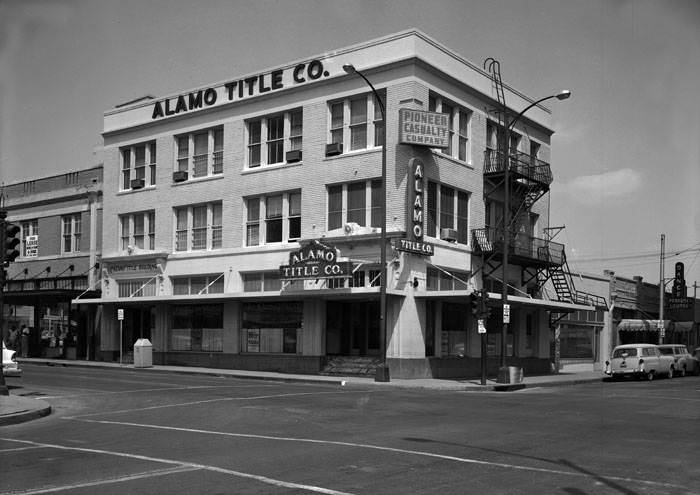
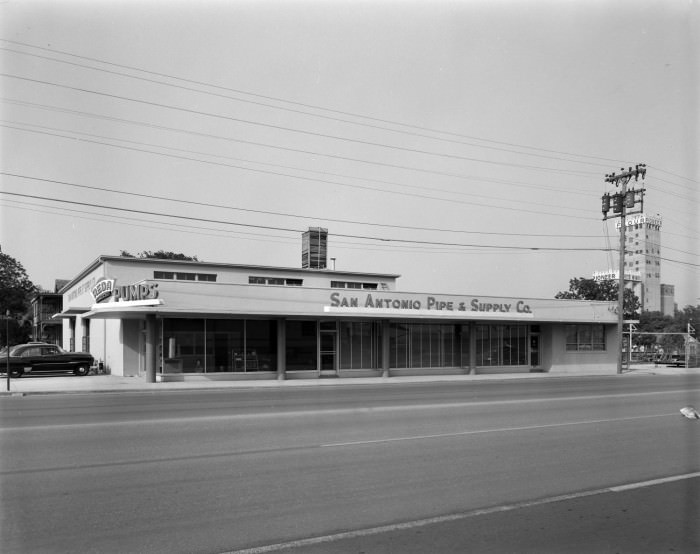
Industrial suppliers like the San Antonio Pipe and Supply Company supported the city’s construction boom from the ground up. Located at the corner of Nathan and South Alamo Street, the company provided the materials that kept new buildings going up across a rapidly expanding city.





Wow just wow !!!!! How this city has changed 😞
The roads were wider then than they are now 😠
So nice to see how it was