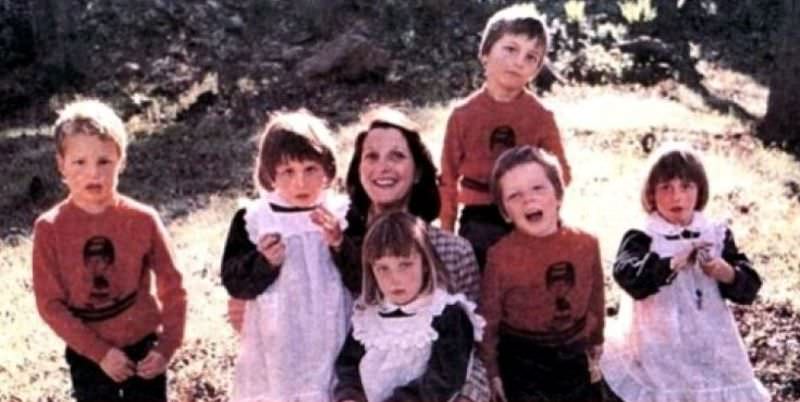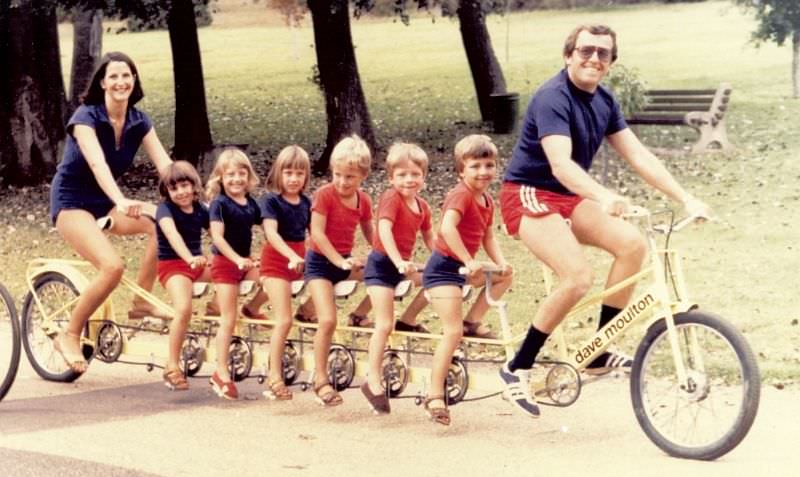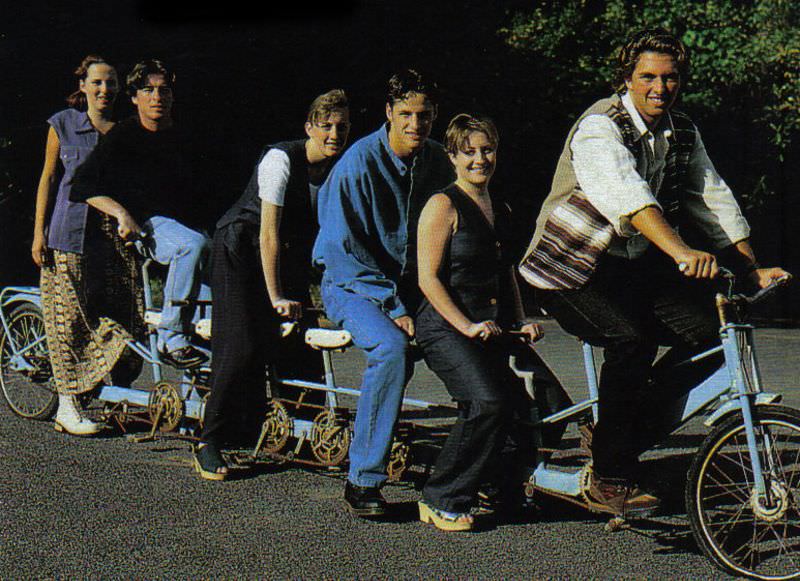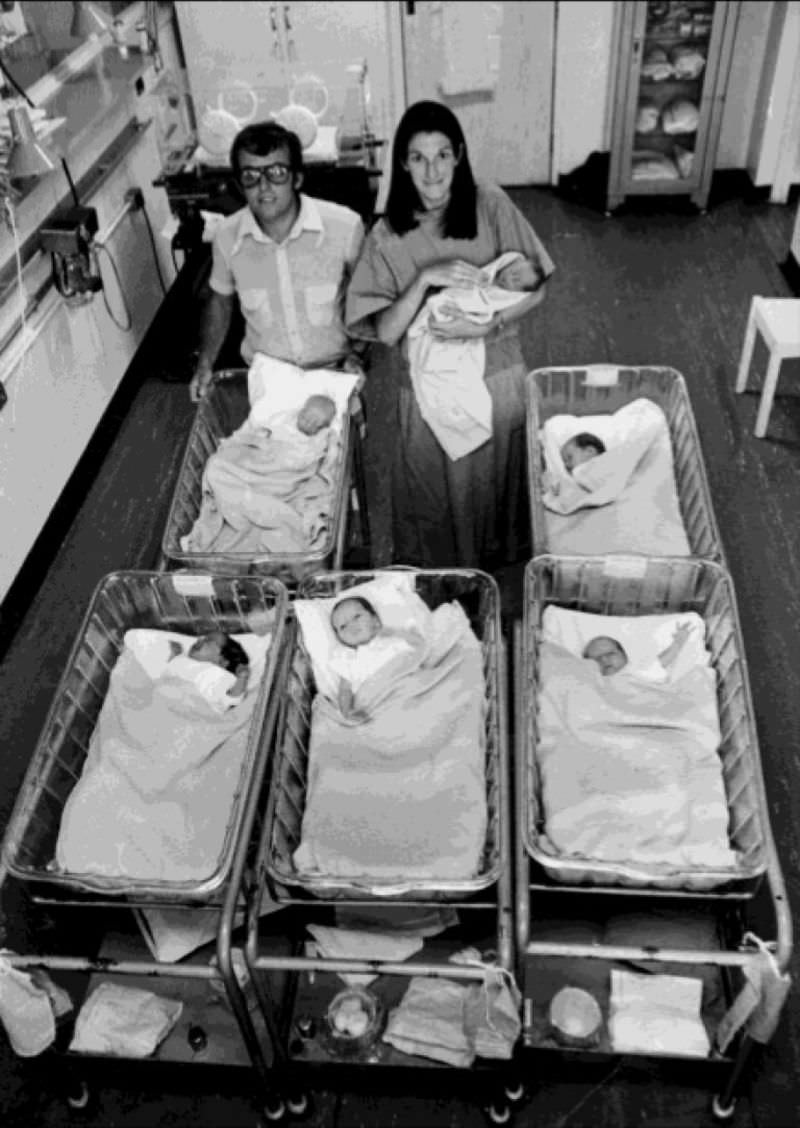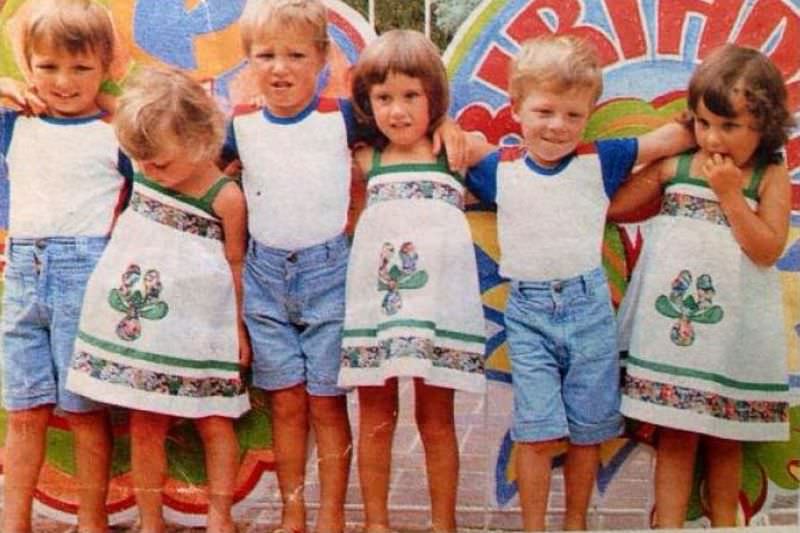

When you hear the word ‘sextuplets’, what comes to mind? You might think about the medical miracle it represents, the bewildering logistics of caring for six newborns, or the incredible parents that rise to the challenge. In the mid-1970s, the whole of Cape Town – and indeed, the world – was captivated by one such story: the birth of the Rosenkowitz sextuplets, the first set of sextuplets known to survive.
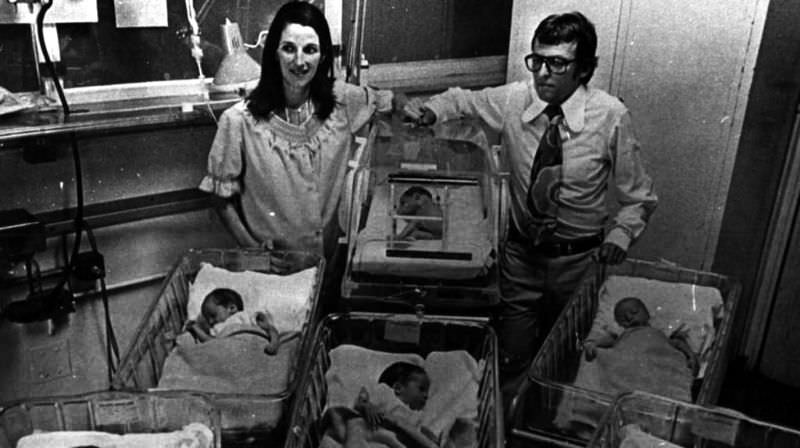
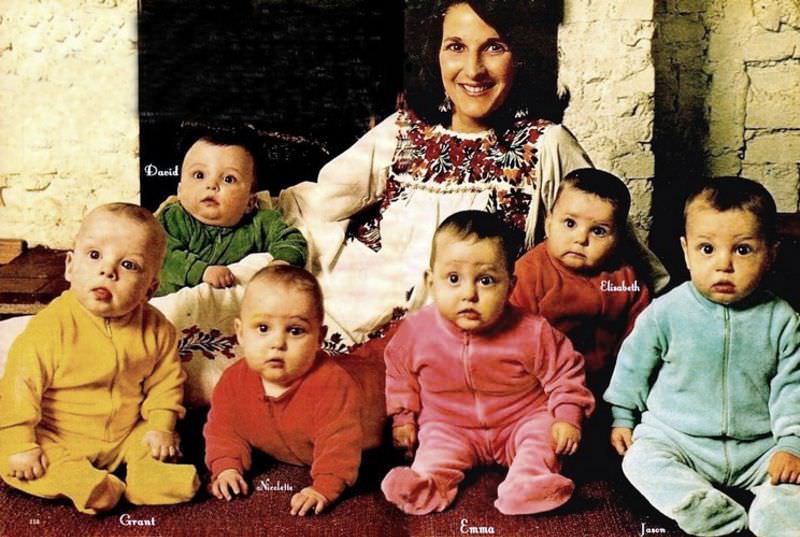
January 11, 1974, was a historic day at Mowbray Maternity Hospital in Cape Town, South Africa. On this day, three boys – David Peter, Grant Vincent, Jason Solomon – and three girls – Emma Louise, Nicolette Anne, Elizabeth Rebecca – were born by Caesarean section. The combined birth weight of the sextuplets was 24 lb 1 oz (10.9 kg), with individual weights varying from 2 lb 6 oz (1.1 kg) to 4 lb 6 oz (2.0 kg). In the annals of medical history, this was an unprecedented event – they were the first sextuplets ever known to have all survived birth.
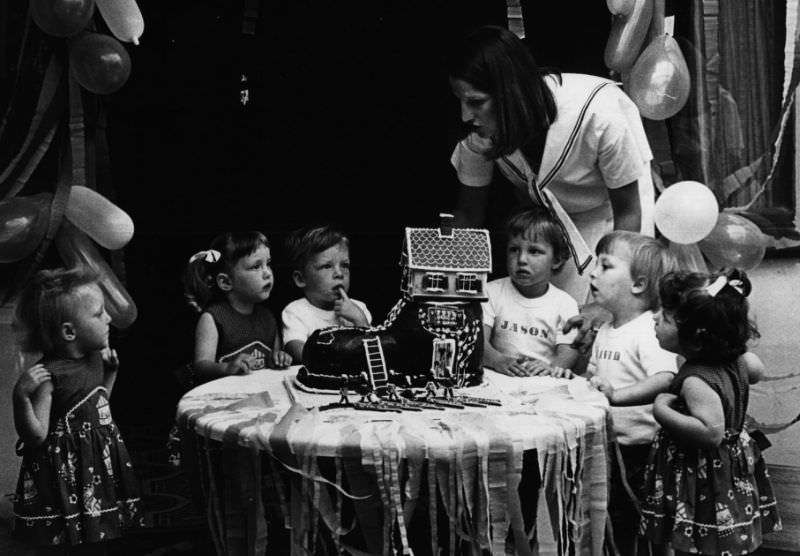
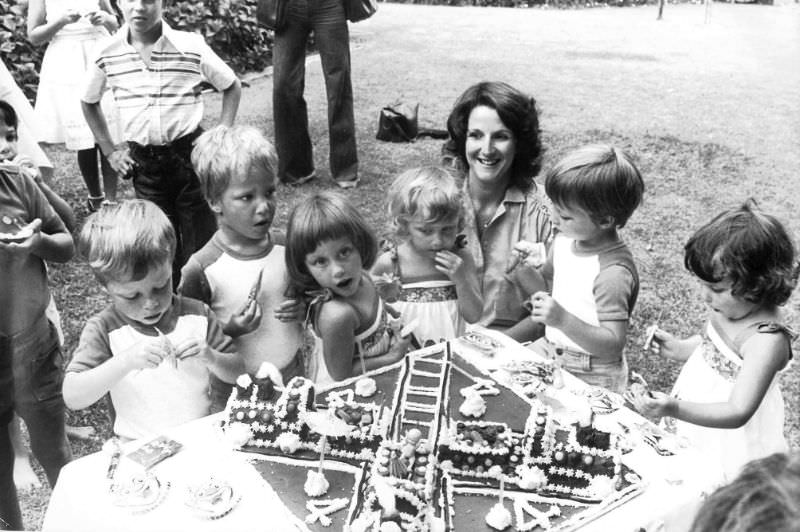
The birth of the Rosenkowitz sextuplets sparked a global media frenzy. Journalists from around the world flocked to Cape Town to report on this extraordinary story, eager to document the challenges and triumphs of a family suddenly enlarged by six. The South African media closely followed the progress of the sextuplets throughout their early childhood, charting every milestone, each birthday, and all the ordinary and extraordinary moments in between.
The Rosenkowitz sextuplets, beyond the media spectacle and scientific marvel they represented, also brought to the fore the realities and complexities of raising multiple babies simultaneously. Their story underscored the immense emotional and physical strength required from parents, the significance of community support, and the importance of excellent medical care.
Caring for the sextuplets was a round-the-clock endeavor. Feeding, changing diapers, and tending to the needs of six infants was a daunting task that called for military precision and unlimited patience. But amidst the whirlwind of endless bottles, mountains of diapers, and sleepless nights, there were also moments of pure joy and love – first smiles, first steps, and first words, all experienced in sixfold.