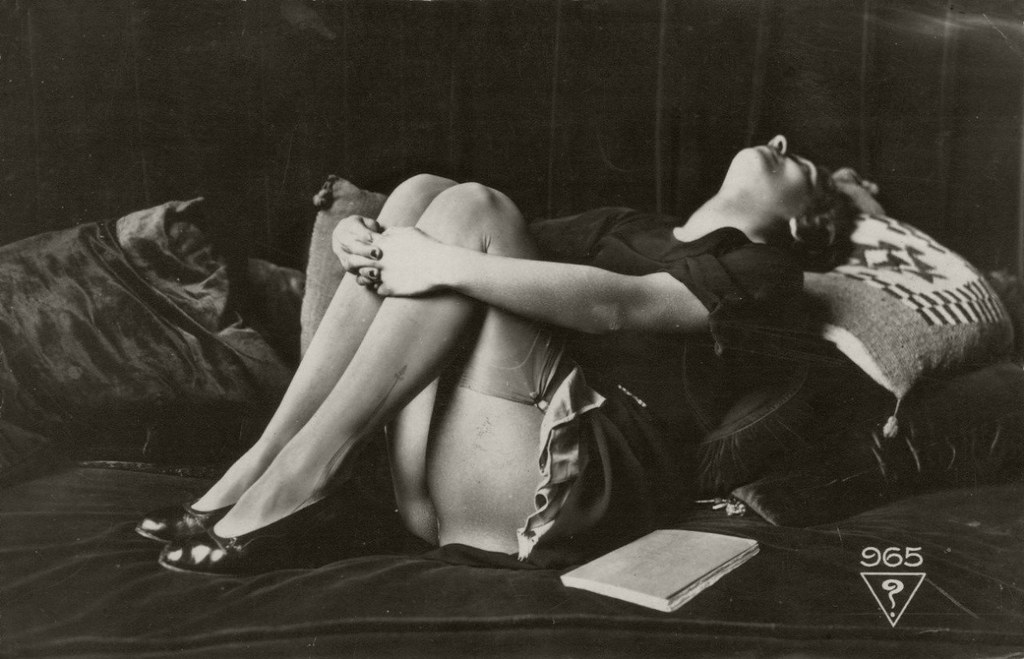
Roger Prigent arrived in the United States from France shortly after the Second World War, originally intending only a visit to his sister, who was working as a pharmaceutical researcher in Washington. What began as an extended holiday in New York turned into the foundation of a remarkable career. During his time in the city, he connected with Lilian Bassman, the former art director of Harper’s Bazaar who had made the transition to working as one of the magazine’s photographers. That introduction opened doors. Prigent, who studied under the legendary Richard Avedon, quickly found his footing in the world of high fashion photography.
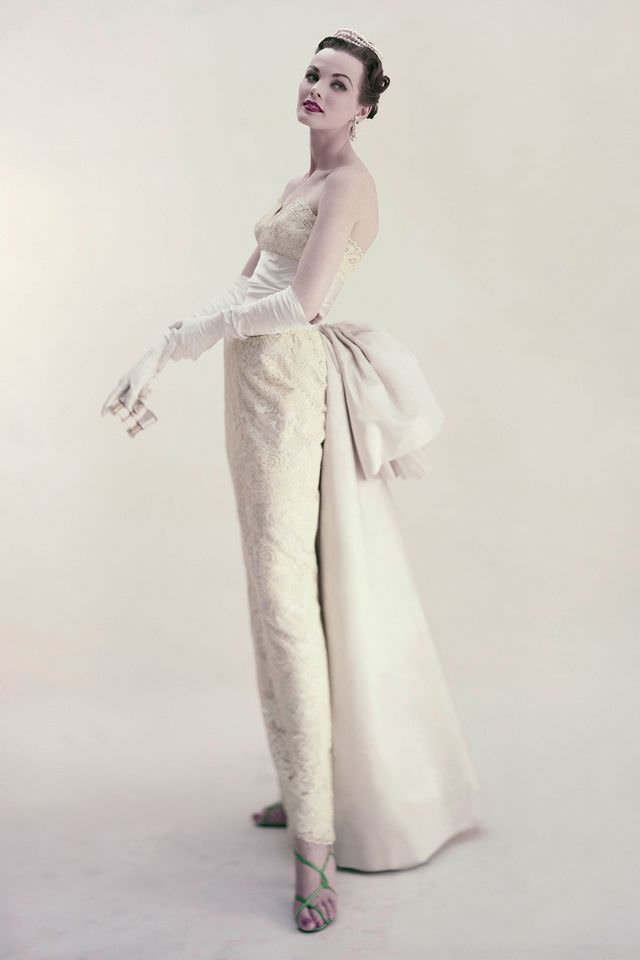
By 1952, Prigent was shooting for major American fashion publications, capturing the polished, aspirational aesthetic that defined the decade. His early work balanced glamour with precision. Gowns, shoes, and carefully styled figures filled his frames with a sense of occasion and deliberate elegance.
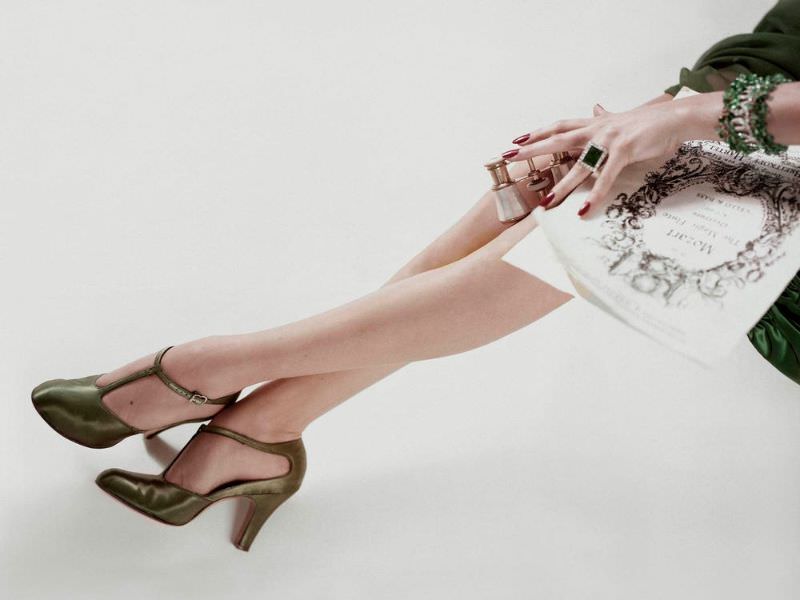
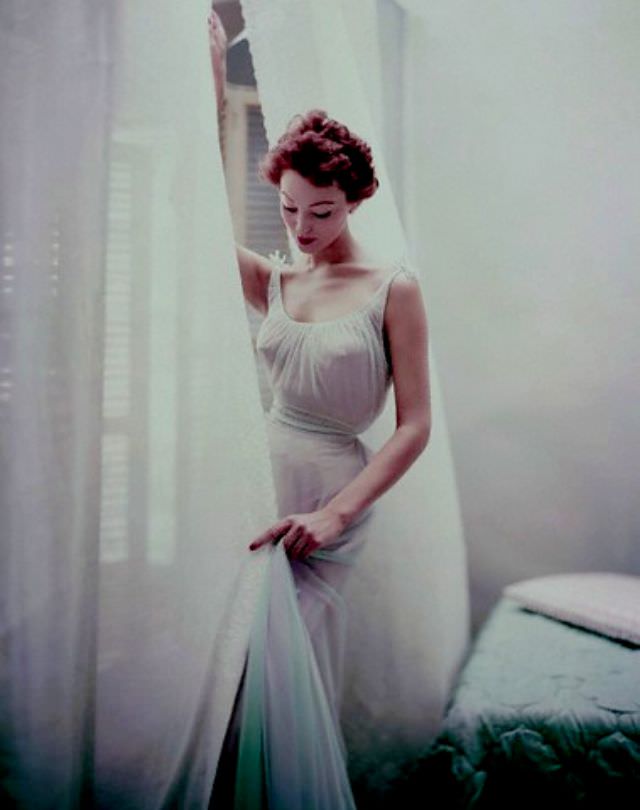
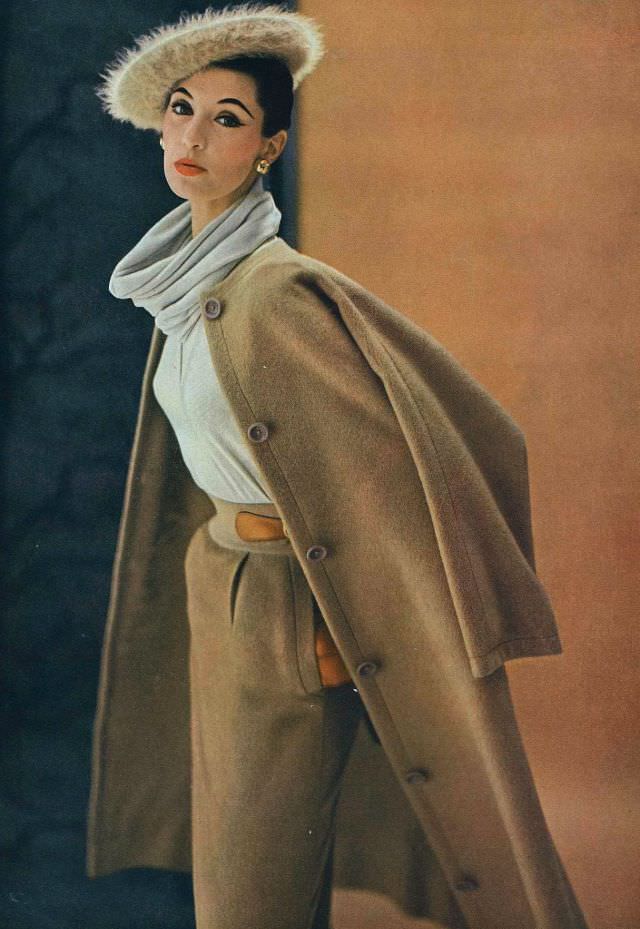
Prigent worked with some of the most recognizable faces of the era. Barbara Mullen, a top model of the early 1950s, appeared in several of his shoots for Vogue. In September 1952, he photographed her wearing a design by Claire McCardell, one of America’s most celebrated sportswear designers. Mullen brought a natural ease to his images that matched the relaxed, wearable sensibility McCardell was known for.
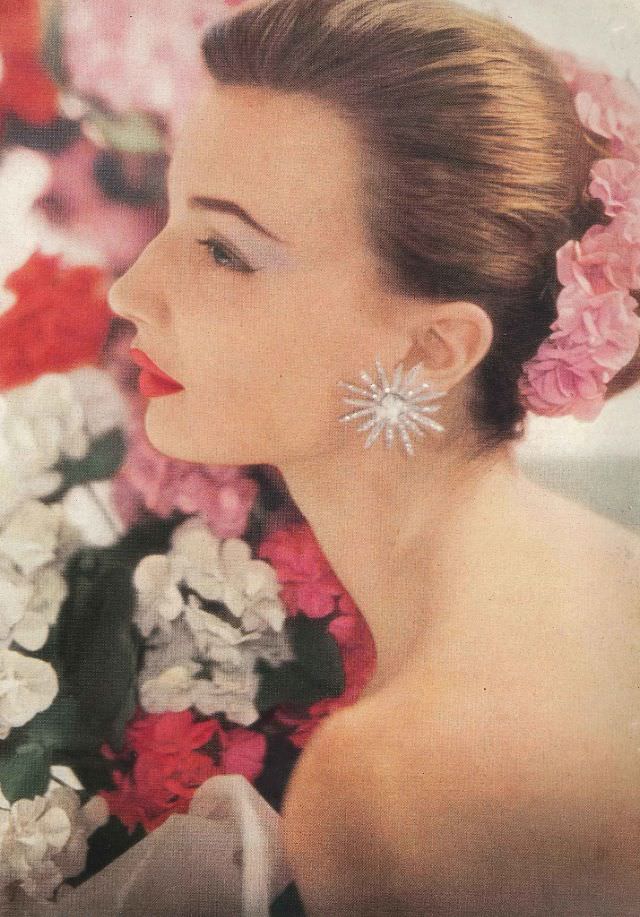
Not every shot was about clothing alone. Prigent also zeroed in on beauty and detail. A June 1952 portrait of Maria Reachi focused entirely on her swept-back hair adorned with a flowered garland, paired with a carefully chosen lipstick shade. These close, detail-driven images showed his range beyond the full-length fashion spread.
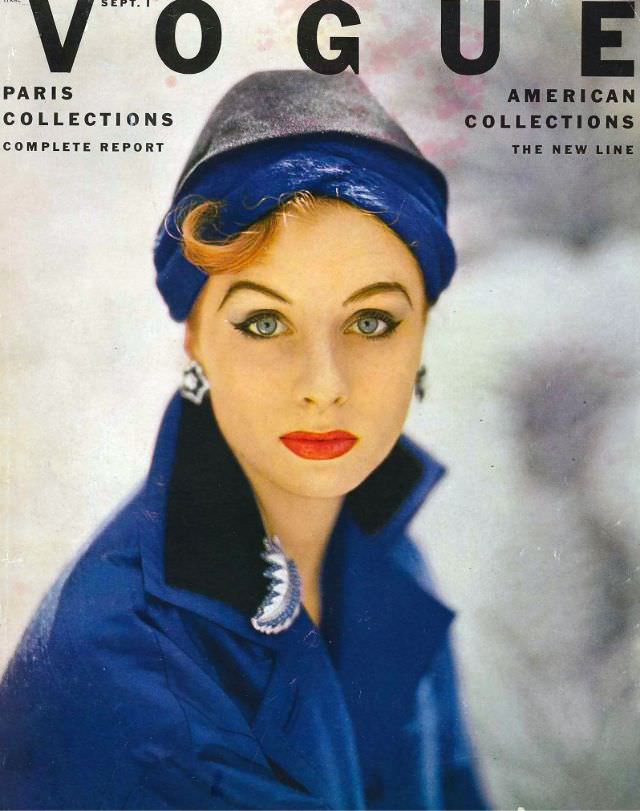
Suzy Parker, one of the highest-paid and most photographed models of the 1950s, also sat in front of Prigent’s lens. His September 1952 portrait of Parker for Vogue captured the magnetic quality that made her one of the defining faces of the decade.
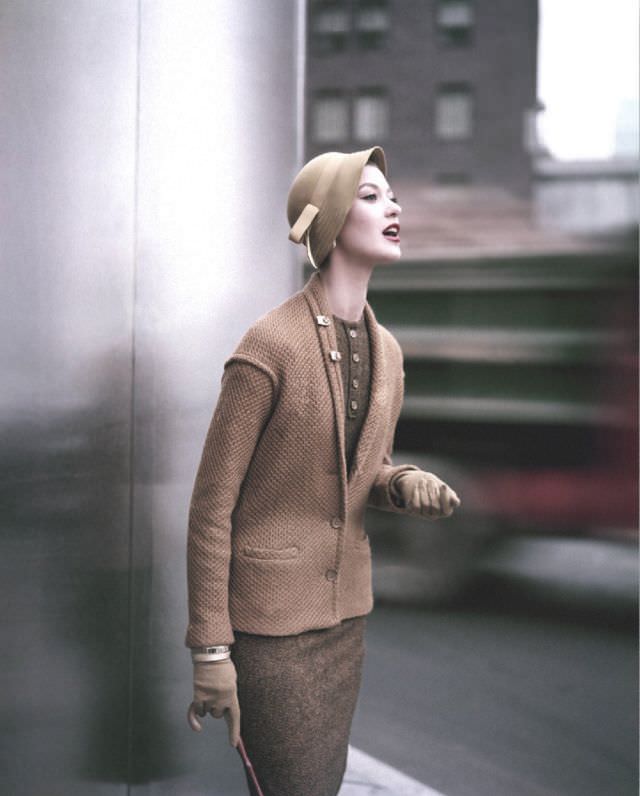
By 1953, Prigent’s work had grown more confident and layered. He photographed Barbara Mullen again, this time in a mustard and black wool ensemble topped with a gold knit sweater by Loomtogs. The accessories were precise: a felt hat by Betmar, gloves by Fownes, and twin lapel clips by Coro. Every element was deliberate, reflecting the era’s belief that dressing well meant attending to every detail.
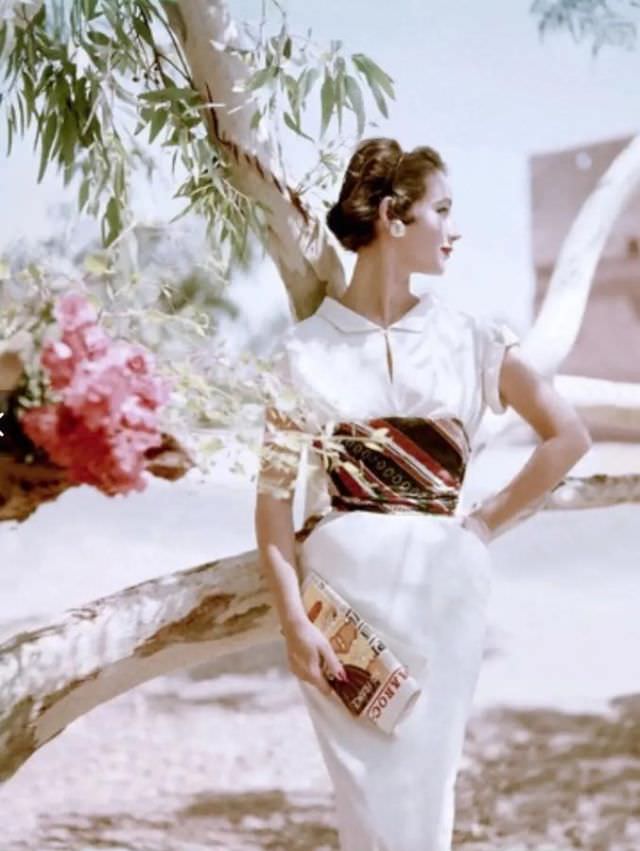
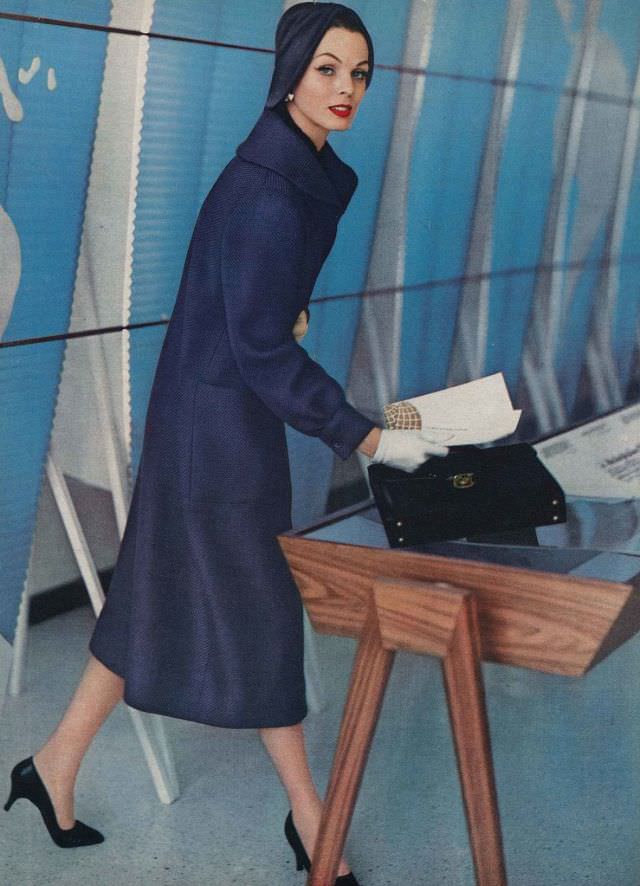
His 1953 work covered a wide tonal range, from the structured and dramatic to the light and summery. A narrow long wool black coat worn with a stole and tambourine hat stood as one of his more striking images from this period — sharp, architectural, and authoritative.
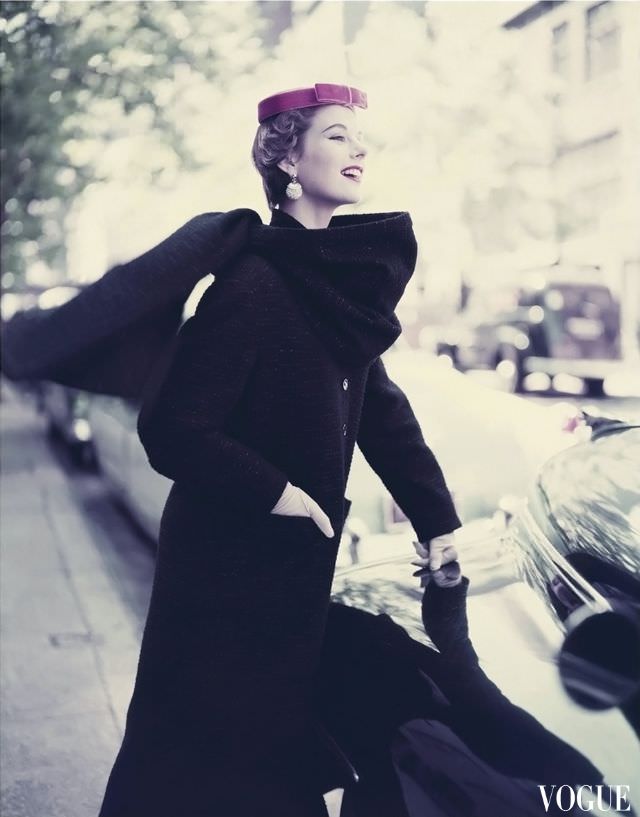
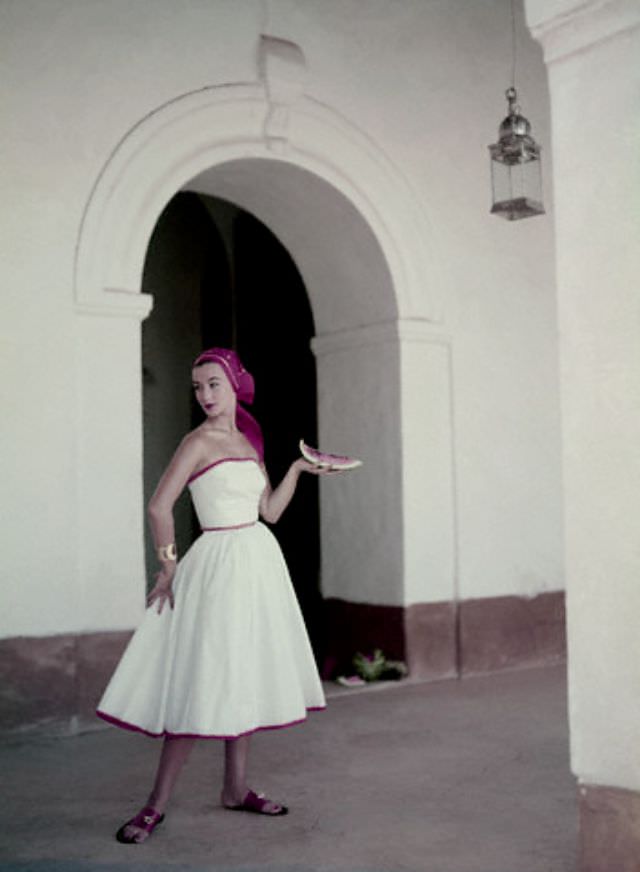
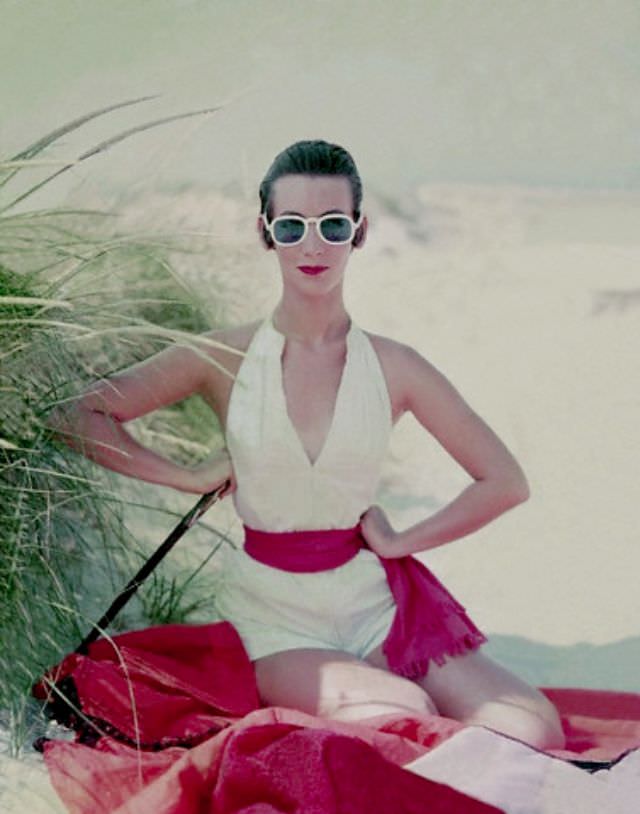
Ruth Neuman Derujinsky appeared in several of Prigent’s 1953 shoots, wearing designs that ranged from a cotton dress by H & D to a strapless white cotton dress with a matching handkerchief by Pat Premo, styled with Bernardo sandals. He also photographed her in a white cotton halter top and shorts with a lavender cotton poplin sash — a breezy, sun-drenched look that spoke directly to the postwar American appetite for casual, confident dressing.
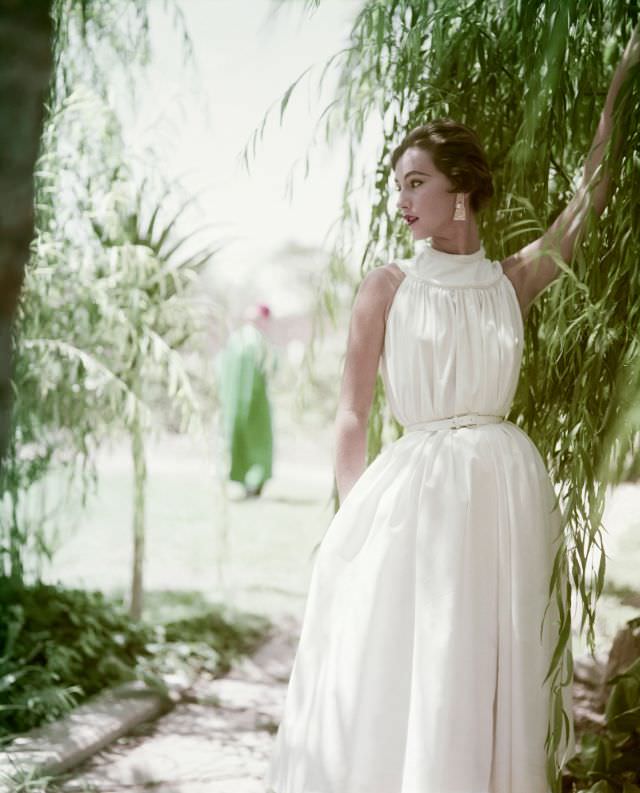
One of the more memorable stops in Prigent’s career came when he traveled to Paris to shoot for French Vogue. He photographed at the apartment of Gérard Mille, a well-known decorator who lived with his brother Hervé, the owner of a media company. The apartment was filled with 1930s-style pieces. During the shoot, a woman dressed in black sat with them and repeatedly complained that the dresses being photographed looked like maid’s uniforms. She kept asking, ‘Who’s this Dior?’ That evening, Prigent learned he had been in the presence of Coco Chanel.
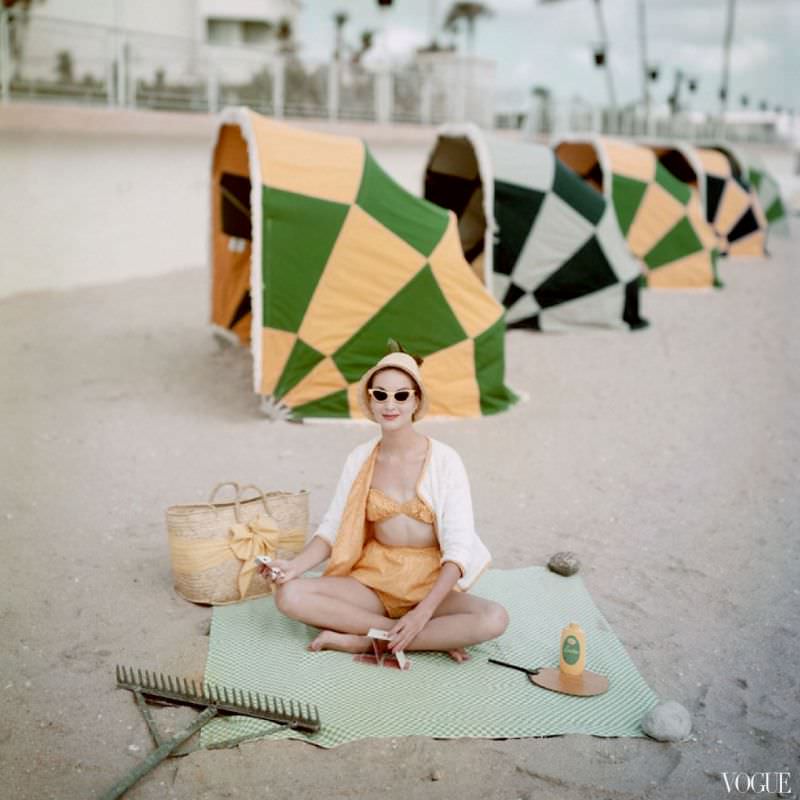
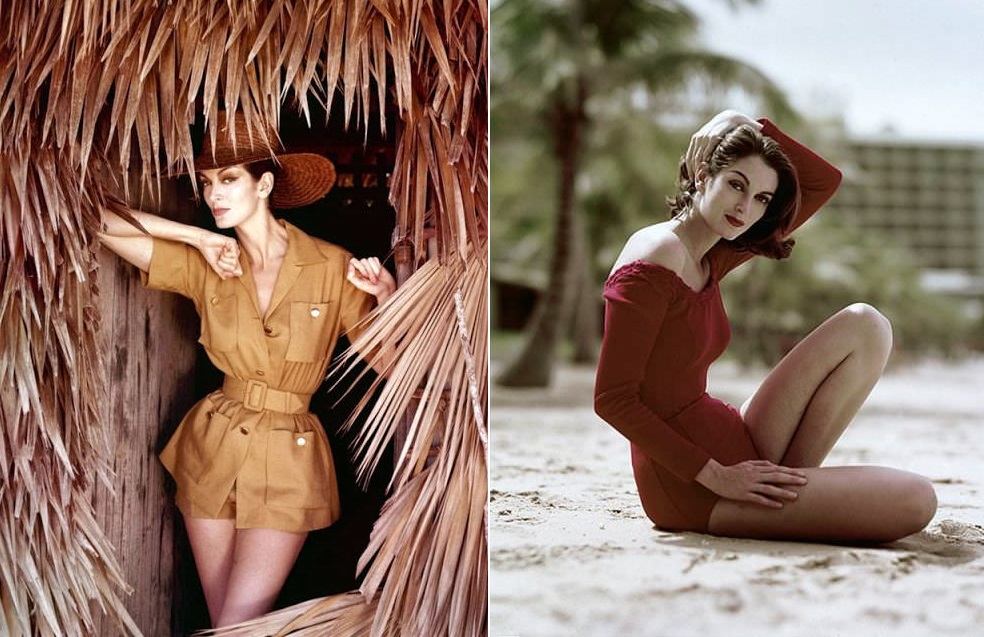
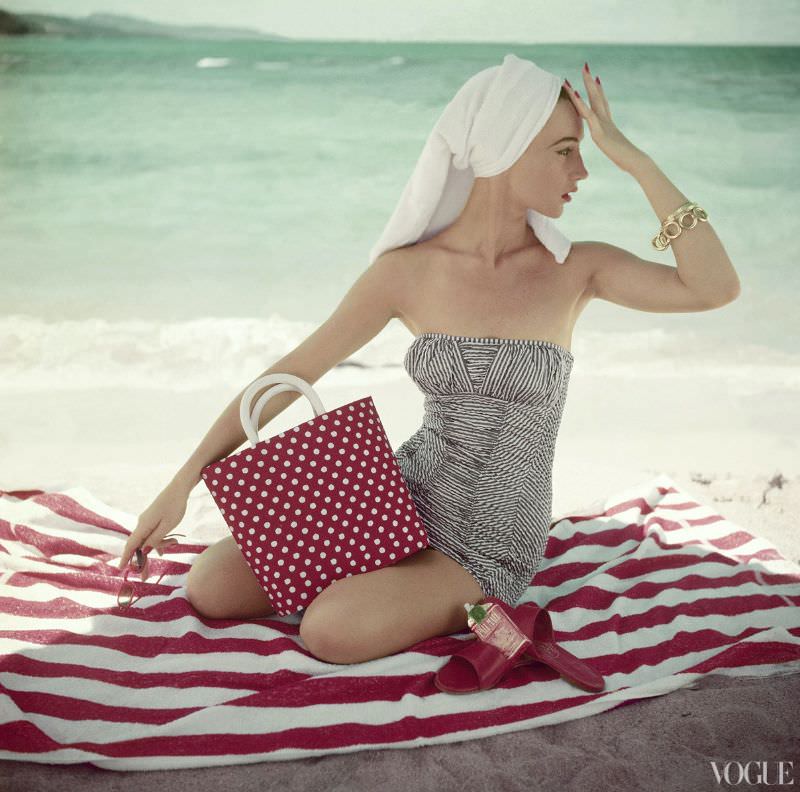
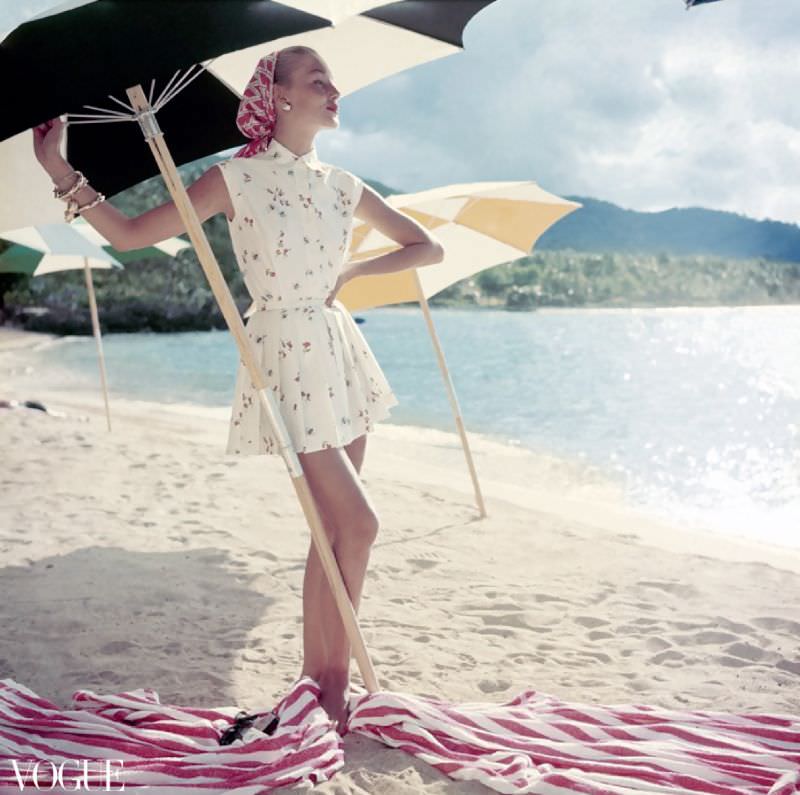
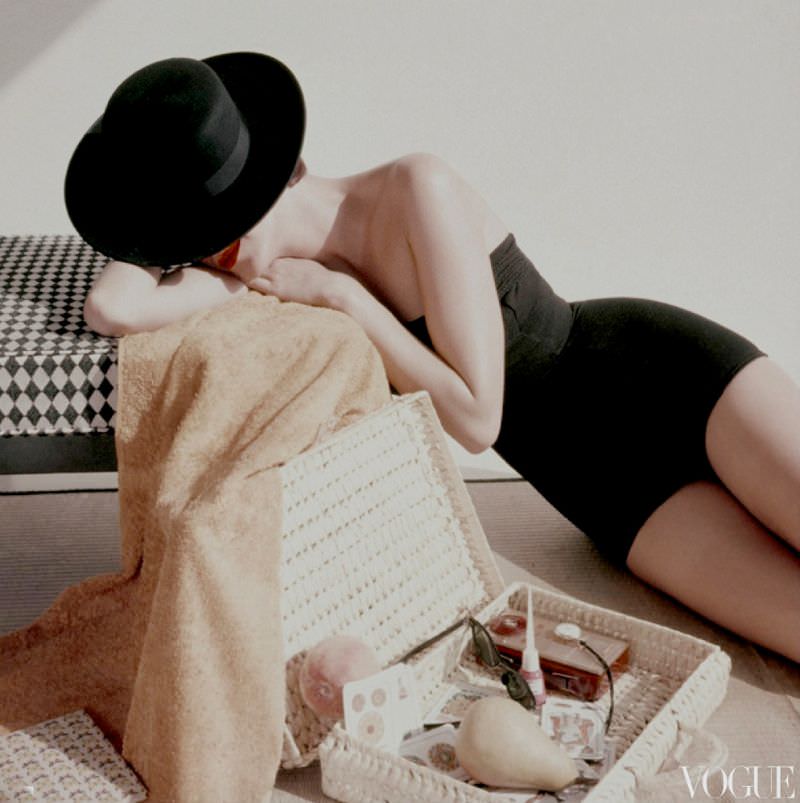
In 1954, Prigent turned his lens toward beach and swimwear, shooting for Vogue’s warmer-weather issues. His beach photography carried the same composed attention to styling that defined his studio work, with models posed on striped towels and under beach umbrellas in carefully chosen swimwear.
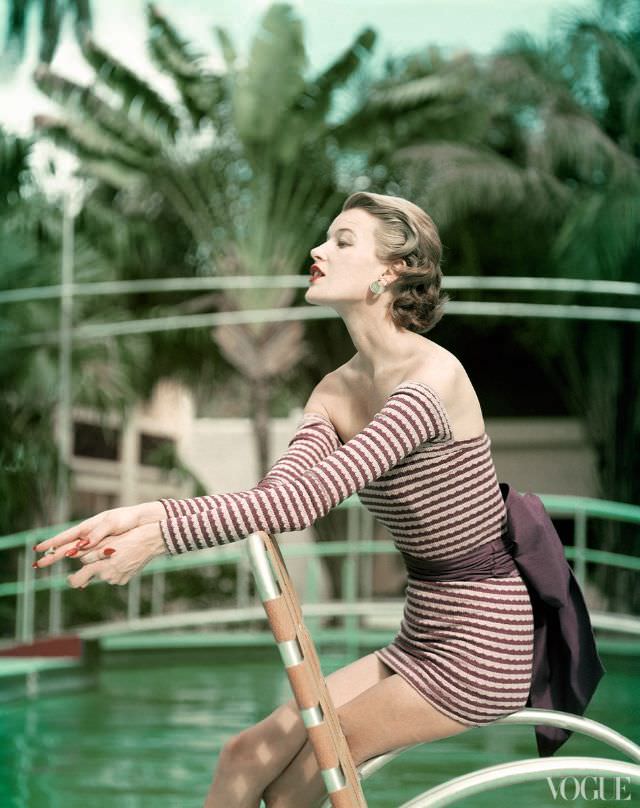
By the mid-1950s, Prigent was regularly working with the top models of the era. Anne St. Marie, known for her refined and slightly otherworldly presence, appeared in his 1955 work for Vogue. His portrait of her from that year shows the clean, architectural quality he brought to his subjects.
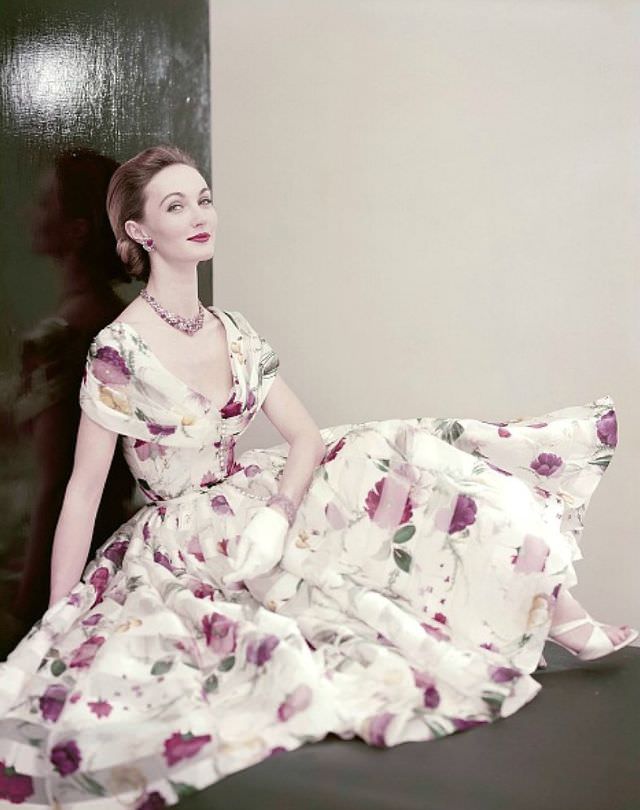
Evelyn Tripp appeared in one of his most jewel-forward images from 1955, wearing a dress of floral printed white silk organdy alongside a beaded necklace and bracelet set with tourmalines and diamonds. Mary Jane Russell, another mainstay of postwar American fashion photography, also sat for Prigent that same year.
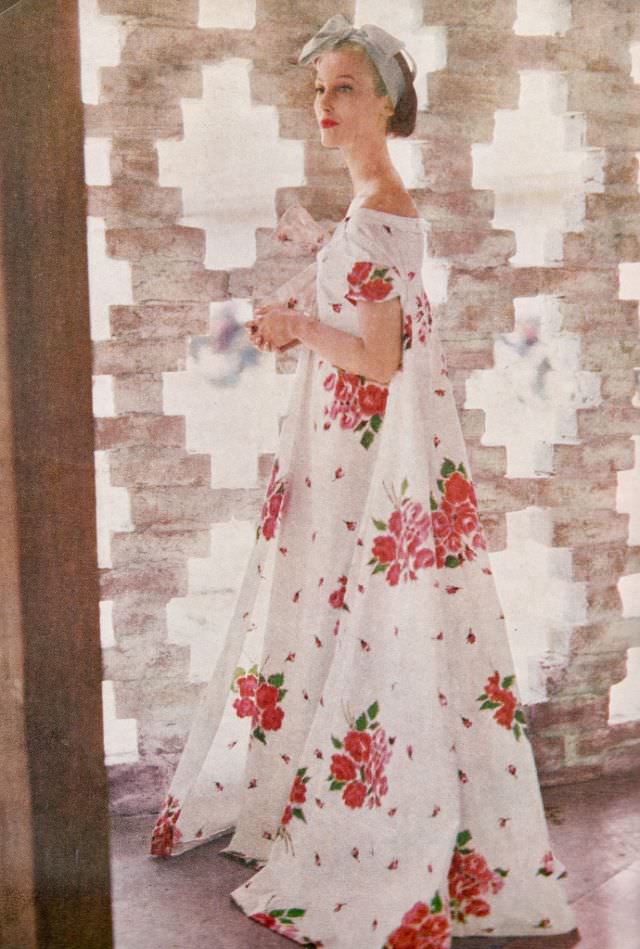
Suzy Parker returned to Prigent’s work again in 1955, as did Sunny Harnett in early 1956. Harnett, who was famous for her expressive face and natural charm, appeared in Vogue’s February 1956 issue. His March 1956 spreads for the magazine continued the refined visual language he had been building across the decade.
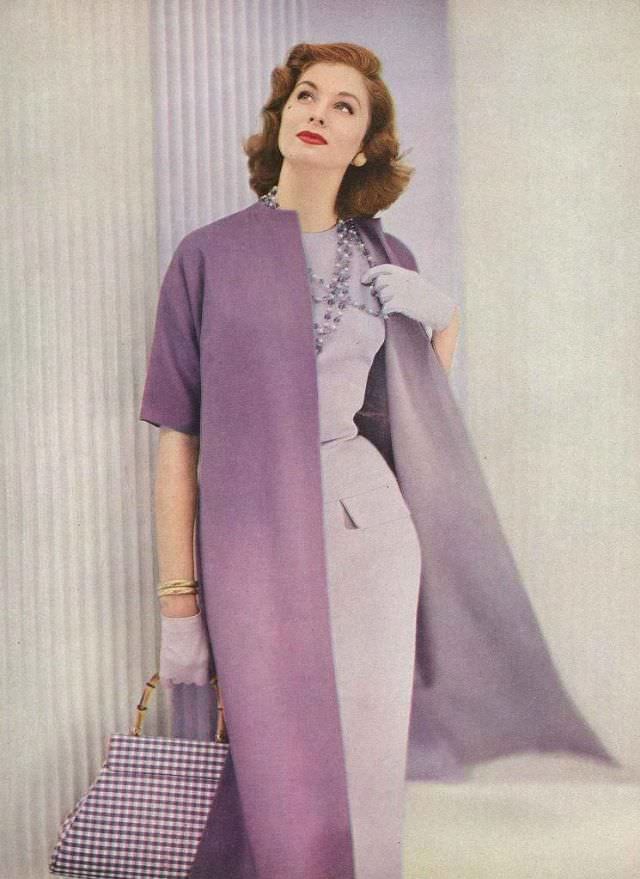
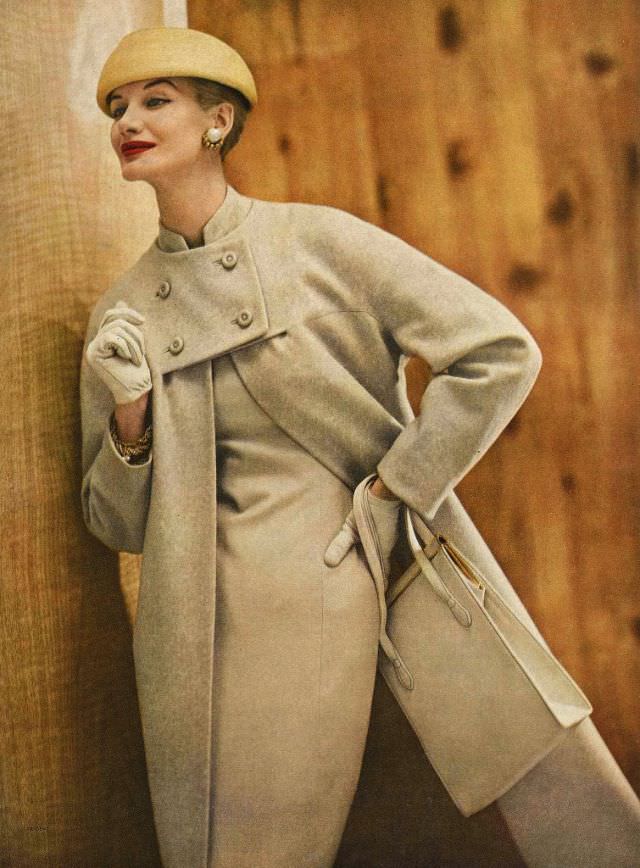
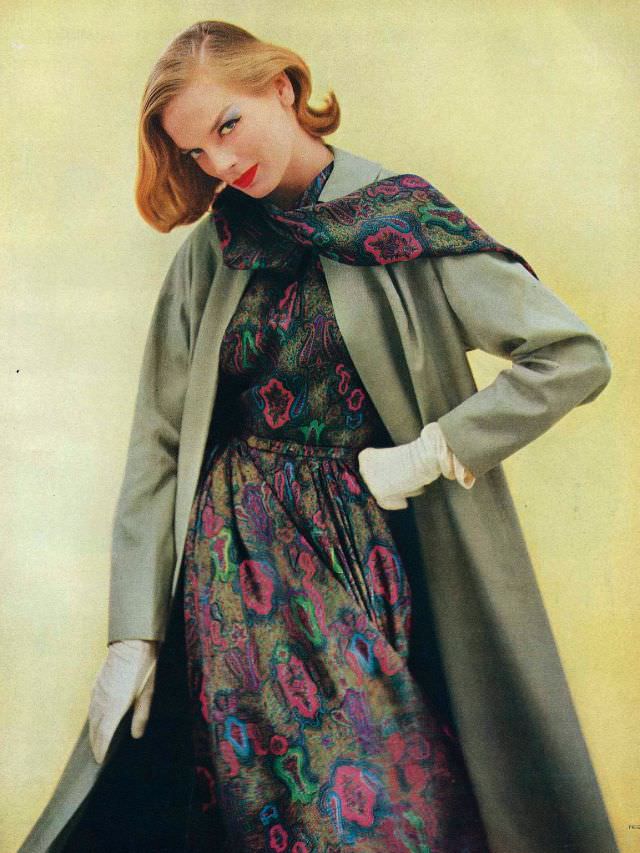
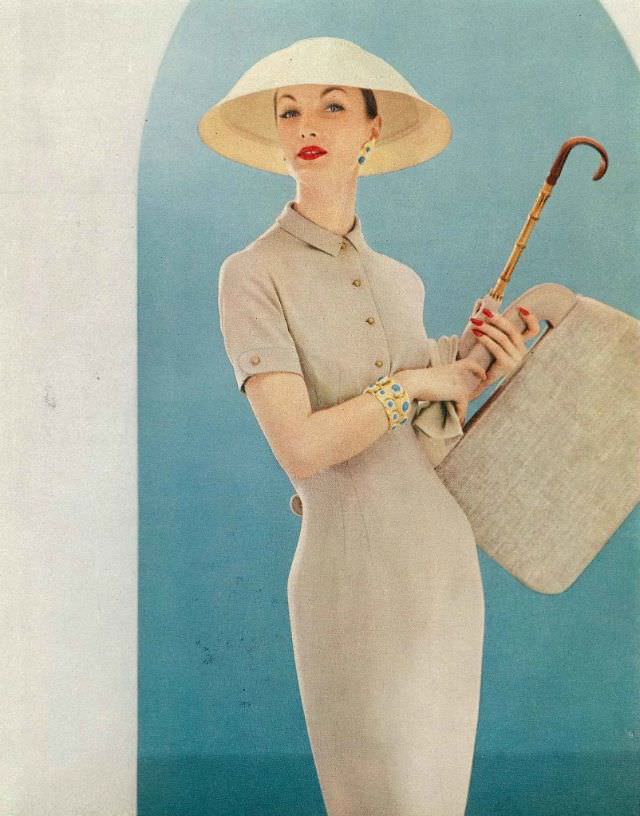
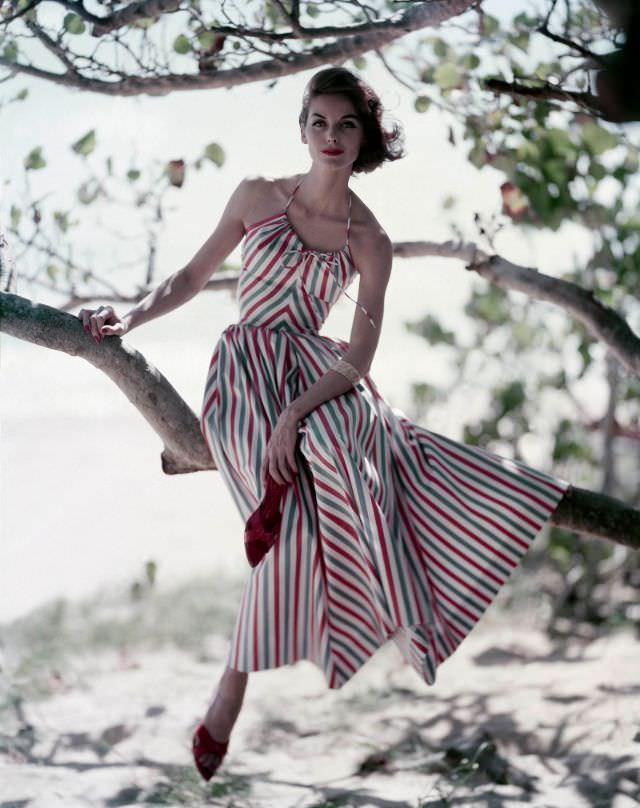
The latter half of the 1950s saw Prigent photographing with the same sharp eye for color, proportion, and fabric. A 1957 image of Anne St. Marie in a red, white, and blue striped halter dress with a full ankle-length skirt and red stiletto mules by Hope Skillman is one of his most boldly graphic compositions from the period.
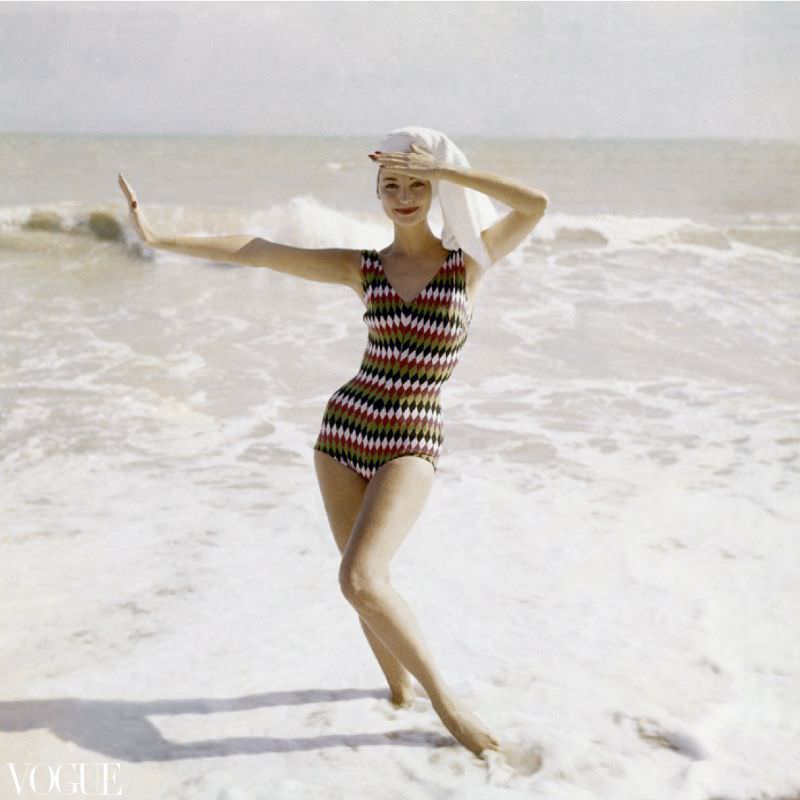
His beach photography extended into 1957 as well, with a striking image of a model in a harlequin-diamond wool bathing suit by Imports Int., photographed standing on the sand. The geometric pattern gave the shot a graphic energy that differed from the softer, more romantic tones of his earlier beach work.
Prigent continued shooting for Vogue through the close of the decade. His 1959 work maintained the clean, controlled compositions that had defined his output throughout the 1950s. Later in life, Prigent lost his eyesight in his sixties and turned to dealing in antiques.