Ringling Bros. and Barnum & Bailey Circus was born in 1919 from the merger of two legendary shows. P. T. Barnum and James Anthony Bailey had built their “Greatest Show on Earth” into an American institution. After Barnum died in 1906, the Ringling brothers bought out Barnum & Bailey Ltd., but kept both circuses running separately for over a decade before finally combining them under one name in 1919. The result was the most famous traveling circus in American history.
In the late 1940s, photographer Charles Weever Cushman turned his lens on the circus and captured its performers both in the ring and behind the scenes. His photos reveal a world of high-wire walkers, trapeze artists, clowns, jugglers, and acrobats living and working together on the road. One of the standout acts he photographed was the Alzanas, a family of high-wire performers whose skill drew crowds night after night.
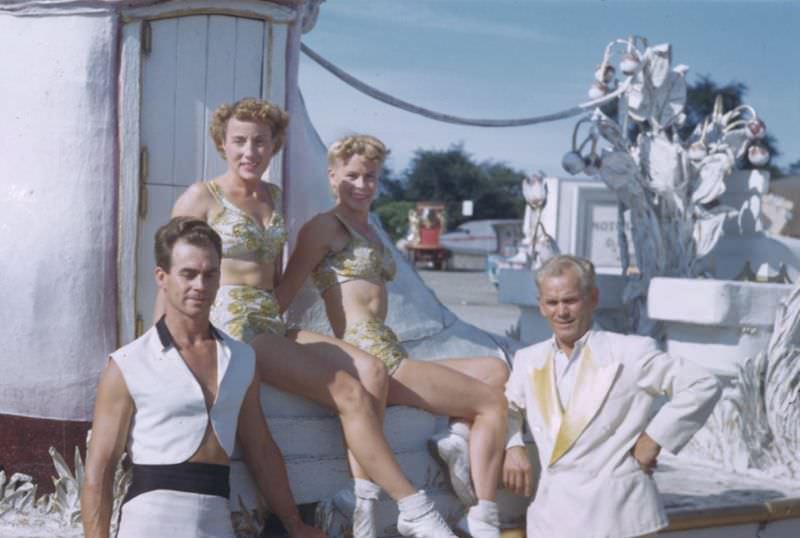
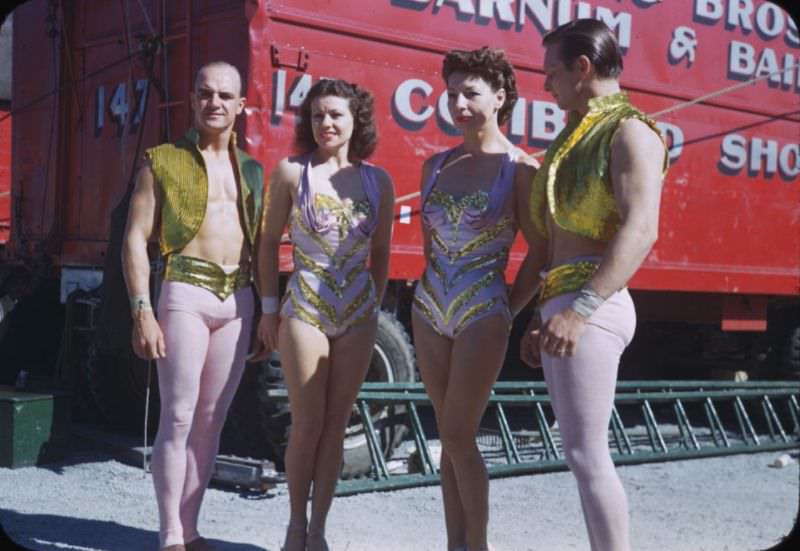
The Alzanas were not a solo act. All five members of the family performed together on the wire, making their group appearances some of the most visually striking moments of the show.
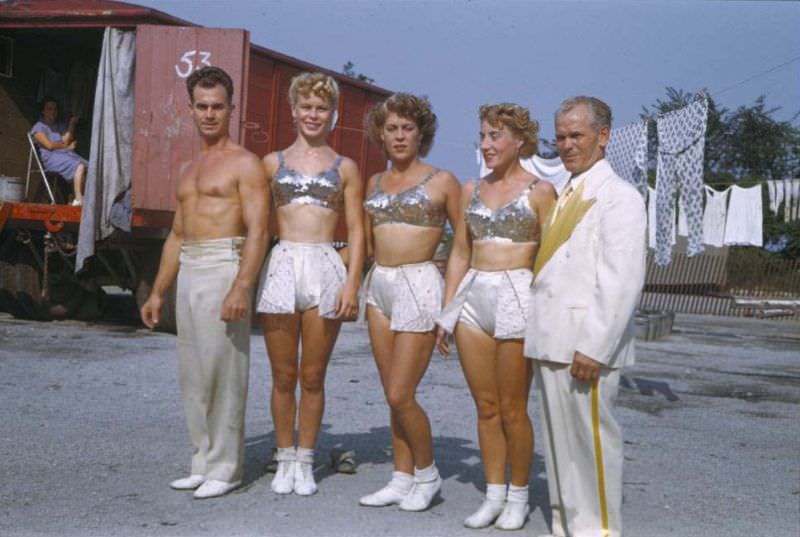
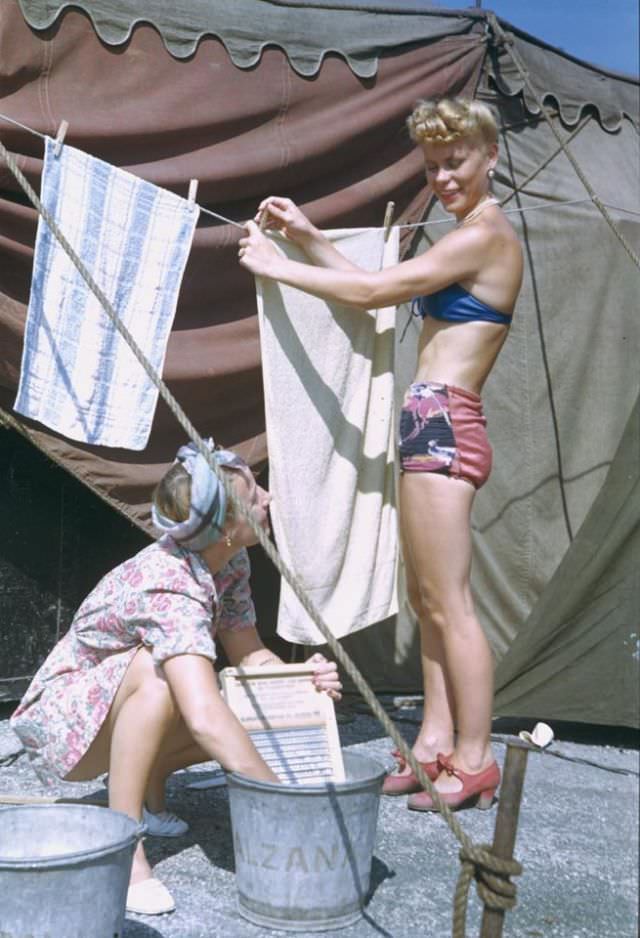
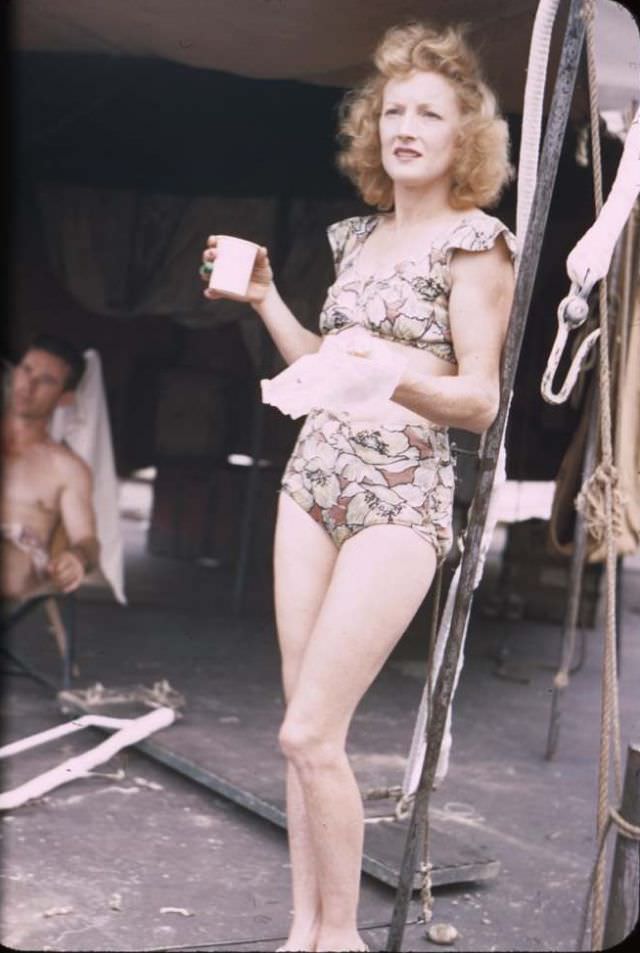
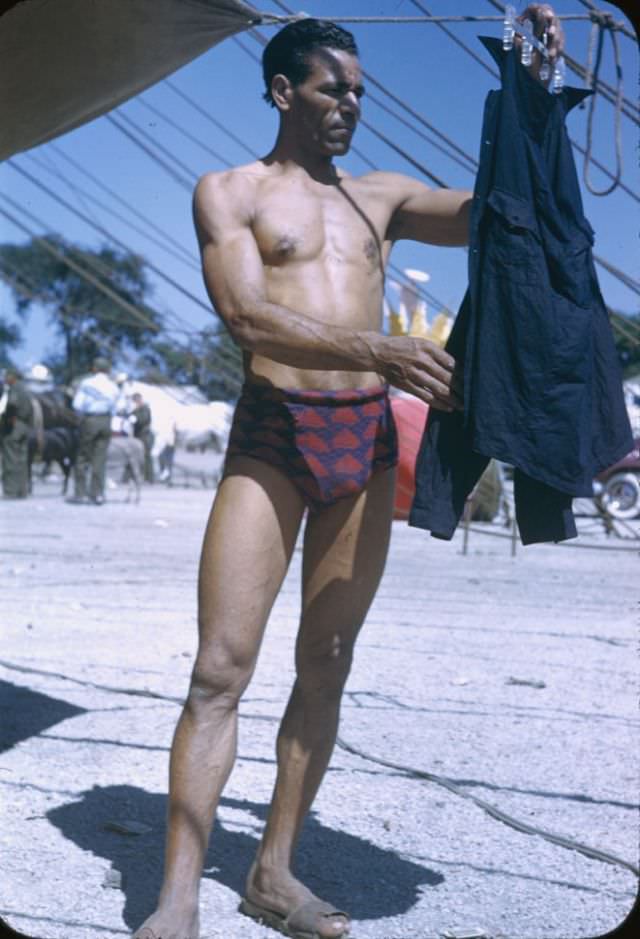
Cushman’s camera also caught the performers in quieter, everyday moments. Between shows, circus life carried on like any other — laundry needed doing, meals needed cooking, and rest was earned.
Among the trapeze acts, Antoinette Concello stood out as one of the biggest stars. She was widely recognized as one of the finest female trapeze artists in the world during her era, performing as part of the Flying Concellos.
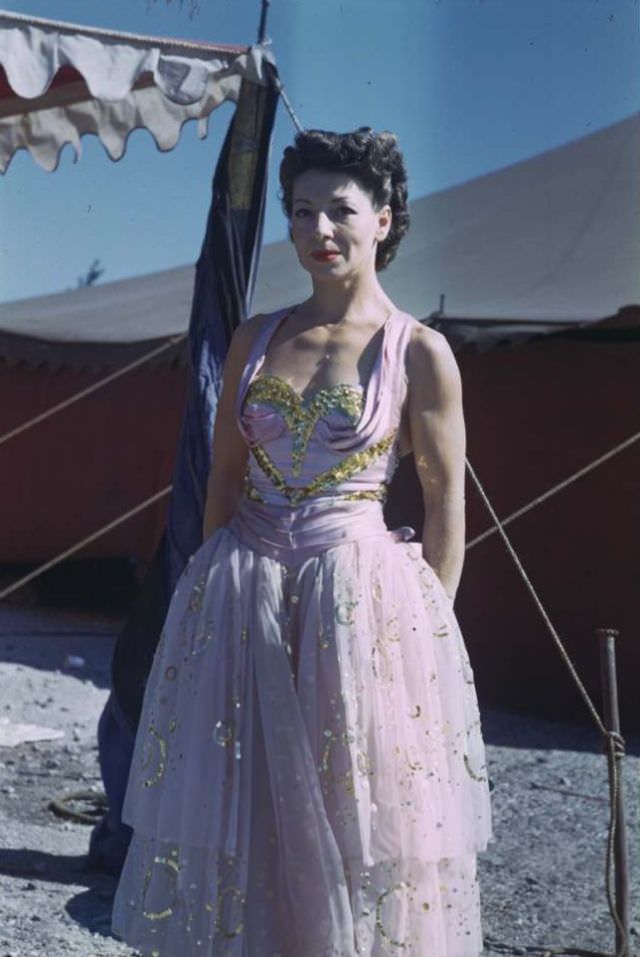
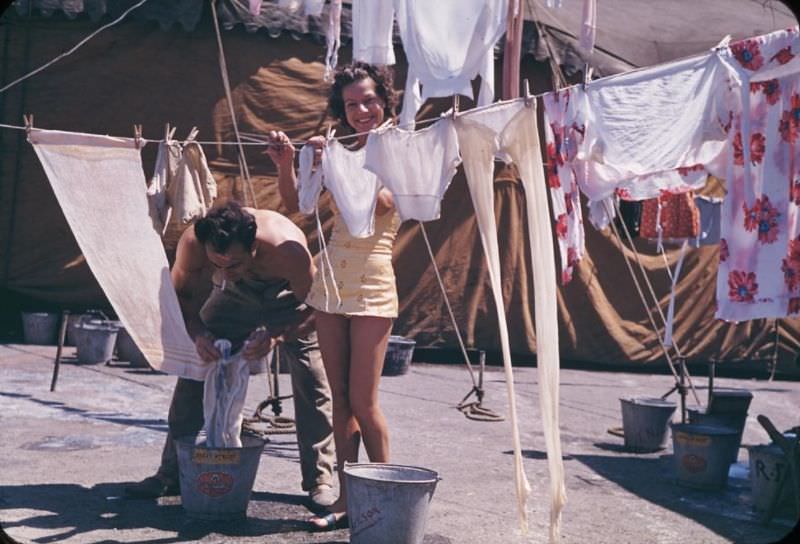
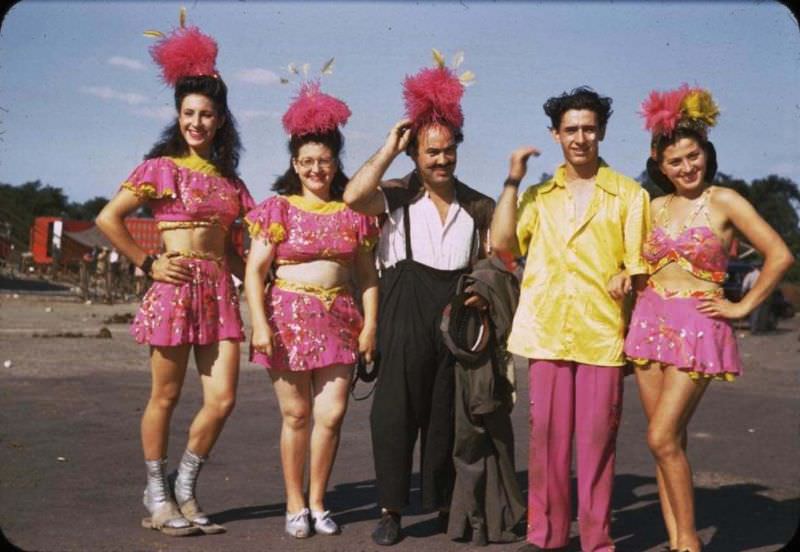
Life under the big top was a constant mix of performance and preparation. Whether drilling routines, maintaining costumes, or simply taking a break, circus performers filled every hour of the day.
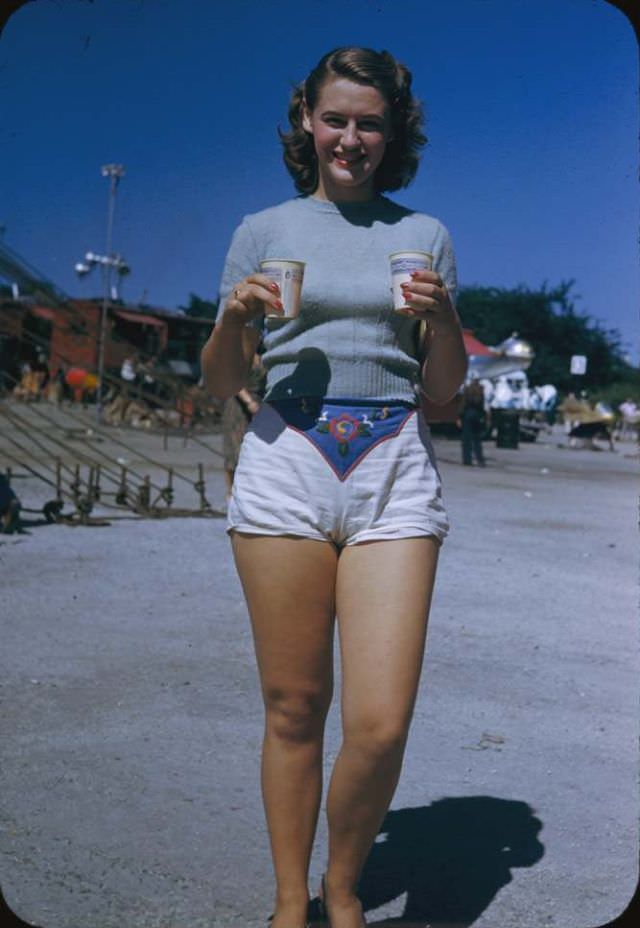
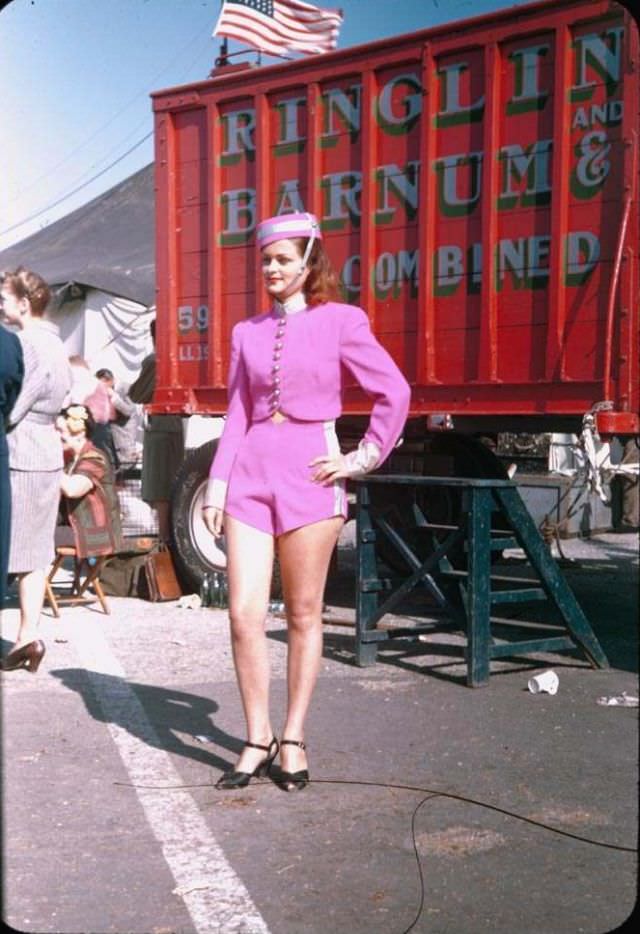
The Flying Behees were another family trapeze act that Cushman documented closely. Rose Behee appeared in several of his photos, both in costume and in candid settings around the circus grounds.
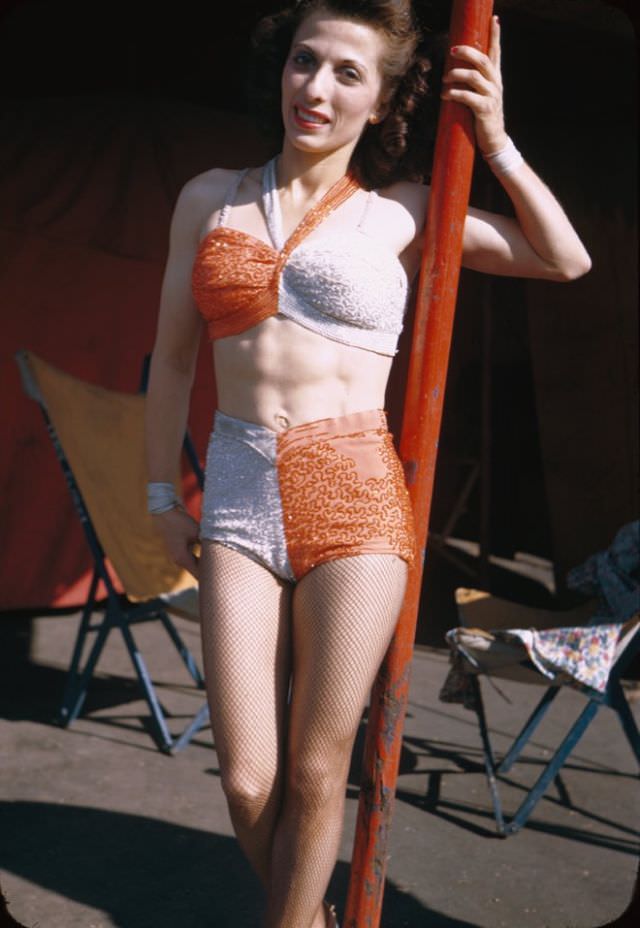
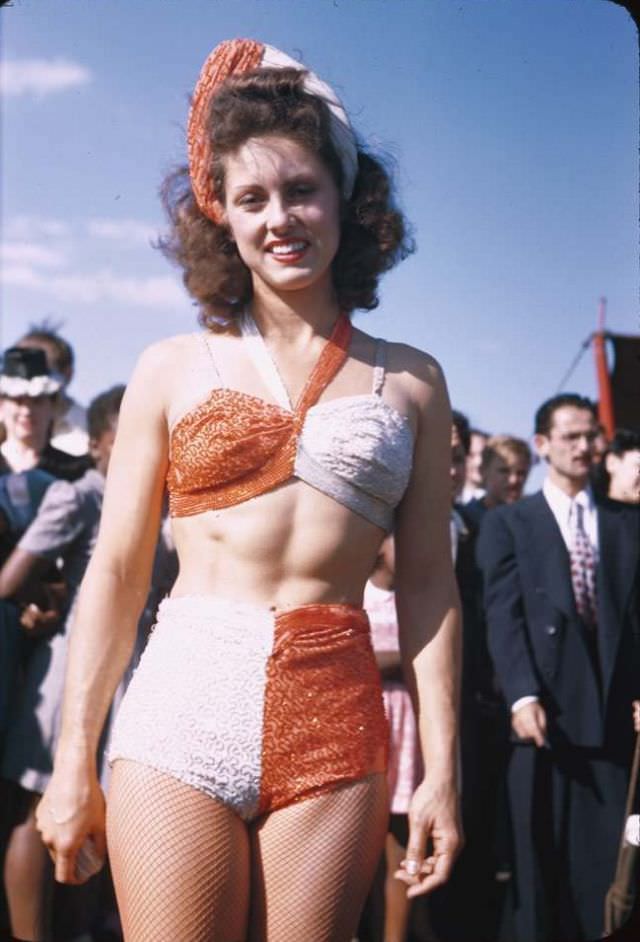
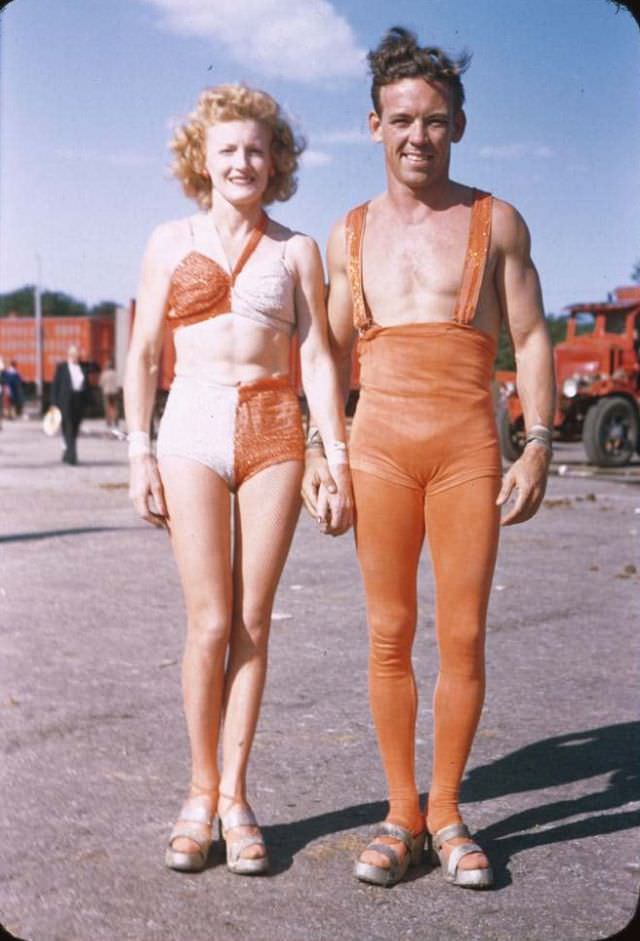
The Flying Concellos were photographed as a group as well, capturing the team dynamic that made their act work. Precision and trust between performers were everything in a trapeze routine where a missed catch meant a dangerous fall.
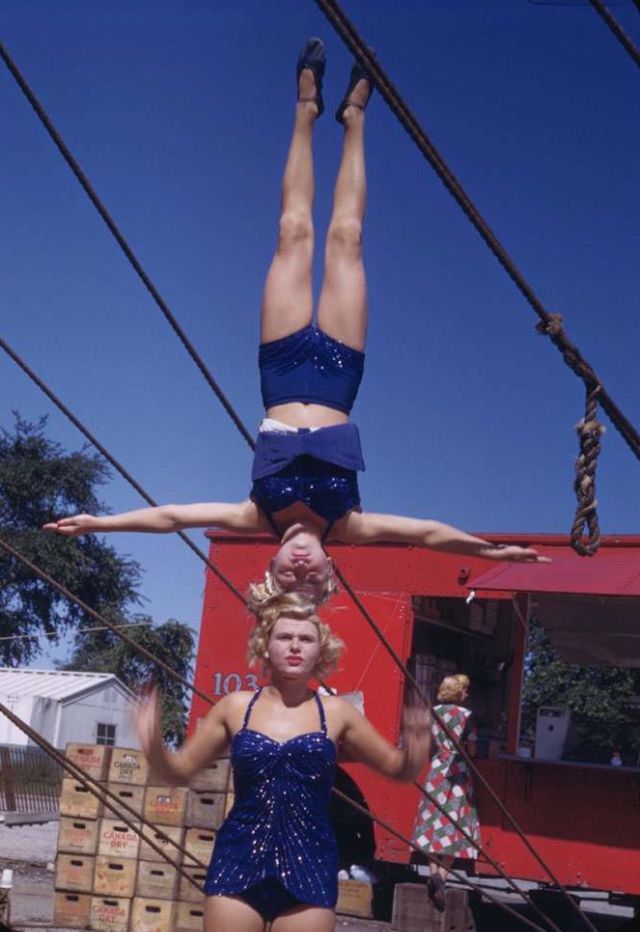
Acrobatics extended well beyond the trapeze. Cushman photographed two young German girls performing a head-on-head balancing act, as well as a trick bicycling act that required years of training to pull off cleanly in front of a live audience.
Harold Alzana and his wife were central figures in the high-wire family act. Cushman photographed both of them individually — Mrs. Alzana in one portrait, and Harold in another — as well as Harold dressed in costume for the circus’s Gold Rush tableau.
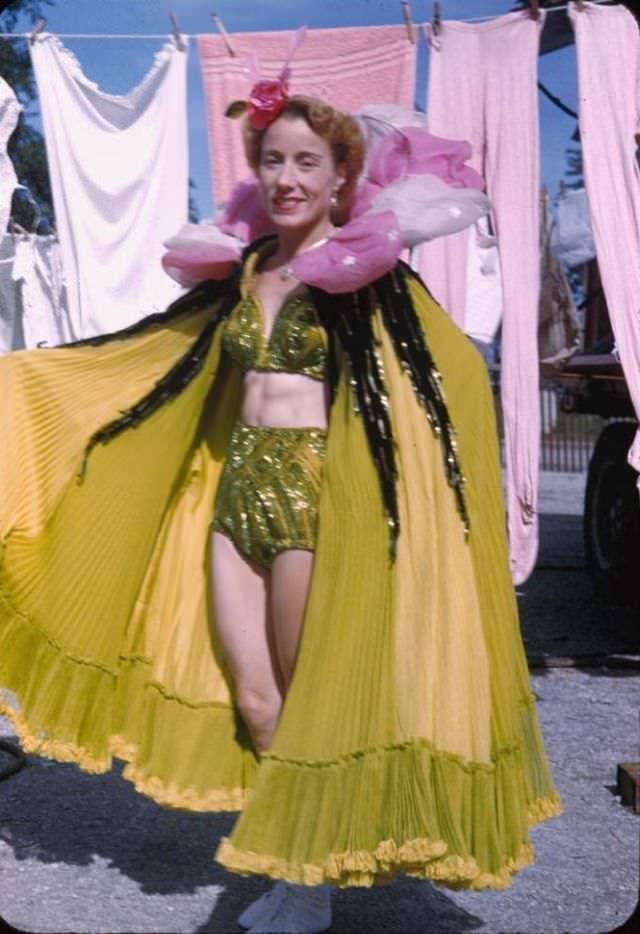
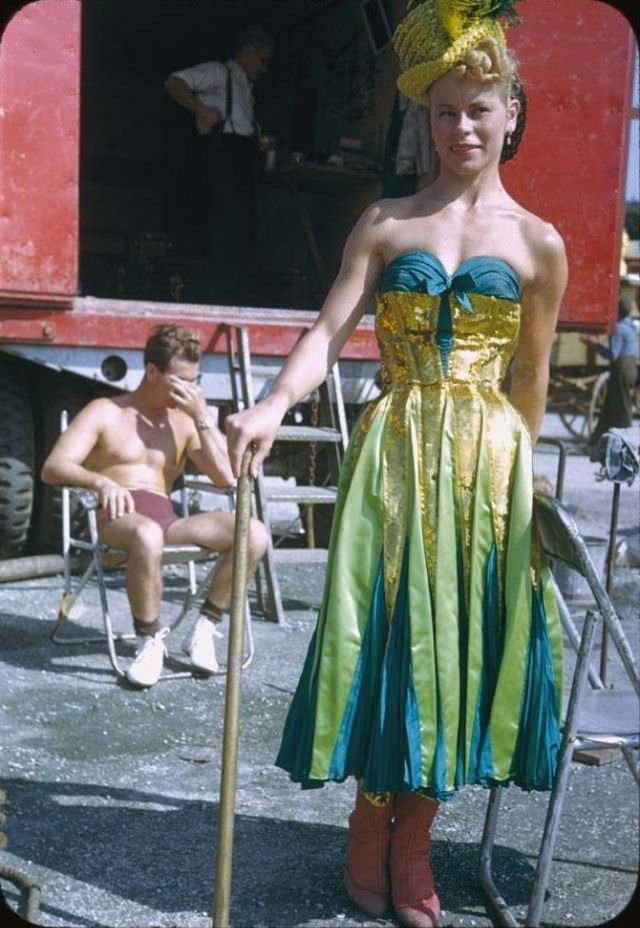
Juggling was another staple of the Ringling program. Francis Brunn and his sister brought a polished juggling act to the ring, with Francis becoming one of the most celebrated jugglers of his generation. The Rola Rola act — a performer balancing on a board stacked atop rolling cylinders — rounded out the variety of skill acts on display.
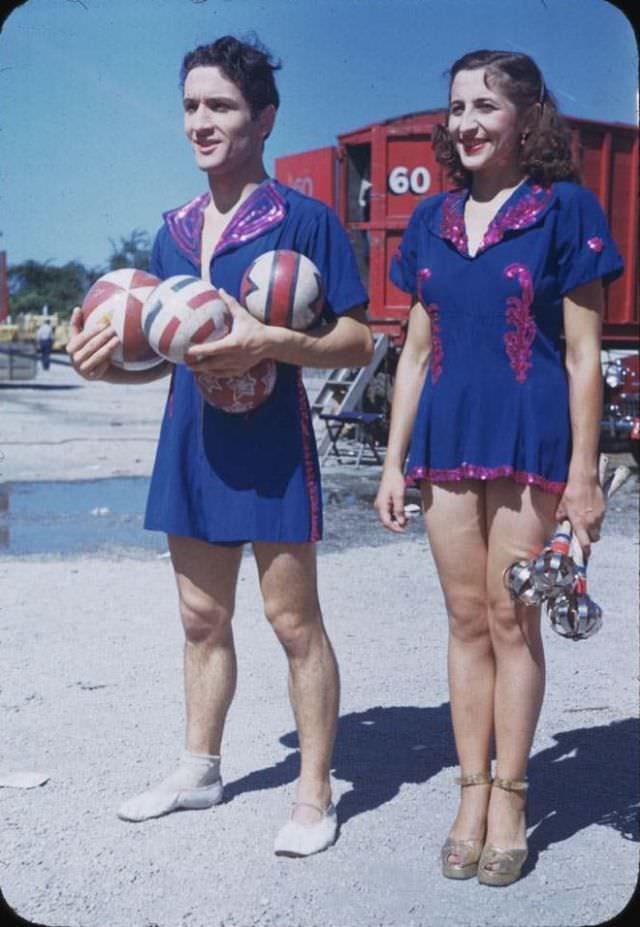
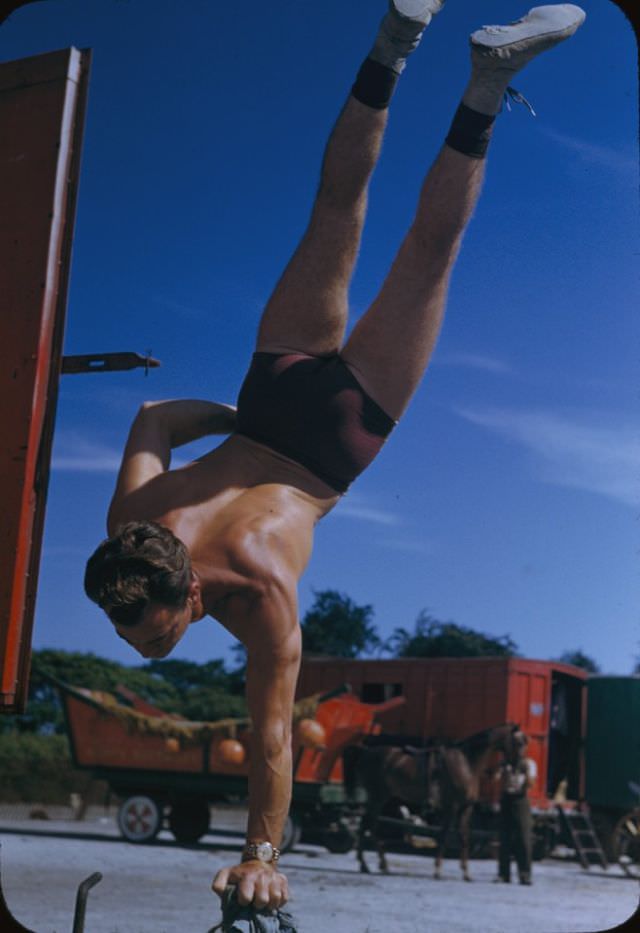
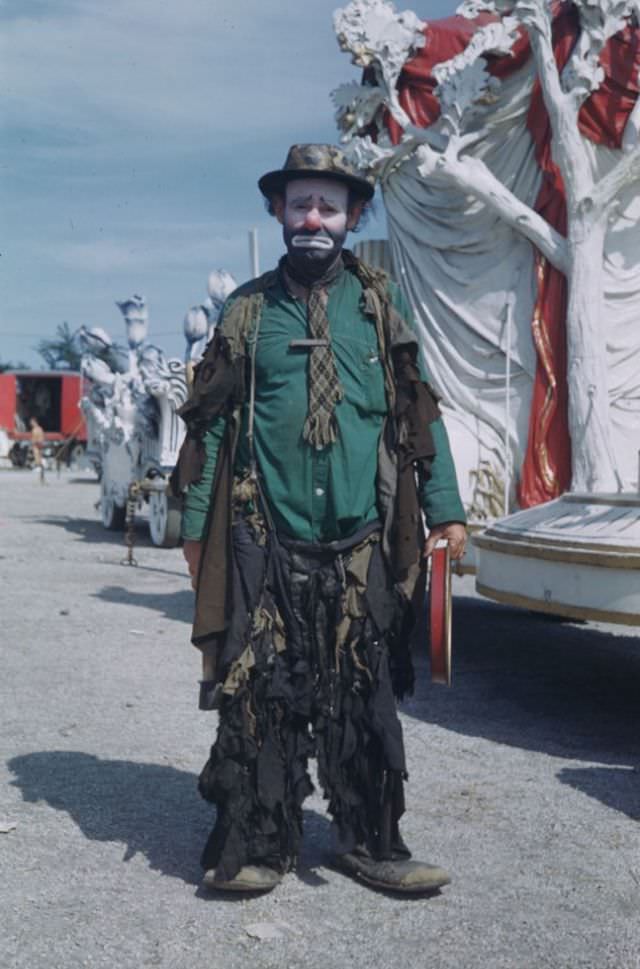
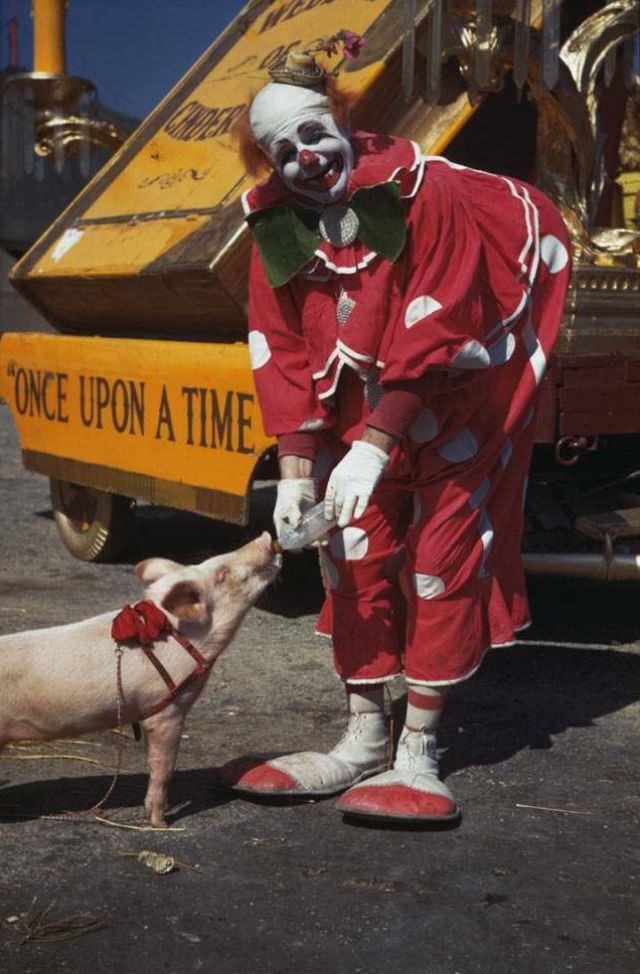
No circus would be complete without its clowns. Emmett Kelly’s “Tramp” character was one of the most recognizable faces in American entertainment by the late 1940s. Unlike traditional bright-faced clowns, Kelly played a sad, shuffling hobo — a character audiences found both funny and strangely moving. Felix Adler was another Ringling clown Cushman captured, known for his wild costumes and physical comedy.
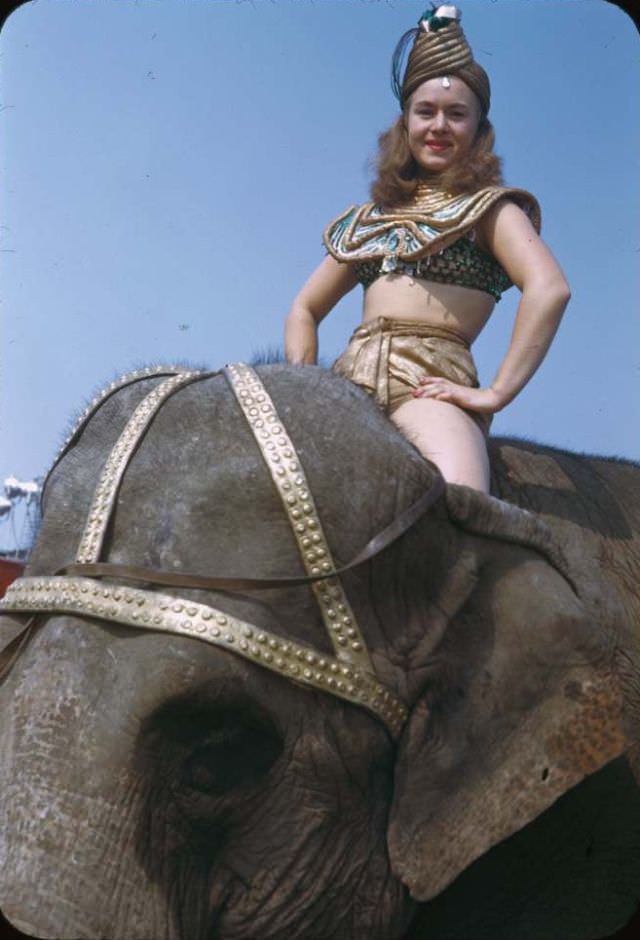
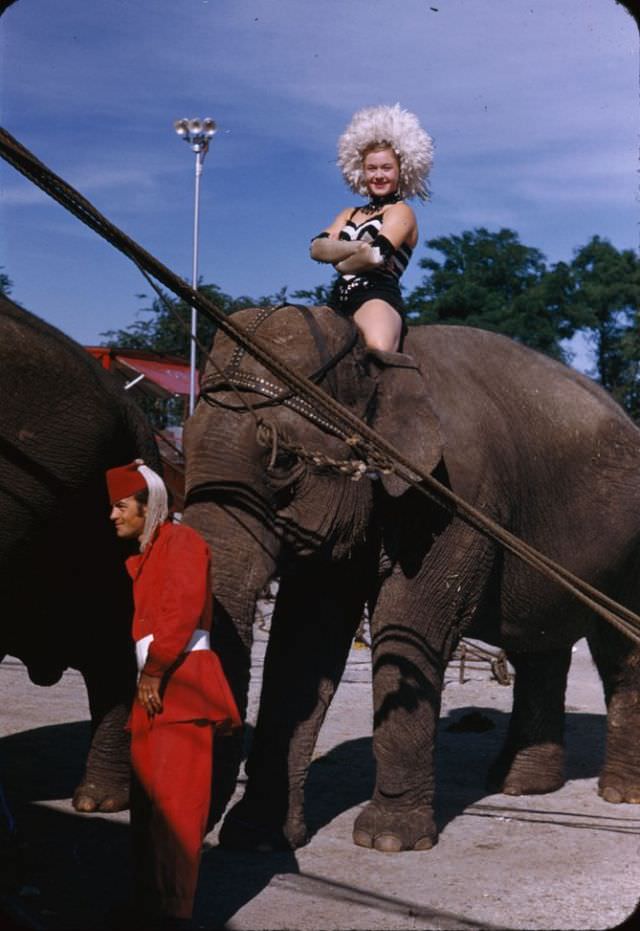
The circus’s elephants were among its most powerful attractions. Cushman photographed the animals alongside performers, including shots featuring Mademoiselle Unus — a striking pairing of human skill and animal scale that summed up the spectacle of the Ringling show. The circus would continue performing under its famous big top until 1957, after which it moved permanently into arenas and stadiums across the country.