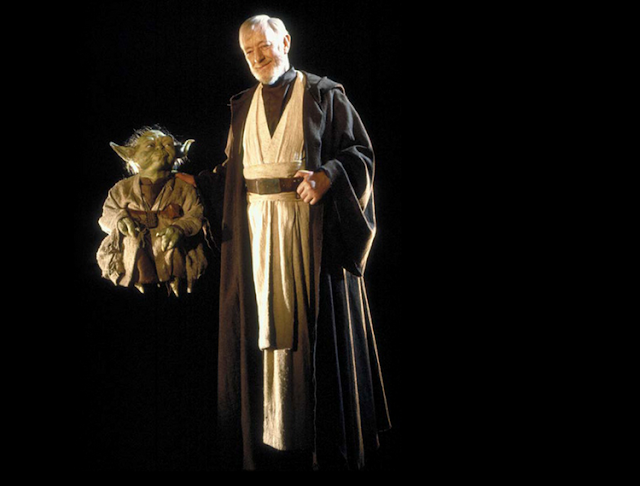
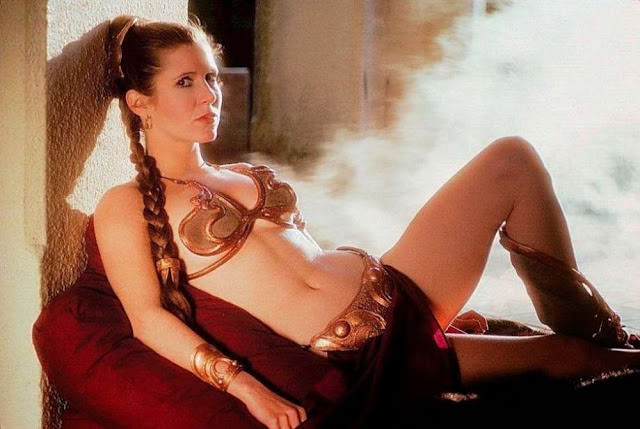
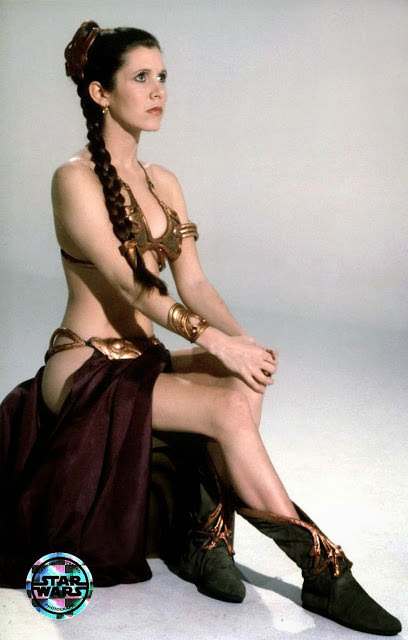
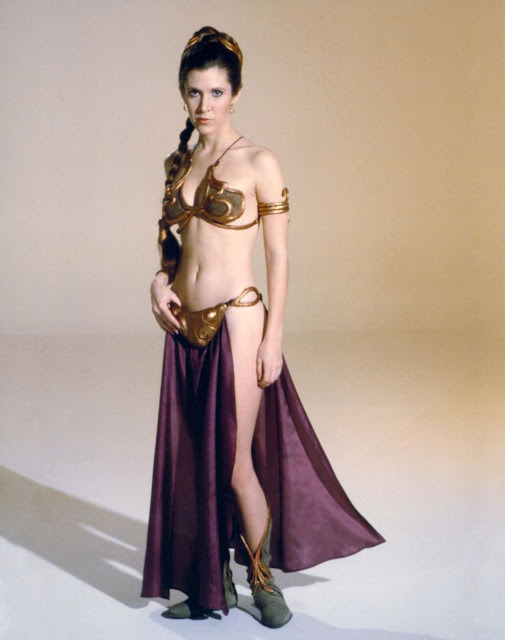
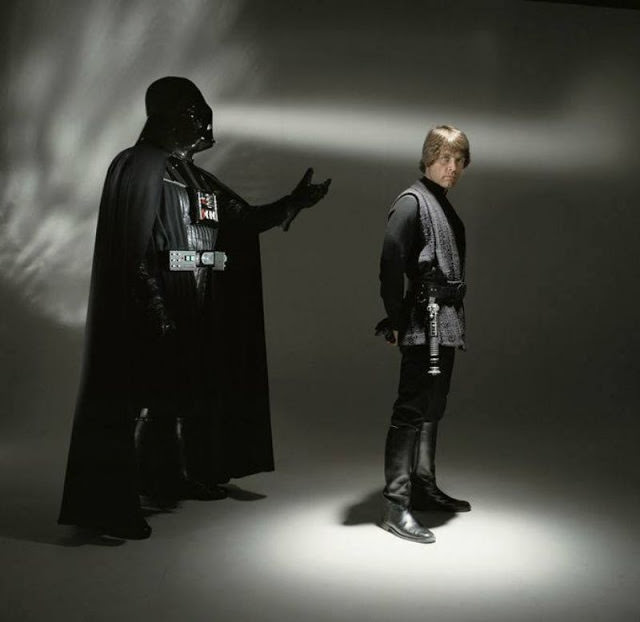
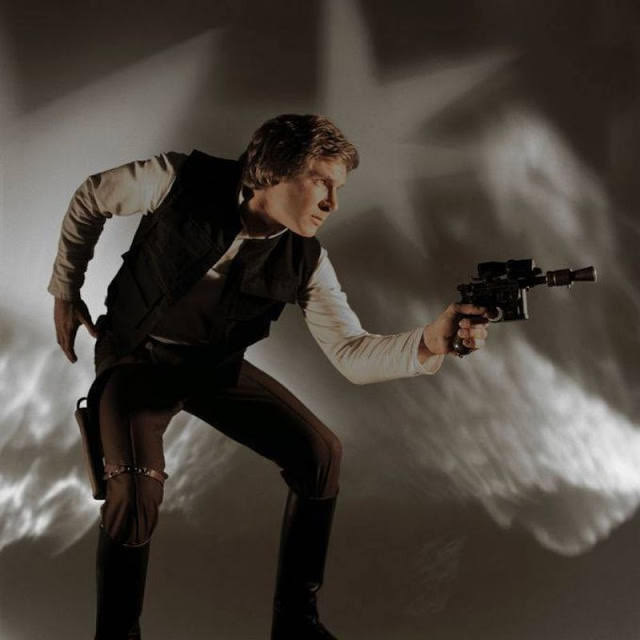
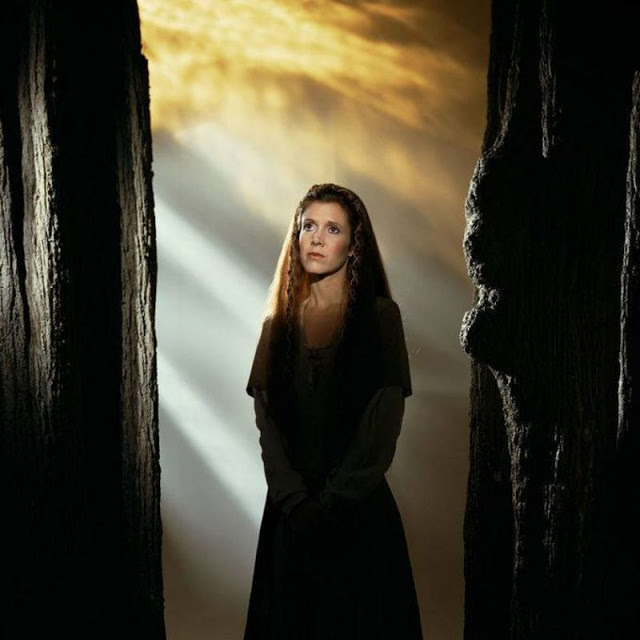
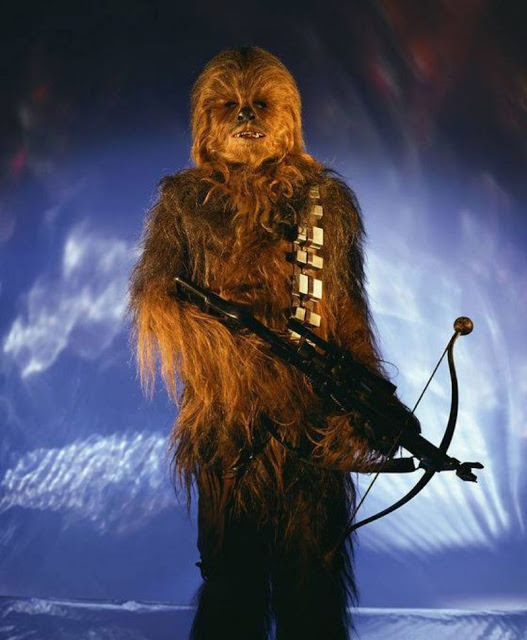
Return of the Jedi hit theaters on May 25, 1983, closing out the original Star Wars trilogy with one of the most ambitious productions in Hollywood history. Directed by Richard Marquand and produced by George Lucas, the film brought together hundreds of crew members, costume designers, makeup artists, stunt performers, and camera operators across multiple filming locations. What audiences saw on screen was the polished result of an enormous behind-the-scenes effort that rarely got public attention.
Before the film even had its final title, it was known by a different name. The original teaser trailer released to audiences carried the title Revenge of the Jedi. In December 1982, Lucas changed course. He decided that “revenge” was the wrong word for a Jedi — a warrior bound by discipline and principle. The title became Return of the Jedi, which Lucas said matched his original intention from the start.
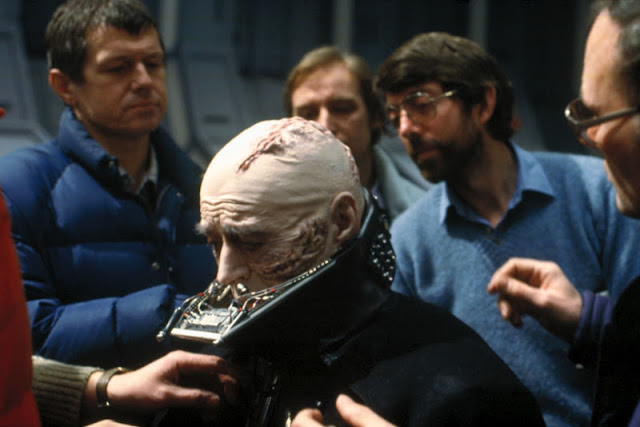
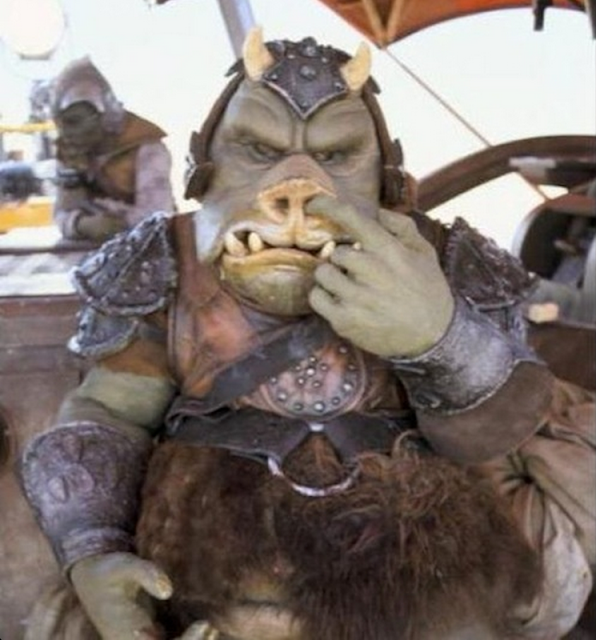
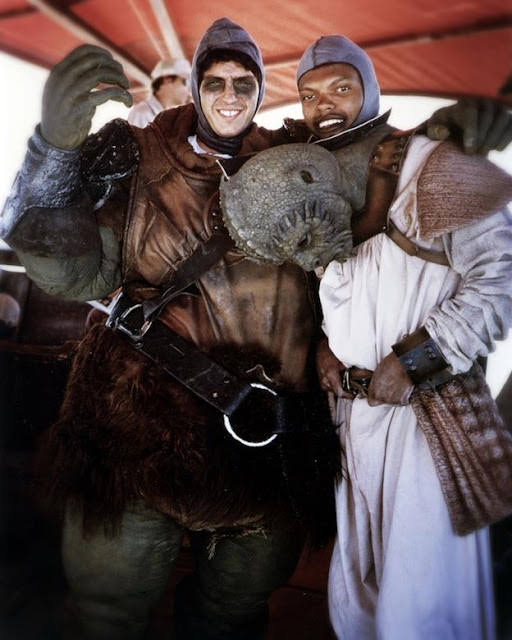
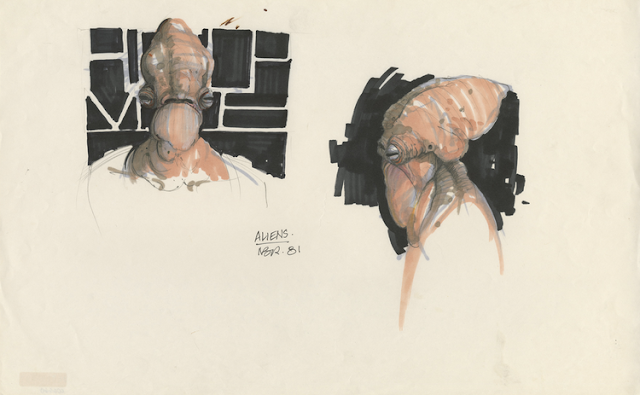
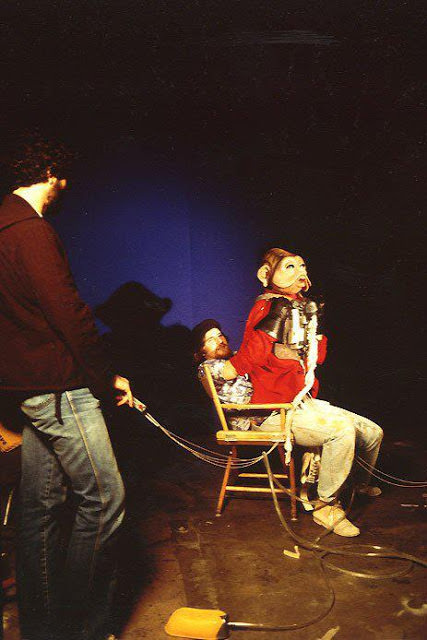
The production required an extraordinary number of practical effects, creature suits, and handmade props. The Creature Shop built dozens of alien characters from scratch, including the Ewoks and the inhabitants of Jabba’s palace. Makeup artists spent hours each day getting performers into costume, and many of the alien characters required full-body suits with separate mechanical facial rigs.
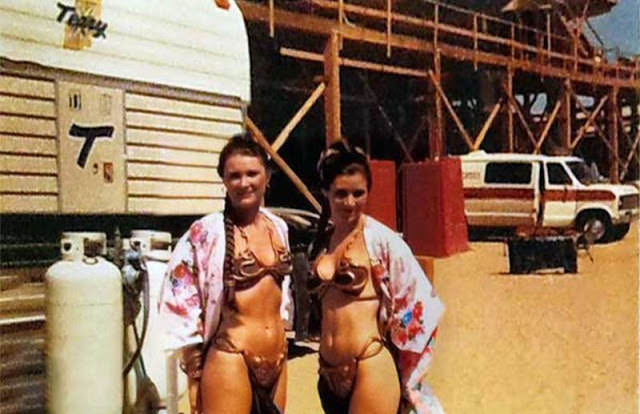
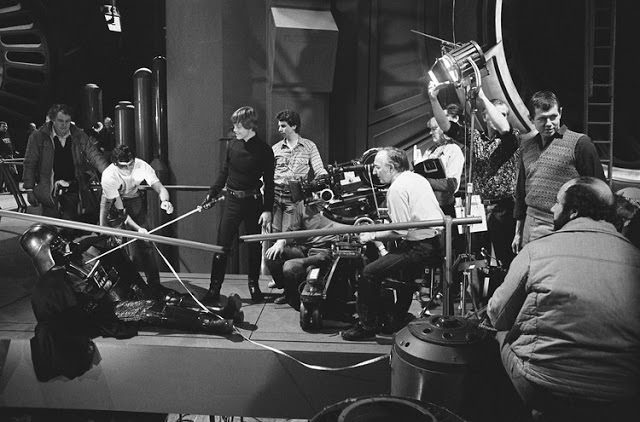
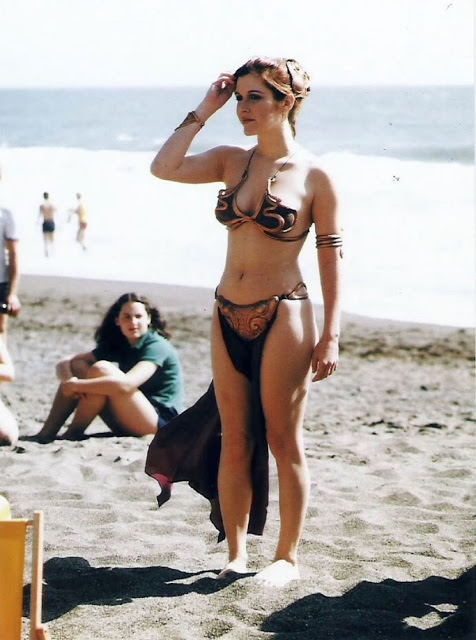
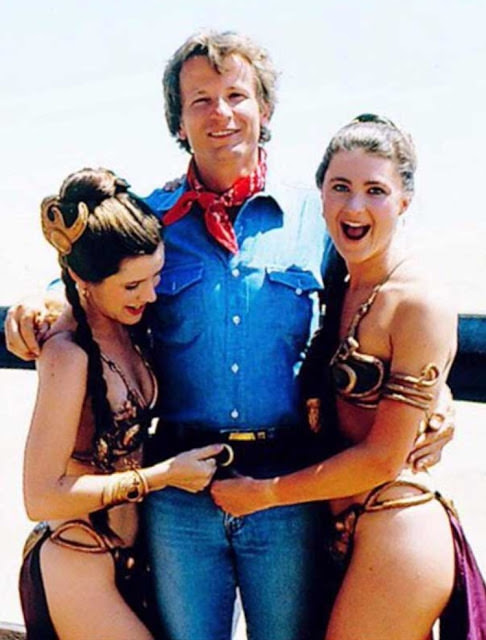
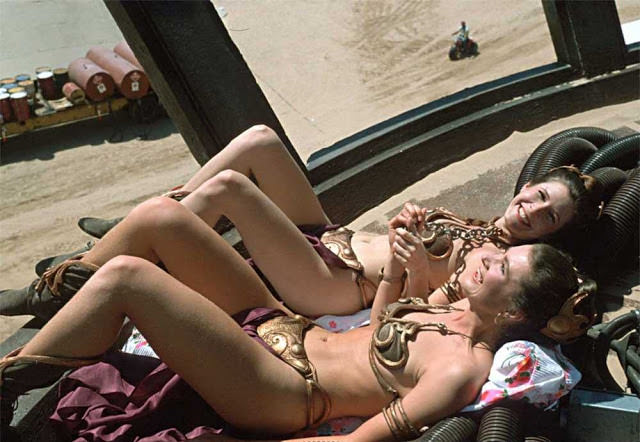
Stunt doubles played a crucial role throughout filming. High-risk sequences — particularly those set on the Sarlacc pit barge and the forest moon of Endor — required skilled stunt performers to stand in for the principal cast. Many of these doubles worked in full costume, making it nearly impossible to tell them apart from the actors in the final cut.
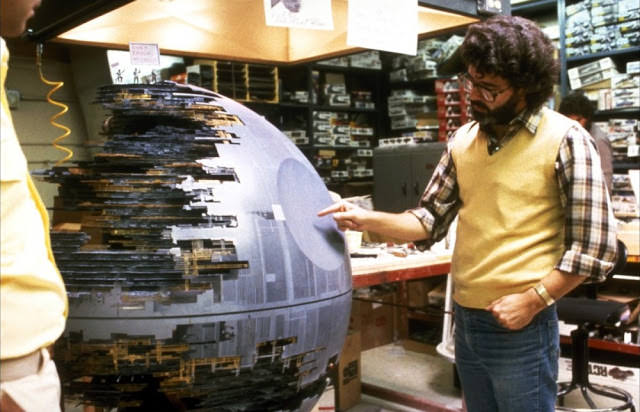
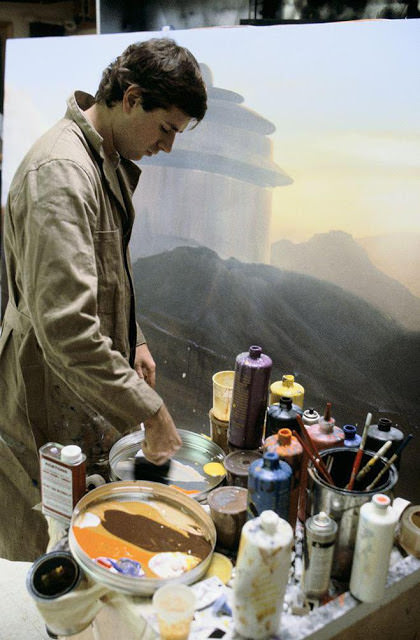
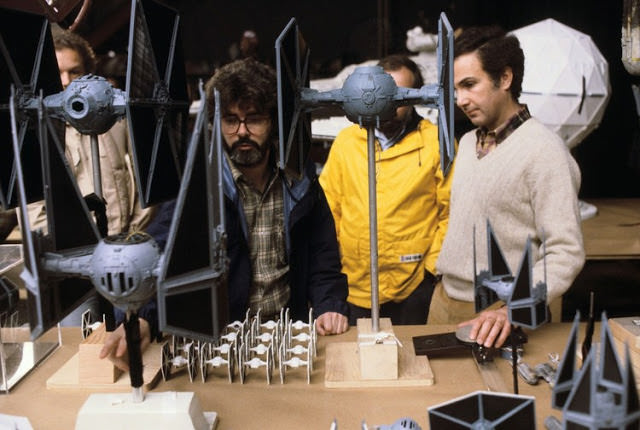
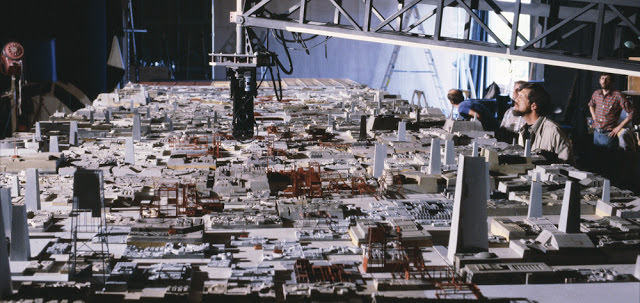
Filming took place across several real-world locations. The deserts of Yuma, Arizona stood in for the dunes surrounding Jabba’s palace and the Sarlacc pit. The forests of Endor were shot in the redwood groves of Crescent City, California. Industrial Light & Magic handled the spacecraft sequences back in California, building and filming highly detailed scale models to create the space battle effects.
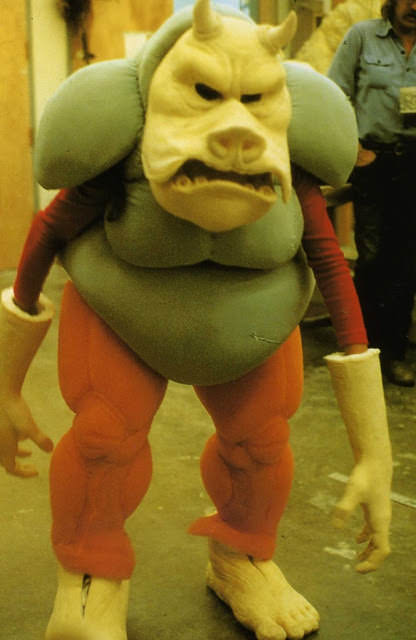
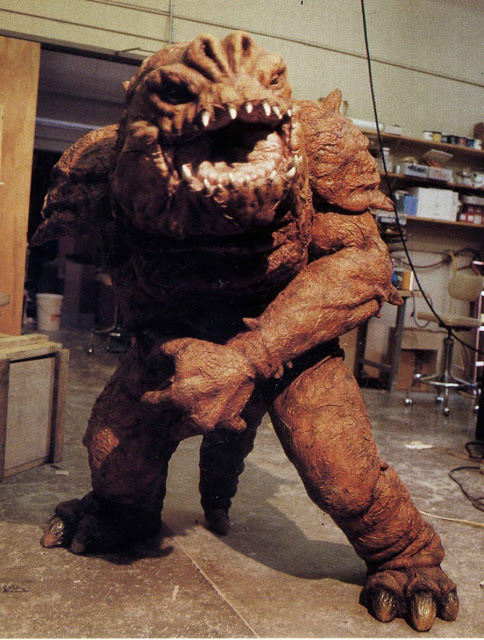
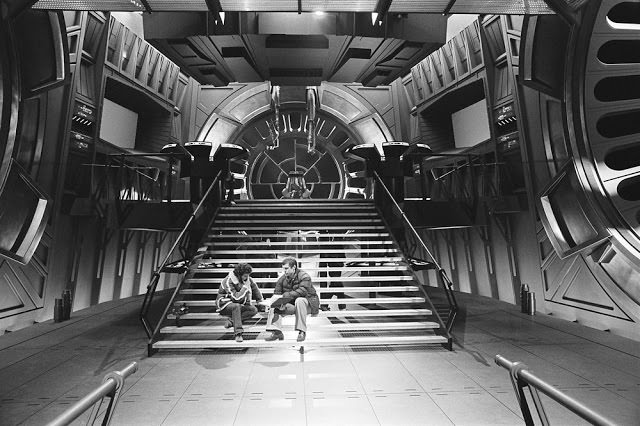
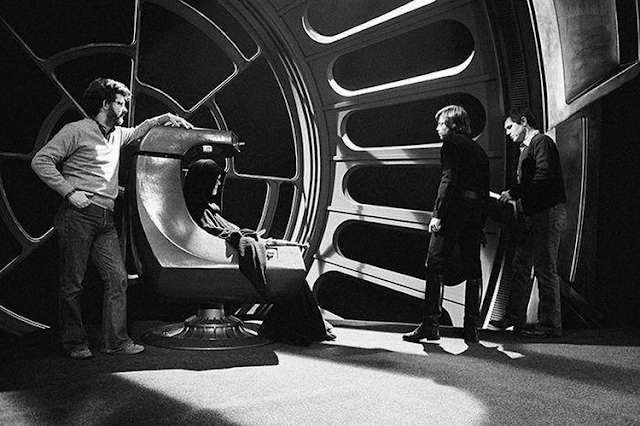
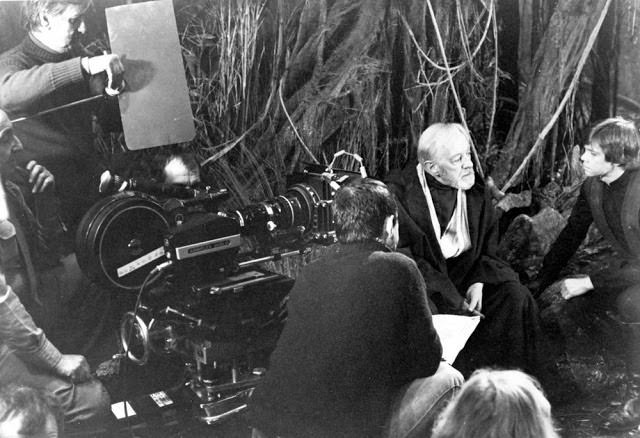
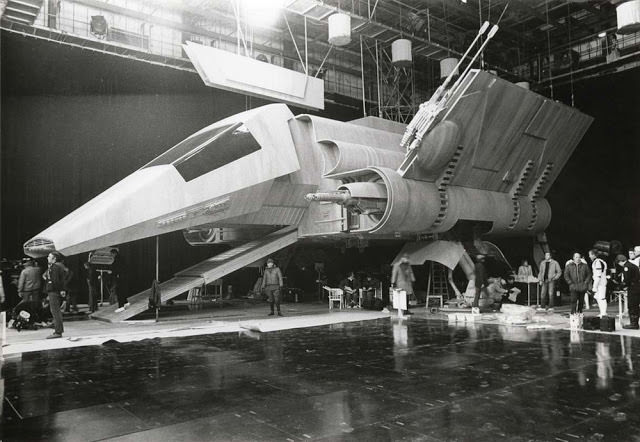
The camera crews on set had to work around enormous physical sets built at Elstree Studios in England. The Sarlacc pit set, the Emperor’s throne room, and the interior of Jabba’s palace were all full-scale constructions. Cinematographer Alan Hume worked to light these large environments in a way that felt consistent with the grittier, darker tone Lucas wanted for the film’s final chapter.
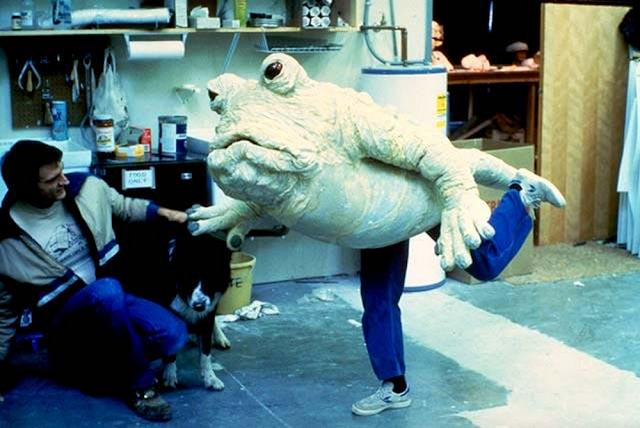
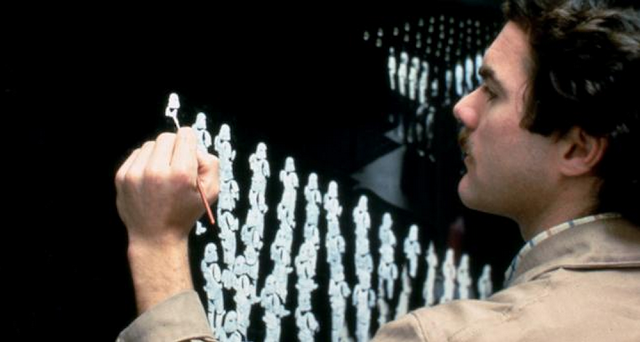
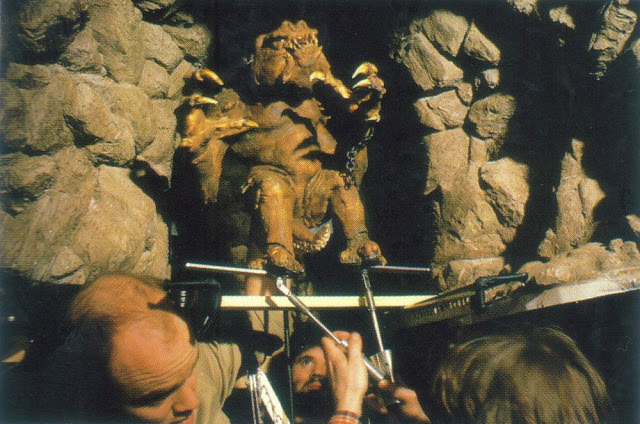
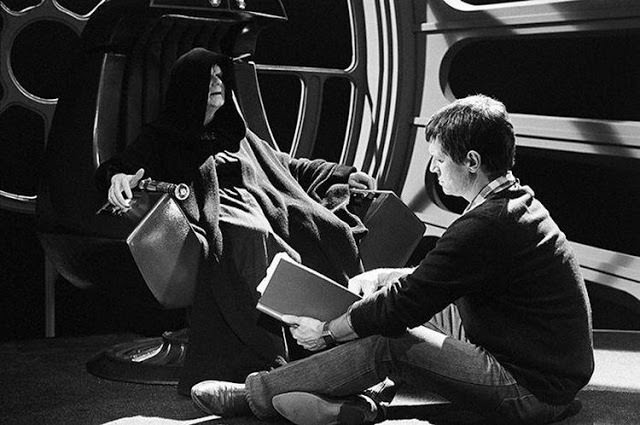
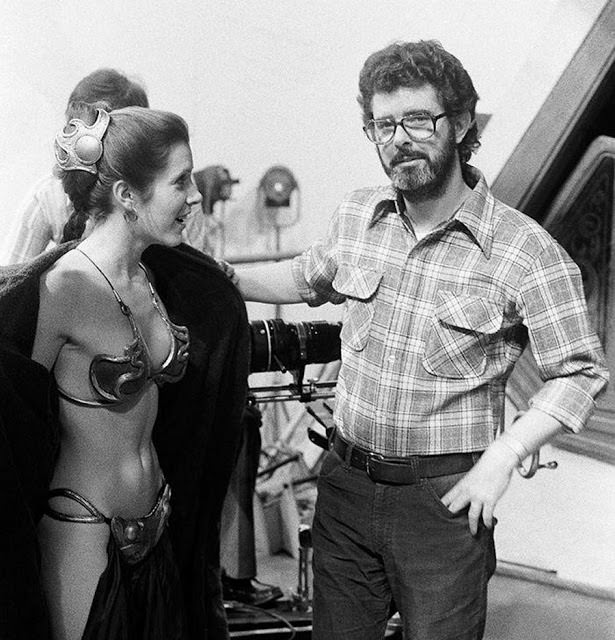
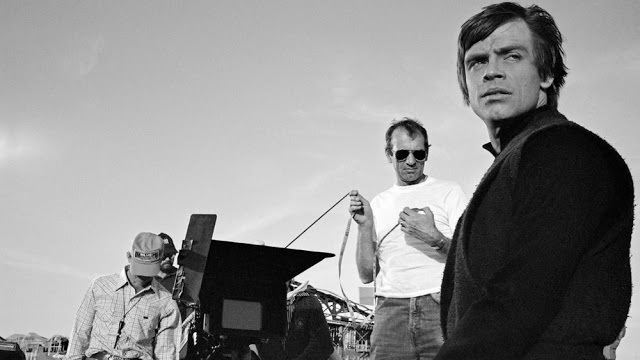
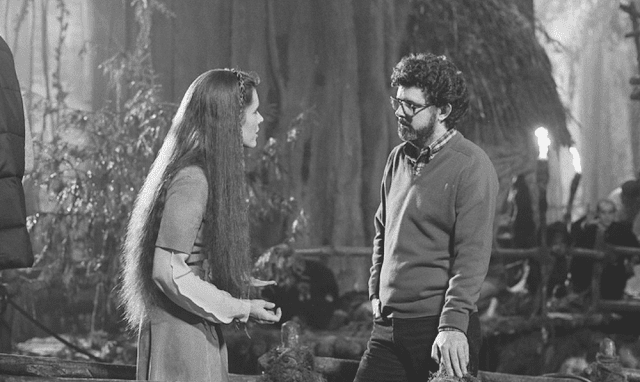
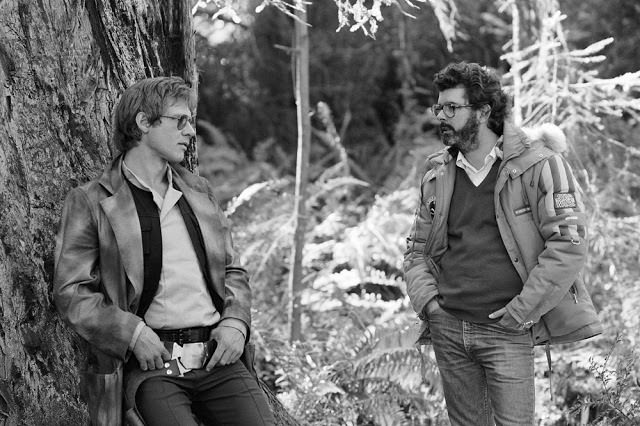
Behind the camera, the crew kept the production moving at a fast pace. George Lucas was a constant presence on set despite not serving as the film’s official director. His involvement in decisions about creature design, set layout, and visual effects meant that few major choices were made without him. Director Richard Marquand worked closely with Lucas throughout.
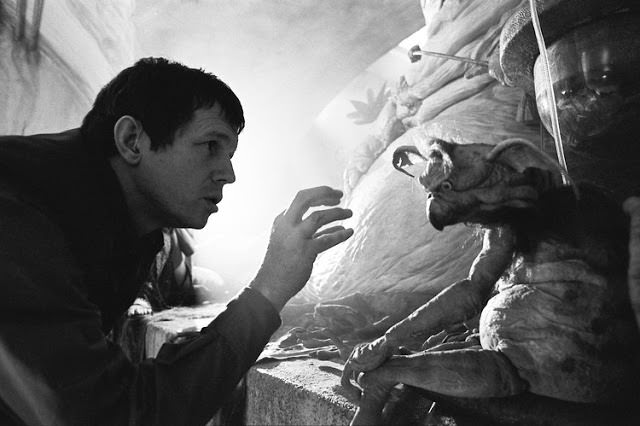
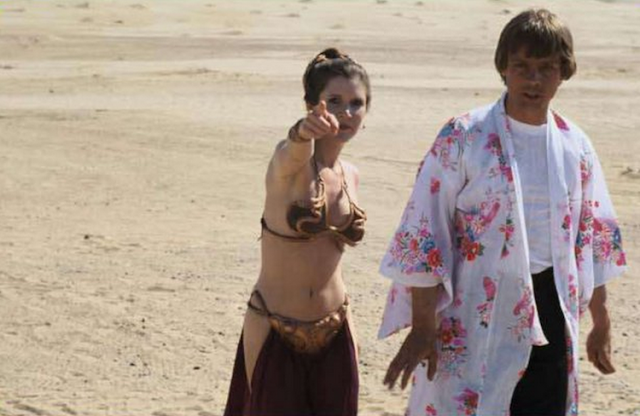
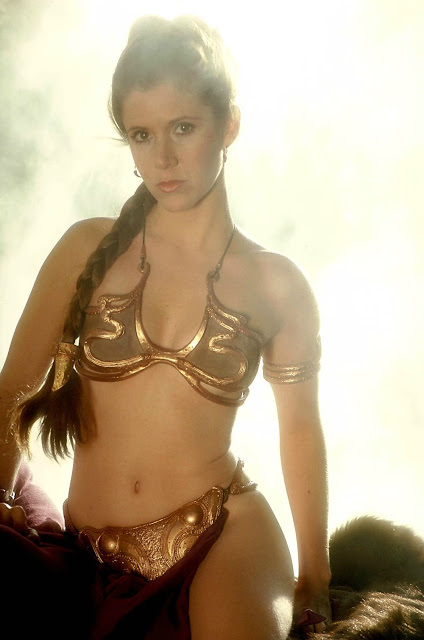
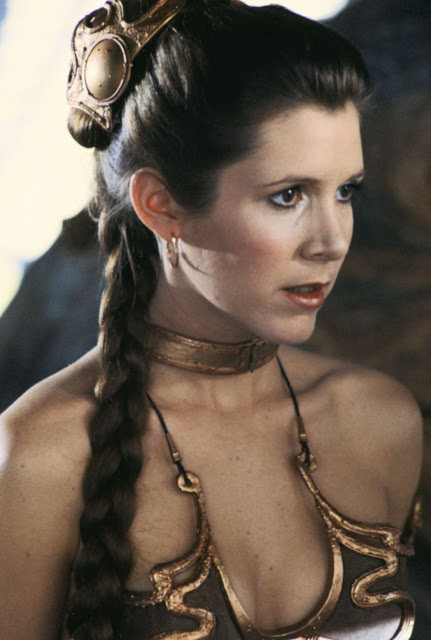
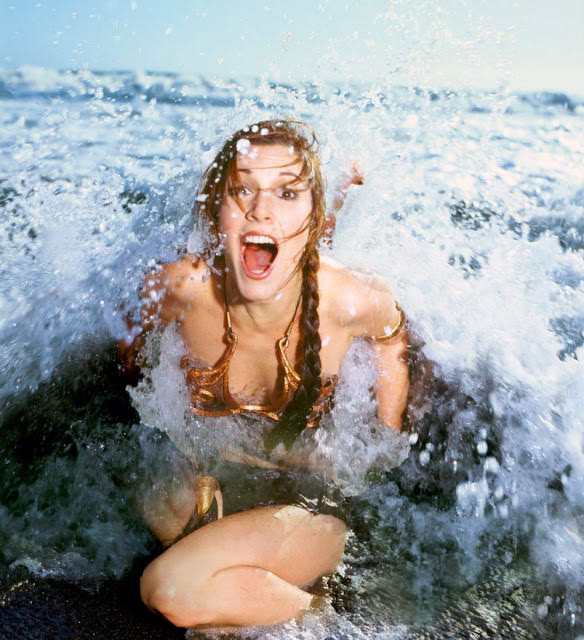
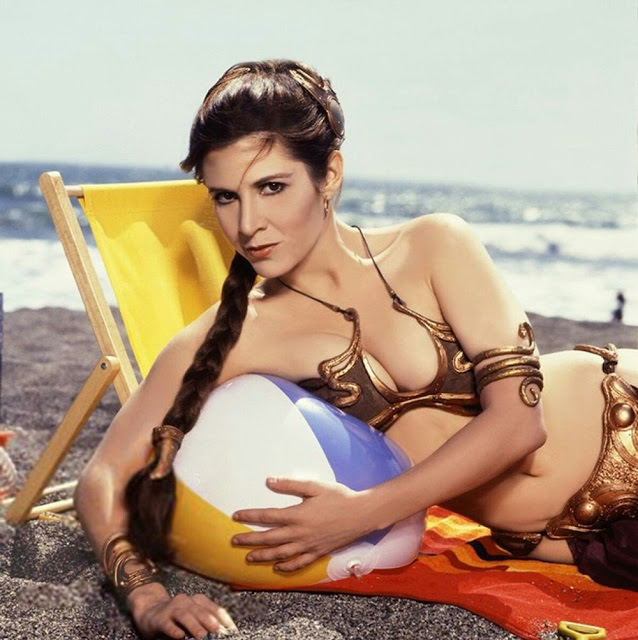
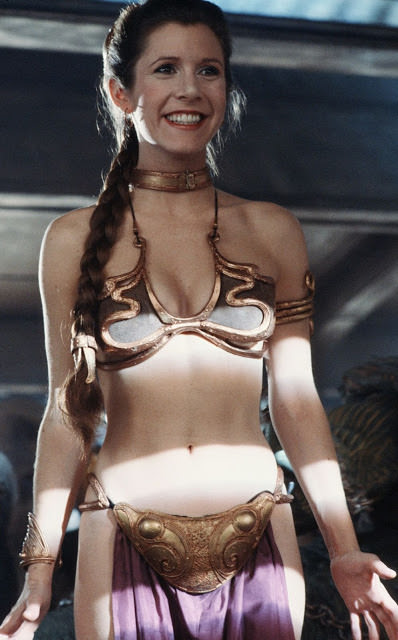
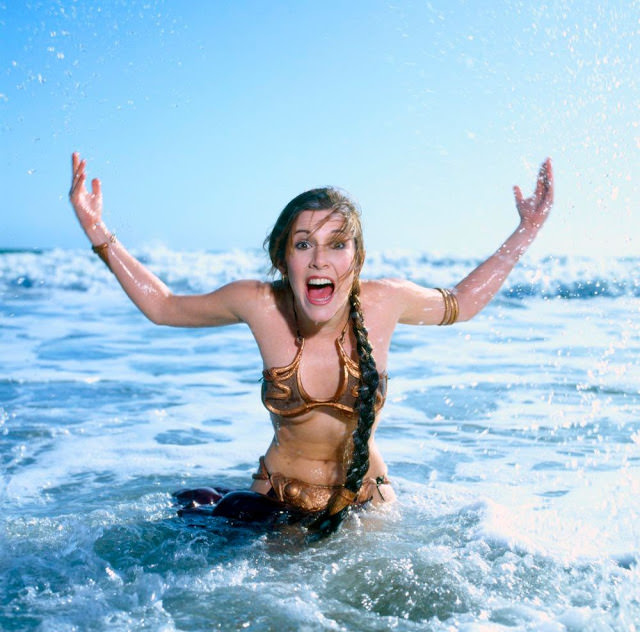
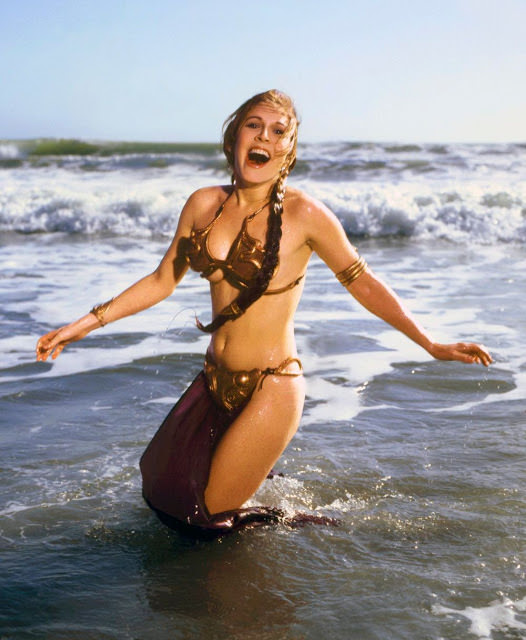
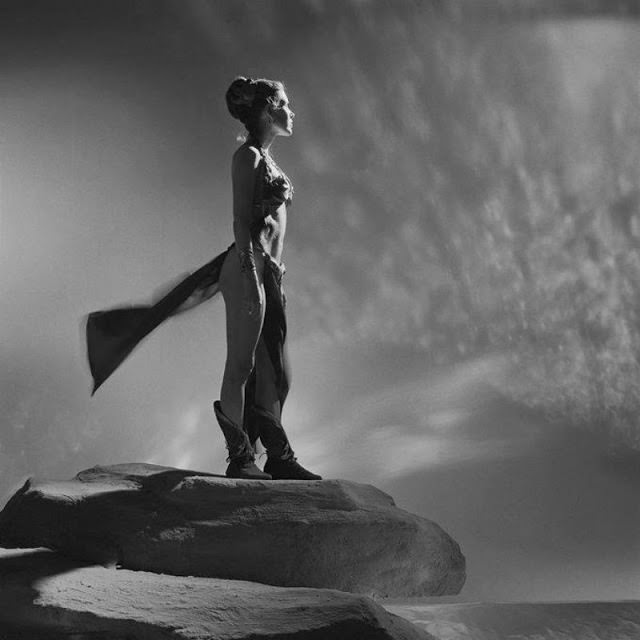
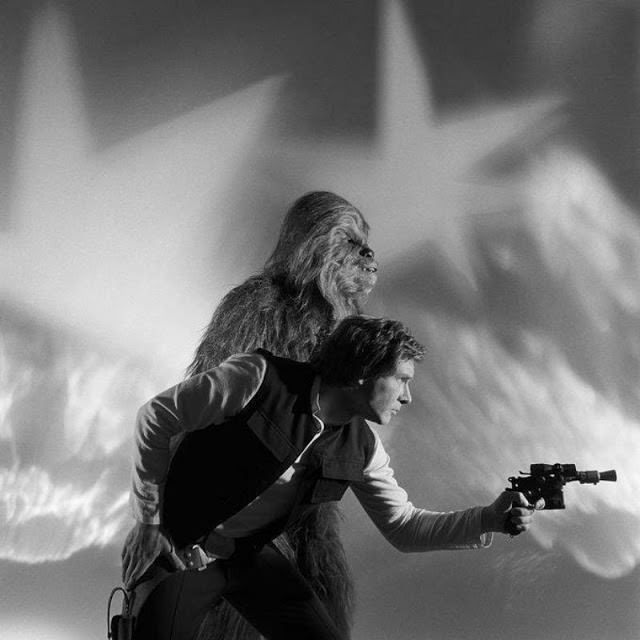
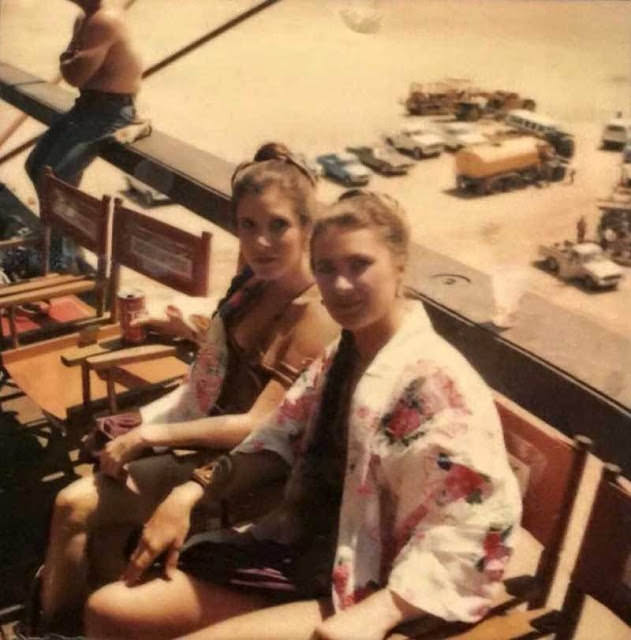
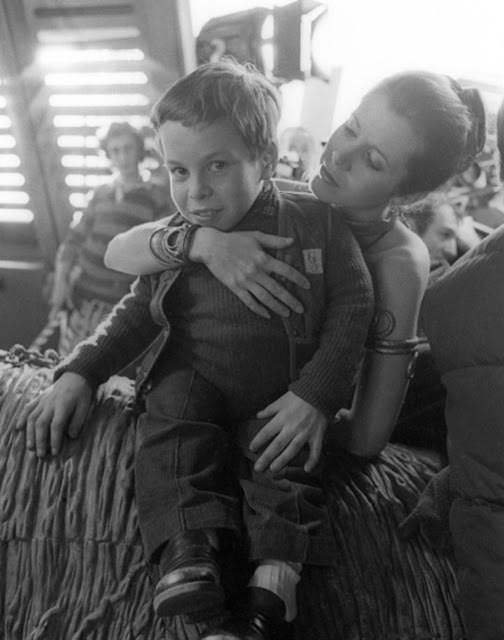
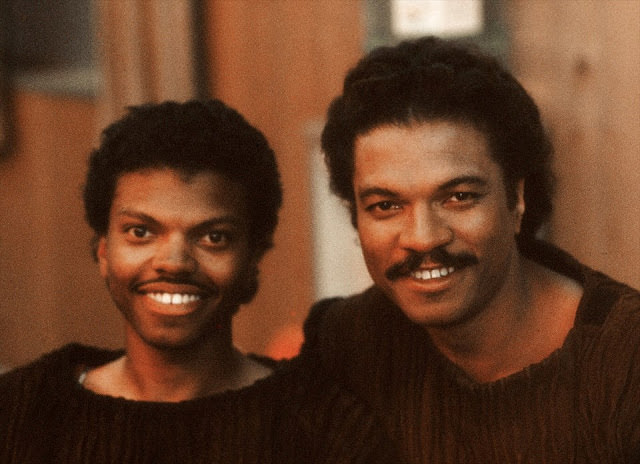
The cast between takes looked dramatically different from their on-screen personas. Actors in heavy prosthetics and alien costumes relaxed in chairs, grabbed food from craft services, or ran lines with each other in full alien makeup. These candid moments reveal how much physical and mental work went into maintaining those characters across long shooting days.
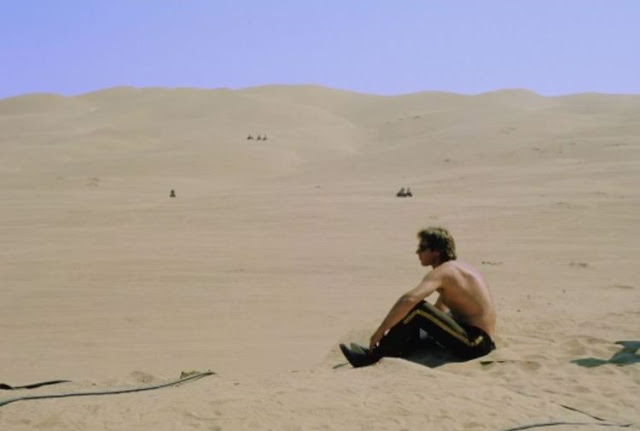
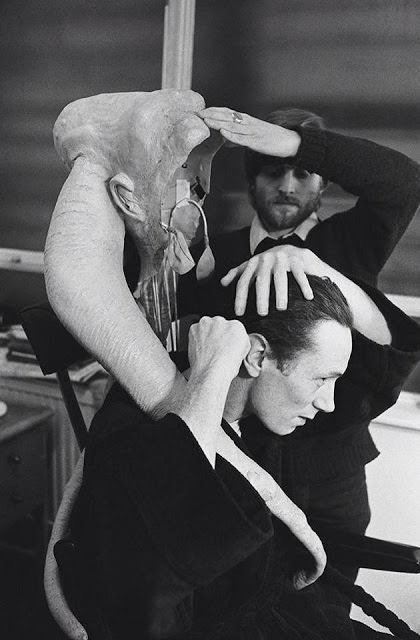
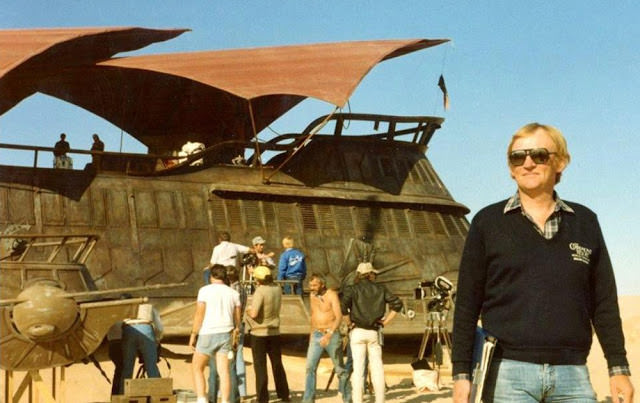
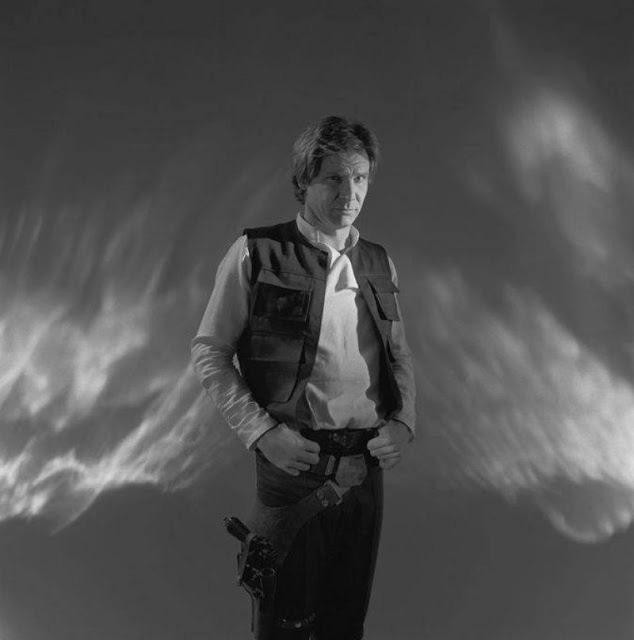
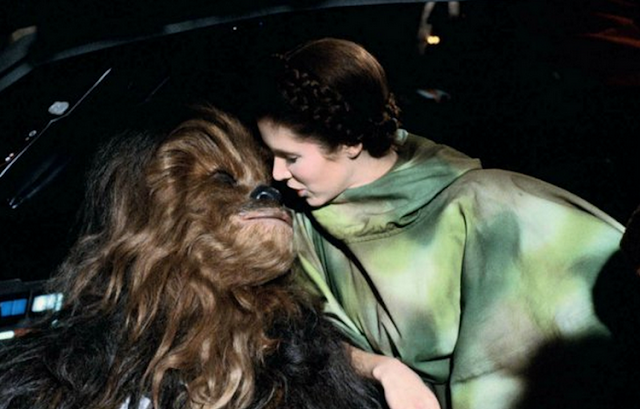
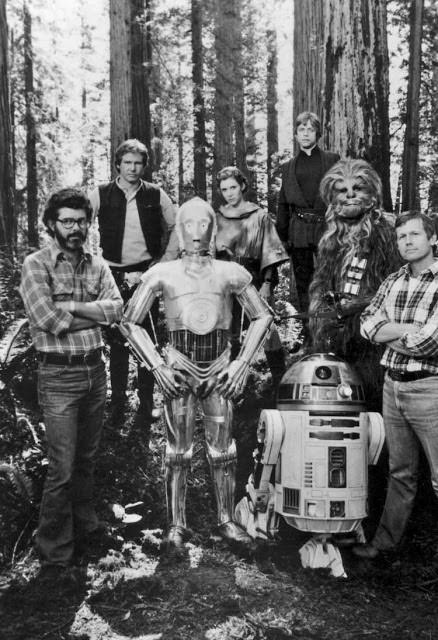
Harrison Ford, Carrie Fisher, and Mark Hamill each brought years of familiarity with their characters into this final chapter. The behind-the-scenes images capture the ease between them — the chemistry that made their performances feel natural. Off camera, they were relaxed and often playful, a contrast to the high-stakes drama playing out in the script.
The Ewoks required some of the most intensive prep work of any characters in the film. Each Ewok costume was custom-built and fitted to the performer wearing it. The masks were designed to allow enough movement for basic expressions, and the performers inside had to learn a specific set of physical movements to communicate emotion without dialogue. Most Ewok dialogue was recorded and dubbed in post-production.
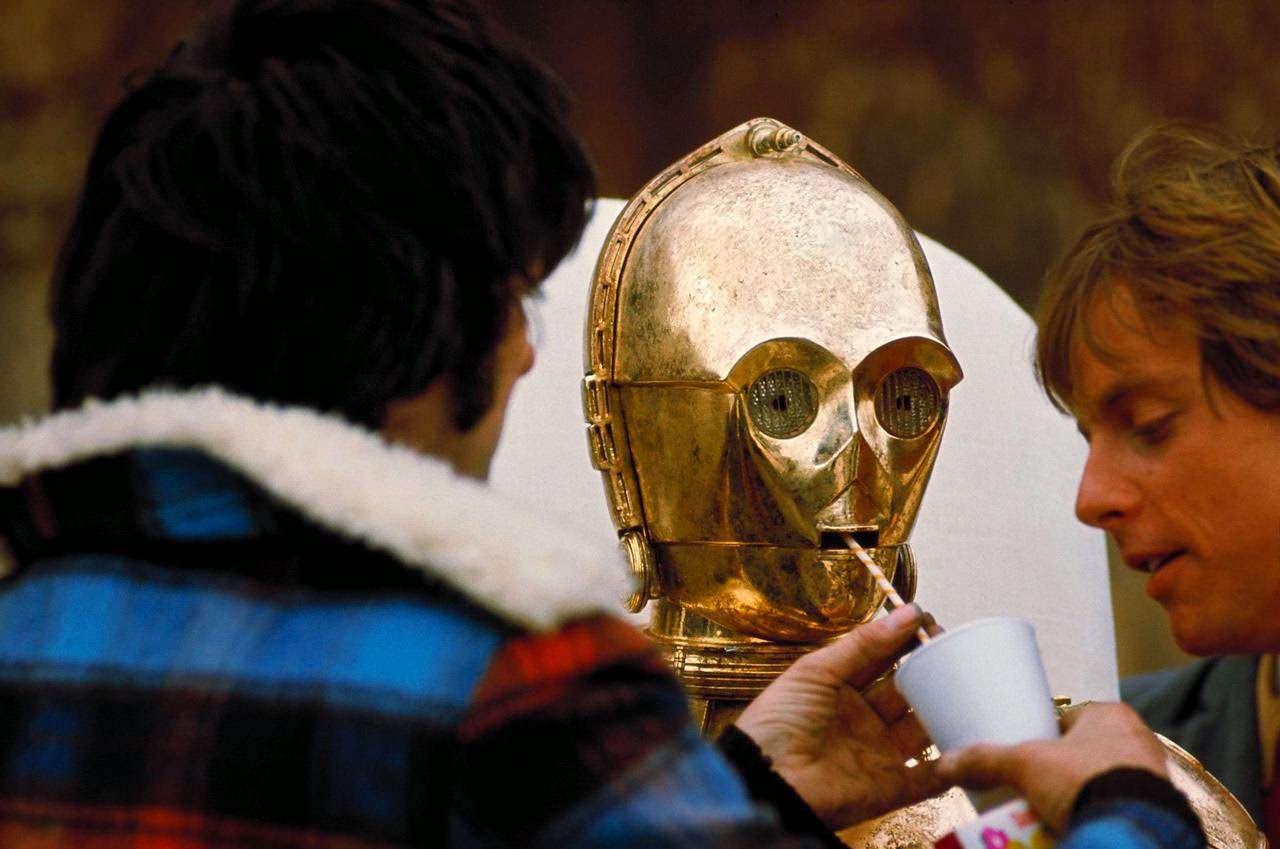
Anthony Daniels, who played C-3PO, wore a suit that was uncomfortable and difficult to move in. Photos from the set often show crew members helping him sit down or reattach pieces of his costume between takes. R2-D2, operated by Kenny Baker, required a separate team of technicians to manage the mechanical functions of the droid on any given shooting day.
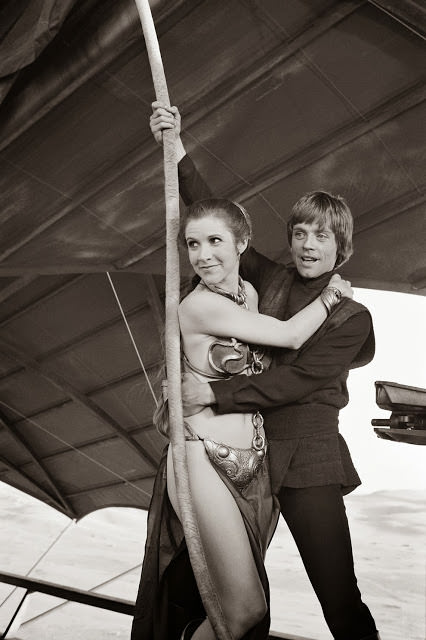
The production design team created the look of every environment in the film. From the cluttered lair of Jabba the Hutt to the clean, dark corridors of the second Death Star, every set was deliberately designed to tell a story through its appearance. Concept artists worked months ahead of shooting to define these spaces, and construction crews built them by hand.
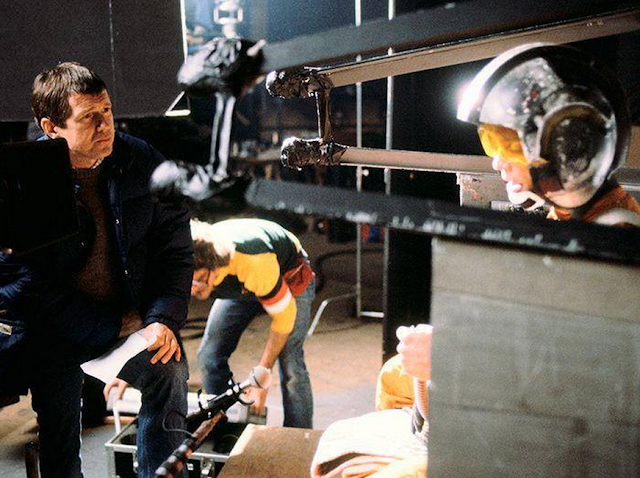
The battle sequences in the Endor forest needed a way to show speeder bikes moving at high speed through dense trees. The filmmakers mounted a camera on a Steadicam rig and walked it slowly through the Crescent City redwoods, then sped up the footage dramatically in editing. The result was one of the most memorable chase sequences in the entire trilogy.
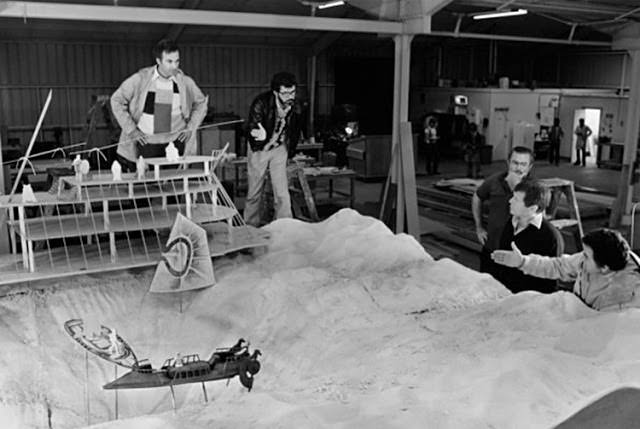
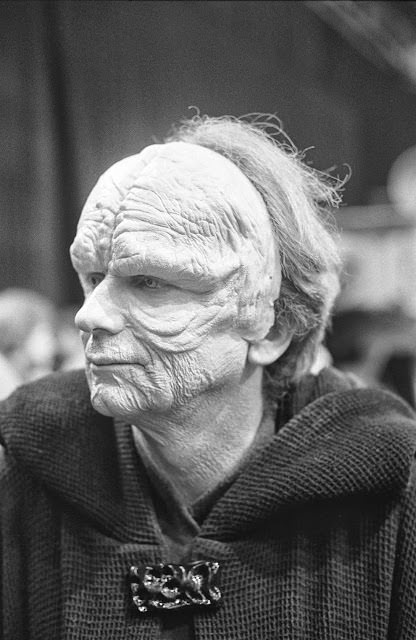
Jabba the Hutt was a fully physical puppet — not a costume with a performer inside. The massive creature required a team of puppeteers and technicians to operate. Multiple operators worked his mouth, eyes, tongue, and body movements simultaneously during any given shot. Building and operating Jabba was one of the biggest practical effects challenges the production crew faced.
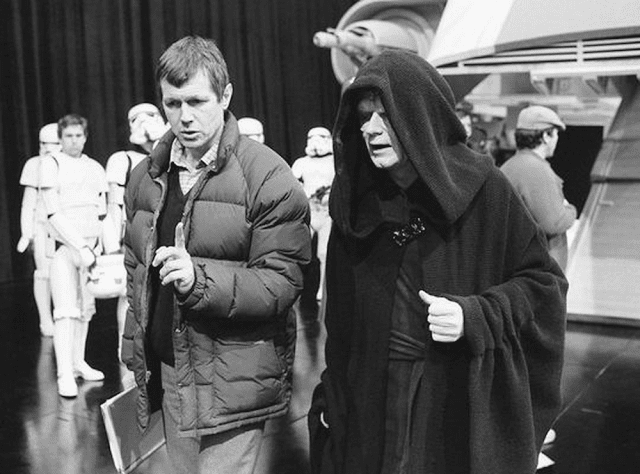
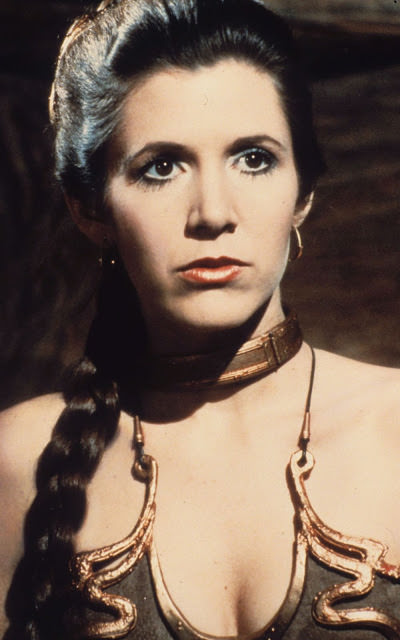
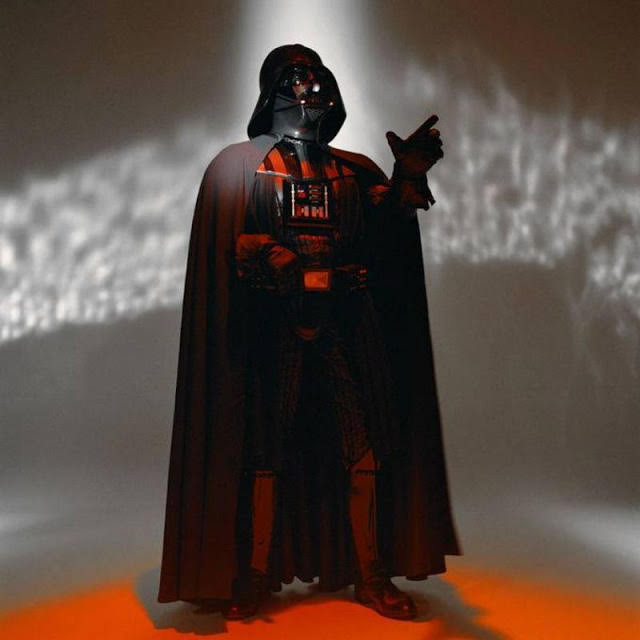
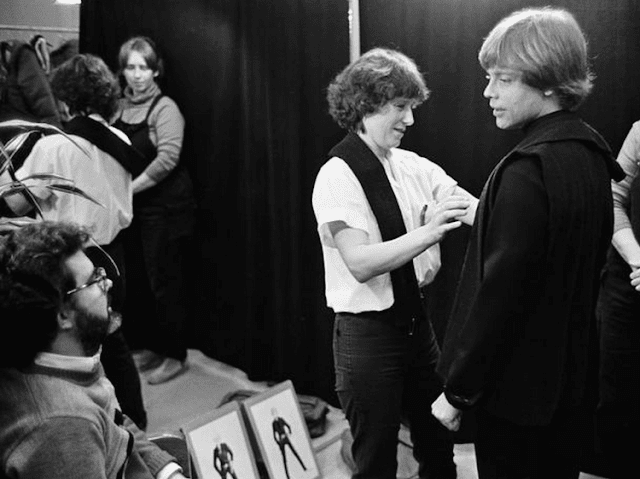
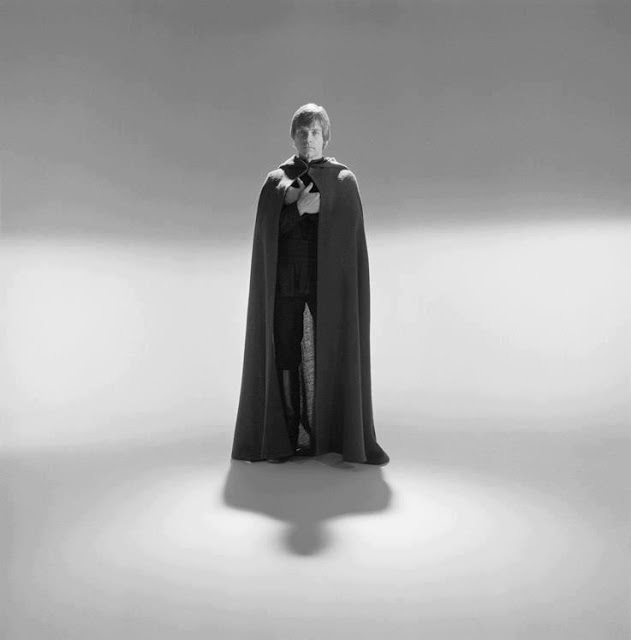
The film’s costume department handled thousands of individual pieces, from the detailed armor worn by Imperial officers to the simple robes Luke Skywalker wore throughout the second half of the film. Each costume had to be made in multiple versions — clean versions for close-up shots, distressed versions for battle scenes, and duplicate versions held in reserve in case of damage on set.
David Prowse wore the Darth Vader suit throughout filming, but James Earl Jones recorded Vader’s voice separately in a studio. The suit itself was an engineering challenge — heavy, warm, and limiting in terms of movement. Prowse delivered Vader’s physical presence entirely through body language and posture, working within severe constraints to make the character feel powerful on screen.
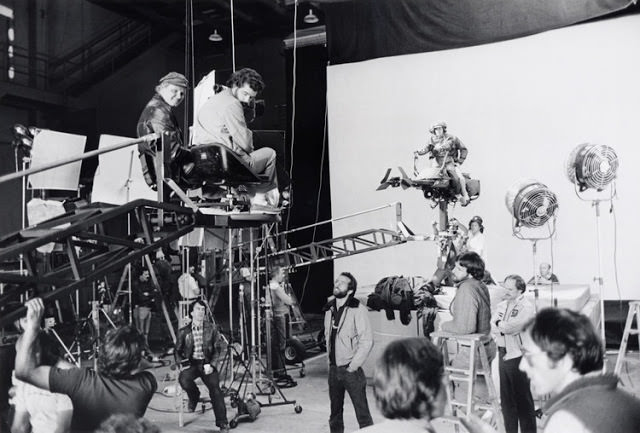
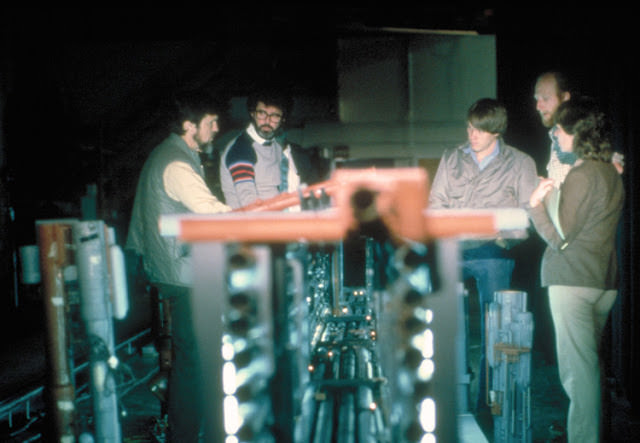
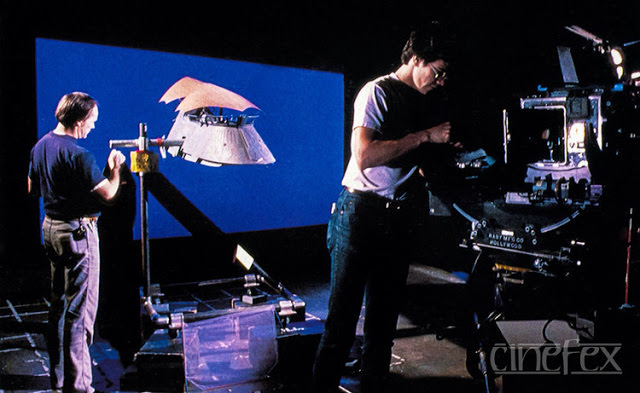
The space battle above Endor was one of the largest visual effects sequences ever attempted at the time. ILM built dozens of spacecraft models and filmed them against a blue-screen backdrop, layering the footage together in post-production. The scale of the battle — with hundreds of ships on screen — was achieved entirely through careful planning and multiple passes of camera photography on model shots.
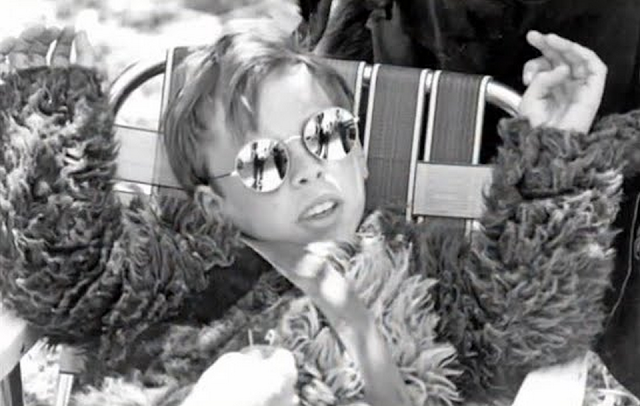
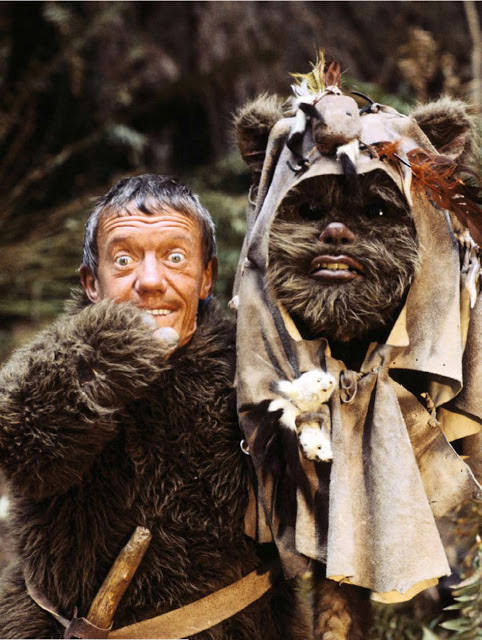
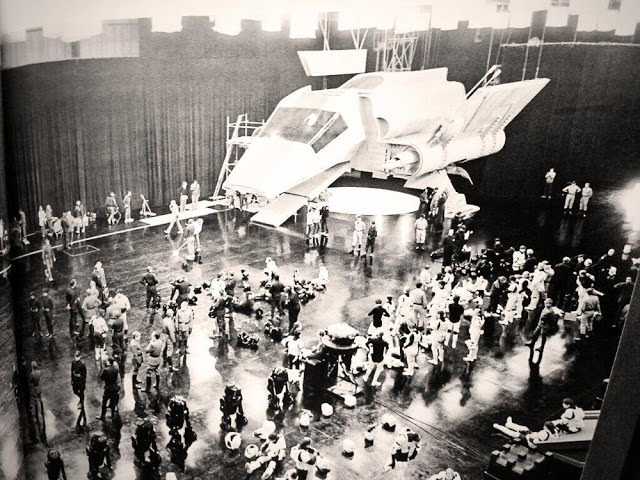
The on-set atmosphere captured in behind-the-scenes photos reflects a production that was demanding but also energetic. Crew members who worked on all three original Star Wars films have described Return of the Jedi as the most technically complex of the three. The sheer number of creatures, sets, locations, and effects sequences running simultaneously made it a logistical challenge at every level.
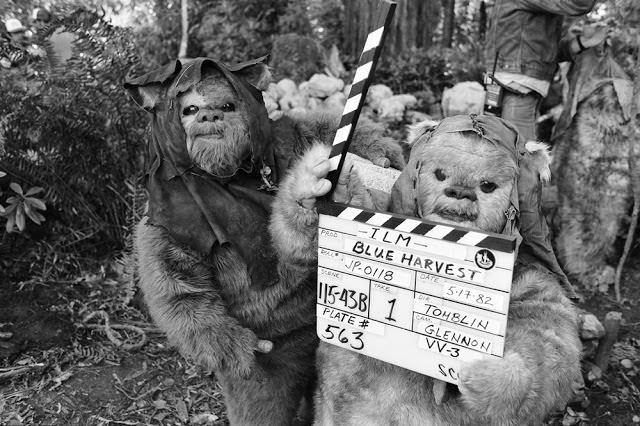
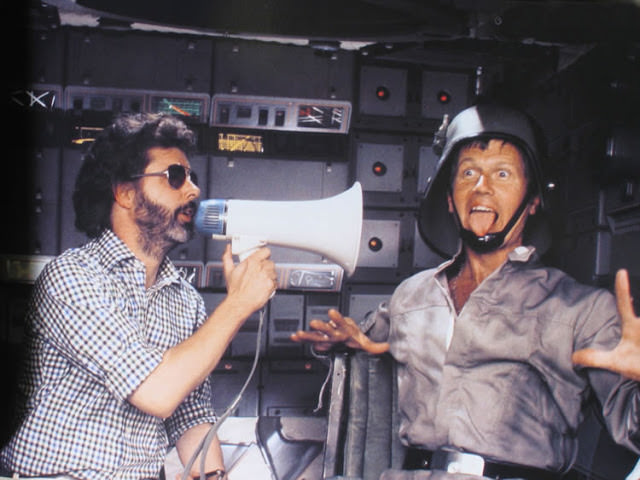
After its theatrical run, Return of the Jedi was released on VHS and LaserDisc and re-released multiple times throughout the 1980s and 1990s. The home video versions kept the film in front of new generations of viewers long after its theater run ended. Each release brought a new wave of fans who saw the film for the first time outside of a cinema.
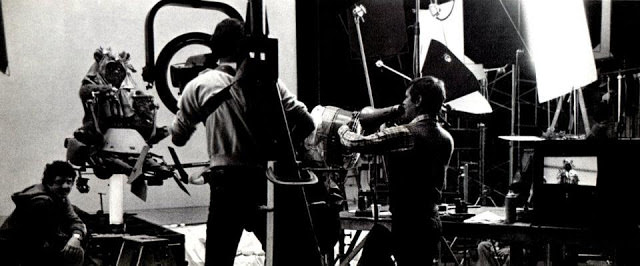
What these rare photographs reveal, more than anything else, is the scale of human effort behind every scene. For every minute of finished film, dozens of people were working just out of frame — adjusting lights, fixing costumes, operating creatures, managing cables, and doing the quiet, unglamorous work that made the magic possible.