Beale Street in Memphis, Tennessee, is best known for its music and nightlife, but in the early twentieth century it was also home to a thriving portrait studio. Daisy Studio sat at 315 Beale Street, just a few buildings west of the famous “Old” Daisy Theatre on the same block. Founded in the early 1920s, the studio spent decades photographing the men, women, and children who walked through its doors. The portraits it produced from the early 1940s offer a rare, up-close look at ordinary Memphis residents during one of the most turbulent decades in American history.
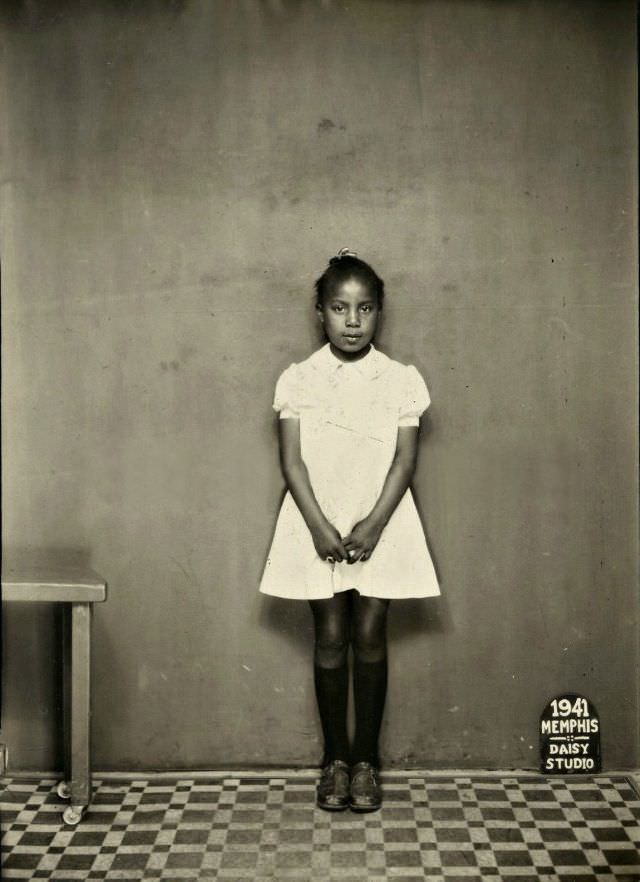
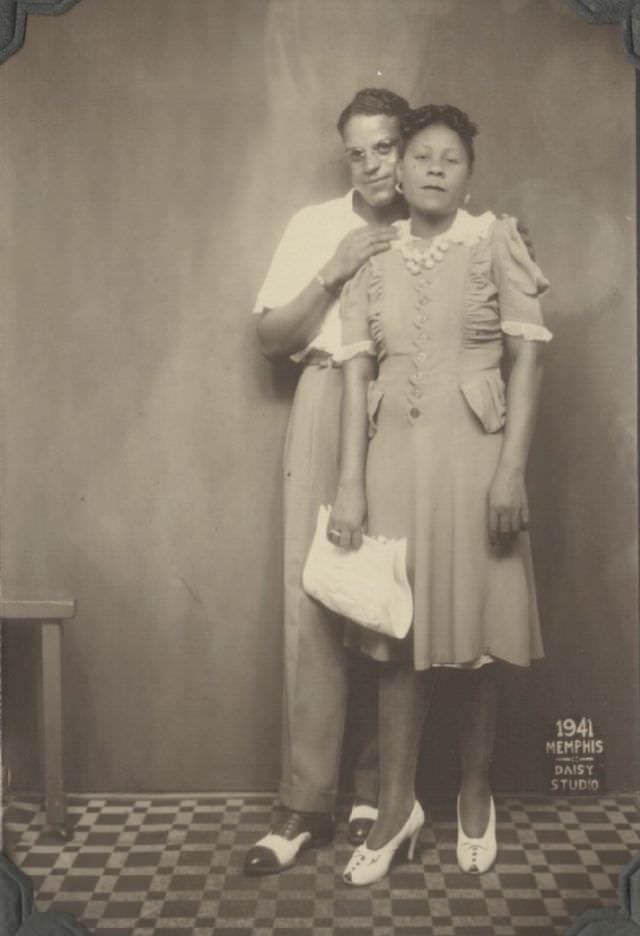
By 1941, the studio was busy capturing all kinds of visitors — from young children sitting for solo portraits to couples dressed in their finest. The photographers at Daisy Studio had a clear talent for making their subjects look composed and dignified, no matter the occasion.
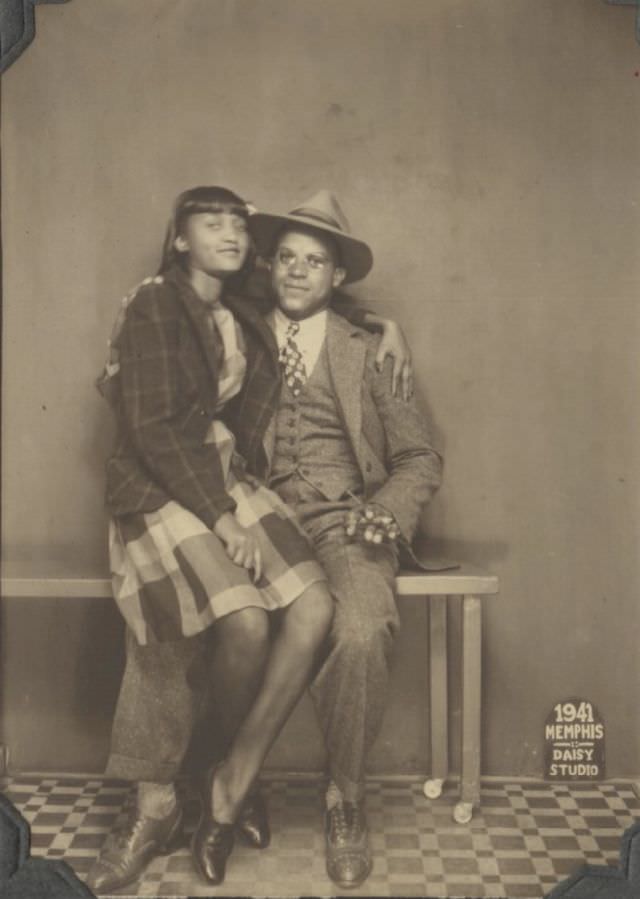
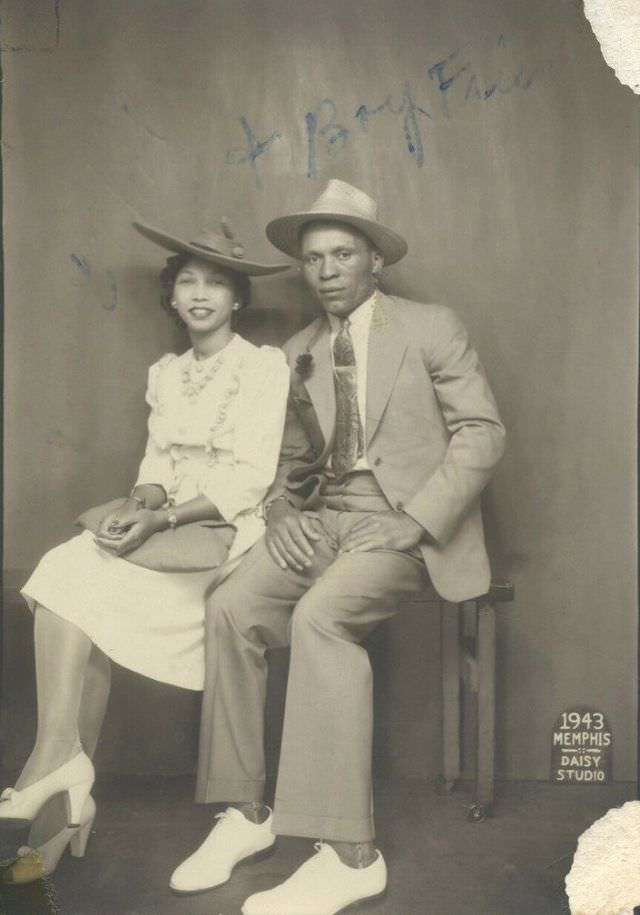
Couples also made their way to the studio that year, posing together in formal portraits that show off the fashion of the era. Women in carefully pressed dresses and men in suits and ties were a common sight in front of the Daisy Studio camera.
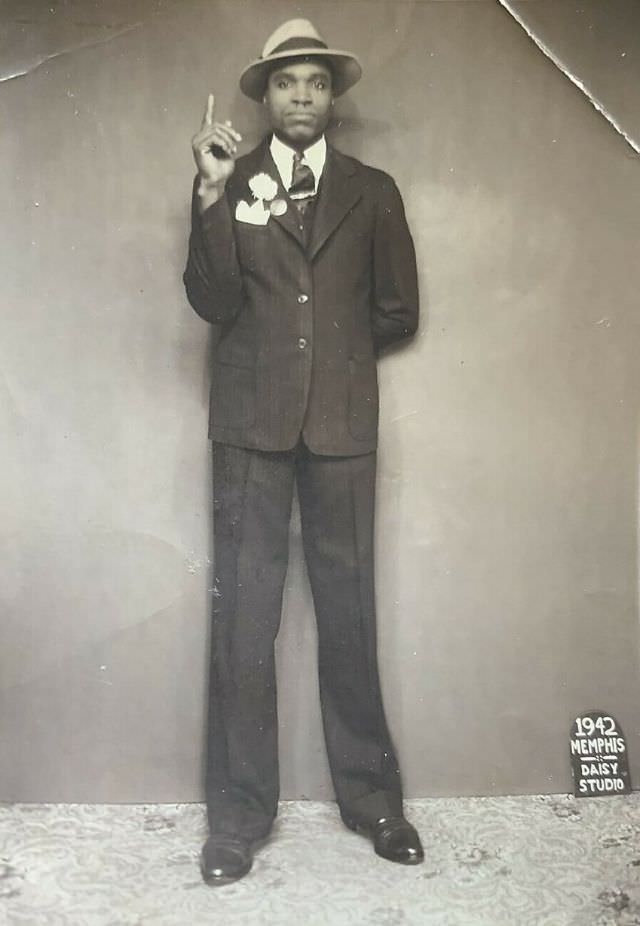
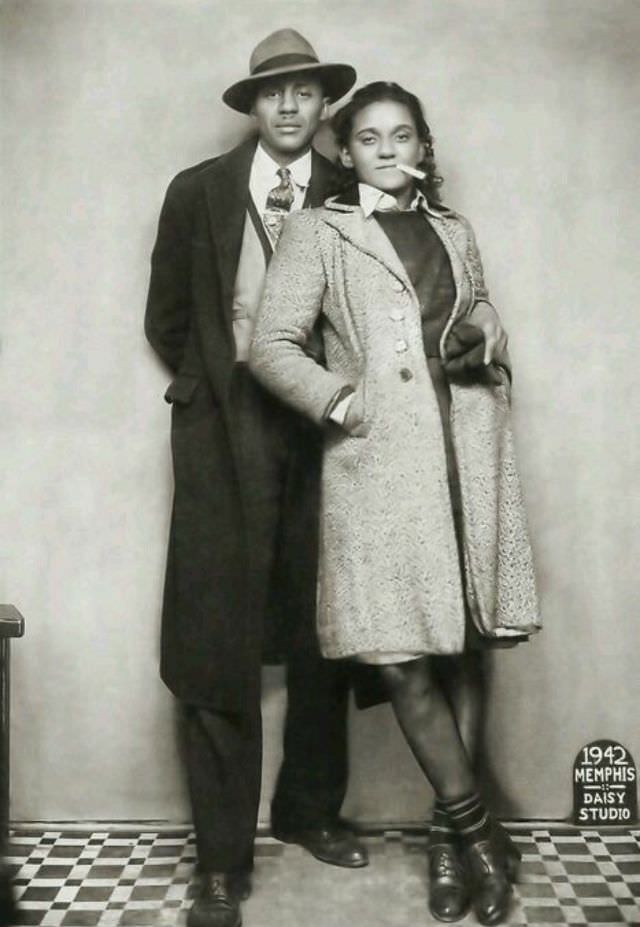
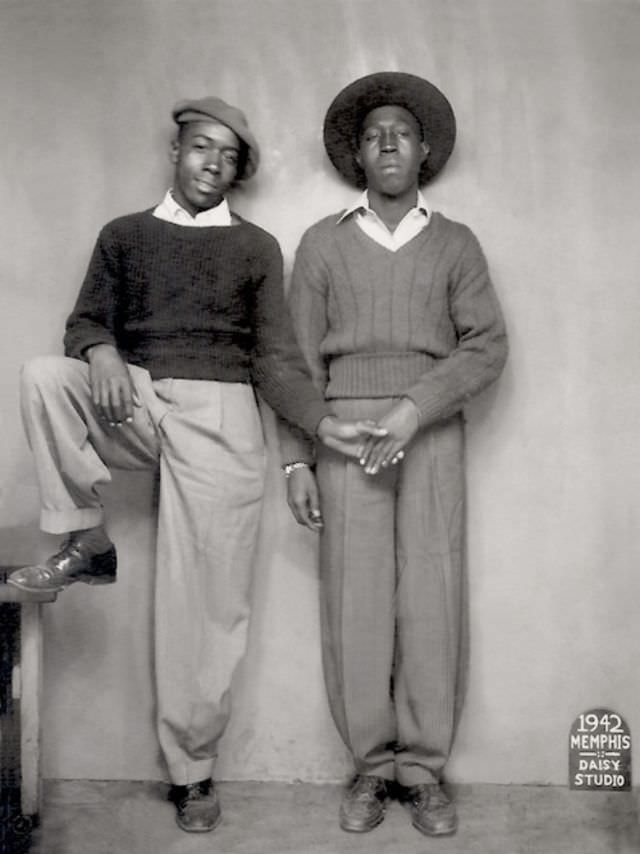
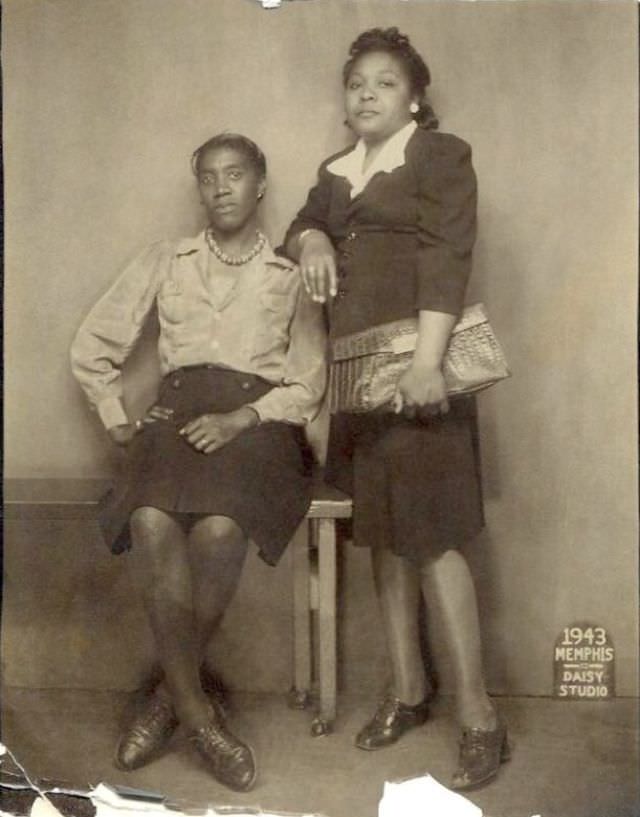
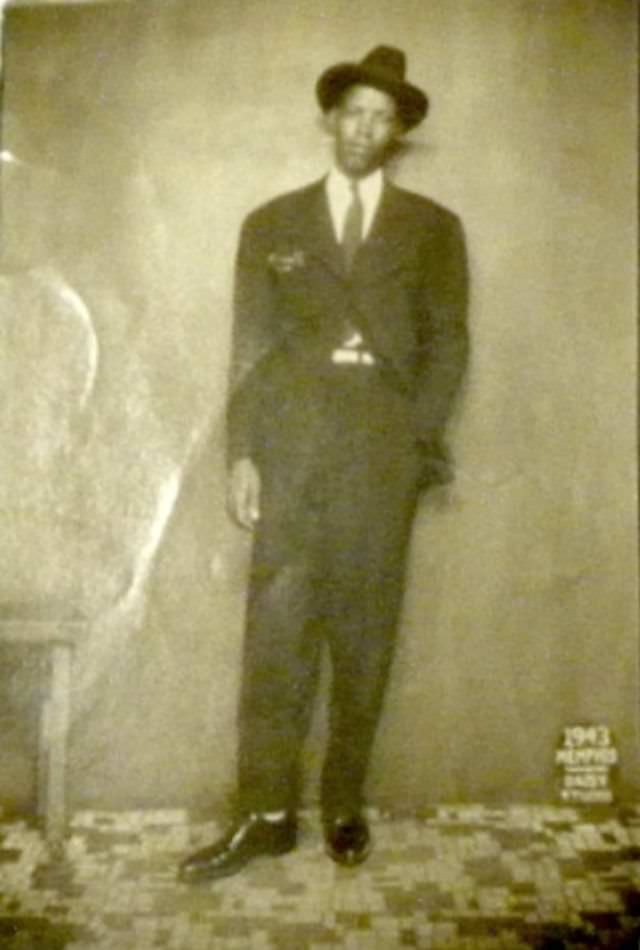
By 1942, the United States was deep into World War II, but life on Beale Street continued. The studio saw a steady stream of clients that year. Some came alone, turned out in sharp suits and polished shoes. Others came in groups, posing with friends for portraits that doubled as keepsakes.
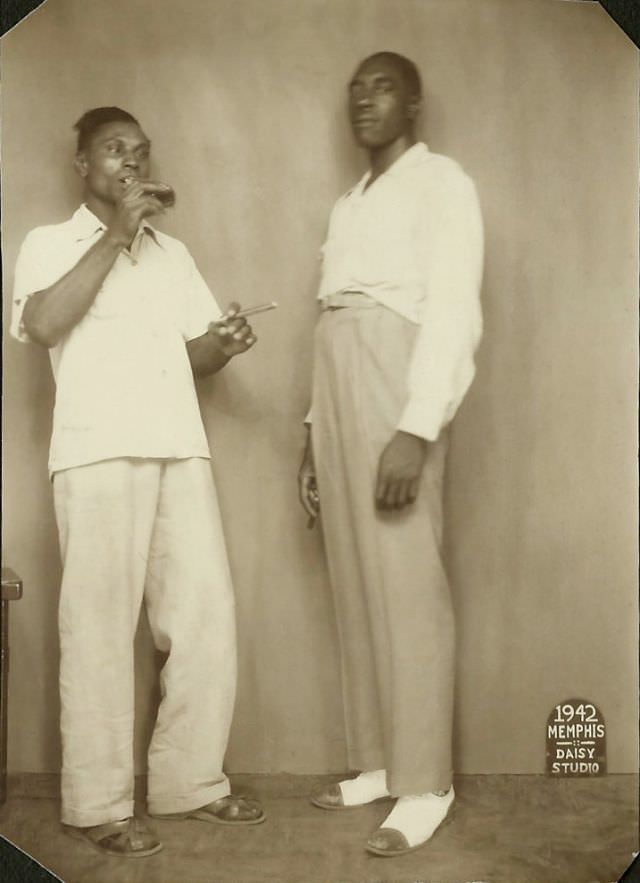
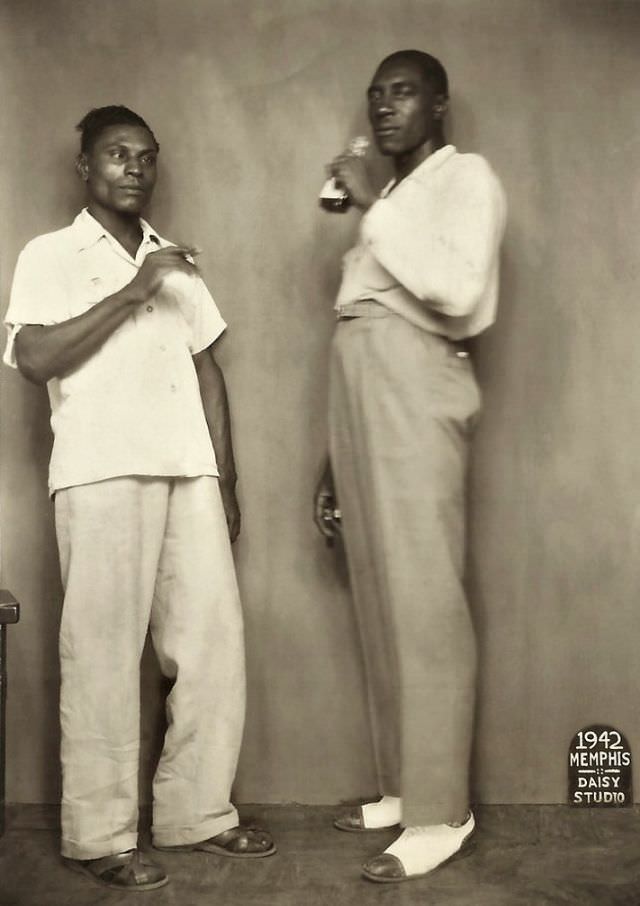
Couples and young people made up a large share of the studio’s clientele during 1942. A well-dressed couple posed with the same seriousness and pride found in portraits from much larger, more expensive studios of the day. Groups of young friends also came in, laughing and leaning into one another for group shots that captured real bonds between real people.
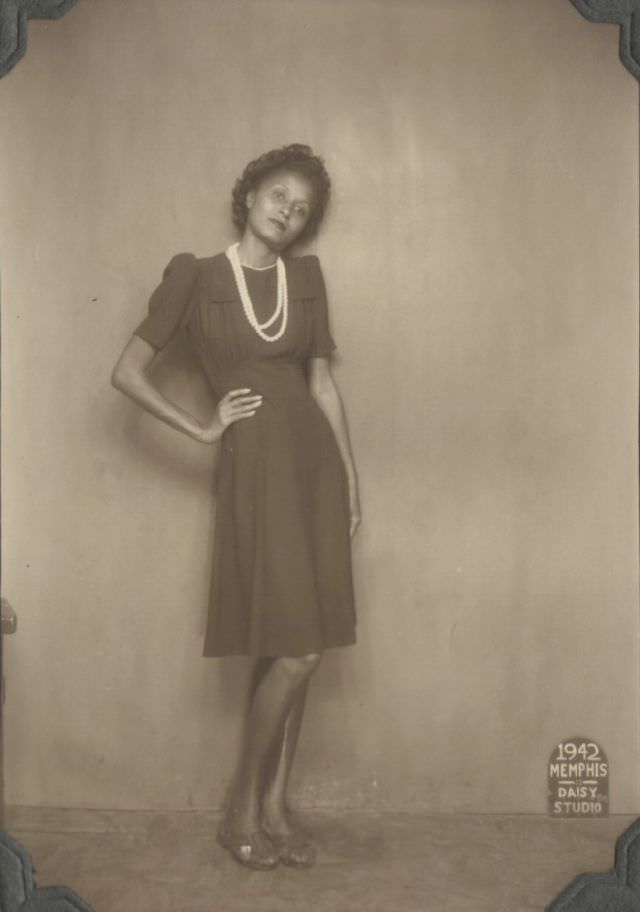
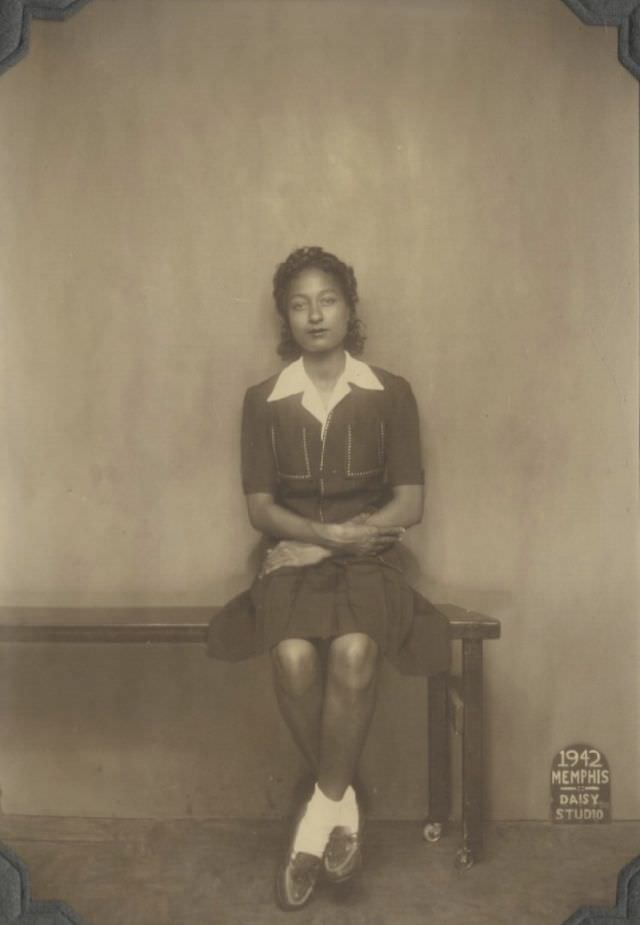
Young women also visited the studio on their own that year, sitting for portraits that were likely sent to family members or kept as personal mementos. These images show women confident in front of the camera, dressed and styled with obvious care.
In 1943, a couple identified on the back of their portrait as “Ethel + Boy Friend” came in for a sitting. Written inscriptions like this one are a small but meaningful detail — they remind us that these photographs were personal objects, passed between people who knew each other by name.
Other visitors to the studio that year included groups of friends and men sitting for solo portraits. Each image shares the same careful composition that was the Daisy Studio’s hallmark.
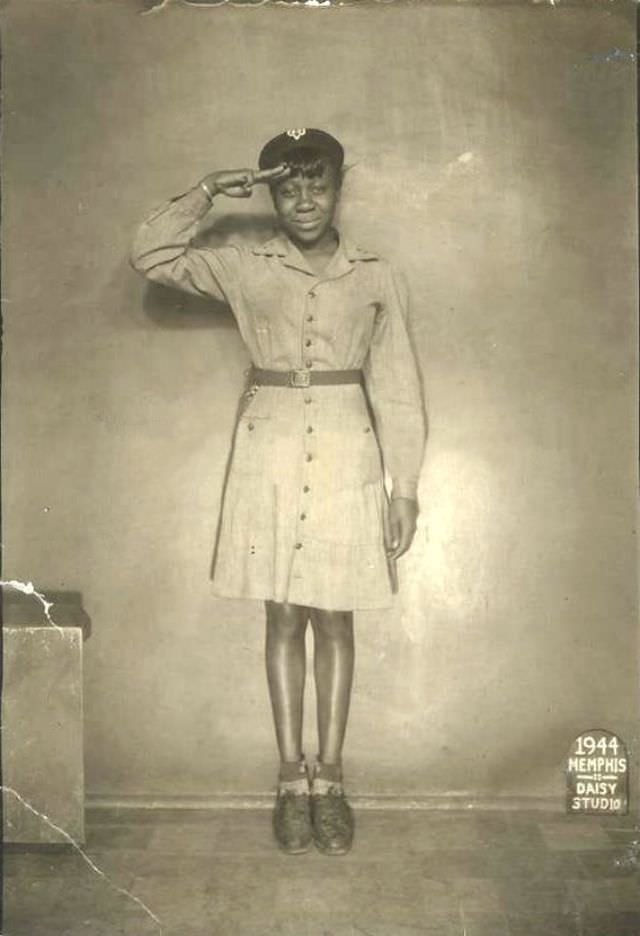
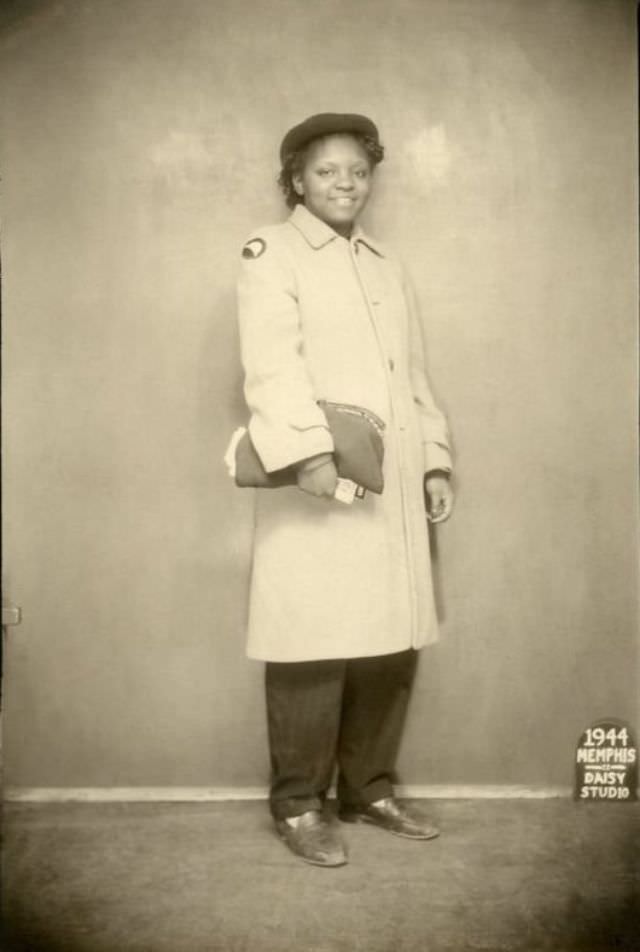
By 1944, younger subjects were also making the trip to 315 Beale Street. A Girl Scout in full uniform sat for a portrait that year — a formal record of an achievement or a milestone that mattered to her family. A young woman also visited the studio that year, producing one of the more striking solo portraits in the collection.
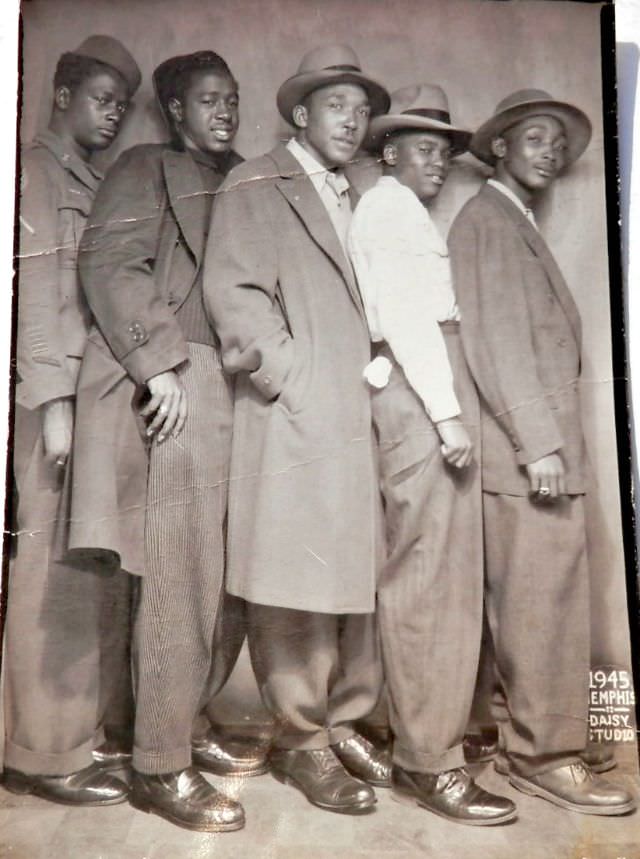
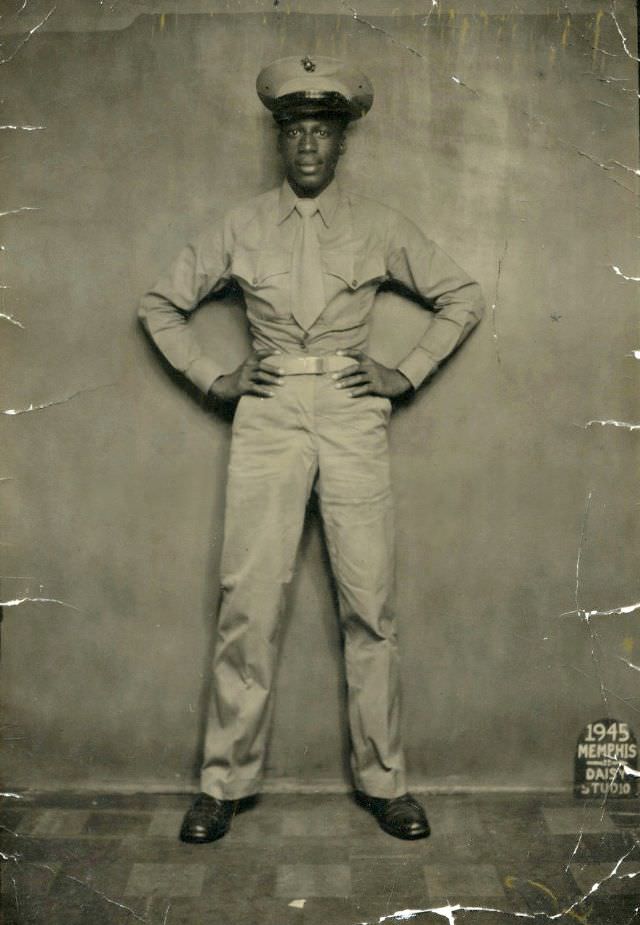
As the war neared its end in 1945, the studio continued to welcome Memphis residents. A group of five friends gathered for a portrait, and a U.S. Marine — likely home on leave or freshly returned from service — sat for a formal photograph in uniform. Portraits of servicemen taken at studios like Daisy were common throughout the war years, serving as both a personal record and a gift for loved ones left behind.