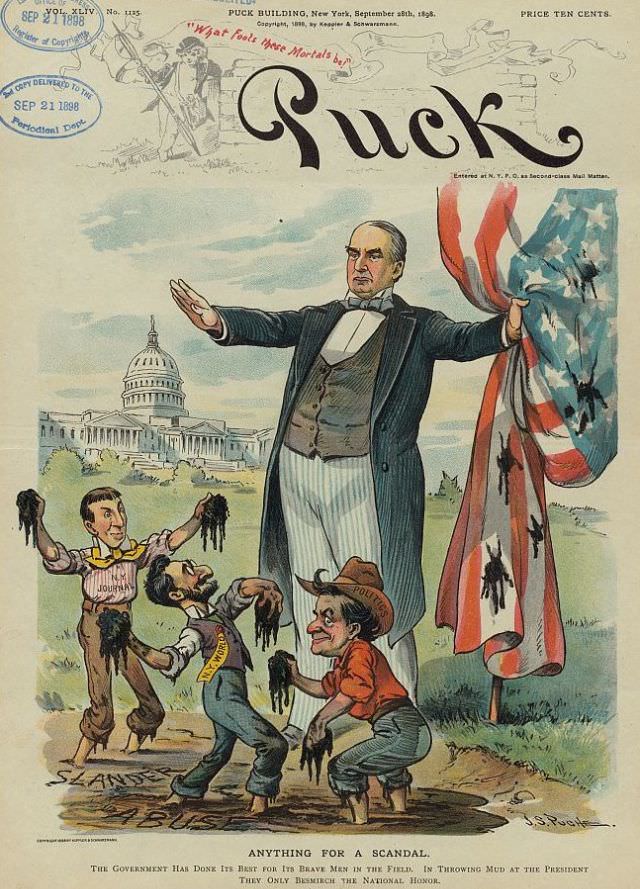
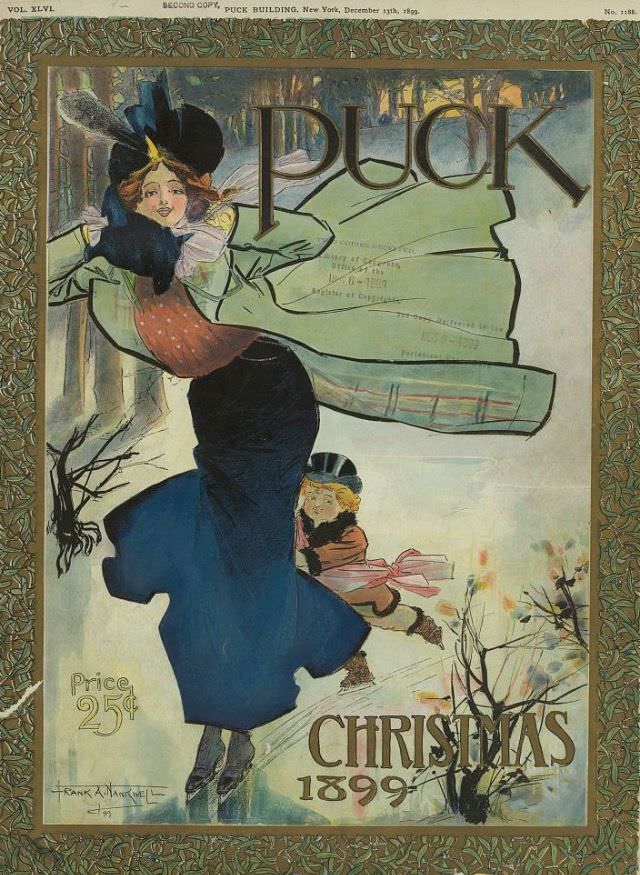
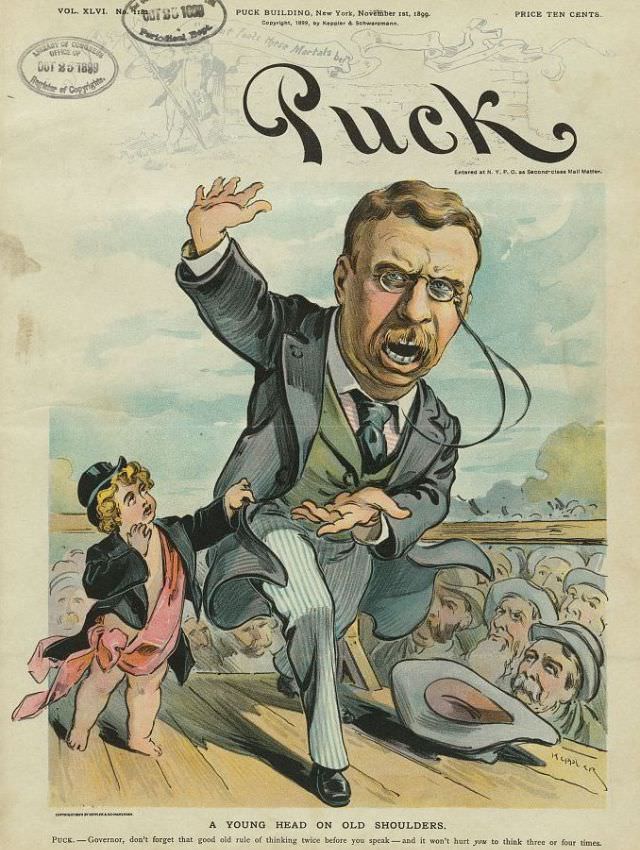
Puck magazine holds a unique place in American publishing history. Founded in 1871 by Austrian-born cartoonist Joseph Keppler, it was the first humor publication in the United States to feature cartoons, caricatures, and political satire. Keppler launched the magazine in German, and its first English-language edition followed in 1877. From that point on, Puck became a major voice in American public life, tackling subjects like Tammany Hall corruption and presidential politics throughout the late 19th and early 20th centuries.
The magazine’s name came straight from Shakespeare. The word “puckish” means
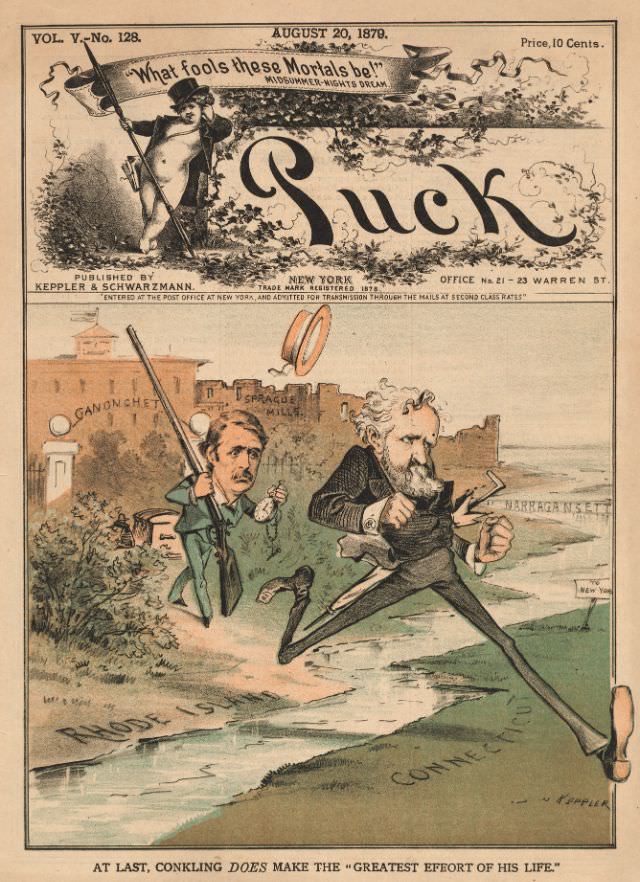
Puck was also a technical pioneer. It was the first weekly magazine in the United States to feature illustrated advertising, and it was the first to use full-color lithography printing. At a time when most publications ran in black and white, Puck’s bold, vibrant covers stood out on newsstands across the country. The quality of its artwork made each issue feel more like a piece of art than a weekly publication.
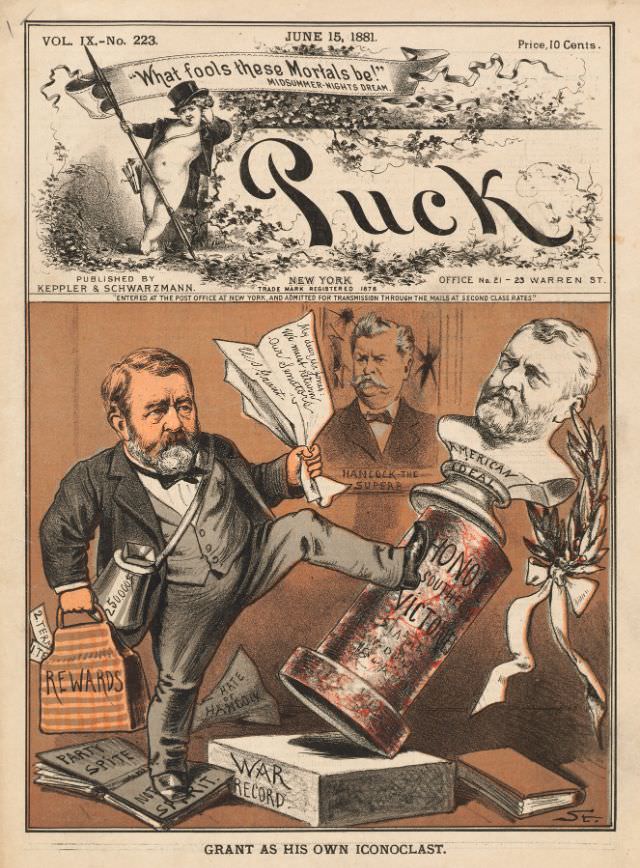
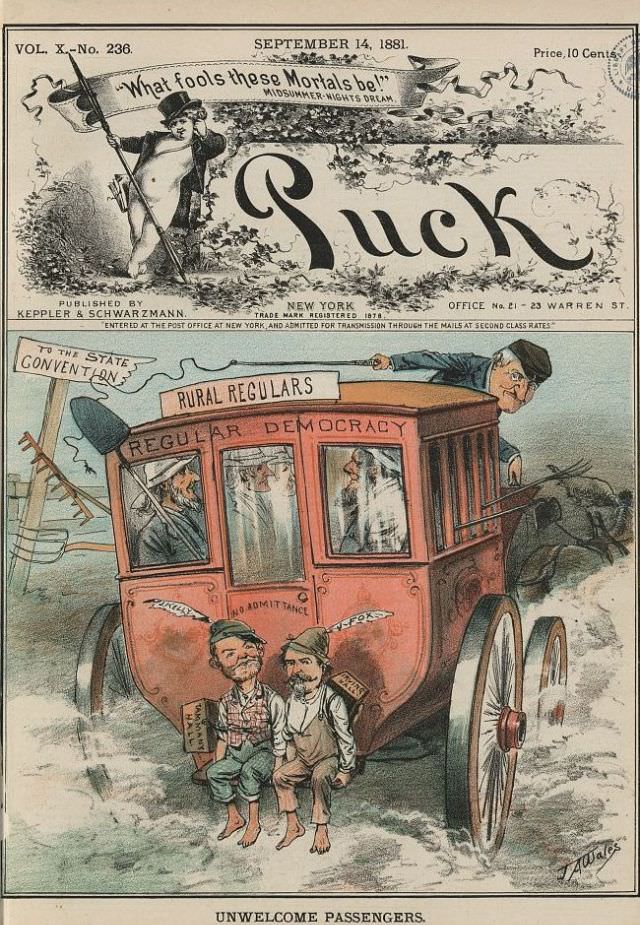
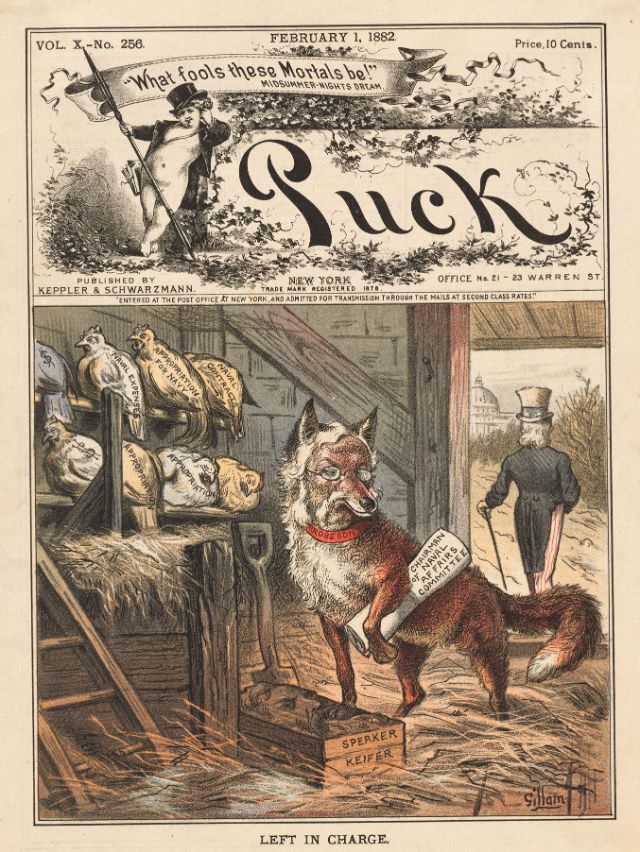
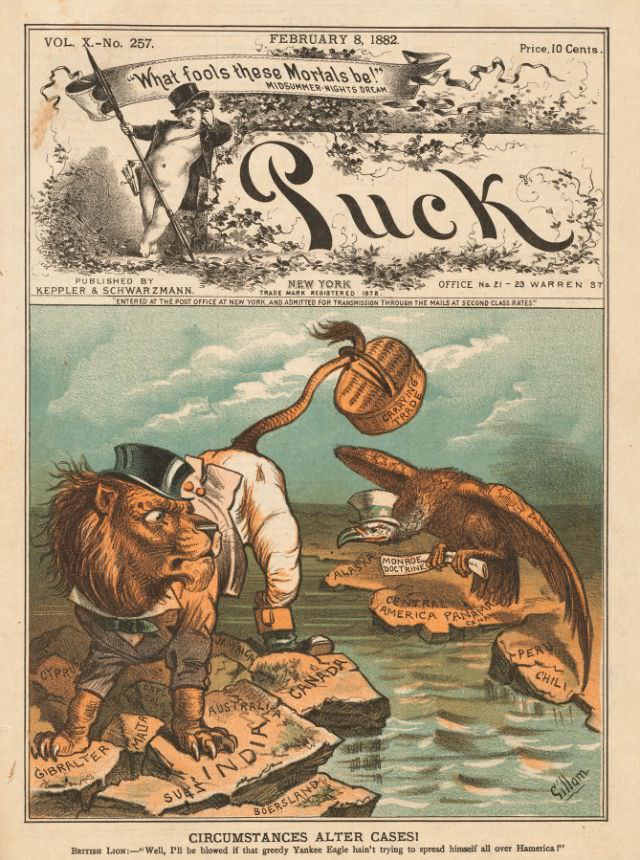
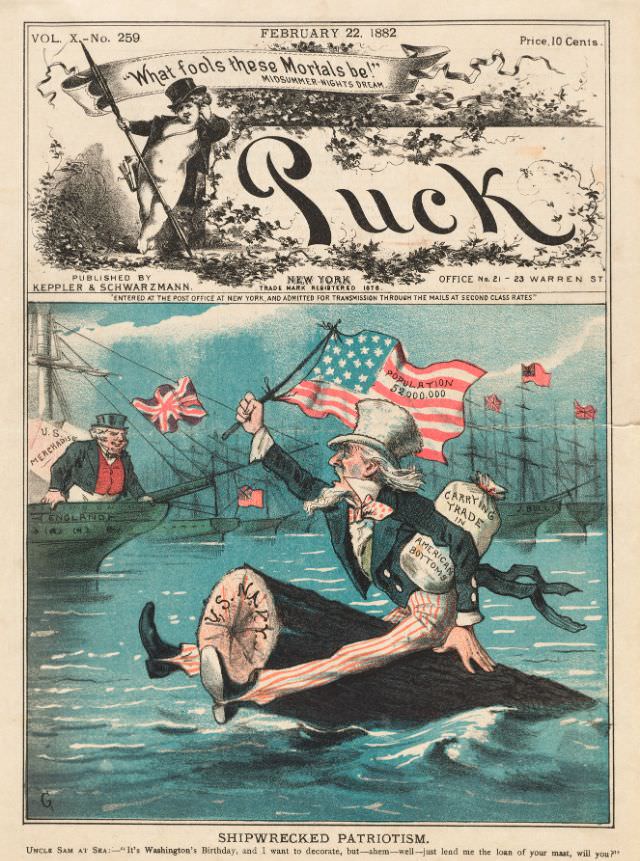
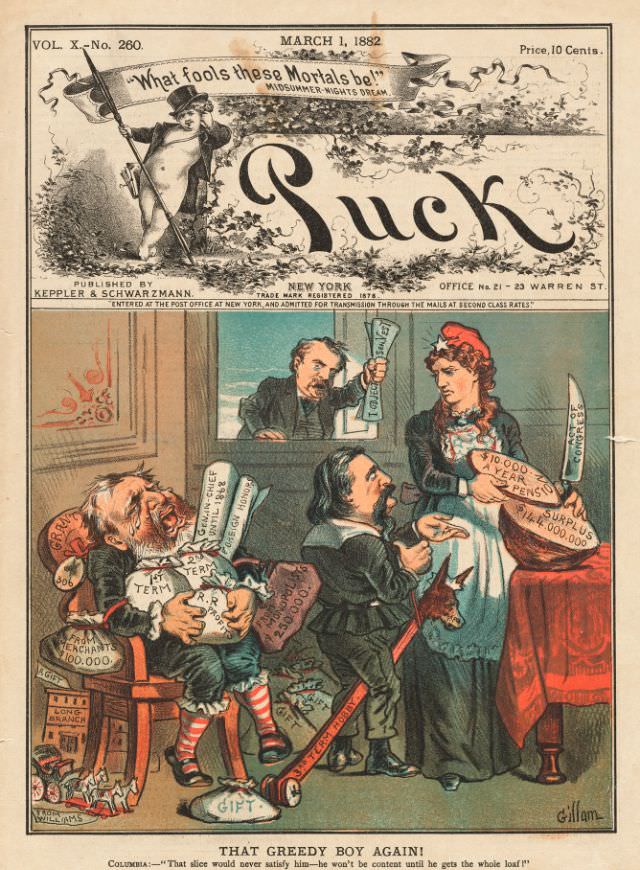
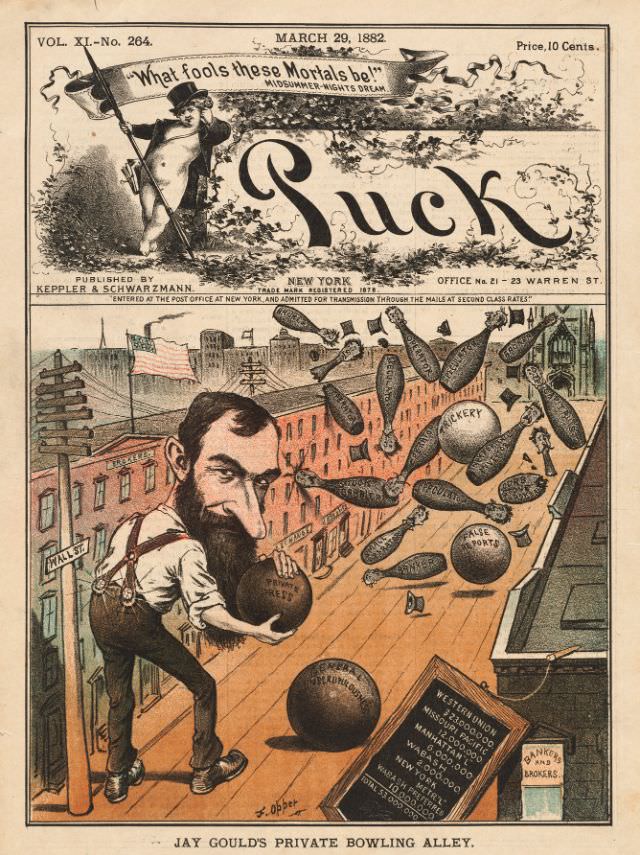
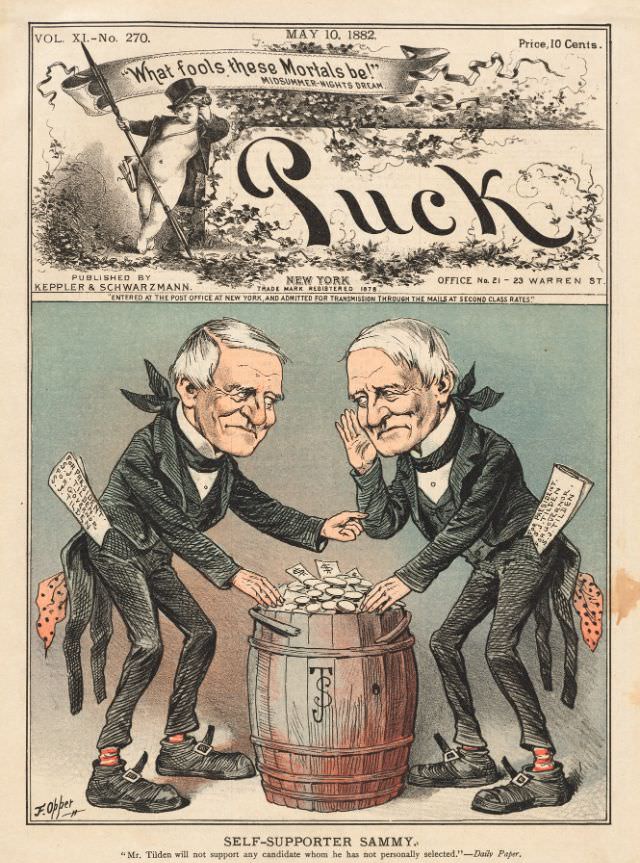
The early 1880s were a productive period for the magazine. Its covers during this time frequently reflected sharp political commentary, with artists using color and exaggerated illustration to skewer public figures and highlight social issues. The covers from 1882 alone show just how much ground the magazine covered week to week.
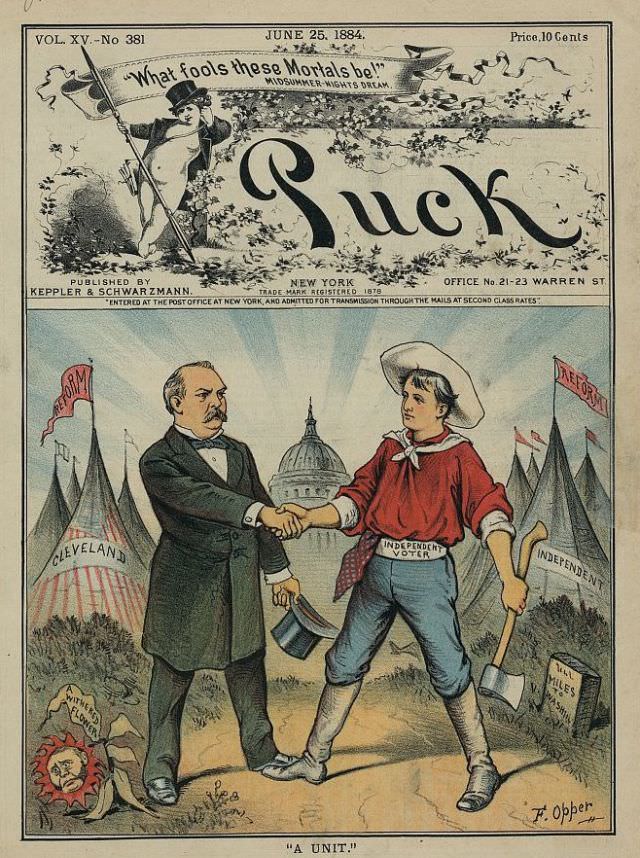
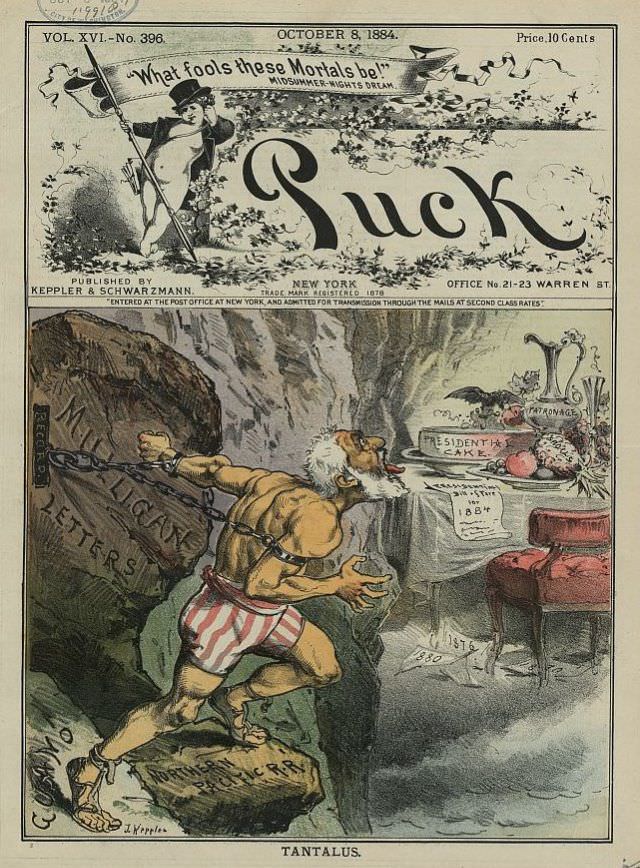
By 1883 and into 1884, the magazine’s covers had grown even bolder. Presidential election seasons gave Puck’s artists plenty of material to work with. The 1884 presidential race between Grover Cleveland and James G. Blaine was one of the most heavily satirized elections in the magazine’s history, and its covers from that year reflect the heat of the political moment.
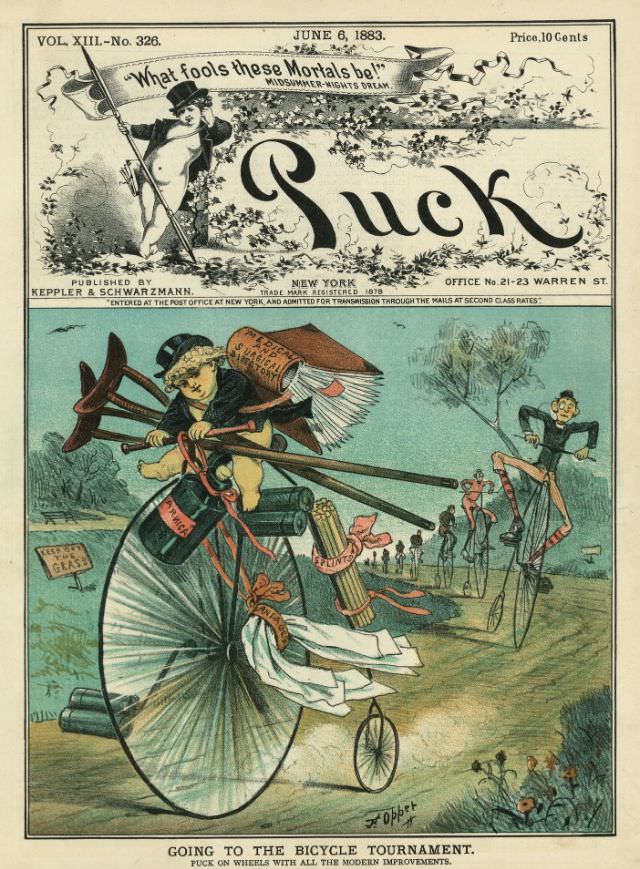
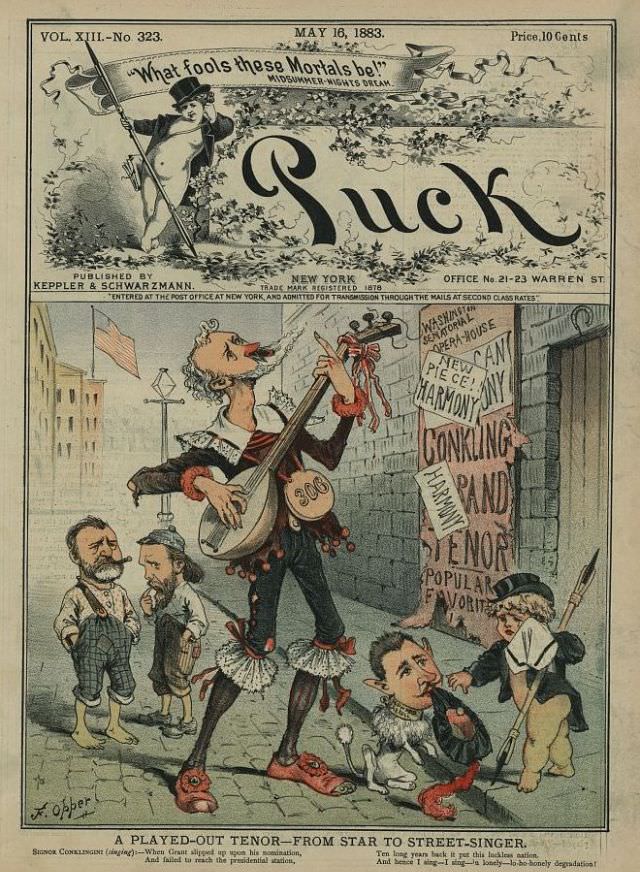
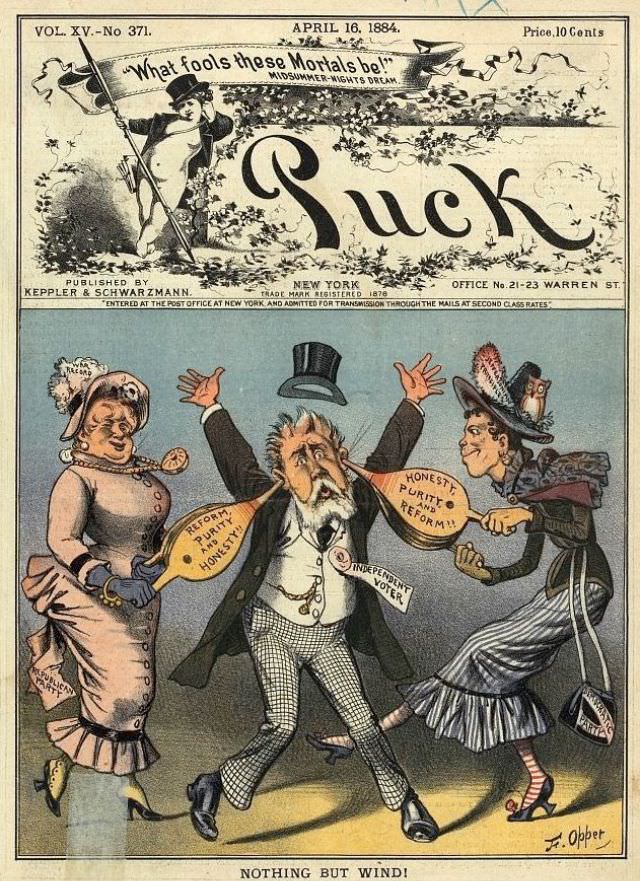
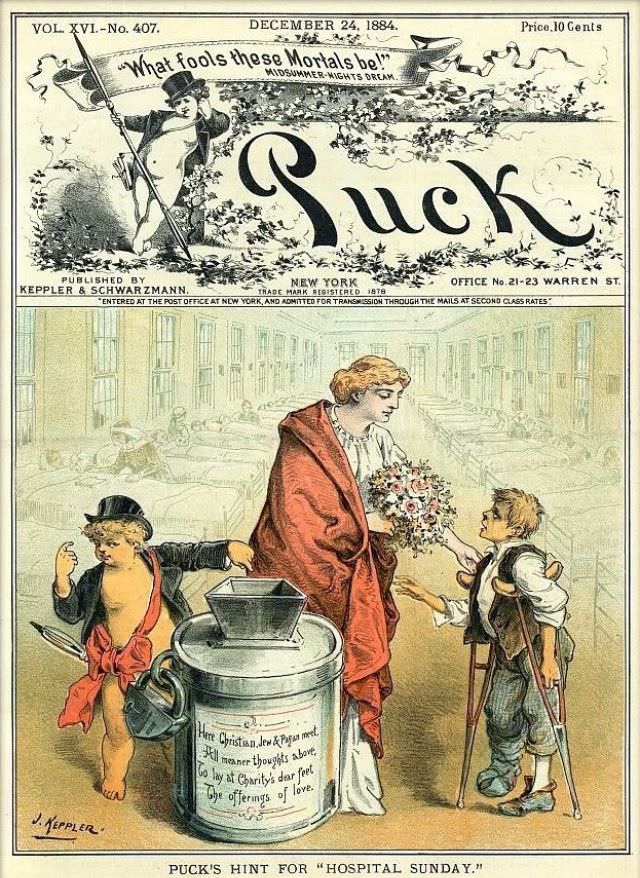
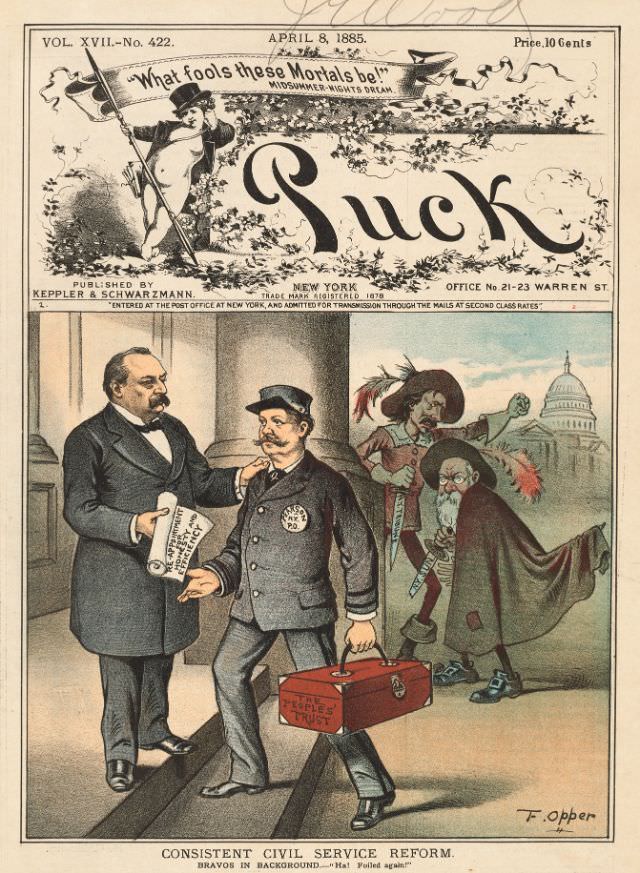
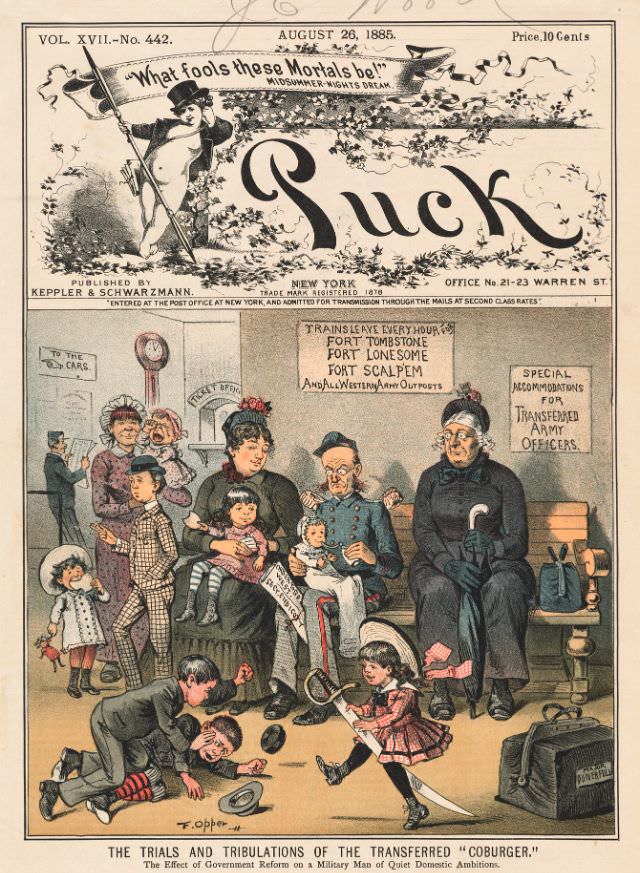
The mid-1880s brought a steady stream of memorable covers. The magazine published weekly, which meant its artists worked at a relentless pace to keep up with current events. The covers from 1885 show the range of the publication — from seasonal themes to hard-hitting political commentary — all rendered in the distinctive full-color lithographic style that set Puck apart.
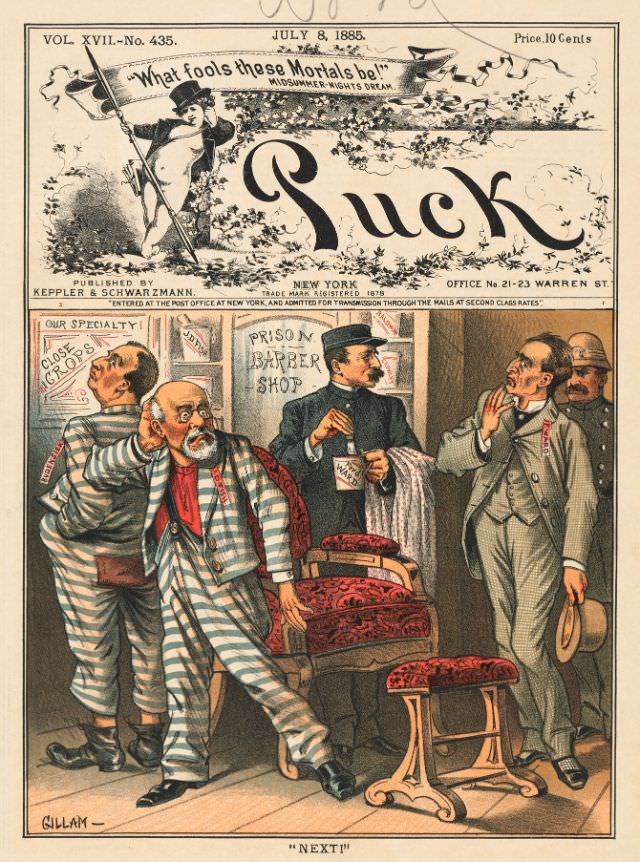
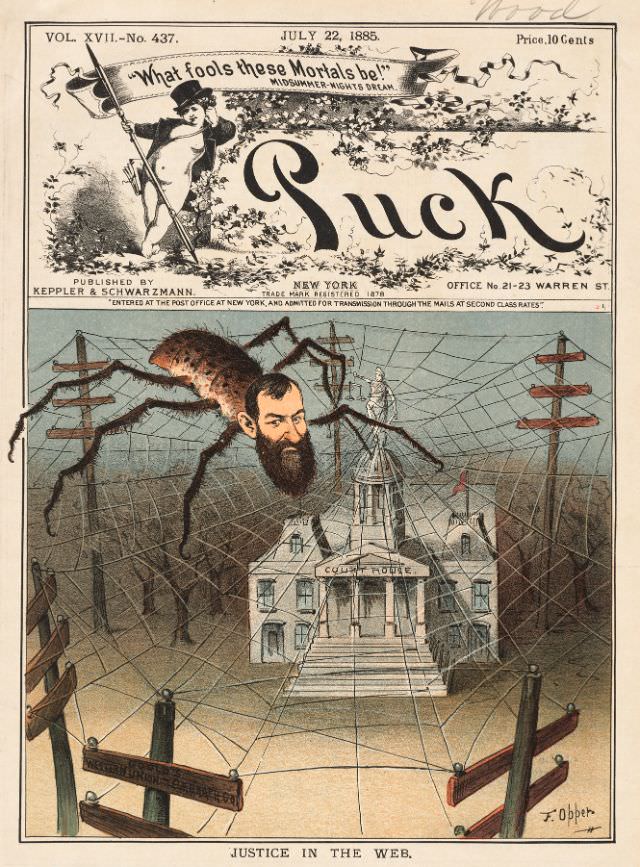
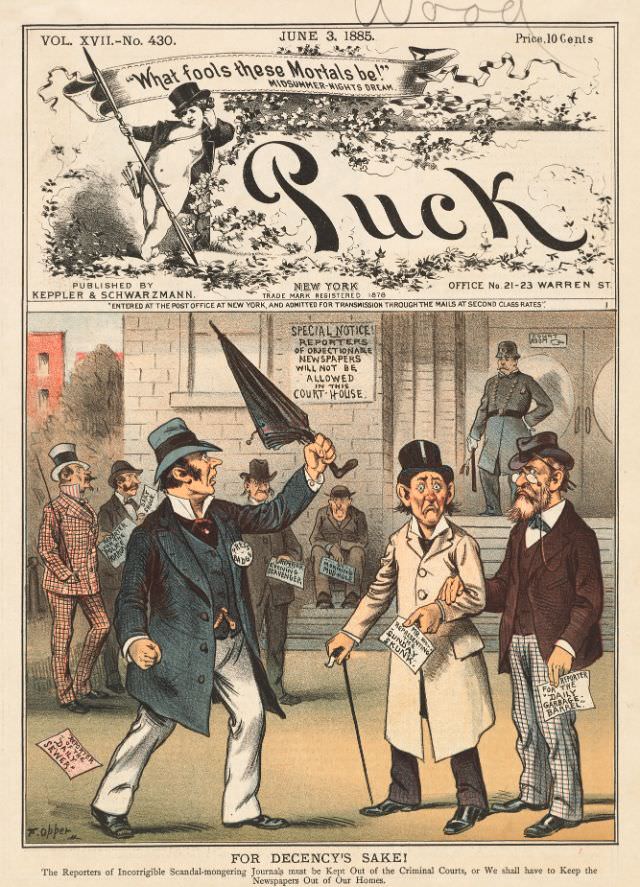
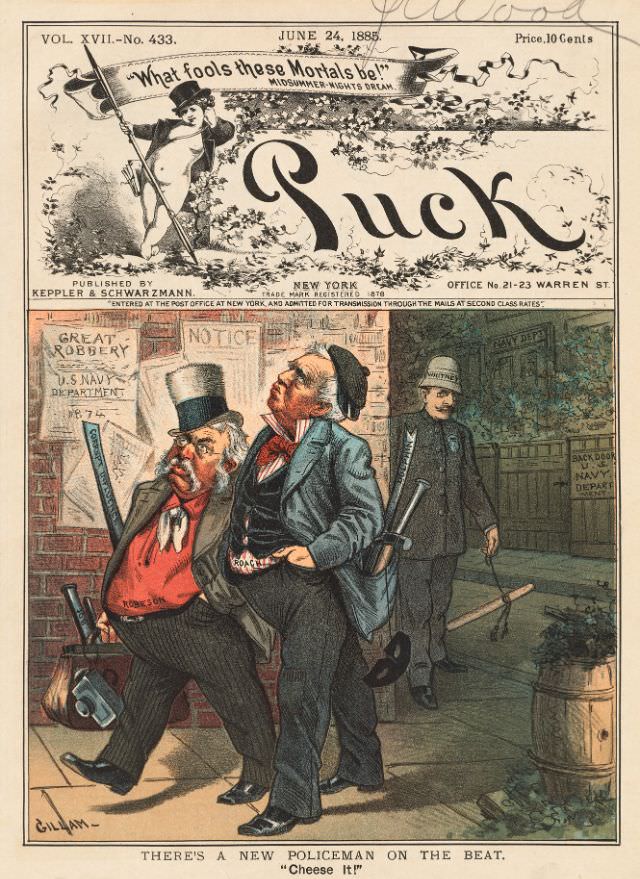
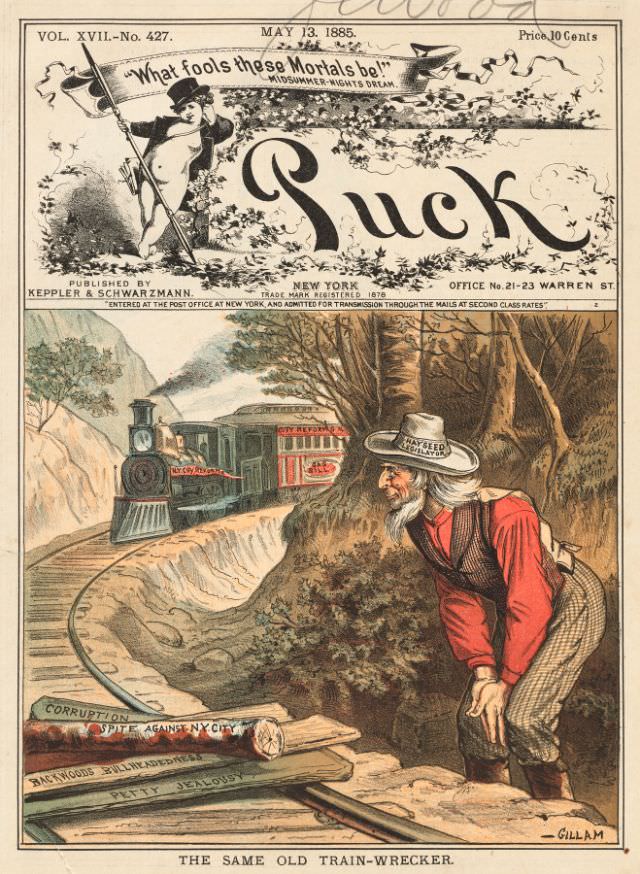
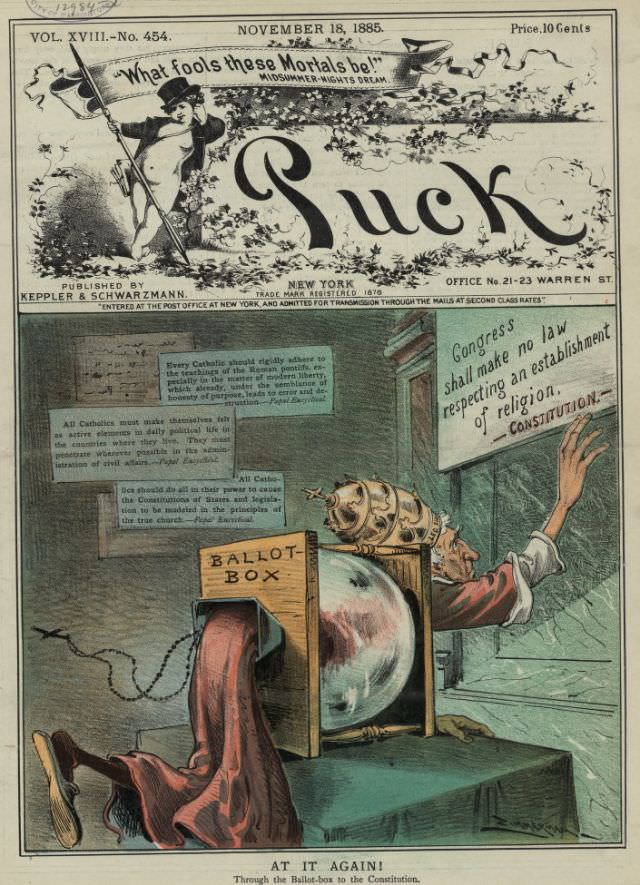
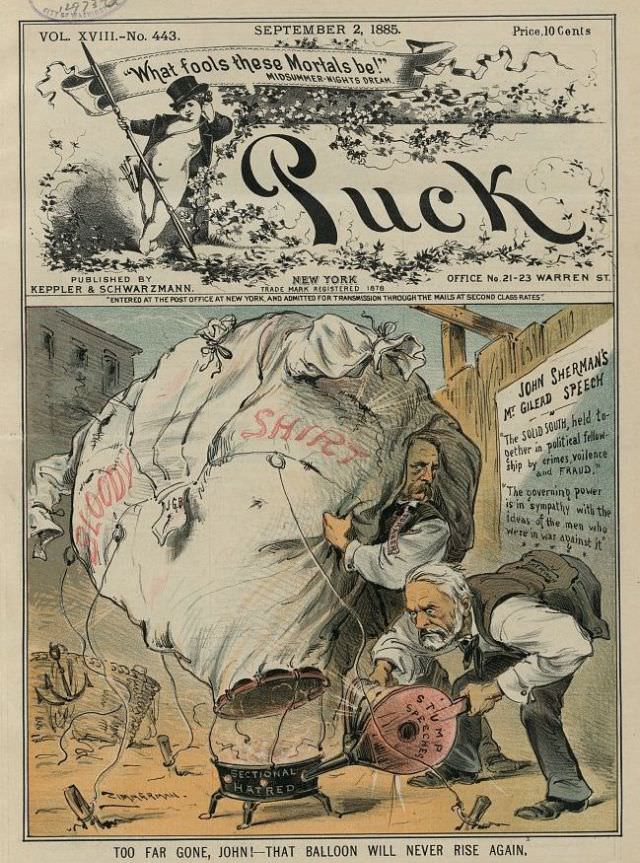
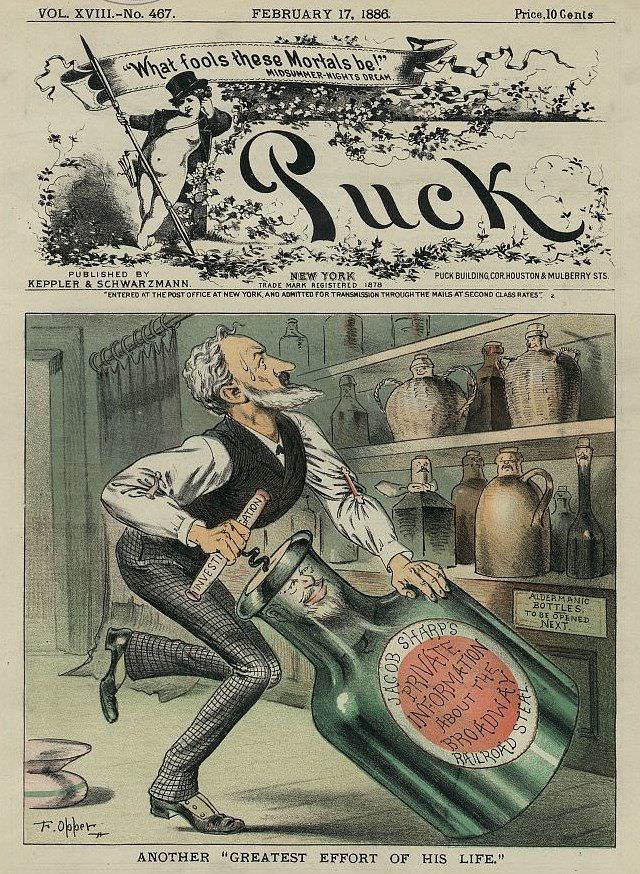
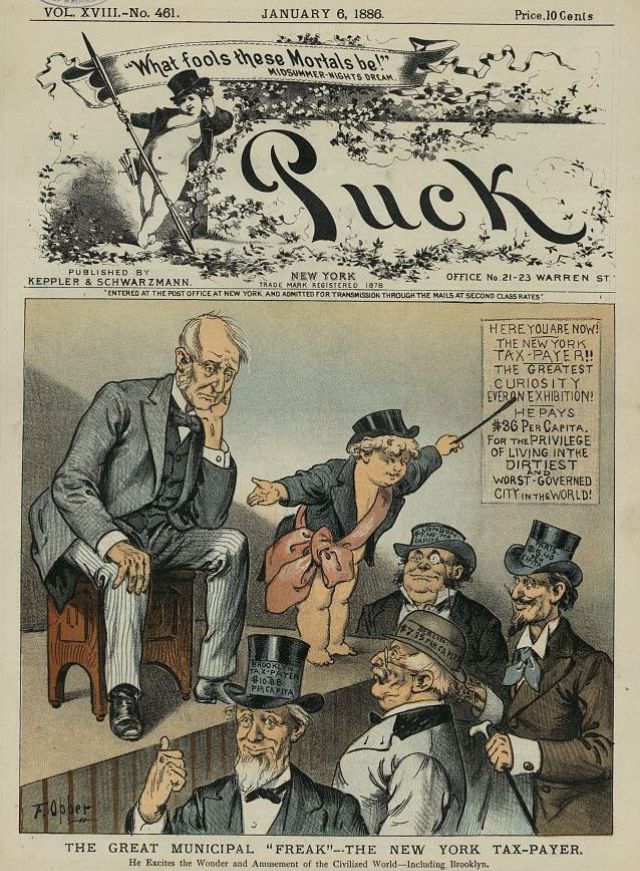
The covers from early 1886 continued the tradition of blending humor with pointed social observation. Puck never shied away from controversial subjects, and its readership expected nothing less. The magazine ran continuously until 1918, producing decades’ worth of illustrated commentary on American life.
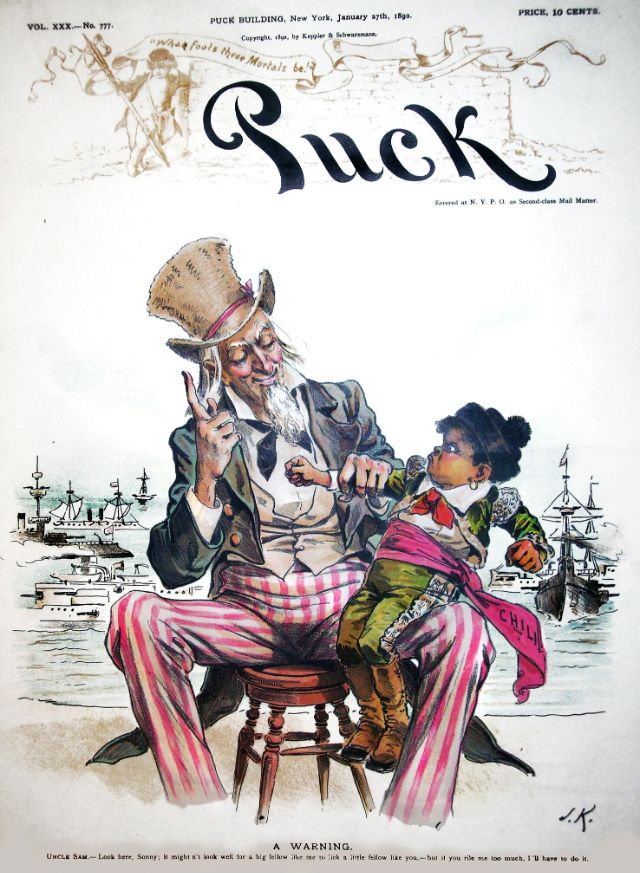
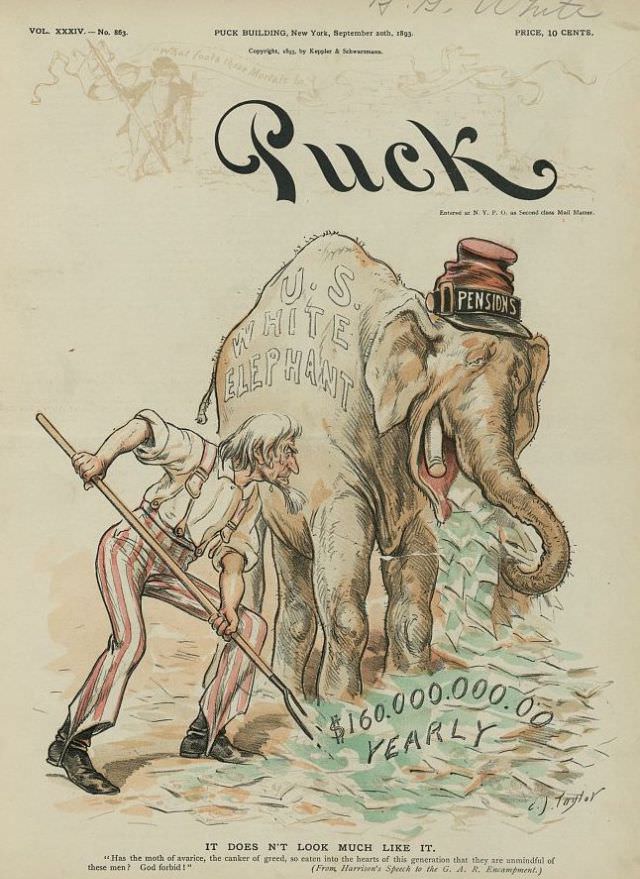
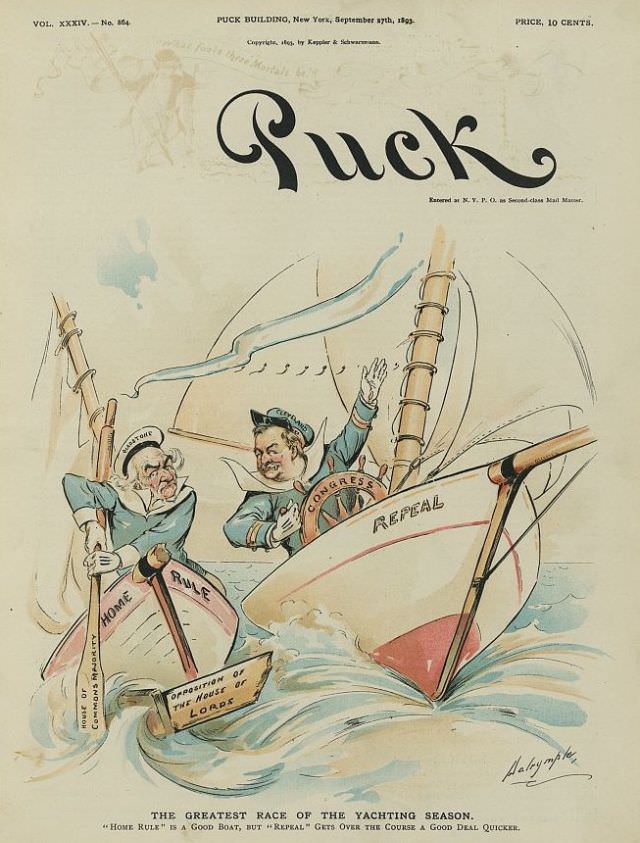
By the 1890s, the magazine’s artwork had evolved with the times. The covers from 1893 show a publication at full creative maturity, with rich colors and increasingly complex compositions. These years also coincided with the World’s Columbian Exposition in Chicago, a major cultural event that captured national attention.
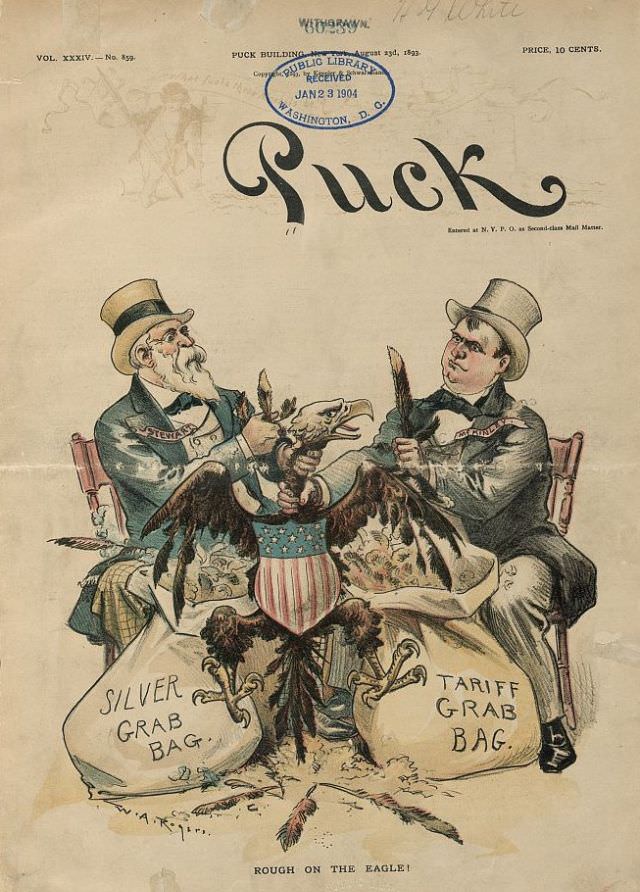
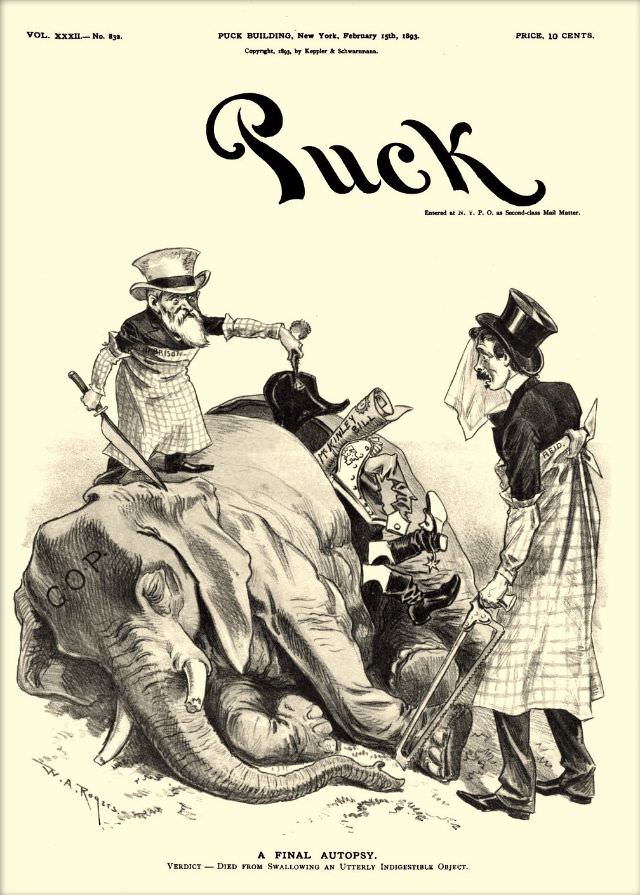
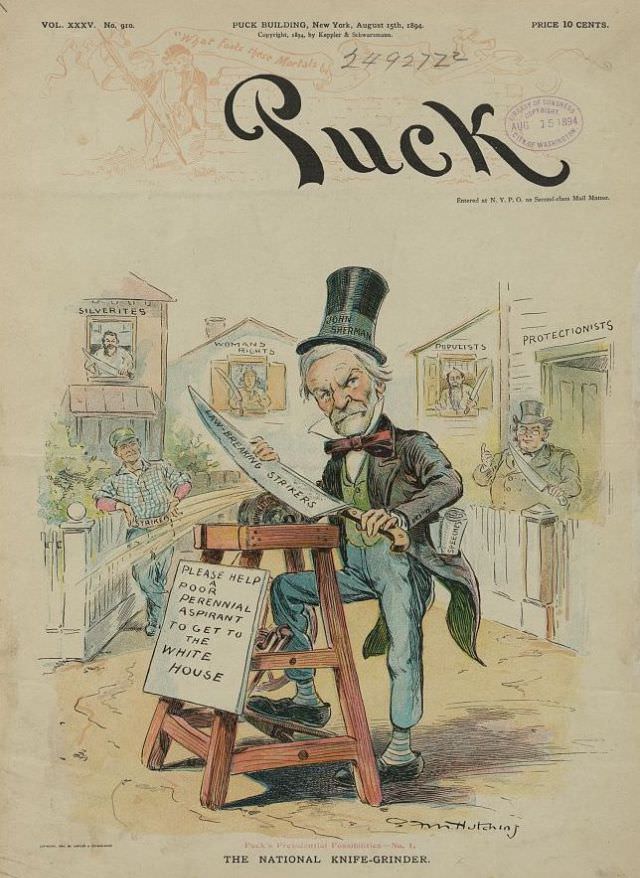
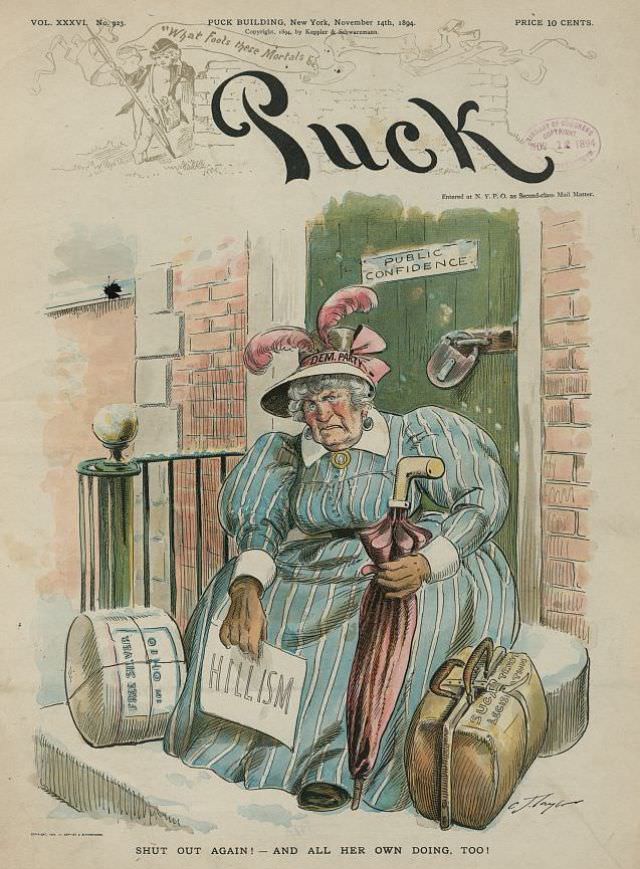
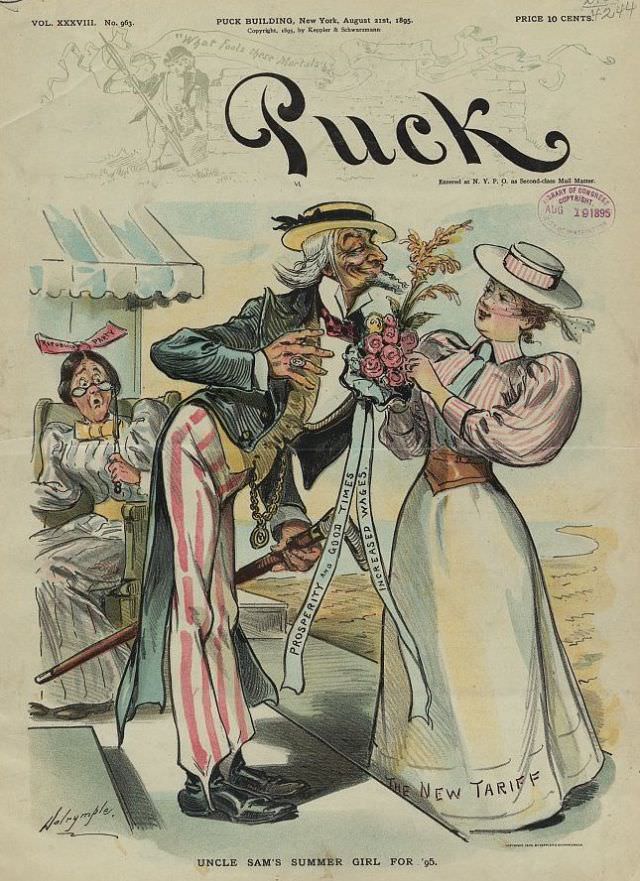
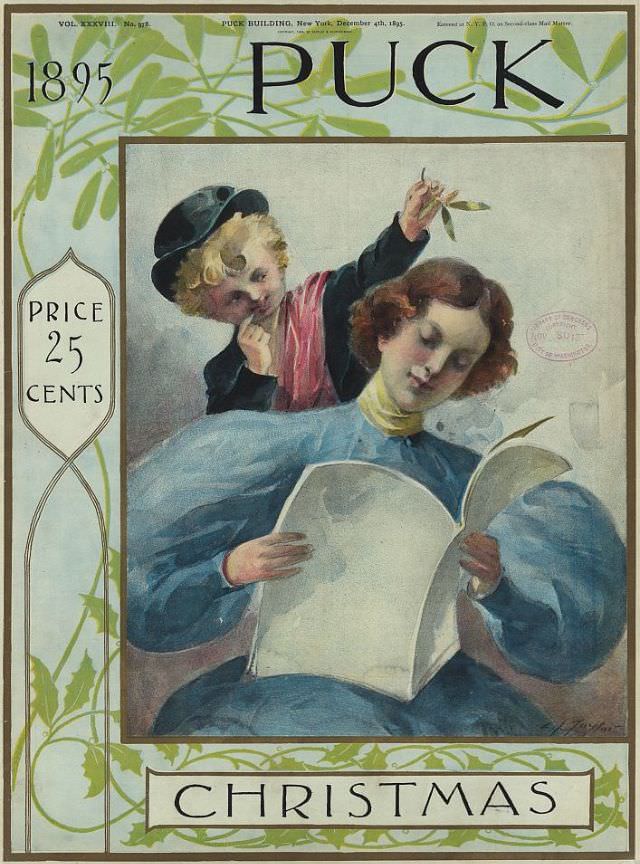
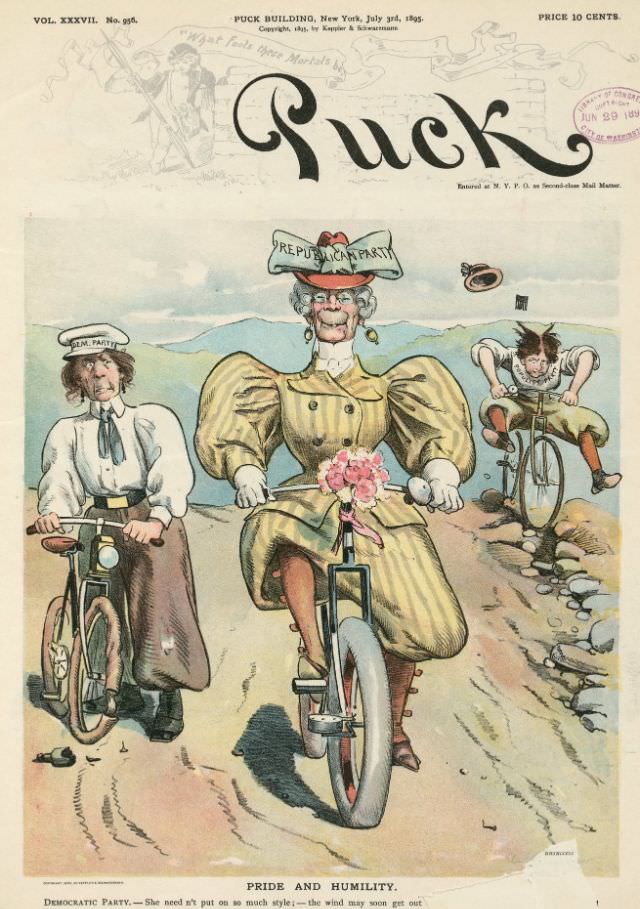
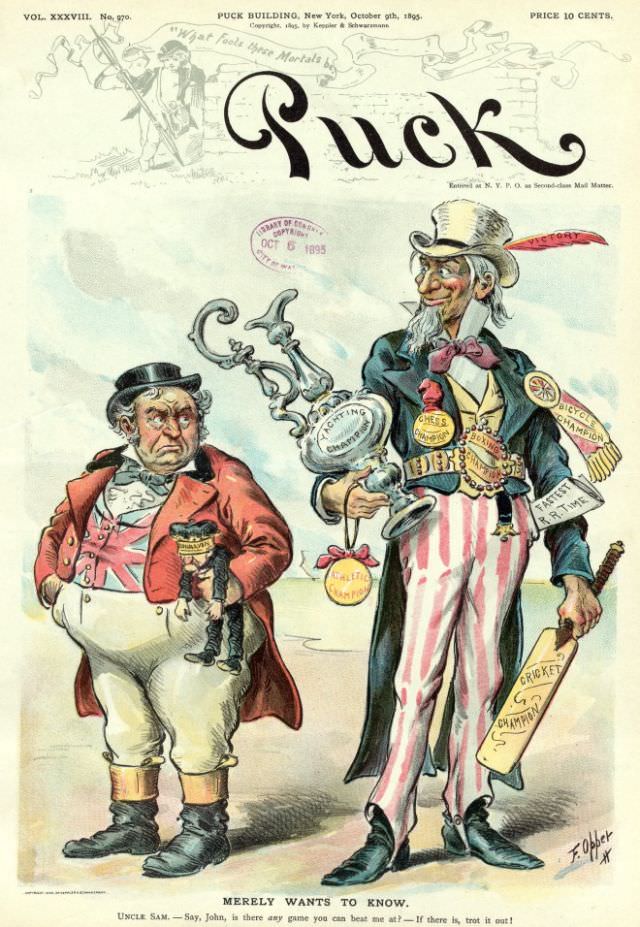
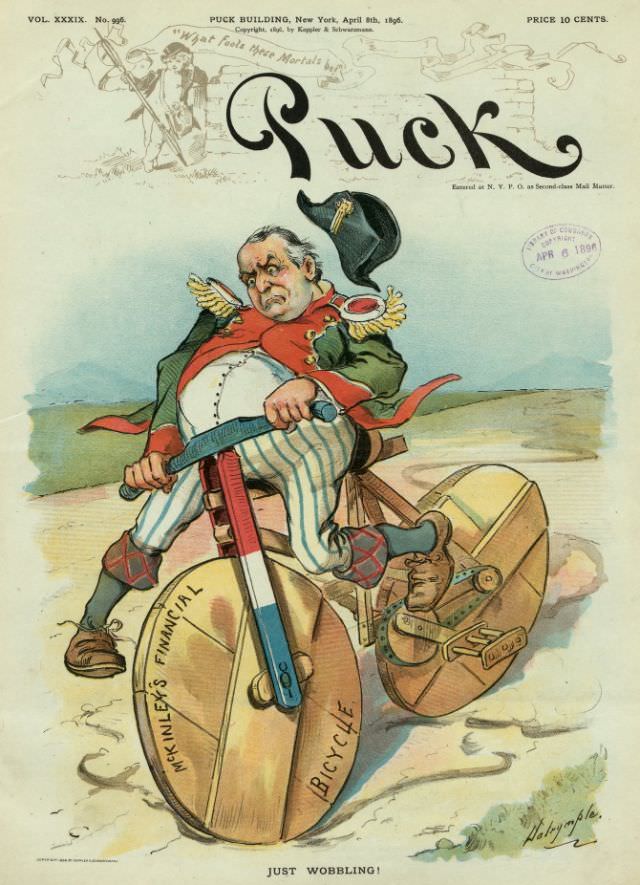
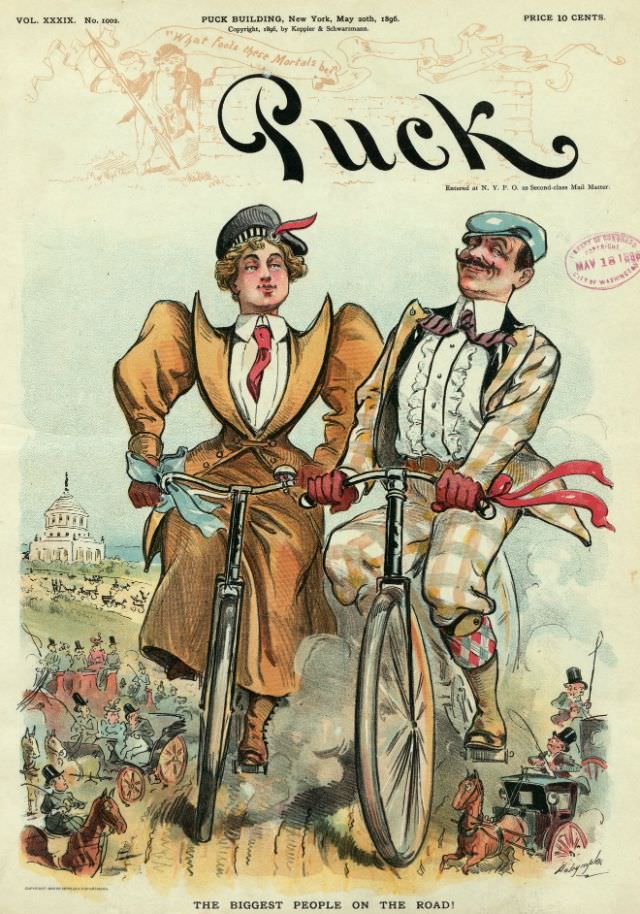
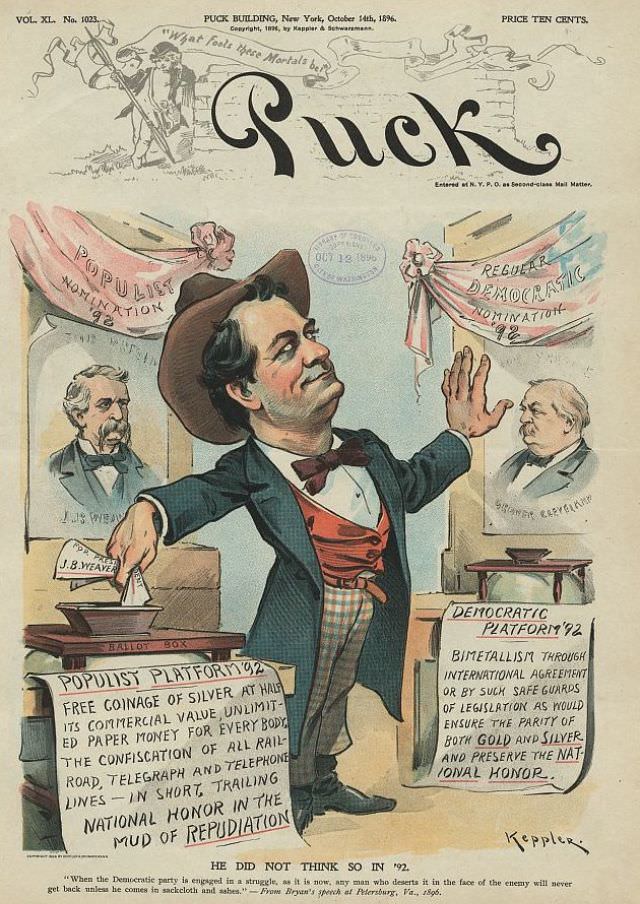
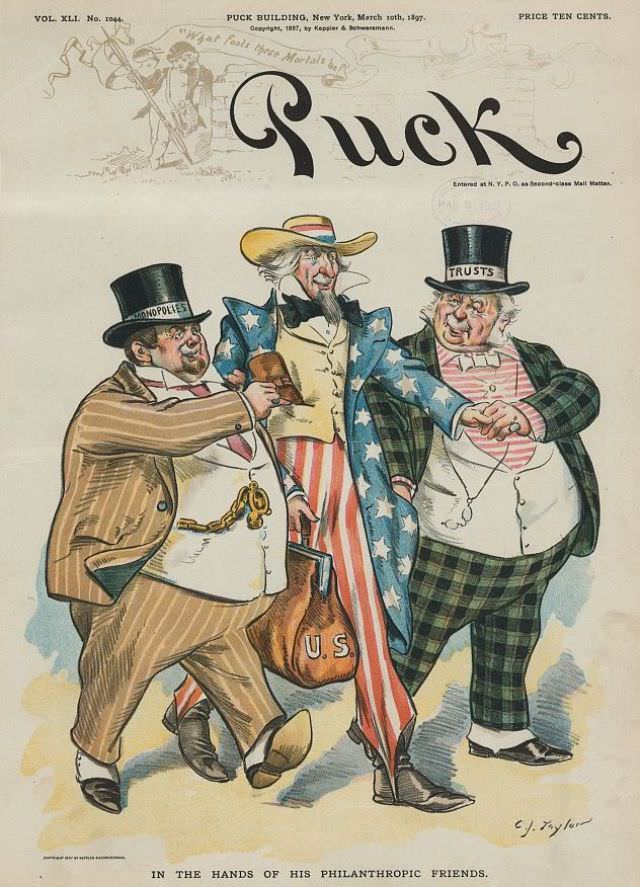
The late 1890s brought new political flashpoints, including the buildup to the Spanish-American War of 1898. Puck’s covers from this period capture the charged mood of the nation, with artists addressing imperialism, foreign policy, and national identity through sharp visual storytelling. The covers from 1895 through 1899 stand as some of the most historically rich in the magazine’s catalog.